
Bangkok stands as one of the world most dynamic cities. The Thai capital divides into 50 distinct administrative districts called khets. Each district tells its own story through unique culture, food, and attractions.
This guide walks you through every Bangkok district in Thailand. You’ll discover hidden gems beyond typical tourist spots. We’ll show you how to navigate each area and what makes it special.
Whether you’re planning your first visit or your tenth trip, understanding Bangkok’s district layout helps you experience the real city. Let’s explore what makes each neighborhood worth visiting.
Get Your Free Bangkok Districts Map
Download our comprehensive PDF guide with detailed maps of all 50 Bangkok districts, including MRT/BTS stations, key landmarks, and local food recommendations. Perfect for printing or saving to your phone for offline access.
Understanding Bangkok’s District System
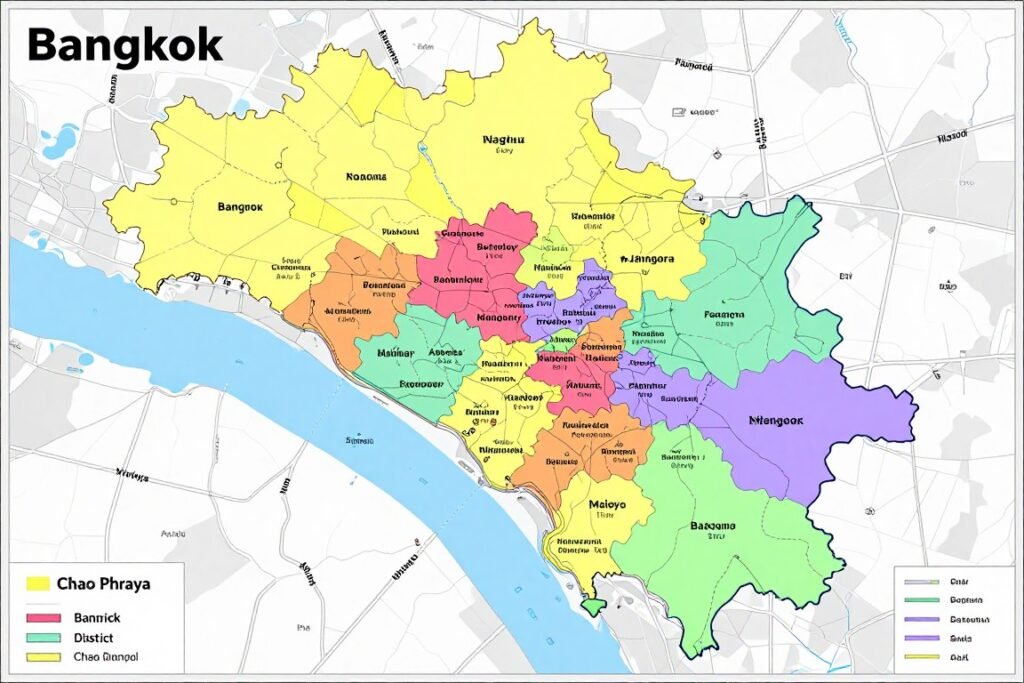
Bangkok divides into 50 administrative districts known as khets in Thai. The city government uses this system to manage the sprawling metropolis that’s home to over 10 million people. Each district has its own character shaped by history and development.
The khet system started in 1972 when Bangkok merged with Thonburi province. Before that, the city used a different organizational structure. Today’s districts range from tiny Pom Prap Sattru Phai at just 1.8 square kilometers to vast Lat Krabang covering 124 square kilometers.
How Districts Differ from Neighborhoods
Visitors often confuse official districts with neighborhood names. Sukhumvit isn’t a district but a road that runs through several khets. Similarly, Khao San Road sits within Phra Nakhon district.
Each district contains multiple neighborhoods. These smaller areas often keep historical names that locals still use today. Understanding this helps when asking for directions or reading addresses.
Why District Knowledge Matters for Travelers
Knowing your district helps with navigation and safety. Police stations, hospitals, and government offices organize by khet. Taxi drivers use district names to understand destinations better than street addresses.
Different districts have different vibes and price points. Budget travelers might prefer districts like Bang Kapi. Business visitors typically choose Pathum Wan or Vadhana. Understanding districts helps you pick the right area for your needs.
Central Districts
These areas form Bangkok’s historical and commercial heart with the highest concentration of hotels and attractions.
- Phra Nakhon – Old City and Grand Palace
- Pathum Wan – Shopping and business hub
- Vadhana – Modern Sukhumvit area
- Sathon – Financial district
Riverside Districts
Districts along the Chao Phraya River offer cultural experiences and scenic waterfront locations.
- Bangkok Yai – Thonburi temples
- Bang Kho Laem – River communities
- Khlong San – Local markets
- Phra Pradaeng – Green lung area
Residential Districts
Local neighborhoods where Bangkok residents live, offering authentic experiences away from tourist crowds.
- Bang Kapi – Middle-class residential
- Huai Khwang – Local markets and food
- Din Daeng – Commuter neighborhoods
- Ratchathewi – Mixed residential-commercial
Outer Districts
Suburban areas at Bangkok’s edges, featuring industrial zones, airports, and emerging developments.
- Lat Krabang – Suvarnabhumi Airport area
- Don Mueang – Northern airport district
- Bang Khun Thian – Southern suburbs
- Nong Chok – Agricultural outskirts
Phra Nakhon District (พระนคร)
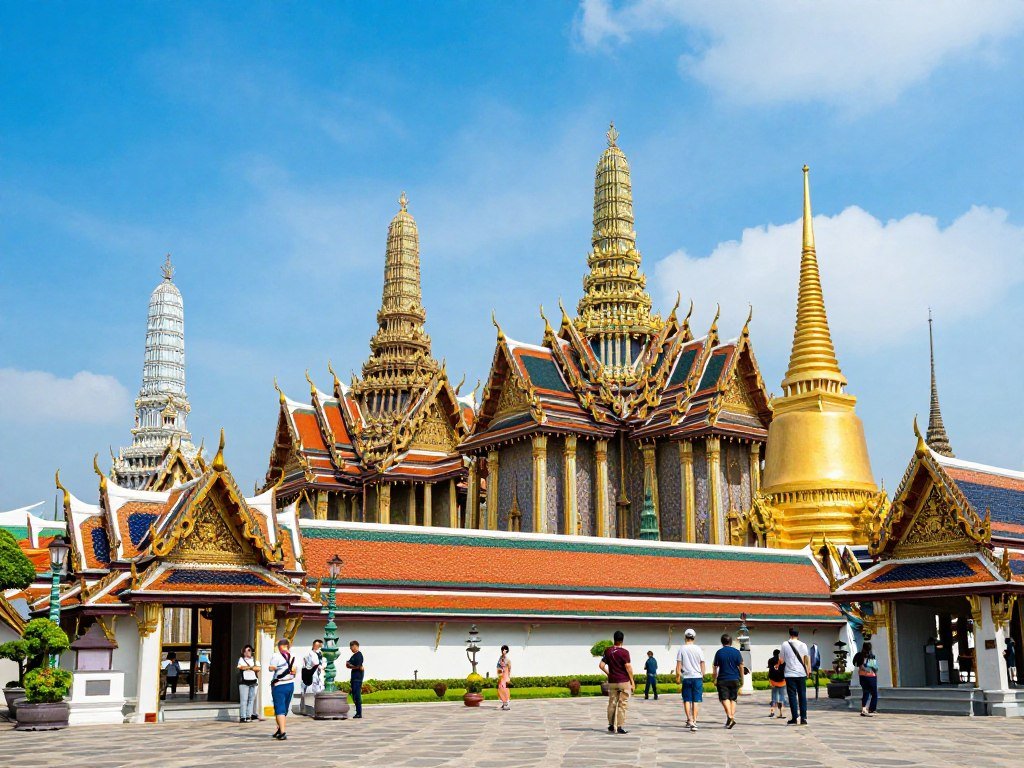
Phra Nakhon stands as Bangkok’s historical heart. This district holds the Grand Palace, major temples, and the original settlement that became Thailand’s capital. Walking these streets means stepping back through centuries of Thai history.
Places of Interest in Phra Nakhon
The Grand Palace complex dominates any visit to this district. Built in 1782, it served as the royal residence for 150 years. The Temple of the Emerald Buddha sits within the palace grounds. Visitors need modest clothing covering shoulders and knees.
Wat Pho lies just south of the Grand Palace. This temple houses a massive reclining Buddha statue measuring 46 meters long. The temple also runs Thailand’s most respected traditional massage school. You can get an authentic Thai massage here.
Khao San Road cuts through the district’s western section. This famous backpacker street buzzes with budget hotels, bars, and street food stalls. The scene stays lively until late at night. Despite its reputation, Khao San has evolved to include boutique hotels and cafes.
The Democracy Monument marks a significant political landmark. This Art Deco structure commemorates Thailand’s 1932 transition to constitutional monarchy. The surrounding area fills with history and local eateries.
Local Food in Phra Nakhon
Phra Nakhon offers some of Bangkok’s oldest food traditions. Street vendors around Khao San serve pad thai and mango sticky rice to hungry travelers. Prices stay budget-friendly here.
The area near Wat Pho has several traditional Thai restaurants. Err Urban Rustic Thai serves creative takes on classic dishes. The restaurant focuses on recipes from different Thai regions.
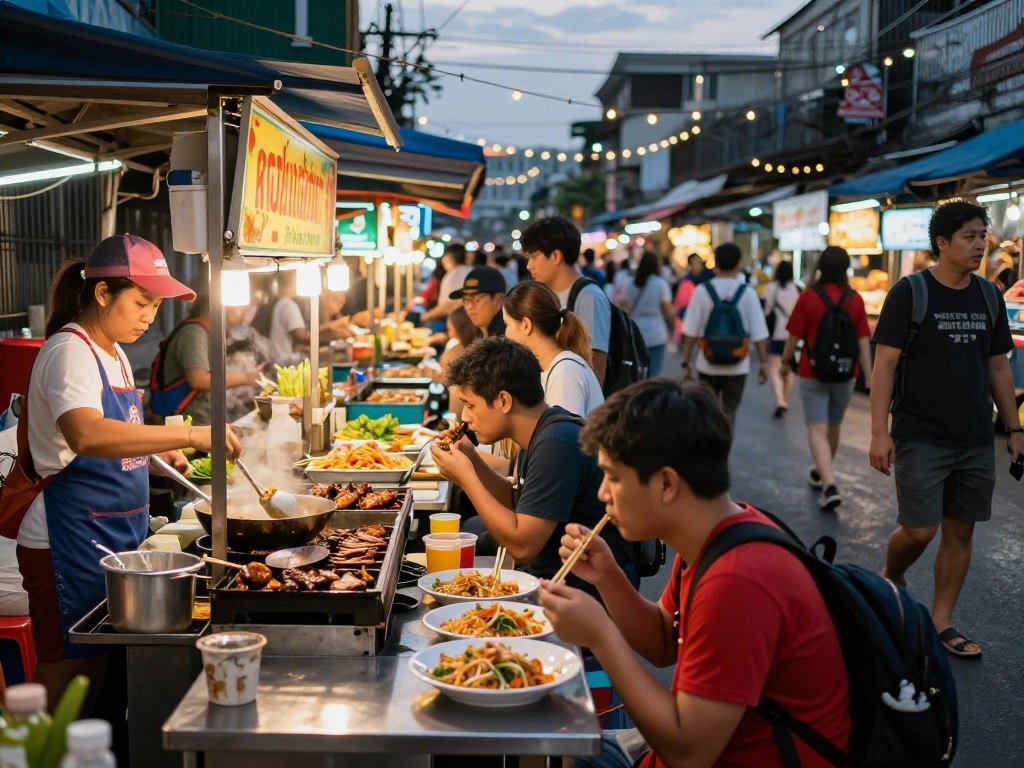
Local markets provide authentic eating experiences. Tha Tien Market near the river sells fresh produce and ready-to-eat meals. Locals shop here in the early morning hours.
How to Travel to Phra Nakhon
No BTS or MRT stations serve Phra Nakhon directly. The Sanam Chai MRT station opened in 2019 on the southern edge. From there, it’s a short walk to major temples.
River boats provide the most scenic route. The Chao Phraya Express Boat stops at several piers along the district. Tha Tien Pier serves Wat Pho. Maharaj Pier puts you near the Grand Palace.
Taxis and tuk-tuks work but expect traffic during day hours. Many drivers try to overcharge tourists near popular temples. Always insist on using the meter or agree on price before starting.
Travel Tips for Phra Nakhon
Visit major temples early morning to beat crowds and heat. The Grand Palace opens at 8:30 AM. Arriving right at opening gives you quieter photo opportunities.
Watch for scams near tourist sites. Common tricks include fake temple closures and gem shop tours. Ignore touts who approach unsolicited.
Dress appropriately for temple visits. Vendors outside sell suitable clothing if you arrive unprepared. Shoes come off before entering temple buildings.
Best Hotels in Phra Nakhon District
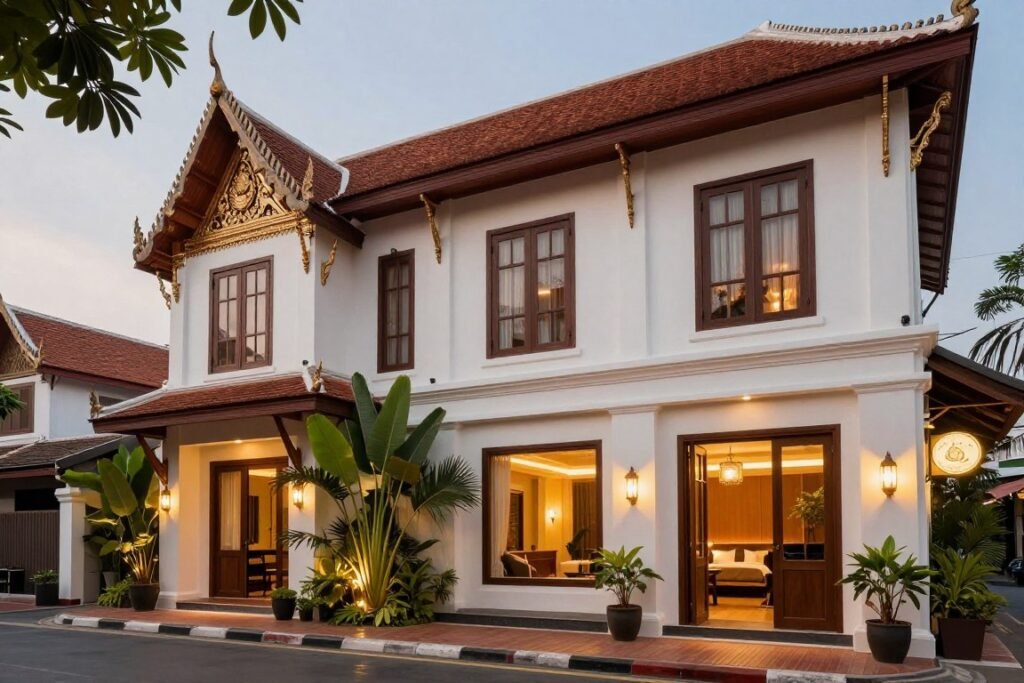
Stay near Bangkok’s most famous temples and historical sites. These hotels put you within walking distance of the Grand Palace and Khao San Road nightlife.
- Riva Surya Bangkok – Riverside luxury near temples
- Nappark Hostel – Modern backpacker favorite
- Chakrabongse Villas – Boutique with palace views
- Baan Dinso – Traditional Thai guesthouse
Dusit District (ดุสิต)
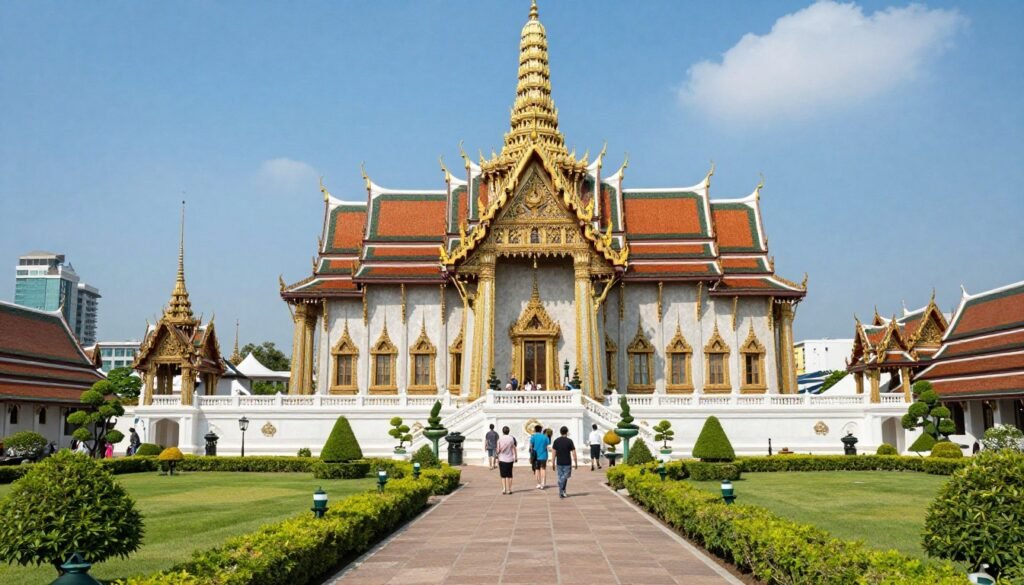
Dusit represents Bangkok’s royal and governmental center. King Rama V established this district in the early 1900s. Wide tree-lined boulevards and European-style architecture set it apart from older parts of the city.
Places of Interest in Dusit
Dusit Palace Complex showcases royal architecture and museums. Vimanmek Mansion stands as the world’s largest golden teakwood building. The Abhisek Dusit Throne Hall displays traditional Thai crafts. Your Grand Palace ticket includes entry here.
Dusit Zoo operated for over 80 years before closing in 2018. The grounds now undergo redevelopment. The zoo’s former site near Chitralada Royal Villa remains a green space in the district.
The Royal Plaza features a statue of King Chulalongkorn on horseback. Locals come here to pay respects, especially on significant dates. The area around the plaza includes several government buildings.
Local Food Scene
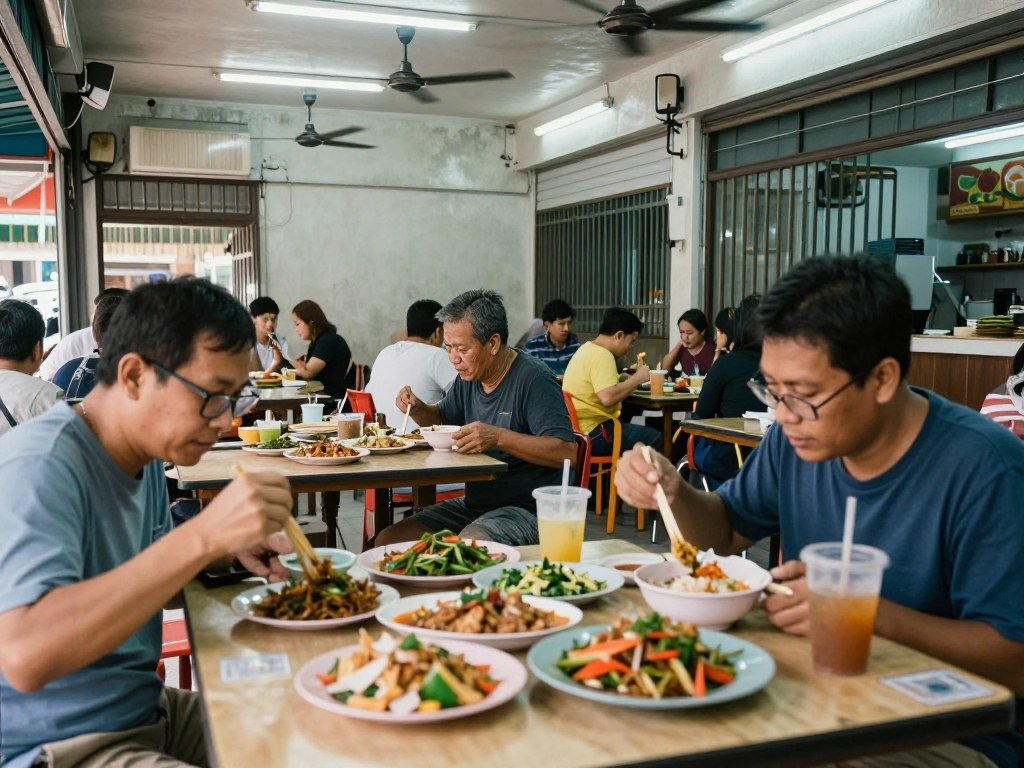
Dusit offers fewer tourist restaurants than other districts. Local workers from government offices eat at simple cafeterias and street stalls. These spots serve authentic Thai food at local prices.
Thewet Market operates in the southern part of the district. This riverside market sells fresh flowers, plants, and prepared foods. It’s particularly busy during Buddhist holidays when people buy offerings.
Transportation to Dusit
Dusit lacks direct BTS or MRT access. The nearest stations require additional transport. Most visitors take taxis or buses from other parts of Bangkok.
Public buses serve the area extensively. Routes 70 and 72 connect Dusit to major areas. Buses cost between 8-20 baht depending on the type and distance.
River boats stop at Thewet Pier on the district’s edge. From there, you can walk to nearby attractions or catch a local bus deeper into Dusit.
Travel Tips for Dusit
Dusit remains quieter than tourist-heavy districts. This makes it pleasant for walking and photography. The area feels more spacious with less traffic congestion.
Government buildings close on weekends and holidays. Plan museum visits for weekdays. The Vimanmek Mansion requires tickets booked in advance during busy seasons.
Few international hotels operate here. Most visitors come for day trips rather than staying overnight. This keeps the district authentically local.
Pathum Wan District (ปทุมวัน)
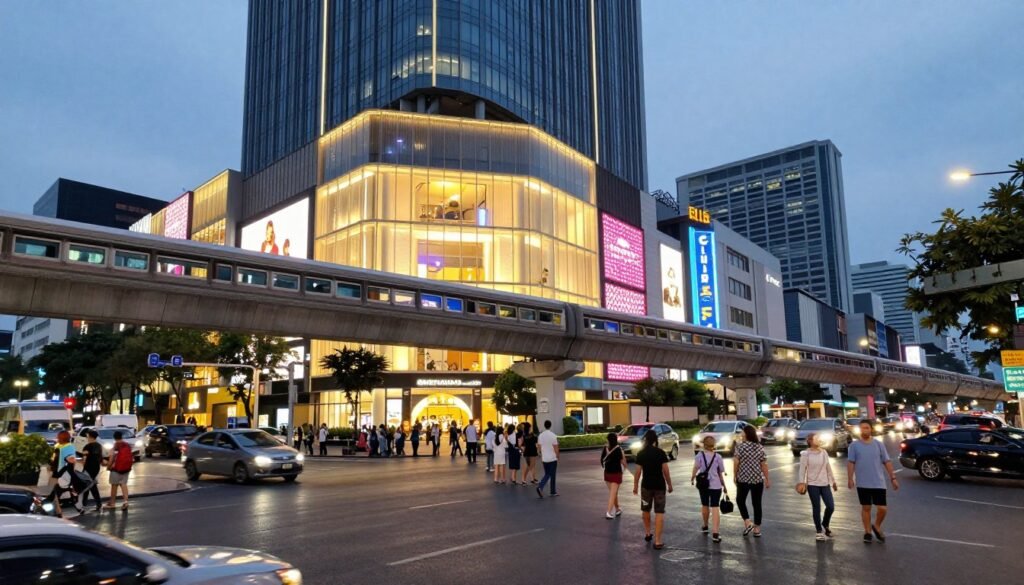
Pathum Wan pulses as Bangkok’s shopping and entertainment hub. This district packs more shopping malls per square kilometer than almost anywhere else in the world. The BTS Skytrain made this area the city modern commercial center.
Shopping and Entertainment
Siam Paragon stands as one of Southeast Asia’s largest malls. The complex includes luxury brands, an aquarium, and a multiplex cinema. The food court in the basement serves excellent Thai food at reasonable prices.
MBK Center offers eight floors of shops selling everything imaginable. Electronics, clothing, and souvenirs fill endless stalls. Bargaining is expected here. The mall stays busy with both tourists and locals.
CentralWorld ranks among the world’s largest shopping complexes. The mall combines high-end stores with affordable brands. The plaza outside hosts events and concerts throughout the year.
Platinum Fashion Mall caters to wholesale buyers and bargain hunters. Six floors sell clothing and accessories at low prices. Many small retailers from across Thailand shop here for inventory.
Cultural Attractions
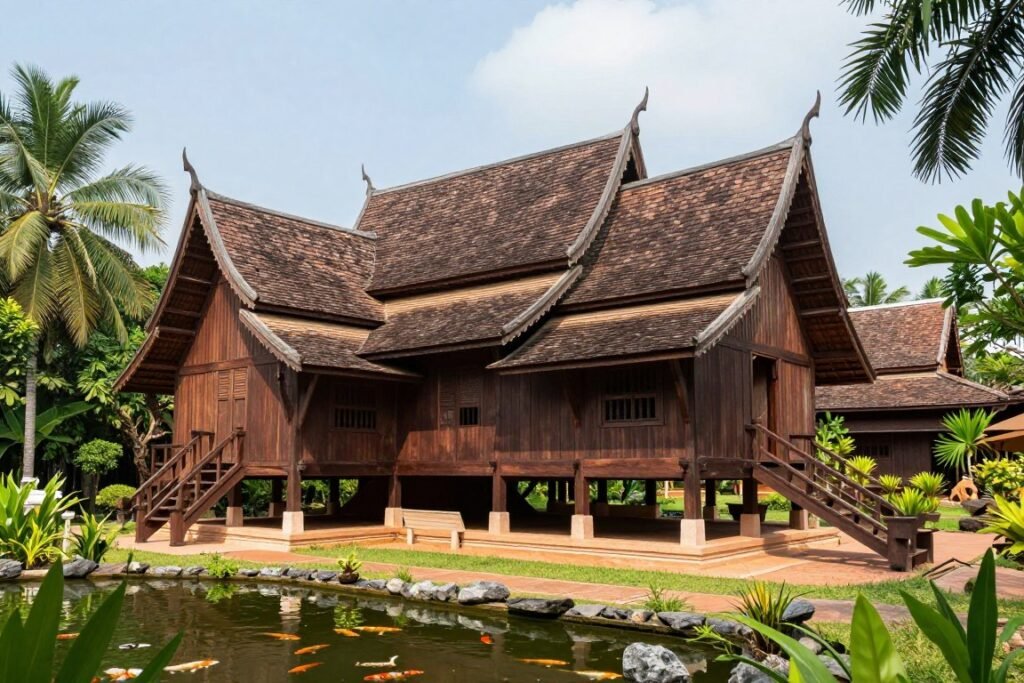
The Jim Thompson House Museum preserves traditional Thai architecture. American businessman Jim Thompson collected art and revived the Thai silk industry. His former home now displays Southeast Asian antiques.
The Bangkok Art and Culture Centre provides free admission to contemporary art exhibitions. Local and international artists show work here. The building itself features interesting modern architecture.
Food and Nightlife
Pathum Wan offers dining for every budget. Food courts in major malls serve quality Thai dishes for under 100 baht. Street vendors around Siam Square sell quick bites and snacks.
The Erawan Shrine draws thousands of worshippers daily. Food vendors cluster around the shrine selling offerings and street food. The area comes alive with activity from early morning.
Soi Kasemsan 1 near Siam Square has several good restaurants and bars. The street maintains a more relaxed vibe than rowdier nightlife areas. Prices stay moderate compared to premium districts.
Getting to Pathum Wan
Pathum Wan enjoys excellent public transport connections. Three BTS stations serve the district. Siam Station acts as the interchange between two BTS lines. National Stadium and Ratchadamri stations provide additional access.
The MRT Blue Line runs under Rama I Road. Hua Lamphong Station connects to the main railway station. The system makes getting around simple and affordable.
Walking works well within Pathum Wan. Covered skywalks connect major shopping centers. These protected walkways shield pedestrians from heat and rain.
Practical Tips
Pathum Wan gets extremely crowded on weekends. Visit shopping malls on weekday mornings for a more comfortable experience. Mall restaurants offer air-conditioned refuge from Bangkok’s heat.
Keep belongings secure in crowded areas. Pickpockets work busy shopping districts. Use hotel safes for valuables when exploring.
Many hotels in Pathum Wan cater to shoppers and business travelers. Rates run higher than budget districts. Book in advance during peak shopping seasons like Christmas and Chinese New Year.
Top Hotels in Pathum Wan
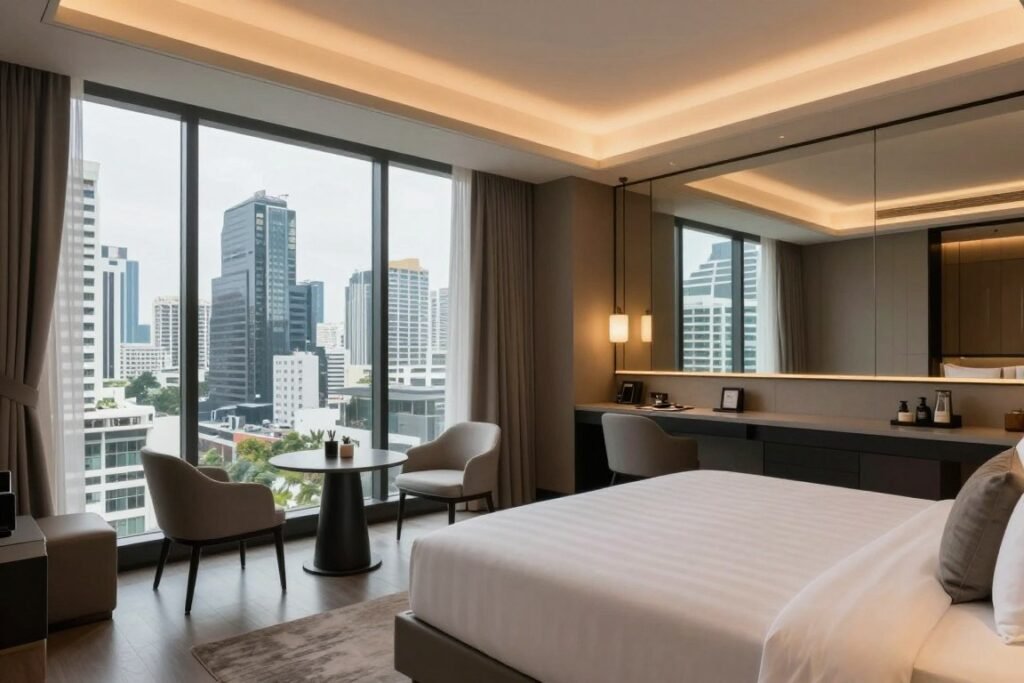
Stay in the heart of Bangkok’s shopping paradise with easy access to Siam Square, MBK, and CentralWorld. Perfect for shoppers and first-time visitors.
- Siam Kempinski Hotel Bangkok – Luxury at Siam Paragon
- Centara Grand at CentralWorld – Connected to mega mall
- VIE Hotel Bangkok – Boutique near BTS
- Lub d Bangkok Siam – Design hostel for budget travelers
Pom Prap Sattru Phai District (ป้อมปราบศัตรูพ่าย)
Pom Prap Sattru Phai holds the title of Bangkok’s smallest district. Despite its size, this area buzzes with local life and commerce. The district name translates to “fort that subdues the enemy” from a historical fortress that once stood here.

Markets and Shopping
Bobae Market dominates the district’s economy. This wholesale clothing market operates both day and night. Daytime focuses on women’s fashion while nighttime serves retailers buying bulk inventory. Prices beat retail malls significantly.
The Khlong Thom Market specializes in mobile phones, electronics, and accessories. Dozens of shops compete for customers. Bargaining skills help get better deals here.
Local Food Experience
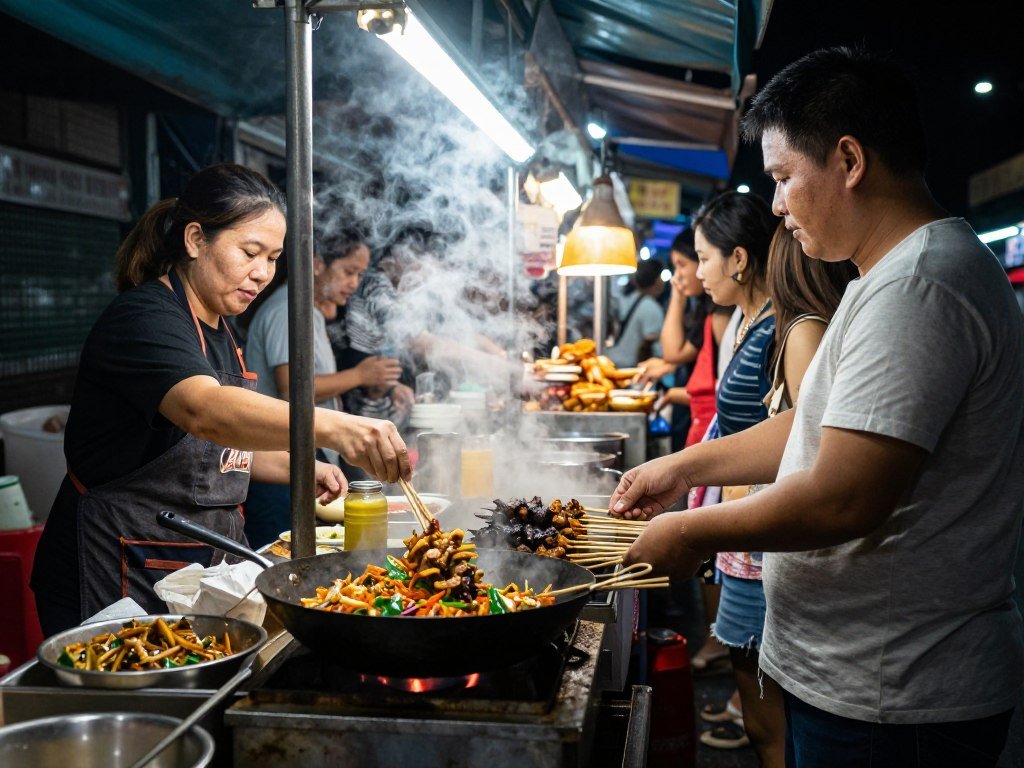
Street food vendors line major roads throughout the district. Local workers grab quick meals at lunch time. These stalls serve authentic Bangkok flavors without tourist markups.
Small restaurants near Bobae Market cater to market workers. Many open late to serve night market shoppers and vendors. The food stays simple but satisfying.
Transportation Access
The MRT Blue Line serves Pom Prap Sattru Phai at Sam Yot Station. This makes the area more accessible than in the past. The station opened in 2019 as part of the line extension.
The district sits within walking distance of Chinatown and the old city. Many visitors pass through when exploring these neighboring areas. Local buses connect to other parts of Bangkok.
Visitor Tips
Pom Prap Sattru Phai functions primarily as a commercial district. Few tourists stay here overnight. The area serves better for shopping excursions and experiencing local Bangkok life.
Bobae Market vendors prefer customers who buy in quantity. Solo tourists might find better deals elsewhere for single items. The market works best for bulk purchases.
Safety remains good but watch belongings in crowded markets. The area stays busy day and night near commercial centers. Quieter residential streets empty out after business hours.
Samphanthawong District (สัมพันธวงศ์)
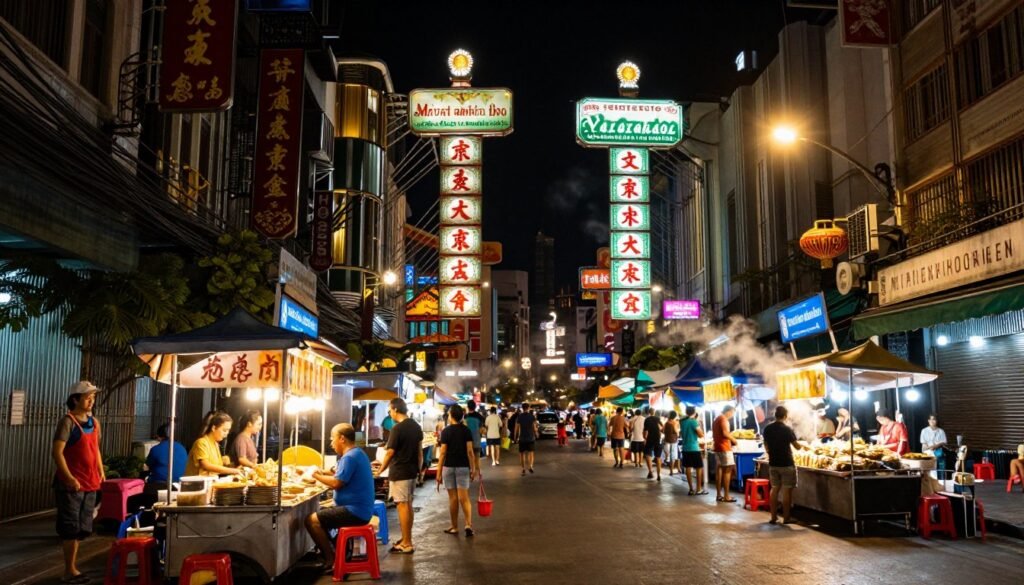
Samphanthawong encompasses Bangkok’s famous Chinatown or Yaowarat. Chinese immigrants settled here in the late 1700s. The district preserves this heritage through architecture, temples, and food traditions that span generations.
Chinatown Attractions
Yaowarat Road forms the heart of Bangkok’s Chinatown. Gold shops line the street, their windows glittering with jewelry. The road transforms at night when food vendors take over the sidewalks. This becomes one of Bangkok’s best street food destinations.
Wat Traimit houses the world’s largest solid gold Buddha statue. The five-and-a-half ton statue was discovered by accident in 1955. The temple museum explains the statue’s fascinating history.
Sampeng Lane cuts parallel to Yaowarat as a covered market alley. Vendors sell wholesale goods, fabrics, and trinkets. The lane stays packed with shoppers navigating the narrow passage. Watch your belongings in the crowds.
Talad Noi neighborhood showcases street art and heritage buildings. Old shophouses mix with contemporary cafes and galleries. This area has become popular with photographers and culture seekers.
Food Paradise
Chinatown offers Bangkok’s most diverse food scene. Street vendors serve Chinese-Thai fusion dishes perfected over generations. The area is famous for seafood, duck, and noodle dishes.
T&K Seafood ranks among Chinatown’s most famous restaurants. The open-air eatery serves massive portions of crab, prawns, and fish. Expect crowds during dinner time and weekends.
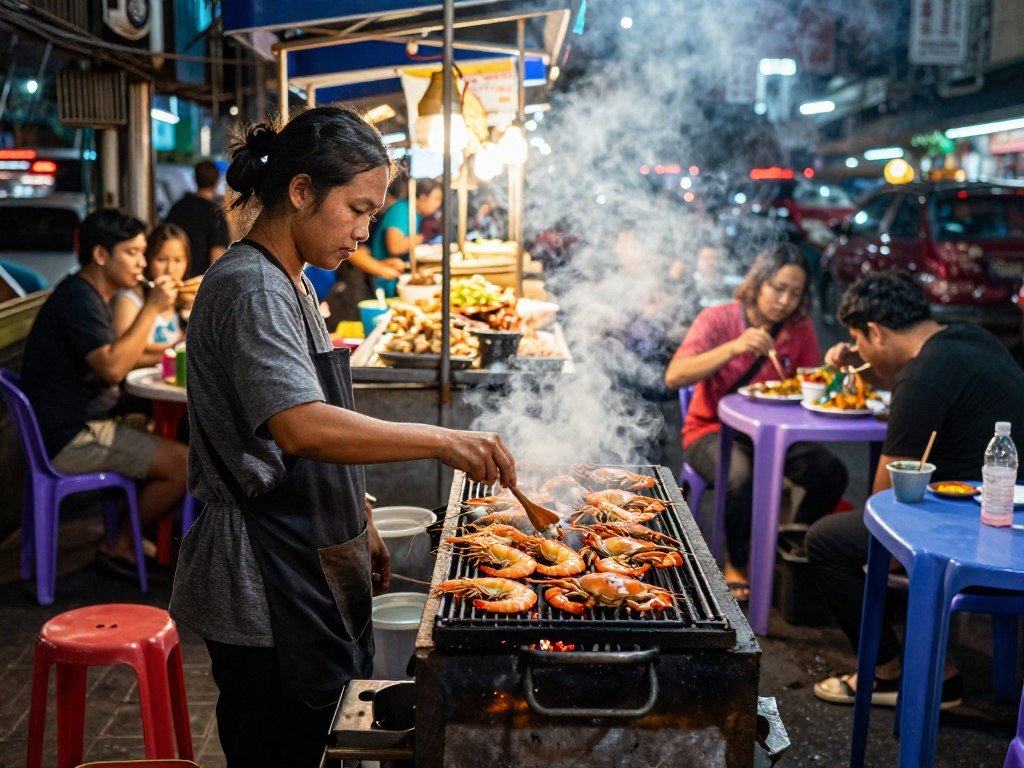
Nai Mong Hoi Thod serves crispy oyster omelets that draw long lines. The small shop has operated for decades using the same recipe. Other vendors cluster nearby selling similar dishes.
Chinese bakeries sell traditional pastries and moon cakes. These shops busiest during Chinese New Year and Mid-Autumn Festival. Try the egg tarts and pork buns.
Getting Around Samphanthawong
The MRT Blue Line reaches Chinatown at Wat Mangkon and Sam Yot stations. Both opened in 2019 making the area much easier to access. Previously, visitors relied on buses and taxis.
Walking works well for exploring Chinatown’s narrow lanes. The district covers a compact area. Wear comfortable shoes for navigating uneven sidewalks and crowded streets.
River boats stop at Marine Department Pier on the district’s western edge. This provides a scenic approach from riverside hotels and attractions.
Travel Tips
Visit Chinatown in the evening when it comes alive with food stalls and activity. The atmosphere peaks between 7-10 PM. Some vendors operate all night.
Traffic in Chinatown moves slowly. Taxis often refuse to enter during busy hours. Use MRT or walk from nearby areas instead.
Chinese New Year transforms Chinatown into a festival zone. Red decorations cover the streets and special foods appear. Crowds become intense during this period.
Bang Rak District (บางรัก)
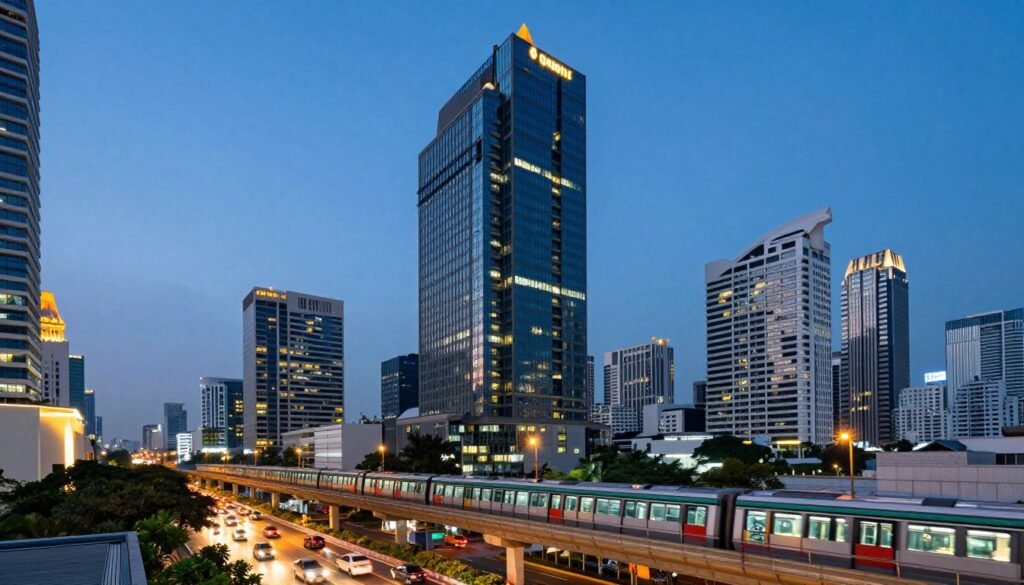
Bang Rak blends old Bangkok charm with modern development. The district stretches along the Chao Phraya River including areas like Silom, Sathorn, and the Riverside. This mix creates diverse experiences from financial towers to riverside temples.
Business and Finance
Silom Road runs through Bang Rak as Bangkok’s main financial street. Banks, insurance companies, and corporate headquarters line the boulevard. Office workers fill the sidewalks during rush hours.
The area around Silom and Sathorn holds many international businesses. Expatriate professionals work and live in this part of Bangkok. High-end restaurants and hotels serve this business crowd.
Riverside Attractions
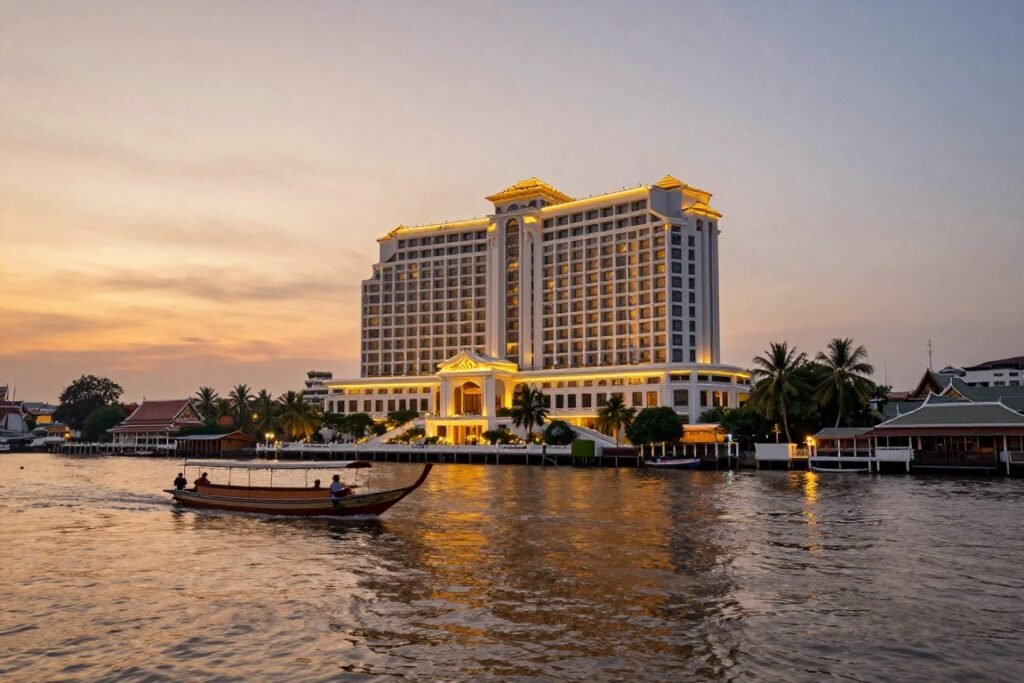
The Bangkok Riverside sits within Bang Rak’s western section. Luxury hotels cluster along the Chao Phraya River. Many feature rooftop bars with river views. This area offers a different pace from busy Silom.
Wat Muang Kae shrines tucked between modern buildings. This Chinese temple features unusual statues and bright colors. Despite surrounding development, the temple maintains its traditional role.
Assumption Cathedral stands as Thailand’s principal Catholic church. French missionaries built the current structure in 1910. The cathedral serves Bangkok’s Christian community with regular masses.
Food and Nightlife
Silom offers dining from street food to fine dining. Food vendors set up on Convent Road each evening. The selection includes both Thai and international dishes at reasonable prices.
Patpong Night Market operates on two parallel streets. The market sells souvenirs, clothing, and copied goods. The area also contains go-go bars and adult entertainment upstairs. Families might prefer other night markets.
Soi Saladaeng has several good restaurants and bars. The street connects Silom to Lumphini Park. It offers a more relaxed nightlife scene than Patpong.
Transportation in Bang Rak
Bang Rak enjoys excellent transport links. The BTS Silom Line runs through the district with stations at Sala Daeng, Chong Nonsi, and Surasak. The MRT Blue Line intersects at Silom Station.
River boats serve the riverside area. The Sathorn Pier connects to the BTS at Saphan Taksin Station. This makes river transport convenient for both tourists and commuters.
Walking works well in Bang Rak during cooler hours. The district layout follows a grid pattern making navigation straightforward. Covered skywalks provide shade near Silom.
Visitor Information
Bang Rak caters well to business travelers. Many hotels offer conference facilities and business services. The area stays busy on weekdays but quieter on weekends.
Riverside hotels provide luxurious stays with river views. These properties cost more but offer unique Bangkok experiences. Some include boat transfers to major attractions.
The district remains safe for visitors day and night. Police presence stays visible around business areas. Standard city precautions apply in crowded markets and nightlife zones.
Save Money with Bangkok Transportation Pass
Get unlimited rides on BTS Skytrain and MRT subway with a multi-day pass. Perfect for exploring all Bangkok districts without worrying about individual ticket costs. Available for 1, 2, 3, or 7-day periods.
Sathon District (สาทร)
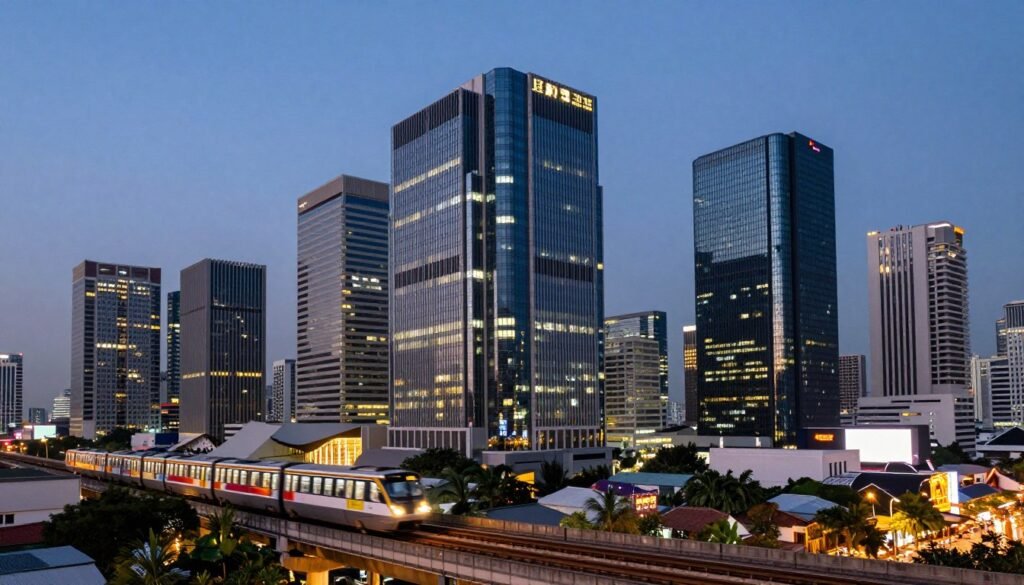
Sathon developed as Bangkok’s premium business and residential area. Embassies, corporate headquarters, and luxury condominiums define the skyline. The district name comes from a Thai-Chinese family who owned land here generations ago.
Business Hub
South Sathon Road hosts numerous multinational corporations. Glass towers house banks, law firms, and trading companies. The road connects to Silom forming Bangkok’s financial corridor.
Many foreign embassies established offices in Sathon decades ago. Large embassy compounds occupy prime real estate. This international presence influences the district’s character and dining options.
Upscale Living
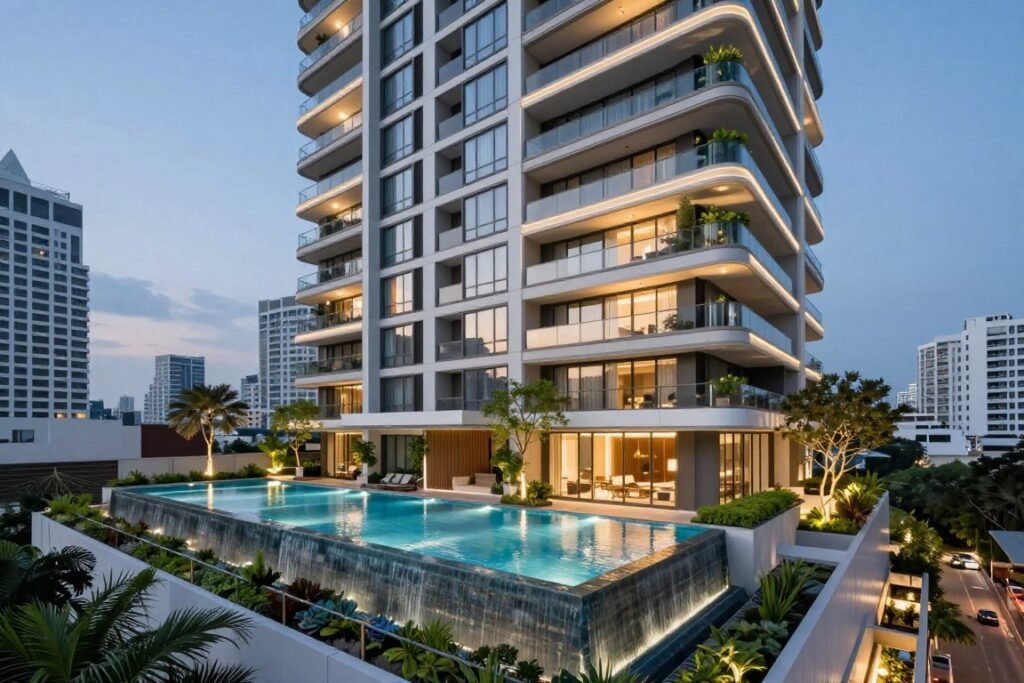
Luxury condominiums tower above Sathon. These high-rises attract wealthy Thais and expatriates. Building amenities often include pools, gyms, and security services.
Several international schools operate in or near Sathon. Families relocating to Bangkok often choose this district for its combination of housing and education options.
Dining Scene
Sathon offers diverse international cuisine reflecting its expatriate population. French, Italian, Japanese, and Indian restaurants serve authentic dishes. Prices run higher than local eateries.
Suan Phlu area features local restaurants and street food. This neighborhood maintains a more Thai character despite surrounding development. The market here sells fresh produce and ready meals.
Sky bars top several Sathon hotels. These rooftop venues offer spectacular city views with cocktails. Lebua State Tower’s Sky Bar gained fame from the movie Hangover Part II.
Getting to Sathon
The BTS Silom Line serves Sathon at several stations. Chong Nonsi and Surasak stations provide access to different parts of the district. Saphan Taksin Station connects to river boats.
The MRT Blue Line runs beneath Sathon Road. Lumphini Station sits on the district’s northern edge. These transport options make commuting convenient.
Taxis circulate frequently in Sathon during business hours. Traffic congestion affects major roads during rush periods. Using public transport often saves time.
Travel Notes
Sathon suits travelers seeking upscale accommodations and dining. The area feels less chaotic than tourist districts. Business amenities and services meet high standards.
Limited street-level attractions make Sathon better for staying than sightseeing. Visitors typically use it as a base while exploring other districts during the day.
Safety standards remain excellent throughout Sathon. Well-lit streets and security presence create a comfortable environment. The district attracts families and business travelers.
Bangkok Noi District (บางกอกน้อย)
Bangkok Noi sits on the Thonburi side of the Chao Phraya River. This district maintains a more traditional Bangkok atmosphere compared to the eastern bank. Canals and older communities preserve the city’s historical character.
Cultural Sites
The Royal Barges National Museum houses elaborately decorated boats used in royal ceremonies. These golden vessels feature intricate carvings and serve only for special occasions. The museum opens daily with modest admission fees.
Wat Suwannaram dates back to the Ayutthaya period. Well-preserved murals cover interior walls depicting Buddhist stories and daily life from centuries past. The temple sees fewer tourists than major sites.
Siriraj Medical Museum contains several specialized collections. The museum complex includes the Forensic Medicine Museum and Parasite Museum. These exhibits suit visitors with strong constitutions and scientific interests.
Local Life
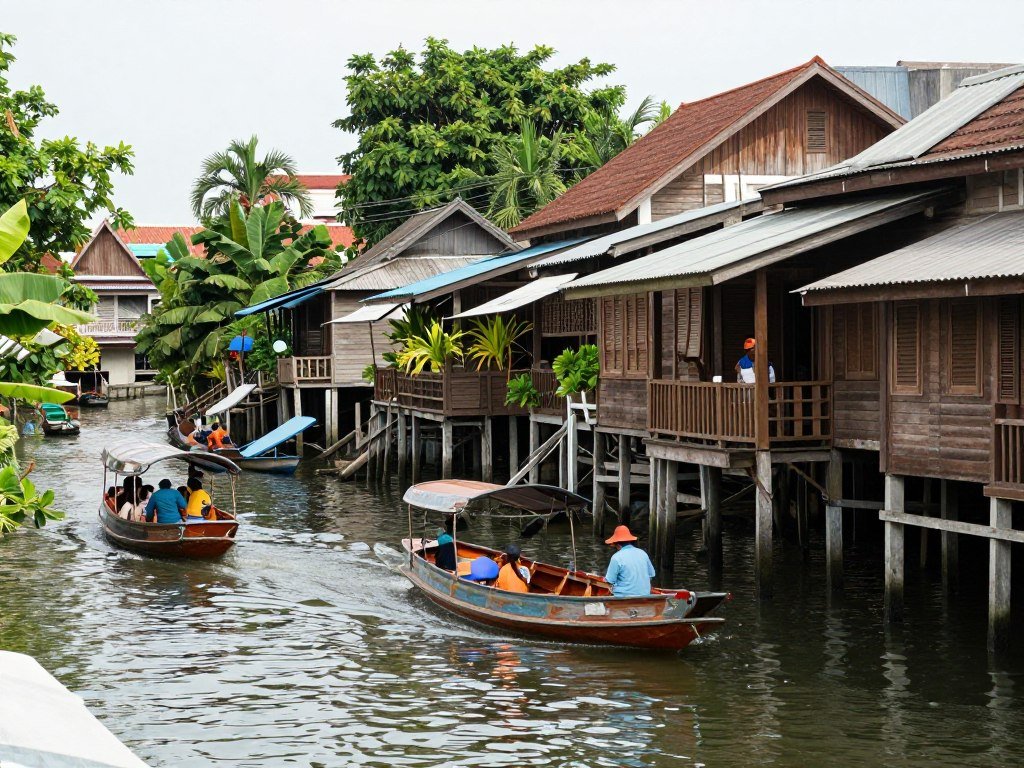
Bangkok Noi preserves community structures from before modern development. Many residents live in traditional wooden houses along canals. Life here moves at a slower pace than central Bangkok.
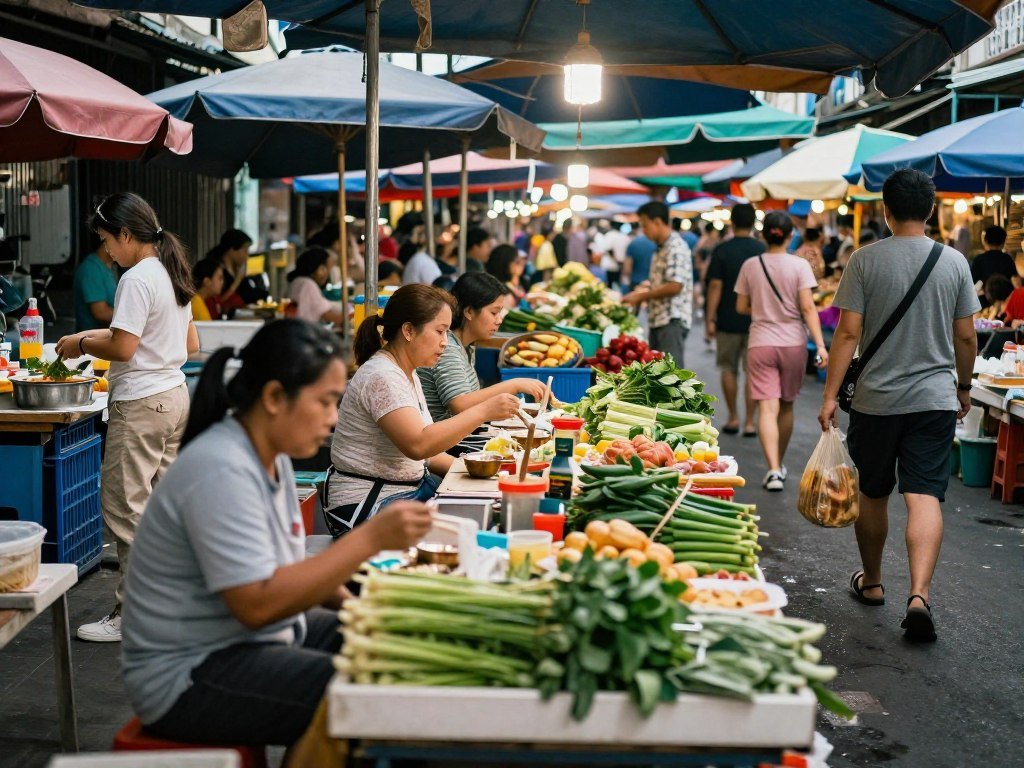
Local markets serve neighborhood residents rather than tourists. Wang Lang Market near Siriraj Hospital sells fresh food, clothing, and household goods. The market particularly busy in early morning hours.
Food Options
Bangkok Noi offers authentic local food away from tourist prices. Small restaurants serve traditional Thai dishes prepared for Thai tastes. Flavors tend spicier and more intense than tourist-oriented versions.
Street vendors cluster near Siriraj Hospital serving medical students and staff. These stalls provide quick, affordable meals throughout the day. The selection changes with available ingredients and seasons.
Transportation
No BTS or MRT serves Bangkok Noi directly. River boats provide the main public transport connection. Several piers along the Chao Phraya River stop in the district.
Buses cross the river connecting Bangkok Noi to the eastern bank. Routes can be confusing for visitors unfamiliar with the system. Allow extra travel time when visiting this district.
Taxis and motorcycle taxis operate throughout Bangkok Noi. Traffic stays lighter than central areas making these options viable. Make sure drivers understand your destination before starting.
Visitor Tips
Bangkok Noi rewards visitors seeking authentic experiences. The district shows how Bangkok looked before massive development. Cultural attractions here see smaller crowds.
Plan visits during daylight hours. The area has limited nightlife or evening activities. Most attractions and markets operate during standard business hours.
Few international-standard hotels operate in Bangkok Noi. Most visitors come for day trips from accommodations elsewhere. This keeps the area genuinely local in character.
Bangkok Yai District (บางกอกใหญ่)
Bangkok Yai neighbors Bangkok Noi on the Thonburi side. The district combines residential areas with important religious sites. Many families have lived here for generations maintaining strong community bonds.
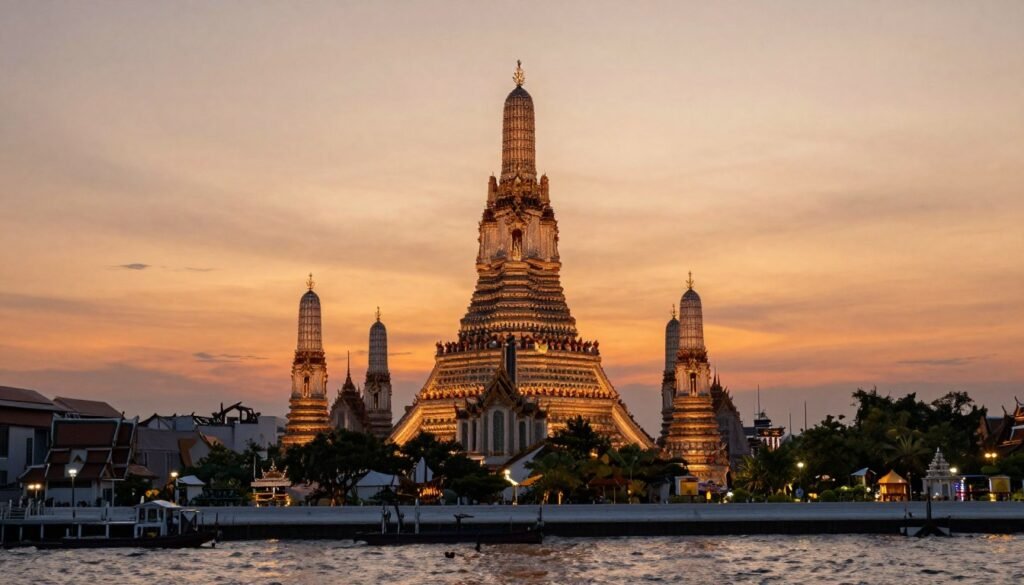
Temple of Dawn
Wat Arun stands as Bangkok Yai’s most famous landmark. The temple’s central prang rises 70 meters decorated with colorful porcelain. Climbing the steep stairs offers views across the river to the Grand Palace.
The temple particularly beautiful at sunrise and sunset when light hits the porcelain decorations. Evening illumination creates a stunning sight from across the river. Entry costs 100 baht for foreign visitors.
Wat Prayurawongsawas sits south of Wat Arun. This temple features a unique artificial hill with a pagoda on top. Local residents visit for merit-making and temple fairs.
Community Character
Bangkok Yai maintains traditional neighborhood structures. Narrow sois wind between old wooden houses and newer concrete buildings. Walking these streets shows everyday Thai life.
Local schools and community centers serve longtime residents. The area lacks the commercial development seen across the river. This preserves an older Bangkok atmosphere.
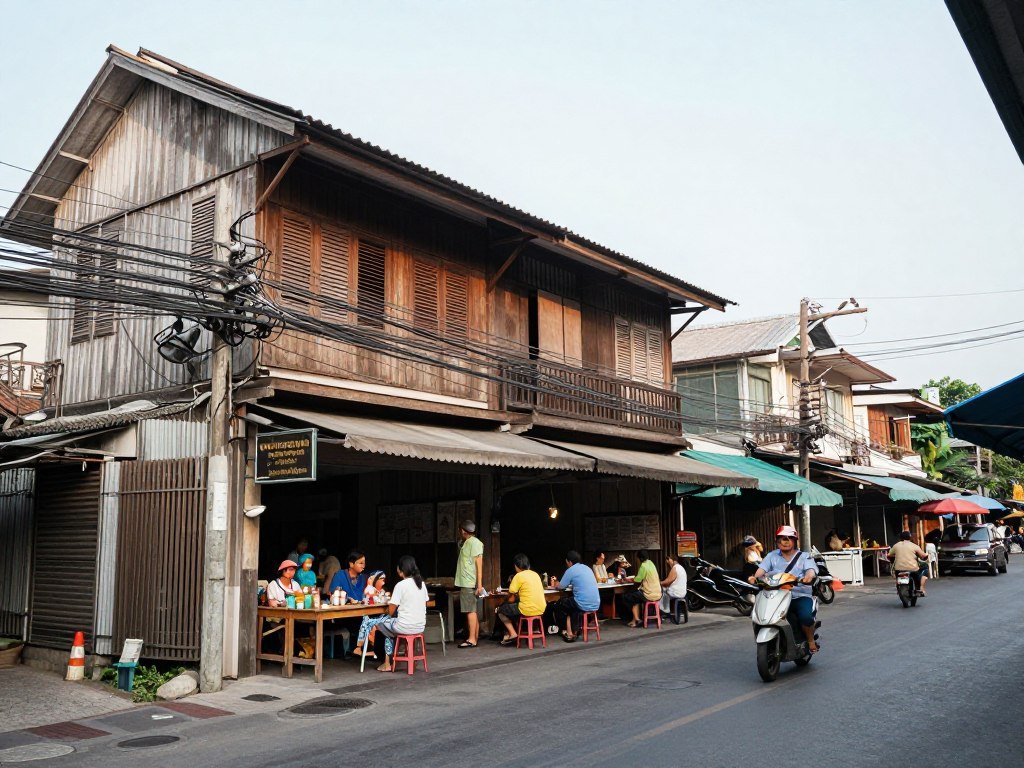
Local Eating
Bangkok Yai offers simple neighborhood restaurants and street food. Vendors serve local workers and residents rather than tourists. Prices stay low and portions generous.
The area around Wat Arun has tourist-oriented restaurants with river views. These charge premium prices for the location. Walk a few streets inland for better value.
Getting Around
Cross-river ferries connect Bangkok Yai to the eastern bank. Tha Tien Pier serves Wat Arun with frequent boats. The short crossing costs just a few baht.
No BTS or MRT reaches Bangkok Yai. Buses provide land connections but routes confuse first-time visitors. Most tourists access the district by river boat.
Walking works well for exploring central Bangkok Yai. The area around Wat Arun stays compact. Venture deeper into the district to see residential neighborhoods.
Travel Advice
Combine Bangkok Yai with visits to the Grand Palace and old city across the river. This creates an efficient sightseeing route. Cross-river ferries make moving between areas simple.
Visit Wat Arun early morning or late afternoon. Midday heat makes climbing stairs uncomfortable. The temple also looks most beautiful during golden hour lighting.
Accommodation options remain limited in Bangkok Yai. Most visitors stay elsewhere and come for temple visits. A few guesthouses cater to budget travelers seeking quiet areas.
Phaya Thai District (พญาไท)
Phaya Thai covers a central area north of Pathum Wan. The district combines business areas, hospitals, and residential neighborhoods. Victory Monument serves as a major transportation hub within this khet.
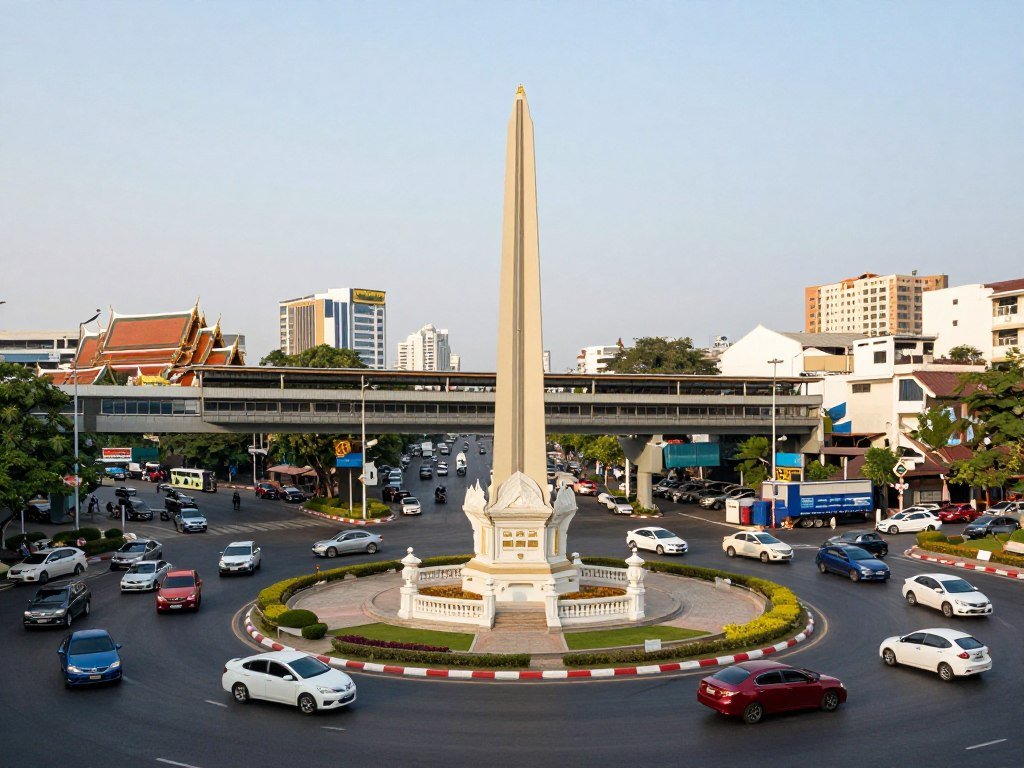
Victory Monument Area
The Victory Monument roundabout marks a central landmark. This obelisk commemorates Thailand’s 1941 military victories. The monument sits in the middle of a chaotic traffic circle.
Victory Monument BTS Station serves as an interchange point. Minivans to various provinces depart from nearby streets. The area buzzes with commuters and travelers throughout the day.
Shopping centers cluster around Victory Monument. The area caters to middle-class Thais rather than tourists. Local department stores and shops sell everyday goods at reasonable prices.
Hospitals and Medical
Phaya Thai Hospital gives the district its name. This public hospital serves thousands of patients daily. Several other medical facilities operate in the area.
Rajavithi Hospital on the district’s eastern edge provides specialized care. Medical students from nearby universities train at these teaching hospitals. The medical presence influences local businesses and restaurants.
Food Scene
Street food vendors surround Victory Monument serving quick meals to workers and students. The selection includes both Thai and international fast food. Prices stay affordable for everyday eating.
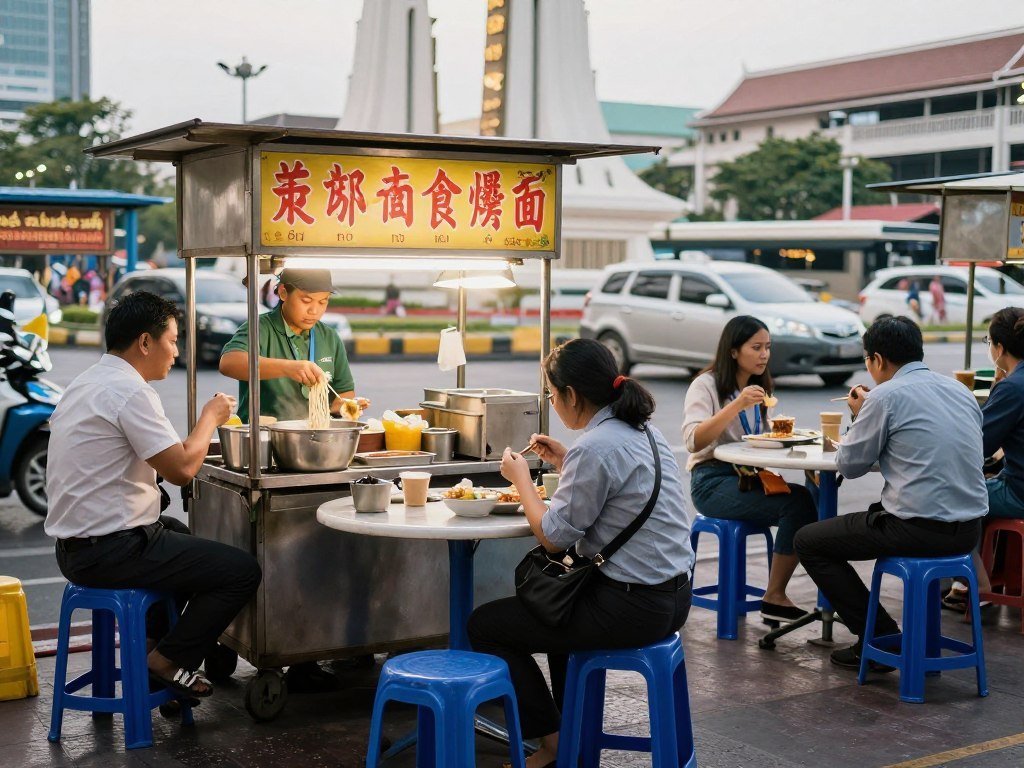
Small restaurants throughout Phaya Thai cater to hospital visitors and staff. These establishments serve comfort food and congee popular with Thai people. Some operate 24 hours serving night shift workers.
Transportation Hub
Phaya Thai District enjoys excellent public transport access. The BTS Sukhumvit Line runs through with stations at Victory Monument, Phaya Thai, and Ratchathewi. The Airport Rail Link starts at Phaya Thai Station.
Minivans to provinces outside Bangkok depart from streets near Victory Monument. This makes the area busy with provincial travelers. Luggage and crowds peak during holidays.
City buses use Victory Monument as a major junction. Dozens of routes pass through making connections to other districts. The bus system can confuse newcomers but offers extensive coverage.
Visitor Notes
Phaya Thai functions primarily as a transit and residential district. Few tourist attractions draw visitors specifically here. The area serves better as a transportation hub than a destination.
Hotels near Phaya Thai Station offer convenient airport connections via the rail link. Rates run lower than premium districts. The location works well for early morning flights.
Safety remains good throughout the district. The area stays busy day and night near transportation hubs. Residential sections quiet down in evening hours.
Din Daeng District (ดินแดง)
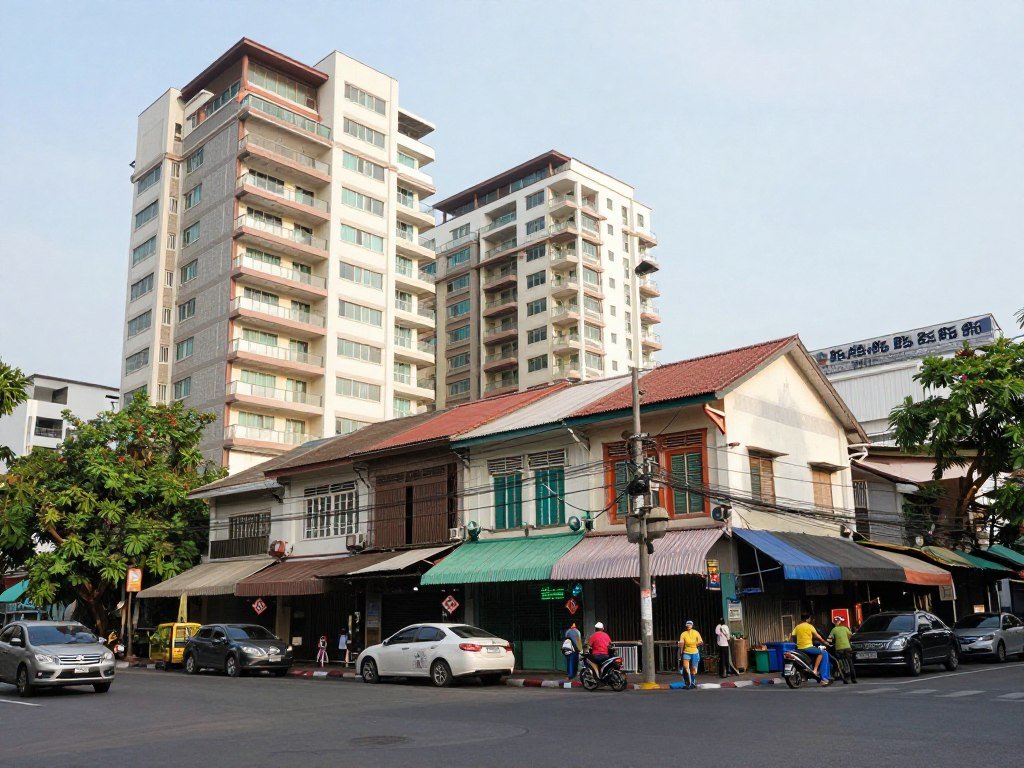
Din Daeng developed as a working-class residential area. The district sits northeast of central Bangkok between major highways. Large housing estates and older communities create a mixed urban landscape.
Residential Character
Din Daeng Housing Estate ranks among Bangkok’s oldest public housing projects. The government built these apartments decades ago to provide affordable homes. The estate has aged but still houses many families.
Newer condominium developments dot the district along major roads. These buildings attract middle-income residents working in central Bangkok. Prices stay lower than prime areas.
Local Markets
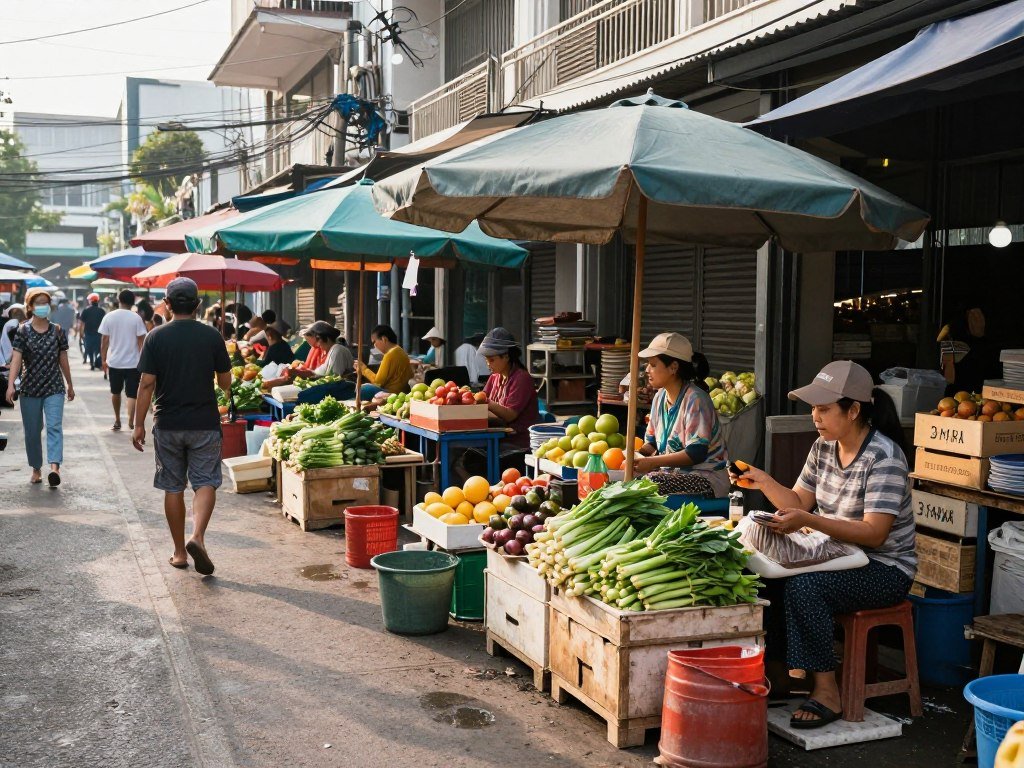
Din Daeng Market serves neighborhood residents with fresh food and household goods. The market operates daily with peak activity in morning hours. Vendors sell ingredients for home cooking rather than prepared meals.
Small shops line the ground floors of housing blocks. These mom-and-pop stores sell snacks, drinks, and basic necessities. They serve as community gathering points.
Getting to Din Daeng
The MRT Blue Line serves Din Daeng at three stations. Hua Mak, Thailand Cultural Centre, and Phra Ram 9 stations provide access to different parts of the district. This makes commuting straightforward for residents.
Major roads including Ratchadaphisek and Din Daeng Road carry heavy traffic. Buses run frequently but get stuck in congestion during rush hours. The MRT offers faster travel during peak times.
Traveler Information
Din Daeng sees few foreign visitors. The district offers little for tourism but shows authentic Bangkok residential life. Travelers interested in seeing beyond tourist areas might find it educational.
Budget hotels near MRT stations provide affordable accommodation. These properties cater mainly to Thai guests traveling for business or visiting family. Facilities stay basic but clean.
Food options focus on local tastes. Small restaurants serve Thai dishes at neighborhood prices. This area provides genuine local flavors without tourist adaptations.
Huai Khwang District (ห้วยขวาง)
Huai Khwang stretches north from central Bangkok into increasingly residential areas. The district takes its name from a canal that once flowed through the area. Today it mixes old neighborhoods with modern developments.
Mixed Neighborhoods
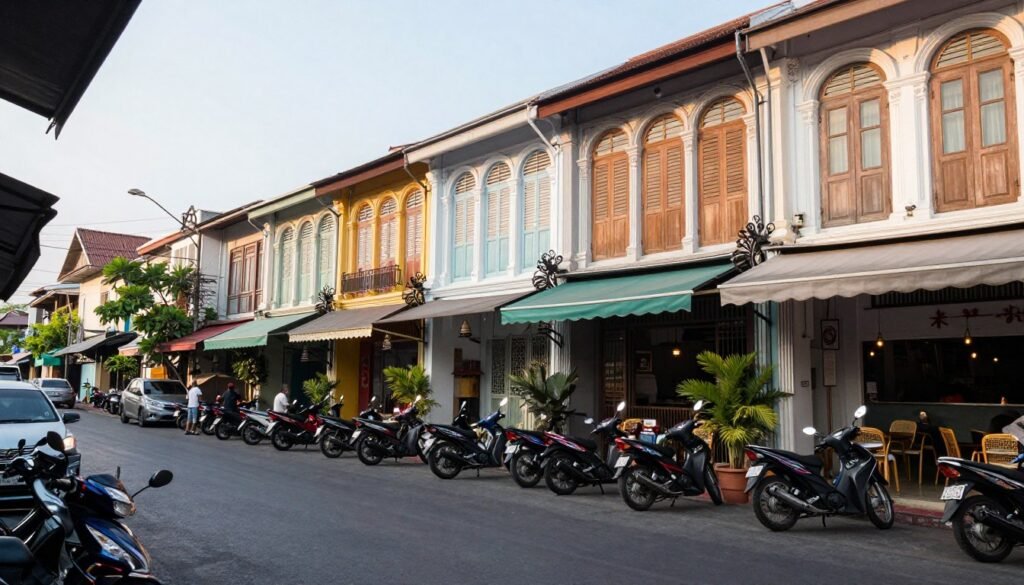
Huai Khwang combines different income levels and lifestyles. Modern condominium towers rise near older low-rise communities. This creates interesting contrasts within short distances.
Ratchada Road cuts through the district as a major commercial artery. Shopping centers, restaurants, and entertainment venues line this busy street. The area particularly active in evening hours.
Night Markets
Ratchada Train Market operates on weekends near Thailand Cultural Centre. This night market sells clothing, accessories, and street food. The market layout creates colorful aerial views popular on social media.
Fortune Town IT Mall specializes in computers and electronics. Five floors offer laptops, components, and accessories. Prices compete well with online shopping. Technicians provide repair and upgrade services.
Thai Food Scene
Huai Khwang has numerous Thai restaurants serving local crowds. The district attracts young Thais who live in nearby apartments. Restaurants stay open late catering to night owls.
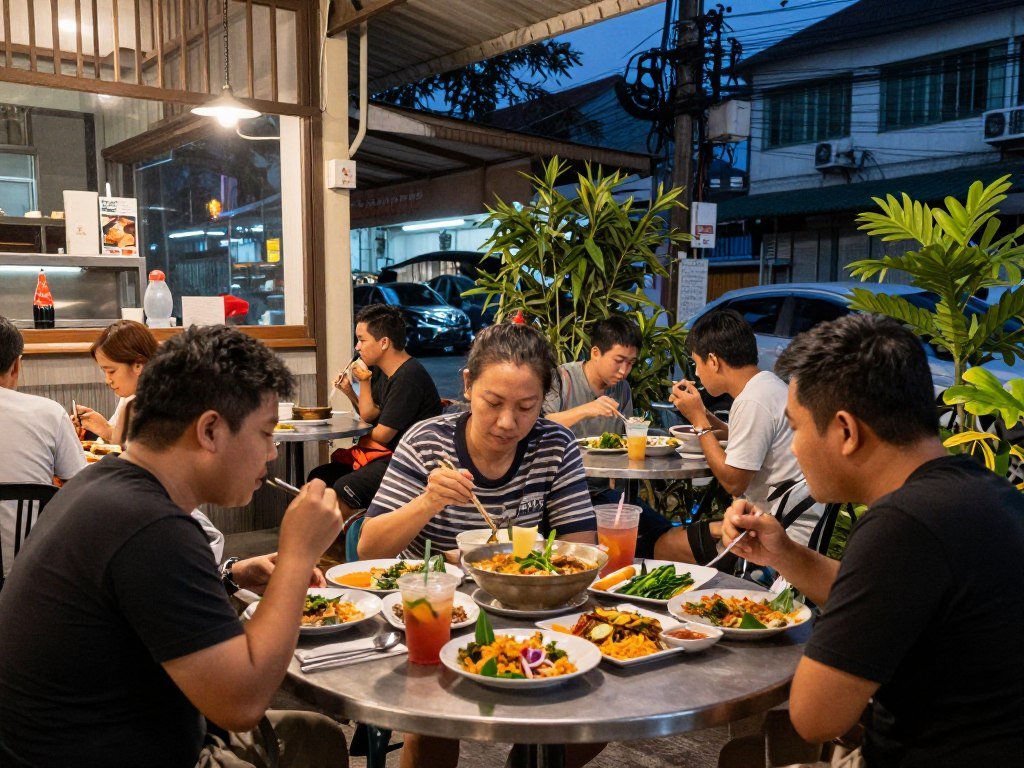
Street food vendors cluster near MRT stations and markets. These stalls serve workers and students passing through the area. The selection covers all Thai favorites at budget prices.
Transportation Options
The MRT Blue Line serves Huai Khwang with two stations. Huai Khwang and Thailand Cultural Centre stations make the district easily accessible. Trains run frequently throughout operating hours.
Buses connect to other parts of Bangkok including areas without MRT service. The district’s central location makes it a transit point for routes heading north and east.
Visitor Tips
Huai Khwang suits budget-conscious travelers. Hotels cost less than tourist areas while maintaining MRT access. The district provides authentic Bangkok experiences.
Visit Ratchada Train Market for shopping and atmosphere. The market offers good photo opportunities, especially from the parking building overlooking vendor tents. Arrive after 5 PM when stalls open.
Safety stays good throughout Huai Khwang. The area functions as a normal residential and commercial district. Standard city precautions apply especially around busy markets.
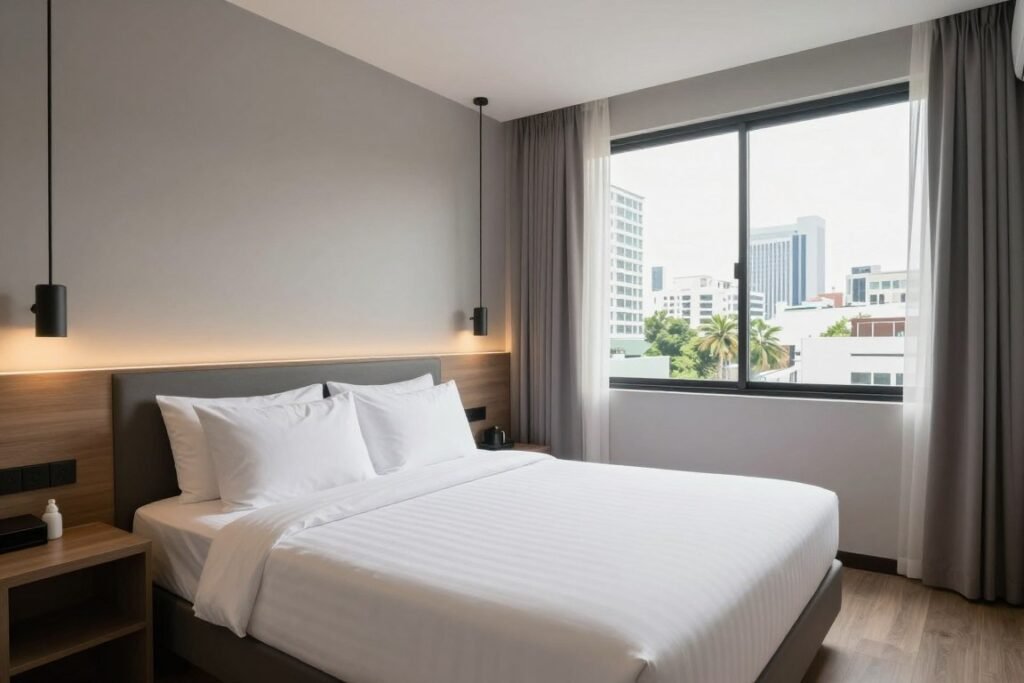
Affordable Hotels in Local Districts
Experience authentic Bangkok while saving money. These hotels in residential districts offer great value with MRT access to major attractions.
- The Quarter Hualamphong – Near central railway station
- Oneday Hostel – Budget option in Huai Khwang
- Prince Palace Hotel – Mid-range near MRT
- I Residence Hotel Silom – Value for business area
Vadhana District (วัฒนา)
Vadhana encompasses the famous Sukhumvit area where many expatriates live and work. This district stretches along Sukhumvit Road from Nana to Ekkamai. International restaurants, hotels, and nightlife define the area’s character.
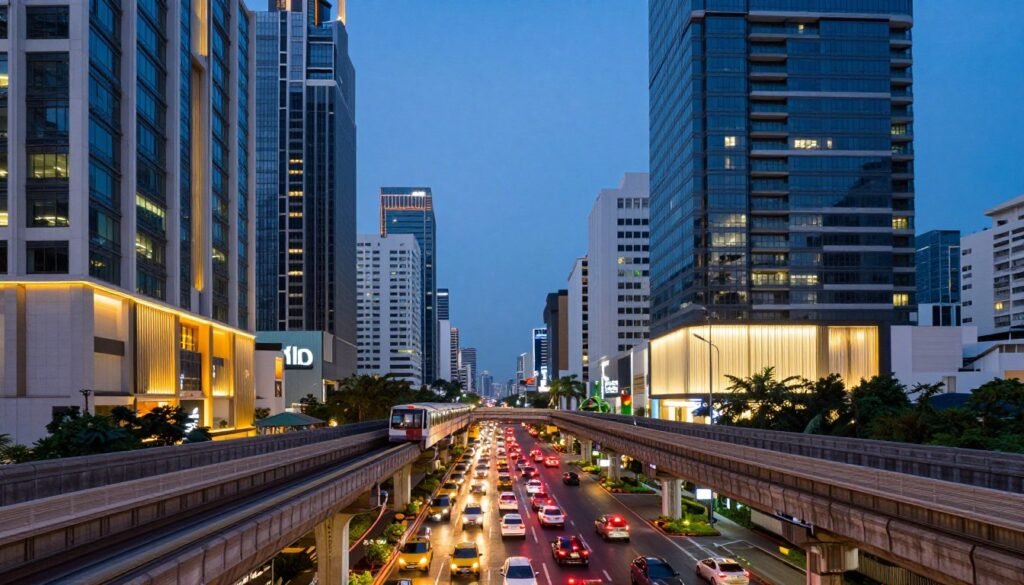
Sukhumvit Lifestyle
Sukhumvit Road runs through Vadhana as one of Bangkok’s longest streets. Numbered sois branch off both sides creating a grid-like layout. Odd numbers run north while even numbers head south.
The area attracts long-term expatriate residents. International schools, western restaurants, and import shops cater to this community. English is widely spoken in businesses here.
Terminal 21 shopping mall near Asok recreates different world cities on each floor. The unique theme attracts both shoppers and sightseers. The food court offers international options beyond Thai cuisine.
Nightlife Hub
Sukhumvit contains multiple nightlife zones. Lower Sukhumvit around Nana and Asok has go-go bars and clubs. Thonglor and Ekkamai offer upscale bars and nightclubs popular with Thais and expats.
Soi 11 features numerous bars, clubs, and restaurants. This entertainment street stays busy until early morning hours. The area attracts party-goers from across Bangkok.
Rooftop bars top several hotels along Sukhumvit. These sky-high venues serve cocktails with city views. Octave at Bangkok Marriott Hotel Sukhumvit offers 360-degree panoramas.
Shopping and Dining
EmQuartier and Emporium shopping malls serve the high-end market. International brands and Thai designers showcase collections here. The malls connect via skywalk to the BTS.
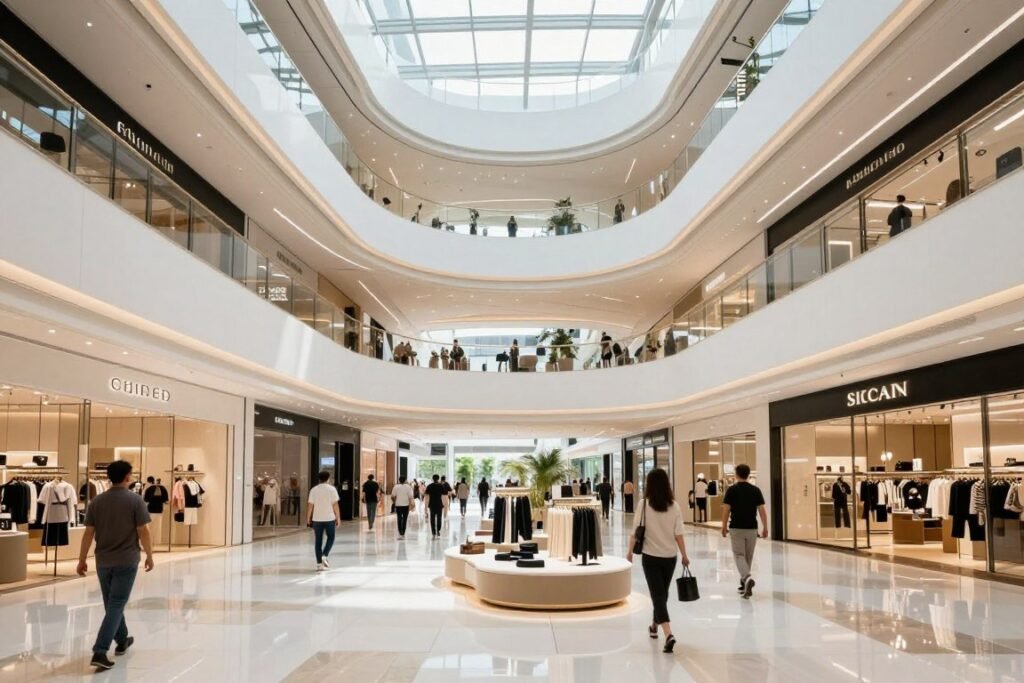
Sukhumvit offers every cuisine imaginable. Japanese, Korean, Indian, and Middle Eastern restaurants cluster in specific areas. Soi 11 and Thonglor concentrate dining options.
Street food still exists on many Sukhumvit side sois. Vendors set up in evening hours serving Thai dishes. These stalls provide budget alternatives to expensive restaurants.
Transportation in Vadhana
The BTS Sukhumvit Line runs through Vadhana with stations every few hundred meters. Nana, Asok, Phrom Phong, Thong Lo, and Ekkamai stations serve different sections. This makes getting around extremely convenient.
The MRT Blue Line intersects at Sukhumvit Station. This connection point links to other parts of Bangkok. The station stays busy with transferring passengers.
Taxis circulate constantly along Sukhumvit Road. Motorcycle taxis wait at soi entrances for quick trips. Traffic jams affect the main road during rush hours making BTS faster.
Travel Advice
Vadhana suits first-time visitors who want familiar comforts. The area provides western amenities and English-speaking services. Accommodation ranges from hostels to five-star hotels.
Prices in Sukhumvit run higher than other districts. Restaurants and bars charge tourist and expat rates. Budget travelers should venture to local areas for better value.
The district stays busy day and night. Noise levels can be high near entertainment zones. Request rooms away from main roads for quieter stays.
Khlong Toei District (คลองเตย)
Khlong Toei presents Bangkok’s most dramatic contrasts. Modern luxury malls and offices rise near informal settlements housing thousands of poor residents. The district includes the city’s main port and wholesale market.
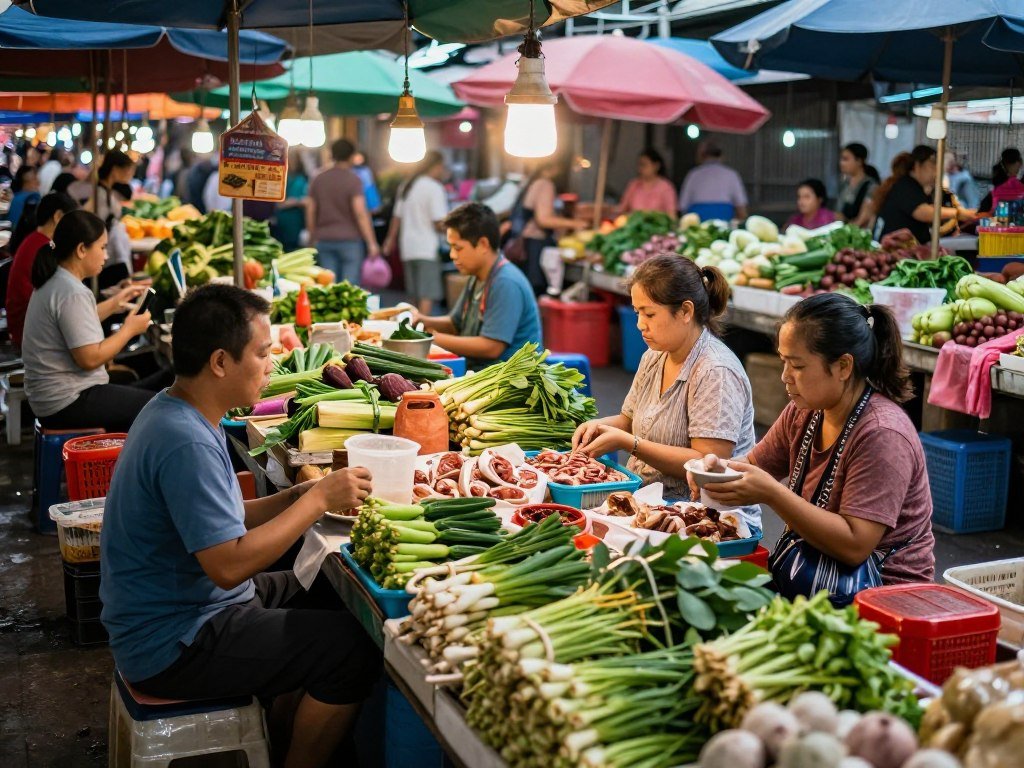
Markets and Commerce
Khlong Toei Market operates as Bangkok’s largest fresh market. Wholesalers and retailers buy produce, seafood, and meats here before dawn. The market sprawls across multiple sections selling different products.
Visiting the market requires early rising. Activity peaks between 3-7 AM when restaurants and markets source ingredients. The scene shows Bangkok’s food supply chain in action.
Gateway Ekamai shopping mall represents the district’s modern side. This Japanese-themed complex features unique shops and restaurants. The mall attracts younger Thai crowds.
Parks and Green Space
Benjakitti Park provides welcome greenspace in this dense area. The park features a large lake for jogging and cycling paths. Early morning sees residents exercising before work.
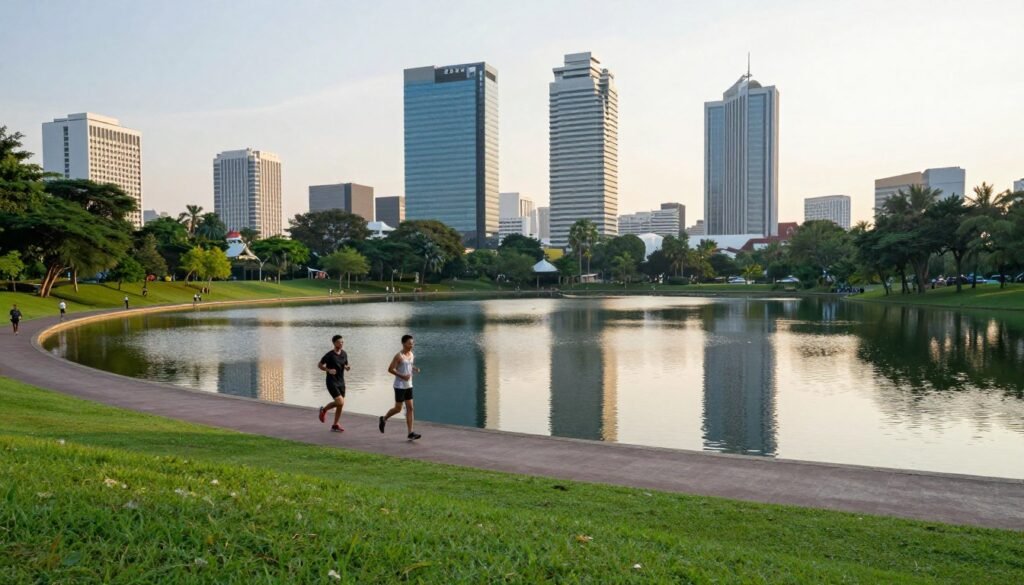
Lumpini Park sits on Khlong Toei’s western edge bordering Pathum Wan. This larger park offers more facilities and shade trees. Locals practice tai chi and aerobics in morning hours.
Getting Around
The MRT Blue Line runs beneath Sukhumvit Road through Khlong Toei. Queen Sirikit National Convention Centre and Khlong Toei stations serve the district. The BTS Sukhumvit Line also passes through the area.
The district’s layout can confuse visitors. Main roads carry heavy traffic while smaller streets wind through residential areas. Using public transport or ride-hailing apps works better than taxis.
Safety and Tips
Khlong Toei includes both safe and challenging areas. The informal settlements face social issues including poverty and drugs. Stick to main roads and commercial areas especially after dark.
Benjakitti and Lumpini parks remain safe during daylight hours. These green spaces offer respite from urban density. Avoid isolated areas after dark.
The district shows real Bangkok beyond glossy tourism. Visitors interested in understanding the city’s complexity find Khlong Toei educational. Approach with respect and awareness.
Bang Kapi District (บางกะปิ)
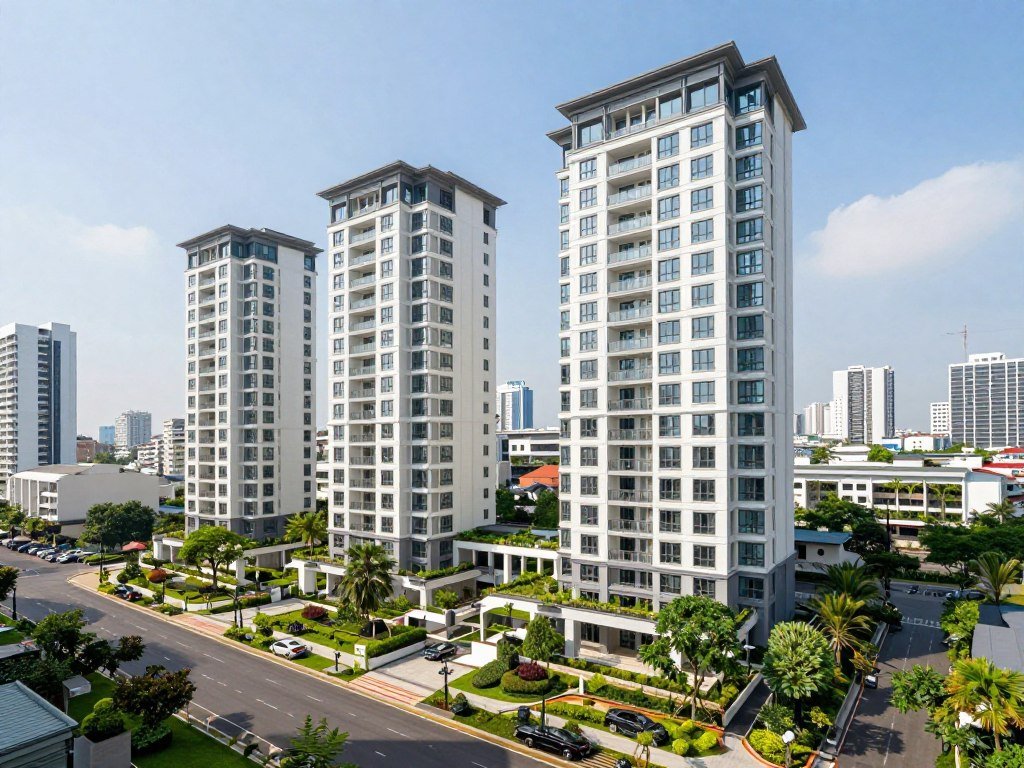
Bang Kapi sprawls across eastern Bangkok as a primarily residential district. The area developed rapidly over recent decades. Today it houses middle-class families in condominiums and housing estates.
Residential Development
The Mall Bangkapi opened as one of Bangkok’s first major shopping centers in 1982. The complex has undergone renovations but maintains local character. Department stores and supermarkets serve neighborhood residents.
Seacon Square claims status as one of the world’s largest shopping malls by area. The massive complex includes hundreds of shops, restaurants, and entertainment options. It operates more as a community center than tourist destination.
Transportation Access
Bang Kapi recently gained improved public transport. The MRT Yellow Line opened in 2023 connecting the district to the city center. This development promises increased accessibility for residents.
Ramkhamhaeng Road cuts through the district carrying heavy traffic. Buses run frequently but get stuck in congestion. The new MRT offers faster commuting options.
Local Life
Bang Kapi offers authentic residential Bangkok away from tourist areas. Markets sell fresh food for home cooking. Small restaurants serve neighborhood regulars rather than visitors.
Ramkhamhaeng University brings student energy to parts of the district. Budget eateries and affordable shops cluster near campus. The area feels young and vibrant during school terms.
Traveler Notes
Bang Kapi sees few foreign tourists. The district functions as home for Bangkok residents. Travelers seeking local experiences might find it interesting but it offers limited attractions.
Budget accommodations near universities provide very affordable rates. These properties cater to visiting students and families. Facilities stay basic but serve practical needs.
Ratchathewi District (ราชเทวี)
Ratchathewi bridges central shopping areas and residential neighborhoods. The district includes parts of Pratunam market district and extends north along Phetchaburi Road. It combines commerce with community.
Pratunam Shopping
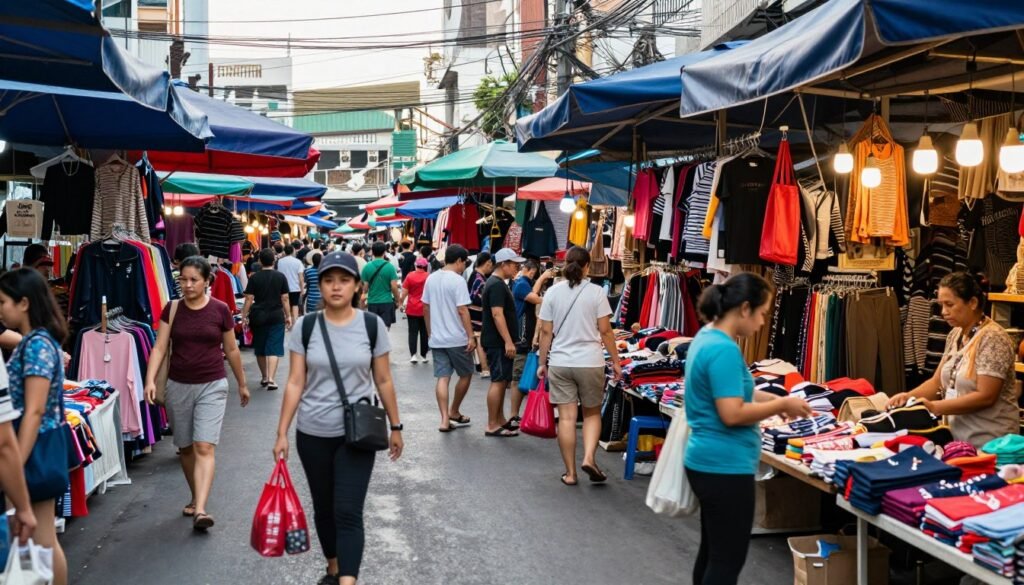
Pratunam Market sprawls across multiple blocks selling clothing and accessories. Wholesale buyers and retail shoppers hunt for deals among hundreds of stalls. The market operates throughout the day with peak hours mid-morning to afternoon.
Platinum Fashion Mall towers above street-level vendors. This building concentrates clothing sellers under one roof. Air conditioning provides relief from market crowds outside.
Baiyoke Tower II rises as Bangkok’s tallest building. The tower includes a hotel, shopping, and observation decks. Views stretch across the city on clear days.
Transport Links
The Airport Rail Link runs through Ratchathewi with a station of the same name. This provides direct connection to Suvarnabhumi Airport. The link saves time compared to road travel during traffic hours.
BTS Ratchathewi Station serves the district on the Sukhumvit Line. This makes the area accessible from major tourist zones. Multiple bus routes also pass through the district.
Hotels and Accommodation
Ratchathewi offers numerous budget and mid-range hotels. These properties cater to shoppers visiting Pratunam and business travelers. Rates stay lower than nearby Pathum Wan while maintaining central location.
Many hotels offer early airport transfers using the nearby Airport Rail Link. This convenience attracts travelers with morning flights. The area works well as a final-night stay before departing Thailand.
Food Options
Street food vendors cluster around Pratunam selling quick meals to market workers and shoppers. The selection emphasizes Thai dishes and snacks. Prices remain budget-friendly.
Shopping centers house food courts with air-conditioned comfort. These cafeteria-style operations serve diverse Thai regional foods. Quality stays high while costs stay low.
Lat Phrao District (ลาดพร้าว)
Lat Phrao extends northeast from central Bangkok along Lat Phrao Road. The district developed as a middle-class residential area. Recent MRT expansion has made it more accessible and popular.
Residential Character
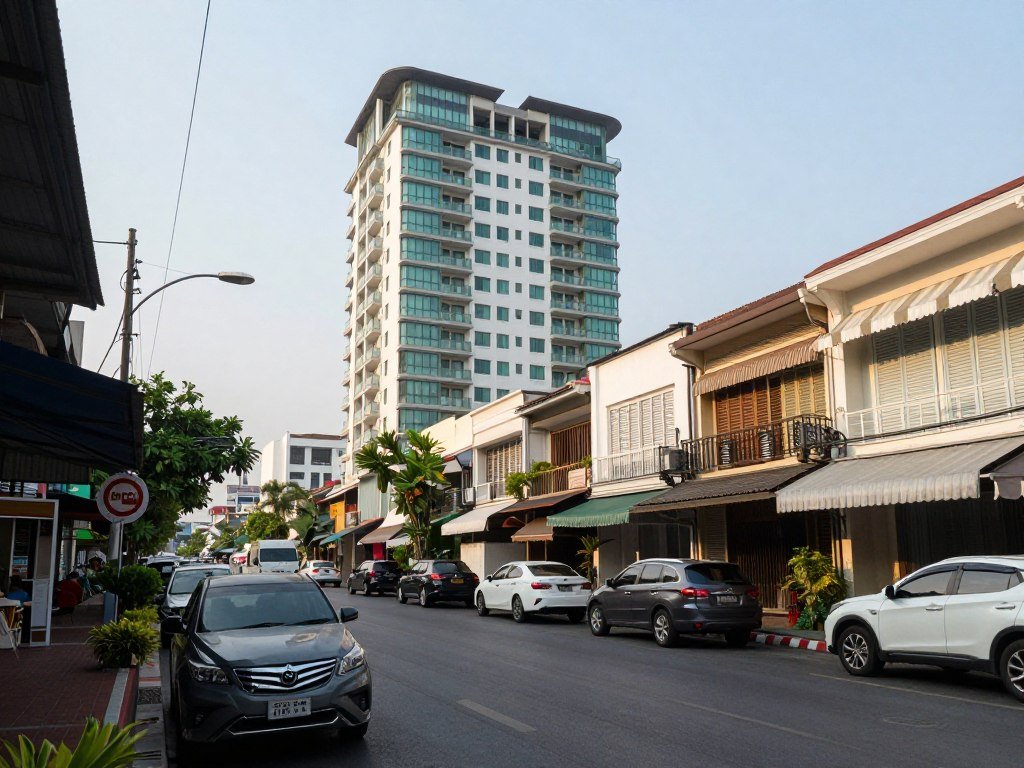
Lat Phrao combines older low-rise communities with new condominium developments. The district attracts young professionals and families seeking affordable housing near good transport. Shopping centers and markets serve local needs.
Central Plaza Lat Phrao provides a major shopping destination. The mall includes department stores, cinema, and restaurants. Thai families visit on weekends for shopping and entertainment.
Transportation
The MRT Blue Line extension brought three stations to Lat Phrao in 2023. Lat Phrao, Phahon Yothin, and Ha Yaek Lat Phrao stations now connect the district to the city center. This improvement has increased property values and commercial activity.
Local Experience
Lat Phrao offers authentic Bangkok neighborhood life. Markets sell fresh food for home cooking. Local restaurants serve Thai regulars with minimal English menus. This creates genuine cultural immersion for adventurous travelers.
The district sees few international tourists. Travelers who stay here experience Bangkok as residents do. Lower prices on food and services provide budget advantages.
Chatuchak District (จตุจักร)
Chatuchak takes its name from the famous weekend market that draws shoppers from across Thailand and beyond. The district also includes important government offices and parks. It sits in northern Bangkok near Don Mueang Airport.
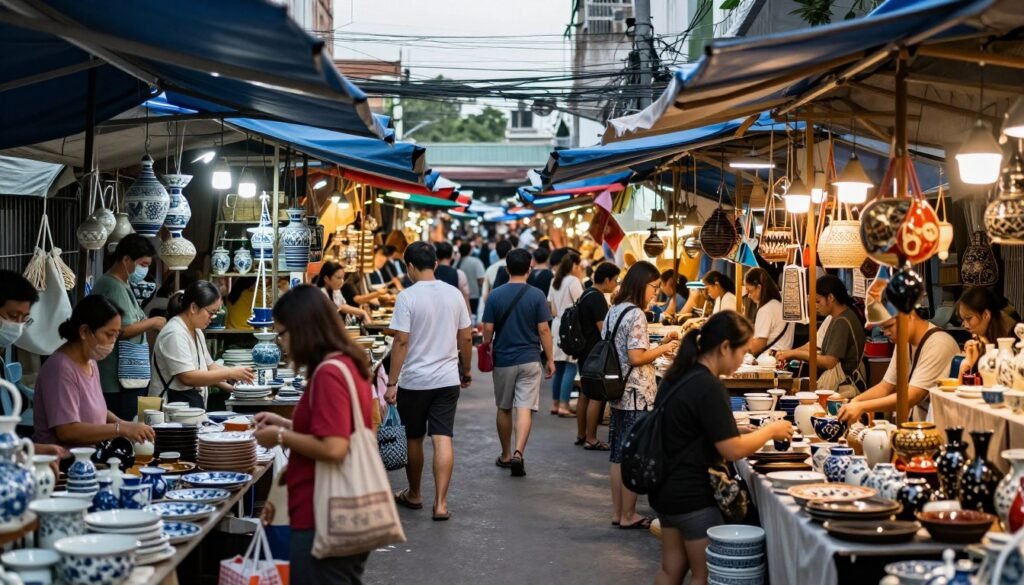
Chatuchak Weekend Market
The Chatuchak Weekend Market operates Saturdays and Sundays as one of the world’s largest markets. Over 15,000 stalls sell everything from clothing to antiques. The market attracts 200,000 visitors on busy weekends.
Market sections organize by product type. Handicrafts, home decor, clothing, pets, plants, and food each occupy specific zones. A map helps navigate the maze of aisles. Plan several hours to explore properly.
Or Tor Kor Market next door operates daily selling premium fresh food. This market rates among the world’s best fresh markets. Vendors sell top-quality produce, seafood, and prepared foods. The air-conditioned building provides comfortable shopping.
Parks and Recreation
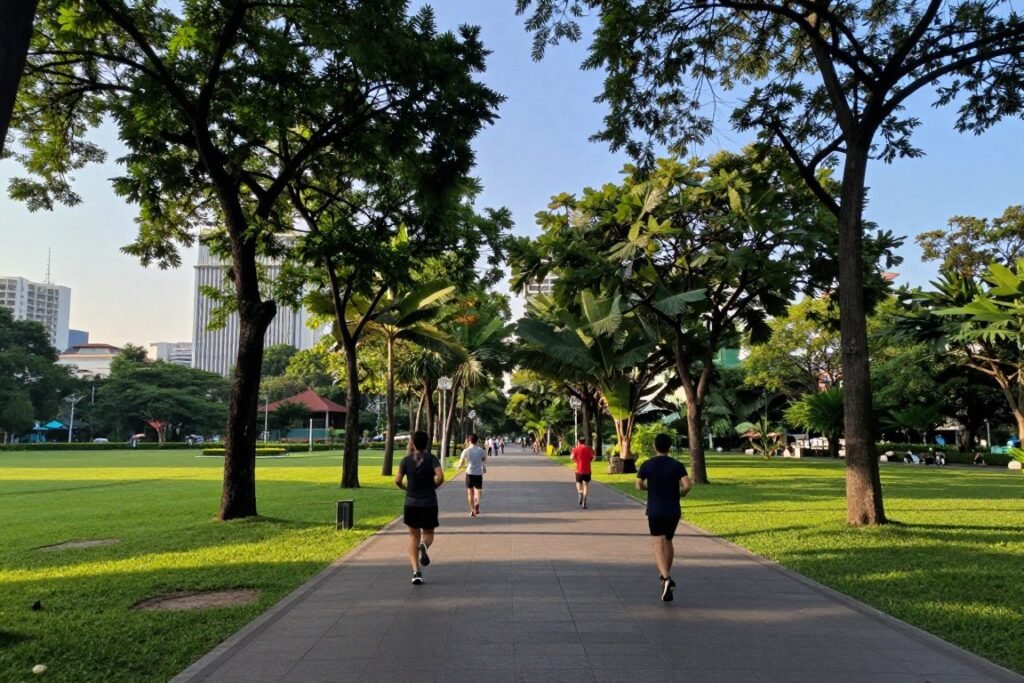
Chatuchak Park offers green space adjacent to the weekend market. Locals exercise here early mornings and evenings. The park includes a railway museum with vintage trains on display.
Queen Sirikit Park features botanical gardens and butterfly house. The park focuses on plant conservation and education. It provides peaceful retreat from market crowds.
Getting to Chatuchak
The BTS Sukhumvit Line ends at Mo Chit Station right next to the market. The MRT Blue Line stops at Chatuchak Park and Kamphaeng Phet stations. Both systems provide easy access on market days.
Buses connect Chatuchak to all parts of Bangkok. The nearby Northern Bus Terminal serves provinces outside Bangkok. This makes the area busy with both shoppers and travelers.
Market Tips
Visit Chatuchak Market early morning to beat heat and crowds. The market opens at 9 AM but serious shoppers arrive even earlier. Afternoon gets extremely hot and packed with people.
Wear comfortable shoes and light clothing. The market involves extensive walking often in sun. Bring water or buy drinks from vendors throughout the market.
Bargaining is expected at most stalls. Vendors generally lower prices when you show interest in multiple items. Cash remains the standard payment method though some stalls now accept mobile payments.
Bang Sue District (บางซื่อ)
Bang Sue sits north of central Bangkok along both sides of the Chao Phraya River. The district mixes residential areas with industrial zones and major infrastructure projects. Recent development has transformed parts of Bang Sue into modern commercial centers.
Transportation Hub
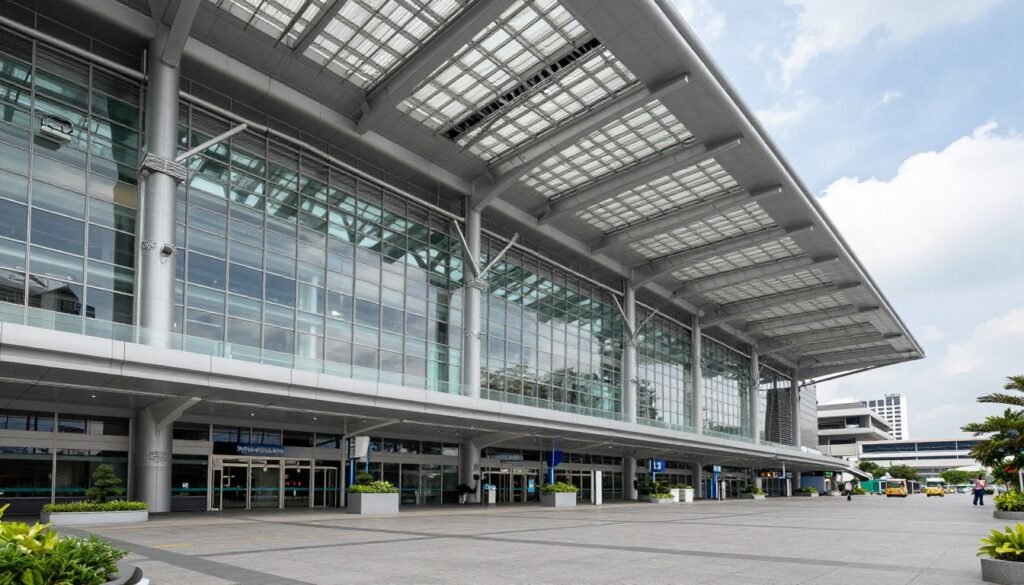
Bang Sue Grand Station opened as Thailand’s new central railway terminal. This massive station handles trains to northern, northeastern, and southern Thailand. The facility includes connections to airport rail links and future high-speed rail.
The station complex includes shopping areas and restaurants. It functions as a modern transport hub comparable to terminals in developed countries. The architecture impresses with soaring spaces and natural light.
Commercial Development
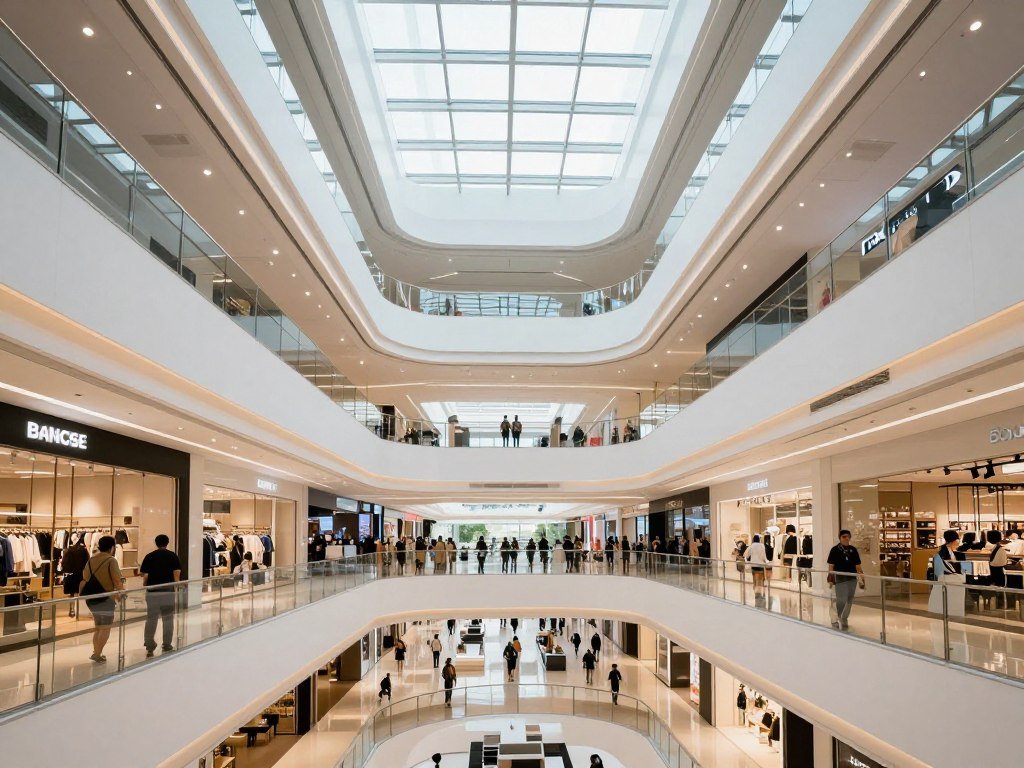
Central Plaza Westgate rises near Bang Sue Station. This large shopping mall serves the growing residential population. The complex includes department stores, cinema, and dining options.
New condominium towers cluster around the railway station. Developers bet on the area’s improved connectivity. Prices remain lower than central districts while transport access continues improving.
Getting Around
Bang Sue benefits from multiple MRT lines. The Blue Line runs through the district while the Red Line commuter rail also stops here. This makes the area increasingly accessible for residents and visitors.
Buses connect Bang Sue to other parts of Bangkok. The district’s location between the river and major highways makes it a natural transit point. Future development promises additional transport options.
Traveler Information
Bang Sue primarily serves as a transit point for travelers catching trains. Few people stay overnight unless they have early departures. Hotels near the station provide basic accommodation for this purpose.
The district shows Bangkok in transition from industrial past to modern future. Older communities exist alongside new development. This creates interesting urban contrasts.
Other Bangkok Districts Worth Knowing
Bangkok’s remaining districts each contribute to the city’s diversity. While less visited by tourists, these areas house millions of residents. Understanding them provides fuller picture of Thailand’s capital.
Thon Buri District
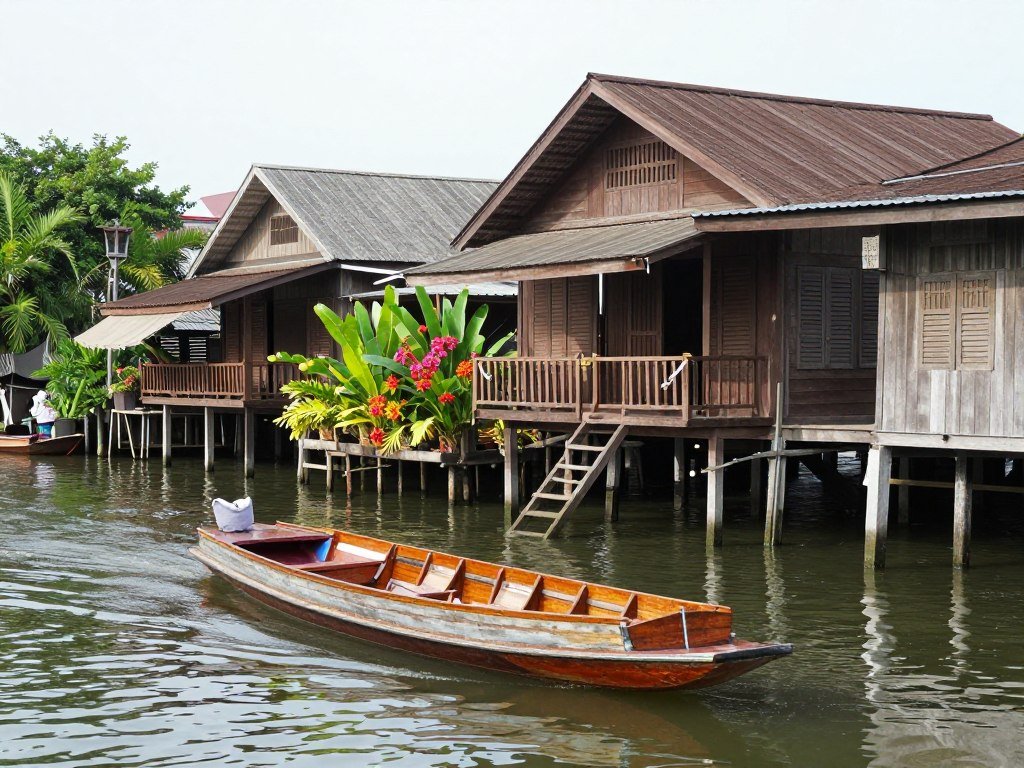
Thon Buri preserves older Bangkok character on the river’s west bank. Canals wind through residential areas. Wat Arun technically sits in neighboring Bangkok Yai but the areas blend together. Local markets and traditional communities define daily life here.
Taling Chan District
Taling Chan lies west of central Bangkok with canal networks still active. The floating market operates on weekends selling food and goods from boats. The district maintains agricultural heritage despite urban sprawl. Local temples and quiet neighborhoods attract those seeking peaceful Bangkok.
Bueng Kum District
Bueng Kum developed as residential suburbs housing middle-class Bangkokians. The district lacks major tourist sites but shows authentic neighborhood life. Shopping malls and markets serve local residents. The area connects to other districts via expressways and arterial roads.
Saphan Sung District
Saphan Sung occupies eastern Bangkok near the city limits. Residential estates and light industrial zones mix throughout the district. The area sees few foreigners outside industrial employees. Local markets provide shopping for Thai residents.
Wang Thonglang District
Wang Thonglang sits northeast of central Bangkok as a residential district. The area developed rapidly during Bangkok’s expansion. Today it houses working and middle-class families in condominiums and housing estates. Shopping centers serve local needs without tourist facilities.
Khlong Sam Wa District
Khlong Sam Wa spreads across northeastern Bangkok mostly as residential area. The district maintains semi-rural character in some sections. Markets sell agricultural products alongside manufactured goods. Distance from city center keeps prices affordable.
Nong Chok District
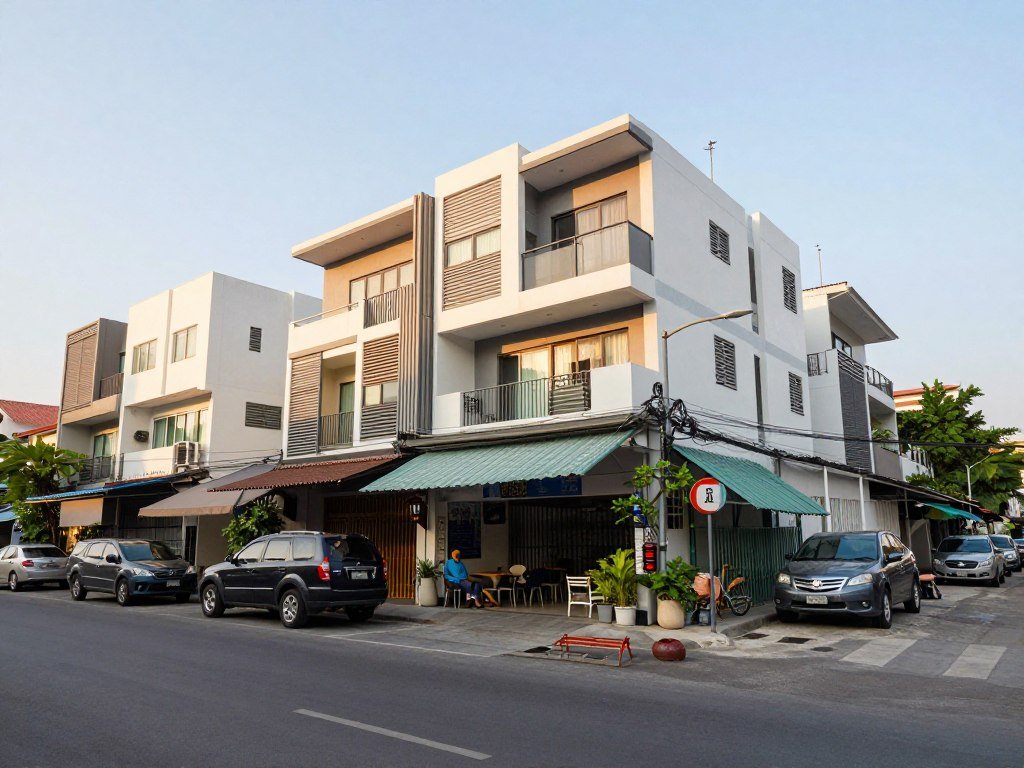
Nong Chok lies at Bangkok’s eastern edge where the city transitions to agricultural land. Rice fields still exist in outer sections. The district represents Bangkok’s expanding boundaries. New housing developments push into formerly rural areas.
Lat Krabang District
Lat Krabang hosts Suvarnabhumi Airport within its boundaries. This makes it Bangkok’s largest district by area. Industrial estates and logistics facilities cluster near the airport. Budget hotels serve travelers with early flights or long layovers.
Min Buri District
Min Buri occupies eastern Bangkok along the Bang Pakong River. The area developed as industrial and residential suburbs. Traditional communities exist alongside newer developments. The district maintains local character away from tourist routes.
Prawet District
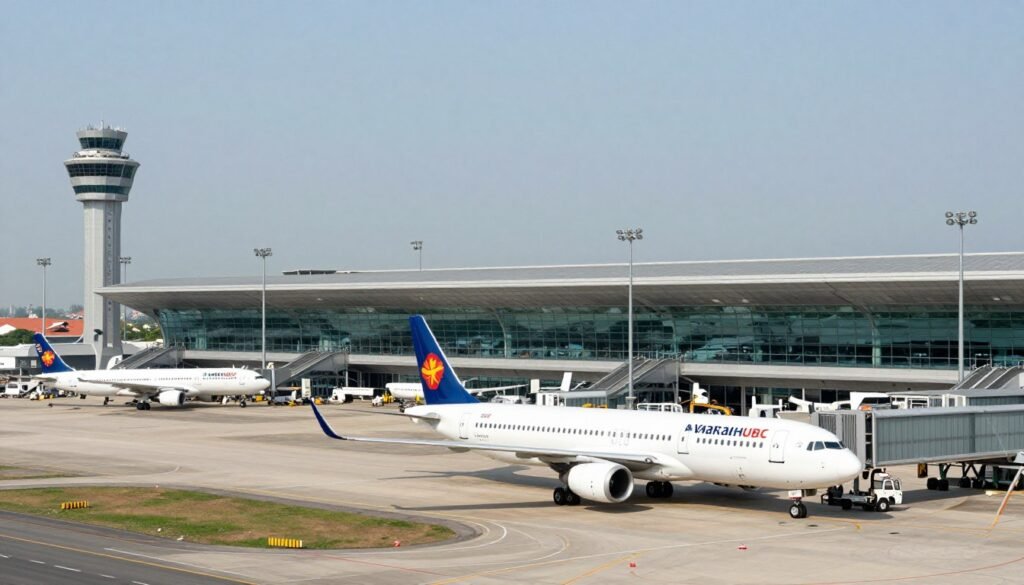
Prawet sits in southeastern Bangkok near Suvarnabhumi Airport approach paths. Industrial estates mix with residential zones. The district serves as home for factory workers and middle-income families. Few attractions draw visitors beyond airport proximity.
Suan Luang District
Suan Luang lies east of central Bangkok as primarily residential area. The district includes Suan Luang Rama IX Park, one of Bangkok’s largest green spaces. Middle-class condominiums and houses fill the area. Shopping centers provide retail options for local residents.
Chom Thong District
Chom Thong sits in southern Bangkok away from major tourist routes. The district combines residential neighborhoods with some industrial activity. Local markets and temples serve Thai residents. The area represents typical Bangkok suburbs.
Don Mueang District
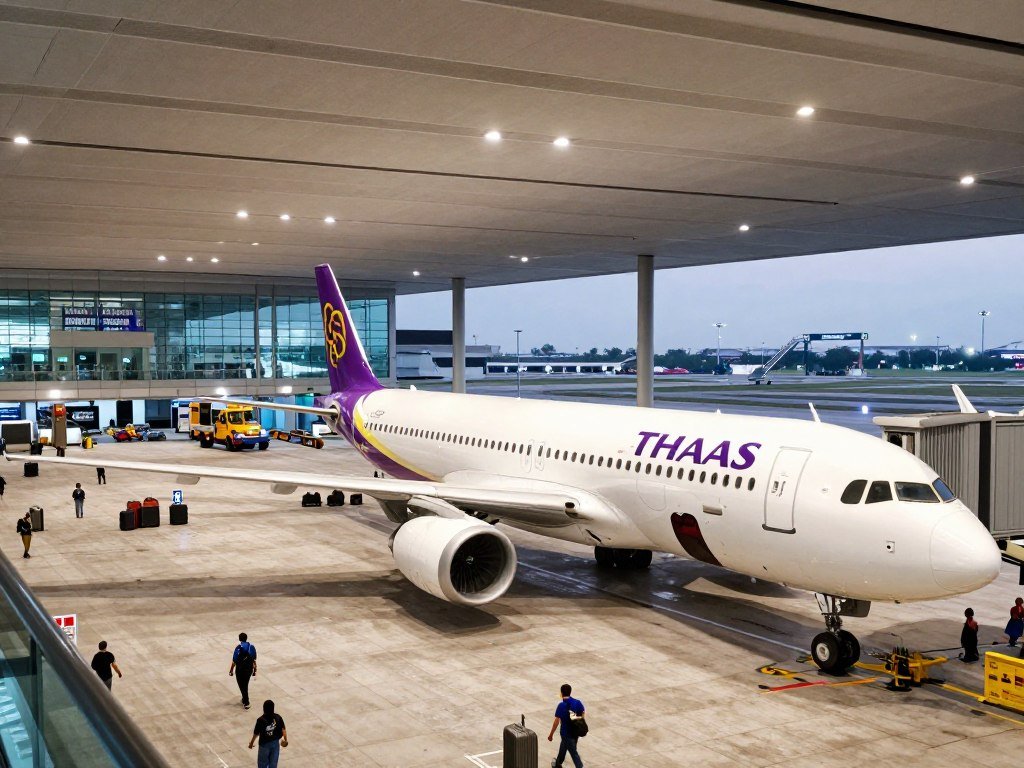
Don Mueang hosts Bangkok’s older airport still serving domestic and budget international flights. The district developed around aviation and military facilities. Residential areas house airport workers and military families. Hotels near the airport cater to budget travelers and early flights.
Ratchathewi District
Ratchathewi bridges shopping areas and residential neighborhoods. Pratunam market district and surrounding wholesale centers drive commerce. The area sees many Thai shoppers from provinces. Hotels cater to domestic tourists visiting for shopping.
Khan Na Yao District
Khan Na Yao occupies northeastern Bangkok as expanding residential area. New housing estates continue developing for Bangkok’s growing population. The district maintains suburban character with some agricultural land remaining. Shopping centers serve local residents.
Sai Mai District
Sai Mai sits at Bangkok’s northern edge where urban development meets rural areas. The district shows the city’s ongoing expansion. Residential projects target middle-income families seeking affordable housing. Distance from central Bangkok keeps prices lower.
Bang Khen District
Bang Khen lies in northern Bangkok mixing residential and light industrial uses. The area developed as suburbs expanded outward from the city center. Local markets and shopping centers serve residents. The district remains primarily residential without major attractions.
Lak Si District
Lak Si occupies northern Bangkok including the site of Thailand’s parliament complex. Government offices mix with residential neighborhoods. The district’s location between Don Mueang Airport and central Bangkok makes it a transit area. Development continues as the city expands northward.
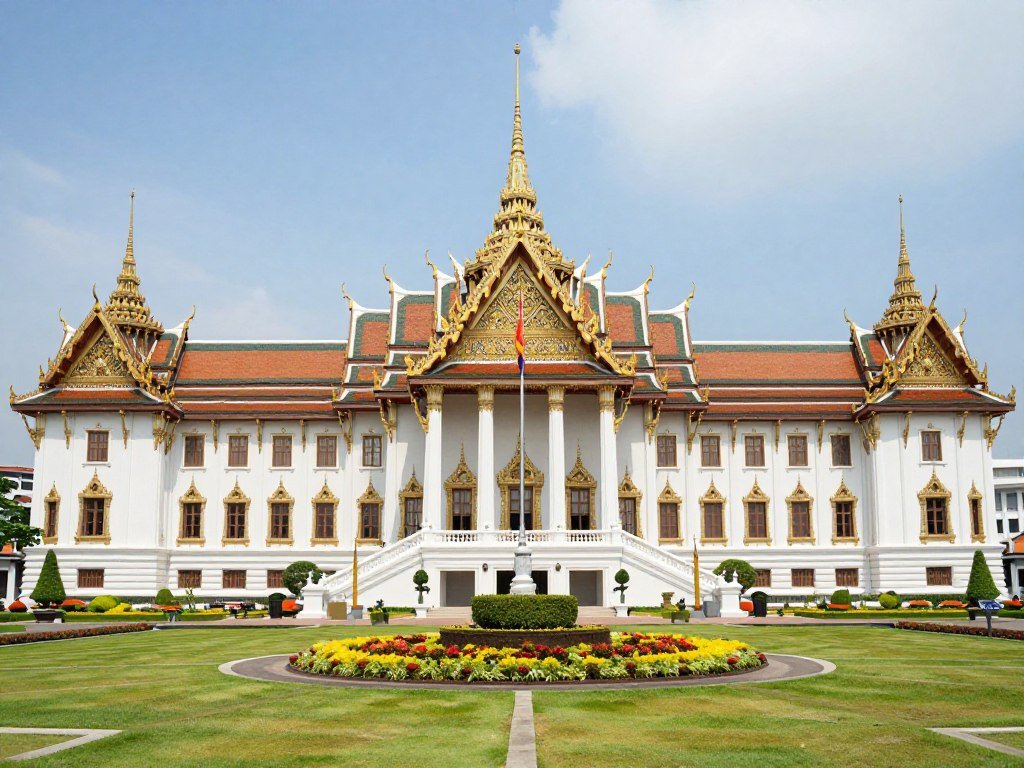
Bang Khae District
Bang Khae sits in western Bangkok as residential suburbs. The district developed during Bangkok’s westward expansion. Shopping malls and markets serve local Thai residents. The area maintains distance from tourist zones while housing thousands of families.
Thawi Watthana District
Thawi Watthana occupies Bangkok’s far western edge. Semi-rural areas remain in outer sections. The district includes Mahidol University’s Salaya campus. Residential developments continue expanding into formerly agricultural land.
Bang Bon District
Bang Bon lies in southwestern Bangkok near the Gulf of Thailand. Industrial estates and port facilities operate here. The district supports Bangkok’s manufacturing and shipping industries. Residential areas house industrial workers.
Bang Khun Thian District
Bang Khun Thian occupies Bangkok’s southern coast along the Gulf of Thailand. The district includes remaining agricultural land and expanding suburbs. Coastal areas face environmental challenges from development and rising seas. Local communities maintain traditional livelihoods.
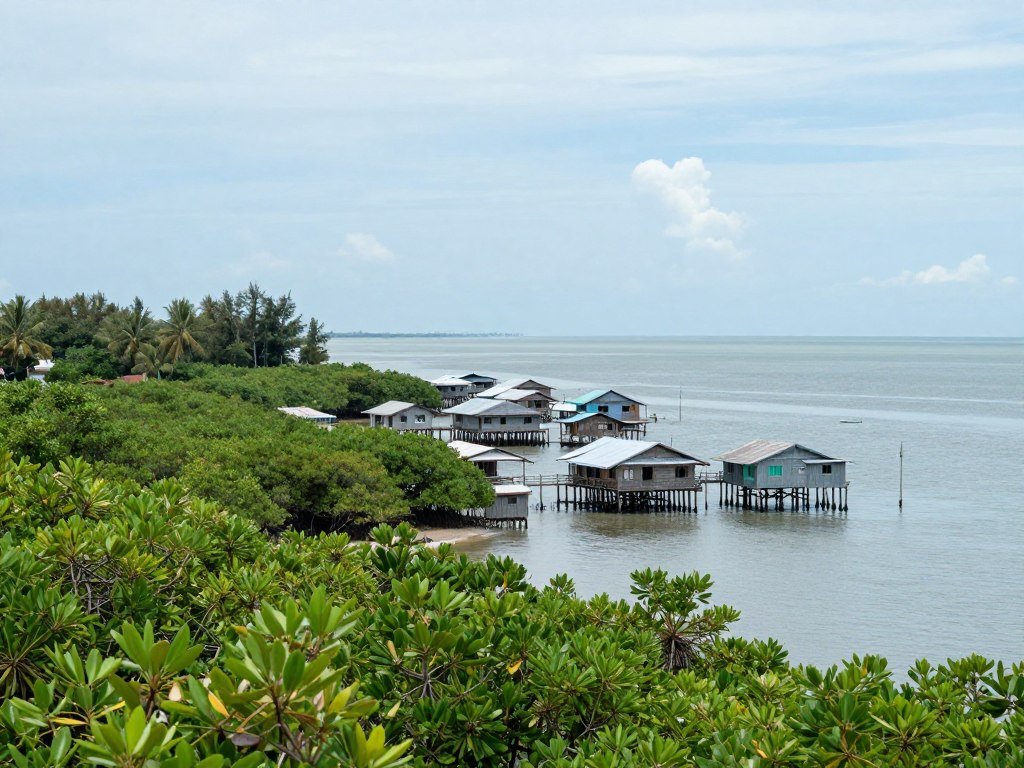
Phasi Charoen District
Phasi Charoen sits west of the Chao Phraya River as mixed-use district. Residential areas combine with commercial zones. The district maintains local Thai character. Shopping centers and markets cater to residents rather than tourists.
Nong Khaem District
Nong Khaem occupies western Bangkok as residential suburbs. The district developed rapidly during recent decades. Housing estates provide homes for working-class and middle-income families. Shopping facilities serve local needs without tourist amenities.
Rat Burana District
Rat Burana lies south of central Bangkok along the Chao Phraya River. The district mixes residential, commercial, and industrial uses. Traditional communities exist alongside modern developments. River access historically influenced settlement patterns.
Bang Phlat District
Bang Phlat sits west of the river in Thonburi area. The district preserves older Bangkok character with canal communities. Traditional wooden houses line waterways. Local markets serve residents who’ve lived here for generations.
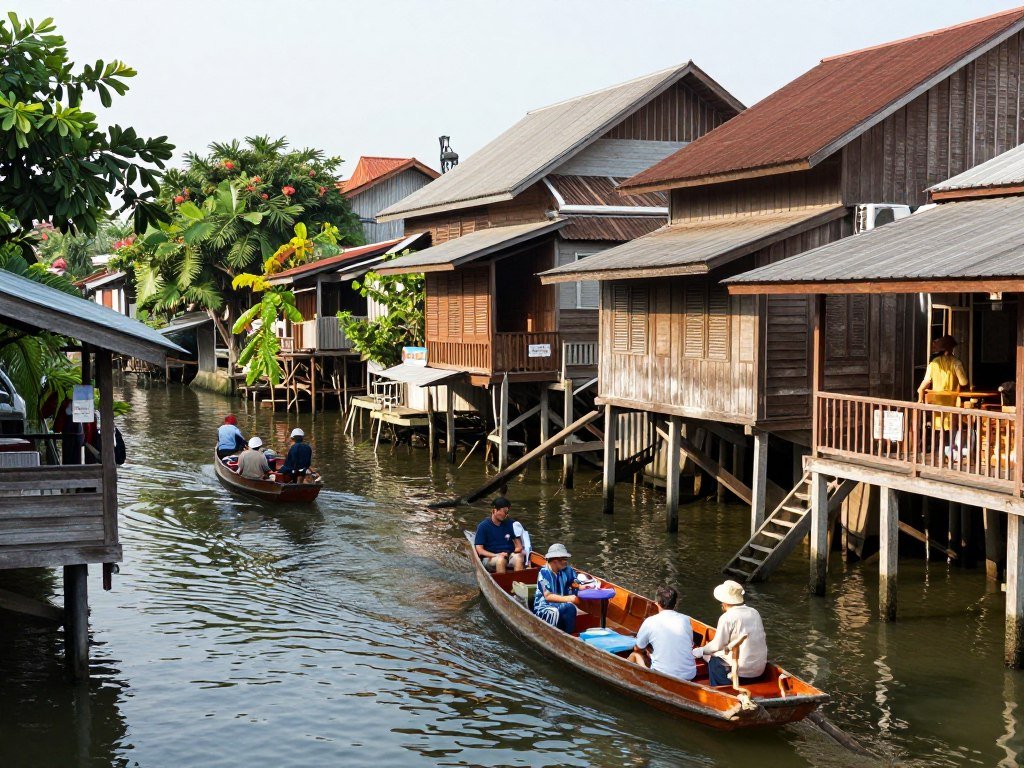
Khlong San District
Khlong San occupies riverfront property opposite Chinatown and central Bangkok. The area developed as port and warehouse district. Recent years brought condominium development with river views. Old commercial buildings mix with new residential towers.
Bang Kho Laem District
Bang Kho Laem sits along the river south of Sathorn. The district includes portions of Charoen Krung Road, Bangkok’s first paved street. Traditional shophouses mix with modern development. River communities maintain connection to water-based livelihoods.
Yan Nawa District
Yan Nawa lies south of Sathorn along both sides of the river. The district combines high-rise condominiums with older communities. BTS Skytrain extension serves parts of the area. Development continues transforming the district.
Watthana District
Watthana sits east of Vadhana along Sukhumvit Road. The district extends to Bangkok’s eastern edge. Residential areas dominate with shopping centers serving local residents. The outer sections maintain quieter suburban character.
Essential Bangkok Travel Tips
Navigating Bangkok’s 50 districts requires planning and local knowledge. These practical tips help you move efficiently and safely across the city. Understanding local customs and systems makes travel smoother.
Transportation Between Districts
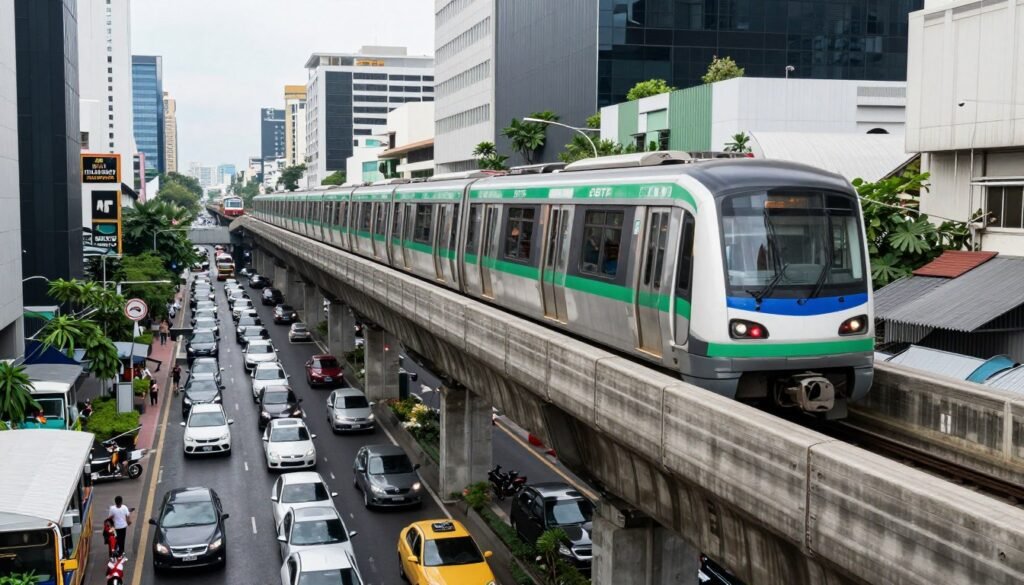
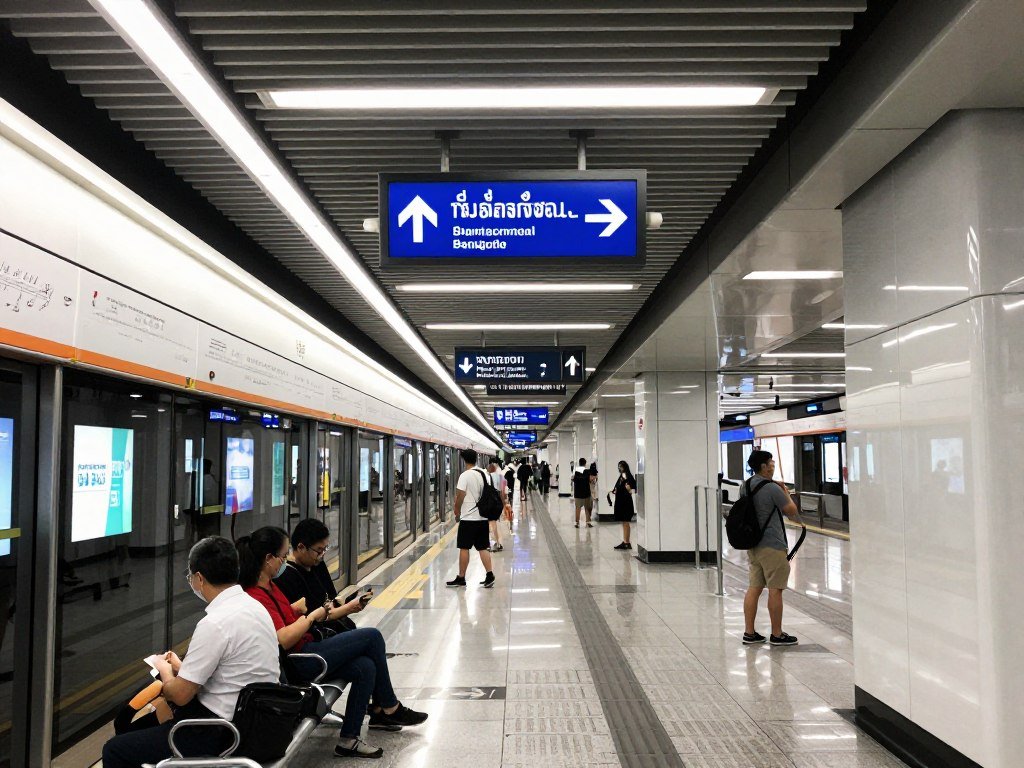
The BTS Skytrain and MRT subway provide the fastest way to travel during rush hours. Traffic jams make taxis painfully slow from 7-10 AM and 4-8 PM. Buy a Rabbit Card for BTS or stored-value card for MRT to save time queuing for tickets.
River boats offer scenic transport along the Chao Phraya River. The orange flag express boats skip some piers for faster service. Local boats stop everywhere but cost less. River travel avoids road traffic completely.
Grab and Bolt apps work like Uber providing reliable ride-hailing. Prices appear before booking eliminating bargaining. During peak hours, fares increase with surge pricing. Motorcycle taxis through these apps navigate traffic faster than cars.
Best Times to Visit Districts
Visit outdoor attractions early morning before heat peaks. Temples open around 8 AM offering cooler conditions and better light for photos. Markets typically busiest morning hours with freshest products.
Shopping malls provide air-conditioned refuge during midday heat. Most open at 10 AM and close at 10 PM. Food courts serve lunch from 11 AM onward with good value set meals.
Evening hours bring cooler temperatures and night markets. Street food stalls set up around 5-6 PM serving dinner crowds. Riverside areas particularly pleasant after sunset.
Safety Across Districts
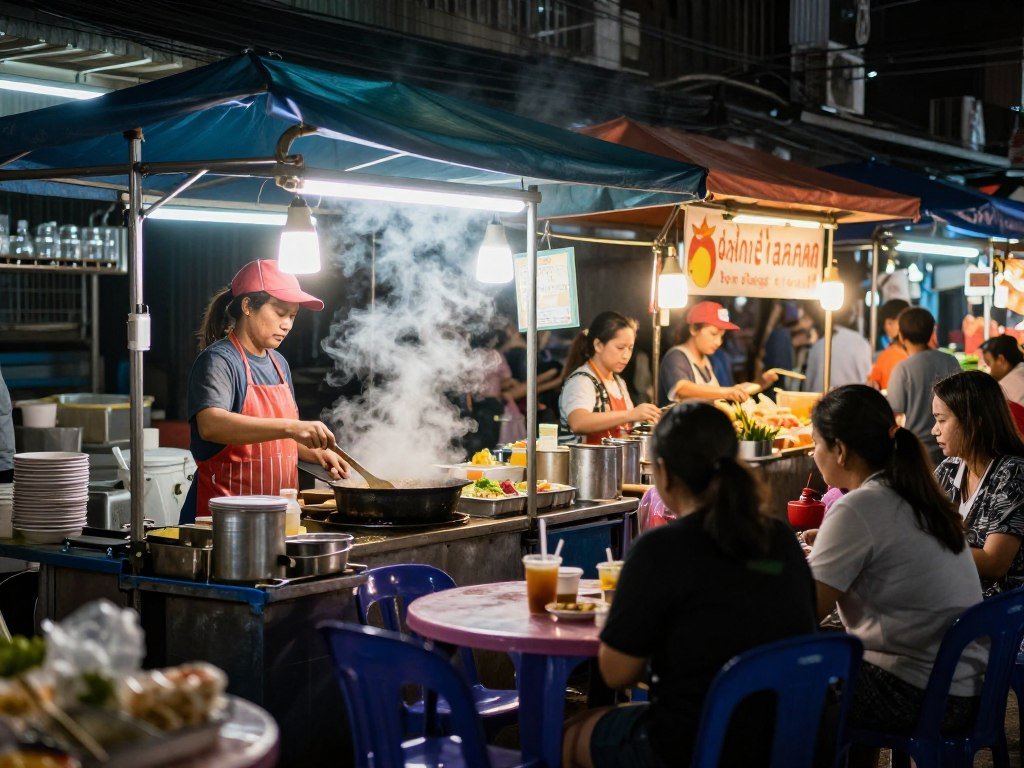
Bangkok generally remains safe for visitors across all districts. Tourist areas see more scams than violent crime. Common tricks include gem shop tours, tuk-tuk overcharging, and fake Grand Palace closures.
Guard belongings on crowded BTS and MRT trains. Pickpockets work busy stations during rush hours. Keep phones and wallets in front pockets or secure bags.
Avoid poorly lit areas late at night in any district. Stick to main roads and well-traveled routes. Most hotels and tourist areas have good street lighting and security presence.
Money and Budgeting by District
Prices vary significantly between districts. Tourist areas like Sukhumvit and Siam charge premium rates. Local districts offer the same quality food and services for half the price.
ATMs appear throughout Bangkok charging 220 baht foreign transaction fees. Withdraw larger amounts less frequently to minimize fees. Exchange booths in tourist areas offer poor rates compared to bank branches.
Many small shops and street vendors accept only cash. Convenience stores like 7-Eleven operate everywhere accepting cards and providing ATM access. Keep small bills for taxis and markets.
Daily Budget Estimates by District Type
- Tourist Districts (Sukhumvit, Siam): $50-150 per day including mid-range accommodation
- Local Districts (Huai Khwang, Bang Kapi): $25-60 per day with budget accommodation
- Luxury Areas (Riverside, Sathorn): $150-500+ per day in upscale hotels
Weather Considerations
Bangkok’s heat affects outdoor exploration year-round. Temperatures reach 30-35°C daily. Rainy season from May to October brings afternoon downpours. Carry a small umbrella or rain jacket.
Indoor attractions provide relief from weather. Museums, shopping malls, and temples offer air conditioning or shade. Plan outdoor activities for morning and evening hours.
Dress in light, breathable clothing. Cotton or moisture-wicking fabrics work better than synthetics. Modest clothing required for temples means covering shoulders and knees despite heat.
Language and Communication
English proficiency varies greatly by district. Tourist areas have English-speaking staff. Local districts require more creativity communicating. Translation apps help bridge language gaps.
Learn basic Thai phrases for politeness. “Sawadee krap/ka” (hello), “khop khun krap/ka” (thank you), and “mai pen rai” (no problem) go far. Thais appreciate any effort to speak their language.
Write destination addresses in Thai script. Show drivers on your phone or carry printed cards. Many Bangkok streets have long, complicated names difficult to pronounce correctly.
Cultural Etiquette
Remove shoes before entering homes, temples, and some shops. Watch for shoe racks near entrances as signals. Thais consider feet dirty and never point them at people or Buddha images.
The Thai royal family commands deep respect. Never make negative comments about monarchy. Stand respectfully during royal anthem played before movies and at 8 AM and 6 PM in public spaces.
Thai people avoid confrontation and value keeping cool. Raising your voice or showing anger considered very rude. Smile and maintain calm even during frustrating situations.
Health and Hygiene
Tap water in Bangkok not safe for drinking. Buy bottled water widely available at convenience stores. Most hotels provide complimentary bottles. Brush teeth with bottled water to be safe.
Street food generally safe despite concerns. Choose vendors with busy crowds indicating fresh ingredients and quick turnover. Avoid food sitting out for hours in hot sun.
Pharmacies operate throughout Bangkok selling over-the-counter medications. Boots and Watson’s chains stock familiar international brands. Pharmacists often speak English in tourist areas.

Luxury Riverside Hotels
Experience Bangkok’s finest accommodations along the Chao Phraya River with world-class service, stunning views, and premium amenities.
- Mandarin Oriental Bangkok – Historic riverside luxury
- The Peninsula Bangkok – Thai elegance meets modern style
- Shangri-La Hotel – Expansive gardens and river views
- Anantara Riverside – Resort atmosphere in the city
Mid-Range Sukhumvit Hotels
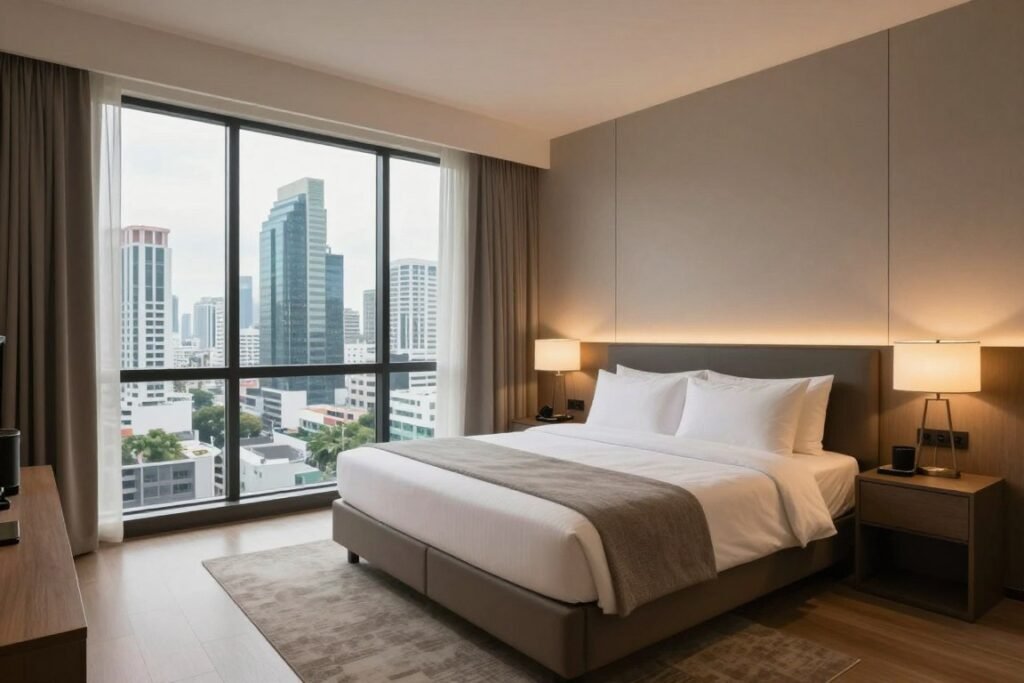
Perfect balance of comfort and value in Bangkok’s most convenient district with excellent BTS access and dining options.
- Rembrandt Hotel – Established mid-range favorite
- Galleria 10 Hotel – Boutique style near Sukhumvit
- Citadines Sukhumvit – Apartment-style comfort
- Hotel Muse Bangkok – Artistic boutique hotel
Budget Backpacker Hotels
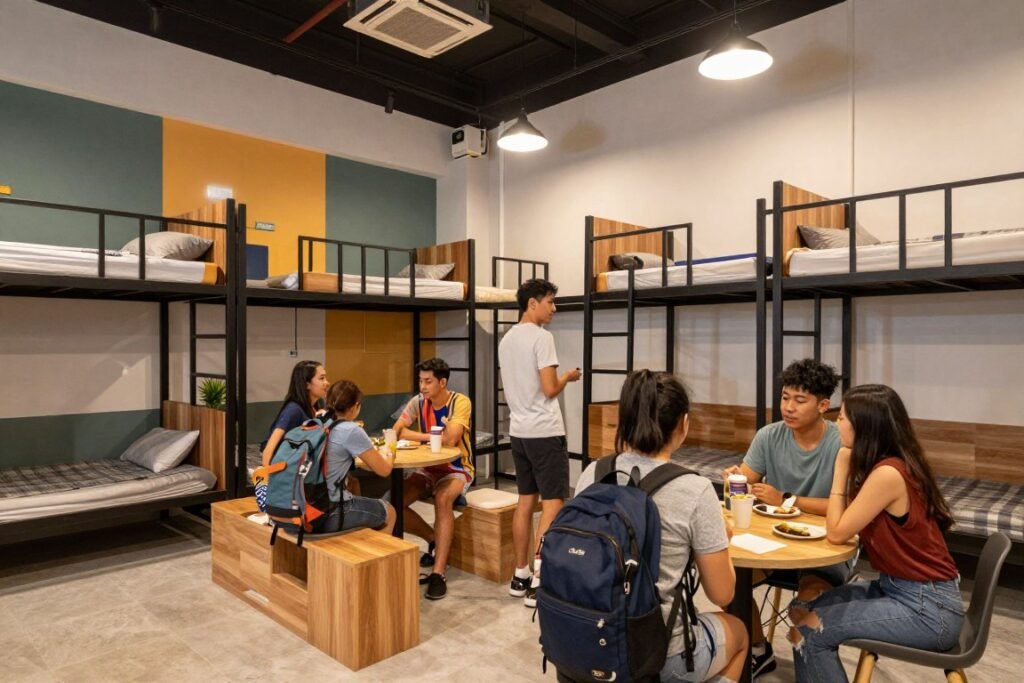
Affordable accommodation near Khao San Road and local districts offering clean rooms and social atmosphere for budget travelers.
- NapPark Hostel – Design hostel near Khao San
- Lub d Bangkok Silom – Social hostel with pool
- The Yard Hostel – Community-focused budget stay
- Bodega Phra Nakhon – Boutique budget option
Complete Guide to Bangkok Public Transportation
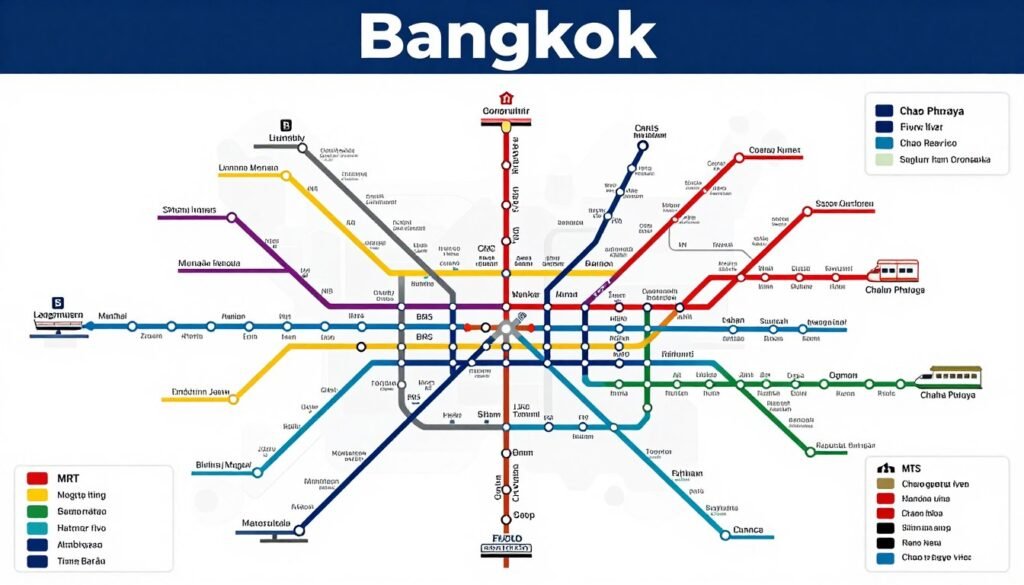
Understanding Bangkok’s public transportation system unlocks efficient travel between districts. The city offers multiple options each with advantages. Combining different transport modes creates the best travel strategies.
BTS Skytrain System
The BTS Skytrain operates two main lines covering central Bangkok. The Sukhumvit Line runs from Mo Chit to Kheha and Samut Prakan. The Silom Line travels from National Stadium to Bang Wa. Siam Station connects both lines as the interchange point.
Trains run from 6 AM to midnight with 3-6 minute intervals. Single journey tickets cost 17-59 baht depending on distance. The Rabbit Card stored-value option saves time and offers slight discounts. Tourist day passes provide unlimited rides for 140 baht.
Stations have clear English signage and announcements. Platform maps show all stops with district information. Most stations connect to shopping centers via skywalks keeping you cool and dry.
MRT Subway Network
The MRT subway complements the BTS with underground lines. The Blue Line circles through central Bangkok connecting major districts. The Purple Line serves northern suburbs. Extensions continue expanding coverage.
MRT operates 6 AM to midnight like the BTS. Fares range 17-42 baht per journey. The stored-value card works across all MRT lines. Buy cards from ticket machines or service counters at every station.
Air-conditioned stations and trains provide comfort during travel. Security screening at entrances checks bags similar to airports. This adds minimal time but enhances safety.
Chao Phraya River Boats
The Chao Phraya Express Boat operates multiple routes along the river. Orange flag boats provide express service skipping piers. Yellow and green flags make more stops. Local boats with no flags stop everywhere and cost less.
Tourist boats run a separate service with day passes for 150 baht. These boats stop at major attractions but skip local piers. Regular express boats offer better value for mixed sightseeing and practical transport.
River taxi piers connect to BTS stations at Saphan Taksin and Krung Thon Buri. This creates easy transfers between river and elevated rail. Boats run from early morning to evening with reduced service after 7 PM.
Public Buses
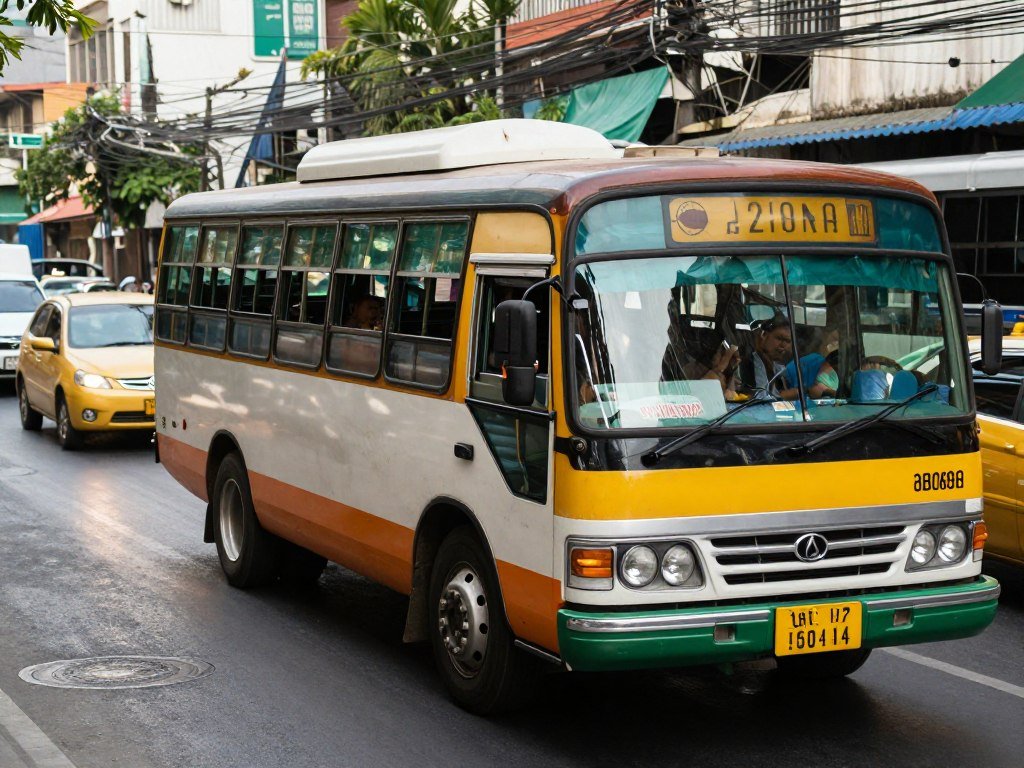
Bangkok’s bus system covers areas without BTS or MRT access. Over 100 routes crisscross the city operating day and night. Fares range from 8-24 baht depending on bus type and air conditioning.
Regular buses lack English announcements making navigation challenging for visitors. Google Maps shows bus routes and real-time locations. The Via Bus app provides detailed route information in English.
Air-conditioned buses cost more but provide comfort. Some routes operate 24 hours serving night workers and late travelers. Night buses carry lower passenger numbers making them less crowded.
Taxis and Ride-Hailing
Metered taxis cruise Bangkok streets painted in bright colors. Starting fare is 35 baht plus 2-12 baht per kilometer depending on speed. Highway tolls cost extra and passengers pay these fees.
Always insist drivers use the meter. Some refuse claiming traffic or distance. Simply exit and find another taxi. Legitimate drivers willingly use meters without complaint.
Grab and Bolt apps provide reliable alternative to street taxis. Prices appear upfront eliminating meter concerns. Drivers rated by passengers maintain service quality. Surge pricing applies during peak demand.
Motorcycle Taxis
Motorcycle taxi drivers wear numbered orange vests. They wait at soi entrances providing quick transport through traffic. Fares typically 10-60 baht for short trips. Agree on price before departure.
Motorcycle taxis navigate between cars making them fastest option during gridlock. The experience feels scary for newcomers. Drivers provide helmets though quality varies. Hold on tight and trust their skills.
Grab and Bolt also offer motorcycle taxi bookings. App-based service provides agreed prices and driver identification. This option feels safer than street pickups for nervous travelers.
Airport Connections
The Airport Rail Link connects Suvarnabhumi Airport to central Bangkok. Express trains reach Phaya Thai Station in 15 minutes for 45 baht. City Line trains make more stops taking 30 minutes for the same price.
Don Mueang Airport connects via train to Mo Chit BTS Station. The journey takes about 30 minutes. Alternatively, buses and taxis provide direct service to various districts.
Pre-booking airport transfers ensures reliable pickup. Prices exceed taxis but drivers meet you at arrivals with name signs. This convenience helps after long flights.
Bangkok Food Culture Across Districts
Bangkok’s reputation as a food paradise spans all districts. Each area offers unique culinary experiences from street vendors to fine dining. Understanding where to eat what helps you explore Bangkok’s diverse flavors.
Street Food Districts
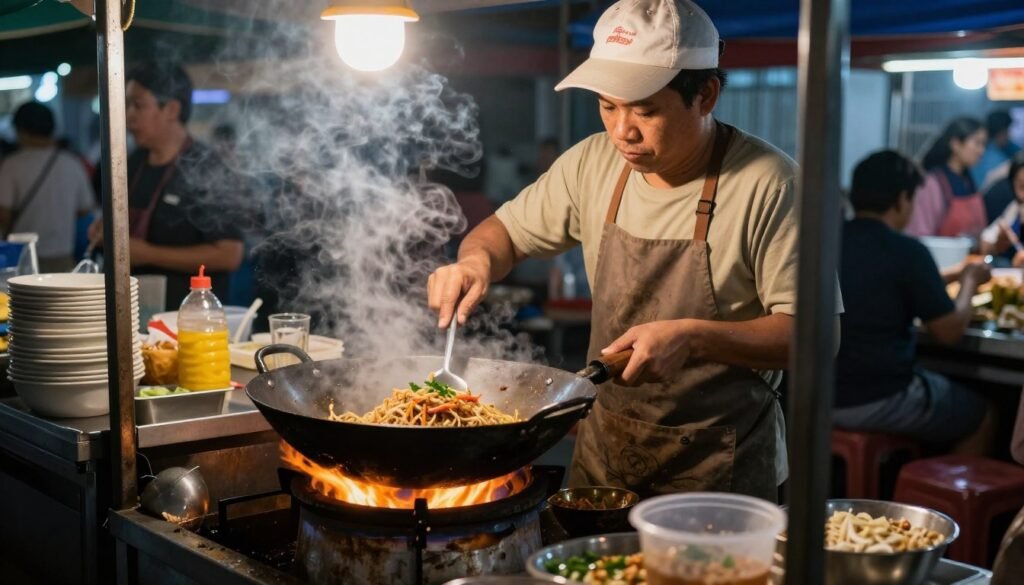
Yaowarat in Chinatown operates as Bangkok’s most famous street food zone. Seafood vendors set up along sidewalks each evening. Crab, prawns, and fish prepared fresh to order. The scene peaks 7-11 PM when crowds pack the streets.
Ratchawat Market near Saphan Khwai offers authentic local food. This evening market sees few tourists keeping prices low. Northern Thai specialties like sai oua sausage appear alongside Bangkok classics. The market operates every night until late.
Victory Monument area serves office workers with quick, affordable meals. Boat noodles and pad krapow fill lunchtime crowds. Vendors here master fast service feeding hundreds daily. Quality stays high despite rushed pace.
Market Food Experiences
Or Tor Kor Market near Chatuchak sells premium ingredients and prepared foods. The air-conditioned building houses Thailand’s highest-quality produce vendors. Ready-to-eat meals showcase regional specialties. Prices exceed street food but quality justifies costs.
Khlong Toei Market operates as Bangkok’s largest wholesale food market. The chaotic energy peaks before dawn when restaurants source ingredients. Adventurous visitors can explore but the scene overwhelms some people. Hire a local guide for the best experience.
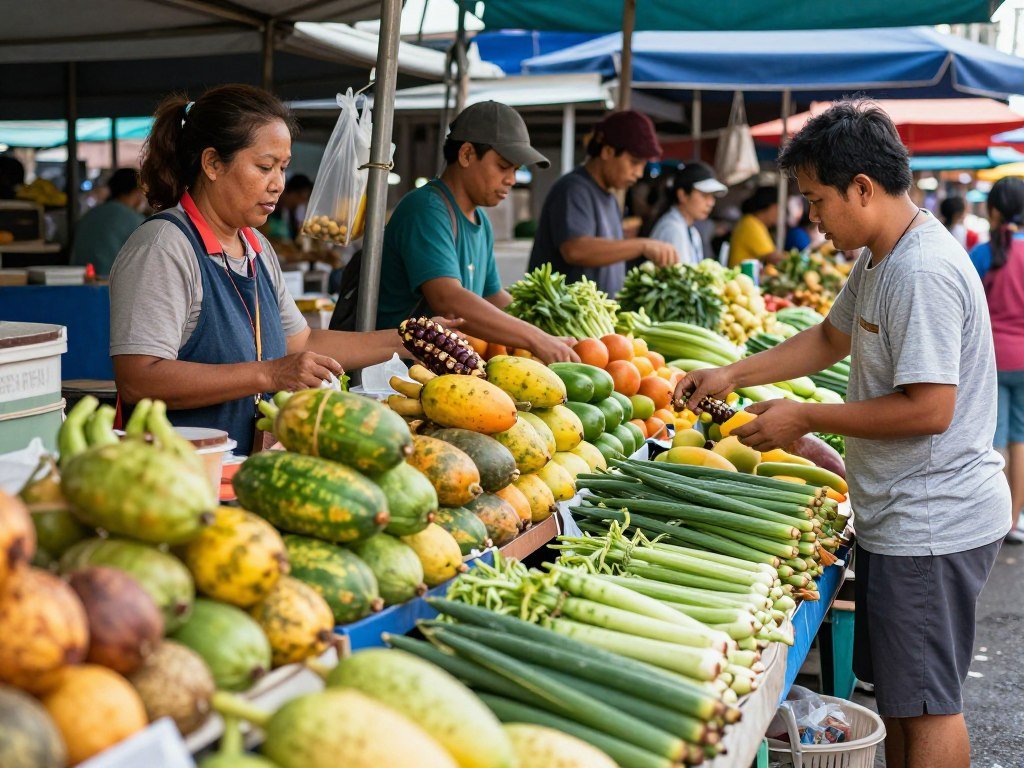
Talad Rot Fai night markets combine vintage shopping with food stalls. Multiple locations across Bangkok operate on different nights. The markets attract young Thais creating energetic atmosphere. Food vendors serve creative fusion dishes alongside Thai classics.
Restaurant Districts
Thonglor and Ekkamai concentrate upscale dining in trendy settings. Thai restaurants here modernize traditional dishes with presentation and ingredients. International cuisines from Japanese to Italian operate at high standards. Expect prices triple street food costs.
Sukhumvit Road offers every cuisine imaginable. Indian restaurants cluster around Soi 11. Korean food dominates sections near Asok. Japanese izakayas and ramen shops scatter throughout. This diversity reflects Bangkok’s international character.
Riverside restaurants provide romance with Chao Phraya River views. Many occupy historic buildings or traditional rice barges. Thai and international menus cater to tourists. Sunset dinner cruises combine dining with sightseeing.
Food Court Culture
Shopping mall food courts deliver excellent value with air conditioning. Central World, Siam Paragon, and Terminal 21 operate large food courts. Vendors prepare regional Thai dishes plus international options. Most meals cost 50-120 baht.
The system uses prepaid cards bought at counters. Order from multiple vendors then find seating. Return cards for refunds on unused balance. This efficient setup handles hundreds of diners simultaneously.
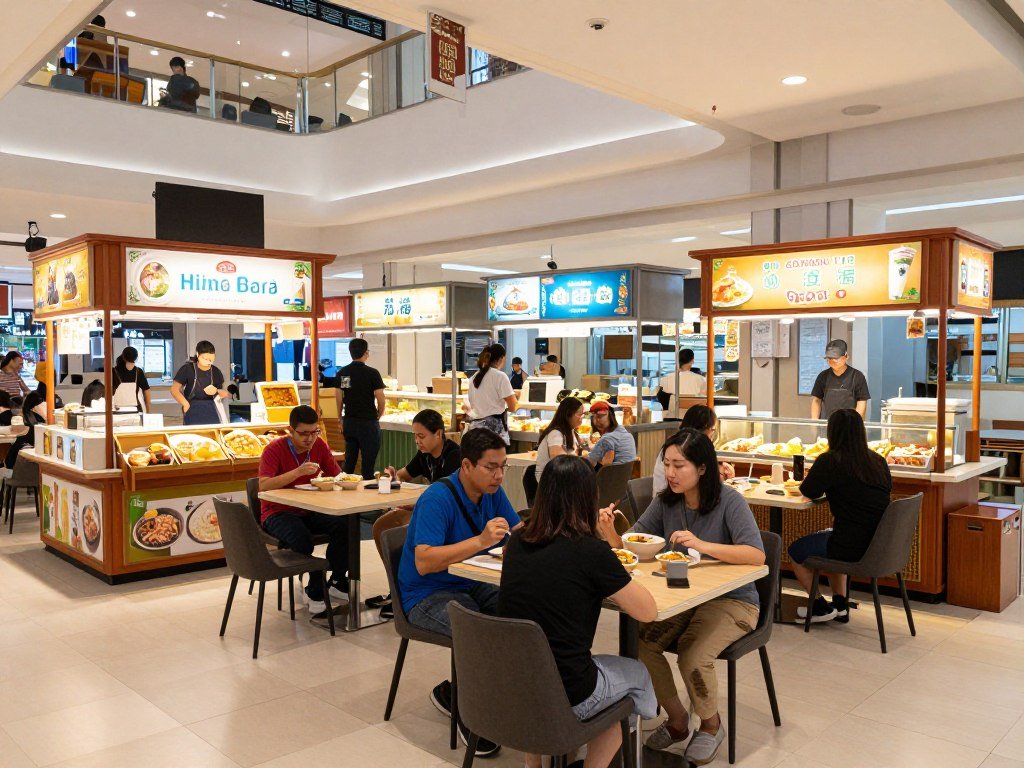
MBK food court on the 6th floor serves some of Bangkok’s best mall food. Vendors here maintain quality comparable to street stalls. Tourists and locals mix creating authentic yet comfortable environment. The tom yum noodles and mango sticky rice rate especially well.
Regional Thai Cuisine
Bangkok restaurants represent all Thai regions. Northern cuisine features herbs and mild flavors. Northeastern (Isaan) food emphasizes grilled meats and papaya salad. Southern Thai cooking uses coconut and intense spice. Central Thai cuisine balances these elements.
Baan Somtum specializes in Isaan food with multiple Bangkok locations. Som tam, grilled chicken, and sticky rice provide authentic northeastern flavors. Prices stay moderate with generous portions. The restaurant attracts Thais from Isaan living in Bangkok.
Opposite Mess Hall serves southern Thai curry and seafood. The menu explains unfamiliar dishes helping newcomers navigate southern specialties. Spice levels exceed central Thai standards. Ask for mild if you prefer gentler heat.
Vegetarian and Special Diets
Bangkok accommodates vegetarian and vegan diets easily. Jay food (เจ) indicates strict vegan following Buddhist precepts. Many restaurants offer jay versions of popular dishes. Chatuchak Market has numerous vegan vendors especially during Buddhist holidays.
Broccoli Revolution operates multiple locations serving creative vegetarian Thai food. The menu includes vegan versions of street food favorites. Modern atmosphere attracts health-conscious young Thais and expats.
Halal food appears throughout Bangkok serving Muslim communities. Arab Street near Nana has Middle Eastern and Thai halal restaurants. Southern Thai Muslim curry shops operate in various districts. Look for halal certification signs.
Shopping Across Bangkok Districts
Bangkok shopping ranges from luxury malls to wholesale markets. Different districts specialize in various products and price points. Understanding where to shop for what saves money and time.
Luxury Shopping Centers
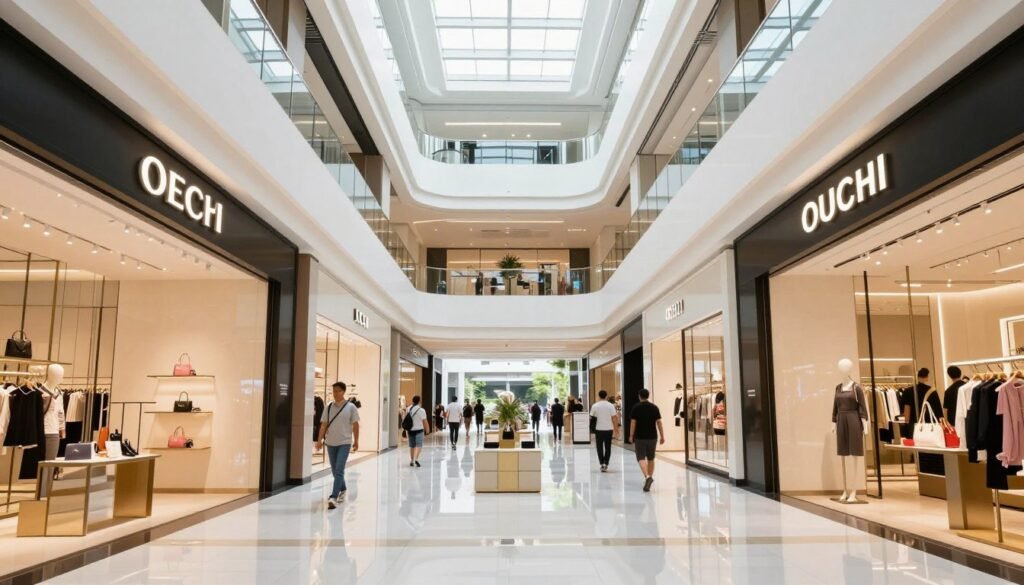
Siam Paragon in Pathum Wan concentrates international luxury brands. Chanel, Hermès, and Louis Vuitton operate flagship stores. The mall attracts wealthy Thais and tourists from across Asia. Prices match international retail without special bargains.
EmQuartier and Emporium in Vadhana offer upscale shopping with better Thai brand selection. The connected malls feature contemporary architecture and rooftop gardens. Dining options range from food courts to fine restaurants. The location above Phrom Phong BTS makes access easy.
CentralWorld claims title as one of Asia’s largest shopping complexes. The mall combines luxury brands with affordable Thai chains. Events and promotions run constantly in the central plaza. The complex connects to other malls via skywalk system.
Wholesale and Budget Shopping
Pratunam Market in Ratchathewi operates as Bangkok’s wholesale clothing hub. Vendors sell by the piece but offer better prices for multiple items. The market attracts retailers from across Thailand and neighboring countries. Quality varies so inspect items carefully.
Platinum Fashion Mall consolidates clothing vendors under one roof. Six floors sell women’s fashion, accessories, and bags. Wholesale prices apply with minimum purchase quantities. Individual items cost more but still less than retail shops.

Bobae Market specializes in women’s clothing with day and night sections. The day market opens 8 AM serving retail customers. Night market caters to wholesale buyers from 9 PM to midnight. The scene particularly busy during clothing season changes.
Markets and Souvenirs
Chatuchak Weekend Market offers the ultimate Bangkok shopping experience. Over 15,000 stalls sell everything from clothing to antiques. Handicrafts, home decor, and Thai souvenirs fill entire sections. Plan several hours to explore properly. Arrive early to beat crowds and heat.
Asiatique The Riverfront combines shopping with dining and entertainment. This night market occupies a former dock with river views. Vendors sell handicrafts, clothing, and souvenirs in permanent stalls. The location makes it touristy but convenient for evening visits.
Khao San Road vendors sell traveler gear, clothes, and souvenirs. Prices start high but bargaining expected. The scene caters to backpackers with tailored suits, fake IDs, and party supplies. Quality varies significantly so inspect carefully.
Electronics and Gadgets
MBK Center concentrates phone and electronics shops. Multiple vendors compete for customers creating bargaining opportunities. Prices beat official stores but verify authenticity. The fourth floor focuses on phones and accessories. Some shops handle repairs and unlocking.
Pantip Plaza in Pratunam specializes in computers and IT equipment. Five floors sell laptops, components, and software. Technicians provide assembly and repair services. Prices compete with online shopping when you bargain effectively.
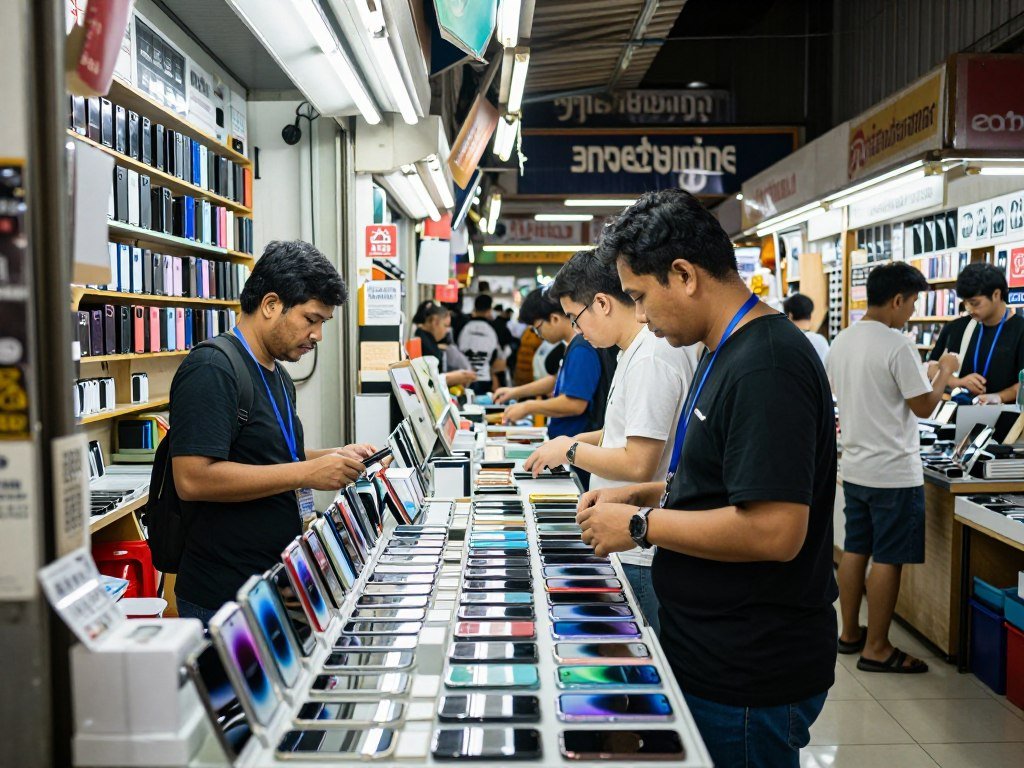
Fortune Town in Huai Khwang offers another electronics hub. The mall particularly strong for computer components and gaming equipment. Wholesale dealers operate alongside retail shops. Technical knowledge helps navigate options and prices.
Books and Education
Kinokuniya operates large bookstores in major malls. English language books fill multiple sections covering fiction, travel, and business. Prices remain expensive due to import costs. The Emporium location has excellent selection.
Asia Books maintains stores across Bangkok selling English titles. The chain focuses on contemporary fiction and non-fiction. Magazine selection includes international publications. Airport locations charge premium prices.
Second-hand bookshops cluster in university areas and Khao San Road. Shaman Books near Khao San Road specializes in used English books. Travelers trade and buy titles. Selection emphasizes travel writing and Southeast Asian topics.
Bangkok Nightlife Guide by District
Bangkok’s nightlife scene ranks among the world’s most diverse. Different districts offer distinct experiences from rooftop bars to nightclubs. Understanding each area’s character helps match nightlife preferences to locations.
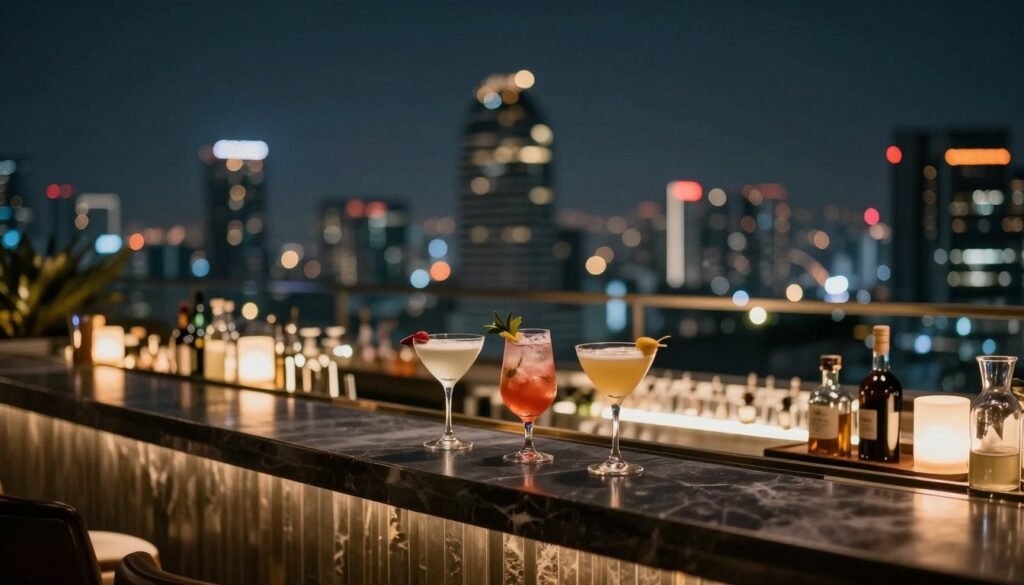
Rooftop Bars and Sky Lounges
Bangkok’s rooftop bar scene leads Southeast Asia. Vertigo at Banyan Tree Hotel sits 61 floors up offering 360-degree views. The open-air setting creates dramatic atmosphere. Dress code requires closed shoes and long pants for men. Cocktails start at 400 baht.
Sky Bar at Lebua State Tower gained fame from The Hangover movie. The outdoor platform extends over the edge creating vertigo-inducing photos. Sunset arrival recommended for changing light. Minimum spend per person applies during peak hours.
Octave Rooftop Lounge at Marriott Sukhumvit provides three floors of bars and dancing. Less touristy than Sky Bar but equally impressive views. Thai young professionals frequent this spot. The vibe stays energetic without overwhelming crowds.
Sukhumvit Nightlife
Lower Sukhumvit around Nana and Asok contains go-go bars and nightclubs. Soi Cowboy runs one block lined with neon-lit go-go bars. The scene attracts tourists and expats. Women travelers might feel uncomfortable here though harassment remains rare.
Soi 11 offers mainstream bars and clubs for mixed crowds. Levels Club plays hip-hop and EDM attracting international party-goers. The strip stays busy Thursday through Saturday. Drinks cost 300-500 baht in clubs.
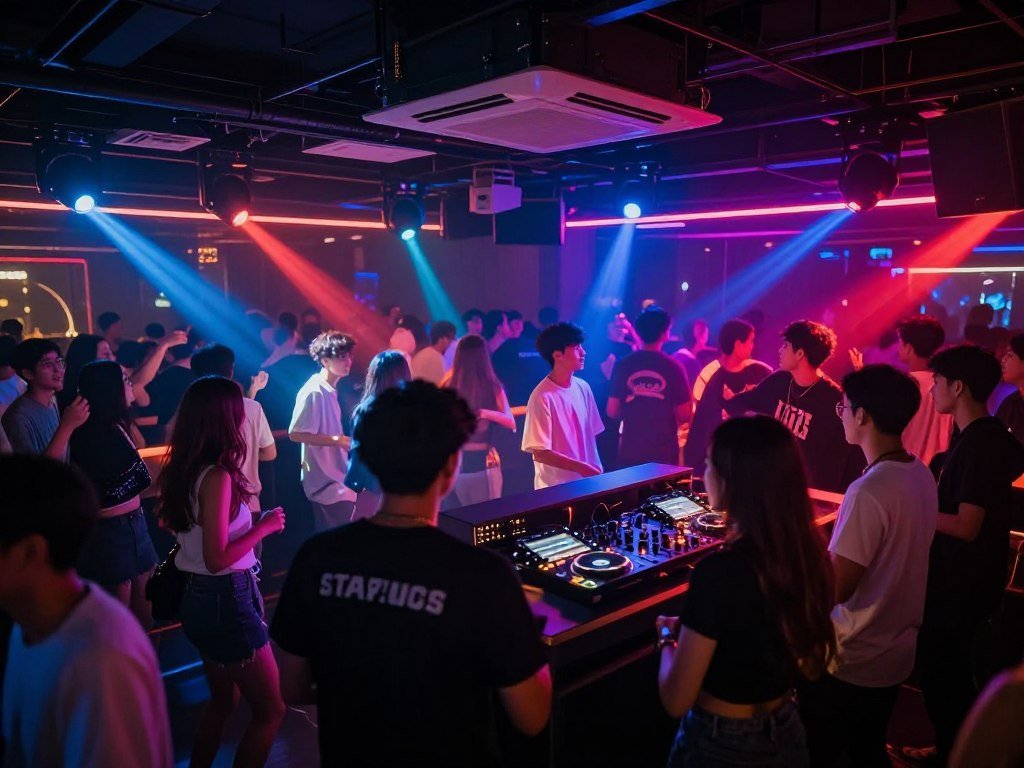
Thonglor and Ekkamai concentrate upscale bars and clubs popular with wealthy young Thais. Parking spaces indicate this crowd arrives by car. DJ bars and live music venues line both areas. The scene feels less touristy than lower Sukhumvit.
Riverside Evening Scene
Riverside restaurants and bars capitalize on Chao Phraya River views. The Deck at Arun Residence faces Wat Arun illuminated at night. The relaxed atmosphere suits couples and small groups. River breeze provides natural cooling.
Asiatique The Riverfront combines shopping with bars and restaurants. The Calypso Cabaret performs Thai ladyboy shows. Multiple bars offer live music and DJs. The venue closes around midnight earlier than dedicated nightlife zones.
River cruise dinner boats operate nightly offering buffets with entertainment. The Grand Pearl and White Orchid provide similar experiences. Tours last 2-3 hours cruising past illuminated landmarks. Book in advance during peak season.
RCA and Club Districts
Royal City Avenue (RCA) concentrates nightclubs in Huai Khwang district. Route 66, Slim, and Onyx operate within walking distance. Thai university students dominate crowds on weekends. Music ranges from Thai pop to EDM. Cover charges include drinks.
The scene feels authentically Thai with less foreign presence. Dress codes lean toward trendy rather than formal. Most venues open at 10 PM and close around 2 AM. The area gets extremely crowded on Fridays and Saturdays.
Khao San Road Party Street
Khao San Road transforms into backpacker party central each evening. Bars blast music competing for customers. Bucket drinks and beer towers flow freely. The scene suits budget travelers and young party-goers. Expect basic service and rowdy atmosphere.
The Club on Khao San provides actual nightclub space with DJs. Entry sometimes includes free drinks. The venue attracts mix of travelers and locals. Security stays visible managing the chaotic energy.
Nearby Rambuttri Road offers slightly more sophisticated options. Jazz bars and quieter pubs line this street. The crowds skew slightly older than main Khao San. Walk between both areas easily.
Live Music Venues
Saxophone Pub near Victory Monument serves as Bangkok’s jazz headquarters. Local and international musicians perform nightly. The venue operates since 1987 maintaining authentic jazz club atmosphere. Music starts around 9 PM with multiple sets.
Brown Sugar in Sukhumvit delivers jazz and blues in intimate setting. The bar attracts serious music fans rather than party crowds. Cover charges apply during popular performances. Arrive early for good seating.
Brick Bar in Khao San area showcases Thai indie bands and alternative music. The small venue packs with young Thais and travelers. No cover charge but drink purchases expected. Shows start around 10 PM.
Exploring All of Bangkok’s Districts
Bangkok’s 50 districts create a city of endless discovery. Each area contributes unique character to the metropolis. Tourist favorites like Sukhumvit and Siam represent only small portions of this vast urban landscape.
Venturing beyond main tourist zones reveals authentic Bangkok life. Residential districts show how millions of Thais actually live. Local markets, neighborhood restaurants, and community temples operate far from guidebook routes. These experiences provide deeper understanding of Thai culture and daily life.
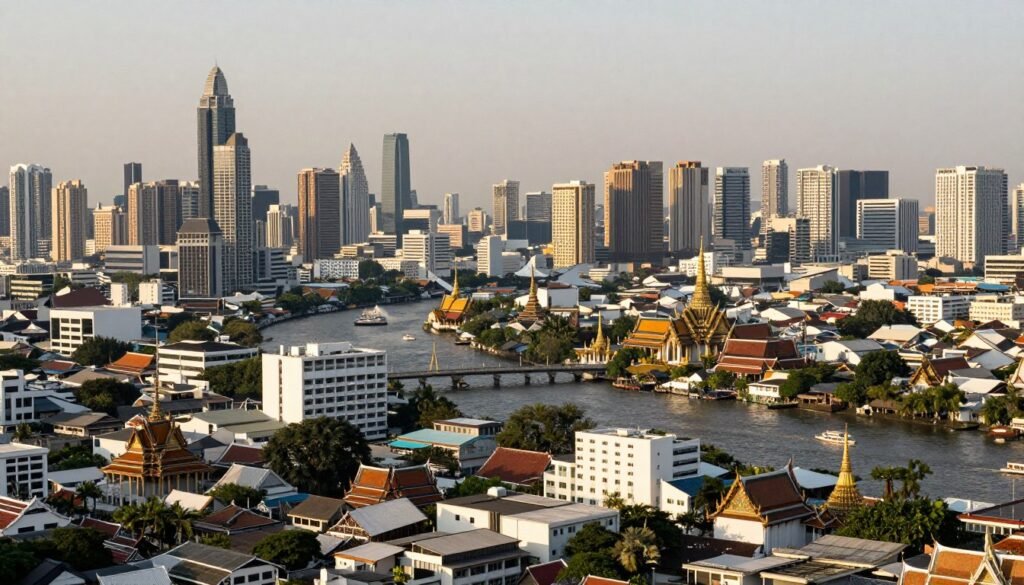
Transportation improvements continue making outlying districts more accessible. New MRT and BTS extensions open regularly. These connections encourage exploration of previously difficult-to-reach areas. The city keeps evolving as infrastructure expands.
Bangkok rewards those who take time to explore thoroughly. First visits might focus on central attractions. Return trips can delve into specific districts matching personal interests. Food lovers might explore market districts. Culture seekers can temple-hop through historical areas. Shoppers discover wholesale markets and local boutiques.
Understanding Bangkok’s district system helps navigate this complex city. Knowing which khet contains your hotel simplifies giving directions. Recognizing district boundaries helps estimate travel times and transportation options. This geographic knowledge makes Bangkok feel less overwhelming and more manageable.
Each district preserves different aspects of Bangkok’s evolution from canal-based settlement to modern megacity. Old communities exist alongside new development. Traditional ways of life continue despite rapid change. This mix creates the fascinating urban tapestry that makes Bangkok unique among world cities.
Whether visiting for days or months, Bangkok’s districts offer limitless exploration. This guide provides foundation for understanding the city’s layout and character. Use it as starting point for your own discoveries across Thailand’s sprawling capital.