

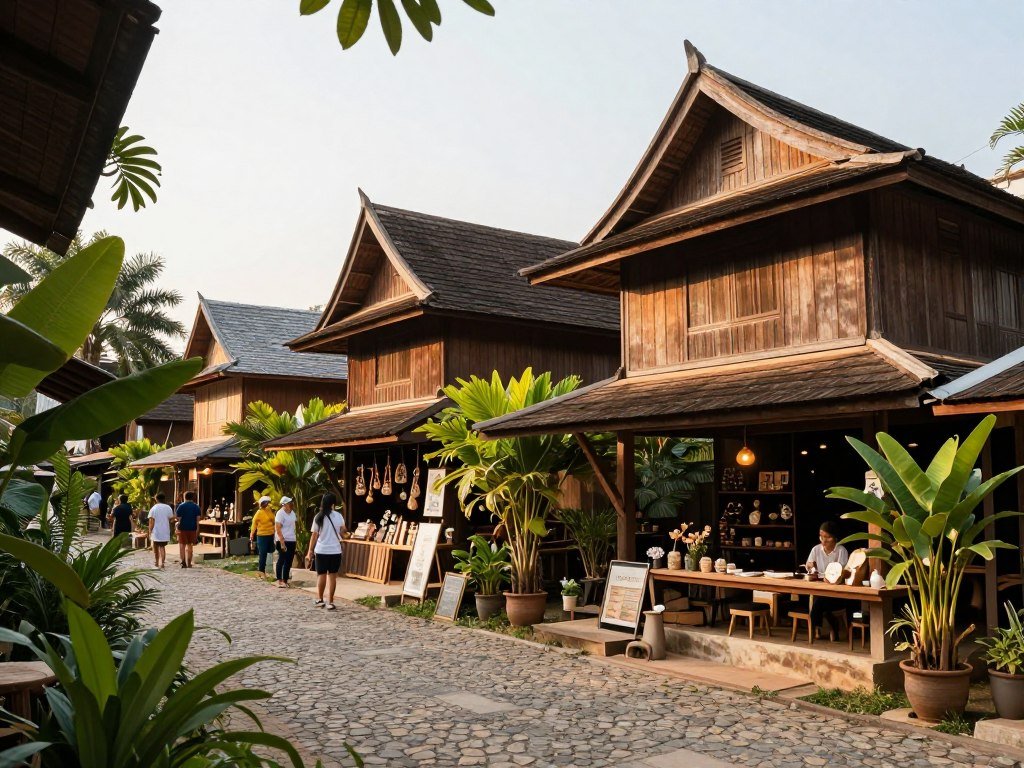
Chiang Mai draws millions of visitors every year, yet most travelers follow the same worn path through temples and night markets. Beyond the typical tourist trail lies a different city entirely.
Hidden cafes tucked down unmarked alleys serve the best khao soi you will ever taste. Restaurants with no English signs feed hungry locals at wooden tables. Secret gardens hide behind ancient walls in the old city.
This guide reveals ten hidden spots in Chiang Mai where tourists rarely venture. Each place offers something authentic, whether it is food, atmosphere, or a glimpse into daily life. You will find detailed directions, embedded maps, and practical tips to help you discover these gems yourself.
Full Disclosure: This article contains affiliate links for tours and bookings. When you make a purchase through these links, I may earn a small commission at no extra cost to you. Every spot listed here has been personally visited and genuinely recommended.
Map of All 10 Hidden Spots in Chiang Mai
Before diving into each location, take a moment to explore this interactive map. All ten hidden spots, cafes, and restaurants are marked for easy reference. Save this map to your phone for offline access during your Chiang Mai trip.
Interactive map featuring all 10 hidden locations with directions and booking links
1. Baan Kang Wat Artist Village: A Hidden Creative Community
Baan Kang Wat sits quietly beside Wat Ram Poeng temple, away from the busy streets of central Chiang Mai. This artist village transforms traditional teak houses into studios, galleries, and cafes where local creators work and sell their crafts.
Walking through feels like stepping into someone’s private garden. Narrow paths wind between wooden buildings. Artists paint at outdoor tables while cats nap in the sun. Small shops sell handmade ceramics, textiles, and jewelry you will not find anywhere else in the city.
The on-site cafe serves excellent coffee and light meals at prices that reflect its local clientele rather than tourist expectations. Most visitors to Chiang Mai never hear about this place, making it a perfect morning destination before the day gets hot.
Practical Information
- Address: 205/1 Moo 1, Tonpao, Sankamphaeng District
- Hours: 10:00 AM – 6:00 PM (some studios close Monday)
- Cost: Free entry, purchases vary by item
- Best Time: Weekday mornings for quieter atmosphere
Why Visit
- Support local artists directly
- Unique handmade souvenirs
- Peaceful atmosphere away from tourist areas
- Great photo opportunities with authentic architecture
How to Get There
Baan Kang Wat lies about twenty minutes from the old city by car or motorbike. Take Highway 1006 toward Sankamphaeng. The village sits on your left side just past Wat Ram Poeng temple. Look for a small sign in both Thai and English.
Public transport does not reach this area easily. Your best options include renting a motorbike (around 200 baht per day) or booking a private car through a ride app. A round trip taxi from the old city costs approximately 400-500 baht if you negotiate the return journey upfront.
2. Khao Soi Mae Sai: The Best Khao Soi You Have Never Heard Of
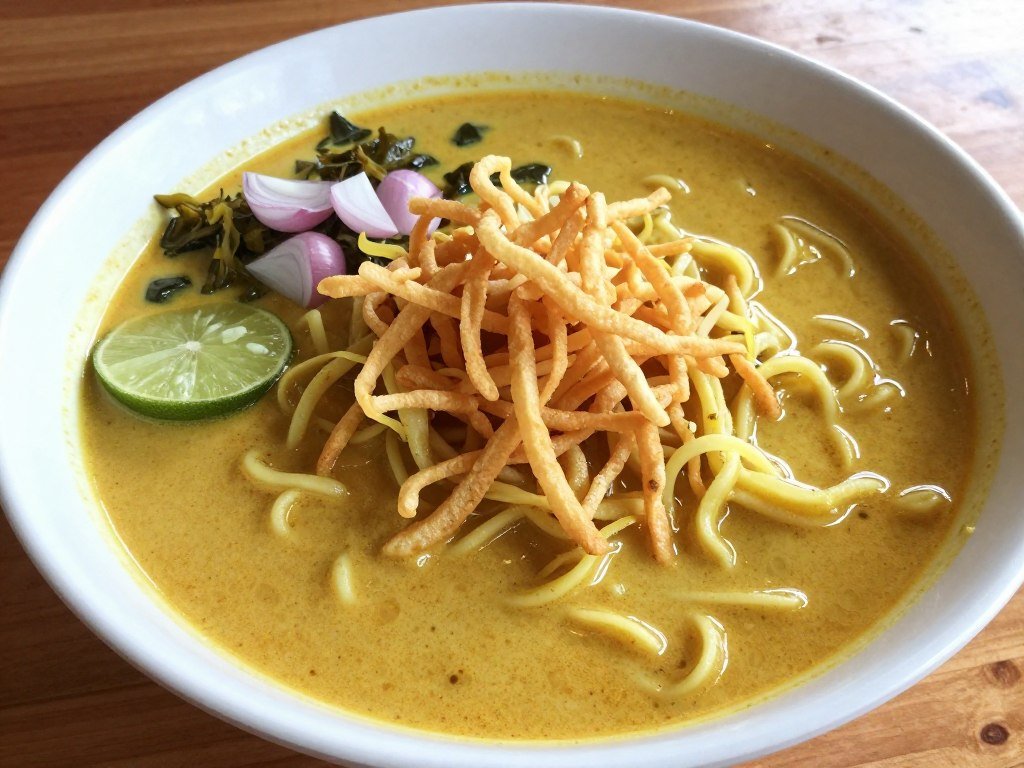
Most guidebooks send tourists to Khao Soi Khun Yai or Khao Soi Lam Duan. Locals eat at Mae Sai instead. This tiny shophouse restaurant on the eastern side of the city has served the same recipe for over thirty years.
The curry reaches a perfect balance between coconut richness and spice. Crispy noodles stay crunchy even after sitting in the broth for a few minutes. The chicken falls apart without any knife work. Mae Sai charges just 50 baht per bowl, about half what popular tourist spots ask.
No English menu exists here. The staff speaks minimal English. You point at what others are eating or simply say khao soi and they bring you the standard chicken version. This lack of tourist infrastructure keeps the place authentic and the prices reasonable.
Insider Tip: Arrive before noon on weekdays. Mae Sai often sells out of khao soi by early afternoon, especially during high season. The restaurant closes once the curry pot empties.
Menu Highlights
- Khao Soi Gai (chicken) – 50 baht
- Khao Soi Moo (pork) – 50 baht
- Khao Soi Neua (beef) – 60 baht
- Extra noodles – 10 baht
How to Get There
Mae Sai sits on Charoenrat Road near the intersection with Superhighway. From the old city, head east on any major road until you reach Charoenrat Road. Turn right and look for a small shophouse with plastic tables and chairs on the sidewalk. The restaurant has no prominent sign in English, but locals can point you in the right direction if you show them the address.
The easiest way to reach Mae Sai involves using a navigation app with the exact coordinates. Set your destination to 18.7923, 99.0156. A red truck taxi (songthaew) from the old city costs about 40 baht per person if you share with others.
3. Ristr8to Lab: Award-Winning Coffee in an Unexpected Location
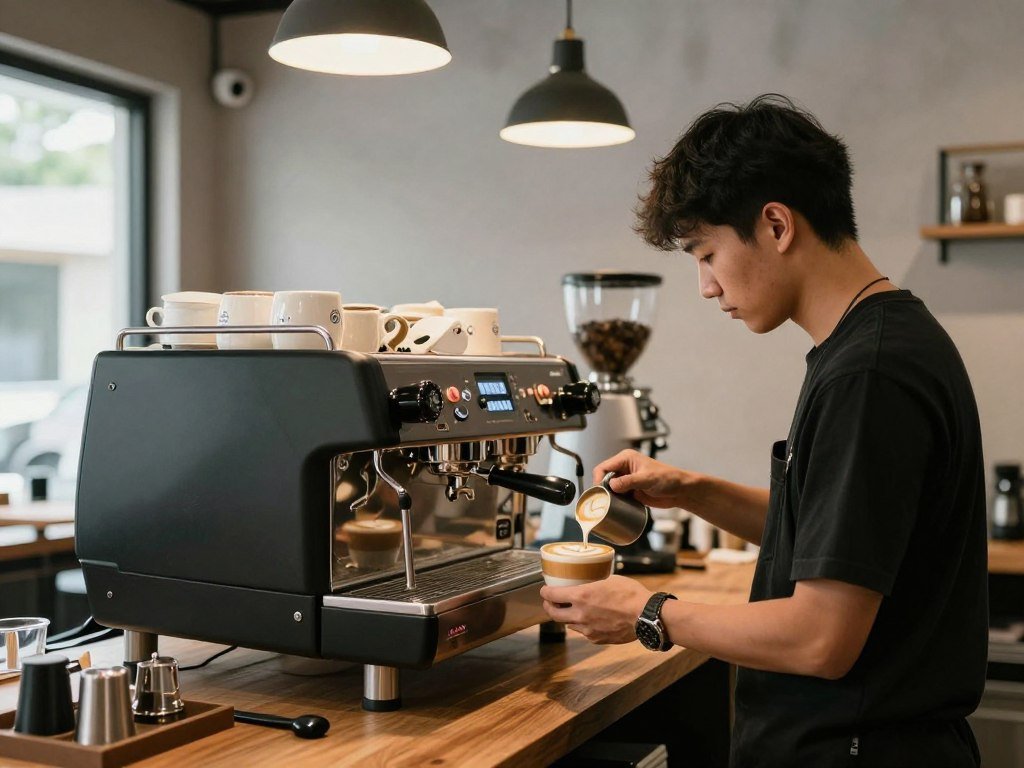
Ristr8to Lab won the title of world latte art champion not once but twice. Yet this exceptional cafe hides in a residential neighborhood north of Nimman, where most tourists never venture during their Chiang Mai trip.
Owner Arnon Thitiprasert sources beans directly from hill tribe farmers in northern Thailand. Each cup showcases the unique flavor profiles of Thai-grown coffee, often overlooked in favor of imports. The baristas here treat coffee as art and science combined.
The space itself stays deliberately small and intimate. A few seats inside, a small outdoor area shaded by trees. No wifi password displayed anywhere. This design choice encourages actual conversation and focus on the coffee experience rather than laptop work.
Coffee Selection
- Single origin espresso from Doi Chaang
- Pour over with rotating bean selection
- Signature latte with 3D art
- Cold brew aged for 24 hours
Visit Details
- Price range: 80-150 baht per drink
- Hours: 8:30 AM – 5:30 PM daily
- Seating: Limited, expect to wait during peak hours
- Parking: Street parking available
How to Get There
Ristr8to Lab occupies a corner location on Nimmanhaemin Soi 3. From Nimman Road, turn onto Soi 3 and continue past several residential buildings. The cafe appears on your right side, marked by a small sign and usually a line of locals waiting for their morning coffee.
Walking from central Nimman takes about ten minutes. If staying near the old city, take a red taxi to Nimman for around 60 baht per person. Many visitors combine this stop with other Nimman area activities, though Ristr8to deserves its own dedicated visit for the full experience.
4. Thanon Ton Phayom Market: Where Locals Shop for Fresh Food
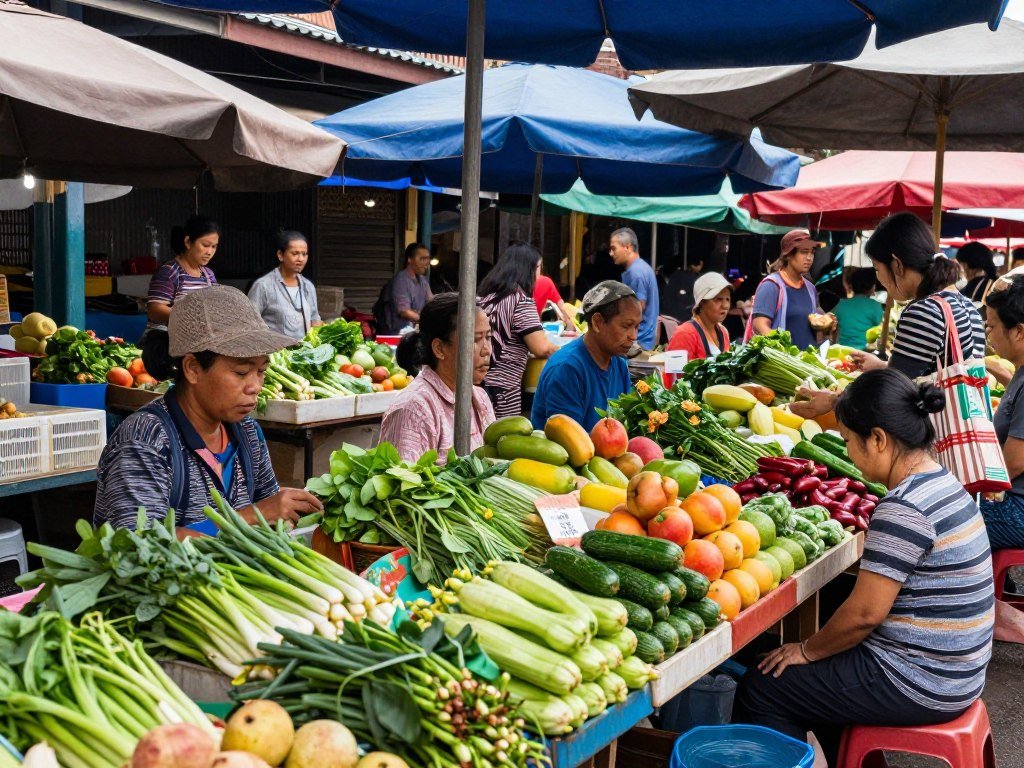
Every morning before dawn, vendors set up at Thanon Ton Phayom Market to sell produce, meat, prepared foods, and fresh flowers. This market serves neighborhood residents rather than tourists, offering a genuine look at daily life in Chiang Mai.
Walking through the narrow aisles reveals ingredients you might never have seen before. Vendors sell fresh turmeric roots the size of your fist. Bundles of herbs with no English names. Live fish swimming in plastic tubs. The prepared food section offers breakfast dishes that never appear on restaurant menus aimed at foreigners.
Prices at Thanon Ton Phayom stay remarkably low compared to both tourist markets and supermarkets. A plate of rice with three toppings costs 40 baht. Fresh fruit by the kilo goes for half what you pay near the old city. Even if you have no kitchen to cook in, the experience of browsing this market provides cultural value.
What to Try
- Jok (rice porridge) with pork and egg – 30 baht
- Fresh coconut water from whole coconuts – 20 baht
- Khanom krok (coconut pancakes) – 20 baht for 8 pieces
- Grilled sticky rice with banana – 25 baht
- Fresh seasonal fruit smoothies – 40 baht
Important Note: This market operates on morning hours only. Most vendors pack up by 10:00 AM. Arrive between 6:30 and 8:30 AM for the best selection and most active atmosphere.
How to Get There
Thanon Ton Phayom Market runs along Ton Phayom Road between Tha Phae Road and Chang Moi Road, just east of the old city moat. The market stretches for several blocks, so you can enter from multiple points along the street.
From the old city, walk east across any of the moat bridges and continue straight. The market begins a few blocks after crossing. A red taxi from anywhere in the old city should cost no more than 30 baht. Bicycle rental provides an excellent way to reach the market, allowing you to explore the surrounding neighborhood as well.
5. Wat Sri Suphan: The Silver Temple Hidden in Plain Sight
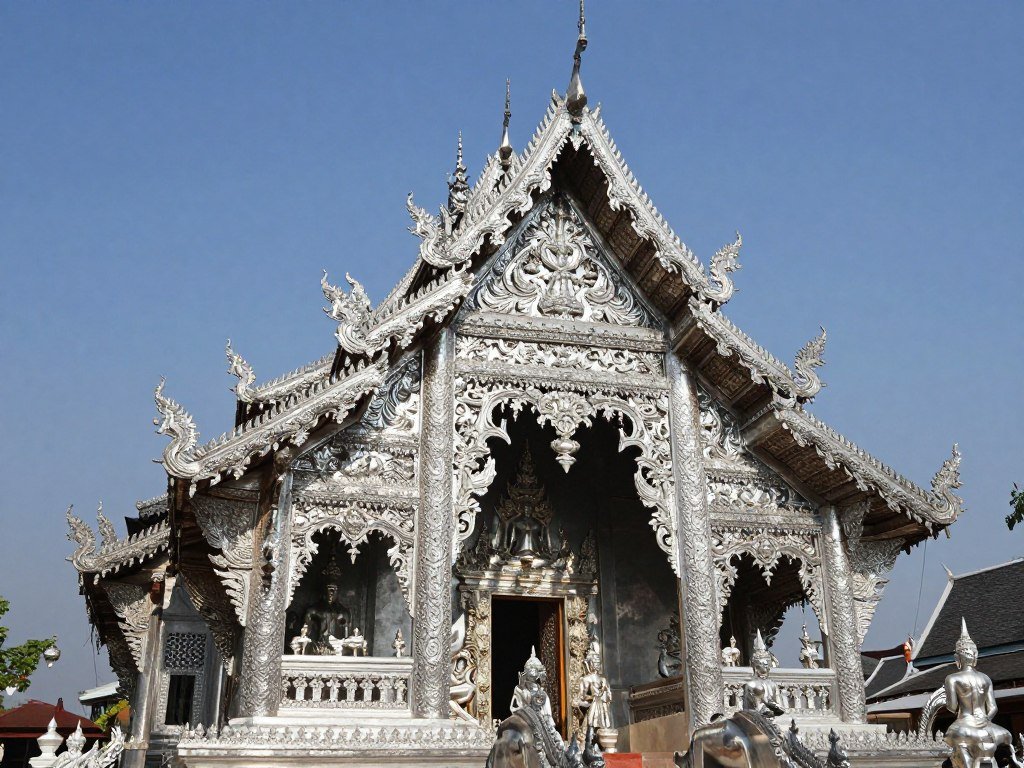
Hundreds of tourists visit Doi Suthep temple every day. Almost none know about Wat Sri Suphan, despite its location within walking distance of the old city. This temple stands out because its main prayer hall (ubosot) features walls, pillars, and decorations entirely made from silver.
Local craftsmen from the Wualai Road silversmith community built this temple as a showcase of their traditional metalworking skills. Every surface displays intricate patterns and religious imagery hammered into silver sheets. The level of detail becomes apparent only when you stand close enough to examine individual panels.
Wat Sri Suphan sits in the Wualai Road area, historically known as the silversmith quarter of Chiang Mai. Small workshops surrounding the temple still produce silver handicrafts using methods passed down through generations. Visiting this temple provides context for understanding Chiang Mai’s artisan heritage.
Women’s Access Note: Following traditional Buddhist custom, women cannot enter the silver ubosot. However, the temple grounds remain open to all visitors, and you can view the silver building from outside and photograph it freely.
Temple Details
- Entry fee: Free (donations appreciated)
- Hours: 6:00 AM – 6:00 PM daily
- Dress code: Shoulders and knees covered
- Monk chat: Available Saturday evenings
What to See
- Silver ubosot with detailed metalwork
- Working silversmith demonstrations
- Traditional Lanna architecture
- Peaceful temple grounds with gardens
How to Get There
Wat Sri Suphan stands on Wualai Road, about one kilometer south of the old city. From Chiang Mai Gate (the southern gate of the old city), walk straight down Wualai Road for approximately fifteen minutes. The silver temple appears on your left side, impossible to miss due to its reflective surfaces.
Red taxis run regularly along Wualai Road. Flag one down from anywhere in the old city and tell the driver Wat Sri Suphan or simply Wualai. The fare should not exceed 30-40 baht. Saturday evenings bring the Wualai Walking Street market, making this an ideal time to combine temple visits with market browsing.
6. Graph Cafe: Industrial Design Meets Specialty Coffee
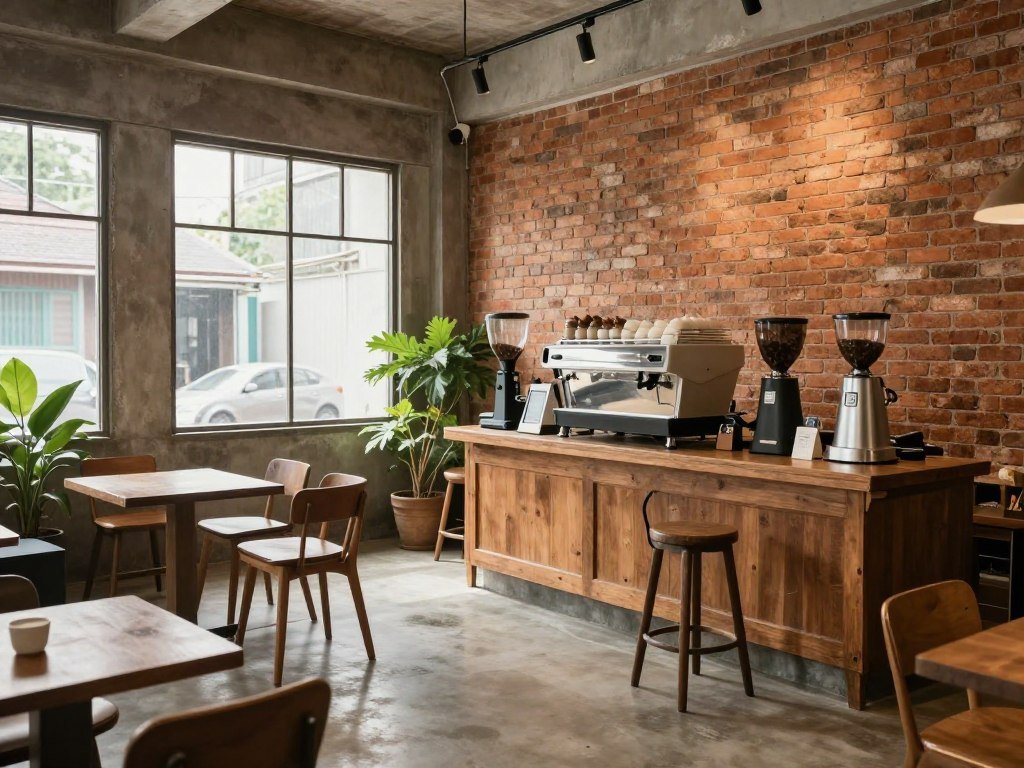
Graph Cafe occupies a converted warehouse in the Santitham neighborhood, an area where creative businesses have started replacing older residential properties. The industrial design aesthetic attracts local creatives, students, and remote workers looking for quality coffee in a less crowded environment than Nimman.
The cafe roasts its own beans on site, with rotating single origins from different regions of Thailand. Pour over coffee here receives the same attention as you would find in specialty coffee shops in Tokyo or Melbourne. Baristas can explain flavor notes and brewing methods in both Thai and English.
Beyond coffee, Graph serves breakfast and lunch dishes that emphasize fresh ingredients and creative presentation. The food menu changes seasonally, but consistently includes both Thai and Western options. Prices remain reasonable despite the high quality, with most dishes falling between 120 and 200 baht.
Menu Favorites
Coffee
- Single origin pour over – 90 baht
- Cold brew – 100 baht
- Flat white – 95 baht
- Seasonal specialty drinks – 120 baht
Food
- Avocado toast with poached egg – 150 baht
- Breakfast burrito – 160 baht
- Seasonal salad bowls – 140 baht
- Homemade pastries – 60-80 baht
How to Get There
Graph Cafe sits on Siri Mangkalajarn Road in the Santitham area, north of the old city and west of Chang Phueak Gate. From the old city, head north on any major road toward Chang Phueak. Turn left onto Siri Mangkalajarn Road. The cafe appears on your right after a few blocks, marked by large windows and an industrial facade.
Santitham remains less familiar to tourists than Nimman or the old city, but it offers easier parking and less congestion. Motorbike parking sits directly in front of the cafe. Red taxis from the old city cost approximately 50-60 baht. Consider combining this visit with a trip to nearby Wat Lok Molee, one of Chiang Mai’s most beautiful but undervisited temples.
7. Huen Muan Jai: Northern Thai Cuisine in a Traditional House
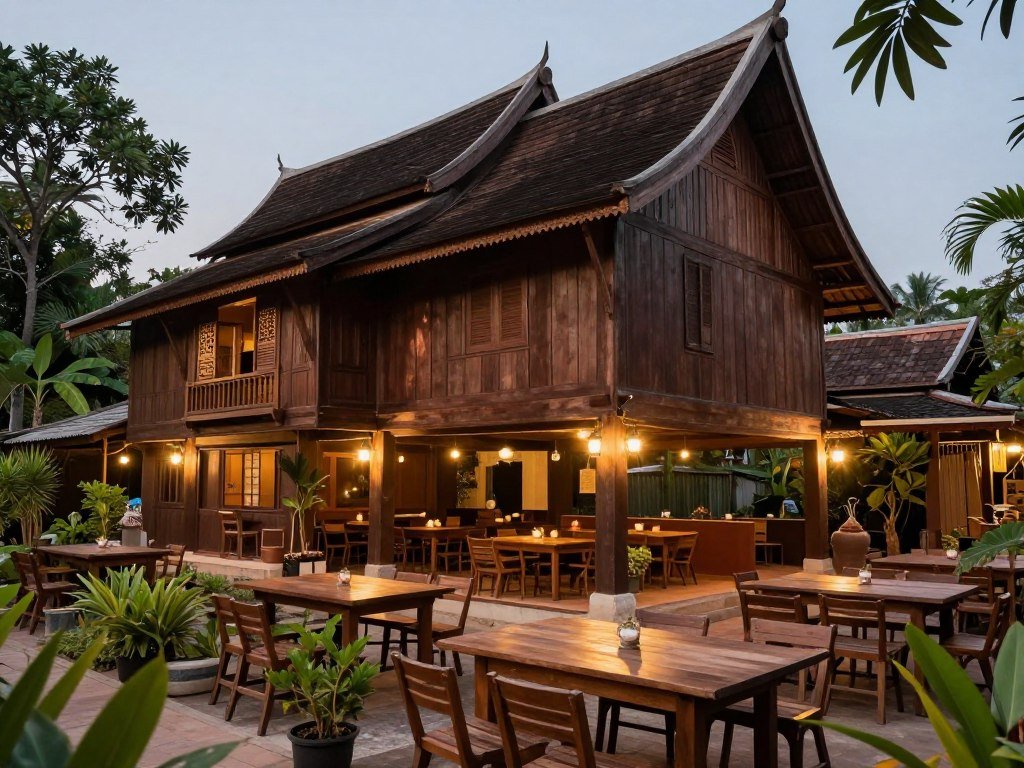
Huen Muan Jai translates roughly to House of Happy Heart, an appropriate name for this restaurant serving authentic Northern Thai food in a century-old teak house. The building itself deserves attention, featuring traditional Lanna architecture with elevated floors, steep roofs, and intricate woodwork.
The menu focuses on dishes specific to Northern Thailand, many of which differ significantly from what most tourists associate with Thai food. Sai oua (Northern sausage), nam prik ong (tomato and pork dip), and kaeng hang lay (Burmese-influenced curry) represent just a few specialties prepared according to old family recipes.
Seating spreads across multiple areas including the traditional raised platform of the main house and a garden area shaded by large trees. The outdoor section provides a particularly pleasant experience during the cool season when evening temperatures make dining outside comfortable.
Reservation Recommended: Huen Muan Jai accepts only a limited number of diners each evening to maintain quality. Call ahead or book through their social media page, especially for weekend dinners during high season.
Signature Dishes
- Kaeng hang lay (slow-cooked pork curry) – 180 baht
- Sai oua with sticky rice and vegetables – 120 baht
- Nam prik ong with crispy pork and vegetables – 140 baht
- Laab kua (dry-fried minced pork) – 150 baht
- Set menu for two people – 800 baht
How to Get There
Huen Muan Jai occupies a quiet soi (side street) off Ratchapakhinai Road in the eastern part of the old city. From Tha Phae Gate, head north along the moat, turn right on Ratchapakhinai Road, and look for a small sign pointing down a residential soi. The restaurant sits at the end of this lane, surrounded by private homes.
The location requires some navigation, as the restaurant deliberately maintains a low profile to preserve the quiet residential character of the neighborhood. Using a navigation app with the exact coordinates (18.7932, 98.9968) provides the most reliable way to find it. Expect to pay around 60-80 baht for a red taxi from most points in the old city.
8. North Gate Jazz Co-Op: Live Music Every Night
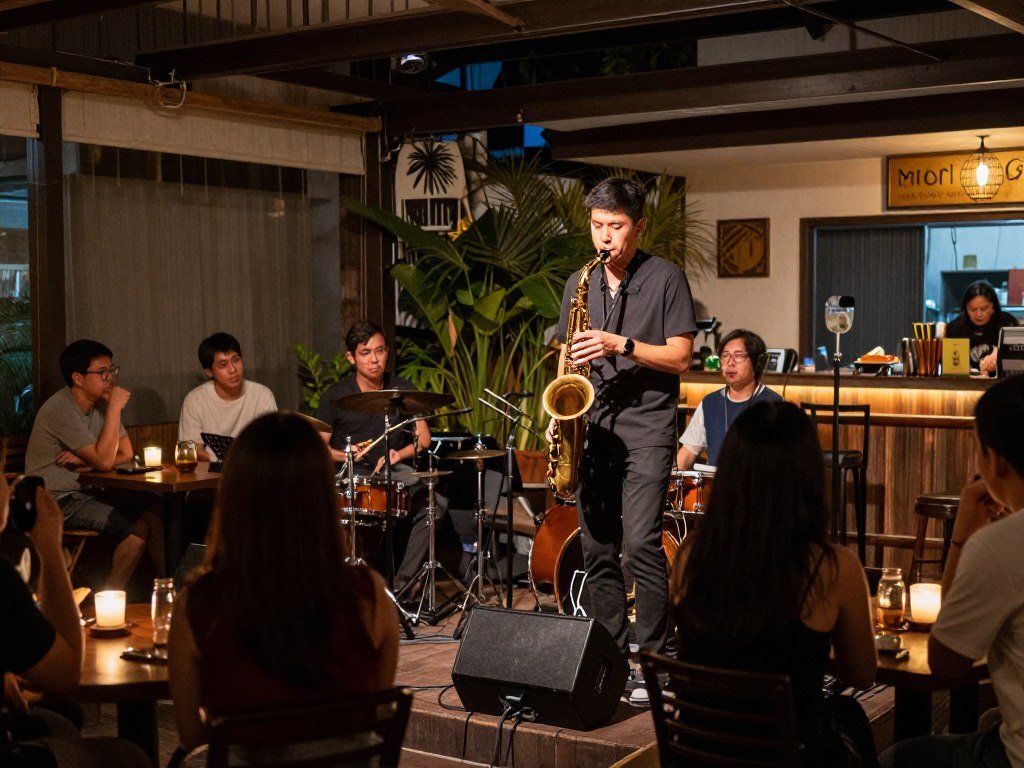
North Gate Jazz Co-Op has provided live music every single night for over a decade, yet it remains largely unknown to tourists who stick to the night markets and Nimman area. This small venue near Chang Phueak Gate hosts both local and visiting musicians playing jazz, blues, and acoustic sets.
The co-op operates on a genuine musician-friendly model. No cover charge. No minimum purchase requirement. Musicians play for tips and exposure rather than guaranteed payment. This approach creates an authentic, relaxed atmosphere where music matters more than profit margins.
The crowd consists mainly of local expatriates, Thai music lovers, and the occasional informed tourist. Conversations stop when musicians take the stage. People actually listen rather than treating the music as background noise. This respectful atmosphere makes North Gate Jazz feel like a secret club for those who appreciate live performance.
Venue Details
- Cover charge: None
- Hours: 7:00 PM – midnight
- Music starts: Around 8:30 PM
- Seating: First come, arrive early for good spots
What to Drink
- Local craft beer – 120 baht
- Cocktails – 150 baht
- Wine by glass – 140 baht
- Soft drinks – 60 baht
How to Get There
North Gate Jazz sits on Sri Phum Road just outside Chang Phueak Gate, the northern entrance to the old city. From anywhere inside the old city, walk or ride toward Chang Phueak Gate. Exit through the gate and turn left. The venue appears within fifty meters on your left side, marked by a simple sign and usually some smoke from customers sitting outside.
This location provides easy access from the old city on foot, making it an ideal evening destination after dinner. The venue sits close enough to most old city accommodations that walking back remains safe and practical even after midnight. Street parking for motorbikes sits directly outside the venue.
9. Su Cacao: Thai-Grown Chocolate in a Garden Setting
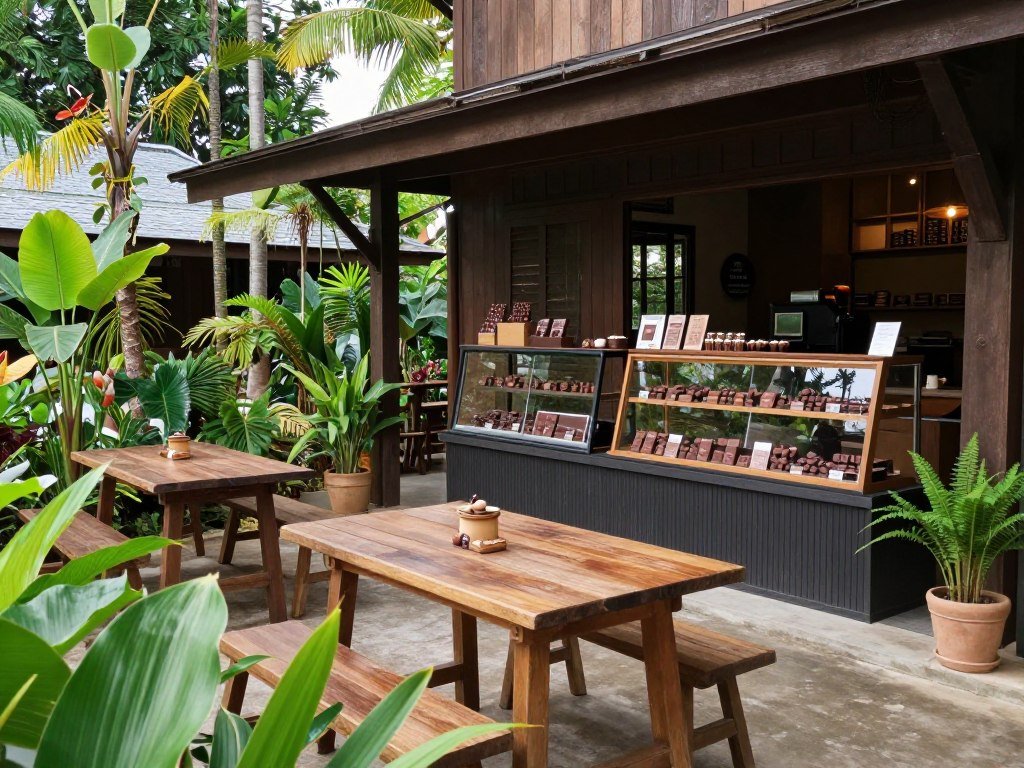
Su Cacao produces chocolate from beans grown in Southern Thailand, controlling the entire process from cacao tree to finished bar. Their cafe and workshop in the Santitham neighborhood allows visitors to taste the results while learning about Thai chocolate production.
The chocolate here tastes distinctly different from what you find in imported bars. Thai cacao carries fruity, floral notes that reflect the tropical climate and soil. Su Cacao produces several single-origin bars that showcase these unique characteristics without overwhelming them with sugar or additives.
Beyond selling finished chocolate, Su Cacao offers drinks and desserts that incorporate their products. The drinking chocolate comes from pure cacao without powdered milk or artificial thickeners. Brownies, cookies, and cakes use the same high-quality chocolate sold in bar form at the shop.
Products
- Single-origin chocolate bars – 180-240 baht
- Drinking chocolate – 120 baht
- Chocolate brownies – 90 baht
- Cacao tea – 80 baht
Visit Information
- Hours: 10:00 AM – 6:00 PM, closed Wednesday
- Workshops: Available by advance booking
- Seating: Indoor and outdoor garden area
- Wifi: Available for customers
How to Get There
Su Cacao occupies a corner plot on Nimmanhaemin Soi 13, slightly off the main Nimman Road. From central Nimman, turn onto Soi 13 and continue for about two hundred meters. The cafe sits on your right side, identifiable by its garden entrance and wooden building set back from the road.
Walking from the center of Nimman takes approximately eight minutes. Motorbike parking sits in front of the building. Red taxis can drop you at the entrance to Soi 13 for standard Nimman area rates. Consider visiting Su Cacao in the afternoon after other Nimman area activities, as the garden seating becomes particularly pleasant once the harsh midday sun softens.
10. Khuang Muang Restaurant: Century-Old Recipes in Historic Setting
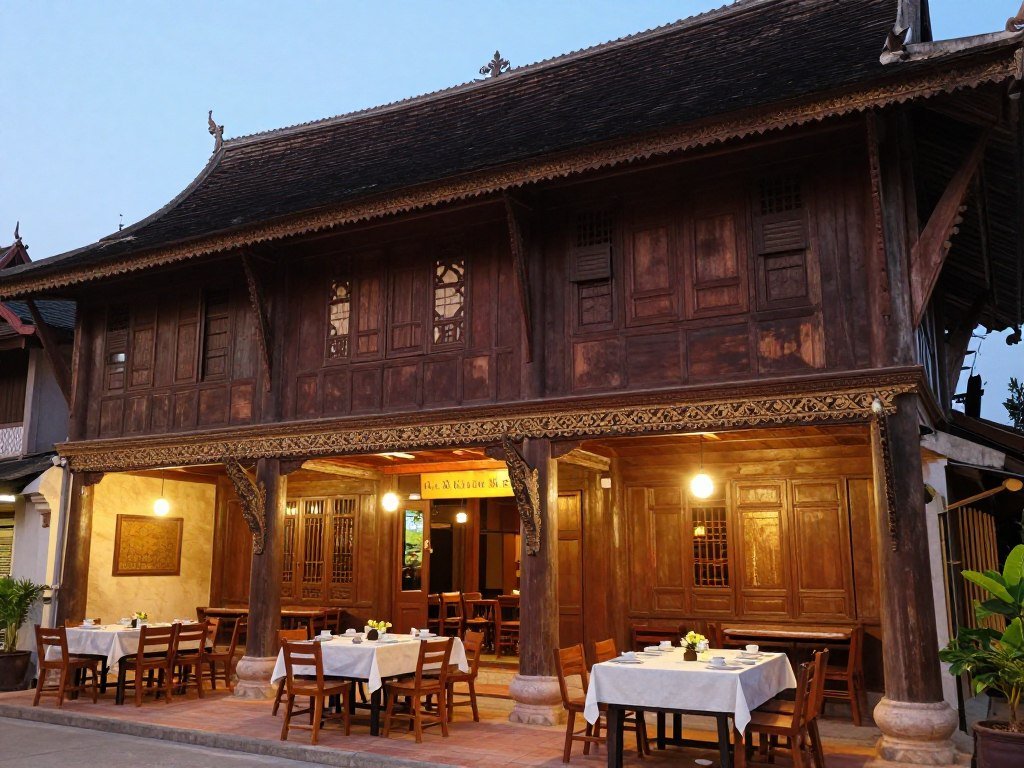
Khuang Muang Restaurant operates from a heritage building that once served as the residence of a Northern Thai noble family. The current owners maintain both the architectural integrity of the structure and the traditional cooking methods passed down through generations of Northern Thai home cooks.
Every dish on the menu represents authentic Northern Thai cuisine, prepared according to recipes that predate the standardization of Thai food for tourist consumption. The flavors tend toward subtle complexity rather than the aggressive heat and sweetness that characterize tourist-oriented Thai restaurants.
The restaurant serves food family-style, with dishes brought to the table on traditional ceramics and brass serving pieces. Staff can guide you through the menu, explaining ingredients and eating customs. Dining here feels less like visiting a commercial restaurant and more like receiving an invitation to a Thai home.
Recommended Dishes
- Gaeng om kai (Northern herb curry with chicken) – 160 baht
- Tam som o (pomelo salad) – 120 baht
- Naem (fermented pork sausage) – 140 baht
- Khanom jeen nam ngiao (rice noodles with tomato curry) – 150 baht
- Traditional Lanna set menu – 450 baht per person (minimum 2)
Booking Essential: Khuang Muang operates more like a private dining experience than a typical restaurant. Reservations are required, particularly for the traditional set menu which requires advance preparation time.
How to Get There
Khuang Muang sits on a small soi off Ratchadamnoen Road in the old city, between Wat Phra Singh and the Sunday Walking Street area. The exact location requires some navigation through residential lanes. From Ratchadamnoen Road, turn into Soi 2 and follow signs pointing toward the restaurant.
The deliberately discrete location helps maintain the intimate atmosphere the owners prefer. When making your reservation, request specific directions or ask if the restaurant can provide transportation from your accommodation. Many hotels in the old city sit within walking distance, though the narrow lanes make finding the restaurant challenging on first visit without directions.
Planning Your Hidden Spots Tour of Chiang Mai
Visiting all ten hidden spots requires strategic planning based on geography and opening hours. The locations spread across different parts of Chiang Mai, from the old city to outer neighborhoods like Santitham and Sankamphaeng.
Suggested Three-Day Itinerary
Day One: Old City and East
Start your morning at Thanon Ton Phayom Market before vendors pack up around 10:00 AM. The market provides authentic breakfast options and cultural immersion.
After the market, visit Wat Sri Suphan on Wualai Road. The silver temple requires modest dress but no entry fee. Spend time examining the detailed metalwork and watching silversmiths at work.
For lunch, head to Khao Soi Mae Sai for the best khao soi in the city. Remember that they often sell out by early afternoon.
Evening brings dinner at Huen Muan Jai. Make reservations in advance for this Northern Thai dining experience.
Day Two: Nimman and Santitham
Begin with coffee at Ristr8to Lab in Nimman. Arrive before 9:00 AM to beat the morning rush and secure seating.
Mid-morning works well for visiting Graph Cafe in Santitham, where you can enjoy brunch and spend time in their industrial-chic space.
Afternoon brings you to Su Cacao for chocolate tasting and possibly a workshop if you booked in advance. The garden seating provides a pleasant break from the day heat.
End your evening at North Gate Jazz Co-Op, arriving around 8:00 PM to secure good seats before the music starts.
Day Three: Outer Areas
Dedicate your morning to Baan Kang Wat Artist Village. The journey takes about thirty minutes from the old city, so leave by 9:00 AM to maximize your time there.
Plan for at least two to three hours at Baan Kang Wat, browsing studios, talking with artists, and enjoying the peaceful atmosphere.
Return to the city for a late lunch at one of the previously visited spots or explore new options in the area where you are staying.
Evening provides flexibility for revisiting favorite spots or booking a comprehensive food tour that combines several hidden locations.
Transportation Tips
Getting around Chiang Mai to reach these hidden spots requires some planning. Public transportation remains limited outside the old city and main tourist areas.
Best Options
- Motorbike rental: Provides maximum flexibility (200-300 baht per day)
- Red taxis: Shared pickup trucks following set routes (20-60 baht depending on distance)
- Grab app: Private car service, more expensive but convenient (100-200 baht for most trips)
- Bicycle: Works well for old city and nearby areas
- Google Maps works reliably in Chiang Mai
- Download offline maps before leaving wifi
- Save each location’s GPS coordinates
- Screenshot directions as backup
Money and Practical Matters
Most hidden spots in this guide accept cash only. ATMs appear regularly throughout Chiang Mai, but withdrawal fees add up quickly if you take small amounts multiple times.
- Withdraw larger amounts less frequently to minimize ATM fees
- Keep small bills handy for markets and street food vendors
- Budget approximately 1,500-2,000 baht per day for food and activities
- Many places close earlier than expected, especially on weekdays
Best Time to Visit These Hidden Spots
Chiang Mai experiences three distinct seasons that significantly impact the experience of visiting hidden spots and outdoor venues.
Cool Season (November-February)
This period offers the most comfortable weather for exploring Chiang Mai. Morning temperatures start around 15-18 degrees Celsius, warming to 25-28 degrees by afternoon. Perfect for walking between locations and enjoying outdoor seating at cafes and restaurants.
The cool season also brings peak tourist numbers to major attractions. However, the hidden spots in this guide remain relatively uncrowded even during high season.
Hot Season (March-May)
Temperatures exceed 35 degrees Celsius regularly during these months. Visiting outdoor locations becomes challenging during midday hours. Plan your itinerary to visit indoor spots like cafes and restaurants during the hottest part of the day.
The advantage of hot season travel includes fewer tourists overall and significantly lower accommodation prices. Early morning and evening visits to outdoor locations remain pleasant.
Rainy Season Note (June-October): Afternoon showers occur almost daily but typically last only one to two hours. Rain rarely disrupts entire days. Carrying a small umbrella solves most weather-related problems. The rainy season brings the lowest tourist numbers and the most authentic local atmosphere to all locations.
Understanding Northern Thai Food Culture
Several restaurants in this guide serve Northern Thai cuisine that differs significantly from central Thai food found at most tourist restaurants. Understanding these differences enhances your dining experience.
Key Differences
- Less sugar in most dishes compared to central Thai food
- Sticky rice served instead of steamed jasmine rice
- More use of fresh herbs and bitter vegetables
- Influence from Burmese and Shan cuisines
- Fermented ingredients appear frequently
Ordering Tips
- Ask for recommendations rather than pointing at random dishes
- Order multiple dishes to share family style
- Sticky rice comes in bamboo baskets, eat with your hands
- Northern Thai food generally has less spice than southern Thai food
- Fresh vegetables accompany most meals for balance
Essential Northern Thai Dishes to Try
- Khao Soi: Coconut curry noodle soup with crispy noodles on top, the most famous Northern Thai dish
- Sai Oua: Northern Thai sausage with herbs and spices, usually grilled and served with sticky rice
- Nam Prik Ong: Tomato and pork dip eaten with vegetables and crispy pork skin
- Laab Kua: Minced pork fried with herbs and spices, drier than central Thai laab
- Gaeng Hang Lay: Burmese-influenced pork curry with ginger and tamarind
Visiting Hidden Spots Responsibly
These locations remain hidden partly because they have avoided mass tourism so far. Visitors bear some responsibility for keeping these places authentic and sustainable.
Do This
- Respect local customs and dress codes at temples
- Ask permission before photographing people
- Support businesses by purchasing items rather than just taking photos
- Learn basic Thai phrases for greetings and thanks
- Be patient with staff who speak limited English
- Tip service staff at restaurants (10% is appreciated)
Avoid This
- Posting exact locations on social media with large followings
- Visiting during obvious rest times or closed hours
- Making loud noise in quiet residential neighborhoods
- Bargaining aggressively at artist studios
- Treating local businesses like photo props
- Complaining about lack of English or tourist facilities
Social Media Consideration: While sharing your discoveries can inspire others, consider the impact of promoting these spots to large audiences. Some locations deliberately maintain a low profile to preserve their character. Share thoughtfully and respect the businesses that prefer to remain somewhat hidden.
Balancing Hidden Spots with Popular Attractions
This guide focuses on hidden locations, but first-time visitors to Chiang Mai should not skip the major temples and attractions entirely. The key lies in strategic balance.
Essential Major Attractions Worth Your Time
Temples
- Wat Phra That Doi Suthep: The mountain temple overlooking Chiang Mai, genuinely impressive despite tourist crowds
- Wat Chedi Luang: Massive ruined chedi in the heart of the old city, particularly beautiful at sunset
- Wat Phra Singh: Important royal temple with beautiful Lanna architecture and murals
Markets and Activities
- Sunday Walking Street: Massive market along Ratchadamnoen Road, worth experiencing once
- Doi Inthanon National Park: Highest peak in Thailand with waterfalls and hiking trails
- Elephant Nature Park: Ethical elephant sanctuary focusing on rescued animals
Visit major temples early in the morning before tour buses arrive. Doi Suthep opens before sunrise, providing both cooler temperatures and smaller crowds. The Sunday Walking Street becomes impossibly crowded after 6:00 PM, but visiting around 4:00 PM allows you to browse before the peak rush.
Ready to Explore Chiang Mai’s Hidden Side?
Make the most of your Chiang Mai experience with a custom itinerary that combines these hidden spots with your personal interests and travel style. Our local team creates personalized day-by-day plans including restaurant reservations, transportation arrangements, and insider access to places rarely seen by tourists.
Beyond the Guidebook: Your Chiang Mai Adventure Awaits
The ten hidden spots in this guide represent just a fraction of what Chiang Mai offers beyond its well-known attractions. Each location provides a window into authentic local life, whether through food, art, architecture, or daily routines.
Finding these places requires slightly more effort than following the standard tourist trail. The rewards justify that extra effort. You will eat better food at lower prices. You will meet locals rather than just other tourists. You will collect experiences rather than just checking items off a list.
Chiang Mai continues to change as tourism grows and new businesses open. Some of these hidden spots may become more popular over time. Others may close or relocate. This reality makes visiting them now all the more valuable.
Take the maps provided in this guide. Save the addresses and coordinates. Venture beyond the night markets and temple tours. The real Chiang Mai waits in quiet alleys, residential neighborhoods, and places where locals go about their daily lives. These ten hidden spots offer your entry point into that more authentic experience.