

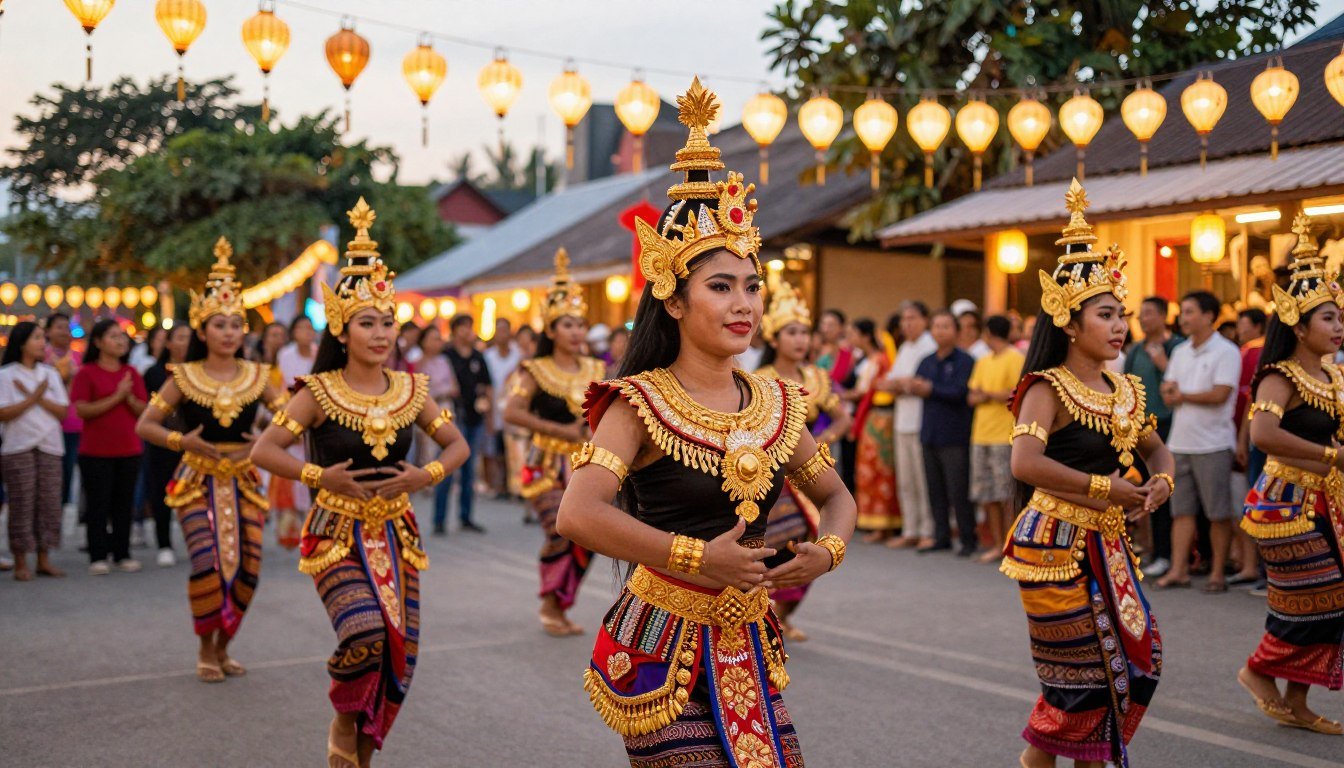
Southeast Asia comes alive throughout the year with spectacular seasonal festivals that showcase centuries of cultural heritage. These celebrations offer travelers unique opportunities to witness authentic traditions, participate in ancient rituals, and connect with local communities.
From water-soaked streets during Songkran to sky-filled lanterns during Mid-Autumn Festival, the region hosts some of the world’s most visually stunning and culturally significant events. Each festival reflects the diverse religious, agricultural, and historical influences that have shaped Southeast Asian societies.
This comprehensive guide covers all major seasonal festivals across Thailand, Vietnam, Indonesia, Malaysia, Philippines, Singapore, and neighboring countries for 2026. You’ll discover exact dates, cultural significance, attendance tips, and practical travel information to help you plan unforgettable festival experiences.
Understanding Southeast Asia’s Festival Calendar
Southeast Asia follows multiple calendar systems that influence festival timing. The lunar calendar determines many traditional celebrations, while solar calendar dates mark national holidays and harvest festivals.
Most Buddhist festivals follow the lunar calendar, celebrated on full moon days. Hindu celebrations in Indonesia and Malaysia also align with lunar phases. Islamic festivals shift approximately 11 days earlier each year following the Islamic calendar.
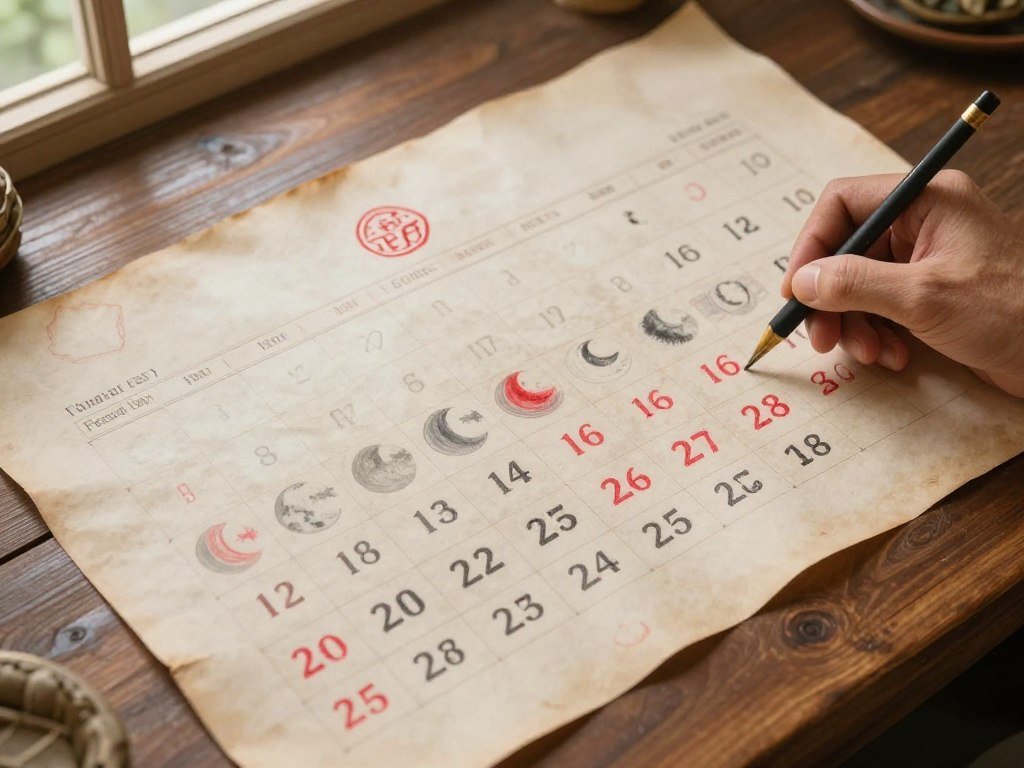
Agricultural cycles also shape the festival calendar across the region. Rice harvest celebrations occur in different months depending on climate zones. Northern countries celebrate harvest festivals earlier than equatorial regions where multiple growing seasons exist.
Major Festival Categories
Religious Celebrations
Buddhist, Hindu, Islamic, and Christian festivals form the spiritual foundation of Southeast Asian culture. These celebrations mark important religious events and offer insights into local belief systems.
- Buddhist festivals on full moon days
- Hindu temple celebrations and processions
- Islamic Eid celebrations across the region
- Christian Easter and Christmas traditions
- Animist and indigenous spiritual ceremonies
- Chinese Taoist and Buddhist observances
Seasonal and Agricultural Festivals
Harvest celebrations and seasonal transitions bring communities together to honor agricultural traditions and give thanks for nature’s abundance.
- Rice harvest thanksgiving ceremonies
- Water festivals marking seasonal changes
- Flower festivals during blooming seasons
- New year celebrations across cultures
- Full moon and lunar phase observances
- Ancestral remembrance ceremonies
2026 Festival Planning Timeline
| Planning Phase | Timeline | Actions Required | Key Considerations |
| Early Planning | 6-8 months before | Research festivals, check dates, apply for visas, book flights | Lunar calendar festivals may shift slightly from projected dates |
| Booking Period | 3-5 months before | Reserve accommodation, book festival tours, arrange transportation | Major festivals sell out quickly, especially Songkran and Lunar New Year |
| Final Preparation | 1-2 months before | Confirm bookings, pack appropriate clothing, research customs | Check weather forecasts and pack accordingly for outdoor festivals |
| Last-Minute Details | 2-4 weeks before | Download offline maps, exchange currency, purchase travel insurance | Many festivals occur in remote areas with limited facilities |
Lunar New Year Celebrations Across Southeast Asia
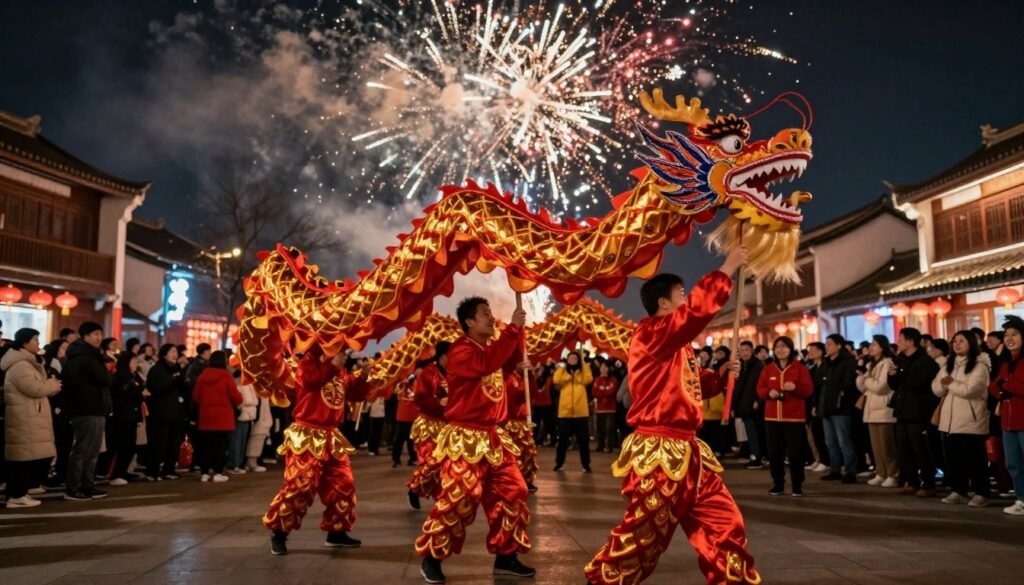
Lunar New Year represents the most significant festival across Southeast Asia. Communities with Chinese heritage celebrate this festival with spectacular displays of lights, dragon dances, and family reunions that span multiple days.
The 2026 Lunar New Year falls on February 17, marking the beginning of the Year of the Horse. Celebrations begin on New Year’s Eve and continue for 15 days until the Lantern Festival.
Singapore Chinese New Year
Singapore transforms into a dazzling display of lights and decorations for Lunar New Year. Chinatown becomes the celebration center with elaborate street decorations, night markets, and cultural performances.
Festival Highlights
- Chinatown Street Light-Up with themed installations
- Chingay Parade featuring massive floats and performances
- River Hongbao carnival at Marina Bay
- Temple prayers at Thian Hock Keng Temple
- Reunion dinners at famous restaurants
- Fireworks displays on New Year’s Eve
- Lion dance performances throughout the city
Travel Tips
Best Dates: February 15-March 3, 2026
Accommodation: Book hotels in Chinatown or near Orchard Road at least 4 months in advance. Prices increase 40-60% during this period.
Getting There: Changi Airport handles increased traffic efficiently. MRT provides easy access to all celebration areas.
Cultural Etiquette: Wear red for good luck. Bring mandarin oranges when visiting homes. Avoid wearing black or white.
Vietnam Tet Festival
Tet Nguyen Dan, simply called Tet, represents Vietnam’s most important celebration. This Lunar New Year festival brings the entire nation to a standstill as families reunite and honor ancestors.
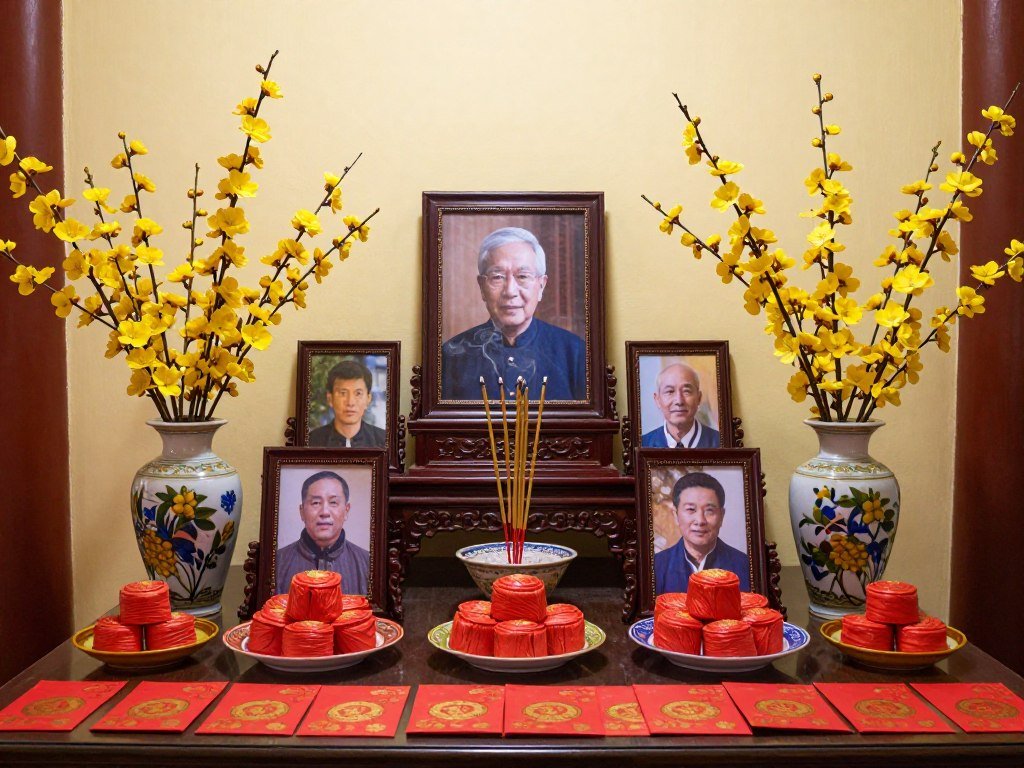
Streets empty for three official days as families gather for elaborate meals and temple visits. Markets bustle with activity before Tet as people purchase new clothes, flowers, and traditional foods.
Hanoi Tet Experience
Highlights: Old Quarter flower markets, Dong Xuan night market, temple ceremonies at Ngoc Son Temple
Special Activities: Traditional water puppet shows, calligraphy demonstrations, folk games in parks
Photography: Hoan Kiem Lake offers beautiful peach blossom reflections
Ho Chi Minh City Tet
Highlights: Nguyen Hue Flower Street displays, Ben Thanh Market preparations, fireworks over Saigon River
Special Activities: Ao dai fashion shows, lion dances in District 5 (Chinatown), pagoda visits
Photography: City Hall illuminated decorations create stunning night shots
Hoi An Tet Atmosphere
Highlights: Ancient town lanterns, Japanese Bridge decorations, riverside celebrations
Special Activities: Boat races on Thu Bon River, traditional music performances, craft demonstrations
Photography: Lantern-lit streets provide magical evening opportunities
Important Tet Travel Considerations
Business Closures: Most businesses, restaurants, and attractions close for 3-7 days during Tet. Plan accordingly or embrace the quiet atmosphere.
Transportation: Book trains and buses 2 months in advance. Domestic flights fill quickly as Vietnamese travel to hometowns.
Accommodation: Hotels in major cities remain open but may have limited services. Rural areas may have no availability.
Malaysia Chinese New Year Celebrations
Malaysia’s multicultural society celebrates Lunar New Year with enthusiasm, particularly in Kuala Lumpur, Penang, and Malacca. Open house traditions welcome visitors of all backgrounds to join celebrations.
Kuala Lumpur Events
- Petaling Street market transforms with red decorations
- Pavilion KL mall hosts cultural performances
- Thean Hou Temple welcomes thousands of worshippers
- God of Prosperity parades through shopping districts
- Reunion dinners at iconic restaurants
- Batu Caves decorations attract photographers
Getting Around: LRT and monorail provide easy access to celebration areas. Grab rideshare works well for temple visits.
Penang Celebrations
- George Town street decorations create photo opportunities
- Kek Lok Si Temple illuminates hillside
- Chew Jetty clan houses hold traditional ceremonies
- Armenian Street hosts cultural performances
- Floating lanterns released at Clan Jetties
- Traditional lion dance competitions
Accommodation Tip: Stay in George Town UNESCO area for walking access to most celebrations.
Experience Authentic Lunar New Year Celebrations
Join guided cultural tours that provide insider access to family celebrations, traditional ceremonies, and exclusive festival events. Expert guides explain customs and ensure respectful participation.
Water Festivals: Celebrating Southeast Asia’s Liquid Traditions
Water festivals mark the hottest time of year across Southeast Asia, coinciding with traditional new year celebrations in Buddhist countries. These joyous events combine religious merit-making with playful water throwing that cools participants during peak heat.
The tradition originated as a gentle sprinkling of scented water on Buddha images and elders as a sign of respect. Modern celebrations have evolved into massive water fights involving entire cities.
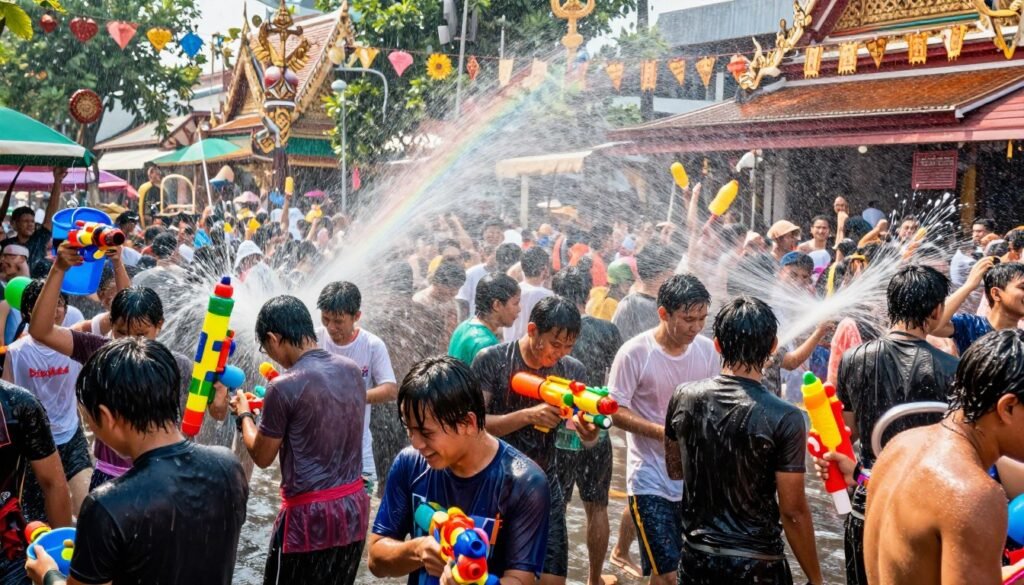
Thailand Songkran Festival
Songkran represents Thailand’s most famous festival and the world’s largest water fight. Celebrated April 13-15, 2026, this traditional Thai New Year festival transforms streets into rivers of celebration.
Major Celebration Cities
Bangkok Songkran: Khao San Road and Silom become water warfare zones. Trucks with water tanks patrol streets while people line sidewalks with hoses and buckets.
Chiang Mai: The most traditional and longest celebration (April 12-16). Old City moat provides endless water supply for participants.
Phuket and Islands: Beach celebrations combine water throwing with beach parties. Patong Beach hosts massive events.
Ayutthaya: Combines water festival with elephant parades near ancient temples. More family-friendly atmosphere.
Songkran Survival Guide
- Wear quick-dry clothes in modest cuts
- Waterproof phone and valuables in sealed bags
- Wear water shoes with good grip
- Apply waterproof sunscreen frequently
- Respect monks and elderly who don’t participate
- Avoid throwing ice water or aiming at faces
- Stay hydrated with drinking water
- Book accommodation near celebration areas
Myanmar Thingyan Water Festival
Myanmar’s Thingyan coincides with Songkran but maintains distinct traditions. Celebrated April 13-16, 2026, this festival marks the Burmese New Year with water throwing, music, and merit-making activities.

Yangon hosts the largest celebrations with temporary stages called pandals erected throughout the city. These elaborate structures feature live music, dance performances, and water throwing from above.
Yangon Celebrations
Main events occur in downtown areas and along major roads. Kandawgyi Lake area hosts family-friendly celebrations.
Best Spots: Inya Road, Pyay Road, downtown pandals
Cultural Activities: Washing hair ritual, feeding fish, releasing birds
Mandalay Festival
More traditional atmosphere with emphasis on merit-making. Palace moat provides water source for celebrations.
Best Spots: 84th Street, palace grounds, Mandalay Hill area
Cultural Activities: Temple visits, almsgiving, traditional music
Bagan Experience
Smaller scale but magical setting among ancient temples. More focus on spiritual aspects of festival.
Best Spots: Nyaung U town, temple grounds
Cultural Activities: Sand pagoda building, temple ceremonies, sunset blessings
Laos Pi Mai Lao
Laos celebrates Pi Mai Lao (Lao New Year) April 14-16, 2026, with a gentler approach to water festivities. Luang Prabang hosts the most beautiful celebrations combining Lao tradition with French colonial charm.
Luang Prabang Highlights
UNESCO World Heritage town provides stunning backdrop for traditional celebrations. Processions carry Buddha images through streets for ritual bathing.
- Alms giving ceremony with special offerings
- Miss Pi Mai Lao beauty pageant in traditional dress
- Sand stupas built at temples for merit
- Boat races on Mekong River
- Traditional Lao music and dance performances
- Market selling traditional foods and crafts
Vientiane Celebrations
Capital city hosts larger scale events with more energetic water throwing. Beerlao flows freely at street parties.
- Water fights along Mekong riverside promenade
- Pha That Luang temple ceremonies
- Street parties with live music
- Traditional games and competitions
- Food stalls serving Lao specialties
- Fireworks over the Mekong
Interactive map showing major water festival celebration locations across Thailand, Myanmar, and Laos
Book Your Water Festival Adventure Now
Water festivals sell out months in advance. Secure your accommodation, tours, and activities now to guarantee the best festival experience. Early booking saves 30-40% on peak period prices.
Mid-Autumn Festival and Lantern Celebrations
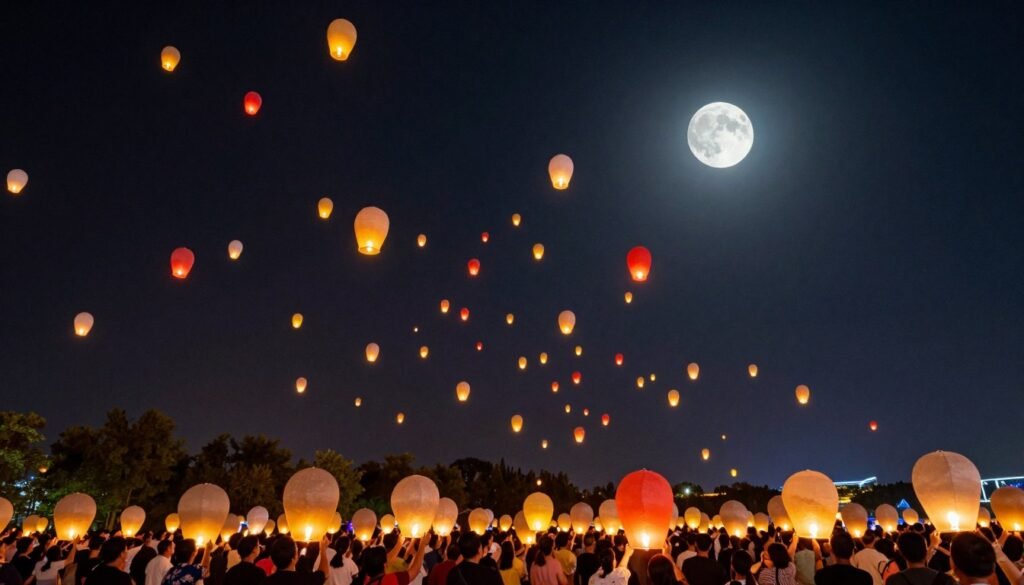
The Mid-Autumn Festival illuminates Southeast Asia with millions of lanterns during the full moon of the eighth lunar month. Celebrated September 16, 2026, this harvest festival brings families together under autumn moonlight.
Lanterns of every size and shape fill the sky and float on waterways, creating magical scenes across the region. Children parade with colorful lanterns while families share mooncakes and admire the harvest moon.
Vietnam Mid-Autumn Festival (Tet Trung Thu)
Vietnamese children take center stage during Tet Trung Thu, parading through streets with star-shaped lanterns. Ancient towns like Hoi An transform into lantern wonderlands during this special celebration.
Hoi An Lantern Festival
Hoi An’s monthly Full Moon Lantern Festival reaches its peak during Mid-Autumn Festival. The ancient town turns off electric lights, allowing traditional lanterns to illuminate streets and waterways.
- Thousands of colored lanterns hang across streets
- Floating lanterns released on Thu Bon River
- Traditional music performances on bridges
- Lion dances through the ancient quarter
- Children’s lantern parade with star lanterns
- Mooncake vendors fill the streets
- Candle-lit ancestral house visits
Hanoi Celebrations
Hanoi’s Old Quarter hosts vibrant celebrations with particular focus on children. Hang Ma Street becomes a lantern market selling traditional and modern designs.
- Lantern market on Hang Ma Street
- Moon viewing at West Lake
- Lion dance competitions
- Traditional toy market
- Mooncake tastings at famous bakeries
- Children’s cultural performances
- Temple ceremonies honoring the moon
Singapore Mid-Autumn Festival
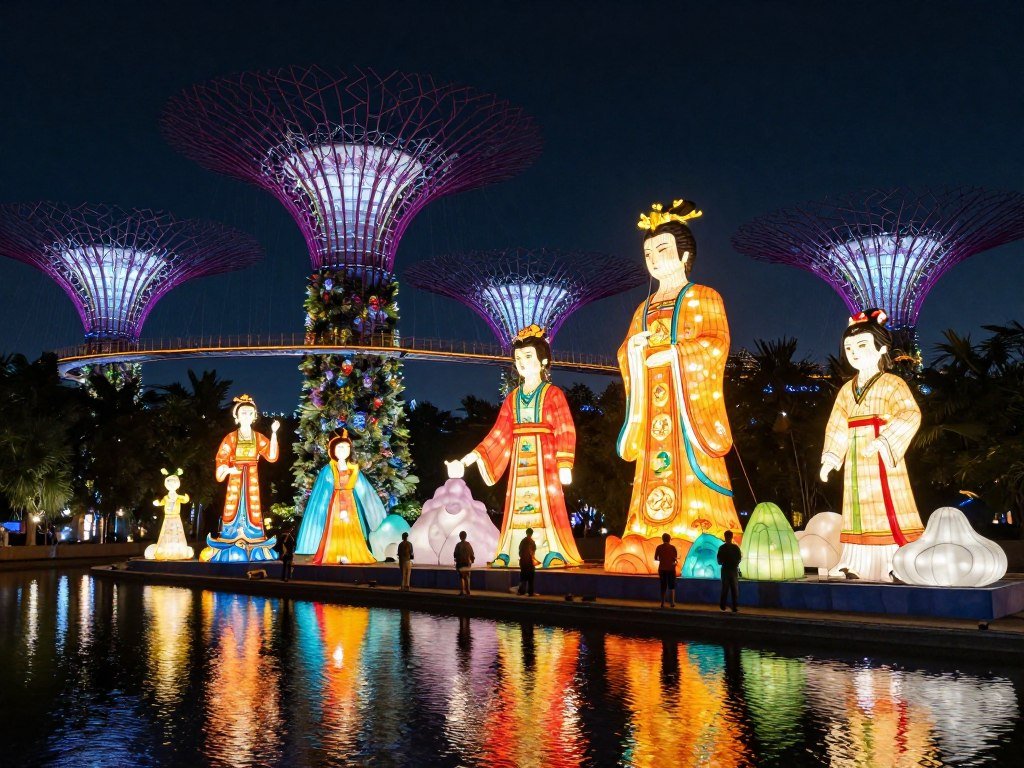
Singapore celebrates Mid-Autumn Festival with elaborate decorations in Chinatown and Gardens by the Bay. The festival showcases both traditional customs and modern interpretations.
Chinatown Festivities
Street Decorations: Massive lantern installations span streets creating colorful canopy
Night Market: Vendors sell mooncakes, lanterns, traditional snacks
Performances: Cultural shows on outdoor stages nightly
Gardens by the Bay
Lantern Display: Large-scale artistic installations featuring traditional themes
Activities: Lantern-making workshops, cultural demonstrations
Food Stalls: Traditional treats and modern fusion mooncakes
River Hongbao
Carnival Atmosphere: Games, rides, food stalls near Marina Bay
Lanterns: Floating lantern displays on bay waters
Fireworks: Special displays on festival weekend
Thailand Loi Krathong Festival
Though not technically Mid-Autumn Festival, Loi Krathong celebrates the full moon of the twelfth lunar month (November 14, 2026). This festival honors the water goddess with floating offerings and sky lanterns.
Chiang Mai Yi Peng
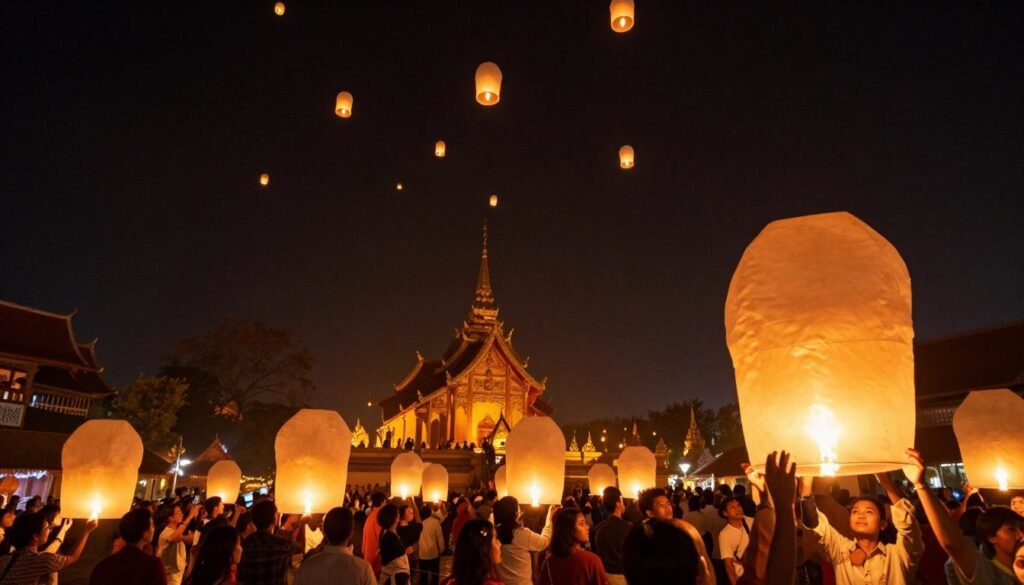
Chiang Mai’s Yi Peng coincides with Loi Krathong, creating spectacular displays of floating offerings and sky lanterns. The sight of thousands of lanterns rising together creates unforgettable moments.
- Mass sky lantern release at Mae Jo University
- Floating krathong on Ping River
- Parade of decorated floats through Old City
- Beauty pageants in traditional dress
- Temple ceremonies with candle processions
- Traditional Lanna cultural performances
Booking Alert: Yi Peng mass lantern release requires advance tickets. Book 6 months ahead to secure spots.
Bangkok Celebrations
Bangkok celebrates along the Chao Phraya River with magnificent floating decorations and fireworks. Hotels and restaurants host elegant events overlooking the river.
- Krathong floating at Asiatique riverfront
- Royal ceremony at Wat Arun temple
- Fireworks displays over the river
- Illuminated boat parades
- Cultural performances at Sanam Luang
- Hotel gala dinners with river views
Photography Tip: Shoot from bridges or riverside restaurants for elevated perspectives of floating krathong.
Harvest and Thanksgiving Festivals
Agricultural societies across Southeast Asia celebrate harvest seasons with thanksgiving festivals honoring nature’s abundance. These celebrations reflect deep connections between communities and the land that sustains them.
Rice harvest festivals dominate the calendar, though regions also celebrate rubber tapping, coconut harvesting, and fishing seasons. Indigenous communities maintain unique harvest traditions passed through generations.
Indonesia Bali Galungan Festival
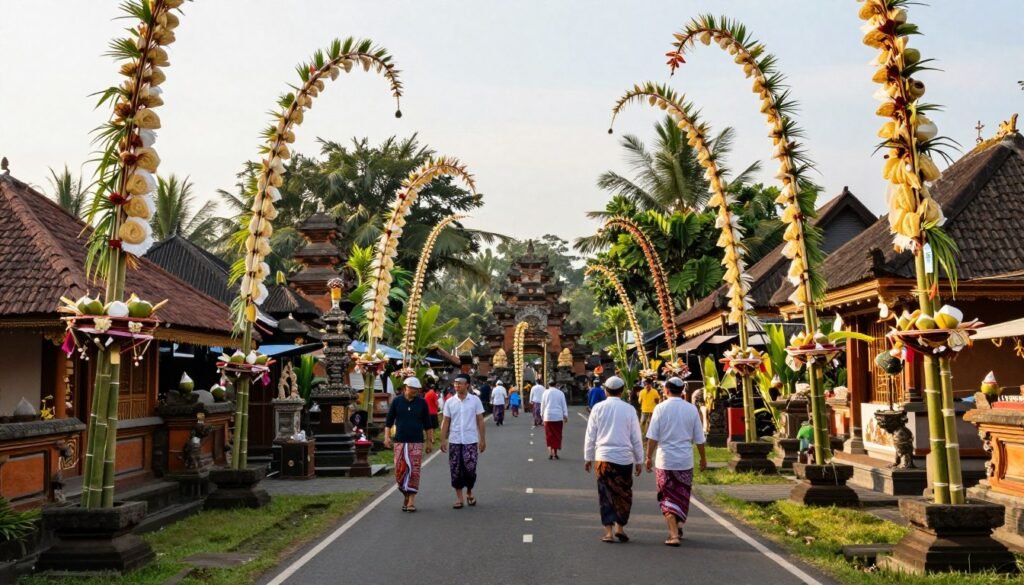
Galungan marks the victory of dharma over adharma in Balinese Hinduism. Celebrated every 210 days according to the Balinese calendar, the next major celebration falls in March 2026. Ancestors return to earth during this ten-day celebration.
Festival Traditions
Villages erect tall bamboo poles called penjor, arching gracefully along every street. These decorated poles symbolize prosperity and welcome ancestral spirits home.
- Penjor bamboo poles decorate every household
- Families prepare elaborate offerings (banten)
- Temple ceremonies occur three times daily
- Traditional gamelan music fills the air
- Barong dance performances ward off evil
- Special foods prepared for returning ancestors
- Village purification ceremonies
Best Places to Experience
Ubud: Cultural heart offers numerous temple ceremonies and traditional performances daily.
Village Areas: Rural communities maintain strongest traditions. Tenganan, Penglipuran offer authentic experiences.
Temple Visits: Besakih Mother Temple, Tirta Empul, Uluwatu host significant ceremonies.
Etiquette: Wear traditional sarong and sash when entering temples. Follow local guide instructions during ceremonies.
Philippines Pahiyas Festival
The Pahiyas Festival celebrates harvest season every May 15 in Lucban, Quezon Province. Houses transform into edible artworks decorated with colorful rice wafers, fruits, and vegetables giving thanks for abundant harvest.
Festival Highlights
Residents compete to create the most beautiful house decorations using kiping (leaf-shaped rice wafers) arranged in elaborate patterns. After judging, decorations are eaten or given to visitors.
- Houses covered in colorful kiping decorations
- Agricultural products displayed on facades
- Street parades with traditional costumes
- Local delicacies offered to visitors
- Live bands performing Filipino music
- Photography competitions for best displays
Travel Information
Getting There: Lucban lies 160km south of Manila, approximately 4-hour drive or bus ride.
When to Visit: Arrive early morning (6-7 AM) to see decorations before crowds and heat.
Accommodation: Stay in nearby Lucena City as Lucban has limited options. Book 2 months ahead.
What to Bring: Sun protection, comfortable walking shoes, camera, cash for purchases.

Thailand Royal Ploughing Ceremony
The Royal Ploughing Ceremony marks the official start of rice planting season each May. This ancient Brahman ritual predicts the year’s harvest and rainfall, drawing thousands to Sanam Luang in Bangkok.
Ceremony Elements
Sacred oxen plow ceremonial furrows while court Brahmins scatter rice seed. The oxen then choose from seven offerings predicting the coming year.
Location: Sanam Luang, Bangkok
Time: Early May (exact date set by royal astrologers)
Predictions Made
Items chosen by oxen indicate the year ahead: grain means food abundance, water predicts good rains, grass suggests livestock prosperity.
Public Access: Free attendance but arrive very early
Dress Code: Respectful attire required for royal ceremony
After Ceremony
Crowds rush to collect blessed rice seeds for planting, believing they bring prosperity. The ceremony ends with participants taking home luck.
Cultural Significance: Links monarchy with agricultural society
Photography: Restricted during ceremony, allowed after conclusion
Experience Authentic Harvest Festivals
Join small-group cultural tours led by local experts who provide access to village ceremonies, traditional celebrations, and harvest rituals rarely seen by independent travelers.
Religious Festivals and Pilgrimages
Southeast Asia’s diverse religious landscape creates a rich tapestry of spiritual celebrations throughout the year. Buddhist, Hindu, Islamic, and Christian festivals offer opportunities to witness devotion and participate respectfully in ancient traditions.
Many festivals involve pilgrimages to sacred sites where thousands gather for prayers, offerings, and ceremonies passed through countless generations. These events showcase the region’s deep spiritual roots and continuing faith traditions.
Indonesia Nyepi (Day of Silence)
Nyepi marks the Balinese New Year based on the Saka calendar, falling on March 22, 2026. This unique celebration requires complete silence across Bali as the island pauses to meditate and reflect.
Nyepi Day Restrictions
The Day of Silence prohibits work, travel, entertainment, and even lighting fires. The entire island shuts down completely, including the international airport.
- No lights allowed after 6 PM
- No travel or leaving homes
- No working or entertainment
- No cooking with fire
- Meditation and self-reflection encouraged
- Traditional security patrols enforce rules
- Tourists must remain in hotels
- No internet or phone usage requested
Pre-Nyepi Celebrations
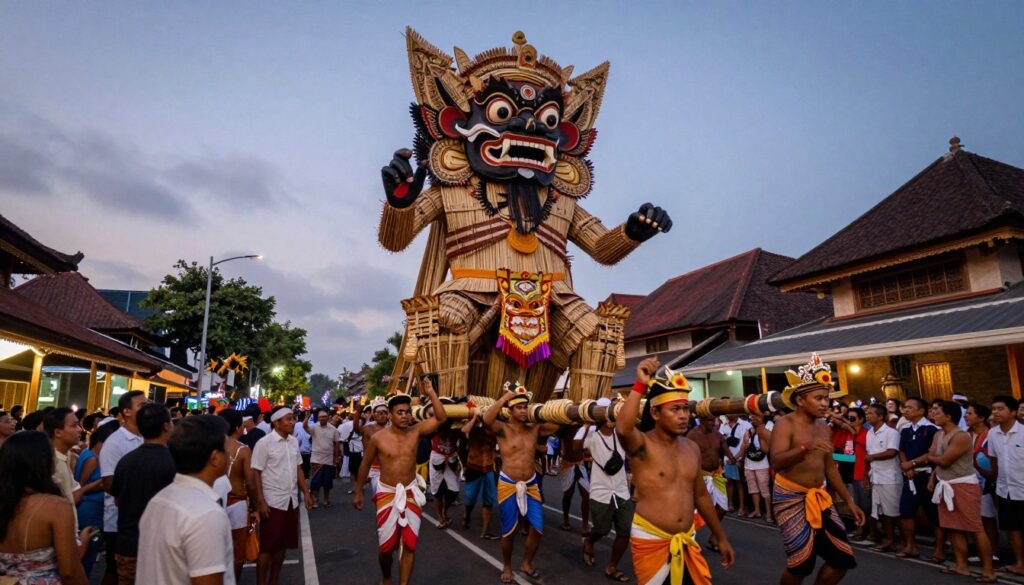
The day before Nyepi erupts with activity as Balinese prepare for silence. Massive Ogoh-Ogoh demon statues parade through streets before being burned.
- Melasti purification ceremonies at beaches
- Ogoh-Ogoh parade featuring giant demon statues
- Village gamelan orchestras perform
- Burning of Ogoh-Ogoh at midnight
- Loud noises to chase away evil spirits
- Temple ceremonies with offerings
- Traditional Balinese feast preparations
Important Nyepi Travel Planning
Airport Closure: Ngurah Rai International Airport closes for 24 hours. No flights arrive or depart on Nyepi day.
Hotel Booking: Book hotels far in advance. Many properties offer special Nyepi packages with meals included.
Activities: Plan to stay in your hotel with no outside access. Bring books, entertainment, and snacks.
Respect: Follow all restrictions seriously. Balinese take this sacred day very seriously and expect visitor compliance.
Myanmar Thadingyut Festival of Lights
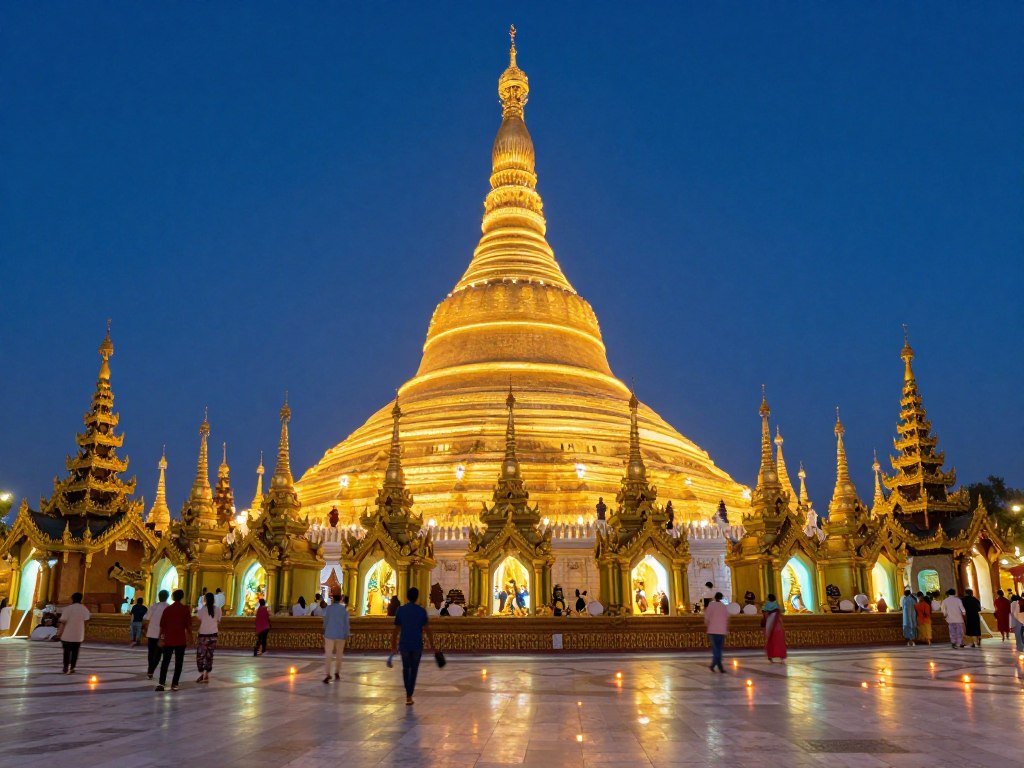
Thadingyut celebrates Buddha’s return from heaven after teaching his mother. Falling in October 2026 (exact date follows lunar calendar), this festival lights up Myanmar with millions of candles, lanterns, and electric lights.
Festival Traditions
Homes, pagodas, and public buildings illuminate with lights creating magical nighttime scenes. The festival marks the end of Buddhist Lent (Vassa) when monks complete their rainy season retreat.
- Pagodas illuminated with thousands of lights
- Candles and oil lamps line streets and homes
- Colorful paper lanterns hang everywhere
- Families visit elders to pay respects
- Monks receive special almsgiving
- Traditional dances and performances
- Hot air balloons launched at night
Best Viewing Locations
Yangon: Shwedagon Pagoda becomes absolutely spectacular with thousands of lights. Surrounding streets host carnival-like atmosphere.
Mandalay: Mandalay Hill offers panoramic views of illuminated city below. Palace area hosts special lighting displays.
Bagan: Ancient temples glow against starlit sky. Smaller celebrations maintain traditional feel.
Inle Lake: Floating villages illuminate water surface with reflections creating magical scenes.
Malaysia Thaipusam Festival
Thaipusam honors Lord Murugan with dramatic displays of devotion. Celebrated in January/February 2026, this Hindu festival features devotees carrying kavadi (ornate structures) and piercing their bodies with skewers.
Batu Caves Celebration
Kuala Lumpur’s Batu Caves host the largest Thaipusam outside India. Over one million devotees climb 272 steps carrying kavadi offerings.
Procession: Begins at Sri Mahamariamman Temple, walks 15km to Batu Caves
Duration: 24-hour continuous celebration
Penang Thaipusam
George Town to Waterfall Hilltop Temple procession showcases intense devotion. More intimate atmosphere than Kuala Lumpur.
Route: 6km from Kovil Veedu to Arulmigu Balathandayuthapani Temple
Atmosphere: Traditional, less commercialized
Photographer’s Guide
Arrive before dawn to capture devotees preparing kavadi and beginning piercing rituals. Respectful distance essential.
Best Times: Early morning preparations, midday procession intensity
Etiquette: Request permission before close-ups of devotees
Vietnam Perfume Pagoda Festival
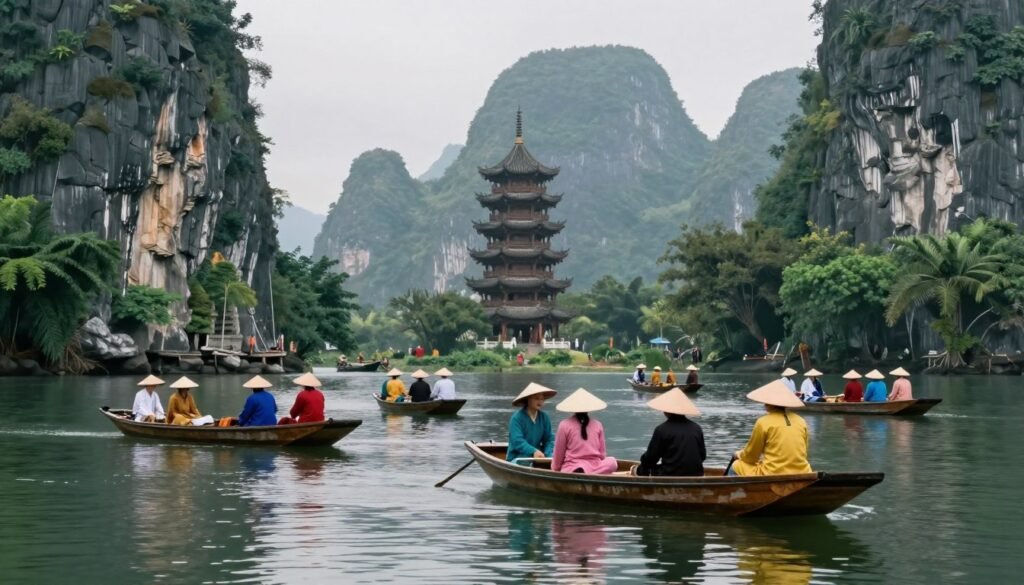
The Perfume Pagoda Festival represents Vietnam’s largest Buddhist pilgrimage, occurring from January through March with peak crowds during Tet. Pilgrims journey by boat and climb mountains to reach sacred cave temples.
Pilgrimage Journey
The pilgrimage begins with rowing boat journey along scenic Yen Stream, followed by mountain trails leading to Huong Tich Cave, considered the most sacred site.
- Rowing boats through limestone karst landscape
- Mountain hiking to cave temples
- Prayers and offerings at multiple pagodas
- Buying blessed items from cave shrine
- Traditional vegetarian food at temples
- Fortune telling and blessing ceremonies
Practical Information
Location: My Duc District, 60km southwest of Hanoi
Best Time: Weekdays to avoid peak crowds. Avoid first week after Tet when millions attend.
What to Bring: Comfortable hiking shoes, water, modest clothing, cash for boat and cable car fees.
Duration: Full day trip from Hanoi (8-10 hours total including travel time).
Unique Regional Festivals Worth the Journey
Beyond the major festivals, Southeast Asia hosts countless unique celebrations reflecting specific regional cultures and traditions. These lesser-known festivals reward adventurous travelers with authentic experiences and fewer crowds.
Remote regions maintain festivals that have changed little over centuries. Tribal communities, island cultures, and mountain peoples celebrate according to ancient calendars and customs rarely witnessed by outsiders.
Philippines Ati-Atihan Festival
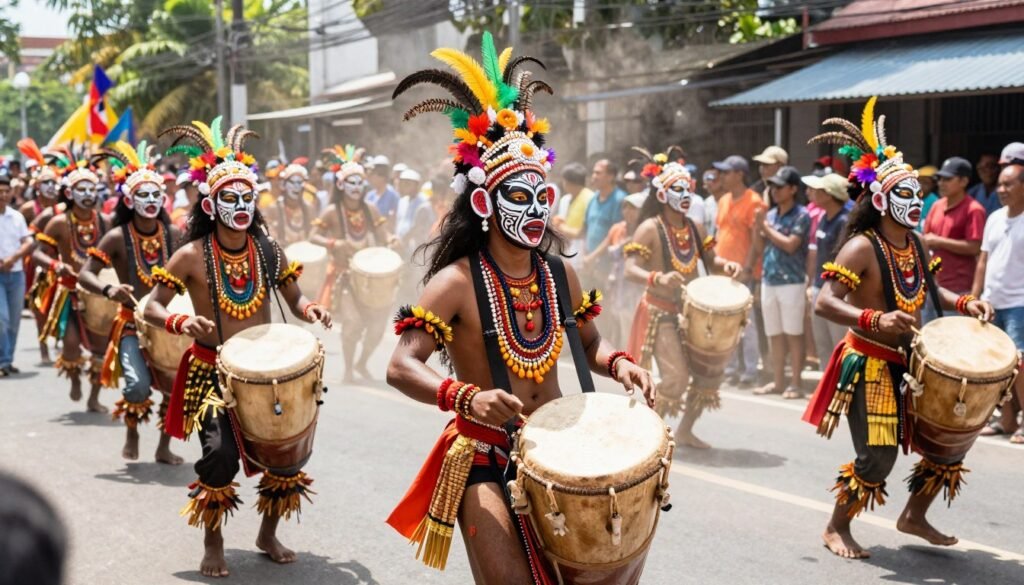
The Ati-Atihan Festival transforms Kalibo, Aklan into a wild street party every January. Dubbed the “Mother of All Philippine Festivals,” this Santo Niño celebration combines Catholic devotion with indigenous Ati tribal traditions.
Festival Highlights
Participants paint their faces with black soot, wear indigenous costumes, and dance through streets for three days of continuous celebration. “Hala Bira!” echoes as the rallying cry.
- Street dancing competitions between towns
- Tribal costume parades with elaborate designs
- Drumming groups providing rhythmic soundtrack
- Religious processions honoring Santo Niño
- Body painting and traditional face designs
- 24-hour street parties with live music
- Food stalls serving local delicacies
Travel Planning
Dates: Third week of January 2026, culminating on the third Sunday
Getting There: Fly to Kalibo International Airport or take bus from Manila (12 hours). Caticlan (Boracay) airport nearby.
Accommodation: Book 4-6 months ahead. Hotels in Kalibo fill completely. Consider staying in Boracay (1 hour away).
What to Wear: Comfortable clothes you don’t mind ruining. Bring your own face paint or buy locally.
Cambodia Bon Om Touk (Water Festival)
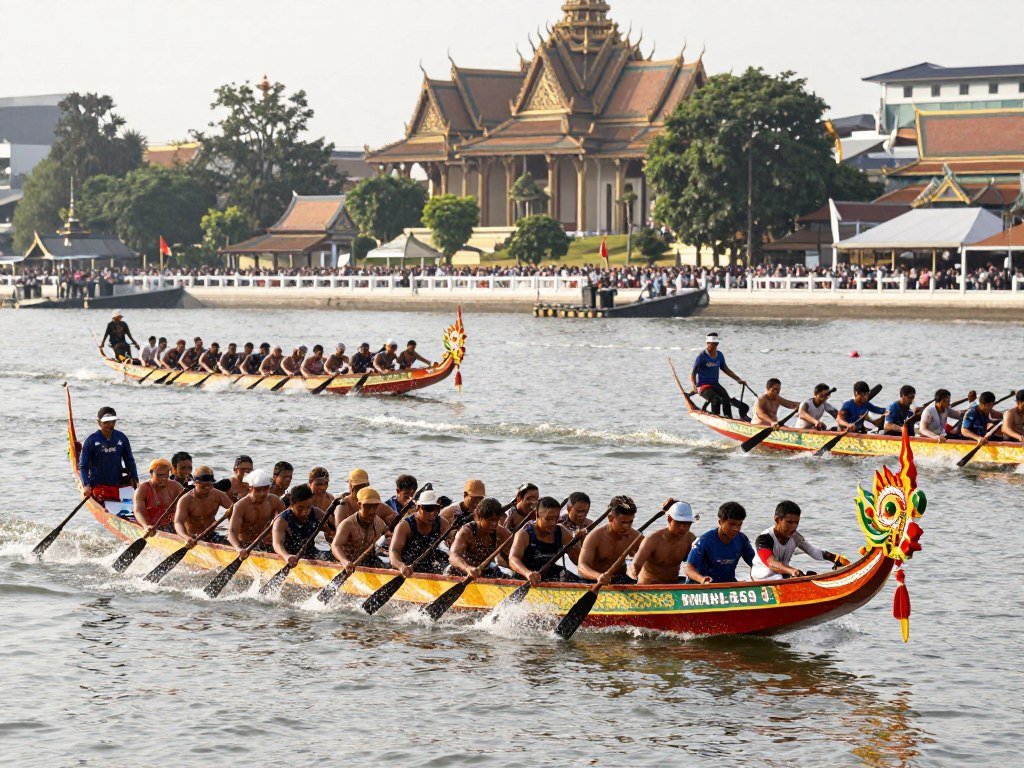
Bon Om Touk celebrates the reversal of the Tonle Sap River’s flow, occurring in November 2026. This three-day festival draws millions to Phnom Penh for boat races, fireworks, and full moon celebrations.
Festival Activities
Long boat races dominate the Tonle Sap and Mekong rivers as teams from provinces compete. Elaborately decorated boats with dozens of rowers race before huge riverside crowds.
- Longboat races with provincial teams
- Illuminated boat parade on final night
- Fireworks displays over the rivers
- Traditional music and dance performances
- Street food vendors and carnival atmosphere
- Moon worship ceremonies at temples
- Floating lantern releases on water
Viewing Information
Best Spots: Riverside promenade, Royal Palace area, bridges offer elevated views
Safety Note: Extremely large crowds. The 2010 tragedy resulted in improved safety measures, but caution necessary.
Accommodation: River-view hotels book solid 6 months ahead. Prices triple during festival.
Alternative: Watch provincial races in Siem Reap for smaller crowds and authentic atmosphere.
Singapore Thaipusam (Alternative Perspective)
While mentioned earlier for Malaysia, Singapore’s Thaipusam offers a unique urban setting. The festival showcases Singapore’s multicultural harmony as Hindu devotees perform kavadi carrying through the modern city.
Procession Route
Begins at Sri Srinivasa Perumal Temple in Little India, winds 4km through streets to Sri Thendayuthapani Temple on Tank Road.
Duration: Procession runs from dawn to late evening
Atmosphere: Modern city backdrop creates unique contrast
Cultural Experience
Devotees carry ornate kavadi structures attached to bodies with hooks and skewers, demonstrating faith through physical devotion.
Preparation: Witness rituals at starting temple before dawn
Support: Family members walk alongside devotees chanting prayers
Visitor Information
Public viewing welcome but maintain respectful distance. Free event showcasing Singapore’s religious freedom.
Transit: MRT to Little India station provides easy access
Photography: Allowed but ask permission for close-ups
Indonesia Pasola Festival (Sumba)
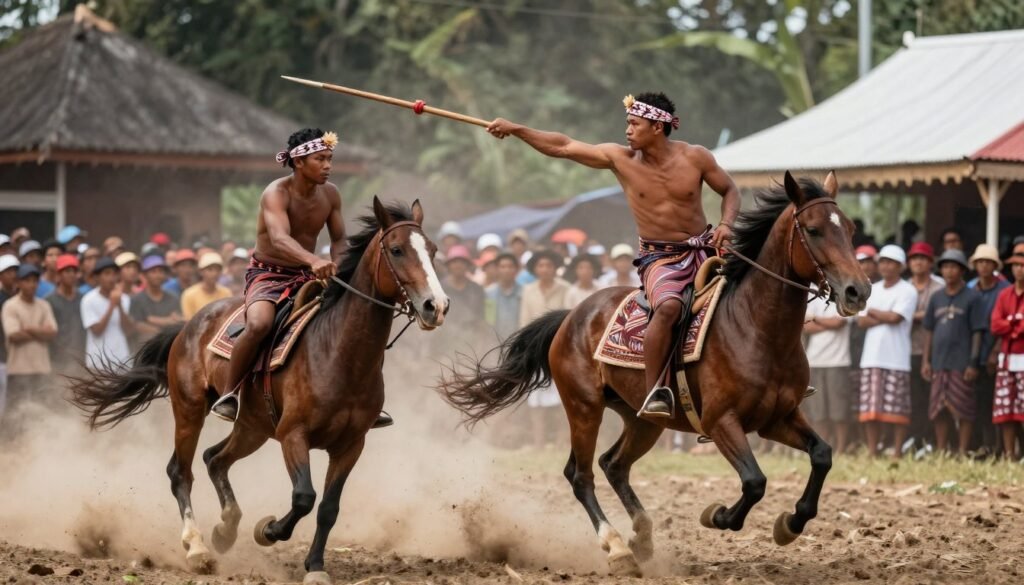
Pasola represents one of Southeast Asia’s most thrilling festivals. This ritual war game in Sumba involves mounted warriors throwing wooden spears at opponents during February-March harvest celebrations.
Festival Background
Pasola honors the Marapu ancestral religion unique to Sumba. Blood spilled during mock battles fertilizes soil for coming harvest. Despite modern Indonesia, Sumbanese maintain this ancient tradition.
- Mounted warriors in traditional dress
- Wooden spear throwing while galloping
- Multiple villages compete in ritual combat
- Nyale sea worm harvest triggers timing
- Traditional priest (rato) officiates ceremony
- Blood spilled considered blessing for harvest
Attending Pasola
Location: Various villages in West Sumba, primarily Lamboya, Kodi, Gaura, and Wanokaka
Timing: Late February to March, exact dates set by nyale worm appearance (cannot be predicted precisely)
Getting There: Fly to Tambolaka Airport. Hire driver and guide (essential for finding events and cultural context).
Accommodation: Limited options in Waikabubak. Book through tour operators who track Pasola dates.
Discover Hidden Festival Gems
Access unique regional festivals with expert-guided tours to remote locations. Our specialist guides provide cultural context, ensure respectful participation, and handle complex logistics so you can focus on the experience.
Practical Guide to Attending Southeast Asian Festivals
Successfully experiencing Southeast Asian festivals requires planning, cultural awareness, and practical preparation. Understanding expectations helps you participate respectfully while getting the most from these special celebrations.
Each festival presents unique challenges from massive crowds to remote locations. Preparation makes the difference between frustration and unforgettable cultural immersion.
Booking and Planning Timeline
| Time Before Festival | Major Festivals | Regional Festivals | What to Book |
| 6-8 Months | Songkran, Lunar New Year, Loi Krathong | Ati-Atihan, Yi Peng lantern release | International flights, main accommodation, special event tickets |
| 3-5 Months | Mid-Autumn Festival, Tet | Pahiyas, Thaipusam | Domestic flights, hotels near festival sites, popular tours |
| 1-2 Months | Water festivals, harvest celebrations | Local temple festivals, regional events | Activities, guides, transportation, backup accommodation |
| 2-4 Weeks | Any festival (last-minute possible) | Smaller community festivals | Local experiences, photography permits, special access |
Essential Packing for Festival Travel
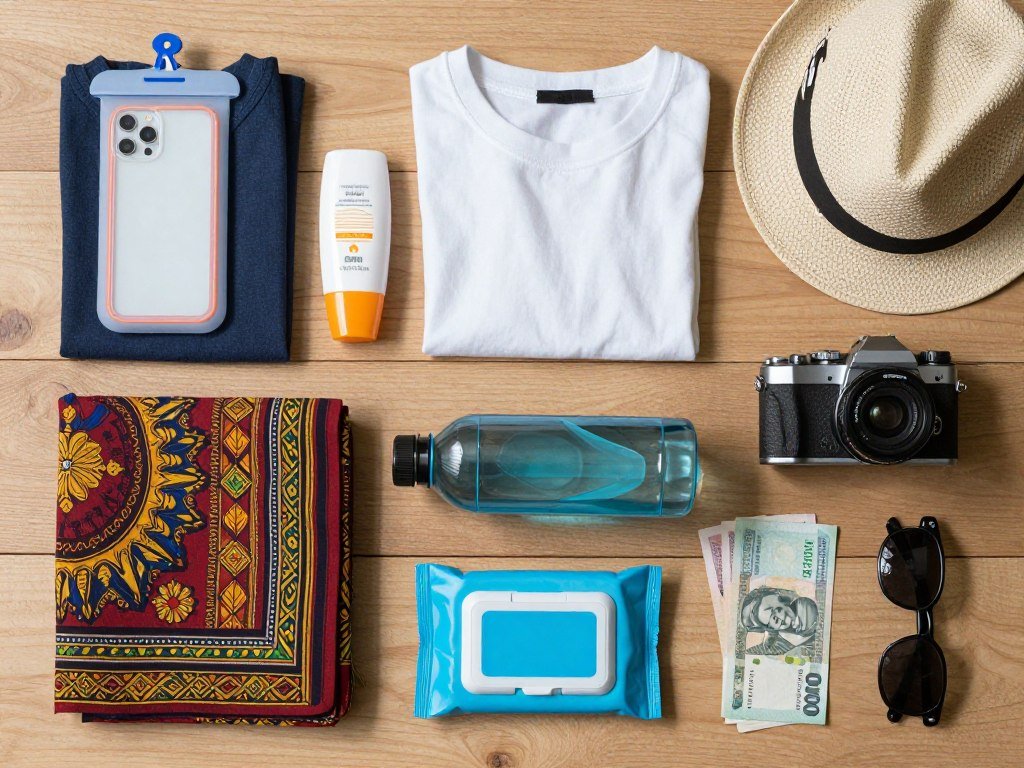
Universal Festival Essentials
- Comfortable walking shoes (will get dirty)
- Lightweight, modest clothing respecting local culture
- Sun protection (hat, sunscreen, sunglasses)
- Reusable water bottle with filter
- Small backpack or crossbody bag
- Portable phone charger and power bank
- Cash in small denominations
- Basic first-aid supplies and medications
- Wet wipes and hand sanitizer
- Earplugs for loud festivals and crowded hotels
Festival-Specific Items
Water Festivals: Waterproof phone case, quick-dry clothes, water shoes, change of clothes, plastic bags for valuables
Lantern Festivals: Tripod for photography, extra camera batteries, flashlight for walking at night
Religious Festivals: Sarong or long pants, shawl for temple visits, modest long-sleeved shirts
Outdoor Festivals: Rain gear, insect repellent, extra socks, flashlight or headlamp
Photography Etiquette and Tips
Photography Best Practices
- Ask permission before photographing people close-up, especially during religious ceremonies
- Learn basic phrases: “May I take your photo?” in local language shows respect
- Photograph from designated areas during sacred ceremonies
- Capture wider scenes showing festival atmosphere without invading personal space
- Arrive early for best light and positioning before crowds arrive
- Bring extra batteries and memory cards (charging difficult during festivals)
- Protect equipment from water during water festivals or tropical rain
- Share photos with locals who helped you – bring portable printer or note email addresses
Photography Mistakes to Avoid
- Using flash during religious ceremonies or sacred moments
- Pushing through crowds or blocking others’ views for photos
- Photographing monks eating or in private moments
- Taking selfies during solemn religious observances
- Using drones without proper permits (illegal at most festivals)
- Posting disrespectful or mocking photos on social media
- Photographing devotees during intense spiritual moments without permission
- Ignoring “no photography” signs at temples or sacred spaces
Cultural Etiquette Guidelines
Universal Respect Principles
Dress Appropriately: Cover shoulders and knees at religious sites. Remove shoes before entering temples. Wear sarongs when required.
Behavior at Ceremonies: Remain quiet during prayers. Don’t walk directly in front of people praying. Stay in designated visitor areas.
Physical Contact: Don’t touch people’s heads (considered sacred in Buddhist cultures). Use right hand for giving and receiving. Avoid public displays of affection.
Food and Offerings: Don’t touch religious offerings. Accept food offered by hosts graciously. Eat with right hand if locals do so.
Participation: Follow local lead on participation. Ask permission before joining dances or ceremonies. Observe first, then participate appropriately.
Sacred Spaces: Women may have restrictions at certain Buddhist sites. Follow all temple rules. Don’t climb on Buddha statues or religious structures.
Staying Safe During Festivals
Crowd Safety
- Identify exit routes before entering crowded areas
- Stay aware of crowd movement and density
- Move with the crowd, never against it
- Protect children and elderly in dense crowds
- Have meeting points if separated from group
- Keep valuables secure in front pockets or bags
- Watch for pickpockets in crowded festival areas
- Leave if crowd becomes dangerously dense
Health and Wellness
- Stay hydrated in tropical heat and crowds
- Eat from busy food stalls with high turnover
- Bring necessary medications and prescriptions
- Know location of nearest medical facilities
- Purchase travel insurance covering festival activities
- Get adequate rest between festival days
- Use sunscreen and reapply frequently
- Avoid excessive alcohol in unfamiliar environments
Budget Planning for Festival Travel
| Expense Category | Budget Option | Mid-Range Option | Money-Saving Tips |
| Accommodation (per night) | $15-30 | $50-100 | Book 4+ months early, stay outside main festival areas, share rooms |
| Food (per day) | $10-20 | $25-45 | Eat at festival food stalls, avoid tourist restaurants, shop at markets |
| Transportation | $5-15/day | $15-40/day | Use public transit, walk when possible, book transport early |
| Activities & Tours | $10-30 | $40-80 | Free festival viewing, group tours cheaper than private, book online |
| Festival Supplies | $5-15 | $20-40 | Buy locally not at tourist shops, share supplies with travel companions |
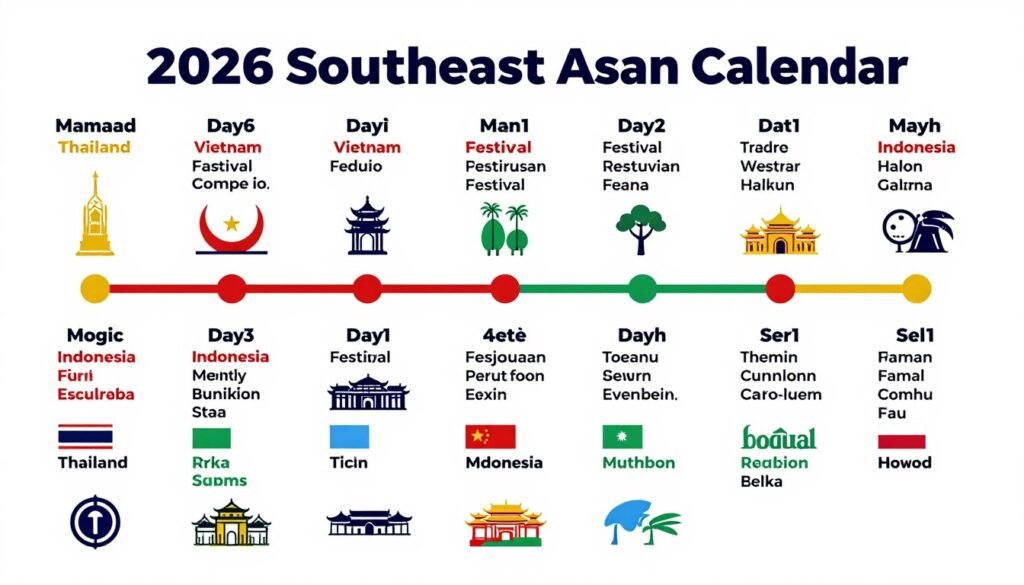
Complete 2026 Southeast Asia Festival Calendar
This comprehensive calendar lists major festivals across Southeast Asia for 2026. Dates for lunar calendar festivals are approximate and subject to slight changes based on astronomical observations.
Use this calendar to plan your travels around multiple festivals or focus on specific cultural celebrations. Many countries host dozens of smaller regional festivals beyond those listed here.
January – March 2026 Festivals
| Date | Festival Name | Country/Region | Type | Highlights |
| January 15-18 | Ati-Atihan Festival | Philippines (Kalibo) | Religious/Cultural | Santo Niño celebration, tribal costumes, street dancing |
| January 19-20 | Thaipusam | Malaysia, Singapore | Hindu Religious | Kavadi carrying, body piercing, temple processions |
| February 17-March 3 | Lunar New Year | Singapore, Malaysia, Vietnam | Cultural New Year | Dragon dances, fireworks, family reunions, red decorations |
| February 17-24 | Vietnam Tet Festival | Vietnam (nationwide) | Lunar New Year | Flower markets, ancestor worship, traditional games |
| February 22-March 1 | Pasola Festival | Indonesia (Sumba) | Traditional Ritual | Mounted spear fighting, harvest ritual, ancient tradition |
| March 8 | Bali Galungan | Indonesia (Bali) | Hindu Religious | Penjor decorations, temple ceremonies, ancestor spirits |
| March 22 | Nyepi (Day of Silence) | Indonesia (Bali) | Hindu New Year | Complete island silence, Ogoh-Ogoh parade day before |
April – June 2026 Festivals
| Date | Festival Name | Country/Region | Type | Highlights |
| April 13-15 | Songkran Water Festival | Thailand (nationwide) | Thai New Year | Massive water fights, temple blessings, family gatherings |
| April 13-16 | Thingyan Water Festival | Myanmar (nationwide) | Burmese New Year | Water throwing from pandals, merit-making, traditional music |
| April 14-16 | Pi Mai Lao | Laos (nationwide) | Lao New Year | Buddha bathing, processions, boat races, sand stupas |
| May (Early) | Royal Ploughing Ceremony | Thailand (Bangkok) | Agricultural Ritual | Royal ceremony, sacred oxen predictions, rice planting blessing |
| May 15 | Pahiyas Festival | Philippines (Lucban) | Harvest Thanksgiving | Houses decorated with rice wafers, agricultural displays |
| May 19 | Vesak Day | Thailand, Singapore, Malaysia | Buddhist Holiday | Buddha’s birthday celebration, temple ceremonies, lanterns |
| June 9 | Dragon Boat Festival | Singapore, Malaysia | Traditional Chinese | Boat races, rice dumplings, cultural performances |
July – September 2026 Festivals
| Date | Festival Name | Country/Region | Type | Highlights |
| July 13-14 | Khao Phansa (Buddhist Lent) | Thailand, Laos | Buddhist Observance | Monks begin 3-month retreat, candle processions |
| August 9 | Singapore National Day | Singapore | National Holiday | Military parade, fireworks, national celebration |
| August 31 | Malaysia Independence Day | Malaysia | National Holiday | Flag ceremonies, parades, cultural performances |
| September 16 | Mid-Autumn Festival | Vietnam, Singapore, Malaysia | Harvest Moon Festival | Lantern displays, mooncakes, moon viewing, dragon dances |
| September 16 | Tet Trung Thu | Vietnam (nationwide) | Children’s Festival | Lantern parades, lion dances, mooncakes, family gatherings |
October – December 2026 Festivals
| Date | Festival Name | Country/Region | Type | Highlights |
| October 10-12 | Thadingyut Festival of Lights | Myanmar (nationwide) | Buddhist Holiday | Pagoda illuminations, candles, lanterns, hot air balloons |
| October 23-25 | Phuket Vegetarian Festival | Thailand (Phuket) | Chinese-Thai Religious | Body piercing, fire walking, street processions, vegetarian food |
| November 14-16 | Loi Krathong & Yi Peng | Thailand (nationwide) | Full Moon Festival | Floating offerings, sky lanterns, fireworks, beauty pageants |
| November 15-17 | Bon Om Touk | Cambodia (Phnom Penh) | Water Festival | Boat races, illuminated parade, fireworks, moon worship |
| December (varies) | Hornbill Festival | India (Nagaland, near Myanmar) | Tribal Cultural | Tribal dances, traditional costumes, cultural competitions |
| December 24-25 | Christmas Celebrations | Philippines, Singapore, Vietnam | Christian Holiday | Midnight mass, parols (star lanterns), family feasts |
| December 31 | New Year’s Eve | All Southeast Asia | International Holiday | Fireworks, parties, countdown celebrations, temple prayers |
Plan Your 2026 Festival Journey Today
Download our complete 2026 festival calendar PDF with detailed dates, travel tips, and booking deadlines. Plus get access to our exclusive festival accommodation finder showing available hotels near every major celebration.
Getting to Festival Destinations
Planning transportation to Southeast Asian festivals requires advance booking, especially for remote locations or during peak periods. Understanding your options helps you choose the most efficient and economical routes.
Major festivals in capital cities offer easy access through international airports and established transportation networks. Regional festivals in smaller towns or remote areas require more planning and often multiple transportation modes.
Major Festival Transportation Hubs
Thailand Festival Access
Bangkok: Suvarnabhumi and Don Mueang airports. BTS Skytrain and MRT metro for city festivals.
Chiang Mai: International airport with direct flights. Songthaews (red trucks) for local transport during Yi Peng.
Islands: Phuket, Samui, and Krabi have airports. Ferries connect smaller islands during festivals.
Vietnam Festival Access
Hanoi: Noi Bai International Airport. Grab ride-hailing widely available. Train to other cities.
Ho Chi Minh City: Tan Son Nhat Airport. Metro under construction, use Grab for transport.
Regional: Domestic flights connect major cities. Sleeper buses for budget travel between destinations.
Indonesia Festival Access
Bali: Ngurah Rai Airport in Denpasar. Rent scooter or hire driver for flexibility during Galungan.
Jakarta: Soekarno-Hatta Airport. TransJakarta bus system. Train to other Java cities.
Remote: Sumba requires flights to Tambolaka plus hired transport to festival villages.
Interactive map of major festival destinations across Southeast Asia with transportation hubs
Booking Festival Transportation
International Flights
Book international flights 3-6 months in advance for major festivals. Prices increase significantly closer to popular celebrations like Songkran and Lunar New Year.
- Use flight comparison sites (Skyscanner, Google Flights, Momondo)
- Set price alerts for specific routes and dates
- Consider flying into alternative airports near festival areas
- Book flexible tickets when possible for date changes
- Check visa requirements well in advance
- Allow extra airport time during peak festival periods
Budget Airlines: AirAsia, Lion Air, VietJet offer cheap regional flights but charge for baggage and seat selection.
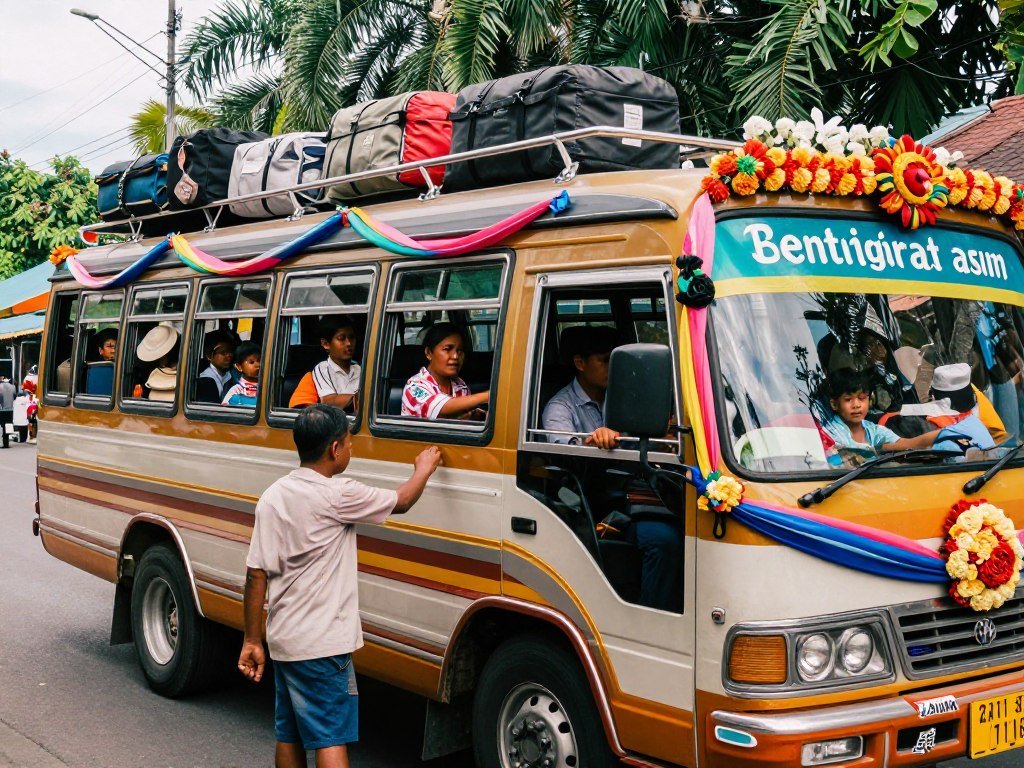
Domestic Transportation
Internal travel during festival periods requires advance booking as locals also travel home for celebrations.
- Book domestic flights 1-2 months ahead minimum
- Reserve train tickets early (especially Vietnam and Thailand)
- Consider overnight buses or trains to save accommodation costs
- Use official transportation apps (12Go Asia covers multiple countries)
- Pre-book airport transfers to avoid arrival hassles
- Arrange hotel airport pickups when available
Booking Platforms: 12Go.asia, Baolau.com, official railway websites for train tickets.
Local Transportation During Festivals
Urban Festivals
- Use public transit (MRT, BTS, metro) to avoid traffic
- Download ride-hailing apps (Grab, Gojek) before arrival
- Walk when possible – festivals create severe traffic congestion
- Stay near festival areas to minimize transportation needs
- Pre-book airport transfers to guarantee availability
- Expect surge pricing during peak festival times
Rural Festivals
- Hire private drivers for remote locations (arrange through hotels)
- Join organized tours including transportation to festivals
- Rent scooters for flexibility (international license required)
- Share transportation costs with other travelers
- Download offline maps as GPS may be unreliable
- Allow extra time for travel on poor rural roads
Island Festivals
- Book ferry tickets in advance during festival periods
- Check weather as rough seas can cancel ferries
- Consider speedboats for faster but more expensive travel
- Arrange boat transfers when booking island accommodation
- Bring motion sickness medication for rough crossings
- Protect luggage with waterproof covers on boat transfers
Transportation Apps and Resources
Ride-Hailing Apps
Grab: Available across Southeast Asia. Download before arrival. Book ahead during festivals.
Gojek: Indonesia and Vietnam. Offers motorcycle taxis for congested areas.
InDriver: Negotiate fares directly with drivers. Growing across region.
Booking Platforms
12Go.asia: Books buses, trains, ferries across Southeast Asia. English interface.
Baolau.com: Similar to 12Go with different routes available.
Official Railway: Thailand and Vietnam have online booking systems.
Google Maps: Works well in cities. Download offline maps for rural areas.
Maps.me: Excellent offline navigation with detailed local information.
Citymapper: Available in Bangkok and Singapore for public transit routing.
Final Festival Travel Checklist
Use this comprehensive checklist to ensure you’re fully prepared for your Southeast Asian festival adventure. Proper preparation prevents problems and allows you to focus on experiencing these amazing cultural celebrations.
Three Months Before Departure
Essential Bookings
- International flights booked and confirmed
- Accommodation reserved for all festival dates
- Special event tickets purchased (Yi Peng, major tours)
- Travel insurance purchased with festival coverage
- Visa applications submitted if required
- Festival tour and guide bookings confirmed
- Vaccination records updated as needed
- Credit cards notified of travel dates
Research and Planning
- Festival dates double-checked (lunar festivals can shift)
- Cultural customs and etiquette researched
- Photography permits obtained if required
- Local contact information saved
- Emergency numbers and embassy locations noted
- Festival-specific packing list created
- Transportation between festival locations planned
- Backup accommodation options identified
One Month Before Departure
Documents
- Passport valid 6+ months
- Visa obtained or confirmed visa-free entry
- Travel insurance policy saved digitally
- Vaccination certificates if required
- Booking confirmations printed and digital
- Emergency contacts list created
Bookings Confirmation
- All hotels confirmed via email
- Tour operators contacted to verify
- Domestic flights or trains booked
- Airport transfers arranged
- Special dietary needs communicated
- Room requests confirmed
Practical Preparations
- Apps downloaded and tested
- Offline maps saved
- Learn basic local language phrases
- Currency exchange researched
- Packing begun with festival-specific items
- Camera equipment tested
One Week Before Departure
Final Week Essentials
- Check weather forecasts for all destination cities and pack accordingly
- Confirm all accommodation bookings one final time via email or phone
- Download all boarding passes, tickets, and booking confirmations to phone
- Ensure all electronics are charged and pack necessary adapters
- Pack medications, first-aid supplies, and any special health items needed
- Set up international phone plan or purchase local SIM card online
- Notify bank and credit cards of exact travel dates and countries
- Make copies of passport, visa, insurance and leave with family or friends
- Pack modest clothing appropriate for temple visits and religious festivals
- Prepare small bills in local currency for arrival expenses
- Review festival schedules and note must-see events and times
- Pack waterproof bags and cases for electronics during water festivals
At Festival Destination
First Day Tasks
- Purchase local SIM card or activate international plan
- Withdraw local currency from ATM
- Orient yourself with maps and surroundings
- Locate nearest medical facilities and pharmacies
- Confirm tomorrow’s plans with hotel or tour operator
- Purchase any festival supplies needed (water shoes, waterproof bags)
- Test ride-hailing apps and download necessary local apps
- Take photo of hotel business card for taxi directions
During Festival Days
- Start early to beat crowds and heat
- Carry only essentials in secure bags
- Stay hydrated and eat regular meals
- Take breaks to rest and avoid exhaustion
- Charge devices overnight for full battery
- Review photos daily and backup important images
- Be flexible if plans change due to crowds or weather
- Network with other travelers for tips and shared experiences
Embrace Southeast Asia’s Festival Magic
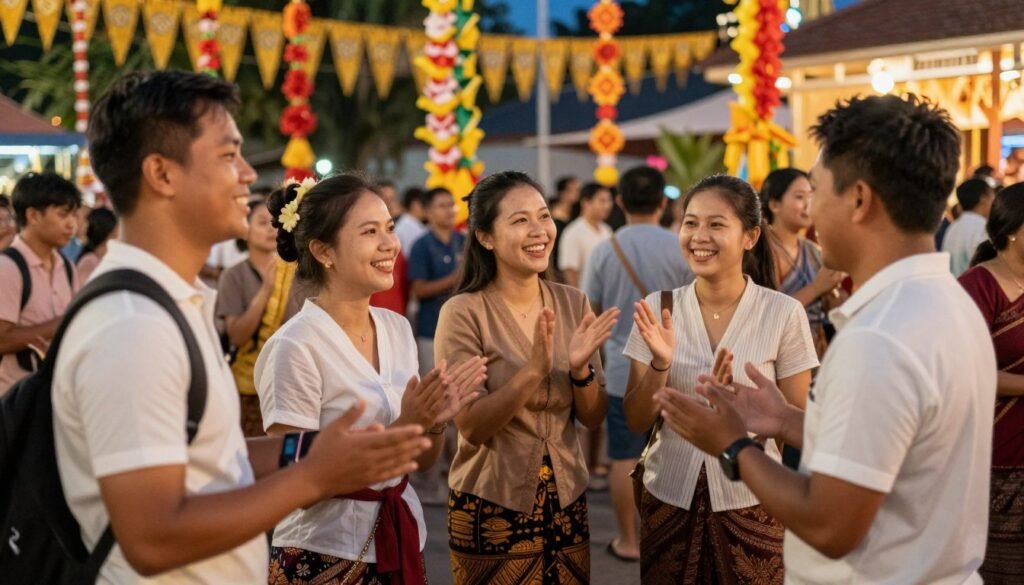
Southeast Asia’s seasonal festivals offer some of the world’s most vibrant and authentic cultural experiences. From massive water fights during Songkran to the serene silence of Nyepi, from thousands of floating lanterns at Yi Peng to ritual mounted battles at Pasola, these celebrations showcase the region’s incredible diversity.
Planning your 2026 travels around these festivals transforms a standard vacation into an immersive cultural journey. You’ll witness traditions passed through countless generations, participate in joyous community celebrations, and create memories that last a lifetime.
The key to successful festival experiences lies in preparation. Book accommodation and transportation early, especially for major celebrations that draw millions of participants. Research cultural etiquette to ensure respectful participation. Pack appropriately for each festival’s unique requirements.
Most importantly, approach these festivals with openness and respect. You’re witnessing sacred traditions and meaningful celebrations that connect communities to their cultural roots. Your presence as a visitor becomes part of the cultural exchange that enriches both travelers and local communities.
Southeast Asia’s festival calendar never stops. With celebrations occurring every month across the region, you can plan multiple trips to experience different cultural traditions. Each festival offers unique insights into the beliefs, values, and joyous spirit that define Southeast Asian societies.
Start planning your 2026 festival journey today. The earlier you book, the better your options for accommodation and special events. Join thousands of travelers who have discovered that Southeast Asia’s festivals represent travel at its most colorful, spiritual, and unforgettable.
Begin Your Festival Adventure Today
Don’t miss Southeast Asia’s most spectacular festivals in 2026. Book your accommodations, tours, and experiences now while availability remains strong. Our trusted travel partners offer the best selection of festival packages, cultural tours, and authentic experiences.