

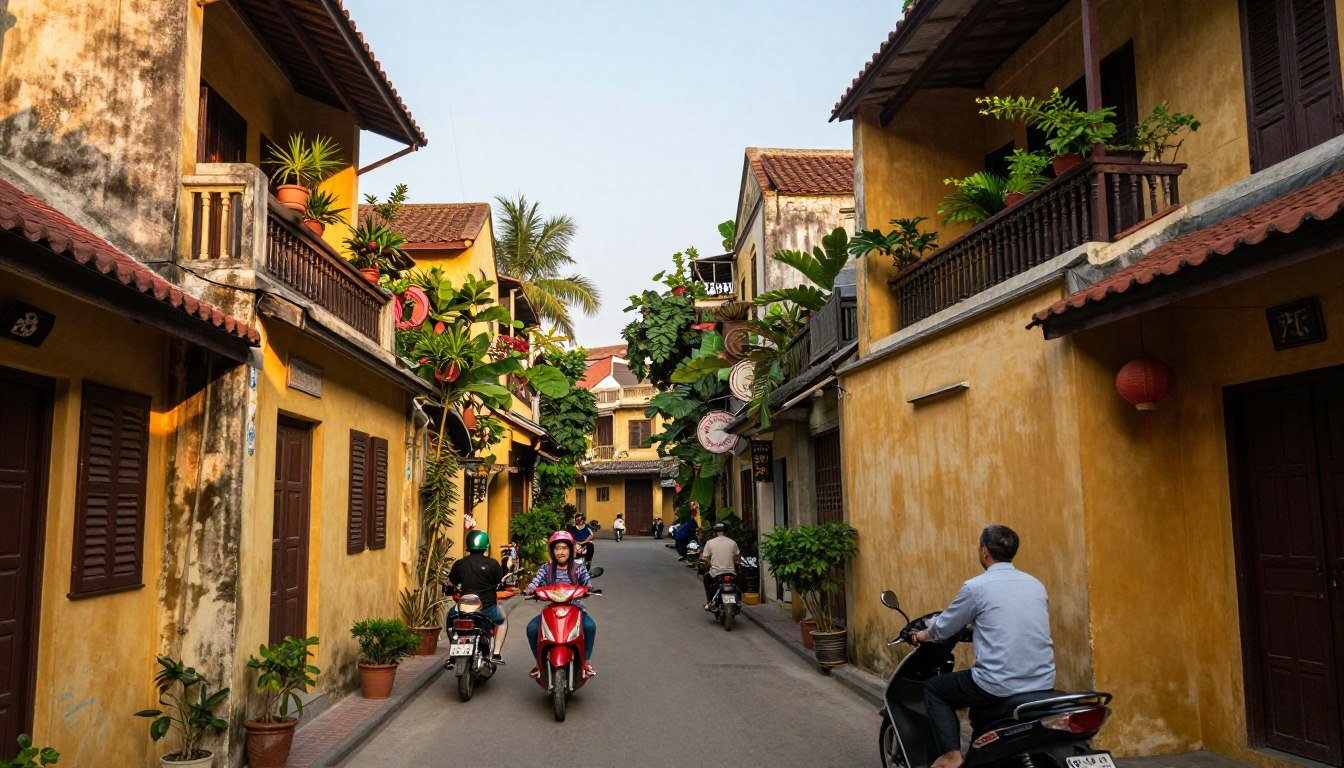
Explore the hidden alleyways where authentic Hanoi life unfolds away from tourist crowds
Hanoi is transforming as we approach 2026. While millions flock to Hoan Kiem Lake and the Temple of Literature, the city’s most authentic experiences hide in plain sight. These hidden gems reveal the soul of Vietnam’s capital.
This guide takes you beyond standard tourist attractions. You will discover secret cafés where locals gather. You will explore neighborhoods untouched by tour buses. You will taste food that never appears in guidebooks.
Each location includes precise directions and practical tips. Many spots require no entrance fee. Some remain unknown even to Hanoi residents who live just blocks away.
The old quarter’s maze-like streets conceal century-old workshops. Former French colonial areas now host underground art scenes. Markets buzzing with authentic Vietnamese life operate far from tourist maps.
Navigate All 20 Hidden Gems Effortlessly
Download your free interactive map with exact coordinates, transportation routes, and insider tips for each location. Perfect for offline navigation during your 2026 Hanoi adventure.
1. Train Street Cafés: Coffee on the Tracks
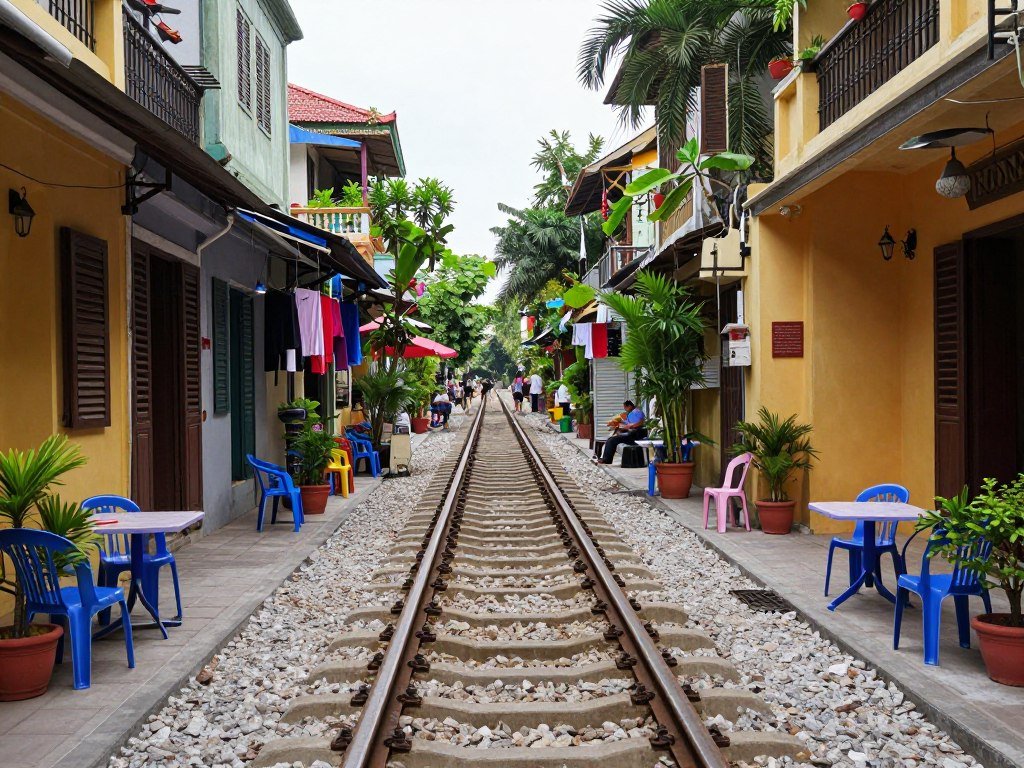
Train street cafés offer one of Hanoi’s most unique coffee experiences
Train street represents Hanoi’s most extraordinary café culture. Tiny coffee shops line active railway tracks in the old quarter. Locals sip Vietnamese coffee mere inches from passing trains.
The tracks cut through Le Duan Street near Tran Phu intersection. Trains pass twice daily at scheduled times. Café owners quickly move tables and chairs when trains approach.
How to Get There
Walk from Hoan Kiem Lake toward Phung Hung Street. Turn onto Ngo 224 Le Duan alley. Look for the railway tracks running between buildings. The area sits 800 meters from the cathedral.
Visit between 3 PM and 5 PM for the best atmosphere. Train schedules vary, but staff will alert you. Order egg coffee or traditional ca phe sua da. Most cafés charge 25,000 to 40,000 VND per drink.
What Makes It Special
This spot captures authentic Hanoi ingenuity. Residents transformed unused railway space into thriving café culture. The experience blends danger, daily life, and Vietnamese coffee traditions perfectly.
Photography opportunities abound throughout the day. Golden hour creates stunning light through the narrow alley. The contrast between modern urban life and vintage trains creates memorable moments.
2. Dong Xuan Market Rooftop Food Stalls
Dong Xuan Market’s ground floor attracts thousands of tourists daily. Few visitors discover the rooftop food paradise. Local vendors operate dozens of street food stalls above the main market building.
The rooftop transforms into a massive open-air restaurant each evening. Smoke rises from charcoal grills. Families gather around low plastic tables. The atmosphere feels worlds away from the chaotic market below.
How to Get There
Enter Dong Xuan Market’s main entrance on Dong Xuan Street. Walk through the ground floor to the rear staircase. Climb three flights to reach the rooftop area. The entrance closes around 10 PM nightly.
Take the 02 or 09 bus from Hoan Kiem Lake. Get off at Dong Xuan Market stop. The journey takes 15 minutes during non-peak hours. Motorbike taxis cost approximately 30,000 VND from the old quarter center.
Food Worth Trying
Order bun cha from the northern corner stalls. The grilled pork arrives perfectly charred with sweet-savory dipping sauce. Prices range from 40,000 to 60,000 VND per portion.
Try banh cuon at the eastern section. These steamed rice rolls contain minced pork and wood ear mushrooms. Fresh herbs and fried shallots complete each plate. Each serving costs about 35,000 VND.
The xuan market rooftop offers nem ran that rivals any restaurant. Crispy spring rolls arrive with fresh vegetables for wrapping. Dipping sauce balances fish sauce, lime, and chilies perfectly.
Why Locals Love This Spot
Dong xuan market prices remain significantly lower than tourist areas. The same dishes cost double in the old quarter streets below. Quality matches or exceeds expensive restaurants throughout the city.
Evening breezes cool the rooftop space. The view overlooks historic architecture and busy streets. This authentic gathering place reveals how Hanoi people actually eat and socialize after work.
3. Yen Phu Collective: Underground Art Hub
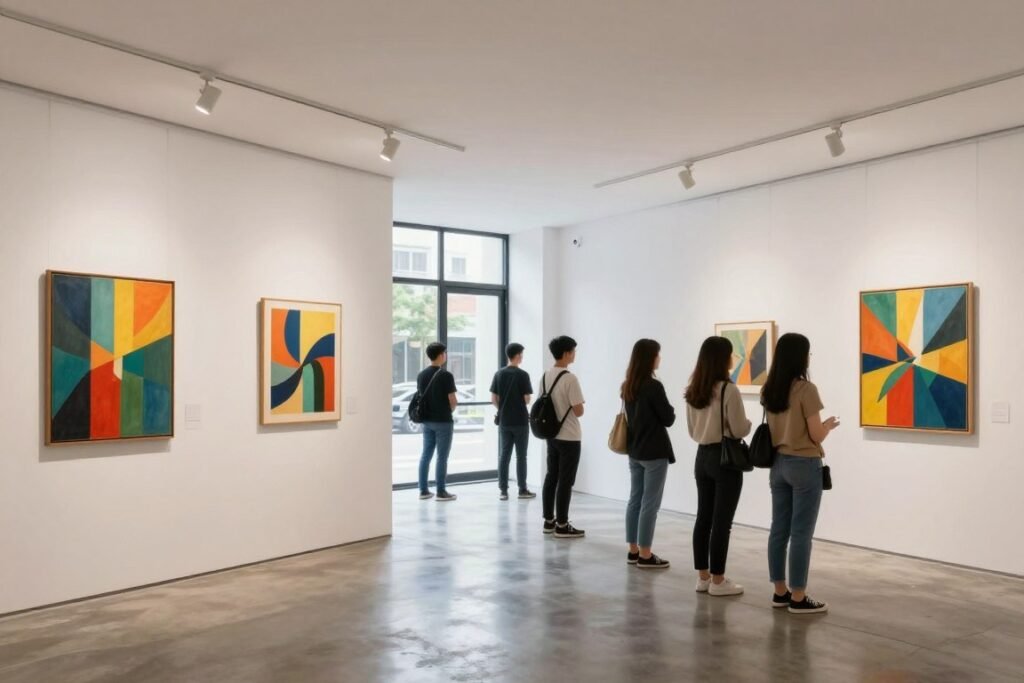
Yen Phu Collective showcases cutting-edge Vietnamese contemporary art
Yen Phu Collective occupies a renovated French colonial building in Tay Ho District. This independent art space hosts emerging Vietnamese artists. Monthly exhibitions showcase painting, sculpture, and multimedia installations.
The collective operates as artist studios and exhibition gallery. Visitors can watch artists work in their creative spaces. The relaxed atmosphere encourages conversations about Vietnamese contemporary culture and art movements.
How to Get There
Head northwest from the old quarter toward West Lake. The collective sits on Yen Phu Street number 27. Buses 33 and 50 stop within 200 meters. The ride takes 25 minutes from Hoan Kiem Lake.
Grab taxi services work well for direct transportation. Input “Yen Phu Collective” or the Vietnamese address. The journey costs 60,000 to 80,000 VND from central areas. Street parking is available for motorbikes.
Exhibition Schedule
New exhibitions open on the first Saturday of each month. Opening receptions run from 6 PM to 9 PM. These events feature live music, Vietnamese craft beer, and artist talks. Entry is free for all exhibitions.
The gallery opens Tuesday through Sunday from 10 AM to 6 PM. Wednesday evenings extend hours until 9 PM. Closed Mondays and major Vietnamese holidays. Call ahead during Tet celebrations in late January or early February.
What to Expect
This space challenges traditional Vietnamese art perspectives. Works address urbanization, identity, and cultural change. The collective represents Hanoi’s growing contemporary art scene that few tourists discover.
English-speaking staff members can discuss the artwork. Many artists speak basic English and enjoy international conversations. Photography is permitted for personal use in most exhibitions.
4. Phung Hung Mural Street: Open-Air Gallery
Phung Hung Street transformed from neglected infrastructure into outdoor art gallery. Massive murals cover old railway embankment walls. Korean and Vietnamese artists collaborated to create this colorful corridor in the old quarter heart.
The murals depict traditional Hanoi life across different eras. One section shows 1980s street vendors. Another portrays modern café culture. Each painting spans 10 to 15 meters in height.
How to Get There
Walk south from Dong Xuan Market along Tran Nhat Duat Street. Turn right onto Phung Hung Street. The mural section extends for approximately 400 meters. The artwork begins near the intersection with Hang Chieu Street.
This area sits within easy walking distance from most old quarter accommodations. The walk from Hoan Kiem Lake takes 15 minutes. Street signs clearly mark Phung Hung throughout the route.
Best Photography Times
Morning light from 7 AM to 9 AM creates ideal conditions. The eastern exposure catches soft sunlight on the murals. Fewer motorbikes pass during these hours, allowing unobstructed photos.
Late afternoon between 4 PM and 5 PM offers another golden opportunity. The changing light adds depth to the colorful paintings. Local children often play near the murals, adding life to compositions.
Why This Matters
This project revitalized a neglected part of the old quarter. The murals preserve traditional culture while embracing modern artistic expression. The street demonstrates how Hanoi balances heritage with contemporary development.
Small cafés have opened along the mural street. Vendors sell drinks and snacks at reasonable prices. The area has become a gathering spot for young Hanoians, especially on weekend evenings.
5. Ngu Xa Village: Ancient Crafts Community
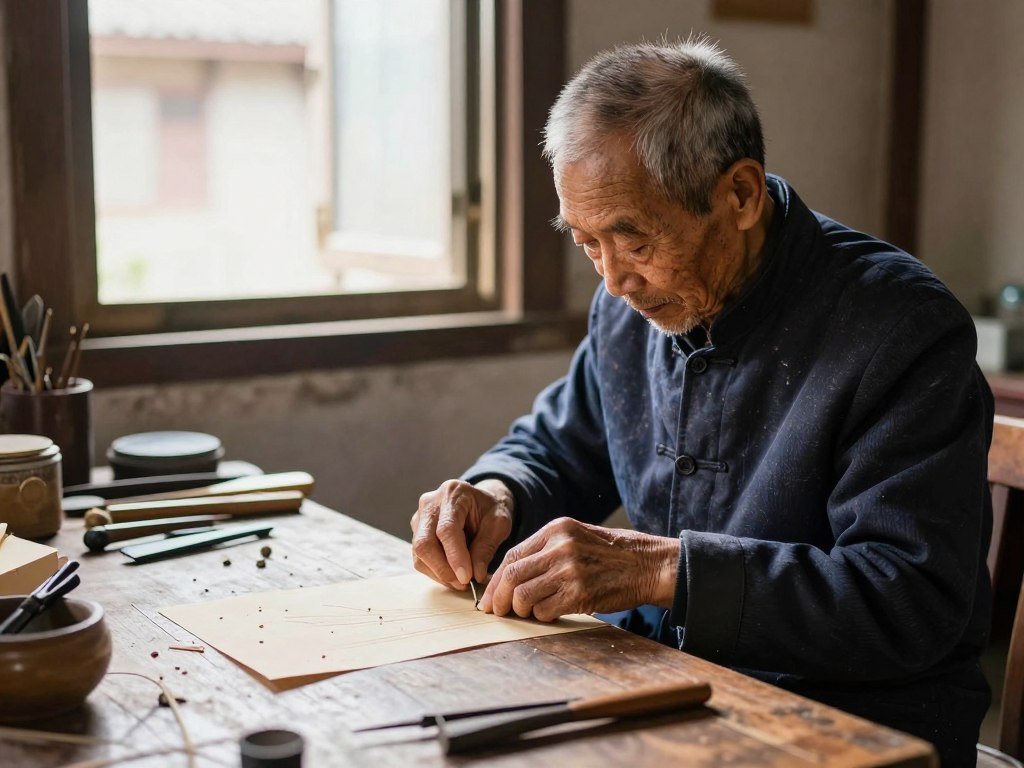
Skilled artisans in Ngu Xa Village continue traditional crafts passed down through generations
Ngu Xa Village survives as one of Hanoi’s last traditional craft communities. This ancient village sits surrounded by modern development near the old quarter. Families have practiced traditional crafts here for over 500 years.
Walking through narrow alleys reveals active workshops. Artisans create bronze items, wooden furniture, and religious objects. The village maintains traditional Vietnamese architecture and community structure despite urban pressures.
How to Get There
Travel to Kim Ma Street and locate the small entrance to Ngu Xa Village. The village sits behind modern buildings at 49 Kim Ma. Bus routes 08 and 34 stop nearby. Walk five minutes from the bus stop through the narrow gateway.
From the old quarter, take Grab or traditional taxi. The journey costs 50,000 to 70,000 VND. Tell drivers “Ngu Xa Craft Village” or show the Vietnamese address. The trip takes 20 minutes depending on traffic.
Workshop Visits
Most artisans welcome respectful visitors. Small workshops open directly onto village streets. Watch bronze casting, wood carving, and traditional painting techniques. Many craftspeople speak limited English but appreciate genuine interest.
Purchase directly from workshops at fair prices. Bronze incense holders range from 100,000 to 500,000 VND. Custom wooden items take several days to complete. Artisans can ship larger purchases internationally.
Village Life
The community operates a small temple dating to the 15th century. Local residents maintain traditional festivals throughout the year. The village gate features ancient stone engravings and architectural details.
Several tiny eateries serve simple Vietnamese food to workers. These family-run establishments offer authentic meals at local prices. Pho costs 35,000 VND, while com rang portions are 40,000 VND.
Visit on weekday mornings for active workshop scenes. Many artisans take afternoon breaks during hot summer months. The village feels most authentic between 8 AM and 11 AM when production is in full swing.
6. Thanh Ha Ceramic Quarter: Potter’s Paradise
Thanh Ha sits 20 kilometers from central Hanoi. This entire village specializes in traditional pottery and ceramics. Families have perfected their craft over hundreds of years in this quiet community.
The village streets are lined with pottery workshops and outdoor kilns. Finished products cover every available surface. From tiny tea cups to massive decorative urns, the variety astounds visitors.
How to Get There
Take a motorbike or car toward Gia Lam District. Follow Highway 5B toward Bac Ninh Province. Exit at Thanh Ha Village signs after approximately 30 minutes. Local buses 01 and 27 run from Long Bien Station with multiple stops.
Hiring a private car with driver costs 400,000 to 600,000 VND for a half-day trip. Many drivers know Thanh Ha by reputation. The journey allows time to visit other nearby craft villages. Travel time varies from 40 to 60 minutes depending on traffic.
What to Do
Visit the Thanh Ha Pottery Museum to understand the craft history. The museum occupies a traditional Vietnamese house. Displays show pottery evolution from ancient times to modern techniques. Entry costs 20,000 VND for adults.
Many workshops offer hands-on pottery classes. Learn to shape clay on traditional wheels. Instructors demonstrate traditional techniques passed through generations. Classes cost 200,000 to 300,000 VND per person for two hours.
Shopping for Ceramics
Prices are significantly lower than Hanoi shops. Large decorative pots start at 200,000 VND. Small tea sets cost 150,000 to 300,000 VND. Artisans can create custom designs with advance notice.
The village ships internationally through established services. Packaging is careful and professional. Many visitors purchase multiple items for home decoration or gifts. Bargaining is acceptable but keep negotiations respectful.
7. Long Bien Wetland Flower Market
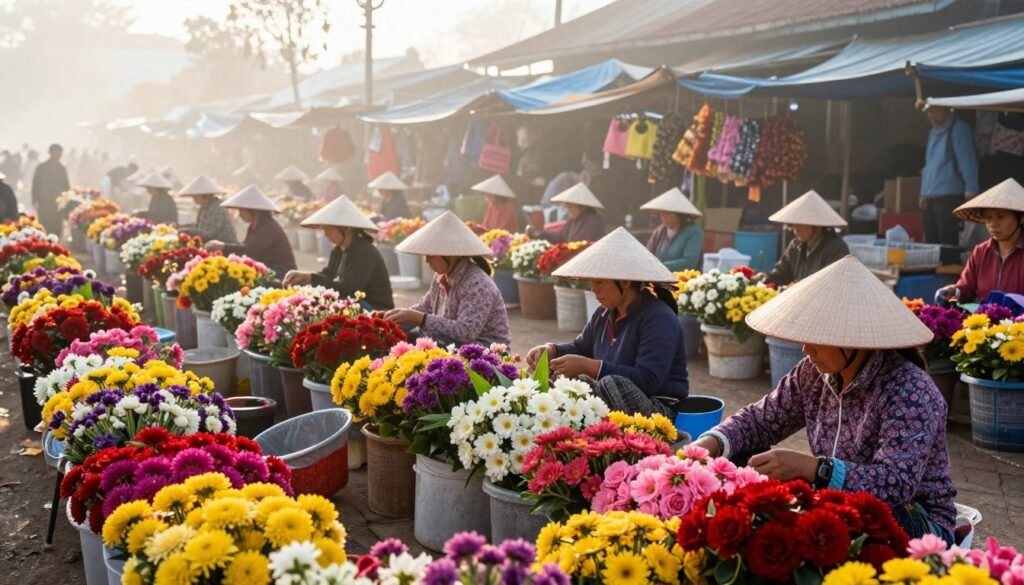
Long Bien flower market awakens before dawn with spectacular displays of fresh blooms
Long Bien flower market operates on wetland near the historic bridge. This wholesale market supplies flowers to Hanoi’s shops and vendors. The market begins at 2 AM and peaks around 4 AM daily.
Thousands of flowers arrive from surrounding provinces each night. Roses, chrysanthemums, lilies, and traditional Vietnamese flowers fill the space. The fragrance and colors create an unforgettable sensory experience.
How to Get There
Cross Long Bien Bridge toward Gia Lam District. Turn right immediately after the bridge. Follow the dirt road toward the Red River bank. The market spreads across the wetland area. Arrive by taxi or motorbike due to early morning hours.
Grab bike services work well for solo travelers. The ride from the old quarter costs 40,000 to 60,000 VND. Schedule your driver to wait or arrange pickup time. Public buses don’t operate during prime market hours.
Best Time to Visit
Arrive between 3 AM and 5 AM for peak activity. Vendors arrange their displays during these hours. The market becomes less crowded after 6 AM as wholesale buyers depart. Bring a flashlight or headlamp for better visibility.
Morning mist from the Red River creates atmospheric photography conditions. The combination of artificial lights and pre-dawn glow produces magical scenes. Respect vendors by asking permission before close-up photography.
Market Experience
The market feels authentically Vietnamese and distinctly local. Vendors negotiate in rapid Vietnamese with regular customers. Foreigners are rare, making this a truly off-beaten-path experience in parts of Hanoi most never see.
Small food stalls serve pho and coffee to workers. These simple meals cost 30,000 to 40,000 VND. The food quality is excellent and provides energy for early morning market exploration.
Purchase flowers at wholesale prices for your accommodation or as gifts. Large bouquets cost 50,000 to 150,000 VND depending on flower type. Vendors appreciate cash transactions and sometimes offer better prices for quantity purchases.

Experience These Hidden Gems with a Local Expert
Our authentic Hanoi walking tours take you beyond guidebook attractions. Local guides share personal stories and insider knowledge. Visit 5-7 hidden gems in a single day including street food tastings and craft workshop visits.
- Small groups maximum 8 people for personalized attention
- English-speaking local guides born and raised in Hanoi
- All entrance fees and food tastings included
- Flexible departure times to match your schedule
- Free hotel pickup from old quarter locations
8. Van Phuc Silk Village: Traditional Weaving
Van Phuc Village earned the nickname “Silk Village” over a thousand years ago. This community continues traditional silk production using time-honored methods. The village sits approximately 10 kilometers southwest of central Hanoi.
Family workshops line the main village street. The rhythmic sound of traditional looms fills the air. Artisans transform raw silk into beautiful fabrics using techniques unchanged for centuries.
How to Get There
Travel on Nguyen Trai Street toward Ha Dong District. Continue to Van Phuc Village entrance. Public bus 01A departs from Kim Ma Station every 30 minutes. The journey takes approximately 45 minutes.
Motorbike rental offers the most flexible option. Follow clear signs from the city center. The route passes through interesting suburban areas. Total travel time is 30 minutes outside rush hour periods.
Workshop Tours
Many families welcome visitors to observe silk production. Watch the entire process from spinning to weaving. Some workshops offer hands-on experiences with traditional looms. Most visits are free but purchasing products is appreciated.
The village showcases different silk types and patterns. Learn to distinguish quality silk by touch and appearance. Experienced weavers explain regional design differences. Photography is generally permitted with permission.
Shopping Options
Van Phuc silk costs less than Hanoi boutiques. High-quality silk scarves range from 200,000 to 500,000 VND. Custom ao dai dresses require measurements and 7-10 days production time. Prices start at 1,500,000 VND for tailored garments.
The village market operates daily with numerous vendors. Compare quality and prices across multiple shops. Bargaining is expected but maintain respect for artisan skill. Many shops ship internationally.
Several small restaurants serve traditional Vietnamese food. Try local specialties like pho cuon or banh cuon. Meals cost 40,000 to 60,000 VND per person. The food reflects authentic home-style cooking.
9. Banana Island: Red River Escape
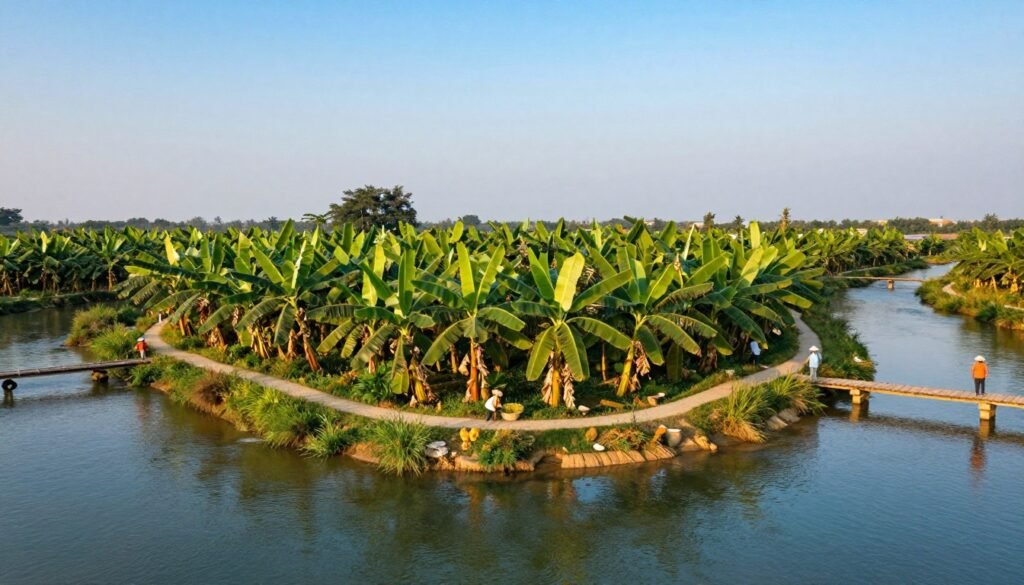
Banana Island offers a peaceful rural escape within Hanoi’s urban boundaries
Banana Island sits in the Red River between Long Bien and Chuong Duong bridges. This agricultural island maintains rural character despite urban surroundings. Local farmers grow bananas, vegetables, and flowers on the fertile land.
Walking paths wind through banana plantations and small farms. The atmosphere feels completely removed from city noise. Few tourists discover this peaceful spot just minutes from Hanoi’s center.
How to Get There
Access the island from steps near Long Bien Bridge’s eastern end. Cross the small bridge from the riverbank. The walk takes 10 minutes from the main road. Look for local people heading to the island for guidance.
Motorbikes can cross the access bridge to the island. Parking is available near the entrance. Public transportation doesn’t reach the island directly. Take bus 03 or 47 to Long Bien Bridge, then walk.
What to Do
Walk the network of paths through agricultural areas. Observe traditional farming methods still used by island residents. The landscape creates excellent photography opportunities throughout the day. Morning and late afternoon provide the best light.
Several small café shacks serve drinks to farmers and visitors. Order fresh coconut water or Vietnamese coffee. Prices are extremely low at 10,000 to 20,000 VND. The setting offers unique river views of the city.
Best Time to Visit
Early morning from 6 AM to 9 AM shows active farm work. Farmers tend crops and harvest vegetables during cooler hours. The island comes alive with authentic agricultural activities.
Late afternoon between 4 PM and 6 PM offers beautiful light. The sun sets behind the city skyline creating dramatic views. Fewer people visit during these hours providing more solitude.
Avoid visiting during monsoon season flooding from June to September. The island becomes muddy and difficult to navigate. Spring months from February to April offer ideal conditions with comfortable temperatures.
10. Nghia Do Communal House: Hidden Temple Complex
Nghia Do Communal House hides within modern Cau Giay District. This ancient temple complex dates to the 17th century. Traditional architecture remains perfectly preserved despite surrounding high-rise development.
The complex includes a main communal house, temple, and courtyard. Intricate wood carvings decorate the interior spaces. The building serves as both religious site and community gathering place for local residents.
How to Get There
Travel to Cau Giay District on Xuan Thuy Street. The communal house sits at 120 Xuan Thuy near Nghia Do Park. Buses 23, 33, and 40 stop within 300 meters. The journey from the old quarter takes 30 minutes by public transport.
Grab services provide direct access for 70,000 to 90,000 VND from central areas. Tell drivers “Nghia Do Communal House” or show the address in Vietnamese. Limited street parking is available for personal vehicles.
Architectural Features
The main building showcases traditional Vietnamese temple architecture. Multiple roof levels create the classic pagoda silhouette. Wooden pillars feature detailed carvings of dragons, phoenixes, and traditional motifs.
Interior spaces contain ancient altars and religious artifacts. Incense smoke creates an atmospheric environment. Red and gold lacquer work decorates walls and ceremonial furniture. The craftsmanship demonstrates exceptional skill from past centuries.
Visiting Guidelines
The complex is open daily from 7 AM to 5 PM. Entry is free but donations are appreciated. Dress modestly with covered shoulders and knees. Remove shoes before entering the main hall as local custom requires.
Photography is permitted in outdoor areas. Ask permission before photographing inside sacred spaces. Avoid visiting during worship times around 6 AM and 5 PM when locals pray.
The adjacent park provides pleasant walking paths. Local people practice tai chi in the morning. Small food vendors sell snacks and drinks near the entrance. This area reveals how ancient traditions persist in modern Hanoi.
11. Bay Mau Lake and Floating Pagoda
Bay Mau Lake sits in Hanoi’s southern suburbs. This tranquil body of water hosts a unique floating pagoda. The area attracts few tourists but remains popular with local families on weekends.
The small pagoda appears to float on the lake’s surface. A narrow causeway connects the temple to shore. Surrounding parkland offers peaceful walking trails away from urban congestion.
How to Get There
Travel south on Giai Phong Road toward Thanh Xuan District. The lake entrance is near 458 Giai Phong Street. Bus routes 01, 18, and 34 stop at Bay Mau Lake. The trip from the old quarter takes 40 minutes.
Private taxi costs 100,000 to 130,000 VND from central Hanoi. The journey time is 25 minutes without heavy traffic. Motorbike parking is available near the main entrance. Entry to the lake area is free.
Lake Activities
Walk the paved path circling the entire lake. The route measures approximately 2 kilometers. Benches placed along the way provide rest spots with water views. Morning walks offer cooler temperatures and active bird life.
Paddle boat rentals operate on wei and holidays. Boats accommodate two to four people. Rental costs 40,000 VND per 30 minutes. This activity provides unique perspectives of the floating pagoda.
Pagoda Visit
Cross the causeway to reach the small temple. The structure dates to the early 20th century. Interior spaces contain Buddhist statues and prayer areas. Local people come here for quiet meditation and prayer.
The pagoda setting creates excellent photography opportunities. Early morning mist on the water enhances the mystical atmosphere. Sunset provides dramatic lighting on the temple structure. Visit on weekdays for fewer crowds and peaceful ambiance.
Several basic eateries operate near the lake entrance. Try simple Vietnamese dishes like banh mi or pho. Prices remain low at 25,000 to 45,000 VND per meal. The food quality reflects honest local cooking without tourist markups.

13. Quan Thanh Temple and Surroundings
Quan Thanh Temple anchors West Lake’s southeastern corner. This 11th-century Taoist temple receives fewer visitors than famous Buddhist sites. The peaceful complex offers genuine spiritual atmosphere without tourist crowds.
The temple grounds include ancient trees and traditional architecture. A massive bronze statue of Tran Vo deity dominates the main hall. The surrounding neighborhood retains old Hanoi character with narrow streets and traditional houses.
How to Get There
The temple sits at the intersection of Quan Thanh and Thanh Nien streets. Walk from the old quarter in 30 minutes along pleasant routes. Buses 31 and 33 stop directly at the temple entrance.
Motorbike or bicycle provides easy access. The ride from Hoan Kiem Lake takes 15 minutes. Parking is available on nearby streets. Grab services cost approximately 45,000 VND from central locations.
Temple Visit
Entry costs 10,000 VND for adults. The complex opens daily from 8 AM to 5 PM. Dress respectfully with covered shoulders and knees. Remove shoes before entering the main worship hall.
The bronze statue weighs nearly 4 tons and stands 3.7 meters tall. Cast in 1677, it represents exceptional Vietnamese metalwork. Intricate details cover the entire surface. The statue remains an important religious and artistic artifact.
Surrounding Area
Explore the quiet streets behind the temple. Small workshops produce traditional crafts and religious items. Several family-run restaurants serve authentic Hanoi food at local prices. Pho and bun cha meals cost 40,000 to 55,000 VND.
Thanh Nien Road runs between West Lake and Truc Bach Lake. This tree-lined street offers beautiful lake views on both sides. The road becomes popular with locals exercising in early morning and late evening hours.
Truc Bach Lake sits immediately south of the temple. This smaller lake features lakeside cafés and restaurants. The area is famous for bun cha ca, a fish noodle soup specialty. Try this local dish at any lakeside restaurant for 50,000 to 70,000 VND.
14. Bat Trang Ceramic Village: Living Museum
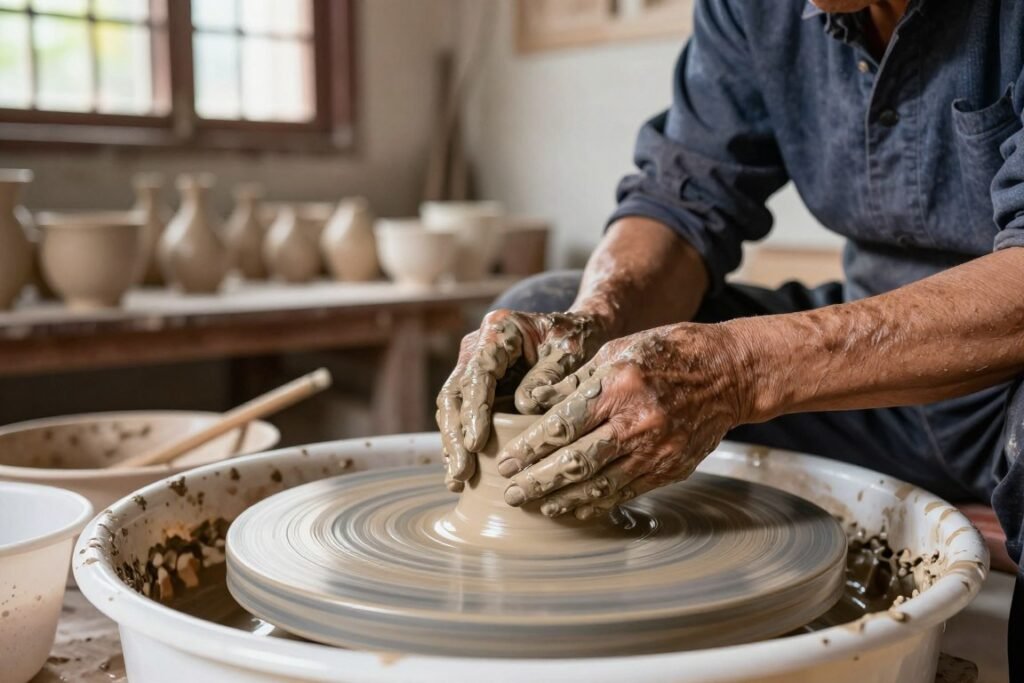
Bat Trang potters demonstrate centuries-old ceramic techniques
Bat Trang Village has produced ceramics for over 700 years. This famous pottery center sits 13 kilometers southeast of Hanoi. The entire village dedicates itself to ceramic production and related crafts.
Walking through Bat Trang feels like entering a living museum. Every house operates as workshop or showroom. Kilns and pottery wheels occupy public spaces. The air carries the earthy scent of wet clay.
How to Get There
Take Chuong Duong Road toward Gia Lam District. Follow signs to Bat Trang Village after crossing the Red River. The journey takes 30 to 40 minutes by car or motorbike from the old quarter.
Public bus 47B departs from Long Bien Station every 30 minutes. The ride takes about 50 minutes with multiple stops. Private car hire with driver costs 300,000 to 450,000 VND for a half-day trip including waiting time.
Village Experience
The main street hosts dozens of ceramic shops and galleries. Products range from traditional Vietnamese designs to modern artistic pieces. Prices vary dramatically based on quality and complexity. Small items start at 20,000 VND while large decorative pieces can exceed 5,000,000 VND.
Many workshops offer hands-on pottery classes. Learn basic throwing techniques on traditional wheels. Instructors provide patient guidance to beginners. Classes cost 200,000 to 350,000 VND per person for 1-2 hours.
What to Buy
Traditional tea sets make excellent purchases. Complete sets with teapot and cups range from 200,000 to 800,000 VND. Quality varies significantly so examine pieces carefully for defects. Genuine Bat Trang pottery features characteristic blue and white patterns.
Modern ceramic artists create contemporary pieces using traditional methods. These items blend Vietnamese heritage with current design trends. Prices reflect artistic value and range from 500,000 to several million VND.
The village arranges international shipping through established carriers. Packaging is professional with careful protection. Many visitors purchase multiple items knowing safe delivery is reliable. Factor shipping costs when budgeting purchases.
Dining Options
Several restaurants serve traditional Vietnamese cuisine. Try specialties like cha ca or bun dau mam tom. Meals cost 60,000 to 100,000 VND per person. The food quality is authentic and portions are generous.
Create Your Personalized Hidden Hanoi Adventure
Connect with experienced local guides for customized tours matching your interests. Whether you’re passionate about food, art, history, or crafts, our guides create unique itineraries featuring hidden gems that align perfectly with your travel style. Flexible scheduling, private transportation, and authentic local insights included.
15. Huu Tiep Lake and B-52 Memorial
Huu Tiep Lake sits in a residential neighborhood of Ngoc Ha Village. The lake gained fame during the Vietnam War when a B-52 bomber crashed here in December 1972. Remnants of the aircraft remain visible in the shallow water.
The small lake occupies a peaceful setting surrounded by local houses. The crashed plane parts create a powerful historical reminder. Few international tourists discover this authentic piece of Hanoi history.
How to Get There
Travel to Ngoc Ha Street near Doi Can Street intersection. The lake is at 57 Ngoc Ha Street in Ba Dinh District. Bus 09 and 22 pass within 300 meters. The journey from the old quarter takes 20 minutes.
Motorbike provides easiest access through the residential streets. Parking is available along the narrow lanes. Grab services cost 50,000 to 70,000 VND from central areas. The location sits 2 kilometers west of Ho Chi Minh Mausoleum.
What You’ll See
Metal fragments of the B-52 wreckage protrude from the lake water. Information plaques explain the historical context in Vietnamese and English. The memorial is simple but emotionally powerful for understanding Vietnam War history from local perspective.
Local residents maintain the area respectfully. The neighborhood remains active with daily life continuing around the memorial. This juxtaposition of peaceful domestic scenes with war remnants creates thought-provoking contrasts.
Visiting Respectfully
This is an active residential area and historical memorial. Keep voices low and behavior respectful. Photography is permitted but avoid intrusive pictures of local residents. The best viewing angles are from the lake’s north and east sides.
Visit during daylight hours between 7 AM and 6 PM. The area is not formally managed as a tourist site. There is no entry fee or specific visiting hours. Simply approach quietly and observe the memorial space.
Combine this visit with nearby Ba Dinh Square and Ho Chi Minh Mausoleum. The walking distance is 15 minutes. Several authentic local restaurants operate on Ngoc Ha Street serving excellent pho and com binh dan.
16. French Quarter Historic Villas
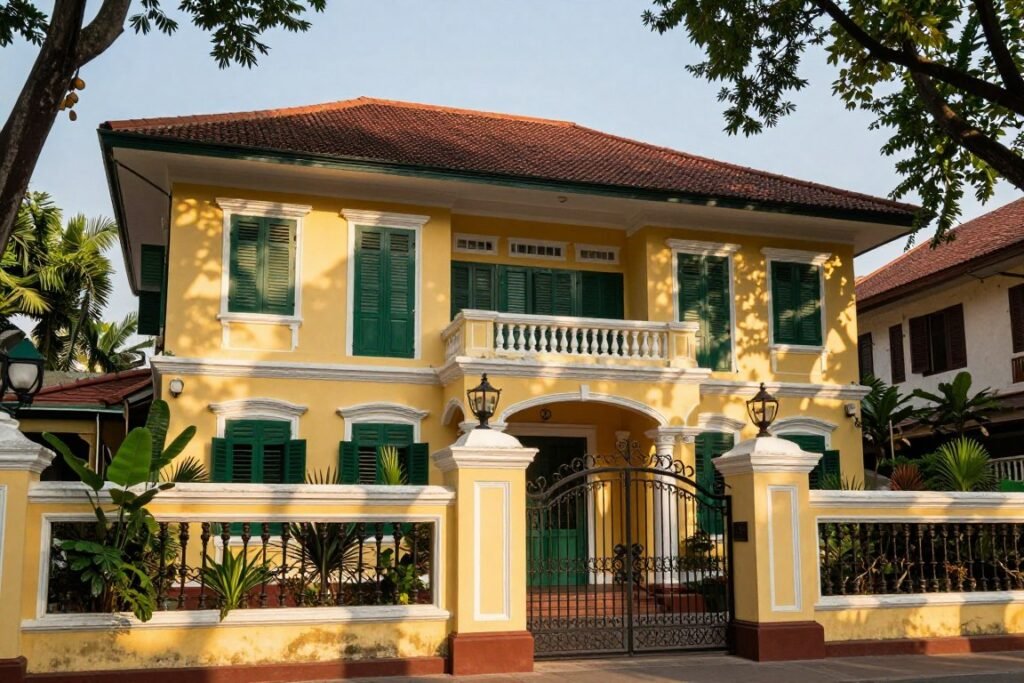
French colonial villas showcase Hanoi’s architectural heritage in tree-lined neighborhoods
The French Quarter spreads across central districts south of Hoan Kiem Lake. Tree-lined boulevards host magnificent colonial-era villas. Many buildings now house embassies, offices, or exclusive residences. The area retains romantic European atmosphere despite tropical setting.
Walking these streets reveals Hanoi’s complex history. French colonial architecture blends with Vietnamese elements. Gardens overflow with tropical plants. The neighborhood feels distinctly different from the chaotic old quarter nearby.
How to Get There
Walk south from Hoan Kiem Lake along Trang Tien Street. Continue through Ba Dinh and Hai Ba Trung districts. The area extends from the Opera House to Kim Ma Street. Most locations sit within 2 kilometers of the lake center.
Bicycle rental offers the perfect way to explore. Pedal slowly along shaded streets admiring architectural details. Several shops near the old quarter rent bikes for 50,000 to 100,000 VND per day. The flat terrain and wide streets make cycling comfortable and safe.
Notable Buildings
The Opera House dominates the southern end of the quarter. This 1911 building replicates Paris Opera architecture. The yellow façade with ornate decorations creates a stunning landmark. Evening performances showcase Vietnamese arts with occasional international productions.
Presidential Palace gardens occupy extensive grounds near Ba Dinh Square. The yellow colonial mansion served as the French Governor-General’s residence. Tours are limited but gardens are accessible on certain days. The grounds feature massive trees and manicured landscapes.
Streets Worth Exploring
Phan Dinh Phung Street ranks among Hanoi’s most beautiful boulevards. Ancient trees create a green tunnel effect. Both sides feature preserved colonial villas in various states of restoration. The 2-kilometer stretch is perfect for photography walks.
Ly Thuong Kiet Street hosts numerous embassies in restored villas. Each building showcases different architectural styles. Gardens often visible through gates display tropical landscaping. The street maintains a quiet, refined atmosphere throughout the day.
Cafés and Restaurants
The French Quarter hosts Hanoi’s most sophisticated dining. Restaurants occupy restored villas with period furnishings. French and Vietnamese fusion cuisine dominates menus. Expect prices from 200,000 to 500,000 VND per person for dinner.
Several charming cafés operate in garden settings. These spots serve excellent Vietnamese coffee in refined surroundings. Afternoon tea services offer French pastries and local treats. Prices are higher than street cafés but the ambiance justifies the cost.
17. Truc Bach Banh Cuon Street
One narrow street near Truc Bach Lake earned fame for a single dish. Multiple vendors specialize in banh cuon, delicate steamed rice rolls. The concentration of quality creates friendly competition and excellent food.
Banh cuon requires significant skill to prepare correctly. Cooks spread thin rice batter across hot cloth stretched over steaming pots. The result is translucent sheets filled with seasoned minced pork and mushrooms. Fresh herbs, fried shallots, and dipping sauce complete each serving.
How to Get There
Travel to the intersection of Ngu Xa and Hang Than streets near Truc Bach Lake. The banh cuon vendors cluster along a 100-meter section. Walk from the old quarter in 20 minutes or take bus 09 or 31.
Motorbike parking fills the narrow street during meal times. Arrive by bicycle for easier parking. Grab services drop passengers at the street entrance. The location sits immediately south of Truc Bach Lake’s western shore.
Where to Eat
Banh Cuon Thanh Van operates from early morning until 11 AM. This vendor earned decades of loyal customers. The quality and technique remain consistently excellent. A full portion costs 35,000 VND with generous toppings.
Banh Cuon Ba Hoanh serves from 6 AM daily. The family recipe spans three generations. Each roll arrives perfectly thin and delicate. The dipping sauce balances sweet, sour, and savory notes. Portions cost 30,000 to 40,000 VND.
Best Time to Visit
Early morning between 7 AM and 9 AM offers the freshest food. Vendors prepare rolls continuously during peak breakfast hours. The street fills with local people eating before work. This timing provides authentic atmosphere and guaranteed fresh preparation.
Late evening after 8 PM sees renewed activity. Some vendors reopen for dinner service. The evening crowd includes local families and young people. Street life creates a vibrant social scene around the simple food stalls.
What Makes It Special
Banh cuon represents Hanoi breakfast culture at its finest. The dish requires skill that takes years to master. This street demonstrates how food specialization creates community gathering spots. The combination of quality, price, and atmosphere makes this a genuine hidden gem worth seeking.
18. Kim Ma Night Market: Local Shopping Scene
Kim Ma Night Market operates far from tourist zones. This local market serves neighborhood residents with clothing, accessories, and household goods. Prices reflect local wages rather than tourist budgets.
The market transforms a section of Kim Ma Street each evening. Vendors arrange goods along the sidewalks and street median. Clothing dominates but you’ll find shoes, bags, electronics, and various household items. The atmosphere is purely local with minimal English spoken.
How to Get There
Travel to Kim Ma Street between Nguyen Thai Hoc and Giang Vo streets. The market extends for approximately 500 meters. Buses 03, 09, and 22 service this area regularly. The location sits 3 kilometers west of the old quarter.
Motorbike parking fills nearby side streets. Arrive by taxi or Grab for convenience. The journey from central Hanoi costs 60,000 to 80,000 VND. The market operates from 6 PM until 11 PM nightly.
What to Buy
Clothing prices are extremely low compared to shops. T-shirts cost 50,000 to 80,000 VND. Jeans range from 100,000 to 200,000 VND. Quality varies but careful selection yields good value. Bargaining is expected and prices can drop 20-30 percent.
Vietnamese-made accessories offer authentic souvenirs at fair prices. Canvas bags cost 80,000 to 150,000 VND. Wallets and small leather goods range from 50,000 to 200,000 VND. These items make practical gifts without tourist markup.
Market Experience
The market reveals authentic Hanoi shopping culture. Watch how local people negotiate and select purchases. Vendors sit on small stools chatting with regular customers. The social aspects match the commercial activity in importance.
Small food carts operate among the merchandise stalls. Try grilled meats on skewers for 10,000 VND each. Fresh fruit smoothies cost 20,000 to 30,000 VND. These snacks provide energy for continued browsing.
The market functions as neighborhood gathering place. Young people meet friends after work or school. Families shop together for needed items. Observing these interactions provides genuine cultural insight into daily Hanoi life beyond tourism.
19. Ngoc Son Temple at Dawn
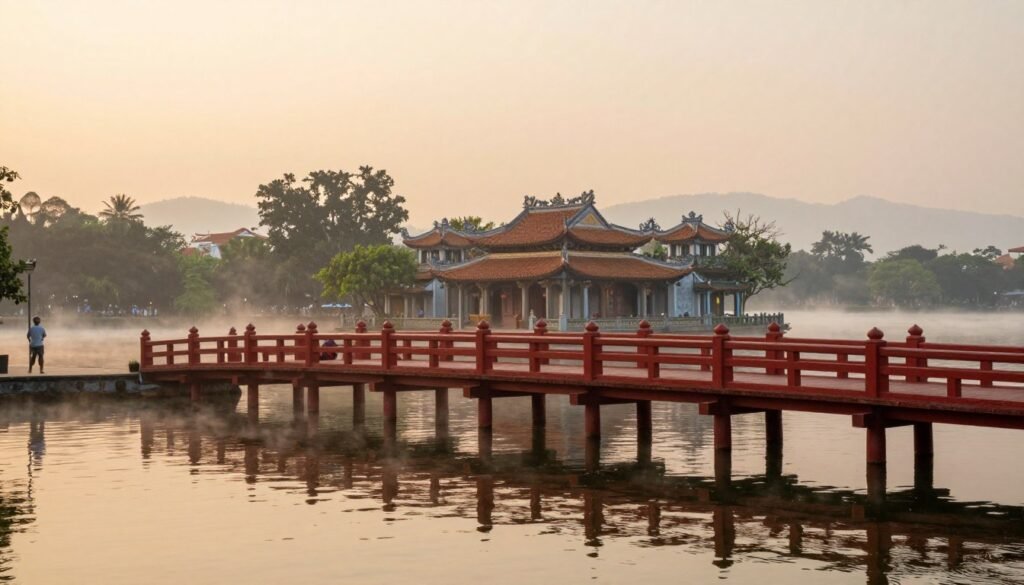
Ngoc Son Temple at dawn offers peaceful solitude before tourist crowds arrive
Ngoc Son Temple sits on a small island in Hoan Kiem Lake. Most visitors arrive during busy afternoon hours. Early morning visits reveal a completely different experience. The temple and surrounding lake area transform into peaceful sanctuary.
Dawn light creates magical atmosphere across the water. Mist often hovers over the lake surface. Local people practice tai chi along the shore. The famous red bridge leading to the temple stands nearly empty.
How to Get There
The temple entrance sits on the lake’s northern shore. Walk from any old quarter accommodation in 5-10 minutes. The landmark is central and easily recognized. No public transport is necessary due to the central location.
The temple opens at 7 AM officially. Arrive between 6 AM and 7 AM to enjoy the lake area before crowds. The surrounding park and shore paths are accessible 24 hours. Entry to the temple island requires a 30,000 VND ticket.
Early Morning Experience
Join local people exercising around the lake. Hundreds gather for group tai chi, aerobics, and badminton. Participate or observe this daily ritual. The energy is welcoming and inclusive.
Photographers find ideal conditions during the golden hour. The rising sun lights the temple’s red bridge dramatically. Mist on the water adds ethereal quality. Few other people appear in compositions at this hour.
Temple Visit
Cross The Huc Bridge to reach the temple island. The curved red bridge is an iconic Hanoi landmark. Inside the temple grounds, ancient trees provide shade. The main shrine honors scholar Van Xuong and military leader Tran Hung Dao.
A preserved giant turtle specimen occupies a glass case. This creature lived in the lake until 2016. The turtle holds legendary significance in Vietnamese history and culture. Explanatory information is provided in Vietnamese and English.
Why Visit at Dawn
Tourist groups arrive after 9 AM, transforming the atmosphere completely. The peaceful morning hours offer contemplative experience impossible later in the day. Local life unfolds naturally before commercial activities begin.
Nearby cafés open early serving breakfast and coffee. Grab a banh mi and sit by the lake watching the city awaken. This simple activity captures authentic Hanoi morning routines. The combination of temple visit, exercise observation, and lakeside breakfast creates a perfect start to any day.
20. Xuan Dieu Street Evening Promenade
Xuan Dieu Street runs along West Lake’s southern shore. This boulevard transforms into social promenade each evening. Local families, couples, and friends gather to walk, talk, and enjoy lakeside atmosphere.
The street is lined with restaurants, cafés, and bars. Outdoor seating spills onto wide sidewalks. String lights create festive ambiance. Live music often drifts from multiple venues. The scene feels sophisticated yet relaxed.
How to Get There
Travel to Tay Ho District along the southern shore of West Lake. Xuan Dieu Street extends for approximately 2 kilometers. Buses 31 and 33 serve multiple stops along the route. The journey from the old quarter takes 25 minutes.
Motorbike or bicycle works perfectly for this area. The street is wide with dedicated parking zones. Cycling from Hoan Kiem Lake takes 20 minutes on pleasant roads. Grab services cost 70,000 to 90,000 VND from central locations.
Evening Activities
Simply walking along the lake proves entertaining. Watch locals exercising, fishing, and socializing. The lakeside path offers continuous water views. Benches provide rest spots throughout the route.
Multiple restaurants offer diverse cuisines. Vietnamese seafood restaurants are particularly popular. Grilled fish and shellfish arrive fresh daily. Expect to pay 150,000 to 300,000 VND per person for dinner.
Notable Venues
Cau Go Restaurant occupies a prime lakeside location. The menu features traditional Vietnamese dishes with modern presentation. The rooftop terrace offers stunning sunset views. Reservations are recommended for weekend evenings.
Standing Bar provides craft beer in a casual setting. This spot attracts young professionals and expats. Rotating tap selections feature Vietnamese microbreweries. Beer prices range from 60,000 to 100,000 VND per glass.
Why Locals Love This Street
Xuan Dieu represents modern Hanoi lifestyle. The area developed rapidly over the past decade. Residents enjoy high quality of life with lake access, good food, and social opportunities. Visiting reveals how prosperous young Hanoians spend leisure time.
The atmosphere stays lively until late evening. Many venues operate until midnight or later. Weekend nights see peak activity with live music and special events. The street maintains safe, welcoming environment for all visitors.
This area demonstrates Hanoi’s rapid development while maintaining cultural character. The balance between tradition and modernity appears in architecture, food, and social interactions. Spending an evening here provides perspective on contemporary Vietnamese urban culture.
Complete Map of All 20 Hidden Gems
The following interactive map shows precise locations for all 20 hidden gems throughout Hanoi. Each marker includes the gem name and basic information. Use this map for planning your route and understanding the geographic distribution of these special places.
Interactive map displaying all 20 hidden gem locations with directions and transit information
Getting Around Hanoi
Hanoi’s transportation options make visiting multiple hidden gems feasible in a single day. Motorbikes remain the most flexible choice. Rental costs 100,000 to 150,000 VND per day from shops throughout the old quarter.
Grab operates reliably across the entire city. Bike rides cost 15,000 to 50,000 VND for most short trips. Car services range from 50,000 to 150,000 VND depending on distance. The app displays prices before booking.
Suggested Routes
Group hidden gems by geographic area for efficient exploration. The old quarter contains train street, Dong Xuan Market, and Phung Hung murals within walking distance. Visit these three locations in a single morning.
West Lake destinations including Xuan Dieu Street, Quan Thanh Temple, and hidden cafés work well together. Dedicate an afternoon or evening to this area. The route is pleasant by bicycle or motorbike.
Craft villages like Bat Trang, Van Phuc, and Thanh Ha require half-day or full-day trips. These locations sit outside the city center. Hiring a car with driver allows visiting two villages comfortably in one day.
Practical Tips for Exploring Hidden Hanoi
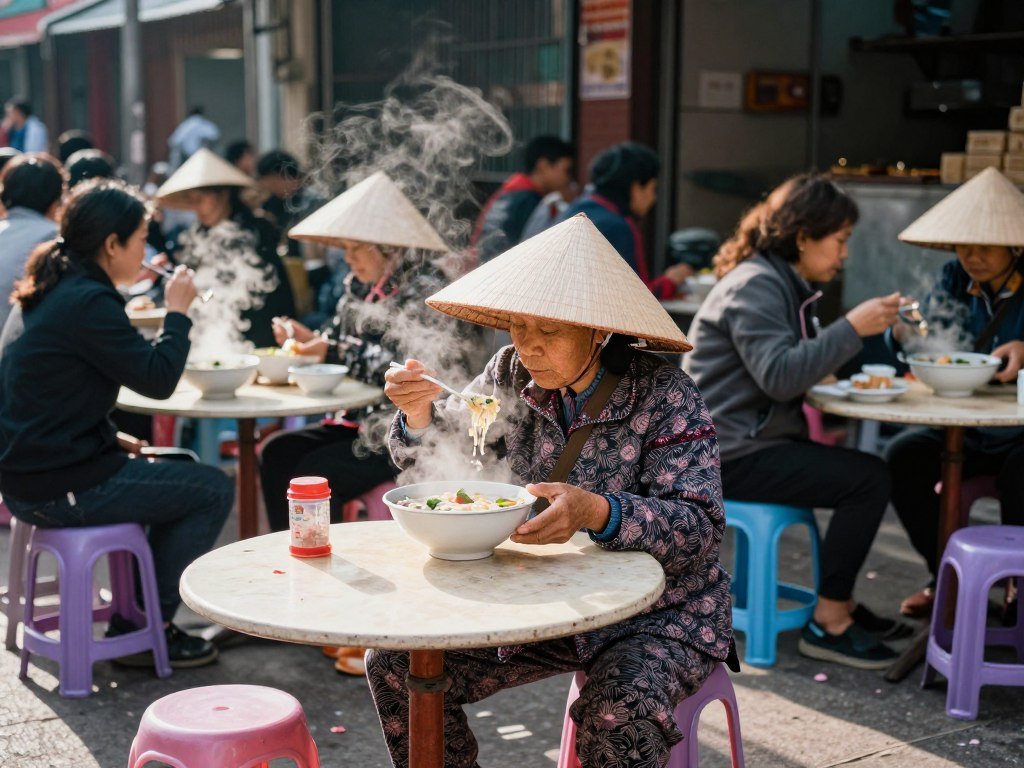
Street food vendors throughout Hanoi serve authentic local cuisine at incredible prices
Best Times to Visit
Spring months from February to April offer ideal weather. Temperatures range from 15°C to 25°C. Occasional rain occurs but doesn’t disrupt plans significantly. This season sees fewer tourists than peak periods.
Autumn from September to November provides another excellent window. Clear skies and comfortable temperatures enhance outdoor exploration. October specifically offers perfect conditions for walking and photography throughout the city.
What to Bring
Comfortable walking shoes are essential for Hanoi’s uneven sidewalks. Lightweight breathable clothing suits the tropical climate. A small backpack carries water, sunscreen, and daily essentials. Rain jacket or umbrella protects against sudden showers.
Cash remains important for small purchases and street food. Many hidden gems operate on cash-only basis. Carry small denominations for easier transactions. ATMs are widely available for withdrawals.
Safety Considerations
Hanoi is generally safe for independent travelers. Petty theft occurs occasionally in crowded areas. Keep valuables secure and maintain awareness. Avoid displaying expensive jewelry or electronics unnecessarily.
Traffic requires caution when crossing streets. Motorbikes dominate and follow different rules than Western traffic. Walk steadily and predictably when crossing. Drivers will navigate around you if you maintain consistent pace.
Language Tips
English proficiency varies significantly across Hanoi. Tourist areas have better English speakers. Hidden gems often require basic Vietnamese phrases or translation apps. Download Google Translate with offline Vietnamese package.
Learn essential phrases like “xin chao” (hello), “cam on” (thank you), and “bao nhieu” (how much). Locals appreciate any effort to speak Vietnamese. Smiles and gestures communicate effectively when language fails.
Food Safety
Street food is generally safe when vendors maintain clean practices. Look for busy stalls with high turnover. Fresh ingredients and hot cooking temperatures indicate quality. Trust your instincts about cleanliness and preparation methods.
Drink only bottled or boiled water. Ice in tourist areas is usually safe but skip it in remote locations. Fresh fruit juices and smoothies are excellent if made with clean water. Vietnamese beer and bottled drinks present no concerns.
Cultural Etiquette
Dress modestly when visiting temples and religious sites. Cover shoulders and knees out of respect. Remove shoes before entering homes or sacred spaces. This custom applies throughout Vietnam consistently.
Ask permission before photographing people directly. Many Vietnamese appreciate being photographed but prefer being asked first. Candid street photography is acceptable from respectful distances. Avoid photographing military installations or police.
Month-by-Month Guide to Hanoi Weather in 2026
| Month | Temperature Range | Rainfall | Best For | Notes |
| January | 14-20°C | Low (20mm) | City exploration, museums | Cool and dry, bring light jacket |
| February | 15-21°C | Low (30mm) | Walking tours, photography | Tet holiday affects schedules |
| March | 18-23°C | Moderate (50mm) | Outdoor markets, villages | Pleasant spring weather begins |
| April | 22-28°C | Moderate (90mm) | Café culture, lake activities | Warming temperatures, occasional rain |
| May | 25-32°C | High (190mm) | Indoor attractions, covered markets | Rainy season begins, humid |
| June | 27-33°C | High (240mm) | Museums, galleries, covered areas | Peak rain and heat, afternoon storms |
| July | 27-33°C | High (290mm) | Air-conditioned venues, temples | Hottest and wettest month |
| August | 26-32°C | High (280mm) | Indoor cultural sites | Continued monsoon conditions |
| September | 25-31°C | Moderate (230mm) | Photography, craft villages | Weather begins improving |
| October | 23-29°C | Low (130mm) | All outdoor activities | Ideal conditions, clear skies |
| November | 20-26°C | Low (50mm) | Walking tours, markets | Perfect autumn weather |
| December | 16-22°C | Low (25mm) | Street food, festivals | Cool and dry, comfortable touring |
Where to Stay for Exploring Hidden Gems
Your accommodation choice significantly impacts access to Hanoi’s hidden gems. Different neighborhoods offer unique advantages. Consider these factors when booking your 2026 Hanoi visit.
Old Quarter
The old quarter places you at Hanoi’s historic heart. Train street, Dong Xuan Market, and multiple hidden gems sit within walking distance. The area buzzes with energy day and night.
Accommodation ranges from budget hostels to boutique hotels. Expect street noise and limited elevator access in older buildings. Prices range from 200,000 VND for basic rooms to 2,000,000 VND for luxury options.
This location works best for travelers wanting immediate immersion in authentic Hanoi life. The central position reduces transportation needs. Every street offers food, shopping, and cultural experiences.
West Lake Area
Tay Ho District provides quieter, more spacious surroundings. Xuan Dieu Street, hidden cafés, and Quan Thanh Temple are nearby. The lakeside setting offers morning exercise paths and evening promenades.
This area attracts long-term visitors and expats. Serviced apartments and mid-range hotels dominate. Expect to pay 800,000 to 3,000,000 VND per night depending on amenities and lake views.
Choose West Lake for a more relaxed pace. The area requires transportation to reach old quarter attractions. The neighborhood feels residential and sophisticated rather than touristy.
French Quarter
Ba Dinh and Hai Ba Trung districts offer colonial charm. Tree-lined streets, historic villas, and upscale dining create refined atmosphere. Several hidden gems are within the neighborhood boundaries.
Accommodation tends toward higher-end hotels and boutique properties. Beautiful restored buildings provide unique character. Nightly rates typically range from 1,500,000 to 5,000,000 VND.
This choice suits travelers seeking elegance and quiet nights. The location balances proximity to tourist sites with peaceful residential feel. Walking to the old quarter takes 20 minutes.
Budget Planning for Hidden Gems Exploration
Exploring Hanoi’s hidden gems costs significantly less than visiting tourist traps. The following breakdown helps plan your daily budget for authentic experiences throughout 2026.
Daily Food Costs
- Breakfast street food: 25,000-40,000 VND
- Lunch at local restaurant: 50,000-80,000 VND
- Dinner at authentic eatery: 80,000-150,000 VND
- Coffee and snacks: 40,000-70,000 VND
- Total daily food: 195,000-340,000 VND ($8-14 USD)
Transportation Expenses
- Motorbike rental full day: 100,000-150,000 VND
- Grab rides (4-5 trips): 150,000-250,000 VND
- Bus passes daily: 15,000-30,000 VND
- Bicycle rental: 50,000-100,000 VND
- Gas for motorbike: 30,000-50,000 VND
Entry Fees and Activities
- Temple entries: 0-30,000 VND each
- Museum admissions: 20,000-50,000 VND
- Craft village workshops: 200,000-350,000 VND
- Cooking classes: 600,000-1,200,000 VND
- Guided tours: 400,000-800,000 VND
Sample Daily Budgets
Budget Traveler: 400,000-600,000 VND ($17-25 USD)
Street food, public transport, free attractions, basic accommodation
Mid-Range Traveler: 800,000-1,500,000 VND ($33-62 USD)
Restaurant meals, Grab rides, paid attractions, comfortable hotels
Comfortable Traveler: 2,000,000-3,500,000 VND ($83-146 USD)
Quality dining, private transport, guided experiences, luxury accommodation
Capturing Hanoi’s Hidden Gems
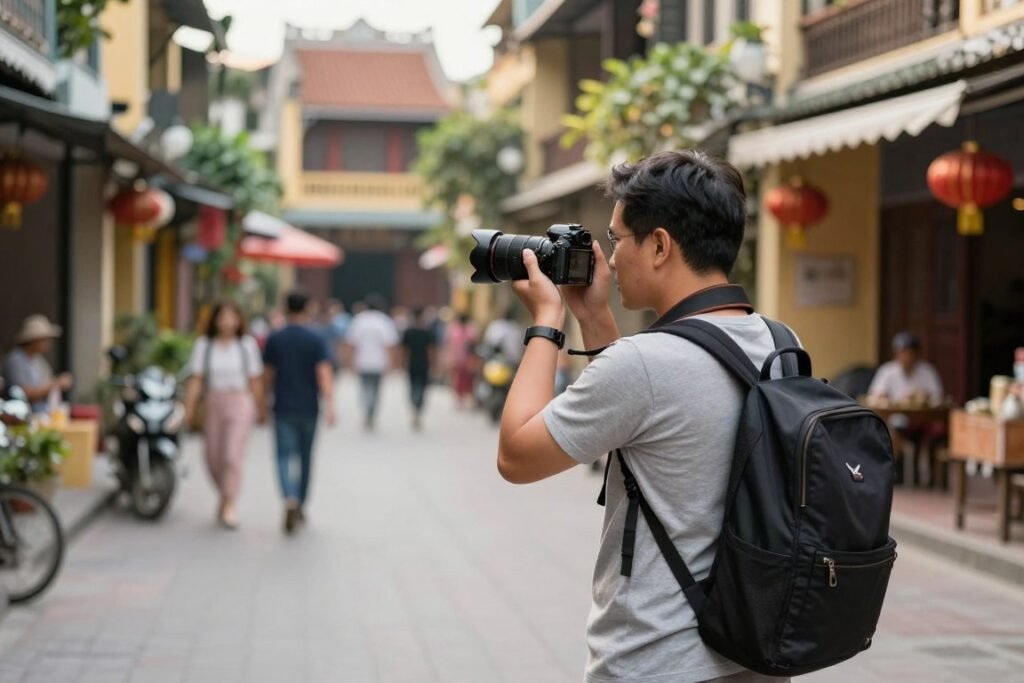
The best photos capture authentic moments of daily life in Hanoi’s hidden neighborhoods
Best Photography Times
Golden hour produces magical light across Hanoi. Sunrise from 5:30 AM to 7 AM bathes the city in warm tones. Mist often hangs over lakes and streets creating atmospheric conditions. Street life begins early with vendors setting up and locals exercising.
Evening golden hour between 5 PM and 6:30 PM offers another prime window. The lowering sun creates long shadows and golden light. Street food vendors become active. People gather in public spaces creating dynamic scenes.
Equipment Recommendations
A versatile zoom lens serves well in Hanoi’s varied environments. The 24-70mm range covers wide street scenes to tighter portraits. Prime lenses like 35mm or 50mm work excellently for street photography. These focal lengths feel natural and unobtrusive.
Smartphone cameras produce excellent results in good light. Modern phones handle high-contrast scenes well. The discreet nature of phone photography puts subjects at ease. Bring extra batteries and memory cards for full-day shooting.
Respectful Photography
Always ask permission before photographing people directly. A smile and gesture toward your camera usually communicates intent. Many Vietnamese people enjoy being photographed if approached respectfully. Offering to show them the image builds positive interactions.
Avoid intrusive photography in markets and shops. Vendors work hard and deserve respect. Candid shots from respectful distances work better than close-up confrontational photography. Sensitive locations like temples require extra consideration.
Subject Suggestions
Focus on daily life details that reveal authentic Hanoi character. Street food preparation makes compelling subject matter. Hands working show skill and tradition. The contrast between old and new creates interesting compositions.
Architectural details tell stories about history and culture. Look for decorative elements, weathered surfaces, and traditional construction methods. These details often go unnoticed but reveal deeper narratives about the city and its people.
Traveling Responsibly in Hanoi
Responsible tourism helps preserve Hanoi’s authentic character. Your choices impact local communities and cultural heritage. These practices ensure hidden gems remain special for future travelers and local people alike.
Positive Impact Practices
- Purchase directly from artisans in craft villages
- Eat at family-run local restaurants
- Use public transportation or bicycles when possible
- Learn basic Vietnamese phrases and use them
- Respect photography boundaries and ask permission
- Dispose of trash properly and avoid single-use plastic
- Stay in locally-owned accommodations
- Hire local guides for authentic perspectives
Behaviors to Avoid
- Haggling aggressively over small amounts
- Visiting sacred sites in inappropriate clothing
- Sharing exact locations of extremely fragile sites
- Treating local people as photo props without consent
- Comparing everything negatively to your home country
- Supporting businesses that exploit workers
- Littering or contributing to environmental damage
- Disrespecting cultural practices and traditions
Supporting Local Communities
Direct purchases from artisans ensure money reaches creators. Craft villages depend on visitors who value handmade quality. Pay fair prices that reflect skill and time invested. These purchases support traditional knowledge transmission to younger generations.
Choose tour operators and guides who prioritize community benefit. Reputable companies pay fair wages and respect local culture. They invest in preserving sites and educating travelers. Your tour selection influences industry standards.
Environmental Considerations
Carry a reusable water bottle throughout your travels. Many accommodations provide filtered water refills. This simple choice significantly reduces plastic waste. Vietnam struggles with plastic pollution, and visitors can help address this issue.
Support businesses that demonstrate environmental responsibility. Look for waste reduction efforts and sustainable practices. Your patronage encourages more establishments to adopt eco-friendly operations. Small choices collectively create significant impact.
Your Hanoi Hidden Gems Adventure Awaits
These 20 hidden gems reveal Hanoi beyond tourist brochures. Each location offers authentic experiences that connect you with real Vietnamese culture. The city rewards curious travelers who venture beyond obvious attractions.
Start planning your route using the comprehensive map provided. Group geographically close gems for efficient exploration. Allow flexibility for unexpected discoveries along the way. Hanoi’s best experiences often happen spontaneously.
The 2026 travel season brings continued changes to Vietnam’s capital. Some hidden gems may become more popular. Others will emerge as local people share their favorite spots. This dynamic character makes Hanoi endlessly fascinating to explore.
Pack comfortable walking shoes and an adventurous spirit. Bring respect for local customs and openness to new experiences. Your willingness to step off the beaten path will be rewarded with memories that typical tourists never create.
Remember that hidden gems remain special through responsible tourism. Your choices impact preservation of authentic culture. Travel thoughtfully, support local communities, and leave places better than you found them.
Hanoi in 2026 offers unprecedented opportunities for authentic cultural immersion. These hidden gems provide the framework for your exploration. The specific experiences and connections you create will make your journey uniquely personal and profoundly memorable.