

Get Your Free Offline Guide with Detailed Maps
Download our comprehensive PDF guide featuring all 20 hidden spots with offline maps, GPS coordinates, and detailed walking directions. Perfect for exploring Bangkok without constant internet access.
1. Baan Silapin (Artist’s House) – The Hidden Art Oasis
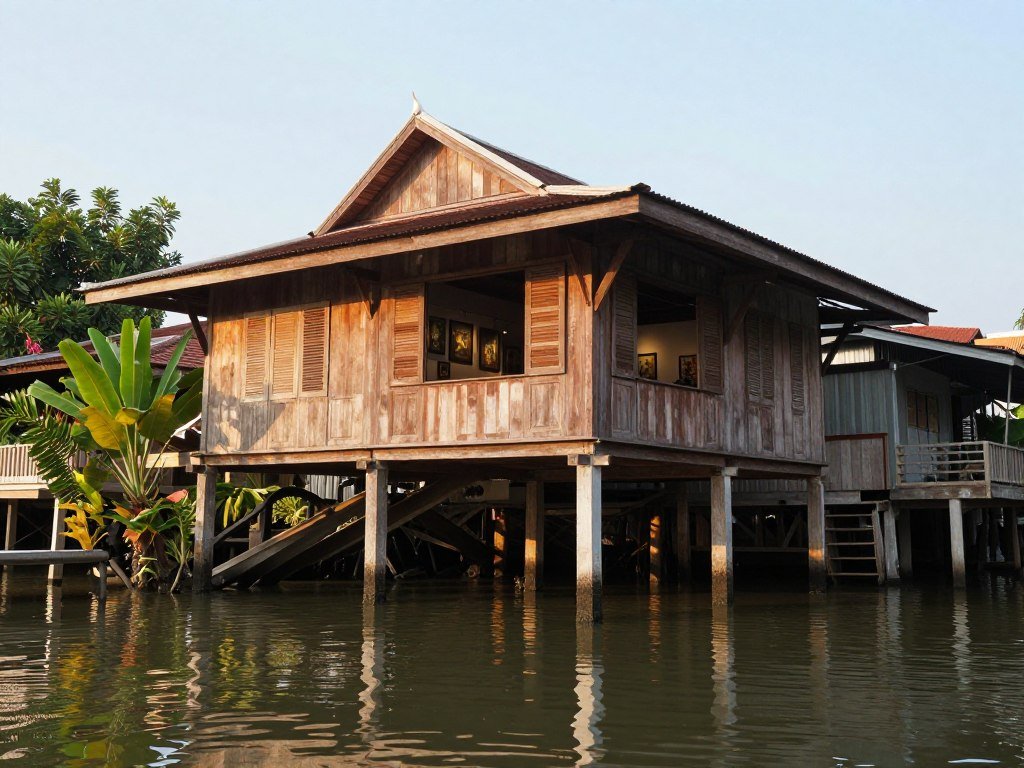
Tucked along a quiet canal in Thonburi, Baan Silapin feels like stepping through a portal into old Bangkok. This 200-year-old wooden house functions as an art gallery, puppet theater, and community gathering space. The structure perches on stilts above Khlong Bang Luang, surrounded by similar traditional homes that create an intact canal-side neighborhood.
Local artists maintain studios within the house. Traditional Thai puppetry performances happen daily at 2 PM on weekends. The atmosphere remains wonderfully peaceful despite the house’s artistic purpose. Visitors can observe artists working, purchase genuine handmade crafts, or simply absorb the ambiance of authentic canal life.
What Makes This Spot Special
Baan Silapin represents one of Bangkok’s best hidden gems because it combines cultural preservation with active artistic practice. Unlike museum exhibits of traditional Thai houses, this location pulses with contemporary creative energy. The same wooden structures that housed families generations ago now serve Bangkok’s artistic community, creating living cultural continuity.
The puppet shows use traditional hun krabok style puppets, an art form nearly extinct in modern Thailand. Masters of this craft train younger generations here, ensuring knowledge transfers forward. Watching these performances in such an intimate, authentic setting creates unforgettable cultural experiences unavailable in formal theaters.
How to Get There from City Center
Starting Point: Siam BTS Station (Central Bangkok)
- Take BTS Silom Line toward Bang Wa (approximately 25 minutes)
- Exit at Bang Wa Station (final stop)
- Use Grab or taxi for 10-minute ride to Baan Silapin (show driver address in Thai: บ้านศิลปิน)
- Alternative: Hire longtail boat from Khlong Bang Luang pier for scenic water approach
Address: 116 Soi Wat Thong Sala Ngarm, Khlong Bang Luang, Bangkok Yai
Best Visit Time: Weekends between 1 PM – 4 PM for puppet shows
Entry: Free (donations appreciated)
Insider Tips
- Arrive 30 minutes before puppet show to explore house and galleries
- Bring cash for purchasing artwork directly from artists
- Wear modest clothing respecting local community standards
- Explore surrounding canal neighborhood after visiting house
- Stay for coconut ice cream from vendor outside the entrance
2. Pak Khlong Talat Flower Market (After Midnight)
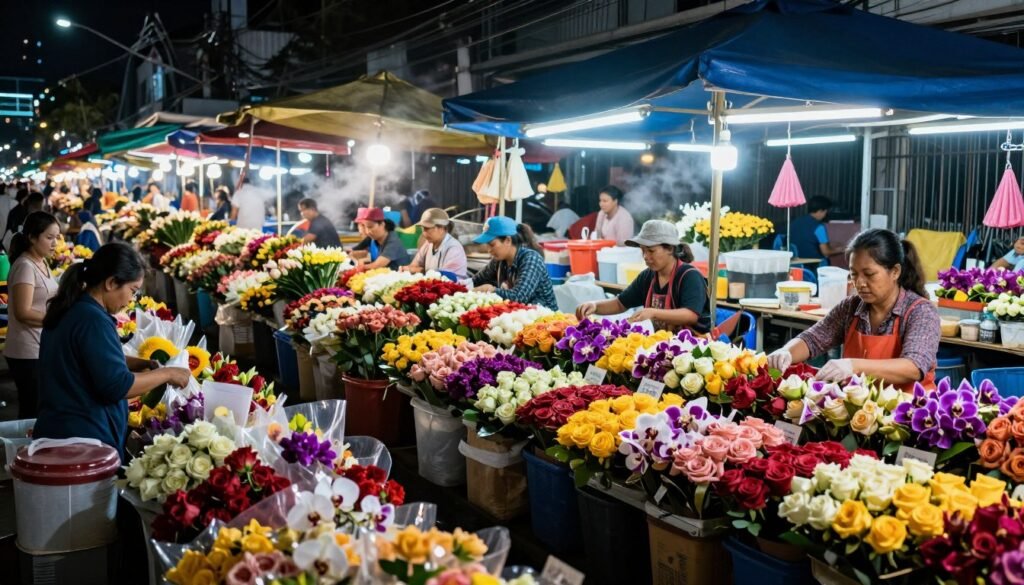
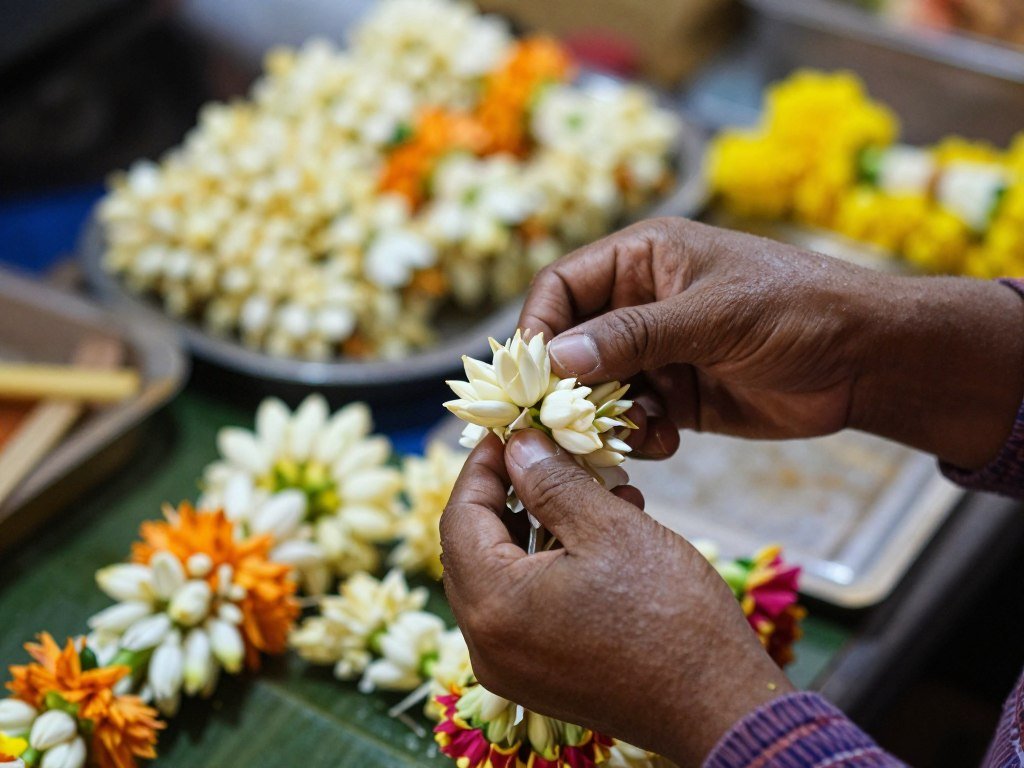
Most tourists visit Pak Khlong Talat during daytime hours. They miss the market’s true magic, which unfolds between midnight and dawn. This is when wholesale flower shipments arrive from across Thailand. Mountains of roses, orchids, lotus, and tropical blooms pile high as vendors sort, bundle, and price their inventory for the coming day.
The energy at this hour transforms completely. Motorcycle carts zip between stalls. Vendors shout prices and negotiate bulk deals. The overwhelming fragrance of thousands of fresh flowers fills the humid night air. Fluorescent lights create dramatic shadows across the flower mountains. This nocturnal scene reveals Bangkok’s working rhythm that few visitors ever witness.
What Makes This Spot Special
This ranks among the best hidden spots not because the market itself stays secret, but because experiencing it at peak wholesale hours remains unknown to most travelers. The market serves Bangkok’s endless demand for flowers used in religious offerings, decoration, and ceremonies. Every temple, hotel, restaurant, and household needs fresh flowers daily.
Watching the supply chain operate at full capacity provides insight into Bangkok’s logistics and commerce. Vendors maintain this same overnight schedule every single night of the year. No holidays or breaks interrupt the flower flow. The market represents Bangkok’s tireless work ethic and the complex systems keeping the city functioning.
How to Get There from City Center
Starting Point: Sukhumvit Area (East Bangkok)
- Take MRT from any Sukhumvit station toward Hua Lamphong
- Exit at Hua Lamphong Station
- Walk 15 minutes southwest to Pak Khlong Talat (follow Khlong Lord Canal)
- Alternatively: Take taxi or Grab directly to “Pak Khlong Talat” (pak klong market)
Location: Chakphet Road, near Memorial Bridge, Samphanthawong
Best Visit Time: 2 AM – 5 AM for peak wholesale action
Cost: Free to explore; bring cash if purchasing flowers
Practical Visiting Advice
- Dress casually and wear comfortable shoes that can get dirty
- Stay alert for fast-moving carts and delivery motorcycles
- Purchase small bouquets for hotel rooms at wholesale prices
- Combine with visit to nearby Yaowarat (Chinatown) for late-night food
- Bring camera but ask permission before photographing vendors
- Know that market operates 24/7 but wholesale action peaks overnight
3. The Airplane Graveyard – Aviation Relics in Backyards

Three massive commercial aircraft fuselages rest in an ordinary residential area near Ramkhamhaeng Road. These aviation relics, including a Boeing 747 and MD-82, were purchased from airlines years ago with ambitions of creating an aviation museum or restaurant. Those plans never materialized, leaving the aircraft abandoned in an empty lot where weeds grow through their bellies.
Local families built homes around the aircraft. Children play on the old landing gear. Residents use the airplane wings as makeshift carports and storage areas. This surreal juxtaposition of advanced aviation technology and humble urban life creates one of Bangkok’s most unusual hidden gems.
What Makes This Spot Special
The airplane graveyard earned fame on social media several years ago but remains genuinely off most tourist itineraries. Its remote location in a working-class neighborhood keeps visitor numbers low. The site lacks any formal structure or admission system. You simply show up, and if the owner is around, you negotiate a small access fee to climb inside the aircraft.
Inside the planes, seats have been stripped but the cockpits remain largely intact. You can sit in the captain’s chair, touch the throttle controls, and peer through the windscreen at the Bangkok neighborhood spreading before you. The experience feels authentically adventurous rather than curated for tourists.
How to Get There from City Center
Starting Point: Siam or Sukhumvit Area
- Take taxi or Grab to “Airplane Graveyard Bangkok” (approximately 30-40 minutes depending on traffic)
- Show driver Thai address: ซอยร่วมฤดี, ถนนรามคำแหง, สะพานสูง
- Request driver to wait or arrange pickup time (remote location)
- Look for aircraft visible from Soi Ramkhamhaeng 103
Address: Soi Ruam Rudi, Ramkhamhaeng Road, Saphan Sung
Best Visit Time: 10 AM – 4 PM (avoid extreme afternoon heat)
Entry Fee: 300-500 baht negotiated with property owner
Important Advisory: This location involves climbing into abandoned aircraft with rusty metal and uneven surfaces. Wear closed-toe shoes with good grip. Watch for sharp edges. Not recommended for young children or those with mobility limitations. The site has no safety infrastructure or emergency facilities.
What to Expect
- Informal access depending on owner presence and willingness
- No English signage or structured tour experience
- Aircraft interiors stripped but structurally explorable
- Excellent photography opportunity for urban exploration aesthetic
- Very limited shade; bring water and sun protection
- Combine with nearby Mall Bangkapi for lunch and air conditioning
4. Erawan Museum – The Three-Headed Elephant Sanctuary
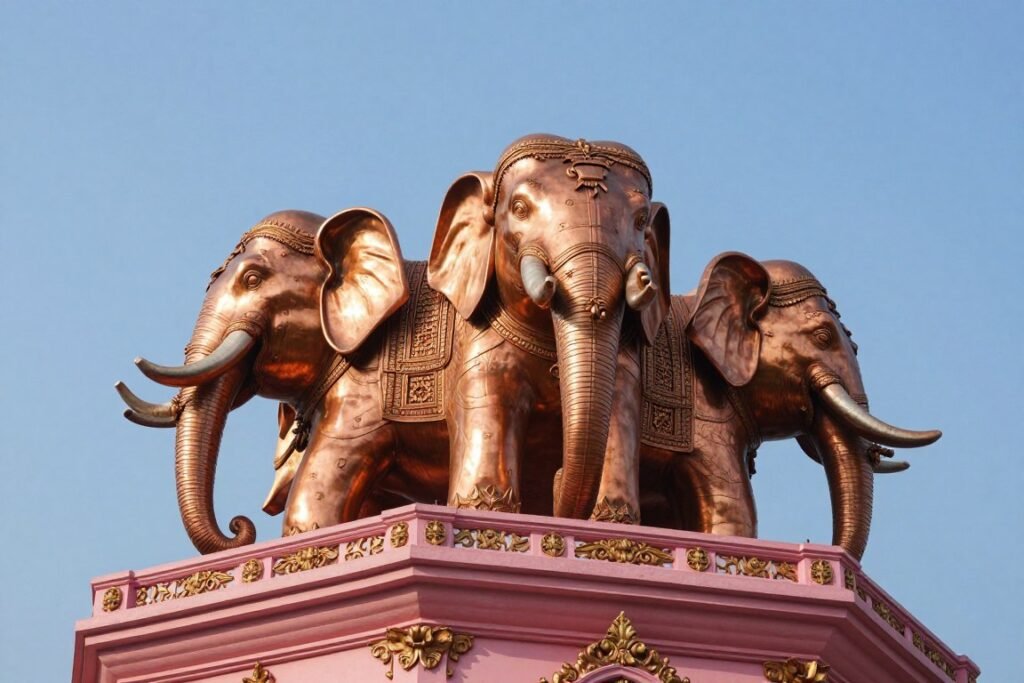
A gigantic three-headed elephant sculpture towers 29 meters above Samut Prakan province just outside Bangkok proper. This elephant sits atop an ornate museum building housing an extraordinary collection of Asian antiques and religious artifacts. The structure took over 15 years to complete, constructed almost entirely by hand using traditional techniques.
The Erawan Museum qualifies as a hidden gem despite its massive size because most Bangkok visitors never venture to Samut Prakan. Those who do typically visit the Ancient City nearby, missing this spectacular museum entirely. The three-headed elephant represents Erawan, the celestial elephant mount of Hindu god Indra, connecting Thai Buddhist and Hindu mythological traditions.
What Makes This Spot Special
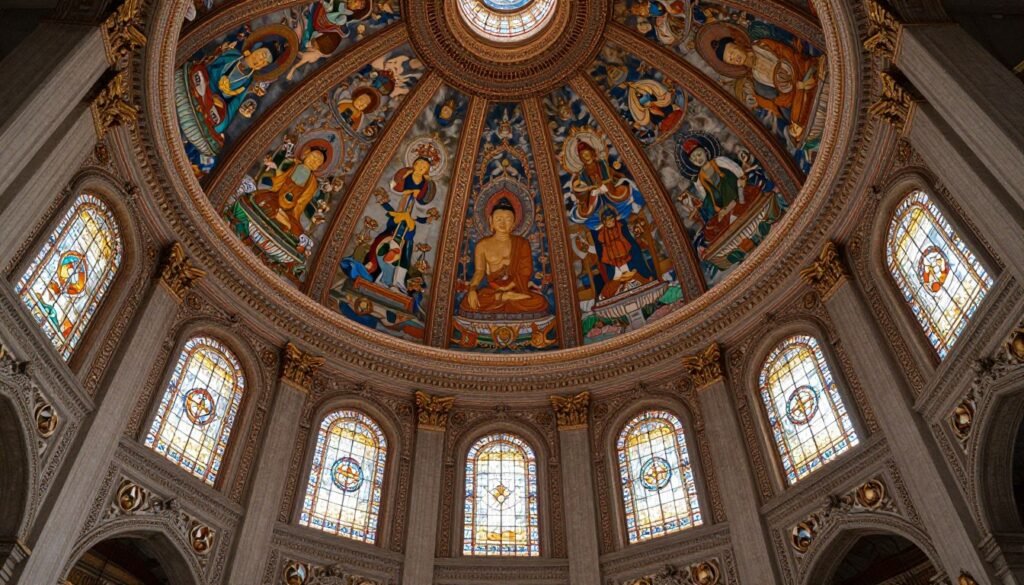
The museum’s interior staggers visitors. The bottom level recreates the underworld according to Thai cosmology. The middle section represents earth and human existence. The top level, located inside the elephant body itself, depicts heaven. Intricate hand-painted murals cover every surface. Stained glass windows create kaleidoscope light effects. Ancient religious sculptures and artifacts fill ornate display cases.
The craftsmanship demonstrates traditional Thai artistic techniques at their peak. Every tile, every carving, every painted detail received individual attention from skilled artisans. The museum owner, Lek Viriyaphant, envisioned creating a space where Thai art, culture, and spirituality could be preserved and celebrated. The result transcends typical museum experiences, feeling more like a sacred space than cultural institution.
How to Get There from City Center
Starting Point: Central Bangkok (Siam, Sukhumvit, Silom areas)
- Take BTS Sukhumvit Line to Bearing Station (final stop on Sukhumvit extension)
- Exit station and take taxi or motorcycle taxi to Erawan Museum (15-minute ride)
- Alternative: Take taxi/Grab directly from central Bangkok (45-60 minutes, longer in traffic)
- Show driver Thai name: พิพิธภัณฑ์ช้างเอราวัณ
Address: 99/9 Moo 1, Sukhumvit Road, Bang Muang Mai, Samut Prakan
Operating Hours: Daily 9 AM – 7 PM
Admission: 400 baht for foreign adults, 200 baht for children
Estimated Visit Duration: 2-3 hours for thorough exploration
Visitor Guidelines
- Dress modestly (shoulders and knees covered) as this is a religious space
- Remove shoes before entering the upper levels inside the elephant
- Photography permitted but flash prohibited near fragile artifacts
- Audio guides available in English, explaining the symbolism and collections
- Visit early morning or late afternoon to avoid tour groups
- Combine with Ancient City visit if you have a full day
Discover Hidden Bangkok with Expert Local Guides
Experience these secret spots with guides who know the stories, shortcuts, and perfect photo angles. Our private tours include transportation, skip-the-line access where possible, and insider knowledge you won’t find online. Small groups only.
5. Bang Krachao – Bangkok’s Green Lung
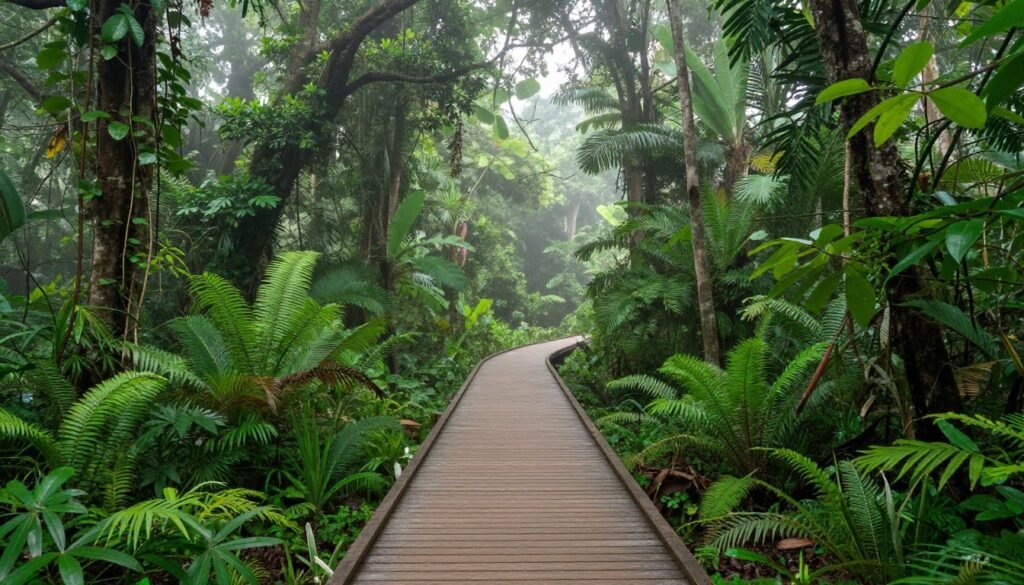
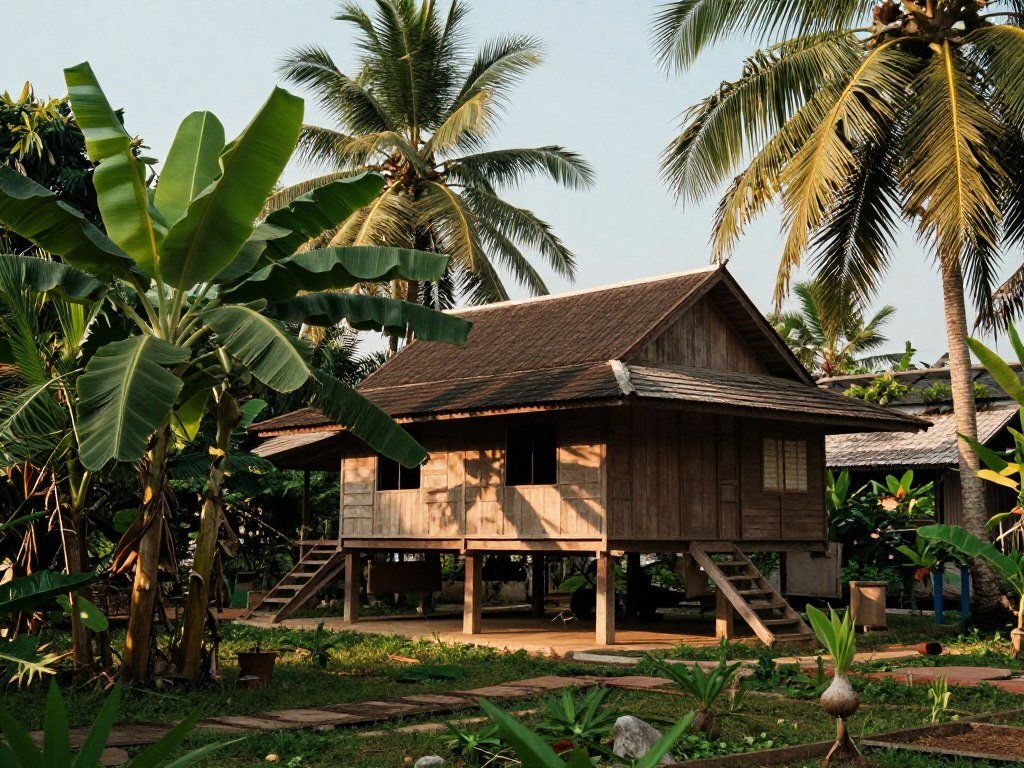
Just across the Chao Phraya River from central Bangkok lies an island of green that feels worlds away from urban chaos. Bang Krachao, nicknamed Bangkok’s “Green Lung,” comprises 12 square kilometers of preserved jungle, mangroves, orchards, and small villages. The oxbow bend of the river creates a natural boundary that has protected this area from aggressive development.
Visitors reach Bang Krachao by small ferry boats that cross the river every few minutes. Once across, the transformation stuns first-time visitors. Paved roads give way to winding paths. Traffic noise disappears beneath bird calls and rustling leaves. The air feels cooler and cleaner. People navigate primarily by bicycle along narrow elevated walkways that wind through jungle canopy and over small canals.
What Makes This Spot Special
Bang Krachao proves that nature sanctuaries can exist within major cities when communities protect them. Local residents successfully resisted development pressure for decades. They recognized the value of maintaining green space, clean air, and traditional ways of life. Today, Bang Krachao serves as Bangkok’s most accessible natural escape and one of its most important hidden gems.
The area functions as actual working landscape, not just preserved park. Farmers still grow fruits and vegetables. Temples serve local congregations. Small restaurants cater primarily to Bangkok residents seeking peaceful weekend retreats. The lack of commercial tourism infrastructure preserves the area’s authentic character even as more people discover it.
How to Get There from City Center
Starting Point: Sukhumvit or Silom areas
- Take BTS to Bang Na Station
- Take taxi to Wat Klang pier (Klong Toey)
- Cross river on small ferry (operates continuously, 10 baht)
- Rent bicycle on Bang Krachao side (50-100 baht per day)
Alternative Route: Take BTS to Phra Pradaeng, then taxi to various access points
Best Visit Time: Early morning (6-9 AM) or late afternoon (4-6 PM)
Recommended Duration: Half day minimum for proper exploration
Things to Do in Bang Krachao
- Cycle the elevated Green Way path through jungle canopy
- Visit Sri Nakhon Khuean Khan Park with observation tower views
- Explore small temples serving local communities
- Stop at Bang Nam Pheung floating market (weekends only)
- Try authentic Thai lunch at family-run restaurants
- Photograph wildlife including monitor lizards and tropical birds
- Practice sunset photography from river viewpoints
Important Notes: Bring mosquito repellent, especially in rainy season. Wear comfortable clothes suitable for cycling in humid weather. Many paths lack shade, so bring water and sun protection. Limited English spoken in most establishments. ATM access limited, bring sufficient cash.
6. Talat Rot Fai Night Market (Train Market) – Vintage Treasure Hunt

Multiple night markets operate across Bangkok, but Talat Rot Fai delivers uniquely authentic vintage shopping experiences. This market specializes in genuine antiques, retro fashion, classic motorcycles, and quirky collectibles. Vendors arrange their stalls around actual vintage train cars, creating an atmospheric setting that transports visitors decades into Thailand’s past.
The market operates in two main locations. The original Srinakarin location sprawls across a massive area with hundreds of vendors. The newer Ratchada location, though smaller, offers easier access via MRT and has become popular with younger crowds. Both markets pulse with energy after sunset when temperatures cool and crowds arrive to browse, eat, and socialize.
What Makes This Spot Special
Unlike tourist-focused markets selling mass-produced souvenirs, Talat Rot Fai vendors deal in genuine vintage items. Collectors find rare Thai movie posters, vintage Vespa parts, antique cameras, retro clothing, old signs, classic vinyl records, and countless other treasures. The hunt for unique items creates the appeal as much as the purchases themselves.
Food stalls offer excellent variety beyond standard pad thai and fried rice. Regional Thai dishes not commonly found elsewhere appear here. Northeastern Isaan food, southern Thai curries, grilled meats, creative desserts, and fusion experiments provide culinary adventure alongside the shopping. Many Bangkok locals visit primarily for the food rather than shopping.
How to Get There from City Center
Ratchada Location (Easier Access):
- Take MRT to Thailand Cultural Centre Station
- Exit at Gate 3
- Walk 5 minutes to market entrance
- Market directly behind Esplanade Shopping Mall
Srinakarin Location (Original, Larger):
- Take taxi/Grab from central Bangkok (30-45 minutes)
- Show driver “Talat Rot Fai Srinakarin” in Thai: ตลาดรถไฟศรีนครินทร์
- Located at Srinakarin Soi 51
Operating Hours: Thursday-Sunday, 5 PM – 1 AM
Entry: Free
Shopping and Dining Tips
- Arrive around 6-7 PM before largest crowds appear
- Bring cash (most vendors don’t accept cards)
- Bargain politely for better prices on vintage items
- Inspect vintage electronics carefully before purchasing
- Try food from multiple stalls rather than one large meal
- Wear comfortable shoes for walking on uneven ground
- Bring bags for carrying purchases (vendors have limited packaging)
7. Museum Siam – Interactive Thai History Experience
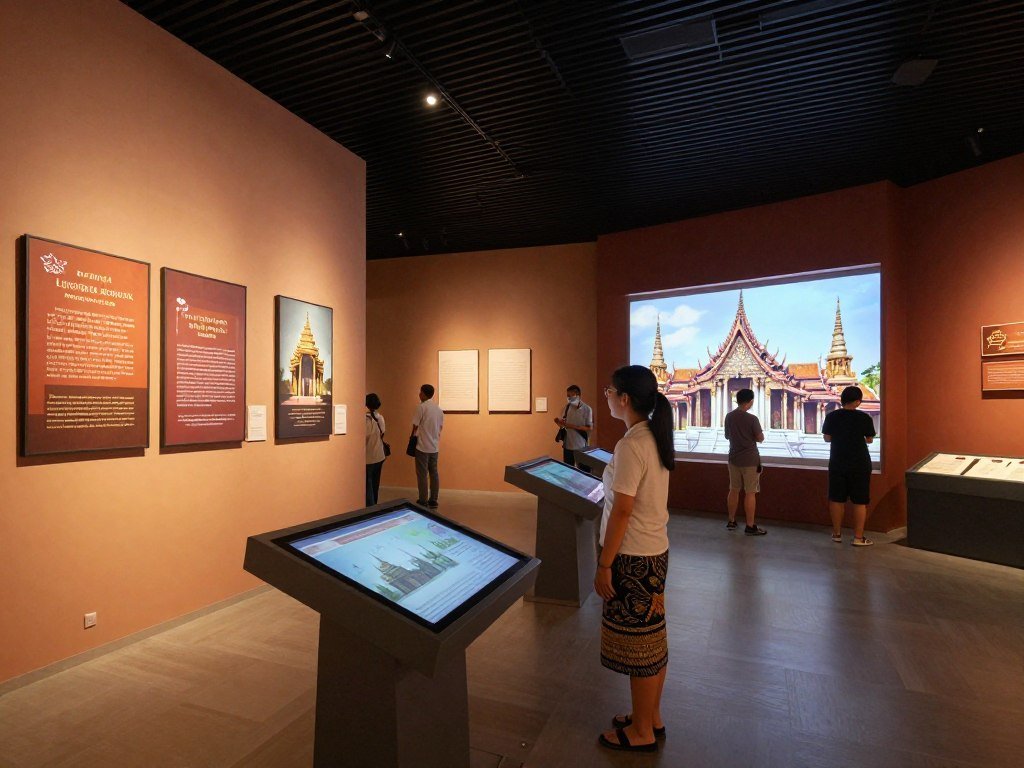
Museum Siam challenges visitors to explore the fundamental question “What is Thainess?” through innovative interactive exhibits. Unlike traditional museums with static displays and lengthy text panels, this institution uses multimedia, hands-on activities, and thought-provoking presentations to examine Thai identity, culture, and history from multiple perspectives.
The museum occupies a beautifully restored colonial-era building near the Grand Palace. Its proximity to major tourist sites makes its relative obscurity surprising. Most visitors rush between the palace, Wat Pho, and river boats without noticing this gem tucked just blocks away.
What Makes This Spot Special
Museum Siam treats visitors as active participants rather than passive observers. Exhibits encourage questioning assumptions about Thai culture. Touch screens, video installations, and hands-on activities make complex cultural concepts accessible and engaging. The museum asks difficult questions about Thai society, regional diversity, historical narratives, and cultural change.
Temporary exhibitions rotate regularly, addressing contemporary social issues alongside historical topics. Recent exhibitions covered LGBTQ+ history in Thailand, migration patterns, environmental challenges, and youth culture. This progressive approach distinguishes Museum Siam from more conservative cultural institutions and makes it feel relevant to modern visitors.
How to Get There from City Center
Starting Point: Silom or Sukhumvit areas
- Take MRT to Sanam Chai Station (newest station, opened 2019)
- Exit and walk 5 minutes to museum
- Alternative: Take Chao Phraya Express Boat to Tha Tien pier, walk 8 minutes
- Located on Sanamchai Road near Pak Khlong Talat flower market
Address: 4 Sanamchai Road, Phra Nakhon
Hours: Tuesday-Sunday, 10 AM – 6 PM (Closed Mondays)
Admission: 100 baht adults, 50 baht students with ID
Recommended Duration: 2-3 hours
Visitor Experience Highlights
- All exhibits feature English translations and explanations
- Interactive stations suitable for all ages
- Well-maintained air conditioning provides heat relief
- Café and gift shop selling unique Thai design products
- Photography permitted in most exhibition areas
- Free lockers for storing bags during visit
- Combine with nearby Wat Pho or flower market visits
8. Khlong Ong Ang Walking Street – Revitalized Urban Canal
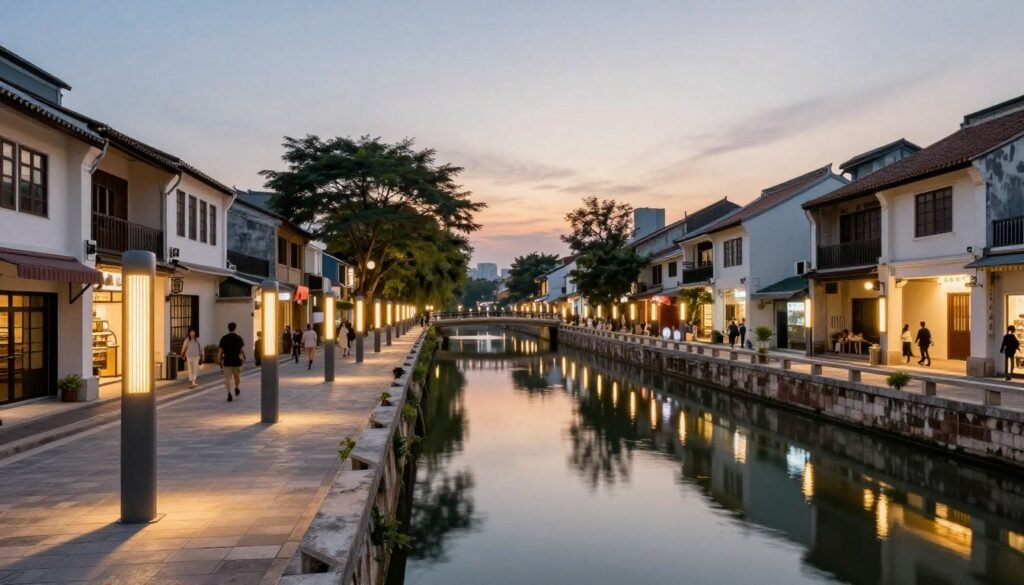
Bangkok recently transformed a neglected inner-city canal into a pleasant pedestrian walkway connecting Chinatown with Democracy Monument. Khlong Ong Ang Walking Street represents successful urban renewal that respects historical context while creating modern public space. The project cleaned the canal, added walking paths, installed lighting, and preserved surrounding heritage architecture.
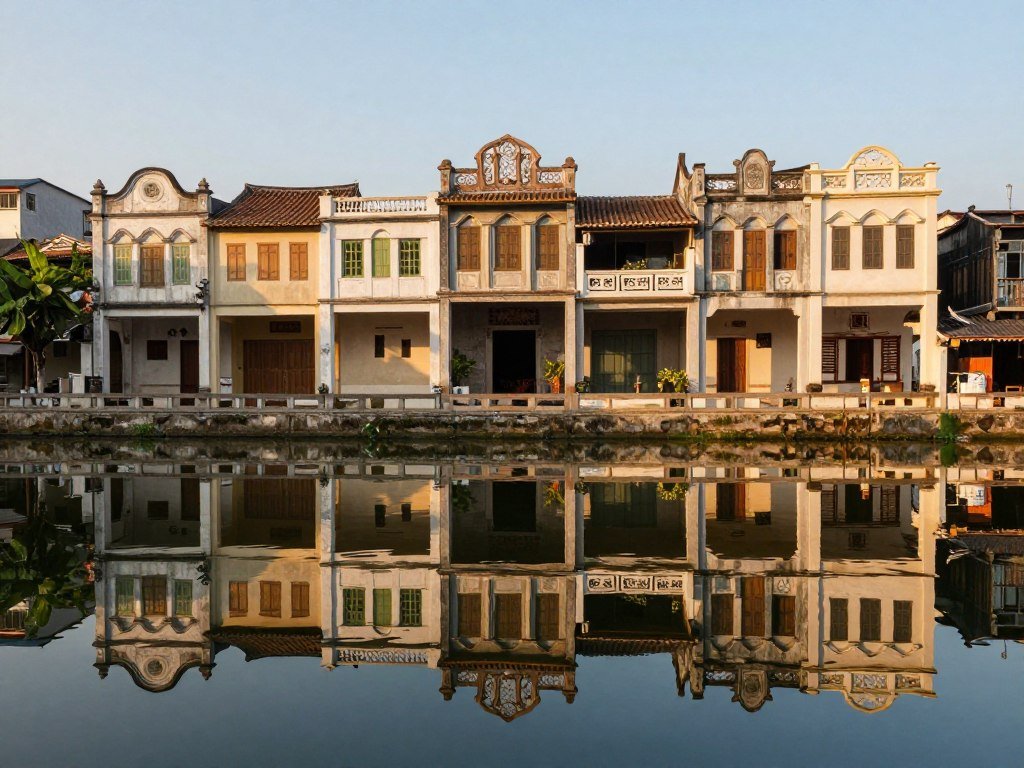
The 1.2-kilometer walkway passes through layers of Bangkok’s history. Chinese shophouses line portions of the route. Old temples sit alongside the water. Street food vendors operate from century-old commercial buildings. Modern murals and art installations add contemporary character without overwhelming the historical ambiance.
What Makes This Spot Special
This hidden gem demonstrates how Bangkok can modernize thoughtfully. The canal renovation balanced heritage preservation with contemporary urban needs. Rather than demolishing old structures, the project integrated them into the renewed space. Local businesses benefit from increased foot traffic while maintaining their traditional character.
Evening hours bring the walkway to life. Lights illuminate the canal and surrounding architecture beautifully. Young Bangkok residents gather here for photos, dates, and casual socializing. Food stalls and small restaurants serve locals and curious visitors alike. The atmosphere feels distinctly Bangkok rather than designed for tourism.
How to Get There from City Center
Multiple Entry Points Along Canal:
Southern End (Yaowarat/Chinatown):
- Take MRT to Hua Lamphong Station
- Walk 10 minutes west toward Yaowarat Road
- Find canal near Wat Traimit (Golden Buddha Temple)
Northern End (Democracy Monument):
- Take taxi/Grab to Democracy Monument
- Walk east to find canal walkway entrance
Best Experience: Walk entire length from Chinatown to Democracy Monument
Optimal Time: Late afternoon into evening (4 PM – 8 PM)
Activities Along the Walkway
- Walk or cycle the entire canal length
- Photograph heritage architecture and modern street art
- Stop at various food stalls for authentic Bangkok street food
- Visit small shops selling local crafts and vintage items
- Explore side alleys leading to hidden temples and markets
- Enjoy evening atmosphere with local crowds
9. Songwat Road – Hidden Chinatown Commercial Strip
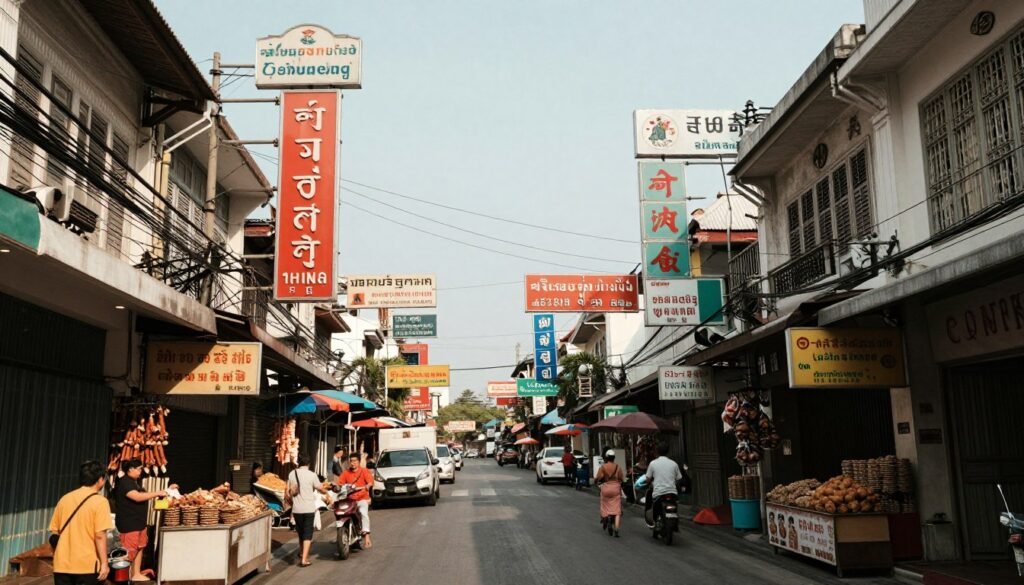
While tourists crowd Yaowarat Road, the parallel street of Songwat remains firmly local. This commercial strip has served Bangkok’s Chinese community for over a century. Shophouses sell wholesale goods, traditional medicine ingredients, dried seafood, tea, incense, and countless specialty items. The street maintains its working character with minimal concession to tourism.
Walking Songwat Road feels like traveling through time. Signs written entirely in Chinese advertise businesses unchanged for generations. Elderly shopkeepers sit outside their narrow storefronts. The smell of dried fish, Chinese herbs, and burning incense fills the air. No restaurants here specifically target foreigners. English is rarely spoken or necessary.
What Makes This Spot Special
Songwat Road shows authentic Bangkok commerce and community life continuing despite surrounding changes. The street functions as it always has, serving local Chinese-Thai businesses and residents. This working authenticity makes it one of Bangkok’s most genuine hidden gems even though it hides in plain sight mere blocks from heavily touristed areas.
Small discoveries await around every corner. Ancient coffee shops serve traditional Thai-Chinese breakfast. Herbal medicine shops display mysterious dried ingredients in huge glass jars. Temples squeeze between commercial buildings. The street rewards slow, observant wandering rather than rushed sightseeing.
How to Get There from City Center
Starting Point: Central Bangkok
- Take MRT to Hua Lamphong Station
- Walk west toward Yaowarat (Chinatown)
- Find Songwat Road running parallel to Yaowarat, closer to the river
- Alternative: Take Chao Phraya Express Boat to Ratchawong Pier, walk 5 minutes
Location: Songwat Road, Samphanthawong district
Best Time: Weekday mornings (8 AM – 12 PM) when businesses operate fully
Length: Approximately 1 kilometer, easy walking distance
What to Observe and Experience
- Traditional Chinese medicine shops with herbal consultations
- Wholesale dried seafood and ingredient suppliers
- Old-style tea merchants selling specialty Chinese teas
- Vintage coffee shops serving traditional breakfast sets
- Small temples dedicated to Chinese deities
- Architectural details on century-old shophouse facades
- Daily life of Bangkok’s Chinese-Thai commercial community
10. Kudeejeen – Bangkok’s Historic Portuguese Quarter
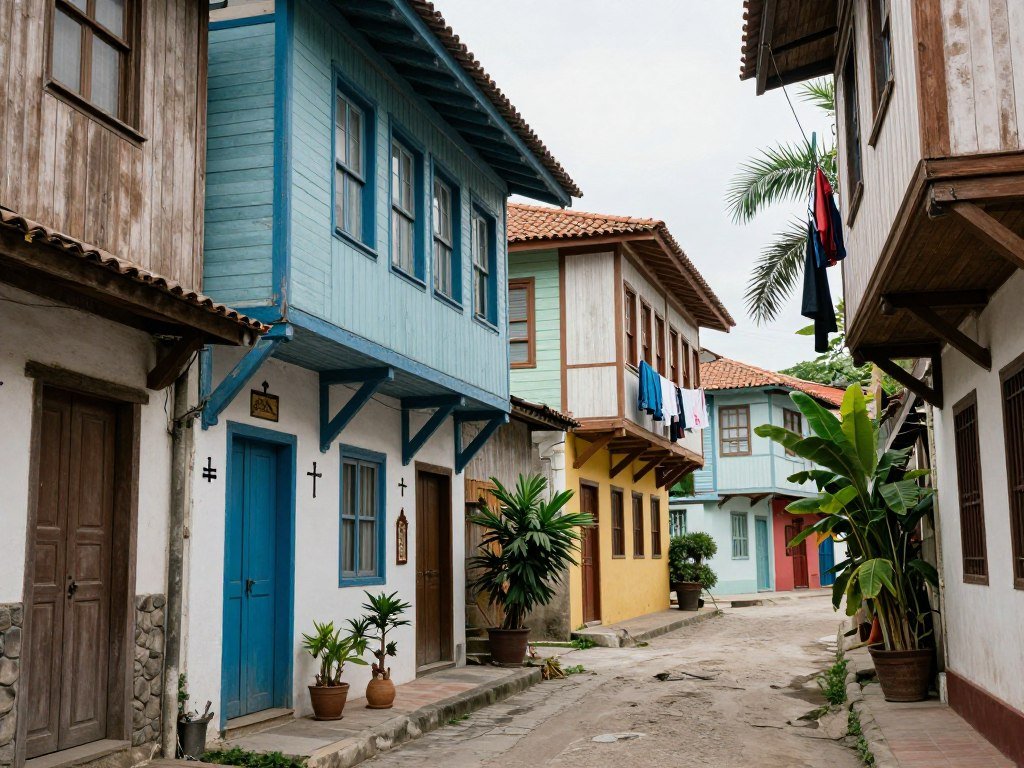
On the Thonburi side of the Chao Phraya River lies Bangkok’s oldest Christian community. Kudeejeen was established by Portuguese traders over 200 years ago. The neighborhood maintains distinct Portuguese-Thai cultural fusion visible in architecture, religion, and food traditions that differ markedly from surrounding Buddhist communities.
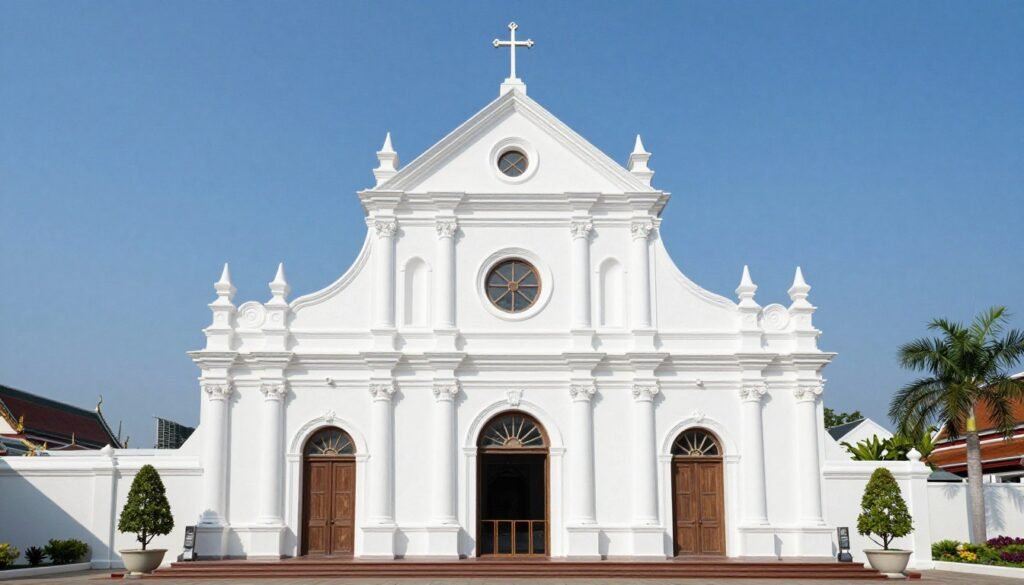
Santa Cruz Church anchors the neighborhood, its white facade a striking contrast to Bangkok’s ubiquitous Buddhist temples. Surrounding the church, narrow alleys wind between colorful wooden houses. Residents maintain Portuguese-influenced Catholic traditions alongside Thai customs, creating unique cultural blend found nowhere else in Bangkok.
What Makes This Spot Special
Kudeejeen represents cultural preservation through community commitment. Residents actively maintain their Portuguese heritage despite centuries in Thailand. They speak Portuguese-influenced Thai dialect. They celebrate Catholic holidays according to traditions passed down through generations. Their distinctive fusion cuisine combines Portuguese baking techniques with Thai ingredients and flavors.
The neighborhood’s signature dish, Khanom Farang Kudeejeen (Portuguese-style cake), attracts food enthusiasts from across Bangkok. These small cupcakes use recipes Portuguese settlers brought centuries ago, adapted with local ingredients. Several families continue baking these traditional treats, selling them from their homes along the church alley.
How to Get There from City Center
Starting Point: Central Bangkok (Silom, Sathorn areas)
- Take taxi or Grab to Santa Cruz Church (approximately 20-30 minutes)
- Show driver Thai address: โบสถ์ซางตาครู้ส, คูหาสวรรค์
- Alternative: Take Chao Phraya Express Boat to Pak Khlong Talat pier
- Cross river on small ferry to Thonburi side (5 baht)
- Walk 10 minutes south along river to Kudeejeen
Location: Soi Kudeejeen, Wat Kanlaya, Thonburi
Best Visit Time: Weekend mornings when cake bakers operate and church activities happen
Entry: Free (donations welcome at church)
Things to Do in Kudeejeen
- Visit Santa Cruz Church and small museum with Portuguese heritage artifacts
- Purchase traditional Portuguese-Thai cakes directly from family bakers
- Explore narrow alleys photographing unique architecture
- Stop at riverfront coffee shops with Chao Phraya views
- Observe daily life in this distinct cultural enclave
- Attend Sunday mass for authentic community experience (if appropriate)
- Combine with nearby Wat Arun visit across the river
11. Siriraj Medical Museum – Thailand’s Forensic Collection
Content Warning: This museum displays graphic medical and forensic specimens including preserved human remains, crime scene materials, and pathological exhibits. Not suitable for children, squeamish visitors, or those with sensitivities to such content.
Within Siriraj Hospital, Bangkok’s oldest medical facility, exists one of Thailand’s most unusual and unsettling museums. The Siriraj Medical Museum complex contains six separate museums including forensic medicine, anatomy, pathology, and the Thai traditional medicine museum. The forensic section displays preserved bodies of executed criminals, murder weapons, and detailed crime scene documentation.
The museum serves educational purposes for medical students but opens to public visitors. Exhibits explain forensic science, pathology, parasitology, and anatomical medicine through real specimens and cases. The presentation lacks sensationalism, maintaining clinical, educational tone despite disturbing subject matter.
What Makes This Spot Special
Few tourists know this museum exists despite its location within a major Bangkok institution. Those who visit confront mortality and human vulnerability in ways typical tourist experiences avoid. The museum treats death and disease matter-of-factly, reflecting Thai Buddhist perspectives on impermanence and the physical body’s temporary nature.
The most famous exhibit preserves the body of Si Ouey, a Chinese immigrant executed in 1959 for murdering children. His mummified corpse stands displayed alongside details of his crimes and trial. While macabre, the exhibit serves to educate about forensic science and Thailand’s criminal justice history during that era.
How to Get There from City Center
Starting Point: Central Bangkok
- Take BTS Silom Line to National Stadium Station
- Transfer to Chao Phraya Express Boat at nearby piers
- Take boat to Wang Lang Pier (Siriraj Hospital pier)
- Walk into hospital complex following museum signs
- Alternative: Take taxi directly to Siriraj Hospital Museum
Address: Siriraj Hospital, 2 Wanglang Road, Bangkok Noi
Hours: Wednesday-Monday, 10 AM – 5 PM (Closed Tuesdays)
Admission: 200 baht for all six museums
Minimum Age: Recommended 16+ due to graphic content
Visitor Guidelines
- Photography prohibited in forensic and anatomy sections
- Maintain respectful behavior as this is working hospital and educational facility
- Read exhibit explanations carefully for context and understanding
- Visit traditional medicine museum for less intense exhibits
- Allow 2-3 hours for all six museums if visiting entire complex
- Not recommended for those easily disturbed by medical/forensic imagery
12. Chao Mae Thapthim Shrine – The Phallus Shrine
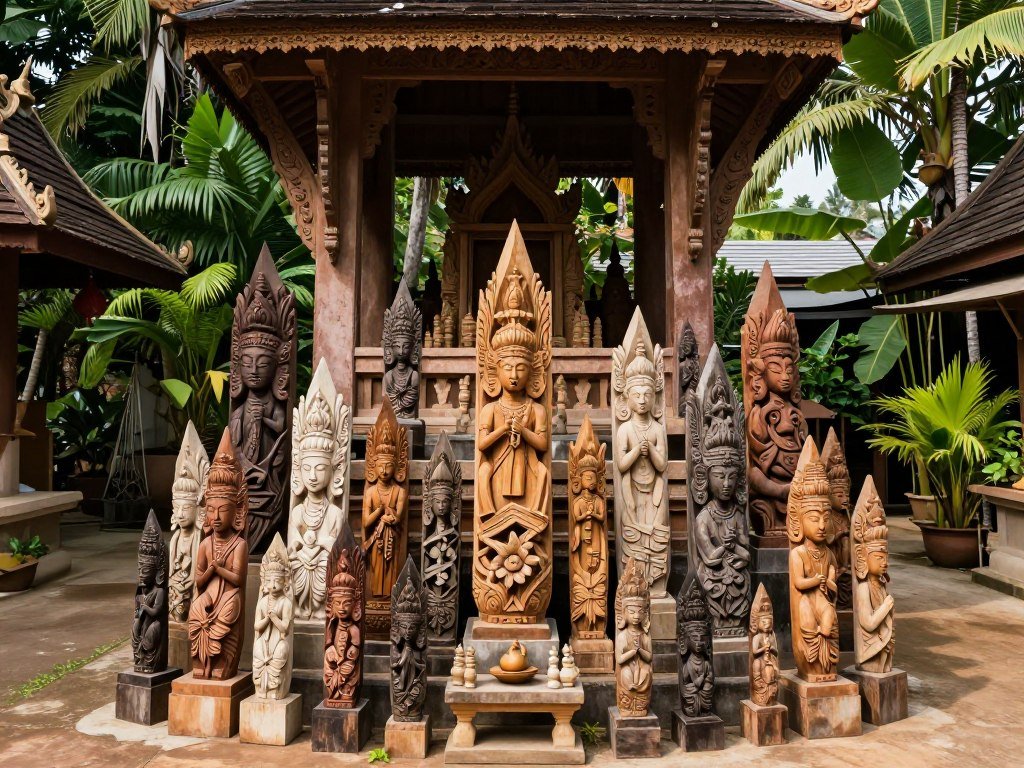
Behind the Swissotel Nai Lert Park Hotel stands one of Bangkok’s most peculiar shrines. Chao Mae Thapthim Shrine, dedicated to a female spirit believed to grant fertility blessings, features hundreds of wooden phallus offerings. These range from small carved specimens to impressively large painted sculptures, all left by devotees seeking the spirit’s favor.
The shrine practices reflect pre-Buddhist animist beliefs still alive in Thai spiritual life. People pray here for fertility, business success, lottery luck, and various other wishes. The phallus symbols represent life force and generative power in traditional Southeast Asian belief systems, though modern visitors often find them startling or amusing.
What Makes This Spot Special
This hidden gem demonstrates the syncretism of Thai spiritual practices. Despite Thailand’s Buddhist majority, spirit worship and animism remain deeply integrated into daily life. Shrines like Chao Mae Thapthim coexist naturally with Buddhist temples, reflecting Thailand’s religious tolerance and cultural complexity.
The shrine’s popularity among locals contrasts with tourists’ general unawareness of its existence. Thai people visit regularly to make offerings and pray. The shrine maintains active spiritual function rather than serving as curious tourist attraction. Witnessing genuine devotional practices provides insight into Thai religious life beyond the temple tours most visitors experience.
How to Get There from City Center
Starting Point: Sukhumvit area
- Take BTS to Phloen Chit Station
- Walk to Swissotel Nai Lert Park on Wireless Road
- Enter hotel grounds and ask for Chao Mae Thapthim Shrine directions
- Shrine located in garden area behind main hotel buildings
- Alternative: Short taxi ride from anywhere in Sukhumvit/Ploenchit area
Location: Swissotel Nai Lert Park, 2 Wireless Road
Access: Daily, dawn to dusk (hotel grounds)
Entry: Free (donations welcomed)
Visiting Etiquette
- Maintain respectful behavior – this is active religious site
- Ask permission before photographing (especially if devotees present)
- Dress modestly out of respect for sacred space
- Do not touch or move offerings left by worshippers
- Observe quietly if prayers or ceremonies occurring
- Small donations appreciated if you wish to make merit
13. The Jam Factory – Contemporary Art and Design Hub
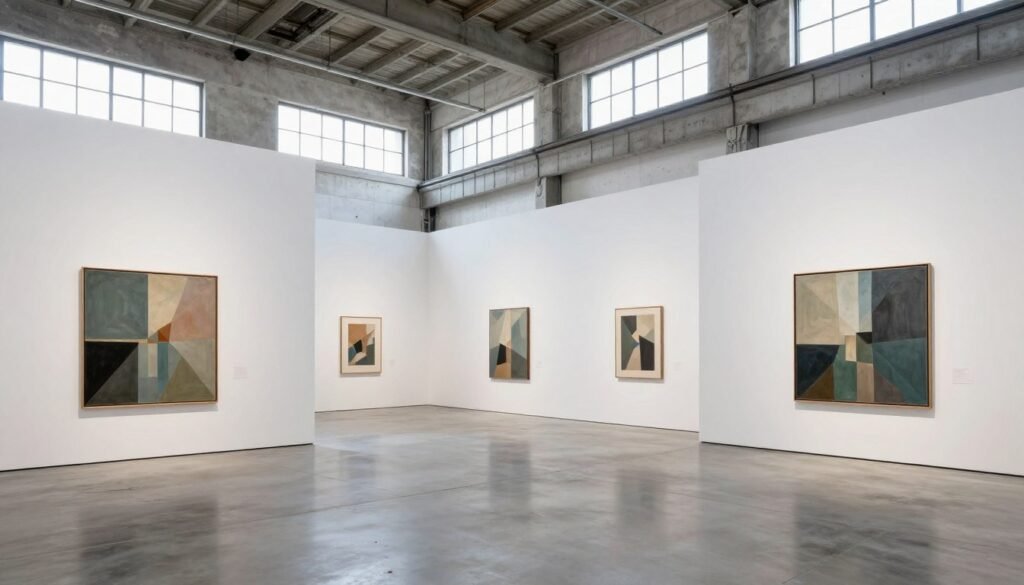
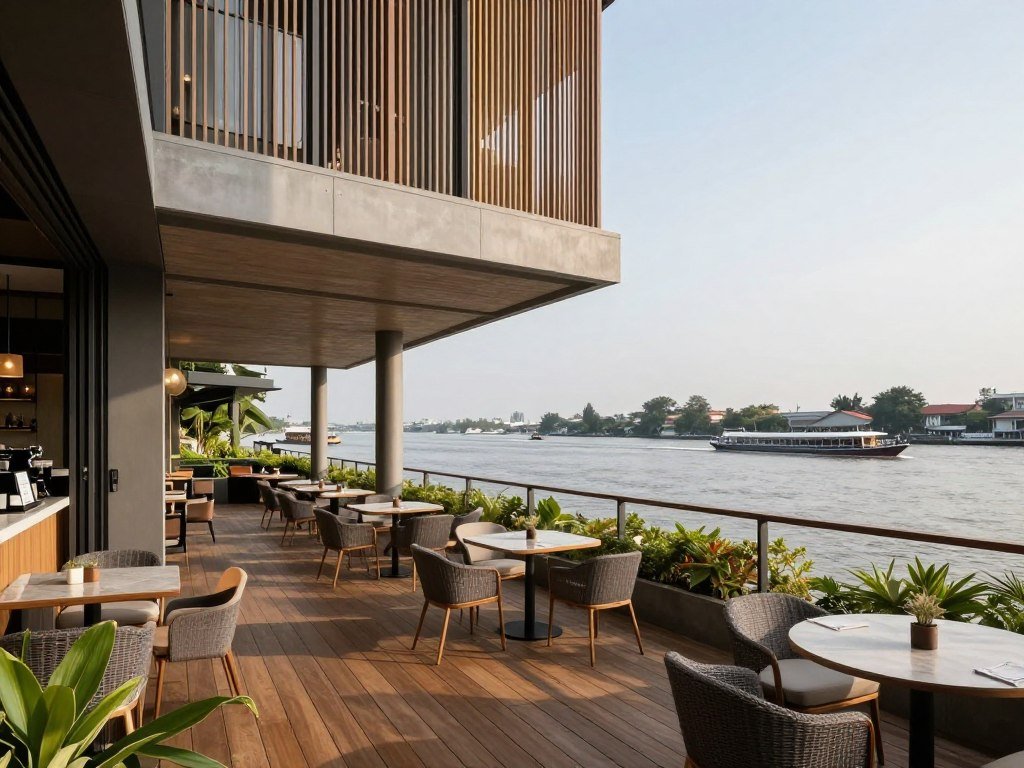
Along a quiet stretch of the Chao Phraya River in Thonburi sits a converted warehouse complex housing contemporary art galleries, design studios, restaurants, and creative workspace. The Jam Factory transformed an old industrial site into Bangkok’s coolest riverside art destination without the tourist crowds that plague more famous locations.
The complex maintains purposefully understated presence. No flashy signage announces its existence. The industrial architecture was preserved and adapted rather than demolished. Gallery spaces occupy former manufacturing floors. A specialty bakery operates in what was once a storage area. A fine dining restaurant overlooks the river from the upper level.
What Makes This Spot Special
The Jam Factory exemplifies Bangkok’s thriving contemporary art and design scene often overshadowed by attention to traditional culture. Young Thai artists, designers, and creative entrepreneurs use spaces like this to experiment, collaborate, and build careers. The atmosphere feels genuinely creative rather than commercially manufactured for tourist consumption.
Exhibitions change regularly, featuring emerging Thai artists alongside established names. The galleries charge no admission, making contemporary art accessible to anyone curious enough to find the place. Weekend crowds consist primarily of Bangkok’s creative class and art enthusiasts rather than tour groups following guidebook recommendations.
How to Get There from City Center
Starting Point: Sathorn/Silom area
- Take BTS Silom Line to Krung Thonburi Station
- Take taxi or motorcycle taxi to Jam Factory (5-minute ride)
- Show driver Thai address: เดอะ แจม แฟคทอรี่, เจริญนคร
- Alternative: Take Chao Phraya Express Boat to Klong San pier, walk 10 minutes
Address: 41/1-5 Charoennakorn Soi 10, Thonburi
Hours: Tuesday-Sunday, 11 AM – 8 PM
Gallery Entry: Free
What to Experience
- Browse rotating contemporary art exhibitions in gallery spaces
- Visit design studios and shops featuring Thai designer products
- Lunch or dinner at riverside fine dining restaurant
- Coffee and pastries from specialty bakery café
- Riverside walking areas with Chao Phraya views
- Weekend workshops and creative events (check schedule)
- Photography-friendly industrial-meets-contemporary aesthetic
14. Warehouse 30 – Creative Community Space
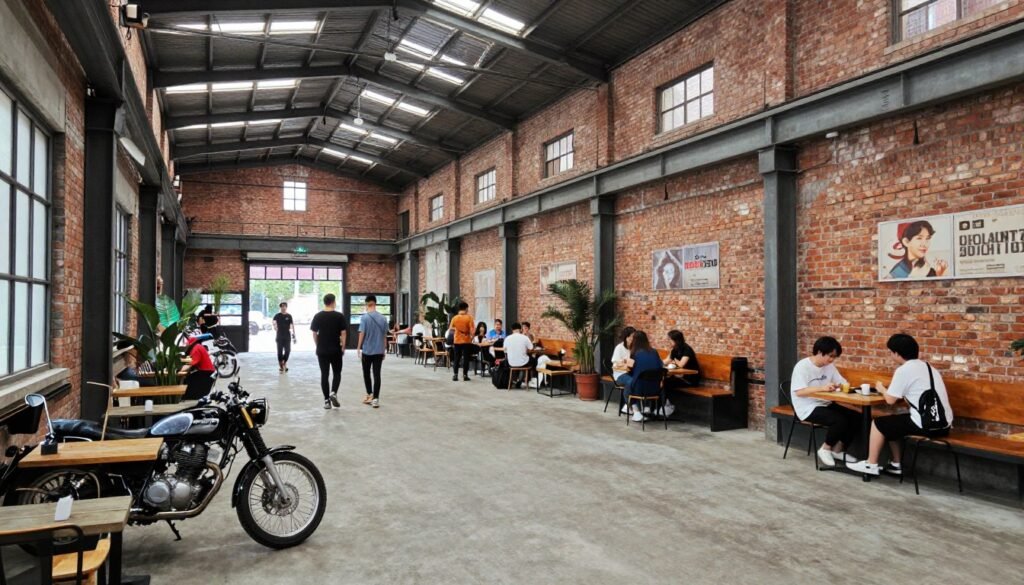
Another converted warehouse space, Warehouse 30 occupies three historic godowns (warehouses) in the Charoenkrung creative district. The complex houses independent boutiques, design studios, vintage shops, specialty coffee roasters, hip restaurants, and co-working spaces. Young entrepreneurs and creative professionals transformed this formerly neglected area into one of Bangkok’s coolest neighborhoods.
The warehouse aesthetic was deliberately preserved during renovation. Exposed brick walls, original wooden beams, and industrial details create atmospheric backdrop for the contemporary businesses operating within. Vintage motorcycles and retro furniture punctuate the spaces. Modern additions complement rather than compete with the historical architecture.
What Makes This Spot Special
Warehouse 30 anchors the broader Charoenkrung creative renaissance. This historic riverside trading district fell into decline as modern port facilities moved elsewhere. Empty warehouses and shophouses sat deteriorating for years until artists, designers, and young entrepreneurs recognized the area’s potential and cheap rent made experimentation possible.
Today, Charoenkrung pulses with creative energy. Gallery walks happen monthly. New restaurants and bars open regularly. Design studios thrive. Yet the area remains largely off mainstream tourist radar, preserving its authentic character. Warehouse 30 exemplifies this balance between development and preservation that makes Bangkok’s hidden gems so special.
How to Get There from City Center
Starting Point: Sukhumvit or Silom areas
- Take MRT to Hua Lamphong Station
- Take taxi to Warehouse 30 on Charoenkrung Road (10-minute ride)
- Show driver Thai address: แวร์เฮาส์ 30, เจริญกรุง 30
- Alternative: Take Chao Phraya Express Boat to Si Phraya pier, walk 15 minutes
Address: 48 Charoenkrung 30, Charoen Krung Road, Bang Rak
Hours: Individual shops vary; generally 10 AM – 9 PM daily
Entry: Free to explore
Things to Do at Warehouse 30
- Browse independent fashion and design boutiques
- Coffee tasting at specialty roastery cafés
- Lunch at hip restaurants serving fusion and modern Thai cuisine
- Shop for vintage clothing, furniture, and collectibles
- Explore surrounding Charoenkrung neighborhood galleries and shops
- Photography of industrial-chic architecture and vintage details
- Evening drinks at rooftop bars in nearby buildings
Area Exploration Tip: Warehouse 30 works best as starting point for exploring the wider Charoenkrung creative district. Walk the neighborhood discovering hidden galleries, vintage shops, street art, and unique cafés. The area rewards wandering and serendipitous discovery.
15. Baan Bat – The Monk’s Bowl Village
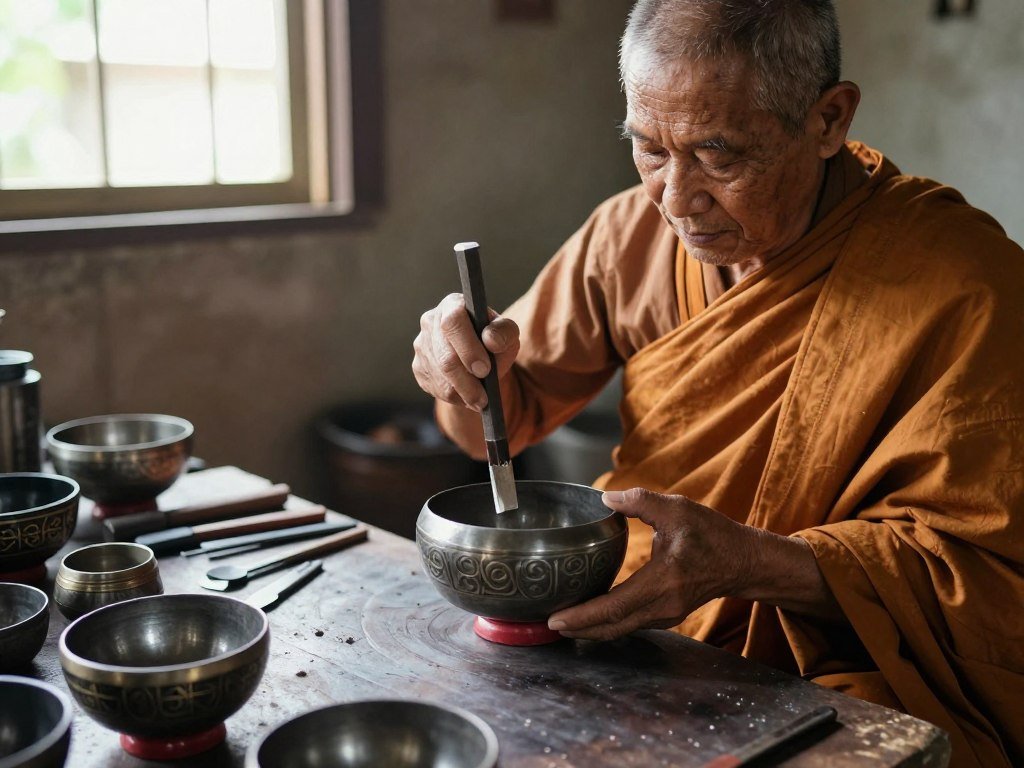
In a small neighborhood near the Golden Mount, a handful of families continue traditional monk’s alms bowl craftsmanship passed down through generations. Baan Bat (Bowl Village) represents the last remaining community of these specialized artisans in Bangkok. Their hammered metal bowls serve Buddhist monks throughout Thailand for daily alms collection.
The craft requires remarkable skill and patience. Artisans hammer together eight separate metal pieces representing Buddhism’s Noble Eightfold Path. The process creates bowls without welding or seams. Each bowl takes hours of precise metalwork. Modern manufacturing cannot replicate the quality and spiritual significance of these handmade vessels.
What Makes This Spot Special
Baan Bat preserves a dying traditional craft. Only a few elderly masters still possess the complete knowledge and skills. Younger generations show limited interest in learning this demanding, low-profit trade. Within years, this centuries-old Bangkok tradition may disappear entirely as the final craftspeople pass away without successors.
Visiting Baan Bat supports these artisans directly. Purchase of their bowls or other metal crafts provides income that helps them continue working. Equally important, visitor interest demonstrates value for traditional craftsmanship, potentially inspiring younger people to learn these skills before the knowledge is lost forever.
How to Get There from City Center
Starting Point: Central Bangkok
- Take taxi or Grab to Baan Bat community
- Show driver Thai name: บ้านบาตร, บรรทัดทอง
- Located near Golden Mount (Wat Saket) in Pom Prap Sattru Phai district
- Nearest MRT: Hua Lamphong, then 10-minute taxi ride
Address: Soi Ban Bat, Bamrung Mueang Road
Best Visit Time: Weekday mornings (9 AM – 12 PM) when craftspeople work
Entry: Free to visit; purchases support artisans directly
Visitor Experience
- Watch craftspeople demonstrating traditional metalworking techniques
- Learn about Buddhist symbolism in bowl design and construction
- Purchase authentic handmade alms bowls or decorative items
- Photograph artisans at work (ask permission first)
- Explore quiet surrounding neighborhood
- Combine with visit to nearby Golden Mount temple
- Support preservation of endangered traditional craft through purchases
16. Baan Khun Mae – Authentic Home-Cooked Thai Cuisine
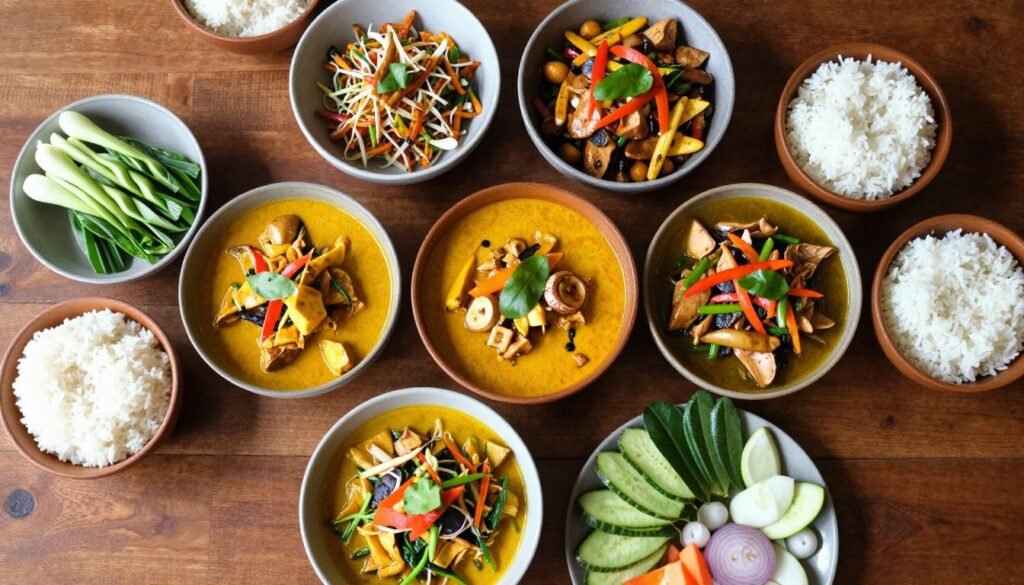
Hidden in a residential neighborhood, Baan Khun Mae serves home-style Thai cooking in an actual family home. The elderly proprietor, known as “Mae” (mother), cooks traditional recipes she learned from her mother and grandmother. No menu exists. Mae prepares whatever ingredients she purchased fresh that morning from local markets.
Dining here feels like eating at a Thai grandmother’s house. Mae cooks in her home kitchen. Guests sit at simple tables in her living room. She serves dishes family-style, bringing out whatever she prepared that day. The experience emphasizes hospitality, conversation, and authentic home cooking rather than restaurant efficiency or tourist accommodation.
What Makes This Spot Special
This hidden gem offers what many travelers seek but rarely find – genuine home-cooked Thai food made with traditional techniques and recipes. Mae uses no shortcuts or MSG. She sources ingredients from neighborhood markets and vendors she’s known for decades. The recipes follow traditional methods passed down through generations of Thai home cooks.
The setting enhances the experience. Mae’s home feels lived-in and comfortable rather than staged for visitors. Family photos line the walls. Cooking smells drift from the kitchen. The pace follows Thai hospitality customs rather than Western restaurant expectations. Guests leave feeling they’ve shared a meal with family rather than eaten at another restaurant.
How to Get There from City Center
Starting Point: Sukhumvit area
- Take BTS to Ekkamai Station
- Take taxi into residential sois (alleys) near Ekkamai Soi 12
- Show driver Thai name: บ้านคุณแม่
- Call ahead for reservations and directions (limited English)
Important Notes:
Reservations required – call or message ahead
Very limited seating (maximum 12-15 guests)
No set menu – eat whatever Mae prepares that day
Irregular operating hours depending on Mae’s schedule
Approximate Cost: 250-350 baht per person for complete meal
Finding This Hidden Gem: Baan Khun Mae operates by word-of-mouth and personal recommendation. No official website or social media presence exists. Contact information changes occasionally. Ask at your hotel or local Thai friends to help arrange a visit. The informal nature is part of the authentic experience.
Dining Experience Tips
- Come hungry – Mae serves generous portions of multiple dishes
- Bring cash (no cards accepted)
- No English menu or explanations – embrace the adventure
- Arrive on time out of respect for Mae’s hospitality
- Share dishes family-style with other guests
- Some Thai language basics helpful but not essential
- Experience represents rare authentic Thai home hospitality
17. Sathorn Unique Tower – Bangkok’s Ghost Skyscraper
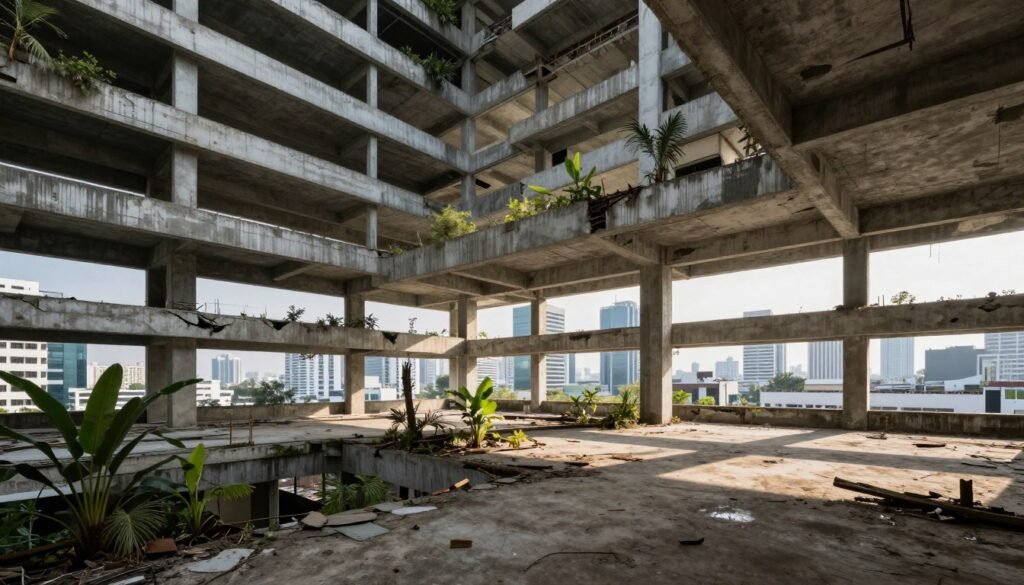
Rising 49 stories above Sathorn Road stands Bangkok’s most famous abandoned building. Sathorn Unique Tower, also called the “Ghost Tower,” was meant to become a luxury condominium. Construction stopped during the 1997 Asian Financial Crisis and never resumed. The unfinished structure has stood empty for over 25 years, slowly deteriorating and becoming overgrown with tropical vegetation.
The building attracted urban explorers and photographers who illegally entered to capture dramatic images from the upper floors. Stunning views across Bangkok combined with post-apocalyptic decay aesthetics made it Instagram famous. However, authorities now secure the building more effectively, making access difficult and illegal. A security guard typically prevents entry, and trespassing can result in arrest.
What Makes This Spot Special
The Ghost Tower represents Bangkok’s boom-and-bust economic cycles and rapid development. Dozens of similar projects were abandoned during the financial crisis. Most were eventually demolished or completed. Sathorn Unique survived due to legal disputes and ownership complications. It stands as monument to ambition, failure, and the temporary nature of urban development.
From the outside, the building creates powerful visual impact. Its deteriorating facade and empty window frames reveal the structure’s skeleton. Plants grow from concrete cracks. The tower’s prominent location makes it visible from much of central Bangkok, serving as reminder that even modern cities contain unexpected ruins and failures.
How to Get There from City Center
Starting Point: Silom area
- Take BTS Silom Line to Chong Nonsi Station
- Exit and walk west along Sathorn Road
- Building visible immediately – tall abandoned structure impossible to miss
- View and photograph from outside only (entry prohibited)
Location: Sathorn Road (near Soi Sathorn 10)
Entry Status: CLOSED – No legal access to building interior
Best for: Exterior photography and architectural observation from street level
Safety and Legal Warning: Attempting to enter Sathorn Unique Tower is illegal trespassing. Security guards patrol the building. Trespassers face arrest, fines, and potential imprisonment. The structure is unstable and dangerous. Appreciate this urban landmark from the outside only. Many past visitors were injured or arrested attempting illegal entry.
Alternative Viewing Opportunities
- Photograph building exterior from Sathorn Road sidewalks
- View from rooftop bars in nearby buildings for elevated perspectives
- Visit nearby Lumpini Park for distant views including the tower
- Explore Sathorn neighborhood’s mix of modern and abandoned buildings
- Reflect on Bangkok’s economic history and urban development cycles
- Respect that this remains off-limits despite its fame online
18. Khlong Saen Saep Canal Boat – Commuter Experience
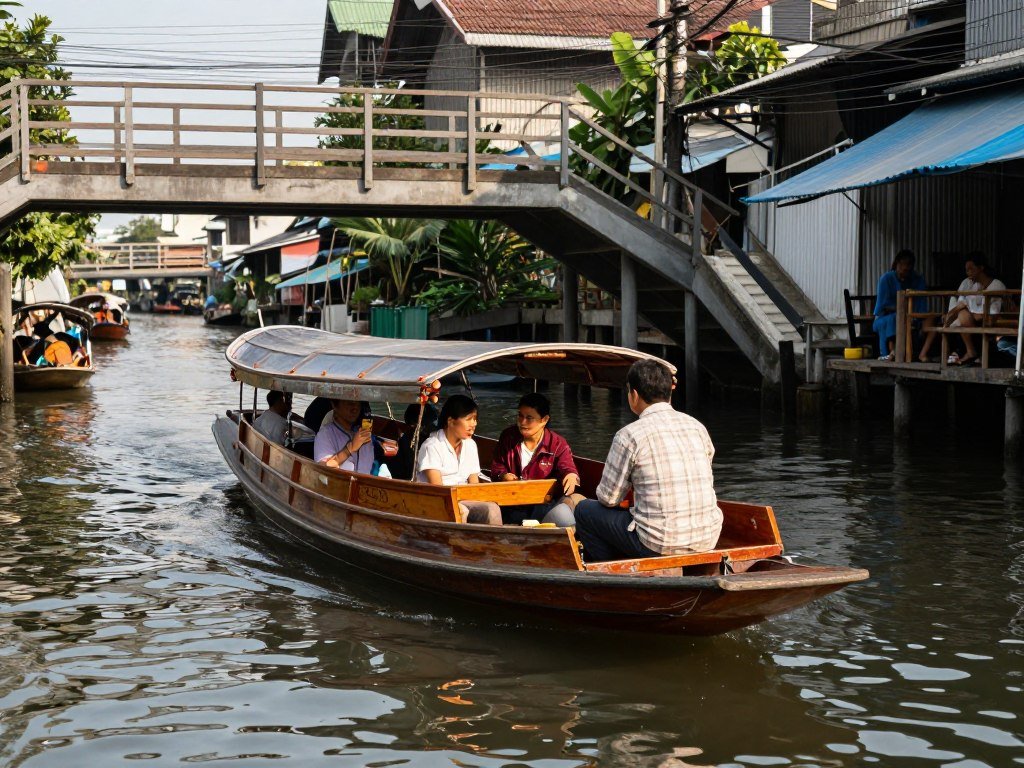
Most Bangkok visitors ride the clean, modern BTS Skytrain and MRT subway. They miss one of the city’s most authentic transportation experiences – the Khlong Saen Saep canal boat service. These long, narrow vessels transport thousands of Bangkok commuters daily along a historic canal connecting eastern suburbs to central business districts.
The boats operate on tight schedules, stopping briefly at simple piers before racing to the next stop. Passengers sit packed on wooden benches. Crew members hang precariously off the sides, collecting fares and helping people embark and disembark. The canal water below is brown and often odorous, yet the system functions efficiently moving people across the congested city.
What Makes This Spot Special
Riding the canal boat reveals Bangkok that tourists rarely see. Passengers are overwhelmingly local commuters. The boats pass through neighborhoods inaccessible by roads. Views include canal-side homes, temples, markets, and urban scenes absent from typical tourist itineraries. The experience feels genuinely adventurous despite being routine daily transportation for Bangkok residents.
The canal system itself represents Bangkok’s history as “Venice of the East.” Canals once served as the city’s primary transportation network. Most were filled in to create roads as Bangkok modernized. Khlong Saen Saep survives as functional transportation corridor, offering glimpses of how Bangkok operated before cars dominated the urban landscape.
How to Experience the Canal Boat
Recommended Route for Visitors:
- Start at Pratunam pier (near Platinum Fashion Mall)
- Purchase ticket from pier attendant (10-20 baht depending on distance)
- Board boat when it arrives (moves quickly, be ready)
- Ride east toward Ramkhamhaeng area, or west toward Phan Fa Bridge
- Exit at any pier to explore surrounding neighborhoods
- Return via canal boat or switch to other transportation
Operating Hours: Approximately 5:30 AM – 8:30 PM daily
Frequency: Every 5-15 minutes depending on time and route
Cost: 10-20 baht per trip
Riding Tips and Expectations
- Be prepared for crowding during rush hours (7-9 AM, 5-7 PM)
- Plastic tarps sometimes deployed to prevent canal water spray
- Keep belongings secure and close – boats move abruptly
- Watch your head when passing under low bridges
- Have small bills ready (exact change appreciated)
- Sit near exits if planning to disembark soon
- Embrace the authentic, sometimes chaotic experience
19. Santichaiprakarn Park and Phra Sumen Fort
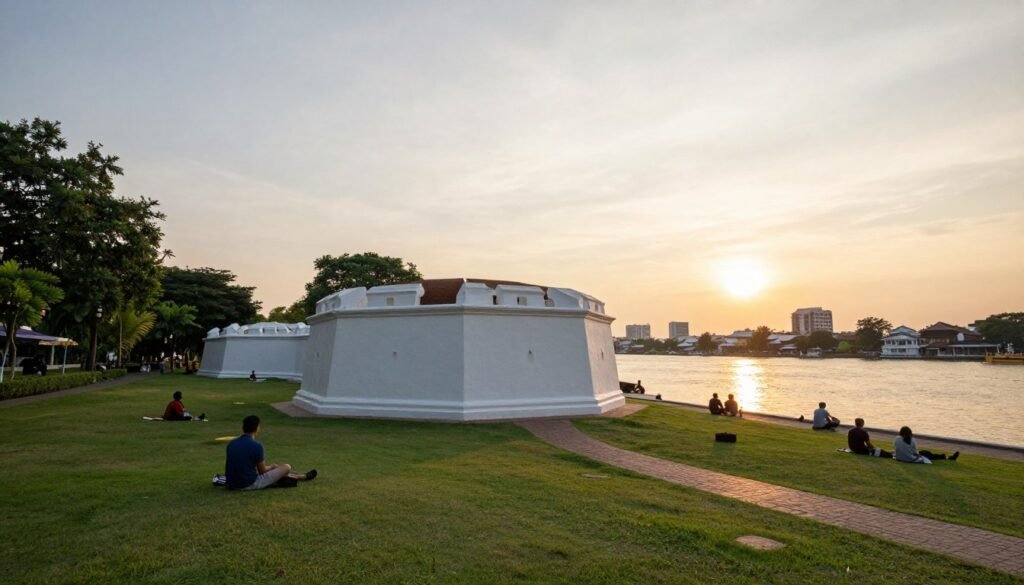
Along the Chao Phraya River near Phra Athit, a small park preserves one of Bangkok’s few remaining historic fortifications. Santichaiprakarn Park surrounds Phra Sumen Fort, an octagonal white structure built in 1783 as part of the city’s defensive walls. The park offers rare public green space with river views, frequented primarily by local residents and students from nearby universities.
The setting feels worlds away from Bangkok’s intensity despite being minutes from Khao San Road’s chaos. Locals gather here for sunset, exercise, socializing, and river breezes. Street food vendors sell snacks. Young couples occupy the riverside seating. The fort itself, while small, represents Bangkok’s 18th-century defensive architecture and original city planning.
What Makes This Spot Special
This hidden gem combines history, local life, and peaceful atmosphere in central Bangkok. The park maintains genuinely local character despite proximity to major tourist areas. No hawkers pressure visitors. No organized tours disturb the tranquility. The space functions as neighborhood park that happens to welcome any visitor seeking respite from urban intensity.
Sunset hours transform the park’s atmosphere. Golden light illuminates the white fort. The river sparkles. Small boats pass creating gentle wakes. The mood becomes almost meditative as people gather simply to enjoy the moment. This daily ritual of Bangkok residents claiming public space for relaxation demonstrates how locals balance their demanding city’s pressures.
How to Get There from City Center
Starting Point: Sukhumvit or Silom areas
- Take taxi or Grab to Phra Athit area
- Show driver “Santichaiprakarn Park” or Thai: สวนสันติชัยปราการ
- Alternative: Take Chao Phraya Express Boat to Phra Athit pier, walk 5 minutes
- Located along Phra Athit Road near intersection with Phra Sumen Road
Address: Phra Athit Road, Phra Nakhon
Hours: Open daily, dawn to late evening
Entry: Free
Best Visit Time: Late afternoon through sunset (4-7 PM)
Activities and Nearby Attractions
- Relax in riverside park during sunset golden hour
- Photograph the historic fort and remaining city walls
- Buy snacks from street food vendors operating nearby
- Walk along the Chao Phraya riverfront promenade
- Explore Phra Athit neighborhood galleries and cafés
- Visit nearby National Museum if interested in Thai history
- Short walk to Khao San Road (if you must see it)
20. Jodd Fairs Night Market – The Newest Hidden Gem
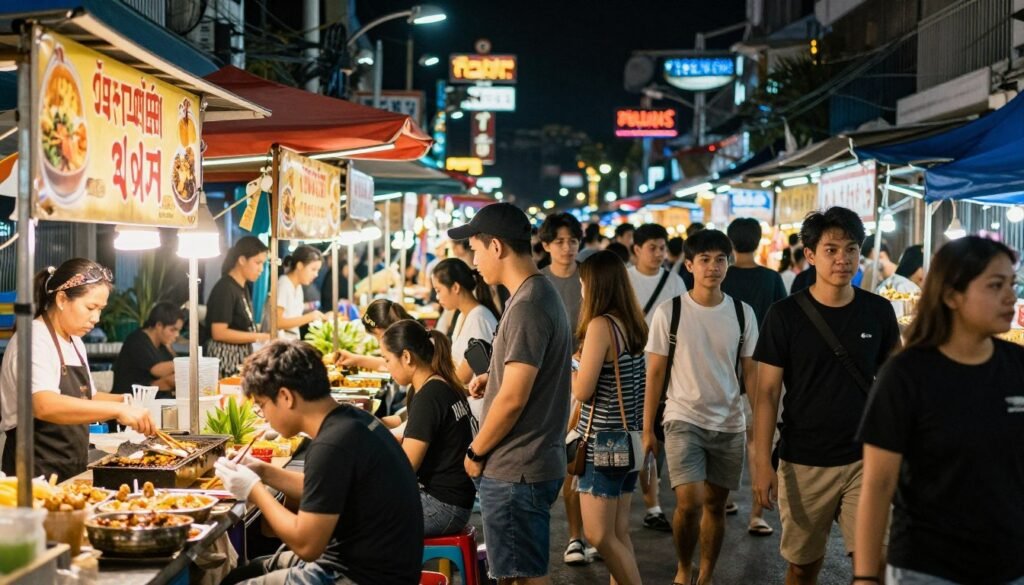
Bangkok’s newest night market sensation, Jodd Fairs, opened in 2021 and quickly became favorite among young Bangkok residents. The market occupies space near Rama IX MRT station, offering hundreds of food vendors, shopping stalls, and entertainment. Unlike tourist-focused markets, Jodd Fairs caters primarily to local youth with contemporary food trends, live music, and social atmosphere.
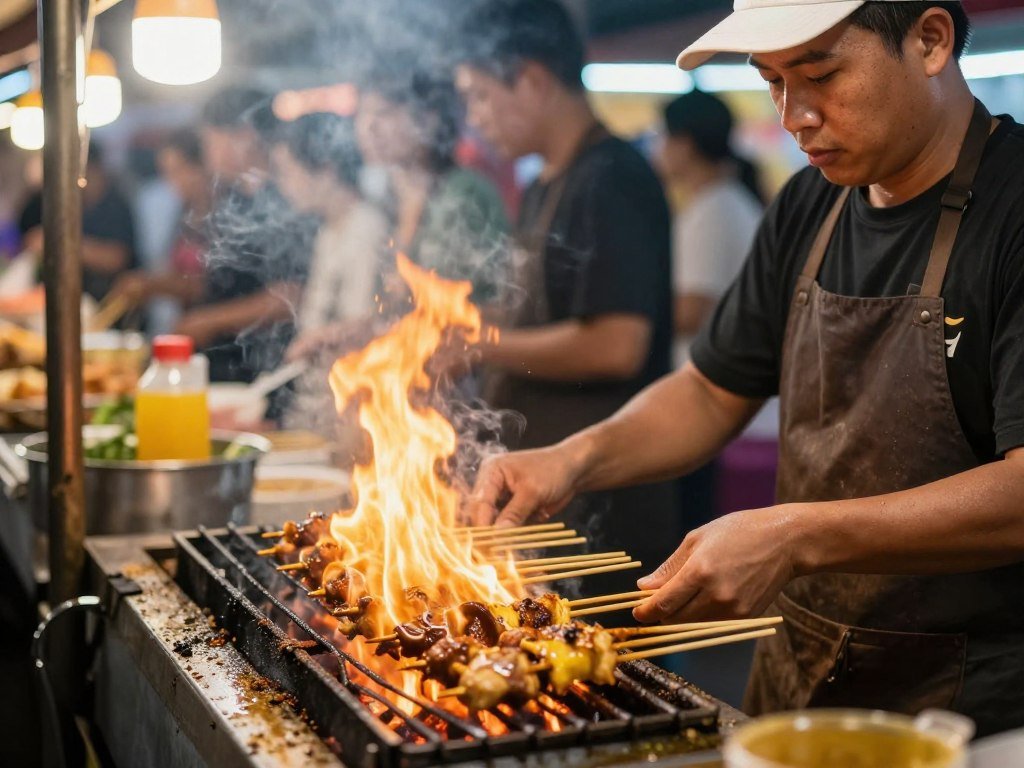
The market emphasizes food quality and variety over souvenir shopping. Vendors sell everything from traditional Thai street food to Korean corn dogs, Japanese takoyaki, Western-style burgers, specialty desserts, and creative fusion experiments. Multiple beer gardens and bars serve drinks. Live bands perform on weekend nights. The crowd skews young, stylish, and genuinely Thai.
What Makes This Spot Special
Jodd Fairs represents contemporary Bangkok youth culture and social life. The market emerged during the pandemic as new entertainment option when bars and clubs faced restrictions. It succeeded by offering what young Bangkok residents actually wanted – diverse food, reasonable prices, outdoor social atmosphere, and Instagram-worthy aesthetics.
The market’s popularity among Thais rather than tourists creates authentic local experience. Visitors encounter current Bangkok trends, food innovations, and social dynamics. The market operates efficiently despite large crowds. Prices remain reasonable. The atmosphere feels fun and inclusive rather than designed to extract maximum money from tourists.
How to Get There from City Center
Starting Point: Any location on MRT network
- Take MRT to Rama IX Station
- Exit at Gate 3 (Esplanade Shopping Mall side)
- Walk 10 minutes following signs to Jodd Fairs
- Market located behind Central Rama IX mall complex
Address: 99 Ratchadaphisek Road, Hua Mak, Bang Kapi
Hours: Daily, 4 PM – midnight
Peak Time: 6 PM – 10 PM, especially weekends
Entry: Free
Market Experience Guide
- Come hungry and try multiple vendors (small portions available)
- Bring cash though some vendors accept mobile payment apps
- Weekend nights feature live music and larger crowds
- Seating areas fill quickly during peak hours – grab tables early
- Food quality generally excellent but lines form at popular stalls
- Trendy drinks and desserts cost more than traditional options
- Experience represents current Bangkok youth culture and food trends
Ready to Explore Bangkok’s Hidden Side?
Our expert local guides can create custom itineraries visiting multiple hidden spots in one day. We handle all transportation, navigate confusing locations, provide cultural context, and ensure authentic experiences most tourists miss completely.
Private Hidden Gems Tour
Full-day private tour visiting 5-7 hidden spots based on your interests. Includes transportation, English-speaking guide, entrance fees, and lunch at authentic local restaurant.
Price: Starting from 3,500 baht per person (min 2 people)
Custom Itinerary Planning
Work directly with local experts to design your perfect Bangkok exploration. We’ll create detailed daily plans with directions, timing, and insider tips for independent travelers.
Price: 1,200 baht per day of planning
Budget Planning for Hidden Spots Exploration
Visiting hidden spots in Bangkok costs significantly less than typical tourist activities. Many locations charge no admission. Transportation remains the largest expense. Food varies from cheap street meals to upscale dining depending on choices. The following breakdown helps budget realistic daily costs.
| Expense Category | Budget Option | Mid-Range Option | Comfort Option |
| Daily Transportation | 250-400 baht (Public transport + some taxis) | 600-900 baht (Mix of Grab and public transport) | 1,500-2,500 baht (Private car with driver) |
| Entrance Fees | 0-300 baht (Most hidden spots free) | 200-500 baht (Museums and special locations) | 400-800 baht (Including all paid attractions) |
| Food & Drinks | 300-500 baht (Street food and local restaurants) | 700-1,200 baht (Mix of local and nice restaurants) | 1,500-2,500 baht (Upscale dining experiences) |
| Shopping & Extras | 200-400 baht (Small souvenirs, drinks) | 500-1,000 baht (Crafts, artwork, gifts) | 1,500+ baht (Quality purchases from artisans) |
| Total Daily Cost | 750-1,600 baht | 2,000-3,600 baht | 4,900-6,800 baht |
Money-Saving Strategies
- Purchase BTS/MRT rabbit card for cheaper rides (saves 5-10 baht per trip)
- Eat breakfast at hotel, big lunch at local spots, light dinner at markets
- Visit free locations (majority of hidden spots charge nothing)
- Share Grab rides when possible to split costs
- J multiple times daily)
- Purchase Bangkok Pass if visiting multiple paid museums (check value for your itinerary)
Safety and Practical Information
Bangkok ranks as safe city for international travelers. Hidden spots generally pose no special safety concerns beyond typical urban awareness. Most dangers travelers face come from traffic, heat-related issues, and minor scams rather than violent crime. Following basic precautions ensures trouble-free exploration.
General Safety Guidelines
- Keep copies of passport stored separately from original
- Use hotel safe for valuables when exploring
- Beware of motorcycle taxi traffic weaving
- Stay hydrated in Bangkok’s heat and humidity
- Watch for uneven sidewalks and sudden steps
- Avoid unlicensed taxis at airports and stations
- Trust instincts if situation feels uncomfortable
Health Precautions
- Drink only bottled or filtered water
- Use mosquito repellent, especially near canals
- Bring any prescription medications you need
- Pharmacies widely available for minor issues
- Hospitals very good if serious problems arise
- Travel insurance recommended for peace of mind
- Avoid street dogs (rabies exists in Thailand)
Essential Contact Information
Emergency Numbers:
- Police: 191
- Tourist Police: 1155 (English speaking)
- Ambulance: 1669
- Fire: 199
- General Emergency: 911
Cultural Sensitivity Tips
Many hidden spots exist in residential neighborhoods and active religious sites. Respectful behavior ensures welcome for future visitors and demonstrates appreciation for Thai hospitality. Simple courtesy goes far in maintaining positive relationships between locals and curious travelers.
- Dress modestly when visiting temples and residential areas (shoulders and knees covered)
- Remove shoes before entering homes, temples, and some shops (follow local example)
- Never touch anyone’s head (considered most sacred body part)
- Don’t point feet at people or religious images (feet considered lowly)
- Show respect for Thai Royal Family (criticism illegal under lèse-majesté laws)
- Ask permission before photographing people, especially monks
- Keep calm and polite even when frustrated (losing temper considered shameful)
- Learn basic Thai phrases – effort is appreciated
Download Complete Offline Guide Package
Get our comprehensive 85-page PDF guide with offline Google Maps files, GPS coordinates for every location, detailed walking directions, phone numbers, Thai addresses for drivers, money-saving tips, and week-by-week itinerary suggestions. Works completely offline on your phone.
Your Bangkok Hidden Gems Adventure Awaits
Bangkok rewards curious travelers willing to venture beyond guidebook recommendations. The 20 hidden spots featured in this guide represent just a fraction of what awaits discovery in this endlessly fascinating city. Each neighborhood conceals its own secrets. Every canal leads to unexpected communities. Narrow alleys hide century-old traditions continuing unchanged.
The best hidden gems bangkok offers share common qualities. They maintain authenticity despite the city’s rapid modernization. They serve local communities first, welcoming visitors second. They require effort to find and sometimes persistence to fully appreciate. Yet this effort creates the reward – experiences that feel genuinely discovered rather than packaged and sold.
As you explore these hidden spots in 2026, remember that Bangkok changes constantly. New places emerge while old favorites sometimes vanish. Development pressures threaten many traditional areas. The airplane graveyard might be cleared. The canal communities could face modernization. Baan Bat craftspeople may retire without successors learning their skills.
This impermanence makes exploration urgent. See these places now while they exist. Support artisans and family businesses through patronage. Respect the neighborhoods and people who share their spaces with visitors. Treat hidden gems as privileges to experience rather than tourist rights to consume.
Your adventure through Bangkok’s hidden side will create memories and perspectives that standard tours cannot provide. You’ll navigate chaotic canal boats alongside commuters. You’ll watch craftspeople practicing centuries-old techniques. You’ll discover that Bangkok contains infinite layers beneath its glittering surface of temples and shopping malls.
The hidden spots in this guide offer starting points for deeper exploration. Let serendipity guide you down unmarked alleys. Talk with locals despite language barriers. Get lost and discover your own secret places. These unplanned moments often become the most memorable parts of any Bangkok adventure.
Bangkok’s hidden gems reveal themselves to travelers who bring curiosity, patience, and respect. Slow down. Observe carefully. Engage genuinely. The city will reward your interest with experiences that feel increasingly rare in our over-touristed world – authentic discovery in places that haven’t yet changed for visitors, but simply are.