

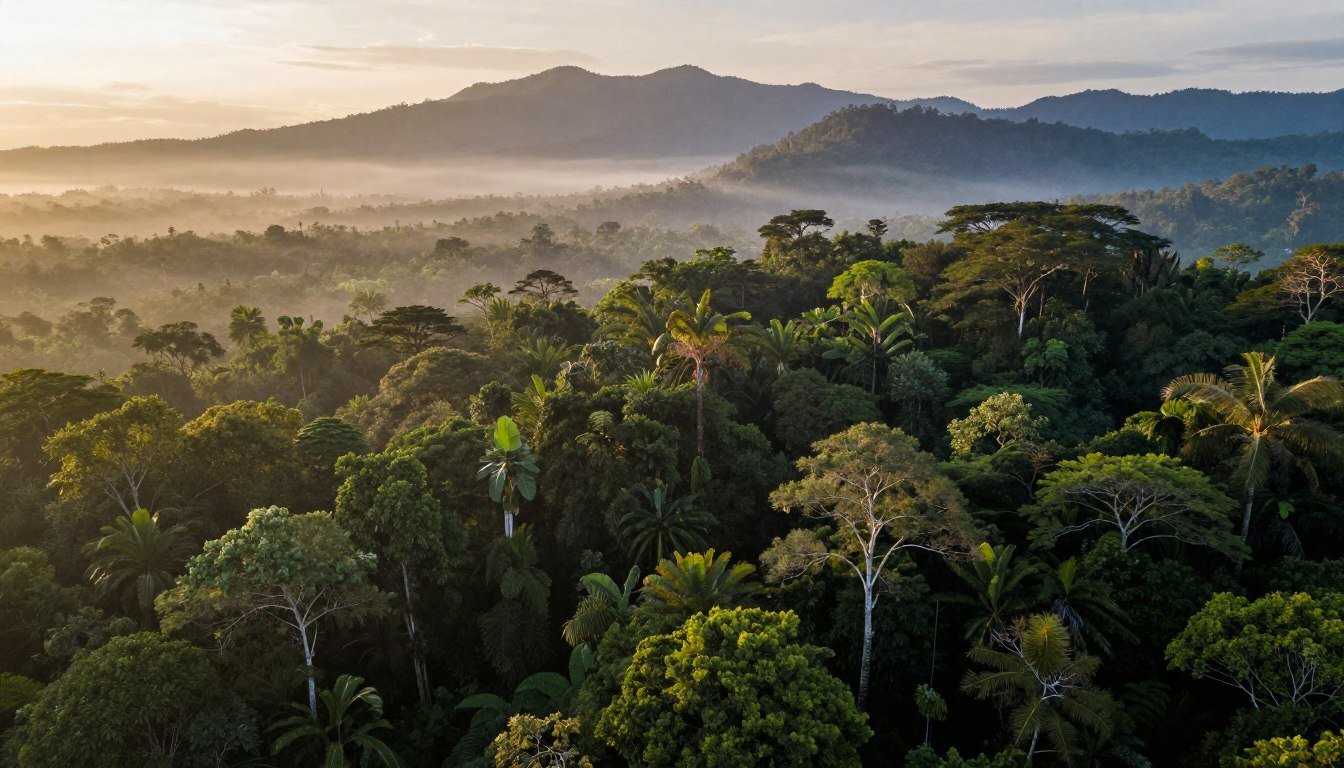
Sarawak beckons travelers with untamed rainforests, ancient caves, and vibrant indigenous cultures. This Malaysian state on Borneo island offers something rare in our modern world. You will find wilderness areas where orangutans swing through canopy and rivers wind through limestone mountains.
Planning a trip here requires more than booking flights. You need to understand the rhythm of monsoons. You must know which national parks suit your adventure style. The logistics of reaching remote longhouses matter as much as choosing the right season.
This Sarawak travel guide covers everything for your 2026 journey. We have mapped out the essential destinations, practical transport options, and cultural experiences that define this remarkable region. Whether you seek wildlife encounters or cultural immersion, the following sections provide the framework for your adventure.
Start Your Sarawak Journey Right
Download our free Sarawak Planning Checklist with packing essentials, booking timelines, and insider tips from experienced travelers.
Understanding Sarawak as Your Next Destination
Sarawak spans 124,000 square kilometers of northwest Borneo. The state shares borders with Indonesian Kalimantan and the small nation of Brunei. Kuching serves as the capital city, blending colonial architecture with modern Malaysian culture.
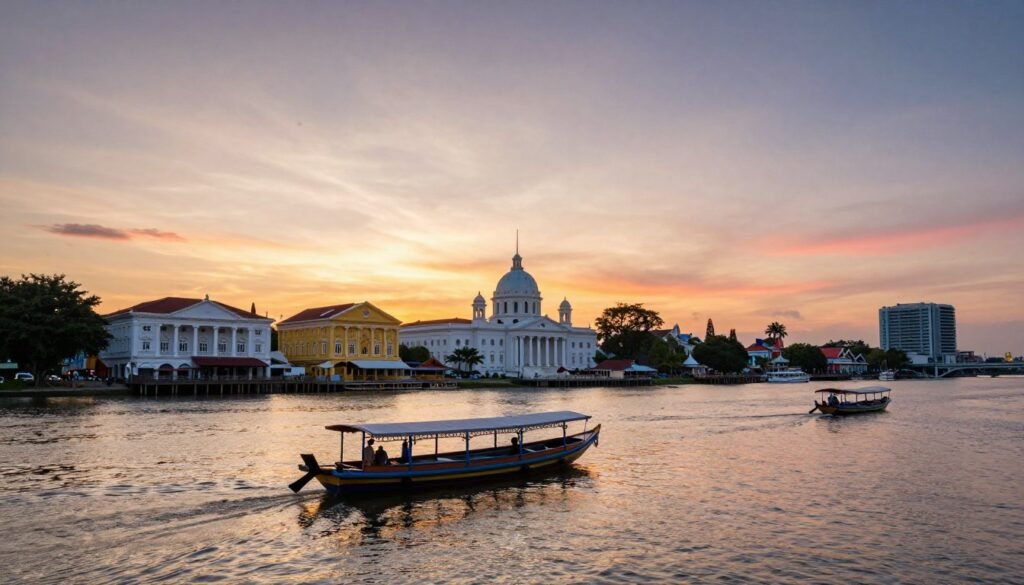
The landscape varies dramatically across regions. Coastal plains give way to mountainous interiors. Rivers carve through limestone formations. Dense rainforest covers most of the territory, creating one of Earth’s most biodiverse environments.
What Makes Sarawak Unique
This region stands apart from typical Southeast Asian destinations. The cultural diversity here exceeds what you will find in most countries. Over 40 ethnic groups maintain distinct languages and traditions.
Natural Heritage
Sarawak protects vast wilderness areas within its national park system. These parks preserve ecosystems found nowhere else on Earth.
- Oldest rainforests on the planet
- Unique limestone cave systems
- Endemic wildlife species
- Pristine river networks
Cultural Wealth
Indigenous communities continue traditional ways of life while adapting to modern realities. This creates authentic cultural experiences.
- Active longhouse communities
- Traditional craft preservation
- Ceremonial practices maintained
- Oral history traditions alive
Adventure Opportunities
The terrain offers activities ranging from gentle nature walks to serious jungle expeditions. Every fitness level finds suitable options.
- Multi-day jungle trekking
- Cave exploration systems
- River journey experiences
- Canopy walkway access
Wildlife Encounters
Sarawak hosts species that draw wildlife enthusiasts from around the world. Rehabilitation centers allow close observation.
- Wild orangutan populations
- Proboscis monkey habitats
- Hornbill bird species
- Rare insect diversity
Geography and Climate Patterns
The equatorial location means consistent temperatures year-round. Daily highs typically reach 30-32°C. Nights cool to around 23°C. Humidity stays high, usually between 70-90 percent.
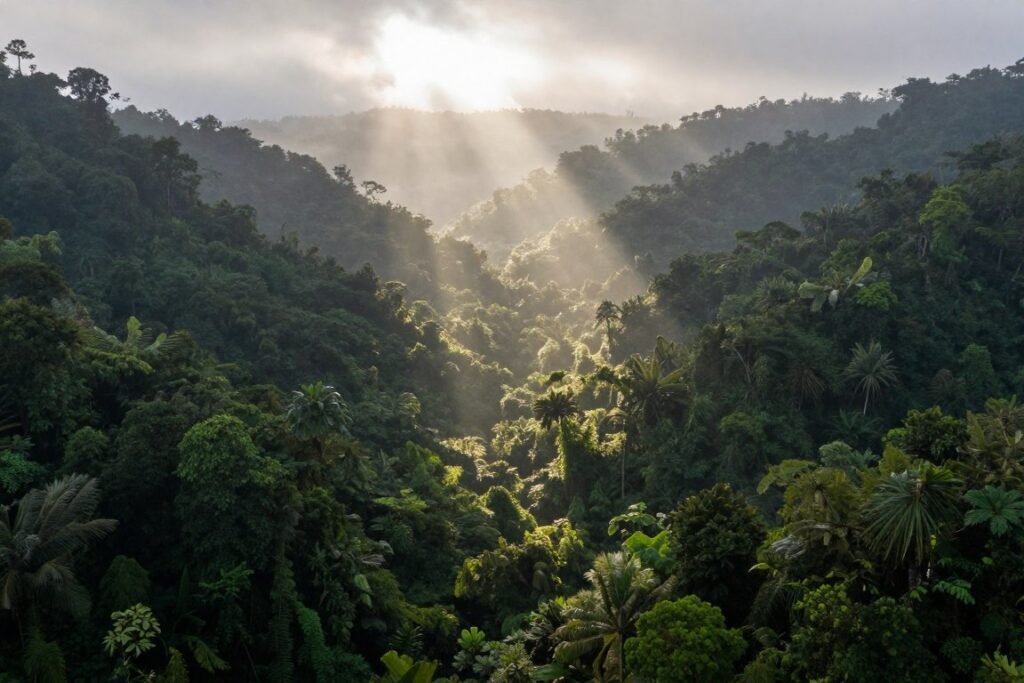
Rainfall patterns influence travel planning significantly. The wettest months bring daily afternoon storms. Rivers swell, making some areas inaccessible. Trails become muddy and challenging. Yet this season also brings the forest to life with flowing waterfalls and active wildlife.
The drier periods offer easier trekking conditions. Rivers run clear for boat journeys. Wildlife congregates at water sources, improving sighting chances. Each season presents different advantages for visitors seeking specific experiences.
Best Places to Visit in Sarawak
Your Sarawak journey should include a mix of urban culture, wilderness exploration, and coastal experiences. The following destinations represent the essential stops that capture this region’s diversity.
Kuching: The Gateway City
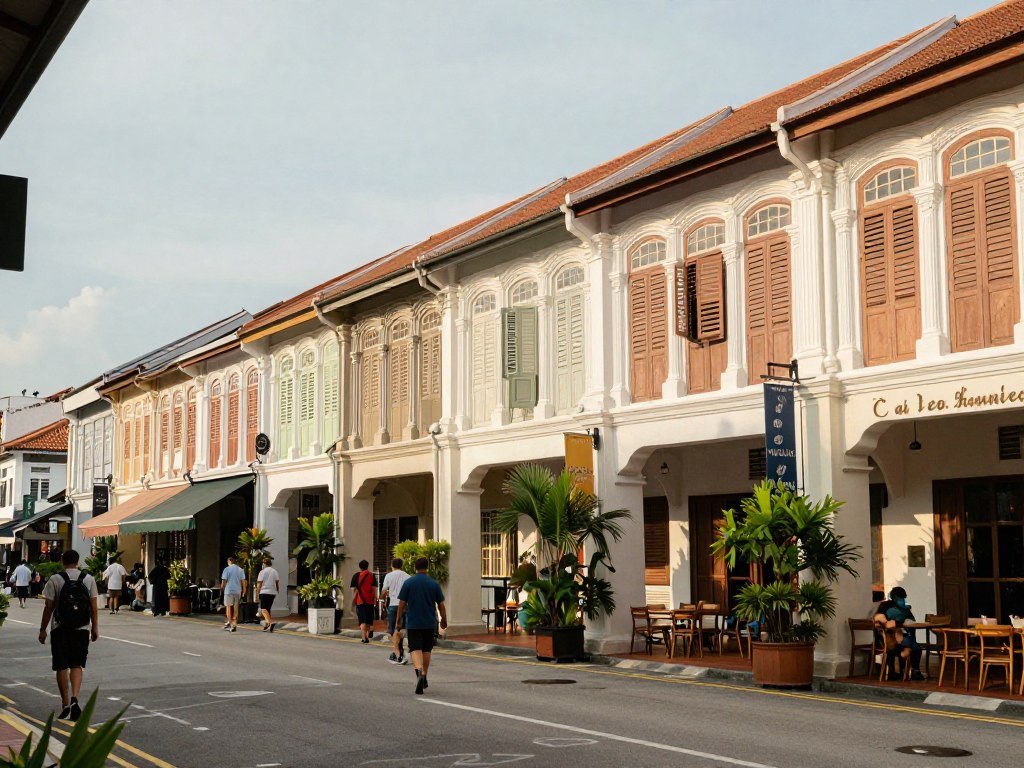
Kuching earned its reputation as one of Southeast Asia’s most livable cities. The riverside esplanade provides evening strolls with sunset views. Markets sell everything from fresh produce to handwoven textiles. Museums preserve the region’s complex history.
The cat statues scattered throughout remind you of the city’s name origin. “Kuching” means cat in Malay. Whether this refers to the actual felines or to a local fruit remains debated among locals who enjoy the ambiguity.
Essential Kuching Experiences
- Sarawak Museum Complex for regional history
- Main Bazaar for antique shops and local crafts
- Carpenter Street for authentic Chinese temples
- Sunday Market for produce and street food
- Fort Margherita for colonial-era architecture
- Waterfront promenade for evening atmosphere
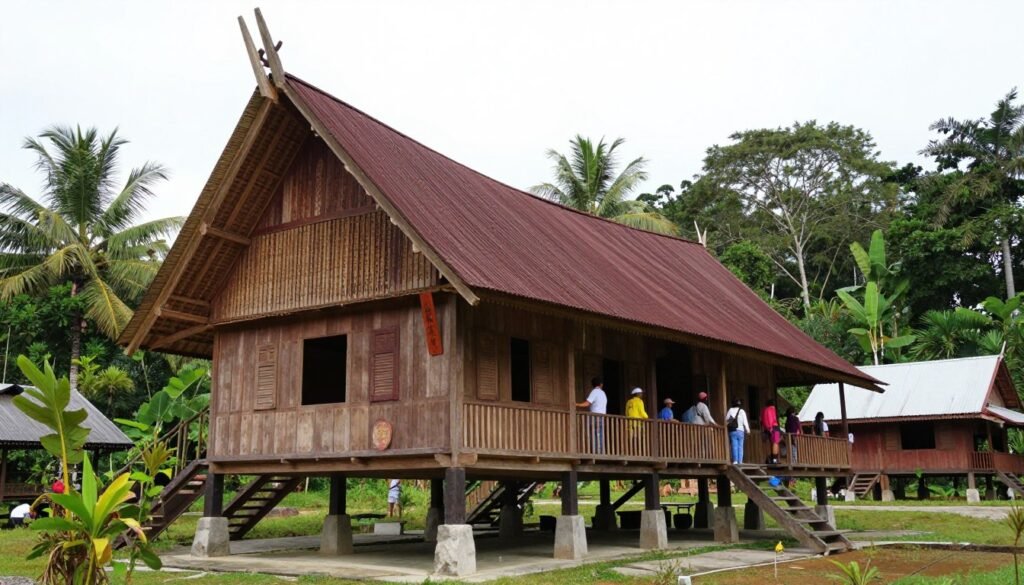
Sarawak Cultural Village
This living museum sits 35 kilometers from Kuching at the base of Mount Santubong. Seven traditional houses represent different ethnic groups. Craftspeople demonstrate traditional skills throughout the day. Dance performances showcase ceremonial traditions passed down through generations.
The Sarawak cultural village offers a concentrated introduction to indigenous cultures. You can observe basket weaving techniques, learn about traditional medicine plants, and understand the architectural differences between ethnic groups. Cultural performances happen twice daily, featuring music and dance from various communities.
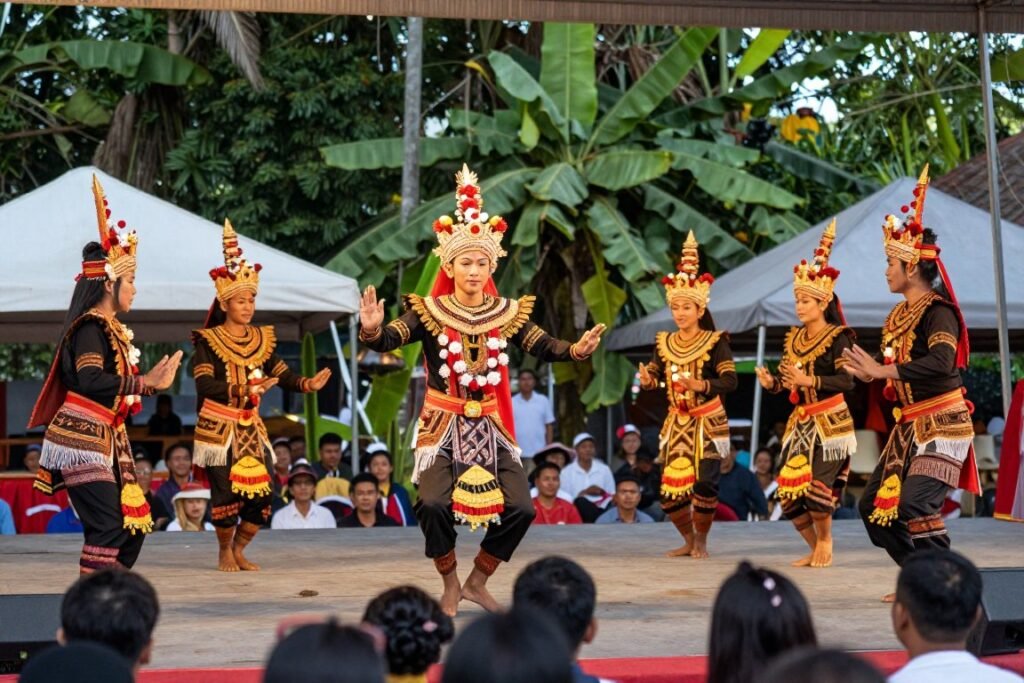
The village setting allows interactions that would require days of travel to remote areas. While this condensed experience cannot replace visits to actual longhouses, it provides valuable context for understanding Sarawak’s cultural diversity. Most visitors spend three to four hours exploring the grounds and watching performances.
Miri: The Northern Hub
Miri serves as the launching point for reaching Gunung Mulu National Park and other northern destinations. This coastal city built its economy on oil extraction but now focuses increasingly on tourism. The waterfront marina area offers restaurants and evening entertainment.
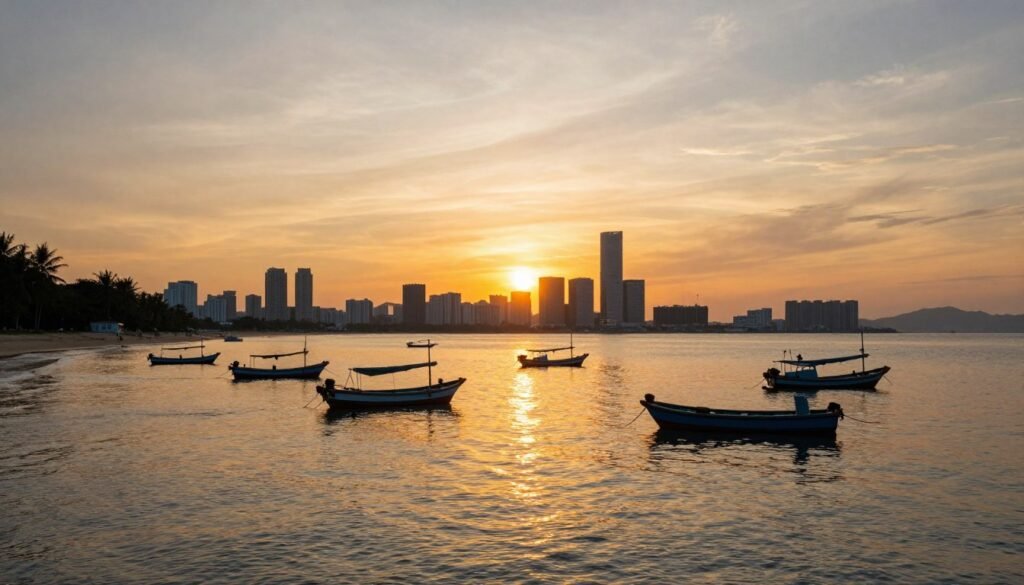
Canada Hill provides panoramic views over the city and coastline. The Grand Old Lady, Malaysia’s first oil well, stands preserved as a historical monument. Most travelers spend one night here before continuing to the national parks or returning to Kuching.
Sibu: River Gateway
Sibu occupies a strategic position where the Rajang River meets the Igan River. This largely Chinese city serves as a commercial center and transport hub. Express boats depart for upriver destinations daily. The night market offers excellent street food reflecting the city’s cultural makeup.
Few international visitors spend extensive time here. But Sibu proves useful as a stopover when traveling to remote longhouses or exploring the Rajang River system. The local pagodas and Chinese temples showcase architectural styles distinct from coastal areas.
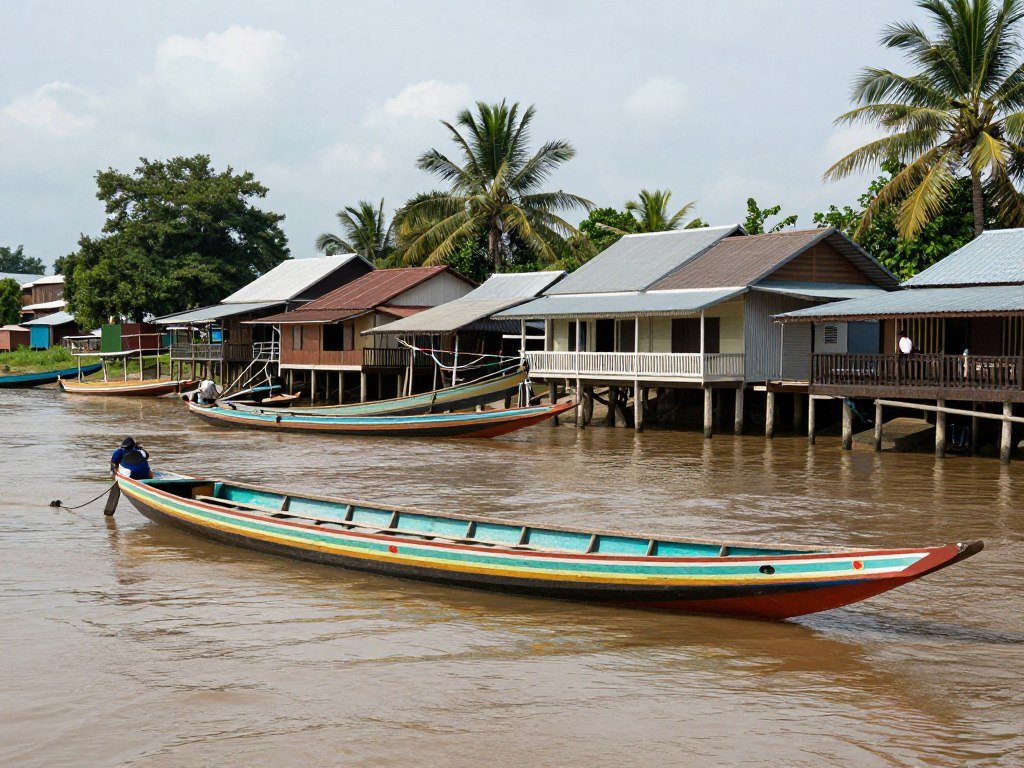
Rajang River Journeys
The longest river in Malaysia offers multi-day boat trips into the interior. These journeys connect you with communities maintaining traditional lifestyles along the waterway.
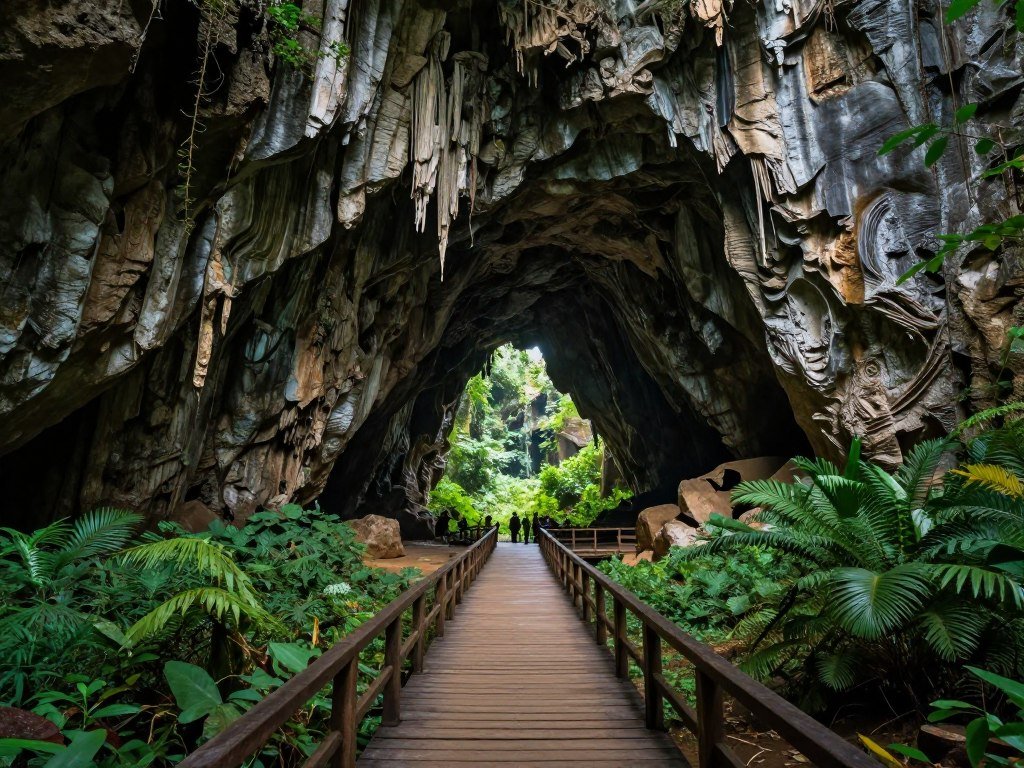
Niah Caves Exploration
These ancient caves contain evidence of human habitation spanning 40,000 years. The archaeological significance combines with spectacular natural formations.
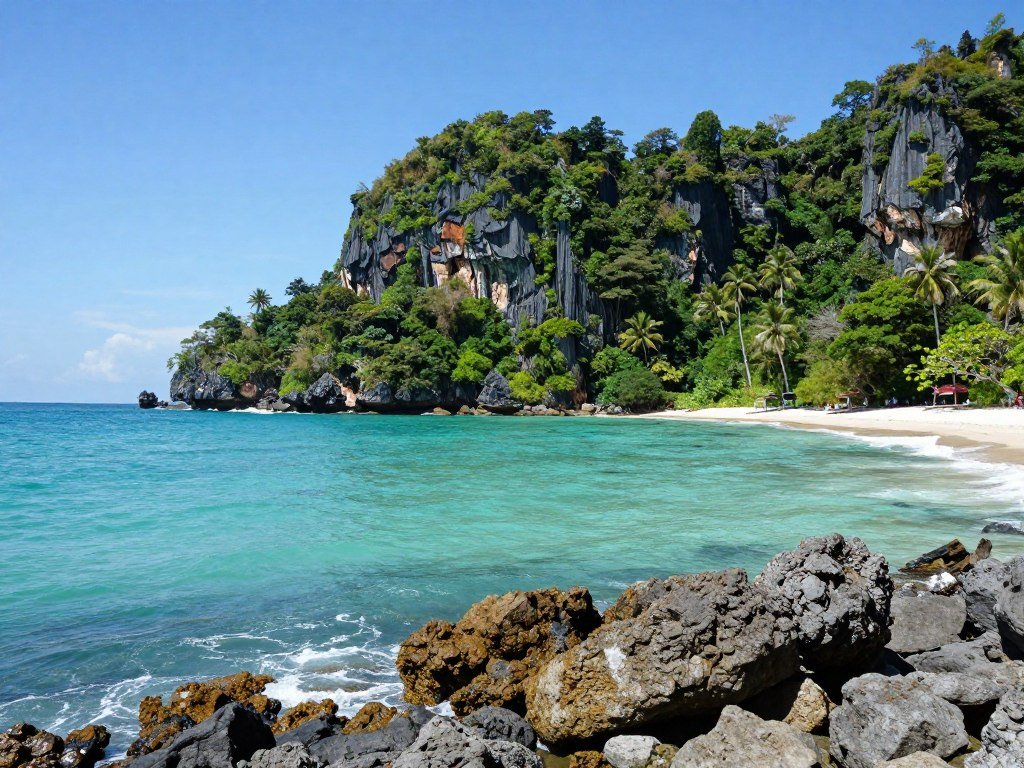
Coastal Wilderness
The coastline offers beaches, mangrove forests, and marine environments distinct from the interior rainforest. Several national parks protect these ecosystems.
Sarawak’s National Parks and Natural Wonders
The national park system protects Sarawak’s most spectacular natural environments. Each park offers distinct ecosystems, wildlife, and adventure opportunities. Planning your park visits requires understanding access requirements, accommodation options, and physical demands.
Gunung Mulu National Park
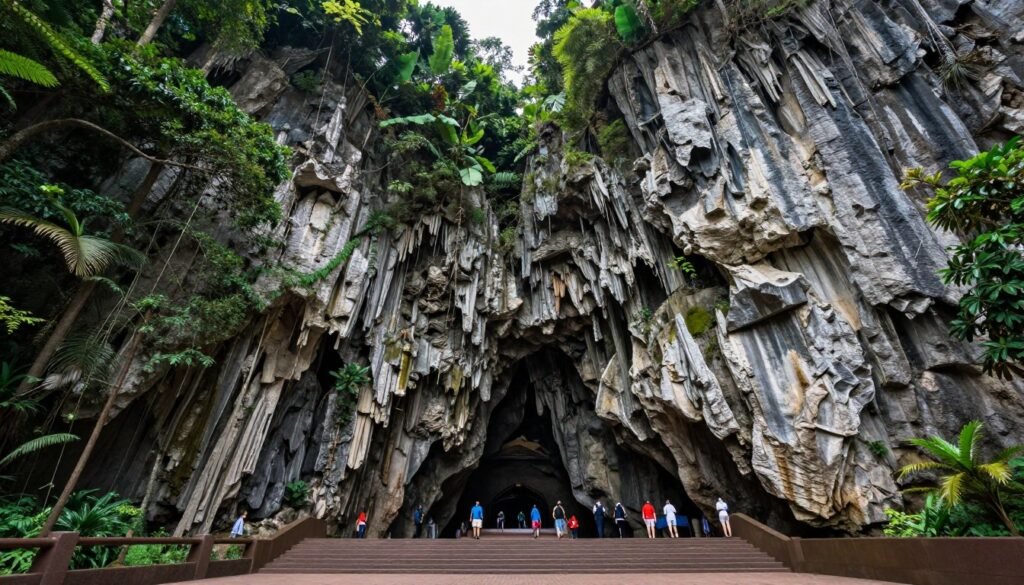
Gunung Mulu National Park contains some of Earth’s most impressive cave systems. The Sarawak Chamber ranks as the world’s largest cave chamber by area. Deer Cave holds one of the largest cave passages anywhere on the planet. These limestone formations took millions of years to develop their current spectacular form.
Reaching Gunung Mulu national park requires flying from Miri or Mulu. No roads connect this remote area to other parts of Sarawak. The isolation preserves the pristine environment but limits visitor numbers naturally. This benefits both the ecosystem and your experience of the wilderness.
Mulu National Park Cave Systems
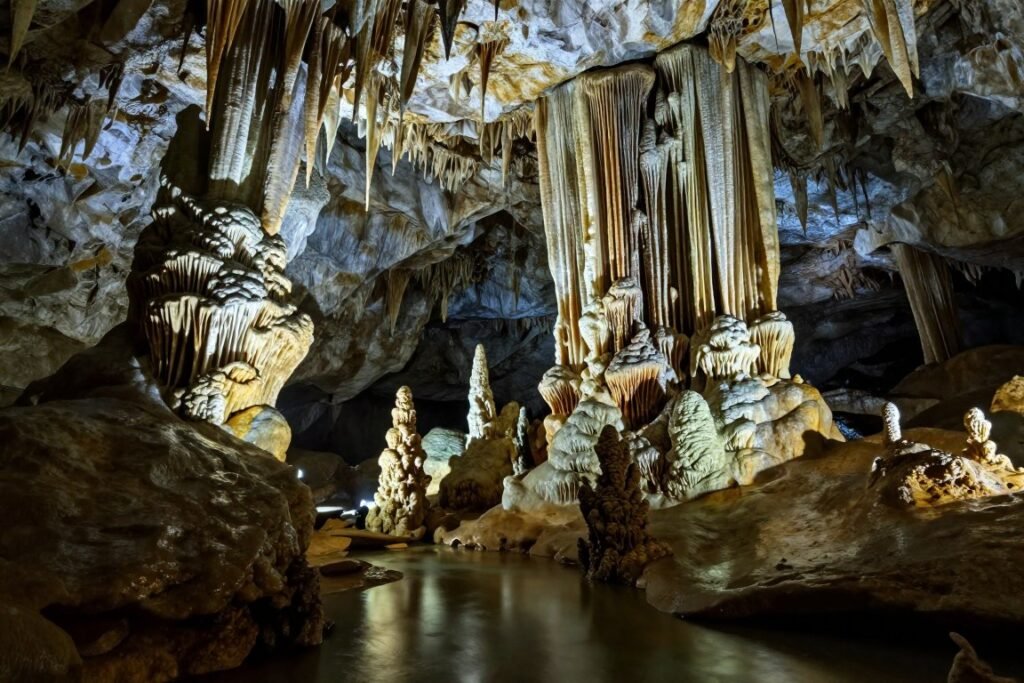
Four show caves allow visitors without specialized caving equipment. Deer Cave and Lang Cave combine into a single tour. Clearwater Cave features an underground river where you can swim. Wind Cave contains delicate formations that required thousands of years to form.
The Pinnacles represent Mulu’s iconic challenge. These razor-sharp limestone spires rise 45 meters above the forest floor. Reaching them requires a boat journey, overnight at Camp 5, and a steep three-hour climb. The physical effort rewards you with views across the national park that few people witness.
- Deer Cave hosts millions of bats exiting at dusk
- Clearwater Cave extends for over 200 kilometers
- Wind Cave features intricate rock formations
- Sarawak Chamber can fit 40 Boeing 747s inside
- Canopy Skywalk offers rainforest views from 20 meters up
- Summit trail climbs to 2,376 meters elevation
Bako National Park

Bako national park occupies a peninsula 37 kilometers from Kuching. This compact park packs remarkable diversity into 27 square kilometers. Seven distinct ecosystems exist within the boundaries, from mangrove swamps to cliff vegetation. The accessibility makes Bako national park ideal for travelers with limited time.
Proboscis monkeys live throughout Bako national park. These primates exist only on Borneo and nowhere else on Earth. Males develop the distinctive large nose that gave the species its name. Early morning and late afternoon offer the best sighting opportunities along the coastal trails.
Trails and Wildlife at Bako
Sixteen color-coded trails range from easy beach walks to challenging jungle treks. The Lintang Trail loops for 5.8 kilometers through diverse habitats. Tajor Waterfall trail rewards hikers with a swimming spot. Telok Paku offers the best proboscis monkey viewing near sunset.
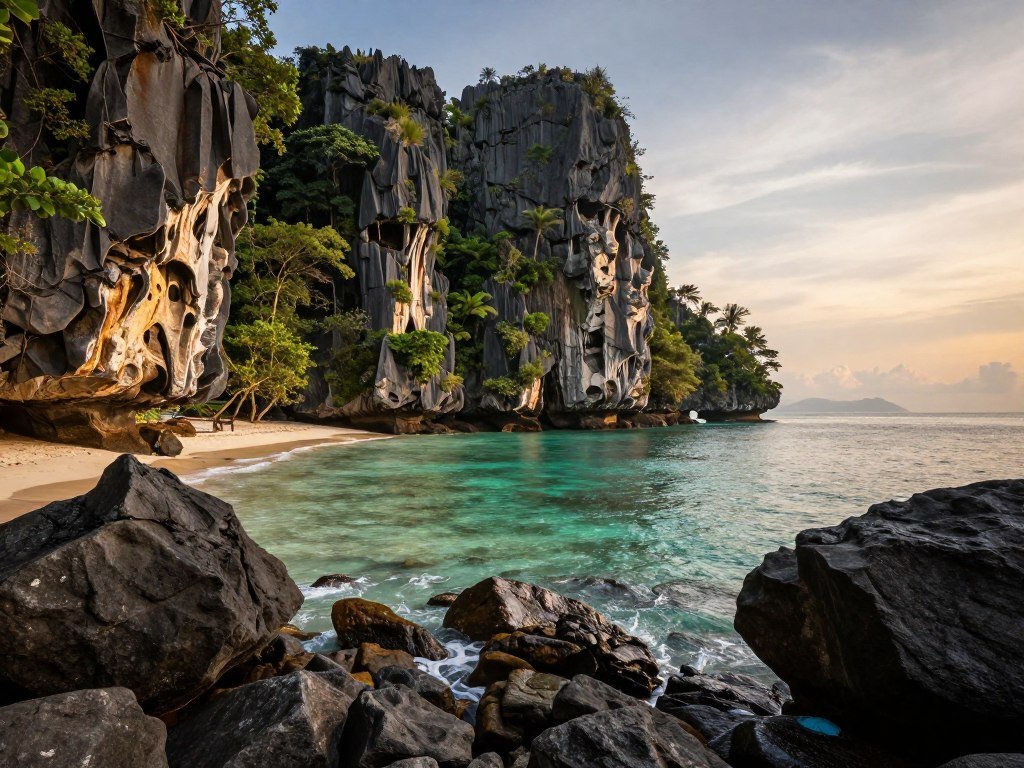
The park headquarters area provides accommodation in forest lodges and campsite options. Most visitors stay overnight to maximize wildlife viewing chances. The boat journey to reach Bako national park takes 30 minutes from Bako village. Schedules depend on tides, so you must coordinate departure times accordingly.
Wildlife Checklist
- Proboscis monkeys in coastal areas
- Silver leaf monkeys in forest
- Bearded pigs foraging near trails
- Monitor lizards along beaches
- Flying lemurs in trees
- Hornbills in canopy
- Pitcher plants along plateau
- Mangrove snakes in swamps
Essential Tips
- Book accommodation well in advance
- Bring insect repellent and sun protection
- Wear proper hiking shoes for rocky trails
- Carry sufficient water for day hikes
- Respect wildlife viewing distances
- Check tide times for boat schedules
- Pack light as boats have weight limits
- Bring camera for wildlife photography
Batang Ai National Park
Batang Ai national park protects primary rainforest in the interior highlands. A reservoir forms the park’s boundary, created by hydroelectric dam construction. The remote location means fewer visitors compared to coastal parks. This isolation preserves authentic wilderness experiences and supports wild orangutan populations.
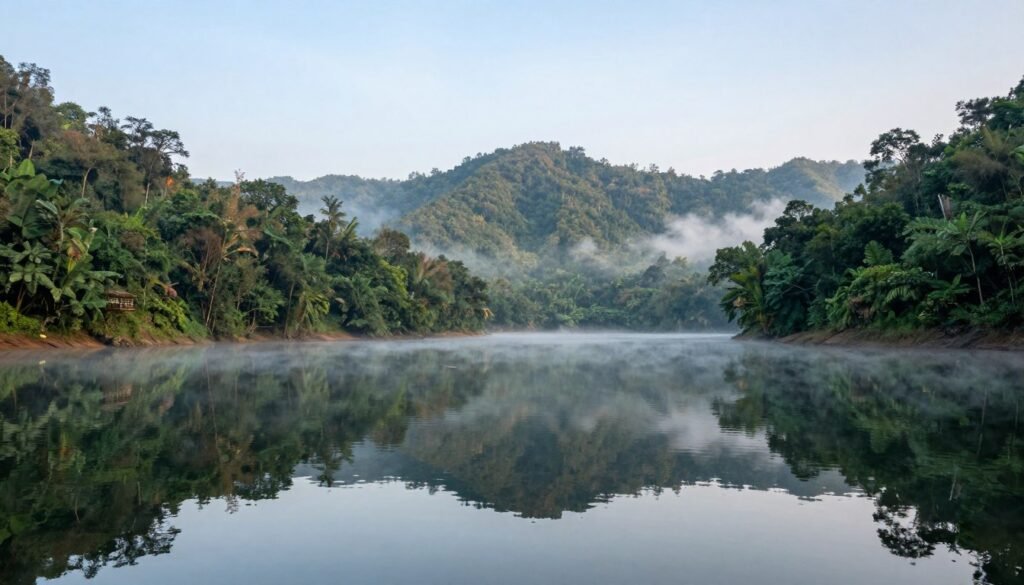
Accessing Batang national park requires a four-hour drive from Kuching followed by boat journey across the reservoir. Tour operators typically combine visits with stays at nearby Iban longhouses. This pairing allows cultural immersion alongside nature exploration. The logistics make independent travel challenging, so most visitors book organized trips.
The orangutan rehabilitation program helps primates transition to wild living. These great apes face threats from habitat loss throughout Borneo. Successful releases into Batang national park demonstrate conservation efforts working to preserve the species. Rangers monitor released animals to track their adaptation to forest life.
Kubah National Park
Kubah sits just 20 kilometers from Kuching, making day trips practical. The park specializes in palm species research, with over 98 varieties identified. Three mountains dominate the landscape, rising to about 900 meters. The Matang Wildlife Centre operates within the park boundaries, rehabilitating injured animals.
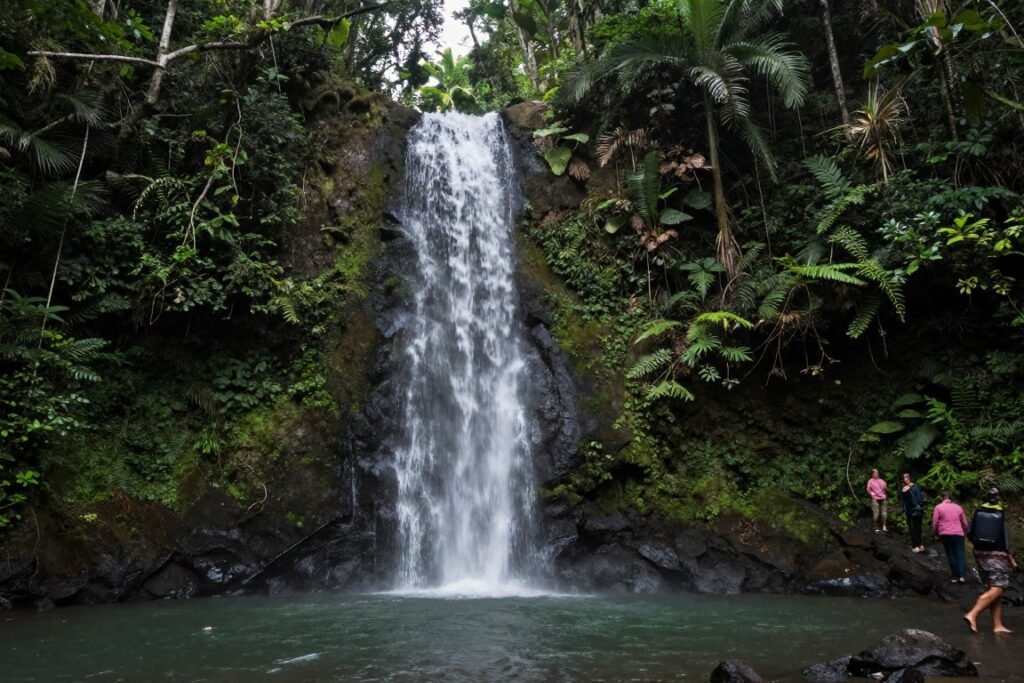
The waterfall trail offers the most popular route, leading to swimming areas. Rayu trail climbs to the summit for views across the surrounding forest. Frog diversity here exceeds most other locations in Sarawak. Night walks reveal numerous species invisible during daylight hours.
Niah National Park
Niah national park centers on extensive limestone cave systems. Archaeological excavations revealed human remains dating back 40,000 years. These findings rank among the oldest evidence of modern humans in Southeast Asia. The caves also produce edible bird nests, collected by local people for centuries.
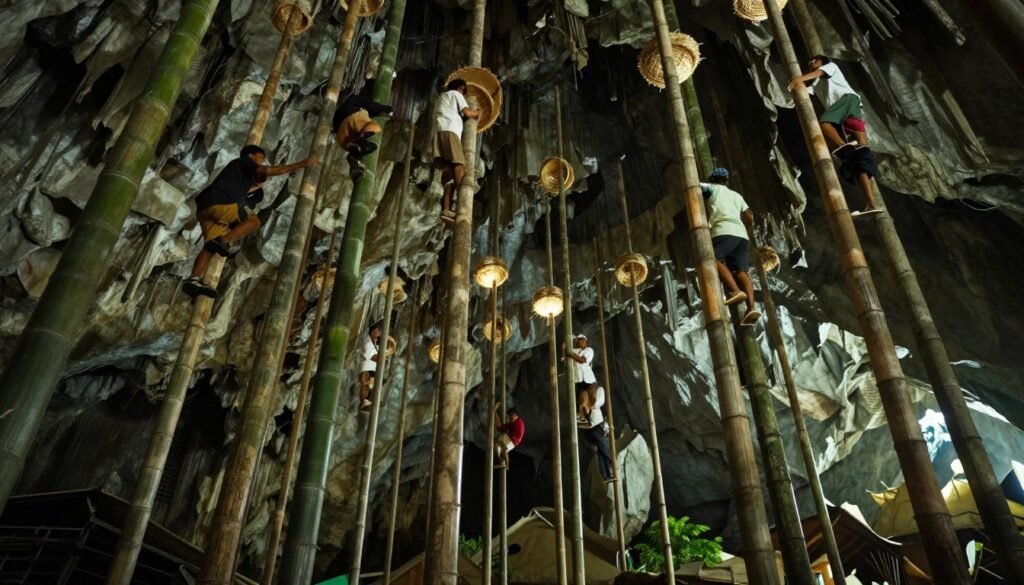
The main trail covers three kilometers from park headquarters to the Great Cave. Wooden walkways make the route accessible to most fitness levels. Inside the cave, paths lead through the Traders Cave where nest collectors sell their harvest. Painted Cave contains ancient rock art depicting boat journeys and dancing figures.
Visiting during nest collection season allows you to witness workers scaling bamboo poles reaching 60 meters high. The nests fetch premium prices in Chinese markets for soup preparation. This traditional livelihood continues under government regulation to ensure sustainable harvesting practices.
Experience Sarawak’s National Parks with Expert Guides
Our multi-day national park tours include permits, transportation, accommodation, and experienced naturalist guides. We handle the logistics so you can focus on the wilderness experience.
Best Time to Visit Sarawak and Weather Patterns
Sarawak experiences equatorial climate with no distinct seasons. Temperature remains consistent year-round. Rainfall patterns create the main variation affecting travel plans. Understanding these patterns helps you choose optimal timing for specific activities.
Climate Throughout the Year
Daily temperatures range from 23°C at night to 32°C during the day. Coastal areas receive cooling sea breezes. Highland regions like Mulu experience slightly cooler conditions. Humidity stays high constantly, typically between 70-90 percent. This moisture supports the rainforest but requires adjustment for visitors from temperate climates.
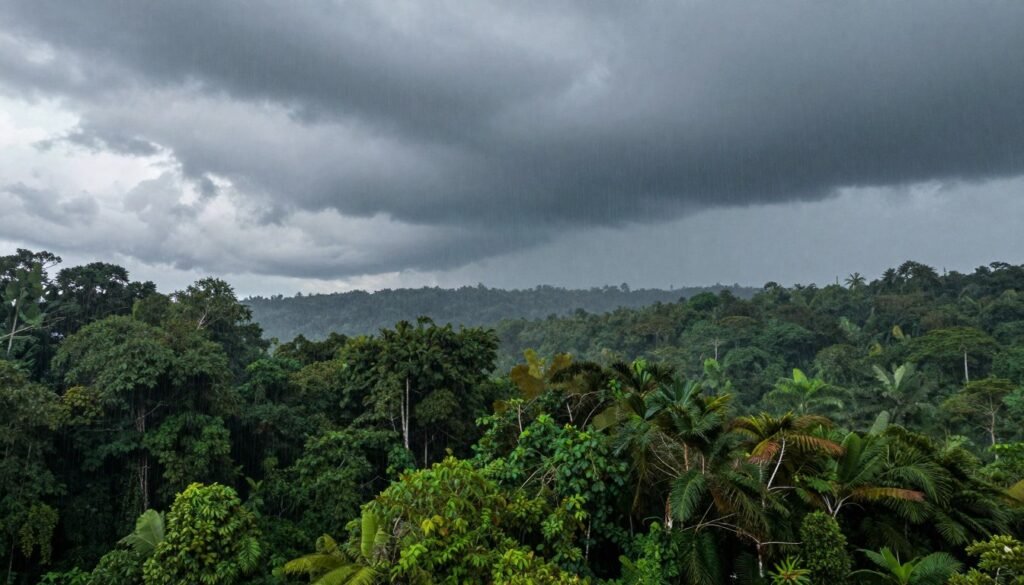
Rainfall occurs throughout the year but varies in intensity and frequency. The wettest months typically run from November through February. March through August sees less frequent rain. September and October represent transition periods with variable conditions. These patterns show regional variations, with highland areas receiving more precipitation than coastal zones.
Dry Season Advantages (March to August)
The relatively drier months offer several advantages for travelers. Trails maintain better conditions for hiking. Rivers run clearer, improving visibility for boat journeys. Some remote areas become more accessible when water levels drop. Wildlife concentrates near remaining water sources, potentially improving sighting opportunities.
| Month | Rainfall (mm) | Rainy Days | Temperature (°C) | Best Activities |
| March | 260 | 15 | 23-32 | Trekking, cave exploration |
| April | 280 | 16 | 24-32 | Wildlife viewing, cultural tours |
| May | 250 | 14 | 24-32 | Beach visits, snorkeling |
| June | 230 | 13 | 23-32 | All outdoor activities |
| July | 220 | 12 | 23-32 | Jungle trekking, river trips |
| August | 240 | 13 | 23-32 | Photography, birdwatching |
Tourism peaks during European summer holidays from June through August. Popular parks like Bako national park and Gunung Mulu national park see higher visitor numbers. Booking accommodation in advance becomes essential during these months. Prices may increase slightly at some establishments catering to international travelers.
Wet Season Characteristics (November to February)
Heavy rainfall defines the wettest months. Afternoon storms arrive with predictable regularity. Rivers swell and flow with strong currents. Some remote areas become inaccessible when trails flood. Cave systems may close temporarily if water levels rise inside passages.
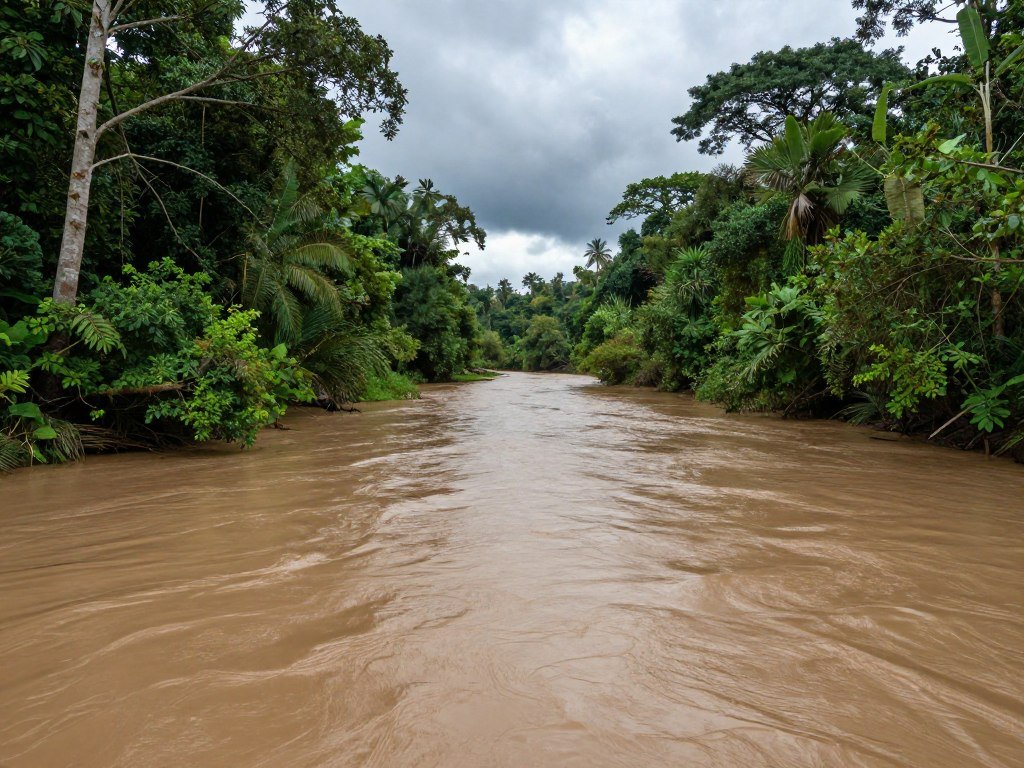
The wet season brings advantages despite the challenges. Waterfalls reach peak flow creating spectacular displays. The forest comes alive with flowering plants. Fewer tourists visit during these months, offering more solitary experiences. Photography enthusiasts appreciate the dramatic skies and atmospheric conditions.
Wildlife behavior changes during wet months. Some species become more active. Frogs and insects thrive in the moisture. Birds display breeding plumage and behaviors. Patient observers can witness natural phenomena not visible during drier periods.
Shoulder Season Benefits (September to October, February to March)
Transition months offer balanced conditions. Rainfall occurs less frequently than peak wet season. Crowds remain thinner than dry season peaks. Prices stay moderate at most accommodations. These periods suit travelers seeking compromise between optimal weather and fewer tourists.
Booking flexibility increases during shoulder months. Last-minute arrangements become more feasible. Tour operators often have availability without weeks of advance notice. This spontaneity allows you to adjust plans based on current weather forecasts and personal interests developing during your trip.
Special Events and Festivals
Cultural celebrations occur throughout the year. Gawai Dayak in June marks the rice harvest among indigenous communities. This represents the most important traditional celebration. Longhouses welcome visitors who respect local customs and participate appropriately in festivities.
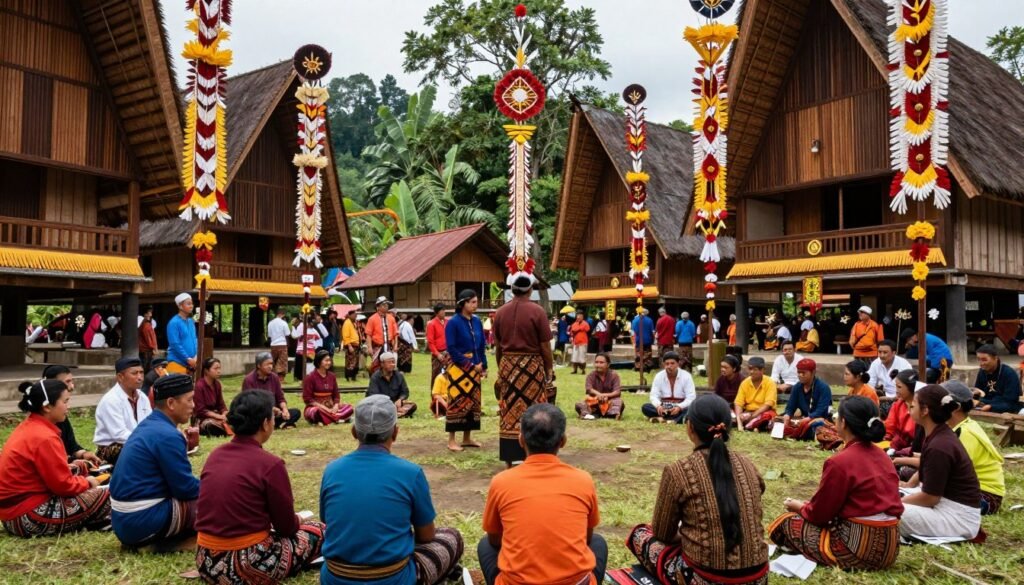
The Rainforest World Music Festival happens in July at the Sarawak cultural village. International musicians collaborate with indigenous performers. This three-day event attracts thousands of visitors. Booking accommodation requires planning several months ahead for this popular gathering.
- Chinese New Year (January/February) brings celebrations in cities
- Gawai Dayak (June 1-2) celebrates indigenous culture statewide
- Rainforest World Music Festival (July) showcases traditional and world music
- Malaysia Day (September 16) marks national unity
- Mooncake Festival (September/October) features Chinese traditions
- Deepavali (October/November) celebrates Indian culture
Getting There and Getting Around Sarawak
Reaching Sarawak requires planning your route through major Asian hubs. Internal transport varies from modern highways to traditional riverboats. Understanding the options helps you budget time and costs accurately for different journey segments.
International Access Points
Kuching International Airport receives direct flights from several Asian cities. Malaysia Airlines, AirAsia, and other carriers connect through Kuala Lumpur. Singapore serves as another major gateway with multiple daily connections. Some international visitors route through Kota Kinabalu in Sabah before reaching Sarawak.

Miri Airport handles fewer international flights but connects to Brunei, Kota Kinabalu, and Indonesian cities. This northern entry point suits travelers focusing on Mulu national park and surrounding areas. Flight schedules vary seasonally, with more options during peak tourism months.
Common Flight Routes
Via Kuala Lumpur
Malaysia Airlines and AirAsia offer multiple daily flights. Flight time runs approximately two hours. This route provides the most scheduling flexibility. Prices range from budget to premium depending on booking timing and airline choice.
Via Singapore
AirAsia, Malaysia Airlines, and Singapore Airlines serve this route. Flight duration spans about 90 minutes. Many international connections route through Singapore’s efficient Changi Airport. Advance booking usually secures better rates for this popular routing.
Domestic Transportation Options
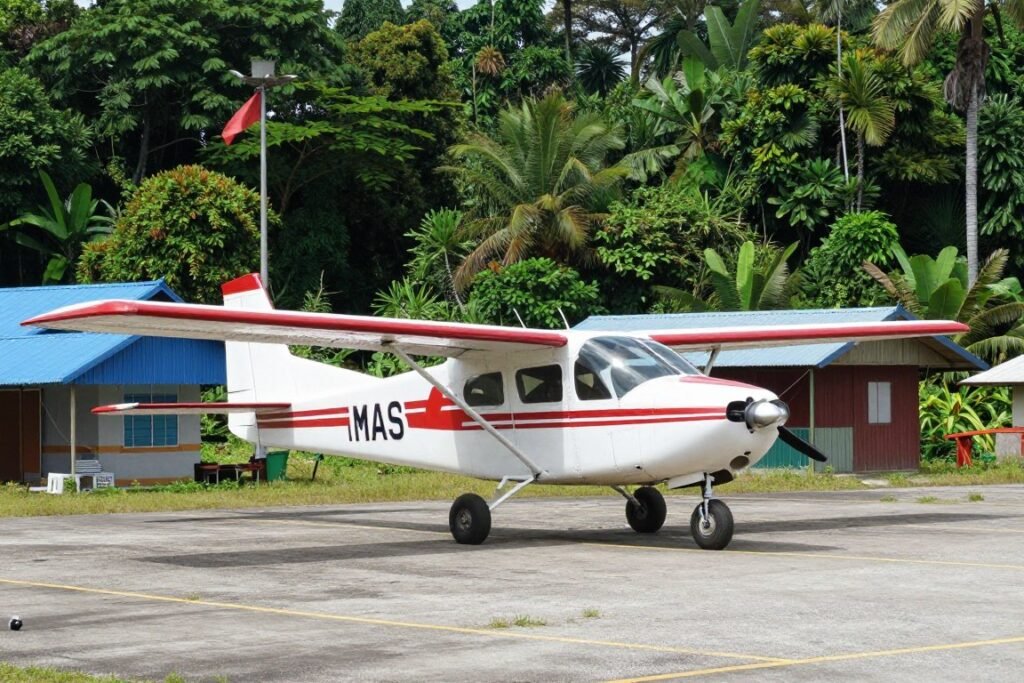
Internal flights connect Kuching, Miri, and smaller airports. Malaysia Airlines and MASwings operate most routes. Flying saves time when covering long distances between national parks. The Kuching to Mulu route requires air travel as no roads reach that remote location.
Express buses serve major towns along the coastal highway. These comfortable coaches operate regular schedules between Kuching, Sibu, and Miri. Journey times run long due to distances and road conditions. The Kuching to Miri route takes roughly 12 hours including rest stops.
River transport moves people and goods throughout the interior. Express boats travel the Rajang River system daily. These powerful vessels navigate upstream to reach remote communities. Journey times depend on current strength and water levels. The Sibu to Kapit route takes four to five hours against the current.
Local Transportation in Cities
Kuching offers the most developed local transport. Metered taxis operate throughout the city. Grab ride-hailing service functions reliably in urban areas. Local buses serve main routes but require understanding the system. Many visitors rent cars for greater flexibility exploring surrounding areas.
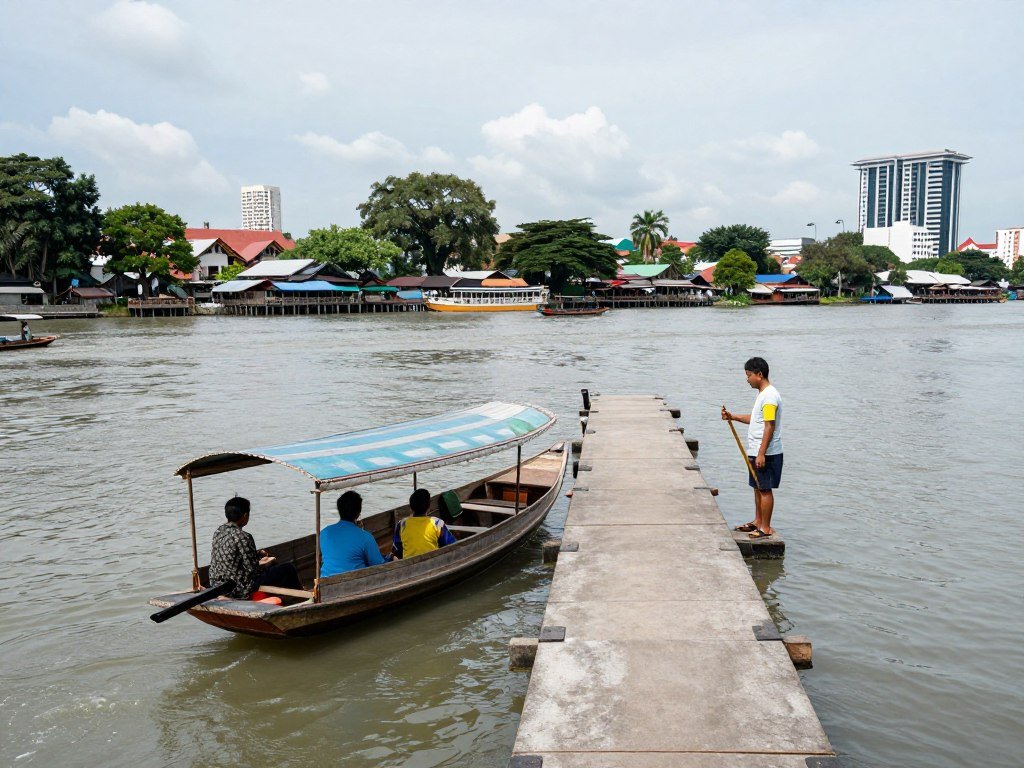
Sampan river taxis cross the Kuching waterfront for a small fee. These small boats provide a local experience and practical transport between riverbanks. The brief journey offers excellent photo opportunities of the city skyline and colonial buildings along the water.
Reaching National Parks
Each park requires different access strategies. Bako national park involves taxi to Bako village then boat to park headquarters. Gunung Mulu national park requires flying from Miri or Mulu. Kubah national park allows direct driving from Kuching. Planning transport to parks requires researching specific requirements for each destination.
- Taxi from Kuching to Bako village (45 minutes)
- Boat from Bako village to park (30 minutes)
- Book boat return trip immediately upon arrival
- Coordinate timing with tide schedules
- Total journey time approximately 90 minutes
Bako National Park Access
- Flight from Miri to Mulu airport (30 minutes)
- Van transfer to park headquarters (10 minutes)
- Book flights well in advance for better rates
- Limited daily flight frequency requires planning
- No road access to this remote location
Mulu National Park Access
- Drive from Kuching toward Lubok Antu (4 hours)
- Boat across Batang Ai reservoir (30-60 minutes)
- Usually arranged through tour operators
- Difficult for independent travelers without vehicle
- Combine with longhouse visit for cultural experience
Batang Ai Access
Car Rental Considerations
Renting a vehicle provides maximum flexibility for exploring at your own pace. International companies operate in Kuching and Miri. Rates start around RM150 per day for basic vehicles. An International Driving Permit supplements your home country license, though enforcement varies.
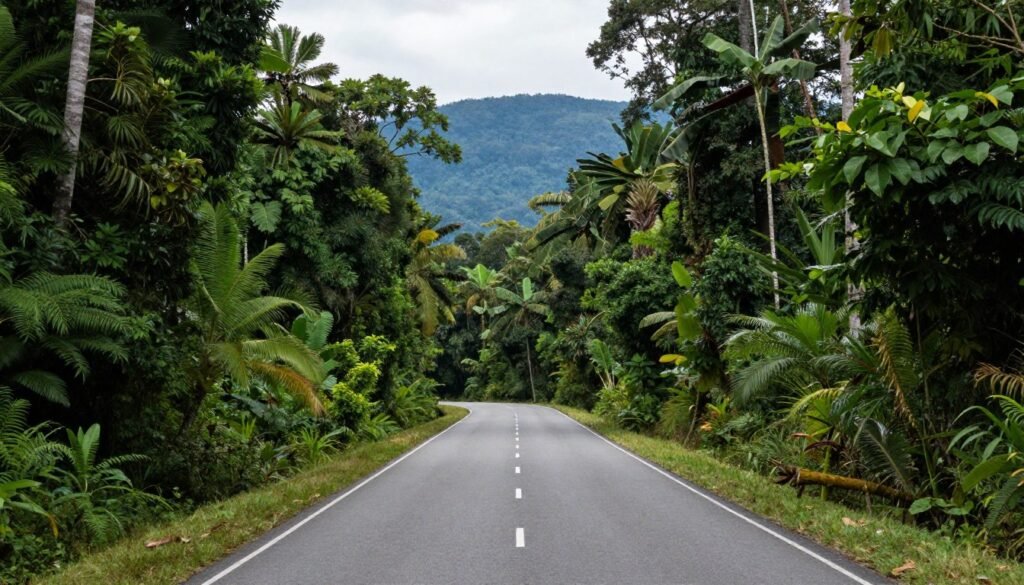
Road conditions vary significantly. Main highways maintain good paving. Interior routes may feature rough surfaces or unpaved sections. GPS navigation works in populated areas but becomes unreliable in remote regions. Download offline maps before venturing into areas with limited mobile coverage.
Parking presents few challenges outside major city centers. Most accommodations provide parking areas. National park entrances offer secure parking during your visit. Fuel stations appear regularly along main routes but become sparse in interior regions. Fill the tank when opportunities arise during long-distance drives.
Transport Budget Estimates (Daily Averages)
- Kuching taxi rides: RM15-30 per trip
- Grab car service: Similar to taxi fares
- Local bus: RM2-5 per journey
- Express bus intercity: RM30-80 depending on distance
- River express boat: RM40-70 per segment
- Domestic flight: RM150-400 depending on route and booking
- Car rental: RM150-300 per day plus fuel
- Park boat transfers: RM40-100 return trip
Accommodation Options Across Sarawak
Lodging ranges from international hotels to basic jungle camps. Your choice depends on budget, comfort expectations, and location priorities. Each accommodation type offers distinct advantages for different travel styles.
Kuching Accommodation
The capital provides the widest selection. International chains operate near the waterfront and business district. Boutique hotels occupy restored heritage buildings in the old town. Budget hostels cluster around the backpacker area on Carpenter Street. Mid-range hotels fill the gap between luxury and budget options.
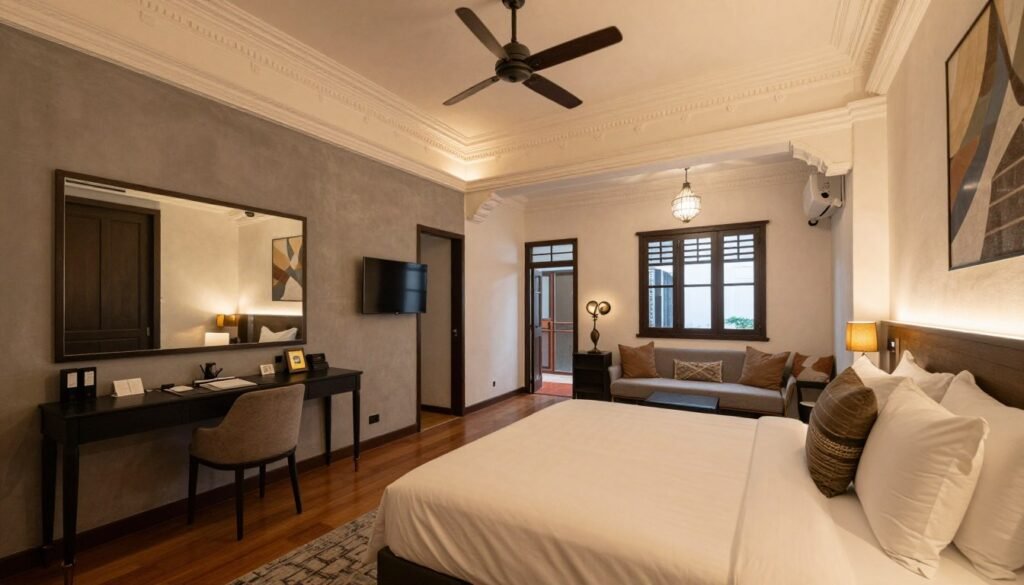
Waterfront hotels command premium prices for river views and central location. These properties suit travelers prioritizing convenience and full amenities. Expect to pay RM300-600 per night for four-star facilities. Five-star options push rates above RM600 during peak periods.
Budget accommodations start around RM40 for dorm beds in hostels. Private rooms in budget hotels range from RM80-150 per night. These options provide basic comfort without extensive facilities. Common areas often facilitate meeting other travelers and sharing trip information.
National Park Lodging
Most parks operate their own accommodation facilities. These range from comfortable chalets to basic hostel rooms. Booking through park websites or authorized agents secures your reservation. Popular parks like Bako national park and Mulu national park fill quickly during school holidays and peak seasons.
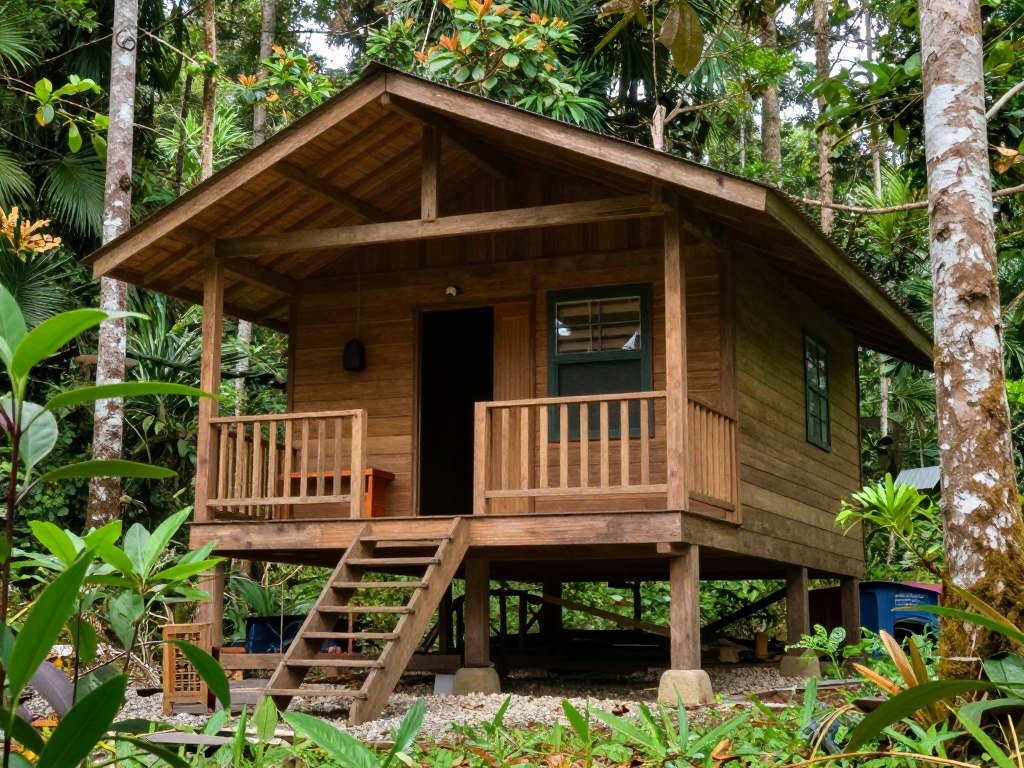
Mulu national park offers the most developed facilities. The adjacent Mulu Marriott provides luxury accommodation just outside park boundaries. Inside the park, lodges and hostels serve different budgets. The campsite allows budget travelers to stay for minimal cost while accessing all park facilities and trails.
Bako national park lodges sleep four to six people in basic rooms. Shared bathroom facilities serve multiple rooms. The canteen provides meals since no outside food options exist. Staying overnight proves essential for experiencing the park fully, as day trips allow insufficient time for exploring the trail network.
National Park Accommodation Costs
| Park | Accommodation Type | Price Range (RM/Night) | Booking Method |
| Bako | Forest lodge | 150-250 | Online booking system |
| Bako | Hostel room | 40-60 | Online booking system |
| Mulu | Park lodge | 200-350 | Park website or agents |
| Mulu | Mulu Marriott | 400-700 | Hotel direct or booking sites |
| Niah | Park hostel | 35-50 | Park office direct |
| Kubah | Matang hostel | 40-60 | Online booking system |
Longhouse Stays
Staying at traditional longhouses offers cultural immersion unavailable elsewhere. Several Iban communities welcome overnight visitors. These experiences include meals, cultural performances, and interaction with residents. Tour operators arrange most longhouse visits as independent arrival proves difficult.
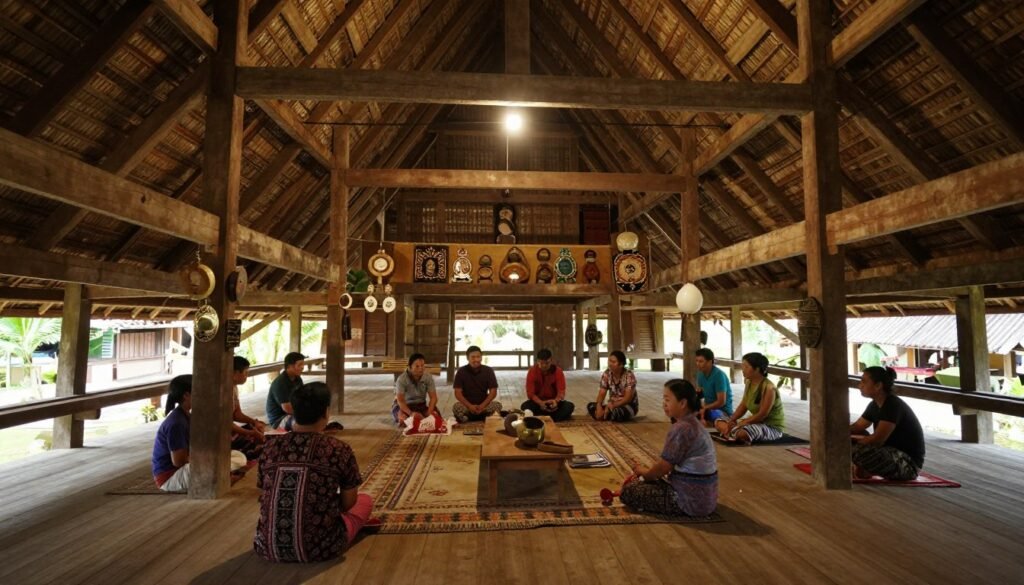
Facilities remain basic at authentic longhouses. Sleeping mats or simple beds provide rest in communal sleeping areas. Bathroom facilities use river water and offer minimal privacy. These conditions form part of the authentic experience. Visitors respecting traditional ways and showing genuine interest receive warm welcomes from communities.
Some modernized longhouses near Kuching offer more comfort while maintaining cultural elements. These compromise between authenticity and convenience. Prices typically include transportation, meals, and cultural activities. Expect to pay RM200-400 per person for overnight longhouse packages from Kuching.
Coastal and Resort Options
Beach resorts operate along the coast near Damai. The Damai Beach area provides the main beach resort concentration near Kuching. These properties offer swimming pools, restaurants, and organized activities. Families often prefer these facilities for combining nature visits with relaxation time.
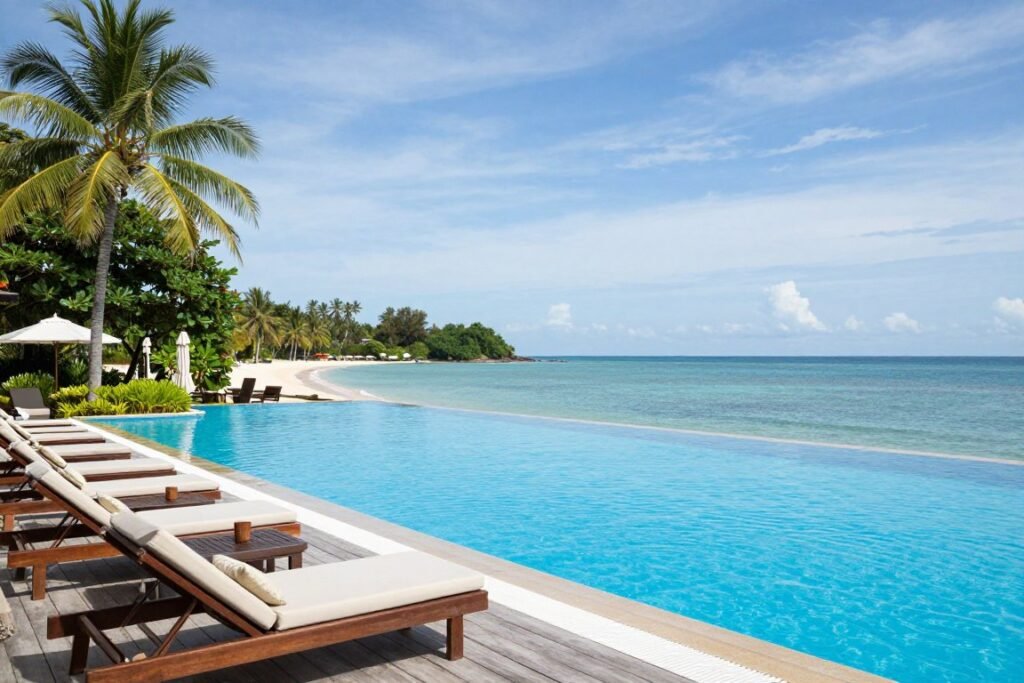
Damai Beach Resort and Damai Puri Resort anchor the area. Both offer direct beach access and views across to Mount Santubong. The Sarawak cultural village sits nearby for easy visits. These resorts work well as bases for day trips to Bako national park and other nearby attractions.
Booking Strategies and Timing
Advance booking becomes essential during peak periods. Chinese New Year, school holidays, and European summer push occupancy rates high. Book three to six months ahead for these busy times. Shoulder and low seasons allow more spontaneity with last-minute bookings often available.
Direct booking through hotel websites sometimes offers better rates than third-party platforms. Small guesthouses and budget places may lack online presence. Email or phone contact works for these establishments. Reading recent reviews helps assess whether facilities match your expectations and comfort requirements.
Let Us Handle Your Sarawak Accommodation
Our team books your entire trip from city hotels to jungle lodges and longhouse stays. We secure the best locations and rates while ensuring everything aligns with your itinerary.
Sarawak Food and Cuisine to Experience
The food scene reflects Sarawak’s multicultural population. Chinese, Malay, and indigenous cooking traditions merge into distinctive local flavors. Markets, hawker centers, and restaurants serve specialties found nowhere outside this region.
Must-Try Sarawak Dishes
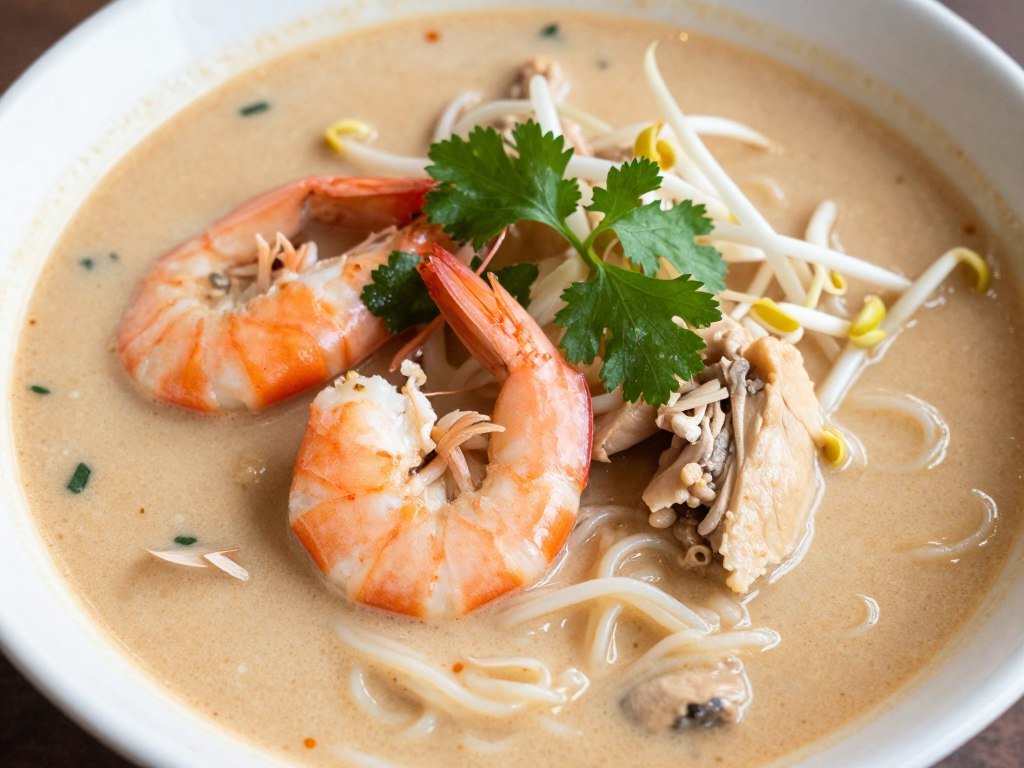
Sarawak laksa tops most local favorites lists. This breakfast soup combines rice noodles in spicy coconut broth with shredded chicken, prawns, and omelette strips. The flavor profile differs significantly from laksa versions in other Malaysian regions. Kuching serves this dish at countless stalls and coffee shops throughout the city.
Kolo mee represents another Sarawak specialty. These springy noodles come tossed in pork lard, minced meat, and a light sauce. The simple preparation allows quality noodles to shine. Each cook guards their specific noodle texture and sauce ratio. Finding your favorite kolo mee stall becomes a personal quest for food enthusiasts visiting the area.
Essential Dishes to Sample
- Sarawak laksa with coconut curry broth
- Kolo mee dry noodles with minced pork
- Manok pansoh chicken cooked in bamboo
- Umai raw fish salad with lime and onions
- Midin jungle fern stir-fried with garlic
- Ayam pansuh traditional Iban chicken preparation
- Tomato noodles unique to Sarawak
- Bubur pedas spicy porridge for breakfast
Indigenous Ingredients and Cooking
Traditional Dayak communities use ingredients directly from the forest and river. Wild boar features prominently in interior regions. River fish provides protein for communities along waterways. Jungle vegetables like midin ferns and paku pakis add distinctive flavors and textures unavailable in conventional markets.
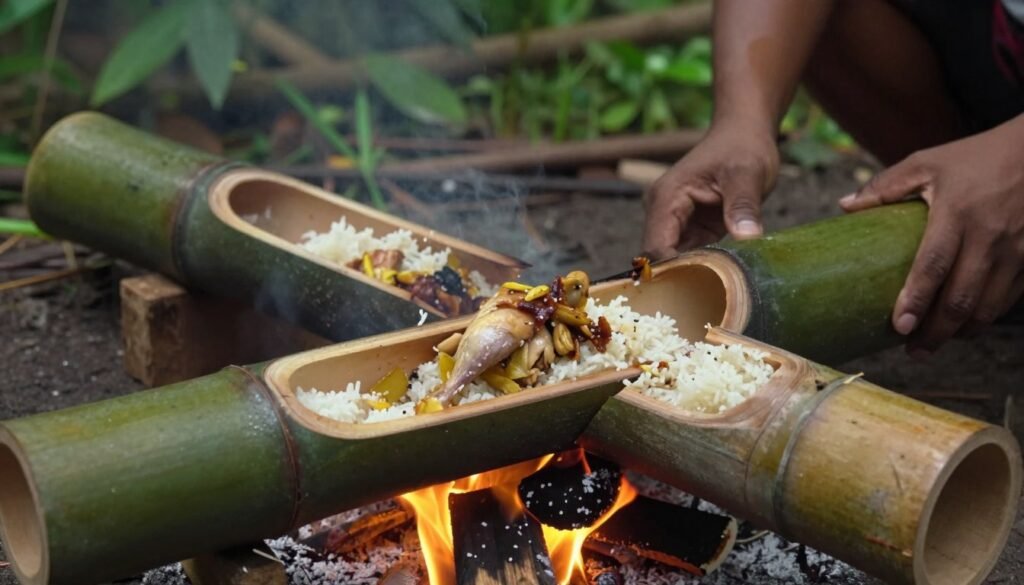
Manok pansoh demonstrates the bamboo cooking technique. Chicken pieces marinate with ginger, lemongrass, and tapioca leaves inside bamboo sections. The sealed bamboo roasts over fire until the chicken cooks in its own steam. This method imparts subtle bamboo fragrance to the meat. Experiencing this dish at a longhouse provides the most authentic presentation.
Tuak rice wine accompanies celebrations and gatherings. Each family maintains their own tuak brewing methods passed through generations. Strength varies considerably between batches. Visitors should pace themselves when offered this traditional beverage during longhouse visits.
Where to Eat in Kuching
The Top Spot Food Court operates on the building’s top floor near the waterfront. Seafood stalls serve fresh catches grilled or steamed to order. Live tanks display prawns, fish, and shellfish for selection. Prices remain reasonable considering the quality and location. Evening visits reward you with sunset views while dining.

Carpenter Street and the India Street area concentrate Chinese and Indian eateries. Small coffee shops serve throughout the day. The Sunday Market near Satok provides local produce and prepared foods. Arrive early for the best selection before popular items sell out by mid-morning.
Open Air Market on Jalan Market operates nightly. Hawker stalls set up selling satay, grilled seafood, and local desserts. The casual atmosphere encourages trying multiple dishes. Sharing tables with locals often leads to conversations and restaurant recommendations for your remaining days.
Markets and Street Food
Satok Weekend Market transforms into Sarawak’s largest market each Saturday and Sunday. Vendors sell jungle produce, fresh fish, spices, and handicrafts. The food section offers breakfast items and snacks. This market provides insight into local ingredients and eating habits beyond restaurant presentations.

Throughout Sarawak, small towns host their own market days. These weekly gatherings bring rural producers to sell directly to consumers. Timing your travel to coincide with market days in places like Kapit or Belaga reveals local life and food culture distinct from tourist-focused presentations.
Vegetarian and Dietary Considerations
Buddhist vegetarian restaurants operate in Kuching and larger towns. These establishments serve meat-free versions of local dishes. Chinese coffee shops typically offer vegetable-based options. Communicating dietary restrictions clearly helps staff suggest appropriate choices from available menu items.
Muslim halal food appears widely given the significant Muslim population. Most establishments display halal certification prominently. Pork features heavily in Chinese and indigenous cooking, so Muslims should verify ingredients. The multicultural environment means most cooks understand and accommodate different dietary requirements.
Food Budget Guide
Daily food costs vary based on dining choices and locations. The following represents average spending across different budget levels.
- Budget: RM30-50 per day eating at hawker centers and coffee shops
- Mid-range: RM80-120 per day mixing local restaurants and nicer establishments
- Comfort: RM150-250 per day including hotel restaurants and quality seafood
- Single Sarawak laksa bowl: RM6-10
- Kolo mee serving: RM5-8
- Seafood dinner for two: RM80-150
- Coffee shop breakfast: RM8-15
- Fresh fruit juice: RM4-7

Cultural Experiences and Indigenous Communities
Sarawak’s indigenous groups maintain traditions dating back centuries. Visiting these communities requires respect for customs and understanding of cultural protocols. Authentic interactions provide insights impossible to gain from museums or cultural shows alone.
Understanding Dayak Groups
The term “Dayak” encompasses numerous ethnic groups including Iban, Bidayuh, Orang Ulu, and others. Each group maintains distinct languages, customs, and traditional territories. The Iban represent the largest indigenous group, known historically as warriors and still maintaining longhouse living traditions today.
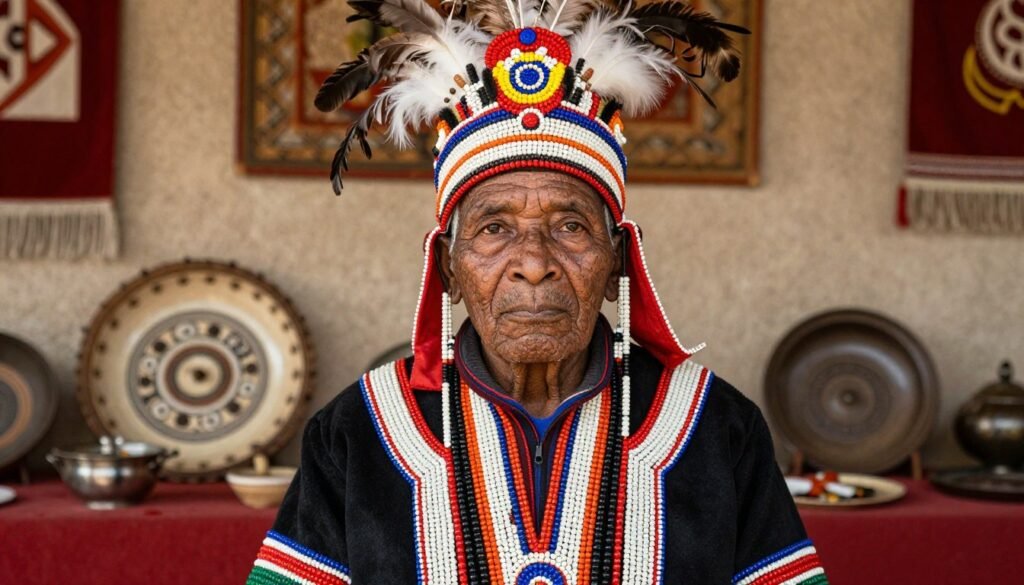
Bidayuh communities concentrate in southwestern regions near the Indonesian border. Their traditional homes feature distinctive bamboo construction and elevated sleeping quarters. The Orang Ulu groups inhabit the interior highlands around the Baram River system. These communities maintained relative isolation until recent decades when river transport improved access.
Longhouse Architecture and Living
Traditional longhouses accommodate entire villages under one continuous roof. Individual family apartments line one side of a long central corridor. This communal gallery serves as the village social center where people gather, work, and celebrate together. The architectural design facilitates community bonding while providing family privacy.
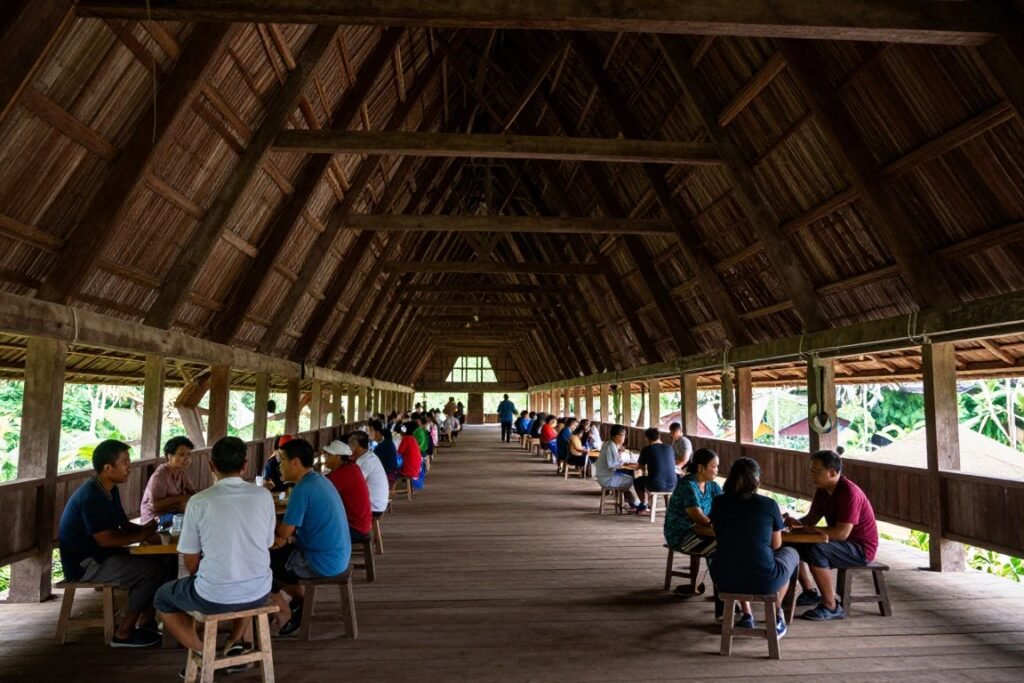
Modern longhouses incorporate contemporary materials and amenities. Corrugated metal replaces traditional palm thatch on roofs. Electricity and running water now reach many communities. Yet the essential longhouse structure persists, maintaining social traditions even as physical construction modernizes. Some communities balance heritage preservation with practical improvements for modern living.
Visiting Longhouse Communities
Arranging longhouse visits through tour operators ensures proper protocol observance. These operators maintain relationships with specific communities open to receiving visitors. Independent arrivals without advance contact may cause awkwardness or outright rejection from communities unprepared for guests.
Bringing gifts shows respect for host communities. Useful items like rice, coffee, sugar, or fruit prove more appropriate than trinkets. Money gifts should go to the tuai rumah (headman) for community benefit rather than individual families. Modest dress and respectful behavior matter greatly in these conservative traditional settings.
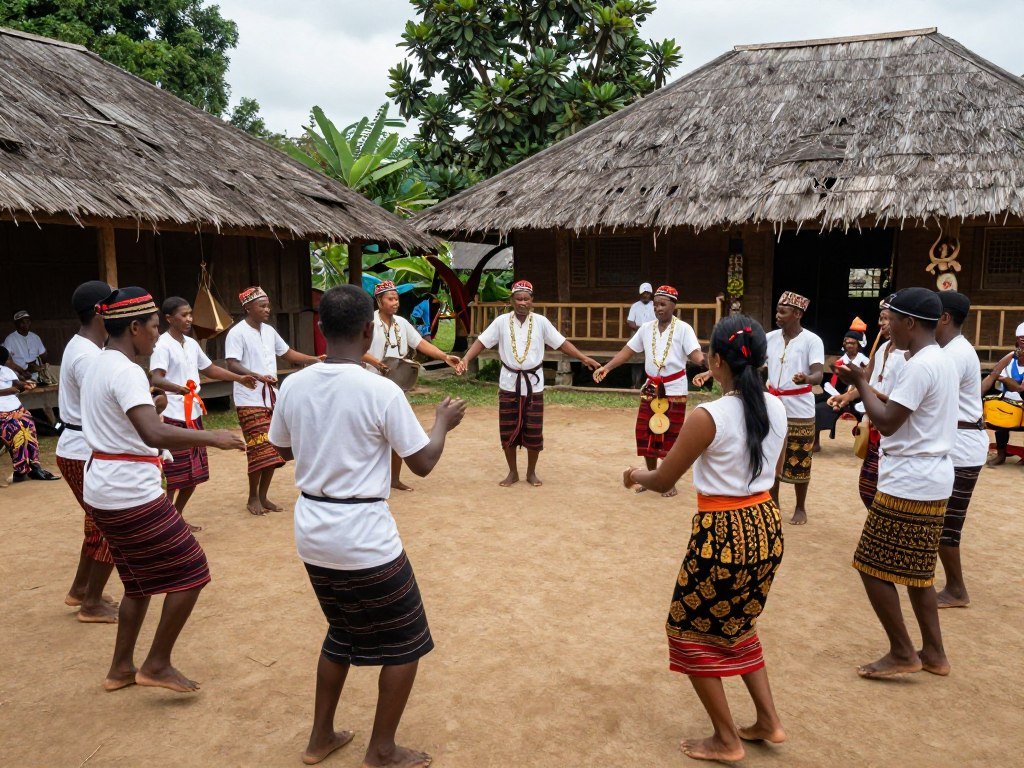
Evening activities typically include traditional dance performances and music. Visitors often receive encouragement to participate. The sape, a traditional lute, provides accompaniment for warrior dances and ceremonial songs. Sharing tuak rice wine forms part of welcome ceremonies at many longhouses. Politely accepting hospitality demonstrates cultural respect even if you only sip token amounts.
Longhouse Visit Etiquette
- Remove shoes before entering the main corridor
- Greet the tuai rumah first upon arrival
- Ask permission before photographing people
- Dress modestly covering shoulders and knees
- Accept offered food and drink even if just tasting
- Bring gifts appropriate for the whole community
- Participate in activities when invited to join
- Respect requests to avoid certain areas or activities
Traditional Crafts and Skills
Weaving traditions produce intricate textiles using traditional patterns. Each ethnic group maintains distinctive weaving styles and motifs. The pua kumbu ikat textiles created by Iban weavers require months of work for complex pieces. These textiles serve ceremonial purposes and demonstrate family lineage and status.
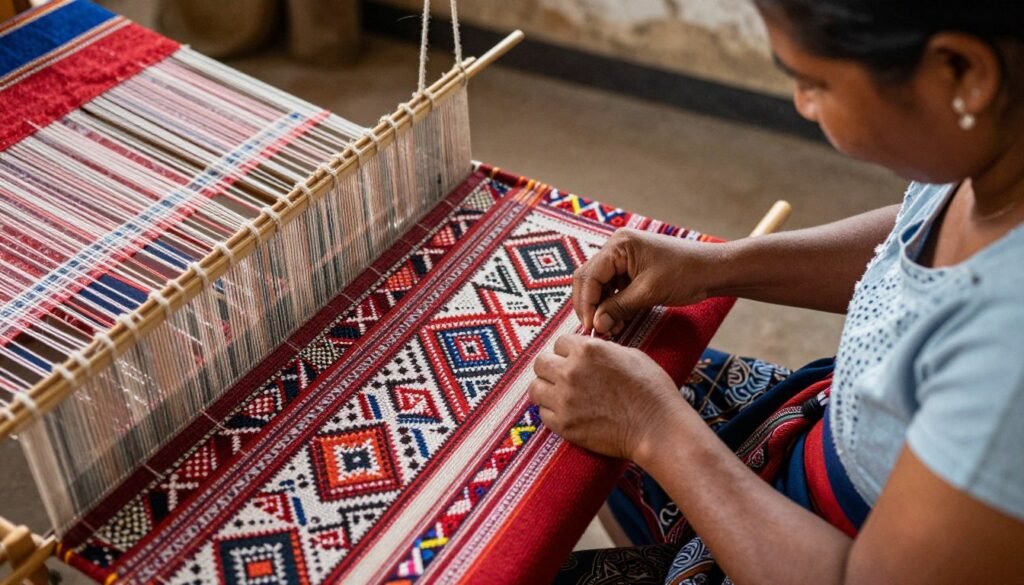
Basket weaving uses rattan and bamboo materials collected from surrounding forests. Different weaving techniques create baskets for specific uses from rice winnowing to fish catching. Watching skilled weavers work reveals the complexity of seemingly simple items. Some communities welcome visitors learning basic weaving techniques during extended stays.
Beadwork adorns traditional costumes and ceremonial items. Intricate patterns require patient hand-stitching of tiny beads. Each color combination and pattern carries meaning within the cultural context. Modern artisans adapt traditional techniques to create contemporary jewelry and decorative items for sale to visitors and collectors.
Festivals and Ceremonies
Gawai Dayak represents the most important celebration for indigenous groups. This harvest festival occurs on June 1-2 annually. Longhouses prepare for weeks, brewing tuak and preparing special foods. Visitors present during Gawai witness authentic celebrations though finding accommodation requires advance planning.
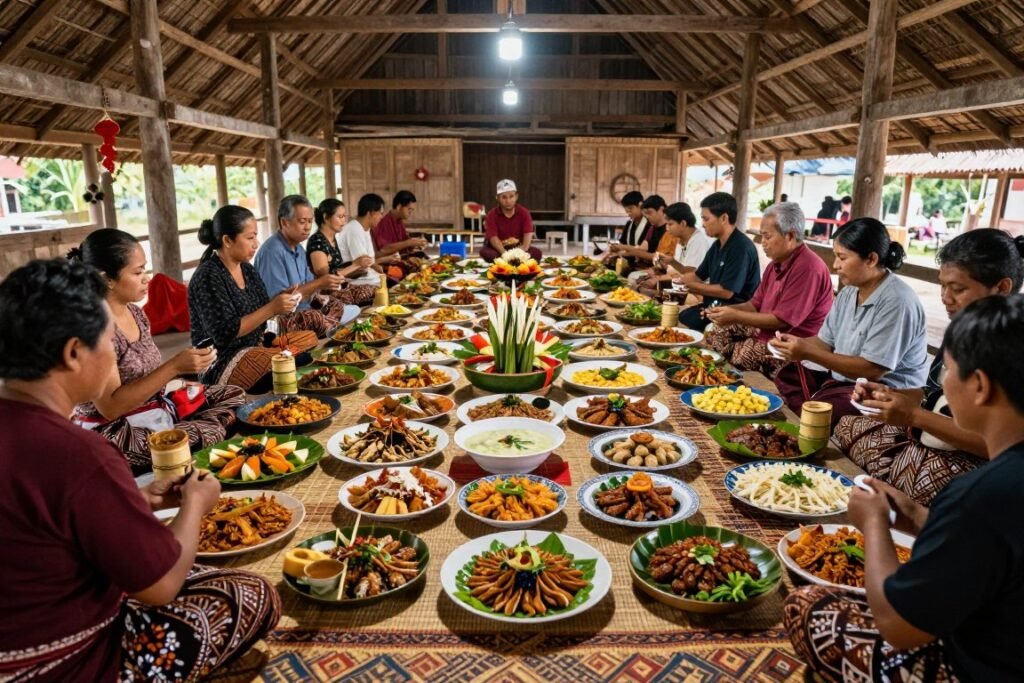
The miring ceremony involves offerings to spirits for protection and blessings. Ritualists chant invocations while presenting rice wine, eggs, and other items on ceremonial plates. These ceremonies mark important events from new house blessings to healing rites. Witnessing miring requires invitation and respectful observation of sacred traditions.
Cultural Centers and Museums
The Sarawak Museum in Kuching houses extensive ethnographic collections. Exhibits detail the history and culture of various indigenous groups. The museum building itself represents historical significance as one of Southeast Asia’s oldest museums. Recent renovations modernized displays while maintaining the institution’s scholarly character.
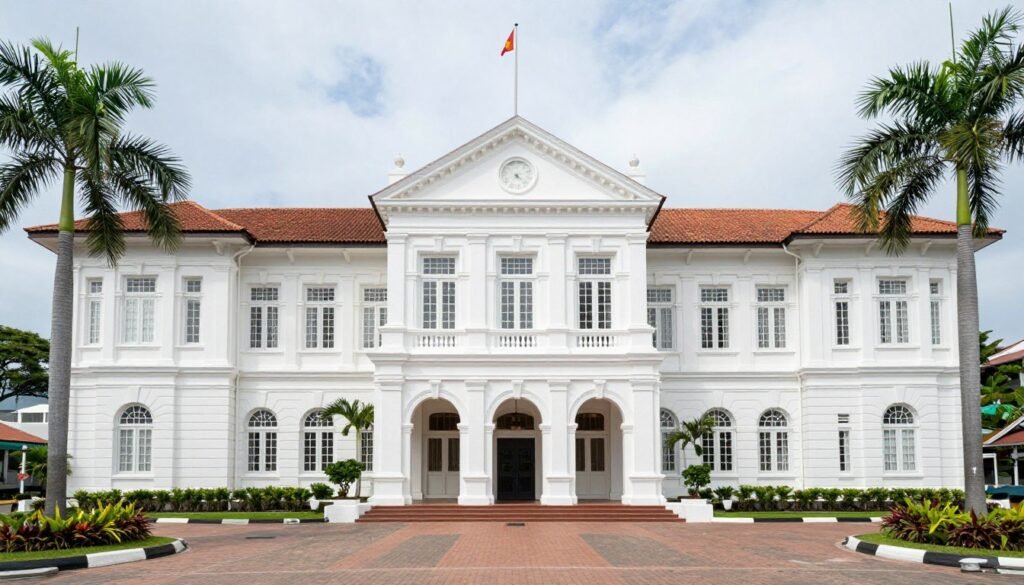
The Sarawak cultural village provides controlled introduction to indigenous cultures. This living museum allows structured interaction with traditional practices. While less authentic than visiting actual longhouses, the cultural village serves travelers with limited time or those seeking initial orientation before deeper cultural immersion.
Adventure Activities and Outdoor Experiences
Sarawak’s wilderness supports activities from gentle nature walks to extreme jungle expeditions. The terrain and biodiversity create opportunities for adventure seekers and casual nature observers alike. Choosing appropriate activities requires honest assessment of your fitness level and comfort with challenging conditions.
Jungle Trekking Options
Multi-day treks penetrate deep into primary rainforest. The Pinnacles climb in Gunung Mulu national park challenges even fit hikers. This three-day, two-night trek involves steep ascents and basic camping. The final climb to the Pinnacles viewpoint requires scrambling up near-vertical sections using fixed ropes and ladders.
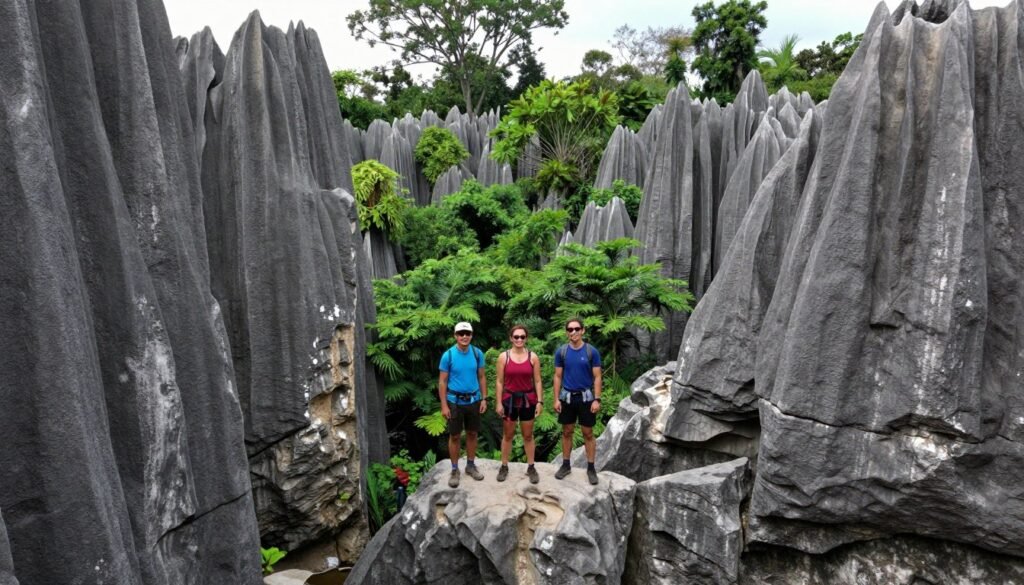
The Headhunters Trail connects Gunung Mulu national park with the Limbang River. This historic route follows paths once used by Kayan warriors. The four-day journey involves jungle trekking, river crossings, and boat sections. Physical demands remain moderate but the remote nature requires self-sufficiency and proper equipment.
Day hikes suit travelers preferring easier activities. Most national parks maintain trail networks with varying difficulty levels. Bako national park offers multiple routes from 30-minute strolls to six-hour treks. Trail markers and maps help with navigation, though hiring guides provides additional wildlife spotting expertise and safety.
Trekking Difficulty Levels
| Trek | Duration | Difficulty | Fitness Required | Highlights |
| Bako Lintang Loop | 3-4 hours | Moderate | Basic | Diverse ecosystems, wildlife |
| Mulu Canopy Skywalk | 1-2 hours | Easy | Minimal | Canopy views, accessibility |
| Pinnacles Climb | 3 days | Very Challenging | High | Limestone formations, achievement |
| Headhunters Trail | 4 days | Challenging | Good | Historic route, river journey |
| Kubah Waterfall Trail | 2 hours | Easy-Moderate | Basic | Swimming, rainforest |
Cave Exploration
Mulu’s show caves allow visitors to experience spectacular underground formations. Deer Cave’s massive passage stretches over two kilometers long. The entrance ranks among the world’s largest cave openings. At dusk, millions of bats stream out in spiraling formations that continue for 30 minutes or longer.

Clearwater Cave features an underground river navigable by boat. The crystalline water stays cool year-round. Swimming in the cave provides a unique experience though the cold water temperature surprises first-timers. The cave system extends over 200 kilometers making it one of Asia’s longest.
Adventure caving trips explore undeveloped cave systems. These expeditions require proper equipment, physical fitness, and experienced guides. Activities include crawling through tight passages, swimming underground sections, and climbing cave walls. Several tour operators in Mulu specialize in these more extreme cave adventures for qualified participants.
River Activities
River journeys provide essential transport and adventure opportunities. The Rajang River serves as highway through the interior. Express boats cover distances impossible by road. These powerful vessels navigate upstream against strong currents, offering views of riverside villages and pristine forest.
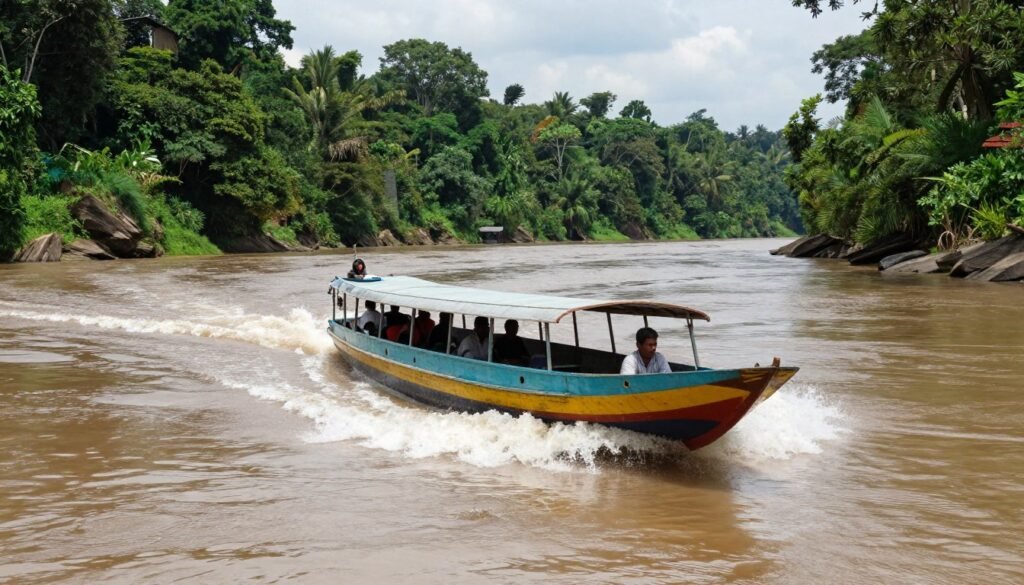
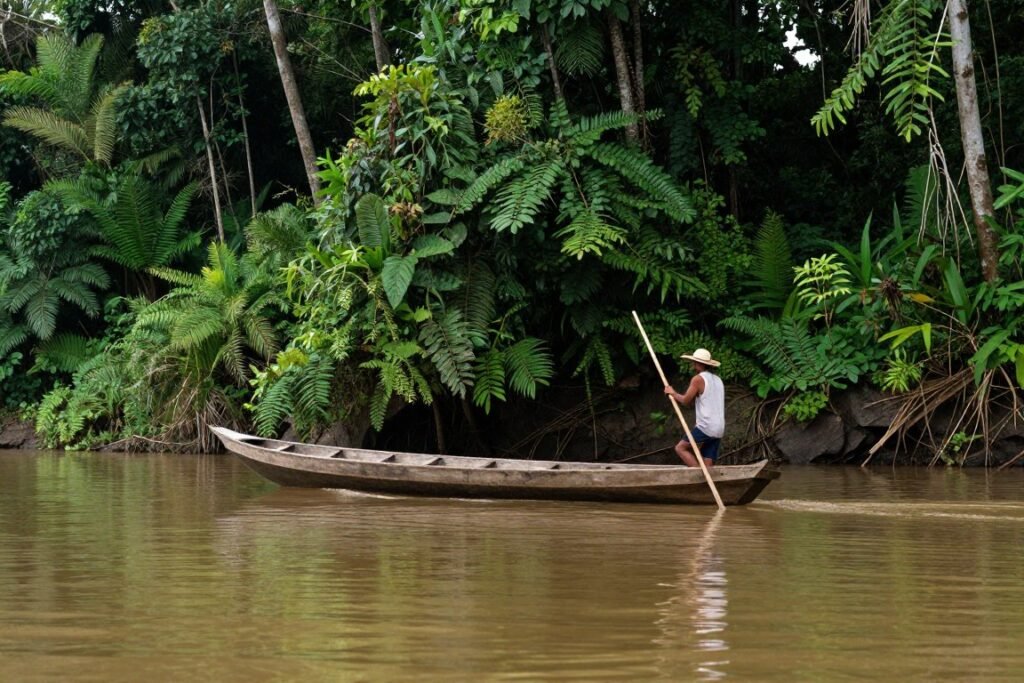
Smaller rivers allow canoe exploration at a gentler pace. Paddling the rivers around Kuching reveals mangrove ecosystems and local life. Wildlife sightings increase when moving quietly by paddle power rather than noisy motorboats. Some longhouse visits include river journeys in traditional longboats powered by outboard motors.
White water rafting operates on selected rivers during appropriate water levels. The Padas River near the Sabah border offers rapids suitable for adventurous beginners. Professional outfitters provide equipment, safety briefings, and guides. These trips combine physical activity with spectacular jungle scenery from the river perspective.
Wildlife Watching
Semenggoh Wildlife Centre rehabilitates orphaned orangutans for eventual forest release. Semi-wild orangutans return to the center during feeding times. These sessions allow close observation of these great apes in a more natural setting than traditional zoos. Morning and afternoon feeding times offer the best chances to see multiple individuals.

Night walks reveal creatures invisible during daytime. Many parks offer guided night treks with flashlights. Frogs, insects, snakes, and nocturnal mammals emerge after dark. The sounds of the rainforest at night create an immersive sensory experience. Headlamps and guide expertise help spot animals that would otherwise remain hidden in darkness.
Birdwatching attracts enthusiasts seeking Borneo’s endemic species. Eight species of hornbill live in Sarawak’s forests. The rhinoceros hornbill serves as the state’s symbolic bird. The distinctive calls of hornbills often alert you to their presence before visual sighting. Serious birders hire specialized guides who know bird calls and reliable spotting locations.
Climbing and Via Ferrata
Mount Santubong rises 810 meters near Kuching. The summit trail requires a full day’s commitment and good fitness levels. The final sections involve scrambling over rocks using fixed ropes. Clear days reward climbers with views across the South China Sea and inland toward Kuching city.
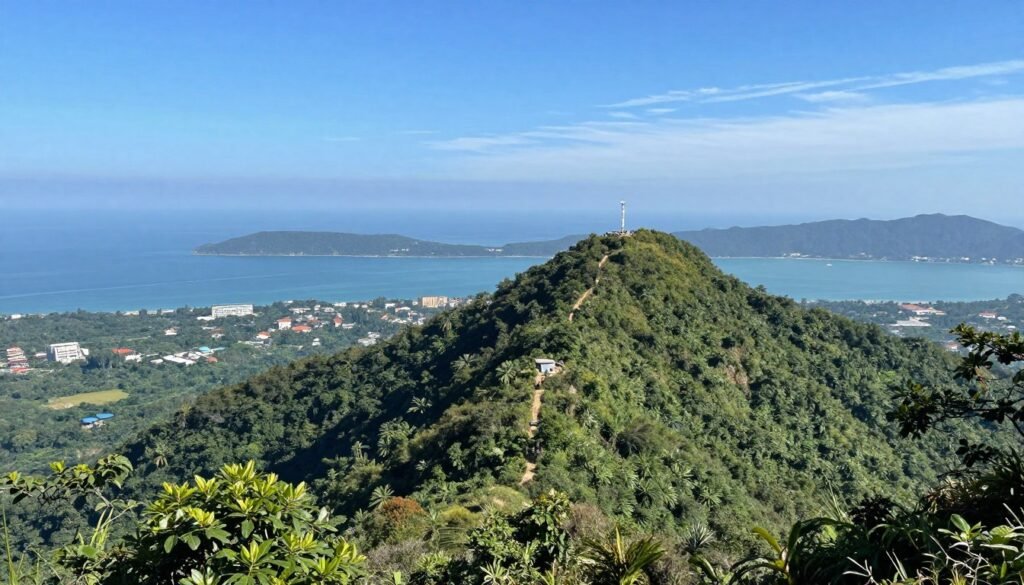
Mulu offers the world’s longest cave-based via ferrata system. This guided climbing route uses fixed cables and ladders to access spectacular cave entrances and cliff faces. The adventure combines physical challenge with unique perspectives on the limestone formations. Safety equipment and guide instruction allow people without technical climbing experience to attempt these routes.
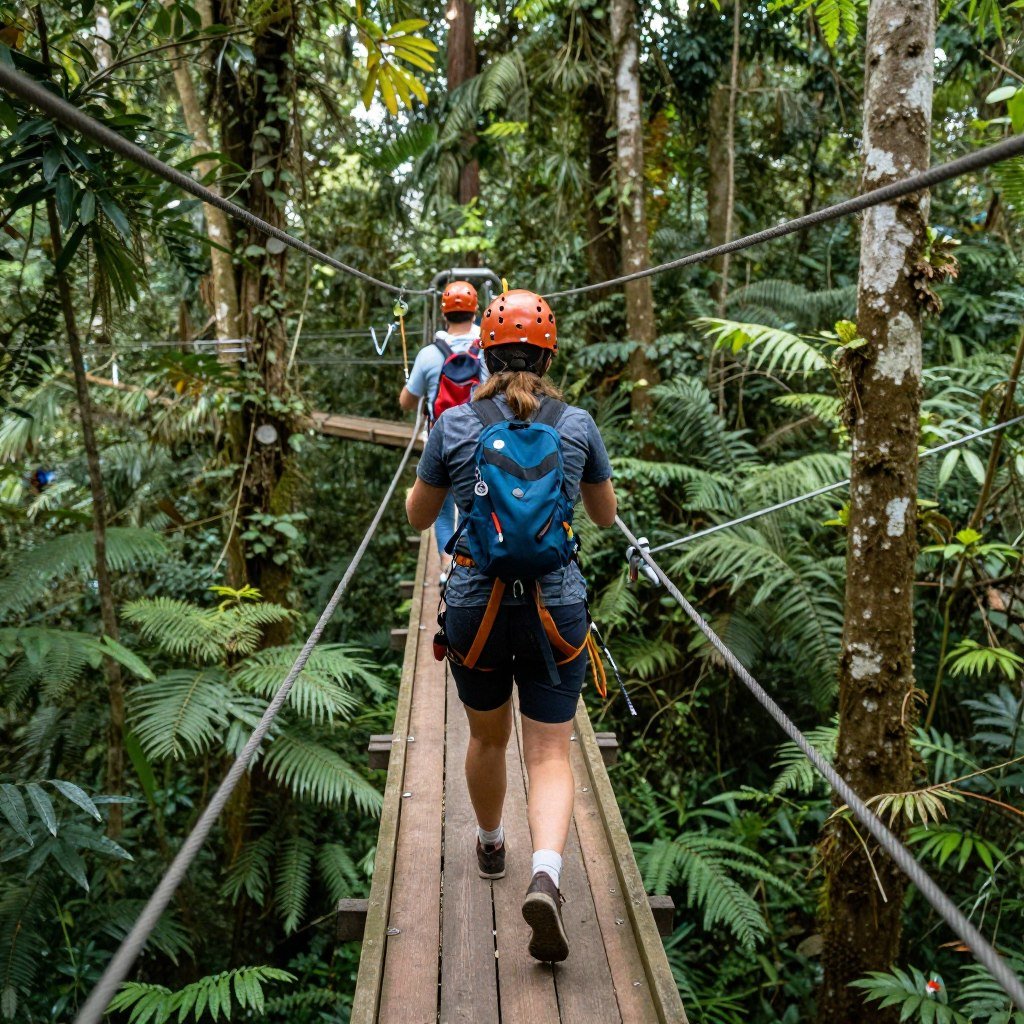
Canopy Walk Experience
Walk among the treetops on suspended bridges. The canopy walkway at Mulu reaches 20 meters high and stretches 480 meters. This provides unique views of forest life in the upper canopy where most biodiversity exists.
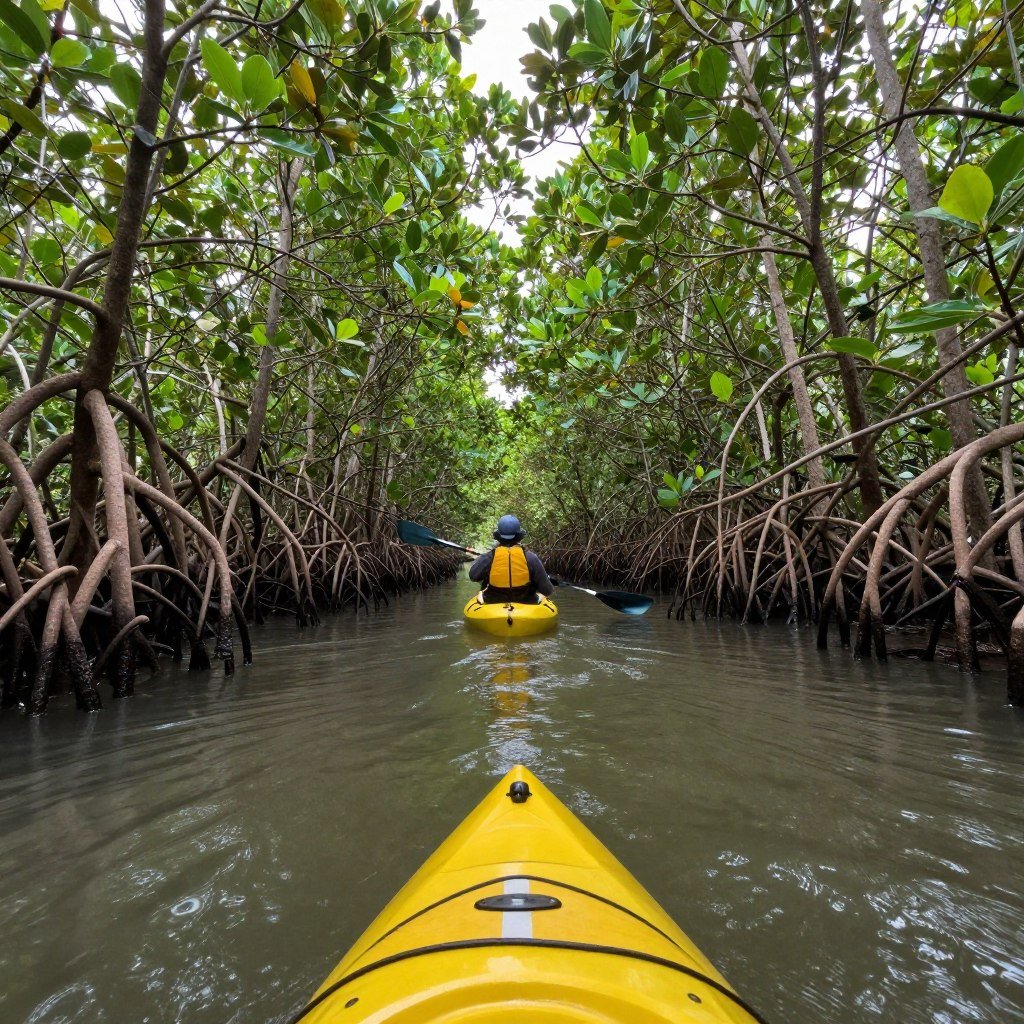
Mangrove Kayaking
Paddle through coastal mangrove ecosystems. These unique forests protect coastlines and support incredible biodiversity. The quiet paddling allows close approaches to birds, monitor lizards, and other wildlife inhabiting these tidal environments.
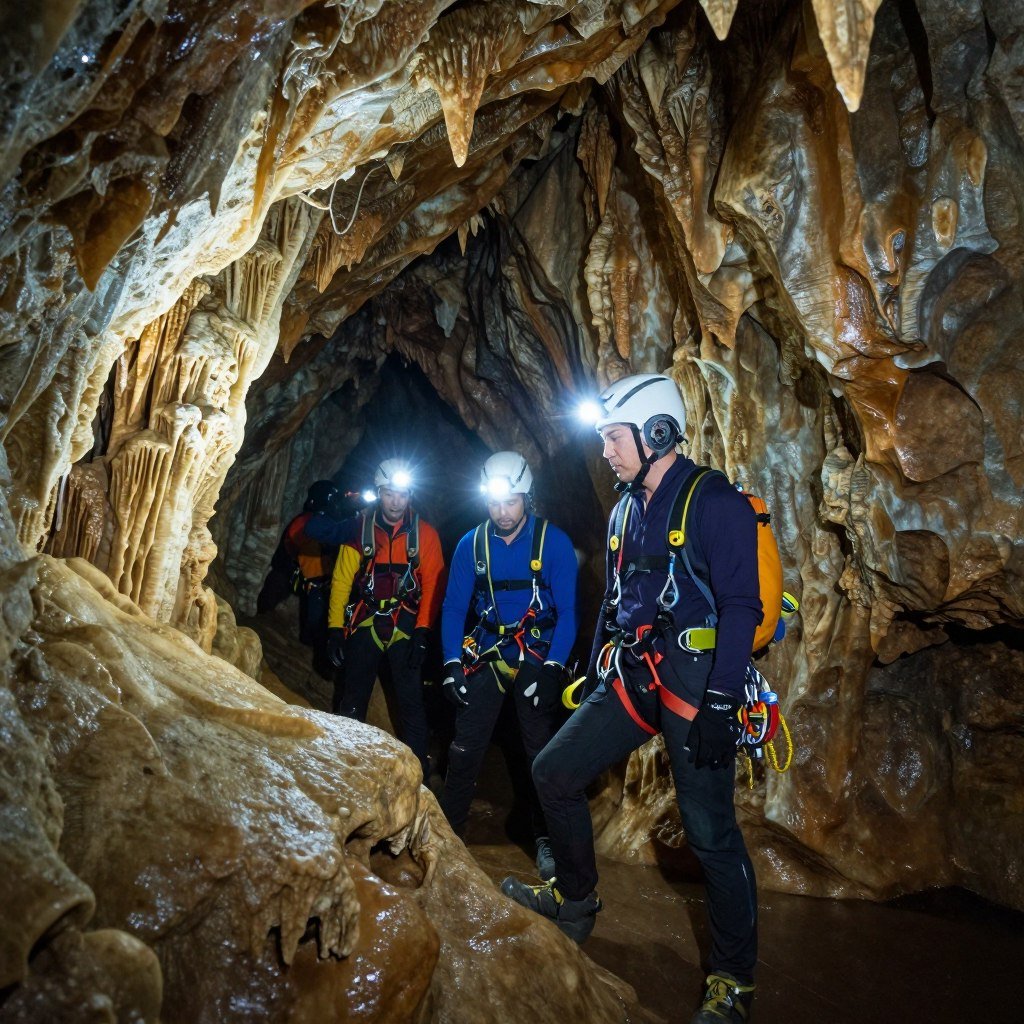
Adventure Caving
Explore undeveloped cave systems beyond the show caves. These expeditions require crawling, climbing, and swimming through spectacular underground environments. Professional guides ensure safety while revealing Mulu’s hidden geological wonders.
Visa Requirements and Essential Travel Tips
Understanding entry requirements and practical considerations helps avoid complications. Malaysia’s visa policies vary by nationality. Other practical matters from currency to health precautions require attention during trip planning.
Visa and Entry Requirements
Most Western passport holders receive automatic visa exemption for up to 90 days. This includes citizens of the United States, United Kingdom, European Union countries, Australia, and New Zealand. Check current requirements as policies sometimes change. The Immigration Department of Malaysia website provides official visa information.
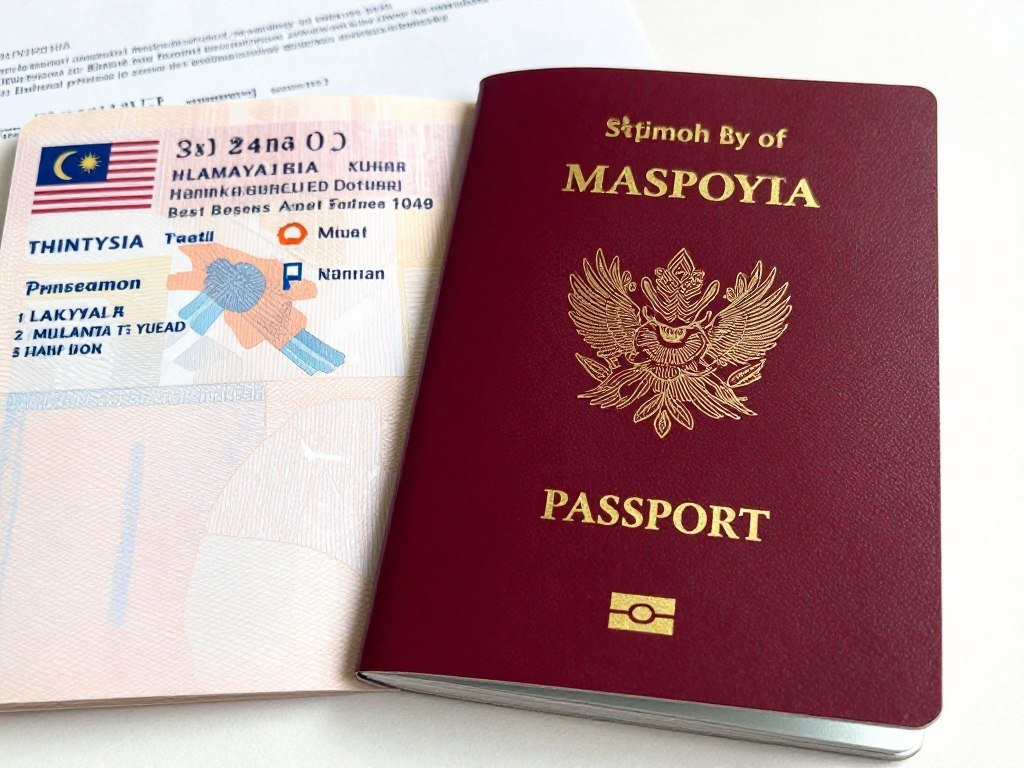
Your passport must remain valid for at least six months beyond your intended stay. Immigration officers may request proof of onward travel and sufficient funds. While these checks happen infrequently for tourist arrivals, having documentation prepared prevents potential delays.
Sarawak maintains separate immigration control from Peninsular Malaysia and even from Sabah. Your passport receives stamps when entering Sarawak even if arriving from other Malaysian states. Keep these stamps as proof of legal presence. Traveling between Sarawak, Sabah, and Peninsular Malaysia involves going through immigration controls each time.
Health Precautions and Vaccinations
No mandatory vaccinations exist for entry from most countries. Yellow fever vaccination proves necessary only if arriving from yellow fever endemic areas. However, several recommended immunizations protect against regional diseases. Consult a travel medicine specialist at least six weeks before departure for personalized advice.
Recommended Vaccinations
- Hepatitis A for protection against contaminated food/water
- Typhoid particularly when visiting rural areas
- Hepatitis B for extended stays or medical exposure risk
- Japanese encephalitis for rural areas during wet season
- Rabies if planning extensive wildlife contact or remote areas
- Routine vaccinations updated (measles, tetanus, etc.)
Malaria risk remains low in most tourist areas including Kuching and developed parts of Sarawak. Remote interior regions and border areas carry higher risk. Anti-malarial medication may prove advisable for extended jungle stays. Discuss your specific itinerary with a travel health professional to assess malaria prevention needs.

Dengue fever occurs throughout Sarawak including urban areas. No vaccine exists yet for most travelers. Preventing mosquito bites provides the only protection. Use insect repellent containing DEET, wear long sleeves during dawn and dusk, and sleep under mosquito nets when accommodation lacks screens. Dengue mosquitoes bite during daytime unlike malaria mosquitoes active at night.
Money and Banking
The Malaysian Ringgit (RM or MYR) serves as official currency. ATMs operate widely in cities and towns. Most accept international cards on Visa, Mastercard, and Cirrus networks. Withdrawal limits typically range from RM1,000 to RM1,500 per transaction. Banks charge fees so withdrawing maximum amounts reduces fee frequency.
Credit cards work at hotels, upscale restaurants, and larger shops. Small businesses, markets, and local eateries operate on cash. Visa and Mastercard enjoy widest acceptance. American Express sees limited acceptance outside major hotels. Inform your bank of travel dates to prevent fraud alerts blocking your cards overseas.
Money Tips
- Carry sufficient cash when visiting national parks and remote areas
- Change money at banks or authorized money changers for best rates
- Keep small denomination notes for markets and taxis
- Request balance receipts from ATMs for record keeping
- Notify your bank of travel dates to avoid card blocks
- Bring backup cards in case of loss or failure
Communication and Internet
Mobile coverage extends throughout populated areas and along main routes. The interior and national parks often lack signal. Tourist SIM cards provide affordable data and calls. Providers include Maxis, Celcom, and Digi. Purchase SIM cards at airports or mobile phone shops with passport for registration.

WiFi operates at most hotels, restaurants, and cafes in urban areas. Connection speed and reliability vary considerably. National parks provide limited or no internet access. Download offline maps and essential information before heading to remote locations. Apps like Maps.me allow navigation without data connection.
Safety and Security
Sarawak maintains a safe environment for travelers. Violent crime against tourists remains rare. Petty theft occurs occasionally in crowded areas. Standard precautions apply such as securing valuables and staying aware of surroundings. Avoid displaying expensive jewelry or large amounts of cash publicly.
The border areas with Indonesia and Philippines carry security advisories due to past kidnapping incidents. Malaysian authorities maintain strong security presence in sensitive zones. Follow official travel advisories and avoid restricted border regions. Stick to established tourist areas and routes unless traveling with reputable local guides.
Natural hazards pose more realistic risks than crime. Heavy rain creates slippery trail conditions. Rivers rise quickly during storms making crossings dangerous. Wildlife encounters require respecting safe distances. Follow park ranger advice and guide instructions to minimize accident risk during outdoor activities.
Cultural Sensitivity Tips
Sarawak’s multicultural society generally shows tolerance for visitor mistakes. However, showing respect for local customs enhances interactions. Dress modestly particularly when visiting religious sites or rural communities. Remove shoes before entering homes, longhouses, and temples unless told otherwise.
Do
- Ask permission before photographing people
- Accept hospitality when offered at longhouses
- Remove shoes when entering homes and sacred spaces
- Dress modestly covering shoulders and knees
- Learn basic Malay greetings and phrases
- Respect religious customs and sites
Avoid
- Public displays of affection beyond hand-holding
- Pointing with index finger (use whole hand)
- Touching people’s heads or passing objects over them
- Entering sacred areas without permission
- Discussing sensitive political topics
- Disrespecting religious practices or beliefs
Packing Essentials
Lightweight, quick-drying clothing suits the tropical climate. Cotton absorbs sweat but dries slowly in humid conditions. Synthetic fabrics or merino wool perform better. Long sleeves and pants protect against sun, insects, and scratches in jungle environments. A lightweight rain jacket proves essential year-round.

Sturdy hiking boots provide ankle support and traction on muddy trails. Break in new boots before your trip to prevent blisters. Sandals or lightweight shoes work for cities and easy walks. A small daypack carries water, snacks, and essentials during excursions. Consider waterproof bags or dry sacks to protect electronics during boat trips and rainy weather.
Packing List Highlights
- Quick-dry clothing in neutral colors
- Sturdy hiking boots and comfortable sandals
- Rain jacket and waterproof bags
- High-SPF sunscreen and sun hat
- Strong insect repellent with DEET
- Basic first aid kit and personal medications
- Headlamp or flashlight for night activities
- Reusable water bottle with filter or purification tablets
- Camera with extra batteries and memory cards
- Power bank for charging devices
- Universal power adapter
- Modest clothing for cultural visits
Budget Planning and Cost Breakdown
Understanding costs helps you plan realistic budgets for different travel styles. Sarawak offers options ranging from shoestring backpacking to comfortable mid-range travel and luxury experiences. Your daily costs depend heavily on accommodation choices, dining preferences, and activity selections.
Budget Breakdown by Travel Style
Budget travelers staying in hostels, eating local food, and using public transport can manage on RM100-150 per day. This requires accepting basic conditions and limiting expensive activities. Mid-range travelers spending RM300-500 daily enjoy comfortable hotels, mix of local and tourist restaurants, and most activities without constant price concern.

Luxury travelers can easily spend RM800-1500 or more daily on premium hotels, fine dining, private guides, and exclusive experiences. Sarawak lacks the ultra-luxury infrastructure of some destinations but still offers upscale options in major areas. Tour packages and private guides significantly increase costs while providing convenience and local expertise.
Accommodation Costs
Hostels in Kuching charge RM30-50 for dorm beds. Budget hotels start around RM80 for basic private rooms. Mid-range hotels with good facilities range from RM150-300 per night. Four-star properties ask RM300-600. The few five-star hotels charge RM600 and higher particularly during peak seasons.
National park accommodation falls into different pricing structures. Government-run lodges and hostels remain affordable at RM35-250 per night depending on facility type. Private resorts near parks charge significantly more. Camping costs minimal amounts but requires bringing equipment or renting locally.
Food and Dining Expenses
Local hawker food keeps costs low. A filling meal costs RM6-15 at coffee shops and food courts. Mid-range restaurants charge RM20-50 per person. Hotel restaurants and upscale establishments run RM80-150 per person excluding alcohol. Fresh fruit and snacks from markets cost very little, helping budget-conscious travelers reduce meal expenses.
| Expense Category | Budget (RM) | Mid-Range (RM) | Comfort (RM) |
| Accommodation per night | 30-100 | 150-300 | 300-800 |
| Food per day | 30-50 | 80-120 | 150-300 |
| Local transport per day | 20-40 | 60-100 | 150-300 |
| Activities and tours | 50-100 | 150-300 | 400-800 |
| Total daily average | 130-290 | 440-820 | 1000-2200 |
Transportation Costs
Domestic flights between Kuching and Miri range from RM150-400 depending on booking timing. Flights to Mulu cost more due to the remote location, typically RM300-500 return from Miri. Express buses offer economical intercity travel at RM30-80 for long routes. River boats charge RM40-70 per major segment.
Car rental costs RM150-300 per day for standard vehicles. Fuel adds approximately RM80-150 per day of driving depending on distances covered. Taxis and Grab rides in Kuching run RM15-30 for typical journeys. Budget extra for boat transfers to national parks like Bako which charges RM40-50 return per person.
Activity and Tour Costs
National park entry fees typically range from RM10-30 per person. Guide fees add RM50-150 depending on activity and group size. The Pinnacles trek at Mulu costs around RM400-600 per person including guides, permits, and camping. Day tours from Kuching to the Sarawak cultural village run RM200-300 per person with transport and entry.
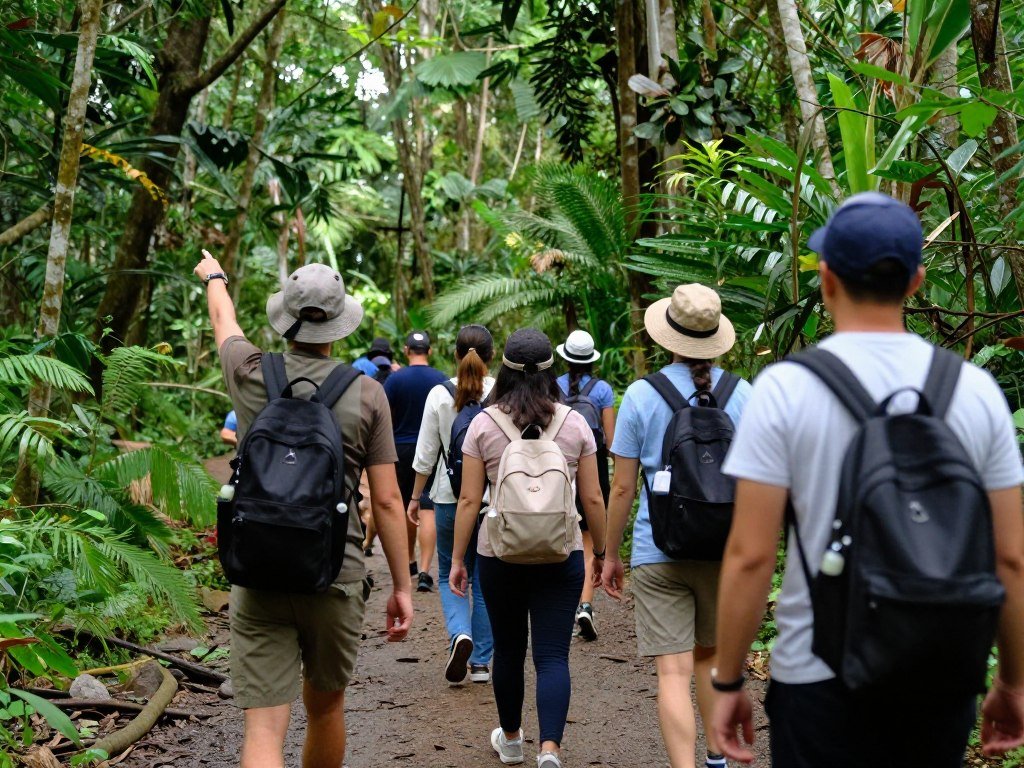
Longhouse visits arranged through tour operators cost RM300-500 per person for overnight stays. This typically includes transport, meals, accommodation, and cultural activities. Independent travelers can arrange cheaper visits but miss the organized cultural programs and reliable transport logistics tour operators provide.
Wildlife centers like Semenggoh charge small entry fees around RM10. The Sarawak cultural village entry runs RM60-90 for adults. Specialized activities like adventure caving or via ferrata cost RM200-400 per person. These guided experiences include equipment rental and safety instruction justifying higher prices.
Money-Saving Strategies
Booking flights and accommodation well in advance secures better rates particularly during peak seasons. Traveling during shoulder months offers lower prices and fewer crowds. Eating at local establishments rather than tourist restaurants significantly reduces food costs while providing more authentic experiences.
Budget-Saving Tips
- Book domestic flights 2-3 months ahead for best rates
- Stay in hostels or budget hotels for accommodation savings
- Eat at hawker centers and local coffee shops
- Use public buses for intercity travel when time allows
- Join group tours to share guide and transport costs
- Visit free attractions like markets and waterfront areas
- Bring refillable water bottle to avoid buying bottled water
- Travel during shoulder seasons for better accommodation rates
Sample Itinerary Budgets
A week-long budget trip focusing on Kuching, Bako national park, and nearby areas might cost RM1,500-2,500 total. This assumes hostel accommodation, local food, public transport, and limited organized tours. Mid-range travelers spending 10 days covering Kuching, Mulu national park, and cultural experiences should budget RM6,000-10,000 including domestic flights and comfortable accommodation.

A two-week comprehensive trip staying in nice hotels, hiring guides, visiting multiple national parks, and enjoying quality dining experiences costs RM15,000-25,000 per person. Adding luxury accommodations, private guides, and exclusive experiences pushes costs significantly higher. These estimates exclude international flights to Malaysia which vary greatly by origin and booking timing.
Suggested Itineraries for Different Trip Lengths
The following itineraries provide frameworks for trips ranging from one week to three weeks. Adjust these based on your interests, fitness level, and budget. Each represents a balanced approach mixing nature, culture, and practical travel logistics.
One Week Itinerary: Kuching and Surroundings
This itinerary suits first-time visitors with limited time. You experience Sarawak’s highlights while maintaining a reasonable pace without excessive rushing between locations.
Day-by-Day Overview
- Arrive Kuching, explore waterfront area, visit Sarawak Museum, evening at Top Spot Food Court
- Full day Bako national park with overnight stay, afternoon wildlife watching
- Morning trail walk at Bako, return to Kuching afternoon, explore Main Bazaar shops
- Day trip to Sarawak cultural village, afternoon at Damai Beach, sunset from Mount Santubong viewpoint
- Visit Semenggoh Wildlife Centre for orangutan feeding, afternoon exploring local markets
- Day trip to Kubah National Park, waterfall trail and swimming, return evening
- Final city exploration, shopping for souvenirs, departure preparations
Ten Day Itinerary: Best of Sarawak
This schedule adds Mulu national park while maintaining comfortable pacing. You experience the diversity from coastal environments to interior wilderness without excessive travel stress.
- Arrive Kuching, settle in, evening waterfront walk and dinner
- Bako national park day trip or overnight, proboscis monkey viewing
- Sarawak cultural village and Semenggoh Wildlife Centre visits
- Fly to Miri, explore city, visit Canada Hill, prepare for Mulu
- Fly to Mulu, afternoon orientation, evening bat exodus at Deer Cave
- Clearwater and Wind Cave tours, afternoon canopy walk
- Full day Pinnacles trek preparation or alternative easier trails
- Return Miri, afternoon relaxation or final Miri explorations
- Fly back to Kuching, market visits, final souvenir shopping
- Final Kuching exploration, departure preparations
Two Week Itinerary: Comprehensive Sarawak Experience
This extended itinerary allows deeper exploration including longhouse visits and more remote areas. The pace permits appreciating destinations without constant rushing to the next location.
- Arrive Kuching, waterfront exploration, Sarawak Museum, orientation to city
- Full day and overnight at Bako national park, extensive trail network exploration
- Return from Bako, afternoon Semenggoh orangutan visit, evening local food exploration
- Sarawak cultural village, afternoon at Kubah National Park waterfalls
- Drive to Batang Ai region, longhouse overnight experience, cultural activities
- Return from longhouse, afternoon relaxation or city exploration
- Fly to Miri via Kuching, settle in Miri, Canada Hill visit
- Fly to Mulu, orientation, show caves tour, evening bat exodus
- Clearwater Cave and canopy skywalk, afternoon swimming
- Full day adventure activities or Pinnacles trek Day 1
- Pinnacles trek Day 2 or alternative activities, return to headquarters
- Return to Miri, afternoon relaxation or final explorations
- Fly Miri to Kuching, final market visits, last-minute purchases
- Final Kuching time, departure preparations, evening farewell dinner
Three Week Itinerary: Ultimate Sarawak Adventure
Three weeks allows thorough exploration including remote areas, multi-day treks, and extended cultural immersion. This pace permits rest days and flexibility for weather or personal interests developing during the trip.
- Days 1-2: Kuching arrival and city exploration
- Days 3-4: Bako National Park overnight stay
- Day 5: Semenggoh and cultural village
- Days 6-7: Batang Ai and longhouse experience
Week 1: Kuching Region
- Days 8-9: Travel to Miri and Mulu National Park
- Days 10-12: Pinnacles trek and show caves
- Day 13: Canopy walk and adventure caving
- Day 14: Return to Miri, rest day
Week 2: Interior Wilderness
- Days 15-16: Rajang River journey to interior
- Day 17: Upriver longhouse experience
- Days 18-19: Return journey and Sibu exploration
- Days 20-21: Return Kuching, final experiences
Week 3: River Journey
Customizing Your Itinerary
These itineraries provide starting frameworks. Adjust based on your priorities. Wildlife enthusiasts might spend more time at rehabilitation centers and national parks. Culture-focused travelers could extend longhouse visits and reduce nature activities. Adventure seekers might prioritize trekking and caving while skipping some city time.
Weather impacts some activities significantly. Heavy rain makes trails dangerous and caves inaccessible. Building flexibility into your schedule allows adapting to conditions. Booking refundable accommodations and flexible tickets where possible provides freedom to adjust plans based on weather forecasts and on-ground conditions.
Interactive map of Sarawak showing key destinations, national parks, and travel routes
Final Thoughts on Your Sarawak Journey
Sarawak rewards travelers seeking experiences beyond typical tourist circuits. The combination of pristine wilderness, living cultures, and accessible adventure creates memorable journeys. Planning your trip thoughtfully ensures you maximize limited vacation time while respecting the environments and communities you encounter.
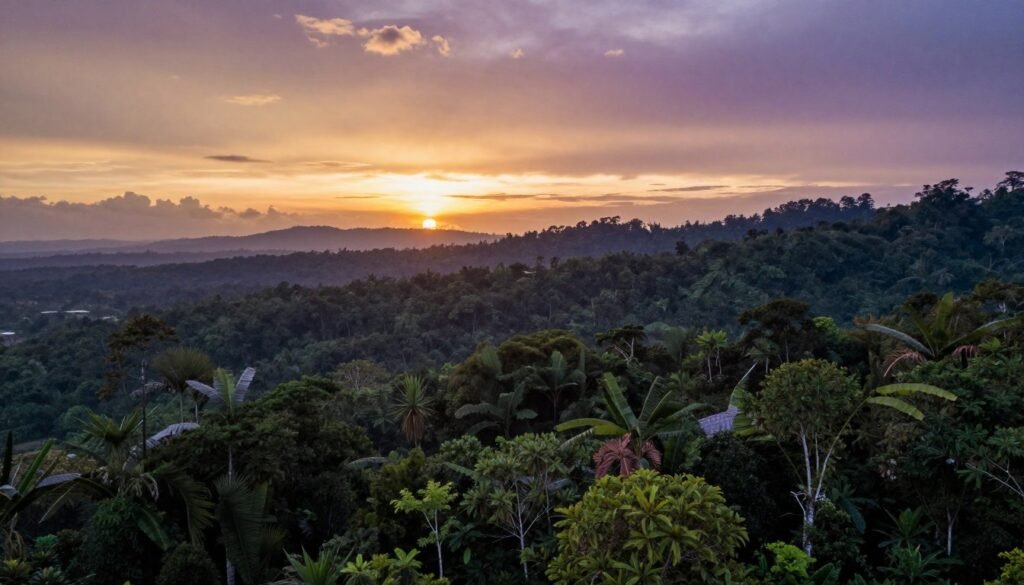
The national park system provides infrastructure for wilderness access while protecting sensitive ecosystems. Supporting these conservation efforts through entrance fees and responsible behavior helps preserve Sarawak’s natural heritage. Similarly, engaging respectfully with indigenous communities supports cultural preservation and provides economic alternatives to destructive practices.
Your preparation determines trip success as much as the destinations themselves. Research specific requirements for activities that interest you most. Book popular accommodations early. Allow buffer time for unexpected weather or transport delays. Build in rest days rather than cramming every day full of activities that lead to exhaustion rather than enjoyment.
Sarawak continues developing tourism infrastructure while working to maintain its character. The balance between growth and preservation remains delicate. Your choices as a visitor impact this balance. Supporting local businesses, following park regulations, and traveling thoughtfully contribute to sustainable tourism benefiting both visitors and residents long-term.
Ready to Plan Your Perfect Sarawak Adventure?
Let our experienced team create a personalized itinerary matching your interests, budget, and travel style. We handle all logistics from permits to transport while you focus on experiencing this remarkable destination.