

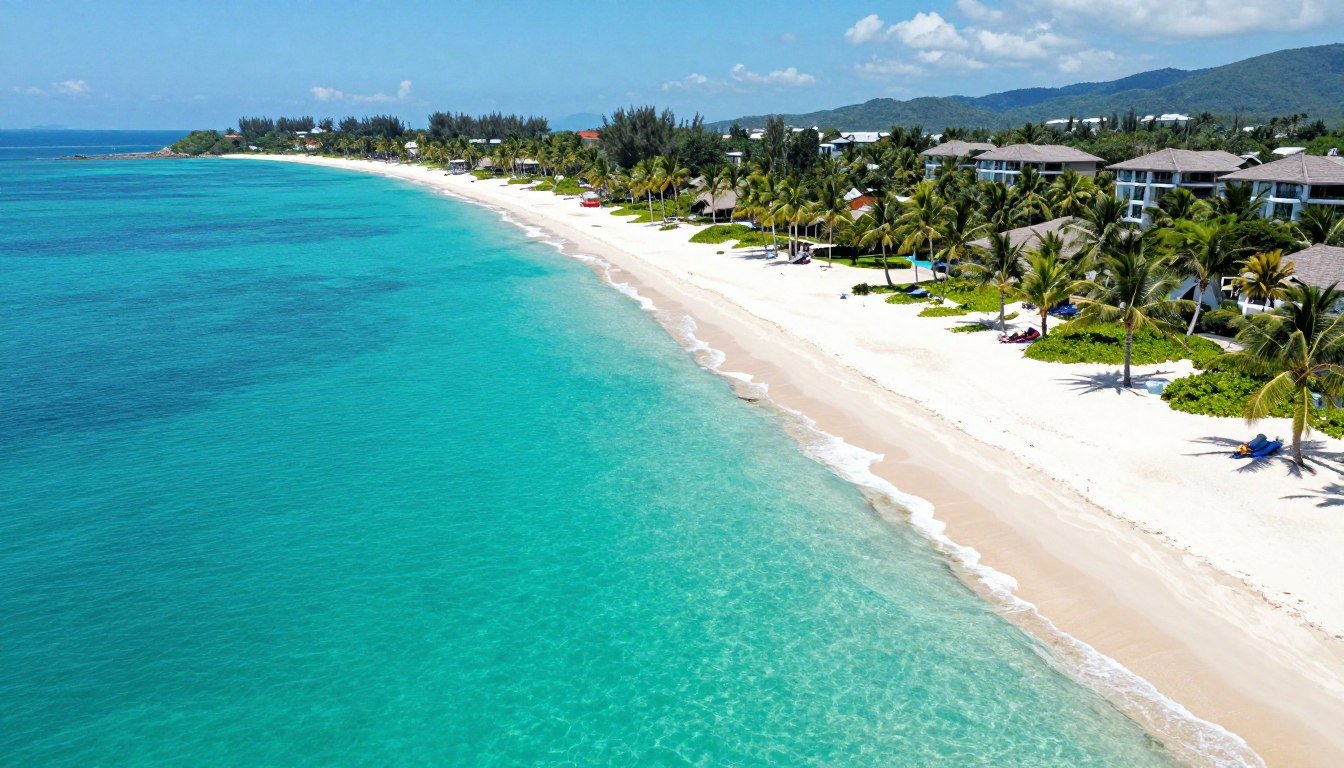
Imagine stepping onto powdery white sand beaches. The turquoise waters of the Gulf of Thailand stretch before you. Palm trees sway in the tropical breeze. This is Phu Quoc island, Vietnam’s largest island and fastest-growing beach destination.
Known as Pearl Island, Phu Quoc has transformed from a sleepy fishing community into Southeast Asia’s hottest travel destination. Yet it retains its authentic Vietnamese charm. Whether you seek luxury resorts, pristine beaches, or cultural experiences, this island delivers.
This comprehensive Phu Quoc travel guide covers everything you need to plan your perfect island getaway. From the best time to visit to hidden beaches, authentic restaurants to luxury accommodations, we’ll help you discover why this Vietnamese gem should top your travel list.
Discovering Phu Quoc Island: Vietnam’s Tropical Gem
Phu Quoc sits in the Gulf of Thailand, just off Cambodia’s coast. The island spans 574 square kilometers, making it Vietnam’s largest island. Located closer to Cambodia than mainland Vietnam, Phu Quoc enjoys a unique position in Southeast Asian waters.

Why Pearl Island Captivates Travelers
The nickname Pearl Island comes from Phu Quoc’s historical pearl farming industry. But the name fits perfectly for other reasons. The island sparkles like a precious gem in the azure waters.
Phu Quoc offers something rare in modern travel. It combines untouched natural beauty with world-class infrastructure. Half the island remains protected as Phu Quoc National Park. Dense jungle covers the interior. Meanwhile, the coastline features some of Asia’s most beautiful beaches.
Natural Wonders
More than 50 percent of Phu Quoc island comprises protected national park land. This preservation ensures pristine ecosystems thrive.
- UNESCO Biosphere Reserve status
- Over 150 kilometers of coastline
- Coral reefs teeming with marine life
- Tropical rainforest interior
Cultural Heritage
Beyond beaches, Phu Quoc island showcases authentic Vietnamese culture through traditional industries and local communities.
- Famous fish sauce production
- Black pepper plantations
- Pearl farming traditions
- Fishing village communities
Modern Amenities
Recent development brought international standards without sacrificing the island’s natural charm and authentic character.
- Phu Quoc International Airport
- Luxury resort properties
- World-class dining options
- Entertainment complexes
Adventure Activities
The island caters to adventure seekers with diverse activities across land and sea environments.
- Scuba diving and snorkeling
- Island hopping tours
- Jungle trekking paths
- Water sports facilities
What Makes Phu Quoc Special
Unlike other Vietnamese beach destinations, Phu Quoc remains relatively uncrowded. While development continues, the island retains its laid-back atmosphere. You won’t find the party scene of Thailand’s islands here. Instead, Phu Quoc offers tranquil beaches, family-friendly resorts, and authentic cultural experiences.
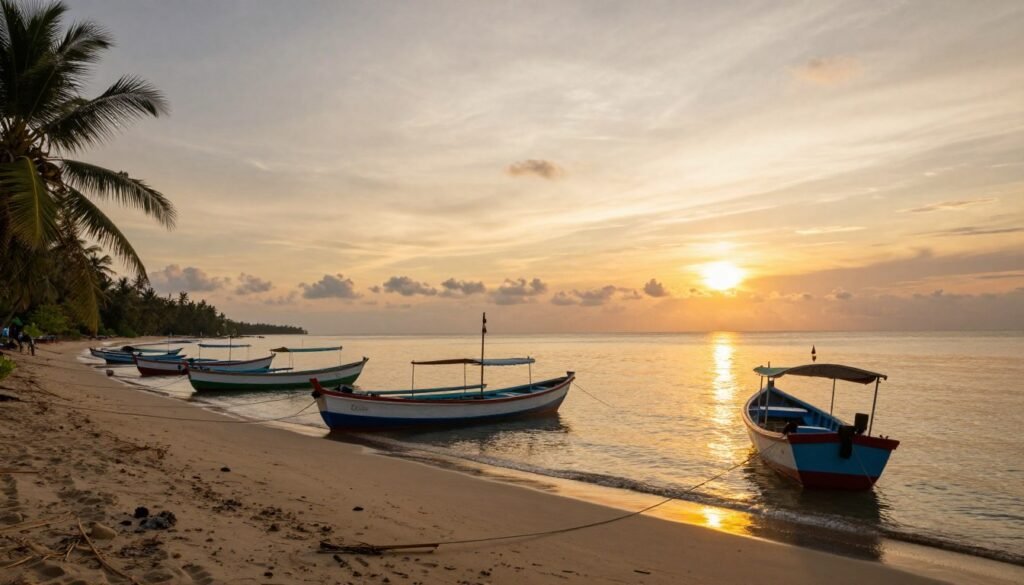
The island’s unique location creates stunning sunset views. Phu Quoc faces west, meaning you can watch the sun sink into the Gulf of Thailand from Long Beach every evening. This natural spectacle draws visitors to beachfront restaurants and bars each night.
Quick Facts: Phu Quoc island covers 574 square kilometers with a population around 180,000. The main town, Duong Dong, sits on the western coast. Vietnamese is the primary language, though English is increasingly common in tourist areas.
Best Time to Visit Phu Quoc: Weather and Seasons
Timing your visit to Phu Quoc island significantly impacts your experience. The island enjoys a tropical climate with two distinct seasons. Understanding weather patterns helps you plan activities and manage expectations.
Dry Season: November to March
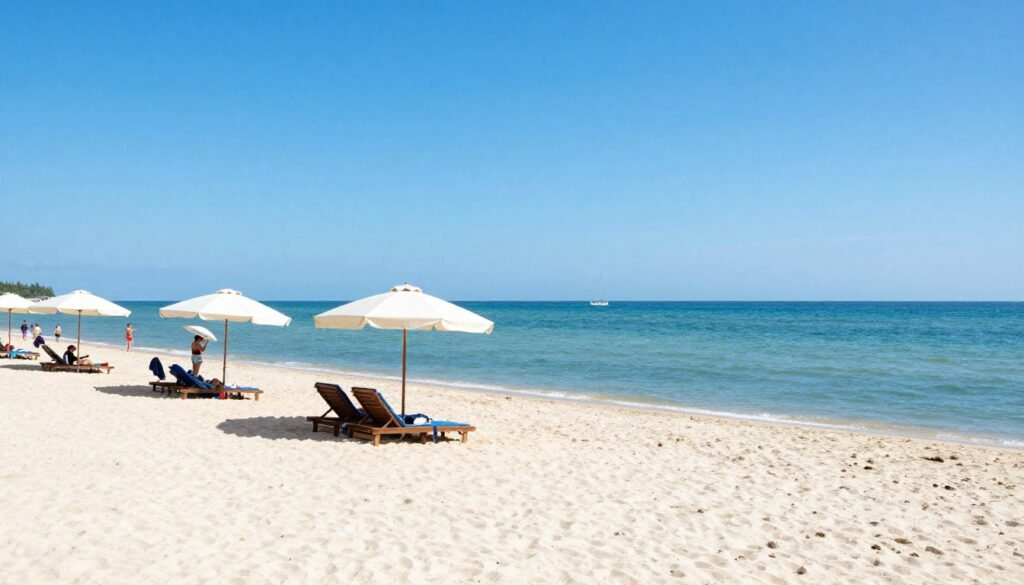
The dry season represents peak travel time for visiting Phu Quoc. From November through March, the island experiences minimal rainfall and comfortable temperatures. Daily highs reach 28-30°C (82-86°F). Humidity stays moderate. The sea remains calm and clear.
This period offers ideal conditions for beach activities. Water visibility peaks, making it perfect for snorkeling and diving. The calm waters also mean smooth boat rides to nearby islands. Sunset views are spectacular without cloud interference.
Peak Season Note: December through February sees the highest tourist numbers. Book accommodations and tours in advance during these months. Prices increase by 30-50 percent compared to low season rates.
Rainy Season: April to October
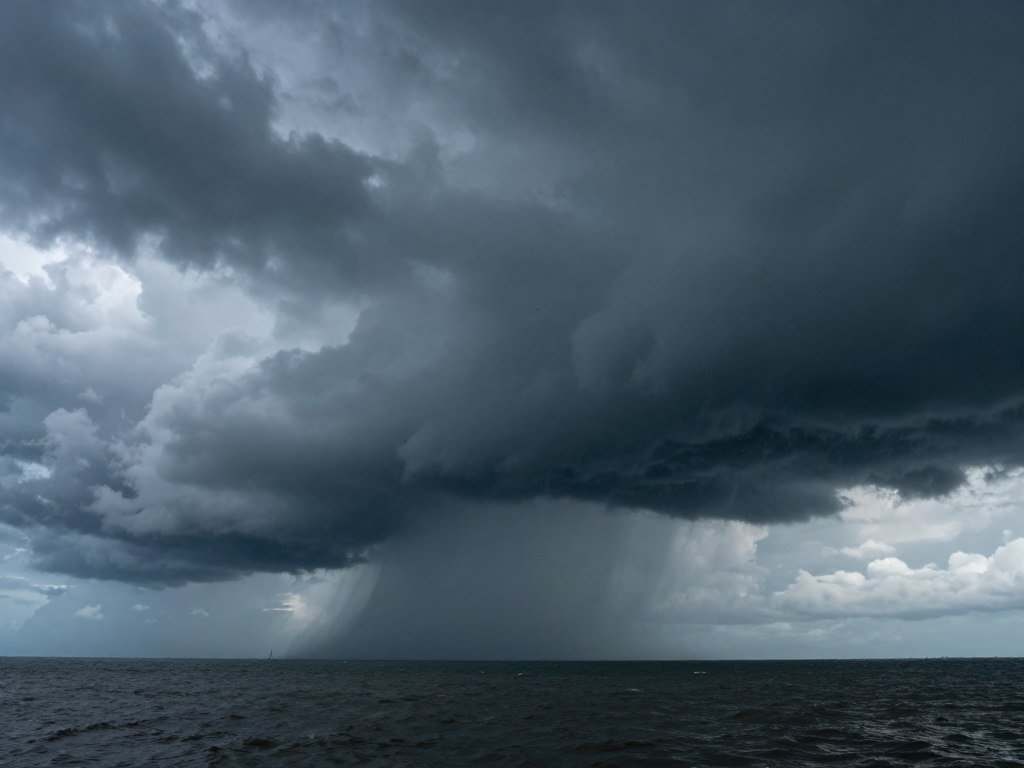
The rainy season brings afternoon showers and occasional storms. However, don’t dismiss this period entirely. Rain typically arrives in short, intense bursts during late afternoon or evening. Mornings often stay clear and sunny.
Visiting Phu Quoc during rainy season offers advantages. Hotel rates drop significantly. Beaches feel less crowded. The landscape turns lush and green. Many travelers enjoy the quieter atmosphere and budget-friendly prices.
July to September Considerations
These months bring the heaviest rainfall. Some water activities may be limited due to rough seas. However, many resorts offer special promotions. Indoor attractions like VinWonders remain fully operational.
Month-by-Month Weather Guide
| Month | Average Temp | Rainfall | Sea Conditions | Crowd Level |
| November | 27°C (81°F) | Low | Calm | Moderate |
| December | 26°C (79°F) | Very Low | Calm | High |
| January | 26°C (79°F) | Very Low | Calm | Very High |
| February | 27°C (81°F) | Low | Calm | High |
| March | 28°C (82°F) | Low | Calm | Moderate |
| April | 29°C (84°F) | Moderate | Moderate | Low |
| May | 29°C (84°F) | High | Choppy | Low |
| June | 28°C (82°F) | High | Choppy | Low |
Special Events and Festivals
Consider timing your visit around local celebrations. The island hosts several festivals that showcase Vietnamese culture. Tet Nguyen Dan, Vietnamese New Year, typically falls in late January or February. While many businesses close, the festive atmosphere creates unique experiences.
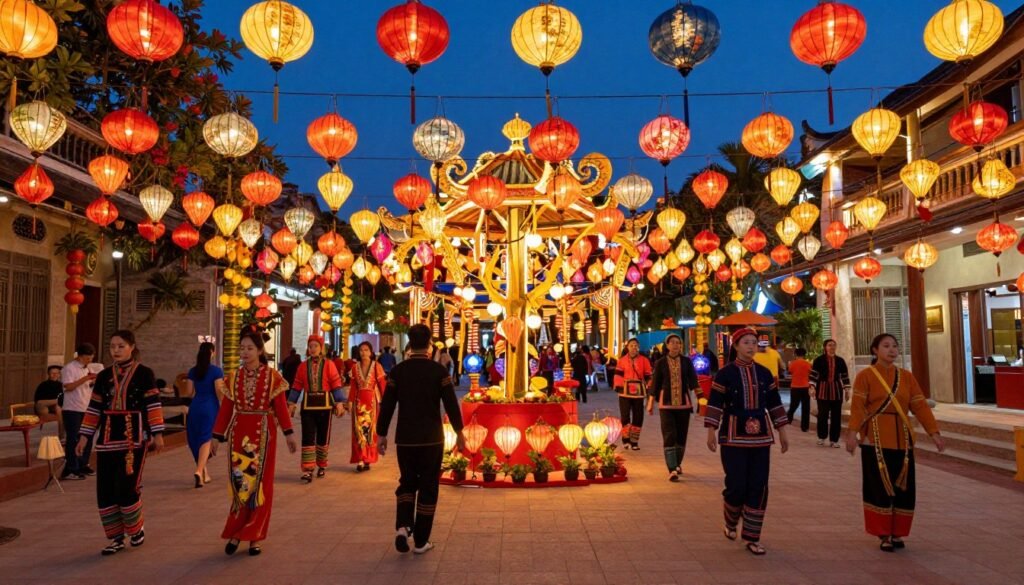
The Dinh Cau Temple Festival occurs in the first lunar month. Local fishing communities gather for ceremonies and celebrations. This authentic cultural event provides insight into island traditions.
Ready to Book Your Phu Quoc Escape?
Start planning your tropical getaway today. Compare flights to Phu Quoc International Airport and find the best hotel deals for your preferred travel dates. The perfect island vacation awaits.
Getting There: Your Journey to Phu Quoc Island
Reaching Phu Quoc island has become remarkably convenient in recent years. Multiple transportation options connect this tropical paradise to mainland Vietnam and international destinations. Your choice depends on budget, time constraints, and travel preferences.
Flying to Phu Quoc International Airport
Air travel represents the fastest and most popular way to reach Phu Quoc. Phu Quoc International Airport opened in 2012 and underwent major expansion in 2021. The modern facility now handles international and domestic flights efficiently.
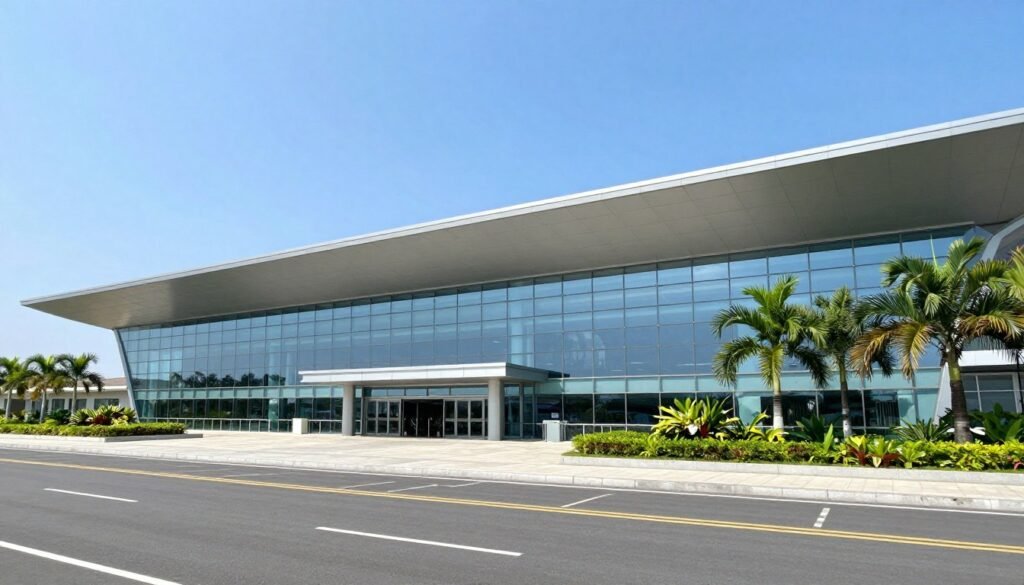
Direct flights connect Phu Quoc to Ho Chi Minh City in just one hour. Hanoi flights take approximately two hours. Several airlines operate these routes daily, including Vietnam Airlines, VietJet Air, and Bamboo Airways. Prices vary from $30 to $100 one way depending on season and booking timing.
International Connections
International flights serve Phu Quoc from several Asian cities. Direct routes operate from Seoul, Bangkok, Singapore, and several Chinese cities. These connections make visiting Phu Quoc easier for international travelers.
The airport sits on the southern part of the island, about 10 kilometers from Duong Dong. Taxis, private transfers, and hotel shuttles provide transportation to your accommodation. The journey takes 15-30 minutes depending on destination.
Airport Transfer Tip: Book airport transfers in advance through your hotel for the best rates. Taxi meters at the airport can be unreliable. Fixed-price transfers typically cost $10-15 to most resorts.
Ferry Services from Mainland Vietnam
Ferry travel offers a budget-friendly alternative to flying. Several ferry operators run daily services from mainland Vietnam to Phu Quoc. The journey provides scenic ocean views and a more adventurous travel experience.
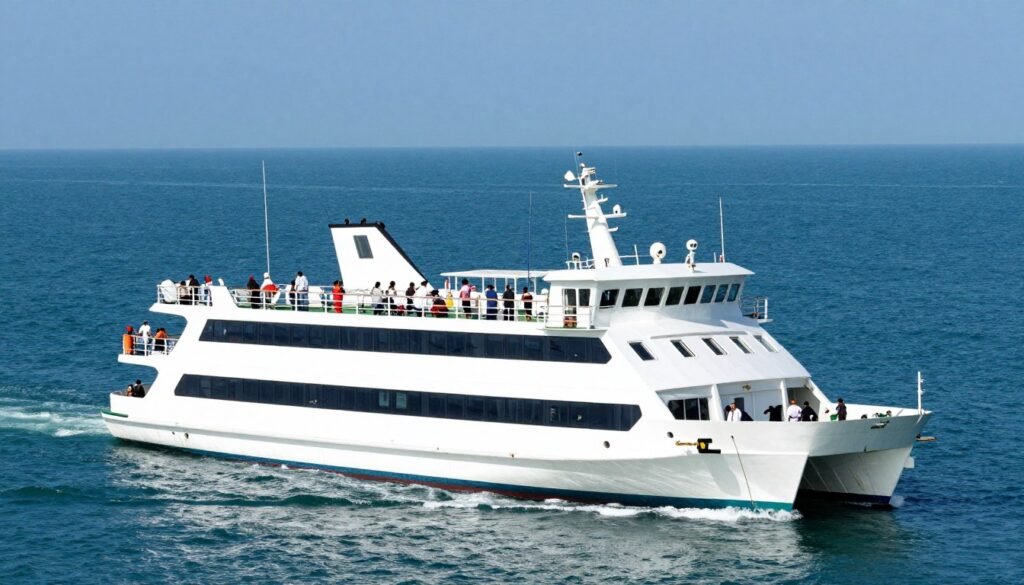
The primary departure points include Rach Gia and Ha Tien on the mainland. From Rach Gia, the ferry journey takes approximately 2.5 hours. Ha Tien offers a shorter crossing of about 1.5 hours. High-speed ferries operate multiple times daily.
Ferry Booking and Pricing
Ferry tickets cost between $10-20 per person one way. Book tickets online in advance during peak season. Walk-up tickets are usually available during low season. Most ferries offer both standard and VIP seating options.
To take a ferry, you’ll first need to reach either Rach Gia or Ha Tien from Ho Chi Minh City. Buses depart regularly from the city, taking 5-6 hours to reach these coastal towns. Some travelers prefer this overland journey for the cultural experience.
Superdong Ferry
Superdong operates the largest ferry fleet. Their vessels feature air-conditioned cabins and onboard refreshments. Departures run from both Rach Gia and Ha Tien throughout the day.
Phu Quoc Express
Phu Quoc Express offers premium high-speed services. These ferries provide the fastest crossing times. Comfortable seating and modern amenities make the journey pleasant.
Visa Requirements and Entry
Vietnam’s visa policies affect Phu Quoc visitors differently than mainland arrivals. The island maintains special visa exemption status. Many nationalities can visit Phu Quoc for up to 30 days without a Vietnamese visa.
This exemption applies only if you arrive and depart directly from Phu Quoc International Airport. If you plan to visit mainland Vietnam before or after Phu Quoc island, standard visa requirements apply. Check current regulations before travel, as policies change.

Visa-Free Countries
Citizens from most Western European countries, the UK, South Korea, and Japan enjoy the Phu Quoc visa exemption. Always verify your nationality’s status before booking. The exemption covers tourist visits only, not business travel.
Immigration Tip: Even with visa exemption, you must present a return flight ticket. Have accommodation details ready. Immigration officers may ask about your stay duration and plans.
Getting from Ho Chi Minh City
Most international travelers reach Phu Quoc via Ho Chi Minh City. The city serves as Vietnam’s main international gateway. Multiple daily flights connect the two destinations, making same-day connections possible.
If you have time, consider spending a day or two exploring Ho Chi Minh City before heading to the island. The city offers excellent street food, historical sites, and vibrant markets. This combination creates a well-rounded Vietnamese travel experience.
Where to Stay in Phu Quoc: Accommodation Guide
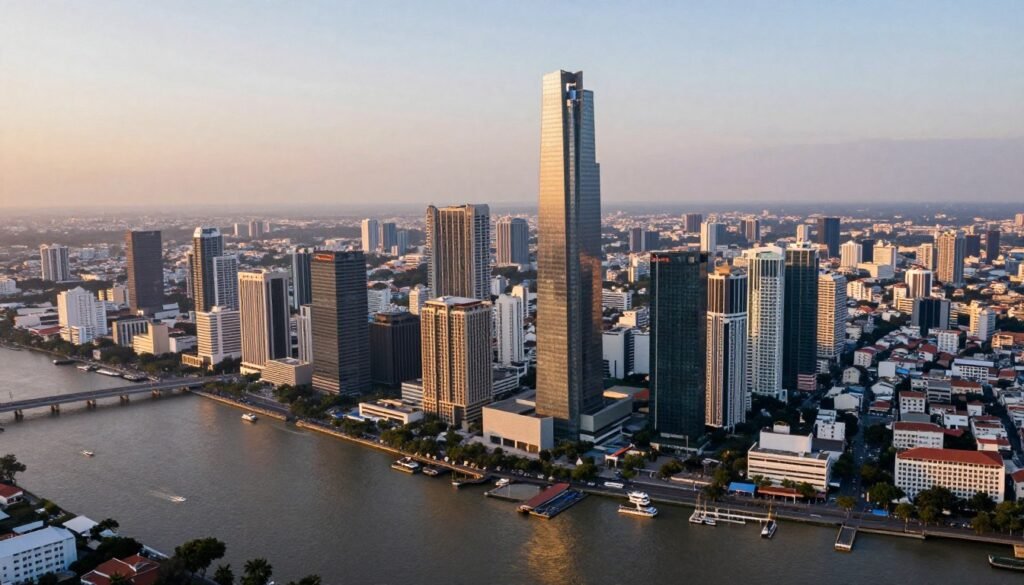
Choosing where to stay in Phu Quoc shapes your entire island experience. The island offers diverse accommodation options across different areas and price points. Understanding each region’s character helps match your stay to your travel style.
Best Areas to Stay on Phu Quoc Island
Phu Quoc accommodations cluster in several key areas. Each zone offers distinct advantages and atmospheres. Consider your priorities, whether beach access, nightlife, or seclusion, when selecting your base.
Long Beach (Bai Truong)
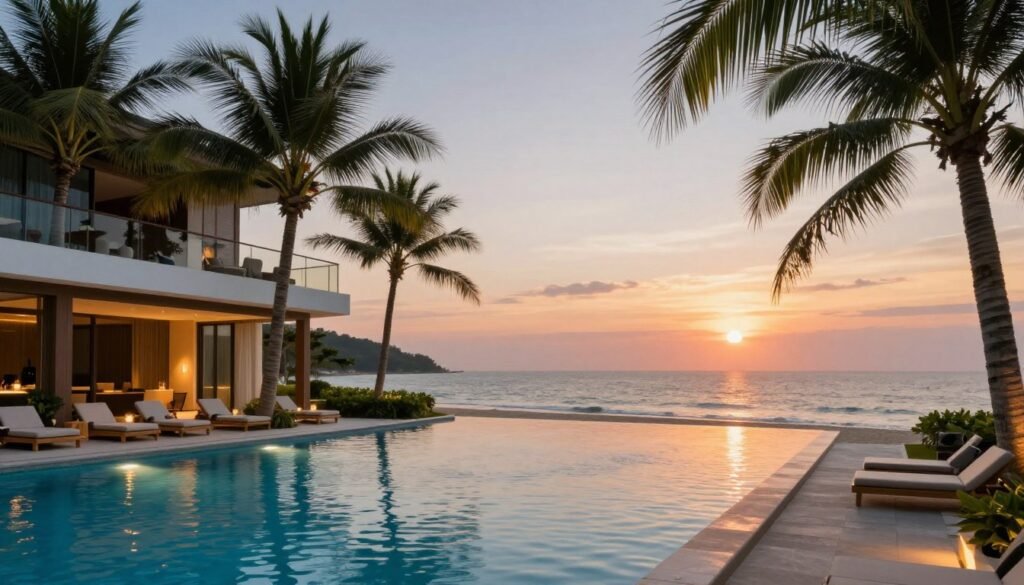
Long Beach stretches along the western coast for 20 kilometers. This area serves as the tourist hub with the highest concentration of resorts. The beach faces west, offering spectacular sunset views every evening. Duong Dong town sits at the northern end, providing restaurants, shops, and the famous night market.
Long Beach suits travelers wanting convenience and variety. Numerous dining options line the coast. Beach bars offer sunset cocktails. The area remains developed but not overcrowded. Resorts range from budget to ultra-luxury.
Ong Lang Beach
Ong Lang Beach sits north of Long Beach. This quieter area attracts travelers seeking tranquility. The beach features soft sand and calm waters. Small boutique resorts dominate the coastline rather than massive properties.
This area provides a more authentic island experience. Local seafood restaurants serve fresh catches daily. The vibe remains relaxed and unhurried. Ong Lang works well for couples and anyone wanting to escape crowds.
Sao Beach (Bai Sao) Area
Sao Beach on the southeast coast ranks among Vietnam’s most beautiful beaches. The powdery white sand and turquoise water create postcard-perfect scenes. However, accommodation options near Sao Beach remain limited compared to Long Beach.
Staying in this area means spectacular beach access but fewer dining choices. Most visitors base themselves elsewhere and visit Sao Beach for day trips. The limited development preserves the beach’s pristine beauty.
Luxury Resort Options
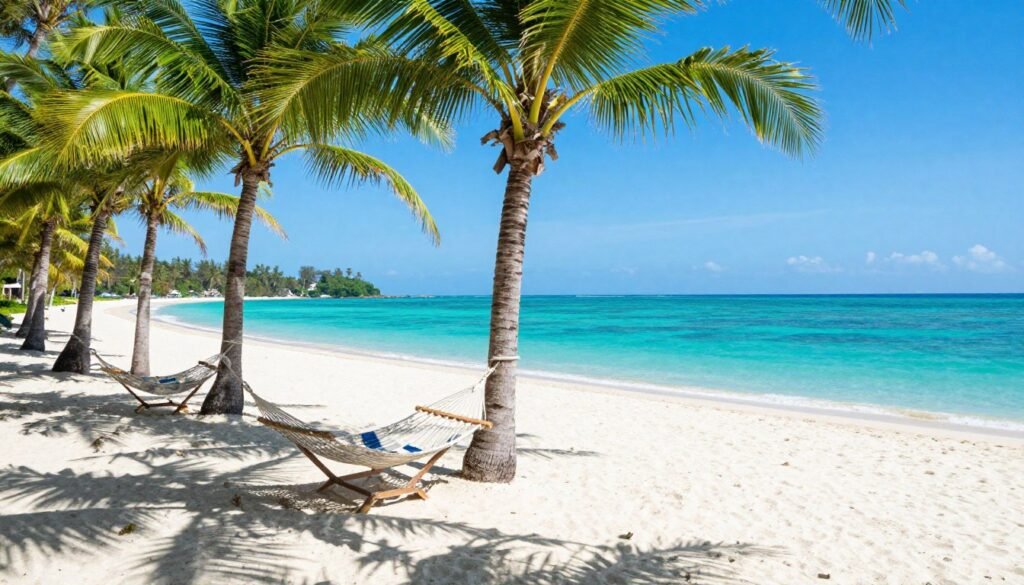
Phu Quoc has rapidly developed into a luxury resort destination. International hotel chains have established premium properties across the island. These resorts offer world-class amenities, private beaches, and exceptional service.
JW Marriott Phu Quoc Emerald Bay
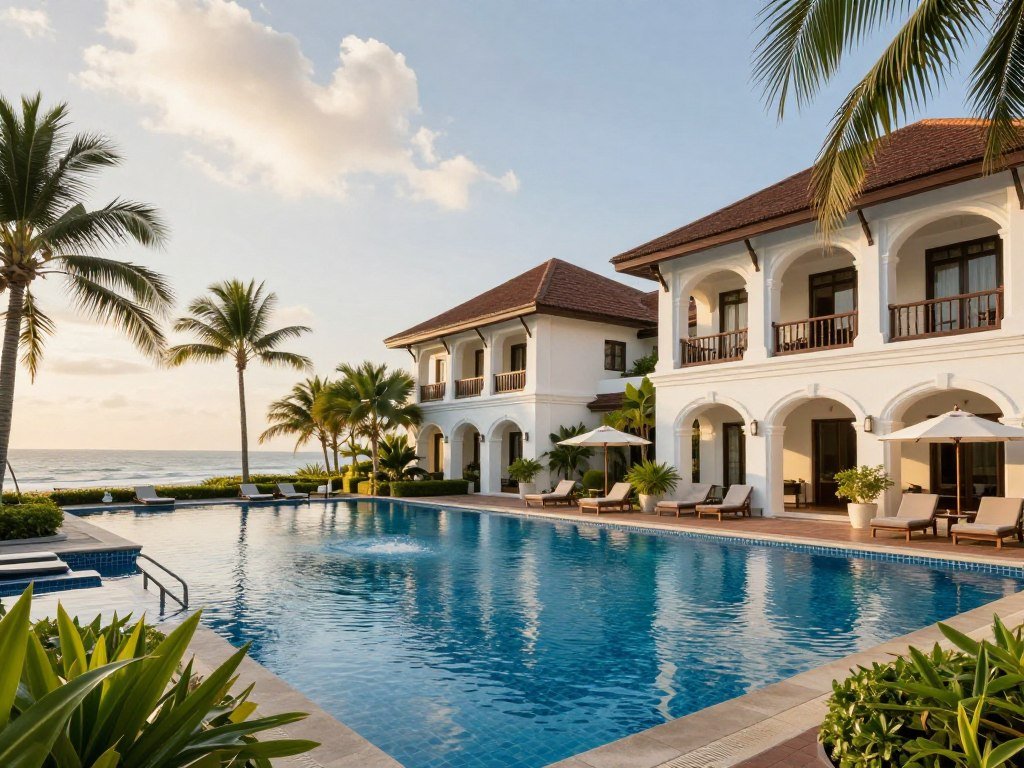
This architectural masterpiece designed by Bill Bensley combines French colonial elegance with modern luxury. The resort features multiple pools, a private beach, and exceptional dining. Each villa and room showcases unique design elements. The property sits on Khem Beach on the island’s southern coast.
Best For: Luxury seekers, couples, architecture enthusiasts
Price Range: $200-500 per night
InterContinental Phu Quoc Long Beach Resort
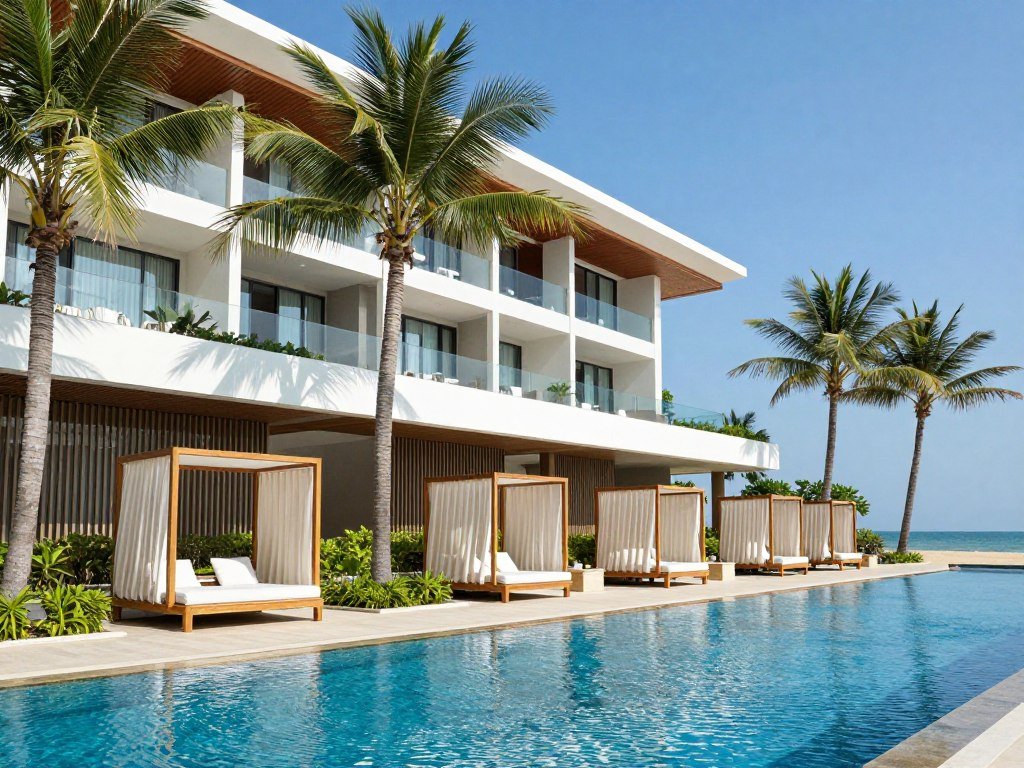
Located on Long Beach, this resort offers direct beach access and stunning sunset views. The property features contemporary design with Vietnamese touches. Facilities include multiple restaurants, an infinity pool, and a world-class spa. Family-friendly amenities make it suitable for all travelers.
Best For: Families, beach lovers, sunset enthusiasts
Price Range: $150-400 per night
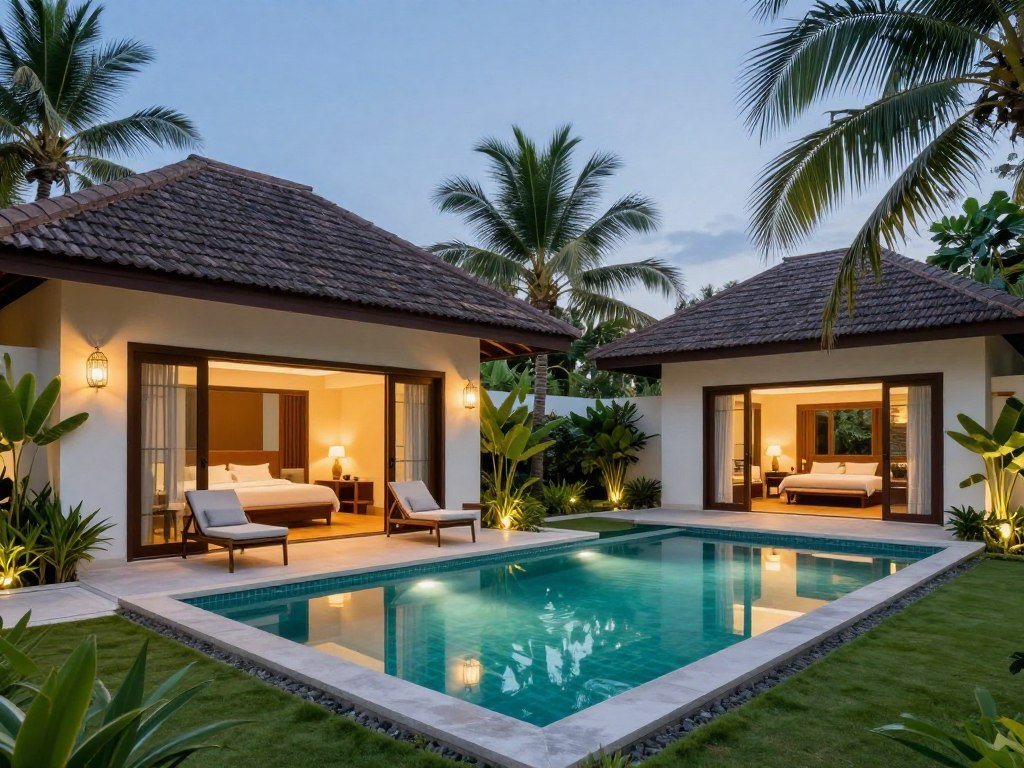
Salinda Resort Phu Quoc Island
This five-star resort provides an intimate luxury experience on Long Beach. The property features spacious rooms and villas, many with private pools. Attentive service and peaceful ambiance create a serene retreat. The beachfront location offers both relaxation and convenient access to Duong Dong.
Best For: Honeymooners, relaxation seekers, beach access
Price Range: $180-450 per night
Mid-Range Hotel Recommendations
Mid-range accommodations on Phu Quoc offer excellent value. These hotels and resorts provide comfortable rooms, good locations, and solid amenities without luxury price tags. Many feature pools, restaurants, and beach access.
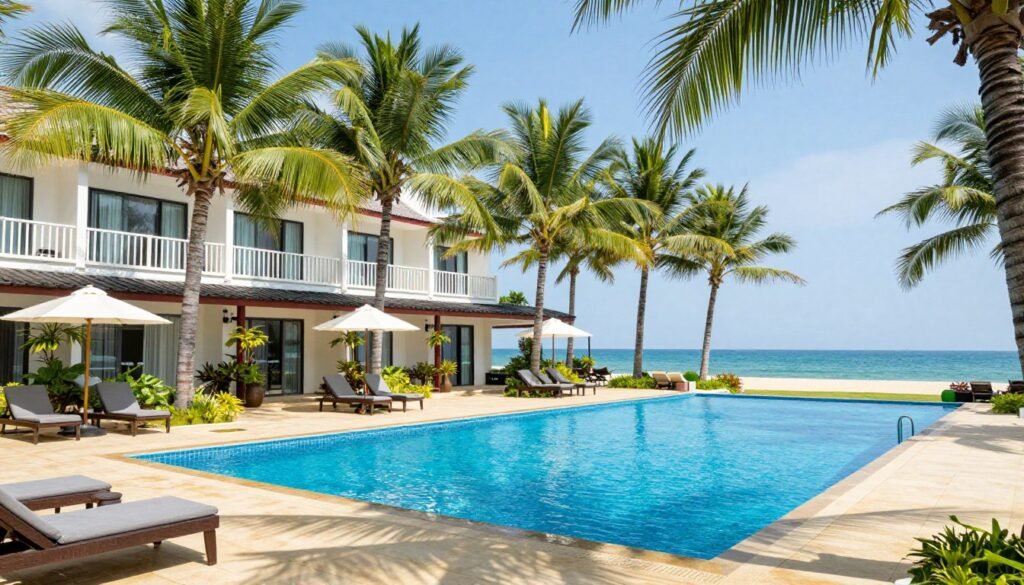
La Veranda Resort offers French colonial charm at moderate prices. The boutique property sits on Long Beach with a beautiful beachfront restaurant. Rooms feature classic design and modern comforts. The resort provides an upscale feel without premium pricing.
The Shells Resort and Spa combines beachfront location with affordable luxury. The property features multiple pools, a kids club, and diverse dining options. Families particularly appreciate the spacious rooms and child-friendly facilities. Prices typically range from $80-150 per night.
Mango Bay Resort attracts eco-conscious travelers. This boutique property uses sustainable practices while maintaining comfort. The beach bungalows offer privacy and direct sand access. The on-site restaurant serves excellent seafood. Rates start around $90 per night.
Budget-Friendly Accommodation
Budget travelers find plenty of options across Phu Quoc island. Guesthouses, hostels, and simple hotels provide clean, comfortable stays at low prices. Most budget accommodations cluster in Duong Dong town rather than beachfront locations.
Budget Stay Tips
Book budget accommodations well in advance during peak season. Many properties offer better rates for longer stays. Consider locations slightly inland to save money while remaining close to beaches.
- Expect to pay $20-40 per night for basic rooms
- Most include breakfast and WiFi
- Air conditioning usually available
- Motorbike rental often offered on-site
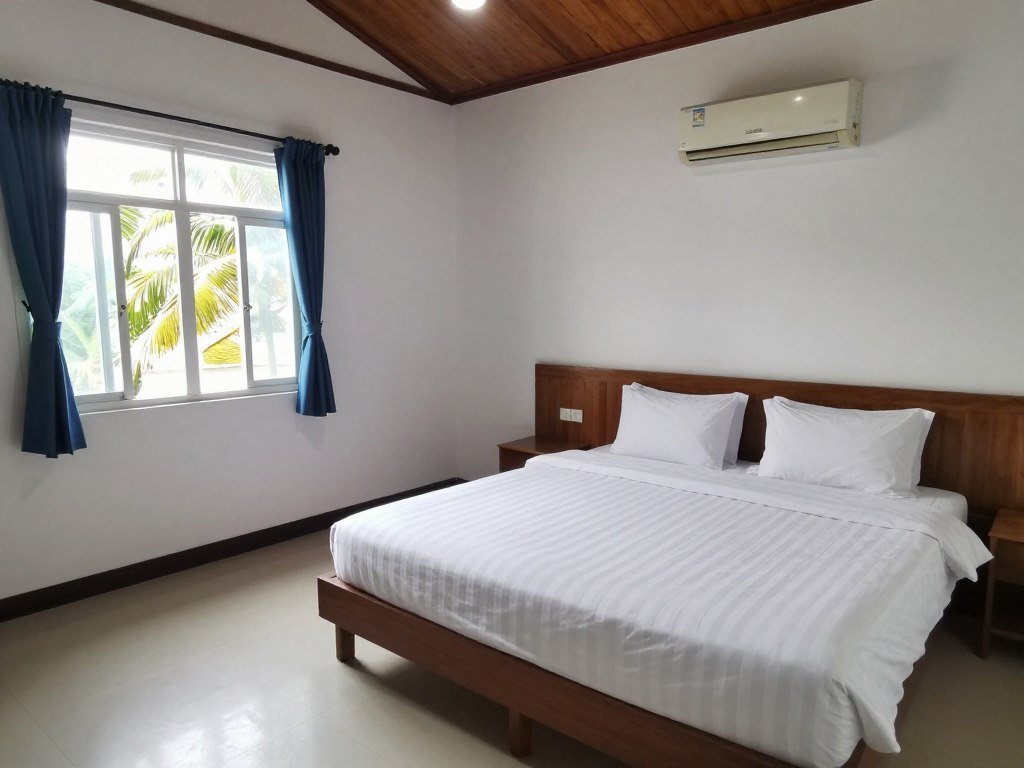
Duong Dong Backpackers Hostel provides dorm beds and private rooms from $10 per night. The social atmosphere attracts solo travelers and those seeking to meet others. The central location makes exploring easy.
Happy Phu Quoc Hostel offers similar budget-friendly options with a rooftop bar. The property organizes island tours and activities. Private rooms cost around $25 per night, while dorm beds start at $8.
Money-Saving Tip: Stay in Duong Dong town and rent a motorbike to visit different beaches. You’ll spend less on accommodation while maintaining flexibility. The town offers the island’s best food and shopping at local prices.
Top Attractions: Must-See Places in Phu Quoc
Phu Quoc island balances natural wonders with modern attractions. From pristine beaches to theme parks, cultural sites to wildlife encounters, the island offers diverse experiences. This section covers the essential attractions that make visiting Phu Quoc memorable.
Best Beaches on Phu Quoc Island
The beaches define any Phu Quoc travel guide. Each stretch of sand offers unique characteristics and atmospheres. Whether you seek solitude or activity, pristine beauty or convenient amenities, Phu Quoc’s beaches deliver.
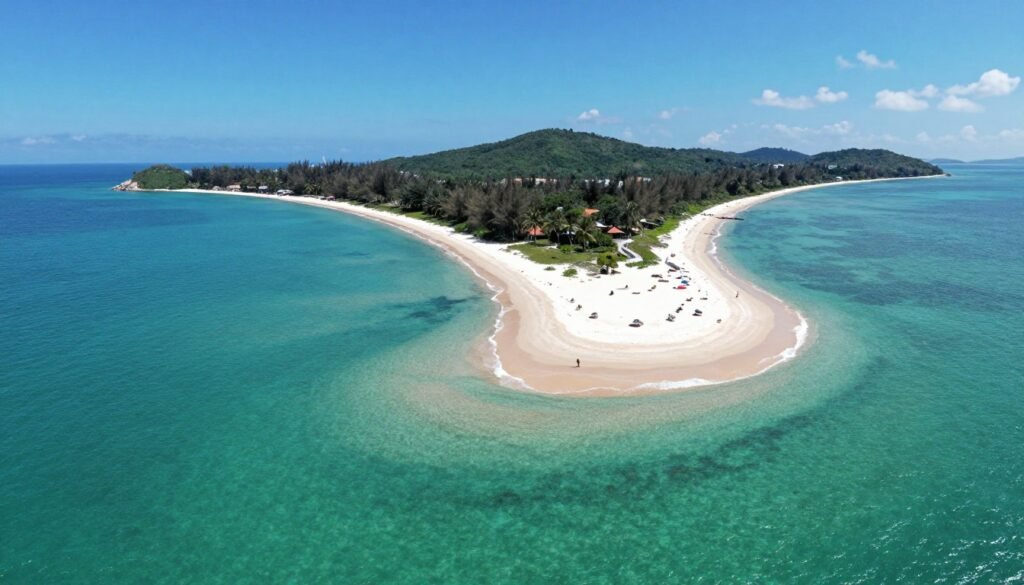
Sao Beach (Bai Sao)
Sao Beach consistently ranks among Vietnam’s most beautiful beaches. Located on the southeast coast, this beach showcases powdery white sand that squeaks underfoot. The water displays brilliant turquoise hues that seem almost artificial in their intensity.
The beach curves gently for about two kilometers. Shallow waters extend far from shore, making swimming safe and enjoyable. Palm trees provide natural shade. Several beach restaurants serve fresh seafood and cold drinks.
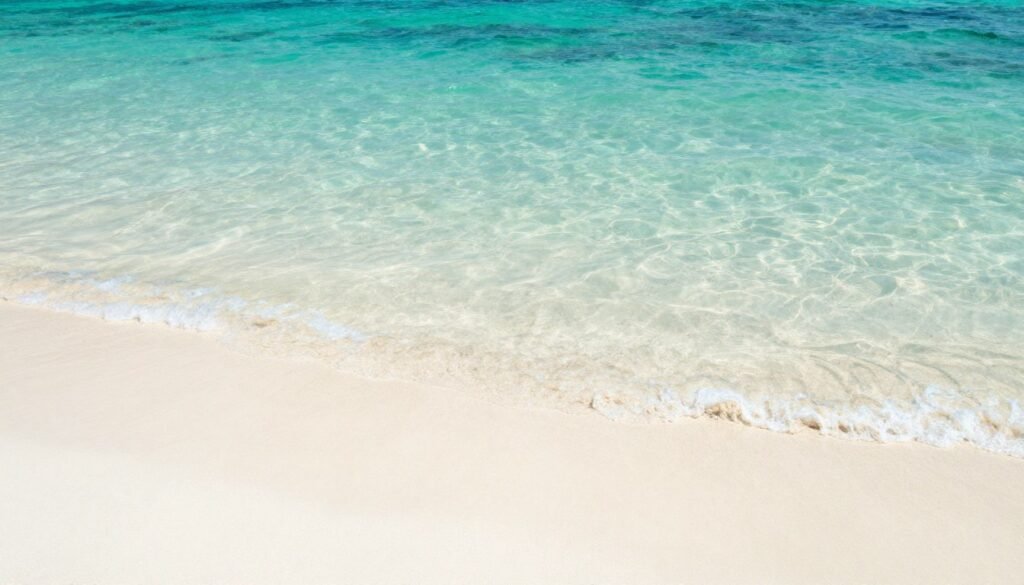
Visit Sao Beach early morning or late afternoon to avoid crowds. Midday brings tour groups and day-trippers. The beach gets busy but never feels overwhelming. Swimming conditions remain excellent year-round, though rainy season can bring afternoon clouds.
Long Beach (Bai Truong)
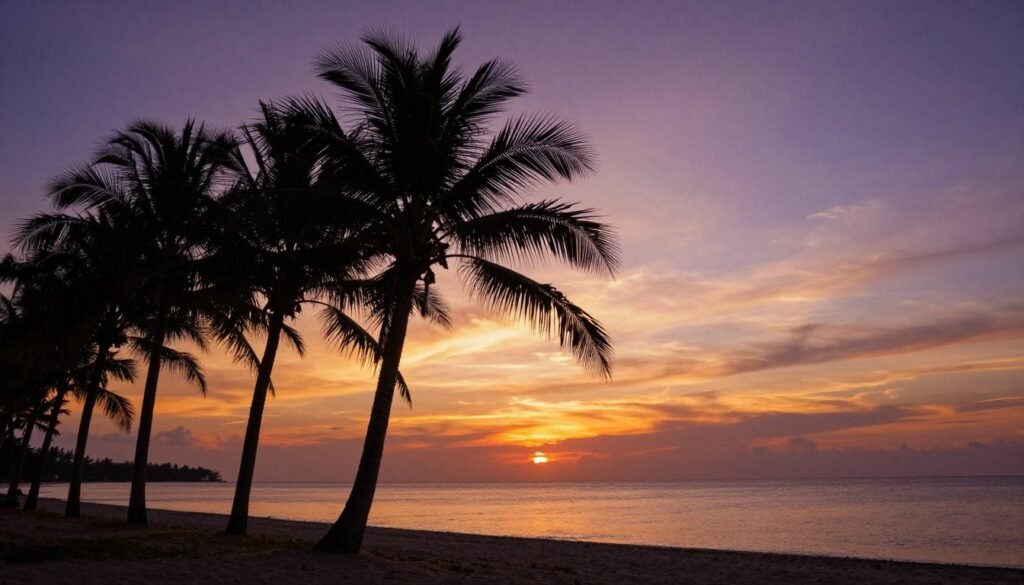
Long Beach stretches 20 kilometers along the western coast. This beach offers the island’s best sunset views. The sand ranges from fine to coarse depending on the specific section. Water clarity varies but generally provides good swimming conditions.
The developed northern sections near Duong Dong feature beachfront resorts and restaurants. Head south for quieter stretches. The beach maintains a pleasant atmosphere despite development. Palm trees line much of the coast, providing afternoon shade.
Starfish Beach (Rach Vem)
Starfish Beach gained fame for its abundant red starfish visible in shallow waters. Located on the northern coast near Rach Vem fishing village, this beach offers a different character than southern beaches. The water stays calm and clear.
The beach remains relatively undeveloped. A few simple restaurants serve local food. Shallow waters make this spot perfect for families with young children. You can walk far into the ocean while water stays waist-deep.
Conservation Note: Please don’t remove starfish from the water for photos. Their numbers have declined due to tourism pressure. Admire them in their natural habitat without disturbing the marine ecosystem.
Bai Dai Beach
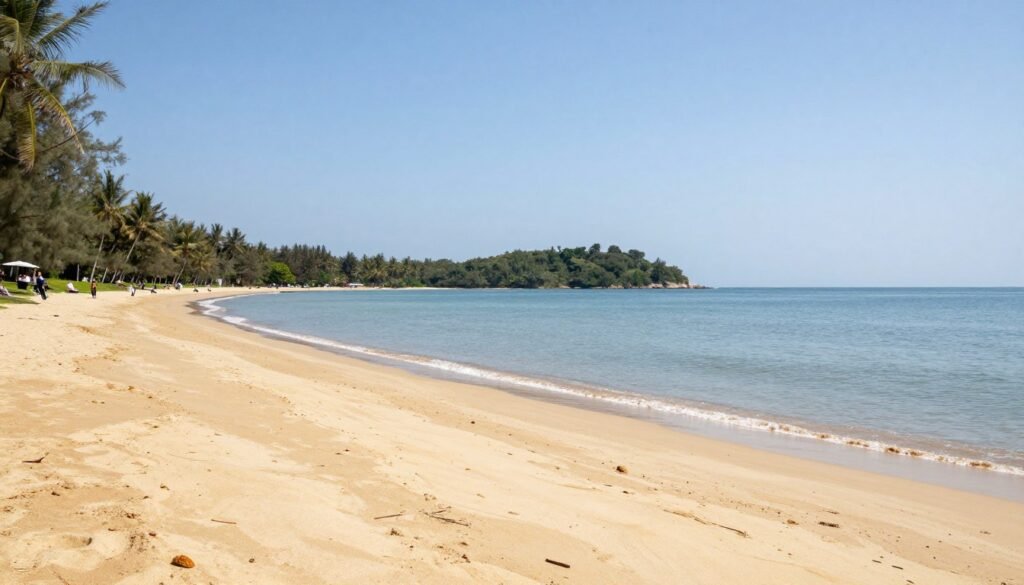
Bai Dai stretches along the northwest coast. This long beach features soft sand and generally calm waters. Recent development brought several upscale resorts to the area. Despite this growth, much of the beach remains peaceful.
The beach sits close to Ganh Dau village, a traditional fishing community. This proximity adds cultural interest to beach time. Several beach clubs and restaurants offer food and drinks. Water sports equipment is available for rent.
Vinpearl Safari Phu Quoc
Vinpearl Safari operates Vietnam’s first and only safari park. The facility covers 380 hectares on the island’s northwest. Over 3,000 animals from 150 species live in semi-natural environments. The park emphasizes conservation and education alongside entertainment.

The safari experience divides into two sections. The open-air safari features African animals including giraffes, zebras, and rhinos. Visitors ride in special vehicles through recreated savanna landscapes. The close animal encounters thrill children and adults alike.
The walking zoo section showcases smaller animals and aviaries. Well-maintained paths wind through landscaped areas. Interactive exhibits teach about wildlife conservation. The park operates daily from 9 AM to 4 PM. Tickets cost approximately $25 per adult.
VinWonders Phu Quoc
VinWonders theme park opened in 2020 as one of Southeast Asia’s largest amusement parks. The massive complex includes rides, water parks, aquarium, and shopping areas. The park provides family entertainment regardless of weather conditions.

The theme park features dozens of rides across adventure, family, and children’s zones. Thrill seekers enjoy roller coasters and extreme rides. Families appreciate gentler attractions and themed areas. The indoor arcade provides refuge during rain.
The water park section includes wave pools, lazy rivers, and water slides. This area stays especially popular during hot weather. The aquarium displays hundreds of marine species in impressive tanks. Daily shows feature trained dolphins and other performers.
VinWonders operates daily from 9 AM to 9 PM. Combined tickets with Vinpearl Safari offer better value. Budget about $30-40 per person for entry. Plan to spend a full day to experience major attractions.
Phu Quoc Night Market
The night market in Duong Dong serves as the island’s social hub after dark. Located in the town center, the market offers food, shopping, and entertainment. The vibrant atmosphere peaks between 7 PM and 10 PM nightly.
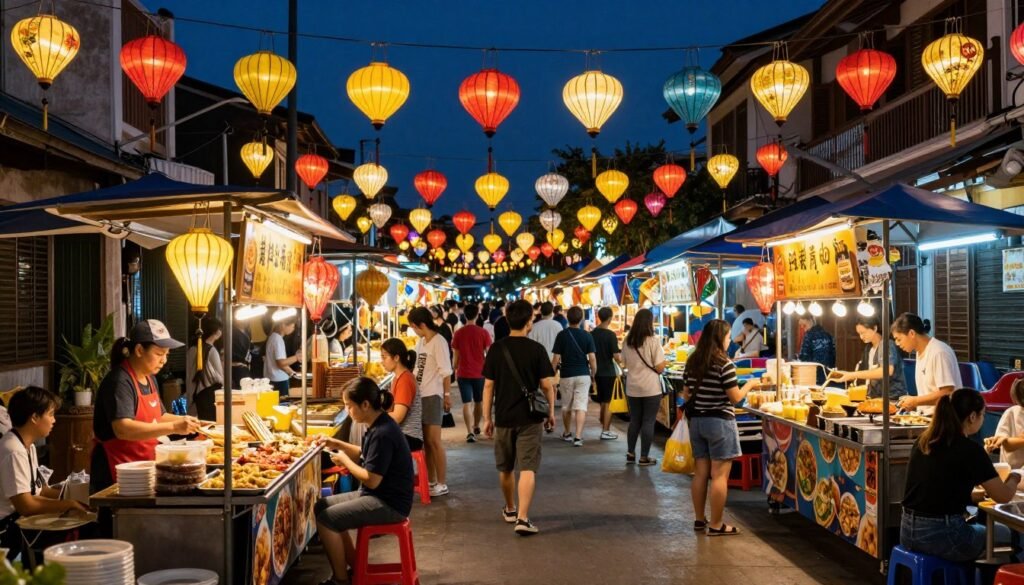
Food stalls dominate the market. Fresh seafood grills release aromatic smoke. You’ll find everything from grilled squid to Vietnamese pho. Prices remain reasonable compared to resort restaurants. Don’t miss local specialties like banh mi and fresh fruit smoothies.
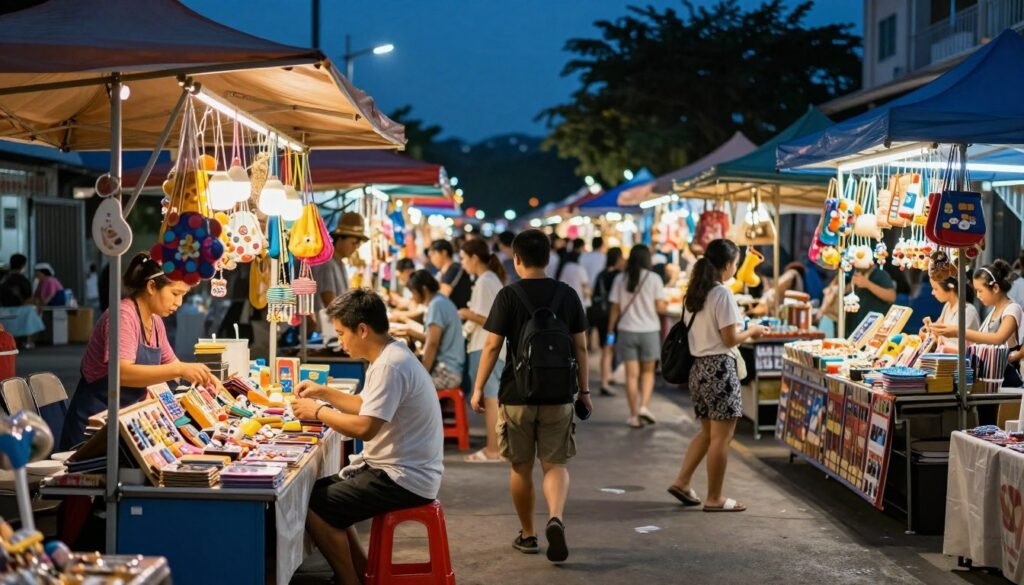
Souvenir vendors sell pearls, pepper, fish sauce, and handicrafts. Practice gentle bargaining to get fair prices. The market’s laid-back vibe makes shopping enjoyable rather than aggressive. Live music and street performers add entertainment.
Dinh Cau Temple and Rock
Dinh Cau sits at the mouth of the Duong Dong River. This small temple honors Thien Hau, the goddess of the sea. Local fishing communities have worshipped here for generations. The temple combines spiritual significance with scenic beauty.
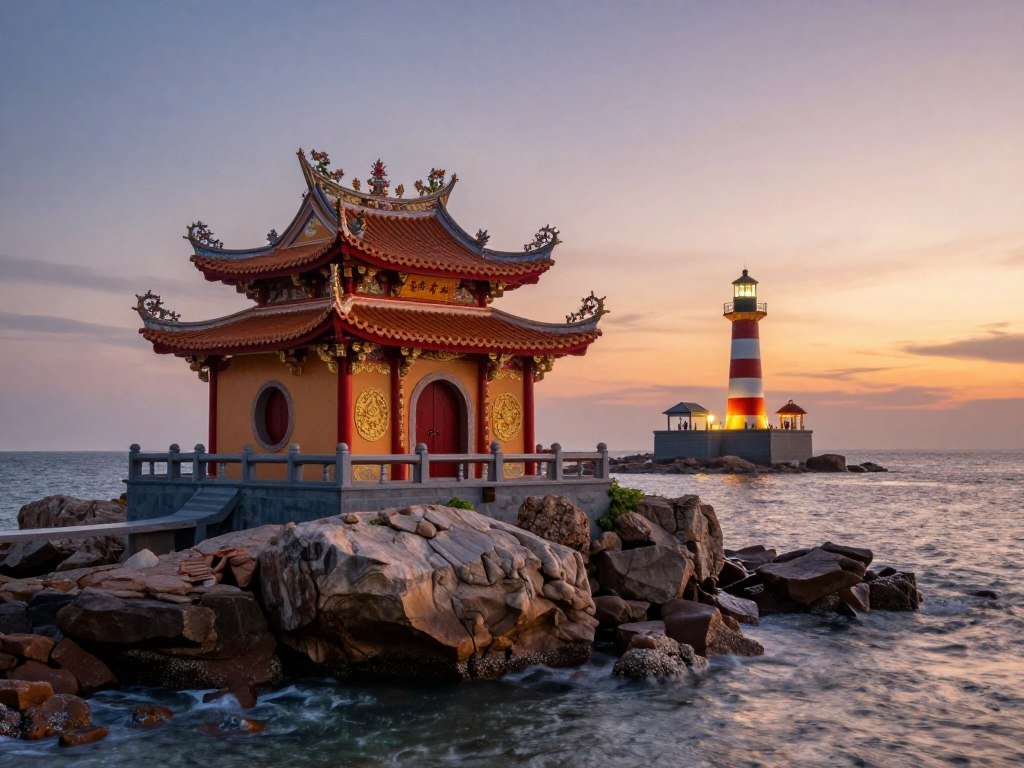
The structure sits atop black rocks jutting into the sea. A small lighthouse stands nearby. Sunset visits offer spectacular views across the harbor. Locals come to pray for safe fishing journeys and good catches.
The temple area remains free to visit. Dress modestly when entering the temple structure. The site gets busy during festivals and holidays. Visit early morning or late afternoon for quieter experiences.
Phu Quoc National Park
More than half of Phu Quoc island comprises protected national park. The park covers 31,422 hectares of tropical forest, mountains, and coastal areas. This preservation maintains the island’s natural character and biodiversity.
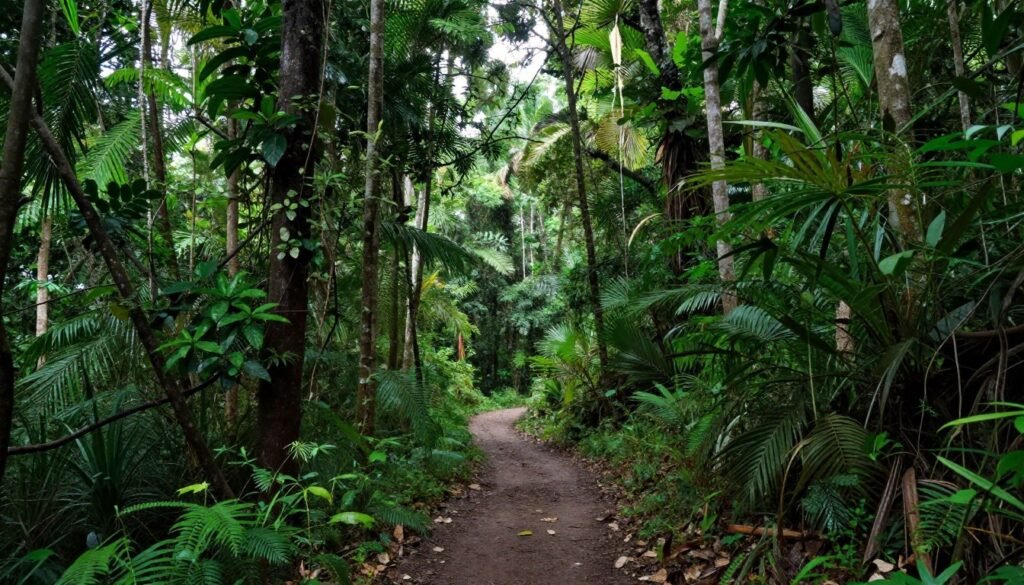
Hiking trails wind through the jungle, though infrastructure remains basic. The park harbors rare wildlife including langurs and hornbills. Serious nature enthusiasts appreciate the unspoiled environment. Guided tours help visitors understand the ecosystem.
The park stretches across the island’s mountainous interior. Access points exist near Ham Ninh and other villages. Bring plenty of water and insect repellent. Inform your accommodation before venturing into remote areas.
Pepper Farms and Fish Sauce Factories
Phu Quoc’s agricultural heritage centers on two famous products: black pepper and fish sauce. Both achieved protected designation of origin status. Visiting production facilities adds cultural depth to your island experience.
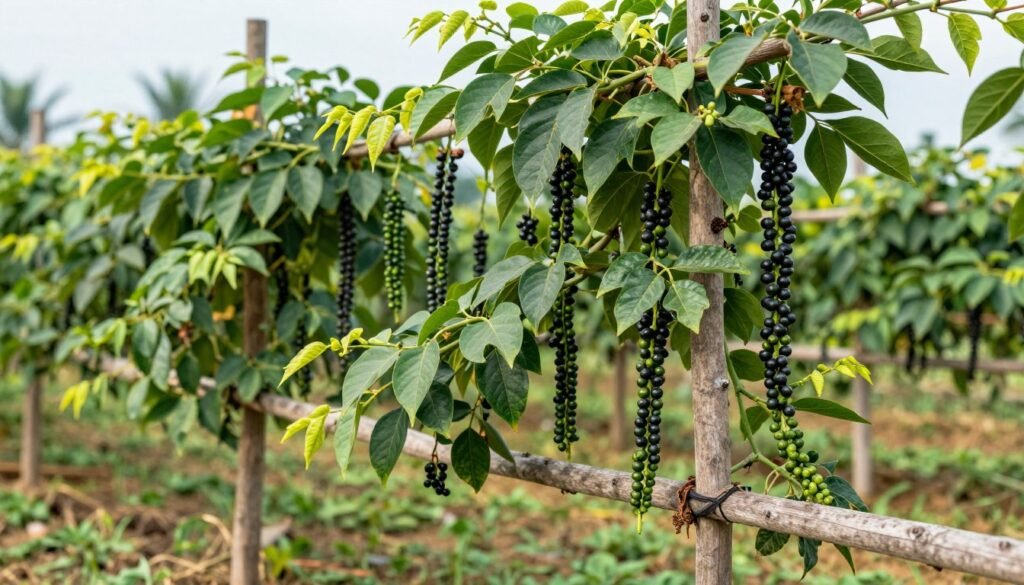
Several pepper farms welcome visitors. The distinctive Phu Quoc peppercorns grow on climbing vines. Farmers explain cultivation and processing methods. You can purchase high-quality pepper at source prices. Khu Tuong Pepper Farm offers informative tours.
Fish sauce factories produce nuoc mam, Vietnam’s essential condiment. The fermentation process takes months in large wooden barrels. The pungent smell intensifies near factories. Many facilities include shops selling various grades of fish sauce. The best fish sauce makes an authentic Vietnamese souvenir.
Discover Phu Quoc’s Hidden Gems
Experience the best of Phu Quoc island with guided tours and activities. From island hopping adventures to cultural experiences, local experts help you explore beyond typical tourist spots. Book your unforgettable excursions today.
Things to Do: Activities and Adventures in Phu Quoc
Beyond beach lounging, Phu Quoc island offers diverse activities. Water sports, cultural experiences, wellness treatments, and adventure tours fill vacation days. This section explores the best things to do across different interests and activity levels.
Island Hopping and Boat Tours
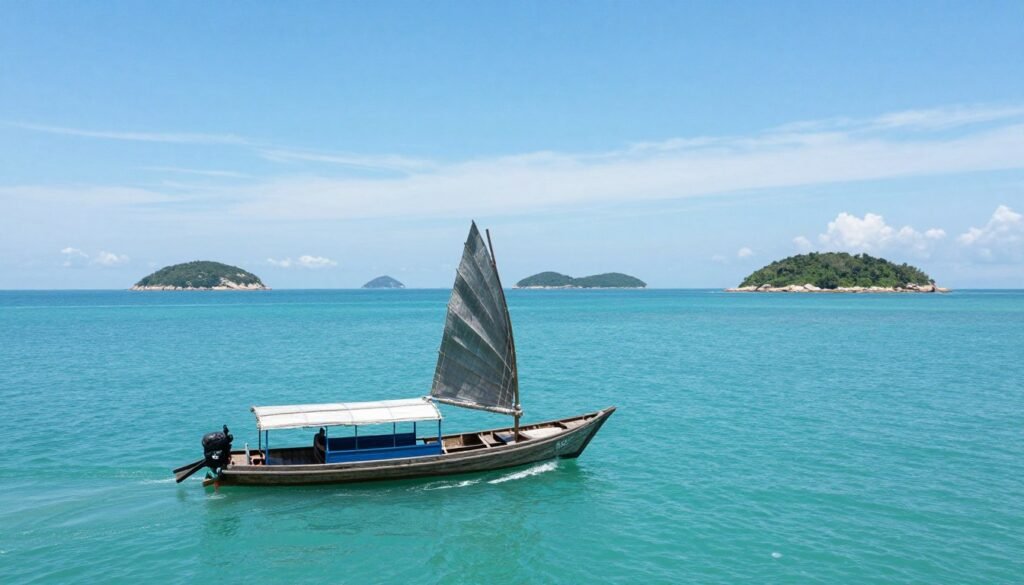
The waters surrounding Phu Quoc contain numerous smaller islands and islets. Island hopping tours rank among the most popular activities. These excursions combine beach time, snorkeling, and scenic cruising into full-day adventures.
An Thoi Archipelago
The An Thoi archipelago consists of 15 islands south of Phu Quoc. Tour boats depart daily from An Thoi port. Most tours visit 3-4 islands, spending time at each location for swimming and snorkeling.
May Rut Island features a beautiful beach with calm, clear water. Gam Ghi Island offers excellent snorkeling with visible coral and colorful fish. Mong Tay Island provides additional beach time and seafood lunch. Tours typically run from 8 AM to 4 PM and cost $25-40 per person.
Sunset Cruises
Evening boat tours showcase Phu Quoc’s famous sunsets from the water. These relaxed cruises depart late afternoon and return after dark. Most include drinks, snacks, and sometimes dinner. The golden hour light creates stunning photo opportunities.
Private boat charters offer flexibility for couples or small groups. You can customize the itinerary and timing. Expect to pay $100-200 for a private vessel depending on size and duration.
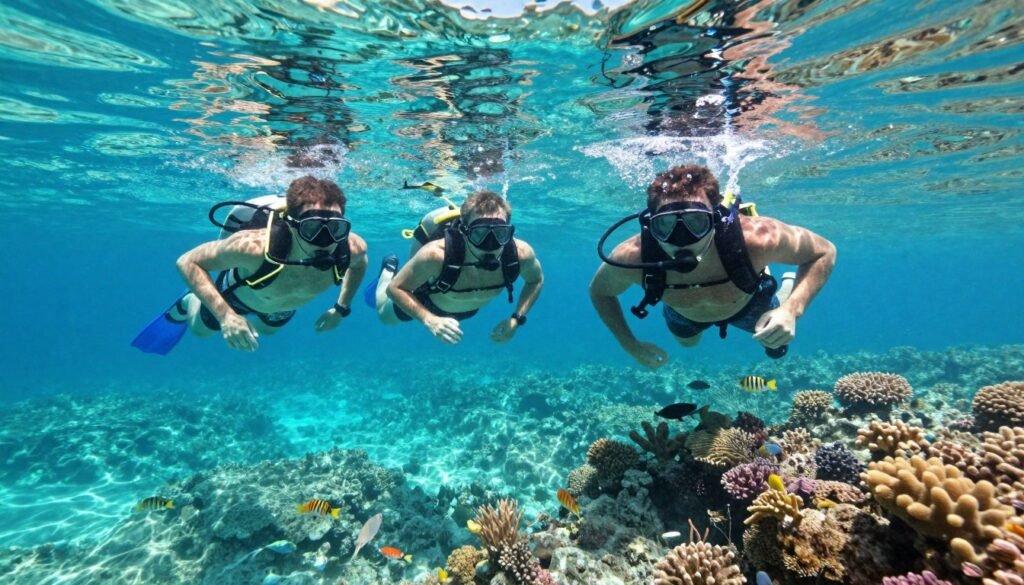
Snorkeling and Diving Adventures
Phu Quoc’s underwater world attracts snorkelers and divers. The best conditions occur during dry season when visibility reaches 15-20 meters. Several dive sites around the island and offshore islands showcase marine biodiversity.
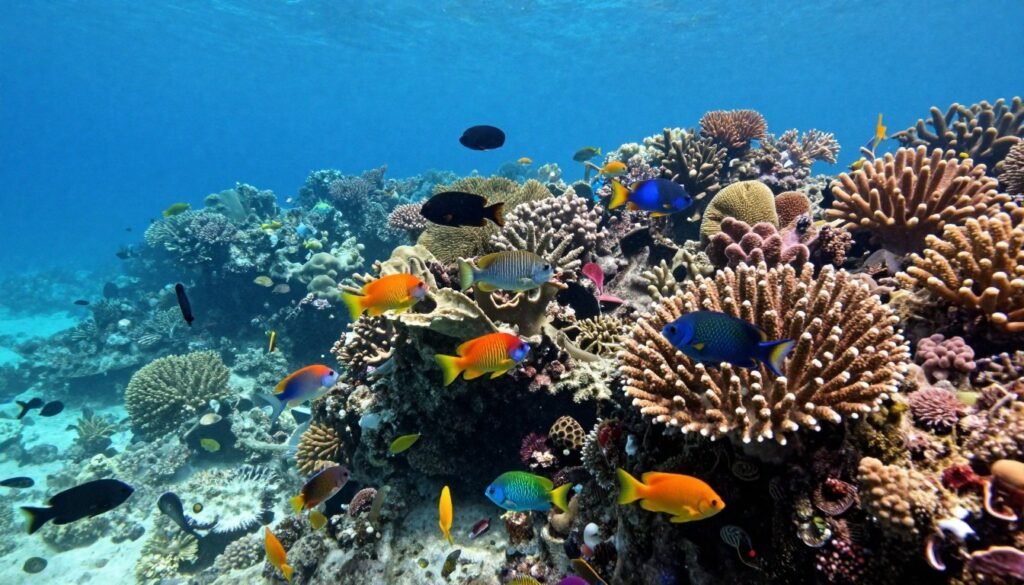
Fingernail Island rates as the top dive site. The underwater landscape includes coral gardens and rock formations. Common sightings include clownfish, angelfish, parrotfish, and occasionally sea turtles. The site suits all experience levels with depths from 5 to 18 meters.
Multiple dive shops operate across Phu Quoc island. PADI-certified instructors lead dives and offer courses. Introductory dives cost around $70. Full-day dive trips with two dives run $90-120. Equipment rental is typically included.
Best Snorkeling Spots
You don’t need scuba gear to enjoy Phu Quoc’s underwater beauty. Several beaches offer excellent snorkeling from shore. Bai Thom on the northeast coast features clear shallow waters with coral close to the beach.
Turtle Island, accessible by boat, provides exceptional snorkeling. The protected waters remain calm and clear. Coral reefs surround the small island, creating habitat for diverse marine life. Most island hopping tours include snorkeling stops.
Fishing Tours and Experiences
Fishing represents an authentic Phu Quoc experience. The island’s fishing heritage continues today, supporting many families. Tourist fishing tours let visitors participate in traditional and sport fishing activities.
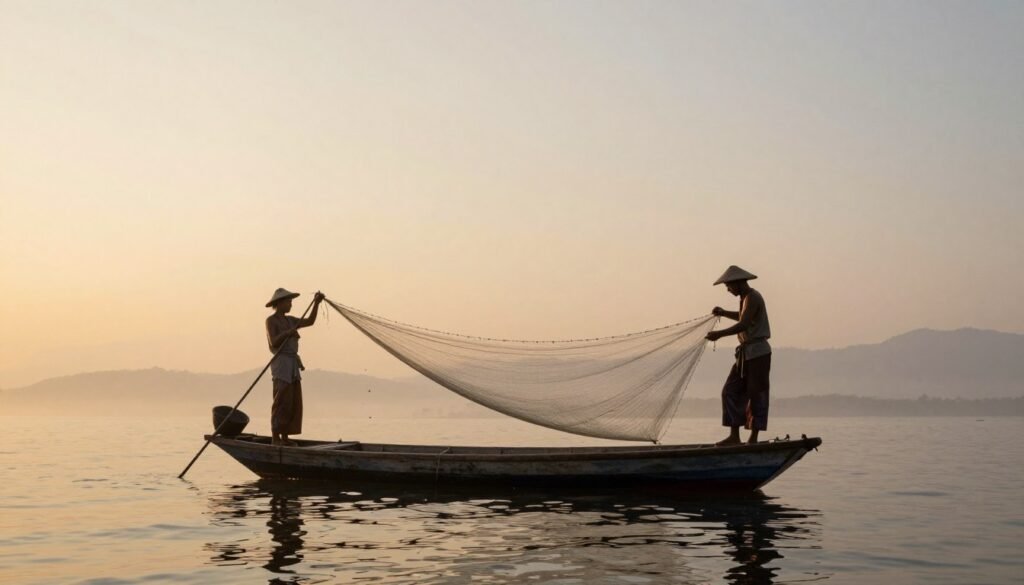
Squid fishing tours operate at night, following local methods. Boats use bright lights to attract squid near the surface. Participants catch squid using hand lines. The crew then prepares a fresh seafood BBQ on board. These unique evening excursions cost $40-50 per person.
Sport fishing charters target larger species. Trolling and bottom fishing techniques pursue grouper, snapper, and barracuda. Half-day charters start around $150 for small groups. Full-day offshore trips seeking bigger game fish cost $300-500.
Water Sports and Beach Activities
Active travelers find numerous water sports options. Many resorts offer complimentary kayaks and paddleboards. Commercial operators provide jet ski rentals, parasailing, and other powered activities along developed beaches.
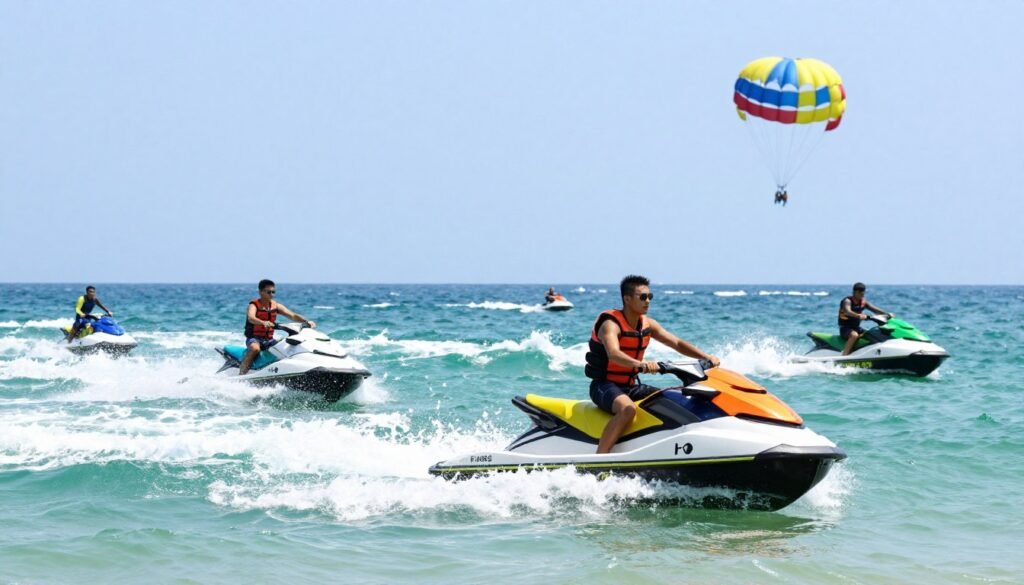
Stand-up paddleboarding works well in Phu Quoc’s generally calm waters. Beginners quickly get the hang of balancing and paddling. Sunrise paddleboard sessions offer peaceful experiences before crowds arrive. Rental rates average $10-15 per hour.
Kitesurfing has grown popular on Phu Quoc’s windier beaches. The season runs November through March when steady breezes blow. Several schools offer lessons for beginners. Experienced riders bring their own equipment or rent locally.
Spa and Wellness Experiences
Phu Quoc’s spa scene rivals established wellness destinations. Luxury resorts feature world-class spa facilities. Many use local ingredients like coconut, lemongrass, and Vietnamese herbs in treatments. Day spa visits welcome non-resort guests.
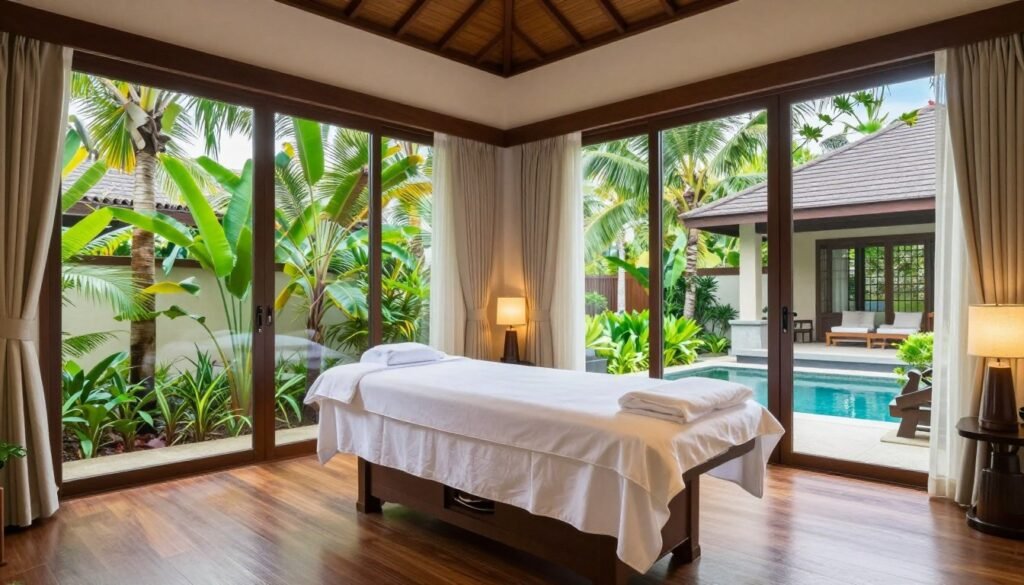
Traditional Vietnamese massage emphasizes acupressure points and stretching. Sessions typically last 60-90 minutes and cost $30-60 at resort spas. Local massage shops in Duong Dong offer similar services for $10-20 per hour.
Many spas offer comprehensive wellness packages. These might include massage, facial, body scrub, and wrap treatments. Half-day spa experiences range from $80-150 depending on the facility and treatments selected.
Yoga and Meditation
Several resorts and studios offer yoga classes. Beachfront yoga sessions at sunrise provide particularly memorable experiences. Drop-in classes cost around $15-20. Some resorts include complimentary yoga for guests.
Cooking Classes and Food Tours
Vietnamese cuisine captivates food lovers worldwide. Phu Quoc cooking classes teach traditional preparation methods. These hands-on experiences usually include market visits, cooking instruction, and enjoying your creations.
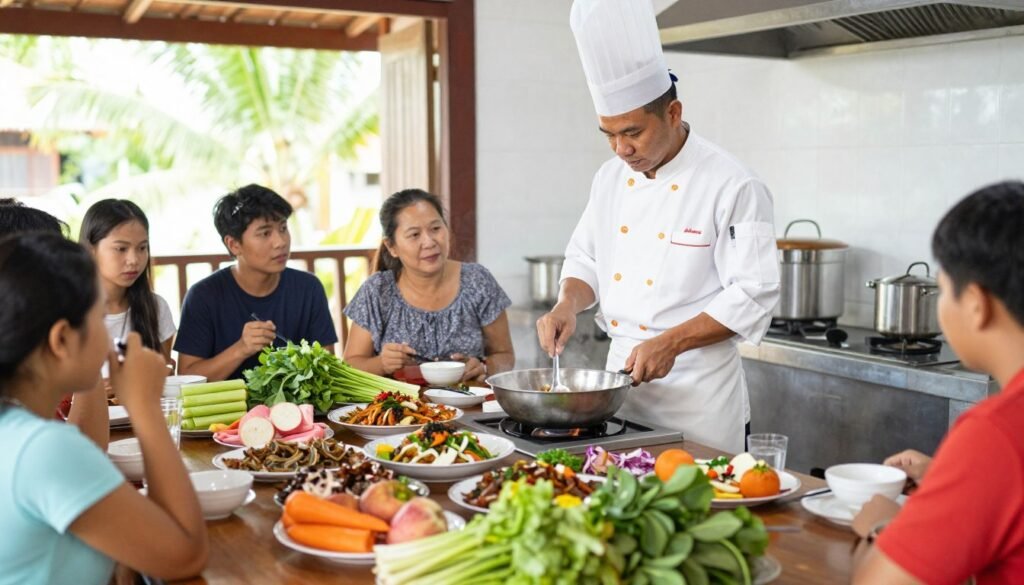
Classes typically cover 3-4 dishes. Common recipes include fresh spring rolls, pho, and traditional fish dishes. Morning classes start with market tours to select ingredients. The entire experience lasts 3-4 hours and costs $40-60 per person.
Food tours explore local eateries and street food stalls. Guides explain dishes and help navigate ordering. These tours provide cultural context alongside delicious tastes. Evening food tours often include the night market. Prices range from $30-50 per person.
Motorbiking Around the Island
Renting a motorbike offers the best way to explore Phu Quoc independently. The island’s roads have improved significantly, though some rural areas remain rough. Riding lets you discover hidden beaches, small villages, and scenic viewpoints at your own pace.
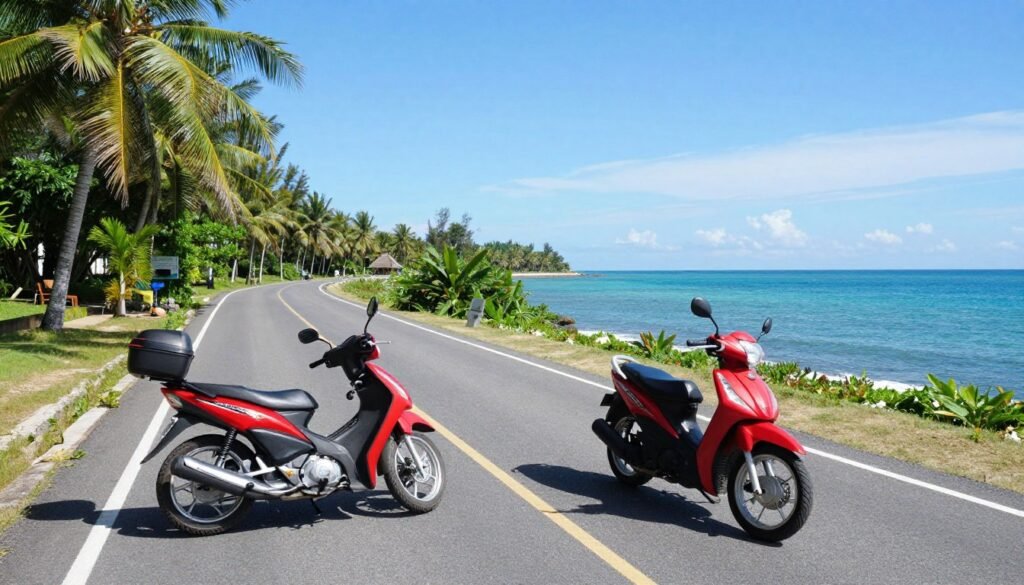
Motorbike rentals cost $5-10 per day depending on the bike model. Most rental shops provide basic instruction and helmets. An international driving permit is technically required but rarely checked. Drive cautiously as road conditions and traffic patterns differ from Western countries.
Popular riding routes include the coastal road from Duong Dong to Ganh Dau. This scenic journey passes beaches, pepper farms, and fishing villages. The ride takes about one hour each way with stops. The southern route to An Thoi showcases different landscapes and attractions.
What to Eat: Phu Quoc Food and Dining Guide
Food represents a major attraction when visiting Phu Quoc. The island’s cuisine emphasizes fresh seafood, Vietnamese classics, and unique local specialties. From humble street stalls to upscale restaurants, eating well comes easily and affordably.
Fresh Seafood: The Island Specialty
Being surrounded by rich fishing waters, seafood dominates Phu Quoc menus. The daily catch includes fish, prawns, squid, crab, and shellfish. Restaurants display live seafood for selection. You choose your items, specify cooking method, and wait for preparation.
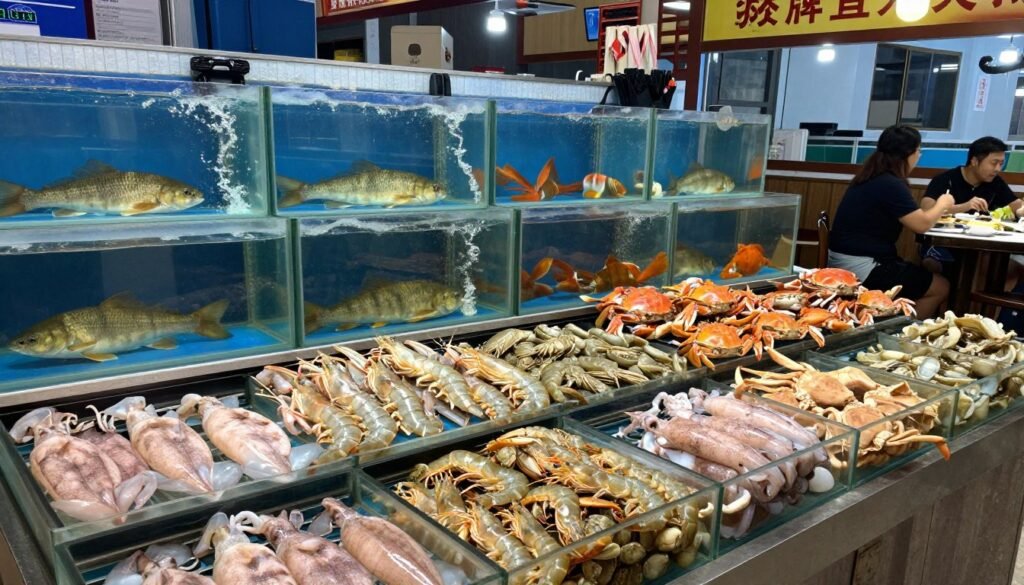
Grilled seafood represents the most popular preparation. Whole fish, butterflied and grilled over charcoal, arrives with dipping sauces. Prawns, squid, and shellfish receive similar treatment. The simple cooking lets natural flavors shine.
Steamed seafood with ginger and scallions offers another classic preparation. This lighter cooking method suits delicate fish. Stir-fried seafood appears on most menus, often combined with vegetables and savory sauces.
Best Seafood Restaurants
Thanh Kieu Restaurant near the night market serves excellent seafood at reasonable prices. The family-run spot attracts locals and tourists alike. Expect to pay $15-25 per person for a feast including multiple seafood dishes, rice, and drinks.
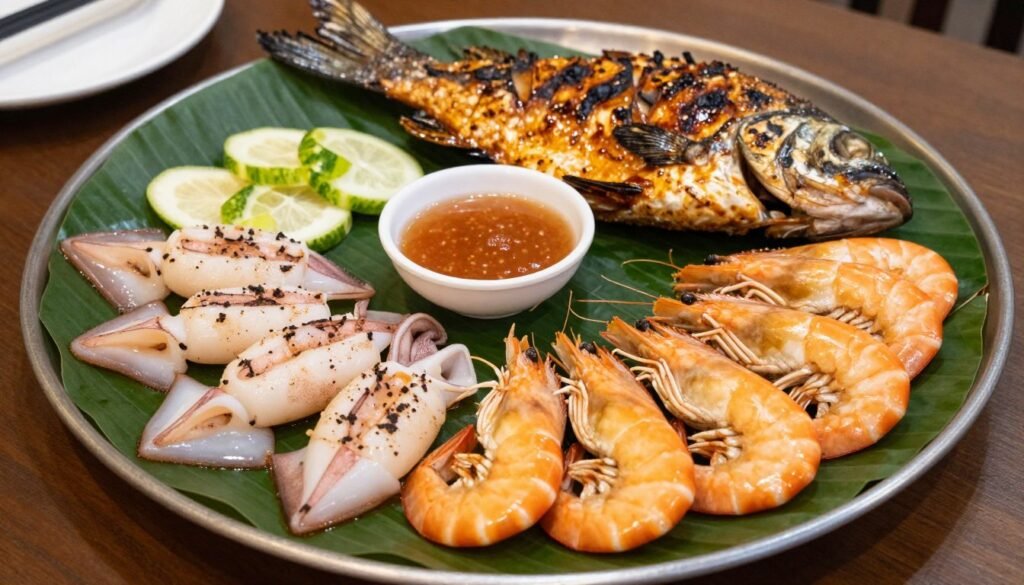
Buddy Ice Cream and Info Cafe combines seafood with Western influences. The beachfront location provides sunset views. While pricier than local spots, the quality justifies costs. Their grilled seafood platter for two costs around $35.
For upscale seafood dining, INO Restaurant at JW Marriott impresses with creative preparations. The tasting menu showcases local catches with French techniques. Expect to spend $60-80 per person for a multi-course experience.
Must-Try Vietnamese Dishes
Beyond seafood, Phu Quoc restaurants serve Vietnamese classics. These dishes appear throughout Vietnam but often taste especially fresh on the island. Don’t miss trying regional specialties unique to Phu Quoc.
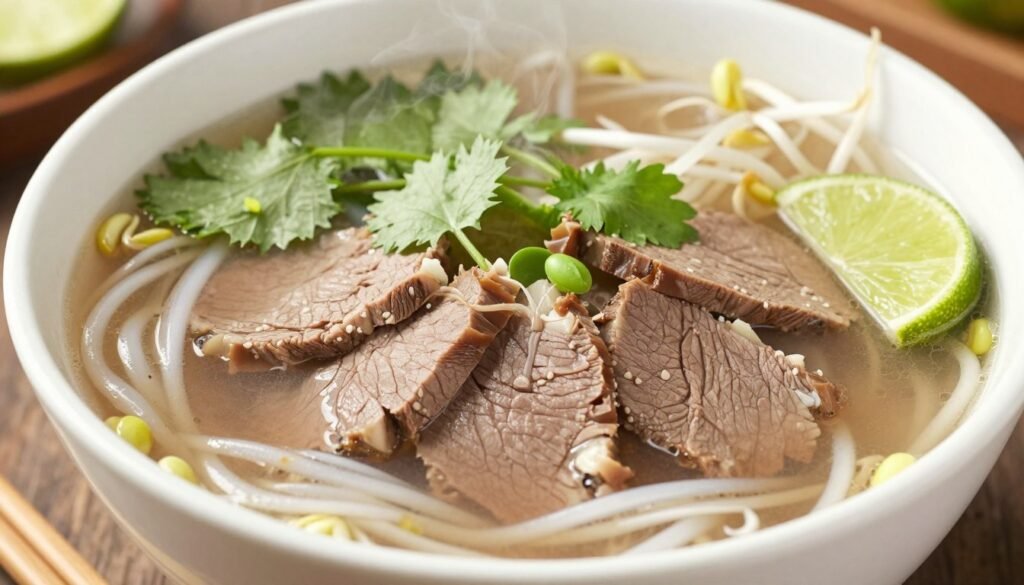
Banh Mi Phu Quoc Style
Vietnamese banh mi sandwiches reach new heights on Phu Quoc. Local versions often include fresh fish or seafood rather than traditional pork. The crusty baguette holds grilled fish, pickled vegetables, fresh herbs, and spicy sauce.
Numerous street vendors sell banh mi for just $1-2. The simple meal provides satisfying breakfast or lunch. Banh Mi Xin Chao near the market makes excellent versions with various filling options.
Bun Quay (Stirred Noodle Soup)
This Phu Quoc specialty features rice noodles in coconut fish broth. The soup base simmers for hours creating complex flavors. Fresh herbs, bean sprouts, and peanuts top the bowl. The unique stirring technique aerates the broth.
Bun Quay is traditionally eaten for breakfast. Local shops serve it from early morning until mid-afternoon. One bowl costs about $2-3. Bun Quay Kieu Giang serves an authentic version beloved by locals.
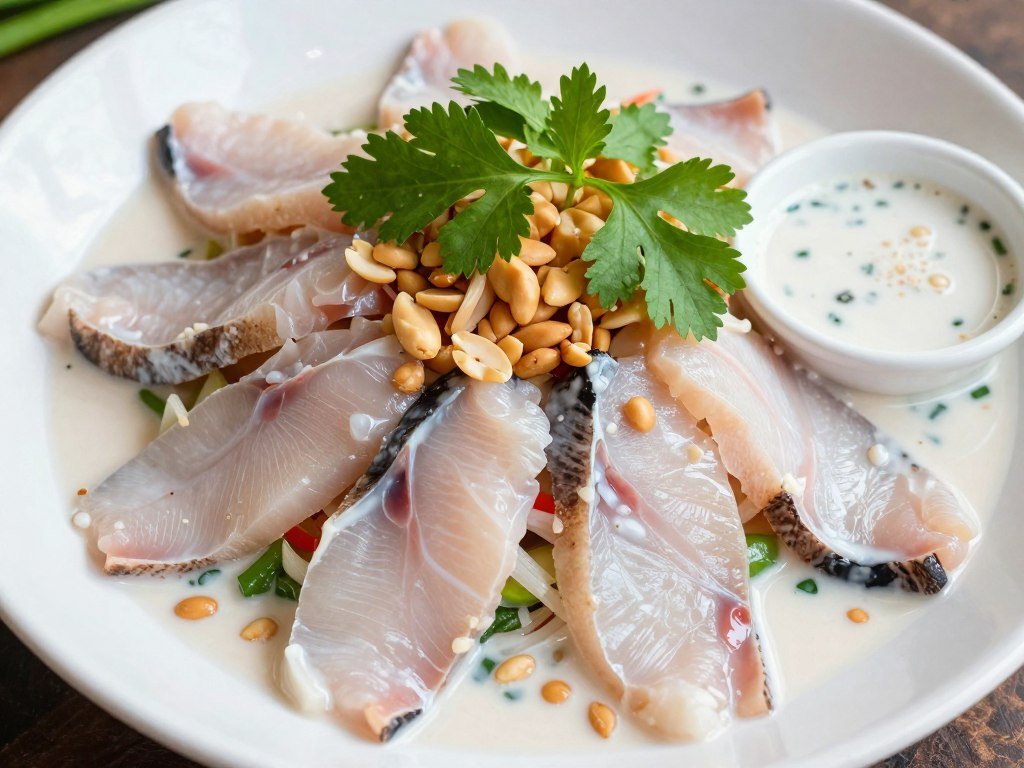
Goi Ca Mai (Raw Fish Salad)
This refreshing salad uses paper-thin slices of raw fish. The fish marinates briefly in lime juice. Coconut milk, peanuts, herbs, and crispy rice crackers complete the dish. The combination of textures and flavors defines Vietnamese cuisine.
Night Market Food Experience
The Duong Dong night market offers Phu Quoc’s best street food concentration. Dozens of stalls compete for customers with aromatic dishes. The energetic atmosphere adds entertainment to dining.
Grilled seafood dominates the market scene. Stalls display everything from tiny clams to massive lobsters. Point to what you want, negotiate price, and find a seat. Most stalls provide basic seating areas.
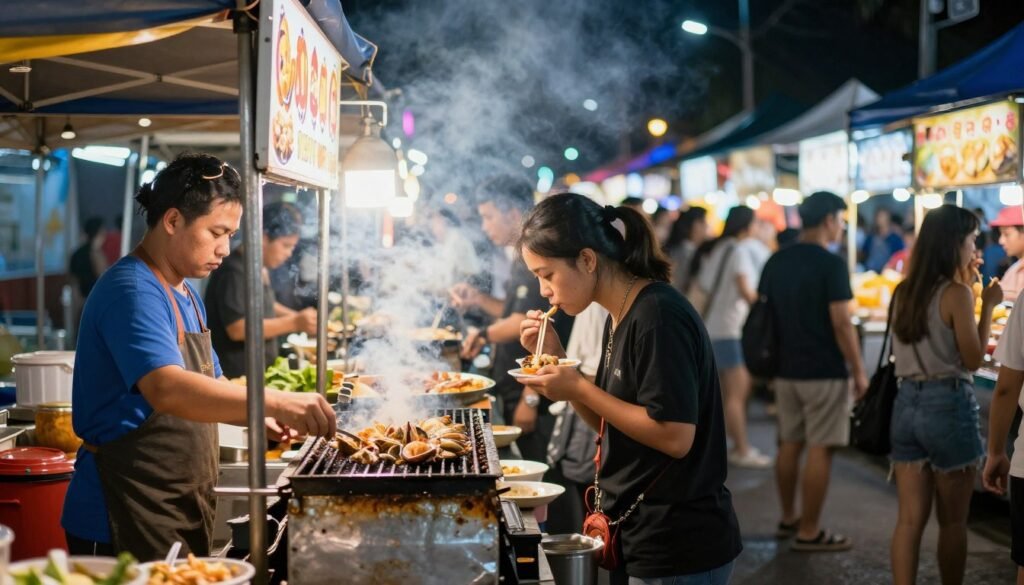
Beyond seafood, the night market offers Vietnamese classics. Find banh xeo (sizzling pancakes), spring rolls, noodle soups, and desserts. Prices remain extremely reasonable. A full meal with drinks costs $5-10 per person.
Don’t skip dessert. Fresh tropical fruit, coconut ice cream, and sweet Vietnamese che (dessert soups) provide perfect endings. Vendors prepare everything fresh as you watch.
Local Products Worth Trying
Three products define Phu Quoc’s culinary identity: fish sauce, black pepper, and sim wine. These items appear throughout Vietnamese cuisine but Phu Quoc versions are considered finest quality.
Fish Sauce
Phu Quoc fish sauce (nuoc mam) holds protected designation of origin status. Made from anchovies fermented in wooden barrels, the sauce provides essential flavor in Vietnamese cooking. Quality fish sauce should smell pungent but pleasant, not rotten. Purchase from reputable producers for authentic product.
Black Pepper
Phu Quoc peppercorns grow uniquely flavorful. The volcanic soil and climate create distinctive taste profiles. Fresh peppercorns can be purchased at farms and markets. The aromatic, slightly fruity flavor surpasses supermarket pepper. Whole peppercorns stay fresh longer than pre-ground.
Sim Wine
Sim wine ferments from rose myrtle berries native to Phu Quoc. The sweet, purple wine tastes slightly medicinal due to the fruit’s properties. Locals believe sim wine has health benefits. Try small amounts as the unique flavor doesn’t suit everyone. Available at markets and liquor shops.
Restaurants by Budget
| Restaurant | Cuisine Type | Price Range | Best For | Location |
| Thanh Kieu Restaurant | Vietnamese Seafood | $10-20 | Authentic Local Food | Duong Dong |
| Buddy Ice Cream | Seafood/Western | $15-30 | Sunset Views | Long Beach |
| Night Market Stalls | Street Food | $5-10 | Budget Dining | Duong Dong |
| INO Restaurant | Fine Dining | $50-80 | Special Occasions | JW Marriott |
| Ganesh Indian Restaurant | Indian | $12-25 | Curry Lovers | Duong Dong |
| Itaca Resto Lounge | Mediterranean | $20-35 | International Menu | Long Beach |
Vegetarian and Dietary Options
Vegetarian dining on Phu Quoc has improved as tourism grows. Traditional Vietnamese cuisine includes many vegetable-based dishes. Buddhist vegetarian restaurants (com chay) serve plant-based versions of classic dishes.
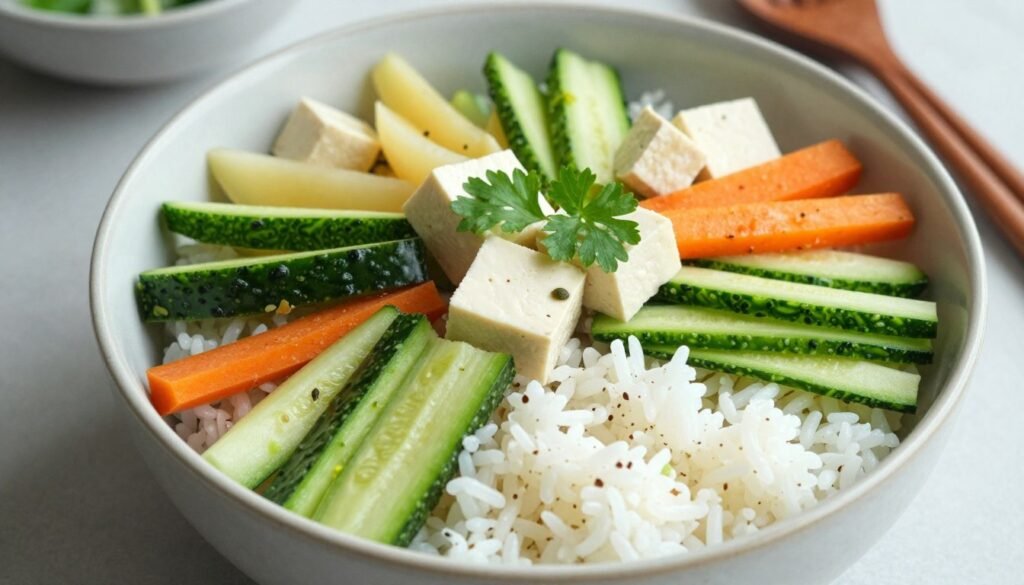
Inform servers about dietary restrictions clearly. Learn key phrases like “toi an chay” (I eat vegetarian) and “khong co thit” (no meat). Fish sauce appears in many dishes, so specify if you avoid it.
International restaurants typically accommodate dietary requests more easily. Many resort restaurants offer vegetarian and gluten-free options. Advance notice helps kitchens prepare appropriate meals.
Getting Around Phu Quoc: Transportation Guide
Navigating Phu Quoc requires planning since public transportation remains limited. Understanding your options helps maximize time and budget. The island’s growing infrastructure makes getting around easier than in the past.
Motorbike Rental: The Popular Choice
Renting a motorbike provides the most flexible way to explore Phu Quoc island. The freedom to stop at beaches, restaurants, and attractions whenever you want proves invaluable. Roads have improved significantly, making riding accessible even for less experienced drivers.
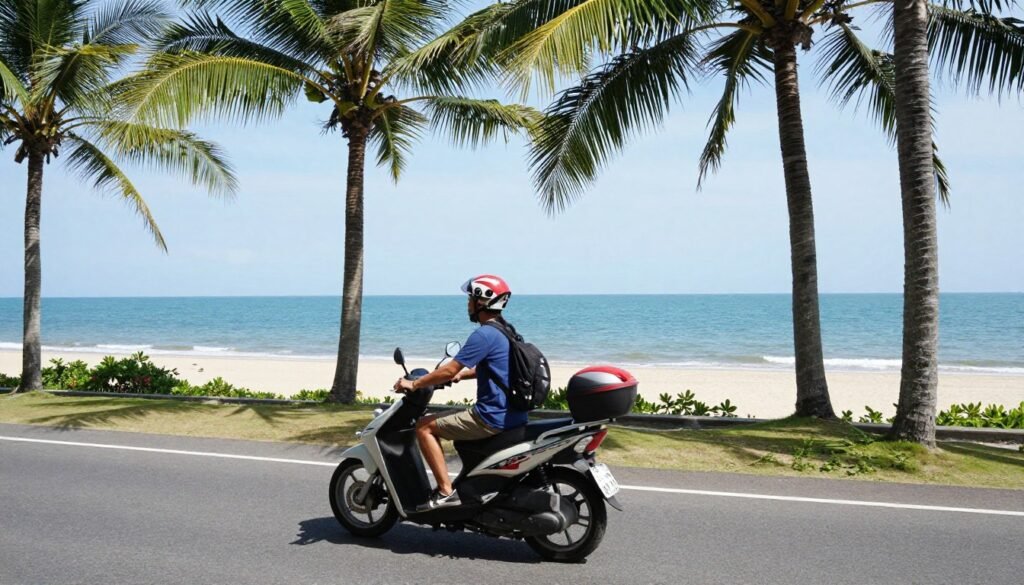
Daily rental rates range from $5-10 depending on bike model and rental duration. Semi-automatic scooters suit most tourists. Hotels and dedicated rental shops provide bikes. Always check brakes, lights, and tire condition before accepting a bike.
Motorbike Safety and Requirements
Legally, you need an international driving permit to rent a motorbike in Vietnam. However, enforcement varies and many tourists rent without permits. Understand you assume risk if stopped by police or involved in accidents.
Always wear helmets, which rental shops provide. Drive defensively and expect unpredictable traffic. Many roads now have smooth pavement, but rural areas may have rough patches. Avoid riding at night when visibility drops and road hazards increase.
Safety Warning: Travel insurance often excludes motorbike accidents without valid licenses. Check your policy carefully. If uncomfortable riding, consider other transportation options for peace of mind.
Taxi Services and Ride Apps
Taxis operate throughout Phu Quoc, especially in developed areas. Mai Linh and Vinasun are reputable companies with metered vehicles. Rates start at around 10,000 VND ($0.40) with additional charges per kilometer.
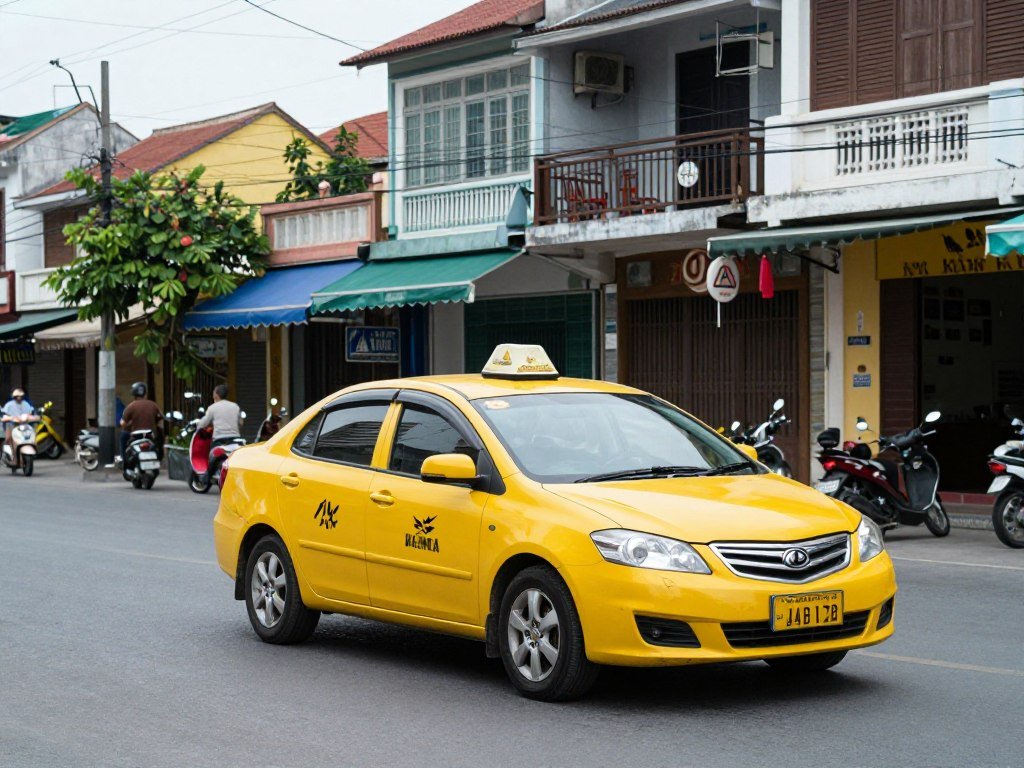
Grab, Southeast Asia’s ride-hailing app, operates on Phu Quoc. The service works like Uber with fixed pricing. Using Grab eliminates negotiation and ensures fair fares. Download the app before arrival for easiest use.
Calculate costs before choosing taxis for full-day exploration. Multiple short trips add up quickly. For island-wide sightseeing, motorbike rental or private car with driver proves more economical.
Private Car and Driver Services
Hiring a car with driver suits travelers wanting comfort without driving responsibility. Drivers know the island well and can suggest destinations. This option works especially well for families or groups.
Full-day private car hire costs $50-80 depending on vehicle size and itinerary. Half-day tours run $30-40. Prices typically include driver, fuel, and flexibility to modify routes. Book through hotels or reputable tour operators.

Some drivers speak English, though fluency varies. Communicate your interests and must-see spots beforehand. Good drivers share local knowledge and dining recommendations. Factor in lunch breaks and rest stops when planning day trips.
Bicycle Rental
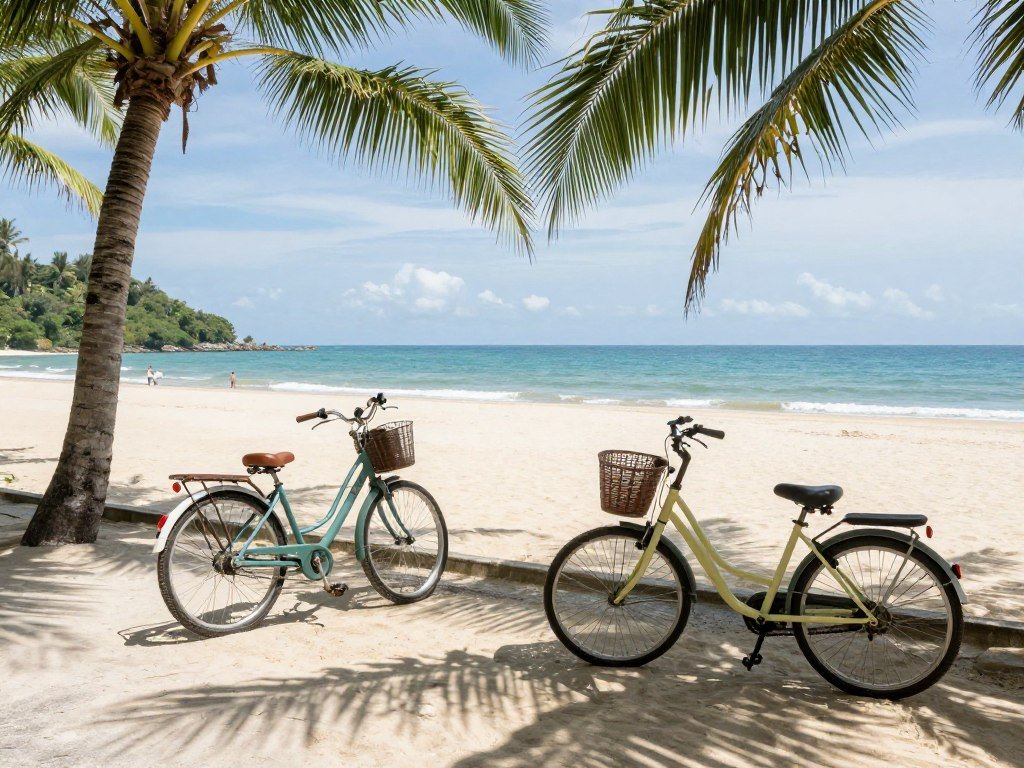
Bicycles work well for exploring local areas at leisurely pace. The flat terrain near beaches and Duong Dong makes cycling pleasant. However, the island’s size and heat limit bicycle touring to specific areas.
Many hotels provide bicycles free for guests. Rental shops charge $3-5 per day for quality bikes. Riding in early morning or late afternoon avoids midday heat. Bring water and sunscreen on any cycling excursions.
Public Transportation
Public buses serve some routes on Phu Quoc island, though service remains limited. The system primarily serves locals rather than tourists. Buses connect Duong Dong with outlying areas at very low cost.
For tourists, buses provide minimal convenience. Infrequent schedules and unclear routes frustrate visitors. Most travelers skip public buses in favor of more practical options. Consider buses only if on extreme budgets.
Walking
Walking works within compact areas like Duong Dong town center or resort complexes. The town market, night market, and waterfront area are all walkable. However, distances between major attractions prevent walking as primary transportation.
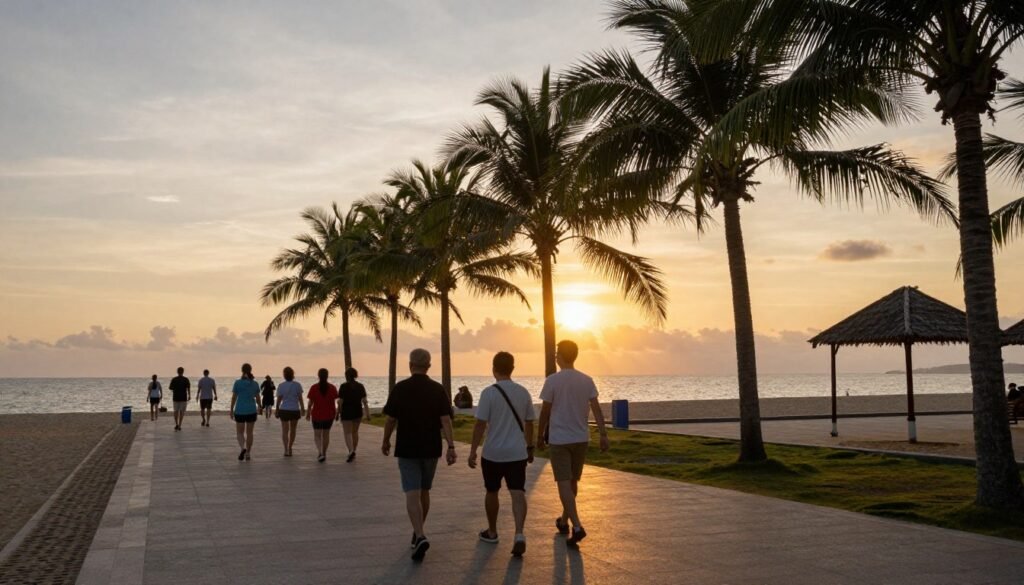
Sidewalks exist in developed areas but often require sharing space with motorbikes. Heat and humidity can make extended walking uncomfortable. Save walking for short distances and cooler times of day.
Transportation Costs Comparison
| Transportation Type | Cost per Day | Best For | Convenience |
| Motorbike Rental | $5-10 | Independent Exploration | High |
| Bicycle Rental | $3-5 | Local Area Only | Low |
| Private Car + Driver | $50-80 | Families, Groups | Very High |
| Taxi (Estimated) | $30-60 | Short Trips | Medium |
| Grab Rides | $25-50 | Point-to-Point | High |
Shopping on Phu Quoc: Local Products and Souvenirs
Shopping on Phu Quoc focuses on local products rather than fashion or electronics. The island’s agricultural and maritime traditions produce unique items worth taking home. Understanding what to buy and where helps find authentic products at fair prices.
Phu Quoc Pearls
Pearl farming gave Phu Quoc its nickname Pearl Island. While the industry has declined, several farms still produce South Sea pearls. These lustrous gems come in various colors including white, gold, and black.
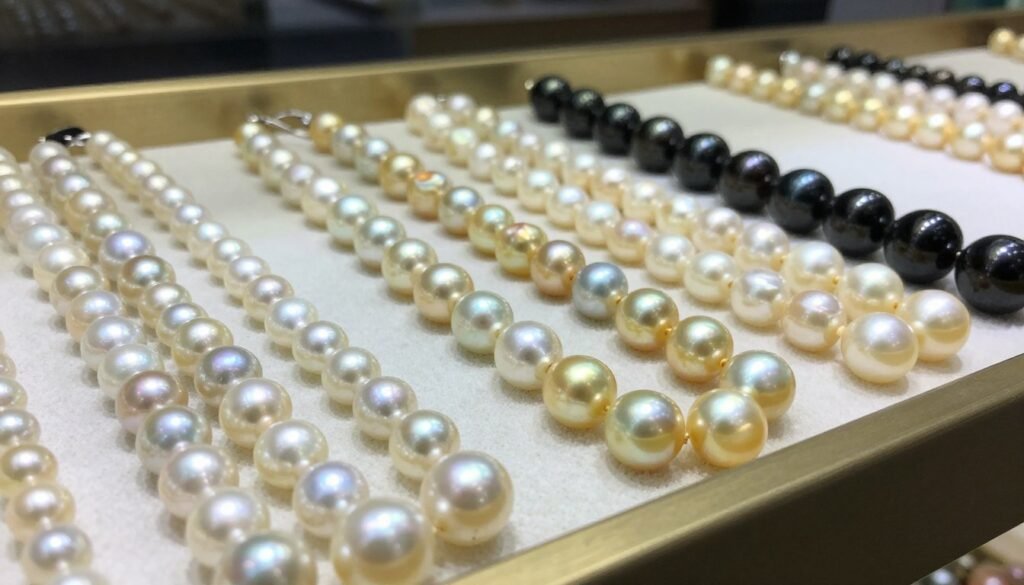
Quality varies dramatically among pearl vendors. Reputable farms like Ngoc Hien Pearl Farm offer tours and direct sales. Expect to pay $50-500 for pearl jewelry depending on size, color, and quality. Request authenticity certificates for expensive purchases.
The night market and tourist shops sell pearls, though authenticity is questionable at low prices. Genuine South Sea pearls command premium prices. If deals seem too good, pearls are likely farmed elsewhere or artificial.
Black Pepper Products
Phu Quoc black pepper ranks among the world’s finest. The peppercorns grow on climbing vines throughout the island. The combination of soil, climate, and traditional methods creates distinctive flavor.
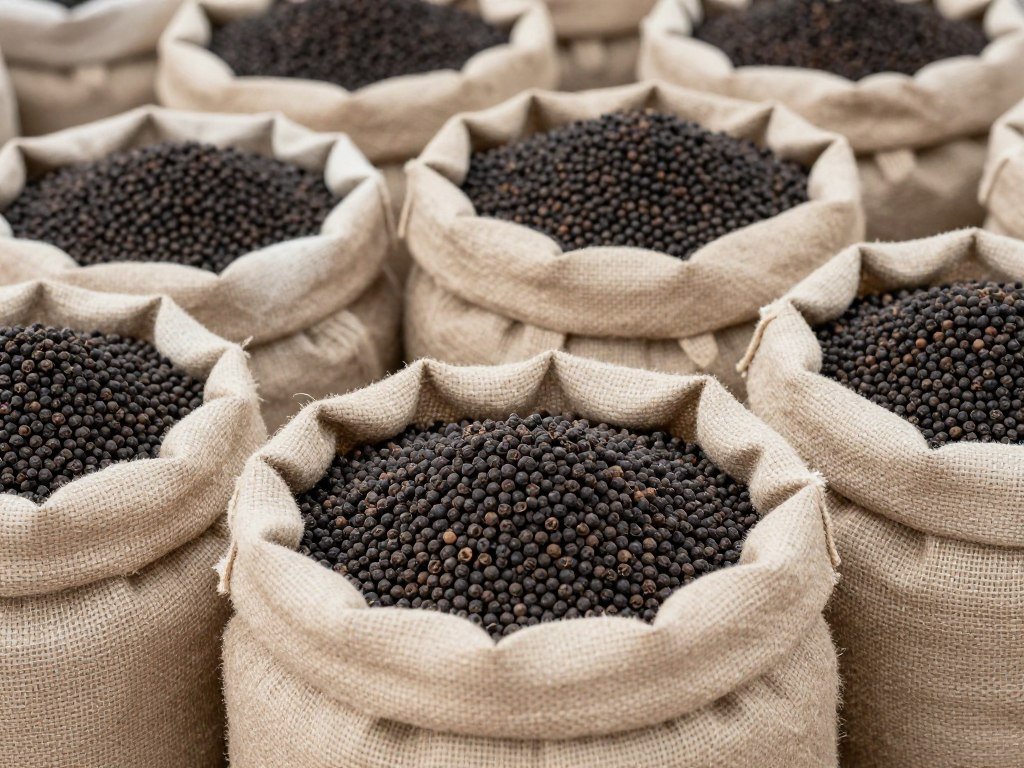
Purchase pepper at farms for best quality and prices. Whole peppercorns stay fresh longer than pre-ground. A kilogram of premium pepper costs $15-25 direct from farms. Markets and shops charge slightly more but still reasonable.
Beyond whole peppercorns, look for pepper salt (a local seasoning blend), pepper oil, and pepper sauce. These products make unique gifts for food-loving friends. Vacuum-sealed packages preserve freshness during travel.
Fish Sauce (Nuoc Mam)
Phu Quoc fish sauce holds protected designation of origin status in Vietnam. The amber liquid ferments from anchovies and salt in wooden barrels. Quality fish sauce should smell pungent but pleasant, with clear color and no sediment.
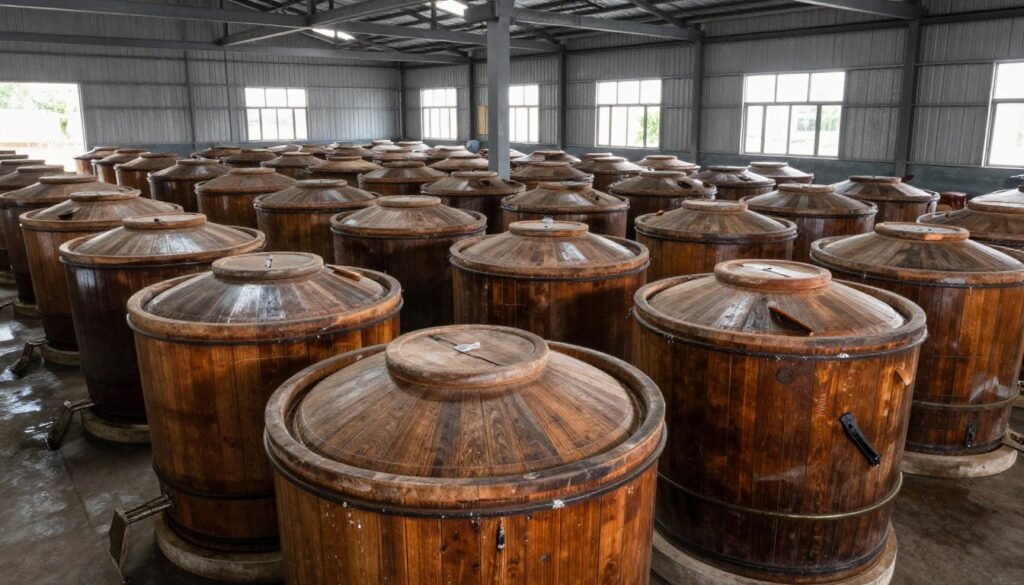
Several grades exist based on protein content. Premium fish sauce contains 40-50 degrees of protein. This type commands higher prices but delivers superior flavor. Bottles range from $5-20 depending on quality and size.
Visit factories for tours and direct purchases. Khai Hoan Fish Sauce Factory welcomes visitors and sells authentic products. Glass bottles travel better than plastic. Wrap bottles carefully in luggage to prevent leaks.
Local Handicrafts and Souvenirs
Traditional handicrafts on Phu Quoc reflect Vietnamese culture. Shops sell lacquerware, silk products, woodcarvings, and ceramics. Quality varies, so examine items carefully before purchasing.
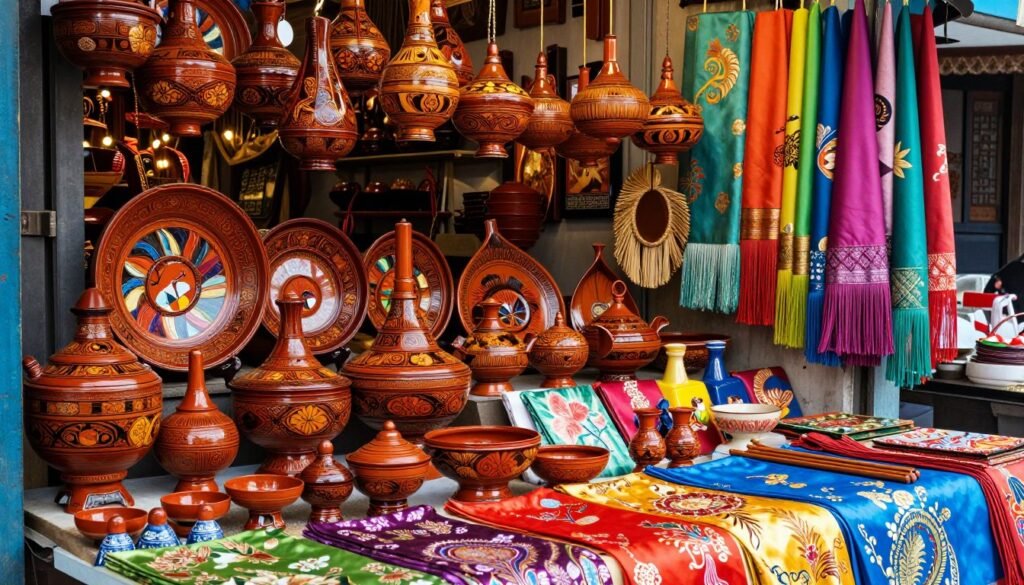
Conical hats (non la) make iconic Vietnamese souvenirs. Palm leaf hats specific to Phu Quoc feature tighter weaving. Prices start at $3 for basic hats. Decorative versions with embroidery cost more.
Silk scarves and clothing offer lightweight, packable gifts. Check for genuine silk by burning a thread – real silk produces ash and smells like burnt hair. Prices range from $10-50 depending on item and quality.
Best Shopping Locations
Phu Quoc Night Market
The night market in Duong Dong serves as the main shopping hub. Dozens of stalls sell souvenirs, clothing, and local products. The atmosphere is friendly and bargaining is expected. Visit in the evening when the market comes alive.
Duong Dong Central Market
The day market focuses more on local needs than tourism. However, you’ll find authentic products at local prices. The market operates from early morning until afternoon. This location suits travelers seeking genuine local shopping experiences.
Pepper Farms
Buy pepper directly from farms for guaranteed authenticity and best prices. Many farms near Duong Dong welcome visitors. Khu Tuong and Mac Cuu pepper farms offer tours and sales. The agricultural setting adds interest to shopping.
Shopping Tips and Bargaining
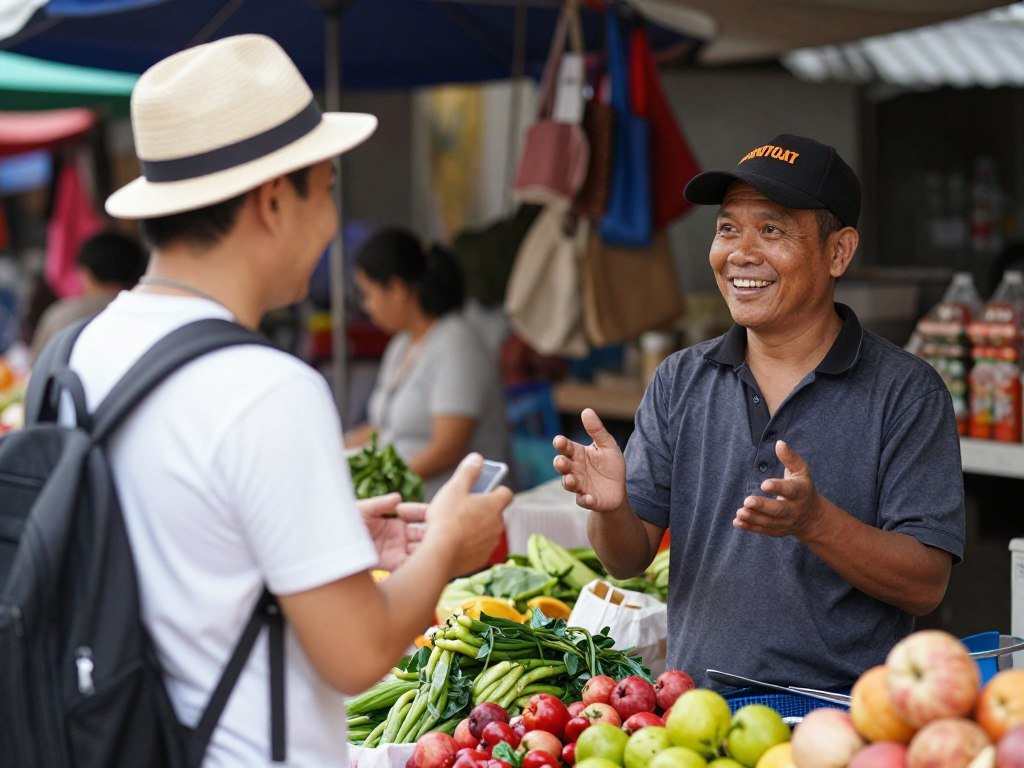
Bargaining represents expected practice in Vietnamese markets. Vendors initially quote inflated prices expecting negotiation. Start by offering 50-60 percent of asking price. Meet somewhere in the middle through friendly discussion.
Bargaining Etiquette: Stay polite and smile during negotiations. Don’t bargain aggressively over small amounts. If the vendor won’t meet your price, walk away – they may call you back with better offers. Know when not to bargain: in restaurants, established shops with fixed prices, or for small purchases.
Calculate prices in your home currency to maintain perspective. Don’t agonize over small differences. A dollar or two matters more to local vendors than typical tourists. Balance getting fair prices with supporting local economy.
Avoid buying endangered species products including coral, shells, or exotic animal parts. These items face confiscation at customs and support harmful industries. Stick to sustainable local products like pepper, fish sauce, and handicrafts.
Practical Tips for Visiting Phu Quoc
Understanding practical matters helps your Phu Quoc trip proceed smoothly. This section covers essential information about money, communication, health, and cultural considerations that every visitor should know.
Currency and Money Matters
Vietnamese Dong (VND) serves as official currency throughout Phu Quoc. As of 2024, exchange rates hover around 24,000 VND to 1 USD. Large denominations can look intimidating – a meal might cost 200,000 VND, but that’s only about $8.
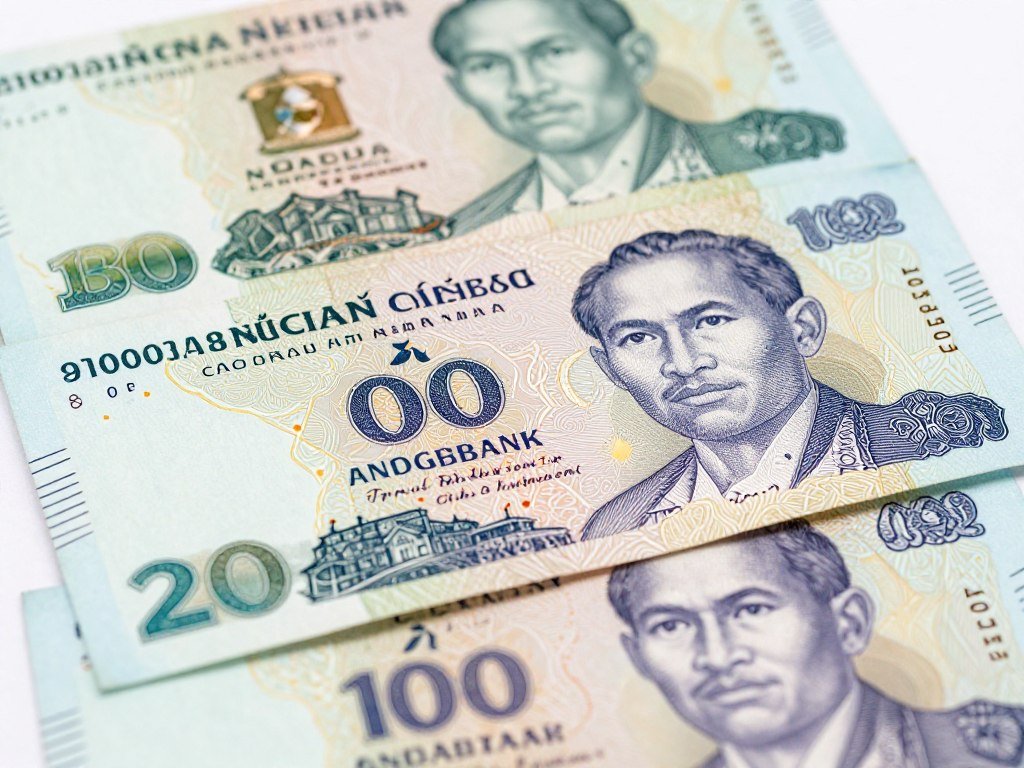
ATMs are widely available in Duong Dong and around major resorts. Withdrawal limits typically cap at 5,000,000 VND per transaction. Fees average $3-5 per withdrawal from foreign cards. Notify your bank before travel to avoid card blocks.
Payment Methods
Cash remains king on Phu Quoc island despite growing card acceptance. Bring US dollars for exchange, as rates typically favor USD over other currencies. Exchange at banks or gold shops for better rates than hotels or airports.
Major resorts and upscale restaurants accept credit cards. Small local restaurants, street vendors, and shops deal in cash only. Keep small denominations for markets, taxis, and minor purchases. Breaking large bills can prove challenging.
Money-Saving Tip: Withdraw larger amounts less frequently to minimize ATM fees. Keep money secure in hotel safes rather than carrying large sums. Consider travel cards like Wise for better exchange rates than credit cards.
Language and Communication
Vietnamese is the official language on Phu Quoc island. English proficiency varies significantly by location and business type. Tourist areas and upscale establishments usually have English-speaking staff. Rural areas and local businesses may lack English speakers.
Learn basic Vietnamese phrases to enhance interactions. Simple words like “xin chao” (hello), “cam on” (thank you), and “bao nhieu?” (how much?) go far. Vietnamese people appreciate efforts to speak their language.
Essential Vietnamese Phrases
- Hello – Xin chào (sin chow)
- Thank you – Cảm ơn (gahm uhn)
- How much? – Bao nhiêu? (bow new)
- Delicious – Ngon (ngawn)
- Yes – Vâng (vuhng)
- No – Không (khome)
Internet and WiFi
Most hotels and resorts provide free WiFi for guests. Connection quality varies from excellent in luxury properties to spotty in budget accommodations. Cafes and restaurants often offer WiFi, sometimes requiring purchase to access.
Consider purchasing a Vietnamese SIM card for data. Viettel, MobiFone, and Vinaphone offer tourist packages. A month of data with calling costs $10-15. Coverage on Phu Quoc is generally good except in remote areas.
Health and Safety Considerations
Phu Quoc presents minimal health risks for visitors. The island’s relative development means better hygiene standards than mainland rural areas. However, basic precautions ensure healthy travels.
Food and Water Safety
Drink bottled water exclusively. Tap water in Vietnam isn’t safe for consumption by foreign visitors. Restaurants serve bottled water at low cost. Ice in tourist establishments usually comes from purified water but avoid ice in very local settings.
Eat at busy restaurants where food turnover stays high. Fresh food poses less risk than items sitting out. Cooked food served hot is generally safe. Be cautious with raw vegetables and unpeeled fruit in budget establishments.
Sun Protection and Heat
Tropical sun intensity surprises many visitors. Sunscreen above SPF 30 is essential. Reapply every two hours, especially after swimming. Wide-brimmed hats and sunglasses provide additional protection. Seek shade during peak sun hours from 11 AM to 3 PM.
Heat Safety: Drink water constantly to prevent dehydration. Coconut water provides natural electrolytes. Watch for heat exhaustion symptoms including dizziness, nausea, and excessive fatigue. Rest in air conditioning if overheated.
Medical Facilities
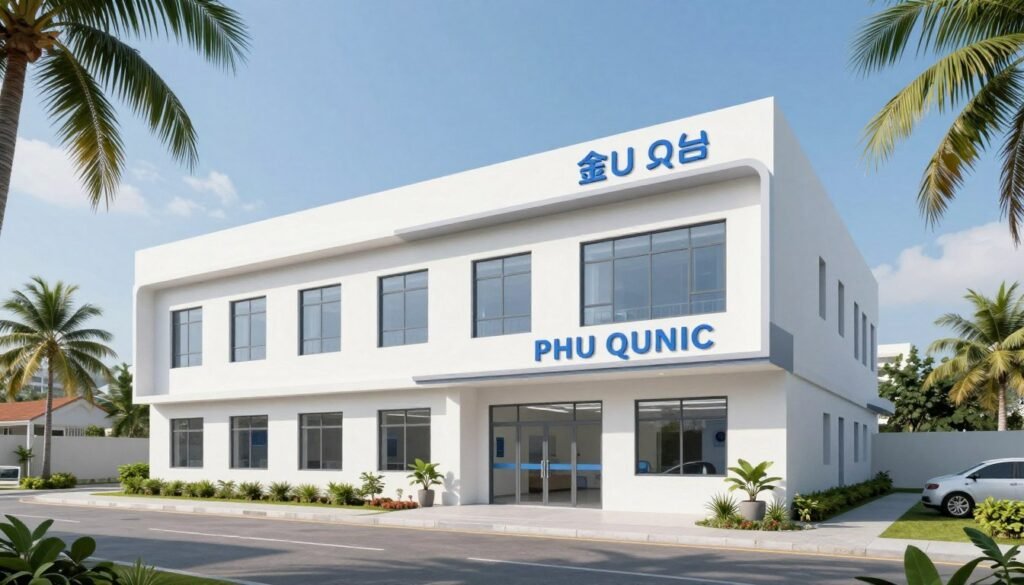
Vinmec International Hospital in Phu Quoc provides modern medical care. The facility handles most emergencies and common illnesses. For serious conditions, medical evacuation to Ho Chi Minh City may be necessary. Comprehensive travel insurance covering medical evacuation is essential.
Pharmacies stock basic medications and supplies. Bring prescription medications from home with documentation. Generic medications are widely available at low cost. Pharmacists often speak some English in tourist areas.
Safety and Crime
Phu Quoc remains very safe compared to many tourist destinations. Violent crime against tourists is extremely rare. However, petty theft occurs, especially in crowded areas like the night market.
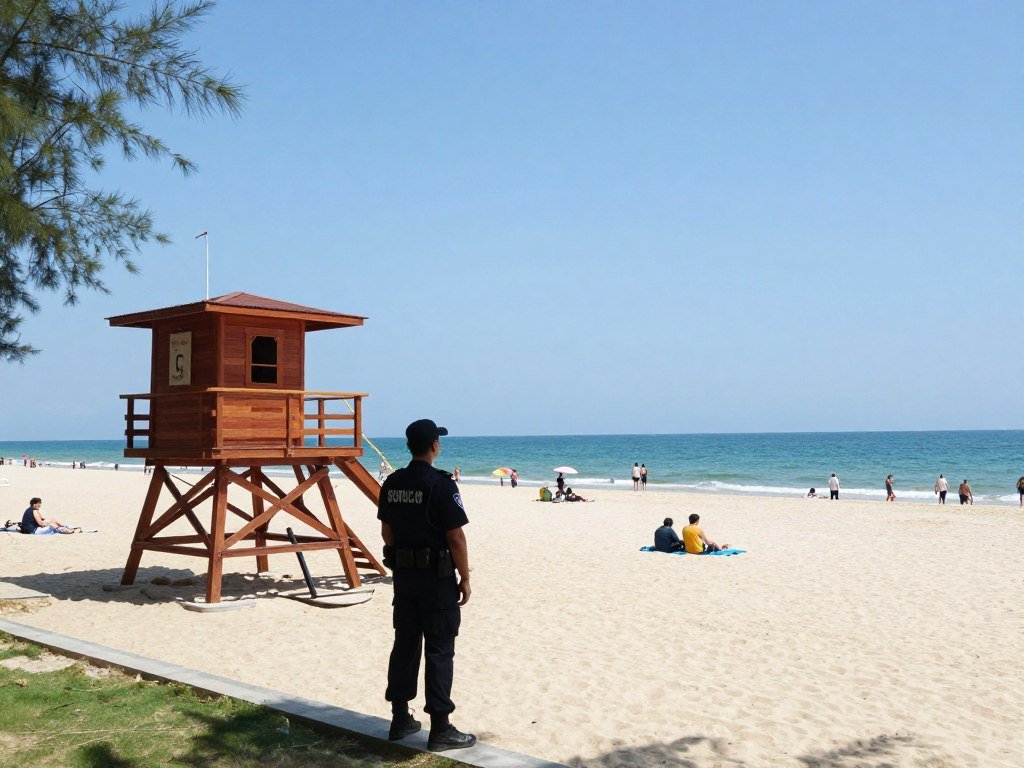
Keep valuables secure and don’t display expensive jewelry or electronics unnecessarily. Use hotel safes for passports, excess cash, and important documents. Watch bags in restaurants and on beaches. Motorbike theft happens occasionally – always lock bikes and don’t leave valuables in seat compartments.
Scams to Avoid
Tourist-targeted scams exist but aren’t widespread. Taxi meters may run fast or take unnecessarily long routes. Use Grab app when possible to ensure fair pricing. Some pearl vendors sell fake pearls at inflated prices. Purchase from reputable farms with certificates.
Tour operators occasionally promise more than they deliver. Book through established companies with online reviews. Get clear itineraries in writing. Restaurant bills sometimes include items not ordered – check bills before paying.
Cultural Etiquette
Vietnamese culture values respect and harmony. Understanding basic etiquette shows respect for local customs. Most Vietnamese people are forgiving of innocent cultural mistakes by foreigners.
Appropriate Behavior
- Remove shoes when entering homes or temples
- Dress modestly when visiting religious sites
- Avoid public displays of affection
- Don’t touch people’s heads, considered sacred
- Pass items with both hands showing respect
- Don’t point your feet at people or religious objects
Dining Etiquette
- Wait for host to begin eating
- Hold bowl near mouth when eating
- Don’t stick chopsticks upright in rice
- Sample all dishes served
- Compliment food to show appreciation
- Offer to share dishes family-style
Environmental Responsibility
Sustainable tourism helps preserve Phu Quoc for future generations. Visitors can make choices that minimize environmental impact while enjoying the island.
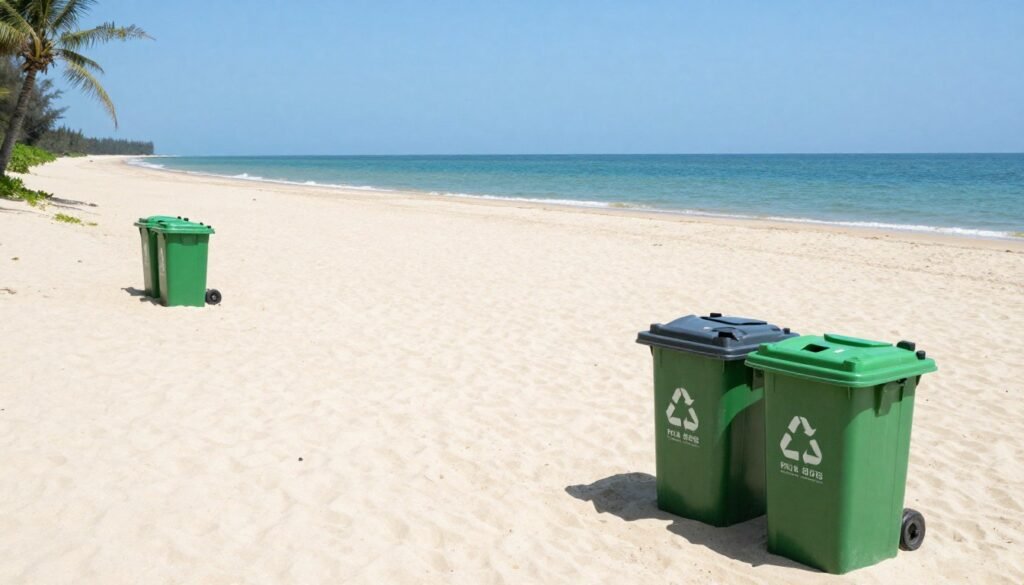
Reduce plastic use by carrying reusable water bottles and shopping bags. Many hotels now provide refill stations. Choose accommodations with environmental programs. Support businesses that employ sustainable practices.
Respect marine environments when snorkeling or diving. Don’t touch coral, which damages fragile ecosystems. Avoid purchasing coral or shells as souvenirs. Choose responsible tour operators who follow environmental guidelines.
Pick up litter even if not yours. Beaches depend on everyone’s care. Participate in beach cleanups if opportunities arise during your stay. Small actions collectively preserve Phu Quoc’s natural beauty.
Sample Itineraries for Phu Quoc Island
Planning daily activities helps maximize limited vacation time. These sample itineraries suit different trip lengths and travel styles. Adjust based on personal interests, weather conditions, and energy levels.
3-Day Phu Quoc Itinerary
A three-day trip covers essential highlights without feeling rushed. This itinerary balances beaches, activities, and cultural experiences. It works well for first-time visitors wanting an introduction to the island.

Day 1: Arrival and Beach Time
Arrive at Phu Quoc International Airport and transfer to your hotel. After checking in and refreshing, head to Long Beach for sunset. The western-facing beach offers spectacular evening views. Enjoy dinner at a beachfront restaurant, then explore Duong Dong night market. Sample street food and browse souvenir stalls.
Day 2: Island Hopping Adventure
Join a full-day island hopping tour visiting the An Thoi archipelago. The tour typically includes 3-4 islands with swimming, snorkeling, and beach time. Lunch on board or at an island restaurant is usually included. Return late afternoon and relax at your resort. Evening options include spa treatment or quiet beach walk.
Day 3: Safari and Beach
Visit Vinpearl Safari in the morning. The animal encounters and safari ride take 3-4 hours. Afterward, head to Sao Beach for swimming and relaxation. The pristine white sand and clear water provide perfect beach afternoon. Return to Duong Dong for farewell dinner at a recommended seafood restaurant.
5-Day Phu Quoc Itinerary
Five days allows deeper exploration while maintaining relaxed pace. This itinerary adds more activities and beach time compared to shorter stays.
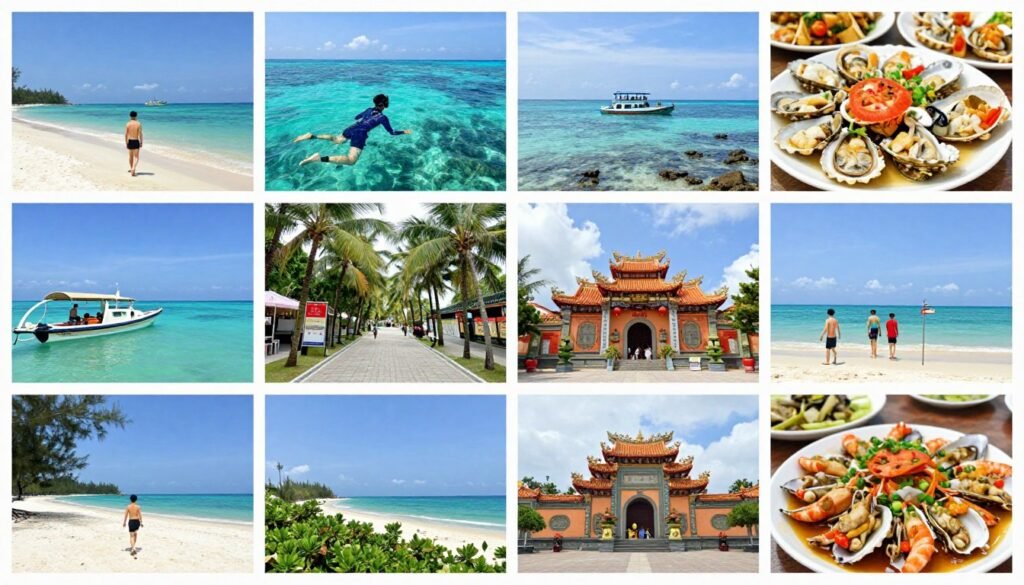
Day 1: Arrival and Orientation
Settle into accommodation after arrival. Rent a motorbike to use during your stay. Explore the local area around your hotel. Visit Dinh Cau Temple and watch sunset from the rocks. Dinner at Duong Dong night market introduces local cuisine. Early night to recover from travel.
Day 2: Northern Island Exploration
Ride motorbike north along the coast. Visit Ganh Dau fishing village and nearby beaches. Stop at a pepper farm for tour and shopping. Have lunch at a local seafood restaurant in the village. Continue to Starfish Beach for afternoon swimming and relaxation. Return via Bai Dai Beach for sunset.
Day 3: Island Hopping Tour
Full day island hopping tour as described in three-day itinerary. The experience deserves full day without rushing. Evening free for independent dining and exploring Duong Dong.
Day 4: Safari and Theme Park
Morning at Vinpearl Safari observing animals. Afternoon at VinWonders theme park next door. The combined ticket offers better value. Experience rides, shows, and aquarium. Stay for evening entertainment if energy allows. Dinner at a resort restaurant near your accommodation.
Day 5: Beach Day and Departure
Spend final morning at Sao Beach or Long Beach depending on preference. Enjoy last swim and beach relaxation. If time permits before airport, quick visit to fish sauce factory for final souvenir shopping. Transfer to airport for departure flight.
7-Day Phu Quoc Itinerary
A week on Phu Quoc allows comprehensive exploration while maintaining vacation feel. This itinerary includes all major attractions plus relaxation time.
Days 1-5: Follow Five-Day Itinerary
Complete activities outlined in five-day plan at comfortable pace. The extra days allow flexibility and recovery time.
Day 6: Cultural and Culinary Day
Morning cooking class teaches Vietnamese cuisine preparation. Visit market with instructor to select ingredients. Prepare and enjoy lunch you’ve cooked. Afternoon visit to more pepper farms or pearl farms. Evening food tour explores best local restaurants and street food. This day deepens cultural understanding.
Day 7: Spa and Beach Relaxation
Schedule morning spa treatment to pamper yourself. Enjoy massage, facial, and wellness treatments. Relaxed afternoon at your resort or favorite beach discovered during the week. Farewell dinner at upscale restaurant celebrating your Phu Quoc experience. Pack and prepare for next day’s departure.
Adventure-Focused Itinerary
Active travelers want maximum activities. This itinerary suits adventurous visitors seeking physical challenges and new experiences.
Day 1
Arrive and rent motorbike. Ride to northern beaches exploring independently. Stop at viewpoints and less-visited beaches. Beach swim and snorkel from shore.
Day 2
Full-day diving excursion with multiple dive sites. Experience underwater marine life and coral reefs. Evening squid fishing tour with night seafood BBQ.
Day 3
Morning kayaking or stand-up paddleboarding. Afternoon jungle trek in national park with guide. Evening sunset cruise with water activities.
Relaxation-Focused Itinerary
Some travelers prioritize unwinding over sightseeing. This itinerary emphasizes relaxation, wellness, and slow pace.
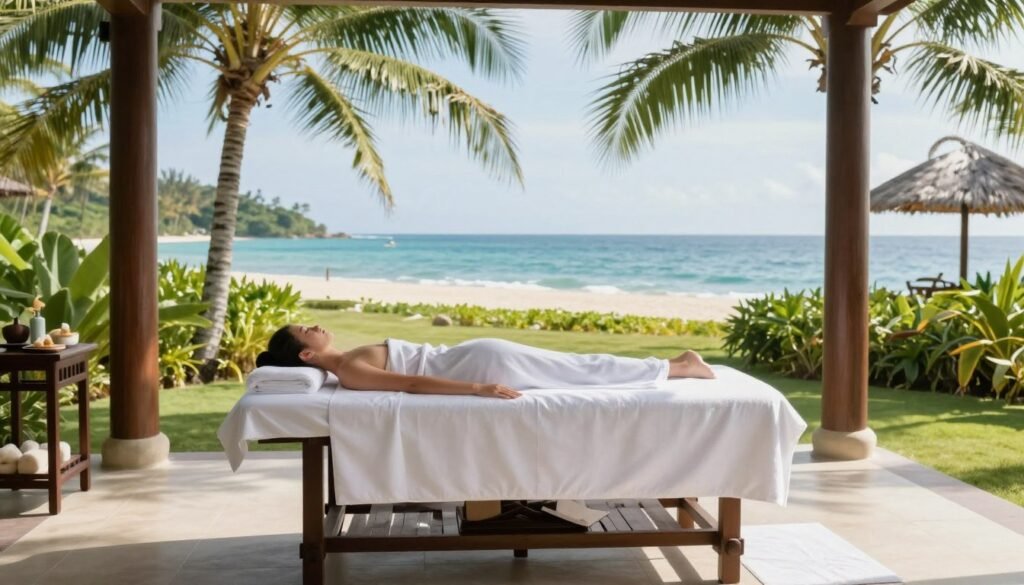
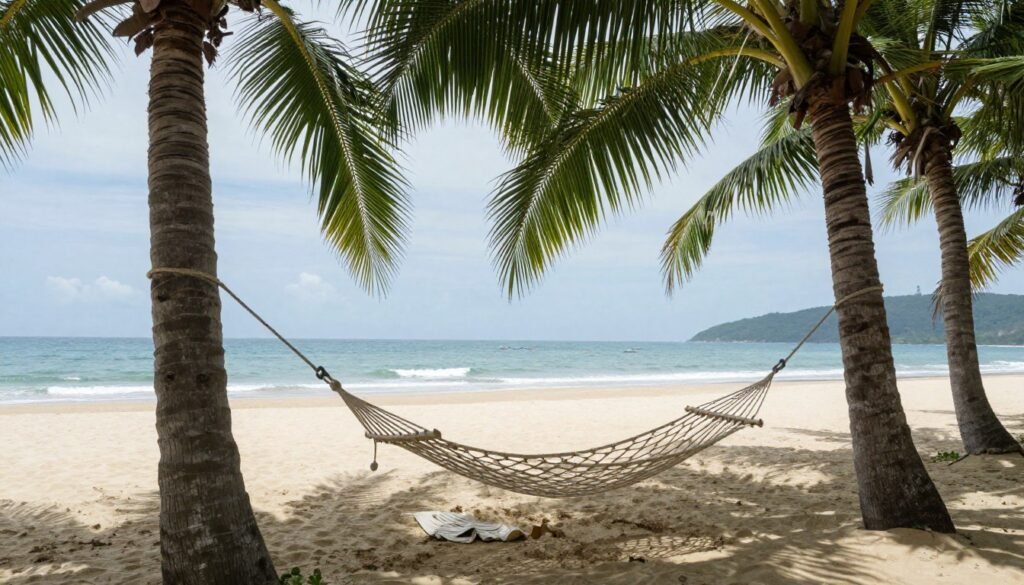
Choose an all-inclusive resort with excellent facilities. Spend days alternating between beach, pool, and spa treatments. Enjoy resort restaurants rather than venturing far. Take sunrise yoga classes and sunset meditation sessions. Read books in beachside hammocks. Take occasional walks along beach. Schedule couple’s massages and wellness packages. This restful approach suits travelers needing recovery from stressful lives.
Start Your Phu Quoc Adventure Today
Whether you’re seeking luxury relaxation, family fun, or solo adventure, Phu Quoc island delivers unforgettable experiences. Don’t wait to book your tropical escape to Vietnam’s Pearl Island. The beaches, cuisine, and adventures await your discovery.
Frequently Asked Questions About Phu Quoc
Common questions about visiting Phu Quoc arise repeatedly. These answers address typical concerns and provide practical information for trip planning.
Do I need a visa to visit Phu Quoc?
Many nationalities can visit Phu Quoc island for up to 30 days without a Vietnamese visa. This exemption applies only if you arrive and depart directly from Phu Quoc International Airport. If you plan to visit mainland Vietnam during your trip, standard visa requirements apply. Citizens of most Western European countries, the UK, South Korea, and Japan enjoy this exemption. Always verify your specific nationality’s status before booking, as policies can change.
What is the best time to visit Phu Quoc?
The best time to visit Phu Quoc island is during the dry season from November through March. These months offer sunny weather, calm seas, and excellent conditions for beach activities and water sports. December through February sees peak tourist numbers, so book accommodations early. If you don’t mind occasional afternoon rain and want to save money, April through October offers lower prices and fewer crowds, though some water activities may be limited.
How many days should I spend in Phu Quoc?
Most travelers spend 3-5 days on Phu Quoc island, which allows time to visit major attractions, enjoy beaches, and experience the island’s atmosphere without feeling rushed. Three days covers essential highlights, while five to seven days permits deeper exploration and more relaxation. Consider your travel style – adventure seekers might want more time for activities, while beach loungers could extend their stays indefinitely. The island works well as part of a longer Vietnam itinerary or as a standalone beach vacation.
Is Phu Quoc suitable for families with children?
Yes, Phu Quoc makes an excellent family destination. The beaches feature calm, shallow waters perfect for children. Vinpearl Safari and VinWonders theme park provide child-focused entertainment. Many resorts offer kids clubs and family-friendly facilities including pools with slides and children’s activities. The food scene accommodates picky eaters with both Vietnamese and international options. Healthcare facilities are adequate for minor issues. The overall safe environment and abundance of activities make Phu Quoc ideal for families.
Can I drink the tap water in Phu Quoc?
No, do not drink tap water on Phu Quoc or anywhere in Vietnam. Always drink bottled water, which is inexpensive and widely available. Most hotels provide complimentary bottled water daily. Restaurants serve bottled water at low cost. Ice in tourist establishments generally comes from purified water, but avoid ice in very local settings if concerned. Brush teeth with bottled water to be extra cautious. This precaution prevents stomach issues that could ruin your vacation.
What should I pack for Phu Quoc?
Pack lightweight, breathable clothing suitable for tropical weather. Include swimwear, beach cover-ups, sunscreen (SPF 30+), sunglasses, and a hat. Bring reef-safe sunscreen if you plan snorkeling or diving. Comfortable sandals or flip-flops work for most situations, though you might want closed-toe shoes for motorbike riding or jungle treks. Add a light rain jacket during rainy season. Don’t forget insect repellent, especially if staying in less developed areas. Most toiletries are available locally if you forget items.
Is Phu Quoc expensive?
Phu Quoc accommodates all budgets. Luxury resorts rival expensive destinations worldwide, with rates of $200+ per night. Mid-range hotels offer good value at $50-100 nightly. Budget travelers find guesthouses for $20-40 per night. Food ranges from $2-3 for street food to $50+ at upscale restaurants. Activities cost varies widely – beaches are free while theme parks charge admission. Overall, Phu Quoc can be quite affordable if you make budget-conscious choices, or luxurious if you prefer upscale options.
Do people speak English in Phu Quoc?
English proficiency varies significantly across Phu Quoc island. Staff at hotels, resorts, tour companies, and restaurants in tourist areas generally speak functional English. However, local markets, small shops, and rural areas may have limited English speakers. Learning basic Vietnamese phrases enhances interactions and shows respect for local culture. Translation apps on smartphones help bridge language gaps. Most situations can be navigated with gestures, patience, and goodwill even without shared language.
What are the best beaches in Phu Quoc?
Sao Beach (Bai Sao) ranks as the most beautiful with powdery white sand and turquoise water. Long Beach offers the best sunsets and most development. Starfish Beach provides shallow calm waters perfect for families. Bai Dai features soft sand and fewer crowds. Ong Lang Beach attracts those seeking quieter atmosphere. Each beach has unique characteristics – Sao Beach for pristine beauty, Long Beach for convenience, and northern beaches for tranquility. Visit multiple beaches to find your favorite.
Is it safe to ride a motorbike in Phu Quoc?
Riding motorbikes on Phu Quoc is generally safer than in Vietnamese cities due to less traffic. Roads have improved significantly in recent years. However, you should have prior motorbike experience before attempting it. Traffic patterns differ from Western countries. Always wear a helmet, drive defensively, and avoid night riding. An international driving permit is technically required though rarely checked. Consider your comfort level honestly – if nervous about riding, use taxis or hire a driver instead. Your travel insurance may not cover motorbike accidents without proper licensing.
Final Thoughts on Your Phu Quoc Journey
Phu Quoc island represents Vietnam’s tropical paradise. The combination of pristine beaches, rich culture, and modern amenities creates an ideal destination. Whether you seek adventure, relaxation, or cultural immersion, this island delivers memorable experiences.
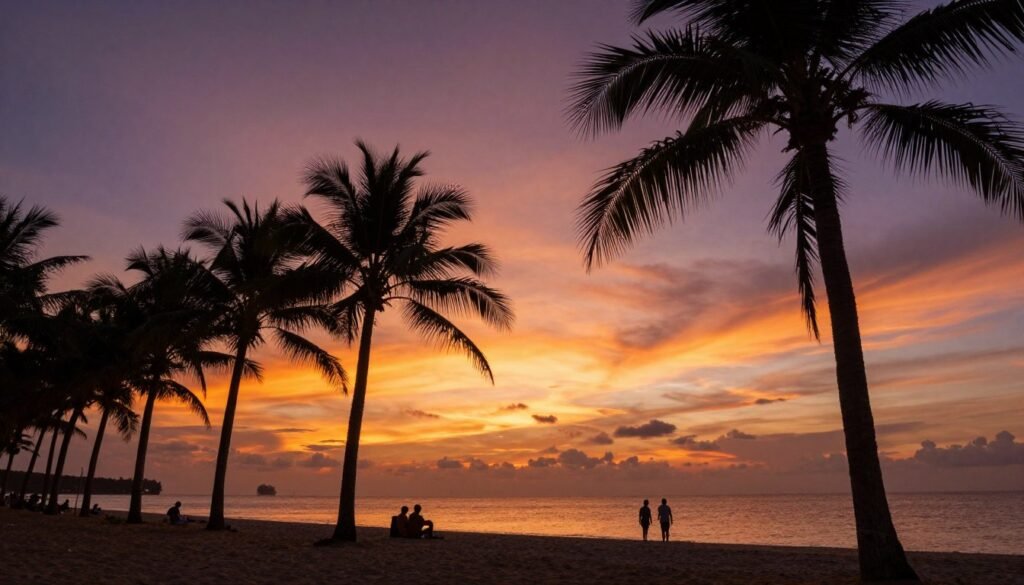
The island continues evolving while maintaining its natural beauty. New developments bring convenience without overwhelming the environment. Sustainable tourism practices help preserve what makes Phu Quoc special. Your visit supports local communities while creating personal memories.
From sunrise beach walks to night market feasts, from island hopping adventures to spa treatments, Phu Quoc offers something for every traveler. The Vietnamese hospitality, delicious food, and stunning landscapes combine to create truly special vacations.
Start planning your Phu Quoc island escape today. Research accommodations matching your style and budget. Book flights during your preferred season. Create a flexible itinerary balancing must-see attractions with spontaneous exploration. Most importantly, prepare to embrace the slower pace and natural beauty that define this Pearl Island.
Your Phu Quoc travel guide has equipped you with essential information. Use it as reference while planning and during your trip. The island awaits your discovery. Safe travels and enjoy every moment on Vietnam’s treasured Pearl Island.