

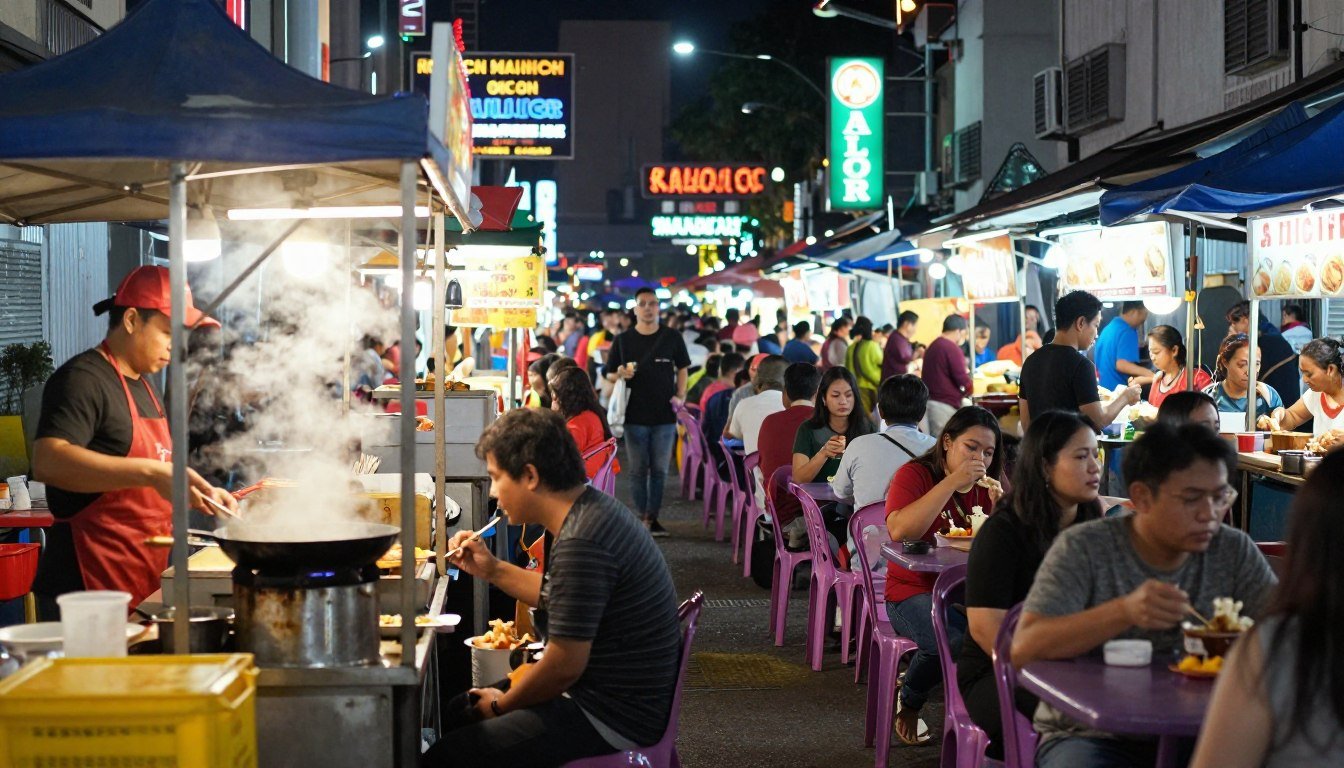
Kuala Lumpur stands as one of Southeast Asia’s greatest food capitals. The Malaysian capital brings together Malay, Chinese, and Indian culinary traditions on every street corner. Hawker centers buzz with activity from dawn until late night, serving dishes that have been perfected over generations.
Street food culture runs deep in this multicultural city. Office workers gather at hawker stalls during lunch breaks. Families visit night markets together on weekends. Travelers from around the world come specifically to experience the flavors that make Malaysia unique.
Finding the best street food in Kuala Lumpur can overwhelm first-time visitors. Hundreds of hawker centers operate across the city. Each neighborhood specializes in different dishes. Language differences and unfamiliar menus add another layer of challenge.
This comprehensive guide reveals 18 types of popular street food Kuala Lumpur is famous for, complete with specific locations, pricing, and insider tips. Whether you crave spicy noodles, fragrant rice dishes, or sweet desserts, you’ll discover exactly where to go and what to order.
1. Nasi Lemak: Malaysia’s Beloved National Dish
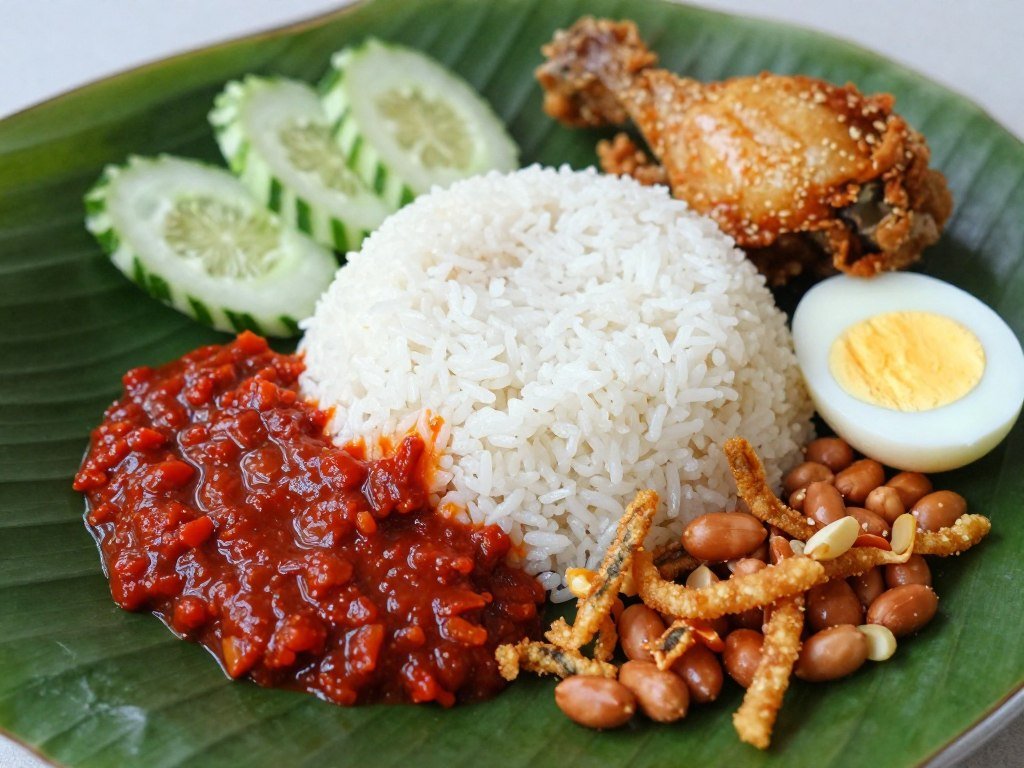
Nasi lemak represents Malaysian cuisine more than any other dish. This fragrant coconut rice creation appears everywhere from roadside stalls to upscale restaurants. The rice cooks in coconut milk with pandan leaves, creating an aromatic foundation for the accompanying elements.
Traditional nasi lemak includes several essential components. Spicy sambal sauce provides the signature kick. Crispy fried anchovies add salty crunch. Roasted peanuts bring earthy richness. Cucumber slices offer cooling contrast. A hard-boiled egg completes the basic version.
Many vendors enhance nasi lemak with additional proteins. Fried chicken proves most popular among locals and tourists. Rendang beef creates a richer, more indulgent meal. Squid sambal adds seafood variety. Vegetarian versions exist but remain less common.
Nasi Lemak Pricing Across Kuala Lumpur
Basic nasi lemak costs RM 2-4 at neighborhood hawker stalls. This includes rice, sambal, anchovies, peanuts, and egg. Adding fried chicken increases the price to RM 6-10. Premium versions with multiple sides can reach RM 15-20.
The dish transitions seamlessly from breakfast to lunch to dinner. Many stalls operate 24 hours, serving nasi lemak around the clock. Morning versions often feature freshly made components. Late-night servings satisfy post-dinner cravings.
Where to Find Exceptional Nasi Lemak
Village Park Restaurant in Damansara serves legendary nasi lemak with fried chicken. Their crispy chicken draws crowds throughout the day. Expect queues during peak meal times. A plate costs RM 10-12. The restaurant opens from 6:30 AM to 8 PM Tuesday through Sunday.
Nasi Lemak Antarabangsa in Kampung Baru operates 24 hours daily. Their sambal achieves the perfect balance of spicy and sweet. The coconut rice maintains consistent quality regardless of serving time. Prices start at RM 3 for basic portions.
Village Park Restaurant – SS2, Petaling Jaya, Selangor
2. Char Kway Teow: Smoky Wok-Fried Noodles
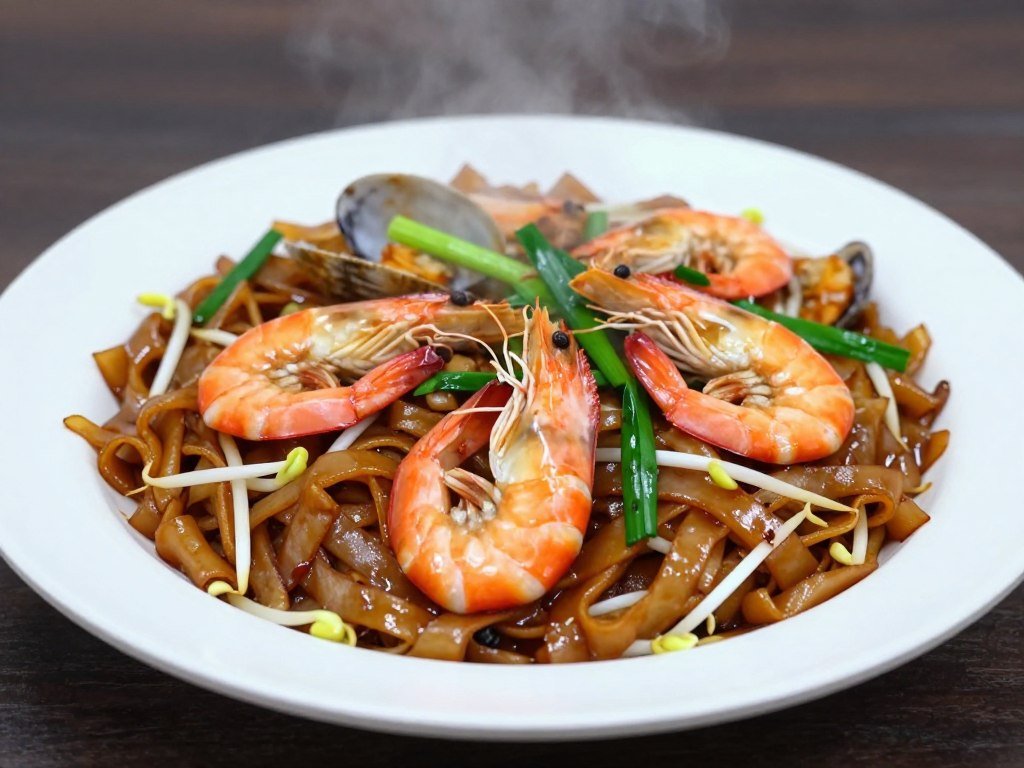
Char kway teow brings Chinese stir-fry tradition to Malaysian streets. This flat rice noodle dish requires intense heat and quick cooking. The high flames create “wok hei” – the breath of the wok that defines superior versions.
The noodles fry in lard or oil with dark soy sauce creating deep color. Fresh prawns provide sweet seafood flavor. Cockles add briny complexity appreciated by adventurous eaters. Chinese chives contribute aromatic punch. Bean sprouts maintain crisp texture despite the heat.
Each hawker develops their unique char kway teow style. Some prefer extra dark soy sauce for richer color and flavor. Others emphasize seafood with generous prawn portions. Spice levels vary from mild to fiery depending on chili paste quantities.
Char Kway Teow Variations
The standard version balances prawns and cockles with noodles. This costs RM 7-10 at most hawker centers. Premium seafood versions feature larger prawns or additional squid for RM 12-15.
Duck egg char kway teow elevates the dish with richer egg flavor. The yolk creates creamier coating on noodles. This variation adds RM 2-3 to the base price but delivers noticeably enhanced taste.
Vegetarian char kway teow substitutes tofu and extra vegetables for seafood. While less common, several Chinese vegetarian stalls prepare excellent meat-free versions. These cost RM 6-8 per plate.
Best Char Kway Teow Locations
Kim Lian Kee in Petaling Street Chinatown has served char kway teow since 1927. Four generations have maintained their recipe and cooking technique. The stall operates from 5 PM to 2 AM daily. A plate costs RM 10.
Penang Road Famous Teochew Chendul also offers outstanding char kway teow despite their name focusing on dessert. Their version emphasizes wok hei and uses quality ingredients. Located on Lebuh Keng Kwee, they open from 12 PM to 6 PM.
3. Satay: Malaysia’s Famous Grilled Skewers
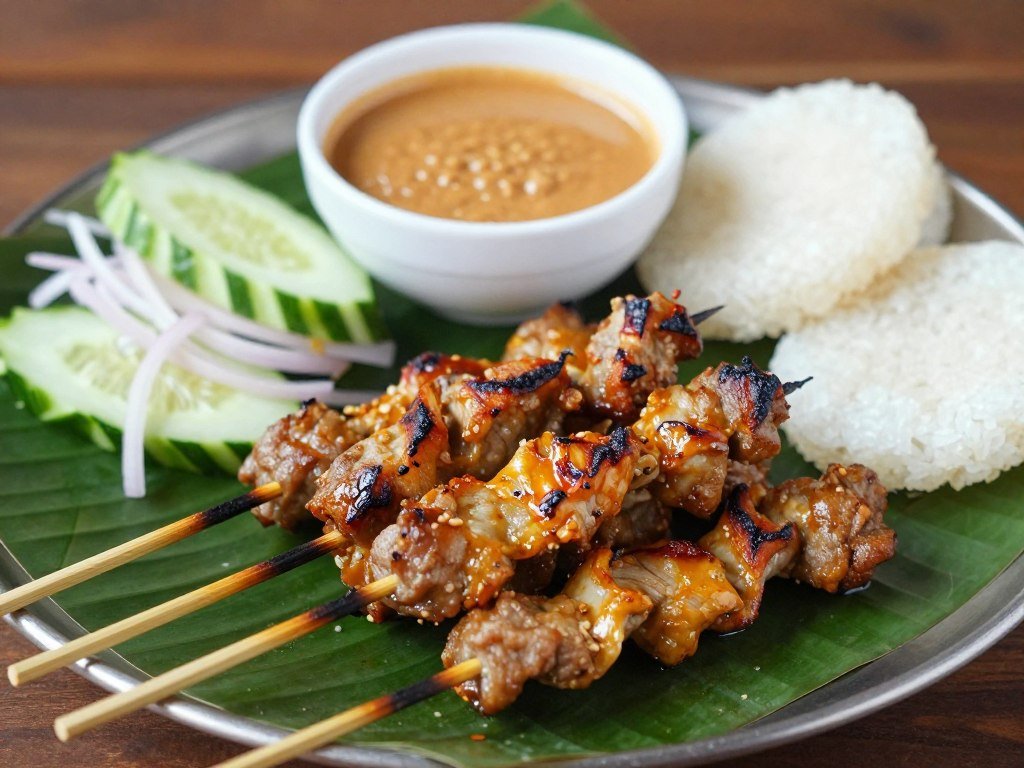
Satay represents Malaysia’s most internationally recognized street food. These grilled meat skewers appear at hawker centers throughout Kuala Lumpur. The marinade and grilling technique distinguish Malaysian satay from other Southeast Asian versions.
The meat marinates in turmeric, lemongrass, and spices for several hours. This creates golden color and deep flavor penetration. Charcoal grilling adds essential smokiness. Vendors fan the coals constantly to maintain consistent heat and prevent flare-ups.
Chicken satay dominates Malaysian street food stalls. The meat stays tender and absorbs marinade flavors well. Beef satay offers heartier flavor for those preferring red meat. Lamb satay appears less frequently but provides distinct taste for adventurous diners.
Satay Accompaniments and Serving Style
The peanut sauce defines Malaysian satay experience. Vendors prepare it fresh daily using ground roasted peanuts, coconut milk, and spices. The sauce should coat skewers without being too thick or thin.
Cucumber and onion relish provides cooling, crunchy contrast to rich satay. The vinegar-based dressing cuts through peanut sauce heaviness. Ketupat rice cakes serve as traditional accompaniment, soaking up extra sauce.
Most vendors sell satay in sets of 10 skewers. Chicken satay costs RM 8-12 per 10 sticks. Beef satay runs slightly higher at RM 10-15. Complete meals with peanut sauce, relish, and ketupat cost RM 12-18.
Top Satay Vendors in Kuala Lumpur
Kajang Satay remains the most famous satay area near Kuala Lumpur. Satay Haji Samuri draws massive crowds with their perfectly grilled skewers. Located on Jalan Mendaling in Kajang, they operate from 5 PM to midnight. Ten chicken satay sticks cost RM 10.
Sate Kajang Haji Samuri at Jalan Alor brings Kajang-style satay to central Kuala Lumpur. Their city location offers convenience for tourists. Quality matches the original Kajang outlet. Prices are slightly higher at RM 12 for 10 sticks.
Jalan Alor – Bukit Bintang, Kuala Lumpur
4. Roti Canai: Flaky Malaysian Flatbread
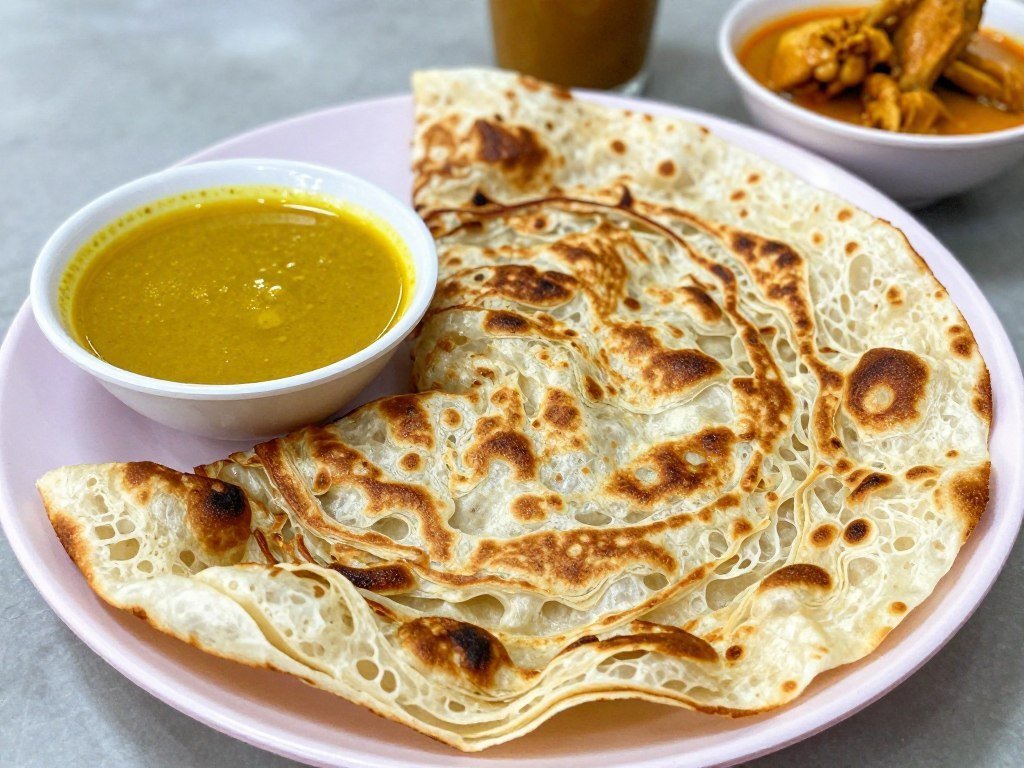
Roti canai anchors Malaysian breakfast culture. This flaky flatbread descended from Indian paratha but evolved into something distinctly Malaysian. Mamak stalls across Kuala Lumpur prepare countless roti canai daily, slapping and tossing dough with practiced skill.
The preparation mesmerizes first-time observers. Vendors stretch dough into paper-thin circles using a slapping technique. The dough spins and flips before hitting a hot griddle. Ghee creates the signature crispy, flaky texture during cooking.
Plain roti canai serves as the foundation for numerous variations. The basic version costs just RM 1-1.50 and pairs perfectly with dhal curry. More elaborate versions incorporate eggs, onions, cheese, or even chocolate for fusion interpretations.
Roti Canai Varieties and Combinations
Roti telur adds egg to the dough before folding. The egg creates richer flavor and protein addition. This costs RM 2-3 at most mamak stalls.
Roti bom features smaller, thicker bread with extra ghee creating bomb-like shape and indulgent taste. The condensed milk and sugar topping transforms it into dessert territory. Prices range from RM 2-3.50.
Roti tissue presents the most dramatic version. Vendors stretch the dough incredibly thin and tall, creating a cone-shaped tower. Sweet toppings like chocolate or ice cream make this an Instagram-worthy treat costing RM 5-8.
Curry Pairings
Dhal curry provides the classic roti canai companion. The lentil-based curry offers creamy texture and mild spicing. Most stalls include dhal automatically with roti orders.
Fish curry adds bolder flavors with tangy, spicy gravy. Chunks of mackerel or other fish swim in the aromatic sauce. Chicken curry offers familiar protein with Malaysian spice blends. Both cost RM 1-2 extra beyond the dhal.
Best Roti Canai Spots
Transfer Road Roti Canai near Brickfields serves exceptional versions 24 hours daily. Their dough achieves perfect flakiness every time. Basic roti canai costs RM 1.20. The stall location at 67 Jalan Thambipillay draws locals and tourists alike.
Ali Muthu Ah Konar at Taman Tun Dr Ismail (TTDI) has built legendary status over decades. Their roti canai consistently ranks among Kuala Lumpur’s best. Operating hours run from 6 AM to 11 PM. A roti telur costs RM 2.50.
5. Laksa: Spicy Coconut Noodle Soup
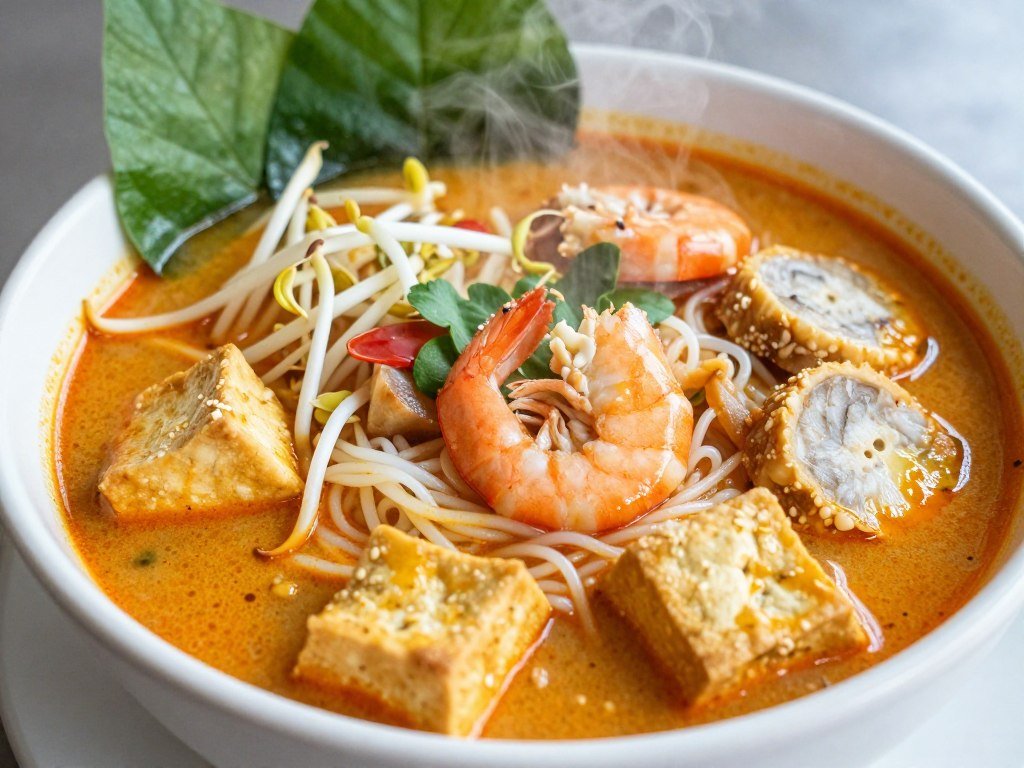
Laksa delivers complex flavors in every spoonful. This spicy noodle soup represents Chinese-Malay fusion at its finest. The curry-based broth combines coconut milk with aromatic spices creating signature richness.
Curry laksa dominates Kuala Lumpur hawker centers. The thick rice noodles soak up the fragrant gravy. Tofu puffs absorb broth like sponges. Fresh prawns provide sweet seafood notes. Fish cakes add bouncy texture. Bean sprouts contribute freshness.
The broth requires hours of preparation. Vendors blend shallots, lemongrass, galangal, dried chilies, and shrimp paste into curry paste. This paste cooks in coconut milk until oils separate, signaling readiness. The result is intensely flavored soup that balances spicy, creamy, and aromatic elements.
Laksa Regional Styles
Curry laksa remains most common in Kuala Lumpur. The creamy orange broth varies from vendor to vendor based on spice ratios and coconut milk richness. A bowl costs RM 7-10 at typical hawker stalls.
Asam laksa appears less frequently but offers dramatically different profile. This Penang specialty uses tamarind-based sour broth instead of coconut curry. The tangy, fishy flavor divides opinions but loyal fans seek it out. Prices match curry laksa at RM 7-10.
Finding Quality Laksa
Kin Kin Chilli Pan Mee also serves excellent curry laksa despite specializing in dry noodles. Their laksa features rich, spicy broth with generous toppings. Located at Jalan Alor, they open from 11 AM to 3 AM daily. A bowl costs RM 9.
Madras Lane Curry Laksa near Central Market has operated for over 40 years. Their family recipe produces consistently delicious results. The small hawker stall opens only 11 AM to 3 PM. Arrive early as they often sell out. A bowl costs RM 8.
6. Bak Kut Teh: Herbal Pork Rib Soup
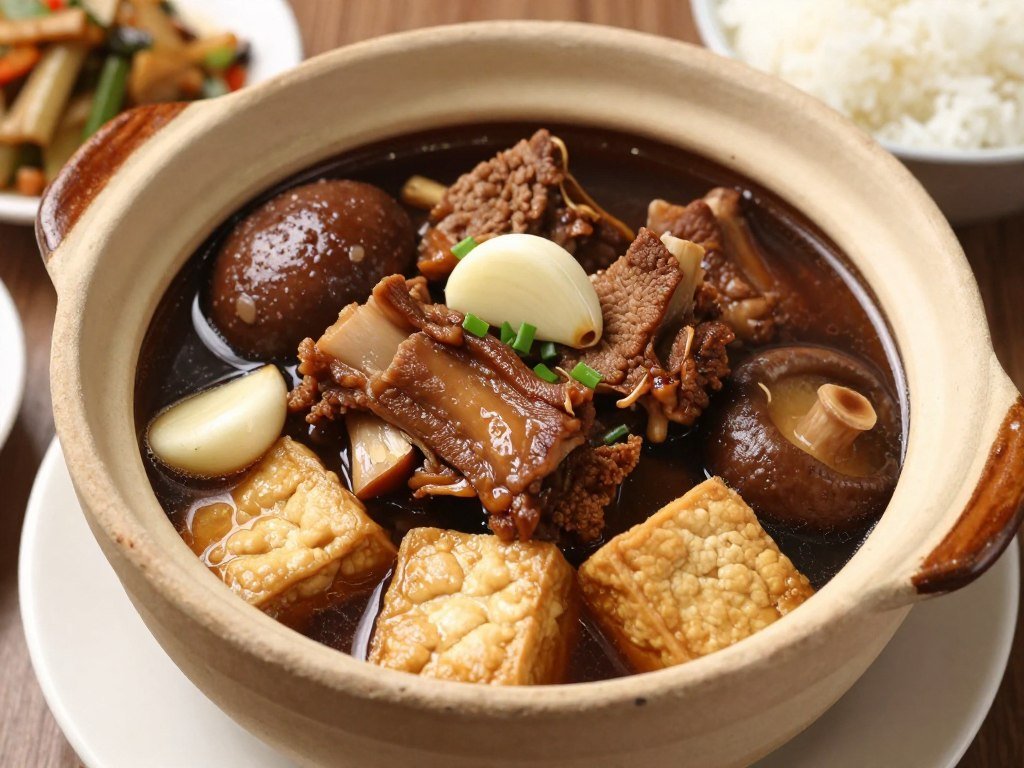
Bak kut teh brings Chinese herbal medicine philosophy to Malaysian dining tables. This pork rib soup simmers for hours with herbs and spices creating medicinal yet delicious broth. The name literally means “meat bone tea” though no tea appears in the soup itself.
The broth’s complexity comes from multiple herbs and spices. Star anise, cinnamon, cloves, dang gui, and chuanxiong create the signature dark, aromatic liquid. Pork ribs cook until tender, releasing collagen that enriches the soup. Whole garlic cloves soften during cooking, becoming sweet and mellow.
Two main styles exist in Malaysia. Klang-style uses darker, more herbal broth with stronger medicinal character. Teochew-style features lighter, peppery broth with cleaner pork flavor. Both versions satisfy different preferences and appear throughout Kuala Lumpur.
Bak Kut Teh Accompaniments
White rice serves as essential companion, soaking up flavorful broth. Youtiao (Chinese crullers) provide textural contrast, dunking perfectly into soup. Braised peanuts in soy sauce add earthy side element. Pickled green chilies in soy sauce offer sharp, spicy condiment.
Chinese tea traditionally accompanies bak kut teh meals. The tea supposedly aids digestion of the rich, fatty soup. Pu-erh or tieguanyin varieties appear most commonly.
Pricing and Portions
A basic bowl with ribs costs RM 10-15 at hawker centers. Adding extra ribs, intestines, or mushrooms increases prices to RM 15-20. Premium restaurants charge RM 20-30 but provide more refined settings.
Most vendors sell bak kut teh as complete meals including rice, tea, and side dishes. The portions tend toward generous, satisfying even hearty appetites.
Notable Bak Kut Teh Establishments
New Fook Lam Moon Kee in Pudu serves Klang-style bak kut teh since the 1980s. Their dark, herbal broth attracts loyal following. A pot costs RM 16. Operating hours run 6 AM to 4 PM daily.
Restoran Soon Soon Heng in Taman Connaught specializes in dry bak kut teh variation where ribs come separately from concentrated sauce. This unique style costs RM 15-18. They open from 5:30 PM to 11 PM.
Experience Kuala Lumpur Food Culture with Expert Guides
Discover the best street food kuala lumpur offers with local food experts. Visit 10-12 authentic hawker stalls and night markets in 3.5 hours. Navigate language barriers easily while learning about Malaysia’s multicultural cuisine. Small group tours ensure personalized attention and insider access to hidden gems tourists rarely find.
7. Hokkien Mee: Dark Soy Fried Noodles
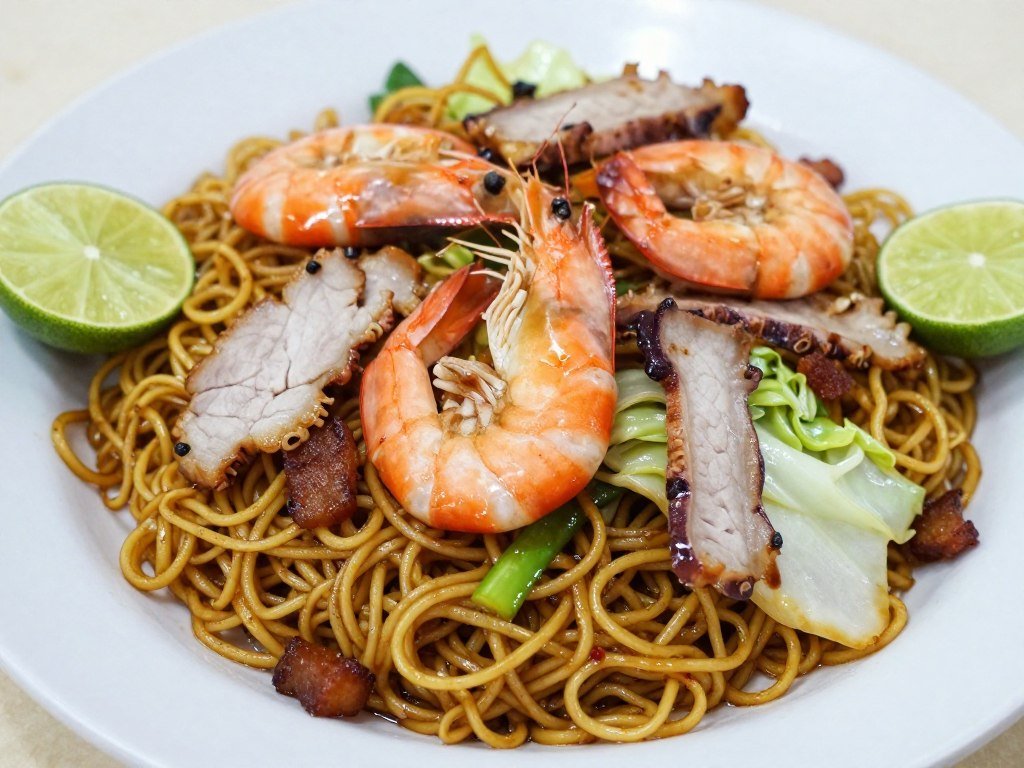
Hokkien mee in Kuala Lumpur differs completely from Penang’s version. The KL style uses thick yellow noodles fried in dark soy sauce until almost black. This creates visually striking dish with rich, savory-sweet flavor profile.
The cooking process requires high heat and constant movement. Thick noodles fry with prawns, pork, squid, and cabbage. Dark soy sauce coats everything thoroughly. Crispy pork lard adds textural contrast and porky richness. The finished dish glistens with oil and dark color.
Authentic versions include pork and pork lard, making this decidedly non-halal street food. The pork elements contribute essential flavor that chicken or beef cannot replicate. Those seeking halal options should explore other noodle dishes.
What Makes Great Hokkien Mee
The noodles should maintain bite despite thorough frying. Mushy noodles indicate overcooking or poor quality ingredients. The dark soy sauce must coat evenly without pooling at the bottom.
Fresh prawns make significant difference in final quality. The prawns should be plump and sweet, not rubbery or fishy. Generous portions of crispy pork lard elevate the dish considerably.
Lime wedges traditionally accompany Hokkien mee. Squeezing lime juice over the noodles brightens the heavy, rich flavors. Sliced green chilies in soy sauce provide optional heat.
Hokkien Mee Pricing
A standard plate costs RM 7-10 at neighborhood hawker centers. Larger portions with extra seafood run RM 12-15. Some famous stalls charge premium prices up to RM 18-20 based on reputation.
Best Hokkien Mee in Kuala Lumpur
Kim Lian Kee mentioned earlier also serves exceptional Hokkien mee alongside their char kway teow. Their Hokkien mee achieves perfect balance of flavors and textures. Operating in Petaling Street from 5 PM to 2 AM, they charge RM 10 per plate.
Lau Wan Pheng Hokkien Mee in Jalan Ipoh has served this dish since 1946. Multiple generations maintain the original recipe and cooking method. They open from 2 PM to 8 PM. A plate costs RM 9.
8. Wan Tan Mee: Springy Noodles with Wontons
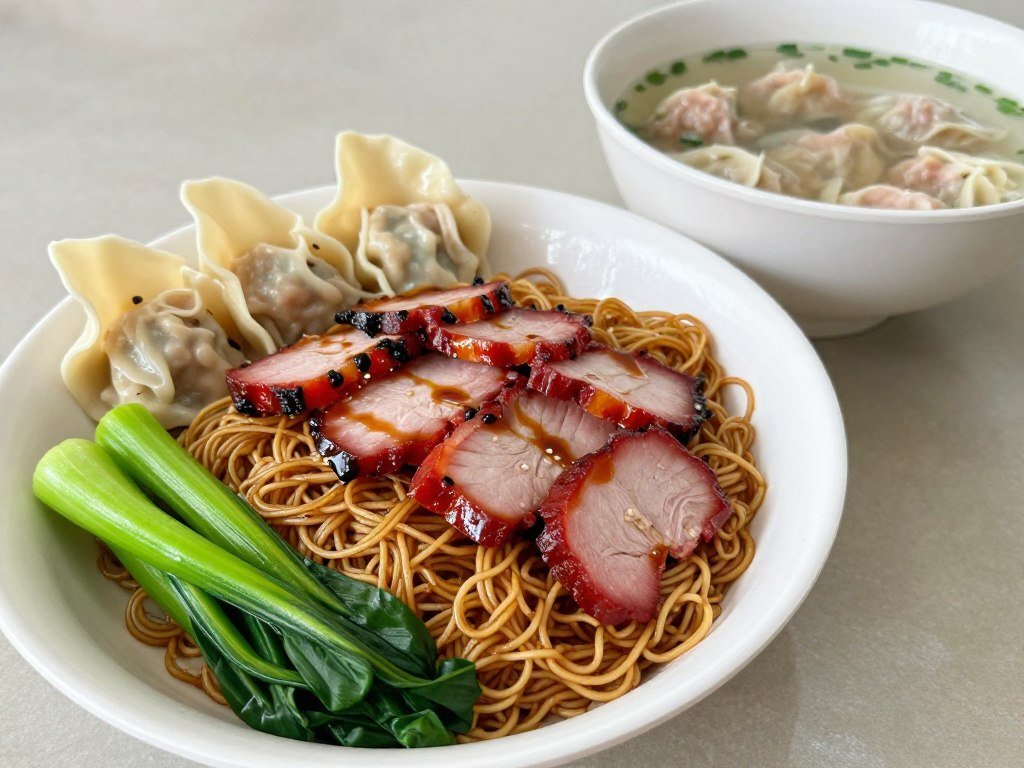
Wan tan mee represents Cantonese noodle tradition adapted for Malaysian tastes. The springy egg noodles toss in dark soy sauce and lard, creating simple yet addictive combination. Sliced char siew (barbecue pork) and wontons complete this beloved dish.
The noodles themselves make or break wan tan mee. Proper versions use thin, springy egg noodles with slightly alkaline taste. The noodles should bounce back when bitten, never becoming soft or mushy.
Char siew quality varies dramatically between stalls. The best versions feature tender pork with caramelized edges and balance of sweet and savory. Inferior char siew tastes dry, overly sweet, or artificially flavored.
Dry Versus Soup Versions
Dry wan tan mee tosses noodles with sauce, topped with char siew and vegetables. A separate bowl of wonton soup comes alongside. This allows enjoying noodles and soup independently.
Soup wan tan mee serves everything in one bowl with broth. The noodles swim in clear soup with wontons and vegetables. This version appears less commonly in Kuala Lumpur compared to dry style.
Prices remain consistent regardless of style. A plate costs RM 6-8 at typical hawker centers. Adding extra char siew or wontons increases the total to RM 9-12.
Finding Excellent Wan Tan Mee
Soong Kee Beef Wan Tan Mee in Jalan Tun HS Lee specializes in beef versions alongside traditional pork. Their springy noodles and flavorful char siew attract steady crowds. Operating from 8 AM to 5 PM, they charge RM 7 for regular portions.
Meng Kee Char Siew Wan Tan Mee in Jalan Kia Peng focuses on quality char siew. Their barbecue pork achieves perfect texture and flavor. Open from 10:30 AM to 7 PM daily, a plate costs RM 8.
9. Cendol: Iconic Shaved Ice Dessert
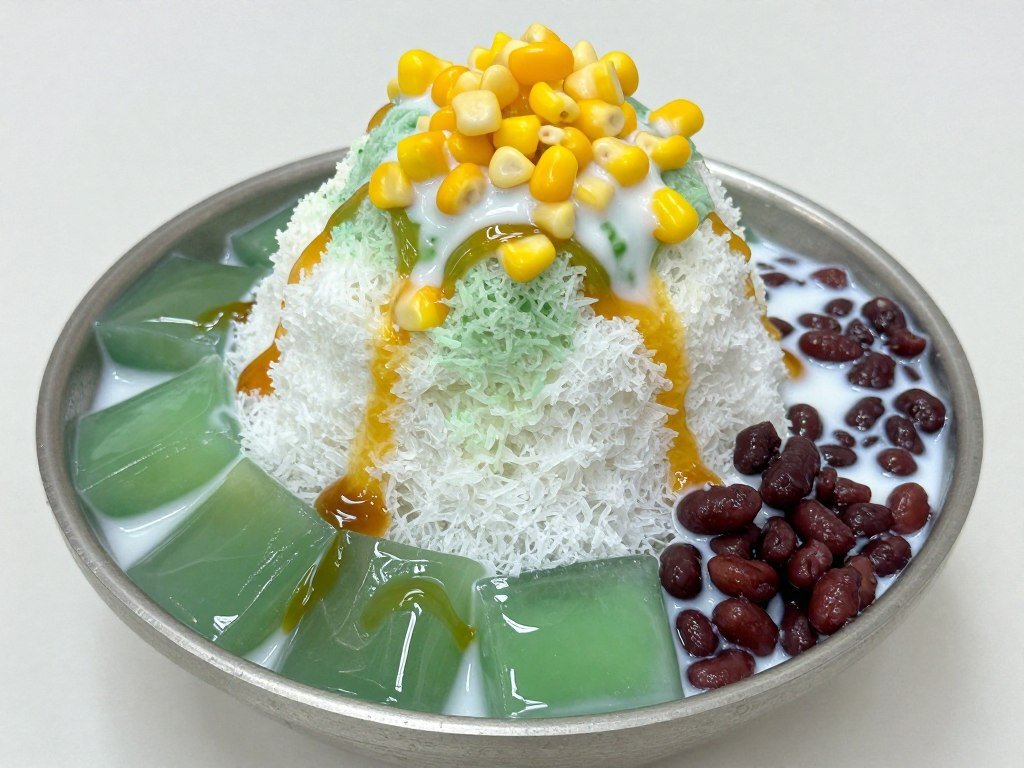
Cendol provides sweet relief from Kuala Lumpur’s tropical heat. This shaved ice dessert combines multiple textures and flavors into refreshing treat. The signature green rice flour jelly gives cendol its distinctive appearance.
The pandan-flavored jelly creates the foundation. Vendors push rice flour mixture through special molds to form worm-like strands. These strands contribute unique chewy texture and subtle pandan aroma.
Shaved ice forms the base, topped with the green jelly. Coconut milk drizzles over everything, adding creamy richness. Gula melaka (palm sugar syrup) provides deep, caramel-like sweetness. Red beans and sweet corn kernels add extra elements.
Cendol Variations
Traditional cendol includes just the basics: ice, jelly, coconut milk, and palm sugar. This costs RM 3-5 at hawker stalls. The simplicity allows each component’s flavor to shine.
Cendol pulut adds glutinous rice for additional texture and substance. Durian cendol incorporates the king of fruits for bold, divisive flavor. These variations cost RM 5-8 depending on ingredients.
Where to Enjoy Cendol
Penang Road Famous Teochew Chendul (yes, they spell it differently) serves some of Kuala Lumpur’s best cendol. Their gula melaka achieves perfect sweetness levels. Located in Changkat Bukit Bintang, they operate 12 PM to 6 PM. A bowl costs RM 4.50.
Aunty Koh Cendol in Jalan Brunei Utara has built reputation over decades. Their handmade jelly and rich coconut milk create exceptional versions. Open from 1 PM to 7 PM, they charge RM 4 per serving.
10. Chee Cheong Fun: Silky Rice Noodle Rolls
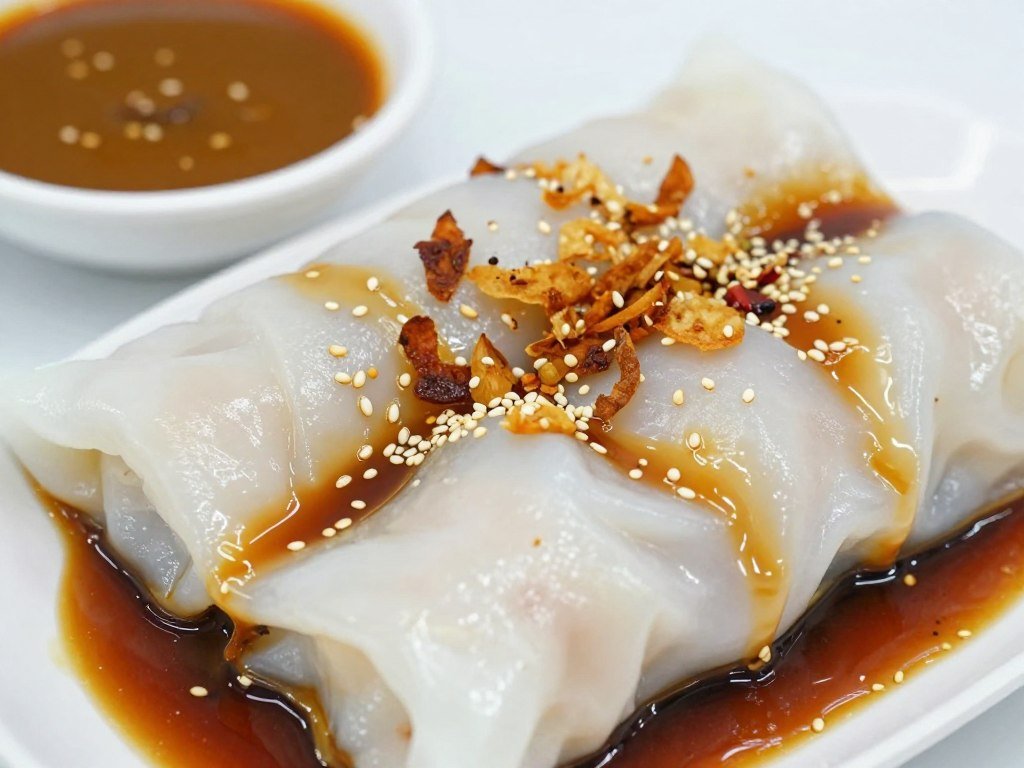
Chee cheong fun demonstrates the delicate side of Malaysian street food. These smooth rice noodle rolls require skill to prepare correctly. The silky texture and mild flavor make them popular breakfast choice.
Vendors steam thin rice flour batter on cloth-covered trays. The steamed sheets roll into cylindrical shapes while still warm. Cutting the rolls into bite-sized pieces completes the basic preparation.
Sweet sauce typically tops chee cheong fun in Kuala Lumpur. The sauce combines sweet soy sauce, hoisin, and sesame paste. Sesame seeds and fried shallots garnish the rolls. Some stalls offer curry sauce as alternative or addition.
Chee Cheong Fun Fillings
Plain chee cheong fun contains no filling, relying entirely on sauce for flavor. This costs RM 3-4 for generous portion. The simplicity appeals to those appreciating subtle rice flavor.
Prawn filling adds sweet seafood element. Char siew filling incorporates barbecue pork. Mushroom filling provides vegetarian option. Filled versions cost RM 5-7.
Best Chee Cheong Fun Vendors
Lau Wong Chee Cheong Fun in Pudu has operated since 1986. Their silky noodles achieve perfect texture every time. Sweet sauce balances richness and sweetness ideally. Open from 7 AM to 1 PM, a plate costs RM 4.
Nam Seng Chee Cheong Fun in Kepong serves excellent versions with curry sauce option. Their noodles maintain structure while staying tender. Operating from 7 AM to 12 PM, they charge RM 3.50.
11. Apam Balik: Sweet Malaysian Pancake
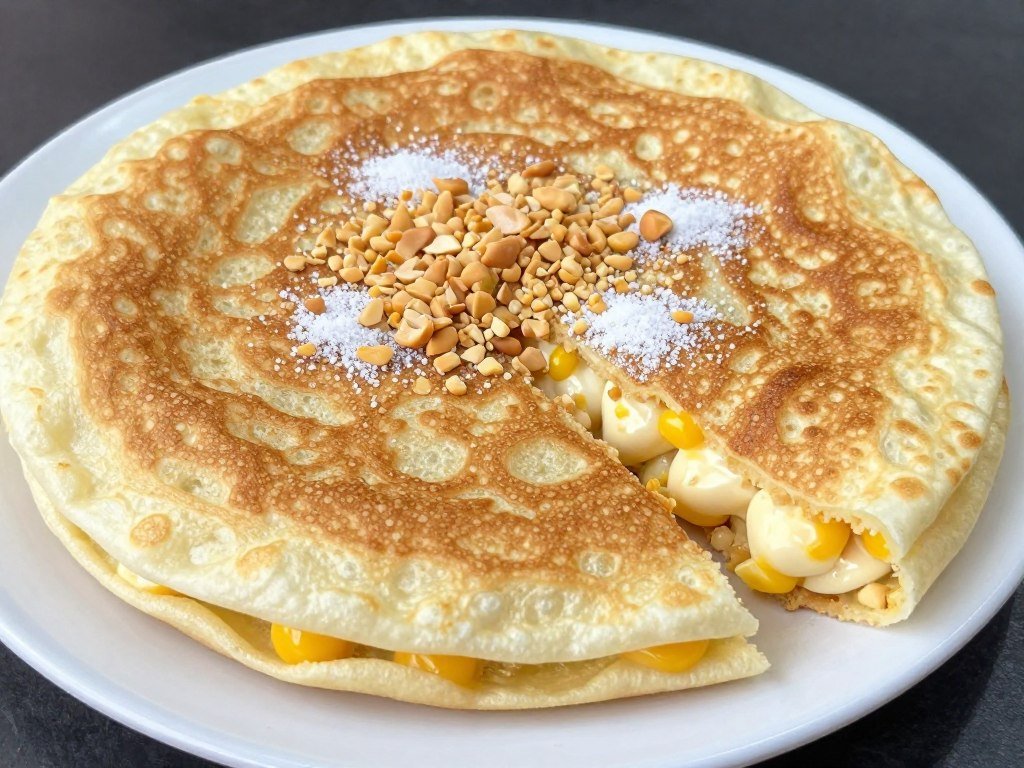
Apam balik provides sweet satisfaction as snack or dessert. This thick pancake folds over sweet filling creating half-moon shape. The combination of fluffy batter and crunchy peanut filling creates addictive texture contrast.
Vendors pour thick batter onto circular griddles. The batter bubbles and sets into spongy cake. Before flipping, they sprinkle crushed peanuts, sugar, and creamed corn over half the pancake. Folding creates the characteristic shape.
Two main styles exist across Malaysia. The thick version popular in Kuala Lumpur features fluffy, cake-like texture. The thin, crispy version called “ban jian kuih” appears in some areas but less commonly.
Apam Balik Variations
Traditional filling uses crushed peanuts, sugar, and creamed corn. This classic combination costs RM 3-4 for one large pancake. The corn adds unexpected savory note balancing sweetness.
Modern vendors offer creative fillings like chocolate, cheese, or red bean paste. Some combine multiple fillings for fusion creations. These variations cost RM 4-6.
Finding Fresh Apam Balik
Night markets throughout Kuala Lumpur feature apam balik vendors. The pancakes cook fresh throughout evening hours. Watching the preparation adds to the experience.
Taman Connaught night market on Wednesday evenings hosts multiple apam balik stalls. Competition keeps quality high and prices reasonable at RM 3-4.
Stay Near the Best Food Districts
Book accommodations in Bukit Bintang, Chinatown, or KLCC for walking access to the best street food kuala lumpur locations. Wake up near morning hawker centers. Explore night markets steps from your hotel. Enjoy late-night food adventures without long commutes or expensive taxis.
12. Ikan Bakar: Grilled Fish Malaysian Style
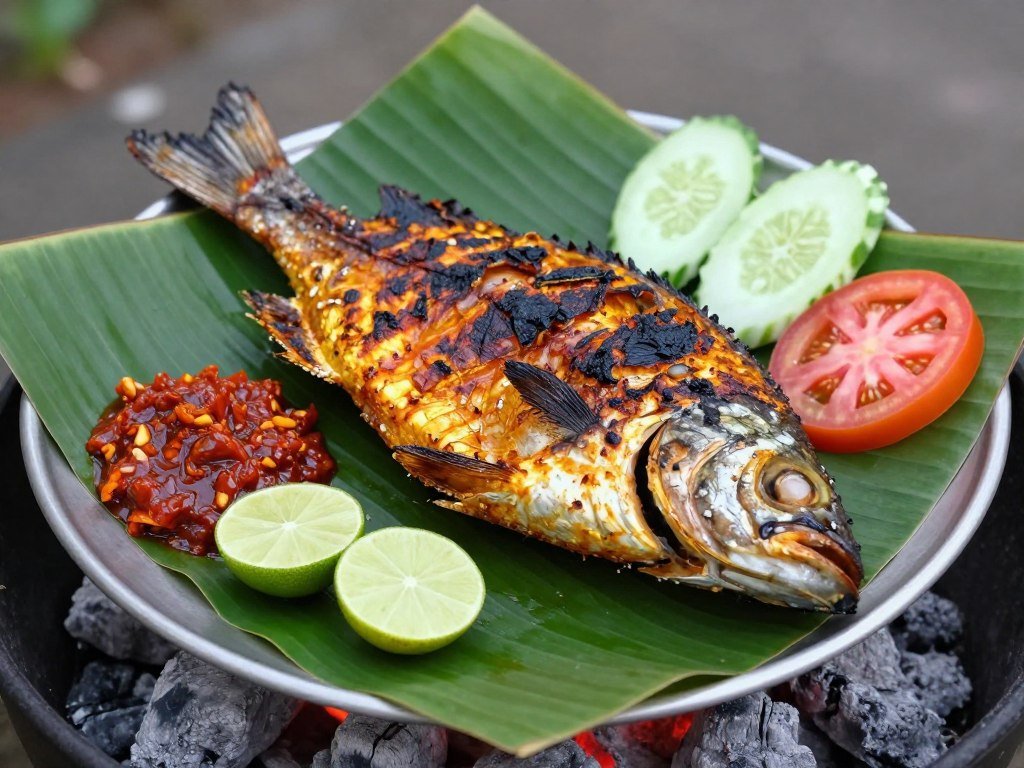
Ikan bakar translates simply to “grilled fish” but the preparation creates something special. Whole fish grill over charcoal after marinating in spice paste. The charred skin and smoky flesh deliver bold Malaysian flavors.
The marinade typically includes turmeric, galangal, lemongrass, and chili paste. This coats the fish inside and out before grilling. Banana leaves sometimes wrap the fish during cooking, adding subtle aroma.
Common fish varieties include stingray, pomfret, and sea bass. Each offers different texture and flavor profiles. Stingray remains most popular for its unique texture and ability to absorb marinade flavors.
Ikan Bakar Accompaniments
Sambal belacan provides essential spicy condiment. This fiery shrimp paste-based sauce complements grilled fish perfectly. Sliced cucumbers and tomatoes offer cooling contrast. Steamed white rice rounds out the meal.
Some vendors serve ikan bakar with special sauces. Sweet soy glaze adds different flavor dimension. Tamarind-based sauces provide tangy notes.
Pricing and Portions
Fish prices vary based on size and species. Small fish suitable for one person cost RM 15-20. Larger fish for sharing run RM 30-50. Premium fish like sea bass can reach RM 60-80.
Notable Ikan Bakar Locations
Jalan Alor hosts several ikan bakar specialists. Restoran Nasi Kandar Pelita serves excellent grilled fish alongside their curry rice. They operate 24 hours with consistent quality.
Kampung Baru area features traditional Malay ikan bakar stalls. The Thursday night market brings numerous vendors grilling fresh fish. Prices stay reasonable at RM 15-25 for individual portions.
13. Rojak: Sweet and Spicy Fruit Salad
Rojak combines fruits and vegetables with thick, spicy-sweet sauce creating unusual but beloved dish. The name means “mixture” in Malay, perfectly describing this eclectic creation. Two distinct styles exist, each with passionate followers.
Fruit rojak features tropical fruits like pineapple, cucumber, jicama, and green mango. The sauce blends shrimp paste, sugar, lime juice, and chili into dark, complex dressing. Crushed peanuts top everything.
Indian rojak takes completely different approach. Fried dough fritters, potatoes, boiled eggs, and vegetables coat in sweet potato-based sauce. Peanut sauce and green chili sauce provide finishing touches.
Fruit Rojak Preparation
Vendors chop fruits and vegetables into bite-sized pieces. The sauce preparation requires balancing multiple strong flavors. Too much shrimp paste overwhelms. Insufficient chili lacks punch. The best versions achieve harmony.
Torch ginger flower (bunga kantan) often appears in premium versions. This ingredient adds unique floral, citrusy notes. The pink petals also contribute visual appeal.
A serving costs RM 5-8 depending on fruit selection. Larger portions with more variety reach RM 10-12.
Indian Rojak Characteristics
The fried items provide substance and texture. Potato and egg add filling elements. The sauce coating everything creates cohesive dish from disparate ingredients.
Green chili sauce adds customizable heat levels. Vendors typically ask spice preference before adding. A plate costs RM 6-8.
Where to Try Rojak
Jalan Alor vendors serve both fruit and Indian rojak varieties. The evening street transforms into open-air restaurant with numerous rojak stalls competing for customers.
Petaling Street in Chinatown features excellent fruit rojak vendors. Their versions emphasize fresh fruits and balanced sauce. Prices range RM 6-8.
14. Curry Mee: Rich Coconut Curry Noodles
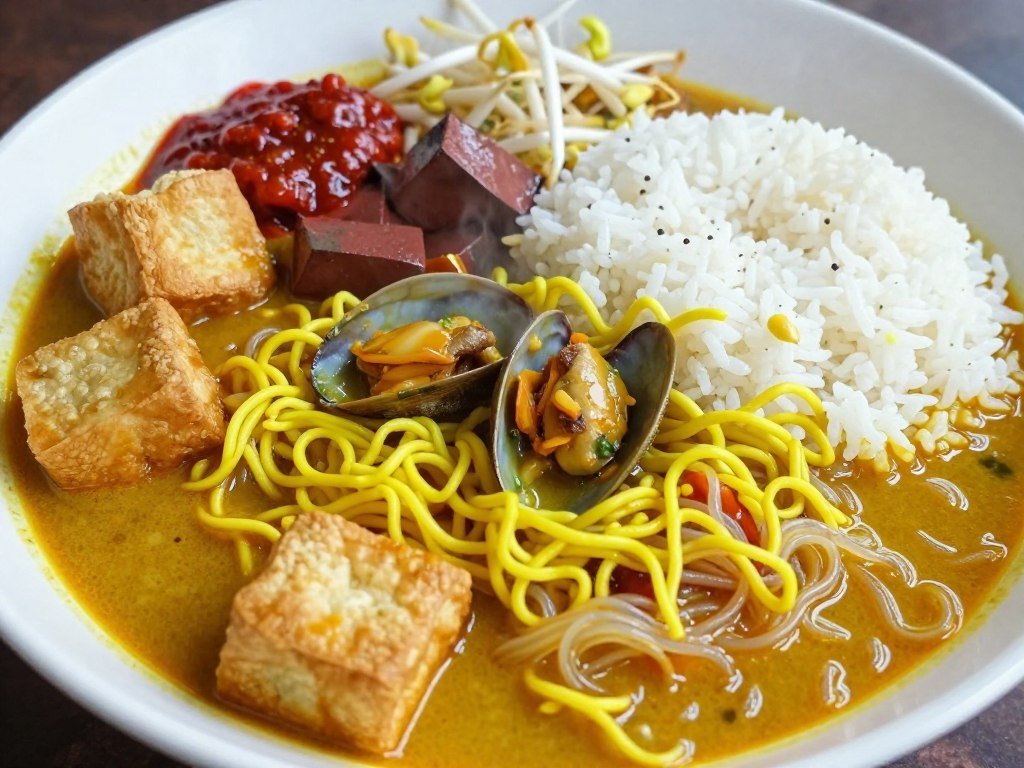
Curry mee delivers intense flavors in a satisfying noodle soup. This dish combines yellow noodles and rice vermicelli in spicy coconut curry broth. The complexity rivals laksa while offering distinct flavor profile.
The curry paste base includes dried chilies, shallots, lemongrass, and belacan shrimp paste. This paste cooks in coconut milk until fragrant. The addition of curry powder creates the signature orange-red color.
Toppings vary by vendor but typically include cockles, tofu puffs, bean sprouts, and sometimes pig blood cubes. The combination creates textural variety and flavor complexity.
Curry Mee Spice Levels
Most curry mee arrives quite spicy by default. The curry itself contains significant heat from dried chilies. Sambal belacan on the side adds extra fire for those wanting more.
Some stalls offer mild versions for those with lower spice tolerance. Request “kurang pedas” (less spicy) when ordering. This reduces chili quantity while maintaining flavor.
Curry Mee Pricing
A standard bowl costs RM 6-9 at hawker centers. Premium versions with extra seafood or special ingredients run RM 10-12. The generous portions usually satisfy as complete meals.
Best Curry Mee Spots
Madras Lane Curry Mee operates from the same location as their laksa stall. The curry mee shares the same commitment to quality. A bowl costs RM 7. They open 11 AM to 3 PM.
Soong Kee Curry Mee in Taman Paramount has built strong following. Their balanced broth achieves perfect spice levels and richness. Operating from 7 AM to 1 PM, they charge RM 7 per bowl.
15. Teh Tarik: Malaysia’s Famous Pulled Tea
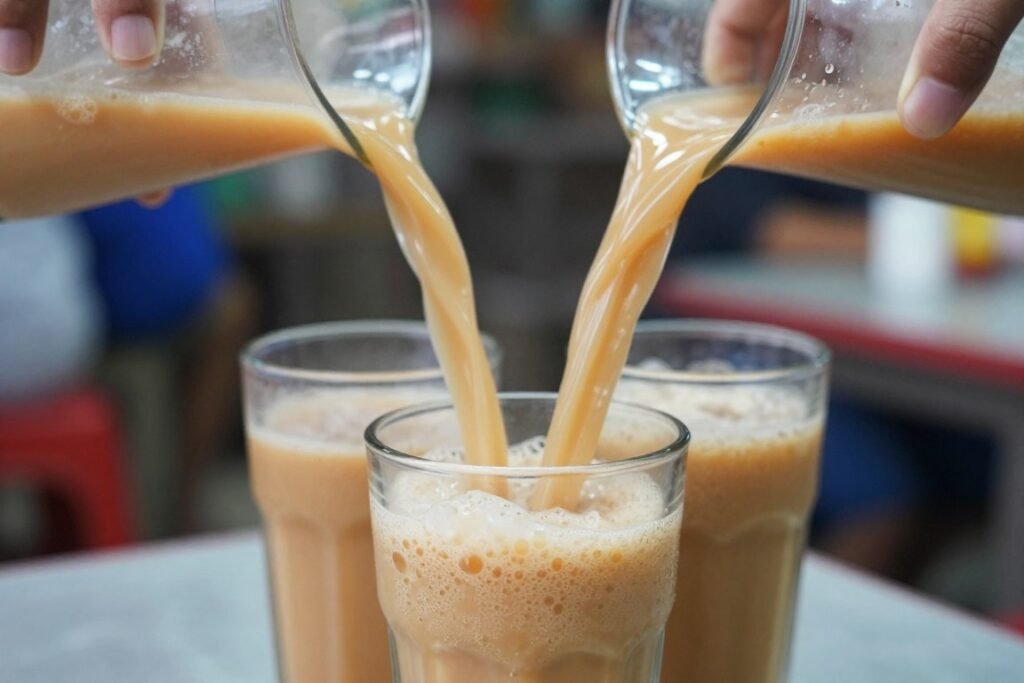
Teh tarik represents Malaysian beverage culture. This “pulled tea” gets its name from the dramatic pouring technique between two vessels. The pulling aerates the tea and cools it to drinking temperature while creating signature frothy top.
Strong black tea brews with condensed milk creating sweet, creamy base. The pulling process requires skill developed over years. Vendors pour from increasingly greater heights, creating impressive streams without spilling.
The pulling serves practical purposes beyond showmanship. Aeration creates smooth texture and enhances flavor. The cooling makes the tea drinkable immediately. The frothy top provides visual appeal and different texture.
Teh Tarik Variations
Standard teh tarik uses condensed milk for sweetness and creaminess. This costs RM 2-3 at mamak stalls. The classic version remains most popular.
Teh tarik kurang manis (less sweet) accommodates those preferring reduced sugar. Teh C uses evaporated milk instead of condensed milk for lighter sweetness. Teh O serves black tea without milk.
Teh halia adds ginger for warming, spicy notes. This variation costs slightly more at RM 2.50-3.50.
Where to Enjoy Teh Tarik
Virtually every mamak stall serves teh tarik. The quality varies based on tea strength, milk ratio, and pulling technique. Watching the preparation often indicates expertise level.
Yut Kee kopitiam in Dang Wangi serves exceptional teh tarik alongside their food. They’ve operated since 1928, perfecting their beverage preparation. A glass costs RM 2.80.
16. Nasi Kandar: Indian-Muslim Rice and Curry
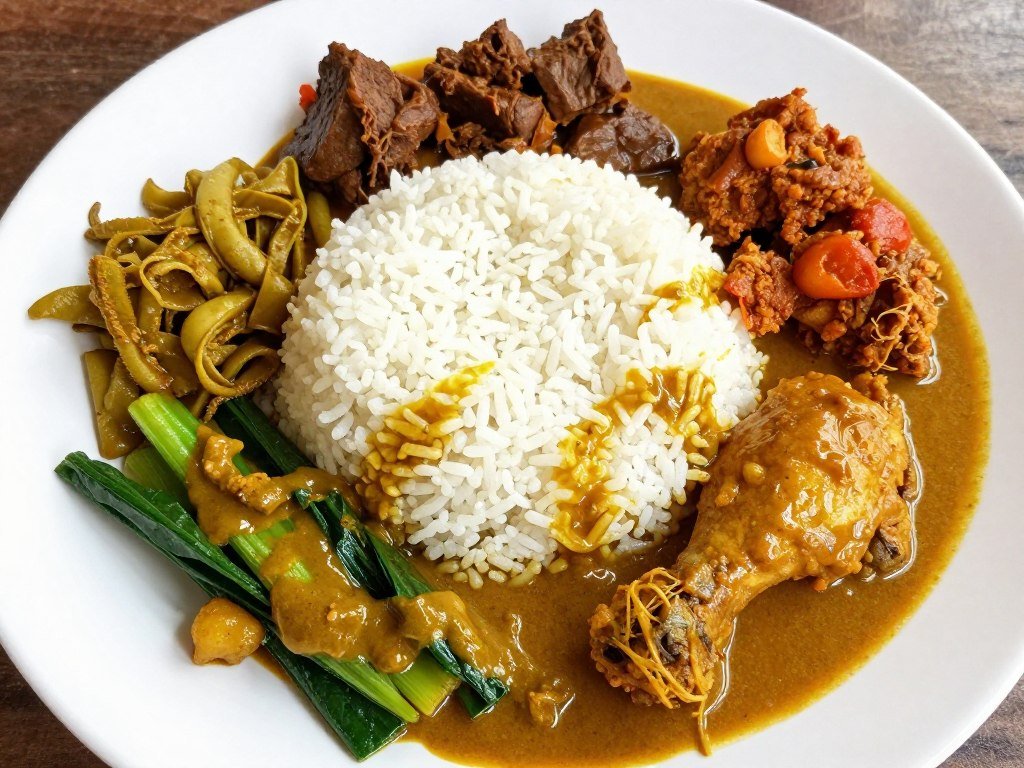
Nasi kandar brings Penang’s Indian-Muslim culinary tradition to Kuala Lumpur. This rice and curry meal allows mixing multiple dishes on one plate. The variety of options and bold flavors make it perpetually popular.
The serving style defines nasi kandar. Vendors display numerous curry dishes, fried items, and vegetables. Customers point to desired items. Everything goes onto one plate with rice. Different curry gravies pour over the rice, mixing flavors.
Common items include fried chicken, beef rendang, fish curry, squid sambal, and various vegetables. The combinations are endless. Each customer creates personalized meal based on preferences.
Nasi Kandar Pricing Structure
Unlike fixed-price meals, nasi kandar charges based on selected items. Each curry, meat, or vegetable has individual price. A basic meal with rice, one meat, and vegetables costs RM 8-12. Loading the plate with multiple items can reach RM 15-25.
Some establishments weigh plates to calculate prices. Others estimate based on items selected. The system can confuse first-timers but locals navigate it effortlessly.
Top Nasi Kandar Restaurants
Restoran Nasi Kandar Pelita operates multiple 24-hour locations across Kuala Lumpur. Their Jalan Ampang outlet serves consistently excellent nasi kandar. The variety of dishes and quality remain reliable.
Hameediyah Restaurant in Kampung Baru specializes in nasi kandar with extensive curry selection. Their fiery gravies satisfy spice lovers. Operating from 11 AM to 11 PM, they offer great place to experience this style.
17. Pasembur: Malaysian Indian Salad
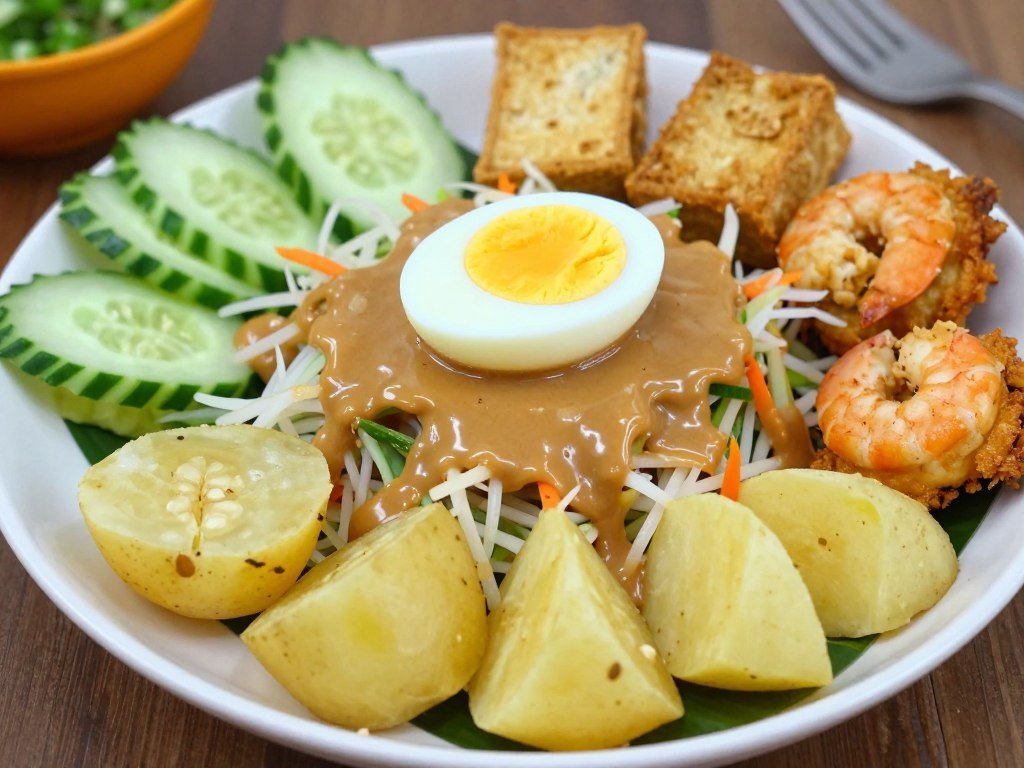
Pasembur represents Indian-Muslim culinary creativity. This salad combines shredded vegetables, fried items, and eggs with thick peanut-based sauce. The textures and flavors create complex dish from simple ingredients.
Shredded cucumber, jicama, and bean sprouts provide crisp, fresh base. Boiled potatoes add substance. Fried tofu and prawn fritters contribute crunch and protein. Hard-boiled egg rounds out the components.
The sauce makes pasembur distinctive. Vendors blend ground peanuts with sweet potato, chili paste, and spices into thick, smooth sauce. This sauce coats all ingredients, binding disparate elements into cohesive dish.
Pasembur Variations
Standard pasembur includes vegetables, fritters, and egg. This costs RM 5-7. Adding more fritters or special items increases the price to RM 8-10.
Some vendors offer sotong (squid) pasembur featuring grilled squid pieces. This seafood variation costs RM 8-12.
Finding Quality Pasembur
Mamak stalls specializing in Indian-Muslim food typically serve pasembur. The dish appears more commonly in evening and night markets than morning hawker centers.
Kampung Baru night market features multiple pasembur vendors. Their versions showcase fresh ingredients and well-balanced sauce. Prices stay reasonable at RM 6-8.
18. Otak-Otak: Spiced Fish Cake
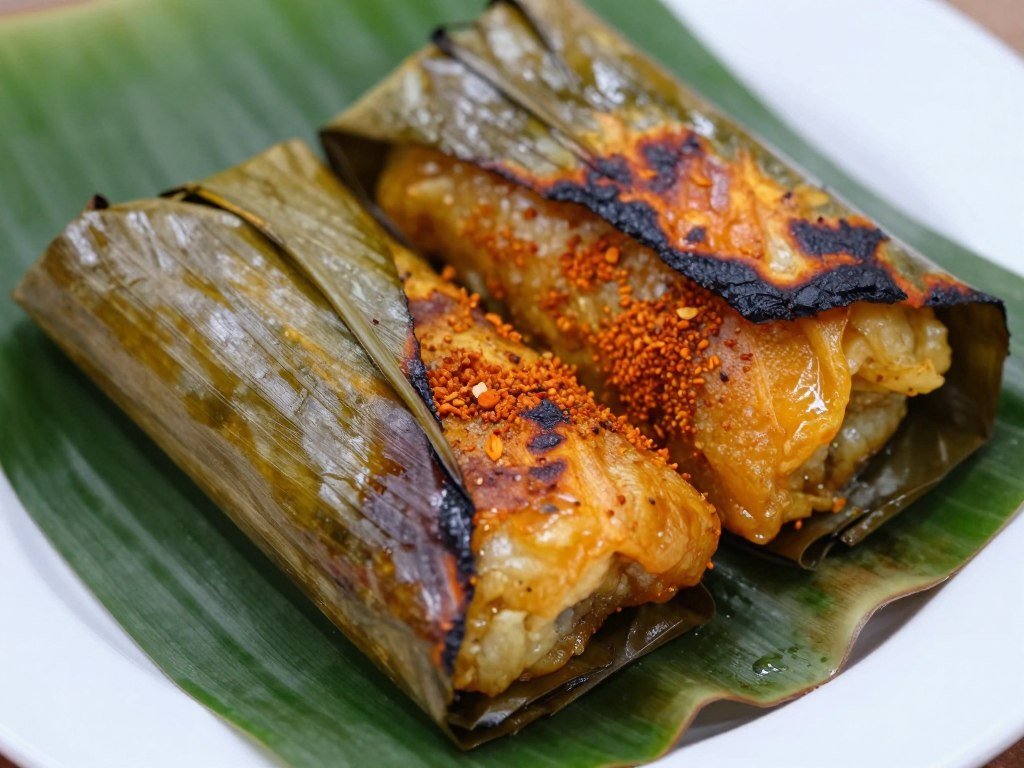
Otak-otak delivers Malay flavors in compact, portable form. This spiced fish cake wraps in banana leaf before grilling. The aromatic smoke and spices create irresistible snack or side dish.
Ground fish blends with coconut milk, spices, and herbs. The mixture includes lemongrass, galangal, turmeric, and chili paste. This spiced fish paste wraps in banana leaf parcels then grills over charcoal.
The grilling process cooks the fish while imparting smoky flavor from charcoal and banana leaf. The leaf chars slightly at edges. Inside, the fish cake sets into firm yet tender texture.
Otak-Otak Regional Styles
Malaysian otak-otak uses more coconut milk creating softer, creamier texture compared to Singaporean or Indonesian versions. The color ranges from orange to deep red based on chili quantity.
Some areas produce otak-otak with fish visible in chunks rather than completely ground. This style showcases the fish quality and provides different texture.
Otak-Otak Pricing
Individual pieces cost RM 1-2 each. Most people order 3-5 pieces as snack or side dish. A serving of 5 pieces costs RM 5-8.
Where to Try Otak-Otak
Pasar malam (night markets) throughout Kuala Lumpur feature otak-otak vendors. The freshly grilled parcels fill the air with enticing aroma.
Taman Tun Dr Ismail (TTDI) night market on Saturday evenings offers excellent otak-otak. Multiple vendors compete, ensuring quality and fair pricing at RM 1.50-2 per piece.
Essential Street Food Districts in Kuala Lumpur
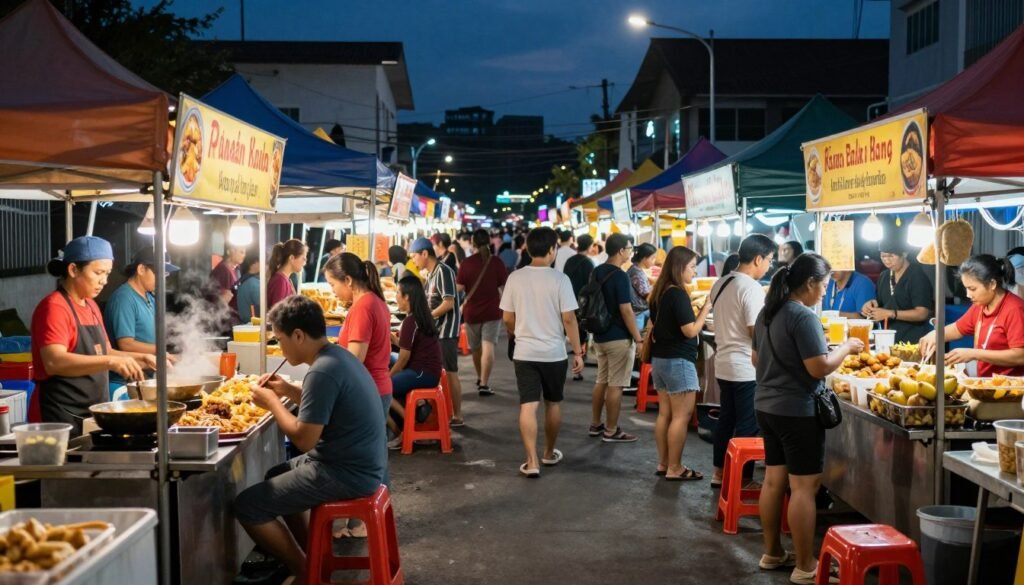
Understanding Kuala Lumpur’s food geography enhances your street food adventure. Different neighborhoods specialize in particular cuisines or offer unique atmospheres. Strategic planning lets you maximize eating opportunities.
Jalan Alor – Tourist-Friendly Food Street
Jalan Alor transforms every evening into pedestrian food paradise. This single street concentrates dozens of restaurants and hawker stalls. The variety spans Chinese seafood, satay, noodles, and fusion creations.
The area caters heavily to tourists with English menus and aggressive touting. Prices run 20-30% higher than local neighborhoods. However, convenience and variety justify the premium for many visitors.
Navigate Jalan Alor by walking its entire length before committing. Compare presentations and prices. Avoid the most aggressive touts as their food rarely matches their enthusiasm. Look for stalls with local customers alongside tourists.
The street operates from late afternoon through midnight. Peak hours between 7 PM and 10 PM see maximum crowds and energy. Arriving earlier or later provides more relaxed dining experience.
Petaling Street – Chinatown’s Culinary Heart
Petaling Street and surrounding lanes offer authentic Chinese-Malaysian food experiences. The area specializes in traditional breakfast items, noodle dishes, and Chinese desserts. Prices remain reasonable despite tourist traffic.
Morning visits reveal different character than evenings. Breakfast hawkers serve congee, dim sum, and traditional coffee. Evening brings char kway teow vendors, roasted meat stalls, and fruit sellers.
The narrow lanes surrounding the main market hide exceptional food stalls. Madras Lane, Hong Leong Bank lane, and connecting alleys host long-established vendors. Exploring beyond the obvious touristy strip rewards curiosity.
Petaling Street – Chinatown, Kuala Lumpur
Taman Paramount – Local Night Market
Taman Paramount night market operates Monday evenings in residential Petaling Jaya. This pasar malam attracts local families rather than tourists. The authentic atmosphere and prices reflect real Malaysian street food culture.
The market stretches over a kilometer with hundreds of stalls. Food vendors occupy roughly half the space alongside clothing and household goods sellers. The variety includes Malay, Chinese, and Indian options.
Curry mee, apam balik, satay, and countless other dishes appear at competitive prices. Quality remains high as vendors depend on repeat local customers. A filling meal costs RM 10-15 including drinks.
SS2 Petaling Jaya – Hawker Heaven
SS2 neighborhood hosts exceptional concentration of hawker stalls and kopitiam. Multiple famous establishments cluster within walking distance. The area operates primarily during daytime and early evening.
Village Park Restaurant’s nasi lemak draws visitors from across the city. Surrounding stalls serve wonton noodles, curry laksa, dim sum, and numerous other specialties. The mix of indoor and outdoor seating accommodates different weather preferences.
Parking can be challenging during peak hours. Using ride-hailing apps like Grab provides easier access. The area lacks dramatic scenery but delivers on food quality and variety.
Kampung Baru
This traditional Malay neighborhood preserves authentic cultural atmosphere in central Kuala Lumpur. The area specializes in Malay cuisine with nasi lemak, ikan bakar, and traditional desserts.
Thursday night market brings exceptional energy. Vendors line the streets with grilled foods, nasi kandar, and Malay sweets. The community atmosphere differs significantly from tourist-focused areas.
Prices stay very reasonable with most dishes costing RM 5-10. The area provides great place to experience Malay food culture authentically.
Brickfields Little India
Kuala Lumpur’s Little India district concentrates South Indian and North Indian food options. Banana leaf rice restaurants, roti canai stalls, and Indian sweets shops dominate the area.
The neighborhood operates throughout the day with peak activity during meal times. Sunday mornings bring special energy as the Indian community gathers for breakfast and shopping.
Transfer Road area hosts the famous 24-hour roti canai stall alongside numerous other Indian vendors. Prices remain affordable at RM 3-8 for most items.
Setapak and Wangsa Maju
These northeastern suburbs host thriving local food scenes away from tourist areas. Multiple night markets operate different evenings throughout the week.
Danau Kota (Setapak) night market on Tuesday evenings offers enormous variety at rock-bottom prices. Wangsa Maju food court operates daily with exceptional Chinese and Malay hawker stalls.
The journey from central KL takes 20-30 minutes but rewards with authentic experiences and savings of 30-40% compared to touristy areas.
Practical Tips for Kuala Lumpur Street Food
Successfully navigating the street food scene requires understanding local customs and practical considerations. These tips help you eat safely, pay fairly, and enjoy maximum variety.
Cash Versus Card
Most street vendors and hawker stalls accept only cash. Credit cards work at established restaurants but rarely at authentic street operations. Carry sufficient small bills in Malaysian Ringgit.
ATMs appear frequently throughout Kuala Lumpur. Withdraw cash before heading to food areas. Having exact change or small denominations makes transactions smoother and prevents awkward change situations.
Prices remain remarkably affordable. Budget RM 30-50 per person for satisfying street food meal including drinks. This amount allows sampling multiple dishes at various stalls.
Halal Considerations
Malaysia’s Muslim majority means most food stalls serve halal food. Chinese vendors typically serve non-halal items including pork. Look for halal certification signs or ask “ada babi?” (is there pork?).
Mamak stalls operated by Indian Muslims guarantee halal food. Malay stalls also serve exclusively halal items. Chinese kopitiam and hawker stalls may include non-halal options.
Alcohol remains available but less prominent than in neighboring countries. Mamak stalls don’t serve alcohol. Chinese restaurants and certain areas like Jalan Alor offer beer and other drinks.
Language and Ordering
English proficiency varies among hawker vendors. Tourist areas feature better English communication. Local neighborhoods may require pointing, gestures, or basic Malay phrases.
Learning simple Malay terms helps tremendously. “Satu” means one. “Dua” means two. “Berapa harga?” asks the price. “Saya nak…” means I want. These basics facilitate most transactions.
Many stalls display photos or have dishes visible. Pointing to what you want works universally. Observing other customers’ orders provides guidance on popular items and portion sizes.
Essential Malaysian Food Phrases
- Tak nak pedas – Not spicy
- Kurang pedas – Less spicy
- Berapa harga? – How much?
- Saya nak ini – I want this
- Bungkus – Takeaway
- Makan sini – Eat here
- Ada babi? – Is there pork?
- Sedap! – Delicious!
- Air kosong – Plain water
- Tak mahu – Don’t want
Most hawkers appreciate efforts to speak Malay regardless of pronunciation accuracy. Simple attempts at local language create positive interactions and sometimes better service.
Download translation apps before arriving. Google Translate’s camera feature can read Malay menus and signs. This helps identify ingredients and understand dish descriptions.
Don’t hesitate to ask questions or request modifications. Vendors want satisfied customers and will accommodate reasonable requests regarding spice levels or ingredients.
Tipping isn’t expected at street food stalls. The displayed prices include everything. Some people round up to nearest ringgit as courtesy but this isn’t required.
Food Safety Guidelines
Malaysian street food is generally safe when choosing vendors wisely. High customer turnover indicates fresh ingredients and proper food handling. Empty stalls during meal times raise questions.
Observe basic cleanliness standards. While street food won’t match restaurant hygiene, vendors should maintain reasonably clean preparation areas. Separate handling of raw and cooked ingredients matters.
Fully cooked items carry minimal risk. Grilled meats, fried foods, and soups involve high temperatures killing bacteria. Fresh salads and raw preparations require more caution though most visitors consume them without issues.
Drink only bottled or filtered water. Most beverage vendors use filtered ice and water but verify when ordering drinks. Sealed bottled water appears everywhere for RM 1-2.
Carry basic digestive aids if you have sensitive stomach. Even mild Malaysian spicing can affect unaccustomed digestive systems. The abundant use of chili, spices, and cooking oil sometimes causes temporary discomfort.
Optimal Times for Street Food Exploration
Kuala Lumpur’s street food operates throughout the day but different times offer distinct advantages. Strategic timing maximizes variety, freshness, and authentic experiences.
Morning Food Adventures (6 AM – 11 AM)
Early morning brings traditional breakfast specialists. Nasi lemak vendors prepare fresh batches. Dim sum steamers stack high with dumplings. Roti canai stalls heat griddles for the day’s first customers.
Kopitiam coffee shops buzz with morning energy. Office workers grab quick breakfast before work. Retirees gather for leisurely meals and conversation. The relaxed pace differs from evening rush.
Fresh ingredients define morning markets. Vendors receive deliveries throughout early hours. Trying popular items before 10 AM ensures optimal quality before heat affects ingredients.
Morning hawker food typically costs slightly less than evening equivalents. The customer base demands affordable daily breakfast options. Competition keeps prices competitive.
Lunch Rush (11 AM – 2 PM)
Midday brings different vendors and dishes. Noodle soup specialists set up for lunch crowds. Mixed rice stalls display colorful arrays of curries and vegetables. Office workers flood popular hawker centers.
The lunch volume guarantees constant fresh cooking. Dishes don’t sit around growing cold or stale. The turnover ensures quality at busy establishments.
Many breakfast vendors close by early afternoon. Similarly, numerous lunch specialists pack up by 3 PM. This creates scheduling challenges but also defines the authentic experience.
Evening Markets and Night Food (5 PM – Midnight)
Evening hours showcase Kuala Lumpur street food at peak energy. Night markets set up with maximum variety. Families gather for dinner. The heat subsides making outdoor eating comfortable.
Jalan Alor comes alive after 6 PM. Pasar malam throughout the city open as dusk approaches. Vendors grill satay, stir-fry noodles, and prepare countless dishes under bright lights.
The atmosphere during evening hours enhances the food experience. The energy, crowds, and social vibe create memorable dining. Arriving between 6 PM and 7 PM avoids peak crowds while ensuring full operations.
Discover Kuala Lumpur’s Food Scene with Local Experts
Join guided food tours led by knowledgeable locals who navigate the best hawker centers and night markets. Visit 12-15 different stalls in one evening. Learn about Malaysia’s multicultural cuisine while bypassing language barriers. Small group tours ensure personalized experiences and insider access to hidden food gems. Morning market tours and evening street food walks available daily.
Book with confidence – free cancellation available on most tours up to 24 hours before start time.
Street Food for Special Dietary Needs
Kuala Lumpur’s multicultural food scene can accommodate various dietary restrictions with planning and knowledge. While not as straightforward as eating everything, restricted diets can still enjoy authentic Malaysian experiences.
Vegetarian and Vegan Options
Buddhist vegetarian restaurants called “sayur” or marked with yellow flags serve completely plant-based food. These establishments avoid meat, eggs, onions, and garlic following Buddhist principles.
Indian vegetarian stalls offer extensive options. Banana leaf rice meals, vegetable curries, roti canai, and dosas provide satisfying meat-free choices. Most Indian restaurants clearly mark vegetarian items.
Chinese Buddhist vegetarian restaurants cluster in areas like Petaling Street. Their mock meat creations using soy protein and mushrooms surprise many first-timers with realistic textures and flavors.
Many traditional dishes adapt to vegetarian preparation on request. Nasi lemak works without anchovies. Char kway teow can substitute tofu for seafood. Curry mee offers vegetable versions. Communication clearly ensures proper understanding.
Gluten-Free Eating
Rice-based Malaysian cuisine provides natural gluten-free foundation. Nasi lemak, rice noodle dishes, and rice-based desserts work for gluten-free diets. However, soy sauce containing wheat appears in many preparations.
Avoid wheat noodles, certain fried items using wheat flour coating, and soy sauce-based dishes. Grilled meats with marinade may contain soy sauce. Ask about ingredients when possible.
The phrase “ada gluten?” (is there gluten?) may not communicate effectively as awareness remains limited. Explaining wheat allergy works better: “saya alah gandum” (I’m allergic to wheat).
Nut Allergies
Peanuts appear extensively in Malaysian cuisine. Satay sauce, rojak, nasi lemak, and numerous other dishes contain peanuts. Tree nuts appear less commonly but exist in certain desserts.
Serious nut allergies require extreme caution. Cross-contamination risks run high in hawker environments using same equipment for multiple dishes. Communicate allergies clearly: “saya alah kacang, sangat bahaya” (I’m allergic to peanuts, very dangerous).
Many vendors accommodate nut-free requests but understanding severity varies. Bringing allergy cards in Malay explaining the condition helps communicate critical information.
Your Kuala Lumpur Street Food Journey Begins
Kuala Lumpur’s street food scene represents one of the world’s most diverse and accessible culinary adventures. The city’s multicultural heritage creates unique fusion of Malay, Chinese, and Indian flavors found nowhere else.
The 18 dishes covered here provide foundation for exploration but barely scratch the surface. Every neighborhood harbors additional specialties. Each hawker develops unique variations. The depth and variety could occupy months of dedicated eating.
Start with familiar items like nasi lemak or satay. Build confidence before attempting more challenging dishes like curry mee or rojak. Each meal teaches something new about Malaysian culture, history, and daily life.
The affordability amazes most visitors. Exceptional meals cost less than coffee shop prices in Western countries. The vendors dedicate careers to perfecting their specialties, often cooking the same dish for decades.
Remember that street food provides more than sustenance. It connects you with local culture authentically. You’ll observe how Malaysians live, work, and socialize around food. You’ll witness the pride hawkers take in their craft.
Take time exploring beyond tourist zones. That vendor in a residential neighborhood might serve better char kway teow than famous spots in guidebooks. Ask locals for recommendations. Try unfamiliar dishes. These spontaneous discoveries create the most memorable experiences.
The hawkers of Kuala Lumpur work tirelessly to feed their city and welcome visitors to share their culinary traditions. Respect their craft, pay fairly, and appreciate the incredible value they provide. Your support helps preserve these food traditions for future generations.
Whether you spend three days or three weeks in Kuala Lumpur, street food will highlight your visit. The flavors, aromas, and energy of the hawker scene capture this dynamic city’s essence. Every meal becomes an adventure and every vendor has a story.
Use this guide as your starting point. Mark locations on your map. Note the vendor names and operating hours. But remain open to unexpected discoveries. Some of your best meals will come from vendors you stumble upon rather than research.
Kuala Lumpur’s street food culture continues evolving while maintaining traditional roots. New vendors bring creative interpretations while legendary stalls preserve family recipes across generations. This balance between innovation and tradition keeps the food scene exciting and authentic.
Now you have the knowledge to navigate Kuala Lumpur street food with confidence. You understand what to order, where to find it, and how to stay safe. The city’s culinary treasures await your exploration. Go hungry, bring curiosity, and prepare for some of the most delicious and affordable food experiences of your life.
Final Tip: Visit the same hawker center at different times to experience its changing character. Morning brings breakfast specialists, lunch showcases different vendors, and evening transforms the atmosphere completely. Each visit reveals new layers of Kuala Lumpur’s incredible street food culture.