

Malaysia stands as a true melting pot of flavors. The country’s cuisine reflects centuries of cultural exchange between Malay, Chinese, Indian, and indigenous communities. Each dish tells a story of tradition, migration, and culinary innovation.
Malaysian food combines bold spices with fresh ingredients. From bustling street stalls to family kitchens, cooking methods passed down through generations create unforgettable taste experiences. The national dish of nasi lemak appears on breakfast tables across the country every morning.
This comprehensive guide explores twenty iconic Malaysian dishes. You’ll discover authentic flavors, learn about each dish’s cultural significance, and find exact locations where locals eat. Get ready to experience Southeast Asian cuisine at its finest.
Nasi Lemak: Malaysia’s Beloved National Dish
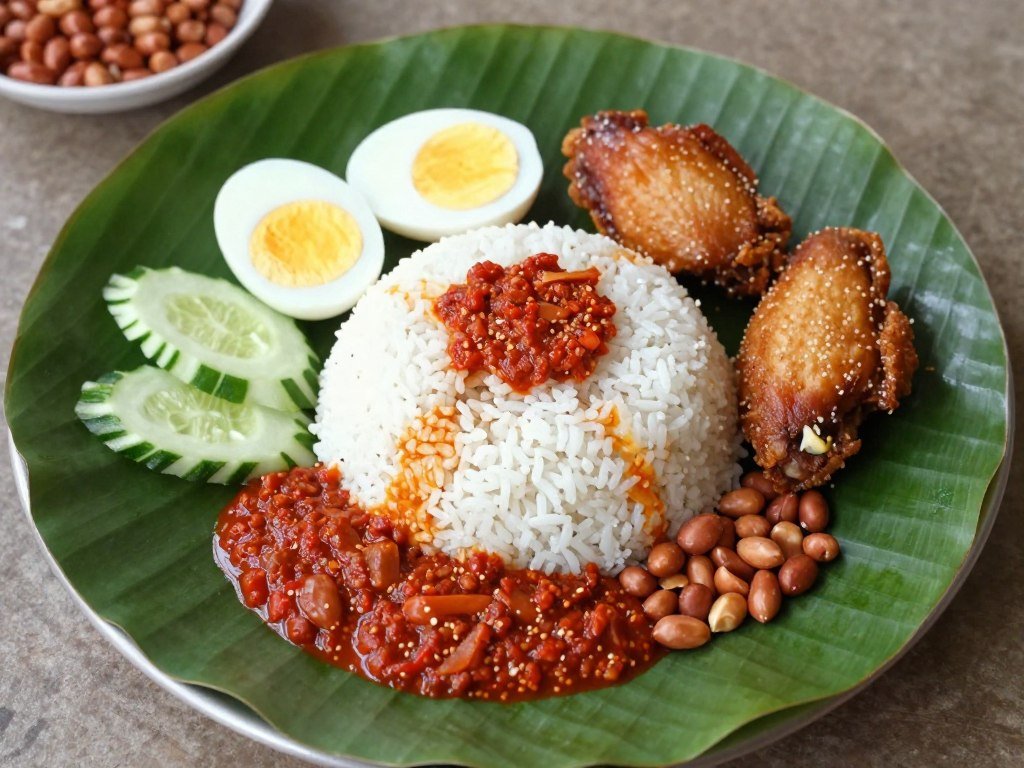
Nasi lemak represents the heart of Malaysian food culture. This fragrant rice dish cooked in coconut milk appears on every breakfast table. The rice absorbs rich coconut flavor while maintaining a fluffy texture that pairs perfectly with spicy sambal.
Traditional nasi lemak comes with essential side dishes. Crispy fried anchovies add saltiness. Roasted peanuts provide crunch. A hard-boiled egg offers protein. Fresh cucumber slices cool the heat from sambal chili paste.
The dish evolved from a simple breakfast to an all-day meal. Modern versions include fried chicken, rendang curry, or squid sambal. Every state in Malaysia has its own variation. Some prefer sweeter sambal while others make it fiery hot.
Village Park Restaurant, Kuala Lumpur – Famous for premium nasi lemak
Roti Canai: Flaky Flatbread Perfection
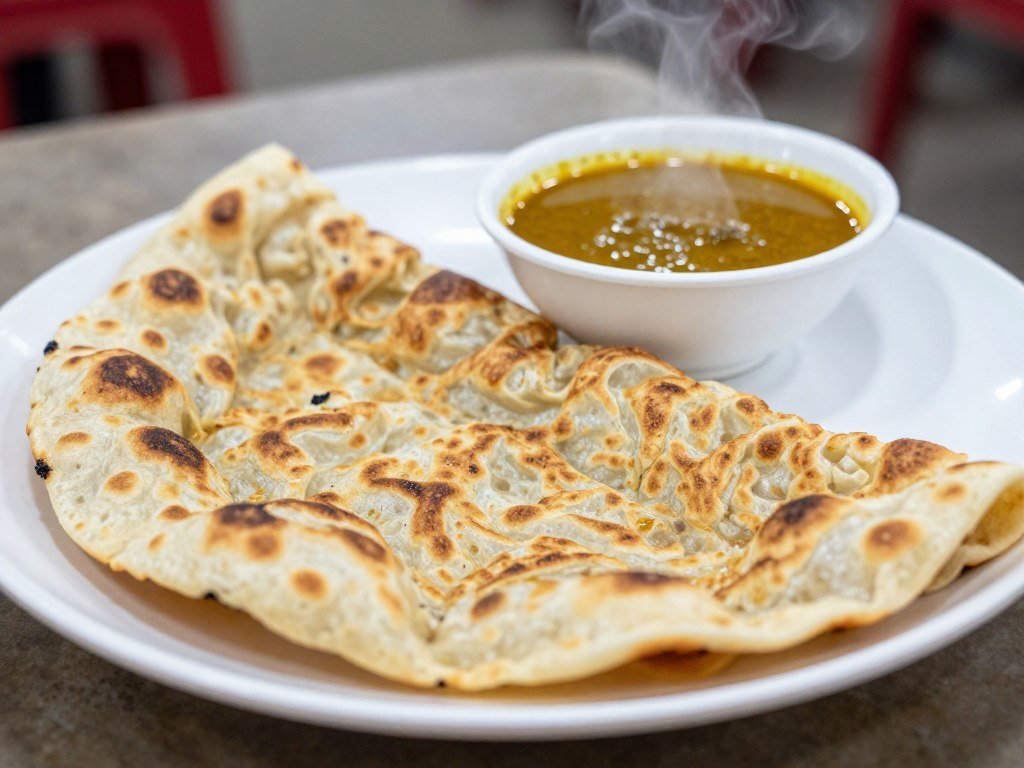
Roti canai brings Indian cooking traditions to Malaysian breakfast culture. This flaky flatbread requires skill to prepare correctly. Chefs stretch dough paper-thin before folding it into layers. The cooking process on a hot griddle creates crispy edges and soft centers.
The bread pairs beautifully with curry sauce. Dhal curry made from lentils offers a vegetarian option. Fish curry provides a seafood alternative. Chicken curry remains the most popular choice among locals and visitors.
Different variations satisfy every preference. Roti telur adds egg to the dough. Roti bawang includes onions for extra flavor. Roti tissue stretches incredibly thin and stands tall on the plate. Sweet versions with banana or condensed milk work as desserts.
Transfer Road, Kuala Lumpur – Authentic roti canai served 24 hours
Char Kway Teow: Smoky Stir-Fried Rice Noodles
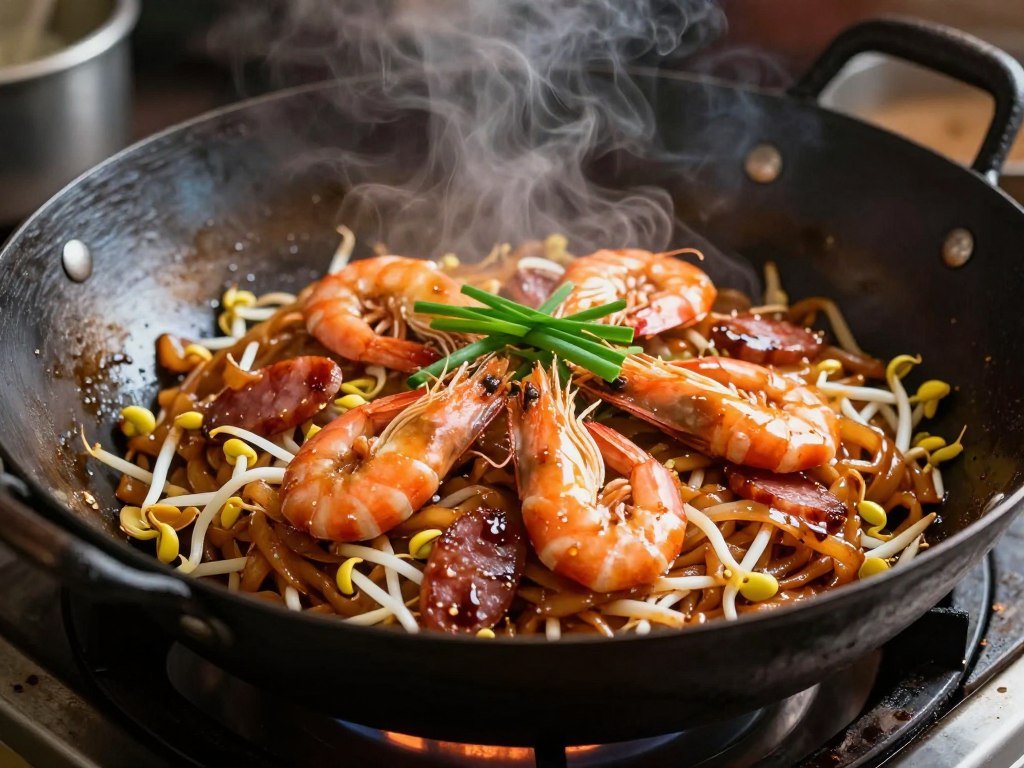
Char kway teow delivers intense flavor through high-heat cooking. This popular street food combines flat rice noodles with prawns and Chinese sausage. The secret lies in cooking over extremely high heat. This technique creates the distinctive smoky taste called wok hei.
Traditional recipes include specific ingredients. Fresh shrimp provides sweetness. Bean sprouts add crunch. Eggs bind everything together. Dark soy sauce gives the dish its characteristic color. Some versions include cockles for extra seafood flavor.
The dish originated in Penang’s street food scene. Each cook has a personal recipe passed down through families. The best char kway teow requires constant movement in the wok. This prevents sticking while ensuring even cooking throughout.
Siam Road, Penang – Legendary char kway teow stall
Laksa: Spicy Coconut Noodle Soup
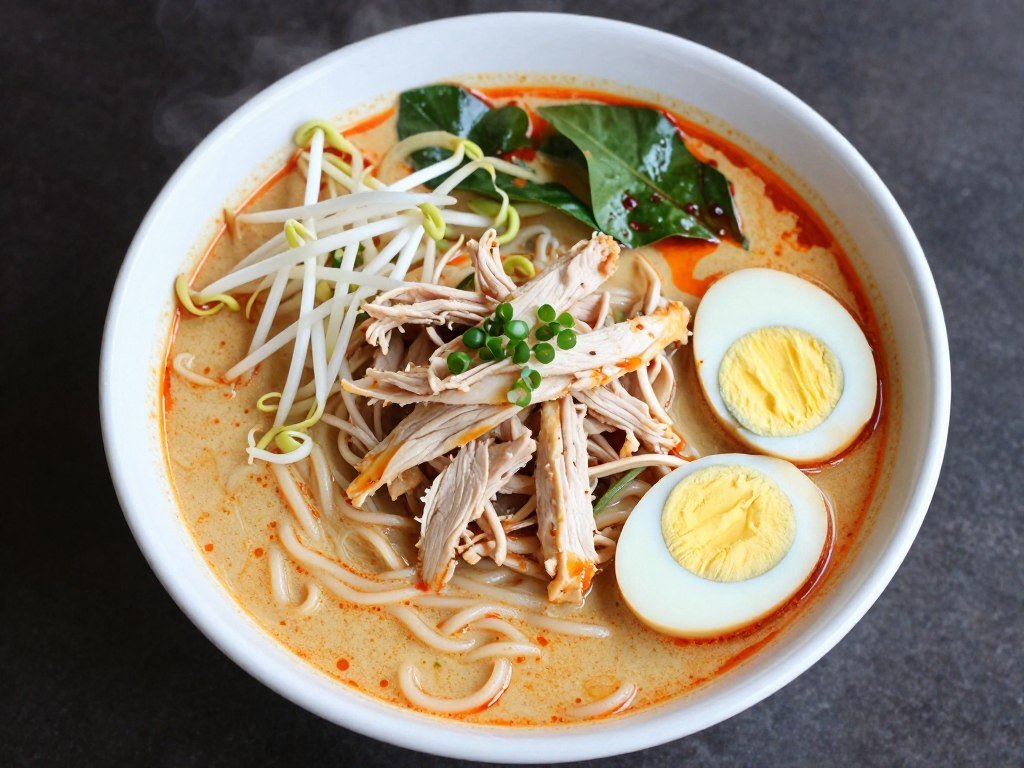
Laksa showcases the complexity of Malaysian cuisine. This spicy noodle soup varies dramatically between regions. The broth combines coconut milk with aromatic spices. Curry paste provides depth while chili adds heat that warms from within.
Penang laksa differs completely from curry laksa. Penang’s version uses sour fish broth without coconut milk. Fresh fish creates the base. Tamarind adds sourness. Mint leaves provide freshness. This style tastes completely different from creamy curry laksa.
Curry laksa appears more commonly across Malaysia. Thick rice noodles swim in rich curry broth. Toppings include shrimp, chicken, tofu puffs, and bean sprouts. The combination creates a complete meal in one bowl. Each spoonful offers different flavors and textures.
Air Itam, Penang – Traditional Penang laksa specialist
Satay: Grilled Skewered Meat with Peanut Sauce
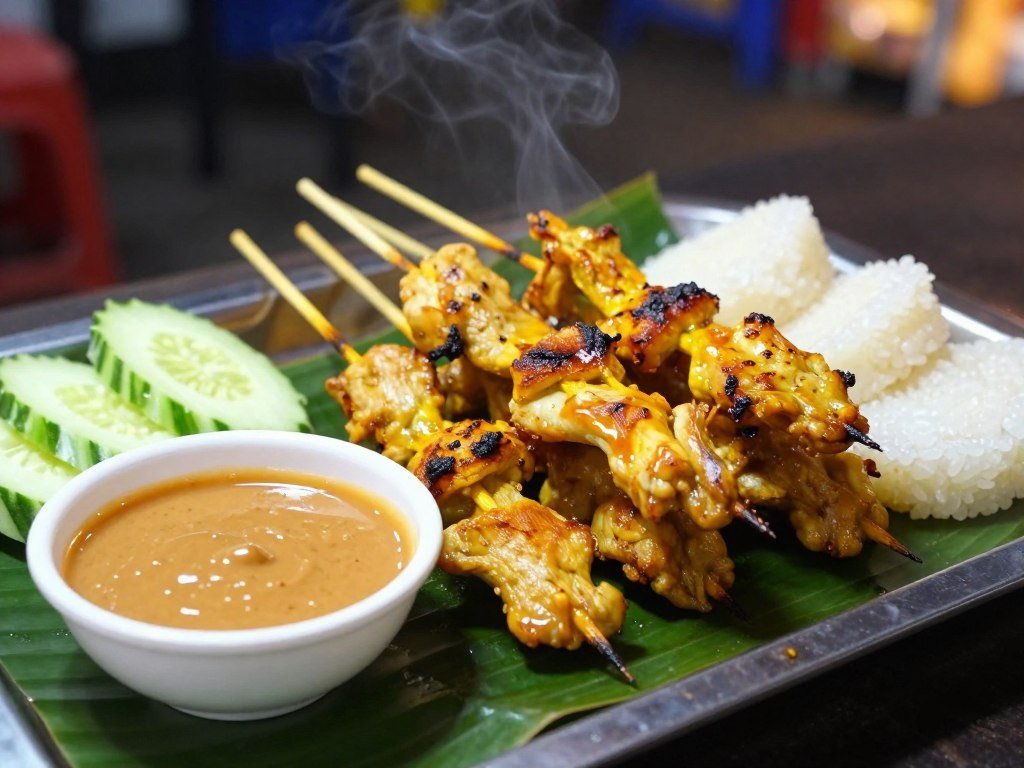
Satay represents Malaysia’s favorite grilled food. Marinated meat threaded onto bamboo skewers cooks over charcoal fire. The smoke adds flavor while flames create caramelized edges. Chicken satay remains most popular, though beef and lamb versions are equally delicious.
The marinade makes each satay unique. Turmeric provides yellow color. Lemongrass adds citrus notes. Garlic and shallots build flavor foundation. Sugar helps create the characteristic char. The meat marinates for hours before grilling.
Peanut sauce accompanies every satay order. Ground peanuts blend with coconut milk. Chili paste adds spice. Palm sugar balances with sweetness. The sauce should be thick enough to coat the meat. Cucumber slices and rice cakes complete the dish.
Kajang, Selangor – Famous satay town of Malaysia
Nasi Kandar: Rice with Mixed Curries
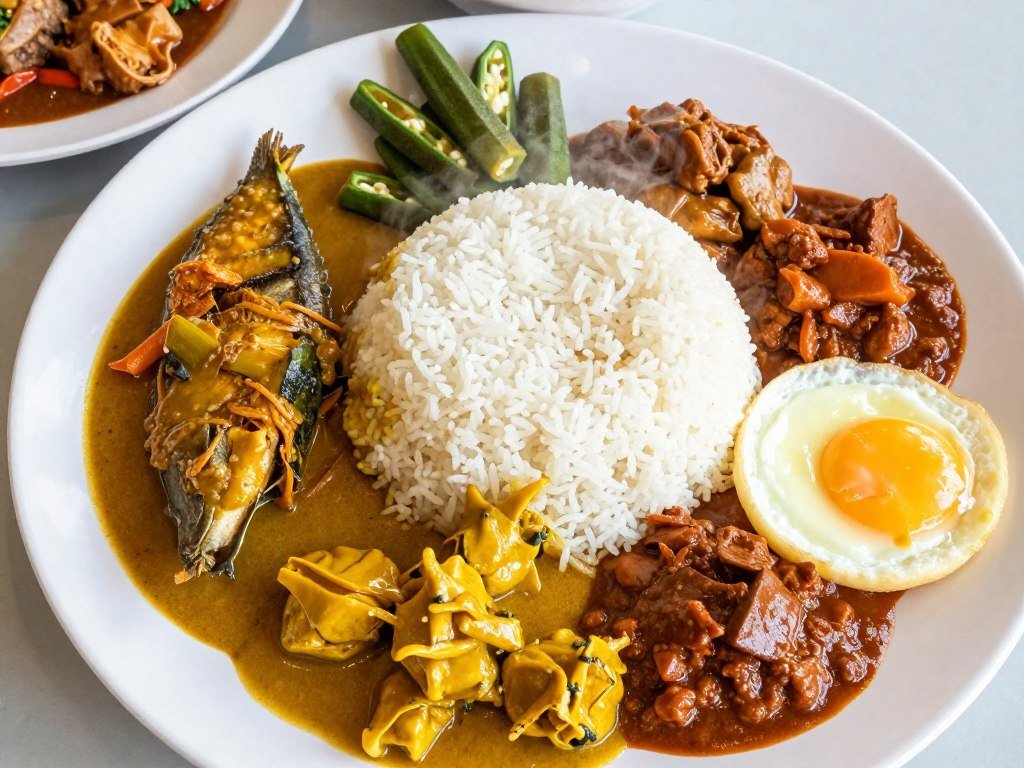
Nasi kandar started in Penang as a street food. Vendors carried rice and curry in pole baskets. The name refers to this carrying method. Today, nasi kandar restaurants operate around the clock. They serve an impressive variety of curries and side dishes.
The concept allows complete customization. Plain white rice forms the base. Customers choose from numerous curry options. Fish curry provides seafood flavor. Chicken curry offers familiar taste. Okra in curry sauce adds vegetables. Fried egg tops many plates.
The magic happens when curries mix together. Different gravies combine on the plate. This creates complex flavors impossible to achieve otherwise. Each bite tastes different. The mixture of curry sauces defines authentic nasi kandar experience.
Line Clear, Penang – Iconic 24-hour nasi kandar institution
Rendang: Slow-Cooked Spicy Meat Curry
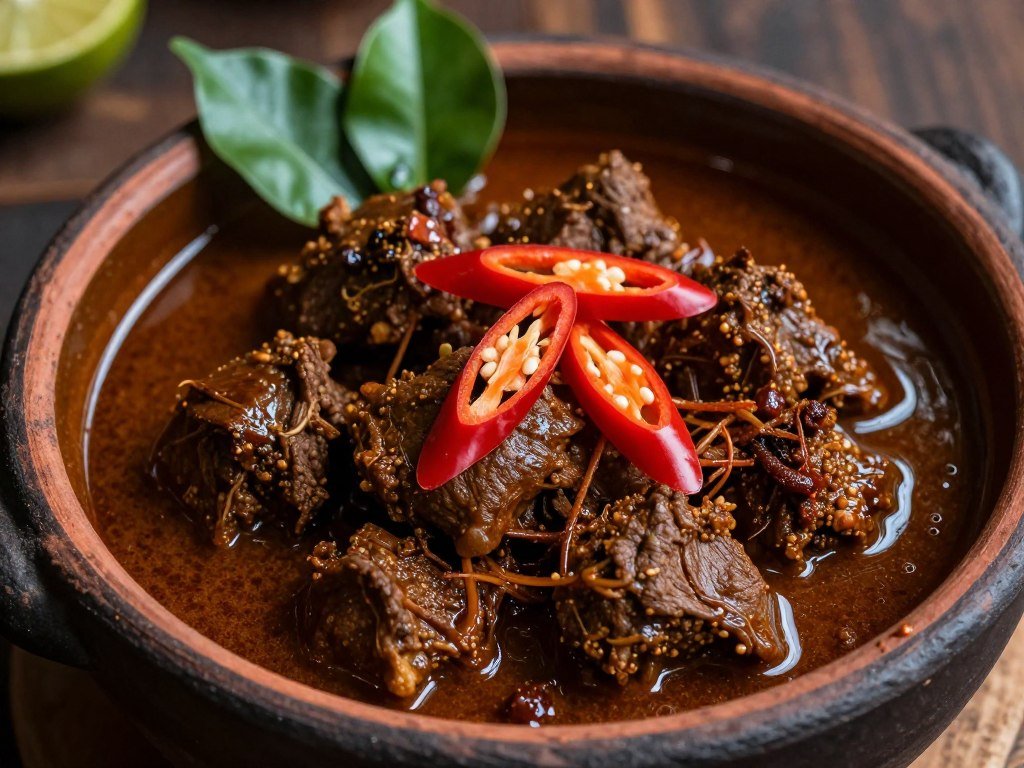
Rendang represents the pinnacle of Malaysian cooking skill. This dish requires hours of patient simmering. Beef cooks slowly in coconut milk and spices. The liquid reduces gradually until meat absorbs all flavors. The result is incredibly tender meat with intense taste.
The spice paste contains numerous ingredients. Lemongrass, galangal, and ginger provide aromatics. Dried chilies deliver heat. Shallots and garlic build flavor base. Toasted coconut adds nutty depth. These ingredients ground together create the foundation.
Authentic rendang takes six to eight hours to cook properly. Coconut milk reduces to thick sauce. The meat becomes dark brown. Oil separates and rises to the surface. This slow cooking method creates unmatched tenderness. The dish improves when reheated the next day.
Hokkien Mee: Dark Soy Braised Noodles
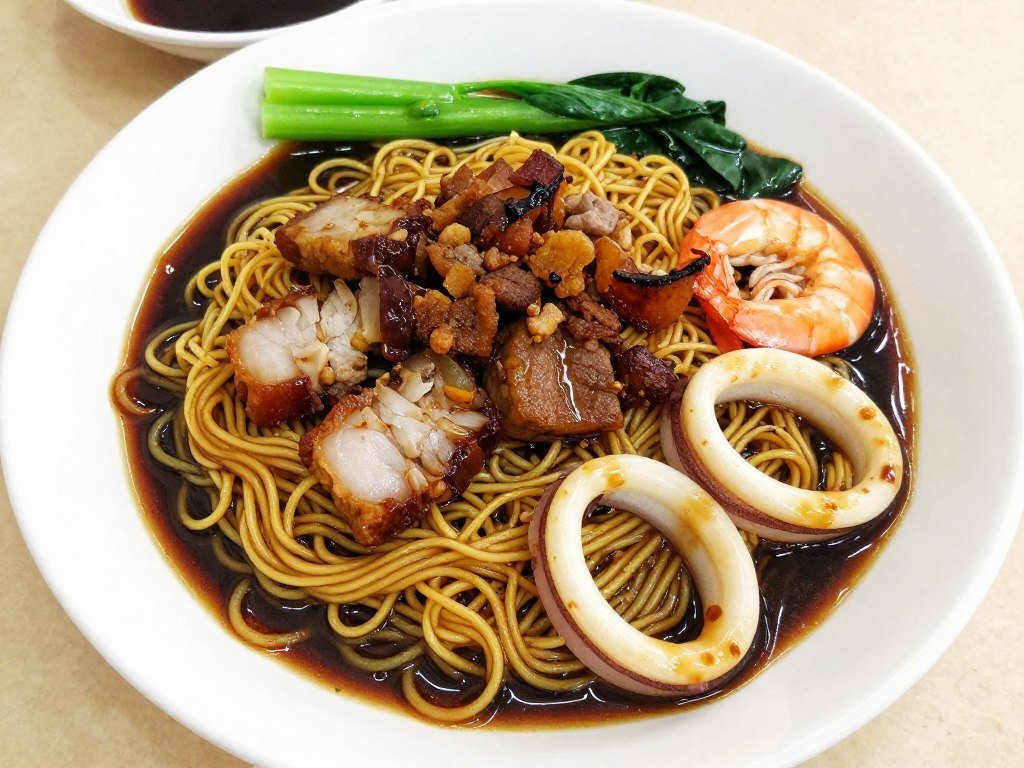
Hokkien mee differs between Kuala Lumpur and Penang. The Kuala Lumpur version uses thick yellow noodles. Dark soy sauce colors them almost black. Pork, squid, and vegetables braise together. The dish finishes with crispy pork lard on top.
Penang’s Hokkien mee takes a completely different approach. Clear prawn broth replaces dark soy sauce. Rice noodles and yellow noodles mix together. Fresh prawns, pork slices, and kangkung vegetables fill the bowl. The soup tastes rich from hours of simmering prawn shells.
Both versions deserve attention from food lovers. Each city proudly defends its style. The flavors couldn’t be more different. Trying both provides insight into regional Malaysian food variations. Neither version is better; they simply represent different culinary traditions.
Bak Kut Teh: Herbal Pork Rib Soup
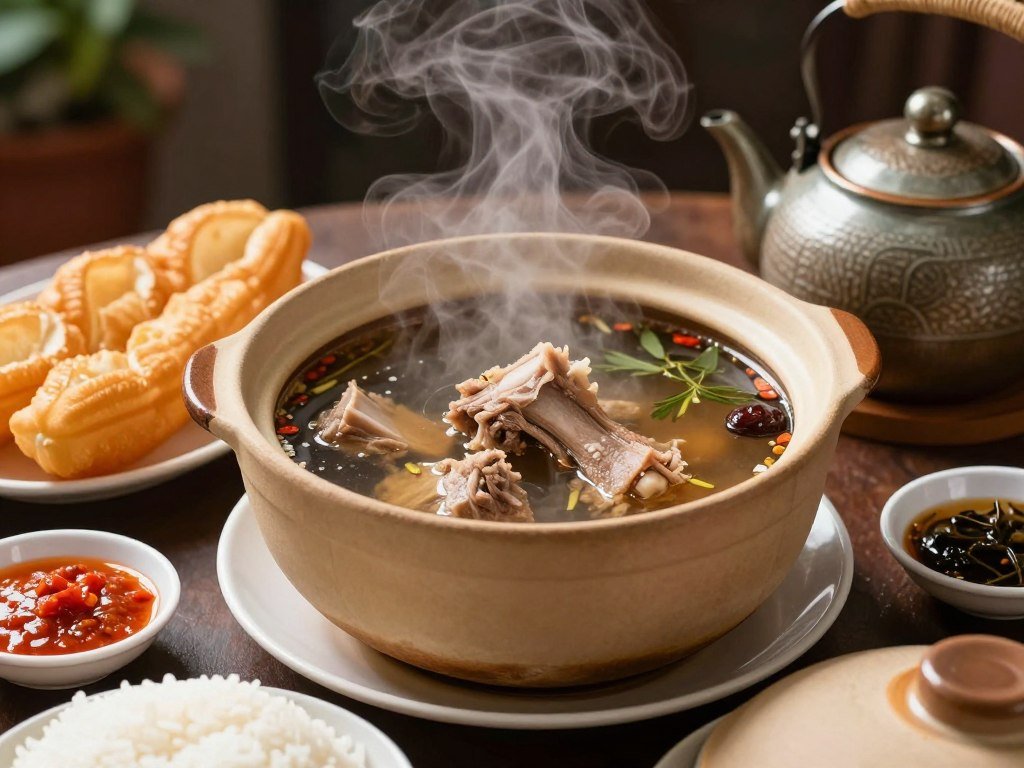
Bak kut teh warms both body and soul. This herbal soup features tender pork ribs. Chinese herbs and spices simmer for hours. The broth becomes rich and medicinal. Garlic cloves soften in the heat. The aroma fills the entire restaurant.
Different regions prepare distinct versions. Klang-style bak kut teh uses more pepper. The soup tastes darker and stronger. Singaporean and Teochew versions prefer lighter broth. More herbs create complex medicinal flavors. Both styles have devoted followers.
The soup pairs with specific accompaniments. Fried dough sticks dip into the broth. White rice balances the rich flavors. Chinese tea cuts through the fattiness. Soy sauce with chili provides additional seasoning. Breakfast time sees the longest queues.
Klang, Selangor – Birthplace of bak kut teh
Hainanese Chicken Rice: Poached Chicken with Fragrant Rice
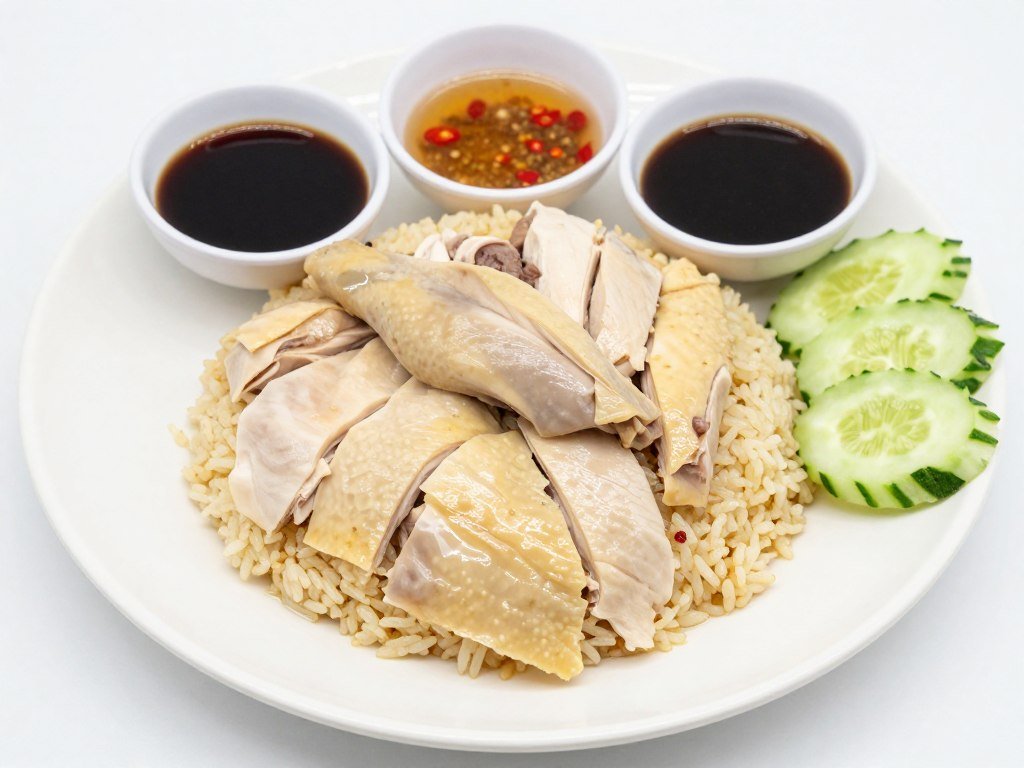
Hainanese chicken rice achieves perfection through simplicity. Chicken poaches gently in water below boiling point. This method keeps meat incredibly tender. The skin becomes silky smooth. Ice water bath stops cooking at the perfect moment.
The rice makes this dish special. Chicken fat renders in the wok first. Garlic and ginger add fragrance. Rice toasts briefly before chicken broth goes in. The grains absorb all the flavors. Each bite of rice tastes rich and satisfying.
Three sauces accompany the dish. Dark soy sauce with sesame oil provides saltiness. Chili sauce adds heat and tang. Ginger paste offers sharp, clean flavor. Cucumber slices refresh the palate. Together, these elements create a balanced meal.
Ipoh, Perak – Home of smooth Hainanese chicken rice
Ayam Goreng Berempah: Malaysian Spiced Fried Chicken
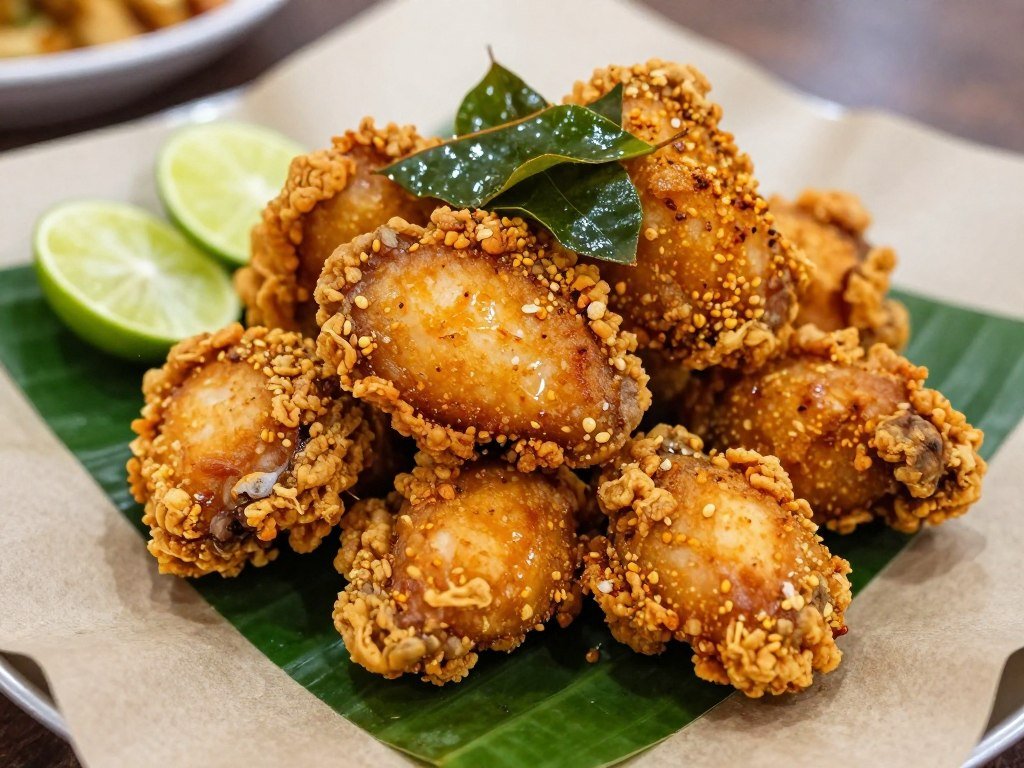
Malaysian fried chicken stands apart from other versions. The marinade includes turmeric, coriander, and lemongrass. These spices penetrate deep into the meat. The chicken marinates overnight for maximum flavor. Frying creates an incredibly crispy exterior while keeping meat juicy inside.
The cooking method requires attention to detail. Medium heat prevents burning the spices. The chicken fries until deep golden brown. Curry leaves thrown into hot oil become crispy garnish. Their aroma fills the kitchen with irresistible fragrance.
This fried chicken appears frequently in nasi lemak. It also serves as a standalone dish. The spice blend makes it distinctively Malaysian. Each bite delivers complex flavors beyond simple salt and pepper. The crispy skin shatters satisfyingly with each bite.
Cendol: Shaved Ice Dessert with Pandan Jelly
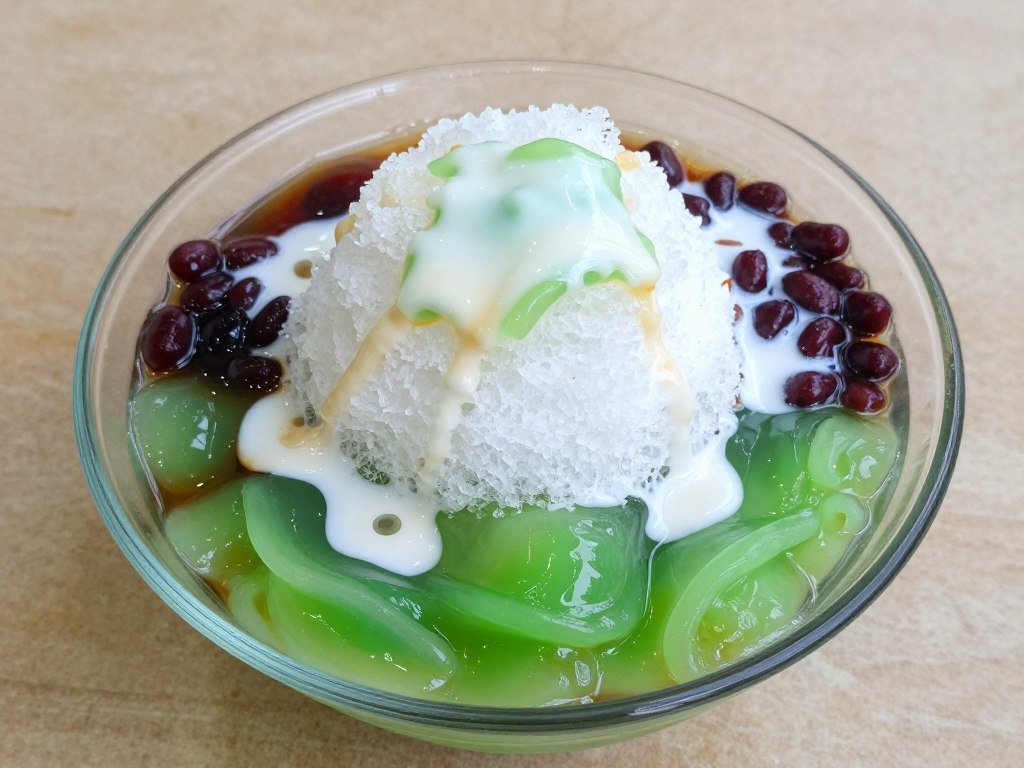
Cendol provides relief from Malaysia’s tropical heat. Shaved ice forms the base. Green pandan jelly noodles add color and subtle flavor. Coconut milk pours over everything. Palm sugar syrup sweetens the dessert naturally.
The jelly noodles require skill to make properly. Rice flour mixes with pandan juice. The green mixture passes through a special mold. It drips into ice water, forming worm-like strands. Fresh pandan leaves create natural green color and fragrance.
Modern versions add various toppings. Red beans provide texture. Sweet corn adds crunch. Grass jelly offers additional coolness. Durian cendol attracts adventurous eaters. The best cendol uses freshly shaved ice and homemade pandan jelly.
Melaka – Historic city famous for authentic cendol
Murtabak: Stuffed Savory Pancake
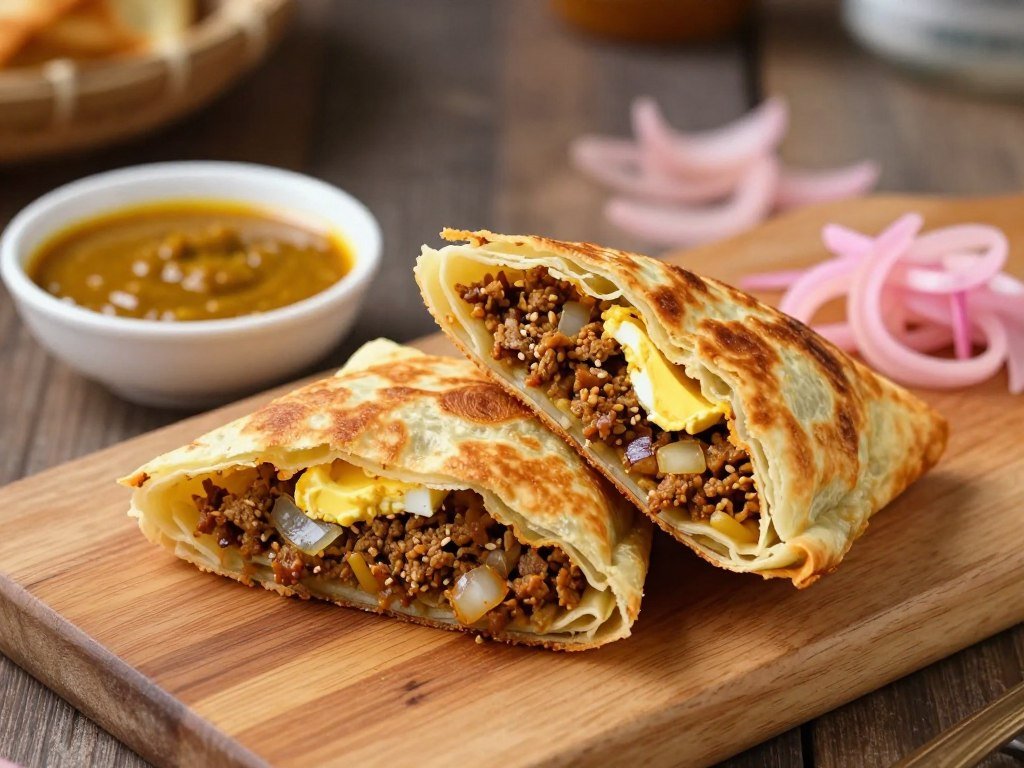
Murtabak transforms simple ingredients into spectacular street food. Thin dough stretches across the griddle. Spiced minced meat spreads in the center. Onions and egg mix with the meat. The dough folds over to create a stuffed pancake.
The filling varies by preference. Chicken murtabak offers a lighter option. Beef remains the traditional choice. Lamb provides rich flavor. Some versions include cheese for extra indulgence. Vegetables like cabbage add freshness.
Cooking requires skill and speed. The griddle must maintain correct temperature. The dough crisps on the outside while the inside stays tender. Oil ensures even browning. Curry sauce serves alongside for dipping. The contrast between crispy exterior and savory filling creates perfect balance.
Otak-Otak: Grilled Fish Cake in Banana Leaf
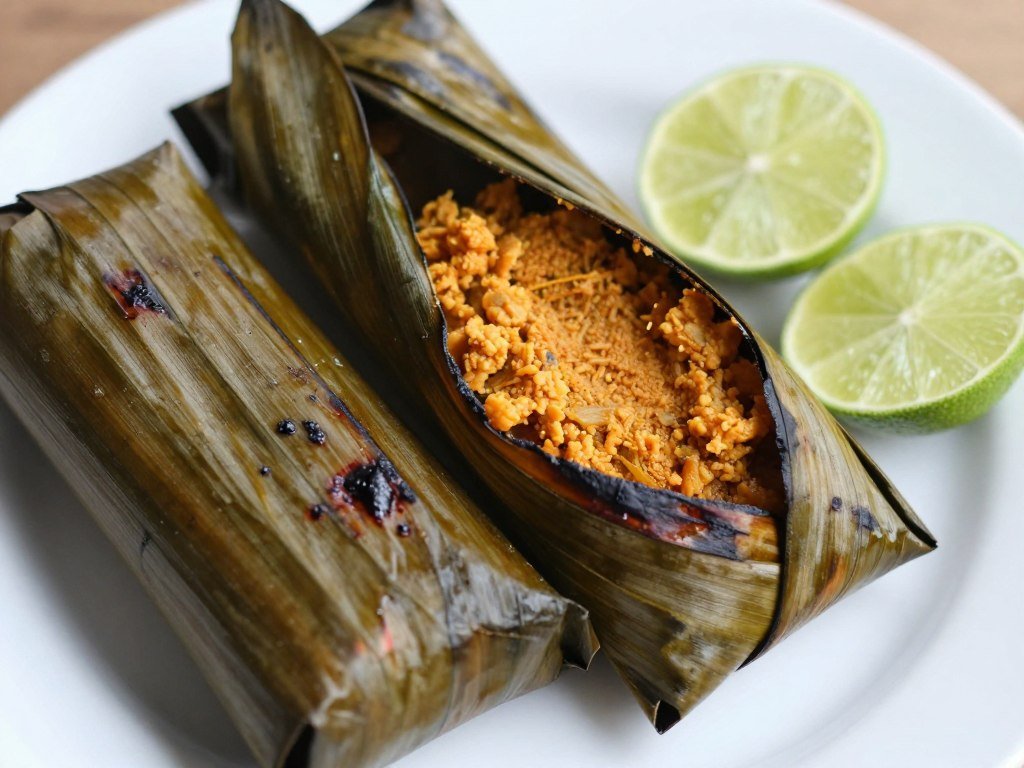
Otak-otak showcases Southeast Asian cooking creativity. Ground fish blends with spices and coconut milk. The mixture goes into banana leaf parcels. Grilling over charcoal imparts smoky flavor. The banana leaf keeps everything moist while adding subtle fragrance.
The spice paste determines final flavor. Lemongrass provides citrus notes. Turmeric gives orange color. Chili adds gentle heat. Coconut milk creates creamy texture. Fresh fish makes the biggest difference in quality.
Different states prepare unique versions. Melaka’s otak-otak tastes sweeter. Penang versions include more spice. Some recipes add kaffir lime leaves. The cooking method remains consistent across regions. Street vendors grill dozens at once over charcoal fires.
Rojak: Malaysian Fruit and Vegetable Salad
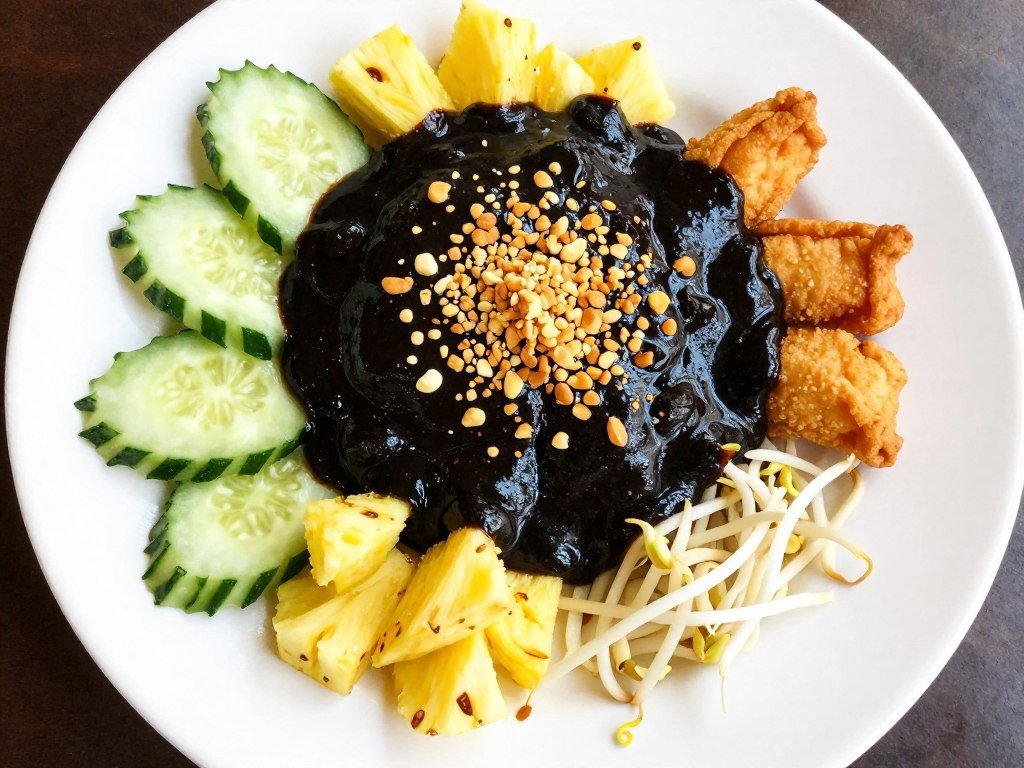
Rojak means “mixture” in Malay. This salad combines fruits and vegetables in unexpected ways. Cucumber and pineapple provide freshness. Bean sprouts add crunch. Fried dough contributes savory element. The black sauce ties everything together.
The sauce makes rojak distinctive. Fermented shrimp paste forms the base. Palm sugar adds sweetness. Lime juice provides acidity. Chili paste brings heat. Ground peanuts create texture. The balance between sweet, salty, sour, and spicy defines good rojak.
Indian rojak differs from fruit rojak completely. This version uses fried fritters, boiled potatoes, and hard-boiled eggs. Sweet potato sauce replaces shrimp paste. Both types appear at different stalls. Each offers unique taste experience worth trying.
Banana Leaf Rice: South Indian Rice Meal
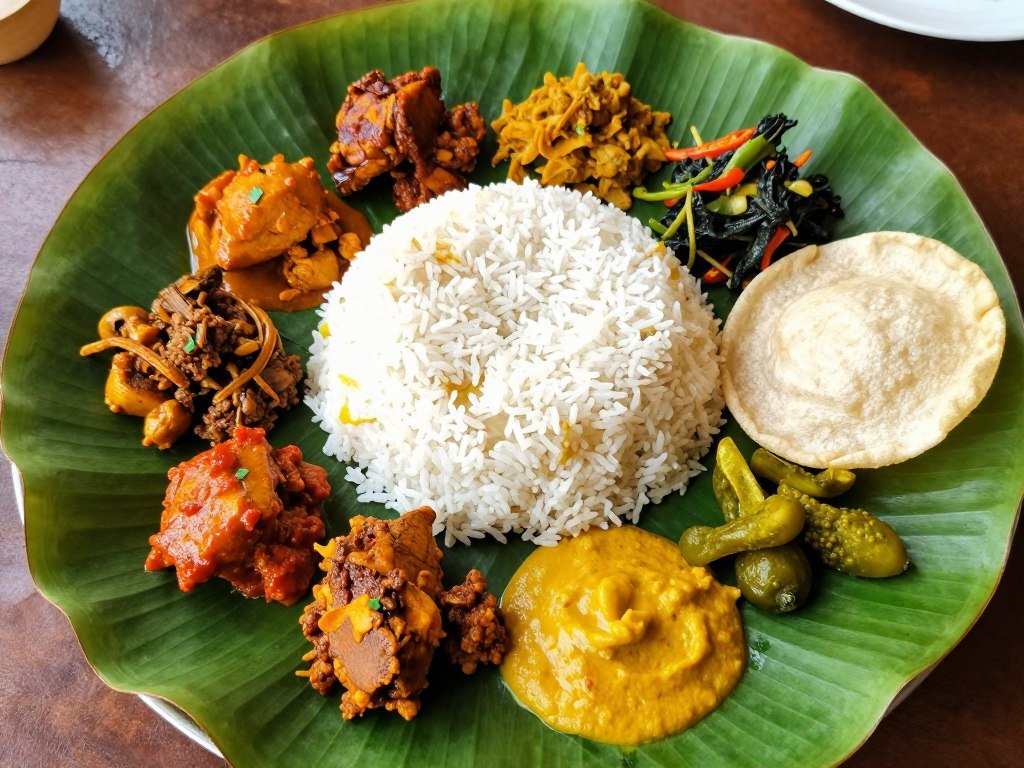
Banana leaf rice brings South Indian tradition to Malaysia. Fresh banana leaves serve as plates. White rice sits in the middle. Multiple curries and vegetables surround the rice. This presentation creates a complete meal on a single leaf.
The variety of side dishes impresses first-time visitors. Fish curry provides protein. Vegetable curries offer variety. Papadum adds crunch. Rasam soup aids digestion. Yogurt cools spicy dishes. Pickle provides sharp contrast.
Eating with hands enhances the experience. Mix rice with curry using your fingers. The banana leaf imparts subtle flavor to the food. After finishing, fold the leaf toward yourself to show satisfaction. This traditional gesture thanks the host or restaurant.
Claypot Chicken Rice: One-Pot Rice and Chicken
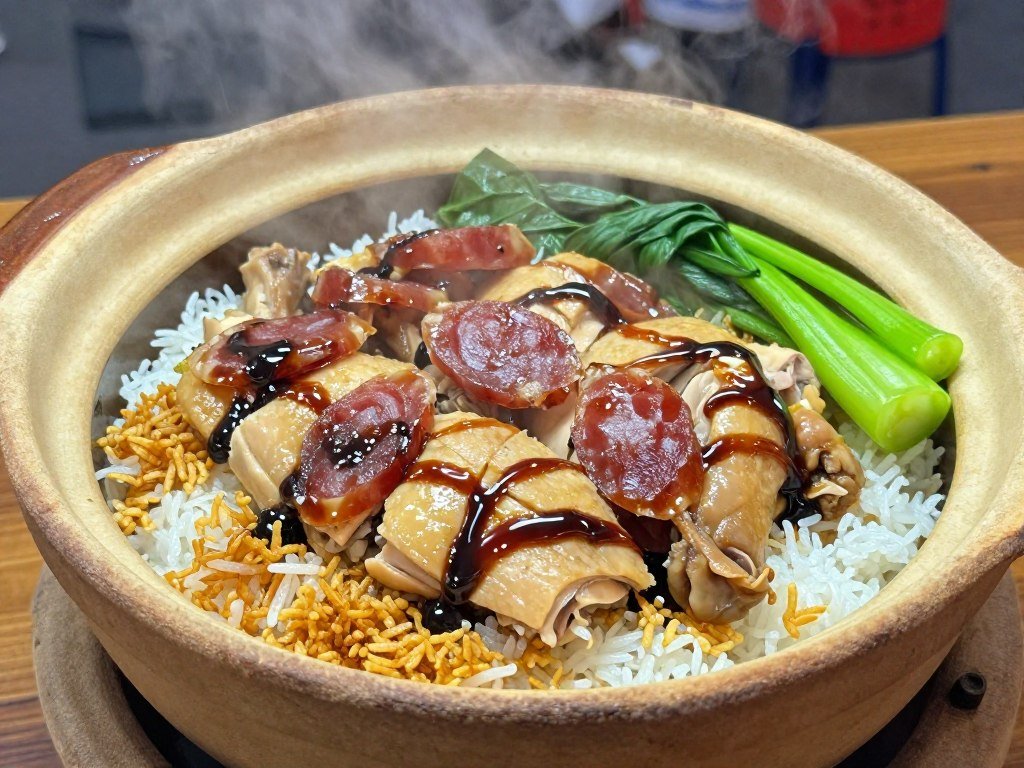
Claypot chicken rice delivers comfort in every bite. Rice cooks directly in a clay pot over charcoal. Marinated chicken sits on top. Chinese sausage adds sweetness. The rice at the bottom becomes crispy and golden.
The marinade flavors both chicken and rice. Soy sauce provides saltiness. Oyster sauce adds depth. Sesame oil contributes nutty aroma. These flavors seep into the rice during cooking. The result is incredibly fragrant and tasty.
The crispy rice crust is highly prized. Called “wor” in Cantonese, it forms at the pot bottom. The contrast between soft rice and crunchy crust adds textural interest. Vegetables added at the end provide freshness. This dish works perfectly for cool evenings.
Curry Laksa Variations Across Malaysia
Curry laksa adapts to local preferences throughout Malaysia. Kuala Lumpur versions lean toward richer coconut milk. Ipoh laksa includes more shrimp for seafood lovers. Sarawak laksa uses sambal belacan for extra heat. Each region claims its version is the best.
The noodle choice affects the eating experience. Thick rice noodles absorb more broth. Thin vermicelli provides delicate texture. Yellow noodles add color. Many shops offer noodle combinations. This customization helps satisfy individual preferences.
Toppings create visual appeal and add nutrition. Fish balls provide bouncy texture. Tofu puffs soak up curry broth. Hard-boiled eggs add protein. Bean sprouts contribute crunch. Fresh laksa leaves deliver distinctive aroma. Every bowl tells a story through its ingredients.
Asam Pedas: Sour and Spicy Fish Stew
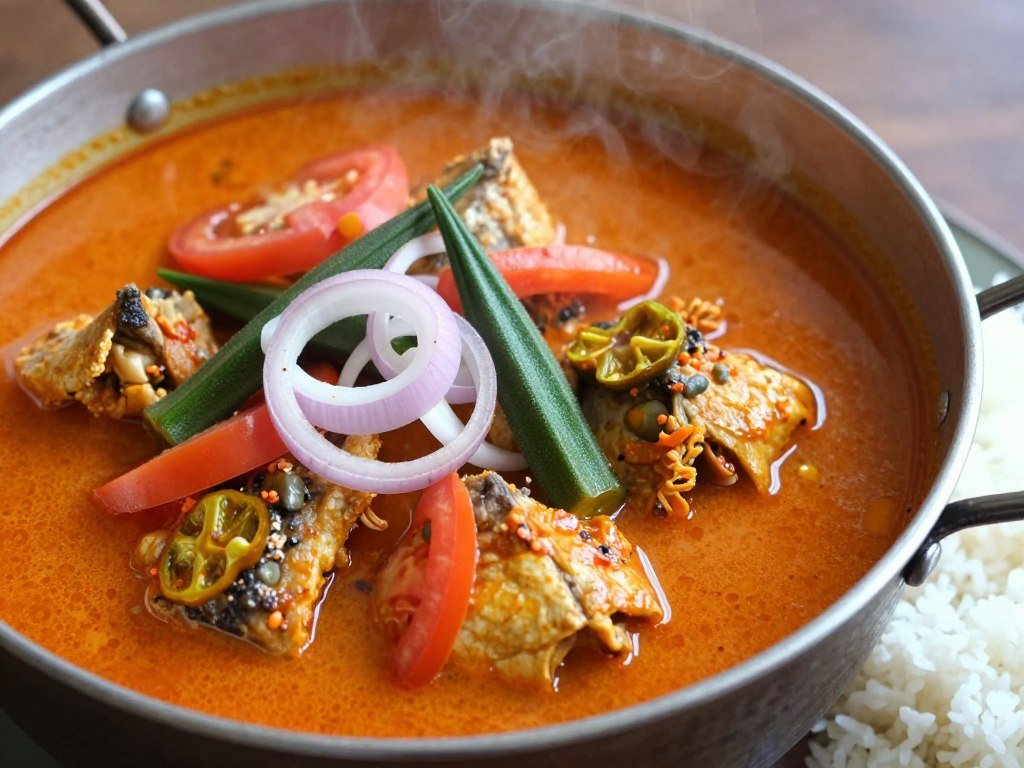
Asam pedas celebrates bold flavors that define Melakan cuisine. Fresh fish simmers in tamarind broth. The sourness comes from tamarind fruit. Chili paste provides intense heat. The combination wakes up your taste buds immediately.
The fish must be fresh for best results. Mackerel works perfectly in this dish. Stingray offers firmer texture. Red snapper provides delicate flavor. The fish cooks quickly in the bubbling broth. Overcooking ruins the tender texture.
Vegetables add substance to the stew. Okra thickens the broth naturally. Tomatoes contribute sweetness. Onions provide aromatic base. The broth reduces during cooking. This concentrates the sour and spicy flavors. Steamed rice is essential to balance the intensity.
Kuih: Traditional Malaysian Sweet Snacks
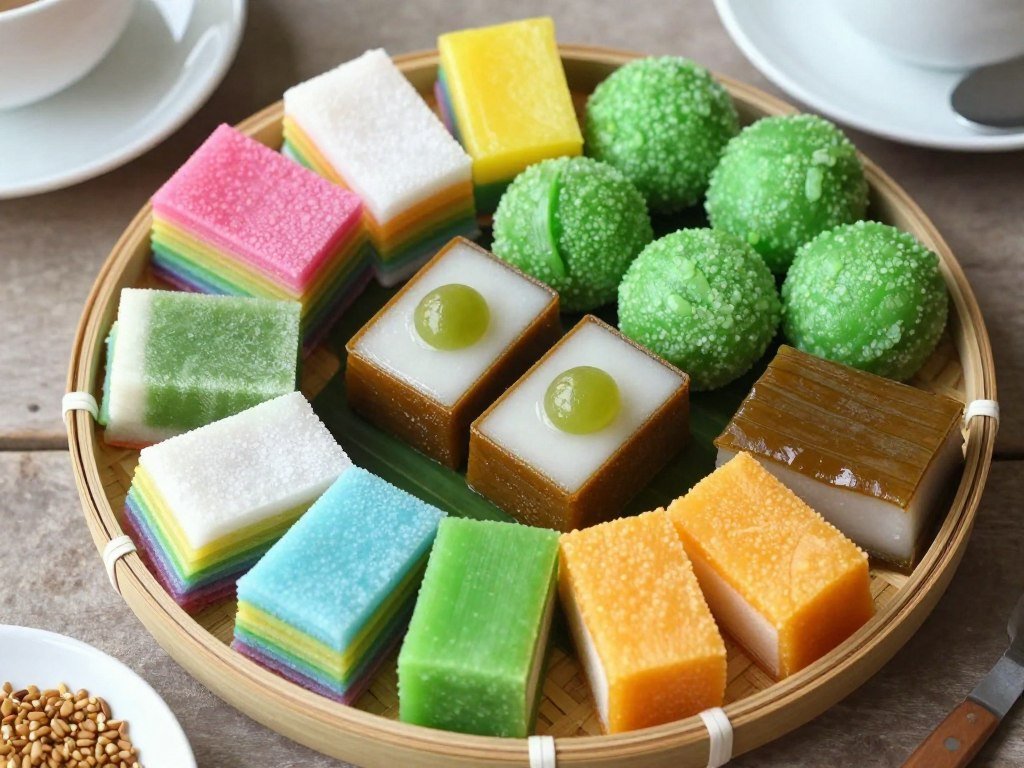
Kuih encompasses hundreds of traditional Malaysian snacks. These bite-sized treats appear at every celebration. Some are steamed while others are fried. Coconut features prominently in many recipes. Palm sugar adds natural sweetness. Pandan provides green color and unique aroma.
Popular varieties each have distinct characteristics. Onde-onde are glutinous rice balls filled with palm sugar. Kuih lapis shows rainbow-colored layers. Kuih seri muka combines pandan custard with glutinous rice. Each type requires specific techniques passed through generations.
Afternoon tea time sees brisk kuih sales. Coffee shops display colorful arrays. Street vendors sell them from bicycle carts. Markets dedicate entire sections to kuih. The variety ensures everyone finds favorites. These snacks connect Malaysians to their cultural heritage.
Experience Malaysia’s Culinary Diversity
Malaysian food reflects the country’s multicultural society perfectly. Malay, Chinese, and Indian influences create unique fusion cuisine. Each dish carries historical significance and cultural meaning. The melting pot of cultures produces extraordinary variety.
Street food culture remains strong throughout Malaysia. Night markets come alive with sizzling woks and charcoal grills. Family recipes pass from generation to generation. Modern restaurants reinterpret traditional dishes. Both approaches honor Malaysia’s rich culinary heritage.
The twenty dishes covered here represent just the beginning. Countless regional specialties await discovery. Every state offers unique variations. Food brings Malaysian communities together regardless of background. Exploring this cuisine provides insight into the nation’s soul.
Ready to Explore Malaysian Cuisine?
Malaysia’s food scene offers endless discoveries for adventurous eaters. From breakfast roti canai to late-night satay, every meal tells a story. The dishes featured in this guide provide an authentic starting point for your culinary journey.
Visit the locations mapped throughout this article to experience true Malaysian flavors. Watch the videos to understand preparation techniques. Most importantly, arrive hungry and ready to taste the incredible diversity of Malaysian cooking.
Each region offers something special. Penang delivers unmatched street food. Melaka preserves traditional recipes. Kuala Lumpur serves everything under one roof. Your Malaysian food adventure awaits.