

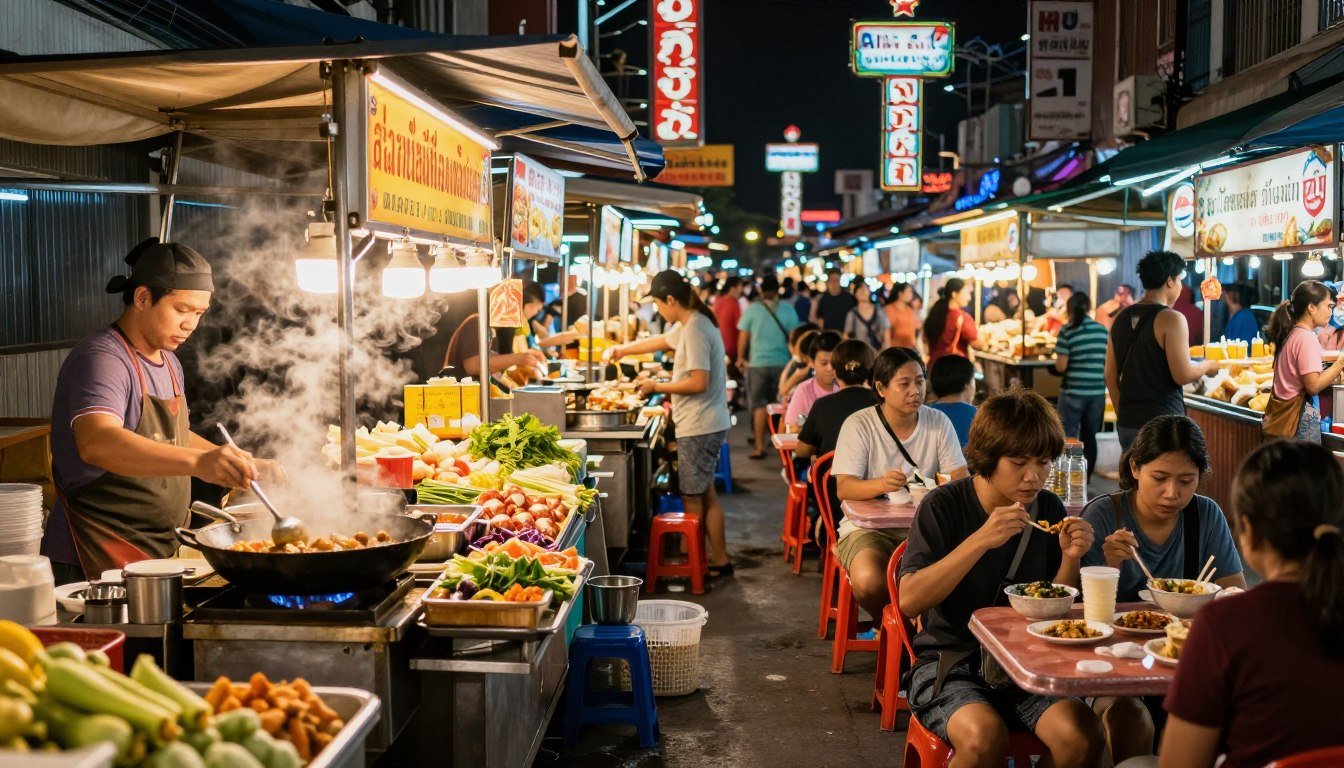
Bangkok pulses with energy day and night. The city streets transform into open-air restaurants where sizzling woks and aromatic spices fill the air. Street food isn’t just a meal here. It’s woven into the fabric of daily life.
Locals grab breakfast from corner vendors before work. Office workers crowd around lunch carts. Families gather at evening food stalls to share dishes and stories. This vibrant food culture offers some of the world’s most delicious and affordable meals.
Finding authentic Bangkok street food can feel overwhelming for first-time visitors. Thousands of vendors line the streets. Each area offers different specialties. Language barriers and unfamiliar dishes add to the challenge.
This guide cuts through the confusion. You’ll discover 20 types of popular street food in Bangkok with exact locations, realistic photos, and practical tips. Whether you’re craving savory noodles or sweet treats, you’ll know exactly where to go and what to order.
1. Pad Thai: Thailand’s Most Famous Noodle Dish
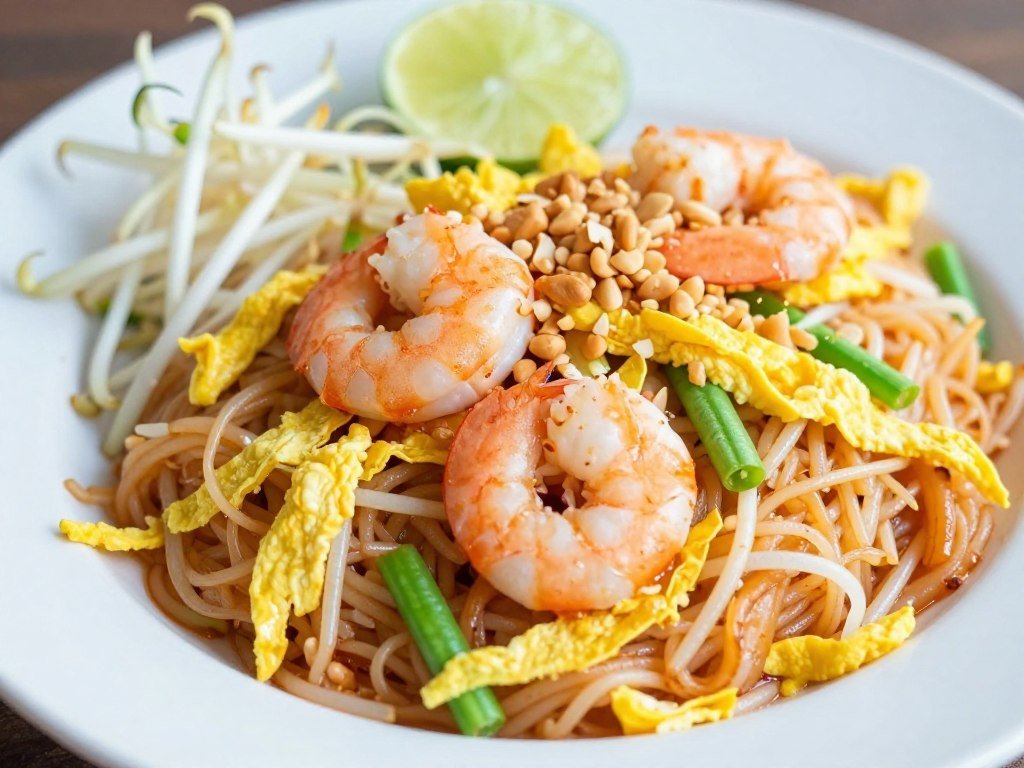
Pad Thai stands as Thailand’s most internationally recognized dish. This stir-fried noodle creation balances sweet, sour, and savory flavors in perfect harmony. Rice noodles dance with tamarind sauce while eggs bind everything together.
Street vendors cook Pad Thai in massive woks over roaring flames. The high heat creates that signature smoky flavor locals call “wok hei.” Fresh ingredients go in one after another. Bean sprouts add crunch. Dried shrimp brings umami depth. A squeeze of lime cuts through the richness.
You’ll find two main versions on Bangkok streets. Pad Thai with shrimp costs around 60-80 baht. The chicken version runs slightly cheaper at 50-70 baht. Vegetarian options exist but require specific requests.
Where to Find the Best Pad Thai
Thip Samai on Mahachai Road has served Pad Thai since 1966. Their signature dish comes wrapped in a thin egg omelet. The restaurant opens from 5 PM to 2 AM daily. Expect crowds during dinner hours.
Pad Thai Fai Ta Lu near Victory Monument offers a different style. They cook over charcoal for intense smoky flavor. Prices start at 40 baht per plate. The stall operates from 5 PM until late night.
Thip Samai Pad Thai Restaurant – 313 Mahachai Road, Samran Rat
What Makes Great Pad Thai
The noodles should have bite. Mushy noodles signal poor preparation. The sauce shouldn’t pool at the bottom. Each strand should coat evenly with seasoning.
Fresh ingredients make the difference between good and exceptional. Crisp bean sprouts provide texture contrast. Firm tofu adds protein without overwhelming other flavors. The garnish plate matters too. Chinese chives, lime wedges, dried chili flakes, and crushed peanuts let you customize each bite.
2. Som Tam: Fiery Green Papaya Salad
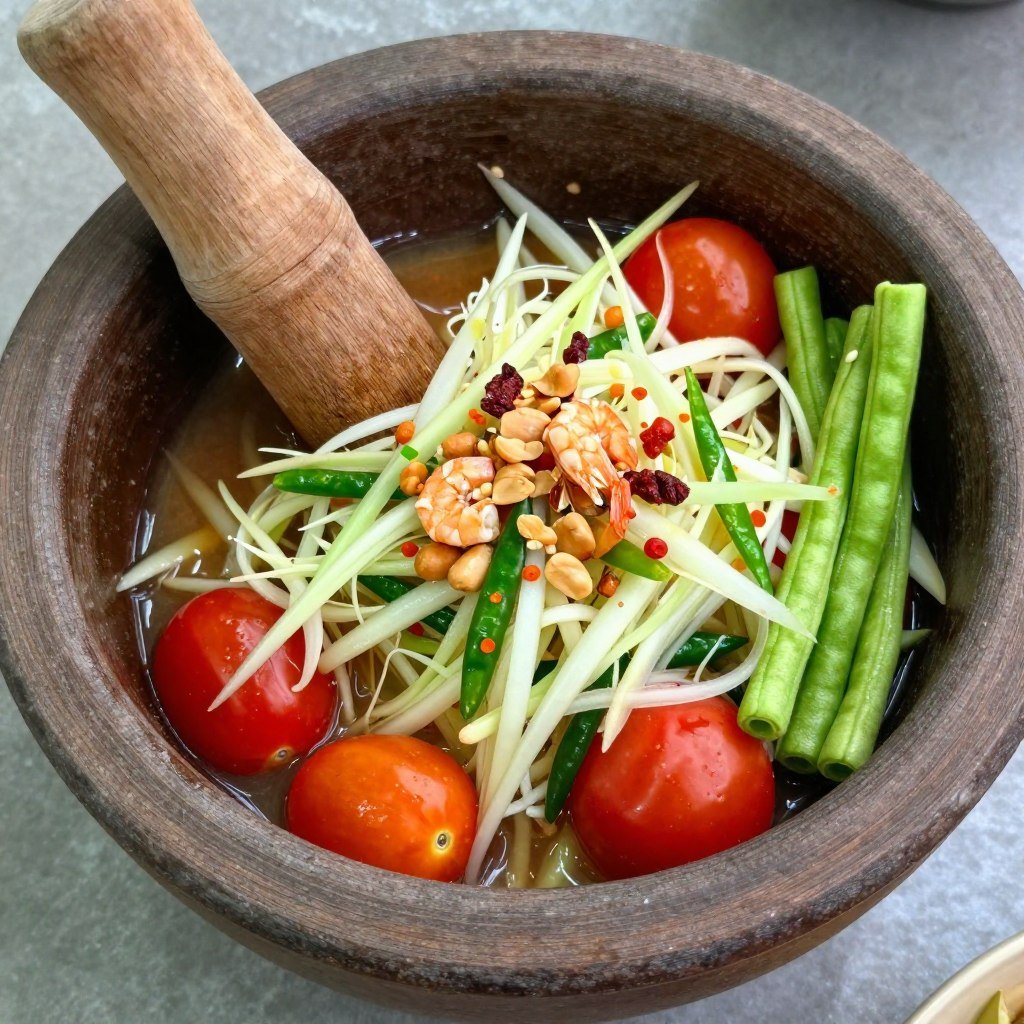
Som Tam delivers an explosion of flavors that wakes up your taste buds. This Isaan-style salad combines shredded green papaya with a pounding technique that releases juices and blends ingredients. The mortar and pestle create textures impossible to achieve any other way.
Vendors pound chilies and garlic first. The paste forms the flavor foundation. Green papaya goes in next, getting bruised and broken to absorb the dressing. Cherry tomatoes burst under the pestle. Long beans add earthiness. Fish sauce and lime juice create the signature tangy taste.
Heat levels vary dramatically. Tell your vendor how many chilies you want. One or two chilies give mild warmth. Five or more bring serious fire. Locals often eat 10 or more chilies in a single serving.
Som Tam Variations Across Bangkok
Som Tam Thai uses peanuts and dried shrimp. This version appeals to tourists with moderate spice tolerance. Prices range from 40-60 baht per serving.
Som Tam Lao skips the peanuts and adds fermented fish sauce called pla ra. The pungent aroma takes getting used to. This style costs slightly less at 30-50 baht.
Som Tam Poo includes chunks of raw fermented crab. The crab adds briny complexity but carries health risks for those unaccustomed to raw seafood. This premium version runs 80-120 baht.
Som Tam Ingredients
- Shredded green papaya
- Cherry tomatoes
- Long beans
- Thai chilies
- Garlic cloves
- Palm sugar
- Fish sauce
- Lime juice
- Roasted peanuts
- Dried shrimp
Best Som Tam Areas
Convent Road near Silom hosts multiple som tam specialists. The area caters to office workers during lunch hours. Portions tend to be generous and prices competitive.
Soi 38 on Sukhumvit Road features late-night som tam vendors. They operate from 6 PM until 2 AM. The atmosphere buzzes with energy as locals gather for dinner and drinks.
Or Tor Kor Market offers upscale som tam in air-conditioned comfort. Prices run higher at 80-100 baht but ingredients showcase premium quality. The market operates daily from 8 AM to 8 PM.
3. Boat Noodles (Kuay Teow Rua): Rich Herbal Broth
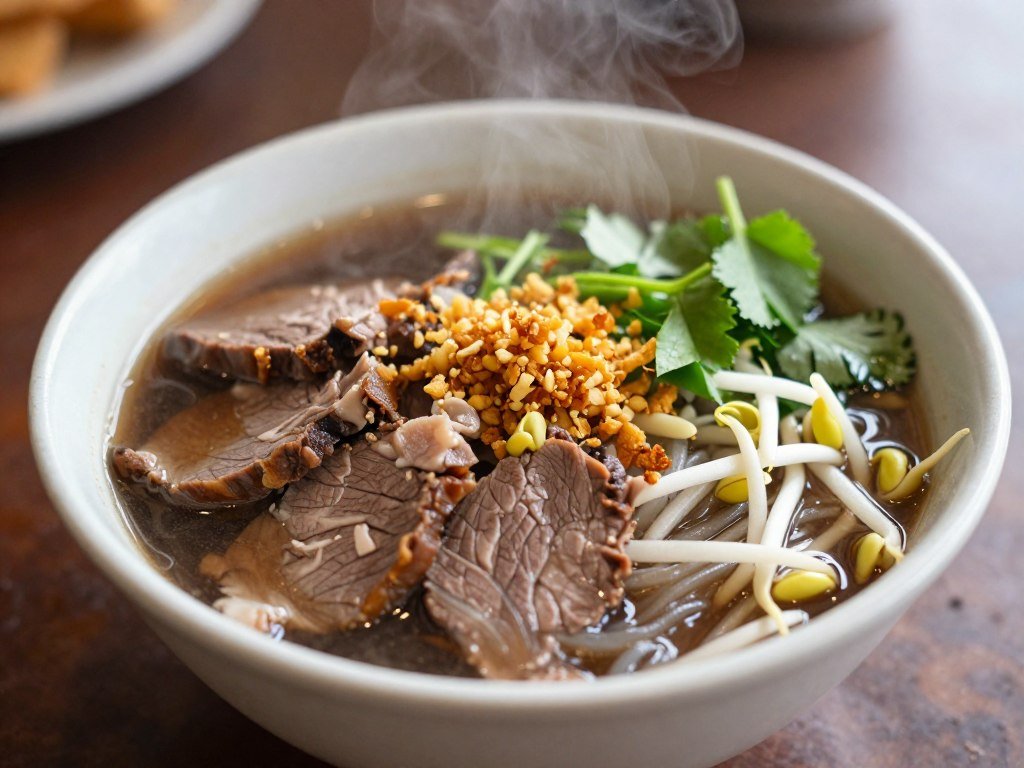
Boat noodles arrived in Bangkok through canal vendors who sold soup from small boats. The tradition continues today though most vendors now work from land-based stalls. These small bowls pack intense flavor into each spoonful.
The broth simmers for hours with beef or pork bones. Star anise, cinnamon, and coriander seeds add aromatic depth. Some vendors include pig’s blood to thicken the soup and add earthy richness. The result is a dark, intensely flavored broth unlike any other Thai noodle soup.
Portions come intentionally small. A single bowl costs just 10-15 baht. Most people order three to five bowls per meal. This allows you to try different combinations of meat and noodle types.
Boat Noodle Eating Strategy
Start with one bowl to gauge the spice level and richness. The soup sits heavier than it looks. Add condiments gradually. Sugar balances the savory intensity. Vinegar with chilies cuts through the richness. Fish sauce adds extra depth.
Vendors typically offer beef or pork varieties. Beef versions use different cuts from brisket to tendon. Pork bowls might include liver, intestines, or regular sliced pork. Specify your preferred meat when ordering.
Famous Boat Noodle Locations
Victory Monument hosts an entire alley dedicated to boat noodles. Baan Kuay Teow Rua Nai Ek serves some of Bangkok’s most authentic versions. They open from 8 AM to 4 PM daily. Arrive before noon for the freshest ingredients.
Pratunam Market offers boat noodles alongside other street food. The concentration of vendors creates competition that keeps prices low and quality high. Most stalls operate from early morning until mid-afternoon.
Experience Bangkok Street Food Like a Local
Join a guided food tour with expert local guides who know the best hidden stalls. Visit 8-10 different vendors in 3 hours. Skip language barriers and navigate Bangkok’s food scene with confidence. Small groups ensure personal attention and authentic experiences.
4. Mango Sticky Rice (Khao Niao Mamuang): Sweet Perfection
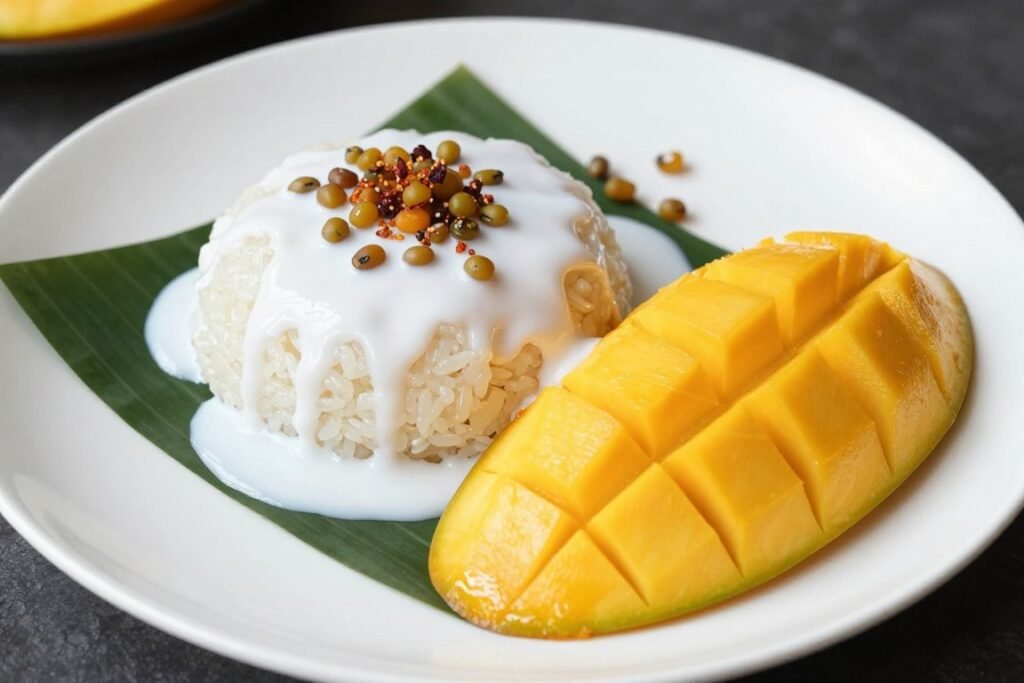
Mango sticky rice represents Thai dessert culture at its finest. This simple combination transforms three ingredients into something magical. Sweet glutinous rice soaks in coconut milk. Ripe mango provides fruity contrast. A final drizzle of coconut cream ties everything together.
The rice requires precise preparation. Vendors soak it overnight then steam it until tender but not mushy. Warm coconut milk mixed with sugar and salt gets poured over the rice while it’s still hot. The rice absorbs the liquid and becomes creamy.
Mango quality determines the dish’s success. Thailand produces exceptional mangos from March through June. During peak season, the fruit reaches perfect ripeness with honey-sweet flesh. Off-season versions use imported mangos that lack the same intensity.
Seasonal Considerations
Peak mango season runs from March to June. During these months, prices drop to 60-80 baht per serving. The fruit quality peaks with local varieties like Nam Dok Mai reaching optimal sweetness.
Off-season mango sticky rice costs more at 80-120 baht. The mangos come from different regions or countries. While still enjoyable, the flavor doesn’t match peak season quality. Some vendors substitute other fruits like durian during off months.
Where to Find Premium Mango Sticky Rice
Mae Varee on Siam Square Soi 1 specializes in this dessert. They use only the finest mangos and prepare small batches throughout the day. Prices start at 120 baht but the quality justifies the cost. They open from 10 AM to 9 PM daily.
Chatuchak Weekend Market vendors offer numerous mango sticky rice options. Walking through the market lets you compare presentations and prices. Most vendors charge 60-80 baht per serving. The market operates Saturdays and Sundays from 9 AM to 6 PM.
Chatuchak Weekend Market – Kamphaeng Phet 2 Road, Lat Yao
5. Grilled Pork Skewers (Moo Ping): Smoky Street Snack
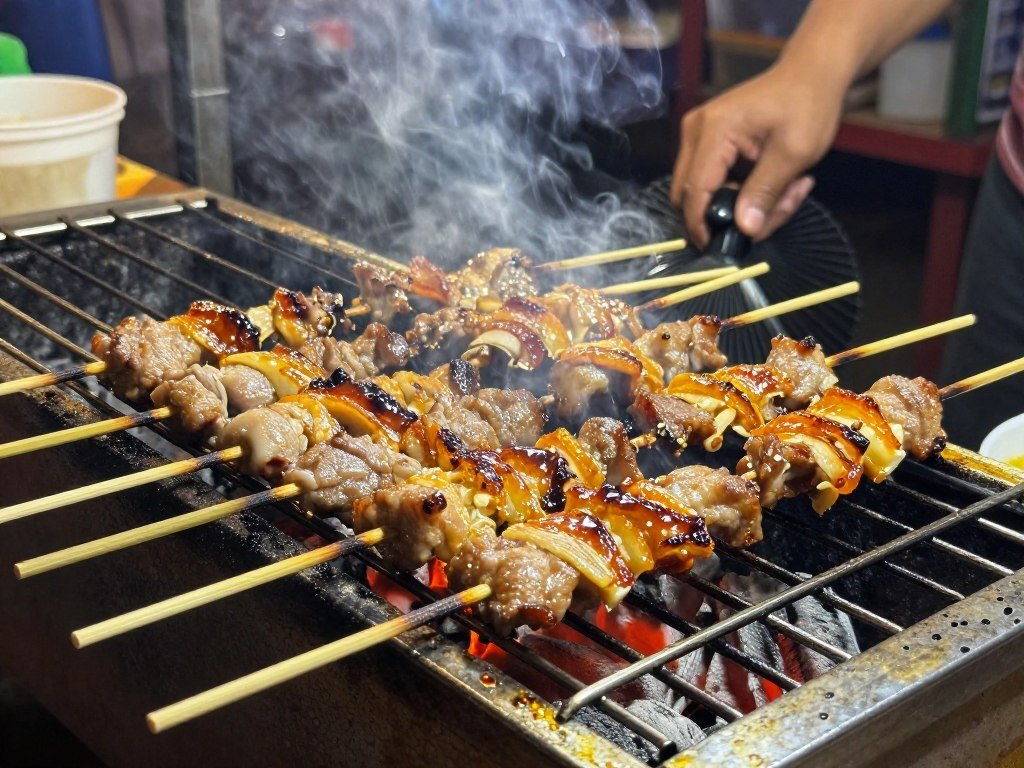
Moo ping appears on street corners throughout Bangkok. These marinated pork skewers grill over charcoal until the edges caramelize. The marinade blends fish sauce, palm sugar, garlic, and white pepper. Some vendors add coconut milk for extra richness.
Vendors prepare the meat early morning. Pork shoulder or neck provides the ideal fat-to-meat ratio. The meat gets sliced thin and threaded onto bamboo skewers. Marination takes at least two hours but overnight produces better results.
The grilling technique matters as much as the marinade. Vendors fan the charcoal to create intense heat. The skewers cook quickly, spending just minutes over the flames. This fast cooking keeps the meat juicy while creating charred exterior bits.
Moo Ping Pricing and Portions
Most vendors sell moo ping for 5-10 baht per skewer. A filling snack requires three to five skewers. Locals often buy a dozen or more to take home for family meals.
The skewers pair perfectly with sticky rice. Vendors selling moo ping almost always offer sticky rice on the side. A small bag of sticky rice costs 5-10 baht. The combination provides a complete meal for under 100 baht.
Best Morning Moo Ping Spots
BTS station areas attract moo ping vendors during morning rush hours. Ari Station hosts several excellent vendors from 6 AM to 10 AM. Office workers grab skewers for breakfast before work.
University areas see moo ping vendors throughout the day. Chulalongkorn University on Phaya Thai Road features multiple vendors near the entrance gates. Students keep these vendors busy from morning through evening.
6. Thai Iced Tea (Cha Yen): Sweet Creamy Refreshment
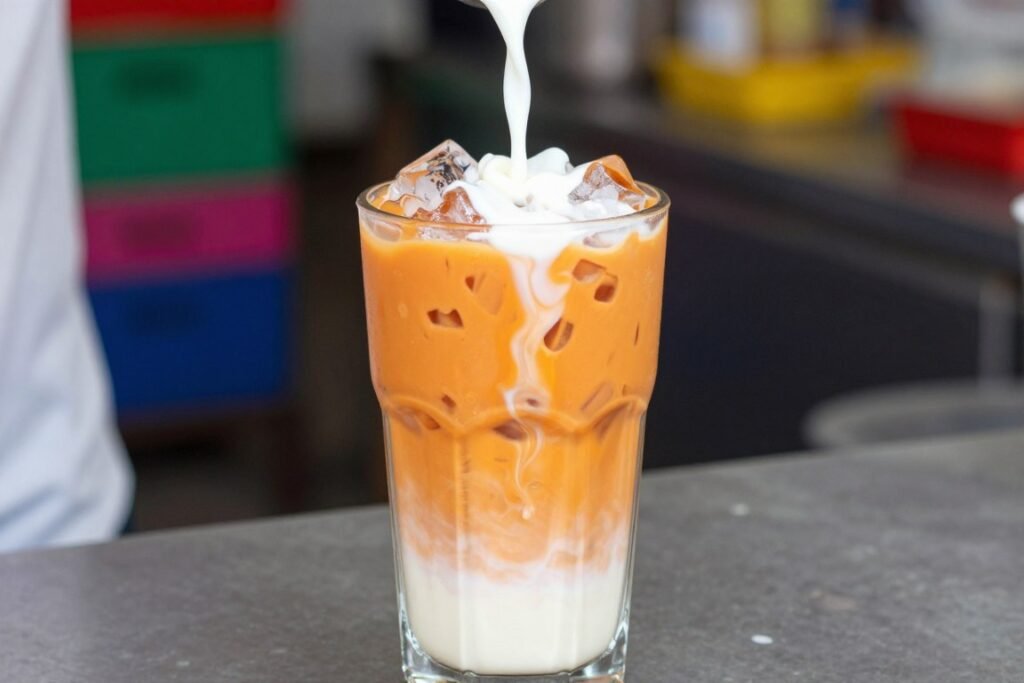
Thai iced tea’s distinctive orange color makes it instantly recognizable. This sweet beverage balances strong black tea with condensed milk and sugar. The result is intensely sweet and creamy with tea flavor cutting through the richness.
Traditional recipes use Ceylon tea mixed with crushed tamarind seeds. The tamarind adds depth and contributes to the orange hue. Food coloring enhances the signature color to create that vibrant orange customers expect.
Vendors brew large batches early each day. The concentrated tea sits in containers waiting for orders. When someone orders, the vendor fills a plastic bag or cup with ice, pours in tea, adds condensed milk, then seals it with a rubber band or lid.
Thai Iced Tea Variations
Cha Yen is the standard version with condensed milk. This costs 20-30 baht per serving. The orange color and sweet taste define this classic preparation.
Cha Dam Yen omits the milk for a less sweet version. Black iced tea with sugar appeals to those who find regular Thai tea too rich. This version costs slightly less at 15-25 baht.
Cha Manao combines Thai tea with lime juice. The citrus cuts the sweetness and adds refreshing tartness. This variation costs 25-35 baht and works wonderfully in Bangkok’s heat.
Why Thai Tea Tastes Different
The tea blend itself differs from typical black teas. Thai tea mixes often include star anise, orange blossom, and other spices. These additions create complexity beyond simple black tea.
The brewing method extracts maximum flavor. Vendors use very hot water and steep the tea strong. This creates a concentrated base that stands up to ice and milk without losing tea character.
Best Areas for Thai Iced Tea
Yaowarat in Chinatown offers exceptional Thai tea alongside Chinese food. The vendors here have perfected their recipes over generations. Prices remain reasonable despite the tourist traffic.
Terminal 21 food court vendors serve Thai tea in air-conditioned comfort. While not traditional street food, the quality matches street vendors. Prices run slightly higher at 30-40 baht.
7. Pork Satay (Moo Satay): Grilled Skewers with Peanut Sauce
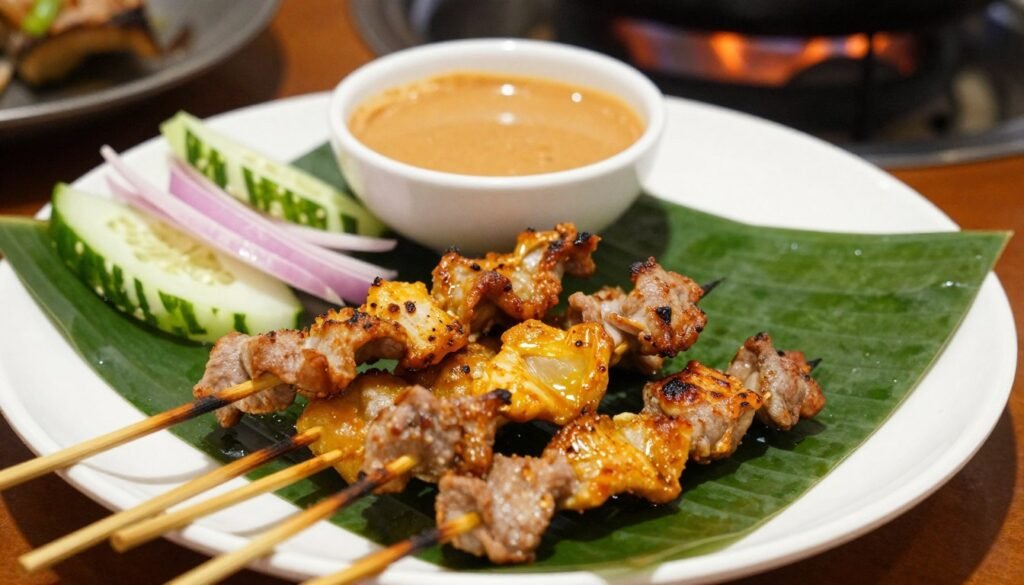
Satay brings Indonesian influence to Bangkok street food scene. These marinated meat skewers grill over charcoal until the outside caramelizes. The marinade includes turmeric, giving the meat a golden color and earthy flavor.
Pork satay dominates Bangkok streets though chicken and beef versions exist. The meat marinates in coconut milk, turmeric, coriander, cumin, and palm sugar. This blend creates layers of flavor that intensify during grilling.
The peanut sauce makes satay special. Vendors prepare it fresh daily by grinding roasted peanuts with coconut milk, tamarind, and spices. The sauce should be thick enough to coat the meat but thin enough to drip slightly.
Satay Components and Pricing
A standard satay order includes 10 skewers for 40-60 baht. The meat gets served with peanut sauce and a small plate of cucumber relish. The relish provides cooling contrast to the rich sauce.
Some vendors offer rice cakes called “ketupat” alongside satay. These compressed rice squares soak up the peanut sauce beautifully. Adding rice cakes increases the price to 60-80 baht for a complete meal.
Finding Quality Satay
Satay vendors cluster near Muslim communities since this dish has Indonesian roots. The Haroon Mosque area on Charoen Krung Road features excellent satay stalls. They operate from late afternoon through evening.
Soi 55 (Thong Lo) on Sukhumvit hosts upscale satay vendors. While prices run higher at 80-100 baht per order, the meat quality and portion sizes justify the cost. These vendors operate from dinner time until late night.
Stay Near Bangkok’s Best Street Food Areas
Book hotels in Chinatown, Silom, or Sukhumvit for easy access to top street food locations. Walk to dozens of vendors from your hotel. Wake up to breakfast markets and enjoy late-night food adventures without long commutes.
8. Chicken Rice (Khao Man Gai): Simple Comfort Food
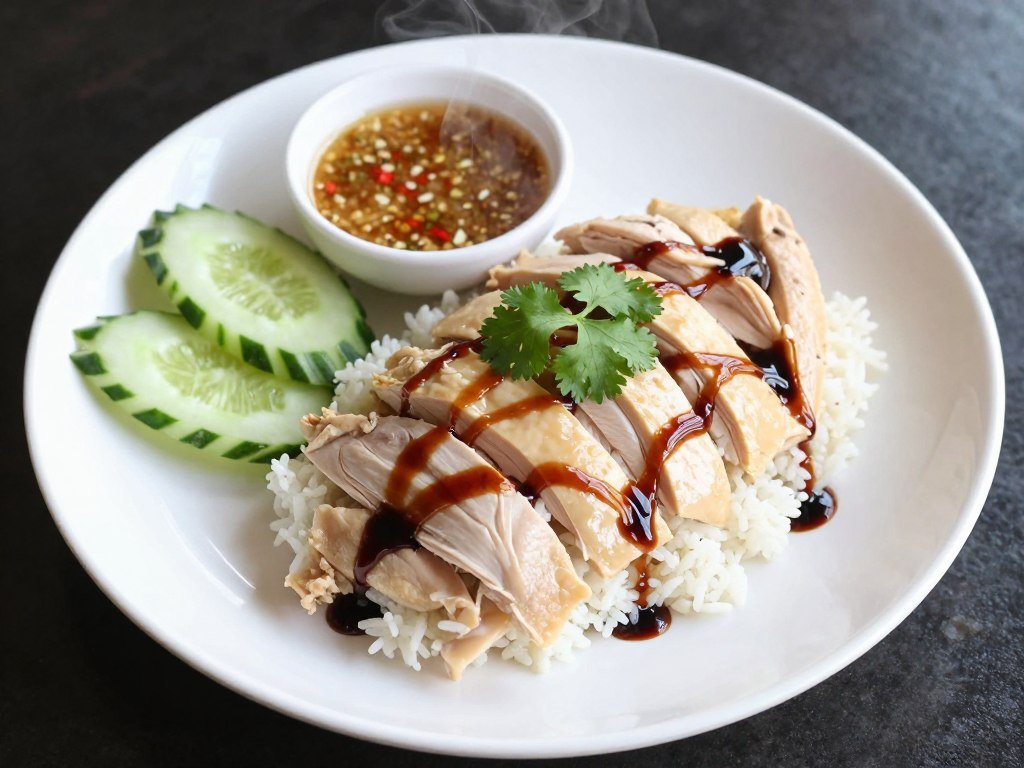
Khao Man Gai adapts Hainanese chicken rice for Thai tastes. This dish appears deceptively simple but requires skill to execute properly. Poached chicken must stay juicy. Rice should absorb chicken flavor without becoming greasy. The sauce needs to balance sweet, spicy, and savory notes.
Vendors poach whole chickens in seasoned broth. The gentle cooking keeps the meat tender and moist. Once cooked, the chickens rest before getting chopped into pieces. Some vendors offer dark meat while others specialize in breast meat.
The rice cooks in chicken broth with garlic and ginger. This infuses every grain with flavor. Proper chicken rice should glisten slightly but not feel oily. Each grain should separate easily when eaten.
The Sauce Makes the Difference
Khao Man Gai sauce varies by vendor. The base includes fermented soybeans, ginger, garlic, and Thai chilies. Some add vinegar for tang. Others include sugar for sweetness. The best sauces balance all these elements.
Most vendors provide two sauces. The dark sweet soy sauce drizzles over the rice and chicken. The spicy ginger-chili sauce sits on the side for dipping. Use the spicy sauce sparingly at first to gauge the heat level.
Famous Chicken Rice Locations
Kuang Heng on Pratunam has operated since 1932. Their chicken rice draws crowds throughout the day. Expect to wait during lunch hours. A plate costs 50-60 baht. They open from 6 AM to 2 PM daily.
Go Ang Chicken Rice near Victory Monument offers 24-hour service. Their late-night chicken rice satisfies cravings at any hour. Prices remain consistent at 50 baht per plate regardless of time.
Pratunam Area – Ratchaprarop Road, Makkasan
9. Crispy Pork Belly (Moo Grob): Crunchy Indulgence
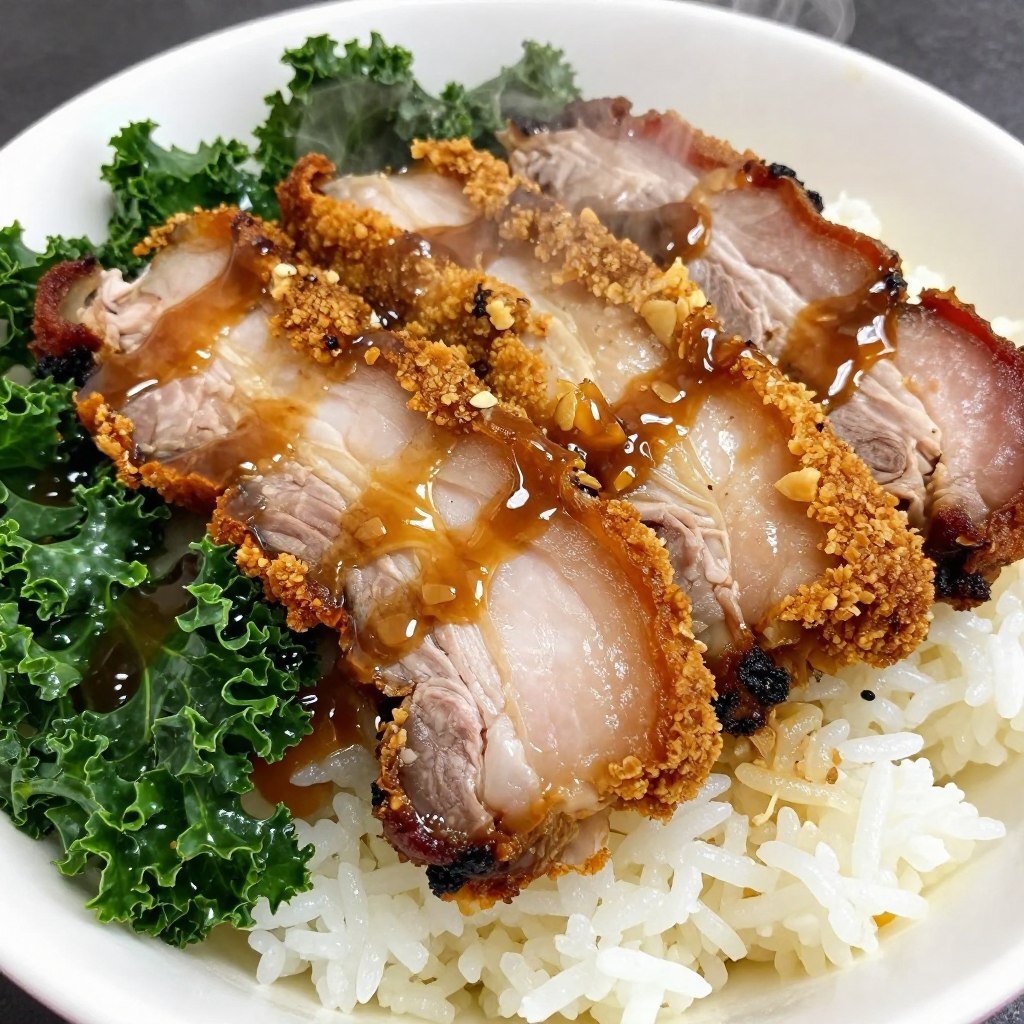
Moo Grob delivers textural satisfaction like few other dishes. The pork belly roasts until the skin becomes glass-like and shatters when bitten. Beneath the crackling sits tender meat and a thin layer of fat that melts on your tongue.
Achieving perfect moo grob requires careful preparation. Vendors score the skin then rub it with salt and vinegar. The pork air-dries for hours or overnight. High-heat roasting finishes the process, puffing the skin into crispy perfection.
The dish typically comes over rice with Chinese kale on the side. Sweet soy gravy adds moisture and flavor to the rice. The combination of crispy pork, soft rice, and slightly bitter greens creates perfect balance.
Moo Grob Quality Indicators
Look for pork belly with even crackling across the entire surface. Patches of soft skin indicate uneven cooking or insufficient drying time. The crackling should shatter audibly when cut.
The meat layer beneath the skin should be tender and juicy. Dry, tough meat suggests overcooking or poor-quality pork. A thin fat layer adds richness without being overwhelming or greasy.
Where to Order Crispy Pork
Nai Mong Hoi Thod on Charoen Krung Road specializes in crispy pork. They roast fresh batches throughout the day. A plate costs 60-80 baht depending on portion size. The restaurant opens from 10 AM to 8 PM daily.
Food courts in shopping centers like MBK and Siam Paragon offer reliable crispy pork. While not traditional street food, the air-conditioned environment and consistent quality appeal to many visitors. Prices range from 70-100 baht.
10. Coconut Ice Cream: Refreshing Traditional Dessert
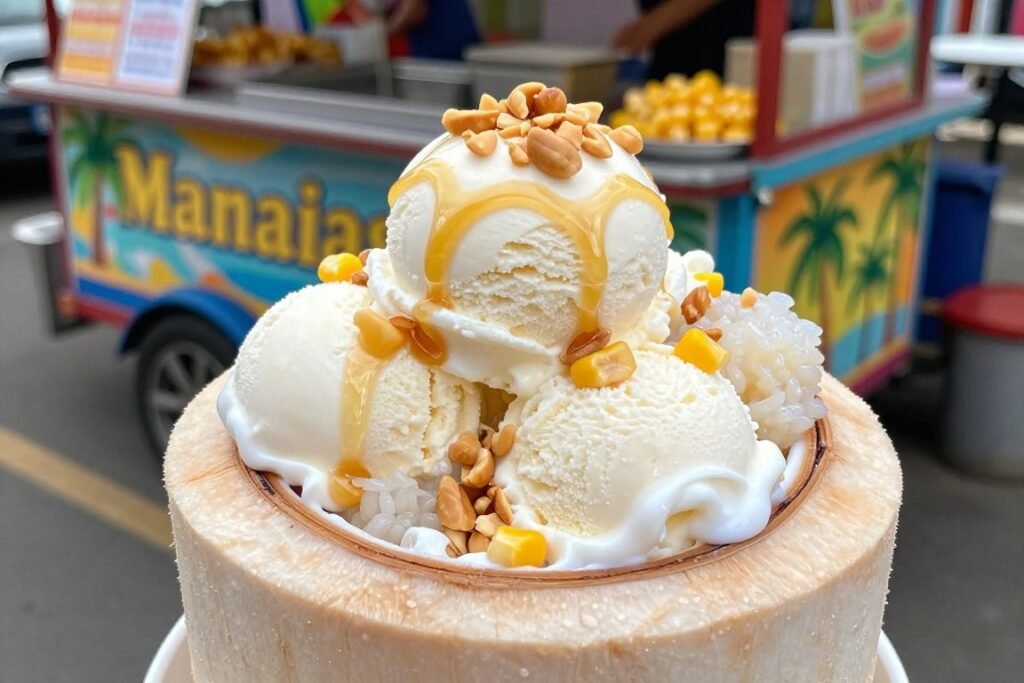
Coconut ice cream vendors operate from colorful carts throughout Bangkok. The ice cream sits in metal containers surrounded by ice and salt. This traditional method requires no electricity while keeping the dessert frozen throughout the day.
Real coconut ice cream uses coconut milk as the base. The best versions balance coconut flavor with sweetness. Too much sugar masks the coconut. Too little leaves the ice cream bland. The texture should be creamy rather than icy.
Vendors serve the ice cream in several ways. The coconut shell presentation offers Instagram appeal and nostalgic charm. Bread serves as an unusual but delicious vessel. Simple cups work for those who prefer straightforward enjoyment.
Topping Choices and Combinations
Traditional toppings include roasted peanuts for crunch. Sticky rice adds chewy texture. Sweet corn might sound odd but works surprisingly well. Palm sugar syrup drizzled on top brings extra sweetness and authentic Thai flavor.
Some vendors offer modern toppings like chocolate chips or fruit. These additions cater to tourists but stray from traditional preparations. Stick with classic toppings for the most authentic experience.
Coconut Ice Cream Pricing
A basic serving in a cup costs 30-40 baht. Coconut shell presentation adds 10-20 baht to the price. Loading up with multiple toppings can push the total to 70-80 baht but creates a more substantial dessert.
Chatuchak Weekend Market hosts numerous coconut ice cream vendors. Walking through the market provides multiple options to compare. Most vendors charge similar prices but toppings and presentation styles vary.
Khaosan Road vendors cater to backpackers with competitive pricing. The area sees heavy competition which keeps prices low. Expect to pay 30-50 baht for a generous serving with toppings.
11. Grilled Squid (Pla Muek Yang): Seafood Street Classic
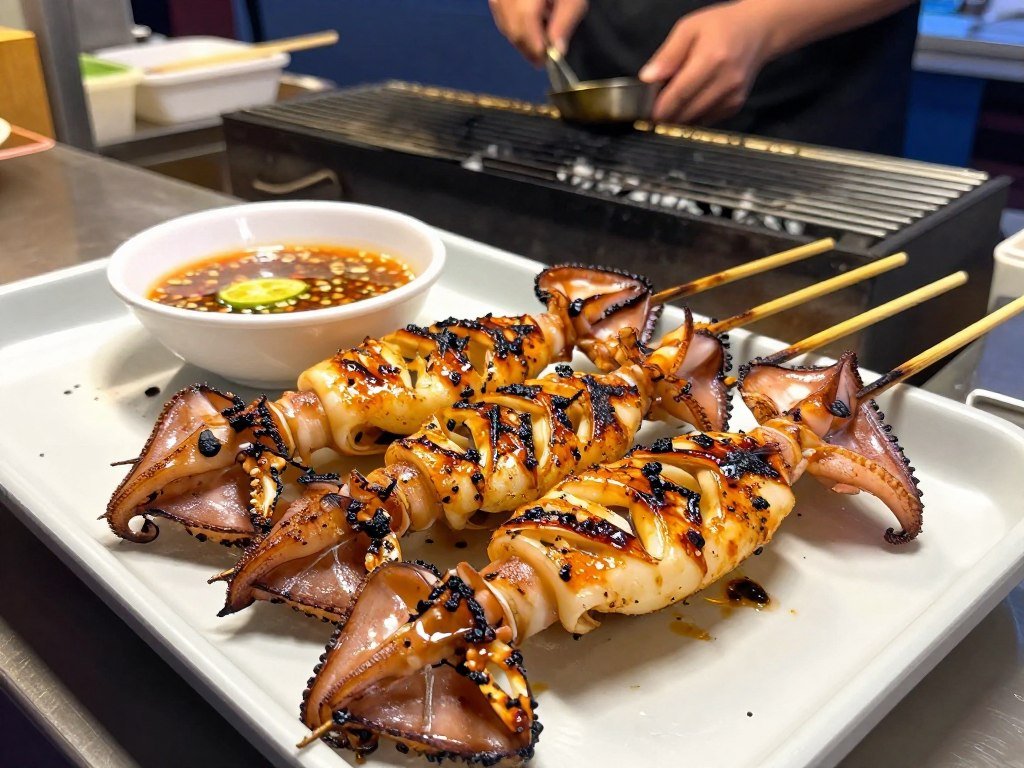
Grilled squid vendors attract attention with their aromatic smoke and sizzling sounds. Fresh squid gets scored in a crosshatch pattern then grilled over hot charcoal. The scoring allows heat to penetrate while creating attractive presentation.
Vendors marinate the squid briefly before grilling. The marinade typically includes garlic, white pepper, and a touch of sugar. Some add oyster sauce for extra umami depth. The marinade flavors the squid without overpowering its natural sweetness.
Proper grilling technique prevents the squid from becoming rubbery. Quick cooking over high heat keeps the texture tender. Overcooking turns squid into rubber bands. Skilled vendors pull the squid from the grill at exactly the right moment.
Squid Sizing and Pricing
Small squid cost 40-60 baht each. These work well as snacks or appetizers. Medium squid run 80-100 baht and provide a more substantial portion. Large squid can reach 150-200 baht but feed multiple people.
The squid comes with a spicy seafood dipping sauce. This sauce combines lime juice, fish sauce, garlic, and Thai chilies. The bright acidic sauce cuts through the squid’s richness and adds flavor complexity.
Best Grilled Squid Locations
Talad Rot Fai night markets feature multiple grilled squid vendors. The markets operate Thursday through Sunday evenings. Competition between vendors ensures quality remains high and prices fair.
Asiatique riverfront market offers grilled squid with river views. The touristy location means higher prices at 100-150 baht per squid. The atmosphere and setting justify the premium for many visitors.
12. Beef Noodle Soup (Kuay Teow Nuea): Hearty Comfort Bowl
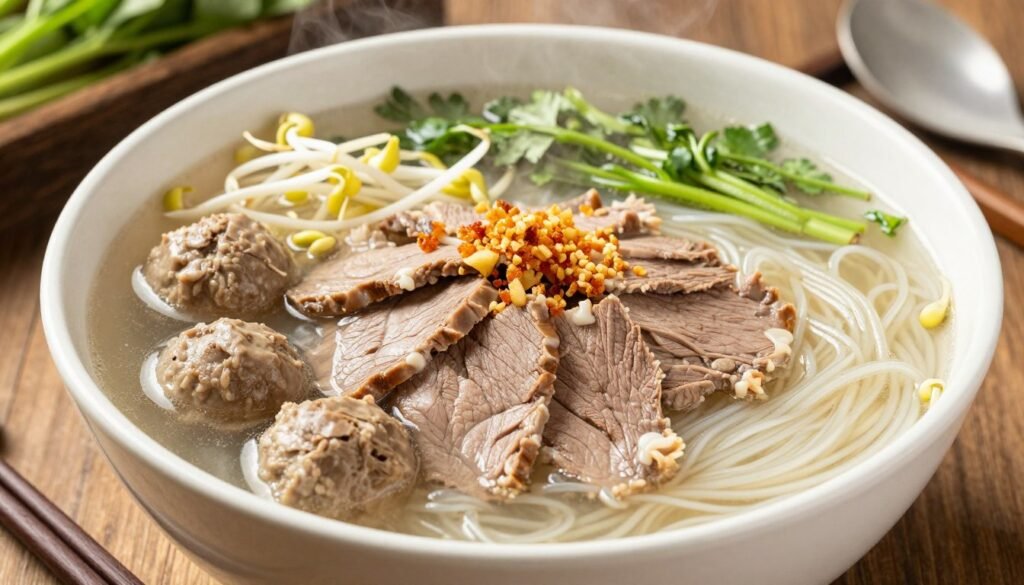
Beef noodle soup satisfies on Bangkok’s rare cool days and provides comfort any time of year. The broth simmers for hours with beef bones, creating a deeply flavorful base. Star anise, cinnamon, and coriander add aromatic complexity.
Vendors offer various beef cuts in each bowl. Sliced beef cooks quickly in the hot broth. Beef balls provide bouncy texture. Tendon adds gelatinous richness for adventurous eaters. Most bowls include a combination of different beef preparations.
Noodle choices affect the soup’s character. Thin rice noodles disappear into the broth. Wide flat noodles provide more substantial bites. Egg noodles add different texture and flavor. Request your preferred noodle type when ordering.
Beef Noodle Soup Variations
Clear soup features a light, aromatic broth. This version lets the beef flavor shine without heavy seasoning. Prices start at 50-60 baht per bowl.
Tom yum style adds the classic hot and sour flavors. Lemongrass, galangal, and lime leaves transform the broth. This variation costs slightly more at 60-80 baht due to additional ingredients.
Boat noodle style beef soup uses the dark, rich broth described earlier. The intensity can be overwhelming but creates a unique experience. This version typically costs 10-15 baht for small bowls sold in multiples.
| Soup Style | Broth Character | Price Range | Spice Level |
| Clear Soup | Light, aromatic, clean flavors | 50-60 baht | Mild |
| Tom Yum | Spicy, sour, herbal notes | 60-80 baht | Medium-Hot |
| Boat Noodle | Dark, rich, intense beef flavor | 10-15 baht (small bowls) | Medium |
| Red Soup | Tomato-based, slightly sweet | 55-70 baht | Mild |
Top Beef Noodle Soup Vendors
Wattana Panich in Ekkamai claims to use broth that’s been simmering continuously for over 45 years. They add fresh ingredients daily while maintaining the base. A bowl costs 80-100 baht. The shop opens from 10 AM to 10 PM except Sundays.
Kuay Jub Nai Ek near Democracy Monument offers boat noodle style beef soup. The concentrated flavor and small portions let you try multiple bowls. They operate from 8 AM to 4 PM daily.
13. Roti: Sweet and Savory Flatbread
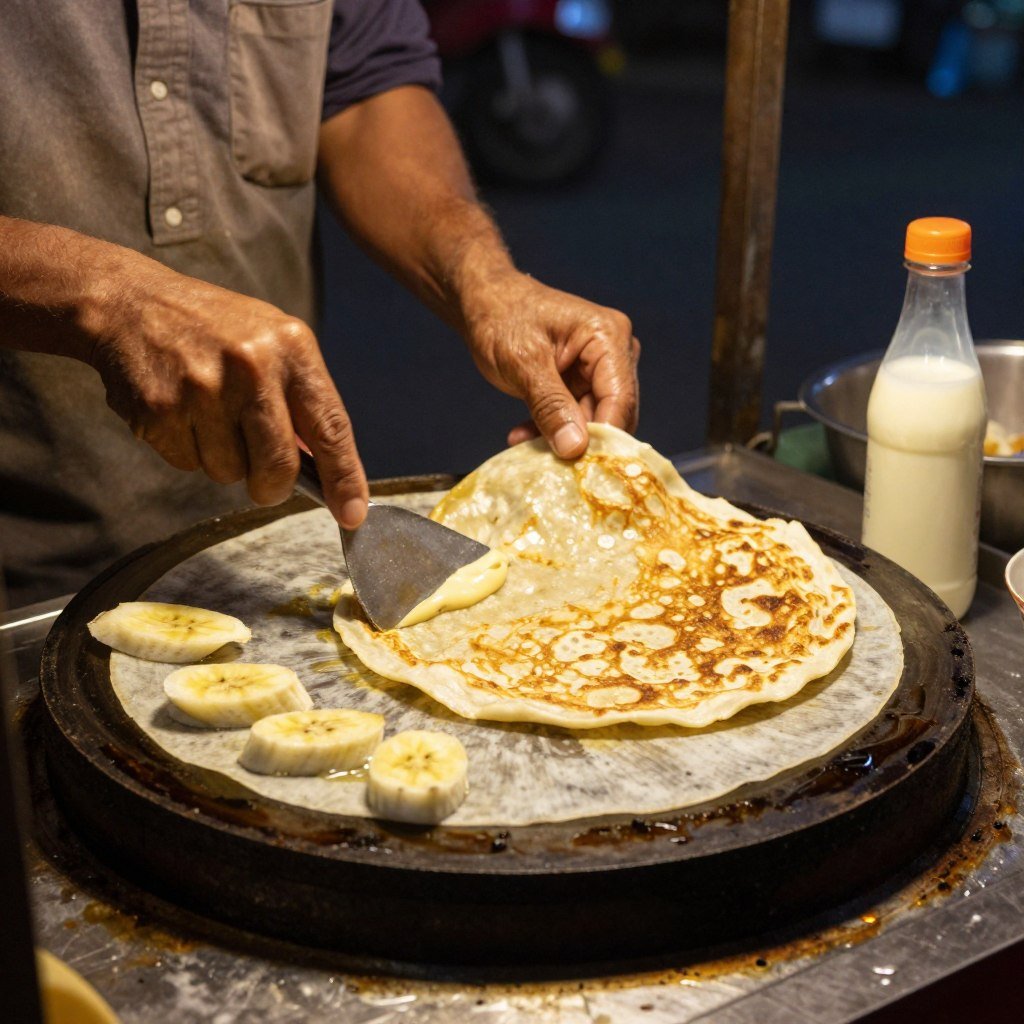
Roti vendors provide entertainment along with food. Watching them stretch dough paper-thin requires skill developed over years. The dough spins and flips before landing on a hot griddle. The performance adds to the eating experience.
Sweet roti variations dominate Bangkok streets. Banana with condensed milk creates the most popular combination. Chocolate roti appeals to younger crowds. Some vendors offer Nutella or other premium toppings at higher prices.
Savory roti exists but appears less frequently. Egg roti with curry sauce provides a filling meal. Some vendors stuff roti with chicken or beef for heartier options. These savory versions cost more than sweet preparations.
Roti Preparation Process
The dough starts as a small ball. Vendors coat it in oil then begin stretching. They pull and flip the dough repeatedly until it becomes translucent. This process creates layers that produce flaky texture when cooked.
The stretched dough lands on a hot griddle brushed with butter or margarine. Toppings go on before folding. For banana roti, sliced bananas get arranged on one side. The vendor folds the dough over, creating a packet. Condensed milk and sugar top the finished product.
Roti Pricing and Popular Spots
Basic banana roti costs 30-40 baht. Adding egg increases the price to 40-50 baht. Premium toppings like Nutella can push prices to 60-80 baht.
Muslim areas offer the most authentic roti. The Ban Bat neighborhood near Wat Saket hosts excellent roti vendors. They operate from late afternoon through evening.
Tourist areas like Khao San Road feature roti vendors who cater to international tastes. They often offer creative topping combinations not found in traditional spots. Prices run slightly higher but remain affordable.
Rent a car to explore Bangkok at your own pace. Visit multiple food neighborhoods in one day. Access early morning markets and late-night street food areas safely. Enjoy freedom to discover hidden food gems beyond tourist zones.
14. Thai Fried Chicken (Gai Tod): Crispy Golden Perfection
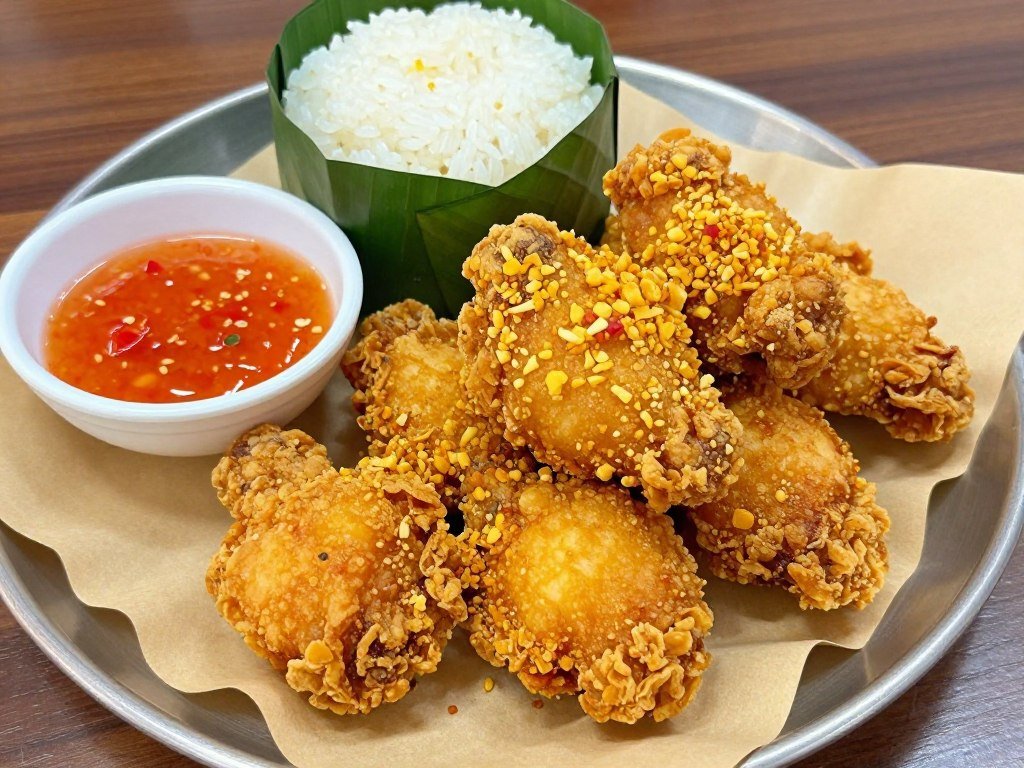
Thai fried chicken differs from Western versions through its marinade and coating technique. The chicken marinates in fish sauce, garlic, and white pepper for hours. Some vendors add turmeric for color and subtle earthy flavor.
The coating stays light compared to American fried chicken. Most vendors use a mixture of rice flour and tapioca starch. This creates an incredibly crispy shell that stays crunchy even after cooling. The coating shatters when bitten, revealing juicy meat inside.
Vendors fry chicken in large woks filled with oil. The high oil temperature ensures quick cooking and maximum crispiness. Pieces emerge golden brown with an audible crunch. Fried garlic flakes often top the chicken before serving.
Fried Chicken Accompaniments
Sticky rice serves as the traditional pairing. The combination of crispy chicken and soft rice creates textural harmony. Most vendors offer sticky rice for an additional 5-10 baht.
Sweet chili sauce provides a classic dipping option. The sauce balances sweet and spicy notes perfectly with fried chicken. Some vendors make their own while others use commercial versions.
Som tam and fried chicken make a popular combination meal. The fresh, spicy salad contrasts beautifully with rich fried chicken. Ordering both together typically costs 80-100 baht total.
Best Fried Chicken Vendors
Chatuchak Weekend Market hosts numerous fried chicken stalls. Walking through the food section fills the air with the aroma of frying chicken. Prices remain competitive at 60-80 baht for a generous portion.
Soi Polo Fried Chicken near Lumphini Park has achieved legendary status. Their chicken marinates for 24 hours before frying. Lines form during dinner hours but move quickly. A plate costs 100-120 baht. They open from 4 PM to midnight daily.
Soi Polo Area – Wireless Road, Lumphini, Pathum Wan
15. Thai Crepes (Khanom Buang): Delicate Sweet Treats
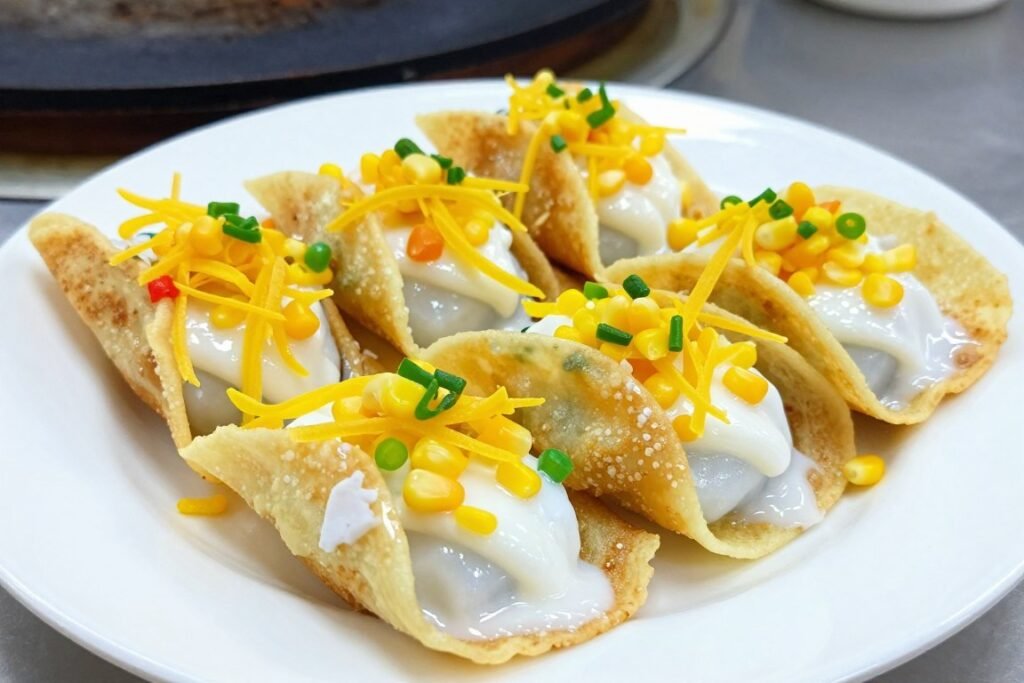
Khanom Buang represents one of Bangkok’s most photogenic street desserts. These crispy crepes start with a thin batter poured onto a hot griddle. The vendor spreads the batter in a circular motion, creating paper-thin shells that cook in seconds.
Once the shells crisp, vendors add fillings. Sweet coconut cream whipped with meringue provides the base. Colorful toppings include foi thong (sweet egg threads), shredded coconut, or tiny sweet corn kernels. The combinations create visual appeal and textural variety.
The shells must stay crispy. Vendors prepare them to order, ensuring freshness. Once filled, khanom buang should be eaten immediately. The shells soften quickly after adding moist fillings, losing their signature crunch.
Khanom Buang Varieties
Sweet versions dominate street stalls. The classic preparation uses coconut cream meringue with foi thong. This costs 20-30 baht for a small serving of 3-4 pieces.
Savory khanom buang exists but appears rarely. These use shrimp or dried shrimp as topping instead of sweet ingredients. The savory version costs similar to sweet but can be harder to find.
Where to Find Fresh Khanom Buang
Walking Street vendors set up specifically for khanom buang. The dessert requires dedicated equipment making it less mobile than other street food. Look for vendors with specialized griddles during evening markets.
Saphan Phut Market near Memorial Bridge hosts traditional khanom buang vendors. The market operates evenings and provides an authentic local atmosphere. Prices stay low at 20-25 baht per serving.
16. Thai Sausage (Sai Krok Isan): Fermented Pork Delight
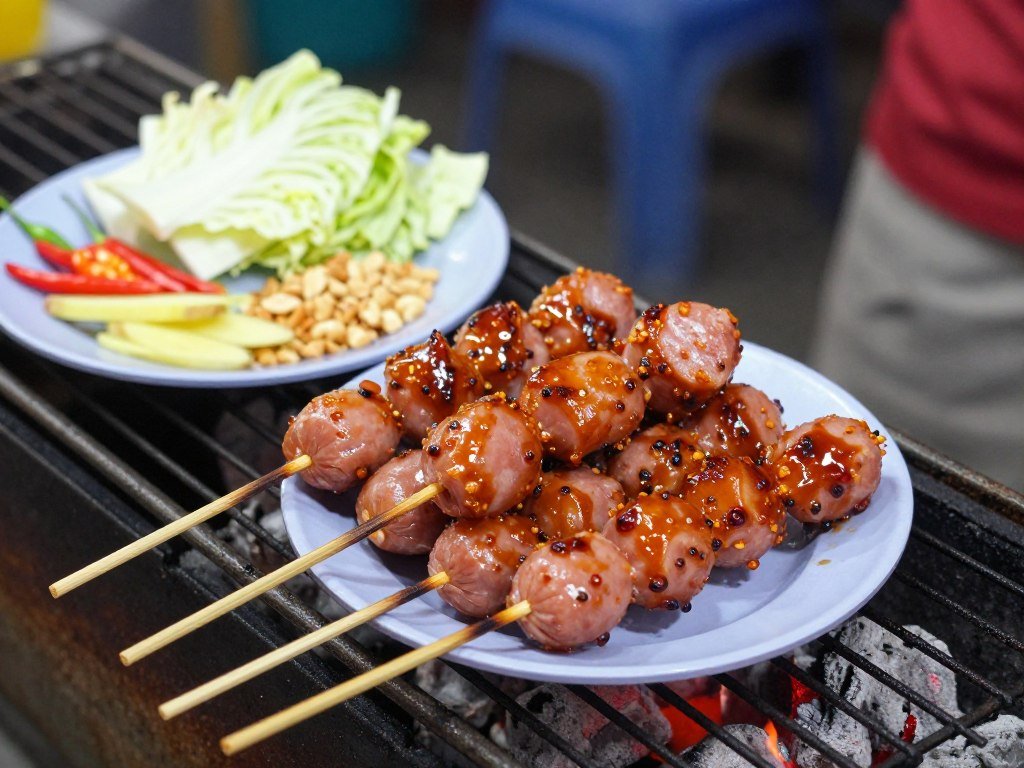
Sai Krok Isan brings northeastern Thai flavors to Bangkok streets. This fermented pork sausage develops tangy complexity during the curing process. The sausage combines ground pork with cooked rice, creating a unique texture unlike European sausages.
The fermentation process takes several days. Garlic and salt season the pork-rice mixture before stuffing into casings. Natural fermentation develops sour notes similar to kimchi or sauerkraut. Proper fermentation prevents the sausage from becoming too sour or developing off flavors.
Vendors grill the sausages over charcoal until the casings blister and char slightly. The heat intensifies flavors while creating textural contrast between crispy exterior and soft interior. Fresh sausages taste different from fully fermented ones, offering varying levels of sourness.
How to Eat Sai Krok Isan
The sausages come with specific accompaniments that balance their rich, sour flavors. Fresh cabbage leaves provide crisp, mild contrast. Thai chilies add heat. Raw ginger slices cut through the fattiness. Peanuts contribute crunch and earthiness.
Traditional eating method involves taking small bites of sausage alternating with cabbage, ginger, chilies, and peanuts. This creates flavor combinations that change with each bite. Some people wrap everything in cabbage like a small parcel.
Sai Krok Isan Pricing and Locations
A serving of 5-6 sausage links costs 30-50 baht. The accompaniments come included in the price. Some vendors charge extra for additional vegetables or peanuts.
Victory Monument area hosts numerous Isaan food vendors including sai krok specialists. The area attracts people from northeastern Thailand, ensuring authentic preparations. Vendors operate from late afternoon through evening.
Night markets throughout Bangkok feature sai krok vendors. The sausages appear frequently alongside other grilled meats. Chatuchak, Talad Rot Fai, and neighborhood markets all include sai krok options.
17. Pork Basil Rice (Pad Krapow Moo): Quick Stir-Fry Classic
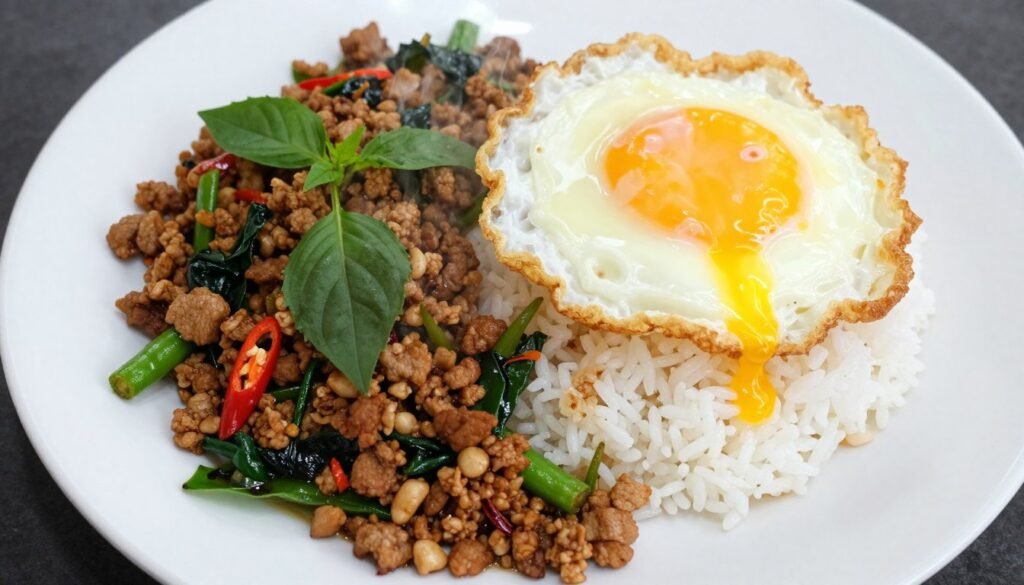
Pad Krapow Moo ranks among Thailand’s most popular lunch dishes. This quick stir-fry combines minced pork with holy basil, chilies, and garlic. The high heat cooking creates intense flavors in minutes. Many Thais eat this dish multiple times weekly.
The dish requires holy basil specifically, not sweet Thai basil or Italian basil. Holy basil has a peppery, slightly minty flavor essential to authentic pad krapow. Substituting other basil varieties changes the dish’s character completely.
The cooking technique matters as much as ingredients. Vendors use extremely high heat, cooking the dish in under two minutes. The pork browns while the basil wilts. The sauce reduces to coat the meat rather than pooling at the bottom.
Pad Krapow Components and Customization
The standard preparation includes minced pork, though chicken, beef, seafood, or tofu variations exist. Rice comes on the side. A fried egg with crispy edges and runny yolk tops many servings.
Spice levels range from mild to extremely hot. Specify your desired number of chilies when ordering. One or two chilies provide gentle warmth. Five or more create serious heat that locals appreciate but might overwhelm visitors.
Pad Krapow Pricing Across Bangkok
Basic pad krapow moo costs 40-50 baht without the egg. Adding a fried egg increases the price to 50-60 baht. Premium versions with seafood run 80-120 baht depending on the seafood type.
Every neighborhood in Bangkok has multiple vendors serving pad krapow. The ubiquity makes it easy to find but quality varies. Look for vendors with busy lunch crowds, indicating local approval.
18. Grilled Pork Neck (Kor Moo Yang): Smoky Isaan Specialty
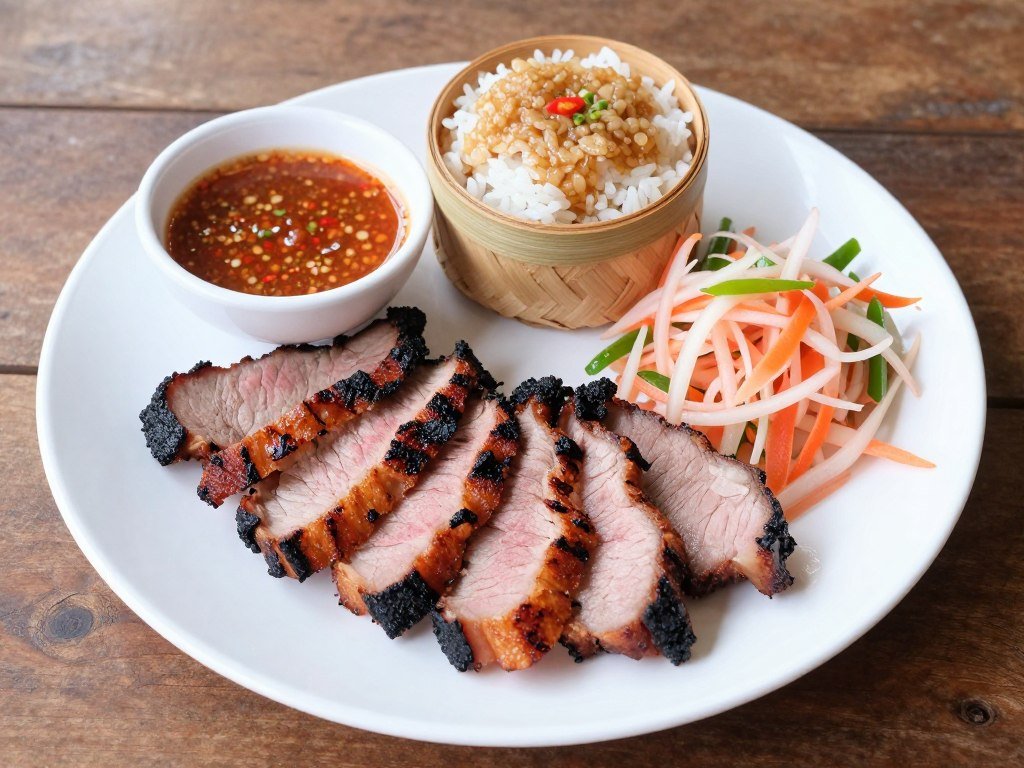
Kor Moo Yang showcases northeastern Thailand’s grilling expertise. Pork neck provides the ideal cut with its marbling and tenderness. The fat content keeps the meat juicy during grilling while adding rich flavor.
Marinade recipes vary by vendor but typically include fish sauce, soy sauce, garlic, coriander root, and white pepper. Some add whiskey or honey for additional complexity. The meat marinates for several hours or overnight before grilling.
Charcoal grilling adds essential smoky flavor. Vendors cook the meat over moderate heat, allowing it to cook through without burning. The exterior develops char marks while the interior stays tender and slightly pink. Proper grilling requires experience to achieve the right balance.
Serving Style and Accompaniments
The grilled pork gets sliced before serving. This allows diners to check the doneness and makes eating easier. The slices reveal the meat’s texture and marbling.
Sticky rice serves as the primary accompaniment. The combination represents classic Isaan eating. Many vendors also offer som tam as part of a meal set. This trinity of grilled meat, sticky rice, and papaya salad defines northeastern Thai cuisine.
A spicy dipping sauce comes on the side. The sauce typically combines fish sauce, lime juice, toasted rice powder, and chilies. This Nam Jim enhances the pork’s flavor with bright, spicy notes.
Kor Moo Yang Meal Sets and Pricing
Grilled pork neck alone costs 60-80 baht for a generous portion. A complete meal set with sticky rice and som tam runs 100-120 baht. This provides substantial food at reasonable prices.
Isaan restaurants in Bangkok serve better kor moo yang than typical mixed street vendors. Areas with northeastern Thai populations offer more authentic preparations. The Ramkhamhaeng and Lat Phrao areas host excellent Isaan restaurants.
19. Oyster Omelet (Hoi Tod): Crispy Seafood Pancake
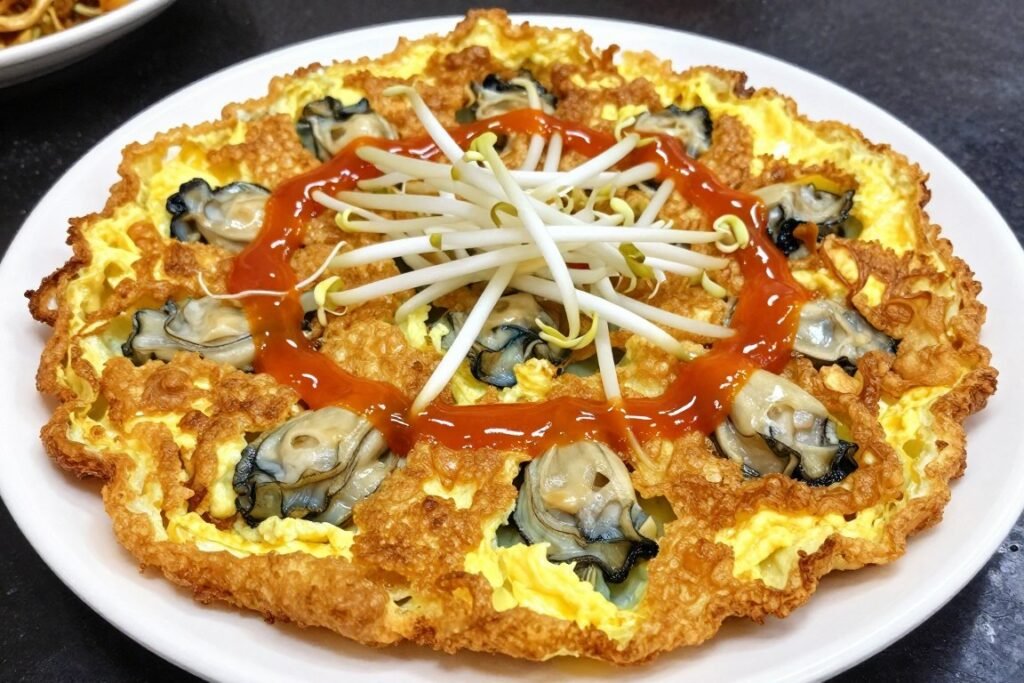
Hoi Tod combines eggs, oysters, and tapioca starch into a crispy-chewy pancake. The dish originated in Chinese-Thai communities and remains popular across Bangkok. The contrast between crispy edges and soft center defines a well-made hoi tod.
Vendors prepare hoi tod on large flat griddles. Oil heats until very hot before the batter goes down. Small oysters get distributed across the batter. An egg cracks over everything. The vendor lets it cook until the bottom crisps before flipping.
The tapioca starch creates the signature texture. Unlike wheat flour which makes pancakes soft, tapioca develops translucent, chewy sections that contrast with crispy edges. This textural variety makes hoi tod unique among egg dishes.
Hoi Tod Variations
Standard hoi tod uses small oysters. These cook quickly and distribute evenly throughout the pancake. Larger oysters appear in premium versions at higher prices.
Some vendors offer mussel versions for those who don’t enjoy oysters. The mussels provide similar brininess with different texture. Prices remain comparable to oyster versions.
Bean sprouts top most hoi tod servings. They add fresh, crisp contrast to the rich, oily pancake. Some vendors include Chinese chives for additional flavor complexity.
Best Hoi Tod in Bangkok
Nai Mong Hoi Thod on Charoen Krung Road specializes in this dish. Their name literally translates to “Mr. Mong Oyster Omelet.” They’ve perfected the crispy-chewy balance over decades. Prices start at 80 baht. The shop opens from 10 AM to 8 PM daily.
Chinatown offers numerous hoi tod vendors along Yaowarat Road. The area’s Chinese-Thai heritage makes it a natural home for this dish. Vendors operate primarily in the evening when the street comes alive.
Yaowarat Road – Chinatown, Samphanthawong
20. Thai Toast (Kanom Pang Ping): Sweet Grilled Bread
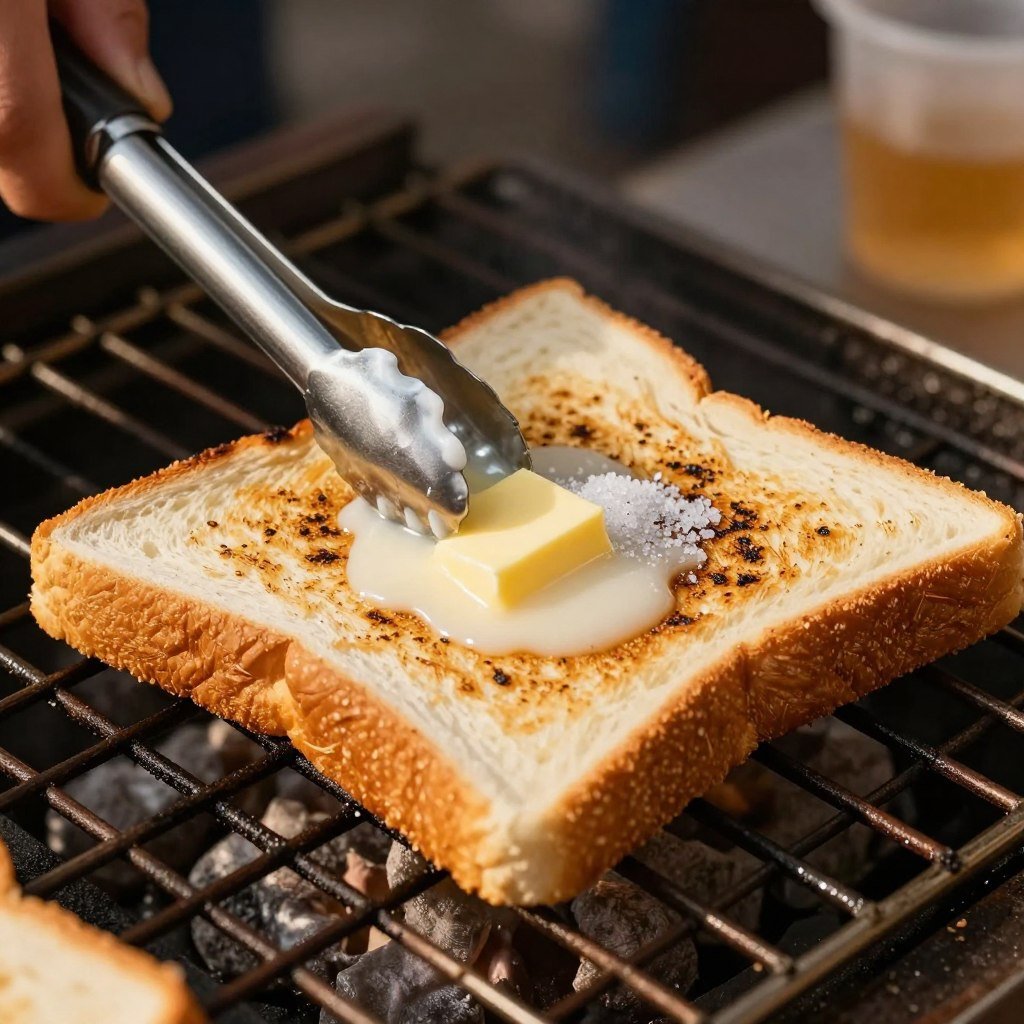
Kanom Pang Ping represents simple comfort food at its best. Thick white bread slices grill over charcoal until golden and marked with char lines. The vendors then slather them with butter, sweetened condensed milk, and sugar. This indulgent combination creates a sweet, rich treat.
The grilling technique uses a special hinged metal grate that holds the bread. This keeps it flat while allowing even heat exposure on both sides. The charcoal adds subtle smokiness that complements the sweet toppings.
Traditional vendors sell this primarily in the morning as breakfast food. The combination of bread and sweetness provides energy to start the day. Some younger vendors now offer it at night markets as a dessert or snack.
Kanom Pang Variations
Classic preparation uses only butter, condensed milk, and sugar. This version costs 15-20 baht for two slices. The simplicity allows the charcoal flavor to shine through.
Modern vendors add Nutella, chocolate spread, or fruit jams. These creative toppings appeal to younger crowds but stray from tradition. Prices increase to 25-40 baht with premium toppings.
Some vendors offer savory versions with eggs or pork floss. These appear less frequently but provide alternatives for those wanting breakfast without intense sweetness.
Where to Find Morning Toast
Morning markets throughout Bangkok feature toast vendors. They set up early, often by 6 AM, to catch breakfast crowds. The toast pairs perfectly with Thai iced tea or coffee for a complete morning meal.
Ari neighborhood hosts several popular morning toast vendors. The area’s mix of locals and expats supports traditional vendors alongside modern cafes. Prices remain reasonable at 15-25 baht despite the trendy location.
Best Areas for Street Food in Bangkok
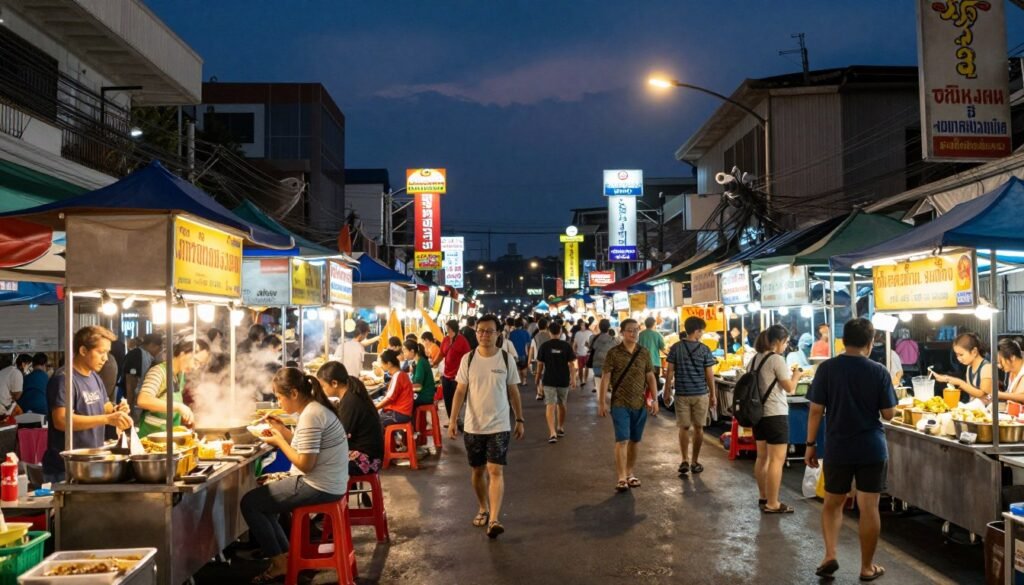
Bangkok’s street food concentrates in specific neighborhoods. Each area offers different specialties and atmospheres. Understanding the geography helps plan efficient food adventures.
Yaowarat Road – Chinatown
Yaowarat transforms into a food paradise every evening. The street closes to vehicles, allowing vendors to set up along the entire road. Seafood dominates here with fresh offerings from the nearby port.
The area excels at Chinese-Thai fusion dishes. You’ll find the city’s best hoi tod, pork satay, and dim sum variations. Prices run slightly higher than other areas but quality justifies the premium.
Navigate Yaowarat by starting at the Hua Lamphong end and walking toward Chinatown MRT. This route takes you past the highest concentration of vendors. Go hungry because the options overwhelm.
Khao San Road – Backpacker Central
Khao San caters to international travelers with familiar and adventurous options. Vendors here speak English and price items clearly for tourists. The area offers a gentler introduction to Bangkok street food.
Pad Thai, mango sticky rice, and fresh fruit shakes appear every few meters. Prices stay competitive due to heavy vendor concentration. Quality varies more than in local neighborhoods, so observe which stalls attract steady customers.
The surrounding streets offer better value than Khao San itself. Rambuttri Road parallel to Khao San has similar food at lower prices with fewer crowds.
Victory Monument
Victory Monument serves Bangkok’s largest transportation hub. Commuters passing through support numerous food vendors selling quick, affordable meals. The area specializes in boat noodles and affordable lunch dishes.
The food here targets locals rather than tourists. English appears less frequently and vendors may not adjust spice levels without specific requests. However, prices are among Bangkok’s lowest and quality remains high.
Visit during lunch hours from 11 AM to 2 PM for the most options. Evening vendors appear but in smaller numbers than other areas.
Sukhumvit Area
The Sukhumvit corridor blends international and Thai food culture. Street food appears near BTS stations and in connecting sois.
Soi 38 night market operated until recently as a legendary street food spot. While the original closed, nearby areas still offer excellent options. Soi 55 (Thong Lo) and Soi 49 host upscale street food vendors.
Prices reflect the area’s affluent demographics. Expect to pay 20-30% more than other neighborhoods. However, ingredients often showcase premium quality.
Silom and Sathorn
Business districts by day transform into food zones by evening. Office workers support lunch vendors while evening markets cater to after-work crowds.
Convent Road near Silom features excellent som tam and northeastern food. The area attracts workers from Isaan, ensuring authentic preparations.
Patpong Night Market offers tourist-oriented street food alongside its famous night bazaar. Quality varies but the atmosphere provides entertainment value.
Local Markets
Traditional markets throughout Bangkok offer the most authentic street food experiences. Or Tor Kor, Khlong Toei, and neighborhood markets provide everything from breakfast to dinner.
These markets operate on specific schedules. Morning markets start before dawn and end by noon. Evening markets begin around 4 PM and run until late night.
Prices at traditional markets remain Bangkok’s lowest. The food targets local residents rather than tourists, ensuring authentic flavors and generous portions.
Street Food Safety and Practical Tips
Eating street food in Bangkok is generally safe when you follow basic precautions. Millions of locals eat from street vendors daily without issues. Understanding what to look for helps avoid the rare problems.
Choosing Safe Vendors
Busy stalls indicate fresh food and local approval. High turnover means ingredients don’t sit around developing bacteria. If locals line up at a vendor, the food is likely both delicious and safe.
Observe the vendor’s setup and cleanliness. While street food won’t match restaurant standards, basic hygiene matters. The vendor should have clean hands and separate handling areas for raw and cooked food.
Fully cooked items carry less risk than raw or partially cooked foods. Grilled meats, fried dishes, and soups all involve high heat that kills most bacteria. Raw salads and fresh fruits with unpeeled skins require more caution.
Drinking Water and Ice
Never drink tap water in Bangkok. Most vendors use filtered or bottled water for beverages and ice. However, verify this when ordering drinks with ice.
Stick to sealed bottled water or obviously filtered water systems. Most vendors display their water filtration equipment. Ice made from filtered water appears clear with cylindrical shapes and holes through the center.
Managing Spice Levels
Thai cuisine uses significant chili heat. What locals consider mild may overwhelm visitors. Always specify your spice preference when ordering.
Learn basic Thai phrases for spice levels. “Mai pet” means not spicy. “Pet nit noi” means a little spicy. “Pet maak” means very spicy. Most vendors accommodate spice requests when asked clearly.
Carry antacids if you have a sensitive stomach. Even mild Thai food uses ingredients that might disagree with unaccustomed digestive systems. The spices, fish sauce, and cooking oils can cause temporary discomfort.
Essential Street Food Phrases
- Mai pet (ไม่เผ็ด) – Not spicy
- Tao rai (เท่าไร) – How much
- Ao nee (เอานี่) – I’ll take this
- Mai sai (ไม่ใส่) – Don’t add (ingredient)
- Gin yang (กินที่นี่) – Eat here
- Gub baan (กลับบ้าน) – Take away
- Aroi (อร่อย) – Delicious
- Mai gin (ไม่กิน) – Don’t eat (dietary restriction)
Communication remains the biggest challenge for many visitors. Vendors in tourist areas often speak basic English and understand common requests.
Pointing works effectively when language barriers exist. Most vendors display their offerings or have picture menus. Observing what others order provides clues to recommended dishes.
Download a translation app before arriving. Google Translate’s camera feature can read Thai menus and signs. This helps identify dishes and ingredients when exploring less touristy areas.
Carry small bills. Many vendors operate with limited change, especially early in the day. Having exact change or small denominations makes transactions smoother.
Best Times to Visit Street Food Vendors
Bangkok street food operates around the clock but different times offer distinct experiences. Understanding the rhythm helps plan optimal eating times.
Morning Markets (5 AM – 10 AM)
Early morning brings traditional Thai breakfast foods. Jok (rice porridge), pa thong go (Chinese donuts), and kanom pang ping appear at dawn. These items often disappear by mid-morning as vendors sell out.
Fresh ingredients arrive early. Markets receive deliveries throughout the early morning. Visiting at this time ensures the freshest produce and meats before the day’s heat affects quality.
Prices at morning markets often run lower than evening vendors. The local customer base demands affordable options for daily breakfast. Competition keeps costs down.
Lunch Rush (11 AM – 2 PM)
Office workers flood certain areas during lunch hours. This creates ideal conditions for trying popular dishes like pad krapow and chicken rice. The volume of customers ensures constant fresh cooking.
Many lunch vendors close by mid-afternoon. If you want specific lunch-focused items like certain noodle soups or rice dishes, plan to eat before 2 PM. After that, you’ll need to wait for evening vendors.
Evening Markets (5 PM – Midnight)
Bangkok street food peaks during evening hours. The heat subsides and people emerge to eat and socialize. Night markets set up with the widest variety of food options.
Evening hours offer the best atmosphere for street food exploration. The energy, crowds, and food choices create the classic Bangkok experience visitors imagine. Arrive around 6-7 PM when vendors finish setup but before peak crowds.
Pro Tip: Visit the same vendor at different times to compare quality and experience. Many vendors prepare food differently depending on crowd size and time of day. Morning and evening versions of the same dish might vary in freshness, portion size, or garnish quality.
Making the Most of Bangkok’s Street Food Scene
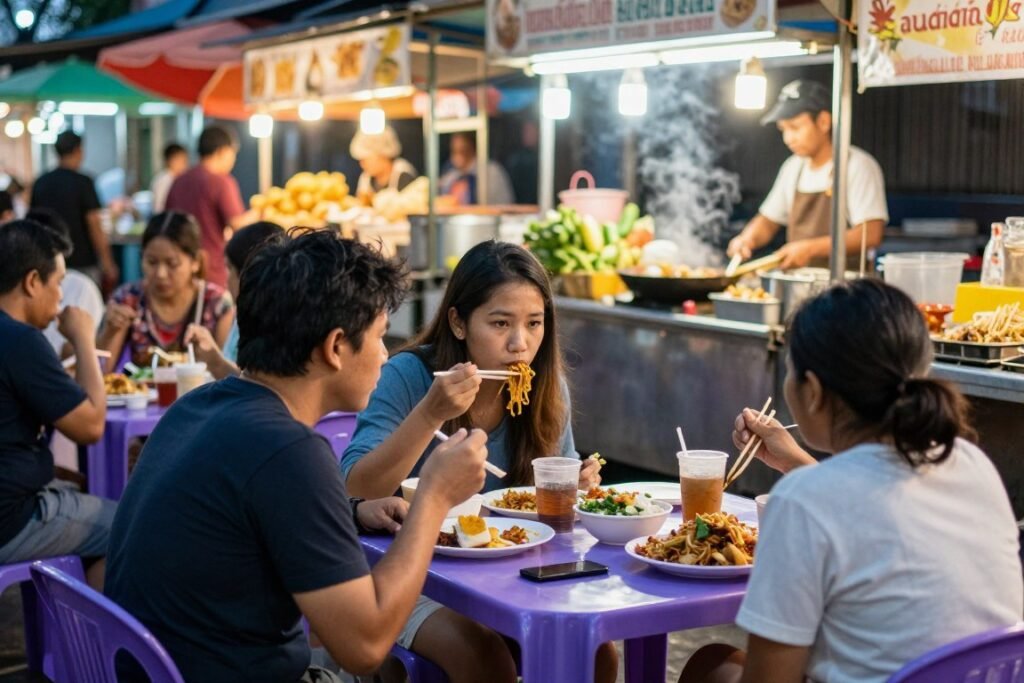
Maximizing your Bangkok street food experience requires strategy beyond simply finding good vendors. The following approaches help you eat better while spending less.
Follow the Locals
Thai office workers know which vendors offer the best value and quality. Observe where locals queue during lunch hours. Long lines of Thai people indicate excellent food at fair prices.
University areas provide exceptional value. Students demand good food at rock-bottom prices. Vendors near Chulalongkorn, Thammasat, and other universities compete fiercely on both quality and cost.
Explore Beyond Tourist Zones
Residential neighborhoods offer better food experiences than tourist districts. Take the BTS or MRT to stations in local areas. Ari, On Nut, Bang Chak, and similar neighborhoods feature outstanding food without tourist markups.
The best som tam might come from a vendor in a non-touristy soi rather than the famous spots in guidebooks. Exploring requires more effort but rewards you with authentic experiences and lower prices.
Pace Yourself
Street food portions look small but add up quickly. Order one or two items initially. You can always return or try another vendor. Overeating early limits your ability to sample multiple dishes.
Plan your eating route based on geography. Choose an area like Chinatown or Victory Monument then walk systematically through it. This prevents backtracking and allows you to compare similar vendors.
Morning Food Tour
Start at a traditional market around 7 AM. Try jok for breakfast, then sample fresh fruit. Visit a specific neighborhood like Ari or Thong Lo for late morning coffee and toast.
- Budget: 150-200 baht
- Duration: 2-3 hours
- Best for: Early risers, market lovers
Evening Street Food Adventure
Begin at Yaowarat around 6 PM when vendors set up. Walk the entire street sampling small portions. End at a riverside area for drinks and atmosphere.
- Budget: 300-500 baht
- Duration: 3-4 hours
- Best for: Food photographers, social eaters
Weekend Market Experience
Dedicate Saturday or Sunday to Chatuchak Market. Arrive by 10 AM to beat crowds. Graze continuously while shopping. Sample both traditional and creative vendor offerings.
- Budget: 400-600 baht
- Duration: 4-5 hours
- Best for: Shoppers, all-day grazers
Street Food for Special Diets
Bangkok’s street food scene can accommodate various dietary needs with some knowledge and planning. While not as easy as eating everything, restricted diets can still enjoy authentic experiences.
Vegetarian and Vegan Options
Buddhist vegetarian food called “jay” appears throughout Bangkok. The yellow flag with Thai script identifies jay vendors. These stalls avoid meat, fish sauce, garlic, and onions following Buddhist precepts.
Many traditional dishes can be prepared vegetarian on request. Pad Thai works well without meat or shrimp. Vegetable curries appear at most curry rice vendors. Som tam can omit fish sauce and dried shrimp though this changes the authentic flavor.
Learn the phrase “gin jay” (กินเจ) meaning “I eat vegetarian.” This communicates your needs more effectively than English translations. Most vendors understand this phrase and can suggest appropriate items.
Gluten-Free Eating
Rice forms the basis of Thai cuisine, providing naturally gluten-free options. Grilled meats, most curries over rice, and rice noodle dishes work for gluten-free diets. However, soy sauce contains gluten and appears in many dishes.
Avoid wheat noodles, certain sauces, and fried items that might use wheat flour coating. Ask about ingredients when possible. The phrase “mai sai sauce” (ไม่ใส่ซอส) means “don’t add sauce” which helps avoid soy sauce.
Pork-Free and Halal
Muslim communities throughout Bangkok ensure halal street food availability. Look for vendors with halal certification signs. Areas near mosques typically offer more halal options.
Chicken and beef replace pork in most dishes. Specify “gai” for chicken or “neua” for beef when ordering. Most vendors can prepare popular dishes with alternative proteins.
Fish sauce appears in almost all Thai cooking. While not pork, it contains fish which some people avoid. Requesting dishes without fish sauce dramatically changes flavors but remains possible.
Your Bangkok Street Food Journey Starts Here
Bangkok’s streets offer some of the world’s most exciting and accessible food experiences. The 20 dishes covered here represent just a fraction of what’s available. Every neighborhood holds hidden gems waiting for discovery.
Start with familiar items like Pad Thai or mango sticky rice. Build confidence before moving to more adventurous options like boat noodles or fermented sausages. Each dish tells a story about Thai culture, history, and daily life.
The beauty of Bangkok street food lies in its authenticity and affordability. You can eat exceptional meals for less than a coffee costs in many Western cities. The vendors dedicate themselves to their craft, often preparing the same dish for decades.
Remember that eating street food involves more than just filling your stomach. It connects you with local culture in ways restaurants cannot match. You’ll see how Thais live, work, and gather around food. You’ll witness the pride vendors take in their preparations.
Take your time exploring. Bangkok’s food scene rewards curiosity and adventurous eating. Try that vendor tucked down a small alley. Order the dish you can’t identify. Ask locals for recommendations. These moments create the most memorable experiences.
The street food vendors of Bangkok work hard to feed their city and welcome visitors to share in their culinary traditions. Respect their craft, pay fairly, and appreciate the incredible value they provide. Your support helps preserve these food traditions for future generations.
Plan Your Complete Bangkok Food Experience
Ready to explore Bangkok’s incredible street food scene? Book a comprehensive food tour with local guides who know the best vendors and hidden gems. Get insider access to authentic spots tourists rarely find. Learn about Thai food culture while tasting 15-20 different dishes. Small group sizes ensure personalized attention and genuine local experiences.
Whether you spend three days or three weeks in Bangkok, street food will become a highlight of your visit. The flavors, smells, and energy of the street food scene capture the essence of this vibrant city. Every meal becomes an adventure and every vendor has a story.
Use this guide as your starting point. Mark the locations on your map. Save the vendor names. But also remain open to spontaneous discoveries. Some of your best meals will come from vendors you stumble upon rather than research beforehand.
Bangkok’s street food scene continues evolving while maintaining its traditional roots. New vendors bring creative ideas while legendary stalls preserve recipes passed through generations. This balance between innovation and tradition keeps the food culture dynamic and exciting.
Now you have the knowledge to navigate Bangkok’s street food with confidence. You understand what to order, where to find it, and how to stay safe. The city’s culinary treasures await your exploration. Go hungry, bring curiosity, and prepare for some of the best food experiences of your life.