

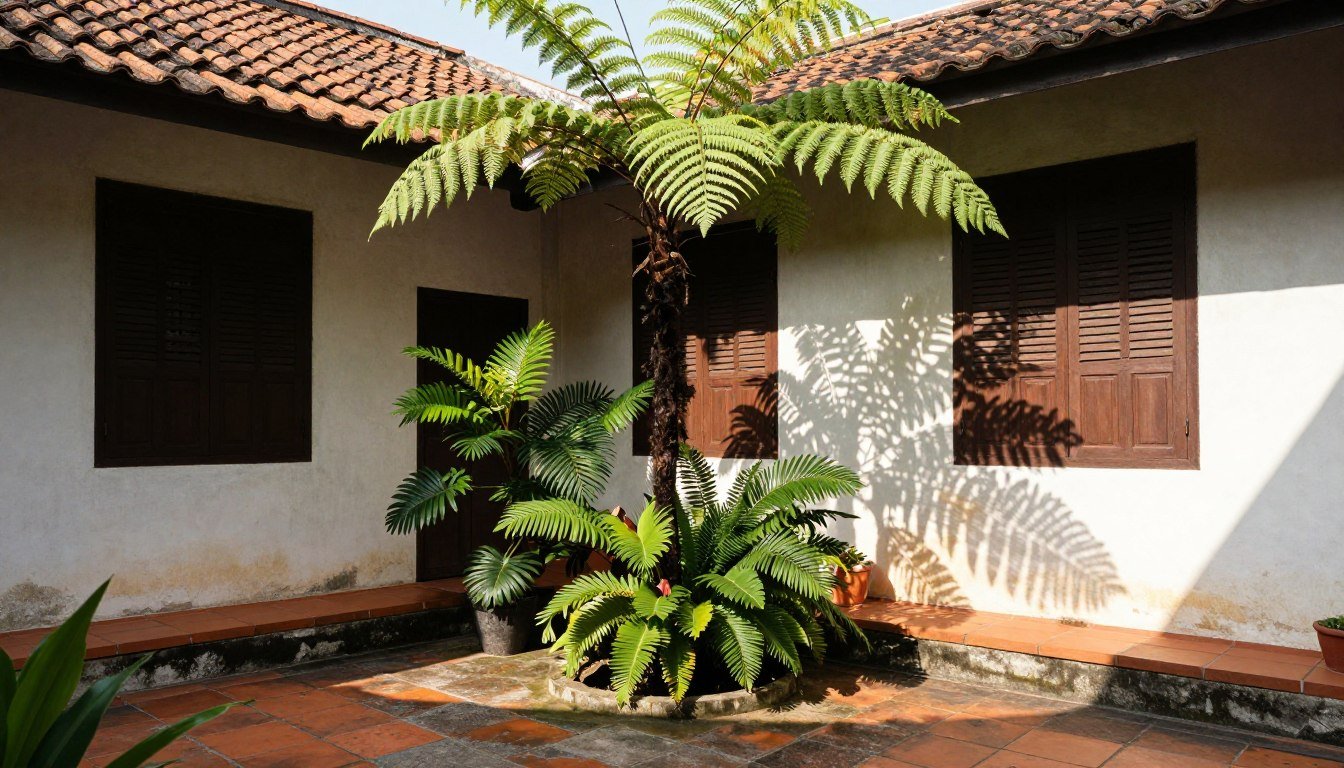
Kuala Lumpur dazzles visitors with its iconic skyscrapers and bustling markets. Yet beneath the surface of this Southeast Asia gem lies a network of hidden spots that most travelers never discover. While tourists crowd around the Petronas Towers, locals slip into secret gardens, tucked-away temples, and neighborhood food havens that reveal the city’s authentic soul.
This guide unveils ten remarkable hidden gems in Kuala Lumpur. Each spot offers something special. You’ll find peaceful retreats from the urban chaos, cultural treasures steeped in history, and local experiences that transform a standard trip into an unforgettable adventure.
These aren’t your typical attractions. These are the places where Kuala Lumpur residents spend their free time. The spots that make this city feel like home rather than just another Southeast Asia destination on your travel checklist.
Planning Your Hidden Spots Adventure in Kuala Lumpur
Before you dive into these secret locations, proper planning ensures the best experience. The city sprawls across multiple districts, and hidden spots often require specific timing to fully appreciate their charm.
Most of these hidden gems in Kuala Lumpur sit away from major tourist zones. Public transportation reaches many areas, though some require short walks through residential neighborhoods. The city’s efficient rail system connects most districts, while ride-sharing apps fill the gaps.
Best Time to Visit
Early mornings between 7-9 AM offer cooler temperatures and fewer people. Late afternoons from 4-6 PM provide golden-hour lighting perfect for photography. Avoid midday heat between 11 AM and 3 PM when exploring outdoor spots.
What to Bring
Pack light but smart. Comfortable walking shoes are essential as many hidden spots involve uneven surfaces. Bring a reusable water bottle, sunscreen, and a small daypack. Keep your phone charged for maps and photos. Respect local customs by dressing modestly when visiting cultural sites.
Never Miss a Hidden Gem Again
Get our complete interactive map showing all 10 secret spots, plus insider tips on the best times to visit, what to bring, and local etiquette. Join 10,000+ travelers discovering the real Kuala Lumpur.
1. Kwai Chai Hong: A Colorful Heritage Alley Frozen in Time
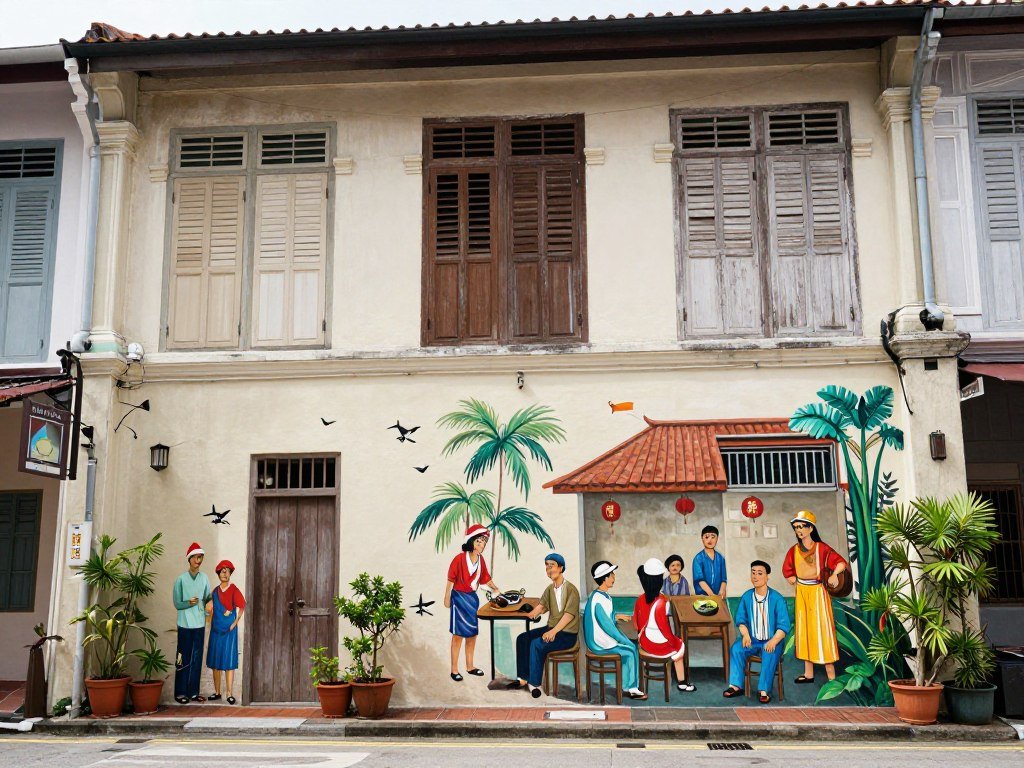
Tucked between modern buildings in Petaling Street, Kwai Chai Hong transports you to 1960s Kuala Lumpur. This narrow alley showcases stunning murals that celebrate the city’s Chinese heritage. Local artist Elaine Ling created these artworks, capturing everyday moments from decades past.
The lane measures barely twenty feet wide, yet every surface tells a story. Murals depict barber shops, traditional medicine halls, and families gathered for meals. The art style feels authentic rather than touristy. Small cafes and vintage shops now occupy the restored shophouses, creating a perfect blend of preservation and progress.
Walking through this hidden spot in Kuala Lumpur feels like stepping into your grandparents’ photo album. The place comes alive during golden hour when soft light bathes the murals. Few tourists venture here despite its proximity to Chinatown’s main drag.
What Makes It Special
- Authentic heritage atmosphere without commercialization
- Instagram-worthy murals with cultural significance
- Hidden cafes serving traditional kuih and local coffee
- Cool escape from crowded Petaling Street
- Free to explore with no entrance fees
How to Get There
Take the LRT to Pasar Seni station. Exit toward Petaling Street and walk five minutes east. The alley entrance sits on Lorong Panggung, marked by a small blue sign. Look for the narrow passage between two shophouses near the intersection with Jalan Petaling.
From Central Market, the walk takes just three minutes. Head toward Petaling Street, turn right at the first intersection, and watch for the colorful murals peeking from the alley.
Best visiting hours: Early morning (7-9 AM) for soft lighting and empty lanes, or late afternoon (4-6 PM) for golden hour photography.
2. Bukit Nanas Forest Reserve: Urban Jungle in the City Heart
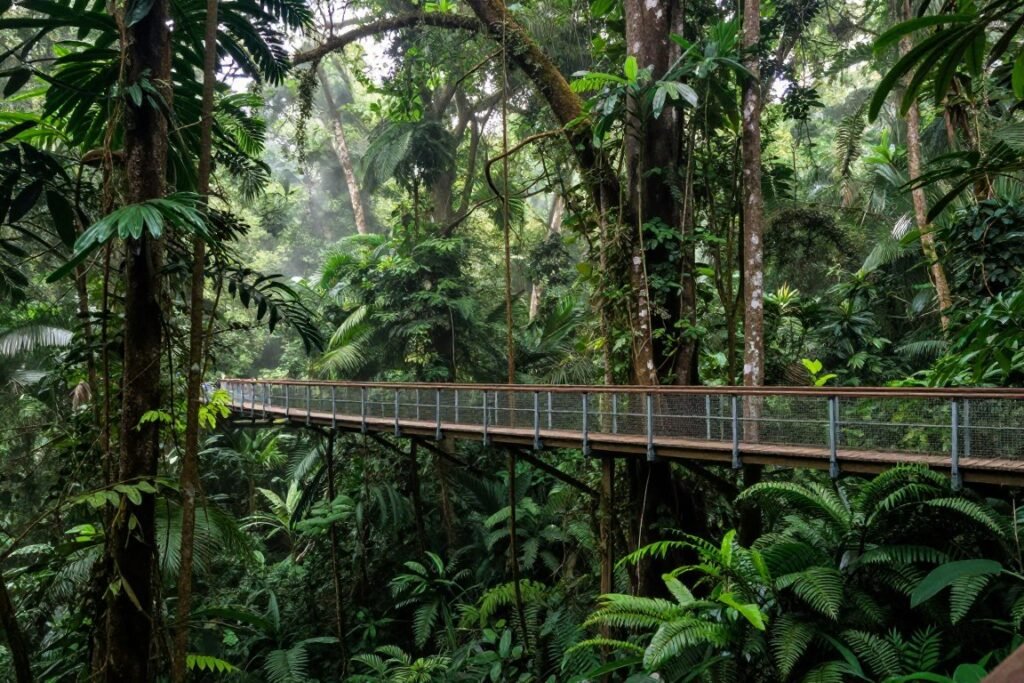
Imagine walking through virgin rainforest while skyscrapers tower overhead. Bukit Nanas Forest Reserve offers exactly this surreal experience. This oldest protected jungle in Kuala Lumpur covers just 25 acres, yet it feels like stepping into another world.
The reserve sits minutes from KL Tower, yet most visitors never discover it. Ancient dipterocarp trees reach heights of 130 feet, creating a dense canopy that blocks out the city noise. A well-maintained canopy walk lets you explore the forest from treetop level, offering unique perspectives on urban wildlife.
The forest hosts over 100 plant species and numerous bird varieties. Monkeys occasionally swing through the branches, while monitor lizards sun themselves on the paths. This hidden gem proves that nature thrives even in Southeast Asia’s busiest cities.
Forest Trails and What to Expect
Three main trails wind through the reserve. The shortest loop takes fifteen minutes, perfect for a quick nature break. The longest trail requires forty-five minutes and includes the canopy walk.
Trail Highlights
- Canopy walkway 21 meters above ground
- Information boards explaining forest ecology
- Observation platforms for birdwatching
- Interpretive center with forest exhibits
- Clean restroom facilities at entrance
Practical Information
- Open daily 7 AM to 6 PM
- Free admission for all visitors
- Wear closed-toe shoes and long pants
- Bring insect repellent and water
- Stay on marked trails only
How to Reach the Forest
The main entrance sits on Jalan Raja Chulan, a short walk from Bukit Nanas monorail station. Exit the station and turn left, walking downhill for two minutes. Watch for the brown signs pointing to the forest reserve entrance.
If you’re visiting KL Tower, the forest entrance is even closer. Walk down from the tower parking area, following the pedestrian path that leads directly to the forest gate. This route takes less than five minutes.
Many tourists visit KL Tower but miss this hidden spot entirely. The forest offers a refreshing contrast to the concrete city, making it perfect for breaking up a day of urban exploration.
Explore Hidden Spots With Local Experts
Discover these secret locations and more with guides who grew up in Kuala Lumpur. Skip the tourist traps and experience the city like a local. Small groups, flexible schedules, and insider knowledge you won’t find in guidebooks.
3. Titiwangsa Lake Gardens: Locals’ Favorite Waterfront Escape
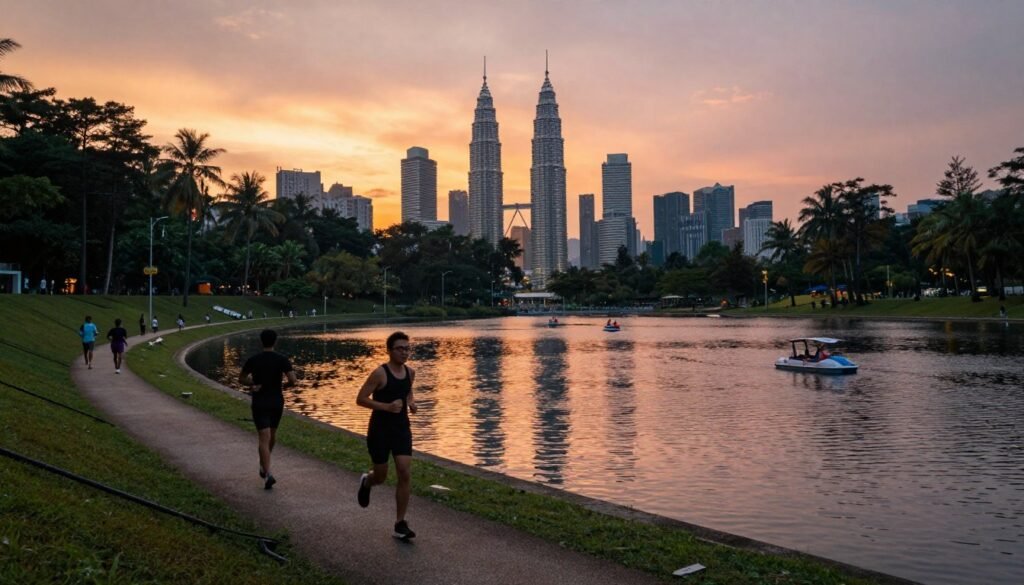
While tourists flock to KLCC Park, locals escape to Titiwangsa Lake Gardens. This expansive park stretches along a scenic lake, offering paddle boats, jogging trails, and spectacular city views. The atmosphere feels genuinely Malaysian rather than tourist-oriented.
The park comes alive during evenings when families gather for picnics and exercise. Food stalls sell local snacks like pisang goreng and coconut water. The lake reflects the city skyline, creating photo opportunities that rival more famous spots.
On weekends, you’ll witness Malaysian culture in action. Groups practice tai chi at dawn, teenagers play badminton, and families fly kites in designated areas. This hidden gem offers authentic glimpses into daily life that most travel guides overlook.
Why Visit Titiwangsa
- Free entrance and activities
- Stunning city views from multiple angles
- Authentic local atmosphere
- Various recreation options available
- Safe environment for solo travelers
- Great spot for morning or evening exercise
Things to Consider
- Very hot during midday hours
- Limited shade in some areas
- Weekends can get crowded
- Food options mainly from stalls
- Not many English information signs
Activities and Facilities
The park offers more than just scenic walks. Rent paddle boats for exploring the lake, costing around 10 ringgit per thirty minutes. Bicycle rentals let you cover the extensive grounds quickly.
A children’s playground sits at the northern end, while outdoor gym equipment attracts fitness enthusiasts throughout the day. The park maintains clean restrooms and drinking fountains at regular intervals.
Getting to Titiwangsa Lake Gardens
Take the LRT to Titiwangsa station on the Kelana Jaya Line. Exit the station and walk straight for about ten minutes. You’ll see the park entrance ahead, marked by tall gates and palm trees.
By car, use Jalan Tun Razak as your main route. Ample parking spaces are available near multiple entry points. The parking fee stays reasonable at 2 ringgit per hour.
From the city center, the journey takes fifteen to twenty minutes depending on traffic. Ride-sharing apps offer convenient drop-off points at various park entrances.
4. Thean Hou Temple: Majestic Chinese Temple With Panoramic Views
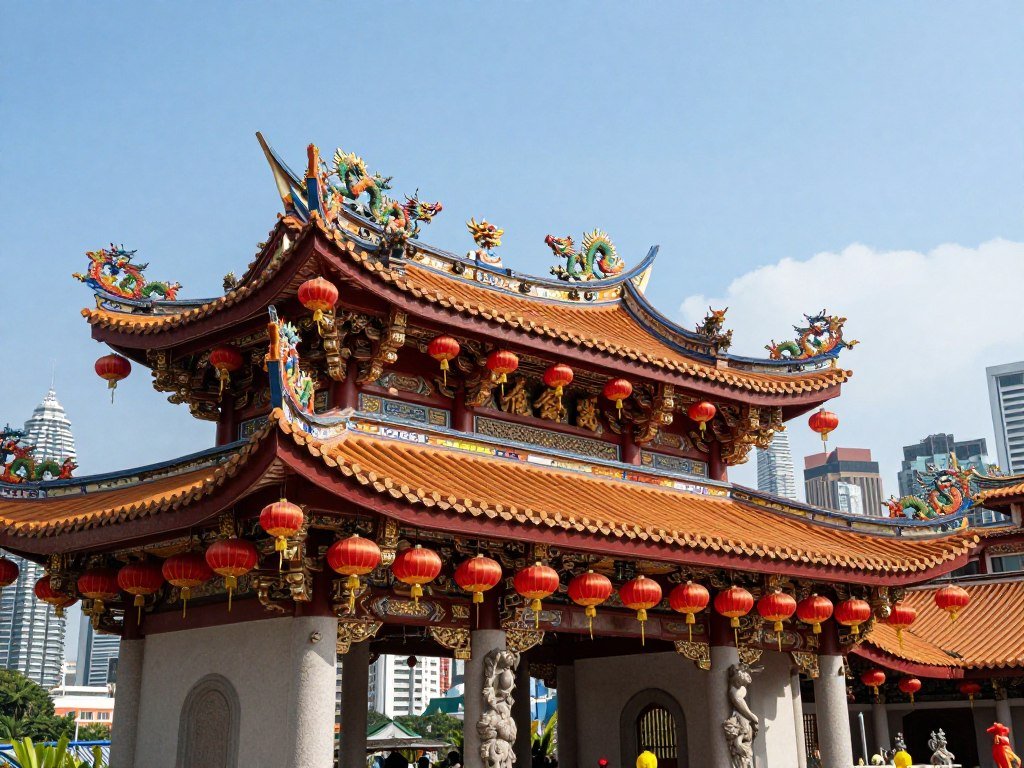
Perched on a hilltop overlooking Kuala Lumpur, Thean Hou Temple combines spiritual significance with breathtaking architecture. This six-tiered structure honors the Chinese sea goddess Mazu, featuring intricate designs that showcase traditional craftsmanship.
The temple grounds sprawl across 1.67 acres, creating a peaceful sanctuary above the bustling city. Red lanterns by the hundreds sway in the breeze, especially stunning during Chinese festivals. The main prayer hall impresses with elaborate carvings and golden decorations that demonstrate skilled artistry.
What sets this hidden spot apart from other Kuala Lumpur temples is its combination of spiritual atmosphere and tourist-friendly accessibility. The location offers panoramic city views that few visitors discover, making it perfect for photography and quiet contemplation.
Architectural Features and Highlights
- Multi-level terraces with ornamental gardens
- Traditional Chinese zodiac statues in the garden
- Meditation and prayer halls open to visitors
- Herbal tea house serving traditional refreshments
- Souvenir shop with religious artifacts and local crafts
- Turtle and koi ponds symbolizing longevity
The temple welcomes visitors of all faiths and backgrounds. Photography is permitted in most areas, though signs indicate restricted zones. Modest dress shows respect – cover shoulders and knees when entering prayer halls.
Directions to Thean Hou Temple
The temple sits in Robson Heights, slightly off the typical tourist path. No direct public transportation reaches the entrance, making taxis or ride-sharing the most practical option.
From KL Sentral station, the drive takes fifteen minutes via Jalan Syed Putra. Tell your driver “Thean Hou Temple” or show the address: 65 Persiaran Endah, Taman Persiaran Desa.
If you’re determined to use public transport, take the LRT to Tun Sambanthan station, then walk uphill for twenty minutes. The climb is steep but manageable, offering interesting neighborhood views along the way.
Visiting Hours and Events
The temple opens daily from 9 AM to 6 PM. Major Chinese festivals transform the place into a spectacle of lights and celebrations. Chinese New Year brings thousands of lanterns and special prayers.
Mid-Autumn Festival features moonlight celebrations and traditional performances. During these special occasions, arrive early as crowds increase significantly. Regular weekdays offer peaceful visits with few other tourists.
What to Experience
Spend at least one hour exploring the temple complex. Start at the main hall, then work your way through the various levels. Each tier reveals new details and different perspectives of the city.
The herbal tea house serves complimentary traditional tea. The medicinal garden displays plants used in Chinese medicine, with information boards explaining their purposes and benefits.
5. Central Market Annexe: Underground Art Gallery Few Tourists Find
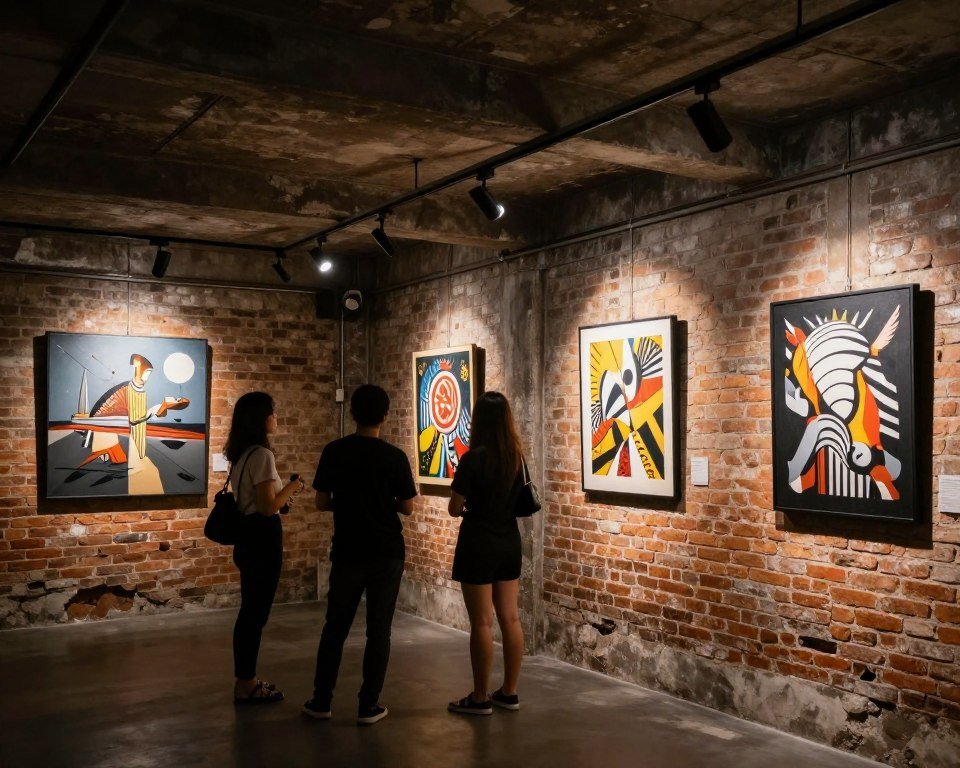
Everyone visits Central Market, but almost nobody discovers the Annexe Gallery hidden beneath it. This underground art space showcases emerging Malaysian artists and hosts rotating exhibitions that challenge conventional perspectives.
The gallery occupies the building’s basement, creating an intimate atmosphere perfect for appreciating contemporary art. Unlike commercial galleries, the Annexe focuses on experimental works and cultural commentary. You’ll find everything from traditional batik reimagined for modern times to provocative installations addressing social issues.
The space also functions as a cultural hub. Poetry readings, indie music performances, and artist talks happen regularly. Check their schedule online before visiting to catch special events that offer deeper insights into Malaysia’s creative scene.
What You’ll Discover
The gallery rotates exhibitions monthly, ensuring fresh experiences for repeat visitors. Past shows have featured photography documenting disappearing Malaysian trades, mixed-media installations exploring cultural identity, and collaborative projects between local and international artists.
A small cafe occupies one corner, serving artisanal coffee and local pastries. The walls display works for sale, offering affordable opportunities to support Malaysian artists. Prices range from small prints at 50 ringgit to original pieces in the thousands.
Finding the Hidden Entrance
The Annexe entrance requires some detective work. From Central Market’s main hall, walk toward the rear exit facing the Klang River. Look for stairs descending to the lower level, marked by a small sign reading “Annexe Gallery.”
Alternatively, enter from street level via Jalan Hang Kasturi. Walk along the building’s river-facing side until you spot the basement entrance. The door often stays propped open during gallery hours.
Opening hours vary by exhibition, typically running from 11 AM to 7 PM Tuesday through Sunday. The gallery closes Mondays and some public holidays. Admission remains free, though donations support the space and artists.
Complete Hidden Spots Checklist + Best Times to Visit
Download our comprehensive checklist covering all 10 locations with optimal visiting times, photography tips, and cultural etiquette. Plus get our bonus section on 5 additional secret spots locals guard closely.
6. Brickfields Little India: Authentic Indian Quarter Beyond the Surface
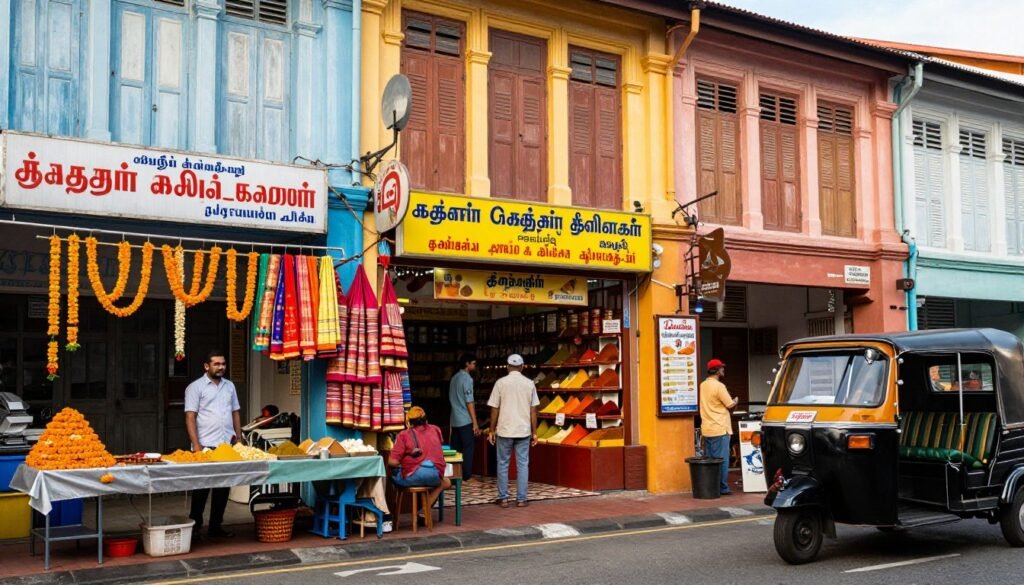
Most tourists snap quick photos of Brickfields’ colorful shops, then leave. They miss the neighborhood’s true character hidden in back streets and family-run establishments. This area represents Kuala Lumpur’s Indian community, offering cultural experiences that go far deeper than tourist-oriented restaurants.
The neighborhood’s history dates to British colonial times when Indian laborers settled here to work at nearby brick kilns. Today, their descendants maintain traditions through temples, cuisine, and daily rituals that feel transported from Chennai or Mumbai.
Walk beyond the main Jalan Tun Sambanthan strip. Venture into side streets where locals shop for groceries, tailors stitch traditional clothing, and small temples welcome neighborhood devotees. This is where hidden gems emerge – the places that serve the community rather than tourists.
Hidden Experiences in Brickfields
Authentic Street Food
Skip the big restaurants. Find banana leaf rice at small stalls where workers lunch. Sample fresh dosai from hole-in-wall spots that locals queue for daily.
- Sri Nirwana Maju for authentic banana leaf meals
- Vishal Food & Catering for South Indian breakfast
- Scattered chai stalls serving masala tea the traditional way
- Sweet shops offering fresh jalebi and ladoo
Cultural Shopping
Discover shops selling items used in daily Indian life. Watch artisans create flower garlands for temple offerings. Browse stores packed with incense, spices, and religious items.
- Textile shops with stunning sari collections
- Gold jewelry stores showcasing traditional designs
- Ayurvedic medicine shops with natural remedies
- Bookstores specializing in Tamil and Hindi literature
Temple Visits
Several Hindu temples dot the neighborhood. The elaborate Sri Kandaswamy Temple welcomes respectful visitors. Morning prayers offer immersive cultural experiences.
- Remove shoes before entering any temple
- Dress modestly covering shoulders and knees
- Ask permission before photographing inside
- Observe quietly during prayer ceremonies
Local Interactions
Shop owners often share stories about the neighborhood’s evolution. Ask questions respectfully. Most people appreciate genuine interest in their culture and traditions.
- Learn about Indian festivals and celebrations
- Try traditional foods recommended by locals
- Understand the significance of religious practices
- Discover family recipes passed through generations
KL Sentral sits adjacent to Brickfields, making access incredibly easy. Exit the station toward Jalan Tun Sambanthan and you’re immediately in the heart of Little India.
The neighborhood spreads across several blocks. Jalan Tun Sambanthan forms the main artery, but the most interesting discoveries happen on parallel streets like Jalan Thambipillay and smaller lanes branching off the main road.
Walking remains the best way to explore. The area covers about half a square mile, easily manageable in two to three hours. Early mornings see food preparation and temple activities, while evenings bring shopping crowds and dinner rushes.
7. Perdana Botanical Gardens: Vast Green Space Off Tourist Radar
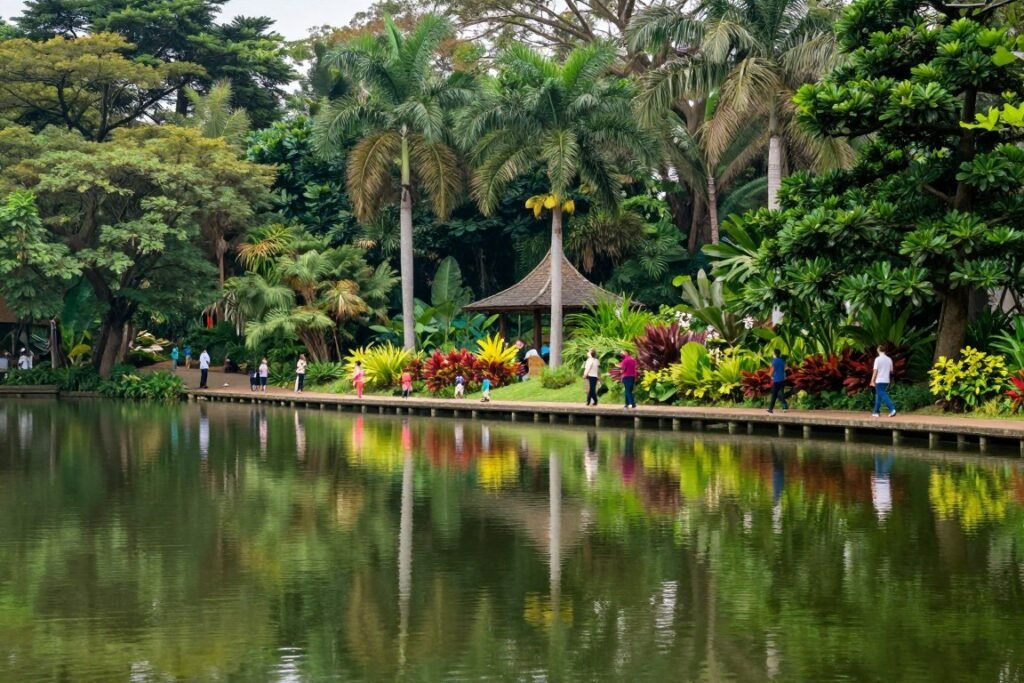
Covering 227 acres in the city center, Perdana Botanical Gardens remains surprisingly empty compared to smaller parks. This sprawling green space offers multiple themed gardens, each showcasing different aspects of tropical horticulture.
The gardens date back to colonial times when British administrators created a retreat from tropical heat. Today, the manicured lawns and specialized collections provide educational experiences alongside recreational opportunities.
Most tourists never venture past the entrance, missing vast sections that feel like private sanctuaries. The Hibiscus Garden alone displays over 2,000 plants representing Malaysia’s national flower. The Orchid Garden houses rare species in climate-controlled environments.
Garden Sections Worth Exploring
| Garden Section | Highlights | Best For | Time Needed |
| Hibiscus Garden | 2,000+ hibiscus varieties, seasonal blooms | Photography, botanical interest | 30 minutes |
| Orchid Garden | 800+ orchid species, climate-controlled greenhouse | Rare plant viewing, education | 45 minutes |
| Deer Park | Mousedeer and spotted deer in natural habitat | Families, wildlife viewing | 20 minutes |
| Butterfly Park | 6,000+ butterflies, tropical environment | Close encounters, photography | 1 hour |
| Bird Park | 3,000+ birds, free-flight aviary | Bird enthusiasts, interactive experience | 2 hours |
The main botanical gardens remain free to enter, though specialized sections like the Butterfly Park and Bird Park charge modest admission fees. Visiting all sections in one day feels overwhelming, so prioritize based on interests.
Getting There and Around
The gardens sit near Lake Gardens, accessible via multiple routes. From KL Sentral, take the KL Hop-On Hop-Off bus or a taxi for the fifteen-minute journey. The ride-sharing drop-off point sits at the main entrance on Jalan Perdana.
By public transport, take the LRT to Pasar Seni station, then catch bus number B112 heading toward Lake Gardens. The bus runs every thirty minutes and costs just 1 ringgit.
Inside the gardens, walking paths connect all sections. A small tram operates on weekends, offering convenient transportation between distant points for 5 ringgit per ride.
8. Chow Kit Market: Chaotic Fresh Market Where Locals Shop
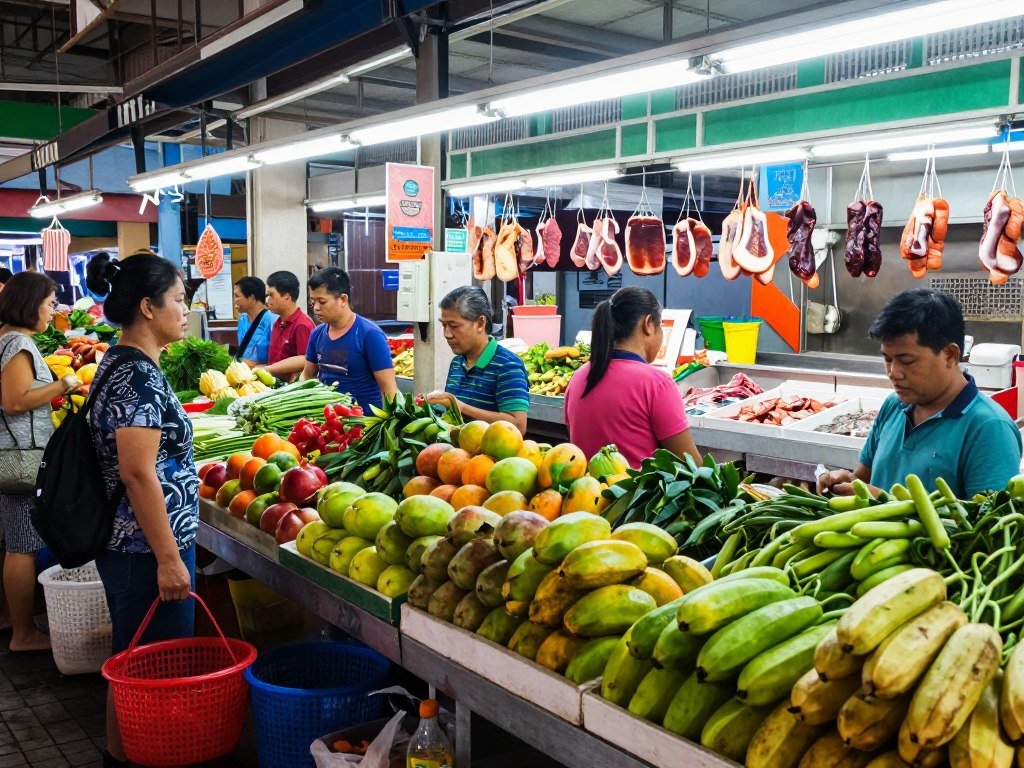
Chow Kit Market represents authentic Kuala Lumpur at its grittiest and most genuine. This sprawling wet market operates since the 1960s, serving as the city’s primary wholesale food hub. The experience here contrasts sharply with sanitized tourist markets.
The market spreads across multiple buildings and open-air sections. Vendors sell everything imaginable – fresh seafood swimming in tanks, meat hanging from hooks, tropical fruits in pyramid displays, vegetables still dirt-covered from farms, and spices that perfume entire aisles.
This isn’t a hidden spot designed for tourists. It’s a working market where restaurants and households source ingredients daily. The atmosphere feels intense, loud, and completely authentic. You’ll navigate narrow aisles crowded with trolleys while dodging water splashed from seafood stalls.
What to Experience and Buy
Start your visit in the produce section. You’ll find fruits rarely seen outside Southeast Asia – mangosteen, rambutan, durian, dragon fruit, and numerous banana varieties. Vendors offer samples if you show genuine interest.
The fish market section tests your sensory limits. Fresh catch arrives daily from coastal areas. Stalls display everything from small anchovies to massive tuna, still glistening with ocean water.
- Arrive early morning (6-8 AM) for freshest selection and coolest temperatures
- Bring small bills – vendors rarely carry change for large denominations
- Wear shoes you don’t mind getting dirty – floors stay perpetually wet
- Keep belongings secure – crowded areas attract opportunistic thieves
- Try street food from stalls surrounding the market building
- Practice basic bargaining – initial prices often include tourist markup
- Ask vendors about unfamiliar ingredients – most happily explain preparation methods
Directions to Chow Kit Market
Take the monorail to Chow Kit station. Exit and follow the crowds – the market sits just 200 meters from the station. Walking from the station takes less than five minutes through the neighborhood’s busy streets.
The main market building occupies a large area between Jalan Raja Bot and Jalan Haji Taib. Multiple entrances provide access, though the main gate on Jalan Raja Bot offers the clearest entry point.
If you’re staying in Bukit Bintang area, the walk takes about twenty minutes. Follow Jalan Raja Laut northwest until you reach the market district. This walk gives perspective on how quickly Kuala Lumpur neighborhoods change character.
Half-Day Hidden Gems Tour
Perfect introduction to Kuala Lumpur’s secret spots. Visit 4-5 locations with local guide sharing insider stories. Includes street food tasting and photography stops.
- Duration: 4 hours
- Small groups (max 8 people)
- Hotel pickup included
- Food samples included
Full-Day Cultural Immersion
Comprehensive exploration covering all major hidden spots. Deep dive into local culture, history, and traditions. Lunch at authentic neighborhood restaurant.
- Duration: 8 hours
- Maximum 6 participants
- Transportation provided
- Traditional lunch included
Photography-Focused Tour
Designed for photography enthusiasts seeking Instagram-worthy shots. Visit locations during optimal lighting conditions. Professional photographer guides composition.
- Duration: 5 hours
- Morning or afternoon options
- Portfolio review included
- Editing tips provided
9. Kampung Baru: Traditional Malay Village Surrounded by Skyscrapers
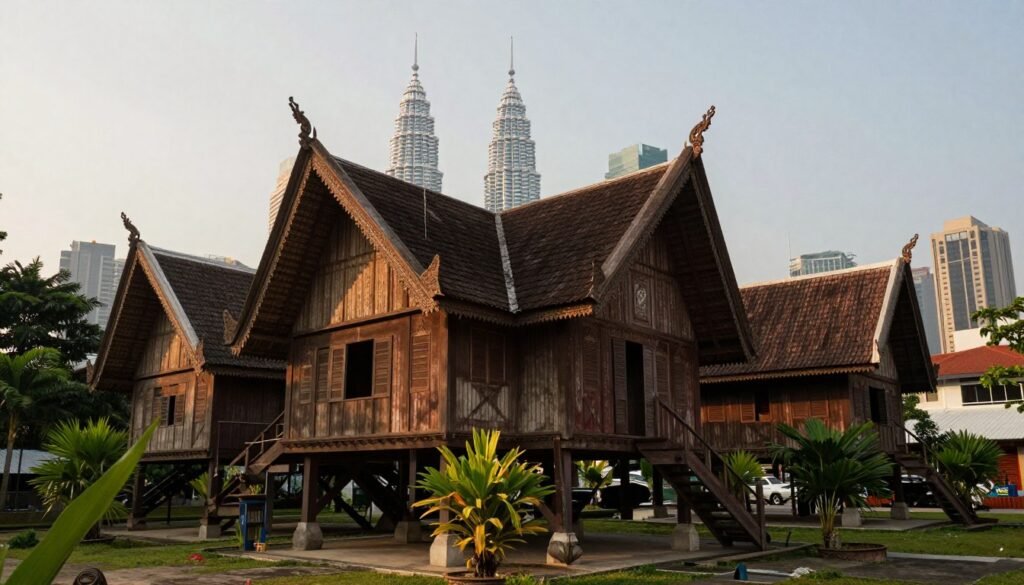
Kampung Baru stands as one of Kuala Lumpur’s most fascinating contradictions. This traditional Malay village occupies prime real estate in the city center, yet it has resisted development for over a century. Wooden houses on stilts sit in the shadow of gleaming skyscrapers.
The settlement was established in 1899 as a Malay agricultural area. Land ownership laws protect the area from wholesale redevelopment, preserving a way of life that elsewhere disappeared decades ago. Walking these streets feels like time traveling to pre-modern Malaysia.
The neighborhood truly comes alive during evening hours. Street food vendors set up stalls selling traditional Malay dishes. The aroma of satay grilling and nasi lemak being prepared fills the air. Locals gather at outdoor seating areas, creating a community atmosphere rarely found in modern cities.
Must-Try Street Food Experiences
Kampung Baru earned reputation as Kuala Lumpur’s best Malay food destination. The concentration of authentic vendors here surpasses any other neighborhood. These aren’t restaurants catering to tourists – they’re family operations serving recipes passed down through generations.
Signature Dishes to Sample
- Nasi lemak from Wanjo stall (opens midnight)
- Satay from roadside grill vendors
- Ayam percik (grilled chicken with coconut sauce)
- Nasi kerabu (blue rice with herbs and accompaniments)
- Roti john (Malaysian-style meat sandwich)
- Bubur lambuk (traditional porridge during Ramadan)
- Fresh coconut water from street carts
Where and When to Eat
Most food action happens along Jalan Raja Muda Musa. Stalls begin setting up around 5 PM, with peak crowds between 7-10 PM. Weekend nights see the most vendors and longest queues at popular stalls.
During Ramadan, the scene transforms completely. Bazaar stalls line the streets selling special foods for breaking fast. The atmosphere becomes festival-like with thousands of people shopping and eating.
Prices remain incredibly affordable. Full meals cost 10-15 ringgit. Most vendors operate cash-only, so bring small bills. Don’t hesitate to point at dishes if you can’t read Malay menus – vendors appreciate enthusiasm for their food.
Exploring Beyond the Food
While food draws most visitors, Kampung Baru offers more than culinary experiences. Walk the residential streets during daytime to see traditional Malay architecture. Wooden houses feature intricate carvings and elevated designs that promote air circulation in tropical climate.
Small neighborhood mosques dot the area. The community maintains strong Islamic traditions reflected in daily rhythms and cultural practices. Dress modestly when exploring residential areas, covering shoulders and knees out of respect.
How to Reach Kampung Baru
The neighborhood sits between KLCC and the city center, easily reached via multiple routes. Take the LRT to Kampung Baru station on the Kelana Jaya Line. Exit the station and you’re immediately at the edge of the village.
Walking from KLCC takes fifteen minutes. Head north from the Petronas Towers, crossing Jalan Ampang. The contrast between ultra-modern KLCC and traditional Kampung Baru creates one of Southeast Asia’s most striking urban juxtapositions.
By car or taxi, use Jalan Raja Muda Musa as your destination. Multiple street parking spots exist, though weekends see heavy competition for spaces near popular food stalls.
10. National Mosque (Masjid Negara): Architectural Marvel Often Overlooked
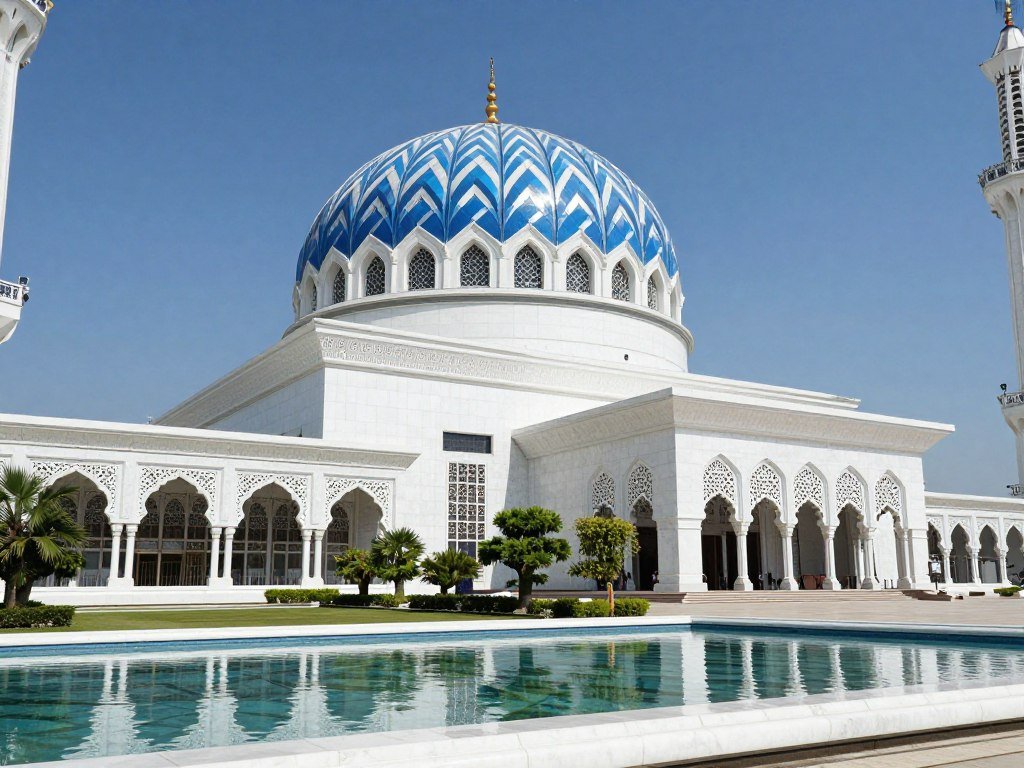
Most tourists photograph Masjid Negara from outside, then move on. They miss experiencing one of Southeast Asia’s most significant modern Islamic buildings. This architectural masterpiece blends traditional Islamic design principles with contemporary tropical architecture.
Completed in 1965, the mosque represented newly independent Malaysia’s vision for modern Islamic architecture. The distinctive umbrella-shaped roof symbolizes the aspirations of a young nation. The design incorporates 18 points representing the 13 states and 5 pillars of Islam.
The structure accommodates 15,000 worshippers in its main prayer hall. Visitors can explore during non-prayer times, experiencing the serene atmosphere and admiring architectural details that reveal careful craftsmanship.
Architectural Highlights and Features
The main prayer hall impresses with its vast column-free space. Geometric patterns in stained glass windows create mesmerizing light effects throughout the day. The mihrab (prayer niche) showcases intricate calligraphy and tile work.
Surrounding gardens provide peaceful walking areas with reflecting pools that mirror the building’s distinctive silhouette. The Grand Arcade features 48 smaller domes arranged in a graceful curve.
Visitor Information and Etiquette
Non-Muslim visitors can enter outside prayer times. Free robes are provided at the entrance for those not dressed modestly. Women receive long robes and headscarves, men get robes if wearing shorts.
Remove shoes before entering carpeted areas. Photography is permitted in most sections, though signs indicate restricted zones. Speak quietly and avoid disrupting those praying or meditating.
Visiting Hours
- Saturday-Thursday: 9:00 AM – 12:30 PM, 2:30 PM – 4:00 PM, 5:30 PM – 6:30 PM
- Friday: 3:00 PM – 4:00 PM, 5:30 PM – 6:30 PM (Closed during Friday prayers)
- Admission: Free for all visitors
- Guided tours: Available upon request at information desk
- Duration: Allow 45-60 minutes for thorough exploration
Getting to Masjid Negara
The mosque sits near KL Sentral station, making access extremely convenient. Exit the station toward Muzium Negara and walk five minutes along Jalan Perdana. Clear signs point toward the mosque entrance.
From the city center, take the LRT to Pasar Seni station, then switch to the KTM Komuter to KL Sentral. Alternatively, many buses serve the area including rapid KL routes B112 and B115.
By car, use Jalan Perdana as your route. Parking is available in the mosque grounds for visitors. The entrance fee stays minimal at 2 ringgit per car.
Interactive Map: Navigate All 10 Hidden Spots in Kuala Lumpur
This comprehensive map shows the exact locations of all ten hidden spots covered in this guide. Use it to plan your route efficiently and discover how these secret locations connect across Kuala Lumpur. The map includes public transportation options and estimated travel times between spots.
Interactive map showing all 10 hidden spots with transportation routes and nearby landmarks
Northern Route
Start with Titiwangsa Lake Gardens for morning exercise, then head to Kampung Baru for late breakfast. Continue to Thean Hou Temple for midday exploration when lighting is optimal. This route covers three spots in one morning.
Total time: 4-5 hours including travel and exploration
Best day: Weekend for full Kampung Baru food scene experience
Central Route
Begin at Kwai Chai Hong when it’s quiet, explore Central Market Annexe Gallery, then visit Masjid Negara. End at Perdana Botanical Gardens for late afternoon relaxation. This route focuses on cultural and artistic attractions.
Total time: 5-6 hours with leisurely pace
Best day: Tuesday-Thursday for quieter gallery visits
Market and Temple Route
Start early at Chow Kit Market (6-8 AM), then visit Brickfields Little India for mid-morning exploration. The proximity of these spots makes them perfect for a focused cultural morning.
Total time: 3-4 hours
Best day: Wednesday or Thursday to avoid weekend crowds
Nature and History Route
Combine Bukit Nanas Forest Reserve with nearby attractions. The forest works well as a morning activity, followed by exploration of surrounding heritage areas. This route offers contrast between nature and urban culture.
Total time: 3 hours
Best day: Any weekday for peaceful forest walks
Essential Tips for Visiting Hidden Spots in Kuala Lumpur
Successfully exploring these hidden gems requires preparation beyond just knowing locations. These practical tips help you maximize experiences while respecting local culture and staying safe.
Transportation
Mix public transport with ride-sharing apps for optimal flexibility. Purchase a Touch ‘n Go card for seamless travel on LRT, monorail, and buses. Load it with 50 ringgit to cover multiple days.
Ride-sharing costs stay reasonable. From KLCC to most hidden spots averages 10-15 ringgit. Book during off-peak hours to avoid surge pricing.
Cultural Respect
Kuala Lumpur’s multicultural nature means different areas have different customs. Dress modestly in religious sites and traditional neighborhoods. Remove shoes when entering temples, mosques, and some homes.
Ask permission before photographing people. Many locals appreciate interest but prefer privacy respected.
Safety Considerations
These hidden spots are generally safe, but standard precautions apply. Keep valuables secure in crowded markets. Avoid displaying expensive cameras or jewelry unnecessarily.
Stay aware of surroundings, especially in quieter areas during late hours. Travel with companions when possible.
Money and Budgeting
Most hidden spots cost little or nothing to visit. Budget approximately:
- Transportation: 20-30 ringgit per day
- Food at local spots: 30-50 ringgit per day
- Entrance fees (where applicable): 10-20 ringgit total
- Shopping and extras: Variable based on interests
Carry small bills for street food and market purchases. Many vendors lack change for 50 or 100 ringgit notes. ATMs are plentiful in central areas but scarce in some neighborhoods.
Weather and Timing
Kuala Lumpur’s tropical climate means heat and humidity year-round. Afternoon thunderstorms occur frequently, typically between 2-5 PM. Plan indoor activities or carry an umbrella for these hours.
The coolest months run from May to July, though temperatures only drop slightly. December through February brings northeast monsoon rains, making outdoor activities less pleasant.
You can see all ten spots in 2-3 full days if you plan efficiently. However, 4-5 days allows for a more relaxed pace with time to truly absorb each location’s atmosphere. Consider your travel style – rushed sightseeing versus immersive exploration – when planning your itinerary.
Are these spots suitable for families with children?
Most locations welcome families. Titiwangsa Lake Gardens, Perdana Botanical Gardens, and Bukit Nanas Forest offer kid-friendly activities. Markets like Chow Kit might overwhelm young children due to crowds and sensory intensity. Thean Hou Temple and Masjid Negara fascinate older children interested in architecture and culture.
Do I need a local guide or can I explore independently?
All locations are accessible independently with basic navigation skills and this guide. However, local guides add valuable context, help navigate language barriers, and reveal details you might miss. Consider hiring guides for cultural spots like Brickfields or Kampung Baru where local knowledge enhances understanding significantly.
Which spots are best for photography?
Kwai Chai Hong offers colorful murals perfect for Instagram. Thean Hou Temple provides dramatic architectural shots, especially during golden hour. Kampung Baru’s contrast between traditional houses and modern skyscrapers creates unique compositions. Bukit Nanas canopy walk delivers unusual perspectives. Early mornings or late afternoons provide the best natural lighting across all locations.
Your Journey Through Kuala Lumpur’s Hidden Side
These ten hidden spots reveal Kuala Lumpur beyond its famous landmarks. Each location offers authentic experiences that most visitors never discover. From peaceful forest walks to chaotic market energy, from spiritual temples to artistic galleries, these places showcase the city’s diverse character.
The real magic happens when you venture beyond surface-level tourism. Talk to vendors in Chow Kit Market. Watch sunset from Thean Hou Temple. Share a meal with locals in Kampung Baru. These interactions transform travel from sightseeing into genuine cultural exchange.
Kuala Lumpur rewards curious travelers willing to explore beyond guidebook standards. The hidden gems in Kuala Lumpur highlighted here represent just the beginning. Each neighborhood holds more secrets waiting for discovery. Each conversation with locals reveals new recommendations.
Remember that these places serve communities first, tourists second. Approach each spot with respect and genuine curiosity. Leave places as you found them. Support local businesses when possible. Your positive impact helps preserve these hidden spots for future travelers to enjoy.
The city constantly evolves. Some locations may change, new hidden gems will emerge, and the urban landscape continues transforming. This evolution is part of Kuala Lumpur’s charm – a city that honors its past while embracing its future.
Start Your Hidden Kuala Lumpur Adventure
Download our complete guide featuring all 10 hidden spots with interactive maps, detailed directions, cultural etiquette tips, and 5 bonus secret locations locals rarely share. Plus get access to our private Facebook group where travelers share real-time updates and discoveries.
Discovered something special at these hidden spots? Your insights help fellow travelers plan better trips. Share photos and tips in our community.
Tag your photos with #HiddenKL to inspire others exploring Kuala Lumpur’s secret side.
Stay Updated
Kuala Lumpur constantly reveals new hidden gems. Subscribe to receive monthly updates featuring newly discovered spots, seasonal events, and insider recommendations from our local team.
Never miss opportunities to experience authentic Kuala Lumpur culture.