

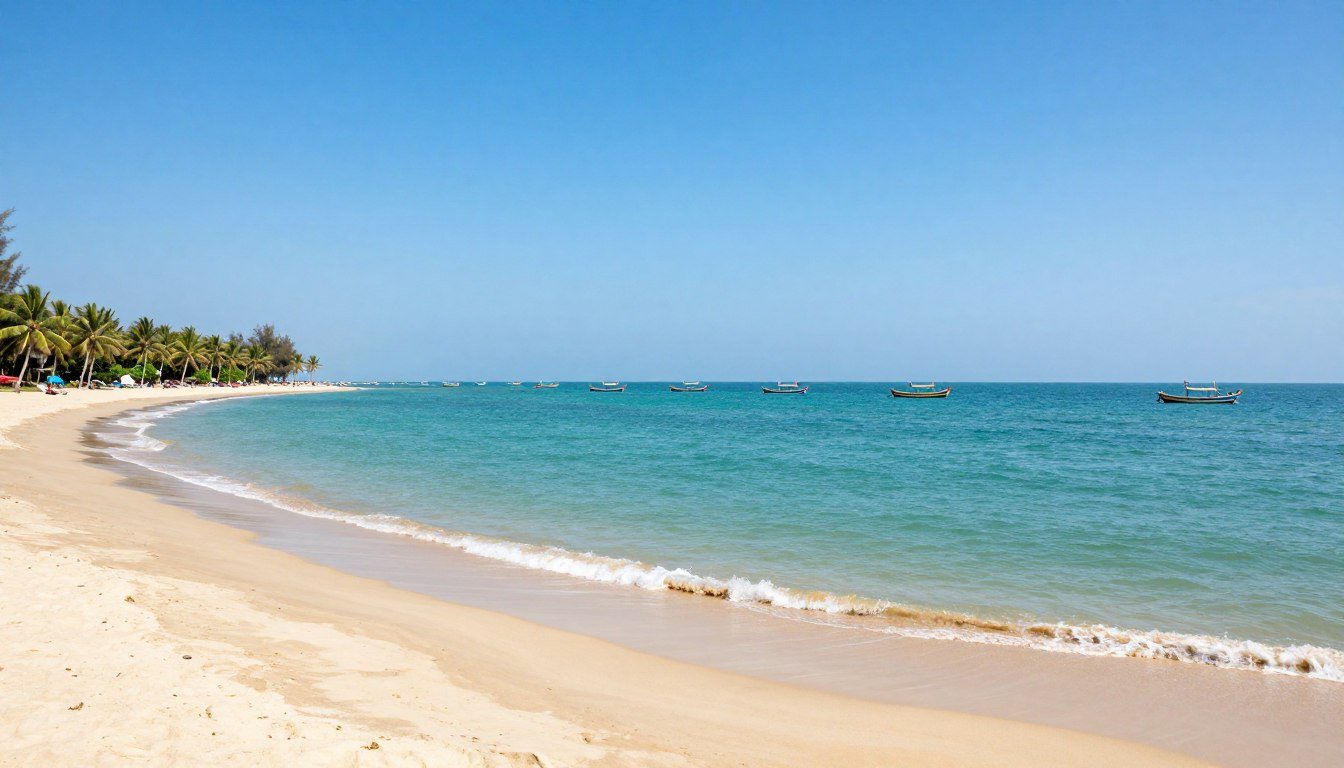
Mũi Né has transformed from a quiet fishing village into one of Vietnam’s most captivating coastal destinations. This guide helps you discover everything this remarkable area offers.
Located in Binh Thuan province along Vietnam’s southeastern coast, Mũi Né combines natural beauty with authentic Vietnamese culture. The destination attracts travelers seeking both adventure and relaxation.
Whether you plan to explore dramatic sand dunes, sample fresh seafood at the fishing village, or simply unwind at a beach resort, this comprehensive resource covers all essential information. You’ll find practical tips on timing your visit, navigating transportation, and experiencing the best attractions.
Planning Your Trip? Download our free Mũi Né itinerary template with day-by-day suggestions, budget breakdowns, and insider tips to maximize your time in this coastal paradise.
Why Visit Mũi Né: Understanding This Unique Destination
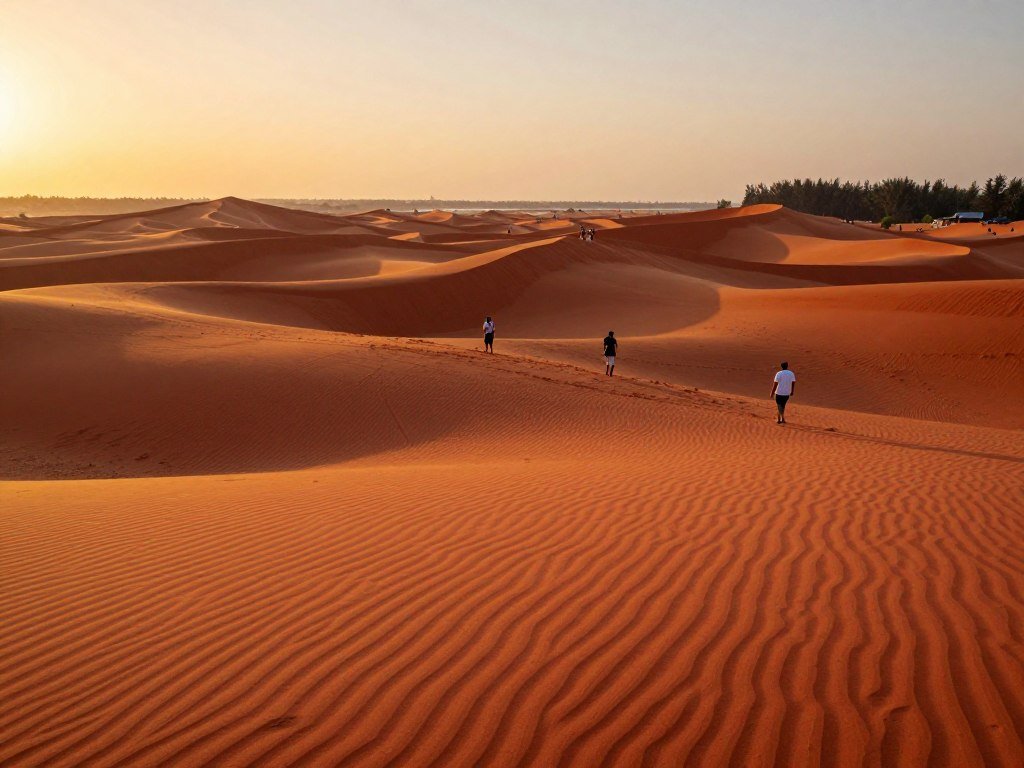
Mũi Né stands apart from typical Vietnamese beach towns. The area stretches approximately 15 kilometers along the coast, offering diverse experiences within a compact region.
The destination became famous for its striking sand dunes. These natural formations create a desert-like landscape that contrasts beautifully with the nearby sea. Visitors often compare the white sand dunes to miniature versions of famous deserts.
Beyond the dunes, Mũi Né preserves its fishing village heritage. Each morning, local fishermen return with fresh catches, creating authentic scenes that define the area’s character. This working village provides cultural insights rarely found at more developed beach resorts.
What Makes Mũi Né Special
- Year-round warm weather perfect for beach activities
- Dramatic sand dunes accessible from the main beach area
- Active fishing village maintaining traditional Vietnamese culture
- Excellent kitesurfing conditions attracting water sports enthusiasts
- Affordable accommodation options from budget to luxury resorts
- Proximity to Ho Chi Minh City for easy weekend trips
The destination serves different traveler types effectively. Adventure seekers find activities like sandboarding and kitesurfing. Couples discover romantic sunset spots and quiet beach sections. Families appreciate safe swimming areas and resort amenities.
Most visitors base themselves in Phan Thiet or along the Mũi Né beach strip. The area offers sufficient attractions for a three to five day trip, though some travelers extend their stay to fully embrace the relaxed coastal atmosphere.
Best Time to Visit Mũi Né: Weather and Seasonal Considerations
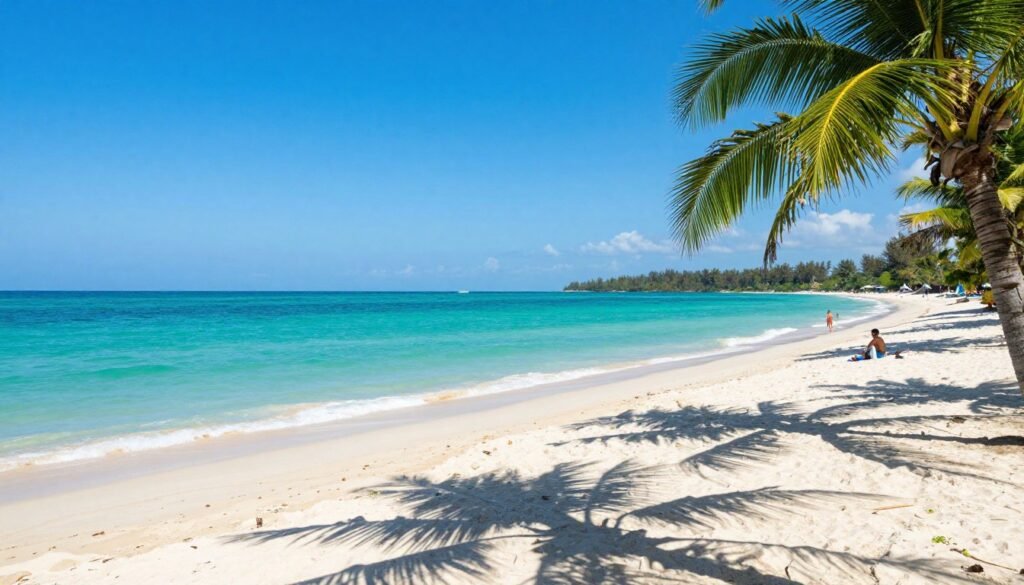
Mũi Né benefits from favorable weather throughout the year. The area receives less rainfall than other Vietnamese coastal regions, making it a reliable destination for beach vacations.
The dry season extends from November through April. During this time, the region experiences minimal rainfall and comfortable temperatures. Clear skies and calm sea conditions make these months ideal for most beach activities.
Monthly Weather Breakdown
| Month | Temperature (°C) | Rainfall | Sea Conditions | Visitor Level |
| November-February | 24-28°C | Very Low | Calm | High |
| March-April | 27-31°C | Low | Calm | Peak |
| May-August | 28-33°C | Moderate | Rougher | Medium |
| September-October | 26-30°C | Higher | Variable | Low |
December through March represents peak season. Resorts and popular restaurants fill quickly during this period. Advance booking becomes essential, especially around Christmas and New Year holidays.
Peak Season Advantages (Nov-Apr)
- Consistently sunny weather with minimal rain
- Perfect conditions for sand dune exploration
- Calm waters ideal for swimming and water sports
- All businesses and tours operating fully
- Vibrant atmosphere with fellow travelers
Peak Season Considerations (Nov-Apr)
- Higher accommodation prices at resorts
- Crowded beaches during day time
- Advanced booking required for quality hotels
- More tourists at popular sand dunes
- Restaurant wait times increase at meal hours
The shoulder months of May and October offer advantages for budget-conscious travelers. Accommodation rates drop significantly, and popular sites become less crowded. Brief afternoon showers occur occasionally but rarely disrupt full-day plans.
Kitesurfing enthusiasts should note that wind conditions peak from November through March. Strong, consistent winds during this time create ideal conditions for both beginners and experienced kitesurfers.
Ready to Plan Your Mũi Né Adventure?
Join our newsletter for exclusive Vietnam travel tips, seasonal deals, and insider recommendations for Mũi Né. Get our complete packing list free when you subscribe.
Top Attractions and Things to Do in Mũi Né
Mũi Né offers diverse activities that extend beyond typical beach relaxation. The area’s unique geography creates opportunities for both adventure and cultural exploration.
White Sand Dunes: Mũi Né’s Desert Landscape
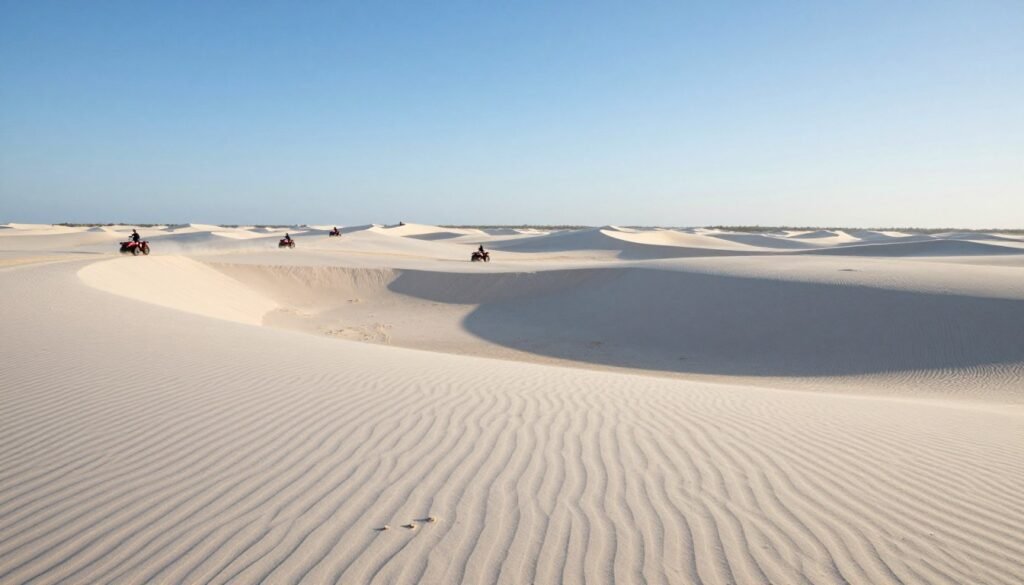
The white sand dunes create Mũi Né’s most photographed landscape. Located approximately 24 kilometers from the main beach area, these massive dunes span several square kilometers. The pristine white sand contrasts dramatically against bright blue skies.
Most visitors arrive early in the morning to avoid midday heat. Sunrise over the dunes provides exceptional photo opportunities. The area remains relatively quiet before tour groups arrive around 8-9 AM.
Local vendors offer ATV rentals for exploring the dunes. These vehicles provide access to distant areas and add adventure to the experience. Alternatively, hiking across the sand offers peaceful exploration at your own pace.
- Best visiting time: 5:30-7:30 AM for sunrise or 4:30-6:00 PM for sunset
- Duration: 2-3 hours provides adequate exploration time
- Activities: Sandboarding, ATV riding, photography, hiking
- Cost: Entrance fee minimal, ATV rental approximately 200,000-300,000 VND
- Getting there: Motorbike ride (30 minutes) or organized tour
Insider Tip: Bring water, sunscreen, and sunglasses. Sand reflects intense sunlight. Wear closed shoes or be prepared to remove footwear, as sand gets extremely hot during the day.
Red Sand Dunes: Convenient Desert Experience
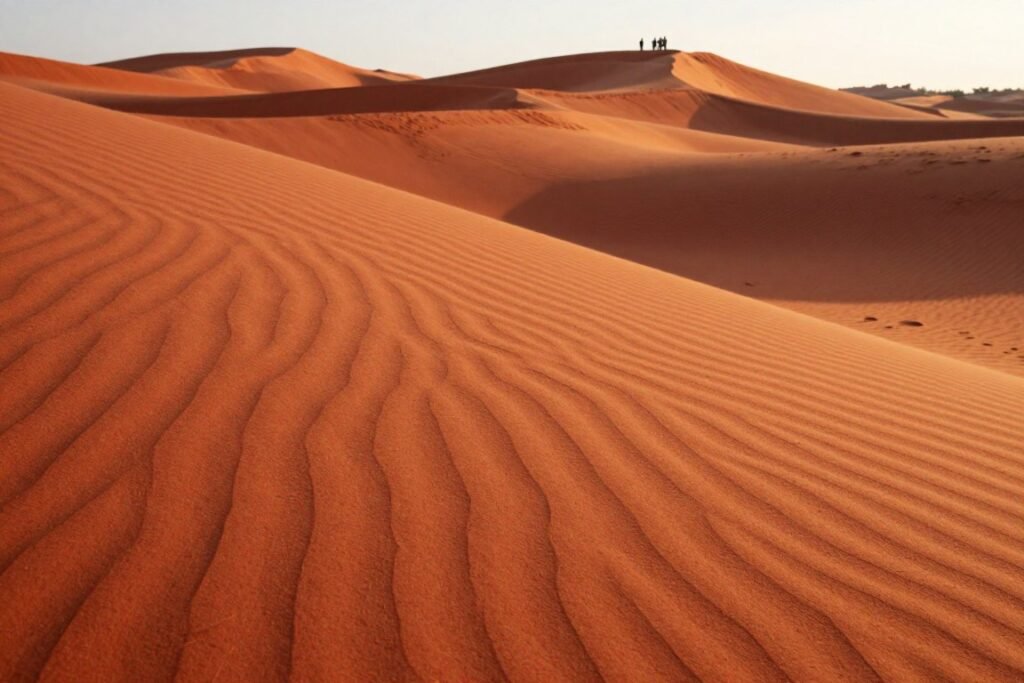
The red sand dunes sit much closer to central Mũi Né, making them easily accessible. These smaller dunes feature distinctive reddish-orange sand that creates striking visual contrasts, especially during golden hour.
The area attracts both sunrise and sunset visitors. Evening visits prove particularly popular, as crowds gather to watch the sun descend behind the dunes. Local children often offer plastic sleds for rent, allowing visitors to slide down the steeper slopes.
The proximity to main accommodations makes these dunes perfect for spontaneous visits. A motorbike ride takes just 10-15 minutes from most resorts in the area.
Fairy Stream: Unique Walking Experience
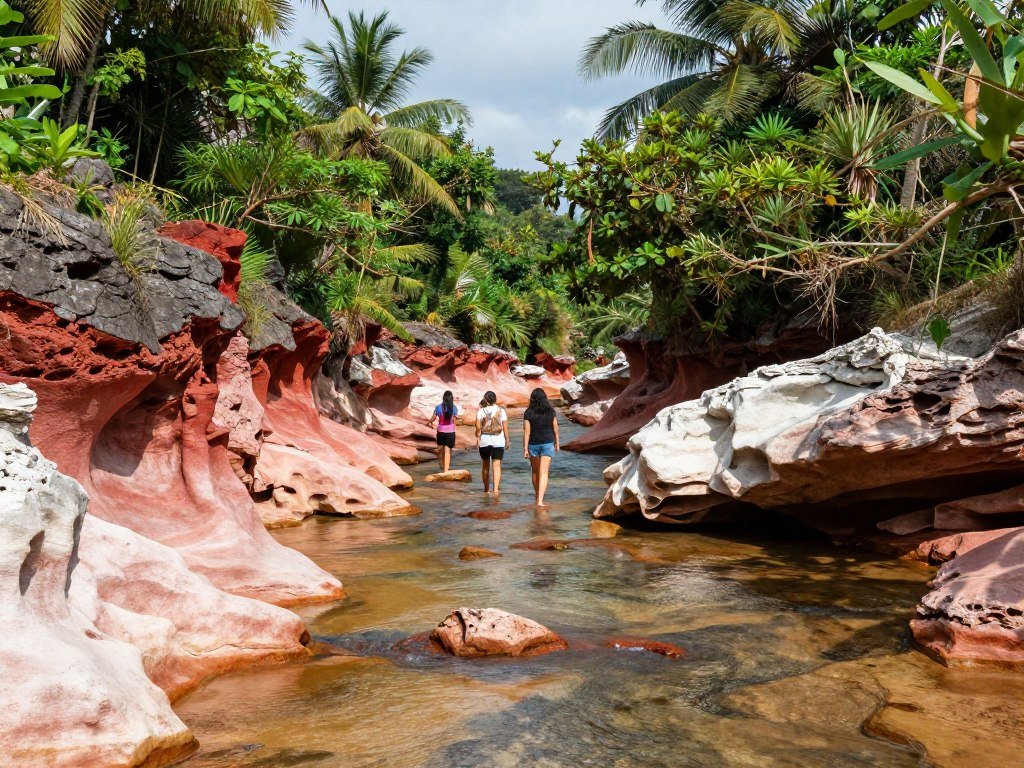
Fairy Stream offers one of Mũi Né’s most unusual natural attractions. This shallow stream flows between red and white limestone formations, creating a canyon-like environment. The water rarely exceeds ankle depth, allowing visitors to wade upstream.
The walk extends approximately 30-40 minutes one way. The stream bed provides the path, with smooth sand making barefoot walking comfortable. Rock formations tower on both sides, featuring distinctive red and white layers.
Early morning visits provide the best experience. Fewer crowds allow peaceful exploration, and cooler temperatures make the walk more comfortable. The stream flows continuously, so conditions remain consistent throughout the year.
- Location: Near Ham Tien village, accessible from main beach road
- Duration: 1-1.5 hours for round trip walk
- Entry: Free (small donations requested at some points)
- What to bring: Waterproof bag for belongings, towel, camera
- Best time: 7-9 AM before tour groups arrive
Mũi Né Fishing Village: Cultural Authenticity
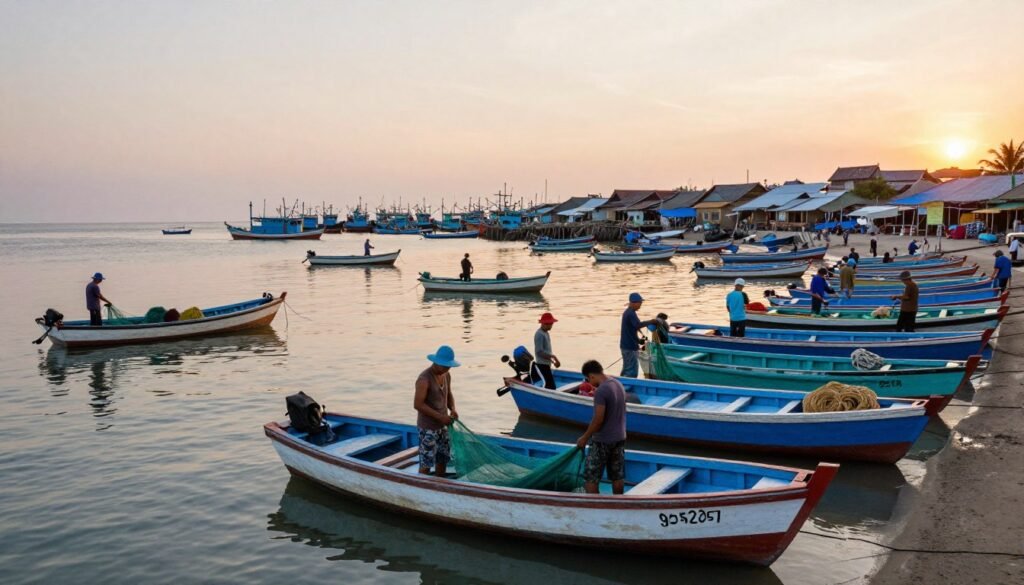
The fishing village maintains Mũi Né’s traditional character. Located at the eastern end of the beach area, this working community provides glimpses into local Vietnamese coastal life. Hundreds of colorful boats fill the harbor, creating photogenic scenes throughout the day.
The fish market operates early morning, typically from 5-8 AM. Fishermen return with overnight catches, and vendors set up stalls along the beach. The atmosphere becomes vibrant with bargaining, sorting fish, and preparing the day’s sales.
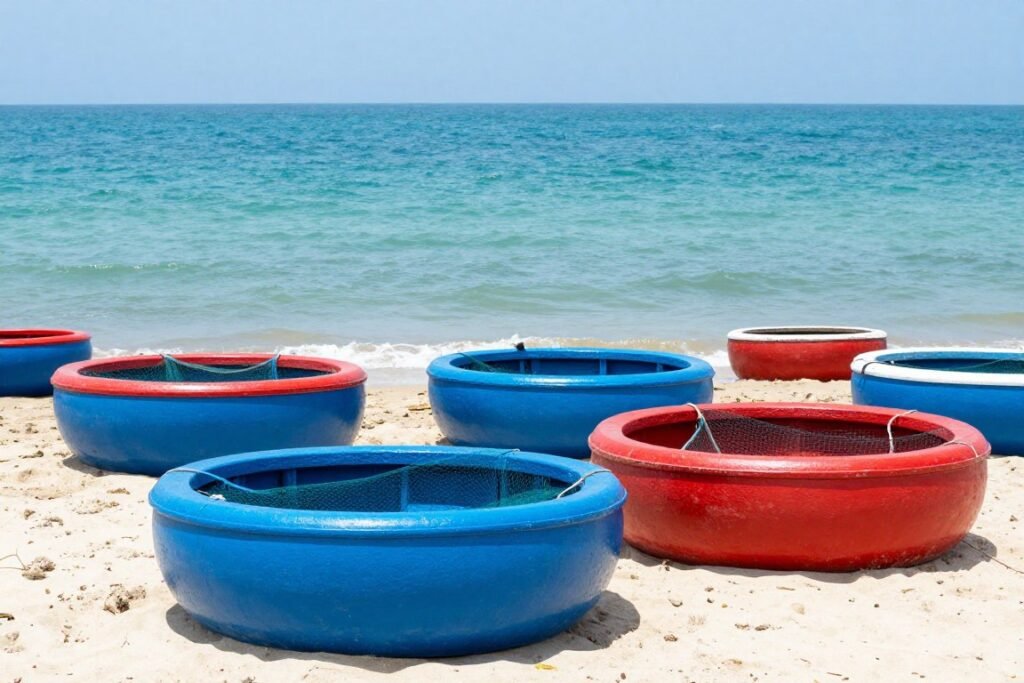
Visitors can walk among the boats and observe daily routines. The traditional round basket boats (thung chai) prove particularly interesting. Local families often work together, maintaining boats and equipment visible throughout the village.
The area also offers excellent seafood restaurants. Many establishments allow guests to select fresh fish and specify cooking methods. This provides authentic dining experiences at reasonable prices compared to resort restaurants.
Kitesurfing and Water Sports
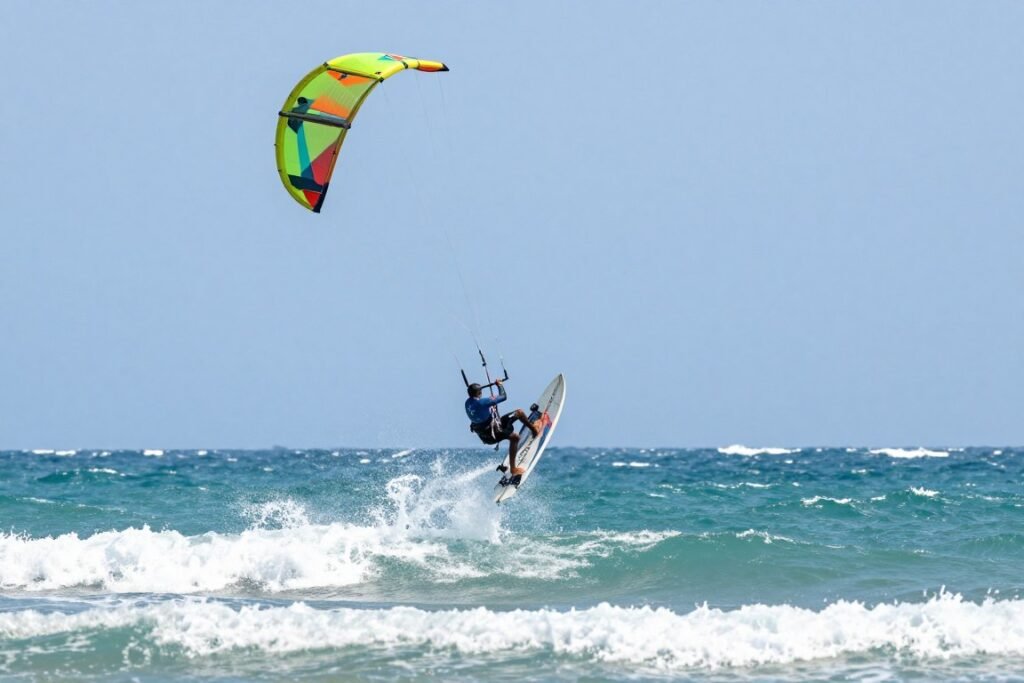
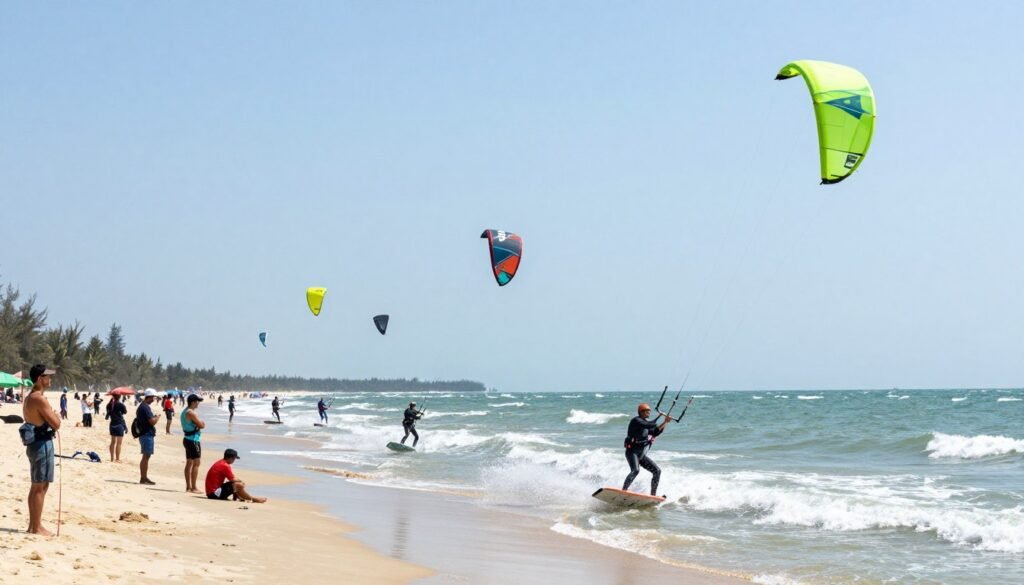
Mũi Né ranks among Southeast Asia’s premier kitesurfing destinations. Consistent wind conditions from November through March attract enthusiasts worldwide. The beach area features multiple kitesurfing schools offering lessons for all skill levels.
Beginners find Mũi Né particularly suitable. Shallow water extends far from shore, providing safe learning conditions. Most schools provide IKO-certified instruction with modern equipment. A typical beginner course spans 9-12 hours across several days.
Beyond kitesurfing, the area offers windsurfing, stand-up paddleboarding, and jet skiing. Several beach clubs rent equipment and provide storage facilities. The combination of warm water and reliable wind creates ideal conditions for water sports activities.
Beginner Kitesurfing Course
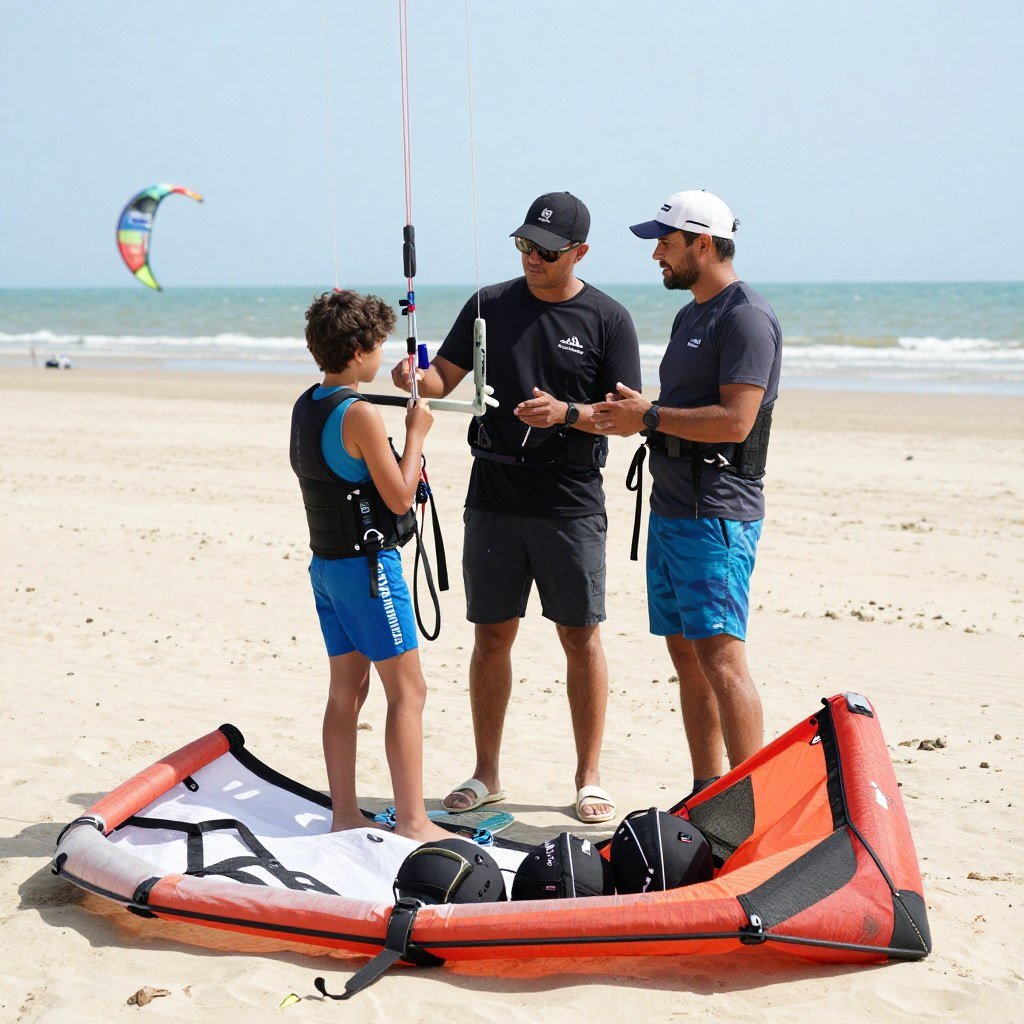
Perfect introduction to kitesurfing with certified instructors. Learn fundamentals in safe, shallow water conditions ideal for beginners.
- 9-12 hour complete course
- IKO certification included
- All equipment provided
- Small group or private lessons
Advanced Training
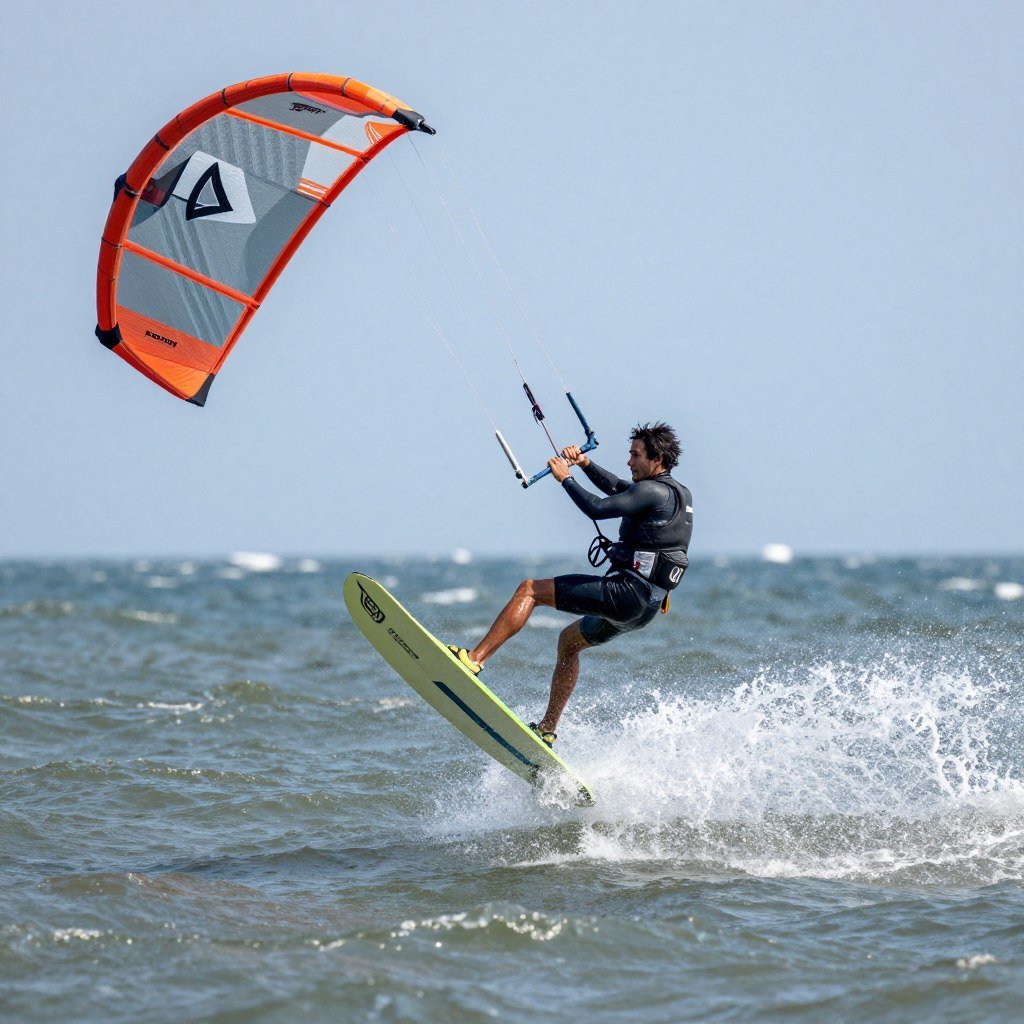
Enhance your skills with specialized coaching. Master advanced techniques and tricks with expert guidance on Mũi Né’s perfect conditions.
- Customized skill development
- Jump and trick coaching
- Video analysis sessions
- Latest equipment available
Equipment Rental
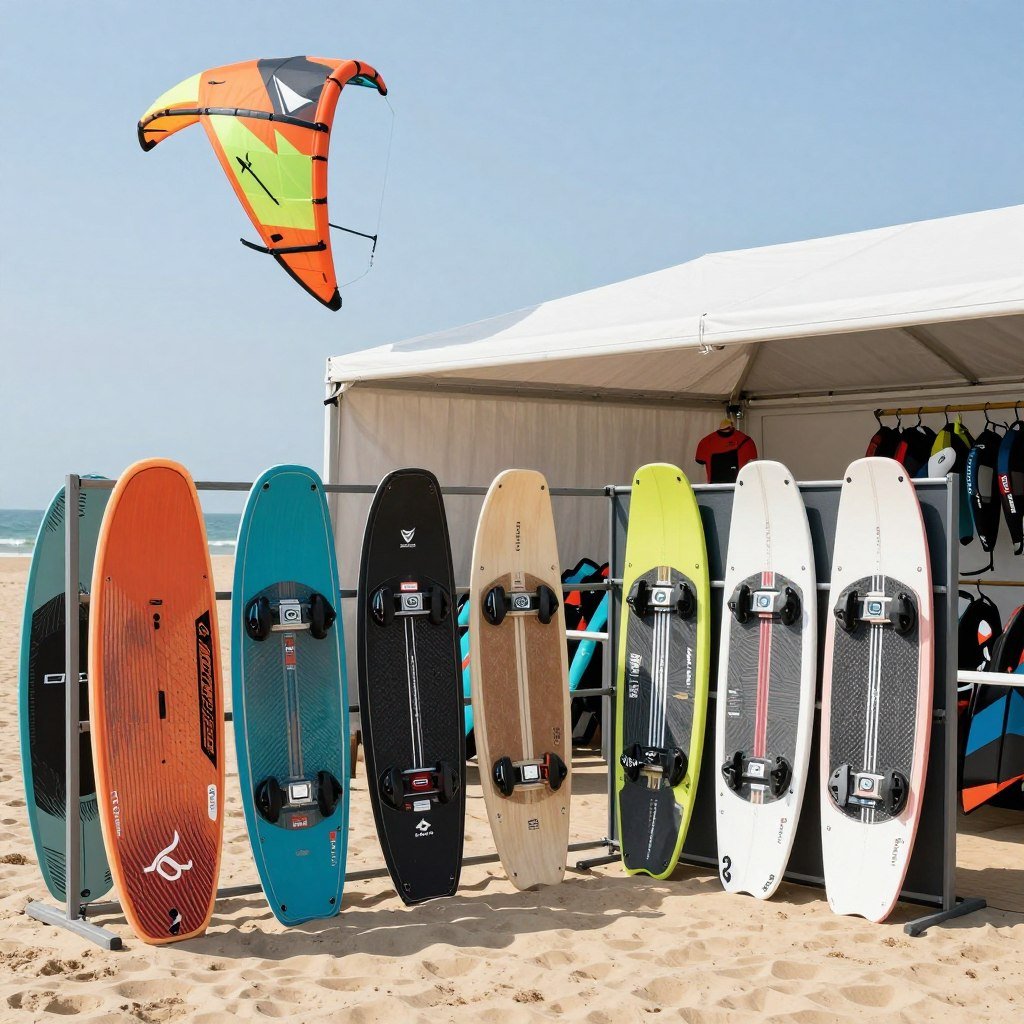
Rent premium kitesurfing gear by the hour or day. Access the latest equipment without travel hassle. Perfect for experienced riders.
- Current season equipment
- Hourly and daily rates
- Multiple kite sizes available
- Storage facilities included
Beach Activities and Relaxation
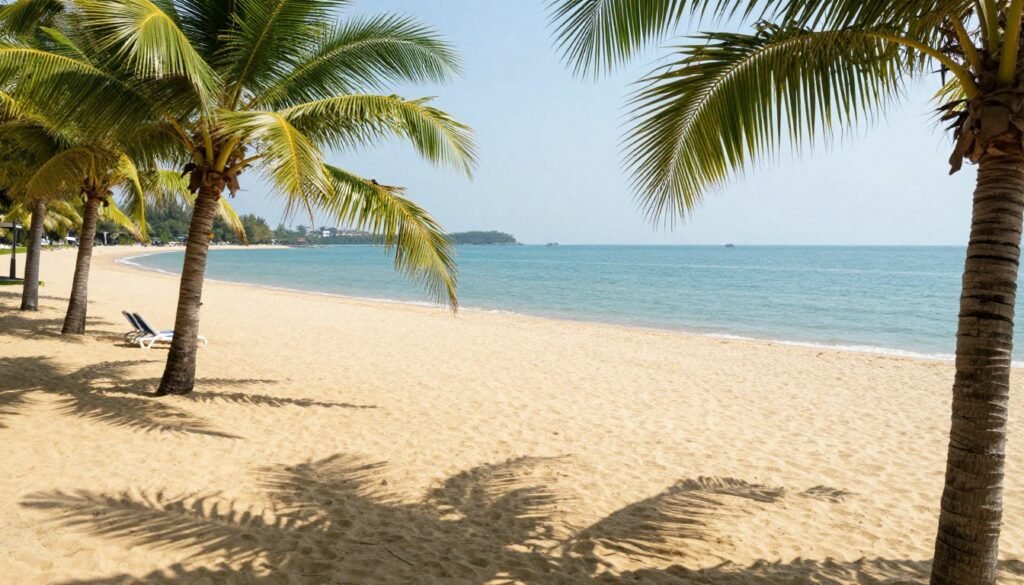
The main beach stretches for kilometers, offering varied sections with different characteristics. The area near Ham Tien provides calmer waters suitable for swimming. Further east, stronger currents attract surfers and experienced swimmers.
Many resorts maintain private beach sections with loungers and umbrellas. These areas offer convenience for guests but public beach access remains available throughout the strip. The sand quality stays consistently good across most sections.
Beach clubs have emerged along the coast, providing pool access, restaurants, and day-use facilities. These venues suit visitors staying at non-beachfront accommodations who desire resort amenities without overnight costs.
Where to Stay in Mũi Né: Accommodation for Every Budget
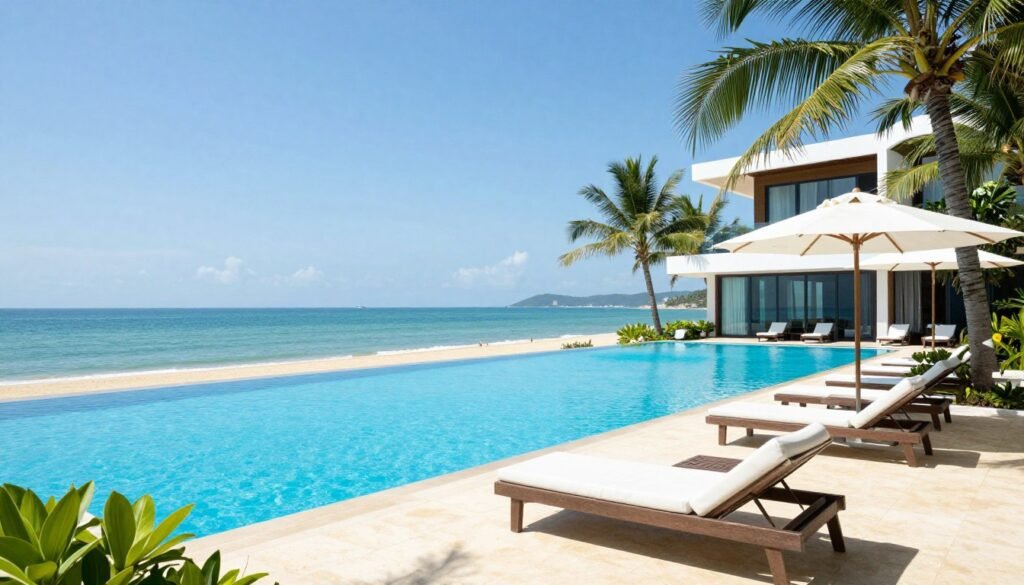
Accommodation options in Mũi Né span from budget hostels to luxury resorts. The main strip extends along Nguyen Dinh Chieu Street, with most hotels positioned between the road and beach. Location significantly impacts both price and experience.
The area divides roughly into three sections. The western end near Phan Thiet offers more affordable options with local restaurants nearby. The central section features mid-range resorts with good beach access. The eastern end toward the fishing village showcases upscale properties with premium amenities.
Budget Accommodations (Under $30/Night)
Budget travelers find numerous hostels and guesthouses along the beach strip. These establishments provide basic but clean rooms, often with air conditioning and Wi-Fi. Many include breakfast and offer motorbike rentals.
Hostels typically feature dorm beds ranging from $8-15 per night. Private rooms in guesthouses cost $20-30. Most budget properties sit slightly back from the beach but remain within walking distance. The area near Ham Tien village offers particularly good value options.
- Dorm beds in social hostels with common areas
- Basic private rooms with en-suite bathrooms
- Air conditioning and fans typically included
- Simple breakfast often provided
- Motorbike rental available on-site
- Walking distance to beach (2-10 minutes)
Mid-Range Resorts ($30-80/Night)
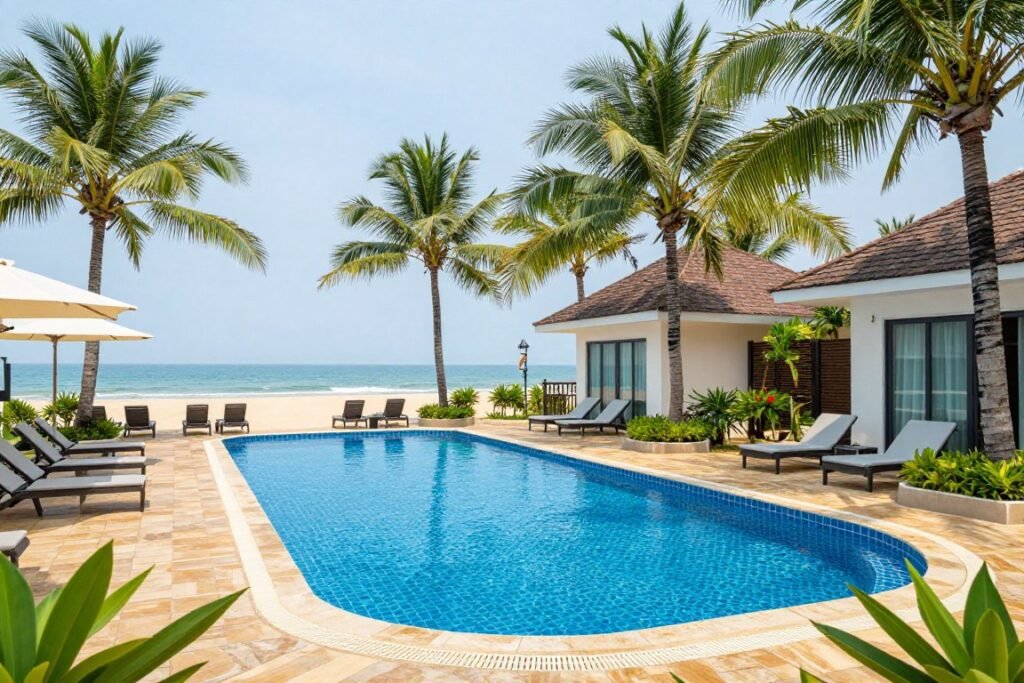
Mid-range resorts dominate the central section of Mũi Né. These properties offer significantly more amenities than budget options while maintaining reasonable prices. Most feature swimming pools, restaurants, and direct beach access.
Rooms typically include comfortable beds, modern bathrooms, air conditioning, and balconies or terraces. Many resorts offer pool-view or sea-view options. The beach-facing rooms command higher prices but provide exceptional value compared to similar properties in other destinations.
This price category suits most travelers seeking comfort without luxury costs. The quality-to-price ratio makes these resorts particularly attractive for longer stays. Many properties offer weekly rates with additional discounts.
Luxury Resorts (Over $80/Night)
High-end resorts in Mũi Né deliver exceptional experiences at prices lower than comparable properties worldwide. These establishments feature extensive grounds, multiple pools, premium restaurants, and comprehensive spa facilities.
Luxury properties typically occupy prime beachfront positions with private beach sections. Rooms include upscale furnishings, modern technology, and spacious bathrooms with premium toiletries. Many resorts offer villa accommodations with private pools.
Service levels at top-tier resorts match international standards. Staff typically speak multiple languages and provide attentive personalized service. These properties suit travelers seeking complete relaxation with all amenities on-site.
Find Your Perfect Mũi Né Accommodation
Compare prices, read verified reviews, and book hotels with free cancellation. Get exclusive deals on resorts, guesthouses, and beachfront properties.
Choosing Your Location
Location choice significantly impacts your Mũi Né experience. The western end near Phan Thiet positions guests closer to local markets and authentic restaurants. This area suits travelers wanting to experience Vietnamese daily life alongside beach time.
The central strip provides optimal convenience. Guests access numerous restaurants, tour operators, and services within walking distance. Beach quality remains excellent, and the area offers good balance between tourist amenities and local character.
The eastern section toward the fishing village attracts travelers seeking quieter surroundings. This area features fewer restaurants but more upscale resort options. The proximity to the working fishing village provides cultural interest.
Booking Consideration: Reserve accommodations well in advance for travel during December-February. Peak season demand often fills quality properties weeks ahead. Last-minute availability becomes limited, particularly for beachfront rooms.
Food and Dining in Mũi Né: From Fresh Seafood to Local Specialties
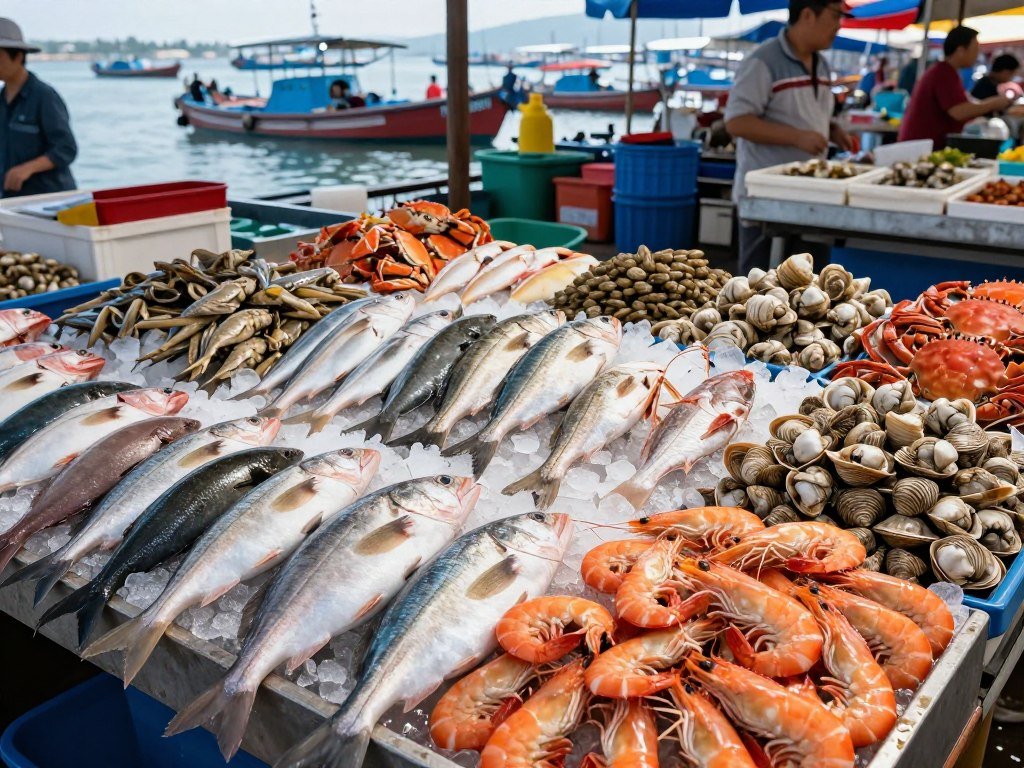
Mũi Né’s dining scene reflects its fishing village heritage. Seafood dominates menus across all price ranges. The area also offers diverse international cuisines catering to the tourist population while maintaining authentic Vietnamese options.
Fresh Seafood Experiences
Seafood restaurants line the beach road, offering varying atmospheres and price points. Many establishments display fresh catches daily, allowing diners to select specific fish or shellfish. Prices depend on market rates and preparation methods.
The fishing village area provides the most authentic seafood experiences. Local restaurants near the harbor serve catches within hours of landing. These venues offer simpler ambiance but exceptional freshness and value. Communication sometimes requires pointing and gestures, adding to the authentic experience.
Popular seafood includes squid, prawns, crab, and various fish species. Grilled preparations remain most common, though steamed and fried options appear on most menus. Many restaurants offer set seafood platters that provide variety at reasonable prices.
- Grilled squid with salt and chili – local favorite preparation
- Steamed crab with garlic and butter – seasonal availability
- Whole grilled fish – typically snapper or grouper
- Prawn dishes – various sizes and preparations available
- Seafood hot pots – perfect for groups
- Raw oysters – available at higher-end establishments
Vietnamese Cuisine and Local Specialties
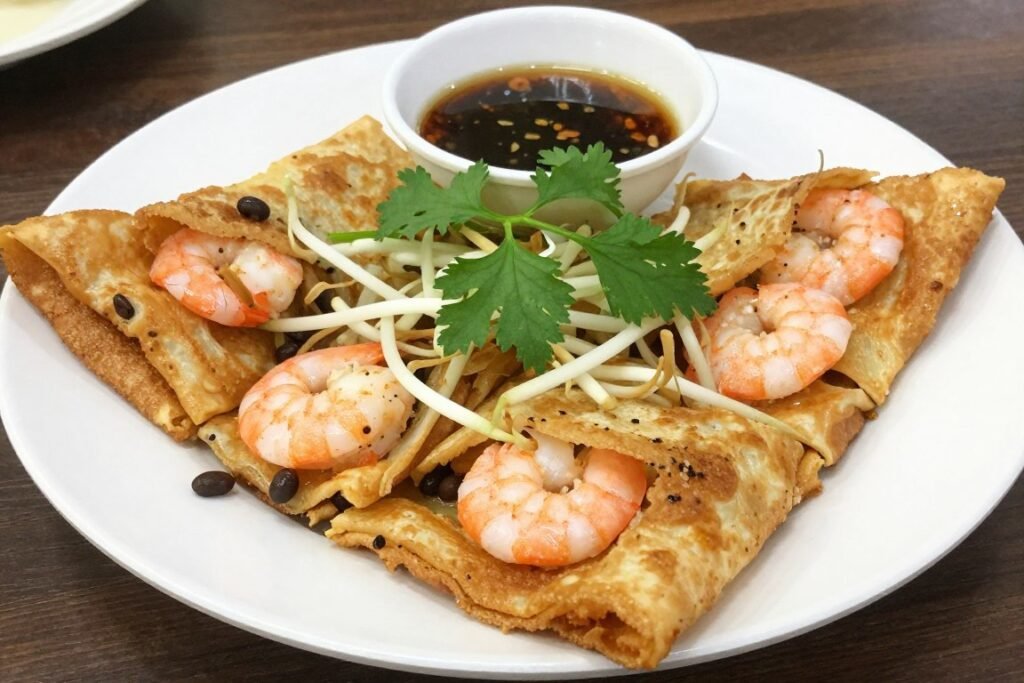
Beyond seafood, Mũi Né offers excellent Vietnamese cuisine. Small local restaurants serve regional specialties alongside national favorites. These establishments provide authentic experiences at prices significantly lower than resort restaurants.
Banh xeo (Vietnamese crispy pancakes) represent a local specialty. These turmeric-colored crepes filled with shrimp, pork, and bean sprouts appear on many menus. Diners wrap pieces in rice paper with fresh herbs, creating fresh, flavorful bites.
Pho remains available throughout Mũi Né, though the area isn’t specifically known for this dish. Local variations sometimes incorporate seafood alongside traditional beef or chicken options. Morning pho shops provide authentic breakfast experiences.
Banh canh (thick noodle soup) offers another regional favorite. This hearty soup features thick tapioca noodles in flavorful broth, typically with crab or fish. The dish provides satisfying comfort food particularly appreciated after active beach days.
International Dining Options
The tourist presence has generated diverse international restaurants. Western breakfast cafes serve familiar morning favorites. Italian, French, and Indian restaurants cater to varied tastes. Quality varies significantly, with longer-established venues generally offering better experiences.
Beach clubs combine dining with resort-style amenities. These venues offer international menus, swimming pools, and beachfront seating. Day passes typically include pool access and minimum food purchases. The setting suits travelers wanting Western comfort with beach views.
Budget Eating Tips
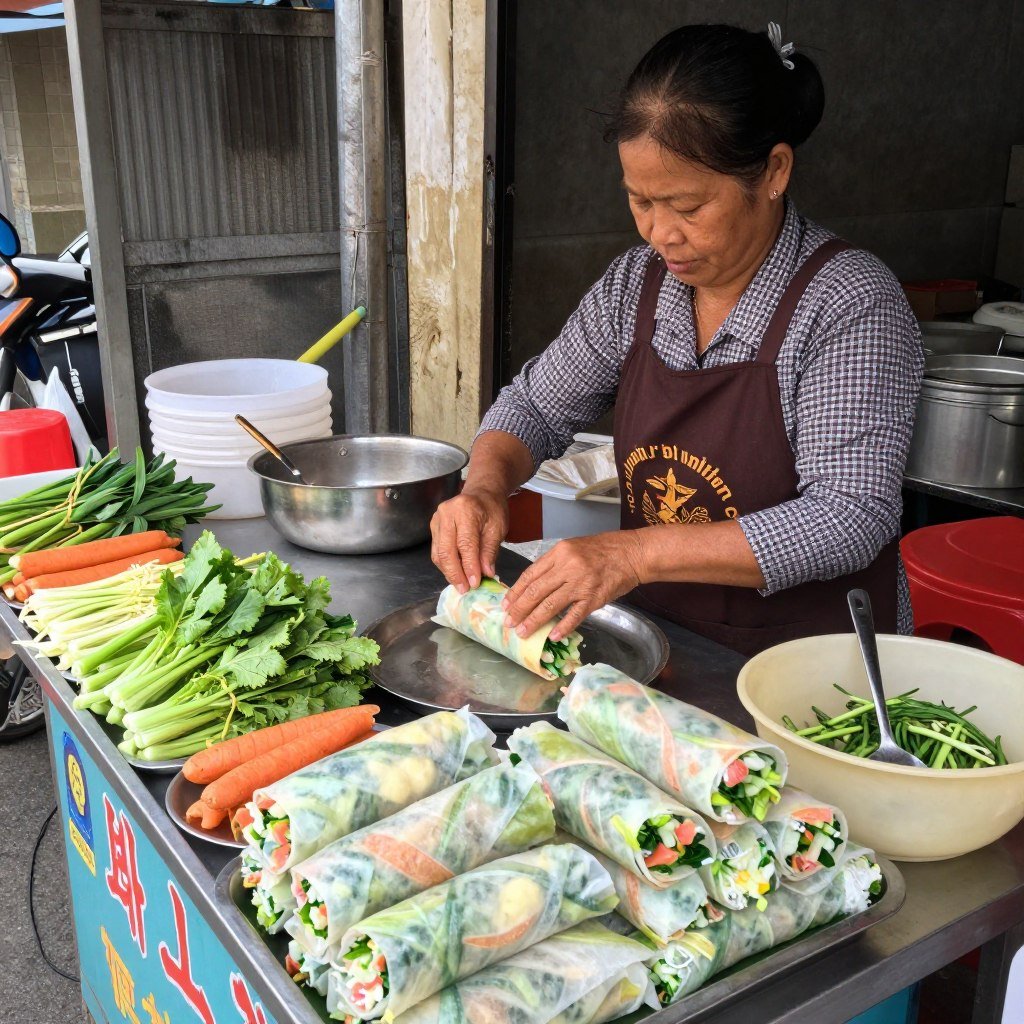
Budget-conscious travelers find excellent value throughout Mũi Né. Local com tam (broken rice) restaurants serve complete meals for under $3. These establishments offer rice with grilled meats, eggs, and vegetables – substantial portions satisfying hungry travelers.
Street food vendors operate along the beach road, particularly in the evening. These stalls sell banh mi, fresh fruit, and grilled items. Quality generally remains high, though selecting busy vendors with high turnover ensures freshness.
Mini-marts stock snacks, drinks, and simple meal components. Prices increase slightly compared to Phan Thiet markets but remain reasonable. These shops provide convenient options for breakfast or light meals at accommodations.
Local Restaurant Advantages
- Exceptional value for money
- Authentic Vietnamese flavors and preparations
- Fresh ingredients sourced locally
- Immersive cultural dining experiences
- Generous portion sizes
Local Restaurant Considerations
- Limited English menus or communication
- Basic dining atmosphere without resort amenities
- Variable hygiene standards requiring judgment
- Peak hour wait times possible
- Cash payment typically required
Dining Costs Overview
Meal costs in Mũi Né vary dramatically based on venue choice. A local Vietnamese meal costs $2-4 per person. Mid-range restaurants charge $8-15 for main courses. High-end resort dining reaches $20-40 per person for full meals with drinks.
Seafood pricing fluctuates with market conditions. Restaurants typically display prices by weight. Confirm total costs before ordering to avoid surprises. Some establishments include service charges or taxes separately from menu prices.
Beverages add significantly to dining costs, particularly at resort restaurants. Local beer costs $1-2 in simple venues but $4-6 at upscale establishments. Fresh coconuts provide refreshing, affordable alternatives at $1-2 from beach vendors.
Getting to Mũi Né: Transportation from Major Cities

Mũi Né’s location in Binh Thuan province makes it accessible from major Vietnamese cities. Most visitors arrive from Ho Chi Minh City, though connections exist from other destinations. Multiple transportation options suit different budgets and comfort preferences.
From Ho Chi Minh City
Ho Chi Minh City provides the most common starting point, located approximately 200 kilometers southwest of Mũi Né. The journey takes 4-5 hours depending on traffic and chosen transportation method. Several convenient options exist for this popular route.
Sleeper buses operate frequently between the cities. These comfortable coaches feature reclining seats or lie-flat beds, making the journey pleasant despite its duration. Buses depart throughout the day and evening, with night buses allowing travelers to arrive fresh for morning activities.
Reputable bus companies include Phuong Trang (FUTA), Sinh Tourist, and Hanh Cafe. These operators maintain modern fleets with air conditioning and onboard facilities. Prices typically range $8-12 per person. Buses depart from various districts in Ho Chi Minh City and arrive at different points along the Mũi Né strip.
- Journey time: 4-5 hours depending on traffic conditions
- Frequency: Buses depart every 1-2 hours throughout the day
- Cost: $8-12 per person for standard sleeper bus
- Booking: Online booking available through company websites
- Pickup: Most services offer hotel pickup in central districts
- Drop-off: Buses stop at multiple points along beach road
Book Your Bus to Mũi Né
Compare schedules and prices from reliable bus operators. Reserve your seat online for guaranteed availability and best rates.
Private Car or Taxi Service
Private transportation offers flexibility and convenience, particularly for groups or families. The journey time reduces slightly compared to buses, as drivers can optimize routes and timing. This option suits travelers with larger luggage or those preferring direct door-to-door service.
Costs for private cars range $60-80 for standard vehicles accommodating up to 4 passengers. Larger vans for 6-7 people cost $80-100. These prices typically include all tolls and fuel. Most hotels can arrange reliable services, or booking through reputable travel platforms ensures quality vehicles.
Grab (Southeast Asia’s Uber equivalent) operates on this route but availability varies. The app provides transparent pricing and driver ratings. This option works well but requires booking several hours in advance for longer trips.
Train to Phan Thiet
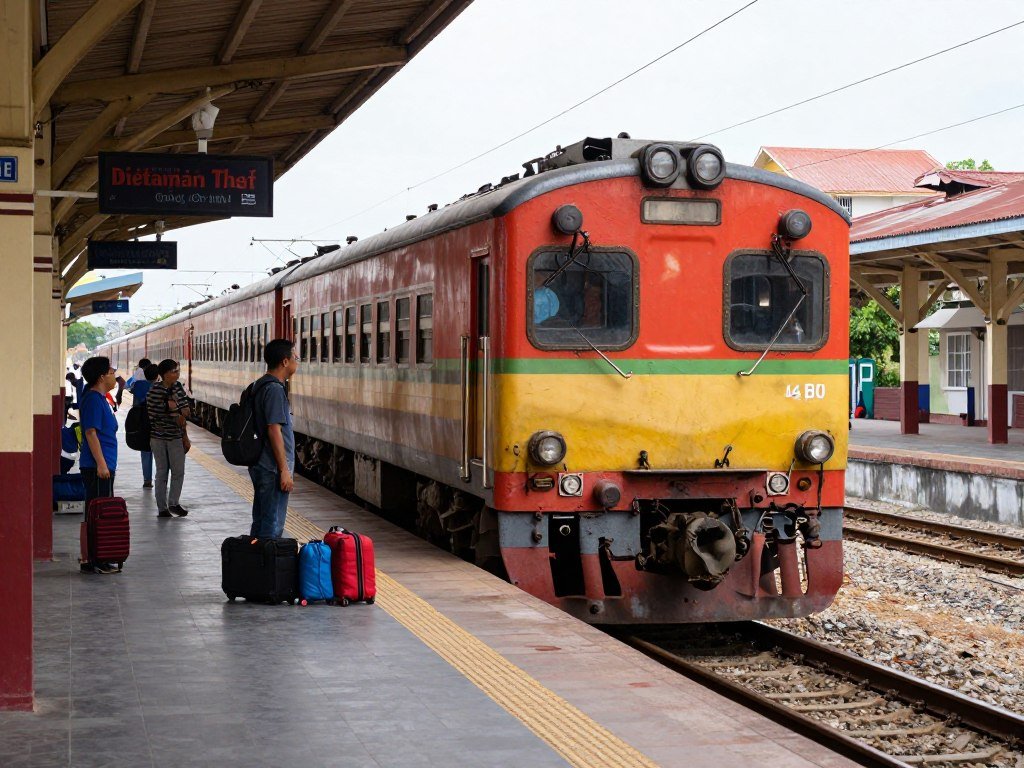
Train travel to nearby Phan Thiet provides a scenic alternative. However, Phan Thiet station sits 15 kilometers from central Mũi Né, requiring additional transportation. The train journey from Ho Chi Minh City takes approximately 4 hours.
Several daily trains serve this route, with varying comfort levels. Hard seats cost around $5, while soft sleeper berths reach $15-20. The train experience offers glimpses of Vietnamese countryside that buses miss. However, the additional transfer from Phan Thiet station reduces convenience.
From Phan Thiet station, local buses, taxis, or pre-arranged transfers complete the journey to Mũi Né. This adds 30-45 minutes and $5-10 to the trip. The combined time and effort often makes direct buses more practical for most travelers.
From Other Destinations
Dalat, another popular Vietnamese destination, sits approximately 150 kilometers north of Mũi Né. Buses operate this route in about 4 hours, providing convenient connections for travelers visiting both areas. The mountain-to-beach journey offers dramatic scenery changes.
Nha Trang, located further north, connects to Mũi Né via 6-7 hour bus journeys. This route suits travelers moving along the coast. However, the longer duration makes this a full-day commitment rather than a convenient connection.
Hanoi and other northern destinations require flights to Ho Chi Minh City followed by ground transportation to Mũi Né. No direct long-distance buses justify the extreme journey times. The Ho Chi Minh City connection provides the most practical route.
Getting Around Mũi Né: Local Transportation Options
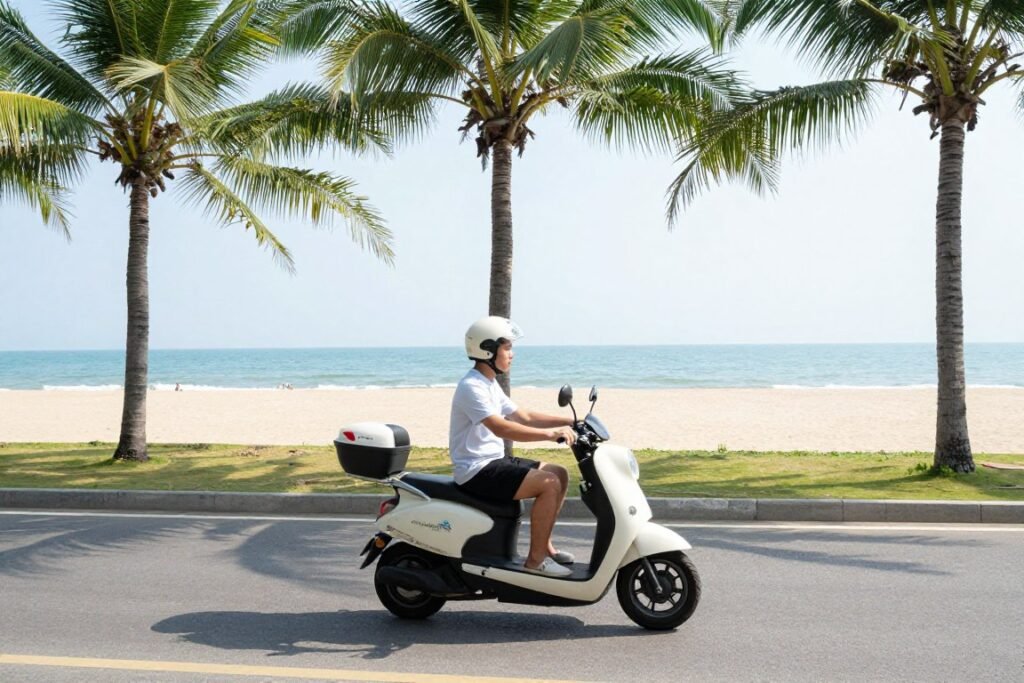
Mũi Né’s layout along a single main road simplifies navigation. The beach strip extends approximately 15 kilometers, with most attractions, restaurants, and accommodations concentrated along Nguyen Dinh Chieu Street. Local transportation serves this route efficiently.
Motorbike Rental
Renting a motorbike provides the most flexible way to explore Mũi Né and surrounding areas. Nearly every hotel, hostel, and guesthouse offers rental services. Rates typically range $5-7 per day for standard semi-automatic scooters. Longer rentals often receive discounted daily rates.
The main beach road features relatively light traffic compared to major cities. Road conditions stay generally good, though some sections develop potholes. Driving requires basic scooter experience and valid licenses, though enforcement varies.
A motorbike enables easy access to both sand dune areas, Fairy Stream, and the fishing village. The freedom to stop at beaches, restaurants, or viewpoints at your own pace makes this option particularly valuable. Fuel costs remain minimal for local distances.
Safety Reminder: Always wear a helmet (legally required and provided with rentals). Carry your passport or a copy, along with your driver’s license. Check the bike condition before accepting, noting any existing damage. Purchase insurance if offered, or confirm your travel insurance covers motorbike use.
Taxi Services
Taxis operate throughout Mũi Né but remain less common than in larger cities. Mai Linh and Vinasun represent the most reliable companies, using metered rates. A trip along the beach strip costs approximately $2-5 depending on distance.
For attractions outside central areas, negotiate fares in advance or confirm meter usage. Trips to white sand dunes cost around $10-15 one way. Some drivers offer waiting time, allowing you to explore before returning. Clarify these arrangements clearly before departing.
Hotels typically maintain relationships with reliable taxi services. Calling through reception often ensures fair pricing and quality vehicles. This approach works well for early morning trips when prearranged transportation provides peace of mind.
Local Buses
Local buses connect Phan Thiet and Mũi Né, running along the main beach road. These basic services cost under $1 but operate on loose schedules. The slow pace and frequent stops make buses impractical for most tourist activities.
Buses serve budget-conscious travelers making one-way trips between Phan Thiet and eastern Mũi Né. However, the time investment rarely justifies savings for short-term visitors. This option suits long-term travelers or those comfortable with local transportation uncertainty.
Bicycle Rental
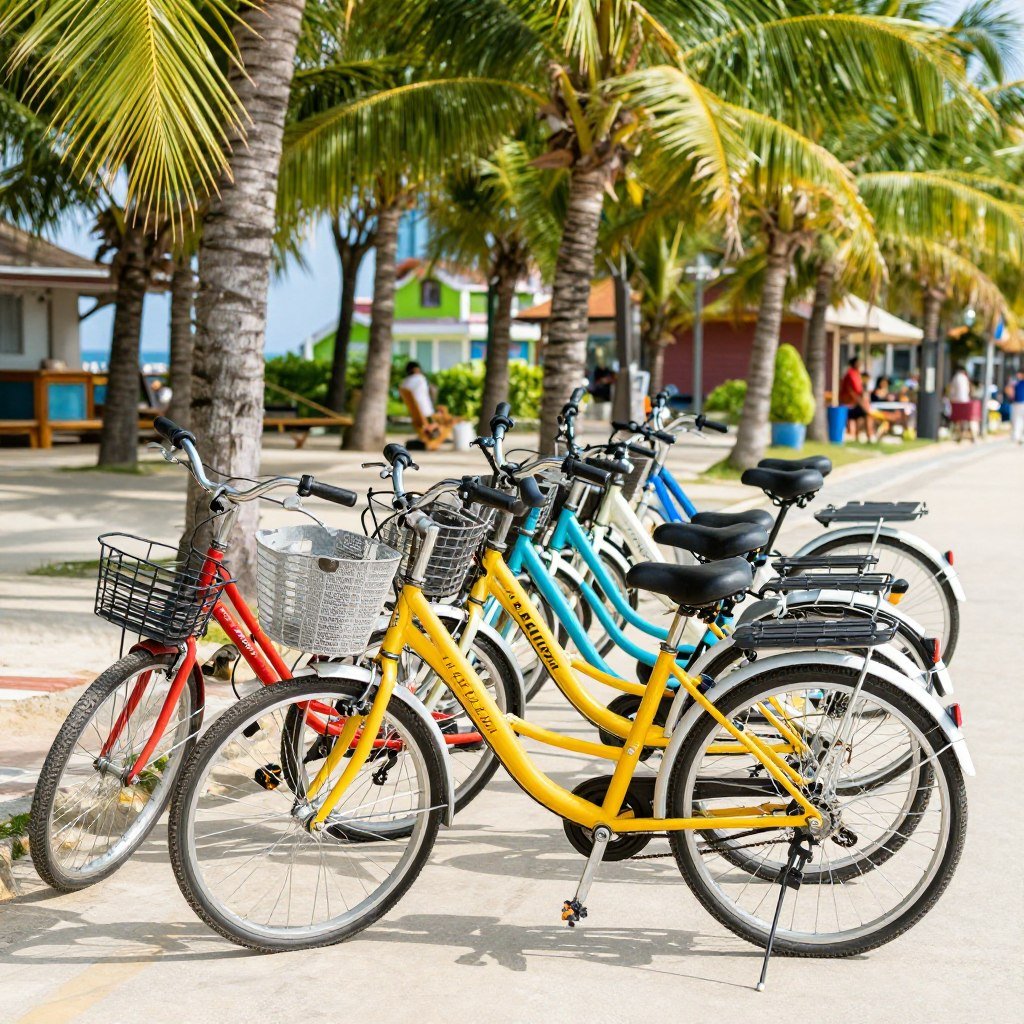
Some accommodations provide bicycles for guest use, either free or for minimal daily fees. Cycling works well for short distances along the relatively flat beach road. The coastal breeze makes riding pleasant during cooler morning and evening hours.
However, midday heat and longer distances limit cycling practicality. The trip to white sand dunes proves too far for most cyclists. Bicycles suit exploring your immediate area, riding to nearby restaurants, or reaching adjacent beaches.
Walking
Walking remains viable for exploring immediate surroundings. The beach road features sidewalks in most sections, though quality varies. Evening walks prove popular, as restaurants and bars cluster within walkable distances for guests staying centrally.
Beach walks provide pleasant alternatives to road-side walking. The firm sand near the water allows easy strolling. Morning and late afternoon walks avoid intense heat while offering opportunities to observe local beach life and fishing activities.
Practical Travel Tips for Visiting Mũi Né
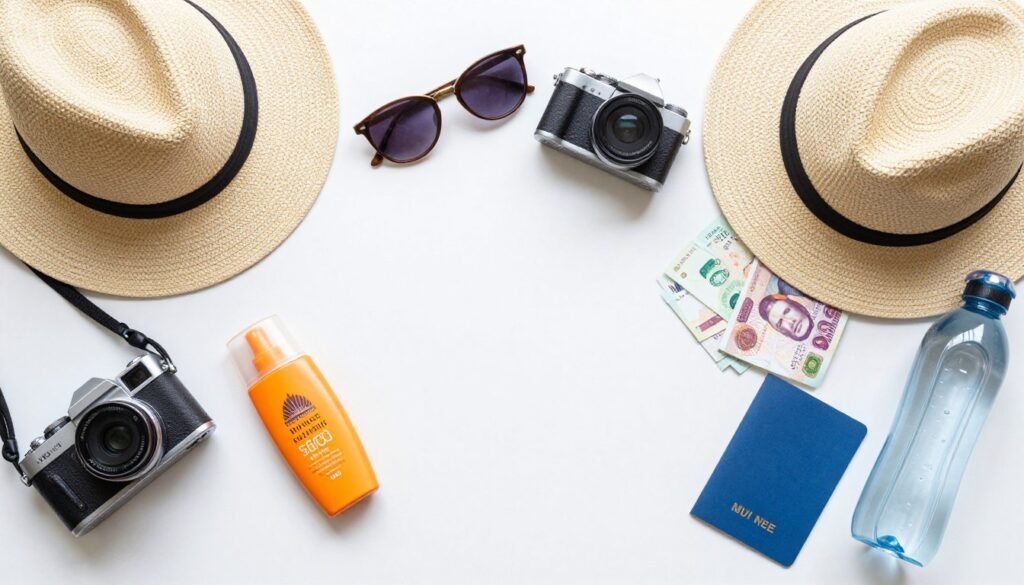
Successful Mũi Né visits require some practical preparation. Understanding local conditions, customs, and logistics helps travelers maximize their experience while avoiding common challenges.
Money and Costs
Vietnamese Dong (VND) serves as the local currency. ATMs appear regularly along the main beach road, accepting international cards. Withdrawal limits typically allow 2-4 million VND per transaction (approximately $85-170). Small fees apply but remain reasonable.
Most restaurants and shops accept only cash. Higher-end resorts and some tourist-oriented businesses accept credit cards, often adding 3% processing fees. Carrying sufficient cash prevents inconvenience, particularly when visiting local restaurants or markets.
Daily budgets vary significantly based on accommodation and dining choices. Budget travelers manage on $25-35 daily including basic lodging, local meals, and transportation. Mid-range visitors typically spend $60-100 daily for comfortable hotels and varied dining. Luxury travelers should budget $150+ for upscale resorts and premium experiences.
- ATM availability: Good along main beach road, limited in surrounding areas
- Exchange rates: Better rates in Ho Chi Minh City than Mũi Né
- Small bills: Request when withdrawing for easier transactions
- Tipping: Not mandatory but appreciated, 5-10% at restaurants
- Negotiation: Expected at markets and for some services
Language and Communication
Vietnamese serves as the primary language. English proficiency varies considerably. Staff at hotels and tourist-oriented businesses generally communicate adequately in English. However, local restaurants and shops may have limited English capabilities.
Translation apps prove invaluable for communication challenges. Google Translate’s camera function works well for menus and signs. Learning basic Vietnamese phrases demonstrates respect and often receives warm responses from locals.
Key phrases include “Xin chào” (hello), “Cảm ơn” (thank you), “Bao nhiêu tiền?” (how much?), and “Tôi không hiểu” (I don’t understand). These simple expressions significantly improve interactions and often lead to better service and prices.
Internet and Connectivity
Most accommodations provide WiFi, though speeds vary significantly. Budget properties may have limited bandwidth, while resorts typically offer reliable connections. Many restaurants and cafes also provide free WiFi for customers.
Purchasing a local SIM card offers convenient mobile data access. Viettel, Vinaphone, and Mobifone operate extensively in the area. Tourist SIM packages including substantial data cost $10-15 for 30 days. Coverage remains strong throughout Mũi Né and surrounding areas.
Mobile data enables map navigation, translation apps, and communication while exploring. This connectivity proves particularly valuable when renting motorbikes or visiting areas outside central tourist zones.
Health and Safety
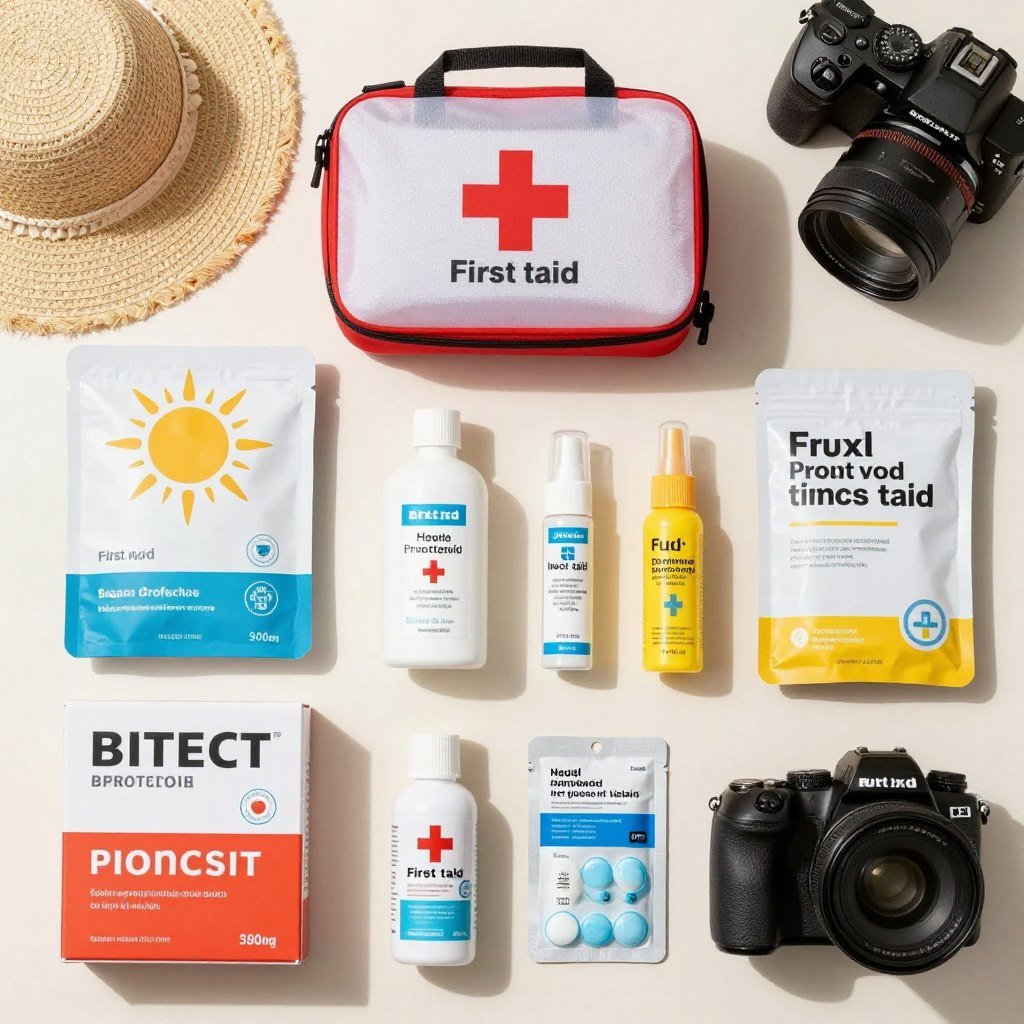
Mũi Né presents few serious health risks for travelers taking basic precautions. The coastal location means fewer mosquitoes than inland areas, though insect repellent remains advisable for evening hours. Dengue fever exists in Vietnam, making mosquito protection important year-round.
Sun protection requires serious attention. Tropical sun intensity exceeds what many travelers expect. Sunscreen, hats, and UV-protective clothing prevent burns during beach time and sand dune visits. Reapply sunscreen frequently, especially after water activities.
Water safety practices include drinking only bottled or purified water. Most accommodations provide complimentary drinking water. Ice at established restaurants generally proves safe, though cautious travelers may avoid it at basic local venues.
Petty theft occurs occasionally, primarily targeting inattentive tourists. Basic precautions suffice: secure valuables in hotel safes, watch bags at beach clubs, and avoid displaying expensive items unnecessarily. Serious crime remains rare, and most visitors experience no security issues.
Medical Facilities: Phan Thiet has hospitals and clinics handling most medical needs. Serious emergencies may require transfer to Ho Chi Minh City. Ensure travel insurance covers medical evacuation. Pharmacies along the beach road stock common medications and basic health supplies.
What to Pack
Beach vacation essentials form the packing foundation. Lightweight, breathable clothing suits the warm climate. Swimwear, shorts, t-shirts, and sundresses work for most situations. One set of nicer clothes serves for upscale restaurant visits.
Footwear should include sandals for daily wear, water shoes for rocky beach areas, and closed shoes for motorbike riding if planning to rent. Flip-flops prove impractical in sand dunes despite casual appearance.
Sun protection items rank as essential: high-SPF sunscreen, wide-brimmed hat, sunglasses, and perhaps a rash guard for extended water time. These items cost more locally than purchasing before travel.
- Lightweight, quick-dry clothing for beach climate
- Reef-safe sunscreen (multiple bottles for longer stays)
- Insect repellent with DEET for evening protection
- Basic first aid supplies and any prescription medications
- Waterproof bag for phone and valuables during activities
- Power adapter (Type A, C, or D plugs used in Vietnam)
- Reusable water bottle to reduce plastic waste
Responsible Tourism
Mũi Né’s popularity places pressure on local resources and culture. Conscious travelers can minimize negative impacts through thoughtful choices. Supporting local businesses rather than international chains keeps more money in the community.
Environmental considerations include refusing single-use plastics, properly disposing of trash, and choosing reef-safe sunscreen that doesn’t harm marine life. The sand dunes ecosystem, while appearing barren, requires protection from excessive foot traffic and littering.
Respectful photography includes asking permission before photographing local people, particularly at the fishing village. Offering to purchase items rather than just photographing creates fairer exchanges with vendors.
Cultural Etiquette
Vietnamese culture emphasizes respect and politeness. Modest dress proves important when visiting local areas outside tourist zones. While beach attire suits the strand, covering shoulders and knees shows respect in fishing village areas and local restaurants.
Public displays of affection should remain minimal, as Vietnamese culture remains relatively conservative. Raised voices and visible anger cause embarrassment and prove counterproductive when problems arise.
Remove shoes when entering homes or some small restaurants where locals dine. This custom signals respect for the space. Observing whether others wear shoes provides guidance in uncertain situations.
Day Trips and Nearby Attractions from Mũi Né
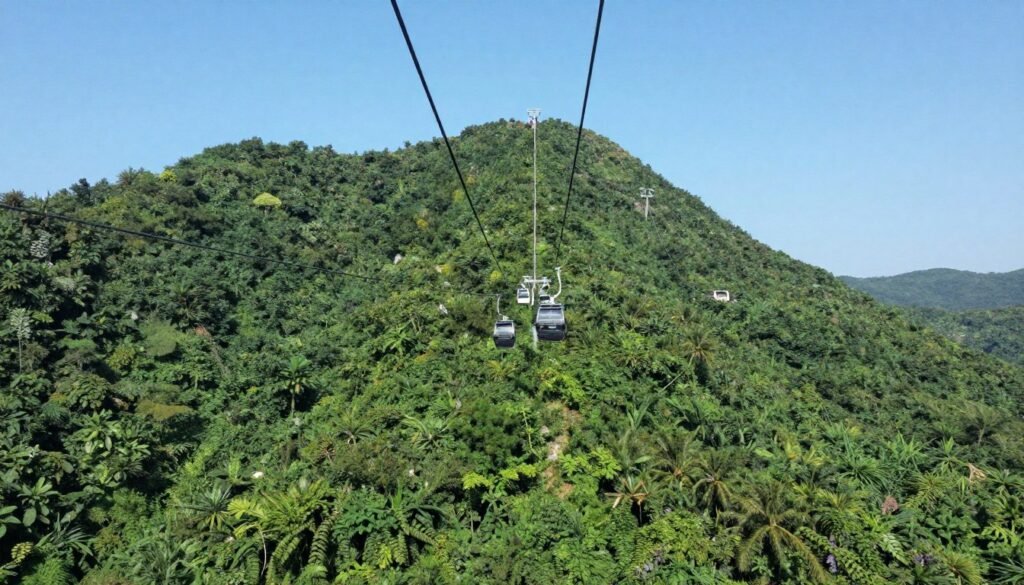
Mũi Né’s location provides access to several worthwhile destinations within day-trip distance. These excursions add variety to beach-focused itineraries while showcasing different aspects of Binh Thuan province.
Ta Cu Mountain and Reclining Buddha
Ta Cu Mountain rises approximately 30 kilometers from Mũi Né, offering cultural and natural attractions. The site features Vietnam’s largest reclining Buddha statue, measuring 49 meters long. This impressive monument sits atop the mountain at Linh Son Truong Tho Pagoda.
A cable car transports visitors most of the way up the mountain. The 20-minute ride provides expansive views across forested slopes and distant coastline. From the upper station, a 20-minute walk reaches the pagoda complex and Buddha statue.
The journey rewards visitors with peaceful temple grounds, impressive religious art, and panoramic vistas. Morning visits provide clearer views before afternoon haze develops. The round trip including travel time requires approximately 4-5 hours from Mũi Né.
- Distance from Mũi Né: 30 kilometers (45-minute drive)
- Cable car cost: Approximately 100,000 VND round trip
- Opening hours: 7:00 AM – 5:00 PM daily
- Visit duration: 2-3 hours at the mountain
- Dress code: Modest clothing covering shoulders and knees
Phan Thiet City
Phan Thiet, the provincial capital, sits just west of Mũi Né. While primarily a working city rather than tourist destination, it offers authentic Vietnamese urban experiences. The central market provides fascinating glimpses into local commerce and food culture.
Phan Thiet’s fish sauce factories welcome visitors to learn about this essential Vietnamese condiment. The pungent aroma pervades the area, creating memorable if intense sensory experiences. Some facilities offer tours explaining production processes passed through generations.
The city also features Poshanu Cham Towers, remnants of the ancient Champa civilization. These 8th-century structures demonstrate Hindu influences in Vietnamese history. The small site requires under an hour to explore but provides interesting historical context.
Ke Ga Lighthouse
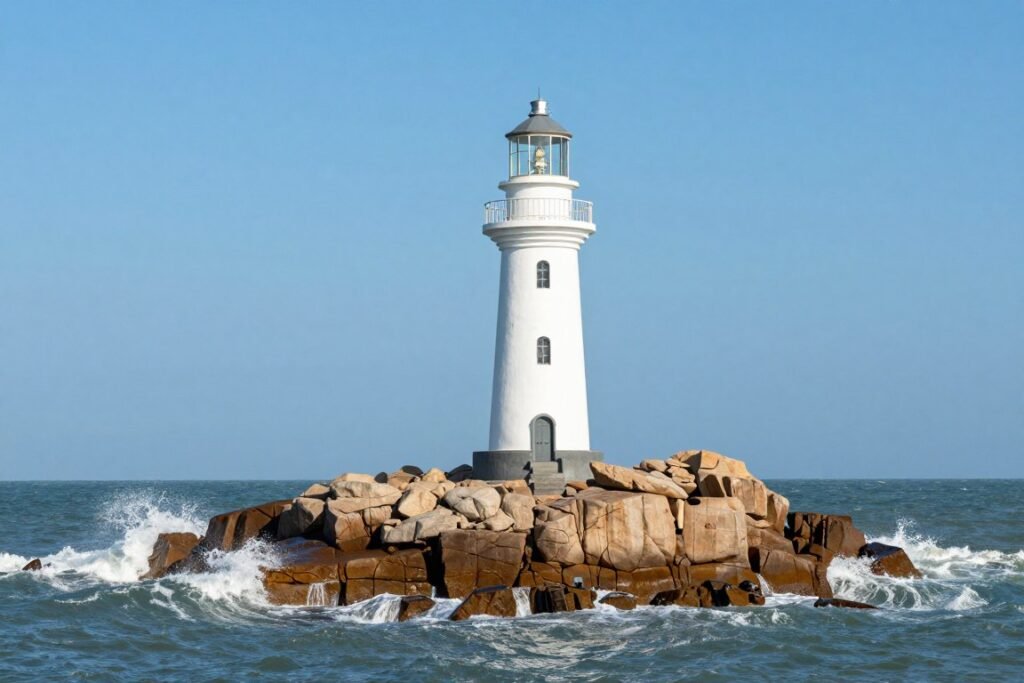
Ke Ga Lighthouse stands on a small island about 30 kilometers south of Mũi Né. Built during French colonial times, this structure represents Vietnam’s tallest and oldest lighthouse. The distinctive white tower rises 41 meters above sea level.
Reaching the lighthouse requires wading or taking a small boat at low tide. The shallow crossing adds adventure to the visit. Climbing the lighthouse provides 360-degree coastal views, with the tower’s height offering unique perspectives across the rugged shoreline.
The surrounding area remains relatively undeveloped, maintaining a remote character. This appeals to travelers seeking off-the-beaten-path experiences. However, limited facilities mean bringing water and sun protection proves essential.
Organizing Day Trips
Tour companies along Mũi Né’s beach road offer organized day trips to these destinations. Group tours provide cost-effective options including transportation and sometimes meals. Prices typically range $15-30 per person depending on itinerary and group size.
Renting a motorbike enables independent exploration at your own pace. This suits confident riders comfortable navigating less-traveled roads. The flexibility allows combining multiple sites or spending more time at preferred locations.
Private car hire with driver offers comfortable alternatives for those not riding motorbikes. Costs run $50-70 for full-day trips, reasonable when split among several people. Drivers provide some local knowledge though English capabilities vary.
Sample Mũi Né Itineraries for Different Trip Lengths
Mũi Né accommodates various trip lengths, from quick weekend escapes to week-long beach vacations. These sample itineraries help structure your time based on available days and interests.
Three-Day Weekend Itinerary
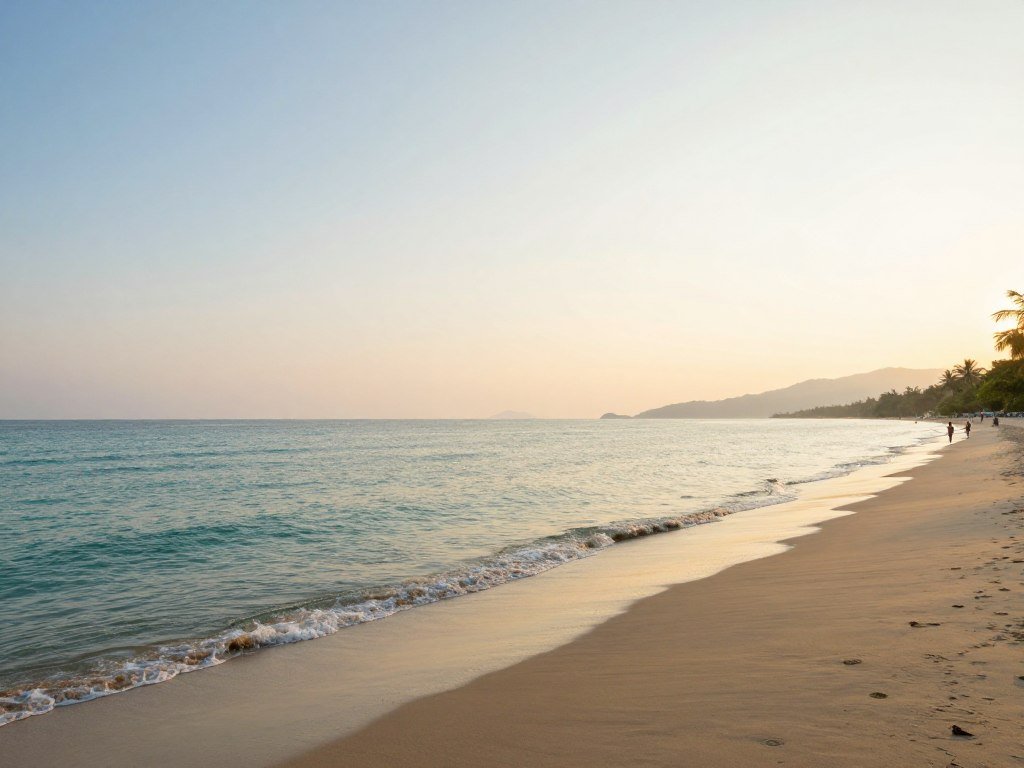
A long weekend provides sufficient time to experience Mũi Né’s highlights. This compact itinerary balances relaxation with key attractions while avoiding rushed schedules.
- Arrive via morning bus from Ho Chi Minh City
- Check into accommodation and settle in
- Lunch at beachfront restaurant
- Afternoon swimming and beach relaxation
- Sunset visit to nearby red sand dunes
- Dinner at seafood restaurant in fishing village area
Day 1: Arrival & Beach
- Early departure (5:30 AM) for white sand dunes sunrise
- Return for breakfast at accommodation
- Late morning visit to Fairy Stream
- Lunch at local Vietnamese restaurant
- Afternoon kitesurfing lesson or beach relaxation
- Evening exploring beach road restaurants and bars
Day 2: Dunes & Activities
- Breakfast and final beach time
- Morning visit to fishing village and market
- Checkout and lunch
- Afternoon bus back to Ho Chi Minh City
- Or extend stay if schedule permits
Day 3: Culture & Departure
Five-Day Balanced Itinerary
Five days allows deeper exploration while maintaining a relaxed pace. This schedule incorporates day trips alongside beach time, providing varied experiences without overwhelming daily activities.
Days 1-2: Settle In & Explore
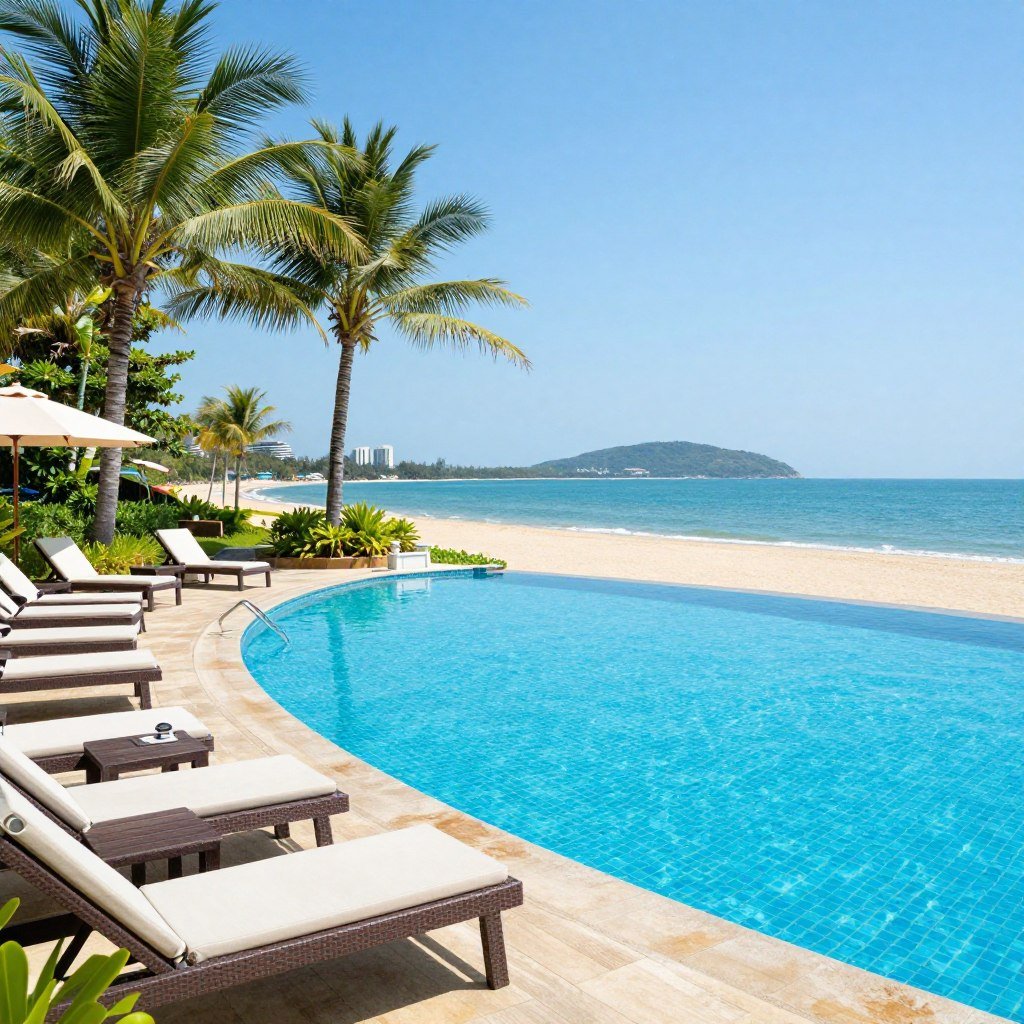
Arrive and acclimate to Mũi Né’s rhythm. Cover essential attractions including both dune areas and Fairy Stream. Establish favorite restaurants and beaches.
Days 3-4: Activities & Day Trip
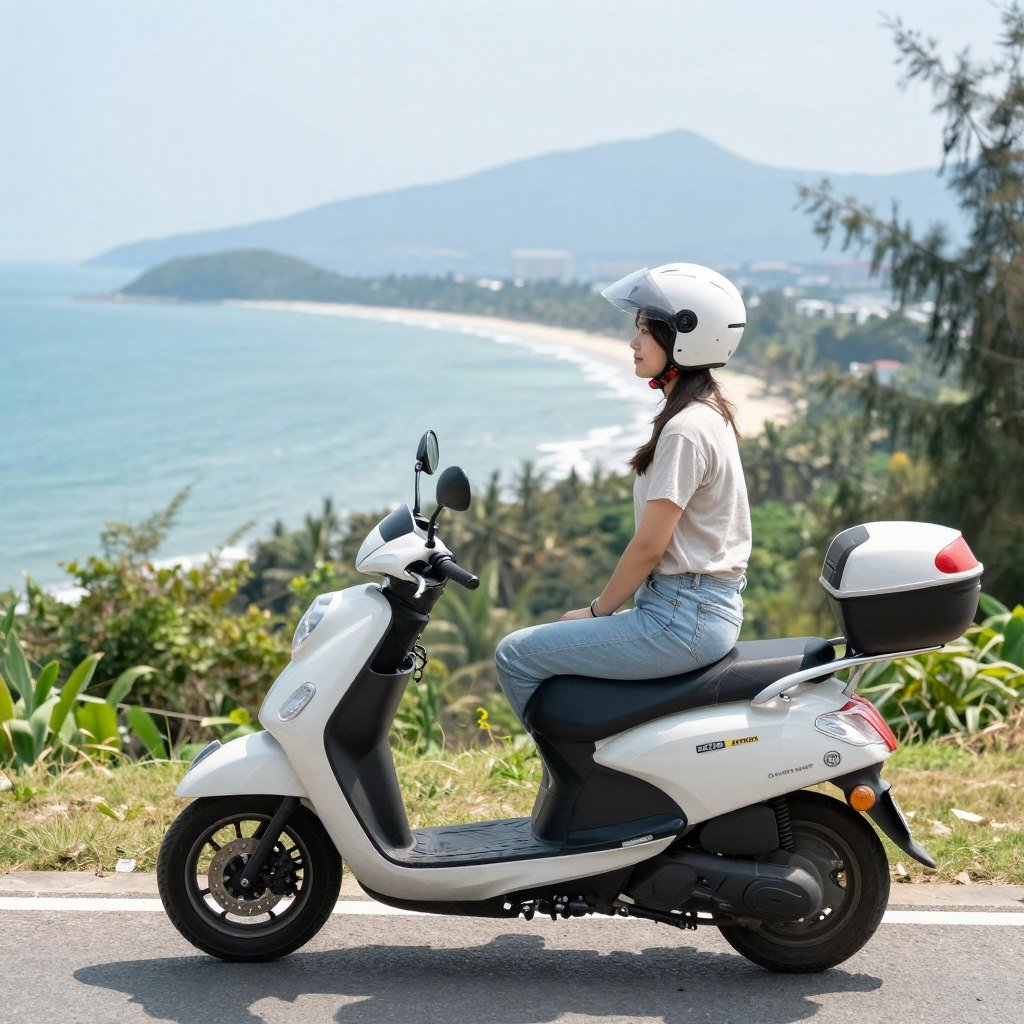
Dedicate one day to water sports or extended beach relaxation. Use another for day trip to Ta Cu Mountain or Ke Ga Lighthouse. Balance adventure with downtime.
Day 5: Final Morning & Departure

Enjoy leisurely final morning without rushing. Revisit favorite spots or simply relax at your resort. Depart afternoon or evening, having fully experienced the destination.
Week-Long Relaxation Itinerary
A full week enables complete immersion in Mũi Né’s coastal lifestyle. This extended stay allows spontaneous activities while ensuring you experience everything at a unhurried pace.
- Days 1-2: Arrive, settle in, explore immediate area at leisure
- Day 3: White sand dunes sunrise, followed by beach day
- Day 4: Kitesurfing lessons or water sports day
- Day 5: Day trip to Ta Cu Mountain and surrounding area
- Day 6: Fishing village exploration, spa treatment, upscale dining
- Day 7: Final relaxation, packing, evening departure
The week-long format suits digital nomads, couples seeking romantic getaways, or anyone wanting thorough relaxation. Daily schedules remain flexible, with built-in buffer time for weather changes or spontaneous discoveries.
Need Help Planning Your Perfect Mũi Né Itinerary?
Get personalized recommendations based on your interests, travel style, and available time. Our Vietnam travel specialists create custom itineraries matching your needs.
Seasonal Activities and Special Events in Mũi Né
Mũi Né’s activity calendar varies with seasons and occasional special events. Understanding these timing factors helps visitors plan trips around preferred experiences or avoid peak crowds.
Wind Season and Kitesurfing
Strong, consistent winds from November through March create optimal conditions for wind-based water sports. This period sees peak activity at kitesurfing schools and on the water. Experienced riders travel specifically to Mũi Né during these months for the reliable conditions.
The wind picks up by late morning and continues into afternoon and evening. Early risers find calmer conditions better suited for other water activities. The consistent wind does create choppier sea conditions affecting swimming enjoyment for some visitors.
Beyond kitesurfing, windsurfing and sailing benefit from these conditions. Several schools along the beach offer equipment rental and instruction. The combination of warm water and steady wind rarely exists elsewhere in Southeast Asia with such accessibility.
Fishing Seasons and Market Activity
The fishing village maintains year-round activity, though catch volumes and species vary seasonally. Peak fishing occurs during calmer seas from November through April. The morning market sees greatest variety and activity during these months.
Squid fishing happens primarily at night, with boats returning at dawn. Watching the fleet arrive and unload creates fascinating cultural experiences. The sight of hundreds of boats congregating offshore after dark, their lights twinkling like stars, provides memorable evening viewing.
Vietnamese Holidays and Festivals
Vietnamese Lunar New Year (Tet) dramatically impacts Mũi Né from late January to mid-February, depending on the lunar calendar. Many local businesses close for family celebrations. Tourist services continue but with reduced options. Hotel prices increase significantly if you find availability.
Traveling during Tet provides authentic cultural experiences but requires flexibility regarding services. Advanced planning becomes essential, as accommodation sells out months ahead. The festive atmosphere with decorations and celebrations offers unique perspectives on Vietnamese culture.
Other Vietnamese public holidays create smaller impacts. National Day (September 2) and Hung Kings Festival (March/April) bring domestic tourists to coastal areas. Prices rise moderately and popular sites become busier but manageable.
Planning Around Holidays: Check the lunar calendar when planning trips between January and March. Tet dates shift annually. Booking far in advance secures accommodation if visiting during holiday periods. Alternatively, avoid these dates for quieter experiences.
Monthly Activity Highlights
| Period | Best Activities | Events/Conditions | Crowd Level |
| November-December | Kitesurfing, dune visits, all beach activities | Perfect weather starts, wind season begins | Medium to High |
| January-February | All outdoor activities peak | Tet holiday (dates vary), busiest period | Very High |
| March-April | Water sports, beach time, dune exploration | Hottest months, continued strong winds | High |
| May-October | Swimming, cultural visits, budget travel | Lower winds, occasional rain, fewer tourists | Low to Medium |
Photography Tips for Capturing Mũi Né’s Beauty
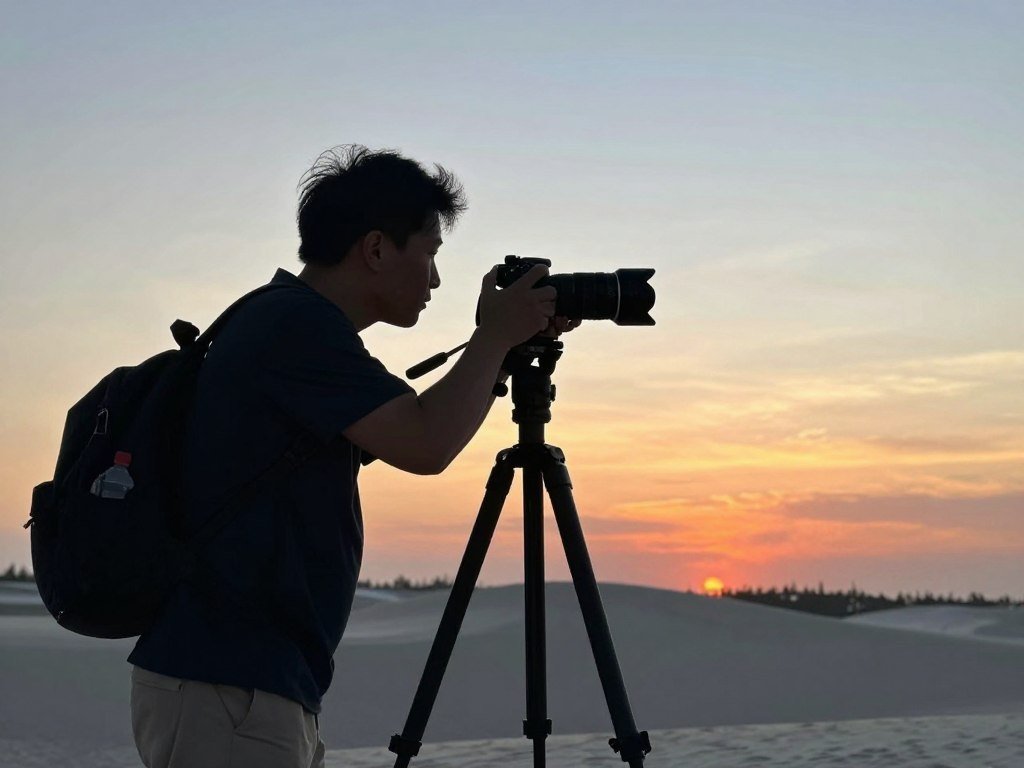
Mũi Né offers exceptional photography opportunities. The dramatic landscapes, colorful fishing boats, and unique desert-meets-sea environment create compelling subjects. Understanding optimal timing and techniques helps capture memorable images.
Best Photography Locations and Timing
The white sand dunes deliver Mũi Né’s most iconic photographs. Sunrise provides optimal lighting, with low-angle sun creating dramatic shadows across rippled sand. Arrive by 5:30 AM to set up before the sun breaks the horizon. The 30-minute period around sunrise offers magical golden light.
Red sand dunes work beautifully for sunset photography. The reddish sand intensifies in warm evening light. Silhouettes of people on dune ridges create striking compositions. Arrive an hour before sunset to explore angles and find optimal positions.
The fishing village provides rich documentary-style opportunities. Early morning market activity offers authentic scenes with fishermen sorting catches. Colorful boats create vibrant compositions throughout the day. Morning light tends toward better quality than harsh midday sun.
- Golden hours (sunrise/sunset) provide best natural lighting
- Avoid midday for beach photography due to harsh overhead sun
- Overcast days work well for fishing village and cultural shots
- Evening blue hour captures boat lights and atmospheric scenes
- Early arrival at popular spots avoids crowds in frames
Camera Settings and Equipment
Bright beach and sand environments require exposure compensation. The reflective sand often fools camera meters, creating underexposed images. Adding +0.7 to +1.5 exposure compensation corrects this tendency, though exact amounts vary by conditions.
Wide-angle lenses suit landscape photography at the dunes and beach scenes. A 16-35mm or similar range captures expansive views effectively. For fishing village detail and cultural photography, normal to short telephoto lenses (35-85mm) provide versatile options.
Sand presents challenges for camera equipment. Use UV filters to protect front lens elements from blowing sand. Keep gear in sealed bags when not shooting. A simple brush helps remove sand from camera bodies without scratching surfaces.
Drone Photography Considerations
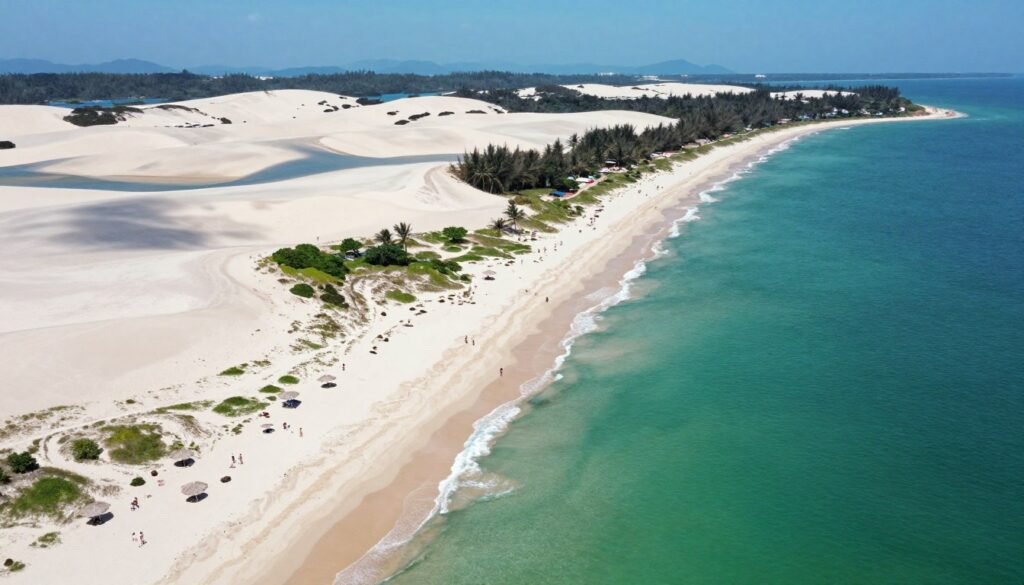
Drone photography reveals Mũi Né’s geography in spectacular ways. Aerial views show the dramatic transition between desert-like dunes and coastal waters. The fishing village from above displays the density of colorful boats creating abstract patterns.
Vietnam’s drone regulations require registration for aircraft over 250 grams. Enforcement varies by location and situation. Flying responsibly away from people, military areas, and respecting privacy helps avoid issues. Early morning flights at less-crowded locations minimize concerns.
Wind conditions affect drone flying significantly. The same winds excellent for kitesurfing create challenges for smaller drones. Morning flights before winds strengthen provide safer, calmer conditions. Check wind forecasts and fly conservatively if you lack extensive experience.
Photographing Local People
Cultural sensitivity matters when photographing people at the fishing village and markets. Always ask permission before taking someone’s photo, using gestures if language creates barriers. Many people happily pose after simple requests.
Candid documentary photography requires discretion and respect. Observe activities without intrusion. Long lenses allow capturing authentic moments while maintaining comfortable distances. If someone objects or seems uncomfortable, respect their wishes immediately.
Purchasing items from vendors you photograph creates fair exchanges. This practice especially applies at markets where you’re photographing people’s livelihoods. Small purchases or tips demonstrate respect for their time and work.
Phone Photography: Modern smartphones capture excellent images in good light. The key is timing and composition rather than equipment. Use HDR mode for high-contrast beach scenes. Clean your lens frequently, as salt spray and sand quickly degrade image quality.
Sustainable and Responsible Travel in Mũi Né
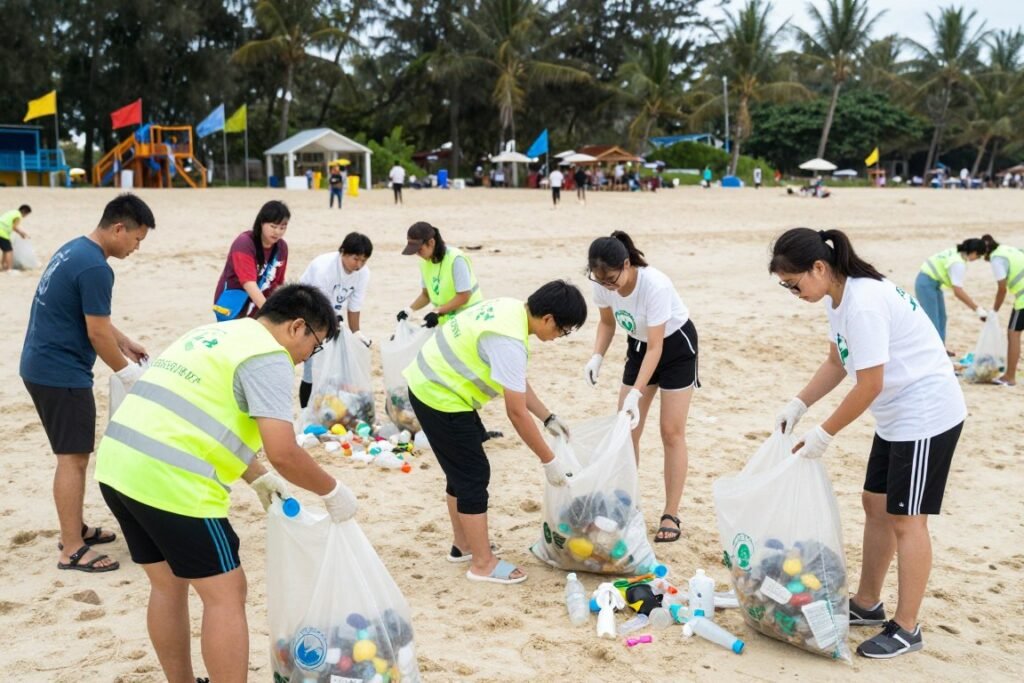
Tourism development brings both opportunities and challenges to Mũi Né. Visitors can minimize negative impacts while supporting the local community through conscious choices and behaviors.
Environmental Conservation
Beach and ocean pollution affects Mũi Né like many coastal destinations. Plastic waste poses particular problems, with single-use items accumulating despite cleanup efforts. Travelers reduce their impact by refusing straws, carrying reusable water bottles, and using cloth shopping bags.
The sand dunes ecosystem appears harsh but remains fragile. Staying on established paths and avoiding disturbing vegetation helps preserve these unique landscapes. The temptation to slide down pristine dune faces damages formations that take years to reform naturally.
Coral reefs exist offshore though not as extensively as other Vietnamese locations. Choosing reef-safe sunscreen protects marine life. Chemical sunscreens harm coral and marine ecosystems even in small amounts. Physical/mineral sunscreens provide effective protection without environmental damage.
- Refuse single-use plastics including straws, bags, and bottles
- Carry reusable water bottle with water purification capability
- Choose accommodations with environmental policies and practices
- Use reef-safe sunscreen containing zinc oxide or titanium dioxide
- Participate in beach cleanups if opportunities arise
- Support businesses demonstrating environmental responsibility
Supporting Local Economy
Choosing locally-owned accommodations keeps more tourism revenue in the community. Vietnamese-run guesthouses and small hotels provide authentic experiences while directly benefiting local families. This approach contrasts with international chains extracting profits from the area.
Eating at local restaurants rather than tourist-focused international establishments supports community livelihoods. Small family restaurants operate on thin margins where every customer matters. The food quality often exceeds fancier establishments while providing authentic experiences.
Purchasing from local vendors and markets circulates money within the community. Handmade items and local products provide better souvenirs than imported goods. Fair bargaining balances getting reasonable prices with paying amounts that fairly compensate sellers.
Cultural Respect and Interaction
The fishing village remains a working community where people live, not merely a tourist attraction. Respecting privacy and daily life becomes important. Avoid blocking work areas while photographing, and understand that people have jobs to complete regardless of tourist presence.
Learning basic Vietnamese phrases demonstrates respect for local culture. Simple greetings and thank-yous receive warm responses. This small effort acknowledges you’re a visitor in someone else’s home rather than an entitled tourist.
Dress appropriately when leaving beach and resort areas. While swimwear suits the beach, covering shoulders and avoiding extremely short shorts shows respect in fishing village and local restaurant areas. Vietnamese culture remains relatively conservative regarding public dress.
Responsible Tourism Practices
- Learn about local customs before visiting
- Support social enterprises and fair-trade businesses
- Avoid elephant riding and exploitative animal attractions
- Respect photography boundaries and privacy
- Choose tour operators with responsible practices
- Share benefits by hiring local guides
- Leave areas cleaner than you found them
Community Benefit Actions
- Hire local guides for tours and activities
- Purchase handicrafts directly from artisans
- Eat at family-run local restaurants
- Choose Vietnamese-owned accommodations
- Tip service workers fairly and appropriately
- Share positive reviews for good local businesses
- Avoid haggling excessively over small amounts
Common Mistakes to Avoid When Visiting Mũi Né
Learning from common visitor mistakes helps optimize your Mũi Né experience. Understanding these pitfalls allows better planning and more enjoyable trips.
Timing and Scheduling Errors
Many visitors underestimate the intense midday heat and sun exposure. Planning active dune exploration or long beach walks during 11 AM – 3 PM leads to exhaustion and sunburn. Schedule outdoor activities for early morning or late afternoon instead.
Arriving at white sand dunes after 8 AM means encountering tour group crowds and increasing heat. The early wake-up for sunrise proves worthwhile given the dramatic difference in experience. Night owls should consider sunset at red sand dunes instead.
Failing to check tide times before visiting Fairy Stream can impact your experience. While walkable year-round, lower tides provide easier, more pleasant conditions. A quick online check helps optimize timing.
Transportation Mistakes
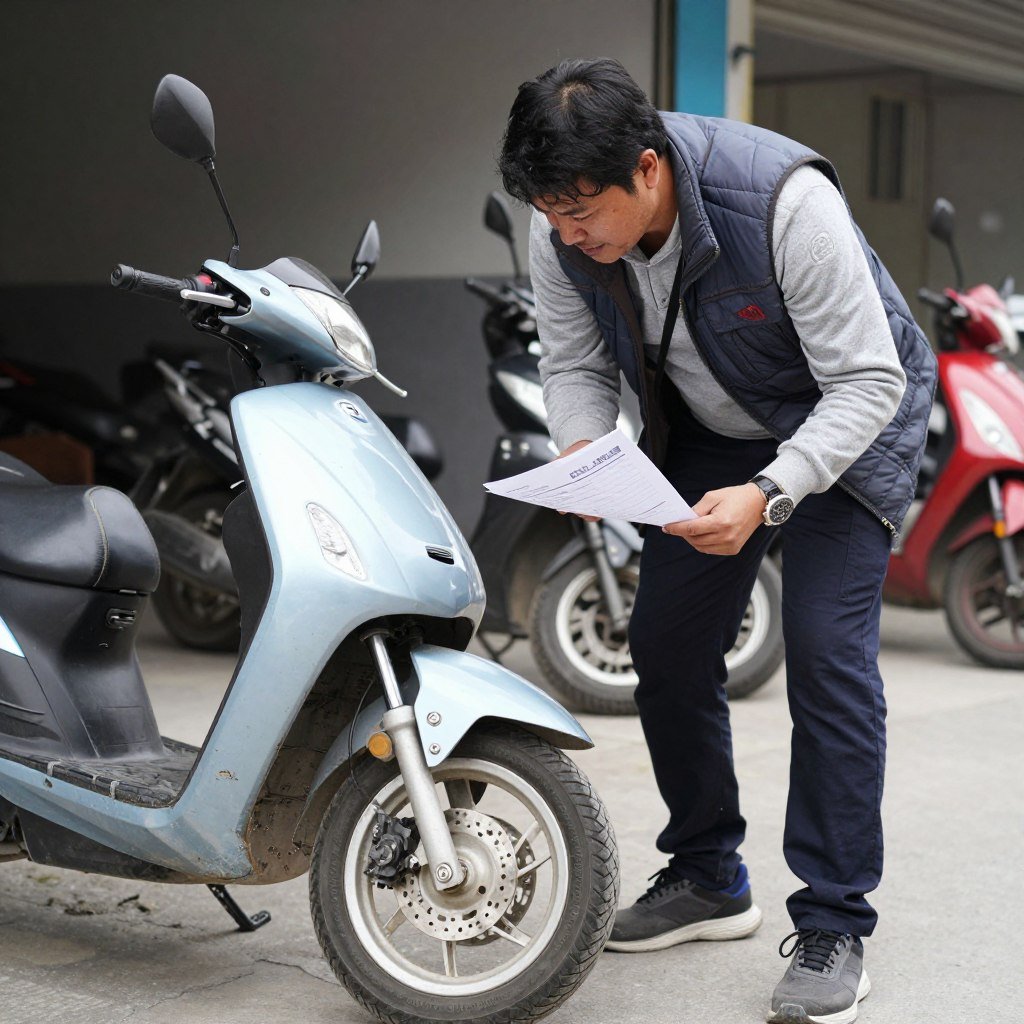
Renting motorbikes without proper inspection causes disputes when returning. Photograph the bike from all angles before departing, documenting existing damage. This protects against false damage claims. Check brakes, lights, and tire condition before accepting the vehicle.
Underestimating distances leads some visitors to attempt walking between widely separated points. The 15-kilometer beach strip proves too far for comfortable walking in heat. Rent transportation or budget for taxis rather than exhausting walks.
Accepting taxi rides without confirming meter usage or negotiating fares creates bill shock. Clarify pricing before departing. Use Grab app when possible for transparent pricing, or have hotels call reputable taxi companies.
Money and Budgeting Issues
Carrying insufficient cash creates problems at local restaurants, markets, and some accommodations. While central areas have ATMs, the inconvenience of constantly seeking machines disrupts enjoyment. Withdraw adequate amounts despite small fees.
Misunderstanding Vietnamese currency leads to overpaying or underpaying. The many zeros in Vietnamese dong confuse newcomers. Take time to learn common price ranges and double-check amounts before paying.
Booking last-minute during peak season results in limited choice and inflated prices. December-February accommodation requires advance booking for decent options at reasonable rates. Spontaneous travelers during these months often settle for suboptimal situations.
Activity and Attraction Mistakes
Visiting only the red sand dunes while skipping the white sand dunes means missing Mũi Né’s most impressive natural feature. The white dunes require more effort to reach but deliver dramatically better experiences. Allocate time for both areas.
Expecting world-class scuba diving leads to disappointment. Mũi Né offers decent diving but doesn’t compete with other Southeast Asian destinations. Set appropriate expectations or focus on activities where the destination excels.
Overlooking the fishing village cultural experiences in favor of only beach time misses authentic local color. The working harbor and morning market provide fascinating glimpses into Vietnamese coastal life worth experiencing.
Health and Safety Oversights
Underestimating sun intensity causes severe burns for fair-skinned visitors. The tropical sun proves more intense than many expect. Apply high-SPF sunscreen liberally and frequently, especially after swimming. Wear protective clothing during extended exposure.
Ignoring sand reflection when applying sunscreen leaves faces burned from below. The white sand reflects sunlight intensely, burning under chins, noses, and ear undersides. Apply sunscreen to all exposed skin, not just tops of shoulders and face.
Swimming in rough seas without local knowledge creates dangerous situations. Red flags indicate hazardous conditions. Strong undertows affect some beach sections. Ask locals or hotel staff about safe swimming areas before entering unfamiliar waters.
Should I book accommodation in advance or find it upon arrival?
Book in advance during November-March peak season, as quality options fill quickly. Outside peak months, some flexibility exists for spontaneous booking, though advance research ensures better value and location. Weekend arrivals benefit from advance booking regardless of season.
Is Mũi Né suitable for families with young children?
Yes, Mũi Né suits families well. Many resorts offer children’s pools and family rooms. Beach sections near Ham Tien provide calm, shallow water for safe swimming. The sand dunes fascinate kids of all ages. Choose accommodations with pools and kid-friendly amenities for best experiences.
How much Vietnamese should I learn before visiting?
Learning basic greetings and thank-yous suffices. Tourist areas function with limited Vietnamese. However, a few key phrases enhance interactions, especially at local restaurants and markets. Translation apps bridge remaining gaps effectively. The effort demonstrates respect and often receives warm responses.
Frequently Asked Questions About Visiting Mũi Né
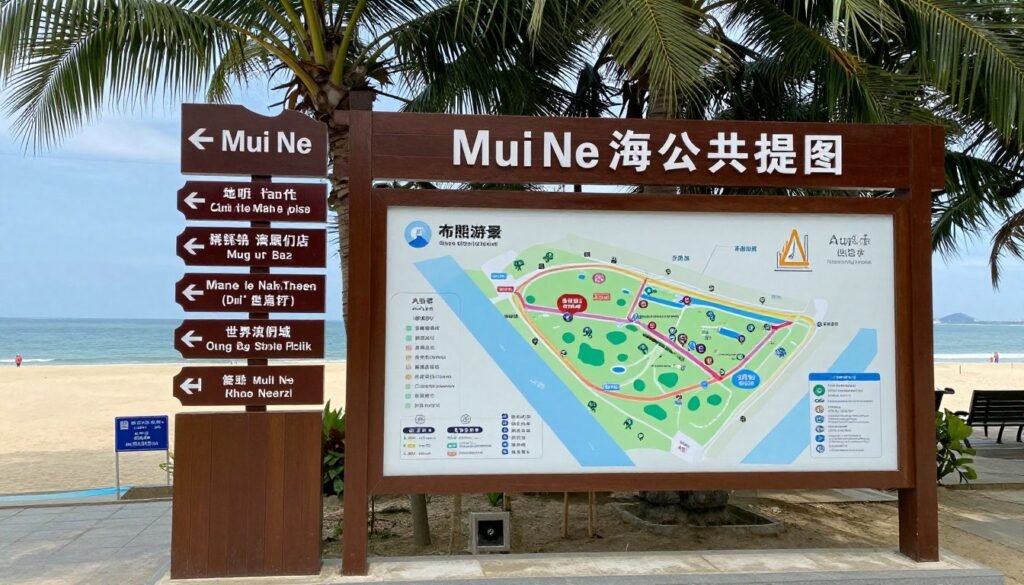
Planning and Logistics Questions
How many days should I spend in Mũi Né?
Three to five days provide a good balance. Three days covers main attractions with some beach time. Five days allows comfortable pacing, day trips, and genuine relaxation. Weekend visitors can experience highlights in two days but will feel rushed. Week-long stays suit travelers seeking thorough unwinding.
Do I need a visa to visit Vietnam?
Visa requirements vary by nationality. Many countries qualify for visa exemptions for short stays or can obtain e-visas online before arrival. Check current requirements for your specific passport well before traveling. Vietnamese visa policies change periodically, so verify current rules rather than relying on outdated information.
Is Mũi Né expensive compared to other Vietnamese destinations?
Mũi Né costs slightly more than non-tourist areas but remains affordable by international standards. Accommodation and dining range from budget-friendly to upscale. The destination offers better value than islands or heavily touristed cities while maintaining quality. Budget travelers manage easily; luxury seekers find excellent value.
Can I use credit cards in Mũi Né?
Larger hotels and upscale restaurants accept credit cards, often adding 3% processing fees. Most local restaurants, shops, and activities require cash. ATMs appear frequently along the main beach road. Withdraw sufficient cash to avoid constant machine visits. Inform your bank of Vietnam travel to prevent card blocks.
Is Mũi Né safe for solo travelers?
Yes, Mũi Né proves generally safe for solo travelers including women. Standard precautions apply: secure valuables, avoid isolated areas at night, watch drinks at bars, and trust instincts in uncomfortable situations. Most visitors experience no safety issues. The tourist infrastructure makes solo travel comfortable and straightforward.
Activities and Attractions Questions
Are the sand dunes worth visiting?
Absolutely yes. The white sand dunes especially deliver unique landscapes rarely seen elsewhere in Vietnam. The dramatic desert-like scenery contrasts beautifully with typical tropical beach settings. Early morning or late afternoon visits provide the best experiences with optimal lighting and fewer crowds. Don’t skip this distinctive feature.
Do I need to be fit for activities in Mũi Né?
Basic fitness suffices for most activities. Walking in sand requires more effort than solid ground but remains manageable. Fairy Stream involves easy wading. Kitesurfing demands more fitness but beginners start with appropriate instruction. Various activity levels exist, from lazy beach days to vigorous water sports. Choose based on personal fitness and preferences.
Is the water safe for swimming year-round?
Swimming conditions vary by season and location. November-April generally provides calmer seas suitable for swimming. May-October brings rougher conditions with stronger currents, particularly during windy periods. Beach sections near Ham Tien village offer more protected swimming. Always observe local conditions and ask accommodation staff about current safety.
Can beginners learn kitesurfing in Mũi Né?
Yes, Mũi Né ranks among Southeast Asia’s best beginner kitesurfing destinations. Shallow water extending far from shore provides safe learning conditions. Consistent winds during November-March create reliable practice opportunities. Multiple IKO-certified schools offer structured programs designed specifically for beginners. Most students achieve basic riding within a 9-12 hour course.
Practical Daily Life Questions
What should I do if I get sick in Mũi Né?
Minor illnesses can be treated at pharmacies along the beach road, where staff often speak some English. Phan Thiet has clinics and hospitals for more serious issues. Upscale resorts typically have medical staff or doctor on-call services. Serious emergencies may require transport to Ho Chi Minh City. Ensure travel insurance covers medical evacuation before traveling.
How do I deal with language barriers at local restaurants?
Most restaurants have picture menus or can show you dishes. Translation apps work well for menu items. Pointing at what others eat proves effective. Learning key food terms helps: “ga” (chicken), “bo” (beef), “tom” (shrimp), “ca” (fish). Staff appreciate efforts despite imperfect communication. Gestures and smiles bridge most gaps.
Can I drink tap water in Mũi Né?
No, avoid drinking tap water. Use bottled water for drinking and brushing teeth. Most accommodations provide complimentary bottled water. Restaurants serve filtered or bottled water. Ice at established restaurants generally uses purified water and proves safe, though cautious travelers may avoid it at very basic venues. Bring reusable bottles to reduce plastic waste.
What’s the WiFi situation in Mũi Né?
Most accommodations and many restaurants provide WiFi, though speeds and reliability vary. Budget properties may have slower connections. Resorts typically offer good connectivity. For reliable mobile internet, purchase a local SIM card with data. Coverage remains strong throughout Mũi Né and surrounding areas. Tourist SIM packages provide excellent value for temporary visitors.
Are there mosquitoes in Mũi Né? Do I need malaria protection?
Mosquitoes exist but coastal breezes keep populations lower than inland areas. Dengue fever risk exists, making mosquito protection important. Bring insect repellent with DEET for evening hours. Malaria risk remains very low in coastal Binh Thuan province. Most travelers don’t take malaria prophylaxis for Mũi Né visits, but consult your doctor based on your complete itinerary and personal health.
Conclusion: Making the Most of Your Mũi Né Experience
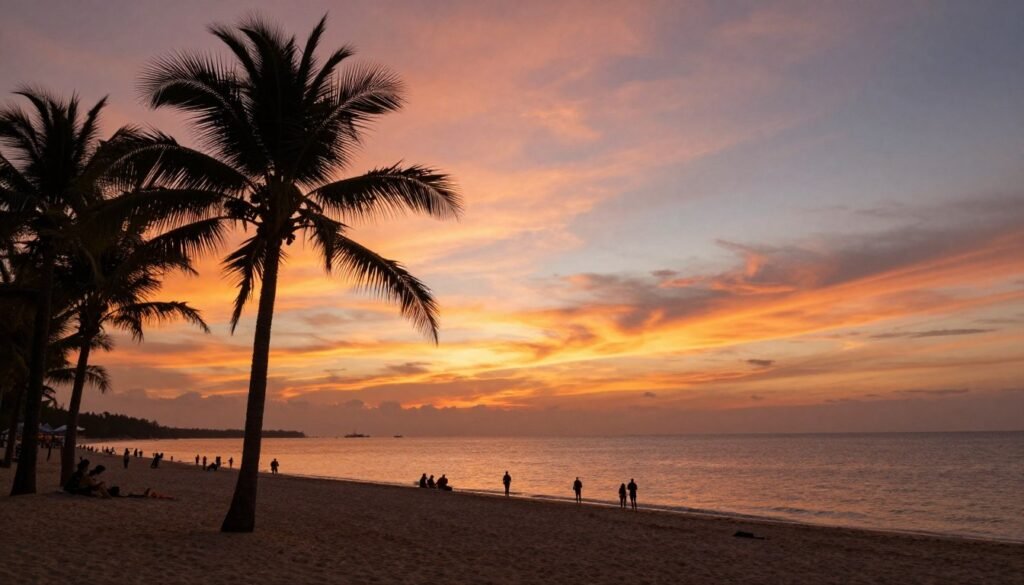
Mũi Né delivers a distinctive Vietnamese coastal experience combining natural beauty, cultural authenticity, and excellent value. The destination succeeds whether you seek adventure through kitesurfing and dune exploration or simple relaxation on beautiful beaches.
The area’s compact size works to visitors’ advantage. Major attractions sit within easy reach, allowing comprehensive exploration without constant long-distance travel. This accessibility suits both short weekend trips and extended stays without running out of activities or becoming boring.
Understanding seasonal patterns optimizes your visit. November through April provides peak conditions for most activities, though the quieter shoulder months offer advantages for budget travelers and those avoiding crowds. Each period delivers different but worthwhile experiences.
The fishing village heritage gives Mũi Né character beyond typical resort towns. Authentic cultural experiences remain accessible alongside comfortable tourist amenities. This balance appeals to travelers wanting immersion in Vietnamese life while maintaining comfortable accommodations and familiar conveniences.
Transportation ease from Ho Chi Minh City makes Mũi Né particularly accessible. The straightforward 4-5 hour journey allows weekend trips for those based in the city or convenient additions to broader Vietnamese itineraries. This accessibility combined with diverse attractions explains the destination’s popularity.
Ultimately, Mũi Né succeeds through its combination of unique landscapes, authentic culture, water sports opportunities, and relaxed beach atmosphere. Whether you stay three days or a full week, the destination provides memorable experiences at costs making longer stays financially feasible.
Start Planning Your Mũi Né Adventure Today
Everything you need for an incredible Mũi Né trip awaits. From finding perfect accommodations to booking exciting activities, start your journey to Vietnam’s stunning coastal paradise.
Remember that successful trips balance planning with spontaneity. Research and book key elements like accommodation and transportation in advance, especially during peak season. However, leave room for unexpected discoveries and opportunities that emerge during your visit.
Approach Mũi Né with realistic expectations. The destination excels at providing beautiful beaches, dramatic sand dunes, authentic fishing village culture, and excellent water sports. It doesn’t offer pristine coral reefs, wilderness isolation, or cultural monuments. Appreciate what exists rather than expecting what doesn’t.
Most importantly, embrace the relaxed coastal rhythm that defines Mũi Né. The destination rewards travelers who slow down, savor experiences, and appreciate the combination of natural beauty and Vietnamese authenticity that makes this coastal area special.