

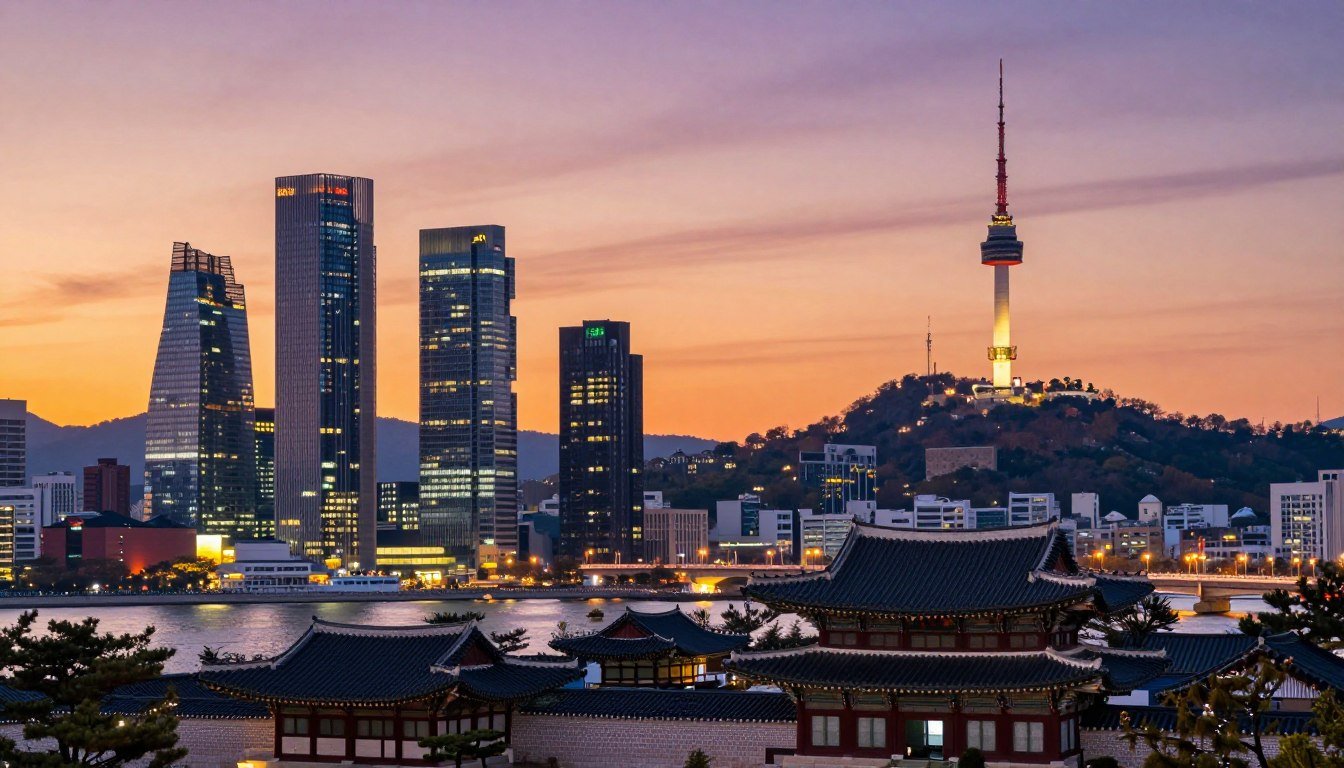
Seoul is a city that pulses with energy. This dynamic capital of South Korea seamlessly blends ancient traditions with cutting-edge technology. You’ll walk through peaceful palace gardens in the morning and find yourself in neon-lit streets filled with K-pop rhythms by evening.
Whether you’re planning your first trip to Seoul or looking to experience the city beyond typical tourist spots, this complete guide covers everything you need. From navigating the efficient metro system to discovering hidden street food gems, you’ll find practical advice grounded in real travel experiences.
This Seoul travel guide includes insider tips on the best things to do, where to stay, what to eat, and how to get around. We’ll help you make the most of your time in this fascinating city where tradition and modernity coexist beautifully.
Want the Complete Seoul Planning Package?
Download our free comprehensive Seoul guide with detailed itineraries, neighborhood maps, cultural etiquette tips, and a complete packing checklist to make your trip planning effortless.
Planning Your Trip to Seoul
Proper planning makes your Seoul adventure smoother and more enjoyable. Understanding visa requirements, travel insurance options, and the best time to visit helps you avoid unnecessary stress. South Korea has become increasingly accessible to international travelers, with many countries enjoying visa-free entry.
Visa Requirements and Entry
Citizens from over 100 countries can enter South Korea visa-free for tourism purposes. US, Canadian, UK, Australian, and most European citizens can stay up to 90 days without a visa. You’ll need a passport valid for at least six months beyond your intended stay.
Upon arrival at Incheon International Airport, you’ll go through immigration where officials may ask about your accommodation and return flight. The process typically takes 15-30 minutes. Make sure you have proof of onward travel and accommodation details readily available.
Some travelers need to apply for a K-ETA (Korea Electronic Travel Authorization) before departure. Check the official Korean immigration website to confirm requirements for your nationality. The K-ETA application is straightforward and costs around $10, with approval usually granted within 24 hours.
Travel Insurance for South Korea
Healthcare in Seoul is excellent but can be expensive for foreign visitors. A simple doctor’s visit costs $50-100, while emergency room treatment runs significantly higher. Travel insurance protects you from unexpected medical bills and trip cancellations.
Most comprehensive travel insurance policies cover medical emergencies, trip cancellations, lost baggage, and travel delays. For a one-week trip to Seoul, expect to pay $30-60 for basic coverage. Many travelers find peace of mind worth this relatively small investment.
Travel insurance becomes especially important if you’re planning outdoor activities or visiting during winter when weather disruptions are more common. Some policies also cover COVID-19 related issues, including quarantine costs and trip interruptions.
Protect Your Seoul Adventure
Get comprehensive travel insurance coverage for medical emergencies, trip cancellations, and lost belongings. Compare quotes from top providers and find the best protection for your South Korea trip.
Best Time to Visit Seoul
Seoul experiences four distinct seasons, each offering unique experiences. The best time to visit depends on your preferences for weather, crowds, and activities. Spring and fall generally provide the most comfortable conditions for exploring the city.
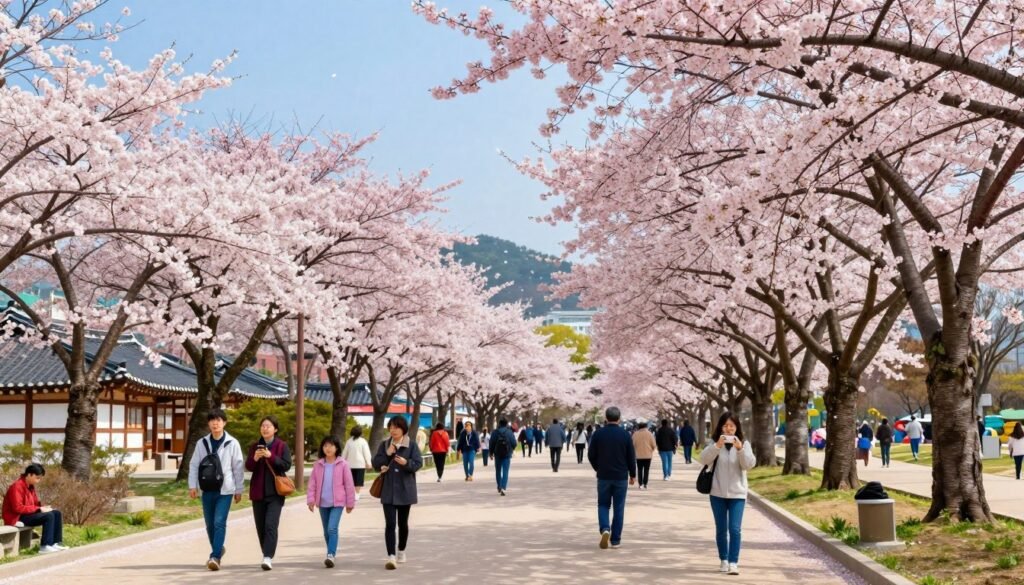
Spring (March to May) brings mild temperatures and stunning cherry blossoms. The city transforms into a pink wonderland in early April when cherry trees bloom throughout parks and along streets. Temperatures range from 10°C to 20°C (50°F to 68°F), making it perfect for outdoor exploration.
Summer (June to August) is hot and humid with frequent rain, especially during monsoon season in July. Temperatures often exceed 30°C (86°F) with high humidity levels. Despite the heat, summer offers vibrant festivals and longer daylight hours. Many locals escape to air-conditioned shopping malls and cafes during peak afternoon heat.
Fall (September to November) rivals spring as the best time to visit Seoul. Autumn foliage paints the city in brilliant reds, oranges, and yellows from mid-October through November. Temperatures are comfortable, ranging from 10°C to 23°C (50°F to 73°F), with clear skies and minimal rain.
Winter (December to February) brings cold, dry weather with occasional snow. Temperatures frequently drop below freezing, ranging from -5°C to 5°C (23°F to 41°F). Winter is ideal for budget travelers as hotel prices drop and crowds thin out. The city sparkles with Christmas lights and winter festivals, while nearby ski resorts offer excellent slopes.
Pro Tip: Book accommodations well in advance if you’re visiting during cherry blossom season (early April) or fall foliage season (late October to early November). These are peak tourism periods when prices increase and availability decreases significantly.
How Long to Stay in Seoul
Most first-time visitors need at least 4-5 days to experience Seoul’s highlights without feeling rushed. This allows time for major palaces, neighborhoods, museums, and day trips. A week gives you breathing room to explore deeper and venture outside Seoul to nearby cities.
A three-day trip covers the essential attractions but requires efficient planning. You’ll see major palaces, experience one or two neighborhoods, and sample the food scene. However, you’ll miss some of the city’s hidden gems and have less flexibility for spontaneous discoveries.
Seven to ten days represents the sweet spot for a complete Seoul experience. You’ll have time to explore all major areas, take day trips to Suwon or the DMZ, discover lesser-known neighborhoods, and truly immerse yourself in Korean culture. This timeframe also allows for rest days when jet lag hits or weather turns unfavorable.
Getting to Seoul: Airports and Arrival
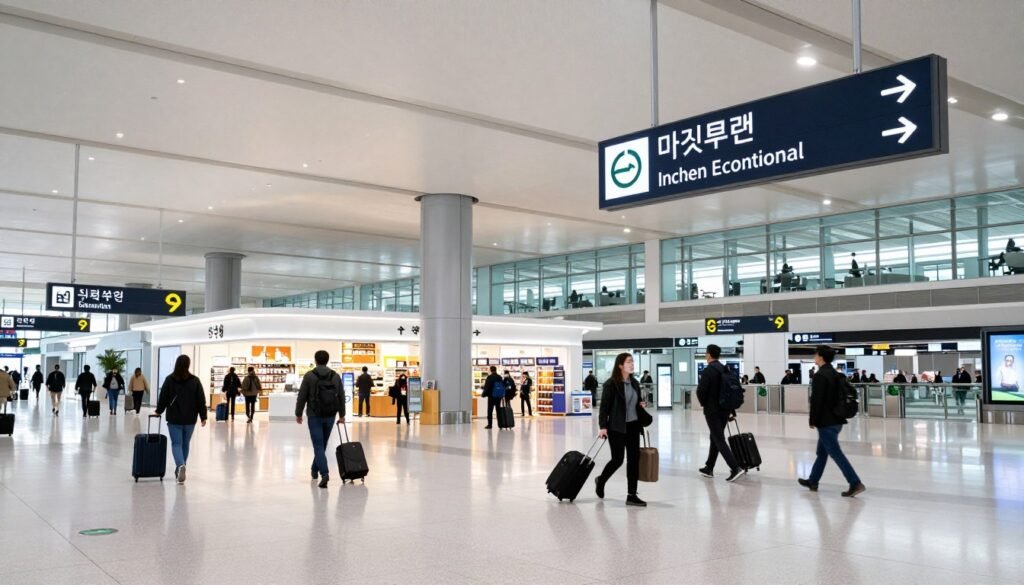
Seoul is served by two major international airports: Incheon International Airport and Gimpo International Airport. Incheon handles most international flights and consistently ranks among the world’s best airports. Understanding your arrival options helps you start your Seoul adventure smoothly.
Incheon International Airport (ICN)
Incheon International Airport sits about 49 kilometers west of central Seoul. The airport offers excellent facilities including free WiFi, comfortable rest areas, shower facilities, and 24-hour restaurants. You’ll find English-speaking staff throughout the airport to assist with directions and questions.
The airport has two terminals connected by a free shuttle train. Most international flights use Terminal 1, while some airlines including Korean Air operate from Terminal 2. Allow at least 2.5-3 hours before international flights for check-in and security.
Airport to City Transportation
Multiple transportation options connect Incheon Airport to Seoul. The Airport Railroad Express (AREX) provides the fastest option, reaching Seoul Station in 43 minutes for approximately $9. Express trains run every 30-40 minutes, while slower all-stop trains take about 60 minutes but cost only $4.
Airport limousine buses offer comfortable door-to-door service to major hotels and districts. Buses run every 15-30 minutes depending on the route and cost $10-15. The journey takes 60-90 minutes depending on traffic and your destination. Bus routes are clearly marked in English at the airport.
Taxis provide convenient direct transport to your accommodation. Regular taxis cost $60-80 to central Seoul, while deluxe taxis (black with yellow plates) charge about 20% more. The ride takes 45-75 minutes depending on traffic conditions. All taxis accept credit cards and use meters.
Money-Saving Tip: Purchase a T-money card at the airport convenience store before taking public transportation. This rechargeable card works on all Seoul public transit and offers discounted fares. You’ll save about 100 won per ride compared to single-journey tickets.
Gimpo International Airport (GMP)
Gimpo Airport primarily handles domestic flights and some international routes to nearby Asian cities. Located just 15 kilometers from central Seoul, Gimpo offers quicker access to the city. The airport connects directly to Seoul’s subway system via Line 5 and Line 9.
Subway journeys from Gimpo to central areas take 30-45 minutes and cost around $2. Airport buses and taxis are also available with shorter travel times compared to Incheon. Many travelers prefer Gimpo for its convenience when booking domestic connections or flights to Japan and China.
Getting Around Seoul: Transportation Guide
Seoul boasts one of the world’s most efficient public transportation systems. The extensive subway network, comprehensive bus routes, and affordable taxis make navigating this sprawling city remarkably easy. You’ll rarely need more than 30 minutes to reach any major destination.
Seoul Metro System
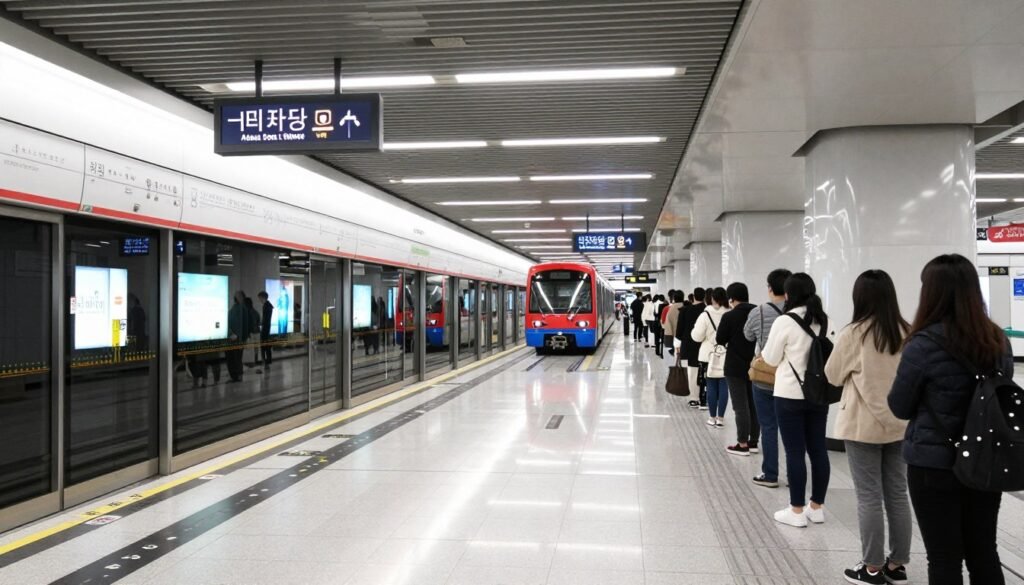
The Seoul Metro consists of 23 lines covering virtually every corner of the city. Trains run from approximately 5:30 AM to midnight, with frequencies of 2-5 minutes during peak hours. All stations and trains feature announcements in Korean and English, with signs clearly marked in both languages.
Line 1 (dark blue) and Line 2 (green) serve most major tourist attractions. Line 2 circles the city center, making it particularly useful for visitors. Download a subway map app or use Google Maps for real-time navigation and transfer information.
Fares start at 1,250 won (approximately $1) for basic trips using a T-money card. The system calculates fares based on distance traveled. Transfers between subway lines within the network are free when using a T-money card, making complex journeys affordable.
T-Money Card and Transportation Passes
The T-money card is essential for convenient travel in Seoul. You can purchase cards at convenience stores, subway stations, and the airport for 2,500-4,000 won. The card itself is reusable, and you can load it with any amount at station machines or convenience stores.
T-Money Card Benefits
- Works on all subway lines and buses
- Discounted fares compared to single tickets
- Free transfers between transit modes
- Accepted at convenience stores and taxis
- No need to calculate exact fares
- Refundable balance when leaving Seoul
Korea Rail Pass (Korail Pass)
- Unlimited train travel across South Korea
- Cost-effective for trips outside Seoul
- Available in 1, 3, 5, and 7-day options
- Includes KTX high-speed trains
- Perfect for visiting Busan, Gyeongju, or Jeju
- Must be purchased before arriving in Korea
Buses in Seoul
Seoul’s extensive bus network complements the subway system. Buses reach areas not covered by metro lines and often provide more direct routes. Blue buses travel longer distances across the city, green buses serve local neighborhoods, red buses are express routes, and yellow buses circle specific districts.
Most buses accept T-money cards, and fares are similar to subway prices (around 1,200-1,500 won). Google Maps provides accurate bus route information including real-time arrival predictions. Bus stop signs display route numbers in English and Korean.
Night buses (identified by ‘N’ before the route number) operate from midnight to 5 AM when subways are closed. These buses follow major routes and provide safe late-night transportation options. Frequencies are lower than daytime services, typically running every 20-40 minutes.
Taxis in Seoul
Taxis are affordable and plentiful throughout Seoul. Regular taxis (silver or white) have base fares around 3,800 won for the first 2 kilometers, with additional charges based on distance and time. Deluxe taxis (black) cost more but offer larger vehicles and English-speaking drivers.
All taxis use meters and accept both cash and credit cards. Download the Kakao T app for easy taxi booking with English language support. The app shows estimated fares, allows you to save favorite locations, and provides driver information for safety.
Language Tip: Have your destination written in Korean (address or landmark name) to show taxi drivers. Many drivers have limited English proficiency. The hotel concierge can prepare cards with common destinations written in Korean for your convenience.
Walking and Biking
Seoul is increasingly pedestrian-friendly, especially in central districts. Many neighborhoods like Hongdae, Myeongdong, and Insadong are best explored on foot. The city has invested heavily in creating pleasant walking environments with wide sidewalks and pedestrian-only zones.
Seoul’s public bike-sharing system, Seoul Bike (Ddareungi), offers over 1,000 stations across the city. Register through the mobile app or at bike stations using a credit card. The first hour costs 1,000 won, making it an economical option for short trips. Dedicated bike lanes follow major streets and riverside paths.
Popular biking routes include the Han River parks, which feature smooth paved paths with stunning city views. You can rent bikes at convenient locations along the river. Evening rides offer beautiful sunset views and cooler temperatures during summer months.
Where to Stay in Seoul: Best Neighborhoods
Choosing the right neighborhood significantly impacts your Seoul experience. Each area offers distinct characteristics, from traditional charm to modern luxury. Your accommodation choice should align with your interests, budget, and the type of atmosphere you’re seeking.
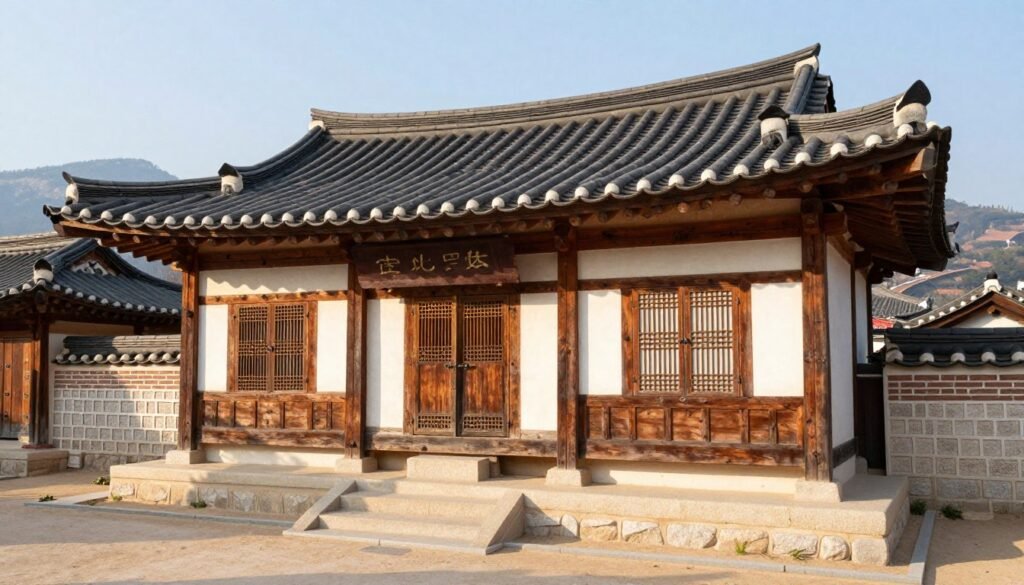
Myeongdong: Shopping and Central Location
Myeongdong sits in the heart of Seoul and serves as an ideal base for first-time visitors. This bustling district offers unparalleled convenience with direct subway connections to major attractions. You’ll find yourself within walking distance of Gyeongbokgung Palace, N Seoul Tower, and the traditional Bukchon Hanok Village.
The area is famous for its shopping scene, featuring cosmetics shops, fashion boutiques, and international brands. Street food vendors line the main pedestrian streets, offering Korean snacks and quick meals. The neighborhood buzzes with activity from morning until late evening.
Accommodation options range from budget hostels at $20-30 per night to upscale hotels at $150-300. The area caters well to international tourists with English-speaking staff and tourist-friendly amenities. However, prices tend to be higher than other districts, and the crowds can be overwhelming during peak seasons.
Hongdae: Youth Culture and Nightlife
Hongdae (short for Hongik University) represents Seoul’s creative soul. This vibrant neighborhood attracts young travelers, students, and artists. The area pulses with indie music venues, quirky cafes, street performances, and energetic nightlife. You’ll experience authentic Korean youth culture here.
The district offers excellent value for accommodation, with numerous hostels, guesthouses, and mid-range hotels. Budget options start at $15-25 per night in shared dorms, while private rooms cost $50-100. The neighborhood’s artistic vibe means you’ll find unique boutique accommodations with creative designs.
Hongdae excels for solo travelers and those seeking a social atmosphere. Many accommodations organize group activities and pub crawls. The area stays lively until dawn, which may not suit light sleepers. Line 2 subway access makes exploring other areas convenient.
Gangnam: Modern Luxury
Gangnam represents Seoul’s affluent, modern side. This district south of the Han River features gleaming skyscrapers, upscale shopping, and a more polished atmosphere. The area gained worldwide recognition from PSY’s “Gangnam Style,” though the real district is more sophisticated than the satirical song suggests.
Accommodation in Gangnam tends toward luxury hotels and serviced apartments. Expect to pay $100-250 per night for quality hotels, with five-star options exceeding $300. The district offers fewer budget options compared to areas north of the river.
Gangnam provides excellent infrastructure, clean streets, and high-end dining and shopping. Business travelers particularly appreciate the district’s modern amenities and proximity to COEX Convention Center. However, the area lacks some of the cultural charm found in older neighborhoods.
Insadong: Traditional Atmosphere
Insadong preserves Seoul’s traditional character amid the modern city. This neighborhood specializes in traditional crafts, antiques, art galleries, and tea houses. The main street transforms into a pedestrian zone on weekends, creating a pleasant browsing environment.
Accommodations include traditional hanok guesthouses where you sleep on heated floors (ondol) and experience Korean lifestyle. These typically cost $60-120 per night. You’ll also find modern hotels that blend traditional aesthetics with contemporary comfort.
The area suits travelers interested in Korean culture, history, and traditional arts. Insadong provides a calmer atmosphere than Myeongdong or Hongdae while maintaining central location benefits. The neighborhood offers limited nightlife options but compensates with cultural experiences.
Itaewon: International Diversity
Itaewon stands as Seoul’s most multicultural neighborhood. The area developed around the nearby US military base and now hosts a diverse international community. You’ll find cuisine from around the world, English-speaking establishments, and a welcoming atmosphere for foreign visitors.
The district offers varied accommodation from budget guesthouses at $30-50 to boutique hotels at $80-150. Many establishments cater specifically to international travelers with Western-style amenities. The area includes both lively sections and quieter residential streets.
Itaewon particularly suits travelers seeking familiar comforts while exploring Seoul. The neighborhood hosts numerous Western restaurants, international grocery stores, and English-language services. However, some travelers prefer neighborhoods with more authentic Korean character.
| Neighborhood | Best For | Average Nightly Rate | Atmosphere | Transit Access |
| Myeongdong | First-time visitors, shoppers | $70-200 | Busy, commercial | Excellent (Lines 2, 4) |
| Hongdae | Young travelers, nightlife | $30-100 | Energetic, artistic | Very good (Line 2, AREX) |
| Gangnam | Business travelers, luxury | $120-300 | Modern, upscale | Excellent (Lines 2, 7, 9) |
| Insadong | Culture seekers, couples | $60-150 | Traditional, calm | Good (Lines 1, 3, 5) |
| Itaewon | International cuisine, diversity | $50-150 | Multicultural, relaxed | Good (Line 6) |
Find Your Perfect Seoul Accommodation
Compare prices across all neighborhoods and book hotels, guesthouses, or traditional hanok stays. Read verified reviews from travelers and secure the best rates for your Seoul trip dates.
Top Attractions and Best Things to Do in Seoul
Seoul offers an incredible range of attractions blending historical landmarks, modern architecture, cultural experiences, and natural beauty. This section covers the essential spots that define Seoul’s character, from ancient palaces to contemporary art districts.
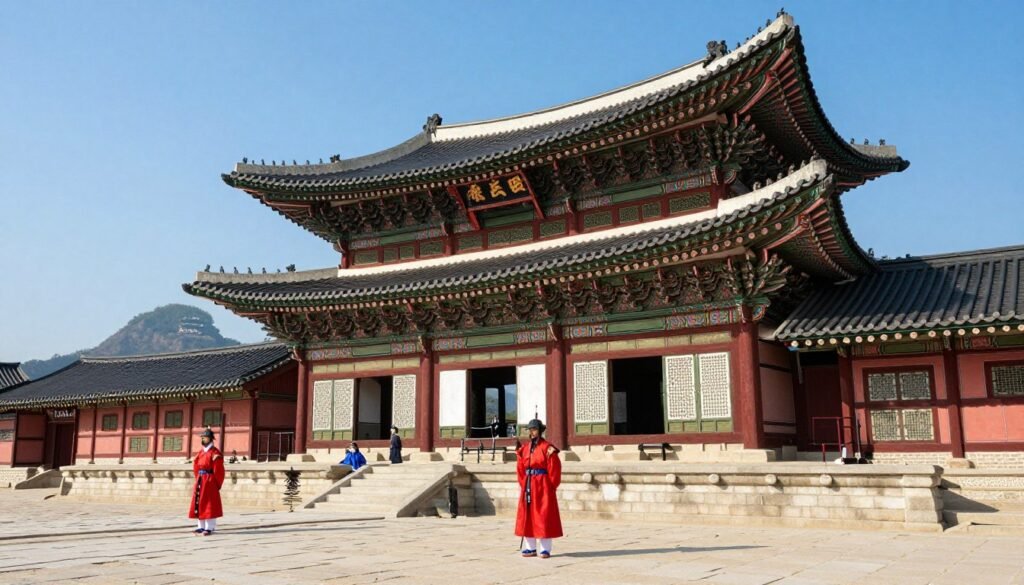
Gyeongbokgung Palace
Gyeongbokgung Palace stands as Seoul’s largest and most impressive royal palace. Built in 1395, this sprawling complex served as the main residence of the Joseon Dynasty kings. The palace showcases traditional Korean architecture at its finest, with intricately decorated buildings set against mountain backdrops.
The grounds cover over 100 acres and include multiple buildings, gates, and gardens. The National Folk Museum and National Palace Museum sit within the complex, providing deeper historical context. The changing of the guard ceremony at the main gate (Gwanghwamun) occurs daily at 10 AM and 2 PM, offering a colorful spectacle of traditional military protocol.
Entry costs 3,000 won (about $2.50) for adults, with reduced prices for children and seniors. Arrive early to avoid crowds, especially during cherry blossom and fall foliage seasons. Visitors wearing traditional hanbok clothing receive free admission, and many rental shops operate nearby if you want to experience traditional dress.
Allow 2-3 hours to explore the palace grounds thoroughly. Don’t miss the beautiful Gyeonghoeru Pavilion overlooking an artificial pond and the intimate Hyangwonjeong Pavilion on an island connected by a graceful bridge. The palace offers English-language guided tours several times daily.
Bukchon Hanok Village
Bukchon Hanok Village preserves hundreds of traditional Korean houses (hanok) on hillside streets between Gyeongbokgung and Changdeokgung palaces. This living neighborhood allows you to experience traditional Korean architecture while residents continue their daily lives in these historic homes.
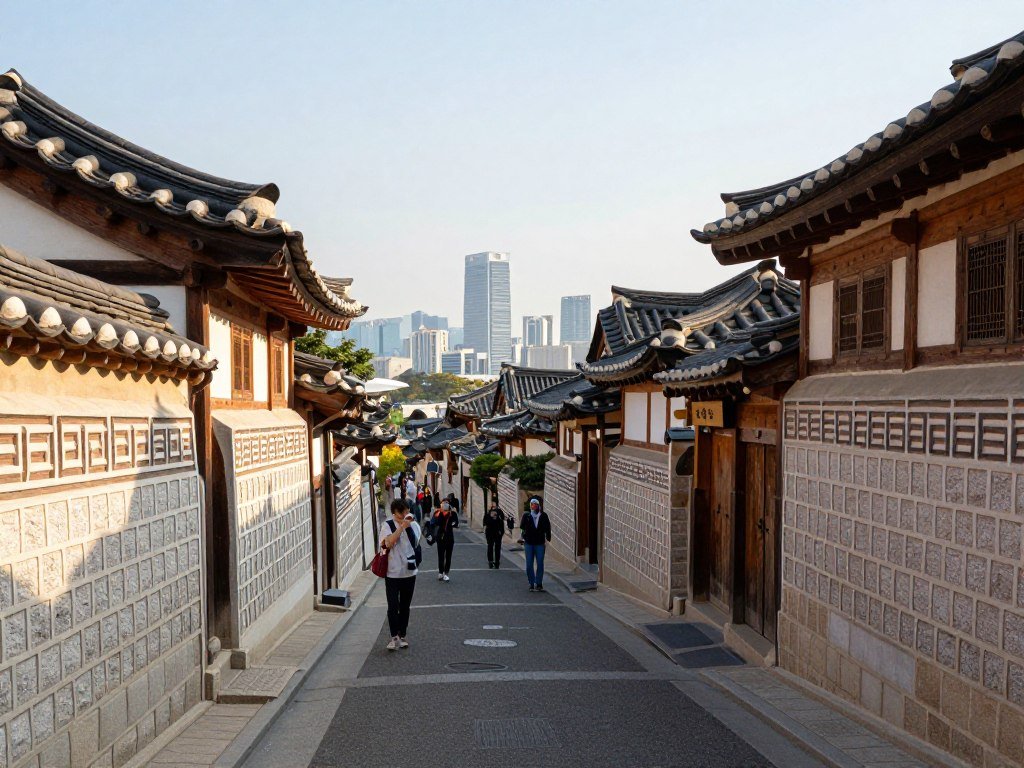
The village sits on a hill, offering occasional glimpses of modern Seoul skyscrapers between traditional rooflines. This visual contrast perfectly captures Seoul’s blend of old and new. Eight designated viewpoints throughout the area provide excellent photo opportunities and perspectives on traditional urban layout.
Bukchon is free to explore, though please respect the residential nature of the area. Many homes display signs requesting quiet as people live and work in these buildings. Several hanok now operate as cultural centers, tea houses, craft shops, and museums open to visitors.
The best approach is wandering the narrow alleys without a strict plan, allowing the architecture and atmosphere to surprise you. Visit early morning (before 9 AM) or late afternoon to avoid the midday tour groups. The area particularly shines during late afternoon when warm light bathes the traditional structures.
N Seoul Tower (Namsan Tower)
N Seoul Tower rises from the top of Namsan Mountain, offering 360-degree views of the sprawling capital city. The 236-meter tower serves as a broadcasting antenna and observation deck, making it Seoul’s most recognizable landmark. On clear days, you’ll see the city stretching to distant mountains.
The tower features multiple observation decks at different heights. General admission costs 11,000 won ($9) for the main observatory at 480 meters above sea level. The higher premium deck costs an additional fee but offers slightly better views and fewer crowds. Digital binoculars and information panels help identify major landmarks.
Several restaurants operate within the tower, including a rotating dining room that completes a full circle every 48 minutes. Dining reservations are highly recommended, especially for sunset viewing. The tower is particularly romantic at night when Seoul’s lights create a glittering panorama.
You can reach the tower by cable car (costs included with tower tickets), hiking Namsan Mountain trails (30-40 minutes from base), or taking the Namsan Circular Shuttle Bus. The surrounding Namsan Park offers pleasant walking paths and seasonal gardens worth exploring before or after your tower visit.
Changdeokgung Palace and Secret Garden
Changdeokgung Palace represents the best-preserved of Seoul’s five grand palaces. UNESCO recognized its outstanding universal value by designating it a World Heritage Site. The palace demonstrates exceptional harmony between buildings and the natural landscape, following the topography rather than imposing a rigid layout.
The palace’s highlight is the Secret Garden (Huwon), a 78-acre woodland paradise of pavilions, ponds, and ancient trees. Access to the Secret Garden requires joining a guided tour (offered in multiple languages throughout the day). These 90-minute tours are worth the effort, revealing a serene world of royal leisure grounds.
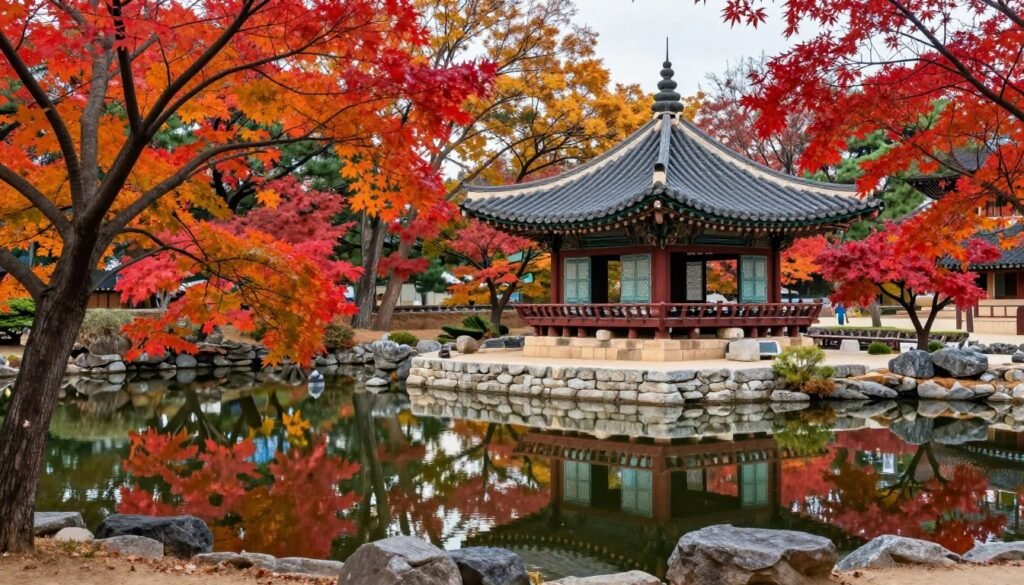
Tours book quickly, especially during peak seasons. Purchase tickets online in advance or arrive early for same-day tickets (3,000 won for palace, additional 5,000 won for Secret Garden tour). The tours run multiple times daily but have limited capacity to preserve the garden’s peaceful atmosphere.
The palace grounds also feature the beautiful Nakseonjae complex, a more intimate royal residence area with traditional Korean aesthetics. Allow at least 3-4 hours for a complete visit including the Secret Garden tour. Spring (cherry blossoms and azaleas) and autumn (fall foliage) are particularly spectacular seasons.
Insadong Cultural Street
Insadong serves as Seoul’s cultural heart, where traditional arts and crafts thrive amid modern development. The main street transforms into a car-free zone on weekends, creating a pleasant browsing environment. You’ll find antique shops, art galleries, traditional tea houses, and craft stores displaying Korean artistry.
Ssamziegil, a unique multi-level shopping complex in Insadong, spirals upward with shops on an inclined walkway. The building houses dozens of boutiques selling handcrafted items, accessories, and souvenirs. The rooftop provides views over the neighborhood and features art installations.
Traditional tea houses throughout Insadong offer peaceful respite from sightseeing. These establishments serve traditional Korean teas and light snacks in atmospheric settings. Prices are reasonable (5,000-12,000 won for tea and a snack), and the experience provides insight into Korean tea culture.
Visit on weekends for the full pedestrian experience and to catch occasional street performances. Many shops offer traditional craft demonstrations including pottery, calligraphy, and fan making. Insadong makes an excellent spot for purchasing authentic Korean souvenirs and gifts.
Dongdaemun Design Plaza (DDP)
The Dongdaemun Design Plaza represents Seoul’s futuristic architectural ambitions. Designed by renowned architect Zaha Hadid, the silver spaceship-like structure defies conventional building design. The undulating forms contain exhibition halls, design shops, cafes, and outdoor spaces.
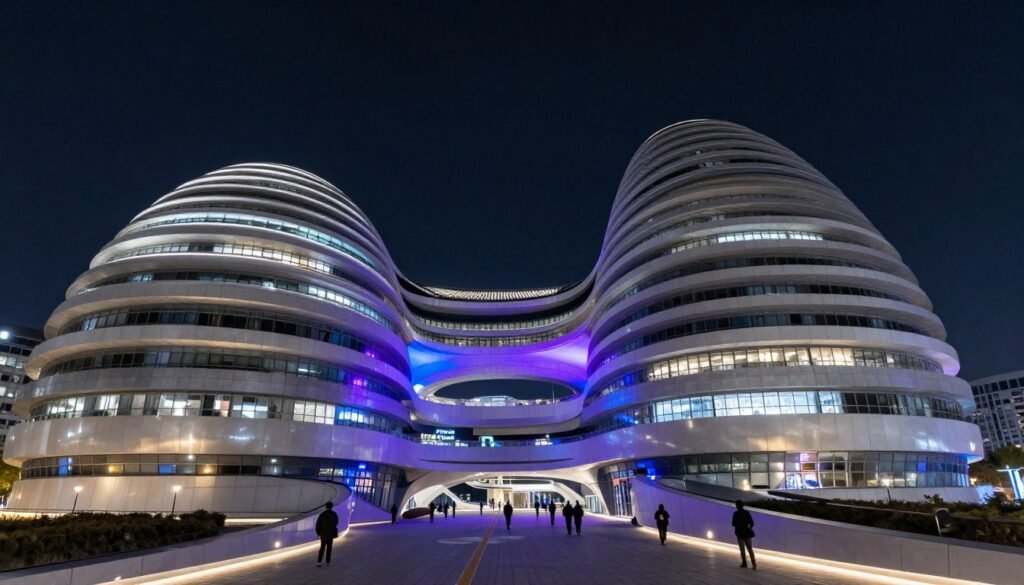
The DDP hosts rotating exhibitions featuring design, art, and fashion. Admission varies by exhibition, with some spaces free to explore. The building itself is worth visiting even without entering exhibitions, as its exterior and open public areas showcase innovative architecture.
The adjacent Dongdaemun Market area offers a complete contrast, with traditional wholesale markets and shopping centers operating 24 hours. This juxtaposition of ultra-modern and traditional commerce epitomizes Seoul’s character. Late evening visits combine the illuminated DDP with the energy of the night markets.
The LED Rose Garden installation outside the DDP features thousands of illuminated roses that create a romantic evening atmosphere. Free to view, this art installation has become a popular photo spot and date location. The area stays lively until late into the night.
Jogyesa Temple
Jogyesa Temple serves as the headquarters of Korean Buddhism’s Jogye Order. Located just minutes from Insadong, this active temple offers a peaceful sanctuary amid urban chaos. The temple grounds showcase traditional Korean Buddhist architecture, ancient trees, and the scent of burning incense.
The main hall (Daeungjeon) houses impressive Buddha statues and features beautiful painted eaves and traditional decorations. Visitors are welcome to observe (respectfully) or participate in services and meditation sessions. Free templestay programs introduce visitors to Buddhist practices and temple life.
The temple particularly shines during Buddha’s Birthday celebrations in May when thousands of colorful lanterns fill the grounds and surrounding streets. Even outside festival periods, Jogyesa provides a contemplative counterpoint to Seoul’s commercial districts. Entry is free, and the temple welcomes visitors of all backgrounds.
Photography is generally permitted in outdoor areas but restricted inside worship halls during services. The temple offers English-language information pamphlets explaining Korean Buddhist traditions and proper etiquette for temple visits. Plan for 30-45 minutes to explore the grounds and absorb the peaceful atmosphere.
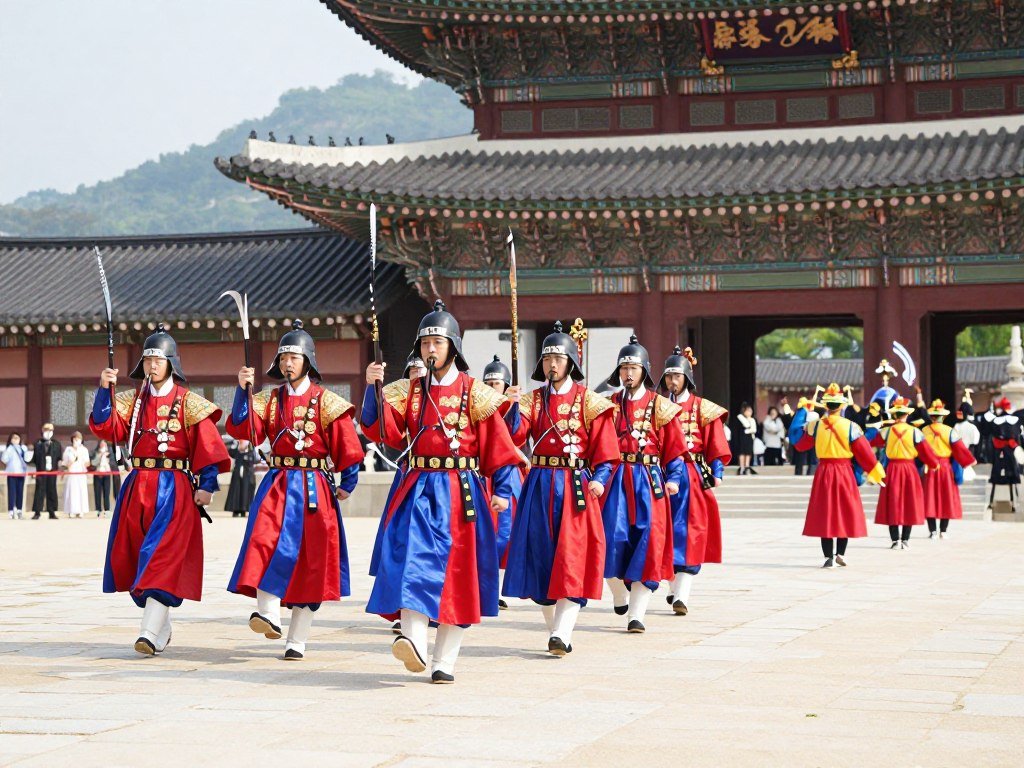
DMZ and JSA Tour from Seoul
Visit the Korean Demilitarized Zone on a full-day guided tour from Seoul. Stand at the border between North and South Korea, explore infiltration tunnels, and learn about the Korean War’s lasting impact. This highly-rated tour includes hotel pickup and English-speaking guides.
Duration: 7-8 hours | Price: From $85
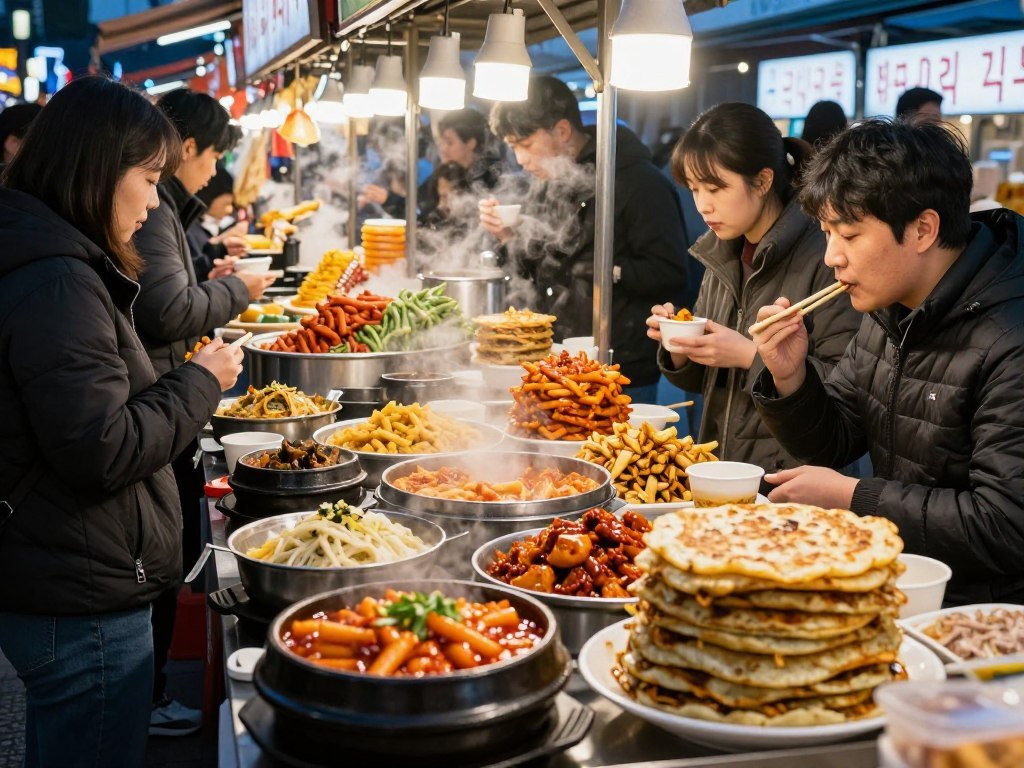
Seoul Food Tour: Markets and Street Eats
Discover Seoul’s incredible food scene with a local guide. Visit Gwangjang Market, taste traditional Korean dishes, sample street food specialties, and learn about Korean culinary culture. This small-group tour includes tastings at 10+ locations and vegetarian options.
Duration: 3 hours | Price: From $65
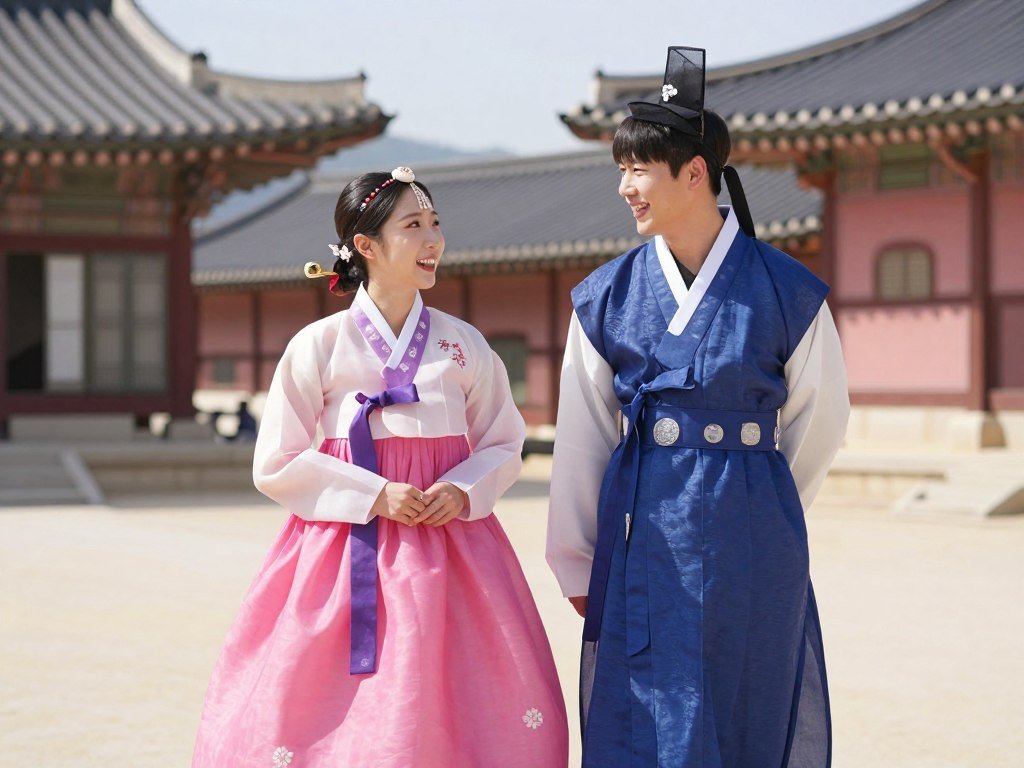
Seoul City Highlights Private Tour
Explore Seoul’s top attractions with a private guide and driver. Visit Gyeongbokgung Palace, Bukchon Hanok Village, N Seoul Tower, and Myeongdong. Enjoy a customizable itinerary based on your interests, with hotel pickup and drop-off included.
Duration: 8 hours | Price: From $180
Exploring Seoul’s Diverse Neighborhoods
Seoul’s neighborhoods each possess distinct personalities. Understanding these different areas helps you discover aspects of the city that match your interests. Beyond the main tourist districts, these neighborhoods reveal authentic Seoul life and hidden gems.
Gangnam and the Han River Area
Gangnam represents modern Seoul in its most polished form. This wealthy district south of the Han River features gleaming high-rises, luxury shopping, and a sophisticated nightlife scene. The area gained global fame through the “Gangnam Style” song, though the reality is more refined than the satirical depiction.
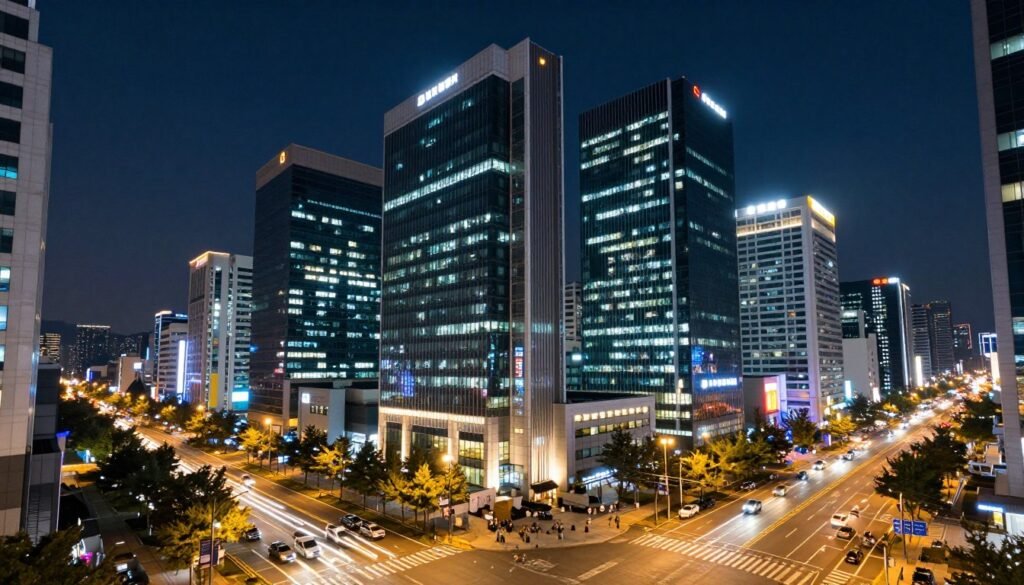
COEX Mall, Asia’s largest underground shopping center, sprawls beneath the district. The mall includes the stunning Starfield Library, a two-story public library with floor-to-ceiling bookshelves that has become an Instagram sensation. The space is free to visit and provides a unique reading environment amid retail therapy.
The Han River parks along the riverbanks offer recreational spaces beloved by locals. Yeouido Hangang Park is particularly popular for cycling, picnics, and evening strolls. During summer, floating stages host concerts and cultural events. You can rent bikes, enjoy riverside cafes, or simply relax while watching the city from a different perspective.
Apgujeong and Cheongdam neighborhoods within Gangnam house flagship luxury boutiques and celebrity-frequented restaurants. Window shopping along these streets provides glimpses into affluent Korean lifestyles. The area also hosts excellent Korean BBQ restaurants and trendy cafes, though prices tend higher than other districts.
Hongdae: Art, Music, and Youth Culture
Hongdae pulses with creative energy day and night. This neighborhood surrounding Hongik University attracts artists, musicians, students, and anyone seeking Seoul’s alternative side. Street performers entertain crowds, indie bands play intimate venues, and quirky shops line the streets.
The area transforms dramatically between day and night. Daytime Hongdae features unique cafes, vintage shops, and art supply stores. Come evening, the district shifts into high gear with clubs, bars, live music venues, and food stalls. The nightlife scene extends until dawn, making Hongdae Seoul’s premier party district.
Hongdae’s streets showcase urban art and murals that change regularly as new artists add their work. The Hongdae Mural Street displays impressive street art, while smaller alleys hide artistic surprises. Free Park (Eoulmadang) hosts busking performances where talented artists perform for crowds on weekend afternoons and evenings.
Unique themed cafes flourish in Hongdae, offering experiences beyond typical coffee shops. Animal cafes allow you to interact with cats, dogs, raccoons, or sheep while enjoying beverages. Other themed spaces include board game cafes, comic book cafes, and K-pop merchandise shops. These venues represent Korean cafe culture at its most creative.
Itaewon and Hannam-dong
Itaewon developed as Seoul’s international district, with a multicultural atmosphere unlike anywhere else in the city. The main street hosts restaurants serving cuisine from around the world—from Turkish kebabs to Mexican tacos to Indian curry. This diversity makes Itaewon a comfortable landing spot for foreign visitors.
The neighborhood has evolved significantly in recent years. While the main strip retains its international character, side streets have developed into trendy areas. Gyeongnidan-gil features hip cafes, boutique shops, and fusion restaurants in a more refined atmosphere than the main thoroughfare.
Haebangchon, a hillside neighborhood adjacent to Itaewon, offers an artistic community vibe. Small galleries, creative cafes, and independent shops occupy renovated houses. The area provides stunning city views from its elevated position. A walk through Haebangchon reveals a more residential, quieter side of Seoul with an international-local fusion character.
Nearby Hannam-dong has become Seoul’s trendiest neighborhood, attracting fashionable crowds to exclusive boutiques and high-end cafes. The area along Hannam-dong’s main street feels like a carefully curated urban village with designer shops and Instagram-worthy cafes. Prices reflect the upscale atmosphere, but window shopping and cafe hopping remain accessible.
Ikseon-dong Hanok Village
Ikseon-dong offers a different hanok village experience compared to the more famous Bukchon. This compact area features narrow alleys lined with traditional Korean houses transformed into cafes, restaurants, and boutiques. The neighborhood successfully blends traditional architecture with contemporary commercial use.
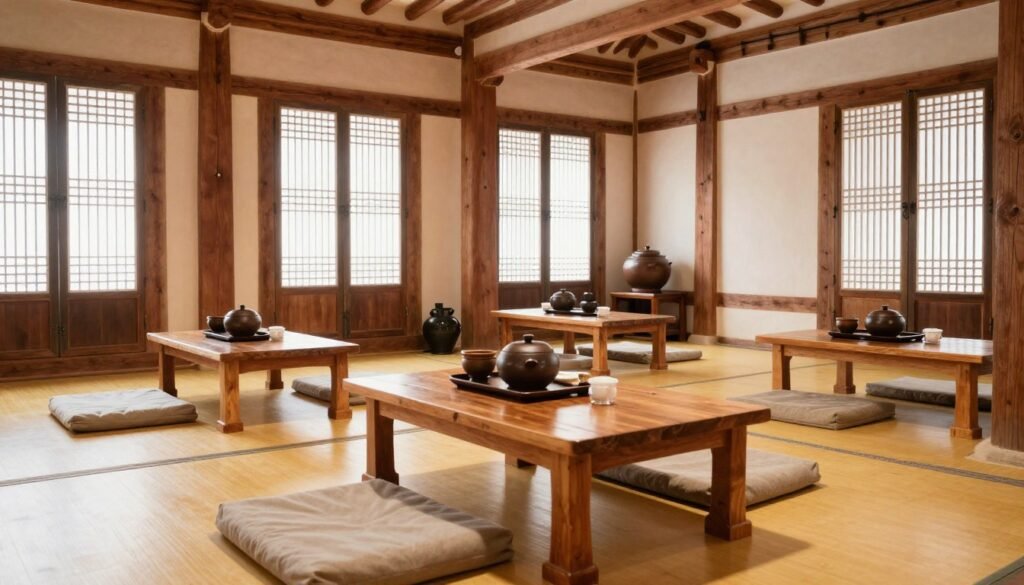
The compact nature of Ikseon-dong makes it perfect for an hour or two of exploration. Each alley reveals new discoveries—a hidden cafe in a renovated hanok, a tiny art gallery, or a shop selling handmade crafts. The area gets extremely crowded on weekends, so weekday visits provide a more pleasant experience.
Many cafes in Ikseon-dong specialize in unique concepts or photogenic presentations. Some maintain traditional interiors while serving contemporary fusion desserts. Others blend Korean traditional aesthetics with modern minimalism. The area particularly appeals to those interested in Korean design and cafe culture.
The neighborhood sits conveniently near Jongno, Insadong, and major palaces, making it easy to combine with other sightseeing. However, the narrow alleys and popularity create congestion issues during peak times. Early morning or late afternoon visits offer better opportunities to appreciate the architecture without crowds.
Seongsu-dong: Seoul’s Brooklyn
Seongsu-dong has earned the nickname “Seoul’s Brooklyn” for its industrial-chic transformation. Former factories and warehouses now house trendy cafes, showrooms, and creative spaces. The neighborhood represents Seoul’s latest evolution in urban regeneration and hipster culture.
Cafe culture reaches new heights in Seongsu-dong. Massive warehouse spaces converted into cafes feature soaring ceilings, industrial aesthetics, and carefully curated design elements. Many cafes incorporate showrooms for furniture or fashion, blurring lines between commercial and social spaces.
The Seoul Forest park borders the neighborhood, providing green space and recreational areas. The large urban park features walking paths, playgrounds, and deer enclosures. Combining a visit to Seoul Forest with cafe hopping in Seongsu-dong makes for a pleasant afternoon activity.
Seongsu-dong represents cutting-edge Seoul youth culture and design trends. The area attracts a fashionable crowd and photogenic settings dominate. While prices trend higher than average, the unique atmosphere and Instagram-worthy spots draw steady crowds of local and international visitors.
Seoul Food Guide: What to Eat in South Korea’s Capital
Seoul’s food scene ranks among the world’s best, offering everything from humble street food to Michelin-starred restaurants. Korean cuisine emphasizes fresh ingredients, bold flavors, and communal dining experiences. This guide helps you navigate Seoul’s diverse culinary landscape and discover the dishes that define Korean food culture.
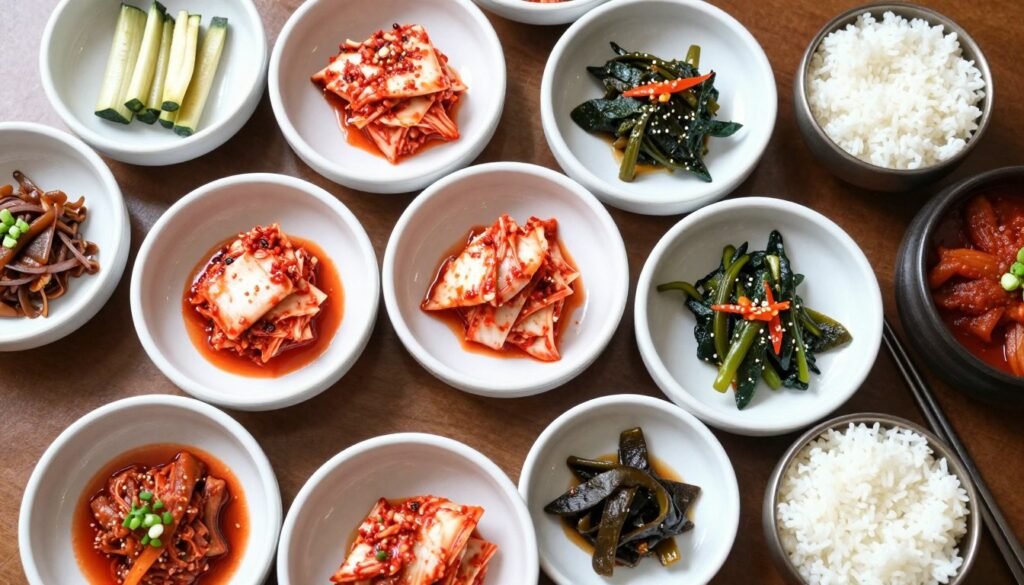
Must-Try Korean Dishes in Seoul
Korean cuisine offers incredible variety beyond the well-known dishes. Understanding these essential foods helps you order confidently and appreciate the depth of Korean culinary tradition. Each dish reflects centuries of development and regional influences.
Korean BBQ (Gogi-gui) tops every visitor’s food list for good reason. This interactive dining experience involves grilling meat at your table on embedded grills. Popular options include samgyeopsal (pork belly), galbi (short ribs), and bulgogi (marinated beef). The meat comes with lettuce leaves, sauces, and numerous side dishes (banchan) for wrapping and flavoring.
The best Korean BBQ restaurants source premium meat and provide attentive service, often with staff cooking the meat for you. Prices range from budget options at 10,000-15,000 won per person to premium establishments charging 40,000+ won. The neighborhood of Mapo is famous for excellent Korean BBQ restaurants.
Bibimbap presents a complete meal in a bowl. This dish combines rice, seasoned vegetables, meat, a fried egg, and gochujang (Korean chili paste). Served in a hot stone pot (dolsot bibimbap), the rice develops a crispy crust. Mix all ingredients thoroughly before eating for the intended flavor experience.
Kimchi appears at every Korean meal as a fundamental side dish. This fermented vegetable dish, usually made with napa cabbage, provides probiotics and a spicy, tangy flavor. Koreans produce hundreds of kimchi varieties using different vegetables and seasonings. The fermentation process and recipe variations create distinctive flavors across regions and families.
Jjigae refers to various Korean stews that comfort and satisfy. Kimchi jjigae (kimchi stew with pork and tofu) and doenjang jjigae (fermented soybean paste stew) are everyday favorites. Sundubu jjigae (soft tofu stew) offers spicy, bubbling comfort in an earthenware pot. These hearty stews come with rice and banchan.
Korean Fried Chicken has achieved global fame for good reason. Korean-style fried chicken features incredibly crispy skin achieved through double frying. Various flavors include original (with salt), soy garlic, and yangnyeom (sweet and spicy). The dish pairs perfectly with beer (chimaek = chicken + maekju/beer), making it a popular late-night meal.
Tteokbokki consists of chewy rice cakes in a sweet-spicy gochujang sauce. This popular street food and restaurant dish often includes fish cakes, boiled eggs, and vegetables. Rabokki adds instant ramen noodles to the mix. The dish offers a unique texture and the signature Korean sweet-spicy flavor profile.
Japchae features glass noodles made from sweet potato starch, stir-fried with vegetables and meat in sesame oil and soy sauce. This slightly sweet dish often appears at celebrations and special occasions. The transparent noodles have a satisfying chewy texture, and the dish works well as a side or main course.
Seoul Street Food Scene
Street food culture thrives in Seoul’s markets, subway stations, and dedicated food streets. These casual eating experiences offer authentic flavors at budget-friendly prices. Street food vendors display remarkable skill in preparing their specialized items.
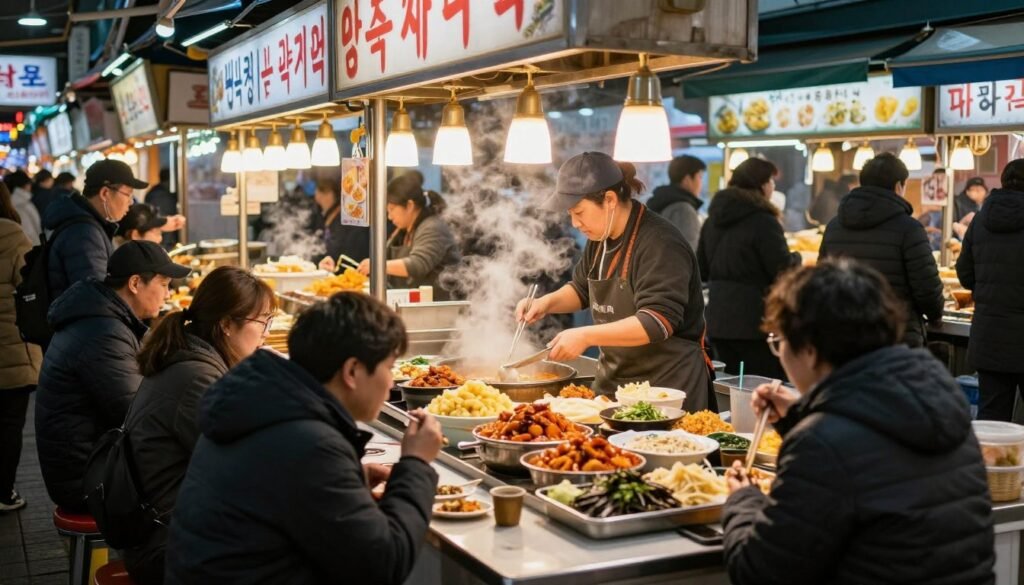
Gwangjang Market represents Seoul’s premier street food destination. This historic market offers incredible variety under one roof, from bindaetteok (mung bean pancakes) to mayak gimbap (mini seaweed rice rolls). The market’s food alley buzzes with energy as vendors cook and customers crowd around counters.
Standout dishes at Gwangjang Market include freshly made bindaetteok served with makgeolli (rice wine), yukhoe (Korean beef tartare) topped with pear, and tteokbokki from stalls that have operated for decades. Prices remain remarkably low, with most items costing 3,000-8,000 won. The market operates daily from morning until evening.
Myeongdong Street Food caters heavily to tourists but offers convenient access to Korean snacks. Vendors line the pedestrian streets with items like hotteok (sweet filled pancakes), tornado potatoes, egg bread, and Korean corn dogs. The area stays lively until late evening.
Popular street food items worth trying include bungeoppang (fish-shaped pastry filled with sweet red bean paste), odeng (fish cake skewers in hot broth), and gyeran-ppang (egg bread). These snacks provide quick energy between sightseeing and cost 1,000-4,000 won each.
Namdaemun Market offers a more local street food experience than Myeongdong. The market’s food section serves traditional Korean snacks and meals at very affordable prices. Kalguksu (knife-cut noodle soup) and mandu (dumplings) are particularly good here.
Korean Restaurant Culture and Etiquette
Understanding basic Korean dining etiquette enhances your restaurant experiences. Korean meals emphasize communal sharing, with most dishes served family-style. Water and side dishes (banchan) are free and unlimited—don’t hesitate to request refills.
When dining in groups, wait for the eldest person to begin eating before starting your meal. Use both hands when receiving items from elders or pouring drinks for others. Never pour your own drink; instead, serve others and allow them to serve you in return.
Korean meals provide chopsticks (usually metal) and a spoon. Use the spoon for rice and soup, chopsticks for side dishes and meat. Leaving chopsticks sticking upright in rice is considered inappropriate as it resembles funeral rituals. Rest utensils on the table or provided rests between bites.
Most restaurants provide call buttons at tables to summon servers. Don’t feel shy about using them—this system allows staff to attend to other tasks until needed. Tipping is not practiced in Korea and may cause confusion if offered.
Where to Find the Best Food in Seoul
Seoul’s best food experiences span from market stalls to upscale establishments. Knowing where locals eat helps you find authentic, high-quality meals. These areas consistently deliver excellent food experiences.
Gwangjang Market for street food and traditional Korean snacks. The market offers an overwhelming array of options, all freshly prepared. Visit during lunch or early evening for the full bustling atmosphere.
Mapo District for exceptional Korean BBQ. The neighborhood around Mapo Station hosts numerous grilled meat restaurants favored by locals. The concentration of quality BBQ spots creates healthy competition that benefits diners.
Gangnam for upscale dining and international cuisine. The district houses many of Seoul’s Michelin-starred restaurants alongside trendy fusion establishments. Expect to pay premium prices but receive exceptional quality and service.
Hongdae for budget-friendly restaurants and unique concepts. The university area offers great value on Korean staples while also hosting experimental fusion restaurants and themed cafes. Late-night food options abound.
Itaewon for international cuisine. When you need a break from Korean food, Itaewon delivers authentic flavors from around the world. The area includes some of Seoul’s best Western, Middle Eastern, and Southeast Asian restaurants.
Budget Tip: Many Korean restaurants offer exceptional lunch specials (often called jeongshik or baekban) that include multiple dishes, rice, and banchan for 7,000-12,000 won. These lunch sets provide excellent value and variety, letting you sample multiple dishes affordably.
Vegetarian and Dietary Considerations
Korean cuisine traditionally includes meat, seafood, and fish products in many dishes. However, Buddhist temple food (사찰음식) offers a fully plant-based tradition, and Seoul has increasing vegetarian options. Finding suitable food requires some awareness but is definitely manageable.
Traditional Korean banchan often includes vegetarian options like seasoned spinach, bean sprouts, and pickled radish alongside meat-based sides. However, fish sauce and anchovy-based stocks frequently appear in seemingly vegetarian dishes. Learning key phrases helps: “gogi eopseyo” (no meat) and “saengseon eopseyo” (no fish).
Several restaurants specialize in temple food, offering refined vegetarian cuisine based on Buddhist principles. These meals emphasize seasonal vegetables, mushrooms, tofu, and grains. Prices are moderate to high (15,000-35,000 won per meal), but the experience offers insight into Korean Buddhist culture.
International areas like Itaewon and Haebangchon provide more vegetarian and vegan options through foreign cuisine restaurants. Plant-based cafes and Western-style restaurants cater to various dietary needs. Apps like HappyCow help locate vegetarian-friendly establishments.
For those with allergies or strict dietary requirements, carrying a card with your restrictions written in Korean proves helpful. Many hotels can prepare these cards for guests. Staff at international hotel restaurants generally understand common dietary restrictions.
Taste the Real Seoul with a Local Guide
Join a small-group food tour and discover Seoul’s best flavors with an expert local guide. Visit Gwangjang Market, try authentic Korean BBQ, sample street food favorites, and learn the stories behind Korean cuisine. Tours include tastings at 10+ locations and vegetarian options available.
Day Trips and Excursions Outside Seoul
Seoul’s excellent transportation network makes numerous fascinating destinations accessible for day trips. These excursions provide cultural, historical, and natural experiences that complement your time in the capital city. South Korea’s compact size allows you to explore significant sites without overnight stays.
Korean Demilitarized Zone (DMZ)
The Korean Demilitarized Zone represents one of the world’s most unusual tourist destinations. This 250-kilometer buffer separates North and South Korea, creating a surreal landscape of military installations, propaganda villages, and a nearly untouched ecosystem. DMZ tours provide powerful insights into the Korean War’s ongoing legacy.
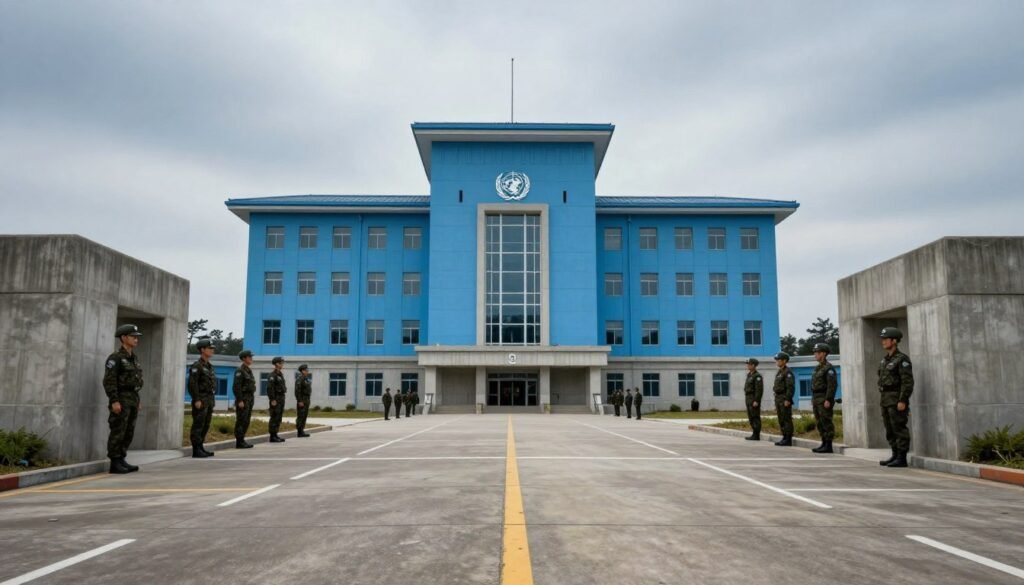
Tours typically include the Third Infiltration Tunnel (discovered in 1978, designed for North Korean infiltration), Dora Observatory (offering views into North Korea), Dorasan Station (the northernmost train station in South Korea), and sometimes the Joint Security Area (JSA). The JSA tour allows you to stand in the actual conference rooms straddling the border.
JSA access requires booking well in advance (often 1-2 weeks) and adhering to strict dress codes and behavioral guidelines. Standard DMZ tours without JSA are easier to book and still provide meaningful experiences. Most tours depart Seoul around 7-8 AM and return by 4-5 PM.
Expect thorough security procedures and military supervision throughout your visit. The experience feels surreal—simultaneously touristy and deadly serious. The DMZ remains an active military zone with ongoing tensions, though tours operate safely under strict protocols.
Tours cost $50-120 depending on what’s included and whether they visit JSA. English-language tours depart daily from Seoul. Some travelers find the experience sobering and educational, while others feel the tours oversimplify complex geopolitical realities. Regardless, it’s an experience unique to South Korea.
Suwon Hwaseong Fortress
Suwon, located 30 kilometers south of Seoul, houses the impressive Hwaseong Fortress. This UNESCO World Heritage site represents 18th-century Korean military architecture at its finest. King Jeongjo constructed the fortress in the 1790s, combining Korean and Chinese architectural influences with innovative defensive features.
The fortress walls stretch nearly 6 kilometers around the city, incorporating command posts, artillery towers, gates, and secret entrances. You can walk portions of the wall for panoramic city views. The fortress remains remarkably well-preserved, with recent restorations maintaining historical accuracy.
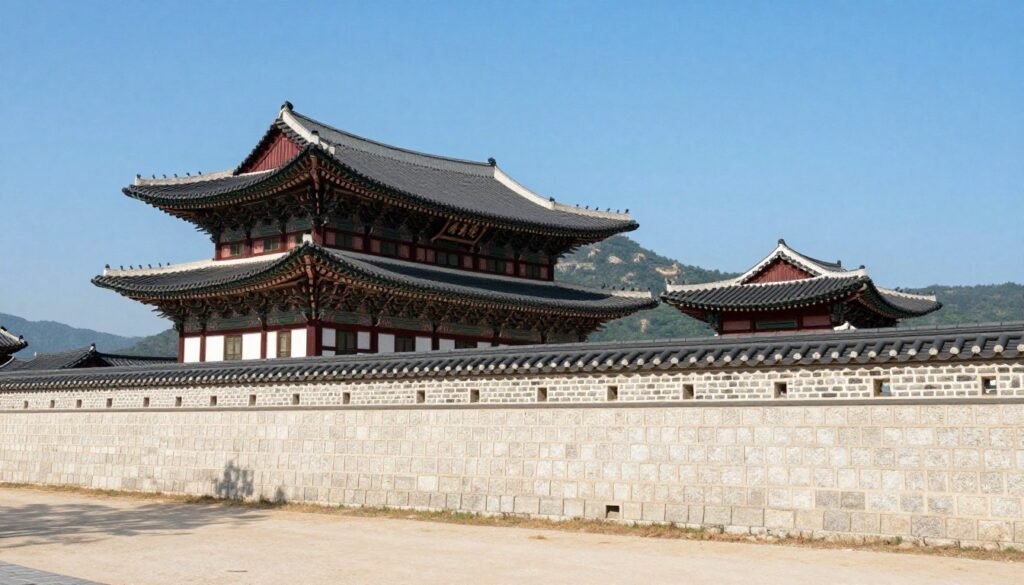
The fortress complex includes multiple gates, with Paldalmun serving as the most impressive. The area inside the walls contains traditional Korean villages, museums, and cultural sites. Martial arts demonstrations occur regularly near the main gate, showcasing traditional Korean military techniques.
Reaching Suwon takes about 30-40 minutes via subway from Seoul Station (Line 1) or faster via KTX train (20 minutes). Entry to the fortress area costs 1,000 won. Plan for 3-4 hours to walk sections of the wall and explore the surrounding area. Combine your visit with lunch at Suwon’s famous galbi (grilled ribs) restaurants.
Nami Island and Petite France
Nami Island gained international fame as a filming location for the Korean drama “Winter Sonata.” This half-moon-shaped island in the Han River features tree-lined paths, gardens, and artistic installations. The island transforms dramatically with seasons—cherry blossoms in spring, lush greenery in summer, fiery foliage in fall, and snow-covered serenity in winter.
Access to Nami Island requires either a ferry ride or zip-line entry (for thrill-seekers). The island remains car-free, creating a peaceful environment for walking and cycling. Tree-lined paths create natural tunnels, particularly spectacular during autumn when leaves turn golden and red.
Nearby Petite France recreates a small French village in the Korean countryside. This theme park features colorful European-style buildings, French cultural exhibits, and photo opportunities. The attraction appeals more to Korean visitors than international travelers familiar with actual France, but the combination with Nami Island makes for a popular day trip.
The Garden of Morning Calm, another attraction in the same area, showcases beautiful gardens across 30,000 square meters. The landscaped gardens feature Korean and exotic plants, scenic walking paths, and seasonal flower displays. Evening illumination events create magical atmospheres during certain periods.
Combined tour packages visiting all three attractions (Nami Island, Petite France, and Garden of Morning Calm) depart Seoul daily and cost $50-80 including transportation and entry fees. Independent travel is possible but more time-consuming. The trip requires a full day, typically lasting 9-10 hours.
Incheon and Songdo
Incheon, Korea’s third-largest city, offers several attractions worth exploring beyond its role as an airport gateway. Chinatown near Incheon Station features authentic Chinese restaurants, cultural sites, and a distinctive atmosphere that contrasts with typical Korean neighborhoods.
Songdo represents Korea’s vision of a smart city, featuring ultra-modern architecture, Central Park (with seawater canal), and cutting-edge urban planning. The planned city showcases contemporary Korean ambitions and provides interesting contrasts with traditional areas of Seoul. The area feels somewhat sterile compared to Seoul’s organic neighborhoods but impresses with its modernity.
Incheon’s coastal areas offer seafood markets and waterfront parks. Wolmido Island (connected by bridge) provides amusement park rides, seafood restaurants, and coastal walks. The combination of urban areas, historical sites, and waterfront creates diverse experiences.
Reaching Incheon takes 50-70 minutes by subway from central Seoul. Many travelers combine a visit with transit to or from Incheon Airport. A half-day trip suffices for Chinatown and nearby areas, while a full day allows exploration of Songdo and coastal areas.
Bukhansan National Park
Bukhansan National Park lies within Seoul’s city limits, offering mountain hiking without leaving the capital. The park features granite peaks, Buddhist temples, fortress walls, and rewarding summit views. Locals flock here on weekends for exercise and nature immersion.
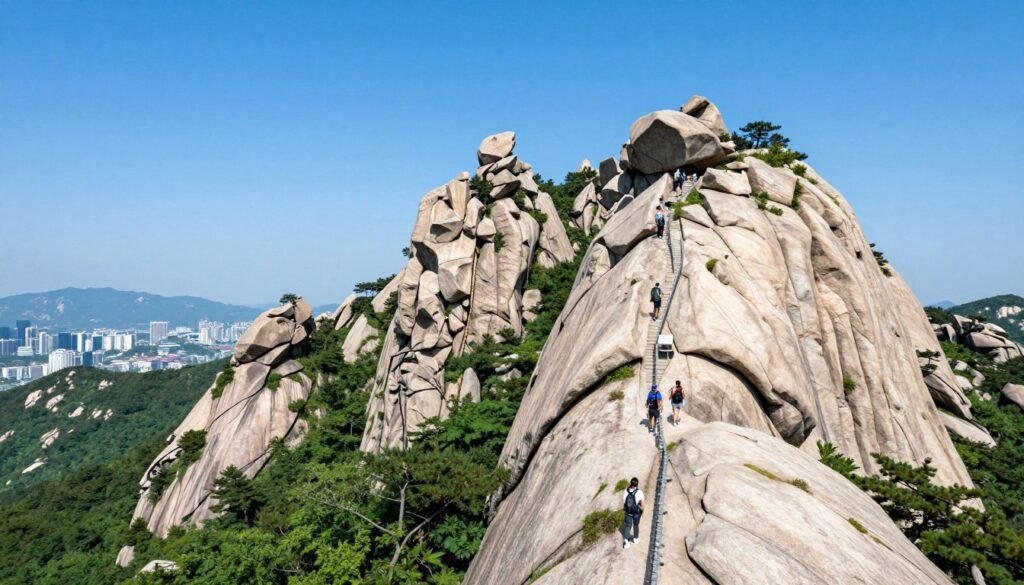
Multiple trails accommodate different fitness levels. The route to Baegundae Peak (836 meters), the park’s highest point, takes 2-3 hours ascending and offers spectacular views. Easier trails lead to temples and less demanding viewpoints. All trails require reasonable fitness due to steep sections and rock scrambling.
The park contains several historic temples including Doseonsa and Mangwolsa. These mountain temples provide peaceful rest stops during hikes. Early morning visits allow you to observe Buddhist morning ceremonies if you arrive around 4-5 AM.
Entry to Bukhansan is free. Multiple entry points connect to Seoul’s subway system, with Gupabal Station (Line 3) providing popular access. Bring appropriate footwear, water, and snacks. Korean hiking culture includes elaborate outdoor gear and group activities—don’t be surprised by older Koreans in full technical clothing outpacing younger visitors.
Shopping in Seoul: Markets, Malls, and Districts
Seoul ranks as one of Asia’s premier shopping destinations, offering everything from traditional markets to luxury flagship stores. The city’s diverse shopping landscape caters to all budgets and interests. Understanding different shopping areas helps you find exactly what you’re seeking.
Traditional Markets
Traditional markets provide authentic shopping experiences and insights into Korean daily life. These bustling spaces sell fresh produce, Korean ingredients, household goods, clothing, and traditional items. Markets operate daily (with some closed on Sundays) and offer the most affordable prices.
Namdaemun Market, Korea’s largest traditional market, has operated for over 600 years. The sprawling complex includes thousands of shops and stalls selling clothes, accessories, kitchenware, ginseng, and souvenirs. The market’s maze-like layout rewards exploration but can be overwhelming. Visit in the early morning or late evening to see wholesalers and restaurant owners conducting bulk purchases.
Haggling is acceptable and expected at traditional markets, though done politely. Starting at 70-80% of the asking price is reasonable. Vendors often lower prices if you’re purchasing multiple items. Cash transactions often receive better prices than card payments.
Dongdaemun Market operates 24 hours, making it unique among Seoul markets. This wholesale and retail complex specializes in fashion, fabric, and accessories. Designers and boutique owners shop here for materials and finished goods. Individual shoppers can purchase items, though wholesale prices require minimum purchases.
The market complex includes multiple buildings, each specializing in different merchandise—one for women’s clothing, another for menswear, others for fabric, accessories, or home goods. The area comes alive after 10 PM when wholesale buyers conduct business. The adjacent Dongdaemun Design Plaza provides a stark modern contrast.
Shopping Districts and Streets
Seoul’s shopping districts each possess distinct characters and merchandise focuses. These areas combine shopping with dining and entertainment, making them destinations beyond mere retail therapy.
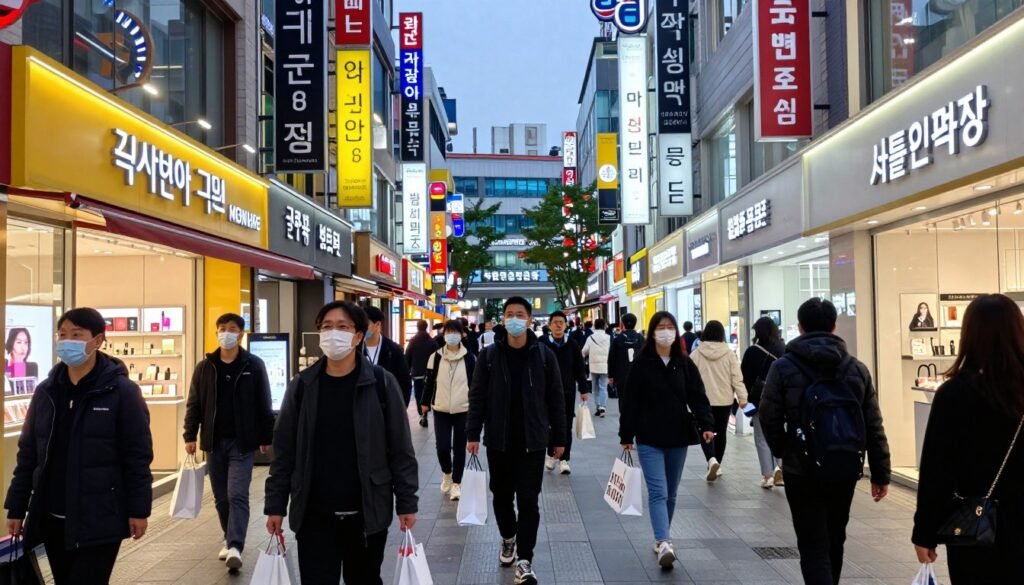
Myeongdong serves as Seoul’s cosmetics and fashion shopping mecca. International brands, Korean cosmetics chains, and department stores line the pedestrian-only streets. Sheet masks, skincare products, and makeup are particularly good purchases here, often sold with promotional deals and free samples.
Staff at Myeongdong cosmetics stores typically speak English and Chinese. Many stores offer tax-refund services for tourists. The area gets extremely crowded, especially on weekends and during Chinese holidays. Visit on weekday mornings for a more manageable experience.
Garosu-gil in Sinsa-dong attracts fashion-forward shoppers with its tree-lined streets and boutique shops. The area features Korean designer boutiques, concept stores, and upscale cafes. Window shopping here provides insights into Korean fashion trends and design aesthetics. Prices tend higher than mass-market areas but reflect quality and uniqueness.
Gangnam’s COEX Mall sprawls underground, creating a massive shopping and entertainment complex. The mall includes the Starfield Library, aquarium, cinema, and hundreds of shops and restaurants. The space remains comfortable year-round regardless of weather. The connected Hyundai Department Store offers luxury shopping.
Korean Beauty and Skincare Shopping
Seoul has earned its reputation as a beauty shopping paradise. Korean skincare and cosmetics brands lead global trends, making Seoul an ideal place to stock up on K-beauty products. You’ll find better selections and prices than international markets.
Major K-beauty brands like Innisfree, Etude House, The Face Shop, and Tony Moly operate flagship stores in Myeongdong and other shopping districts. These stores offer extensive product lines, promotional deals, and knowledgeable staff. Sheet mask varieties alone can overwhelm with hundreds of options.
Higher-end K-beauty brands including Sulwhasoo, HERA, and Amorepacific sell through department stores and dedicated boutiques. These premium lines use traditional Korean ingredients like ginseng and green tea. Duty-free shops at the airport stock major brands at competitive prices if you run out of luggage space.
Olive Young, Korea’s major health and beauty chain, offers excellent one-stop shopping for K-beauty products. Stores carry multiple brands, allowing comparison shopping. The chain frequently runs promotions and accepts major credit cards. Locations throughout Seoul, including convenient subway station branches, make access easy.
Tax Refund Tip: Many stores in tourist areas participate in tax-refund programs. Present your passport when purchasing to receive tax-refund forms. Claim your refund at the airport before departure. Minimum purchase amounts (usually 30,000 won per store) apply. Save significant money on large purchases.
Fashion and Streetwear
Korean fashion has gained international recognition, making Seoul an exciting destination for fashion shopping. The city offers everything from affordable fast fashion to cutting-edge designer pieces. Korean streetwear blends global trends with distinctive local aesthetics.
Dongdaemun’s shopping malls like Doota and Migliore cater to younger shoppers seeking trendy pieces at reasonable prices. These multi-story buildings house hundreds of small boutiques, each offering slightly different styles. New arrivals appear constantly, reflecting Korea’s fast-moving fashion cycle.
Underground shopping centers connected to major subway stations sell affordable clothing, accessories, and shoes. Gangnam Station, Express Bus Terminal, and Yeongdeungpo underground malls are particularly extensive. Prices are very reasonable, though quality varies. These shopping arcades provide convenient retail therapy while commuting.
Concept stores in trendy neighborhoods like Garosu-gil and Apgujeom showcase carefully curated selections mixing Korean and international designers. These boutiques often feature unique interior design and limited-edition collaborations. Prices reflect the exclusive nature but offer distinctive pieces unavailable elsewhere.
Souvenirs and Korean Crafts
Traditional Korean crafts and cultural items make meaningful souvenirs. Several areas specialize in authentic Korean products, from antiques to contemporary crafts inspired by traditional designs.
Insadong remains the prime destination for traditional Korean souvenirs. Shops sell ceramics, hanji (traditional paper) products, tea sets, calligraphy supplies, fans, and traditional clothing. While prices cater to tourists, the quality and authenticity typically exceed mass-market souvenir shops.
Korean pottery and ceramics make excellent purchases. Traditional celadon pieces, contemporary interpretations, and practical dishware are available at various price points. Shipping services help transport fragile items safely. Many shops pack items expertly for travel.
Korean ginseng products (red ginseng particularly) are popular purchases. Ginseng is believed to have various health benefits in Korean traditional medicine. Reputable shops in Namdaemun Market and Korea Ginseng Corporation stores offer quality products with explanations about grades and uses.
Modern Korean design products blend traditional aesthetics with contemporary functionality. The Museum of Korean Contemporary Art shop and various design boutiques sell items that bridge heritage and modernity. These make sophisticated gifts that reflect Korean culture.
Practical Information for Visiting Seoul
Understanding practical details helps your Seoul trip proceed smoothly. This section covers essential information about money, communication, customs, and daily life matters. Being prepared for these practical aspects allows you to focus on enjoying your experiences.
Money Matters in Seoul
South Korea’s currency is the Korean Won (KRW), with exchange rates typically around 1,200-1,300 won to one US dollar (rates fluctuate). Bills come in denominations of 1,000, 5,000, 10,000, and 50,000 won. Coins include 10, 50, 100, and 500 won pieces.
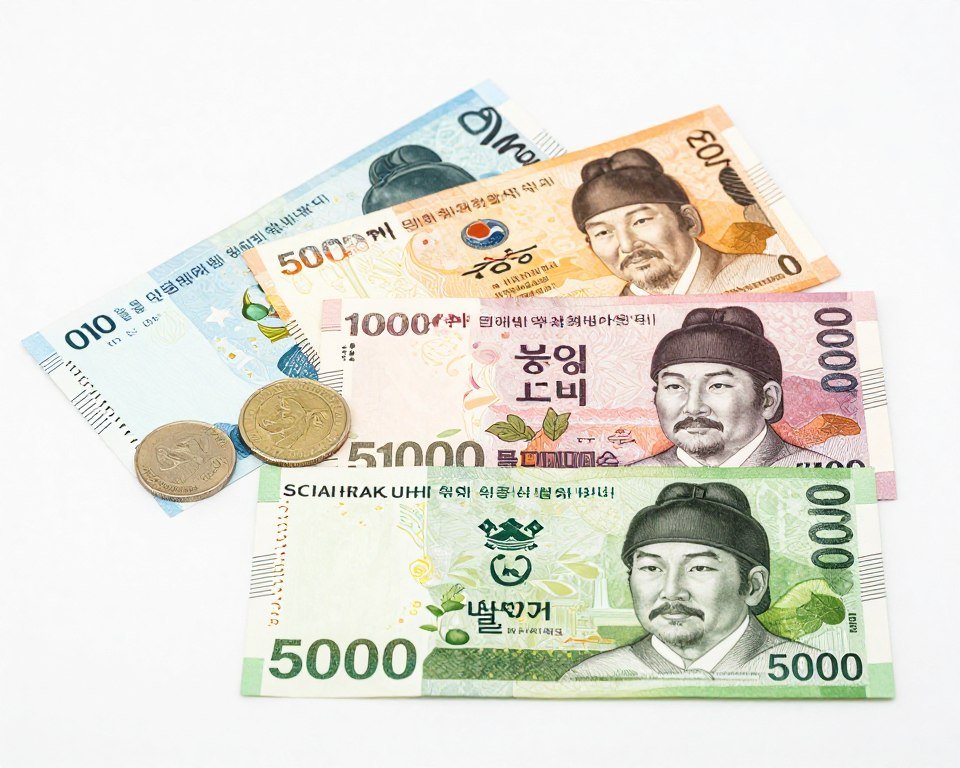
Credit cards are widely accepted throughout Seoul, including many small shops and restaurants. International cards (Visa, Mastercard, Amex) work at most establishments. However, some traditional markets, small street food vendors, and older restaurants only accept cash. Carrying 30,000-50,000 won in cash handles most situations.
ATMs are readily available at convenience stores (7-Eleven, CU, GS25), subway stations, and bank branches. Most ATMs accept international cards, though some banks limit overseas card access. Convenience store ATMs typically charge 3,500-5,000 won per transaction plus your bank’s international fees.
Currency exchange is available at banks, authorized money changers, hotels, and the airport. Banks and licensed exchange shops offer better rates than hotels. The airport exchange counters provide reasonable rates and convenience for initial currency needs. Exchange a small amount at the airport (30,000-50,000 won) and find better rates in the city if needed.
Mobile payment systems like KakaoPay and Naver Pay dominate among locals but require Korean bank accounts or phone numbers. As a tourist, credit cards and cash remain your primary payment methods. The T-money card works for transit and some retail purchases.
Staying Connected: Internet and Phones
Seoul boasts excellent internet infrastructure with free WiFi available throughout the city. Subway stations, buses, cafes, restaurants, and public spaces offer free wireless access. However, having personal mobile data provides convenience and reliability.
Tourist SIM cards are available at Incheon Airport from multiple providers (SK Telecom, KT, LG U+). Prices vary based on data allowances and duration, typically ranging from $25-60 for 7-30 days of unlimited data. Staff at airport counters speak English and activate cards immediately.
Portable WiFi devices (pocket WiFi or egg) provide another option, particularly for groups. These small devices create personal WiFi hotspots supporting multiple devices simultaneously. Rental costs $5-10 per day with unlimited data. Pick up devices at the airport and return before departure.
Many hotels, cafes, and public spaces provide free WiFi with varying speeds and reliability. Subway stations offer free internet access, though connections can be spotty while trains are moving. Free WiFi typically requires simple registration or one-click access.
Korean phone numbers become useful for certain services like Kakao T (taxi app) and restaurant reservations. Most tourist services accommodate foreign numbers, but having a Korean number occasionally helps. Consider this factor when choosing between SIM cards and portable WiFi.
Language and Communication
Korean is the official language, though English proficiency varies significantly. Major tourist areas, international hotels, and younger Koreans generally speak some English. Outside tourist zones and among older generations, English becomes less common.
The Korean writing system (Hangul) is logical and can be learned in a few hours. Being able to read Hangul helps with signs, menus, and navigation, even without understanding word meanings. Many signs in Seoul include English translations, particularly in subway stations and major attractions.
Useful Korean Phrases
- 안녕하세요 (Annyeonghaseyo) – Hello
- 감사합니다 (Gamsahamnida) – Thank you
- 죄송합니다 (Joesonghamnida) – Sorry/Excuse me
- 얼마예요? (Eolmayeyo?) – How much?
- 화장실 어디예요? (Hwajangsil eodiyeyo?) – Where is the bathroom?
- 영어 할 수 있어요? (Yeongeo hal su isseoyo?) – Can you speak English?
- 맛있어요 (Masisseoyo) – It’s delicious
- 도와주세요 (Dowajuseyo) – Please help
Translation Apps
- Google Translate – Download Korean for offline use
- Papago (by Naver) – Often more accurate for Korean than Google
- Camera translation features for menus and signs
- Voice translation for spoken conversations
Translation apps have improved dramatically and handle basic communication reasonably well. The camera translation feature proves invaluable for restaurant menus and signs. Don’t hesitate to use translation apps when needed.
Safety and Health Considerations
Seoul ranks as one of the world’s safest major cities. Violent crime is rare, and visitors can walk most areas day or night without significant concern. However, standard precautions apply—watch your belongings in crowded areas and stay aware of surroundings.
Petty theft occurs occasionally in tourist areas. Keep valuables secure and be mindful in crowded places like subway trains and popular markets. Scams targeting tourists are uncommon compared to many other destinations. Taxi overcharging happens rarely, and most drivers are honest.
Emergency services can be reached by calling 119 (fire and ambulance) or 112 (police). English-speaking operators are available. Many hospitals have international clinics with English-speaking doctors. Healthcare quality is excellent, though costs can be significant without insurance.
Air quality in Seoul varies seasonally, with fine dust (미세�지, misemunji) becoming problematic in spring. Download air quality apps and check daily levels. Wearing masks on poor air quality days is common and recommended. The government issues warnings during severe pollution events.
Tap water in Seoul is safe to drink according to official standards, though many locals prefer filtered or bottled water due to taste preferences. Hotels typically provide complimentary bottled water. Convenience stores sell bottled water inexpensively (500-1,000 won).
Pharmacies (identified by 약 signs) are widely available and provide over-the-counter medications. Pharmacists often speak limited English but can usually understand common medication names. Bring prescriptions and medication packaging if you need specific items.
Cultural Customs and Etiquette
Understanding basic Korean etiquette helps you navigate social situations respectfully. Korean culture emphasizes hierarchy, respect for elders, and indirect communication. While locals generally forgive tourist cultural missteps, effort to follow basic customs is appreciated.
Bowing serves as a standard greeting and shows respect. A slight nod suffices for casual situations, while deeper bows indicate greater respect or formal contexts. When receiving items or shaking hands with elders or superiors, use both hands or support your right arm with your left hand.
Shoes are removed when entering homes, many traditional restaurants, and some guesthouses. Look for shoe racks at entrances as indicators. Wear clean, hole-free socks in case you need to remove shoes in public settings. House slippers are often provided.
Age holds significant importance in Korean culture. Koreans typically ask ages early in conversations to establish proper language formality and social hierarchy. This question isn’t considered rude but rather necessary for appropriate interaction. Respect for elders permeates many social situations.
Drinking culture includes specific etiquette. Never pour your own drink; serve others and allow them to serve you. Receive drinks with both hands from elders. Turn slightly away and cover your mouth when drinking in front of elders as a sign of respect. Refusing drinks, especially from older people, can be considered impolite, though young Koreans are becoming more understanding of personal limits.
Public behavior tends to be reserved. Loud conversations, public displays of affection, and boisterous behavior are less common than in Western cultures. However, pushing in crowded spaces like subways is normal and not considered rude. Personal space concepts differ from Western norms.
Seasonal Considerations and What to Pack
Seoul’s seasonal variations require different packing approaches. Understanding seasonal conditions helps you prepare appropriately for comfortable exploration.
Spring (March-May) requires layers as temperatures fluctuate. Pack a light jacket, long sleeves, and both pants and lighter bottoms. Bring comfortable walking shoes for increased outdoor activities. Sunscreen and sunglasses become important as days lengthen. Spring fine dust may necessitate masks.
Summer (June-August) demands light, breathable clothing. Pack moisture-wicking fabrics and multiple outfit changes due to humidity. A compact umbrella handles frequent summer showers. Sunscreen, hat, and sunglasses are essential. Air-conditioned buildings can be very cold, so bring a light layer for indoor spaces.
Fall (September-November) mirrors spring packing needs with layers and comfortable walking shoes. Early fall remains warm, while late November turns cold. Pack versatile pieces that layer well. Fall offers the most comfortable weather for extended outdoor exploration.
Winter (December-February) requires serious cold-weather gear. Bring a heavy coat, warm layers, gloves, scarf, and a hat. Seoul’s winters can be surprisingly cold with occasional snow. However, indoor spaces are well-heated, so layers allow temperature adjustment. Good winter boots with traction help on icy sidewalks.
Regardless of season, comfortable walking shoes are essential. Seoul involves significant walking, even when using public transit. Break in shoes before traveling to avoid blisters. Koreans dress fashionably, so you may want to pack nicer outfits for dining out or nightlife.
Packing Essentials: Universal power adapter (220V, European-style two-pin plugs), portable phone charger, comfortable day bag, reusable water bottle, basic first-aid supplies, prescription medications with packaging, photo copies of passport and travel documents, and downloaded offline maps.
Plan Your Perfect Seoul Adventure
You’ve discovered the essential information for exploring Seoul. From navigating the efficient metro system to finding the best street food spots, you now have the knowledge to make your trip remarkable. Seoul offers an incredible blend of ancient traditions and modern innovation that few cities match.
The key to a successful Seoul trip lies in balancing major attractions with unexpected discoveries. You’ll want to visit famous palaces and markets, but also leave room for wandering neighborhood streets. Some of your best memories will come from spontaneous moments in local cafes or friendly interactions with Seoul residents.
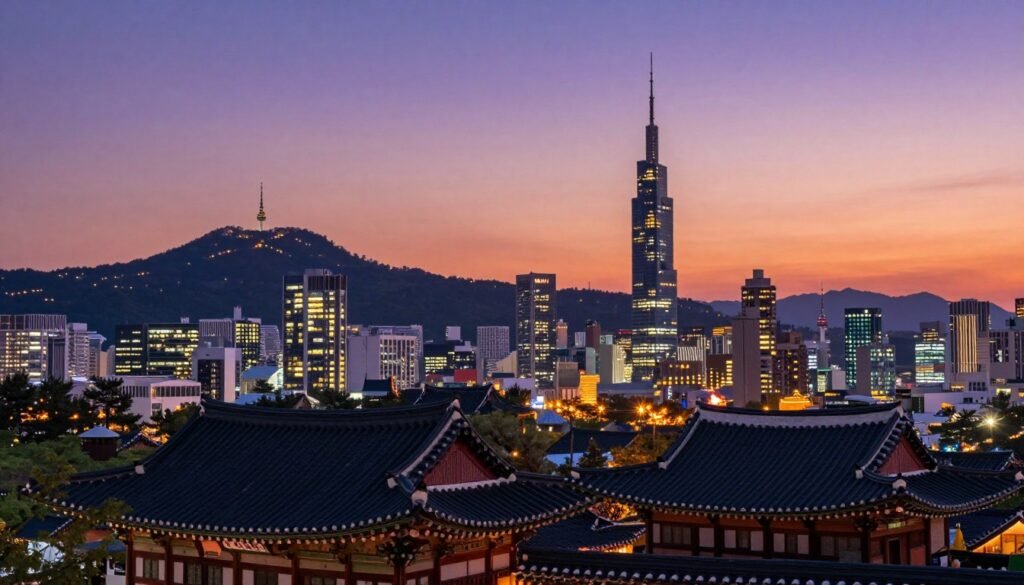
Remember that Seoul rewards curiosity and openness. Don’t hesitate to try unfamiliar foods, explore neighborhoods beyond the main tourist zones, or communicate with locals despite language barriers. Korean people generally appreciate visitors who show genuine interest in their culture.
Planning ahead for logistics—transportation cards, accommodation location, major attraction tickets—reduces stress and maximizes your time. However, maintaining flexibility allows you to adjust plans based on weather, energy levels, and new discoveries. The best Seoul experiences often happen when you’re willing to deviate from rigid itineraries.
📱 Stay Connected in Seoul
Never worry about finding WiFi or getting lost with unlimited mobile data. Tourist SIM cards include phone calls, 4G LTE data, and can be picked up directly at Incheon Airport upon arrival. Multiple plans available for different trip lengths.
🎫 Seoul Attraction Pass
Save money and skip ticket lines with the Seoul City Pass. Access 30+ top attractions including palaces, museums, and observation towers. Pass includes convenient express entry and public transportation options. Available in 1, 2, or 3-day options.
Start Your Seoul Journey Today
Seoul awaits your discovery with its fascinating contrasts, delicious food, rich history, and warm hospitality. Whether you spend three days or three weeks, the city offers endless opportunities for memorable experiences. From the moment you arrive at Incheon Airport to your last bowl of bibimbap, Seoul will surprise and delight you.
This complete guide has equipped you with everything you need to plan and enjoy your Seoul adventure. You understand how to navigate the city, where to find the best food, which attractions deserve your time, and how to respect local customs. Now it’s time to transform this knowledge into lived experiences.
Seoul changes rapidly, with new cafes, restaurants, and attractions appearing constantly. This dynamic quality means every visit reveals something new, giving you reasons to return. Many travelers find themselves planning their next Seoul trip before their current one ends.
Safe travels, and may your Seoul journey be filled with discovery, delicious food, and meaningful experiences. 안녕히 가세요 (Have a safe journey)!