

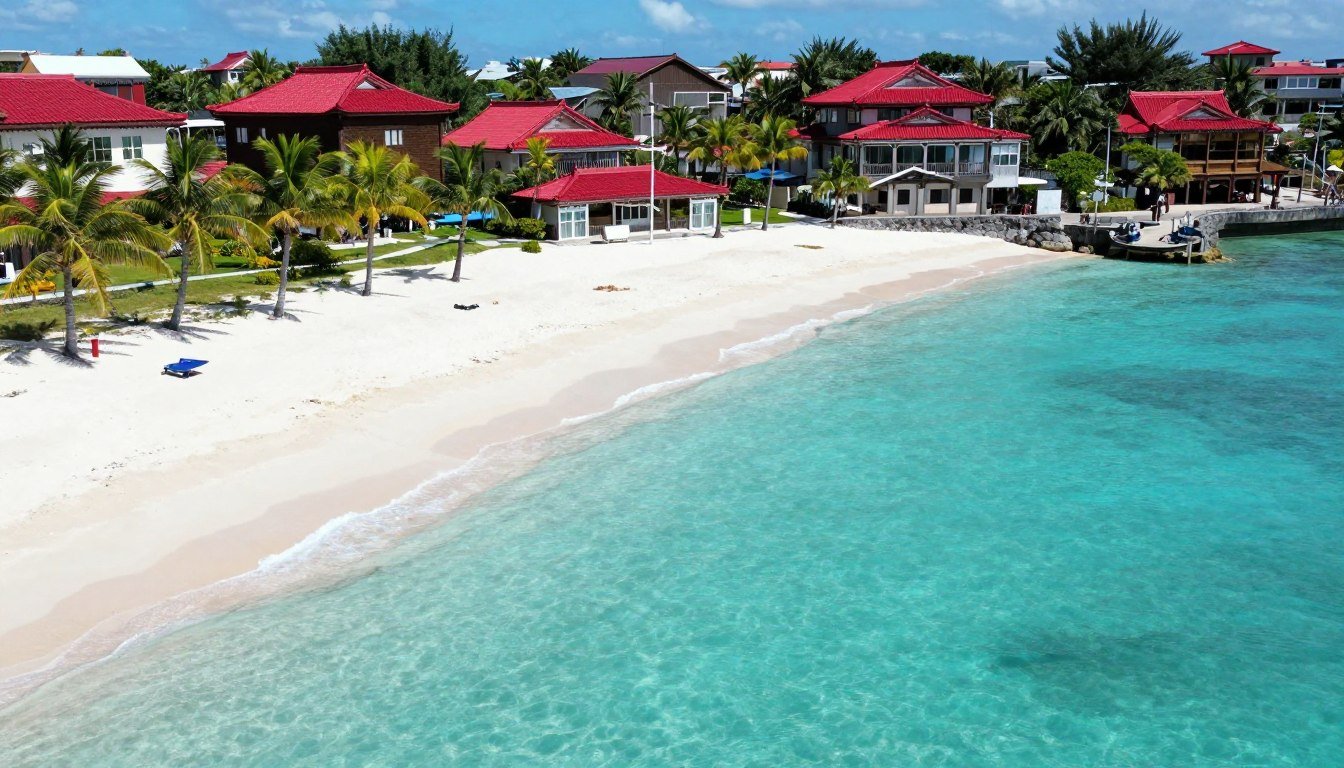
Okinawa beckons travelers with promises of turquoise waters and rich cultural experiences. This subtropical paradise sits southwest of mainland Japan. It offers a unique blend of traditions that differ from typical Japanese destinations.
The island chain stretches across the East China Sea. Each island presents distinct landscapes and cultural treasures. From vibrant coral reefs to ancient castle ruins, Okinawa delivers experiences that stay with visitors long after they depart.
This comprehensive Okinawa travel guide helps you navigate every aspect of your journey. Whether you seek pristine beaches or historical insights, you will find practical information here. The guide covers everything from transportation to local cuisine recommendations.
Get Your Free Okinawa Planning Checklist
Download our comprehensive PDF guide with day-by-day itineraries, packing tips, and insider recommendations to make planning your Okinawa trip effortless.
Why Okinawa Should Be Your Next Destination
Okinawa Prefecture consists of 160 islands scattered across the Pacific. Only 49 of these islands have permanent residents. The main island, also called Okinawa, serves as the gateway for most travelers.
The region boasts a climate that differs dramatically from mainland Japan. Subtropical weather creates year-round warmth. This climate supports unique ecosystems found nowhere else in the country.
The Unique Ryukyu Kingdom Heritage
The Ryukyu Kingdom ruled these islands for 450 years before Japanese annexation in 1879. This independent kingdom maintained trade relationships with China, Korea, and Southeast Asian nations. The cultural exchange left an indelible mark on local traditions.
Ryukyu Kingdom influences appear throughout Okinawa today. Architecture features distinct red-tiled roofs and stone walls. Traditional performing arts showcase movements and music unlike anything on mainland Japan. The castle ruins scattered across the islands tell stories of this remarkable civilization.
Cultural Distinctiveness
Okinawan culture blends Japanese, Chinese, and indigenous Ryukyu traditions. The local language, Uchinaguchi, differs significantly from standard Japanese. Many elderly residents still speak this dialect in their daily lives.
Traditional crafts flourish here. Pottery, textiles, and glasswork reflect centuries of artistic development. Each craft tells part of the larger Ryukyu Kingdom story.
Natural Wonders
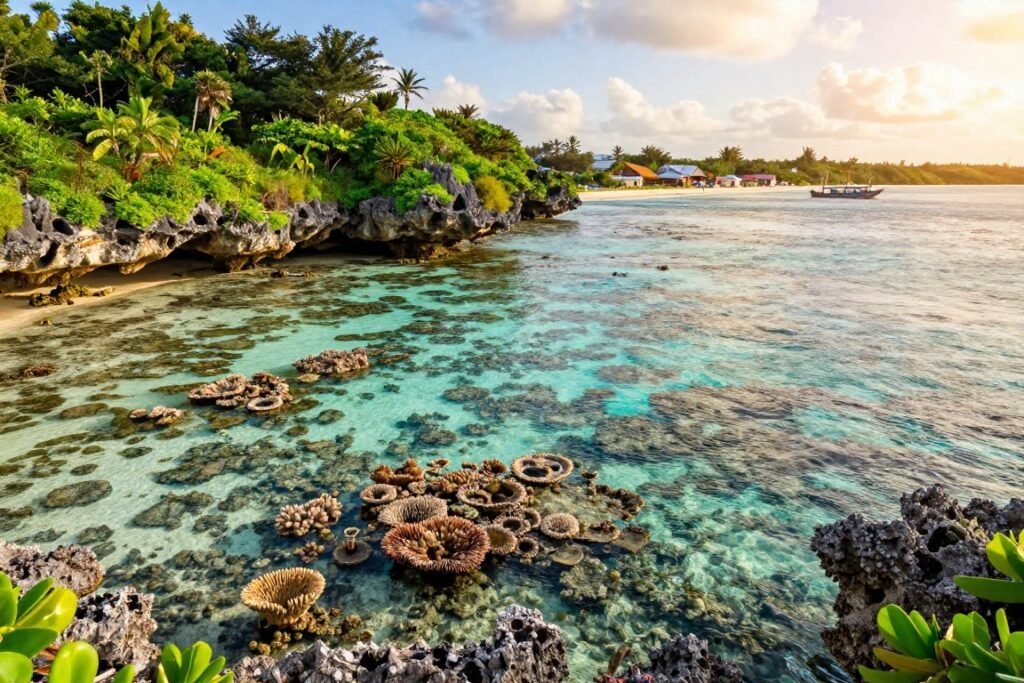
Coral reefs surround the islands in spectacular formations. Marine life thrives in waters that rank among the clearest in the world. Over 400 species of coral create underwater landscapes that attract divers globally.
Terrestrial ecosystems prove equally impressive. Subtropical forests shelter rare species including the Okinawa rail and Iriomote cat. Protected areas preserve these delicate environments for future generations.
Geography and Climate Advantages
Okinawa sits at approximately 26 degrees north latitude. This position places it closer to Taiwan than Tokyo. The geographic location creates weather patterns distinct from the rest of Japan.
Ocean currents moderate temperatures throughout the year. The Kuroshio Current brings warm water from the tropics. This current supports both the climate and the incredible marine biodiversity.
Best Time to Visit Okinawa: Weather and Seasons
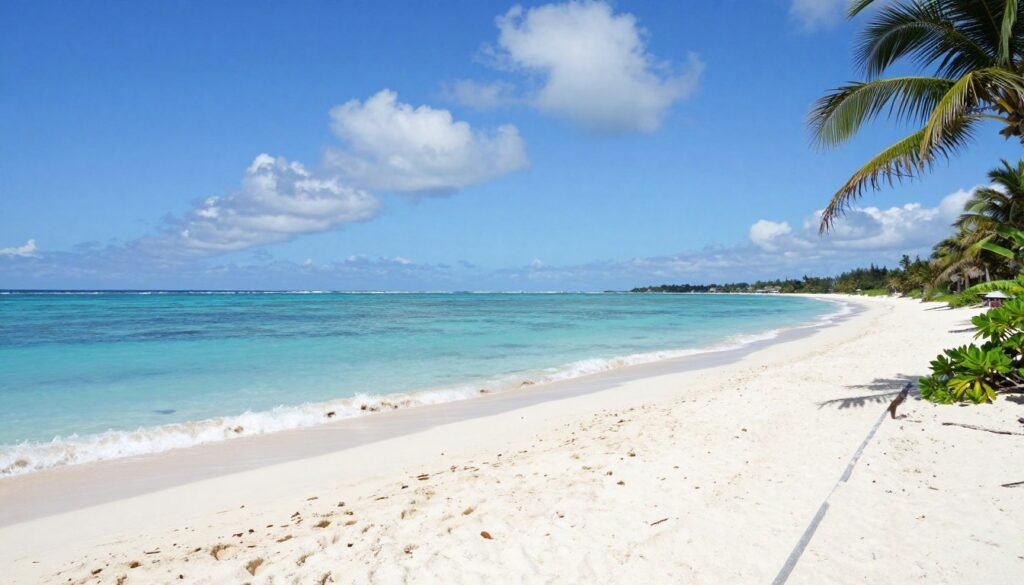
Understanding seasonal patterns helps maximize your Okinawa trip experience. Each season offers different advantages for travelers. Weather considerations significantly impact activity options and overall enjoyment.
Spring Season (March to May)
Spring delivers ideal conditions for most visitors. Temperatures range from 20 to 25 degrees Celsius. Humidity remains relatively low compared to summer months.
Cherry blossoms appear in January, much earlier than mainland Japan. By March, the islands transition into warm, pleasant weather. This period sees moderate tourist numbers, allowing easier access to popular sites.
Summer Season (June to August)
Summer brings peak tourism and warmest temperatures. Days can reach 32 degrees Celsius with high humidity. The rainy season typically occurs in early June, locally called tsuyu.
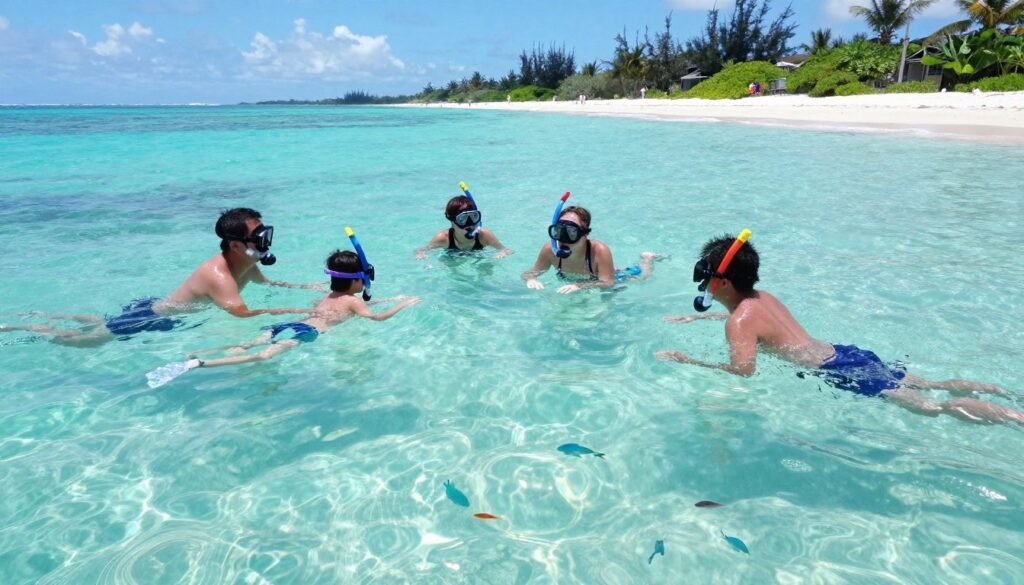
Despite humidity, summer offers optimal conditions for water activities. Ocean temperatures hover around 28 degrees Celsius. Snorkeling and diving conditions reach their annual best during these months.
Typhoon season overlaps with late summer. August and September see the highest typhoon risk. Most storms pass within 24 to 48 hours, but they can disrupt travel plans significantly.
Fall Season (September to November)
Fall presents another excellent window for visiting. Temperatures moderate after summer heat. October typically delivers the most stable weather conditions of the year.
Early fall still carries typhoon risks. By November, these threats diminish considerably. The ocean remains warm enough for swimming through October in most areas.
Winter Season (December to February)
Winter offers the least crowded experience. Temperatures rarely drop below 15 degrees Celsius. This climate remains mild compared to most destinations at similar latitudes.
Water temperatures cool to around 21 degrees Celsius. Many visitors still swim, though wetsuits become more common. Whale watching season peaks from January through March, offering unique wildlife experiences.
| Month | Avg High (°C) | Avg Low (°C) | Rainfall (mm) | Best For |
| January | 19 | 14 | 107 | Whale watching, fewer crowds |
| April | 24 | 19 | 166 | Sightseeing, outdoor activities |
| July | 32 | 27 | 141 | Beach activities, diving |
| October | 28 | 24 | 153 | Ideal weather, all activities |
Let Us Plan Your Perfect Okinawa Trip
Our travel experts create customized itineraries based on your interests, budget, and travel dates. Get a personalized Okinawa experience designed just for you.
Top Attractions and Must-See Places in Okinawa
Okinawa attractions span historical sites, natural wonders, and cultural experiences. The prefecture offers destinations that appeal to diverse traveler interests. Each location provides unique insights into the region’s character.
Okinawa Churaumi Aquarium
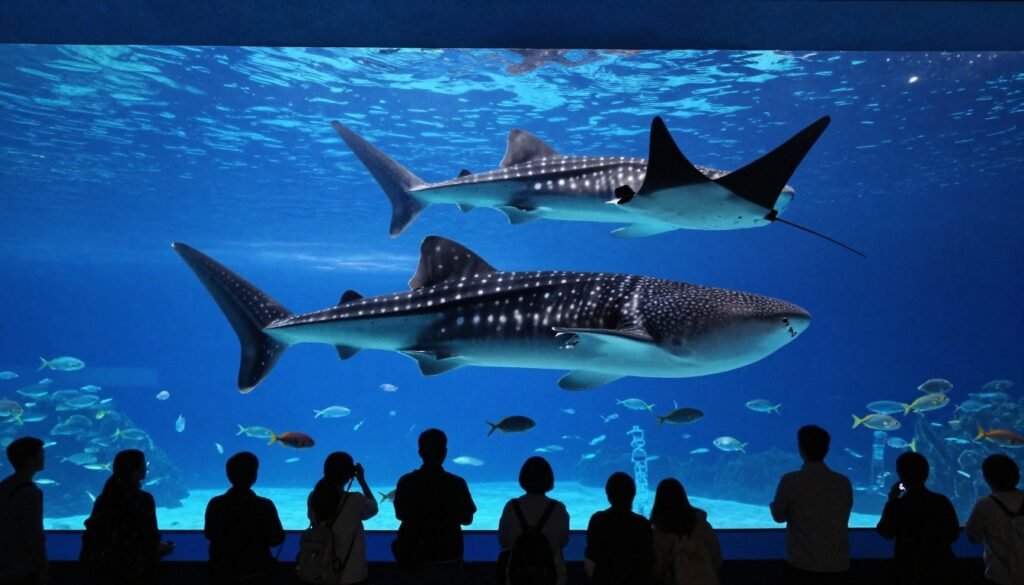
The Okinawa Churaumi Aquarium ranks among the world’s largest aquariums. Located within Ocean Expo Park, this facility showcases Okinawan marine life in stunning detail. The main attraction features the Kuroshio Sea tank, one of the largest aquarium tanks globally.
Whale sharks glide through 7,500 cubic meters of water. These gentle giants share space with manta rays and countless tropical fish species. The acrylic viewing panel measures 8.2 meters by 22.5 meters, creating an immersive underwater experience.
The aquarium dedicates different sections to various marine environments. Deep sea creatures inhabit specially designed tanks that recreate their natural habitats. Coral reef exhibits display the vibrant ecosystems found in surrounding waters.
Highlights
- World-class whale shark exhibit
- Free dolphin shows multiple times daily
- Comprehensive marine life displays
- Educational programs for all ages
- Beautiful Ocean Expo Park grounds
Considerations
- Located in northern Okinawa (2 hours from Naha)
- Can be crowded during peak seasons
- Requires several hours to see everything
- Limited English signage in some areas
Visiting hours extend from 8:30 AM to 6:30 PM during regular season. The facility opens until 8:00 PM from October through February. Tickets cost 1,880 yen for adults, with discounts available for students and children.
Skip the Line at Churaumi Aquarium
Book your tickets in advance and save time waiting in queues. E-tickets provide instant confirmation and flexible cancellation options.
Shuri Castle and Historical Sites
Shuri Castle served as the palace of the Ryukyu Kingdom for centuries. Though fire damaged much of the structure in 2019, restoration efforts continue actively. The site remains open, allowing visitors to explore the grounds and learn about reconstruction.
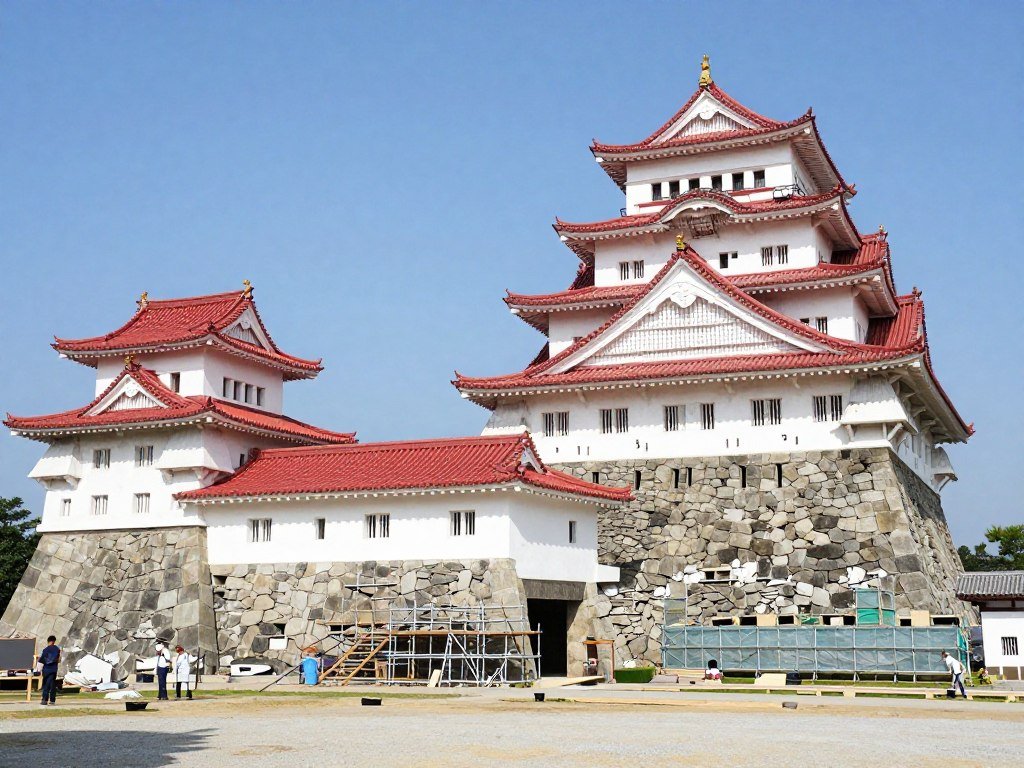
The castle ruins tell stories of Ryukyu Kingdom grandeur. Original stone walls and gates survived the fire. These structures showcase the unique architectural style that blended Chinese, Japanese, and indigenous influences.
Several other castle ruins dot the Okinawa Prefectural landscape. Nakagusuku Castle Ruins offer panoramic views and well-preserved fortifications. Zakimi Castle Ruins feature impressive stonework dating to the 15th century. UNESCO designated five Ryukyu Kingdom castle sites as World Heritage locations.
Kerama Islands
The Kerama Islands lie just 30 kilometers west of the main island. This archipelago comprises over 20 islands of varying sizes. Crystal-clear waters surrounding these islands attract snorkelers and divers from around the world.
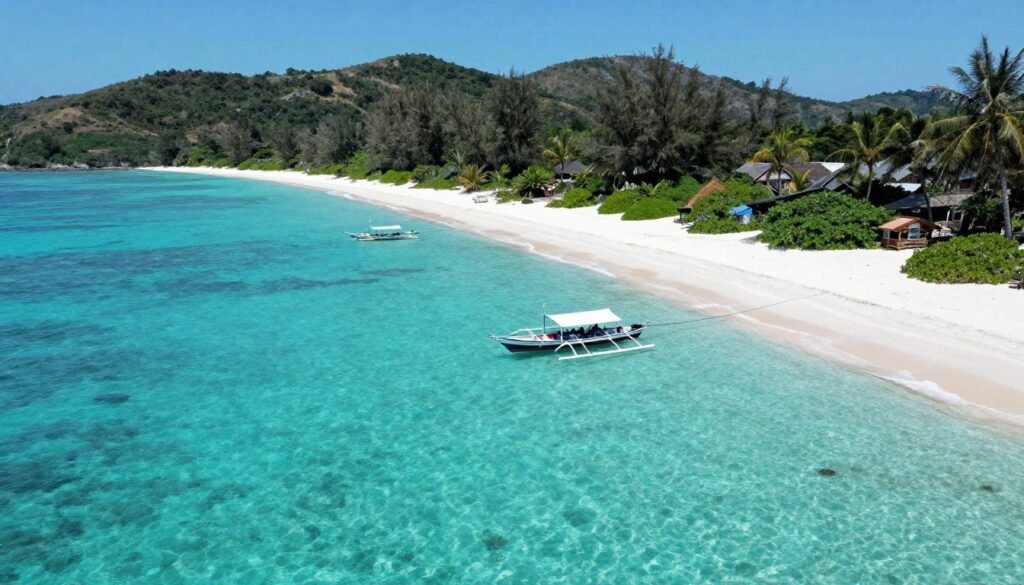
Zamami Island and Tokashiki Island offer the most developed tourist infrastructure. Regular ferries connect these islands to Naha Port. Day trips provide sufficient time to experience the beaches and snorkeling opportunities.
Marine life thrives in the protected waters. Sea turtles frequently appear near the beaches. Winter months bring humpback whales to the area for breeding. The Kerama Blue refers to the distinctive color of these exceptionally clear waters.
Cape Manzamo
Cape Manzamo presents one of Okinawa’s most photographed natural landmarks. Limestone cliffs rise dramatically from the ocean. Wind and waves carved the rock into distinctive shapes over millennia.
The name translates to “a field large enough for 10,000 people to sit.” Grassy areas atop the cliffs provide space for visitors to enjoy ocean views. Sunset transforms the site into a particularly spectacular destination.
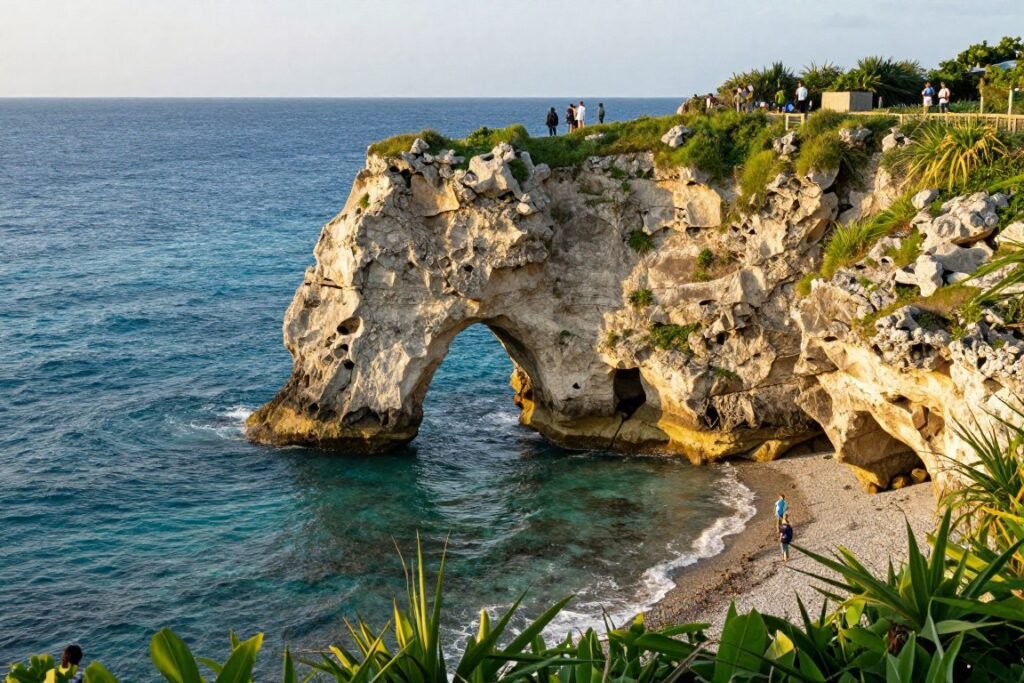
The area requires only 30 to 45 minutes to explore thoroughly. Free parking makes it accessible for those touring by rental car. The site sits roughly midway between Naha and the northern attractions.
Valley of Gangala
The Valley of Gangala occupies a collapsed limestone cave system. Ancient forests grow within the valley. Archaeological discoveries suggest human habitation dating back 20,000 years.
Guided tours last approximately 90 minutes. Expert guides explain the geological formations and archaeological significance. The tour requires reservations in advance. Tours operate in Japanese, though English materials are available.
A massive banyan tree dominates part of the valley. The tree’s extensive root system creates cathedral-like spaces. The entire experience offers a unique perspective on Okinawa’s natural history.
Southeast Botanical Gardens
These expansive gardens showcase over 2,000 plant species. Tropical and subtropical vegetation thrives across 40 hectares. The facility divides into water garden and botanical garden sections.
Rare plants from across Southeast Asia and the Pacific find homes here. The collections include significant numbers of palms, heliconias, and tropical fruits. Educational programs teach visitors about plant conservation efforts.
American Village
American Village reflects Okinawa’s complex relationship with U.S. military presence. This commercial district features American-style shops, restaurants, and entertainment venues. The area attracts both tourists and local residents.

A large Ferris wheel serves as the district’s landmark. Sunset Beach adjacent to the village offers swimming and relaxation opportunities. The mix of cultures creates a unique atmosphere found nowhere else in Japan.
Okinawan Cuisine: A Unique Culinary Experience
Okinawan cuisine differs substantially from mainland Japanese food. The culinary traditions reflect Ryukyu Kingdom trade relationships and local agricultural products. Ingredients and preparation methods create dishes with distinctive flavors.
Signature Dishes You Must Try
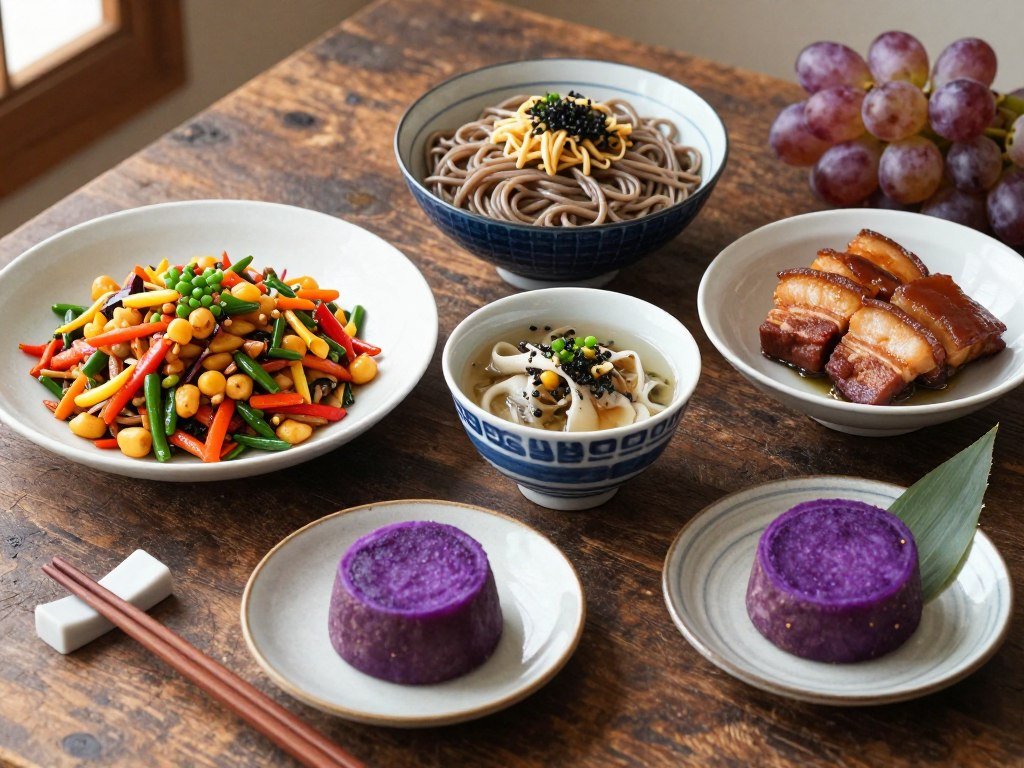
Okinawa Soba
Okinawa soba bears little resemblance to buckwheat soba from mainland Japan. The noodles use wheat flour instead. They possess a chewier texture and yellow color from added minerals.
Pork broth forms the soup base. Toppings typically include braised pork belly, fish cake, and green onions. Each region within Okinawa has slight variations in preparation and presentation.
Goya Champuru
Goya champuru represents the quintessential Okinawan home cooking. Bitter melon (goya) provides the dish’s defining ingredient. The vegetable is stir-fried with tofu, egg, and pork or spam.
The bitter flavor takes getting used to for many visitors. Locals prize goya for its nutritional properties. The vegetable contains high levels of vitamin C and antioxidants.
Rafute
Rafute consists of pork belly braised until incredibly tender. The preparation process takes several hours. Soy sauce, sake, and brown sugar create a rich glaze.
This dish shows clear Chinese influence from the Ryukyu Kingdom trade era. The pork literally melts in your mouth when properly prepared. Restaurants throughout Okinawa serve their own versions.
Taco Rice
Taco rice emerged from the American military presence. The dish combines taco ingredients served over rice instead of in tortillas. Ground beef, lettuce, tomatoes, cheese, and salsa top steamed rice.
Despite its recent origins, taco rice has become a local staple. The fusion represents modern Okinawan culture perfectly. Prices remain reasonable, making it popular among students and budget travelers.
Unique Ingredients
Several ingredients appear frequently in Okinawan cuisine but rarely elsewhere in Japan. Understanding these components helps appreciate the local food culture more fully.
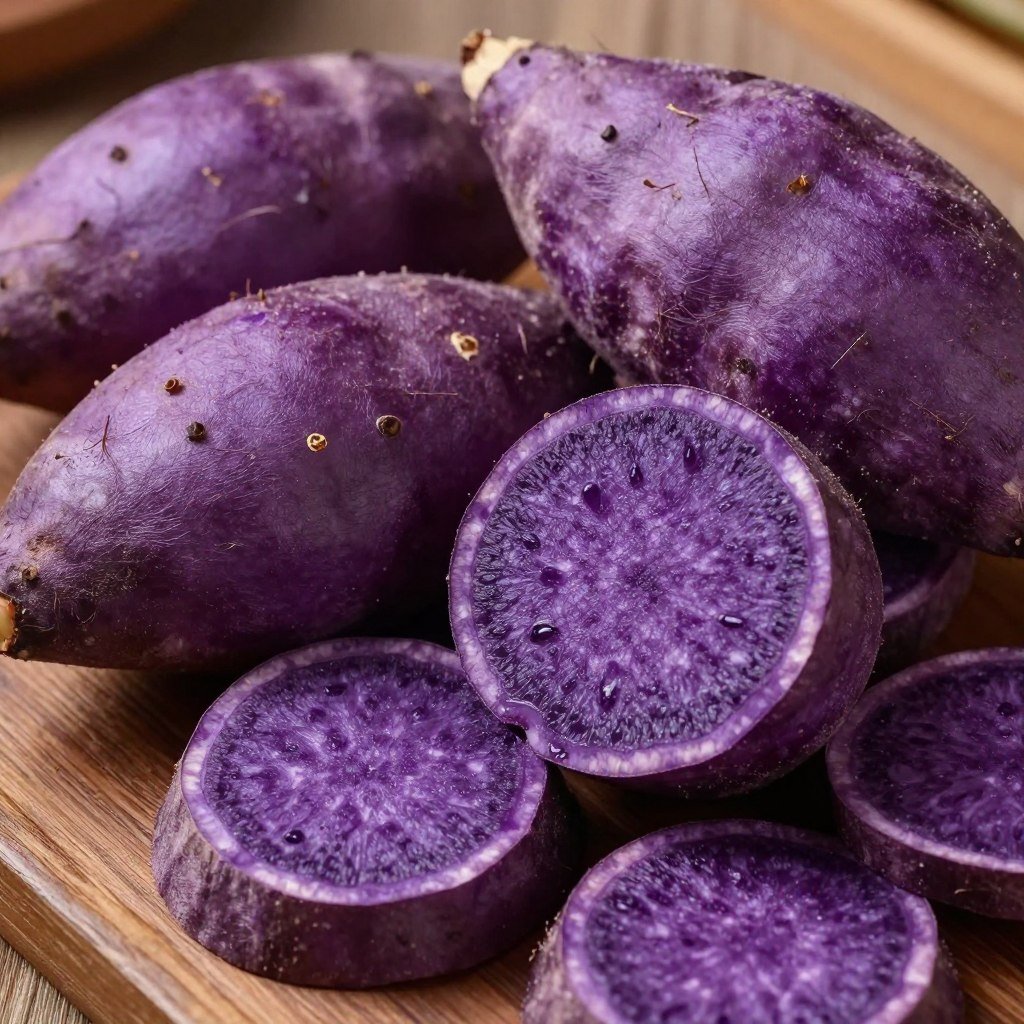
Purple Sweet Potato
The purple sweet potato grows abundantly in Okinawa. Its vibrant color comes from anthocyanins. These compounds offer significant health benefits.
The potato appears in both savory dishes and desserts. Purple sweet potato tarts have become popular souvenirs. The flavor is naturally sweet with earthy undertones.
Sea Grapes (Umi-budo)
Sea grapes are a type of seaweed with small, bubble-like leaves. They pop gently when bitten, releasing a slightly salty flavor. The texture and taste are refreshing and unique.
Locals eat sea grapes fresh, often with ponzu sauce. They’re rich in minerals and low in calories. Most restaurants serving traditional Okinawan cuisine include this on their menus.
Mozuku
Mozuku is another seaweed variety specific to Okinawan waters. It has a slippery texture when fresh. The seaweed is typically served in vinegar sauce as an appetizer.
Health-conscious Okinawans consume mozuku regularly. Research suggests it may contribute to the region’s famous longevity. The taste is mild with a pleasant ocean flavor.
Where to Experience Authentic Cuisine
Traditional restaurants concentrate in certain areas throughout Okinawa. Naha City offers the highest density of dining options. The Makishi Public Market provides an excellent introduction to local ingredients.
Small family-run establishments often serve the most authentic dishes. These places may lack English menus, but the food quality typically exceeds tourist-oriented restaurants. Picture menus help bridge language barriers.
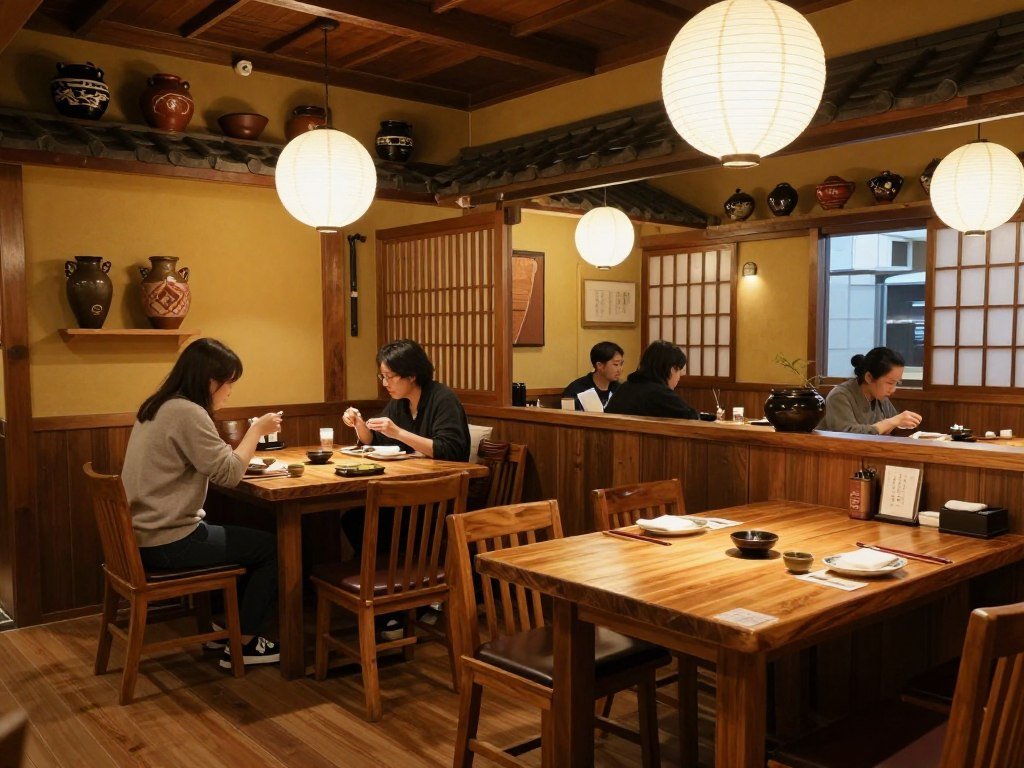
Traditional Restaurants
Family-owned establishments serving authentic Okinawan home cooking. Expect generous portions and warm hospitality in casual settings.
- Average meal: 1,000-2,000 yen
- Limited English, picture menus common
- Best for: Authentic experience
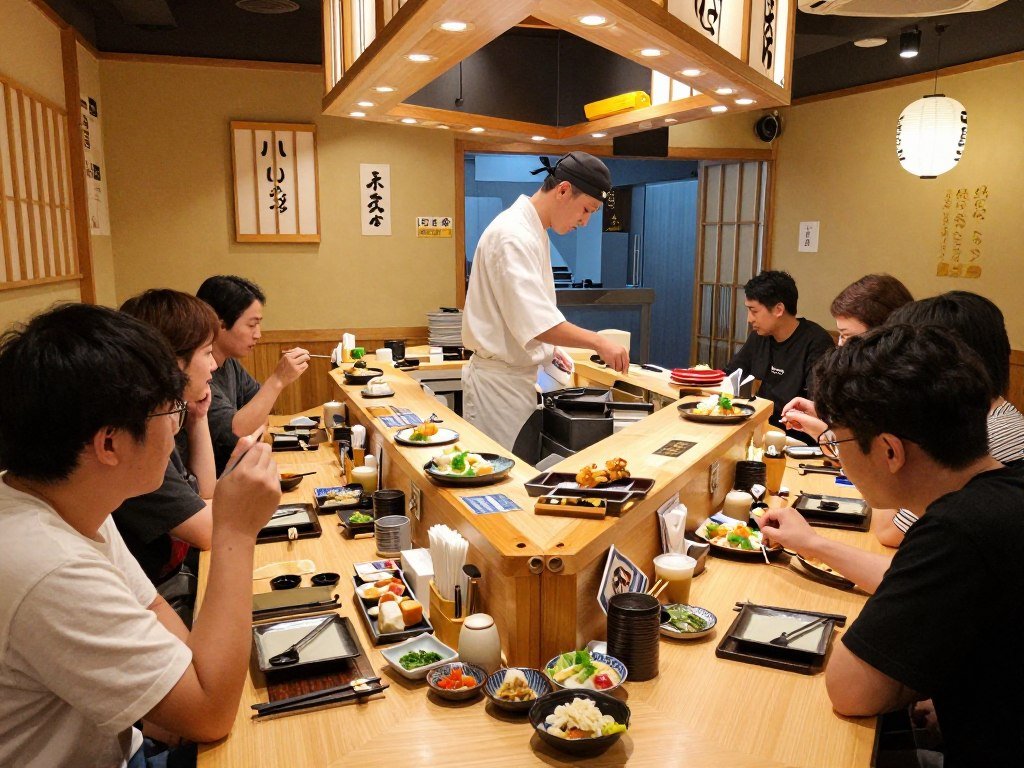
Izakaya Style
Okinawan pub-style restaurants perfect for trying multiple dishes. Great for groups wanting to share various local specialties.
- Small plates: 400-800 yen each
- Extensive drink menus
- Best for: Social dining, variety
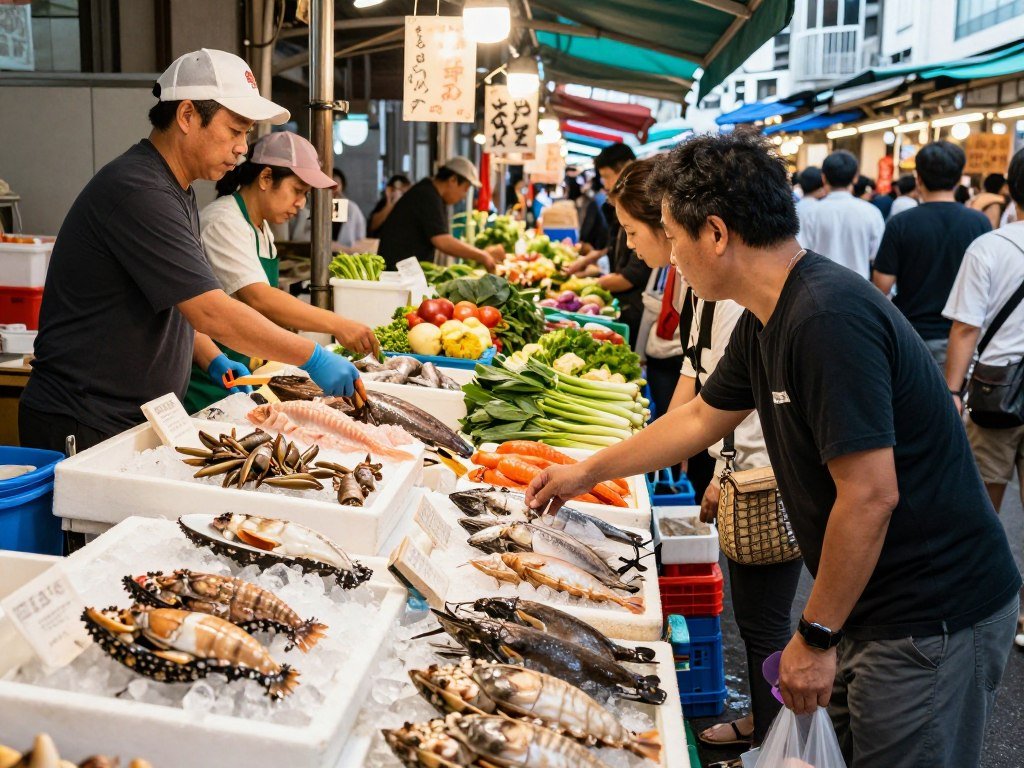
Public Markets
Markets offer fresh ingredients on the ground floor with restaurants above. A hands-on way to select your seafood and have it prepared immediately.
- Cook-to-order from market purchases
- Interactive shopping experience
- Best for: Fresh seafood, cultural immersion
Sweet Treats and Desserts
Okinawan desserts showcase the region’s tropical ingredients. Purple sweet potato appears in numerous confections. Brown sugar from local sugarcane production adds distinctive flavor to many sweets.
Sata andagi are Okinawan doughnuts, fried until golden and crispy outside. The interior remains soft and cake-like. These treats appear at festivals and specialty shops throughout the islands.
Blue Seal ice cream represents a local institution. The American-founded company has operated in Okinawa for over 70 years. Unique flavors include beni-imo (purple sweet potato) and shikuwasa citrus.
Getting Around Okinawa: Transportation Guide
Transportation options vary significantly across Okinawa Prefecture. The main island offers more choices than smaller islands. Understanding the available options helps plan efficient itineraries.
Arriving in Okinawa
Naha Airport serves as the primary gateway. Direct international flights arrive from several Asian cities. Domestic flights connect Naha with major Japanese cities multiple times daily.
The airport sits close to downtown Naha. The Okinawa Urban Monorail (Yui Rail) connects directly to the terminal. This convenient link makes reaching central Naha simple for arriving passengers.

Public Transportation
Yui Rail Monorail
The monorail system extends from the airport through Naha City. The line reaches Urasoe City to the north. Seventeen stations serve major hotels, shopping areas, and tourist sites.
Trains run from 6:00 AM until approximately 11:30 PM. Frequency varies from 4 to 10 minutes between trains depending on the time of day. A one-day pass costs 800 yen and provides unlimited rides.
The monorail’s limited range means it serves primarily Naha visitors. Those exploring beyond the city need alternative transportation options. The system is clean, efficient, and easy to navigate with English signage.
Bus System
Buses connect most areas across the main island. The network is extensive but can be confusing for first-time visitors. Route numbers and destinations appear primarily in Japanese.
Express buses travel between major destinations like Naha and the Churaumi Aquarium. These services take approximately 2 to 3 hours one-way. Regular buses stop frequently, adding significant time to journeys.
Bus passes offer value for extended use. A one-day pass costs around 2,500 yen. Three-day passes provide better value for those relying heavily on buses. Purchase passes at the bus terminal or major hotels.
Rental Cars
Renting a car provides maximum flexibility for exploring Okinawa. The main island features well-maintained highways. Traffic moves at moderate speeds outside Naha City.
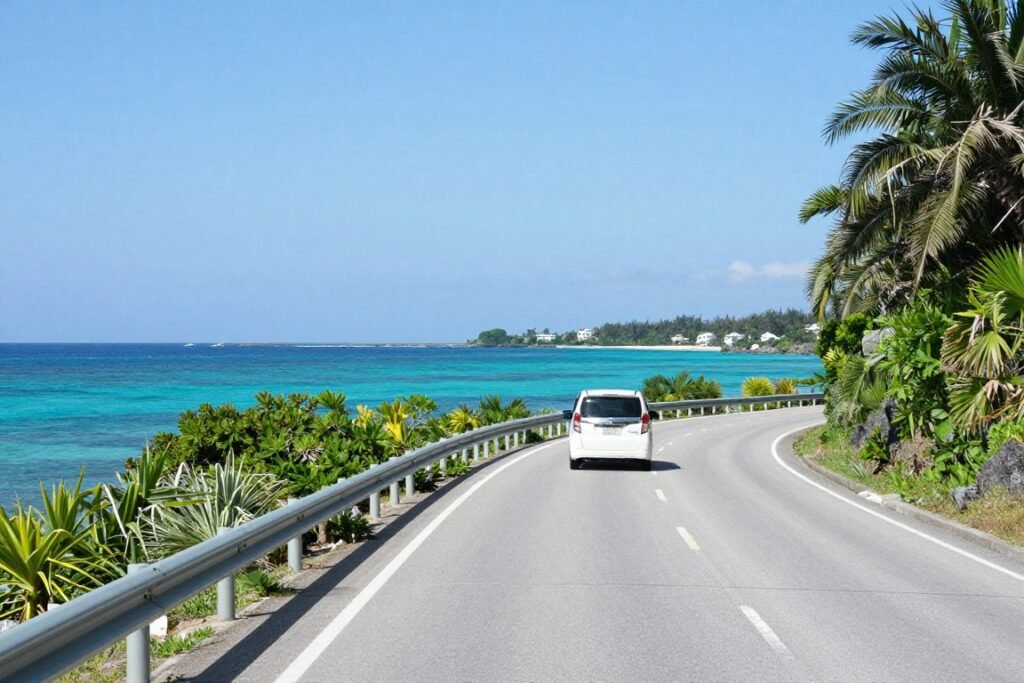
Numerous rental companies operate from the airport and city locations. International driving permits are required for foreign visitors. The application process is straightforward in most countries.
Daily rental rates start around 4,000 yen for compact cars. Prices increase during peak seasons and for larger vehicles. Insurance coverage is mandatory and typically adds 1,000-2,000 yen daily.
Important Driving Tips: Traffic drives on the left side in Japan. Speed limits are strictly enforced with cameras. Parking can be expensive in Naha but is generally abundant elsewhere. GPS systems typically offer English language options.
Taxis
Taxis are readily available in urban areas. They provide convenient point-to-point transportation without driving concerns. Base fares start at approximately 500 yen with additional charges by distance.
Most taxi drivers speak limited English. Having destinations written in Japanese helps communication. Ride-sharing apps have limited presence compared to mainland Japan.
Taxis become expensive for long-distance travel. A trip from Naha to northern attractions could cost 15,000 yen or more. They work best for short trips within specific areas.
Bicycle Rentals
Bicycles suit exploration of smaller areas and islands. Flat coastal roads make cycling pleasant in many locations. Several shops rent bikes by the hour or day.
Electric-assist bicycles help tackle Okinawa’s occasional hills. These cost slightly more than standard bikes but reduce physical strain. Daily rental rates range from 1,000 to 2,000 yen.
Some smaller islands like Taketomi rely heavily on bicycle transportation. The compact size makes cycling the ideal way to explore these locations.
Inter-Island Transportation
Ferries connect the main island to smaller islands throughout the prefecture. Departure points vary depending on the destination island. Naha Port serves many routes to nearby islands.
Ferry schedules vary by season and weather conditions. Typhoons can suspend services for several days. Booking in advance is recommended during peak travel periods.
Some remote islands also have small airports. Flights provide faster connections but at higher costs. The views during island-hopping flights are spectacular.
Transportation Tip: Consider purchasing an OKICA card for seamless payment on the monorail and some buses. The rechargeable IC card works similarly to Suica or Pasmo cards used elsewhere in Japan. Purchase at Yui Rail stations or convenience stores.
Where to Stay in Okinawa: Accommodation Options
Accommodation options span budget hostels to luxury resorts. Location significantly impacts both price and experience. Different areas serve different traveler priorities.
Naha City Hotels
Naha offers the highest concentration of hotels. The city provides excellent access to the airport and monorail. Budget options are more abundant here than in resort areas.
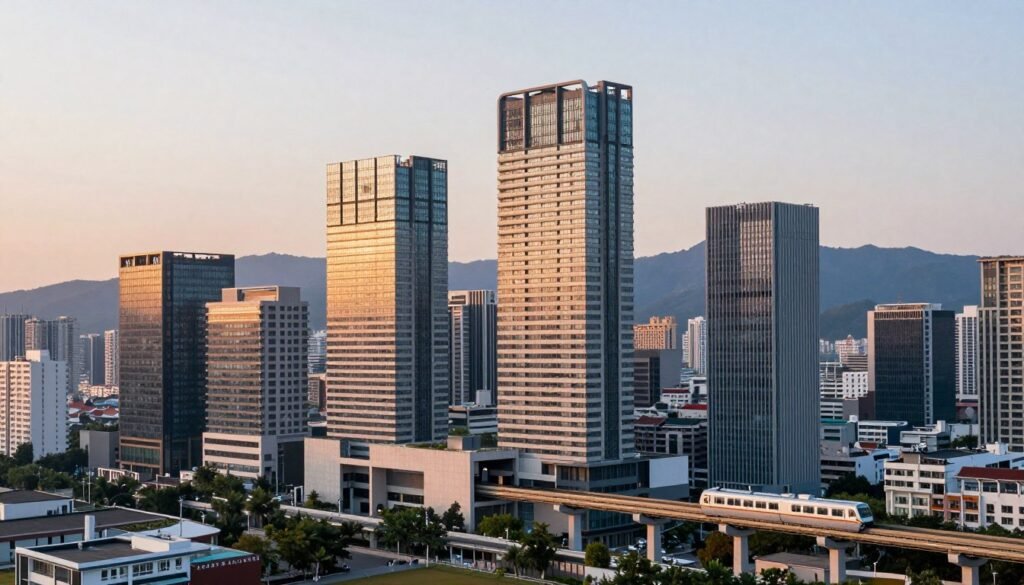
Business hotels provide clean, efficient accommodations. Rooms are typically small but well-equipped. Prices range from 5,000 to 10,000 yen per night for standard rooms.
The Kokusai Street area puts guests near shopping and dining. This neighborhood pulses with activity until late evening. The monorail provides easy access to the airport for early flights.
Beach Resorts
Beach resorts line the western coast from Naha northward. These properties offer direct beach access and extensive facilities. Most include multiple restaurants, pools, and activity programs.
The Onna Village area concentrates several major resort properties. Beautiful beaches and clear water make this region popular. Prices reflect the premium location and amenities.
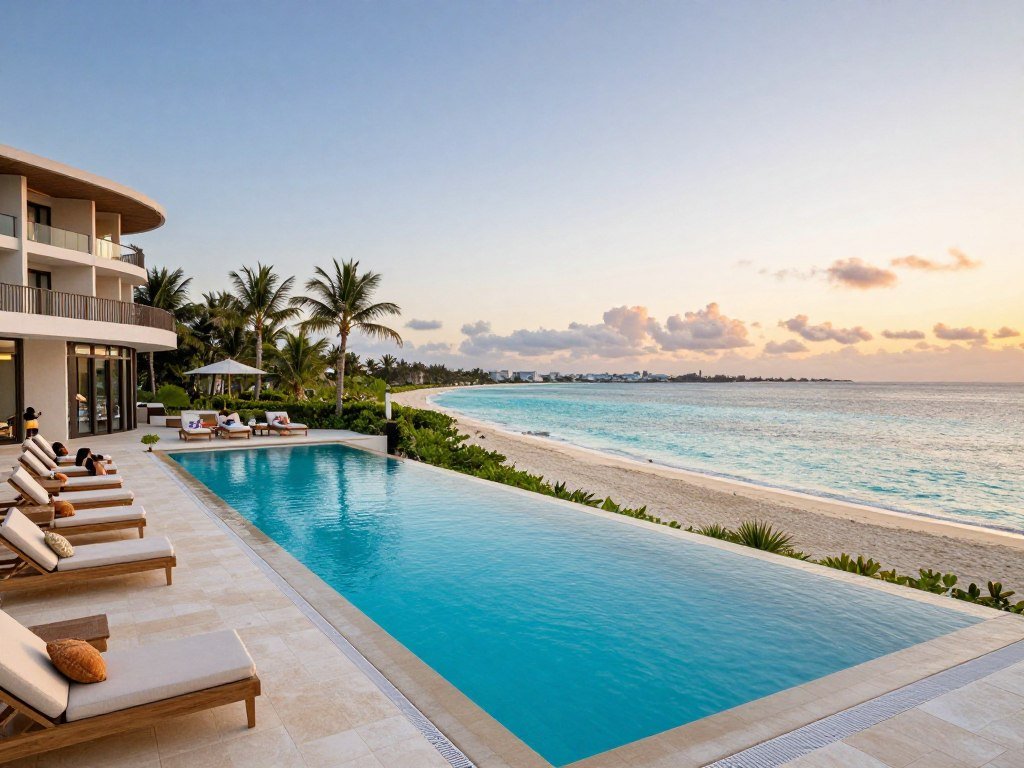
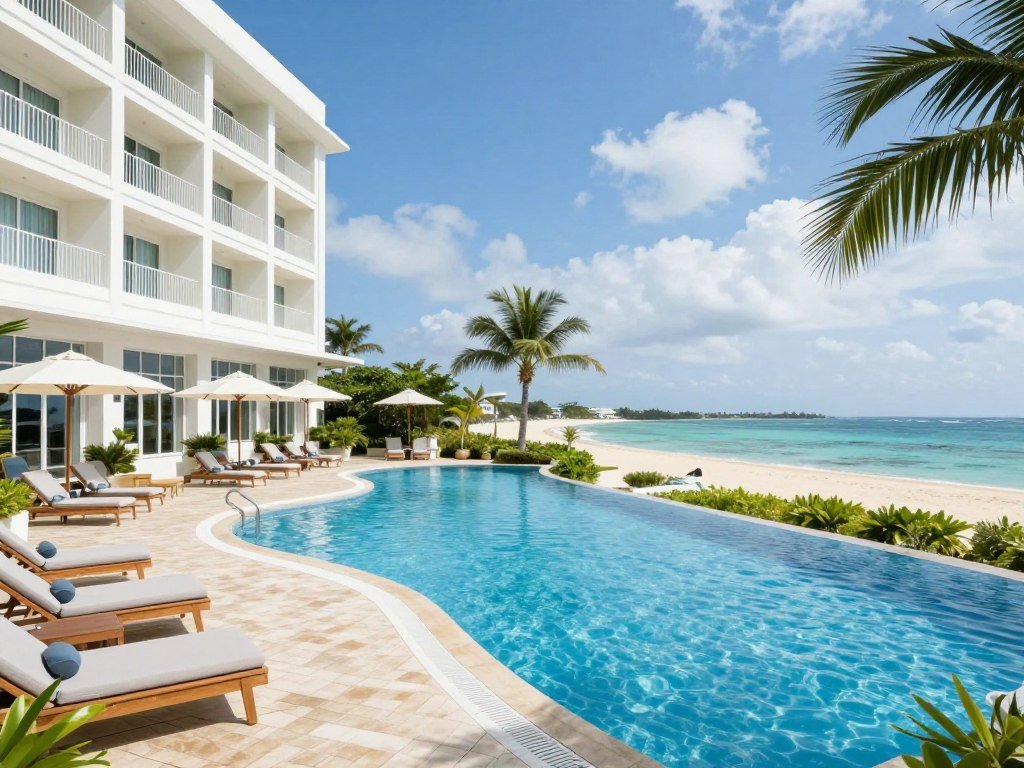
Luxury Resorts
Premium properties offering comprehensive amenities, multiple dining options, and exceptional service. Private beaches and extensive facilities.
- Price range: 30,000-80,000 yen/night
- All-inclusive options available
- Family-friendly facilities
- English-speaking staff
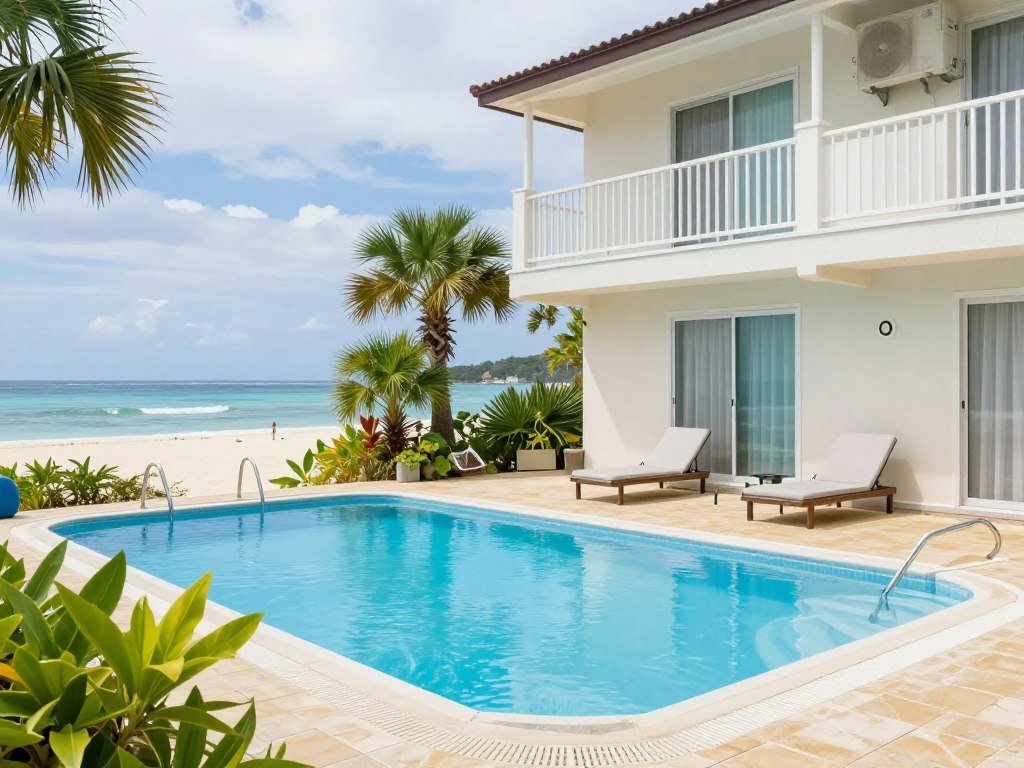
Mid-Range Hotels
Comfortable properties balancing amenities with value. Good locations with beach access and essential facilities for most travelers.
- Price range: 12,000-25,000 yen/night
- Beach or pool access
- Basic restaurants on-site
- Good value for money
Budget Options
Economical hotels and guesthouses offering essential amenities. Strategic locations allowing access to beaches and attractions at lower prices.
- Price range: 4,000-10,000 yen/night
- Basic but clean facilities
- Sometimes shared bathrooms
- Great for budget travelers
Traditional Ryukyu Accommodations
Some properties maintain traditional Ryukyu architectural styles. These accommodations offer cultural immersion alongside modern comforts. Red-tiled roofs and traditional gardens create authentic atmospheres.
Staying in these properties provides insights into historical Okinawan living. Most have been updated with contemporary amenities. The experience combines history with comfort.
Vacation Rentals
Private vacation rentals have grown in popularity. Entire houses or apartments offer space for families or groups. These options often include kitchens, allowing guests to prepare meals.
Rentals scatter across the island in both urban and rural areas. Prices vary significantly based on location, size, and amenities. Booking platforms make finding and reserving properties straightforward.
Consider locations carefully when booking rentals. Properties far from main roads may require a rental car. Urban rentals provide better access to public transportation.
Smaller Islands Accommodations
Accommodation options decrease dramatically on smaller islands. The Kerama Islands offer several small hotels and guesthouses. Advance booking becomes essential, especially during peak seasons.
Many small island properties embrace a simple, nature-focused approach. Amenities may be basic compared to main island resorts. The trade-off comes in pristine natural surroundings and authentic island life.
Cultural Experiences and Activities
Okinawan culture provides unique experiences distinct from mainland Japan. Engaging with local traditions enriches any visit. The islands offer numerous opportunities for cultural immersion.
Traditional Performing Arts
Eisa dancing represents Okinawa’s most vibrant traditional performance. Dancers move energetically to taiko drum rhythms. The dance originated as part of Obon festival celebrations honoring ancestors.
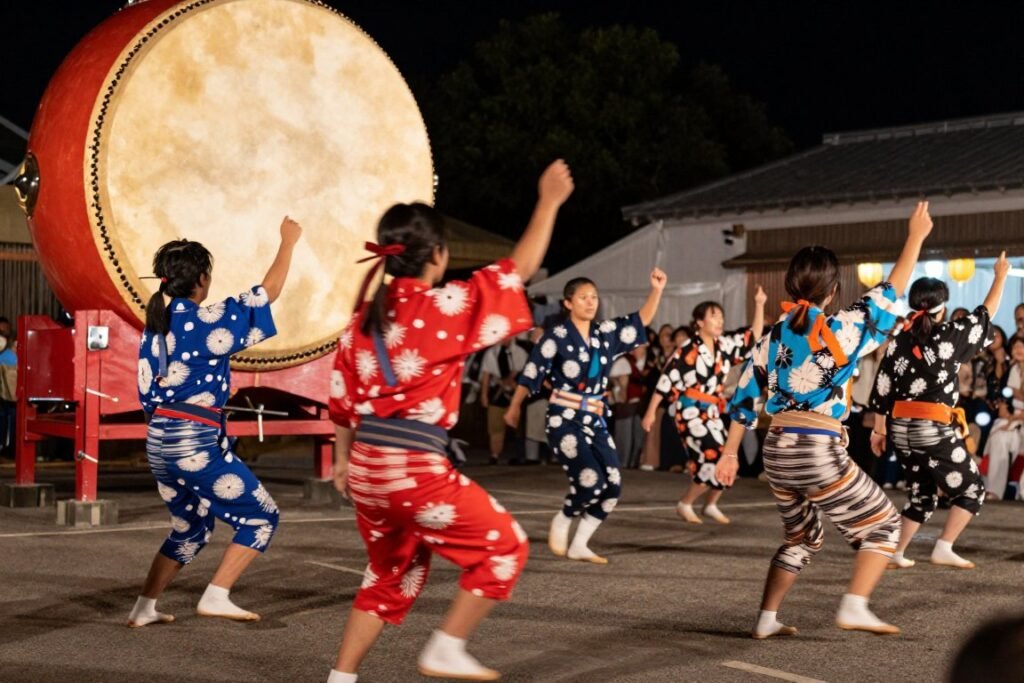
Regular performances occur at cultural centers throughout the prefecture. The larger festivals happen in summer months. Some hotels also host abbreviated performances for guests.
Classical Ryukyu dance differs markedly from eisa’s energy. These refined performances showcase court traditions from the kingdom era. Elaborate costumes and precise movements characterize the art form.
Craft Workshops
Several traditional crafts remain active throughout Okinawa. Workshops allow visitors to try their hand at these ancient arts. Most experiences require reservations in advance.
Pottery Making
Yachimun pottery features distinctive glazes and designs. The craft arrived in Okinawa from Southeast Asia centuries ago. Several pottery villages offer wheel-throwing and painting workshops.
Tsuboya in Naha serves as the traditional pottery district. Many studios welcome visitors to observe or participate. Finished pieces can be shipped internationally for a fee.
Textile Arts
Bingata represents Okinawa’s signature textile dyeing technique. Bold colors and nature-inspired patterns characterize the style. Workshops teach the basic stencil and dyeing process.
Participants typically create small items like coasters or hand towels. The full traditional process takes considerable time to master. Even brief workshops provide appreciation for the artistry involved.
Glass Blowing
Ryukyu glass emerged in the post-war period. Artisans initially recycled discarded glass bottles. The resulting pieces featured distinctive bubbles and color variations.
The craft evolved into a recognized art form. Modern pieces maintain the traditional aesthetic. Several studios offer observation and hands-on experiences creating simple glass items.
Cooking Classes
Cooking classes teach preparation of authentic Okinawan dishes. Instructors explain both techniques and cultural context. Classes typically include market visits to select ingredients.
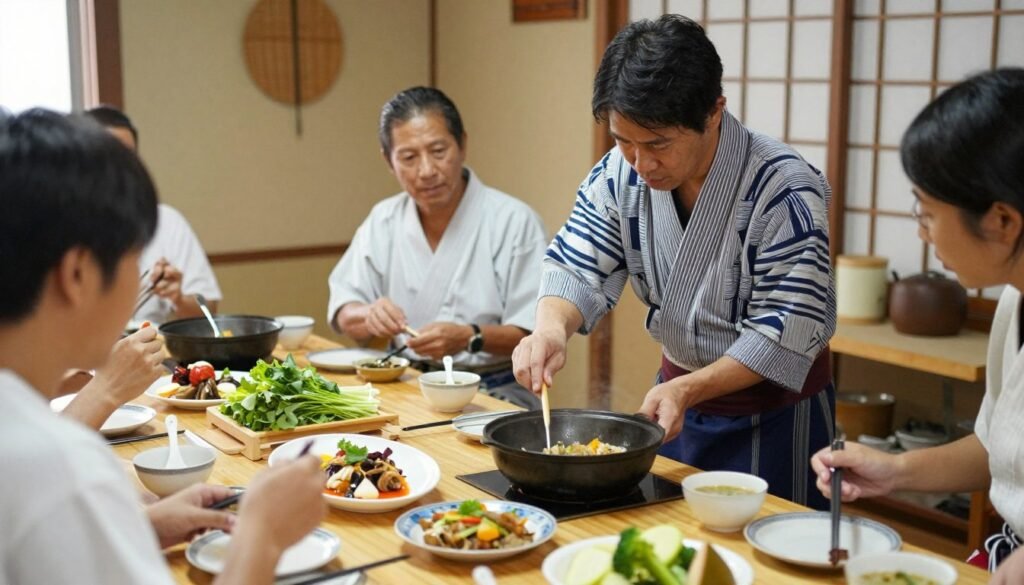
Most classes focus on home-cooking staples like goya champuru and Okinawa soba. The hands-on experience provides practical skills. Participants enjoy eating their creations at the class conclusion.
Some programs explore the longevity diet that makes Okinawans famous. These classes emphasize nutritional principles alongside cooking techniques. The approach offers insights into the region’s health culture.
Karate Heritage
Okinawa is the birthplace of karate. The martial art developed here before spreading to mainland Japan and the world. Several dojos welcome visitors for observation or participation.
The Okinawa Prefectural Karate Museum documents the art’s history. Exhibits explain how karate evolved from indigenous fighting methods. The museum offers English information and occasional demonstrations.
Some dojos offer trial sessions for visitors. These typically cover basic stances and movements. The experience provides appreciation for karate’s spiritual and physical dimensions.
Nature Activities
Snorkeling and Diving
Coral reefs surrounding Okinawa rank among Asia’s finest. Over 200 types of coral create complex underwater ecosystems. Tropical fish in countless species populate these reefs.
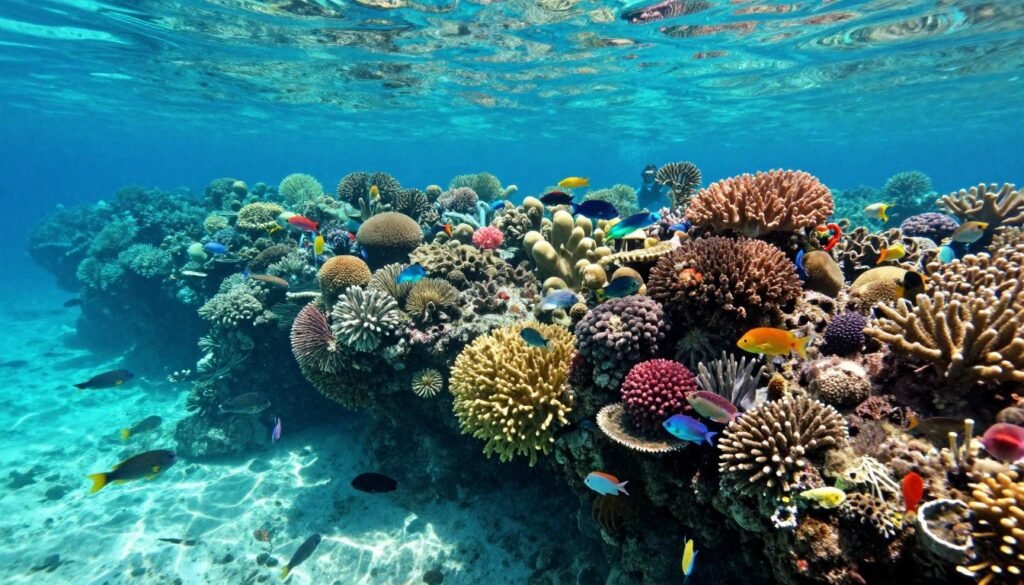
Numerous operators offer snorkeling and diving experiences. Beginners can take introductory courses. Experienced divers find challenging sites including caves and drop-offs.
Blue Cave near Onna Village attracts many visitors. Sunlight filtering into the underwater cave creates ethereal blue illumination. The site works well for both snorkeling and diving.
Kayaking and Stand-Up Paddleboarding
Mangrove forests in several locations provide excellent kayaking opportunities. The protected waterways suit all skill levels. Guides explain the unique ecosystem during tours.
Stand-up paddleboarding has gained popularity at beach locations. The calm waters inside reefs create ideal conditions. Rental shops line popular beaches during the tourism season.
Hiking
Northern Okinawa preserves extensive forest areas. Trails wind through subtropical vegetation. The Yanbaru region offers the most pristine natural environments.
Shorter walks suit casual hikers seeking nature exposure. More challenging trails reward efforts with panoramic views. Spring and fall provide the most comfortable hiking weather.
Practical Travel Tips and Essential Information
Practical preparation ensures smoother travel experiences. Understanding local customs and logistics helps avoid common challenges. These tips address frequent visitor concerns.
Language Considerations
English proficiency varies considerably across Okinawa. Major hotels and tourist sites typically have English-speaking staff. Rural areas and small businesses may have very limited English.
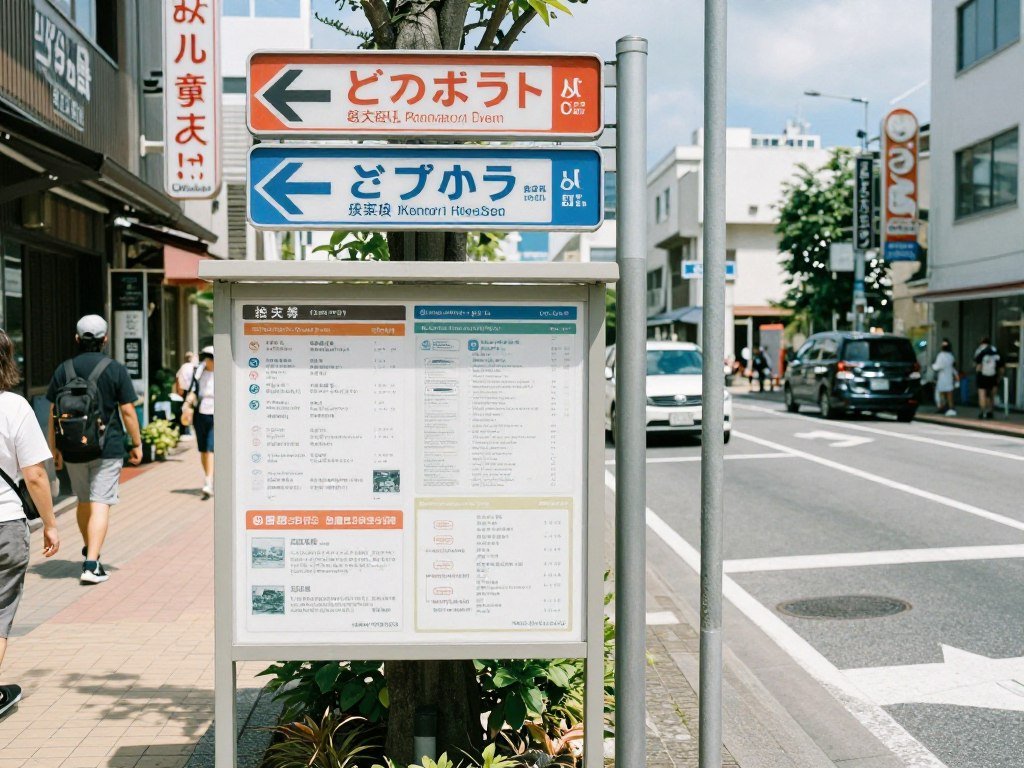
Translation apps prove invaluable for reading menus and signs. Download offline language packs before arrival. The camera translation function helps with written text.
Learning basic Japanese phrases demonstrates respect. Simple greetings and thank-yous are appreciated. Most Okinawans respond warmly to genuine efforts at communication.
Money and Payments
Cash remains important throughout Okinawa. Many restaurants and shops accept only cash payments. Credit cards work at major establishments but not everywhere.
ATMs at 7-Eleven convenience stores accept most international cards. Post office ATMs also work with many foreign cards. Bank ATMs may not accept overseas cards.
Carrying sufficient cash for daily needs is recommended. The exact amount depends on planned activities. Budget roughly 5,000-10,000 yen daily for meals and incidentals.
Internet and Communication
Pocket WiFi rentals provide reliable internet access. Devices can be picked up at the airport. Data allowances vary by plan, with unlimited options available.
SIM cards offer an alternative for unlocked phones. Several companies sell tourist SIM cards at the airport. These typically include generous data allowances for specified time periods.
Free WiFi exists at many hotels, cafes, and public spaces. The connection quality varies. Having a personal internet solution provides better reliability.
Health and Safety
Okinawa maintains high safety standards. Violent crime against tourists is extremely rare. Standard precautions with valuables are sufficient.
Sun protection requires serious attention. The subtropical sun burns skin quickly. Sunscreen, hats, and protective clothing are essential, especially during water activities.
Ocean Safety: Marine life hazards exist in Okinawan waters. Jellyfish appear seasonally, particularly in summer. Box jellyfish can be dangerous. Habu jellyfish also pose risks. Beaches post warning flags when hazardous conditions exist. Always heed these warnings and swim only in designated areas.
Pharmacies stock common medications. Bringing adequate supplies of prescription medications is recommended. Doctors at major hospitals generally speak some English.
Seasonal Considerations
Typhoon season runs from June through November. These storms can disrupt travel plans significantly. Purchase travel insurance that covers weather-related cancellations.
The rainy season in early summer brings heavy precipitation. Brief intense downpours are common. Waterproof gear helps maintain comfort during this period.
Peak seasons include Golden Week (late April-early May), summer vacation (July-August), and New Year holidays. Prices increase and availability decreases during these times. Booking well in advance becomes essential.
Cultural Etiquette
Okinawans generally embrace a relaxed island culture. The pace of life moves slower than mainland Japan. Patience and flexibility serve travelers well.
Shoes should be removed when entering homes and some traditional restaurants. Slippers are typically provided. This custom is important to observe.
Tipping is not customary in Japan, including Okinawa. Service charges are included in bills where applicable. Attempting to tip may cause confusion or embarrassment.
Packing Recommendations
Light, breathable clothing suits Okinawa’s climate year-round. Natural fabrics like cotton and linen provide comfort. Bring layers for air-conditioned interiors.
Essential Items
These items significantly enhance comfort during an Okinawa trip:
- High SPF sunscreen and after-sun care
- Reef-safe sunscreen for ocean activities
- Wide-brimmed hat and sunglasses
- Reusable water bottle
Activity-Specific Gear
Depending on planned activities, consider packing:
- Water shoes for rocky beaches
- Snorkel gear (if preferred over rentals)
- Light rain jacket
- Modest clothing for temple visits
Electronics
Japan uses 100V electricity with Type A plugs:
- Plug adapter if needed
- Portable charger for long days
- Waterproof phone case
- Camera with extra memory cards
Documents
Keep these organized and accessible:
- Passport with adequate validity
- International driving permit
- Accommodation confirmations
- Travel insurance documentation
Souvenirs and Shopping
Local crafts make meaningful souvenirs. Ryukyu glass, pottery, and textiles represent authentic Okinawan culture. These items range from affordable to investment-quality pieces.
Food products also serve as popular souvenirs. Purple sweet potato tarts, brown sugar candies, and awamori liquor travel well. Airport shops stock these items, though prices are higher than local shops.
Kokusai Street in Naha offers concentrated souvenir shopping. The area includes both tourist-oriented shops and quality artisan stores. Comparing prices across multiple shops is advisable.
Sample Itineraries for Your Okinawa Trip
Well-planned itineraries maximize time and experiences. These suggested schedules cover different trip lengths. Adjust based on personal interests and pace preferences.
Three Days in Okinawa
A three-day trip allows coverage of main island highlights. This itinerary focuses on must-see attractions while maintaining a reasonable pace.
- Morning: Explore Shuri Castle grounds and museum
- Lunch: Try Okinawa soba in Naha
- Afternoon: Walk Kokusai Street, visit Makishi Market
- Evening: Sunset at Senaga Island
- Dinner: Traditional Ryukyu cuisine
Day 1: Naha and Southern Region
- Morning: Drive to Cape Manzamo
- Late morning: Beach time at Manza Beach
- Lunch: Local restaurant in Onna Village
- Afternoon: Blue Cave snorkeling experience
- Evening: American Village sunset and dinner
Day 2: Central Okinawa
- Early morning: Drive to Ocean Expo Park
- Morning-afternoon: Okinawa Churaumi Aquarium
- Lunch: Park restaurants
- Afternoon: Nearby beaches or Fukugi tree road
- Return to Naha, evening free
Day 3: Northern Okinawa
Five Days in Okinawa
Five days enables inclusion of a smaller island. This itinerary adds the Kerama Islands while covering main island highlights.
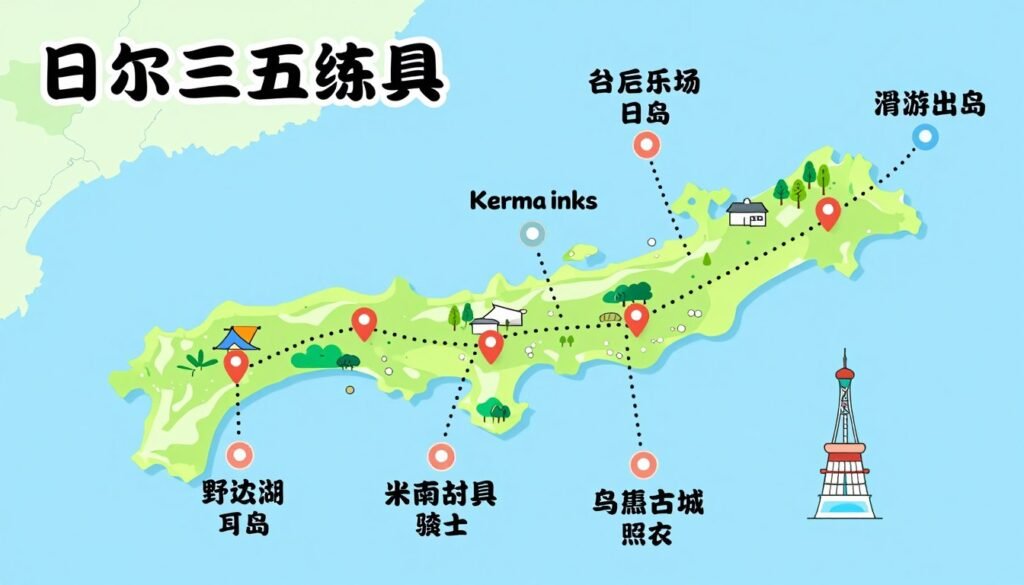
Days one and two follow the three-day itinerary. Day three incorporates southern castle ruins and beaches. Days four and five explore the Kerama Islands with overnight stay.
This schedule balances cultural sites, nature, and relaxation. The pace allows for spontaneous discoveries. Flexibility helps accommodate weather changes.
One Week Okinawa Adventure
Seven days permits thorough exploration including multiple islands. This itinerary ventures beyond typical tourist paths while covering major attractions.
The extended time allows deeper cultural immersion. Participate in craft workshops or cooking classes. Visit smaller villages to experience local life.
Consider dedicating two days to northern Okinawa exploration. The Yanbaru region offers pristine nature and fewer tourists. Overnight in the north reduces driving time.
Ready to Experience Okinawa?
Let our expert team create your perfect Okinawa adventure. From booking accommodations to arranging unique cultural experiences, we handle every detail so you can focus on making memories.
Our travel specialists are available Monday-Friday, 9 AM – 6 PM EST
Begin Your Okinawa Journey
Okinawa offers experiences that transcend typical beach vacations. The islands combine natural beauty with deep cultural heritage. Each visit reveals new layers of this fascinating region.
The subtropical paradise welcomes travelers year-round. Whether seeking adventure, relaxation, or cultural enrichment, Okinawa delivers. The warm hospitality of local people enhances every experience.
Planning transforms good trips into extraordinary ones. This Okinawa travel guide provides the foundation for your journey. Your own discoveries will make the trip uniquely memorable.
The islands await with turquoise waters, ancient traditions, and warm smiles. Start planning your Okinawa adventure today. The experience will create memories lasting far beyond your return home.
Frequently Asked Questions About Okinawa Travel
Do I need a visa to visit Okinawa?
Visa requirements for Okinawa are the same as mainland Japan. Citizens of many countries, including the United States, Canada, UK, Australia, and most EU nations, can visit visa-free for stays up to 90 days for tourism purposes. Always check current requirements with your country’s Japanese embassy before booking.
How many days should I spend in Okinawa?
A minimum of three days allows you to see main highlights including Naha, the Churaumi Aquarium, and central beaches. Five to seven days provides time to explore smaller islands like the Keramas and experience more cultural activities. Two weeks enables thorough exploration of multiple islands and deeper cultural immersion.
Is Okinawa expensive to visit?
Okinawa costs are moderate compared to Tokyo or Kyoto. Accommodation ranges from budget hostels at 3,000 yen to luxury resorts exceeding 50,000 yen nightly. Meals cost 800-2,000 yen at local restaurants. Transportation represents the biggest variable—rental cars offer the best value for extensive exploration. Budget approximately 10,000-15,000 yen daily excluding accommodation.
Can I swim year-round in Okinawa?
Swimming is technically possible year-round, though water temperatures vary seasonally. Summer months (June-September) offer the warmest water at around 28°C. Winter temperatures drop to approximately 21°C. Many visitors swim comfortably from April through November. Wetsuits extend the comfortable swimming season during cooler months.
Is Okinawa family-friendly?
Okinawa excels as a family destination. The Churaumi Aquarium captivates children of all ages. Beaches offer safe swimming in protected areas. Many resorts provide kids’ clubs and family activities. The relaxed atmosphere and outdoor focus suit family travel. Japanese culture’s general child-friendliness extends throughout Okinawa.
What’s the best way to get around Okinawa?
Rental cars provide maximum flexibility and value for exploring Okinawa. The main island has good roads and moderate traffic outside Naha. Public buses exist but routes can be confusing and time-consuming. The Yui Rail monorail serves only Naha City. For smaller islands, bicycles or scooters often work well due to compact sizes.