

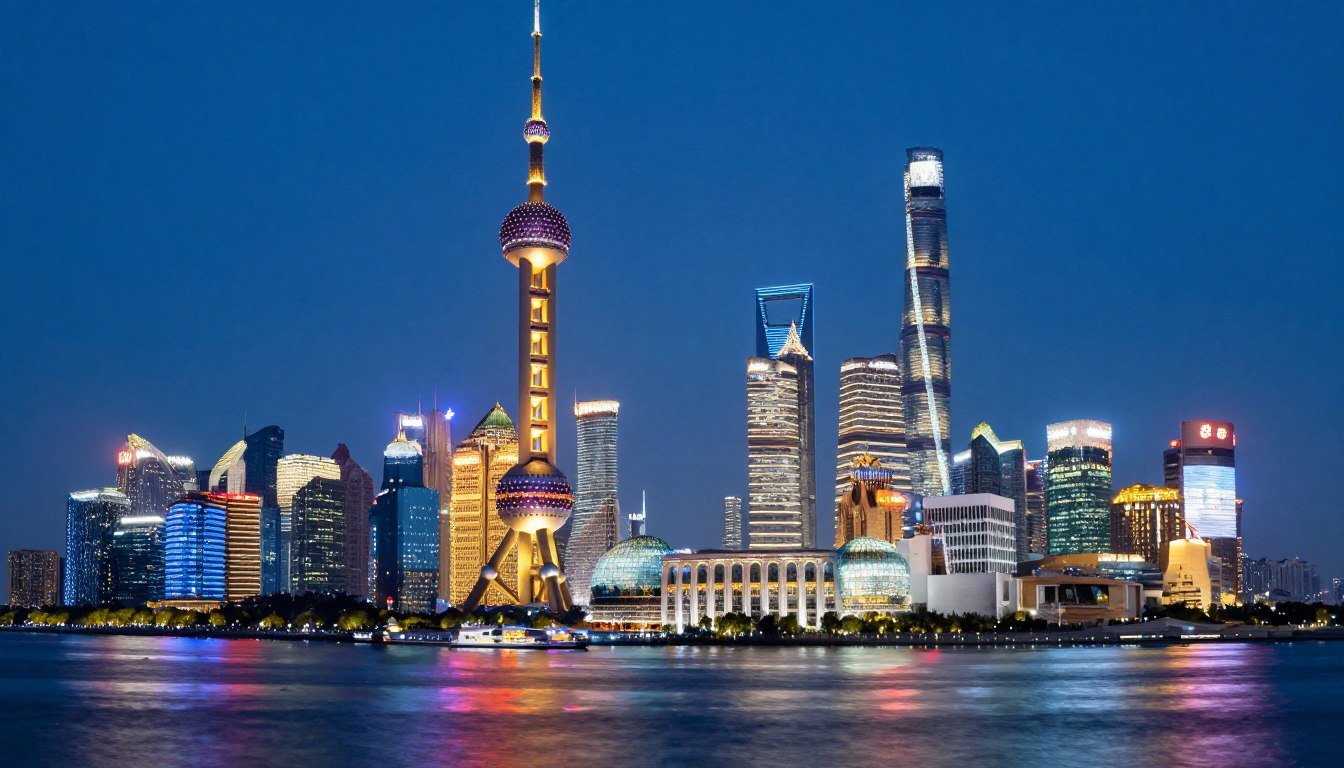
Shanghai stands as China’s largest city and most electrifying urban destination. This sprawling metropolis merges ancient traditions with cutting-edge modernity in ways that continually surprise visitors. Walking through its streets reveals a city of contrasts where century-old tea houses nestle beside glass skyscrapers, and traditional street food stalls serve customers steps away from Michelin-starred restaurants.
With over 24 million residents, Shanghai pulses with an energy found nowhere else in the world. The city serves as China’s financial center and global business hub. Yet beneath the corporate veneer lies a rich cultural scene that spans art galleries, historic gardens, and vibrant neighborhoods.
This Shanghai travel guide provides everything you need to navigate one of the world’s most fascinating destinations. Whether you’re planning your first visit or returning to explore deeper, these insights will help you experience the authentic side of this remarkable city.
Start Your Shanghai Adventure
Download our free Shanghai essentials checklist with insider tips, must-visit spots, and practical advice to maximize your trip.
Best Time to Visit Shanghai: Weather, Seasons, and Peak Periods
Timing your Shanghai visit makes all the difference between a comfortable experience and a challenging one. The city experiences four distinct seasons, each offering unique advantages and considerations for travelers.
Spring in Shanghai (March to May)
Spring ranks as the most popular time to visit Shanghai. Temperatures range from 50°F to 75°F, creating perfect conditions for walking tours and outdoor exploration. The city blooms with cherry blossoms and magnolias during this period.
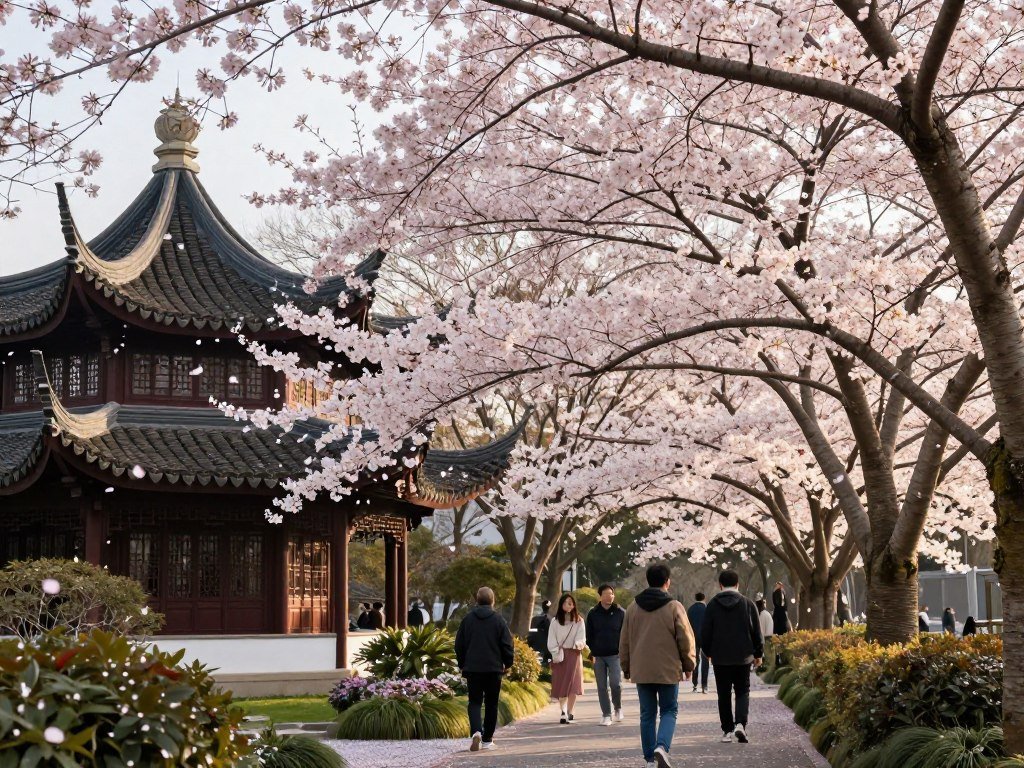
March brings occasional rain showers. April and May offer the most reliable weather patterns. These months also feature fewer crowds than autumn, though hotel prices start climbing as the season progresses.
Summer Heat and Humidity (June to August)
Shanghai summers test even seasoned travelers. Temperatures regularly exceed 90°F, with humidity levels making it feel considerably hotter. The afternoon heat can be oppressive, forcing many people indoors during peak hours.
Despite the challenging weather, summer brings advantages. Hotels offer their lowest prices of the year. Museums and indoor attractions provide air-conditioned refuge. Evening activities along the Bund become especially pleasant as temperatures cool after sunset.
Typhoon season runs from July through September. These tropical storms usually bring heavy rain rather than dangerous conditions, but they can disrupt travel plans.
Autumn Excellence (September to November)
Autumn stands alongside spring as the ideal time to visit. September still carries summer warmth, while October and November deliver comfortable temperatures between 55°F and 70°F. Clear skies dominate this season, perfect for photos of the city skyline.
The Mid-Autumn Festival and National Golden Week (first week of October) create massive crowds. Prices spike during these periods. Booking hotels and attractions months in advance becomes essential if your visit coincides with these holidays.
Winter Considerations (December to February)
Shanghai winters rarely see snow, but temperatures drop to 35°F to 50°F. The cold feels more penetrating than the numbers suggest because most buildings lack central heating. Indoor spaces can feel surprisingly chilly.
Winter offers distinct advantages for budget travelers. Hotel rates hit rock bottom. Tourist attractions stand nearly empty. The Chinese New Year celebration, usually falling in late January or February, transforms the city with spectacular decorations and festivities.
Peak Season Pricing
Expect premium rates during spring (April-May) and autumn (October-November). Hotels charge 30-50% more than low season. Book at least three months ahead for the best options.
Off-Season Benefits
Winter and summer offer significant savings. Hotels discount rooms by up to 40%. Restaurants and attractions feel less crowded, allowing more authentic interactions with locals and easier navigation through the city.
Pro Tip: Avoid visiting during Chinese New Year (late January/early February) and National Golden Week (October 1-7) unless you specifically want to experience these festivals. Transportation becomes chaotic, and many local businesses close for the holidays.
Getting to Shanghai: Airports, Flights, and Arrival Tips
Shanghai operates two major international airports, making the city easily accessible from destinations worldwide. Understanding the differences between these airports helps you choose the best arrival point for your trip.
Shanghai Pudong International Airport (PVG)
Pudong serves as Shanghai’s primary international gateway. Located 18 miles east of the city center, this massive airport handles most long-haul flights from North America, Europe, and other international destinations.
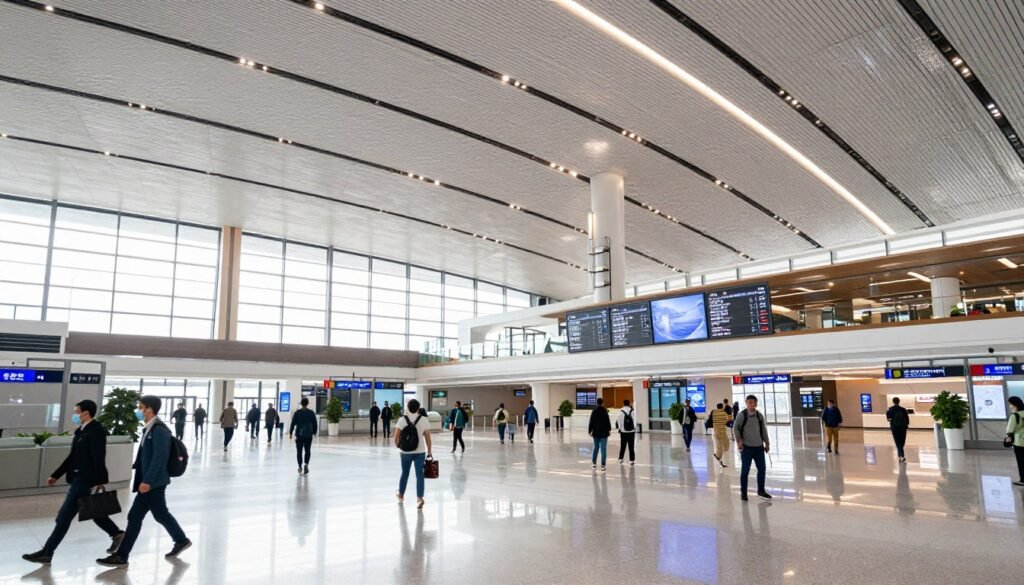
The airport operates two terminals connected by a free shuttle bus. Terminal 1 serves domestic and some regional flights, while Terminal 2 handles most international arrivals. Both terminals offer excellent facilities including restaurants, duty-free shopping, and currency exchange.
Direct flights connect Pudong with major US cities including New York, Los Angeles, San Francisco, and Chicago. Flight times from the West Coast average 12-13 hours, while East Coast flights take 14-15 hours.
Shanghai Hongqiao International Airport (SHA)
Hongqiao lies just 8 miles west of downtown Shanghai. This airport primarily handles domestic flights and regional connections to Japan, South Korea, and Southeast Asia. Its proximity to the city center makes it convenient for business travelers and those continuing to other Chinese destinations.
The airport connects directly to Shanghai’s high-speed rail network. This integration allows seamless transfers to cities like Beijing, Hangzhou, and Suzhou without entering central Shanghai.
Transportation from Pudong Airport to City Center
Maglev Train
Shanghai’s magnetic levitation train reaches speeds of 268 mph, covering the distance to Longyang Road Metro Station in just 8 minutes. This technological marvel costs ¥50 ($7) for a one-way ticket and ¥40 ($6) if you show your flight boarding pass.
The Maglev connects to Metro Line 2, requiring one transfer to reach most destinations. Despite the extra step, the experience of riding the world’s fastest commercial train makes it worthwhile for many visitors.
Metro System
Metro Line 2 runs directly from Pudong Airport to central Shanghai, passing through major areas like Lujiazui, People’s Square, and Jing’an. The journey takes about 75 minutes to downtown locations. Single tickets cost ¥7-10 ($1-1.50) depending on distance.
This option works best for travelers with light luggage. Trains run from 6:00 AM to 10:30 PM. Service stops before many late-night international flights arrive, making taxis necessary for very late arrivals.
Taxi Service
Official taxis wait at designated stands outside both terminals. The trip to downtown Shanghai costs ¥150-200 ($22-30) and takes 45-75 minutes depending on traffic. Always use official taxis from the airport taxi queue rather than accepting offers from drivers approaching you in the terminal.
Have your destination written in Chinese characters. Most drivers speak limited English. Hotels can provide this information before your arrival.
Airport Shuttle Bus
Multiple shuttle bus lines connect Pudong Airport with various city neighborhoods. Fares range from ¥20-30 ($3-4.50). Buses operate from 7:00 AM to 11:00 PM. This option suits budget travelers comfortable navigating with limited English signage.
Transportation from Hongqiao Airport
Metro Lines 2 and 10 serve Hongqiao Airport directly. The journey to People’s Square takes approximately 40 minutes and costs ¥5-7 ($0.75-1). Taxis to downtown areas cost ¥60-100 ($9-15).
Arrival Tip: Both airports offer free WiFi, but you’ll need a Chinese phone number to register. Consider purchasing a Chinese SIM card at the airport (¥50-100 for tourist packages with data) or arranging portable WiFi rental in advance.
Visa Requirements for US Citizens
US passport holders need a visa to enter China for tourism. The standard tourist visa (L visa) allows stays up to 30 days. Apply at Chinese consulates or through authorized visa service agencies at least one month before departure.
China offers 144-hour visa-free transit for passengers flying through Shanghai to third countries. This option requires confirmed onward tickets and restricts movement to Shanghai, Jiangsu, and Zhejiang provinces.
Important: Visa policies change frequently. Check current requirements with the Chinese embassy or consulate several months before your planned trip. Processing times can extend to 2-3 weeks during busy periods.
Getting Around Shanghai: Transportation Systems and Local Travel
Shanghai’s transportation network ranks among the world’s most efficient. The city offers multiple ways to move between neighborhoods, each with distinct advantages depending on your destination and comfort preferences.
Shanghai Metro System
The Shanghai Metro operates 16 lines covering over 450 miles, making it one of the world’s longest urban rail systems. Trains run from approximately 5:30 AM to 11:00 PM, with extended hours on weekends.
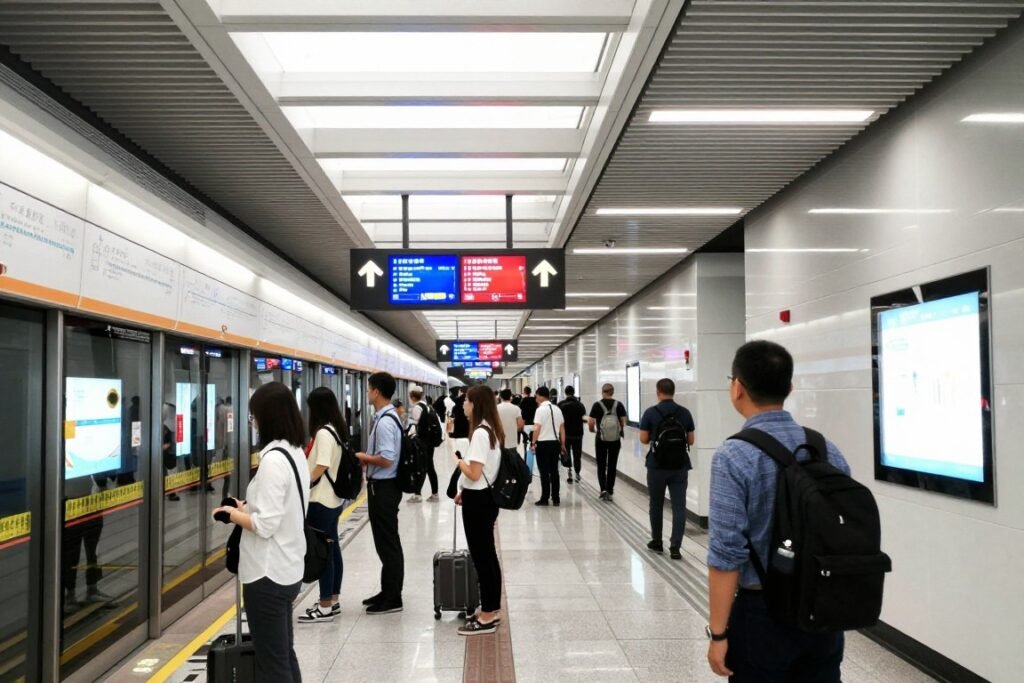
Station signs appear in both Chinese and English. Announcements play in Mandarin and English. The system uses color-coded lines that make navigation intuitive even for first-time visitors.
Metro Fares and Payment Options
Single-journey tickets cost ¥3-10 ($0.45-1.50) based on distance. Purchase tickets from machines at station entrances. Machines accept cash and increasingly accept mobile payment options.
The Shanghai Public Transportation Card offers significant convenience. This rechargeable card works on metros, buses, and even some taxis. Cards cost ¥20 ($3) deposit plus your initial load amount. Purchase them at metro service centers.
Mobile payment apps like Alipay and WeChat Pay now work directly at metro gates. However, setting up these services requires a Chinese bank account, limiting their usefulness for short-term visitors.
Key Metro Lines for Tourists
- Line 2 (green): Runs east-west through the city center, connecting Pudong Airport, Lujiazui, People’s Square, Nanjing Road, and Jing’an Temple
- Line 1 (red): North-south route passing through Shanghai Railway Station, People’s Square, and Xintiandi
- Line 10 (purple): Connects Hongqiao Airport, Yu Garden, and the French Concession
- Line 12 (dark green): Services the French Concession and Jing’an neighborhoods
Taxi Services and Ride-Hailing
Shanghai’s official taxis use standardized metering with base fares of ¥14-16 ($2-2.40) for the first 2 miles. Rates increase to ¥2.50-3.60 per kilometer after that. Night rates (11 PM to 5 AM) add 30% to the base fare.
Taxis remain abundant throughout the city except during rush hours (7:30-9:30 AM and 5:00-7:00 PM) and rainy weather. Official taxis display company names and taxi numbers clearly on the roof and doors.
Ride-Hailing Apps
Didi Chuxing dominates Shanghai’s ride-hailing market. The app functions similarly to Uber but requires setup with a Chinese phone number. English language support exists within the app settings.
International alternatives include limited Uber service (operating through local partnerships) and other regional apps. These typically cost 10-20% more than regular taxis but offer payment convenience through international credit cards.
Public Buses
Shanghai operates over 1,000 bus routes serving every neighborhood. Buses cost ¥2 ($0.30) for most routes, making them the cheapest transportation option. However, routes and stops appear primarily in Chinese, creating challenges for visitors.
Tourist buses, marked with red “Tourist Line” labels, connect major attractions with announcements in English. These special routes charge ¥3-5 ($0.45-0.75) and operate from 9 AM to 6 PM.
Bicycles and E-Bikes
Bike-sharing services blanket Shanghai. Companies like Mobike and Hellobike offer rentals starting at ¥1 per 30 minutes through their smartphone apps. Bikes appear everywhere, identifiable by their bright company colors.
Safety Note: Shanghai traffic moves aggressively. Bike lanes exist on major roads, but enforcement of traffic rules varies. Wear visible clothing and stay alert when cycling. Avoid busy roads during rush hour.
Walking and Neighborhood Exploration
Shanghai rewards walkers in specific neighborhoods. The French Concession, Bund area, and Xintiandi all offer pedestrian-friendly streets perfect for afternoon strolls. However, the city’s massive scale makes walking impractical for covering multiple districts in one day.
Sidewalks stay busy throughout the day. Be prepared for crowds, especially near shopping streets and tourist attractions. Traffic lights favor vehicles over pedestrians, with crossing times often limited to 30-45 seconds.
Water Transport
Ferry services cross the Huangpu River, offering scenic alternatives to tunnels and bridges. The Jinling Road Ferry connects Puxi (west side) with Pudong (east side), operating from 7 AM to 10 PM. Fares cost just ¥2 ($0.30).
Tourist boat rides along the Huangpu River provide excellent views of both historic and modern Shanghai. One-hour cruises cost ¥100-150 ($15-22), while dinner cruises run ¥300-500 ($45-75).
Transportation App Essentials
- Shanghai Metro official app (English route planning)
- Didi Chuxing (Chinese Uber equivalent)
- Google Maps (works better than local alternatives for English speakers)
- Baidu Maps (more accurate for Chinese addresses)
Money-Saving Tips
- Buy a transportation card for 10% discounts on all transit
- Walk between nearby attractions in the same district
- Use metro during peak hours when taxis become scarce and expensive
- Share taxis with other travelers heading to the same area
Top Attractions in Shanghai: Must-Visit Landmarks and Hidden Gems
Shanghai balances world-famous landmarks with lesser-known spots that reveal the city’s authentic character. This section covers both categories, helping you create an itinerary that goes beyond typical tourist experiences.
The Bund (Waitan)
The Bund represents Shanghai’s most iconic waterfront. This mile-long boulevard showcases 52 buildings from the early 20th century, when foreign banks and trading houses dominated Shanghai’s economy. The architectural styles span Art Deco, Gothic Revival, and Neoclassical designs.
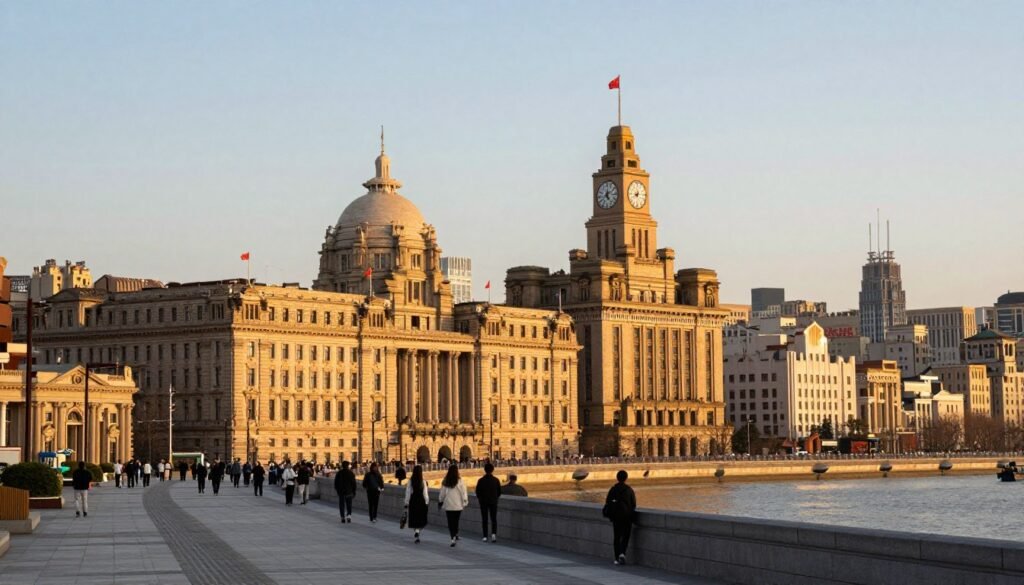
Visit during late afternoon to catch the buildings in golden light, then stay for the evening light show when both the historic Bund and modern Pudong skyline illuminate. The area gets extremely crowded on weekends and holidays.
Walk the entire length from Yan’an Road to Suzhou Creek. Stop at the Bull statue (symbolizing financial prosperity) and the Monument to the People’s Heroes. Several buildings now house museums, restaurants, and luxury hotels worth exploring.
Shanghai Tower and Pudong Skyline
Shanghai Tower soars 2,073 feet, making it China’s tallest building and the world’s second-tallest. The observation deck on the 118th floor offers 360-degree views across the entire city and beyond.
The high-speed elevator reaches the observation deck in just 55 seconds, one of the world’s fastest. Tickets cost ¥180 ($27) for adults. Book online in advance to skip long entrance lines.
The neighboring Jin Mao Tower and Shanghai World Financial Center create Pudong’s distinctive three-tower cluster. Each offers observation decks, though Shanghai Tower provides the highest vantage point.
Yu Garden (Yuyuan)
This Ming Dynasty garden dates to 1559, offering a peaceful retreat from modern Shanghai’s intensity. The six-acre site contains rockeries, ponds, pavilions, and carefully arranged classical Chinese landscaping.
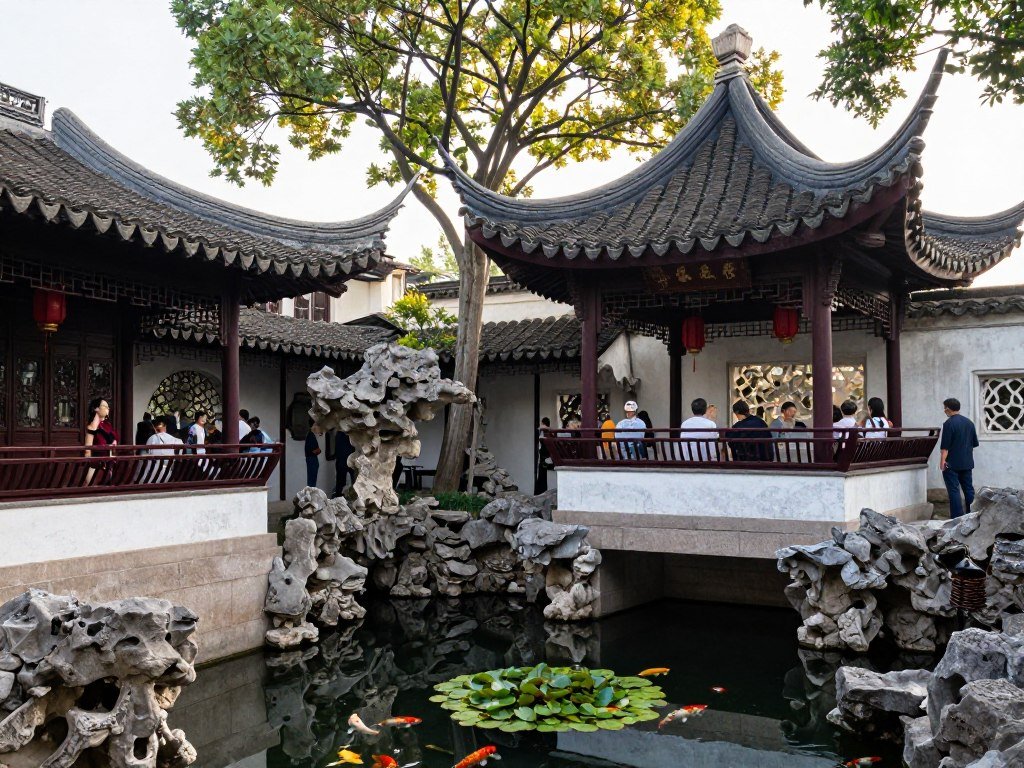
Entry costs ¥40 ($6) from March through November, ¥30 ($4.50) during winter months. Arrive when gates open at 8:30 AM to avoid crowds that build by mid-morning. The surrounding bazaar area offers shopping and street food but targets tourists with accordingly high prices.
Nanjing Road Shopping District
Nanjing Road extends from the Bund westward for over three miles, making it one of the world’s longest shopping streets. The eastern section between the Bund and People’s Square operates as a pedestrian mall filled with department stores, international brands, and restaurants.
The street transforms at night when neon signs create a dazzling light show. Street performers and vendors add to the atmosphere. While shopping here costs more than other areas, the experience of walking this historic commercial street justifies the visit.
French Concession Neighborhoods
The former French Concession spans several neighborhoods including Xintiandi, Tianzifang, and the tree-lined streets around Fuxing Park. Plane trees planted a century ago create shaded boulevards that feel worlds apart from Shanghai’s modern districts.
These neighborhoods reveal Shanghai’s best restaurants, independent boutiques, art galleries, and cafes. Spend at least half a day wandering these streets without a fixed plan, discovering hidden courtyards and lane houses that define old Shanghai’s charm.
Tianzifang Arts and Crafts District
Tianzifang occupies a maze of alleyways in the former French Concession. Traditional lane houses (shikumen) now contain artist studios, craft shops, cafes, and small restaurants. The area maintains authentic residential character despite the commercial transformation.
Visit on weekday afternoons when crowds thin. Weekends see heavy foot traffic that makes navigation difficult. Small galleries showcase local artists’ work at various price points.
Jing’an Temple
This Buddhist temple creates a surreal contrast, surrounded by modern skyscrapers and luxury shopping malls. Originally built in 247 AD, the current structures date from recent reconstruction following Cultural Revolution destruction.
The golden roof and ornate details impress despite the temple’s modern construction. Entry costs ¥50 ($7.50). Active worship continues here, so maintain respectful behavior and dress modestly.
Shanghai Museum
Located in People’s Square, this world-class museum houses over 120,000 pieces of Chinese art and cultural artifacts. Collections span ancient bronzes, ceramics, calligraphy, jade, and furniture across multiple dynasties.
Admission remains free, though you need to reserve tickets online in advance. English audio guides cost ¥40 ($6) and significantly enhance the experience. Allow at least three hours to see the major collections.
Zhujiajiao Water Town
This ancient water town sits 30 miles west of central Shanghai. Canals, stone bridges, and Ming-Qing era buildings create scenes reminiscent of Venice. The town offers authentic glimpses of traditional Chinese canal life.
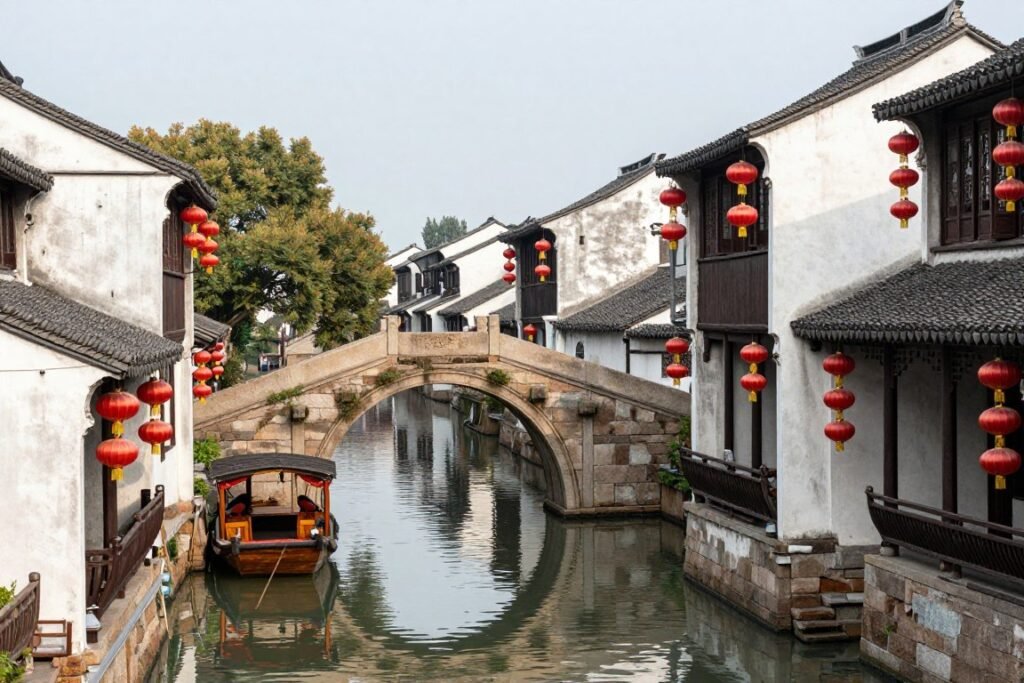
Boat rides through the canals cost ¥60 ($9) for shared boats or ¥120-150 ($18-22) for private rentals. The town’s restaurants serve fresh fish and traditional Shanghai dishes. Weekday visits avoid the massive weekend crowds.
M50 Creative Park
This industrial complex transformed into Shanghai’s contemporary art hub. Over 100 galleries, artist studios, and creative businesses occupy former textile factory buildings along Suzhou Creek.
Entry costs nothing. Wander the complex to discover emerging Chinese artists and established galleries. Several cafes and design shops add to the artistic atmosphere. Visit Tuesday through Sunday when most galleries open.
Book Skip-the-Line Shanghai Tours
Maximize your time with expert-led tours of Shanghai’s top attractions. Skip entrance lines and discover stories behind the landmarks with knowledgeable local guides.
Off-the-Beaten-Path Recommendations
Propaganda Poster Art Centre
This basement museum displays over 3,000 original propaganda posters from the 1950s-1980s. The collection offers fascinating insights into Chinese political history and visual culture. Entry costs ¥20 ($3).
Longhua Temple
Shanghai’s largest Buddhist temple complex dates to 242 AD. The seven-story pagoda and active monastery create an authentic spiritual atmosphere. Visit early morning to observe monks’ chanting ceremonies.
1933 Shanghai
This former slaughterhouse features stunning Art Deco architecture with geometric bridges and circular ramps. Now housing restaurants and shops, the building itself deserves exploration for its unique design and history.
Where to Stay in Shanghai: Best Neighborhoods and Accommodation Options
Choosing the right neighborhood dramatically impacts your Shanghai experience. The city spans vast distances, making location crucial for minimizing travel time and maximizing your enjoyment of local food, culture, and nightlife.
Best Areas for First-Time Visitors
The Bund and People’s Square Area (Huangpu District)
This central location puts you within walking distance of Shanghai’s most famous landmarks. The Bund, Nanjing Road, Yu Garden, and Shanghai Museum all sit within a mile radius. Metro connections to other districts remain excellent.
Hotels here range from international luxury chains to mid-range business hotels. Expect to pay premium prices for the central location and views. Rooms with Bund views command especially high rates but deliver unforgettable skyline vistas.
Luxury Hotels (The Bund)
- The Peninsula Shanghai – Historic glamour with impeccable service
- Waldorf Astoria – Art Deco masterpiece with rooftop bar
- Fairmont Peace Hotel – Jazz-era icon on the Bund
Rates: $300-800 per night
Mid-Range Options (People’s Square)
- Radisson Blu Hotel Shanghai – Central metro hub location
- Park Hotel Shanghai – Art Deco building with character
- JW Marriott Tomorrow Square – Modern comfort near shopping
Rates: $120-250 per night
Budget Stays (Huangpu)
- Captain Hostel – Social atmosphere, Bund proximity
- Mingtown Hiker Youth Hostel – Clean, affordable, central
- City Central International Hostel – Budget choice near Yu Garden
Rates: $15-60 per night
French Concession (Xuhui and Luwan Districts)
The French Concession offers Shanghai’s most charming residential atmosphere. Tree-lined streets, historic architecture, exceptional restaurants, and boutique shopping create a neighborhood perfect for extended stays.
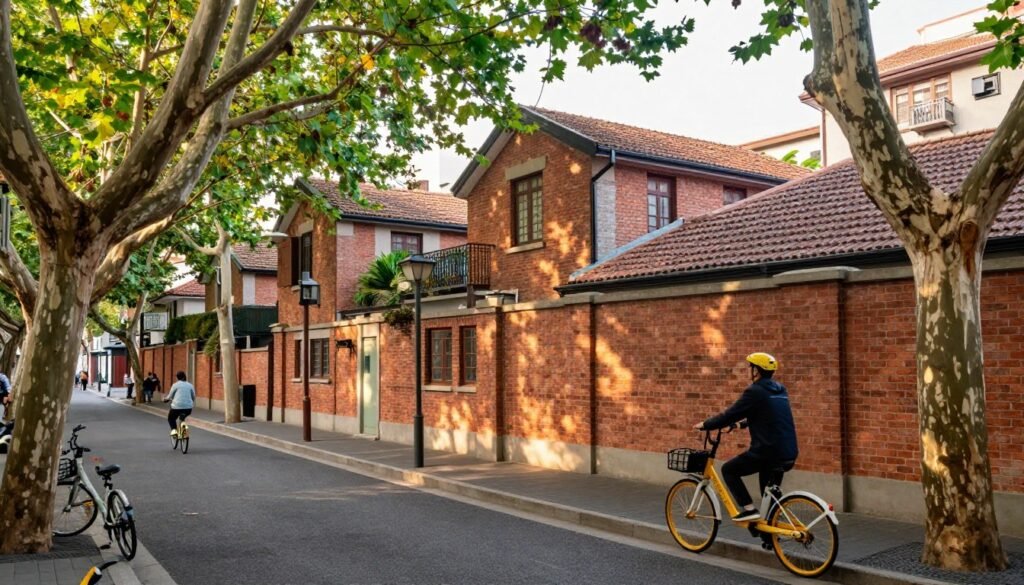
This area suits travelers seeking authentic local life over tourist scenes. Cafes, bars, and cultural venues fill the side streets. Multiple metro lines provide access to other districts when needed.
Boutique hotels and serviced apartments dominate accommodation options here. Prices range from moderate to high, with character and location commanding premiums over generic business hotels.
Jing’an District
Jing’an blends upscale shopping, dining, and business facilities with good metro connections. The neighborhood centers on Jing’an Temple and extends north to the former International Settlement area.
This district works well for business travelers and those wanting modern conveniences. The Kerry Centre, HKRI Taikoo Hui, and Jing’an Kerry Centre provide high-end shopping and dining. The area feels more contemporary than historic but remains convenient for reaching tourist sites.
Pudong: Modern Shanghai
Pudong represents Shanghai’s futuristic face. Staying here places you near the financial district, Shanghai Tower, and waterfront parks facing the Bund. The area feels less walkable than Puxi neighborhoods, requiring more taxi or metro use.
Choose Pudong for business in the financial district or if you prioritize modern luxury hotels. The Ritz-Carlton, Park Hyatt (in Shanghai World Financial Center), and Mandarin Oriental offer spectacular high-floor views and impeccable service.
Budget-Friendly Neighborhoods
Hongkou District
North of the Bund, Hongkou offers significantly lower accommodation costs while maintaining reasonable access to central areas. The neighborhood lacks the charm of the French Concession but provides authentic local atmosphere.
Several metro lines serve the area. Lu Xun Park and the former Jewish ghetto area (Tilanqiao) add historical interest. Numerous small restaurants serve excellent local food at local prices.
Changning District
Located near Hongqiao Airport, Changning suits travelers focused on business in that area or those planning quick trips to nearby cities via the high-speed rail station. Central Shanghai lies 30-45 minutes away by metro.
Mid-range hotel chains and serviced apartments offer good value. The area lacks tourist attractions but provides insight into everyday Shanghai life.
Alternative Accommodation Types
Serviced Apartments
For stays longer than a week, serviced apartments provide better value than hotels. Full kitchens allow money-saving meal preparation. Living spaces feel more comfortable for extended visits.
Options span luxury (Oakwood, Ascott) to budget (local operators). Expect 20-30% savings over comparable hotel rooms for monthly stays.
Homestays and Airbnb
Shanghai has thousands of Airbnb listings, though regulations have tightened in recent years. Staying in a local apartment offers authentic neighborhood experiences and interactions with hosts who provide insider tips.
Verify listings carefully. Check reviews for accuracy of location and amenities. Some buildings restrict short-term rentals, creating occasional access issues.
Booking Tip: Chinese hotel websites often offer lower rates than international booking platforms. Try booking directly through hotel websites or Chinese platforms like Ctrip, especially for domestic hotel chains.
What to Look for When Booking
- Metro station proximity (within 10-minute walk saves significant time)
- English-speaking staff if you don’t speak Chinese
- International credit card acceptance (not all hotels take foreign cards)
- VPN-friendly WiFi for accessing blocked websites
- Breakfast inclusion (can save $10-15 daily)
Neighborhood Distances to Key Sites
Understanding travel times helps set realistic expectations. From the Bund to:
- French Concession: 20-30 minutes
- Pudong financial district: 15 minutes
- Jing’an Temple: 25 minutes
- Hongqiao Airport: 45-60 minutes
- Pudong Airport: 60-90 minutes
Find Your Perfect Shanghai Hotel
Compare rates across all major booking platforms and discover exclusive deals on Shanghai accommodations. Filter by neighborhood, budget, and amenities to find your ideal base.
Shanghai Food and Cuisine: Where and What to Eat
Shanghai’s food scene ranks among China’s best, blending local specialties with influences from across the country and around the world. The city offers everything from humble street stalls serving breakfast dumplings to Michelin-starred restaurants redefining Chinese cuisine.
Essential Shanghai Dishes
Xiaolongbao (Soup Dumplings)
These delicate steamed dumplings contain pork filling and hot soup broth sealed inside thin wrappers. Eating them requires technique: pick up with chopsticks, bite a small hole, sip the broth, then eat the dumpling. The experience defines Shanghai food culture.
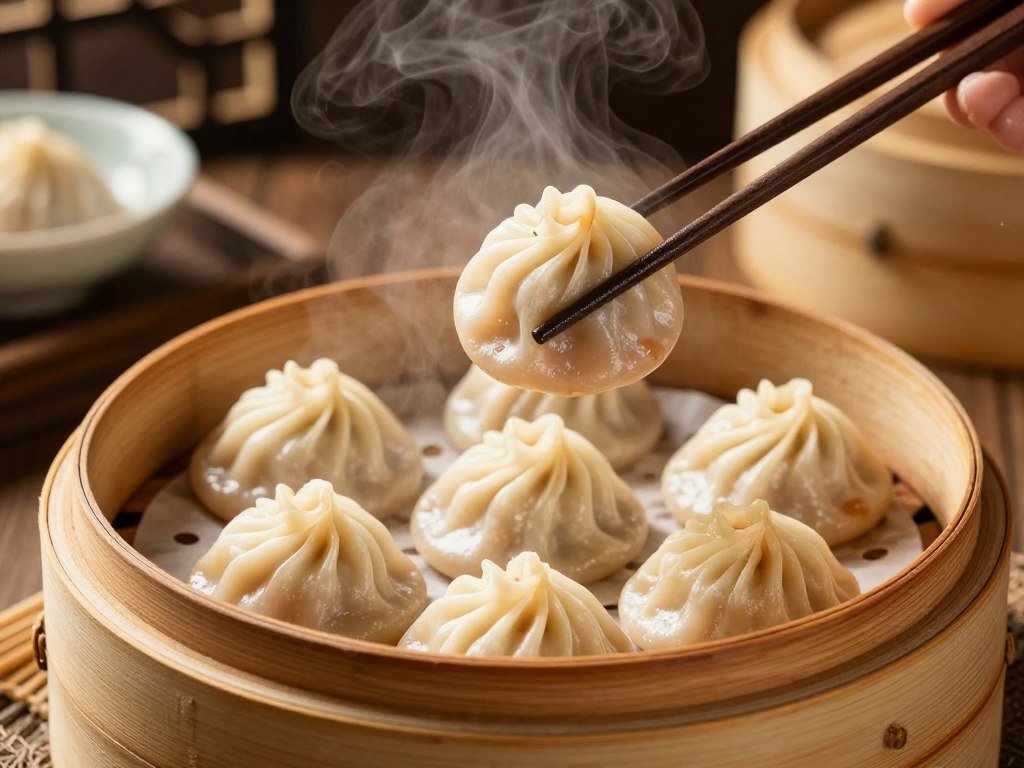
Din Tai Fung serves the most famous version, with locations across Shanghai. Expect lines, especially during meal times. Local favorite Jia Jia Tang Bao near Yu Garden serves equally excellent dumplings at one-third the price with similar wait times.
Shengjianbao (Pan-Fried Pork Buns)
These larger buns get pan-fried until the bottoms turn crispy and golden while the tops stay soft and white. The filling contains similar soup and pork as xiaolongbao but with a completely different texture and flavor profile.
Yang’s Fry Dumplings operates multiple locations serving these hot from the pan. Four buns cost just ¥12 ($1.80). Street vendors throughout the city also sell versions varying in quality.
Hongshao Rou (Red-Braised Pork Belly)
This slow-cooked pork belly dish epitomizes Shanghai’s love of sweet-savory flavors. Cubes of fatty pork braise for hours in soy sauce, rice wine, and sugar until melt-in-your-mouth tender. The rich, slightly sweet sauce pairs perfectly with white rice.
Nearly every Shanghai restaurant serves some version. Jesse Restaurant in the French Concession offers an excellent interpretation in a refined setting, while Lost Heaven provides creative fusion takes on traditional dishes.
Hairy Crab (Seasonal Delicacy)
From October through December, Shanghai obsesses over hairy crabs from Yangcheng Lake. These small freshwater crabs deliver sweet, delicate meat and rich roe. Eating them takes time and practice, involving cracking shells and extracting small amounts of meat.
Restaurants serve hairy crabs steamed with minimal seasoning. Prices start around ¥80-150 ($12-22) per crab depending on size and quality. Wang Bao He, operating since 1744, specializes in crab dishes.
Best Neighborhoods for Food
French Concession Dining Scene
The French Concession contains Shanghai’s highest concentration of excellent restaurants spanning all cuisines and price points. Small lane-house restaurants serve home-style Chinese food, while international dining options showcase global flavors.
Ferguson Lane, Anfu Road, and the streets around Fuxing Park offer particularly rich dining options. Spend an afternoon walking these areas, noting restaurants for future visits based on menus and atmosphere.
Yunnan Road Food Street
This short street near People’s Square packs in dozens of restaurants serving Shanghai specialties and dishes from other Chinese regions. The concentration creates competitive pricing while maintaining quality.
Visit for lunch or early dinner. Later hours see crowds that make entering popular restaurants difficult. Xiaoyangshengjiang on this street serves exceptional shengjianbao and other Shanghai breakfast items all day.
Old Town (Near Yu Garden)
The lanes surrounding Yu Garden contain numerous restaurants targeting tourists but also hiding gems serving authentic local food. Prices run higher than residential neighborhoods, but location convenience sometimes justifies the premium.
Nanxiang Steamed Bun Restaurant, attached to Yu Garden, serves the soup dumplings that inspired worldwide copies. The third-floor dining room offers better atmosphere than the chaotic first-floor takeaway area.
Street Food and Market Eating
Shanghai’s street food culture thrives despite government efforts to regulate vendors. Morning markets and food streets offer the most authentic and affordable eating experiences in the city.
Breakfast Foods Worth Seeking
- Cong you bing (scallion pancakes) – flaky, savory flatbreads cooked on griddles
- Jianbing (savory crepes) – thin wheat crepes filled with egg, vegetables, and crispy crackers
- Doujiang (soy milk) and youtiao (fried dough sticks) – classic breakfast combination
- Cifantuan (sticky rice rolls) – sweet or savory rice wraps filled with various ingredients
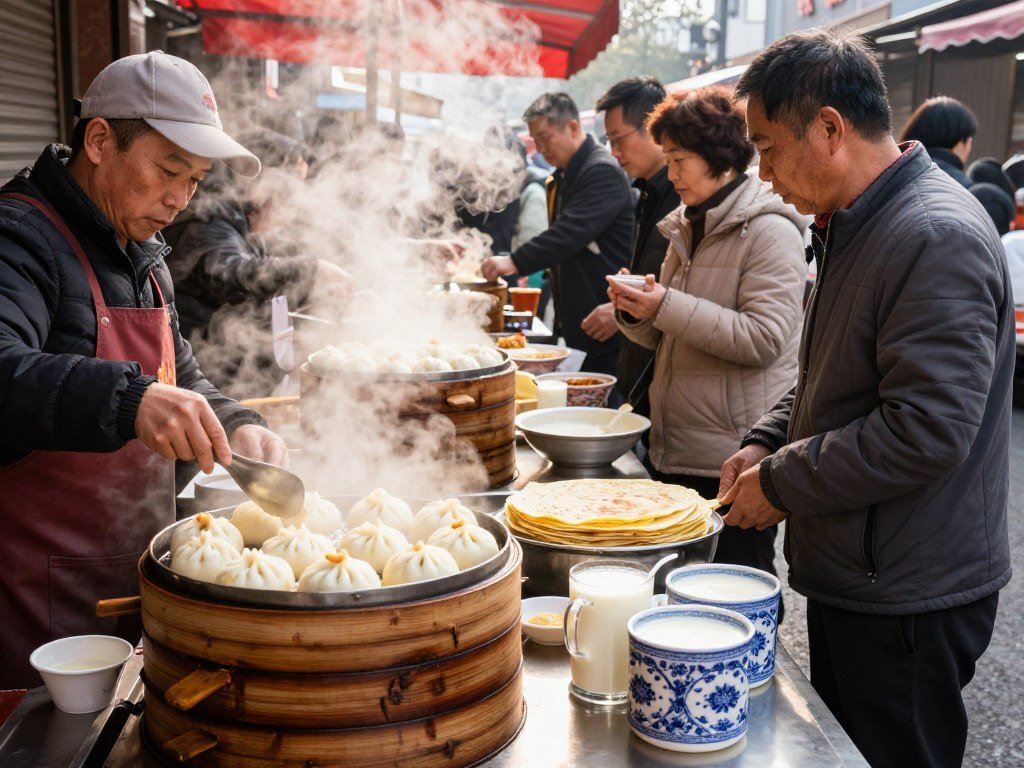
These breakfast items cost ¥5-15 ($0.75-2.25) and provide sustenance for morning sightseeing. Vendors set up near metro stations and residential areas, typically operating from 6 AM to 10 AM.
Night Market Experience
While Beijing and other Chinese cities are famous for night markets, Shanghai’s versions operate more discreetly. Small food streets in residential neighborhoods come alive after 7 PM with stalls grilling meat skewers, making fresh noodles, and selling regional snacks.
The area around Wujiang Road (though somewhat touristy) offers a concentrated night food experience. Expect crowds and higher prices than neighborhood markets but convenient access from central locations.
Dining Etiquette and Practical Tips
Restaurant Customs
- Tea service appears automatically at most Chinese restaurants (usually ¥2-5 per person)
- Sharing dishes family-style is standard; order multiple dishes for the table
- Tipping remains uncommon at local restaurants, though upscale places may add 10-15% service charges
- Rice comes as a side dish, not included with main dishes unless specifically ordered
Food Safety Considerations
- Stick to busy restaurants and stalls with high turnover for freshness
- Avoid raw vegetables at street vendors
- Bottled water remains safest for drinking, though tap water is safe for brushing teeth
- Restaurants with health inspection ratings (A, B, C) displayed near the entrance indicate government oversight
International Cuisine in Shanghai
Shanghai’s cosmopolitan population supports exceptional international dining. The city offers authentic versions of nearly every world cuisine, often at price points lower than comparable meals in Western cities.
Top International Options by Cuisine
Italian
Bella Napoli serves authentic Neapolitan pizza. Mercato offers upscale Italian in a French Concession villa. Da Marco provides reliable casual Italian across multiple locations.
Japanese
Shanghai’s Japanese food rivals Tokyo in quality. Yakitori Hiro offers intimate izakaya dining. Ichirin specializes in ramen. Sushi Oyama delivers omakase experiences.
Middle Eastern
Falafel serves excellent Lebanese food. Sumerian provides upscale Middle Eastern fusion. El Wady offers authentic Egyptian cuisine.
Vegetarian and Dietary Restrictions
Finding vegetarian food in Shanghai has become increasingly easy. Buddhist vegetarian restaurants exist throughout the city, while international restaurants typically offer plant-based options.
Communicating dietary restrictions requires preparation. Have your hotel write your requirements in Chinese to show servers. Food allergies are less commonly understood than in Western countries, so exercise extra caution.
Language Tip: “我不吃肉” (wǒ bù chī ròu) means “I don’t eat meat.” “我是素食者” (wǒ shì sù shí zhě) means “I am vegetarian.” Having these phrases on your phone helps when ordering.
Experience Shanghai’s Best Food Tours
Discover hidden food gems with local experts. Join small-group tours exploring neighborhood markets, street food vendors, and family-run restaurants off the tourist path.
Meal Budget Planning
| Meal Type | Budget Option | Mid-Range | Upscale |
| Breakfast | $2-5 (street food) | $8-15 (cafe/hotel) | $25-40 (luxury hotel) |
| Lunch | $5-10 (local restaurant) | $15-30 (casual dining) | $50-100+ (fine dining) |
| Dinner | $8-15 (noodles/dumplings) | $25-50 (restaurant meal) | $100-300+ (Michelin-starred) |
| Snacks/Drinks | $1-3 (bubble tea/street snacks) | $5-10 (coffee shop) | $15-30 (cocktail bars) |
Shopping in Shanghai: Markets, Malls, and Unique Finds
Shanghai serves as China’s shopping capital, offering everything from luxury brands to bargain markets. The shopping scene ranges from gleaming malls rivaling anywhere in the world to chaotic markets where negotiation skills determine final prices.
Luxury Shopping Districts
Nanjing West Road
This street hosts Shanghai’s highest concentration of luxury brands and upscale department stores. Plaza 66, CITIC Square, and Shanghai Centre house Chanel, Louis Vuitton, Hermès, and other international luxury names.
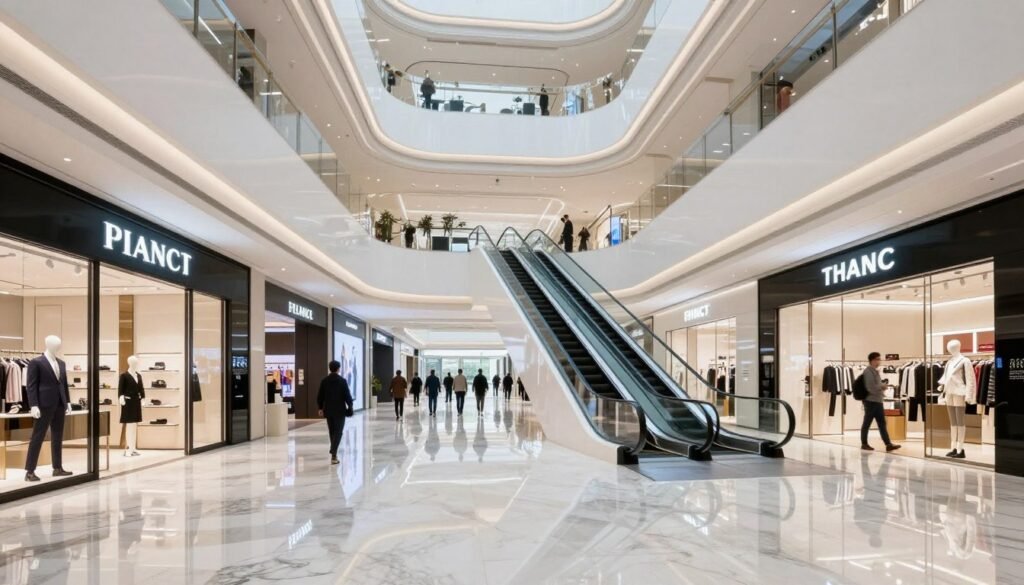
Prices match or slightly exceed those in Western countries, but the shopping experience includes excellent service and the latest collections. Tax refunds are available for international visitors making qualifying purchases.
Huaihai Middle Road
Running through the French Concession, this street offers a more relaxed luxury shopping experience than Nanjing Road. K11 Art Mall combines contemporary art displays with shopping, creating a unique retail environment.
The surrounding lanes contain independent boutiques selling locally designed clothing, accessories, and home goods. These shops offer unique items unavailable elsewhere and often welcome conversation about their design process.
Traditional Markets and Bargain Shopping
Dongtai Road Antique Market
This outdoor market stretches along several blocks near the Old Town. Vendors sell antiques, collectibles, Mao-era memorabilia, jewelry, and various curiosities. Most items are reproductions rather than genuine antiques, but prices reflect this reality.
Bargaining is expected and necessary. Start at 30-40% of the asking price and negotiate from there. The market opens daily from 9 AM to 6 PM, with the best selection appearing on weekends.
Fabric Market (South Bund Fabric Market)
This four-story building houses hundreds of stalls selling fabrics, with tailors ready to create custom clothing. You can have suits, dresses, shirts, or any garment made to your measurements within 24-48 hours.
Quality varies dramatically between tailors. Ask to see examples of their work before committing. Bring photos of styles you like to ensure clear communication. A custom-tailored suit costs $150-400 depending on fabric choice and tailor skill.
AP Xinyang Fashion & Gifts Market
Near People’s Square, this market spans five floors of clothing, accessories, luggage, and electronics. Vendor stalls sell everything from designer knock-offs to legitimate local brands at bargain prices.
Bring cash and bargaining skills. Don’t accept first prices. Quality inspection before purchase is essential, as returns are virtually impossible. The market opens from 10 AM to 10 PM daily.
Modern Shopping Malls
IFC Mall (Pudong)
Connected to the Shanghai Metro, this mall combines international brands with the Super Brand Mall next door for comprehensive shopping options. The Apple Store here ranks among Shanghai’s largest.
Dining options span casual food courts to fine restaurants. The location in Lujiazui makes it convenient for combining shopping with visits to the financial district towers.
Xintiandi Style
This upscale shopping complex in restored shikumen buildings offers designer boutiques, lifestyle brands, and trendy restaurants. The architecture creates an appealing environment even for window shopping.
Prices target wealthy locals and expatriates rather than budget-conscious travelers. However, the area’s cafes and people-watching justify a visit regardless of shopping intent.
Specialty Shopping Areas
Tianzifang for Art and Crafts
Beyond its appeal as a walking area, Tianzifang contains numerous small shops selling locally made crafts, jewelry, art prints, and design items. Quality exceeds typical tourist market offerings.
Expect higher prices than markets but reasonable rates for handmade goods. Many artists work in studios above their shops, adding authenticity to purchases.
Fuyou Antique Market
Operating only on Sundays from 5 AM to 3 PM, this market attracts serious collectors and dealers. The early morning hours see the best items and most intense bargaining.
Come prepared to walk through crowded aisles examining jade, ceramics, calligraphy, furniture, and miscellaneous antiques. Genuine pieces exist among the reproductions, but authentication requires expertise.
Books and Media
Shanghai’s bookstore scene has evolved beyond state-run shops to include independent stores with carefully curated selections.
Recommended Bookstores
- Garden Books – English-language bookstore in the French Concession with excellent China and Asia sections
- Eslite Bookstore – Taiwanese chain offering books in Chinese and English plus design items
- Shanghai Book City – Massive selection of Chinese-language books and some English titles
- Chaterhouse Books – Second-hand English books in the French Concession
What to Buy in Shanghai
Popular Souvenirs
- Chinese tea (various types from specialty tea shops)
- Silk products (scarves, clothing, bedding from fabric markets)
- Propaganda poster reproductions (Tianzifang and Dongtai Road)
- Traditional Chinese art supplies (brushes, ink, paper)
- Jade jewelry (from reputable dealers only)
- Chinese liquor like baijiu (from supermarkets or specialty shops)
Modern Shanghai Items
- Local designer fashion (French Concession boutiques)
- Chinese cosmetics and skincare (lower prices than Western markets)
- Electronics (check voltage compatibility)
- Art prints from contemporary Chinese artists
- Traditional crafts with modern designs
- Chinese language learning materials and books
Shopping Tips and Bargaining Strategies
Bargaining Rules: Always bargain at markets and small shops. Fixed prices apply at department stores and malls. Start negotiations at 30-40% of asking price. Walk away if the vendor won’t meet your target – they often call you back with better offers. Stay friendly and patient throughout the process.
Payment Methods
Cash remains king at markets and small shops. Larger stores accept credit cards, though American Express has limited acceptance. Mobile payment (Alipay, WeChat Pay) dominates Chinese retail, but setting up these services requires a Chinese bank account.
ATMs throughout the city accept international cards. Withdraw cash in larger amounts to minimize transaction fees. Carry small bills for markets, as vendors often claim they lack change for large notes.
Tax Refund Information
International visitors can claim tax refunds on purchases over ¥500 ($75) per transaction. Look for stores displaying “Tax Refund” signs. Keep receipts and purchased items in original packaging for airport customs inspection.
The refund process at Pudong Airport requires time. Arrive early if claiming refunds. Refund rates typically range from 9-11% of purchase price after processing fees.
Counterfeit Warning: Shanghai markets openly sell counterfeit designer goods. Purchasing these items violates trademark laws in most countries. Customs officials may confiscate fake designer products when you return home. Stick to legitimate stores or bargain markets selling unbranded items.
Shanghai Culture and Etiquette: Local Customs and Social Norms
Understanding Shanghai’s cultural norms enhances your experience and helps avoid unintentional offense. While Shanghai ranks as China’s most internationally minded city, local customs still differ significantly from Western expectations.
Language and Communication
Shanghai locals speak Mandarin Chinese as the official language, plus Shanghainese dialect among themselves. English proficiency varies widely. Five-star hotels, international restaurants, and major tourist sites employ English speakers. Neighborhood restaurants, small shops, and taxi drivers typically speak minimal English.
Download translation apps before arrival. Google Translate works adequately despite Google’s general blockage in China. Pleco (Chinese-English dictionary app) offers offline functionality useful for subway rides and areas with weak connectivity.
Useful Phrases
- Hello – 你好 (nǐ hǎo)
- Thank you – 谢谢 (xiè xie)
- How much? – 多少钱? (duō shao qián?)
- I don’t understand – 我不明白 (wǒ bù míng bái)
- Where is…? – …在哪里? (…zài nǎ lǐ?)
- Bathroom – 洗手间 (xǐ shǒu jiān)
Learning these basic phrases shows respect and often receives warm responses from locals. Don’t worry about perfect pronunciation. The effort itself builds goodwill.
Social Customs and Behavior
Greeting and Personal Space
Chinese greetings involve slight nods rather than handshakes in casual situations. Business settings use handshakes similar to Western customs. Hugs and kisses remain uncommon except among young people influenced by Western culture.
Personal space concepts differ from Western norms. Crowded metros and streets involve closer proximity than many visitors find comfortable. Queue discipline is improving but still lags behind Western standards, with pushing and cutting common during rush periods.
Dining Customs
Meals carry significant social importance in Chinese culture. Communal dining predominates, with dishes shared family-style rather than individual portions. The person who initiates the meal invitation typically pays the entire bill. Splitting bills occurs rarely, though younger generations sometimes divide costs.
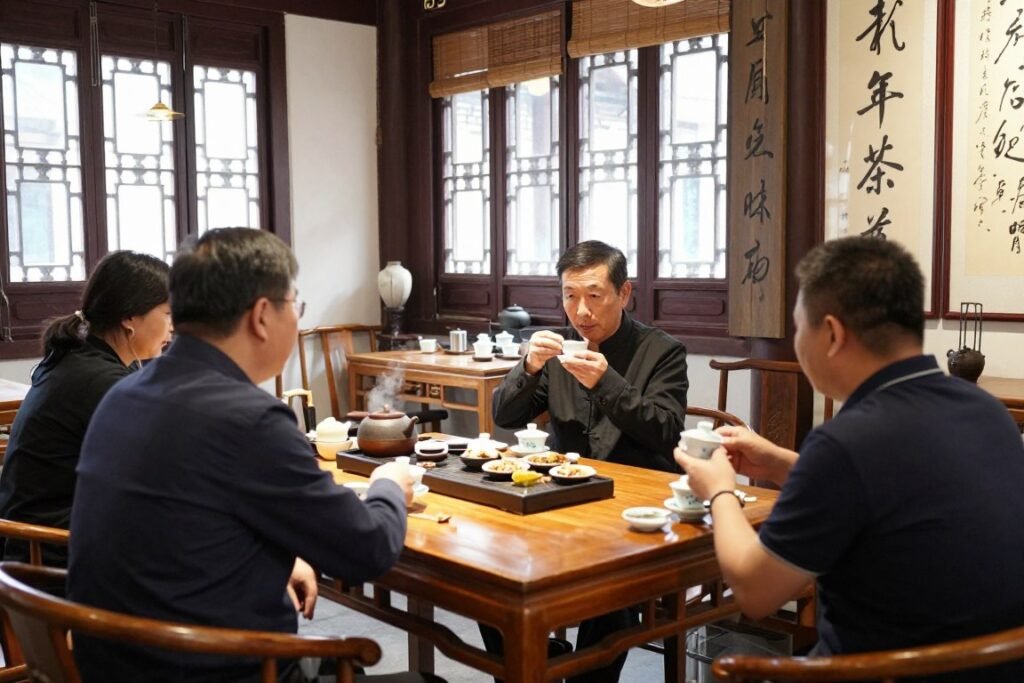
Tea service at restaurants represents hospitality rather than a beverage order. Accept it graciously. Tapping fingers on the table while someone pours your tea signals thanks without interrupting conversation.
Finishing all food on your plate traditionally suggested the host didn’t provide enough. Modern attitudes have shifted, but leaving small amounts shows appreciation without implying insufficiency.
Gift Giving
Small gifts from your home country make appropriate gestures when visiting someone’s home or receiving special help. Avoid gifts of clocks (associated with death), white or black wrapping (funeral colors), and cutting implements (symbolizing severed relationships).
Present gifts with both hands as a sign of respect. Recipients typically decline once or twice before accepting. This polite refusal represents modesty rather than actual rejection.
Tipping Culture
Tipping remains uncommon in Shanghai and China generally. Most locals never tip for any service. International hotels and upscale restaurants sometimes add 10-15% service charges automatically.
Taxi drivers don’t expect tips. Rounding up to the nearest yuan is appreciated but not required. Tour guides and drivers for private tours do expect tips, as this practice has developed through international tourism. Budget ¥50-100 ($7-15) per day per guide.
Photography Etiquette
Photography restrictions apply in some areas. Museums often prohibit flash photography and sometimes ban photos entirely. Military installations and government buildings prohibit photography.
Ask permission before photographing people directly, especially older individuals who may hold traditional beliefs about cameras capturing souls. Street photography of general scenes causes no issues, but respect people’s preferences when they object.
Temple and Sacred Site Behavior
Active Buddhist and Taoist temples welcome visitors but expect respectful behavior. Dress modestly, covering shoulders and knees. Remove hats when entering halls. Don’t point feet toward Buddha statues when sitting.
Incense offering is optional for visitors. If participating, purchase incense from temple vendors rather than bringing your own. Follow the lead of worshippers for proper offering procedures.
Business Culture
Business in Shanghai follows specific protocols. Exchange business cards with both hands, presenting the card with text facing the recipient. Read received cards carefully before putting them away. Never write on someone’s business card in their presence.
Meetings often begin with small talk about family, food, or general topics before discussing business. Patience with this process demonstrates cultural awareness. Direct confrontation and saying “no” bluntly can cause loss of face. Learn to recognize indirect refusals.
Common Cultural Differences
Accepted Behaviors
- Slurping noodles (shows appreciation)
- Speaking loudly in public (common communication style)
- Asking personal questions about age, salary, or marital status
- Staring at foreigners (curiosity rather than rudeness)
Behaviors to Avoid
- Public displays of affection beyond hand-holding
- Blowing your nose at the dining table
- Writing in red ink (associated with death)
- Pointing with one finger (use whole hand)
Safety and Scams
Shanghai ranks as one of Asia’s safest cities. Violent crime against tourists is extremely rare. Petty theft occurs occasionally in crowded areas like metros and markets. Keep valuables secure and maintain awareness in crowds.
Common Scams to Avoid
- Tea ceremony scam – Friendly locals invite you for tea that costs hundreds of dollars
- Art student scam – “Students” invite you to view art exhibitions with high-pressure sales
- Taxi meter scams – Use official taxis with working meters; reject broken meter excuses
- Fake monks – Real monks don’t aggressively ask for donations or sell “blessed” items
- Currency exchange scams – Use banks or hotel exchanges; avoid street money changers
Important: If approached by overly friendly strangers speaking perfect English near tourist sites, politely decline invitations to tea houses, art galleries, or karaoke bars. These represent the most common tourist scams in Shanghai.
Internet and Social Media Access
China blocks many Western websites and services including Google, Facebook, Instagram, Twitter, and WhatsApp. This “Great Firewall” affects travelers trying to access familiar services.
VPN (Virtual Private Network) services allow access to blocked sites. Download and configure VPN apps before arriving in China, as VPN provider websites are also blocked. Popular options include ExpressVPN, NordVPN, and Surfshark.
Chinese alternatives exist for most blocked services. WeChat replaces WhatsApp for messaging. Baidu substitutes for Google searches. Weibo functions similarly to Twitter. Consider creating accounts before arrival if planning extended stays.
Practical Information: Visas, Money, and Essential Details
This section covers the logistical details every Shanghai visitor needs to know. Proper preparation in these areas prevents common travel headaches and ensures smooth experiences throughout your trip.
Visa Requirements and Application Process
US citizens require visas for tourism in China. The standard tourist visa (L visa) allows single or double entry with 30-day stays per entry. Processing takes 4-7 business days through consulates or authorized visa agencies.
Required Documents
- Valid passport with at least six months remaining validity and two blank pages
- Completed visa application form (available online)
- Recent passport-style photo (2″ x 2″, specific background color requirements)
- Round-trip flight reservations
- Hotel reservations or invitation letter from Chinese host
- Visa fee ($140 for standard processing as of 2024)
Apply at Chinese consulates or use authorized visa service companies like VisaHQ or CIBT. Service companies charge additional fees but handle paperwork and submission, saving time and reducing error risks.
Visa-Free Transit: Shanghai offers 144-hour (6-day) visa-free transit for passengers with confirmed onward tickets to third countries. This option allows substantial exploration time without visa costs but restricts movement to Shanghai, Jiangsu, and Zhejiang provinces.
Money and Currency
China’s currency is the Renminbi (RMB) or Yuan (¥). Exchange rates fluctuate but typically range around ¥7 = $1 USD. Notes come in denominations of ¥1, 5, 10, 20, 50, and 100. Coins exist for amounts under ¥1.
Currency Exchange
Exchange money at banks, hotels, or official exchange counters at airports. Banks offer the best rates but require more time due to paperwork. Hotels provide convenience with slightly worse rates. Avoid street money changers entirely.
Major banks include Bank of China, ICBC, and China Construction Bank. Bring your passport for all exchange transactions. Keep exchange receipts, as they’re required for converting remaining yuan back to dollars when departing.
ATMs and Banking
ATMs accepting international cards appear throughout Shanghai. Look for machines displaying Visa, Mastercard, or Plus/Cirrus logos. Withdrawal limits typically range from ¥2,000-3,000 ($300-450) per transaction.
Your home bank likely charges foreign transaction fees (1-3% plus $3-5 per withdrawal). Using ATMs affiliated with major Chinese banks minimizes additional charges. Withdraw larger amounts less frequently to reduce fee impact.
Credit Cards
International credit cards work at upscale hotels, department stores, and tourist-oriented restaurants. Smaller establishments, local restaurants, and markets operate cash-only. Visa and Mastercard have wider acceptance than American Express or Discover.
Notify your credit card company before traveling to prevent fraud holds on your account. Bring multiple cards as backup in case one gets declined or compromised.
Mobile Payment Systems
Alipay and WeChat Pay dominate Chinese commerce. These mobile payment systems link to bank accounts and enable instant payments via smartphone QR codes. Nearly all businesses accept these methods, from luxury malls to street vendors.
Setting up these services as a foreigner requires a Chinese bank account, making them impractical for short visits. Some services now allow international credit card linking, but functionality remains limited compared to domestic accounts.
Phone and Internet Connectivity
SIM Cards and Data Plans
Purchase Chinese SIM cards at airports, convenience stores, or mobile carrier shops (China Mobile, China Unicom, China Telecom). Tourist packages cost ¥50-150 ($7-22) including 5-20GB data for 7-30 days.
Ensure your phone is unlocked before traveling. Bring your passport to register the SIM card. Activation usually occurs immediately, providing instant connectivity.
Portable WiFi Rental
Portable WiFi devices (pocket WiFi) offer alternative connectivity. These small routers provide personal WiFi hotspots supporting multiple devices simultaneously. Rental costs run ¥15-30 ($2-4) daily.
Reserve devices online before arrival for airport pickup. This option works well for groups sharing one connection or travelers with multiple devices.
Free WiFi Availability
Hotels, cafes, and some restaurants offer free WiFi. Quality and speed vary significantly. Starbucks locations provide reliable connections. Many public WiFi networks require Chinese phone numbers for authentication codes.
Electricity and Adapters
China uses 220V electricity at 50Hz frequency, different from US 110V systems. Most modern electronics (phones, laptops, cameras) handle both voltages automatically – check device specifications.
Chinese outlets use various plug types. Type A (same as US) appears most commonly, but Types C and I also exist. Universal adapters work best, or purchase inexpensive Chinese adapters after arrival.
Healthcare and Pharmacies
Shanghai offers excellent medical care at international hospitals and clinics. These facilities employ English-speaking staff and maintain Western medical standards. Costs significantly exceed Chinese public hospitals but remain lower than US medical care.
Recommended International Hospitals
- Shanghai United Family Hospital – Comprehensive services, English-speaking staff
- Parkway Health – Multiple locations across the city
- Shanghai East International Medical Center – 24-hour emergency services
- Huashan Hospital International Medical Center – Affiliated with major Chinese university
Travel insurance covering medical care is essential. Bring copies of prescriptions for any medications you take regularly. International hospitals stock Western medications but at premium prices.
Pharmacies
Pharmacies (药店, yào diàn) operate throughout Shanghai. Watson’s and Mannings chains stock familiar Western products plus Chinese traditional medicines. Pharmacists at major chains often speak some English.
Many Western medications require prescriptions in China even if over-the-counter in the US. Bring sufficient supplies of routine medications from home.
Emergency Contacts
| Service | Phone Number | Notes |
| Police | 110 | Limited English capability |
| Ambulance | 120 | Goes to Chinese hospitals; call international hospital directly for English service |
| Fire | 119 | Emergency response service |
| US Consulate Shanghai | +86 21 8011 2200 | American Citizen Services for passport issues, emergencies |
Time Zone and Business Hours
Shanghai operates on China Standard Time (CST), UTC+8. The entire country uses one time zone despite its geographic span. Shanghai is 13 hours ahead of Eastern US time (12 hours during daylight saving time).
Typical Business Hours
- Banks: 9:00 AM – 5:00 PM Monday-Friday, 9:00 AM – 4:00 PM Saturday-Sunday
- Shops/Malls: 10:00 AM – 10:00 PM daily
- Restaurants: 11:00 AM – 10:00 PM (varies widely)
- Museums: 9:00 AM – 5:00 PM Tuesday-Sunday (most close Mondays)
- Government offices: 9:00 AM – 5:00 PM Monday-Friday
Holidays and Closures
Chinese national holidays significantly affect Shanghai operations. Major holidays include Chinese New Year (late January/early February), National Day Golden Week (October 1-7), and Labor Day (May 1).
During these periods, expect massive crowds, higher prices, and reduced services as many locals travel. Some restaurants and shops close for Chinese New Year week. Book accommodations months in advance if visiting during these times.
Planning Tip: Register with your embassy or consulate when arriving in Shanghai for extended stays. This free service provides emergency assistance and important updates about local conditions.
Need Help Planning Your Shanghai Trip?
Our travel planning service creates personalized Shanghai itineraries based on your interests, budget, and travel dates. We handle visa guidance, hotel bookings, and insider recommendations.
Budget Tips: Saving Money in Shanghai
Shanghai can accommodate various budget levels. While the city offers luxury experiences rivaling anywhere globally, smart travelers find ways to experience Shanghai authentically without breaking the bank.
Daily Budget Estimates
Budget Traveler
$40-60 per day
- Hostel accommodation: $15-25
- Local restaurant meals: $10-15
- Public transportation: $3-5
- Attractions/activities: $10-15
Mid-Range Traveler
$100-150 per day
- 3-star hotel: $50-80
- Mix of local and international dining: $30-40
- Mix of metro and taxis: $10-15
- Tours and paid attractions: $20-30
Luxury Traveler
$300+ per day
- 5-star hotel: $200-500+
- Fine dining experiences: $100-200
- Private car/taxis: $30-50
- Premium tours and shows: $50-100
Money-Saving Strategies
Accommodation Hacks
Book hotels during off-peak seasons (summer and winter) for discounts of 30-50%. Consider staying slightly outside central districts in well-connected neighborhoods. Hongkou and Changning offer significantly lower rates while maintaining good metro access.
Airbnb apartments cost less than hotels for stays exceeding five days. Kitchen access enables meal preparation, cutting food costs substantially. Look for properties within 10 minutes walking distance of metro stations.
Transportation Savings
Purchase a Shanghai Public Transportation Card immediately. The 10% discount applies to every metro and bus ride, adding up over multi-day visits. Walking between nearby attractions saves money while revealing neighborhood character.
Share taxis with other travelers heading to similar destinations. Apps like WeChat enable connecting with other tourists for ride-sharing. Avoid taxis during peak hours when meters run faster in traffic.
Food Budget Tips
Eat breakfast at local markets rather than hotels. Save $10-15 daily with street food breakfasts costing under $3. Make lunch your main meal, as many restaurants offer lunch specials at half of dinner prices.
Convenience stores (Family Mart, Lawson, 7-Eleven) sell prepared meals for ¥15-25 ($2-4). While not gourmet, they provide decent quality for budget-conscious days. Supermarkets in mall basements offer fresh produce and snacks at local prices.
Free and Low-Cost Attractions
- Walking the Bund (free) offers world-class views and people-watching
- Exploring French Concession lanes costs nothing but reveals authentic Shanghai
- People’s Park (free) provides green space and local culture observation
- M50 Art District (free) showcases contemporary Chinese art
- Fuxing Park (free) offers morning tai chi performances and local life
- Century Park (¥10/$1.50) provides vast green space for relaxation
Museum Free Days
Shanghai Museum offers free admission year-round but requires advance ticket reservations. Many other museums provide free entry on specific days. Check museum websites before visiting to catch free admission opportunities.
Shopping Smart
Buy souvenirs at local markets rather than tourist shops near major attractions. Prices increase 50-100% near the Bund and Yu Garden compared to neighborhood markets. Bargain aggressively at markets but remember locals pay even less.
Purchase Chinese tea at neighborhood tea shops rather than specialty stores targeting tourists. Quality remains high while prices drop 40-60%. Ask to sample different varieties before buying.
Entertainment Value
Skip expensive tourist shows. Authentic experiences cost less and provide better cultural insights. Watch locals practicing tai chi in parks at dawn (free). Visit neighborhood wet markets for morning food shopping scenes (free).
Happy hours at bars run from 5-8 PM with buy-one-get-one drink specials. Many upscale hotel bars offer half-price cocktails during these hours, making luxury experiences affordable.
Tour Alternatives
Join free walking tours operating on tips-only basis. Several companies offer daily tours covering major neighborhoods. Quality guides provide excellent information for whatever tip you feel appropriate.
DIY bike tours using shared bikes cost ¥10-20 ($1.50-3) for full days versus ¥200-400 ($30-60) for organized cycling tours. Download bike route maps and explore independently.
Avoiding Tourist Traps
Price Warning: Restaurants on Nanjing Road pedestrian street charge 2-3 times normal prices. Walk two blocks off the main street to find authentic restaurants with local pricing. The same principle applies near all major tourist sites.
When to Splurge
Some experiences justify higher costs. Shanghai Tower observation deck offers unmatched views worth the ¥180 ($27) entry. Michelin-starred dim sum at Xin Rong Ji provides exceptional food experiences at ¥300-500 ($45-75) per person – high for China but reasonable compared to Western equivalents.
Quality hotels near the Bund justify premium rates if you value location over savings. Waking up to Bund views and walking to attractions creates unique experiences worth the daily rate difference.
Where to Spend
- One upscale dining experience to try modern Chinese cuisine
- Shanghai Tower observation deck for best city views
- Traditional Chinese massage (affordable luxury at $30-50)
- Quality tea from reputable shops
- One professional guided tour for deeper cultural understanding
Where to Save
- Accommodation in well-connected secondary neighborhoods
- Breakfast and lunch at local spots
- Transportation via metro over taxis
- Free walking tours and independent exploration
- Souvenirs from local markets versus tourist shops
Sample Shanghai Itineraries: 3, 5, and 7-Day Plans
These suggested itineraries balance major attractions with authentic local experiences. Modify based on your interests, energy levels, and specific travel dates.
Three-Day Shanghai Highlights
Day 1: The Bund and Old Town
Start at Yu Garden when gates open at 8:30 AM to beat crowds. Explore the classical gardens for 90 minutes, then wander the surrounding bazaar. Walk to the Bund (20 minutes) or take a short taxi ride.
Spend late morning walking the Bund’s entire length. Stop for lunch at one of the heritage building restaurants or venture to nearby Yunnan Road Food Street for authentic local dishes. Afternoon hours suit shopping along Nanjing Road or visiting Shanghai Museum.
Return to the Bund area for sunset around 5:30-6:30 PM depending on season. Watch the skyline light show from various Bund viewpoints. Dinner in the French Concession provides contrast to the day’s historic focus.
Day 2: French Concession and Culture
Begin at Fuxing Park to observe morning tai chi practitioners. Explore surrounding lanes and architecture for 2-3 hours. Coffee break at one of the area’s excellent cafes.
Lunch at Tianzifang provides good food plus shopping opportunities. Afternoon options include M50 Art District for contemporary art or Jing’an Temple and shopping district. Evening in Xintiandi offers upscale dining and nightlife in restored historic buildings.
Day 3: Modern Shanghai and Views
Cross to Pudong via metro or ferry. Visit Shanghai Tower observation deck when it opens at 9 AM. Spend time enjoying 360-degree views and learning about Shanghai’s development at the exhibits.
Lunch in Lujiazui’s IFC Mall food court offers international options. Afternoon choice between Shanghai Science and Technology Museum, traditional tea ceremony experience, or exploring remaining neighborhoods.
Final evening options include acrobatic show, boat cruise on Huangpu River, or rooftop bar for sunset views over the city.
Five-Day Shanghai Deep Dive
Days 1-3 follow the three-day itinerary above. Add these experiences:
Day 4: Water Town Day Trip
Take early morning bus or organized tour to Zhujiajiao Water Town (1 hour from city center). Explore canals, ancient bridges, and traditional architecture for 4-5 hours. Enjoy lunch at waterside restaurants serving fresh fish.
Return to Shanghai by mid-afternoon. Evening free for shopping, additional neighborhood exploration, or rest.
Day 5: Culture and Cuisine Focus
Join food tour through French Concession or Old Town to discover hidden restaurants and food culture stories. Alternatively, take cooking class learning to make xiaolongbao or other Shanghai specialties.
Afternoon visit to Propaganda Poster Art Centre provides unique historical perspective. Evening massage at traditional Chinese medicine center offers relaxation before departure.
Seven-Day Complete Shanghai Experience
Days 1-5 follow the five-day plan. Extend with:
Day 6: Modern Culture and Shopping
Visit 1933 Shanghai for architectural photography and exploring this unique Art Deco building. Continue to Duolun Road Cultural Street for antique shops and cultural sites.
Afternoon at Tianzifang or additional shopping districts based on interests. Evening entertainment could include jazz bar in Peace Hotel, cocktails at bar with views, or exploring local nightlife areas.
Day 7: Personalized Interests
Customize based on what you’ve enjoyed most. Options include:
- Second water town (Tongli or Zhouzhuang for different atmospheres)
- Day trip to Hangzhou via high-speed train (45 minutes)
- Museum day covering Shanghai Natural History Museum, Power Station of Art, or Rockbund Art Museum
- Shopping focus day hitting markets you’ve discovered or dedicated mall time
- Relaxation day with park visits, slow cafe lunches, and massage treatments
Itinerary Tips: Build in buffer time for getting lost, unexpected discoveries, and rest. Shanghai’s size makes rushed schedules exhausting. Better to see fewer sights thoroughly than race through checklist visiting. Allow flexibility for weather, crowds, and personal energy levels.
Day Trips from Shanghai: Nearby Destinations Worth Exploring
Shanghai’s location provides access to beautiful destinations within 1-2 hours travel time. These trips offer countryside scenery, ancient towns, and cultural experiences contrasting sharply with urban Shanghai.
Suzhou: Venice of the East
Suzhou lies just 30 minutes from Shanghai via high-speed train. This ancient city features classical Chinese gardens, canals, and traditional architecture spanning centuries. UNESCO recognizes nine of Suzhou’s gardens as World Heritage Sites.
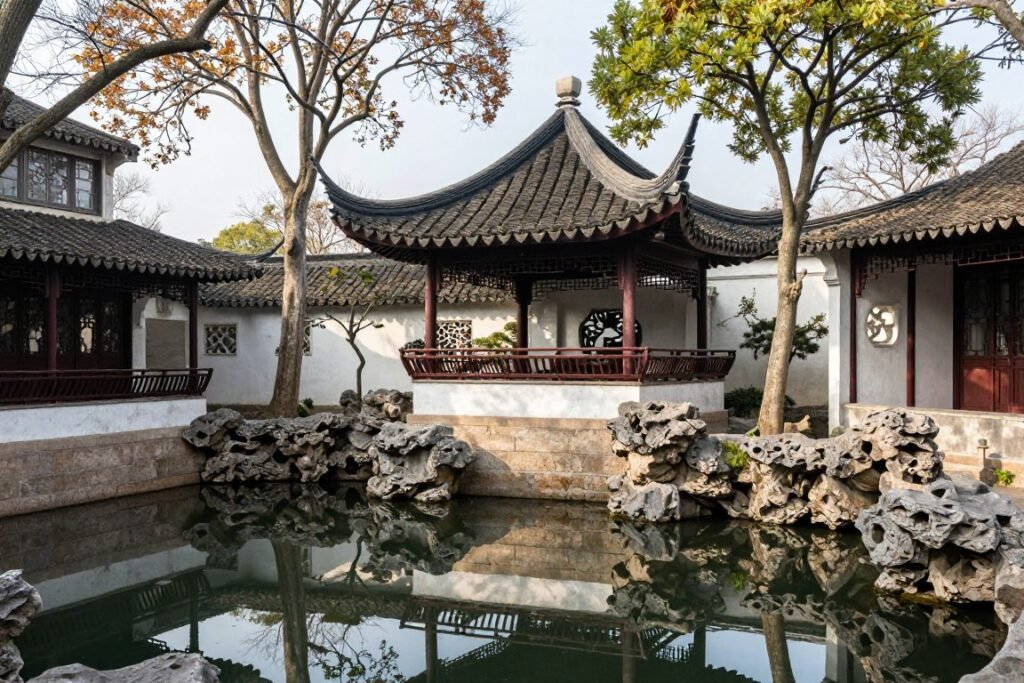
Humble Administrator’s Garden and Lingering Garden rank among China’s finest classical gardens. Each requires 90 minutes minimum to properly appreciate. The old town canals offer boat rides through centuries-old waterways lined with traditional buildings.
Return trains run until late evening, allowing full-day exploration. Alternatively, spend one night to experience Suzhou’s evening atmosphere when day-trippers depart.
Hangzhou and West Lake
Hangzhou’s West Lake has inspired poets and artists for over a thousand years. The scenic lake features pagodas, gardens, and causeways creating one of China’s most beautiful landscapes. High-speed trains reach Hangzhou in 45 minutes.
Rent bicycles to circle the lake (15km circuit). Visit Lingyin Temple, one of China’s largest Buddhist temple complexes. Sample Hangzhou’s famous Longjing (Dragon Well) tea at plantations surrounding the city.
West Lake deserves full-day minimum. Consider overnight stays to catch sunset and sunrise over the lake, when the scene reaches peak beauty.
Tongli and Zhouzhuang Water Towns
These ancient canal towns preserve Ming and Qing dynasty architecture and traditional lifestyles. Unlike Zhujiajiao, they require slightly longer travel (90 minutes) but offer more extensive old town areas to explore.
Tongli maintains more authentic atmosphere with working residents alongside tourists. Zhouzhuang sees heavier tourist traffic but offers more developed tourism infrastructure and restaurants. Both feature canal boat rides, ancient bridges, and traditional architecture.
Visit midweek when crowds thin significantly. Many day tours from Shanghai combine one water town with other nearby attractions.
Moganshan Mountain Resort
This mountain retreat area sits 3 hours from Shanghai in Zhejiang Province. Cool mountain air, bamboo forests, and hiking trails provide escape from urban intensity. The area became famous as a summer retreat for Shanghai’s wealthy residents in the early 20th century.
Numerous guesthouses and resorts operate in converted colonial villas. The area suits weekend trips rather than day visits. Activities include hiking, cycling through bamboo forests, and simply relaxing in cooler temperatures.
Qibao Ancient Town
This small ancient town lies within Shanghai’s metro system, making it the easiest day trip option. The old town preserves traditional architecture along canals with shops, restaurants, and small museums.
Tourist development has heavily commercialized Qibao, but it remains convenient for travelers with limited time or those wanting to experience canal town atmosphere without leaving Shanghai. Visit on weekdays to avoid overwhelming weekend crowds.
Day Trip Planning Tips
- Book high-speed train tickets in advance online or at stations
- Start trips early (8-9 AM departures) to maximize destination time
- Check last train times before planning return schedules
- Bring snacks and water; train station food can be limited
- Download offline maps of destination cities
Recommended Day Trip Tours
- Organized tours handle logistics for travelers uncomfortable with independent travel
- English-speaking guides provide cultural context missed when exploring alone
- Group tours cost ¥300-600 ($45-90) including transportation and entry fees
- Private tours offer flexibility at ¥800-1,500 ($120-225) for 1-4 people
Book Shanghai Day Trip Tours
Explore destinations beyond Shanghai with expert guides. Our day trips include transportation, entrance fees, lunch, and insights into Chinese culture and history you’d miss traveling independently.
Shanghai Nightlife and Entertainment
After dark, Shanghai transforms into one of Asia’s most vibrant nightlife destinations. The scene spans sophisticated cocktail bars to pulsing nightclubs, traditional theaters to modern entertainment venues.
Rooftop Bars and Sky-High Views
Shanghai’s dramatic skyline creates the perfect backdrop for rooftop drinking. Bars at dizzying heights offer spectacular views alongside premium cocktails.
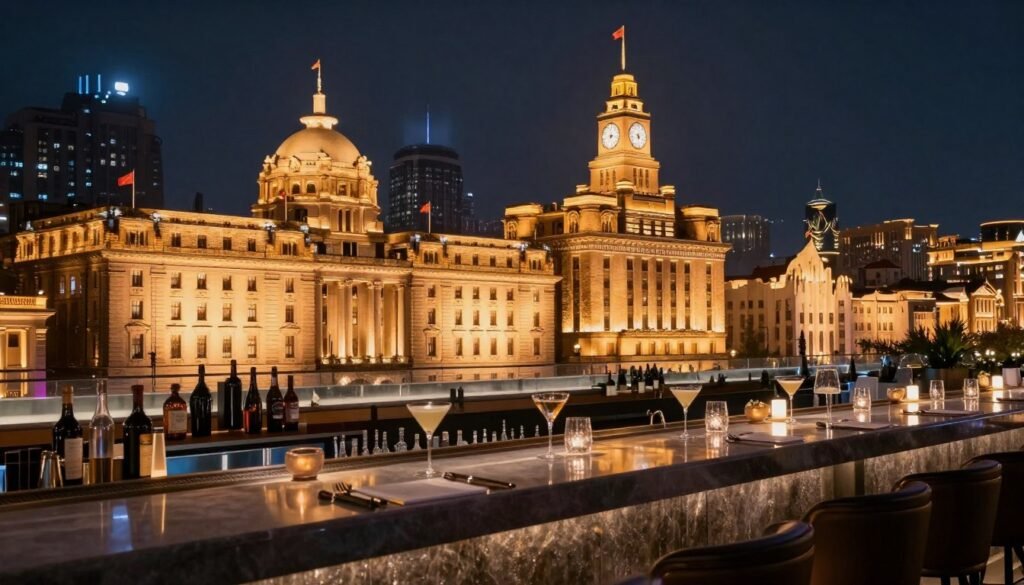
Top Rooftop Venues
- Flair Rooftop Bar (Ritz-Carlton Pudong) – 58th floor views directly facing the Bund
- Bar Rouge (Bund 18) – Premier Bund location with outdoor terrace
- VUE Bar (Hyatt on the Bund) – Sophisticated cocktails with panoramic vistas
- Cloud 9 Bar (Grand Hyatt Jin Mao Tower) – 87th floor with jazz music
Dress codes apply at upscale venues. Smart casual minimum means no shorts, flip-flops, or athletic wear. Drinks cost ¥80-150 ($12-22), premium for the views and atmosphere.
Cocktail Culture and Speakeasies
Shanghai’s cocktail scene rivals New York or London. Award-winning bartenders create innovative drinks using Chinese ingredients in bars ranging from hidden speakeasies to glamorous lounges.
Notable Cocktail Bars
- Speak Low – Multi-floor speakeasy behind a fake bookshelf entrance
- Epic – Classic cocktails in Art Deco glamour setting
- Union Trading Company – Upscale cocktails in the French Concession
- The Nest – Craft cocktails in intimate Xintiandi space
Live Music Venues
Jazz, rock, electronic music, and traditional Chinese performances fill Shanghai’s live music calendar. Venues range from intimate clubs to concert halls hosting international acts.
The Fairmont Peace Hotel’s Jazz Bar features nightly performances by the venue’s house band, all musicians over age 70 who’ve played together for decades. The historic setting and quality musicianship create unforgettable experiences.
JZ Club and House of Blues and Jazz offer more contemporary jazz in the French Concession. Both feature local and international musicians with no cover charge, though drink minimums apply.
Nightclubs and Dancing
Shanghai’s club scene caters to diverse music tastes. International DJs regularly visit, while resident DJs keep dance floors packed on typical weekends.
The Bund and French Concession contain most premium clubs. TAXX, M1NT, and Fusion draw wealthy locals and expatriates with expensive drinks (¥100+ per cocktail) but elaborate production and music programming.
More affordable options exist in former industrial areas like M50 and surrounding streets, where cover charges run ¥50-100 ($7-15) with cheaper drinks.
Cultural Performances
Acrobatic Shows
Shanghai’s acrobatic troupes perform nightly at dedicated theaters. Shanghai Circus World features the ERA acrobatic show combining traditional acts with modern technology and storytelling. Tickets cost ¥180-680 ($27-100) depending on seating.
Shanghai Center Theater presents smaller-scale acrobatic performances in more intimate settings. Both shows last approximately 90 minutes and welcome all ages.
Traditional Opera and Performance
Yifu Theatre hosts traditional Chinese opera performances several evenings weekly. English subtitles aid understanding. The elaborate costumes, makeup, and stylized movements represent centuries-old performing arts traditions.
Shanghai Grand Theatre presents ballet, symphony, opera, and traditional performances by visiting and resident companies. Check schedules online for English-language performance information.
Night Markets and Late-Night Eating
Food stalls and small restaurants in residential neighborhoods operate until 2-3 AM, serving late-night crowds. Wujiang Road, Yunnan Road, and streets near universities offer the best late-night food scenes.
Grilled meat skewers, spicy noodles, fried rice, and dumplings satisfy post-drinking hunger at prices far below restaurant rates. These spots provide authentic glimpses of local nightlife away from tourist areas.
Evening River Cruises
Huangpu River cruises offer different perspectives on Shanghai’s illuminated skyline. One-hour evening cruises cost ¥100-150 ($15-22), while dinner cruises run ¥300-500 ($45-75) including meals.
The boat ride provides excellent photo opportunities of both historic Bund buildings and modern Pudong towers. Commentary in English explains landmarks passing by. Departures run from 7 PM to 9 PM nightly.
Safety Note: Shanghai nightlife remains generally safe, but exercise normal precautions. Watch drinks at busy clubs to prevent tampering. Use official taxis or ride-hailing apps rather than accepting transportation offers from strangers. Keep valuables secure in crowded venues.
Final Thoughts: Making the Most of Your Shanghai Visit
Shanghai rewards visitors who approach the city with openness and curiosity. This guide provides the foundation, but your best experiences will likely come from unexpected moments – conversations with locals, discovering hidden alleys, tasting unfamiliar foods, and simply wandering without fixed plans.
Last-Minute Reminders
Before You Depart
- Download VPN app and test functionality
- Notify banks of travel dates
- Make copies of passport and visa
- Download offline maps and translation apps
- Purchase travel insurance
- Book major hotels and any special experiences
Upon Arrival
- Purchase transportation card at airport
- Get Chinese SIM card for data access
- Exchange some currency to cash
- Have hotel address written in Chinese
- Register VPN and test internet access
- Confirm return flight 24 hours before departure
Embracing Shanghai’s Contrasts
Shanghai’s beauty lies in its contradictions. Ancient gardens sit beside glass towers. Street vendors sell breakfast steps from luxury boutiques. Traditional tea culture thrives while coffee shops proliferate. Don’t seek consistency or try to resolve these contrasts. Instead, appreciate how they create Shanghai’s unique character.
The city moves fast. Buildings rise and fall. Neighborhoods transform. The Shanghai you visit today differs from five years ago and will change again by your next visit. This constant evolution forms part of the experience.
Beyond This Guide
This Shanghai travel guide covers essential information for planning and enjoying your visit. However, Shanghai reveals itself most authentically through spontaneous discoveries. Leave room in your itinerary for following interesting side streets, accepting local recommendations, and changing plans when better opportunities arise.
Talk to people despite language barriers. Most Shanghainese appreciate visitors’ interest in their city and will help however they can. Hotels, restaurants, and shops employ staff eager to share favorite local spots when asked.
Take time to simply observe daily life. Watch morning tai chi in parks. Observe market negotiations. Notice how people interact on metro platforms. These small moments create deeper understanding than any landmark visit.
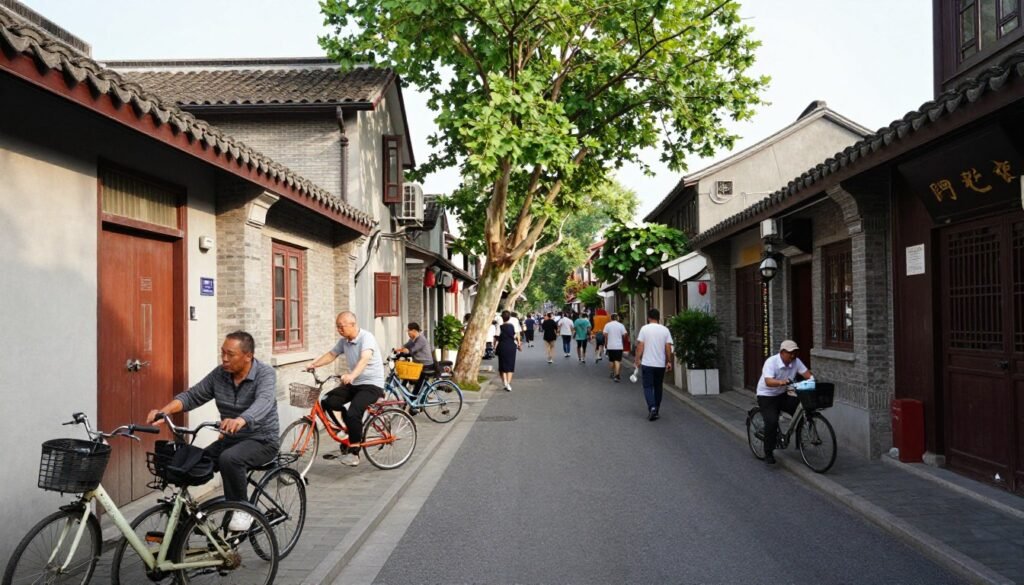
Sustainable and Respectful Travel
As Shanghai grows increasingly popular with international visitors, practicing responsible tourism becomes more important. Support local businesses over international chains when possible. Respect cultural sites and local customs. Learn basic phrases showing effort to engage with Chinese language and culture.
Shanghai faces environmental challenges common to megacities. Use public transportation over taxis when practical. Carry reusable water bottles. Choose restaurants minimizing plastic waste. Small actions collectively make positive impacts.
Staying Connected After Your Visit
Shanghai changes constantly. Follow the city’s evolution through blogs, social media, and news sources. Your visit provides context for understanding China’s development and global role. The connections you make – whether with people, places, or culture – can continue growing after you depart.
Many visitors find themselves drawn back to Shanghai repeatedly. The city’s energy, constant change, and layers of culture create lasting impressions that single visits can’t fully satisfy. Let this first experience inform future returns, each time discovering new aspects while revisiting favorites.
“Shanghai is not Chinese, nor European; it is simply unique. It is a city without a past, entirely focused on the future.”
Shanghai rewards the curious, challenges the adventurous, and welcomes all who approach with respect and openness. Your journey through this remarkable city will create memories, insights, and stories lasting far beyond your departure. Safe travels, and may Shanghai exceed your expectations at every turn.
Ready to Experience Shanghai?
Start planning your unforgettable Shanghai adventure today. Our expert travel consultants help create personalized itineraries, book accommodations, and provide on-trip support ensuring smooth, memorable experiences.
Questions? Speak with a Shanghai travel specialist: