

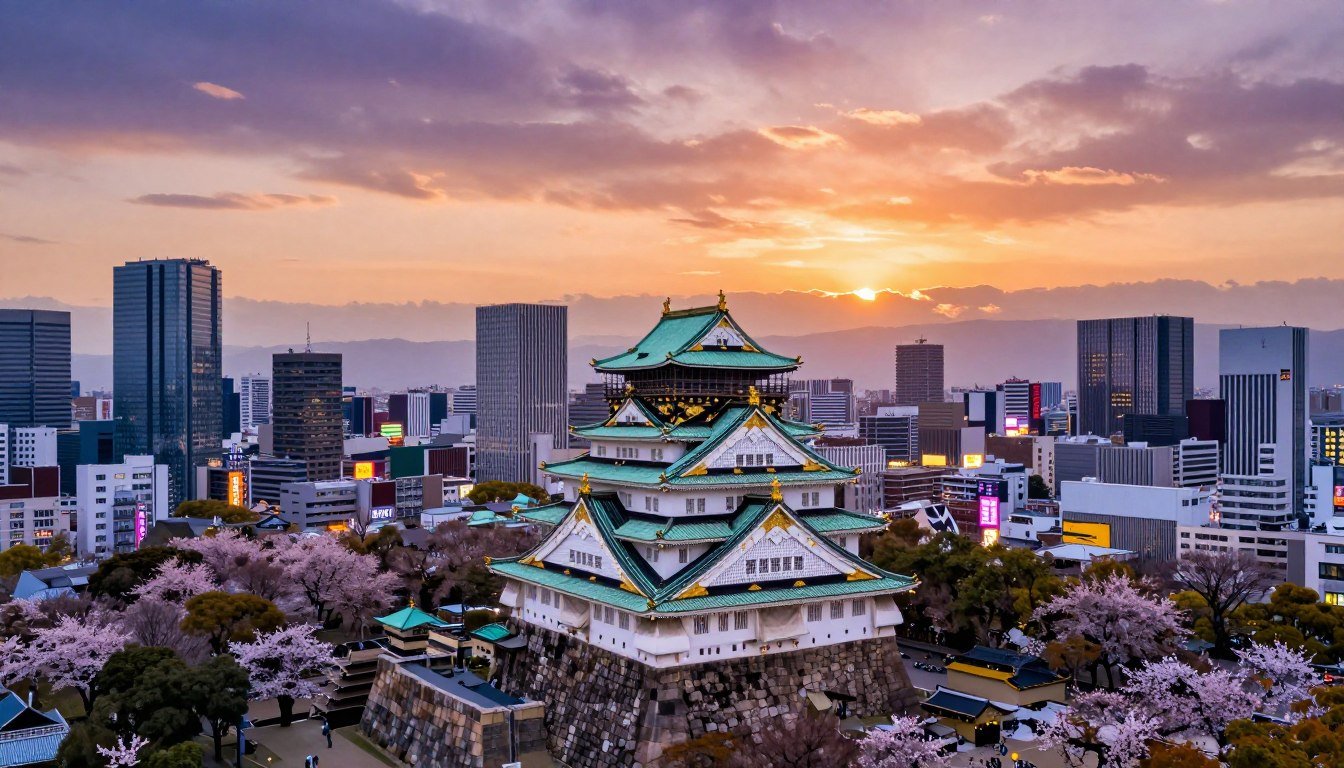
Osaka stands as Japan’s third largest city and serves as the beating heart of the Kansai region. This vibrant metropolis combines ancient traditions with modern energy in ways that constantly surprise first-time visitors. Unlike Tokyo’s polished formality, Osaka embraces a more relaxed, friendly atmosphere that makes travelers feel welcome immediately.
The city earned its reputation as “the nation’s kitchen” for good reason. Street food stalls line every major shopping district. Local restaurants serve regional specialties that you won’t find anywhere else in Japan. The people here take pride in their culinary heritage and share it generously with visitors.
This Osaka travel guide will help you navigate everything from ancient temples to neon-lit entertainment districts. You’ll discover practical tips for getting around, saving money, and experiencing the city like locals do. Whether you’re planning your first trip to Japan or returning to explore deeper, Osaka offers experiences that will stay with you long after you return home.
Get Your Free Osaka Travel Itinerary
Download our comprehensive 7-day Osaka itinerary with insider tips, hidden gems, money-saving strategies, and local restaurant recommendations. Join 50,000+ travelers who planned their perfect trip with our free guide.
Understanding Osaka: History, Culture, and Modern Identity
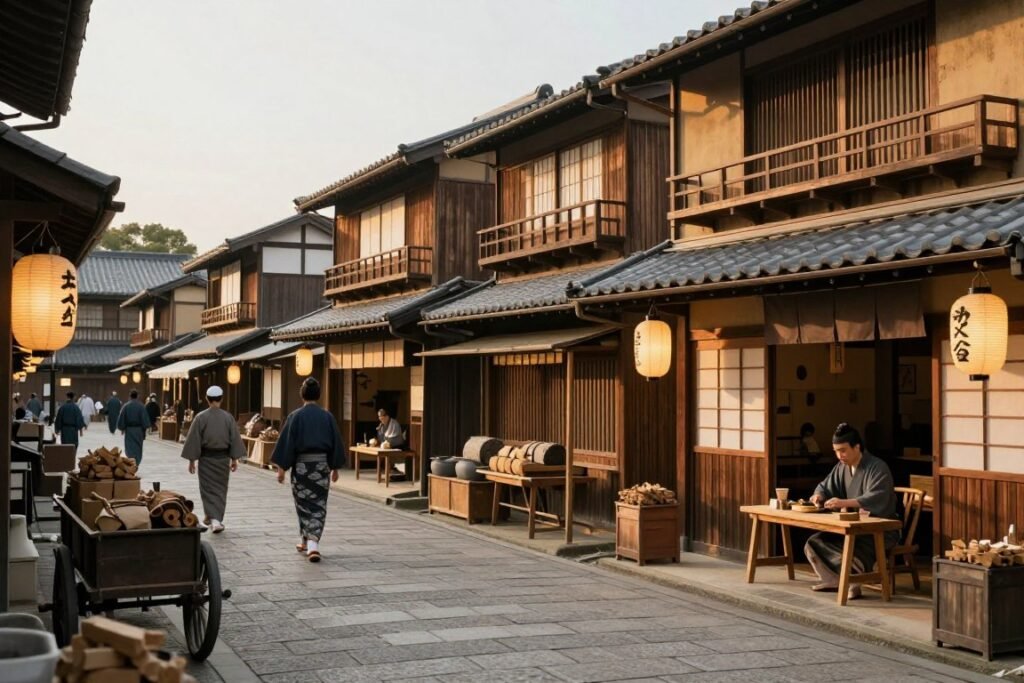
Osaka’s story begins over 1,400 years ago when it served as Japan’s first capital. The city witnessed emperors, samurai lords, and merchant princes shape its character across centuries. During the Edo period, Osaka became the commercial center of Japan, earning the nickname “the nation’s kitchen” as rice and goods flowed through its markets to feed the entire country.
The merchant class built Osaka’s prosperity and created a culture different from other Japanese cities. While samurai ruled Tokyo with strict hierarchies, Osaka’s merchants valued practical skills, humor, and honest dealing. This business-minded culture still influences how modern Osakans interact today.
Osaka Castle stands as the city’s most recognizable symbol. Toyotomi Hideyoshi built the original castle in 1583 as a display of power that unified Japan. Though destroyed and rebuilt several times, the castle remains central to Osaka’s identity and draws millions of visitors annually.
The Osaka Spirit: Kuidaore Culture
Locals often use the word “kuidaore” to describe Osaka’s food culture. The phrase literally means “eat until you drop” but represents something deeper about how Osakans approach life. Food isn’t just sustenance here. It’s entertainment, art, and the foundation of social bonds.
This philosophy extends beyond restaurants. Comedy theaters thrive in Osaka’s entertainment districts. Street performers draw crowds in Dotonbori. The city embraces fun and spontaneity in ways that feel refreshing compared to Tokyo’s reserved atmosphere.
Modern Osaka: Business Hub Meets Entertainment Capital
Today’s Osaka balances traditional culture with cutting-edge technology and business. The city hosts headquarters for major corporations like Panasonic, Sharp, and Daihatsu. The Umeda district showcases futuristic architecture and hosts some of Japan’s tallest skyscrapers.
Traditional Osaka
- Historic temples and shrines throughout the city
- Preserved merchant districts in Shinsekai
- Traditional bunraku puppet theaters
- Tea ceremony houses in quiet neighborhoods
- Ancient castle architecture and gardens
Modern Osaka
- Skyscrapers in Umeda business district
- High-tech entertainment at Universal Studios Japan
- Shopping malls with international brands
- Contemporary art museums and galleries
- Innovation hubs and startup culture
The city serves as a gateway to the Kansai region, making it ideal for travelers who want to explore Kyoto, Nara, and Kobe on day trips. Its central location and excellent train connections make Osaka the perfect base for exploring western Japan.
Best Time to Visit Osaka: Weather, Seasons, and Crowds
Osaka experiences four distinct seasons, each offering unique advantages for visitors. Understanding the weather patterns and crowd levels helps you choose the best time for your trip based on your preferences and budget.
Spring (March to May): Peak Season Beauty
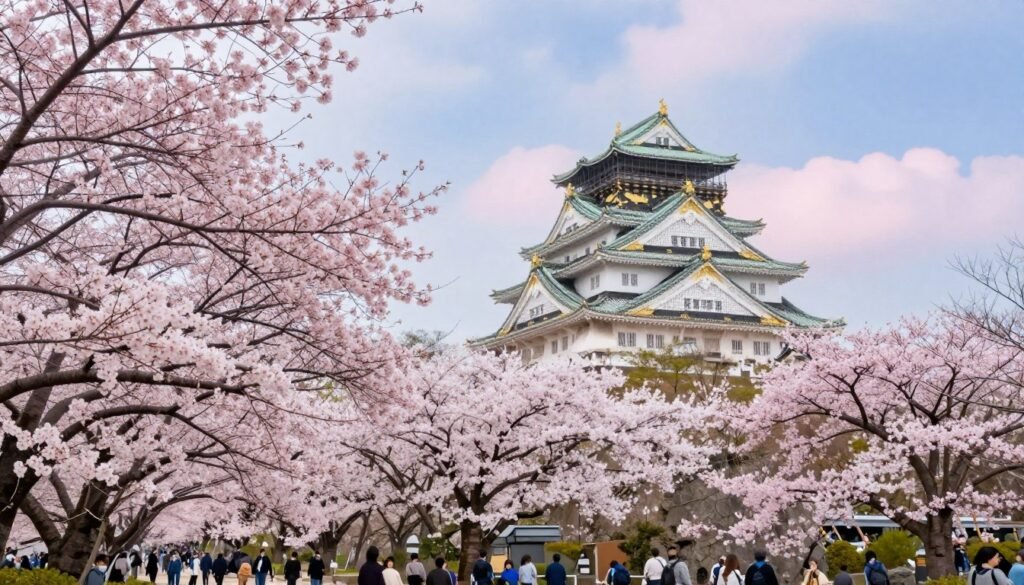
Spring brings Japan’s famous cherry blossoms, typically blooming in late March to early April in Osaka. This creates the most beautiful scenery but also attracts the largest crowds. Hotels raise prices significantly during cherry blossom season, and popular attractions require advance reservations.
The weather stays mild and pleasant throughout spring. Temperatures range from 50°F to 70°F (10°C to 21°C), perfect for walking around the city. Light layers work well as temperatures can vary between morning and afternoon.
Pro Tip: If you want cherry blossoms without extreme crowds, visit in early April after the first weekend rush. The flowers usually last two weeks, giving you flexibility in timing.
Summer (June to August): Festival Season Heat
Summer in Osaka means high temperatures and humidity. July and August see temperatures above 86°F (30°C) with humidity that makes it feel even hotter. The rainy season arrives in June, bringing frequent showers but also lush greenery to the city.
Despite the heat, summer offers unique experiences. The Tenjin Matsuri festival in July ranks among Japan’s top three festivals. Evening fireworks displays light up the Okawa River. Beer gardens open on rooftops across the city, providing relief from the heat.
- Fewer international tourists compared to spring and fall
- Lower hotel prices outside festival dates
- Summer festivals and traditional celebrations
- Extended daylight hours for sightseeing
- Indoor attractions like museums offer air-conditioned comfort
Fall (September to November): Ideal Weather and Colors
Many experienced travelers consider fall the best time to visit Osaka. September still feels warm, but October and November bring comfortable temperatures between 55°F and 70°F (13°C to 21°C). The humidity drops significantly, making walking tours much more pleasant.
Autumn foliage peaks in November, turning temple gardens into spectacular displays of red and gold. The crowds return during this season, though not quite as intense as cherry blossom time. Hotel prices increase but remain more reasonable than spring peak season.
Winter (December to February): Budget-Friendly Low Season
Winter offers the most budget-friendly time to visit Osaka. Hotels drop their prices significantly, and popular attractions have much shorter lines. The weather stays relatively mild compared to northern Japan, with temperatures rarely dropping below 35°F (2°C).
Snow rarely falls in central Osaka, though nearby mountains receive plenty for winter sports. The city decorates for Christmas and New Year’s, creating a festive atmosphere. Winter illuminations light up shopping districts throughout December and January.
| Season | Temperature Range | Crowd Level | Price Level | Best For |
| Spring | 50-70°F (10-21°C) | Very High | Expensive | Cherry blossoms, mild weather |
| Summer | 75-90°F (24-32°C) | Medium | Moderate | Festivals, fewer tourists |
| Fall | 55-70°F (13-21°C) | High | Moderate-High | Perfect weather, autumn colors |
| Winter | 35-50°F (2-10°C) | Low | Budget-Friendly | Best deals, fewer crowds |
Your ideal time to visit depends on priorities. Choose spring or fall for the best weather and scenery despite higher prices. Select summer for unique festivals and fewer tourists. Pick winter for the best deals and easiest navigation around popular sites.
Top Attractions and Must-Visit Places in Osaka
Osaka Castle: The City’s Crown Jewel
Osaka Castle dominates the city skyline and serves as its most iconic landmark. The current structure, rebuilt in 1931, stands eight stories tall and houses a museum showcasing the castle’s history and Toyotomi Hideyoshi’s unification of Japan. The surrounding park covers 105 acres and provides beautiful walking paths year-round.
Spring brings thousands of cherry trees into bloom around the castle grounds, creating one of Japan’s most photographed scenes. The observation deck on the eighth floor offers panoramic views across Osaka. Plan to spend two to three hours exploring the castle and gardens thoroughly.
Visitor Information: Osaka Castle opens daily from 9:00 AM to 5:00 PM. Admission costs ¥600 for adults. The nearest station is Osakajokoen on the JR Loop Line. Arrive early morning or late afternoon to avoid tour bus crowds.
Dotonbori: Neon-Lit Entertainment Heart
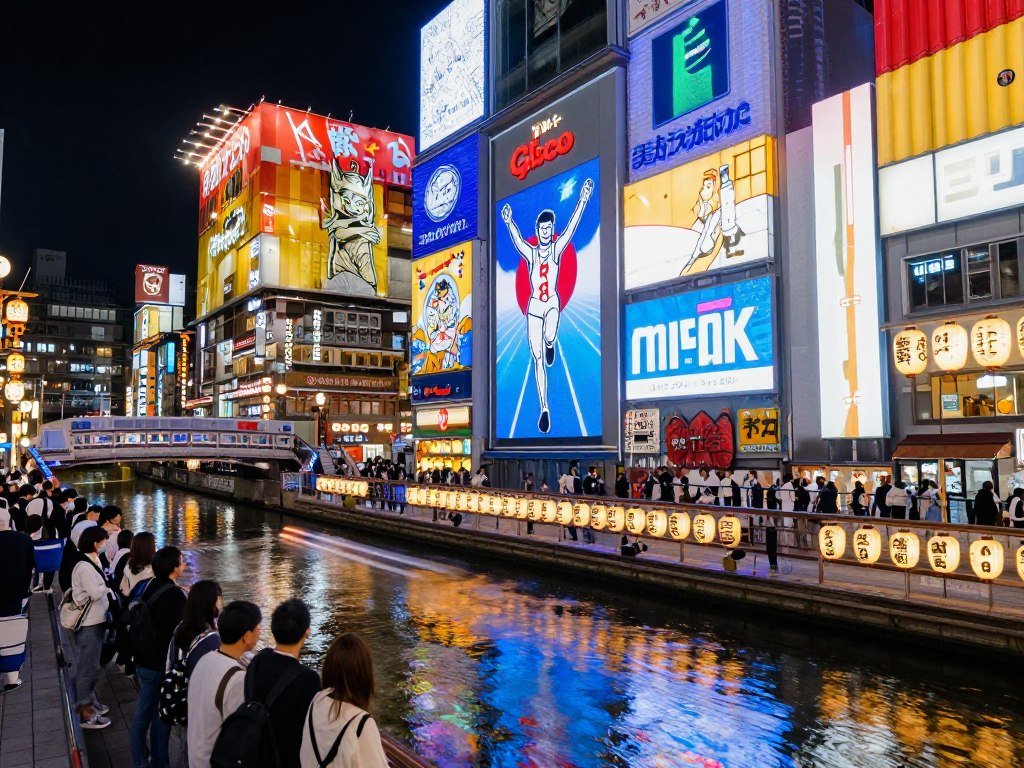
Dotonbori represents everything vibrant about Osaka packed into a few blocks along a canal. Giant 3D billboards, including the famous Glico running man sign, light up the area every night. Street food vendors line both sides of the canal, serving takoyaki, okonomiyaki, and other Osaka specialties.
The entertainment district comes alive after dark when neon signs reflect off the canal water. Restaurants, bars, and comedy clubs stay open late into the night. This area perfectly captures the energetic, food-obsessed spirit that defines modern Osaka.
Universal Studios Japan: World-Class Theme Park
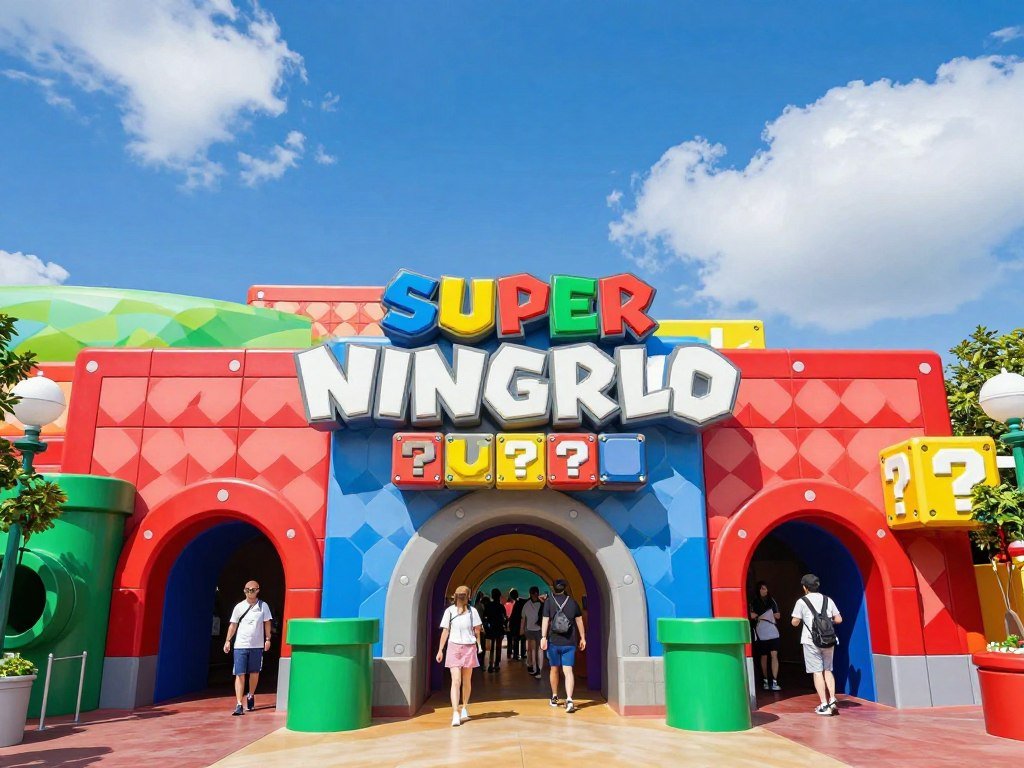
Universal Studios Japan ranks among Asia’s most popular theme parks and draws millions of visitors annually. The park features exclusive attractions you won’t find at other Universal properties, including the spectacular Super Nintendo World area that opened in 2021.
Harry Potter fans shouldn’t miss The Wizarding World of Harry Potter, which many visitors claim surpasses the Orlando version. The park requires a full day to experience properly. Consider purchasing Express Passes to skip long lines during peak seasons.
Skip the Lines at Universal Studios Japan
Book your Universal Studios Japan tickets in advance and save up to 15% compared to gate prices. Express Passes help you maximize your time and experience more attractions in a single day.
Umeda Sky Building: Futuristic Observatory
The Umeda Sky Building stands out among Osaka’s modern architecture with its distinctive floating garden observatory connecting two towers at the top. The 360-degree observation deck sits 173 meters above ground and provides stunning views across the entire city.
Visit during sunset to watch the city transition from day to night. The underground Takimi-koji Alley recreates a 1920s Osaka street with restaurants serving traditional food in a nostalgic atmosphere. This combination of ultra-modern architecture and retro dining makes the Umeda Sky Building unique among Osaka attractions.
Shitennoji Temple: Ancient Buddhist Heritage
Shitennoji Temple claims the title of Japan’s oldest officially administered temple, founded in 593 AD. The complex includes a five-story pagoda, main hall, and beautiful gardens that have been rebuilt multiple times following their original design. The temple provides a peaceful contrast to Osaka’s modern energy.
The flea market held on the 21st of each month attracts bargain hunters and antique collectors. The temple grounds cover a large area, so wear comfortable walking shoes. Early morning visits offer the most serene experience before tour groups arrive.
Kuromon Ichiba Market: Osaka’s Kitchen
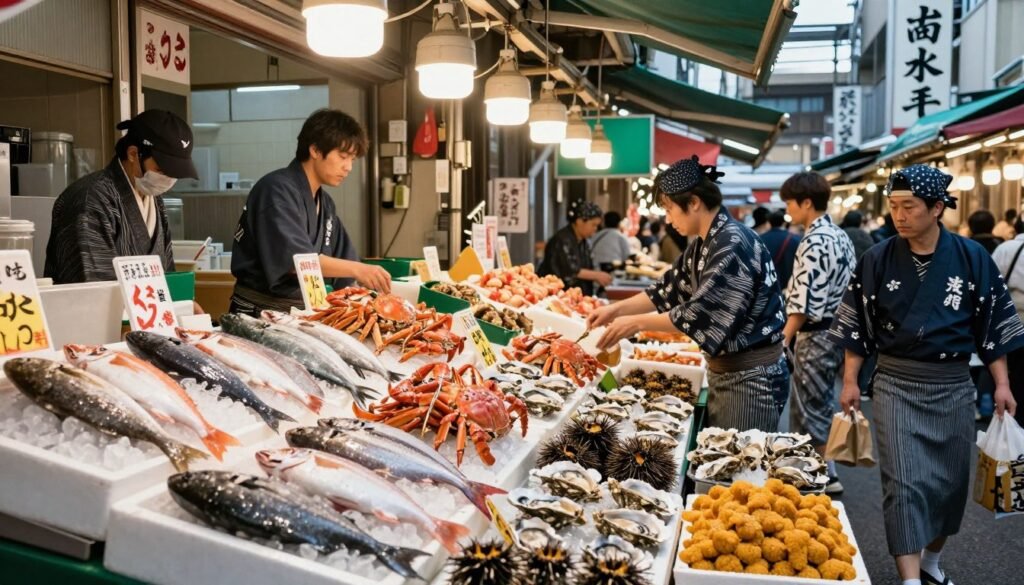
Kuromon Ichiba Market has served Osaka residents for over 190 years and maintains its reputation as “Osaka’s kitchen.” The covered market stretches for nearly 600 meters and houses about 150 shops selling everything from fresh seafood to cooking utensils.
Many vendors offer samples or small portions perfect for trying multiple items. Fresh sushi, grilled scallops, wagyu beef skewers, and seasonal fruits make excellent snacks as you explore. The market opens early, so visit mid-morning for the best selection and fewer crowds.
Sumiyoshi Taisha: Spiritual Sanctuary
Sumiyoshi Taisha ranks among Japan’s oldest Shinto shrines, with origins dating back to the 3rd century. The shrine’s unique architectural style predates Buddhist influence on Japanese temple design. The iconic arched Sorihashi Bridge creates one of the most photographed spots in Osaka.
The spacious grounds include several secondary shrines, sacred trees, and peaceful gardens. Visitors can feed the koi in the pond or purchase omamori (protective charms) from the shrine office. The shrine never feels crowded even during busy seasons, making it perfect for a peaceful afternoon.
Namba Yasaka Shrine: Hidden Instagram Gem
Namba Yasaka Shrine surprises first-time visitors with its massive lion head structure that serves as the main stage. The 12-meter-tall lion head with glowing eyes and an open mouth looks more like modern art than traditional shrine architecture. This unusual design makes it one of Osaka’s most photographable spots.
The small shrine sits just minutes from the busy Namba district yet feels worlds away from the surrounding urban chaos. Local people visit to pray for success in business and protection from evil. The compact size means you can see everything in about 30 minutes.
Historical Attractions
- Osaka Castle and museum
- Shitennoji Temple complex
- Sumiyoshi Taisha shrine
- Hozenji Temple and alley
- Isshinji Temple
Modern Attractions
- Universal Studios Japan
- Umeda Sky Building observatory
- Osaka Aquarium Kaiyukan
- teamLab Botanical Garden
- Abeno Harukas skyscraper
Osaka Food Guide: Local Cuisine and Street Food Specialties
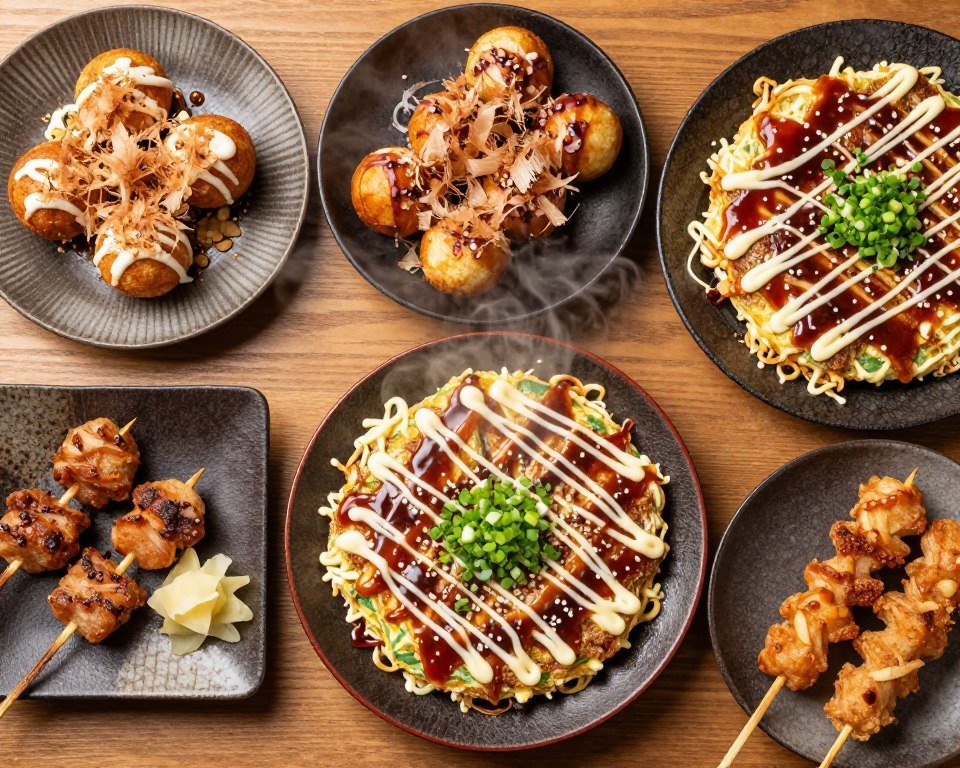
Osaka earned its “nation’s kitchen” nickname through centuries of culinary innovation and dedication to flavor. The city’s food culture goes beyond restaurants. Street food stalls, market vendors, and casual eateries define how locals eat and socialize. Understanding Osaka’s signature dishes helps you experience the city like residents do.
Takoyaki: The Ultimate Osaka Street Food
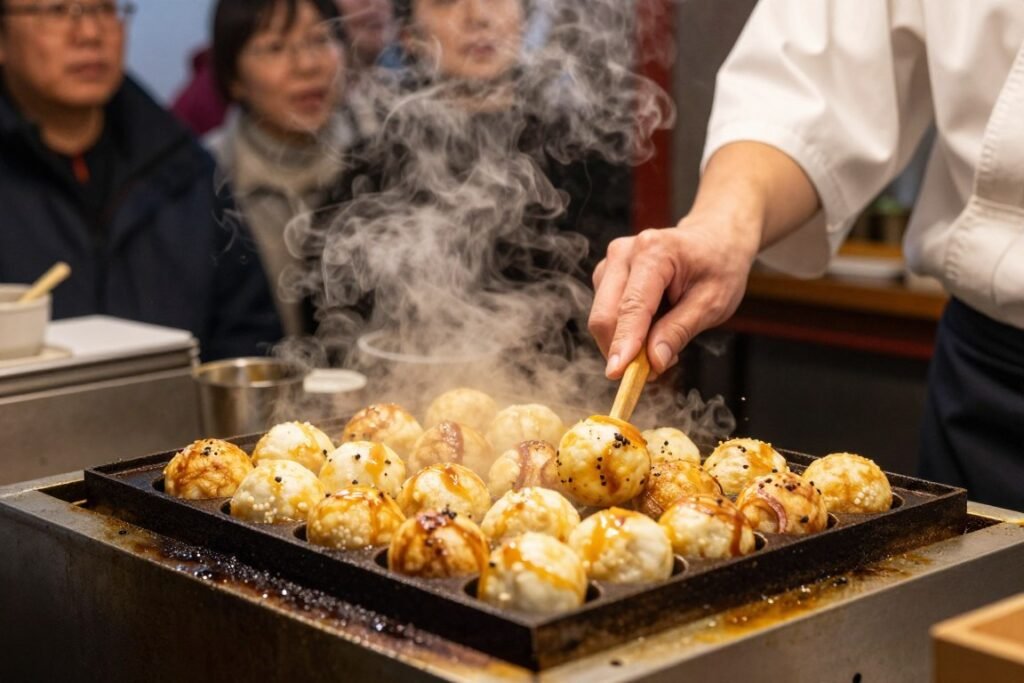
Takoyaki represents Osaka in edible form. These golf-ball-sized spheres contain chunks of octopus surrounded by savory batter, cooked in special molded pans. Vendors top them with takoyaki sauce, mayonnaise, bonito flakes, and dried seaweed. The outside stays crispy while the inside remains creamy and almost liquid.
Every neighborhood has multiple takoyaki stands, but Dotonbori offers the most concentrated selection. Creo-ru and Kukuru operate popular chains with consistent quality. Street vendors often charge less and sometimes taste better than established shops. Don’t skip this iconic Osaka experience.
Okonomiyaki: Savory Pancake Perfection
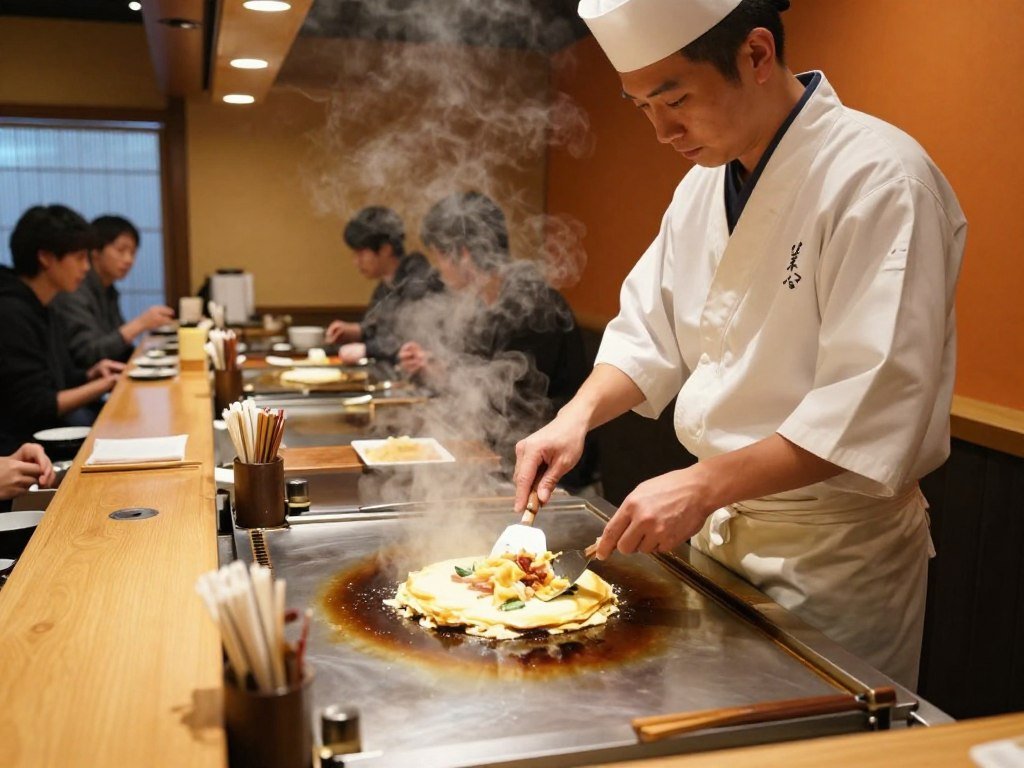
Okonomiyaki translates to “grilled as you like it” and lives up to its name. This savory pancake starts with batter mixed with cabbage, then gets customized with your choice of proteins like pork, seafood, or cheese. Chefs grill it on a flat iron griddle, then top it with sauce, mayonnaise, bonito flakes, and seaweed.
Osaka-style okonomiyaki differs from Hiroshima’s version by mixing all ingredients into the batter rather than layering them. Many restaurants let you cook your own on table-top griddles. For your first time, watch the staff prepare one before attempting it yourself.
Kushikatsu: Deep-Fried Skewer Heaven
Kushikatsu refers to various ingredients breaded and deep-fried on skewers. Meat, seafood, vegetables, and even cheese get the kushikatsu treatment. Diners dip each skewer into a communal sauce pot before eating. The golden rule: never double-dip your skewer into the shared sauce.
The Shinsekai neighborhood specializes in kushikatsu restaurants where all-you-can-eat options provide excellent value. Daruma ranks as the most famous chain, with locations throughout the city. Order a variety to discover which combinations you prefer most.
Osaka Sushi: Pressed Perfection
Osaka developed oshizushi (pressed sushi) centuries before Tokyo’s nigiri style became popular. Chefs press rice and toppings into wooden molds, creating uniform rectangular pieces. Mackerel sushi represents the most traditional variety, though modern shops offer many variations.
Sushi restaurants in Osaka generally cost less than Tokyo equivalents while maintaining high quality. The city’s location near Osaka Bay ensures fresh seafood arrives daily. Visit the Kuromon Market for affordable sushi breakfasts that rival high-end restaurants.
Must-Try Osaka Specialties
Iconic Street Food
- Takoyaki octopus balls
- Ikayaki grilled squid
- Taiyaki fish-shaped sweets
- Imagawayaki filled pancakes
- Mitarashi dango rice dumplings
Restaurant Dishes
- Okonomiyaki savory pancakes
- Kushikatsu fried skewers
- Kitsune udon fox noodles
- Tecchiri fugu hot pot
- Horumon grilled offal
Sweet Treats
- Rikuro’s cheesecake
- Pablo mini cheese tarts
- Dorayaki pancake sweets
- Matcha soft cream
- Traditional wagashi confections
Where to Find the Best Food
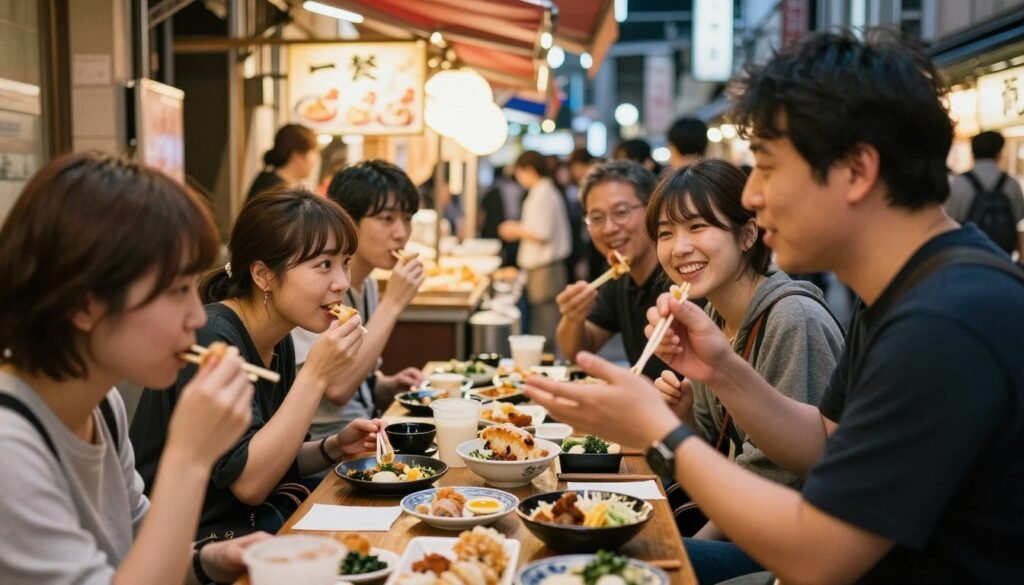
Dotonbori draws tourists but also serves some of the city’s best food. The dense concentration of restaurants means you can try multiple specialties in one evening. Food stalls along the canal offer the most authentic street food experience with reasonable prices.
Kuromon Ichiba Market opens early for breakfast and stays busy through lunch. The market excels at fresh seafood, premium fruits, and ready-to-eat items. Vendors expect you to buy if you accept free samples, so sample responsibly.
Shinsekai preserves old Osaka atmosphere and specializes in kushikatsu restaurants. The neighborhood feels less polished than Dotonbori but offers more authentic local flavor. Prices run lower here, making it perfect for budget-conscious food lovers.
Join an Osaka Food Tour
Experience Osaka’s culinary scene with a local guide who knows the best hidden gems. Sample 10+ dishes including takoyaki, okonomiyaki, kushikatsu, and local sake. Small groups ensure personal attention and insider knowledge.
Dining Etiquette and Tips
Most restaurants provide wet towels (oshibori) before meals. Use them to clean your hands, not your face. Saying “itadakimasu” before eating and “gochisousama” after finishing shows good manners and appreciation.
Tipping doesn’t exist in Japan and might confuse or offend restaurant staff. The bill includes all charges. Many places don’t accept credit cards, so carry sufficient cash for meals. Tax gets included in displayed prices at most casual restaurants.
Lunch time offers the best value at many restaurants that serve elaborate meals for much less than dinner prices. Set lunch menus (teishoku) typically include rice, miso soup, pickles, and a main dish for under ¥1,000.
Transportation in Osaka: Getting Around the City
Understanding Osaka’s Train and Subway System
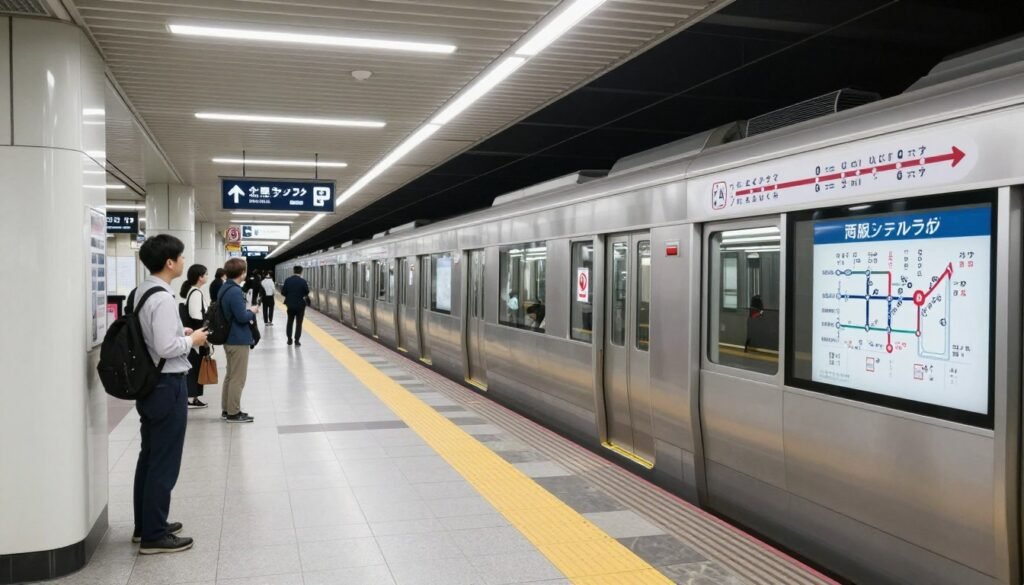
Osaka operates one of Japan’s most efficient public transportation networks. The system combines JR trains, Osaka Metro subway lines, and private railways that connect seamlessly. Understanding how these systems work together helps you navigate the city confidently and save money.
The Osaka Metro runs nine subway lines covering the entire city. Color-coded lines and bilingual signs make navigation straightforward even for first-time visitors. Trains run frequently from 5 AM to midnight, with intervals of just three to five minutes during peak hours.
IC Cards: Your Transportation Passport
IC cards like ICOCA or Suica work across all Osaka trains, subways, and buses. You can also use them at convenience stores, vending machines, and many restaurants. Purchase an ICOCA card at any JR station for ¥2,000 (¥1,500 credit plus ¥500 deposit that you get back when returning the card).
Simply tap your card on the reader when entering and exiting stations. The system automatically calculates the fare and deducts it from your balance. This eliminates the need to figure out ticket prices for each journey.
Money-Saving Tip: The Osaka Amazing Pass includes unlimited subway and bus rides plus free entry to over 40 attractions. The one-day pass costs ¥2,800 and pays for itself if you visit just two or three included attractions.
Airport Transportation Options
Kansai International Airport (KIX) serves as Osaka’s main international gateway, located about 50 kilometers from the city center. Multiple transportation options connect the airport to downtown Osaka with different price points and travel times.
| Transport Method | Travel Time | Cost | Best For |
| Nankai Rapit Express | 35-40 minutes | ¥1,450 | Speed and convenience |
| JR Haruka Limited Express | 45-50 minutes | ¥2,900 | JR Pass holders, Kyoto connection |
| Airport Limousine Bus | 50-70 minutes | ¥1,550 | Direct hotel access, heavy luggage |
| Local Train | 70-80 minutes | ¥920 | Budget travelers |
JR Pass: Worth It for Osaka Visitors?
The Japan Rail Pass covers JR trains throughout the country but doesn’t include Osaka Metro lines. Within Osaka city limits, JR operates the Loop Line that circles central districts and connects to major stations. If you plan day trips to Kyoto, Nara, or Kobe, the JR Pass becomes much more valuable.
A 7-day JR Pass costs ¥29,650 for ordinary class. The pass pays for itself with just one round trip from Osaka to Tokyo. For trips limited to Kansai region, consider the JR West Kansai Pass instead, which costs less and covers the routes most tourists use.
Get Your JR Pass Before Arrival
Purchase your Japan Rail Pass before leaving home and save up to 40% compared to buying individual tickets. The pass includes unlimited rides on JR trains, including the shinkansen bullet train between cities.
Buses: When They Make Sense
Osaka’s extensive bus network reaches areas that trains don’t serve well. However, buses move slower than trains and routes can confuse visitors unfamiliar with the city. The flat ¥230 fare for most routes makes buses economical, and IC cards work on all city buses.
Some specific situations where buses work better than trains include reaching Osaka Castle from certain areas, traveling between neighborhoods not directly connected by subway, and accessing some temple and shrine locations. Google Maps provides accurate bus route information including real-time schedules.
Taxis: Convenience at a Price
Taxis in Osaka charge premium rates starting at ¥680 for the first two kilometers, then ¥80 per additional 296 meters. Four passengers can split the cost, sometimes making taxis competitive with trains for short trips when traveling as a group.
Taxi drivers rarely speak English, so have your destination written in Japanese or show the address on your phone. Apps like Japan Taxi and GO allow you to book rides with English interfaces and built-in translation features.
Walking and Cycling
Osaka’s compact city center makes walking between nearby attractions practical and enjoyable. The distance from Namba to Umeda covers about four kilometers—doable in under an hour at a comfortable pace. Underground shopping arcades provide covered walking routes during rain or extreme heat.
Bicycle rental services operate throughout the city, with fees around ¥1,000 per day. Some hotels and hostels offer free bicycle use for guests. Be aware that cycling on sidewalks is technically illegal though commonly done. Always use designated bike parking areas to avoid fines.
Osaka Neighborhoods: Where to Stay and Explore
Osaka divides into distinct neighborhoods, each with unique character and advantages for visitors. Choosing the right area for your hotel depends on your priorities—whether you want nightlife access, quiet surroundings, shopping convenience, or budget options.
Namba: Entertainment and Nightlife Central
Namba serves as Osaka’s entertainment heart and the best choice for first-time visitors who want everything within walking distance. The area includes Dotonbori’s famous food scene, extensive shopping streets, and countless restaurants and bars that stay open late into the night.
Multiple train lines converge at Namba Station, making it easy to reach other parts of Osaka and nearby cities. Hotels range from budget hostels to luxury properties, with the highest concentration of mid-range options. The constant activity and bright lights might disturb light sleepers, so request rooms on higher floors away from the street.
Umeda: Business District and Shopping Paradise
Umeda functions as Osaka’s main business district but offers excellent accommodation options for tourists. The area features massive department stores, underground shopping malls that stretch for blocks, and the Umeda Sky Building observatory. The atmosphere feels more sophisticated and less chaotic than Namba.
Osaka Station and Umeda Station (technically different stations but connected) link to every major train line. This makes Umeda the most convenient base for day trips to Kyoto, Kobe, and other Kansai destinations. Business hotels dominate the accommodation landscape, offering reliable quality at competitive rates.
Best Areas for First-Time Visitors
- Namba – Central location, nightlife access
- Umeda – Transportation hub, shopping
- Shinsaibashi – Shopping streets, mid-range hotels
- Osaka Station – Direct airport access
Best Areas for Budget Travelers
- Tennoji – Affordable hotels, local atmosphere
- Shin-Osaka – Business hotels near station
- Nippombashi – Electronics district, budget options
- Tanimachi – Residential area, lower prices
Shinsaibashi: Shopping Street Heaven
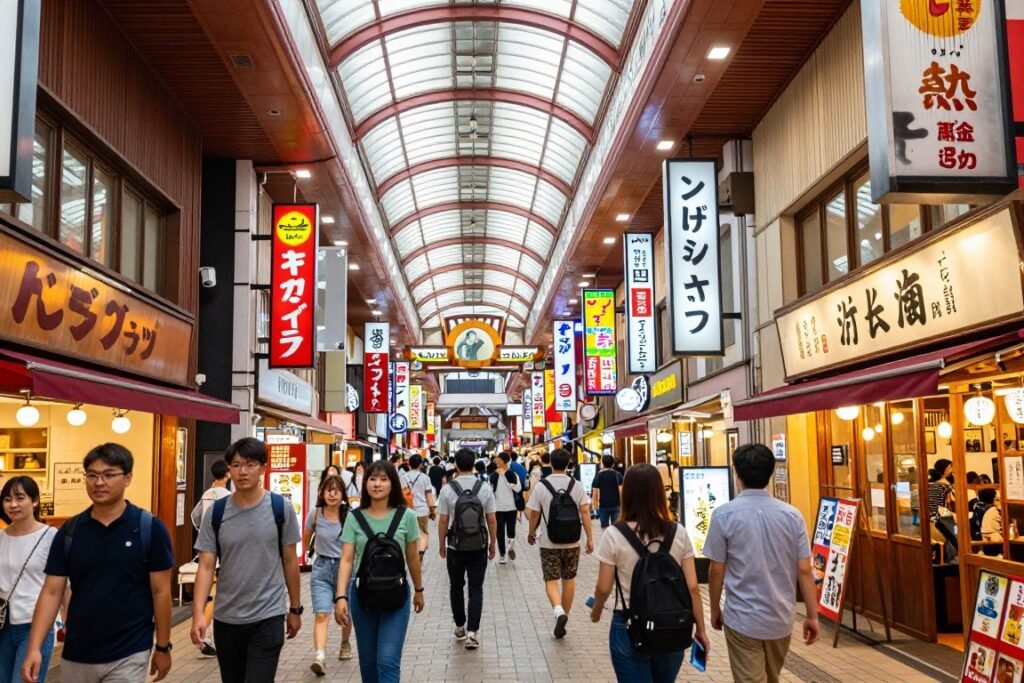
Shinsaibashi centers on one of Japan’s longest shopping streets, stretching 600 meters and housing hundreds of stores under a covered arcade. The area bridges between Namba’s entertainment focus and Umeda’s business atmosphere, offering a balanced experience of both.
Hotels in Shinsaibashi cost slightly less than equivalent properties in Namba or Umeda. The location allows easy walking to Dotonbori while maintaining a slightly quieter atmosphere at night. International brand stores and Japanese fashion boutiques line the main street and surrounding alleys.
Tennoji: Local Flavor and Value
Tennoji represents Osaka’s southern gateway and offers authentic local atmosphere away from heavy tourist traffic. The neighborhood includes Tennoji Park, Shitennoji Temple, and the Abeno Harukas skyscraper. Hotels cost significantly less than central areas while still providing good train access.
The Shinsekai district near Tennoji preserves old Osaka character with its retro atmosphere and kushikatsu restaurants. This area works well for travelers who want to experience local life and don’t mind taking short train rides to major attractions.
Osaka Bay Area: Family-Friendly Choice
The bay area includes Universal Studios Japan, the Osaka Aquarium, and modern shopping complexes. Families visiting USJ often stay in this area to maximize time at the theme park. The trade-off involves longer travel times to downtown attractions and limited restaurant options compared to central neighborhoods.
Several large hotels near Universal Studios offer packages that include park tickets. The area feels quiet at night after day-trippers leave. Consider this location only if Universal Studios represents your main reason for visiting Osaka.
Accommodation Types and What to Expect
Business hotels dominate Osaka’s accommodation market, offering compact but efficient rooms at reasonable prices. These properties target Japanese business travelers but welcome tourists and provide everything you need in a no-frills package. Expect rooms around 15-20 square meters with efficient use of space.
Capsule hotels provide the most budget-friendly option, with individual sleeping pods rather than full rooms. Modern capsule hotels include amenities like lounges, showers, and sometimes onsen baths. Prices start around ¥3,000 per night but sacrifice privacy and space.
Luxury hotels cluster in Umeda and Namba, offering international-standard service and spacious rooms. Brands like Conrad, Ritz-Carlton, and St. Regis operate flagship properties. Expect to pay ¥30,000 or more per night for five-star experiences.
Find Your Perfect Osaka Hotel
Compare prices across all major booking platforms to find the best hotel deals in Osaka. Filter by neighborhood, price range, and traveler ratings. Free cancellation available on most properties.
Ryokan Experience: Traditional Japanese Inns
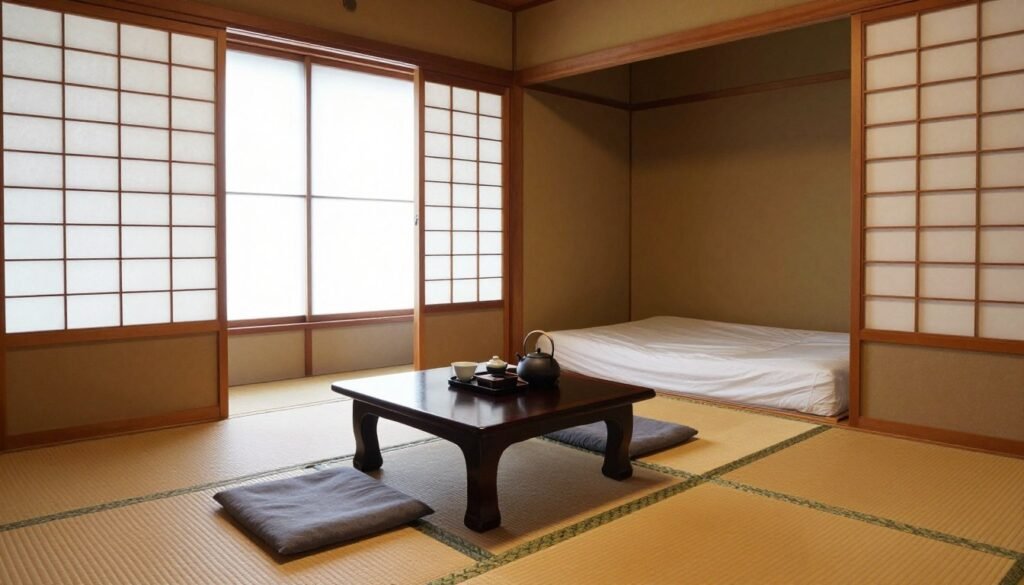
Several ryokan (traditional inns) operate in Osaka, though the city offers fewer options than Kyoto. Staying in a ryokan includes sleeping on futon bedding laid out on tatami mats, wearing yukata robes, and usually enjoying kaiseki dinner and breakfast. Prices start around ¥15,000 per person including meals.
Ryokan emphasize hospitality and provide a cultural experience that standard hotels can’t match. The formal atmosphere and rules might feel uncomfortable for some travelers. Consider trying a ryokan for one or two nights to experience traditional Japanese hospitality.
Day Trips from Osaka: Exploring the Kansai Region
Kyoto: Ancient Capital Temples and Gardens
Kyoto sits just 30 minutes from Osaka by train and deserves at least one full day of exploration. The ancient capital preserves over 2,000 temples and shrines, traditional geisha districts, and some of Japan’s most beautiful gardens. The contrast between Osaka’s modern energy and Kyoto’s historical atmosphere makes the short trip worthwhile.
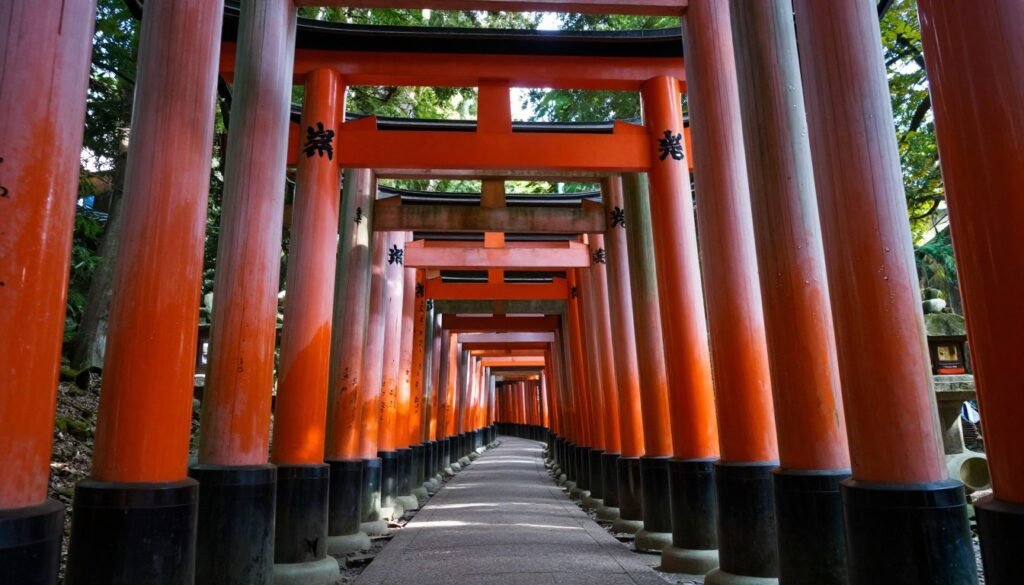
Must-see locations include Fushimi Inari Shrine with its thousands of torii gates, the golden Kinkaku-ji Temple, and the bamboo groves of Arashiyama. Start early to visit popular spots before crowds arrive. Spring and fall draw the most visitors due to cherry blossoms and autumn colors respectively.
The JR Special Rapid train from Osaka Station reaches Kyoto Station in 29 minutes for ¥570. Alternatively, the Hankyu Railway takes about 40 minutes and costs ¥400. Both options run frequently throughout the day, making it easy to plan your return timing.
Nara: Friendly Deer and Giant Buddha
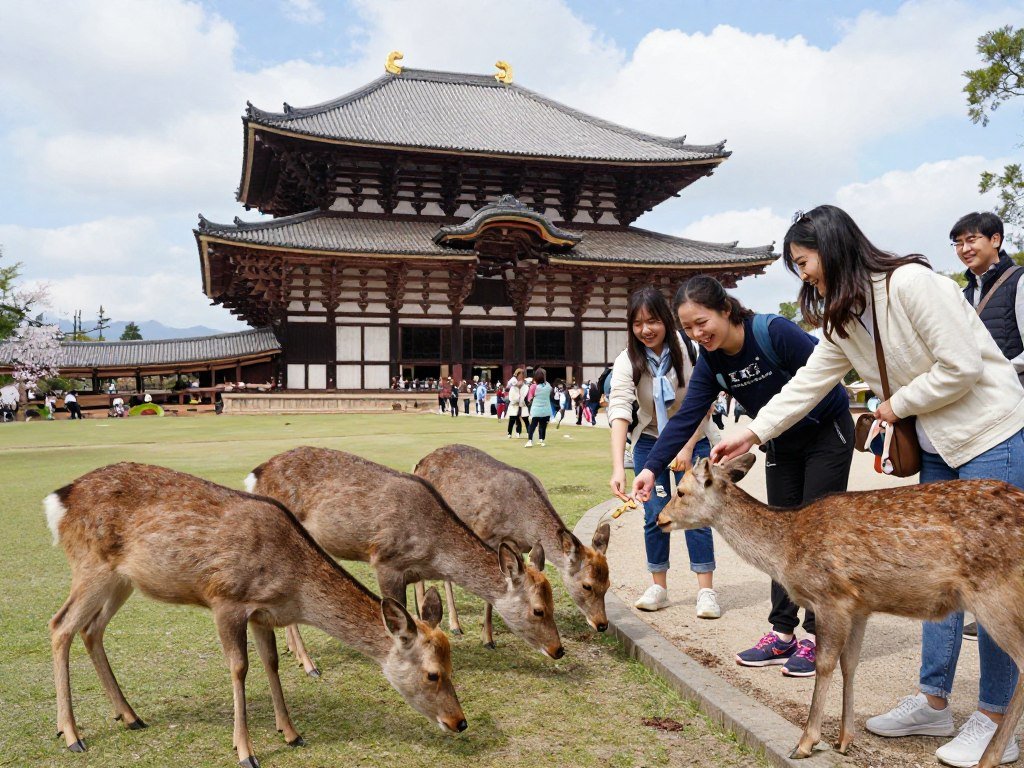
Nara makes an ideal half-day trip from Osaka, located about 45 minutes away by train. The city served as Japan’s capital before Kyoto and maintains important historical temples. Over 1,000 semi-wild deer roam freely in Nara Park, bowing to visitors in exchange for special deer crackers.
Todai-ji Temple houses one of the world’s largest bronze Buddha statues, standing 15 meters tall inside a massive wooden hall. The surrounding park includes several other significant temples and shrines worth exploring. Most visitors complete a Nara visit in four to five hours.
Take the Kintetsu Nara Line from Namba Station directly to Kintetsu Nara Station in about 40 minutes for ¥680. This route drops you closer to the park than JR Nara Station. Buy deer crackers from official vendors for ¥200 per pack.
Kobe: Port City Charm and Wagyu Beef
Kobe combines mountain views, harbor atmosphere, and some of Japan’s best beef into an appealing day trip package. The city rebuilt itself beautifully after the devastating 1995 earthquake and now offers sophisticated shopping, international cuisine, and scenic waterfront areas.
Kobe beef commands premium prices but delivers incredible flavor and tenderness. Try it at lunch when set menus cost less than dinner service. The Kitano-cho district preserves Western-style houses from the city’s early international settlement period. The ropeway up Mt. Rokko provides panoramic views over the city and Osaka Bay.
JR trains from Osaka Station reach Sannomiya Station in Kobe in about 20 minutes for ¥410. The stations connect to most attractions via short walks or brief bus rides. Kobe works well as a relaxed day trip focused on food and atmosphere rather than packed sightseeing.
Himeji: Japan’s Most Beautiful Castle
Himeji Castle stands as Japan’s finest surviving feudal castle and earned UNESCO World Heritage status. The brilliant white exterior earned it the nickname “White Heron Castle.” Unlike Osaka Castle’s modern reconstruction, Himeji preserves its original 17th-century architecture and defensive systems.
The castle complex includes multiple defensive layers, gardens, and a network of paths designed to confuse invaders. Audio guides in multiple languages explain the castle’s history and architectural features. Allow three hours minimum to explore the castle and grounds thoroughly.
The JR Special Rapid train from Osaka Station takes 60 minutes and costs ¥1,520 each way. The castle sits about 15 minutes on foot from Himeji Station along a straight, easy-to-follow route. Visit on weekdays if possible, as weekends bring large tour groups that slow castle tours considerably.
Mount Koya: Sacred Buddhist Mountain
Mount Koya (Koya-san) functions as the center of Shingon Buddhism and houses over 100 temples in a mountain valley. The sacred site offers a completely different pace from urban Osaka. Visitors can stay overnight in temple lodgings (shukubo) and participate in morning prayers and meditation sessions.
The journey takes about two hours each way, making it possible as a long day trip though an overnight stay enriches the experience. The mountain sits at higher elevation, so temperatures run 5-10 degrees cooler than Osaka year-round. Bring a light jacket even in summer.
Take the Nankai Electric Railway from Namba Station to Gokurakubashi Station, then board the cable car to the mountaintop. The entire journey costs around ¥2,000 each way. Most temples close to new visitors by 5 PM, so start early if attempting a day trip.
| Destination | Travel Time | Cost (Round Trip) | Recommended Duration | Best For |
| Kyoto | 30 minutes | ¥1,140 | Full day | Temples, history, culture |
| Nara | 45 minutes | ¥1,360 | Half day | Deer park, giant Buddha |
| Kobe | 20 minutes | ¥820 | Half to full day | Food, harbor views, shopping |
| Himeji | 60 minutes | ¥3,040 | Half day | Castle architecture, history |
| Mount Koya | 2 hours | ¥4,000 | Overnight recommended | Buddhist temples, spirituality |
Kyoto and Nara Day Tour from Osaka
Visit both Kyoto and Nara’s top attractions in one comprehensive day trip. Small group tour includes English-speaking guide, transportation, and entrance fees to major temples. See Fushimi Inari, Kinkaku-ji, and feed the Nara deer.
Practical Travel Tips for Osaka: Budget, Etiquette, and Safety
Daily Budget Planning
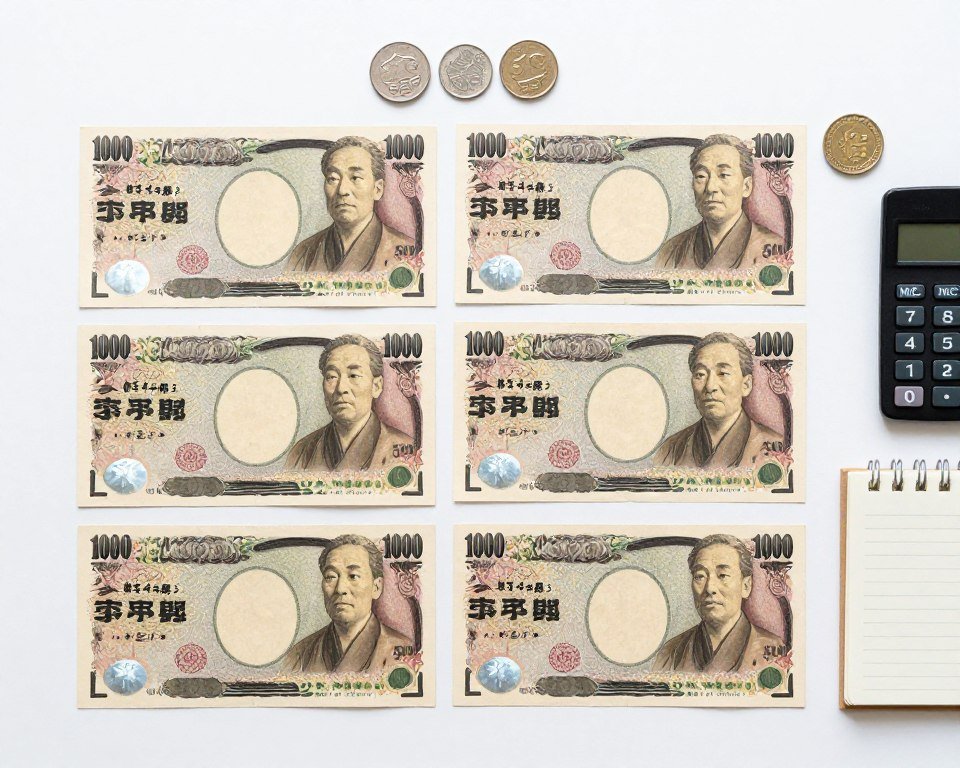
Understanding costs helps you plan an Osaka trip that matches your budget without sacrificing experiences. The city accommodates all spending levels from backpackers to luxury travelers. Breaking down expenses by category makes budgeting straightforward.
Budget Travel (¥5,000-8,000/day)
- Hostel or capsule hotel: ¥2,500-3,500
- Convenience store meals: ¥1,500
- Transportation: ¥800
- One attraction entry: ¥600
- Street food snacks: ¥500
Mid-Range (¥15,000-25,000/day)
- Business hotel: ¥8,000-12,000
- Restaurant meals: ¥4,000
- Transportation pass: ¥2,800
- Attractions and experiences: ¥3,000
- Shopping and extras: ¥2,000
Luxury (¥40,000+/day)
- Premium hotel: ¥25,000+
- Fine dining: ¥10,000
- Private tours/taxis: ¥5,000
- Shopping and souvenirs: ¥5,000
- Premium experiences: ¥3,000
Money Matters: Cash, Cards, and ATMs
Japan remains largely cash-based despite modernization efforts. Many restaurants, small shops, and even some hotels don’t accept credit cards. Always carry sufficient cash, though you don’t need to carry enormous amounts thanks to the country’s low crime rate.
7-Eleven ATMs accept most foreign cards and charge reasonable fees. Post office ATMs also work well for international cards and offer slightly better exchange rates. Most bank ATMs don’t accept foreign cards, so stick with convenience store and post office locations.
Notify your bank before traveling to prevent card blocks. Withdraw larger amounts less frequently to minimize ATM fees. Keep some emergency cash separate from your wallet in case of loss or theft.
Essential Japanese Etiquette
Following basic Japanese customs shows respect and helps you avoid uncomfortable situations. Osakans generally forgive tourist mistakes but appreciate when visitors make an effort to follow local practices.
Do These Things
- Remove shoes when entering homes, temples, some restaurants
- Bow slightly when greeting or thanking someone
- Speak quietly on trains and buses
- Queue orderly and wait your turn
- Use both hands when giving or receiving items
- Finish meals completely to show appreciation
Avoid These Behaviors
- Eating while walking on streets
- Talking loudly in public spaces
- Tipping at restaurants or services
- Sticking chopsticks upright in rice
- Blowing your nose in public
- Wearing shoes on tatami mats
Language Tips and Communication
English proficiency in Osaka remains lower than Tokyo, though major tourist areas have improved signage and some English-speaking staff. Learning basic Japanese phrases helps tremendously and locals appreciate the effort.
Download Google Translate with offline Japanese language pack before arrival. The app’s camera translation feature works well for reading menus and signs. Point and gesture communication works surprisingly well in restaurants when language fails.
- Arigatou gozaimasu (Thank you very much)
- Sumimasen (Excuse me/Sorry)
- Eigo ga hanasemasu ka? (Do you speak English?)
- Kore kudasai (This one, please)
- Ikura desu ka? (How much is it?)
- Oishii! (Delicious!)
Essential Japanese Phrases
Safety and Emergency Information
Osaka ranks as one of the world’s safest major cities. Violent crime remains extremely rare, and petty theft occurs far less frequently than most international destinations. That said, maintain normal precautions and stay aware of your surroundings.
Emergency numbers: Police (110), Ambulance/Fire (119). Very few operators speak English, so have a Japanese speaker call if possible. The Japan Visitor Hotline (050-3816-2787) provides English support for tourists 24/7.
Hospitals with English-speaking staff include Osaka General Medical Center and Yodogawa Christian Hospital. Travel insurance becomes essential as medical costs run high without coverage. Keep your insurance details accessible on your phone.
Internet and Connectivity
Free WiFi availability has improved dramatically in Osaka but still lags behind many Western cities. Major stations, convenience stores, and tourist areas offer free networks. Hotels provide WiFi as standard, though connection speed varies by property.
Pocket WiFi rentals provide unlimited internet for around ¥1,000 per day and can be picked up at the airport or delivered to your hotel. Alternatively, purchase a tourist SIM card with data for ¥2,000-3,000 for one to two weeks of service.
Best Apps for Osaka Travel
- Google Maps (offline maps, transit directions)
- Japan Transit Planner (Hyperdia alternative)
- Osaka Metro Guide (official subway app)
Translation and Dining
- Google Translate (offline Japanese pack)
- Tabelog (restaurant reviews in Japanese)
- PayPay (mobile payment app)
Shopping and Souvenirs
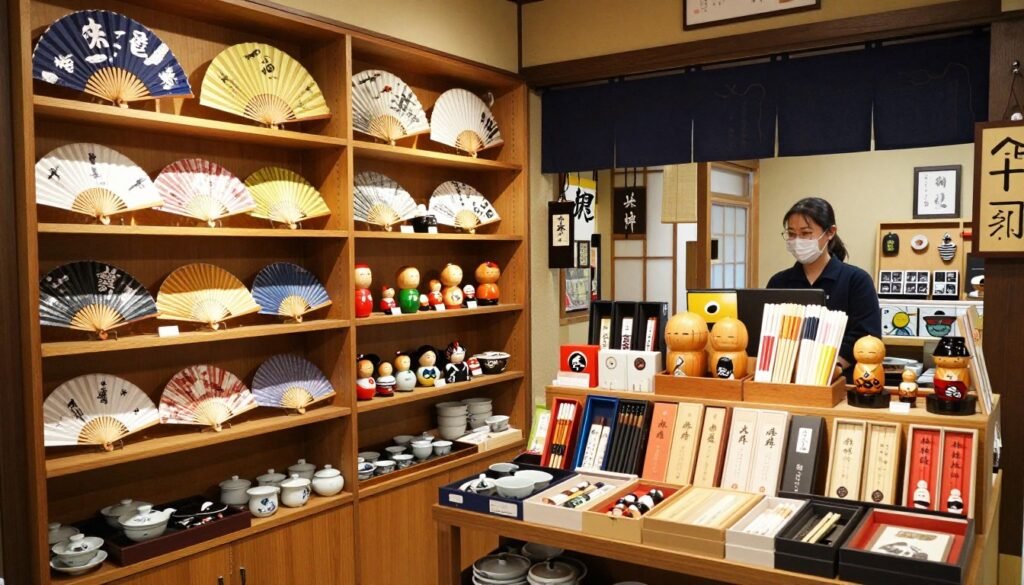
Osaka offers excellent shopping from high-end department stores to quirky independent boutiques. Shinsaibashi shopping street and surrounding areas stock everything from traditional crafts to latest fashion trends. Tax-free shopping available for tourists spending over ¥5,000 at participating stores.
Popular souvenirs include local snacks like Pocky and KitKat regional flavors, Japanese ceramics and chopsticks, traditional textiles and yukata robes, and green tea from specialty shops. Don Quijote discount stores offer quirky Japanese products at reasonable prices and stay open late.
Seasonal Considerations
Pack appropriate clothing for your visit season. Summer requires light, breathable fabrics and good walking shoes. Spring and fall need light layers you can add or remove. Winter calls for warm coats though not as heavy as you’d need for northern Japan.
Umbrella becomes essential during rainy season (June) and useful year-round. Comfortable walking shoes matter more than any other clothing item since you’ll walk several miles daily. Modest clothing works everywhere, though temples and shrines don’t enforce strict dress codes.
Local Customs at Temples and Shrines
Show respect at religious sites by following basic protocols. Purify yourself at the water basin before entering shrine grounds. Take photos respectfully and avoid flash photography inside temple buildings. Maintain quiet voices and don’t point at Buddha statues or religious objects.
Most temples charge small entrance fees around ¥300-600. Some offer optional paid experiences like meditation sessions or tea ceremonies. Remove your shoes when entering temple buildings and step over rather than on the raised thresholds.
Osaka Events and Festivals Throughout the Year
Tenjin Matsuri (July 24-25): One of Japan’s Greatest Festivals
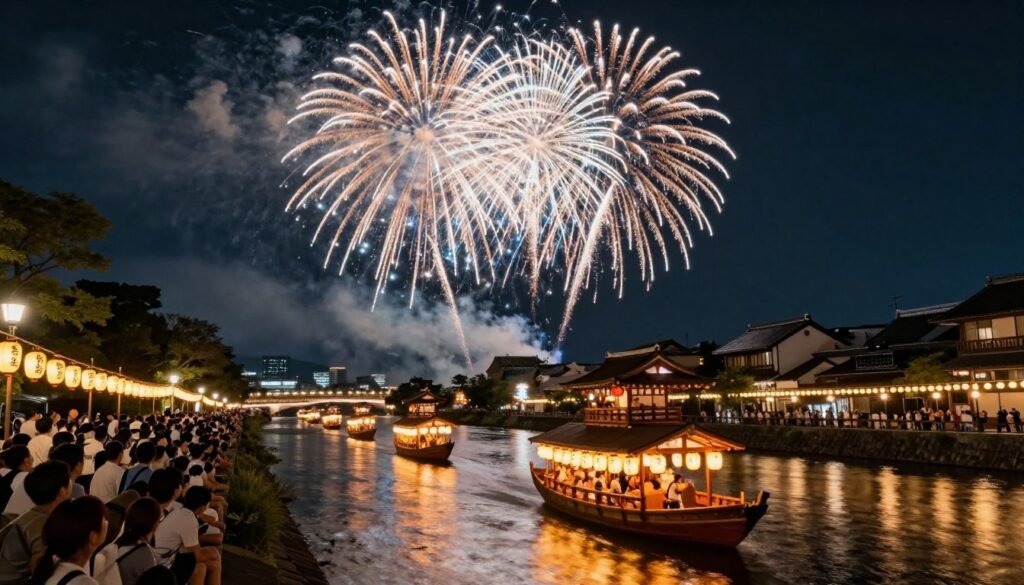
Tenjin Matsuri ranks among Japan’s three greatest festivals and has celebrated for over 1,000 years. The festival honors Sugawara no Michizane, the deity of scholarship enshrined at Tenmangu Shrine. Over one million spectators line the streets and riverbanks during the two-day celebration.
Day one features a land procession with participants in traditional Heian-period costumes. Day two brings the spectacular river procession where dozens of boats decorated with lanterns float down the Okawa River. The festival culminates with a massive fireworks display that lights up the night sky.
Arrive early to secure good viewing spots along the river. The area near Tenjinbashi becomes extremely crowded, so expect shoulder-to-shoulder conditions. Many attendees wear yukata (summer kimono), creating a beautiful traditional atmosphere throughout the festival grounds.
Cherry Blossom Viewing (Late March to Early April)
While not a formal festival, hanami (cherry blossom viewing) represents one of Japan’s most beloved seasonal traditions. Osaka Castle Park, Kema Sakuranomiya Park, and Expo ’70 Commemorative Park offer spectacular cherry blossom displays when trees bloom in late March through early April.
Join locals for hanami parties under the blossoms, where friends and colleagues gather on blue tarps to eat, drink, and celebrate spring’s arrival. Evening illuminations at major parks create magical nighttime viewing called yozakura. Peak bloom lasts only about one week, so timing requires some luck.
Sumiyoshi Matsuri (July 30-August 1)
Sumiyoshi Taisha shrine hosts this summer purification festival that combines solemn religious rituals with lively processions. The highlight involves carrying portable shrines into Osaka Bay for a purification ceremony. Traditional performances of music and dance occur throughout the three-day festival.
The festival maintains a more traditional, less tourist-oriented atmosphere compared to Tenjin Matsuri. Food stalls set up around the shrine grounds selling festival favorites like yakisoba, kakigori (shaved ice), and grilled squid. The celebration provides authentic insight into local religious traditions.
Kishiwada Danjiri Matsuri (Mid-September)
This wild festival in Kishiwada (30 minutes south of Osaka) features teams racing massive wooden floats called danjiri through narrow streets at breakneck speeds. Participants ride atop the multi-ton floats, performing acrobatic dances while the danjiri careens around sharp corners.
The dangerous nature of the festival creates intense excitement. Crashes and injuries occur regularly despite safety precautions. The festival attracts fewer international tourists than Tenjin Matsuri but offers an authentic and thrilling local experience. The main events occur during the September weekend closest to the 15th.
Seasonal Events and Illuminations
| Event | When | Location | Highlights |
| Midosuji Illumination | November-December | Midosuji Boulevard | 4km of trees wrapped in lights |
| Osaka Light Renaissance | December | Nakanoshima | Illuminated historical buildings |
| New Year’s Hatsumode | January 1-3 | Major shrines | First shrine visit of the year |
| Plum Blossom Viewing | February-March | Osaka Castle, shrines | Early spring flowers |
Holiday Periods to Avoid or Embrace
Golden Week (late April to early May) brings one of Japan’s busiest holiday periods. Japanese families travel extensively during this week of national holidays, filling hotels and attractions throughout Osaka and Kansai. Prices spike significantly and advance reservations become essential.
Obon (mid-August) represents another major holiday when many Japanese return to ancestral hometowns. This actually makes Osaka less crowded as residents leave the city. However, some restaurants and shops close during this period, particularly smaller family-owned businesses.
New Year’s (December 29-January 3) shuts down most businesses though major tourist sites remain open. The period offers unique cultural experiences like hatsumode (first shrine visits) but requires advanced planning as hotels book up months ahead.
Traveling to Osaka with Children: Family-Friendly Activities
Kid-Friendly Attractions
Osaka works wonderfully as a family destination with attractions that engage children of all ages. The city offers easier navigation than Tokyo and maintains a more relaxed atmosphere that reduces travel stress for families with young kids.
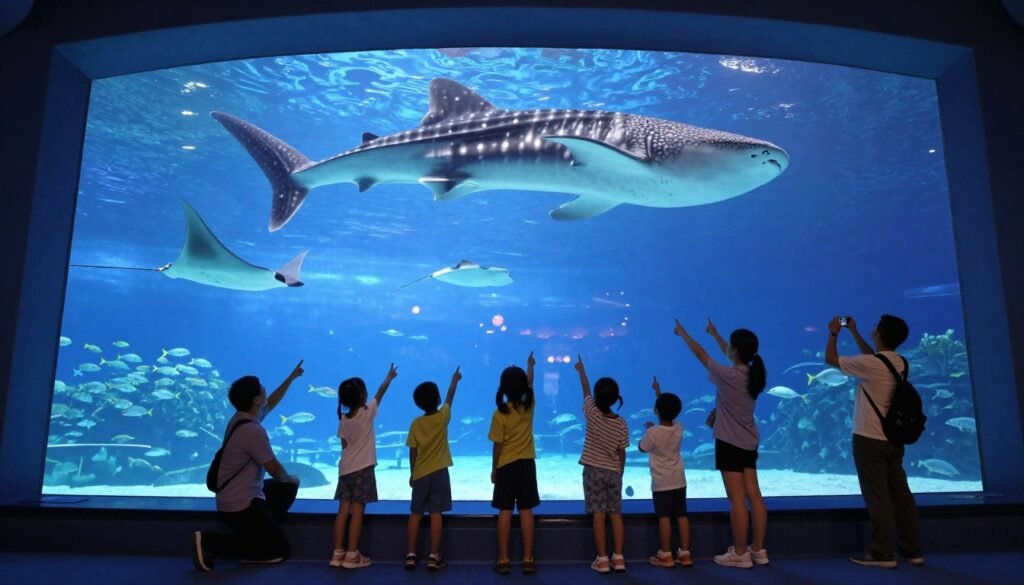
Osaka Aquarium Kaiyukan ranks among the world’s largest and most impressive aquariums. The facility houses over 30,000 marine creatures including whale sharks, manta rays, and playful otters. The spiral design lets you view the massive central tank from different levels. Plan to spend three to four hours here.
Tempozan Ferris Wheel next to the aquarium provides panoramic views and gentle excitement for all ages. The wheel stands 112.5 meters tall and offers special see-through gondolas for the brave. Combining the aquarium and ferris wheel makes a perfect family day in the bay area.
Universal Studios Japan for Families
Universal Studios Japan dedicates significant space to attractions suitable for young children. Universal Wonderland area features Hello Kitty, Snoopy, and Sesame Street attractions designed for preschoolers and early elementary kids. The newer Super Nintendo World appeals to video game fans of all ages.
Height restrictions prevent small children from riding many major attractions. Check the park’s height requirement chart when planning. The park provides baby care centers with nursing rooms, diaper changing stations, and food preparation areas.
Purchase Express Passes for popular attractions to minimize wait times with restless children. The park allows bringing in bottled drinks and small snacks, helping control costs for families. Arrive at park opening to experience the most attractions before afternoon crowds build.
Interactive Museums and Learning Experiences
Kids Plaza Osaka creates hands-on learning experiences for children through interactive exhibits covering science, culture, and society. Kids can explore a kid-sized city, conduct science experiments, and play in various themed areas. The facility targets children ages 3-12 but entertains younger and older kids too.
Osaka Science Museum features a planetarium, interactive science exhibits, and regular demonstrations. The science shows present information in entertaining ways that keep children engaged. English information remains limited, but most exhibits work through hands-on interaction rather than reading.
Best for Toddlers (Ages 1-4)
- Tennoji Zoo with petting area
- Osaka Castle Park for running
- Aquarium jellyfish exhibits
- Simple boat rides on rivers
- Park playgrounds throughout city
Best for Kids (Ages 5-12)
- Universal Studios Japan
- Kids Plaza Osaka museum
- Science museum exhibits
- Osaka Castle exploration
- Dotonbori river cruise
Best for Teens (Ages 13+)
- Universal Studios thrill rides
- Umeda Sky Building views
- Shopping in Shinsaibashi
- Arcade gaming centers
- Food tours and tastings
Family-Friendly Restaurants and Food Options
Many Japanese restaurants welcome children and provide high chairs, children’s menus, and picture menus that make ordering easier. Chain restaurants like Gusto, Saizeriya, and Jonathan’s offer reliable kid-friendly Western and Japanese options at reasonable prices.
Conveyor belt sushi restaurants (kaiten sushi) entertain children while providing healthy meals. Kids enjoy selecting plates as they pass by, and prices remain transparent since plate colors indicate costs. Most chains offer non-sushi options like fried chicken, french fries, and desserts.
Convenience stores provide another family-friendly option with ready-to-eat items, drinks, and snacks. The food quality surpasses typical convenience store expectations, with rice balls, sandwiches, and bento boxes making quick, inexpensive meals.
Osaka’s infrastructure accommodates strollers better than many Asian cities. Major stations include elevators though finding them sometimes requires walking to specific entrances. Sidewalks generally provide enough space for strollers, though some shopping streets get extremely crowded.
Compact umbrella strollers work better than large Western-style strollers for navigating trains and narrow spaces. Many Japanese parents use baby carriers for older infants and toddlers, which might prove more practical than strollers in crowded areas.
Department stores provide nursing rooms and diaper changing facilities, usually located near restrooms on upper floors. Many stations include baby care rooms marked with special signs. Don’t hesitate to ask station staff for help locating facilities.
Practical Tips for Families
Parent Tip: Japanese culture highly values quiet behavior on public transportation. Bring entertainment like tablets, books, or quiet toys to keep children occupied during train rides. Snacks help too, though eating while walking remains frowned upon.
Book accommodations with enough space for family comfort. Some business hotels offer connecting rooms or family rooms with extra beds. Airbnb apartments provide more space and kitchen facilities that help with young children’s meal schedules.
Plan rest time into your itinerary. Over-scheduling leads to meltdowns that ruin everyone’s experience. The Japanese tradition of afternoon rest (especially in summer heat) makes sense when traveling with kids. Return to your hotel for a break between morning and evening activities.
Making the Most of Your Osaka Adventure
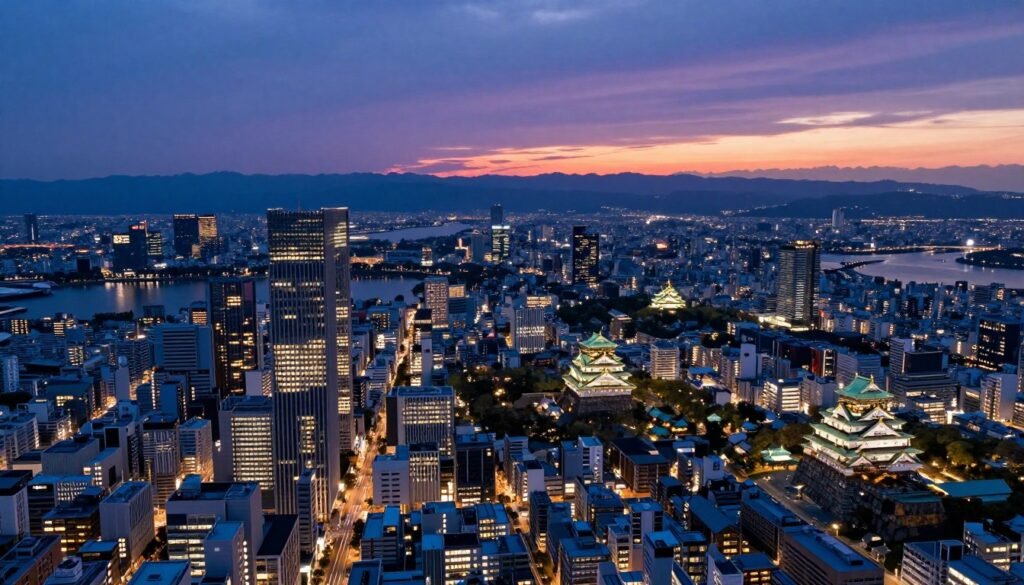
Osaka rewards travelers who embrace its unique blend of history, culinary excellence, and modern energy. The city offers something different from Tokyo’s formality and Kyoto’s temple-heavy tourism. Here you’ll find friendly locals, exceptional food, and a more relaxed pace that makes exploration enjoyable rather than exhausting.
First-time visitors should prioritize Osaka Castle, Dotonbori, and at least one day trip to nearby Kyoto or Nara. Food experiences deserve equal attention to sightseeing. Build time into your schedule for wandering neighborhood shopping streets and discovering local restaurants that don’t appear in guidebooks.
The best Osaka experiences often happen spontaneously. Strike up conversations with restaurant staff, follow your curiosity down side streets, and remain open to unexpected discoveries. The city’s compact size and excellent transportation make it nearly impossible to get seriously lost, so explore confidently.
Return visitors can dig deeper into specific neighborhoods, seek out specialized museums, or use Osaka as a base for exploring the entire Kansai region. The city reveals new layers each time you visit, from hidden temples to innovative restaurants that redefine traditional dishes.
Remember that travel success comes from balancing planning with flexibility. This Osaka travel guide provides the foundation you need, but your best memories will come from experiences you create through curiosity and openness to what the city offers. Pack comfortable shoes, bring your appetite, and prepare for an adventure that will exceed your expectations.
Start Planning Your Perfect Osaka Trip Today
Download our comprehensive Osaka planning guide with detailed day-by-day itineraries, budget worksheets, restaurant recommendations, and insider tips you won’t find anywhere else. Join thousands of travelers who made their Osaka dreams reality with our expert guidance.
Whether you’re planning your first trip to Japan or returning to explore deeper, Osaka stands ready to welcome you with open arms, incredible food, and experiences that will stay with you forever. The time to start planning is now. Your Osaka adventure awaits.