

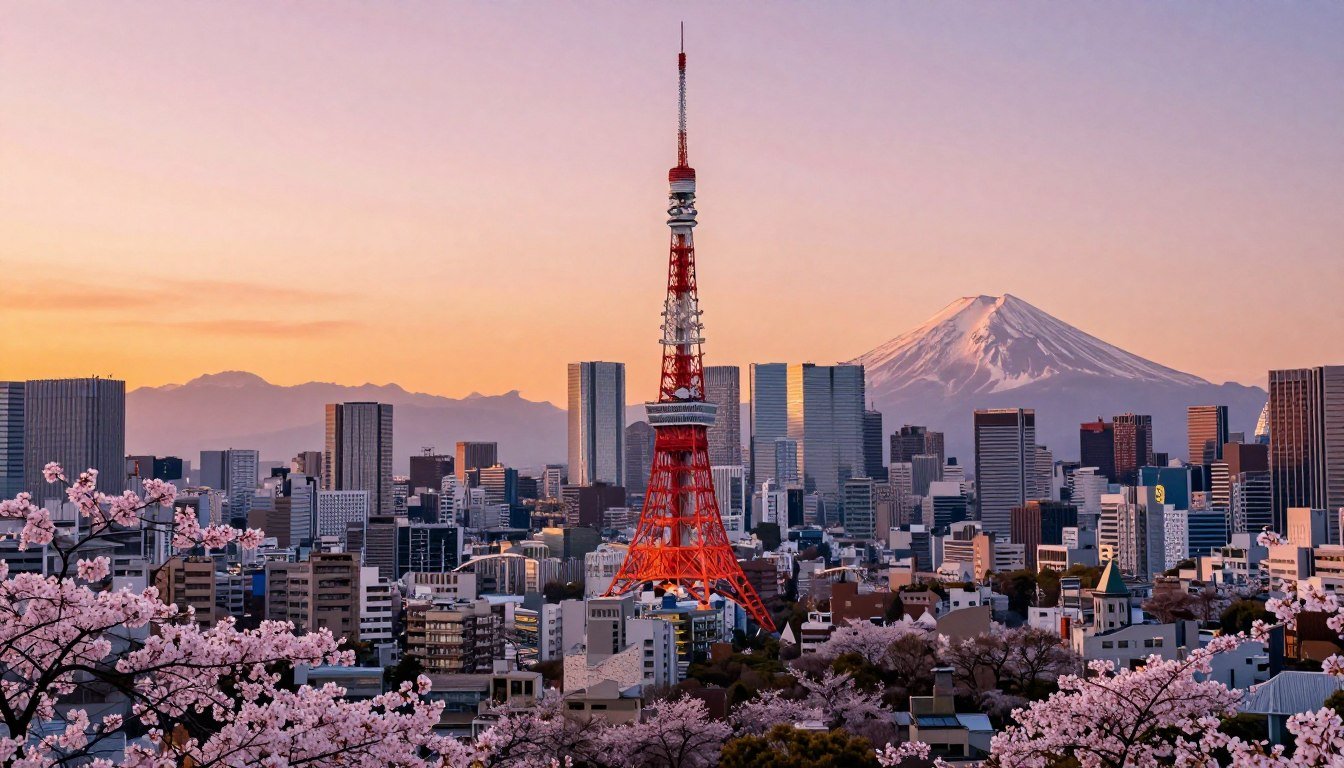
Tokyo stands as one of the world’s most captivating cities. This sprawling metropolis blends ancient temples with neon-lit streets. You’ll discover countless experiences waiting around every corner.
Planning a trip to Japan’s capital can feel overwhelming. The city offers endless options for food, hotels, attractions, and activities. This comprehensive Tokyo travel guide simplifies your journey.
Whether you’re looking to explore historic sites or modern shopping districts, we’ve got you covered. From navigating the train system to finding the best ramen, you’ll find everything here. Let’s dive into making your Tokyo adventure unforgettable.
Get Exclusive Tokyo Travel Tips
Join over 50,000 travelers receiving insider guides, seasonal recommendations, and money-saving tips delivered straight to your inbox.
Best Time to Visit Tokyo
Choosing when to visit Tokyo shapes your entire trip experience. Each season brings unique weather, events, and crowd levels. Understanding these patterns helps you plan better.
Spring Season (March to May)
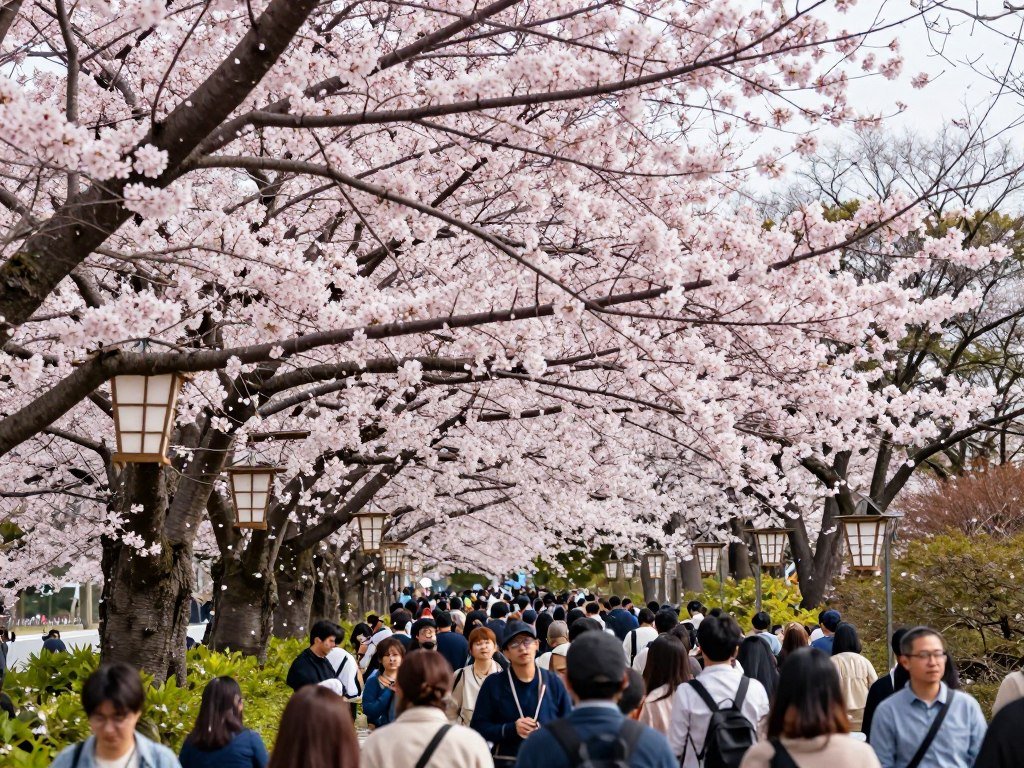
Spring ranks as Tokyo’s most popular travel season. Cherry blossoms bloom from late March through early April. Millions of travelers flock to see these iconic pink flowers.
Temperatures range from 50°F to 70°F during spring months. You’ll find comfortable weather for walking tours and outdoor exploration. Pack light layers for variable conditions.
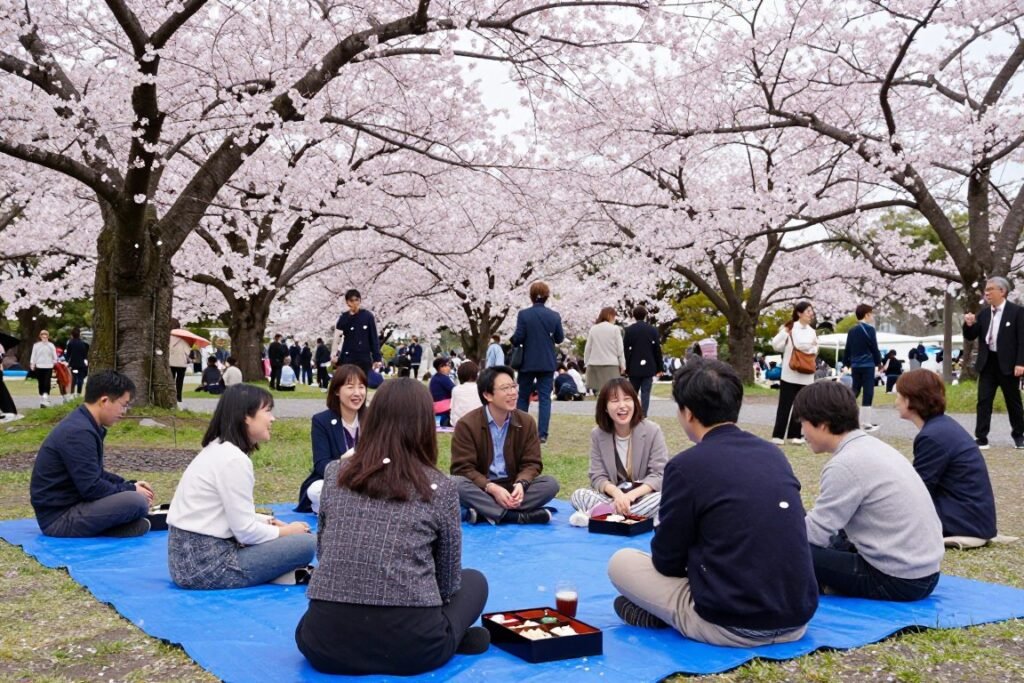
The city transforms into a pink wonderland during sakura season. Yoyogi Park becomes a prime spot for flower viewing. Local families gather under trees for traditional hanami picnics.
Summer Season (June to August)
Summer brings heat and humidity to Tokyo. Temperatures often exceed 85°F with high moisture levels. The rainy season hits in June and early July.
Despite the weather, summer offers exciting festivals and events. Traditional matsuri fill the streets with music and food stalls. Fireworks displays light up the night sky over the Sumida River.
You’ll find fewer international tourists during this period. Hotel prices drop compared to spring rates. Air-conditioned attractions and indoor activities become more appealing.
Autumn Season (September to November)
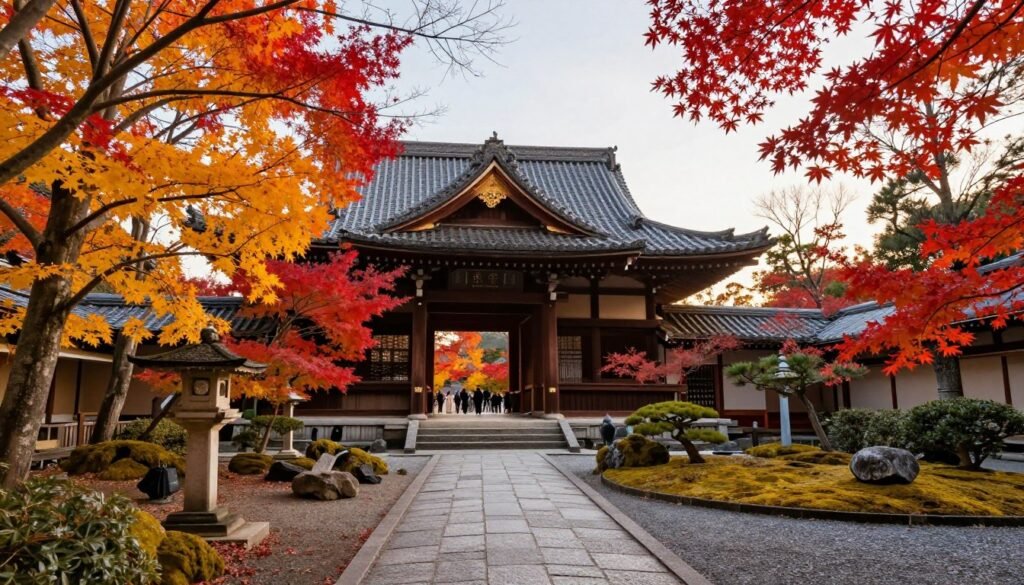
Fall rivals spring as an ideal time to visit. Temperatures cool down to comfortable levels between 55°F and 70°F. The autumn foliage creates stunning red and gold landscapes.
Peak fall colors appear from mid-November through early December. Temple gardens showcase brilliant maple leaves. The weather stays mostly dry and pleasant for sightseeing.
Winter Season (December to February)
Winter in Tokyo stays relatively mild compared to other major cities. Temperatures hover between 35°F and 50°F. Snow rarely falls in the city center.
The holiday season brings spectacular illuminations throughout the city. Shopping districts display elaborate light shows. New Year celebrations offer unique cultural experiences.
Winter provides the lowest hotel rates of the year. You’ll encounter smaller crowds at major attractions. This makes winter perfect for budget-conscious travelers.
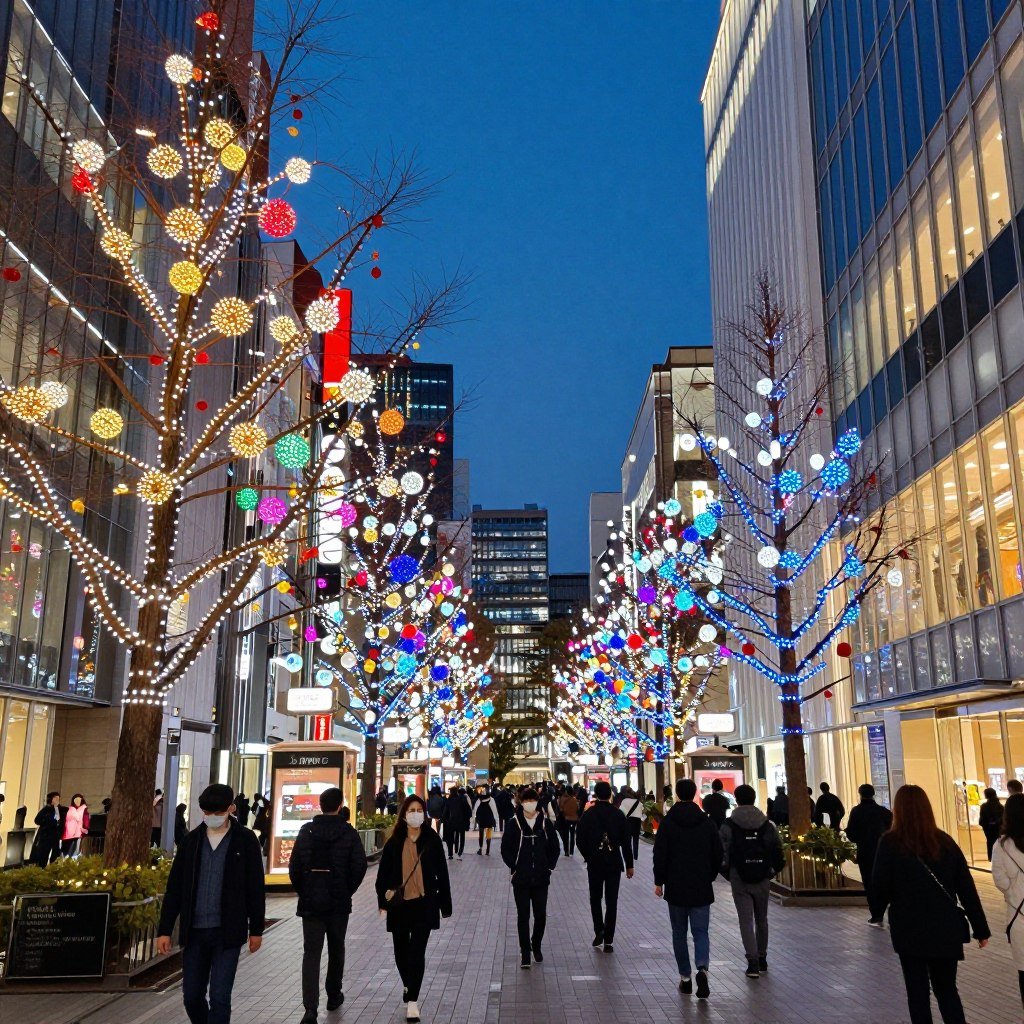
Seasonal Events Calendar
- Cherry Blossom Festivals (Late March – Early April)
- Golden Week Celebrations (Late April – Early May)
- Summer Fireworks (July – August)
- Autumn Leaves Viewing (November)
- Winter Illuminations (December – February)
- New Year Temple Visits (January 1-3)
Consider booking your trip during shoulder seasons for the best balance. Late May and early October offer pleasant weather with moderate crowds. These periods give you more flexibility with reservations and better value for your money.
Experience Tokyo’s Seasonal Magic
Book seasonal tours and experiences that align perfectly with your travel dates. From cherry blossom viewing to autumn temple tours.
Where to Stay in Tokyo: Neighborhood Guide
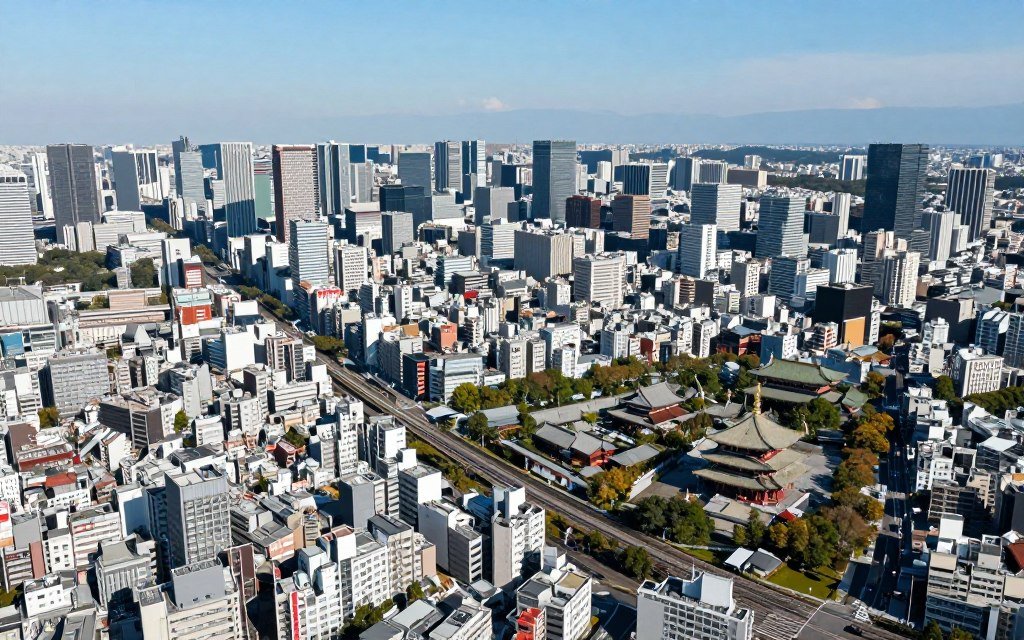
Choosing the right neighborhood determines your Tokyo experience. The city spans 845 square miles with distinct districts. Each area offers unique character, attractions, and accommodation options.
Your hotel location affects transportation time and daily costs. Staying near major train stations saves hours of commuting. Consider proximity to attractions you plan to visit most.
Shibuya: Heart of Modern Tokyo
Shibuya pulses with energy day and night. The famous Shibuya Crossing sees thousands of people cross simultaneously. This district attracts young travelers and nightlife enthusiasts.
Shibuya Station connects you to multiple train lines quickly. You’ll find endless restaurants, shops, and entertainment venues within walking distance. The area stays lively until late hours.
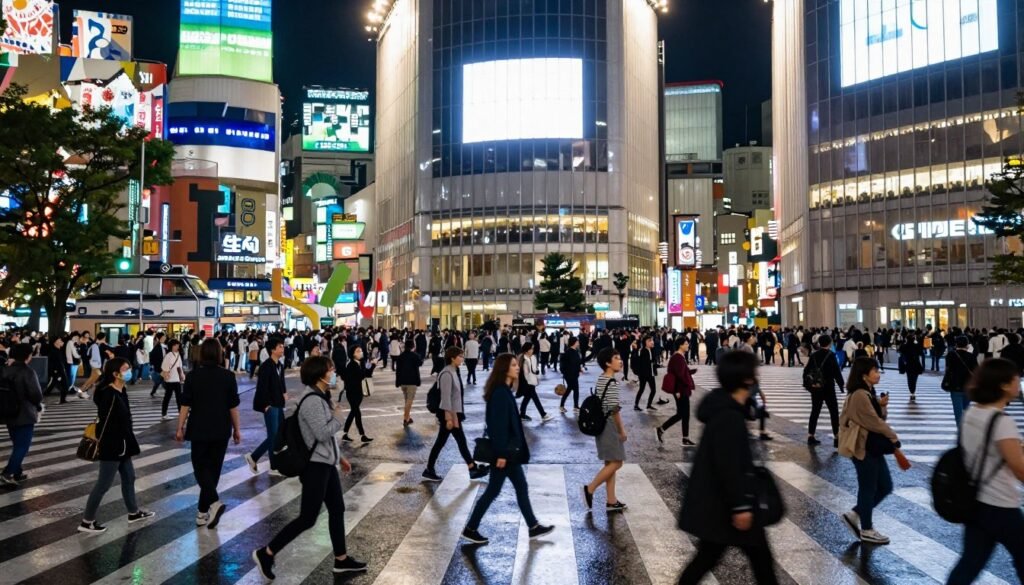
Hotels in Shibuya range from budget capsule hotels to luxury accommodations. Expect to pay premium rates for this prime location. Book early during peak travel seasons.
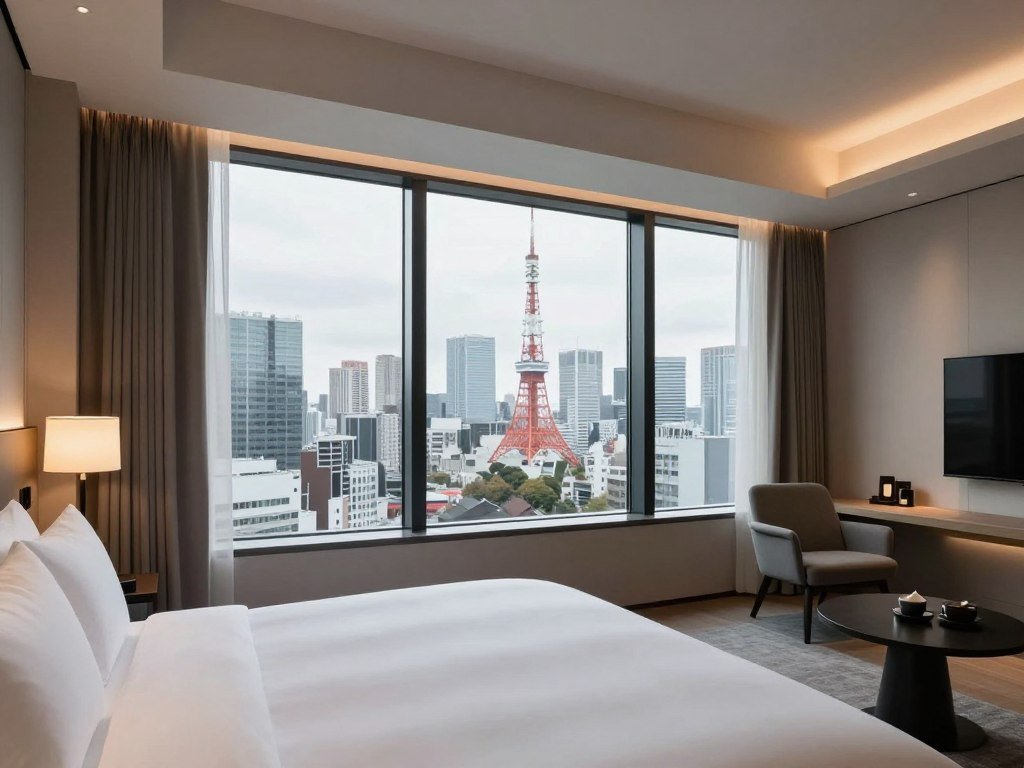
Shibuya Excel Hotel Tokyu
Connected directly to Shibuya Station, this hotel offers stunning views of the famous crossing. Modern rooms feature comfortable beds and excellent amenities. Perfect for first-time visitors who want to be in the action.
- Direct station access
- Shibuya Crossing views
- English-speaking staff
- On-site restaurants
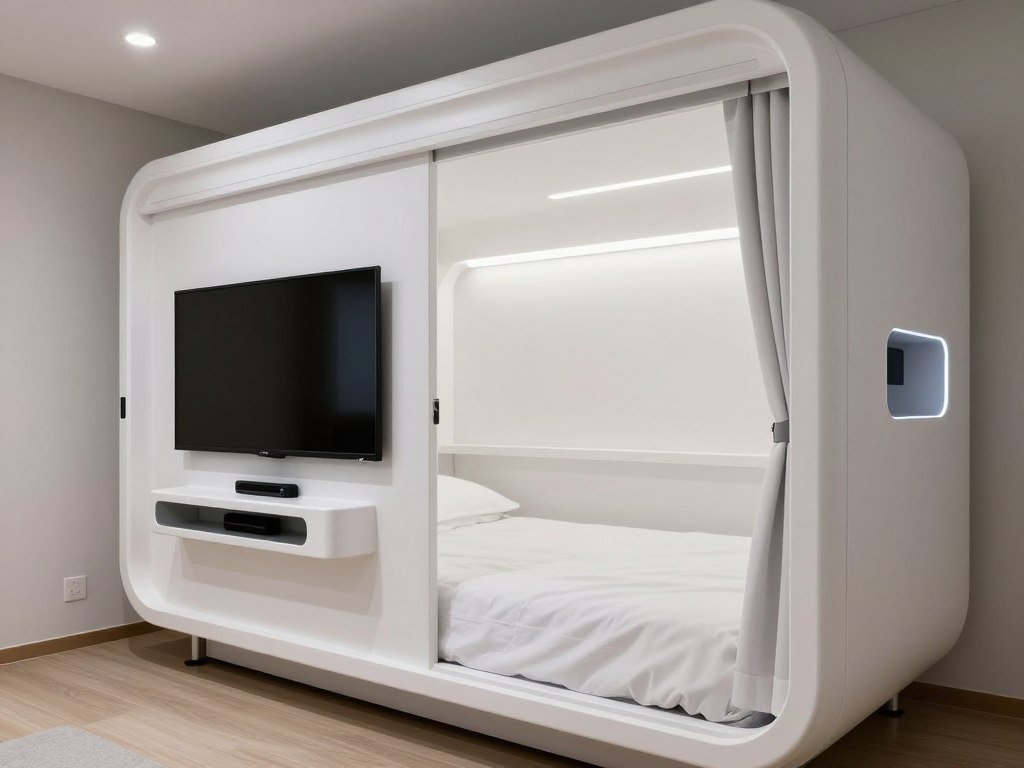
Nine Hours Shibuya
Experience Tokyo’s famous capsule hotels in comfort. Clean, modern pods provide everything you need for rest. Shared facilities are spotless with high-tech amenities.
- Budget-friendly rates
- Prime Shibuya location
- 24-hour check-in
- Modern shower facilities
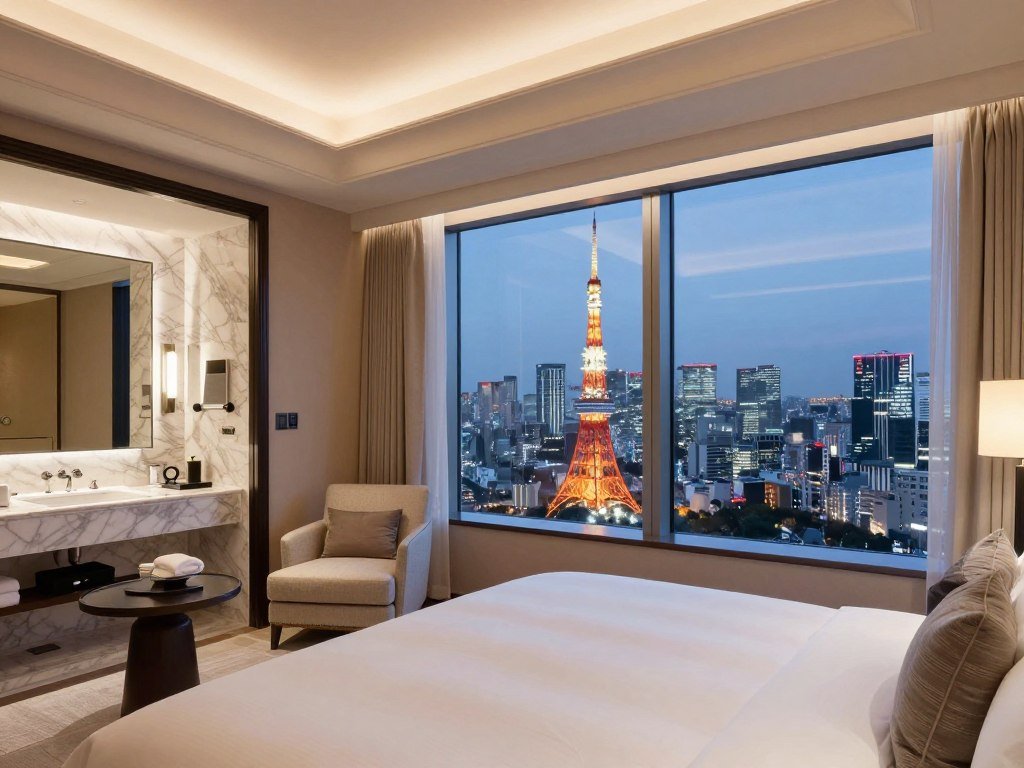
Cerulean Tower Tokyu Hotel
Luxury accommodation with breathtaking views from upper floors. Spacious rooms blend Japanese aesthetics with Western comfort. Multiple dining options and a rooftop jazz bar.
- Luxury amenities
- Rooftop dining
- Spa services
- Concierge assistance
Shinjuku: Tokyo’s Busiest Hub
Shinjuku houses the world’s busiest train station. Over 3.5 million people pass through Shinjuku Station daily. This makes it incredibly convenient for travelers.
The district splits into distinct areas with different personalities. West Shinjuku features towering skyscrapers and business hotels. East Shinjuku offers entertainment, shopping, and nightlife.
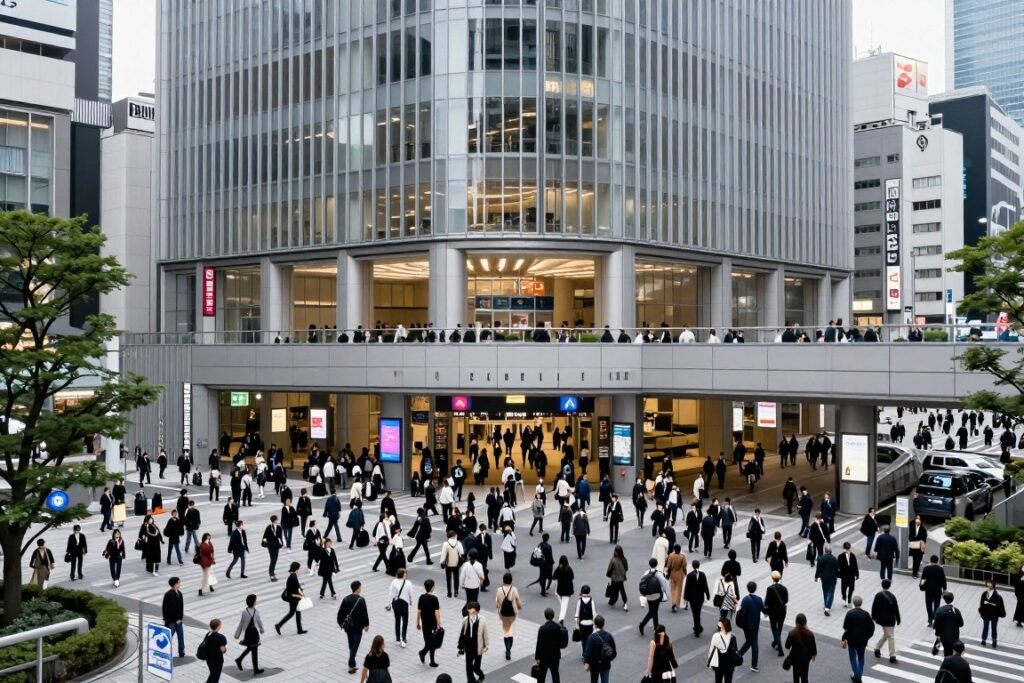
Shinjuku provides excellent value for accommodation. You’ll find more hotel options here than anywhere else in Tokyo. Competition keeps prices reasonable even during busy seasons.
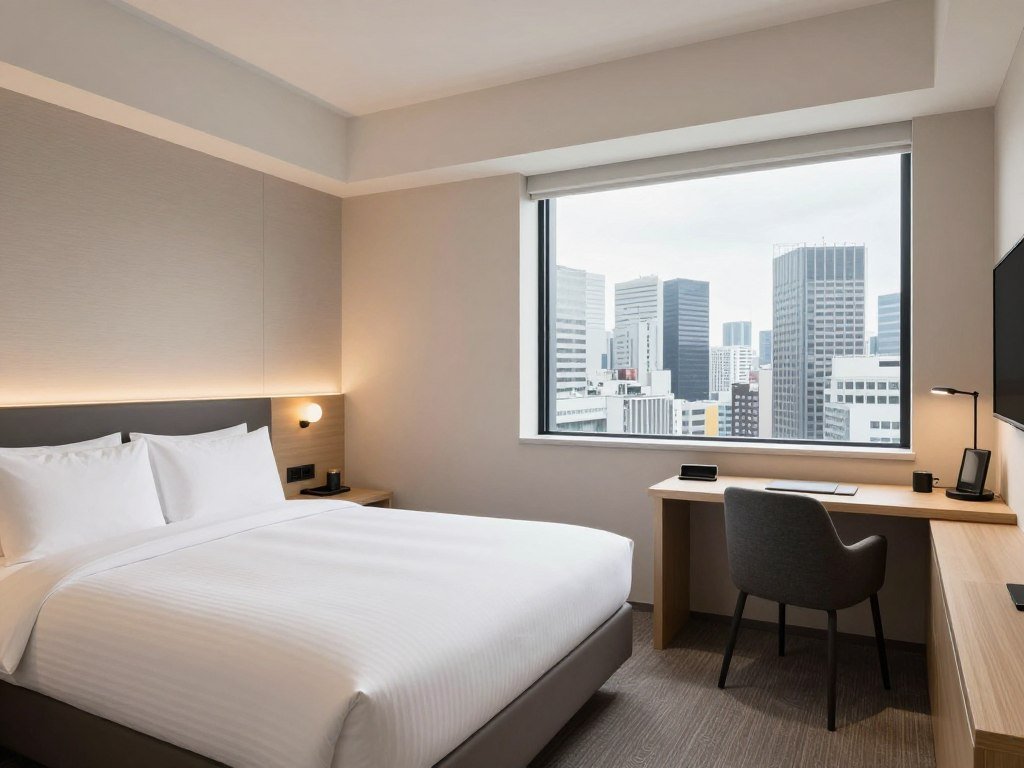
Hotel Gracery Shinjuku
Famous for the giant Godzilla head on its rooftop. Comfortable rooms with modern amenities and excellent location near Kabukicho entertainment district. Great value for the location.
- Iconic Godzilla feature
- Walking distance to attractions
- Clean, modern rooms
- Multiple restaurants nearby
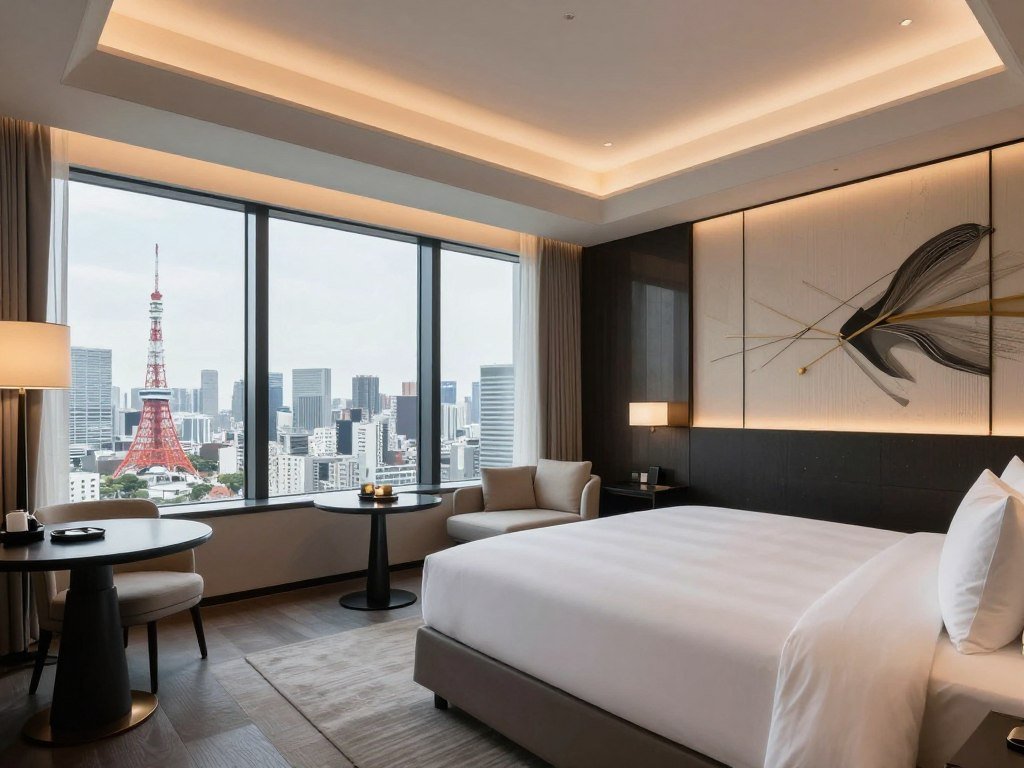
Park Hyatt Tokyo
Made famous by the movie “Lost in Translation.” Occupies the top floors of Shinjuku Park Tower with stunning city views. Premium service and exceptional dining experiences.
- Iconic luxury hotel
- Panoramic views
- World-class service
- Peak Bar cocktails
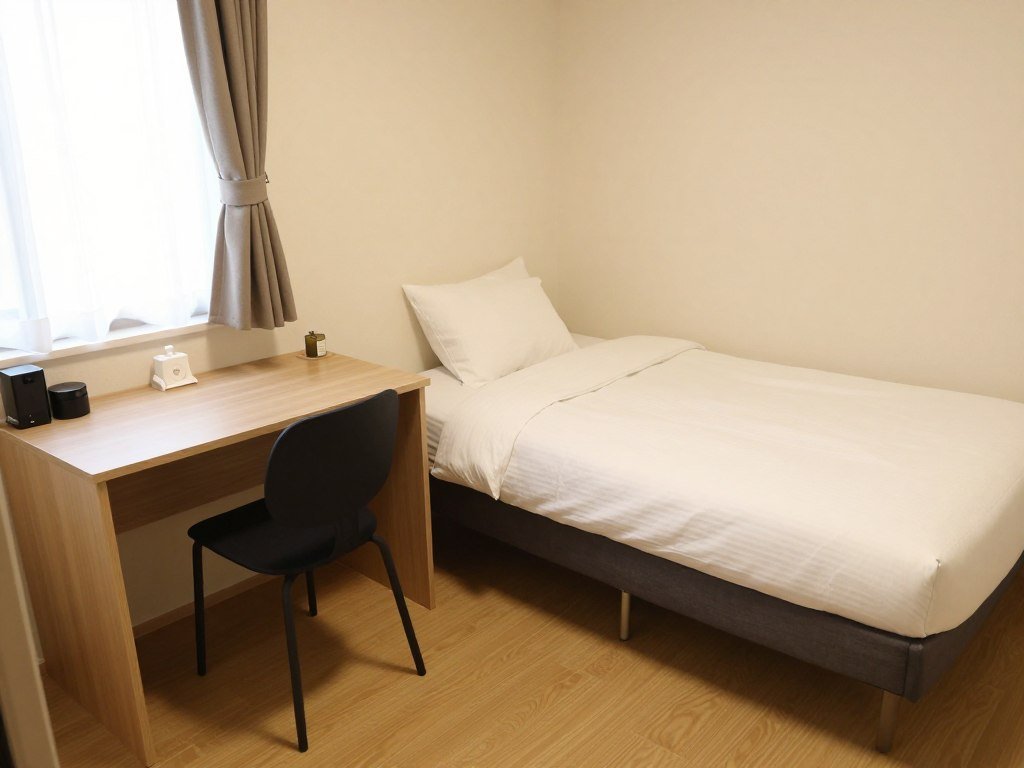
Citadines Shinjuku Tokyo
Apartment-style hotel perfect for longer stays or families. Rooms include kitchenettes for self-catering. Washing machines available for guest use.
- Kitchenette facilities
- Family-friendly
- Laundry services
- Weekly rate discounts
Asakusa: Traditional Tokyo Experience
Asakusa preserves Tokyo’s historical charm and culture. Ancient temples and traditional shops line the streets. This area gives you an authentic glimpse of old Tokyo.
Senso-ji Temple stands as Tokyo’s oldest and most significant Buddhist temple. The approach to the temple features Nakamise Shopping Street. You’ll find traditional crafts, snacks, and souvenirs here.
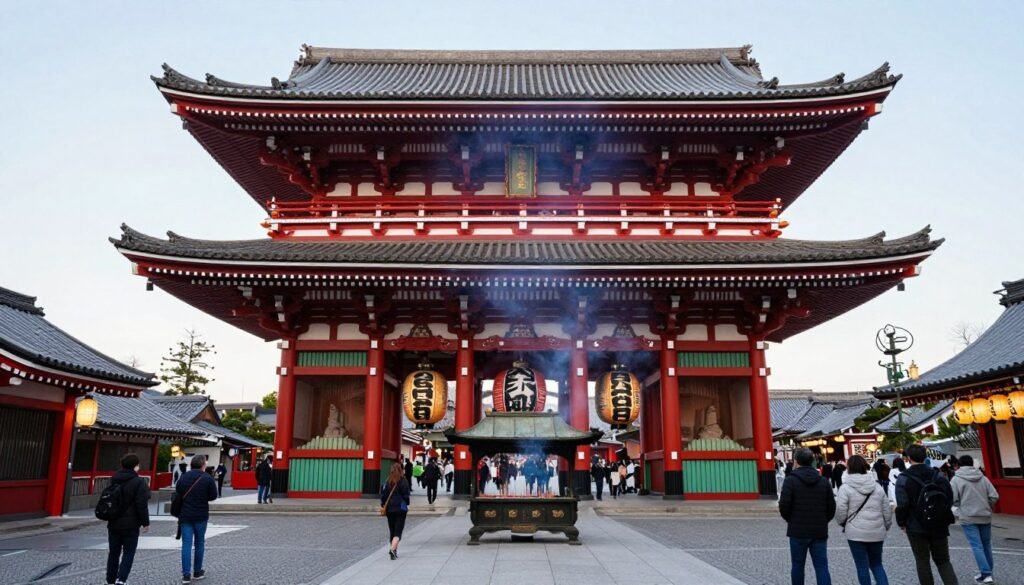
Hotels in Asakusa cost less than central districts. The area offers a quieter atmosphere compared to Shibuya or Shinjuku. Traditional ryokan inns provide authentic Japanese accommodation experiences.
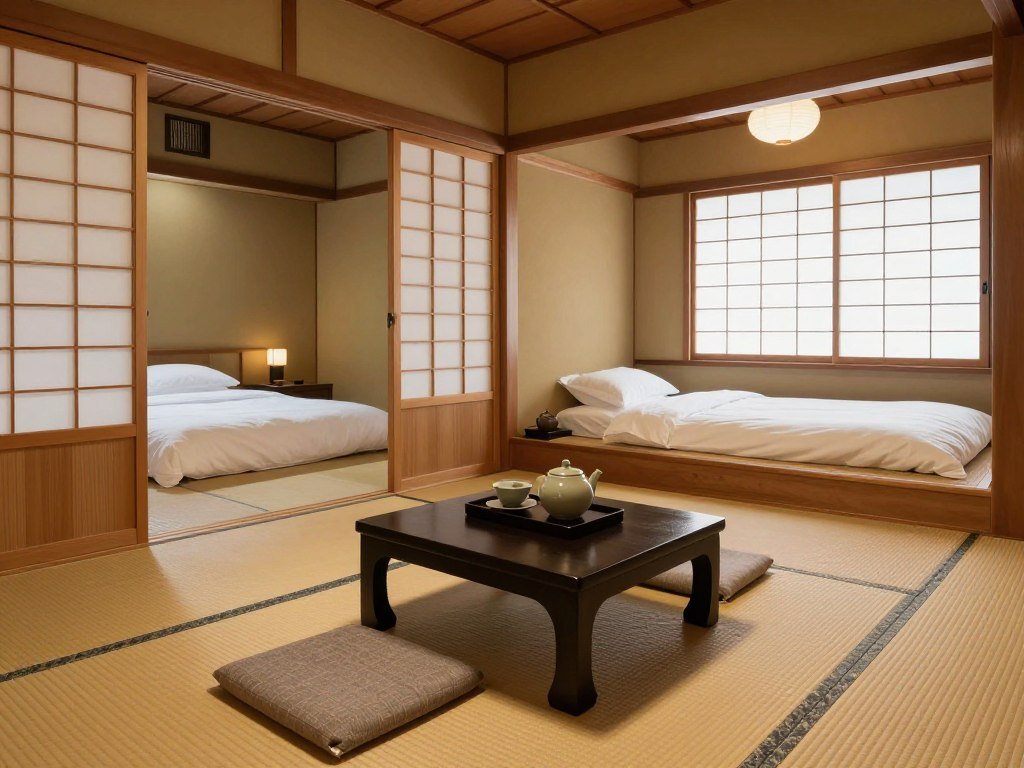
Ryokan Kamogawa Asakusa
Authentic Japanese inn offering traditional tatami rooms. Experience sleeping on futon mattresses and wearing yukata robes. Includes Japanese-style breakfast service.
- Traditional tatami rooms
- Japanese breakfast included
- Cultural experience
- Near Senso-ji Temple
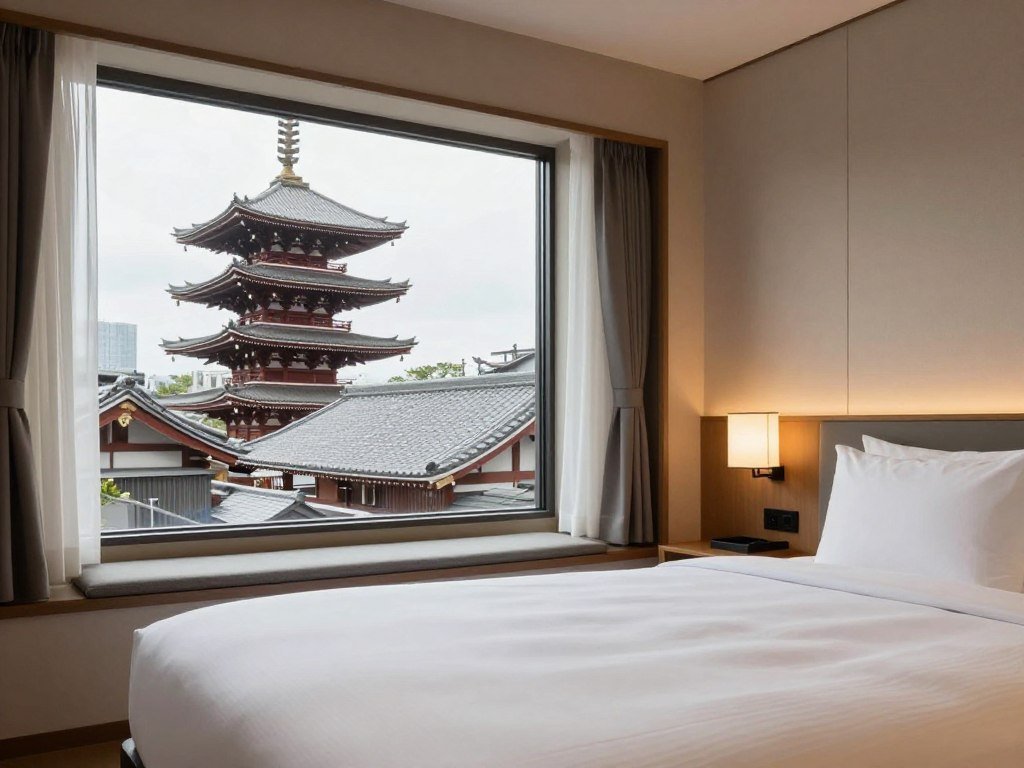
The Gate Hotel Asakusa
Modern hotel with rooftop terrace overlooking Senso-ji Temple. Blends contemporary style with traditional location. Excellent restaurant serving French-Japanese fusion cuisine.
- Temple views
- Rooftop terrace
- Modern amenities
- Prime location
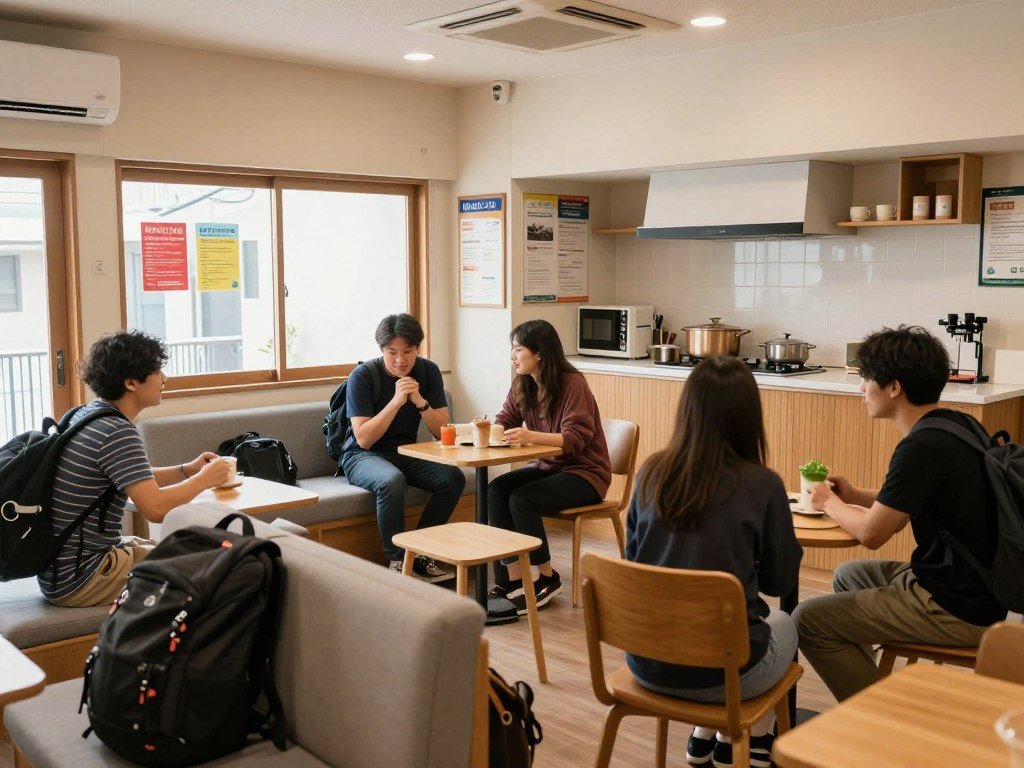
Khaosan Tokyo Kabuki
Popular hostel offering both dorms and private rooms. Social atmosphere perfect for meeting fellow travelers. Clean facilities and helpful multilingual staff.
- Budget-friendly
- Social environment
- Private rooms available
- Travel assistance
Ginza: Upscale Shopping District
Ginza represents Tokyo’s luxury shopping and dining scene. High-end boutiques and department stores dominate the streets. This area caters to travelers seeking premium experiences.
The district transforms on weekends when main streets close to cars. Pedestrians stroll freely past designer shops and art galleries. Traditional kabuki theater performances happen at Kabuki-za Theatre.
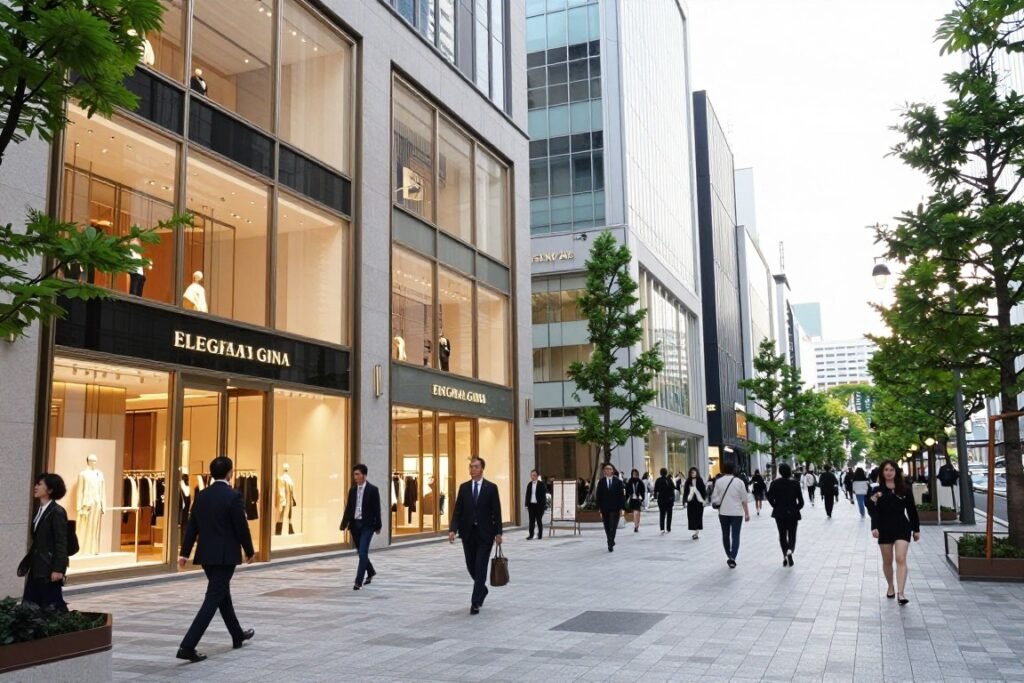
Hotels in Ginza come with premium price tags. You’ll pay more for the prestigious address and luxury amenities. Consider this area if shopping and fine dining top your priorities.
Roppongi: International Entertainment Hub
Roppongi attracts international visitors with its cosmopolitan atmosphere. The area features numerous embassies and foreign businesses. English speakers find this district particularly welcoming.
Art museums and galleries cluster in this neighborhood. Roppongi Hills and Tokyo Midtown offer upscale shopping and dining. The nightlife scene stays active until early morning hours.
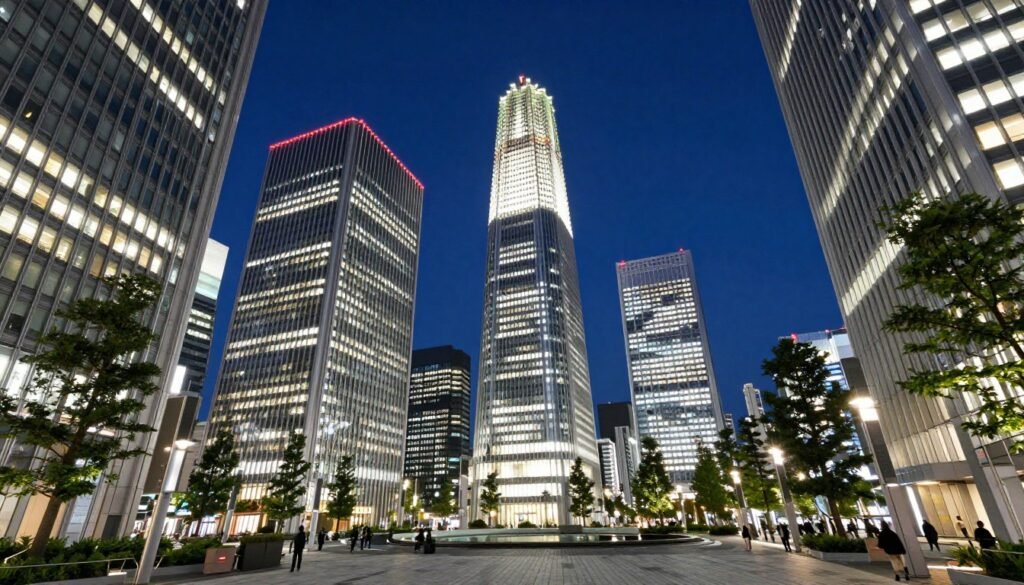
This area suits travelers wanting international atmosphere and nightlife. Hotels range from business accommodations to boutique properties. Expect higher rates due to the upscale location.
Quick Neighborhood Comparison
Shibuya: Best for nightlife and modern culture. Shinjuku: Most convenient for transportation. Asakusa: Traditional atmosphere and budget options. Ginza: Luxury shopping and dining. Roppongi: International vibe and art scene.
Consider splitting your stay between two neighborhoods. Spend a few nights in bustling Shibuya, then move to traditional Asakusa. This gives you diverse perspectives on Tokyo life.
Getting Around Tokyo: Transportation Guide
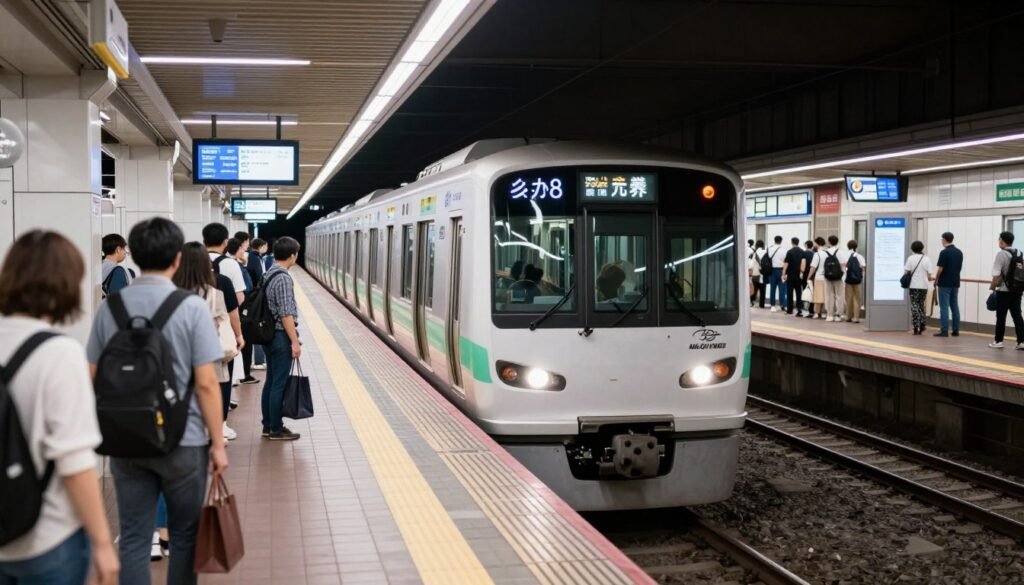
Tokyo’s transportation network ranks among the world’s best. Trains run precisely on schedule throughout the city. Understanding the system makes your trip smoother and saves money.
The city operates multiple train and subway lines. JR (Japan Railways) runs the major loop line and regional connections. Private companies manage other subway and train lines.
Understanding the Train System
Tokyo has over 280 train stations across different lines. The Yamanote Line circles central Tokyo, connecting major districts. This loop line becomes your best friend for sightseeing.
Metro lines run underground throughout the city. Two companies operate the subway: Tokyo Metro and Toei. Your tickets work on both systems automatically.
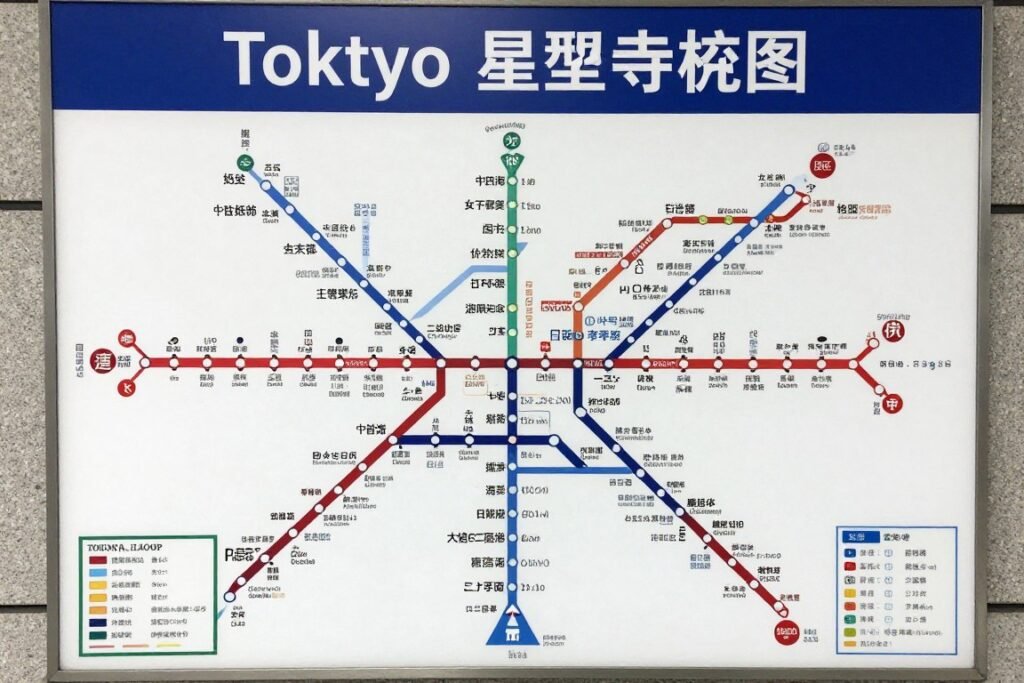
Peak hours create extremely crowded conditions on trains. Morning rush runs from 7:30 AM to 9:30 AM. Evening rush hits between 5:00 PM and 7:00 PM. Plan around these times when possible.
IC Cards: Your Transportation Solution
IC cards simplify riding trains and buses across Tokyo. Suica and Pasmo cards work identically on all transportation. You simply tap at gates when entering and exiting stations.
These cards calculate fares automatically based on your route. No need to study complex fare charts or buy individual tickets. The system deducts the exact amount from your card balance.
Purchase IC cards at any major train station. Initial cost includes a 500 yen deposit plus your chosen charge amount. Refund the deposit when you return the card before leaving Japan.
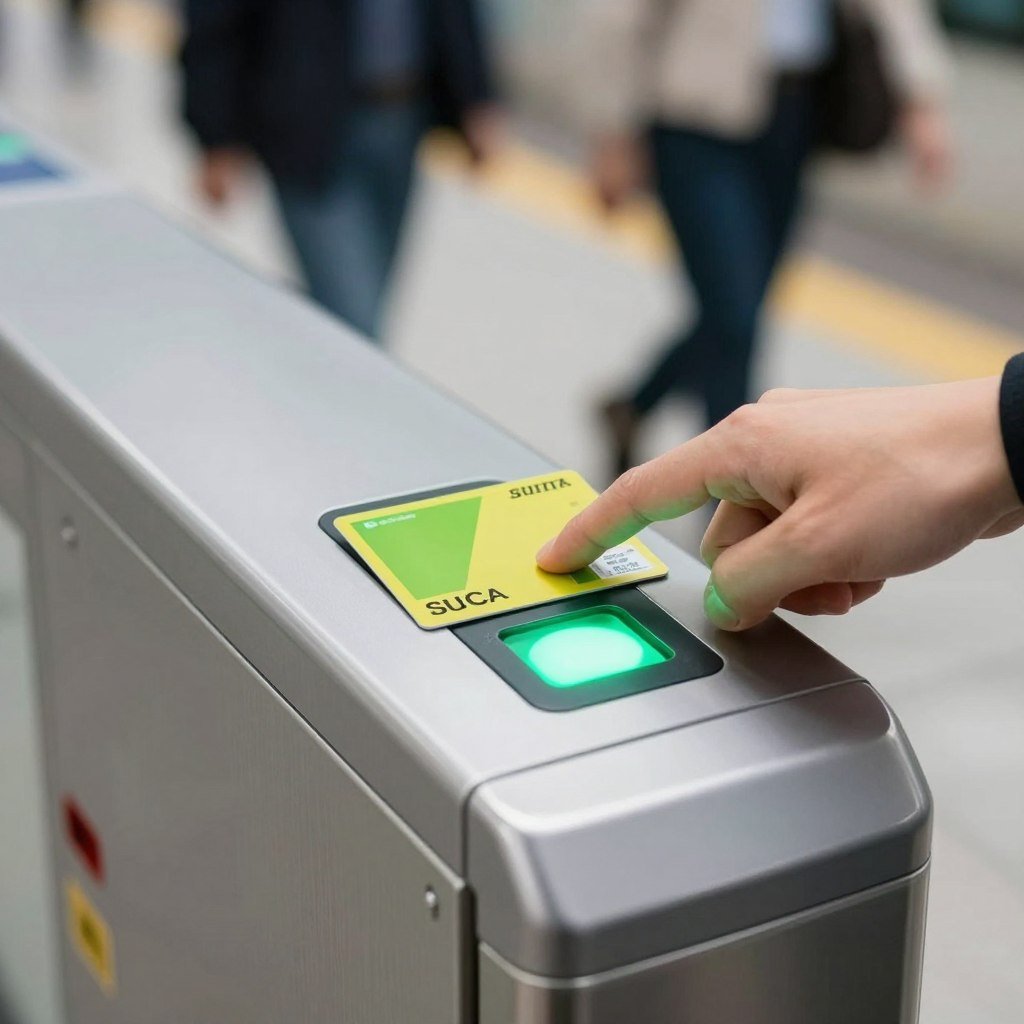
IC cards also work at convenience stores, vending machines, and many shops. This makes them incredibly useful beyond just transportation. Load them with 3,000 to 5,000 yen for a week’s travel.
Get Your Suica Card Delivered
Skip the airport lines and have a pre-loaded Suica card waiting at your hotel. Start using Tokyo’s trains immediately upon arrival.
Japan Rail Pass: Is It Worth It?
The Japan Rail Pass offers unlimited JR train travel nationwide. This includes the famous bullet trains between cities. Many travelers wonder if this pass makes financial sense.
Calculate your planned routes before purchasing. A 7-day pass costs around 29,650 yen for ordinary class. Compare this against individual ticket prices for your trips.
The pass saves money if you’re taking multiple long-distance trips. A round trip to Kyoto alone costs about 27,000 yen. Add other destinations and savings accumulate quickly.
| Pass Duration | Ordinary Class Price | Best For | Breakeven Point |
| 7 Days | 29,650 yen | Tokyo + 1-2 cities | 1 round trip to Kyoto/Osaka |
| 14 Days | 47,250 yen | Extended multi-city tour | 2-3 long-distance trips |
| 21 Days | 60,450 yen | Extensive Japan exploration | Multiple regions visited |
You must purchase the JR Pass before arriving in Japan. Buy it through authorized sellers or online platforms. Exchange your voucher for the actual pass at designated offices in Japan.
The pass doesn’t work on Tokyo’s private subway lines. You’ll still need an IC card for metro travel within the city. Use the JR Pass for intercity travel and the Yamanote Line.
Secure Your Japan Rail Pass Now
Purchase your JR Pass before departure at the best rates. Free shipping and instant confirmation for stress-free travel planning.
Getting From the Airport
Two major airports serve Tokyo: Narita and Haneda. Each airport offers multiple transportation options to reach the city. Your choice depends on budget, time, and destination.
From Narita Airport
Narita sits about 60 kilometers from central Tokyo. The Narita Express (N’EX) train provides the fastest option. Trains reach major stations in 50-80 minutes.
The N’EX costs around 3,000 yen one way to Tokyo Station. This price drops significantly with the JR Pass. Trains depart every 30 minutes throughout the day.
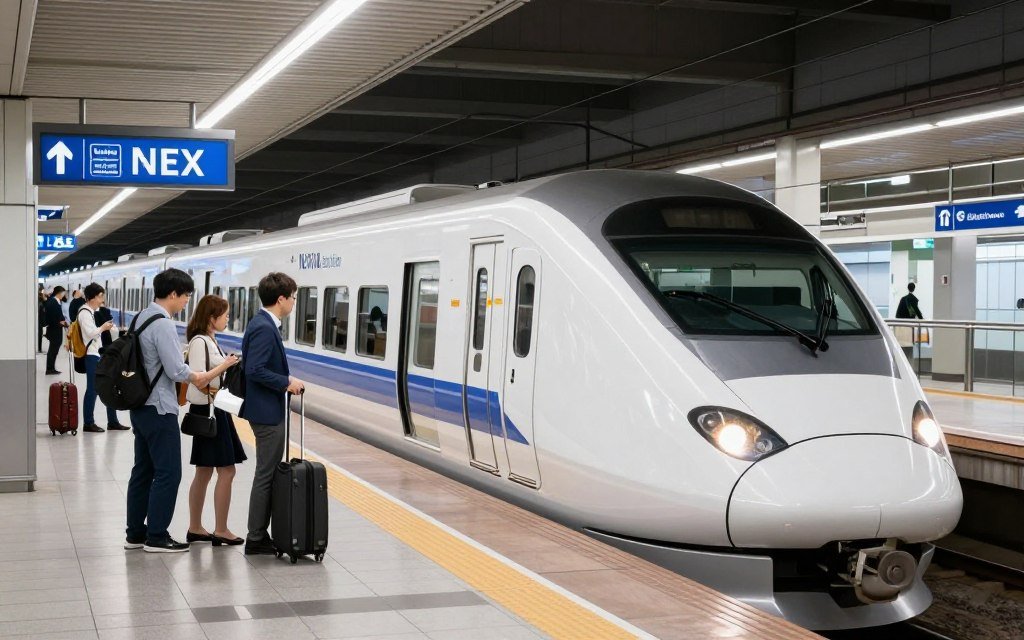
Airport limousine buses offer a budget-friendly alternative. Buses cost around 1,300 yen and go directly to major hotels. Journey takes 90-120 minutes depending on traffic and destination.
From Haneda Airport
Haneda Airport sits much closer to central Tokyo. You can reach the city in 15-30 minutes by train. This airport serves mostly domestic flights plus some international routes.
The Tokyo Monorail connects Haneda to Hamamatsucho Station. From there, transfer to the Yamanote Line for other destinations. Total cost runs about 500-600 yen.
Keikyu Line trains also serve Haneda Airport. These trains reach Shinagawa Station in 13 minutes. Cost averages 300-400 yen depending on your final destination.
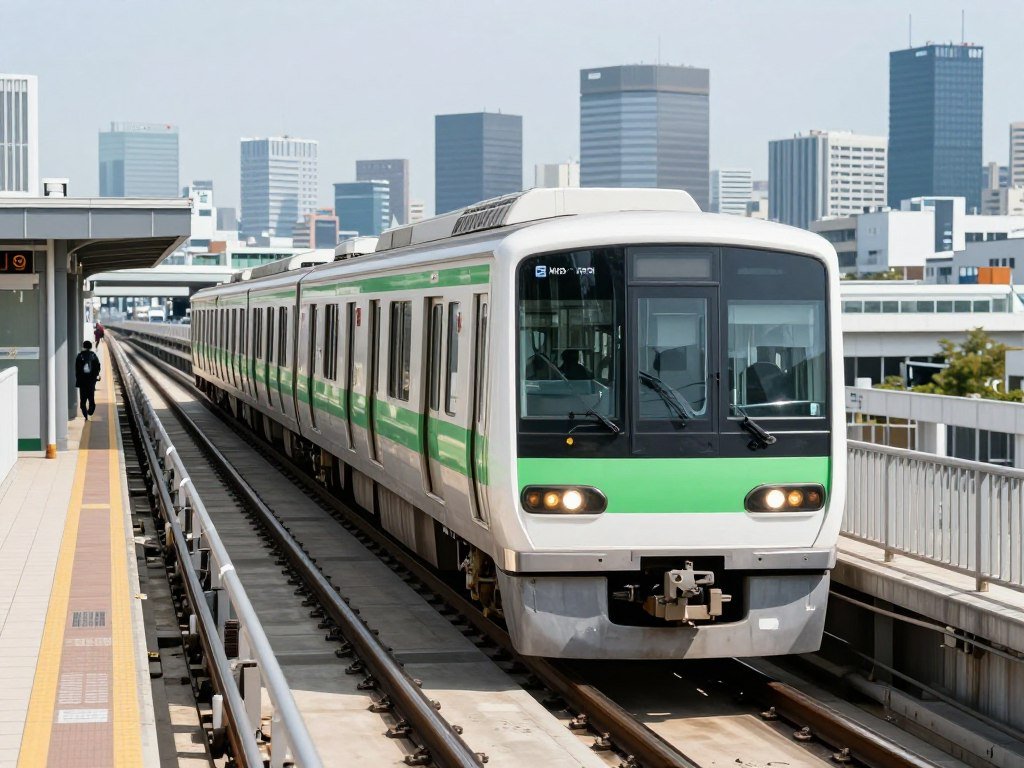
Airport Transportation Tips
Book airport transfers in advance during peak seasons. Shared shuttles cost less but take longer due to multiple stops. Taxis from Narita cost 20,000+ yen and make sense only for groups of 3-4 travelers. Your hotel may offer airport pickup services worth investigating.
Taxis and Ride Services
Taxis in Tokyo operate reliably but cost significantly more than trains. Base fare starts around 500 yen for the first kilometer. Prices increase quickly in heavy traffic.
Taxi drivers rarely speak English beyond basic phrases. Write your destination in Japanese or show the address on your phone. Most taxis accept IC cards and credit cards now.
Ride-sharing apps like Uber operate in Tokyo with limited availability. They connect you with traditional taxi companies rather than private drivers. Prices match regular taxi fares.
Buses in Tokyo
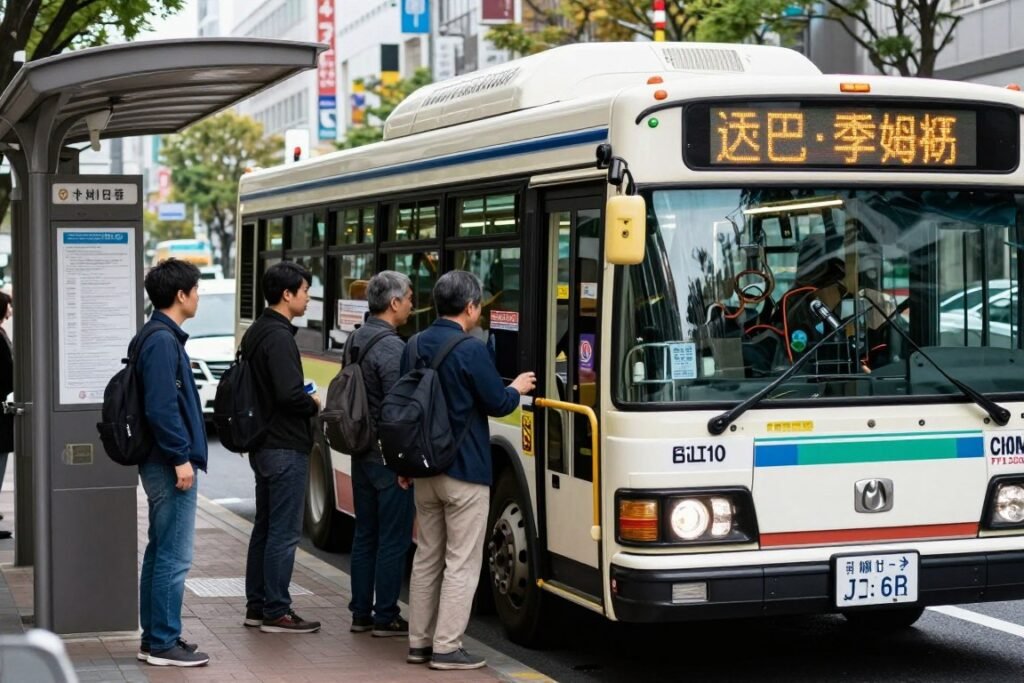
City buses complement the train network throughout Tokyo. Routes reach areas not served by train stations. IC cards work on all city buses.
Tap your IC card when boarding at the back door. Tap again when exiting through the front door. The fare gets calculated automatically based on distance traveled.
Bus routes can confuse first-time visitors due to complex numbering. Google Maps provides accurate bus route guidance. Most bus stops display route maps in English.
Walking and Cycling
Many Tokyo neighborhoods reward exploration on foot. Shibuya, Harajuku, and Asakusa work well for walking tours. Comfortable shoes become essential for full-day sightseeing.
Bike rental services operate throughout the city. Several companies offer shared bicycle programs. Daily rental costs around 1,500 yen at most shops.
Cycling works best in flatter areas away from major stations. Always use designated bike lanes when available. Park only in marked bicycle parking areas to avoid fines.
Transportation Money-Saving Tips
- Buy a one-day metro pass for heavy sightseeing days
- Walk between nearby stations instead of riding one stop
- Use IC cards instead of buying individual tickets
- Avoid taxis except when absolutely necessary
- Consider airport buses over express trains for budget travel
- Download offline Tokyo train maps before your trip
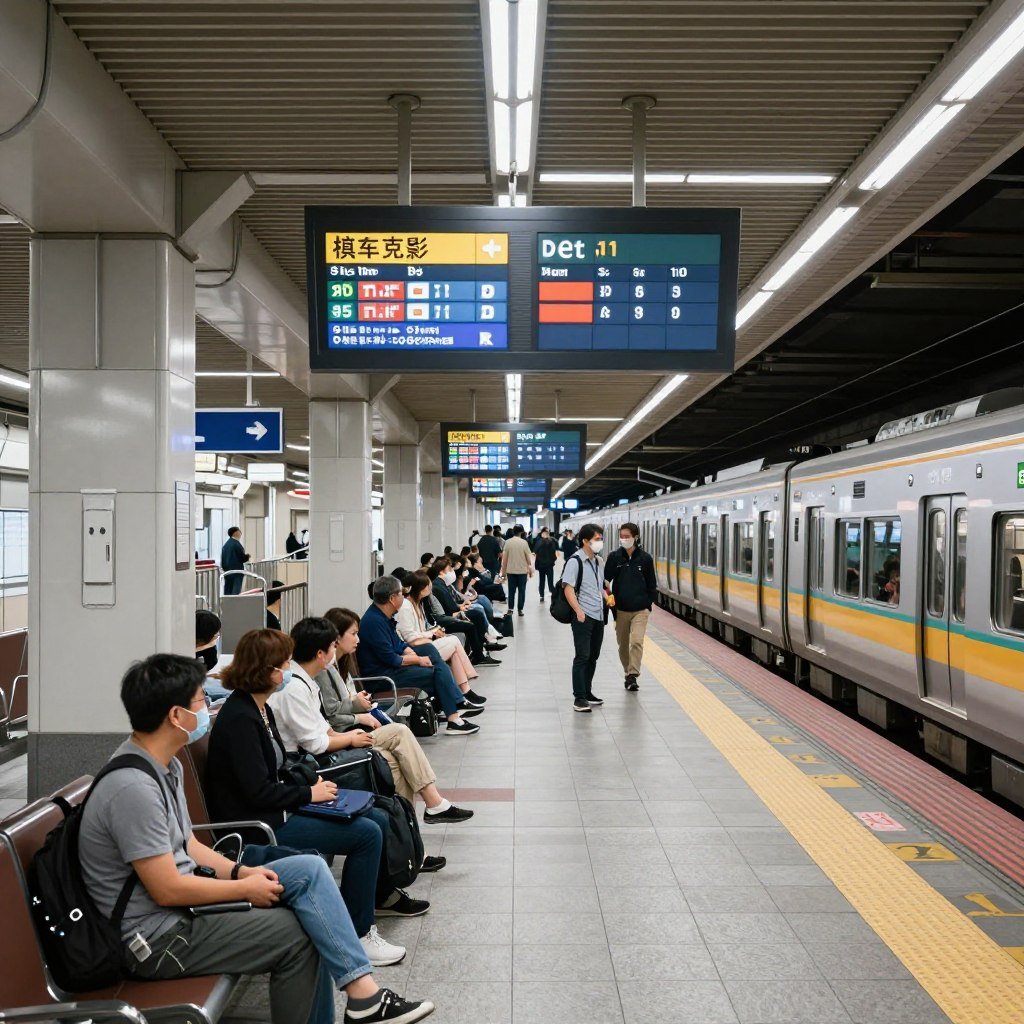
Navigation apps make getting around Tokyo much easier. Google Maps works excellently for route planning. The app shows exact train platforms, transfer points, and travel times. Download offline maps before your trip for backup navigation.
Top Attractions and Must-See Sites
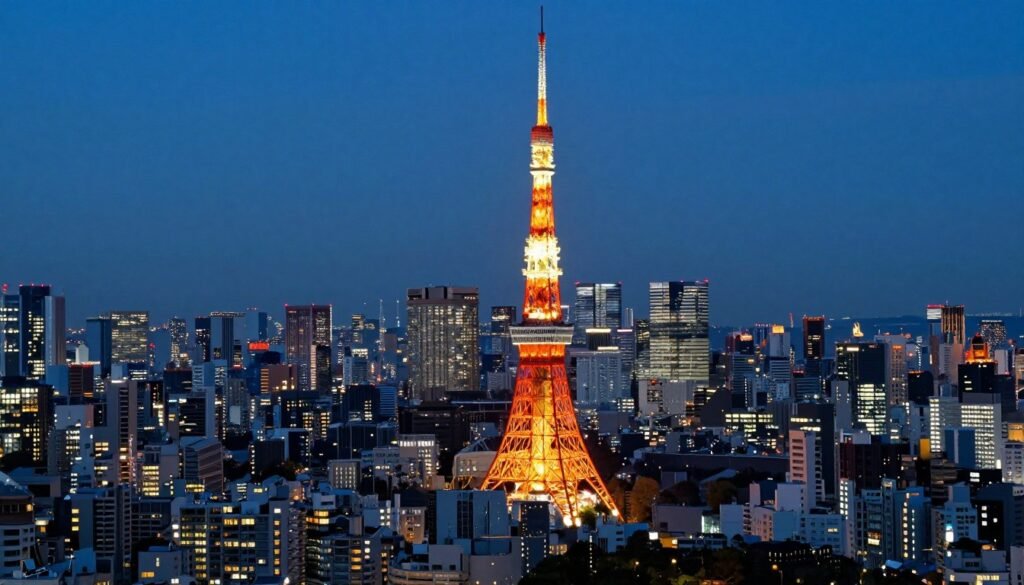
Tokyo offers hundreds of attractions across its sprawling landscape. From ancient temples to futuristic technology, the city never stops amazing. Planning which sites to visit helps maximize your limited time.
This guide covers the most iconic and rewarding attractions. Mix historical sites with modern experiences for balanced exploration. Remember that Tokyo rewards both planned visits and spontaneous discoveries.
Historic Temples and Shrines
Tokyo’s temples and shrines provide peaceful escapes from urban chaos. These sacred sites offer glimpses into Japan’s spiritual traditions. Most charge no admission fee, making them budget-friendly attractions.
Senso-ji Temple
Senso-ji stands as Tokyo’s oldest and most visited temple. Founded in 645 AD, this Buddhist temple draws millions annually. The massive Kaminarimon Gate welcomes you with its giant red lantern.
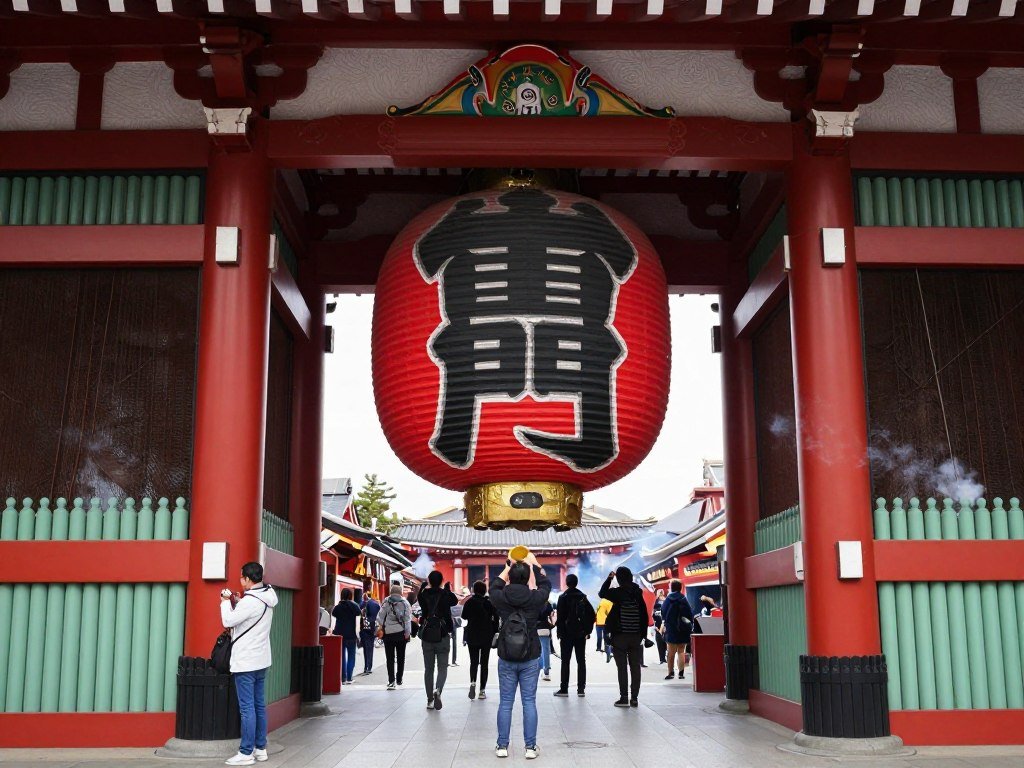
Nakamise Shopping Street leads to the temple’s main hall. This 250-meter street features nearly 90 shops selling traditional goods. You’ll find everything from handmade crafts to local snacks here.
Visit early morning before 9 AM to avoid massive crowds. The temple grounds open 24 hours but shops open around 10 AM. Evening visits offer beautiful illumination and fewer tourists.
Meiji Shrine
Meiji Shrine honors Emperor Meiji and Empress Shoken. Located in a forested area near Harajuku, it offers tranquil atmosphere. The shrine sits within a 175-acre forest of 120,000 trees.
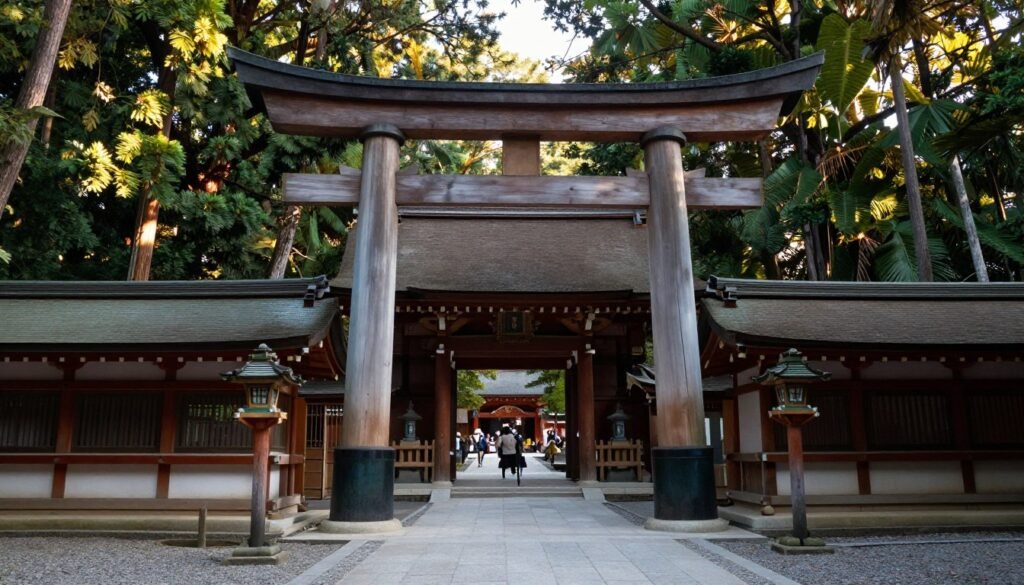
Traditional wedding ceremonies often take place at Meiji Shrine. Lucky visitors might witness a Shinto wedding procession. The bride and groom wear stunning traditional kimono attire.
The shrine grounds include an iris garden that blooms in June. A treasure museum displays personal items of the emperor and empress. Admission to shrine grounds is free; the museum charges 500 yen.
Sensō-ji Temple Pagoda
The five-story pagoda near Senso-ji creates stunning photo opportunities. This structure was rebuilt in 1973 after war damage. The original dates back to 942 AD, making it historically significant.
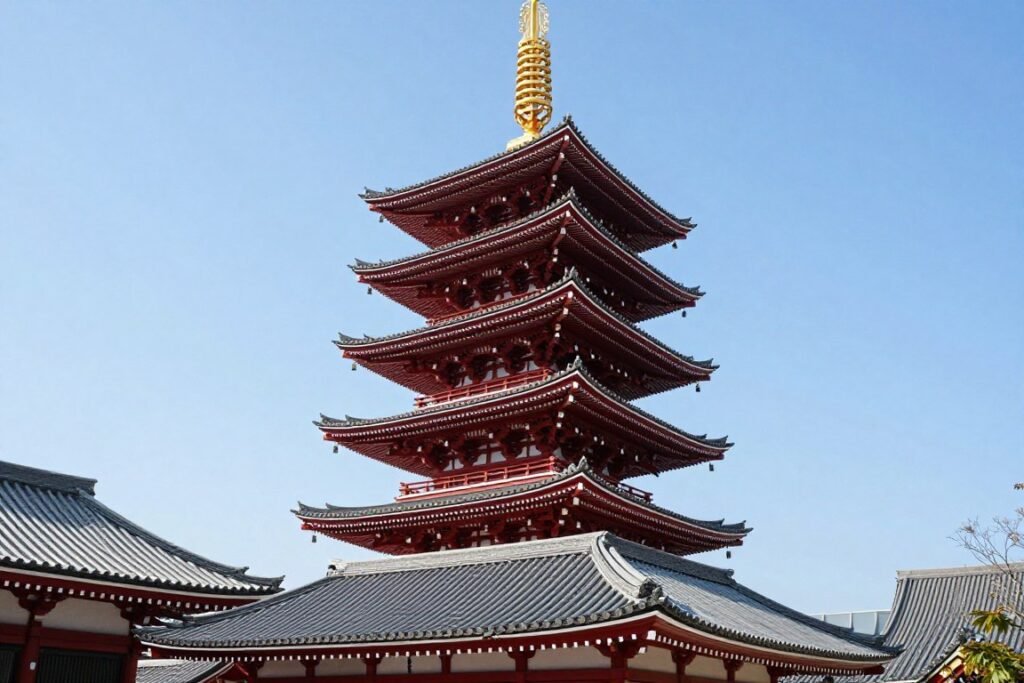
Each floor of the pagoda represents an element in Buddhist cosmology. The ground floor symbolizes earth, with higher floors representing water, fire, wind, and sky. The pagoda houses sacred relics of Buddha.
Modern Tokyo Landmarks
Tokyo’s modern architecture showcases innovative design and engineering. These contemporary landmarks define the city’s skyline. Each offers unique perspectives on Tokyo’s urban landscape.
Tokyo Skytree
Tokyo Skytree rises 634 meters as Japan’s tallest structure. Completed in 2012, it serves as a broadcasting tower and tourist attraction. Two observation decks provide breathtaking city views.
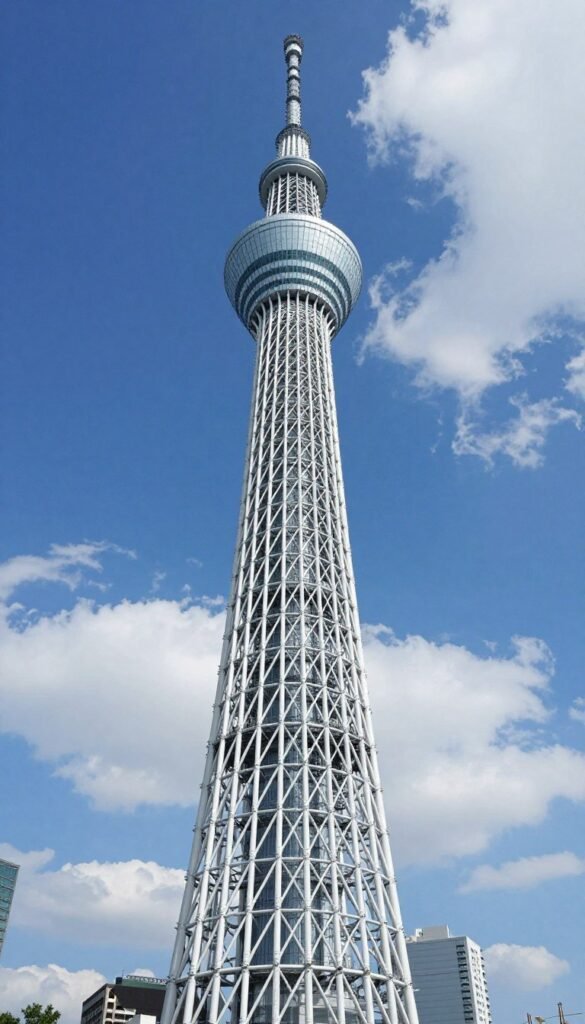
The first observation deck sits at 350 meters height. The second deck, called Tembo Galleria, reaches 450 meters. Clear days offer views of Mount Fuji in the distance.
Tickets start at 2,100 yen for the first deck only. Add 1,000 yen for access to the upper deck. Book timed entry tickets online to skip long queues.
Skip the Line at Tokyo Skytree
Reserve your timed entry ticket and head straight to the elevator. Avoid waiting hours during peak seasons with advance booking.
Tokyo Tower
Tokyo Tower predates Skytree as the city’s iconic landmark. Built in 1958, this red and white structure resembles Paris’s Eiffel Tower. Standing 333 meters tall, it remains beloved by locals and visitors.
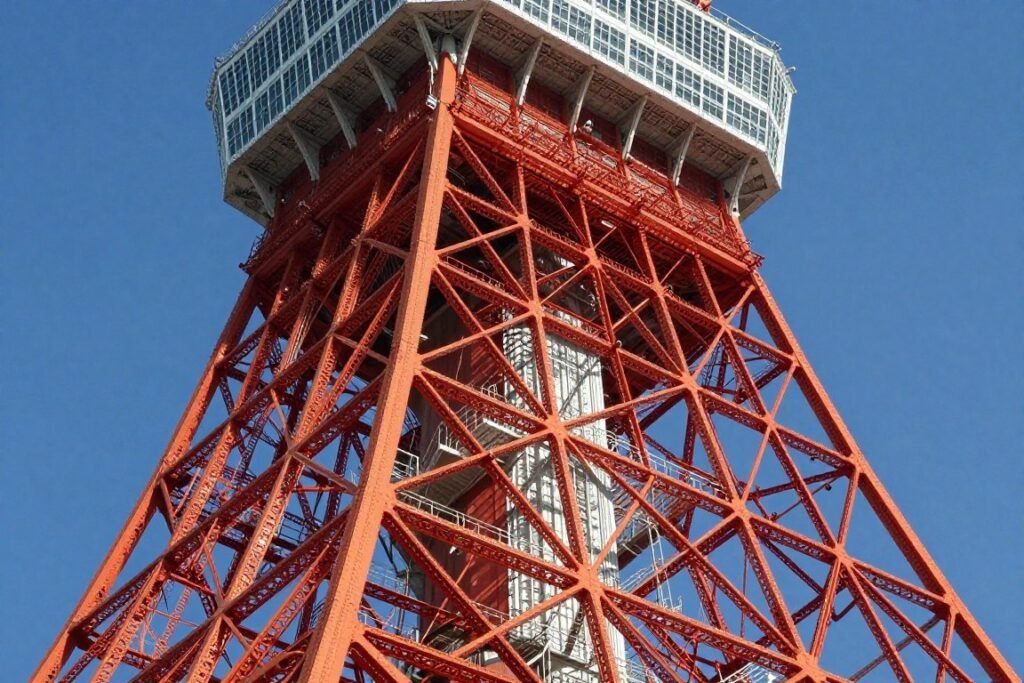
The main observation deck stands at 150 meters. A special observatory reaches 250 meters for panoramic views. Evening visits showcase the tower’s beautiful illumination system.
Admission costs 1,200 yen for the main deck. The special observatory adds another 700 yen. Consider visiting at sunset for both day and night views.
Shibuya Crossing
Shibuya Crossing ranks as the world’s busiest pedestrian intersection. Up to 3,000 people cross simultaneously during peak times. This organized chaos defines modern Tokyo perfectly.
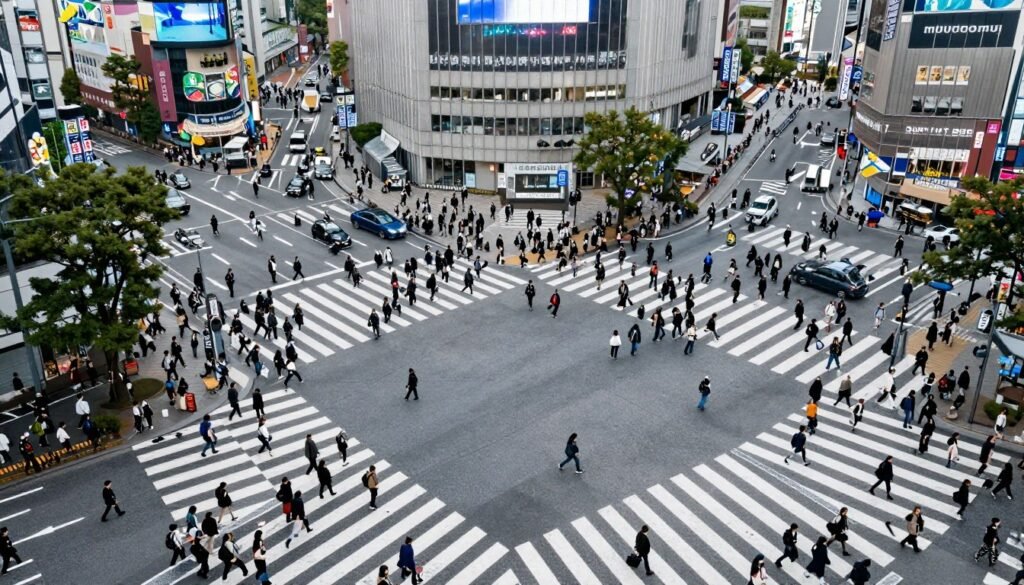
Watch the crossing from Starbucks on the second floor of Tsutaya building. This popular viewing spot gets crowded quickly. Arrive early to secure a window seat for the best vantage point.
The crossing scrambles every two minutes when lights change. All vehicle traffic stops as pedestrians flood the intersection. The spectacle intensifies during evening rush hours.
Shibuya Station serves as the hub for this bustling district. Look for the famous Hachiko statue outside the station. This bronze dog memorial serves as a popular meeting point.
Parks and Gardens
Green spaces provide essential breathing room in dense Tokyo. Parks offer seasonal beauty, recreation, and cultural experiences. Many host festivals and special events throughout the year.
Yoyogi Park
Yoyogi Park spreads across 134 acres adjacent to Harajuku. This expansive green space hosts various activities and events. Weekends bring performers, vendors, and picnicking families.
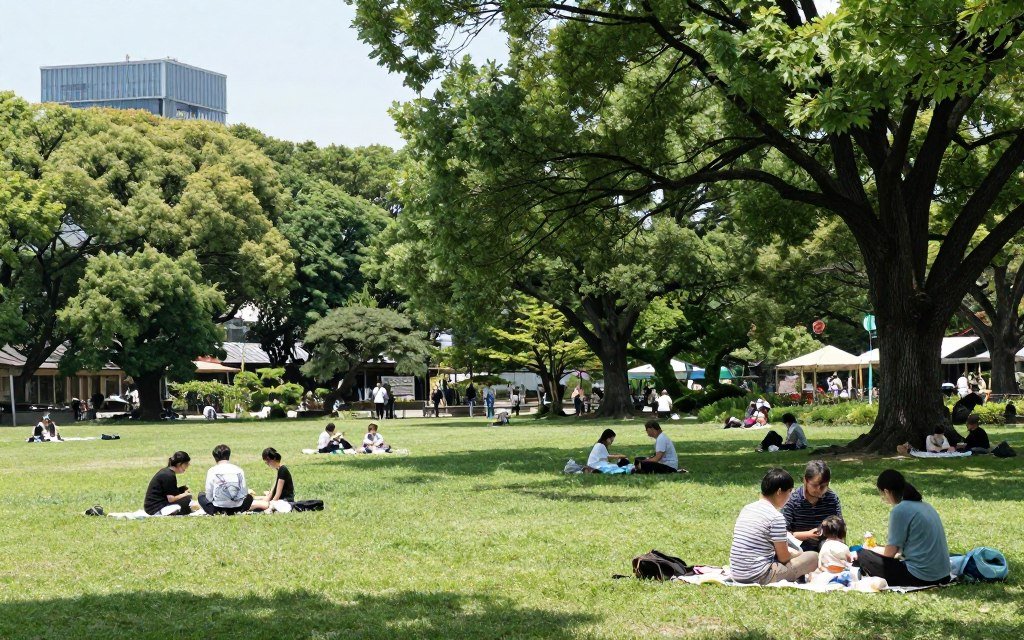
The park transforms during cherry blossom season in spring. Thousands gather for hanami parties under blooming trees. Autumn brings equally stunning displays of colorful foliage.
Rockabilly dancers perform near the entrance on Sundays. Street musicians, artists, and performers create a festival atmosphere. This free entertainment makes Yoyogi Park a cultural hub.
Yoyogi Park connects directly to Meiji Shrine’s forested grounds. You can easily visit both locations in one trip. Entrance is free and the park never closes.
Shinjuku Gyoen National Garden
Shinjuku Gyoen combines three distinct garden styles beautifully. French formal gardens, English landscape gardens, and traditional Japanese gardens coexist. This 144-acre space offers an urban oasis.
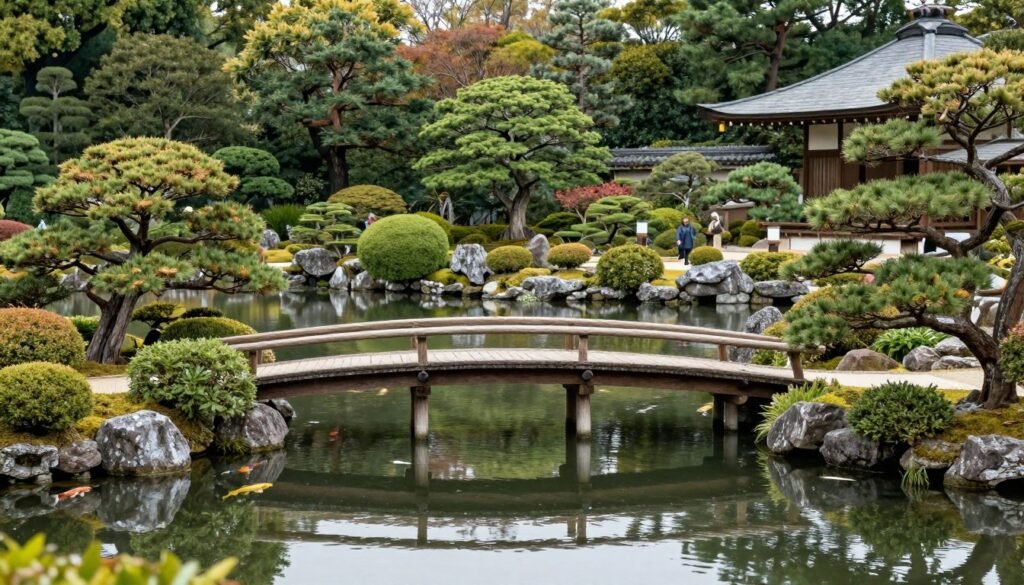
The garden features over 1,500 cherry trees representing 75 varieties. Blossoms appear at different times from late March through April. Autumn chrysanthemum displays draw crowds in November.
Admission costs 500 yen for adults. The garden opens at 9 AM and closes at varying times by season. Last entry occurs 30 minutes before closing time.
Unlike public parks, Shinjuku Gyoen prohibits alcohol and sports activities. This creates a more peaceful atmosphere for contemplation. The rules preserve the garden’s serene character.
Ueno Park
Ueno Park houses multiple museums, a zoo, and historic temples. Cherry blossom season turns the park into party central. This makes it one of Tokyo’s top hanami spots.
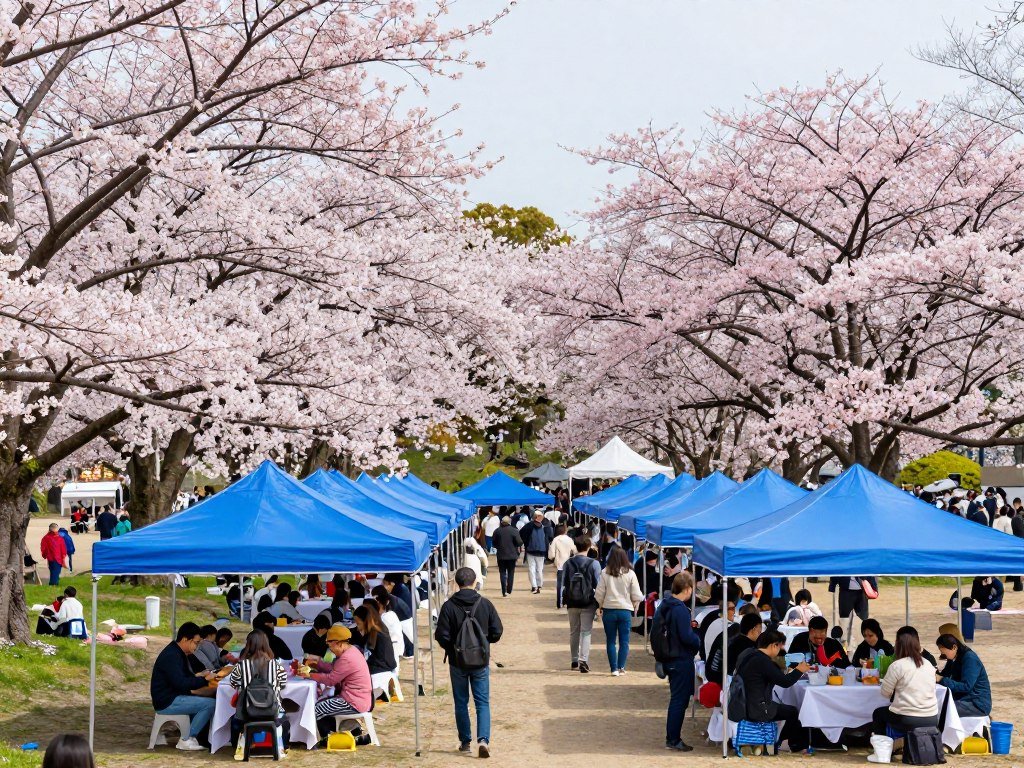
Shinobazu Pond divides into three sections within the park. Lotus plants cover the pond’s surface during summer months. A small island in the pond features Bentendo Temple.
Several major museums cluster around Ueno Park. The Tokyo National Museum, National Museum of Western Art, and others offer world-class collections. Museum admission varies from 600-1,000 yen.
Unique Experiences and Districts
Tokyo’s diverse neighborhoods each offer distinct atmospheres and attractions. Exploring different districts reveals the city’s multifaceted character. Budget time to wander beyond the major landmarks.
Akihabara: Electronics and Anime District
Akihabara serves as the world capital of electronics and otaku culture. Multi-story shops sell everything from computers to anime collectibles. Bright signs and colorful characters define the streetscape.
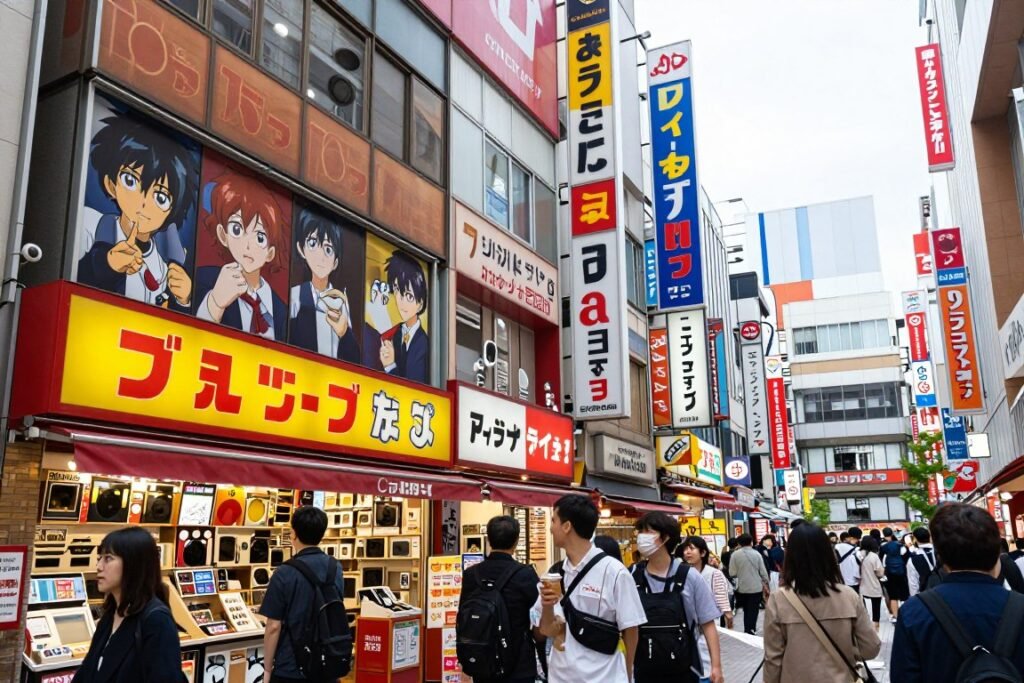
Maid cafes cluster throughout Akihabara’s side streets. Costumed servers treat customers like masters in a fantasy world. This unique Japanese phenomenon attracts curious tourists worldwide.
Gaming centers fill multiple floors of various buildings. You’ll find everything from vintage arcade games to latest releases. These centers stay open late into the night.
Harajuku: Youth Fashion Capital
Harajuku represents Tokyo’s cutting-edge fashion and youth culture. Takeshita Street becomes packed with teenagers shopping for trendy items. The narrow street features countless boutiques and food stands.
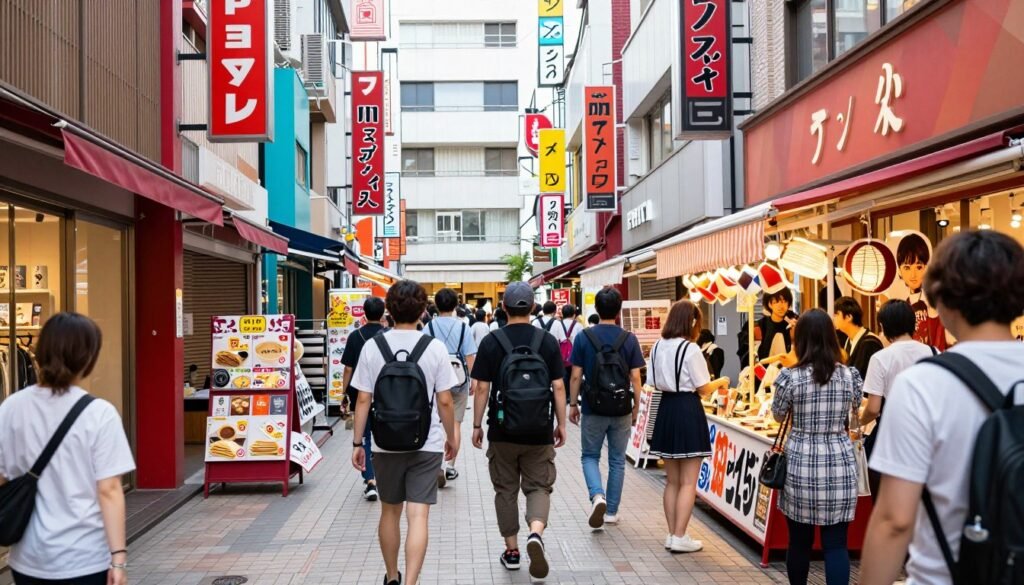
Cat Street offers more upscale and sophisticated shopping nearby. This quieter avenue features independent boutiques and cafes. The area bridges Harajuku and Shibuya perfectly.
Sunday afternoons sometimes feature cosplay gatherings near the station. Young people dress in elaborate anime, gothic, and punk-inspired outfits. This street fashion scene made Harajuku world-famous.
Tsukiji Outer Market
While the famous tuna auction moved to Toyosu, Tsukiji Outer Market thrives. Over 400 shops and restaurants pack the narrow lanes. Early morning visits reward you with the freshest seafood.
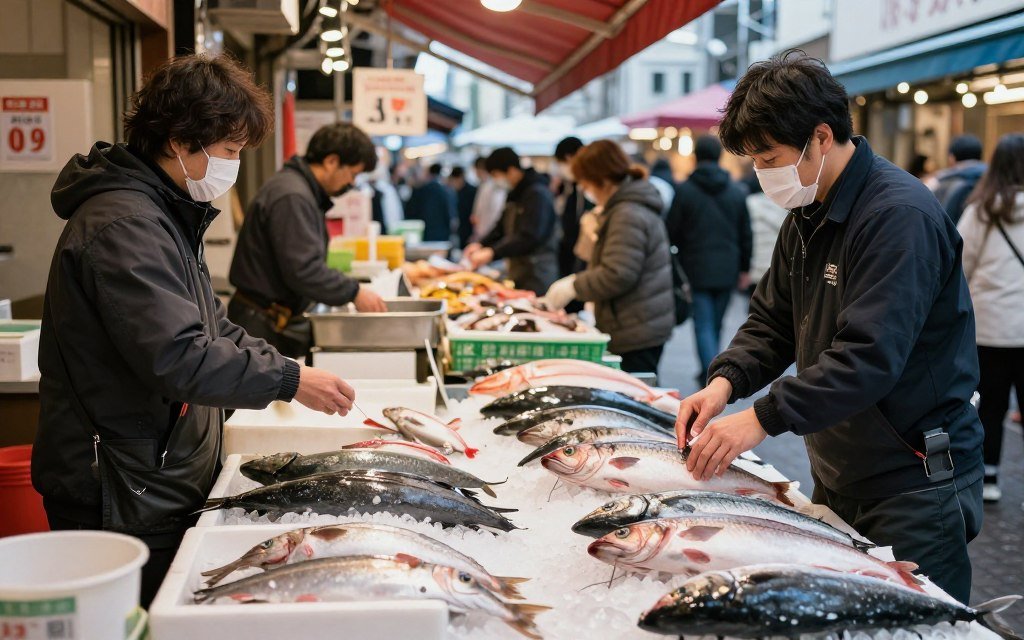
Sample fresh sushi, grilled seafood, and traditional Japanese breakfast. The market’s restaurants open as early as 5 AM. Expect lines at popular spots starting around 7 AM.
The outer market also sells kitchen tools, tea, and cooking ingredients. Professional chefs shop alongside tourists for specialized items. You’ll find unique souvenirs beyond typical tourist shops.
Experience Tokyo’s Food Scene Like a Local
Join a guided food tour through Tsukiji Market, hidden izakayas, and local favorites. Taste authentic dishes while learning cultural insights from expert guides.
TeamLab Borderless Digital Art Museum
This immersive digital art museum creates mind-bending experiences. Interactive installations respond to your movements and presence. Artworks flow between rooms creating a borderless environment.
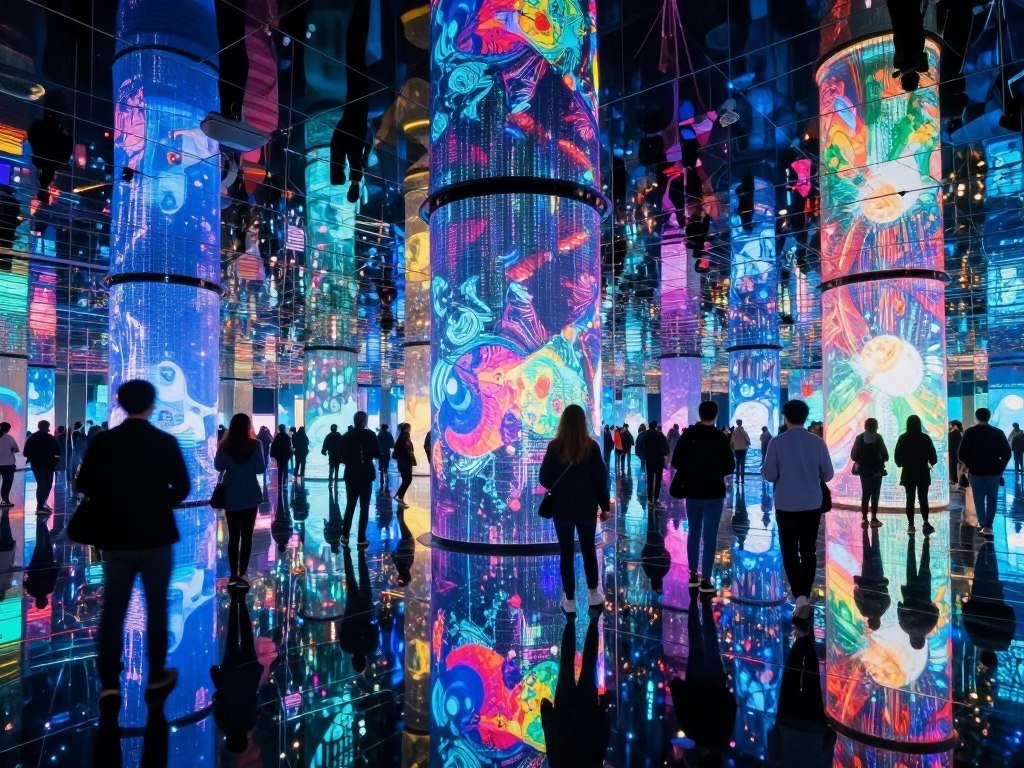
The museum gets extremely crowded, especially on weekends. Advance tickets sell out weeks ahead during peak seasons. Plan for 2-3 hours to explore the various installations thoroughly.
Tickets cost 3,200 yen for adults. The museum operates with timed entry to control crowds. Photography is allowed and encouraged throughout most installations.
Attraction Planning Tips
Purchase combination tickets when visiting multiple museums. Many attractions offer discounts for advance online booking. Consider a Tokyo tourist pass for unlimited entry to certain sites. Plan indoor attractions for rainy days and outdoor sites for good weather. Check closing days before planning your itinerary.
Tokyo Food Guide: Where and What to Eat
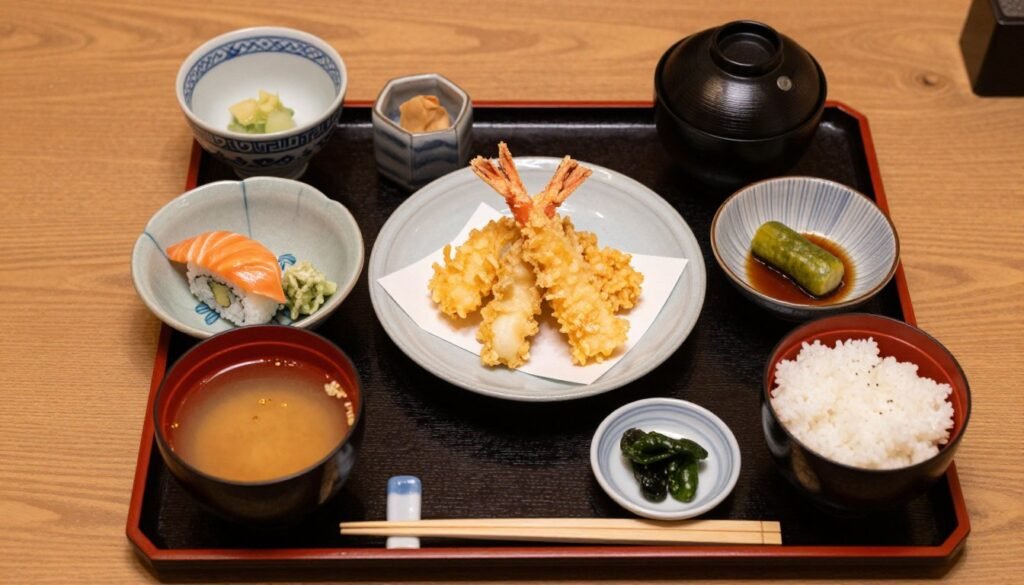
Tokyo holds more Michelin stars than any other city in the world. The food scene ranges from street food stalls to exclusive kaiseki restaurants. Every price point offers incredible culinary experiences.
Japanese cuisine extends far beyond sushi and ramen. Regional specialties, seasonal ingredients, and meticulous preparation define Tokyo dining. Even convenience store food maintains surprisingly high quality standards.
Must-Try Tokyo Dishes
Certain dishes represent Tokyo’s culinary identity. These local specialties deserve spots on every food lover’s itinerary. Understanding what to order enhances your dining experiences significantly.
Ramen
Tokyo-style ramen features soy sauce-based broth with medium-thick noodles. The soup combines chicken and fish stock for umami-rich flavor. Toppings typically include pork slices, bamboo shoots, and green onions.
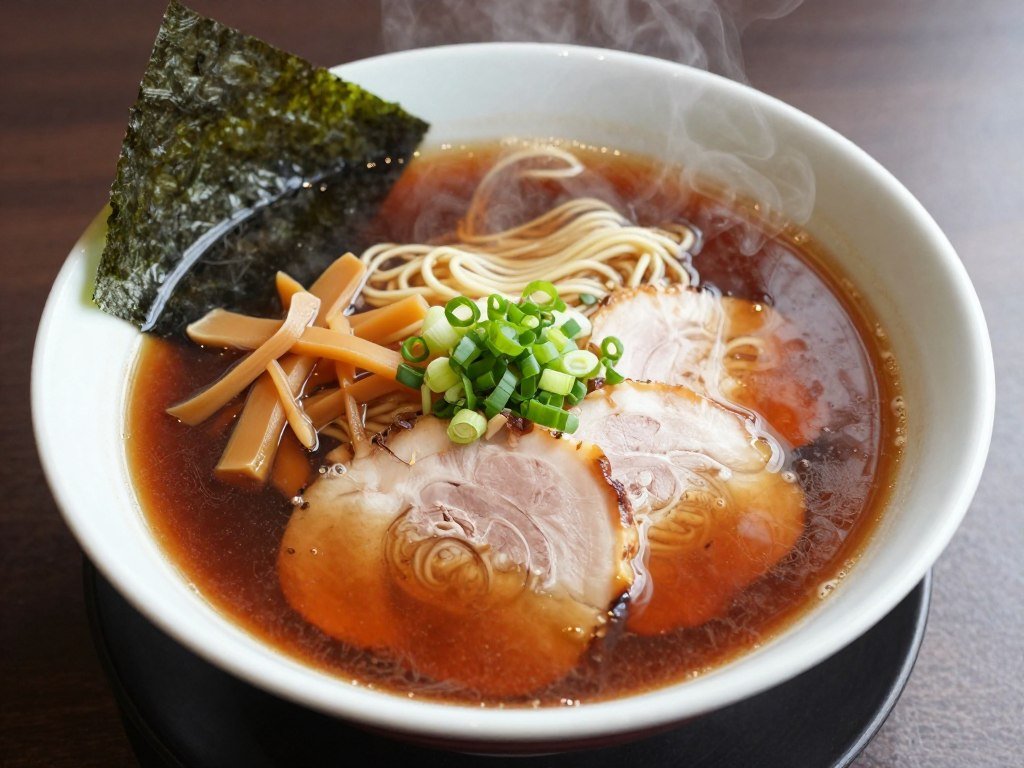
Ramen shops open throughout the city at all price points. Expect to pay 800-1,200 yen for a quality bowl. Many famous shops have lines, especially during lunch and dinner rushes.
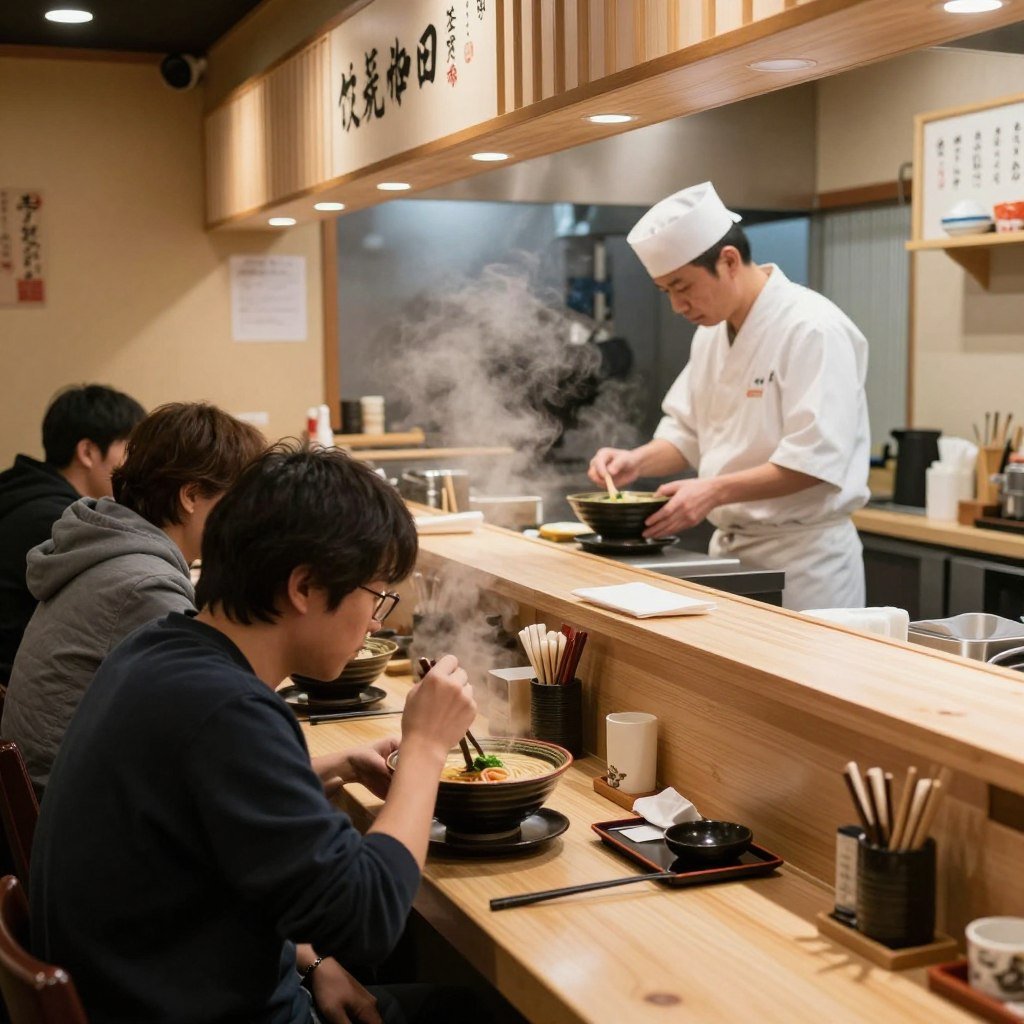
Order from vending machines at most ramen restaurants. Select your preferred ramen type and toppings, then insert money. Hand your ticket to staff when seated.
Top Ramen Neighborhoods
- Shinjuku: Ramen Alley (Nishi-Shinjuku)
- Ikebukuro: Multiple famous chains
- Tokyo Station: Ramen Street underground
- Shibuya: Various styles available
Sushi
Tokyo’s sushi culture sets global standards for this art form. Fresh fish arrives daily from Toyosu Market to restaurants citywide. Quality varies dramatically based on price and restaurant type.
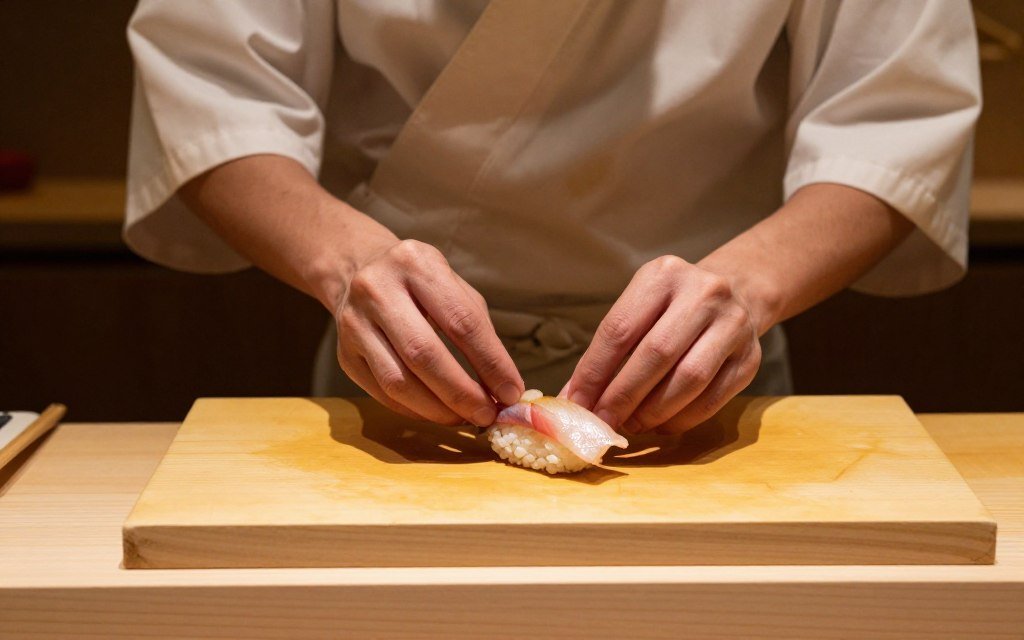
Conveyor belt sushi shops offer affordable introductions to sushi. Plates color-coded by price make ordering simple. You can easily spend 2,000-3,000 yen for a satisfying meal.
High-end sushi restaurants require reservations weeks or months ahead. Omakase courses let the chef select seasonal ingredients. These experiences start around 15,000 yen and go much higher.
Tsukiji and Toyosu areas feature numerous excellent sushi restaurants. Morning visits guarantee the freshest fish possible. Some shops serve breakfast sushi starting at 6 AM.
Tempura
Perfectly fried tempura showcases Japanese culinary precision. Light batter coats seasonal vegetables and seafood. Skilled chefs time each piece for optimal texture.
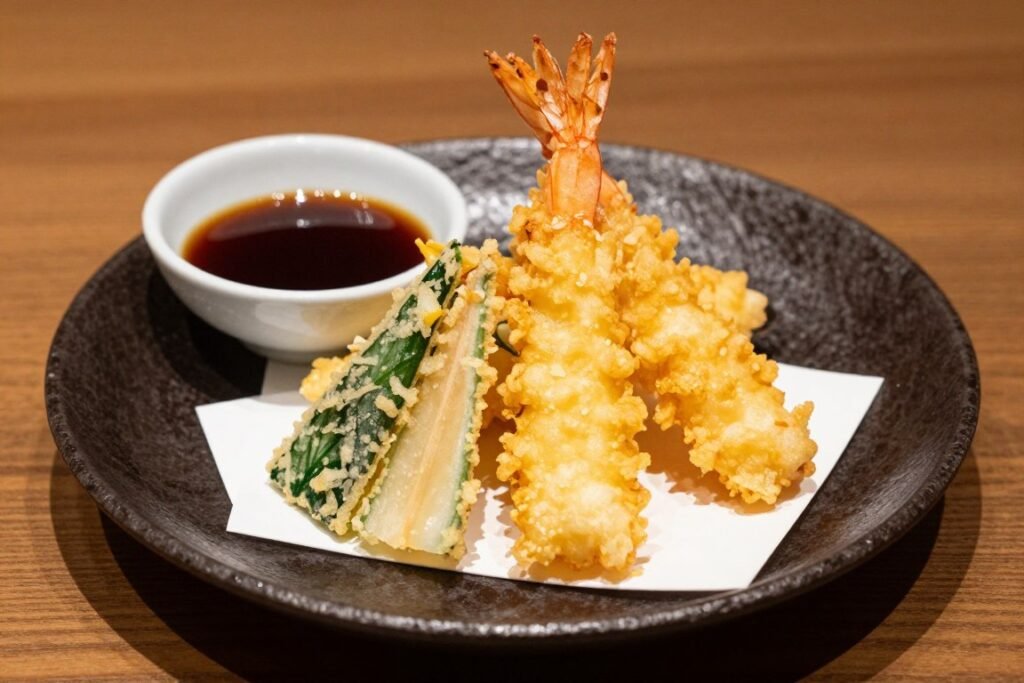
Tempura restaurants range from casual chains to Michelin-starred establishments. Counter seating lets you watch chefs work their magic. Each piece arrives fresh from the fryer.
Lunch sets provide better value than dinner courses. Expect to pay 1,500-3,000 yen for quality tempura lunch. Dinner prices often double at the same restaurant.
Tonkatsu
Breaded and deep-fried pork cutlet creates satisfying comfort food. Tokyo’s tonkatsu uses premium Kurobuta pork for superior flavor. The crispy exterior contrasts with tender, juicy meat.
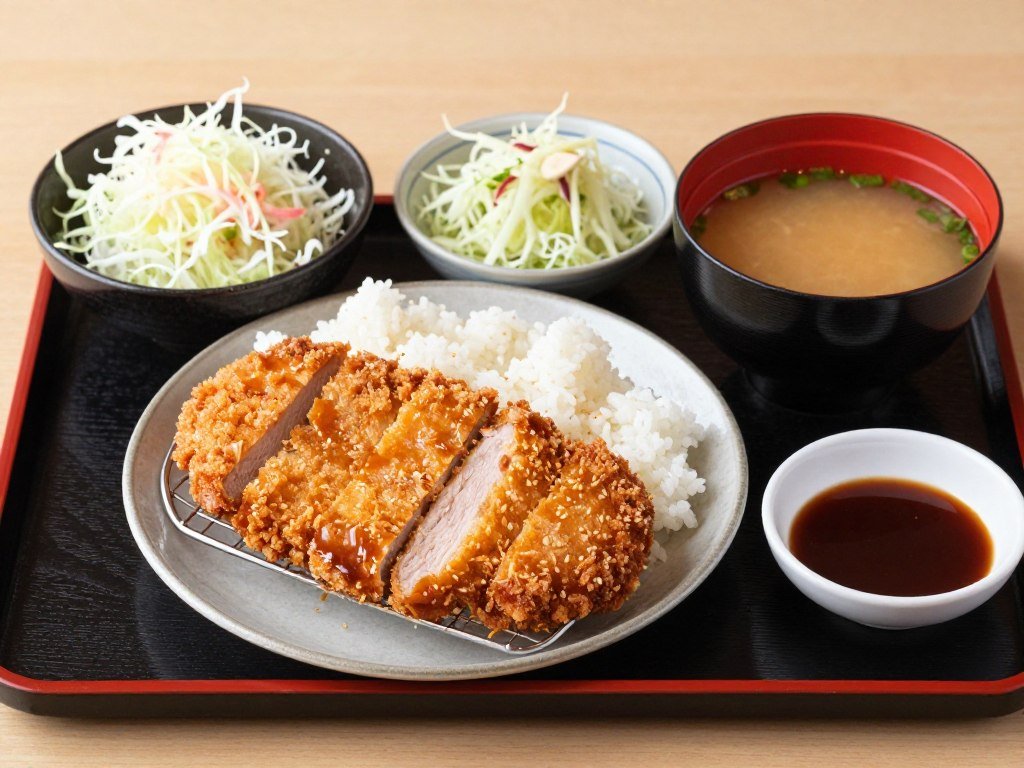
Standard tonkatsu sets include rice, miso soup, and shredded cabbage. Free cabbage refills come with most orders. Pour tonkatsu sauce over the crispy cutlet.
Popular chains like Maisen and Tonki maintain consistent quality. Expect lines during peak dining hours. Prices range from 1,200-2,500 yen for a complete meal.
Street Food and Casual Dining
Tokyo’s street food scene offers quick, delicious, and affordable options. Festival food stalls and market vendors serve traditional snacks. Convenience stores provide surprisingly good ready-to-eat meals.
Yakitori
Grilled chicken skewers represent quintessential Japanese izakaya food. Different cuts include thigh, breast, skin, and organ meats. Each skewer gets seasoned with salt or sweet-savory tare sauce.
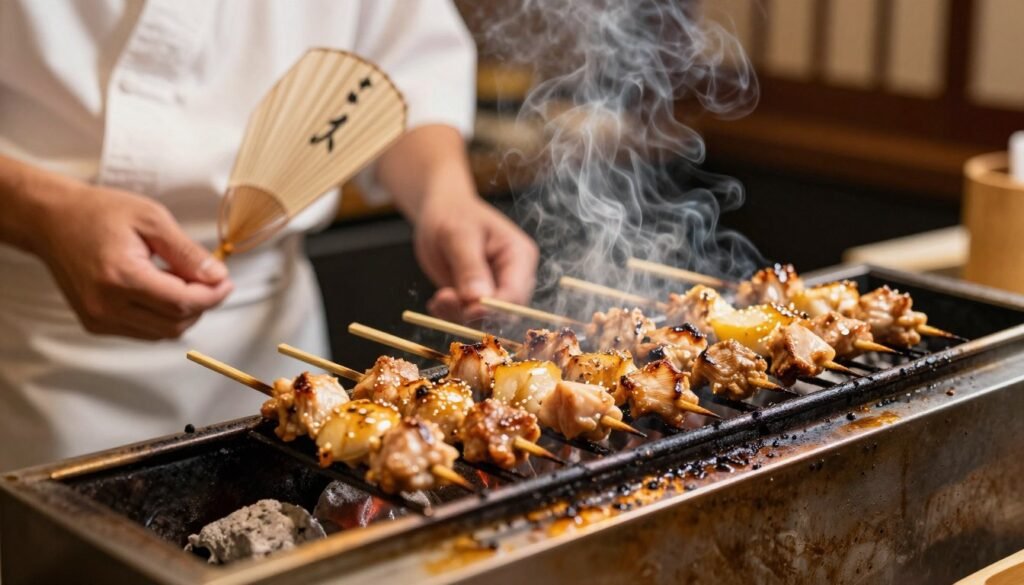
Yakitori restaurants cluster under train tracks in areas like Yurakucho. Standing bars offer cheap beers and skewers. Sit-down restaurants provide more extensive menus and sake selections.
Order a variety of skewers to experience different flavors and textures. Popular choices include negima (chicken and scallion), tsukune (chicken meatball), and kawa (crispy skin). Prices start around 150-300 yen per skewer.
Takoyaki and Okonomiyaki
These batter-based dishes originated in Osaka but thrive in Tokyo. Takoyaki features octopus pieces in savory batter balls. Okonomiyaki resembles a savory pancake with various ingredients.
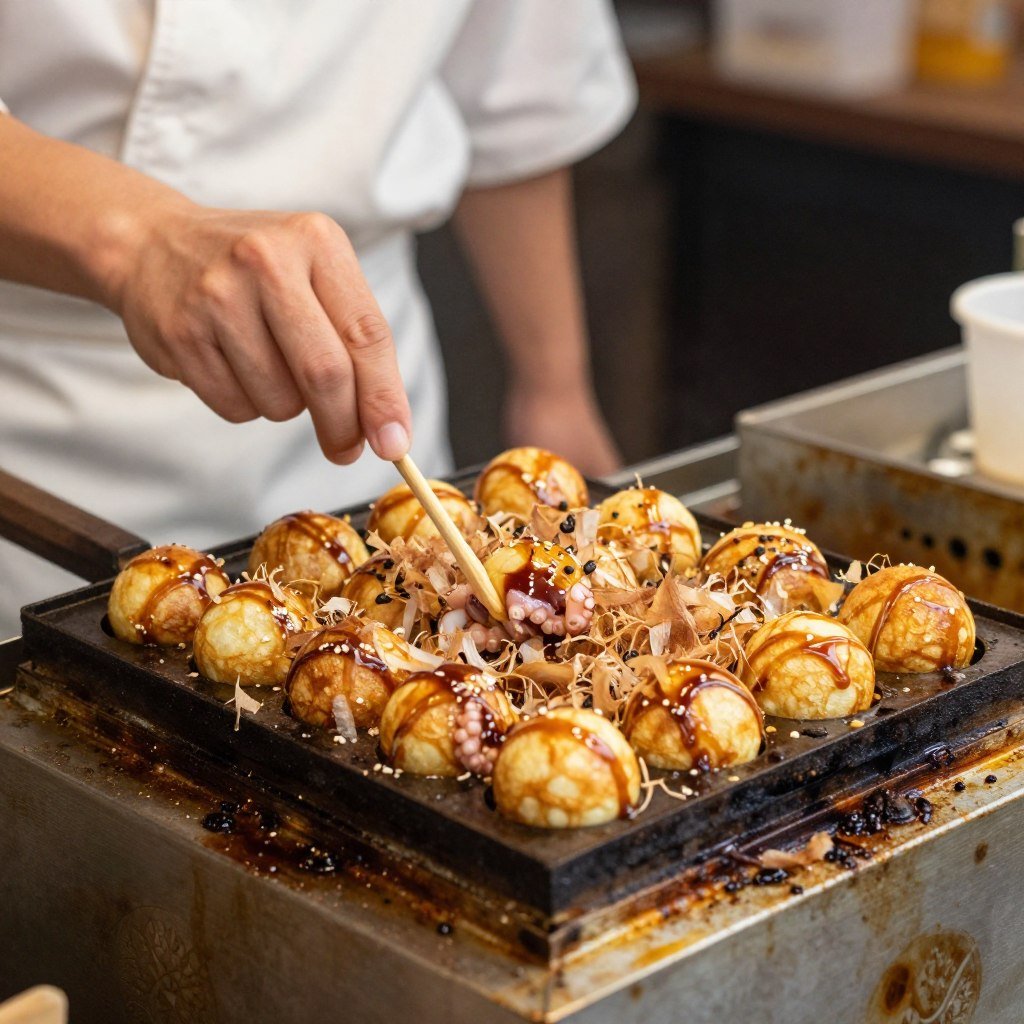
Festival stalls commonly sell both items at affordable prices. Specialty restaurants offer more variety and sit-down service. These foods pair perfectly with cold beer.
Convenience Store Food
Japanese convenience stores stock impressive ready-to-eat options. Onigiri rice balls, sandwiches, and bento boxes maintain high quality. Seasonal items rotate regularly throughout the year.
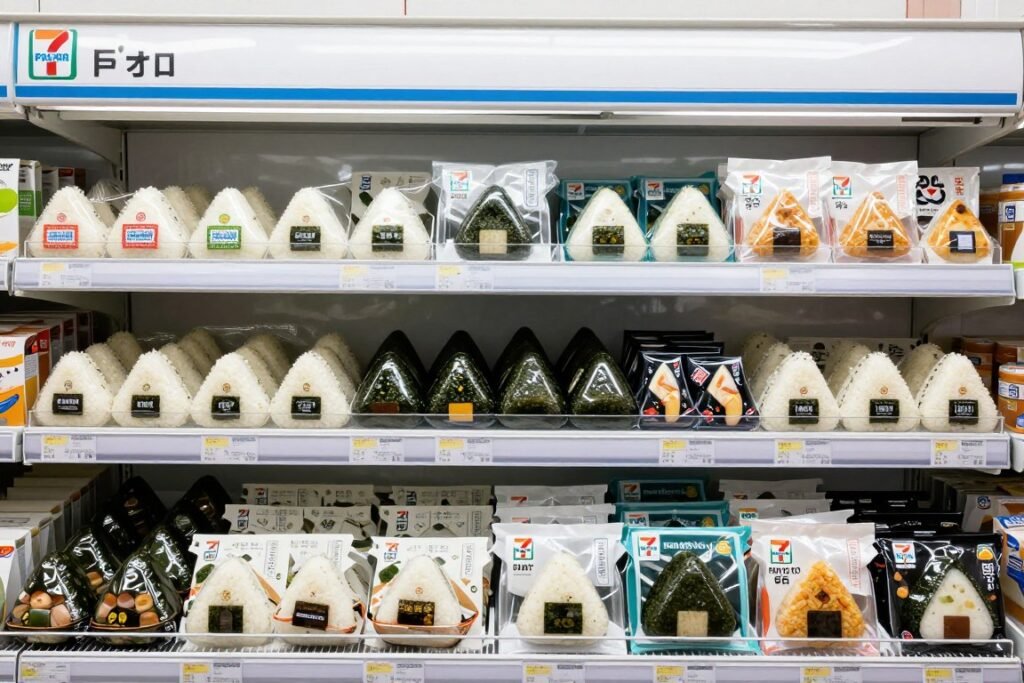
Lawson, 7-Eleven, and FamilyMart operate 24 hours across Tokyo. Hot food counters sell fried chicken, steamed buns, and seasonal items. Prices rarely exceed 500 yen per item.
The quality rivals or exceeds fast food restaurants in many countries. Convenience stores solve late-night hunger and budget constraints. Many travelers eat breakfast here daily to save money.
Restaurant Etiquette and Customs
Understanding Japanese dining etiquette enhances your experience. Following basic customs shows respect for local culture. These practices become natural after a few meals.
Ordering and Paying
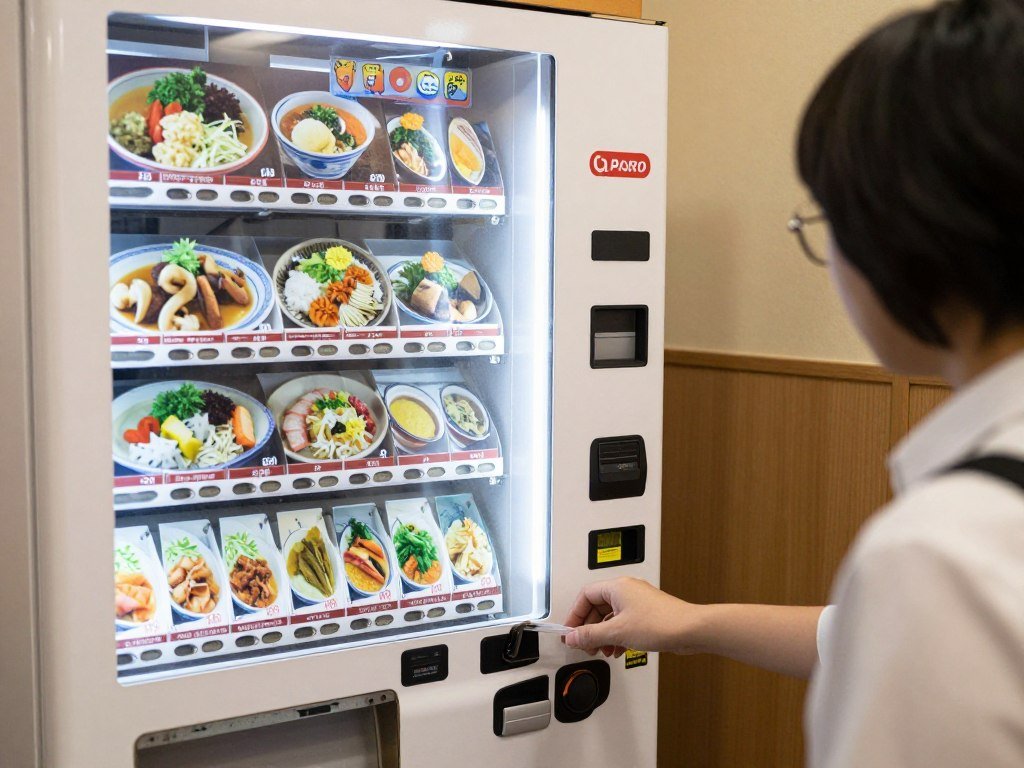
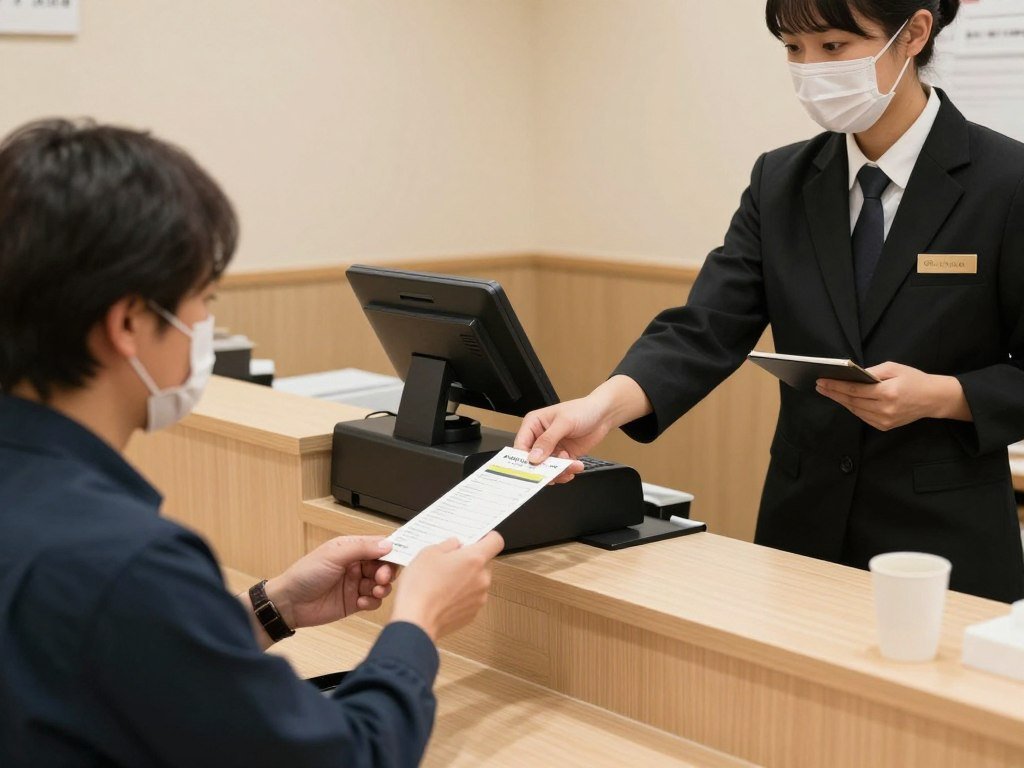
Many restaurants use ticket vending machines for ordering. Select your items, insert money, and receive tickets. Hand tickets to staff when seated or at the counter.
Call staff by saying “sumimasen” when you need service. Raising your hand gets attention without being rude. Avoid yelling or snapping fingers at servers.
Pay at the register when leaving, not at your table. Bring your bill to the front counter. Tipping isn’t practiced or expected in Japan.
Dining Behavior
Slurping noodles is acceptable and even encouraged. This cools hot noodles and shows appreciation. Don’t feel embarrassed making noise while eating ramen.
Use the provided wet towel (oshibori) to clean your hands before eating. Place it neatly aside after use. Don’t use it to wipe your face or table.
Finish all your food when possible to show appreciation. Leaving rice in your bowl might seem wasteful. However, forcing yourself to eat beyond fullness isn’t necessary.
Where to Find Great Restaurants
Tokyo’s best restaurants hide in unexpected places. Basement floors of office buildings house incredible eateries. Small alley shops often surpass expensive establishments in quality.
Department Store Food Halls
Depachika food halls occupy basement floors of major department stores. These areas showcase premium ingredients and prepared foods. Standing counter spaces let you eat immediately.
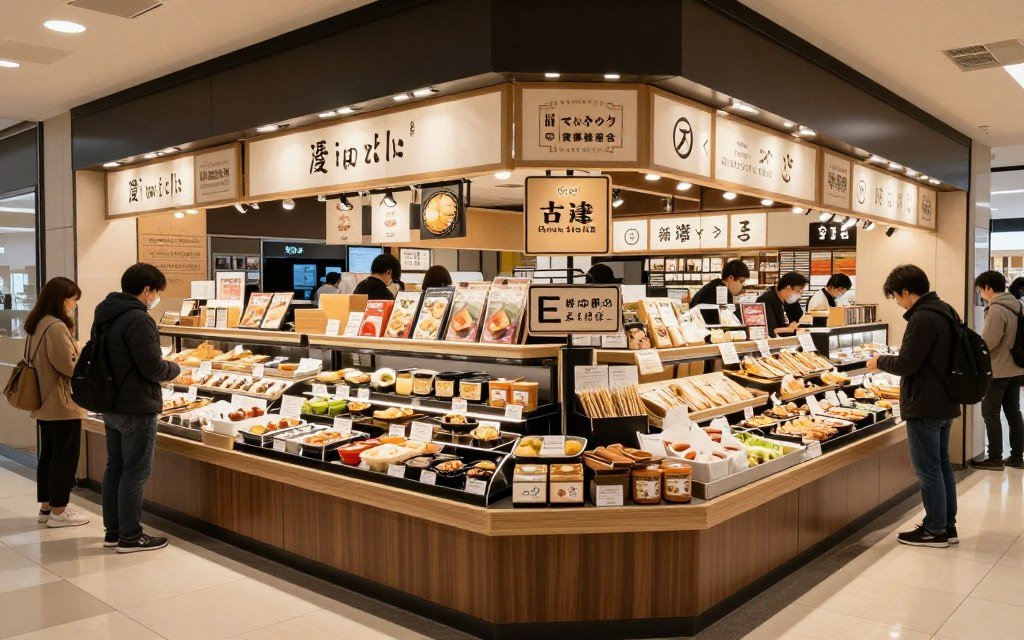
Major department stores like Isetan, Mitsukoshi, and Takashimaya feature extensive food halls. Sample stations offer free tastings throughout the day. These spaces perfect for food gifts and quick meals.
Restaurant Floors in Buildings
Many Tokyo buildings dedicate entire floors to restaurants. These restaurant floors often span 6th through 8th levels. Signs outside buildings display available restaurants and cuisines.
Plastic food displays show exactly what you’ll receive. Point at desired dishes if language barriers exist. This visual menu system removes guesswork from ordering.
Popular Restaurant Zones
Shinjuku Station area: Omoide Yokocho and Kabukicho. Shibuya: Multiple levels of restaurant buildings. Ginza: Upscale dining and department store food halls. Asakusa: Traditional restaurants near Senso-ji. Harajuku/Omotesando: Trendy cafes and international cuisine.
Making Reservations
Popular restaurants fill up quickly, especially during dinner hours. Reservation systems vary from simple phone calls to complex lottery systems. High-end establishments require Japanese phone numbers or hotel concierge assistance.
Online platforms like TableCheck and Ikkyu simplify the booking process. Some accept foreign credit cards for deposits. Book 1-2 weeks ahead for weekend dinners at popular spots.
Reserve Tokyo’s Best Restaurants Now
Secure your table at top-rated restaurants before they fill up. English-language reservation service handles bookings at exclusive establishments requiring Japanese phone numbers.
Some Michelin-starred restaurants maintain waiting lists several months long. Plan these special meals far in advance of your trip. Alternative excellent restaurants usually have better availability.
Izakaya: Japanese Pub Culture
Izakaya combines drinking with casual dining in social atmosphere. These pubs serve small plates perfect for sharing. The relaxed environment welcomes solo diners and large groups.
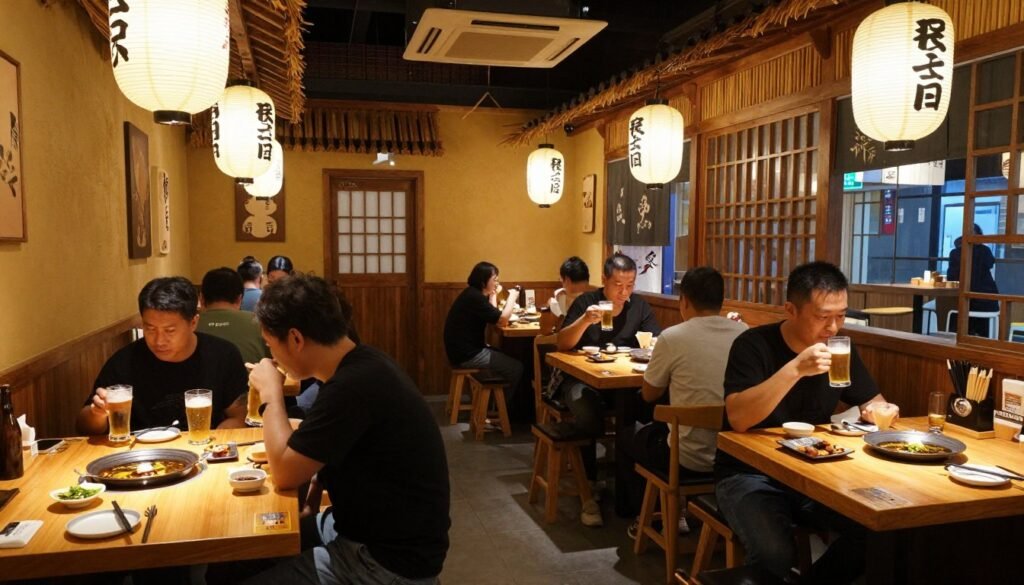
Menu options range from grilled meats to sashimi to fried foods. Order drinks first, then gradually add food throughout the evening. This grazing style suits extended conversations.
Chain izakayas like Torikizoku offer standardized menus with consistent quality. Independent neighborhood izakayas provide more character and local atmosphere. Prices per person typically range from 2,500-4,000 yen including drinks.
Most izakayas charge a seating fee (otoshi) of 300-500 yen. This includes a small appetizer served automatically. The practice supports the casual, lingering dining style.
Vegetarian and Dietary Restrictions
Finding vegetarian or vegan food in Tokyo requires some effort. Traditional Japanese cuisine heavily features fish-based dashi broth. Many seemingly vegetarian dishes contain hidden animal products.
Shojin ryori represents Buddhist vegetarian cuisine using no animal products. Specialized restaurants serve elaborate multi-course meals. These experiences cost 3,000-8,000 yen per person.
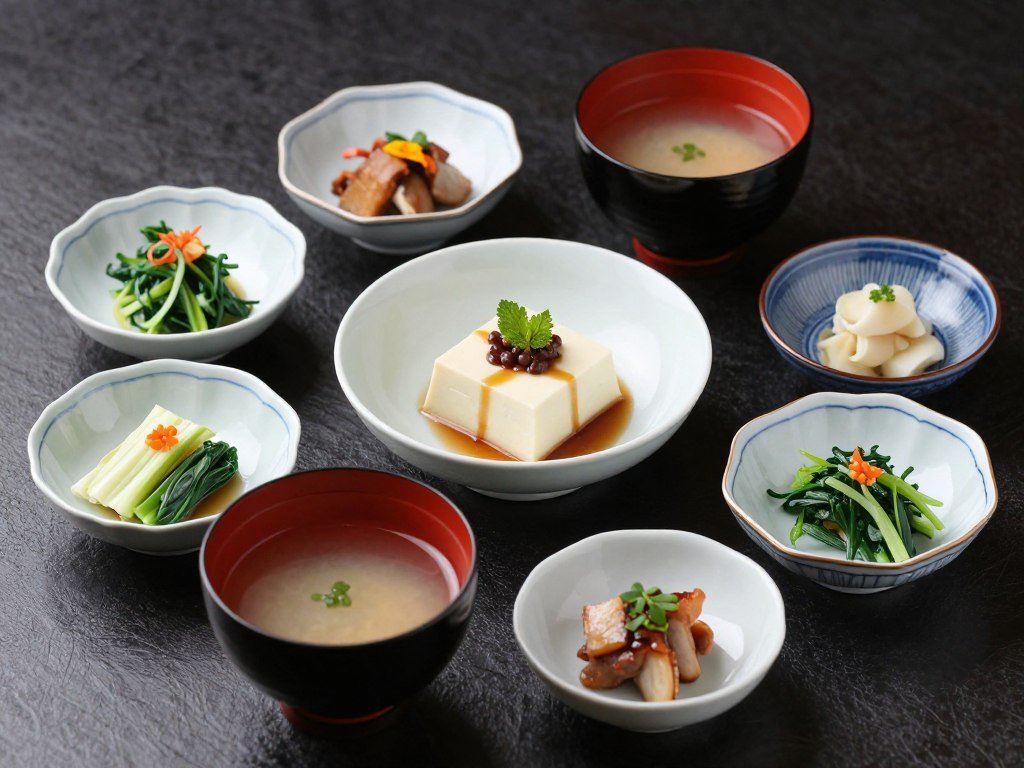
International cuisine restaurants accommodate dietary restrictions more easily. Indian, Italian, and Middle Eastern restaurants offer vegetarian menus. Apps like HappyCow help locate vegetarian-friendly establishments.
Learn key phrases for dietary needs in Japanese. “Watashi wa bejitarian desu” means “I am vegetarian.” Cards explaining restrictions in Japanese help communicate needs clearly.
Budget Eating Tips
Lunch sets cost significantly less than dinner at the same restaurants. Convenience stores provide quality meals under 500 yen. Standing sushi bars and ramen shops offer authentic food at low prices. Department store food halls reduce prices on prepared foods before closing. Avoid tourist-heavy areas for better value dining options.
Shopping in Tokyo: Districts and Recommendations
Tokyo shopping ranges from 100-yen stores to exclusive designer boutiques. The city offers endless retail therapy across specialized districts. Each neighborhood develops its own shopping character and specialty items.
Understanding where to shop for specific items saves time and money. Some areas focus on electronics while others specialize in fashion. Strategic shopping helps you find exactly what you’re looking for.
Major Shopping Districts
Certain areas dominate Tokyo’s shopping landscape. These districts attract both locals and tourists daily. Each offers unique products and shopping experiences.
Shibuya Shopping
Shibuya caters to young, fashion-conscious shoppers. Multi-level department stores and boutiques fill every block. Trends emerge here before spreading to other areas.
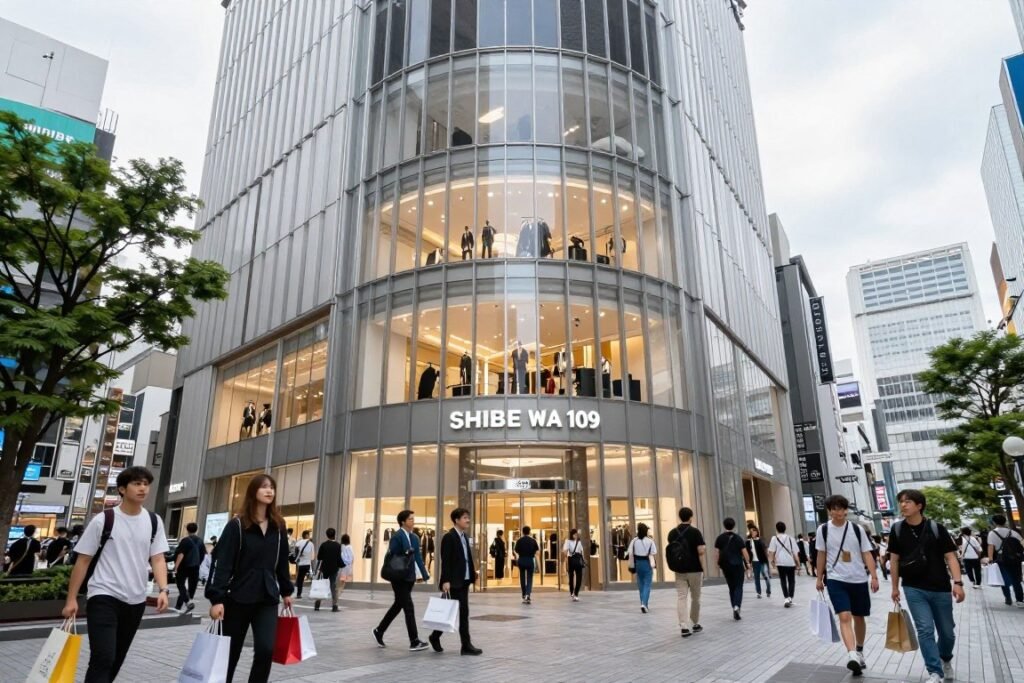
Shibuya 109 department store houses dozens of boutiques across 10 floors. Young women’s fashion dominates the selection. Prices range from affordable fast fashion to mid-range brands.
Shibuya Scramble Square opened in 2019 as a luxury shopping complex. The observation deck on the 46th floor offers spectacular views. High-end brands and restaurants fill the building.
Harajuku and Omotesando
Harajuku’s Takeshita Street packs youth culture into one narrow lane. Colorful shops sell accessories, clothing, and kawaii characters. Crepe stands and trendy cafes line the crowded street.
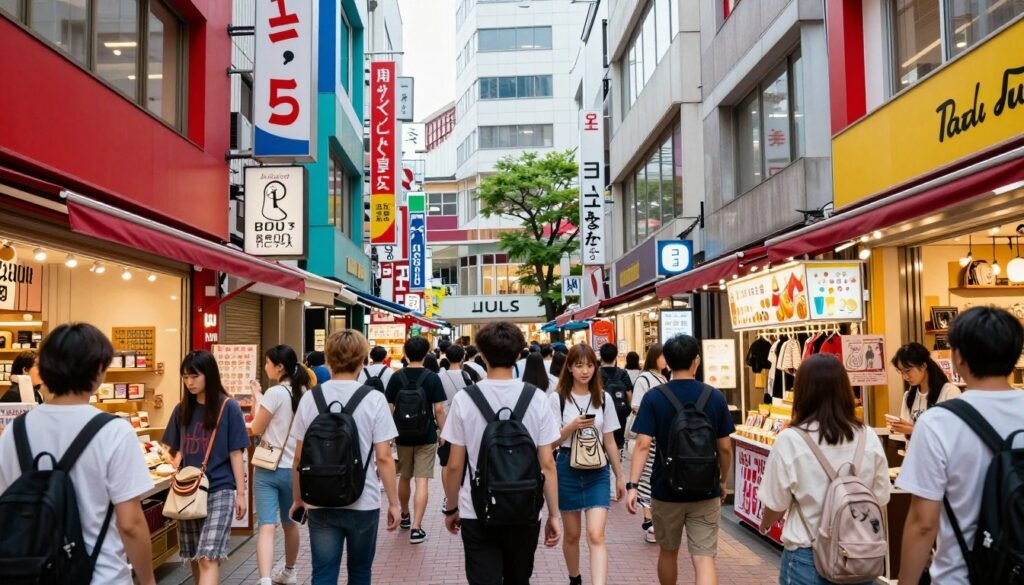
Omotesando Avenue provides sophisticated contrast to Harajuku’s chaos. Tree-lined streets host flagship stores for luxury brands. Architecture showcases work by renowned designers like Tadao Ando.
Cat Street connects Harajuku to Shibuya with independent boutiques. This quieter shopping area features unique clothing and accessory shops. Vintage stores offer one-of-a-kind fashion finds.
Ginza Luxury Shopping
Ginza represents Tokyo’s most prestigious shopping district. International luxury brands maintain flagship stores along the main streets. Window shopping alone impresses with elaborate displays.
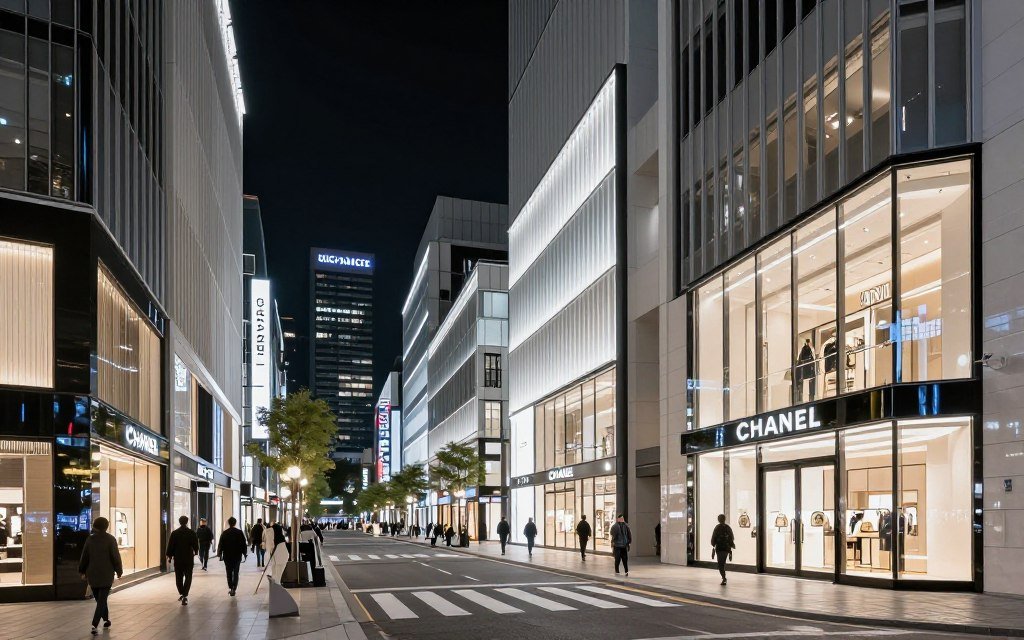
Department stores like Mitsukoshi and Ginza Six anchor the area. These multi-floor retail spaces house hundreds of brands. Food halls in basements offer premium ingredients and prepared foods.
Weekend afternoons see main streets close to vehicle traffic. Pedestrians stroll freely between shops and restaurants. This “pedestrian paradise” creates a relaxed shopping atmosphere.
Akihabara Electronics
Akihabara serves as Tokyo’s electronics and anime shopping headquarters. Multi-story shops stock the latest gadgets and computers. Prices compete with online retailers through volume sales.
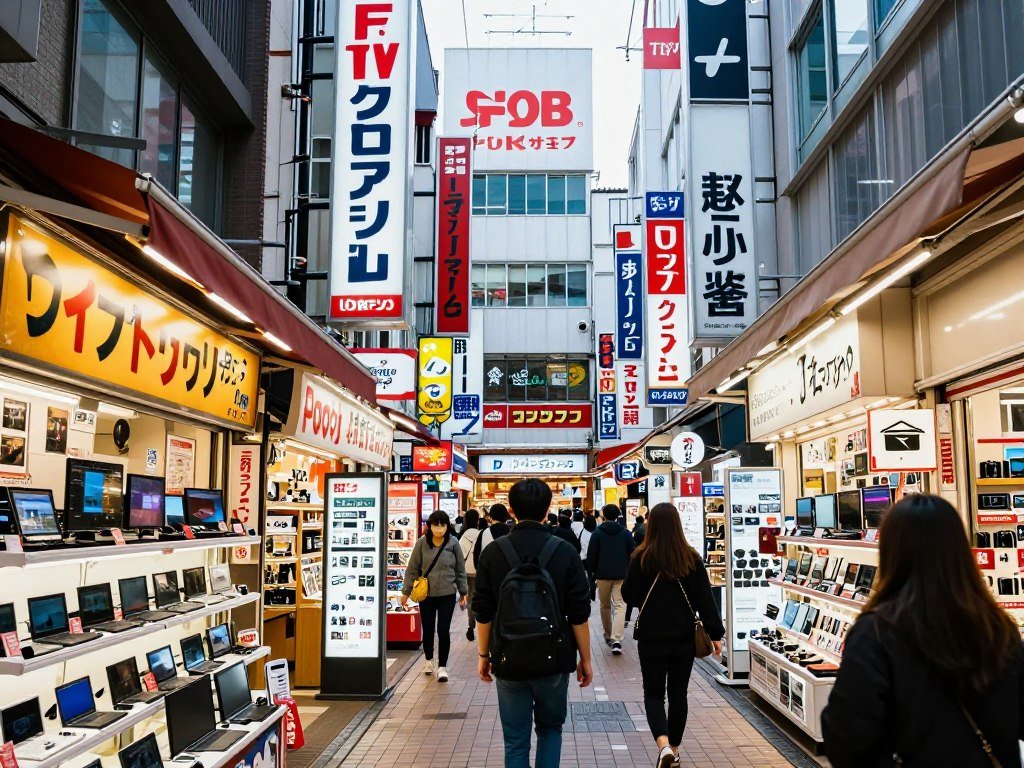
Yodobashi Camera and Bic Camera mega-stores offer tax-free shopping for tourists. Bring your passport to claim the tax refund immediately. These stores stock cameras, appliances, and electronics accessories.
Smaller specialty shops sell vintage games, computer parts, and rare electronics. Bargaining isn’t customary, but asking about discounts sometimes works. Compare prices between shops for big purchases.
What to Buy in Tokyo
Certain products make excellent Tokyo souvenirs and purchases. These items represent Japanese quality, culture, or unique design. Consider luggage space before going on shopping sprees.
Electronics and Gadgets
Japan’s electronics market leads global innovation in many categories. Cameras, audio equipment, and small appliances showcase superior engineering. Prices may not beat online deals but selection exceeds most countries.
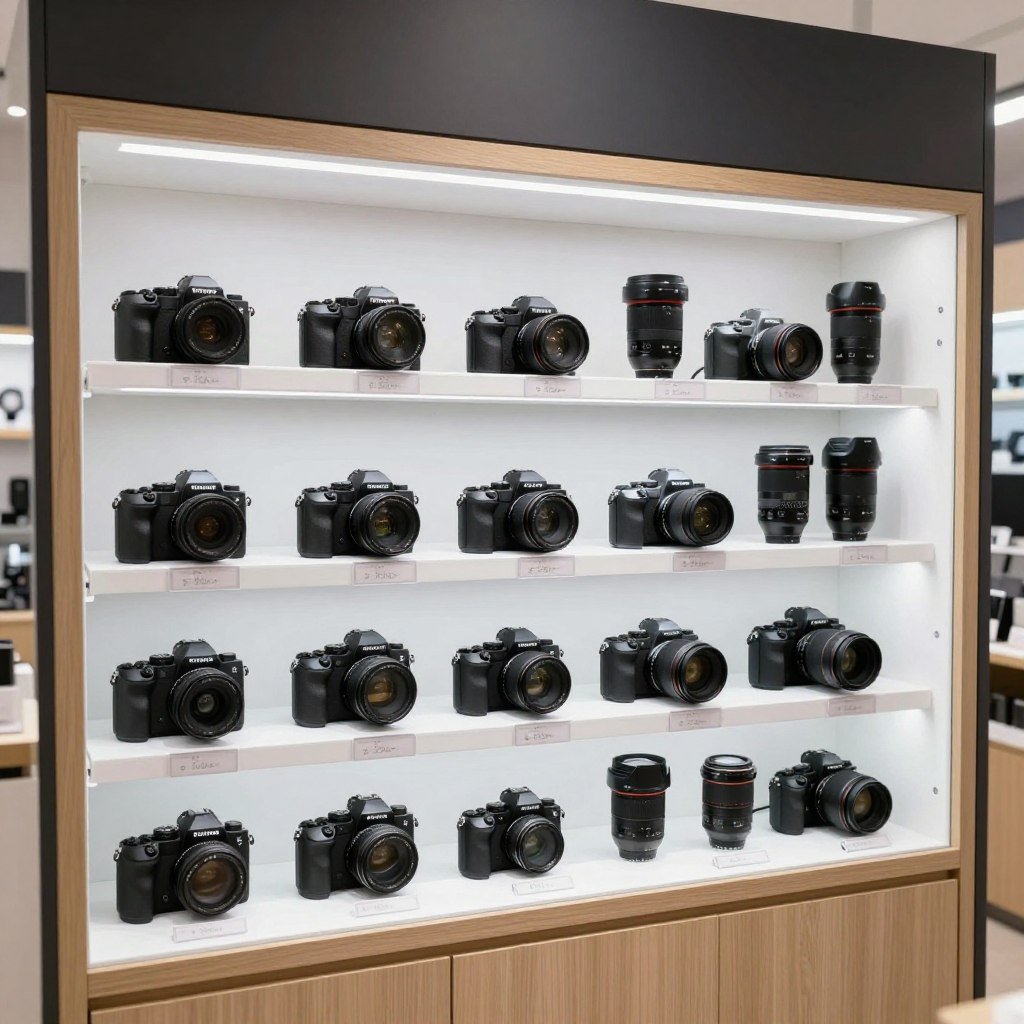
Portable devices like pocket WiFi, power banks, and adapters make practical purchases. Japanese toilets with bidet functions attract international buyers. Small kitchen appliances demonstrate innovative design.
Verify voltage compatibility before buying appliances. Japan uses 100V electricity different from most countries. Transformers can solve this but add bulk and cost.
Fashion and Clothing
Japanese fashion brands offer unique styles not widely available internationally. Streetwear labels like BAPE and Neighborhood originated here. Quality construction and fabric selection justify premium prices.
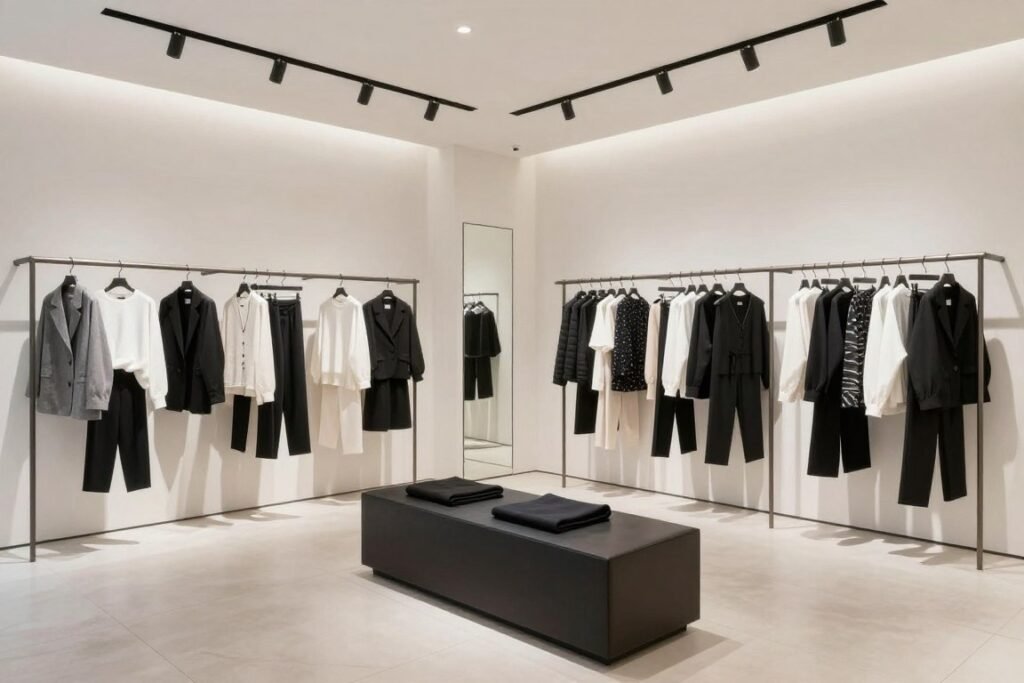
Uniqlo and GU provide affordable basics with Japanese attention to detail. These chains offer better quality than similar western fast fashion. Seasonal items like HeatTech underwear perform excellently.
Vintage clothing shops in Shimokitazawa and Harajuku stock unique pieces. American and European vintage items often cost less here. Quality curation means better finds than typical thrift stores.
Beauty and Skincare Products
Japanese skincare and cosmetics emphasize quality ingredients and gentle formulations. Drugstores stock extensive selections at reasonable prices. Many products use Japanese language packaging only.
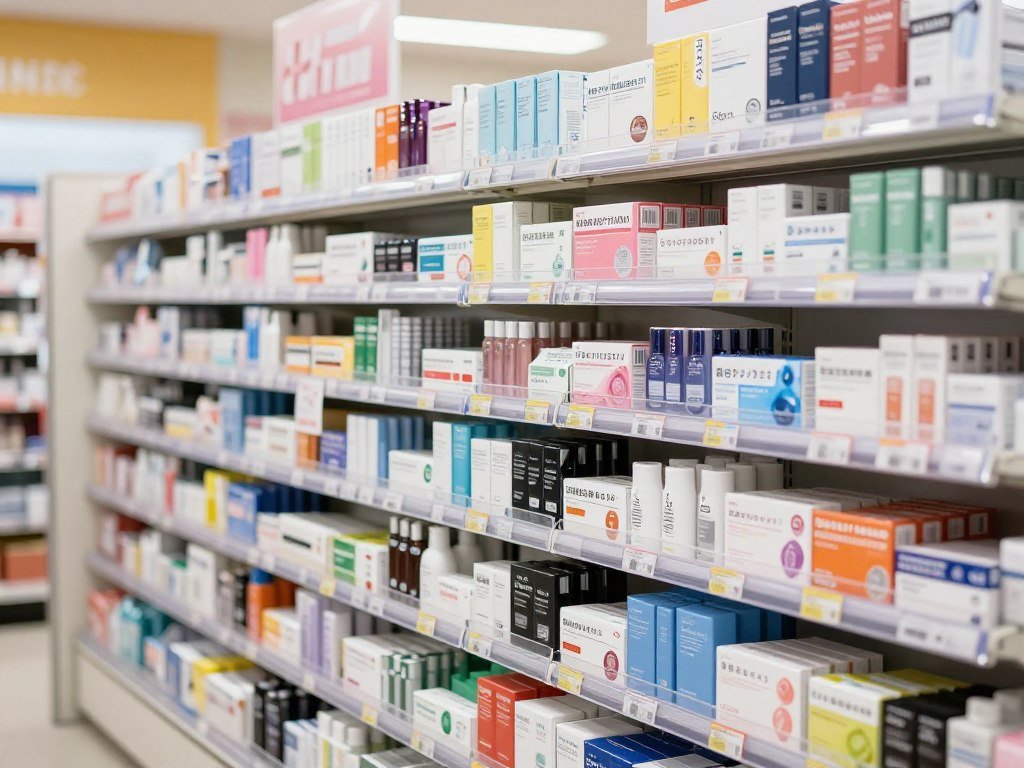
Popular items include sheet masks, sunscreen, and cleansing oils. Brands like Hada Labo, Senka, and Biore offer excellent value. Pharmacists provide recommendations despite potential language barriers.
Don Quijote discount stores sell cosmetics and skincare at reduced prices. These overwhelming mega-stores stock everything imaginable. Late-night shopping available at most locations.
Traditional Crafts and Souvenirs
Traditional Japanese crafts make meaningful souvenirs and gifts. Items like furoshiki wrapping cloths, chopsticks, and tea accessories represent cultural heritage. Quality varies dramatically based on materials and craftsmanship.
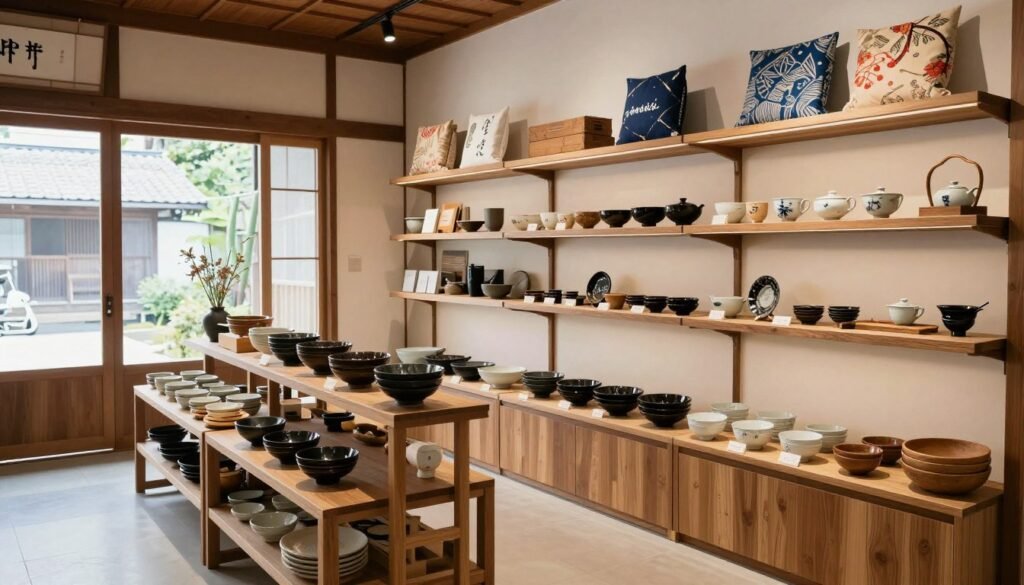
Asakusa shops around Senso-ji Temple sell tourist-oriented traditional items. These work well for casual gifts despite tourist markup. Higher quality crafts require visiting specialized shops in areas like Ginza.
Kappabashi Street specializes in restaurant supply and kitchenware. Professional-grade knives, ceramic dishes, and cooking tools attract culinary enthusiasts. Plastic food samples make unique conversation piece souvenirs.
Snacks and Food Products
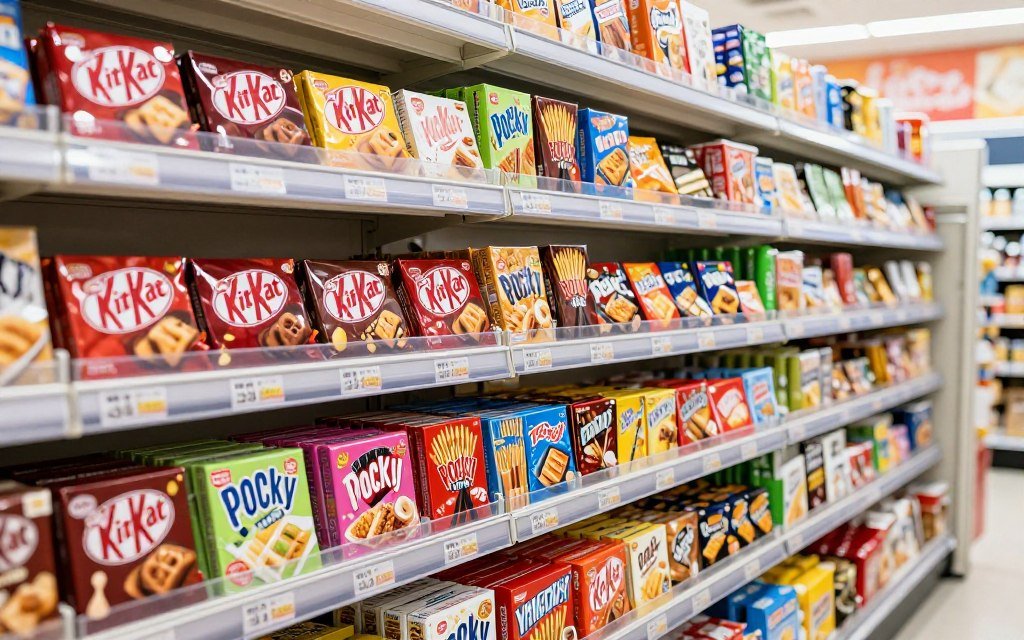
Japanese snacks and packaged foods make popular gifts. Kit Kat offers dozens of unique flavors unavailable elsewhere. Seasonal and regional variations create collecting opportunities.
Tea shops sell premium green tea, matcha powder, and tea accessories. Quality matcha costs significantly more than supermarket versions. Proper storage becomes important for bringing tea home.
Tokyo Banana, Shiroi Koibito cookies, and other regional sweets serve as classic gifts. Airport shops stock these items but neighborhood shops often cost less. Buy early in your trip to avoid last-minute airport prices.
Tax-Free Shopping
Foreign tourists can shop tax-free at participating stores throughout Tokyo. This saves the 10% consumption tax on qualifying purchases. Requirements and procedures vary slightly by store.
Minimum purchase amounts trigger tax-free eligibility, usually 5,000 yen or more. Present your passport showing tourist entry stamp. Staff process paperwork and seal purchases in special bags.
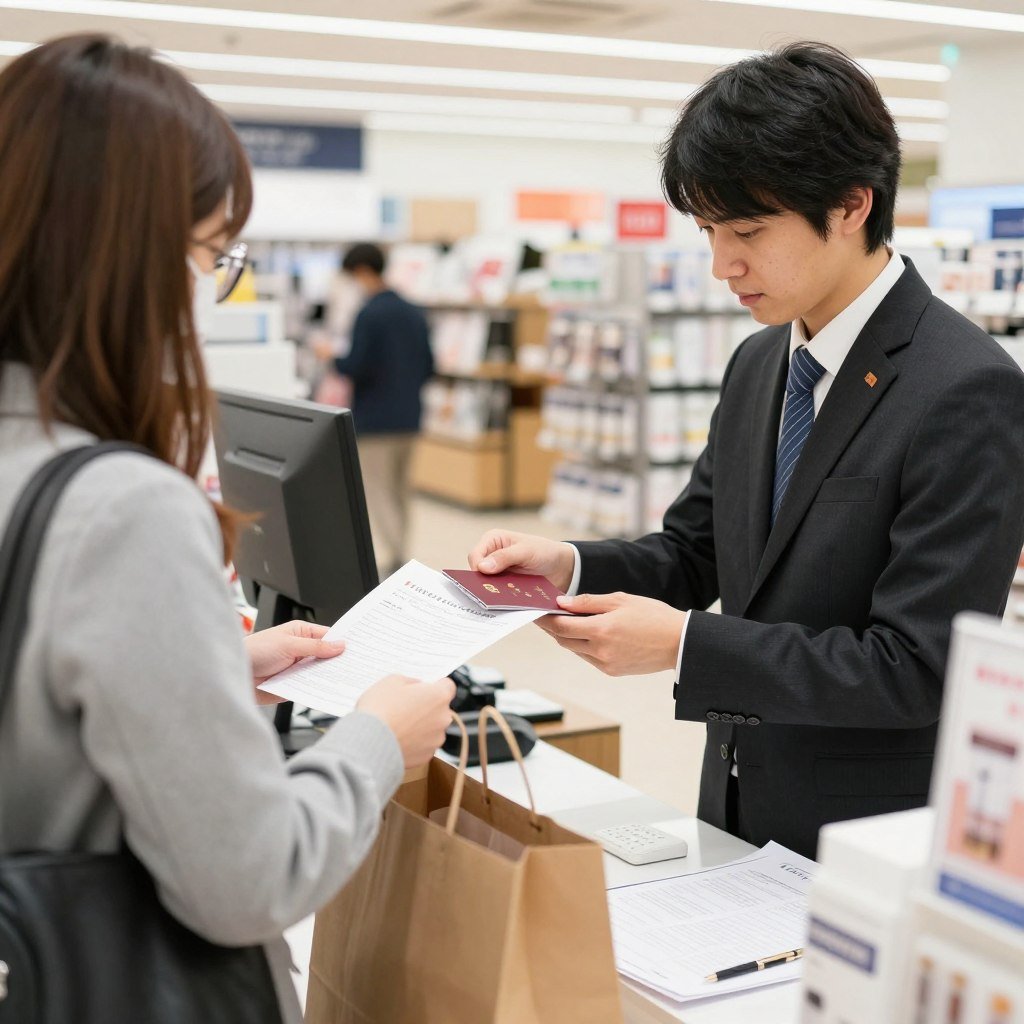
Don’t open sealed tax-free bags until leaving Japan. Customs may check these at the airport. Opened bags could result in having to pay the tax.
Major stores display “Tax-Free Shop” signs clearly at entrances. Drugstore chains, electronics retailers, and department stores all participate. Smaller independent shops rarely offer tax-free shopping.
Shopping Warnings
Counterfeit goods rarely appear in legitimate Tokyo stores. However, super-cheap electronics might lack international warranties. Verify return policies before major purchases. Keep receipts for warranty claims and customs declarations. Budget extra luggage space or consider shipping items home.
Shopping Tips and Strategies
Strategic shopping maximizes value and minimizes regrets. These proven approaches help navigate Tokyo’s overwhelming retail landscape. Plan ahead but leave room for spontaneous discoveries.
Timing Your Shopping
End-of-season sales offer significant discounts on clothing and accessories. January and July bring major sale periods to most stores. Clearance items sometimes drop to 70% off original prices.
Shop early in the day at popular stores to avoid crowds. Department stores open at 10 AM with organized entrances. Late-night discount stores like Don Quijote stay open until early morning.
Payment Methods
Cash remains king at smaller shops despite growing credit card acceptance. Carry sufficient yen for shopping in traditional areas. ATMs at 7-Eleven convenience stores accept foreign cards reliably.
Major credit cards work at department stores and large retailers. Some shops add credit card fees to purchases. Mobile payment apps like PayPay gain popularity but require Japanese accounts.
Day Trips from Tokyo
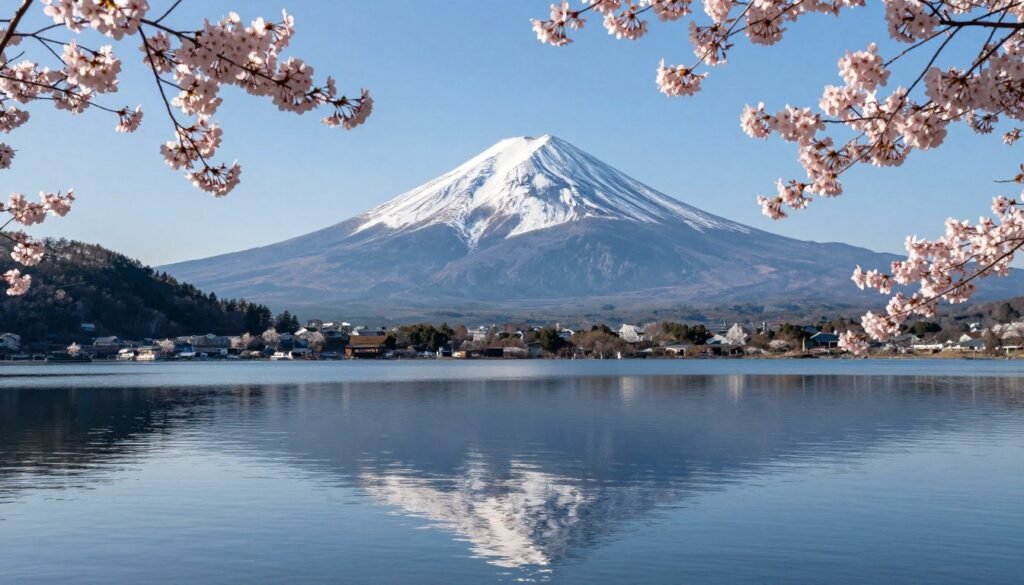
Tokyo’s location provides easy access to incredible destinations nearby. Day trips offer escapes from urban intensity while staying based in the city. Train connections make most destinations reachable within two hours.
These excursions showcase different aspects of Japanese culture and nature. From mountain temples to coastal towns, variety abounds. Consider dedicating 1-2 days of your trip to exploring beyond Tokyo.
Mount Fuji and Hakone
Mount Fuji stands as Japan’s most iconic natural landmark. At 3,776 meters, this perfectly symmetrical volcano dominates the landscape. Clear viewing days feel special due to frequent cloud cover.
Hakone provides the best base for Fuji viewing and hot spring experiences. The mountain town offers museums, scenic cable cars, and Lake Ashi. A popular loop route covers major attractions efficiently.
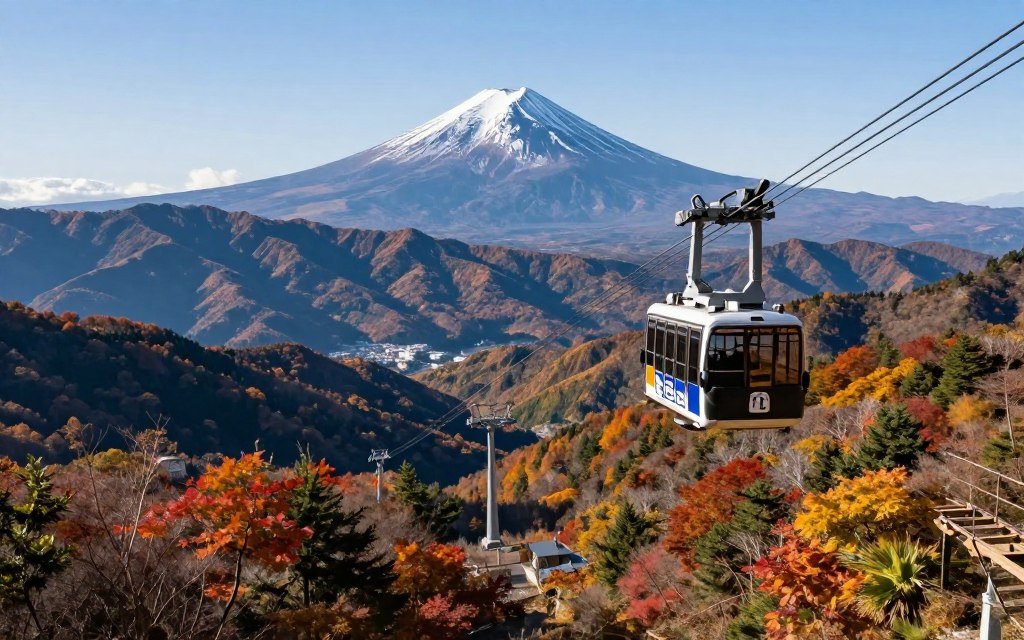
The Hakone Loop includes the ropeway to Owakudani volcanic valley. Sulfur vents and hot springs demonstrate ongoing volcanic activity. Black eggs boiled in the hot springs supposedly add seven years to your life.
Pirate ships cross Lake Ashi offering Fuji views on clear days. Multiple departure points connect with other loop transportation. The entire circuit takes 6-8 hours at a relaxed pace.
Hakone Free Pass from Odakyu Railway includes round-trip train and all loop transportation. The pass costs around 6,100 yen for a two-day version. This beats buying individual tickets significantly.
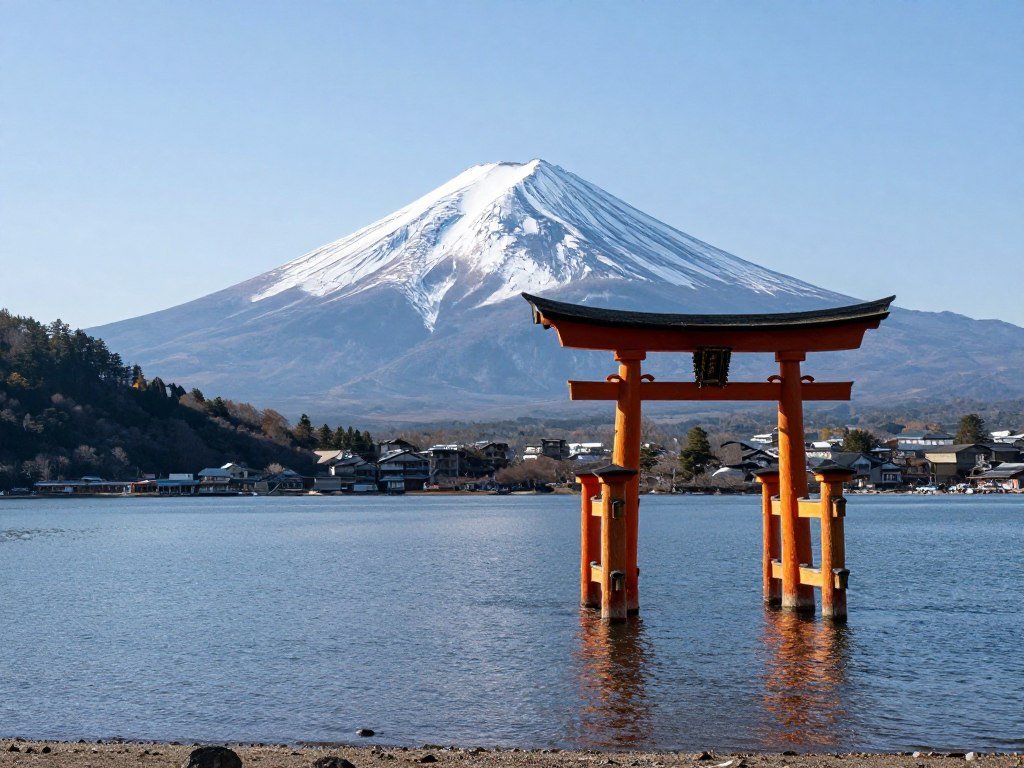
Full-Day Hakone Tour
Comprehensive guided tour covering all major Hakone attractions in one day. Includes ropeway ride, lake cruise, and traditional lunch. Transportation and entrance fees included in package.
- Hotel pickup available
- English-speaking guide
- All transportation included
- Traditional Japanese lunch
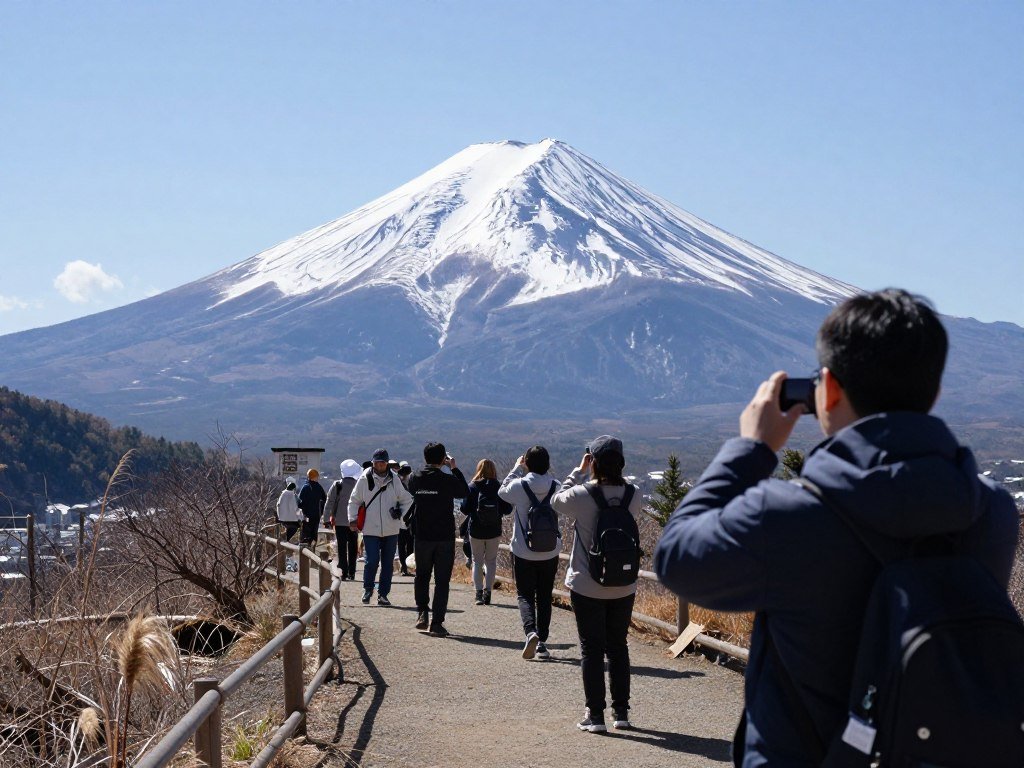
Mount Fuji Fifth Station Tour
Visit Mount Fuji’s Fifth Station at 2,300 meters elevation. Weather-dependent tours ensure best viewing conditions. Includes stops at scenic viewpoints and photo opportunities.
- Fifth Station access
- Photo stops included
- Weather guarantees
- Seasonal adjustments
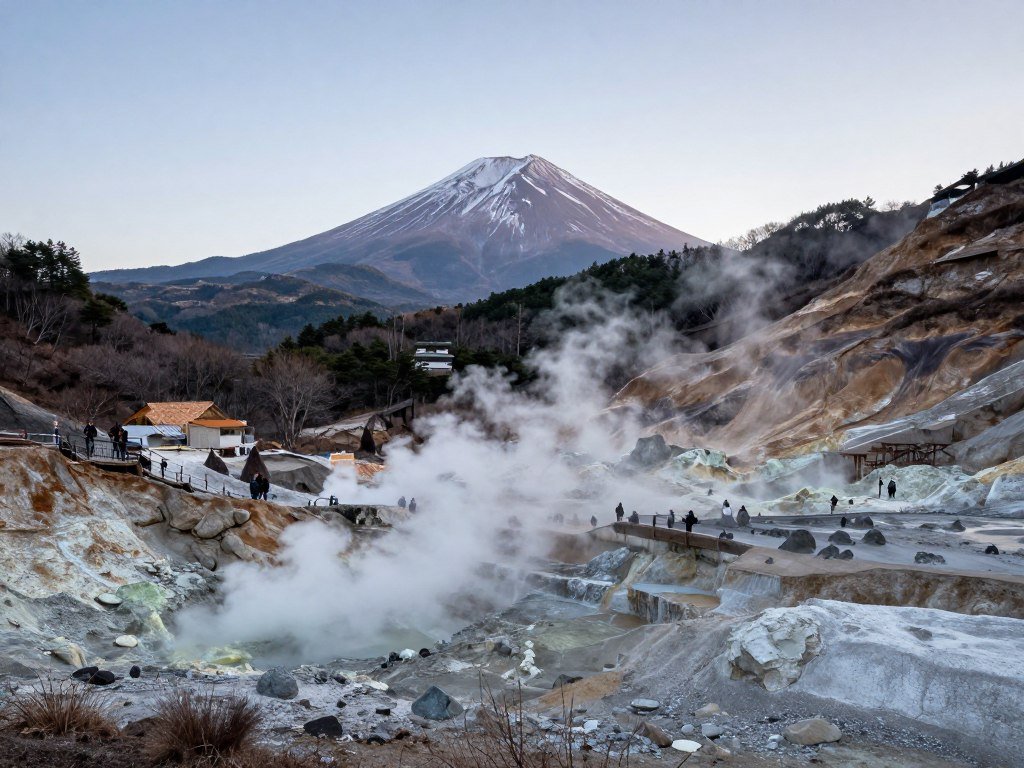
Hakone and Owakudani Adventure
Experience volcanic activity up close at Owakudani’s steaming vents. Try famous black eggs and enjoy panoramic mountain views. Combines natural wonders with cultural experiences.
- Volcanic valley exploration
- Black egg tasting
- Cable car rides
- Museum visits
Nikko: UNESCO World Heritage Temples
Nikko sits two hours north of Tokyo in mountainous terrain. This historic town houses some of Japan’s most ornate shrines and temples. UNESCO recognizes the area for outstanding cultural significance.
Toshogu Shrine showcases incredible architectural detail and craftsmanship. Gold leaf decoration and intricate carvings cover nearly every surface. The famous “see no evil, hear no evil, speak no evil” monkey carving originated here.
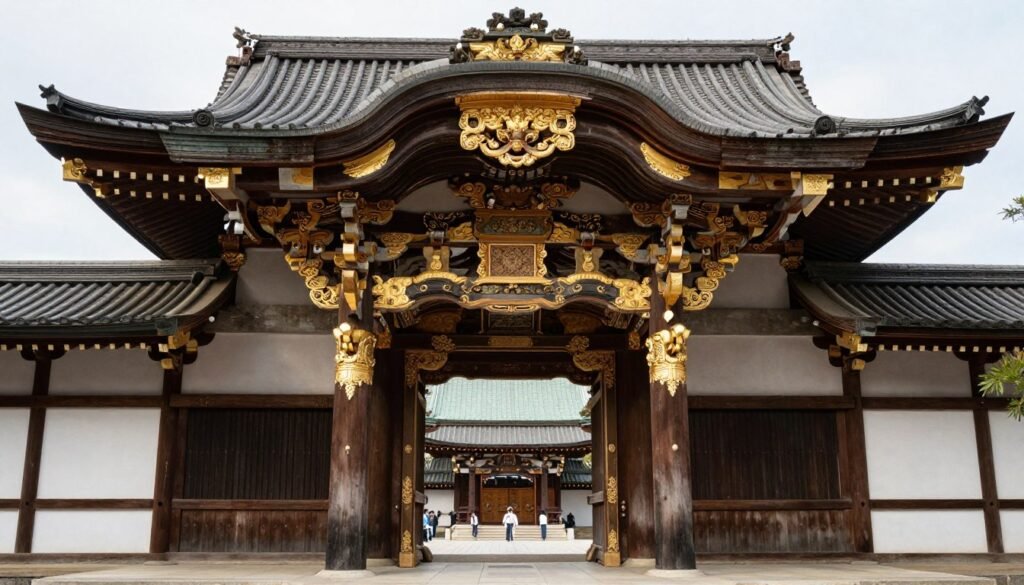
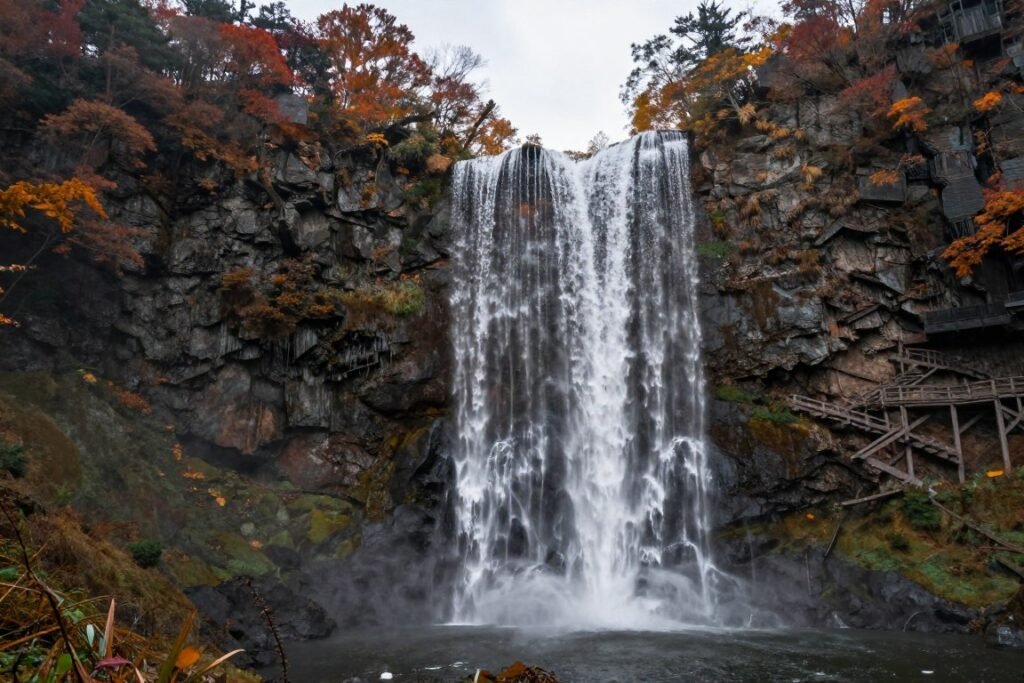
Natural beauty surrounds Nikko’s cultural sites throughout the year. Autumn brings spectacular fall foliage to the mountains. The Sacred Bridge over the Daiya River creates iconic photo opportunities.
Kegon Falls ranks among Japan’s most beautiful waterfalls. Water plunges 97 meters into a gorge below. An elevator descends to an observation platform for close-up views.
Lake Chuzenji provides scenic relaxation after temple touring. The high-altitude lake remains cool even in summer. Boat rentals and lakeside walks offer peaceful experiences.
Reach Nikko via JR or Tobu Railway lines from Tokyo. The JR Pass covers travel on JR lines only. Tobu Railway offers economical packages combining train tickets with bus passes.
Explore Nikko’s Cultural Treasures
Join a guided tour covering Toshogu Shrine, Kegon Falls, and Lake Chuzenji. Expert guides explain historical significance while handling all transportation logistics.
Kamakura: Historic Coastal Town
Kamakura served as Japan’s political capital during the 12th-14th centuries. This coastal town preserves numerous temples and shrines from that era. Beach atmosphere combines with historical significance uniquely.
The Great Buddha (Daibutsu) stands as Kamakura’s most famous attraction. This 13-meter bronze statue dates to 1252. You can enter inside the hollow statue for a small fee.
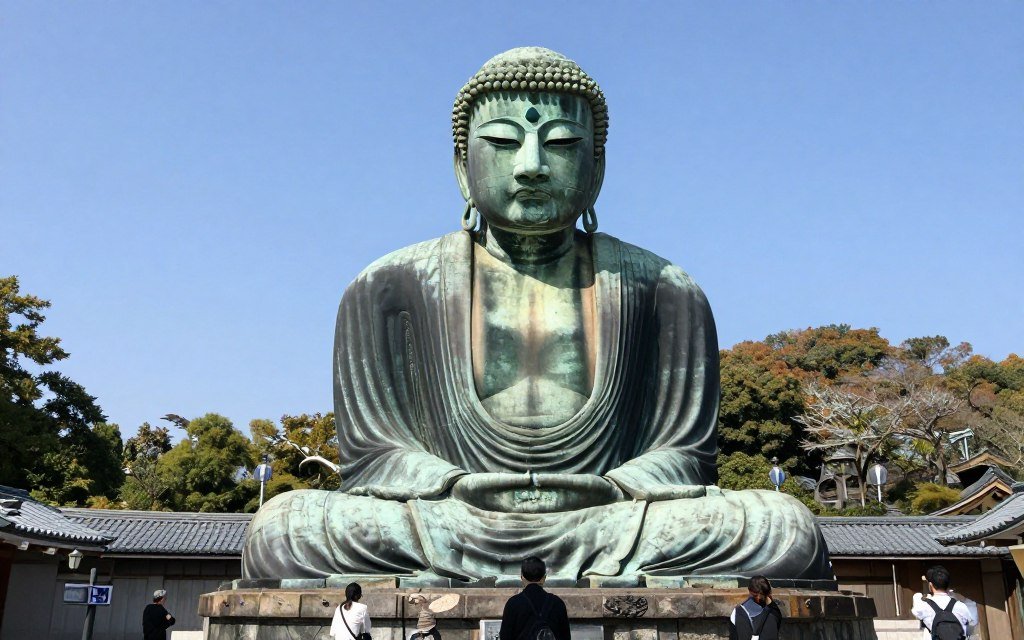
Hasedera Temple features a beautiful garden and ocean views. The temple houses an impressive 9-meter wooden statue of Kannon. Thousands of small Jizo statues line the temple grounds.
Tsurugaoka Hachimangu Shrine sits at the heart of Kamakura. This important shrine hosts various festivals throughout the year. The approach features shops selling local specialties and souvenirs.
Komachi Street offers shopping and dining between the station and shrine. This pedestrian lane packs restaurants and shops tightly together. Try local specialties like shirasu (whitebait) rice bowls.
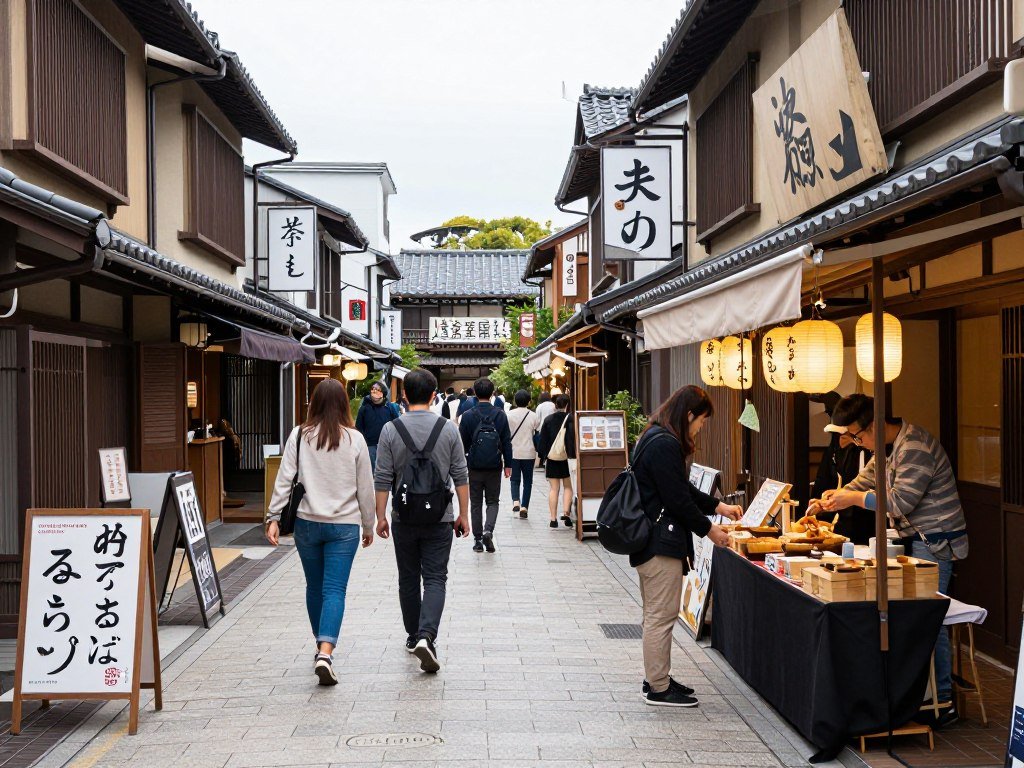
Kamakura’s beaches provide summer swimming and surfing opportunities. Yuigahama and Zaimokuza beaches attract locals on hot days. Beach houses serve food and rent equipment during summer months.
Trains from Tokyo reach Kamakura in about one hour. The JR Yokosuka Line provides direct service from Tokyo Station. Purchase a Kamakura-Enoshima Pass for unlimited local train and bus travel.
Yokohama: Modern Port City
Yokohama sits just 30 minutes from Tokyo by train. Japan’s second-largest city offers distinct character from the capital. The waterfront area showcases modern architecture and entertainment.
Minato Mirai 21 district features futuristic buildings and attractions. The Landmark Tower observation deck provides 360-degree views. Shopping malls, museums, and an amusement park fill the area.
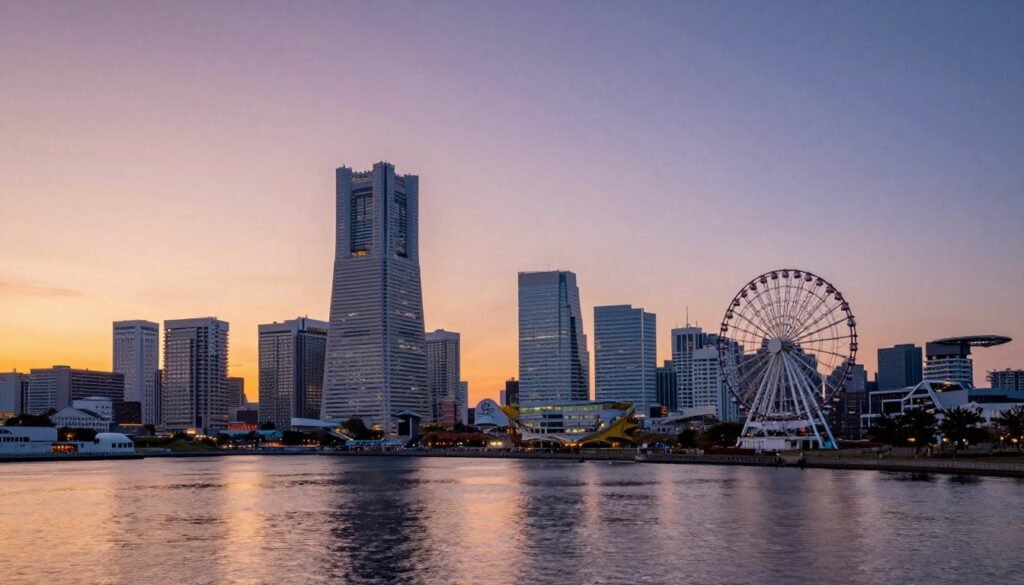
Yokohama Chinatown represents the largest Chinatown in Japan. Over 500 shops and restaurants pack into several blocks. Chinese cuisine here often surpasses what’s available in Tokyo.
The Cup Noodles Museum celebrates instant ramen’s invention in Yokohama. Interactive exhibits let you design custom cup noodles. The museum attracts families and ramen enthusiasts equally.
Sankeien Garden provides traditional landscape architecture and historic buildings. This 175,000 square meter garden contains structures relocated from Kyoto and Kamakura. Seasonal flowers bloom throughout the year.
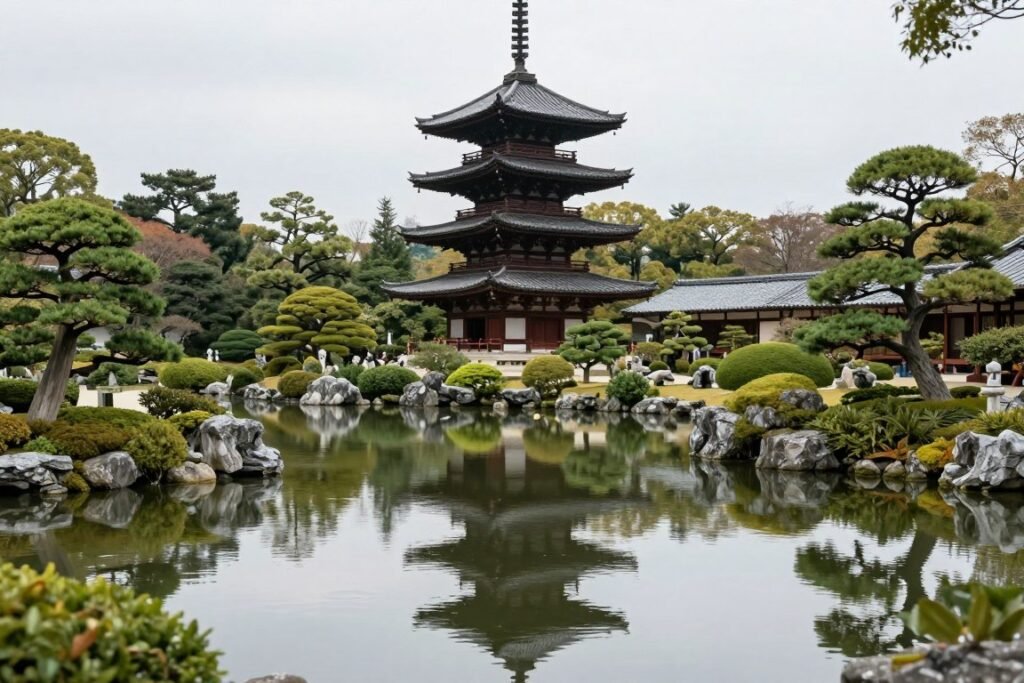
Yokohama requires less time than other day trips. Half-day visits cover major attractions easily. Consider combining Yokohama with Kamakura for a full-day coastal excursion.
Kawagoe: “Little Edo”
Kawagoe preserves Edo period atmosphere just 30 minutes from Tokyo. Historic merchant warehouses line the main street. This offers a glimpse of pre-modern Japan without traveling to Kyoto.
Kurazukuri Street features distinctive clay-walled warehouses built in traditional style. Many now house shops, cafes, and small museums. The area comes alive on weekends with visitors and events.
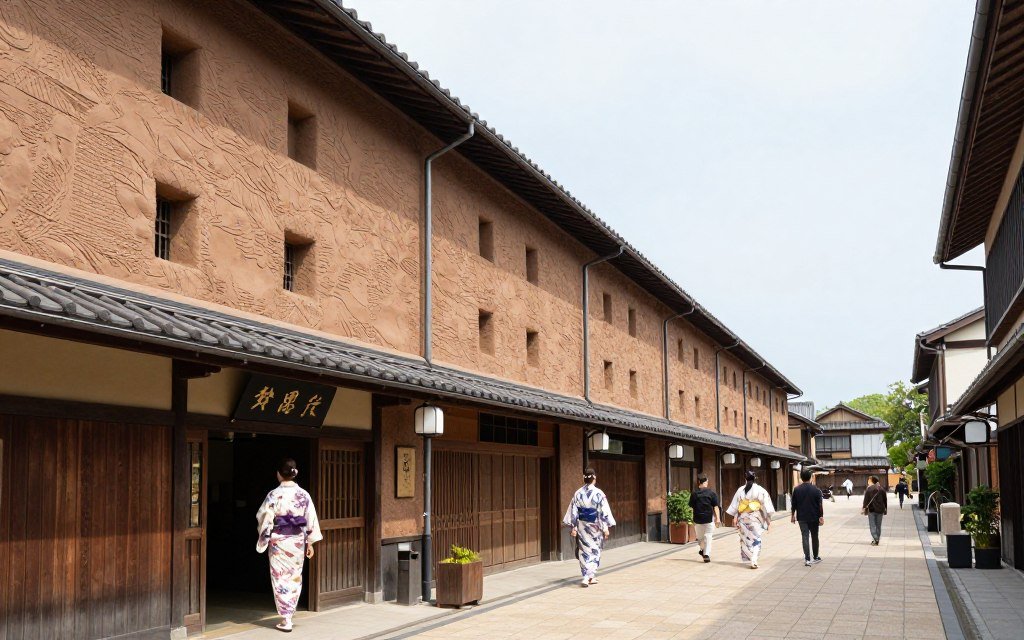
Kashiya Yokocho (Candy Alley) sells traditional Japanese sweets and snacks. This narrow lane preserves nostalgic atmosphere and flavors. Sample unusual candies rarely found elsewhere.
Kita-in Temple grounds include remaining buildings from Edo Castle. These structures were relocated here after the castle burned. The temple garden features 540 Rakan statues, each with unique expressions.
Time your visit for the monthly festival on days with “4” in the date. Vendors fill the streets with antiques, crafts, and food stalls. The atmosphere becomes even more festival-like than usual.
Frequent trains from Ikebukuro Station reach Kawagoe in 30 minutes. The Tokyo Metro Fukutoshin Line provides through service. This makes Kawagoe an easy half-day trip.
Day Trip Planning Tips
Start early to maximize sightseeing time at destinations. Pack light as you’ll carry everything all day. Check weather forecasts and have backup indoor options. Buy return tickets when possible to avoid lines later. Bring snacks and water as prices increase at tourist sites. Consider guided tours to maximize limited time and avoid navigation stress.
Cultural Etiquette and Customs
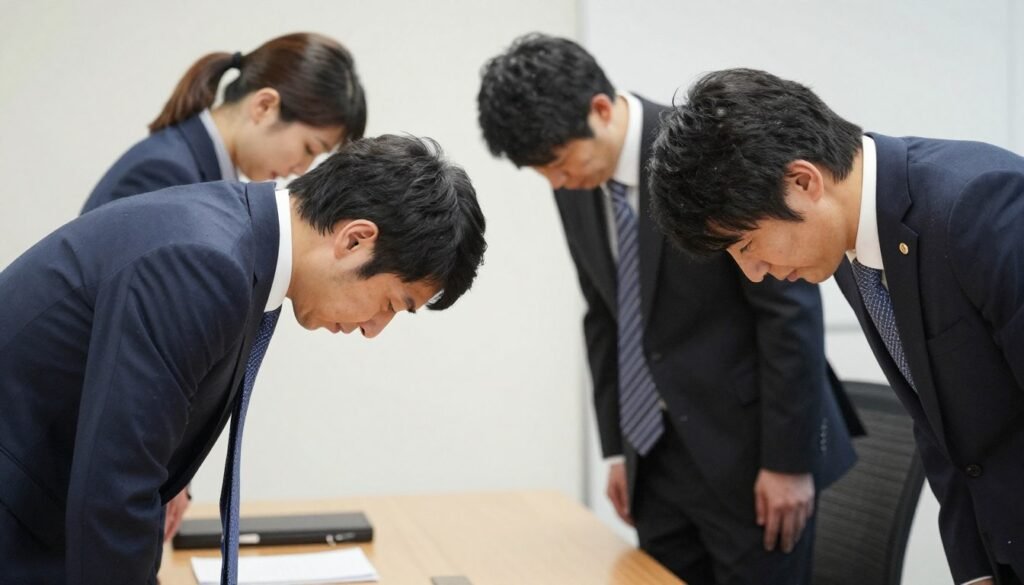
Understanding Japanese customs prevents awkward situations and shows respect. Cultural awareness enhances interactions with locals. Most Japanese people appreciate foreigners who make efforts to follow local manners.
Don’t worry about perfection with etiquette rules. Japanese people generally forgive tourist mistakes politely. Good intentions and basic awareness go a long way toward positive experiences.
General Behavior and Manners
Japanese society values harmony and consideration for others. Public behavior focuses on not disturbing those around you. This creates the remarkably clean and orderly environment tourists notice.
Noise Levels
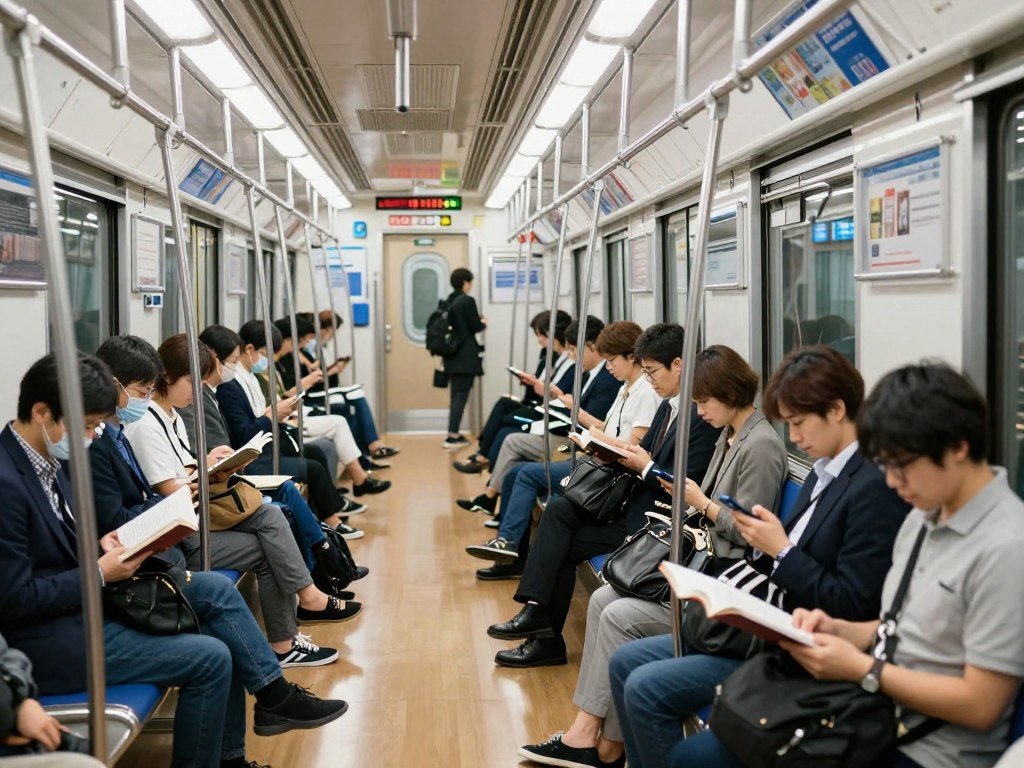
Keep voices low in public spaces like trains and restaurants. Phone conversations on trains are considered rude. Switch phones to silent mode and move to exits for necessary calls.
Eating while walking generally breaks etiquette rules. Stand near vending machines or stores when eating purchased items. Many street food vendors provide small standing areas for consumption.
Queue Culture
Japanese people form orderly lines for everything from trains to restaurant entrances. Cutting in line never happens and causes visible discomfort. Wait your turn even when lines seem inefficient.
Train platform markings show exactly where doors will open. People queue in designated spots rather than crowding doorways. This system speeds boarding and maintains order.
Shoes and Indoor Spaces
Remove shoes when entering homes, traditional restaurants, and some temples. Slippers often provided for indoor use. Never wear outdoor shoes on tatami mat floors.
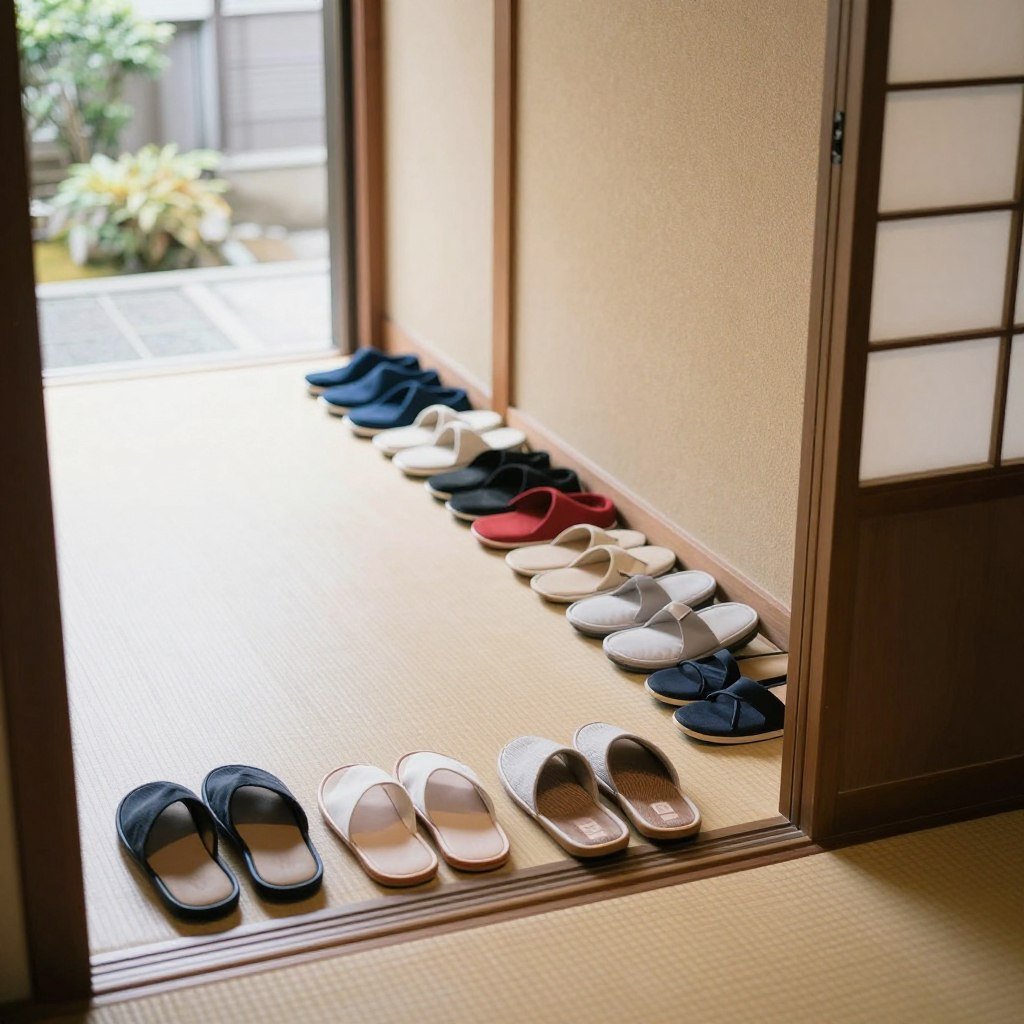
Bathroom slippers stay in the bathroom only. Switch to these when using restroom facilities. Forgetting to change back after using the restroom causes embarrassment.
Watch what others do when unsure about shoe removal. Entrances with raised floors typically require shoe removal. Shoe racks or lockers indicate where to leave footwear.
Dining Etiquette
Japanese dining customs differ significantly from Western practices. Following basic rules shows respect for food culture. These manners enhance your dining experiences.
Chopstick Rules
Never stick chopsticks vertically into rice bowls. This resembles funeral rituals and brings bad luck. Rest chopsticks on provided holders or across your bowl.
Don’t pass food directly from your chopsticks to another person’s chopsticks. This also resembles funeral customs for handling cremated remains. Place shared food on their plate instead.
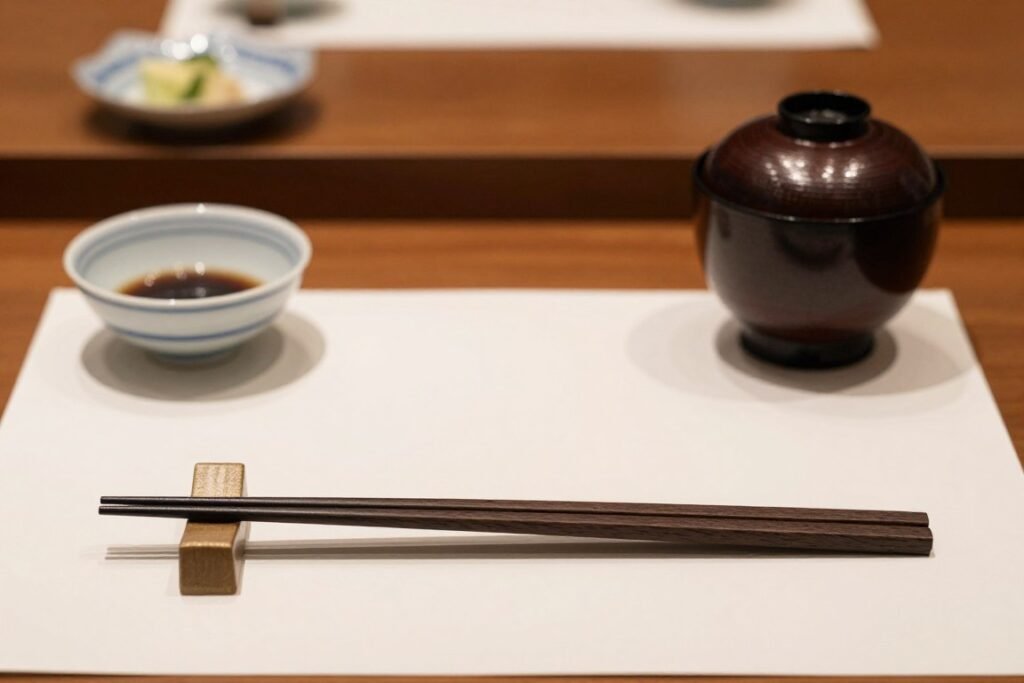
Avoid pointing chopsticks at people or waving them around. This appears aggressive and rude. Keep chopsticks horizontal when not actively eating.
Drinking Customs
Pour drinks for others rather than filling your own glass. This social custom builds relationships and shows consideration. Wait for others to pour your drinks in return.
Hold your cup with both hands when someone pours for you. This shows gratitude and respect. The custom applies to both alcoholic and non-alcoholic beverages.
Say “kanpai” (cheers) before drinking in group settings. Wait until everyone’s glass is full and someone initiates the toast. Take at least a sip before setting down your glass.
Paying the Bill
Fighting over the bill rarely happens in Japanese culture. The person who invited usually pays without debate. Splitting bills precisely happens more among younger people.
Bring your check to the register rather than paying at the table. Cash payment remains most common despite growing card acceptance. Count change carefully as mistakes rarely occur.
Temple and Shrine Etiquette
Religious sites follow specific customs for showing respect. These simple rituals purify visitors before entering sacred spaces. Participation is optional but shows cultural understanding.
Purification Ritual
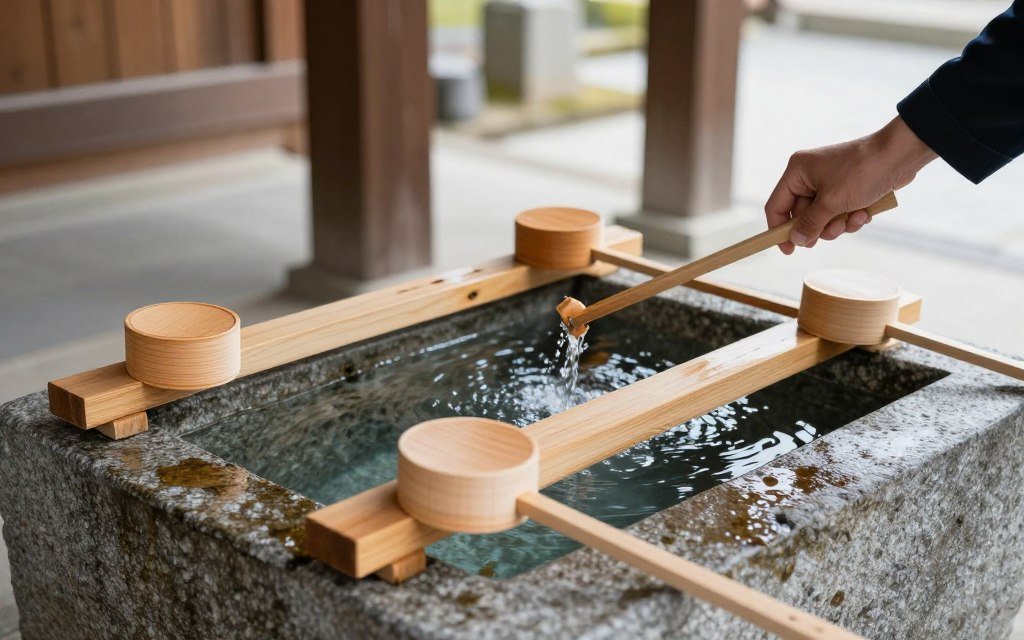
Water basins (temizuya) stand at shrine entrances for purification. Take a ladle in your right hand and pour water over your left hand. Switch hands and repeat for your right hand.
Pour water into your left hand and rinse your mouth. Spit the water beside the basin, not back into it. Tilt the ladle vertically to rinse the handle with remaining water.
Prayer Procedure
Bow twice deeply at the shrine’s main hall. Clap your hands twice loudly. Bow once more deeply while making your prayer or wish.
Toss coins into the offering box before praying. Five-yen coins bring good luck due to wordplay in Japanese. The amount doesn’t matter spiritually.
Ring the bell rope if present before praying. This announces your presence to the deity. Pull firmly but don’t swing wildly.
Photography Restrictions
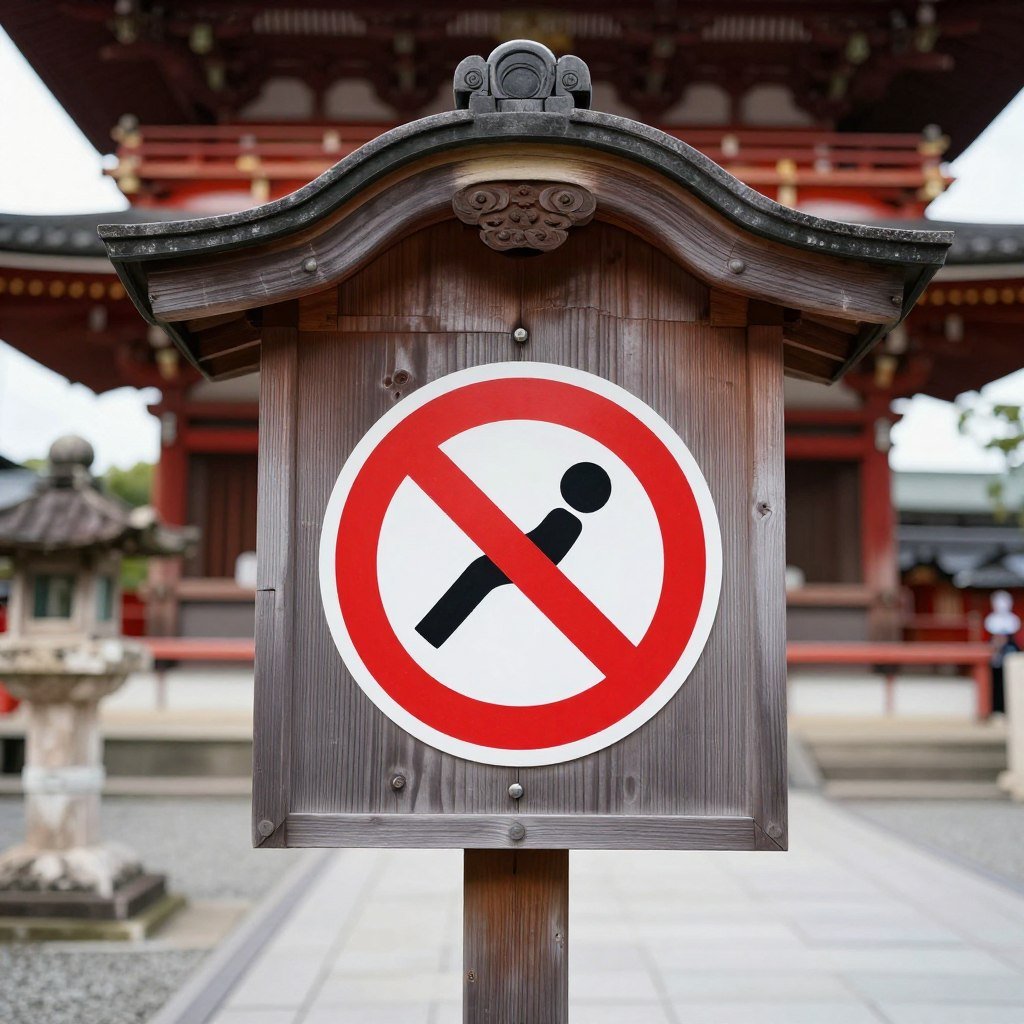
Some temple and shrine areas prohibit photography. Look for signs showing cameras with X marks. Main worship halls often ban photos inside.
Never photograph people during prayer or worship. This interrupts their spiritual practice rudely. Respect personal space and religious devotion.
Public Bath and Onsen Rules
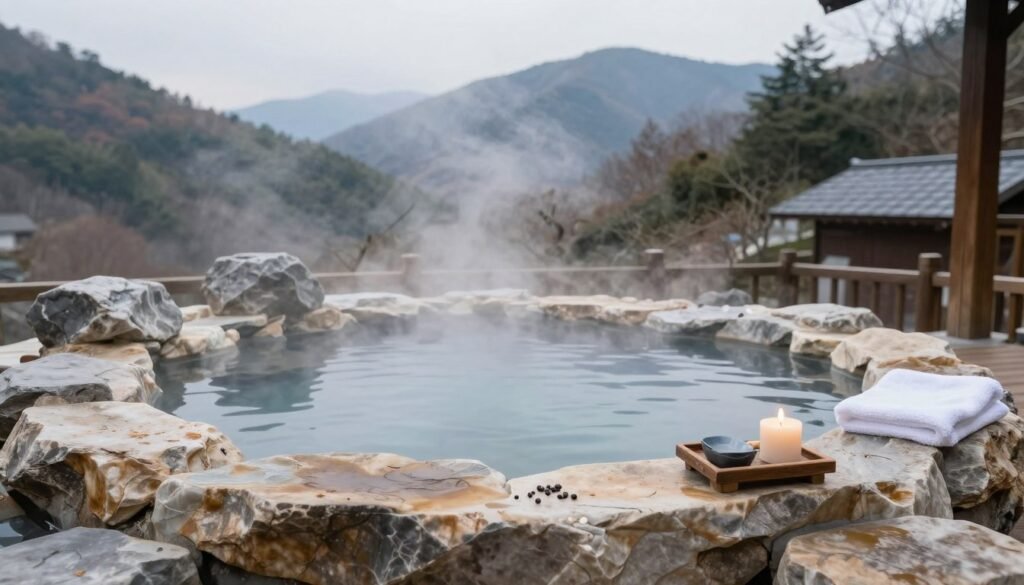
Public baths and hot springs (onsen) follow strict hygiene protocols. These rules maintain cleanliness for all users. Breaking them causes significant social discomfort.
Washing Before Bathing
Wash your entire body thoroughly before entering any bath. Sit on provided stools and use shower facilities. Rinse completely before stepping into the hot water.
Never bring soap or shampoo into the bath water. The communal bath is for soaking only after washing. Shower areas provide all necessary bathing products.
Towel Usage
Small towels can enter the bathing area for modesty while walking. Don’t let towels touch the bath water. Place them on your head or beside the bath.
Some facilities prohibit visible tattoos due to cultural associations. Small tattoos might be overlooked, but large ones could deny entry. Tattoo-friendly onsen exist in tourist areas.
Gift Giving Customs
Gift giving plays an important role in Japanese social interactions. Presentation matters as much as the gift itself. Follow these basics for giving appropriate gifts.
Wrapping and Presentation
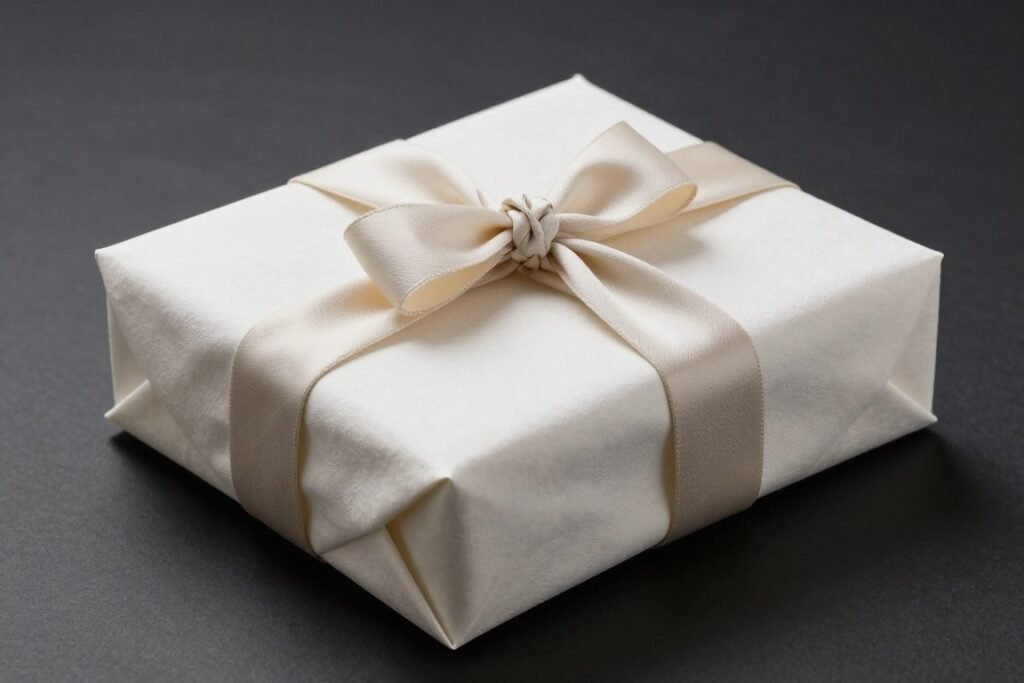
Gifts should always be wrapped beautifully. Department stores provide complimentary gift wrapping services. The effort put into presentation demonstrates respect.
Present gifts with both hands while bowing slightly. Receive gifts the same way. Don’t open gifts immediately unless the giver insists.
Appropriate Gifts
Food items from your home country make excellent gifts. Individually wrapped sweets work well for sharing with groups. Avoid giving sets of four items as the number suggests death.
Quality matters more than price with Japanese gifts. Choose well-known brands or specialty items. Practical gifts often receive more appreciation than decorative ones.
Cultural Sensitivity Tips
Learn basic Japanese phrases like “arigatou” (thank you) and “sumimasen” (excuse me/sorry). Apologize if you make mistakes with customs—Japanese people appreciate the effort. Download a translation app for important communications. Observe what others do when uncertain about behavior. Ask permission before photographing people directly. Respect personal space on crowded trains. Remove backpacks and hold them when trains get packed.
Experience Traditional Japanese Culture
Join cultural experiences like tea ceremony, calligraphy, or kimono wearing. Expert instructors explain customs and etiquette while you participate in authentic traditions.
Practical Tips for First-Time Visitors
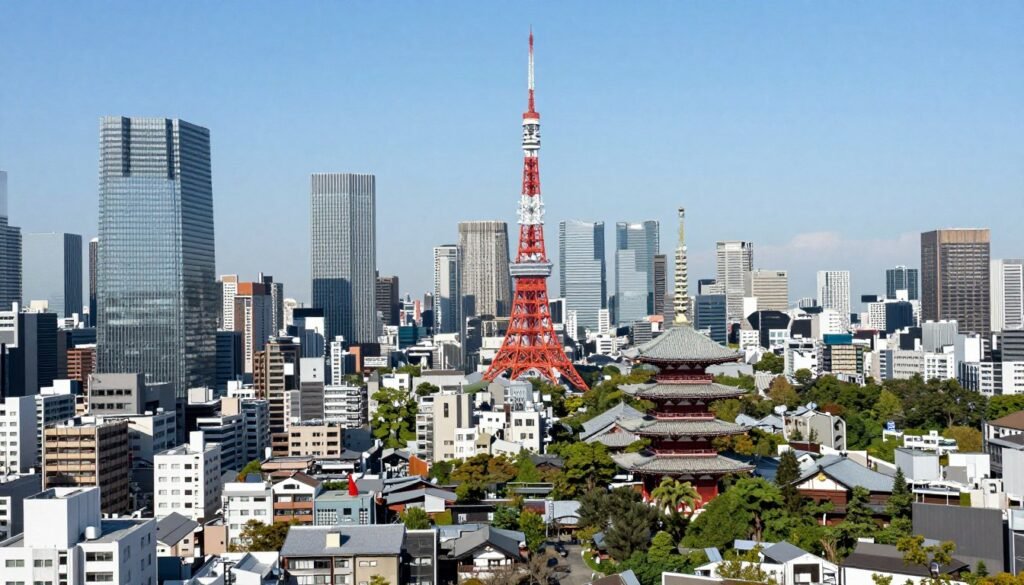
First trips to Tokyo bring excitement and logistical challenges. These practical tips address common concerns and questions. Proper preparation prevents small issues from becoming trip-ruining problems.
Tokyo welcomes millions of foreign visitors annually. Infrastructure supports international travelers well in most areas. Knowing what to expect makes navigation much smoother.
Money and Budgeting
Japan remains a cash-based society despite technological advancement. Many small restaurants and shops accept cash only. Always carry sufficient yen for daily expenses.
Currency and Exchange
Exchange money at airports, banks, or post offices for best rates. Tourist area exchange services charge higher fees. Hotels offer convenience but worst exchange rates.
ATMs at 7-Eleven stores accept most foreign cards. These machines operate 24 hours in most locations. Post office ATMs also work well with international cards.
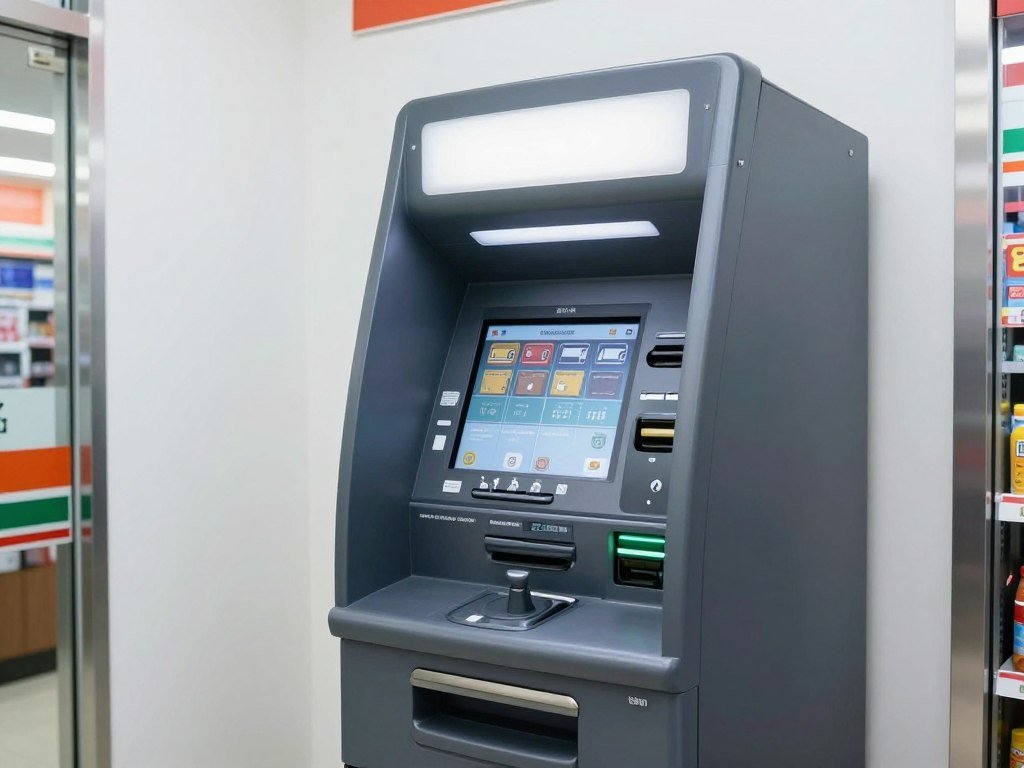
Withdraw larger amounts less frequently to minimize ATM fees. Your bank likely charges foreign transaction fees per withdrawal. Calculate optimal withdrawal amounts based on your fee structure.
Daily Budget Estimates
Budget travelers can survive on 5,000-7,000 yen daily. This includes hostel accommodation, convenience store meals, and public transportation. Splurging occasionally requires additional funds.
Mid-range budgets of 15,000-25,000 yen provide comfortable experiences. This covers business hotel rooms, restaurant meals, and attraction entries. Some shopping and activities fit this budget.
Luxury travelers should budget 40,000+ yen daily. This allows high-end hotels, fine dining, and premium experiences. Tokyo luxury can extend infinitely upward in cost.
| Expense Category | Budget | Mid-Range | Luxury |
| Accommodation (per night) | 2,000-4,000 yen | 8,000-15,000 yen | 25,000+ yen |
| Meals (per day) | 1,500-2,500 yen | 4,000-8,000 yen | 15,000+ yen |
| Transportation (per day) | 800-1,200 yen | 1,200-2,000 yen | 3,000+ yen |
| Activities (per day) | 500-1,000 yen | 2,000-5,000 yen | 10,000+ yen |
Communication and Language
English proficiency varies widely across Tokyo. Tourist areas and major hotels employ English speakers. Smaller establishments and neighborhoods require more creative communication.
Language Barriers
Learn basic Japanese phrases for common situations. “Sumimasen” works for excuse me, sorry, and getting attention. “Arigatou gozaimasu” expresses thank you politely.
Download Google Translate app with Japanese language pack before traveling. The camera function translates signs and menus instantly. Voice translation helps with spoken communication.
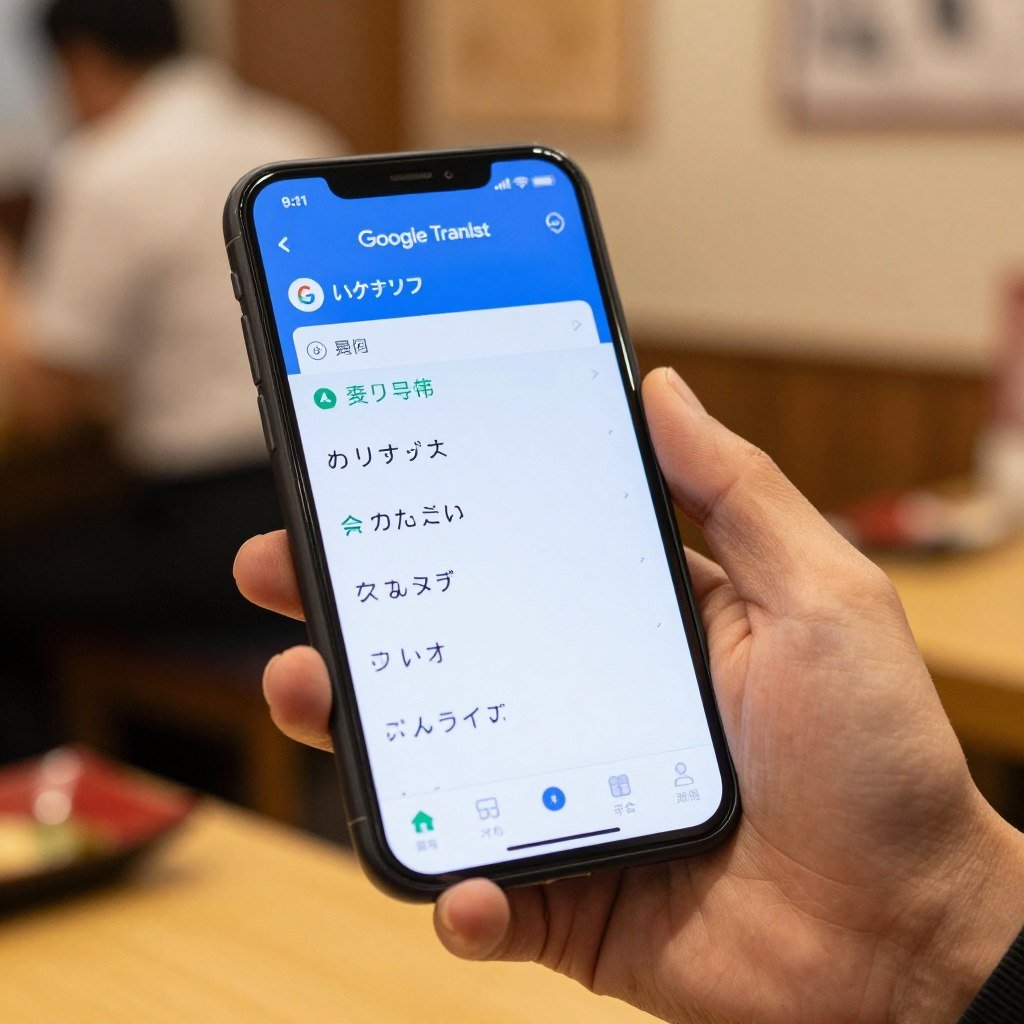
Point at menu pictures when verbal communication fails. Most restaurants display food photos or plastic models. This visual menu system removes language barriers effectively.
WiFi and Internet Access
Rent a pocket WiFi device for unlimited internet throughout your trip. These portable hotspots work on all your devices. Daily rental costs 500-1,000 yen depending on speed.
Free WiFi exists at convenience stores, train stations, and cafes. Quality and speed vary significantly by location. Security concerns make pocket WiFi worth the small investment.
Purchase a tourist SIM card for data on your smartphone. These require unlocked phones compatible with Japanese networks. Data-only SIM cards cost 2,000-4,000 yen for 1-2 weeks.
Stay Connected Throughout Your Trip
Reserve a pocket WiFi device for pickup at the airport. Unlimited data keeps you connected for navigation, translation, and sharing your Tokyo adventures.
Safety and Health
Tokyo ranks among the world’s safest major cities. Violent crime remains extremely rare. Standard travel precautions suffice for personal safety.
Personal Safety
Walking alone at night poses minimal danger in most areas. Well-lit streets and visible police presence maintain security. Avoid isolated areas late at night as basic precaution.
Pickpocketing rarely occurs but remains possible in crowded areas. Keep valuables secure in front pockets or bags. Japanese people often leave belongings unattended without issues.
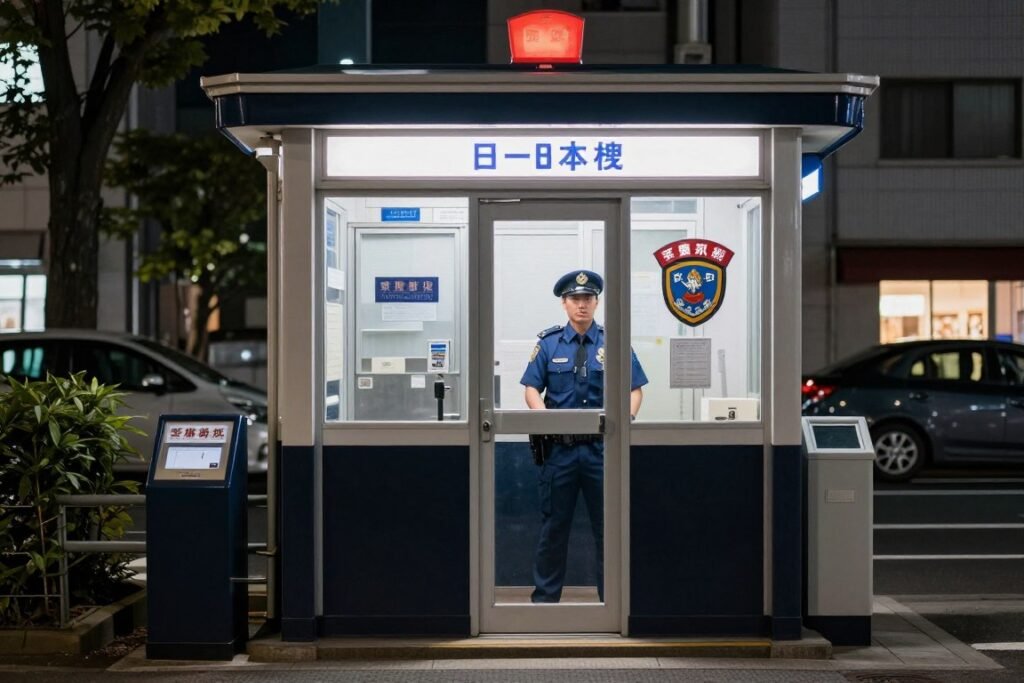
Emergency numbers in Japan include 110 for police and 119 for ambulance/fire. Limited English support exists on these lines. Your hotel can assist with emergency communications.
Health Considerations
Japan’s healthcare system provides excellent quality but costs substantial amounts. Purchase travel insurance covering medical emergencies before your trip. Bills can reach thousands of dollars for serious incidents.
Pharmacies (kusuriya) sell over-the-counter medications for common ailments. Bring prescriptions for medications you take regularly. Japanese customs restrict certain medicines legal elsewhere.
Tap water throughout Tokyo is completely safe to drink. Free water comes with restaurant meals. Vending machines offer drinks everywhere at reasonable prices.
Packing Essentials
Strategic packing makes Tokyo travel more comfortable. Consider season, activities, and laundry availability. Luggage storage services exist at stations for day trips.
Clothing Recommendations
Pack comfortable walking shoes as Tokyo requires extensive walking. Slip-on shoes simplify frequent removal at temples and restaurants. Bring shoes you’ve already broken in thoroughly.
Layer clothing for variable indoor and outdoor temperatures. Air conditioning runs aggressively in summer. Heated buildings contrast with cold winter weather outside.

Consider Japanese building sizes when choosing luggage. Large suitcases struggle on trains and in small hotel rooms. Carry-on size bags provide more flexibility and convenience.
Technology and Adapters
Japan uses Type A electrical outlets with 100V power. North American devices work without adapters. European and other regions require plug adapters.
Bring portable battery packs for smartphone charging while sightseeing. Long days drain batteries quickly with navigation and photos. Convenience stores sell charging cables if needed.
Download offline maps and guides before arrival. Google Maps offers offline functionality. Save accommodation addresses in Japanese for showing taxi drivers.
Tipping Culture
Japan has no tipping culture in any service industry. Restaurant bills include all charges. Additional money might cause confusion or offense.
Exceptional service is expected as professional standard, not rewarded extra. Servers take pride in their work regardless of tips. This simplifies all transactions significantly.
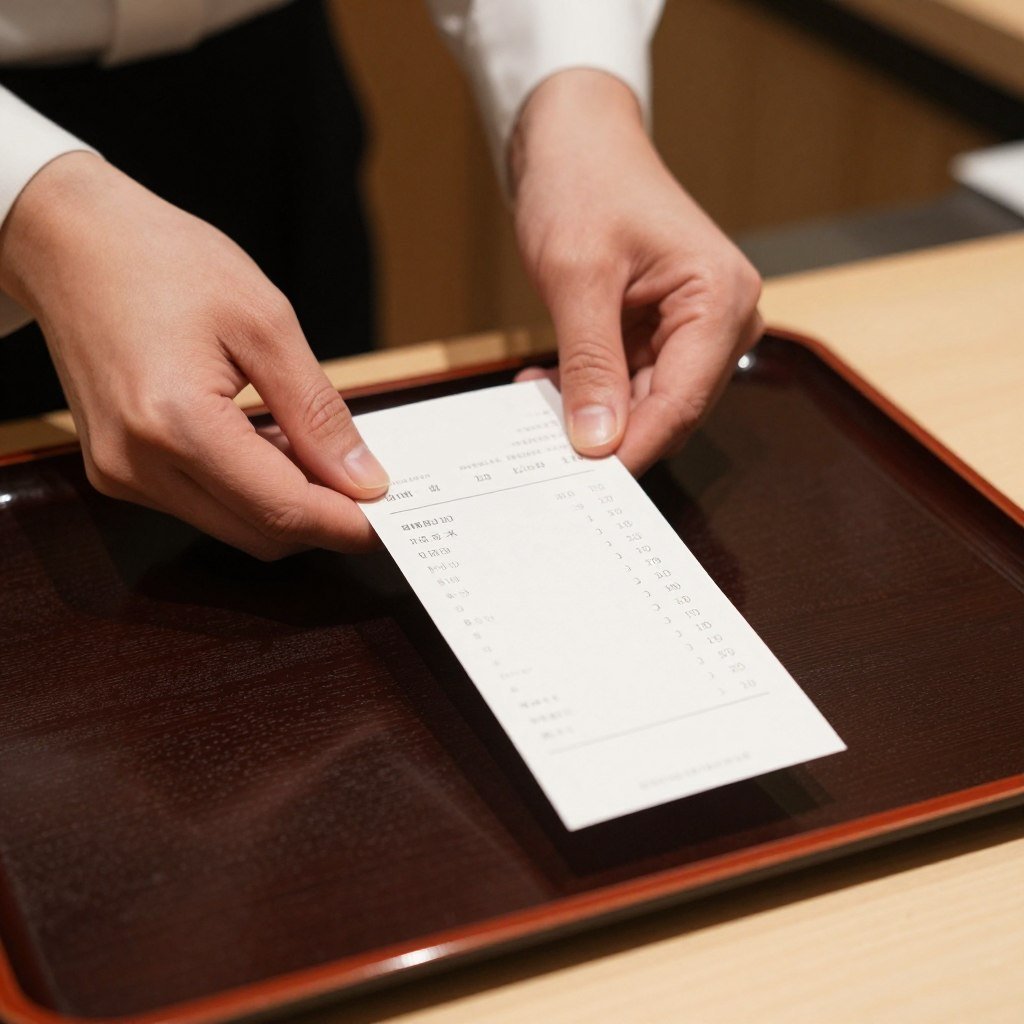
Some hotels add service charges to bills automatically. These charges replace tipping and go to the establishment. High-end restaurants might include service charges similarly.
Useful Apps and Resources
Smartphone apps transform Tokyo navigation and discovery. Download these before arriving for maximum usefulness. Many require internet connection to function fully.
Essential Apps
Google Maps provides the best navigation for Tokyo transportation. It calculates train routes with accurate timing and costs. Walking directions include detailed street-level guidance.
HyperDia app specializes in train route planning across Japan. This includes all JR and private railway lines. Particularly useful for planning day trips and intercity travel.
PayPay mobile payment app gains wider acceptance daily. Setting up requires Japanese phone number or bank account. Tourists should stick with cash and credit cards.
Translation Tools
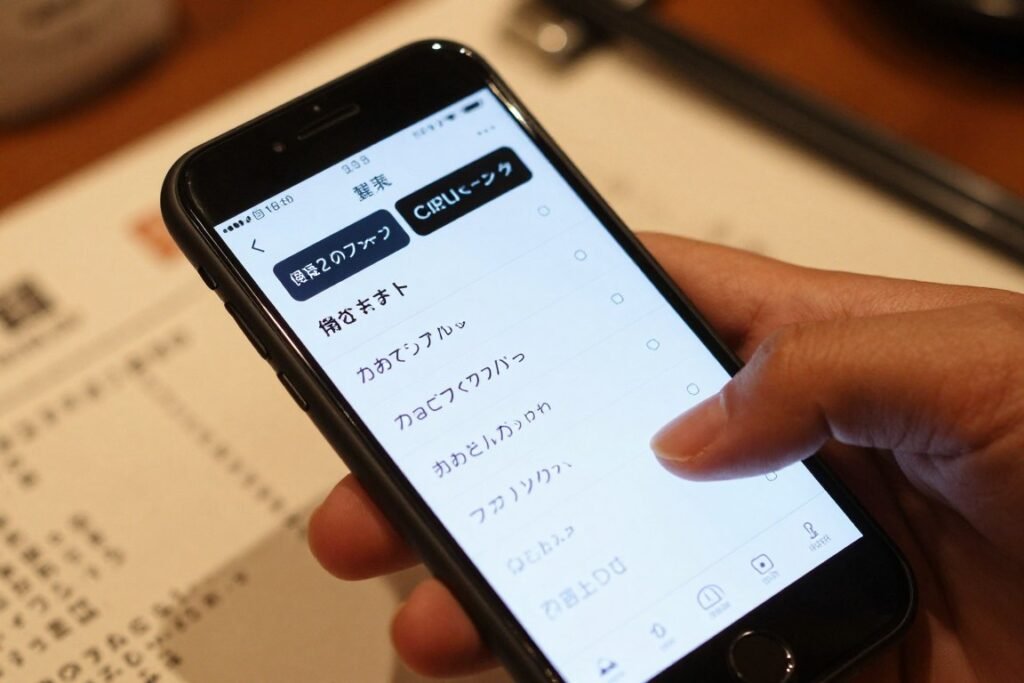
Google Translate camera function translates signs instantly. Point your camera at Japanese text for immediate translation. Download Japanese language pack for offline functionality.
Yomiwa app specializes in Japanese character recognition. This works better than Google Translate for complex kanji. Useful for reading ingredient lists and detailed signs.
Luggage and Storage Solutions
Coin lockers exist throughout train stations and tourist areas. Sizes range from small to large suitcase capacity. Costs run 300-700 yen for 24 hours depending on size.
Luggage forwarding services (takuhaibin) ship bags between cities. Send luggage to your next hotel and travel light for a day. Services cost 2,000-3,000 yen per bag typically.
Hotels usually store luggage before check-in and after checkout. This allows sightseeing on arrival and departure days. Most provide this service free of charge.
Ship Your Luggage Ahead
Use luggage forwarding services to send bags directly to your next hotel. Travel light while exploring Tokyo, then reunite with your luggage at your destination.
Emergency Contacts and Assistance
Keep important contact information saved in your phone and written down. Embassy information becomes crucial during serious emergencies. Know how to request help in Japanese.
Important Numbers
- Emergency Police: 110
- Emergency Ambulance/Fire: 119
- Japan Helpline (English): 0570-000-911
- Tokyo Metropolitan Police English Hotline: 03-3501-0110
- Your embassy contact information
- Your accommodation phone number
- Your travel insurance provider hotline
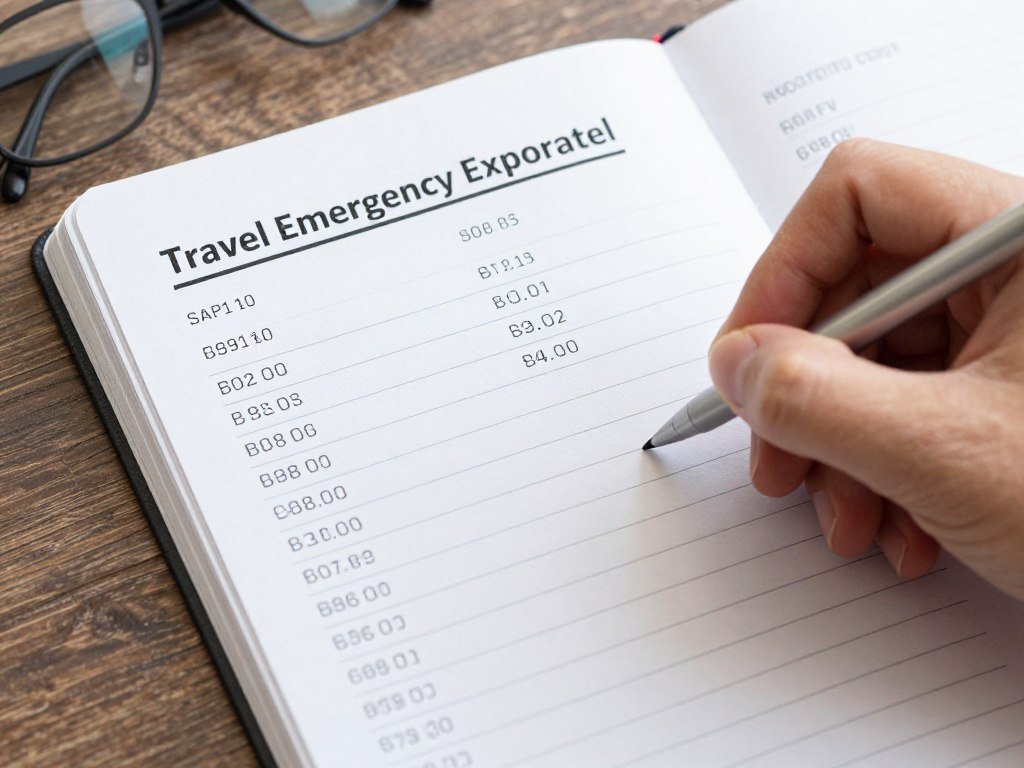
Register with your embassy’s traveler program before departure. This helps them contact you during emergencies or disasters. Many embassies offer this free service online.
Rainy Day Preparations
Tokyo experiences rain throughout the year, especially during June rainy season. Umbrellas can be purchased cheaply at convenience stores. Many establishments provide umbrella bags at entrances.
Plan indoor activities for rainy weather backup options. Museums, shopping malls, and covered markets work well. TeamLab digital art museum and aquariums provide excellent rainy day alternatives.
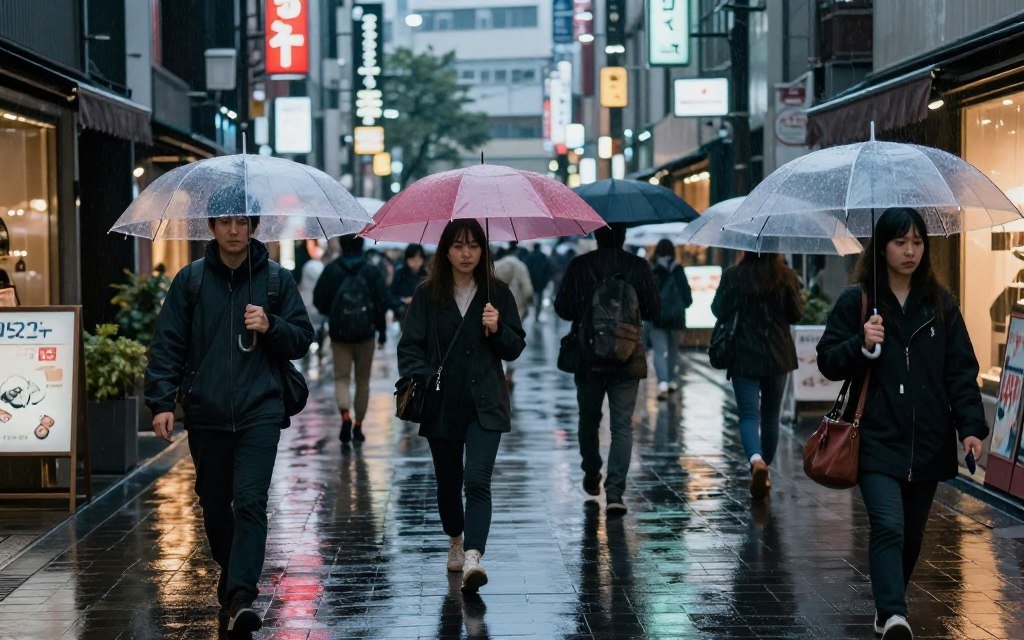
Waterproof shoes or covers prevent soggy feet during extended rain. Wet floors in train stations become slippery hazards. Take extra caution when walking in rainy conditions.
Important Reminders
Earthquake preparedness matters in Japan. Know evacuation procedures at your accommodation. Typhoon season runs August through October. Monitor weather forecasts during these months. Keep passport and important documents in hotel safe. Photocopy or photograph all important documents. Check visa requirements for your nationality before booking. Some nationalities receive automatic tourist visas while others must apply in advance.
Start Planning Your Tokyo Adventure
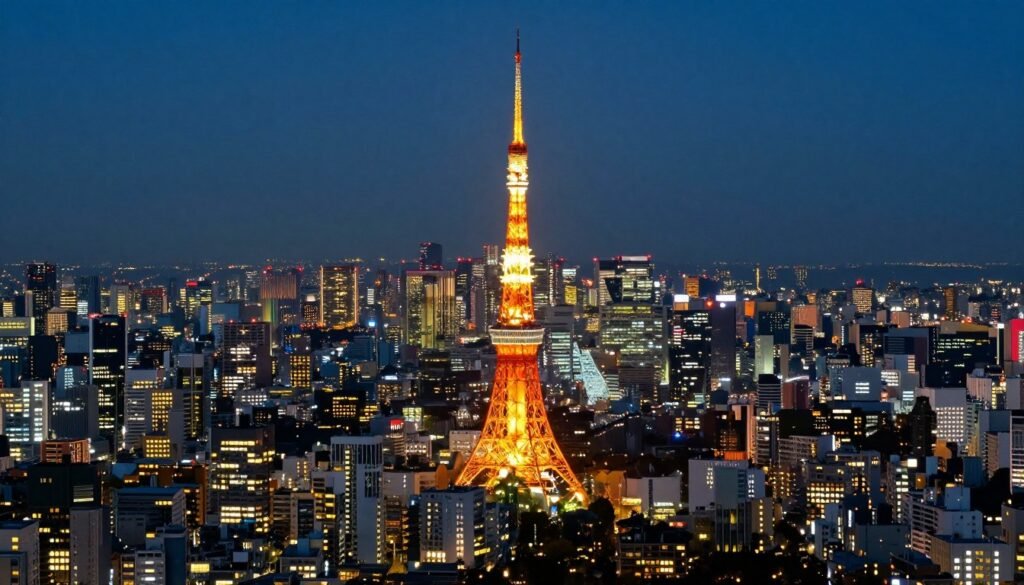
Tokyo offers unlimited possibilities for exploration and discovery. This comprehensive guide provides the foundation for planning your trip. Each neighborhood, restaurant, and attraction creates unique memories.
Start by deciding your priorities among food, culture, shopping, or nature. Tokyo accommodates all interests generously. Don’t try to see everything in one trip—you’ll want to return.
Book essential reservations early, especially for peak travel seasons. Accommodation, popular restaurants, and some attractions fill up months ahead. Securing basics early reduces travel stress significantly.
Leave room in your itinerary for spontaneous discoveries. Tokyo rewards wandering down random streets and trying unknown restaurants. The best experiences often come from unplanned moments.
This city transforms constantly while maintaining deep cultural roots. Your Tokyo travel guide continues evolving through your own experiences. Each visit reveals new layers of this endlessly fascinating metropolis.
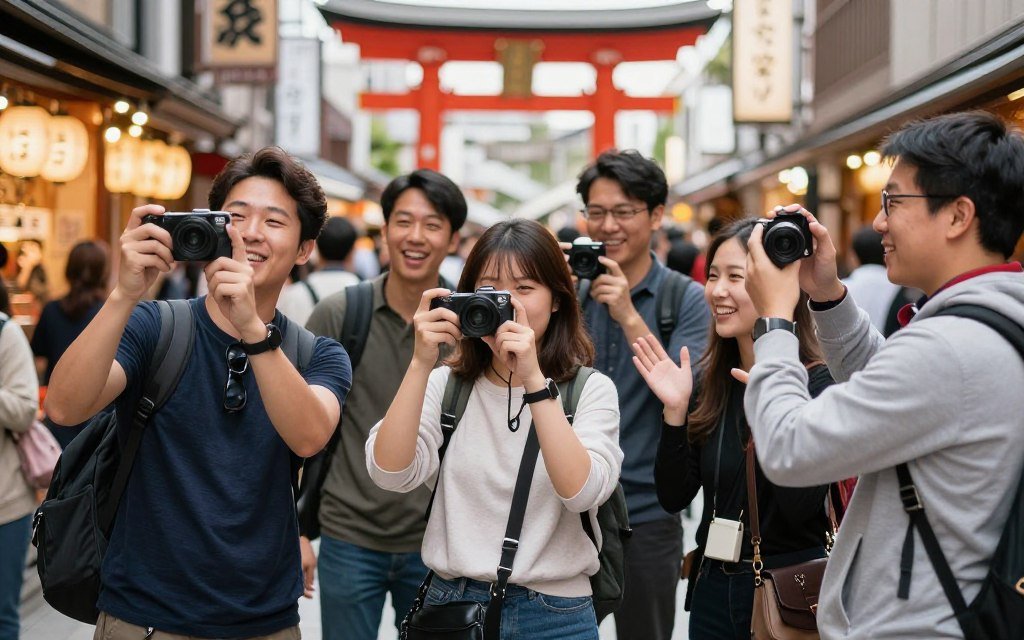
Transportation, food, accommodation, and cultural understanding form your trip’s foundation. Master these basics and Tokyo becomes remarkably easy to navigate. The city rewards preparation with unforgettable experiences.
Whether you’re looking to spend a week or just a few days, Tokyo delivers incredible value. Budget constraints don’t limit enjoyment in this city. Free attractions, affordable street food, and public parks provide countless opportunities.
Pack your bags, charge your camera, and prepare for sensory overload. Tokyo awaits with perfect trains, incredible food, and friendly people. Your adventure in this amazing city starts now.
Ready to Experience Tokyo?
Download our complete Tokyo planning checklist and itinerary templates. Get day-by-day suggestions, budget trackers, and insider tips to maximize your trip.
Safe travels, and enjoy every moment of your Tokyo journey. The memories you create in this incredible city will last a lifetime. We’ll see you in Tokyo!