

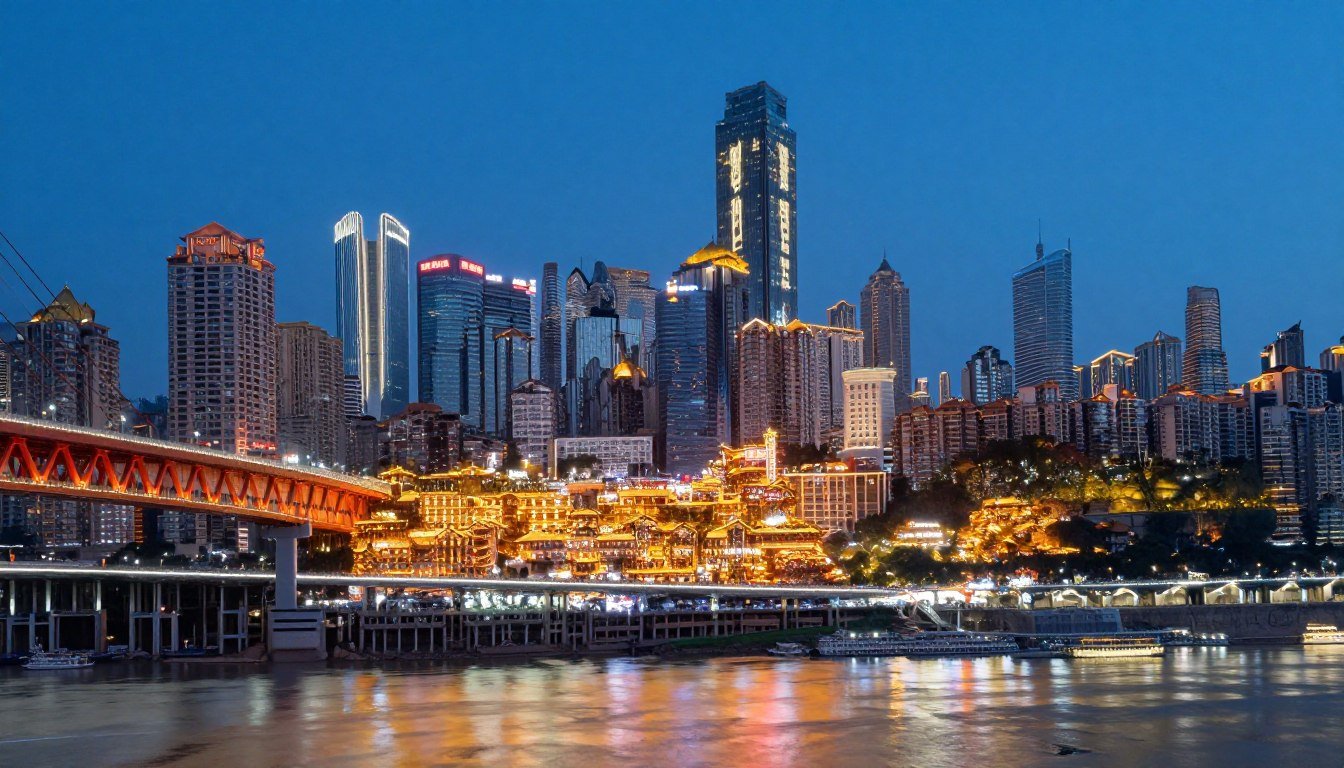
Chongqing stands as one of China’s most fascinating destinations. This mountain city rises dramatically from the confluence of two mighty rivers. Its unique terrain creates a vertical metropolis unlike any other urban center on Earth.
This travel guide covers everything you need for an unforgettable trip to Chongqing in 2026. You will discover hidden gems, local food treasures, and practical tips that transform ordinary visits into extraordinary experiences.
The city offers experiences that range from ancient history to cutting-edge modernity. Whether you seek cultural immersion, culinary adventures, or breathtaking scenery, this guide delivers the insights you need.
Get Your Free Chongqing PDF Guide
Download our comprehensive offline guide with maps, essential phrases, and insider tips for your Chongqing adventure.
Why Visit Chongqing: The Mountain City Experience
Chongqing earned its nickname as the mountain city through dramatic geography. Buildings rise tier upon tier up steep hillsides. This creates a three-dimensional urban landscape where navigation becomes an adventure in itself.
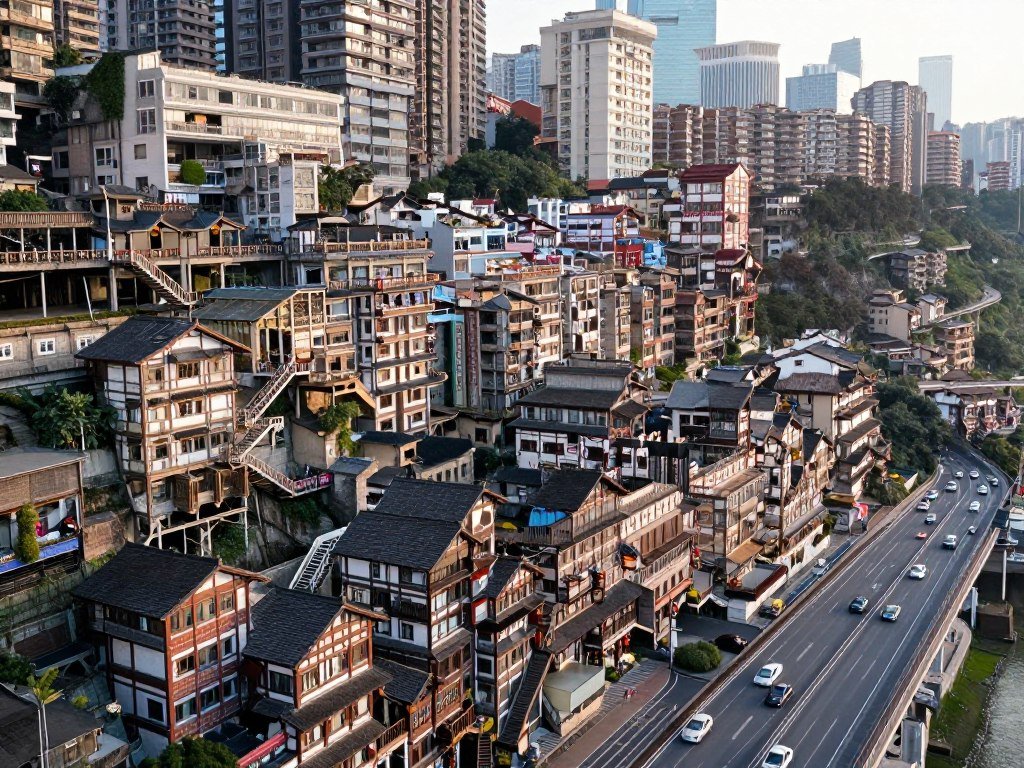
The terrain shaped a culture distinct from other Chinese cities. Residents developed resilience and ingenuity. You see this in the architecture, where floor numbers can confuse visitors. The eighth floor of one building might connect directly to ground level on another street.
Unique Urban Features
- Vertical architecture spanning multiple elevation levels
- Light rail trains passing through residential buildings
- Cable cars crossing rivers as public transport
- Underground shopping complexes beneath hilltops
- Bridges connecting hilltops across deep valleys
Cultural Distinctiveness
- Spicy food culture exceeding even Sichuan standards
- River-based history and commerce traditions
- Wartime capital heritage from WWII era
- Ba-Yu cultural fusion of ancient kingdoms
- Modern economic powerhouse of western China
The city serves as a gateway to the Three Gorges along the Yangtze River. This waterway connection made Chongqing a crucial trade hub for centuries. Today, it remains a vital economic center with over thirty million people in its metropolitan area.
Visitors discover a place where ancient temples sit beside gleaming skyscrapers. Street food vendors serve meals that have barely changed in generations. Meanwhile, high-tech industries transform the economic landscape. This juxtaposition creates endless fascination for tourists.
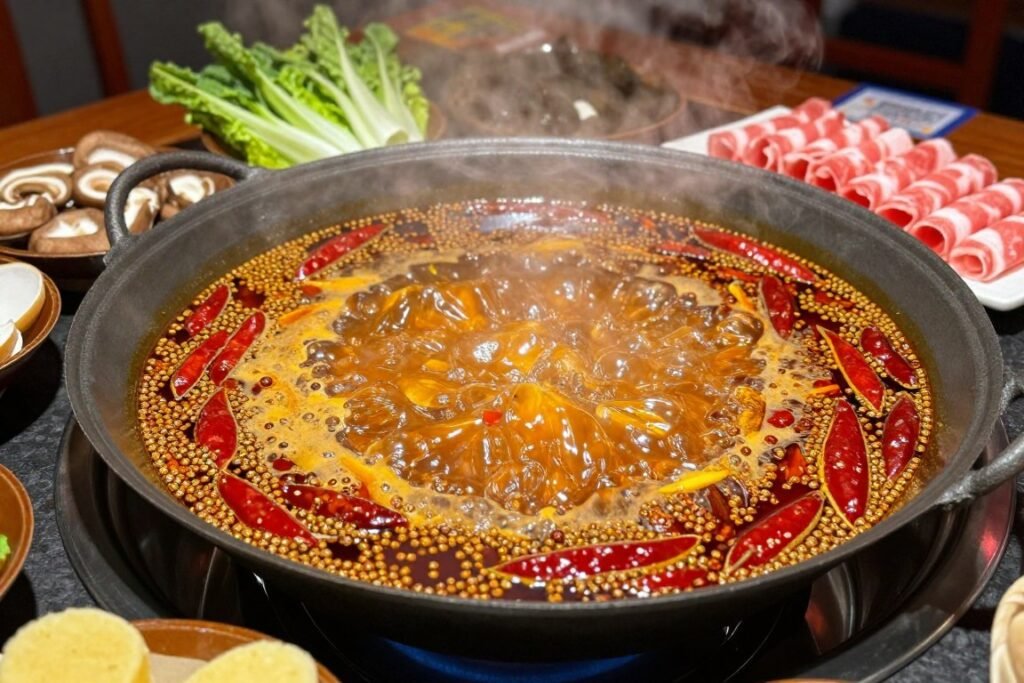
The food alone justifies a trip. Chongqing hotpot represents culinary tradition perfected over generations. The numbing heat from Sichuan peppercorns creates sensations unlike anything else. Small noodle shops offer flavors that win international acclaim despite humble settings.
Best Time to Visit Chongqing in 2026
Timing your visit dramatically affects your experience in this mountain city. The climate varies significantly throughout the year. Each season brings distinct advantages and challenges for tourists.
Spring Season (March to May)
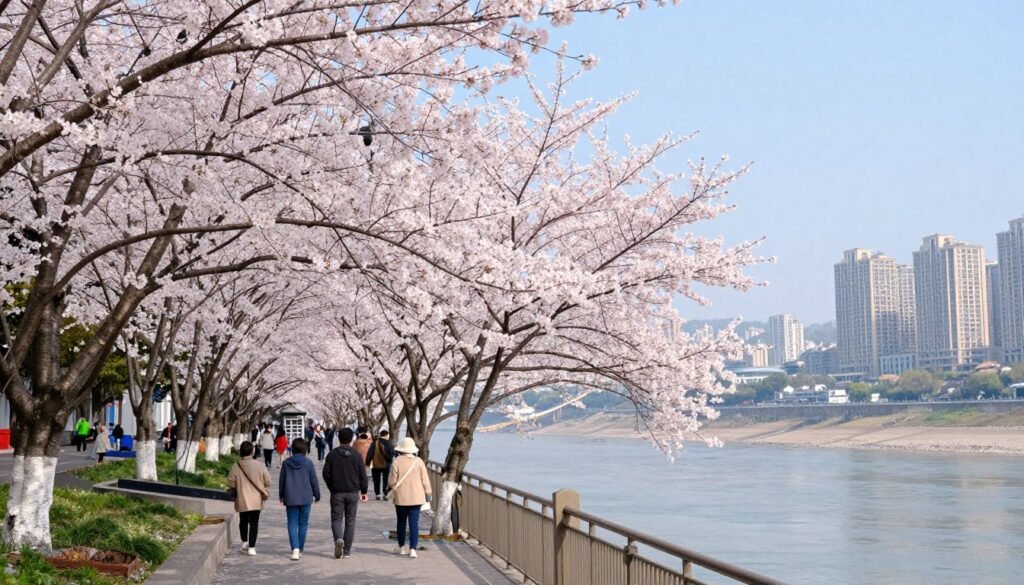
Spring emerges as the optimal time for most visitors. Temperatures range from fifteen to twenty-five degrees Celsius. Flowers bloom throughout parks and along the river. Rain occurs frequently but rarely lasts all day.
The city awakens from winter with renewed energy. Outdoor attractions become accessible and comfortable. March sees fewer tourists compared to autumn. April and May bring occasional crowded periods around Chinese holidays.
Spring Advantages
- Moderate temperatures ideal for walking tours
- Beautiful flowering trees throughout the city
- Clearer skies than summer months
- Reasonable hotel prices before peak season
Spring Considerations
- Pack rain gear for frequent showers
- Book ahead for May Day holiday week
- Morning fog can obscure mountain views
- Some river cruises have limited schedules
Summer Season (June to August)
Summer brings intense heat and humidity to Chongqing. Temperatures frequently exceed thirty-five degrees Celsius. The city earned the nickname “furnace” for its summer conditions. Most travelers find this period challenging.
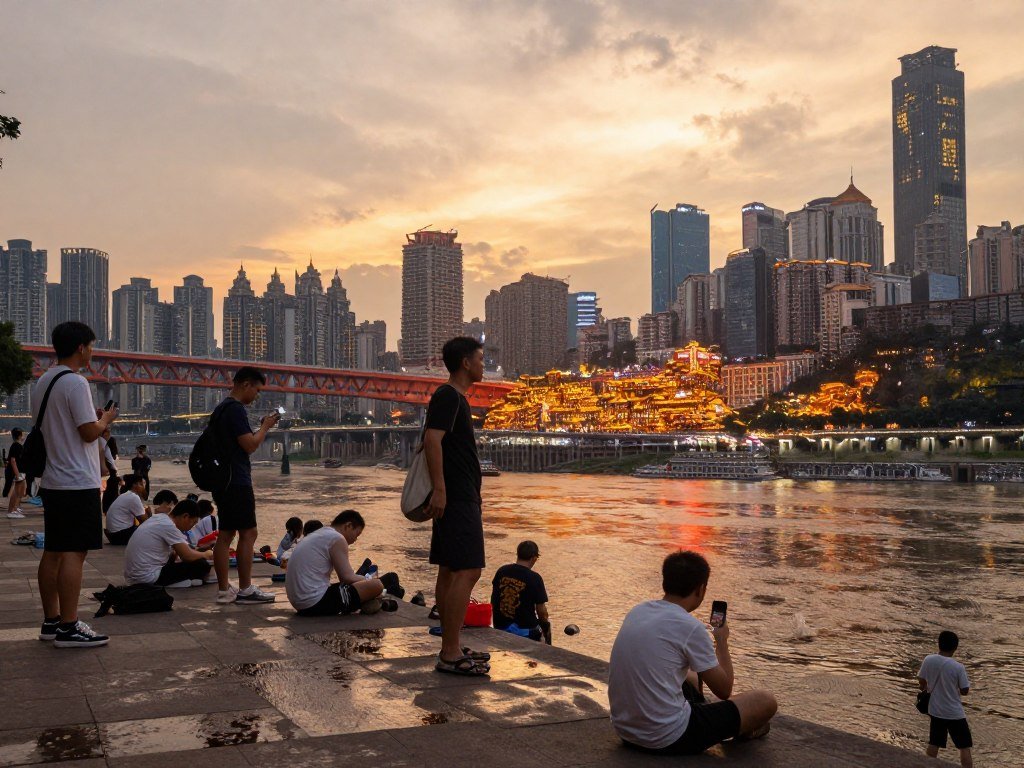
However, summer offers unique advantages. Night views become spectacular as residents venture out after dark. Many attractions stay open later to accommodate visitors avoiding midday heat. Hotel prices drop significantly compared to spring and autumn.
Autumn Season (September to November)
Autumn rivals spring as the best season for visiting. September still carries summer warmth but with decreasing humidity. October brings the most pleasant weather of the entire year. November starts cooling but remains comfortable for outdoor exploration.
Peak tourist season means higher prices and larger crowds. National Day holidays in early October bring massive domestic tourism. Book accommodations and train tickets well in advance for this period.
Winter Season (December to February)
Winter offers the quietest period for tourism. Temperatures rarely drop below freezing but dampness makes it feel colder. Gray skies dominate most days. However, this creates opportunities for budget travelers.
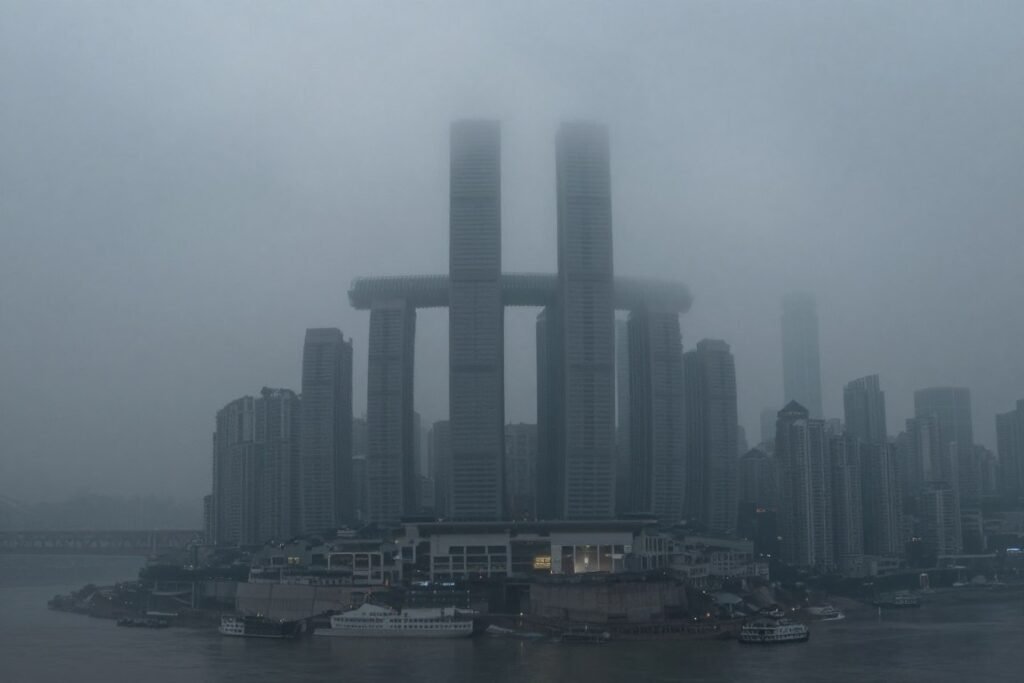
Locals embrace hotpot culture even more intensely during winter. Indoor attractions like museums and shopping complexes provide comfortable alternatives. The lack of crowds means shorter wait times everywhere.
Stay Updated on Chongqing Travel
Get monthly insider tips, seasonal recommendations, and exclusive Chongqing travel insights delivered to your inbox.
Getting to Chongqing: Transportation Options
Chongqing offers multiple entry points for international and domestic travelers. The city invested heavily in transportation infrastructure. This makes arrival straightforward regardless of your starting location.
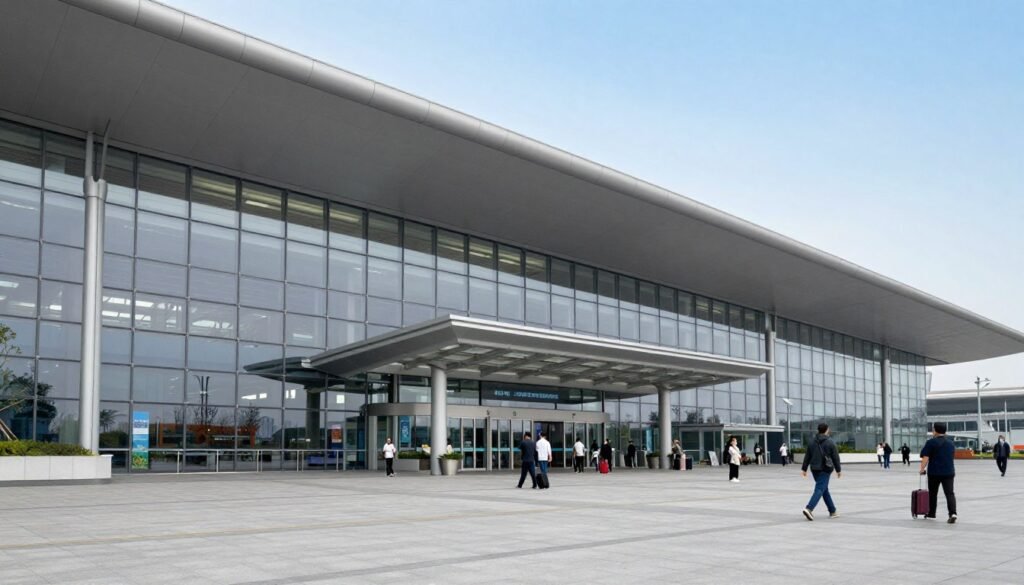
By Air: Jiangbei International Airport
Jiangbei International Airport serves as the primary gateway. This major hub connects Chongqing to cities worldwide. Direct flights arrive from Los Angeles, San Francisco, London, Sydney, and numerous Asian cities.
The airport sits about twenty-five kilometers north of downtown. Three terminals handle different airlines and routes. Terminal Three processes most international arrivals. Modern facilities include shops, restaurants, and comfortable waiting areas.
| Transportation Method | Duration to City Center | Cost Range | Operating Hours |
| Airport Express Train | 25-30 minutes | ¥5-10 | 6:30 AM – 11:00 PM |
| Airport Shuttle Bus | 45-60 minutes | ¥15-25 | 24 hours |
| Taxi/Ride-share | 35-50 minutes | ¥60-100 | 24 hours |
| Private Transfer | 30-45 minutes | ¥150-300 | 24 hours (pre-book) |
The express train provides the fastest and cheapest option during operating hours. Trains run every fifteen to twenty minutes. They connect to the metro system for onward travel. Station signs appear in both Chinese and English.
By High-Speed Train
China’s remarkable train network makes overland travel efficient and comfortable. Chongqing West Railway Station and Chongqing North Railway Station handle most high-speed services. Trains from major cities arrive frequently throughout the day.
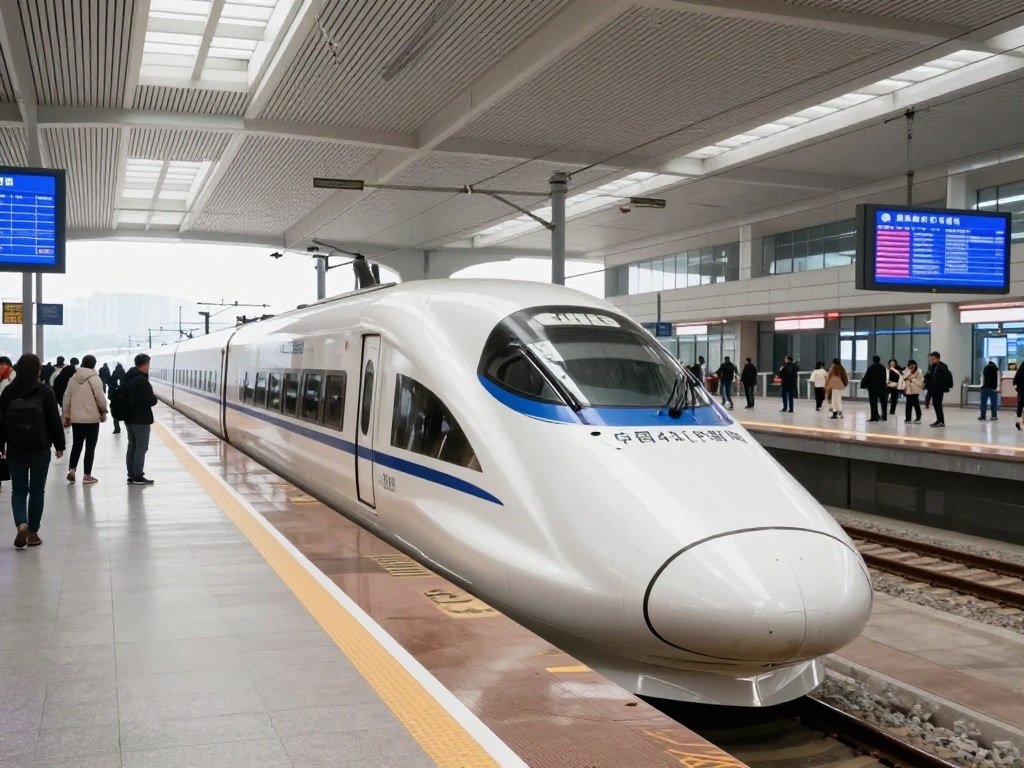
Beijing to Chongqing takes approximately seven hours on the fastest trains. Shanghai requires about eleven hours. Chengdu connects in just ninety minutes, making day trips possible. Xi’an sits five hours away by train.
First Class Benefits
Wider seats with more legroom provide comfort on longer journeys. Power outlets at every seat keep devices charged. Quieter cars mean better rest during travel time.
- Reclining leather seats
- Individual reading lights
- Complimentary snacks
- Priority boarding
Second Class Options
Second class offers excellent value for budget-conscious travelers. Seats remain comfortable for several hours. The atmosphere tends toward more social interaction with locals.
- Standard comfortable seating
- Shared power outlets
- Food cart service
- Affordable pricing
Booking Tips
Book tickets thirty days in advance for best availability. Major holidays sell out weeks early. Download the Trip.com or China Railway apps for easy booking.
- Passport required for purchase
- Tickets cheaper than flights
- Collect at station machines
- Allow extra boarding time
By Yangtze River Cruise
Arriving by river cruise creates a memorable entrance to the city. Cruises from Yichang pass through the Three Gorges before reaching Chongqing. This journey typically takes three to four days. Ships dock at Chaotianmen Port in the city center.
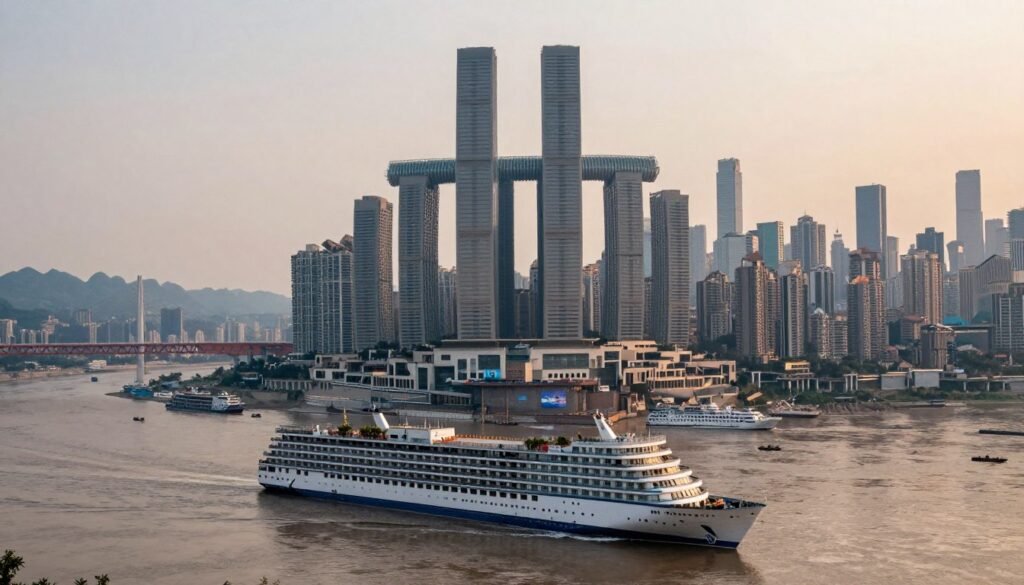
The reverse journey from Chongqing to Yichang allows travelers to exit the city by water. Cruise options range from budget domestic ships to luxury international vessels. Most cruises include shore excursions at sites along the way.
Getting Around the Mountain City
Navigation in Chongqing challenges even experienced travelers. The terrain creates a unique transportation puzzle. However, the city developed creative solutions that become part of the experience itself.

Metro System
The metro network expanded rapidly in recent years. Multiple lines now connect major districts and attractions. Trains run frequently from early morning until late evening. The system uses contactless cards or mobile payment apps.
Line Two crosses the Yangtze River via the Liziba Station. Here, the train passes directly through a residential building. This architectural marvel appears in countless photos. Visitors ride this line specifically for this unique experience.
Metro Advantages
The subway system avoids street-level traffic congestion completely. Air conditioning provides relief during hot summer days. Clear signage in English helps foreign visitors navigate confidently.
- Affordable flat-rate fares
- Connects all major areas
- Clean and modern cars
- Avoids traffic problems
Metro Tips
Download metro apps showing real-time arrivals and route planning. Purchase stored-value cards at any station for convenience. Study maps before traveling to identify transfer points.
- Rush hours get extremely crowded
- Keep belongings secure in crowds
- Stairs required at many stations
- Some stations very deep underground
Key Lines for Tourists
Line Two serves most central attractions and the train through building. Line Three connects important commercial districts. Line Six reaches the airport efficiently.
- Line 2: Jiaochangkou to Chaotianmen
- Line 3: North Station to Hongyadong
- Line 6: Shapingba to Airport
- Line 1: University Town to downtown
Operating Information
Service begins around six-thirty in the morning across all lines. Final trains depart between ten-thirty and eleven-thirty at night. Frequency increases during peak commuting hours.
- First trains: 6:30-7:00 AM
- Last trains: 10:30-11:30 PM
- Peak intervals: 3-5 minutes
- Off-peak intervals: 8-12 minutes
Cable Cars and Ropeway
Cable cars serve as both transportation and tourist attractions. The Yangtze River Cableway connects downtown to the south bank. Originally built for commuters, it now attracts thousands of tourists daily. Views during the crossing showcase the city dramatically.
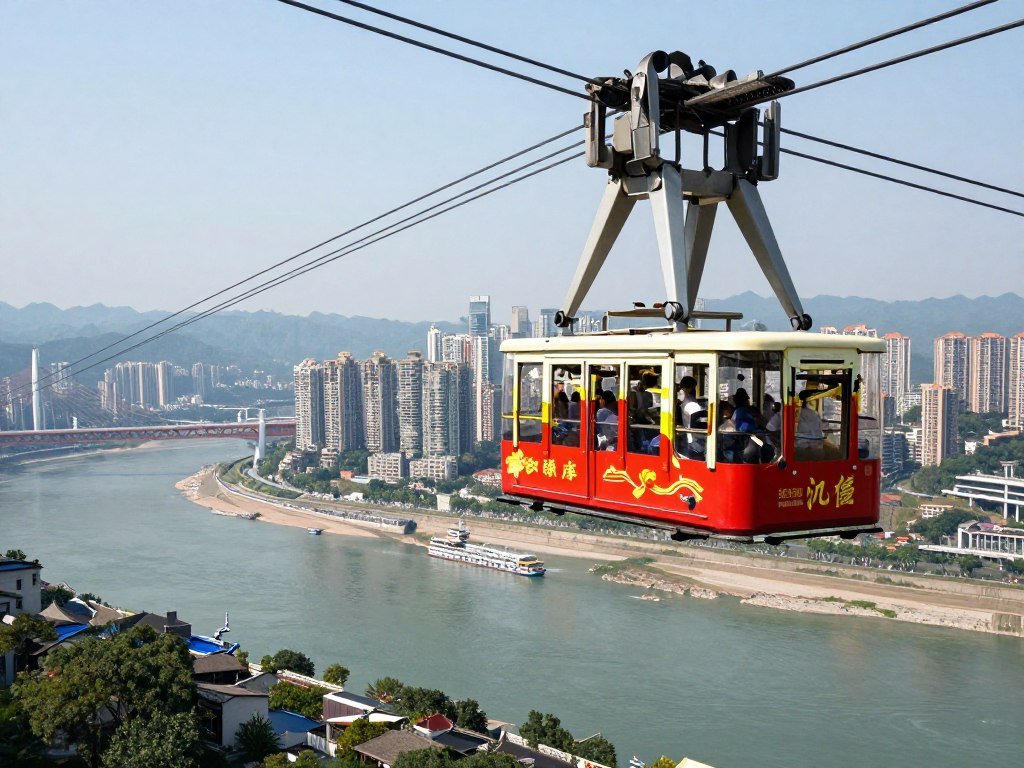
The crossing takes about five minutes. Lines form early, especially on weekends and holidays. Purchase tickets online to skip some queuing time. Evening rides offer the best night views but longest wait times.
Buses and Minibuses
Extensive bus networks reach every corner of the metropolitan area. Route numbers and destinations appear in Chinese characters primarily. This makes buses challenging for non-Chinese speakers. However, navigation apps translate routes and show real-time locations.
Fares cost just a few yuan per ride. Payment accepts contactless cards and mobile apps. Buses navigate steep hills and winding roads that showcase the terrain. Express buses connect major points faster by using highways.
Taxis and Ride-Sharing
Taxis populate the streets in large numbers. Fares start low and increase by distance and time. However, language barriers pose challenges when explaining destinations. Show drivers your destination in Chinese characters on your phone.
Important Tip: Didi (China’s Uber equivalent) works excellently in Chongqing. Download and set up the app before your trip. International credit cards work for payment. The English version helps foreigners navigate easily.
Ride-sharing costs slightly more than regular taxis but offers convenience. Drivers know they have foreign passengers and prepare accordingly. The app handles all communication and payment automatically. Cars tend to be newer and cleaner than standard taxis.
Walking reveals the city in ways other transport cannot match. However, the terrain demands good fitness levels. Stairs appear everywhere, connecting different elevation levels. What looks like a short distance on a map might involve significant climbing.
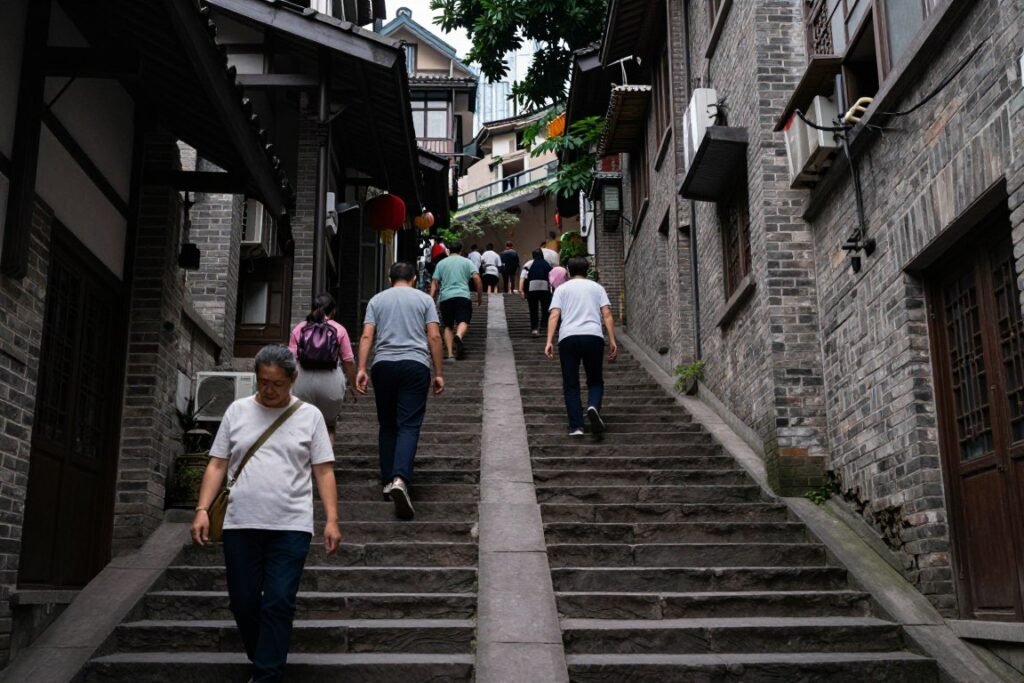
Comfortable walking shoes become essential equipment. Pace yourself and take breaks when needed. Many walking routes pass small shops and food stalls offering refreshments. Locals prove friendly and often attempt to help lost-looking tourists.
Top Attractions and Highlights in Chongqing
Chongqing offers attractions that range from ancient temples to modern architectural marvels. The mountain city contains enough sights to fill weeks of exploration. These highlights represent the essential experiences every visitor should consider.
Hongya Cave (Hongyadong)
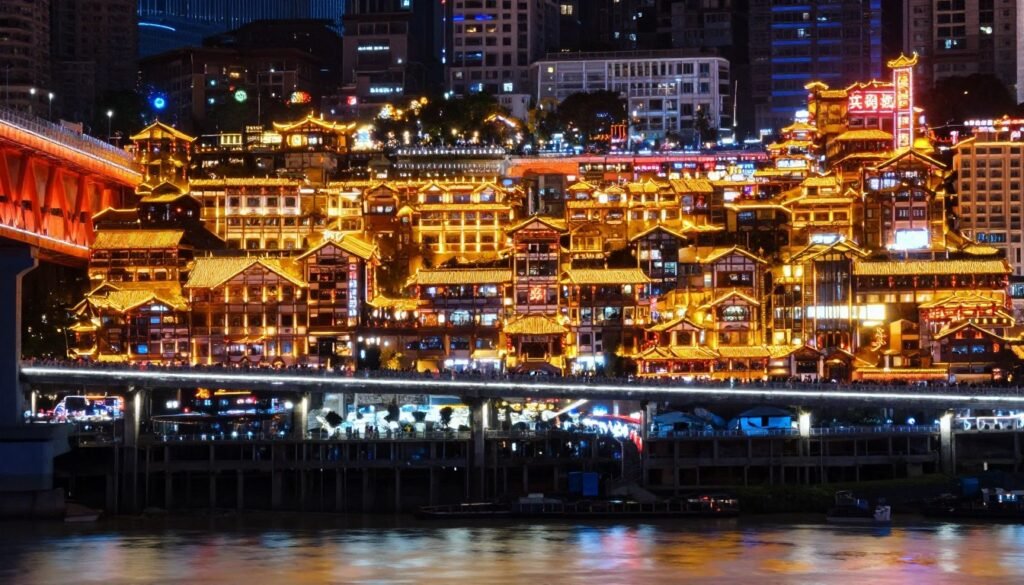
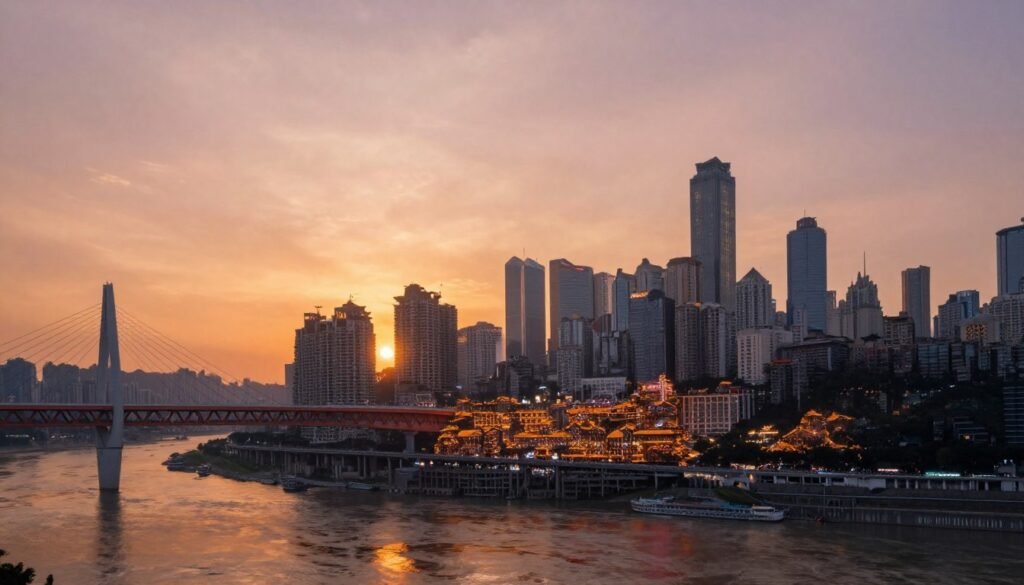
Hongya Cave stands as Chongqing’s most photographed attraction. This eleven-story complex recreates traditional stilt houses that once lined the riverbank. Modern construction began in 2006 but maintains historical architectural styles. The building rises from the Jialing River up the cliff face.
Four floors contain shops selling local crafts and souvenirs. Restaurants occupy the middle levels, offering regional cuisine and river views. The top floor provides viewing platforms overlooking the river confluence. Night illumination transforms the structure into a golden spectacle.
What Makes It Special
- Stunning nighttime illumination and photography opportunities
- Traditional architecture preserved in modern complex
- Multiple restaurants with authentic local food
- Free entry to viewing areas
- Central location near other attractions
- River views from multiple levels
Visitor Considerations
- Extremely crowded during evenings and weekends
- Many shops sell similar tourist items
- Elevators often have long wait times
- Pickpockets target tourist crowds
- Restaurants can be overpriced
- Difficult to photograph without crowds
Visit during weekday afternoons for smaller crowds. The complex looks impressive both day and night. Evening visits should start before sunset to see the transformation. Security maintains order during peak times but crowds still overwhelm the space.
Ciqikou Ancient Town
Ciqikou preserves the atmosphere of Ming and Qing dynasty life. This ancient town sits beside the Jialing River in western Chongqing. Stone-paved streets wind between traditional architecture. Tea houses, craft shops, and food vendors fill the narrow lanes.
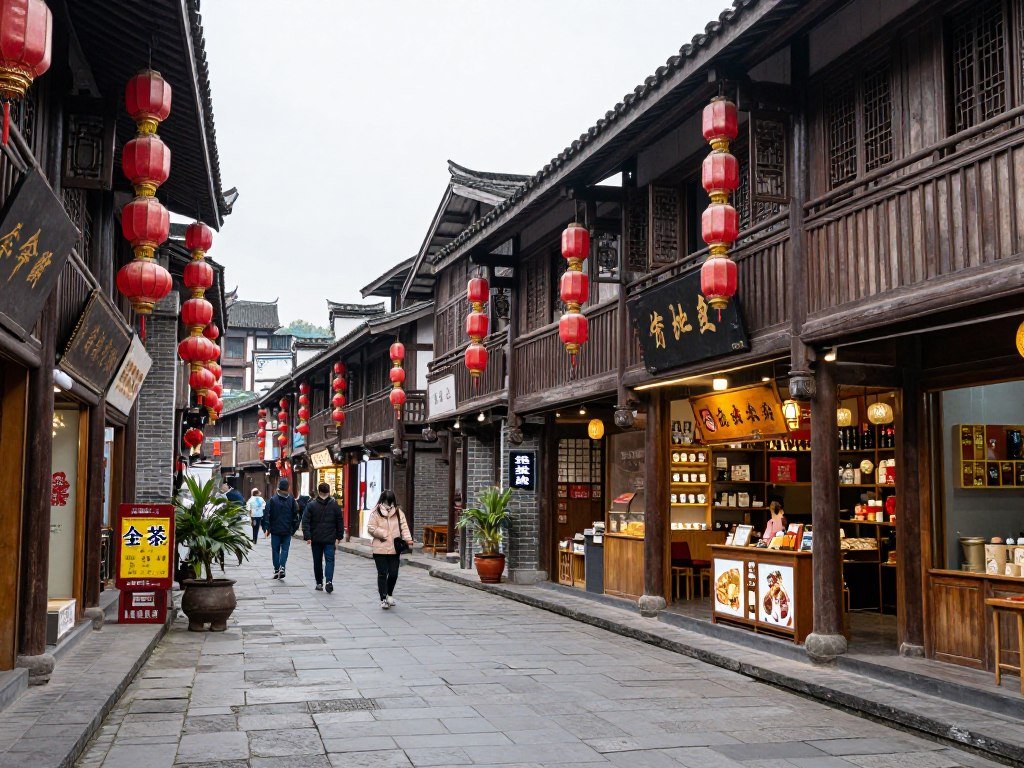
The area earned fame for porcelain production during imperial times. Today, artists still create ceramics using traditional methods. Visitors can watch craftspeople work and purchase authentic pieces. Street food specialties include crispy rice cakes and spicy noodles.
Temple complexes dot the hillsides around the main streets. Baolun Temple dates back over a thousand years. The peaceful courtyards provide respite from crowded shopping areas. Incense smoke drifts through halls where worshippers pray.
Dazu Rock Carvings
The Dazu Rock Carvings represent one of China’s finest examples of Buddhist art. This UNESCO World Heritage site sits about two hours from central Chongqing. Over fifty thousand statues and one hundred thousand inscriptions cover the cliff faces. Creation spanned from the seventh to thirteenth centuries.
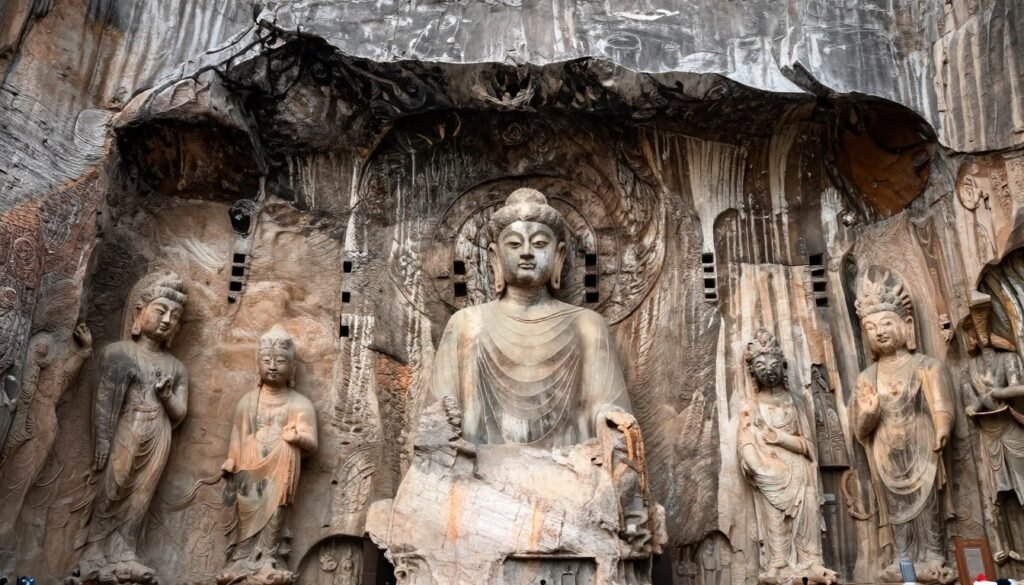
Baoding Mountain contains the most spectacular carvings. A massive reclining Buddha stretches over thirty meters. Detailed scenes depict Buddhist teachings through hundreds of figures. The workmanship demonstrates exceptional skill despite the challenging medium.
Visiting requires a half-day or full-day trip from Chongqing. Tour buses depart from major hotels and tourist areas. Independent travelers can reach the site via public bus or private car. English-speaking guides enhance understanding of the religious and historical significance.
Three Gorges Museum
The Three Gorges Museum documents the region’s natural and cultural history. Four floors of exhibits cover topics from ancient Ba culture to the modern dam project. The museum building itself represents impressive contemporary architecture. It sits in People’s Square beside the People’s Hall.
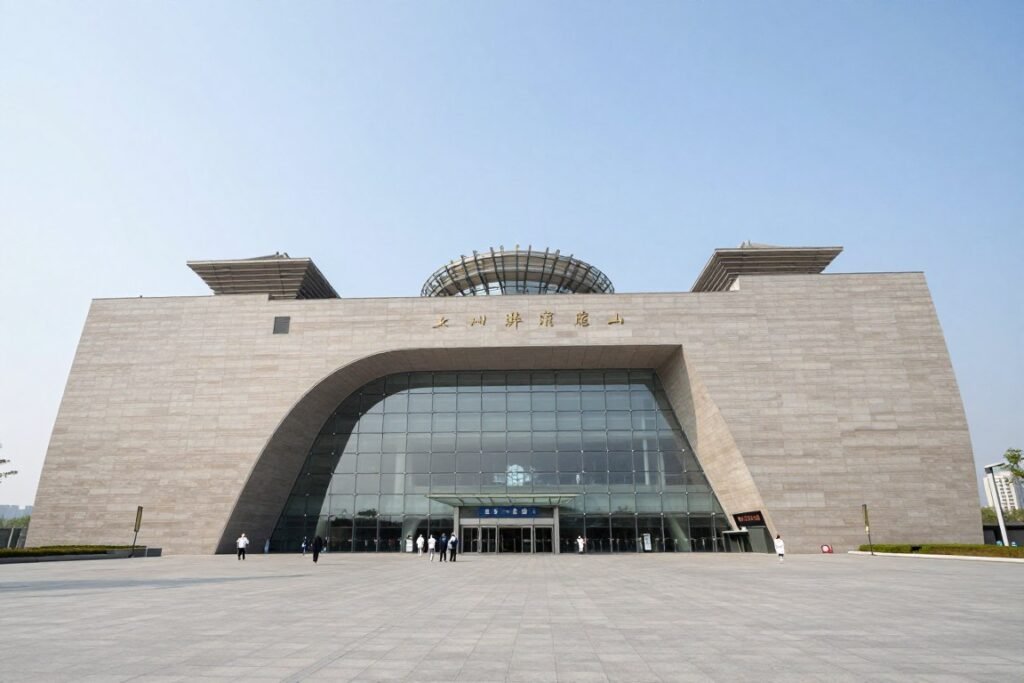
Exhibits include artifacts spanning thousands of years. Bronze vessels from ancient kingdoms display remarkable craftsmanship. Paintings and calligraphy represent various artistic periods. The dam exhibition explains both engineering achievements and social impacts.
Entry remains free but requires ID registration. English descriptions accompany most major exhibits. Audio guides in multiple languages provide detailed information. Plan at least two hours to properly explore the collections.
Eling Park and Viewing Platform
Eling Park occupies one of Chongqing’s highest points. The location provides spectacular views across both rivers and the city center. The park combines green space with observation areas. Old trees shade walking paths that wind up the hillside.
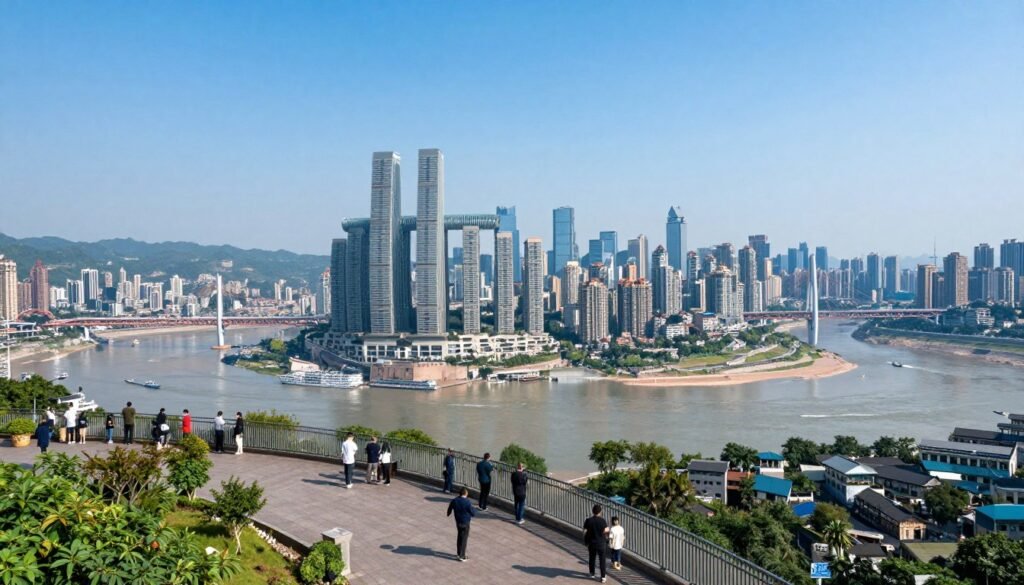
The viewing platform stands at the park’s summit. From here, the three-dimensional nature of the mountain city becomes clear. Buildings cascade down hillsides in every direction. Rivers carve through the urban landscape. Sunset and evening views attract photographers and couples.
Several tea houses operate within the park grounds. Traditional tea service lets visitors relax while enjoying the scenery. Local residents practice tai chi in the mornings. The atmosphere remains peaceful despite the central location.
Jiefangbei Pedestrian Street
Jiefangbei represents Chongqing’s commercial heart. The Liberation Monument stands at the center of a massive shopping district. Pedestrian streets radiate outward filled with stores and restaurants. International brands mix with local shops across multiple blocks.
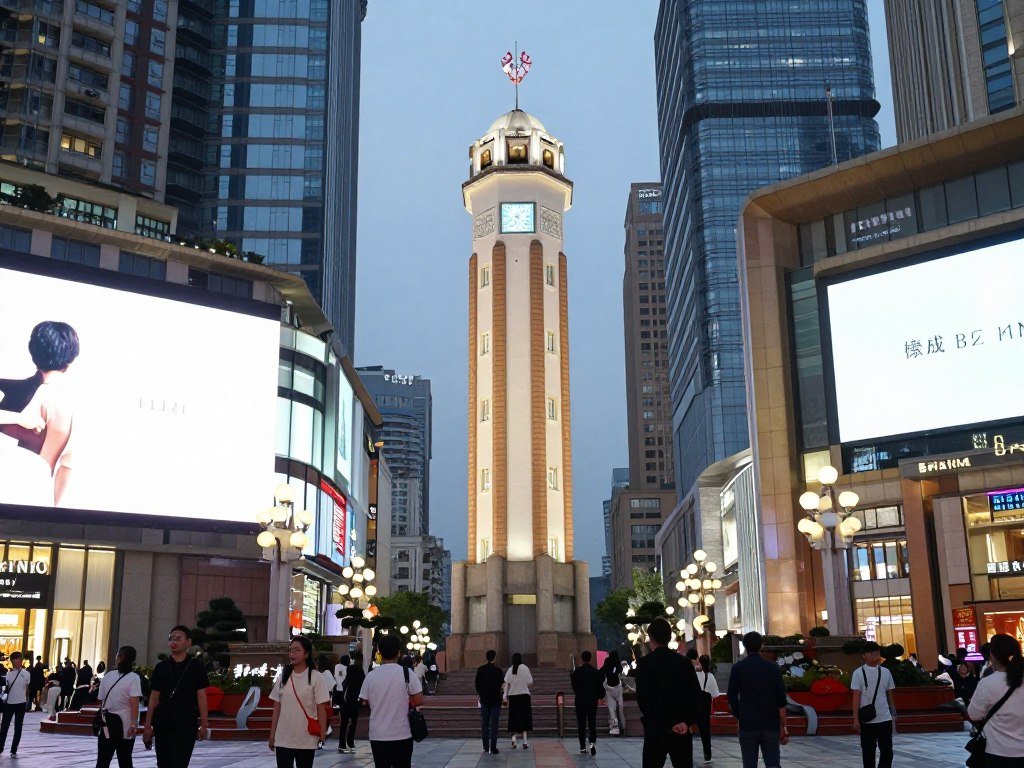
Underground shopping complexes extend several levels below ground. This subterranean city contains additional stores, food courts, and entertainment. The multilevel design reflects the city’s approach to utilizing vertical space. Navigation can confuse first-time visitors.
Evening brings increased energy to the area. Lights illuminate the monument and surrounding buildings. Street performers entertain crowds. Food vendors offer local snacks alongside international fast food. The district stays active until late night.
Yangtze River Cableway
The Yangtze River Cableway provides both transportation and thrilling views. Cars suspended from cables cross the wide river in about five minutes. Windows on all sides offer panoramic vistas during the journey. The system originally served commuters but now attracts mainly tourists.
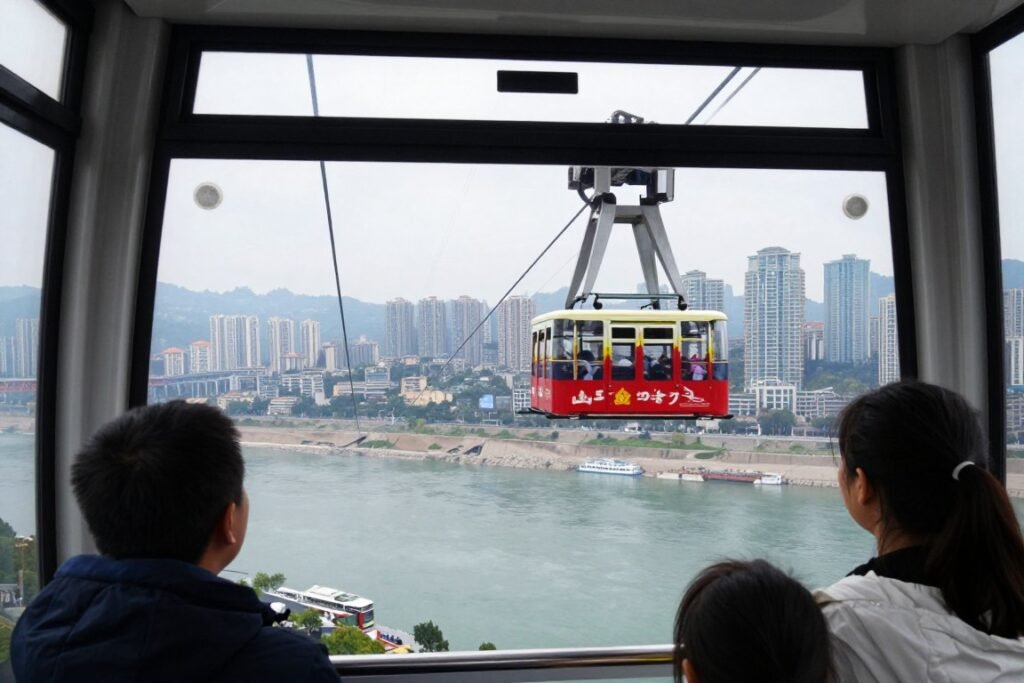
Lines form early and grow throughout the day. Weekends and holidays see wait times exceeding two hours. Purchase tickets online when possible to reduce waiting. The south bank station typically has shorter queues than the north side.
Night crossings showcase the illuminated skyline beautifully. However, darkness also means the longest waits. Consider riding once in daylight and once at night if time permits. The experience differs significantly based on lighting and crowd levels.
Exploring the Three Gorges from Chongqing
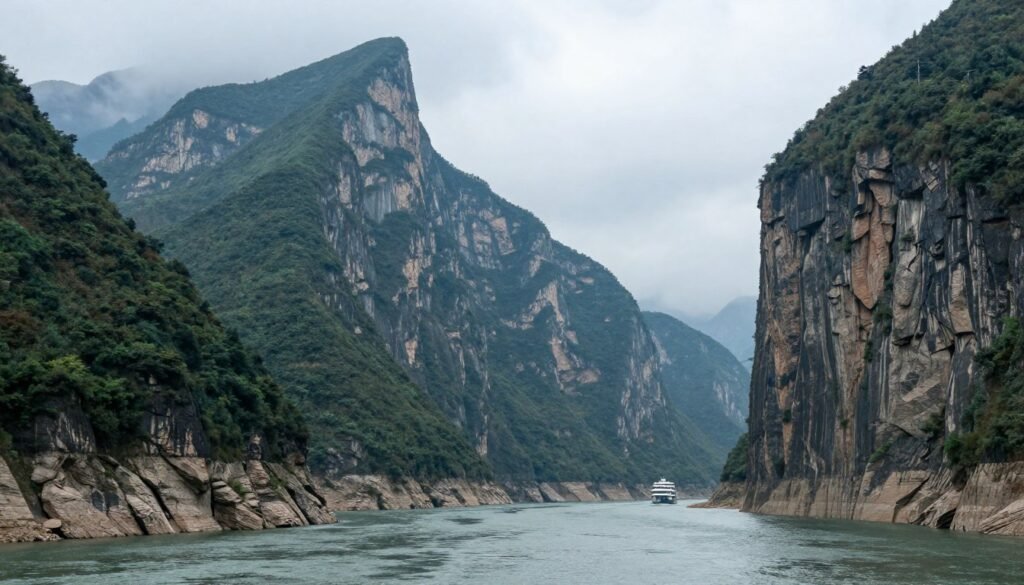
The Three Gorges represent one of China’s most dramatic natural wonders. These massive river valleys carved through mountains over millions of years. A cruise through this scenery offers unforgettable experiences. Chongqing serves as the primary departure point for Yangtze River journeys.
Understanding the Three Gorges
Three distinct gorges create the famous river passage. Qutang Gorge appears first traveling downstream from Chongqing. Steep cliffs rise almost vertically from the water. The narrowest section spans just over one hundred meters. Ancient pathways carved into cliff faces still visible above current water levels.
Wu Gorge follows with slightly gentler terrain but equal beauty. Twelve peaks line both banks, each named from Chinese mythology. Morning mists often shroud the summits, creating ethereal scenery. The goddess peak stands as the most famous formation along this stretch.
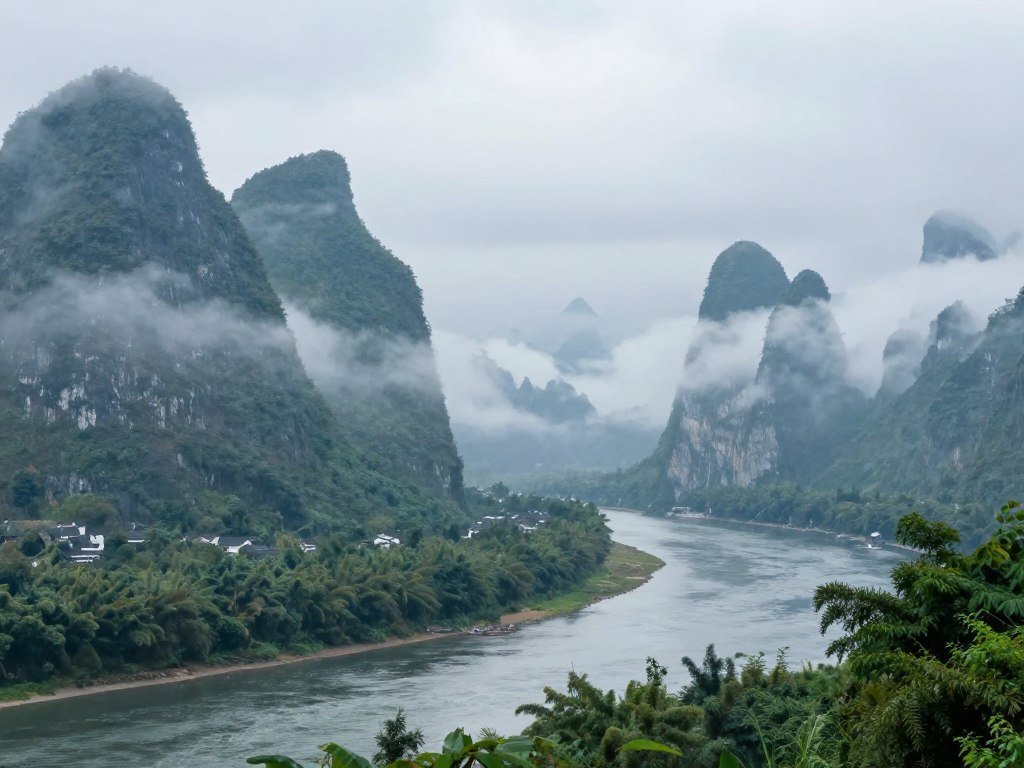
Xiling Gorge stretches the longest of the three sections. Rapids once made this passage dangerous for boats. The Three Gorges Dam changed water levels and flow patterns. Modern vessels navigate safely through what was historically treacherous water.
Cruise Options and Duration
Cruise options range from luxury five-star vessels to basic domestic ferries. Length varies from three days to seven days. Longer cruises include more shore excursions and slower-paced travel. Shorter options focus on gorge scenery with minimal stops.
| Cruise Type | Duration | Price Range (USD) | Best For |
| Luxury International | 4-5 days | $800-2000+ | Full-service experience with Western amenities |
| Premium Domestic | 3-4 days | $400-800 | Comfortable travel with good value |
| Standard Tourist | 3 days | $200-400 | Budget travelers wanting gorges experience |
| Local Ferry | 2-3 days | $50-150 | Adventurous budget travelers, local experience |
Luxury vessels offer spacious cabins with balconies. Dining includes both Western and Chinese cuisine. Entertainment programs and English-speaking guides serve international passengers. These ships maintain standards comparable to ocean cruises.
Domestic tourist ships provide comfortable but simpler accommodations. Meals focus on Chinese dishes with limited Western options. Guides may have basic English skills. These cruises attract mainly Chinese tourists with some foreigners.
Shore Excursions Along the Way
Most cruises include stops at several locations between Chongqing and Yichang. Fengdu Ghost City features temples and statues related to Chinese afterlife mythology. The site sits atop a mountain requiring cable car or stair climbing to reach temples.
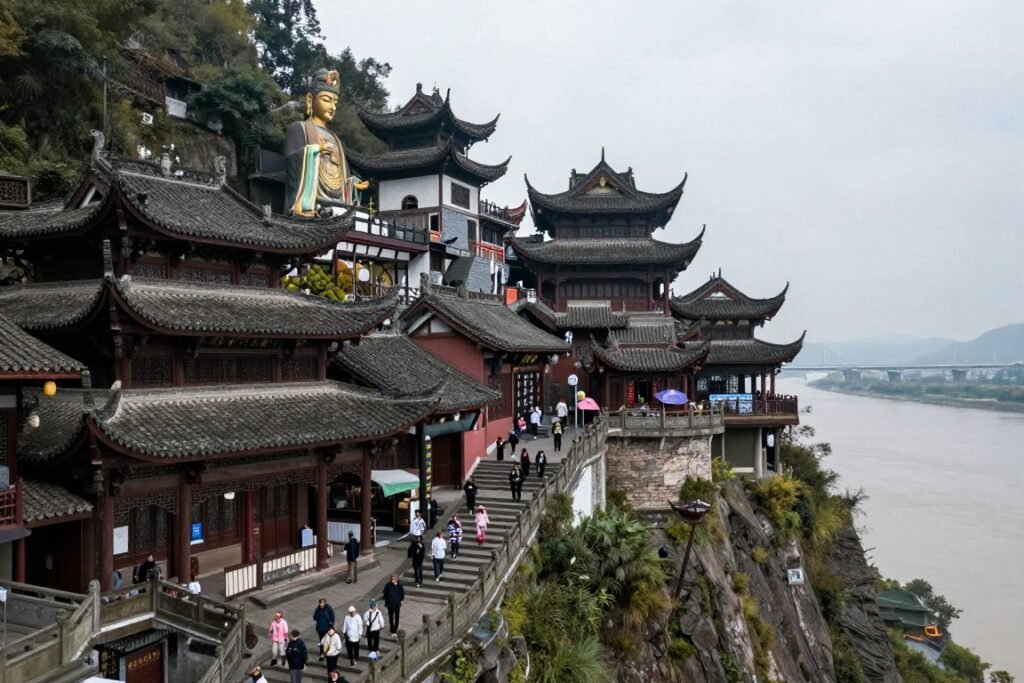
Shibaozhai represents one of the river’s most remarkable buildings. A twelve-story wooden pagoda clings to a cliff face. Construction began in the fifteenth century without using nails. The structure survived the dam’s water level changes through protective barriers.
Lesser Three Gorges offers a side trip up a tributary river. Smaller boats navigate narrow passages between towering cliffs. Ancient plank pathways carved into rock faces demonstrate historical transportation methods. Wildlife including monkeys inhabits the forested slopes.
Three Gorges Dam Visit
The massive hydroelectric dam represents modern engineering achievement. Viewing platforms overlook the immense structure. Museums explain construction and impact.
- Ship locks demonstration
- Viewing several levels
- Environmental exhibits
- Engineering information
White Emperor City
Historical site connected to Three Kingdoms era stories. Temples and pavilions offer river overlooks. Cultural significance attracts Chinese visitors especially.
- Ancient poetry connections
- Temple complex exploration
- Scenic viewpoints
- Historical exhibits
Tribe Village Visits
Some cruises include stops at minority culture villages. Traditional performances showcase regional customs. Shops sell local crafts and specialties.
- Cultural performances
- Traditional costumes
- Local crafts
- Photography opportunities
Booking Your Cruise
Book cruises several months ahead for peak season travel. April through October sees highest demand. Prices increase during Chinese national holidays. Last-minute deals sometimes appear but with limited cabin choices.
Plan Your Perfect Yangtze Cruise
Get personalized cruise recommendations based on your budget, schedule, and interests. Our travel specialists help you select the ideal Three Gorges experience.
Downstream cruises from Chongqing to Yichang move with the current. These journeys cover distance faster than upstream travel. Upstream cruises from Yichang to Chongqing take an extra day. However, this direction approaches dramatic scenery head-on rather than looking backward.
Consider the season when selecting your cruise date. Spring and autumn provide the most comfortable weather. Summer heat and winter cold affect deck time enjoyment. Water levels vary seasonally, slightly changing scenery appearance.
Chongqing Food Culture and Must-Try Dishes
Food defines Chongqing culture as much as terrain and history. The city developed a cuisine famous throughout China for intensity and flavor. Spiciness levels exceed even Sichuan province standards. Every visitor must prepare their taste buds for adventure.
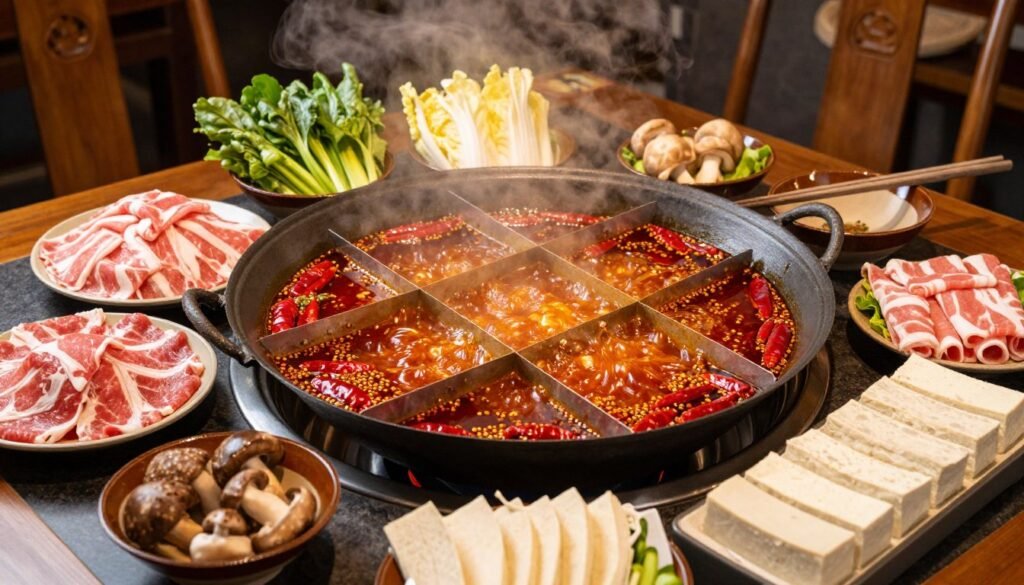
Chongqing Hotpot: The Signature Experience
Hotpot represents Chongqing’s most famous culinary creation. The concept originated centuries ago among Yangtze River workers. They created communal cooking pots with intensely spicy broths. Today, hotpot restaurants fill every neighborhood in countless variations.
Traditional hotpot uses a bubbling cauldron of oil infused with dried chilies and Sichuan peppercorns. The bright red surface looks intimidating to newcomers. Diners cook raw ingredients in the boiling liquid. Meat, vegetables, tofu, and noodles all go into the shared pot.
Hotpot Ordering Guide
- Choose your broth base – spicy, mild, or divided pot
- Select meat options – beef, lamb, pork, or variety platters
- Order vegetables – leafy greens, mushrooms, root vegetables
- Add specialty items – duck blood, tripe, fish balls
- Include noodles or rice to finish the meal
- Pick dipping sauces – sesame oil base most common
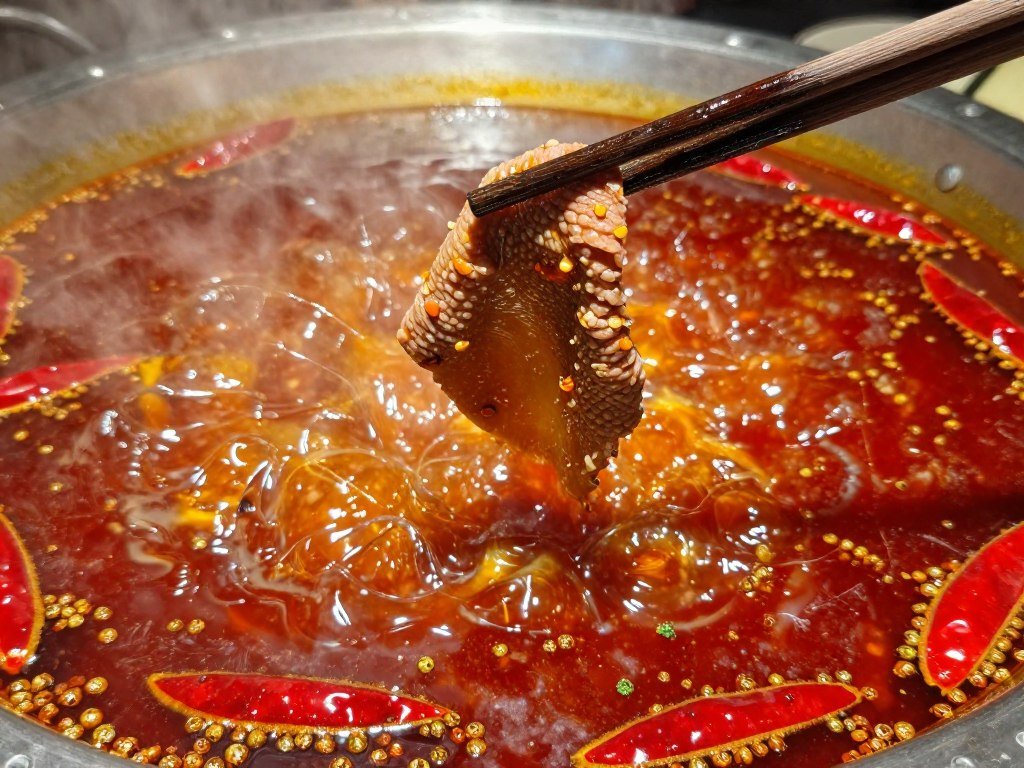
The numbing sensation comes from Sichuan peppercorns called huajiao. This creates a unique tingling feeling different from pure heat. Combined with chili oil, the effect intensifies flavors dramatically. First-timers should request mild versions until building tolerance.
Famous hotpot chains include Dezhuang, Qin Ma, and Xiaolongkan. Each restaurant has signature broths and specialty ingredients. Locals debate endlessly about which establishment serves the most authentic flavor. Prices vary widely from budget neighborhood spots to upscale dining rooms.
Chongqing Noodles (Xiaomian)
Small noodle shops occupy nearly every street corner. These humble establishments serve bowls of fresh noodles swimming in spicy sauce. Despite simple appearance, the flavor complexity rivals fancy restaurants. Locals eat xiaomian for breakfast, lunch, or late-night snacks.
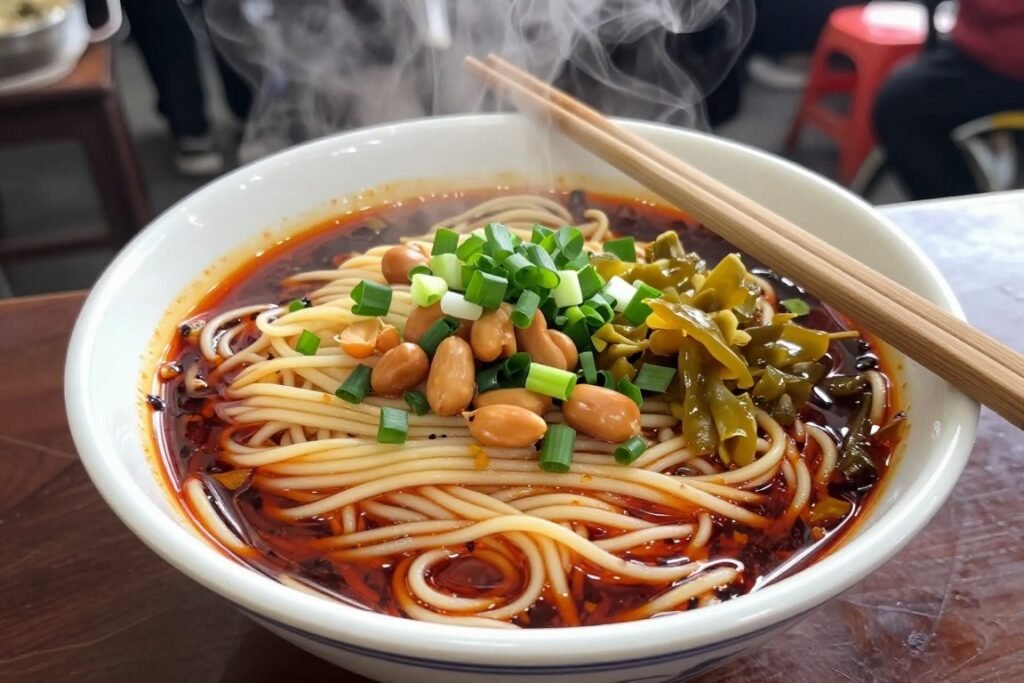
The sauce base combines soy sauce, vinegar, chili oil, and numerous spices. Toppings might include peanuts, pickled vegetables, and herbs. Some shops add pork, beef, or peas. Each vendor develops their own recipe through generations.
Ordering requires pointing and basic gestures in most small shops. Specify spice level if you want less heat. Watch what locals order to identify popular combinations. Most bowls cost just a few yuan, making this the ultimate budget meal.
Grilled Fish (Karoyu)
Grilled fish restaurants transformed Chongqing dining in recent decades. A whole fish gets split, grilled, then served in a metal tray with spicy broth. Vegetables and other ingredients simmer around the fish. The presentation appears similar to hotpot but with grilled protein as centerpiece.
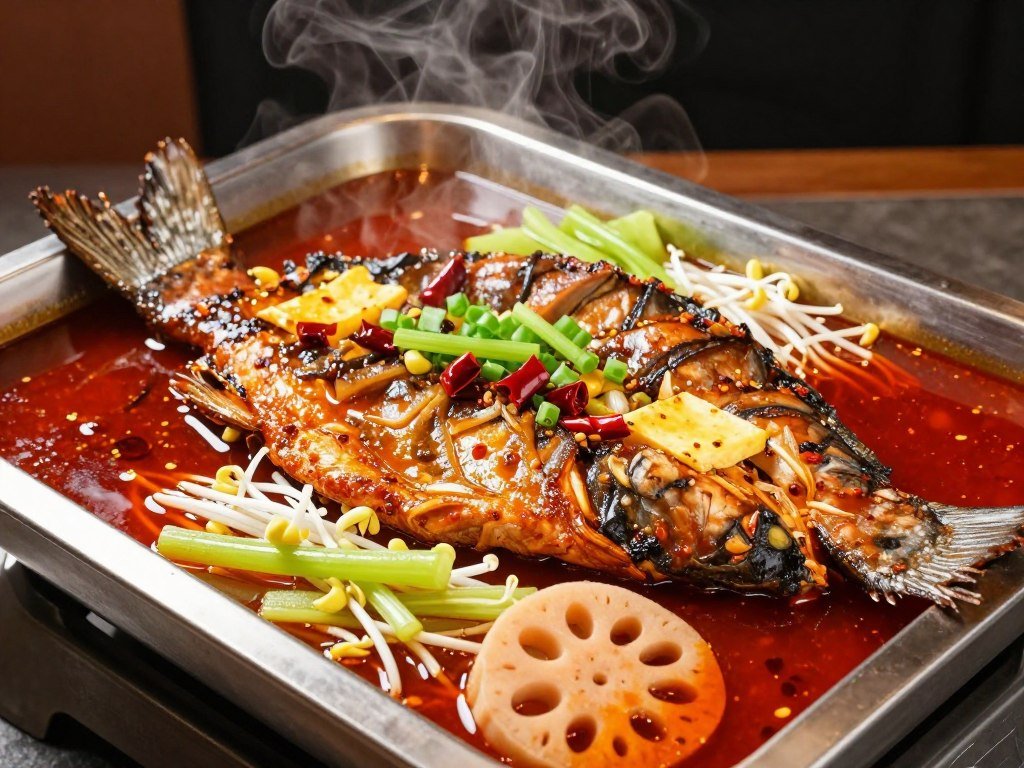
Popular fish varieties include catfish, tilapia, and carp. Diners choose from multiple sauce styles beyond the standard spicy version. Pickled pepper, black bean, and garlic options provide alternatives. The meal serves groups best, as portions suit sharing.
Street Food Specialties
Street vendors throughout Chongqing offer quick bites bursting with flavor. Skewers grilled over charcoal feature everything from meat to vegetables. The smoke and spices create irresistible aromas that draw crowds.
Fried Snacks
- Crispy rice cakes
- Sweet potato balls
- Fried dough twists
- Spicy potato slices
- Tofu skin rolls
Grilled Items
- Meat and vegetable skewers
- Grilled squid
- Roasted sweet corn
- Spicy rabbit heads
- Grilled eggplant
Other Favorites
- Shaomai dumplings
- Sticky rice cakes
- Cold jelly noodles
- Sugar-coated fruit
- Fresh soy milk
Night markets transform certain streets into food wonderlands after dark. Vendors set up stalls selling regional specialties alongside creative fusion dishes. The atmosphere combines eating with people-watching and soaking in local culture.
Dining Etiquette and Tips
Chinese dining customs differ from Western practices in several ways. Understanding basic etiquette enhances your experience and shows respect. Most locals appreciate foreigners making efforts to follow traditions.
Key Dining Tips: Use serving spoons when taking food from shared dishes. Never stick chopsticks vertically in rice. Tea cups get refilled by others at the table. Tapping fingers shows thanks when someone pours tea. The bill typically goes to whoever invited the group or seems to be hosting.
Tipping remains uncommon in Chongqing restaurants. Service charges sometimes appear on bills at upscale establishments. Payment increasingly uses mobile apps like WeChat Pay or Alipay. Some restaurants accept cash, but digital payment dominates.
Where to Stay in Chongqing
Accommodation options span from budget hostels to five-star luxury hotels. The mountain city terrain means hotel locations significantly impact convenience. Choose areas based on your planned activities and preferred atmosphere.
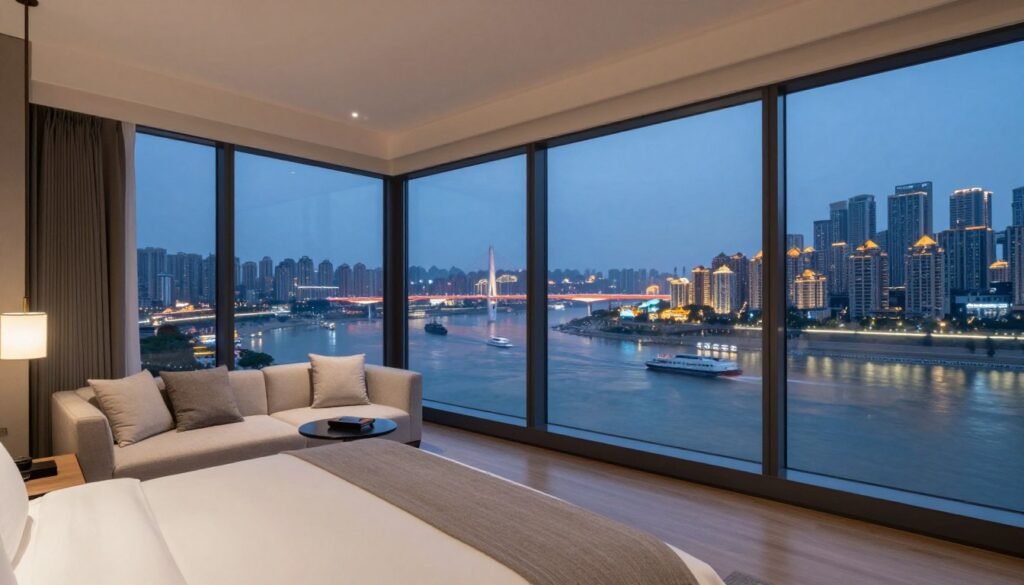
Yuzhong District: City Center
Yuzhong Peninsula forms the traditional city center between two rivers. This area puts major attractions within walking distance. Shopping, dining, and entertainment concentrate here. Hotels range from international chains to local boutique properties.
Jiefangbei sits at the heart of Yuzhong District. Staying here means easy access to pedestrian shopping streets and nightlife. Metro lines intersect nearby, simplifying transportation. However, this central location comes with higher prices and constant activity.
Luxury Hotels
International five-star properties cluster around Jiefangbei. These hotels offer familiar standards for Western travelers. River views come at premium prices.
- Raffles Chongqing
- InterContinental Chongqing
- JW Marriott
- The Ritz-Carlton
Price Range: $150-400 per night
Mid-Range Hotels
Comfortable Chinese hotel chains provide good value. Clean rooms with standard amenities suit most travelers. English skills vary among staff.
- Atour Hotel
- Home Inn Plus
- Jinjiang Inn
- Vienna Hotel
Price Range: $40-100 per night
Budget Options
Hostels and budget hotels serve backpackers and economy travelers. Social common areas help meet fellow visitors. Locations vary in convenience.
- Chongqing Travelling With Hostel
- Chongqing Poshpacker
- 7 Days Inn locations
- Hanting Express branches
Price Range: $10-40 per night
Nan’an District: South Bank
The south bank across the Yangtze River developed more recently than downtown. This area offers newer buildings and slightly lower prices. The famous Yangtze River Cableway connects to downtown quickly. Views back toward the main city create spectacular photography opportunities.
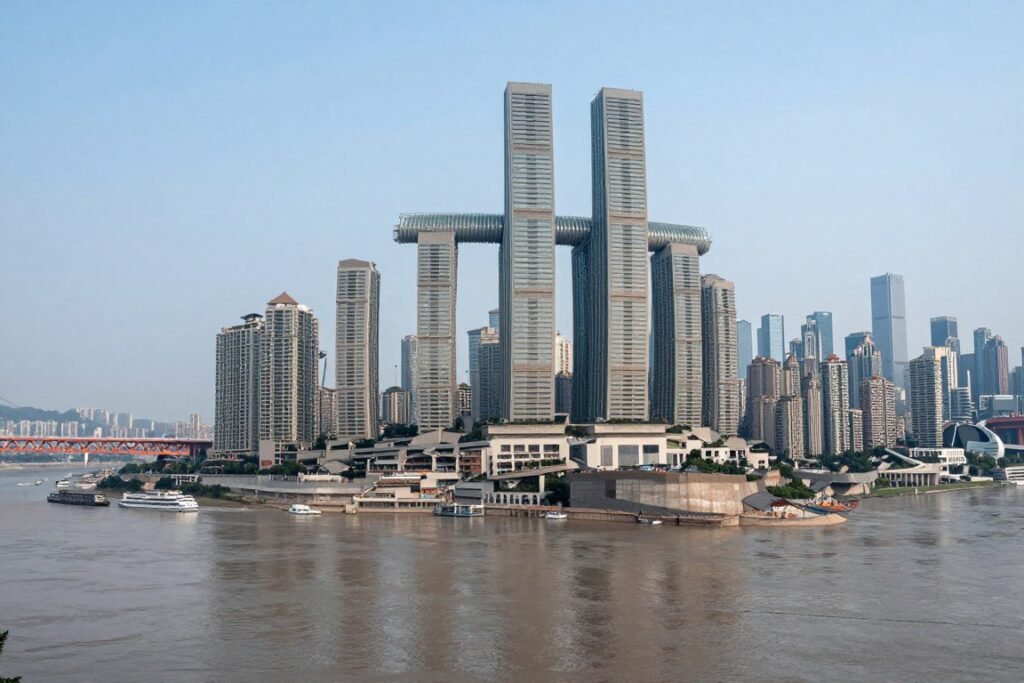
Several observation decks and parks line the riverside. Evening walks along the waterfront showcase illuminated downtown across the river. The atmosphere feels less hectic than central districts. Restaurants and shopping still provide plenty of options.
Shapingba District: University Area
Shapingba hosts multiple universities creating a youthful vibe. Accommodation costs less than downtown areas. The district connects well via metro to other parts of the city. Ciqikou Ancient Town sits within this district.
Student-focused restaurants and cafes offer budget-friendly meals. Night markets and street food vendors thrive in this area. However, tourist attractions scatter farther apart. This location suits longer stays exploring different city aspects.
Jiangbei District: Airport and Development Zone
Jiangbei spreads north of the Jialing River including the airport area. This district saw major development in recent years. Business hotels cater to corporate travelers. Shopping malls and dining options expanded significantly.
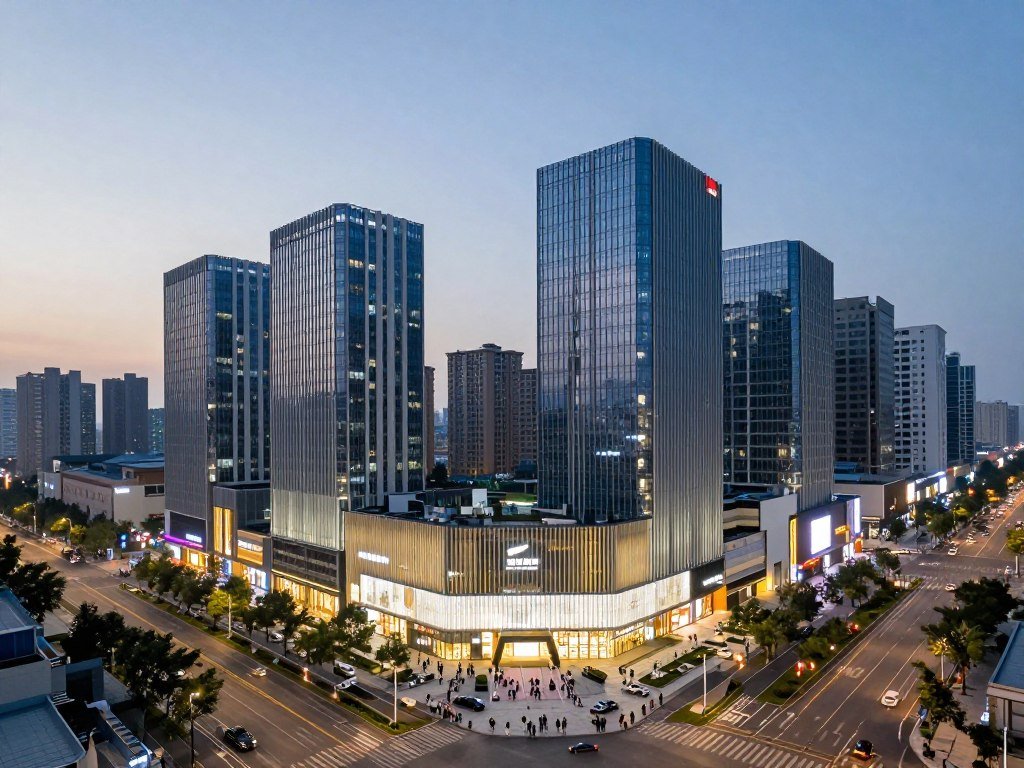
Staying near the airport makes sense for early flights or late arrivals. Metro Line Six connects the airport to other districts efficiently. However, reaching downtown attractions requires longer travel time than central accommodations.
Booking Considerations
Reserve accommodation well ahead during peak travel seasons. October holidays and Chinese New Year see prices spike dramatically. Last-minute bookings risk limited availability or inflated rates.
Booking Tip: Use multiple platforms to compare prices. Ctrip, Booking.com, and Agoda all operate in Chongqing. Local Chinese platforms sometimes offer better deals but require more language skills to navigate.
Read recent reviews carefully before booking. Construction projects can impact neighborhood noise levels. Some areas experience nightlife sounds until very late. River-view rooms cost more but deliver spectacular vistas worth the premium.
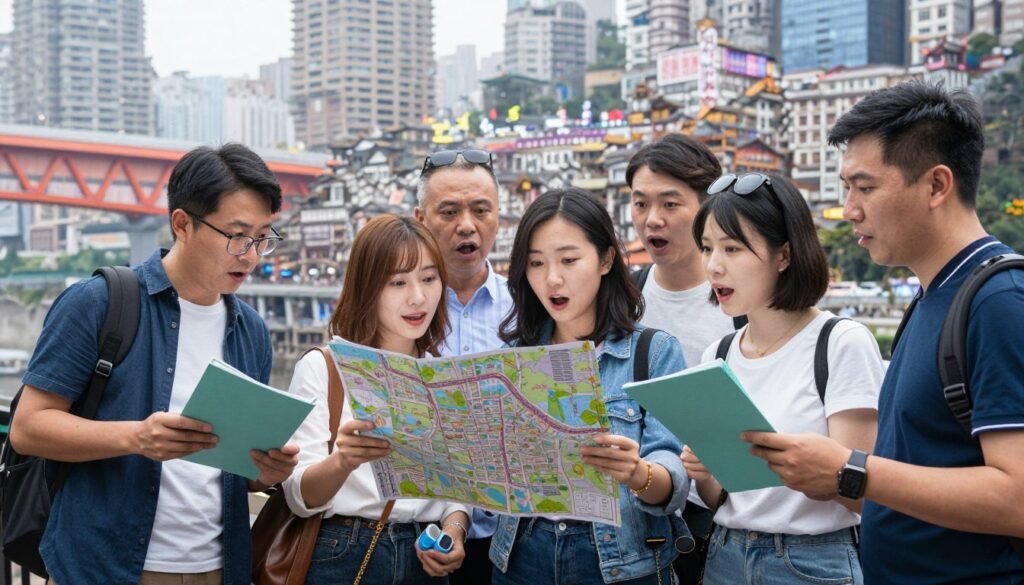
Sample Chongqing Itineraries
These suggested itineraries help structure your time efficiently. Adjust based on interests, pace preferences, and weather conditions. Each plan balances major attractions with authentic local experiences.
Three-Day Chongqing Experience
Three days allows coverage of essential highlights without feeling rushed. This itinerary focuses on central attractions and signature experiences. You will taste authentic food, see stunning views, and absorb local culture.
Day One: Downtown Discovery
- Morning: Three Gorges Museum and People’s Square
- Lunch: Xiaomian noodles at local shop
- Afternoon: Eling Park for city views
- Late afternoon: Jiefangbei shopping district
- Evening: Hongya Cave illuminated viewing
- Dinner: Hotpot experience at Dezhuang
- Night: River walk along Jialing riverfront
Day Two: Culture and History
- Morning: Ciqikou Ancient Town exploration
- Lunch: Street food sampling in Ciqikou
- Afternoon: Yangtze River Cableway crossing
- Late afternoon: South bank river walk
- Evening: Return downtown via metro
- Dinner: Grilled fish restaurant
- Night: Night views from hotel or observation deck
Day Three: Extended Exploration
- Morning: Early departure for Dazu Rock Carvings
- Lunch: Restaurant near Dazu site
- Afternoon: Continue Dazu exploration
- Late afternoon: Return to Chongqing
- Evening: Relaxed dinner in Nanbin Road area
- Night: Final city views and photography
- Souvenir shopping if time permits
Five-Day Comprehensive Journey
Five days enables deeper exploration plus a river cruise experience. This schedule includes both urban attractions and natural scenery. The pace allows for spontaneous discoveries and rest periods.
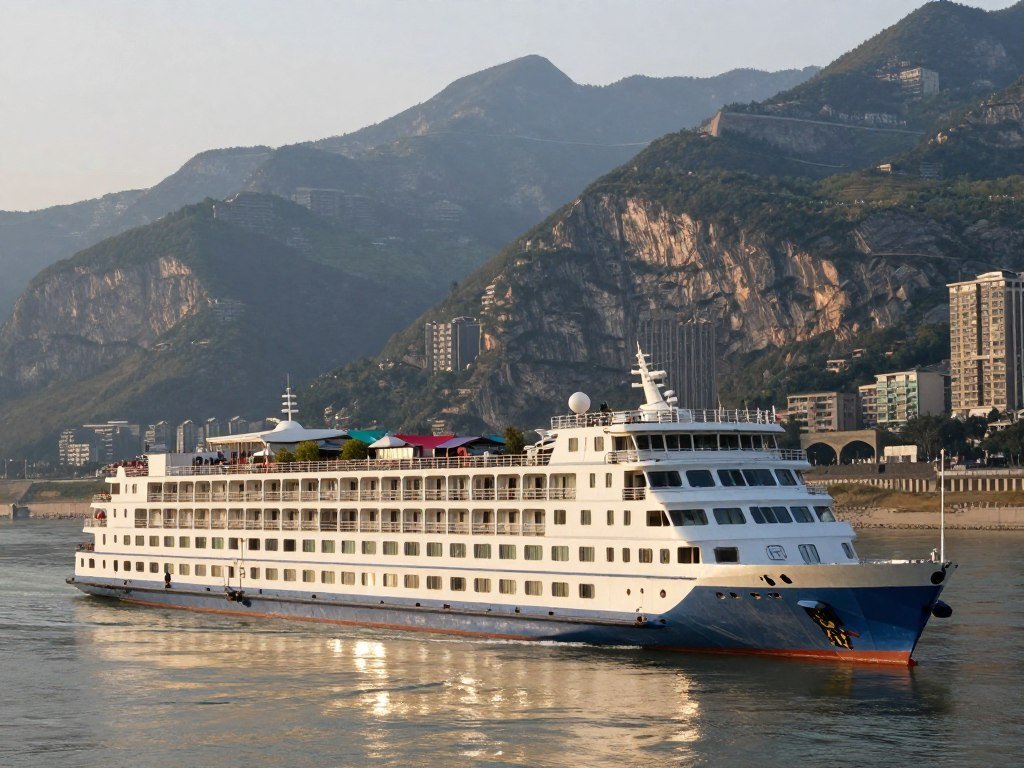
Days one and two follow the three-day itinerary schedule. Day three begins a two-night cruise through the Three Gorges. The cruise includes shore excursions and onboard experiences. Day five returns you to Chongqing for departure or continued exploration.
Alternatively, skip the cruise and spend extra days exploring neighborhoods. Visit the Museum of Contemporary Art. Take cooking classes to learn hotpot preparation. Explore night markets in different districts. Ride the light rail through the building at Liziba Station repeatedly for photos.
One-Week Deep Dive
Seven days allows comprehensive coverage plus day trips to surrounding areas. You can explore at a relaxed pace with time for unexpected discoveries. This schedule suits travelers who prefer thorough destination immersion.
Urban Exploration Days
Dedicate four days to Chongqing city attractions. Cover all major sites without rushing. Revisit favorite areas at different times of day.
- All downtown core attractions
- Multiple neighborhood explorations
- Various dining experiences
- Museum and temple visits
- Shopping and markets
- Night photography sessions
Extended Experiences
Use remaining days for deeper cultural immersion. Take classes, visit rural areas, or enjoy leisure activities that interest you specifically.
- Cooking class participation
- Tea ceremony experience
- Calligraphy or painting lesson
- Martial arts demonstration
- Traditional medicine consultation
- Local guide walking tours
Day Trip Options
Several worthwhile destinations sit within two hours of Chongqing. These excursions provide contrast to urban experiences while staying based in the city.
- Dazu Rock Carvings full day
- Wulong Karst geological park
- Fishing town of Gongtan
- Simian Mountain nature reserve
- Ancient town of Laitan
- Jinfo Mountain scenic area
Cruise Integration
Incorporate a three-day cruise within the week-long schedule. This balances urban exploration with river scenery and relaxation aboard ship.
- Two days pre-cruise in city
- Three days on river cruise
- Two days post-cruise exploration
- Departure on eighth day
- Or extend further if time permits
- Flexibility for weather changes
Get Your Custom Chongqing Itinerary
Let our local experts create a personalized day-by-day plan based on your interests, budget, and schedule. Receive insider recommendations and practical logistics support.
Practical Information for Chongqing Travelers
Successful travel requires more than knowing attractions and hotels. Practical knowledge about money, language, safety, and local customs makes everything smoother. These tips come from both visitor experiences and local insights.
Money and Payments
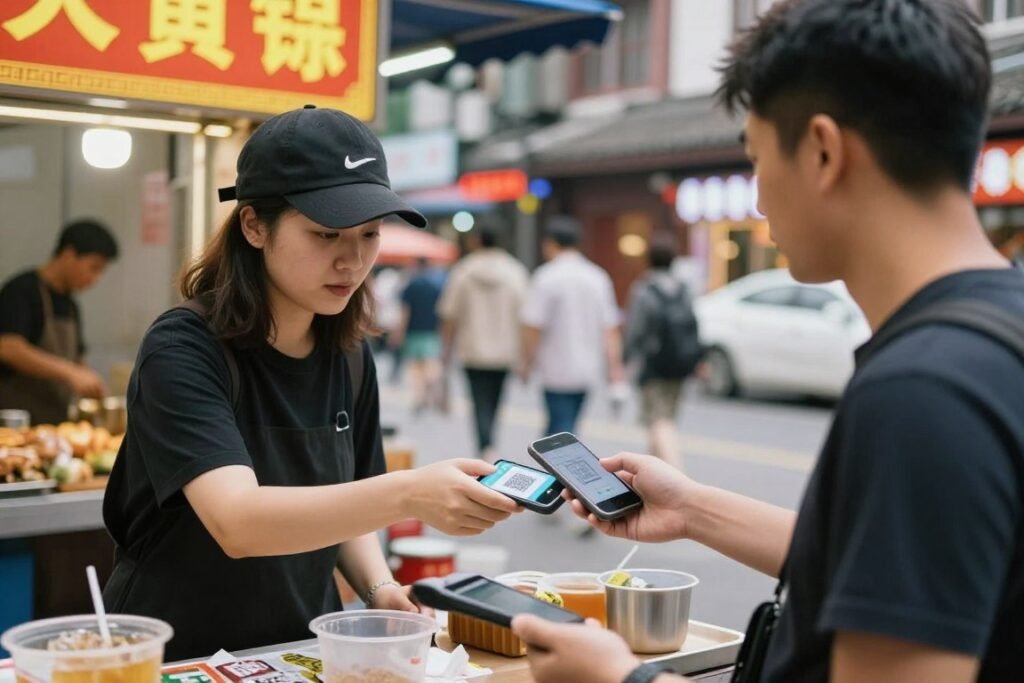
Chinese currency is the Renminbi with yuan as the basic unit. Cash usage declined dramatically in recent years. Mobile payment through WeChat Pay and Alipay dominates transactions. However, foreigners face challenges setting up these systems.
International credit cards work at major hotels, upscale restaurants, and large stores. Small businesses and street vendors usually accept only mobile payment or cash. ATMs appear throughout the city dispensing yuan. Inform your bank about China travel to avoid card blocks.
Important Payment Note: Setting up WeChat Pay or Alipay as a foreigner requires a Chinese bank account or special international versions with limitations. Bring sufficient cash for small purchases. Exchange money at banks or hotels for best rates.
Language and Communication
English speakers remain uncommon outside major hotels and tourist attractions. Mandarin Chinese dominates with a strong local accent. Even Chinese visitors from other regions sometimes struggle understanding Chongqing dialect.
Download translation apps before arrival. Google Translate works with downloaded Chinese language pack. Pleco offers excellent dictionary functions. Having destination names and addresses written in Chinese characters proves essential for taxis.
Useful Apps for Travel
- Baidu Maps for navigation
- Didi for ride-hailing
- Pleco for translation
- Trip.com for bookings
- WeChat for communication
- VPN for internet access
Essential Phrases
- Hello – Nǐ hǎo
- Thank you – Xièxie
- How much – Duōshao qián
- Bathroom – Xǐshǒujiān
- Help – Bāngzhù
- No spicy – Bù là
Internet and VPN Considerations
China blocks many Western websites and apps including Google, Facebook, Instagram, and WhatsApp. A VPN service allows access to these platforms. Install and test your VPN before entering China as VPN websites themselves face blocking.
Hotels usually provide WiFi but speeds vary dramatically. Mobile data plans offer another option. Purchase a Chinese SIM card at the airport or use international roaming if your carrier offers reasonable China rates.
Safety and Health
Chongqing ranks as generally safe for tourists. Violent crime remains rare. However, pickpocketing occurs in crowded areas like Hongya Cave and busy metro stations. Keep valuables secure and remain aware in tourist zones.
Air quality fluctuates seasonally with winter generally worse than summer. Sensitive individuals should monitor air quality reports and limit outdoor time during poor conditions. The city’s hilly terrain demands reasonable fitness levels for extensive walking.
Tap water requires boiling before drinking. Hotels provide electric kettles in rooms. Bottled water remains inexpensive and widely available. Restaurants serve boiled water by default with meals.
Do I need vaccinations for Chongqing?
No special vaccinations are required for Chongqing specifically. Standard travel vaccines for Asia including Hepatitis A and Typhoid make sense. Consult your doctor about personal health conditions and recommendations. Routine vaccinations should be current.
What about travel insurance?
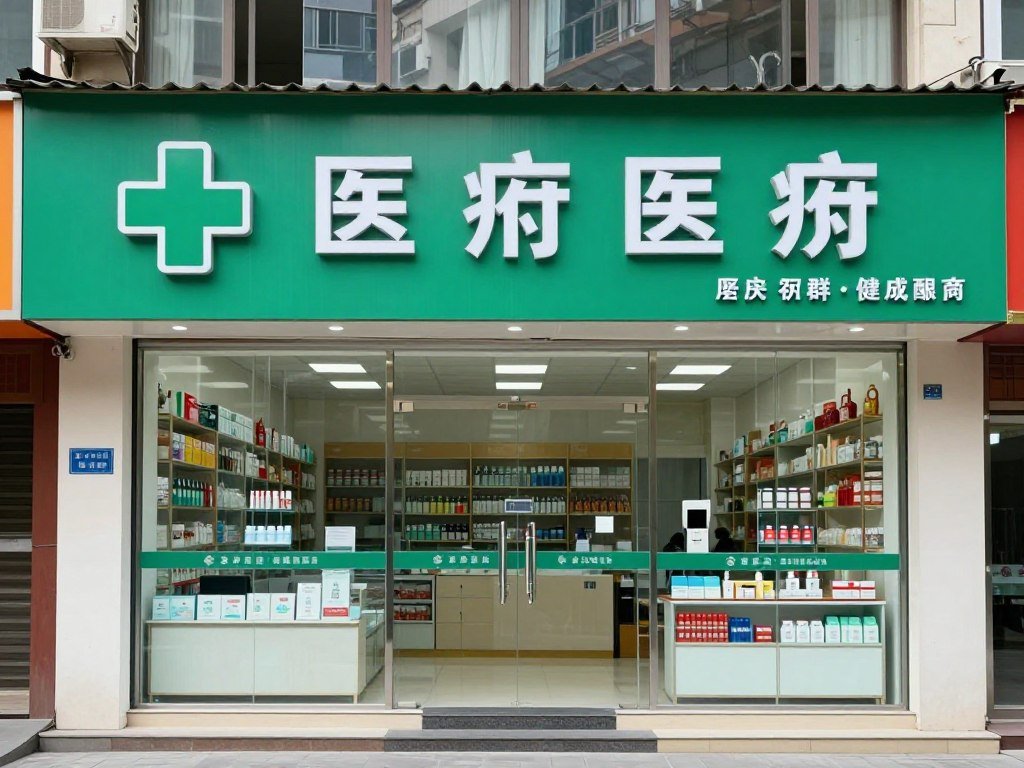
Travel insurance covering medical emergencies and evacuation is highly recommended. Chinese hospitals require payment upfront before treatment. Insurance helps manage unexpected medical costs. Trip cancellation coverage protects your investment in advance bookings.
Are prescription medications allowed?
Bring prescription medications in original containers with English labels. Carry a letter from your doctor explaining the medical need. Some medications legal elsewhere face restrictions in China. Research specific drugs beforehand to avoid problems at customs.
Visa Requirements
Most foreign visitors need a visa for China. Tourist visas typically allow thirty-day stays. Application requires submitting forms, photos, and supporting documents to Chinese consulates. Processing takes several days to weeks depending on location.
Some nationalities qualify for visa-free transit stays up to one hundred forty-four hours when entering through certain ports. Chongqing participates in this program. However, restrictions apply regarding permitted areas and onward travel requirements.
Cultural Etiquette
Understanding basic cultural norms prevents accidental offense. Chinese culture values harmony and face-saving. Direct confrontation or public arguments bring shame to all involved. Remain patient and polite even when frustrated.
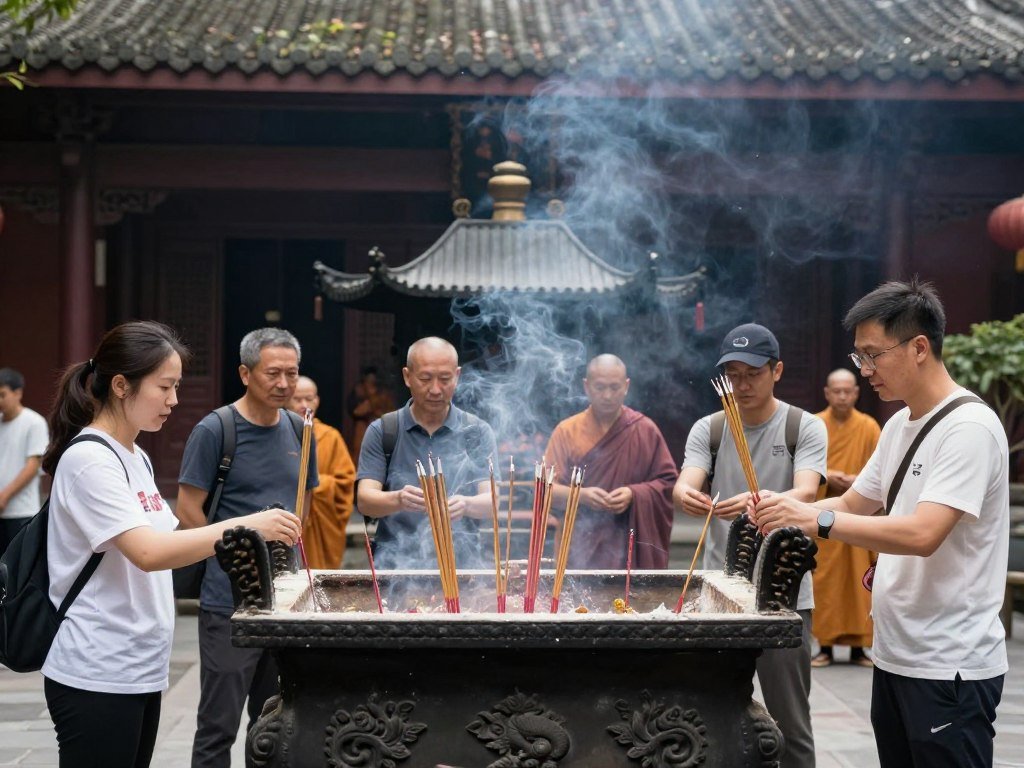
Cultural Do’s and Don’ts
- Do accept business cards with both hands
- Don’t point with one finger, use whole hand
- Do remove shoes when entering some venues
- Don’t stick chopsticks upright in rice
- Do try food offered by hosts
- Don’t touch people’s heads, especially children
- Do dress modestly at temples and religious sites
- Don’t get visibly angry or raise your voice
Photography restrictions apply at some locations. Always ask permission before photographing people directly. Military installations and certain government buildings prohibit photos. When in doubt, observe what locals do and follow their example.
Shopping and Souvenirs in Chongqing
Shopping ranges from modern malls to traditional craft markets. The city offers unique items unavailable elsewhere in China. Food products, handicrafts, and local specialties make meaningful souvenirs that capture your Chongqing experience.
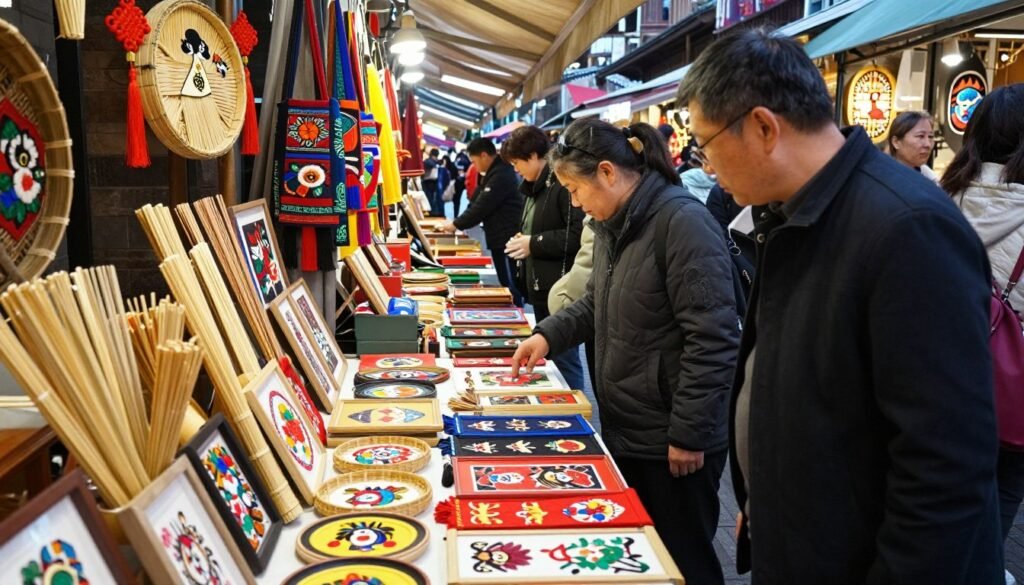
Where to Shop
Jiefangbei shopping district concentrates international brands and department stores. Multiple levels of underground shopping extend beneath the pedestrian plaza. Prices reflect the central location but variety impresses shoppers.
Ciqikou Ancient Town vendors sell traditional crafts and snacks. Quality varies significantly between shops. Bargaining is expected at street stalls though not in established stores. Compare prices among multiple vendors before committing to purchases.
Modern Shopping Malls
- Chongqing Times Square
- MixC Shopping Center
- Metropolitan Plaza
- Grand Gateway Plaza
- Yuelai International Fashion Town
Traditional Markets
- Ciqikou craft market
- Jiangbei antique market
- Shapingba book market
- Chaotianmen wholesale market
- Local produce markets
Specialty Shopping Streets
- Guanyinqiao pedestrian street
- Nanping pedestrian street
- Yangjiaping commercial area
- Three Gorges Square shopping
- Longhu Times Paradise Walk
Recommended Souvenirs
Food products represent the most authentic Chongqing souvenirs. Hotpot base packets let you recreate the experience at home. Various spice mixes and chili oils capture local flavors. Package these carefully to prevent leaks during travel.
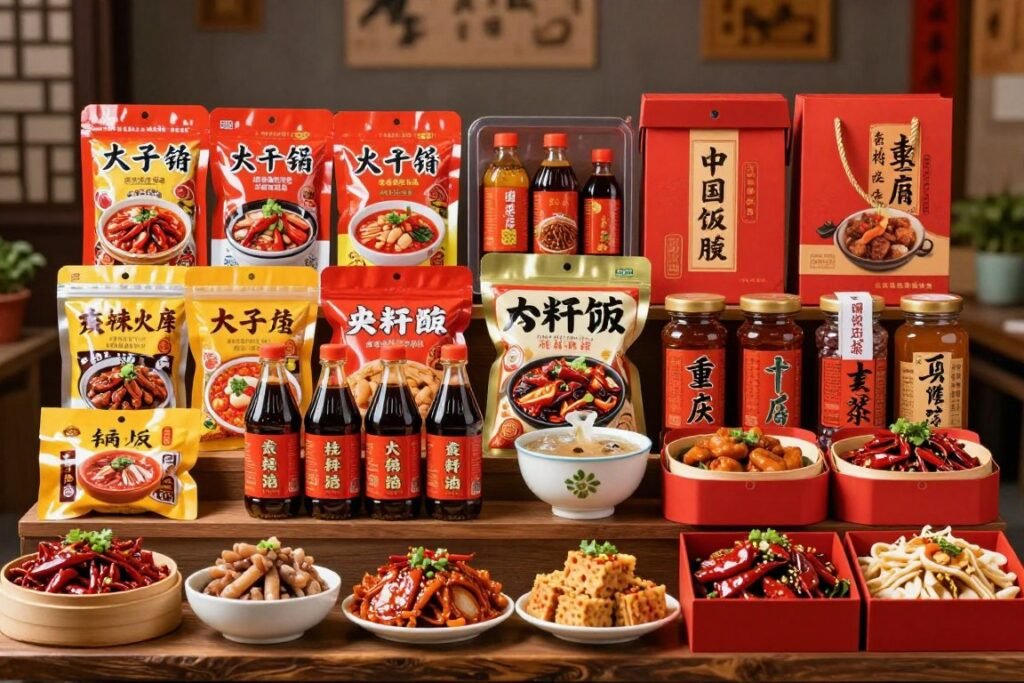
Sichuan peppercorns in vacuum-sealed packages travel well. Premium versions come from specific mountain regions. Tea varieties include compressed pu-erh popular in the region. Bamboo products ranging from cutting boards to decorative items showcase local craftsmanship.
| Souvenir Type | Where to Buy | Price Range | Packing Tips |
| Hotpot base packets | Supermarkets, Ciqikou shops | ¥10-50 | Double-bag to prevent leaks |
| Sichuan peppercorns | Spice markets, specialty shops | ¥20-100 | Vacuum-sealed best for freshness |
| Chili oil bottles | Food markets, restaurant shops | ¥15-60 | Wrap carefully, place in plastic bag |
| Bamboo crafts | Ciqikou, craft markets | ¥30-300 | Protect from impacts during transport |
| Local tea varieties | Tea shops, department stores | ¥50-500 | Store in original packaging |
| Embroidered items | Ciqikou vendors, craft shops | ¥40-200 | Fold carefully to avoid creasing |
Bargaining and Negotiation
Fixed prices apply in malls and established stores. However, markets and small vendors expect bargaining. Start by offering half the asking price. Settle somewhere between initial offer and asking price through friendly negotiation.
Walk away if the price seems too high. Vendors often call you back with better offers. Maintain a pleasant attitude throughout the process. Bargaining should feel like a game rather than confrontation. Knowing rough market prices helps achieve fair deals.
Worthwhile Day Trips from Chongqing
The region surrounding Chongqing offers diverse attractions within a few hours travel. Natural scenery, ancient towns, and geological wonders provide excellent escapes from urban intensity. These destinations work as day trips or overnight excursions.

Wulong Karst National Park
Wulong sits about three hours southeast of Chongqing by car or bus. This UNESCO World Heritage site features spectacular karst landscapes. Three natural stone bridges span a deep gorge creating otherworldly scenery. The area gained international fame through the movie Transformers filming location.
Cable cars descend into the valley where walking paths lead under the massive bridges. The largest bridge rises over two hundred meters tall. Lush vegetation covers the limestone formations. Tourist facilities include restaurants and souvenir shops near major viewpoints.
A separate area called the Furong Cave system contains remarkable underground formations. Stalactites and stalagmites create natural sculptures throughout chambers. Colored lighting enhances the dramatic effect though some consider it excessive. Combined tickets cover multiple attractions.
Gongtan Ancient Town
Gongtan represents one of China’s best-preserved ancient riverside towns. The settlement dates back two thousand years. Traditional wooden buildings line stone-paved streets. The Apeng River meets the Wu River creating scenic water views.
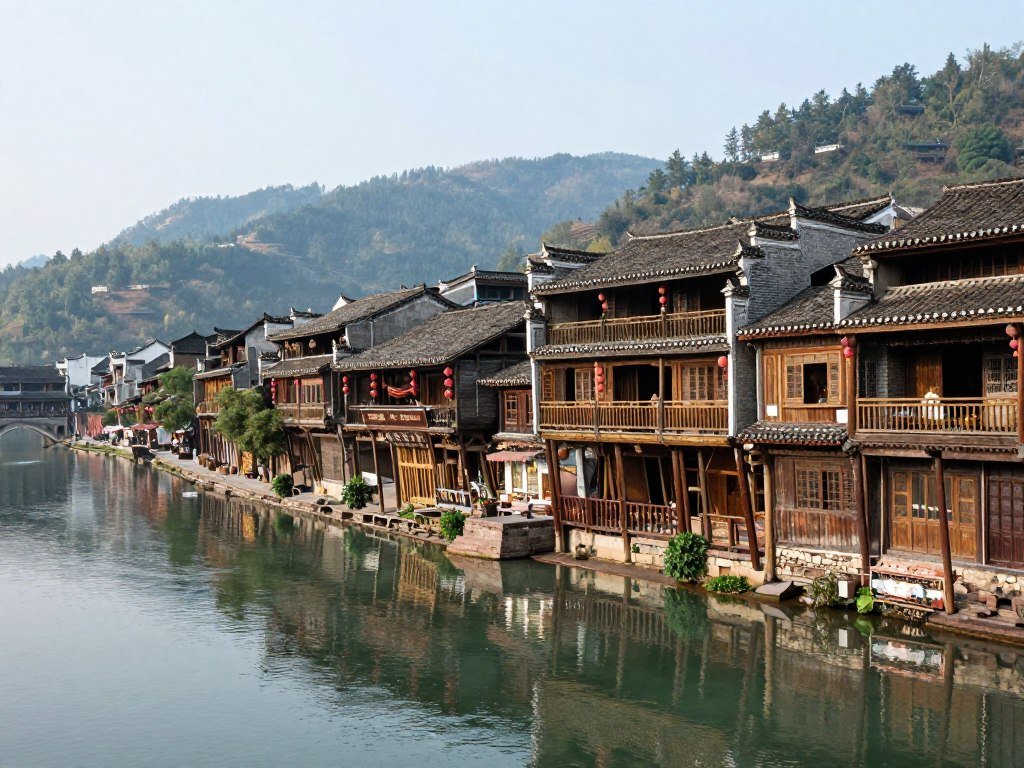
Journey time reaches about five hours by car making this better suited for overnight trips. However, organized tours sometimes manage day visits with very early departures. The remote location means fewer tourist crowds than more accessible sites. This preserves an authentic atmosphere rare in Chinese ancient towns.
Local minority cultures influence the architecture and customs. Tujia and Miao ethnic groups maintain traditional practices. Performances showcase folk dances and music. Accommodations include converted traditional buildings offering unique lodging experiences.
Simian Mountain
Simian Mountain provides natural scenery and cooler temperatures during summer. The protected area sits about one hundred fifty kilometers from Chongqing. Dense forests cover the mountain slopes. Waterfalls cascade through valleys creating refreshing swimming spots.
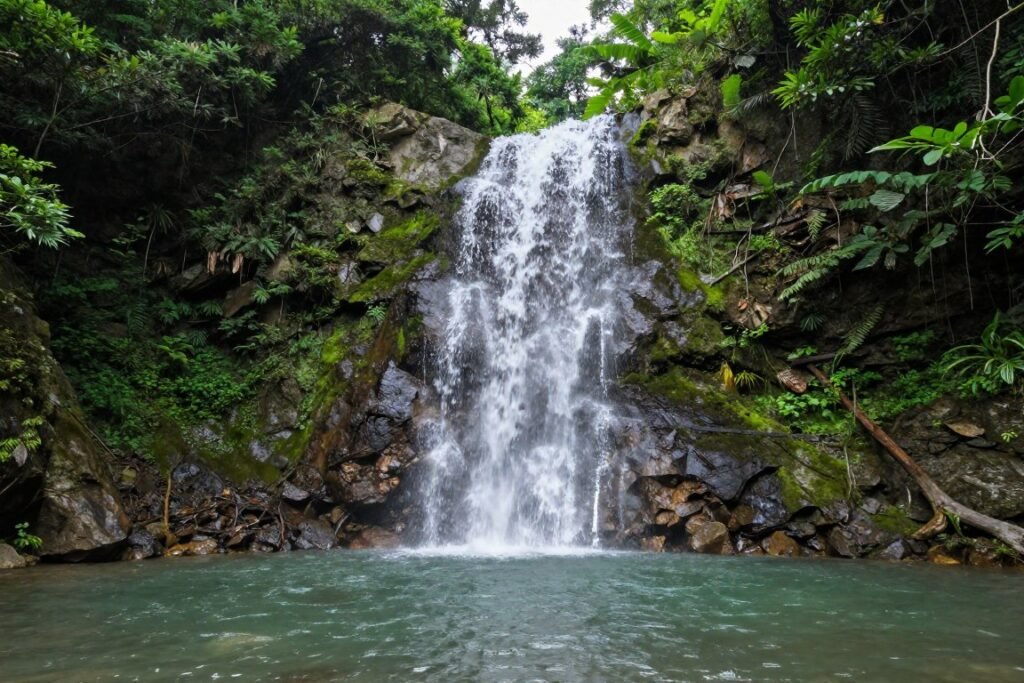
Hiking trails range from easy walks to challenging mountain ascents. The main waterfall drops over one hundred meters in multiple tiers. Bamboo groves and rare plant species attract nature enthusiasts. Monkeys inhabit the forests though sightings require patience and luck.
Day trips allow seeing highlights but feel rushed. Consider staying overnight in mountain lodges or nearby hotels. This permits early morning hikes when wildlife appears more active. Summer weekends bring crowds seeking escape from city heat.
Organizing Day Trips
Organized tours provide the easiest way to visit outlying attractions. Hotels and travel agencies arrange trips including transportation and guides. Prices vary based on group size and inclusions. English-speaking guides cost more but enhance understanding.
Independent travel requires more planning but offers flexibility. Rent a car with driver through hotels or apps. This costs more than tours but allows custom schedules. Public buses reach major destinations but take longer and require Chinese language skills.
Book Your Chongqing Day Trips
Browse verified tour operators offering day trips from Chongqing. Compare prices, read reviews, and book with confidence. English-speaking guides available for all major destinations.
Interactive Chongqing Map
This interactive map shows key attractions, hotels, restaurants, and transportation hubs throughout Chongqing. Use it to plan your routes and understand the city layout. The map helps visualize distances between locations across the mountain terrain.
Explore Chongqing’s key areas including Yuzhong Peninsula, major attractions along the Yangtze River, and surrounding districts. Click markers for detailed information about each location.
Weather Guide and Packing List
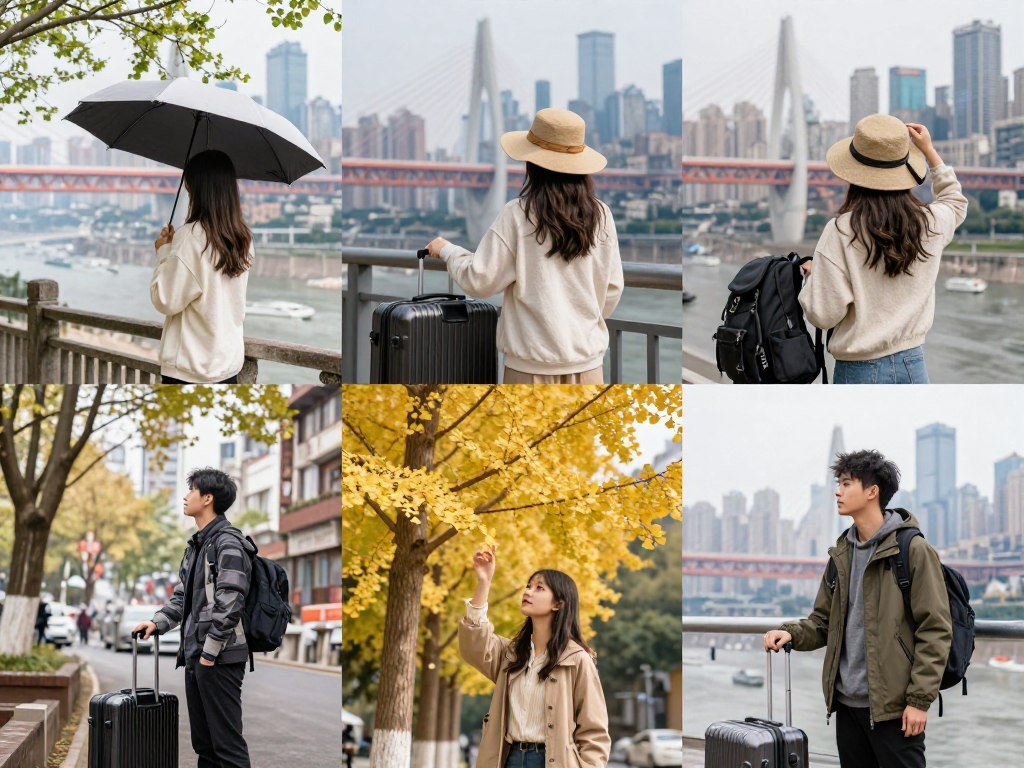
Chongqing weather varies dramatically by season. Proper packing ensures comfort regardless of when you visit. The mountain city experiences four distinct seasons each requiring different preparation approaches.
Monthly Weather Overview
Temperature patterns follow predictable cycles. January and February bring the coldest conditions with occasional light snow. March through May see gradual warming with increasing rainfall. June through August deliver intense heat and humidity making this the least comfortable period.
September marks the beginning of improvement. October and November provide the most pleasant conditions of the entire year. December starts the cool season again though temperatures rarely reach freezing. Understanding these patterns helps pack appropriately.
| Month | Avg High/Low (°C) | Rain Days | Humidity | Clothing Recommendation |
| January | 10/6 | 10 | High | Warm layers, waterproof jacket |
| February | 12/8 | 11 | High | Medium layers, rain gear |
| March | 17/12 | 13 | High | Light jacket, umbrella essential |
| April | 22/16 | 14 | High | Light layers, rain protection |
| May | 26/20 | 15 | Very High | Summer clothes, rain gear |
| June | 29/23 | 13 | Very High | Light breathable fabrics |
| July | 33/25 | 11 | Very High | Minimal clothing, sun protection |
| August | 33/25 | 10 | Very High | Light summer wear, sunscreen |
| September | 28/21 | 11 | High | Light layers for transitions |
| October | 22/17 | 12 | Moderate | Light jacket, comfortable layers |
| November | 17/12 | 10 | Moderate | Medium jacket, versatile layers |
| December | 12/8 | 8 | High | Warm layers, weatherproof outer |
Essential Packing List
Regardless of season, certain items belong in every Chongqing traveler’s bag. The mountain terrain demands comfortable walking shoes. Stairs appear everywhere making footwear crucial. Rain can occur any time of year requiring waterproof options.
Year-Round Essentials
These items prove useful regardless of when you visit. Pack them for every Chongqing trip to ensure comfort and convenience.
- Comfortable walking shoes with good grip
- Compact umbrella or rain jacket
- Backpack for daily excursions
- Reusable water bottle
- Power bank for devices
- Universal power adapter
- Basic first aid supplies
- Sunscreen and sunglasses
Summer Additions
Hot humid summers require specific items for comfort. Plan for intense heat and sudden afternoon storms during this season.
- Lightweight breathable clothing
- Wide-brimmed sun hat
- Cooling towel or neck fan
- Insect repellent for evenings
- Extra changes of clothes
- Sandals for casual wear
- Moisture-wicking fabrics
- Anti-chafing products
Winter Additions
Cold damp winters feel colder than temperatures suggest. Layer appropriately and prepare for indoor heating variations.
- Warm jacket or coat
- Thermal base layers
- Scarf and gloves
- Closed-toe waterproof shoes
- Warm socks
- Hat for cold days
- Lip balm for dry air
- Hand warmers optional
Tech and Documents
Modern travel requires various electronic devices and important documents. Organize these carefully for easy access and security.
- Passport and visa copies
- Travel insurance documents
- Smartphone with offline maps
- Camera and memory cards
- Charging cables and adapters
- VPN installed and tested
- Emergency contact information
- Hotel confirmations printed
Final Thoughts on Your Chongqing Adventure
Chongqing offers experiences unlike any other Chinese destination. The mountain city challenges and rewards visitors in equal measure. Dramatic terrain creates unforgettable scenery and unique urban architecture. Food culture delivers flavors that will haunt your memories long after departure.
Planning ahead maximizes your enjoyment of this complex destination. The information in this guide provides foundation knowledge for a successful trip. However, leave room for spontaneous discoveries. Some of the best experiences come from unexpected encounters and unplanned detours.
The city continues evolving rapidly. New attractions open while traditional areas preserve history. Transportation improvements make navigation easier each year. Yet the essential character of Chongqing persists. The combination of ancient culture and modern ambition creates magic.
Return visitors often claim they appreciate Chongqing more on second or third trips. The initial overwhelming impression gives way to deeper understanding. You begin noticing subtleties missed during first explorations. The food tastes better once your palate adjusts to the spice levels.
Chongqing rewards those who embrace its challenges. The stairs will test your fitness. The spicy food will challenge your taste buds. The terrain will confuse your sense of direction. But these difficulties become part of the story you carry home. They transform a simple trip into an adventure worth retelling.
Start planning your Chongqing journey today. The mountain city awaits your discovery. Whether you spend three days or three weeks, the experiences will leave lasting impressions. This remarkable destination deserves a place on every serious traveler’s bucket list.
Ready to Explore Chongqing?
Subscribe to our newsletter for the latest Chongqing travel updates, special deals, and insider tips delivered monthly. Join thousands of travelers planning their mountain city adventure.
Share Your Experience: After your Chongqing trip, we would love to hear your stories. Send photos and experiences to help future travelers. Your insights might appear in our next guide update helping others discover this incredible destination.