

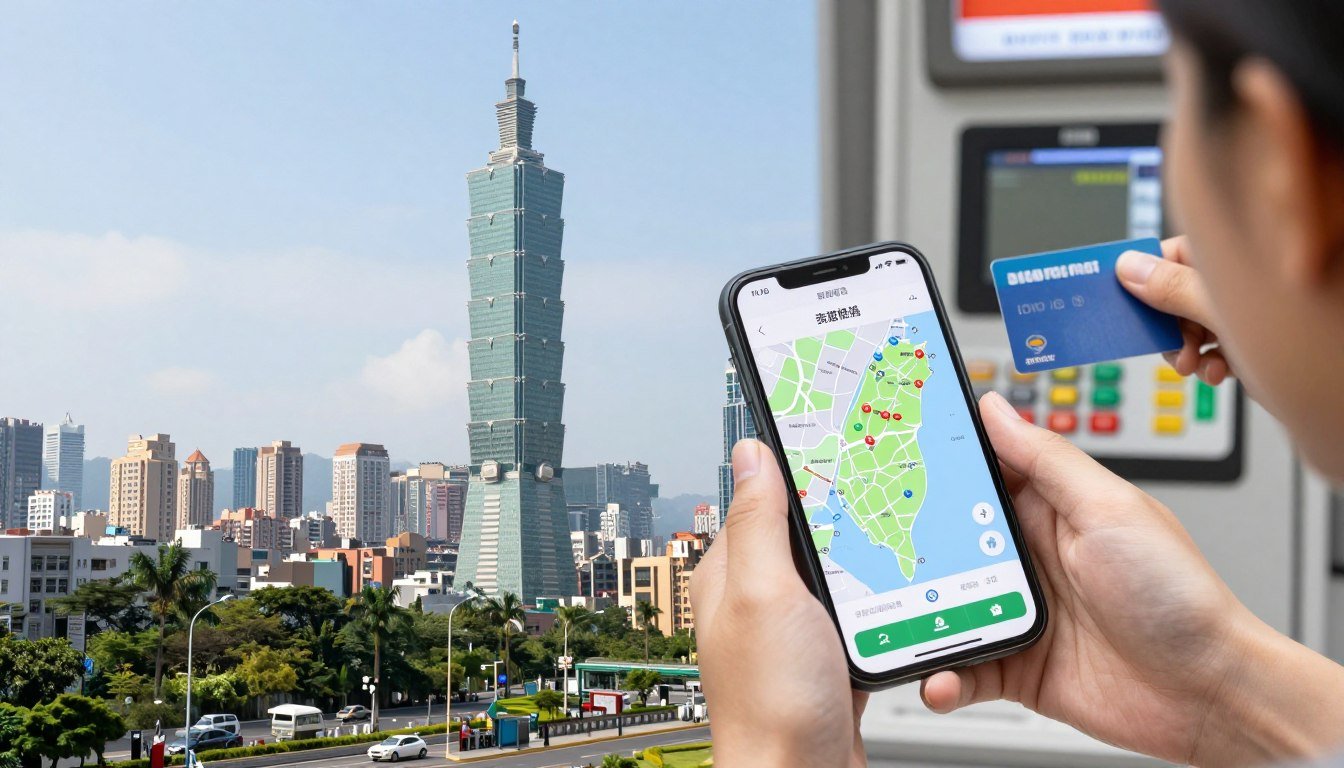
Planning your Taiwan adventure brings excitement mixed with practical questions. How will you stay connected to maps and translation apps? Which payment methods work at street markets versus luxury hotels?
This comprehensive Taiwan tourist guide solves both challenges completely. You will discover exactly how to stay online from the moment you land and how to pay for everything from bubble tea to hotel stays without excessive fees.
Taiwan offers world-class connectivity infrastructure and increasingly diverse payment options. Understanding these systems before arrival transforms potential stress into confident navigation through night markets, mountain temples, and coastal cities.
Understanding Taiwan Connectivity: Why Internet Access Matters
Reliable internet access serves as your essential tool throughout Taiwan travel. Navigation apps guide you through unfamiliar streets. Translation tools help you order authentic local dishes. Messaging apps keep you connected with travel companions and family back home.
Taiwan ranks among Asia’s most connected countries. The island nation provides extensive 4G LTE coverage reaching 99% of populated areas. Major cities enjoy widespread 5G deployment. Even remote mountain regions often maintain usable mobile signals.
Critical Situations Requiring Mobile Data
- Google Maps for walking directions between attractions
- Real-time MRT and bus schedules via transit apps
- Taxi booking through apps like Uber or TaxiGo
- High-speed rail ticket booking and platform information
- Scooter rental app access for exploring smaller cities
- Finding parking in congested urban areas
Communication and Safety
- Emergency contact access for accidents or problems
- Translation apps for restaurant menus and signs
- Hotel check-in confirmations and room access codes
- Coordinating meetups with travel companions in crowds
- Banking apps for monitoring spending and fraud alerts
- Weather warnings for typhoons or heavy rain
International roaming from your home carrier typically costs $10-15 USD per day with limited data allowances. These charges accumulate rapidly during week-long trips. Local Taiwan SIM cards and eSIM options provide significantly better value with unlimited or high-volume data packages.
Connectivity Reality Check: While Taiwan offers excellent free WiFi at many locations including train stations and government buildings, relying exclusively on WiFi creates frequent connection gaps. Mobile data ensures uninterrupted access precisely when you need it most.
eSIM vs Physical SIM Card: Complete Comparison for Taiwan
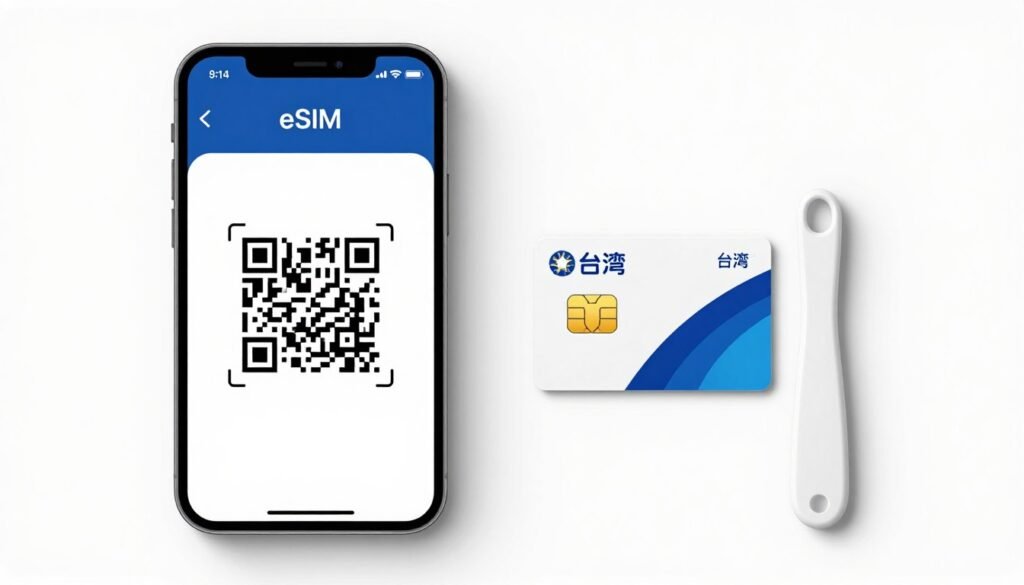
Taiwan tourists face an important choice between traditional physical SIM cards and modern eSIM technology. Both options deliver reliable connectivity, yet each offers distinct advantages depending on your device, travel style, and technical comfort level.
What Is eSIM Technology?
An eSIM represents a digital SIM card embedded directly into your smartphone. Instead of inserting a physical chip, you scan a QR code or download a carrier profile to activate service. Most smartphones manufactured after 2019 include eSIM capability alongside traditional SIM card slots.
Taiwan’s major carriers including Chunghwa Telecom and Taiwan Mobile support eSIM technology. International eSIM providers like Airalo and Holafly offer Taiwan-specific data packages you can purchase and activate before leaving home.
Detailed Comparison: eSIM vs Physical SIM
| Feature | eSIM | Physical SIM Card | Winner |
| Setup Location | Anywhere before travel (from home) | Airport or city telecom shop in Taiwan | eSIM |
| Activation Time | Immediate (2-5 minutes) | 10-20 minutes including queue time | eSIM |
| Device Compatibility | iPhone XR/XS and newer, select Android models | All unlocked smartphones | Physical SIM |
| Price Range (7 days unlimited) | $12-20 USD | $10-15 USD (300-500 TWD) | Physical SIM |
| Data Speeds | 4G/5G depending on package | 4G/5G full speed | Tie |
| Voice Calling | Data only (VoIP apps work) | Local phone number included | Physical SIM |
| Hotspot Capability | Yes (most providers) | Yes (all carriers) | Tie |
| Multiple Device Use | One device per eSIM | Can swap between devices | Physical SIM |
| Lost Phone Risk | Cannot transfer to new device easily | Remove and insert into replacement phone | Physical SIM |
| Airport Arrival Convenience | Already active, immediate connectivity | Must find shop and purchase after customs | eSIM |
| Customer Support | Online chat only (English available) | In-person help at carrier shops | Physical SIM |
| Extension/Top-up | Online purchase additional data | Convenience store or carrier shop | Tie |
Who Should Choose eSIM?
Compatible Device Owners
iPhone XR or newer, Samsung Galaxy S20 or newer, Google Pixel 3 or newer. Check your specific model’s eSIM capability before purchasing.
Convenience Prioritizers
Travelers who value immediate connectivity upon landing without airport shop queues or language barrier concerns during purchase.
Data-Only Users
Tourists comfortable using WhatsApp, Line, or Skype for voice calls rather than needing a traditional phone number for voice service.
Who Should Choose Physical SIM Card?
Older Device Users
Smartphones manufactured before 2019 or budget models lacking eSIM functionality require traditional physical SIM cards for Taiwan connectivity.
Voice Call Needs
Business travelers or those needing to call Taiwan hotels, restaurants, and services directly benefit from having a local phone number included with physical SIM.
Budget Conscious
Physical SIM cards from Taiwan carriers typically cost 10-25% less than eSIM packages while offering identical or superior data allowances and speeds.
Complete Taiwan Connectivity Setup Guide
Download our comprehensive guide comparing every eSIM provider and physical SIM option for Taiwan. Includes step-by-step activation tutorials, troubleshooting tips, and money-saving strategies. Join 12,000+ connected travelers.
Best eSIM Providers for Taiwan Travel 2024
Numerous international eSIM providers offer Taiwan data packages. Prices, data allowances, and service quality vary significantly. This comparison identifies the most reliable options for different traveler needs and budgets.
Top eSIM Provider Comparison
Airalo Taiwan eSIM
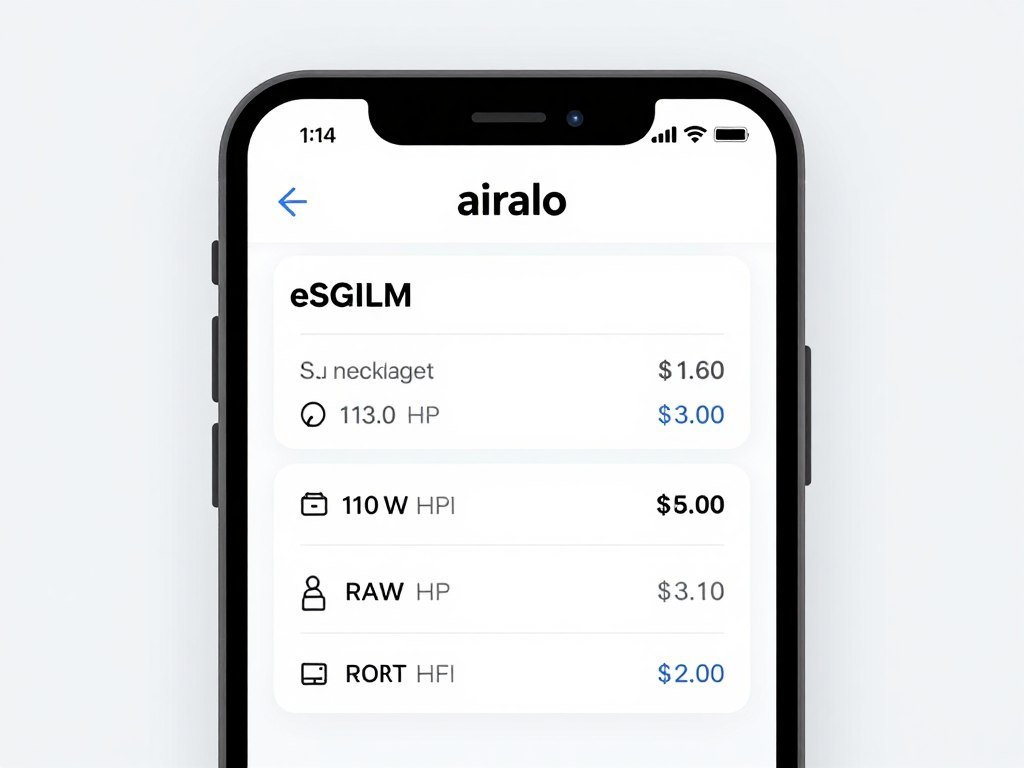
Most popular international eSIM provider with reliable Taiwan coverage via Chunghwa Telecom network. Excellent customer support and easy activation process.
- 3GB / 7 days: $7 USD
- 5GB / 15 days: $11 USD
- 10GB / 30 days: $18 USD
- 4G LTE speeds on Taiwan’s largest network
- Top-up available if you run out
- 24/7 English customer support chat
Best for: First-time eSIM users seeking reliability and good value
Holafly Taiwan eSIM
Unlimited data packages ideal for heavy users, video streaming, and mobile hotspot sharing. Simple flat-rate pricing eliminates data anxiety during your trip.
- Unlimited data / 5 days: $19 USD
- Unlimited data / 7 days: $27 USD
- Unlimited data / 10 days: $34 USD
- 5G speeds where available in Taipei
- No data throttling or speed caps
- Shareable via mobile hotspot
Best for: Heavy data users, video streamers, multiple device users
Ubigi Taiwan eSIM
Competitive pricing for travelers with moderate data needs. Flexible packages let you choose exactly the amount of data required without overpaying.
- 1GB / 30 days: $4.50 USD
- 3GB / 30 days: $9 USD
- 10GB / 30 days: $24 USD
- 4G LTE reliable speeds
- Buy only what you need approach
- Validity extends to 30 days
Best for: Light data users, budget travelers, WiFi-supplementing needs
How to Activate Taiwan eSIM Step-by-Step
Common eSIM Activation Issue: If your eSIM does not connect automatically after landing, manually select “Taiwan Mobile” or “Chunghwa Telecom” in your network settings instead of leaving it on automatic selection. This resolves 90% of connection problems.
Physical SIM Cards at Taoyuan Airport: Complete Guide
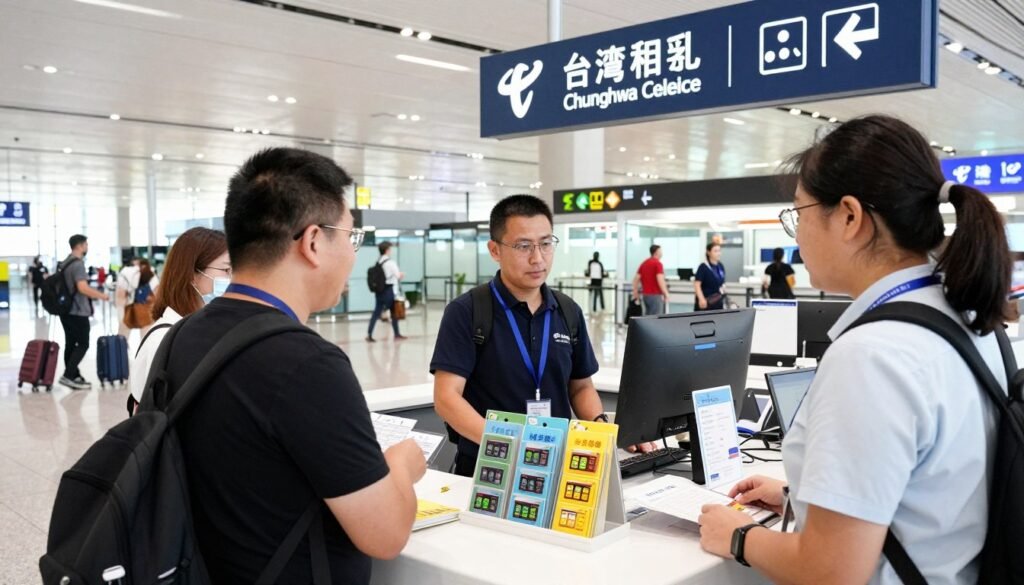
Taoyuan International Airport serves as Taiwan’s main entry point for international tourists. Both terminals house multiple telecom carrier counters in the arrivals area immediately after customs and baggage claim. Purchasing physical SIM cards here provides immediate connectivity as you exit the airport.
Major Carriers at Taoyuan Airport
Chunghwa Telecom
Taiwan’s largest and oldest telecommunications provider. Offers the most extensive network coverage including rural and mountain areas. Premium pricing reflects superior infrastructure and reliability.
Airport Locations:
- Terminal 1: Arrival Hall Level 1F, near Exit B
- Terminal 2: Arrival Hall Level 1F, between Exits A and B
- Operating hours: 6:00 AM – 11:30 PM daily
Popular Tourist Packages:
- 5 days unlimited 4G: NT$300 ($9.60 USD)
- 7 days unlimited 4G: NT$500 ($16 USD)
- 15 days unlimited 4G: NT$800 ($25.60 USD)
Taiwan Mobile
Second-largest carrier with excellent urban coverage and competitive pricing. Slightly cheaper than Chunghwa Telecom with comparable service quality in cities and tourist destinations.
Airport Locations:
- Terminal 1: Arrival Hall Level 1F, near Exit A
- Terminal 2: Arrival Hall Level 1F, near Exit B
- Operating hours: 7:00 AM – 11:00 PM daily
Popular Tourist Packages:
- 5 days unlimited 4G: NT$300 ($9.60 USD)
- 7 days unlimited 4G: NT$450 ($14.40 USD)
- 10 days unlimited 4G: NT$600 ($19.20 USD)
Taoyuan International Airport location with telecom counter positions in arrivals terminals
SIM Card Purchase Process at Airport
Peak Time Considerations
Airport SIM card counters experience significant queues during peak arrival times. International flights from major Asian and Western cities land in clusters creating wait times of 20-40 minutes during busy periods.
| Time Period | Expected Wait Time | Flight Density | Strategy |
| 6:00 AM – 9:00 AM | 5-15 minutes | Low | Best time for quick purchase |
| 9:00 AM – 1:00 PM | 20-40 minutes | Very High | Consider eSIM to avoid queues |
| 1:00 PM – 5:00 PM | 10-25 minutes | Moderate | Acceptable wait time for most travelers |
| 5:00 PM – 9:00 PM | 15-30 minutes | High | Evening rush from Asian business flights |
| 9:00 PM – 11:30 PM | 5-10 minutes | Low | Quiet period before counter closure |
Alternative City Locations: If you choose to skip airport SIM purchase, both Chunghwa Telecom and Taiwan Mobile operate numerous stores throughout Taipei and other cities. Staff at major city branches speak English and offer identical tourist packages at the same prices as airport counters.
Taiwan Payment Methods Overview for Tourists
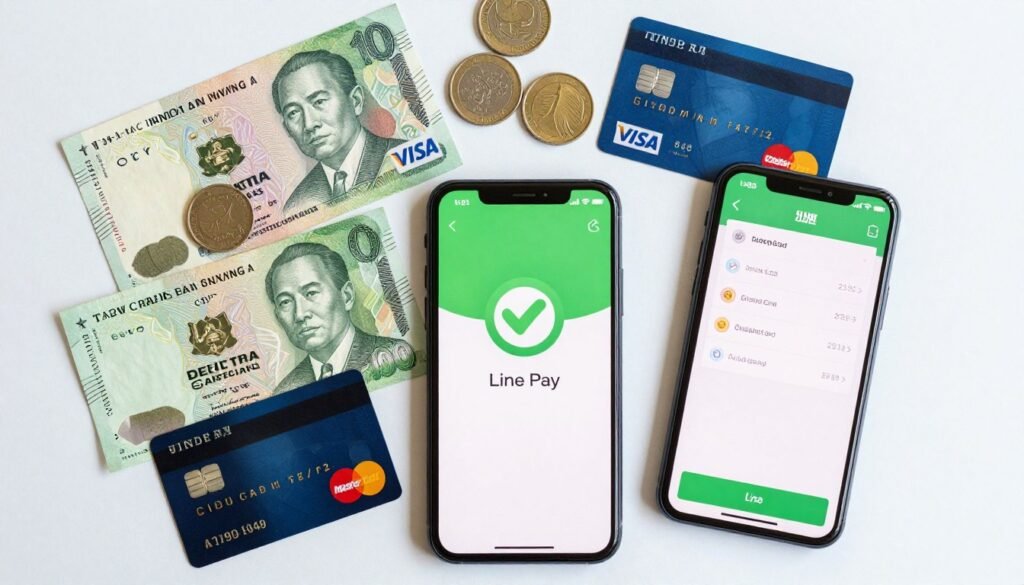
Taiwan maintains a unique payment culture blending traditional cash transactions with increasingly sophisticated digital payment systems. Understanding which payment methods work in different situations prevents frustration and helps you budget effectively throughout your trip.
Payment Method Acceptance by Location Type
| Location Type | Cash | Credit Cards | Line Pay | Recommended Method |
| Night Markets | Required at 95% of stalls | Rarely accepted | Some modern vendors | Cash essential |
| Convenience Stores | Always accepted | All major cards accepted | Widely accepted | Any method works |
| Street Food Vendors | Only payment option | Not accepted | Very rare | Cash only |
| Local Restaurants | Preferred by 70% of restaurants | Accepted at 30% of locations | Growing acceptance | Cash safest option |
| Chain Restaurants | Always accepted | All locations accept | Most chains accept | Card for larger bills |
| Hotels | Accepted everywhere | Required for booking guarantee | Some boutique hotels | Credit card preferred |
| Department Stores | Always accepted | All major cards accepted | Widely available | Card for purchases |
| Taxis | Universal payment method | Some newer taxis only | Rare | Cash required |
| MRT Stations | Single tickets available | Ticket machines accept cards | Not typically accepted | EasyCard transport card |
| Temples | Required for donations | Never accepted | Not used | Cash for offerings |
Understanding New Taiwan Dollar Currency
The New Taiwan Dollar (TWD or NT$) serves as Taiwan’s official currency. Exchange rates fluctuate but typically hover around NT$31-32 per USD, £40-42 per GBP, or €34-36 per EUR. Bills and coins come in specific denominations you will encounter constantly during your visit.
Common Bank Notes
- NT$100 (red bills) – Daily small purchases
- NT$500 (brown bills) – Mid-range transactions
- NT$1,000 (blue bills) – Larger purchases and ATM withdrawals
- NT$2,000 (purple bills) – Less common, banks mainly
The NT$200 note exists but circulates rarely. Many vendors hesitate accepting it due to unfamiliarity. Stick to NT$100, NT$500, and NT$1,000 notes for smoother transactions.
Everyday Coins
- NT$1 – Small items, temple donations
- NT$5 – Convenience store snacks
- NT$10 – Most common coin in change
- NT$50 – Less frequent but widely accepted
The NT$20 coin exists but is not commonly circulated. You will rarely encounter it during normal transactions. Focus on recognizing NT$1, NT$5, and NT$10 coins for daily use.
ATM Locations and Cash Withdrawal Strategies in Taiwan
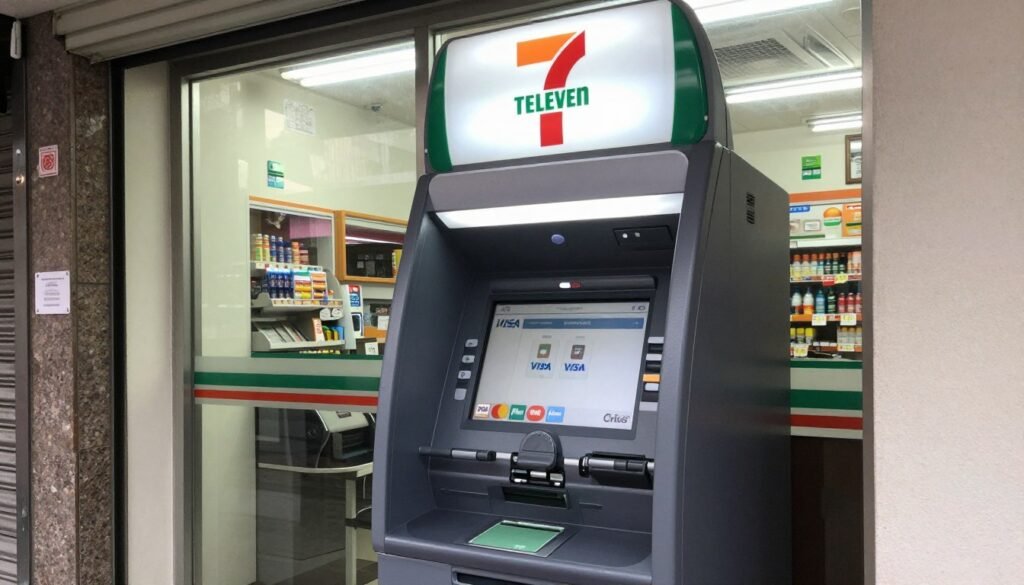
Taiwan provides exceptional ATM accessibility for international visitors. The combination of widespread bank branches and 24-hour convenience store ATMs ensures you never find yourself far from cash access regardless of your location on the island.
Best ATM Options for Foreign Cards
7-Eleven ATMs
Over 6,000 locations operating continuously across Taiwan. Most reliable option for international card acceptance including Visa, Mastercard, Plus, and Cirrus networks.
Withdrawal limit: NT$20,000 per transaction
Local fee: NT$100 (~$3.20 USD)
Availability: 24 hours, 365 days per year
FamilyMart ATMs
Taiwan’s second-largest convenience store chain with excellent ATM coverage. Comparable reliability to 7-Eleven for international withdrawals with identical fee structure.
Withdrawal limit: NT$20,000 per transaction
Local fee: NT$100 (~$3.20 USD)
Availability: 24 hours daily
Bank of Taiwan ATMs
National bank with ATMs at branches, stations, and tourist areas. Slightly higher withdrawal limits than convenience stores with similar international compatibility.
Withdrawal limit: NT$30,000 per transaction
Local fee: NT$70-100 (~$2.25-3.20 USD)
Availability: 24 hours at most locations
Complete ATM Fee Breakdown
Understanding total ATM costs requires calculating multiple fees charged by different entities. The Taiwan ATM operator charges a fixed fee per withdrawal. Your home bank likely adds its own foreign ATM fee. Your bank may also apply foreign transaction fees or unfavorable exchange rates.
| Fee Component | Who Charges | Typical Amount | Avoidance Strategy |
| Taiwan ATM Fee | ATM operator (7-Eleven, bank, etc.) | NT$100 ($3.20 USD) | Cannot avoid, but minimize by withdrawing maximum amounts |
| Home Bank ATM Fee | Your bank or card issuer | $3-6 USD per withdrawal | Use banks like Schwab that refund all ATM fees |
| Foreign Transaction Fee | Your bank or card issuer | 1-3% of withdrawal amount | Travel-focused banks and cards waive this fee |
| Currency Conversion Markup | Your bank | 1-3% above market rate | Use cards offering interbank exchange rates |
| Dynamic Currency Conversion | ATM operator if you choose | 3-7% hidden markup | Always decline and choose billing in TWD |
Fee-Minimizing Withdrawal Strategy
- Withdraw NT$20,000-30,000 at once rather than multiple small withdrawals to spread fixed fees over more money
- Use fee-free travel debit cards like Schwab Bank or Wise that refund ATM charges automatically
- Always decline “conversion” or “charge in your home currency” prompts – choose “continue without conversion”
- Plan withdrawals strategically before rural trips where ATM access may be limited
- Track all ATM fees in budgeting apps to understand true cost and adjust strategy accordingly
- Consider one large withdrawal early in trip rather than frequent small withdrawals throughout
Critical ATM Setting: When Taiwan ATMs ask whether to charge you in Taiwan Dollars or convert to your home currency, ALWAYS select Taiwan Dollars. The ATM’s conversion rate includes a 3-7% markup that costs significantly more than your bank’s standard foreign exchange rate.
Line Pay Setup Guide for International Tourists
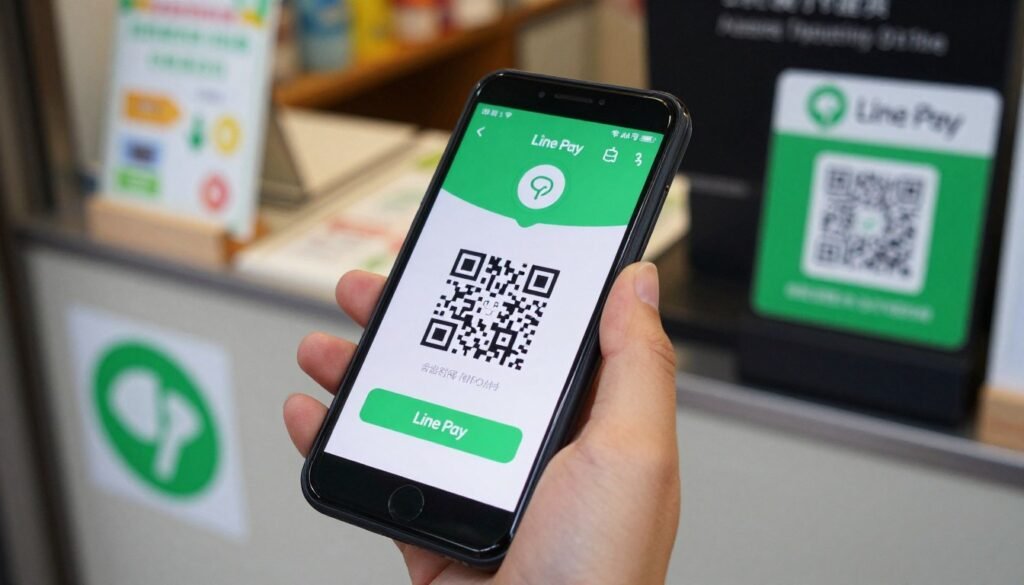
Line Pay dominates Taiwan’s mobile payment landscape with over 200,000 accepting merchants. The platform integrates seamlessly with Taiwan’s popular Line messaging app used by more than 90% of the population. Foreign tourists can access this convenient payment method by linking international credit cards.
Why Use Line Pay as a Tourist?
Line Pay Advantages
- Eliminates need to carry large cash amounts for shopping and dining
- Works at countless night market vendors who do not accept credit cards
- Automatic receipt storage for expense tracking and budgeting
- Occasional promotional discounts and cashback offers for users
- Faster checkout than fumbling with unfamiliar currency denominations
- Links to international credit cards without Taiwan bank account
- Transaction history viewable in app for end-of-trip reconciliation
- No additional fees beyond standard credit card charges
Line Pay Limitations
- Requires smartphone with data connection to complete payments
- Identity verification process takes 24-48 hours before full functionality
- Not accepted everywhere despite widespread coverage in Taiwan
- Small traditional vendors still prefer cash transactions
- Requires linking credit card which may charge foreign transaction fees
- App interface primarily in Chinese with limited English support
- Cannot be used for transit payments on MRT or buses
- Useless if phone battery dies or you lose your device
Complete Line Pay Setup Process
Using Line Pay for Payments
Two primary payment methods exist within Line Pay depending on merchant capabilities. Larger stores use scanning systems where you display your QR code. Smaller vendors display their own QR code for you to scan with Line Pay app.
Show Your Code Method
Used at convenience stores, chain restaurants, and larger retailers with integrated payment systems.
- Open Line Pay app and select “Pay” button
- Display your personal QR code on screen
- Merchant scans your code with their terminal
- Confirm purchase amount on your screen
- Authenticate with PIN, fingerprint, or Face ID
- Payment completes immediately with confirmation
Scan Their Code Method
Common at night markets, small shops, and independent vendors using simpler payment systems.
- Open Line Pay and select “Scan” function
- Point camera at merchant’s displayed QR code
- App reads code and displays merchant name
- Manually enter purchase amount if prompted
- Confirm transaction details are correct
- Authorize payment to complete transaction
Master Taiwan Travel Before You Arrive
Download our complete Taiwan tourist guide covering connectivity setup, payment methods, daily budgets, and money-saving strategies. Includes printable checklists, emergency contact cards, and troubleshooting solutions. Trusted by over 18,000 Taiwan travelers.
Credit Card Usage in Taiwan: Acceptance and Fees
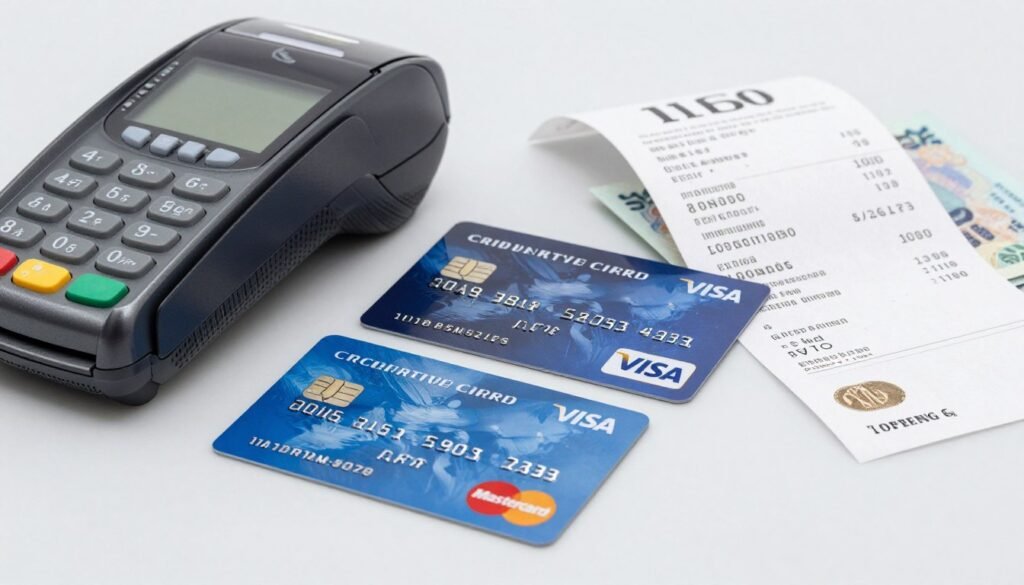
Credit card acceptance in Taiwan has expanded dramatically over the past decade. Major urban areas and tourist-focused businesses now routinely accept international credit cards. However, Taiwan remains more cash-oriented than many Western countries, creating situations where cards prove useless despite technological capability.
Credit Card Network Acceptance Rates
| Card Network | Acceptance Level | Where It Works Best | Common Limitations |
| Visa | Excellent (90%+ where cards accepted) | Hotels, department stores, chain restaurants, convenience stores | Small independent shops, night markets, traditional food stalls |
| Mastercard | Excellent (90%+ where cards accepted) | Same locations as Visa with equivalent acceptance | Identical limitations to Visa card restrictions |
| American Express | Fair (40-60% where cards accepted) | Luxury hotels, high-end department stores, premium restaurants | Many stores refuse due to higher merchant processing fees |
| Discover/Diners Club | Poor (15-30% where cards accepted) | Major international hotel chains, select upscale retailers | Very limited merchant acceptance network in Taiwan |
| JCB | Good (60-70% where cards accepted) | Tourist areas catering to Japanese visitors, department stores | Better than Amex but still less universal than Visa/Mastercard |
Foreign Transaction Fees on Credit Cards
Most credit cards charge foreign transaction fees ranging from 1% to 3% on all purchases made outside your home country. These fees apply automatically to Taiwan transactions even when the card is processed successfully. The charge appears on your statement as a separate line item or incorporated into the exchange rate markup.
Travel-focused credit cards eliminate foreign transaction fees entirely. These cards save significant money on Taiwan trips where you might charge $2,000-5,000 USD in total expenses. A 3% fee on $3,000 of spending equals $90 in unnecessary charges.
Recommended No-Foreign-Fee Credit Cards
Chase Sapphire Preferred
Premium travel credit card with no foreign transaction fees, excellent travel insurance benefits, and valuable rewards points on dining and travel purchases worldwide.
- 0% foreign transaction fees on all purchases
- 2X points on travel and dining globally
- Trip cancellation and interruption insurance
- Primary rental car collision coverage
- $50 annual hotel credit benefit
- Travel and emergency assistance services
Annual Fee: $95 USD
Best for: Frequent travelers maximizing rewards value
Capital One Quicksilver
Straightforward cash back card with no foreign transaction fees and no annual fee. Simple rewards structure with 1.5% cash back on every purchase anywhere.
- 0% foreign transaction fees always
- Unlimited 1.5% cash back on all purchases
- No annual fee ever
- Travel accident insurance included
- Extended warranty protection on purchases
- Contactless payment capability
Annual Fee: $0 USD
Best for: Budget travelers avoiding annual fees
Discover it Miles
Unique travel card with no foreign transaction fees and unlimited 1.5X miles on every purchase. First-year cardholders receive automatic miles match doubling all rewards earned.
- 0% foreign transaction fees worldwide
- Unlimited 1.5X miles on all purchases
- Miles match after first year doubles rewards
- No annual fee structure
- Redeem miles for any travel purchase
- Freeze card instantly via mobile app
Annual Fee: $0 USD
Best for: First-time travel card users maximizing value
Strategic Credit Card Usage in Taiwan
- Use credit cards for hotel bookings to leverage travel insurance coverage and dispute rights
- Pay for expensive purchases at department stores and electronics retailers with cards for protection
- Reserve cash for night markets, local restaurants, taxis, and small independent shops
- Carry at least two different credit cards from separate issuers as backup redundancy
- Notify card companies of Taiwan travel dates to prevent fraud detection blocks
- Photograph cards front and back and store images separately from physical cards
- Enable mobile app notifications for real-time transaction alerts and fraud monitoring
- Request increased credit limits before travel if expecting large purchases
Daily Budget Planning for Taiwan Travel

Establishing realistic daily budgets helps you enjoy Taiwan without financial stress or overspending. Costs vary dramatically based on accommodation choices, dining preferences, and activity selections. This breakdown assists in planning appropriate cash reserves and payment method distributions.
Taiwan Daily Budget by Travel Style
Budget Backpacker
Daily Total: NT$1,200-2,000 ($38-64 USD)
- Accommodation: NT$400-800 (hostel dorm bed)
- Breakfast: NT$60-100 (convenience store or street vendor)
- Lunch: NT$100-150 (local restaurant or food court)
- Dinner: NT$150-250 (night market or casual dining)
- Snacks/Drinks: NT$80-150 (bubble tea, fruit, treats)
- Transportation: NT$80-150 (MRT and local buses)
- Attractions: NT$0-200 (free temples, budget museums)
- Miscellaneous: NT$100-200 (toiletries, emergencies)
Cash needed: NT$1,500 daily for typical spending
Mid-Range Traveler
Daily Total: NT$3,000-5,000 ($96-160 USD)
- Accommodation: NT$1,200-2,000 (private room or budget hotel)
- Breakfast: NT$100-180 (café or hotel breakfast)
- Lunch: NT$200-350 (sit-down restaurant with drinks)
- Dinner: NT$350-600 (quality restaurant or hot pot)
- Snacks/Drinks: NT$150-250 (coffee shops, desserts)
- Transportation: NT$150-400 (some taxis, intercity bus)
- Attractions: NT$200-500 (paid museums, activities)
- Miscellaneous: NT$300-500 (shopping, souvenirs)
Cash needed: NT$2,500-3,500 daily for flexibility
Luxury Traveler
Daily Total: NT$6,000-12,000+ ($190-385+ USD)
- Accommodation: NT$2,500-5,000+ (4-5 star hotels)
- Breakfast: NT$300-500 (hotel buffet or upscale café)
- Lunch: NT$400-800 (fine dining restaurants)
- Dinner: NT$800-2,000 (premium restaurants, tasting menus)
- Snacks/Drinks: NT$200-400 (specialty cafés, bars)
- Transportation: NT$400-1,000 (private taxis, comfort)
- Attractions: NT$500-1,500 (guided tours, premium experiences)
- Miscellaneous: NT$500-1,500+ (luxury shopping)
Cash needed: NT$3,000-4,000 despite card usage for high-value purchases
Weekly Cash Requirements by Region
| Taiwan Region | Cash Dependency | Weekly Budget Range | Recommended Strategy |
| Taipei City | Moderate (60% cash, 40% cards) | NT$15,000-35,000 ($480-1,120 USD) | Use cards at major establishments, cash for markets and local spots |
| Taichung | Higher (70% cash, 30% cards) | NT$12,000-28,000 ($385-895 USD) | Carry more daily cash than Taipei, card acceptance more limited |
| Kaohsiung | Higher (70% cash, 30% cards) | NT$12,000-30,000 ($385-960 USD) | Similar to Taichung with good urban card access, cash for suburbs |
| Tainan | Very High (80% cash, 20% cards) | NT$10,000-25,000 ($320-800 USD) | Traditional city requires substantial cash for food and attractions |
| East Coast (Hualien, Taitung) | Very High (85% cash, 15% cards) | NT$11,000-28,000 ($350-895 USD) | Withdraw large amounts before arriving, limited ATM access in remote areas |
| Mountain Areas (Alishan, Sun Moon Lake) | Critical (90% cash, 10% cards) | NT$10,000-30,000 ($320-960 USD) | Bring all necessary cash before departure, very limited banking infrastructure |
Taiwan Connectivity and Payment Troubleshooting Guide

Even with proper preparation, connectivity and payment issues sometimes arise during Taiwan travel. Understanding common problems and their solutions prevents minor inconveniences from escalating into major trip disruptions.
Common Taiwan Connectivity Problems
eSIM Won’t Connect After Landing in Taiwan
Turn off automatic network selection and manually choose “Chunghwa Telecom” or “Taiwan Mobile” in your cellular settings. Enable data roaming specifically for your eSIM profile if not already activated. Restart your phone completely to force network registration. If problems persist after 10 minutes, remove and reinstall the eSIM profile using original QR code. Contact eSIM provider’s chat support for activation assistance if manual network selection fails.
Physical SIM Card Shows No Service
Verify the SIM card is inserted correctly with gold contacts facing down and notched corner aligned properly. Confirm your phone is unlocked for international SIM cards by checking with your home carrier before travel. Try the SIM in a different phone if available to determine whether issue is card or device related. Return to telecom shop where you purchased SIM for testing and replacement if defective. Airport shops provide immediate assistance while city stores might require appointment during busy times.
Data Connection Extremely Slow Despite Good Signal
Check whether you have exceeded daily fair usage policy limits that trigger speed throttling (typically 1-2GB daily on unlimited plans). Verify your phone’s network settings show 4G or LTE rather than 3G which indicates connection to slower network. Test connection in different location as building materials sometimes block signals. Reset network settings on your device to clear corrupted configurations. Contact carrier if speeds remain unusable as you may need network troubleshooting or SIM replacement.
Cannot Top-Up Data After Running Out
For eSIM users, purchase additional data through provider’s app or website using same payment method as original purchase. Physical SIM users can add credit at any convenience store by providing phone number to cashier and specifying data package desired. Some carriers allow top-up via app with credit card payment. Taiwan Mobile and Chunghwa Telecom offer English language customer service hotlines for top-up assistance if self-service options fail.
WiFi Calling Not Working on eSIM
Most eSIM data plans do not include traditional voice calling functionality or WiFi calling features. Use internet-based calling apps like WhatsApp, Line, Skype, or FaceTime for voice communications over your data connection. These apps work identically to phone calls when both parties have internet access. For calling Taiwan local numbers, use apps like Skype that offer paid calling to regular phone numbers.
Common Taiwan Payment Problems
Credit Card Declined at Taiwan Merchant
Verify you notified your card issuer of Taiwan travel dates to prevent fraud blocks. Check whether merchant accepts your specific card network (Visa, Mastercard, Amex). Try a different credit card as backup if first card fails repeatedly. Contact your bank via international collect call to verify account status and temporarily raise limits if necessary. Some cards require answering automated security questions via SMS before international transactions process successfully.
ATM Refuses Foreign Card
Try ATMs at 7-Eleven or FamilyMart which have highest international card compatibility rates. Verify your card displays Plus, Cirrus, Visa, or Mastercard network logos indicating international acceptance. Check whether you entered correct PIN – some regions use 4-digit PINs while others require 6 digits. Try bank ATMs during business hours for immediate assistance if convenience store ATMs consistently fail. Call your bank to confirm international ATM access is enabled on your account settings.
Line Pay Identity Verification Rejected
Ensure passport photo is clear, well-lit, and shows all information including photo and personal details page. Retake selfie in bright lighting without glasses or hats obscuring facial features. Use different credit card for linking if first card rejection occurs. Contact Line Pay English customer support through app if verification fails multiple times despite good quality documents. Some users report success by trying verification at different times of day or after 48-hour waiting period.
Accidentally Accepted Dynamic Currency Conversion
Unfortunately, dynamic currency conversion decisions cannot be reversed after transaction completes. Learn from experience and always decline conversion on future transactions. Document the markup percentage for awareness of money lost to poor exchange rates. Some credit cards offer price protection that might cover excessive charges – contact your issuer to inquire. Use this as motivation to carefully read ATM and payment terminal prompts before approving transactions.
Lost Wallet with All Payment Methods
Immediately freeze all credit and debit cards using mobile banking apps if phone still accessible. Call banks via collect international calls to report lost cards and request emergency replacements. File police report at nearest Taiwan police station for insurance documentation. Access emergency backup card stored separately at hotel safe. Contact your embassy if passport was in wallet for emergency travel document issuance. Use Western Union or MoneyGram for emergency funds transfer from family if needed.
Need Personalized Taiwan Travel Planning Help?
Speak with our Taiwan travel specialists about complex itineraries, connectivity setup for specific devices, or personalized budget planning. We help you prepare every financial and technical detail before departure for stress-free Taiwan exploration.
Questions about Taiwan connectivity or payments? Connect with travel planning experts.
Monday-Saturday 8AM-8PM EST
Essential Taiwan Travel Apps for Navigation and Payment
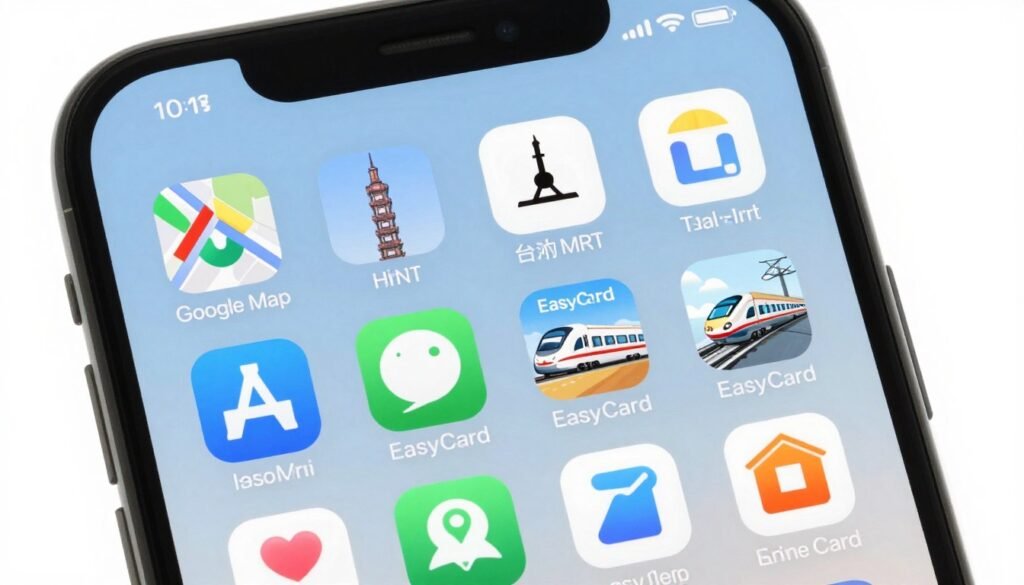
The right smartphone applications transform Taiwan navigation and spending management from challenging to effortless. Download and configure these essential apps before departure to maximize their utility from your first moments in Taiwan.
Google Maps
Essential for walking directions, restaurant discovery, and real-time navigation throughout Taiwan. Download offline maps of Taipei and other cities before arriving for GPS functionality without data connection.
Key Features: Public transit directions, business hours, user reviews, photo galleries, offline maps capability
Taipei MRT Official App
Real-time train schedules, platform information, and service alerts for Taipei’s metro system. Route planning tool shows fastest connections and transfer stations with estimated travel times.
Key Features: Live departure times, fare calculator, station facility information, tourist attraction guides
Taiwan Railway E-Booking
Book intercity train tickets in advance including Taiwan High Speed Rail and regular Taiwan Railways. Essential for securing seats during peak travel times and holiday periods.
Key Features: English interface, credit card payment, QR code tickets, schedule viewing, booking modification
Payment and Financial Management Apps
Line Messenger with Line Pay
Dual-purpose messaging and mobile payment application. Communicate with hotels and tour operators while using integrated Line Pay for purchases at thousands of Taiwan merchants.
Key Features: QR code payments, transaction history, receipt storage, occasional promotional offers
Easy Wallet (EasyCard)
Digital version of Taiwan’s ubiquitous transportation card. Top up balance via credit card and use phone for MRT, bus, and participating retailer payments through NFC technology.
Key Features: Transit payment, balance checking, transaction records, online top-up without visiting stations
XE Currency Converter
Real-time exchange rate calculations between New Taiwan Dollars and your home currency. Offline mode stores recent rates for conversion calculations without internet access.
Key Features: Multiple currency tracking, historical rate charts, rate alerts, offline functionality
Translation and Communication Apps
Google Translate
Critical tool for restaurant menus, street signs, and basic conversations. Camera translation instantly converts Chinese text to English when pointed at signs or documents.
Key Features: Camera translation, offline language packs, conversation mode, handwriting recognition
Pleco Chinese Dictionary
Comprehensive Chinese-English dictionary with handwriting recognition. Draw characters you see to get instant definitions and pronunciation guides for learning basic phrases.
Key Features: Handwriting input, extensive definitions, example sentences, pronunciation audio
Waygo Visual Translator
Specialized food translation app for restaurant menus. Point camera at Chinese menu and see instant English translations of dish names and descriptions without internet connection.
Key Features: Offline menu translation, ingredient identification, allergy warnings, dietary preference filtering
Taiwan Tourist Guide: Frequently Asked Questions
Do I need both eSIM and physical SIM card for Taiwan?
No, choose one option based on your device compatibility and preferences. Most travelers need only a single data source for their Taiwan trip. Select eSIM for convenience and immediate activation if your phone supports it. Choose physical SIM if you have older device, want voice calling capability, or prefer slightly lower costs. Having both creates unnecessary expense without meaningful benefit for typical tourist needs.
How much cash should I carry daily in Taiwan?
Carry NT$2,000-3,500 ($65-112 USD) in your wallet for daily expenses depending on planned activities. This amount covers meals, local transportation, attraction admissions, and small purchases without requiring mid-day ATM visits. Budget travelers can manage with NT$1,500 focusing on street food and free attractions. Luxury travelers should carry NT$3,000-4,000 for upscale dining and taxis. Store additional cash in hotel safe rather than carrying your entire trip budget.
Can I rely solely on credit cards in Taiwan?
Absolutely not – this approach guarantees problems during your Taiwan visit. While card acceptance has improved significantly, approximately 40-50% of tourist experiences require cash payment. Night markets, street food vendors, many taxis, small family restaurants, and traditional shops operate cash-only. Plan to use cash for at least 50-60% of daily transactions while reserving cards for hotels, department stores, and chain establishments where they are universally accepted.
Which eSIM provider offers the best value for Taiwan?
Airalo provides the best balance of price, reliability, and customer support for most Taiwan tourists with packages starting at $7 USD for 3GB. Holafly suits heavy data users with unlimited data plans despite higher pricing. Ubigi offers lowest absolute prices for light data users who primarily rely on WiFi. Compare your expected daily data consumption against package offerings to determine best value for your specific usage patterns and trip duration.
Should I exchange currency before arriving in Taiwan?
No, wait until you land at Taoyuan Airport to obtain Taiwan Dollars. Currency exchange services in your home country charge excessive markups of 5-10% compared to Taiwan ATM rates. Withdraw cash from airport ATM immediately after clearing customs, or exchange small amount at airport counter for initial transportation needs. This strategy provides significantly better exchange rates than pre-trip currency exchange at home banks or exchange services.
Does Line Pay work for foreigners without Taiwan bank account?
Yes, foreign tourists can use Line Pay by linking international Visa or Mastercard credit cards without opening Taiwan bank accounts. Complete identity verification using passport photos and selfie during setup process which typically takes 24-48 hours for approval. Once verified, Line Pay functions identically for tourists and locals at over 200,000 accepting merchants throughout Taiwan. Remember that Line Pay charges appear on your linked credit card statement subject to any foreign transaction fees your card issuer applies.
What happens if my phone with eSIM gets stolen in Taiwan?
eSIM data plans cannot be transferred to replacement phones in most cases, representing significant disadvantage compared to physical SIM cards. File police report immediately for insurance documentation. Purchase emergency physical SIM card at nearest convenience store or telecom shop for connectivity with new or backup phone. Contact original eSIM provider to cancel remaining service and potentially receive partial refund or credit. This scenario highlights importance of keeping backup phone or backup physical SIM card for emergencies.
Are ATM fees in Taiwan refundable?
Taiwan ATM operator fees of NT$100 cannot be refunded as they are charged by local banks and convenience stores. However, specific US banks like Charles Schwab automatically refund all worldwide ATM fees including Taiwan charges at the end of each statement period. Other banks might refund fees if you request and complain, though this is not guaranteed. Using fee-refunding banks or minimizing ATM withdrawals by taking maximum amounts represents best strategy to reduce total ATM costs.
Can I use my home country’s mobile banking apps in Taiwan?
Yes, most mobile banking apps function normally in Taiwan when you have internet connectivity through eSIM, physical SIM data, or WiFi. Apps use secure connections that work globally regardless of your physical location. Download and configure banking apps before departure to avoid potential security verification issues when accessing from foreign IP addresses. Enable biometric login (fingerprint or Face ID) before travel to bypass potential SMS verification code delivery problems with foreign SIM cards.
What credit card fees should I expect for Taiwan purchases?
Standard credit cards typically charge 1-3% foreign transaction fees on all Taiwan purchases plus potential exchange rate markups of 1-2% beyond interbank rates. A $1,000 USD spending in Taiwan costs $1,030-1,050 USD in total charges with typical cards. Travel-focused cards like Chase Sapphire or Capital One Venture eliminate foreign transaction fees completely, saving $30-50 on every $1,000 spent. Apply for no-foreign-fee card at least 2 months before Taiwan trip to receive and activate card in time.
Conclusion: Mastering Taiwan Connectivity and Payments

Successful Taiwan travel requires mastering both connectivity and payment systems before you board your flight. The preparation time invested in understanding these practical elements pays continuous dividends throughout your entire Taiwan adventure.
Taiwan offers world-class mobile network infrastructure with eSIM and physical SIM options suitable for every traveler type and budget. Choose eSIM for convenience and instant activation or physical SIM for better value and voice calling capabilities. Both deliver reliable data access for navigation, translation, and communication needs that modern travel demands.
Payment flexibility remains equally critical for enjoying Taiwan’s diverse attractions and culinary experiences. Cash continues dominating at night markets, street food stalls, and local establishments where authentic Taiwan culture thrives. Credit cards serve well at hotels, department stores, and chain businesses but prove useless in many situations tourists encounter daily.
The optimal strategy combines multiple payment methods strategically deployed based on situation and location. Carry sufficient daily cash for markets and small vendors while keeping credit cards for significant purchases and hotel bookings. Add Line Pay as convenient middle option bridging the gap between cash and traditional card payments at tech-savvy merchants.
Fee-conscious travelers save substantial money by securing no-foreign-transaction-fee credit cards and fee-free ATM cards before departure. These specialized financial products eliminate 3-5% in unnecessary charges that standard bank cards impose on international transactions. The savings on a typical week-long Taiwan trip easily reach $100-200 USD simply by using appropriate cards.
Technical preparation proves equally valuable as financial planning. Download essential apps including Google Maps, translation tools, and Line messenger before landing. Configure mobile banking apps and store emergency contact information offline. These simple preparations ensure you can solve problems independently when they inevitably arise.
Taiwan rewards prepared travelers with seamless experiences ranging from ordering perfect braised pork rice at local diners to navigating mountain bus routes to remote hot springs. Your reliable internet connection and flexible payment options transform potentially stressful situations into confident explorations of one of Asia’s most welcoming countries.
This comprehensive Taiwan tourist guide provides the connectivity and financial foundation for remarkable travel memories. Focus your energy on choosing between beef noodle soup shops and planning hiking routes rather than worrying about staying connected or paying for experiences. Your Taiwan adventure begins with proper preparation for these practical essentials.