

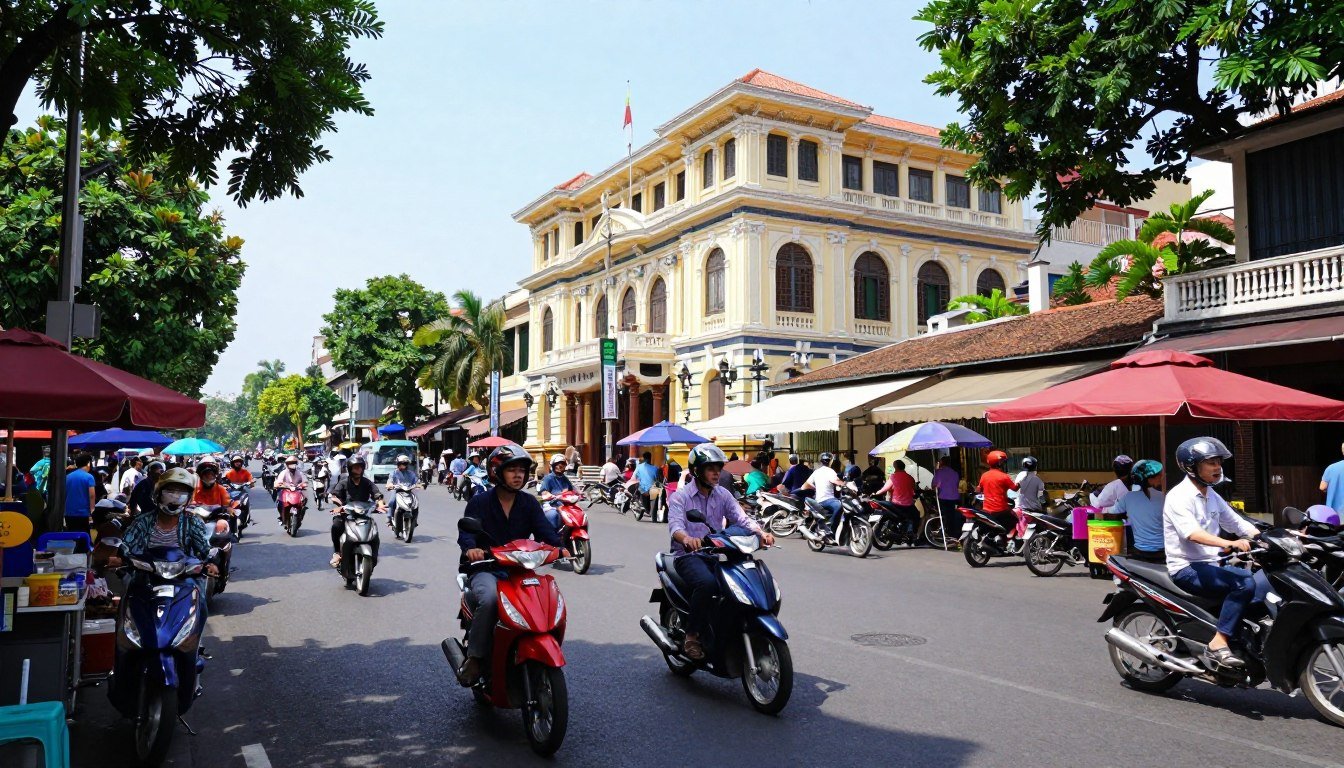
Ho Chi Minh City welcomes travelers with open arms and surprisingly friendly prices. This bustling Vietnamese metropolis offers incredible experiences without breaking your budget. You can explore ancient temples, taste authentic street food, and immerse yourself in local culture for less than you might spend back home.
Planning an affordable trip to Ho Chi Minh in 2026 requires smart choices and insider knowledge. This guide reveals exactly how to maximize your travel budget while experiencing the best this vibrant city has to offer. From budget accommodation to free attractions, you’ll discover practical tips that work.
Most travelers find they can enjoy a comfortable day in the city for thirty to fifty dollars. That includes accommodation, meals, transportation, and activities. With the right approach, you might spend even less while having unforgettable experiences.
Start Planning Your Budget Adventure
Download our free Ho Chi Minh City Budget Travel Toolkit. Get a detailed cost breakdown, Vietnamese phrase guide, and money-saving checklist for 2026.
Understanding Daily Costs in Ho Chi Minh City for 2026
Budget planning starts with realistic expectations. Ho Chi Minh City remains one of Southeast Asia’s most affordable cities for travelers. Prices have increased slightly since 2024, but the city still offers exceptional value compared to Western destinations.
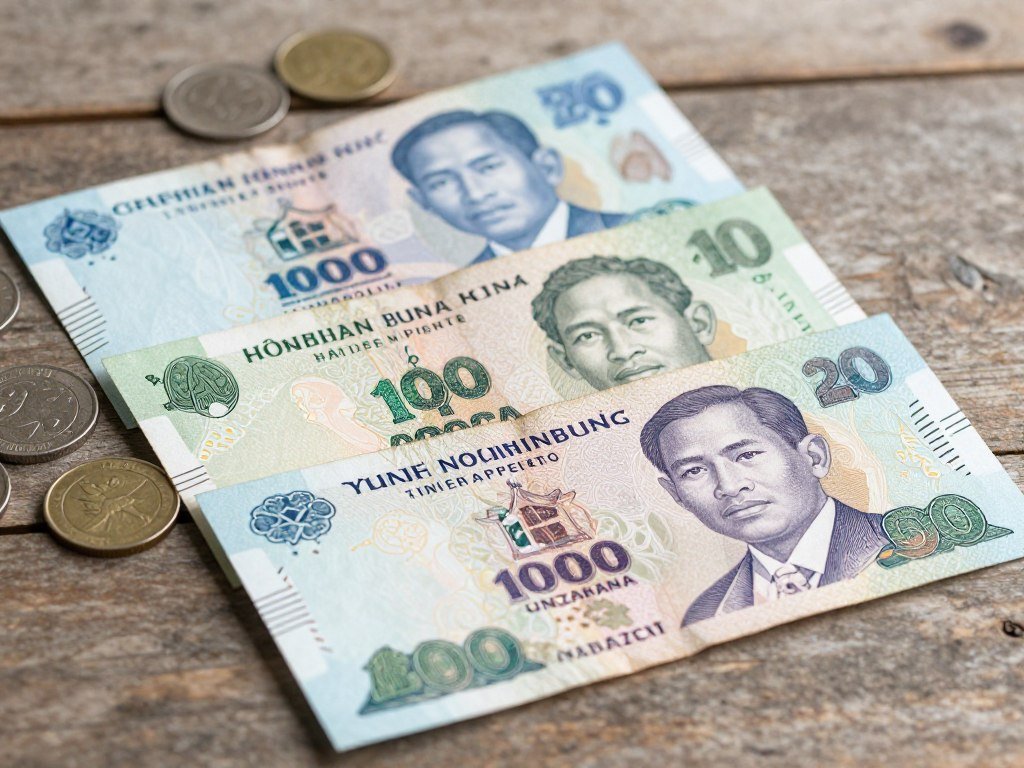
Your daily budget depends on your travel style. Backpackers can manage on twenty to thirty dollars per day. Mid-range travelers typically spend forty to sixty dollars. Those seeking more comfort might allocate eighty to one hundred dollars daily.
Budget Breakdown
- Hostel bed: $8-12 per night
- Budget hotel room: $15-25 per night
- Street food meal: $1-3
- Restaurant meal: $3-8
- Local bus ride: $0.30
- Taxi (short distance): $2-4
- Museum entry: $1-3
- Beer at local spot: $0.50-1
Money-Saving Tips
- Eat where locals eat for authentic, cheap food
- Use local buses instead of taxis when possible
- Book accommodation in advance for better rates
- Visit free attractions and parks
- Bargain at markets (expected and appreciated)
- Avoid tourist-trap restaurants in District 1
- Use Grab app for transparent pricing
- Stay in Districts 3 or 5 for lower prices
Exchange rates fluctuate, but as of 2026, one US dollar equals approximately twenty-three thousand Vietnamese dong. ATMs are widely available throughout the city. Banks typically offer better exchange rates than hotels or airport kiosks.
Pro Tip: Withdraw larger amounts less frequently to minimize ATM fees. Most Vietnamese ATMs charge a withdrawal fee, and your home bank may add international transaction fees.
Finding Budget-Friendly Accommodation in Chi Minh City
Where you sleep significantly impacts your overall budget. Ho Chi Minh City offers accommodation options for every price range. Smart travelers can find clean, comfortable places without overspending.
Budget Hotels and Hostels
District 1 serves as the tourist hub but commands higher prices. Consider staying in nearby districts for better value. Districts 3, 5, and Phu Nhuan offer excellent options within easy reach of major attractions.
Hostels provide the cheapest beds, ranging from eight to fifteen dollars per night. Many include breakfast, free Wi-Fi, and common areas where you can meet fellow travelers. Some even organize free walking tours around the city.
Backpacker Areas
Bui Vien Street buzzes with budget hostels and guesthouses. This area caters specifically to backpackers.
- Dorm beds from $8
- Private rooms from $15
- Social atmosphere
- Walking distance to attractions
Local Neighborhoods
Districts 3 and 5 offer authentic experiences away from tourist crowds at lower prices.
- Double rooms from $18
- Quieter environment
- Local restaurants nearby
- Good public transport links
Cho Lon Area
Chinatown provides unique cultural immersion with budget-friendly accommodation options.
- Guest houses from $12
- Rich cultural experience
- Excellent street food
- Less touristy atmosphere
Booking Strategies
Advance booking generally secures better rates than walk-ins. Online platforms offer competitive prices, especially during low season from May to September. Always read recent reviews to avoid unpleasant surprises.
Many smaller hotels don’t appear on major booking sites. Walking around your chosen neighborhood often reveals hidden gems. Don’t hesitate to ask to see the room before committing.
Find Your Perfect Budget Stay
Browse verified budget hotels and hostels in Ho Chi Minh City. Compare prices, read real reviews, and book with confidence for your 2026 trip.
Important: Check if your accommodation includes breakfast. A simple Vietnamese breakfast saves you three to five dollars daily and provides fuel for morning exploration.
Savoring Street Food and Budget Dining Options
Food represents one of your best opportunities to save money while experiencing authentic Vietnamese culture. Street food vendors serve the same dishes locals enjoy daily. These meals cost a fraction of restaurant prices while often tasting better.
Street Food Essentials
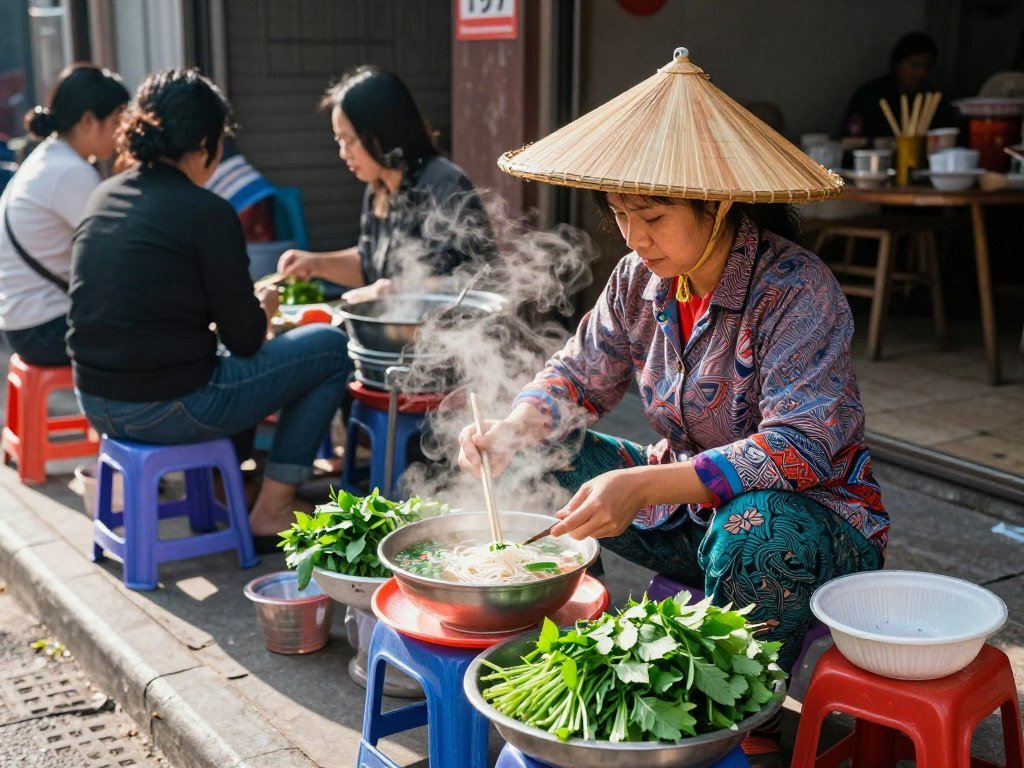
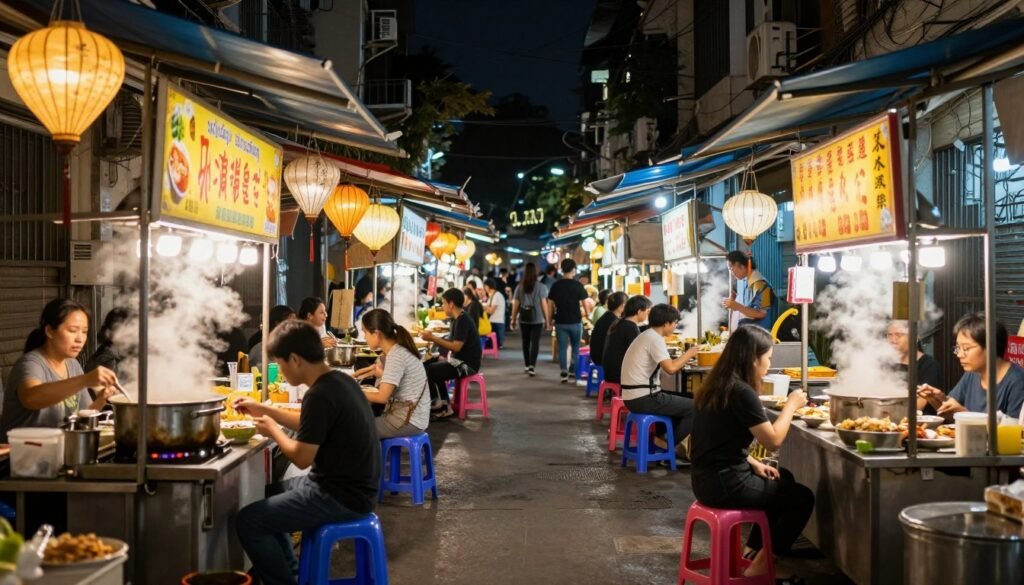
Ho Chi Minh City’s streets transform into outdoor restaurants throughout the day. Vendors set up small plastic stools on sidewalks, serving everything from noodle soup to grilled meats. A complete meal typically costs one to three dollars.
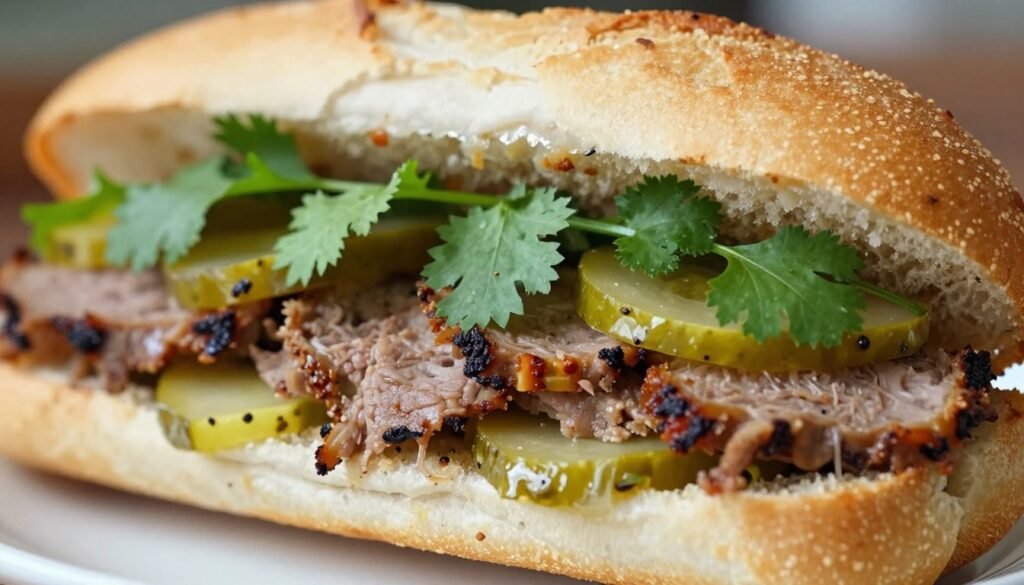
Popular street food includes pho (noodle soup), banh mi (baguette sandwiches), com tam (broken rice with grilled pork), and bun cha (grilled pork with noodles). Each dish offers incredible flavor at budget-friendly prices.
Breakfast Options
Start your day like a local with these affordable morning meals found throughout the city.
- Pho bo (beef noodle soup): $2
- Banh mi op la (egg sandwich): $1
- Hu tieu (clear noodle soup): $1.50
- Vietnamese coffee: $1
Lunch Favorites
Midday meals provide excellent value with generous portions that keep you satisfied for hours.
- Com tam (broken rice plate): $2
- Bun thit nuong (grilled pork noodles): $2.50
- Banh xeo (Vietnamese crepe): $2
- Cao lau (Hoi An noodles): $2
Dinner Dishes
Evening brings out special dishes and vibrant food markets across all neighborhoods.
- Bun bo Hue (spicy beef noodle): $2.50
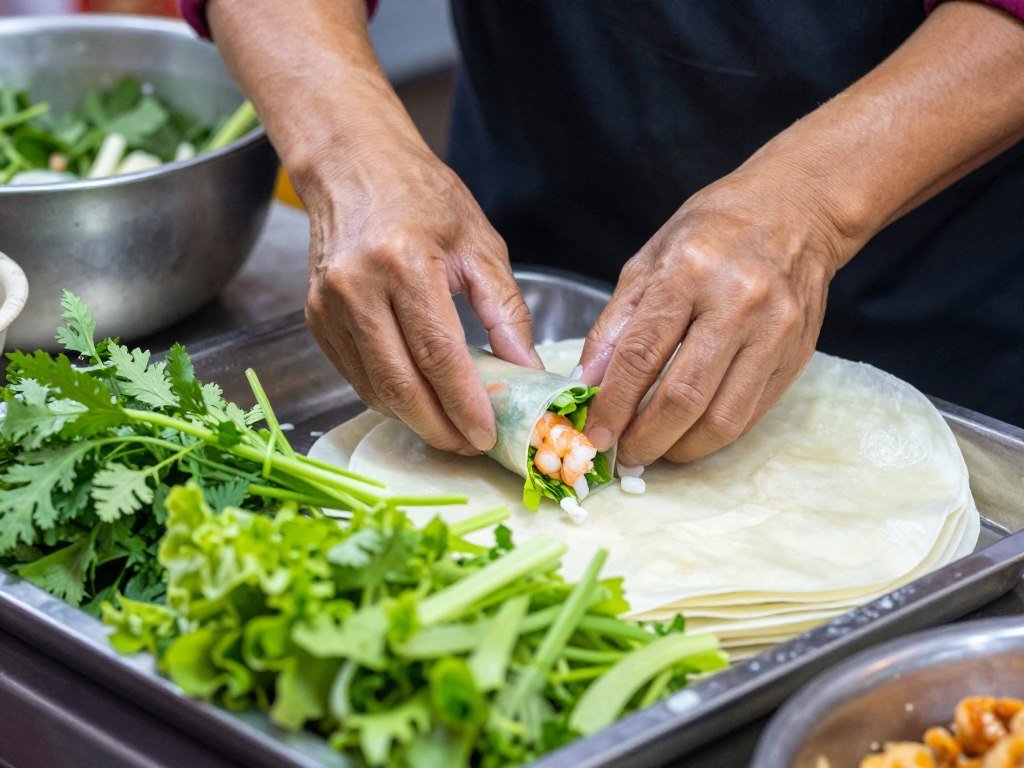
- Banh cuon (steamed rice rolls): $1.50
- Goi cuon (fresh spring rolls): $1
- Che (sweet dessert soup): $1
Snacks & Treats
Between meals, enjoy these local snacks that satisfy cravings without emptying your wallet.
- Banh bao (steamed buns): $0.50
- Nem chua (fermented pork): $1
- Fresh fruit smoothies: $1
- Coconut water: $0.50
Local Markets and Food Courts
Ben Thanh Market operates both day and night. The night market section offers numerous food stalls with similar prices. Expect to pay two to four dollars for substantial meals with drinks included.
Cho Lon market in Chinatown provides authentic Chinese-Vietnamese fusion dishes. Prices remain lower here than in touristy areas. The atmosphere feels more local and less polished, which many travelers prefer.
Coffee Culture
Vietnamese coffee culture thrives throughout Chi Minh City. Local coffee shops charge fifty cents to one dollar for excellent coffee. Fancy cafes targeting tourists might charge three to five dollars for the same drink.
Bia hoi (fresh beer) corners appear throughout the city. These spots serve draft beer for as little as fifty cents per glass. They provide excellent opportunities to meet locals and other travelers.
Money-Saving Strategy: Eat your main meal at lunch when many restaurants offer set menus at reduced prices. Street food vendors maintain consistent pricing throughout the day.
Exploring Free and Low-Cost Attractions
Ho Chi Minh City rewards curious travelers with numerous free attractions. Many of the city’s most memorable experiences cost nothing or very little. Smart planning allows you to fill your days with culture, history, and beauty without spending much money.
Historical and Cultural Sites
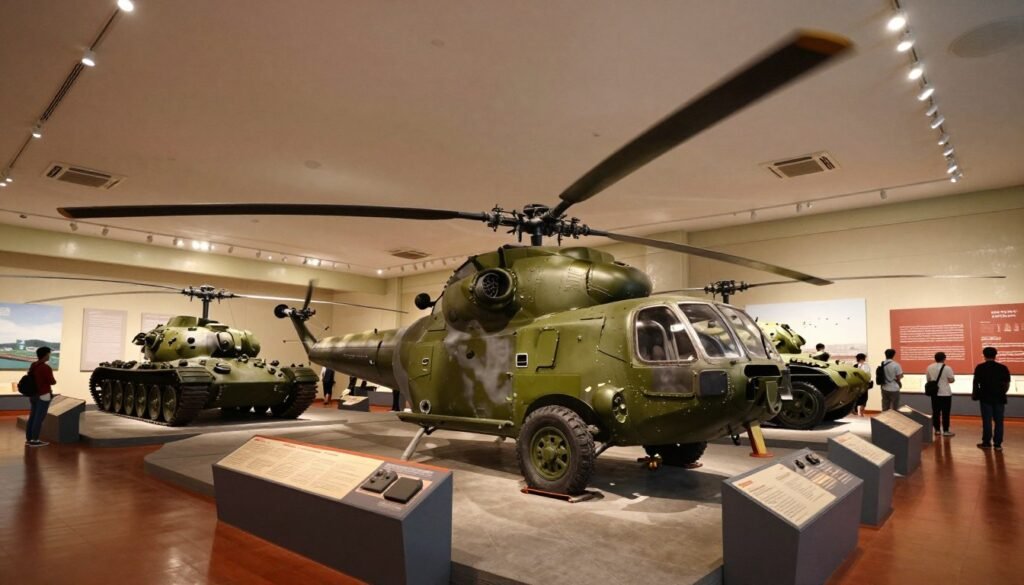
The War Remnants Museum charges a modest two-dollar entry fee. This powerful museum documents Vietnam’s conflicts through photographs, military equipment, and personal stories. Plan to spend at least two hours here.
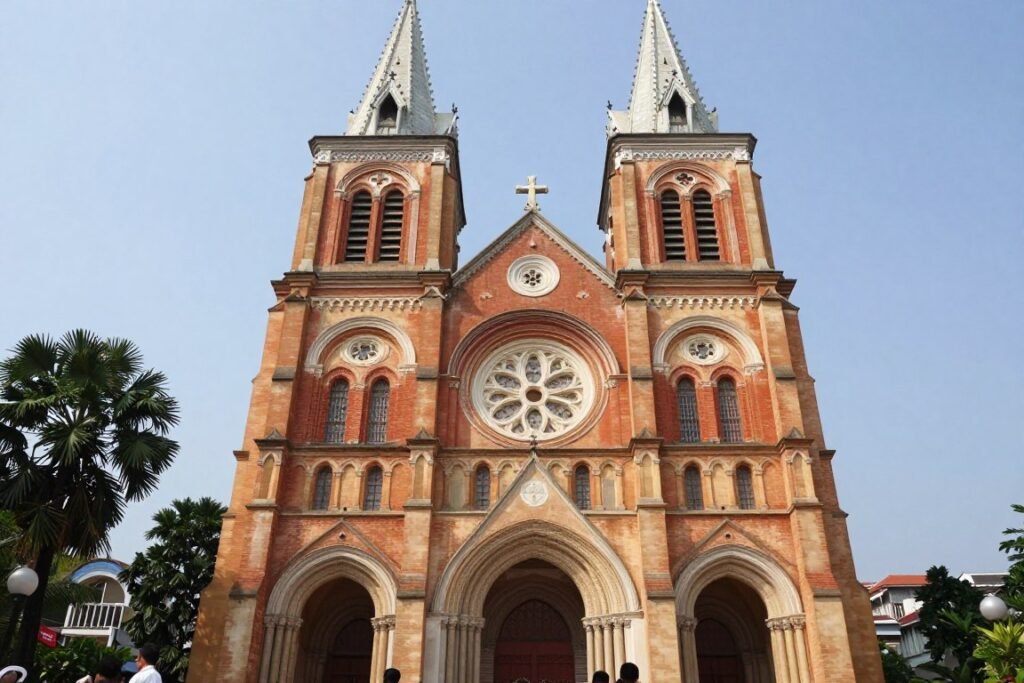
Notre Dame Cathedral and the Central Post Office stand adjacent to each other in District 1. Both buildings showcase French colonial architecture and cost nothing to admire from outside. The post office remains a working facility you can enter free of charge.
Free Attractions
- Nguyen Hue Walking Street
- Saigon River waterfront walks
- People’s Committee Building (exterior)
- Tan Dinh Church (pink church)
- Local temples and pagodas
- Tao Dan Park
Budget Attractions
- War Remnants Museum: $2
- Independence Palace: $2
- Jade Emperor Pagoda: free (donation welcome)
- Saigon Opera House tours: $3
- History Museum: $1.50
- Fine Arts Museum: $1
Parks and Gardens
- September 23 Park: free
- Tao Dan Park: free
- Le Van Tam Park: free
- Botanic Gardens: $1
- Dam Sen Water Park: $5
- Suoi Tien Theme Park: $4
Neighborhood Exploration
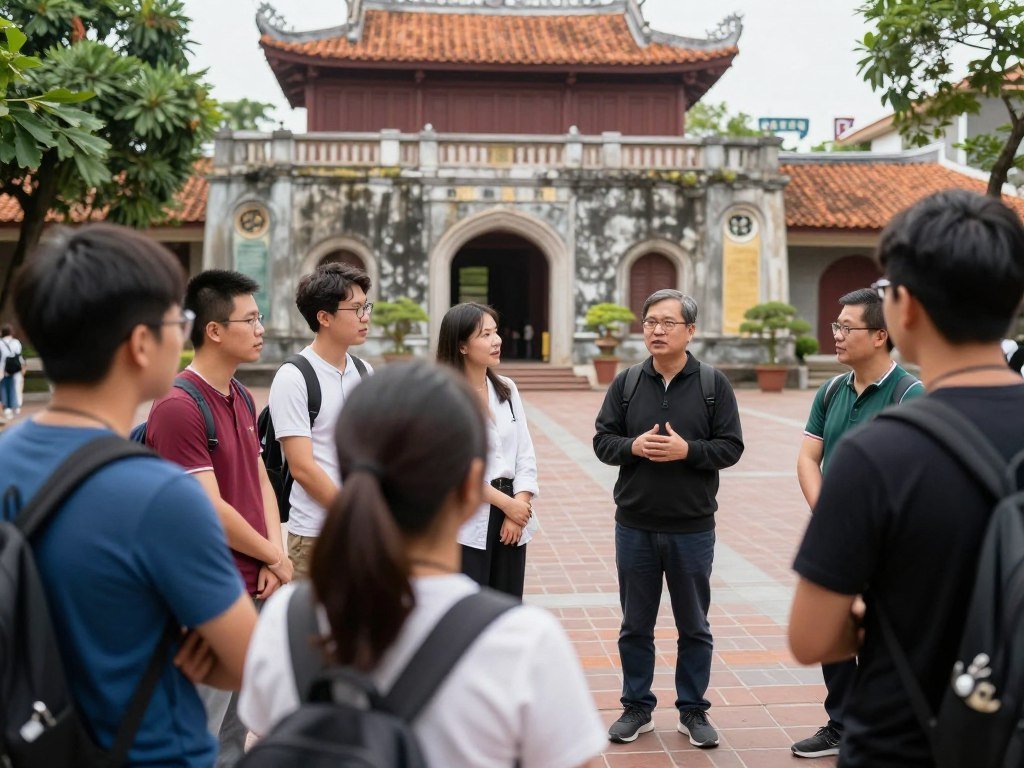
Walking tours represent the best way to understand the city’s character. Many hostels organize free walking tours led by local guides. These typically run on tips, so budget five to ten dollars per person.
District 5’s Cho Lon neighborhood offers fascinating exploration opportunities. This historic Chinatown area features traditional medicine shops, Buddhist temples, and wholesale markets. Getting lost here costs nothing and reveals authentic local life.
River and Park Activities
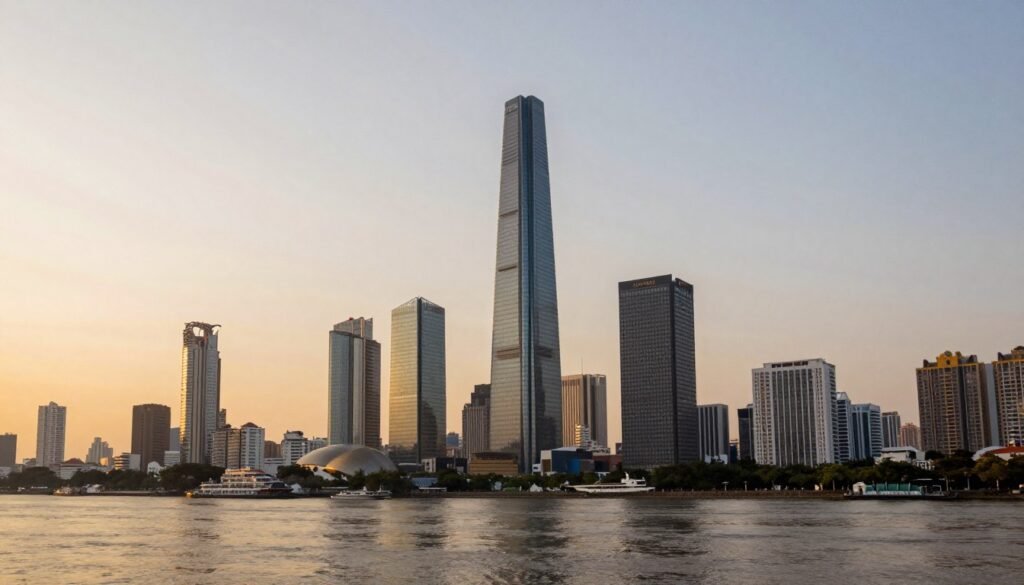
The Saigon River provides free entertainment, especially during sunset. Walk along Bach Dang Wharf to watch boats pass while locals exercise and socialize. Street performers often entertain crowds during evenings and weekends.
Tao Dan Park becomes lively early mornings when locals practice tai chi, play badminton, or gather for traditional music sessions. Joining these activities costs nothing and provides cultural immersion.
Insider Tip: Most museums and historical sites close on Mondays. Plan your itinerary accordingly to avoid disappointment. Temples and churches have varying visiting hours, typically welcoming visitors outside prayer times.
Getting Around Ho Chi Minh City on a Budget
Transportation in Chi Minh City remains remarkably affordable. Multiple options suit different budgets and comfort levels. Understanding the local system helps you move efficiently while spending minimal money.

Public Transportation
Local buses serve the entire city for just thirty cents per ride regardless of distance. Routes cover all major attractions and neighborhoods. The system uses numbered routes, though maps can be confusing for first-time visitors.
Bus 152 connects the airport to downtown for approximately one dollar. This saves significant money compared to taxis, which charge fifteen to twenty dollars for the same journey. The ride takes about an hour depending on traffic.
Budget Transport Options
- Local bus: $0.30 per ride
- Grab bike (motorbike taxi): $1-3 for short trips
- Traditional xe om (motorbike taxi): $1-2
- Bicycle rental: $2-5 per day
- Walking: free and excellent for short distances
Download the Grab app before arrival. This Southeast Asian equivalent of Uber provides transparent pricing and eliminates bargaining stress. Both car and motorbike options appear in the app.
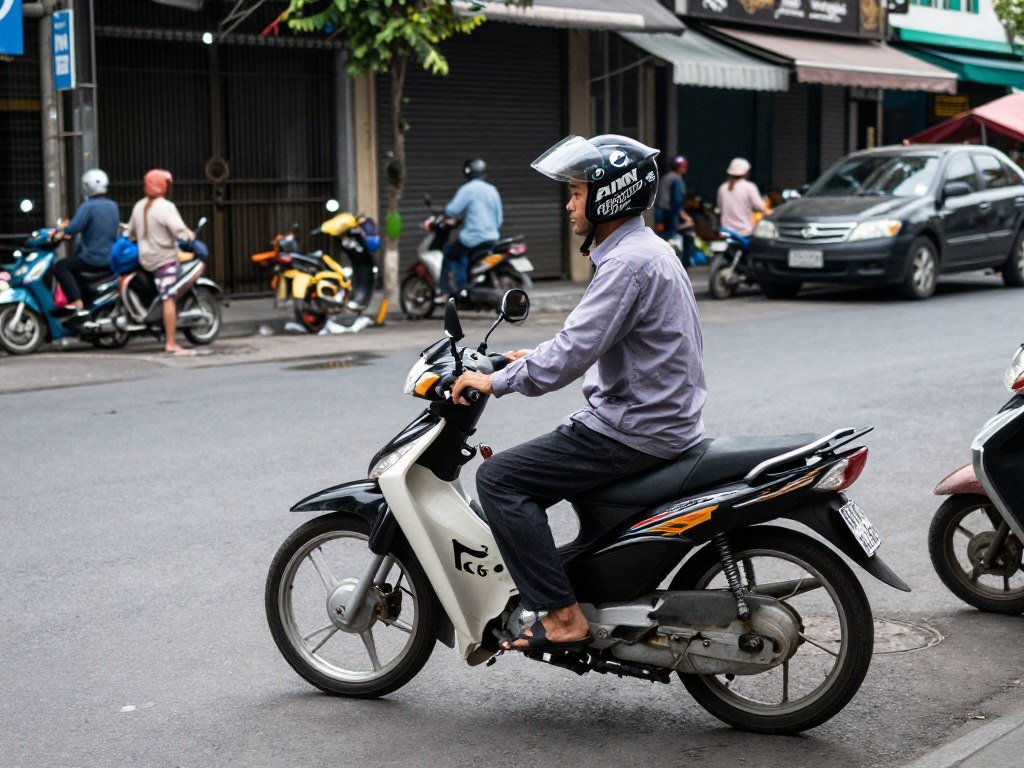
Traditional motorbike taxis (xe om) gather at street corners throughout the city. Always agree on the price before departing. These typically cost less than Grab but require negotiation skills.
Taxis and Ride-Sharing
Vinasun and Mai Linh represent reputable taxi companies with metered fares. A typical cross-city journey costs four to eight dollars. Avoid unmarked taxis or drivers who refuse to use meters.
Grab offers both GrabCar and GrabBike services. The bike option costs significantly less and moves faster through traffic. A typical ride across District 1 costs one to two dollars by bike versus three to five dollars by car.
Scam Alert: Some taxi drivers near tourist areas use rigged meters or take unnecessarily long routes. Always use reputable companies or Grab. If a price seems too high, check the route on your phone’s map.
Renting Bicycles and Motorbikes
Bicycle rentals cost two to five dollars daily. Several shops in the backpacker area offer hourly and daily rates. Cycling works well for short distances but requires caution in heavy traffic.
Motorbike rentals range from five to ten dollars per day. You’ll need an international driving permit technically, though enforcement varies. Consider your riding experience before attempting to navigate the chaotic traffic.
Affordable Day Trips and Tours from the City
Surrounding areas offer excellent day trip opportunities without requiring expensive overnight stays. These excursions add variety to your itinerary while maintaining budget consciousness.
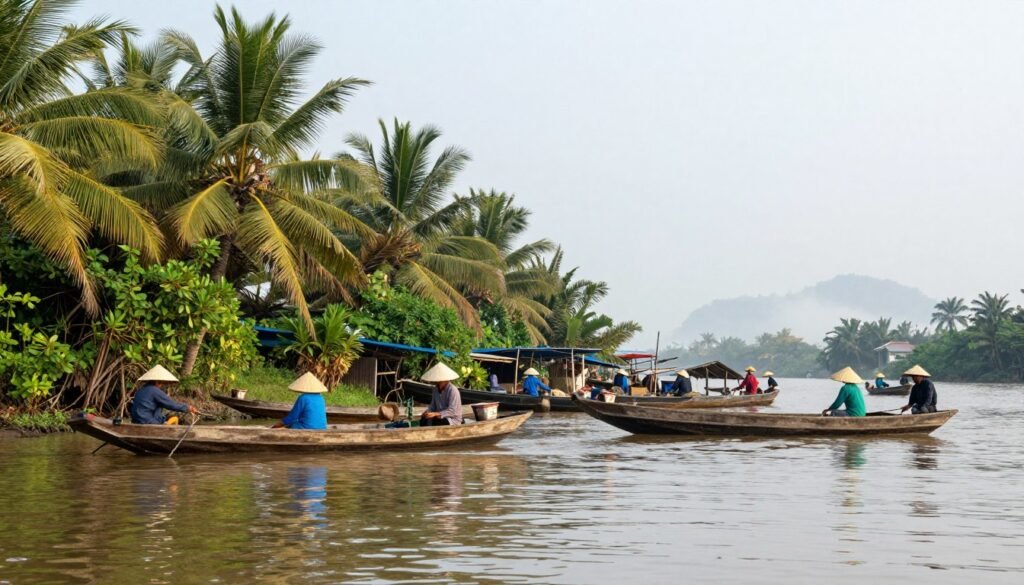
Mekong Delta Experience
The Mekong Delta lies just a few hours from Ho Chi Minh City. This vast river system supports traditional villages, floating markets, and lush fruit orchards. Day tours typically cost fifteen to thirty dollars including transportation, boat rides, and lunch.
Budget options include joining group tours departing from the backpacker area. These provide good value despite sometimes feeling rushed. Alternatively, take public buses to Can Tho or My Tho independently for five to eight dollars round trip.
Organized Tour Mekong Delta
- Group day tour: $15-30
- Includes bus transport
- Boat rides through canals
- Lunch typically included
- Visits to local workshops
- Floating market stops
- English-speaking guide
Independent Travel
- Bus to My Tho: $3-4
- Local boat rental: $5-10
- Street food meals: $2-3
- More flexibility
- Authentic local experiences
- Requires some Vietnamese
- Total cost: $15-20
Cu Chi Tunnels
The Cu Chi Tunnels represent an important historical site from the Vietnam War. These underground networks stretch for miles beneath the countryside. Half-day tours cost eight to fifteen dollars, while full-day tours including lunch run fifteen to twenty-five dollars.
Public buses to Cu Chi cost approximately two dollars each way. At the site, entrance fees add another two dollars. This independent option saves money but requires more effort and time.
Other Day Trip Options
Vung Tau beach town sits two hours away by bus. Round-trip buses cost six to eight dollars. This coastal escape provides relief from city heat without major expense. Beach activities and seafood meals remain reasonably priced.
Tay Ninh province features the unique Cao Dai Temple with its colorful architecture and daily ceremonies. Combined tours with Cu Chi Tunnels cost twenty to thirty-five dollars. Independent travel by bus costs around eight dollars round trip.
Book Your Mekong Delta Adventure
Experience the authentic Mekong Delta with our budget-friendly group tours. Includes transport, boat rides, lunch, and expert local guide. Small groups ensure personal attention.
Essential Money-Saving Strategies for Your Trip
Smart spending habits multiply your budget’s purchasing power. These practical strategies help stretch your money further while maintaining travel quality and experience.
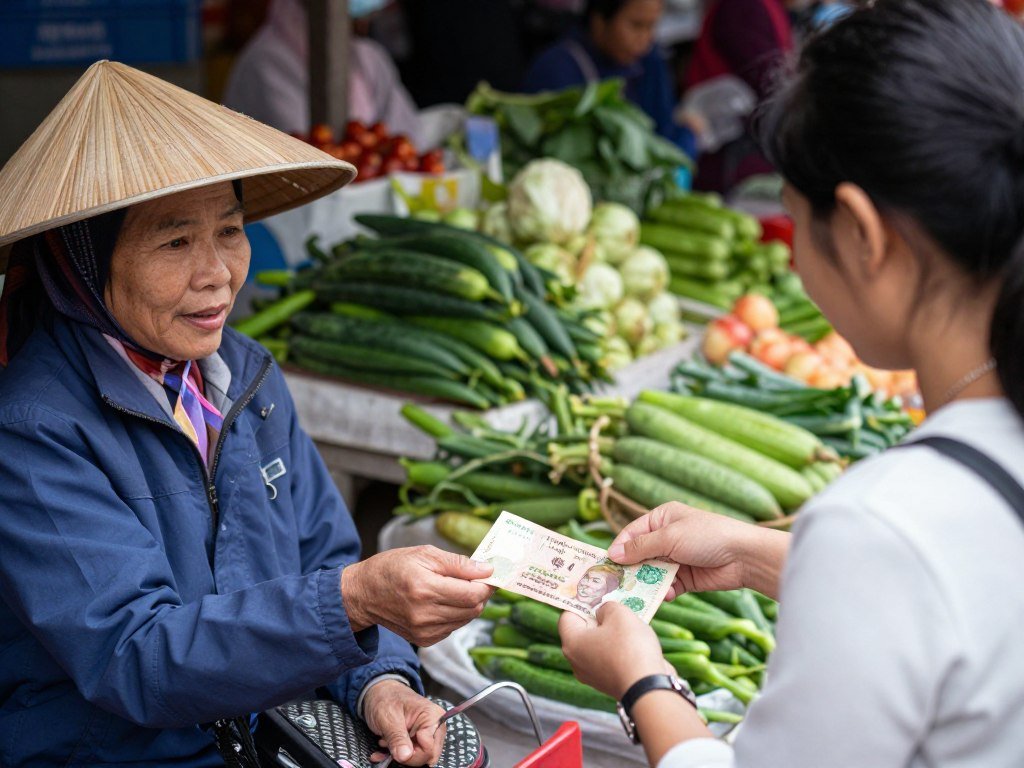
Currency and Payment Tips
Always pay in Vietnamese dong rather than US dollars. Vendors offering dollar prices typically inflate rates unfavorably. Exchange money at banks or ATMs for the best rates rather than hotels or airports.
Carry small denominations for street food and taxis. Many vendors cannot break large bills. Having appropriate change prevents overpaying or awkward situations where exact change isn’t available.
Smart Money Moves
- Withdraw large amounts less frequently
- Use ATMs at banks, not standalone machines
- Bargain at markets (expected practice)
- Pay cash for better prices
- Learn basic Vietnamese numbers
- Compare prices before committing
- Book tours through hostels for discounts
Money Mistakes to Avoid
- Exchanging money at hotels
- Paying inflated tourist prices
- Taking unmarked taxis
- Buying bottled water at tourist spots
- Eating only in District 1
- Booking last-minute accommodation
- Accepting the first quoted price
Timing Your Visit
Low season from May through September brings lower prices and fewer tourists. Hotels reduce rates significantly during these months. The rainy season means afternoon showers but rarely all-day rain.
Book flights on weekdays rather than weekends for better prices. Tuesday and Wednesday departures typically cost less than Friday or Sunday flights. Flexibility with travel dates saves substantial money on airfare.
Shopping Smart
Ben Thanh Market sells everything from souvenirs to clothing. Prices start high but vendors expect negotiation. Aim to pay forty to fifty percent of the initial asking price. Walking away often brings better offers.
Local markets in residential areas offer the same products at lower baseline prices. Cho Lon markets in District 5 provide wholesale pricing on many items. You’ll find fewer English speakers but better deals.
Budget Shopping Areas
- An Dong Market (wholesale prices)
- Saigon Square (cheap clothing copies)
- Cho Lon markets (authentic local prices)
- Binh Tay Market (wholesale district)
- Local neighborhood markets (best value)
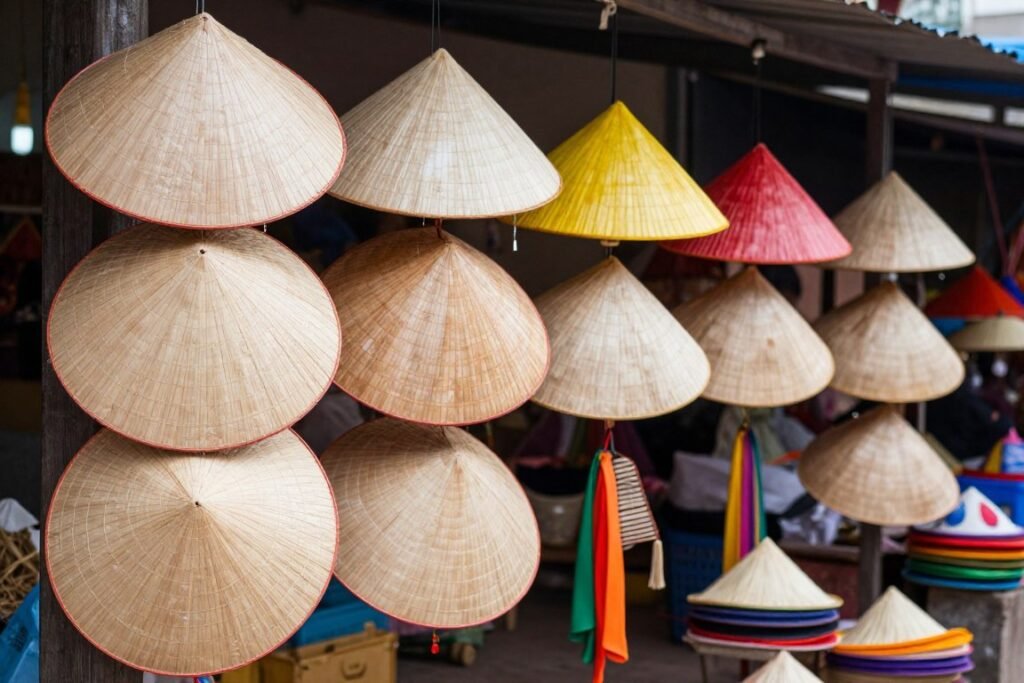
Free Entertainment
Many hotels and hostels screen movies nightly for guests. Coffee shops often provide free Wi-Fi for customers. Parks host free cultural performances during weekends and holidays.
Walking tours cost nothing except optional tips. Simply exploring neighborhoods reveals street life, architecture, and local culture. Some of your best experiences will come from unplanned wandering.
Sample Budget Itineraries for Different Trip Lengths
These itineraries demonstrate how to structure affordable trips to Ho Chi Minh City. Adjust based on your interests while maintaining budget consciousness throughout your stay.
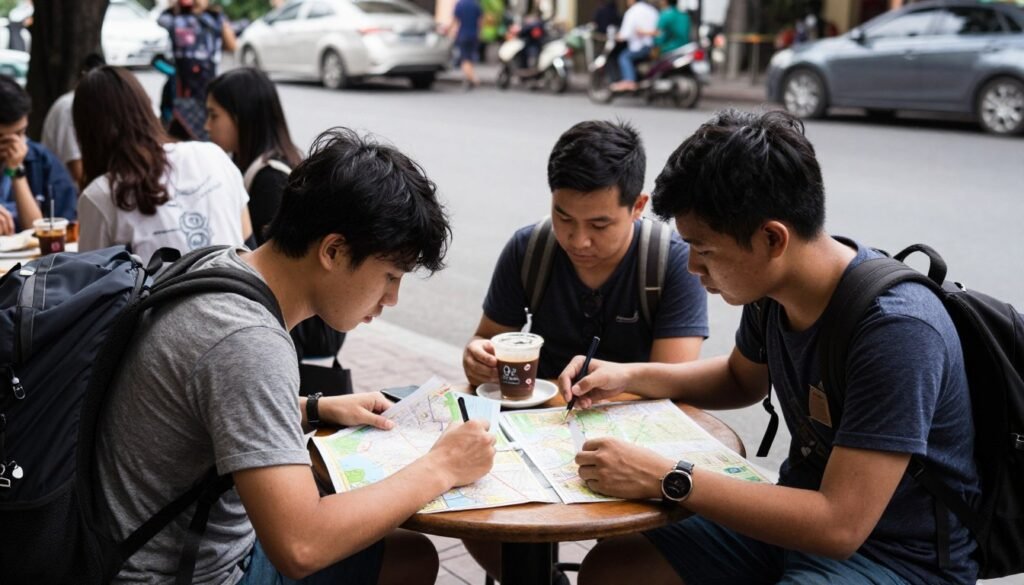
Three-Day Budget Itinerary
A three-day visit provides time to experience the city’s highlights without rushing. This itinerary balances free attractions with budget-friendly paid experiences while allowing flexibility for spontaneous discoveries.
| Day | Morning | Afternoon | Evening | Est. Cost |
| Day 1 | Walking tour of District 1, Notre Dame Cathedral, Central Post Office | War Remnants Museum, lunch at local com tam stall | Nguyen Hue Walking Street, street food dinner, bia hoi | $15-20 |
| Day 2 | Cu Chi Tunnels half-day tour | Return to city, explore Ben Thanh Market | Saigon River walk, budget restaurant dinner | $25-30 |
| Day 3 | Cho Lon Chinatown exploration, Binh Tay Market | Jade Emperor Pagoda, Tao Dan Park | Bui Vien Street nightlife, street food | $15-20 |
Five-Day Budget Itinerary
Five days allows deeper exploration including a Mekong Delta trip. This pace feels comfortable without rushing between attractions. You’ll have time to discover personal favorite spots and return for second visits.
Total estimated cost for five days including accommodation: $150-220 per person. This assumes hostel accommodation, mostly street food meals, local transportation, and budget tours.
Week-Long Budget Adventure
Seven days permits a relaxed pace with day trips and recovery time. You can explore beyond the city while maintaining your budget through smart planning and local knowledge.
Add two extra days to the five-day itinerary for trips to Vung Tau beach and the Cao Dai Temple. Include rest days where you simply wander neighborhoods, try new coffee shops, and absorb local life without spending much money.
Budget Tip: Plan one or two days with minimal spending to balance costlier tour days. Use these recovery days to do laundry, catch up on rest, and explore free attractions near your accommodation.
Practical Tips for Budget Travelers in 2026
Success as a budget traveler requires more than just spending less money. These practical insights help you navigate the city safely and efficiently while maximizing your limited resources.
Health and Safety
Drink only bottled or filtered water throughout your stay. Street food is generally safe when vendors have high turnover and cook food fresh. Watch locals to identify popular, trustworthy stalls.
Travel insurance costs approximately five to ten dollars per day but protects against major expenses. Medical care in Vietnam costs less than Western countries, but serious issues still require significant money without coverage.
Staying Healthy
- Bottled water only
- Hand sanitizer always
- Eat at busy stalls
- Basic first aid kit
Staying Safe
- Watch belongings closely
- Avoid dark alleys at night
- Keep valuables secured
- Use hotel safes
Communication
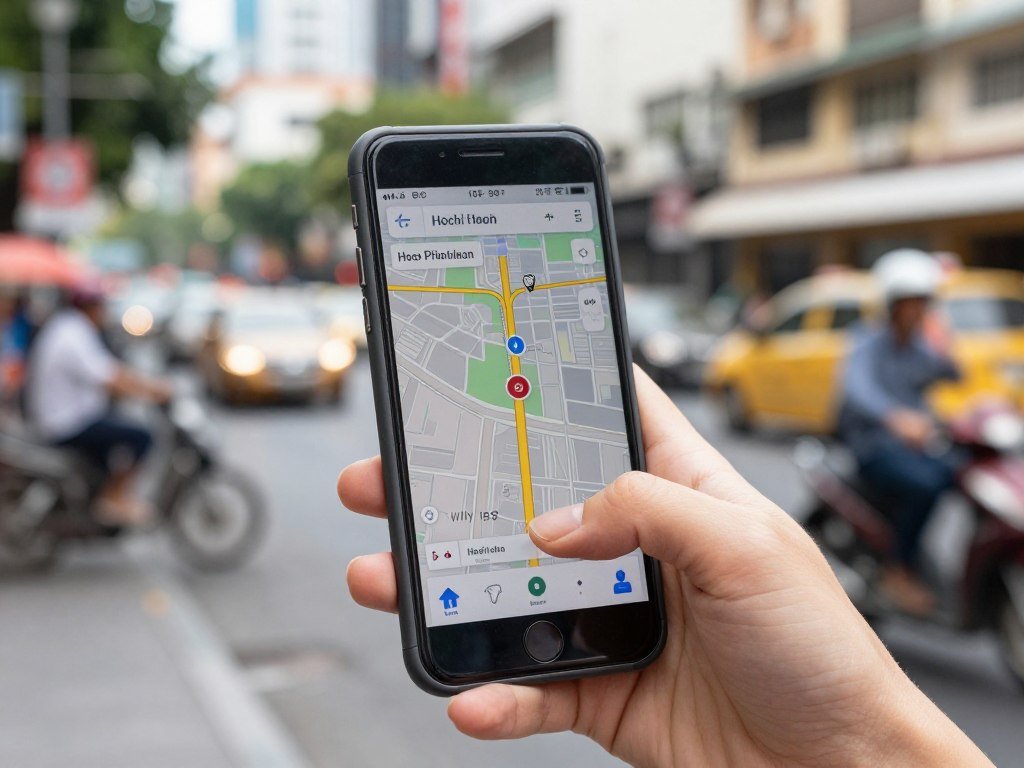
- Download offline maps
- Learn basic Vietnamese
- Get local SIM card
- Translation app ready
Documentation
- Visa requirements checked
- Passport photocopies
- Travel insurance proof
- Emergency contacts saved
Connectivity and Communication
Buy a local SIM card at the airport or any phone shop for five to ten dollars. This provides data for maps, translation apps, and booking services. Most plans include unlimited social media and messaging apps.
Free Wi-Fi appears in most accommodations, cafes, and restaurants. Download offline maps and translation dictionaries before needing them. This saves data and functions without internet connection.
Cultural Considerations
Vietnamese people appreciate attempts to speak their language. Learn basic phrases like hello, thank you, and how much. This simple effort often results in better prices and warmer interactions.
Dress modestly when visiting temples and religious sites. Remove shoes before entering most temples. Photography is usually allowed but ask permission before photographing people, especially at religious ceremonies.
Essential Vietnamese Phrases
- Xin chao (Hello)
- Cam on (Thank you)
- Bao nhieu tien? (How much?)
- Re hon duoc khong? (Can you discount?)
- Khong, cam on (No, thank you)
- Toi khong hieu (I don’t understand)
Cultural Etiquette
- Remove shoes at temples and homes
- Dress modestly at religious sites
- Don’t touch people’s heads
- Use both hands when giving or receiving
- Avoid public displays of affection
- Respect Buddhist monks and nuns
Weather Preparation
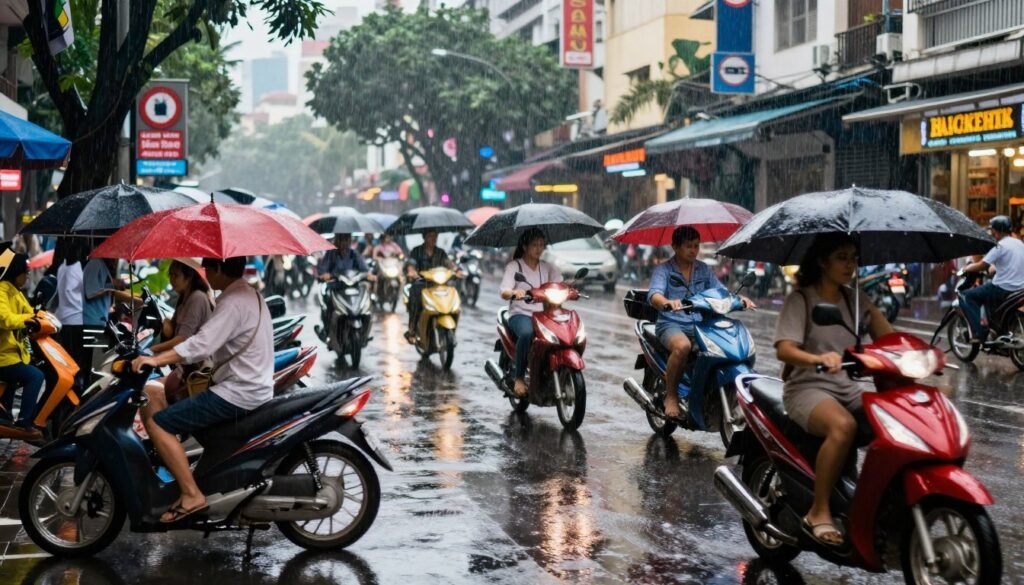
Ho Chi Minh City maintains hot, humid weather year-round. Pack light, breathable clothing and good walking shoes. A small umbrella serves for both rain and sun protection.
The rainy season runs from May to November. Afternoon storms typically last one to two hours before clearing. This shouldn’t deter budget travelers since prices drop and crowds thin during these months.
Where to Book Budget Accommodation in Chi Minh City
Choosing the right neighborhood significantly impacts both your budget and experience. Different areas offer distinct advantages for budget-conscious travelers seeking authentic experiences.
Best Budget Neighborhoods
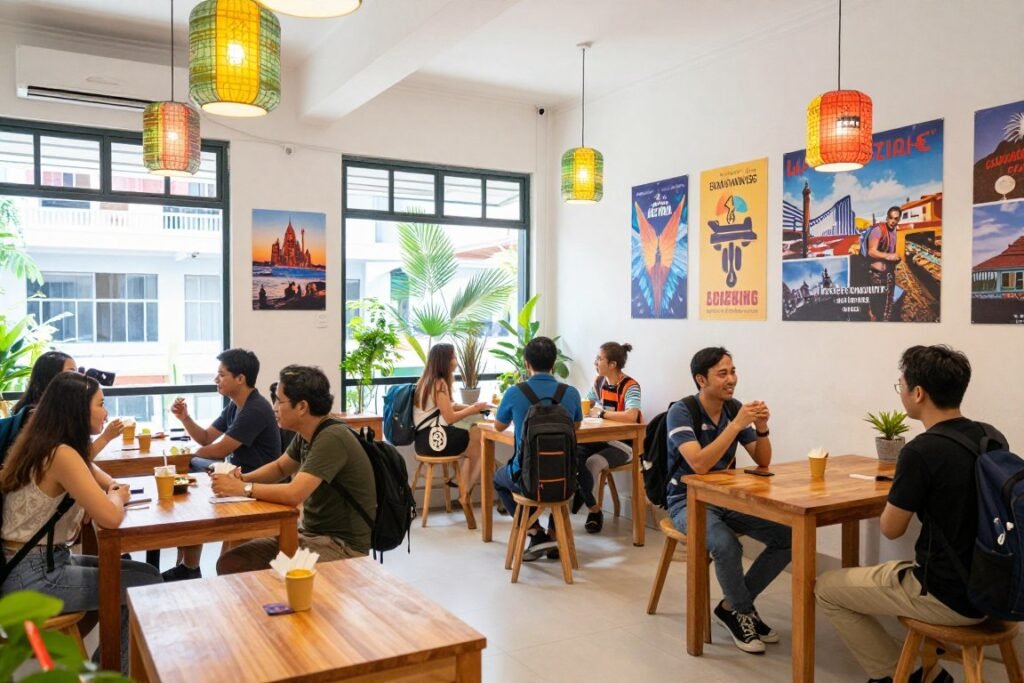
District 1 provides convenient access to major attractions but commands premium prices. Consider staying in surrounding districts for better value while remaining close to central areas. Most places sit within a short taxi or bus ride from tourist sites.
Pham Ngu Lao area in District 1 serves as the main backpacker hub. Competition keeps prices relatively reasonable despite the central location. You’ll find the highest concentration of budget hotels, hostels, and travel services here.
District 1 (Central)
Most convenient for first-time visitors who prioritize proximity to major attractions and tourist infrastructure.
- Walking distance to everything
- Highest hostel concentration
- Easy tour bookings
- More expensive than outer areas
- Can feel touristy
District 3 (Residential)
Authentic local atmosphere with significantly lower prices and excellent street food options throughout.
- Lower accommodation costs
- Authentic local experience
- Great street food
- Quieter at night
- 15-minute travel to center
District 5 (Cho Lon)
Historic Chinatown district offering cultural immersion with rock-bottom prices and unique dining experiences.
- Cheapest accommodation
- Rich cultural area
- Excellent Chinese-Vietnamese food
- Less touristy
- 20-minute travel to center
Booking Platforms and Strategies
Compare prices across multiple platforms before booking. Sometimes booking directly with properties offers better rates than online platforms. Many small guesthouses don’t list online, so walking around your chosen area reveals hidden options.
Read recent reviews carefully, focusing on cleanliness, location accuracy, and staff helpfulness. Photos can be misleading, so verified guest photos provide more accurate representations than professional shots.
What to Expect from Budget Accommodation
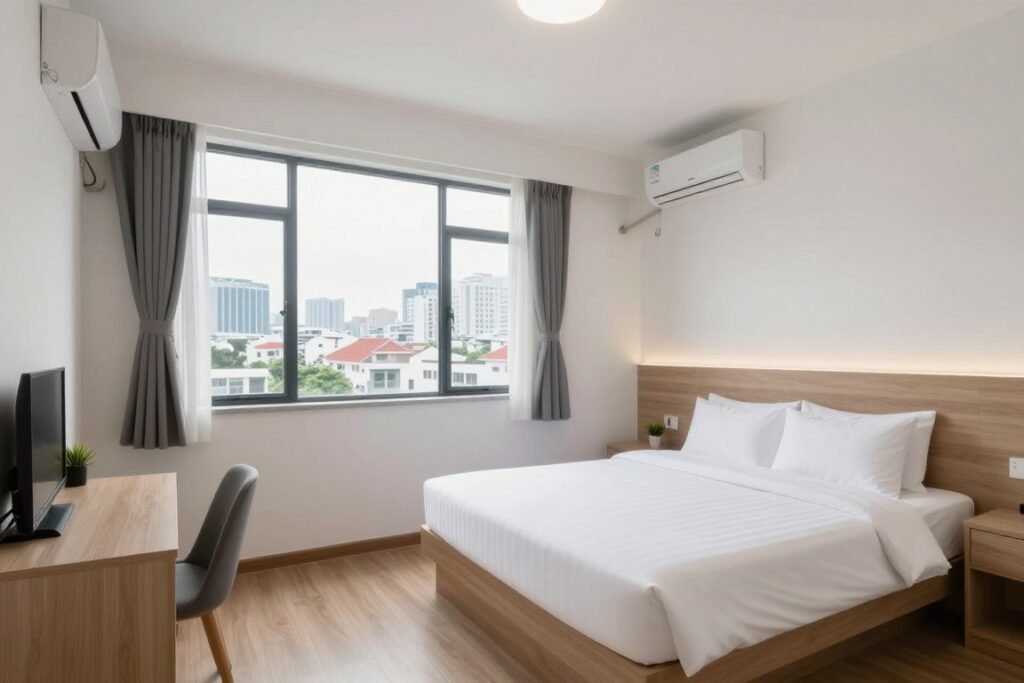
Budget hotels and hostels typically provide basic but clean rooms with air conditioning, Wi-Fi, and hot water. Breakfast might be included, usually consisting of simple Vietnamese options or toast with eggs and coffee.
Dorm rooms in hostels offer the cheapest option with beds starting around eight dollars. Private rooms with shared bathrooms cost twelve to eighteen dollars. Private rooms with ensuite bathrooms run eighteen to twenty-five dollars nightly.
Booking Tip: Properties offering free cancellation provide flexibility if you find better deals or change plans. Many hostels allow same-day booking if rooms are available, but advance booking guarantees availability during peak seasons.
Deep Dive into the Budget Food Scene
Food represents both a major expense and a highlight of visiting Ho Chi Minh City. Understanding where and what to eat transforms your culinary experience while keeping costs minimal.
Street Food Districts
Different neighborhoods specialize in particular dishes or food styles. Exploring various districts throughout your stay provides culinary variety without increasing costs significantly.
District 5’s Cho Lon area offers excellent Chinese-Vietnamese fusion dishes. District 3 features authentic Vietnamese home cooking styles. District 1 provides convenience but often at slightly higher prices.
Top Street Food Areas
- Nguyen Thuong Hien (seafood)
- Vinh Khanh (late-night food)
- Nguyen Trai (breakfast spots)
- Le Thanh Ton (banh mi)
District 1 Food Streets
- Cao Thang (com tam alley)
- Vo Van Tan (pho street)
- Tran Quang Dieu (bun bo Hue)
- Truong Sa (seafood)
District 3 Local Favorites
- Chau Van Liem (dim sum)
- Trieu Quang Phuc (noodles)
- Nguyen Trai (hotpot)
- Hong Bang (Chinese BBQ)
District 5 Chinatown
Market Food Halls
Large markets contain dedicated food sections with numerous stalls. Ben Thanh Market’s night food section offers variety in one location. Prices run slightly higher than street stalls but remain very affordable by Western standards.
Binh Tay Market in Cho Lon provides authentic local market dining at rock-bottom prices. Few tourists venture here, so expect minimal English but maximum authenticity and value.
Coffee Shop Culture
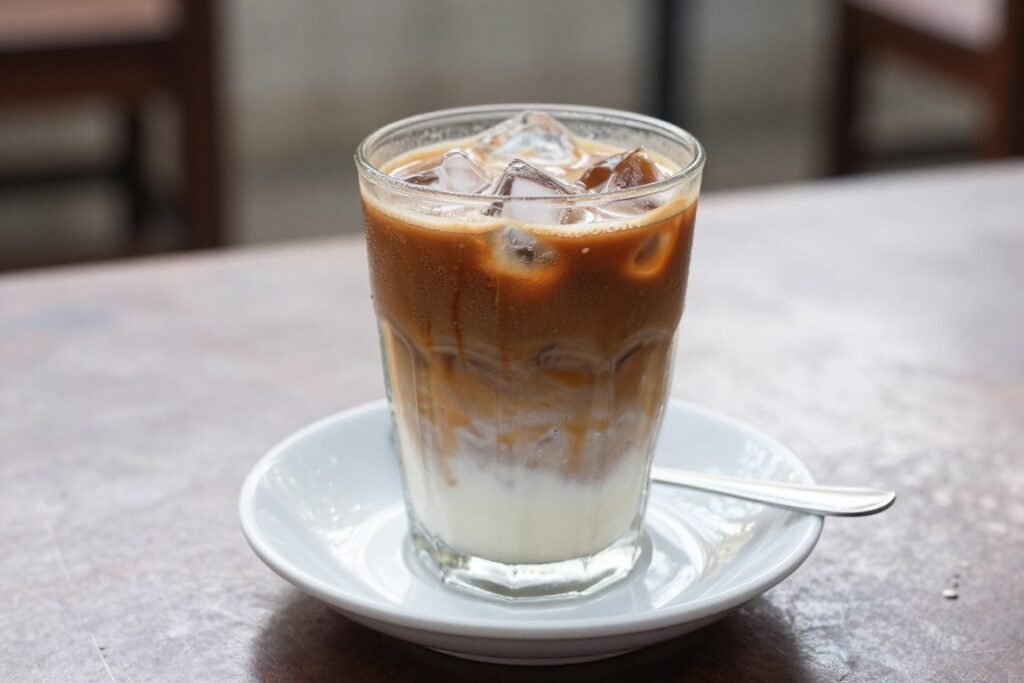
Vietnamese coffee culture offers unique experiences at budget prices. Traditional coffee shops serve strong coffee with condensed milk for under one dollar. Modern cafes charge two to five dollars but provide air conditioning and Wi-Fi.
Egg coffee represents a Hanoi specialty that has spread to Ho Chi Minh City. This creamy, dessert-like drink costs about two dollars at specialized shops. Regular Vietnamese iced coffee costs fifty cents to one dollar at local spots.
Night Markets and Food Courts
Night markets spring up throughout the city after dark. The Ben Thanh night market operates from evening until late night. Expect to pay two to five dollars for meals including drinks.
Food courts in shopping malls provide air-conditioned dining at reasonable prices. These appeal during hot afternoons when street food feels less attractive. Prices run slightly higher than streets but offer comfort and variety.
Seasonal Considerations for Budget Planning in 2026
Timing your visit affects both costs and experiences. Understanding seasonal patterns helps optimize your budget while ensuring enjoyable weather and activities.
High Season vs Low Season
Peak season runs from December through March when weather stays dry and pleasant. Accommodation prices increase twenty to forty percent during this period. Tours and popular restaurants also raise rates.
Low season from May through September brings rain but significant savings. Afternoon storms typically clear within hours. Many establishments offer promotions to attract the smaller number of travelers visiting during these months.
| Season | Months | Weather | Price Level | Crowd Level |
| Peak Season | Dec – Feb | Dry, 25-30°C | Highest | Very Busy |
| Shoulder Season | Mar – Apr, Oct – Nov | Warm, occasional rain | Moderate | Moderate |
| Low Season | May – Sep | Hot, afternoon rain | Lowest | Quiet |
Festivals and Events
Tet (Vietnamese New Year) occurs in late January or February based on the lunar calendar. Many businesses close for a week. Hotels raise prices significantly, and the city empties as locals return to hometowns.
Avoid traveling during Tet unless experiencing the holiday is your goal. Book well in advance if visiting during this time. Prices triple and availability becomes extremely limited throughout the country.
Weather Considerations
December through February offers the most pleasant weather with temperatures around twenty-five to thirty degrees Celsius. Clear skies and low humidity make outdoor activities enjoyable throughout the day.
May through September brings higher temperatures and afternoon rain. Morning hours remain ideal for sightseeing before heat peaks. Rain showers provide natural air conditioning and dramatic photo opportunities.
Budget Traveler Tip: Visit during shoulder season (March-April or October-November) for the best balance of good weather, reasonable prices, and manageable crowds. You’ll save money while avoiding both peak season prices and monsoon season rain.
Your Complete Budget Planning Worksheet
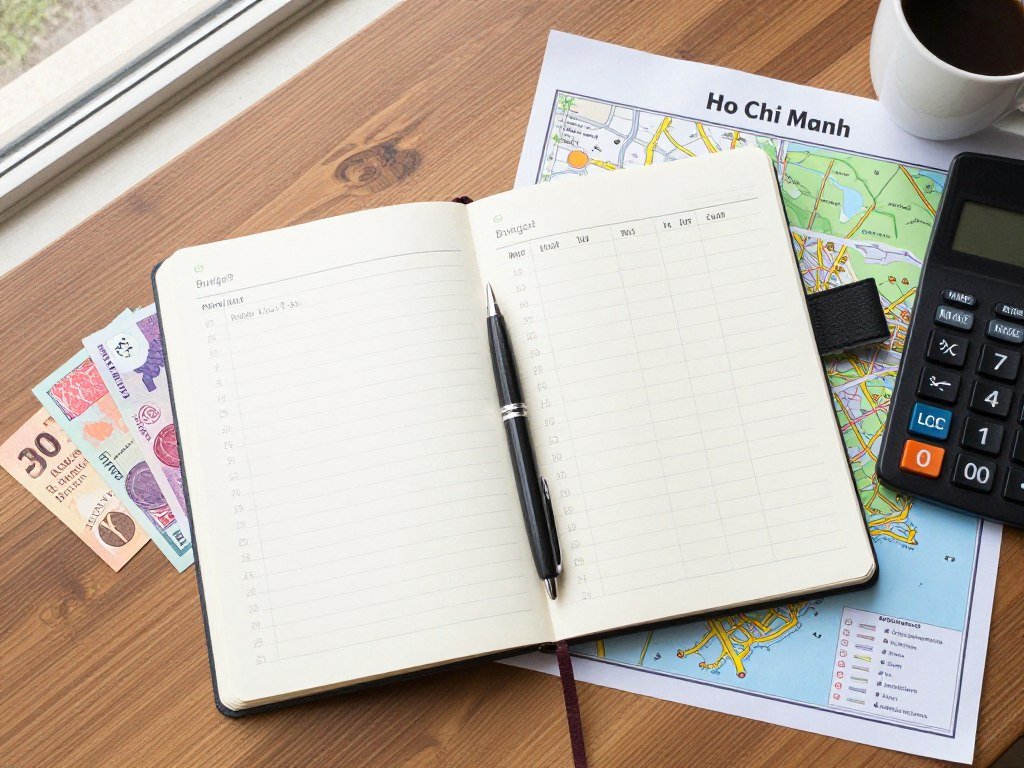
This comprehensive breakdown helps calculate your total trip cost. Adjust categories based on your travel style and preferences to create a personalized budget.
Daily Cost Breakdown
Use these estimates to calculate your total trip budget. Multiply daily costs by the number of days you plan to stay. Add one-time expenses like flights and travel insurance for your complete budget.
Budget Traveler
Basic comfort, street food, public transport, free attractions
- Accommodation: $10-15
- Food: $8-12
- Transport: $2-4
- Activities: $2-5
- Daily Total: $22-36
Mid-Range Traveler
Comfortable hotel, mix of street food and restaurants, occasional taxis
- Accommodation: $25-35
- Food: $15-25
- Transport: $5-10
- Activities: $10-15
- Daily Total: $55-85
Comfort Traveler
Good hotel, restaurant meals, taxis, organized tours
- Accommodation: $40-60
- Food: $30-45
- Transport: $10-15
- Activities: $20-30
- Daily Total: $100-150
One-Time Expenses
Beyond daily costs, budget for these one-time expenses that apply regardless of trip length. These significantly impact your total budget and require advance planning.
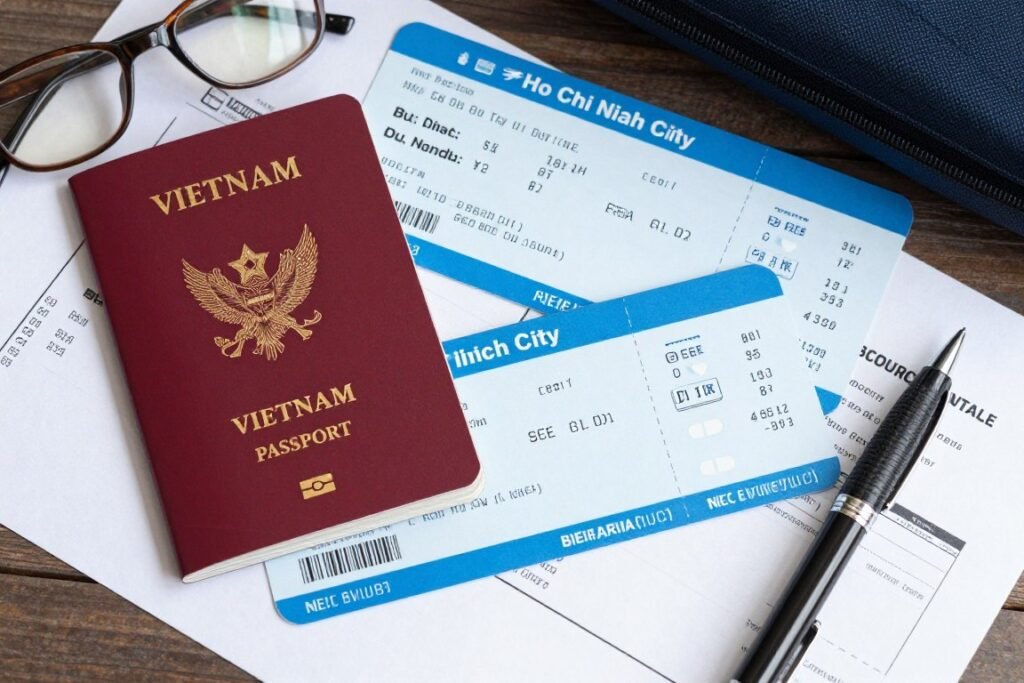
- Round-trip flights: $400-800 (varies by origin)
- Vietnam visa: $25-50 (depends on nationality)
- Travel insurance: $30-70 (for one to two weeks)
- Vaccinations: $0-100 (if needed)
- Airport transfers: $2-20 (bus to taxi)
- SIM card: $5-10
- Miscellaneous gear: $50-100 (if needed)
Total estimated one-time costs typically range from five hundred to one thousand dollars depending on your origin city and existing travel gear.
Sample Total Trip Costs
These examples show complete trip budgets for different durations and travel styles. Use them as starting points for your own planning.
| Trip Length | Budget Style | Daily Costs | One-Time Costs | Total Estimate |
| 5 Days | Budget | $140 (5 x $28) | $600 | $740 |
| 5 Days | Mid-Range | $350 (5 x $70) | $700 | $1,050 |
| 7 Days | Budget | $196 (7 x $28) | $600 | $796 |
| 7 Days | Mid-Range | $490 (7 x $70) | $700 | $1,190 |
| 10 Days | Budget | $280 (10 x $28) | $600 | $880 |
| 10 Days | Mid-Range | $700 (10 x $70) | $700 | $1,400 |
Let Us Help Plan Your Perfect Budget Adventure
Planning a trip to Ho Chi Minh City involves countless decisions. Our experienced travel consultants specialize in creating personalized itineraries that maximize value while ensuring unforgettable experiences.

We understand budget constraints and create realistic plans that work within your financial limits. Our local knowledge reveals hidden gems and insider tips that guidebooks miss. We handle the research so you can focus on excitement.
Free Personalized Trip Consultation
Tell us your budget, interests, and travel dates. We’ll create a customized itinerary specifically for your affordable trip to Ho Chi Minh City in 2026. No obligation, completely free.
Call us for immediate assistance
What Our Budget Travelers Say
The personalized itinerary saved us so much money. We experienced things most tourists never find while spending less than we budgeted.
Their local knowledge made all the difference. We ate at incredible places and stayed in perfect neighborhoods for our budget.
Best decision was getting their help planning. They found budget options we never would have discovered ourselves.
Frequently Asked Questions About Budget Travel
These common questions address concerns most budget travelers have when planning their affordable trip to Ho Chi Minh City in 2026.
How much money do I need per day in Ho Chi Minh City?
Budget travelers can manage comfortably on twenty-five to thirty-five dollars per day. This covers hostel accommodation, street food meals, local transportation, and some paid attractions. Mid-range travelers should budget fifty to seventy dollars daily for more comfort and flexibility.
Is Ho Chi Minh City safe for budget travelers?
Yes, the city is generally very safe for budget travelers. Petty theft like bag snatching occurs occasionally, especially in tourist areas. Keep valuables secured, stay aware of surroundings, and avoid isolated areas late at night. Most budget travelers experience no safety issues during their stay.
Do I need to book accommodation in advance?
Booking one or two nights in advance is recommended, especially during peak season from December to March. This ensures you have a place to stay upon arrival. After settling in, you can walk around to find better deals or book remaining nights online if you prefer the security.
Can I drink tap water in Ho Chi Minh City?
No, avoid drinking tap water throughout Vietnam. Bottled water costs very little, typically thirty to fifty cents per liter. Most accommodations provide free drinking water. Restaurants serve filtered water with meals. Ice in reputable establishments is generally safe as it comes from purified water.
What is the best way to get around the city on a budget?
Local buses cost only thirty cents per ride and cover the entire city. The Grab app provides affordable motorbike taxis for one to three dollars per trip. Walking works well for exploring neighborhoods. Avoid hotel taxis and always use metered taxis from reputable companies if needed.
How much should I budget for a Mekong Delta day trip?
Group tours range from fifteen to thirty dollars including transportation, boat rides, and lunch. Independent travel by public bus costs around fifteen to twenty dollars total when you include local transport and activities. Both options provide authentic experiences at budget-friendly prices.
Is street food safe to eat in Ho Chi Minh City?
Yes, street food is generally safe when you follow basic guidelines. Choose vendors with high customer turnover where food is cooked fresh to order. Avoid pre-cooked food sitting out for long periods. Watching where locals eat provides the best indication of safe, delicious options.
What should I do if I run out of money during my trip?
ATMs are widely available throughout the city and accept international cards. Notify your bank before traveling to avoid card blocks. Keep emergency backup funds in a separate location. Many budget accommodations allow you to extend your stay and pay later if you build trust with staff.
Can I bargain at markets and shops?
Yes, bargaining is expected at markets and many small shops. Start by offering forty to fifty percent of the asking price and negotiate from there. Restaurants, convenience stores, and established shops have fixed prices. Learning this distinction prevents awkward situations.
What is the best time to visit for budget travelers?
Shoulder seasons in March-April and October-November offer the best balance of good weather and reasonable prices. Low season from May to September brings the cheapest accommodation and tour prices but includes afternoon rain. Avoid peak season from December to February and especially Tet holiday when prices triple.
Start Planning Your Affordable Adventure Today
Ho Chi Minh City welcomes budget travelers with incredible value and unforgettable experiences. This guide provides everything you need to plan an affordable trip to Ho Chi Minh in 2026 without sacrificing quality or missing important attractions.

Your budget determines your comfort level but not your ability to experience the city authentically. Street food tastes just as delicious whether you spend thirty or one hundred dollars daily. Local buses reach the same destinations as taxis. Free temples offer the same spiritual experiences as expensive tours.
Smart planning, flexible thinking, and willingness to embrace local experiences create the foundation for successful budget travel. This city rewards curious travelers who venture beyond tourist zones and engage with genuine Vietnamese culture.
Start planning now to secure the best deals on flights and accommodation. Download our free budget toolkit, browse accommodation options, or contact us for personalized trip planning assistance. Your affordable adventure to Ho Chi Minh City awaits.
Safe travels and enjoy every moment of your budget adventure in one of Southeast Asia’s most exciting cities. Ho Chi Minh City will exceed your expectations while staying well within your budget.