

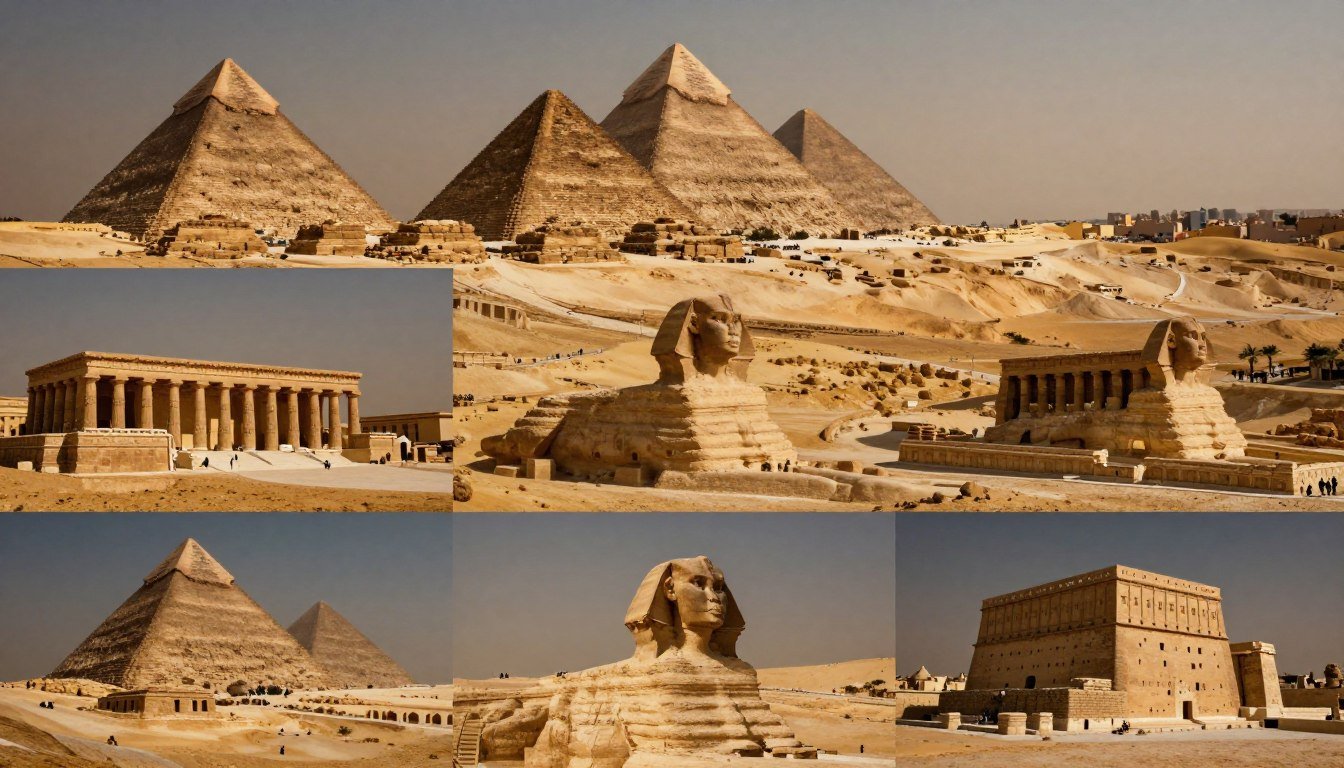
Human civilization has left remarkable footprints across every continent. These footprints tell stories of empires, faith, innovation, and survival.
From ancient monuments carved into cliffsides to medieval fortresses perched on mountains, historical sites offer windows into our shared past. Each structure whispers secrets of the people who built them.
This guide explores twenty extraordinary historical sites that define our global heritage. Whether you seek ancient mysteries or architectural marvels, these destinations will transform your understanding of history.
Why Historical Sites Matter for Modern Travelers
Historical sites connect us to something greater than ourselves. Walking where ancient civilizations thrived creates profound perspective on human achievement.
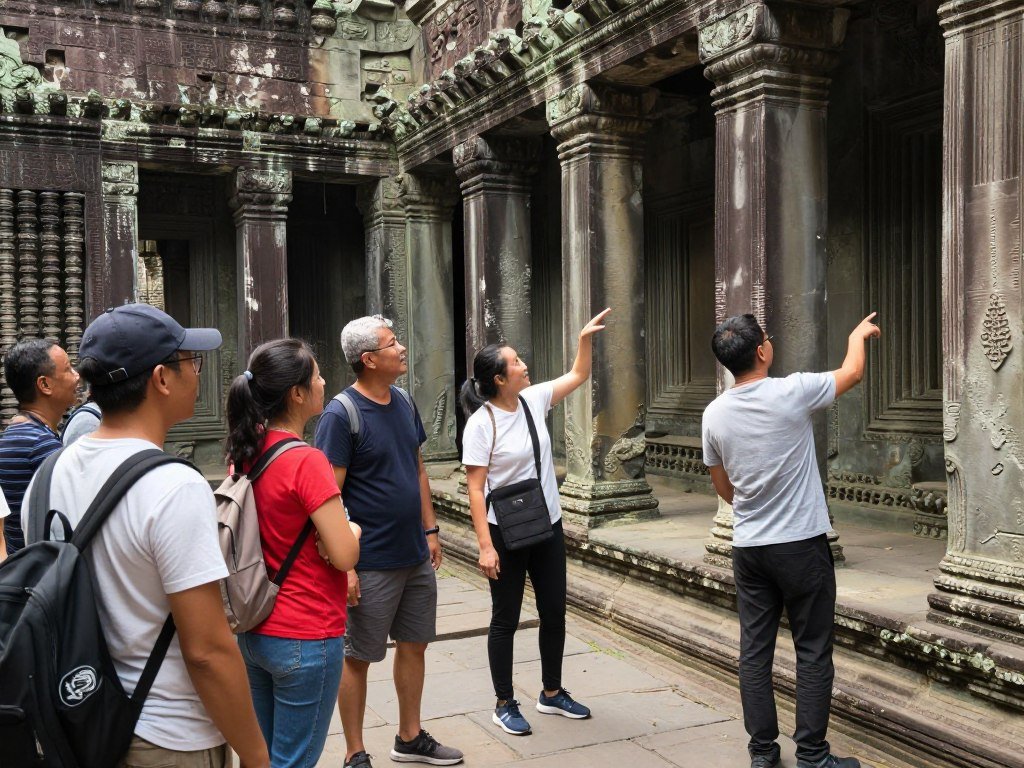
These locations offer more than photo opportunities. They provide context for understanding current cultures, political systems, and social structures.
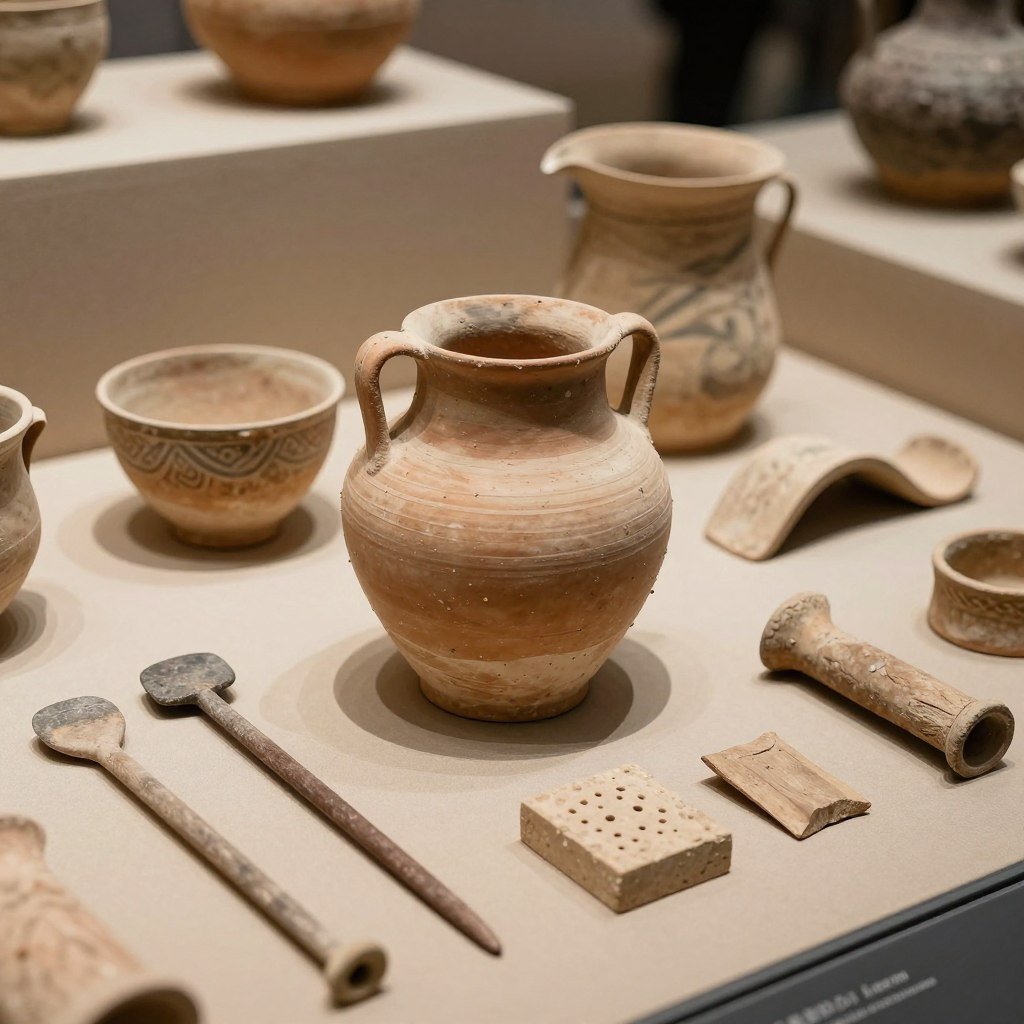
Educational Value Beyond Books
Standing before structures built thousands of years ago triggers understanding that textbooks cannot replicate. The scale, craftsmanship, and preservation of these historic sites demonstrate capabilities that challenge modern assumptions about ancient peoples.
Cultural Immersion Through Time
Each national historic site represents specific cultural achievements and values. Visiting multiple locations across different civilizations reveals patterns in human development while celebrating unique contributions.
Interactive world map marking all 20 featured historical sites across six continents
Begin Your Historical Journey
Download our comprehensive guide featuring all 20 sites with detailed visiting information, seasonal recommendations, and cultural insights.
Ancient Historical Sites That Shaped Civilization
These monuments represent humanity’s earliest architectural and engineering achievements. Built between 3000 BCE and 500 CE, they reveal sophisticated understanding of mathematics, astronomy, and social organization.
The Great Pyramid of Giza, Egypt
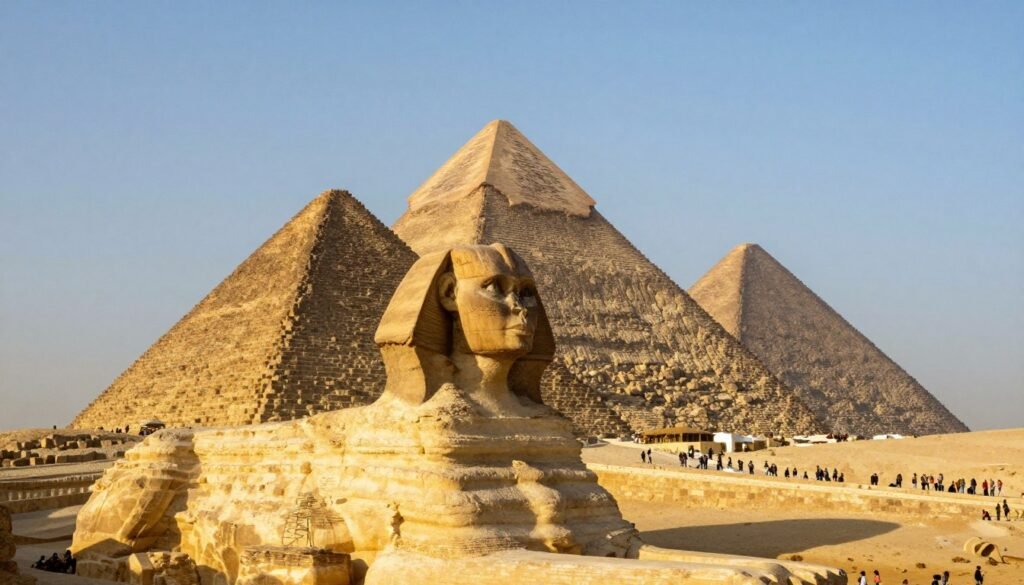
The last surviving wonder of the ancient world stands as testament to Egyptian engineering brilliance. Built around 2560 BCE for Pharaoh Khufu, this massive structure required approximately 2.3 million stone blocks.
The precision of construction continues to amaze researchers. The base forms a nearly perfect square, with sides aligned to cardinal directions within a fraction of a degree.
Historical Significance
- Oldest of the Seven Wonders of the Ancient World
- Demonstrates advanced mathematical knowledge
- Reflects Egyptian beliefs about afterlife and divine kingship
- Originally stood 146.5 meters tall
- Remained world’s tallest structure for 3,800 years
Visitor Information
- Location: Giza Plateau, just outside Cairo
- Best visiting time: October to April (cooler temperatures)
- Entry permits required for pyramid interior
- Sound and Light Show available evenings
- Plan 3-4 hours for complete site exploration
Petra, Jordan
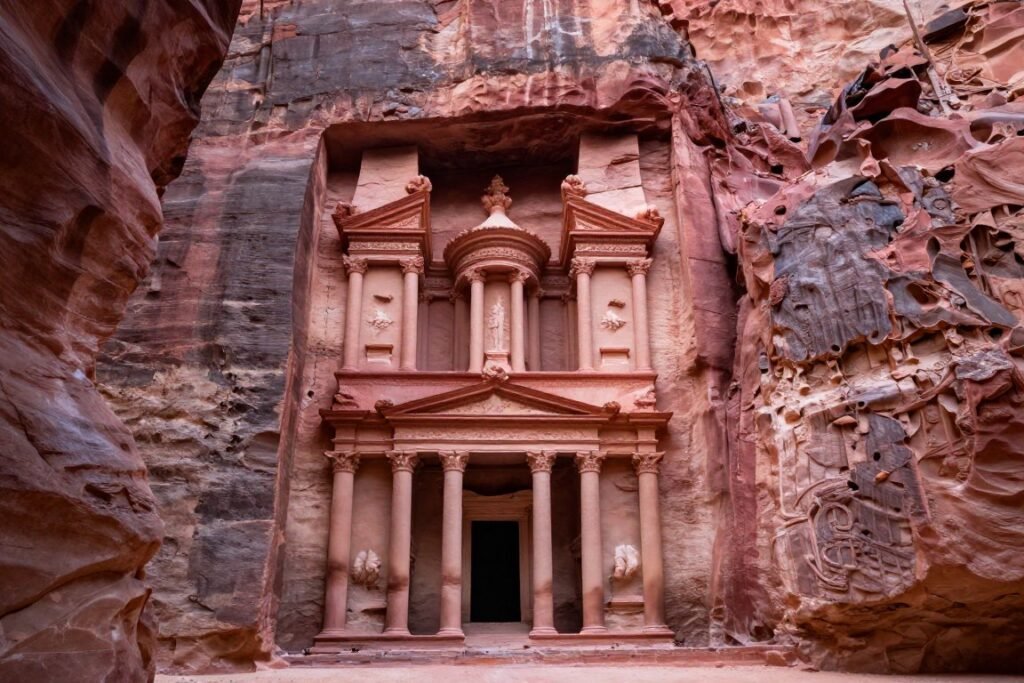
This ancient city carved directly into rose-red cliffs served as the Nabataean capital from approximately 300 BCE. The elaborate rock-cut architecture combines Eastern traditions with Hellenistic influences.
Petra controlled crucial trade routes connecting Arabia, Egypt, and the Mediterranean. The city’s water conduit system enabled habitation in this desert environment for centuries.
Photography Tip: Visit the Treasury at sunrise when first light illuminates the facade in spectacular rose and orange hues. Crowds remain minimal during early morning hours.
The Colosseum, Rome
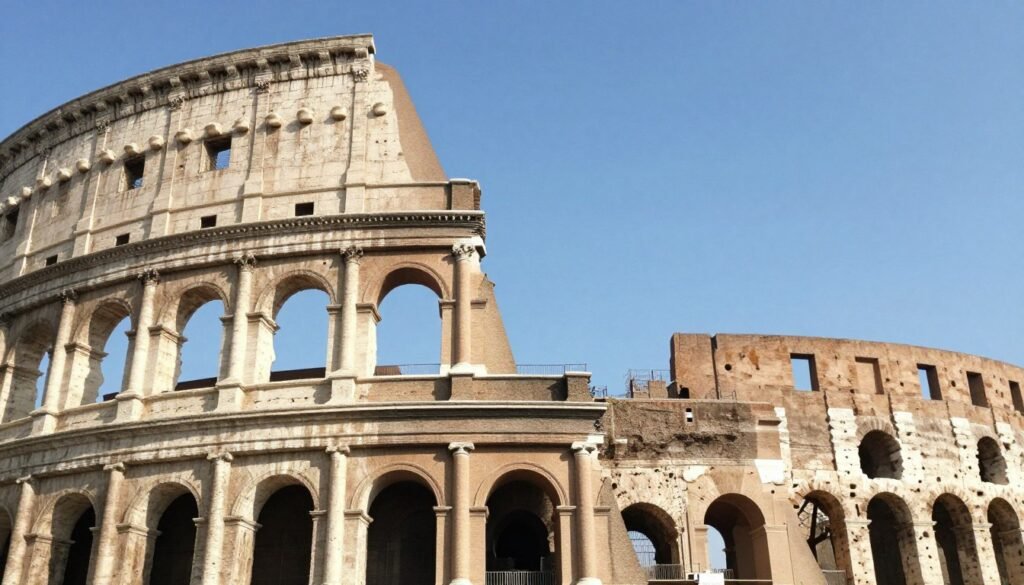
Rome’s iconic amphitheater represents the height of Roman engineering and entertainment culture. Completed in 80 CE, the structure could accommodate 50,000 spectators for gladiatorial contests and public spectacles.
The Colosseum pioneered architectural innovations including concrete vaulting and a complex system of underground passages. These tunnels housed gladiators and animals before dramatic arena entrances.
| Feature | Details | Historical Context |
| Construction Period | 72-80 CE (8 years) | Built by emperors Vespasian and Titus using spoils from Jerusalem siege |
| Capacity | 50,000-80,000 spectators | Seated by social class with Emperor’s box at prime location |
| Dimensions | 189m long, 156m wide, 48m high | Largest amphitheater ever built by Roman Empire |
| Materials | Travertine limestone, tuff, brick-faced concrete | Demonstrated advanced Roman concrete and construction techniques |
Angkor Wat, Cambodia
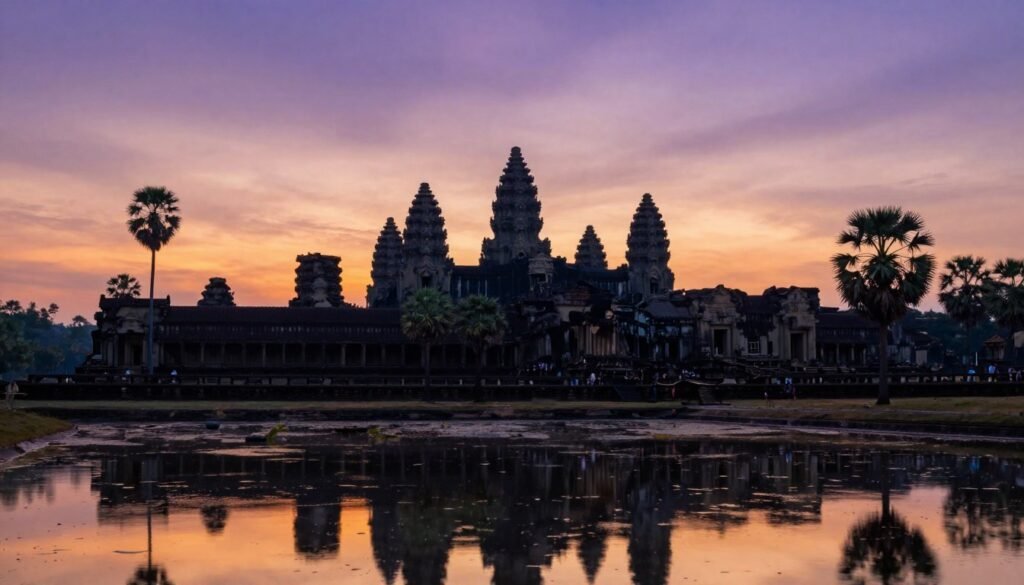
The world’s largest religious monument spans over 400 acres of Cambodian jungle. Originally constructed as a Hindu temple dedicated to Vishnu in the early 12th century, it later transformed into a Buddhist site.
King Suryavarman II commissioned this architectural masterpiece to serve as his state temple and eventual mausoleum. The complex design represents Mount Meru, home of the gods in Hindu mythology.
Conservation Note: Angkor Wat requires ongoing restoration due to tropical weather, vegetation growth, and historical damage. Visitor fees directly support preservation efforts protecting this UNESCO World Heritage site.
Machu Picchu, Peru
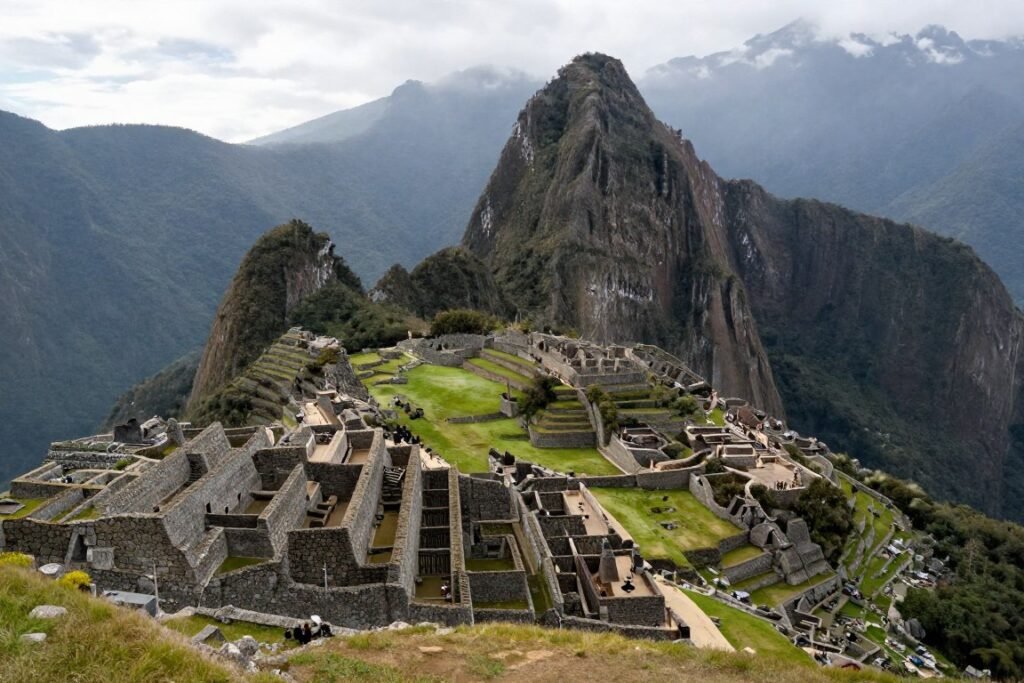
This 15th-century Incan citadel perches 2,430 meters above sea level in the Peruvian Andes. The site remained unknown to the outside world until American historian Hiram Bingham publicized it in 1911.
Archaeologists believe Machu Picchu served as an estate for Incan emperor Pachacuti. The sophisticated dry-stone construction withstands earthquakes through precision fitting without mortar.
Engineering Marvels
- Agricultural terraces prevent erosion on steep slopes
- Sophisticated drainage system handles heavy rainfall
- Astronomical alignments mark solstices and equinoxes
- Water distribution system from natural springs
- Earthquake-resistant construction techniques
Planning Your Visit
- Book permits months in advance (daily visitor limits)
- Choose morning or afternoon entry slot
- Consider multi-day trek via Inca Trail
- Acclimatize to altitude in Cusco first
- Hire certified guide for historical context
Medieval Historical Sites and Fortifications
The medieval period produced castles, cathedrals, and fortified cities that dominated landscapes and protected populations. These structures reflect feudal systems, religious devotion, and military innovation.
Alhambra, Spain
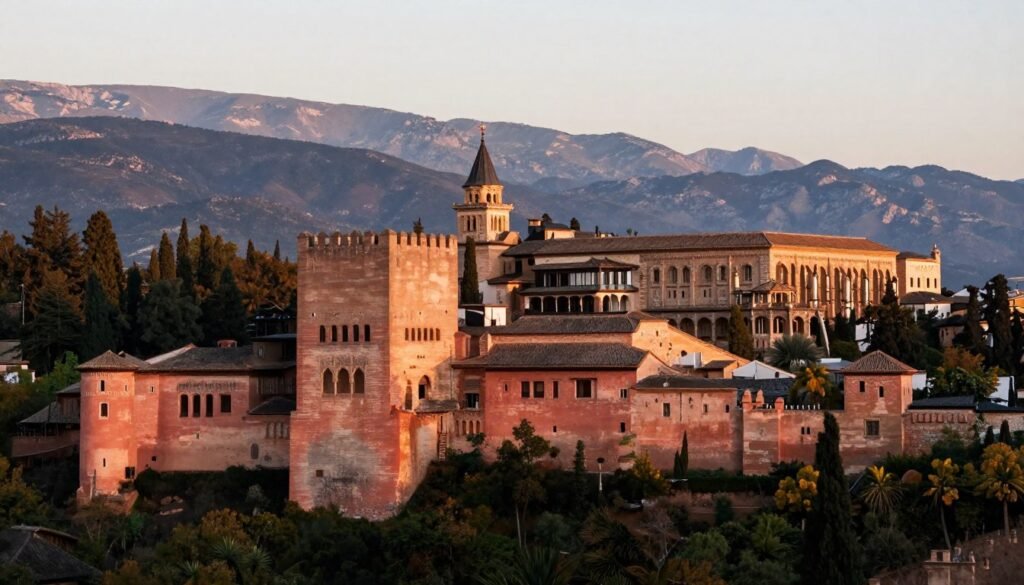
This palatial fortress complex represents the pinnacle of Moorish architecture in Western Europe. Built primarily in the 13th and 14th centuries by Nasrid sultans, the Alhambra combines defensive military architecture with delicate Islamic artistry.
Intricate geometric tile work, carved stucco, and elegant water features create spaces of extraordinary beauty. The site demonstrates advanced Islamic knowledge of mathematics, hydraulics, and aesthetics.
Mont Saint-Michel, France
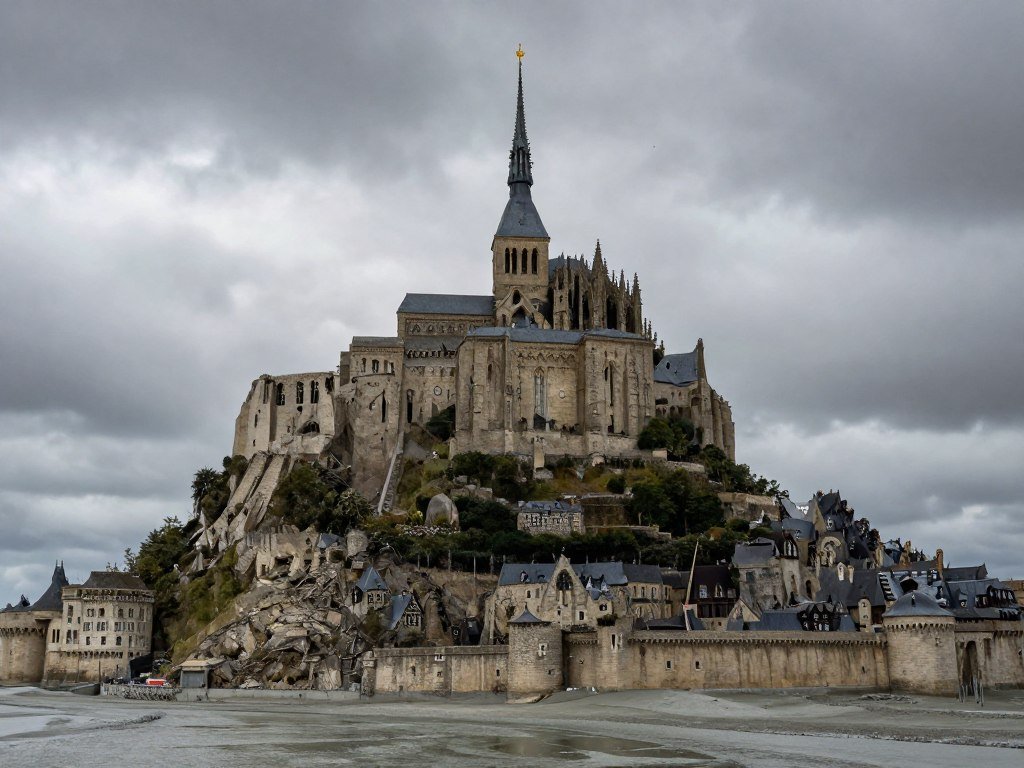
This tidal island crowned by a medieval abbey rises dramatically from coastal flats in Normandy. Benedictine monks established a religious community here in the 8th century, with major construction occurring between the 11th and 16th centuries.
The location served both spiritual and defensive purposes. Tidal dynamics created a natural moat, making the site nearly impregnable during medieval conflicts.
Tide Warning: Mont Saint-Michel experiences Europe’s highest tidal ranges. The bay can fill or empty within hours. Always check tide schedules and stay within marked safe areas.
Forbidden City, China
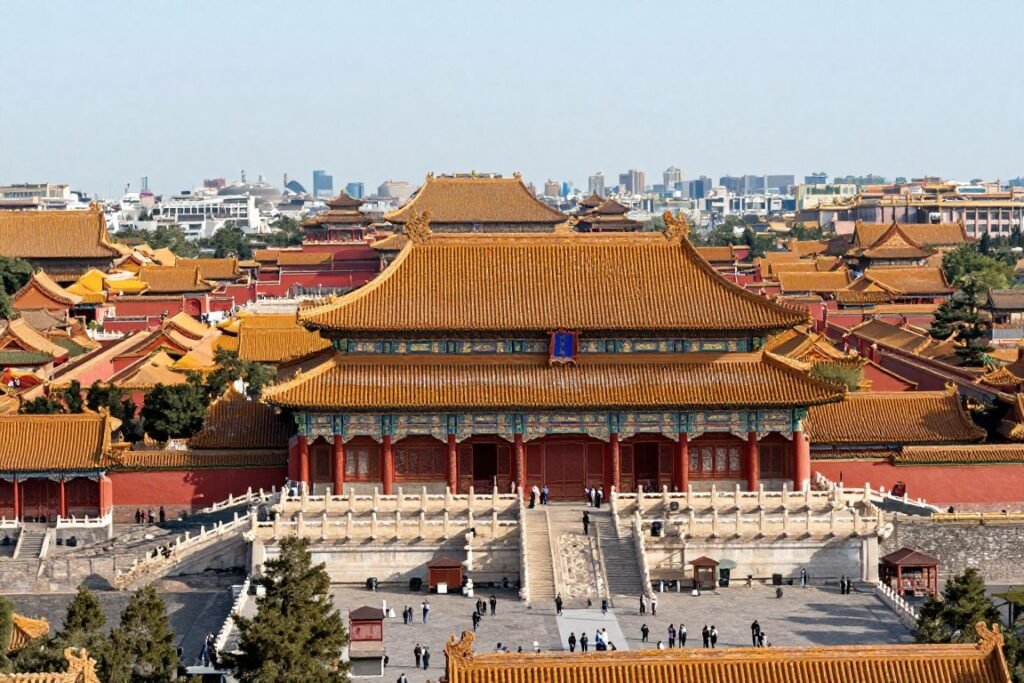
The world’s largest palace complex served as the imperial residence for 24 emperors during the Ming and Qing dynasties. Construction began in 1406, requiring over a million workers and lasting 14 years.
The complex contains 980 buildings across 180 acres, all designed according to principles of Chinese geomancy and cosmology. Every detail reflects the emperor’s status as the “Son of Heaven.”
| Aspect | Specification | Symbolic Meaning |
| Layout | Rectangular, north-south axis | Emperor faces south, receives heaven’s mandate |
| Colors | Yellow roofs, red walls | Yellow represents emperor, red signifies good fortune |
| Gates | Four main gates | Correspond to four cardinal directions and seasons |
| Courtyards | Outer and Inner Courts | Public (ceremonial) and private (residential) divisions |
Edinburgh Castle, Scotland
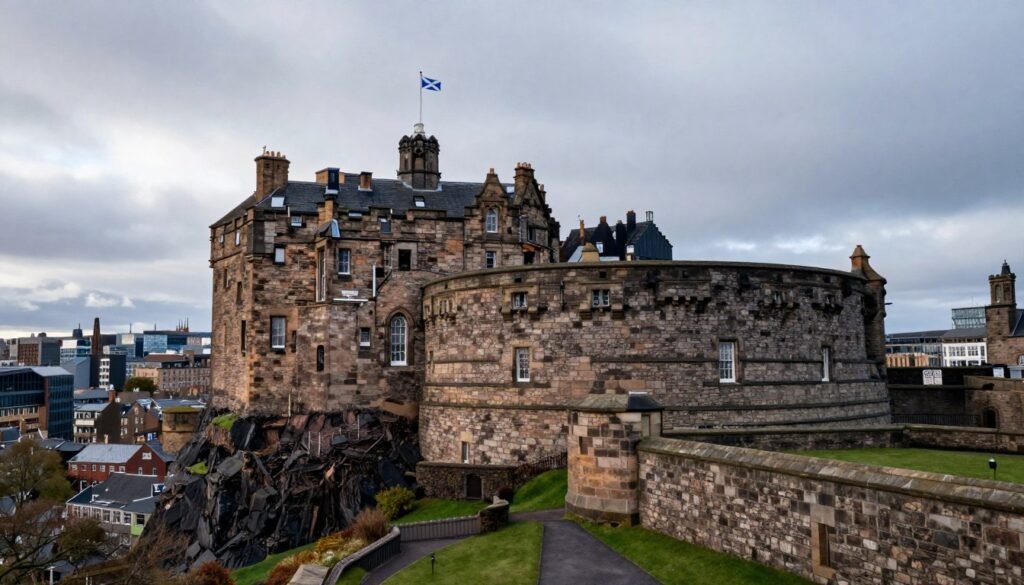
Perched atop an extinct volcanic rock, this fortress dominates Scotland’s capital skyline. Archaeological evidence suggests human habitation since at least the Iron Age, with the first royal castle dating to the 12th century.
The castle witnessed countless sieges and changed hands between Scottish and English forces repeatedly. Today it houses Scotland’s crown jewels and serves as a powerful symbol of Scottish identity.
Château de Chambord, France
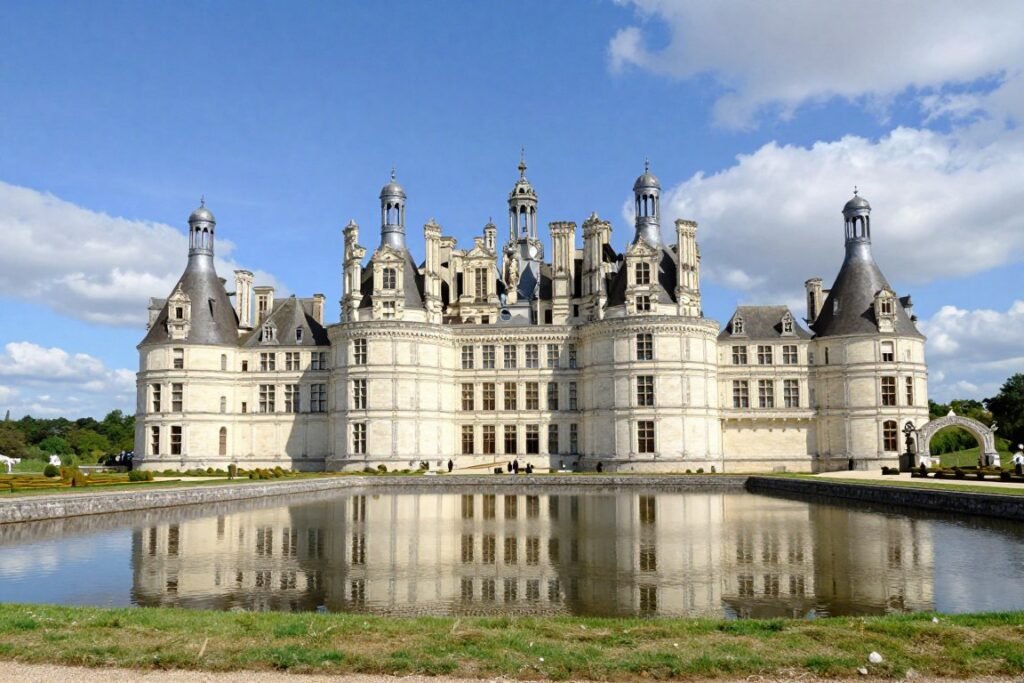
King Francis I commissioned this architectural masterpiece in 1519 as a hunting lodge. The design blends traditional medieval castle elements with classical Renaissance structures, possibly incorporating Leonardo da Vinci’s architectural ideas.
The famous double-helix staircase allows people to ascend and descend simultaneously without meeting. This innovative design exemplifies the Renaissance celebration of mathematical precision and artistic beauty.
Asian Historical Sites Beyond the Great Wall
Asian civilizations developed unique architectural traditions that emphasized harmony with nature, spiritual symbolism, and community organization. These sites span thousands of years of cultural development.
Great Wall of China
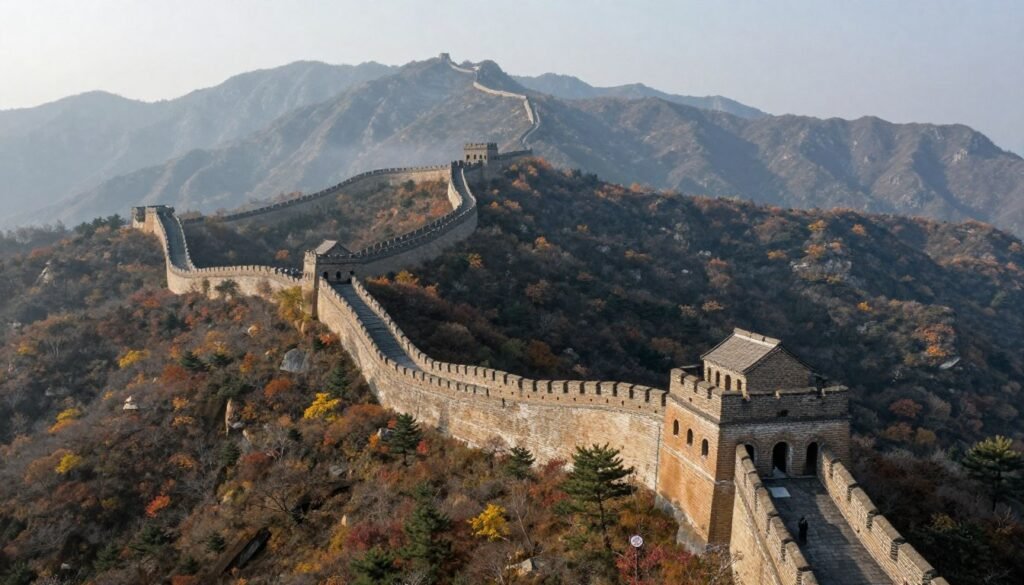
This series of fortifications stretches over 13,000 miles across northern China. Construction began in the 7th century BCE, with major building during the Ming Dynasty (1368-1644 CE).
Contrary to popular belief, the wall was not built as a single continuous structure. Different kingdoms and dynasties constructed various sections that were eventually connected and fortified.
Mutianyu Section
Less crowded alternative to Badaling, featuring restored walls and cable car access. Best for families and those seeking photo opportunities without overwhelming crowds.
Jinshanling Section
Partially restored area offering authentic experience with both renovated and original structures. Ideal for photography and moderate hiking with stunning mountain views.
Simatai Section
Only section open for night visits, providing unique perspective under illumination. Steeper and more challenging, suitable for adventurous travelers seeking dramatic experiences.
Borobudur, Indonesia
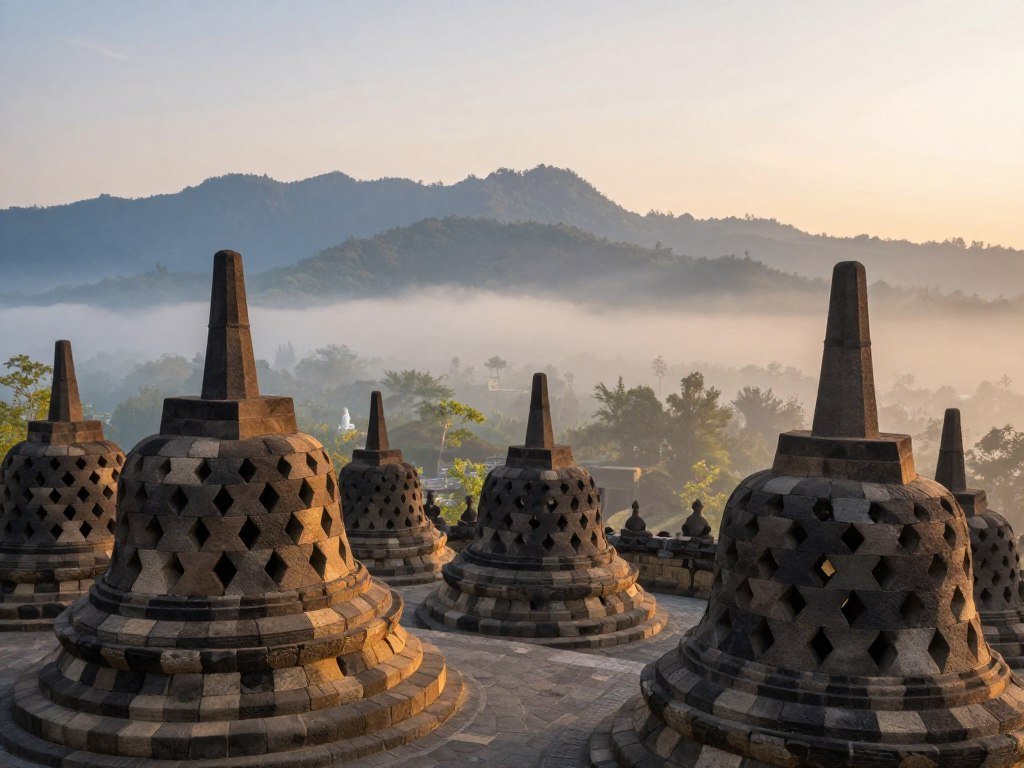
The world’s largest Buddhist temple was built in the 9th century during the Sailendra Dynasty. This massive stone structure contains 2,672 relief panels and 504 Buddha statues.
The temple’s design represents Buddhist cosmology, with pilgrims walking through three levels symbolizing the realm of desire, the realm of forms, and the realm of formlessness toward enlightenment at the summit.
Taj Mahal, India
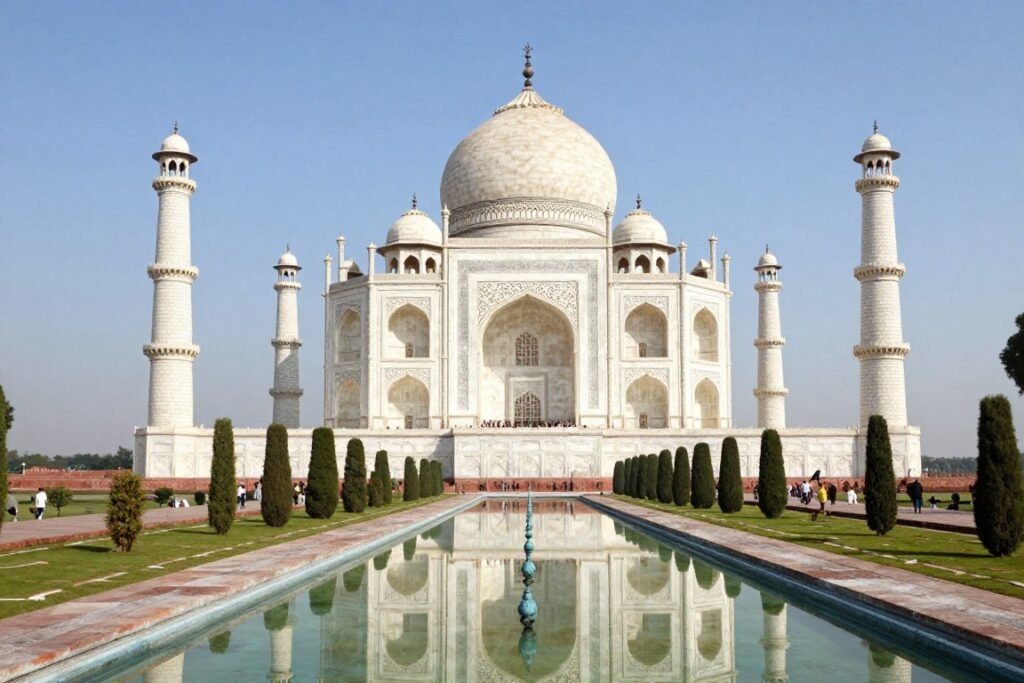
Emperor Shah Jahan commissioned this white marble mausoleum in 1632 to house the tomb of his beloved wife, Mumtaz Mahal. The structure took 22 years and approximately 20,000 artisans to complete.
The Taj Mahal represents the zenith of Mughal architecture, combining elements from Persian, Ottoman Turkish, and Indian architectural traditions. The building appears to change color throughout the day as light shifts.
Best Visiting Practices
- Arrive before sunrise for magical lighting and minimal crowds
- Visit on weekdays rather than weekends when possible
- Book tickets online in advance to skip queues
- Hire official guide for historical context and stories
- Respect photography restrictions in certain areas
- Wear shoe covers or remove shoes before entering
- Allow 2-3 hours for thorough exploration
Common Mistakes to Avoid
- Visiting during midday when crowds peak and light is harsh
- Bringing large bags or prohibited items (causes entry delays)
- Skipping the surrounding gardens and auxiliary structures
- Touching marble surfaces (oils damage stone)
- Expecting to visit on Fridays (closed for prayers)
- Underestimating heat and sun exposure
- Rushing through without appreciating architectural details
Historical Sites Across the Americas
The Americas contain diverse historical sites representing indigenous civilizations, colonial powers, and national development. These locations span prehistoric settlements to 19th-century industrial sites.
Chichen Itza, Mexico
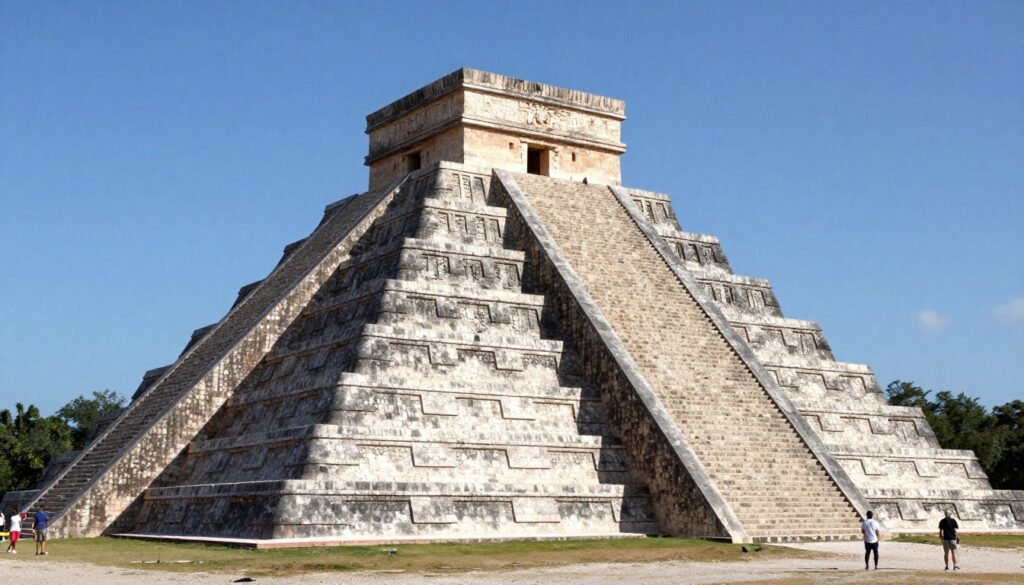
This large pre-Columbian city thrived between 600 and 1200 CE as a major focal point in the northern Maya lowlands. The site demonstrates advanced astronomical knowledge and mathematical precision.
The main pyramid, El Castillo, contains 365 steps representing days of the solar year. During spring and autumn equinoxes, shadows create the illusion of a serpent descending the staircase.
Mesa Verde National Park, USA
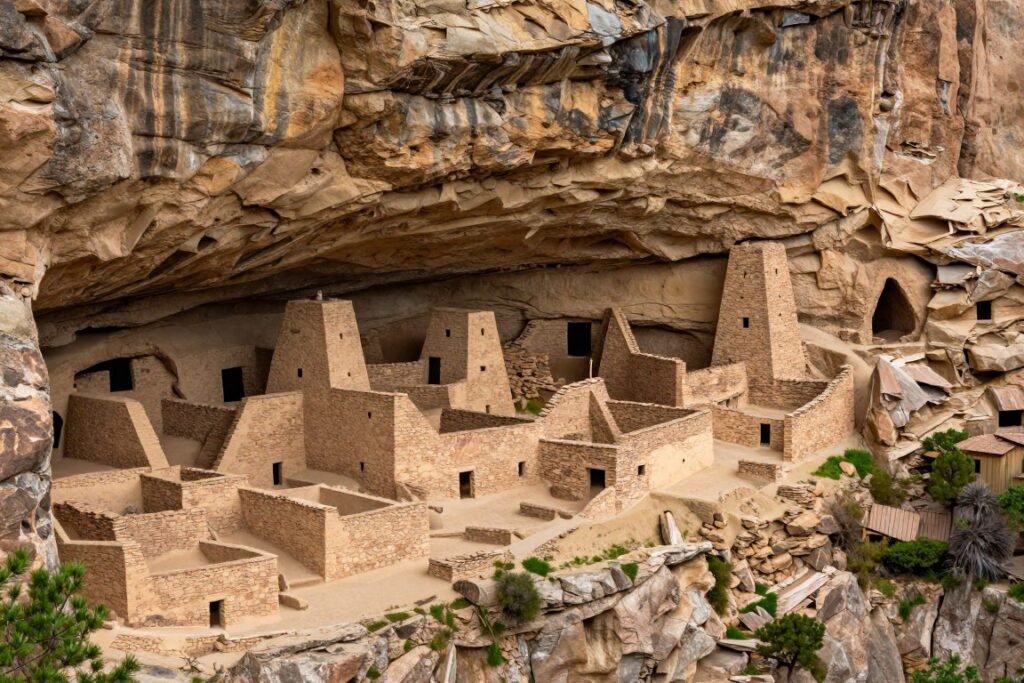
These remarkable cliff dwellings in western Colorado represent some of the best-preserved Ancestral Puebloan archaeological sites in the United States. The structures date from 600 to 1300 CE.
The Ancestral Puebloans built elaborate stone communities in natural alcoves of canyon walls. Cliff Palace, the largest cliff dwelling in North America, contains 150 rooms and 23 kivas.
Access Note: Many cliff dwellings at Mesa Verde National Park require ranger-guided tours with advance reservations. Tours involve climbing ladders and navigating narrow passages unsuitable for all fitness levels.
Statue of Liberty, USA
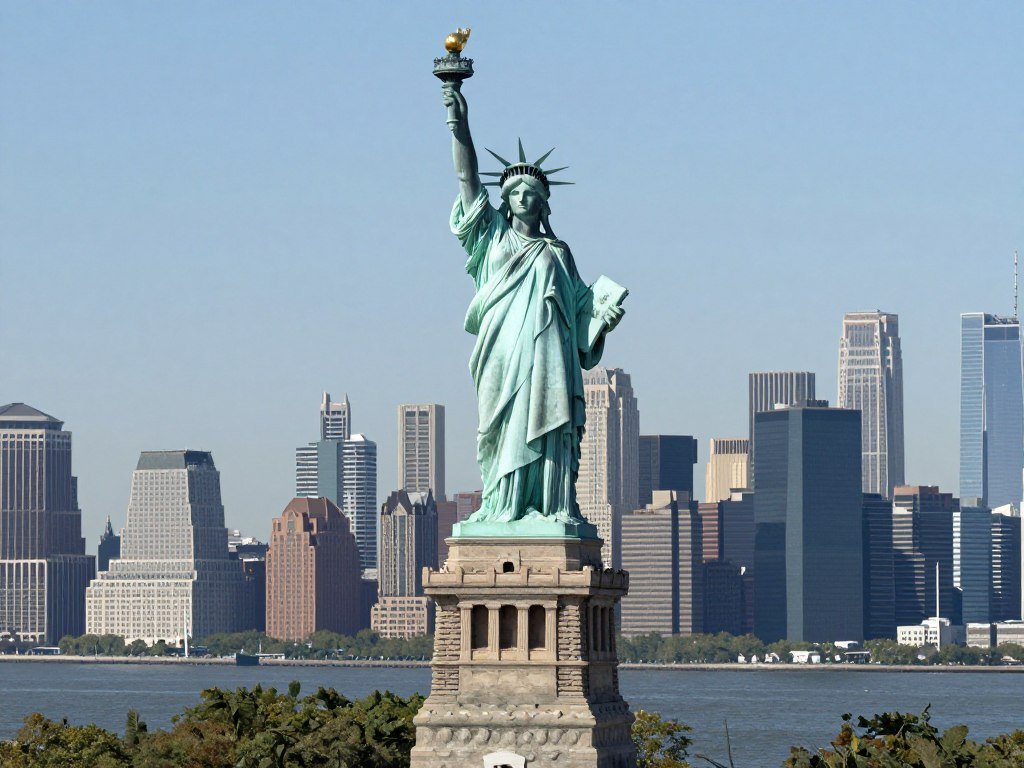
France gifted this colossal neoclassical sculpture to the United States in 1886 to celebrate the centennial of American independence. Designed by sculptor Frédéric Auguste Bartholdi, the copper statue stands 305 feet from ground to torch.
The statue became a powerful symbol of freedom and democracy, greeting millions of immigrants arriving at nearby Ellis Island. Lady Liberty represents Libertas, the Roman goddess of liberty, holding a torch and tablet inscribed with the date of American independence.
Teotihuacan, Mexico
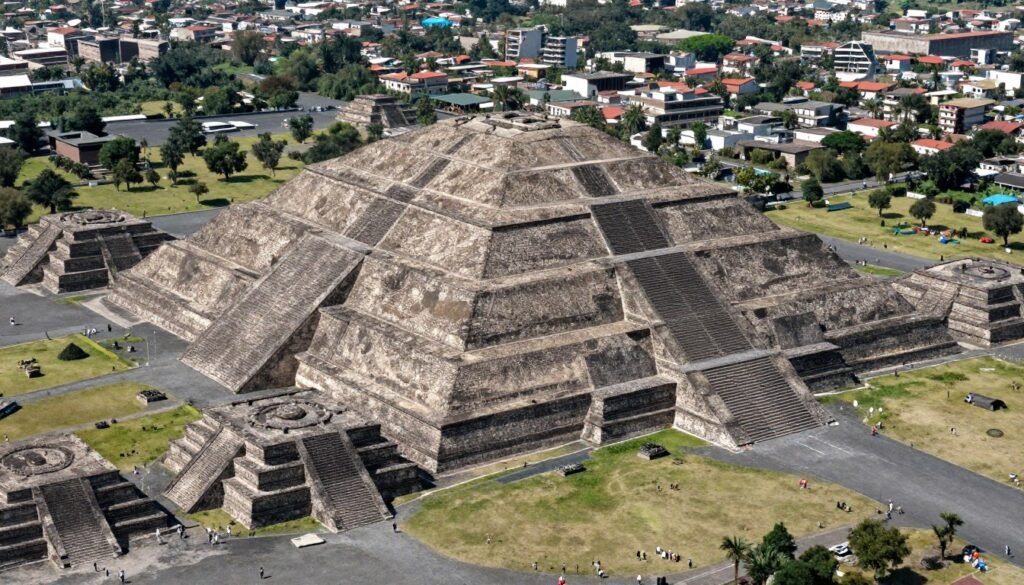
This ancient Mesoamerican city reached its zenith between 100 and 650 CE, housing over 100,000 inhabitants. Teotihuacan was the largest city in the pre-Columbian Americas.
The city’s carefully planned grid layout centers on the Avenue of the Dead, flanked by the massive Pyramid of the Sun and Pyramid of the Moon. The civilization mysteriously collapsed around 750 CE.
Independence Hall, USA
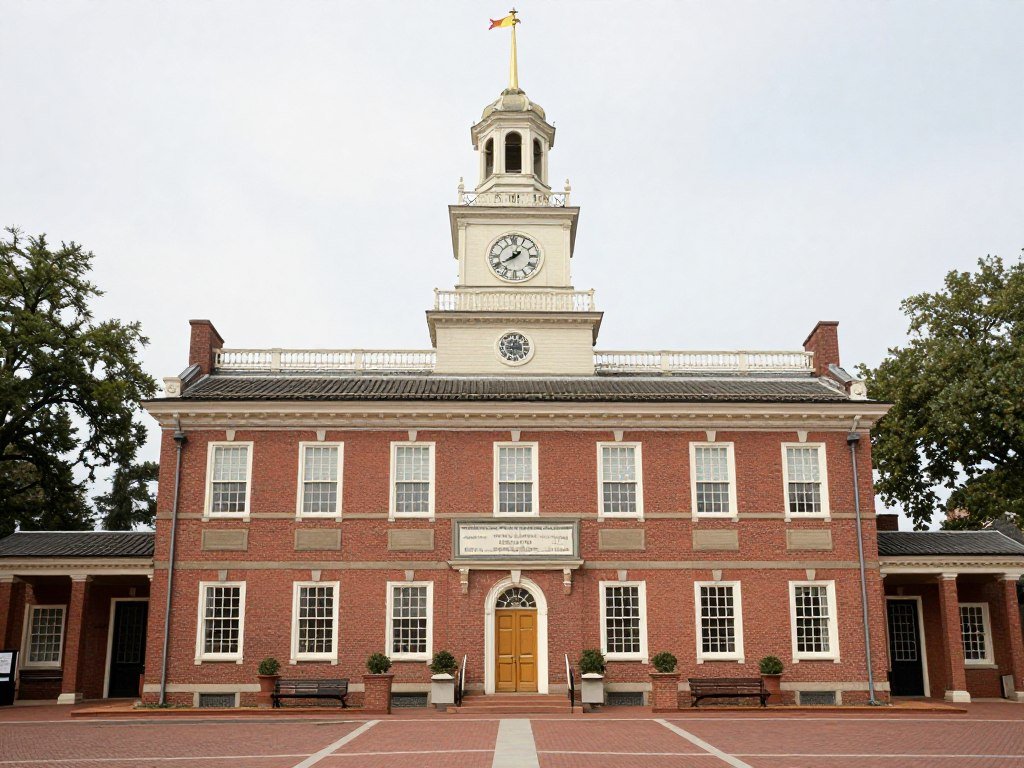
The birthplace of American democracy witnessed both the Declaration of Independence signing in 1776 and the Constitutional Convention in 1787. This Georgian-style building served as the Pennsylvania State House from its completion in 1753.
The Assembly Room contains the exact chairs and tables used during these momentous debates. The building represents the physical location where foundational principles of American government were established.
Explore American Heritage Sites
Discover comprehensive tour packages covering multiple historical sites across the United States with expert guides and transportation included.
European Historical Sites and National Monuments
Europe’s concentration of historical sites reflects thousands of years of civilization, conflict, and cultural exchange. From Roman ruins to Renaissance masterpieces, these locations shaped Western culture.
Acropolis of Athens, Greece
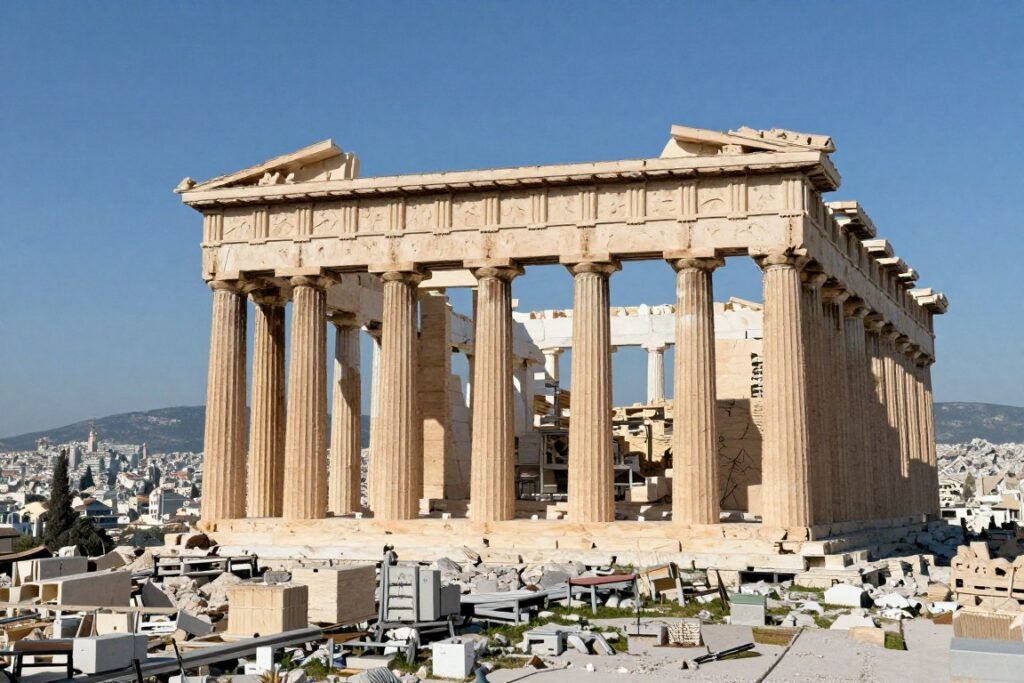
The Acropolis citadel crowns Athens with monuments to Classical Greek civilization. The Parthenon temple, dedicated to goddess Athena, was completed in 438 BCE and represents the apex of Doric architecture.
These structures pioneered architectural innovations including optical refinements that counteract visual distortions. The buildings appear perfectly straight despite subtle curves designed to correct for perspective.
Stonehenge, England
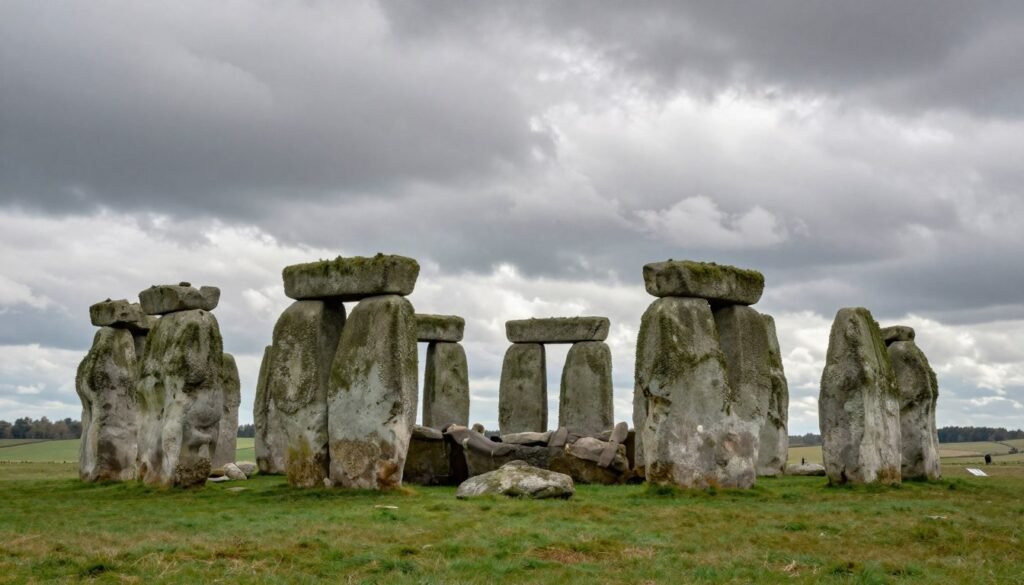
This prehistoric monument consists of massive standing stones arranged in a ring on Salisbury Plain. Construction occurred in several stages between 3000 and 2000 BCE.
The monument’s purpose remains debated, with theories ranging from astronomical observatory to healing temple to burial site. The stones were transported from quarries over 150 miles away using technology available in the Neolithic period.
| Construction Phase | Approximate Date | Key Developments |
| Phase 1 | 3000 BCE | Circular ditch and bank, cremation burials |
| Phase 2 | 2150 BCE | Timber structures, bluestones from Wales |
| Phase 3 | 2000 BCE | Sarsen stone circle, trilithons erected |
| Later modifications | 1600 BCE onward | Rearrangement of stones, continued use |
Versailles Palace, France
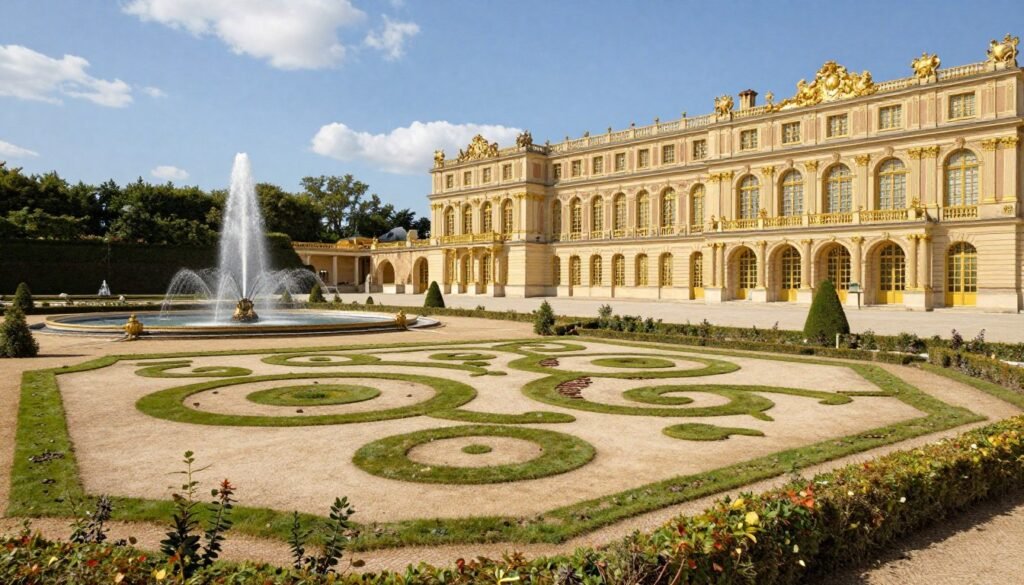
King Louis XIV transformed his father’s hunting lodge into the most opulent palace in Europe. The expansion occurred primarily between 1661 and 1710, establishing a model for royal residences across the continent.
The palace served as the seat of French political power until the French Revolution. The Hall of Mirrors witnessed the signing of the Treaty of Versailles in 1919, ending World War I.
Anne Frank House, Netherlands
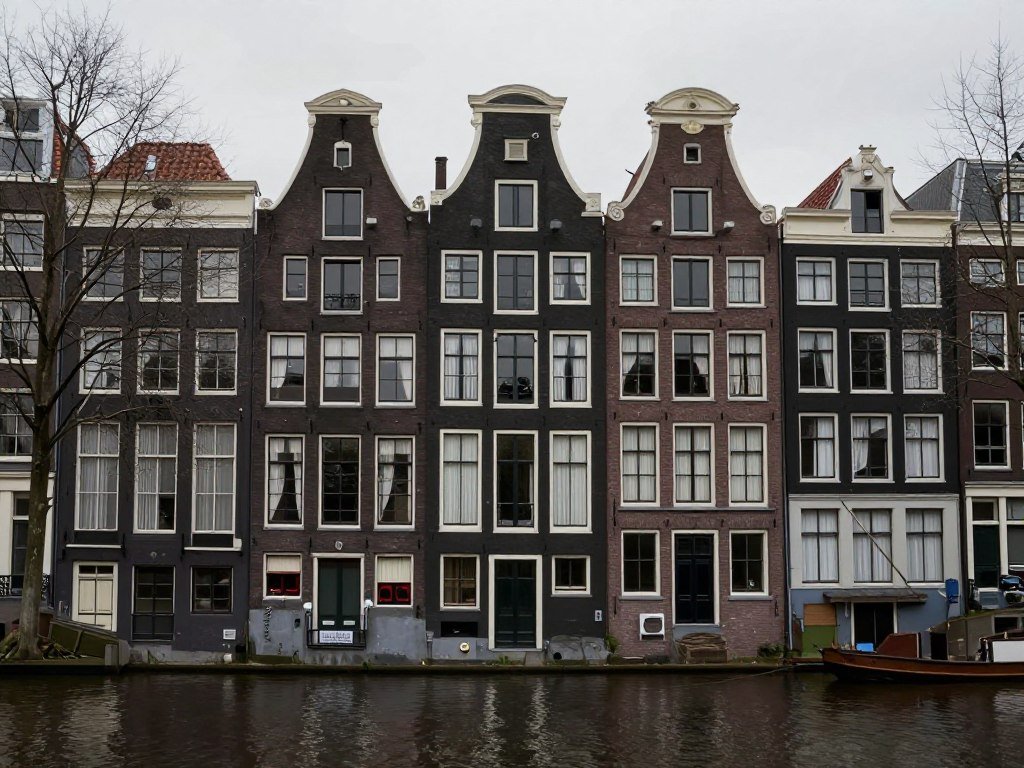
This modest Amsterdam canal house sheltered Anne Frank, her family, and four others from Nazi persecution between 1942 and 1944. The building stands as a powerful testament to Holocaust victims and human resilience.
Anne’s diary, written during her time in hiding, became one of the world’s most widely read books. The preserved building provides sobering context for understanding World War II’s human cost.
Visitor Advisory: The Anne Frank House evokes strong emotional responses. The museum addresses difficult historical subjects including antisemitism, persecution, and genocide. Visitors should prepare for a somber, reflective experience.
Preparing for Your Historical Sites Journey
Visiting these remarkable locations requires thoughtful planning. Understanding seasonal considerations, cultural expectations, and practical logistics ensures meaningful experiences.
Best Times to Visit Historical Sites
| Region | Optimal Months | Weather Conditions | Crowd Levels |
| Mediterranean (Greece, Italy, Egypt) | April-May, September-October | Mild temperatures, lower humidity | Moderate, avoiding peak summer |
| Southeast Asia (Cambodia, Indonesia) | November-February | Dry season, comfortable heat | Higher but manageable |
| South America (Peru, Mexico) | April-May, September-November | Dry shoulder seasons | Lower than peak months |
| Northern Europe (UK, France) | May-September | Warmest, longest daylight | High in July-August |
| India | October-March | Cool, dry weather | Moderate to high |
Cultural Etiquette at Historical Sites
Respectful Practices
- Dress modestly, especially at religious sites
- Follow photography rules and restricted areas
- Speak quietly and minimize disruption
- Stay on designated paths and viewing areas
- Remove shoes when required at temples
- Ask permission before photographing people
- Hire local guides to support communities
- Learn basic greetings in local languages
Actions to Avoid
- Touching ancient structures or artifacts
- Climbing on monuments for photos
- Wearing revealing clothing at sacred sites
- Using flash photography where prohibited
- Littering or leaving marks on structures
- Disrupting religious ceremonies or prayers
- Purchasing illegally excavated artifacts
- Disrespecting local customs and traditions
Planning Tips
- Book tickets and permits weeks in advance
- Research specific site rules before visiting
- Arrive early to avoid crowds and heat
- Carry water and sun protection
- Wear comfortable walking shoes
- Download offline maps and guides
- Prepare for security screenings
- Consider hiring certified guides
Photography Considerations
Capturing memories while respecting preservation needs requires balance. Many sites restrict tripods, flash photography, or commercial filming to protect delicate surfaces and maintain visitor flow.
Equipment Recommendations
- Wide-angle lens for architecture and landscapes
- Fast prime lens for low-light interior shots
- Polarizing filter to reduce glare and enhance skies
- Spare batteries and memory cards
- Lightweight backpack meeting size restrictions
Photography Timing
- Golden hour (sunrise/sunset) for warm lighting
- Early morning for empty monuments
- Cloudy days for even lighting without harsh shadows
- Blue hour for illuminated structures
- Midweek days for fewer tourists in shots
Conservation and Preservation of Historical Sites
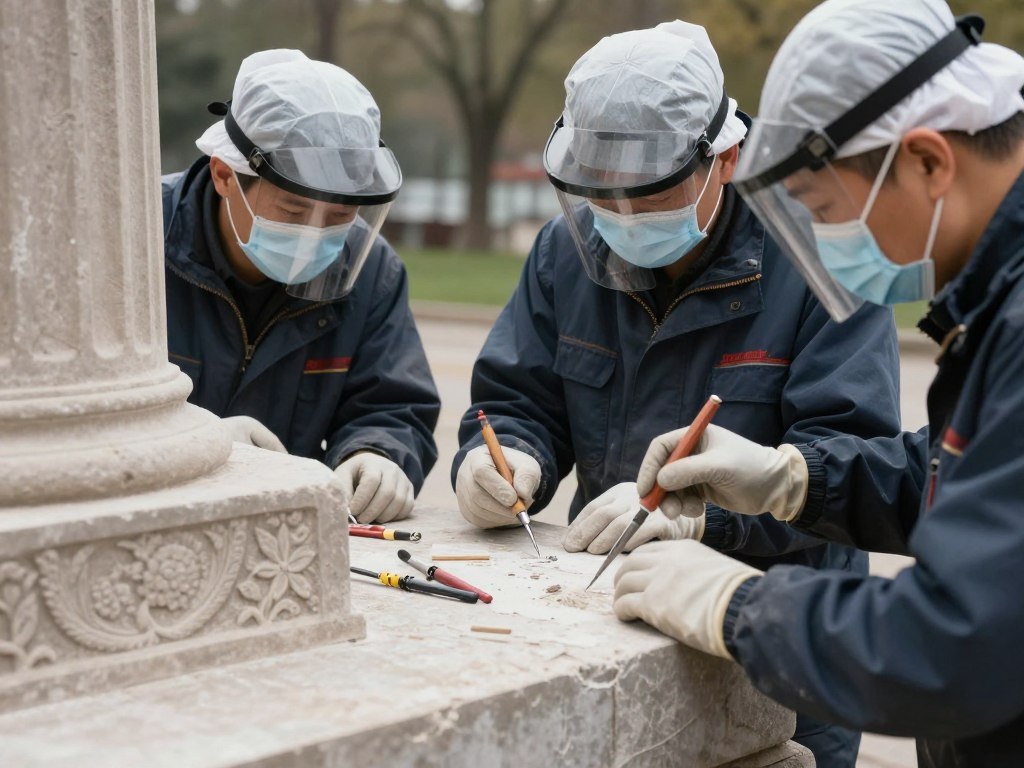
Historical sites face constant threats from natural weathering, human impact, pollution, and climate change. Understanding preservation challenges helps visitors appreciate conservation efforts.
Major Threats to Historical Sites
Environmental Factors
Natural weathering, erosion, earthquakes, and flooding damage ancient structures. Climate change accelerates deterioration through increased temperature extremes, precipitation changes, and sea level rise.
Human Impact
Tourism pressure, vandalism, theft, and inappropriate restoration techniques threaten site integrity. Over four million people visit some sites annually, causing wear to pathways and structures.
Development Pressure
Urban expansion, infrastructure projects, and commercial development encroach on historical areas. Pollution from vehicles and industry accelerates stone decay and damages sensitive surfaces.
UNESCO World Heritage Status
The United Nations Educational, Scientific and Cultural Organization designates sites of outstanding universal value as World Heritage Sites. This designation provides international recognition and can facilitate funding for preservation.
How Visitors Support Preservation
Direct Contributions
- Entry fees fund ongoing maintenance and restoration
- Donations to site-specific conservation foundations
- Purchasing official merchandise supports programs
- Participating in volunteer conservation programs
- Respecting site rules minimizes damage
Indirect Support
- Choosing certified sustainable tour operators
- Supporting local economies through responsible tourism
- Advocating for preservation in home countries
- Sharing educational content about sites
- Reporting damage or inappropriate behavior
“These monuments do not belong to any single nation or generation. They represent the shared heritage of all humanity, and their preservation requires collective commitment across borders and time.”
Essential Resources for Historical Site Visits
Proper planning transforms site visits from simple tourism into profound educational experiences. These resources provide depth and context.
Recommended Reading and Research
Before You Visit
- Read historical background about civilizations and periods
- Study architectural styles and construction techniques
- Review archaeological discoveries and ongoing research
- Watch documentaries about specific sites
- Understand political and social contexts
Digital Resources
- Virtual tours and 3D reconstructions
- UNESCO World Heritage website databases
- Academic journals and research papers
- Museum collections and online exhibitions
- Podcast series on ancient civilizations
Guided Experiences
- Certified archaeological tour guides
- Academic-led travel programs
- Museum curator-guided visits
- Specialized photography workshops
- Cultural immersion programs
Travel Logistics and Practical Considerations
| Consideration | Planning Timeframe | Key Actions |
| Permits and Tickets | 2-6 months ahead | Reserve tickets for limited-access sites, obtain special permits for restricted areas |
| Accommodations | 3-6 months ahead | Book hotels near sites, research transportation options, confirm accessibility |
| Guided Tours | 1-3 months ahead | Research guides, read reviews, verify credentials, book preferred times |
| Travel Insurance | At booking | Compare policies, ensure coverage for activities, verify cancellation terms |
| Health Preparations | 2-3 months ahead | Get required vaccinations, obtain medications, check health advisories |
Complete Historical Sites Travel Package
Let our heritage travel experts handle all logistics. We arrange permits, accommodations, expert guides, and transportation for seamless multi-site itineraries.
Frequently Asked Questions About Historical Sites
How much time should I allocate for visiting major historical sites?
Major archaeological sites like Angkor Wat or Machu Picchu warrant full-day visits to properly explore structures, understand context, and appreciate details. Smaller sites may require 2-4 hours. Build in extra time for travel, weather delays, and spontaneous discoveries. Consider multiple visits to large complexes to avoid fatigue and enhance absorption of information.
Are historical sites accessible for visitors with mobility limitations?
Accessibility varies dramatically by site and location. Modern facilities like museums typically offer excellent accessibility, while ancient structures present inherent challenges including uneven surfaces, stairs, and narrow passages. Contact sites directly about specific needs. Many locations offer alternative viewing areas, virtual tours, or assisted access programs. Research thoroughly before booking.
Should I hire a guide or explore independently?
Certified guides dramatically enhance understanding by providing historical context, pointing out details easily missed, and sharing current research findings. Independent exploration offers flexibility and personal pacing. Ideal approach combines both: hire guides for complex sites with layered history, explore simpler locations independently. Audio guides provide middle-ground option.
How can I verify the authenticity of historical sites and avoid tourist traps?
Research UNESCO World Heritage status, which indicates internationally recognized significance. Consult academic sources and archaeological organizations. Read recent reviews from educated travelers. Avoid sites making extraordinary claims without academic support. Legitimate historical sites maintain educational programs, publish research, and work with universities.
What’s the best way to photograph historical sites respectfully?
Always follow posted photography rules. Avoid flash in sensitive areas where light damages artifacts or surfaces. Never touch structures for photo positioning. Ask permission before photographing people, especially at religious sites. Consider hiring professional photographers familiar with site regulations for important shots. Share images educationally rather than exploitatively.
How do I balance visiting multiple sites without experiencing fatigue or information overload?
Limit yourself to one major site daily, with afternoons for rest or lighter activities. Alternate intensive visiting days with leisure days. Focus deeply on fewer sites rather than superficially covering many. Take breaks during visits. Journal or photograph details to process later. Recognize that meaningful connection matters more than checklist completion.
Your Journey Through History Begins Now
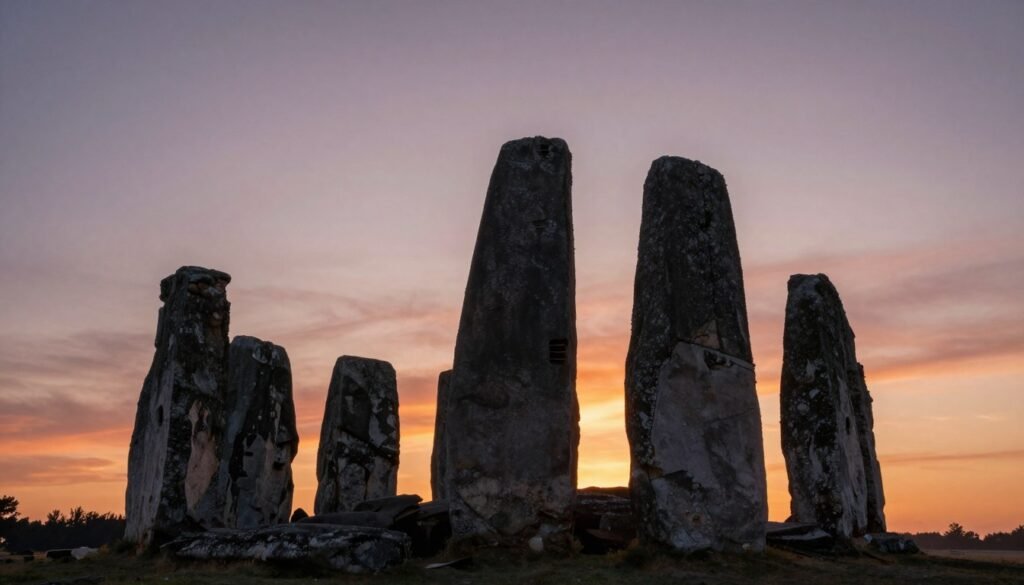
These twenty historical sites represent humanity’s greatest achievements across millennia and continents. Each structure tells unique stories of ambition, faith, innovation, and resilience.
Walking through these sacred spaces connects us to ancestors who shaped civilization. Their architectural visions, engineering solutions, and artistic expressions continue inspiring modern society.
Historical sites offer more than tourist attractions. They provide tangible links to our collective past, helping us understand where we came from and imagine where we might go.
Begin planning your heritage journey today. Research thoroughly, prepare respectfully, and approach these sites with curiosity and reverence. The past awaits your discovery.
Start Your Historical Adventure
Our heritage travel specialists create personalized itineraries visiting multiple historical sites with expert guidance, comfortable accommodations, and seamless logistics.
These monuments survived wars, natural disasters, and centuries of weathering. They endure as testament to human creativity and determination. Your visit honors that legacy while supporting ongoing preservation.
May your travels through these historical sites enrich your understanding, broaden your perspective, and create memories lasting a lifetime. The world’s heritage awaits your respectful exploration.