

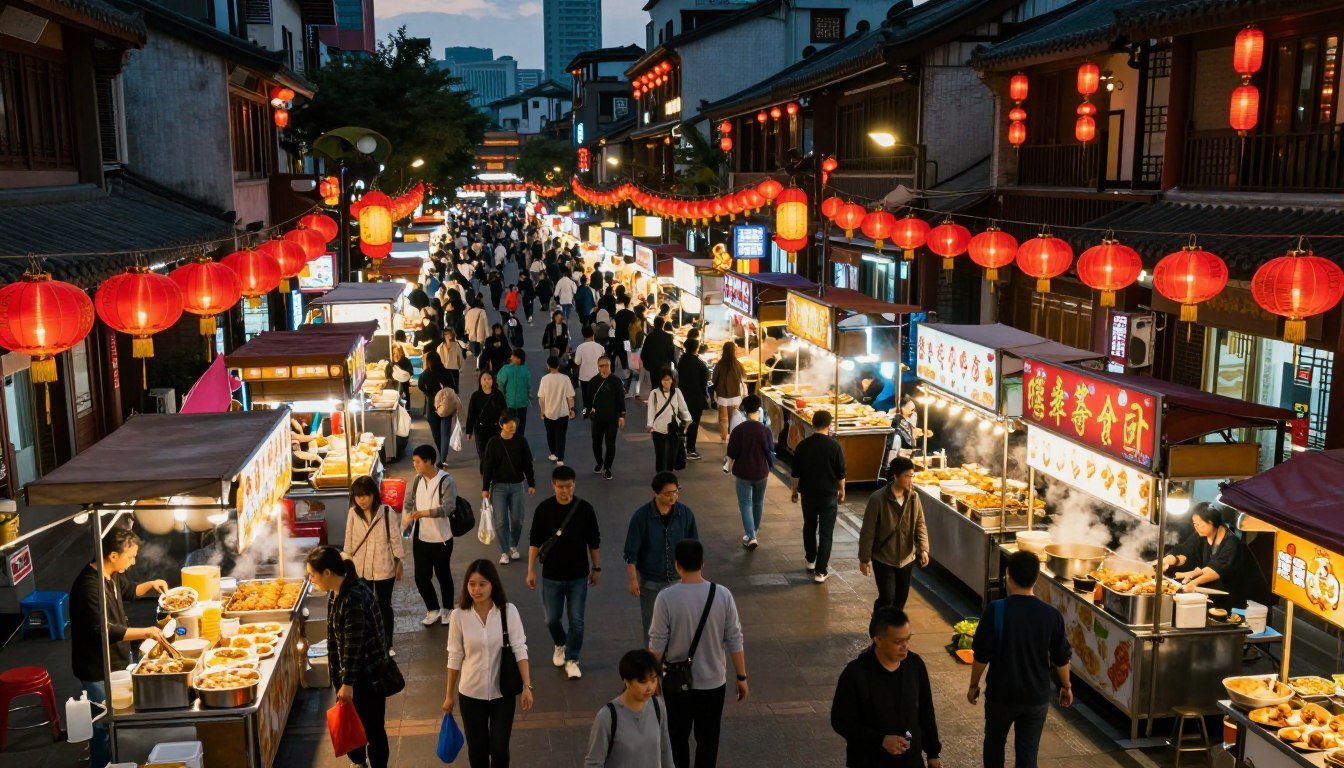
Standing at Taipei Main Station with just two nights in the city, you face the classic traveler’s dilemma. Three famous night markets beckon, each promising authentic Taiwanese street food and local culture. But which one deserves your limited time?
This comprehensive Taipei night markets comparison cuts through the confusion. We rank Shilin, Raohe, and Ningxia strictly by crowd density, MRT accessibility, and signature food stalls. No generic descriptions or vague recommendations.
You’ll discover which market offers the easiest commute after a long day of sightseeing. Learn which famous night market lets you actually taste food without fighting massive tourist crowds. Find out where locals go for specific dishes like Raohe’s legendary black pepper pork buns.
Understanding Taipei Night Market Culture Before You Choose
Night markets form the beating heart of Taiwan’s street food scene. These aren’t tourist attractions created for visitors. They’re genuine social hubs where locals gather after work to eat, shop, and socialize.
Each street night market has evolved organically over decades. Vendors pass down recipes through generations. Regular customers return weekly for their favorite stalls. This authentic atmosphere makes the Taipei night market experience fundamentally different from Western food halls or markets.
The three markets in our comparison represent different aspects of night market culture. Understanding these differences helps match your preferences with the right destination. Some prioritize variety over everything. Others focus on preserving traditional cooking methods. A few cater heavily to tourists while maintaining local authenticity.
Why This Comparison Matters for Your Trip
Most travel guides list every Taiwan night market with equal enthusiasm. This creates decision paralysis. You end up spending precious vacation time researching instead of experiencing.
Our investigative approach ranks these three markets using objective criteria. Crowd density data comes from visiting each market on multiple nights across different seasons. MRT accessibility ratings factor in walking distance, station transfers, and late-night service frequency.
The signature food analysis goes deeper than listing popular dishes. We identify which specific stalls serve the best versions. You’ll know exactly where to find Raohe’s famous black pepper pork buns, not just that the market “has good buns.”
What Makes These Three Markets Stand Out
Taipei has over ten significant night markets. We selected Shilin, Raohe, and Ningxia because they represent the spectrum of night market experiences. One dominates in size and variety. Another offers the most concentrated authentic food experience. The third provides the easiest tourist-friendly introduction.
These three also maintain consistent quality. Smaller markets can be hit-or-miss depending on which vendors show up. Our chosen markets operate every night with established vendors and reliable food stalls.
Market Selection Criteria
- Operates seven nights per week year-round
- Features minimum 50 established food vendors
- Accessible via MRT without taxi required
- Maintains mix of tourist and local customers
- Offers signature dishes not found elsewhere
- Provides covered areas for rainy weather
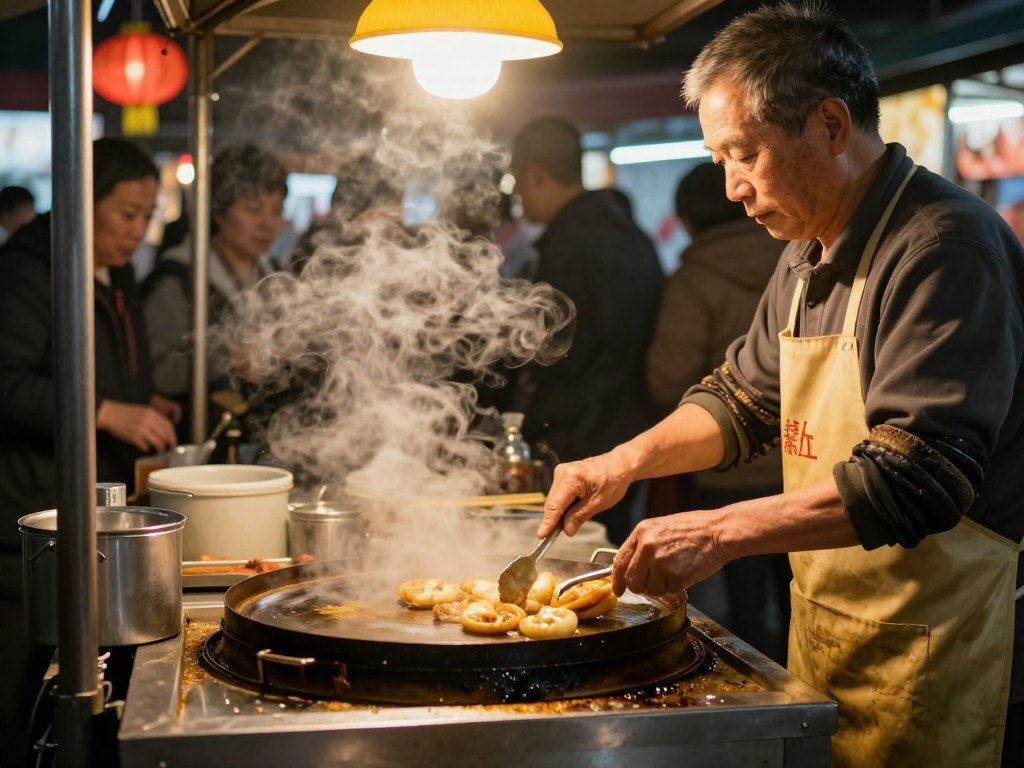
How to Use This Comparison Guide
Read the accessibility section first if transportation concerns you. Time-constrained travelers should prioritize the market with the shortest MRT journey from their hotel. The station exit numbers matter more than you’d expect.
Check crowd density rankings if you dislike fighting through packed walkways. Visiting times significantly impact your experience. The “best time to visit” isn’t the same for every market.
Study the signature food sections carefully. Your food preferences should heavily influence your choice. A market with fifty average stalls can’t compete with one featuring twenty exceptional vendors. Quality concentration beats pure variety.
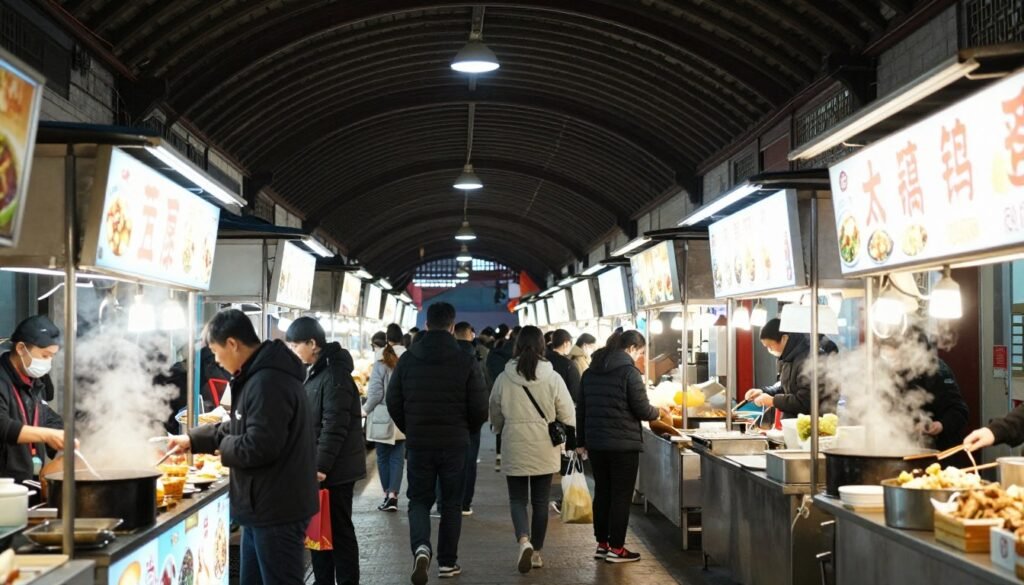
Quick Comparison: MRT Accessibility Rankings
Transportation access determines whether you’ll visit a night market or skip it after a tiring day. All three markets connect to Taipei’s excellent MRT system. However, the walking distances and transfer requirements vary dramatically.
We rank these markets by total travel time from Taipei Main Station, the city’s central hub. This baseline helps you calculate journey times from your specific hotel. Walking distance from the MRT station exit matters as much as train time.
Accessibility Champion: Ningxia Night Market
Ningxia wins the accessibility category decisively. The market sits just 400 meters from Shuanglian Station on the Red Line. Exit 1 delivers you directly to the market entrance in under six minutes.
The Red Line runs from Taipei Main Station to Shuanglian in just eight minutes. No transfers required. Trains operate every four minutes during peak hours. Late-night service continues until midnight with seven-minute intervals.
This market also offers the simplest navigation. One main street contains most vendors. You won’t get lost wandering through confusing alleyways. First-time visitors to Taiwan night markets appreciate this straightforward layout.
Strong Second: Raohe Night Market
Raohe Night Market connects to Songshan Station on the Green Line. Exit 5 places you 250 meters from the market entrance. The walk takes about four minutes through well-lit streets.
Travel time from Taipei Main Station requires one transfer. Take the Blue Line to Zhongxiao Xinsheng, then switch to the Green Line. Total journey time averages 22 minutes including the transfer. Not inconvenient, but less direct than Ningxia.
The Green Line operates slightly less frequently than the Red Line during late hours. Plan your departure before 11 PM to avoid longer waits. The market itself stays open past midnight, but transportation becomes trickier.
Songshan Station features excellent English signage. The neighborhood around the station offers other activities if you want to explore before or after the night market visit. Longshan Temple sits within walking distance.
Most Challenging: Shilin Night Market
Shilin presents the most complex MRT access despite its fame. Two stations serve the market: Jiantan Station and Shilin Station. Most visitors choose Jiantan on the Red Line, but this creates confusion.
Jiantan Station Exit 1 requires a 650-meter walk to reach the main market area. The route includes crossing a major street and navigating through a less organized district. First-time visitors often struggle finding the correct path.
The market sprawls across multiple sections. The underground food court sits near the MRT station. The main street market extends several blocks away. Budget 10-12 minutes walking from station to the full market area.
Travel time from Taipei Main Station takes 15 minutes on the Red Line with no transfers. The direct line connection helps, but the extended walking distance offsets this advantage. Rain makes the journey particularly unpleasant.
| Night Market | MRT Station | MRT Line | Walking Distance | Total Time from Main Station | Transfers Required |
| Ningxia | Shuanglian | Red Line | 400 meters | 14 minutes | 0 |
| Raohe | Songshan | Green Line | 250 meters | 22 minutes | 1 |
| Shilin | Jiantan | Red Line | 650 meters | 25 minutes | 0 |
Skip the confusion and transportation stress. An unlimited MRT pass gives you freedom to visit multiple night markets without calculating fares. Activate at any station and ride worry-free for 24, 48, or 72 hours. Most travelers save money after just four trips.
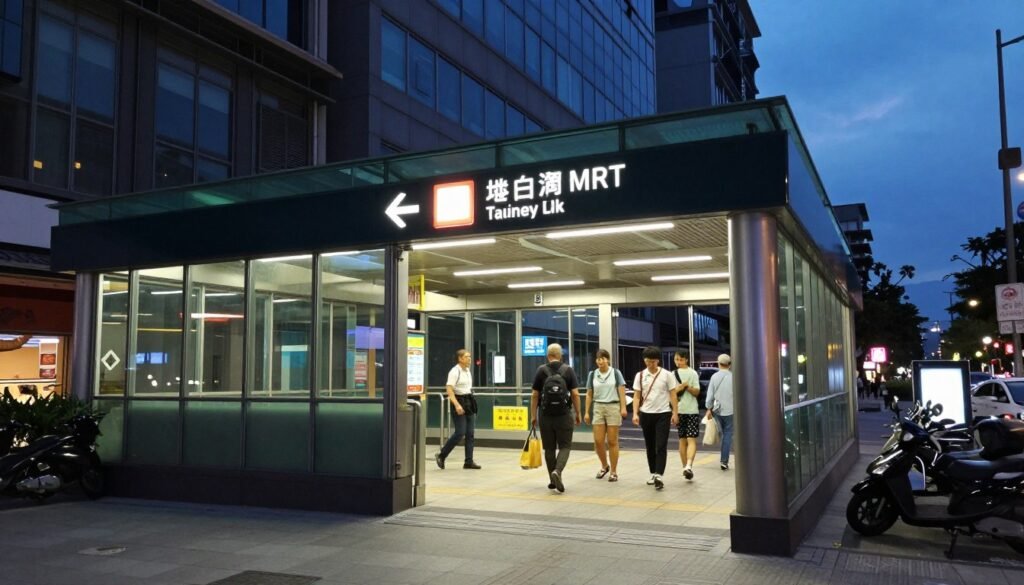
Crowd Density Analysis: From Packed to Manageable
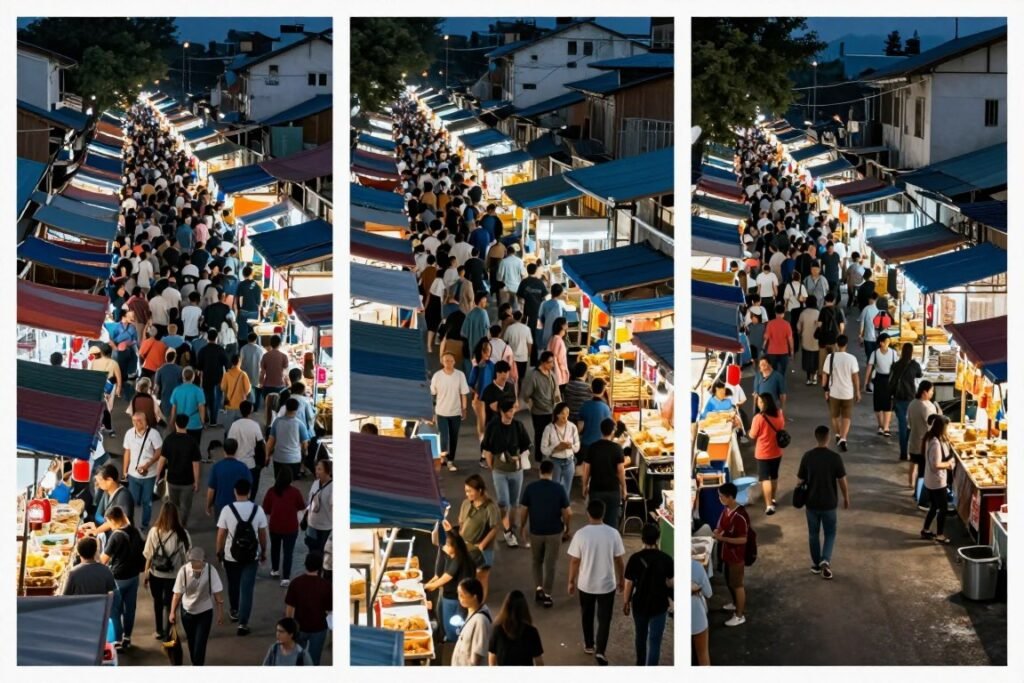
Crowd levels determine your ability to actually enjoy street food and shopping. Dense crowds force you to shuffle forward slowly. You’ll miss interesting stalls while trapped in human traffic. Lighter crowds let you browse freely and double back to vendors that caught your eye.
We measured crowd density during multiple visits across weekdays, weekends, and holidays. Peak hours show the worst conditions. Off-peak times reveal each market’s baseline traffic. This data helps you plan visits strategically.
Most Crowded: Shilin Night Market
Shilin suffers from its own popularity. Weekend evenings pack the main walkways to uncomfortable density. You’ll spend more time managing personal space than enjoying food. Tourist groups arrive in waves between 7 PM and 9 PM.
The underground food court offers slightly better conditions. Modern ventilation and organized seating areas help. However, popular stalls still maintain long queues. Expect 15-20 minute waits at famous vendors during peak hours.
Weekday visits between 5 PM and 6:30 PM provide the best experience. Local workers haven’t arrived yet, and tour groups come later. Crowd levels remain manageable during this window. The market still feels alive without the crushing density.
Advantages of Shilin’s Crowds
- Energetic atmosphere creates excitement
- Vendors stay open later due to constant traffic
- Many stalls justify the hype with quality
- Easy to find other tourists for group orders
Disadvantages of Dense Traffic
- Difficult to stop and examine food stalls
- Limited seating during meal times
- Pickpocketing risk increases in crowds
- Photography becomes nearly impossible
- Overwhelming for first-time visitors
Moderately Busy: Raohe Night Market
Raohe balances active energy with comfortable movement. The single-street layout prevents crowd buildups from multiple directions. You can walk the entire market length in fifteen minutes during moderate traffic.
Weekend crowds arrive between 6:30 PM and 8:30 PM. The market reaches peak density but never becomes unbearable. Side sections offer breathing room when the main corridor fills up. The covered structure protects you from rain without feeling claustrophobic.
Thursday through Monday nights show heavier traffic than Tuesday and Wednesday. Locals consider Raohe a weekend destination. The market maintains excellent vendor quality even on slower weeknights.
This market suits travelers who want authentic atmosphere without extreme density. You’ll encounter locals shopping for dinner alongside tourists trying street food. The mix creates a genuine night market feel.
Most Comfortable: Ningxia Night Market
Ningxia delivers the ideal crowd experience for tourists. The compact size concentrates quality vendors without creating oppressive density. Locals dominate the customer base, signaling authentic food quality.
Peak hours run from 7 PM to 9 PM on weekends. Even during these times, you can comfortably walk the market and examine stalls without constant jostling. Vendors space themselves along both sides of the street with room to form orderly queues.
Tuesday and Wednesday nights feel almost quiet. Some travelers prefer this relaxed atmosphere. Others find it less exciting than busier markets. The food quality remains consistent regardless of crowd size.
Families with children appreciate Ningxia’s manageable crowds. You won’t lose sight of kids in dense masses. Strollers navigate the area reasonably well, though carrying babies proves easier.
Strategic Timing for Each Market
Every night market has optimal visiting windows. These times balance vendor availability against crowd levels. Arriving too early means limited food options. Coming too late subjects you to peak tourist traffic.
Shilin works best between 5 PM and 6:30 PM on weekdays. The market has fully opened, but tour groups haven’t arrived. Alternatively, visit after 10 PM when crowds thin significantly. Many quality vendors stay open until midnight.
Raohe offers the most flexibility. Arrive anytime between 5:30 PM and 9 PM on weekdays for good experiences. Weekend visitors should target 5:30 PM to 6:45 PM or after 9:30 PM. The market stays lively until 11 PM.
Ningxia accommodates any schedule. Weekday evenings from 6 PM onward provide excellent conditions. Weekend crowds pick up around 7 PM but never overwhelm. This market suits travelers who dislike planning around specific time windows.
- Shilin: Saturday 7-9 PM (tour group peak)
- Raohe: Sunday 7-8:30 PM (family crowds)
- All Markets: Major holidays like Lunar New Year
- Rainy weekends (everyone seeks covered areas)
Avoid These Times
- Ningxia: Tuesday-Thursday 6:30-8 PM
- Raohe: Monday-Wednesday 6-7:30 PM
- Shilin: Tuesday-Thursday 5-6:30 PM
- All markets: After 10 PM for brave night owls
Best Visiting Windows
Signature Food Stalls: What Makes Each Market Unique
Taiwanese street food defines the night market experience. Generic descriptions of oyster omelets and bubble tea miss the point. Specific vendors at specific markets serve the definitive versions of these dishes. Knowing which stall to visit matters more than knowing which market to choose.
This section identifies the signature items that justify visiting each market. We focus on dishes you can’t find elsewhere or versions that significantly outperform competitors. Your night market choice should align with which signature foods excite you most.
Shilin Night Market Signature Foods
Shilin’s massive size supports incredible variety. However, tourist crowds have pushed some vendors toward mediocrity. The best stalls maintain quality despite the chaos. Focus your eating on these specific vendors rather than random exploration.
Fried Chicken Cutlets at Hot Star Large Fried Chicken
This stall created the oversized fried chicken trend that spread across Taiwan. The cutlets literally larger than your face arrive piping hot with perfect seasoning. Crispy exterior, juicy interior, and a portion size that serves two people easily.
Expect 10-15 minute waits during peak hours. The queue moves efficiently. Staff maintain consistent quality across hundreds of orders nightly. Order the original flavor unless you specifically want spicy.
Traditional Oyster Omelet at Hai You Hao Seafood
Most tourists try oyster omelets at random stalls and leave disappointed. The eggs taste rubbery and flavorless. Hai You Hao executes this dish properly. Fresh oysters, perfectly cooked eggs, and their secret sauce make the difference.
The stall operates in the underground food court basement level. Look for the perpetual line of locals. They know this version beats the inferior copies upstairs.
Grilled Squid at Multiple Vendors
Shilin features excellent grilled squid at several stalls. No single vendor dominates. Look for stalls grilling visible from the walkway. Fresh squid cooks over charcoal rather than gas burners. The charcoal imparts better flavor.
Prices vary between 150-200 TWD depending on squid size. Larger doesn’t always mean better. Medium specimens offer the best texture-to-flavor ratio.
Raohe Night Market Signature Foods
Raohe concentrates quality into a smaller space. The market’s single street layout forces vendors to compete directly. Mediocre stalls don’t survive. This creates the highest food quality density among Taipei night markets.
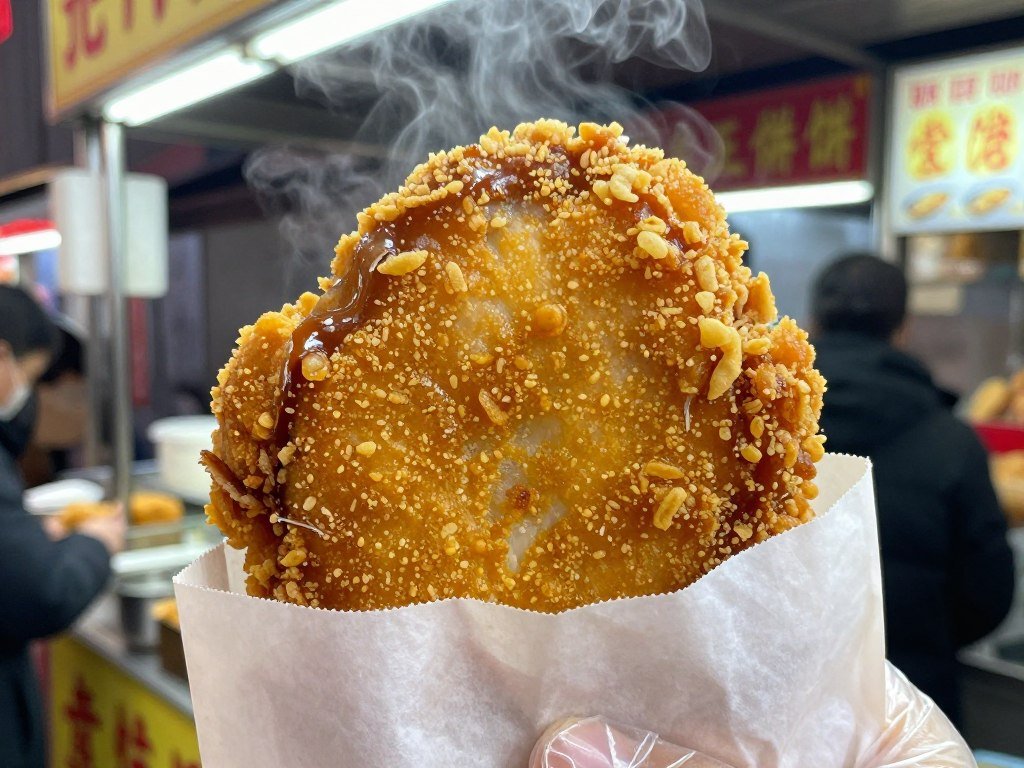
Black Pepper Pork Buns at Fuzhou Shizu Hujiao Bing
This stall serves the dish that alone justifies visiting Raohe. The black pepper pork buns emerge from a traditional charcoal oven stuck to the oven walls. The exterior achieves impossible crispiness while the interior stays moist and flavorful.
The black pepper kick hits immediately without overwhelming the pork. Each bun contains generous filling. Eat them hot or risk missing the textural magic that disappears as they cool.
Fuzhou Shizu anchors the market entrance. Arrive early because they sell out. Weekend crowds buy them by the half-dozen. One or two buns per person provides sufficient introduction.
Medicinal Herb Stew Soup
Traditional Taiwanese soups often confuse Western visitors. The medicinal herb stew represents authentic local taste. Rich pork bone broth infused with Chinese herbs creates complex flavor layers.
Order the small bowl first unless you already love Chinese medicine flavors. The taste profile won’t appeal to everyone. Locals swear by its health benefits and deep warming quality on cool evenings.
Grilled Corn with Various Seasonings
Corn on the cob sounds basic until you taste Raohe’s versions. Vendors brush corn with multiple flavored coatings. The signature preparation involves grilling, then coating with special sauce, then grilling again. This double-grilling technique caramelizes the coating perfectly.
Try the butter and soy sauce version first. The plum powder and spicy options offer interesting variations. Each vendor claims their coating recipe differs slightly.
Raohe Sweet Ending
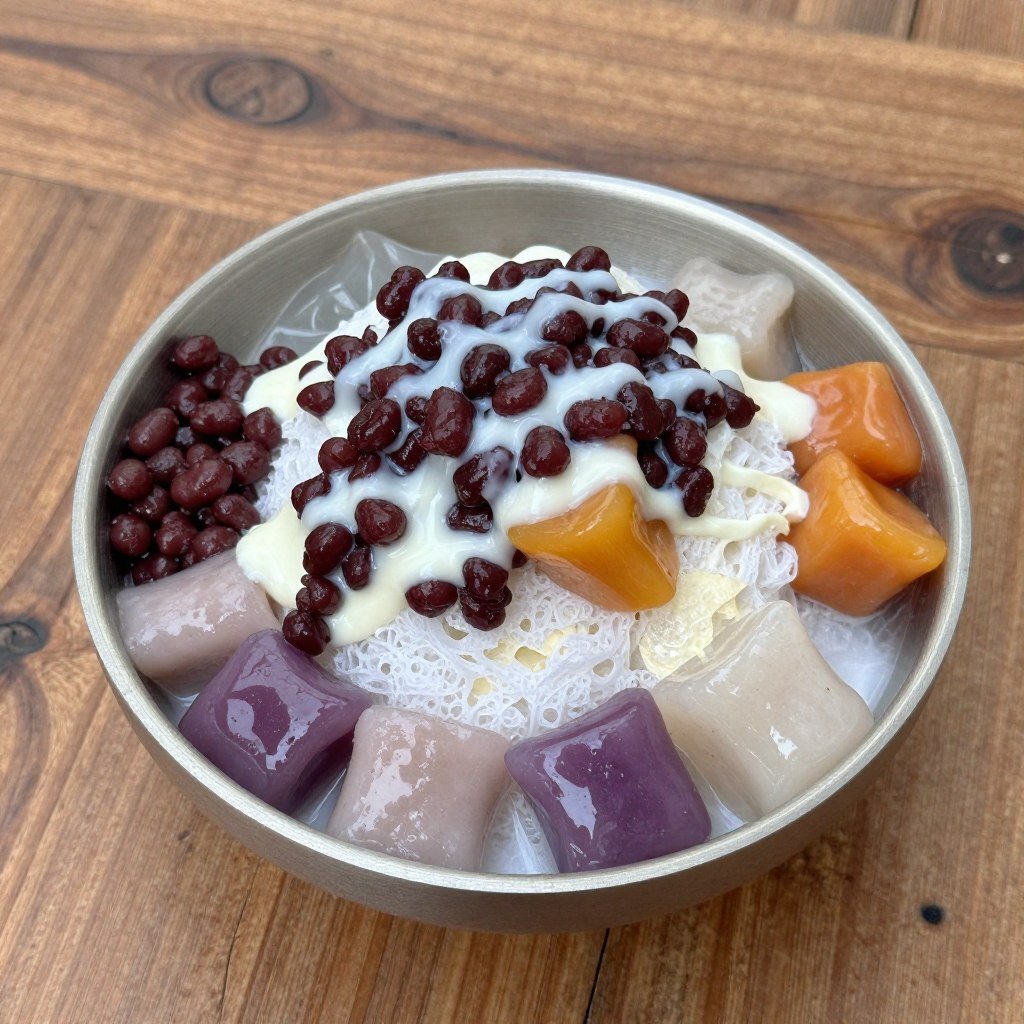
End your Raohe visit with snow ice from any of the dessert stalls at the market’s far end. The shaved ice texture differs completely from Western snow cones. The ice shaves paper-thin and melts on your tongue. Toppings include fresh fruit, taro balls, grass jelly, and sweet beans. Choose three to four toppings for balanced flavor. The condensed milk drizzle ties everything together.
Stinky Tofu Reality Check
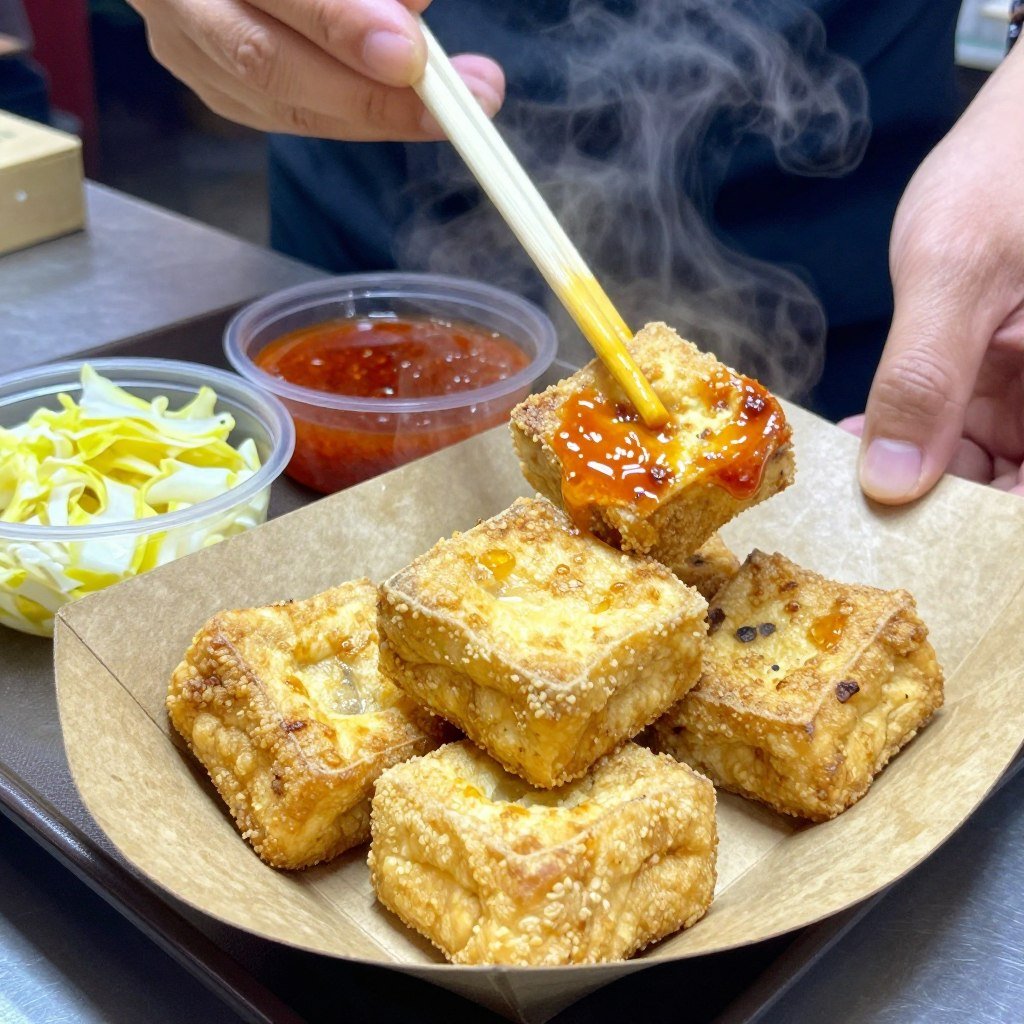
Raohe serves excellent stinky tofu for adventurous eaters. The smell indeed lives up to the name. However, the taste surprises most first-timers. The fermented outer layer gives way to soft tofu interior. Eat it with pickled cabbage to balance the fermentation funk. Start with one piece before committing to a full order. This acquired taste won’t appeal to everyone despite the food’s popularity.
Seafood Specialty Stands
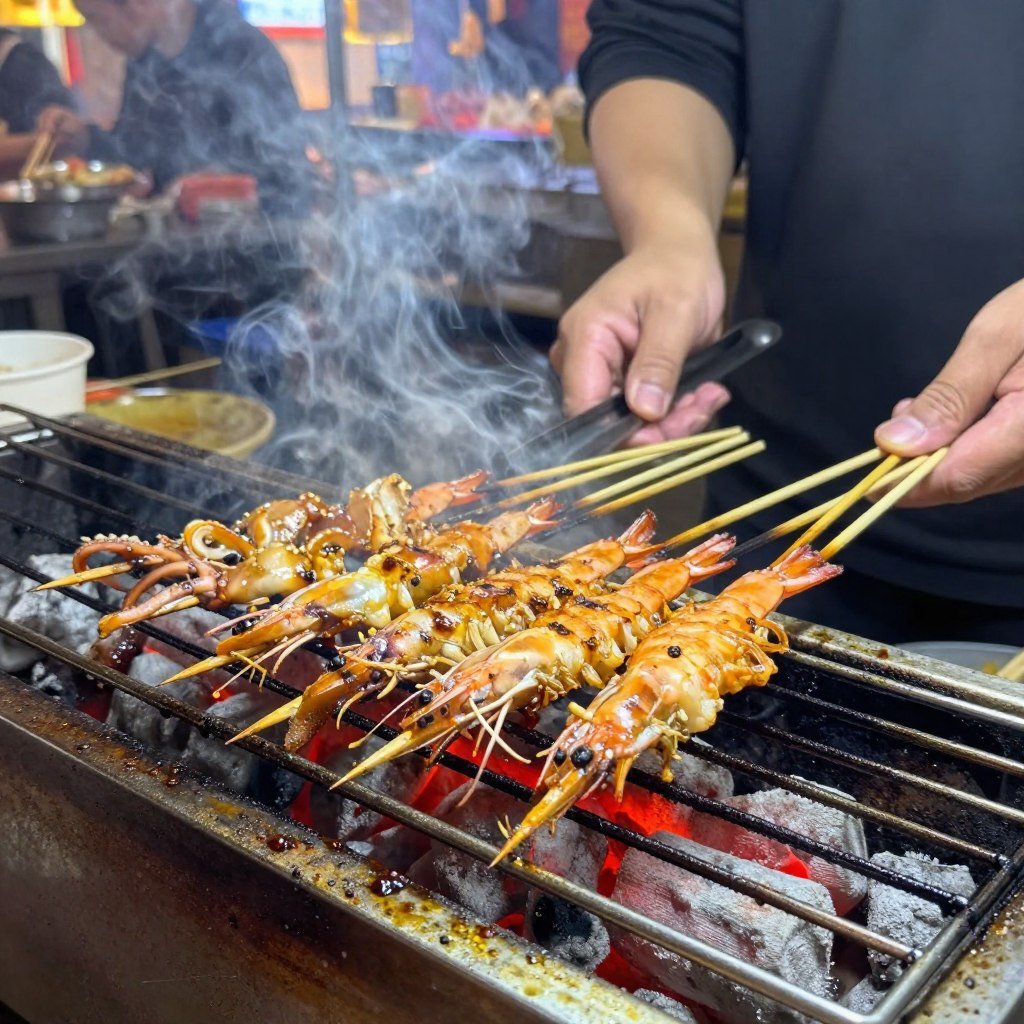
Multiple vendors along Raohe specialize in grilled seafood. Fresh prawns, squid, and scallops cook over charcoal grills. The smoke and char flavor elevate simple seafood into memorable bites. Prices reflect premium ingredients. Budget 300-400 TWD for mixed seafood skewer sets. The quality justifies the higher prices compared to other street food items.
Ningxia Night Market Signature Foods
Ningxia proves smaller doesn’t mean lesser. This compact market focuses exclusively on food without clothing and game stalls. Every vendor serves dishes locals eat regularly. Tourist-trap mediocrity can’t survive here.
Oyster Vermicelli Soup
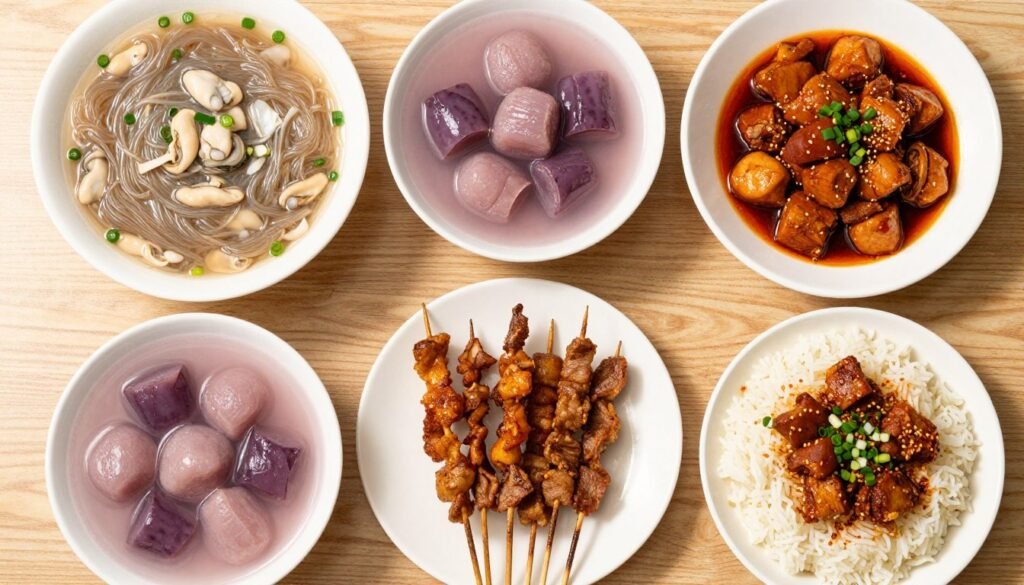
Ningxia’s oyster vermicelli represents comfort food perfection. Thin rice noodles swimming in thick broth studded with fresh oysters and pig intestines. The intestines provide textural contrast rather than off-putting flavor.
Multiple stalls serve versions of this dish. The most famous operates mid-market with perpetual lines. Order the mixed version with both oysters and intestines. Skip the intestines if texture concerns you.
This dish works as a light meal or substantial snack. The warm broth satisfies on cool evenings. Most visitors find the flavor profile more accessible than stinky tofu or other challenging Taiwanese foods.
Taro Balls in Sweet Soup
Ningxia’s taro ball vendors craft these chewy spheres fresh daily. The balls maintain perfect texture, never mushy or overly firm. Sweet soup bases vary from ginger to sweet potato to mixed bean.
Watch vendors cut and shape taro dough into balls throughout service. This fresh preparation makes obvious quality difference. Order warm during winter months and cold during summer heat.
Braised Pork Rice
Simple braised pork rice bowls represent everyday Taiwanese food. Ningxia vendors elevate this humble dish. The pork braises for hours until it melts into the rice. Each bowl includes pickled vegetables for acidity balance.
Order the medium size unless very hungry. The rich pork becomes overwhelming in large portions. This dish pairs perfectly with lighter items from other stalls.
Grilled Meat Skewers
Ningxia features excellent grilled meat skewers across multiple vendors. Chicken, pork, and beef options all deliver quality. The seasoning leans toward traditional five-spice rather than modern flavors.
Watch for vendors brushing skewers with sauce during grilling. This technique creates flavorful char without burning. Prices remain reasonable at 30-50 TWD per skewer depending on meat choice.
Planning Your Complete Food Experience
Eating at Taiwan night markets requires strategy beyond choosing stalls. Order sizes, eating pace, and food selection sequencing impact your experience. First-time visitors often fill up on mediocre items before discovering the best vendors.
This guide structures your eating for maximum enjoyment and variety. Follow these principles regardless of which market you choose.
Order Sizing Strategy
Street food portions vary wildly between vendors. Some stalls serve snack sizes. Others deliver meal-sized portions that feed two people. Mistaking one for the other wastes food or leaves you unsatisfied.
Start by ordering single portions from multiple vendors. Share everything if traveling with companions. This approach lets you sample widely without excessive food waste. You can always return for seconds of favorites.
Most vendors accept orders for half portions if you ask. Don’t hesitate to request smaller sizes. Locals often do the same when trying new stalls. Vendors would rather serve smaller portions than watch you waste food.
Sample Meal Strategy
- Order signature dish from famous stall (half portion if available)
- Select one grilled item while consuming first purchase
- Choose one soup or noodle dish for variety
- Try one challenging item (stinky tofu, offal) if adventurous
- End with dessert (shaved ice or sweet soup)
- Budget 90 minutes for this progression
Common Ordering Mistakes
- Ordering full portions from multiple stalls immediately
- Buying similar items from different vendors
- Skipping drinks in humid weather
- Eating too fast without savoring each dish
- Not budgeting for popular items that sell out
- Choosing only familiar-looking foods
Money and Payment Logistics
Most food stalls accept cash only. A few modern vendors take mobile payments. Credit cards remain rare except in established restaurants within market areas.
Budget 500-800 TWD per person for a full night market food experience. This covers sampling multiple items plus drinks and dessert. Bring small bills. Vendors struggle to make change for 1000 TWD notes during busy periods.
ATMs cluster near MRT stations rather than inside market areas. Withdraw cash before entering the market. Running out mid-visit disrupts your flow and forces you to retrace steps.
Vegetarian options exist at every market, though less prominently displayed. Many stalls offer vegetable-based dishes or can modify preparations. Communication challenges increase without Chinese language skills.
Download a translation app before visiting. Key phrases include “no meat,” “no seafood,” and “vegetarian.” Show vendors written Chinese characters for your restrictions. Most vendors accommodate requests when they understand requirements.
Vegan eating becomes more challenging. Egg and dairy products hide in many dishes. Buddhist vegetarian stalls guarantee vegan preparation. Look for stalls displaying Chinese characters for “素食” (vegetarian).
Gluten-free dining proves extremely difficult. Soy sauce contains wheat. Rice-based dishes offer the safest options. Bring translation cards explaining celiac disease in Chinese for serious allergies.
Experience Night Markets with Expert Guides
Stop worrying about language barriers and hidden gem locations. Food tours led by local experts solve both problems. You’ll taste signature dishes from each market’s best vendors while learning cultural context. Guides handle ordering, explain ingredients, and share insider knowledge impossible to discover independently. Most tours run three hours and visit eight to ten stalls.
Drinking Recommendations
Taiwan’s humid climate demands hydration. Every market offers multiple drink options beyond standard bottled water. Fresh fruit juices, sugar cane juice, and herbal teas provide better refreshment.
Bubble tea stalls appear throughout all markets. Quality varies significantly. Look for shops making fresh tea rather than pre-mixed powder drinks. Fresh-brewed versions taste dramatically better.
Beer becomes available at sit-down food stalls. Taiwan Beer remains the standard local option. Some vendors stock Japanese and Korean imports. Drinking while walking through markets stays socially acceptable.
Fresh fruit smoothies and pressed juices offer the best value for quality. Vendors operate small juice stands using fruit visible to customers. These drinks cost slightly more than bottled options but deliver superior taste and nutrition.

How to Get There: Detailed Directions for Each Market
Clear directions prevent the frustration of arriving at the wrong MRT exit or walking in circles. These step-by-step guides lead you from Taipei Main Station to each market entrance. Bookmark this section for reference during your trip.
Getting to Ningxia Night Market
Start at Taipei Main Station. Follow signs for the Red Line toward Tamsui or Beitou. Board any northbound train. The journey takes eight minutes with trains departing every four to seven minutes depending on time.
Exit at Shuanglian Station. Use Exit 1, which faces west. After exiting, turn right and walk straight for approximately 400 meters. The walk takes five to six minutes at normal pace.
You’ll pass a 7-Eleven convenience store on your left after three minutes. Continue straight. Ningxia Night Market entrance appears on your left marked by the pedestrian street and increased food vendor density.
The market extends along Ningxia Road. Walk the entire street to experience all vendors. The far end loops back via parallel streets with additional stalls.
Getting to Raohe Night Market
Begin at Taipei Main Station. Take the Blue Line toward Nangang Exhibition Center. This journey requires one transfer. Ride to Zhongxiao Xinsheng Station, which takes approximately eight minutes.
At Zhongxiao Xinsheng, follow signs for the Green Line toward Xindian or Taipei Zoo. Transfer to a southbound train. Ride to Songshan Station. This segment takes twelve minutes.
Use Exit 5 at Songshan Station. After exiting, turn left and walk straight. The market entrance sits just 250 meters away. You’ll see the traditional archway marking Raohe Street Night Market entrance within four minutes.
The market follows a covered street extending west. Walk from the entrance arch through the entire market. The covered section protects you from rain. Exit either at the far end or return the way you came.
Getting to Shilin Night Market
From Taipei Main Station, take the Red Line toward Tamsui or Beitou. Board any northbound train. The ride to Jiantan Station takes fifteen minutes with trains running every four to seven minutes.
Exit at Jiantan Station using Exit 1. This places you on the east side of Zhongzheng Road. After exiting, cross Zhongzheng Road at the pedestrian crossing immediately in front of the station.
Walk straight along Jihe Road. Continue for approximately 650 meters. This walk takes ten to twelve minutes. You’ll pass multiple small shops and restaurants. The density increases as you approach the market area.
The official market begins when you see the concentration of clothing stalls and gaming booths. The underground food court entrance appears on your right. The main street market extends further ahead. Budget time to explore both sections.
Alternative Transportation Options
Taxis provide direct service to any night market. However, traffic congestion during evening hours can extend journey times significantly. Taxis cost 200-350 TWD from most Taipei hotels to any night market. This option works best for groups splitting the fare.
YouBike public bicycle sharing serves all three markets. Stations cluster near MRT exits. The system requires registration through their app or at kiosks. Cycling works well during cooler months but becomes uncomfortable in summer humidity.
Buses reach all three markets but require understanding Taipei’s bus system. The MRT offers simpler navigation for tourists. Consider buses only if staying near a direct route without MRT access.
Essential Tips for Visiting Any Taipei Night Market
Successfully navigating a Taiwan night market requires understanding unwritten rules and practical considerations beyond transportation and food choices. These tips apply across all three markets.
What to Bring and Wear
Comfortable walking shoes rank as the top priority. You’ll stand and walk for hours on concrete surfaces. Sandals work during dry weather. Closed-toe shoes provide better protection during crowded periods.
Light, breathable clothing suits Taiwan’s humid climate. Markets generate additional heat from cooking equipment and body warmth. Layers work well since some covered areas have air conditioning.
Small crossbody bags or backpacks secure your belongings better than large purses. Keep bags in front of your body in dense crowds. Pickpocketing remains rare but possible in tourist-heavy areas.
Bring hand sanitizer and wet wipes. Restroom facilities vary in quality. Many food stalls lack handwashing stations. Cleaning your hands between food stops prevents transferring flavors and maintains hygiene.
Photography and Social Media Etiquette
Vendors generally allow food photography. However, blocking walkways for photos creates problems during busy periods. Step aside to capture images. Other customers need passage through narrow aisles.
Ask permission before photographing vendors or their stalls directly. Most don’t mind but appreciate the courtesy. Some vendors dislike cameras due to proprietary recipes or techniques.
Night market lighting challenges smartphone cameras. Expect higher ISO and some motion blur in photos. Better photos come from arriving during early evening when natural light supplements vendor lights.
Respect personal space when photographing crowded scenes. Locals shopping for dinner don’t want to become tourist Instagram content. Focus on food, stalls, and general atmosphere rather than individuals.
Weather Considerations
Rain affects night market experiences differently across the three locations. Raohe’s covered structure provides the best rain protection. Ningxia offers partial covering along the main street. Shilin’s underground food court stays dry while the street market becomes uncomfortable.
Summer months bring intense heat and humidity. Visit later in the evening when temperatures drop slightly. Drink water frequently to avoid dehydration. Many tourists underestimate Taiwan’s summer intensity.
Winter temperatures rarely drop below 15°C (59°F). Light jackets suffice for most visitors. However, Taiwan’s humidity makes temperatures feel colder than the thermometer suggests. Layer clothing for comfort.
Dealing with Language Barriers
English proficiency varies significantly among vendors. Older vendors typically speak minimal English. Younger staff at modern stalls often manage basic English. Visual communication works remarkably well.
Point at menu items or food displays. Vendors understand this universal language. Hold up fingers to indicate quantity. This simple system works for most transactions.
Learn basic Mandarin numbers from one to ten. This knowledge helps confirm prices and orders. Vendors appreciate the effort even if your pronunciation remains imperfect.
Translation apps solve complex questions about ingredients or preparation methods. Download offline translation capabilities before visiting. Cellular connections can become unreliable in crowded market areas.
Safety and Common Sense Guidelines
Night markets in Taipei maintain excellent safety records. Violent crime remains extremely rare. However, basic precautions apply as in any crowded tourist destination.
Keep valuables secured. Don’t display large amounts of cash when paying. Separate your money into multiple pockets. Losing everything to a pickpocket ruins your evening.
Watch for motorcycles and scooters near market entrances. Taiwan’s scooter culture extends into pedestrian areas. Stay alert when crossing any street, even those that appear closed to traffic.
Food safety at established stalls remains high. Vendors depend on repeat local customers. Obvious hygiene problems indicate stalls to avoid. Trust your instincts about food preparation cleanliness.
Allergic reactions to unfamiliar ingredients require immediate attention. Know the location of the nearest hospital emergency room. Taiwan’s National Health Insurance doesn’t cover tourists. Travel insurance becomes essential for medical emergencies.
Beyond Food: Shopping and Entertainment Comparison
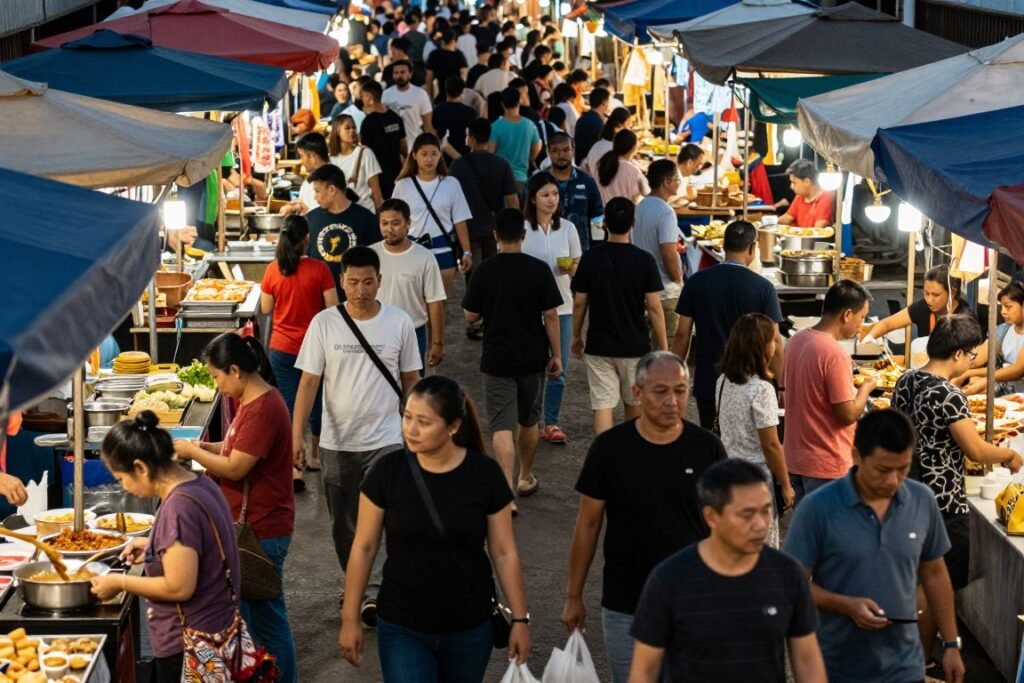
Food dominates the night market experience. However, each market offers different shopping and entertainment options. These differences might influence your choice depending on travel priorities beyond eating.
Shilin Night Market Shopping Scene
Shilin features the most extensive shopping options among the three markets. Clothing stalls fill entire sections. Quality ranges from cheap knockoffs to decent casual wear. Prices run lower than department stores but require bargaining skills.
Accessories, phone cases, and small electronics appear throughout the market. Tourist trinkets and souvenirs concentrate near the main entrance. Quality checks become essential since return policies don’t exist.
Carnival-style games and entertainment stalls attract teenagers and young adults. These activities cost 50-100 TWD per attempt. Most games favor the house heavily. Consider them entertainment rather than realistic winning opportunities.
Raohe Night Market Limited Shopping
Raohe focuses primarily on food with minimal shopping distractions. A few clothing vendors operate near the entrance. The selection pales compared to Shilin. This focus benefits visitors interested mainly in eating.
Traditional games and fortune-telling stalls appear sporadically. These represent cultural experiences rather than serious shopping. The fortune tellers speak little English, limiting accessibility for tourists.
The nearby area around Songshan Station provides better shopping than the market itself. Explore the neighborhood before or after your market visit for retail therapy.
Ningxia Night Market Food-Only Focus
Ningxia eliminated non-food vendors years ago. The market’s management recognized that tourists primarily sought food experiences. This decision created the most streamlined eating-focused environment.
Zero clothing stalls, game booths, or souvenir shops interrupt the food journey. This concentrated approach appeals to visitors who find mixed-use markets overwhelming or distracting.
The surrounding neighborhood offers traditional shops and some modern retail. These establishments maintain local character rather than tourist-trap pricing.
| Feature | Shilin Night Market | Raohe Night Market | Ningxia Night Market |
| Food Vendor Count | 200+ stalls | 100+ stalls | 70+ stalls |
| Clothing Shopping | Extensive (100+ shops) | Limited (10-15 shops) | None |
| Game Stalls | 20+ carnival games | 5-7 traditional games | None |
| Market Length | Multi-block sprawl | 600-meter street | 300-meter street |
| Souvenir Shops | Many options | Few options | None in market |
Entertainment Value Rankings
Shilin provides the most entertainment diversity beyond eating. The carnival atmosphere appeals to families with teenagers. Multiple entertainment options keep groups with varied interests occupied.
Raohe offers moderate entertainment through its architectural features and covered design. The traditional temple gate entrance creates photo opportunities. Cultural elements integrate more naturally than Shilin’s commercial entertainment.
Ningxia eliminates entertainment distractions. This focused approach suits food enthusiasts and travelers with limited time. The lack of non-food elements means shorter required visiting duration.
Final Verdict: Matching Markets to Traveler Types
The “best” night market depends entirely on your priorities, constraints, and travel style. This final section provides clear recommendations based on different traveler profiles.
Best for First-Time Taiwan Visitors: Ningxia Night Market
Ningxia delivers the ideal introduction to Taiwanese street food culture. The manageable size prevents overwhelm. Excellent accessibility eliminates navigation stress. Crowd levels allow comfortable browsing without claustrophobia.
Food quality concentration means nearly every stall serves something worth trying. You won’t waste time and stomach space on mediocre options. The local customer base signals authentic taste and quality.
Budget two hours for a complete Ningxia experience. This fits easily into any evening itinerary. You’ll leave satisfied without the exhaustion that larger markets create.
Best for Serious Foodies: Raohe Night Market
Raohe’s signature dishes justify the trip alone. The black pepper pork buns represent night market food at its absolute best. The compact layout concentrates quality vendors into a easily walkable distance.
The covered structure ensures weather won’t ruin your experience. Visit Raohe during your trip regardless of forecast. The food quality outweighs any accessibility disadvantages from the required MRT transfer.
Adventurous eaters find more interesting options at Raohe than tourist-safe Shilin. The balance between authentic local food and accessible dishes works perfectly for food-focused travelers.
Best for Groups and Families: Shilin Night Market
Shilin’s massive size accommodates diverse group interests. Food enthusiasts find excellent vendors. Shoppers browse clothing and accessories. Teenagers enjoy carnival games. Everyone finds something appealing.
The underground food court provides air-conditioned comfort for hot weather visits. Seating areas help groups regroup. The sprawling layout gives energetic children space to move without constant crowding.
Plan three to four hours for a thorough Shilin experience. The time investment pays off for groups wanting comprehensive night market immersion. Smaller markets finish too quickly for some travelers.
Best for Time-Constrained Travelers: Ningxia Night Market
Limited vacation time demands efficiency. Ningxia provides maximum authentic experience in minimum time. The direct MRT access saves precious minutes. The compact layout requires less walking than sprawling alternatives.
You’ll taste signature Taiwanese dishes without fighting massive crowds. The experience feels complete despite the shorter duration. Quality concentration beats quantity sprawl for rushed itineraries.
Budget 90 minutes minimum for Ningxia. This includes travel time, eating at multiple stalls, and casual browsing. The entire evening commitment totals just two hours from hotel departure to return.
Choose Shilin Night Market If You Want
Maximum variety and options make Shilin ideal for specific traveler types. This market suits groups with diverse interests and visitors seeking the classic massive night market experience.
- Biggest selection of food and shopping
- Most comprehensive night market experience
- Entertainment options beyond just eating
- Air-conditioned underground food court
- Classic tourist-friendly atmosphere
- Three to four hours of exploration
Choose Raohe Night Market If You Want
Raohe serves food-focused travelers who prioritize eating quality over variety. The covered structure and signature dishes create the most memorable food experience.
- Best signature dishes in Taipei
- Covered protection from weather
- Balanced local and tourist atmosphere
- Most manageable crowds
- Compact, easy-to-navigate layout
- Two to three hours needed
Choose Ningxia Night Market If You Want
Ningxia fits travelers seeking authentic local food without tourist trap concerns. The efficiency and quality concentration serve time-conscious visitors perfectly.
- Most authentic local atmosphere
- Best MRT accessibility
- Pure food focus without distractions
- Manageable size and crowds
- Highest vendor quality concentration
- 90 minutes to two hours sufficient
Visit Multiple Markets If You Can
Travelers with three or more nights in Taipei should visit at least two markets. Each offers distinct experiences that don’t overlap significantly.
- Compare signature dishes across markets
- Experience different atmosphere styles
- Discover personal preferences through comparison
- Maximize Taiwanese food exposure
- Understand regional variations better
- Create more complete cultural understanding
Where to Stay for Optimal Night Market Access
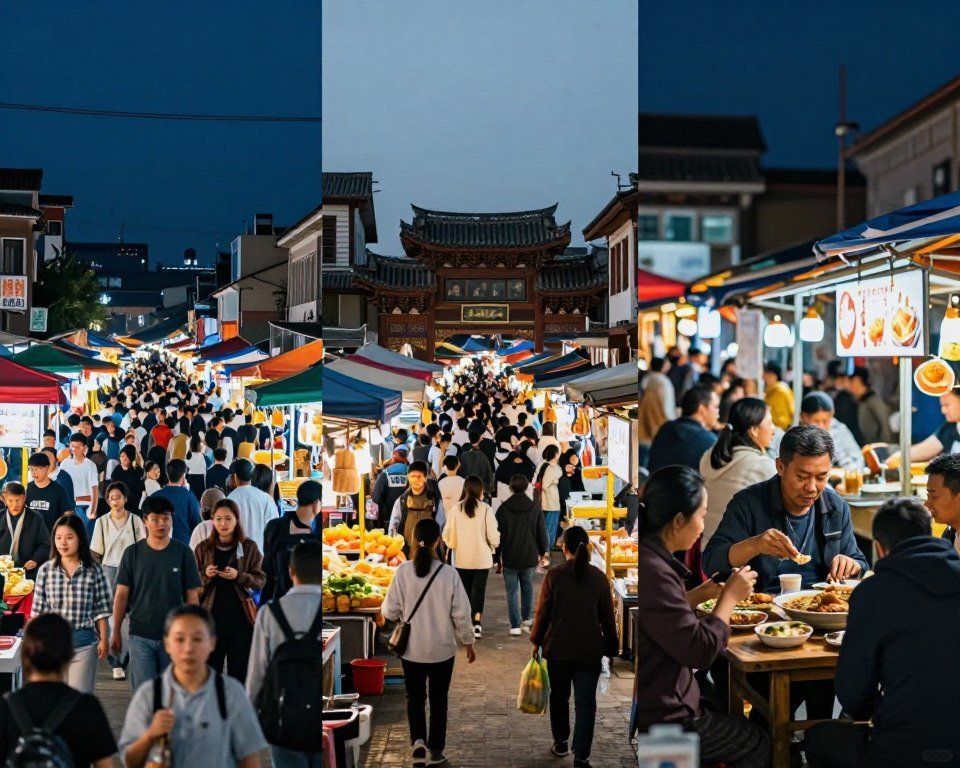
Hotel location significantly impacts your night market experience. Staying near your chosen market reduces travel time and enables multiple visits. This section identifies ideal accommodation areas for night market access.
Hotels Near Ningxia Night Market
The Datong District surrounding Ningxia Night Market offers excellent value accommodations. Hotels near Zhongshan Station or Shuanglian Station place you within walking distance. This area maintains local character while providing tourist conveniences.
Budget hotels start around 2000-2500 TWD per night. Mid-range options run 3500-5000 TWD. These prices significantly undercut hotels near Taipei 101 or the East District. The money saved buys plenty of street food.
The neighborhood provides easy access to other attractions. Taipei Fine Arts Museum sits nearby. Xingtian Temple offers cultural experiences. Multiple parks provide morning exercise options.
Hotels Near Raohe Night Market
Songshan District hotels serve visitors prioritizing Raohe access. The area around Songshan Station offers modern hotels at competitive prices. Business hotels cater to travelers seeking clean, efficient accommodations.
This district receives fewer Western tourists than central Taipei. Hotel staff may speak less English. However, the authentic neighborhood experience compensates. You’ll observe genuine local life rather than tourist bubble existence.
Songshan Airport sits nearby, providing convenient domestic connections if you’re exploring Taiwan beyond Taipei. The area also offers easy access to Taipei 101 and Xinyi shopping district via short MRT rides.
Hotels Near Shilin Night Market
Shilin District hotels range from basic guesthouses to upscale properties. The National Palace Museum proximity attracts culture-focused travelers. Hotels here often include tour packages combining museum visits with night market access.
This area feels more residential than central Taipei districts. Expect quieter streets during daytime. The suburban atmosphere provides retreat from downtown intensity while maintaining excellent MRT connectivity.
Accommodation prices match mid-range Taipei averages. Premium properties charge extra for proximity to the National Palace Museum rather than the night market specifically.
Book Accommodation Near Your Chosen Night Market
Location determines whether you’ll visit night markets once or return multiple times during your stay. Hotels near Shuanglian Station maximize Ningxia access. Properties around Songshan Station serve Raohe visitors. Shilin District hotels position you near both Shilin Night Market and the National Palace Museum. Compare options across neighborhoods to match your priorities and budget.
Alternative Central Taipei Locations
Staying in central Taipei provides balanced access to all three markets. The area around Taipei Main Station connects directly to both Shilin and Ningxia via the Red Line. Transfer convenience reaches Raohe reasonably well.
Central locations cost more per night. However, the convenience for visiting multiple attractions beyond night markets justifies the premium for many travelers. You’ll spend less time commuting and more time experiencing.
The Ximending neighborhood offers vibrant street life and shopping. Hotels here provide youthful energy while maintaining reasonable prices. The Red Line connection makes Shilin and Ningxia easily accessible.
Best Times of Year to Visit Each Market
Taiwan’s seasons affect night market experiences differently. Weather, holiday crowds, and seasonal foods influence which months provide optimal visiting conditions.
Spring Season (March-May)
Spring delivers ideal weather for night market visits. Temperatures range from comfortable to warm without summer’s brutal humidity. Light rain occurs occasionally but rarely disrupts outdoor markets significantly.
Tourist crowds remain moderate outside major holidays. The Dragon Boat Festival in May brings increased local visitors. Plan accordingly if visiting during this period. Markets stay open regular hours but feel more crowded.
Spring fruits appear in dessert stalls. Fresh strawberries and tropical fruits enhance shaved ice options. Vendors showcase seasonal ingredients that disappear during other months.
Summer Season (June-August)
Summer heat tests your tolerance for humid conditions. Temperatures regularly exceed 32°C (90°F) with high humidity. Night markets feel even hotter due to cooking equipment and crowd density.
Raohe’s covered structure provides the most comfortable summer experience. The roof blocks sun during early evening visits. Ningxia’s open-air layout becomes less pleasant. Shilin’s underground food court offers air-conditioned relief.
Summer delivers peak tourist season. Expect larger crowds throughout July and August. Visit earlier in the evening or accept the dense conditions. The hot weather extends market hours as locals seek evening coolness.
Fall Season (September-November)
Fall rivals spring for optimal visiting conditions. Temperatures cool gradually throughout the season. Humidity drops to more comfortable levels. Rain becomes less frequent than spring or summer months.
Mid-Autumn Festival in September brings special market foods. Mooncakes appear alongside traditional offerings. Markets extend hours and add special vendors during this period. The festive atmosphere enhances the experience.
Tourist crowds decrease after summer peak. Local visitors increase during pleasant weather. This balance creates authentic atmosphere without overwhelming density.
Winter Season (December-February)
Winter offers the smallest crowds and most comfortable temperatures for walking. Cool evenings make hot soups and braised dishes particularly appealing. Vendors adapt menus to emphasize warming foods.
Chinese New Year creates massive crowd surges. Many vendors close for family celebrations. Plan alternative activities if visiting during the week-long holiday. Regular operations resume quickly afterward.
Rain becomes more frequent during winter. Taiwan’s winter precipitation differs from summer typhoon rains. Light drizzle occurs more often than heavy downpours. Bring compact umbrellas rather than avoiding markets entirely.
Typhoon Season Impact
Typhoons occasionally affect Taiwan between July and October. Major storms close markets entirely. Monitor weather forecasts if traveling during peak typhoon months. Most typhoons cause only heavy rain without dangerous conditions. Markets reopen quickly after storms pass. Don’t cancel night market plans based solely on typhoon season timing. Actual storm probabilities remain relatively low for any specific travel dates.
Building Complete Evening Itineraries Around Each Market
Smart itinerary planning pairs night markets with nearby daytime attractions. This approach maximizes time efficiency and reduces unnecessary transportation across the city.
Complete Day-Night Itinerary for Ningxia
Start your day at the National Taiwan Museum near Taipei Main Station. This museum requires two hours for thorough exploration. The exhibits cover Taiwan’s natural history and indigenous cultures.
Walk to the nearby 228 Peace Memorial Park. This historical site provides important context about Taiwan’s past. Shaded paths offer pleasant walking during warm weather.
Take the MRT Red Line to Yuanshan Station. Visit the Taipei Confucius Temple and Baoan Temple. These traditional sites showcase religious architecture and local worship practices. Budget two hours for both temples.
Return to your hotel during late afternoon. Rest and refresh before dinner. Take the Red Line to Shuanglian Station around 6 PM. Arrive at Ningxia Night Market ready to eat.
This itinerary covers cultural and historical sites while ending with the food-focused market experience. The route follows a logical geographic progression without backtracking.
Complete Day-Night Itinerary for Raohe
Begin at Longshan Temple, one of Taipei’s most important religious sites. The ornate architecture and active worship create fascinating cultural experiences. Morning visits offer the best photography light.
Walk to nearby Bopiliao Historical Block. This preserved street shows traditional Taiwanese architecture. The free site requires only 30-45 minutes but provides excellent historical context.
Take lunch in the Wanhua District surrounding Longshan Temple. This area offers authentic local restaurants favored by neighborhood residents. Try traditional breakfast foods like soy milk and fried dough sticks even at lunch.
Transfer to Songshan Station in late afternoon. Visit the Songshan Cultural and Creative Park before the night market. This arts complex occupies a former tobacco factory. Contemporary exhibitions contrast nicely with morning’s traditional sites.
Walk to Raohe Night Market around 6:30 PM. The market sits just ten minutes from the cultural park. This itinerary balances historical, cultural, and culinary experiences across east and west Taipei.
Complete Day-Night Itinerary for Shilin
Dedicate your morning and early afternoon to the National Palace Museum. This world-class institution requires minimum three hours. The permanent collection showcases Chinese imperial treasures. Reserve tickets online to skip entrance lines.
Take lunch at one of the restaurants inside the museum complex. The cafeteria-style options provide efficient service. Premium restaurants require reservations made days ahead.
Walk through Zhishan Garden adjacent to the museum. This classical Chinese garden offers peaceful respite after museum crowds. The landscaping changes with seasons.
Return to your hotel during late afternoon. The museum visit proves exhausting without a break. Refresh before evening activities.
Take the MRT to Jiantan Station around 6 PM. Walk to Shilin Night Market. The extended evening timing accommodates the large market area. Plan to stay until 9 or 10 PM to experience the full atmosphere.
Realistic Budget Planning for Night Market Visits
Understanding actual costs prevents overspending or running out of money mid-visit. These budgets reflect real prices across different spending styles.
Budget Eating Approach (400-500 TWD per person)
Budget eaters sample four to five items over two hours. Focus on smaller snack-sized portions rather than full meals. Skip premium items like large seafood skewers.
Allocate 80-120 TWD per food item. This covers most basic street food offerings. Grilled items, rice dishes, and noodle soups fall into this price range. Drinks cost 30-50 TWD separately.
This budget delivers satisfying experience without trying everything. You’ll taste representative items from each food category. Save premium dishes for return visits if you find a favorite market.
Moderate Eating Approach (600-800 TWD per person)
Moderate budgets allow trying seven to nine items including some premium options. Order signature dishes regardless of price. Sample one or two expensive items like large grilled seafood.
This spending level covers most travelers’ expectations. You’ll try famous specialties, sample variety across categories, and include dessert. Two drinks or three per person fit comfortably.
Couples or friends sharing items maximize variety within this budget. Splitting portions lets you taste more stalls without excessive food waste or stomach discomfort.
Generous Eating Approach (1000-1200 TWD per person)
Generous budgets enable tasting ten or more items. Order full portions rather than sharing. Try every signature dish that interests you. Include premium seafood, specialty desserts, and multiple drinks.
This level suits food enthusiasts documenting night market experiences comprehensively. You’ll leave having sampled everything worth trying at your chosen market. Take-away items for later consumption become feasible.
Solo travelers find this budget excessive for one visit. However, returning for second or third visits across multiple nights justifies higher per-visit spending.
| Budget Level | Food Items | Drinks | Shopping | Total per Person |
| Budget | 4-5 items | 1-2 drinks | 0-200 TWD | 400-700 TWD |
| Moderate | 7-9 items | 2-3 drinks | 200-500 TWD | 800-1300 TWD |
| Generous | 10+ items | 3-4 drinks | 500-1000 TWD | 1500-2200 TWD |
Shopping and Souvenir Budgets
Shopping costs vary dramatically based on interests. Clothing items at Shilin start around 200-300 TWD for basic pieces. Quality improves at 500-1000 TWD price points. Designer knockoffs reach 1500-2000 TWD.
Souvenir trinkets cost 50-150 TWD for small items. Keychains, magnets, and postcards fall into this range. Larger decorative items run 300-800 TWD. Bargaining reduces prices by 10-20% at most stalls.
Electronic accessories and phone cases start at 100-200 TWD. Quality and longevity match the low prices. These items serve as temporary solutions rather than long-term investments.
Common Mistakes First-Time Visitors Make
Learning from others’ errors saves time and improves your experience. These mistakes appear frequently among first-time night market visitors.
Eating Too Much Too Fast
The biggest mistake involves ordering multiple items simultaneously. Excitement overwhelms strategy. You end up with six dishes cooling while you finish the first. Food quality degrades rapidly at street stalls.
Order one or two items maximum. Finish them completely. Then approach the next stall. This pacing lets you enjoy each dish at optimal temperature and quality. You’ll also better gauge your appetite and adjust accordingly.
Sharing becomes essential for couples or groups. One person eating solo faces difficult choices between variety and reasonable portions. Find eating partners before visiting or accept limited sampling.
Visiting Only One Market
Travelers often research extensively, choose one market, and declare the mission accomplished. Taiwan night markets vary significantly. Experiencing only Shilin gives incomplete perspective compared to visiting Ningxia as well.
Budget time for at least two markets if staying three or more nights in Taipei. The comparison teaches you about regional variations and personal preferences. You’ll understand which market style suits you best.
One market per trip suffices only for extremely limited stays. Even travelers with just two nights in Taipei can manage quick visits to two different markets on separate evenings.
Arriving Too Late
Some travelers assume night markets operate truly late. They arrive after 10 PM expecting full operations. Popular stalls sell out. Vendors begin closing. The energy level drops significantly.
Arrive between 6 PM and 7:30 PM for optimal experiences. Markets reach full operation by 6 PM. Crowds remain manageable before 7:30 PM on weekdays. You’ll access all vendors before sellouts occur.
Late arrival works only if you specifically prefer lighter crowds and don’t mind reduced vendor selection. Some travelers genuinely prefer the quieter atmosphere after 10 PM. Know your priorities before timing your visit.
Ignoring Local Favorites
Tourist guides create lists of “must-try” foods. These items often appeal to Western palates rather than representing authentic Taiwanese favorites. You miss genuine local dishes by following tourist-focused recommendations exclusively.
Watch which stalls attract local families and older Taiwanese customers. These vendors serve genuine traditional foods. The queues indicate quality rather than Instagram fame.
Balance tourist-friendly items with adventurous local choices. Try at least one unfamiliar dish even if it seems strange. Many traditional foods taste better than their descriptions or appearances suggest.
Tourist Trap Indicators
Certain signs reveal tourist-trap stalls delivering mediocre experiences at inflated prices. Avoid vendors with staff aggressively pulling customers toward their stall. Skip stalls with picture menus showing unrealistic food photos. Be wary of vendors accepting only large bills without posted prices. Legitimate stalls let customers approach naturally, display actual food samples, and clearly mark prices. If no locals wait in line while tourists crowd the stall, consider that a warning sign. Trust the wisdom of local customers who know quality and value.
Eating Responsibly at Night Markets
Night markets generate significant waste. Responsible visitors can reduce environmental impact while supporting sustainable practices.
Minimizing Plastic Waste
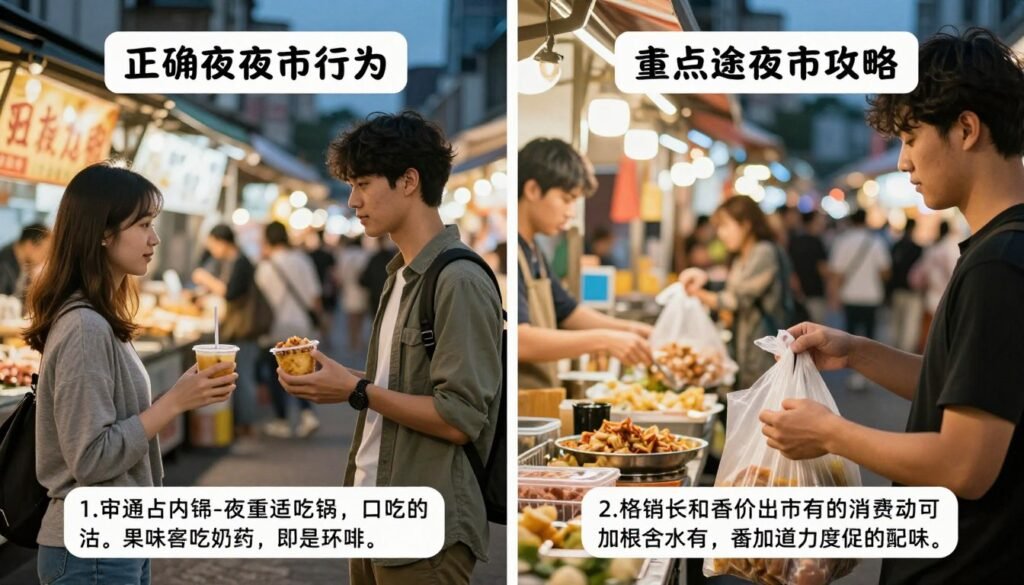
Taiwan night markets rely heavily on disposable plastic containers, bags, and utensils. Vendors default to bagging everything separately. This creates unnecessary waste.
Bring your own reusable bag or small backpack. Decline plastic bags when possible. Ask vendors to place items directly in your bag. Most vendors accommodate requests easily.
Carry reusable utensils if you’re particularly environmentally conscious. Bamboo or metal chopsticks fit easily in bags. However, declining vendor utensils may create confusion at some stalls.
Taiwan implemented some plastic restrictions, but enforcement at night markets remains inconsistent. Individual actions help even if systemic change progresses slowly.
Supporting Quality Over Quantity
Ethical eating means ordering thoughtfully. Food waste at night markets reaches problematic levels. Tourists order more than they can finish, then discard partial meals.
Start with smaller portions. Return for seconds rather than over-ordering initially. This approach prevents waste while ensuring you taste food at peak quality.
Share items whenever possible. Splitting portions reduces waste and maximizes variety. Most Taiwanese locals share food naturally. Follow their example.
Respecting Vendor Livelihoods
Vendors work extremely long hours in difficult conditions. Treat them with respect regardless of language barriers. Don’t demand excessive customization or complicated special orders during busy periods.
Pay fair prices without aggressive bargaining at food stalls. Vendors operate on thin margins. The 20 TWD you might save bargaining represents significant percentage of their profit.
Take photos respectfully. Don’t photograph vendors or their families without permission. Focus on the food rather than people working.
Accessibility Considerations for All Travelers
Night markets present challenges for travelers with mobility limitations or other accessibility needs. However, solutions exist for enjoying these cultural experiences.
Wheelchair and Mobility Device Access
Ningxia offers the best accessibility among the three markets. The relatively level ground and simpler layout accommodate wheelchairs reasonably well. However, crowds during peak hours create difficulties.
Raohe’s covered market includes some steps at the entrance. Manual wheelchair users need assistance navigating these areas. The main covered section provides flat surfaces once inside.
Shilin presents the most challenges. The sprawling layout includes uneven surfaces, stairs, and crowded narrow passages. The underground food court offers elevator access and better accessibility than the street market sections.
Visit during off-peak hours if using mobility devices. Early evening on weekdays provides the most space for maneuvering. Weekend crowds make wheelchair navigation nearly impossible at any time.
Sensory Considerations
Night markets overwhelm sensory-sensitive individuals. Loud noise, intense smells, bright lights, and dense crowds create challenging environments. Prepare accordingly or consider alternative experiences.
Ningxia creates the least sensory overload due to smaller size and moderate crowds. The open-air design provides better air circulation than covered markets. Sounds dissipate more easily outdoors.
Bring noise-canceling headphones if sound sensitivity concerns you. Many visitors wear headphones while walking through markets. This reduces overwhelm without eliminating the experience.
Take breaks frequently. Exit the main market area to nearby quiet streets when feeling overwhelmed. Return after regrouping rather than forcing yourself to endure discomfort continuously.
Food Allergy Management
Managing serious food allergies requires extensive preparation. Cross-contamination risks run high at night market stalls. Vendors cook multiple items on shared equipment without cleaning between orders.
Carry allergy cards in Chinese explaining your restrictions clearly. Show these cards to vendors before ordering. Most vendors take allergies seriously when properly informed.
Stick to simple preparations where ingredients are obvious. Avoid complex sauces or mixed dishes where allergens might hide. Grilled meats and plain rice dishes offer safer options.
Consider guided food tours where guides help communicate dietary requirements. This reduces risk while still enabling night market experiences.
Making Your Final Decision
Choosing between Shilin, Raohe, and Ningxia night markets depends on your specific priorities and constraints. No single market suits every traveler perfectly.
Prioritize accessibility if transportation concerns you or time remains limited. Ningxia wins decisively. The eight-minute MRT ride and short walk remove friction from the experience. You’ll spend more time eating and less time traveling.
Focus on signature foods if you identify as a serious food enthusiast. Raohe’s black pepper pork buns justify the entire trip to Taiwan for some visitors. The covered structure and concentrated quality make Raohe the food-first choice.
Choose comprehensive experiences if you want everything night markets offer. Shilin provides maximum variety in food, shopping, and entertainment. The investment of time and energy pays off through sheer breadth of options.
Consider your crowd tolerance carefully. Massive tourist crowds at Shilin overwhelm some visitors. Others find the energy exciting. Ningxia’s moderate density suits travelers who dislike fighting through packed walkways.
Don’t overthink the decision. Any of these three markets delivers authentic Taiwanese night market experiences. Poor choices don’t exist among these options. Pick based on practical considerations, then commit to enjoying your choice fully.
Visit multiple markets if your schedule allows. Each offers distinct perspectives on Taiwanese street food culture. The time investment rewards you with deeper understanding and better stories.
Remember that night markets represent just one aspect of Taipei’s incredible food scene. Balance market visits with other dining experiences. Traditional restaurants, modern cafes, and breakfast shops all contribute to complete culinary understanding.
Your first night market visit creates lasting memories regardless of which you choose. Approach the experience with curiosity and openness. The sensory overload, unfamiliar flavors, and vibrant atmosphere combine to create something truly special.
Ready to Experience Taipei’s Night Markets?
You now have everything needed to choose confidently between Shilin, Raohe, and Ningxia night markets. Each offers distinct advantages matching different travel styles. Book your Taiwan trip, download this guide for reference, and prepare for unforgettable street food adventures. The perfect night market awaits your discovery.
The decision ultimately rests with you. Trust your instincts about which market description resonated most strongly. That intuitive pull often leads to the most satisfying experiences. Safe travels and enjoy every delicious bite.