

This comprehensive Xi’an travel guide provides everything needed for an extraordinary 2026 visit. Whether exploring for three days or an entire week, the information ahead helps maximize your time in this remarkable destination.
Why Xi’an Captivates Global Travelers
Xi’an served as China’s capital for thirteen dynasties spanning over 1,000 years. This extraordinary history created layers of cultural treasures found nowhere else. The city witnessed the rise and fall of empires that shaped Asian civilization.
The archaeological significance extends far beyond the Terracotta Warriors. Tang Dynasty temples, Buddhist pagodas, and imperial tombs dot the surrounding landscape. Every monument tells stories of ancient China’s golden ages.
Historical Significance
The city marked the eastern terminus of the Silk Road trade routes connecting China to the West. For centuries, merchants traveled here carrying exotic goods and ideas across continents. This exchange created unique cultural fusion visible throughout the city today.
Archaeological discoveries continue revealing secrets buried for millennia. New excavations regularly uncover artifacts that reshape understanding of ancient Chinese civilization. The history feels alive rather than relegated to textbooks.
Xi’an in 2026: New metro lines connect major attractions more efficiently than ever. The city has improved English signage throughout tourist areas while preserving authentic character. Advanced booking systems now manage crowds at popular sites, ensuring quality experiences for visitors.
Optimal Times for Visiting Xi’an in 2026
Xi’an experiences four distinct seasons. Each period offers different advantages depending on weather preferences and crowd tolerance. Understanding seasonal patterns helps plan the ideal visit.
Spring Season (March through May)
Spring brings comfortable temperatures ranging from 50°F to 75°F. Cherry blossoms bloom in city parks creating beautiful backdrops. The weather allows comfortable outdoor exploration without extreme heat or cold.
This season sees moderate tourist numbers outside Chinese national holidays. April and early May provide excellent conditions before summer heat arrives. The light quality flatters photography at historical sites.
Summer Season (June through August)
Summer in Xi’an means hot, humid conditions with temperatures often exceeding 95°F. The heat can make extensive outdoor exploration challenging during midday hours. However, longer daylight hours extend sightseeing time into cooler evenings.
Tourist numbers increase during summer vacation periods. Attractions become crowded, especially the Terracotta Warriors museum. Early morning visits prove essential for beating both heat and crowds.
Autumn Season (September through November)
Autumn represents the prime season for visiting Xi’an. Temperatures between 55°F and 75°F create ideal conditions for extended exploration. The air becomes crisp and clear after summer humidity dissipates.
September and October offer spectacular weather before winter cold arrives. The fall foliage adds beauty to parks and temple grounds. This period attracts significant tourism, so advance bookings for popular attractions remain essential.
Winter Season (December through February)
Winter brings cold, dry conditions with temperatures between 25°F and 45°F. Snow occasionally falls, transforming the ancient city wall into a stunning winter scene. Tourist crowds thin dramatically, allowing peaceful exploration of major sites.
Hotel rates drop to annual lows outside Chinese New Year celebrations. Many travelers avoid winter due to cold, creating opportunities for those who dress appropriately. Indoor attractions like museums provide comfortable alternatives during extreme cold.
Peak Season Benefits
- All attractions fully operational
- Maximum tour options available
- Vibrant city atmosphere with energy
- Best weather for outdoor activities
- Longer operating hours at sites
Peak Season Challenges
- Higher accommodation prices
- Crowded major attractions
- Advanced booking essential
- Long wait times without skip-line tickets
- Less authentic local interaction
2026 Chinese New Year: The Spring Festival falls on January 29, 2026. This week-long celebration brings massive domestic tourism. Plan around this period unless specifically interested in experiencing traditional festivities. Expect crowds and higher prices during this time.
Reaching Xi’an: Transportation Options
Xi’an’s position as a major Chinese city ensures excellent transportation connections. Multiple options exist for reaching this ancient capital from domestic and international origins.
Flying to Xi’an Xianyang International Airport
Xi’an Xianyang International Airport serves as the primary gateway. Located about 25 miles northwest of the city center, this major hub connects to cities across China and select international destinations. Direct flights operate from Beijing, Shanghai, Guangzhou, and Chengdu.
International travelers often connect through major Chinese hubs. Several Asian cities offer direct flights, including Seoul, Tokyo, Bangkok, and Singapore. The airport provides modern facilities with clear English signage for international arrivals.
Airport to City Transportation
Airport shuttle buses run frequently to various city locations. Route 1 serves the train station and city center, taking approximately 60 minutes. Tickets cost around ¥25 and can be purchased at clearly marked counters in the arrival hall.
Taxis provide direct service to any city address. Fixed-rate taxis eliminate haggling concerns. Expect to pay ¥120-150 to central hotels. Ride-hailing apps like Didi offer convenient alternatives with upfront pricing. The journey typically takes 45-60 minutes depending on traffic.
The airport express metro line connects to Line 4 at Beikezhan station. This combination reaches the city center in about 70 minutes. Metro tickets cost approximately ¥7, making this the most economical option. Service runs from early morning until late evening.
Arriving by High-Speed Train
China’s extensive high-speed rail network makes train travel highly attractive. Xi’an Railway Station and Xi’an North Station both serve the city. High-speed trains from Beijing take approximately 4.5 hours, offering comfortable travel with spectacular countryside views.
Shanghai lies about 6 hours away by high-speed rail. Chengdu connects in roughly 3.5 hours. The trains provide comfortable seating, power outlets, and food service. First-class tickets offer additional space and comfort for longer journeys.
Book tickets through the official China Railway website or Trip.com for English-language booking. Purchase tickets well in advance during peak travel periods. Train stations in China are massive facilities, so arrive 30 minutes early for security checks and boarding.
Domestic Flights Within China
Flying domestically within China offers time savings for distant cities. Xi’an connects to virtually every major Chinese city with multiple daily flights. Competition between carriers keeps prices reasonable, especially when booking in advance.
Consider flight versus train based on distance. For trips under 4 hours by train, rail travel often proves more convenient when factoring airport transit time. For longer distances, flights save significant time despite airport procedures.
Navigating Xi’an: Transportation Within the City
Xi’an provides various transportation options for exploring the city. Understanding the system helps navigate efficiently while keeping costs reasonable.
Xi’an Metro System
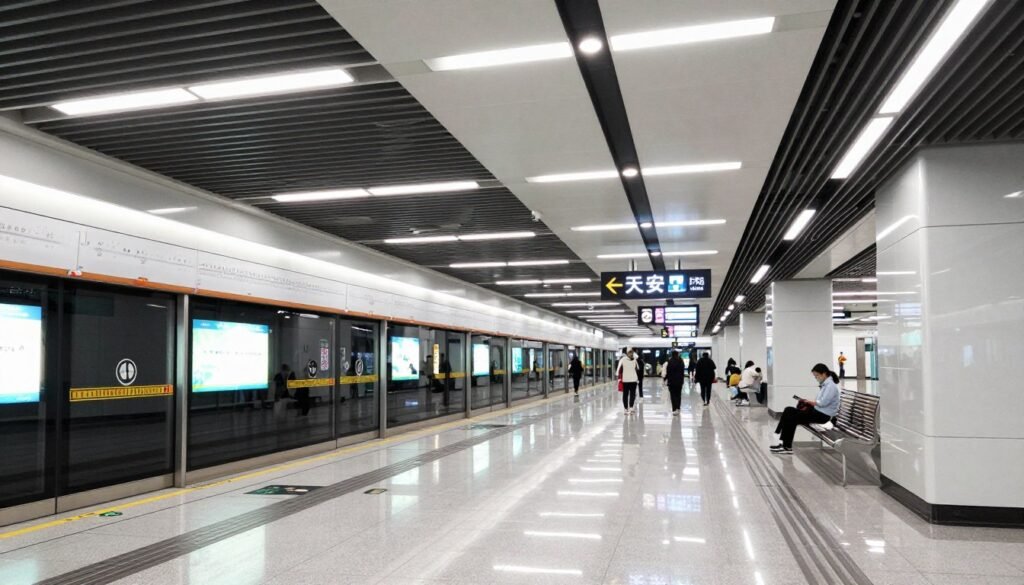
The metro network has expanded significantly in recent years. Multiple lines now connect major attractions, hotels, and transportation hubs. Trains run frequently from early morning until approximately 11 PM. The system provides the most efficient way to avoid traffic congestion.
Stations feature bilingual signage making navigation straightforward for international visitors. Purchase tickets from automated machines accepting cash or digital payments. Single-journey tickets range from ¥2-7 depending on distance traveled.
Multi-day transportation cards offer convenience for extended stays. The Changan Tong card works across buses and metro. Purchase at metro station service counters with a refundable deposit. The card eliminates the need to buy individual tickets for each journey.
Public Bus Network
Xi’an operates an extensive bus network covering areas beyond metro reach. Routes connect to suburban attractions and residential neighborhoods. Fares typically cost ¥1-2, making buses the most economical option.
English announcements remain limited on buses. Download a Chinese map app like Baidu Maps showing bus routes and stops. Buses can become crowded during rush hours. Factor extra time when relying on buses for reaching attractions.
Taxis and Ride-Hailing
Taxis remain plentiful and affordable throughout Xi’an. Meters start around ¥9 with per-kilometer charges that keep rides economical. Most drivers speak minimal English, so have destinations written in Chinese characters.
Didi, China’s equivalent to Uber, provides convenient ride-hailing. The app offers English interface and cashless payment. Prices remain transparent with upfront quotations. DiDi works particularly well for trips to attractions outside the city center.
Bicycle Rentals
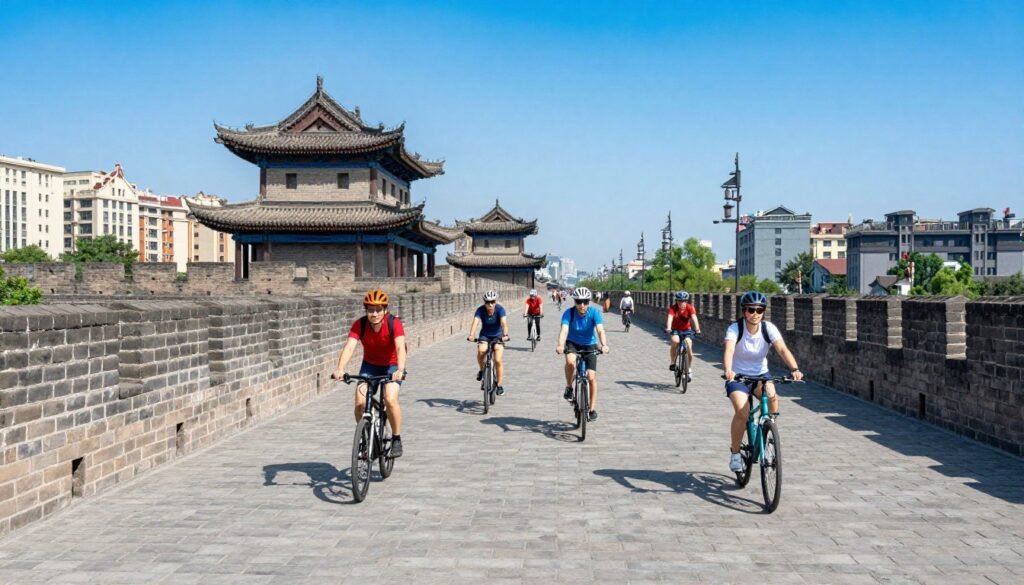
Cycling the Ancient City Wall represents a quintessential Xi’an experience. Bike rental stands operate at various wall access points. Standard bikes cost approximately ¥45 for two hours. Tandem bikes and electric bikes are available at higher rates.
The complete wall circuit measures 8.5 miles requiring 2-3 hours at a leisurely pace. The wide pathway accommodates cyclists comfortably. This activity provides unique city perspectives and memorable photographs.
Language Tip: Download translation apps like Google Translate with offline Chinese language packs before arrival. Screenshot important addresses in Chinese characters. Most Xi’an locals speak limited English, making translation tools essential for smooth navigation and communication.
Where to Stay: Xi’an Neighborhoods and Accommodation
Choosing the right neighborhood significantly impacts your Xi’an experience. Each area offers distinct characteristics, convenience levels, and atmosphere.
City Center Near Bell Tower
The area surrounding the Bell Tower and Drum Tower provides maximum convenience for first-time visitors. This central location puts you within walking distance of major shopping streets, restaurants, and the Muslim Quarter. Metro access enables easy travel to all attractions.
Hotels here range from international chains to boutique properties. The neighborhood buzzes with energy day and night. Light sleepers should request rooms away from busy streets. Prices reflect the prime location, running higher than other areas.
This zone works excellently for shorter visits when minimizing transit time matters most. Evening strolls to the illuminated Bell Tower and Drum Tower create magical experiences. Numerous dining options cater to all budgets and preferences.
Muslim Quarter Area
Staying near the Muslim Quarter immerses you in Xi’an’s most atmospheric neighborhood. The area surrounding the Great Mosque offers authentic experiences and incredible food access. Narrow lanes filled with vendors create vibrant energy from morning until late night.
Accommodation options include traditional courtyard hotels and modern budget properties. Prices generally run lower than the immediate city center while maintaining excellent access. Some visitors find the area noisy, especially during peak hours.
This location suits travelers seeking cultural immersion and food experiences. The neighborhood offers genuine local character. However, expect less English signage and fewer Western amenities compared to more tourist-focused areas.
South Gate (Yongningmen) Area
The South Gate area provides a quieter alternative while maintaining good city access. This neighborhood offers proximity to the city wall with less tourist congestion than the Bell Tower area. Several quality hotels operate here at moderate prices.
The location works well for travelers wanting to stay near the Ancient City Wall without central city intensity. The area has developed significantly with improved dining and shopping options. Metro access connects to major attractions efficiently.
High-Tech Zone (Gaoxin District)
The High-Tech Zone offers modern hotels, international restaurants, and contemporary shopping. This newer district appeals to business travelers and those preferring modern amenities over historical atmosphere. Prices remain competitive with excellent hotel standards.
The area lies outside the ancient city wall requiring metro or taxi for reaching historical sites. However, the comfortable accommodations and modern conveniences appeal to some travelers. Several upscale international hotel brands operate here.
Luxury Hotels
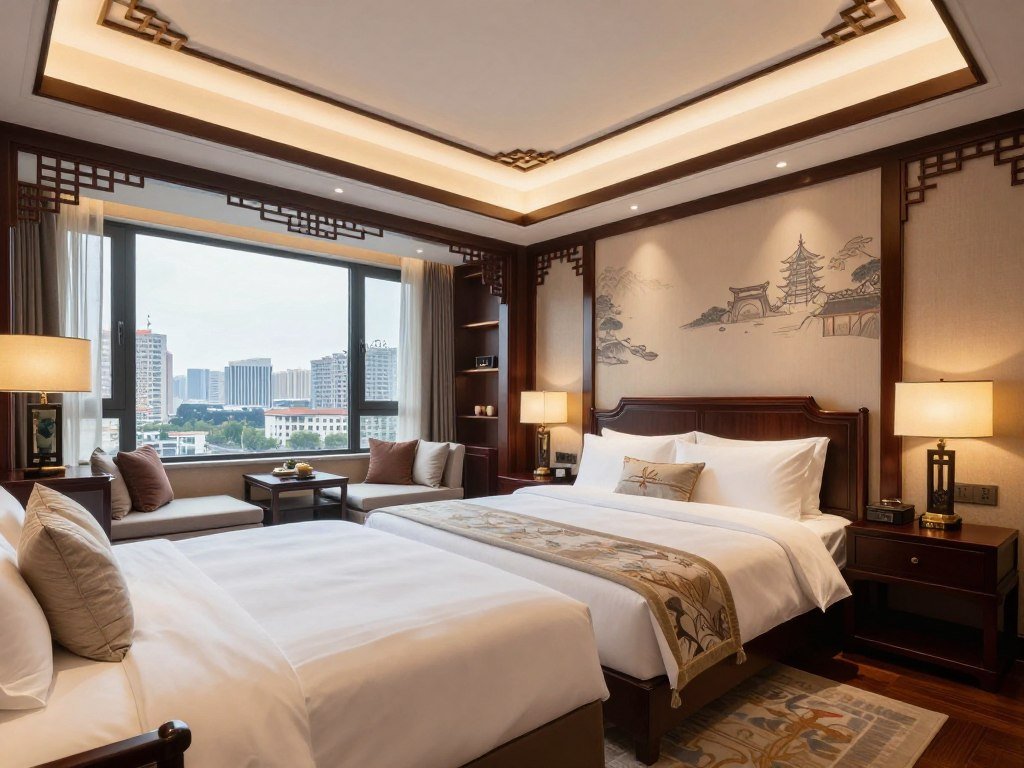
Experience world-class comfort in Xi’an’s finest hotels. International chains and luxury Chinese brands offer impeccable service near the city center. Expect premium amenities, English-speaking staff, and refined dining. Rates typically start from ¥800+ per night.
- Prime locations near Bell Tower
- Full concierge services
- Multiple dining venues
- Spa and fitness facilities
Mid-Range Hotels
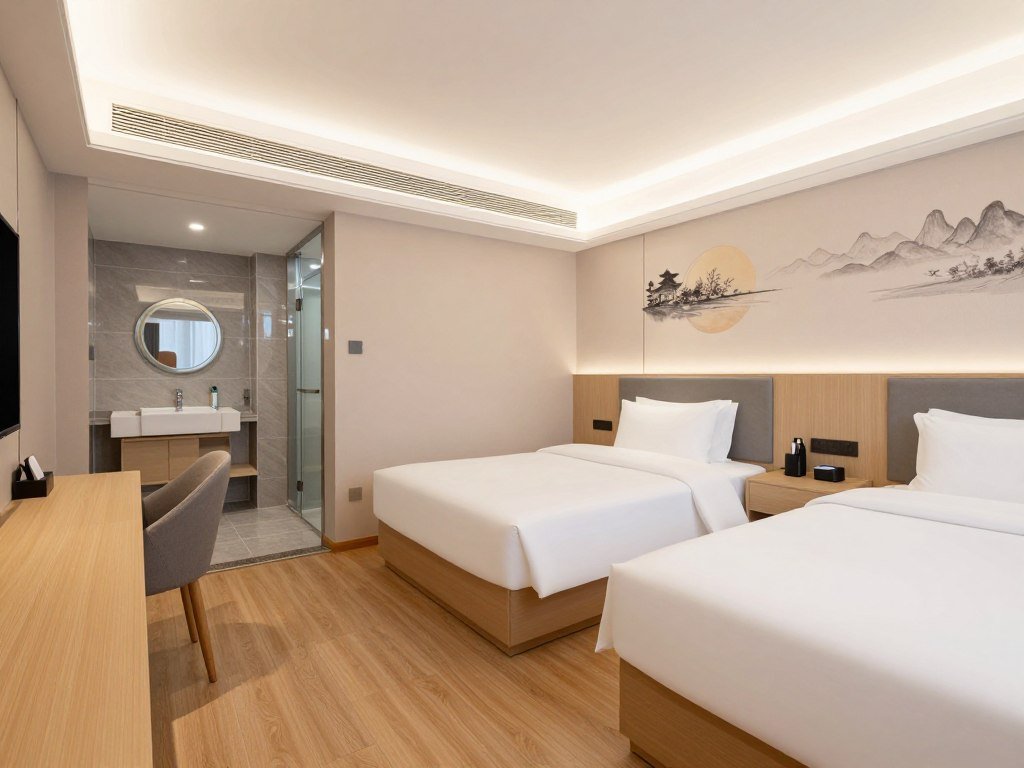
Balance quality and value in well-located three and four-star hotels. Many occupy convenient positions near metro stations. Modern comforts meet reasonable prices. Expect to pay ¥300-600 per night for solid accommodations with good service.
- Strategic locations throughout city
- Clean, comfortable rooms
- Breakfast often included
- Some English-speaking staff
Budget Accommodation
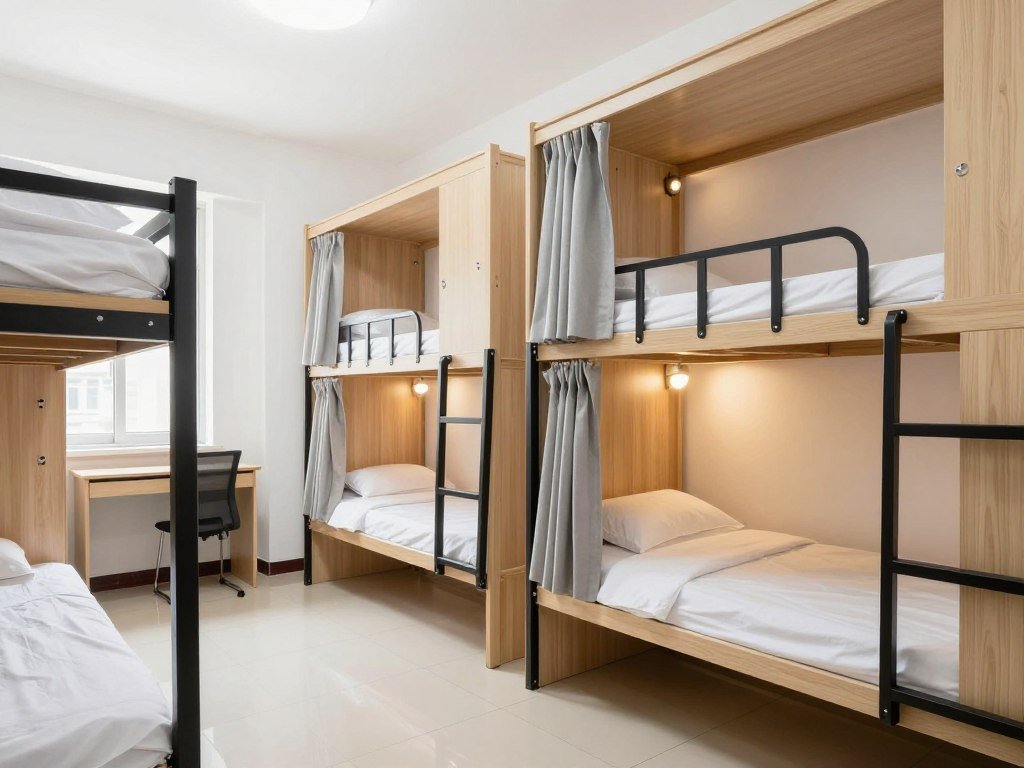
Find clean, affordable options in hostels and budget hotels throughout Xi’an. Many cluster near the city center and South Gate. Dormitory and private rooms available. Expect to spend ¥80-250 per night for basic but adequate facilities.
- Social atmosphere in hostels
- Central locations available
- Meets basic comfort needs
- Great for budget travelers
Booking Advice for 2026: Reserve accommodation several months ahead, especially for autumn peak season and Chinese national holidays. International booking platforms like Booking.com and Trip.com work well for Xi’an hotels. Verify the hotel can accommodate foreign guests, as some Chinese hotels only accept domestic visitors.
Xi’an Travel Guide: Essential Attractions and Landmarks
Xi’an concentrates extraordinary historical treasures within and around the city. These attractions showcase different dynasties and aspects of Chinese civilization spanning thousands of years.
Terracotta Warriors and Horses Museum
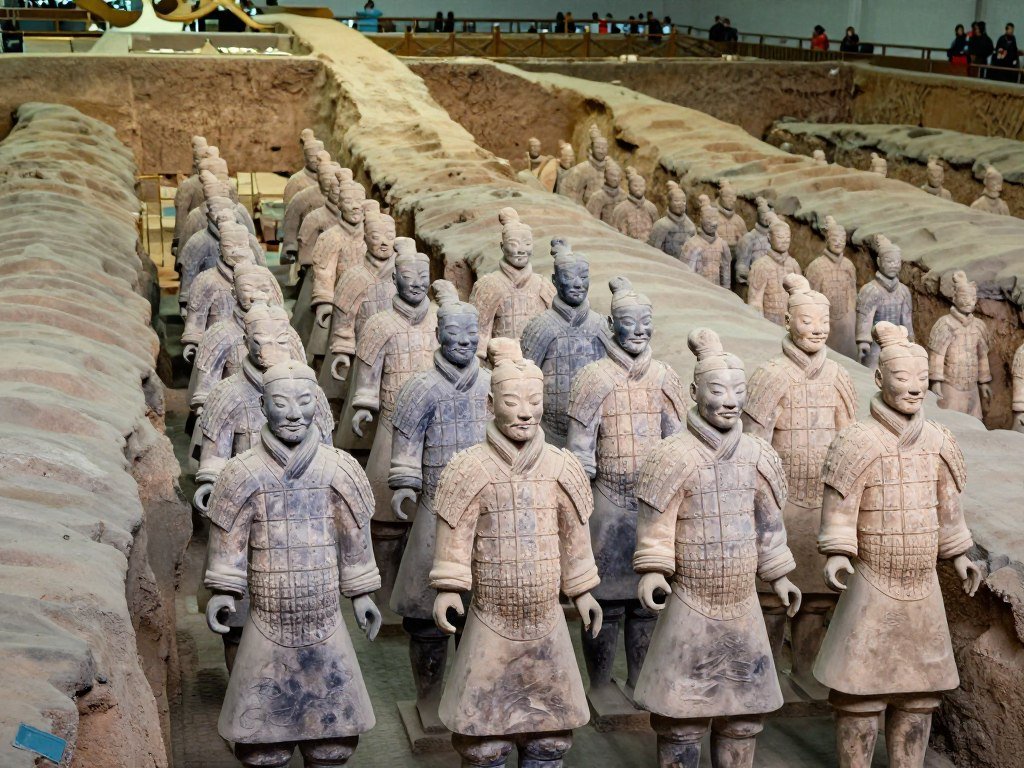
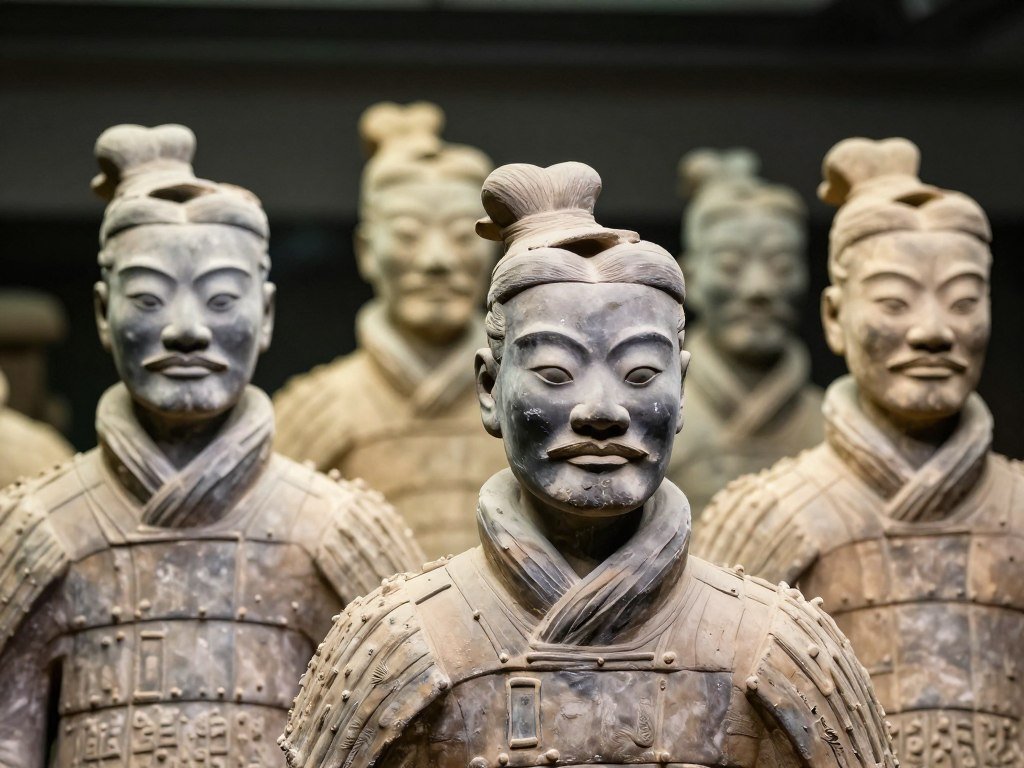
The Terracotta Army ranks among the most significant archaeological discoveries of the 20th century. Emperor Qin Shi Huang ordered creation of this vast underground army over 2,200 years ago. More than 8,000 life-sized warriors, horses, and chariots guard his tomb in elaborate battle formation.
The museum complex contains three main excavation pits. Pit 1 impresses with its enormous scale and thousands of warriors standing in military formation. Each figure displays unique facial features and expressions. The craftsmanship achieved over two millennia ago staggers modern visitors.
Pit 2 holds cavalry and infantry units in various combat positions. Pit 3 houses the command headquarters with high-ranking officers. The museum building displays individual warriors up close, allowing appreciation of intricate details impossible to see in the pits.
The site lies about 22 miles east of central Xi’an. Public buses run regularly but tours provide the most convenient access. Allocate a minimum of three hours for a thorough visit. Audio guides available in multiple languages explain the history and significance.
Visit early morning when the museum opens at 8:30 AM. Crowds intensify by mid-morning, especially during peak season. The site becomes overwhelmed with tour groups. Pre-booking skip-the-line tickets saves waiting time and guarantees entry during busy periods.
Terracotta Warriors Private Tour with Expert Guide
Skip the crowded group tours and explore the Terracotta Army with a private expert guide. This comprehensive tour includes hotel pickup, entrance tickets, and in-depth historical commentary. Small group maximum 6 people ensures personal attention and flexibility.
- Private English-speaking archaeologist guide
- Skip-the-line museum access
- Hotel pickup and return included
- All three pits with detailed explanations
- Flexible timing to avoid peak crowds
Ancient City Wall of Xi’an
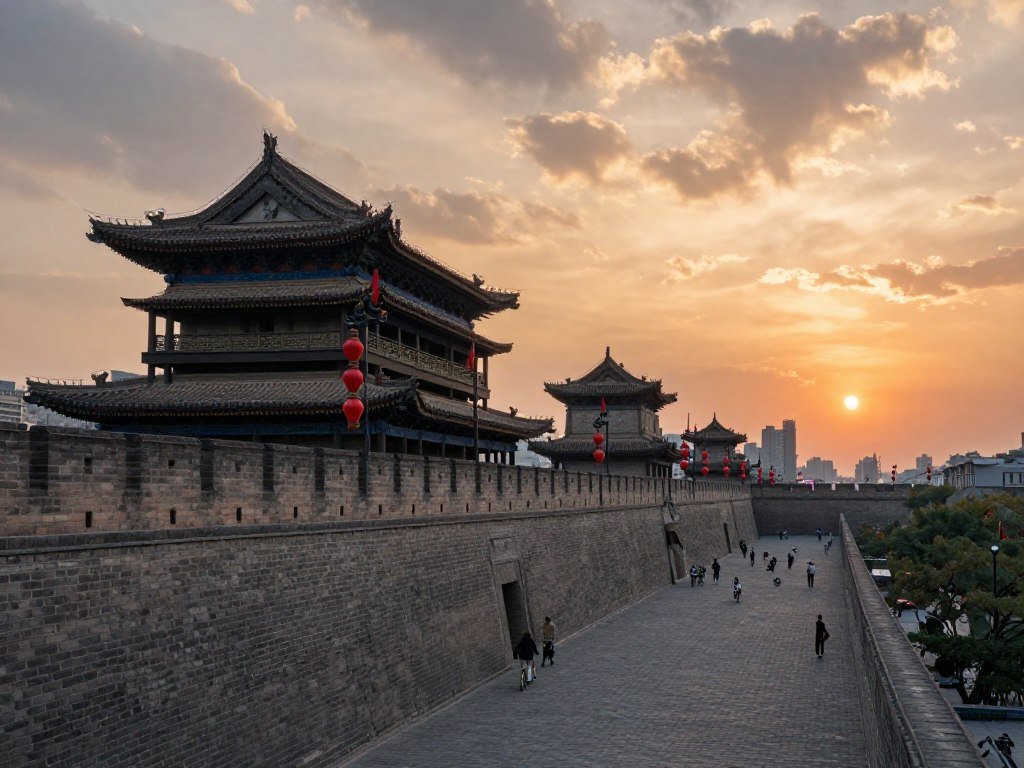
Xi’an’s city wall represents the most complete ancient urban fortification surviving in China. Built during the Ming Dynasty on foundations from earlier dynasties, this massive structure stretches 8.5 miles around the old city center. The wall stands 40 feet high and equally wide at the top.
Walking or cycling the complete circuit provides unique city perspectives. The elevated position offers views inward to historic neighborhoods and outward to modern Xi’an. Watchtowers positioned at regular intervals once served defensive purposes. Today they provide rest stops and photography platforms.
Multiple gates provide access to the wall top. The South Gate (Yongningmen) offers the most impressive entrance with its grand ceremonial approach. Evening visits reveal the wall beautifully illuminated. The lighting creates dramatic atmosphere perfect for photography and romantic strolls.
Bike rental remains the most popular way to experience the wall. The circuit takes 2-3 hours by bicycle at a comfortable pace. Walking the entire perimeter requires 3-4 hours. Many visitors choose to walk one section and take transportation to see other wall sections.
Cultural performances sometimes occur at South Gate, featuring Tang Dynasty-style ceremonies. Check schedules for special events during your visit. The wall area becomes particularly atmospheric during traditional festivals when lanterns decorate the ramparts.
Bell Tower and Drum Tower
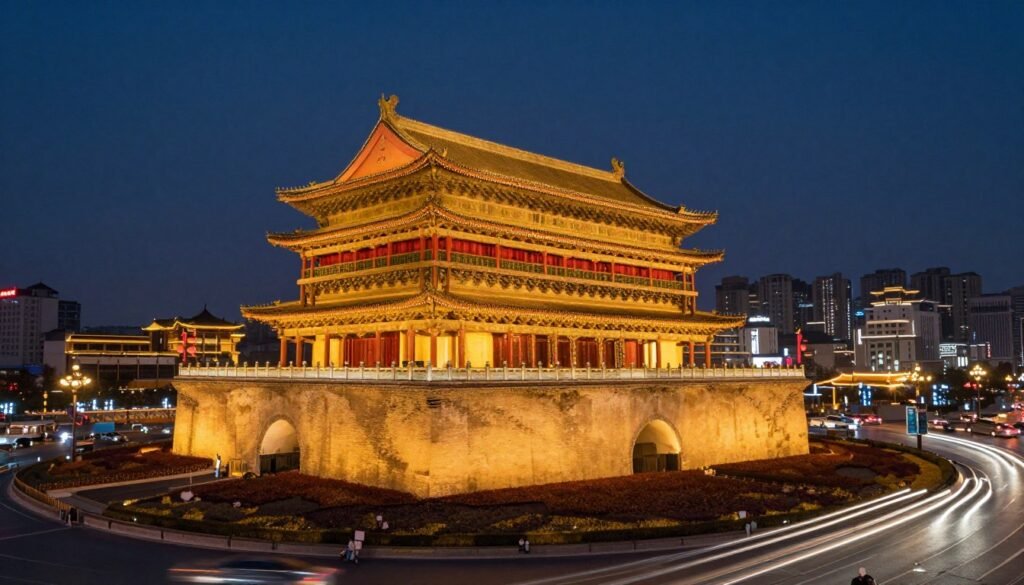
The Bell Tower stands at the heart of Xi’an marking the city center. This magnificent wooden structure dates to 1384 during the Ming Dynasty. The tower served historical purposes of timekeeping and warnings. Today it represents one of Xi’an’s most recognizable symbols.
The Bell Tower displays impressive traditional Chinese architecture with intricate wooden construction and colorful decorations. Visitors can climb to upper levels for city views. The interior houses ancient bells and historical displays explaining the tower’s significance.
The Drum Tower sits just northwest of the Bell Tower, marking the entrance to the Muslim Quarter. Built in 1380, this structure housed massive drums used to mark evening hours. The drums on display include originals and replicas showing the towers’ historical function.
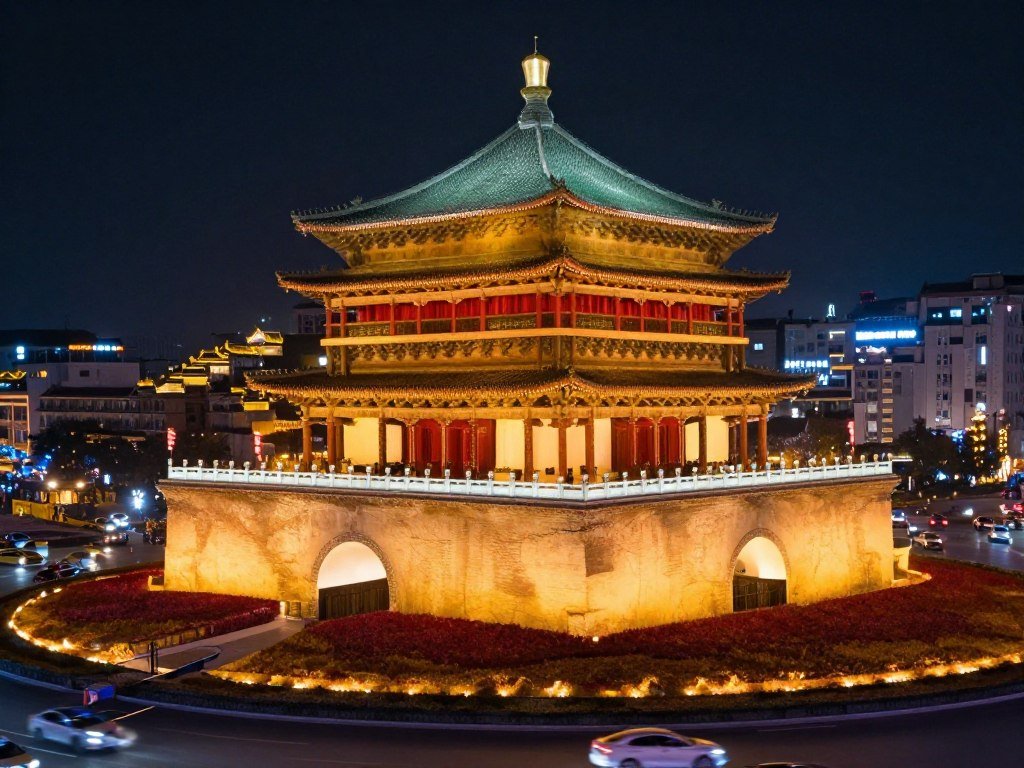
Both towers offer evening performances featuring traditional Chinese music. Shows present ancient instruments and classical compositions. Combination tickets cover both towers at reduced rates compared to separate admission.
The area between the Bell Tower and Drum Tower fills with activity day and night. Street performers entertain crowds. Surrounding streets offer shopping and dining. This central location makes an ideal reference point for city navigation.
Big Wild Goose Pagoda
The Big Wild Goose Pagoda stands as one of Xi’an’s most sacred Buddhist sites. This Tang Dynasty structure reaches 210 feet into the sky. Built in 652 AD, the pagoda originally stored Buddhist scriptures and relics brought from India by the famous monk Xuanzang.
The seven-story tower demonstrates classic Tang Dynasty architectural style. Visitors can climb interior stairs to upper levels. Each floor provides progressively wider city views. The pagoda’s simple elegance contrasts with more ornate temples, reflecting Buddhist principles.
The surrounding Daci’en Temple complex encompasses beautiful gardens and prayer halls. Ancient trees shade peaceful courtyards where monks still practice. The temple grounds offer tranquil respite from urban intensity. Buddhist ceremonies occur regularly, adding spiritual atmosphere.
The plaza in front of the Big Wild Goose Pagoda features Asia’s largest musical fountain. Evening performances combine water, lights, and music in spectacular displays. Shows occur multiple times nightly during warmer months. Crowds gather early for the best viewing positions.
Allocate 2-3 hours for thorough exploration of the pagoda and temple grounds. The area becomes less crowded during early morning or late afternoon. The Big Wild Goose Pagoda sits south of the city center, easily reached by metro Line 3 or Line 4.
Small Wild Goose Pagoda
The Small Wild Goose Pagoda offers a quieter alternative to its larger counterpart. Built in 707 AD during the Tang Dynasty, this 15-story pagoda originally reached 147 feet. Earthquakes damaged the top stories, reducing current height while adding historical character.
The surrounding Jianfu Temple provides peaceful grounds less frequented by tour groups. Ancient buildings, traditional gardens, and historical exhibits create an authentic temple atmosphere. This site attracts fewer visitors, allowing contemplative exploration.
The Xi’an Museum operates within the same complex. Collections display artifacts from various dynasties found in the Xi’an region. The museum complements a temple visit by providing historical context. Admission to the Small Wild Goose Pagoda often includes museum access.
Morning visits offer the most peaceful experience. The Small Wild Goose Pagoda opens at 8 AM, welcoming early visitors before crowds arrive. The location south of the city center requires metro or taxi access. Budget 1-2 hours for a complete visit.
Muslim Quarter
The Muslim Quarter represents Xi’an’s most vibrant neighborhood for food, shopping, and cultural experiences. This historic area has housed the city’s Hui Muslim community for over a thousand years. Narrow lanes packed with vendors create sensory overload in the best possible way.
Beiyuanmen Street forms the main artery through the quarter. Food stalls serve traditional Islamic Chinese dishes alongside regional specialties. The aroma of lamb skewers, fresh-baked flatbreads, and exotic spices fills the air. This area provides Xi’an’s best street food experiences.
The Great Mosque hides behind an unassuming entrance in the quarter’s depths. This remarkable structure combines Chinese architectural style with Islamic function. The mosque dates to 742 AD, making it one of China’s oldest. Beautiful courtyards and prayer halls demonstrate unique cultural fusion.
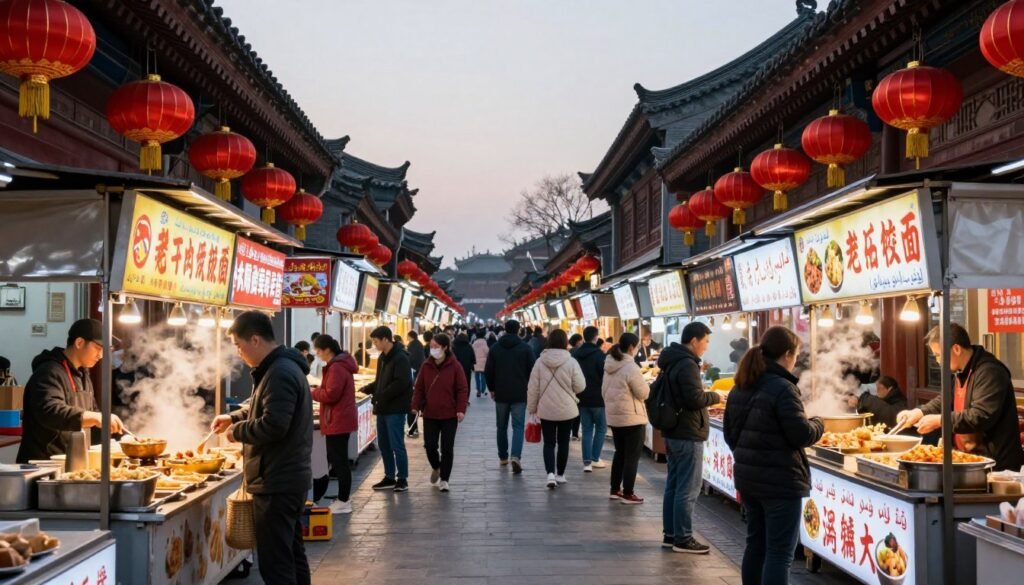
Beyond the main tourist streets, smaller alleys reveal authentic neighborhood life. Locals shop at vegetable markets and small shops. Traditional architecture includes preserved courtyard homes. Wandering these back lanes shows daily life continuing amid tourist activity.
Visit during evening hours when the quarter comes alive. Vendors set up stalls in late afternoon. Activity peaks from 6-10 PM when locals and tourists fill the streets. The energy and atmosphere during evening hours far exceed daytime visits.
Shaanxi History Museum
The Shaanxi History Museum houses one of China’s finest collections of historical artifacts. This comprehensive museum traces regional history from prehistoric times through the Tang Dynasty. Over 370,000 items fill the permanent collection, with rotating exhibitions showcasing treasures rarely displayed.
The Tang Dynasty galleries particularly impress. Golden artifacts, delicate pottery, and precious artworks demonstrate this era’s sophistication. The museum’s design itself follows Tang Dynasty architectural principles, making the building part of the experience.
Free admission tickets are available but require advance online reservation. Limited daily numbers mean tickets disappear quickly during peak season. Paid exhibition halls showcase the museum’s finest pieces. The investment proves worthwhile for history enthusiasts.
Audio guides provide detailed English explanations. The museum’s scale requires 2-3 hours minimum for even a selective visit. Arrive when doors open at 9 AM to avoid afternoon crowds. The museum sits south of the city center near the Big Wild Goose Pagoda.
Unique Experiences: Beyond Standard Sightseeing
Xi’an offers experiences that reveal Chinese culture beyond simply viewing monuments. These activities create memories and understanding that passive sightseeing cannot match.
Muslim Quarter Food Tour
Exploring the Muslim Quarter with a knowledgeable guide transforms overwhelming options into curated culinary adventure. Local guides navigate the maze of stalls, explaining dishes and recommending the best vendors. You’ll taste specialties you might otherwise miss.
Food tours typically include 8-12 different tastings spanning appetizers through desserts. Expect to try roujiamo (Chinese hamburger), yangrou paomo (lamb and bread stew), various dumplings, and sweet persimmon cakes. The quantity of food satisfies even large appetites.
Tours usually run 3-4 hours during evening when the quarter buzzes with activity. Small groups ensure personal attention and the flexibility to accommodate dietary restrictions. Most tours include cultural explanations about the Hui Muslim community and Silk Road history.
Evening Muslim Quarter Food Walking Tour
Discover authentic Xi’an cuisine with a local foodie guide. This evening walking tour takes you beyond tourist stalls to vendors locals trust. Taste 10+ traditional dishes while learning about Islamic Chinese culture and culinary traditions. Small groups limited to 8 people ensure intimate experience.
- Expert local guide fluent in English
- 10+ food tastings including drinks
- Cultural and historical insights
- Visit both tourist and local areas
- Vegetarian options available
Tang Dynasty Dinner Show
Tang Dynasty performances recreate the golden age of Chinese culture through music, dance, and elaborate costumes. Multiple theaters around Xi’an present evening shows combining traditional performances with banquet meals. These productions showcase ancient court entertainment.
The shows feature traditional Chinese instruments including the pipa, guzheng, and erhu. Dancers wear authentic Tang Dynasty-style costumes with flowing silk and elaborate headdresses. The choreography draws from historical records of court performances during this prosperous era.
Dinner typically includes a multi-course meal featuring Shaanxi specialties. The combination of meal and show lasts approximately 2-3 hours. Book tickets in advance, especially during peak tourist season. Many hotels can arrange reservations and transportation.
Dumpling Banquet Experience
Xi’an dumpling banquets elevate simple dumplings into culinary art. Restaurants specializing in this experience serve 15-20 different dumpling varieties shaped like animals, flowers, and other creative forms. Each type features unique fillings and flavors.
The presentations showcase craftsmanship passed through generations. Dumplings arrive in courses, allowing appreciation of each variety. Guides explain the ingredients and cultural significance of different shapes. The quantity served satisfies even the largest appetites.
Several restaurants near the city center offer dumpling banquets. Reservations help ensure availability, particularly for large groups. Prices vary based on the number of courses. These meals provide excellent group dining experiences for special occasions.
Calligraphy and Painting Classes
Learning traditional Chinese calligraphy or painting provides hands-on cultural engagement. Several studios and cultural centers offer short workshops for travelers. Instructors guide participants through basic techniques using authentic brushes, ink, and paper.
Classes typically last 2-3 hours. Students create their own works to take home as unique souvenirs. No prior experience required as instructors adapt to skill levels. The meditative quality of brush work often surprises Western participants used to faster-paced activities.
These workshops offer insight into traditional Chinese arts that shaped culture for millennia. The skills learned provide deeper appreciation when viewing historical calligraphy and paintings in museums. Several hotels can arrange private classes for interested guests.
Biking the City Wall at Sunrise
Experiencing the Ancient City Wall at sunrise offers magical atmosphere unavailable during regular hours. Special early access tours allow riding the wall before it opens to general public. The quiet morning light creates perfect photography conditions and peaceful reflection.
Sunrise timing varies by season, but tours typically begin around 6-7 AM. You’ll have the entire wall circuit virtually to yourself. The city awakens below as morning light illuminates the ancient fortifications. This experience reveals Xi’an at its most serene.
Tours include bike rental and guide services. Some offer breakfast on the wall at a traditional teahouse. Book through tour operators specializing in unique experiences. The premium price reflects exclusive access and small group sizes.
Xi’an Cuisine: Flavors of Ancient Capital
Xi’an cuisine reflects the city’s position on the Silk Road and its diverse cultural influences. The food combines Han Chinese traditions with Islamic cooking styles brought by merchants centuries ago. Understanding key dishes enhances your Xi’an experience significantly.
Signature Xi’an Dishes You Must Try
Certain dishes define Xi’an’s culinary identity. These specialties deserve seeking out during your visit. Trying authentic versions helps understand what makes Xi’an food distinctive.
Yangrou paomo represents Xi’an’s most famous dish. This lamb stew combines tender meat with hand-torn flatbread pieces soaking up rich broth. Diners traditionally tear their own bread into small pieces before kitchen staff add broth and lamb. The ritual forms part of the experience.
Roujiamo earns the nickname “Chinese hamburger” from its appearance but predates Western hamburgers by centuries. Slow-braised pork or lamb gets chopped and stuffed into crispy flatbread. The meat’s rich flavor contrasts with the bread’s crusty exterior and soft interior. Many consider this Xi’an’s ultimate street food.
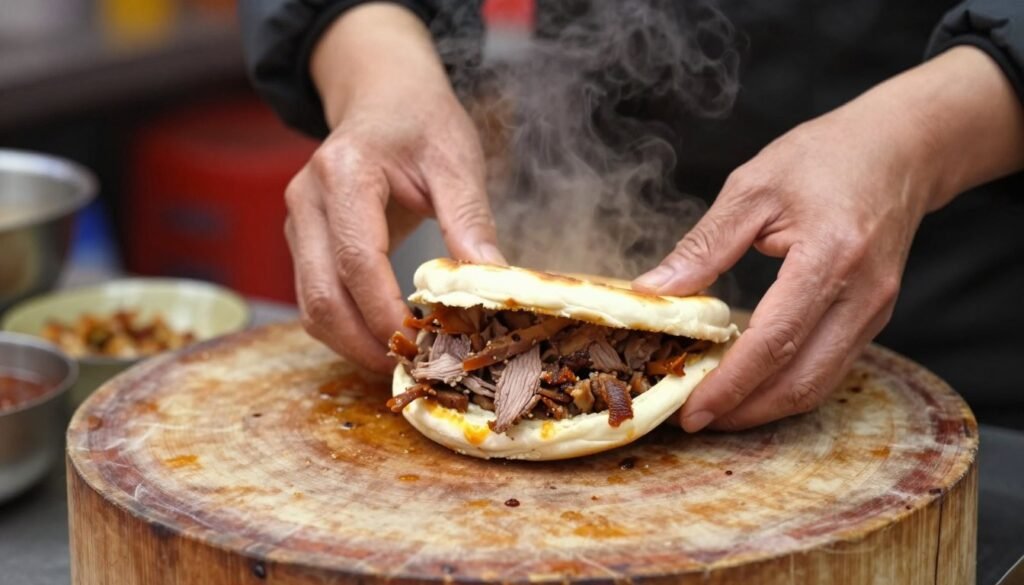
Biangbiang noodles feature incredibly wide hand-pulled noodles. The name comes from the sound dough makes hitting the work surface during stretching. These thick noodles get topped with chili oil, vegetables, and often meat. The satisfying chewiness and bold flavors make this a local favorite.
Liangpi cold noodles provide refreshing options during hot weather. Rice or wheat noodles get served cold with spicy, tangy sauce, cucumber, and bean sprouts. The dish balances textures and temperatures. Different vendors develop signature sauce recipes, creating variation across stalls.
Persimmon cakes offer sweet street snacks. Glutinous rice flour and persimmon create soft, sticky cakes that get pan-fried. The natural sweetness requires no added sugar. Vendors sell these warm throughout the Muslim Quarter, especially during autumn when persimmons ripen.
Where to Eat in Xi’an
Finding quality restaurants requires knowing where locals eat. Tourist-heavy areas sometimes sacrifice quality for convenience. These recommendations balance accessibility with authentic experiences.
The Muslim Quarter obviously dominates street food discussions. However, quality varies dramatically between vendors. Lines of locals indicate good options. Avoid vendors aggressively touting to tourists – quality establishments don’t need to hustle for business.
Areas around universities offer excellent value and authentic local food. Students demand good taste at reasonable prices. Neighborhoods near Xi’an Jiaotong University and Northwest University contain numerous small restaurants serving regional specialties to predominantly Chinese customers.
Yongxingfang food street presents a curated food market experience. This modern development brings together vendors representing different Shaanxi regional cuisines. Higher prices than street stalls but lower than restaurants. The clean, organized environment suits travelers wanting variety without navigating scattered locations.
Traditional restaurants serving specialties like yangrou paomo and dumpling banquets cluster throughout the city center. Research recommendations and make reservations for popular establishments. Dinner peak hours (6-8 PM) see long waits at places without reservations.
Practical Eating Tips
Several practical considerations help navigate Xi’an’s food scene successfully. Understanding local customs prevents confusion and enhances experiences.
Most small restaurants and street stalls operate cash-only. Carry sufficient small bills. Mobile payment through WeChat Pay and Alipay dominates in China, but foreign visitors often cannot access these services. International credit cards work at hotels and major restaurants but rarely at street vendors.
Food safety standards vary widely. Stick to busy establishments with high turnover. Hot, freshly cooked items prove safer than items sitting at room temperature. Bottled water remains essential as tap water isn’t potable. Most restaurants understand this and won’t be offended if you decline tap water.
English menus exist at tourist-oriented restaurants but remain rare elsewhere. Translation apps help decipher Chinese menus. Alternatively, pointing at dishes other diners are eating works surprisingly well. Food tours solve this problem while introducing multiple dishes efficiently.
Spice levels can surprise unprepared visitors. Xi’an cuisine uses chili oil generously. Request less spicy (shao la) if preferred. However, sampling authentic spice levels reveals intended flavors. Start with moderate spice and adjust future meals based on tolerance.
Vegetarian Tip: While meat features prominently in Xi’an cuisine, Buddhist vegetarian restaurants exist throughout the city. Look for signs with 素食 (su shi – vegetarian food). Temple areas often have vegetarian options. The Muslim Quarter offers fewer vegetarian choices despite the abundance of food stalls.
Practical Information for Xi’an Travelers
Understanding practical matters helps avoid common frustrations. These tips address frequent concerns international travelers encounter in Xi’an.
Money and Payments
China’s currency is the Renminbi (RMB) or Yuan (CNY). Bills come in denominations of 100, 50, 20, 10, 5, and 1 yuan. Coins exist but see limited use. Exchange rates fluctuate, so check current rates before travel.
ATMs throughout Xi’an accept international cards. Look for Bank of China, ICBC, or China Construction Bank ATMs. Withdrawal limits typically allow 2,500-3,000 yuan per transaction. Notify your bank before travel to prevent card blocks.
Mobile payment dominates Chinese commerce. WeChat Pay and Alipay function like integrated payment systems. Setting these up as a foreign visitor proves challenging but increasingly possible through international credit cards. Research current setup procedures before departure.
Daily budgets vary widely. Budget travelers can manage on 200-300 yuan including hostel accommodation, local food, and public transport. Mid-range travelers should budget 500-800 yuan for comfortable hotels, good restaurants, and attraction fees. Luxury experiences begin around 1,500+ yuan daily.
Communication and Language
English proficiency remains limited in Xi’an outside major hotels and tourist attractions. Learning basic Chinese phrases proves helpful. Download translation apps with offline capabilities before arrival. Google Translate works in China despite Google’s general blocking.
Keep hotel business cards showing addresses in Chinese characters. This allows taxi drivers to navigate when verbal communication fails. Screenshot important addresses and destinations in Chinese for similar purposes.
China’s internet operates behind the Great Firewall blocking many Western websites and apps. Google, Facebook, Instagram, WhatsApp, and others don’t function without VPN. Install and test a reliable VPN before entering China. Free VPNs often prove unreliable.
International roaming charges can be extreme. Consider purchasing a local SIM card at the airport. China Mobile and China Unicom offer tourist packages with data and calls. Bring an unlocked phone to use local SIM cards.
Safety and Health
Xi’an ranks as very safe for travelers. Violent crime against tourists remains extremely rare. Normal precautions regarding valuables and awareness suffice. Chinese cities maintain high public safety standards.
Pickpocketing occasionally occurs in crowded tourist areas. Keep valuables secure in inside pockets or bags worn in front. The Muslim Quarter’s crowds create opportunities for petty theft. Remain aware but not paranoid.
Air quality varies significantly by season. Winter months sometimes see heavy pollution affecting those with respiratory conditions. Check air quality forecasts through apps like AirVisual. Consider masks during high pollution days if sensitive.
Tap water isn’t safe for drinking. Bottled water remains widely available and inexpensive. Hotels typically provide complimentary bottles. Restaurants serve hot water or tea rather than cold water by default.
Pharmacies stock common medications but with different brand names. Bring necessary prescription medications in original packaging with prescriptions. Travel insurance covering medical evacuation proves wise for China visits.
Emergency Numbers: Police 110 | Ambulance 120 | Fire 119. Major hotels can provide translation assistance if needed. Save your country’s embassy contact information before travel. Most embassy staff can assist citizens during emergencies.
Cultural Etiquette
Understanding basic Chinese etiquette prevents unintentional offense. Chinese culture values respect and face-saving behavior. Following certain guidelines helps interactions go smoothly.
Respect historical and religious sites. Dress modestly at temples and mosques. Remove hats indoors at sacred spaces. Many sites restrict photography in certain areas. Follow posted guidelines and staff instructions.
Tipping isn’t customary in China. Restaurants don’t expect tips. Taxi drivers return exact change. Tour guides and drivers on private tours appreciate tips but don’t require them. International hotels may include service charges.
Lines and personal space function differently in China. Queuing sometimes feels chaotic by Western standards. Don’t take pushing in crowds personally – it’s cultural norm rather than rudeness. Maintain patience and flexibility.
Photography requires sensitivity. Always ask permission before photographing people directly. Some locals object to being photographed, especially older generations. Military installations and certain government buildings prohibit photography.
Suggested Itineraries: Maximizing Your Xi’an Time
Different trip lengths require different approaches. These itineraries balance must-see attractions with authentic experiences based on available time.
Three Days in Xi’an
Three days allows coverage of major attractions while sampling the city’s character. This itinerary focuses on efficiency without excessive rushing.
Day One: Terracotta Warriors and Ancient History
Start early with hotel pickup for the Terracotta Warriors museum. Arrive when doors open at 8:30 AM to beat tour group crowds. Allocate 3-4 hours exploring all three pits and museum exhibits. Private tours provide flexibility and better explanations than joining large groups.
Return to the city by early afternoon. Visit the Shaanxi History Museum to understand regional history comprehensively. Reserve tickets online beforehand. Spend 2-3 hours in galleries focusing on Tang Dynasty exhibits.
Evening hours bring you to the Big Wild Goose Pagoda area. Climb the pagoda before sunset for city views. Remain for the fountain show after dark. Dinner at nearby restaurants serving Shaanxi cuisine.
Day Two: City Walls and Muslim Quarter
Rent bicycles at South Gate around 9 AM. Cycle the complete Ancient City Wall circuit taking approximately 2.5 hours at a comfortable pace. Stop at watchtowers for photos and rest breaks.
Afternoon takes you to the Bell Tower and Drum Tower. Climb both structures appreciating central city views. Walk through the connecting square observing local life. Visit in time for afternoon musical performances if scheduled.
Late afternoon through evening belongs to the Muslim Quarter. Wander main streets and back alleys. Visit the Great Mosque before dinner. Spend evening sampling street food and shopping. Return to the quarter after 6 PM when energy peaks.
Day Three: Temples and Local Life
Morning visit to the Small Wild Goose Pagoda and Jianfu Temple. These quieter sites offer peaceful contemplation. Explore the adjacent Xi’an Museum learning about local discoveries.
Afternoon flexible time allows pursuing personal interests. Options include additional museums, shopping at modern malls, or revisiting favorite neighborhoods. Consider a dumpling banquet lunch experiencing Xi’an’s culinary artistry.
Evening Tang Dynasty dinner show combines meal with cultural performance. Book quality theaters presenting authentic productions. This concluding night celebrates Chinese culture experienced throughout your visit.
Five Days in Xi’an
Five days allows adding depth and day trips. You’ll explore beyond surface-level tourism while maintaining reasonable pacing.
Follow the three-day itinerary at a more relaxed schedule. Add extra time at favorite sites. Build in breaks returning to your hotel during hot afternoons.
Day Four: Mount Huashan Adventure
Mount Huashan ranks among China’s five sacred mountains. Located 75 miles east of Xi’an, this dramatic peak features stunning granite cliffs and Buddhist temples. The mountain requires a full day visit.
Cable cars carry visitors to North Peak, avoiding hours of steep climbing. Hiking between peaks on cliff-hugging walkways provides spectacular views. The famous Plank Walk offers extreme adventure for brave visitors harnessed to sheer cliff faces.
Organized tours handle transportation logistics. Bring appropriate shoes, water, and snacks. Physical fitness helps but isn’t essential with cable car access. Return to Xi’an by evening exhausted but exhilarated.
Day Five: Local Exploration
Spend your final day exploring residential neighborhoods and local markets. Rent a bike discovering streets beyond tourist zones. Visit the Daming Palace National Heritage Park seeing Tang Dynasty ruins.
Afternoon cooking class teaches you to prepare Xi’an specialties. Learn dumpling folding techniques and noodle pulling. You’ll eat what you create while taking home new skills.
Final evening revisits favorite spots. Perhaps return to the city wall at night when beautifully illuminated. Last dinner at a restaurant you discovered during your stay.
Seven Days in Xi’an and Beyond
A full week allows thorough Xi’an exploration plus multi-day trips to surrounding Shaanxi Province attractions.
Follow the five-day itinerary adding extra flex time. Include activities missed earlier. Take a day completely off from sightseeing to relax.
Day Six: Yan’an Revolutionary Sites
Yan’an served as Chinese Communist Party headquarters during the revolutionary period. This historically significant city lies north of Xi’an. Overnight trip allows exploring cave dwellings where leaders lived and planned the revolution.
Sites include Mao Zedong’s former residence, Yangjialing Revolutionary Headquarters, and several museums. The cave architecture itself fascinates aside from political history. Return to Xi’an on Day Seven evening.
Alternative Day Six-Seven: Explore More Shaanxi
Visit the ancient town of Hancheng with its well-preserved Ming and Qing Dynasty architecture. The Dangjia Village offers authentic rural China experience. These destinations receive few foreign tourists.
Alternatively, explore Famen Temple housing Buddha finger bone relic. The massive modern museum and ancient pagoda combine creating interesting contrast. Combine with Qianling Mausoleum, burial site of Empress Wu Zetian.
Visual Journey Through Xi’an
These selected videos showcase Xi’an’s attractions and atmosphere. Watching before your trip helps visualize experiences and plan your itinerary effectively.
This comprehensive documentary explores the Terracotta Warriors’ discovery and ongoing excavations. Expert commentary explains the archaeological significance and historical context. The detailed footage shows warrior details impossible to appreciate from standard viewing platforms.
Experience a complete food tour through Xi’an’s Muslim Quarter. This video guides you through the neighborhood’s best eats with explanations of each dish. Use this to identify foods you want to try and learn proper ordering techniques.
Follow this complete Ancient City Wall cycling experience. The video captures the entire circuit showing what to expect. You’ll see different perspectives and sections helping plan your own wall visit.
Interactive Xi’an Map
This map displays Xi’an’s key attractions, neighborhoods, and transportation hubs. Use it to understand distances and plan daily routes efficiently.
Interactive map of Xi’an displaying the Terracotta Warriors Museum, Ancient City Wall, Bell Tower, Big Wild Goose Pagoda, Muslim Quarter and other key locations
Day Trips: Exploring Beyond Xi’an
Xi’an’s strategic location enables fascinating day trips throughout Shaanxi Province. These excursions provide different perspectives on Chinese history and natural beauty.
Mount Huashan: Sacred Peak Adventure
Mount Huashan ranks among China’s most dramatic mountains. Sheer granite cliffs rise to 7,070 feet creating stunning vertical landscapes. Ancient temples cling to precipitous locations. The mountain combines natural beauty with spiritual significance.
Cable cars provide access to major peaks without hours of climbing. The interconnected peaks offer various hiking routes. Difficulty ranges from moderate walks to challenging climbs. The famous Plank Walk represents an extreme experience for adventurers.

Organized tours handle round-trip transportation from Xi’an. The journey takes approximately 2 hours each way. Allocate a full day for the experience. Bring water, snacks, and appropriate footwear. Weather changes rapidly at elevation, so pack layers.
The mountain attracts significant tourism, especially weekends and holidays. Weekday visits see fewer crowds. Cable car lines can be lengthy during peak times. Starting early maximizes time on the mountain and avoids worst crowds.
Famen Temple and Cultural Sites
Famen Temple houses what Buddhists believe is Buddha’s finger bone relic. This sacred site combines ancient pagoda with massive modern museum. The contrast between old and new creates fascinating experience.
The original pagoda dates to the Tang Dynasty. The underground palace beneath contained treasures hidden for centuries. The modern museum displays these incredible artifacts in climate-controlled galleries. Gold and silver objects demonstrate Tang Dynasty metalworking sophistication.
The site lies about 75 miles west of Xi’an requiring 90 minutes by car. Combine with nearby Qianling Mausoleum, burial site of China’s only empress, Wu Zetian. The tomb remains unexcavated, but the approach road and guardian statues impress.
Hanyangling Mausoleum
This Han Dynasty tomb complex offers a different archaeological experience from the Terracotta Warriors. The underground museum allows walking on glass floors above excavations. Thousands of miniature terracotta figures fill the pits below.
The figures stand just 24 inches tall, much smaller than Qin’s warriors. They originally wore silk clothing that deteriorated over millennia. The delicate features and detail remain remarkably preserved. This site receives far fewer visitors than the Terracotta Warriors despite its significance.
Located north of Xi’an near the airport, Hanyangling makes an excellent stop when arriving or departing the city. The museum provides English explanations. Budget 2-3 hours for thorough exploration.
Final Thoughts: Embracing Xi’an’s Ancient Soul
Xi’an rewards travelers who approach it with curiosity and openness. This ancient capital offers far more than the famous Terracotta Warriors. The layers of history, vibrant food culture, and genuine local character create experiences that remain with you long after departure.
The city balances preservation of its extraordinary past with modern development. Walking the Ancient City Wall at sunset, exploring the Muslim Quarter’s bustling lanes, or standing before the Terracotta Army connects you to centuries of human achievement and culture.
Plan thoroughly but remain flexible. The best Xi’an experiences often emerge spontaneously – a conversation with locals, discovering a hidden temple, or tasting an unexpected dish. These unplanned moments frequently become the most memorable.
Respect the local culture and people who call Xi’an home. Your mindful tourism helps preserve this remarkable city for future generations. Learn basic Chinese phrases, follow local customs, and support authentic businesses rather than tourist traps.
Xi’an represents a window into Chinese civilization at its most influential and creative. The Tang Dynasty’s cosmopolitan spirit still echoes through the city streets. Understanding this history enriches not just your visit but your perspective on world cultures.
The investment of time exploring Xi’an pays dividends in knowledge, beauty, and authentic cultural experiences. This isn’t just another tourist destination. Xi’an stands as one of humanity’s great historical treasures waiting to share its stories with those willing to listen.
Start Your Xi’an Adventure Today
Download our complete Xi’an 2026 planning guide with detailed neighborhood maps, Chinese phrase guide, restaurant recommendations, money-saving tips, and complete itineraries. Everything you need to plan your perfect journey to China’s ancient capital.