

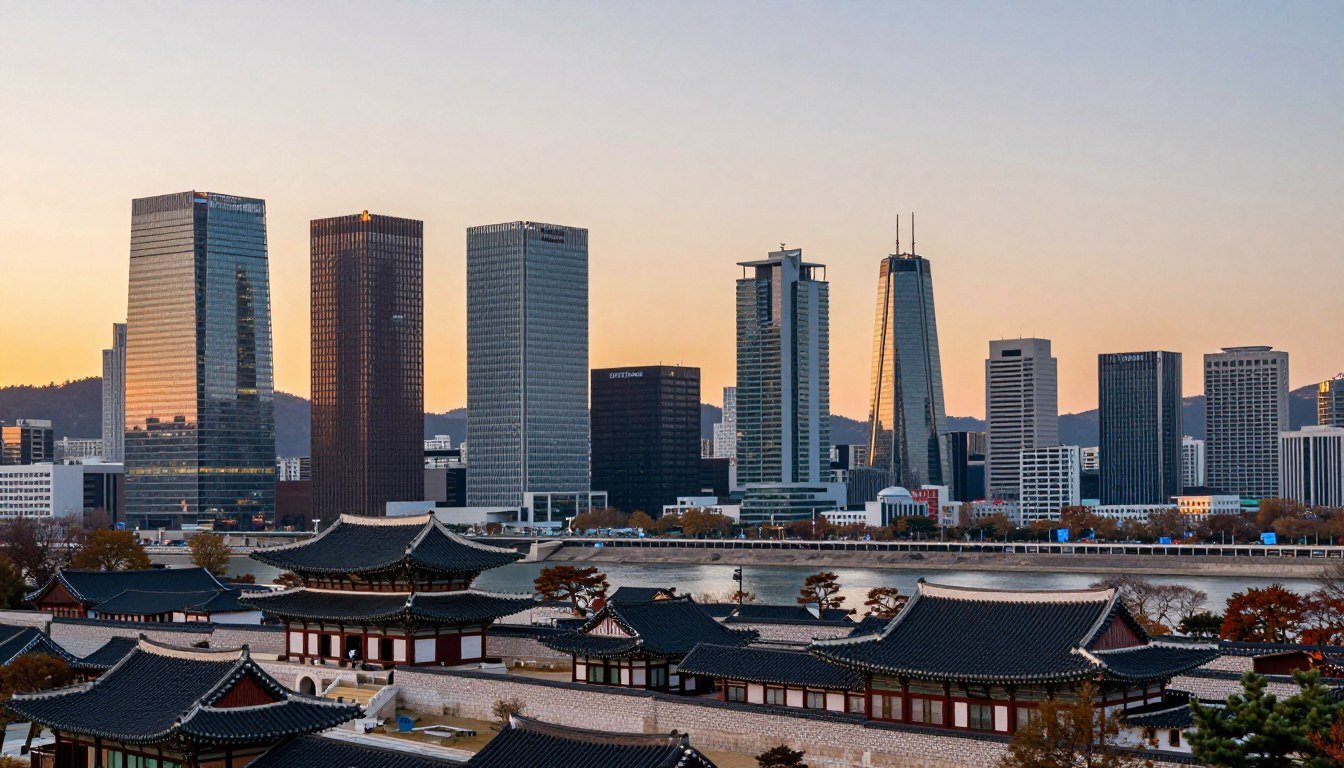
Seoul pulses with an energy unlike any other city on Earth. South Korea’s capital seamlessly weaves together 600 years of history with cutting-edge technology and global pop culture influence.
Ancient palaces stand in the shadow of futuristic towers. Street food vendors serve centuries-old recipes beside K-pop merchandise shops. Buddhist temples offer quiet meditation just blocks from neon-lit entertainment districts.
This Seoul travel guide will help you navigate one of Asia’s most dynamic cities in 2026, whether you’re here for the food, the culture, or the unforgettable experiences you’ll find at every turn.
Why Seoul Should Top Your 2026 Travel List
Seoul has transformed into a global cultural powerhouse. The Korean Wave has introduced the world to K-pop, K-beauty, and Korean cinema, making this city a pilgrimage site for culture enthusiasts worldwide.
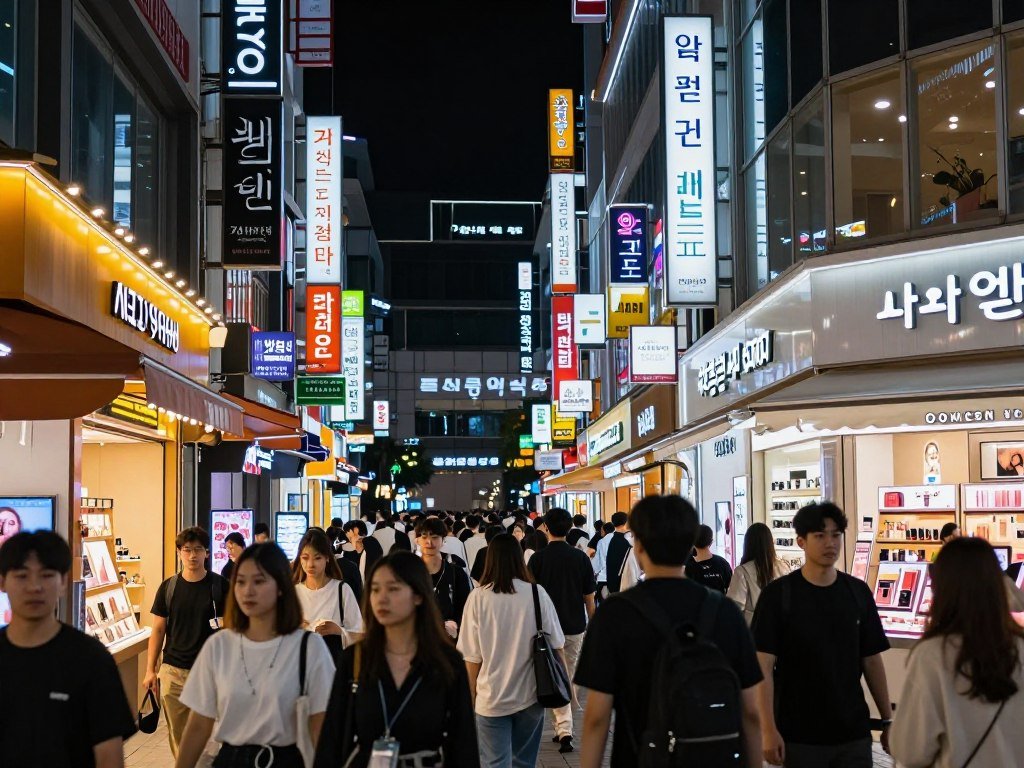
The city offers experiences you simply won’t find elsewhere. From navigating high-tech subway systems to discovering hidden traditional markets, Seoul rewards curious travelers with layers of discovery.
Living History Meets Tomorrow
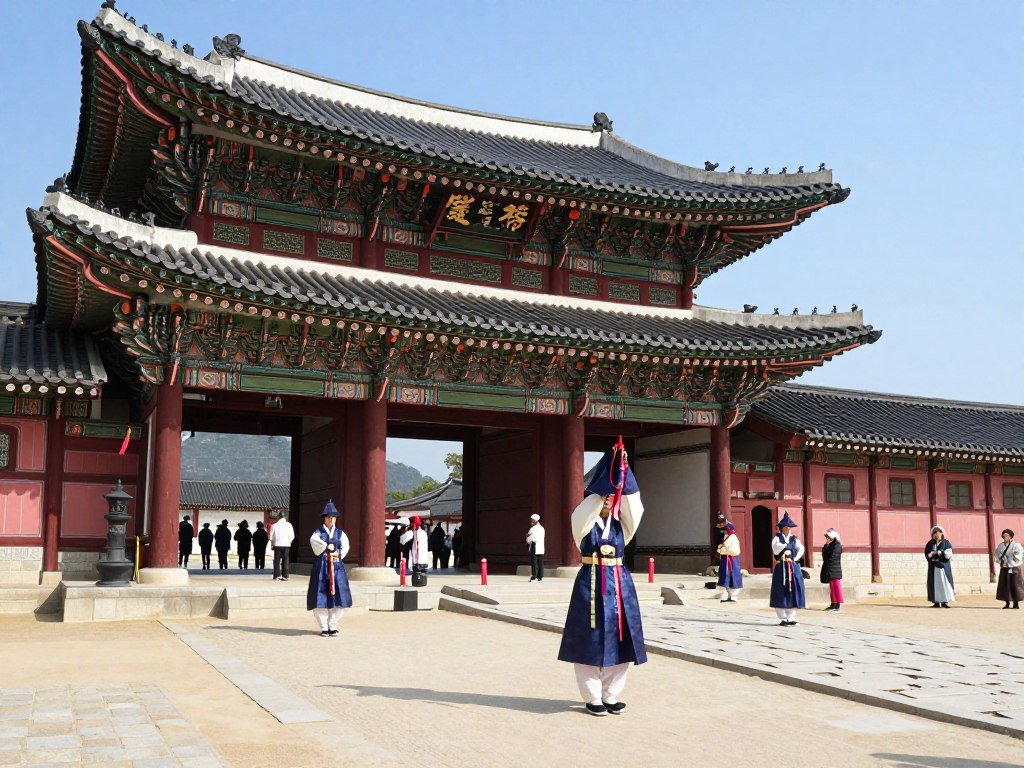
Five grand palaces dating to the Joseon Dynasty occupy prime real estate in central Seoul. These architectural marvels host daily ceremonies and cultural demonstrations. Just outside their gates, you’ll find some of Asia’s most advanced technology hubs and shopping districts.
Global Food Capital
Korean cuisine has conquered the world, but nothing compares to eating it in Seoul. From sizzling Korean BBQ to spicy street food and refined temple cuisine, the city offers a complete culinary education. You’ll find everything from humble food stalls to Michelin-starred restaurants.
Interactive Seoul map displaying key neighborhoods, palaces, shopping areas, and transportation hubs
Get Your Free Seoul Explorer’s Map
Download our comprehensive map with all major attractions, best restaurants, shopping districts, and Seoul metro routes marked for easy navigation.
Best Time to Visit Seoul in 2026
Seoul experiences four distinct seasons, each bringing unique advantages and challenges. Your ideal travel time depends on your priorities and tolerance for crowds and weather extremes.
| Season | Period | Temperature Range | Best Features | Things to Consider |
| Spring | April – May | 10-20°C (50-68°F) | Cherry blossoms, comfortable weather, festivals, outdoor activities | Peak tourist season, higher accommodation costs, dust from China |
| Summer | June – August | 23-32°C (73-90°F) | Festivals, outdoor markets, rooftop bars, extended daylight | High humidity, monsoon rains, very crowded, expensive |
| Autumn | September – November | 10-23°C (50-73°F) | Fall foliage, clear skies, comfortable temperatures, best food season | Popular travel period, book hotels early, October holidays |
| Winter | December – March | -6-5°C (21-41°F) | Lower prices, winter festivals, ice skating, authentic local experience | Very cold temperatures, some outdoor attractions less appealing |
Spring: Cherry Blossom Magic
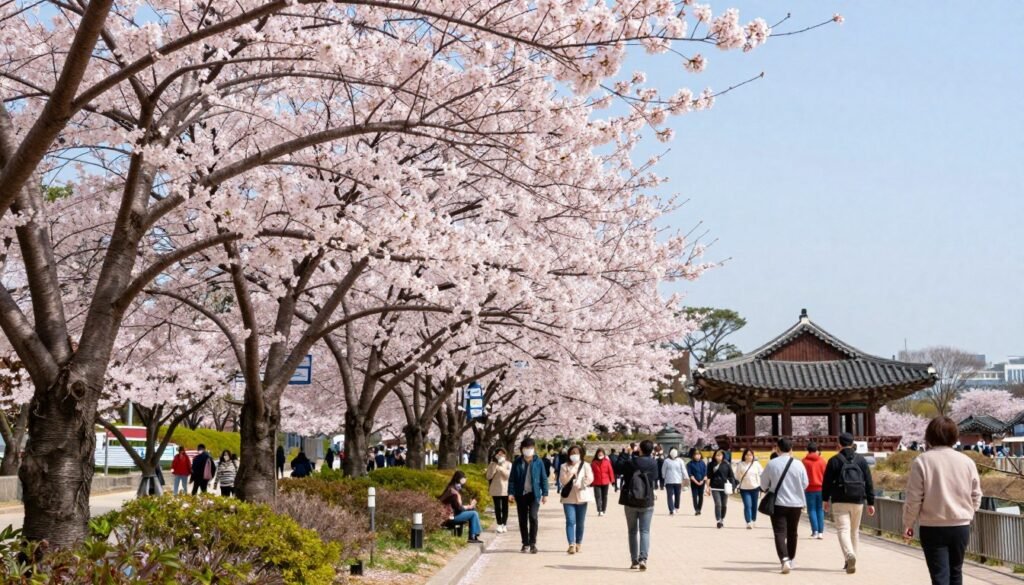
Late March through May brings Seoul’s most photographed season. Cherry blossoms transform the city into a pink wonderland, particularly along Yeouido Park and the Seoul Forest. The weather remains pleasant for walking tours and outdoor exploration.
This season sees the highest number of visitors. Hotel prices increase significantly, especially during the first two weeks of April when blossoms peak. Book accommodations at least three months in advance.
Autumn: The Perfect Balance
September through early November rivals spring as the best time to visit Seoul. Clear skies dominate, humidity drops, and temperatures stay comfortable. The fall foliage creates spectacular colors in mountain temples and palace gardens.
Korean Thanksgiving (Chuseok) usually falls in September or October. Many shops close for several days, but the holiday atmosphere adds cultural authenticity. Avoid traveling during this specific week unless experiencing the holiday is your goal.
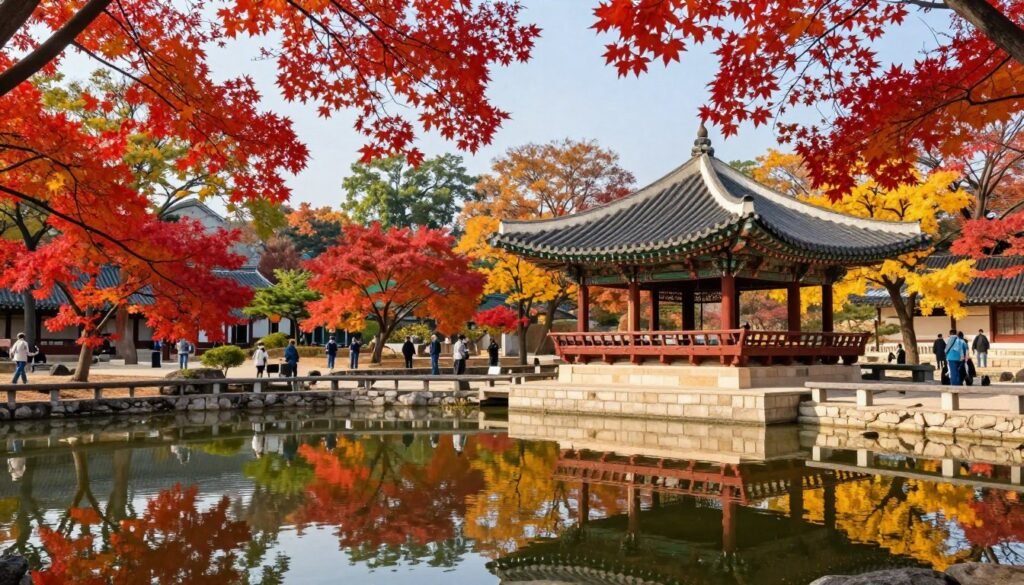
Insider Tip: Visit major palaces on weekdays before 10 AM to avoid tour groups. Gyeongbokgung Palace opens at 9 AM and offers the most impressive guard-changing ceremony at 10 AM – arrive early to secure a good viewing spot.
Must-Visit Attractions in Seoul
Seoul packs incredible diversity within its metropolitan boundaries. From palaces that witnessed dynasties rise and fall to ultra-modern districts that define global trends, these attractions showcase the city’s multifaceted character.
Gyeongbokgung Palace
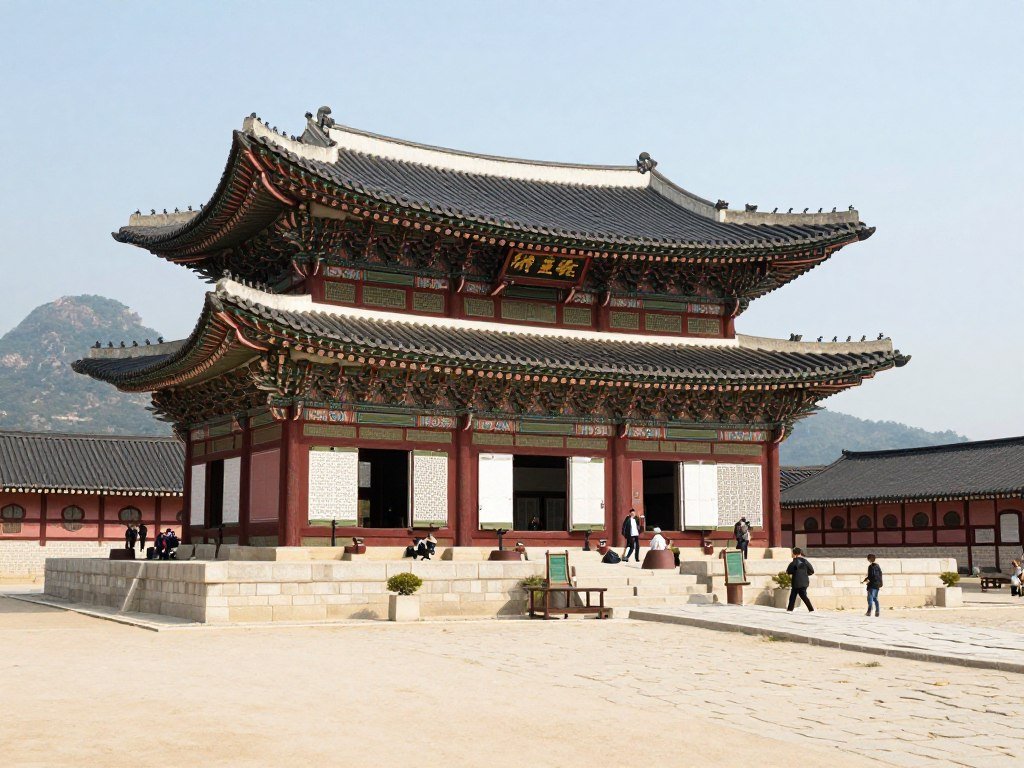
The largest of Seoul’s five grand palaces, Gyeongbokgung served as the main royal palace of the Joseon Dynasty. Built in 1395, the complex features over 300 buildings spread across stunning grounds that blend architecture with natural landscape.
The changing of the guard ceremony occurs three times daily at the main gate. Performers wear vibrant traditional costumes and follow choreographed routines that have remained unchanged for centuries. The National Palace Museum and National Folk Museum sit within the palace grounds, providing deeper historical context.
Essential Information
- Arrive right at opening (9 AM) for peaceful exploration
- Allow 2-3 hours to see everything properly
- Free admission if wearing hanbok (traditional Korean dress)
- English guided tours available at 11 AM and 1:30 PM
- Skip Wednesdays when the palace is closed
Getting There
- Subway Line 3 to Gyeongbokgung Station, Exit 5
- Walk 5 minutes north to main entrance
- Admission: 3,000 won (approximately $2.50 USD)
- Combined palace ticket available for multiple sites
- Audio guides available in multiple languages
Bukchon Hanok Village
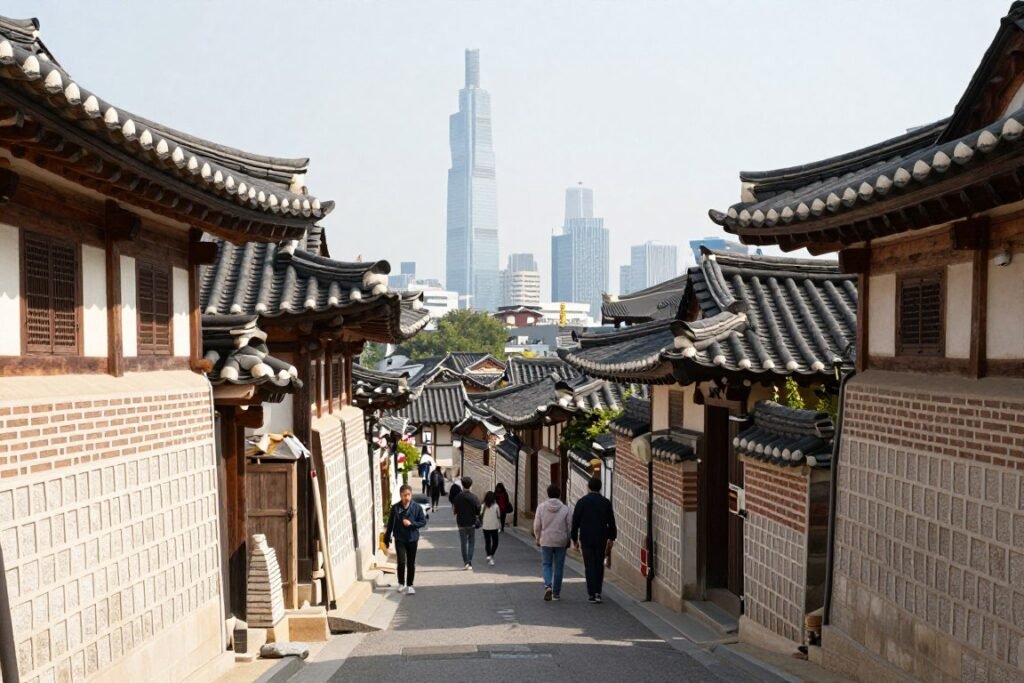
Nestled between two palaces, Bukchon Hanok Village preserves hundreds of traditional Korean houses called hanok. These wooden structures with curved roofs date back to the Joseon Dynasty, creating a neighborhood that feels frozen in time.
Many hanok now operate as cultural centers, teahouses, restaurants, and guesthouses. You’ll find artisan workshops where craftspeople practice traditional Korean arts. The area provides exceptional photography opportunities, particularly from designated viewpoints overlooking the village with modern Seoul in the background.
Bukchon Village Tips
- Visit early morning or late afternoon to avoid peak crowds
- Respect resident privacy – people actually live in these homes
- Wear comfortable shoes for walking steep, narrow streets
- Stop at traditional teahouses for authentic Korean tea ceremony
- Rent hanbok nearby for photos in traditional costume
- Combine with nearby Insadong for full cultural day
Book Traditional Seoul Experiences
Reserve hanbok rental, tea ceremony, and guided cultural tours through Bukchon Hanok Village and nearby traditional neighborhoods.
N Seoul Tower
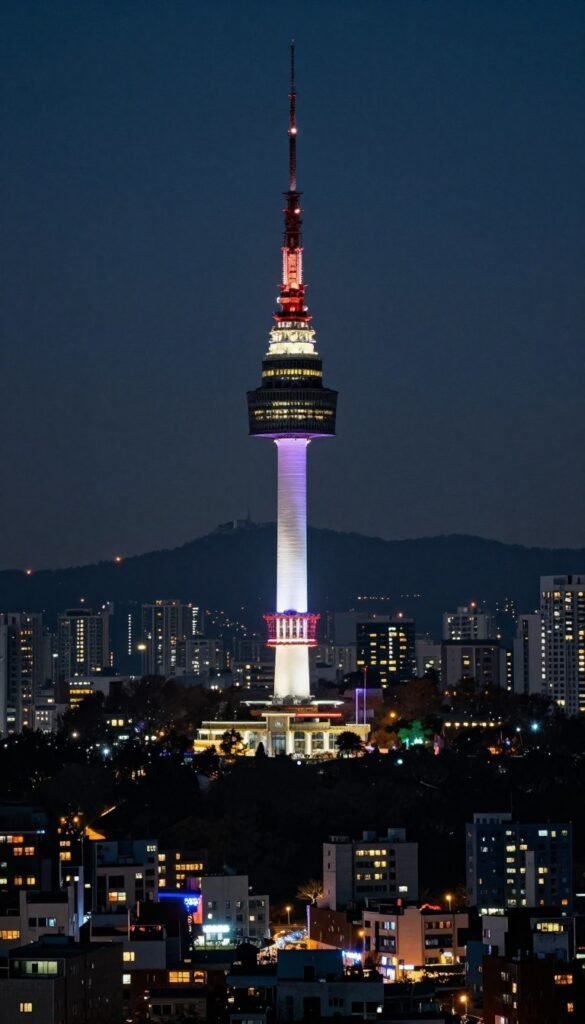
Perched atop Namsan Mountain, N Seoul Tower dominates the city’s skyline. This communication and observation tower rises 236 meters above the peak, offering 360-degree views of the sprawling metropolis below.
Multiple observation decks provide different perspectives. The digital observatory features interactive displays, while the traditional deck simply lets you absorb the view. Sunset visits combine daytime and nighttime vistas as the city transitions from concrete jungle to glittering wonderland.
The mountain base features walking trails through forests, outdoor exercise equipment, and the famous Locks of Love fence where couples attach padlocks. Cable cars whisk visitors from the base to near the tower entrance, though fit travelers can hike the mountain paths.
Insadong Cultural District
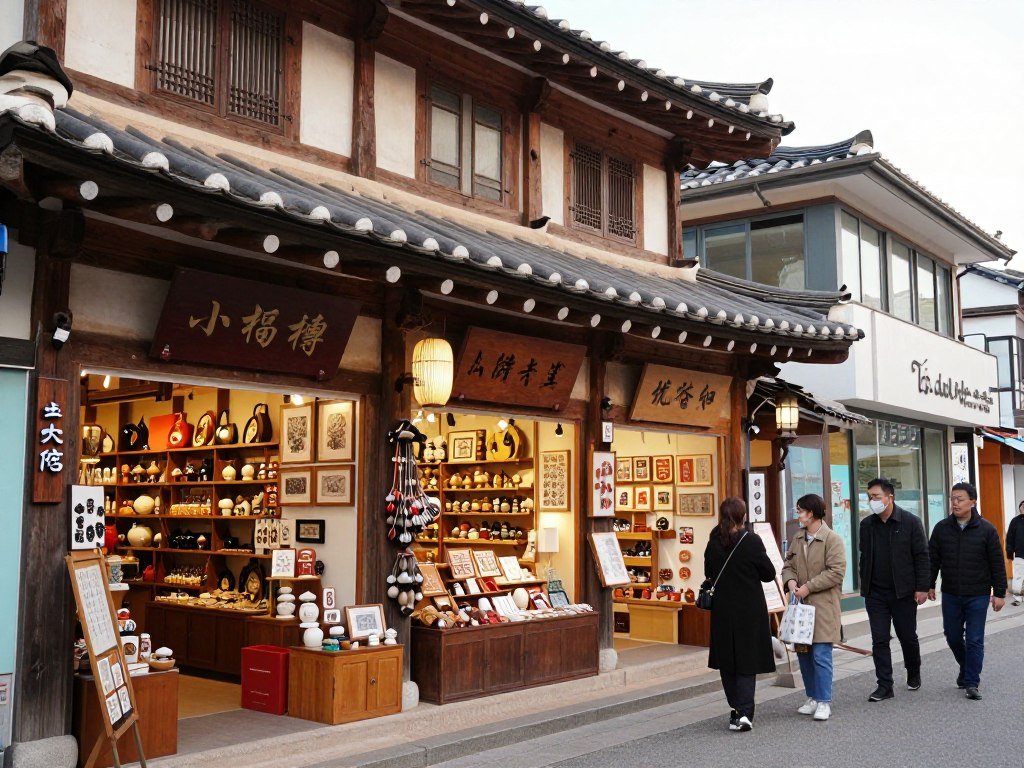
Insadong represents Seoul’s artistic soul. This neighborhood specializes in traditional Korean goods, from antiques and artworks to handmade crafts and calligraphy supplies. Galleries showcase everything from classical Korean paintings to contemporary works.
The main street becomes pedestrian-only on Sundays, filling with street performers, artists, and vendors. Side alleys hide charming teahouses serving traditional Korean teas and rice cakes. Modern cafes blend seamlessly with century-old establishments.
Ssamziegil, a distinctive mall built in a spiral design, houses boutiques selling unique Korean crafts and designs. The rooftop garden provides a peaceful escape from the busy streets below.
What to Experience in Insadong
- Traditional tea ceremonies at historic teahouses
- Watch calligraphy demonstrations and try your hand
- Browse galleries featuring Korean traditional and modern art
- Shop for authentic Korean souvenirs and handicrafts
- Sample traditional Korean sweets and street food
- Visit on Sunday for pedestrian-only street festival atmosphere
Dongdaemun Design Plaza (DDP)
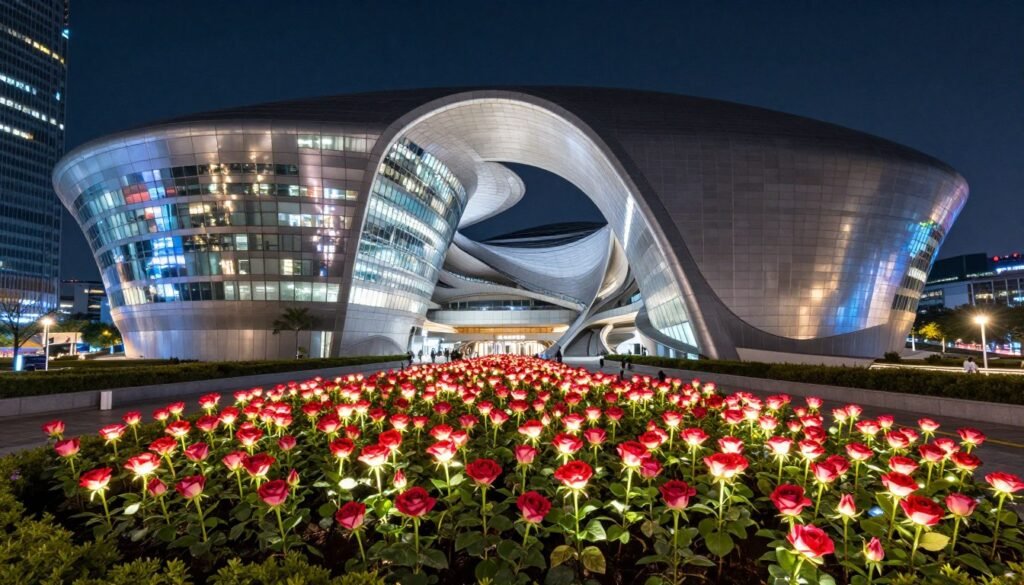
Architect Zaha Hadid designed this stunning futuristic complex that opened in 2014. The flowing, organic structure contains no straight lines, creating a spaceship-like appearance that contrasts dramatically with surrounding traditional markets.
DDP hosts fashion shows, exhibitions, conferences, and design markets. The LED Rose Garden outside features thousands of illuminated roses that create a magical atmosphere after dark. Inside, multiple levels house design shops, exhibition halls, and creative spaces.
The surrounding Dongdaemun area operates as Seoul’s 24-hour shopping district. Massive wholesale fashion malls stay open all night, while street food vendors serve hungry shoppers around the clock.
Shopping Highlights
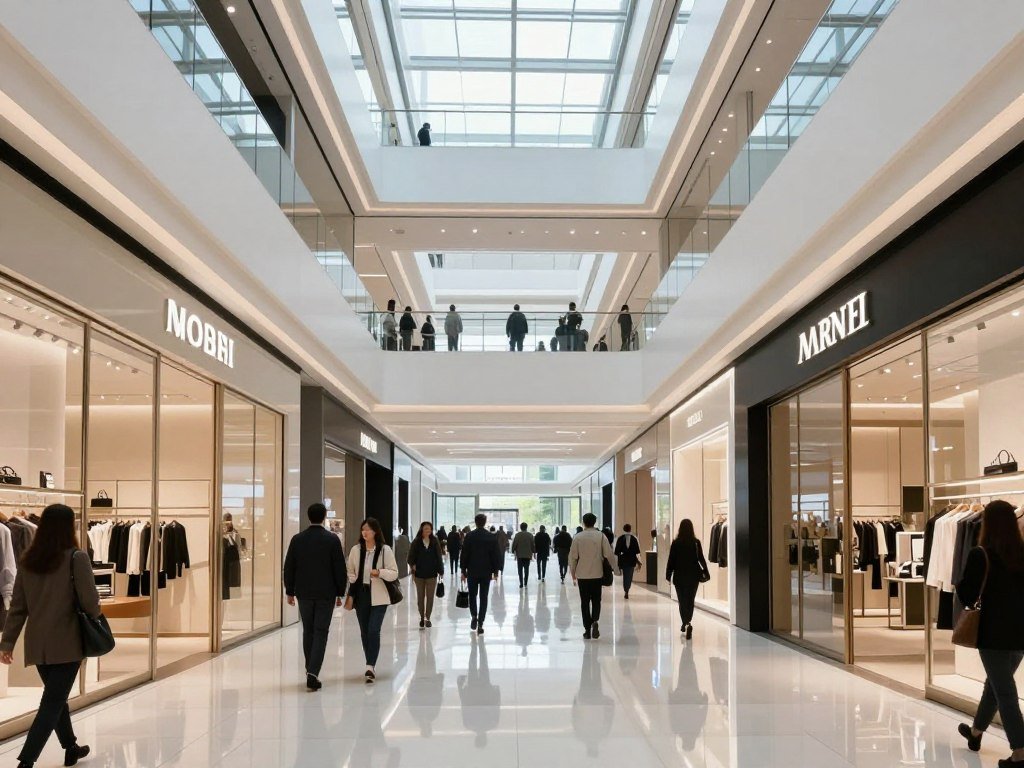
- COEX Mall – Asia’s largest underground shopping complex
- Lotte World Mall – Luxury brands and entertainment
- Myeongdong – Cosmetics and beauty product paradise
- Namdaemun Market – Traditional Korean goods
Dining Experiences
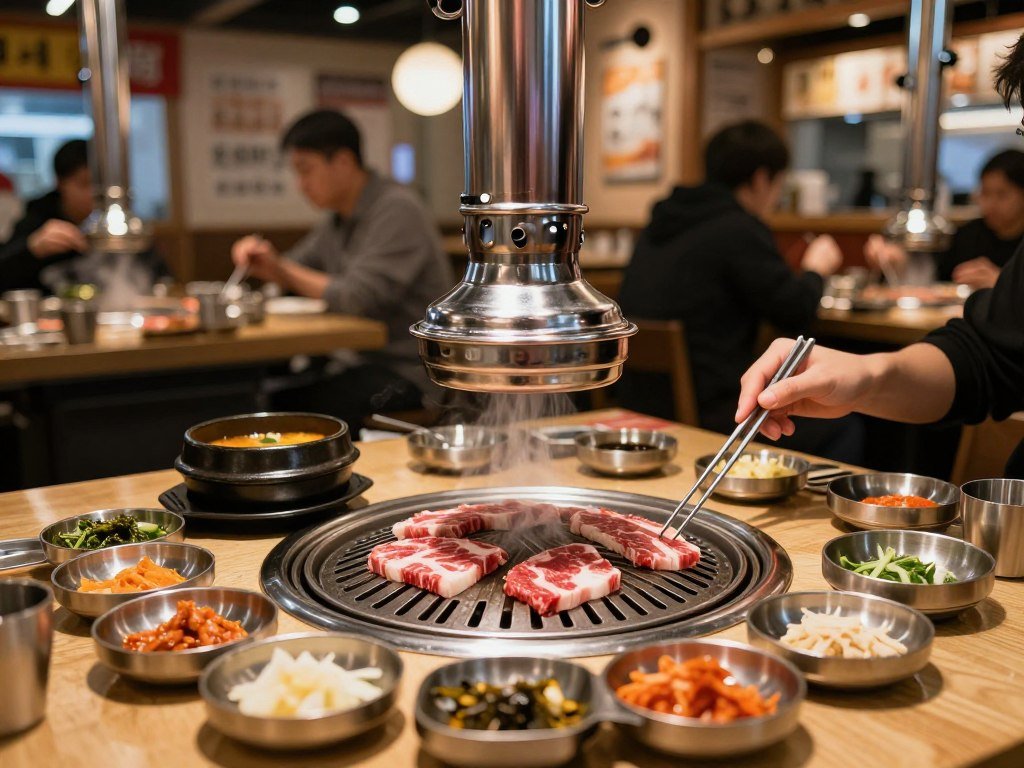
- Korean BBQ in Gangnam and Hongdae districts
- Street food at Gwangjang Market
- Michelin-starred Korean restaurants
- Traditional temple food experiences
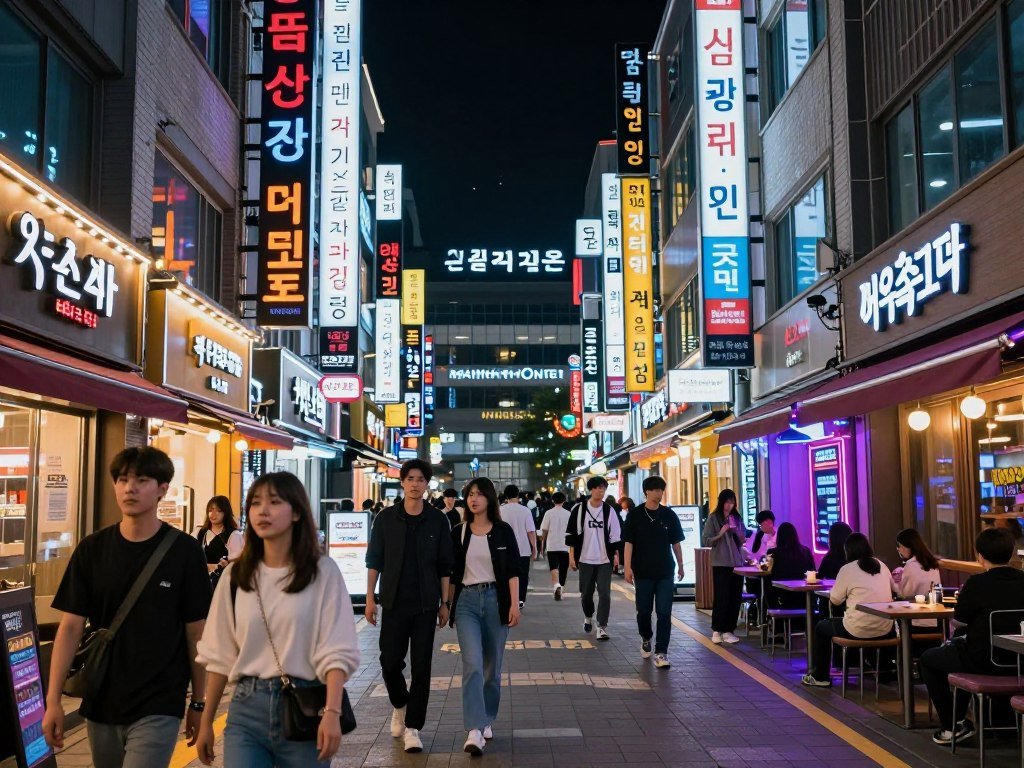
Entertainment
- K-pop concerts and fan experiences
- Noraebang (karaoke rooms) throughout the city
- Traditional performances at Korea House
- Nightlife in Hongdae and Itaewon districts
Essential Seoul Neighborhoods Guide
Seoul’s neighborhoods each possess distinct personalities. Understanding these areas helps you choose where to stay, eat, and explore based on your interests and travel style.
Hongdae – Youth Culture and Creativity
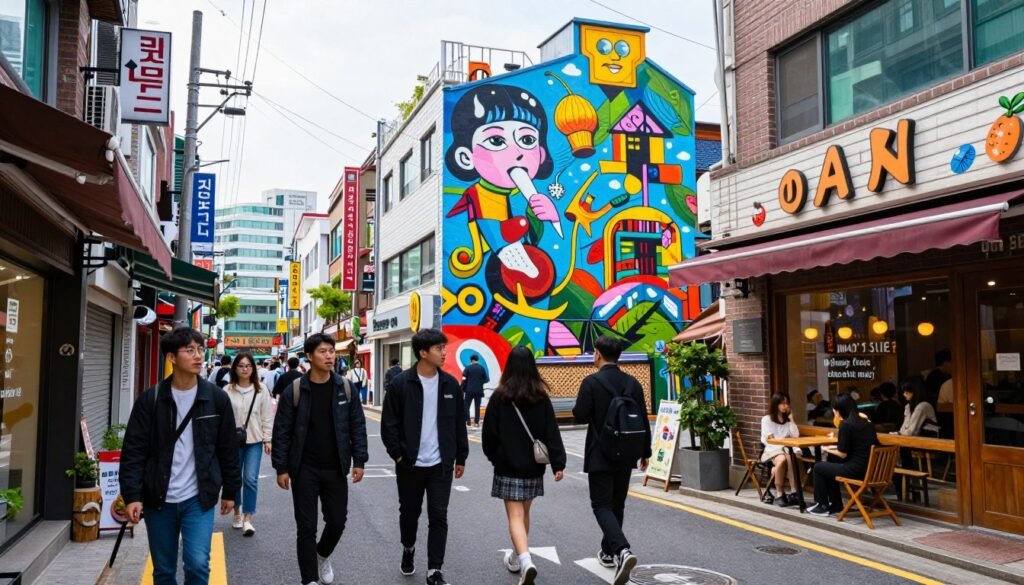
Named after Hongik University nearby, Hongdae thrives as Seoul’s center of youth culture and indie arts. The neighborhood explodes with energy, particularly on weekend nights when streets fill with performers, artists, and party-goers.
Independent boutiques sell unique fashion pieces you won’t find elsewhere. Live music venues range from tiny basement clubs to larger concert halls. Street performers demonstrate everything from dance to magic throughout the pedestrian areas.
The food scene skews young and experimental. You’ll find fusion restaurants, themed cafes, and innovative takes on Korean street food. Prices remain reasonable compared to more upscale districts.
Gangnam – Luxury and K-pop Glamour
Yes, this is the Gangnam from PSY’s viral hit. South of the Han River, this district represents Seoul’s wealthiest area. Luxury brands line the streets, high-end restaurants serve discerning diners, and the plastic surgery clinics that made Korean beauty famous cluster here.
COEX Mall anchors the district, offering hundreds of shops, a massive aquarium, and the stunning Starfield Library. K-pop entertainment company headquarters dot the area, and you might spot trainees practicing or celebrities arriving at buildings.
Gangnam suits travelers who appreciate upscale experiences, serious shopping, and observing Korea’s modern prosperity firsthand. The area feels more businesslike during weekdays but transforms into party central on weekend nights.
Myeongdong – Shopping and Beauty Mecca
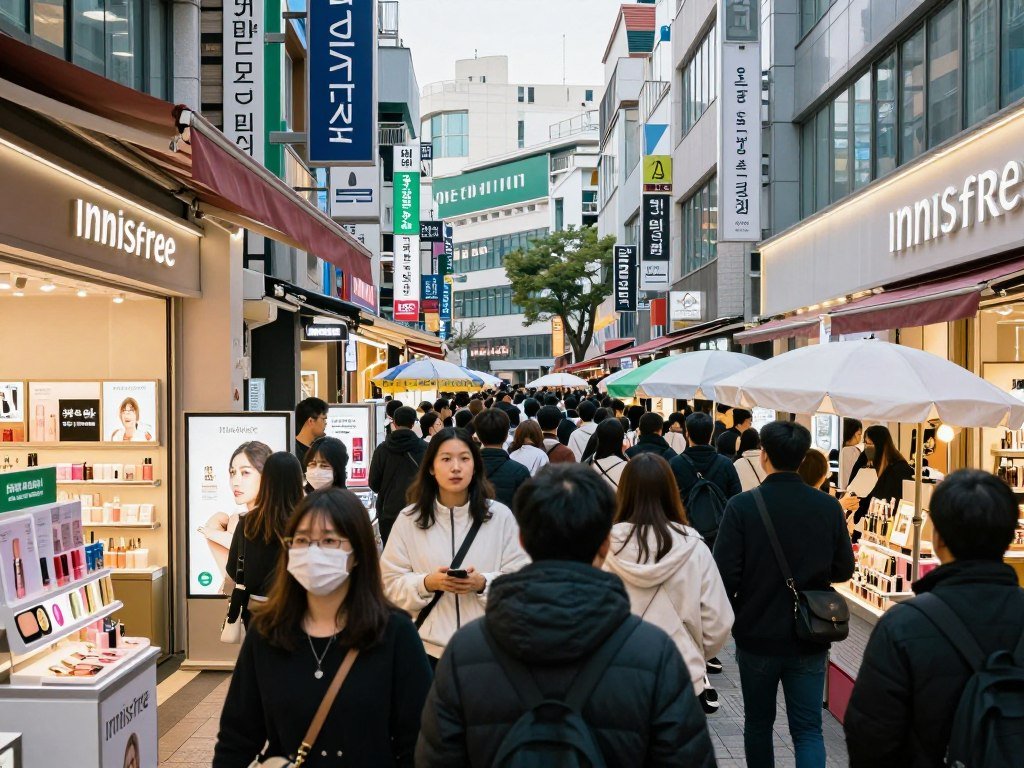
Myeongdong operates as Seoul’s premier shopping district, particularly for cosmetics and beauty products. Stores from every major Korean beauty brand compete for attention with promotions, samples, and sales staff who speak multiple languages.
The pedestrian streets overflow with shoppers from morning until late night. Korean fashion brands mix with international names. Street food vendors occupy every corner, selling everything from Korean fried chicken to elaborate desserts.
This neighborhood serves as an excellent base for first-time Seoul visitors. Central location provides easy access to palaces, shopping, and public transportation. The area never sleeps, offering 24-hour convenience.
Insadong and Jongno – Traditional Seoul
Between the major palaces, these interconnected neighborhoods preserve traditional Korean culture. Hanok villages, antique shops, art galleries, and traditional restaurants create an atmosphere that feels worlds away from modern Seoul.
You’ll find authentic Korean experiences here – tea ceremonies, traditional performances, calligraphy shops, and craftspeople practicing ancient arts. The pace slows down, inviting leisurely exploration and cultural appreciation.
Weekend markets bring additional energy. Locals join tourists browsing handmade goods, sampling street food, and watching street performers demonstrate traditional Korean arts.
Itaewon – International Flavor
Seoul’s most multicultural neighborhood grew around the U.S. military base. Today, Itaewon offers international cuisine from dozens of countries, bars and clubs that stay open late, and a cosmopolitan atmosphere distinct from other Seoul areas.
The neighborhood welcomes the LGBTQ+ community more openly than other parts of Seoul. Diverse restaurants serve authentic Middle Eastern, African, European, and American food alongside Korean options.
Recent years have seen Itaewon gentrify significantly. Trendy cafes, boutique hotels, and hip restaurants have transformed previously gritty areas into sought-after destinations. The area balances its international character with growing Korean sophistication.
| Neighborhood | Best For | Vibe | Price Level |
| Hongdae | Young travelers, nightlife, indie culture, live music | Energetic, artistic, youthful, creative | Budget to mid-range |
| Gangnam | Luxury shopping, K-pop culture, upscale dining, business | Sophisticated, modern, wealthy, trendy | Mid-range to luxury |
| Myeongdong | Shopping, beauty products, street food, central location | Busy, commercial, tourist-friendly, convenient | Budget to mid-range |
| Insadong/Jongno | Traditional culture, palaces, art galleries, authentic experiences | Traditional, cultural, peaceful, historic | Budget to mid-range |
| Itaewon | International food, nightlife, diverse atmosphere, LGBTQ+ friendly | Multicultural, lively, accepting, eclectic | Mid-range to upscale |
Find Your Perfect Seoul Neighborhood
Get personalized recommendations for where to stay based on your interests, budget, and travel style. Includes hotel suggestions for each area.
Korean Food: A Culinary Adventure
Korean cuisine has exploded in global popularity, but eating in Seoul provides an entirely different experience. From sizzling BBQ to complex fermented flavors and addictive street food, the city offers a complete gastronomic education.
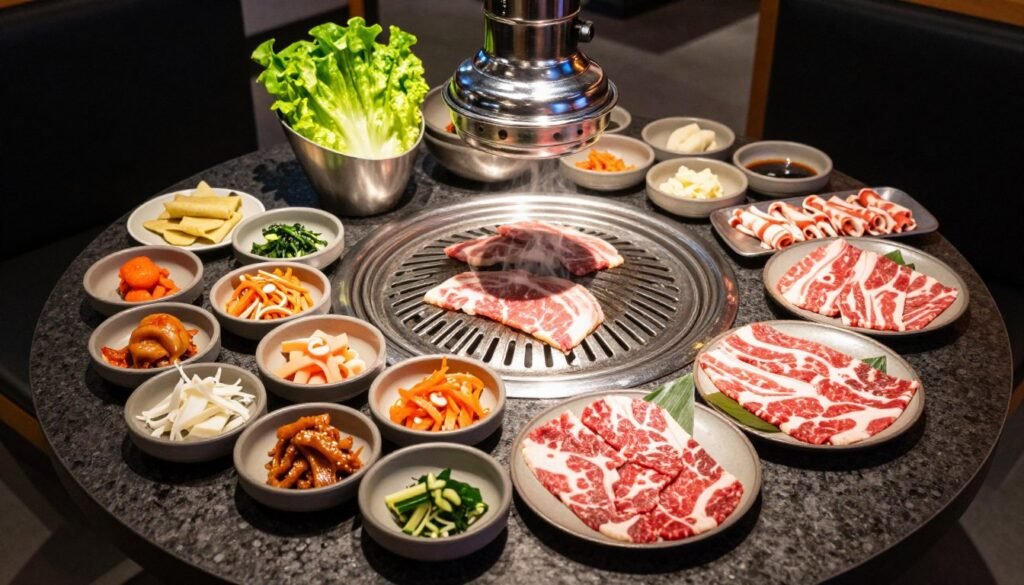
Must-Try Korean Dishes
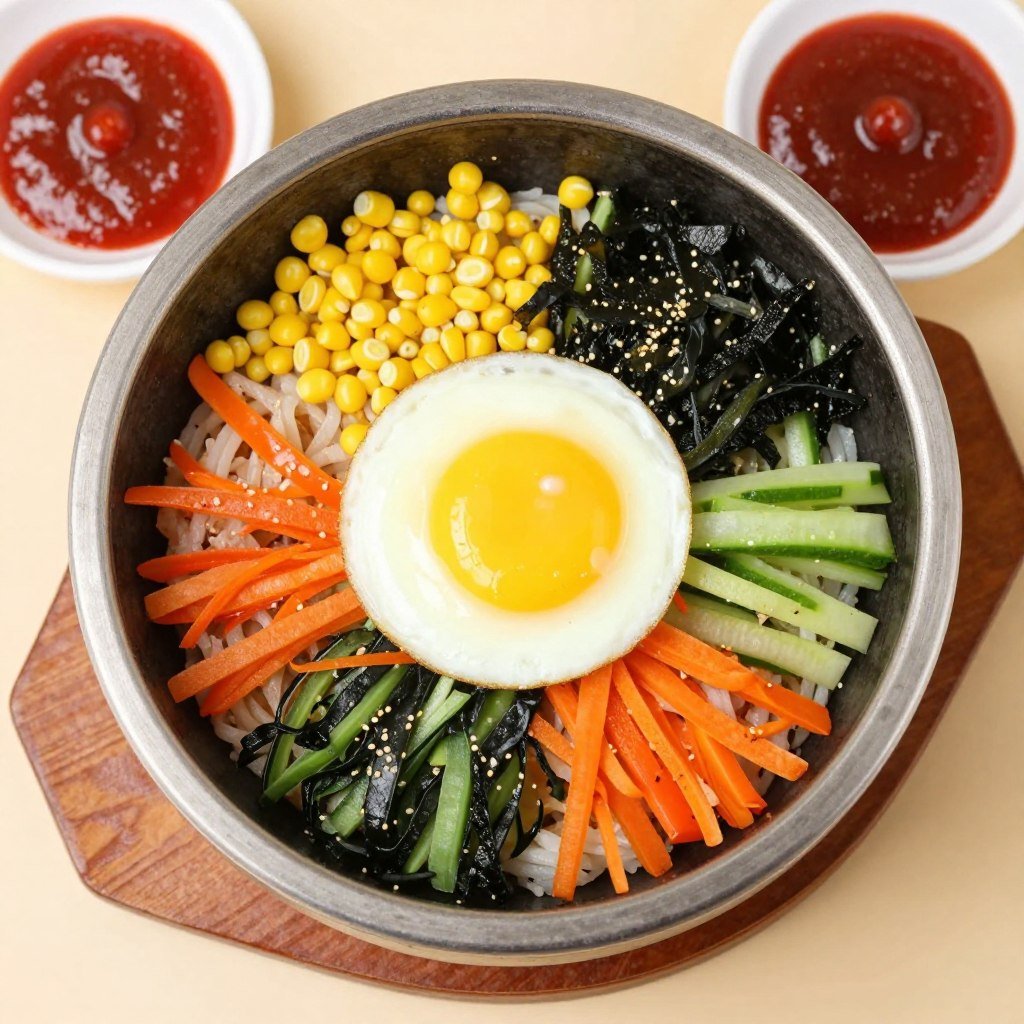
Bibimbap
Rice mixed with vegetables, meat, egg, and spicy gochujang sauce. This colorful bowl combines nutrition with flavor. The stone pot version arrives sizzling hot, creating crispy rice at the bottom.
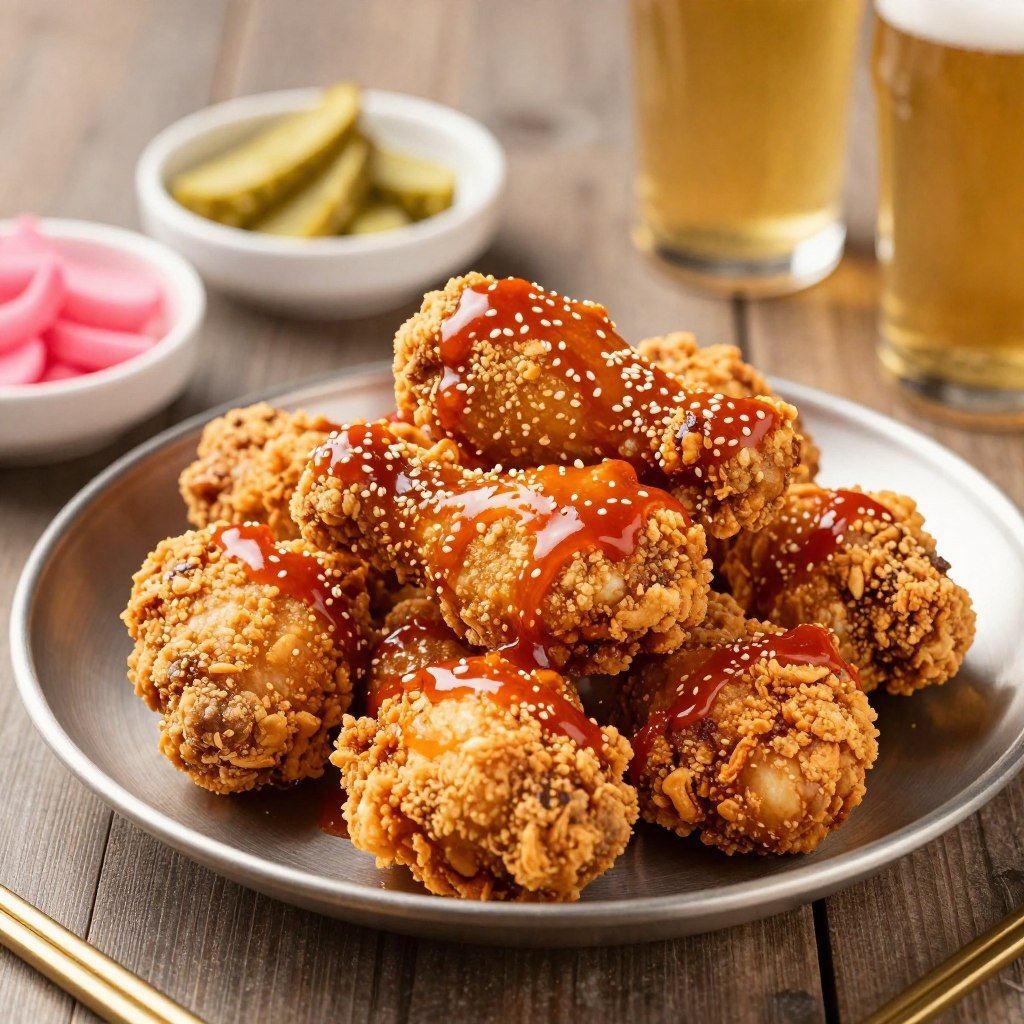
Korean Fried Chicken
Double-fried for extreme crispiness, then coated in sweet-spicy sauce or served plain. Korean fried chicken differs completely from Western versions. Pair it with beer for the ultimate “chimaek” experience.
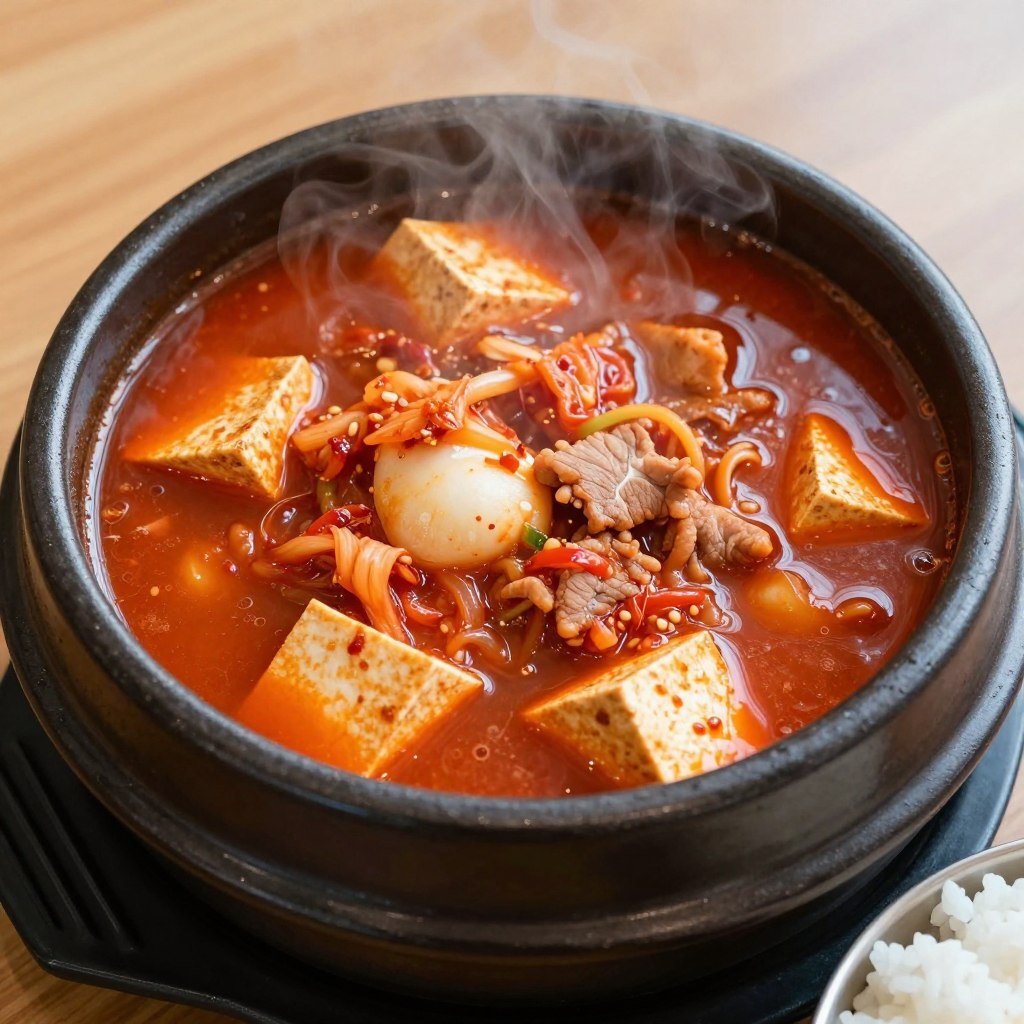
Kimchi Jjigae
Spicy kimchi stew that warms you from inside. This comfort food combines fermented kimchi with pork, tofu, and vegetables in fiery red broth. Every restaurant’s version tastes slightly different.
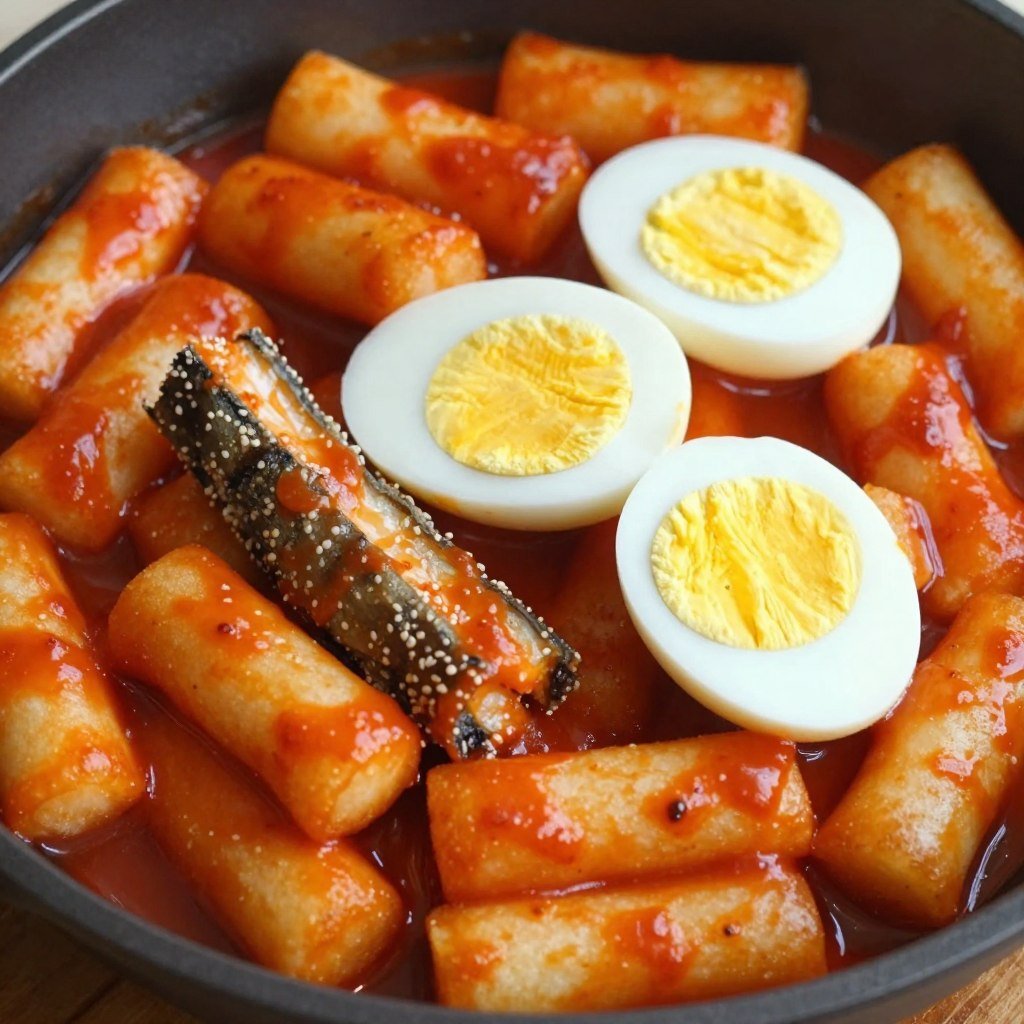
Tteokbokki
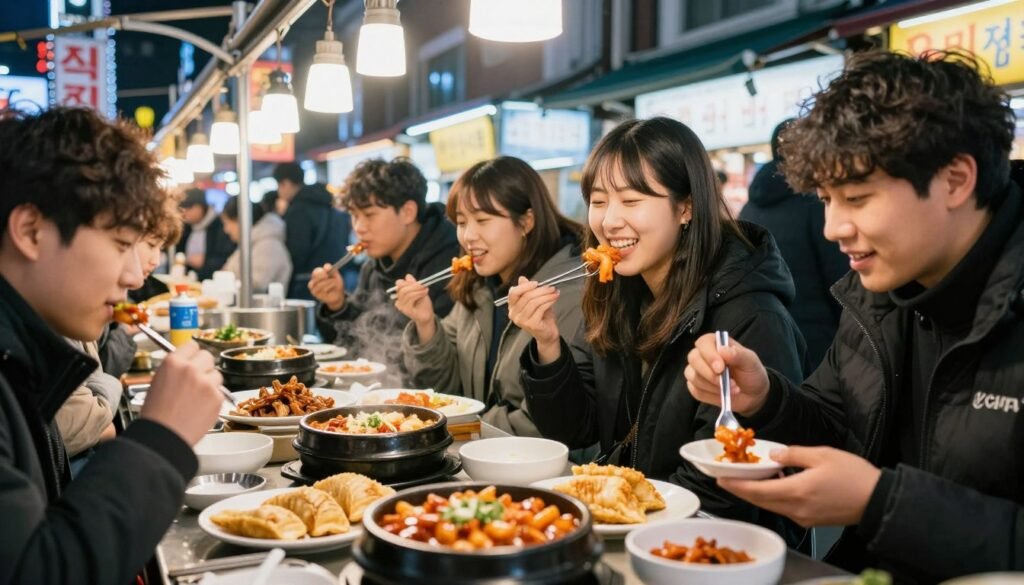
Chewy rice cakes smothered in sweet-spicy sauce. This ultimate Korean street food appears at every market and food stall. The addictive texture and flavor make it impossible to eat just a few pieces.
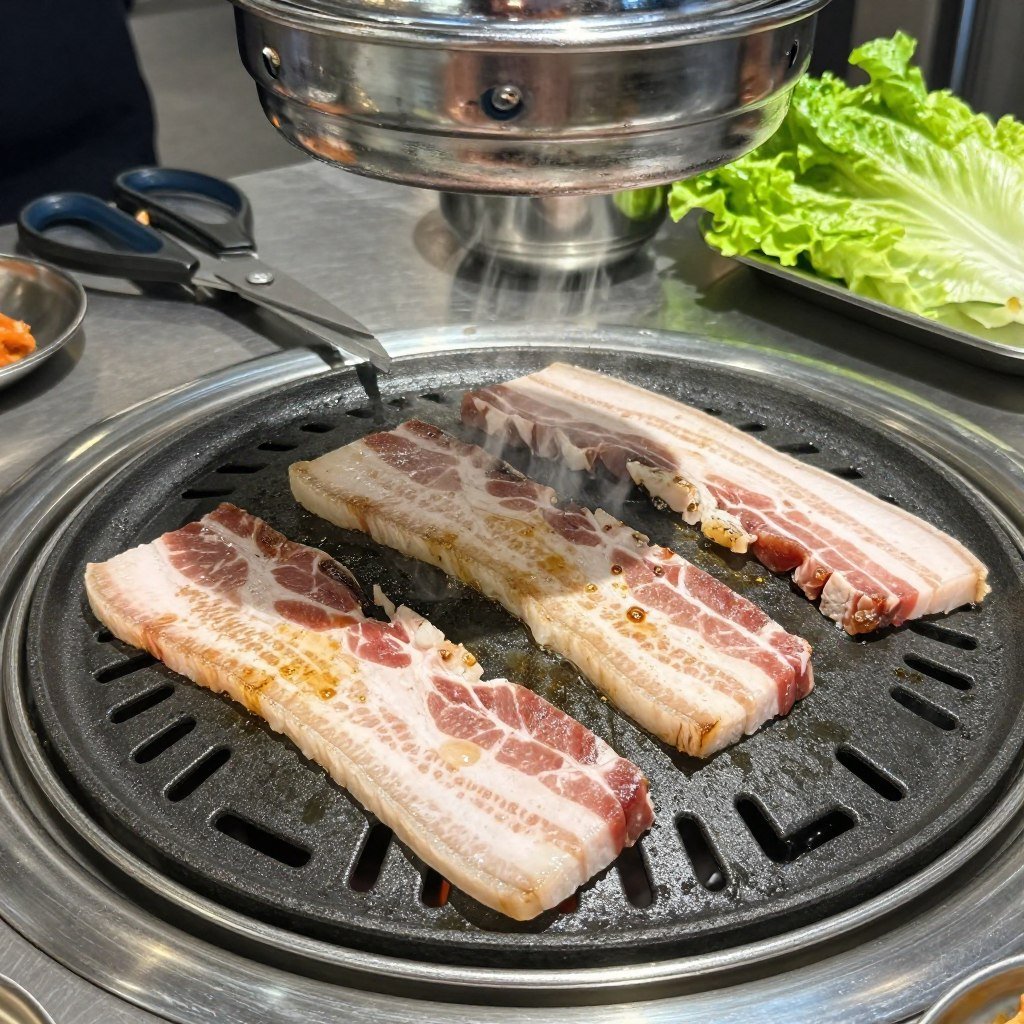
Samgyeopsal
Grilled pork belly served with lettuce wraps and endless side dishes. You cook it yourself at your table, wrapping the meat in lettuce with garlic, peppers, and sauces. This social dining experience defines Korean food culture.
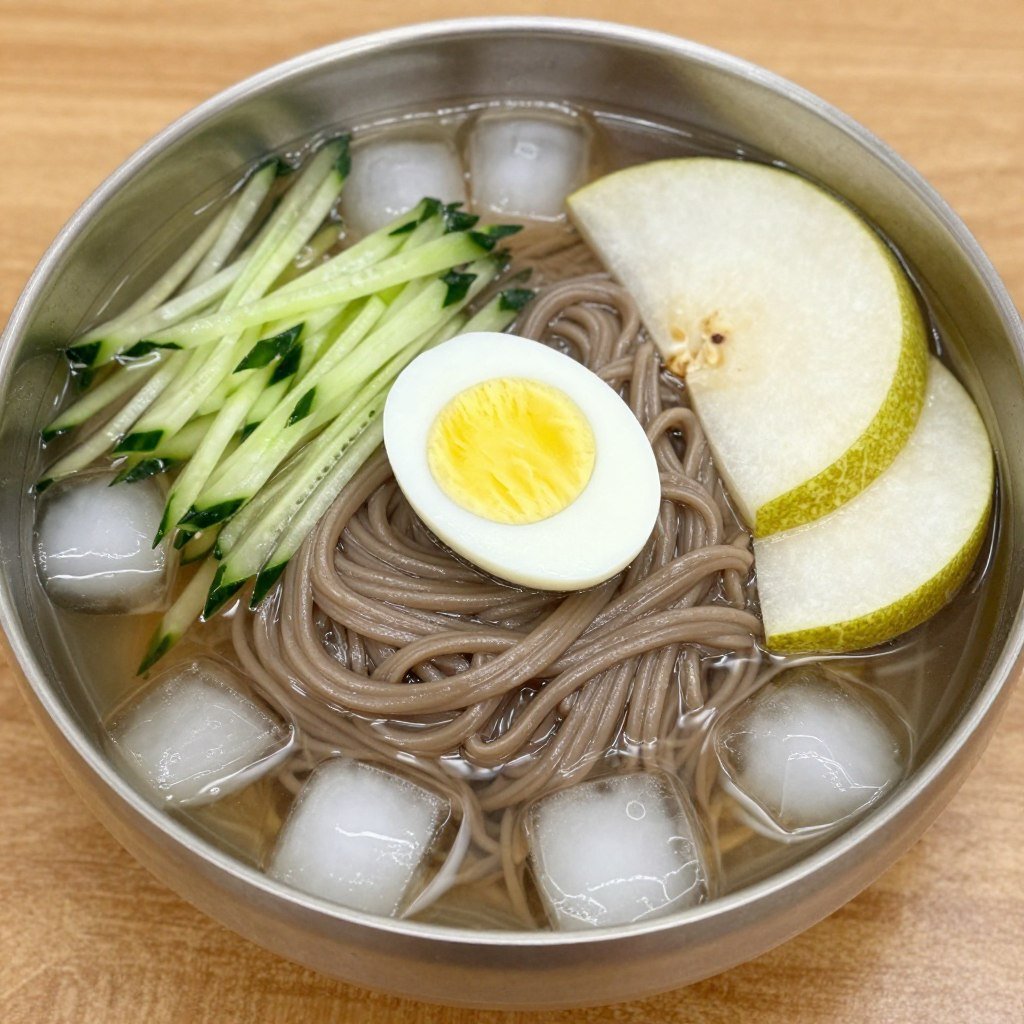
Naengmyeon
Cold buckwheat noodles served in icy broth or spicy sauce. This refreshing dish provides welcome relief during Seoul’s humid summers. The chewy noodles require scissors to cut into manageable lengths.
Where to Eat in Seoul
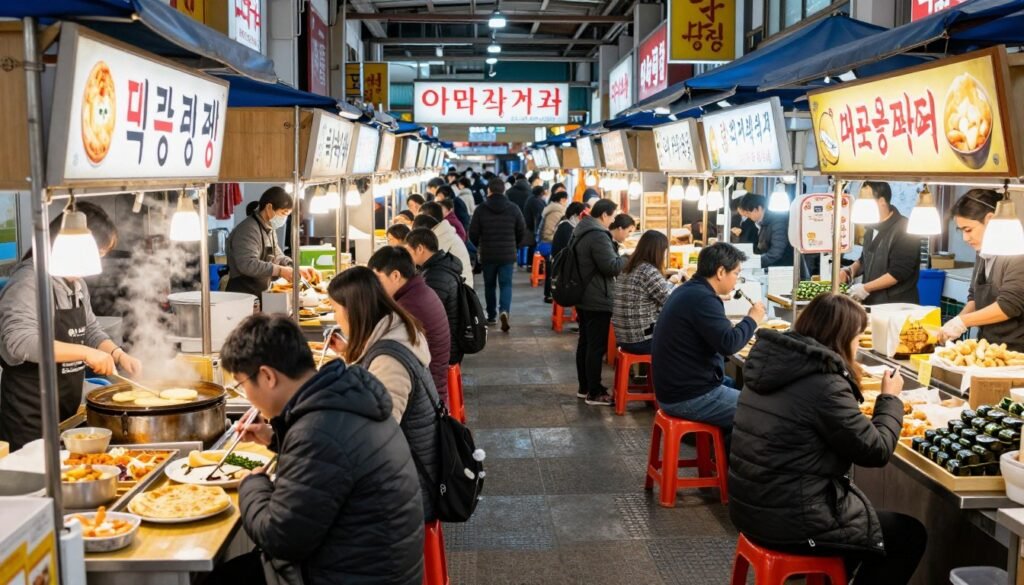
Seoul’s food scene spans from humble street stalls to temples of haute cuisine. The best strategy involves sampling across the spectrum, experiencing authentic neighborhood joints alongside refined dining.
Traditional Markets for Street Food
- Gwangjang Market – Famous for bindaetteok (mung bean pancakes) and mayak gimbap
- Namdaemun Market – Kalguksu (knife-cut noodles) and Korean dumplings
- Tongin Market – Dosirak Cafe where you purchase food with vintage coins
- Mangwon Market – Local favorite with authentic Korean market food
Neighborhood Food Streets
- Euljiro – Historic area with old-school Korean pubs and restaurants
- Mapo – Famous for grilled pork belly and Korean intestine dishes
- Jongno – Late-night pojangmacha (street tents) serving anju (drinking snacks)
- Sindang-dong – Tteokbokki Town with dozens of spicy rice cake specialists
- Gimbap Cheonguk – Korean-style sushi rolls chain
- Myeongdong Kyoja – Famous for kalguksu and dumplings
- Isaac Toast – Korean-style breakfast sandwiches
- Gwangjang Market vendors – Authentic street food
- Local bunsik (snack food) restaurants
Budget Eats
- Maple Tree House – High-quality Korean BBQ
- Tosokchon – Famous samgyetang (ginseng chicken soup)
- Gogung – Traditional bibimbap specialist
- Hanilkwan – Classic Korean royal cuisine
- Noryangjin Fish Market – Fresh seafood restaurants
Mid-Range Dining
- Mingles – Michelin two-star modern Korean
- Jungsik – Contemporary Korean tasting menus
- La Yeon – Three Michelin stars, traditional refined
- Gaon – Three Michelin stars, Korean royal court cuisine
- Bicena – Modern interpretation of temple food
Fine Dining
Korean Food Culture Tips
Understanding Korean dining customs enhances your experience. Meals arrive with numerous banchan (side dishes) that are always free and refillable. Don’t tip – it’s not expected or desired in Korea. Many restaurants specialize in just one or two dishes done extremely well.
Koreans love to share food. Order multiple dishes for the table rather than individual plates. Drinking culture plays a major role – when someone offers to pour you a drink, accept with both hands on the glass as a sign of respect.
Spice Warning: Korean food can be very spicy, particularly dishes with gochugaru (red pepper flakes) or gochujang (fermented red pepper paste). Start mild if you’re sensitive to spice. Many restaurants will adjust spice levels if you ask “덜 맵게 주세요” (deol maepge juseyo – “less spicy please”).
Join an Authentic Seoul Food Tour
Discover hidden local restaurants, markets, and street food spots with expert Korean food guides. Small groups ensure personal attention and insider access.
K-Culture and Unique Seoul Experiences
Seoul sits at the epicenter of the Korean Wave that has swept global popular culture. Beyond K-pop and K-dramas, the city offers deep cultural experiences that reveal Korea’s unique identity.
K-pop and Entertainment
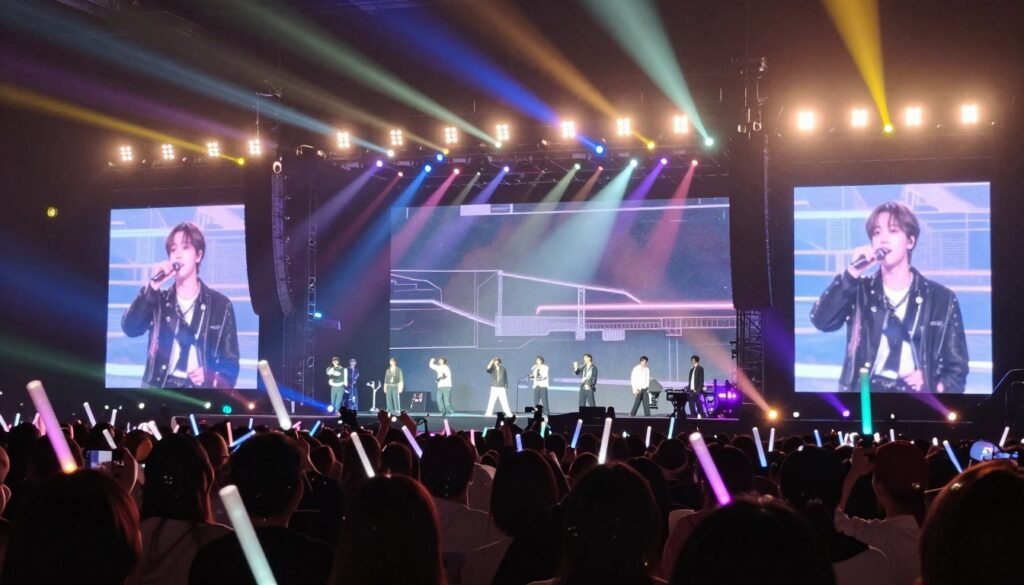
K-pop transcends music to become a complete cultural phenomenon. Seoul hosts concert venues, entertainment company headquarters, and fan experiences dedicated to this global trend.
SM Town, JYP, HYBE, and YG entertainment companies offer building tours and merchandise shops. The HYBE Insight museum provides interactive experiences exploring the creation of K-pop. Gangnam and Cheongdam areas regularly see celebrity sightings and trainee practice sessions visible through building windows.
K-pop Experiences
- Book concert tickets months in advance through official channels
- Visit entertainment company buildings in Gangnam and Cheongdam
- Take K-pop dance classes at specialized studios
- Shop for official merchandise at entertainment company stores
- Experience hologram concerts at K-Live venue
- Visit K-Star Road celebrity hand-print displays
Korean Beauty and Skincare
Korean beauty products have revolutionized global skincare. Seoul offers the ultimate beauty shopping experience with every major brand, innovative products, and expert advice.
Myeongdong concentrates the highest density of beauty stores. Olive Young, the dominant beauty chain, stocks thousands of products across multiple floors. International customers receive tax-free shopping benefits. Staff often speak English and provide generous samples.
Gangnam clinics offer everything from basic facials to advanced cosmetic procedures that made Korean beauty standards famous worldwide. Many facilities cater specifically to international patients with English-speaking staff and package deals.
Essential Beauty Shopping
- Olive Young – Largest beauty store chain
- Innisfree flagship stores – Natural ingredients focus
- Sulwhasoo flagship – Luxury Korean skincare
- Amorepacific headquarters – Multiple brand showroom
- Street shop promotions – Amazing samples and deals
Beauty Experiences
- Korean spa (jjimjilbang) overnight experience
- Professional Korean skincare facial
- Makeup makeover at department store counters
- Beauty workshops and classes
- Medical-grade facials at dermatology clinics
Traditional Korean Experiences
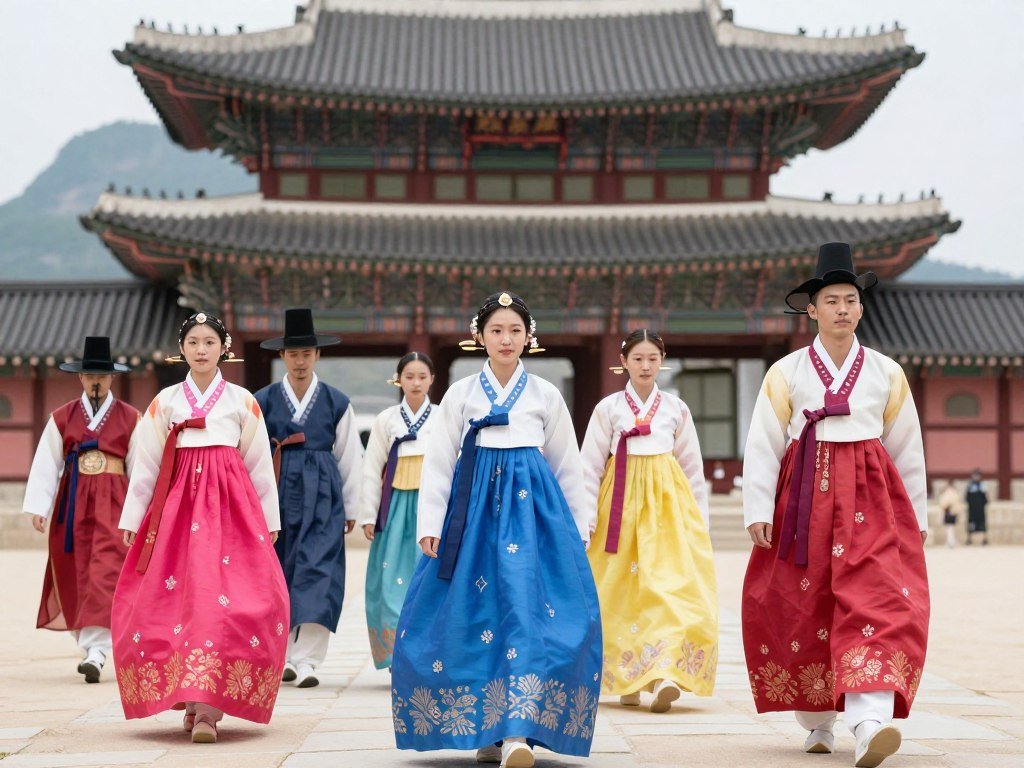
Despite modern developments, Seoul maintains connections to its traditional past. These cultural experiences provide balance to the contemporary aspects of the city.
Temple Stay Programs
Multiple Buddhist temples in and around Seoul offer temple stay programs. Participants follow monastic schedules including meditation, Buddhist ceremonies, communal meals, and temple work. The experience provides profound peace and cultural understanding.
Jogyesa Temple in central Seoul offers both overnight and day programs. Bongeunsa Temple in Gangnam provides English-language programs specifically designed for international visitors.
Hanbok Rental and Palace Tours
Wearing hanbok, traditional Korean clothing, has become hugely popular. Dozens of rental shops near major palaces offer everything from simple traditional styles to elaborate modern interpretations.
Palace admission becomes free when wearing hanbok, adding practical benefits to the cultural experience. The colorful costumes create stunning photos against palace architecture. Rental typically costs 15,000-30,000 won for several hours.
Traditional Performances
- Nanta – Non-verbal cooking performance combining comedy and music
- Korea House – Traditional music, dance, and dinner packages
- National Theater of Korea – Classical Korean performing arts
- Jeongdong Theater – “Miso” traditional music and dance show
- Seoul Namsan Gugakdang – Traditional Korean music performances
Unique Seoul Activities
Seoul offers experiences you simply won’t find elsewhere. These activities range from quirky to profound, all distinctly Korean.
Jjimjilbang (Korean Spa) Culture
Korean bathhouses operate 24 hours, offering gender-separated bathing areas with pools of varying temperatures, saunas, and steam rooms. The communal areas feature sleeping quarters, restaurants, entertainment rooms, and various heat therapy chambers.
Many travelers spend entire nights at jjimjilbangs, making them budget accommodation options. Dragon Hill Spa in Yongsan is one of the largest and most tourist-friendly. Siloam Sauna near Seoul Station offers authentic local atmosphere.
Themed Cafes
Seoul’s cafe culture goes far beyond coffee. Themed cafes dedicated to specific concepts fill neighborhoods. Animal cafes let you interact with dogs, cats, raccoons, or sheep while drinking coffee. Gaming cafes provide high-end computers for professional gaming. Board game cafes stock hundreds of games with staff who explain rules.
Noraebang (Karaoke)
Private karaoke rooms play a huge role in Korean social life. Unlike Western karaoke bars where you sing in front of strangers, noraebang provides private rooms for your group. High-tech systems offer thousands of songs in multiple languages with professional sound systems.
Book Unique Seoul Experiences
Reserve K-pop studio tours, temple stay programs, beauty workshops, and other exclusive Seoul experiences for 2026.
Incredible Day Trips from Seoul
Seoul’s location provides access to significant destinations within easy day trip distance. These excursions add depth and variety to your South Korea experience.
DMZ and JSA Tours
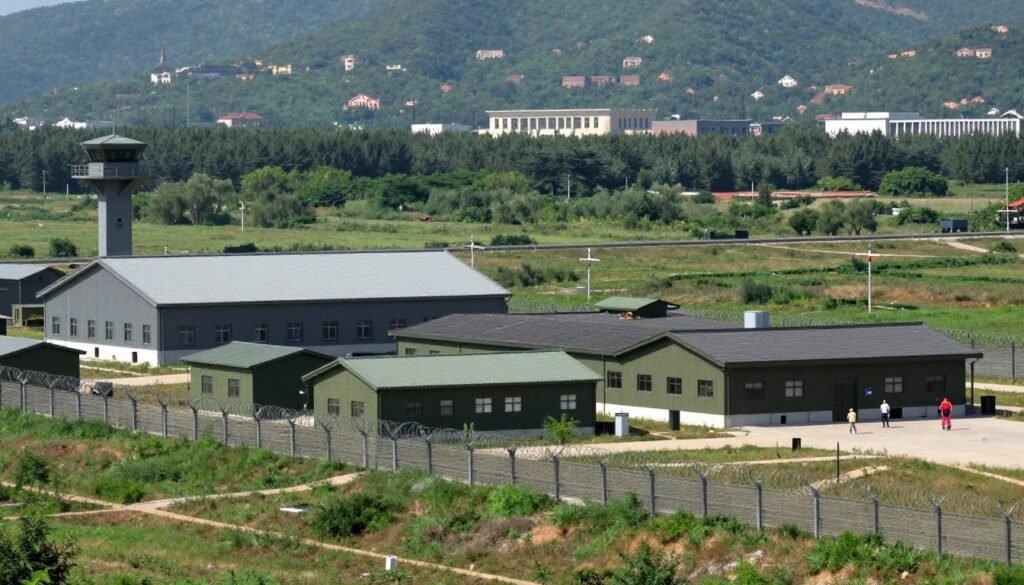
The Demilitarized Zone separating North and South Korea creates one of the world’s most unique destinations. This 4-kilometer-wide buffer zone has remained largely untouched since the 1953 armistice, creating an accidental nature preserve in one of Earth’s most tense borders.
Tours vary in depth and access. Standard DMZ tours visit the Third Infiltration Tunnel, Dora Observatory, and Dorasan Station. More exclusive JSA (Joint Security Area) tours enter Panmunjom, where negotiations between North and South Korea occur. These require advance booking and passport verification.
The experience carries genuine weight. Standing meters from North Korean soldiers, seeing propaganda villages through telescopes, and learning about separated families provides sobering perspective on the ongoing division.
DMZ Tour Planning
- Book JSA tours weeks in advance – they fill quickly and require security clearance
- Bring passport for all DMZ tours – mandatory for entry
- Follow strict dress codes – no ripped jeans, military clothing, or revealing outfits
- Tours last 6-8 hours including transportation from Seoul
- Photography restrictions apply in certain areas
- Choose reputable tour operators with experienced guides
Suwon Hwaseong Fortress
One hour south of Seoul, Suwon’s 18th-century fortress walls encircle the old city. This UNESCO World Heritage site demonstrates sophisticated military architecture with walls, gates, towers, and innovative defensive features.
You can walk the entire 5.7-kilometer wall circuit, though most visitors explore specific sections. The fortress remains remarkably intact, with recent restoration returning buildings to their original glory. Traditional changing of the guard ceremonies occur daily at the main gates.
Suwon also offers excellent food experiences. The city claims to have invented suwon galbi (marinated beef ribs), and restaurants throughout the fortress area serve this local specialty. Combine fortress exploration with a galbi lunch for a perfect day trip.
Nami Island
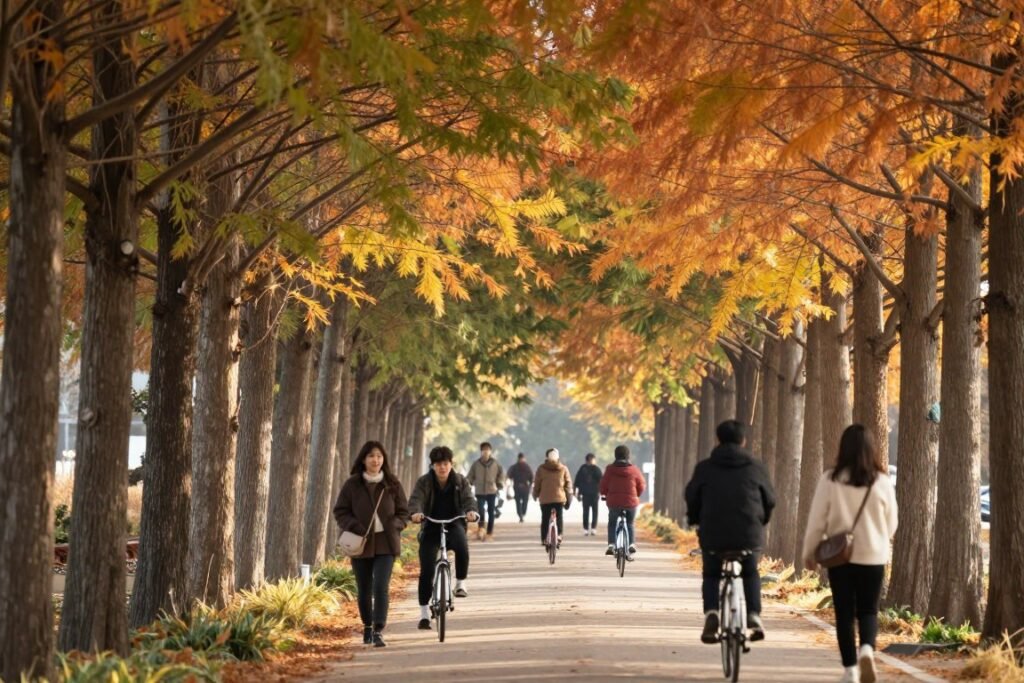
This half-moon shaped island became a pilgrimage site after appearing in the hit Korean drama “Winter Sonata.” Located about 90 minutes from Seoul, Nami Island offers beautiful natural scenery, artistic installations, and peaceful walking paths.
Tree-lined paths create natural canopies perfect for leisurely strolls or bicycle rides. The island maintains an eco-friendly atmosphere with limited vehicles. Art galleries, small museums, and charming cafes dot the landscape.
Spring brings cherry blossoms, summer offers lush greenery, autumn provides spectacular fall colors, and winter creates snow-covered wonderlands. Each season offers completely different beauty.
Petite France, a small French cultural village, sits nearby. This colorful complex recreates French provincial architecture and appeared in several Korean dramas. Many tours combine both destinations in one day trip.
Incheon and Coastal Areas
West of Seoul, Incheon offers coastal experiences and historical neighborhoods. Chinatown near Incheon Port features Chinese restaurants, shops, and architecture dating to the 19th century when Chinese merchants settled the area.
Songdo International City showcases Korea’s vision of the future – a completely planned smart city with cutting-edge architecture, urban parks, and sustainable design. The contrast between old Incheon and futuristic Songdo demonstrates Korea’s rapid development.
Coastal islands accessible by ferry provide quick beach escapes. Muuido and Silmido islands offer beaches, hiking, and seafood restaurants popular with Seoul residents seeking weekend retreats.
Transportation Tip: Most day trip destinations connect easily via public transportation. The excellent Seoul metropolitan subway and train system extends far beyond city limits. Consider purchasing a T-money transportation card for seamless travel across all public transport.
Book Seoul Day Trip Tours
Reserve DMZ tours, Nami Island trips, and other excursions with experienced guides, transportation included, and skip-the-line access where available.
Practical Information for Seoul Travel
Successful Seoul travel requires understanding practical details that differ significantly from Western countries. These insights help navigate common challenges and maximize your experience.
Visa Requirements for South Korea
Many nationalities receive visa-free entry to South Korea for tourism. Citizens of the United States, Canada, United Kingdom, European Union countries, Australia, and New Zealand can stay up to 90 days without a visa.
Check current requirements for your specific nationality well before travel. Apply for Korean Electronic Travel Authorization (K-ETA) online at least 72 hours before departure. The process takes minutes and costs approximately $10 USD.
Your passport must remain valid for at least six months beyond your planned departure date. Keep copies of your passport and important documents separate from originals.
Money and Payments in Seoul
South Korea operates as a highly advanced digital economy. Credit cards work almost everywhere, even at small street vendors. However, cash remains necessary for some traditional markets and tiny family-run restaurants.
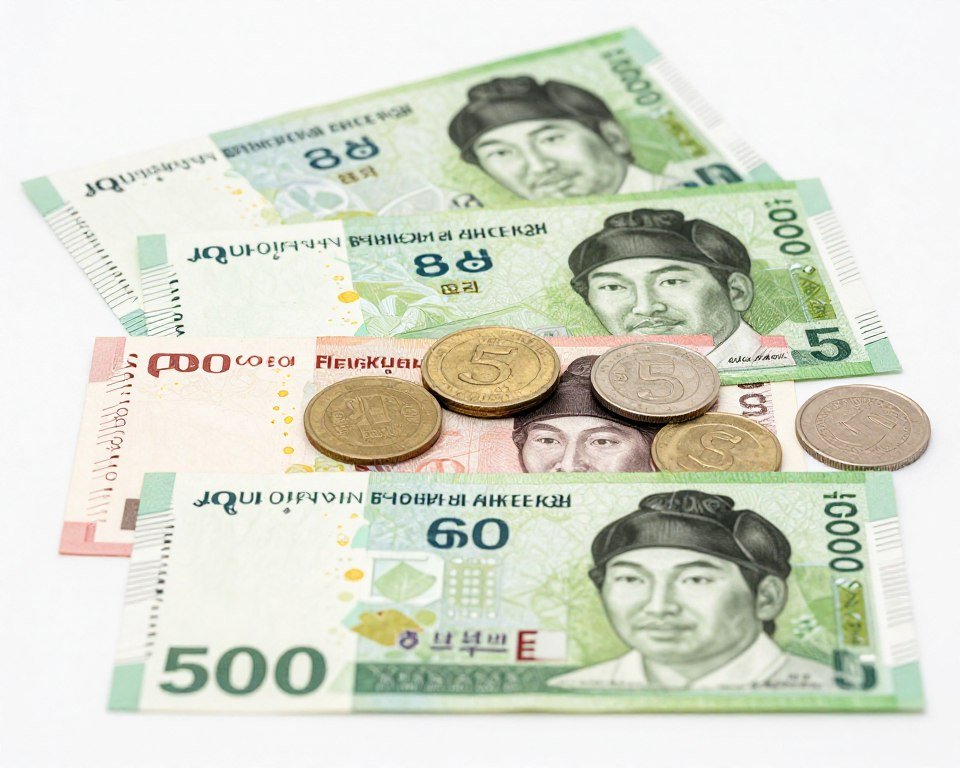
ATMs appear frequently throughout the city. Look for machines labeled “Global ATM” or “Foreign Card” for international card access. 7-Eleven convenience stores house ATMs that reliably accept foreign cards. Notify your bank before traveling to prevent card blocks.
Budget Guidelines
- Budget travelers: $50-80 USD daily (hostels, street food, public transport, free activities)
- Mid-range travelers: $100-200 USD daily (hotels, restaurants, paid attractions, some taxis)
- Luxury travelers: $300+ USD daily (top hotels, fine dining, private transportation, premium experiences)
- Meals: Street food $3-7, casual restaurants $10-20, mid-range dining $25-50, fine dining $80+
- Attractions: Most charge $5-15 USD, palaces around $3, DMZ tours $50-100
Language and Communication
English proficiency in Seoul varies dramatically by location and generation. Tourist areas, major hotels, and international businesses generally have English speakers. Residential neighborhoods and local restaurants may have no English at all.
Download Papago, Naver’s translation app that works better than Google Translate for Korean. The app includes camera translation for signs and menus. Learning basic Korean phrases helps tremendously and delights locals who appreciate the effort.
Essential Korean Phrases
- Hello/Goodbye – 안녕하세요 (annyeonghaseyo)
- Thank you – 감사합니다 (gamsahamnida)
- Excuse me – 저기요 (jeogiyo)
- How much? – 얼마예요? (eolmayeyo?)
- Check please – 계산해주세요 (gyesanhaejuseyo)
- I don’t eat meat – 고기 안 먹어요 (gogi an meogeoyo)
Internet and Connectivity
South Korea boasts some of the world’s fastest internet speeds. Free WiFi appears in most cafes, restaurants, subway stations, and public spaces. Seoul city government operates extensive free WiFi networks throughout central areas.
Pocket WiFi rentals or tourist SIM cards ensure constant connectivity. Reserve pocket WiFi devices online before arrival for airport pickup. Tourist SIM cards from SK Telecom, KT, or LG U+ provide data and sometimes calling minutes. Prices typically range $30-60 for unlimited data packages lasting 7-30 days.
Korean Apps You Need
Essential Apps
- Kakao Map – Better than Google Maps for Seoul navigation
- Kakao T – Taxi calling app (some English support)
- Papago – Superior Korean translation by Naver
- Subway Korea – Seoul metro navigation
- Yogiyo/Baemin – Food delivery (requires Korean number)
Helpful Apps
- MangoPlate – Restaurant reviews and recommendations
- Konest – Tourist information and maps
- Kakao Talk – Messaging app everyone uses
- Visit Seoul – Official tourism app
- T-money – Check transportation card balance
Health and Safety
Seoul ranks among the world’s safest major cities. Violent crime remains extremely rare. Women can walk alone at night in most areas without concern. Petty theft occasionally occurs in crowded areas, so maintain awareness of belongings.
Tap water meets high quality standards and is safe to drink. Most Koreans still prefer filtered or bottled water. Restaurants automatically serve filtered water for free.
Pharmacies appear frequently throughout the city. Many medicines available by prescription elsewhere sell over-the-counter in Korea. Pharmacists often speak some English and can help with common ailments.
Emergency Numbers
- Emergency Services: 112 (Police), 119 (Fire/Ambulance)
- Tourist Police: 1330 (English support available)
- Emergency Medical Information: 1339
- Lost and Found: Call specific location or 120 (Dasan Call Center)
Electricity and Electronics
South Korea uses 220V electricity with Type C and F outlets (European-style round pins). Bring appropriate adapters for your devices. Most modern electronics like phones and laptops handle both 110V and 220V, but check your devices before plugging in.
Hotels typically provide adapters at front desks. Convenience stores sell cheap adapters if needed. Consider bringing a universal adapter with multiple USB ports.
Getting Around Seoul
Seoul’s public transportation system ranks among the world’s best. The extensive metro network reaches virtually every destination, while buses fill the gaps. Understanding the system saves money and time while providing authentic local experiences.
Seoul Metro System
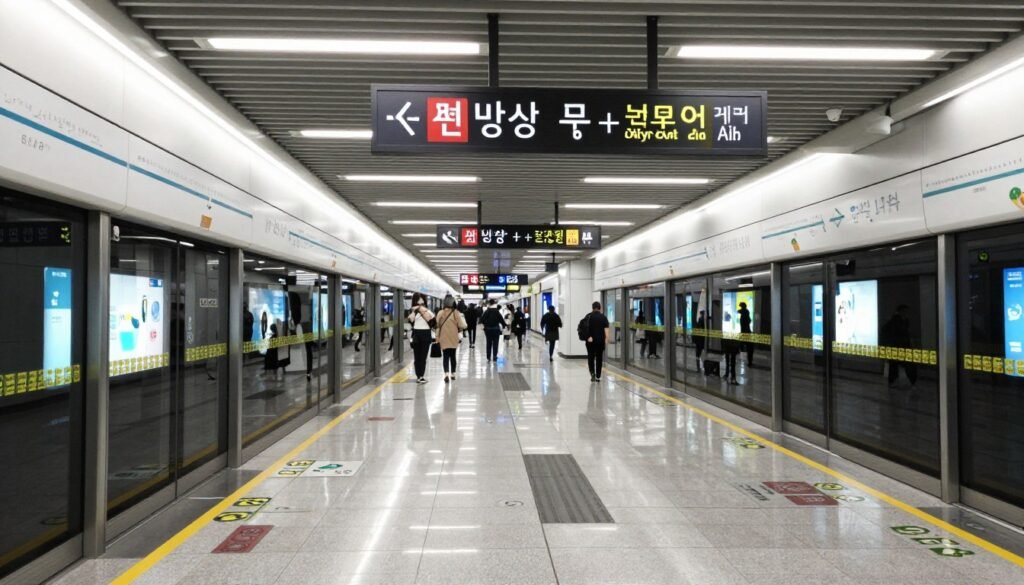
The Seoul Metropolitan Subway operates over 20 lines covering the entire metropolitan area and extending into neighboring cities. Trains run from approximately 5:30 AM to midnight on weekdays, with slightly reduced hours on weekends.
Station signs appear in Korean and English. Announcements broadcast in multiple languages. Digital displays show upcoming stations and transfer information. The system maintains remarkable cleanliness and efficiency.
Download the Subway Korea app for real-time navigation, transfer guidance, and estimated travel times. The app works offline with downloaded maps. Google Maps also provides accurate Seoul metro directions.
Using the Seoul Metro
- Purchase a T-money card at convenience stores or subway stations
- Load money onto the card at machines (available in English)
- Tap card on sensors when entering and exiting stations
- Basic fare starts at 1,250 won (approximately $1 USD)
- Card deposits 500 won refundable when returned
- Same card works on buses, taxis, and convenience store purchases
Bus System
Seoul’s comprehensive bus network operates thousands of routes. Buses complement the metro, reaching areas without subway stations and providing direct routes that skip transfers.
Bus colors indicate route types: Blue buses run long distances on major roads, green buses serve local neighborhoods, red buses provide express service to suburbs, and yellow buses circle specific districts.
Real-time arrival information displays at every bus stop. Apps like Kakao Map show exact bus locations and arrival times. The same T-money card used for metro works on all buses.
Taxis
Seoul taxis come in several categories. Regular taxis (silver or white) charge standard fares. Black “deluxe” taxis cost more but guarantee English-speaking drivers and higher service standards. Large taxis accommodate up to 8 passengers.
Kakao T app revolutionizes taxi calling. The app works similarly to Uber, showing your location, allowing destination input, and providing estimated fares. Some functionality requires Korean phone numbers, but basic features work for tourists.
Language barriers make street-hailing taxis challenging. Have your destination written in Korean or use the app. Hotel business cards provide easy return addresses. Taxis remain affordable compared to Western cities, making them practical for late-night travel when metros close.
Getting to and from Incheon Airport
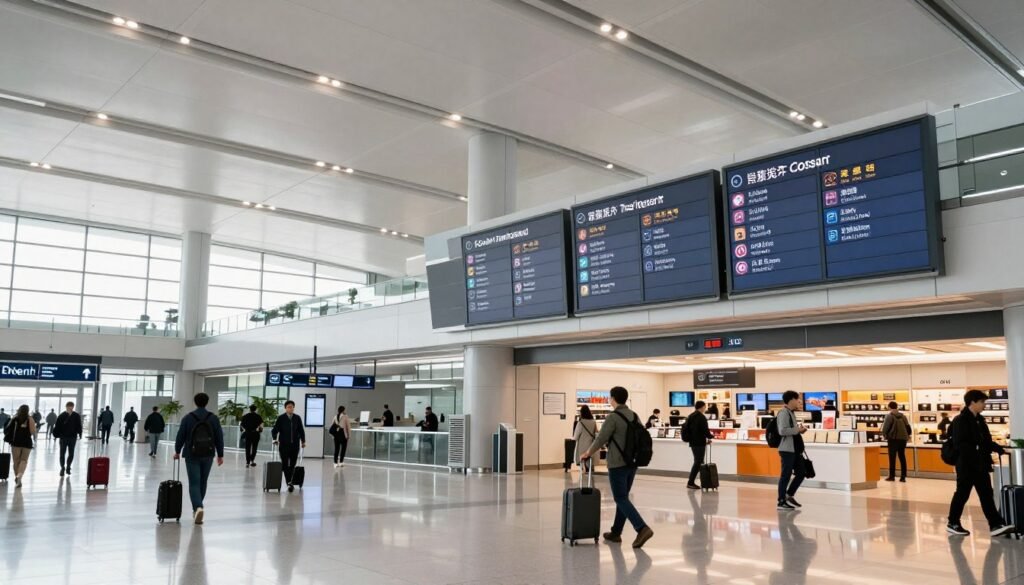
Incheon International Airport sits approximately 70 kilometers west of central Seoul. Multiple transportation options connect the airport to the city at various price points and travel times.
Airport Transportation Options
| Method | Travel Time | Cost | Best For |
| Airport Railroad Express (AREX) | 43 minutes non-stop to Seoul Station | 9,500 won (~$8 USD) | Fastest option, central Seoul destinations |
| AREX All-Stop Train | 60 minutes to Seoul Station | 4,150 won (~$3.50 USD) | Budget option, stops at multiple stations |
| Airport Limousine Bus | 70-90 minutes depending on traffic | 10,000-16,000 won (~$8-13 USD) | Direct hotel routes, lots of luggage |
| Taxi | 60-90 minutes depending on traffic | 60,000-80,000 won (~$50-65 USD) | Groups, convenience, late arrivals |
Transportation Cards and Passes
T-money cards work across all Seoul public transportation and even at many convenience stores and vending machines. Purchase at any convenience store, subway station, or the airport. The 2,500 won card fee includes some credit, and you can reload at machines or stores.
Cashbee cards offer similar functionality. Some designs feature popular K-pop groups or Korean characters, making them collectible souvenirs. Both card types work identically for transportation purposes.
Seoul City Pass and Discover Seoul Pass bundle transportation with attraction admissions. Calculate whether these passes save money based on your specific itinerary. They work best for intensive sightseeing schedules hitting multiple paid attractions daily.
Transportation Tip: Download offline metro maps before arriving in Seoul. The subway system can feel overwhelming initially, but color-coded lines and bilingual signs make navigation straightforward. Most tourists quickly master the metro after one or two rides.
Where to Stay in Seoul
Choosing the right neighborhood and accommodation significantly impacts your Seoul experience. The city offers options for every budget, from backpacker hostels to ultra-luxury hotels, each area bringing distinct advantages.
Best Areas for First-Time Visitors
Myeongdong – Central Shopping Hub
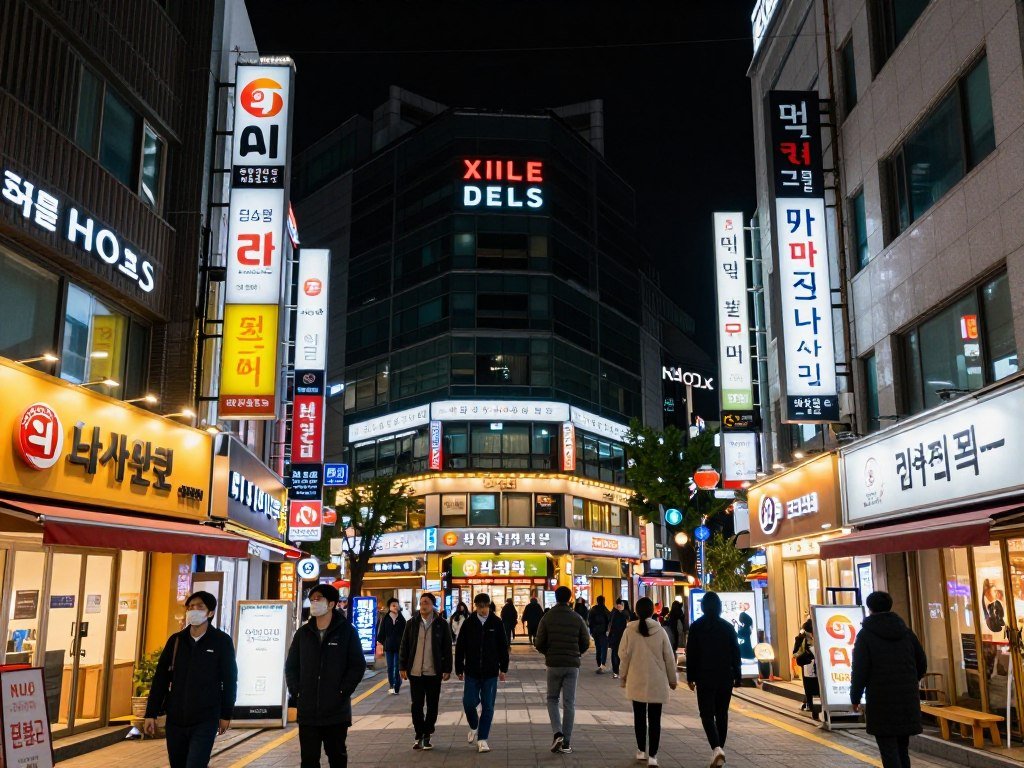
Myeongdong offers unbeatable convenience for first-time Seoul visitors. The central location provides walking distance to palaces, shopping, and restaurants. Metro connections reach all major attractions easily. The area operates 24 hours with constant activity.
Hotels range from budget chains to international luxury brands. English-speaking staff appears more commonly here than other neighborhoods. The trade-off involves higher prices and constant crowds, but convenience often justifies the cost.
Hongdae – Youth and Energy
Stay in Hongdae for Seoul’s most vibrant neighborhood atmosphere. Independent boutiques, live music venues, unique cafes, and energetic nightlife create constant entertainment. Prices remain more affordable than Myeongdong while offering excellent metro access.
The area suits younger travelers and those prioritizing nightlife and indie culture. Noise levels run higher than other areas, particularly on weekends. Many accommodations target budget and mid-range travelers rather than luxury seekers.
Gangnam – Modern Luxury
Gangnam provides Seoul’s most upscale accommodation options. International luxury hotel chains operate flagship properties here. The area feels more businesslike and spread out compared to dense central neighborhoods.
Choose Gangnam for serious shopping, K-pop entertainment company proximity, and experiencing Seoul’s wealthy modern side. COEX Mall and surrounding areas offer extensive entertainment. The area lacks the historical charm of neighborhoods north of the river.
Insadong and Jongno – Traditional Character
These central neighborhoods balance history with convenience. Walking distance to major palaces, Bukchon Hanok Village, and traditional markets. The area provides cultural immersion while maintaining excellent transportation links.
Accommodation includes some hanok guesthouses offering traditional Korean sleeping experiences. These range from budget-friendly to boutique luxury. The area quiets down earlier than entertainment districts, suiting travelers prioritizing culture over nightlife.
Accommodation Types and Price Ranges
| Category | Price Per Night | What to Expect | Best For |
| Hostels | $15-35 USD | Dormitories and private rooms, shared facilities, social atmosphere, basic amenities | Solo travelers, backpackers, budget-conscious visitors, social experiences |
| Guesthouses | $35-70 USD | Private rooms, sometimes shared bathrooms, personal service, local character | Budget to mid-range travelers wanting more privacy than hostels |
| Business Hotels | $60-120 USD | Compact efficient rooms, modern amenities, convenient locations, reliable quality | Most travelers, those prioritizing location and value |
| Boutique Hotels | $100-250 USD | Design-focused interiors, unique character, personalized service, local flavor | Travelers wanting style, local character, memorable stays |
| Luxury Hotels | $200-500+ USD | International chains, extensive facilities, spas, multiple restaurants, premium service | Luxury travelers, special occasions, business travelers |
| Hanok Stays | $50-300 USD | Traditional Korean houses, floor sleeping, ondol heating, cultural immersion | Unique cultural experiences, those wanting traditional Korean atmosphere |
Booking Tips for 2026
- Book spring (April-May) and autumn (September-October) accommodations 3-4 months ahead
- Compare prices across multiple platforms – significant variations exist
- Read recent reviews focusing on cleanliness, location, and English support
- Verify metro station proximity – this dramatically affects convenience
- Check cancellation policies before booking – flexibility matters
- Consider neighborhood atmosphere – quiet traditional vs. energetic entertainment districts
- Many hotels offer airport shuttle services – inquire when booking
Hanok Stay Note: Traditional hanok accommodations offer authentic cultural experiences but come with considerations. You’ll sleep on thin mattresses on heated floors (ondol), bathrooms may be shared, and ceilings sit lower than Western buildings. Choose hanok stays for cultural immersion rather than Western-style comfort.
Find Your Perfect Seoul Hotel
Search hotels across all neighborhoods with filters for budget, location, and amenities. Read verified reviews and book with free cancellation options.
Seoul Itineraries for Every Schedule
These suggested itineraries help structure your time efficiently based on trip length. Adjust according to personal interests, energy levels, and travel style while maintaining flexibility for spontaneous discoveries.
3-Day Seoul Highlights
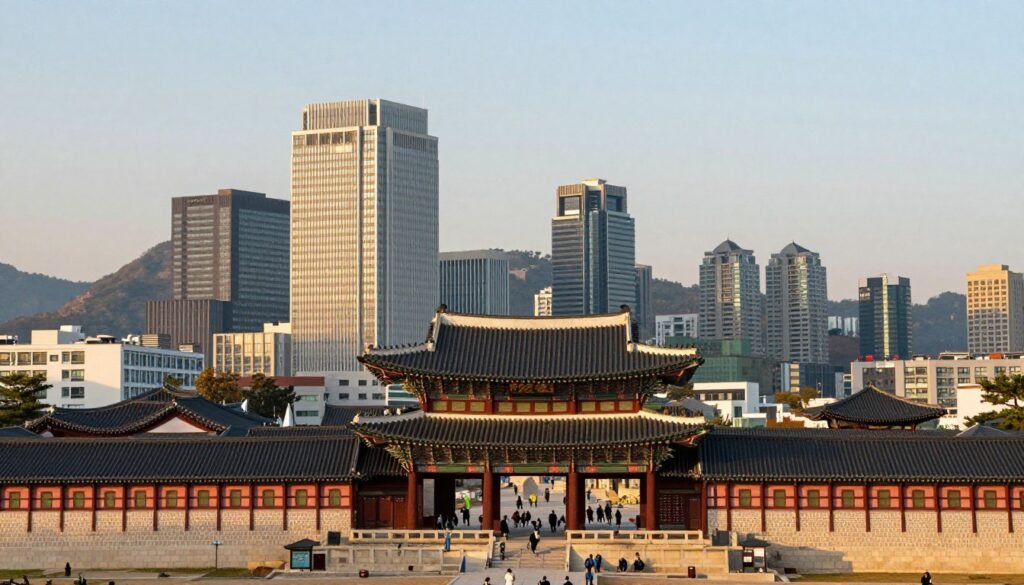
Day One: Royal Seoul and Traditional Culture
Begin at Gyeongbokgung Palace right at opening (9 AM) to beat crowds and see the changing of the guard ceremony at 10 AM. Explore the palace grounds thoroughly including both museums. Allow 2.5 hours total.
Walk to nearby Bukchon Hanok Village for traditional architecture and photo opportunities. Stop for lunch at a traditional restaurant in the area. Spend afternoon wandering Insadong, browsing art galleries and craft shops.
Evening brings exploration of Cheonggyecheon Stream, a restored urban waterway perfect for twilight walks. End with dinner in Myeongdong followed by shopping at beauty stores and street food sampling.
Day Two: Modern Seoul and Shopping
Start in Gangnam, visiting COEX Mall and the impressive Starfield Library inside. Explore nearby luxury shopping streets and entertainment company buildings. Watch for K-pop trainees practicing visible through windows.
Lunch at a Korean BBQ restaurant in Gangnam for the premium experience. Afternoon continues at Dongdaemun Design Plaza to see the futuristic architecture and any current exhibitions. Browse the surrounding 24-hour fashion markets.
Sunset at N Seoul Tower provides panoramic city views. Take the cable car up Namsan Mountain, watch the sun set over the city, then see Seoul transform into its illuminated nighttime version. Dinner at one of the tower restaurants or return to street level for more options.
Day Three: Markets and Local Experiences
Morning visit to Gwangjang Market for traditional Korean breakfast and street food adventure. Try bindaetteok, mayak gimbap, and other market specialties. Experience authentic Seoul market atmosphere.
Visit Changdeokgung Palace and its secret garden (requires timed ticket reservation). The garden tour showcases Korea’s most beautiful palace landscapes. Allow 2-3 hours including the palace and garden.
Final evening in Hongdae for youth culture, indie shopping, and nightlife. Enjoy dinner at an innovative fusion restaurant, explore unique boutiques, and experience Seoul’s energetic young creative scene. End with noraebang (karaoke) for a quintessentially Korean night out.
5-Day Extended Seoul Experience
Follow the three-day itinerary above, then add:
Day Four: DMZ Tour
Full day DMZ tour to the border with North Korea. Book through reputable operators offering JSA access if possible. The experience provides sobering perspective on Korea’s divided history and ongoing situation.
Tours typically last 8-10 hours including Seoul transportation. Return to the city for late dinner, likely Korean fried chicken and beer given the emotional weight of the day’s experiences.
Day Five: Beauty, Spas, and Personal Interests
Dedicate this day to personal interests and relaxation. Options include serious beauty product shopping in Myeongdong with time for testing and consulting, jjimjilbang spa experience for Korean bathing culture, K-pop studio tour or concert if available, or revisiting favorite neighborhoods discovered earlier.
Final dinner at a restaurant you’ve been wanting to try, perhaps splurging on Michelin-starred Korean cuisine or temple food experience. Evening shopping for last-minute souvenirs and Korean snacks to bring home.
One Week: Complete Seoul Immersion
Extend the five-day itinerary with these additions:
Day Six: Day Trip to Suwon or Nami Island
Choose based on interests – Suwon Hwaseong Fortress for history and architecture plus amazing galbi lunch, or Nami Island for natural beauty and Korean drama pilgrimage. Both make excellent full day trips returning to Seoul by evening.
Day Seven: Leisurely Exploration and Favorites
Sleep late after previous days’ activities. Enjoy brunch at a trendy Seoul cafe. Revisit favorite neighborhoods, shops, or restaurants discovered during the week. Visit any attractions missed from earlier plans.
Consider attending a traditional Korean performance at Korea House or Jeongdong Theater. Final evening should include your favorite Korean dish and perhaps a rooftop bar for farewell drinks overlooking the city that hosted your adventure.
Essential Seoul Travel Tips for 2026
Seoul rewards prepared travelers who understand local customs and practical realities. These final insights help maximize your Korean adventure while avoiding common pitfalls.
Embrace Korean Technology
Seoul operates as one of Earth’s most technologically advanced cities. Download and learn Korean apps before arrival. Kakao Map works better than Google Maps. Papago translates better than Google Translate. Subway Korea provides superior metro navigation.
Many restaurants, shops, and services operate primarily through apps. Some establishments don’t accept walk-ins without app reservations. Having these tools configured prevents frustration and unlocks experiences independent travelers would otherwise miss.
Respect Korean Customs
Korean culture values respect, hierarchy, and proper behavior more explicitly than Western societies. Remove shoes when entering homes, some restaurants, and traditional accommodations. Receive items with both hands when from older people or in formal situations. Bow slightly when greeting or thanking people.
Public displays of affection remain uncommon among Koreans. Same-sex friends holding hands appears normal, but romantic couples rarely kiss publicly. Adjust behavior to match local norms, particularly in traditional areas.
Tipping Culture
South Korea maintains no tipping culture. Servers, taxi drivers, and hotel staff neither expect nor desire tips. Adding gratuity may confuse or even offend. Service charges include in bills where applicable, particularly at higher-end establishments.
This no-tipping system simplifies budgeting and transactions. The price you see is the price you pay. Exception includes some Western-style establishments in Itaewon that may accept tips from foreigners who insist, but it remains unnecessary.
Seasonal Considerations
Pack layers regardless of season. Buildings blast heating in winter and air conditioning in summer, creating dramatic temperature swings between indoors and outdoors. Spring brings yellow dust from China requiring masks on bad days. Summer monsoon season means carrying a compact umbrella.
Check Korean holiday schedules before booking. Chuseok (Korean Thanksgiving) and Seollal (Lunar New Year) see massive domestic travel, booked accommodations, and closed shops. The holidays create authentic cultural experiences but practical challenges for tourists.
Safety and Solo Travel
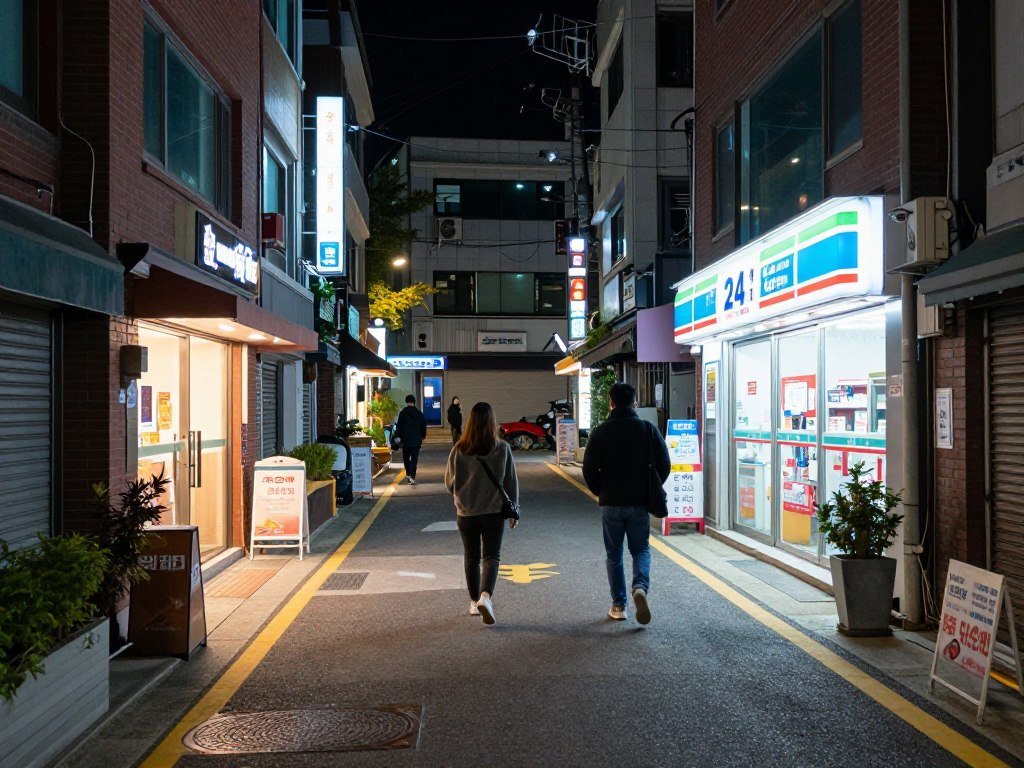
Seoul maintains extremely low crime rates. Women regularly walk alone late at night without concern. Violent crime against tourists remains virtually nonexistent. The main “dangers” involve aggressive restaurant promoters, minor scams in tourist areas, and occasional taxi drivers taking longer routes.
Solo travelers thrive in Seoul. The city welcomes individual diners, and many restaurants cater specifically to solo eating. Hostels and social spaces facilitate meeting other travelers. The excellent public transportation system makes independent exploration straightforward.
Photography Etiquette
Take photos freely at tourist attractions and public spaces. Ask permission before photographing people, particularly in traditional settings or at religious sites. Some palace interiors prohibit photography – respect posted signs.
Seoul’s photogenic nature means you’ll want thousands of pictures. Iconic shots include Gyeongbokgung Palace with Bugaksan Mountain background, Bukchon Hanok Village rooftops, N Seoul Tower at sunset, and nighttime Dongdaemun Design Plaza. Wake early for the best light and smallest crowds.
Sustainable and Responsible Travel
Seoul takes environmental concerns seriously. The city provides excellent recycling infrastructure – separate waste into appropriate bins. Bring reusable bags as shops charge for plastic. Carry a refillable water bottle though finding public water fountains can challenge (buy drinks at convenience stores and refill bottles).
Support local businesses over international chains when possible. Visit neighborhood markets and family restaurants. Purchase authentic Korean products rather than cheap mass-produced souvenirs. Respect residential areas when visiting Bukchon and other hanok neighborhoods where real people live.
How many days do I need for Seoul?
Three to five days allows comprehensive exploration of major attractions, neighborhoods, and food experiences. Seven days provides leisurely pace plus day trips to DMZ, Suwon, or Nami Island. Even two days captures highlights if time limited. Seoul rewards longer stays with deeper neighborhood exploration and cultural immersion.
Is Seoul expensive for tourists?
Seoul offers excellent value compared to other major Asian capitals like Tokyo or Singapore. Budget travelers can manage $50-80 daily. Mid-range visitors spend $100-200 daily for comfortable hotels, good restaurants, and paid attractions. Luxury accommodations and fine dining increase costs significantly. Public transportation remains remarkably cheap, and street food provides filling meals for $3-7.
Do I need to speak Korean to visit Seoul?
No, but learning basic phrases helps tremendously. Major tourist areas, hotels, and attractions have English support. However, many restaurants, shops, and residential neighborhoods have limited English. Download Papago translation app, learn essential phrases, and embrace some communication challenges as part of the authentic experience. Koreans appreciate visitors attempting their language.
What should I buy in Seoul?
Korean beauty products and skincare top most shopping lists – quality exceeds prices dramatically. K-pop merchandise for fans. Korean cosmetics from brands like Innisfree, Laneige, and Sulwhasoo. Traditional items like celadon pottery, hanbok accessories, and ginseng products. Korean snacks and instant noodles make great gifts. Electronics and clothes at Dongdaemun markets. Visit Olive Young beauty stores for one-stop shopping.
Is Seoul safe for solo female travelers?
Yes, Seoul ranks among the world’s safest cities for women traveling alone. Female travelers routinely walk alone late at night, use public transportation without concern, and dine solo without harassment. Crime rates remain extremely low. Exercise normal urban awareness, but safety concerns should not limit Seoul exploration. Many accommodations cater specifically to solo travelers.
Can I use my credit card everywhere in Seoul?
Credit cards work at most businesses including small shops and street vendors. Seoul operates highly digitally with widespread card acceptance. However, carry some cash for traditional markets, tiny family restaurants, and occasional vendors preferring cash. International cards with no foreign transaction fees work best. Notify your bank before traveling to prevent fraud blocks.
“Seoul captures your heart with its impossible contrasts. Ancient palaces exist beside futuristic buildings. Silent temples sit blocks from pulsing nightclubs. Traditional tea ceremonies happen near K-pop dance studios. This beautiful chaos creates a city unlike anywhere else on Earth.”
Ready to Explore Seoul in 2026?
Let our Seoul specialists help plan your perfect trip with personalized itineraries, insider recommendations, and booking assistance for tours and experiences.
Your Seoul Adventure Begins Now
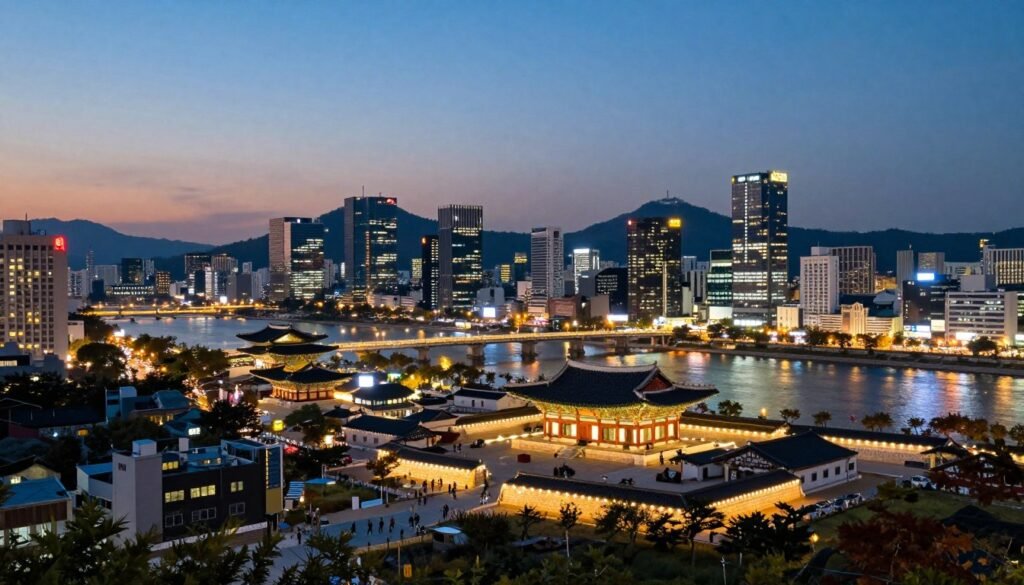
Seoul stands ready to amaze you in 2026. This city where ancient and ultra-modern coexist seamlessly offers experiences you’ll treasure forever. From palace explorations to K-pop discoveries, from sizzling BBQ to serene temple stays, Seoul delivers constant excitement and surprising depth.
The food alone justifies the journey. The efficiency and safety make independent travel simple. The cultural richness provides endless learning opportunities. The warmth of Korean hospitality makes you feel welcomed despite language barriers.
Your Seoul travel guide has equipped you with essential knowledge for navigating this captivating city. You understand the best times to visit, how to move around efficiently, where to stay based on your interests, and what experiences deserve your limited time.
Now comes the exciting part – booking flights, reserving hotels, and beginning the countdown to your South Korea adventure. The palaces await your exploration. The street food vendors are ready to introduce you to flavors you’ve never imagined. The neighborhoods stand prepared to reveal their unique personalities.
Seoul changes perspectives and creates memories that last lifetimes. Whether you’re here for three days or three weeks, the city rewards curiosity, openness, and willingness to embrace new experiences. Start planning today, and prepare for one of the world’s most dynamic destinations to work its magic on you.
Safe travels, and may your Seoul journey exceed every expectation. This remarkable city awaits your discovery. We can’t wait for you to experience its energy, taste its flavors, and create your own Seoul story to share.