

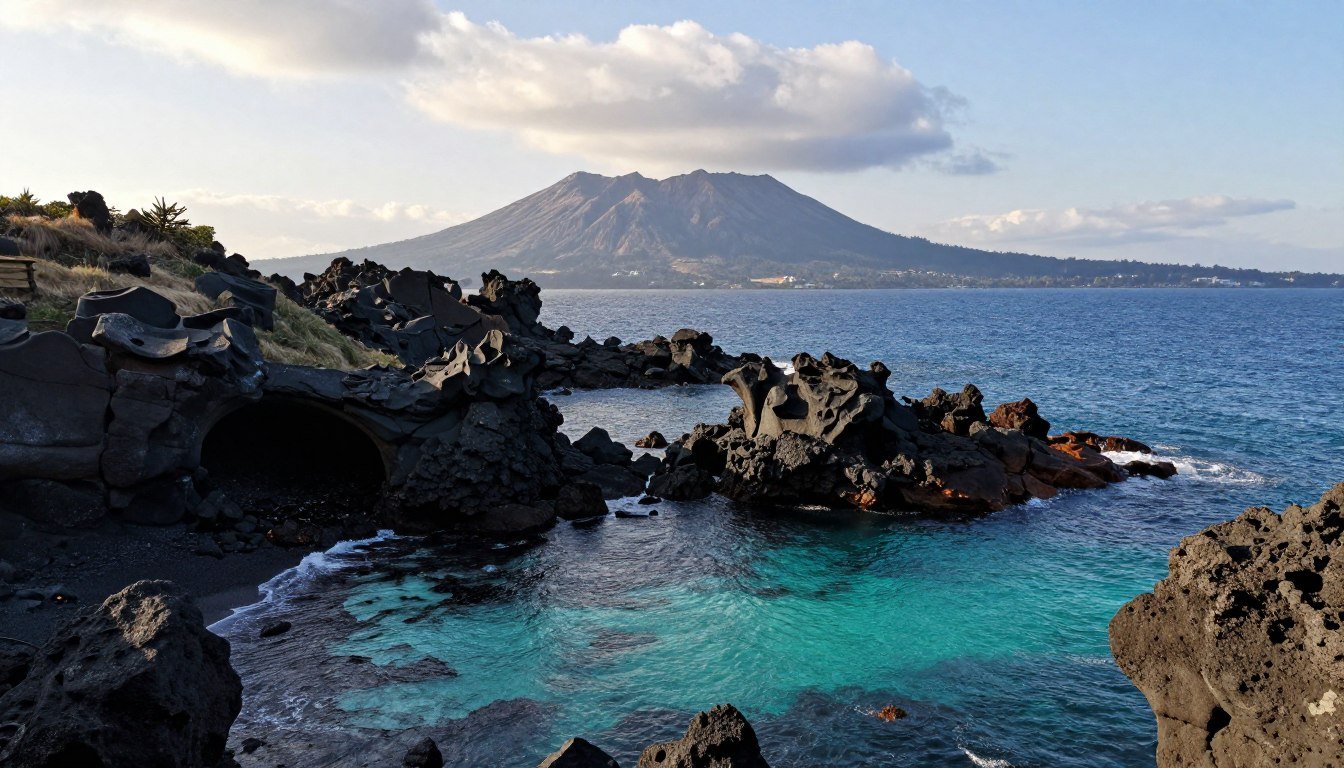
Rising from the azure waters of the Korea Strait, Jeju Island beckons travelers with volcanic landscapes and pristine coastlines. This volcanic island, South Korea’s largest, offers an escape unlike any other destination in Asia.
Black sand beaches meet emerald tea plantations. Ancient lava tubes wind beneath your feet. Traditional fishing women dive into the sea without breathing equipment. Jeju Island presents nature, culture, and adventure in perfect harmony.
Whether you seek outdoor exploration or cultural immersion, this comprehensive guide unlocks everything you need to discover South Korea’s treasured island paradise in 2026.
Why Jeju Island Deserves Your 2026 Travel Plans
Jeju Island stands apart from mainland South Korea with its distinct volcanic geography and unique cultural heritage. This UNESCO World Heritage site combines natural wonders with modern infrastructure that welcomes international visitors.
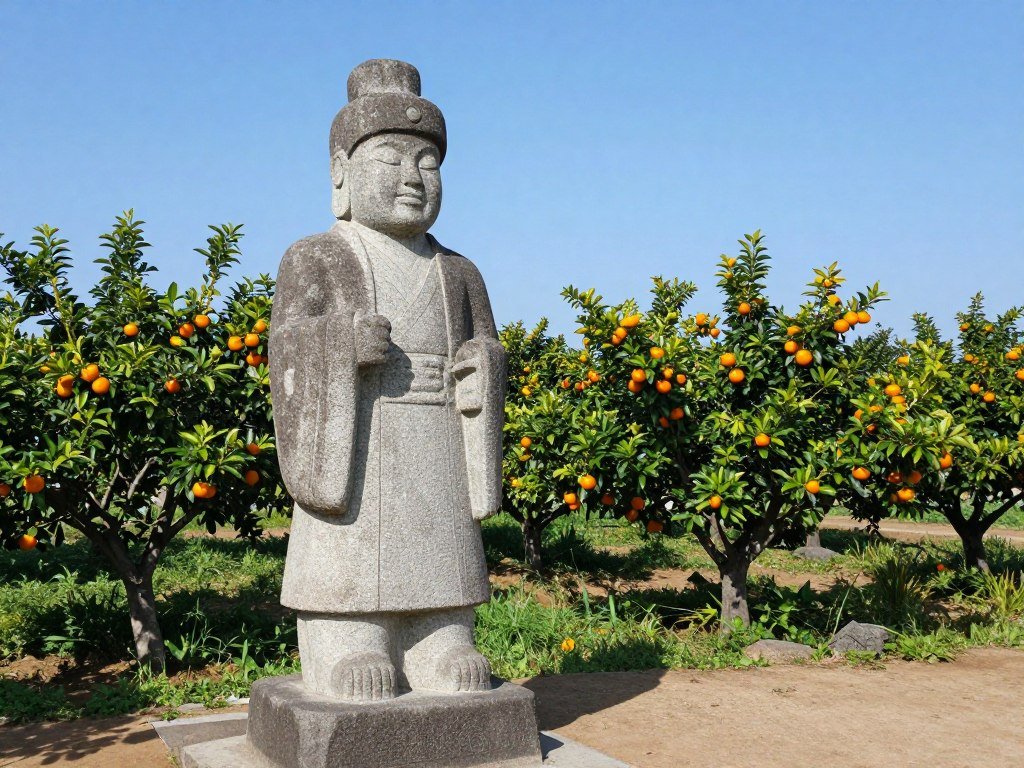
The island operates as a special autonomous province with visa-free entry for many nationalities. Direct international flights connect Jeju to major Asian cities. This accessibility makes the island perfect for both weekend getaways and extended explorations.
Volcanic Wonders and Natural Beauty
Mount Hallasan dominates the island’s center, South Korea’s highest peak at 1,950 meters. Volcanic craters dot the landscape, creating hiking opportunities through otherworldly terrain. The Geomunoreum lava tube system extends for kilometers underground, offering subterranean adventures.
Unique Island Culture
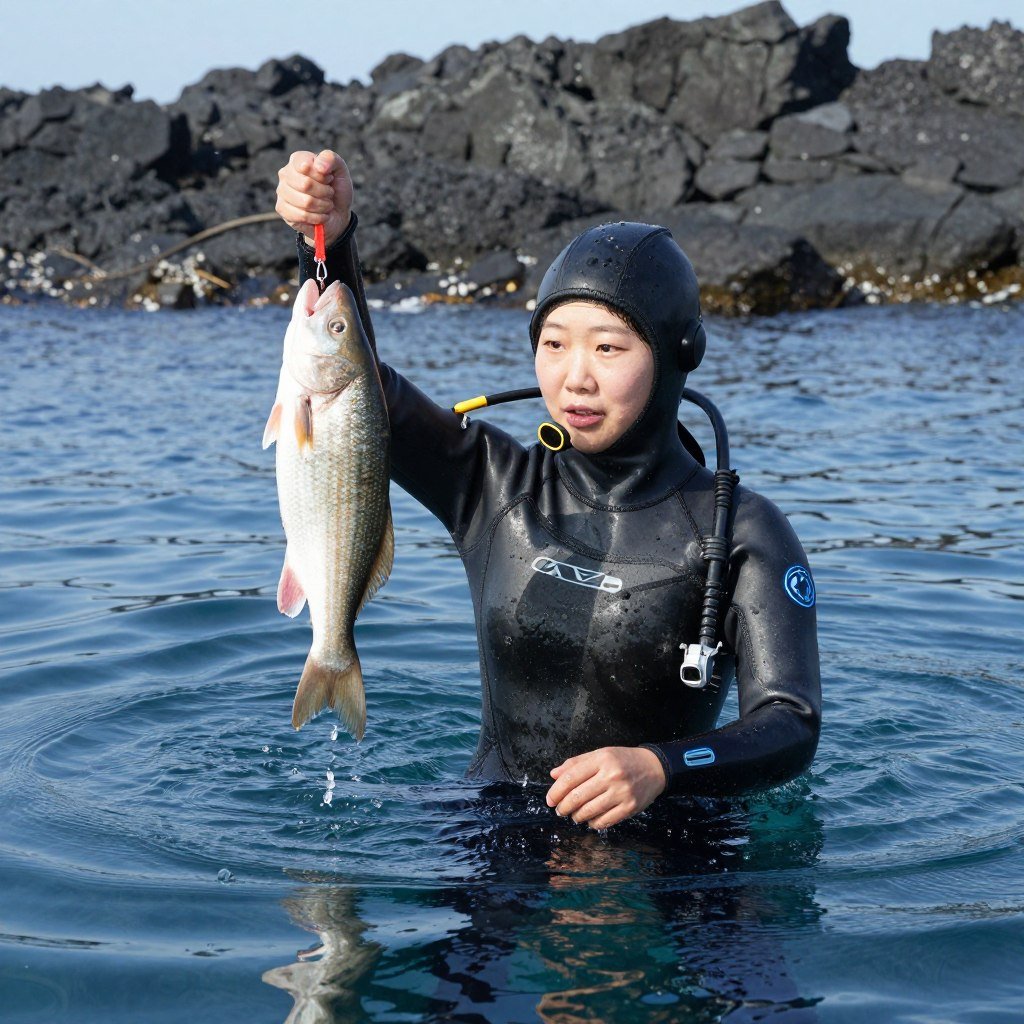
Jeju developed its own distinct culture separated from mainland Korea for centuries. The famous haenyeo women divers represent a UNESCO-recognized cultural tradition. Local dialects, shamanic practices, and matriarchal social structures set this region apart from the rest of South Korea.
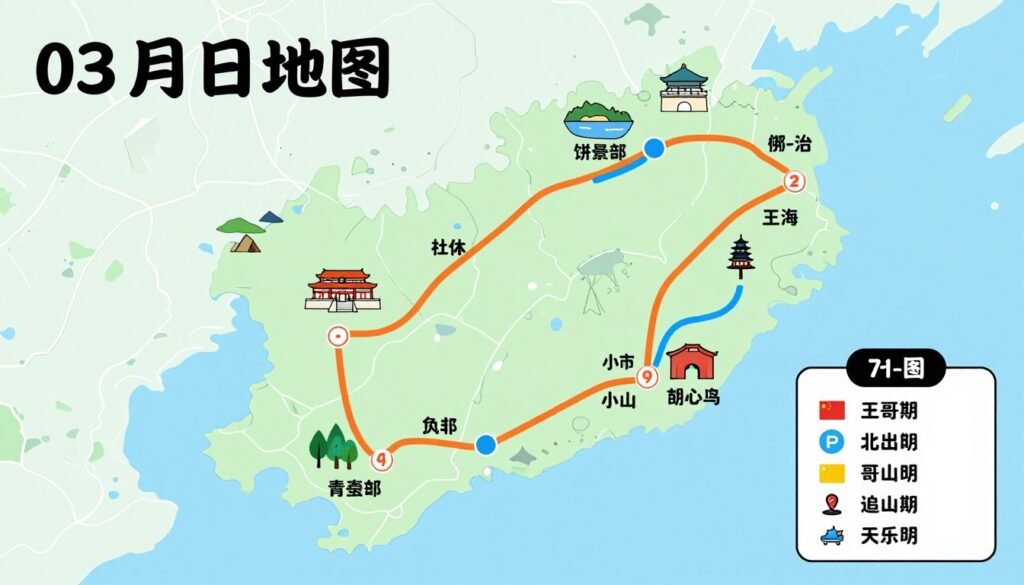
Interactive map of Jeju Island highlighting key destinations, coastal routes, and major attractions
Start Your Jeju Island Adventure
Download our free interactive Jeju Island map featuring all major attractions, recommended restaurants, hidden beaches, and detailed driving routes for easy trip planning.
Best Time to Visit Jeju Island in 2026
Jeju Island experiences four distinct seasons, each offering unique advantages for visitors. Understanding the island’s climate patterns helps maximize your experience and avoid challenging weather conditions.
| Season | Months | Temperature Range | Best Features | Important Notes |
| Spring | April – May | 12-20°C (54-68°F) | Canola flowers, cherry blossoms, mild weather, perfect hiking conditions | Peak season pricing, book accommodations early |
| Summer | June – August | 23-32°C (73-90°F) | Beach season, water activities, festivals, long daylight hours | Typhoon season July-September, highest humidity, crowded beaches |
| Autumn | September – November | 15-23°C (59-73°F) | Comfortable temperatures, autumn foliage, clear skies, harvest season | Popular wedding season, early typhoon risk in September |
| Winter | December – March | 3-10°C (37-50°F) | Lowest prices, fewer tourists, camellia flowers, winter festivals | Strong winds, some attractions closed, limited beach activities |
Spring: Peak Season Beauty
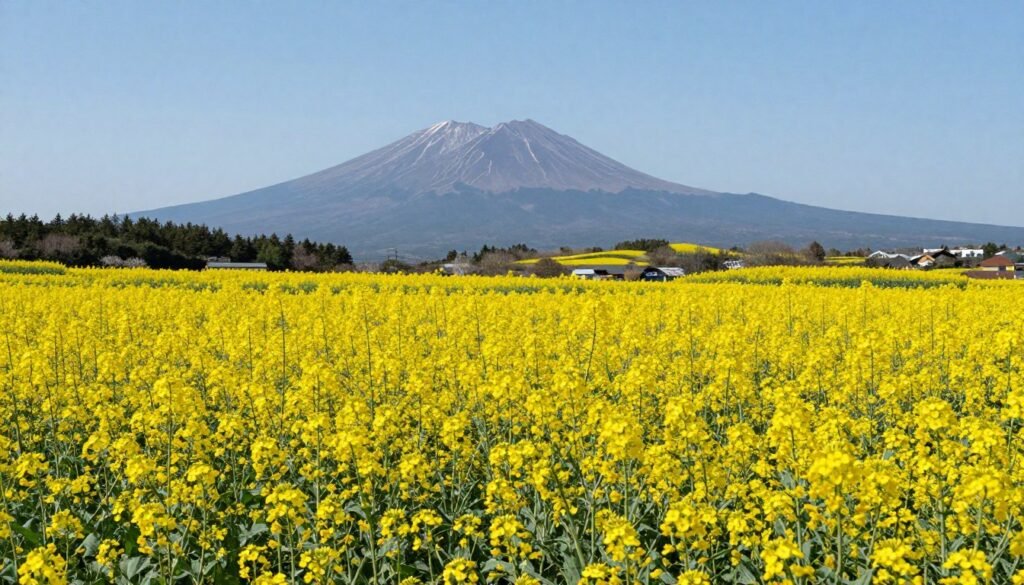
April and May transform Jeju Island into a botanical wonderland. Brilliant yellow canola flowers carpet entire fields across the countryside. Cherry blossoms frame coastal roads and city streets. The moderate temperatures create ideal conditions for outdoor exploration.
Spring brings the largest crowds and highest accommodation prices. Book hotels and rental cars at least two months in advance. Despite the tourist numbers, the visual spectacle justifies the premium pricing.
Autumn: The Optimal Choice
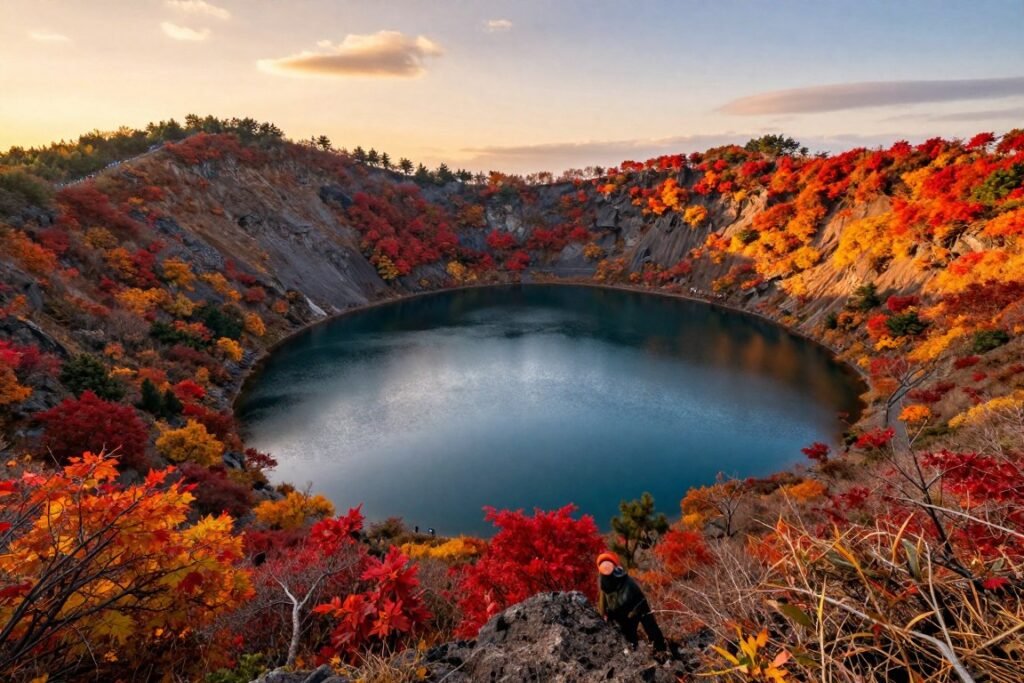
September through November offers the best balance of weather, crowds, and value. Temperatures remain comfortable for all activities. The skies clear after summer’s humidity, revealing Mount Hallasan in sharp detail against blue backgrounds.
October sees the island’s famous silver grass (eulalia) bloom across hillsides. Tangerine harvests begin, with fresh fruit available at roadside stands. The ocean retains summer warmth through October, extending swimming opportunities.
Weather Alert: Typhoons occasionally affect Jeju Island between July and September. Monitor weather forecasts closely during these months. Most typhoons pass within 24-48 hours, but flights may be delayed or cancelled. Travel insurance covering weather disruptions provides peace of mind.
Essential Jeju Island Attractions and Natural Wonders
Jeju Island packs remarkable diversity into its 1,800 square kilometers. Volcanic landscapes, coastal formations, and cultural sites create endless exploration opportunities. These attractions showcase the island’s extraordinary natural heritage.
Mount Hallasan National Park
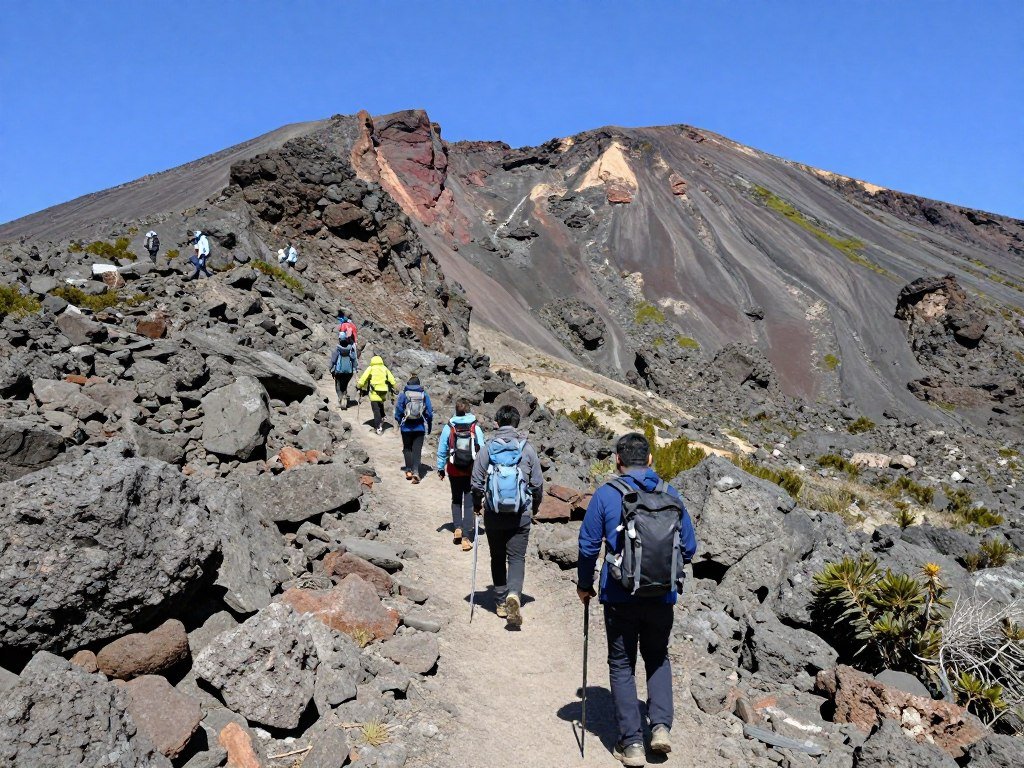
South Korea’s highest mountain dominates Jeju’s center, rising 1,950 meters above sea level. The dormant volcano last erupted approximately 1,000 years ago, leaving behind the spectacular Baengnokdam crater lake at its summit.
Several hiking trails wind up the mountain, ranging from moderate to challenging. The Seongpanak Trail offers the most gradual ascent over 9.6 kilometers. The Gwaneumsa Trail provides a steeper, more direct route covering 8.7 kilometers to the summit.
Hiking Essentials
- Start before 7:00 AM to reach summit and return before cutoff time
- Bring minimum 2 liters water per person
- Pack energy-rich snacks for the demanding climb
- Wear sturdy hiking boots with ankle support
- Dress in layers – temperature drops significantly at elevation
- Check weather conditions before departure
Trail Information
- Summit access closes at 12:30 PM (return deadline 15:00)
- Round trip requires 8-10 hours total time
- Elevation gain: approximately 1,350 meters
- Trails close during high winds or bad weather
- No entrance fee for national park access
- Restroom facilities available at trailheads only
Manjanggul Lava Tube
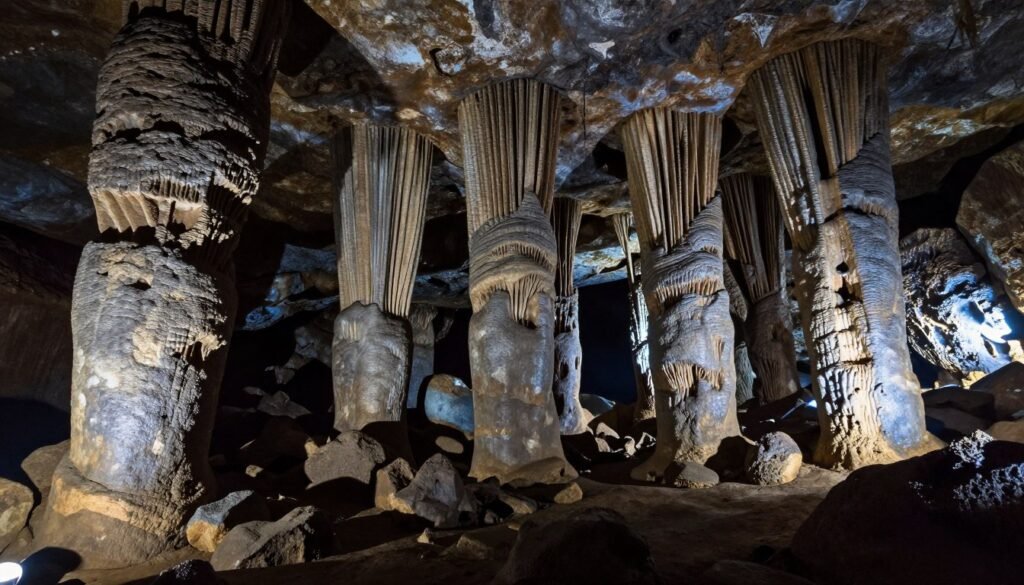
This massive underground tunnel formed when molten lava flowed beneath hardened crust during ancient eruptions. The tube extends 13 kilometers total, though only one kilometer opens to public access. Even this section impresses with cathedral-like chambers and unique geological formations.
The cave maintains a constant 11-21°C temperature year-round. Stone pillars rise where lava dripped from the ceiling. The deepest accessible point features a 7.6-meter lava column, one of the world’s largest such formations.
Visitor Tips: The lava tube floor can be slippery from moisture. Wear shoes with good traction. Bring a light jacket – the cave feels notably cooler than outside temperatures. The walking path is well-lit but uneven in places. Allow 30-40 minutes for the complete route.
Seongsan Ilchulbong (Sunrise Peak)
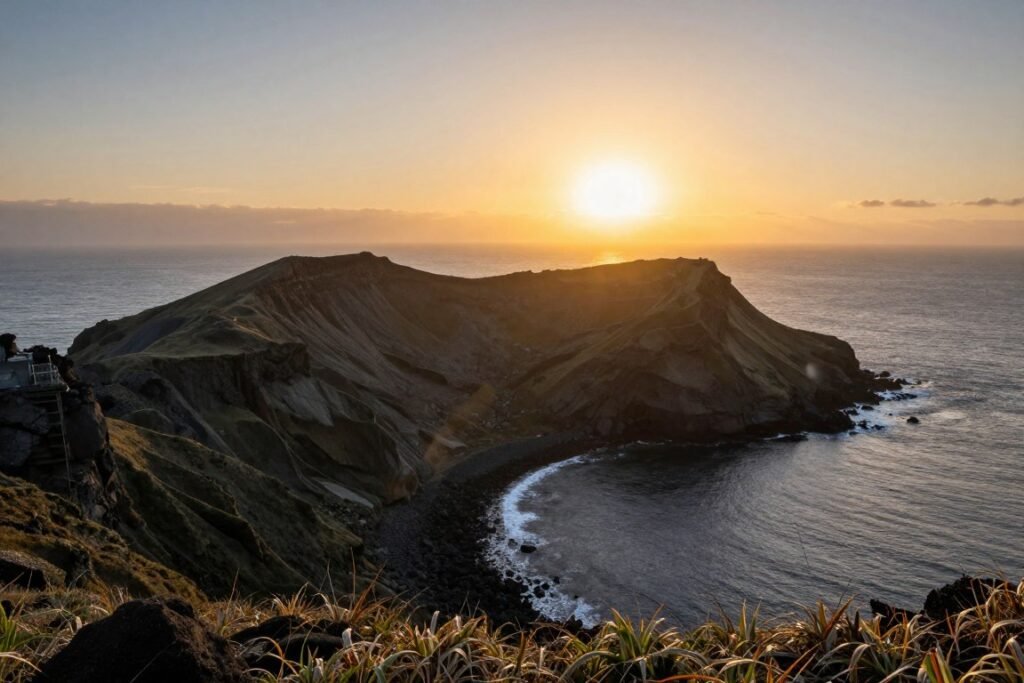
This UNESCO World Heritage volcanic crater rises dramatically from the eastern coast. The tuff cone formed in a shallow underwater eruption approximately 5,000 years ago. The bowl-shaped crater creates one of Jeju Island’s most recognizable silhouettes.
A well-maintained stairway climbs to the crater rim in approximately 20-30 minutes. The summit rewards hikers with panoramic ocean views and a clear view into the crater itself. True to its name, sunrise from this peak ranks among Korea’s most spectacular natural shows.
Visiting Recommendations
- Arrive before dawn for sunrise viewing (check seasonal sunrise times)
- Climb requires moderate fitness – 600+ stairs to summit
- Allow 1.5-2 hours total for ascent, viewing, and descent
- Combine with haenyeo diving demonstration at base (scheduled times)
- Nearby Seongsan village offers fresh seafood restaurants
- Entry fee: 5,000 KRW for adults
Jeju Olle Trails
The island’s famous coastal walking paths total over 425 kilometers divided into 26 numbered routes. These trails connect villages, beaches, volcanic cones, and cultural sites through varied terrain. Each route takes 4-8 hours to complete.
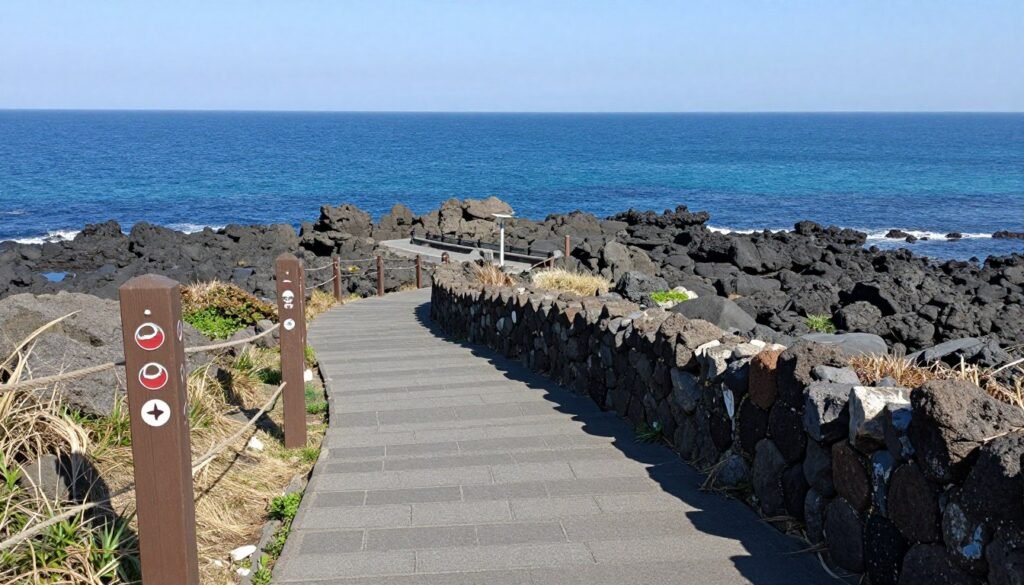
Orange and blue ribbons mark the routes, with additional directional signage at decision points. The trails vary in difficulty from easy coastal strolls to challenging climbs over volcanic cones. Route 7 connecting Seogwipo to Wolpyeong offers particularly stunning ocean views.
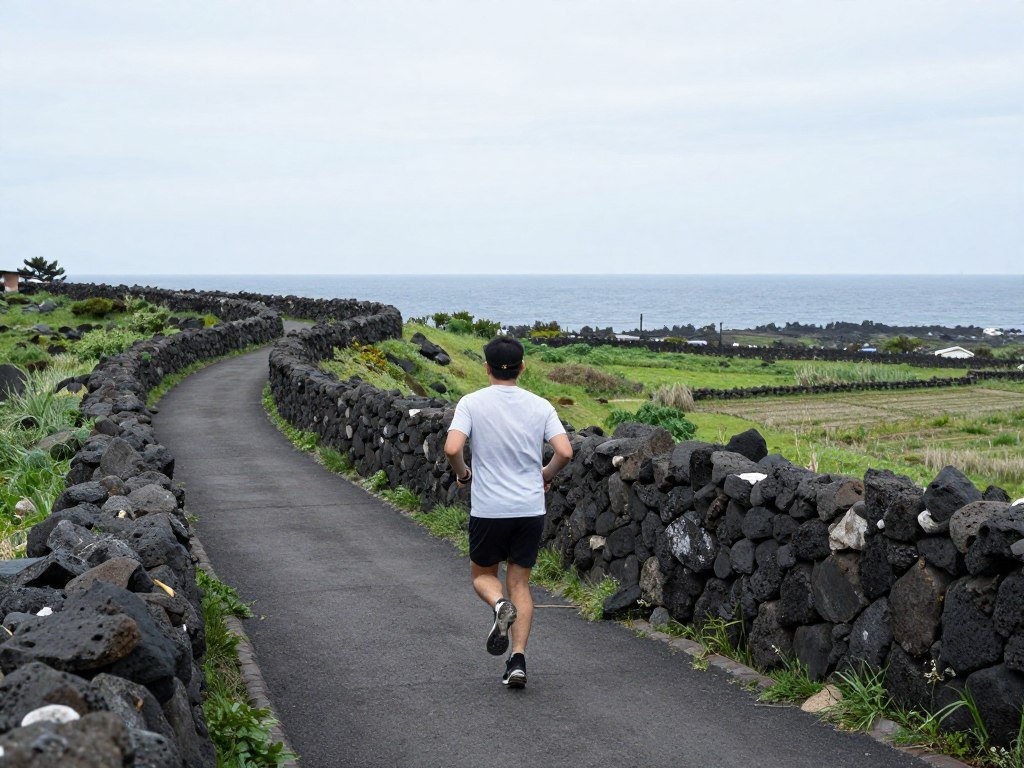
Popular Routes
- Route 7: Seogwipo to Wolpyeong (15.5 km)
- Route 10: Hwasun to Moseulpo (17 km)
- Route 1: Siheung to Gwangchigi (15.1 km)
- Route 18: Jeoji to Hanrim (19 km)
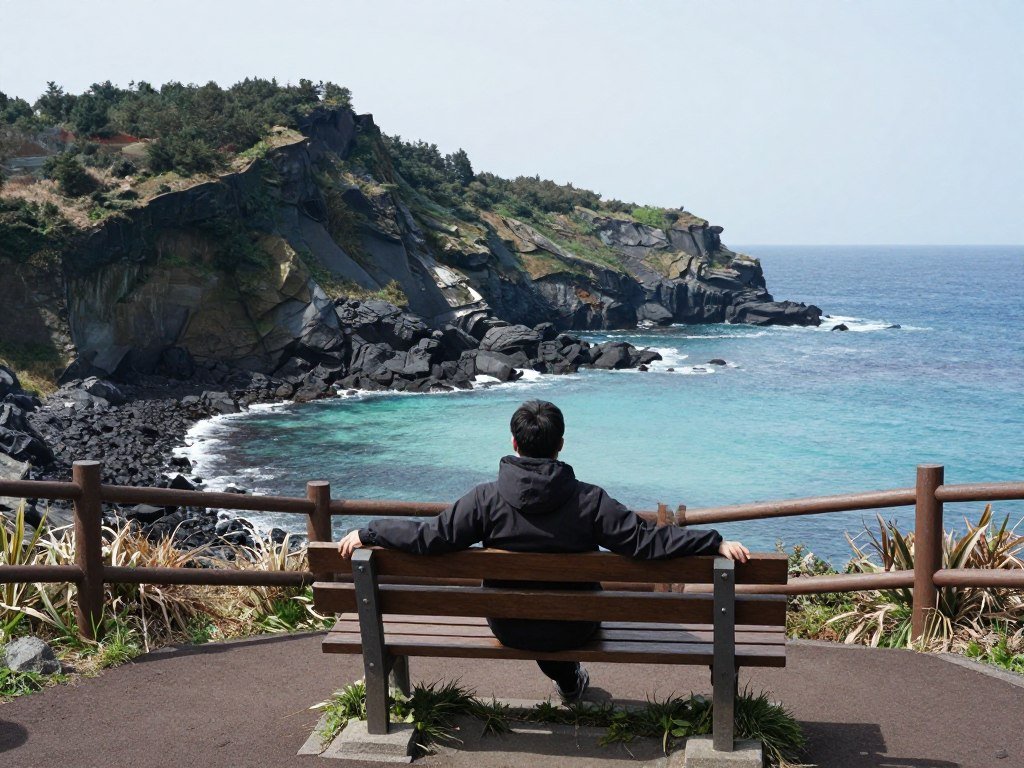
Trail Features
- Well-marked paths with ribbon system
- Rest areas and cafes along most routes
- Passport stamp stations for collectors
- Varying difficulty levels for all fitness types
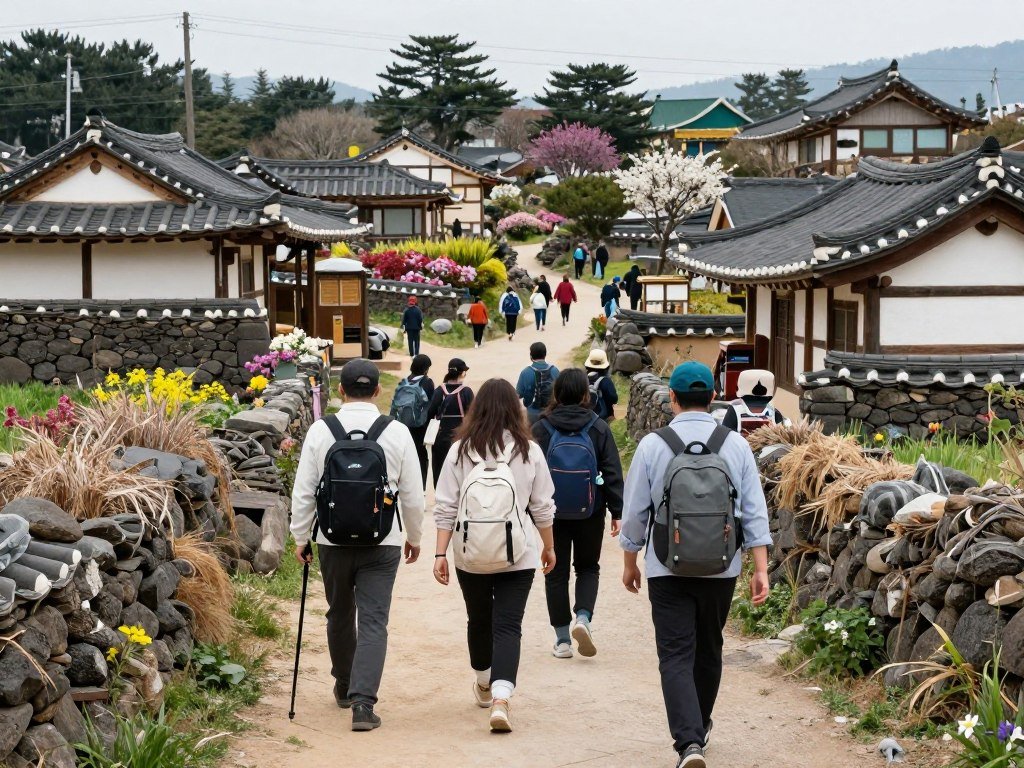
What to Bring
- Comfortable broken-in hiking shoes
- Weather-appropriate clothing layers
- Sufficient water and snacks
- Sun protection and rain gear
Explore Jeju’s Natural Wonders with Expert Guides
Join guided hiking tours of Mount Hallasan, lava tubes, and Olle trails. Local guides provide safety, cultural insights, and access to the island’s best viewpoints.
Jeju Island Cuisine: Fresh Seafood and Local Specialties
Jeju’s island geography creates a food culture centered on ocean bounty and unique agricultural products. The volcanic soil produces exceptional citrus fruits and vegetables. Fresh seafood dominates menus from casual stalls to upscale restaurants.
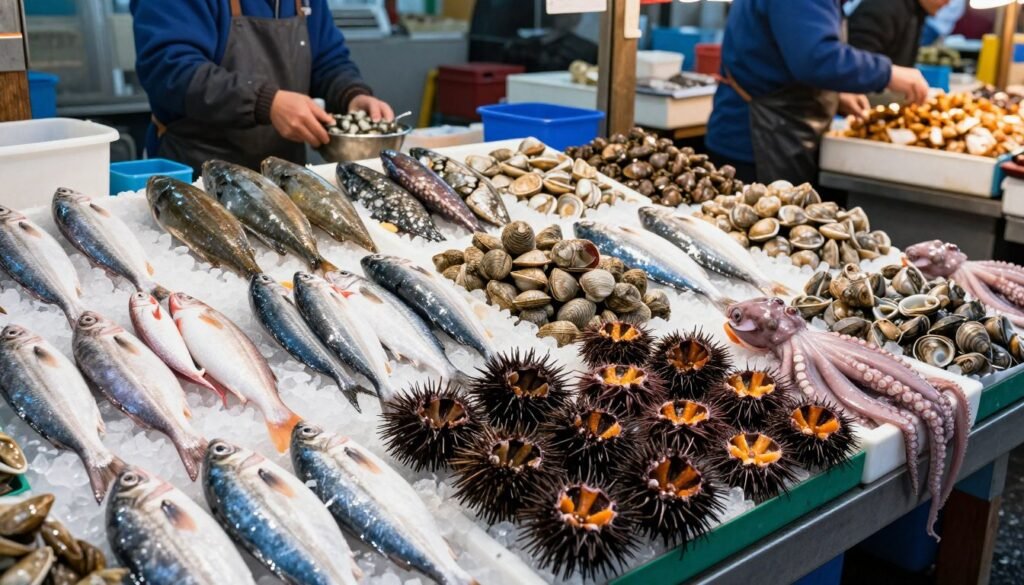
Signature Jeju Dishes
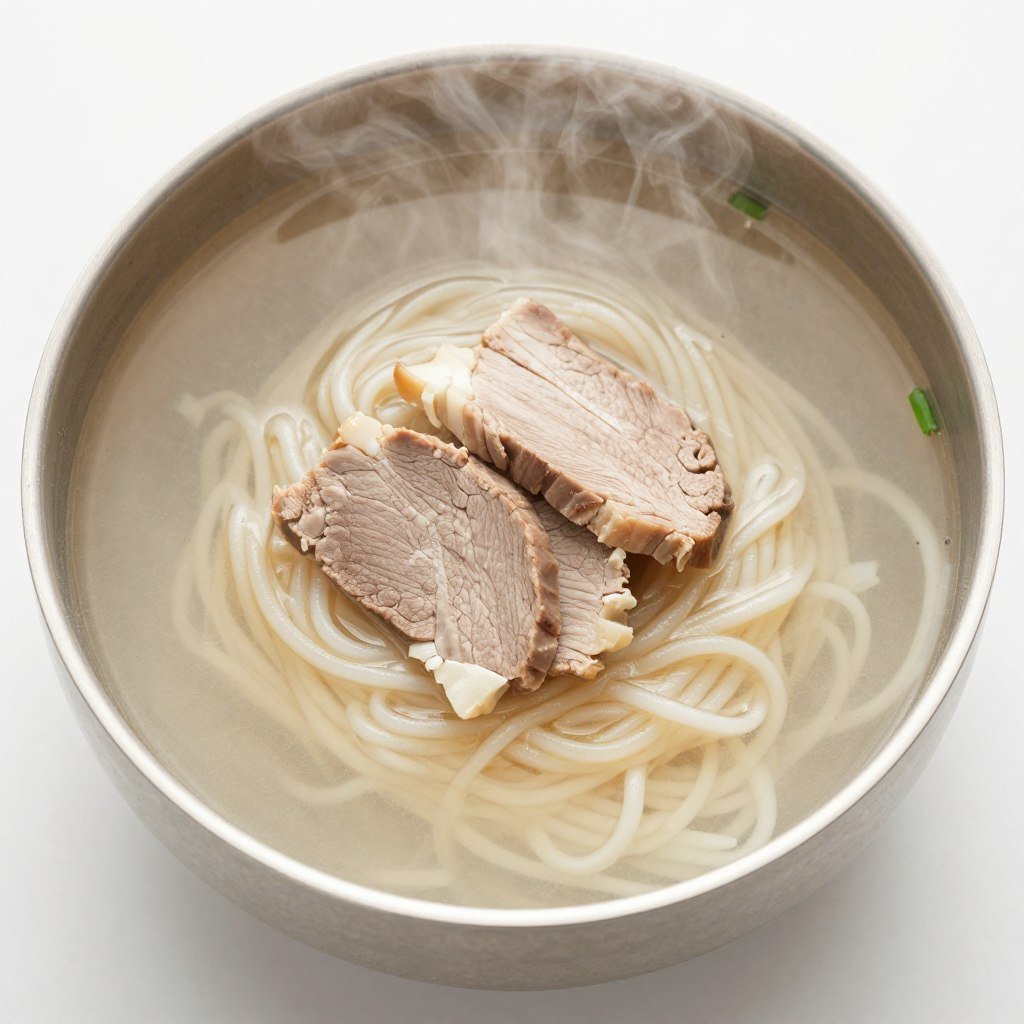
Gogi-Guksu
This warming pork noodle soup represents Jeju’s most iconic dish. Thick wheat noodles swim in rich pork broth with tender meat slices. Simple ingredients create surprisingly deep flavors that locals crave regularly.
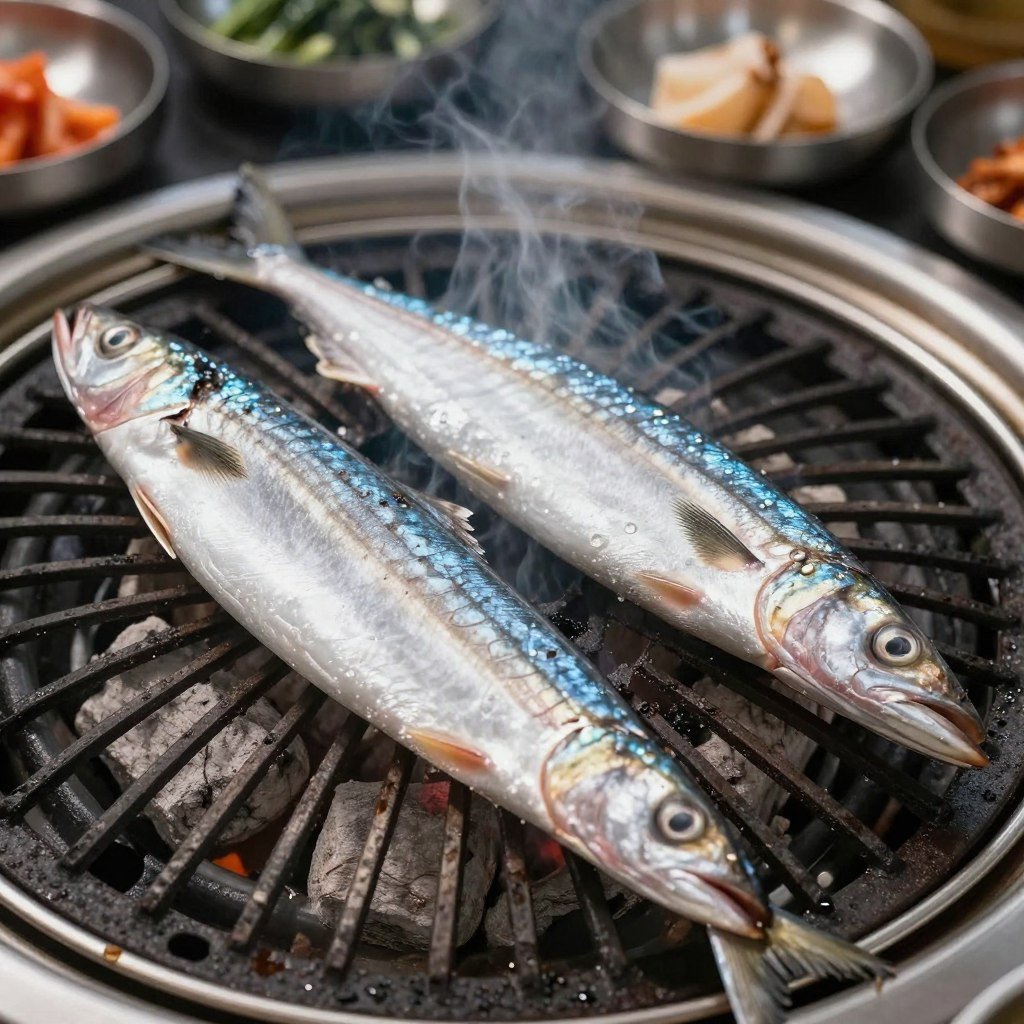
Galchi-Gui
Black scabbard fish grilled over charcoal delivers Jeju’s quintessential seafood experience. The long silver fish has firm white flesh with delicate flavor. Restaurants along the coast serve it minutes after catching.
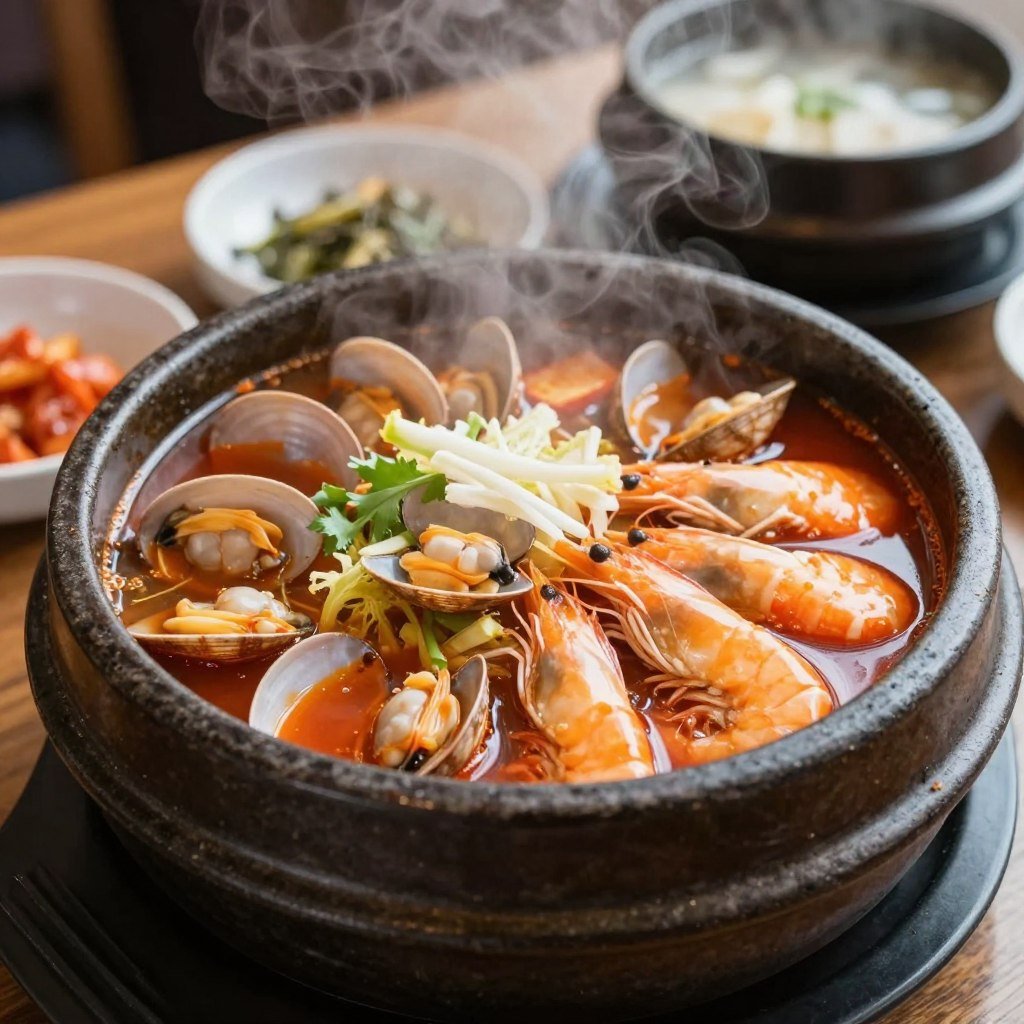
Haemul-Ttukbaegi
This seafood hot pot combines clams, shrimp, fish, and vegetables in spicy broth. The stone pot retains heat throughout the meal. Each spoonful delivers oceanic flavors enhanced by Korean red pepper paste.
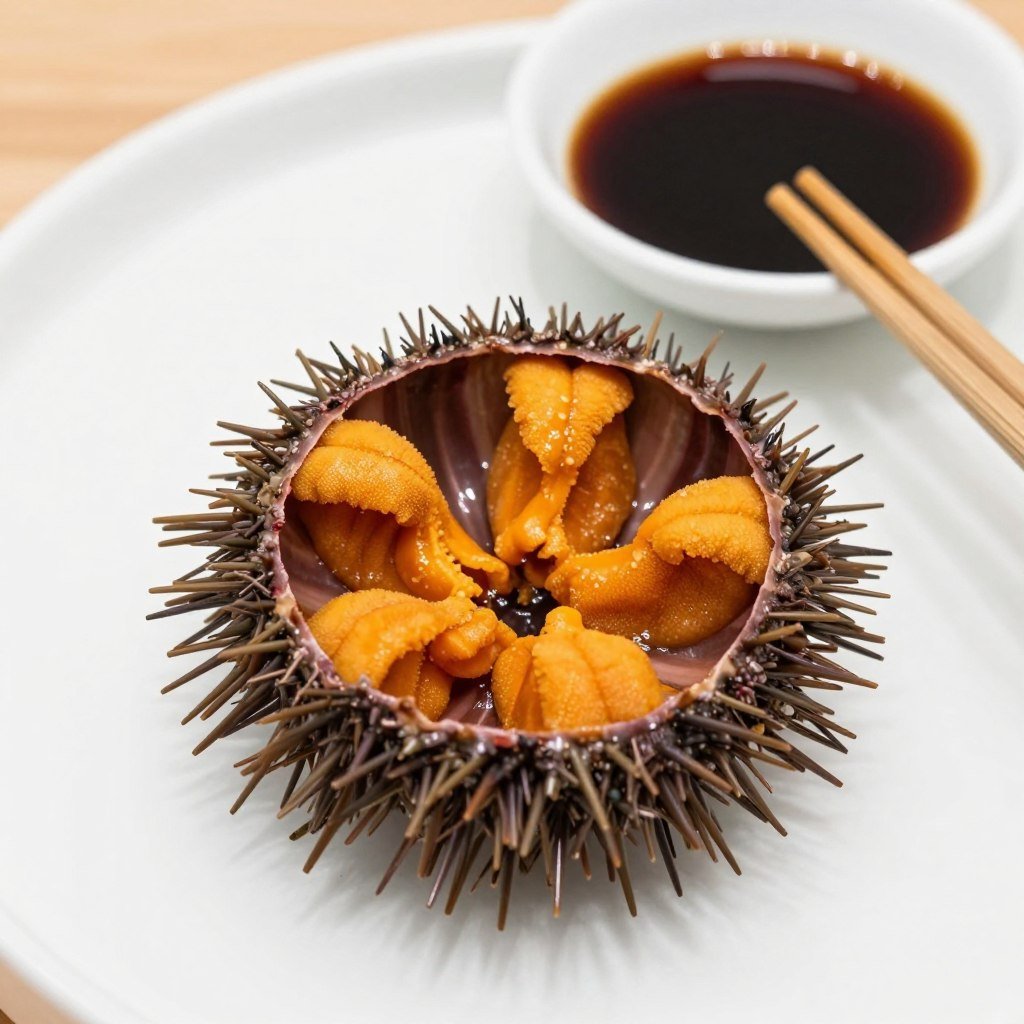
Seongge (Sea Urchin)
Jeju waters produce exceptional sea urchin harvested by haenyeo divers. The sweet, creamy roe tastes best raw or lightly cooked. This delicacy appears on menus throughout the island at varying price points.
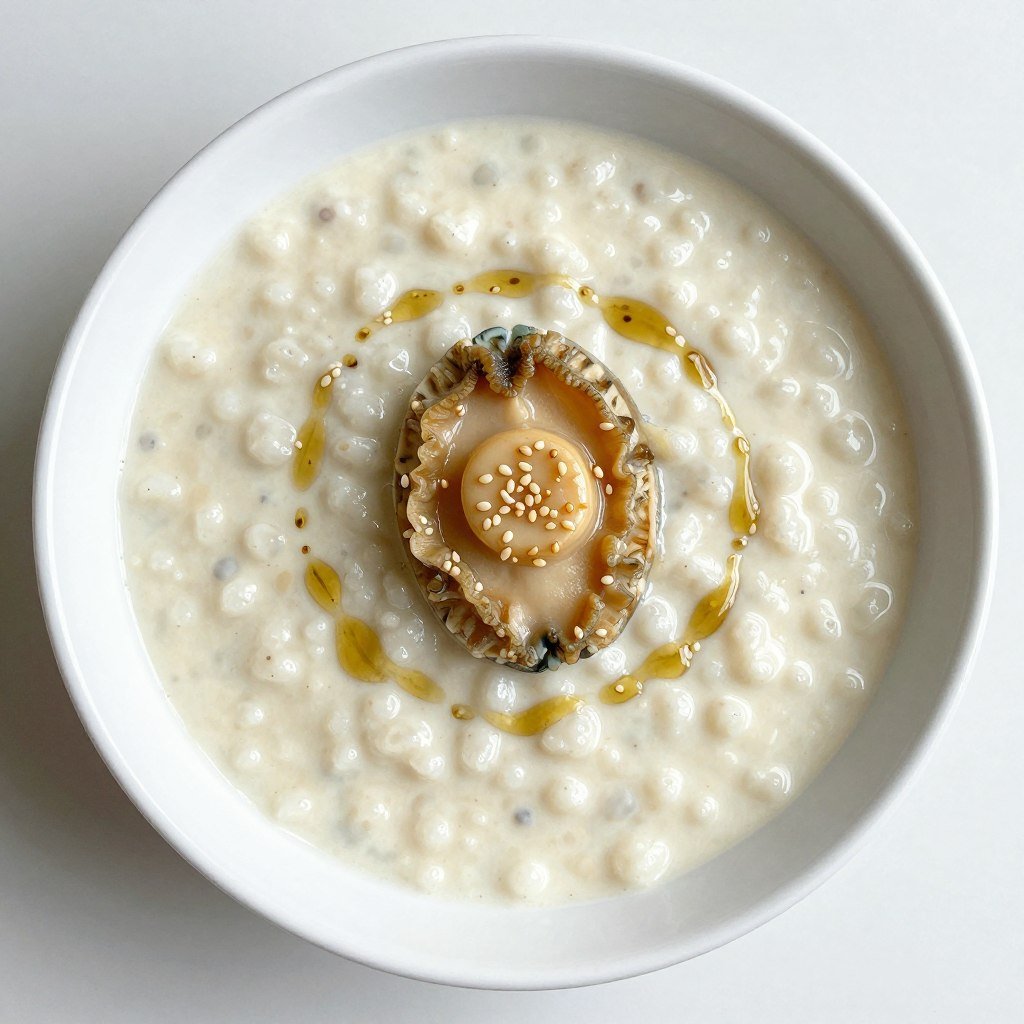
Jeonbokjuk
Abalone porridge combines the prized shellfish with rice in a silky, savory mixture. Jeju’s abundant abalone makes this luxury dish more accessible than on the mainland. The porridge provides comfort and nutrition.

Hallabong
This seedless citrus fruit grows only in Jeju’s volcanic soil. The large orange resembles a tangerine with a distinctive bump on top. Sweet juice and easy peeling make hallabong a perfect snack or dessert.
Where to Eat on Jeju Island
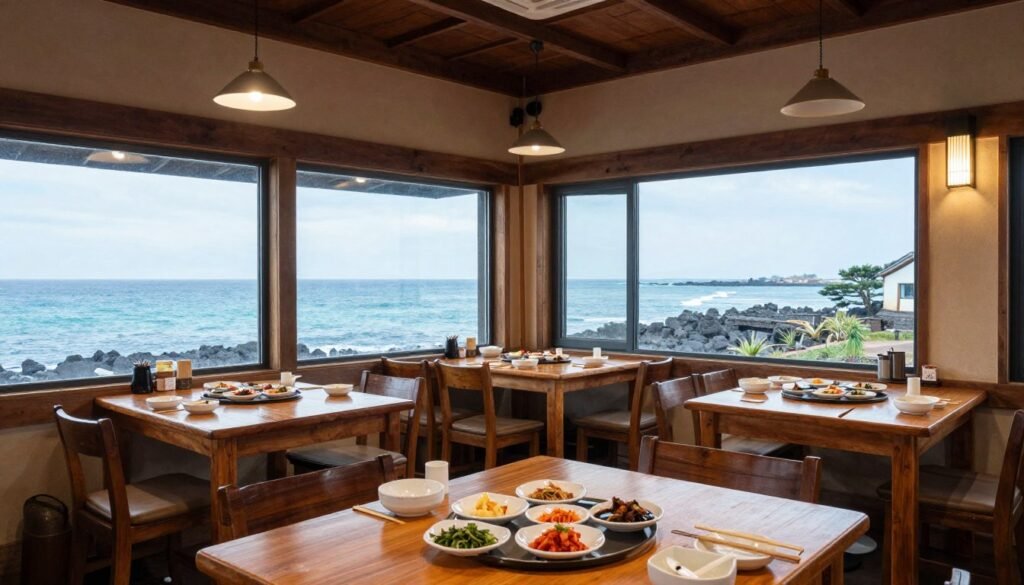
Dining options range from casual market stalls to refined restaurants showcasing local ingredients. Coastal areas offer the freshest seafood, often served within hours of catching. Jeju City and Seogwipo provide the widest restaurant variety.
Recommended Dining Areas
- Dongmun Market (Jeju City) – Street food, seafood stalls, local atmosphere
- Seogwipo Maeil Olle Market – Fresh produce, prepared foods, local specialties
- Jungmun Tourist Complex – Resort dining, international options
- Gujwa-eup – Coastal fishing village restaurants with daily catches
- Aewol – Hip cafes and restaurants with ocean views
- Dongmun Market food stalls
- Myeongjin Jeonbok for abalone dishes
- Local gogi-guksu restaurants citywide
- Seogwipo market prepared food section
- Beach area pojangmacha (street tents)
Budget Options
- Donsadon for premium Jeju black pork
- Jamae Guksu for traditional noodles
- Haenyeo’s Kitchen near Seongsan
- Coastal galchi restaurants in Gujwa
- Café and restaurant rows in Aewol
Mid-Range Dining
- Olle Guksu Main Restaurant
- High-end seafood in Jungmun resorts
- Private abalone farm dining experiences
- Farm-to-table restaurants in countryside
- Hotel restaurants with chef’s tasting menus
Special Occasion
Dining Etiquette: Many traditional Jeju restaurants seat diners on floor cushions. Remove shoes before entering such establishments. Servers automatically bring banchan (side dishes) – these are included in your meal and can be refilled free of charge. Tipping is not practiced in South Korea.
Discover Jeju’s Culinary Traditions
Join food tours that explore markets, fishing villages, and local restaurants. Expert guides explain ingredients, cooking methods, and cultural context while you taste authentic Jeju cuisine.
Transportation: Getting Around Jeju Island
Jeju Island’s layout strongly favors car travel. Public transportation exists but provides limited access to many attractions. Understanding your transport options determines how much of the island you can realistically explore.
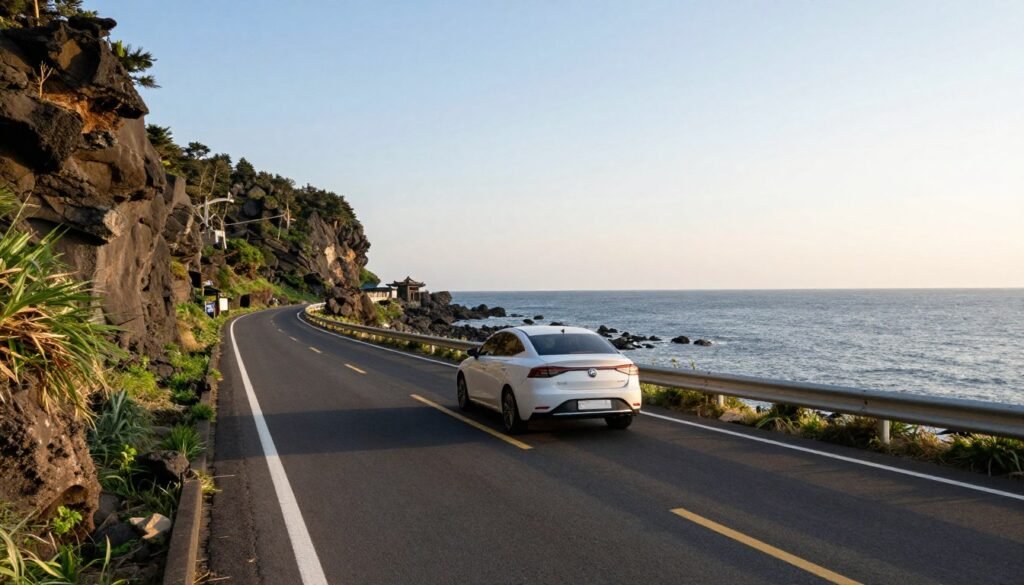
Rental Cars: The Best Option
Renting a car provides maximum flexibility to explore at your own pace. The island’s circular road system makes navigation straightforward. Most attractions lack convenient public transport access, making a car nearly essential for comprehensive exploration.
International drivers need an International Driving Permit (IDP) along with their home country license. Obtain the IDP before arriving in South Korea – they cannot be issued within the country. Rental companies cluster near the airport for convenient pickup.
Rental Considerations
- Book minimum one week in advance during peak seasons
- Compact cars suit most travelers and save on fuel
- GPS units often included – request English language settings
- Full insurance recommended for peace of mind
- Gas stations appear regularly along major routes
- Return with full tank to avoid refueling charges
Driving Tips
- Drive on the right side of the road
- Speed limits: 80-100 km/h on coastal roads
- Parking readily available at most attractions
- Navigation apps work well throughout the island
- Coastal road (Route 12) circles the entire island
- Allow extra time during peak tourist seasons
Public Bus Service
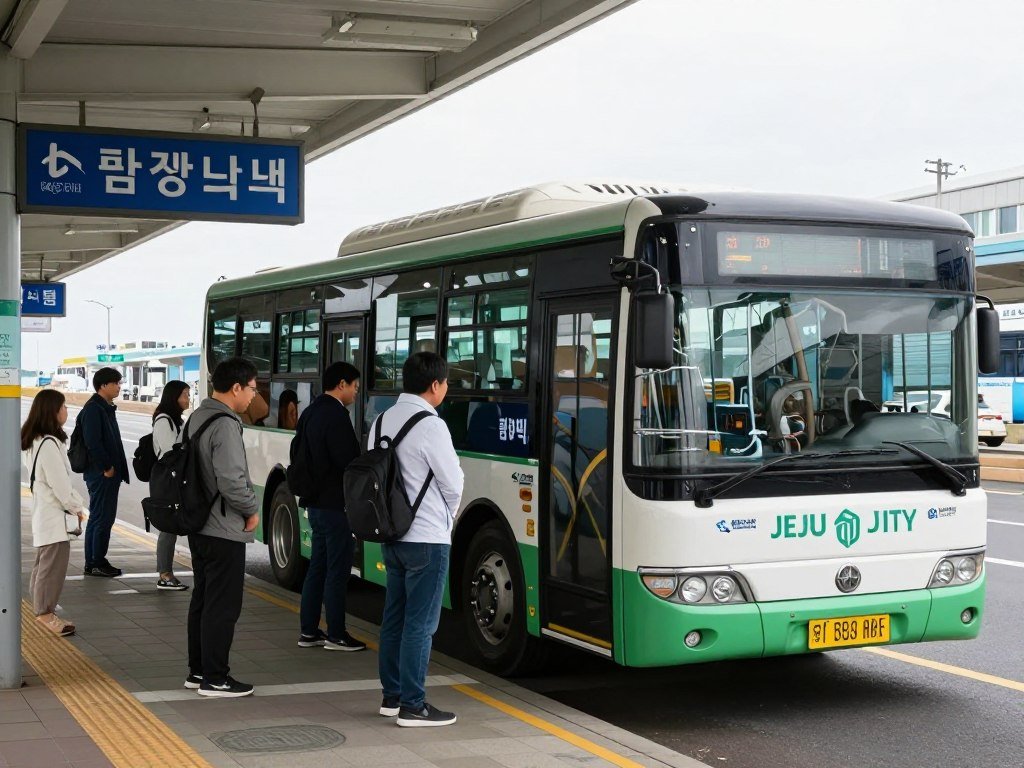
Jeju operates an extensive bus network connecting major towns and popular tourist sites. Express buses run between Jeju City and Seogwipo in approximately one hour. Local buses reach smaller villages and some attractions but with infrequent schedules.
T-money cards purchased at convenience stores provide discounted fares and eliminate the need for exact change. Bus stops display route numbers but limited English information. Download the Jeju Bus app for real-time schedules and route planning.
Key Bus Routes
- Route 100: Express service between Jeju City and Seogwipo
- Route 200: Coastal route along western shore
- Route 201-282: Various routes to eastern attractions
- Airport Limousine: Direct service to major hotels and regions
- Fare: 1,200-5,000 KRW depending on distance
Taxis and Ride Services
Taxis provide convenient point-to-point transport for shorter distances. Meters ensure fair pricing, with fares starting around 3,000 KRW. However, taxi costs accumulate quickly for full-day touring compared to rental car expenses.
Kakao T app (Korea’s equivalent to Uber) operates throughout Jeju. The service provides upfront pricing and easy English-language booking. Payment integrates through the app, eliminating language barriers during transactions.
Tours and Shuttle Services
Organized day tours solve the transportation challenge while providing guide commentary. These tours typically cover 3-4 major attractions per day with set itineraries. Tours suit travelers uncomfortable driving in unfamiliar areas or those seeking social interaction.
| Transport Method | Best For | Daily Cost Range | Flexibility Level |
| Rental Car | Independent travelers, families, comprehensive exploration | 45,000-80,000 KRW | Maximum flexibility |
| Public Bus | Budget travelers, major attractions only | 5,000-15,000 KRW | Limited routes/schedules |
| Taxi/Ride-Sharing | Short distances, occasional use, airport transfers | 30,000-100,000+ KRW | High cost for extensive use |
| Organized Tours | First-time visitors, non-drivers, social travelers | 60,000-150,000 KRW | Fixed itineraries |
Book Your Jeju Island Transportation
Reserve rental cars, book organized tours, or arrange private drivers. Compare options and secure the best rates for your 2026 Jeju Island adventure.
Where to Stay on Jeju Island
Accommodation choices significantly impact your Jeju experience. The island offers everything from budget guesthouses to luxury resorts. Location determines daily driving distances and the atmosphere surrounding your base.
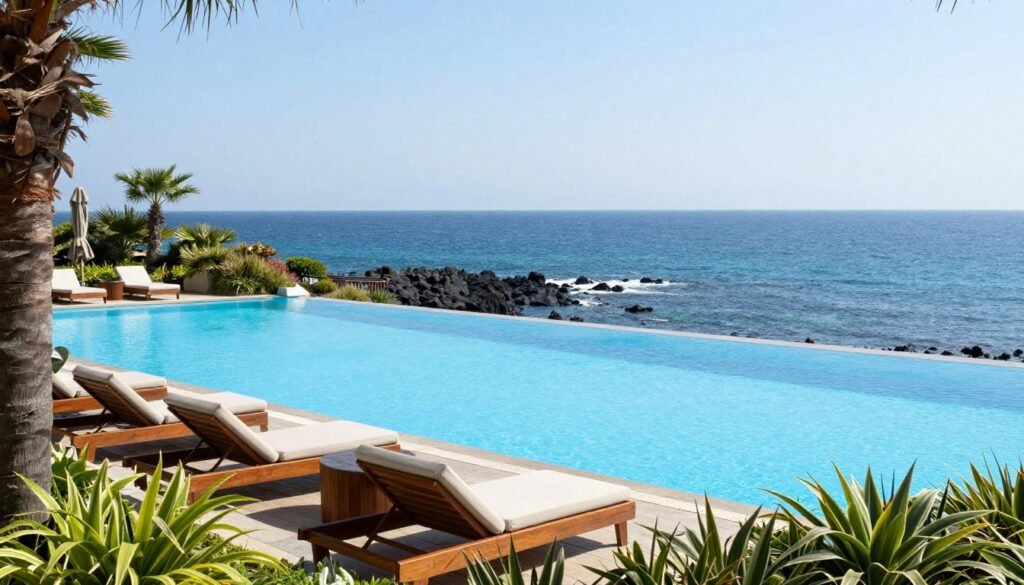
Best Areas to Stay
Jeju City – Urban Convenience
The island’s capital offers the widest range of restaurants, shopping, and nightlife. Hotels here cost less than resort areas while providing easy access to the airport. Jeju City makes sense for short stays focused on urban amenities rather than beach relaxation.
The waterfront area features newer hotels with harbor views. Downtown locations put you within walking distance of Dongmun Market and local restaurants. However, the city lacks the resort atmosphere and beach access found elsewhere.
Seogwipo – South Coast Beauty
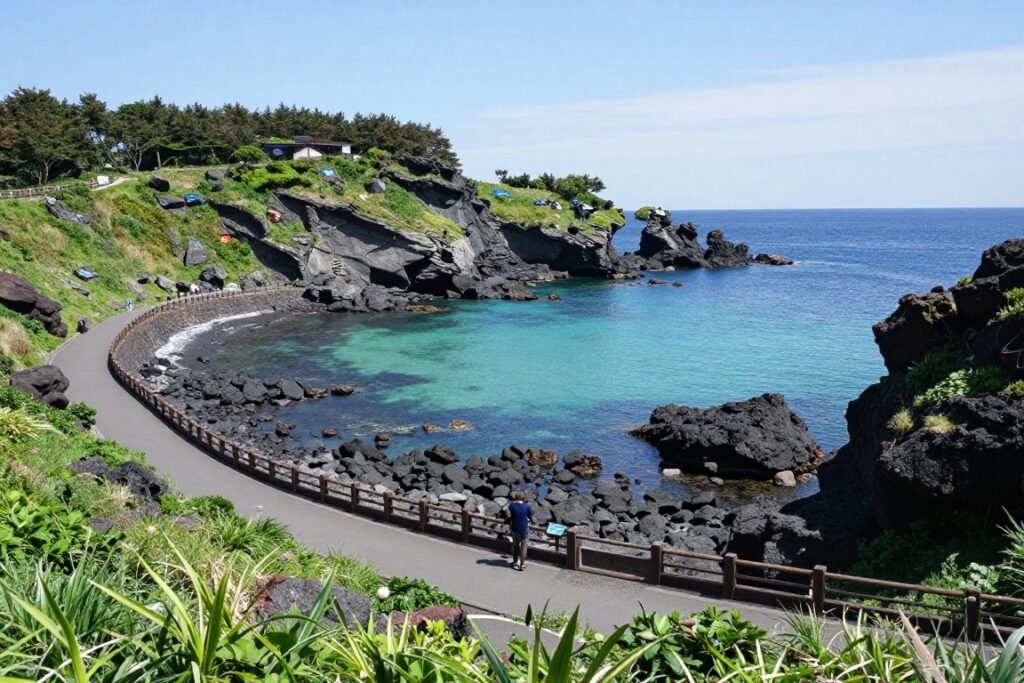
Seogwipo city and the surrounding south coast provide the island’s most scenic accommodations. Dramatic cliffs meet the sea, creating stunning ocean views. The area balances nature access with city conveniences.
Jungmun Tourist Complex concentrates luxury resorts along the southwestern coast. These properties offer beaches, spas, golf courses, and multiple dining options within walking distance. The area suits travelers seeking resort experiences without venturing far.
Eastern Jeju – Quiet Beaches
The eastern shore remains less developed than other regions. Small fishing villages dot the coast between larger towns. This area appeals to travelers seeking tranquility and authentic local life.
Seongsan and Udo Island nearby provide excellent sunrise viewing. The region offers some of Jeju’s best seafood at local restaurants. However, fewer accommodation options exist, and restaurants may close early.
Accommodation Types and Recommendations
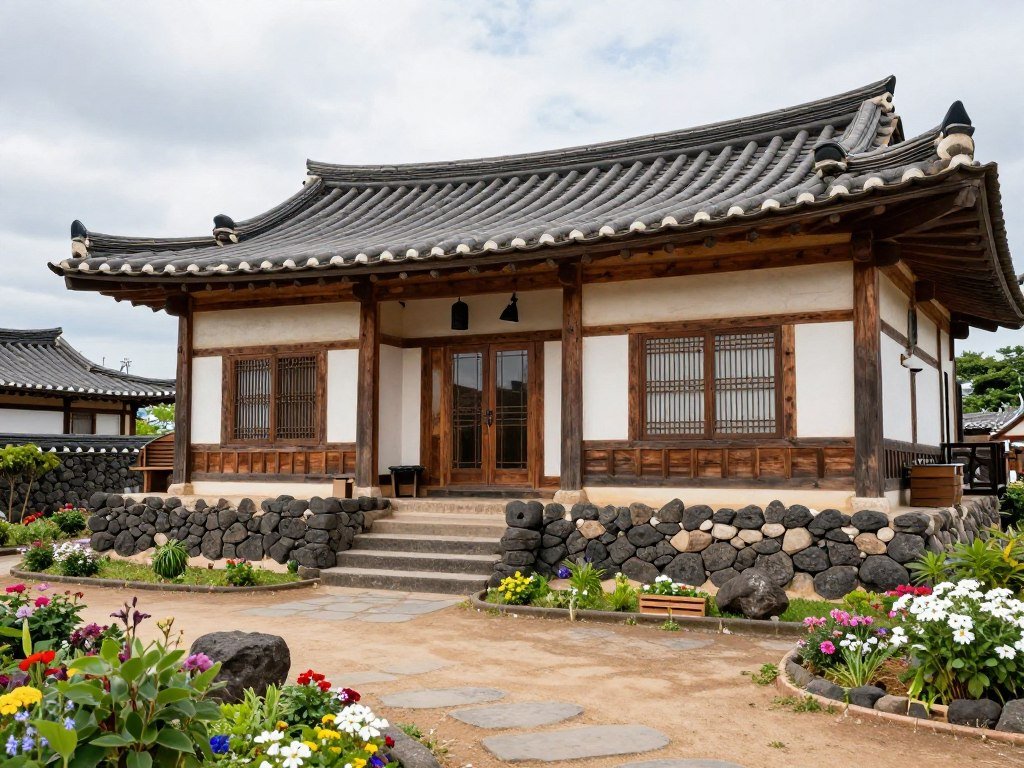
Pensions & Guesthouses
Korean-style pensions offer private rooms at moderate prices. Many feature unique designs and personalized service. Properties in countryside locations provide peaceful settings with mountain or ocean views.
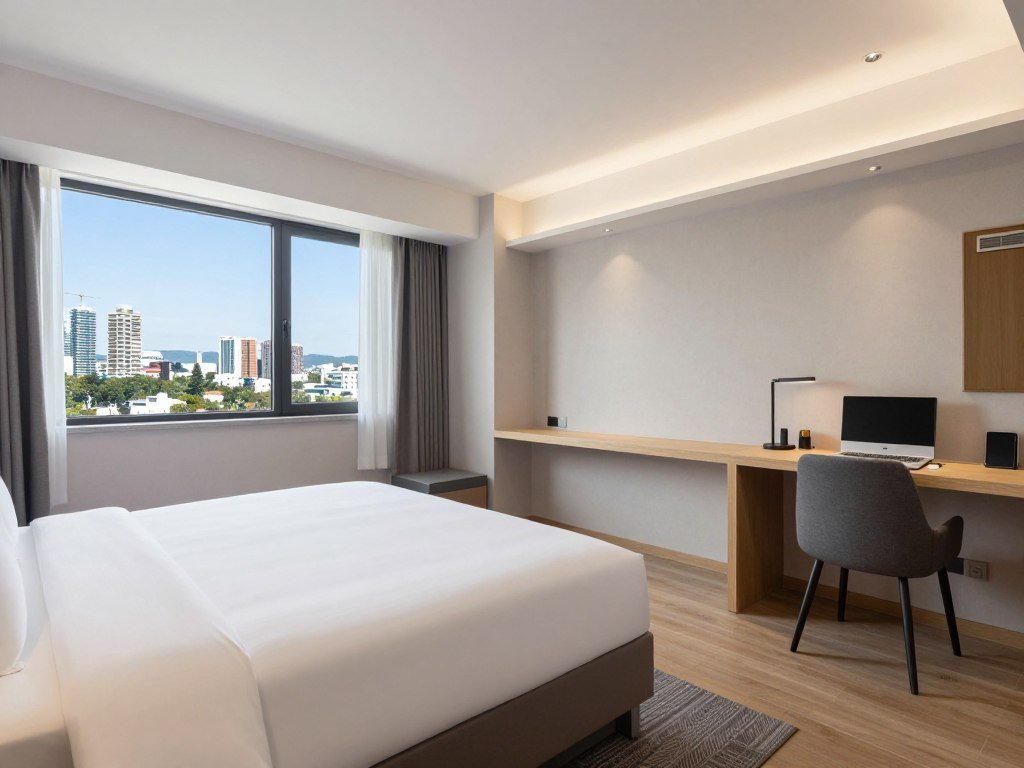
Business Hotels
These practical hotels concentrate in Jeju City and Seogwipo. They provide reliable comfort, convenient locations, and competitive pricing. Most include breakfast and offer English-speaking staff assistance.
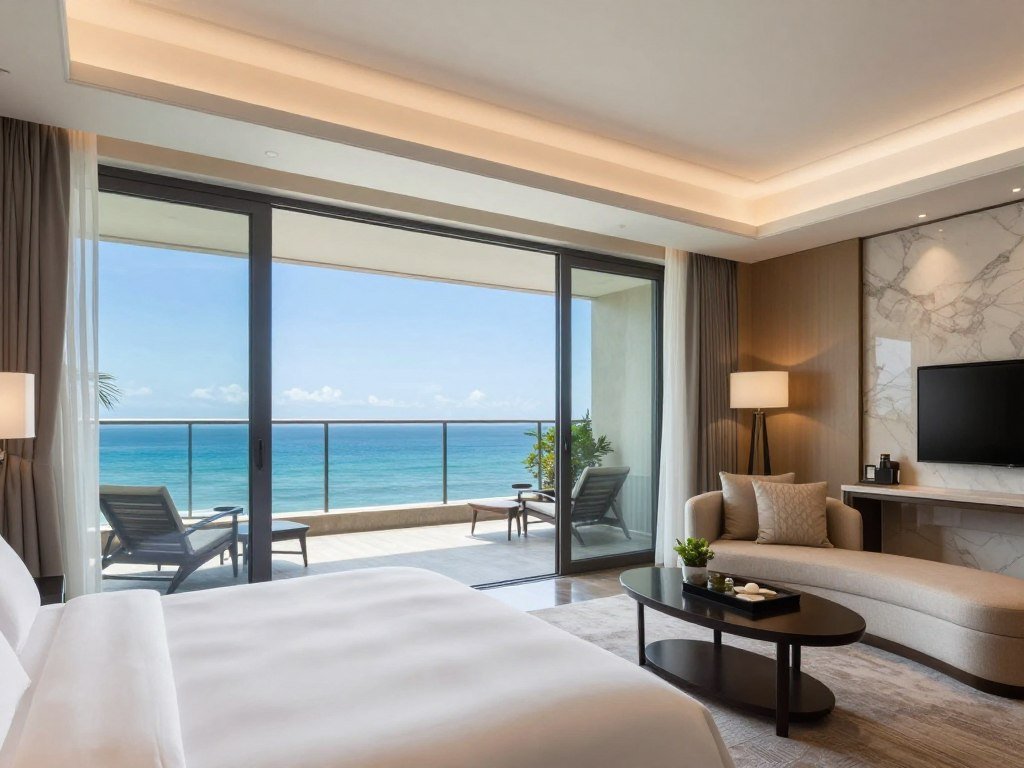
Luxury Resorts
Jungmun’s upscale resorts deliver comprehensive vacation experiences. Expect spas, multiple restaurants, private beaches, and activities. These properties justify higher rates with exceptional service and amenities.
| Budget Category | Price Per Night | Property Types | Best For |
| Budget | $25-60 USD | Hostels, basic guesthouses, older pensions | Backpackers, solo travelers, extended stays |
| Mid-Range | $60-150 USD | Modern pensions, business hotels, newer guesthouses | Most travelers, couples, small families |
| Upscale | $150-300 USD | Boutique hotels, premium pensions, resort hotels | Comfort seekers, romantic getaways, special occasions |
| Luxury | $300+ USD | Five-star resorts, premium suites, private villas | Luxury travelers, honeymoons, comprehensive resort experiences |
Booking Strategies for 2026
- Reserve accommodations 2-3 months ahead for spring and autumn peak seasons
- Book even earlier (4-6 months) for major Korean holidays
- Compare prices across multiple booking platforms for best rates
- Read recent reviews focusing on cleanliness and location accuracy
- Verify free cancellation policies before confirming reservations
- Check distance to attractions – Jeju’s size makes location important
- Contact properties directly for special requests or questions
- Consider pension packages including breakfast and airport shuttle
Find Your Perfect Jeju Accommodation
Search hotels, resorts, and unique stays across Jeju Island. Compare prices, read verified reviews, and book with flexible cancellation options for your 2026 trip.
Sample Jeju Island Itineraries
These suggested itineraries help structure your time efficiently based on different trip lengths. Adjust according to personal interests, energy levels, and weather conditions. Build in flexibility for spontaneous discoveries along the way.
Three-Day Jeju Highlights
Day One: Eastern Highlights
Begin at Seongsan Ilchulbong for sunrise viewing. Climb to the crater rim as dawn breaks over the ocean. Descend in time to watch haenyeo diving demonstrations at the base around 10:00 AM.
Drive to Manjanggul Lava Tube for underground exploration. The cave provides cool respite from midday heat. Continue to Gimnyeong Beach for lunch at nearby seafood restaurants.
Afternoon brings exploration of Seongeup Folk Village, a preserved traditional settlement. Walk among centuries-old stone houses and learn about historical Jeju life. End the day along the eastern Olle trails watching sunset over the sea.
Day Two: Central Mountain Region
Start extremely early for the Mount Hallasan hike. Reach the trailhead by 6:30 AM to allow sufficient time for the summit and return. Pack substantial snacks and water for the demanding climb.
Return exhausted but satisfied by mid-afternoon. Recover with traditional Jeju gogi-guksu noodles. Spend the evening relaxing at your accommodation or visiting a local jjimjilbang (Korean spa).
Day Three: Southern Coast
Morning visit to Cheonjiyeon Waterfall in Seogwipo. The falls create a peaceful atmosphere perfect for early exploration. Walk the surrounding paths through subtropical forest.
Drive along the southern coastal road stopping at dramatic viewpoints. Visit Jusangjeolli cliff formations where hexagonal basalt columns meet crashing waves. Continue to Jungmun Beach for lunch and potential swimming if weather permits.
Afternoon explores Jeju’s tea plantations. Tour the green rows of bushes against mountain backdrops. Sample various teas while learning about Jeju’s tea culture. Return to Jeju City for evening departure.
Five-Day Extended Exploration
Follow the three-day itinerary above, then add these experiences:
Day Four: Western Coast Adventure
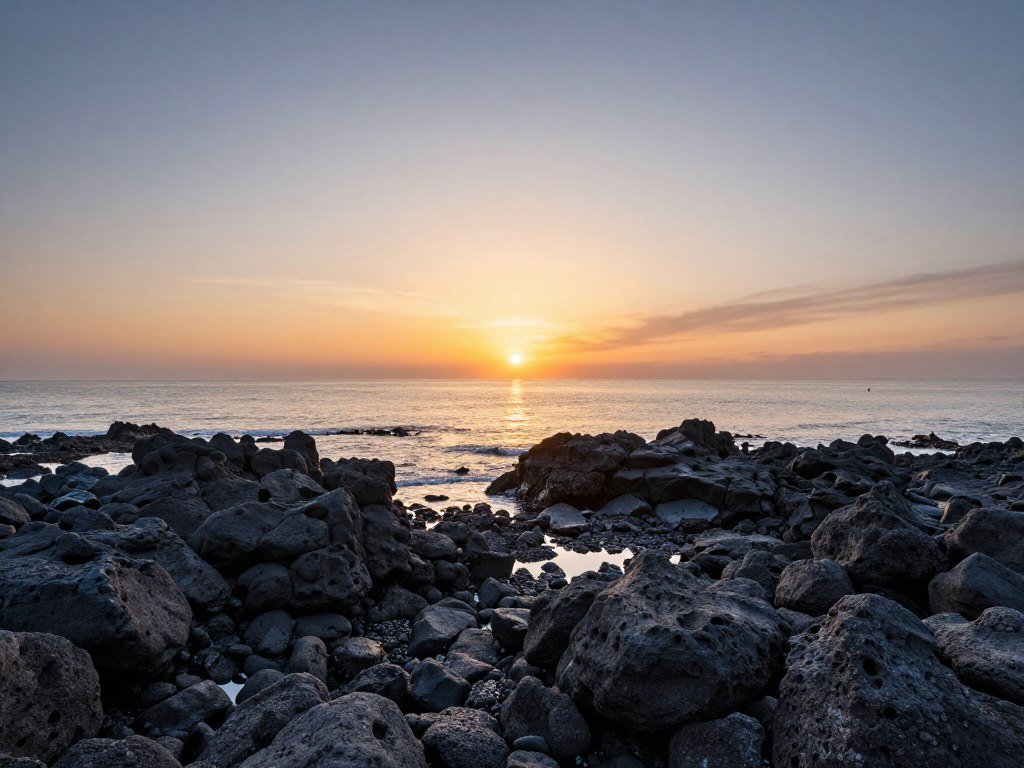
Morning ferry to Udo Island, a small island off Jeju’s eastern shore. Rent bicycles or an electric scooter to circle the island in 2-3 hours. Stop at beaches, peanut ice cream shops, and viewpoints along the route.
Return to main island for afternoon exploration of the western coast. Visit Hyeopjae Beach known for white sand and clear water. Continue to Hallim Park for botanical gardens and additional lava tube caves.
Evening in Aewol provides trendy cafes and restaurants with ocean views. Watch sunset from coastal cafes before returning to your accommodation.
Day Five: Culture and Relaxation
Morning visit to Jeju Folk Village Museum. This large outdoor museum recreates historical island life across different eras. Allow 2-3 hours to explore buildings, demonstrations, and exhibits.
Afternoon brings spa time at a resort or premium jjimjilbang. Soak in hot tubs, try various saunas, and relax completely. Many facilities offer traditional Korean body scrubs and massages.
Final evening explores Jeju City nightlife and dining. Visit Dongmun Market for street food dinner sampling multiple dishes. Shop for souvenirs including hallabong chocolate and Jeju cosmetics.
One Week: Complete Island Circuit
Extend the five-day itinerary with these additions:
Day Six: Northern Exploration
Morning at Jeju Stone Park showcasing the island’s volcanic rock culture. This outdoor museum explains the relationship between Jeju people and stone through artistic installations.
Afternoon explores Gimnyeong Maze Park and nearby coastal areas. The hedge maze provides family-friendly entertainment. Coastal cafes offer relaxation spots with ocean views.
Evening at Jeju City’s shopping districts. Browse local boutiques and Korean cosmetic stores. Dine at upscale restaurants featuring creative takes on Jeju ingredients.
Day Seven: Personal Choice Day
Dedicate your final full day to favorite activities or missed attractions. Options include second beach day, additional hiking, museum visits, or simply relaxing at scenic cafes.
Revisit exceptional restaurants for farewell meals. Purchase last-minute souvenirs and gifts. Early evening allows final sunset viewing from your favorite coastal spot.
Practical Travel Information for Jeju Island 2026
Successful island exploration requires preparation beyond booking accommodations and flights. These practical details address common questions and challenges international visitors encounter on Jeju Island.
Visa and Entry Requirements
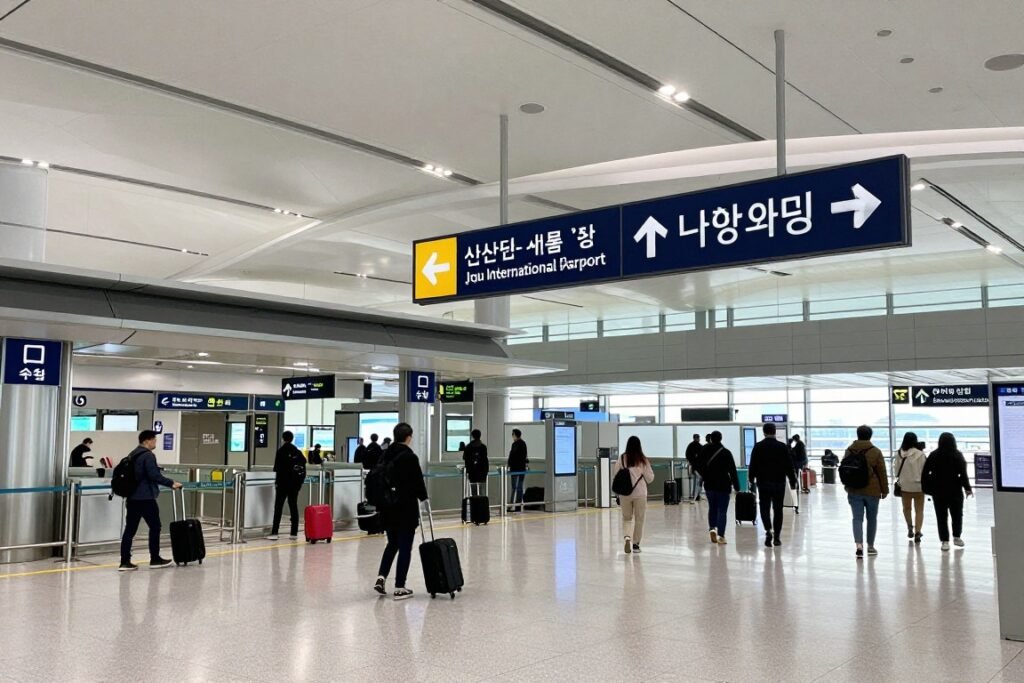
Many nationalities enjoy visa-free entry to Jeju Island for stays up to 30 days. This special policy applies even to visitors who would need visas for mainland South Korea. However, visa-free entry restricts you to Jeju Island only – you cannot travel to other parts of Korea without proper visa.
Citizens of countries requiring Korean visas should apply through embassies or consulates before travel. Standard tourist visas allow 90-day stays and permit travel throughout South Korea. Verify current requirements for your nationality as policies occasionally change.
Money and Payment Methods
South Korean won (KRW) serves as Jeju’s currency. Credit cards see widespread acceptance at hotels, restaurants, and larger shops. However, small vendors, traditional markets, and rural areas often operate cash-only.
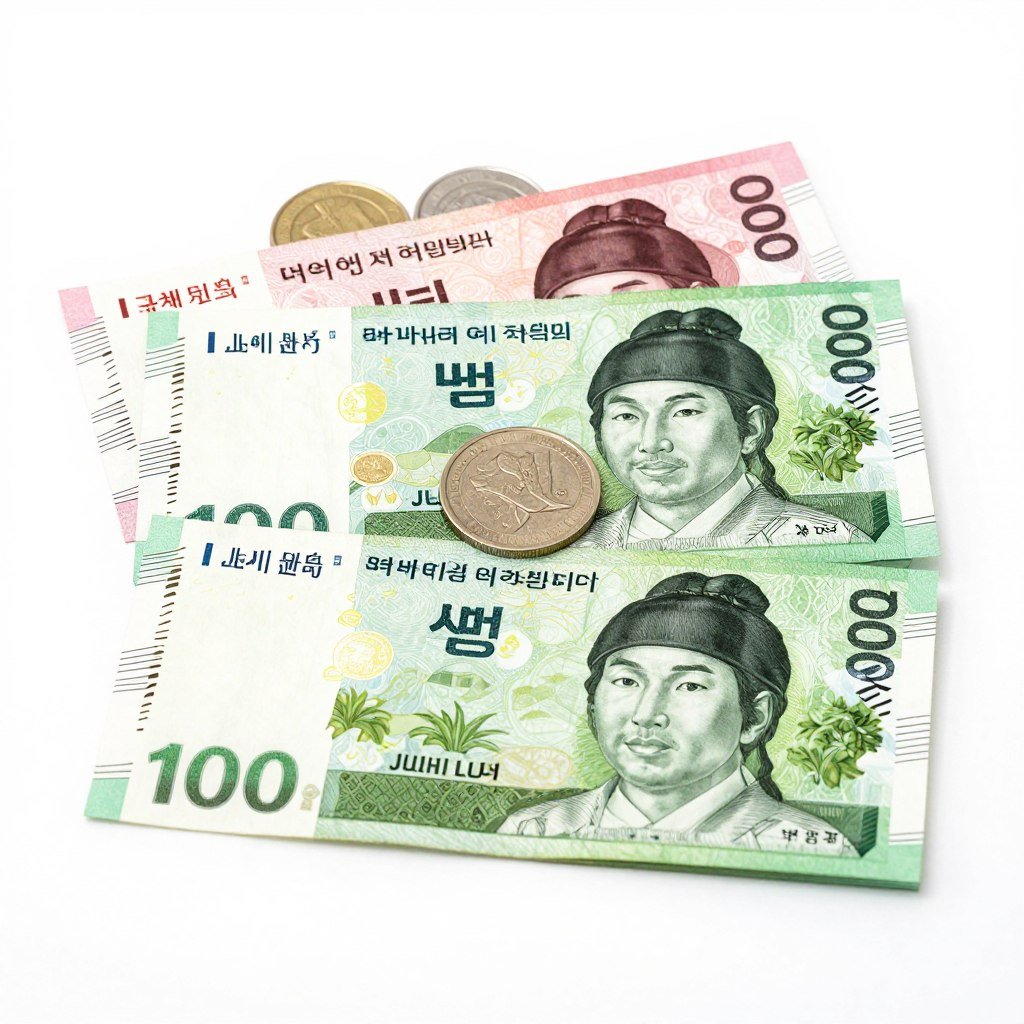
ATMs dispensing cash to foreign cards appear throughout the island. Look for machines marked “Global ATM” or those at 7-Eleven convenience stores. Exchange rates at airport exchange counters typically offer less favorable rates than ATM withdrawals.
Budget Guidelines
- Budget travelers: $50-80 USD daily (hostel, local food, public transport)
- Mid-range travelers: $100-200 USD daily (hotel, mixed dining, rental car)
- Luxury travelers: $300+ USD daily (resort, upscale dining, activities)
- Attraction tickets: Generally 3,000-15,000 KRW each
- Meals: Market food $5-10, restaurants $15-30, fine dining $50+
- Rental car: $40-70 daily depending on vehicle and season
Language and Communication
Korean dominates as the primary language throughout Jeju Island. English proficiency remains limited outside international hotels and major tourist sites. Download translation apps before arrival – Google Translate works offline with downloaded Korean language pack.
Learn basic Korean phrases for courtesy and practical communication. “Annyeonghaseyo” (hello), “gamsahamnida” (thank you), and “eolmayeyo” (how much) prove immediately useful. Most locals appreciate even simple attempts at Korean.
Internet and Connectivity
Jeju offers excellent internet infrastructure. Free WiFi appears at most accommodations, cafes, and restaurants. For constant connectivity, rent a portable WiFi device at the airport or purchase a local SIM card.
Portable WiFi devices cost approximately $5-10 daily and support multiple devices. Local SIM cards provide better value for solo travelers with unlocked phones. Major carriers offer tourist SIM packages with data and some calling minutes.
Health and Safety Considerations
Jeju Island ranks among Asia’s safest destinations. Violent crime against tourists remains virtually nonexistent. Exercise normal precautions regarding personal belongings in crowded areas like markets and beaches.
Tap water meets safe drinking standards but tastes heavily chlorinated. Most locals prefer bottled water available everywhere inexpensively. Hotels typically provide complimentary bottled water daily.
Health Preparations
- No special vaccinations required for Jeju Island
- Bring prescription medications in original containers
- Pack basic first aid supplies and common medicines
- Sun protection essential – UV levels high year-round
- Travel insurance recommended for medical coverage
- Pharmacies widely available in cities and towns
Cultural Etiquette
Korean culture emphasizes respect and proper behavior in public spaces. Understanding basic etiquette creates positive interactions and demonstrates cultural appreciation.
Recommended Behaviors
- Bow slightly when greeting or thanking people
- Remove shoes when entering homes or traditional restaurants
- Use two hands when giving or receiving items from elders
- Wait for eldest person to start eating before beginning your meal
- Speak quietly in public spaces and transportation
- Stand to the right on escalators, walk on left
- Cover mouth when using toothpicks after meals
Actions to Avoid
- Writing names in red ink (reserved for deceased)
- Blowing nose at dining table (excuse yourself)
- Refusing food or drink from elders repeatedly
- Public displays of affection beyond hand-holding
- Pointing at people with index finger
- Sticking chopsticks upright in rice bowl
- Tipping at restaurants (not practiced in Korea)
How many days should I spend on Jeju Island?
Three to five days allows comprehensive exploration of major attractions while maintaining a comfortable pace. Three days covers highlights like Mount Hallasan, Seongsan Ilchulbong, beaches, and key cultural sites. Five to seven days enables deeper exploration, including Udo Island, multiple Olle trails, and relaxation time without rushing.
Is renting a car necessary on Jeju Island?
While not absolutely mandatory, a rental car dramatically improves your Jeju experience. Public transportation exists but provides limited access to many attractions and operates on infrequent schedules. Organized tours offer an alternative for non-drivers, though they lack the flexibility of independent travel. Approximately 90% of international visitors rent cars.
What is the best time to visit Jeju Island?
April-May (spring) and September-October (autumn) provide optimal conditions with comfortable temperatures, lower humidity, and beautiful natural scenery. Spring brings flower blooms while autumn offers harvest season and clear skies. Summer (June-August) suits beach activities but brings crowds, heat, and typhoon risk. Winter (December-March) has lowest prices and fewer tourists but cooler temperatures and stronger winds.
Do I need to speak Korean to visit Jeju Island?
English proficiency remains limited outside major tourist areas, but you can navigate successfully without Korean language skills. Download translation apps, book accommodations with English-speaking staff, and prepare key phrases in Korean. Many restaurants offer picture menus. Road signs appear in both Korean and English. The language barrier creates occasional challenges but shouldn’t prevent your visit.
Can I visit Jeju Island without a visa?
Citizens of many countries enjoy visa-free entry to Jeju Island for stays up to 30 days under a special policy. This applies even to nationalities requiring visas for mainland South Korea. However, visa-free entry restricts you to Jeju only. Verify current visa-free eligibility for your specific nationality as policies occasionally change. Standard Korean visas allow travel throughout the country.
“Jeju Island captures your heart with its volcanic landscapes and ocean views, but the warmth of its people and unique culture make you want to return again and again. Every visit reveals new hidden beaches and unforgettable moments.”
Ready to Discover Jeju Island in 2026?
Let our Jeju specialists create your perfect island itinerary. Get personalized recommendations, insider tips, and booking assistance for accommodations, tours, and transportation.
Your Jeju Island Journey Begins
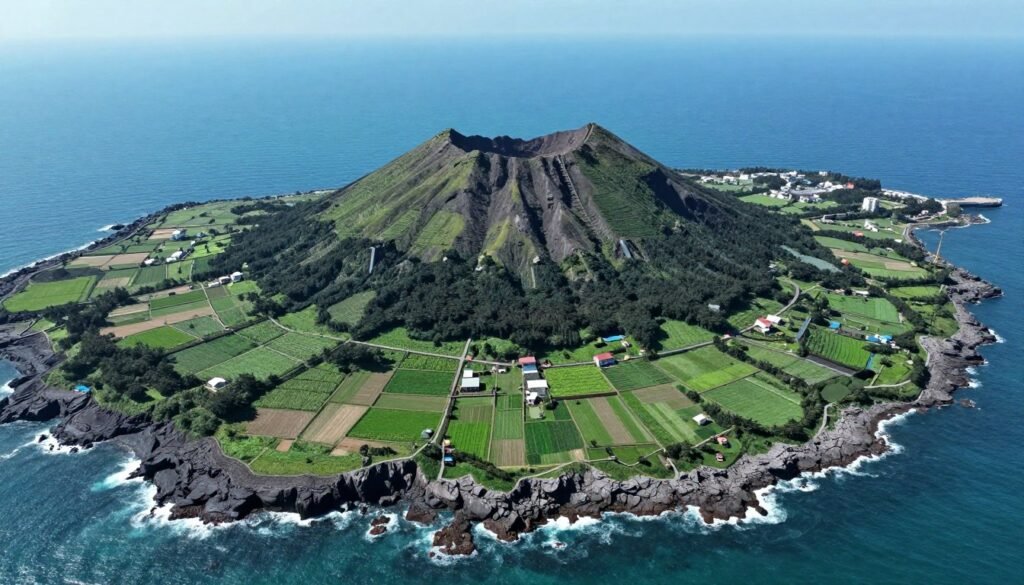
Jeju Island delivers experiences that remain vivid long after returning home. The volcanic landscapes create otherworldly hiking adventures. Pristine beaches invite endless ocean gazing. Fresh seafood tantalizes your palate with flavors found nowhere else.
This island rewards both careful planning and spontaneous exploration. Every coastal road reveals new viewpoints. Each small village offers authentic cultural glimpses. The combination of natural wonders and modern infrastructure creates the perfect travel destination.
Your 2026 Jeju Island adventure promises unforgettable moments. From sunrise at Seongsan Ilchulbong to sunset along the western coast, the island enchants at every turn. The welcoming culture and spectacular scenery ensure memories that last a lifetime.
Start planning your journey today. Research your ideal travel dates. Book accommodation near your priority attractions. Reserve your rental car or tour packages. Jeju Island awaits with open arms and endless discoveries.
Safe travels, and may your Jeju Island experience exceed every expectation. This remarkable volcanic island changes perspectives and creates stories you’ll share for years. The adventure of a lifetime awaits on South Korea’s treasured island paradise.