

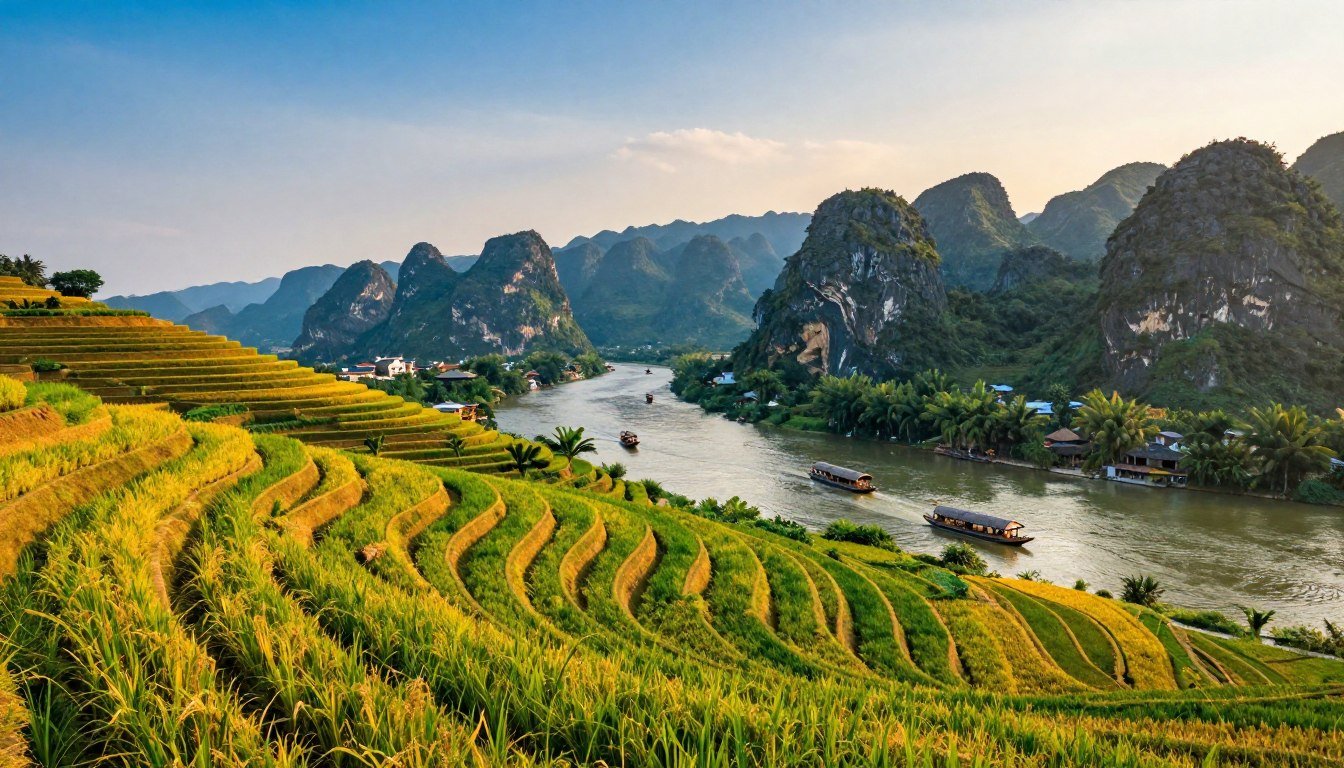
Vietnam stands as one of Southeast Asia’s most captivating destinations, offering travelers an extraordinary blend of ancient culture, breathtaking landscapes, and unforgettable adventures. The country transforms with each passing year, yet maintains its authentic charm that draws millions of visitors seeking genuine cultural immersion.
For 2026, Vietnam presents travelers with experiences that go far beyond typical tourist attractions. From sunrise over limestone karsts to intimate cooking sessions with local families, these authentic encounters create memories that last a lifetime. Each region offers distinct flavors, traditions, and landscapes waiting to be discovered.
This comprehensive guide reveals ten exceptional Vietnam travel experiences that showcase the country’s true essence. Whether you’re drawn to mountain villages, bustling city streets, pristine beaches, or winding river deltas, Vietnam delivers adventures that satisfy every traveler’s wanderlust.
Understanding Vietnam’s Travel Landscape in 2026
Vietnam continues evolving as a premier destination for travelers seeking authentic experiences. The country stretches over 1,650 kilometers from north to south, encompassing diverse climates, cultures, and landscapes. This geographic variety creates opportunities for vastly different experiences within a single trip.
The northern mountains harbor ethnic minority villages where traditional life continues largely unchanged. Central Vietnam showcases imperial history and pristine beaches along its coastline. Southern regions pulse with economic energy while maintaining deep cultural roots in the Mekong Delta’s waterways.
Modern infrastructure improvements make Vietnam increasingly accessible while preserving its authentic character. New highways connect major cities, upgraded airports handle international arrivals smoothly, and tourism services maintain high standards without sacrificing local flavor.
What Makes Vietnam Unique for Travelers
Cultural Richness
Vietnam’s history spans thousands of years, leaving layers of cultural heritage visible everywhere. Chinese influence mingles with French colonial architecture, while indigenous traditions remain vibrant in daily life.
- Ancient temples and imperial citadels open to visitors
- Living traditions practiced in villages nationwide
- Diverse ethnic groups maintaining unique customs
- UNESCO World Heritage sites across the country
- Traditional crafts passed through generations
- Spiritual practices visible in everyday life
Natural Beauty
From mountains to beaches, Vietnam’s landscapes create endless exploration opportunities. The country’s geography produces some of Asia’s most photographed scenery alongside hidden natural wonders.
- Limestone karst formations rising from emerald waters
- Terraced rice fields cascading down mountain slopes
- Pristine beaches along 3,260 kilometers of coastline
- Winding rivers flowing through lush deltas
- Dense jungles harboring diverse wildlife
- Dramatic caves and underground river systems
Best Time for Vietnam Travel Experiences
| Region | Best Months | Weather Conditions | Key Experiences Available |
| Northern Vietnam | September to November, March to May | Cool, dry weather with clear skies, comfortable temperatures | Sapa trekking, Ha Long Bay cruises, Hanoi street food tours |
| Central Vietnam | February to August | Warm and dry, minimal rainfall, excellent beach weather | Hoi An exploration, Hue imperial sites, Da Nang beaches |
| Southern Vietnam | December to April | Hot and dry, low humidity, perfect for outdoor activities | Mekong Delta tours, Ho Chi Minh City exploration, Phu Quoc beaches |
| Whole Country | March to April | Transitional weather, generally pleasant nationwide | All regions accessible with favorable conditions |
1. Ha Long Bay Overnight Cruise Adventure
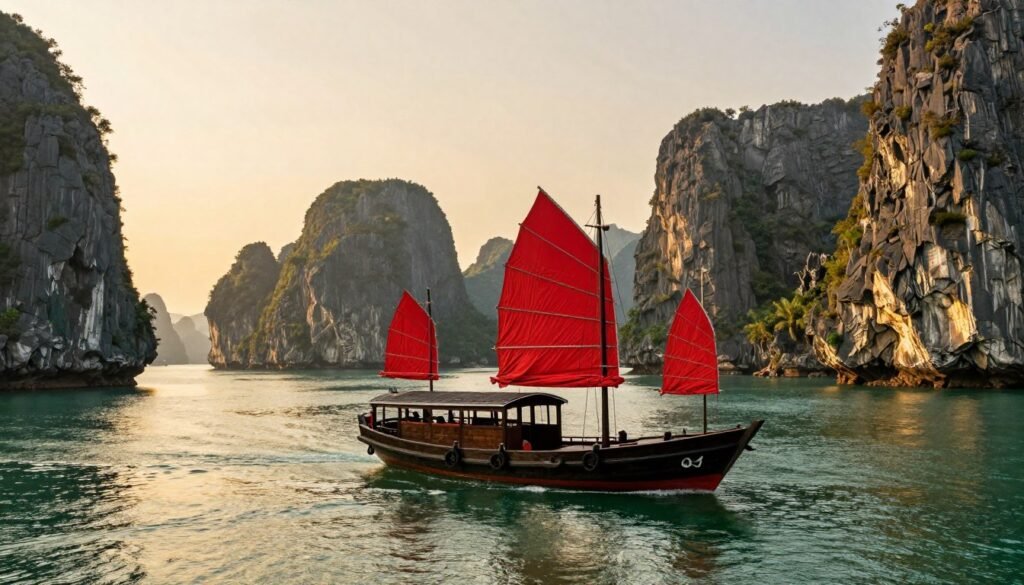
Ha Long Bay represents Vietnam’s most iconic landscape, where thousands of limestone islands rise dramatically from emerald waters. An overnight cruise transforms this UNESCO World Heritage site from a scenic wonder into an immersive experience that reveals the bay’s magic during different times of day.
Cruising through Ha Long Bay allows you to witness sunrise mist floating between karst formations, explore hidden caves accessible only by boat, and kayak through quiet lagoons surrounded by towering cliffs. The experience combines luxury accommodation with intimate nature encounters.
Experience Highlights
- Luxury junk boat accommodation with ocean-view cabins
- Sunrise tai chi sessions on the upper deck
- Kayaking through limestone grottoes and lagoons
- Cave exploration in massive underground chambers
- Fresh seafood meals prepared by onboard chefs
- Swimming in secluded bays with clear water
- Sunset cocktails while cruising past islands
- Cooking demonstrations featuring Vietnamese cuisine
Practical Information
Duration: 2 days, 1 night (extended 3-day cruises available)
Best Time: October to April for clearest weather and calm seas
Price Range: Budget cruises from $100, luxury options $300-800 per person
What to Bring: Sunscreen, swimwear, light layers for evening, camera with waterproof case, comfortable shoes for cave exploration
Booking Tip: Reserve 4-6 weeks ahead during peak season. Choose boats with fewer than 30 guests for more intimate experiences.
How to Reach Ha Long Bay
From Hanoi
Distance: 165 kilometers east of Hanoi
By Bus: Most cruise companies include shuttle service from Hanoi hotels. Journey takes 3.5-4 hours on modern expressway. Departure usually around 8 AM.
By Private Car: Hire private transfer for flexibility. Cost approximately $60-80 for sedan, $90-120 for van (4-7 passengers). Travel time 2.5-3 hours.
By Seaplane: Hai Au Aviation offers 45-minute scenic flights from Hanoi to Ha Long Bay. Spectacular aerial views of the karsts. Price around $300 per person each way.
Getting to Departure Point
Most cruises depart from Tuan Chau Island marina or Got Harbor. Your cruise operator provides exact location and pickup details upon booking confirmation.
Tuan Chau Marina: Main departure point for standard cruises. Modern facilities with parking available.
Got Harbor: Used by some premium cruise lines. Offers quicker access to less-crowded areas of the bay.
Check-in: Arrive 30 minutes before departure. Most cruises leave between 11:30 AM and 12:30 PM, returning next day around 11 AM.
2. Hanoi Street Food Discovery Tour
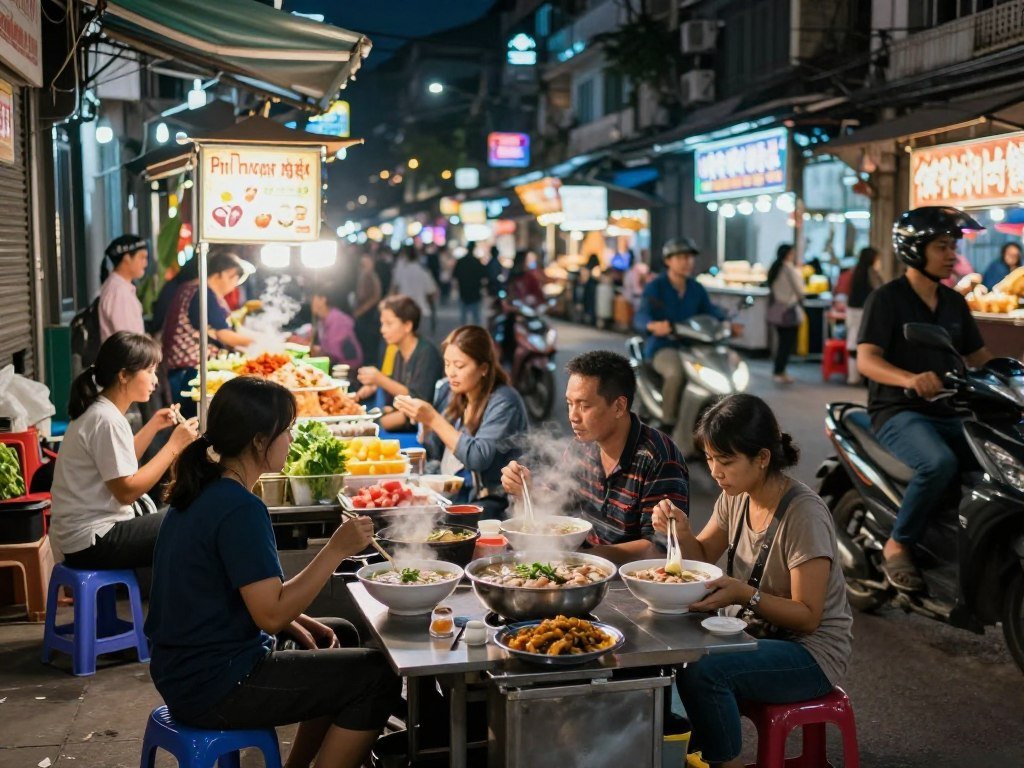
Hanoi’s streets transform into open-air restaurants each evening, where plastic stools surround steaming pots and sizzling woks. A street food tour through the Old Quarter reveals Vietnam’s culinary soul, introducing flavors that define Vietnamese cuisine while connecting you with locals who’ve perfected recipes over generations.
This experience goes beyond eating, offering insights into Hanoi’s food culture, ingredient sourcing, and social traditions surrounding meals. Guides share stories about each dish’s history while navigating narrow streets filled with aromatic smoke and lively conversation.
Signature Dishes You’ll Taste
Pho (Noodle Soup)
Vietnam’s most famous dish starts the day in Hanoi. Silky rice noodles swim in aromatic beef broth simmered for hours with star anise, ginger, and roasted spices.
Where: Pho Gia Truyen, Pho Thin
Best Time: Breakfast, 6-9 AM
Bun Cha (Grilled Pork)
Charcoal-grilled pork patties and slices served with rice noodles, fresh herbs, and sweet-sour dipping sauce. Anthony Bourdain made this dish famous during his Hanoi visit.
Where: Bun Cha Huong Lien, Bun Cha Dac Kim
Best Time: Lunch, 11 AM-2 PM
Banh Mi (Vietnamese Sandwich)
Crispy French baguette filled with pate, cold cuts, pickled vegetables, cilantro, and chili. Perfect fusion of French colonial influence and Vietnamese flavors.
Where: Banh Mi 25, Banh Mi P
Best Time: Anytime, especially breakfast
Egg Coffee (Ca Phe Trung)
Hanoi’s signature beverage features whipped egg yolk creating creamy foam atop strong Vietnamese coffee. Sweet, rich, and utterly unique.
Where: Cafe Giang, Cafe Pho Co
Best Time: Afternoon break, 3-5 PM
Cha Ca (Turmeric Fish)
Turmeric-marinated fish grilled tableside with dill and scallions. A Hanoi specialty with dedicated restaurants serving only this dish.
Where: Cha Ca La Vong, Cha Ca Thang Long
Best Time: Dinner, 6-8 PM
Nem Ran (Fried Spring Rolls)
Crispy golden rolls filled with minced pork, mushrooms, and vegetables. Served with lettuce, herbs, and fish sauce for wrapping and dipping.
Where: Street vendors throughout Old Quarter
Best Time: Evening snack, 5-7 PM
Transportation to Food Tour Starting Points
Getting Around Old Quarter
Most food tours start in Hanoi’s Old Quarter, the historic heart of the city. This compact area allows walking between most food stops.
From Noi Bai Airport: Located 27 kilometers north of Old Quarter. Airport bus 86 runs every 20 minutes, costs 45,000 VND ($1.80), takes 60-70 minutes to Hoan Kiem Lake. Taxi costs approximately 350,000-400,000 VND ($14-16), takes 40-50 minutes depending on traffic.
From Train Station: Hanoi Railway Station sits 2 kilometers from Old Quarter. Taxi costs 60,000-80,000 VND ($2.50-3.20), takes 10-15 minutes. Walking possible in 25-30 minutes.
Meeting Point Locations
Food tours typically meet at easily identifiable landmarks in the Old Quarter.
Hoan Kiem Lake: Central landmark surrounded by cafes. Most accessible meeting point with multiple entry streets.
St. Joseph’s Cathedral: Gothic cathedral provides clear landmark for meeting. Located on Nha Chung Street.
Dong Xuan Market: Northern end of Old Quarter. Larger tours often start here before working south through food streets.
Walking Only: Food tours cover 2-3 kilometers on foot over 3-4 hours. Comfortable shoes essential for navigating crowded sidewalks.
3. Hoi An Traditional Lantern-Making Workshop
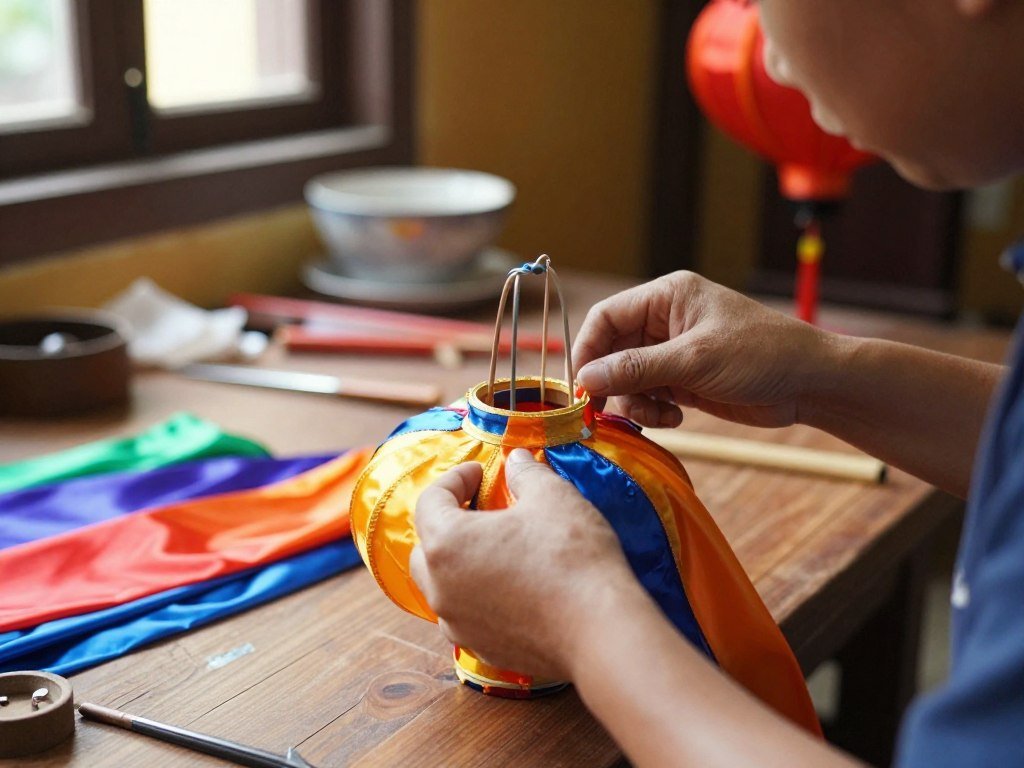
Hoi An’s ancient streets glow with thousands of colorful silk lanterns, a tradition dating back centuries when the town served as a major trading port. Learning to craft these delicate lanterns provides hands-on connection to Vietnamese artisan culture while creating a beautiful souvenir infused with personal meaning.
Local artisan families open their workshops to visitors, sharing techniques passed through generations. The experience combines practical skill-learning with cultural education about Hoi An’s history as a center for silk trading and lantern craftsmanship.
Workshop Experience Details
- Introduction to Hoi An’s lantern-making history and significance
- Selection of silk fabric colors and patterns
- Bamboo frame construction and shaping
- Silk stretching and attachment techniques
- Decorative element addition and customization
- Final assembly with wire and hanging components
- Take your handmade lantern home as a souvenir
- Tea and traditional snacks during the workshop
Duration: 2-3 hours depending on lantern complexity
Price Range: $15-30 per person including all materials
Cultural Context
Hoi An’s lanterns illuminate the town during the monthly Full Moon Lantern Festival when electric lights turn off and traditional lanterns create magical atmosphere. Your workshop instructor explains this tradition’s spiritual significance.
Best Time to Visit: Year-round activity, but attending during Full Moon Festival (14th lunar day each month) shows lanterns in cultural context.
What to Wear: Comfortable clothing suitable for sitting on floor or low stools. Some workshops provide traditional Vietnamese ao dai for photos.
Booking: Walk-in possible but advance booking recommended during peak season (February-April, August-October).
Reaching Hoi An and Workshop Locations
Getting to Hoi An
From Da Nang Airport: Closest airport, 30 kilometers north. Multiple transport options available.
By Taxi: Fixed-price taxis cost 350,000-400,000 VND ($14-16). Journey takes 35-45 minutes via coastal road or faster highway route.
By Shuttle Bus: Shared minibus services run regularly, cost 150,000 VND ($6) per person, take 50-60 minutes with hotel drop-off.
From Ho Chi Minh City: Daily flights to Da Nang (1.5 hours), then transfer to Hoi An. Alternatively, overnight train to Da Nang (17 hours).
Finding Workshops in Hoi An
Lantern workshops cluster in Hoi An’s Ancient Town, a UNESCO World Heritage site compact enough to explore on foot or bicycle.
Popular Workshops:
- Hoi An Handicraft Workshop (26 Tran Phu Street)
- Lantern Making Class at Thanh Ha Village (5km from town center)
- Kim Bong Carpentry Village workshops (boat required)
Getting Around: Hoi An Ancient Town prohibits cars. Rent bicycle (30,000 VND/$1.20 per day) or walk. Most hotels offer free bicycles.
Book Authentic Vietnamese Cultural Experiences
Secure your spot for hands-on cultural workshops, guided food tours, and authentic local experiences. Our trusted partners offer expertly curated activities with genuine Vietnamese artisans and guides.
4. Mekong Delta Homestay with Local Family
The Mekong Delta stretches across southern Vietnam like the country’s rice bowl, where rivers become highways and boats replace cars. Staying with a local family in this water-laced landscape reveals rural Vietnamese life rarely glimpsed by visitors rushing through on day trips.
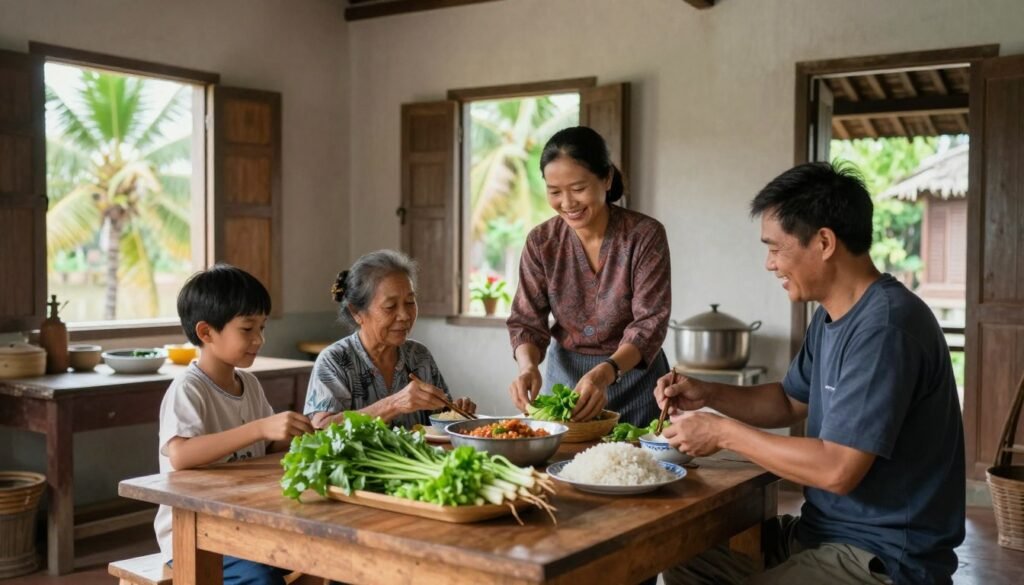
Homestay experiences immerse you in daily rhythms of delta life. You’ll wake to roosters crowing, join morning fishing expeditions, help prepare traditional meals, and spend evenings sharing stories with your host family over rice wine and fresh fruit from the garden.
Homestay Activities
- Early morning boat ride to floating markets
- Fishing with traditional nets and bamboo traps
- Cooking class learning delta specialties
- Fruit orchard visits sampling tropical varieties
- Rice farming demonstrations in paddy fields
- Traditional music performances in the evening
- Bicycle tours through village paths and fruit plantations
- Coconut candy workshop at local factory
- Sunset boat ride through quiet canals
- Sharing meals with host family members
What to Expect
Accommodation: Simple but clean rooms with mosquito nets, fans or air conditioning. Shared or private bathrooms depending on homestay. Expect basic amenities, not luxury.
Meals: Home-cooked Vietnamese food using ingredients from the family’s garden and local markets. Meals include fresh river fish, tropical fruits, rice grown on family land.
Language: Most homestay hosts speak limited English. Guides often accompany guests initially. Translation apps helpful. Communication through smiles and gestures works surprisingly well.
Duration: 2 days, 1 night minimum. Extended stays of 3-4 days offer deeper connection.
Reaching the Mekong Delta
From Ho Chi Minh City
Distance: 70-150 kilometers depending on destination within the delta
By Bus: Frequent departures from Mien Tay Bus Station to Can Tho, Ben Tre, Vinh Long. Journey 2-4 hours. Tickets 80,000-150,000 VND ($3-6).
By Private Transfer: Homestay packages usually include transportation. Private car costs $40-70 depending on distance.
Popular Homestay Areas
Ben Tre: Closest to Ho Chi Minh City (80km). Known as coconut kingdom. Peaceful, less touristy.
Can Tho: Delta’s largest city (150km from HCMC). Access to biggest floating markets. More tourism infrastructure.
Vinh Long: Island homestays accessible by boat. Traditional delta lifestyle. Medium distance (130km).
Transportation Within Delta
Water transport essential in the Mekong Delta. Small boats navigate narrow canals between villages.
Boat Tours: Included in most homestay packages. Motorized boats for longer distances, rowing boats for narrow canals.
Bicycles: Homestays provide bikes for exploring village paths and fruit orchards along river banks.
Packing Tips for Mekong Delta Homestays
Essential Items: Light, quick-dry clothing (humidity high), sun protection, insect repellent, waterproof bag for boat rides, flashlight (villages have limited street lighting), water bottle with filter, basic Vietnamese phrasebook, small gifts for host family (fruit, local sweets appreciated).
What to Leave Behind: Valuable jewelry, excessive luggage (keep it simple), formal clothing (casual and comfortable best), expectations of luxury amenities (embrace simplicity).
5. Sapa Mountain Trekking and Hill Tribe Villages
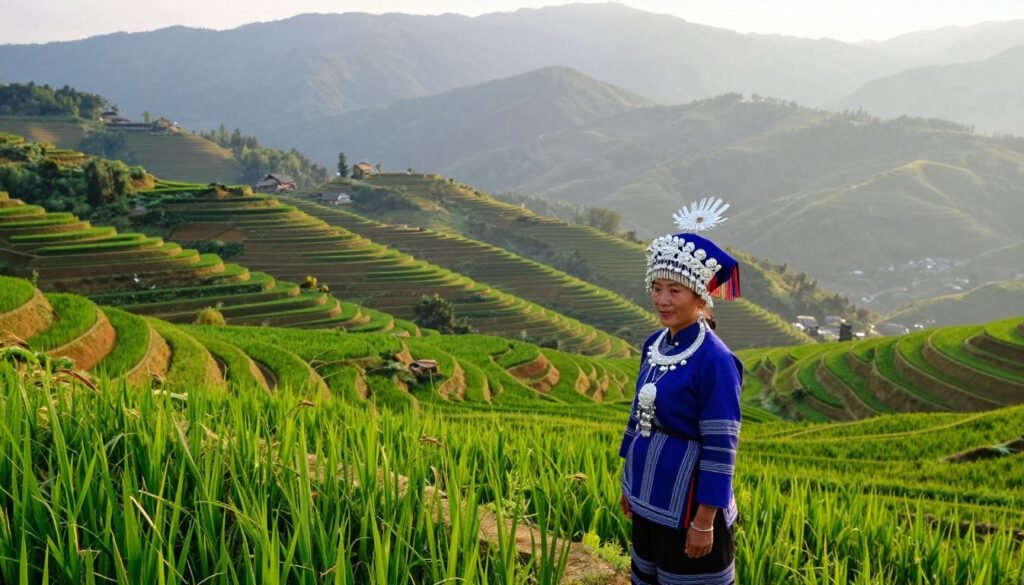
Sapa rises from Vietnam’s northwestern mountains where terraced rice fields cascade down steep slopes and hill tribe villages cling to misty valleys. Trekking through this region combines spectacular mountain scenery with encounters with ethnic minority communities maintaining centuries-old traditions.
Multi-day treks wind through terraced landscapes, crossing bamboo bridges over rushing streams and climbing mountain paths that reveal panoramic valley views. Overnight stays in village homestays offer genuine cultural exchange with Hmong, Red Dao, Tay, and Giay people.
Trekking Routes and Experiences
Easy Trek (1-2 days): Cat Cat Village to Sin Chai Village. Gentle slopes through rice terraces. Suitable for moderate fitness levels. Distance 10-15 kilometers.
Moderate Trek (2-3 days): Lao Chai to Ta Van villages via Muong Hoa Valley. Most popular route featuring spectacular terraces. Homestay in Ta Van. Distance 18-25 kilometers.
Challenging Trek (3-4 days): Fansipan mountain summit attempt (3,143m, Vietnam’s highest peak). Requires good fitness. Alternatively, take cable car to summit then trek down through villages.
- Expert local guides from hill tribe communities
- Village homestays in traditional wooden houses
- Home-cooked meals featuring local mountain produce
- Traditional music and rice wine in the evenings
- Opportunities to purchase authentic handicrafts
- Visits to local markets where tribes gather weekly
Cultural Encounters
Sapa’s ethnic minorities maintain distinct languages, customs, and traditional dress. Villages welcome visitors respectfully interested in their culture.
Hmong People: Largest group in Sapa region. Known for indigo-dyed clothing and elaborate silver jewelry. Skilled embroidery artists.
Red Dao: Distinctive red head scarves and tunics. Traditional herbal medicine knowledge. Elaborate wedding ceremonies.
Best Time: September-November for harvest season when terraces turn golden. March-May for planting when terraces fill with water creating mirror effects.
What to Bring: Sturdy hiking boots, layers (temperatures drop at night), rain jacket (mountain weather changes quickly), daypack, water, snacks, sunscreen, basic first aid.
Getting to Sapa
From Hanoi to Sapa
Distance: 350 kilometers northwest of Hanoi
By Overnight Train: Most atmospheric option. Sleeper trains depart Hanoi around 9-10 PM, arrive Lao Cai (35km from Sapa) at 5-6 AM. Book soft sleeper berths for comfort. Tickets 400,000-800,000 VND ($16-32). Transfer to Sapa by bus or taxi (1 hour, 50,000-100,000 VND).
By Day Bus: Comfortable sleeper buses depart morning and evening. Journey 5-6 hours direct to Sapa town. Cost 250,000-350,000 VND ($10-14). Book with reputable companies.
By Private Car: Most flexible option. Journey 5 hours via modern highway. Cost $80-120 for car accommodating 4 passengers.
Sapa Town and Trek Starting Points
Sapa town serves as base for trekking expeditions. Most treks start from town or accessible by short drive.
Within Sapa: Walk or hire motorbike taxi to nearby villages. Cat Cat Village just 2 kilometers from town center, easy walk downhill (uphill return more challenging).
Further Villages: Trekking companies arrange transportation to trailheads. Shared van or private vehicle depending on group size.
Getting Around Town: Sapa town compact and walkable. Motorbike taxis available for hillside hotels. Rent motorbike (150,000-200,000 VND/$6-8 per day) if experienced with mountain riding.
6. Cu Chi Tunnels Historical Experience Near Ho Chi Minh City
The Cu Chi Tunnels represent an underground city built during the Vietnam War, where Viet Cong fighters lived, fought, and survived beneath American military bases. Exploring these narrow passages provides powerful insights into Vietnamese resilience and the war that shaped modern Vietnam.
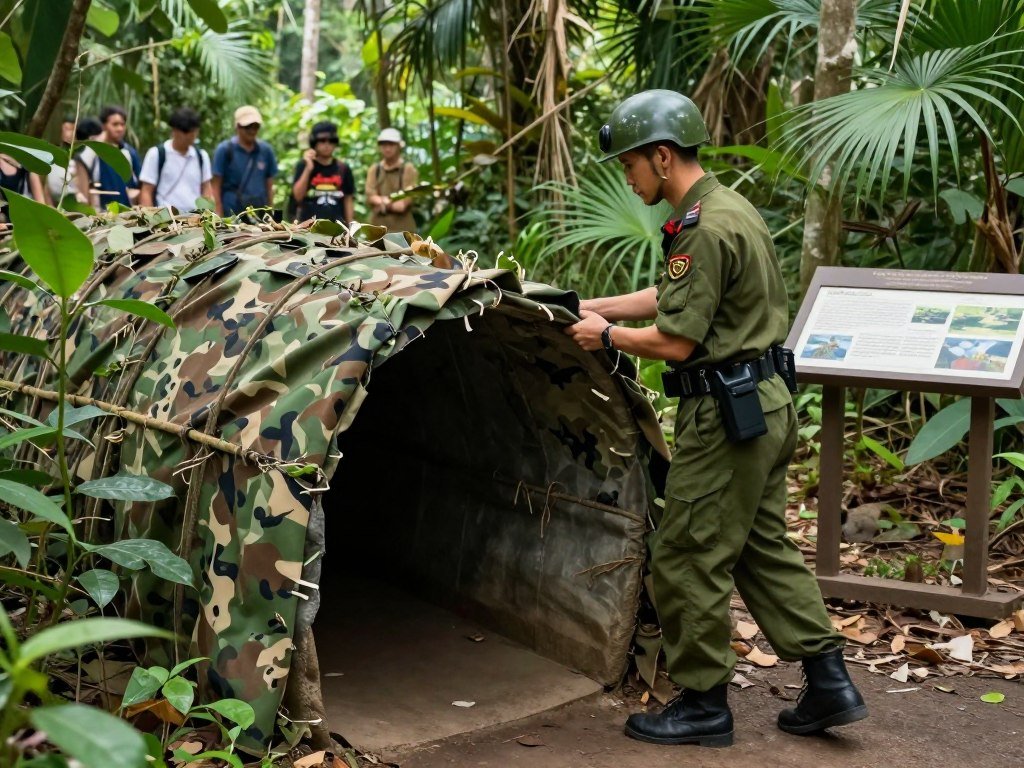
This half-day experience from Ho Chi Minh City combines historical education with hands-on exploration. Visitors crawl through sections of the 250-kilometer tunnel network, discovering kitchens, hospitals, and command centers built entirely underground during years of conflict.
Tour Experience Details
- Introductory documentary explaining tunnel history
- Demonstration of hidden tunnel entrances and trapdoors
- Exploration of underground passages (widened for tourists)
- Visit to underground living quarters and command rooms
- Display of ingenious booby traps (replicas, now deactivated)
- Shooting range offering period weapons (optional, extra cost)
- Sampling of cassava – fighters’ primary food during wartime
- Expert guide providing historical context throughout
Duration: Half-day tour (5-6 hours including transport)
Tour Price: $15-25 for group tours, $40-60 for private tours
Important Considerations
Physical Requirements: Tunnels cramped and dark. Not suitable for claustrophobia, large body size, or mobility limitations. Surface tours available showing tunnel entrances without crawling inside.
What to Wear: Comfortable, dirt-friendly clothes (tunnels dusty). Long pants protect legs. Closed-toe shoes essential. Bring small flashlight for tunnel sections.
Best Time: Early morning tours (7-8 AM start) avoid midday heat. Site gets crowded after 10 AM with tour buses.
Respectful Approach: This is a war site where thousands died. Photography allowed but maintain respectful demeanor. Avoid playful poses at serious historical locations.
Two Cu Chi Tunnel Sites
Ben Dinh Tunnels
Location: 50 kilometers northwest of Ho Chi Minh City center
Characteristics: Closer to city, more developed for tourism. Tunnels significantly widened for Western tourists. Better facilities including restaurant and souvenir shops. More crowded but easier access.
Best For: First-time visitors, those with limited time, travelers wanting comprehensive facilities.
Getting There: Tour buses (most common), private car (1.5 hours), or adventurous travelers can take local bus #13 from Ben Thanh terminal to Cu Chi town, then taxi to site.
Ben Duoc Tunnels
Location: 70 kilometers northwest of Ho Chi Minh City
Characteristics: More authentic experience, fewer tourists. Tunnels closer to original size (more challenging). Memorial temple on site. Less commercialized atmosphere preserves historical feeling.
Best For: History enthusiasts, those seeking authentic experience, visitors wanting to avoid crowds.
Getting There: Usually requires private tour or car. Limited public transport. Journey takes 2-2.5 hours from city center. Combine with Cao Dai Temple visit en route.
Transportation from Ho Chi Minh City
By Tour Bus: Most convenient option. Pickup from hotels across city. Tours include entrance fees, guide, lunch. Depart 8 AM, return 2-3 PM. Book through hotel or online platforms.
By Private Car: Greater flexibility for stops and timing. Cost $40-60 for car and driver. Can combine with other attractions like Cao Dai Temple at Tay Ninh.
By Motorbike: Adventurous option for experienced riders. Rent in Ho Chi Minh City (150,000 VND/$6 per day). Follow Highway 22 northwest. GPS essential. Allows flexibility but requires confidence in Vietnam traffic.
Book Your Vietnam Adventure Today
Don’t miss these incredible Vietnam travel experiences. Secure your tours, transportation, and authentic local activities now. Early booking guarantees the best guides, optimal timing, and preferred accommodation.
7. Phu Quoc Island Beach Paradise and Marine Adventures
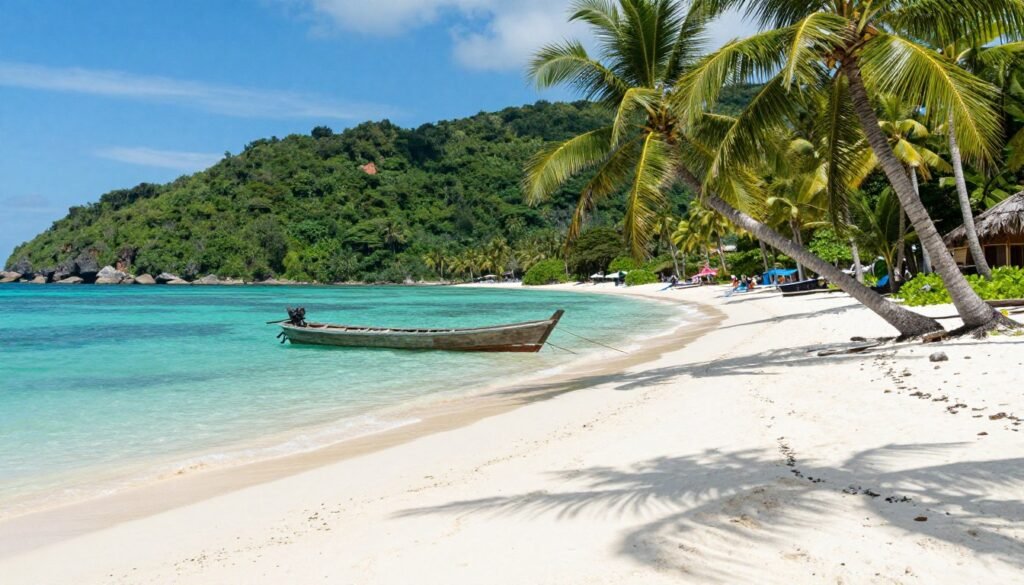
Phu Quoc floats in the Gulf of Thailand as Vietnam’s largest island, where white sand beaches meet crystal-clear turquoise waters. This tropical paradise combines relaxation with adventure, offering everything from sunrise beach walks to night squid fishing trips that illuminate the ocean with lanterns.
Beyond beaches, Phu Quoc rewards explorers with pepper plantations, fish sauce factories, jungle waterfalls, and vibrant coral reefs. The island balances pristine nature with developing tourism infrastructure, creating comfortable base for tropical exploration.
Top Beach Experiences on Phu Quoc
Snorkeling and Diving
Coral reefs surrounding Phu Quoc host colorful marine life. Day trips to An Thoi archipelago in the south offer the best underwater visibility.
Best Sites: Hon Thom, Hon May Rut islands
Season: November-March (calmest seas)
Cost: Snorkeling tours $25-35, diving $60-90
Night Squid Fishing
Traditional fishing boats light up the night ocean with bright lamps attracting squid. Join local fishermen for authentic experience, then barbecue your catch.
Duration: 3-4 hours, departing at sunset
Season: Year-round
Cost: $30-45 per person including dinner
Beach Hopping
Rent motorbike to explore Phu Quoc’s diverse coastline. Each beach offers different character from party atmosphere to complete seclusion.
Top Beaches: Sao Beach, Ong Lang, Long Beach
Best Time: Early morning or late afternoon
Motorbike Rental: $8-12 per day
Sunset at Dinh Cau Rock
This temple-topped rock formation creates Phu Quoc’s most photographed sunset spot. Local fishermen pray here before heading to sea.
Location: Duong Dong town waterfront
Best Time: 5:30-6:30 PM
Nearby: Night market with fresh seafood
Pepper Farm Tours
Phu Quoc produces Vietnam’s finest black pepper. Visit organic farms to learn cultivation and processing, with taste tests comparing pepper varieties.
Duration: 1-2 hours
Cost: Often free with shop purchases
Best Farms: Khu Tuong Pepper Garden
Cable Car to Hon Thom
World’s longest sea-crossing cable car connects Phu Quoc to Hon Thom island. Spectacular aerial views over islands and turquoise waters.
Length: 7.9 kilometers over sea
Cost: 600,000 VND ($24) round trip
Best Time: Morning for clearest visibility
Reaching Phu Quoc Island
By Air
Phu Quoc International Airport: Direct flights from major Vietnamese cities and international destinations.
From Hanoi: 2.5-hour flight. Multiple daily departures. Airlines include Vietnam Airlines, VietJet, Bamboo Airways. Prices from $50-120 one way.
From Ho Chi Minh City: 1-hour flight. Frequent departures throughout day. Most economical route to island. Prices from $30-80 one way.
From Da Nang: 1.5-hour flight. Less frequent but available. Useful for travelers exploring central Vietnam before beach time.
Airport to Hotels: Taxi 200,000-400,000 VND ($8-16) depending on resort location. Grab app works on island.
By Ferry
From Ha Tien: Gateway town in mainland Mekong Delta. Fast ferry takes 1.5 hours to Phu Quoc. Useful for travelers exploring southern Vietnam overland.
From Rach Gia: Another mainland departure point. Ferry journey 2.5 hours. Less frequent than Ha Tien route.
Ferry Operators: Superdong, Phu Quoc Express. Advance booking recommended during peak season (December-March).
Cost: 250,000-350,000 VND ($10-14) per person one way.
Transportation on Island: Rent motorbike for flexibility ($8-12/day), use Grab for specific trips, or arrange tours including transport.
8. Hue Imperial City and Royal Tombs Exploration
Hue served as Vietnam’s imperial capital from 1802 to 1945, when Nguyen Dynasty emperors ruled from the massive citadel complex beside the Perfume River. Exploring Hue’s imperial architecture and elaborate royal tombs reveals Vietnam’s feudal past through structures that survived wars and time.
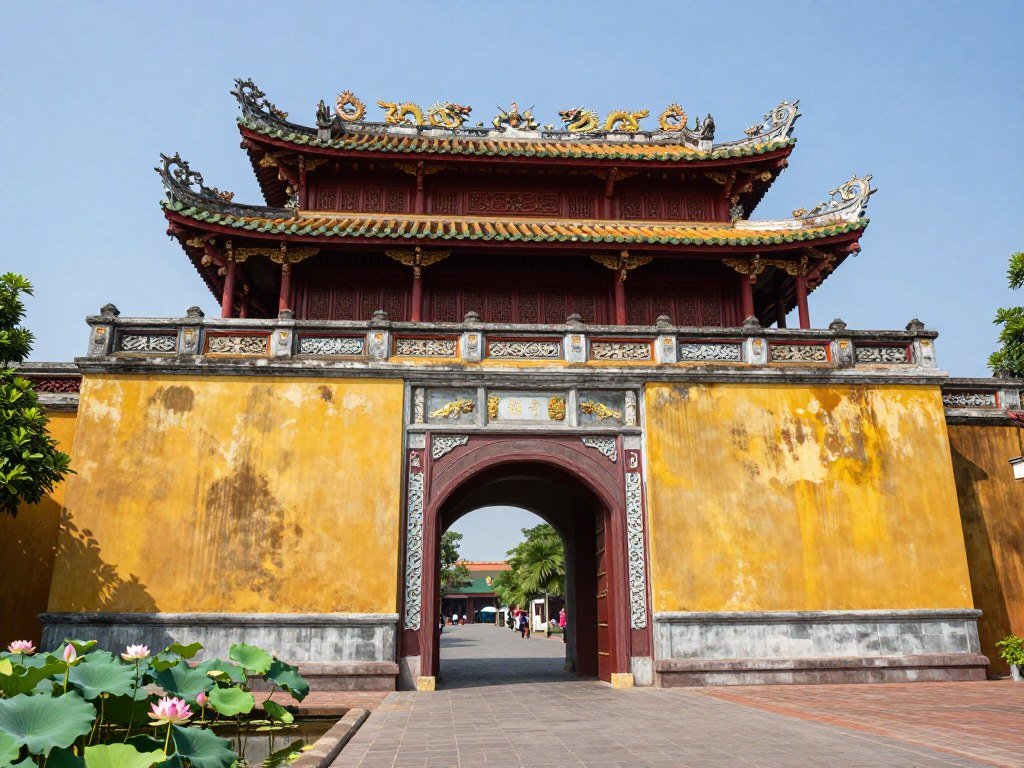
This UNESCO World Heritage site combines history education with architectural appreciation. Each emperor constructed unique tomb complexes reflecting personal philosophy, creating varied landscapes of temples, pavilions, and gardens spread across forested hills outside the city.
Imperial City Highlights
- Massive citadel walls enclosing 520 hectares
- Forbidden Purple City – emperor’s private residence
- Thai Hoa Palace throne room with golden columns
- Royal Theater featuring traditional court music
- Mieu Temple honoring Nguyen Dynasty emperors
- Elaborate gates with symbolic architectural details
- Gardens and lakes within palace grounds
- War damage visible alongside restoration work
Entry Fee: 200,000 VND ($8) for Imperial City
Best Time: Early morning (7-9 AM) or late afternoon to avoid midday heat and crowds
Duration: Allow 2-3 hours minimum for thorough exploration
Royal Tombs to Visit
Tomb of Khai Dinh: Most elaborate and well-preserved. Fusion of Vietnamese and European architecture. Intricate mosaic decorations using porcelain and glass. Located 10km from Hue center.
Tomb of Minh Mang: Harmonious blend of architecture and nature. Symmetrical layout around lakes and gardens. Peaceful atmosphere. Located 12km south of Hue.
Tomb of Tu Duc: Largest tomb complex with palace where emperor composed poetry. Beautiful lotus ponds and pine forests. Located 8km from city.
Visiting Tips: Combine 2-3 tombs in half-day tour. Hire bicycle, motorbike, or join guided tour. Each tomb costs 150,000 VND ($6) entrance fee. Photography allowed throughout.
Getting to Hue and Historical Sites
Reaching Hue
From Hanoi: Overnight train (12-14 hours) offers atmospheric journey. Sleeper berths recommended. Alternatively, 1.5-hour flight to Phu Bai Airport.
From Ho Chi Minh City: Daily flights (1.5 hours) to Phu Bai Airport. Train journey takes 23-24 hours, better broken into segments.
From Da Nang: Most common approach. Scenic train ride over Hai Van Pass (2.5 hours, 100,000 VND/$4). Private car allows stops at Marble Mountains and Lang Co Beach (1.5 hours, $30-40).
From Hoi An: 3-hour drive north. Day tours available. Better to stay overnight in Hue to fully experience sites.
Transportation Around Hue
Imperial City: Walking distance from most hotels in city center. Citadel sits beside Perfume River in heart of Hue.
Royal Tombs: Spread across countryside 8-15km from city. Transportation options:
- Bicycle rental: Adventurous option for fit travelers. Mostly flat terrain. 30,000-50,000 VND ($1.20-2) per day
- Motorbike rental: Most flexible. 150,000 VND ($6) per day. International license technically required
- Guided tour: Easiest option. Includes transport, guide, entrance fees. $15-25 per person for group tour
- Private car and driver: Comfortable for families. $40-60 for half-day tomb tour
Combining Hue Experiences
Full Day Itinerary: Morning at Imperial City (7-11 AM), lunch featuring Hue royal cuisine, afternoon visiting 2-3 tombs (2-6 PM), evening boat ride on Perfume River with sunset at Thien Mu Pagoda. This schedule maximizes daylight while avoiding midday heat.
Hue Specialties: Don’t miss bun bo Hue (spicy beef noodle soup), banh khoai (Hue-style crepes), and royal court cuisine at specialized restaurants recreating imperial banquets.
9. Ninh Binh Scenic Boat Rides Through Limestone Karsts
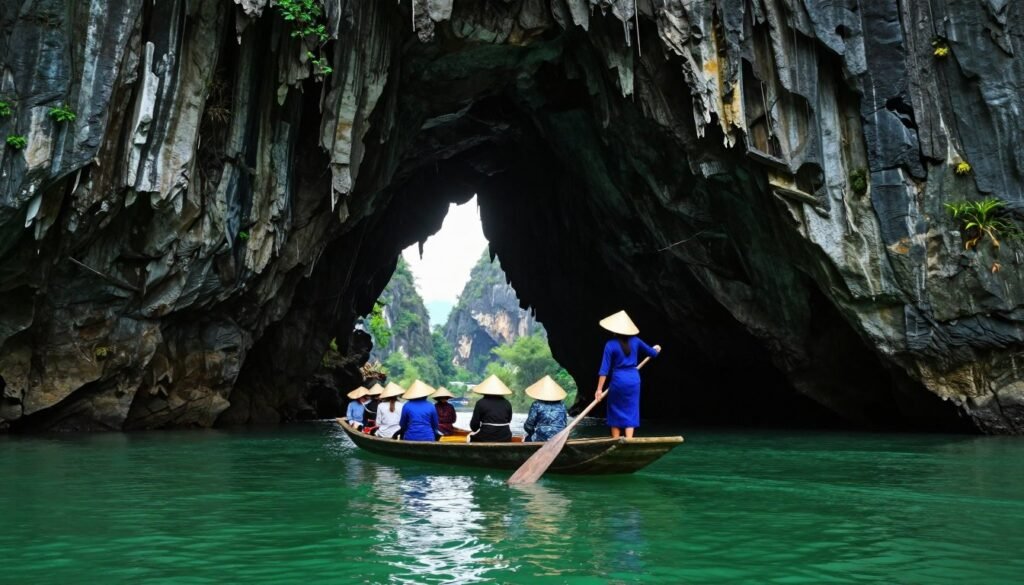
Ninh Binh earns its nickname “Ha Long Bay on land” with dramatic limestone mountains rising from emerald rice paddies and winding rivers. Traditional sampan boat rides navigate through caves and waterways, revealing landscapes unchanged for centuries in this UNESCO World Heritage site.
This day trip from Hanoi combines boat excursions with temple visits, cycling through villages, and panoramic viewpoints. The area’s natural beauty and cultural sites concentrate within small radius, making exploration efficient and rewarding.
Main Attractions in Ninh Binh
Trang An Boat Tour
Three-hour sampan journey through nine caves and multiple temples. Rowers use feet to navigate, hands-free to collect fees. UNESCO World Heritage site since 2014.
Duration: 3 hours on water
Cost: 250,000 VND ($10) including entrance and boat
Best Time: Early morning (7-8 AM) for fewer crowds
Tam Coc Boat Ride
Similar to Trang An but shorter route through three caves. Surrounded by rice fields that change colors with seasons. More commercialized but beautiful.
Duration: 2 hours round trip
Cost: 150,000 VND ($6) per person
Best Season: May-June (rice harvest)
Mua Cave Viewpoint
Climb 500 steps to panoramic platform overlooking Ninh Binh’s karst landscape. Dragon statue at summit. Sunset photography spot.
Climb Duration: 20-30 minutes up
Entry Fee: 100,000 VND ($4)
Best Time: Late afternoon for sunset
Bai Dinh Pagoda
Southeast Asia’s largest Buddhist complex. Massive bronze Buddha statues, elaborate temples, peaceful gardens. Combine with boat tours.
Duration: 1-2 hours exploration
Entry: Free, donations accepted
Dress Code: Modest clothing required
Hoa Lu Ancient Capital
Vietnam’s capital from 968-1010 AD. Temple complexes honoring Dinh and Le dynasties. Historical significance though smaller than Hue.
Duration: 1 hour visit
Entry Fee: 20,000 VND ($0.80)
Combine With: Tam Coc boat ride nearby
Cycling Tours
Pedal through villages and rice fields between attractions. Flat terrain suitable for all fitness levels. Rental bikes widely available.
Duration: 2-4 hours depending on route
Bike Rental: 50,000 VND ($2) per day
Best Routes: Tam Coc to Bich Dong Pagoda
Getting to Ninh Binh from Hanoi
Transportation Options
Distance: 100 kilometers south of Hanoi, approximately 2-hour journey
By Train: Frequent departures from Hanoi Railway Station to Ninh Binh Station. Journey 2-2.5 hours. Tickets 80,000-120,000 VND ($3-5). Most atmospheric option with countryside views.
By Bus: Buses depart from Giap Bat or My Dinh stations. Journey 2 hours on highway. Tickets 100,000-150,000 VND ($4-6). More frequent than trains.
By Day Tour: Easiest option. Includes transportation, guide, entrance fees, lunch. Hotel pickup in Hanoi. Full-day tours $25-35 per person. Book through hotels or online platforms.
By Private Car: Most flexible for families or groups. Cost $60-80 for car and driver full day. Can customize stops and timing.
Local Transportation in Ninh Binh
Attractions spread across 10-15 kilometer radius. Local transport necessary.
Motorbike Rental: Most popular option for independent travelers. Rent in Ninh Binh town for 100,000-150,000 VND ($4-6) per day. Allows flexibility to visit multiple sites.
Bicycle: Suitable for visiting Tam Coc area only. Other sites too distant for comfortable cycling. Rent from hotels or tour offices.
Taxi/Grab: Available but costs add up visiting multiple sites. Negotiate full-day rate around 500,000-700,000 VND ($20-28).
Organized Tours: Local tour companies offer packages combining main attractions. Convenient for maximizing limited time.
Secure Your Vietnam Accommodation Now
Popular hotels and guesthouses near these top Vietnam experiences fill quickly, especially during peak season. Book early to guarantee the best locations, prices, and availability for your 2026 adventure.
10. Da Nang Marble Mountains Adventure and Cave Temples
The Marble Mountains rise as five limestone peaks just south of Da Nang, named after five elements: metal, wood, water, fire, and earth. These sacred mountains conceal Buddhist sanctuaries within natural caves, accessible through steep staircases carved into the rock faces.
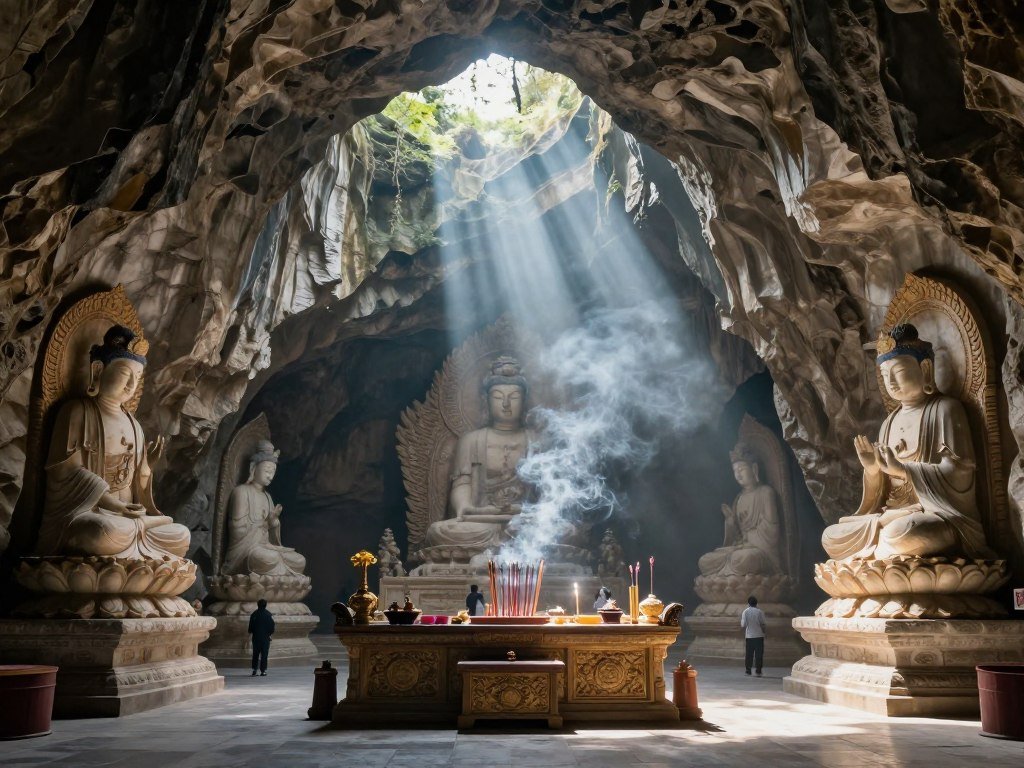
Exploring the Marble Mountains combines physical adventure with spiritual discovery. You’ll climb through dark cave passages that suddenly open to reveal elaborate temples lit by shafts of natural light, then emerge at viewpoints overlooking Da Nang’s coastline and cityscape.
Marble Mountains Highlights
- Huyen Khong Cave – largest cave with natural skylight illuminating Buddha statues
- Tang Chon Cave – multiple levels connected by steep passages
- Linh Ung Pagoda – hilltop temple with panoramic views
- Am Phu Cave – representing Buddhist hell with dramatic scenes
- Vong Hai Dai viewpoint – 360-degree coastal vistas
- Ancient stone carving villages at mountain base
- Hidden shrines and altars throughout cave systems
- Tunnels used as hospital during Vietnam War
Entry Fee: 40,000 VND ($1.60) plus 15,000 VND elevator (optional, can climb stairs)
Duration: 2-3 hours for thorough exploration
Visiting Information
Best Time: Early morning (6-8 AM) before heat and crowds. Sunrise light creates magical effects in caves.
What to Bring: Flashlight for darker caves, sturdy shoes with grip (stairs steep and potentially slippery), water, modest clothing for temple areas, small bills for entrance fees and donations.
Physical Requirements: Moderate fitness needed. Numerous stairs, some steep. Not suitable for severe mobility limitations. Take your time and rest at temples.
Guided Tours: Not essential as sites well-marked. However, guides provide historical and spiritual context enhancing appreciation. Available at entrance for 200,000-300,000 VND ($8-12).
Da Nang Area Combination Experiences
My Khe Beach
Just 10 minutes from Marble Mountains. Named one of world’s most beautiful beaches by Forbes. Perfect for post-mountain beach relaxation.
Activities: Swimming, surfing, beach dining
Beach Access: Free public areas, sunbeds at restaurants
Non Nuoc Stone Carving Village
At Marble Mountains base, artisans carve marble into statues and sculptures. Watch craftsmen work and purchase directly.
Products: Buddha statues, animals, decorative items
Shipping: Shops arrange international delivery
Dragon Bridge
Da Nang’s iconic bridge breathes fire and water on weekend evenings. Spectacular free show drawing crowds.
Show Times: Saturday-Sunday 9 PM
Best Viewing: East side of river
Reaching Marble Mountains and Da Nang
Getting to Da Nang
By Air: Da Nang International Airport receives domestic and international flights. Located just 5 kilometers from city center.
From Hanoi: 1.5-hour flight, multiple daily departures, $40-100 one way
From Ho Chi Minh City: 1.5-hour flight, frequent departures, $35-90 one way
By Train: Scenic coastal railway connects Da Nang to major cities. From Hanoi (14-16 hours), from Ho Chi Minh City (18-20 hours). Sleeper berths recommended for overnight journeys.
From Hoi An: Just 30 kilometers south, 40-minute drive. Many travelers base in Hoi An and day-trip to Da Nang and Marble Mountains.
From Da Nang to Marble Mountains
Distance: 9 kilometers south of Da Nang center, 20 kilometers from Hoi An
By Grab: Convenient rideshare service. Cost 80,000-120,000 VND ($3-5) from Da Nang city. Request pickup for return journey.
By Taxi: Traditional taxis available. Negotiate waiting time or arrange pickup. Similar pricing to Grab.
By Motorbike: Rent in Da Nang or Hoi An. Easy 20-30 minute ride on coastal road. Parking available at mountain base (10,000 VND/$0.40).
By Tour: Combined tours visiting Marble Mountains, Monkey Mountain, and beaches popular. Hotel pickup included. Half-day tours $15-25 per person.
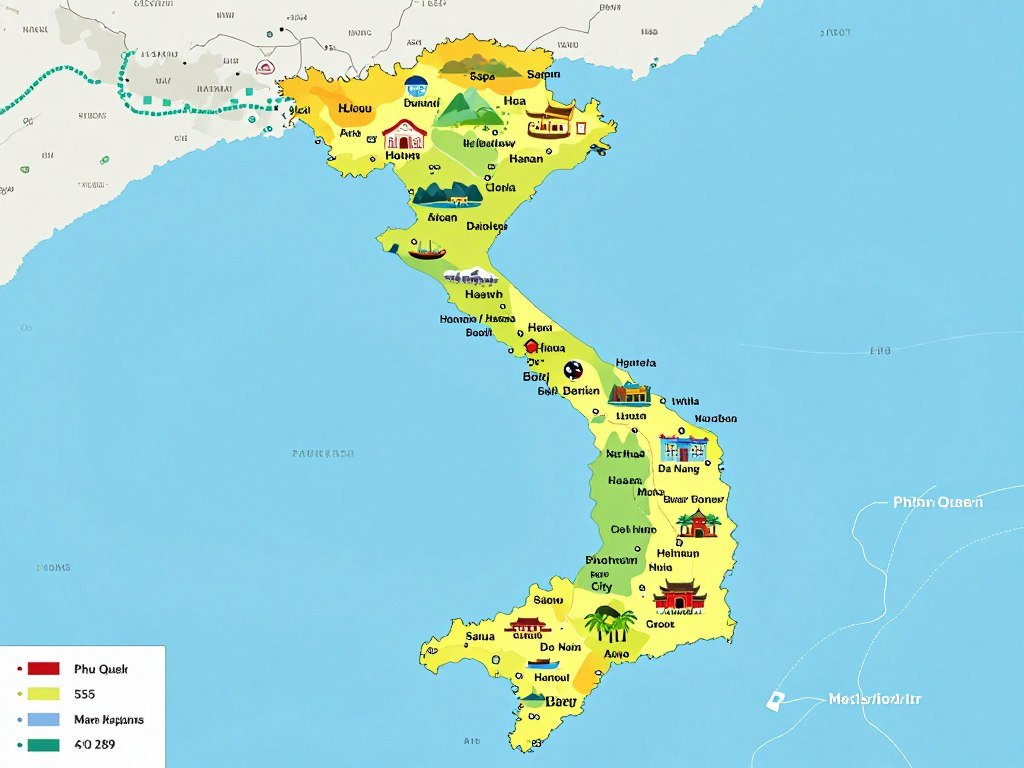
Map of All Top Vietnam Experiences
This interactive map displays all ten must-try Vietnam experiences covered in this guide. Use it to visualize the geographic distribution and plan your route efficiently through Vietnam’s diverse regions.
Interactive map showing all ten featured Vietnam experiences from Sapa in the north to Phu Quoc in the south
Suggested Vietnam Itineraries
| Duration | Regions Covered | Recommended Experiences | Travel Route |
| 7-10 Days | North Vietnam Focus | Hanoi street food, Ha Long Bay cruise, Ninh Binh boats, Sapa trekking | Hanoi → Ninh Binh → Ha Long Bay → Sapa → Hanoi |
| 7-10 Days | Central Vietnam Focus | Hue Imperial City, Hoi An workshops, Da Nang Marble Mountains | Da Nang → Hoi An (base) → Hue day trip → Marble Mountains → My Khe Beach |
| 7-10 Days | South Vietnam Focus | Ho Chi Minh City, Cu Chi Tunnels, Mekong Delta homestay, Phu Quoc beaches | Ho Chi Minh City → Cu Chi → Mekong Delta → Phu Quoc |
| 14-16 Days | Complete Vietnam | All ten experiences with comfortable pacing | Hanoi → Sapa → Ha Long → Ninh Binh → Hue → Hoi An → Da Nang → Ho Chi Minh → Mekong → Phu Quoc |
| 21+ Days | In-Depth Vietnam Exploration | All experiences plus additional off-path destinations | North to south with extended stays allowing deeper local immersion |
Essential Vietnam Travel Logistics and Planning
Successfully experiencing all these Vietnam adventures requires understanding practical logistics from visas to internal transportation. This section covers everything needed to transform your Vietnam travel dreams into smooth reality.
Visa Requirements and Entry
Visa Policies for 2026
Visa Exemptions: Citizens of many countries receive 15-45 day visa-free entry to Vietnam. Check current policy for your nationality as this changes periodically.
E-Visa: Available for citizens of all countries, valid up to 90 days. Apply online at official immigration website. Processing takes 3 business days. Cost $25. Single or multiple entry options.
Visa on Arrival: Available at international airports only (not land borders). Requires pre-approval letter arranged through visa agencies. Total cost approximately $30-40 including letter and airport stamping fee.
Entry Points: Major international airports at Hanoi, Ho Chi Minh City, Da Nang. Land borders with Cambodia, Laos, China also open for international travelers.
Entry Requirements
- Passport valid for at least 6 months beyond entry date
- Return or onward ticket (immigration may request proof)
- Sufficient funds for stay (rarely checked but required)
- Visa or visa exemption confirmation
- Travel insurance recommended but not mandatory
- No required vaccinations (Yellow fever only if arriving from endemic countries)
COVID-19 Updates: As of 2026, Vietnam has fully reopened with no pandemic-related entry restrictions. Always verify latest requirements before departure.
Transportation Within Vietnam
Domestic Flights
Airlines: Vietnam Airlines, VietJet Air, Bamboo Airways, Pacific Airlines
Routes: Comprehensive network connecting major cities
Booking: 2-4 weeks ahead for best prices
Cost: $30-100 typical domestic route
Benefits: Saves time for long distances
Train Travel
Routes: North-South line connects Hanoi to Ho Chi Minh City (1,726km)
Classes: Hard seat, soft seat, hard sleeper, soft sleeper
Booking: Official railway website or agencies
Cost: $40-80 for long-distance sleeper
Benefits: Scenic, atmospheric, comfortable overnight
Bus Services
Types: Local buses, tourist buses, sleeper buses
Companies: The Sinh Tourist, Futa Bus, Phuong Trang
Booking: Online or at stations/hotels
Cost: $8-25 for long routes
Benefits: Economical, frequent departures, direct routes
Accommodation Booking Strategy
Budget Accommodation ($10-30/night)
- Hostels with dormitory and private room options
- Basic guesthouses in tourist areas
- Homestays in rural locations like Mekong Delta and Sapa
- Family-run hotels in smaller towns
Booking Platforms: Hostelworld, Booking.com, Agoda
Advance Booking: 1-2 weeks sufficient except peak season (December-February, July-August)
Mid-Range Hotels ($30-80/night)
- Boutique hotels in Hoi An and Hanoi Old Quarter
- Beach resorts in Phu Quoc and Da Nang
- Business hotels in major cities
- Upgraded cruise cabins on Ha Long Bay
Best Value: Local hotel chains offer excellent quality at reasonable prices
Luxury Options ($80-300+/night)
- International brand hotels in cities
- Exclusive beach resorts and villas
- Heritage hotels in colonial buildings
- Premium Ha Long Bay luxury cruises
Book Ahead: 2-3 months for guaranteed availability in best properties
Booking Tips
Price Comparison: Check multiple platforms as prices vary. Sometimes booking directly with hotel offers better rates.
Location Priority: Staying near attractions saves transportation time and costs. Old quarters and ancient towns walkable.
Reviews: Read recent reviews focusing on cleanliness, location accuracy, and staff helpfulness rather than just star ratings.
Money and Budgeting
| Expense Category | Budget Range | Mid-Range | Luxury Range |
| Daily Accommodation | $10-25 | $30-70 | $80-300+ |
| Meals Per Day | $8-15 | $20-40 | $50-100+ |
| Local Transportation | $5-10 | $10-25 | $30-60 |
| Activities & Tours | $15-30 | $35-70 | $80-200+ |
| Total Daily Budget | $40-80 | $95-205 | $240-660+ |
Currency: Vietnamese Dong (VND). Exchange rate approximately 24,000-25,000 VND per USD (rates fluctuate).
ATMs: Widely available in cities and tourist areas. Withdrawal limits typically 2-5 million VND ($80-200). Multiple withdrawals possible but fees apply.
Credit Cards: Accepted at hotels, larger restaurants, tour companies. Small vendors and street food require cash. Visa and Mastercard most widely accepted.
Essential Tips for Authentic Vietnam Experiences
Maximizing your Vietnam travel experiences requires cultural awareness and practical know-how beyond basic logistics. These insider tips ensure respectful, smooth, and enriching adventures.
Cultural Etiquette Guidelines
Temple and Pagoda Visits
- Remove shoes before entering temple buildings
- Dress modestly covering shoulders and knees
- Speak quietly and move respectfully
- Ask permission before photographing monks or ceremonies
- Don’t point feet toward Buddha statues when sitting
- Small donations appreciated at temples (10,000-20,000 VND)
- Women should not touch monks or hand them objects directly
Social Interactions
- Greeting with slight bow and smile shows respect
- Avoid public displays of anger or frustration
- Use both hands when giving or receiving items
- Remove shoes when entering homes
- Elderly receive special respect in Vietnamese culture
- Learning basic Vietnamese phrases greatly appreciated
Dining Customs
- Wait for eldest person to begin eating
- Chopsticks should never stick upright in rice bowl
- Try all dishes when dining with locals
- Finishing all food shows appreciation
- Tea refills for others before yourself
- Tipping not expected but increasingly common in tourist areas (5-10%)
- Street food vendors expect quick turnover at plastic stools
Photography Etiquette
- Always ask permission before photographing people
- Respect “no photography” signs at sensitive sites
- Don’t photograph military installations or police
- Ethnic minorities may request small payment for photos
- Avoid intrusive photography during personal moments
- Share photos with subjects when possible
Health and Safety Considerations
Safety Tips
- Vietnam ranks as very safe for tourists with low violent crime rates
- Keep valuables secure in crowded areas to prevent pickpocketing
- Use registered taxi companies or Grab app rather than unofficial taxis
- Negotiate prices clearly before services to avoid disputes
- Traffic chaotic but predictable – walk slowly and steadily when crossing streets
- Scams exist in tourist areas – research common scams beforehand
- Women traveling solo generally safe with normal urban precautions
- Emergency numbers: Police 113, Ambulance 115, Fire 114
Health Precautions
- Drink bottled or filtered water only – avoid tap water and ice in questionable establishments
- Street food generally safe from busy vendors with high turnover
- Bring anti-diarrheal medication as digestive adjustment common
- Mosquito-borne diseases exist – use repellent especially at dawn and dusk
- Sun protection essential – tropical sun intense even on cloudy days
- Travel insurance recommended covering medical evacuation
- Pharmacies widely available in cities for minor ailments
- International hospitals in Hanoi and Ho Chi Minh City for serious issues
Packing Essentials for Vietnam Experiences
Clothing
- Lightweight, breathable fabrics for tropical climate
- Long sleeves and pants for temple visits and sun protection
- Comfortable walking shoes with good support
- Sandals for beaches and casual wear
- Light rain jacket (monsoon season varies by region)
- Warmer layers for northern mountains (Sapa)
- Swimwear for beaches and hotel pools
Essential Items
- Universal power adapter (Type A, C, or G)
- Portable charger for long days exploring
- Waterproof phone case for boat trips
- Small flashlight for cave exploration
- Reusable water bottle with filter
- Sunscreen and after-sun lotion
- Insect repellent with DEET
- Basic first-aid supplies
Documents
- Passport with 6+ months validity
- Visa documentation or e-visa confirmation
- Travel insurance policy details
- Photocopies of important documents
- Hotel booking confirmations
- Emergency contact information
- International driver’s license if renting motorbikes
Ready to Experience the Real Vietnam in 2026?
Transform these top Vietnam travel experiences from plans into memories. Book your complete Vietnam adventure package including tours, authentic experiences, and expert local guides. Early 2026 bookings now open with best availability and prices.
Begin Your Authentic Vietnam Journey
Vietnam delivers travel experiences that transform perspectives and create lifelong memories. From the misty mountains of Sapa to the tropical beaches of Phu Quoc, from ancient imperial cities to vibrant street food scenes, each experience reveals different facets of this remarkable country.
These ten must-try Vietnam travel experiences represent the country’s incredible diversity. Ha Long Bay’s limestone karsts rising from emerald waters create landscapes found nowhere else on earth. Hanoi’s street food introduces flavors that have evolved over centuries of culinary tradition. Mekong Delta homestays offer genuine connection with Vietnamese rural life rarely experienced by tourists rushing through on packaged tours.
The beauty of Vietnam lies not just in its spectacular scenery but in the warmth of its people. Local guides sharing stories about their villages, artisans patiently teaching traditional crafts, families welcoming strangers into their homes – these human connections enrich travel far beyond sightseeing.
Planning your 2026 Vietnam adventure requires balancing must-see highlights with time for spontaneous discoveries. The experiences outlined here provide a foundation, but leave room for unexpected encounters that often become trip highlights. A conversation with a coffee vendor, a wrong turn leading to a hidden temple, a local festival discovered by chance – Vietnam rewards travelers who embrace flexibility.
Transportation infrastructure continues improving, making Vietnam increasingly accessible while maintaining authentic character. Modern airports connect major cities, new highways reduce journey times, and tourism services reach professional standards. Yet villages still celebrate centuries-old traditions, street food vendors perfect recipes passed through families, and natural landscapes remain largely unspoiled.
The ideal time to visit depends on your chosen experiences and regional preferences. Northern mountains glow with golden rice terraces during harvest season while offering misty mystery during planting. Central beaches shine with sunshine most of the year, though monsoon rains add their own drama. Southern Mekong Delta welcomes visitors year-round, with dry season offering easiest river navigation.
Budget considerations matter less in Vietnam than in many destinations. Whether traveling on backpacker budgets or seeking luxury experiences, authentic Vietnam remains accessible. Street food costs dollars yet delivers flavors equal to expensive restaurants. Homestays charge minimal amounts but provide cultural immersion no five-star hotel can match. This accessibility makes Vietnam ideal for diverse traveler types from gap-year students to retired couples seeking adventure.
As you plan your Vietnam journey for 2026, remember that the best experiences often combine preparation with spontaneity. Book major components like Ha Long Bay cruises and Sapa treks in advance to secure quality options. But leave days flexible for following local recommendations, exploring markets at your own pace, and lingering where your interests pull you.
Vietnam rewards travelers who approach with respect and curiosity. Learning basic Vietnamese phrases, understanding cultural customs, and showing genuine interest in local life opens doors and creates meaningful exchanges. Vietnamese people take pride in their country and appreciate visitors who seek authentic understanding beyond surface tourism.
These ten experiences barely scratch the surface of what Vietnam offers. They represent highlights that showcase the country’s diversity while remaining accessible to most travelers. From here, your Vietnam story unfolds according to your interests, energy, and willingness to venture beyond comfort zones into experiences that challenge and inspire.
Start planning your 2026 Vietnam adventure today. Research deepens anticipation, booking early secures the best options, and preparation ensures smooth logistics allowing you to focus on experiencing Vietnam’s magic. The country awaits with open arms, ready to share its beauty, culture, and hospitality with travelers seeking authentic adventure.