

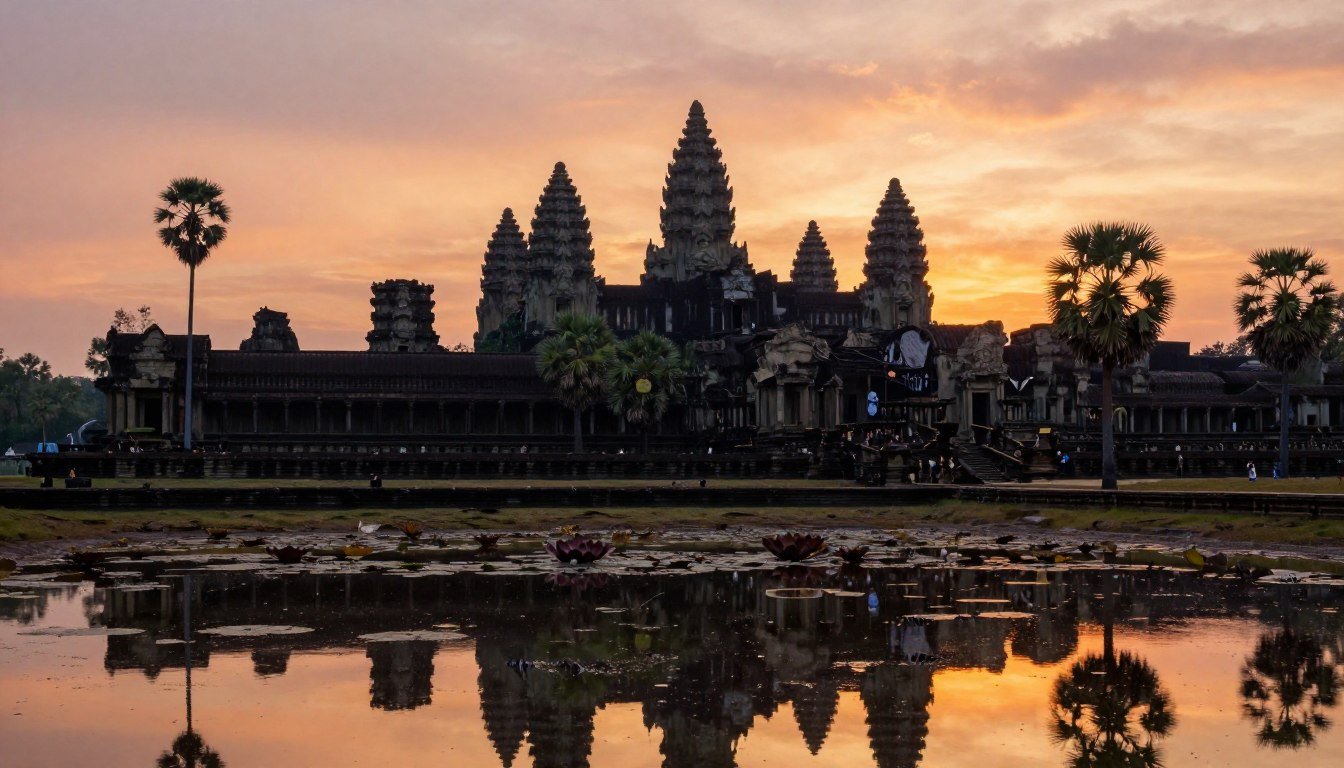
Angkor Wat rises from the Cambodian jungle as humanity’s largest religious monument. This 12th-century masterpiece anchors a vast archaeological zone spanning over 400 square kilometers. More than two million visitors journey here annually to witness stone towers that pierce the sky and corridors carved with stories from Hindu epics.
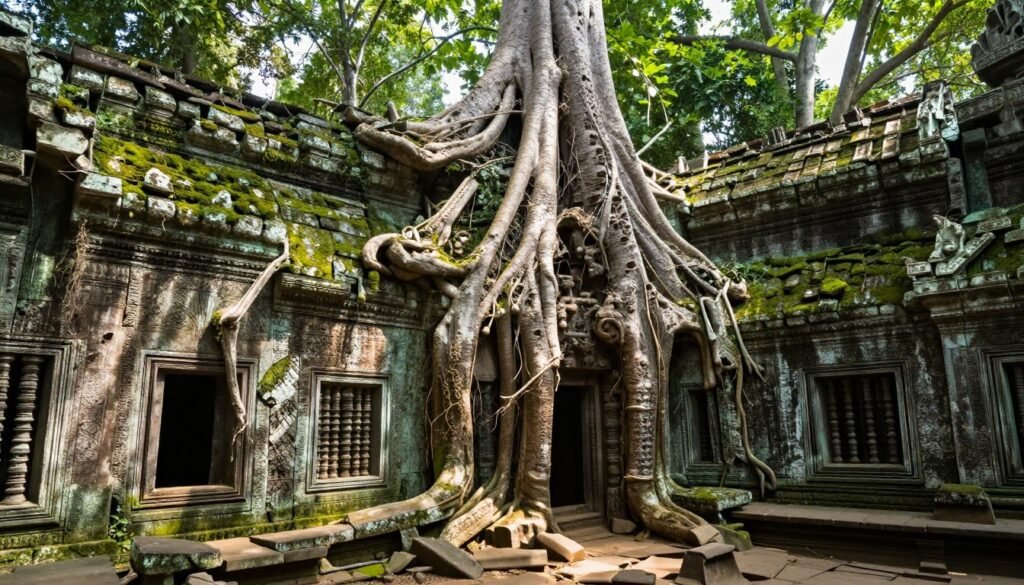
The Angkor Archaeological Park contains hundreds of temple structures beyond the famous Angkor Wat itself. Bayon’s enigmatic stone faces gaze across the landscape. Ta Prohm showcases nature reclaiming ancient architecture with massive tree roots engulfing carved stones. Each temple reveals distinct artistic achievements from the powerful Khmer Empire that dominated Southeast Asia for six centuries.
Planning an Angkor Wat visit requires navigating complex decisions about timing, tickets, temple routes, and practical logistics. This comprehensive Angkor Wat travel guide eliminates confusion with detailed information for 2026 visitors. You’ll discover optimal visiting strategies, understand the historical significance, master temple-hopping logistics, and learn insider techniques for experiencing these archaeological wonders without overwhelming crowds.
Download Your Free Complete Angkor Wat Temple Guide 2026
Get our comprehensive 65-page Angkor Wat temple guide featuring detailed temple maps, 3 optimized itineraries, sunrise photography locations, crowd-avoidance strategies, historical context, and practical planning tools. Over 50,000 travelers used this resource to plan their perfect Angkor experience.
Why Angkor Wat Captivates Travelers and Archaeologists Worldwide
Angkor Wat represents the pinnacle of classical Khmer architecture and religious devotion. King Suryavarman II commissioned this temple mountain in the early 12th century as his state temple and eventual mausoleum. The structure originally honored the Hindu god Vishnu before transforming into a Buddhist site in the late 13th century. This religious evolution makes Angkor Wat unique among major temples in the complex.
The temple complex covers approximately 162 hectares making it the largest religious monument on Earth. Three rectangular galleries surround a central tower reaching 65 meters skyward. The design symbolizes Mount Meru, the mythical home of Hindu gods and center of the universe. Every architectural element carries cosmological meaning from the surrounding moat representing oceans to the five towers representing mountain peaks.
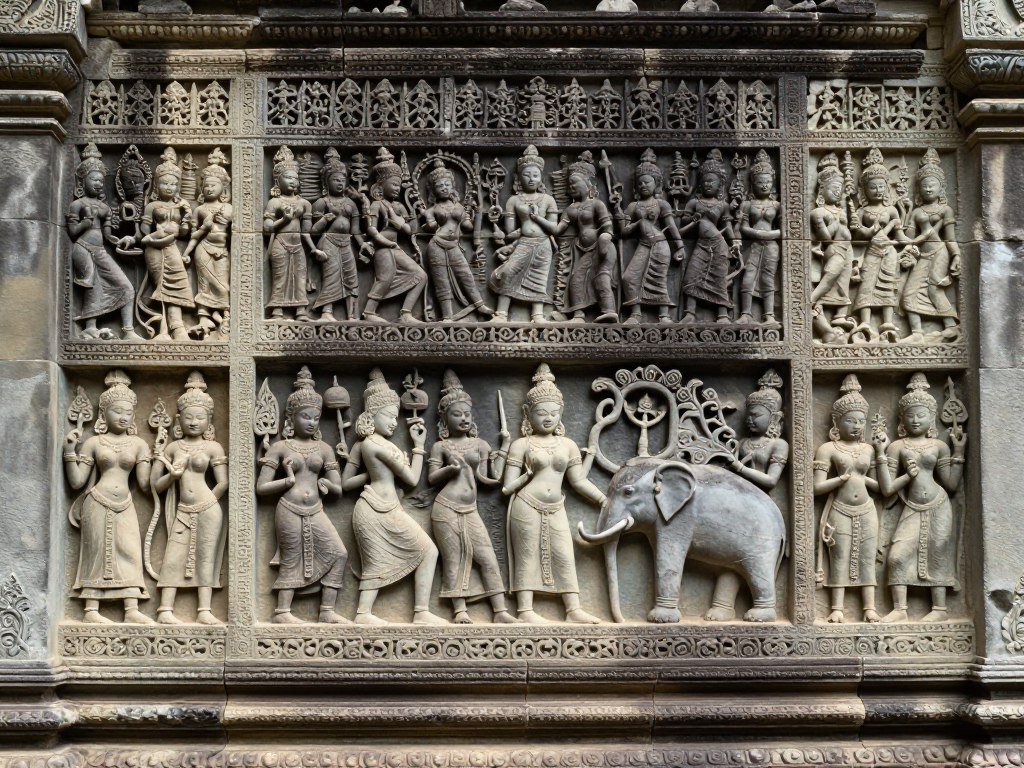
The bas-relief galleries showcase over 1,000 square meters of intricate stone carvings. These narrative panels depict scenes from Hindu epics including the Ramayana and Mahabharata. The famous Churning of the Ocean of Milk panel stretches nearly 50 meters illustrating gods and demons cooperating to create the elixir of immortality. Scholars still study these carvings for insights into Khmer culture, warfare, daily life, and religious practices.
UNESCO designated Angkor as a World Heritage Site in 1992 recognizing both its outstanding universal value and urgent conservation needs. The site faced threats from looting, environmental damage, and inadequate management. International cooperation has since stabilized structures and improved visitor management. Modern conservation efforts balance preservation with sustainable tourism allowing future generations to experience these architectural marvels.
Angkor in 2026: The Cambodian government continues implementing sustainable tourism initiatives including timed entry tickets for Angkor Wat’s upper terraces, expanded temple circuit routes distributing visitor pressure, improved pathway infrastructure, and digital ticketing systems. New archaeological discoveries from ongoing excavations regularly emerge revealing previously unknown structures and urban planning details.
The Angkor Archaeological Park extends far beyond Angkor Wat itself. Over 1,000 temples dot the landscape from massive walled cities to small jungle shrines. Angkor Thom, the fortified capital built by Jayavarman VII, encompasses the Bayon temple with its 216 enigmatic stone faces. Ta Prohm demonstrates nature’s power with silk-cotton trees growing through collapsed galleries creating otherworldly scenes that captivated Tomb Raider filmmakers.
The Khmer Empire reached its zenith between the 9th and 15th centuries controlling much of mainland Southeast Asia. Angkor served as the imperial capital for over 500 years with populations potentially exceeding one million people. Sophisticated water management systems supported this massive urban center through networks of reservoirs called barays and canals. The civilization’s decline remains partially mysterious though scholars cite factors including environmental stress, war, and religious transformation.
Best Time to Visit Angkor Wat: Weather, Crowds, and Seasonal Considerations
Cambodia’s tropical climate creates two distinct seasons dramatically affecting the Angkor Wat experience. Understanding weather patterns, crowd levels, and cultural events helps you select ideal visiting dates matching your priorities and tolerance for heat or tourists.
Dry Season at Angkor (November to March)
The dry season delivers optimal weather conditions for temple exploration. Temperatures range between 25°C and 30°C (77°F to 86°F) with minimal rainfall and comfortable humidity levels. Clear blue skies dominate creating excellent photography conditions. This pleasant weather attracts maximum visitor numbers particularly during December and January peak months.
November represents the sweet spot for visiting Angkor. Post-monsoon conditions leave reservoirs full and vegetation lush without ongoing rainfall disrupting temple visits. Temperatures stay moderate before December’s tourist influx begins. Early morning fog occasionally blankets the temples creating mystical atmosphere for sunrise viewing. This month balances favorable weather with manageable crowd levels.
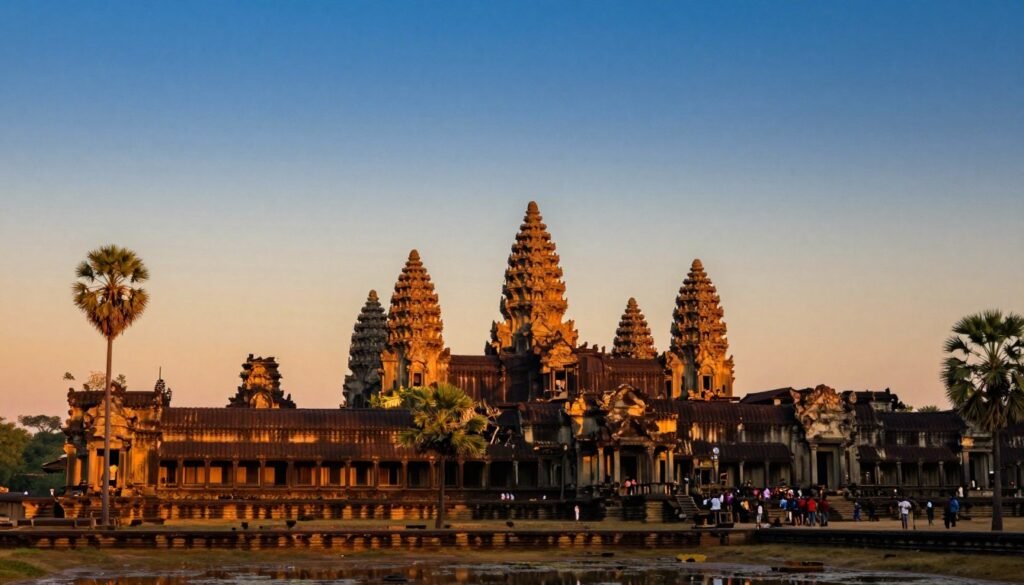
December through February constitutes peak tourist season. Angkor Wat’s sunrise viewing platform fills completely requiring arrival by 5:00 AM for decent positions. Popular temples like Bayon and Ta Prohm become crowded by mid-morning. Hotel prices increase significantly and quality accommodations require advance booking. However, the guaranteed sunshine and pleasant temperatures justify the crowds for many visitors.
March transitions toward hot season with temperatures climbing above 35°C (95°F) by midday. Crowds thin slightly as European spring break ends. The heat makes afternoon temple exploration challenging though early morning and late afternoon remain comfortable. This month suits budget travelers seeking lower prices and visitors with heat tolerance.
Khmer New Year 2026: Cambodia celebrates Khmer New Year April 13-16, 2026. This major national holiday brings domestic tourists to Angkor while many services close or operate limited hours. Hotels book completely and prices surge. The festive atmosphere includes traditional games, music, and ceremonies at temples if you don’t mind the crowds and limited availability.
Wet Season at Angkor (May to October)
The monsoon season brings afternoon downpours, oppressive humidity, and dramatically reduced tourist numbers. Morning hours typically stay dry with rain arriving mid to late afternoon. Temperatures hover around 30°C to 35°C (86°F to 95°F) with stifling humidity making temple climbing physically demanding. The trade-off comes through virtually empty temples and substantially lower prices.
June through August represents peak wet season. Daily afternoon thunderstorms arrive with reliable predictability usually between 2:00 PM and 5:00 PM. Mornings remain ideal for temple exploration before retreating to air-conditioned hotels when rain begins. The countryside transforms into vibrant green. Moats and reservoirs fill completely creating mirror-like reflections for photography. Budget travelers willing to plan around afternoon rain find exceptional value.
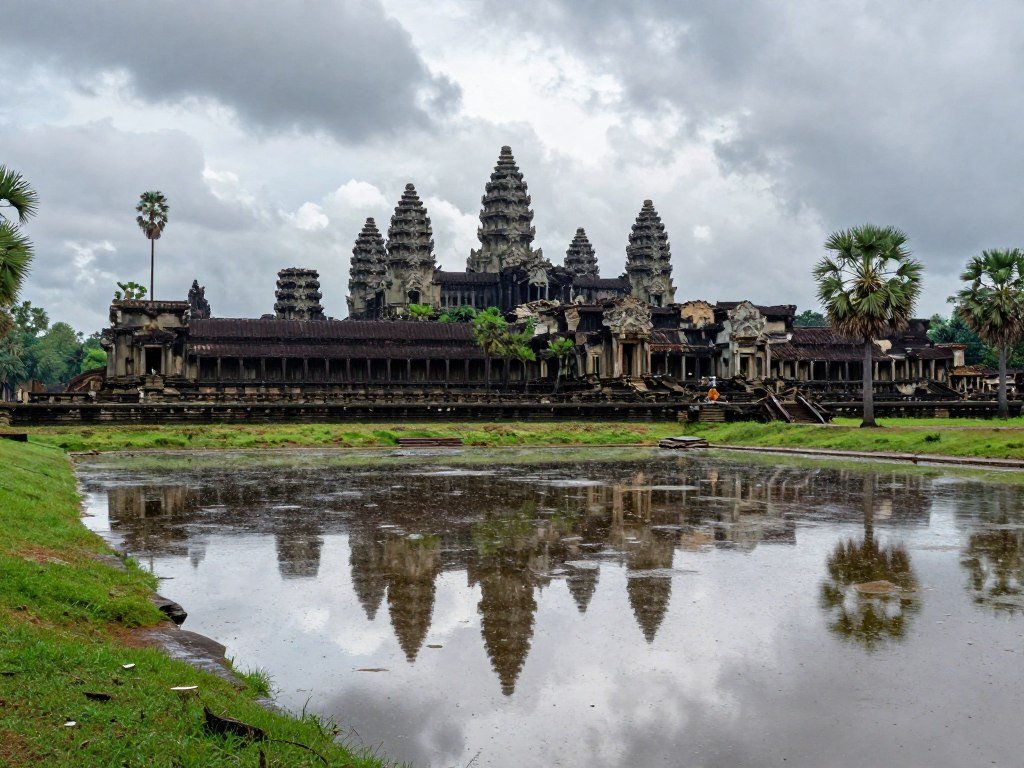
September and October transition toward dry season with gradually decreasing rainfall. These shoulder months offer the best of both worlds—fewer crowds than peak season with improving weather conditions. October particularly appeals to budget-conscious travelers as prices remain low while rain becomes less frequent. The temples stay beautifully green from months of precipitation.
Wet season temple visits require preparation. Waterproof bags protect cameras and electronics. Quality rain jackets prove essential. Temple stairs become slippery requiring careful footing. Some remote temples may become inaccessible if unpaved roads flood. However, the dramatic lighting during storms, empty temple corridors, and moody atmosphere create unique photographic opportunities impossible during dry season.
Dry Season Benefits
- Optimal weather with minimal rain
- Comfortable temperatures for exploration
- Excellent photography lighting conditions
- All temples and routes accessible
- Reliable sunrise and sunset viewing
- Extended daylight hours for touring
Dry Season Challenges
- Maximum tourist crowds at popular sites
- Premium pricing for hotels and tours
- Advance booking essential for quality options
- Sunrise viewing platforms overcrowded
- Hot temperatures in March
- Dusty conditions in dry fields
Exploring Angkor Wat Temple Complex: Architecture, History, and Visitor Guide
Angkor Wat demands comprehensive exploration to appreciate its architectural sophistication and symbolic meaning. The temple complex rewards multiple visits across different times of day revealing how changing light transforms the experience. Understanding the layout and significance of key features enhances your visit beyond simple sightseeing.
Temple Layout and Architectural Significance
The temple follows an east-west orientation unusual among Angkor temples suggesting its funerary purpose for King Suryavarman II. Visitors approach across a 190-meter sandstone causeway spanning the 200-meter-wide moat. This processional entrance symbolizes the transition from earthly realm to divine mountain. The causeway terminates at the main western gopura (entrance pavilion) featuring three towers that provide the first impressive views.
Three concentric rectangular galleries surround the central sanctuary creating a mandala pattern viewed from above. The outer gallery measures approximately 215 by 187 meters featuring the extensive bas-relief narratives. Corner pavilions punctuate the gallery at each corner. The second gallery sits on a raised platform accessed via steep staircases. The innermost gallery rises on a pyramidal base supporting five towers arranged in a quincunx pattern—four at the corners and one central tower.
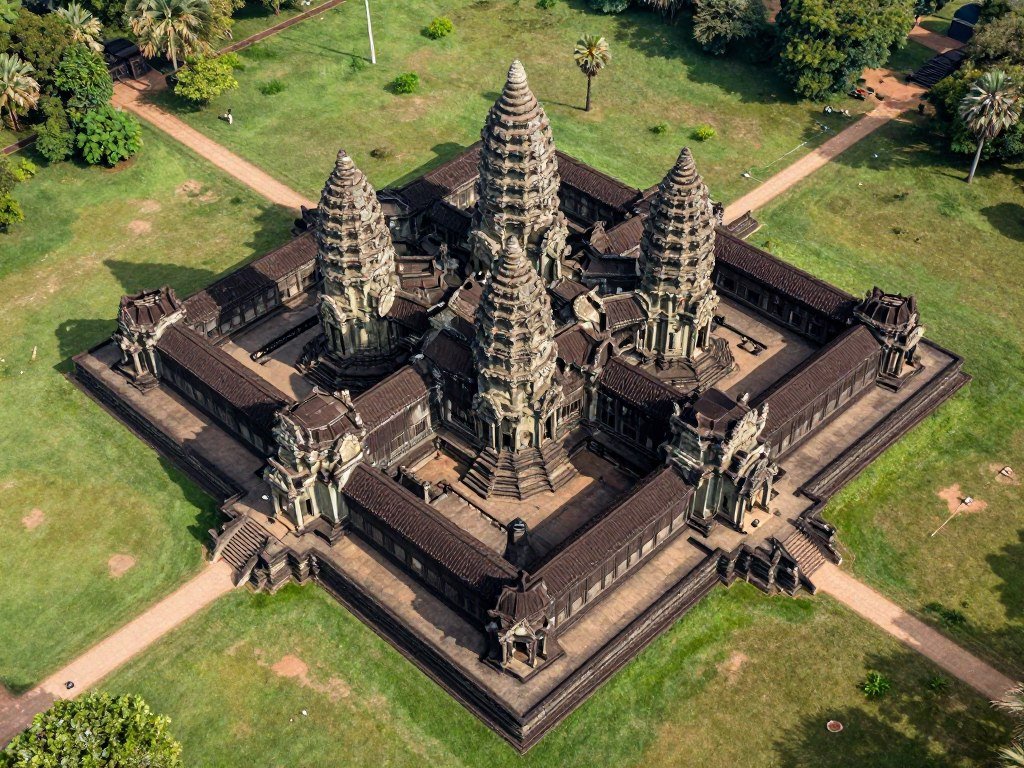
The central tower soars 65 meters above ground level representing Mount Meru’s peak. Reaching this summit requires climbing extremely steep stone staircases with 70-degree angles. Modern wooden staircases with handrails now provide safer access though the climb remains physically demanding. The summit offers panoramic views across the Angkor Archaeological Park rewarding the effort required to reach it.
Symbolism permeates every architectural decision. The five towers represent the five peaks of Mount Meru. The galleries symbolize mountain ranges encircling the divine mountain. The moat represents the cosmic ocean. The number of features relates to Hindu cosmology—108 steps to certain levels, architectural ratios reflecting astronomical cycles. Understanding this symbolic language reveals Angkor Wat as a three-dimensional religious diagram rather than mere building.
The Gallery of Bas-Reliefs: Stone Storytelling
The outer gallery’s inner wall displays nearly 800 meters of continuous bas-relief carvings depicting Hindu mythology, historical events, and cosmological concepts. These narrative panels rank among humanity’s greatest artistic achievements. Viewing the complete gallery requires walking the entire circuit which flows counterclockwise following Hindu ritual pradakshina circumambulation.
The Battle of Kurukshetra panel on the western gallery shows the climactic battle from the Mahabharata epic. Warriors, elephants, and chariots fill the composition with incredible detail in weapons, armor, and facial expressions. The southern gallery displays King Suryavarman II’s military procession with the king riding an elephant under parasols of state. This historical panel provides insights into Khmer court ceremony and warfare.
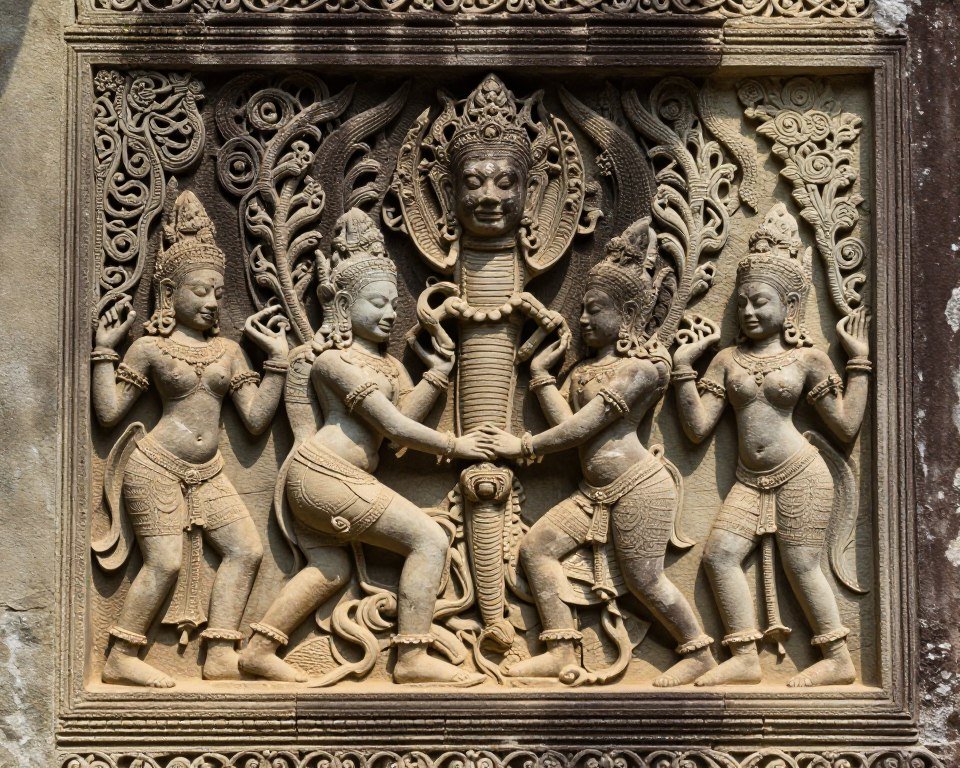
The Churning of the Ocean of Milk dominates the eastern gallery’s southern section. This 49-meter panel illustrates creation mythology where 88 asuras (demons) and 92 devas (gods) pull the serpent Vasuki wrapped around Mount Mandara to churn the cosmic ocean. The composition shows incredible narrative clarity with Vishnu orchestrating the cosmic event. Above, apsaras (celestial dancers) and various creatures emerge from the churned ocean.
Heaven and Hell panels contrast the fates of righteous and wicked souls. The southern gallery’s eastern section depicts 37 heavens where the virtuous enjoy various pleasures. The adjacent panel shows 32 hells where sinners suffer appropriate punishments for their transgressions. These didactic carvings functioned as moral instruction for temple visitors illustrating karmic consequences.
Early morning or late afternoon light creates optimal conditions for viewing the bas-reliefs. Harsh midday sun flattens the carving details making them difficult to appreciate. Bringing a flashlight helps illuminate darker gallery sections where natural light barely penetrates. Hiring a knowledgeable guide tremendously enhances understanding as the narrative complexity exceeds what guidebooks can convey during actual viewing.
Experiencing Angkor Wat at Different Times
Sunrise at Angkor Wat has become almost mandatory pilgrimage for visitors. The famous view positions the temple silhouetted against dawn skies reflected in the northern reflection pond. Hundreds of photographers compete for positions requiring arrival by 5:00 AM during peak season. The actual sunrise occurs behind the temple from this viewing point creating a backlit silhouette rather than golden temple illumination.
Alternative sunrise locations offer better photographic results with fewer crowds. The eastern causeway provides frontal temple views with sunrise illumination striking the towers directly. The northern library area offers reflection opportunities from different angles. Exploring multiple sunrise locations across several days provides diverse photographic perspectives beyond the standard postcard view.
Midday visits reward travelers willing to endure heat and light. The complex empties significantly between 11:00 AM and 2:00 PM when most tourists retreat to air-conditioned hotels. This window allows nearly private exploration of galleries and terraces. The harsh overhead sun creates challenging photography conditions but the solitude transforms the experience. Seeking shade in covered galleries and ascending to breezy upper terraces makes midday heat manageable.
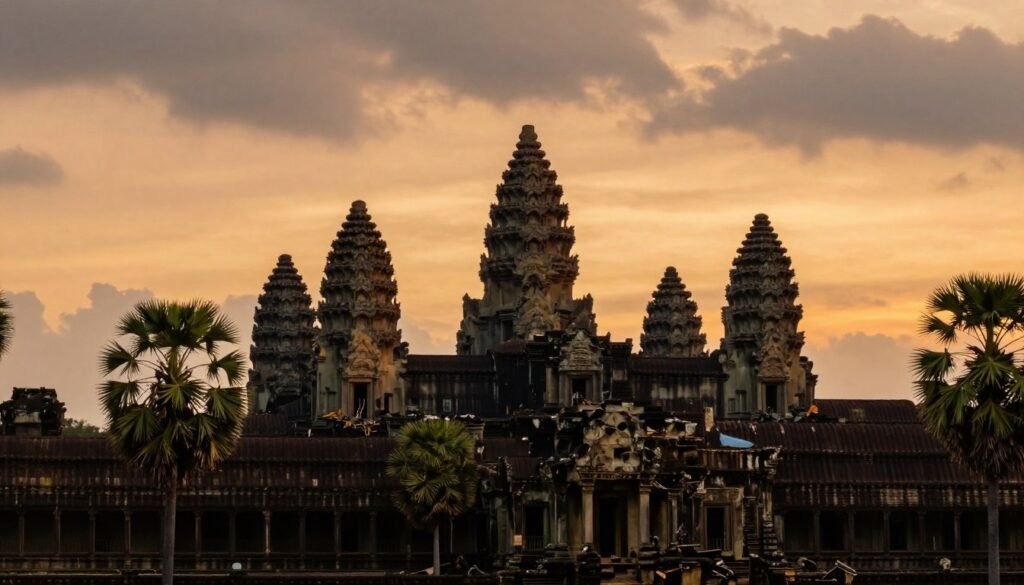
Sunset viewing from Phnom Bakheng hill provides elevated perspectives across Angkor Wat and surrounding forest. However, this location suffers from severe overcrowding with visitor numbers limited requiring early arrival to secure entry. The nearby Pre Rup temple offers excellent sunset views with significantly fewer restrictions and crowds. Watching sunset light fade from Angkor Wat’s towers creates magical moments as the temple transitions from golden to silhouette.
Night illumination testing has occurred sporadically though no permanent nighttime visiting program currently operates. Full moon periods sometimes feature special access allowing visitors to experience the temple under moonlight. Check current policies before planning nighttime visits as regulations change frequently based on conservation concerns and special events.
Angkor Wat Sunrise Photography Tour
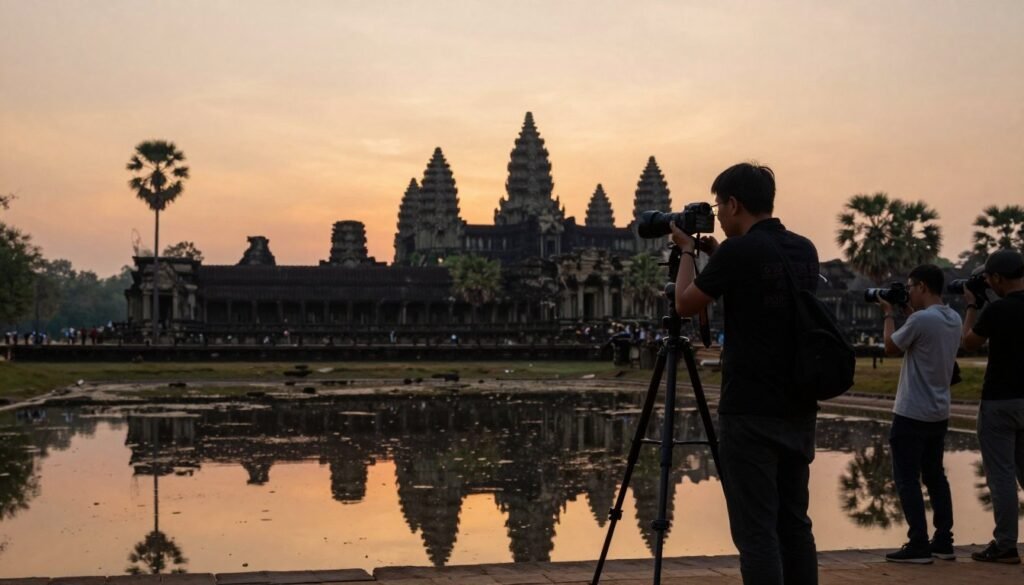
Capture Angkor Wat’s magical sunrise with expert photography guides. This small-group tour positions you at optimal locations before crowds arrive. Learn composition techniques, camera settings, and post-processing basics. Includes multiple temple sunrise locations over two mornings and photo critique session.
- Expert photography guide instruction
- Prime sunrise viewing positions secured
- Multiple temple sunrise locations
- Camera technique and composition tips
- Small groups maximum 6 photographers
- Post-processing workshop included
Essential Temples Beyond Angkor Wat: Archaeological Highlights
The Angkor Archaeological Park encompasses hundreds of temple structures each offering distinct architectural styles and historical significance. Strategic temple selection maximizes your limited time while providing diverse experiences across the Khmer Empire’s artistic evolution. These major temples form the core of most multi-day itineraries.
Angkor Thom and Bayon Temple
Angkor Thom functioned as the fortified capital city built by King Jayavarman VII in the late 12th century. Massive laterite walls stretching 12 kilometers enclose approximately 9 square kilometers. Five monumental gates pierce the walls each topped with four giant stone faces facing the cardinal directions. The southern gate receives most tourist traffic with its impressive approach lined with devas and asuras statues holding a naga serpent.
The Bayon temple dominates Angkor Thom’s center representing Jayavarman VII’s state temple. This temple mountain features 54 towers each carved with four serene faces totaling 216 faces gazing across the landscape. Scholars debate whether these faces represent Avalokiteshvara bodhisattva, King Jayavarman VII himself, or a combination of both. The enigmatic smiling faces create Angkor’s most iconic imagery after Angkor Wat itself.
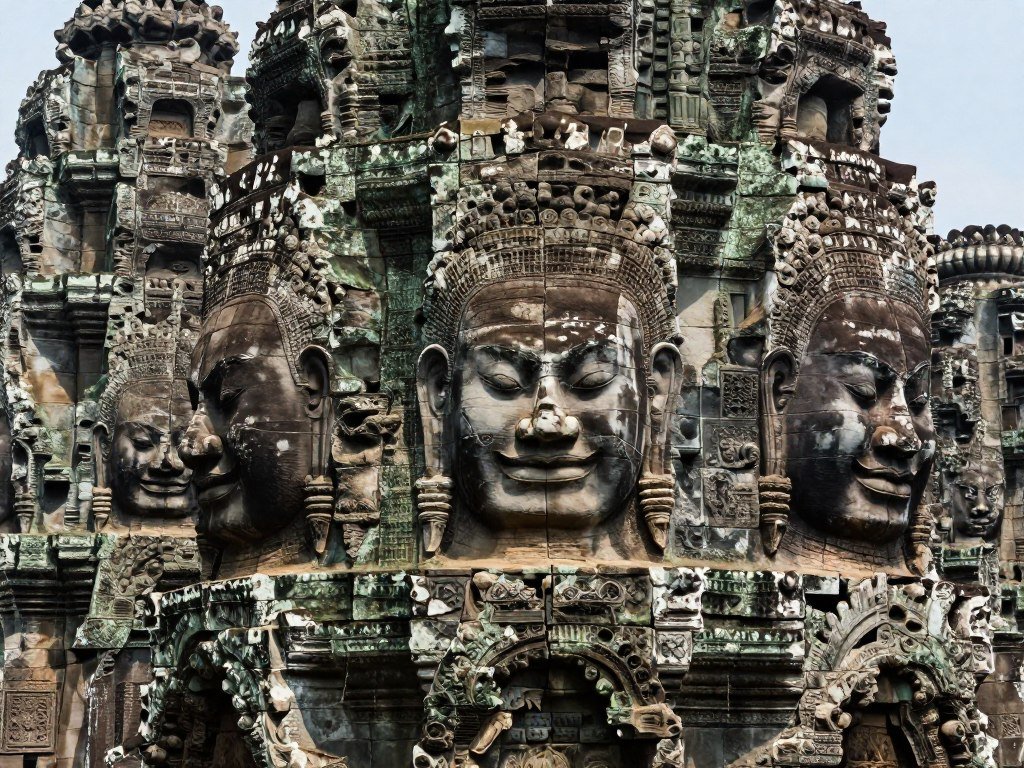
The Bayon’s bas-relief galleries differ dramatically from Angkor Wat’s mythological focus. These carvings depict Khmer daily life, naval battles on Tonle Sap lake, market scenes, cockfighting, and the Cham-Khmer wars. The historical detail provides invaluable insights into 12th-century Cambodian society. Outer galleries show military campaigns while inner galleries present Hindu and Buddhist mythology reflecting the temple’s religious syncretism.
The temple’s compact footprint creates a labyrinthine experience with narrow passages, hidden chambers, and sudden face encounters around corners. Multiple levels offer varying perspectives with upper terraces providing intimate proximity to the stone faces. Late afternoon light creates optimal conditions as horizontal rays illuminate the western faces while eastern faces fall into shadow creating dramatic contrast.
Ta Prohm: Nature Reclaiming Architecture
Ta Prohm showcases the powerful interaction between human architecture and jungle vegetation. Conservation teams deliberately maintained this temple in its “discovered” condition with massive silk-cotton and strangler fig trees growing through galleries and courtyards. Roots cascade over walls, temples, and doorways creating surreal landscapes that attracted Tomb Raider filmmakers to use this location.
King Jayavarman VII founded Ta Prohm in 1186 as a Buddhist monastery and university. Inscriptions record the temple supported 79,365 people including 18 high priests, 2,740 officials, 2,232 assistants, and 615 dancers. The complex originally included 260 statues, 39 towers, and 566 stone dwellings. This massive institution demonstrated the Buddhist king’s power and devotion.
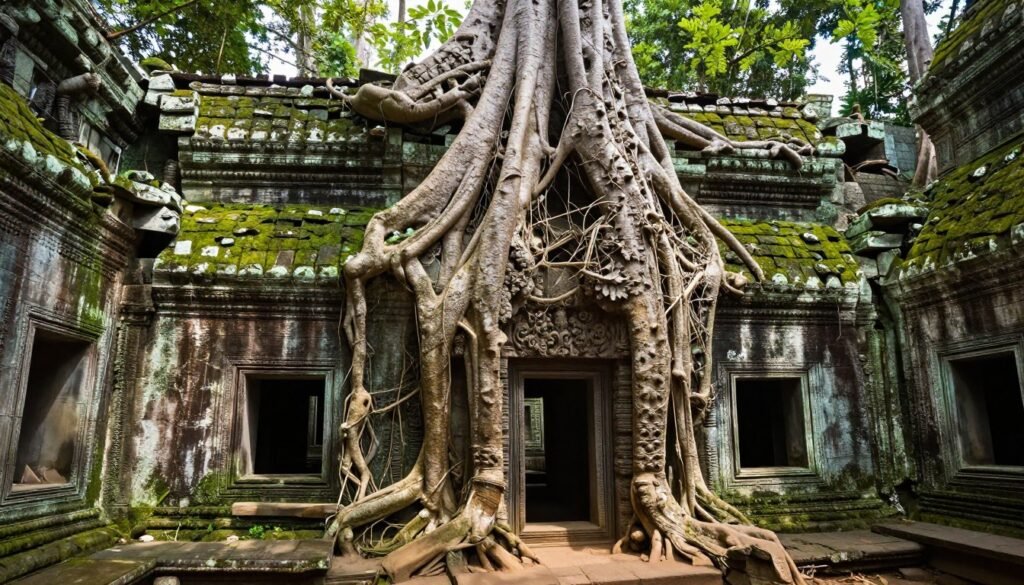
The photogenic tree-covered ruins draw massive crowds particularly mid-morning when tour groups arrive. Early morning visits between 7:30 AM and 9:00 AM provide better crowd conditions and superior lighting as sun filters through the jungle canopy. The famous “Tomb Raider tree” location features a massive tree growing over a doorway creating one of Angkor’s most photographed scenes requiring patience for clear shots without other tourists.
Conservation challenges at Ta Prohm involve balancing preservation with the romantic aesthetics of nature-consumed ruins. Removing trees risks collapsing structures they now support. However, continuing root growth threatens long-term structural integrity. Current approaches stabilize dangerous sections while maintaining the deliberately “overgrown” appearance that makes Ta Prohm unique among Angkor temples.
Banteay Srei: Citadel of Women
Banteay Srei stands apart through its pink sandstone construction and extraordinarily intricate carvings. Built in 967 CE, this diminutive temple predates Angkor Wat by nearly 200 years. The name translates as “Citadel of Women” though this likely references the delicate carvings rather than actual female builders or inhabitants. The temple’s small scale and exquisite detail create intimate aesthetic experiences impossible in massive temple mountains.
The pink sandstone allowed sculptors to achieve remarkable carving depth and complexity. Three-dimensional figures emerge dramatically from walls. Devatas (female deities) wear elaborate jewelry and clothing rendered in minute detail. The pediments above doorways display complete narrative scenes from Hindu epics executed with exceptional artistry. André Malraux’s 1923 theft attempt of several devata figures paradoxically increased the temple’s international fame.
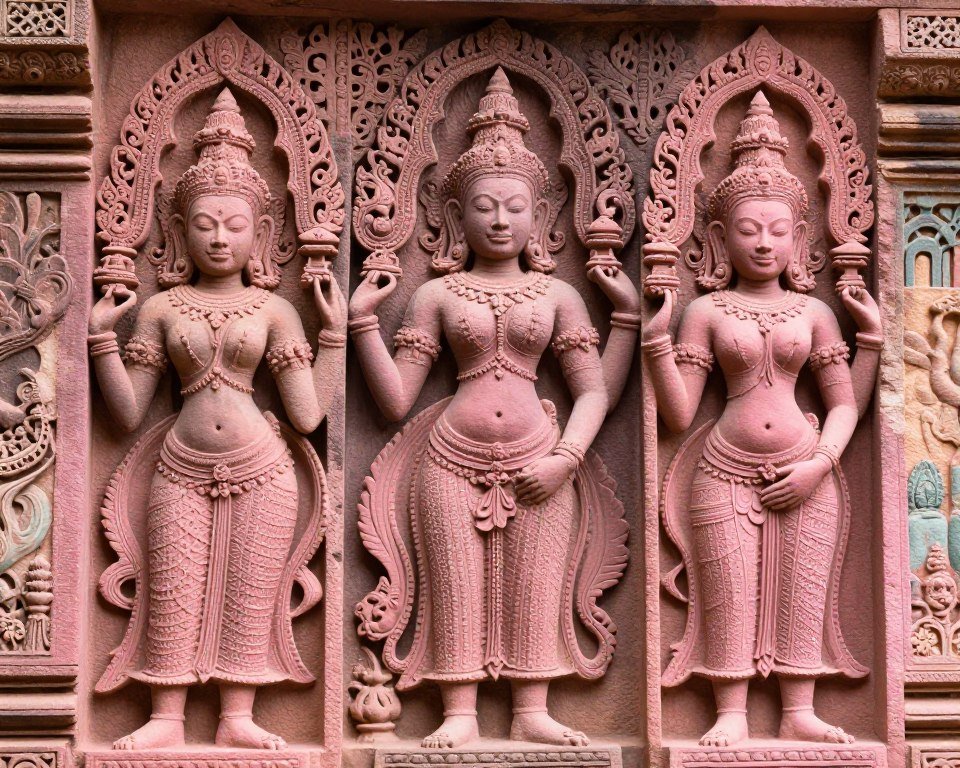
Banteay Srei’s remote location 25 kilometers northeast of Angkor Wat requires dedicated transportation. Most visitors combine this temple with Banteay Samre and other eastern temples in half-day or full-day excursions. The distance means fewer crowds than central temples particularly during afternoon hours. The temple’s small size allows complete exploration in 45-60 minutes though photography enthusiasts often linger longer capturing the exceptional carvings.
Preah Khan: Royal Monastery Complex
Preah Khan served as temporary royal residence while Angkor Thom underwent construction. King Jayavarman VII built this extensive monastic complex in 1191 honoring his father. The temple sprawls across 56 hectares with multiple enclosures, galleries, and secondary structures creating a small city rather than single temple. Inscriptions indicate nearly 100,000 people including officials, servants, and dancers supported temple operations.
The temple showcases fusion architecture blending Hindu and Buddhist elements reflecting Jayavarman VII’s religious tolerance. Central sanctuary originally housed Buddhist imagery while outer sections maintained Hindu shrines to Shiva and Vishnu. Two-story Romanesque-influenced structures appear unique among Angkor temples suggesting possible Western architectural contact though this remains debated among scholars.
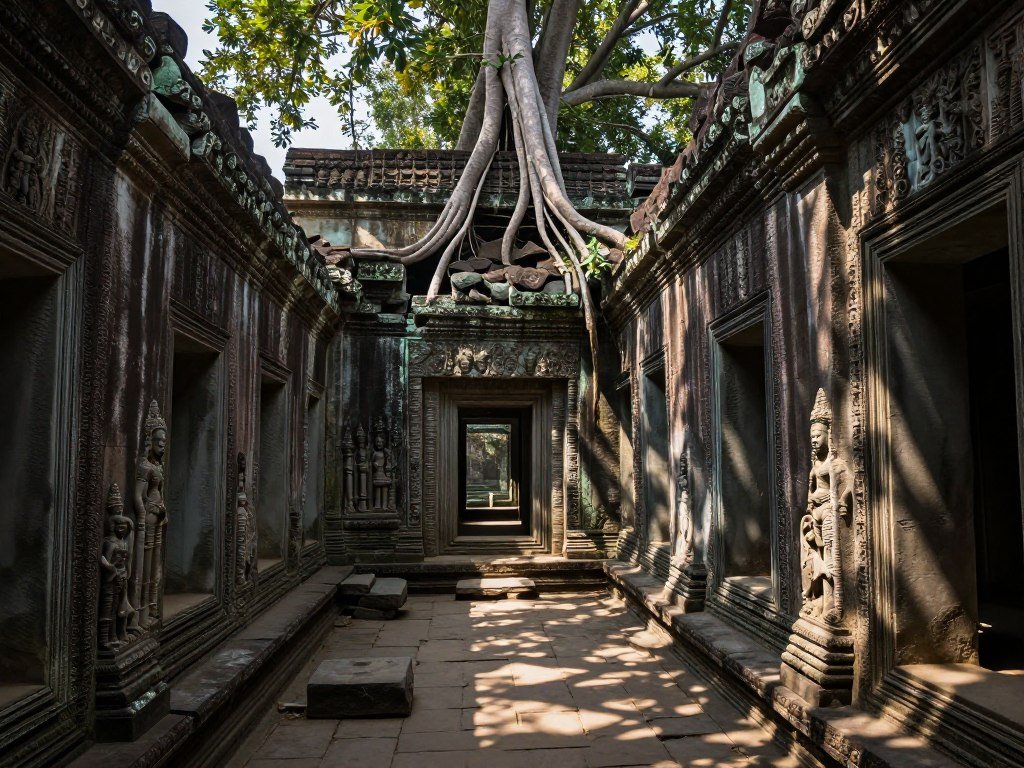
Preah Khan receives substantially fewer visitors than Ta Prohm despite similar tree-covered aesthetics and larger scale. The expansive layout disperses crowds creating opportunities for solitary exploration through maze-like galleries. Trees grow through structures though with less dramatic visual impact than Ta Prohm’s massive specimens. The Hall of Dancers features beautiful apsara carvings while the two-story structure demonstrates unique architectural experimentation.
Additional Significant Temples
The Terrace of Elephants stretches 350 meters serving as reviewing platform for royal ceremonies and military parades. Life-sized elephant carvings support the terrace giving the structure its name. Adjacent Terrace of the Leper King features extensive relief carvings of apsaras and other mythological beings across multiple levels. Both terraces functioned as crucial spaces in Angkor Thom’s ceremonial life.
Banteay Kdei shares similar Buddhist monastery functions with Ta Prohm though smaller scale and less dramatic tree growth. The temple’s relatively empty corridors provide peaceful exploration away from major site crowds. Srah Srang reservoir across the road creates popular sunrise viewing location with temple reflections in calm morning water.
Phnom Bakheng temple mountain predates Angkor Wat serving as state temple for King Yasovarman I around 900 CE. The hilltop location offers panoramic views across Angkor Archaeological Park. However, severe overcrowding at sunset diminishes the experience with visitor numbers now limited requiring early arrival. The temple itself shows significant weathering from age and tourist impact.
Angkor Wat Itineraries: One Day, Two Days, and Three Day Temple Routes
Strategic itinerary planning maximizes temple experiences while managing physical stamina and heat exposure. The temple circuits developed during French colonial administration still guide modern touring though flexibility allows customized routes matching personal interests and energy levels.
One Day Angkor Wat Itinerary
A single day provides only minimal Angkor experience but covers essential highlights for time-constrained visitors. This demanding itinerary requires early start and sustained energy across full day temple touring. Purchase one-day temple pass for US$37 valid from 5:00 AM until site closing.
Pre-dawn (4:30 AM): Depart hotel for Angkor Wat sunrise viewing. Arrive by 5:00 AM to secure decent viewing position at northern reflection pond. Watch sunrise over temple towers approximately 5:45-6:15 AM depending on season. Clear skies essential for worthwhile sunrise experience.
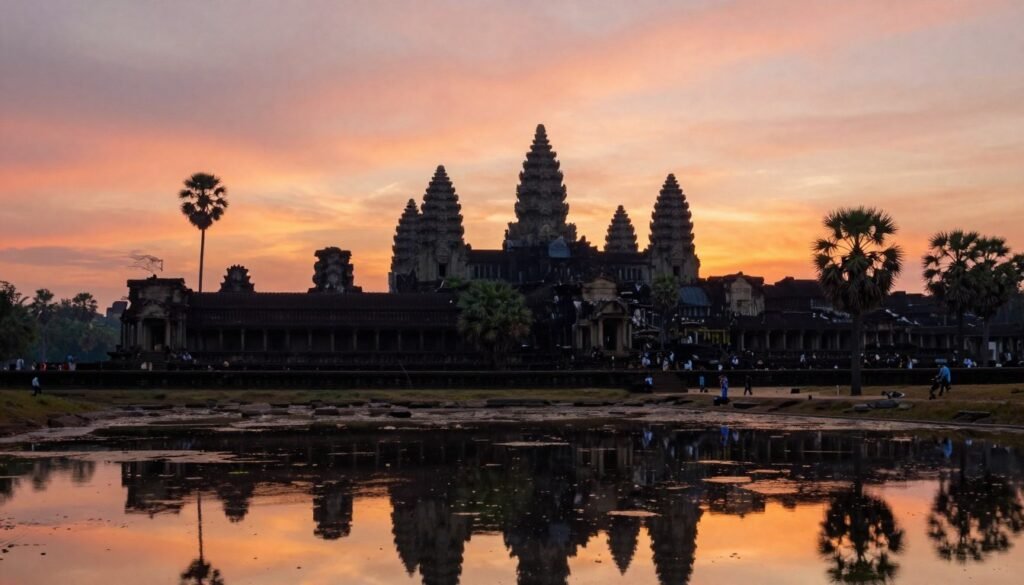
Morning (6:30-9:30 AM): Explore Angkor Wat temple complex after sunrise crowds disperse. Examine bas-relief galleries walking complete outer circuit. Climb central tower if open (timed tickets sometimes required). Exit by 9:30 AM before midday heat intensifies. Breakfast break at nearby restaurant.
Mid-morning (10:00 AM-12:00 PM): Visit Angkor Thom complex entering through South Gate. Explore Bayon temple and its enigmatic stone faces during optimal mid-morning lighting. Walk through Terrace of Elephants and Terrace of the Leper King. The Baphuon temple nearby rewards the climb with views though requires additional time.
Lunch (12:00-1:30 PM): Return to Siem Reap for extended lunch break escaping peak heat. Quality restaurants near Old Market or Pub Street provide air-conditioned comfort and Khmer cuisine. This break proves essential for afternoon energy.
Afternoon (2:00-5:00 PM): Visit Ta Prohm temple experiencing jungle-consumed architecture. Late afternoon crowds thin compared to morning tour group rush. The lighting becomes softer creating better photography conditions. Allocate 60-90 minutes for thorough exploration and photos.
Sunset (5:30-7:00 PM): Choose sunset location between Pre Rup temple (fewer crowds, good views) or Phnom Bakheng hill (panoramic views, severe crowding with entry limits). Watch sunset colors fade before returning to Siem Reap for dinner.
One Day Reality Check: This itinerary covers only 3-4 major temples rushing through each location. Physical demands include extensive walking, stair climbing in tropical heat, and sustained focus across 14+ hours. Most visitors underestimate exhaustion levels. Consider upgrading to two-day pass for more reasonable pacing and deeper experiences.
Two Day Angkor Wat Itinerary
Two days allows reasonable temple coverage without overwhelming exhaustion. This recommended minimum enables deeper exploration of major sites plus selected smaller temples. Purchase two-day temple pass for US$62 valid across two days within one-week period.
Day One Morning: Sunrise at Angkor Wat followed by comprehensive temple exploration through 9:30 AM. The bas-relief circuit alone requires 90+ minutes for proper viewing. Central tower ascent adds 30-45 minutes. Return to hotel for late breakfast and rest during peak heat hours.
Day One Afternoon: Visit Angkor Thom complex including Bayon temple, terraces, and Baphuon between 2:00-5:00 PM. The afternoon timing avoids morning tour bus rushes while heat decreases from midday peaks. Sunset at Pre Rup or sunset viewing from Angkor Wat’s western causeway offers alternatives to overcrowded Phnom Bakheng.
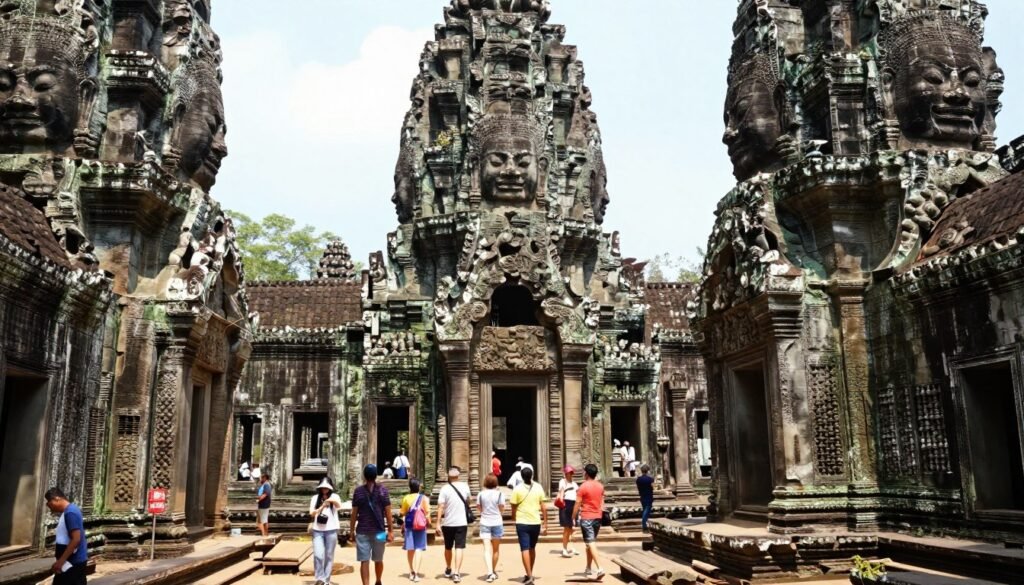
Day Two Morning: Explore Ta Prohm temple 7:30-9:00 AM before crowds arrive. Continue to Preah Khan for larger less-visited monastery complex exploration. The combination provides excellent tree-covered temple experiences without redundancy. Return for lunch break avoiding midday heat.
Day Two Afternoon: Visit Banteay Srei pink sandstone temple appreciating intricate carvings during softer afternoon light. Combine with nearby Banteay Samre or eastern temples depending on energy levels. Alternatively, explore southern temples including Banteay Kdei and sunrise reservoir Srah Srang at relaxed pace.
This itinerary balances major highlights with adequate rest periods. The pacing prevents complete exhaustion while covering essential Angkor experiences. Flexibility allows substituting temples based on personal interests—add Thommanon and Chau Say Tevoda if preferring more temples or reduce afternoon touring if preferring relaxed schedule.
Three Day Angkor Wat Itinerary
Three days enables comprehensive Angkor exploration including remote temples beyond standard circuits. This duration suits archaeology enthusiasts and photographers seeking deeper understanding beyond surface-level touring. Purchase three-day temple pass for US$72 valid within one week.
Day One: Follow two-day itinerary Day One schedule covering Angkor Wat sunrise, morning exploration, and afternoon Angkor Thom complex. Maintain relaxed pace with adequate breaks preventing first-day exhaustion that compromises subsequent days.
Day Two: Dedicate this day to tree temples and eastern sites. Begin at Ta Prohm for early morning photography session. Continue to massive Preah Khan complex allocating substantial time for thorough exploration. Afternoon visit to Banteay Srei pink temple includes travel time to remote location. Return via Banteay Samre or eastern baray reservoir temples.
Day Three: Explore outlying temples beyond main circuits. Visit Beng Mealea temple 65 kilometers from Siem Reap experiencing largely unrestored jungle temple. This remote site shows Ta Prohm-like tree growth without crowds. Combine with Koh Ker temple group if ambitious or visit closer Roluos Group temples showcasing pre-Angkorian architecture. Sunset at quiet temple location away from tourist masses.
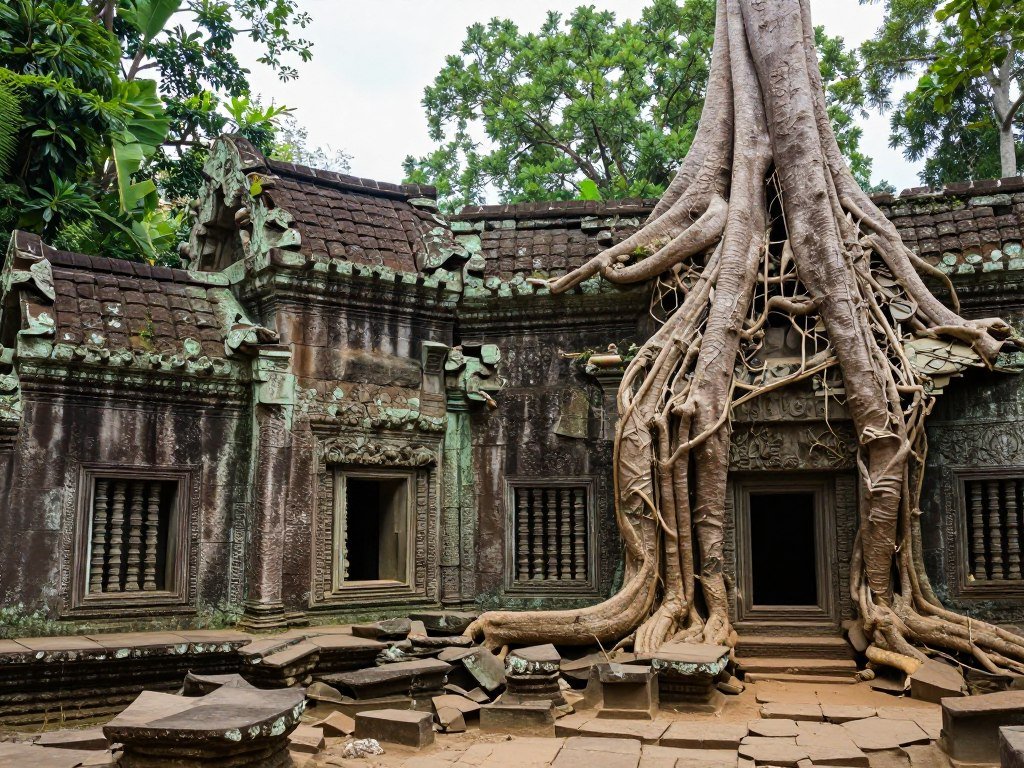
The three-day itinerary provides opportunities for specialty interests. Photographers can revisit temples during optimal lighting conditions. History enthusiasts allocate extra time at museums or lesser-known temples with unique architecture. The pacing allows spontaneous decisions based on weather, energy levels, and developing preferences discovered during first two days.
Private Angkor Archaeological Tour
Experience Angkor temples with expert archaeologist guide over customized multi-day itinerary. Skip crowded group tours for personalized temple exploration timed for optimal lighting and minimal crowds. Includes private air-conditioned transportation, flexible schedule, expert historical interpretation, and entrance to all major and minor temples based on interests.
- Expert archaeologist guide
- Private air-conditioned vehicle
- Customized temple itinerary
- Flexible timing avoiding crowds
- All major and minor temples
- Photography time and tips
- Historical and cultural context
Angkor Wat Tickets and Passes: Options, Prices, and Purchase Information
The Angkor Archaeological Park implements structured ticketing providing revenue for conservation while managing visitor numbers. Understanding ticket options, validity periods, and purchase procedures ensures smooth entry avoiding delays or confusion.
Ticket Types and Pricing for 2026
Angkor Enterprise operates official ticketing selling passes at standardized prices. The ticket system offers three main options based on visiting duration. All prices listed represent 2026 rates which occasionally increase to fund ongoing conservation projects.
| Pass Type | Validity Period | Price (USD) | Best For |
| One Day Pass | Single day from 5:00 AM | $37 | Time-constrained visitors seeing highlights only |
| Three Day Pass | Any 3 days within 10-day period | $62 | Recommended minimum for meaningful exploration |
| Seven Day Pass | Any 7 days within 30-day period | $72 | Comprehensive exploration including remote temples |
Children under 12 years receive free admission when accompanied by ticket-holding adults. Valid identification proving age may be required at checkpoints. Cambodian nationals pay significantly reduced rates requiring valid national ID cards. The differential pricing structure reflects Cambodia’s development as international tourism revenue funds conservation benefiting the nation.
Sunrise viewing technically occurs before official 5:00 AM opening time. However, authorities allow ticket holders to enter Angkor Wat from approximately 4:45 AM for sunrise viewing. Your ticket becomes valid starting 5:00 AM meaning you can begin comprehensive temple touring after sunrise. Some visitors purchase tickets the previous afternoon (after 5:00 PM) receiving bonus sunset viewing before official ticket validity begins the next day.
Where and How to Purchase Tickets
The official Angkor Enterprise ticket office sits on Road 60 approximately 4 kilometers from Siem Reap center en route to Angkor Wat. This large modern facility operates daily from 5:00 AM to 5:30 PM. Digital ticketing systems allow relatively quick processing though peak morning hours create lines. Bring passport as identification is required and your photo will be taken for the ticket.
Online ticket purchasing launched in recent years though the system experiences occasional technical issues. The official Angkor Enterprise website offers advance purchase option. However, you still must visit the ticket office to collect physical passes and complete photo documentation. The advance purchase primarily saves payment time rather than completely eliminating ticket office visits.
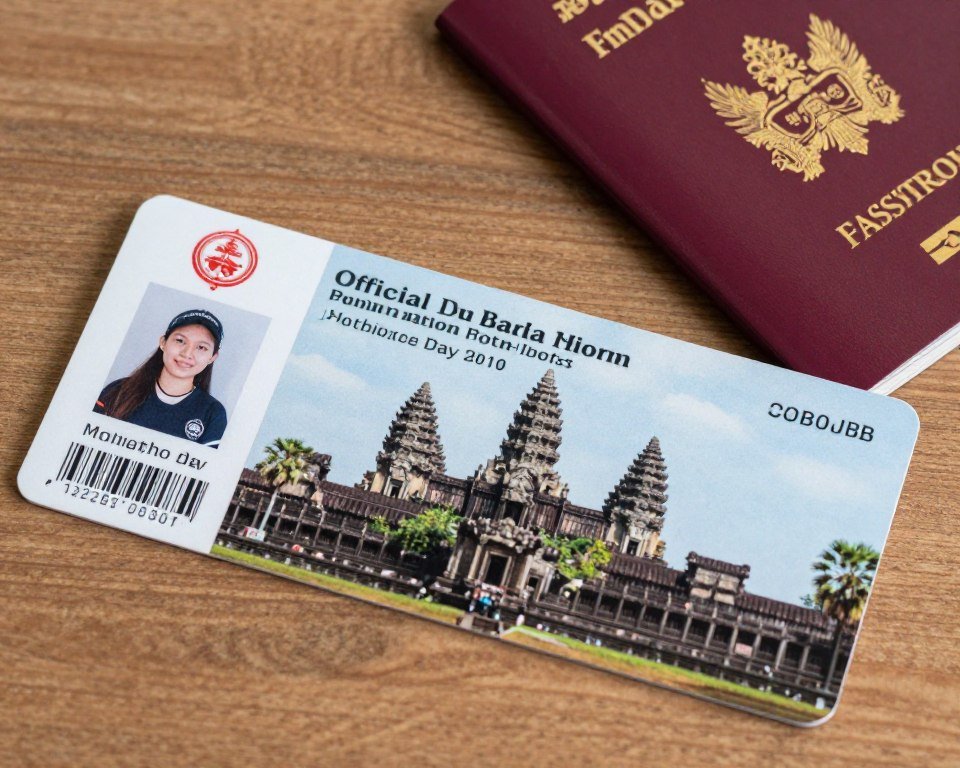
Third-party sellers and hotel booking desks cannot sell official Angkor passes. Scams occasionally surface selling counterfeit tickets at inflated prices. Purchase only from the official ticket office or verified online portal. Your hotel can arrange transportation to the ticket office though tuk-tuk drivers readily make this trip. Building ticket purchase time into your first morning schedule prevents sunrise viewing delays.
Ticket checkpoint locations verify passes at major temple entrances. Officials scan tickets electronically checking validity and matching your photo. Losing your ticket requires purchasing replacement at full price without refunds. Store tickets securely as you’ll need them multiple times daily if visiting numerous temples. Some temples have secondary checkpoints requiring ticket presentation multiple times.
2026 Timed Entry System: Angkor Wat’s upper terraces now require timed entry tickets limiting simultaneous visitors for conservation and safety. Free timed tickets are distributed at the temple entrance on first-come basis. During peak season, upper terrace tickets for desirable times can be claimed by mid-morning. Plan Angkor Wat visits early if climbing the central sanctuary is priority.
What Your Ticket Includes
Angkor passes grant access to temples within the Angkor Archaeological Park administered by the APSARA National Authority. This includes all major temples discussed in this guide plus dozens of minor structures. The passes cover approximately 400 square kilometers of protected archaeological zone though some areas remain restricted for ongoing excavation or conservation work.
Certain temples outside the main park require separate admission fees. Beng Mealea temple charges $5 entrance independent from Angkor passes. Koh Ker temple group requires $10 separate admission. Phnom Kulen sacred mountain implements $20 entry fee. These remote locations sit beyond standard Angkor Archaeological Park boundaries justifying separate ticketing though confusion occasionally arises.
Your ticket does not include guided tour services, transportation, or temple climbing permits beyond standard access. Special photography permits for commercial work or drone usage require additional fees and advance permission. The standard tourist ticket allows personal photography including professional cameras but prohibits commercial usage, drone flights, or disruptive equipment like large lighting setups.
Getting to Angkor Wat: Transportation from Siem Reap, Bangkok, and Phnom Penh
Angkor Wat sits adjacent to Siem Reap city in northwestern Cambodia. Most international visitors reach Siem Reap through air connections though overland routes from Thailand and Phnom Penh serve budget travelers and those combining regional travel. Understanding transportation options helps plan efficient arrivals and departures.
Flying to Siem Reap International Airport
Siem Reap International Airport serves as primary gateway for Angkor Wat visitors. The new airport opened in 2024 replacing the old facility with modern terminal and expanded capacity. Direct international flights connect Siem Reap with Bangkok, Singapore, Kuala Lumpur, Ho Chi Minh City, Hanoi, Seoul, and several Chinese cities. Most Western travelers connect through these Asian hub airports.
The airport sits approximately 45 kilometers southeast of Siem Reap city requiring 45-60 minute drives depending on traffic. Official airport taxis charge fixed rates around $30-35 to central Siem Reap hotels. Booking hotel transfers in advance often provides better rates than airport taxis. Some hotels include complimentary airport pickup for multi-night stays. Ride-hailing apps operate with variable reliability at the new airport location.
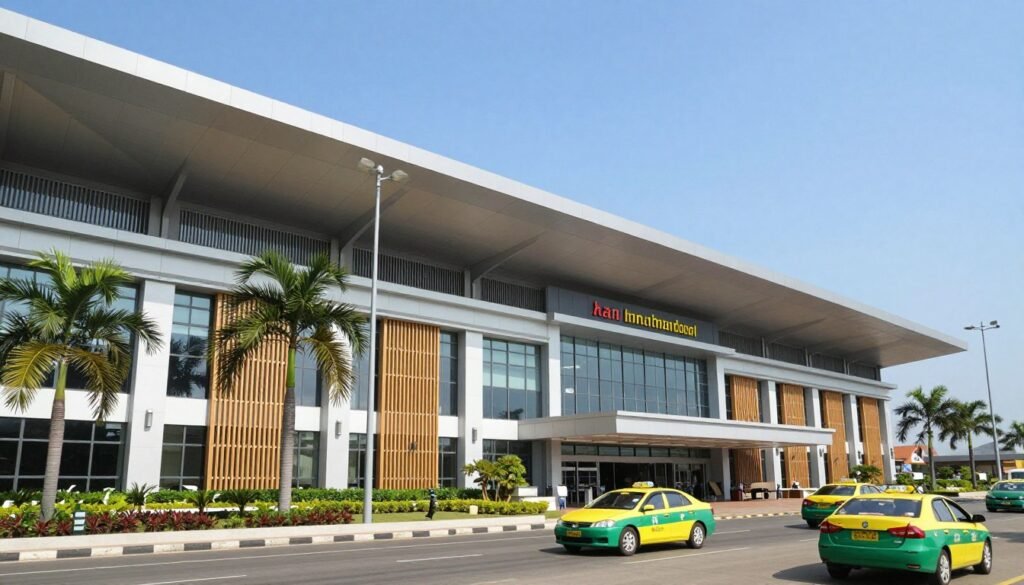
Domestic flights from Phnom Penh to Siem Reap operate multiple times daily via Cambodia Angkor Air, Lanmei Airlines, and budget carriers. Flight time approximates 45 minutes making air travel attractive despite higher costs compared to ground transportation. Domestic flights particularly benefit travelers with limited time or those uncomfortable with long bus journeys on Cambodian roads.
From Bangkok to Siem Reap
Bangkok serves as major international hub for travelers combining Thailand and Cambodia visits. Multiple transportation options connect these destinations each offering different time and budget trade-offs. Direct flights from Bangkok’s Suvarnabhumi Airport to Siem Reap take approximately 1 hour making this the fastest option. Bangkok Airways, Thai Airways, and other carriers operate several daily flights with prices ranging $80-200 depending on booking timing and season.
Overland travel from Bangkok to Siem Reap requires border crossing adding complexity but significantly reducing costs. Direct buses operate daily from Bangkok’s Northern Bus Terminal (Mo Chit) or Khao San Road area. Journey time spans 7-9 hours including border formalities at Poipet/Aranyaprathet crossing. Reputable companies include Nattakan, Giant Ibis, and Virak Buntham with prices around $25-35 including border transfers.
The border crossing process involves exiting Thailand, walking through no-man’s land, obtaining Cambodia visa on arrival ($30 for most nationalities plus inevitable “processing fees” sometimes demanded), and continuing to Siem Reap. The crossing has improved significantly though maintains reputation for minor corruption and overcharging attempts. Prepare exact visa fee amounts and resist unofficial fee demands politely but firmly.
Independent overland travel allows more control though requires more effort. Take trains or buses from Bangkok to Aranyaprathet border town. Cross to Poipet. Arrange onward taxi or bus to Siem Reap. This method suits budget travelers and those comfortable navigating border procedures. The process saves money but consumes most of a full day compared to one-hour flights.
From Phnom Penh to Siem Reap
Cambodia’s capital Phnom Penh connects to Siem Reap through multiple daily buses and frequent flights. The bus journey covers approximately 315 kilometers requiring 5-6 hours on improved national highways. Numerous companies operate this popular route with varying comfort levels and prices. Giant Ibis and Mekong Express offer premium services with modern buses, onboard wifi, and better safety records for $12-15. Budget options cost as little as $6-8 though comfort and safety decrease accordingly.
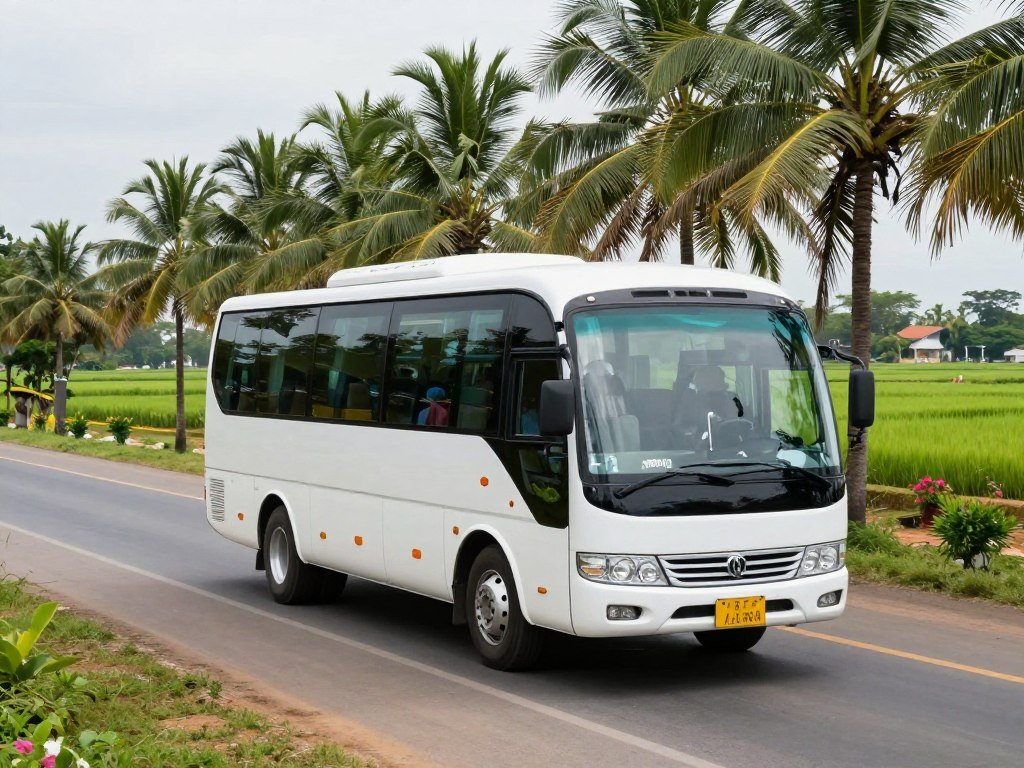
Buses typically depart Phnom Penh morning and early afternoon arriving Siem Reap before evening. The reverse journey follows similar schedules. Most companies include hotel pickup in Phnom Penh and drop-off at Siem Reap hotels eliminating separate transportation needs. Book at least one day ahead during peak season as popular departure times sell out. Online booking through company websites or aggregators like BookMeBus simplifies advance purchase.
Shared taxis and minivans offer faster alternatives covering the route in 4-5 hours. These services typically cost $10-15 per person departing when full with 4-7 passengers. Less predictable departure times and cramped conditions offset the time savings. Private taxi hire costs $80-100 allowing flexible departure timing and routing though this option makes financial sense only for groups of 3-4 people.
Boat services once operated between Phnom Penh and Siem Reap via Tonle Sap Lake. These services have largely ceased due to improved road infrastructure, extended journey times during dry season low water, and limited tourist interest. The rare remaining operators target tourists seeking adventurous travel rather than efficient transportation.
Getting Around Siem Reap and Temples
Siem Reap city remains walkable for central areas though temple visits require motorized transportation. Angkor Wat sits approximately 6 kilometers from city center with other temples spreading across much larger area. Multiple transportation options serve temple touring each suited to different preferences and budgets.
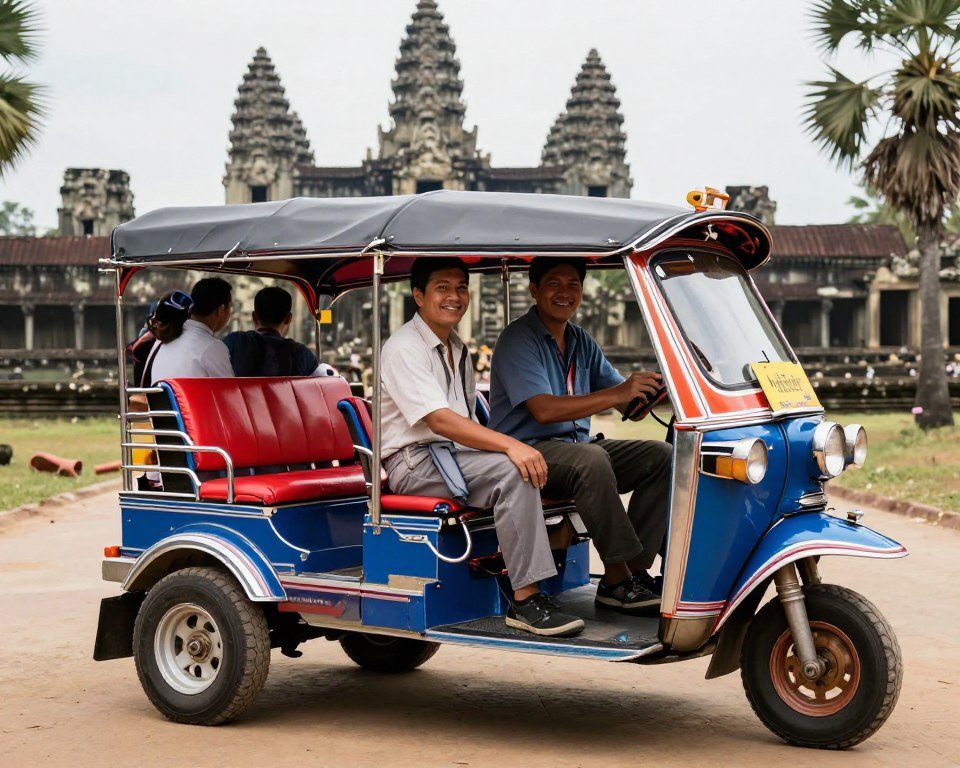
Tuk-tuks dominate temple transportation providing open-air touring with reasonable costs and local driver interaction. Daily hire runs $15-20 covering standard temple circuits with driver waiting at each temple. Drivers typically speak basic English and know temple routes. Negotiating daily rates before starting proves simpler than per-trip pricing. Many travelers hire the same driver for multiple days building rapport and receiving personalized service. Request driver contact information for future Siem Reap visits as many travelers return to Cambodia.
Bicycle rental suits adventurous and budget-conscious travelers comfortable with 20+ kilometer daily riding in tropical heat. Rental shops throughout Siem Reap charge $2-5 daily for basic bikes. The main temples sit on relatively flat terrain though distances between sites total significant kilometers. Cycling provides exercise, environmental benefits, and intimate countryside experiences. However, the heat and distances exceed many travelers’ fitness levels particularly during hot season. Electric bike rentals ($10-15 daily) reduce physical demands while maintaining cycling benefits.
Private car or SUV hire with driver costs $40-60 daily providing air-conditioned comfort valuable during hot season. Families and small groups find the per-person cost reasonable when shared among 3-4 people. The comfort advantage proves significant for full-day touring and reaching distant temples like Banteay Srei. However, tuk-tuks offer superior photography opportunities and atmospheric experiences compared to enclosed vehicles.
Motorbike rental allows independent exploration for confident riders comfortable with Cambodian traffic patterns. Daily rental costs $5-10 though international driving permits are technically required and accident liability concerns exist. Many travelers hire motorbikes despite legal gray areas. The flexibility and economy appeal to experienced riders though first-time visitors should consider safer transportation options given unfamiliar road conditions and left-side driving.
Where to Stay in Siem Reap: Hotels for Every Budget Near Angkor Wat
Siem Reap offers extensive accommodation ranging from budget hostels to luxury resorts. Strategic hotel location balances proximity to temples with access to Siem Reap’s restaurants, markets, and nightlife. Understanding neighborhood characteristics helps select ideal accommodations matching your priorities and budget.
Budget Accommodations in Siem Reap
Budget travelers find excellent value in Siem Reap’s competitive hostel and guesthouse market. Clean dormitory beds cost $3-8 nightly while private budget rooms run $10-20. Many budget properties cluster near Pub Street and Old Market providing easy walking access to restaurants and nightlife. These social accommodations facilitate meeting fellow travelers for temple tour groups or evening activities.
Mad Monkey Hostel anchors the backpacker social scene with large pool, bar, and organized activities. Dormitory beds and private rooms both available. The party atmosphere suits younger travelers though noise levels prevent restful sleep for some guests. Onederz Hostel offers similar social environment with slightly quieter reputation and central location steps from Pub Street.
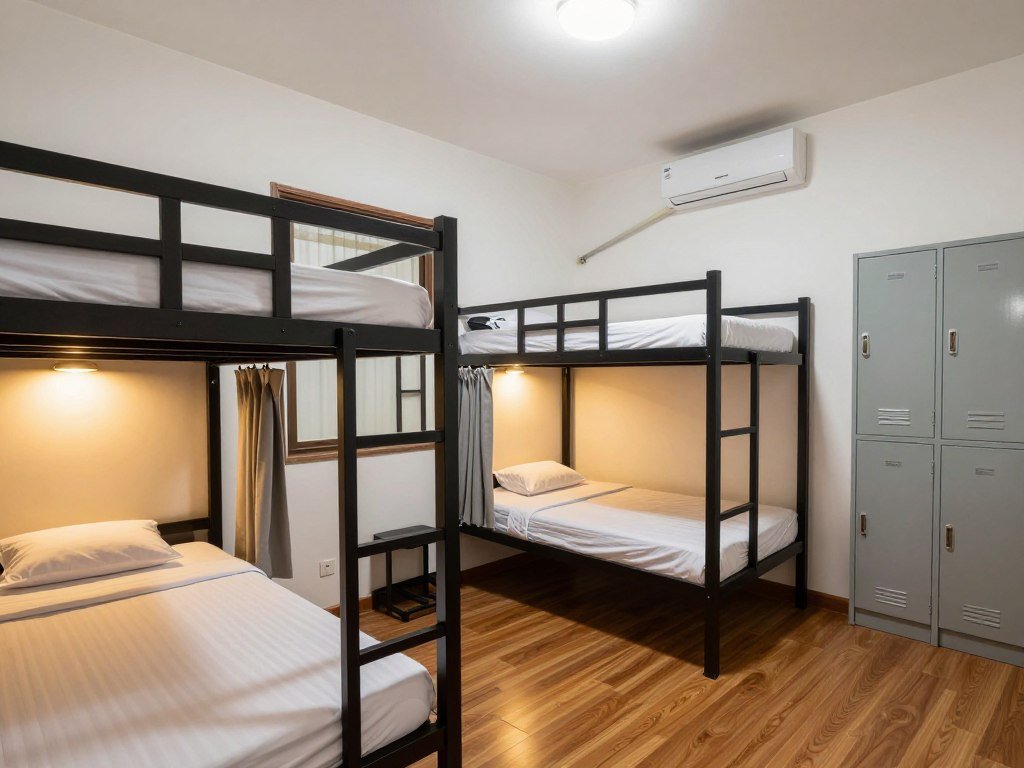
Two Dragons Guesthouse provides family-run hospitality with basic but clean private rooms near Old Market. The affordable rates and friendly owners create home-like atmosphere. The location allows walking to restaurants while maintaining quieter residential character compared to Pub Street properties. Similar budget guesthouses throughout Siem Reap offer comparable value with personal service absent from larger hostels.
Budget Stays (Under $25)
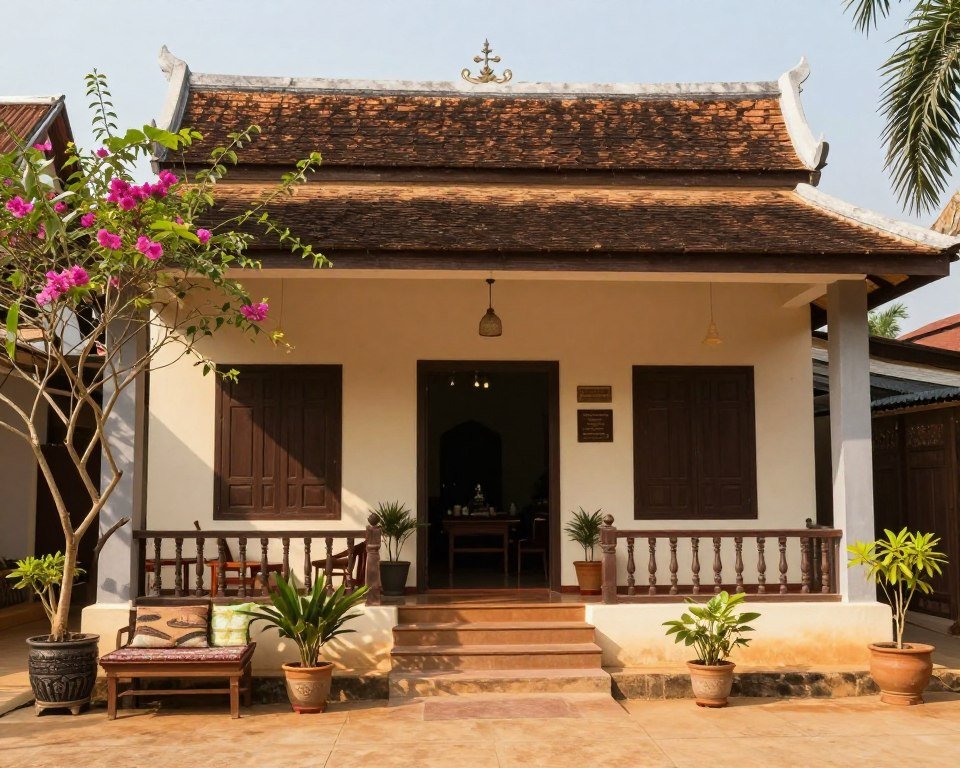
Hostels and guesthouses offering clean, comfortable budget accommodation. Social atmosphere, central locations near Old Market and Pub Street. Pool facilities, organized activities, and travel booking services. Perfect for backpackers and budget-conscious travelers seeking community.
- Dormitory and private room options
- Air conditioning and WiFi
- Central Siem Reap locations
- Social common areas and pools
- Tour booking assistance
Mid-Range Hotels ($25-80)
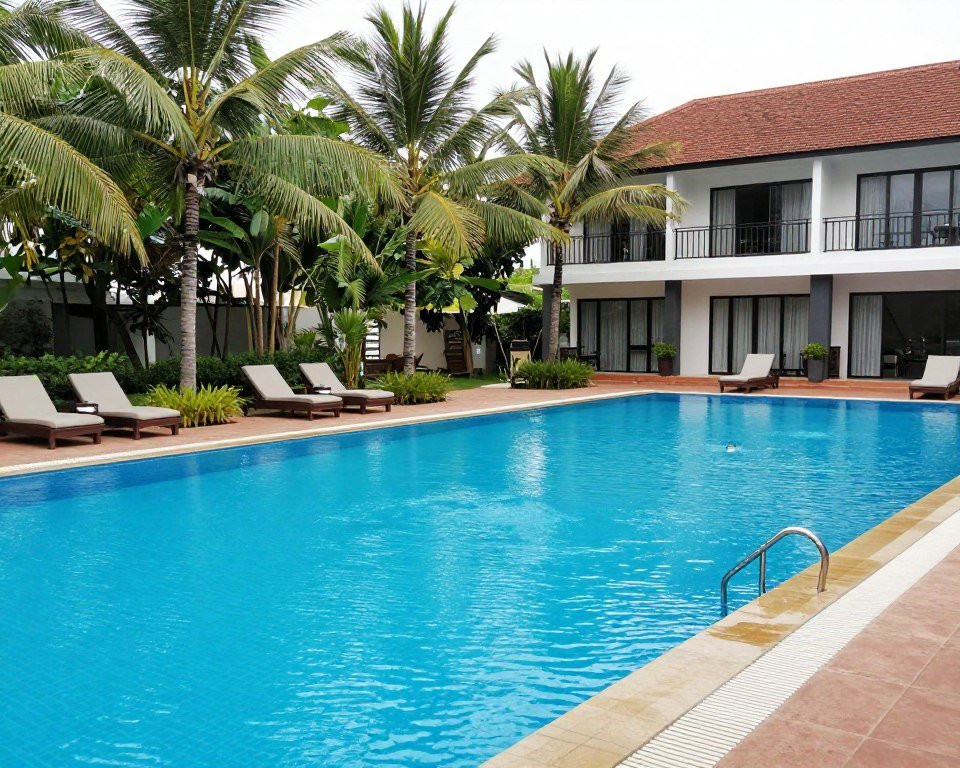
Comfortable three and four-star hotels with pools, restaurants, and full services. Blend of international standards with Khmer hospitality. Locations balancing temple proximity with neighborhood restaurants. Excellent value for couples and families seeking comfort without luxury prices.
- Swimming pools and restaurants
- Comfortable rooms with modern amenities
- Professional service and concierge
- Temple tour arrangements
- Good locations and transport access
Luxury Resorts ($80+)
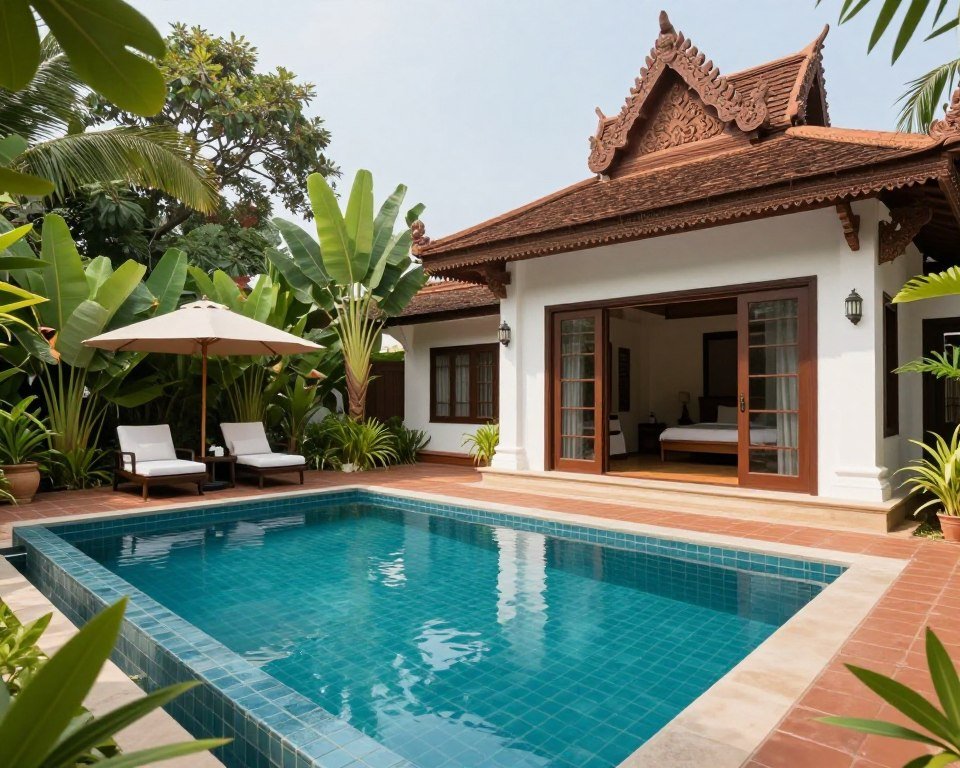
Five-star resorts and boutique hotels delivering exceptional experiences. Spa services, fine dining, infinity pools, and premium amenities. Khmer-inspired architecture with international luxury standards. Ideal for honeymoons, special occasions, and travelers prioritizing comfort after temple touring.
- Luxury amenities and services
- Spa and wellness facilities
- Fine dining restaurants
- Private temple tour arrangements
- Exceptional rooms and suites
Mid-Range Hotel Recommendations
Mid-range hotels in Siem Reap deliver impressive value with pools, restaurants, and comfortable rooms from $25-80 nightly. This category offers the best balance between comfort and cost for most travelers. Properties concentrate near Old Market, along river road, and in quieter residential areas north of city center.
Navutu Dreams Resort provides boutique experience with emphasis on wellness and sustainability. The eco-friendly property features pool, spa, and organic restaurant. Rooms blend Khmer aesthetics with modern comfort. The slightly removed location offers peaceful atmosphere while remaining easily accessible to temples and town. Complimentary bicycles encourage neighborhood exploration.
Memoire d’Angkor Boutique Hotel delivers colonial elegance near Old Market. The French-inspired architecture creates romantic atmosphere while modern amenities ensure comfort. Saltwater pool, attentive service, and included breakfast add value. The central location allows walking to restaurants while maintaining boutique intimacy absent from larger hotels.
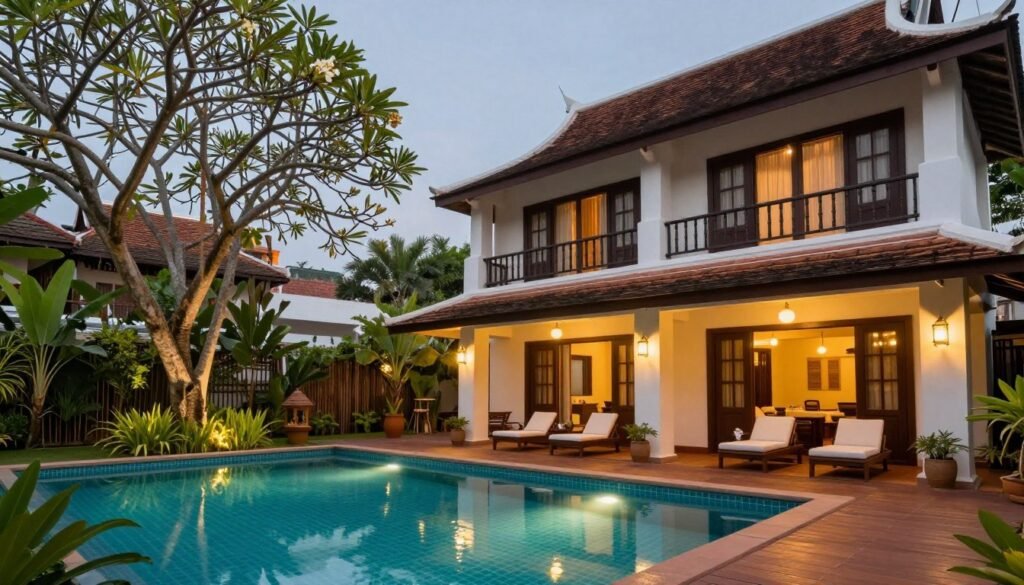
Lotus Blanc Resort offers Japanese-Khmer fusion design with zen garden aesthetics. Contemporary rooms surround peaceful pool area. The property sits slightly north of center providing quieter environment. The included Japanese breakfast differentiates from typical hotel buffets. Reasonable rates, attentive service, and artistic design create memorable stays.
Popular mid-range chains including Park Regis, Tara Angkor, and Golden Temple Residence provide reliable international standards. These properties suit travelers prioritizing predictable comfort over unique character. The professional service, consistent quality, and full amenities justify slightly higher rates within the mid-range category.
Luxury Resort Experiences
Siem Reap’s luxury resorts compete with Southeast Asia’s finest properties. These five-star establishments provide exceptional service, stunning design, comprehensive facilities, and rates from $80-500+ nightly. The luxury category suits honeymoons, special celebrations, and travelers who appreciate premium hospitality after long temple touring days.
Belmond La Résidence d’Angkor sets the luxury standard with colonial architecture surrounding lush gardens and pool. The property occupies prime location near Royal Residence. Spacious rooms feature handcrafted furniture and Khmer silk details. The spa, restaurants, and impeccable service create ultimate Siem Reap luxury experience. However, premium prices reflect the exceptional quality.
Park Hyatt Siem Reap delivers contemporary luxury with Art Deco influences. The centrally located property features outstanding spa, infinity pool, and multiple dining venues. Rooms blend modern design with Khmer artistic touches. The professional international service appeals to luxury travelers expecting consistent five-star standards. The residential neighborhood location provides quiet retreat steps from Old Market energy.
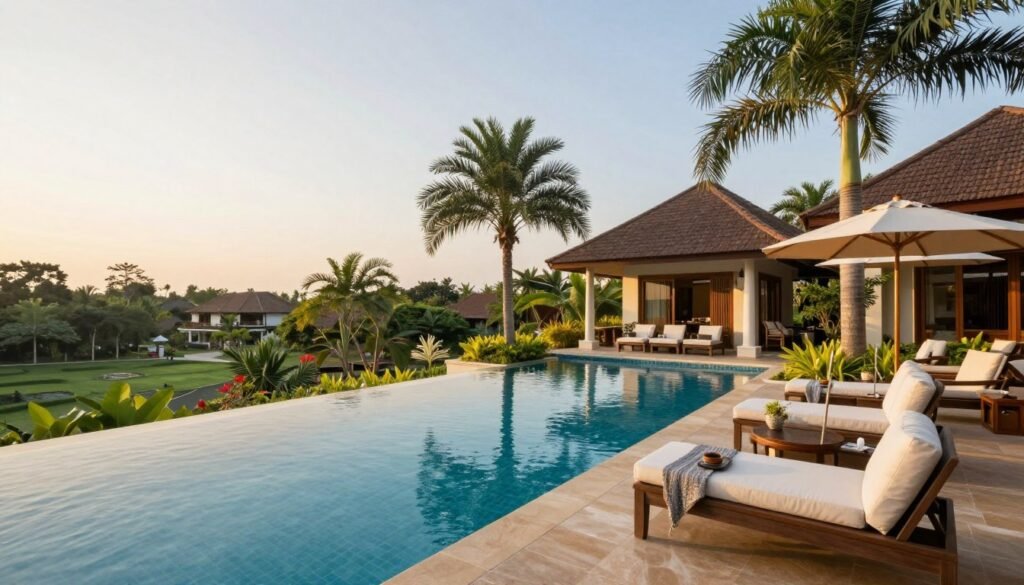
Phum Baitang showcases village-inspired luxury with traditional wooden villas across rice paddies. The resort recreates Cambodian rural village aesthetics while providing ultimate comfort. Private plunge pools, outdoor rain showers, and spacious villas create intimate luxury. The extensive grounds include organic gardens, spa, and multiple dining venues. The remote location requires transportation to temples and town though complimentary shuttle service operates regularly.
Heritage Suites Hotel emphasizes colonial elegance with antique furnishings and 1920s ambiance. Each suite features unique period décor. The intimate property limits guests creating exclusive boutique atmosphere. The central location, personalized service, and historical character attract travelers seeking distinctive luxury beyond standard five-star resorts.
Where to Eat in Siem Reap: Restaurants Near Angkor Temples
Siem Reap’s dining scene spans from street food stalls to fine dining establishments. Khmer cuisine combines influences from Thai, Vietnamese, and Chinese traditions creating distinct flavors. Understanding dining options helps you experience authentic Cambodian food while avoiding tourist trap mediocrity.
Traditional Khmer Cuisine Restaurants
Authentic Khmer restaurants showcase Cambodia’s culinary heritage through traditional recipes and local ingredients. These establishments range from simple family-run spots to upscale venues presenting refined versions of classic dishes. Essential Khmer dishes include fish amok (steamed fish curry in banana leaf), lok lak (stir-fried beef with sauce), and nom banh chok (Khmer noodles with curry).
Mahob Khmer Cuisine elevates traditional recipes to fine dining standards. The elegant restaurant occupies a restored colonial building. Chef Mengly creates innovative presentations while honoring authentic flavors. The tasting menu introduces diverse Khmer dishes prepared with premium ingredients and modern techniques. Prices reflect the upscale positioning though portions and quality justify the investment for food enthusiasts.
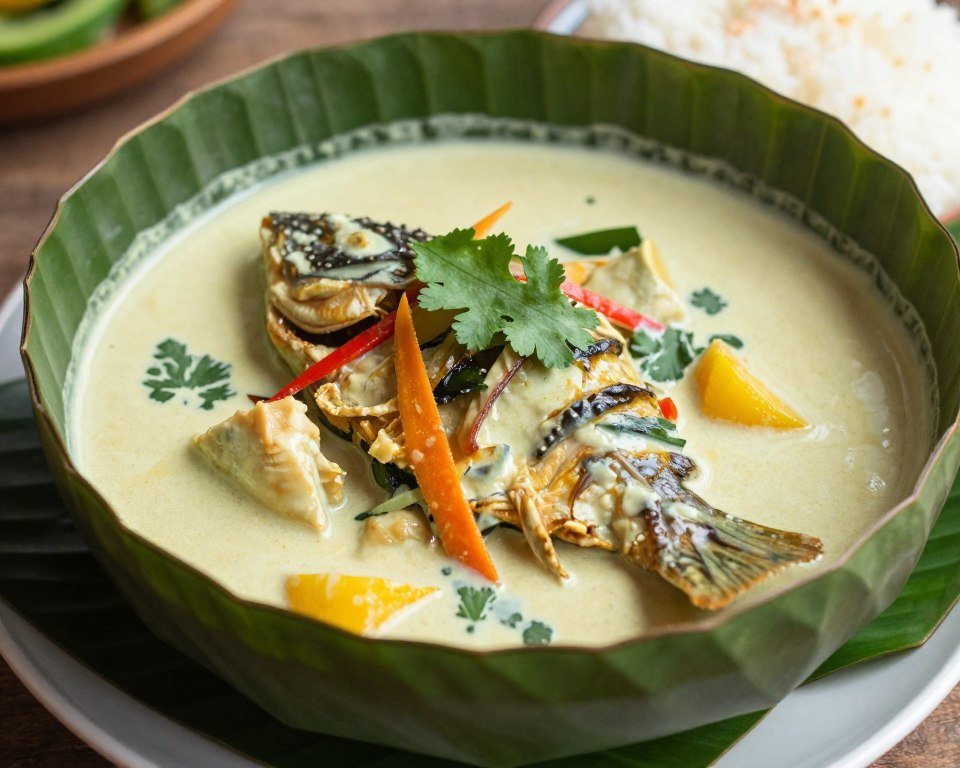
Chanrey Tree combines riverside setting with authentic Khmer recipes. The atmospheric restaurant serves generous portions of traditional favorites. The comprehensive menu allows sampling multiple dishes. Reasonable prices, pleasant location, and consistently good food make this popular choice for visitors seeking authentic Khmer dining without fine dining prices. Reservations recommended for riverside seating.
Marum restaurant trains disadvantaged youth in hospitality while serving excellent Khmer cuisine. The social enterprise model allows diners to enjoy quality food while supporting community development. The menu features creative presentations of traditional dishes with vegetarian options. The garden setting creates pleasant atmosphere. Profits fund training programs making every meal contribute to positive social impact.
Genevieve’s Restaurant offers home-style Khmer cooking in casual atmosphere. The family-run establishment focuses on authentic flavors rather than tourist-friendly modifications. The limited menu changes based on available ingredients. Prices stay remarkably affordable while quality exceeds expectations. The local clientele mixing with tourists indicates genuine authenticity. The simple setting and basic service contrast with fancier establishments but the food quality speaks for itself.
International and Fusion Dining
Siem Reap’s international restaurant scene caters to travelers seeking familiar cuisine or creative fusion concepts. The competitive market maintains quality standards while prices remain reasonable compared to Western countries. French colonial influence particularly shapes the dining landscape with numerous French restaurants and bakeries.
Cuisine Wat Damnak holds Michelin recognition for sophisticated Khmer-French fusion. Chef Joannès Rivière creates tasting menus showcasing Cambodian ingredients through French techniques. The intimate restaurant seats limited guests requiring advance reservations. The multi-course experience spans several hours with wine pairings available. This represents Siem Reap’s pinnacle dining experience for serious food enthusiasts.
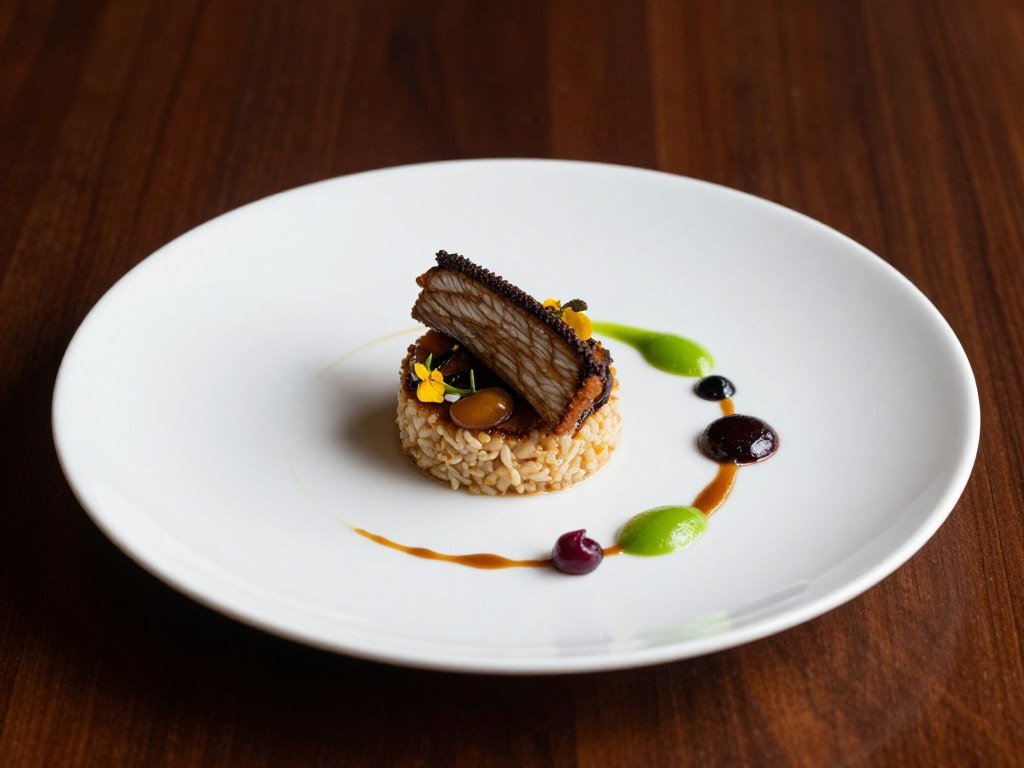
Viroth’s Restaurant delivers consistent quality across Khmer and international dishes. The elegant open-air setting features reflecting pools and modern design. The extensive menu allows diverse ordering from group dinners. The wine list exceeds most Siem Reap restaurants. Prices fall in mid-range though quality approaches fine dining standards. The professional service and reliable execution make this safe choice for important meals.
The Sugar Palm serves refined Khmer cuisine with some French influences. The cozy restaurant emphasizes quality ingredients and proper technique. The duck dishes particularly earn recommendations. Prices land in affordable mid-range. The cookbook by owner Kethana allows recreating favorite dishes at home. Popularity requires reservations for dinner service.
Pub Street and surrounding lanes concentrate bars and restaurants catering to tourist appetites. While convenient for location, many establishments prioritize volume over quality. However, gems exist among the mediocrity. Miss Wong cocktail bar creates atmospheric speakeasy environment with excellent cocktails. FCC Angkor serves reliable international cuisine in colonial building. Walking two blocks from Pub Street generally improves food quality while reducing prices.
Cafes, Bakeries, and Quick Meals
Siem Reap’s cafe culture provides excellent breakfast spots, working spaces, and light meal options. French-influenced bakeries produce outstanding pastries and bread. These establishments suit early morning temple preparation or afternoon recovery from heat exhaustion.
Brown Coffee dominates the Cambodian coffee shop market with locations throughout Siem Reap. The local chain serves quality coffee at reasonable prices with air-conditioned seating. Free WiFi and comfortable environment make this popular workspace. The breakfast sandwiches and pastries provide quick morning meals before temple touring.
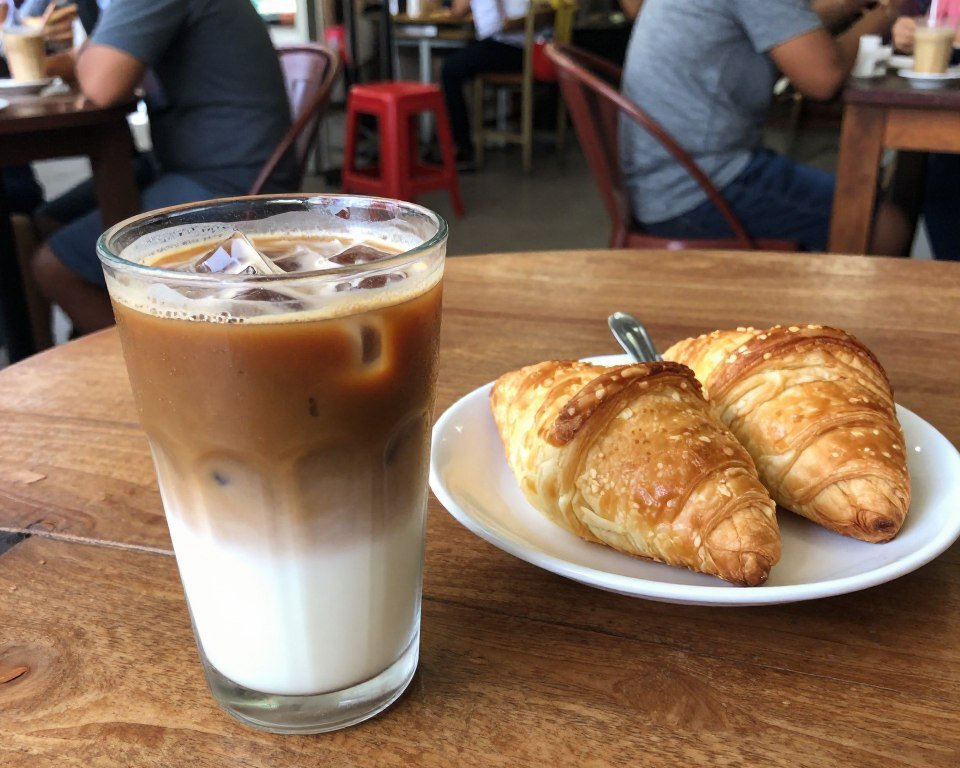
Sister Srey Cafe operates as social enterprise training young women while serving excellent coffee and healthy meals. The menu emphasizes fresh ingredients and vegetarian options. Profits support education and job training programs. The garden setting provides peaceful escape from bustling streets. The smoothie bowls and avocado toast appeal to health-conscious travelers.
Blue Pumpkin offers air-conditioned refuge with ice cream, pastries, and light meals. The bakery items meet international standards with proper French technique. The comfortable seating includes relaxing cushioned loft area. Multiple locations provide convenience. This makes ideal stop for cooling down between temples or rewarding children after morning touring.
Local markets including Old Market and Psar Leu provide authentic street food experiences. Vendors sell everything from fresh tropical fruits to grilled meats and noodle soups. The adventurous eater discovers incredible flavors at bargain prices. However, street food carries hygiene risks. Stick to busy stalls with visible cooking and avoid raw ingredients. The cultural experience and authentic flavors reward reasonable caution.
Must-Try Restaurants
• Mahob Khmer Cuisine – Fine dining traditional ($$$$)
• Cuisine Wat Damnak – Michelin-recognized fusion ($$$$)
• Chanrey Tree – Riverside Khmer cuisine ($$$)
• Viroth’s Restaurant – Modern Khmer-international ($$$)
• Marum – Social enterprise traditional ($$)
• Genevieve’s – Authentic home cooking ($)
Breakfast & Cafes
• Brown Coffee – Cambodian chain (multiple locations)
• Sister Srey Cafe – Social enterprise healthy meals
• Blue Pumpkin – Bakery and ice cream (air-conditioned)
• Common Grounds – Western breakfast
• The Little Red Fox – Espresso bar
• Bloom – Healthy bowls and smoothies
Quick & Casual
• Psar Leu Market – Local street food
• Khmer Kitchen – Affordable traditional
• Soup Dragon – Noodle soups
• Lucky Mall food court – Multiple options
• Swensen’s – Ice cream and desserts
• Local BBQ stalls – Evening street food
Practical Tips for Visiting Angkor Wat in 2026
Successful Angkor Wat visits require understanding practical matters from dress codes to photography ethics. These insider tips help you avoid common mistakes, respect local customs, and maximize your temple experiences while minimizing frustration.
Dress Code and Temple Etiquette
Angkor Wat and other major temples enforce dress codes reflecting religious site respect. Shoulders and knees must be covered for temple access. Tank tops, short shorts, and short skirts result in entry denial. Many visitors underestimate enforcement arriving inappropriately dressed. Checkpoint officials strictly apply rules without exceptions particularly at Angkor Wat’s upper terraces.
Lightweight long pants or knee-length skirts work well in tropical heat. Breathable fabrics dry quickly when sweat-soaked. Loose-fitting clothes allow air circulation preventing overheating. Women find long skirts or loose pants more comfortable than tight jeans during extensive temple climbing. Men’s cargo shorts reaching below knees sometimes pass inspection though full-length pants prove safer choice.
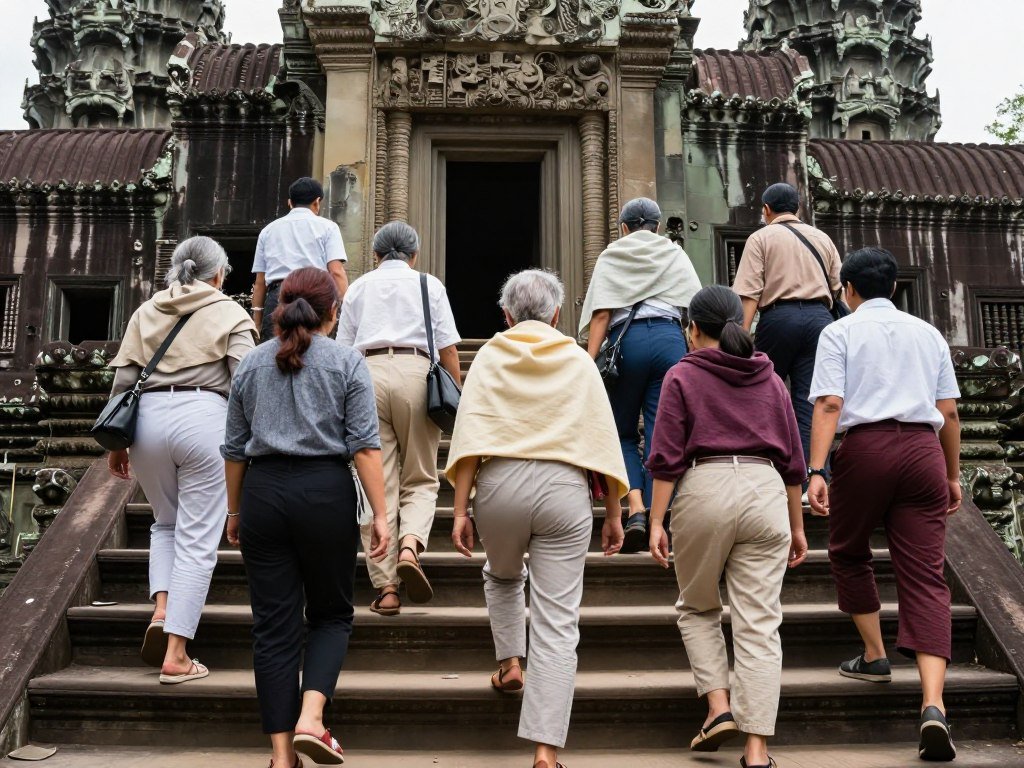
Shoulder coverage means no exposed shoulders whatsoever. Light long-sleeve shirts or shawls solve this requirement. Some visitors carry scarves wrapping around shoulders when entering temples then removing in outdoor areas for cooling. However, constantly managing clothing becomes tiresome. Wearing appropriate attire from morning start simplifies logistics.
Remove shoes when entering certain temple sanctuaries particularly those maintaining active worship. Signs indicate shoe removal requirements though not consistently. Following other visitors’ behavior provides guidance. Respectful behavior includes quiet voices, no climbing on fragile structures, and refraining from touching carved surfaces where oils from hands cause deterioration.
Photography Tips and Drone Restrictions
Angkor temples provide extraordinary photography opportunities though certain restrictions and ethical considerations apply. Professional cameras with large lenses attract no additional fees or permissions for personal use. However, commercial photography, videography with professional equipment, and drone usage require advance permits through APSARA Authority.
Sunrise photography at Angkor Wat demands strategic positioning. The famous reflection pond view fills completely during peak season. Arrive minimum 5:00 AM for decent positions or earlier during Christmas and New Year periods. Tripods work in designated areas though crowded conditions limit setup space. Scout alternative sunrise viewpoints for unique perspectives avoiding the crowded standard location.
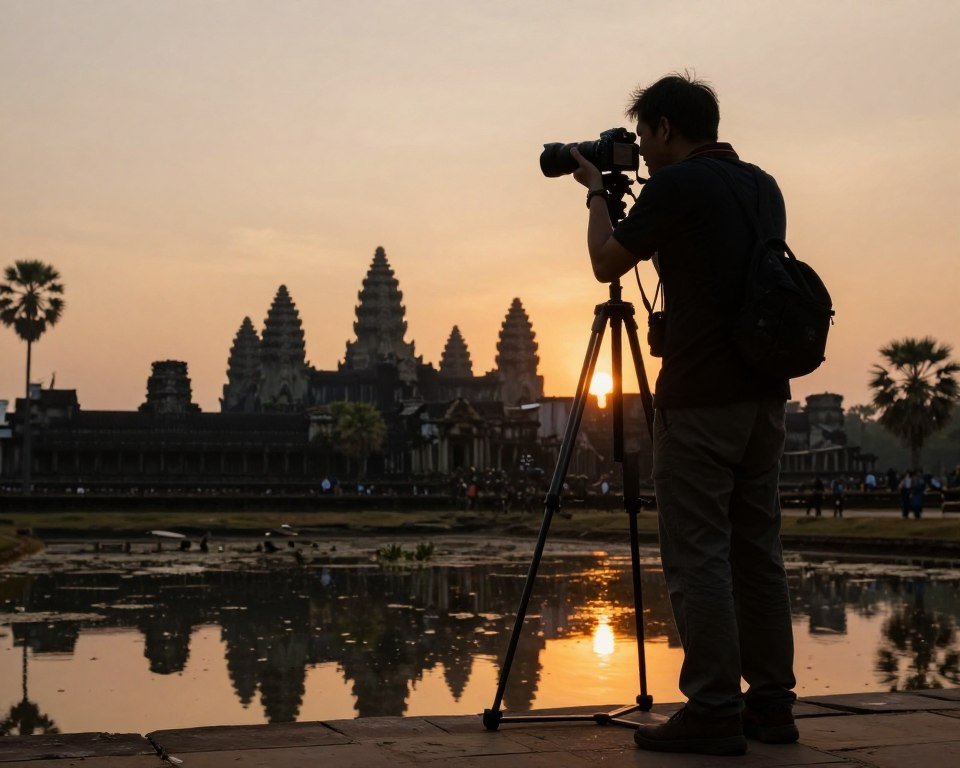
Midday harsh light creates challenging conditions though can work for dramatic high-contrast images. Cloudy days provide even lighting ideal for bas-relief photography where harsh shadows obscure carving details. Golden hour light before sunset paints temples in warm tones. Experiment with different lighting conditions if visiting across multiple days.
Respect creates better photography karma and experiences. Don’t ask monks to pose unless they indicate willingness. Avoid disruptive behavior blocking other visitors’ views. The “Instagram spot” mentality encouraging dangerous climbing or disrespectful behavior damages fragile structures and disrespects sacred sites. Photograph responsibly prioritizing preservation and respect over social media likes.
Drone flying is strictly prohibited across Angkor Archaeological Park without special permits rarely granted. Violators face fines and equipment confiscation. The restrictions protect both archaeological sites and visitor experiences. Respect these rules despite seeing occasional illegal drone footage online. Those images resulted from rule-breaking not special access.
Beating the Crowds and Heat
Angkor Wat’s popularity creates crowding challenges particularly during peak season and at famous locations. Strategic timing and temple selection minimize negative impacts from mass tourism. Very early morning visits before 8:00 AM find temples relatively empty as sunrise crowds disperse and tour groups haven’t arrived yet.
Midday temple visiting from 11:00 AM to 2:00 PM rewards heat-tolerant visitors with nearly empty temples. Most tourists retreat to air-conditioned hotels during peak heat. The solitude transforms experiences though physical demands increase significantly. Seeking shade, drinking abundant water, and taking cooling breaks makes midday touring manageable.
Late afternoon after 3:00 PM offers improving conditions as temperatures decrease slightly and morning tour groups depart. Sunset crowds concentrate at specific viewpoints leaving other temples peaceful. The softer light improves photography while heat becomes bearable. Staying until 5:30 PM site closing provides magical light without sunrise mob scenes.
Exploring less-visited temples dramatically reduces crowd frustration. While everyone visits Angkor Wat, Bayon, and Ta Prohm, dozens of significant temples receive minimal traffic. Banteay Samre, East Mebon, Pre Rup, and Neak Pean provide quality experiences without crowding. Balancing major highlights with obscure temples creates variety while avoiding constant tourist masses.
The heat poses serious challenges March through May when temperatures exceed 35°C (95°F) with stifling humidity. Hydration becomes critical requiring constant water consumption. Bring minimum 2-3 liters per person for full-day touring. Water bottles refill at temple entrance areas and restaurants though bringing adequate supply prevents dehydration emergencies.
Electrolyte replacement matters during extreme sweating. Coconut water sold throughout the park provides natural electrolytes. Oral rehydration salts from pharmacies prevent depletion. Recognizing heat exhaustion symptoms—dizziness, nausea, excessive thirst, headache—prevents medical emergencies. Retreat to shade immediately if symptoms develop. Don’t push through heat exhaustion as it progresses to dangerous heatstroke.
What to Bring for Temple Touring
Strategic packing enhances comfort during long temple touring days. Small backpack or daypack carries essentials without excessive weight. Hands-free carrying proves crucial when climbing steep temple stairs requiring handrail gripping. Shoulder bags shift uncomfortably during extended wearing while backpacks distribute weight evenly.
Essential Items
- Wide-brimmed sun hat with chin strap
- High SPF sunscreen (reapply frequently)
- Quality sunglasses with UV protection
- 2-3 liters water per person
- Temple pass and passport copy
- Appropriate modest clothing
- Comfortable walking shoes with grip
- Small flashlight for dark galleries
Recommended Additions
- Lightweight rain jacket (wet season)
- Hand sanitizer and wet wipes
- Insect repellent (forested temples)
- Energy snacks (bananas, nuts, bars)
- Portable phone charger
- Small first aid kit
- Guidebook or downloaded maps
- Camera with extra batteries/cards
Quality footwear prevents injuries during extensive walking and stair climbing on uneven ancient surfaces. Running shoes or hiking sandals with good tread provide necessary support and grip. Fashion sandals or flip-flops cause blisters and provide inadequate support. The marble surfaces become slippery when wet requiring proper traction especially during wet season.
Health and Safety Considerations
Cambodia poses minimal safety risks for tourists with violent crime against visitors extremely rare. However, health precautions prevent common travel illnesses. Drink only bottled water avoiding ice in restaurants unless confident of source. The tap water throughout Cambodia contains pathogens causing digestive distress in unaccustomed visitors.
Dengue fever transmitted by daytime-biting mosquitoes presents the primary health risk. No vaccine exists requiring prevention through insect repellent containing DEET. Apply repellent to exposed skin particularly ankles and feet where mosquitoes bite. Lightweight long clothing provides additional protection. Dengue causes severe flu-like symptoms requiring medical attention if suspected.

Comprehensive travel insurance covering medical emergencies proves essential. Quality care exists in Siem Reap though serious conditions may require evacuation to Bangkok or Singapore. Insurance policies should cover emergency evacuation costs potentially exceeding $50,000. Medical tourism infrastructure means decent healthcare access though insurance prevents catastrophic costs.
Food hygiene awareness prevents common travelers’ diarrhea. Stick to busy restaurants with visible food preparation. Avoid raw vegetables unless confident of washing procedures. Street food from popular busy stalls generally proves safe while empty restaurants raise quality questions. The “cook it, peel it, or forget it” rule provides basic guidance though limits culinary exploration.
Angkor Archaeological Park Map and Temple Locations
Understanding the Angkor Archaeological Park’s vast layout helps plan efficient temple touring routes. This interactive map shows major temple locations, distances, and suggested circuits. Use this visualization to grasp the geographic relationships between temples and plan logical touring sequences avoiding excessive backtracking.
Interactive map of Angkor Archaeological Park showing locations of Angkor Wat, Angkor Thom complex with Bayon temple, Ta Prohm, Banteay Srei, Preah Khan, Pre Rup, and other significant temples. Includes small circuit (red), grand circuit (blue), and routes to outlying temples mentioned in this guide.
Your Angkor Wat Journey Begins
Angkor Wat stands as humanity’s architectural and spiritual achievement transcending simple tourism. Walking beneath towers that have watched centuries pass connects you to the Khmer Empire’s glory and the countless pilgrims who journeyed here across ages. The stones whisper stories of kings and conquered kingdoms, devoted monks and skilled artisans who carved divine narratives into sandstone.
The temple complex rewards those who approach with curiosity beyond Instagram checklist mentality. Each visit reveals new details—a previously unnoticed carving, unexpected play of light across ancient stones, or quiet moment of solitude in a forgotten gallery. The site’s immensity ensures multiple visits never exhaust its possibilities. Many travelers return repeatedly finding fresh perspectives each time.
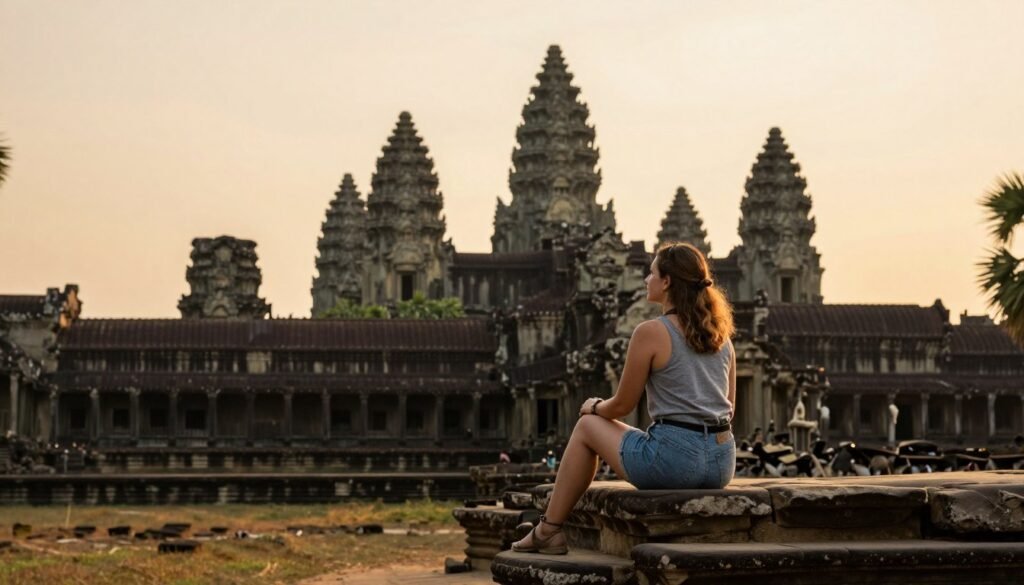
Cambodia welcomes visitors warmly though past tragedies shadow the present. The Khmer Rouge genocide claimed up to two million lives in the late 1970s. Tourism revenue directly benefits Cambodians rebuilding their nation. Your respectful visit, local purchases, and cultural engagement contribute positively to communities surrounding Angkor. Travel thoughtfully recognizing privilege and impact.
The temples face ongoing conservation challenges balancing preservation with tourism access. Climate change threatens through temperature extremes and weather pattern changes. Your conduct matters—following rules, staying on designated paths, and avoiding touching fragile carvings helps preserve these monuments for future generations. We inherit these treasures temporarily as stewards not owners.
Angkor Archaeological Park extends far beyond what any single visit comprehends. The hundreds of temples each deserve focused attention. The sophisticated water management systems reveal urban planning genius. Ongoing excavations continually discover new structures rewriting understanding of Khmer civilization. Scholars spend careers studying single temples finding endless research questions.
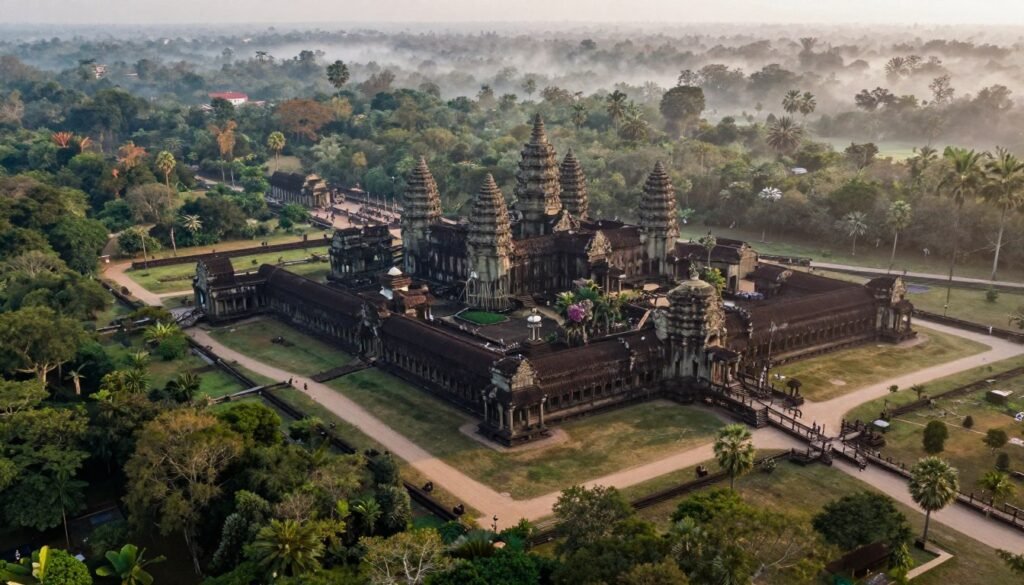
Your Angkor Wat travel guide journey concludes but your actual exploration preparation begins. Armed with comprehensive information about temple significance, practical visiting strategies, and respectful approaches, you’re ready to experience these architectural marvels fully. The ancient stones, enigmatic faces, intricate carvings, and sacred spaces await your discovery.
Whether watching sunrise paint Angkor Wat’s towers orange and gold, getting pleasantly lost in Ta Prohm’s tree-covered galleries, decoding the Bayon’s mysterious smiling faces, or finding your own quiet temple away from crowds, Angkor works its magic on every visitor. The combination of artistic achievement, historical significance, architectural genius, and spiritual atmosphere creates experiences that transform casual travel into profound cultural encounters.
The Khmer Empire built monuments transcending their era speaking across centuries to modern visitors. We stand in their shadows both literally and figuratively. Let the visit inspire curiosity about Cambodia’s broader culture, history, and contemporary life. Extend your journey beyond temples to engage with Cambodian people, sample authentic cuisine, and understand the nation rebuilding after tremendous hardship.
Your Angkor Wat adventure awaits in 2026. The temples have endured centuries and await your arrival. May your journey through these sacred spaces prove as rewarding as the countless pilgrims who came before. Journey well through the archaeological wonders of Angkor. អរគុណ (thank you) for approaching these treasures with respect and curiosity.
Download Your Complete Angkor Wat Temple Planning Guide 2026
Get instant access to our comprehensive 65-page Angkor Wat planning guide PDF. Includes detailed temple location maps with GPS coordinates, three optimized touring itineraries, sunrise photography guide with camera settings, comprehensive temple descriptions, historical context, crowd-avoidance tactics, hotel and restaurant directory, transportation guide, packing checklists, and budget planning spreadsheets. Everything needed to plan your perfect Angkor Wat journey in one complete resource trusted by thousands of travelers.