

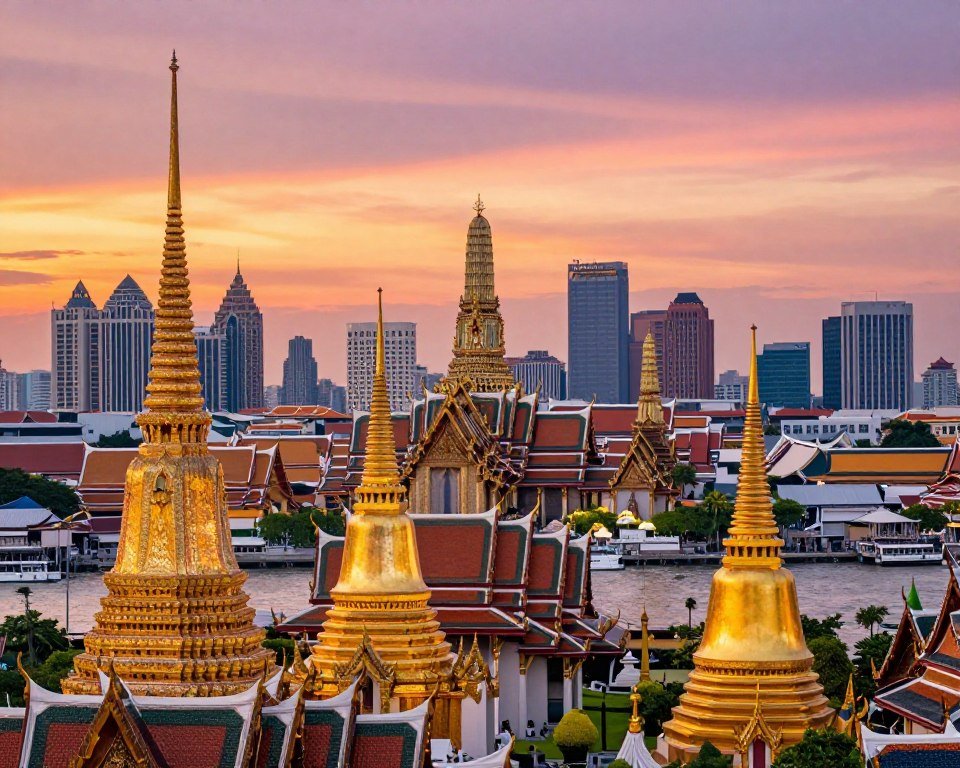
This carefully crafted 10-day Thailand itinerary takes first-time visitors through the country’s essential highlights. You will explore Bangkok’s energetic streets, discover Chiang Mai’s cultural treasures, and unwind on world-famous island beaches.
Each day is designed to balance sightseeing with relaxation, providing enough time to truly experience Thailand’s unique culture. Clear transportation instructions, specific hotel recommendations, and authentic food suggestions remove the guesswork from your planning.
Why This 10-Day Thailand Itinerary Works for First-Timers
Ten days provides the ideal timeframe for experiencing Thailand’s diversity without rushing. This itinerary hits three distinct regions that showcase different aspects of Thai culture, geography, and lifestyle.
Bangkok serves as your introduction to Thailand’s energy and complexity. Three days allows deep exploration of royal palaces, floating markets, and street food culture. The city’s excellent transportation network makes navigation straightforward for newcomers.
Chiang Mai offers a complete contrast with its laid-back atmosphere and mountain setting. Three days here reveals Thailand’s spiritual side through temple visits, traditional crafts, and interactions with hill tribe communities. The slower pace provides welcome respite after Bangkok’s intensity.
The final segment dedicates three days to island life in Phuket and Phi Phi. Crystal-clear waters, limestone cliffs, and beach relaxation create the tropical paradise experience most travelers envision. This sequence builds from urban exploration to nature immersion, creating a satisfying narrative arc.
What Makes This Route Optimal
Geographic Logic
The route follows a natural north-to-south progression that minimizes backtracking. Flying into Bangkok, traveling north to Chiang Mai, then south to the islands creates efficient movement through the country.
Each destination sits 1-2 hours apart by plane, making transitions manageable. Domestic flights are affordable and frequent, eliminating marathon bus journeys that consume valuable vacation time.
Experience Diversity
Balancing three different environments prevents monotony while showcasing Thailand’s range. You experience mega-city energy, mountain tranquility, and beach relaxation in equal measure.
Cultural experiences, outdoor adventures, and leisure time appear throughout the itinerary. This variety suits different travel styles and keeps every day feeling fresh and engaging.
First-Timer Advantages
- Covers Thailand’s most iconic destinations without attempting too much
- Includes buffer time for jet lag recovery and unexpected discoveries
- Focuses on areas with good English signage and tourist infrastructure
- Builds cultural understanding gradually before more authentic rural experiences
- Allows flexibility to adjust based on energy levels and interests
- Creates opportunities to meet other travelers in popular areas
Best Time to Visit Thailand: Planning Your 10-Day Trip
Thailand experiences three distinct seasons that dramatically affect your travel experience. Understanding weather patterns helps you plan activities and set realistic expectations for each destination.
The dry season from November through February offers ideal conditions across most of Thailand. Temperatures remain comfortable, rainfall is minimal, and humidity stays manageable. This period represents peak tourist season with higher prices and larger crowds.
Thailand’s Three Seasons
| Season | Months | Weather Conditions | Advantages | Disadvantages |
| Cool & Dry | November – February | 25-32°C, low humidity, minimal rain | Perfect beach weather, comfortable temple visits, excellent visibility | Highest prices, crowded attractions, advance booking required |
| Hot Season | March – May | 30-40°C, very dry, intense sun | Lower accommodation rates, fewer tourists, vibrant Songkran festival in April | Extreme heat exhaustion risk, uncomfortable midday activities |
| Rainy Season | June – October | 25-33°C, high humidity, afternoon downpours | Lowest prices, lush landscapes, shorter tourist lines | Beach activities disrupted, some islands inaccessible, flooding possible |
Regional Weather Variations
Thailand’s different regions experience weather patterns on slightly different schedules. These variations matter when planning which destinations to visit during specific months.
Bangkok & Central Thailand
Follows the standard three-season pattern closely. November through February offers the most comfortable conditions. March through May brings oppressive heat. June through October sees daily afternoon rain showers.
Best months: November, December, January, February
Chiang Mai & Northern Thailand
Cooler temperatures than Bangkok year-round due to elevation. December and January can be surprisingly chilly in evenings. March through May suffers from agricultural burning creating smoky haze.
Best months: November, December, January (avoid March-April smoke season)
Phuket & Andaman Coast
Wet season runs May through October with September-October seeing heaviest rainfall. Seas can be rough during this period with some boat services suspended. November through April offers excellent beach conditions.
Best months: December, January, February, March
Shoulder Season Sweet Spot: Late October and early November offer excellent value as rainy season ends but peak season hasn’t begun. Weather improves dramatically while prices remain moderate and crowds stay manageable.
Days 1-3: Bangkok – The Gateway to Thailand
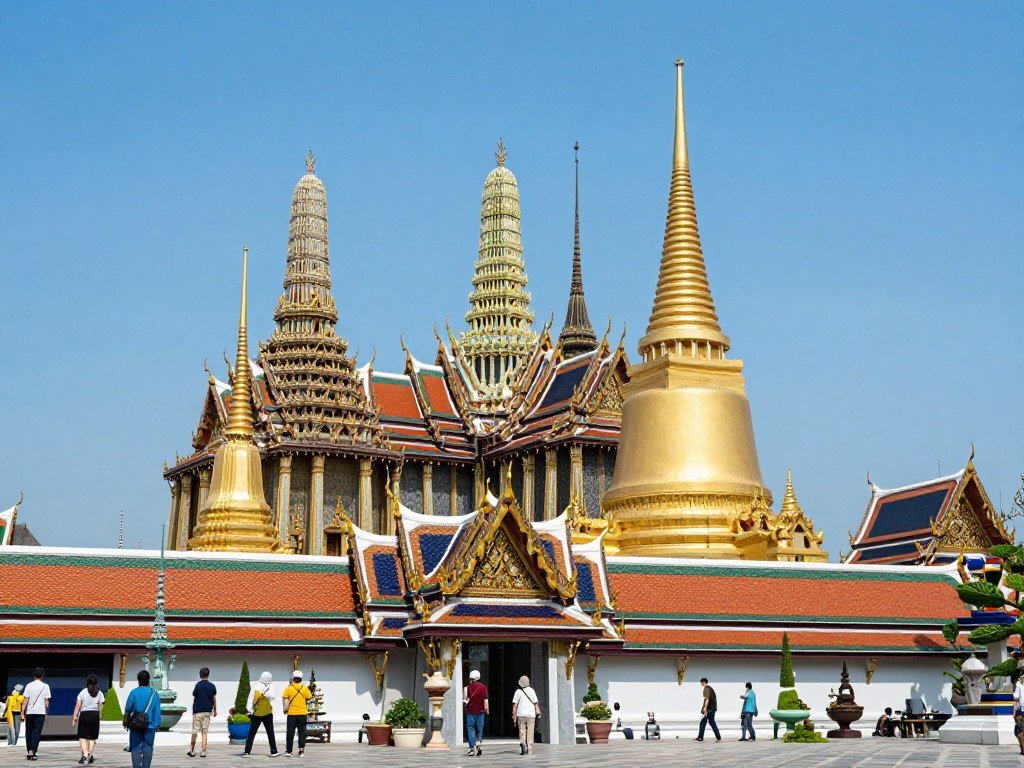
Bangkok serves as your introduction to Southeast Asia’s energy and chaos. The city overwhelms at first with its traffic, heat, and constant motion. But within hours, the organized chaos reveals itself as an exciting backdrop to incredible food, ornate temples, and friendly locals.
Three days provides sufficient time to experience Bangkok’s essential attractions while leaving room for spontaneous discoveries. The city divides into distinct neighborhoods, each offering different atmospheres and experiences.
Day 1: Arrival and River Exploration
Most international flights arrive at Suvarnabhumi Airport in the morning or afternoon. After clearing immigration and collecting luggage, head directly to your hotel to drop bags and refresh.
- Morning/Afternoon – Airport to Hotel: Take the Airport Rail Link to Phaya Thai station (45 minutes, 45 THB), then connect to BTS Skytrain to reach your hotel area. Alternatively, grab a metered taxi (45-60 minutes depending on traffic, 300-400 THB including tolls).
- Late Afternoon – Chao Phraya River Orientation: Head to Saphan Taksin BTS station and take the Chao Phraya Express Boat. The orange flag boat costs 15 THB and stops at major piers. Ride to Tha Maharaj pier and walk around the area, getting your first glimpse of Wat Arun across the river.
- Evening – Asiatique Riverfront: Return via express boat to Asiatique (last stop). This open-air mall built in a restored warehouse complex offers riverside dining, shopping, and a giant Ferris wheel with Bangkok views. Dinner here introduces you to Thai cuisine in a comfortable tourist-friendly setting.
Day 2: Grand Palace and Old Bangkok
Dedicate your second day to Bangkok’s historic heart. Start early to beat crowds and heat at the Grand Palace complex.
- 8:00 AM – Grand Palace Complex: Arrive right at opening to experience Wat Phra Kaew (Temple of the Emerald Buddha) and the Grand Palace before tour groups arrive. Entry costs 500 THB and includes several buildings. Dress modestly with covered shoulders and knees. Allow 2-3 hours for thorough exploration.
- 11:00 AM – Wat Pho: Walk 10 minutes south to visit the Temple of the Reclining Buddha. The 46-meter gold-plated statue dominates the main hall. Entry costs 200 THB. The temple complex also houses Thailand’s most respected traditional massage school if you want a treatment.
- 1:00 PM – Lunch in Old Town: Try Thip Samai for famous pad thai (cash only, 50-120 THB per dish) or explore the street food stalls around Democracy Monument. Sample mango sticky rice, fresh coconut water, and grilled meat skewers.
- 3:00 PM – Wat Arun: Cross the river by ferry from Tha Tien pier (5 THB) to visit the Temple of Dawn. Climb the steep central prang for river views. Entry costs 100 THB. The temple is particularly beautiful during late afternoon when sunlight hits the porcelain-decorated spires.
- Evening – Khao San Road or Chinatown: Experience Bangkok nightlife at backpacker haven Khao San Road or explore Chinatown’s night markets. Yaowarat Road in Chinatown transforms into a street food paradise after sunset, offering seafood, noodles, and desserts at folding tables.
Day 3: Modern Bangkok and Markets
Your final Bangkok day explores modern neighborhoods and unique market experiences.
- 7:00 AM – Damnoen Saduak Floating Market: Book a half-day tour (around 800-1200 THB) or arrange private transport (1.5 hours from Bangkok). Paddle boats navigate canals selling fresh produce, cooked food, and souvenirs. Arrive early before the heat and crowds intensify. Alternative: Visit closer Amphawa Floating Market if you prefer to stay near Bangkok.
- 1:00 PM – Shopping at Siam Square: Return to Bangkok and explore the Siam area’s mega malls. MBK Center offers electronics and local products at negotiable prices. Siam Paragon caters to luxury shoppers. Check out Terminal 21 for its airport-themed floors representing different world cities.
- 4:00 PM – Jim Thompson House: Tour the teak house museum showcasing Thai silk merchant Jim Thompson’s art collection. Entry costs 200 THB with mandatory guided tours every 20 minutes. The tropical garden provides peaceful escape from city chaos.
- Evening – Rooftop Bar and Sky Train Night Market: Watch sunset from one of Bangkok’s famous rooftop bars. Sky Bar at Lebua State Tower or Octave Rooftop Bar offer stunning views (expect 300-500 THB for drinks). Finish the evening at Talad Rot Fai night market (accessible via taxi, open Thursday-Sunday) for vintage goods, street food, and live music.
Essential Bangkok Attractions Summary
Temple Highlights
- Grand Palace – Royal compound with Emerald Buddha
- Wat Pho – Massive reclining Buddha statue
- Wat Arun – Iconic riverside temple
- Wat Traimit – Golden Buddha temple in Chinatown
Market Experiences
- Chatuchak Weekend Market – 15,000 stalls
- Damnoen Saduak – Classic floating market
- Talad Rot Fai – Vintage night market
- Maeklong Railway Market – Train passes through stalls
Modern Attractions
- Rooftop bars – Sky Bar, Vertigo, Octave
- Siam shopping district – Multiple mega malls
- Jim Thompson House – Thai silk museum
- Asiatique – Riverside shopping complex
Get Your Free Bangkok Neighborhood Guide
Download our detailed Bangkok area guide with neighborhood maps, recommended hotels, restaurant suggestions, and money-saving tips. Includes offline-friendly PDF maps you can access without internet connection during your trip.
Transportation Guide: Bangkok to Chiang Mai
Traveling from Bangkok to Chiang Mai offers several options ranging from quick flights to scenic overnight trains. Your choice depends on budget, time constraints, and desired experience.
Flight Option – Fastest Route
Flying represents the quickest and most convenient way to reach Chiang Mai from Bangkok. Multiple airlines operate this popular domestic route with 15-20 flights daily.
Flight Details
- Duration: 1 hour 20 minutes actual flight time
- Total journey time: 3-4 hours including airport procedures
- Airlines: Thai Airways, Bangkok Airways, AirAsia, Thai Lion Air, Nok Air
- Price range: 800-3500 THB depending on booking time and airline
- Departure airport: Don Mueang (domestic) or Suvarnabhumi
- Arrival airport: Chiang Mai International Airport
Booking Tips
- Book 2-3 weeks ahead for best prices
- Morning flights (6-9 AM) often cost less
- Budget carriers charge for luggage and seat selection
- Check which Bangkok airport your flight departs from
- Download airline apps for mobile boarding passes
- Compare prices across multiple booking sites
Overnight Train – Scenic Experience
The overnight train provides an authentic Thai experience while saving on one night’s accommodation. Sleeper cars convert seats into beds, letting you wake up in Chiang Mai.
| Train Class | Description | Price Range | Comfort Level |
| 2nd Class AC Sleeper | Upper and lower berths with curtains, air conditioning, clean sheets | 600-900 THB | Good – Most popular choice for tourists |
| 2nd Class Fan Sleeper | Similar to AC but with fans instead, windows can open | 400-600 THB | Basic – Can be hot during warm months |
| 1st Class Sleeper | Private cabin with two beds, sink, more space | 1200-1500 THB | Excellent – Best sleep quality |
| 3rd Class Seats | Hard benches, no sleeper conversion, very basic | 200-300 THB | Challenging – Only for budget travelers willing to sacrifice comfort |
Trains depart Bangkok’s Hua Lamphong Station around 6:00 PM and arrive in Chiang Mai between 7:00-9:00 AM. Book tickets through the official 12go.asia website or in person at the station. Popular travel dates sell out weeks in advance.
Bus Option – Budget Alternative
Government and private buses connect Bangkok to Chiang Mai throughout the day and night. VIP buses offer reclining seats, blankets, and onboard toilets for longer journeys.
- Duration: 9-11 hours depending on route and stops
- Price: 400-800 THB for VIP buses with amenities
- Departure: Mo Chit Northern Bus Terminal (Bangkok)
- Arrival: Arcade Bus Station (Chiang Mai)
- Best for: Extremely tight budgets or those who enjoy bus travel
- Drawback: Long journey with minimal legroom and sleep difficulties
Recommendation for First-Timers: Book a morning or early afternoon flight between Bangkok and Chiang Mai. The time saved over train or bus allows an extra half-day exploring either city. Flight prices typically cost only 200-400 THB more than trains when booked in advance, making them excellent value for the convenience gained.
Route from Bangkok to Chiang Mai showing major cities and transportation connections along the way
Days 4-6: Chiang Mai – Cultural Heart of Northern Thailand
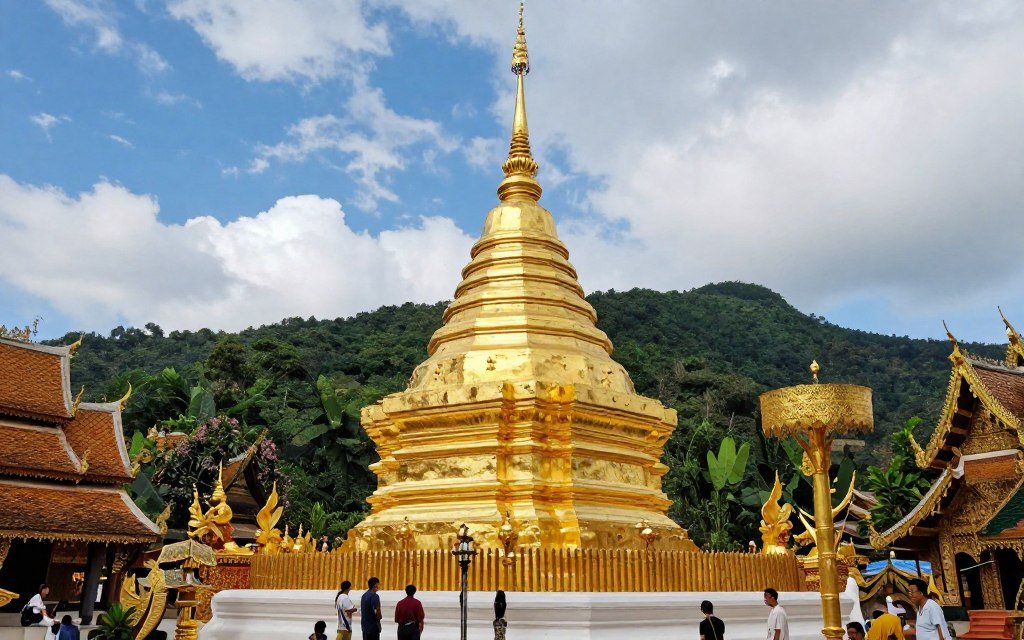
Chiang Mai offers complete contrast to Bangkok’s intensity. This northern city surrounds you with mountains, ancient temples, and traditional Thai culture. The pace slows dramatically, allowing deeper cultural immersion and connections with locals.
Three days in Chiang Mai balances temple visits, outdoor adventures, and craft experiences. The old city within the moat contains dozens of temples within walking distance. Modern cafes and restaurants fill the trendy Nimman neighborhood. Night markets provide evening entertainment and shopping opportunities.
Day 4: Old City Temples and Cultural Immersion
Spend your first Chiang Mai day exploring the historic old city on foot or by bicycle. The square-shaped area within the moat packs remarkable concentration of temples and traditional architecture.
- 9:00 AM – Wat Phra Singh: Start at one of Chiang Mai’s most revered temples, featuring classic Lanna-style architecture. The main viharn contains a highly venerated Buddha image. Entry is free with proper dress. Spend time observing morning rituals and quiet meditation.
- 10:30 AM – Wat Chedi Luang: Walk 10 minutes to this temple housing a massive partially-ruined chedi from 1441. The enormous structure once held the Emerald Buddha now in Bangkok. Monk Chat programs run daily 1-5 PM, offering chances to practice English with Buddhist monks and learn about their lives.
- 12:00 PM – Lunch Near Three Kings Monument: Sample khao soi, Chiang Mai’s signature curry noodle dish, at a local restaurant. Khao Soi Khun Yai serves excellent versions for 40-60 THB. The coconut curry broth with both crispy and soft noodles defines northern Thai cuisine.
- 2:00 PM – Thai Cooking Class: Join an afternoon cooking class to learn preparing authentic Thai dishes. Classes cost 800-1500 THB and include market visits, hands-on cooking instruction, and eating your creations. Top schools include Thai Farm Cooking School and Basil Cookery School.
- Evening – Sunday Walking Street: If your visit falls on Sunday, experience the massive walking street market along Rachadamnoen Road. The entire old city transforms into a pedestrian market from 4 PM to midnight. Hundreds of vendors sell handicrafts, street food, and local products. Saturday night offers a similar market on Wua Lai Road.
Day 5: Doi Suthep and Nature
Dedicate day five to Chiang Mai’s natural surroundings and its most important temple perched on a mountain.
- 8:00 AM – Wat Phra That Doi Suthep: Hire a songthaew (red pickup truck taxi) from old city to the mountain temple (round trip 200-300 THB per person, 40 minutes each way). Climb 306 steps to the golden temple complex offering panoramic city views. Arrive early before tour groups. Entry costs 30 THB for foreigners.
- 10:30 AM – Bhubing Palace Gardens: Continue 15 minutes past Doi Suthep to the royal winter palace gardens (if open – check schedule as it closes during royal visits). Beautiful landscaping and temperate climate gardens showcase plants thriving in mountain conditions. Entry 100 THB.
- 1:00 PM – Lunch at Mountain Restaurant: Eat lunch at one of the restaurants near Doi Suthep with valley views. Palad Tawanron serves Thai dishes with spectacular scenery. Return to city center by mid-afternoon.
- 3:00 PM – Elephant Nature Park: Spend the afternoon at this ethical elephant sanctuary where rescued elephants roam freely. Half-day visits cost around 2500 THB including transportation, lunch, and guided experience. You observe, feed, and walk alongside elephants in natural habitat without riding or exploitation. Book several days ahead as spaces fill quickly.
- Evening – Nimman Road: Explore the trendy Nimman neighborhood filled with boutique hotels, international restaurants, and hip cafes. This area attracts creative professionals, digital nomads, and young Thais. Dinner options range from innovative Thai fusion to international cuisines.
Day 6: Day Trip to Pai or Handicraft Villages
Your final Chiang Mai day offers two main options depending on your interests.
Option A: Full Day Trip to Pai
The mountain town of Pai sits 3-4 hours from Chiang Mai along 762 curves through stunning scenery. Book a minibus (150-200 THB each way) departing early morning. Pai offers waterfalls, hot springs, canyon viewpoints, and bohemian atmosphere. The journey itself provides incredible mountain vistas. Return late afternoon for evening in Chiang Mai.
Option B: Handicraft Villages Tour
Visit traditional craft villages surrounding Chiang Mai. Self-guided tours by scooter rental (200-300 THB per day) or book organized tours (1000-1500 THB). Key stops include:
- San Kamphaeng – Silk weaving, pottery, and umbrella making
- Bor Sang – Hand-painted umbrella village with workshop demonstrations
- Hang Dong – Wood carving and furniture production
- Pa Daet – Silver jewelry making workshops
Evening Markets: Don’t miss Chiang Mai’s night markets regardless of which daytime option you choose. The Night Bazaar runs nightly on Chang Klan Road with three buildings of goods and street stalls. Kalare Night Market features food stalls and performances. Ploen Ruedee Night Market caters more to locals with authentic street food and affordable clothes.
Chiang Mai Must-Do Experiences
Temple Circuit
- Wat Phra Singh – Active monastery with beautiful murals
- Wat Chedi Luang – Massive ruined chedi
- Doi Suthep – Mountain temple with city views
- Wat Umong – Forest temple with tunnels
Activities
- Thai cooking class – Learn authentic recipes
- Elephant Nature Park – Ethical sanctuary visit
- Monk Chat – Cultural exchange at temples
- Zip-lining – Jungle canopy adventures
Markets
- Sunday Walking Street – Massive weekly market
- Night Bazaar – Daily handicraft shopping
- Warorot Market – Local Thai market experience
- JJ Market – Weekend outdoor market
Book Authentic Chiang Mai Experiences
Reserve your cooking classes, elephant sanctuary visits, and cultural tours in advance to secure the best times and avoid disappointment. We partner with ethical operators who prioritize authentic experiences and animal welfare.
Transportation Guide: Chiang Mai to Islands
Moving from northern mountains to southern beaches requires strategic planning. Most travelers fly from Chiang Mai to Phuket, then take boats to smaller islands like Phi Phi.
Chiang Mai to Phuket by Air
Direct flights connect Chiang Mai and Phuket daily, making this transition straightforward. Budget airlines dominate this route with competitive pricing.
Flight Information
- Duration: 2 hours 15 minutes
- Airlines: AirAsia, Thai Lion Air, Bangkok Airways, Thai Airways
- Price range: 1200-4000 THB depending on season
- Frequency: 6-10 flights daily
- Best booking window: 3-4 weeks advance
Money-Saving Tips
- Early morning flights typically cost less
- Book directly with airlines for best cancellation terms
- Pack light to avoid baggage fees on budget carriers
- Tuesday and Wednesday flights often cheaper than weekends
- Use incognito browser mode when searching prices
Alternative Route via Bangkok
Some travelers prefer breaking the journey in Bangkok again, especially if return flights home depart from there. This option adds flexibility but requires more time.
- Fly Chiang Mai to Bangkok (1h 20m, 800-2500 THB)
- Connect to Bangkok-Phuket flight (1h 30m, 1000-3500 THB)
- Allow 3-4 hours minimum for connection
- Benefit: Can store luggage in Bangkok for return leg
- Drawback: Longer total journey time and higher cost
Phuket to Phi Phi Island Transfer
Reaching Phi Phi requires a ferry from Phuket. Several companies operate this route with varying schedules and comfort levels.
| Ferry Company | Duration | Price | Departure Point | Comfort Level |
| Andaman Wave Master | 2 hours | 400-500 THB | Rassada Pier, Phuket | Standard ferry with indoor and outdoor seating |
| Phi Phi Cruiser | 1.5 hours | 600-800 THB | Rassada Pier, Phuket | Faster, air-conditioned cabin, more comfortable |
| Bundhaya Speed Boat | 45 minutes | 1000-1400 THB | Rassada Pier, Phuket | Premium speedboat, limited capacity, quickest option |
Ferry tickets can be purchased online through 12go.asia or at travel agencies in Phuket. Most hotels arrange transfers from Phuket airport directly to the ferry pier. Peak season (December-February) requires advance booking as ferries sell out.
Rough Seas Warning: During monsoon season (May-October), Andaman Sea crossings can be rough with choppy conditions. Ferries occasionally cancel during severe weather. Take motion sickness medication if you’re prone to seasickness. Sit toward the rear of boats and focus on the horizon to minimize nausea.
Phuket area showing ferry routes to Phi Phi Islands and surrounding destinations
Days 7-9: Phuket & Phi Phi Islands – Beach Paradise
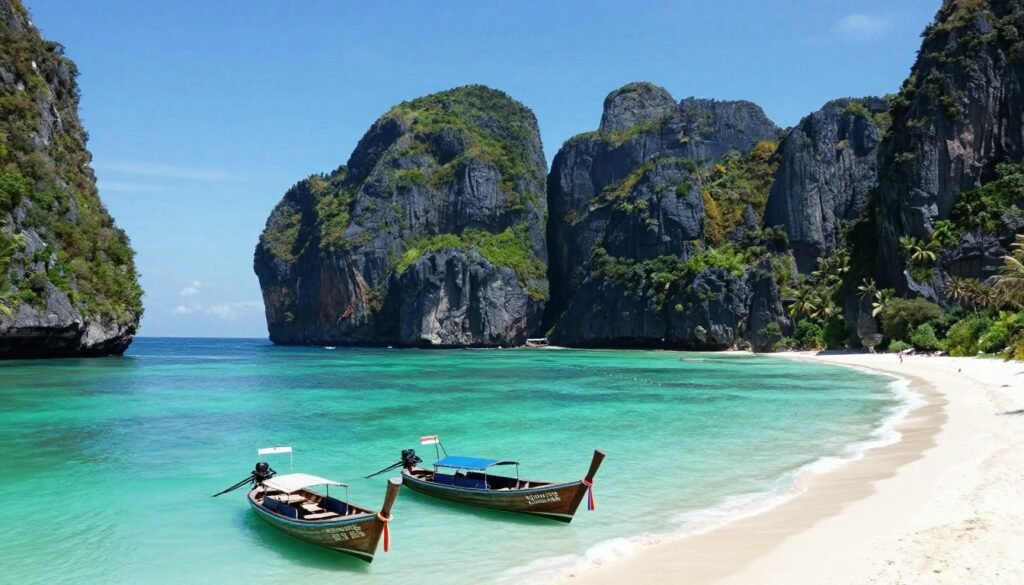
The final segment of your Thailand itinerary delivers the tropical beach experience. Crystal-clear water, dramatic limestone formations, and white sand beaches create the postcard-perfect Thailand most travelers envision.
This section covers both Phuket as a base and Phi Phi Islands as a day trip or overnight destination. Your choice depends on preference for convenience versus island atmosphere.
Day 7: Phuket Arrival and Beach Exploration
Your flight lands at Phuket International Airport on the island’s northwest coast. The airport sits conveniently close to popular beach areas.
- Afternoon – Airport to Beach Area: Take an airport taxi or pre-booked transfer to your hotel area. Distances range from 30 minutes (Patong, Karon, Kata) to 60 minutes (Rawai, Phuket Town). Fixed-price taxis cost 600-1000 THB depending on destination. Grab rideshare offers better rates but requires Thai SIM card.
- Late Afternoon – Beach Time: Settle into your hotel then head to the beach for your first Andaman Sea experience. Kata Beach offers beautiful swimming conditions with gentle waves. Karon Beach provides similar quality with fewer crowds. Patong Beach delivers the most action but also the most tourists and vendors.
- Evening – Seafood Dinner: Try fresh seafood at beachfront restaurants. You select fish, prawns, and lobster from ice displays, then choose cooking style. Expect to pay 150-400 THB per person for excellent meals. Kata and Karon have numerous quality options with fair prices.
Day 8: Phi Phi Islands Day Trip or Overnight
Most visitors take a day trip to Phi Phi, though staying overnight allows experiencing the islands without day-tripper crowds.
Day Trip Option
- 7:00 AM – Ferry Departure: Early ferries depart Rassada Pier around 8:30 AM (2 hours to Phi Phi). Tours typically include hotel pickup 1 hour before departure. Standard tours cost 1200-1800 THB including lunch, snorkeling equipment, and multiple stops.
- 10:30 AM – Phi Phi Don Arrival: The ferry docks at Tonsai Pier on the main island. Join your tour group or explore independently. The island has no cars – only walking paths connect beaches and viewpoints.
- 11:00 AM – Maya Bay and Snorkeling: Most tours include speedboat rides to Maya Bay (famous from “The Beach” movie), Pileh Lagoon, and snorkeling spots around smaller islands. The turquoise water and limestone cliffs create stunning scenery. Snorkel among tropical fish and coral reefs.
- 1:00 PM – Lunch Break: Tours provide basic lunch on the boat or at beach restaurants. Free time allows swimming and beach relaxation at locations like Bamboo Island or Monkey Beach.
- 4:00 PM – Return Ferry: Afternoon ferries return to Phuket around 5:30 PM. You arrive back at hotel by 7:00 PM after transfers.
Overnight Option
Staying on Phi Phi lets you experience the island after day-trippers leave. Sunset views from the viewpoint and night-time fire shows on the beach create memorable experiences. Book accommodation in advance during peak season as options are limited and fill quickly.
Day 9: Phuket Island Exploration or Koh Lanta
Use your final full day for Phuket sightseeing or take a ferry to nearby Koh Lanta for a different island atmosphere.
Phuket Exploration Option
- Morning – Big Buddha and Wat Chalong: Rent a scooter (200-300 THB per day) or hire a taxi for temple visits. The 45-meter Big Buddha sits atop Nakkerd Hill with panoramic views. Wat Chalong is Phuket’s most important Buddhist temple with beautiful architecture.
- Lunch – Old Phuket Town: Explore the historic center with Sino-Portuguese architecture, colorful buildings, and street art. Try Raya Restaurant for traditional Phuket cuisine or one of the many cafes in renovated shophouses. Sunday walking market takes over Thalang Road if you visit at the right time.
- Afternoon – Phromthep Cape Sunset: Drive to the island’s southern tip for Phuket’s most famous sunset viewpoint. Arrive by 5:30 PM to secure a good spot. The cape offers views across the Andaman Sea with offshore islands visible on clear days.
- Evening – Bangla Road Nightlife: If you’re curious about Phuket’s infamous party scene, walk down Bangla Road in Patong. Neon lights, loud music, bars, and clubs create sensory overload. Or choose a quieter beach club at Kata or Karon for sophisticated atmosphere with live music and cocktails.
Koh Lanta Day Trip Alternative
This larger, less developed island south of Phi Phi offers relaxed vibes and excellent beaches. Ferries run from Phuket (4 hours) making it tight for a day trip but possible if you depart early. Consider this option if you skipped Phi Phi or want more laid-back island time. Koh Lanta features long stretches of quiet beaches, basic beach bars, and fewer tourists than Phi Phi or Phuket.
Top Phuket and Surrounding Island Activities
Water Activities
- Phi Phi island hopping tours
- Snorkeling at coral reefs
- Diving certifications and trips
- Kayaking through sea caves
- Stand-up paddleboarding
- Parasailing at Patong Beach
Land Exploration
- Big Buddha viewpoint
- Old Phuket Town architecture
- Promthep Cape sunset
- Karon Viewpoint three bays
- Scooter tours around island
- Thai massage on the beach
Evening Entertainment
- Beach clubs with sunset views
- Fire shows on Phi Phi
- Bangla Road nightlife scene
- Seafood restaurants by water
- Night markets shopping
- Simon Cabaret show
Day 10: Return to Bangkok & Departure
Your final day involves returning to Bangkok for international departure. Most intercontinental flights leave Bangkok rather than Phuket, requiring one last domestic flight.
Morning Departure from Phuket
Book an early morning flight from Phuket to Bangkok allowing at least 4 hours before your international departure. Airlines recommend 3 hours minimum for international flights, but buffer time helps if domestic flight delays occur.
- Wake up early and check out of Phuket hotel
- Take taxi to Phuket airport (30-60 minutes depending on hotel location)
- Phuket to Bangkok flight (1 hour 30 minutes)
- Transfer between Bangkok airports if needed (Suvarnabhumi for international, Don Mueang for some domestic)
- Check in for international flight with plenty of buffer time
Alternative: Extra Bangkok Night
Some travelers prefer flying back to Bangkok the evening of Day 9, staying near the airport, and departing fresh the next day. This reduces stress on departure day but costs an extra night’s accommodation.
Last-Minute Shopping: Bangkok’s airports offer extensive duty-free shopping including Thai products, cosmetics, and local snacks. Suvarnabhumi has better selection than Don Mueang. Allow extra time if you want to browse food gifts like dried mango, Thai tea mix, or instant noodles to bring home.
Where to Stay: Best Hotel Areas for Each Destination
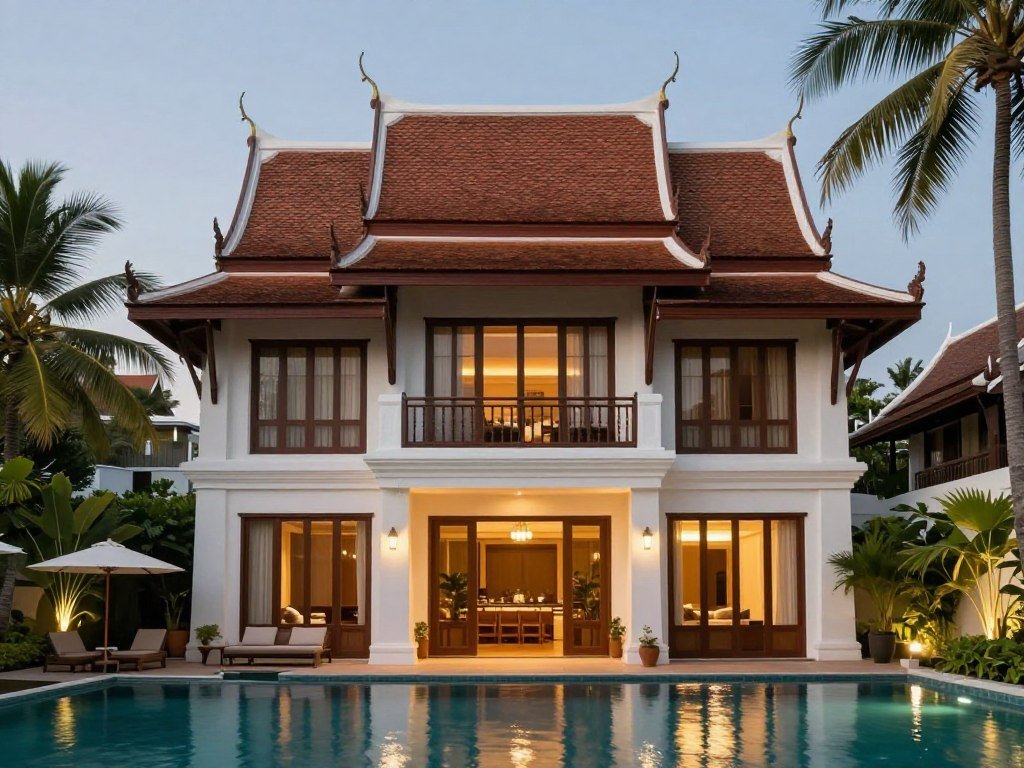
Choosing the right neighborhood significantly impacts your Thailand experience. Each destination offers distinct areas catering to different travel styles and budgets.
Bangkok Neighborhood Guide
Silom & Sathorn
Best for: First-timers wanting good transportation access
Central business district with excellent BTS and MRT connections. Close to Lumpini Park for morning exercise. Mix of business hotels and boutique properties. Walking distance to night markets and riverside dining.
Budget: 800-1500 THB
Mid-range: 1500-3500 THB
Luxury: 3500+ THB
Sukhumvit
Best for: Nightlife, dining variety, and shopping
Long stretch along BTS line with countless hotels. Lower Sukhumvit (Nana, Asok) offers party atmosphere. Upper Sukhumvit (Thong Lo, Ekkamai) caters to locals with trendy restaurants and bars. Excellent international food scene.
Budget: 600-1200 THB
Mid-range: 1200-3000 THB
Luxury: 3000+ THB
Riverside
Best for: Scenic views and peaceful atmosphere
Hotels along Chao Phraya River offer water views and boat access to attractions. The Peninsula, Shangri-La, and Mandarin Oriental provide luxury. More affordable options exist near Saphan Taksin. Further from the main action but incredibly peaceful.
Budget: Limited options
Mid-range: 2000-4000 THB
Luxury: 4000+ THB
Old Town (Rattanakosin)
Best for: Culture seekers and temple enthusiasts
Walking distance to Grand Palace, Wat Pho, and Khao San Road. Guesthouses and boutique hotels in restored buildings. Less developed with fewer dining options. Authentic local atmosphere but minimal nightlife.
Budget: 400-1000 THB
Mid-range: 1000-2500 THB
Luxury: Limited options
Siam & Pratunam
Best for: Shopping enthusiasts
Heart of shopping district near mega malls. Excellent BTS access to all areas. Mix of business hotels and budget properties. Very central but can feel commercial. Perfect for serious shoppers and those wanting maximum convenience.
Budget: 600-1200 THB
Mid-range: 1200-2800 THB
Luxury: 2800+ THB
Khao San Area
Best for: Budget backpackers and party scene
Famous backpacker hub with rock-bottom prices. Party atmosphere every night with bars and street vendors. Close to old town temples. Can be noisy and chaotic. Perfect for young travelers wanting to meet others but not ideal for peace and quiet.
Budget: 300-800 THB
Mid-range: 800-1500 THB
Luxury: Very limited
Chiang Mai Accommodation Areas
Old City
Best for: Temple access and cultural immersion
Inside the moat with temples every few blocks. Walking distance to Sunday walking market. Mix of traditional guesthouses and boutique hotels. Quiet at night compared to Nimman. Best for those prioritizing culture over nightlife.
Budget: 300-800 THB
Mid-range: 800-2000 THB
Luxury: 2000-5000 THB
Nimman (Nimmanhaemin)
Best for: Modern amenities and trendy dining
Hip neighborhood with boutique hotels, international restaurants, and craft coffee shops. Attracts digital nomads and creative professionals. Walking distance to Maya Mall. Further from temples but closer to the university area with younger crowds.
Budget: 400-1000 THB
Mid-range: 1000-2500 THB
Luxury: 2500-6000 THB
Riverside
Best for: Peaceful settings with nature access
Hotels along Ping River offer tranquil settings outside the main tourist zones. Good value for money with more space. Requires transportation to reach old city and Nimman. Best for those wanting to escape crowds while maintaining reasonable access to attractions.
Budget: 400-900 THB
Mid-range: 900-2000 THB
Luxury: 2000-4500 THB
Phuket Beach Areas
| Beach Area | Atmosphere | Best For | Price Range |
| Patong Beach | Busy, loud, party-focused with lots of tourists and vendors | Nightlife enthusiasts, first-timers wanting everything in walking distance | Budget: 600-1200, Mid: 1200-3000, Luxury: 3000-8000 THB |
| Kata Beach | Family-friendly, good swimming, balanced tourism level | Families, couples, those wanting beach quality with amenities | Budget: 800-1500, Mid: 1500-3500, Luxury: 3500-10000 THB |
| Karon Beach | Similar to Kata but quieter with longer beach stretch | Those wanting Kata quality with fewer crowds | Budget: 700-1400, Mid: 1400-3200, Luxury: 3200-9000 THB |
| Kamala Beach | Quiet, local village feel, minimal nightlife | Peace seekers, families wanting to avoid party scene | Budget: 600-1200, Mid: 1200-3000, Luxury: 3000-12000 THB |
| Bang Tao Beach | Upscale, long beach, resort-heavy area | Luxury travelers, those staying at resorts most of the time | Budget: Limited, Mid: 2000-4000, Luxury: 4000-20000 THB |
| Rawai & Nai Harn | Local area, not ideal swimming, good food scene | Long-term visitors, those preferring authentic local life | Budget: 500-1000, Mid: 1000-2500, Luxury: 2500-8000 THB |
First-Timer Recommendation: Stay in Sukhumvit (Bangkok), Old City (Chiang Mai), and Kata Beach (Phuket) for your first Thailand visit. These areas offer the best balance of convenience, atmosphere, and value while remaining tourist-friendly with good English signage and support services.
Thailand Food Guide: Must-Try Dishes & Restaurant Recommendations
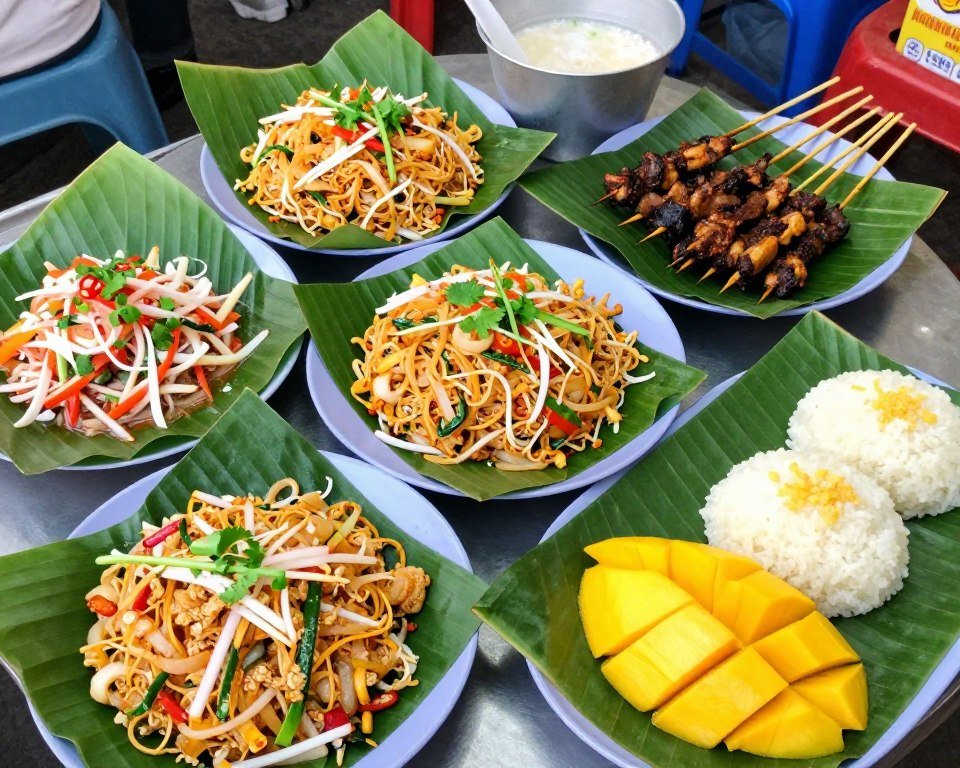
Thai cuisine ranks among the world’s best with its perfect balance of sweet, sour, salty, and spicy flavors. Street food culture thrives throughout Thailand, offering incredible meals for just a few dollars.
Every region specializes in different dishes. Bangkok serves as a melting pot with food from across Thailand. Chiang Mai highlights northern specialties with Burmese and Shan influences. Southern coastal areas feature seafood and Muslim-influenced dishes.
Essential Thai Dishes Every First-Timer Must Try
Pad Thai
Stir-fried rice noodles with eggs, tofu, bean sprouts, peanuts, and your choice of protein. Thailand’s most famous dish offers sweet and tangy flavors with customizable spice level. Found everywhere from street carts to restaurants.
Where to try: Thip Samai (Bangkok), Pad Thai Pratu Phi (Phuket Old Town)
Price: 40-120 THB
Tom Yum Goong
Hot and sour soup with prawns, lemongrass, kaffir lime leaves, galangal, and chili. Iconic Thai flavor profile in liquid form. The clear version (Tom Yum Nam Sai) or creamy version (Tom Yum Nam Khon) both taste incredible.
Where to try: P’Aor (Bangkok), local restaurants everywhere
Price: 80-200 THB
Som Tam (Papaya Salad)
Shredded green papaya salad with tomatoes, long beans, peanuts, dried shrimp, and lime dressing. Pounded in a mortar creating perfect texture. Specify spice level as authentic versions can be extremely hot.
Where to try: Som Tam Nua (Bangkok), street vendors
Price: 30-80 THB
Massaman Curry
Rich, mild curry with Muslim influences featuring potatoes, peanuts, and tender meat in coconut milk. Less spicy than other Thai curries making it accessible for those with lower heat tolerance.
Where to try: Muslim restaurants in Bangkok, Krua Apsorn
Price: 60-150 THB
Khao Soi
Northern Thailand curry noodle soup with both crispy and soft egg noodles, chicken or beef, pickled cabbage, and shallots. Chiang Mai’s signature dish combines Burmese and Thai flavors creating unique taste.
Where to try: Khao Soi Khun Yai (Chiang Mai), Khao Soi Lamduan Fa Ham
Price: 40-80 THB
Mango Sticky Rice
Sweet sticky rice with coconut cream served alongside ripe mango slices. Thailand’s most beloved dessert reaches peak perfection during mango season (March-May). Simple ingredients create magical combination.
Where to try: Mae Varee (Bangkok), street vendors everywhere
Price: 40-100 THB
Bangkok Food Recommendations
Street Food & Local Spots
- Jay Fai: Michelin-starred street food, famous crab omelet (expensive at 1000+ THB)
- Thip Samai: Best pad thai in Bangkok, multiple locations now
- Prachak Roasted Duck: Perfectly roasted duck over rice since 1909
- Polo Fried Chicken: Thai-style fried chicken with crispy garlic
- Yaowarat Chinatown: Evening street food paradise with countless stalls
Sit-Down Restaurants
- Baan Somtum: Isaan food specialists, excellent som tam variations
- Supanniga Eating Room: Refined Thai cuisine, beautiful riverside location
- Bo.lan: Upscale traditional recipes using organic ingredients
- Err Urban Rustic Thai: Creative Thai street food in hip setting
- Krua Apsorn: Former palace cook serves royal Thai recipes
Chiang Mai Food Recommendations
Northern Specialties
- Khao Soi Khun Yai: Small family spot serving perfect khao soi
- SP Chicken: Grilled chicken with sticky rice and spicy dipping sauce
- Huen Phen: Northern Thai set meals, try nam prik variations
- Tong Tem Toh: Traditional Lanna cuisine in historic house
- Cowboy Army: Late-night noodle spot popular with locals
Markets & Food Courts
- Warorot Market: Local market with food stalls and northern snacks
- Sunday Walking Street: Mobile food vendors along the route
- Sompet Market: Morning market with breakfast specialties
- Ploen Ruedee Night Market: Local night market with affordable eats
- Think Park: Trendy food court and craft beer garden
Phuket & Island Food Recommendations
- Raya Restaurant: Traditional Phuket cuisine in Old Town, family recipes
- Mor Mu Dong: Local favorite for crab curry and seafood
- Laem Hin Seafood: Fresh seafood with local atmosphere, bring cash
- Kopitiam by Wilai: Excellent breakfast spot in Phuket Town
- Suay Restaurant: Fine dining with ocean views in Cape Panwa
- Phi Phi Night Market: Grilled seafood and Thai standards on the beach
Spice Level Advisory: Thai people have high spice tolerance. When ordering, specify “mai pet” (not spicy) or “pet nit noi” (a little spicy) unless you regularly eat very spicy food. Many tourists underestimate Thai spice levels and regret ordering “medium” or “Thai spicy” dishes.
Essential Tips for First-Time Thailand Travelers
Understanding Thai customs and practical considerations helps you navigate the country smoothly while showing respect for local culture.
Cultural Etiquette and Social Norms
Do’s
- Remove shoes before entering homes and temples
- Dress modestly when visiting temples (covered shoulders and knees)
- Greet people with a wai (prayer-like hand gesture with slight bow)
- Keep feet pointed away from people and Buddha images
- Show respect for the Thai royal family at all times
- Smile and stay calm even when frustrated or angry
- Stand when national anthem plays (8 AM and 6 PM in public spaces)
- Ask permission before photographing monks or locals
Don’ts
- Touch anyone’s head (most sacred body part in Thai culture)
- Step over people or point feet at others
- Criticize the royal family or Thai government publicly
- Raise your voice or lose your temper in public
- Touch Buddha statues or pose disrespectfully at temples
- Wear shoes inside temples or homes
- Show excessive public affection with your partner
- Hand things directly to monks if you’re female
Money and Payment Practical Tips
- Carry cash daily as many places don’t accept cards
- Use ATMs for best exchange rates, withdraw large amounts to minimize fees
- Notify your bank before travel to avoid card blocks
- Keep small bills (20, 50, 100 THB) for street vendors and taxis
- Negotiate prices at markets but not in shops with price tags
- Check your change carefully, honest mistakes happen frequently
- Tip 10% at nice restaurants if service charge isn’t included
- Tipping isn’t required at street food stalls or basic restaurants
Safety and Health Considerations
General Safety
Thailand is very safe for tourists. Violent crime remains rare. Watch for pickpockets in crowded areas. Secure valuables in hotel safes. Be cautious with new friends offering suspiciously good deals. Avoid illegal drugs completely as penalties are severe.
Transportation Safety
Taxis occasionally try overcharging tourists. Insist on meter or agree on price before entering. Grab rideshare offers more transparency. Wear helmets when renting scooters. Thai traffic can be chaotic. Consider your driving experience before renting vehicles.
Health Precautions
Drink bottled water only. Brush teeth with bottled water if concerned. Street food is generally safe despite appearance. Avoid ice in questionable establishments. Bring hand sanitizer and use frequently. Purchase travel insurance covering medical emergencies. Pharmacies sell most medications without prescriptions.
Communication Tips
Ways to Communicate Successfully
- Download Google Translate with offline Thai language pack
- Learn basic Thai phrases (hello, thank you, how much)
- Show photos or point to menu items rather than attempting pronunciation
- Write down addresses in Thai script for taxi drivers
- Use translation apps to photograph Thai text for instant translation
- Speak slowly and clearly in simple English sentences
- Carry hotel business card for easy taxi navigation back
- Be patient and smile when language barriers arise
Communication Challenges to Expect
- English proficiency varies dramatically between tourist areas and local neighborhoods
- Thai language has tones that completely change word meanings
- Your accent may make English words difficult for Thais to understand
- Street names often have multiple English spellings causing confusion
- Thai people may say “yes” to avoid confrontation even if they don’t understand
- Written Thai script looks completely unfamiliar to Western readers
- Phone conversations become nearly impossible without strong English skills
- Pronunciation guides in guidebooks rarely match actual Thai sounds
Budget Breakdown: 10 Days in Thailand
Understanding costs helps you budget appropriately and make informed spending decisions throughout your trip. Thailand accommodates all budget levels from backpackers to luxury travelers.
Daily Budget Estimates by Travel Style
| Expense Category | Budget Traveler | Mid-Range Traveler | Luxury Traveler |
| Accommodation (per night) | 300-800 THB hostel dorm or basic guesthouse | 1200-3000 THB private room or 3-star hotel | 3500-10000+ THB 4-5 star hotel or resort |
| Breakfast | 40-80 THB street food or market | 100-250 THB cafe or hotel breakfast | 300-600 THB upscale restaurant or buffet |
| Lunch | 50-100 THB local restaurant | 150-350 THB sit-down restaurant | 400-800 THB fine dining |
| Dinner | 80-150 THB street food or food court | 250-600 THB quality restaurant | 800-2000+ THB premium dining |
| Local Transportation | 100-200 THB public transport and walking | 300-600 THB mix of taxis and public transport | 800-1500 THB private taxis and car services |
| Activities & Attractions | 200-500 THB temples and free sights | 600-1500 THB tours and paid attractions | 2000-5000+ THB private tours and experiences |
| Total Daily Budget | 770-1830 THB ($22-52 USD) | 2600-6300 THB ($74-179 USD) | 7800-20,900+ THB ($222-595+ USD) |
10-Day Trip Total Cost Estimates
Budget Traveler Total
$800-1,200 USD (28,000-42,000 THB)
- Daily expenses: $220-520
- Domestic flights: $80-150
- Ferry tickets: $20-40
- SIM card: $10
- Miscellaneous: $100
Excludes international flights and travel insurance
Mid-Range Traveler Total
$1,800-3,200 USD (63,000-112,000 THB)
- Daily expenses: $740-1,790
- Domestic flights: $150-250
- Ferry tickets: $40-80
- SIM card: $15
- Miscellaneous: $200
Excludes international flights and travel insurance
Luxury Traveler Total
$4,500-8,000+ USD (157,500-280,000+ THB)
- Daily expenses: $2,220-5,950
- Domestic flights: $300-500
- Ferry tickets: $80-150
- SIM card: $20
- Miscellaneous: $500
Excludes international flights and travel insurance
Major One-Time Expenses to Budget For
- Round-trip international flights: $400-1,500+ depending on origin and season
- Travel insurance: $50-150 for 10-day comprehensive coverage
- Visa (if required): Thailand offers 30-60 day visa exemption for many nationalities
- Vaccinations: Consult doctor, may recommend hepatitis A/B, typhoid ($100-300)
- Bangkok to Chiang Mai flight: $25-100 depending on booking time
- Chiang Mai to Phuket flight: $40-130 depending on dates
- Phuket to Bangkok return flight: $30-100
- Phuket to Phi Phi ferry: $13-25 each way
Download Complete Thailand Budget Planner
Get our detailed Excel budget spreadsheet with daily expense trackers, currency converters, and money-saving tips for each destination. Plus receive packing checklist and printable itinerary cards you can carry during your trip.
Packing Essentials for Your Thailand Trip
Packing appropriately for Thailand’s climate and culture ensures comfort throughout your journey. The tropical weather demands lightweight breathable clothing while temple visits require modest coverage.
Clothing Essentials
What to Pack
- Lightweight quick-dry shirts and tops (5-7)
- Comfortable walking shorts (2-3 pairs)
- Long lightweight pants for temples (2 pairs)
- Modest dress or long skirt for women
- Swimwear (2 sets for beach destinations)
- Light rain jacket or poncho
- Comfortable walking sandals with straps
- Closed-toe shoes for temple climbing
- Flip-flops for beach and hostel showers
- Sun hat or cap for day time protection
- Light scarf for temple coverage and AC protection
What Not to Pack
- Heavy jeans (too hot for Thai climate)
- Excessive shoes (limit to 2-3 pairs max)
- Thick towels (hostels provide them, buy sarongs there)
- Too many clothes (you can buy cheap items in Thailand)
- Expensive jewelry (unnecessary and theft risk)
- Revealing tank tops for temple visits
- More than 7 days worth of clothes (laundry is cheap)
- Winter clothes unless visiting mountains in Dec-Jan
- Formal business attire unless specifically needed
Essential Items and Accessories
Technology
- Smartphone with good camera
- Power bank for long days out
- Universal power adapter
- Waterproof phone case for beach
- Headphones for flights
- Extra charging cables
Health & Hygiene
- Sunscreen SPF 50+
- Insect repellent with DEET
- Personal medications
- Hand sanitizer
- Toilet paper packets
- Basic first aid supplies
Documents & Money
- Passport with 6 months validity
- Printed hotel confirmations
- Travel insurance documents
- Credit cards (2 from different banks)
- Some USD cash for emergencies
- Photocopies of important documents
Beach Destination Additions
- Reef-safe sunscreen for ocean swimming
- Snorkel mask if you have a preferred fit
- Underwater camera or waterproof case
- Lightweight beach bag for day trips
- Aloe vera gel for sunburn treatment
- Quick-dry microfiber towel
Temple Dress Code Reminder: Many temples strictly enforce modest dress codes. Shoulders must be covered (no tank tops), and shorts or skirts must reach below the knee. Bring a lightweight scarf to cover shoulders if needed. Some temples rent coverings but having your own ensures access everywhere.
Thailand Itinerary FAQ
Is 10 days enough time for Thailand itinerary for first-timers?
Ten days provides sufficient time to experience Thailand’s essential highlights without feeling rushed. This itinerary covers three distinct regions showcasing urban culture, mountain tranquility, and beach relaxation. You see Bangkok’s temples and street food scene, explore Chiang Mai’s cultural heritage, and unwind on world-class islands. While you cannot see everything Thailand offers in ten days, this timeframe delivers a satisfying first introduction to the country’s diversity. Many first-time visitors find ten days perfect for deciding which areas to revisit on future trips.
What is the best month to visit Thailand for first-time travelers?
December and January represent ideal months for first-time Thailand visits. The dry season delivers comfortable temperatures, minimal rainfall, and excellent beach conditions across most of the country. February offers similar conditions but slightly warmer temperatures. November provides great value as tourist season begins but hasn’t reached peak pricing. Avoid March through May unless you tolerate extreme heat well, as temperatures regularly exceed 35-40°C. The rainy season from June through October brings afternoon downpours and rough seas affecting island activities, though lower prices attract budget travelers willing to work around weather.
How much money should I budget for 10 days in Thailand?
Budget travelers can complete this itinerary for $800-1,200 USD staying in hostels, eating street food, and using public transportation. Mid-range travelers should budget $1,800-3,200 USD for private rooms, sit-down restaurants, and occasional taxis. Luxury travelers spending $4,500-8,000+ USD stay in upscale resorts, dine at premium restaurants, and book private tours. These estimates exclude international flights but include all in-country transportation, accommodation, food, and activities. Your actual spending depends on accommodation choices, dining preferences, shopping habits, and activity selections.
Should I book hotels and flights in advance or upon arrival?
Book domestic flights 2-4 weeks ahead for best prices, especially during peak season November through February. Flights sell out or become expensive close to travel dates. For hotels, book your first night in Bangkok to avoid arrival stress, then decide based on season. Peak season requires advance booking for good value properties in popular areas like Kata Beach or Chiang Mai old city. Shoulder and low season offer flexibility to book 1-3 days ahead or walk in for better negotiating power. Ferry tickets to Phi Phi should be purchased 1-2 days ahead during peak times but same-day works during quieter periods.
Do I need a visa for Thailand as a first-time visitor?
Most Western passport holders receive 30-60 day visa exemption stamps upon arrival in Thailand at no cost. Citizens of the United States, Canada, United Kingdom, Australia, and most European Union countries qualify for this exemption. Your passport must have at least 6 months validity remaining from your entry date. You may need proof of onward travel (return flight or ticket leaving Thailand) though immigration rarely checks. Ten days falls well within the exemption period so visa applications are unnecessary for most first-time visitors. Check your specific country’s requirements on the Thai embassy website before traveling.
Is it safe to eat street food in Thailand?
Thai street food is generally very safe despite initial concerns many first-timers have. High turnover at popular stalls means food stays fresh and cooks quickly. Choose vendors with lines of Thai customers as locals know which stalls maintain quality. Watch food being cooked fresh rather than sitting pre-made. Avoid raw vegetables if you have a sensitive stomach, but cooked dishes pose minimal risk. The most common issue for new visitors is spice level rather than food safety. Start with less spicy options while your digestive system adjusts to new flavors and ingredients. Millions of tourists eat street food throughout Thailand without problems.
Should I rent a scooter or motorbike in Thailand?
Only rent scooters if you have prior motorcycle experience and feel confident with Thai traffic conditions. Traffic in Bangkok and Phuket can be chaotic with aggressive drivers and different road rules than Western countries. Accidents involving tourists on rented scooters occur regularly. Chiang Mai offers the most manageable conditions for beginners with lighter traffic and clearer roads. Always wear helmets, drive slowly, and purchase insurance coverage. Many rental shops require passport deposits creating risk if the bike is damaged. Consider hiring drivers or using taxis if you lack experience. Your travel insurance likely excludes scooter accidents unless you hold a motorcycle license from home.
What should I do if I get sick during my Thailand trip?
Thailand has excellent healthcare facilities especially in Bangkok, Chiang Mai, and Phuket with hospitals accustomed to treating international tourists. Most hotels can recommend nearby clinics or hospitals. Minor issues like upset stomach, heat exhaustion, or sunburn can be addressed at pharmacies where English-speaking pharmacists provide advice and sell medications without prescriptions. For serious issues, go directly to international hospitals like Bumrungrad or Bangkok Hospital which have English-speaking doctors and accept international insurance. Keep your travel insurance information easily accessible. Most policies require you to pay upfront then claim reimbursement, so carry a credit card with available balance for medical emergencies.
Can I drink tap water in Thailand?
Do not drink tap water anywhere in Thailand. Stick to bottled water which costs 7-15 THB at convenience stores. Restaurants serve safe drinking water usually filtered or bottled. Ice in tourist restaurants and hotels is safe as it comes from purified water sources. Street vendors sometimes use ice from questionable sources though this risk is low at established stalls. Brush teeth with bottled water if you have a sensitive stomach though most people use tap water for this without issues. Carry a reusable water bottle and refill from bottles rather than buying new plastic bottles constantly. Some hotels offer filtered water stations for refills.
What is the best way to get Thai currency?
Withdraw cash from ATMs after arriving in Thailand rather than exchanging currency at home or in airports. ATMs provide the best exchange rates close to interbank rates. Withdraw large amounts (20,000-30,000 THB) to minimize the 220 THB fee most ATMs charge foreign cards. Use ATMs at banks rather than standalone machines which sometimes charge higher fees. Notify your bank before traveling to avoid card blocks. Bring a backup card from a different bank in case one doesn’t work. Some ATMs offer to convert to your home currency – always decline this and choose to be charged in Thai baht to avoid poor conversion rates.
Final Thoughts: Making the Most of Your Thailand Adventure
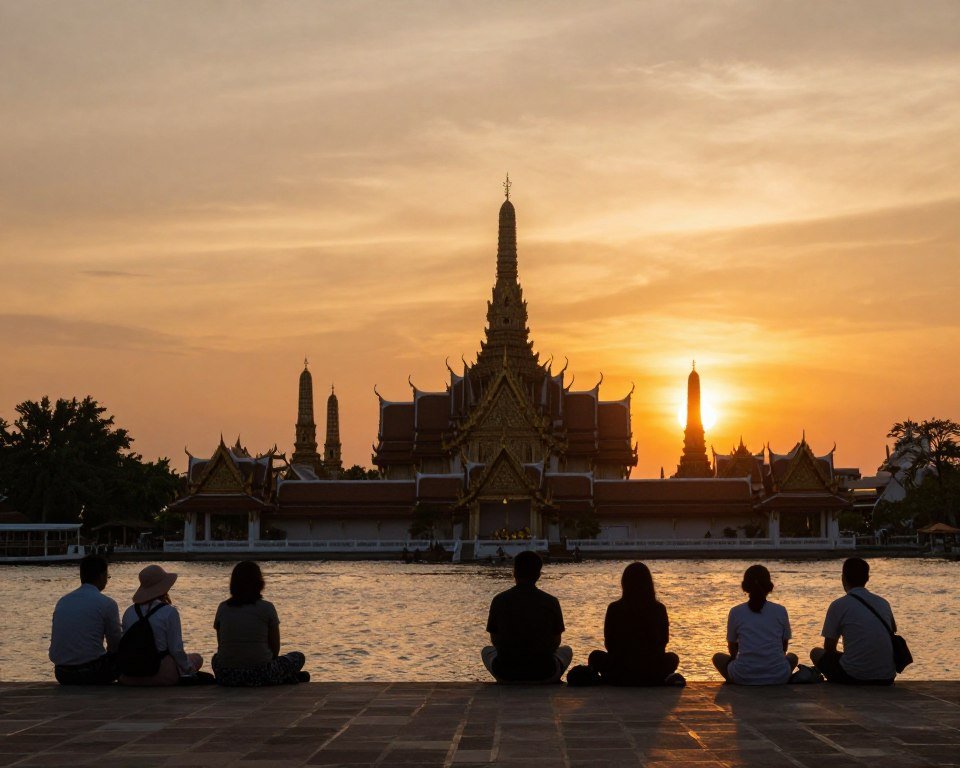
Your 10-day Thailand itinerary for first-timers provides a comprehensive introduction to one of Southeast Asia’s most rewarding destinations. From Bangkok’s frenetic energy to Chiang Mai’s cultural depth and the islands’ natural beauty, this route showcases Thailand’s remarkable diversity.
Remember that this itinerary serves as a flexible framework rather than rigid schedule. Thailand rewards spontaneity and adaptation. You might discover a neighborhood you love and want extra time exploring. A local might recommend a hidden temple or restaurant not in guidebooks. Weather could encourage beach days over planned activities.
The balance between planning and flexibility creates the best travel experiences. Book your major transportation and first night’s accommodation for peace of mind. Then allow daily schedules to flow naturally based on energy levels, weather, and unexpected discoveries.
Key Takeaways for First-Time Thailand Visitors
- Start your trip in Bangkok to adjust to the time change and culture before heading to other destinations
- Book domestic flights in advance for better prices and guaranteed seats during peak season
- Dress modestly for temple visits and show respect for Buddhist customs and royal family
- Embrace street food culture but start with less spicy dishes while your stomach adjusts
- Stay in tourist-friendly neighborhoods for your first visit to maximize convenience and comfort
- Allow flexibility in your schedule for unexpected discoveries and spontaneous experiences
- Learn basic Thai phrases to show respect and enhance interactions with locals
- Carry cash daily as many vendors and restaurants don’t accept credit cards
- Take afternoon breaks during hot days to avoid heat exhaustion and peak sun exposure
- Be patient with language barriers and cultural differences, smile and stay calm
Thailand captivates first-time visitors with its combination of accessibility and authentic culture. Modern conveniences exist alongside centuries-old traditions. World-class beaches sit hours from mountain villages. Street food costs less than home-country fast food yet tastes infinitely better.
This itinerary positions you to understand why travelers return to Thailand repeatedly. Ten days provides enough time to appreciate the country’s appeal while leaving countless experiences for future visits. Many first-timers immediately start planning return trips before they even leave.
Your Thailand adventure begins with proper planning using this comprehensive guide. The memories you create exploring golden temples, snorkeling in crystal waters, and tasting incredible cuisine will last long after you return home. Thailand welcomes you with open arms and genuine smiles.
Need Personal Help Planning Your Thailand Trip?
Our Thailand travel specialists offer one-on-one consultation to customize this itinerary to your specific interests, budget, and travel style. We help with complex logistics, hidden gem recommendations, and insider tips from our years living and traveling in Thailand.
Questions about planning your Thailand itinerary? Speak with our travel experts.