

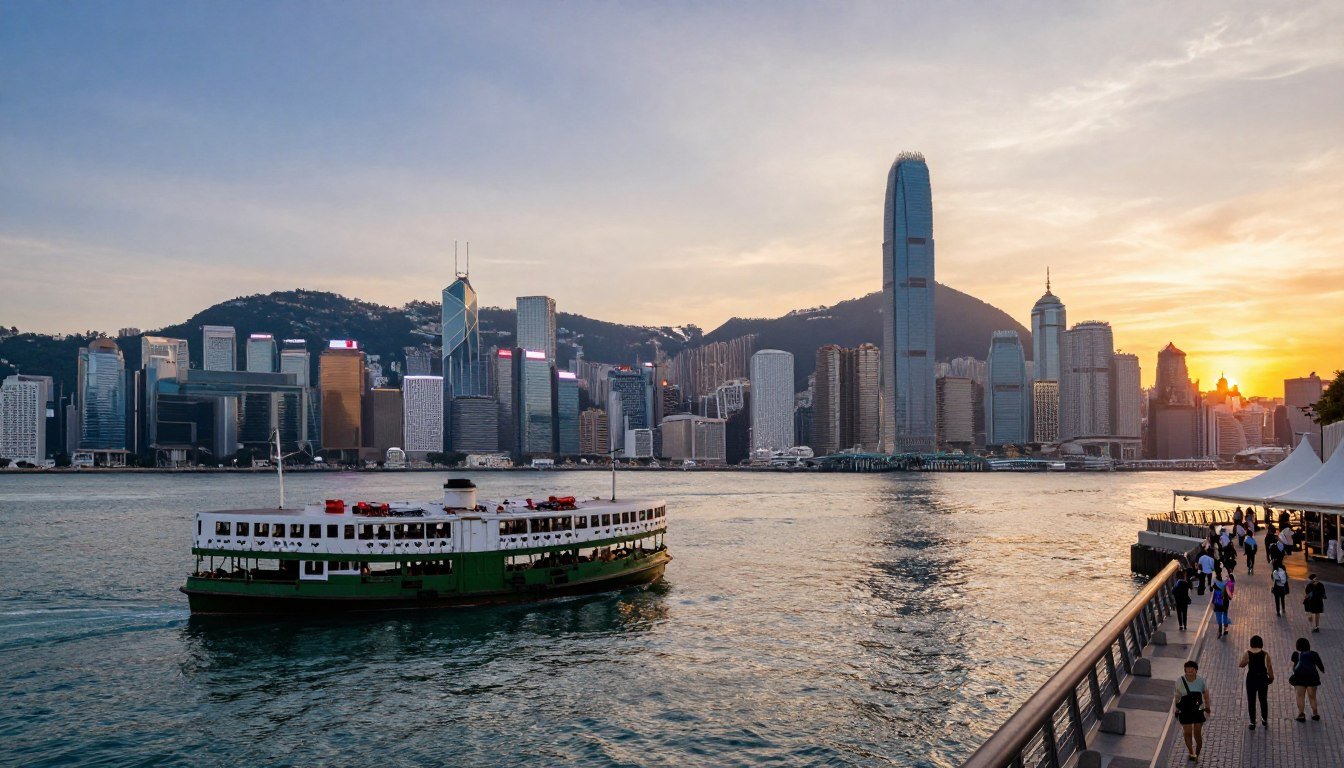
Hong Kong beckons travelers with its stunning skyline, vibrant street markets, and unique blend of Eastern and Western culture. Many people assume this city demands a hefty budget, but that’s simply not true. You can explore Hong Kong’s incredible attractions, savor delicious food, and create unforgettable memories without breaking the bank.
This comprehensive budget Hong Kong itinerary 7 days will show you exactly how to experience the best of Hong Kong in 2026 while keeping your expenses under control. We’ve mapped out every day with specific costs, transportation details, and insider tips that will help you save money without missing out on anything important.
Whether you’re a solo traveler, a couple, or traveling with friends, this guide covers everything from where to stay and what to eat to how to navigate the city’s excellent public transport system. Get ready to discover that Hong Kong can be surprisingly affordable when you know where to look and what to prioritize.
Hong Kong Budget Overview: What to Expect in 2026
Planning your budget for Hong Kong starts with understanding what things actually cost. The city has a reputation for being expensive, but smart travelers can keep daily costs reasonable. Your total spending depends on your choices for accommodation, food, and activities.
The average budget traveler in Hong Kong spends between $60 to $90 per day. This covers hostel or budget hotel accommodation, local meals, public transportation, and admission to several attractions. If you’re willing to stay in dormitories and eat mostly street food, you can reduce this to around $45 per day.
Mid-range travelers who prefer private hotel rooms and occasional restaurant meals should budget $100 to $150 daily. This gives you more comfort and flexibility while still maintaining reasonable spending. The key is balancing splurges on must-see experiences with savings on everyday expenses.
Daily Budget Breakdown
Your daily expenses in Hong Kong will typically divide into several main categories. Understanding these helps you allocate your money wisely and avoid surprises.
Accommodation takes the largest chunk of most budgets. Budget hotels in Hong Kong Island or Kowloon areas cost $40 to $70 per night for a basic room. Hostels offer beds for $20 to $35 per night, giving you significant savings if you don’t mind shared spaces.
Food costs vary dramatically based on your choices. A local meal at a cha chaan teng (tea restaurant) costs just $5 to $8, while street food options run even cheaper at $3 to $5. Budget $20 to $30 daily for food if you eat like locals, or $40 to $60 if you want some restaurant meals mixed in.
Budget Traveler (Per Day)
- Accommodation: $20-35 (hostel dorm)
- Food: $20-30 (local eateries)
- Transportation: $8-12 (MTR and buses)
- Attractions: $10-20 (mix of free and paid)
- Miscellaneous: $5-10
- Total: $63-107
Transportation Costs
Hong Kong’s public transportation system is one of the world’s best and remarkably affordable. The MTR (Mass Transit Railway) connects virtually every area you’ll want to visit. Single rides cost between $0.60 to $3.50 depending on distance, making it incredibly budget-friendly.
The Octopus Card is your best friend for getting around Hong Kong. This rechargeable smart card works on all public transport and even at many convenience stores and restaurants. You’ll save about 5-10% on fares compared to buying single tickets, plus you’ll avoid queuing at ticket machines.
Buses and trams offer even cheaper alternatives for certain routes. The famous double-decker trams on Hong Kong Island cost just $0.30 per ride regardless of distance. The Star Ferry crossing Victoria Harbour costs only $0.35 to $0.45, making it both a transportation option and a sightseeing experience.
| Transport Type | Cost Range | Best For | Payment Method |
| MTR (Subway) | $0.60-$3.50 | Fast city travel | Octopus Card, single tickets |
| Bus | $0.50-$6.00 | Scenic routes, reaching areas MTR doesn’t serve | Octopus Card, exact cash |
| Tram (Hong Kong Island) | $0.30 flat rate | Budget sightseeing, local experience | Octopus Card, exact cash |
| Star Ferry | $0.35-$0.45 | Harbour crossing with views | Octopus Card, single tickets |
| Peak Tram | $7.50 one way | Victoria Peak access | Octopus Card, tickets |
| Airport Express | $14.50 to city | Fast airport transfer | Octopus Card, tickets |
Attraction and Activity Costs
Hong Kong offers numerous free attractions that rival paid experiences. The Symphony of Lights show at Victoria Harbour costs nothing and runs nightly. Hiking trails throughout Hong Kong Island and the New Territories provide stunning views and outdoor adventure without any fees.
Paid attractions range from $5 to $30 for most visitors. The Peak Tram and Sky Terrace 428 combination ticket costs around $13. Ngong Ping 360 cable car tickets run about $25 for a round trip. Museums typically charge $5 to $10, though many offer free admission on Wednesdays.
Temple visits, markets, and neighborhood exploration cost absolutely nothing. You can spend entire days wandering through areas like Mong Kok, Sheung Wan, or Stanley without spending a dollar on admission fees. These experiences often provide the most authentic glimpses into Hong Kong life.
Essential Pre-Trip Bookings and Preparations
Booking certain items before your trip saves both time and money. You’ll avoid queues, secure better rates, and start your Hong Kong adventure smoothly. These pre-trip preparations make your budget Hong Kong itinerary 7 days run more efficiently.
Your Octopus Card should be your first purchase. While you can buy these at the airport, ordering online before arrival sometimes offers promotional credit bonuses. The card requires a $7 deposit (refundable) plus whatever amount you choose to load, with $20 to $30 being a good starting point.
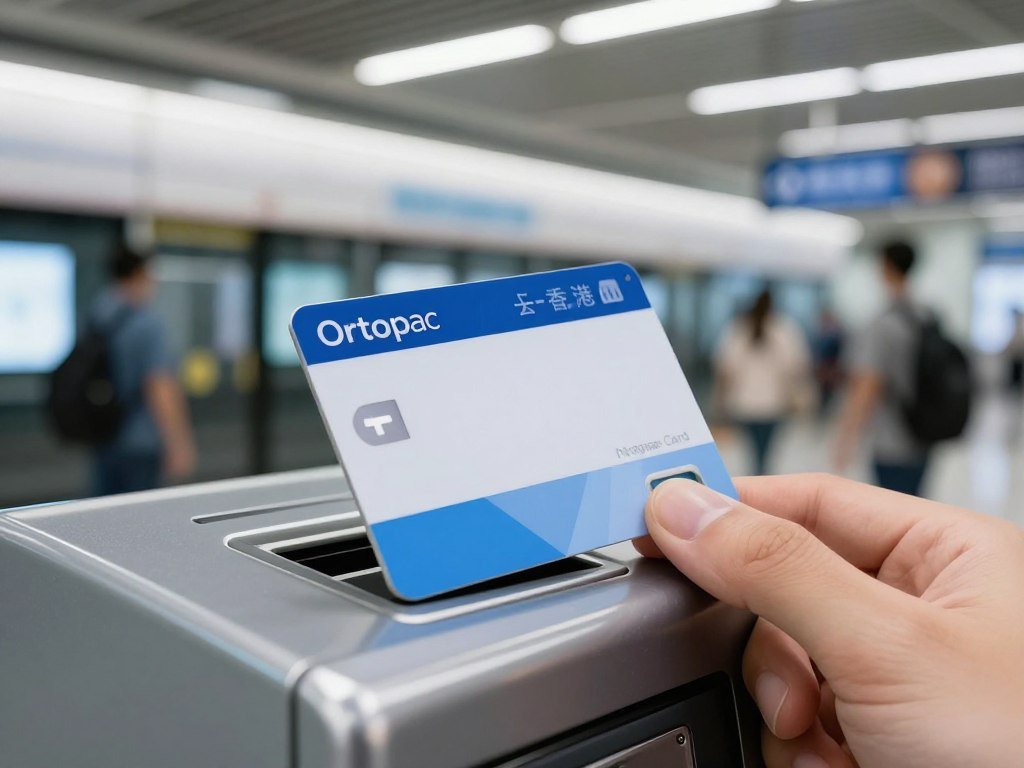
Octopus Card
The rechargeable Octopus Card works on all public transport and at convenience stores. You’ll save money on every trip and avoid fumbling with exact change. Load $30-50 initially and top up at any MTR station or convenience store.
Cost: $7 deposit + your chosen amount
Savings: 5-10% on transport fares
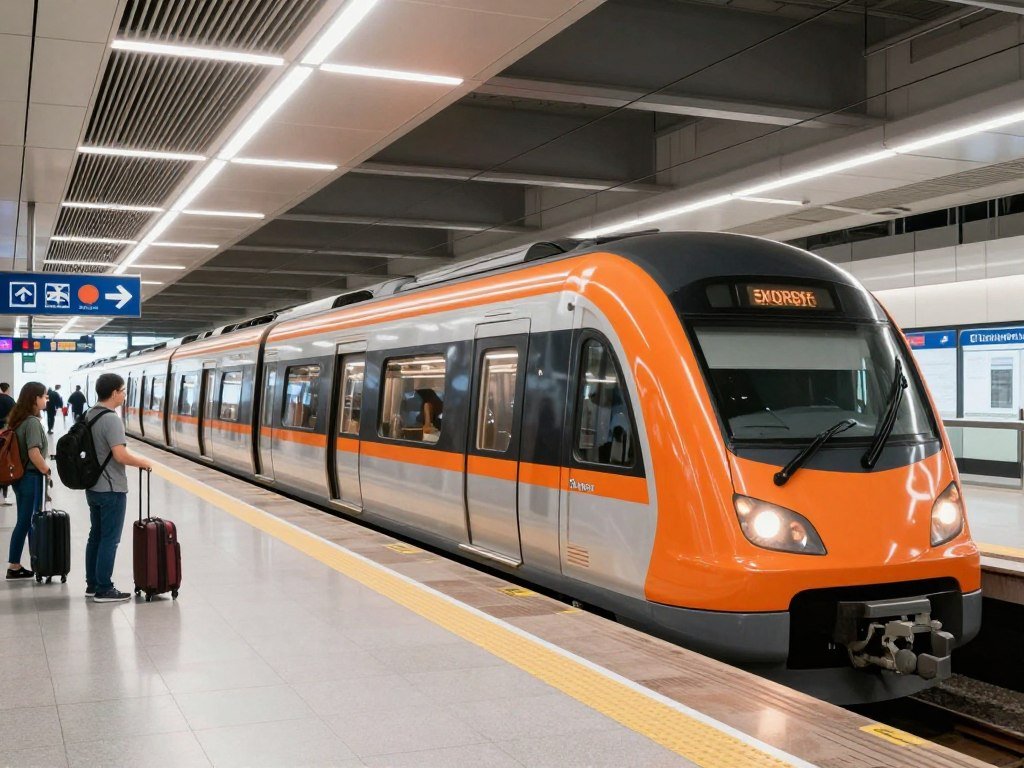
Airport Express Ticket
The Airport Express gets you from Hong Kong International Airport to the city center in just 24 minutes. Pre-booking online saves up to 30% compared to airport counter prices. Round-trip tickets offer better value than one-way.
Cost: $14.50 one-way, $23 round-trip (online price)
Alternative: Bus A11 ($8.50, takes 60-75 minutes)
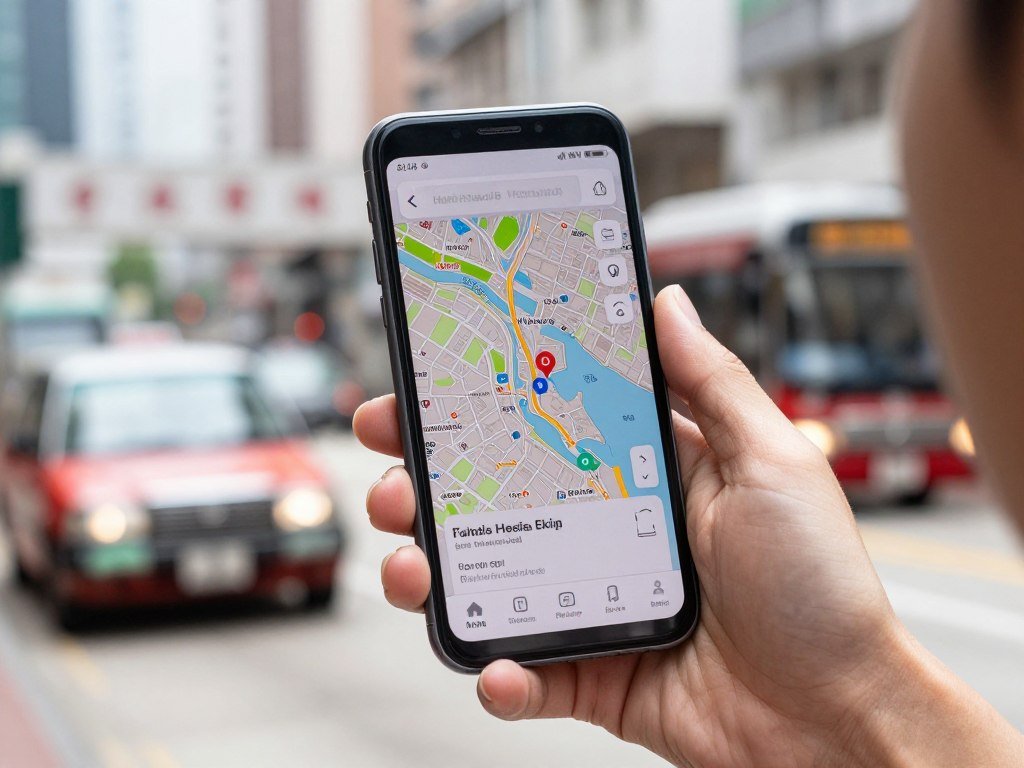
Hong Kong e-SIM Card
Stay connected throughout your trip with an e-SIM data plan. These digital SIM cards activate instantly upon arrival and cost less than international roaming. You’ll need internet access for maps, translations, and restaurant discoveries.
Cost: $8-15 for 7 days unlimited data
Benefit: No physical SIM swap needed
Travel Insurance
Travel insurance protects your budget from unexpected medical costs or trip disruptions. Hong Kong’s healthcare is excellent but expensive for visitors. A simple doctor visit can cost $100 or more, while emergency hospital treatment runs into thousands.
Basic travel insurance for a week in Hong Kong costs between $25 to $50 depending on your age and coverage level. This small investment covers medical emergencies, trip cancellations, lost luggage, and other potential problems that could derail your budget.
Look for policies that include COVID-19 coverage, as requirements and situations continue to evolve. Many credit cards offer some travel protection, but these typically provide limited coverage. Read the fine print to understand exactly what your insurance covers.
Visa Requirements
Most visitors to Hong Kong receive visa-free entry for tourism purposes. US citizens can stay up to 90 days without a visa. UK, Canadian, Australian, and EU passport holders also enjoy visa-free access, though the allowed duration varies by nationality.
Check the Hong Kong Immigration Department website for your specific country’s requirements. You’ll need a passport valid for at least one month beyond your intended stay. Make copies of your passport and store them separately from the original as a precaution.
No special vaccinations are required for Hong Kong. The city maintains high health and sanitation standards. However, verify current entry requirements related to COVID-19 or other health concerns before your travel date, as these can change.
Day 1: Arrival and Victoria Harbour Exploration
Your first day focuses on getting oriented in Hong Kong while experiencing one of the world’s most spectacular harbors. After arriving at Hong Kong International Airport, you’ll make your way to your hotel, settle in, and explore the Tsim Sha Tsui area where many budget accommodations cluster.
Start your adventure without rushing. Jet lag affects most travelers, so this day keeps activities light while still giving you exciting introductions to Hong Kong’s energy. The evening culminates with the famous Symphony of Lights show over Victoria Harbour.
Morning: Airport Arrival and Hotel Check-in
Land at Hong Kong International Airport and follow signs to the Airport Express platform if you pre-booked this option. The train departs every 10 minutes and reaches Kowloon Station in 19 minutes or Hong Kong Station in 24 minutes. Free shuttle buses from these stations connect to major hotel areas.
The budget alternative involves taking bus A11 to Kowloon or bus A12 to Hong Kong Island. These buses cost $8.50 and take 60-75 minutes depending on traffic and your destination. Use your Octopus Card for payment or have exact cash ready.
Most Hong Kong hotels allow check-in from 2-3 PM, but many will store your luggage if you arrive earlier. Drop your bags and freshen up before heading out. The Tsim Sha Tsui area in Kowloon offers the best concentration of budget hotels with easy access to attractions.
Money-Saving Tip: If your flight arrives very early morning, consider checking your luggage at the airport lockers ($12-15 per day) and starting sightseeing immediately. This maximizes your first day without paying for an extra hotel night.
Afternoon: Tsim Sha Tsui and Avenue of Stars
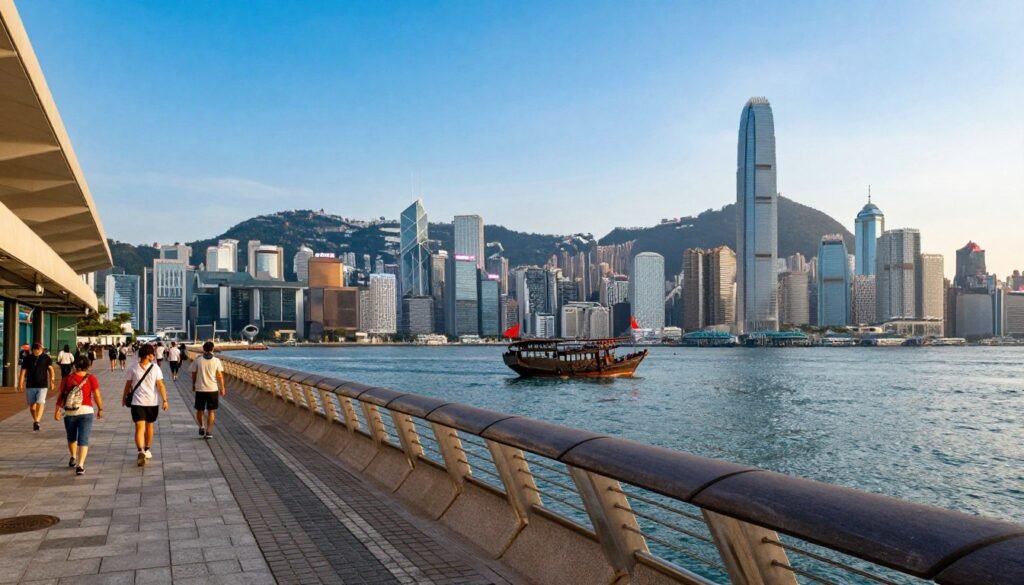
Walk to the Tsim Sha Tsui waterfront promenade along Victoria Harbour. This area offers free entertainment and spectacular views of Hong Kong Island’s skyline. The Avenue of Stars celebrates Hong Kong cinema with handprints of famous actors and directors embedded in the walkway.
The waterfront stretches for nearly a mile, providing countless photo opportunities. You’ll see traditional junk boats, modern ferries, and cargo ships navigating the busy harbor. Street performers and local families create a vibrant atmosphere, especially on weekends.
Stop at one of the viewing platforms to watch boats crossing the harbor. The entire walk costs nothing and gives you a perfect introduction to Hong Kong’s unique character. Public restrooms and water fountains appear regularly along the route.
Late Afternoon: Star Ferry Crossing
Take the legendary Star Ferry from Tsim Sha Tsui to Central on Hong Kong Island. This ferry has operated since 1888 and remains the most scenic way to cross Victoria Harbour. The ride takes just 8 minutes and costs only $0.35 to $0.45 depending on which deck you choose.
The lower deck offers the cheapest fare and brings you closer to the water. The upper deck provides slightly better views for a few cents more. Time your crossing for late afternoon when the sunlight hits the buildings beautifully and the heat starts to diminish.
Photograph the Tsim Sha Tsui waterfront from the ferry for a different perspective. The boat ride itself counts as both transportation and sightseeing, making it excellent value for budget travelers. Ferries depart every 6-12 minutes throughout the day.
Evening: Symphony of Lights and Dinner
Return to the Tsim Sha Tsui waterfront by 8 PM for the Symphony of Lights show. This free multimedia display involves more than 40 buildings on both sides of Victoria Harbour. Lights, lasers, and music create a spectacular show that lasts about 15 minutes.
The best viewing spots fill up 20-30 minutes before showtime, so arrive early to secure a good position. The waterfront promenade offers multiple viewing locations, all equally good. Some people watch from the Star Ferry pier, others from the Avenue of Stars.
After the show, explore the nearby Temple Street Night Market for dinner and atmosphere. This market comes alive after dark with food stalls, fortune tellers, and merchandise vendors. You can eat a filling meal of noodles, dumplings, or rice dishes for $5 to $8.
Day 1 Budget Summary
| Expense | Cost | Notes |
| Airport to hotel | $8.50 | Bus A11 (or $14.50 for Airport Express) |
| Octopus Card deposit and credit | $37.00 | $7 deposit + $30 initial load |
| Star Ferry round trip | $0.80 | Two crossings |
| Lunch (local eatery) | $7.00 | Noodles or rice dish |
| Dinner (Temple Street Market) | $8.00 | Street food or casual restaurant |
| Drinks and snacks | $5.00 | Water, coffee, small snacks |
| Accommodation | $35.00 | Budget hotel or hostel dorm |
| Total Day 1 | $101.30 | Includes one-time Octopus Card purchase |
Recommended Budget Accommodation in Tsim Sha Tsui
Tsim Sha Tsui offers the best location for budget travelers. You’ll have easy access to Victoria Harbour, MTR connections, and countless dining options.
Day 2: Hong Kong Island – Central and Victoria Peak
Day two takes you to Hong Kong Island’s central district and up to Victoria Peak for panoramic city views. You’ll experience colonial history, modern architecture, traditional markets, and natural beauty all in one day. This full itinerary shows Hong Kong’s incredible diversity.
The morning starts in Central district where Hong Kong’s financial heart beats. Mid-day takes you through local neighborhoods and markets before ascending Victoria Peak in late afternoon for sunset views. This timing helps you avoid crowds while catching the city in its best light.
Morning: Central District Walking Tour
Start your day at Central MTR station on Hong Kong Island. Exit to Statue Square, a public park surrounded by important buildings including the Legislative Council Building. This area represents Hong Kong’s colonial past and modern present existing side by side.
Walk to Man Mo Temple on Hollywood Road, one of Hong Kong’s oldest temples dating to 1847. Entry is free and the temple remains an active place of worship. Giant incense coils hang from the ceiling, creating an atmospheric environment unique to Hong Kong temples.
Continue to PMQ (Police Married Quarters), a creative hub in converted colonial buildings. This area houses local designers, artists, and unique shops. You can browse for free and see contemporary Hong Kong creativity. The architecture alone makes this stop worthwhile.
Mid-Morning: Sheung Wan and Western Market
Walk west from Central to Sheung Wan, a neighborhood that retains old Hong Kong character. The streets here slope steeply and feature traditional dried seafood shops, herbal medicine stores, and antique dealers. This area shows Hong Kong before the skyscrapers dominated.
Visit Western Market, a red-brick Edwardian building from 1906. The ground floor houses fabric and souvenir vendors while the upper floor features a restaurant. You don’t need to buy anything, just appreciate the building and atmosphere. Public restrooms are available inside.
Grab lunch at a local cha chaan teng in Sheung Wan. These tea restaurants serve Hong Kong-style meals that blend Chinese and Western influences. Order a set lunch for $7 to $9, which typically includes a main dish, drink, and sometimes soup.
Local Food Tip: Try Hong Kong-style French toast, milk tea, or a macaroni soup set lunch. Point to pictures on the wall menu if you’re unsure about ordering. Most places accept Octopus Card payment.
Afternoon: The Peak Tram and Victoria Peak
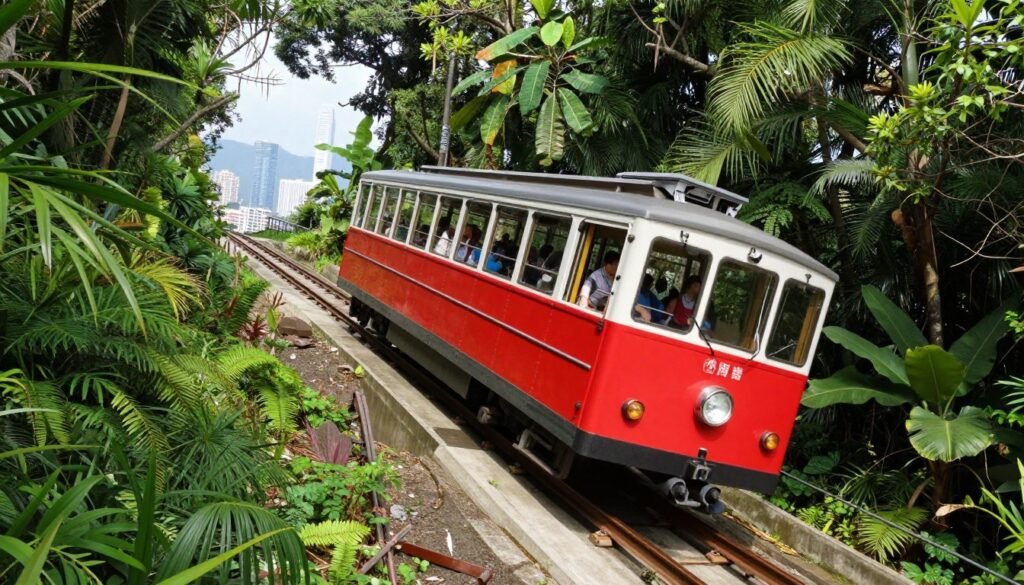
Take the MTR to Central Station and walk 10 minutes to the Peak Tram lower terminus. The Peak Tram has operated since 1888 and climbs at incredibly steep angles up to Victoria Peak. The journey takes 8 minutes and costs $7.50 one way or $11 return.
Time your ascent for 4-5 PM to catch both daylight and sunset views from the top. The tram runs every 10-15 minutes and queues can be long during peak times. Weekday afternoons typically see shorter waits than weekends.
Once at the Peak, skip the expensive Sky Terrace 428 viewing platform. Instead, walk to the free viewing areas around the Peak Circle Walk. These spots offer equally stunning views of Victoria Harbour, Hong Kong Island, and Kowloon without the admission fee.
Late Afternoon: Peak Circle Walk
The Peak Circle Walk is a gentle, paved 3.5-kilometer path around Victoria Peak. The entire loop takes about 45 minutes at a leisurely pace and provides constantly changing views of Hong Kong. This walk costs nothing and beats any paid observation deck.
You’ll see the city from multiple angles as you circle the peak. Dense forest covers parts of the trail, creating a surprising natural escape just minutes from urban Hong Kong. Benches appear regularly for rest stops and photo opportunities.
The walk is well-maintained and suitable for all fitness levels. Signs point the way throughout, making it impossible to get lost. Time your walk to finish as the sun sets and the city lights begin to twinkle below.
Evening: Descent and Dinner in SoHo
Return to the Peak Tram for the descent back to Central. The downward journey offers different views and feels even steeper than going up. Some people prefer riding down while others choose to take bus 15 for a less crowded alternative at $1.20.
Head to the SoHo (South of Hollywood Road) district for dinner. This area features numerous restaurants in various price ranges. Budget options include Vietnamese, Thai, Indonesian, and local Hong Kong eateries where you can eat well for $10 to $15.
After dinner, explore the Mid-Levels Escalator, the world’s longest outdoor covered escalator system. This free ride stretches 800 meters and climbs 135 meters, passing through SoHo and connecting multiple neighborhoods. The escalators run downhill in morning and uphill from 10:20 AM to midnight.
Day 2 Budget Summary
| Expense | Cost | Notes |
| MTR rides | $3.50 | Multiple short trips |
| Peak Tram return | $11.00 | Round trip ticket |
| Lunch | $8.00 | Cha chaan teng set lunch |
| Dinner in SoHo | $12.00 | Budget Asian restaurant |
| Snacks and drinks | $6.00 | Water, coffee, afternoon snack |
| Accommodation | $35.00 | Budget hotel or hostel |
| Total Day 2 | $75.50 | All major sights covered |
Day 3: Lantau Island – Big Buddha and Ngong Ping
Day three ventures to Lantau Island, Hong Kong’s largest island and home to the iconic Tian Tan Buddha. This day trip combines natural beauty, cultural sites, and one of Hong Kong’s most impressive cable car rides. You’ll experience a completely different side of Hong Kong away from the urban density.
The journey to Ngong Ping involves the spectacular Ngong Ping 360 cable car offering mountain and sea views. After exploring the Big Buddha and Po Lin Monastery, you’ll visit the traditional fishing village of Tai O before returning to Hong Kong Island for the evening.
Morning: Ngong Ping 360 Cable Car
Start early to beat crowds at the Ngong Ping 360 cable car. Take the MTR to Tung Chung station and follow signs to the cable car terminal, about a 5-minute walk. The standard cabin round-trip ticket costs approximately $25 when booked online in advance, saving you about 15% compared to walk-up prices.
The cable car journey takes 25 minutes each way and covers 5.7 kilometers over mountains and water. Standard cabins have glass windows providing excellent views. Crystal cabins with glass floors cost extra but aren’t necessary unless you specifically want that experience.
The ride offers spectacular views of the airport, Lantau Island’s mountains, and the South China Sea. Morning departures provide the clearest visibility before afternoon haze develops. Weekday mornings see the shortest queues, typically 15-30 minutes versus 60-90 minutes on weekends.
Save Money on Ngong Ping 360
Book your Ngong Ping 360 cable car tickets online before your trip to save up to 20% and skip the ticket counter queues.
Late Morning: Tian Tan Buddha and Po Lin Monastery
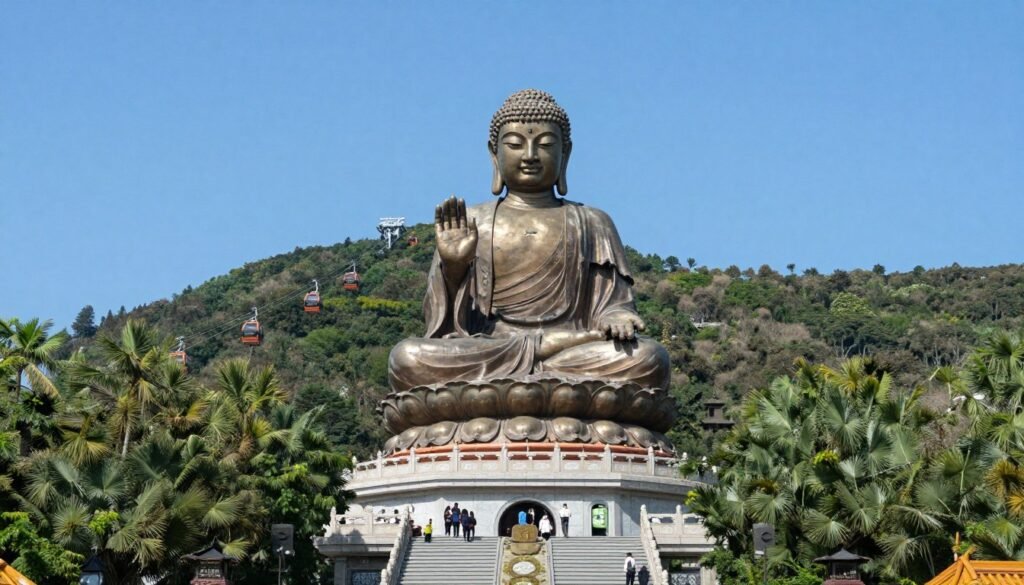
Exit the cable car at Ngong Ping Village and walk 5 minutes to the Tian Tan Buddha, also called the Big Buddha. This massive bronze statue stands 34 meters tall and requires climbing 268 steps to reach the platform. Admission to the area is free, making this one of Hong Kong’s best value attractions.
The Buddha statue took 12 years to complete and was finished in 1993. From the platform, you’ll have panoramic views of Lantau Island’s mountains and, on clear days, can see all the way to mainland China. The statue’s serene expression and massive scale impress every visitor.
Visit Po Lin Monastery adjacent to the Buddha statue. This active Buddhist monastery welcomes visitors to its main temple hall free of charge. The vegetarian restaurant inside serves simple but tasty meals for $8 to $12 if you’re hungry. Dress modestly when entering temple buildings.
Afternoon: Tai O Fishing Village
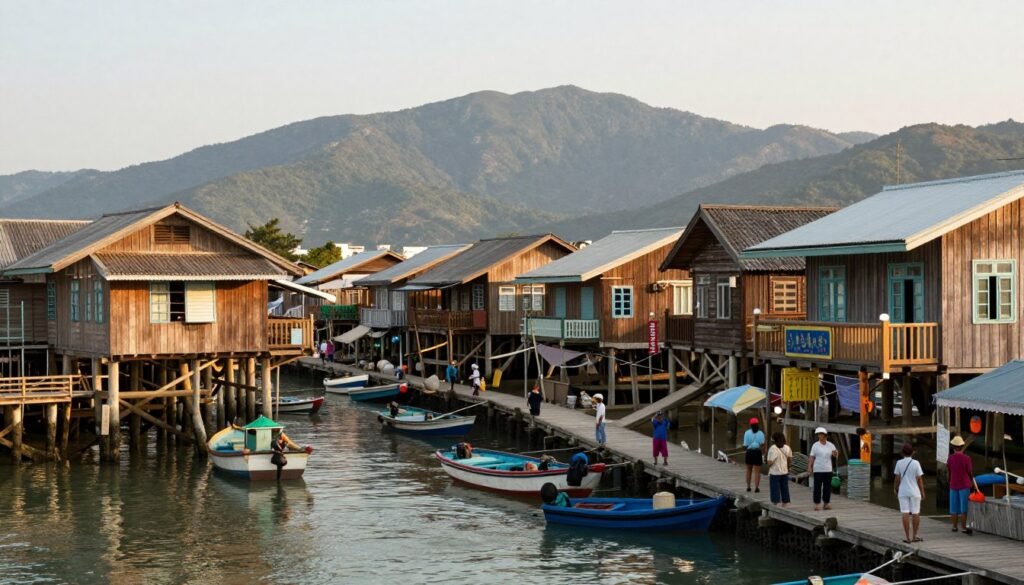
Take bus 21 from Ngong Ping to Tai O fishing village, a 20-minute ride costing $6.50. This traditional village sits on stilts over tidal flats and represents old Hong Kong before modern development. The village offers a completely different atmosphere from urban Hong Kong.
Walk through Tai O’s narrow lanes lined with dried seafood shops, small temples, and traditional stilt houses. The village specializes in shrimp paste and dried fish, creating strong but interesting smells throughout the area. You can explore freely without paying admission to anything.
Small boat operators offer 15-minute sampan tours through the water channels for $3 to $4 per person. These tours show you the stilt houses from water level and sometimes spot Chinese white dolphins if you’re lucky. The boat rides aren’t essential but add a nice perspective.
Late Afternoon: Return Journey
Return to Ngong Ping by bus 21 for your cable car descent back to Tung Chung. If you have extra time and energy, consider taking bus 11 from Tai O to Tung Chung instead, which provides coastal views and saves the cable car return fare of $12.50.
The bus route to Tung Chung takes about 50 minutes versus 25 minutes on the cable car. This option appeals to budget travelers who’ve already experienced the cable car views on the way up. The bus costs $6.50 compared to the cable car’s return leg.
Once back in Tung Chung, explore the Citygate Outlets mall for dinner at their food court. You’ll find numerous options serving meals for $7 to $10. The mall also has restrooms, ATMs, and air conditioning for a comfortable break before heading back to Hong Kong Island or Kowloon.
Evening: Return to Hong Kong Island
Take the MTR from Tung Chung station back to your hotel area. The journey to Hong Kong Island takes about 30 minutes and costs around $3.50. If you’re staying in Kowloon, the trip is slightly shorter and cheaper.
You’ll likely feel tired after climbing all those Buddha steps and exploring Lantau Island. Consider a quiet evening near your hotel with a simple dinner and early rest. Tomorrow brings more walking and exploring, so recovery time helps.
If you still have energy, the Temple Street Night Market (near Jordan MTR station in Kowloon) operates until 11 PM. This market offers food, souvenirs, and people-watching opportunities. It’s an easy, low-cost evening activity requiring minimal effort.
Day 3 Budget Summary
| Expense | Cost | Notes |
| MTR to Tung Chung | $3.50 | From Hong Kong Island |
| Ngong Ping 360 cable car | $25.00 | Round trip online price |
| Bus to Tai O | $6.50 | One way from Ngong Ping |
| Bus return | $6.50 | Tai O to Ngong Ping |
| Lunch near Big Buddha | $10.00 | Simple meal |
| Dinner at Citygate | $9.00 | Food court meal |
| MTR return | $3.50 | Tung Chung to hotel area |
| Snacks and drinks | $5.00 | Throughout the day |
| Accommodation | $35.00 | Budget hotel or hostel |
| Total Day 3 | $104.00 | Full day trip included |
Day 4: Kowloon – Markets, Culture, and Local Life
Day four immerses you in Kowloon’s vibrant neighborhoods, from traditional temples to bustling markets. This area showcases authentic Hong Kong life where locals shop, eat, and socialize. You’ll experience the city’s incredible energy while spending very little money.
The day explores Wong Tai Sin Temple, the flower and bird markets, and culminates in the chaotic but fascinating Mong Kok area. These neighborhoods represent Hong Kong’s living culture rather than tourist attractions, providing genuine insights into daily life in this dynamic city.
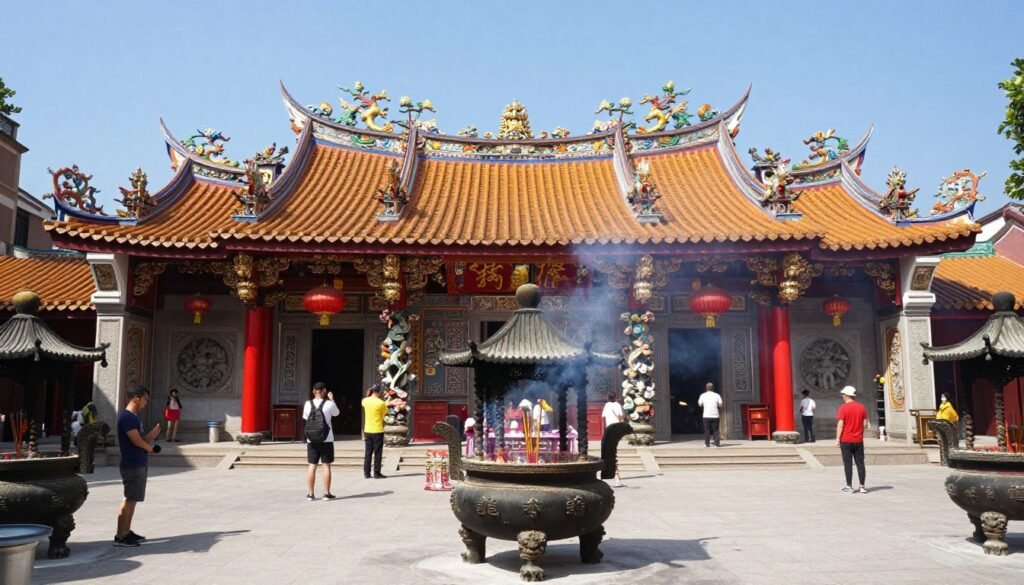
Morning: Wong Tai Sin Temple
Start your day at Wong Tai Sin MTR station and walk 5 minutes to Wong Tai Sin Temple, one of Hong Kong’s most famous Taoist temples. Entry is free, though donations are welcome. The temple attracts worshippers seeking good fortune, health, and answers to life’s questions.
The temple complex features beautiful traditional Chinese architecture with red pillars, golden roofs, and blue latticework. Watch locals practicing kau cim, a fortune-telling method involving shaking numbered sticks from a container. Fortune tellers around the temple will interpret results for a fee, though just observing costs nothing.
Visit the Good Wish Garden behind the main temple halls. This traditional Chinese garden provides a peaceful contrast to the busy worship areas. The garden costs $2.50 to enter and features pavilions, bridges, and carefully arranged rocks representing classical Chinese garden design.
Late Morning: Flower Market Road
Take the MTR to Prince Edward station and walk to Flower Market Road. This street dedicated entirely to flowers, plants, and gardening supplies operates daily. The vibrant colors, fresh scents, and lively atmosphere make this a sensory delight even if you’re not buying anything.
Dozens of shops line both sides of the street, displaying everything from orchids to cacti to elaborate floral arrangements. Peak activity happens in the morning when shops receive fresh deliveries. The market is busiest on weekends when locals come to buy plants for their apartments.
Photography opportunities abound throughout the market. The flower displays create naturally colorful compositions. Shop owners generally don’t mind photos as long as you’re respectful and not blocking their business. This stop costs nothing but provides wonderful memories.
Midday: Yuen Po Street Bird Garden
Walk 5 minutes from Flower Market Road to Yuen Po Street Bird Garden. This traditional Chinese garden houses dozens of bird shops where locals buy songbirds and ornate cages. The garden itself is free to enter and designed in classical Chinese style with moon gates and pavilions.
Elderly men gather here with their birds in decorative cages, socializing while their pets sing. This represents an old Hong Kong tradition that continues despite the city’s modernization. The birds’ songs create a unique soundtrack to your visit.
The bird garden operates as both a commercial area and a public park. You can walk through freely, observe the birds, and appreciate the cultural tradition. Some vendors sell bird food and supplies, but there’s no pressure to purchase anything.
Afternoon: Ladies’ Market and Fa Yuen Street
Walk or take a short MTR ride to Mong Kok, one of Hong Kong’s most densely populated areas. The Ladies’ Market on Tung Choi Street operates from noon to 11:30 PM daily, selling clothing, accessories, souvenirs, and small electronics at bargain prices.
The market stretches for about one kilometer with over 100 stalls. Bargaining is expected and prices typically start at 2-3 times what vendors will actually accept. Even if you don’t buy anything, walking through provides entertainment and people-watching opportunities.
Visit nearby Fa Yuen Street, also called Sneaker Street, where sports shoes and athletic wear dominate. This area attracts both locals and tourists seeking deals on brand-name and replica footwear. The concentration of similar shops creates intense competition and lower prices.
Shopping Tip: Be cautious of counterfeits when shopping at markets. If prices seem too good to be true for brand names, the products are likely fake. For souvenirs and non-branded items, these markets offer excellent value.
Late Afternoon: Mong Kok Computer Centre and Golden Computer Arcade
Electronics enthusiasts should visit Mong Kok Computer Centre and Golden Computer Arcade. These multi-floor buildings house hundreds of small shops selling computers, phones, accessories, and electronics. Prices often beat standard retail, especially for accessories like cables and cases.
Even non-shoppers find these centers interesting for the sheer density of technology and the local shopping culture. Vendors call out deals, bargaining happens constantly, and the energy rivals any market. Most shops accept Octopus Card for small purchases.
Compare prices between shops before buying as significant variation exists. Some vendors cater to tourists with inflated prices while others offer genuine deals. The savvy approach involves checking multiple shops and bargaining respectfully.
Evening: Dinner in Mong Kok
Mong Kok offers countless dining options at every price point. For budget meals, head to the side streets off Nathan Road where local restaurants serve authentic Cantonese food. You’ll find roast meat shops, noodle specialists, and congee restaurants with meals under $8.
Try a dai pai dong, an open-air food stall serving traditional Hong Kong street food. These stalls offer some of the city’s most authentic and affordable meals. Popular dishes include wonton noodles, cart noodles (where you choose your ingredients), and various rice dishes.
After dinner, explore Langham Place, a modern shopping mall with observation areas offering free views over Mong Kok. The mall’s restrooms provide a clean break, and the air conditioning offers relief from Hong Kong’s humidity. Window shopping here costs nothing.
Day 4 Budget Summary
| Expense | Cost | Notes |
| MTR rides | $4.00 | Multiple short trips in Kowloon |
| Good Wish Garden admission | $2.50 | Optional garden at Wong Tai Sin |
| Lunch | $7.00 | Local restaurant in Mong Kok |
| Dinner | $8.00 | Dai pai dong or casual eatery |
| Snacks and drinks | $5.00 | Water, bubble tea, street snacks |
| Shopping (optional) | $10.00 | Small souvenirs if desired |
| Accommodation | $35.00 | Budget hotel or hostel |
| Total Day 4 | $71.50 | Very budget-friendly day |
Day 5: New Territories – Hiking and Village Life
Day five takes you beyond the urban core to Hong Kong’s New Territories for hiking and traditional village exploration. Hong Kong’s extensive trail network offers some of Asia’s best hiking with stunning coastal and mountain views. This free outdoor activity provides a complete contrast to the city’s intensity.
The day focuses on the Dragon’s Back trail, consistently rated among the world’s best urban hikes. After completing the trail, you’ll visit Shek O village for beach relaxation and fresh seafood. This itinerary shows Hong Kong’s remarkable natural beauty that surprises first-time visitors.
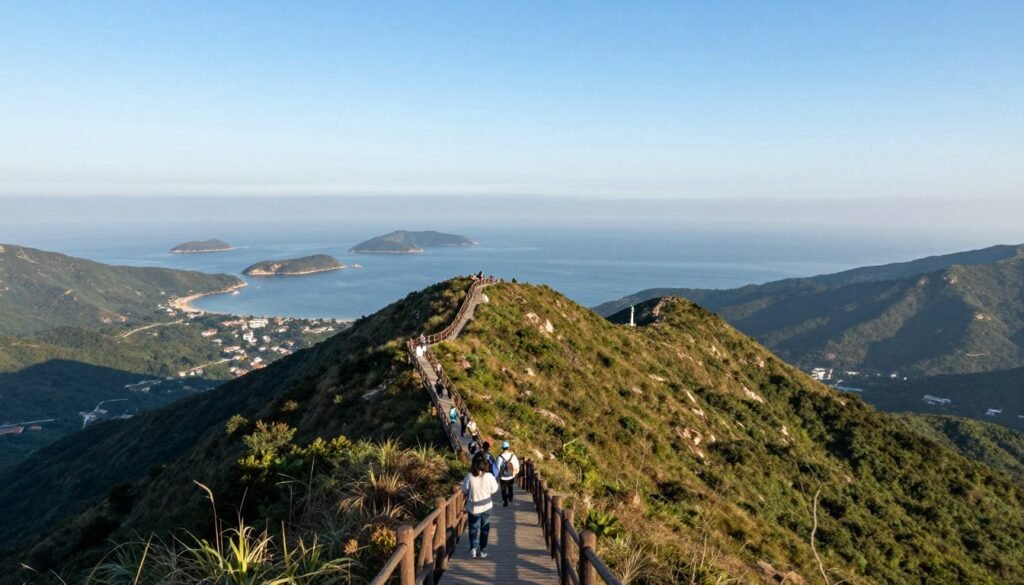
Morning: Dragon’s Back Trail
Take the MTR to Shau Kei Wan station, then exit and catch bus 9 to To Tei Wan Village, the Dragon’s Back trail starting point. The bus ride takes about 25 minutes and costs $2.50. Alternatively, take a taxi for approximately $10 if traveling with a group to split costs.
The Dragon’s Back trail spans 8.5 kilometers and takes 3-4 hours to complete at a moderate pace. The route is well-marked and maintained, suitable for anyone with basic fitness. The trail earned recognition from Time magazine as Asia’s best urban hike due to its accessibility and spectacular views.
Start early to beat heat and crowds. Morning departures by 8-9 AM provide the best experience with cooler temperatures and clearer visibility. Bring plenty of water, sun protection, and snacks as no facilities exist along the trail. The hike itself is completely free.
Mid-Morning: Trail Highlights
The trail climbs to Shek O Peak at 284 meters elevation, offering 360-degree views of Hong Kong’s coastline, islands, and mountains. The ridge walk provides constantly changing vistas with the South China Sea on one side and lush valleys on the other.
Big Wave Bay and Shek O Beach become visible as you progress along the trail. The landscape combines dramatic mountains, pristine beaches, and turquoise water in ways that don’t seem possible so close to a major city. Multiple viewpoints invite stops for photos and rest.
The trail descends through forest to Big Wave Bay, a popular surfing beach. This section provides shade and easier walking after the exposed ridge portions. The contrast between mountain hiking and beach arrival creates a satisfying conclusion to the trail.
Hiking Safety Tip: Check weather forecasts before attempting this hike. Avoid the trail during typhoon warnings, thunderstorms, or extreme heat warnings. Hong Kong’s weather can change quickly, especially in summer months.
Afternoon: Big Wave Bay and Shek O
Arrive at Big Wave Bay in early afternoon. This beach attracts surfers when conditions are right but remains relatively quiet compared to Hong Kong Island’s main beaches. You can swim, relax on the sand, or simply enjoy the coastal scenery without spending money.
Walk 20 minutes from Big Wave Bay to Shek O village, or wait for bus 9 which runs hourly. The village offers a laid-back atmosphere with beachfront restaurants, small shops, and a local community that feels worlds away from central Hong Kong.
Shek O Beach is one of Hong Kong’s nicest with golden sand, clear water, and lifeguard supervision during summer months. The beach has free facilities including changing rooms and showers. Weekdays see far fewer crowds than weekends when locals flock here.
Late Afternoon: Shek O Village Exploration
Explore Shek O village’s narrow lanes lined with village houses, small temples, and local shops. This traditional settlement predates modern Hong Kong by centuries. The village maintains a distinct character despite being part of the metropolitan area.
Visit Shek O Headland on the village’s southern end for more coastal views and rock formations. A short walk from the main beach takes you to this quieter area where locals fish and practice tai chi. The headland walk costs nothing and provides beautiful photo opportunities.
Stop at one of the village’s seafood restaurants for an early dinner. While not as cheap as city eateries, the fresh seafood and beachside setting justify slightly higher prices. A simple fish or seafood noodle dish costs $10 to $15, reasonable given the quality and location.
Evening: Return Journey
Bus 9 runs from Shek O back to Shau Kei Wan MTR station throughout the evening. The last bus typically departs around 11 PM, giving you plenty of time to enjoy the village and beach. The return journey takes about 30 minutes.
From Shau Kei Wan station, the MTR connects you to anywhere in Hong Kong. The ride to Central takes about 20 minutes, to Tsim Sha Tsui about 30 minutes. Your tired muscles from hiking will appreciate the comfortable train ride.
Consider an early night after this active day. Your body needs rest after several hours of hiking, and tomorrow brings more exploration. Hong Kong’s demanding pace requires balancing activity with adequate recovery time.
Day 5 Budget Summary
| Expense | Cost | Notes |
| MTR to Shau Kei Wan | $2.50 | From central Hong Kong |
| Bus 9 to trail start | $2.50 | One way |
| Packed lunch/snacks | $8.00 | Buy before hiking |
| Dinner in Shek O | $12.00 | Seafood noodles or rice |
| Bus 9 return | $2.50 | Shek O to Shau Kei Wan |
| MTR return | $2.50 | To hotel area |
| Drinks and snacks | $6.00 | Extra water, drinks |
| Accommodation | $35.00 | Budget hotel or hostel |
| Total Day 5 | $71.00 | Excellent value day |
Day 6: Southern Hong Kong Island – Aberdeen and Stanley
Day six explores Hong Kong Island’s southern coast, a region that combines fishing village heritage with upscale residential areas. Aberdeen showcases traditional floating communities while Stanley offers a popular market and beautiful waterfront. This day provides cultural insights and relaxation opportunities.
The itinerary balances active sightseeing with leisure time. Morning activities focus on Aberdeen’s fishing heritage and sampan rides, while afternoon allows for beach time, market browsing, and enjoying Stanley’s pleasant atmosphere. These areas demonstrate Hong Kong’s geographic and cultural diversity.
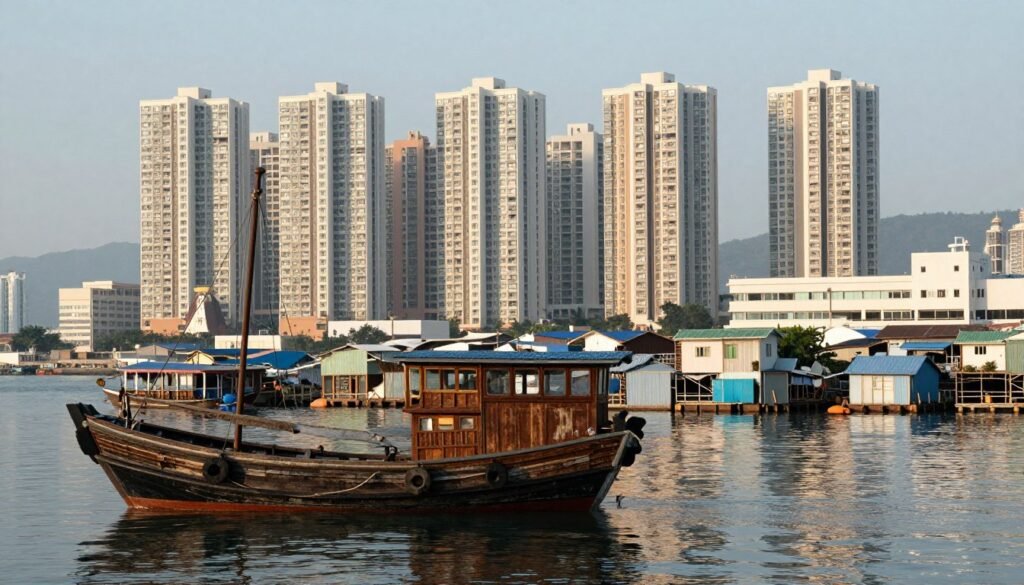
Morning: Aberdeen Fishing Village
Take bus 70 from Central (Exchange Square) to Aberdeen, approximately a 25-minute ride costing $1.50. Aberdeen represents Hong Kong’s fishing heritage with its typhoon shelter harbor still home to traditional boat dwellers. The area provides fascinating contrasts between old and new Hong Kong.
Walk along the Aberdeen Promenade for views of the harbor filled with fishing boats, pleasure craft, and floating restaurants. The promenade is free and features informational signs explaining Aberdeen’s history and importance to Hong Kong’s fishing industry.
Take a sampan ride through Aberdeen Harbour for $8 to $12 per person for a 15-20 minute tour. Local boat operators near the promenade offer these rides, taking you past the famous Jumbo Kingdom floating restaurant and through the typhoon shelter where families still live on boats.
Late Morning: Ap Lei Chau
Walk across the Ap Lei Chau Bridge to this small island adjacent to Aberdeen. Ap Lei Chau earned recognition as the world’s most densely populated island, with over 86,000 people living in just 1.32 square kilometers. The bridge crossing is free and takes about 10 minutes.
The island features the Horizon Plaza outlet mall where you can find discounted designer goods, furniture, and home accessories. Even if you’re not shopping, the building offers interesting views from its upper floors. The mall operates as a series of independent shops across multiple floors.
Return to Aberdeen for lunch at one of the local cooked food centers. These government-run food centers house multiple small restaurants serving authentic local cuisine. Meals cost $6 to $9 and include everything from congee to roast meats to curry dishes.
Afternoon: Journey to Stanley
Take bus 973 from Aberdeen to Stanley, a scenic 25-minute ride costing $2.50. The bus route follows the coast, providing beautiful views of Repulse Bay and other southern beaches. Sit on the upper deck of the double-decker bus for the best views.
Stanley is a popular destination for both tourists and locals due to its market, beaches, and waterfront dining. The area was one of Hong Kong’s earliest British settlements and retains a different character from the urban core. The pace here is noticeably more relaxed.
Arrive at Stanley Village and head straight to Stanley Beach if weather permits. This wide, golden sand beach offers swimming, sunbathing, and various water sports. The beach is free with basic facilities including changing rooms and showers. Lifeguards operate during summer months.
Late Afternoon: Stanley Market
Explore Stanley Market, a maze of narrow lanes filled with shops selling clothing, accessories, art, souvenirs, and home goods. The market operates daily from roughly 10 AM to 6 PM. While aimed at tourists, bargaining can still yield good deals on certain items.
The market’s covered alleys provide shade and make browsing comfortable even during hot weather. You’ll find everything from cheap tourist trinkets to quality artwork and crafts. Compare prices between shops and don’t hesitate to negotiate, especially if buying multiple items.
Visit Murray House, a historic colonial building dismantled from Central and rebuilt in Stanley. The ground floor houses restaurants while the upper floors are free to explore. The building’s Victorian architecture creates an interesting contrast with Stanley’s waterfront setting.
Evening: Stanley Waterfront
Walk along Stanley’s waterfront promenade as the day cools down. This pleasant walkway features restaurants, bars, and open seating areas with harbor views. The atmosphere becomes particularly nice in the evening when locals come out for dinner and drinks.
Choose from numerous waterfront restaurants for dinner. While Stanley generally costs more than central Hong Kong eateries, you can still find reasonable options. Western-style cafes and Asian restaurants both feature prominently, with main courses ranging from $12 to $20.
After dinner, catch bus 6 or 6X back to Central, approximately a 40-minute ride. These buses run frequently until late evening. The journey back takes you along the coast in darkness, with lights from various bays creating a different nighttime perspective.
Day 6 Budget Summary
| Expense | Cost | Notes |
| Bus to Aberdeen | $1.50 | From Central |
| Sampan ride | $10.00 | 20-minute harbor tour |
| Lunch in Aberdeen | $8.00 | Cooked food center |
| Bus to Stanley | $2.50 | From Aberdeen |
| Snacks at beach | $5.00 | Drinks, ice cream |
| Dinner in Stanley | $15.00 | Waterfront restaurant |
| Bus return to Central | $2.50 | Bus 6 or 6X |
| Shopping (optional) | $10.00 | Small souvenirs |
| Accommodation | $35.00 | Budget hotel or hostel |
| Total Day 6 | $89.50 | Includes optional shopping |
Day 7: Final Explorations and Departure
Your final day in Hong Kong allows for last-minute shopping, revisiting favorite spots, or exploring areas you missed earlier. The schedule depends on your flight time, but even with an evening departure, you can fit in meaningful activities. This day focuses on flexible options that work with various schedules.
Morning activities might include a final dim sum breakfast, last souvenir shopping, or a peaceful temple visit. Afternoon options range from museum visits to park relaxation before heading to the airport. The key is not cramming too much into your final hours.
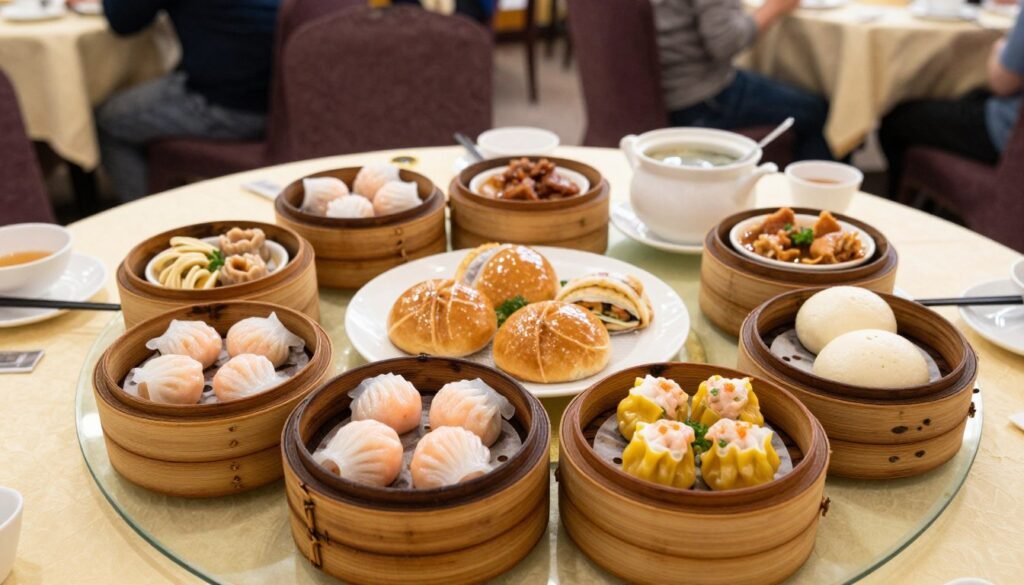
Morning: Dim Sum Breakfast
Start your final day with authentic Hong Kong dim sum at a traditional tea house. Tim Ho Wan, the famous Michelin-starred budget dim sum chain, has multiple locations across Hong Kong with meals costing $8 to $12 per person. Arrive early as queues form quickly, especially at the original Mong Kok location.
Alternatively, visit a local cha chaan teng for Hong Kong-style breakfast. These tea restaurants serve unique dishes like macaroni soup with ham, condensed milk toast, and Hong Kong-style milk tea. Breakfast costs $5 to $8 and provides an authentic final meal.
Lin Heung Tea House in Central represents traditional dim sum culture with trolleys wheeling between tables. The chaotic, crowded atmosphere might overwhelm some visitors but perfectly captures old Hong Kong dining culture. Cash only and shared tables are standard here.
Late Morning: Last-Minute Activities
If you haven’t visited yet, Chi Lin Nunnery in Diamond Hill offers peaceful gardens and beautiful Tang Dynasty-style architecture. Entry is free and the nunnery provides a tranquil contrast to Hong Kong’s urban energy. The adjacent Nan Lian Garden extends the peaceful atmosphere.
For shopping, revisit Mong Kok’s markets or head to Causeway Bay’s shopping district. Times Square and other malls in this area offer last chances for purchases. The MTR connects Causeway Bay to the Airport Express stations efficiently.
Museum lovers might visit the Hong Kong Museum of History in Tsim Sha Tsui. The permanent exhibition traces Hong Kong’s development from prehistoric times to the 1997 handover. Admission costs $10 on regular days but is free on Wednesdays. The museum requires 2-3 hours for a thorough visit.
Download Your Hong Kong Budget Travel Toolkit
Get our free comprehensive budget travel guide including expense tracker, money-saving tips checklist, and printable itinerary planner for your Hong Kong adventure.
Afternoon: Departure Preparations
Return to your hotel with enough time for checkout (usually 11 AM or noon) and collecting your belongings. Most hotels will store luggage for a few hours if your flight departs in the evening, allowing you to explore without bags.
Make your way to the Airport Express station at Hong Kong or Kowloon. The Airport Express offers in-town check-in services at both stations for many airlines. You can check bags and get boarding passes up to 90 minutes before your flight, then ride to the airport bag-free.
The Airport Express takes 24 minutes from Hong Kong Station or 19 minutes from Kowloon Station to the airport. Trains run every 10 minutes from early morning to midnight. Your pre-purchased ticket or Octopus Card covers the journey.
Evening: Airport Departure
Arrive at Hong Kong International Airport at least 2-3 hours before international flights. The airport is large and security can take time, especially during peak periods. The terminal offers extensive shopping and dining if you have extra time.
Hong Kong Airport features numerous restaurants and food courts with prices ranging from budget to premium. You can still get a decent meal for $10 to $15 even at the airport, though convenience store snacks cost less if you’re being strict with your budget.
The airport provides free WiFi, comfortable seating areas, and even rest zones with reclining chairs. If you have significant waiting time, explore the different terminals and observation areas. Some gates offer views of aircraft arriving and departing.
Day 7 Budget Summary
| Expense | Cost | Notes |
| Dim sum breakfast | $10.00 | Traditional tea house |
| MTR rides | $3.50 | Final explorations |
| Museum admission (optional) | $10.00 | Or free on Wednesday |
| Lunch/snacks | $8.00 | Light meal before airport |
| Airport Express | $14.50 | One way to airport |
| Airport snacks | $6.00 | Pre-flight refreshments |
| Last souvenirs (optional) | $15.00 | Final purchases |
| Total Day 7 | $67.00 | No accommodation needed |
Budget Accommodation Guide for Hong Kong
Finding affordable accommodation in Hong Kong requires research and flexibility. The city’s high property costs translate to expensive hotels, but budget options exist if you know where to look. Your accommodation choice significantly impacts overall trip costs, making this decision crucial for budget travelers.
Budget hotels and hostels cluster in specific areas. Tsim Sha Tsui in Kowloon offers the highest concentration of budget options with excellent location advantages. Causeway Bay and Mong Kok provide alternatives with good MTR access and local atmosphere. Each area has distinct characteristics worth considering.
Hostel Accommodations
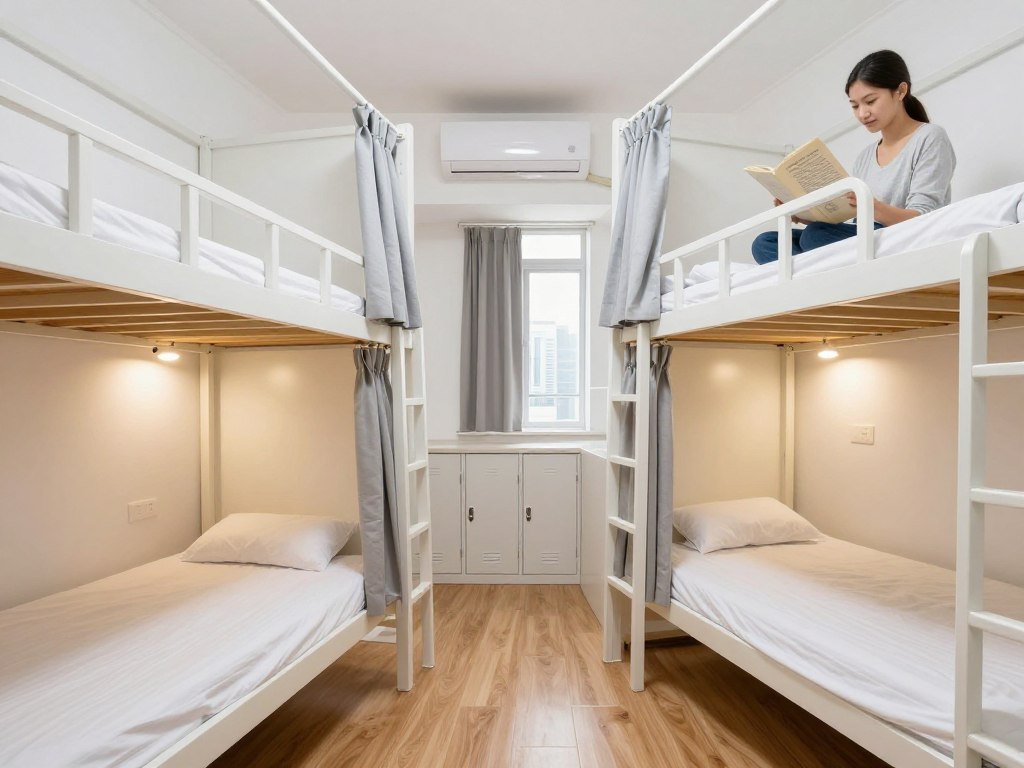
Hostels provide Hong Kong’s most affordable sleeping options with dorm beds ranging from $20 to $35 per night. Private rooms in hostels cost $50 to $80, splitting the difference between dorms and budget hotels. Modern Hong Kong hostels often feature good facilities including air conditioning, WiFi, and common areas.
Check hostel reviews carefully on platforms like Hostelworld or Booking.com. Factors like cleanliness, location, and staff helpfulness vary significantly between properties. Reading recent reviews helps identify which hostels maintain good standards versus those declining in quality.
Popular budget hostel areas include Tsim Sha Tsui, Mong Kok, and Causeway Bay. These locations provide easy MTR access to attractions while keeping costs down. Some hostels include breakfast, though this is less common in Hong Kong than in other Asian destinations.
Budget Hotels
Budget hotels in Hong Kong typically charge $40 to $70 for tiny private rooms. Room sizes often measure just 100-150 square feet with a small bathroom. These hotels prioritize sleep space over comfort amenities but provide privacy and security.
Chungking Mansions in Tsim Sha Tsui houses dozens of budget guesthouses in one building. This infamous complex offers rock-bottom prices ($25-$40 per night) but comes with warnings about cleanliness and safety concerns. Research specific guesthouses thoroughly before booking.
Mirador Mansion, also in Tsim Sha Tsui, presents a slightly better alternative to Chungking Mansions. The building still offers budget rates but generally maintains higher standards. Multiple guesthouses operate within the building at various quality levels.
Tsim Sha Tsui Area
The most popular area for budget travelers offers proximity to Victoria Harbour, museums, and excellent MTR connections. The neighborhood buzzes with tourists and locals, providing abundant dining and shopping options.
Price Range: $30-65 per night
Best For: First-time visitors, sightseeing convenience
- Walking distance to waterfront
- Multiple MTR line access
- Countless restaurant choices
- Highest budget hotel concentration
Mong Kok Area
A local neighborhood with authentic Hong Kong atmosphere and lower accommodation prices than Tsim Sha Tsui. The area provides excellent shopping, street food, and transport links while maintaining local character.
Price Range: $25-55 per night
Best For: Budget-conscious travelers, local experience
- Cheaper than tourist areas
- Excellent shopping and markets
- Authentic local atmosphere
- Good MTR connections
Causeway Bay Area
A busy shopping district on Hong Kong Island with mid-range budget options. The area offers excellent dining, shopping, and nightlife while maintaining good access to major attractions via MTR.
Price Range: $35-60 per night
Best For: Shopping enthusiasts, Hong Kong Island base
- Major shopping hub
- Diverse dining options
- Hong Kong Island location
- Vibrant day and night
Booking Strategies
Book accommodation well in advance for major holidays including Chinese New Year, Christmas, and New Year. Prices jump significantly and availability drops during these periods. Booking 2-3 months ahead secures better rates and more choices.
Compare prices across multiple platforms including Booking.com, Agoda, Hostelworld, and hotel direct websites. Sometimes direct booking yields the best price, other times aggregator sites offer exclusive deals. Spend 15 minutes comparing to potentially save $5-10 per night.
Consider staying slightly outside central areas if arriving during peak times. Districts like Quarry Bay, Fortress Hill, or Jordan offer lower rates while remaining well-connected by MTR. An extra 10-15 minutes travel time can translate to significant savings.
What to Expect
Hong Kong budget accommodations feature small rooms by international standards. A typical budget hotel room measures 100-150 square feet including the bathroom. You’ll have space for a bed, small desk, and walking around, but not much else.
Air conditioning is standard even in budget properties given Hong Kong’s hot, humid summers. WiFi is also nearly universal and usually reliable. Elevators are common even in older buildings, important since many budget hotels occupy upper floors.
Don’t expect extensive amenities in budget accommodations. Most skip breakfast, pools, gyms, and other extras. The philosophy focuses on providing clean, safe sleeping space at minimum cost. If you need more comfort, budget an extra $20-30 per night.
Food Guide and Restaurant Recommendations
Hong Kong’s food scene ranges from Michelin-starred restaurants to street food stalls, with excellence found at every price point. Budget travelers can eat exceptionally well for $20 to $30 daily by choosing local eateries over tourist restaurants. Understanding where and what to eat transforms your Hong Kong experience while protecting your budget.
The city’s culinary landscape reflects its cultural diversity with Cantonese cuisine dominating but international options abundant. Street food, dai pai dongs, cha chaan tengs, and local restaurants provide authentic experiences at prices locals pay. Knowing which foods to try and where to find them helps you maximize culinary adventures on a budget.
Budget-Friendly Restaurant Types
Cha chaan tengs are Hong Kong’s quintessential budget eateries. These tea restaurants serve fusion dishes blending Chinese and Western influences. Expect meals from $5 to $10 including drinks. Set lunches offer the best value with soup, main course, and beverage included.
Dai pai dongs operate as open-air food stalls with plastic stools and simple menus. These stalls serve authentic Hong Kong street food and simple cooked dishes. Meals cost $5 to $8 and provide genuine local experiences. Remaining dai pai dongs are becoming rare as the government phases out licenses.
Cooked food centers are government-run buildings housing multiple small restaurants. These centers offer excellent value with diverse options from different vendors. You can eat various Chinese regional cuisines, Southeast Asian food, and local favorites all for $6 to $10 per meal.
Must-Try Hong Kong Foods
Dim sum is essential Hong Kong eating. These small plates traditionally accompany morning tea but are available throughout the day at many restaurants. Budget dim sum places charge $3 to $5 per basket with 3-4 pieces. Popular items include har gow (shrimp dumplings), siu mai (pork dumplings), and char siu bao (BBQ pork buns).
Wonton noodles represent classic Hong Kong comfort food. These thin egg noodles come in soup with shrimp wontons and cost $5 to $7. Mak’s Noodle in Central is famous for wontons but expect queues. Local shops throughout Hong Kong serve equally good versions without waits.
Roast meats, particularly char siu (BBQ pork) and siu yuk (roast pork belly), appear in windows throughout Hong Kong. Order roast meat over rice for $6 to $9. The meat’s quality makes this simple dish incredibly satisfying. Joy Hing Roasted Meat in Wan Chai earned a Michelin star while maintaining reasonable prices.
Street Food Favorites
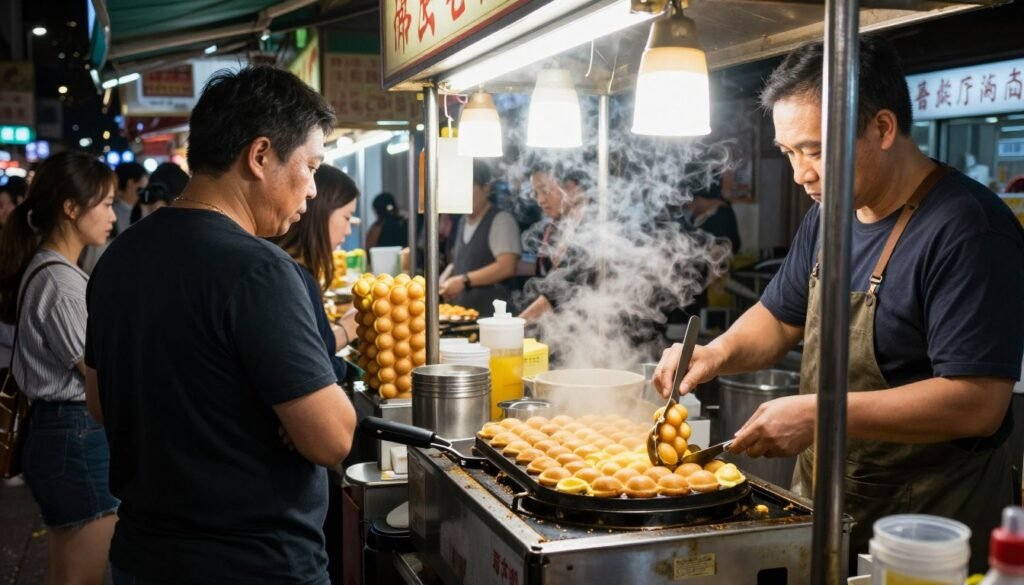
- Egg Waffles (Gai Daan Jai): $1.50-$2.50 – Crispy bubble waffles, a Hong Kong icon
- Fish Balls: $1-$2 per skewer – Bouncy fish balls in curry sauce or clear broth
- Stinky Tofu: $1.50-$3 – Fermented tofu, deep-fried and pungent
- Egg Tarts: $1-$2 each – Flaky pastry with sweet custard filling
- Cheung Fun: $3-$5 – Rice noodle rolls with various fillings
- Curry Fish Balls: $1.50-$2.50 – Street food staple in spicy curry
Drink Recommendations
- Hong Kong Milk Tea: $1.50-$2.50 – Strong black tea with evaporated milk
- Yuanyang: $2-$3 – Coffee and tea mixture, uniquely Hong Kong
- Fresh Fruit Juice: $2-$4 – Squeezed to order at street stalls
- Herbal Tea: $1.50-$2 – Traditional cooling beverages
- Bubble Tea: $3-$5 – Various flavors from chains like Gong Cha
- Soy Milk: $1-$2 – Hot or cold, often paired with breakfast
Specific Budget Restaurant Recommendations
Tim Ho Wan deserves its reputation as the world’s cheapest Michelin-starred restaurant. Multiple locations across Hong Kong serve excellent dim sum with most dishes costing $3 to $5. The BBQ pork buns are legendary. Expect queues at peak times but turnover is quick.
Kam Wah Cafe in Mong Kok serves famous pineapple buns (bolo bao) and Hong Kong-style French toast. This classic cha chaan teng provides authentic local breakfast or snack experiences for under $5. The pineapple bun with butter is a Hong Kong essential.
Tai Cheong Bakery became famous when former governor Chris Patten praised their egg tarts. These flaky pastries cost $1.50 each and are worth hunting down. The original shop sits in Central with other locations across Hong Kong.
| Restaurant | Location | Specialty | Price Range | Notes |
| Tim Ho Wan | Multiple locations | Dim sum | $8-12 per person | Michelin star, expect queues |
| Lan Fong Yuen | Central | Milk tea, pork chop bun | $5-8 per meal | Historic cha chaan teng |
| Kau Kee | Central | Beef brisket noodles | $6-9 per bowl | Cash only, often crowded |
| Sing Heung Yuen | Central | Tomato noodles, French toast | $5-8 per meal | Outdoor seating, local favorite |
| Sheng Kee Dessert | Sham Shui Po | Mango desserts | $4-7 per dessert | Famous mango sago |
| Ho Hung Kee | Causeway Bay | Wonton noodles | $7-10 per bowl | Michelin recommended |
Market and Food Court Options
Temple Street Night Market offers numerous food stalls serving everything from seafood to noodles. Prices remain reasonable at $5 to $10 for most dishes. The atmosphere adds value to the meal with fortune tellers, street performers, and local crowds creating vibrant scenes.
Bowrington Road Cooked Food Centre in Causeway Bay houses multiple excellent local restaurants. This government food center provides air conditioning and varied cuisine choices. Most meals cost $6 to $9 with generous portions. The center operates throughout the day and evening.
Shopping mall food courts throughout Hong Kong provide reliable budget options with air-conditioned comfort. Times Square in Causeway Bay and Langham Place in Mong Kok both feature food courts with diverse choices. Expect to pay $8 to $12 for complete meals.
Money-Saving Food Tips
Eat set lunches between 11:30 AM and 2:30 PM when many restaurants offer special pricing. These sets include soup, main course, and drink for $7 to $10, significantly less than ordering items separately. Even nicer restaurants participate in set lunch promotions.
Drink tap water which is safe in Hong Kong rather than buying bottled water constantly. Carry a reusable bottle and refill at your accommodation or public fountains. This simple habit saves $3 to $5 daily while reducing plastic waste.
Shop at supermarkets like Wellcome or Park N Shop for breakfast items, snacks, and drinks. Prices beat convenience stores significantly. A breakfast of bread, yogurt, and fruit from a supermarket costs $3 to $4 versus $7 to $9 at a cafe.
Budget Dining Strategy: Eat two local meals daily (breakfast and lunch) at cha chaan tengs or food courts for $12-15 total, then splurge slightly on dinner at a nicer restaurant for $15-20. This strategy provides variety while maintaining a daily food budget under $30.
Complete Transportation Guide
Hong Kong’s public transportation system ranks among the world’s best for efficiency, coverage, and affordability. Understanding how to navigate the MTR, buses, trams, and ferries maximizes your time while minimizing costs. Smart transport choices can save you $10 to $15 daily compared to taxis or inefficient routing.
The Octopus Card forms the foundation of Hong Kong transport. This rechargeable smart card works on virtually all public transport plus convenience stores, vending machines, and many restaurants. Using an Octopus Card saves money, time, and eliminates language barriers when traveling around the city.
MTR (Mass Transit Railway) System
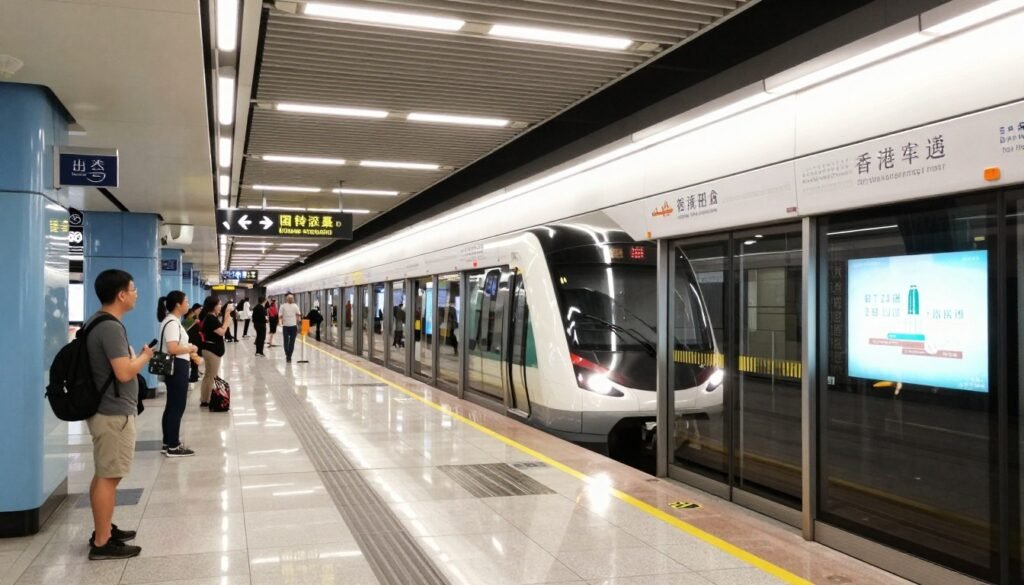
The MTR connects virtually every area you’ll visit in Hong Kong with 10 lines covering Hong Kong Island, Kowloon, and the New Territories. Trains run frequently from 6 AM to midnight with incredibly clean stations and punctual service. Single journey fares range from $0.60 to $3.50 depending on distance traveled.
Download the MTR Mobile app for route planning, real-time train information, and fare calculations. The app works offline for maps and basic information. English announcements and signage appear throughout the system making navigation easy for visitors.
Peak hours (7:30-9:30 AM and 5:30-7:30 PM on weekdays) see packed trains, especially on Hong Kong Island lines. If possible, travel outside these times for more comfortable journeys. The system never becomes truly empty but off-peak periods offer available seats.
Octopus Card Details
Purchase an Octopus Card at any MTR station customer service counter for a $7 refundable deposit plus whatever amount you choose to load (minimum $20 recommended). The card works immediately on all public transport. Tourist Octopus Cards exist but offer no advantages over standard cards for week-long stays.
Octopus Card holders receive automatic discounts on MTR fares compared to single journey tickets. The savings amount to roughly 5-10% per trip. Additionally, you’ll skip ticket machines and pass through turnstiles faster than fumbling with cash.
Top up your Octopus Card at MTR station Add Value Machines, 7-Eleven stores, Circle K, or customer service counters. The machines accept cash and credit cards with English interface options. Check your balance by tapping the card on a reader at any station entrance.
Octopus Card Refund: When leaving Hong Kong, get your $7 deposit and remaining balance refunded at any MTR customer service counter. If you’ve used the card for less than 3 months, a $1.40 handling fee applies. Cards used longer than 3 months get full refunds.
Bus System
Hong Kong’s extensive bus network reaches areas the MTR doesn’t serve including hiking trails, beaches, and outlying neighborhoods. Multiple companies operate buses with fares ranging from $0.50 to $6.50 depending on distance. Octopus Cards work on all buses or use exact cash (drivers don’t give change).
Double-decker buses dominate Hong Kong’s streets with upper deck front seats offering excellent sightseeing opportunities. Bus routes can be confusing, so use Google Maps or the Citybus/KMB apps for route planning. Buses display route numbers and destinations in English.
Night buses (prefixed with N) operate after MTR closes, running until early morning. These buses cost slightly more than daytime services but provide essential late-night connectivity. The N121 from Causeway Bay to the airport runs 24/7 for $3.50.
Trams and Ferries
The iconic double-decker trams run only on Hong Kong Island along the northern coast. Regardless of distance, trams cost a flat $0.30 per ride, making them Hong Kong’s cheapest transport. Board at the back, exit at the front while paying. Trams move slowly but provide atmospheric sightseeing.
The Star Ferry crosses Victoria Harbour between Central/Wan Chai and Tsim Sha Tsui. Lower deck fares cost $0.35 on weekdays and $0.45 on weekends. Upper deck adds $0.10 to these fares. The 8-minute crossing offers stunning skyline views and counts as both transport and attraction.
Other ferry routes connect Hong Kong Island to outlying islands like Cheung Chau, Lamma Island, and Peng Chau. These services depart from Central Piers and cost $3 to $7 depending on destination and ferry type (ordinary vs. fast). Weekend fares increase slightly due to higher demand.
Transport Tips for Tourists
Always stand on the right side of MTR escalators, allowing people to walk on the left. This unwritten rule is strictly followed and blocking the left side will earn you annoyed looks or verbal complaints from rushing commuters.
Don’t eat or drink on MTR trains or in stations. Hong Kong enforces a $320 fine for eating in the MTR system. Water bottles are generally tolerated but eating anything risks a fine from transit police.
Plan routes in advance using Google Maps or the Hong Kong Transit app. Both provide accurate directions combining MTR, buses, and walking. Real-time information helps you catch the fastest connections.
Keep right when walking in stations and on sidewalks. Hong Kong follows British conventions with pedestrians staying left on escalators but right when walking. Going against foot traffic flow slows everyone down.
Airport Express Information
The Airport Express provides the fastest airport connection, reaching Central in 24 minutes or Kowloon in 19 minutes. Pre-book online for discounted fares versus walk-up counter prices.
- Hong Kong Station: $14.50 one-way
- Kowloon Station: $12.50 one-way
- Round trip saves 20-30%
- Free shuttle buses to hotels
- In-town check-in available
Budget Alternative: Bus A11 to Kowloon or A12 to Hong Kong Island costs $8.50 and takes 60-75 minutes.
Taxi Information
Taxis in Hong Kong operate in three colors. Red taxis serve Hong Kong Island and Kowloon, green serve the New Territories, and blue serve Lantau Island. Urban red taxis start at $3.50 for the first 2 kilometers, then $1.10 per additional 200 meters.
Taxis cost significantly more than public transport but make sense for late-night travel, groups of 3-4 people, or when carrying heavy luggage. A typical cross-harbor journey costs $12 to $18 compared to $1.50 on the MTR. Drivers typically speak limited English so having your destination written in Chinese helps.
Uber operates in Hong Kong but costs more than regular taxis due to licensing requirements. Traditional taxis remain the most economical choice for private transport. Split taxi costs with travel companions to make them more budget-friendly.
Daily Transport Budget
Budget $8 to $12 daily for transportation if using primarily MTR and buses. This covers approximately 6-8 MTR trips plus a couple of bus rides. Days involving the Peak Tram, Ngong Ping cable car, or extensive bus travel will cost more.
A week of normal sightseeing uses approximately $60 to $80 in Octopus Card value excluding one-time purchases like Airport Express or cable cars. Loading $80-100 initially on your card should cover most of a week’s transport with minimal top-ups needed.
Track your Octopus Card balance every few days to avoid running out at inconvenient times. Most 7-Eleven stores provide free balance checks and top-up services, making it easy to monitor and replenish your card.
Essential Money-Saving Tips for Hong Kong
Smart strategies can reduce your Hong Kong costs significantly without sacrificing experiences. Understanding when to splurge and when to save makes the difference between a budget trip and a cheap one. These proven tips come from experienced budget travelers who’ve discovered Hong Kong’s best values.
The city offers countless free and low-cost activities that rival expensive tourist attractions. Knowing these options plus employing tactical spending strategies helps you stretch your budget while enjoying everything Hong Kong offers. Small daily savings compound into significant amounts over a week.
Free Attractions and Activities
Victoria Harbour’s Symphony of Lights show runs free every night at 8 PM. This multimedia display involving over 40 buildings provides world-class entertainment at no cost. Arrive early to secure good viewing positions along the Tsim Sha Tsui waterfront.
Hong Kong’s extensive hiking trail network is completely free. The Dragon’s Back, Hong Kong Trail sections, and various country park paths offer stunning views and outdoor experiences without any fees. Bring water and snacks from supermarkets to keep even these excursions budget-friendly.
Temple visits cost nothing at most locations. Wong Tai Sin Temple, Man Mo Temple, and numerous smaller temples throughout Hong Kong welcome visitors free of charge. These spiritual sites provide cultural insights and peaceful moments away from urban chaos.
Free Activities
- Symphony of Lights nightly show
- All major hiking trails
- Temple visits (most)
- Star Ferry harbor crossing
- Tram rides (just $0.30)
- Markets and street browsing
- Park visits and gardens
- Waterfront promenades
- Architecture and neighborhood walks
- Museum free days (Wednesdays)
Budget-Friendly Paid Activities
- Peak Tram ride ($7.50 one-way)
- Star Ferry upper deck ($0.45)
- Museum admissions ($5-10)
- Ngong Ping cable car ($25)
- Sampan harbor rides ($8-12)
- Public beach access (free facilities)
- Botanical gardens ($2-3)
- Local cooking classes ($30-40)
- MTR day passes (if extensive travel)
- Budget dim sum restaurants ($8-12)
Skip These Expensive Items
- Sky Terrace 428 ($8 ticket)
- Madame Tussauds ($30+)
- Peak Galleria shopping
- Tourist restaurant meals
- Taxis for short distances
- Airport Express (take bus instead)
- Branded souvenir shops
- Hotel breakfast (eat local instead)
- Convenience store meals
- Guided tours (explore independently)
Dining Strategies
Eat set lunches between 11:30 AM and 2:30 PM when restaurants offer promotional pricing. Even establishments that seem expensive at dinner serve affordable set lunches for $8 to $12. This strategy allows you to try nicer restaurants while maintaining your budget.
Buy breakfast supplies at supermarkets rather than eating out daily. A week of bread, yogurt, fruit, and coffee from Wellcome or Park N Shop costs $20 to $25 compared to $50 to $70 eating breakfast at cafes. This simple change saves $30 to $45 weekly.
Drink tap water instead of constantly buying bottled water. Hong Kong’s tap water is safe to drink and tastes fine. Carry a reusable bottle and refill at your accommodation or public water fountains. This habit saves $3 to $5 daily while being environmentally responsible.
Accommodation Savings
Book directly with hostels or budget hotels after comparing aggregator sites. Sometimes direct booking yields discounts not available on booking platforms. Email properties asking for their best rate, especially for stays longer than 3-4 nights.
Stay in Mong Kok instead of Tsim Sha Tsui to save $10 to $20 per night. The location requires just one additional MTR stop to reach major attractions while offering more authentic neighborhood atmosphere. The savings compound significantly over a week.
Consider hostels even if you typically prefer hotels. Modern Hong Kong hostels offer excellent facilities with private rooms available if you don’t want dorm beds. The price difference between hostel private rooms and budget hotels often reaches $15 to $25 nightly.
Shopping and Souvenir Tips
Buy souvenirs at local markets rather than tourist shops. The exact same items cost 30-50% less at markets where bargaining is expected. Temple Street Night Market and Ladies’ Market offer the widest selection at competitive prices.
Shop at neighborhood stores in areas like Sham Shui Po for electronics and accessories. These local markets beat tourist area prices significantly. Be cautious of counterfeits but for items like phone cables, chargers, and adapters, savings are substantial.
Skip expensive Hong Kong-branded souvenirs in favor of practical or consumable items. Chinese tea, preserved fruits, or egg roll cookies make better value gifts than expensive trinkets. These items are actually used by locals rather than being made exclusively for tourists.
Hidden Money Saver: Wednesday museum free admission days let you visit Hong Kong Museum of History, Heritage Museum, and other attractions without paying the usual $10 admission. Plan museum visits for Wednesdays to save $20-30 over the week.
Transportation Efficiency
Walk when destinations are less than 3 MTR stops apart. Hong Kong’s compact layout makes walking often faster than taking MTR when you factor in stairs, platform waits, and transfers. You’ll also discover interesting streets and neighborhoods you’d miss underground.
Use the humble tram for Hong Kong Island north coast journeys. At $0.30 per ride regardless of distance, trams beat the MTR economically. The slow pace lets you sightsee while traveling, adding value beyond mere transportation.
Take buses instead of the Airport Express unless you’re extremely short on time. Bus A11 to Kowloon or A12 to Hong Kong Island costs $8.50 compared to the Airport Express’s $14.50. The bus takes longer but saves $6 each direction or $12 round trip.
Timing Strategies
Visit Hong Kong during shoulder seasons (March-April or October-November) when accommodation prices drop 20-40% compared to peak periods. The weather remains pleasant and you’ll encounter smaller crowds at major attractions. Flight prices also decrease during these periods.
Do major sightseeing on weekdays when attractions are less crowded and some restaurants offer better lunch specials. Weekends see hordes of local tourists at popular spots like Victoria Peak, making weekday visits more enjoyable and sometimes cheaper.
Book tours, cable cars, and attractions online in advance to secure discounts of 10-20%. Websites like Klook and KKDay offer Hong Kong activities at reduced rates compared to walk-up prices. Advance booking also guarantees availability during busy periods.
Technology and Apps
Download Google Maps offline for Hong Kong before arriving to avoid data charges. The offline map works for navigation and finding businesses without internet connection. This works alongside the free WiFi available at most MTR stations.
Use free WiFi extensively available across Hong Kong rather than buying expensive international data plans. Major malls, MTR stations, and many restaurants offer free WiFi. A local SIM card costs just $8-15 for a week if you need constant connectivity.
Install the OpenRice app for restaurant reviews, menus, and prices before choosing where to eat. This local dining app helps you avoid tourist traps and find authentic restaurants with fair pricing. The app includes English interface and translations.
Practical Information and Travel Tips
Understanding Hong Kong’s practical details makes your trip smoother and more enjoyable. From weather patterns to cultural norms, these insights help you navigate the city like a knowledgeable traveler rather than a confused tourist. Preparation in these areas prevents common mistakes and frustrations.
Hong Kong blends Chinese and Western influences in unique ways that can surprise first-time visitors. Knowing what to expect regarding language, customs, safety, and logistics allows you to focus on enjoying your trip rather than solving basic problems.
Weather and Best Time to Visit
Hong Kong experiences subtropical weather with hot, humid summers and mild, dry winters. The best weather occurs from October to early December when temperatures range from 18-28°C (64-82°F) with low humidity and clear skies. This period also sees less rain than other seasons.
March to May brings pleasant temperatures but increasing humidity and occasional rain. This shoulder season offers good value with lower accommodation prices than peak winter months. Cherry blossoms and other spring flowers bloom during this time.
Summer (June-August) is hot, humid, and rainy with temperatures often exceeding 32°C (90°F). Typhoon season runs June through November, potentially disrupting plans. However, summer brings lower hotel rates and fewer tourists if you can handle the weather.
Language and Communication
Cantonese is Hong Kong’s primary language, though English holds official status and appears on all signs, menus, and announcements. English proficiency varies with younger people and service industry workers generally speaking better English than older residents.
Learn basic Cantonese phrases like “m goi” (thank you for service) and “do jeh” (thank you for gifts) to show cultural respect. Locals appreciate effort even if your pronunciation is imperfect. However, you can navigate Hong Kong entirely in English without major difficulties.
Google Translate works well for written Chinese but struggles with Cantonese audio due to tonal complexity. The app’s camera translation feature helps with menus and signs. Download Chinese language packs for offline use.
Money and Banking
Hong Kong Dollar (HKD) is the local currency with exchange rates around 7.8 HKD to 1 USD, though this fluctuates. ATMs are ubiquitous and most accept international cards with reasonable fees. Withdraw larger amounts less frequently to minimize ATM charges.
Credit cards work at most restaurants, shops, and attractions except small local eateries and markets which prefer cash. Always carry $100-200 HKD cash for dai pai dongs, street food, and small purchases. Many places accept Octopus Card for small transactions.
Currency exchange at licensed money changers beats airport or hotel rates. Reputable exchangers cluster around Nathan Road in Tsim Sha Tsui and Central district. Compare rates between several shops before exchanging large amounts.
Hong Kong Advantages
- Excellent public transportation
- Very safe for travelers
- English widely understood
- Amazing food at all budgets
- Compact and easy to navigate
- 24/7 city energy
- Free hiking and nature access
- Modern facilities and infrastructure
Hong Kong Challenges
- Very small hotel rooms
- Hot, humid summer weather
- Crowded peak tourist areas
- Language barrier with older residents
- Accommodation costs higher than mainland Asia
- Limited beach season
- Air quality issues some days
- Overwhelming pace for some travelers
Safety and Health
Hong Kong ranks as one of Asia’s safest cities with very low violent crime rates. Petty theft occasionally occurs in crowded tourist areas but remains uncommon. Use common sense with valuables and be aware of surroundings in busy markets.
Tap water is safe to drink throughout Hong Kong. The city maintains high sanitation standards and food safety regulations. Eat street food without major concerns though following crowds to popular stalls indicates quality and freshness.
Pharmacies like Watsons and Mannings appear throughout Hong Kong selling over-the-counter medications. Pharmacists often speak English and can advise on treating minor ailments. For serious medical issues, Hong Kong hospitals provide excellent care but are expensive without insurance.
Internet and Connectivity
Free WiFi is widely available across Hong Kong in MTR stations, shopping malls, coffee shops, and many public areas. The Hong Kong government operates GovWiFi providing free access at numerous locations. These networks work adequately for browsing and messaging.
Local SIM cards cost $8-15 for week-long unlimited data plans. Major providers include CSL, 3 Hong Kong, and China Mobile. Purchase SIM cards at convenience stores or airport shops. Your phone must be unlocked to use local SIM cards.
E-SIM cards offer convenient alternative to physical SIM cards if your phone supports this technology. Companies like Airalo sell Hong Kong e-SIM data plans online. The e-SIM activates immediately upon arrival without visiting a store or swapping physical SIM cards.
Cultural Etiquette
Tipping is not expected in Hong Kong though some restaurants add 10% service charges. Don’t tip taxi drivers, hotel staff, or casual eateries. Higher-end restaurants may appreciate small tips for exceptional service but this remains optional.
Remove shoes when entering homes or certain traditional establishments. This custom applies more to residential settings than commercial spaces. Watch what others do if unsure whether to remove shoes.
Don’t stick chopsticks vertically in rice as this resembles funeral incense and is considered bad luck. Rest chopsticks on the provided holder or across your bowl. Hong Kong people are generally forgiving of foreigners’ chopstick mistakes but appreciates cultural awareness.
Emergency Information
Call 999 for police, fire, or ambulance emergencies. English-speaking operators are available. The response time is very fast and services are professional. Non-emergency police matters use 2527-7177.
Tourist assistance hotline 1823 provides help with non-emergency issues in multiple languages. This service can assist with lost belongings, tourist information, and complaint resolution. Hours are 8 AM to midnight daily.
US Consulate General in Hong Kong: +852 2523-9011. Other countries maintain consular presence in Hong Kong. Save your country’s emergency contact number before traveling. Consulates can assist with lost passports, legal issues, or emergency situations.
Complete 7-Day Budget Summary
This comprehensive budget breakdown shows exactly what one week in Hong Kong costs using the strategies outlined in this guide. The totals reflect budget-conscious choices while still experiencing Hong Kong’s best attractions, food, and activities. Your actual spending may vary based on personal preferences and exchange rates.
The summary includes all major expenses from accommodation and meals to transportation and attractions. Optional costs are indicated separately. This transparency helps you plan accurately and adjust the budget to match your comfort level and priorities.
| Day | Accommodation | Food | Transport | Attractions | Miscellaneous | Daily Total |
| Day 1 | $35.00 | $20.00 | $46.30 | $0.00 | $0.00 | $101.30 |
| Day 2 | $35.00 | $20.00 | $14.50 | $0.00 | $6.00 | $75.50 |
| Day 3 | $35.00 | $19.00 | $19.50 | $25.00 | $5.50 | $104.00 |
| Day 4 | $35.00 | $20.00 | $4.00 | $2.50 | $10.00 | $71.50 |
| Day 5 | $35.00 | $20.00 | $10.00 | $0.00 | $6.00 | $71.00 |
| Day 6 | $35.00 | $23.00 | $6.50 | $10.00 | $15.00 | $89.50 |
| Day 7 | $0.00 | $18.00 | $18.00 | $10.00 | $21.00 | $67.00 |
| TOTAL | $210.00 | $140.00 | $118.80 | $47.50 | $63.50 | $579.80 |
Budget Category Breakdown
Accommodation represents the largest expense at $210 for six nights, averaging $35 per night. This assumes budget hotel or hostel dorm accommodation in areas like Tsim Sha Tsui or Mong Kok. Upgrading to private hostel rooms adds $15-20 nightly or approximately $100 total.
Food costs $140 for the week or $20 daily. This budget allows two local meals at cha chaan tengs or food courts plus street food snacks. One slightly nicer dinner on Day 6 brings that day’s food spending to $23. Eating exclusively at local places keeps food costs manageable.
Transportation totals $118.80 including the initial Octopus Card purchase ($37), Airport Express on departure day ($14.50), Ngong Ping cable car ($25), Peak Tram ($11), and daily MTR/bus rides. The Day 1 total includes the one-time Octopus Card purchase skewing that day higher.
Attractions cost just $47.50 for the entire week because Hong Kong offers so many free activities. Paid items include the cable car, Peak Tram, sampan ride, and optional museum visit. Free attractions like hiking, temples, beaches, and the Symphony of Lights provide excellent experiences without charges.
Miscellaneous expenses of $63.50 cover drinks, snacks, optional shopping, and small incidentals. This category has the most flexibility for personal spending preferences. Souvenirs and additional shopping would increase this amount based on individual interests.
Budget Adjustments
Luxury budget travelers wanting more comfort should add $150-200 for upgraded accommodation and nicer meals. This brings the total to approximately $750-800 weekly while still maintaining reasonable spending compared to typical Hong Kong costs.
Ultra-budget travelers can reduce costs to around $450-500 weekly by choosing hostel dorms exclusively ($25 nightly), eating mostly street food and supermarket items ($12-15 daily), and walking more instead of MTR rides. This requires more sacrifices but remains feasible.
Couples or friends traveling together can save money by sharing private hotel rooms instead of booking separate dorm beds. A double room at $55-70 nightly costs less per person than two dorm beds at $30 each, while providing more privacy and comfort.
Ready to Book Your Budget Hong Kong Adventure?
Start securing the best deals on accommodation, transportation passes, and attraction tickets. Booking in advance saves money and guarantees availability during your preferred dates.
Final Thoughts on Your Budget Hong Kong Adventure
Hong Kong proves that expensive cities can still welcome budget travelers who plan smartly and make informed choices. This budget Hong Kong itinerary 7 days demonstrates that you can experience the city’s incredible diversity without spending a fortune. From Victoria Peak’s panoramic views to local dai pai dong meals, affordable options exist for every aspect of your trip.
The key to budget success in Hong Kong lies in balancing free attractions with strategic spending on must-do experiences. Hiking Dragon’s Back costs nothing, while the Ngong Ping cable car justifies its price with spectacular views. Eating like locals at cha chaan tengs saves money for occasional splurges at nicer restaurants. This balanced approach creates rich experiences within budget constraints.
Your total spending of approximately $580 for a week covers accommodation, food, comprehensive transportation, major attractions, and miscellaneous expenses. This proves significantly less than many travelers expect to spend in Hong Kong. The budget accommodates both experiencing Hong Kong’s famous attractions and discovering hidden local gems.
Remember that Hong Kong constantly changes with new restaurants, updated attractions, and evolving neighborhoods. Use this guide as a framework while remaining flexible for spontaneous discoveries. Some of the best travel memories come from unexpected finds rather than planned itineraries.
Start planning your Hong Kong adventure now by booking accommodation and pre-purchasing key items like Octopus Cards and Airport Express tickets. These advance preparations ensure smooth arrival and immediate cost savings. The city awaits with its unique blend of Eastern and Western culture, incredible food, stunning landscapes, and vibrant energy.
Safe travels, and enjoy discovering that Hong Kong can indeed be explored on a budget without missing any of the magic that makes this city extraordinary. Your adventure through this remarkable destination will create lasting memories while proving that great travel experiences don’t require unlimited budgets.