

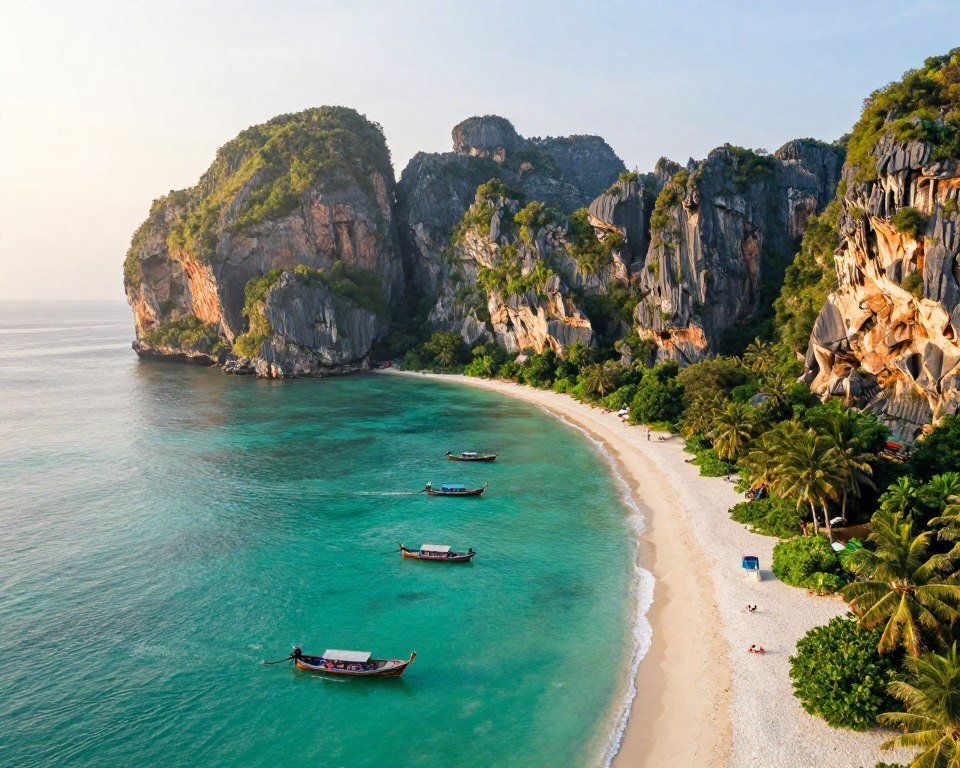
Your Thailand 2 week itinerary allows time to experience the country’s stunning diversity without constant rushing. You can immerse yourself in Bangkok’s street food culture, trek through northern mountain villages, relax on world-class islands, and discover hidden corners missed by rushed visitors.
This comprehensive guide presents everything needed for an unforgettable two weeks in Thailand. We cover major regions, provide a detailed day-by-day itinerary, explain transportation between destinations, recommend specific neighborhoods for accommodation, and share insider tips on food and activities.
Thailand Tourism Overview: Understanding Major Regions
Thailand divides into five distinct regions, each offering unique landscapes, cultures, and experiences. Understanding these geographical differences helps you craft an itinerary matching your interests and travel style.
The country stretches over 1,600 kilometers from north to south. Climate, cuisine, language dialects, and cultural traditions vary significantly between regions. Smart travelers select destinations across multiple regions to experience Thailand’s full spectrum.
Northern Thailand: Mountains and Culture
Northern Thailand captivates with misty mountains, hill tribe villages, and deep-rooted Lanna culture. Chiang Mai serves as the regional hub, offering temple-filled streets, night markets, and access to surrounding attractions.
The region experiences cooler temperatures than southern areas, particularly from November through February. Rice terraces cascade down mountain slopes, while teak forests shelter diverse wildlife. This area attracts culture seekers, trekkers, and those wanting respite from tropical heat.
Top Northern Destinations
- Chiang Mai – Cultural capital with 300+ temples
- Chiang Rai – Home to the stunning White Temple (Wat Rong Khun)
- Pai – Bohemian mountain town with waterfalls and hot springs
- Mae Hong Son – Remote province bordering Myanmar
- Sukhothai – Ancient capital with historical park
- Lampang – Traditional city with horse-drawn carriages
Northern Highlights
- Temple visits and Buddhist meditation retreats
- Hill tribe village treks and cultural experiences
- Cooking classes featuring northern cuisine specialties
- Elephant sanctuaries with ethical animal encounters
- Zip-lining through jungle canopy
- Night bazaars showcasing handicrafts and street food
Central Thailand: Bangkok and Historical Heartland
Central Thailand contains the nation’s political, economic, and cultural center. Bangkok dominates as a megacity of 10+ million residents, while surrounding provinces protect ancient capitals and important historical sites.
The Chao Phraya River flows through this region, providing life and transportation for centuries. Fertile plains produce rice that feeds the nation. Ancient kingdoms once ruled from cities now preserved as UNESCO World Heritage Sites.
Bangkok
Thailand’s capital overwhelms with its energy, diversity, and contrasts. Glittering temples stand beside modern skyscrapers. Street vendors serve world-class food for dollars. The BTS Skytrain and MRT subway make navigation manageable despite notorious traffic.
Must-see: Grand Palace, Wat Pho, floating markets, rooftop bars, Chinatown
Ayutthaya
Former Siamese capital ruins create haunting beauty just 80 kilometers north of Bangkok. Temples and palaces destroyed by Burmese invasion in 1767 now form extensive archaeological park. Rent bicycles to explore the island historical park efficiently.
Must-see: Wat Mahathat (Buddha head in tree roots), Wat Phra Si Sanphet, Ayutthaya Historical Park
Kanchanaburi
Western province known for tragic WWII history along the Death Railway. The Bridge over River Kwai draws history buffs, while Erawan Waterfall attracts nature lovers. Beautiful countryside and floating raft accommodations offer peaceful retreats.
Must-see: Bridge over River Kwai, Erawan National Park, JEATH War Museum
Eastern Thailand: Beaches and Islands Near Bangkok
Eastern Thailand provides the closest beach escapes from Bangkok. Pattaya dominates as a developed resort city, while islands like Koh Samet and Koh Chang offer more natural settings. This region sees heavy domestic tourism from Bangkok residents.
Development varies widely across eastern destinations. Pattaya caters to mass tourism with family attractions and notorious nightlife. Smaller islands maintain quieter atmospheres with boutique resorts and dive sites.
- Pattaya – Beach city with water sports, nightlife, and family attractions
- Koh Samet – Small island with beautiful beaches, 3-hour journey from Bangkok
- Koh Chang – Large mountainous island with waterfalls and elephant camps
- Koh Kood – Pristine island with limited development and stunning clarity
- Trat Province – Gateway to Cambodian border and remote islands
Northeastern Thailand (Isan): Authentic Thai Culture
Northeastern Thailand, called Isan, remains Thailand’s most authentic and least touristy region. This vast plateau bordering Laos preserves traditional village life, distinctive cuisine, and ancient Khmer ruins.
Isan suffers from economic challenges but rewards adventurous travelers with genuine cultural encounters. The region produces Thailand’s spiciest food, liveliest folk music, and most colorful festivals. Few international tourists venture here despite remarkable attractions.
| Destination | Main Attractions | Best For | Distance from Bangkok |
| Nakhon Ratchasima (Korat) | Gateway city, Phimai Historical Park with Khmer ruins | History enthusiasts, overland travelers to Laos | 260 km northeast |
| Khon Kaen | University city, vibrant markets, silk production | Experiencing modern Isan urban life | 450 km northeast |
| Ubon Ratchathani | Mekong River views, Candle Festival in July | Cultural festivals, border crossing to Laos | 630 km northeast |
| Nong Khai | Mekong riverside, Friendship Bridge to Laos, Sala Kaew Ku sculpture park | Scenic river setting, Laos border crossing | 620 km northeast |
Southern Thailand: Tropical Islands and Beaches
Southern Thailand fulfills tropical paradise fantasies with its limestone karst islands, coral reefs, and palm-fringed beaches. Two coastlines offer different characters – the Andaman Sea (west) and Gulf of Thailand (east).
This region draws the most international tourists seeking beach relaxation, diving, and island hopping. Development ranges from backpacker bungalows to luxury resorts. Monsoon patterns differ between coasts, allowing year-round beach options.
Andaman Coast (West)
- Phuket – Largest island with varied beaches and nightlife
- Krabi – Dramatic limestone cliffs and rock climbing
- Koh Phi Phi – Iconic scenery from “The Beach” movie
- Koh Lanta – Relaxed family-friendly island atmosphere
- Similan Islands – Premier diving destination
- Khao Lak – Quiet beaches north of Phuket
Best season: November to April
Gulf Coast (East)
- Koh Samui – Developed island with resort luxury
- Koh Phangan – Famous for Full Moon Party
- Koh Tao – Diving certification capital of Thailand
- Hua Hin – Royal beach town near Bangkok
- Koh Chang – Large island in eastern Gulf
- Chumphon – Gateway to southern islands
Best season: February to September
Download Your Free Thailand Regional Guide
Get our comprehensive PDF guide covering all five Thailand regions with detailed maps, seasonal weather charts, transportation connections, and budget breakdowns. Perfect for planning which regions to include in your two week Thailand itinerary.
Perfect Two Week Thailand Itinerary: Day-by-Day Breakdown
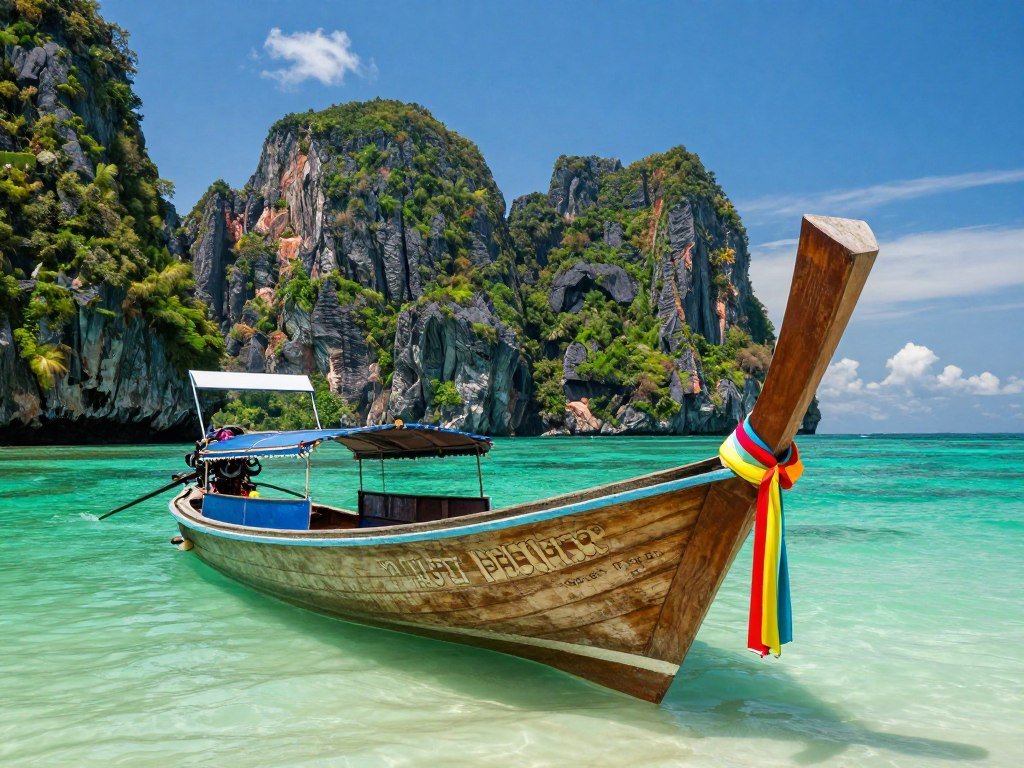
This carefully designed Thailand 2 week itinerary balances must-see attractions with relaxation time. The route progresses logically from north to south, minimizing backtracking while showcasing Thailand’s diversity.
Two weeks allows visiting three major regions plus multiple destinations within each. You’ll experience mountain culture, urban excitement, historical sites, and beach paradise. Each segment offers distinct character while maintaining comfortable pacing.
Days 1-4: Northern Thailand (Chiang Mai & Chiang Rai)
Begin your Thailand adventure in the culturally rich north. Chiang Mai provides gentle introduction to Thai customs before venturing to more remote areas. The cooler climate and relaxed pace help with jet lag recovery.
- Day 1 – Arrival in Chiang Mai: Fly into Chiang Mai International Airport. Most international flights require connection through Bangkok. Check into accommodation in the Old City area inside the moat. Spend afternoon exploring nearby temples – Wat Phra Singh and Wat Chedi Luang both sit within walking distance. Evening stroll through the Night Bazaar for handicraft shopping and dinner. Try khao soi, the region’s signature curry noodle soup.
- Day 2 – Chiang Mai Cultural Immersion: Morning visit to Doi Suthep temple on the mountain overlooking the city (hire songthaew truck or join tour). Climb 306 steps to the golden chedi for panoramic views. Afternoon cooking class where you’ll visit local markets and prepare four traditional dishes. Evening free to explore Nimman neighborhood’s trendy cafes and boutiques, or attend Khantoke dinner show featuring northern Thai dance.
- Day 3 – Ethical Elephant Experience: Full day at elephant sanctuary (book ethical facility like Elephant Nature Park in advance). Feed, bathe, and walk with rescued elephants in natural habitat without riding. These sanctuaries typically include lunch and transportation. Return to Chiang Mai late afternoon. If you visit on Sunday, don’t miss the massive Sunday Walking Street market filling the Old City streets with hundreds of vendors.
- Day 4 – Day Trip to Chiang Rai: Early morning departure for Chiang Rai (3 hours north by private car or join organized tour). Visit the stunning White Temple (Wat Rong Khun) with its intricate contemporary Buddhist art. Continue to Blue Temple (Wat Rong Suea Ten) and Black House (Baan Dam Museum). Stop at Mae Kachan Hot Springs en route. These attractions showcase northern Thailand’s artistic heritage. Return to Chiang Mai evening or overnight in Chiang Rai if you prefer slower pace.
Days 5-8: Central Thailand (Bangkok & Surroundings)
Transition to Thailand’s bustling capital region. Bangkok delivers sensory overload with its traffic, heat, and constant motion. But within this chaos lies incredible food, ornate temples, vibrant markets, and warm hospitality.
- Day 5 – Travel to Bangkok & First Impressions: Morning flight from Chiang Mai to Bangkok (1 hour 20 minutes). Check into hotel near BTS Skytrain for easy transportation. Afternoon orientation walk – take the Chao Phraya Express Boat from Sathorn Pier to Tha Maharaj for riverside atmosphere. Visit Wat Arun (Temple of Dawn) and climb the central prang for river views. Cross back to Tha Tien Pier and explore the area. Evening dinner in Chinatown’s Yaowarat Road, transforming into a street food paradise after dark with seafood stalls and noodle vendors.
- Day 6 – Bangkok Historical & Cultural Sites: Start early at the Grand Palace complex (arrive 8:30 AM to beat crowds and heat). The Emerald Buddha at Wat Phra Kaew sits within the palace grounds. Dress modestly with covered shoulders and knees. Walk south to Wat Pho to see the giant Reclining Buddha and get traditional Thai massage at the temple’s respected school. Lunch at Thip Samai for Bangkok’s most famous pad thai. Afternoon visit Jim Thompson House museum showcasing traditional Thai architecture and silk collection. Evening at Asiatique riverfront complex or rooftop bar like Vertigo or Sky Bar for city skyline views.
- Day 7 – Day Trip to Ayutthaya: Join organized tour or travel independently to Ayutthaya Historical Park (80 km north, 1.5 hours by train or minivan). Rent bicycles at the station to explore temple ruins scattered across the island. Key sites include Wat Mahathat with the Buddha head entwined in tree roots, Wat Phra Si Sanphet with three large chedis, and Wat Chaiwatthanaram beside the river. Many tours include boat ride and lunch at riverside restaurant. Return to Bangkok evening. Alternative: visit Damnoen Saduak or Amphawa floating markets instead if you prefer market culture over historical ruins.
- Day 8 – Bangkok Shopping & Modern Culture: Morning exploring the massive Chatuchak Weekend Market if your visit falls on Saturday or Sunday (15,000 stalls selling everything imaginable). Weekday alternative: visit MBK Center for electronics and souvenirs, or explore the Siam area’s mega malls. Afternoon at the Museum of Contemporary Art (MOCA) or Bangkok Art and Culture Centre. Evening food tour through Bangkok’s neighborhoods sampling dishes from different regions – many excellent tours available through various operators. Final night to experience Bangkok’s nightlife in areas like Thonglor, RCA, or Khao San Road depending on your scene preference.
Bangkok Transportation Tip: Download the Grab app (Southeast Asia’s Uber) and get a Thai SIM card at the airport. The BTS Skytrain and MRT subway cover main tourist areas efficiently, but Grab provides affordable door-to-door service when public transit doesn’t reach your destination. Avoid taxis that refuse to use meters.
Days 9-14: Southern Thailand (Islands & Beaches)
The final segment delivers the tropical paradise experience. Six days allows island hopping while maintaining relaxation time. Choose between Andaman Coast (west) or Gulf Coast (east) based on season and preference.
Option A: Andaman Coast Route (Phuket, Phi Phi, Krabi)
- Day 9 – Travel to Phuket: Morning flight Bangkok to Phuket (1.5 hours). Transfer to hotel in Kata, Karon, or quieter beach area (avoid Patong unless you specifically want party atmosphere). Afternoon settling in and first beach experience. The Andaman Sea’s turquoise water and dramatic limestone cliffs create stunning scenery. Sunset dinner at beachfront restaurant sampling southern Thai seafood dishes. Try gaeng som (sour curry) and pla pao (salt-crusted grilled fish).
- Day 10 – Phuket Island Exploration: Rent scooter if you’re comfortable (150-250 baht/day) or hire taxi/driver for island tour. Visit Big Buddha statue on Nakkerd Hill for panoramic views. Stop at Karon Viewpoint overlooking three bays. Explore Old Phuket Town’s colorful Sino-Portuguese architecture and street art – perfect for photos and lunch at local restaurant like Raya. Afternoon beach time or spa treatment. Evening at Promthep Cape for Phuket’s most famous sunset, then seafood dinner at Rawai Beach area.
- Day 11 – Phi Phi Islands Day Trip: Early morning ferry departure to Koh Phi Phi (2 hours from Rassada Pier). Most tours include speedboat trips around the islands stopping at Maya Bay (made famous by “The Beach” movie), Pileh Lagoon’s emerald water, Viking Cave, and snorkeling spots around Phi Phi Leh. The dramatic limestone cliffs rising from turquoise water create Thailand’s most iconic scenery. Lunch included on most tours. Return to Phuket late afternoon. Alternative: stay overnight on Koh Phi Phi to experience the island after day-trippers leave – sunset from the viewpoint and fire shows on the beach create memorable evenings.
- Day 12 – Krabi & Railay Beach: Take ferry or speedboat from Phuket to Krabi area (2 hours). Ao Nang serves as the mainland base, but Railay Beach peninsula (accessible only by longtail boat) offers stunning scenery with massive limestone cliffs surrounding small beaches. Rock climbing opportunities attract climbers worldwide. Explore the four beaches – Railay West and East, Phra Nang Cave Beach, and Tonsai. Check out the phallic shrine in the cave at Phra Nang Beach. Overnight in Railay for unique experience or return to Ao Nang for more dining options.
- Day 13 – Island Hopping or Kayaking: Join four-island tour by longtail boat visiting Poda Island, Chicken Island, Tup Island, and Phra Nang Cave Beach. Snorkeling equipment included. Alternative: book kayaking tour through mangroves and sea caves around Ao Thalane, paddling through stunning karst formations. Late afternoon return and relaxation. Final beach sunset watching vibrant colors paint the Andaman sky.
- Day 14 – Return Journey: Morning beach time for last swimming and sunbathing. Lunch at favorite restaurant discovered during your stay. Afternoon flight from Phuket to Bangkok for international departure (allow 3-4 hours minimum before international flight). Most intercontinental flights leave evening or night, giving full morning on the beach. Alternative: fly Krabi to Bangkok if you’re staying in Krabi area.
Option B: Gulf Coast Route (Koh Samui, Koh Phangan, Koh Tao)
This alternative focuses on the eastern Gulf islands, popular from February through September when Andaman Coast faces monsoon conditions. These three islands sit close together, connected by frequent ferries enabling easy island hopping.
- Day 9 – Travel to Koh Samui: Fly Bangkok to Koh Samui (1.5 hours). Transfer to hotel – Chaweng Beach offers most action and dining options, Lamai provides similar energy with slightly fewer crowds, while Bophut and Maenam deliver quieter family atmosphere. Afternoon exploring nearby area and beach. Samui’s developed infrastructure includes numerous restaurants, beach clubs, and activities. Evening at Fisherman’s Village Walking Street in Bophut (Friday nights) for crafts and street food.
- Day 10 – Koh Samui Exploration: Island tour covering highlights – Big Buddha statue overlooking the ocean, Grandmother and Grandfather Rocks (Hin Ta and Hin Yai) with suggestive natural formations, Namuang Waterfall for freshwater swimming in jungle setting. Visit one of Samui’s night markets for dinner. The island offers more polished resort experience than backpacker party scene, though Chaweng nightlife delivers plenty of bars and clubs for those seeking it.
- Day 11 – Ferry to Koh Phangan: Morning ferry to Koh Phangan (30 minutes). Famous for Full Moon Party (if your timing aligns, experience it once), but the island offers much more. Stay in Thong Sala town, Haad Rin beach area, or quieter northern beaches. Afternoon exploring – Phaeng Waterfall National Park, Bottle Beach accessible only by boat, or the Chinese Temple with ocean views. Koh Phangan balances party reputation with yoga retreats and quiet beaches.
- Day 12 – Koh Phangan Beach Day: Rent scooter to explore the island’s diverse beaches. Northern beaches like Bottle Beach and Haad Khom remain undeveloped with basic bungalows. Eastern beaches offer calm water suitable for families. Western side features spectacular sunsets. Many beaches have beach bars serving fresh seafood and cold drinks. Evening enjoying fire shows on the beach – skilled performers twirl burning poi creating mesmerizing displays against the night sky.
- Day 13 – Ferry to Koh Tao: Morning boat to Koh Tao (1-2 hours depending on vessel type). Diving certifications cost 30-40% less here than Western countries, making it popular for learning to dive. Even without diving, the island offers excellent snorkeling from shore at spots like Tanote Bay and Aow Leuk. Japanese Gardens and Mango Bay provide easy snorkeling access seeing colorful fish and coral. Accommodation ranges from basic beachside bungalows to comfortable resorts. Sairee Beach delivers the most action while Mae Haad Bay offers convenience near the pier.
- Day 14 – Koh Tao Snorkeling & Return: Morning snorkeling trip by longtail boat visiting multiple spots around the island – the clear water and healthy reefs support diverse marine life including sea turtles at some locations. Lunch on the island at favorite spot. Afternoon ferry back to Koh Samui (2 hours) or directly to Surat Thani mainland pier (3-4 hours) then transfer to airport. Evening flight Surat Thani to Bangkok for international connections. This timing works if international flight departs late evening or next morning.

Comprehensive Thailand Transportation Guide
Navigating Thailand efficiently requires understanding various transportation options. The country offers excellent domestic flight networks, extensive bus systems, scenic train routes, and ferry services connecting islands.
Transportation quality varies from ultra-modern to basic. Budget travelers find cheap options for every route, while those prioritizing comfort can choose premium services. Booking in advance during peak season ensures better prices and guaranteed seats.
Domestic Flights: Fastest Option Between Regions
Flying saves enormous time when covering Thailand’s 1,600-kilometer length. Multiple airlines compete on popular routes keeping prices reasonable. Booking 2-4 weeks ahead yields best fares.
Full-Service Airlines
- Thai Airways – National carrier with comprehensive network
- Bangkok Airways – Excellent service, owns some island airports
- Thai Smile – Thai Airways’ subsidiary with mid-range pricing
Advantages: Checked luggage included, meals provided, comfortable seating, flexible change policies
Price range: 2,000-5,000 THB for domestic routes
Budget Airlines
- AirAsia – Largest low-cost carrier with most routes
- Nok Air – Good safety record and punctuality
- Thai Lion Air – Expanding network with competitive prices
- Thai VietJet Air – Newest budget option
Advantages: Lowest base fares, frequent promotions, multiple daily flights on popular routes
Price range: 800-2,500 THB, plus fees for luggage/seats
Key Routes & Times
- Bangkok-Chiang Mai: 1h 20m (15-20 daily flights)
- Bangkok-Phuket: 1h 30m (20-25 daily flights)
- Bangkok-Koh Samui: 1h 15m (12-15 daily flights)
- Chiang Mai-Phuket: 2h 15m (4-6 daily flights)
- Bangkok-Krabi: 1h 25m (10-12 daily flights)
Booking tip: Check multiple booking sites and airline websites directly. Prices can vary by 500-1000 THB for identical flights.
Trains: Scenic and Economical Land Travel
Thailand’s railway system connects Bangkok to northern, northeastern, and southern regions. Trains move slower than buses but offer more comfort and scenic views. Sleeper trains save accommodation costs for overnight journeys.
| Route | Duration | Train Classes Available | Price Range | Best For |
| Bangkok – Chiang Mai | 11-13 hours | 1st class sleeper, 2nd class AC/fan sleeper, 3rd class seats | 400-1,500 THB | Overnight journey saving hotel night, scenic mountain approach |
| Bangkok – Ayutthaya | 1.5-2 hours | 3rd class seats primarily | 15-50 THB | Budget day trip, authentic local experience |
| Bangkok – Surat Thani | 8-11 hours | 1st & 2nd class sleepers, 2nd class seats | 600-1,400 THB | Gateway to Koh Samui/Koh Phangan/Koh Tao via connecting bus/ferry |
| Bangkok – Hua Hin | 4-5 hours | 1st, 2nd, 3rd class seats | 40-500 THB | Weekend beach escape, avoiding highway traffic |
Book train tickets through official Thai Railway website (www.thairailwayticket.com) or at stations 1-60 days in advance. Sleeper trains on popular routes sell out during holidays and peak season. Third-party booking sites like 12Go.asia charge commissions but offer English interfaces and customer support.
Buses: Extensive Network Reaching Every Corner
Buses connect virtually every town and city in Thailand. Government and private companies operate services ranging from basic local buses to luxury VIP coaches with reclining seats and onboard toilets.
- VIP/First Class – Luxury coaches with 24-32 seats, AC, toilets, blankets, snacks (2-3 times local bus price)
- Standard AC Buses – Most common for tourist routes, 40-45 seats, air conditioning, no toilet (moderate pricing)
- Local Buses – Basic transport used mainly by Thais, minimal comfort, frequent stops (cheapest option)
- Minivans – Faster than buses but cramped with 12-13 passengers, aggressive driving common (mid-range price)
Major bus terminals in Bangkok include Mo Chit (Northern and Northeastern routes), Southern Bus Terminal (destinations south), and Eastern Bus Terminal (Pattaya, Koh Chang direction). Book tickets at terminals or through hotels and travel agencies charging small commission.
Minivan Warning: While minivans offer faster journey times than buses, they come with safety concerns. Drivers often speed and overtake dangerously to complete routes quickly. Accidents occur regularly. Consider spending extra for VIP bus or flight on long routes rather than risking cramped, unsafe minivan rides.
Ferries and Boats: Island Transportation
Reaching Thailand’s islands requires ferry or speedboat transfers. Services vary from large car ferries to small speedboats. Weather conditions affect schedules, with rough seas occasionally causing cancellations.
Andaman Coast (West)
- Phuket to Phi Phi: 2 hours by ferry, 45-60 minutes by speedboat (400-1,400 THB)
- Phuket to Krabi: 2 hours by ferry (350-500 THB)
- Krabi to Koh Lanta: 1.5-2 hours by ferry (400-600 THB)
- Railay Beach: Accessed only by longtail boat from Ao Nang or Krabi (100-150 THB)
Peak season: November-April with multiple daily departures
Low season: May-October with reduced schedules and possible rough seas
Gulf Coast (East)
- Surat Thani to Koh Samui: 1.5-2.5 hours (200-400 THB)
- Koh Samui to Koh Phangan: 30-45 minutes (200-350 THB)
- Koh Phangan to Koh Tao: 1-2 hours depending on boat type (300-600 THB)
- Koh Samui to Koh Tao: 2-3 hours direct (450-800 THB)
Peak season: December-August for most islands
Monsoon impact: Less severe than Andaman Coast, but September-November sees rougher conditions
Book ferry tickets online through Lomprayah, Seatran, or 12Go.asia 1-3 days ahead during peak season. Joint tickets combining bus and ferry from Bangkok to islands offer convenience but limit flexibility. Separate bookings allow adjusting plans if delays occur.
Local Transportation Within Cities
Getting around within Thai cities requires understanding local transport options. Bangkok offers the most sophisticated public transit while smaller cities rely on taxis and songthaews.
Bangkok
- BTS Skytrain – Elevated train covering main areas, easy to use
- MRT Subway – Underground system complementing BTS
- Chao Phraya Express Boat – River taxis to tourist areas
- Grab App – Ride-hailing with transparent pricing
- Metered Taxis – Insist on meter, starting fare 35 THB
- Tuk-tuks – Negotiate price before riding (usually expensive)
Chiang Mai
- Songthaew – Red pickup trucks acting as shared taxis (30-100 THB depending on distance)
- Grab App – Available and reliable
- Scooter Rental – Easy to navigate, 150-250 THB/day
- Bicycle Rental – Old City is compact and flat
- Tuk-tuks – For short trips, negotiate fare
Island Transportation
- Scooter Rental – Most common and economical (150-300 THB/day)
- Longtail Boats – For beach-to-beach travel
- Songthaew Trucks – Shared pickup trucks on Samui, Phuket
- Taxi Services – Available but expensive on islands
- Walking – Feasible for small islands and beach areas
Map of Thailand showing major cities and transportation routes connecting Bangkok to northern and southern destinations
Book Your Thailand Transportation in Advance
Secure the best prices on domestic flights, overnight trains, and ferry tickets by booking ahead. We partner with reliable transportation providers offering competitive rates and easy cancellation policies for maximum flexibility.
Where to Stay: Hotel Areas & Neighborhoods Guide
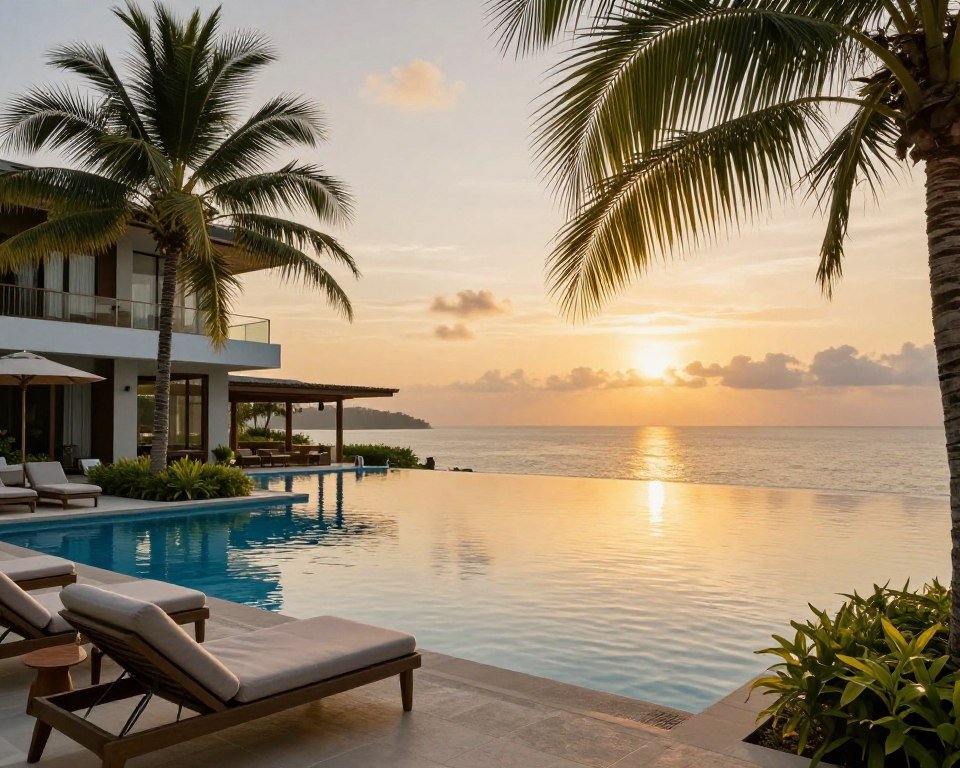
Selecting the right neighborhood dramatically impacts your Thailand experience. Each destination offers distinct areas catering to different budgets and travel styles. Understanding these options helps maximize convenience while matching your priorities.
Thai accommodation ranges from $5 hostel dorms to $1,000+ luxury resorts. Most tourists find excellent value in the $30-100 per night range, securing clean private rooms with air conditioning, hot water, and convenient locations. Booking flexibility depends on season and destination popularity.
Bangkok Accommodation Areas
Bangkok’s size requires strategic hotel location. Staying near BTS Skytrain or MRT subway stations saves hours daily avoiding traffic. Different neighborhoods suit different preferences from nightlife to culture to business.
Sukhumvit Area
Long corridor along the BTS line packed with hotels of all budgets. Lower Sukhumvit (Nana to Asok stations) buzzes with nightlife, restaurants, and entertainment. Upper Sukhumvit (Phrom Phong to Thong Lo) attracts affluent Thais and expats with trendy dining.
Best for: First-timers wanting convenience, nightlife enthusiasts, food lovers
BTS stations: Nana, Asok, Phrom Phong, Thong Lo, Ekkamai
Budget: 500-1,200 THB | Mid-range: 1,200-3,500 THB | Luxury: 3,500-15,000 THB
Riverside
Hotels along the Chao Phraya River offer peaceful atmosphere and water views. The area sits further from main tourist zones but provides romantic settings. Express boats connect to temples and Grand Palace. Luxury hotels dominate this area.
Best for: Romance, peaceful retreats, luxury seekers, those wanting hotel-focused stay
BTS station: Saphan Taksin (connects to river boats)
Budget: Limited options | Mid-range: 2,500-5,000 THB | Luxury: 5,000-30,000 THB
Silom & Sathorn
Central business district with excellent transportation connections. Both BTS and MRT stations provide access. Mix of business hotels and boutique properties. Walking distance to Lumpini Park and night markets. Less touristy than Sukhumvit with more local flavor.
Best for: Business travelers, those wanting central location without tourist crowds
BTS/MRT stations: Sala Daeng, Chong Nonsi, Surasak, Silom, Lumphini
Budget: 700-1,500 THB | Mid-range: 1,500-4,000 THB | Luxury: 4,000-12,000 THB
Old Town (Rattanakosin)
Historical center near Grand Palace, Wat Pho, and Khao San Road. Guesthouses and boutique hotels in restored buildings provide character. Less developed infrastructure with fewer dining options but maximum cultural immersion. Walking distance to major temples.
Best for: Culture seekers, budget travelers, those prioritizing sightseeing over nightlife
Transportation: Limited BTS/MRT access, rely on taxis or river boats
Budget: 300-900 THB | Mid-range: 900-2,500 THB | Luxury: Limited options
Siam & Pratunam
Shopping district centered around mega malls like Siam Paragon, MBK Center, and CentralWorld. Extremely central with excellent BTS access to all areas. Can feel commercial and crowded. Perfect for shoppers and those prioritizing maximum convenience.
Best for: Shopping enthusiasts, first-timers wanting ultra-central location
BTS stations: Siam, Chit Lom, Ratchathewi
Budget: 600-1,300 THB | Mid-range: 1,300-3,200 THB | Luxury: 3,200-10,000 THB
Khao San Area
Legendary backpacker hub with rock-bottom prices and 24/7 party atmosphere. Young international crowd, countless bars, travel agencies, and street vendors. Noisy and chaotic but perfect for budget travelers wanting social scene. Short taxi ride to Grand Palace.
Best for: Backpackers, young solo travelers, party seekers on tight budgets
Transportation: No BTS/MRT, use taxis or walk to river boats
Budget: 200-700 THB | Mid-range: 700-1,500 THB | Luxury: Very limited
Chiang Mai Accommodation Areas
Chiang Mai’s compact size makes most areas accessible. The Old City within the moat offers maximum culture, while Nimman attracts digital nomads and young Thais with its cafe culture. Riverside areas provide peaceful settings.
| Neighborhood | Character | Advantages | Best For | Price Range (per night) |
| Old City (Inside Moat) | Historical center with 300+ temples, traditional atmosphere | Walking distance to temples, Sunday Walking Street, authentic experience | Culture enthusiasts, temple seekers, first-time visitors | Budget: 300-800 THB, Mid: 800-2,500 THB, Luxury: 2,500-6,000 THB |
| Nimman (Nimmanhaemin) | Trendy area with boutique hotels, cafes, art galleries | Best restaurants and nightlife, modern amenities, young atmosphere | Digital nomads, foodies, those prioritizing dining/nightlife over temples | Budget: 500-1,200 THB, Mid: 1,200-3,000 THB, Luxury: 3,000-8,000 THB |
| Riverside (Ping River) | Peaceful area along the river, more space and nature | Quiet setting, good value, scenic views, away from tourist crowds | Those seeking peace, couples, longer stays wanting residential feel | Budget: 400-1,000 THB, Mid: 1,000-2,500 THB, Luxury: 2,500-5,000 THB |
| Chang Phuak (North Gate) | Local neighborhood just outside Old City northern moat | Authentic local markets, cheaper prices, near Old City | Budget travelers, those wanting local immersion near tourist areas | Budget: 250-700 THB, Mid: 700-1,800 THB, Luxury: Limited |
Phuket Beach Areas
Phuket’s beaches each deliver different vibes. Patong dominates with its development and nightlife. Kata and Karon balance quality beaches with amenities. Northern and eastern coasts offer quieter alternatives. Your beach choice significantly impacts your island experience.
Kata Beach
Family-friendly beach with good swimming conditions and quality sand. Less chaotic than Patong while maintaining good restaurant and bar selection. Beautiful scenery with view points overlooking the bay.
Atmosphere: Balanced tourism, families and couples
Budget: 800-1,600 THB
Mid-range: 1,600-4,000 THB
Luxury: 4,000-15,000 THB
Patong Beach
Most developed area with maximum amenities, shopping, and notorious nightlife along Bangla Road. Beach gets crowded with vendors and water sports operators. Everything within walking distance.
Atmosphere: Busy, loud, party-focused
Budget: 600-1,400 THB
Mid-range: 1,400-3,500 THB
Luxury: 3,500-12,000 THB
Kamala Beach
Quiet village atmosphere between Patong and Surin. More local feel with smaller development. Good restaurants at reasonable prices. Family-oriented with calm beach conditions.
Atmosphere: Peaceful, local village feel
Budget: 700-1,500 THB
Mid-range: 1,500-3,500 THB
Luxury: 3,500-18,000 THB
Karon Beach
Long beach with fine sand and good swimming. Similar to Kata but with fewer crowds and slightly lower prices. Good range of restaurants and bars without overwhelming development.
Atmosphere: Relaxed, less crowded than Kata/Patong
Budget: 700-1,500 THB
Mid-range: 1,500-3,800 THB
Luxury: 3,800-14,000 THB
Bang Tao Beach
Long stretch dominated by luxury resorts including Laguna Phuket complex. Beautiful beach with calm water. Limited budget options. Best for all-inclusive resort stays.
Atmosphere: Upscale, resort-focused
Budget: Very limited
Mid-range: 2,500-5,000 THB
Luxury: 5,000-30,000 THB
Rawai & Nai Harn
Southern tip of island with more local character. Rawai not ideal for swimming but excellent seafood restaurants. Nai Harn Beach offers beautiful bay. Popular with expats and long-term visitors.
Atmosphere: Local, authentic, foodie haven
Budget: 500-1,200 THB
Mid-range: 1,200-3,000 THB
Luxury: 3,000-10,000 THB
Island Accommodation (Koh Samui, Koh Phangan, Koh Tao, Koh Phi Phi)
Thailand’s islands range from developed resorts to basic beach bungalows. Budget drops significantly compared to Phuket. Accommodation styles vary from party hostels to luxury villas. Many beach areas lack paved roads, accessed only by boat or rough tracks.
- Koh Samui: Most developed Gulf island with full range of accommodation. Chaweng and Lamai offer most options and nightlife. Bophut and Maenam provide quieter family atmosphere. Budget: 600-1,500 THB, Mid: 1,500-4,000 THB, Luxury: 4,000-20,000 THB
- Koh Phangan: Famous for Full Moon Party but offers diverse experiences. Haad Rin for party scene, Thong Sala town for convenience, northern beaches for peace. Budget: 400-1,000 THB, Mid: 1,000-2,500 THB, Luxury: 2,500-8,000 THB
- Koh Tao: Diving-focused island with young backpacker vibe. Sairee Beach most developed, Mae Haad near pier, Chalok Baan Kao quieter southern bay. Budget: 350-900 THB, Mid: 900-2,200 THB, Luxury: 2,200-6,000 THB
- Koh Phi Phi: No roads, carry luggage from pier or hire porter. Tonsai Village gets extremely loud with parties. Quieter resorts on Long Beach and Loh Dalum require boat access. Budget: 500-1,200 THB, Mid: 1,200-3,500 THB, Luxury: 3,500-12,000 THB
- Koh Lanta: Relaxed family-oriented island with long beaches. Northern beaches more developed, southern end remote. Budget: 400-1,000 THB, Mid: 1,000-2,800 THB, Luxury: 2,800-10,000 THB
Booking Strategy: Reserve first 2-3 nights in each destination during peak season (November-February for most areas). This guarantees arrival accommodation while allowing flexibility to extend or move after seeing the area. Shoulder season (March-April, October-November) permits more spontaneity with walk-in bookings often yielding better rates through negotiation.
Must-Do Activities & Experiences by Region
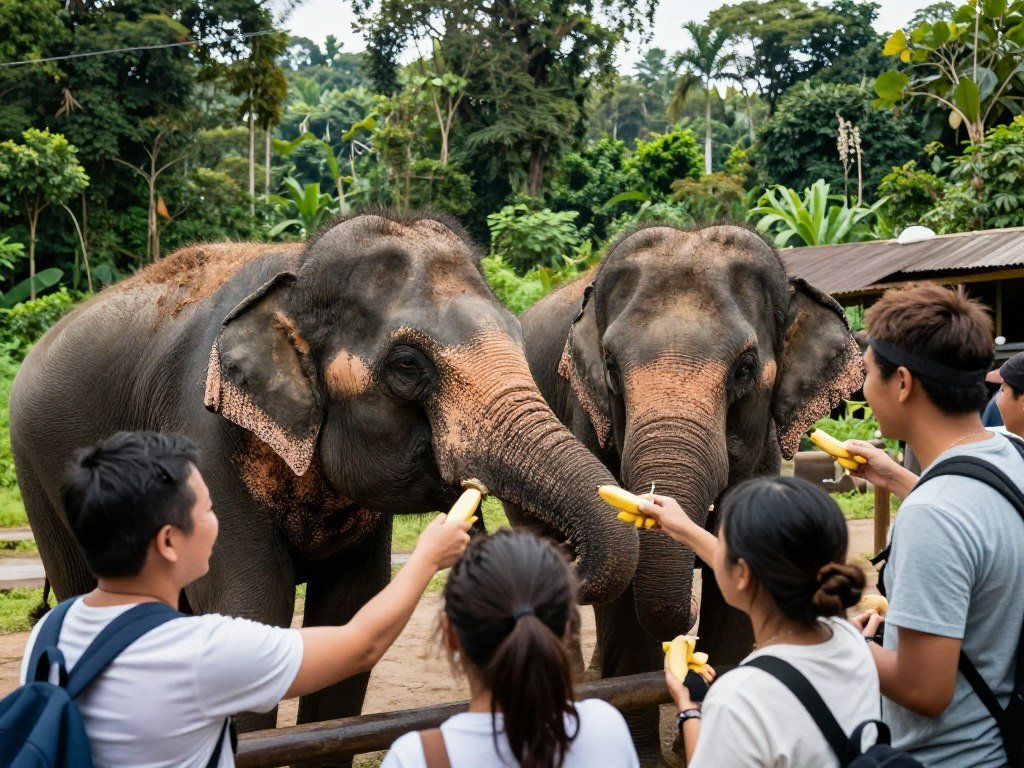
Each Thailand region offers distinctive activities reflecting local geography and culture. Understanding regional specialties helps prioritize your time and budget. Mix cultural experiences with adventure activities and pure relaxation for balanced two weeks.
Book popular activities 2-7 days ahead during peak season. Some experiences like ethical elephant sanctuaries fill weeks in advance. Online booking through platforms like Viator, GetYourGuide, or Klook often costs the same as booking directly while providing English support and cancellation protection.
Northern Thailand Activities
Cultural Experiences
- Temple circuit visits (Wat Phra That Doi Suthep, Wat Chedi Luang, Wat Phra Singh)
- Thai cooking classes at local schools and farms
- Monk Chat programs for cultural exchange
- Traditional Lanna dance performances
- Hill tribe village visits (Karen, Hmong, Lahu communities)
- Handicraft workshops (umbrella painting, silver jewelry, wood carving)
Adventure & Nature
- Multi-day jungle trekking through mountains
- Zip-lining through forest canopy (Flight of the Gibbon, Eagle Track)
- White water rafting on Mae Taeng River
- Doi Inthanon National Park (Thailand’s highest peak)
- Sticky Waterfall climbing experience
- Hot air balloon rides over countryside at sunrise
Unique Northern Highlights
- Ethical elephant sanctuary full-day experience
- Chiang Rai’s White Temple (Wat Rong Khun) and Blue Temple
- Golden Triangle where Thailand meets Laos and Myanmar
- Pai’s waterfalls, canyons, and hot springs
- Night markets (Sunday Walking Street, Night Bazaar, JJ Market)
- Traditional massage and spa treatments
Bangkok & Central Thailand Activities
Bangkok Highlights
- Grand Palace and Wat Phra Kaew (Emerald Buddha Temple)
- Wat Pho with Reclining Buddha and traditional massage school
- Wat Arun (Temple of Dawn) climb for river views
- Chao Phraya River dinner cruise with traditional dance
- Floating markets (Damnoen Saduak, Amphawa, Taling Chan)
- Rooftop bars circuit (Sky Bar, Vertigo, Octave, Above Eleven)
- Chinatown night food tour through Yaowarat Road
- Thai boxing match at Rajadamnern or Lumpinee Stadium
- Street food tours exploring different neighborhoods
- Jim Thompson House museum and silk shopping
- Chatuchak Weekend Market (15,000 stalls)
- Traditional Thai puppet theater performances
Day Trips from Bangkok
- Ayutthaya Historical Park bicycle tour through ancient ruins
- Kanchanaburi’s Bridge over River Kwai and Erawan Waterfall
- Maeklong Railway Market where train passes through stalls
- Ancient City (Muang Boran) outdoor museum with Thai architecture replicas
- Khao Yai National Park for wildlife and waterfalls
- Lopburi to see temple monkey population
- Samut Prakan’s Erawan Museum with giant three-headed elephant
Southern Thailand Beach & Island Activities
Southern Thailand’s islands and coastal areas focus on water-based activities, beach relaxation, and natural beauty. The Andaman Coast and Gulf of Thailand offer different diving conditions and island atmospheres.
Water Sports & Marine
- Scuba diving and PADI certification courses (especially Koh Tao)
- Snorkeling trips to coral reefs and marine parks
- Island hopping by longtail boat or speedboat
- Kayaking through sea caves and mangroves
- Stand-up paddleboarding at calm beaches
- Surfing lessons at Kata Beach and Kamala (seasonal)
- Deep sea fishing charters
- Parasailing and jet skiing at Patong Beach
Island Adventures
- Rock climbing at Railay Beach’s limestone cliffs
- Jungle trekking to viewpoints on Koh Phi Phi and Koh Phangan
- ATV tours through Phuket’s interior
- Zip-lining over jungle canopy
- Waterfall visits and swimming holes
- Sunset viewpoint hikes for photography
- Bioluminescent plankton night swimming (seasonal)
Beach & Wellness
- Traditional Thai massage on the beach
- Yoga and wellness retreats (especially Koh Phangan)
- Spa treatments and detox programs
- Beach clubs with infinity pools and DJs
- Sunset sailing trips and private charters
- Cooking classes featuring southern Thai cuisine
- Full Moon Party experience (Koh Phangan monthly)
- Fire shows on the beach after sunset
Recommended Tour Operators and Booking
Selecting reputable tour operators ensures safety and quality experiences. Check recent reviews on multiple platforms before booking. Ethical considerations matter especially for animal interactions and cultural village visits.
- Elephant Sanctuaries: Elephant Nature Park (Chiang Mai), Phuket Elephant Sanctuary, Samui Elephant Haven – Look for no riding, no shows policies
- Cooking Schools: Thai Farm Cooking School (Chiang Mai), Sompon Thai Cooking School (Bangkok), Phumet Thai Cookery School
- Diving Centers: Big Blue Diving (Koh Tao), Sea Bees Diving (Phuket), Samui Institute of Diving (Koh Samui)
- Island Tours: John Gray’s Sea Canoe (Phuket kayaking), Simba Sea Trips (Phi Phi islands), Lomprayah Catamaran (Gulf islands)
- Trekking Companies: Pooh Eco Trekking (Chiang Mai), Active Thailand (multiple locations), Siam River Adventures (Kanchanaburi)
Book Thailand Tours & Activities
Reserve your cooking classes, island tours, elephant experiences, and adventure activities with our trusted partners. All operators carefully selected for safety, sustainability, and excellent customer reviews. Free cancellation up to 24 hours on most bookings.
Thailand Food Guide: Regional Cuisine & Restaurant Recommendations
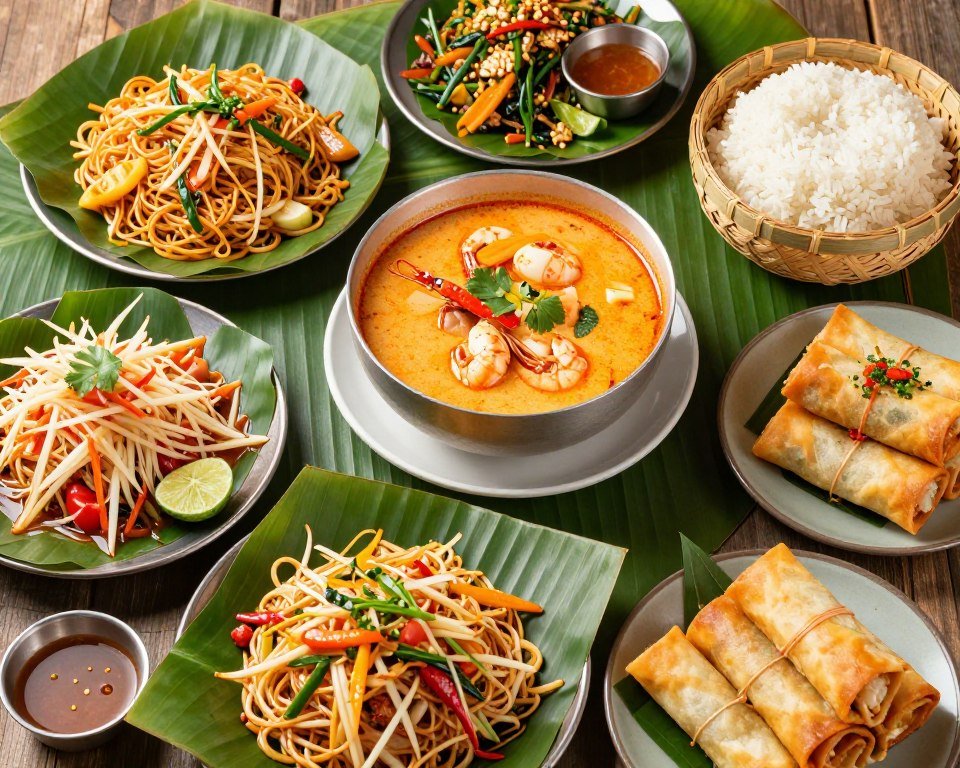
Thai cuisine ranks among the world’s greatest with its harmonious balance of sweet, sour, salty, and spicy flavors. Street food culture thrives throughout the country, offering extraordinary meals for just a few dollars. Regional cuisines differ dramatically based on geography and cultural influences.
Your Thailand 2 week itinerary provides opportunity to taste northern, central, and southern culinary traditions. Each region showcases distinct ingredients, cooking techniques, and signature dishes. Adventurous eaters will discover flavors impossible to replicate at home.
Essential Thai Dishes You Must Try
Pad Thai
Thailand’s most internationally famous dish features stir-fried rice noodles with eggs, tofu or shrimp, bean sprouts, peanuts, and lime. Sweet-tangy tamarind sauce creates the distinctive flavor profile.
Best in: Bangkok at Thip Samai or Pad Thai Fai Ta Lu
Price: 50-150 THB
Spice level: Mild (customizable)
Tom Yum Goong
Iconic hot and sour soup with prawns, mushrooms, tomatoes, lemongrass, galangal, and kaffir lime leaves. The bold flavors define Thai cuisine. Clear version (nam sai) or creamy with coconut milk (nam khon).
Best in: Bangkok at P’Aor Tom Yum Kung
Price: 100-250 THB
Spice level: Medium to very spicy
Green Curry (Gaeng Keow Wan)
Coconut milk-based curry with green chili paste, Thai basil, bamboo shoots, and eggplant. Typically made with chicken but available with all proteins. Served with jasmine rice.
Best in: Most local restaurants everywhere
Price: 80-200 THB
Spice level: Medium to hot
Som Tam (Papaya Salad)
Shredded green papaya salad with tomatoes, long beans, peanuts, dried shrimp, and lime dressing. Pounded in a mortar creating perfect texture. Northeast (Isan) specialty now popular nationwide.
Best in: Bangkok at Som Tam Nua or any Isan restaurant
Price: 40-100 THB
Spice level: Very spicy (specify level when ordering)
Massaman Curry
Rich, mild curry with Muslim influences featuring potatoes, peanuts, onions, and slow-cooked meat in coconut milk. Sweet and savory with warming spices like cinnamon and cardamom.
Best in: Muslim restaurants in Bangkok or southern Thailand
Price: 80-180 THB
Spice level: Mild to medium
Mango Sticky Rice (Khao Niao Mamuang)
Thailand’s most beloved dessert combines sweet sticky rice with coconut cream and perfectly ripe mango slices. Peak during mango season (March-May) but available year-round.
Best in: Mae Varee (Bangkok) or street vendors everywhere
Price: 50-120 THB
Spice level: None (dessert)
Regional Thai Cuisine Differences
Understanding regional variations enriches your culinary journey. Northern, central, Northeastern (Isan), and southern cuisines each reflect local ingredients, climate, and cultural influences from neighboring countries.
| Region | Flavor Profile | Signature Dishes | Key Ingredients | Cultural Influences |
| Northern Thailand | Mild heat, herbal, less spicy than other regions | Khao soi (curry noodle soup), sai oua (herb sausage), nam prik ong (tomato chili dip) | Turmeric, ginger, dried spices, sticky rice, fermented soybeans | Burmese, Shan, Chinese Yunnan |
| Central Thailand (Bangkok) | Balanced sweet-sour-salty-spicy, coconut milk heavy | Pad Thai, tom yum goong, green curry, pad krapow (holy basil stir-fry) | Coconut milk, palm sugar, tamarind, fish sauce, jasmine rice | Royal Thai cuisine, melting pot of all regions |
| Northeastern (Isan) | Very spicy, sour, fermented, less coconut milk | Som tam, larb (minced meat salad), sai krok (fermented sausage), sticky rice | Bird’s eye chilies, lime, fish sauce, fermented fish, sticky rice | Lao, Khmer (Cambodian) |
| Southern Thailand | Very spicy, salty, seafood-focused, turmeric-heavy | Gaeng som (sour curry), khao yam (rice salad), massaman curry, roti | Turmeric, shrimp paste, fresh seafood, coconut, curry spices | Malay, Muslim, Indonesian |
Where to Eat: Restaurant Categories and Recommendations
Thailand offers dining options from 30 baht street stall meals to multi-course fine dining. Understanding different restaurant types helps you choose appropriate venues for your mood and budget.
Street Food & Markets
Thailand’s street food scene rivals any in the world. Vendors specialize in one or two dishes perfected over years. Look for stalls with lines of Thai customers – locals know quality.
Bangkok Street Food Highlights:
- Yaowarat Road, Chinatown – Seafood, noodles, desserts evening to midnight
- Victory Monument – Famous for boat noodles and street-side dining
- Sukhumvit Soi 38 – Night food market with grilled seafood and papaya salad
- Or Tor Kor Market – Premium produce market with cooked food section
- Chatuchak Weekend Market – 15,000 stalls including hundreds of food vendors
Chiang Mai Markets:
- Warorot Market – Daytime local market with northern specialties
- Sunday Walking Street – Mobile food stalls along entire route
- Ploen Ruedee Night Market – Local hangout with cheap eats
Sit-Down Restaurants
Traditional restaurants range from simple shophouse operations to refined establishments. Air conditioning, English menus, and table service come with slightly higher prices still incredibly reasonable by Western standards.
Bangkok Must-Visit Restaurants:
- Jay Fai – Michelin-starred street food, famous crab omelet (expensive at 1,000+ THB, reservations essential)
- Supanniga Eating Room – Refined Thai cuisine from eastern provinces, riverside location
- Baan Somtum – Isan food specialists with multiple locations
- Krua Apsorn – Former palace cook serves royal Thai recipes
- Pe Aor Tom Yum Kung – Consistently excellent tom yum soup
- Thip Samai – Bangkok’s most famous pad thai since 1966
Chiang Mai Restaurants:
- Khao Soi Khun Yai – Tiny family restaurant perfecting khao soi
- Huen Phen – Northern Thai set meals in traditional house
- SP Chicken – Grilled chicken with sticky rice and spicy dip
- Dash! Restaurant – Contemporary Thai in beautiful garden setting
Southern Thailand & Island Dining
Island and coastal dining emphasizes fresh seafood grilled, steamed, or curried. Southern Thai cuisine delivers the spiciest regional food with bold flavors. Beach restaurants range from simple bamboo structures to upscale sunset venues.
- Phuket: Raya Restaurant (Old Town, traditional Phuket recipes), Mor Mu Dong (local crab curry), Laem Hin Seafood (fresh catch with local atmosphere), Kopitiam by Wilai (breakfast and coffee)
- Koh Phi Phi: Anna’s Restaurant (Thai and international), Unni’s (vegetarian and vegan options), beachfront BBQ seafood vendors along Tonsai Bay
- Koh Samui: Krua Chao Baan (authentic southern Thai), The Jungle Club (views and international menu), Lamai night food market
- Koh Tao: Barracuda Restaurant (upscale seafood), Zest Coffee Lounge (Western breakfast), street food at Mae Haad walking street
- Krabi/Railay: Railay Viewpoint Resort Restaurant (sunset views), Ao Nang night market for street food variety
Spice Level Advisory: Thai people have extremely high spice tolerance compared to most Westerners. When ordering, clearly state “mai pet” (not spicy), “pet nit noi” (little spicy), or “pet noi” (medium spicy). Even “little spicy” can be intense if you’re not accustomed to Thai chilies. Many restaurants use separate scales for Thai and foreign customers, but always clarify your preference to avoid painful surprises.
Practical Travel Tips for Thailand Two Week Trip
Successful travel requires understanding practical considerations beyond itinerary planning. Thailand welcomes tourists with relatively easy logistics, but cultural awareness and preparation enhance your experience while avoiding common pitfalls.
Visa Requirements and Entry Procedures
Most Western tourists receive visa exemption allowing 30-60 days entry without advance application. Requirements vary by nationality, so check your specific country’s status before departure.
Visa Exemption Countries
Citizens from 93 countries including United States, Canada, United Kingdom, Australia, New Zealand, and most European Union nations receive visa exemption stamps on arrival.
- Entry period: 30-60 days depending on arrival method
- Passport validity: Minimum 6 months from entry date
- Proof of onward travel: Technically required but rarely checked
- Extensions: Can extend 30 days at immigration office for 1,900 THB
- Multiple entries: Unlimited by air, limited to 2 per calendar year by land
What You’ll Need
- Passport with 6+ months validity and blank pages
- Return or onward ticket (not always checked but required)
- Sufficient funds (20,000 THB per person or 40,000 THB per family, rarely verified)
- Completed arrival card (distributed on plane or at airport)
- Travel insurance (not required but strongly recommended)
Immigration process: Bangkok airports process arrivals efficiently with 30-90 minute total time from landing to exit depending on flight timing and airport.
Money, Currency, and Budgeting
Thai Baht (THB/฿) is Thailand’s currency. As of 2024, exchange rates hover around 35-36 THB per USD, 27-28 THB per EUR, and 45-46 THB per GBP. Rates fluctuate, so check current rates before traveling.
Getting Cash
ATMs provide best exchange rates and widespread availability. Most machines charge 220 THB foreign card fee per withdrawal, so take large amounts (20,000-30,000 THB max) to minimize fees.
- Notify bank before travel to avoid card blocks
- Bring backup card from different bank
- Decline ATM currency conversion offer – always choose THB
- Bank ATMs safer than standalone machines
Payment Methods
Cash remains king in Thailand, especially for street food, markets, taxis, and small businesses. Credit cards accepted at hotels, malls, and upscale restaurants but often incur 3% surcharge.
- Carry cash daily for most transactions
- Keep small bills (20, 50, 100 THB) for vendors
- Large bills (1,000 THB) difficult to break at small shops
- Mobile payment apps (Grab) require Thai bank account
Tipping Customs
Tipping not traditionally expected but increasingly common in tourist areas. Amounts remain modest by Western standards. Over-tipping can seem ostentatious.
- Restaurants: 10% at nice places if no service charge, round up at casual spots
- Street food: No tipping expected
- Taxis: Round up fare to nearest 10-20 THB
- Spa/massage: 50-100 THB per service
- Hotel staff: 20-50 THB for porters, housekeeping
Cultural Etiquette and Social Customs
Respecting Thai customs creates positive interactions and demonstrates cultural sensitivity. Thailand’s predominantly Buddhist culture emphasizes respect, politeness, and maintaining calm demeanor.
Cultural Do’s
- Remove shoes before entering temples, homes, and some shops
- Dress modestly at temples – cover shoulders and knees
- Greet people with “wai” gesture (prayer-like hands with slight bow)
- Show respect for Buddha images and temples – no climbing on statues
- Stand during royal anthem in cinemas and public spaces
- Keep calm and smile even when frustrated – “jai yen” (cool heart)
- Use two hands when giving or receiving important items
- Point feet away from people and Buddha images
Cultural Don’ts
- Never touch anyone’s head – most sacred body part
- Don’t point feet at people – most disrespectful gesture
- Never criticize Thai royal family – illegal and deeply offensive
- Don’t raise your voice or show anger publicly – causes loss of face
- Women shouldn’t touch monks or hand items directly to them
- Don’t step on money or bills – bears king’s image
- Avoid public displays of affection beyond hand-holding
- Don’t wear shoes in temples, homes, or when required to remove them
Health and Safety Considerations
Thailand is generally very safe for tourists. Health infrastructure in major cities meets international standards. Taking basic precautions prevents most common travel health issues.
Before You Go
- Consult travel doctor 4-6 weeks before departure
- Consider vaccines: Hepatitis A, Typhoid, Tetanus booster
- Purchase comprehensive travel insurance with medical evacuation
- Bring prescription medications in original containers
- Pack basic first aid kit and OTC medications
- Download offline maps and translation apps
While in Thailand
- Drink only bottled or filtered water
- Use reef-safe sunscreen (SPF 50+) and reapply frequently
- Apply DEET insect repellent in evenings
- Wash hands frequently or use hand sanitizer
- Avoid ice in questionable establishments
- Take malaria prevention if visiting remote jungle areas
- Watch alcohol consumption in heat
- Seek immediate medical care for serious injuries or illness
Communication and Internet Access
Staying connected in Thailand is easy and affordable. Tourist areas offer widespread WiFi, while local SIM cards provide excellent data coverage throughout the country.
- Tourist SIM Cards: Available at airport arrivals with packages from 7-30 days. AIS, TrueMove, and DTAC are major carriers. Expect 200-600 THB for 10-50GB data plus unlimited calls within Thailand.
- WiFi Availability: Hotels, cafes, restaurants, and malls offer free WiFi. Quality varies but generally adequate for messaging and web browsing.
- Useful Apps: Download Google Maps (offline maps), Google Translate (Thai language pack), Grab (ride-hailing), XE Currency, Agoda/Booking.com (accommodation)
- Language Barrier: English proficiency varies widely. Tourist areas have good English support, but rural areas require patience and translation apps.
- Emergency Numbers: Tourist Police 1155 (English speaking), Ambulance 1669, Fire 199, General Emergency 191
Packing Essentials for Two Weeks in Thailand
Thailand’s tropical climate demands lightweight, breathable clothing. Temple dress codes require modest coverage. Pack strategically to accommodate diverse activities from temple visits to beach days to city exploration.
Clothing
- Lightweight breathable shirts (5-7)
- Walking shorts (2-3 pairs)
- Long lightweight pants for temples (2)
- Modest dress/long skirt for women
- Swimwear (2 sets)
- Light rain jacket or poncho
- Comfortable walking sandals
- Closed-toe shoes for temple climbing
- Flip-flops for beach and showers
Accessories & Tech
- Sun hat or cap
- Sunglasses with UV protection
- Light scarf for temple coverage and AC
- Daypack or backpack
- Universal power adapter
- Power bank for phone charging
- Waterproof phone case
- Headphones for flights
Health & Hygiene
- Reef-safe sunscreen SPF 50+
- DEET insect repellent
- Prescription medications
- Basic first aid supplies
- Hand sanitizer
- Toilet paper packets
- Quick-dry towel
- Aloe vera gel for sunburn
Packing Light Strategy: Limit yourself to carry-on size luggage for two weeks. Thailand has inexpensive laundry services everywhere (40-80 THB per kilo). You can also buy cheap clothing locally if needed. Light packing makes transportation between destinations much easier, especially on boats and in areas without paved roads.
Thailand Itinerary Frequently Asked Questions
Is 2 weeks enough time for Thailand?
Two weeks provides excellent time to experience Thailand’s diversity without constant rushing. This duration allows visiting 3-4 major regions while maintaining comfortable pacing for jet lag recovery and spontaneous discoveries. You can thoroughly explore northern culture in Chiang Mai, experience Bangkok’s urban energy, and relax on southern islands with adequate time in each location. While you cannot see everything Thailand offers in two weeks, this timeframe covers essential highlights and leaves you wanting to return rather than feeling exhausted from trying to see too much.
What is the best 2 week Thailand itinerary route?
The optimal two week Thailand itinerary follows a north-to-south progression: Start with 3-4 days in Northern Thailand (Chiang Mai and day trip to Chiang Rai), spend 3-4 days in Central Thailand (Bangkok with day trips to Ayutthaya or floating markets), then dedicate 6-7 days to Southern Thailand islands (Phuket, Phi Phi, Krabi on Andaman Coast OR Koh Samui, Koh Phangan, Koh Tao on Gulf Coast). This route minimizes backtracking, follows logical geographic progression, and balances cultural experiences with beach relaxation. Flying between major regions saves time over ground transportation.
Should I visit Koh Phi Phi or Koh Samui?
Choose based on season and atmosphere preferences. Koh Phi Phi (Andaman Coast) offers the most dramatic scenery with towering limestone cliffs, crystal-clear water, and iconic Maya Bay. Best visited November-April when seas are calm. The island has no roads, more backpacker atmosphere, and can feel crowded during peak season. Koh Samui (Gulf Coast) provides more developed infrastructure with luxury resorts, varied beaches, and is accessible year-round with best conditions February-September. Samui suits families and those wanting more amenities, while Phi Phi delivers the classic tropical paradise postcard scenery despite heavier tourism impact.
How much does a Thailand 2 week itinerary cost?
Budget travelers can complete two weeks in Thailand for $1,200-1,800 USD total (excluding international flights), staying in hostels and guesthouses, eating street food, using public transportation, and selecting free or low-cost activities. Mid-range travelers spending $2,500-4,500 USD enjoy private hotel rooms, mix of street food and sit-down restaurants, domestic flights between regions, and paid tours/activities. Luxury travelers spending $6,000-12,000+ stay in upscale resorts, dine at premium restaurants, book private tours, and fly business class domestically. Thailand accommodates virtually any budget while delivering exceptional value compared to Western destinations.
When is the best time for a Thailand 2 week itinerary?
November through February represents ideal timing for two weeks in Thailand, offering comfortable temperatures, minimal rainfall, and excellent conditions across most regions. December and January are peak season with highest prices and largest crowds but guarantee best weather. Shoulder months of November and March offer good value with improving or still-decent weather. Avoid March-May extreme heat (often 35-40°C) unless you tolerate high temperatures well. Monsoon season June-October brings afternoon rains and rough seas affecting island activities, but delivers lowest prices and fewer tourists for travelers flexible with weather-dependent plans. If visiting both coasts, note they have slightly different monsoon patterns allowing year-round beach options somewhere in Thailand.
Do I need to book accommodation in advance for 2 weeks in Thailand?
Book your first 2-3 nights in each new destination during peak season (November-February) to guarantee arrival accommodation, especially in popular areas like Chiang Mai Old City, Bangkok Sukhumvit, and Phuket’s Kata/Karon beaches. This provides security while maintaining flexibility to extend stays or change locations after experiencing areas firsthand. During shoulder seasons (March-April, October-November), you can book just 1-2 days ahead or even walk in for better negotiating power. Low season (May-September) offers maximum flexibility with abundant availability and discounted walk-in rates. Always book well ahead for holiday periods including Christmas/New Year, Chinese New Year (late January/early February), and Songkran (mid-April) when domestic tourism peaks and properties fill quickly.
Is it safe to travel Thailand for 2 weeks?
Thailand is very safe for tourists with violent crime against visitors extremely rare. Exercise normal precautions like securing valuables, avoiding excessive alcohol in unfamiliar areas, and staying alert in crowded markets where pickpocketing occasionally occurs. Scooter accidents represent the highest actual risk – only rent if you have prior motorcycle experience and always wear helmets. Food safety is generally excellent despite initial concerns about street food – choose busy vendors with high turnover. Healthcare in major cities meets international standards with English-speaking doctors at international hospitals. Solo female travelers report feeling safe, though modest dress and normal awareness apply. Avoid political demonstrations, check government travel advisories for southern border provinces (unrelated to tourist areas), and purchase comprehensive travel insurance. Overall, Thailand’s tourism-dependent economy means infrastructure and systems protect visitors well.
Can I island hop in 2 weeks in Thailand?
Two weeks allows excellent island hopping, especially within either the Andaman Coast or Gulf Coast island groups. A realistic southern Thailand portion spans 6-7 days, sufficient for visiting 2-4 islands. Andaman Coast route: Phuket (2 days) → Phi Phi (2 days) → Krabi/Railay (2-3 days). Gulf Coast route: Koh Samui (2 days) → Koh Phangan (2 days) → Koh Tao (2-3 days). These islands sit close together with frequent ferry connections taking 30 minutes to 2 hours. Trying to visit both coasts in one trip wastes time traveling between them (4-6 hours minimum). Select one coast based on your travel dates and weather patterns. Allow full days for travel between islands rather than packing too much movement. Some travelers prefer staying on just one or two islands for deeper relaxation rather than constant packing and moving.
Should I rent a scooter in Thailand?
Only rent scooters if you have prior motorcycle experience and feel confident with chaotic traffic conditions that differ dramatically from Western countries. Thailand has high accident rates involving tourists on rented scooters. If you do rent, always wear helmets (legally required and potentially life-saving), drive slowly, avoid night riding, and purchase full insurance coverage. Chiang Mai offers the most manageable conditions for beginners with lighter traffic and clearer roads. Bangkok and Phuket feature aggressive traffic that challenges even experienced riders. Islands like Koh Samui and Koh Tao require navigating steep hills on rough roads. Many tourists underestimate the risks and overestimate their abilities. Alternative options include hiring drivers, using Grab rideshare, or renting bicycles for short distances. Your travel insurance likely excludes scooter accidents unless you hold motorcycle license from your home country, leaving you fully liable for medical costs and bike damage.
What should I pack for Thailand 2 week itinerary?
Pack lightweight, breathable clothing suitable for tropical heat while meeting temple dress codes requiring covered shoulders and knees. Essential items include: 5-7 quick-dry shirts, 2-3 shorts, 2 long lightweight pants, modest dress/skirt, 2 swimsuits, light rain jacket, comfortable walking sandals, closed-toe shoes, flip-flops, sun hat, sunglasses, daypack, universal power adapter, power bank, waterproof phone case, reef-safe sunscreen SPF 50+, DEET insect repellent, hand sanitizer, prescription medications, and basic first aid supplies. Limit yourself to carry-on size luggage – Thailand has inexpensive laundry services everywhere (40-80 THB per kilo) making it unnecessary to pack two weeks of clothes. You can buy cheap clothing, toiletries, and beach items locally if needed. Light packing makes transportation between destinations significantly easier, especially on boats and in areas without paved roads.
Final Thoughts: Making the Most of Your Thailand 2 Weeks
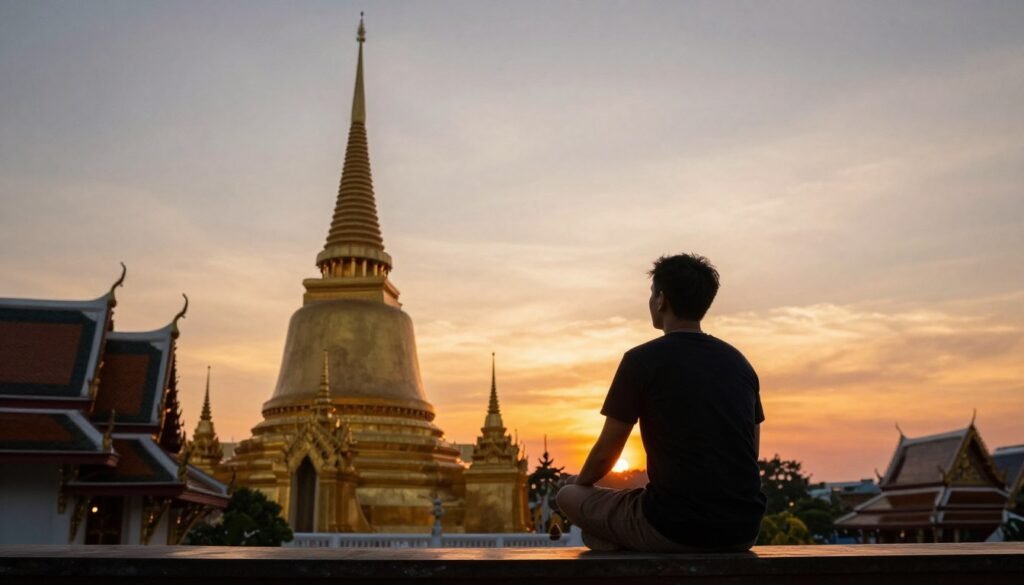
Your Thailand 2 week itinerary provides the perfect introduction to one of Southeast Asia’s most captivating countries. This timeframe balances thorough exploration with relaxed pacing, covering diverse regions from misty northern mountains to bustling Bangkok to pristine southern islands.
The suggested route through Chiang Mai, Bangkok, and southern beaches showcases Thailand’s remarkable cultural and geographical diversity. You’ll experience ancient temple rituals, taste extraordinary regional cuisines, meet welcoming locals, and create memories in some of the world’s most beautiful settings.
Key Takeaways for Your Thailand 2 Week Journey
- Book domestic flights 2-4 weeks ahead for best prices, especially during peak season November-February
- Choose accommodation near public transportation in cities (BTS/MRT in Bangkok) to save hours avoiding traffic
- Start in northern Thailand for gentle cultural introduction before progressing to busier Bangkok and islands
- Select either Andaman Coast or Gulf Coast islands based on your travel dates and weather patterns
- Reserve popular activities like ethical elephant sanctuaries and cooking classes several days ahead
- Embrace street food culture but specify spice level clearly – Thai “medium spicy” often means extremely hot
- Dress modestly for temple visits with covered shoulders and knees to show cultural respect
- Carry cash daily as many establishments don’t accept credit cards, especially in markets and for street food
- Allow flexibility in your schedule for spontaneous discoveries and adjusting to energy levels and weather
- Purchase comprehensive travel insurance including medical evacuation coverage before departure
Beyond This Itinerary: Planning Return Visits
Two weeks in Thailand typically leaves travelers eager to return and explore areas missed on the first visit. Future trips might focus on less-touristed regions like Northeastern Thailand (Isan) with its authentic villages and Khmer ruins, or venture to Mae Hong Son Loop in the far north, or discover lesser-known islands like Koh Lipe, Koh Kood, or Koh Chang.
Many visitors return repeatedly, each time peeling back another layer of Thailand’s complexity. The country rewards repeat visits as you gain confidence navigating beyond tourist circuits into more authentic local experiences.
This itinerary provides strong foundation for understanding Thailand’s geography, culture, transportation systems, and travel logistics. Armed with this knowledge and your own preferences discovered during two weeks, future trips can venture into more specialized regional deep dives or seasonal festivals like Songkran (water festival in April), Loy Krathong (floating lantern festival in November), or Yi Peng (sky lantern festival in Chiang Mai).
Need personalized help planning your Thailand 2 week itinerary? Our travel specialists offer complimentary consultation.
Thailand welcomes you with genuine smiles, extraordinary hospitality, and experiences that exceed expectations. Your two week adventure begins with a single step – booking that flight and embracing the journey ahead. The memories you create exploring temples, tasting incredible food, meeting welcoming people, and discovering stunning natural beauty will last a lifetime.
Safe travels, and enjoy every moment of your Thailand 2 week itinerary. May your journey be filled with wonder, delicious meals, meaningful connections, and the kind of experiences that remind you why travel enriches life in ways nothing else can.