


The world of remote work continues to evolve rapidly. More digital nomads are discovering new destinations that offer the perfect blend of affordability, connectivity, and lifestyle quality.
Choosing where to base yourself in 2026 requires careful consideration. You’ll find that visa policies have changed significantly over the past year.
This comprehensive guide examines the top 10 places for digital nomad living in 2026. Each destination has been evaluated based on cost of living, internet reliability, coworking spaces, visa accessibility, and community strength.
Start Planning Your 2026 Digital Nomad Journey
Download our free destination comparison checklist with detailed breakdowns of visa requirements, monthly costs, and internet speeds for all 10 locations.
What Makes a Great Digital Nomad Destination in 2026
The landscape for remote workers has transformed considerably. New digital nomad visa programs have launched in dozens of countries.
Several factors determine whether a location works well for digital nomads. Internet connectivity remains the foundation of any successful remote work setup.
Cost of living directly impacts how long you can sustain your nomad lifestyle. Some cities offer incredible value while others drain savings quickly.
Essential Infrastructure Requirements
Reliable internet connectivity stands as the most critical factor. Digital nomads need consistent speeds above 50 Mbps for video calls and file transfers.
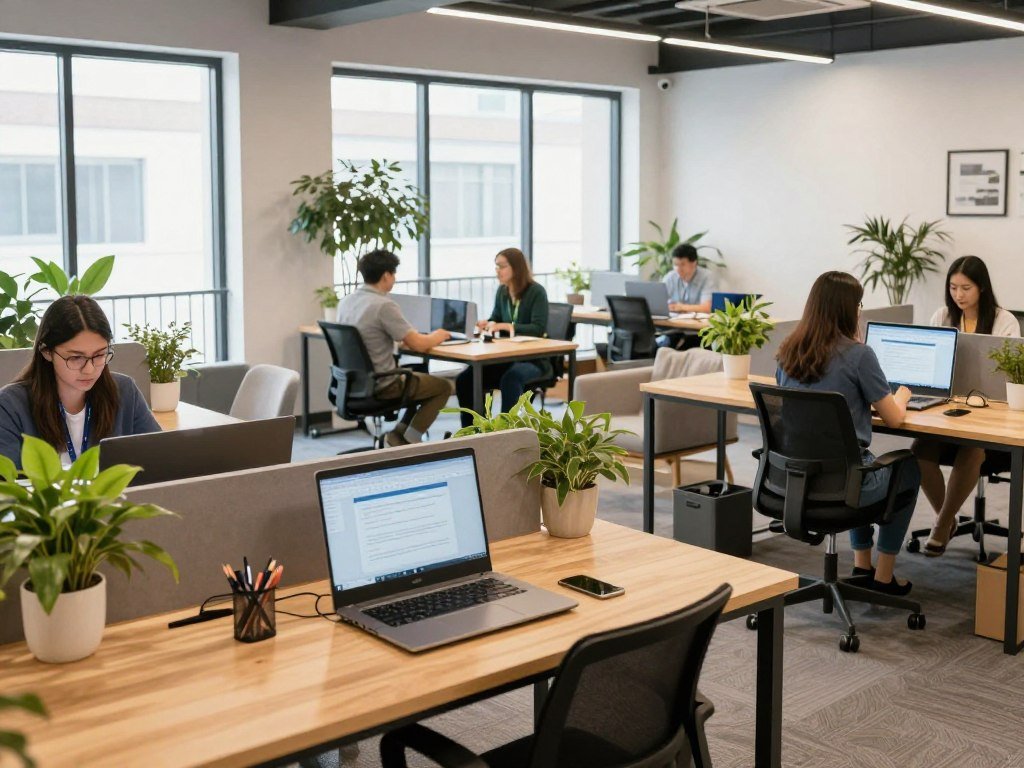
Coworking spaces provide professional environments and networking opportunities. Most nomad hotspots now feature multiple co-working spaces with different atmospheres and price points.
Accommodation options should range from budget-friendly to comfortable long-term rentals. Flexibility in lease terms matters significantly for the nomad lifestyle.
Legal and Visa Considerations
Nomad visa programs have become increasingly common. Countries recognize the economic benefits of attracting remote workers who spend locally.
Traditional tourist visas typically allow stays of 30-90 days. Digital nomad visas extend this period to 6-24 months in many destinations.
Make sure you understand tax implications before committing to any location. Some countries require tax payments after certain residency thresholds.
| Visa Type | Typical Duration | Average Cost | Income Requirement |
| Tourist Visa | 30-90 days | $0-$50 | None |
| Digital Nomad Visa | 6-24 months | $100-$500 | $2,000-$3,500/month |
| Temporary Residence | 1-3 years | $200-$1,000 | $1,500-$5,000/month |
| Business Visa | 90 days-1 year | $100-$300 | Varies |
Community and Lifestyle Quality
A strong nomad community transforms a destination from bearable to exceptional. You’ll find that connecting with other remote workers combats isolation effectively.
Quality of life factors include safety, healthcare access, climate, and cultural experiences. These elements significantly impact long-term satisfaction with any location.
Great food scenes enhance the daily experience considerably. Cities with diverse culinary options keep life interesting during extended stays.
1. Chiang Mai, Thailand: The Original Digital Nomad Hub
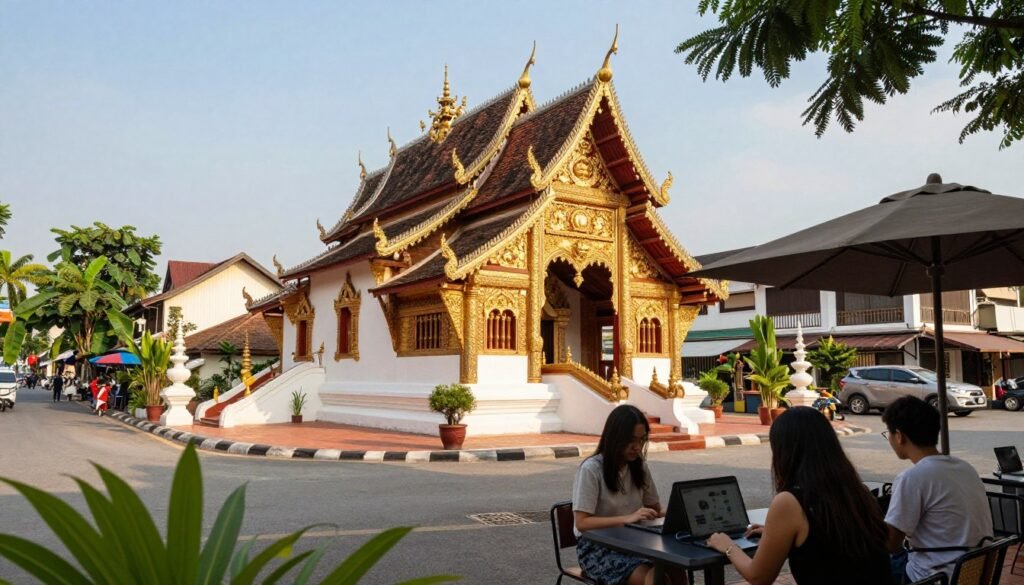
Chiang Mai remains the gold standard for digital nomad destinations. This northern Thai city pioneered the modern remote work lifestyle over a decade ago.
The cost of living in Chiang Mai continues to offer exceptional value. You can live comfortably on $800-$1,200 monthly including accommodation and food.
Internet connectivity throughout the city reaches world-class standards. Most coworking spaces and cafes provide speeds exceeding 100 Mbps.
Why Chiang Mai Dominates in 2026
The nomad community here has matured into a sophisticated network. You’ll find specialized groups for entrepreneurs, developers, designers, and content creators.
Co-working spaces have evolved beyond basic desks and wifi. Premium spaces now offer podcast studios, photography equipment, and event venues.
The city strikes a perfect balance between urban convenience and natural beauty. Mountains surround Chiang Mai, offering weekend hiking and adventure opportunities.
Practical Information for Chiang Mai
Cost Breakdown
- Accommodation: $300-$600/month for comfortable studios
- Coworking space membership: $50-$100/month
- Food: $200-$400/month eating mix of local and western
- Transportation: $30-$60/month for scooter rental
- Entertainment: $100-$200/month for activities and socializing
Visa Options
- Tourist visa: 60 days, extendable to 90 days
- Multiple-entry tourist visa: 6 months validity
- Education visa: Available through language schools
- Elite visa: 5-20 year options starting at $15,000
- LTR visa: New 10-year option for qualifying professionals
The food scene in Chiang Mai satisfies every preference and budget. Local markets offer authentic Thai dishes for $1-$2 per meal.
Great food extends beyond Thai cuisine here. You’ll find excellent coffee shops, international restaurants, and healthy food options throughout the city.
2. Lisbon, Portugal: Europe’s Rising Star for Remote Workers
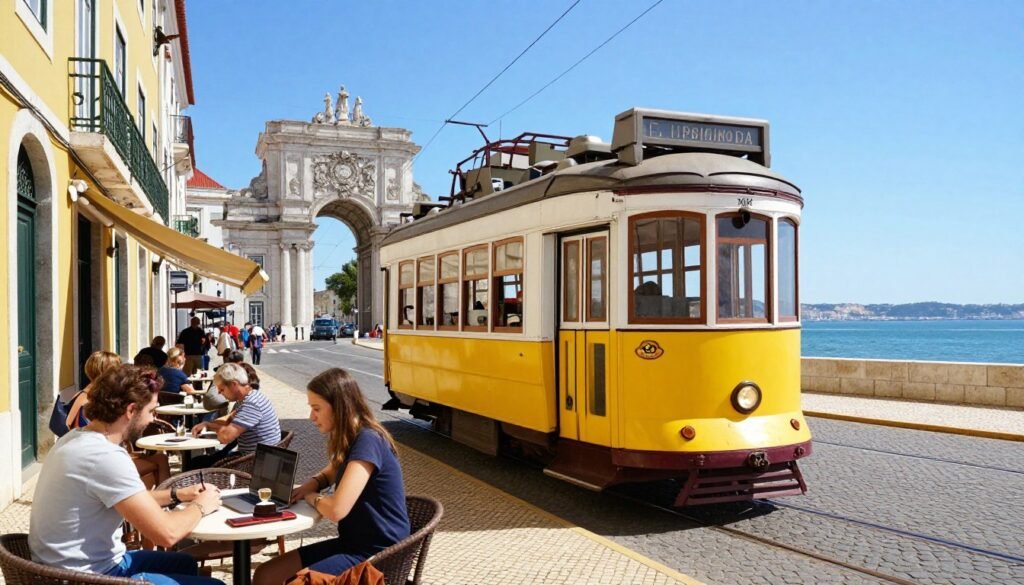
Lisbon has transformed into one of Europe’s premier digital nomad destinations. The city combines old-world charm with modern infrastructure and progressive policies.
Portugal’s digital nomad visa program launched in 2022 and continues to attract remote workers. The government actively welcomes location-independent professionals.
The cost of living in Lisbon remains reasonable compared to other Western European capitals. Monthly expenses typically range from $1,500-$2,500 for comfortable living.
What Makes Lisbon Special
The climate offers year-round sunshine and mild temperatures. You can work from outdoor cafes almost every day of the year.
Internet infrastructure meets professional standards throughout the city. Most neighborhoods now have fiber optic connections with speeds exceeding 200 Mbps.
The nomad community in Lisbon has grown exponentially since 2020. Weekly meetups, networking events, and skill-sharing sessions happen constantly.
Advantages
- Safe city with low crime rates
- English widely spoken in business contexts
- Access to entire European Union
- Beautiful beaches within 30 minutes
- Rich cultural and historical experiences
- Growing startup and tech ecosystem
Challenges
- Higher costs than Southeast Asia
- Accommodation can be difficult to find
- Bureaucracy for official processes
- Very touristy during summer months
- Some infrastructure aging in older areas
Coworking Spaces and Work Environment
Lisbon features dozens of high-quality coworking spaces. Options range from large corporate facilities to boutique creative studios.
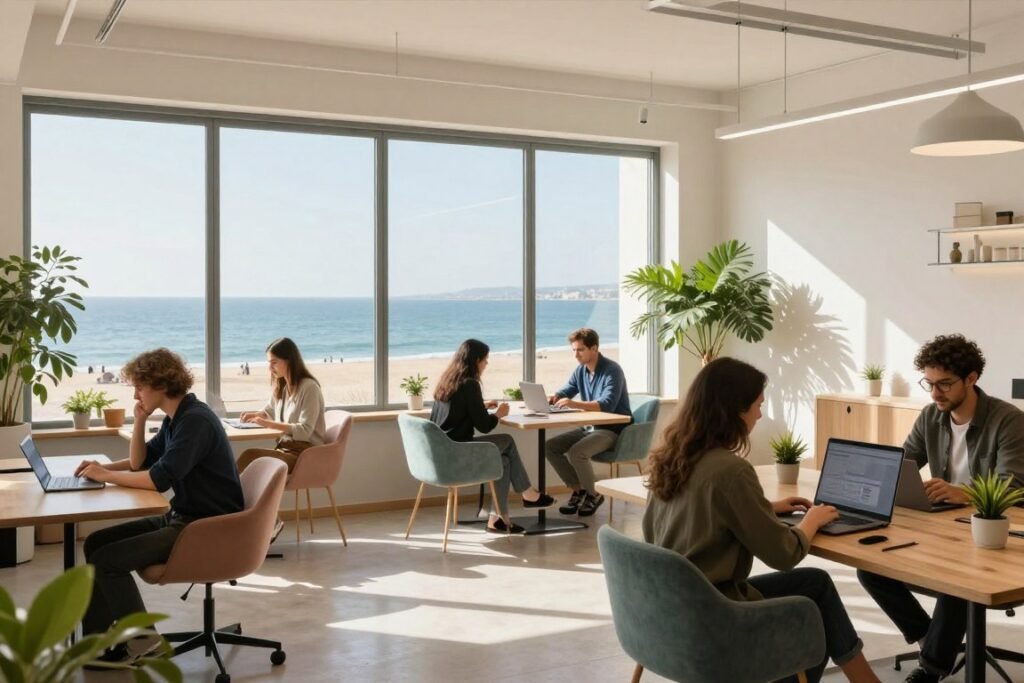
Many co-working spaces offer ocean views and rooftop terraces. The atmosphere balances productivity with the relaxed Portuguese lifestyle.
Coffee culture thrives throughout the city. Traditional cafes mix with specialty coffee shops, providing endless work location options.
Top Coworking Spaces
- Second Home Lisboa – Beautiful design in historic market building
- Spaces Avenida da Liberdade – Premium central location
- Cowork Central – Budget-friendly community-focused option
- Selina Secret Garden – Combines accommodation and workspace
- IDEA Spaces – Multiple locations across the city
Remote workers appreciate Portugal’s D7 passive income visa and digital nomad visa options. Both provide clear paths to European residency.
3. Mexico City, Mexico: Cultural Richness Meets Modern Infrastructure
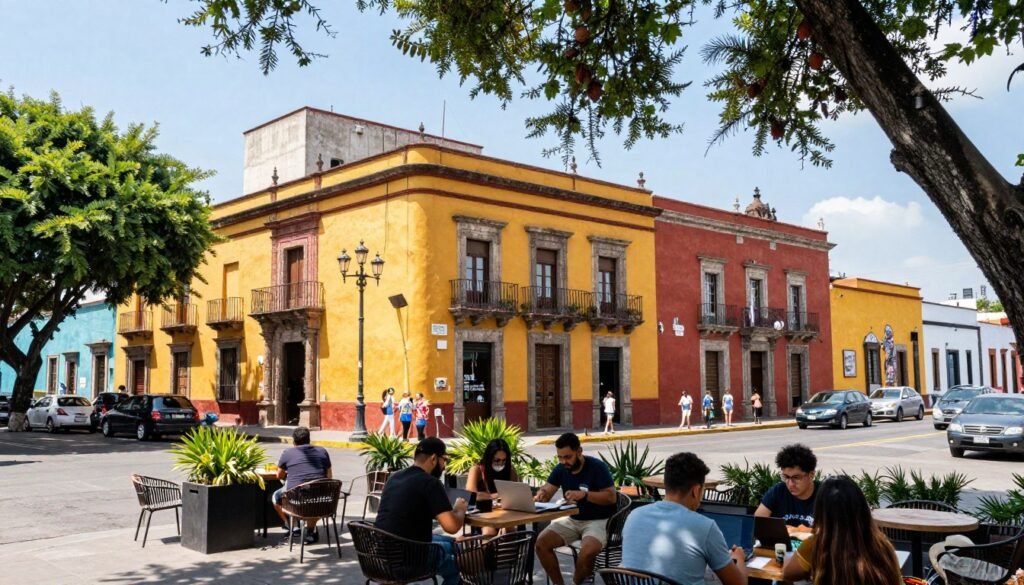
Mexico City has emerged as a top destination for American and Canadian digital nomads. The city offers an unbeatable combination of culture, food, and value.
The cost of living provides excellent value for Western remote workers. You can live very comfortably on $1,200-$2,000 monthly in desirable neighborhoods.
Internet connectivity throughout the city rivals major US cities. Fiber optic connections are standard in neighborhoods popular with digital nomads.
Why Digital Nomads Choose Mexico City
The time zone alignment with US business hours makes life easier. Digital nomads working with American clients appreciate the convenient schedule.
Food culture in Mexico City ranks among the world’s best. You’ll find everything from street tacos to high-end international cuisine.
The city’s neighborhoods offer distinct personalities and advantages. Roma, Condesa, and Polanco each attract different types of remote workers.
Neighborhoods for Digital Nomads
Roma Norte stands as the epicenter of nomad life. Tree-lined streets feature countless cafes, coworking spaces, and restaurants.
Condesa offers a slightly more upscale atmosphere. The neighborhood’s Art Deco architecture and parks create an appealing environment.
Polanco attracts digital nomads seeking luxury and security. This upscale area features international restaurants and premium amenities.
- Highest concentration of digital nomads
- Best cafe and coworking density
- Central location with excellent transit
- Vibrant nightlife and cultural scene
- Moderate pricing for the area
Roma Norte
- Quieter than Roma with more green space
- Beautiful parks for outdoor work
- Slightly more expensive accommodations
- Dog-friendly neighborhood culture
- Excellent restaurant selection
Condesa
- Most secure and upscale area
- International business district
- Premium pricing across the board
- High-end shopping and dining
- Less bohemian nomad vibe
Polanco
Visa options for Mexico remain straightforward for most nationalities. Americans and Canadians receive 180-day tourist stamps automatically.
The temporary residence visa provides a path to longer stays. This option works well for digital nomads planning extended time in Mexico.
4. Bali, Indonesia: Island Paradise for Creative Nomads
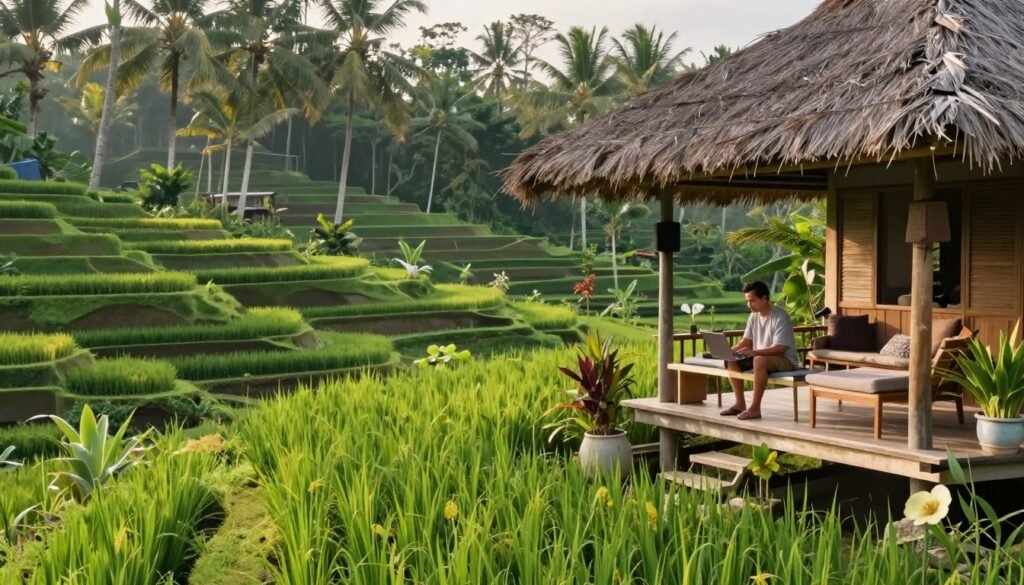
Bali continues to attract digital nomads seeking the island lifestyle. This Indonesian destination combines natural beauty with a thriving remote work community.
The cost of living in Bali varies dramatically by area and lifestyle. Budget conscious nomads manage on $800-$1,000 monthly while others spend $2,000-$3,000.
Internet reliability has improved significantly in recent years. Major nomad areas now offer consistent connections suitable for professional work.
Bali’s Unique Appeal
The island offers diverse environments within short distances. You can work near beaches, in rice field cafes, or from mountain retreats.
A massive nomad community provides instant social connections. Weekly events, workshops, and networking opportunities happen across the island.
The spiritual and wellness culture attracts many remote workers. Yoga studios, meditation centers, and healthy food options are everywhere.
Popular Nomad Areas
- Canggu – Beach town with strong surf and nomad culture
- Ubud – Cultural center with rice fields and wellness focus
- Seminyak – Upscale beach area with restaurants and nightlife
- Sanur – Quieter coastal town for focused work
- Uluwatu – Dramatic cliffs and growing nomad scene
Key Considerations
- Traffic can be extremely challenging
- Monsoon season affects November through March
- Scooter rental essential for mobility
- Health insurance strongly recommended
- Internet backup plans necessary
Coworking Culture in Bali
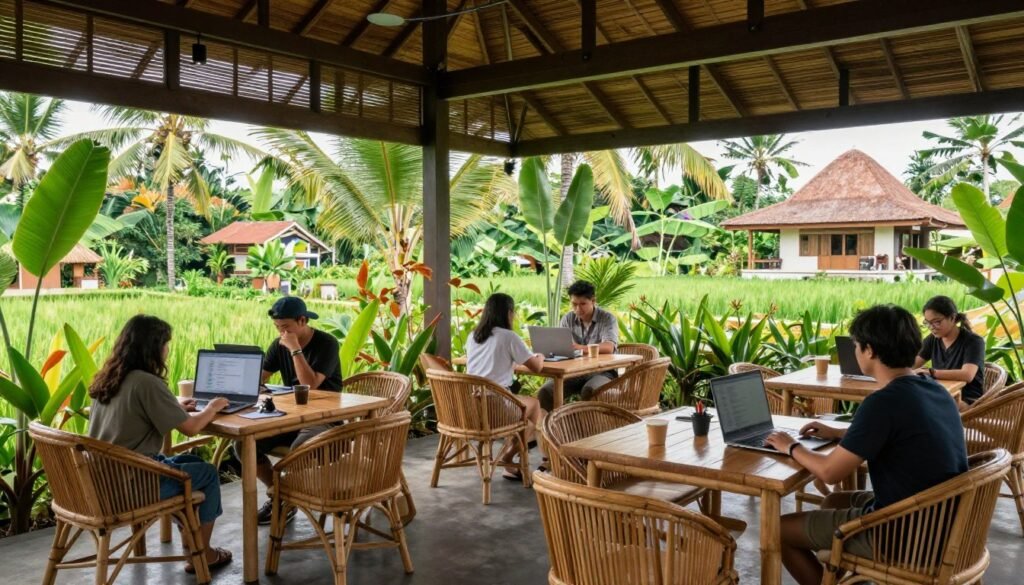
Coworking spaces range from professional hubs to beachfront bamboo structures. You’ll find options matching every work style and budget.
Many spaces incorporate wellness into their offerings. Yoga classes, healthy meals, and community events complement the work environment.
Co-working spaces in Canggu and Ubud host the highest concentrations of digital nomads. These areas feature multiple options within walking distance.
Indonesia’s visa situation for digital nomads improved with new policies. The digital nomad visa allows stays up to 5 years for qualifying applicants.
Make sure you understand the visa requirements before arrival. Tourist visas remain the most common option but require extensions or visa runs.
5. Buenos Aires, Argentina: South American Sophistication
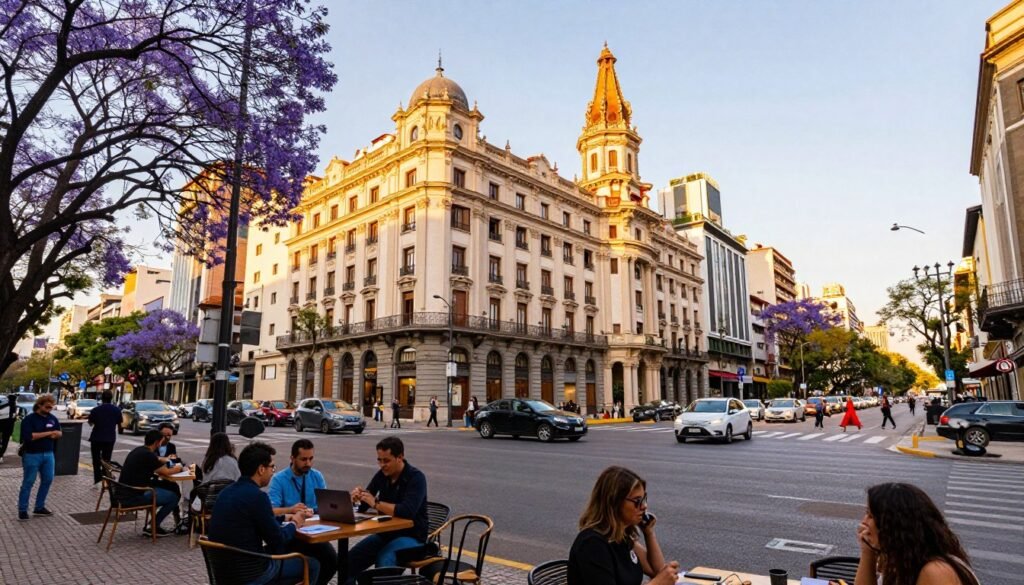
Buenos Aires offers European sophistication at South American prices. This cosmopolitan city attracts digital nomads seeking culture and value.
The cost of living remains remarkably low for a world-class city. Economic factors keep prices accessible for those earning in stronger currencies.
Internet infrastructure throughout Buenos Aires meets professional standards. Most apartments and coworking spaces provide reliable high-speed connections.
Why Buenos Aires Stands Out
The cultural scene rivals any major European capital. World-class theater, music, art galleries, and literary traditions thrive here.
Great food defines the Buenos Aires experience. Steakhouses, Italian restaurants, and innovative fusion cuisine satisfy every craving.
The nightlife and social culture create endless entertainment. Porteños (locals) dine late and socialize into the early morning hours.
Living as a Digital Nomad in Buenos Aires
Palermo stands as the primary neighborhood for digital nomads. Sub-neighborhoods like Palermo Soho and Hollywood offer distinct vibes.
San Telmo attracts those seeking historic charm and bohemian atmosphere. The Sunday market and antique shops create unique character.
Recoleta provides upscale living with parks and cultural institutions. This area works well for nomads seeking quieter surroundings.
Important Note: Argentina’s economic situation creates both opportunities and challenges. Exchange rates fluctuate significantly, dramatically affecting purchasing power. Research current conditions before committing to an extended stay.
The nomad community in Buenos Aires remains smaller than top-tier destinations. This creates opportunities for deeper local integration and unique experiences.
Coworking spaces concentrate in Palermo and the city center. Options range from corporate-style facilities to creative community spaces.
Get Your Complete 2026 Digital Nomad Destination Guide
You’re halfway through our top 10 list. Download the complete guide with detailed visa procedures, cost breakdowns, community contacts, and insider tips for all destinations.
6. Tbilisi, Georgia: Eastern Europe’s Hidden Gem
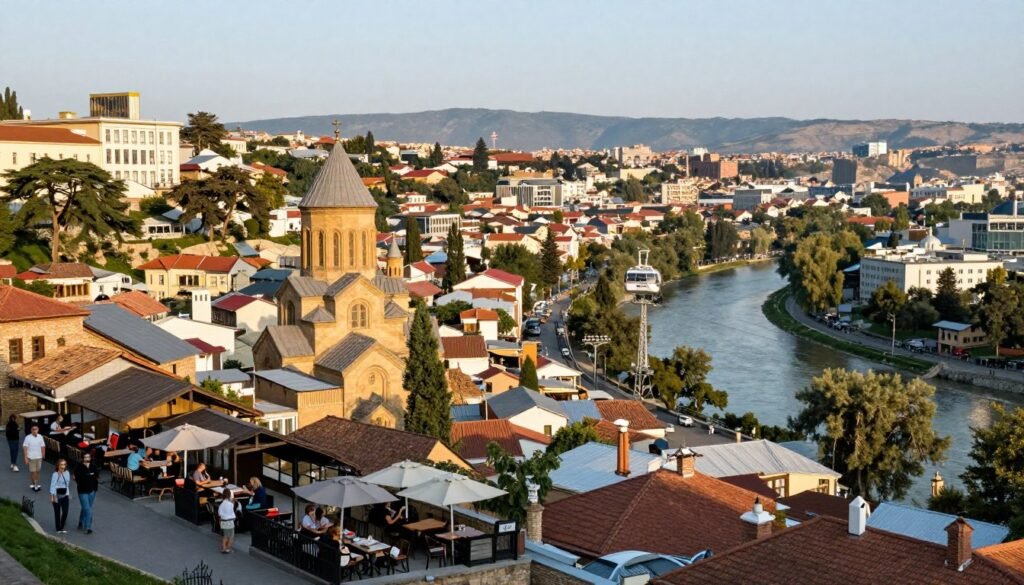
Tbilisi has become one of the most talked-about digital nomad destinations. This Georgian capital offers incredible value and a fascinating cultural blend.
The cost of living in Tbilisi ranks among the lowest for any capital city. Digital nomads live comfortably on $700-$1,200 monthly including everything.
Georgia’s visa policies are extremely nomad-friendly. Most nationalities receive 365 days visa-free entry, making it the easiest destination on this list.
What Makes Tbilisi Special
The city sits at the crossroads of Europe and Asia. This geographic position creates a unique cultural fusion visible in architecture, food, and lifestyle.
Internet speeds throughout Tbilisi exceed most European cities. Georgia invested heavily in digital infrastructure, resulting in excellent connectivity.
The nomad community has grown rapidly since 2020. Weekly meetups and regular events connect remote workers across the city.
Cost of Living Details
Accommodation costs range from $250 for basic apartments to $600 for modern studios in prime locations. Long-term rentals offer even better value.
Food expenses stay remarkably low. Traditional Georgian restaurants serve filling meals for $3-$5, while international options cost $8-$15.
Coworking spaces charge $50-$100 monthly for full-time access. Many cafes welcome laptop workers with strong internet and affordable coffee.
Transportation around the city costs almost nothing. The metro charges $0.20 per ride, while taxis rarely exceed $3 for cross-city trips.

Living and Working in Tbilisi
Vake and Saburtalo neighborhoods attract most digital nomads. These areas offer modern apartments, coworking spaces, and international amenities.
Old Tbilisi provides character and history but fewer modern conveniences. Some nomads choose this area for cultural immersion despite practical challenges.
The cable car connects old and new parts of the city. This scenic ride has become an iconic experience for residents and visitors alike.
Advantages
- Extremely low cost of living
- 365-day visa-free entry for most nationalities
- Fast and reliable internet infrastructure
- Safe city with friendly locals
- Unique cultural experiences
- Growing startup ecosystem
- Beautiful mountain landscapes nearby
Challenges
- Language barrier outside tourist areas
- Smaller nomad community than top destinations
- Limited direct international flights
- Winter can be cold and gray
- Some infrastructure still developing
- Banking and financial services challenging
Georgian wine culture adds another dimension to the experience. The country’s 8,000-year winemaking tradition creates countless tasting opportunities.
Make sure to explore beyond Tbilisi during your stay. The countryside offers stunning mountains, ancient monasteries, and traditional villages within easy reach.
7. Medellín, Colombia: The City of Eternal Spring
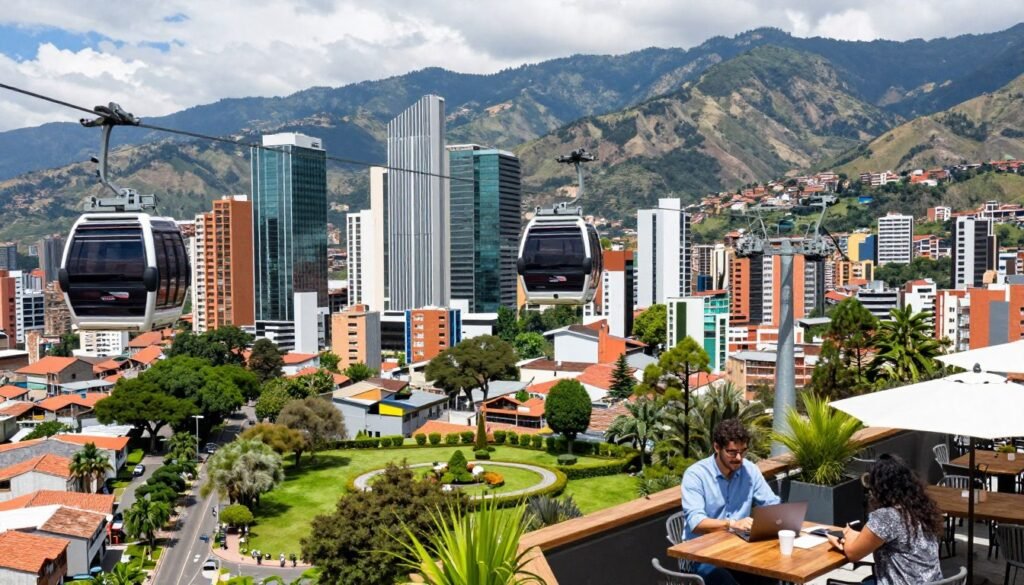
Medellín has transformed dramatically over the past two decades. This Colombian city now ranks among the most innovative and livable in Latin America.
The climate justifies the “City of Eternal Spring” nickname. Temperatures hover around 70-75°F year-round with minimal seasonal variation.
Cost of living provides excellent value for digital nomads. Monthly expenses range from $1,000-$1,800 for comfortable middle-class living.
Why Digital Nomads Choose Medellín
The metro system sets Medellín apart from other Latin American cities. Efficient public transportation makes getting around easy and affordable.
El Poblado serves as the main neighborhood for digital nomads and expats. This area offers security, amenities, and a concentration of coworking spaces.
The local paisa culture emphasizes friendliness and hospitality. Many digital nomads report feeling welcomed and integrated into the community.
Neighborhoods and Lifestyle
El Poblado divides into several distinct zones. Provenza offers the most nightlife and restaurants, while Manila and Patio Bonito provide quieter options.
Laureles attracts digital nomads seeking local flavor with good infrastructure. This neighborhood offers better value than El Poblado with authentic Colombian character.
Envigado sits just outside central Medellín with a suburban feel. Some remote workers prefer this area for family-friendly atmosphere and lower costs.
- Highest concentration of expats and nomads
- Best security and modern amenities
- Most coworking spaces and cafes
- Highest rental costs in the city
- Active nightlife and restaurant scene
- English more commonly spoken
El Poblado
- More authentic local experience
- Better value for accommodation
- Safe neighborhood with good infrastructure
- Growing nomad presence
- Excellent local restaurants
- Connected by metro system
Laureles
- Suburban atmosphere outside city center
- Lower costs than central areas
- Family-friendly neighborhoods
- Less developed coworking scene
- Requires more transit time
- Fewer international amenities
Envigado
Colombia’s digital nomad visa launched in 2022 with competitive terms. Remote workers can stay up to 2 years with straightforward application processes.
Coffee culture permeates Medellín life. The city’s location in coffee-growing country means exceptional quality at every price point.
8. Tallinn, Estonia: Europe’s Digital Pioneer
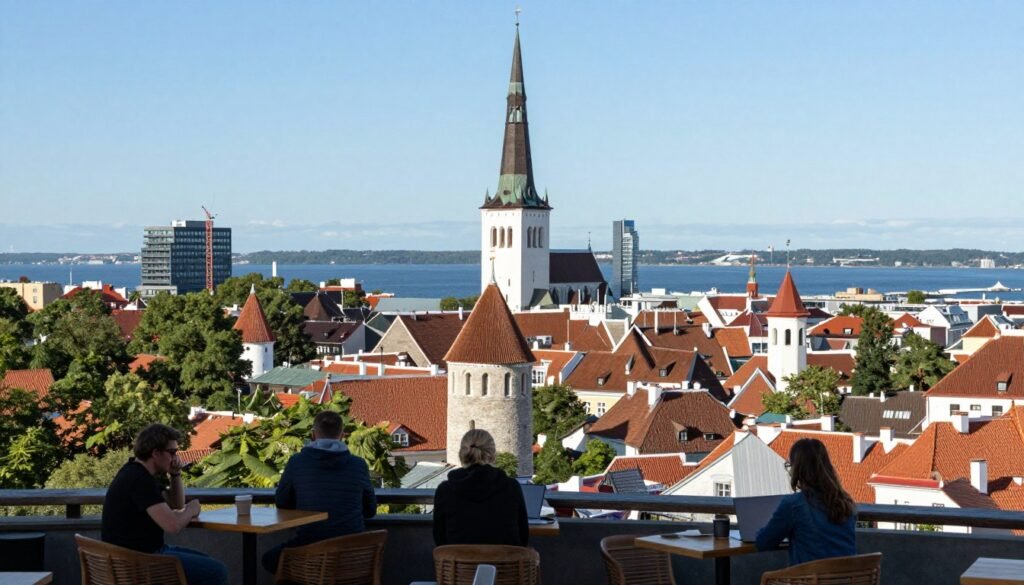
Tallinn stands at the forefront of digital innovation. Estonia created the world’s most advanced digital society and actively welcomes remote workers.
The country pioneered the digital nomad visa concept in 2020. Estonia’s e-Residency program allows entrepreneurs to run EU-based businesses remotely.
Internet infrastructure throughout Estonia ranks among the world’s best. The entire country functions as a digitally connected society with universal high-speed access.
Estonia’s Digital Advantages
The government operates almost entirely online. Digital nomads can handle bureaucracy, banking, and official matters without physical offices.
The startup ecosystem thrives in Tallinn. Skype and TransferWise originated here, creating a culture of innovation and entrepreneurship.
English proficiency runs high across all age groups. Communication barriers rarely arise in business or social contexts.
Digital Infrastructure
- Free public WiFi covers entire country
- Average internet speed exceeds 100 Mbps
- 99% of government services available online
- Advanced digital identity system
- Cashless society with universal card acceptance
- Robust cybersecurity infrastructure
Practical Considerations
- Higher costs than Southern or Eastern Europe
- Long, dark winters affect mood
- Smaller nomad community than major hubs
- Reserved local culture takes time
- Limited direct international connections
- Short summer with intense tourism
Living in Tallinn as a Digital Nomad
The medieval old town creates a fairy-tale atmosphere. Cobblestone streets and historic architecture provide unique surroundings for daily life.
Modern districts like Rotermann Quarter blend contemporary design with functionality. New developments cater specifically to digital workers and startups.
The cost of living sits in the mid-range for European capitals. Monthly expenses typically run $1,500-$2,300 for comfortable living standards.
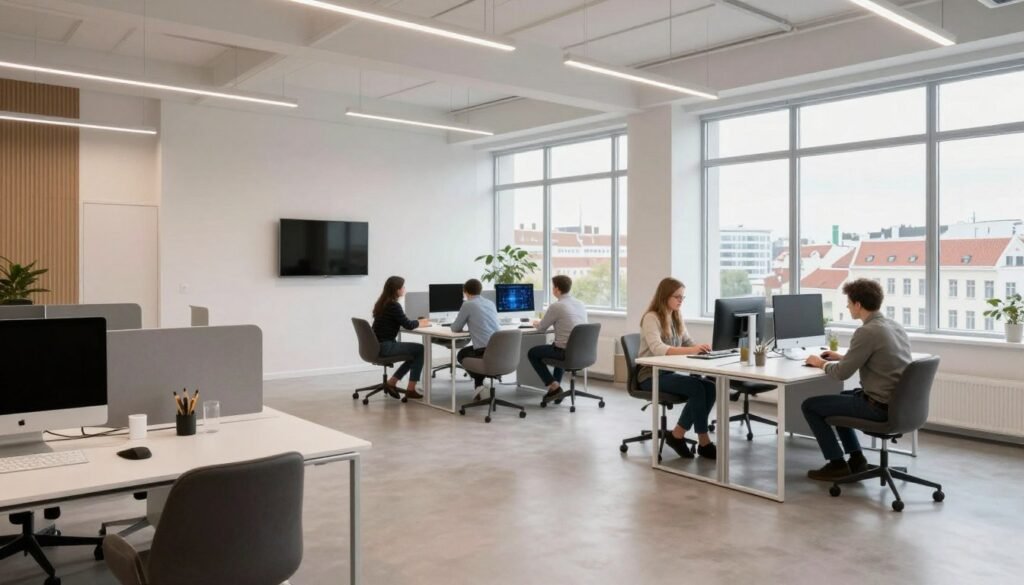
Coworking spaces throughout Tallinn emphasize technology and innovation. Many facilities offer specialized resources for tech entrepreneurs and developers.
The nomad community remains smaller but highly engaged. Quality connections often develop more easily than in oversaturated destinations.
E-Residency Program: Estonia’s e-Residency allows digital entrepreneurs to establish and manage an EU-based company entirely online. This program doesn’t grant physical residency but provides access to the European market and Estonia’s digital infrastructure. Over 100,000 people from 170+ countries have joined the program.
Baltic location provides easy access to Scandinavia and Central Europe. Weekend trips to Helsinki, Riga, and St. Petersburg are simple and affordable.
9. Da Nang, Vietnam: Coastal Living with Modern Amenities
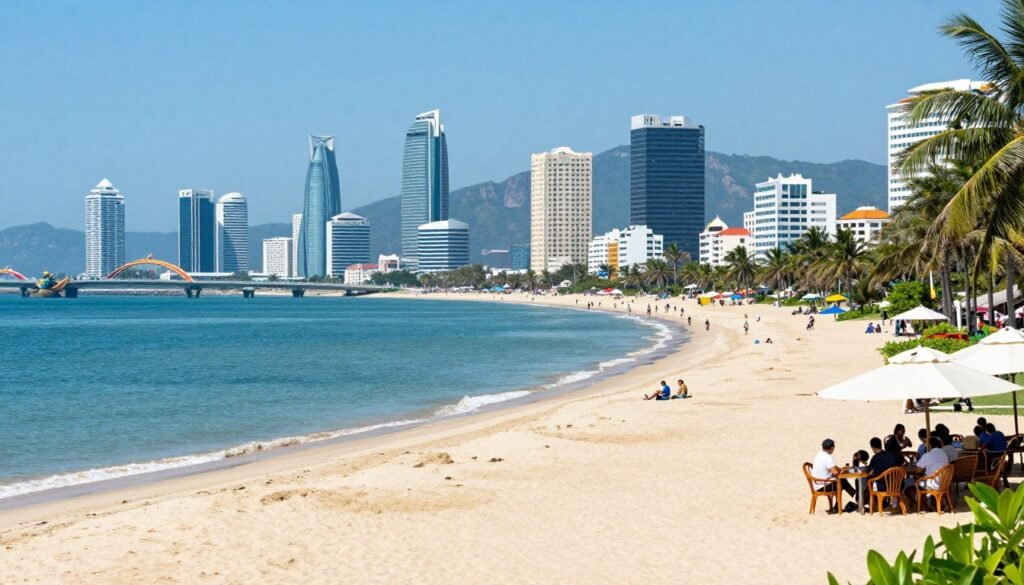
Da Nang offers a perfect balance between beach life and urban convenience. This Vietnamese coastal city has rapidly developed into a digital nomad destination.
The cost of living remains extremely affordable despite modernization. Digital nomads live comfortably on $700-$1,200 monthly including beachfront locations.
Internet connectivity improved dramatically with infrastructure investments. Most areas now provide reliable speeds suitable for video calls and remote work.
Da Nang’s Unique Position
The city sits centrally on Vietnam’s coast between Hanoi and Ho Chi Minh City. This location enables easy exploration of the entire country.
My Khe Beach stretches for miles along the city. You can literally work with your feet in the sand at numerous beachfront cafes.
The nomad community stays smaller than Chiang Mai or Bali. This creates opportunities for deeper local connections and authentic experiences.
Living Areas and Neighborhoods
My Khe Beach area attracts most digital nomads seeking beach lifestyle. Modern apartments line the coastline with ocean views and easy beach access.
An Thuong neighborhood provides a more local experience with lower costs. This area sits slightly inland but remains walkable to beaches and city center.
Son Tra Peninsula offers upscale living options with natural surroundings. Jungle-covered mountains meet the sea in this less developed area.
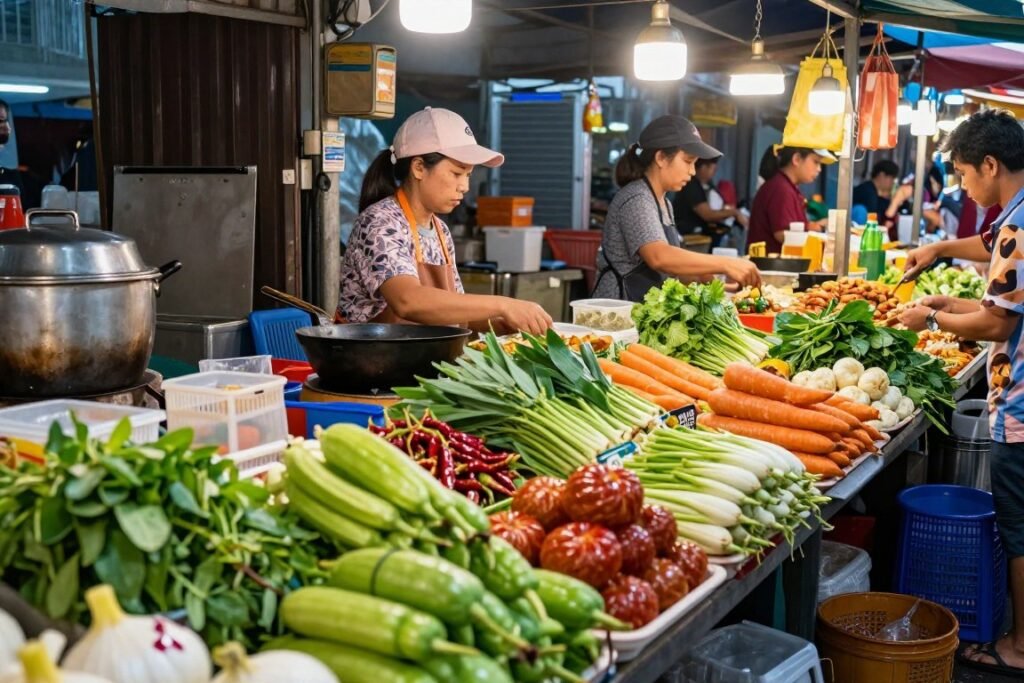
Food and Lifestyle
Vietnamese food culture offers incredible variety and value. Street food meals cost $1-$2 while restaurant dining rarely exceeds $5-$8.
The city has developed a strong cafe culture. Modern coffee shops compete with traditional Vietnamese cafes throughout neighborhoods.
Great food extends beyond Vietnamese cuisine here. Korean, Japanese, and Western restaurants serve the growing expat community.
Work Environment and Connectivity
Coworking spaces have multiplied as the nomad presence grows. Several professional facilities now serve the remote work community.
Coffee shops throughout the city welcome laptop workers. Many venues specifically cater to digital nomads with strong internet and comfortable seating.
The time zone works well for both Asian and some European clients. Morning hours align with afternoon European time while evenings connect with US East Coast.
Advantages
- Very low cost of living
- Beautiful beaches and natural surroundings
- Excellent Vietnamese food culture
- Modern developing city infrastructure
- Less touristy than other Vietnam destinations
- Central location for Vietnam exploration
Challenges
- Smaller nomad community
- Language barrier more pronounced
- Typhoon season can be disruptive
- Visa situation requires regular renewals
- Air quality issues during certain periods
- Limited international flight connections
Visa options for Vietnam continue evolving. E-visas allow 90-day stays with single or multiple entry options for most nationalities.
10. Dubai, UAE: Luxury and Opportunity in the Desert
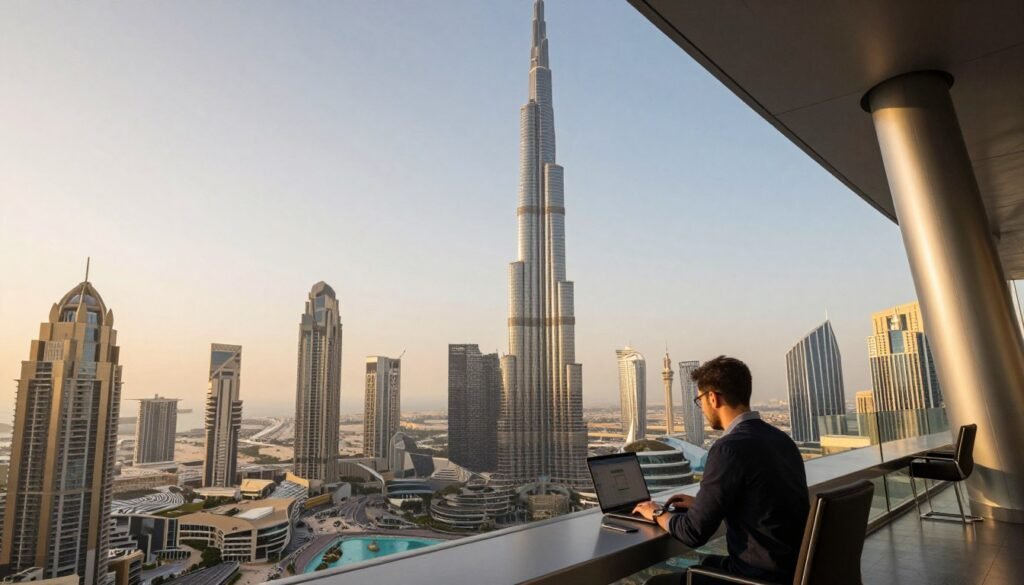
Dubai represents the premium option on this list. This UAE emirate offers world-class infrastructure and a business-friendly environment for high-earning nomads.
The cost of living runs significantly higher than other destinations. Monthly expenses range from $2,500-$5,000 depending on lifestyle choices and accommodation preferences.
Internet connectivity reaches exceptional standards throughout the city. Dubai’s digital infrastructure rivals anywhere globally with ultra-fast speeds universally available.
Dubai’s Appeal for Digital Nomads
The tax-free income environment attracts high-earning remote workers. No personal income tax means professionals keep their full earnings.
Safety and security reach levels unusual for such a large city. Dubai consistently ranks among the world’s safest urban areas.
The business ecosystem provides unparalleled networking opportunities. Global companies and entrepreneurs from every industry maintain presences here.
Dubai Lifestyle and Work Culture
The city operates as a truly international hub. Over 200 nationalities live and work in Dubai, creating unprecedented cultural diversity.
Dubai Marina and JBR attract many digital nomads with beachfront living. These areas combine urban amenities with beach access and active social scenes.
Downtown Dubai offers prestige addresses near Burj Khalifa. This area works well for nomads prioritizing networking and business connections.
Professional Advantages
- No personal income tax
- World-class business infrastructure
- Strategic location connecting East and West
- Extensive networking opportunities
- Modern coworking spaces and facilities
- Fast company formation processes
- International banking access
Lifestyle Considerations
- Extreme heat from May to September
- Car essential for most activities
- Alcohol only available in licensed venues
- Conservative dress codes in some areas
- High costs for entertainment and dining
- Transient expat community
Dubai’s Digital Nomad Visa
The UAE launched a remote work visa program allowing 12-month stays. Requirements include proof of employment and minimum income thresholds.
The virtual working program provides legal status for remote workers. This visa allows residents to live in Dubai while working for companies elsewhere.
Free zones offer additional options for establishing businesses. Digital entrepreneurs can form companies with full ownership and minimal capital requirements.
- High-earning professionals
- Entrepreneurs building global businesses
- Those seeking tax advantages
- Network-focused nomads
- People valuing safety and stability
- Luxury lifestyle preferences
Best For
- Budget-conscious digital nomads
- Those seeking bohemian culture
- People avoiding hot climates
- Nomads without cars
- Those prioritizing nightlife freedom
- Lower-income remote workers
Not Ideal For
Coworking spaces range from affordable options to ultra-premium facilities. Dubai offers the full spectrum with something matching every budget and preference.
The nomad community includes high-level entrepreneurs and professionals. Networking opportunities often lead to business collaborations and partnerships.
Comprehensive Destination Comparison
Each destination on this list offers distinct advantages and tradeoffs. Your personal priorities determine which location suits you best.
Cost of living varies dramatically across these destinations. Budget-focused nomads gravitate toward Thailand, Georgia, and Vietnam while those prioritizing infrastructure accept higher costs.
Visa accessibility impacts long-term planning significantly. Georgia’s 365-day visa-free entry provides maximum flexibility while other destinations require more planning.
| Destination | Monthly Cost | Visa Length | Best For | Main Advantage |
| Chiang Mai | $800-$1,200 | 60-90 days | Budget nomads, community | Established infrastructure |
| Lisbon | $1,500-$2,500 | Up to 24 months | European access | EU base location |
| Mexico City | $1,200-$2,000 | 180 days | US time zone work | Cultural richness |
| Bali | $800-$2,000 | Up to 5 years | Island lifestyle | Beach and wellness |
| Buenos Aires | $900-$1,600 | 90 days | Culture lovers | European vibe, low cost |
| Tbilisi | $700-$1,200 | 365 days | Budget, visa freedom | Year-long visa-free |
| Medellín | $1,000-$1,800 | Up to 24 months | Perfect climate | Spring weather year-round |
| Tallinn | $1,500-$2,300 | Up to 12 months | Tech entrepreneurs | Digital infrastructure |
| Da Nang | $700-$1,200 | 90 days | Beach life, budget | Coastal affordability |
| Dubai | $2,500-$5,000 | 12 months | High earners, networking | Tax-free income |
Choosing Your Ideal Destination
Budget constraints often narrow choices significantly. New digital nomads typically start in lower-cost destinations to extend runway and test the lifestyle.
Climate preferences matter more than many initially realize. Spending months in weather you dislike drains energy regardless of other advantages.
Community size impacts social experience dramatically. Larger nomad communities provide instant connections while smaller scenes offer deeper relationships.
Budget-Focused ($1,000/month or less)
These destinations maximize value for money while maintaining quality.
- Chiang Mai – Best overall infrastructure
- Tbilisi – Longest visa-free stay
- Da Nang – Beach lifestyle option
- Buenos Aires – European culture at low cost
Infrastructure-Focused
Prioritizing internet reliability and professional environments.
- Dubai – Best overall connectivity
- Tallinn – Most digitally advanced society
- Lisbon – Strong EU infrastructure
- Chiang Mai – Nomad-specific setup
Community-Focused
Strong nomad networks and regular social opportunities.
- Chiang Mai – Largest established community
- Bali – Active wellness-focused groups
- Medellín – Growing friendly community
- Lisbon – European nomad hub
Visa-Flexibility-Focused
Easiest legal status for extended stays.
- Tbilisi – 365 days visa-free
- Mexico City – 180 days automatic
- Bali – New long-term options
- Lisbon – Digital nomad visa program
Preparing for Your 2026 Digital Nomad Journey
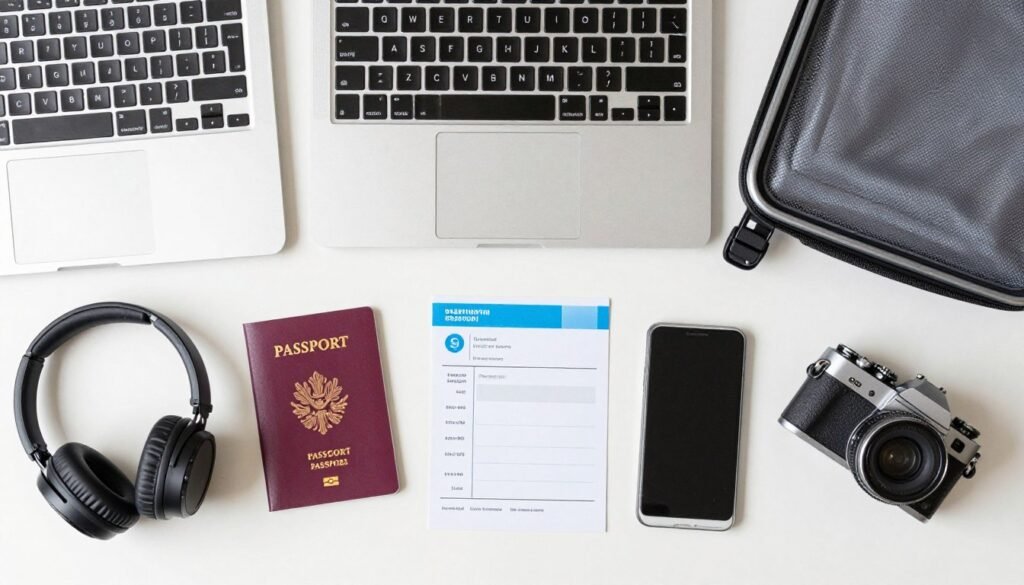
Successful digital nomad experiences require thorough preparation. The following months before departure should focus on logistics, finances, and practical arrangements.
Financial planning extends beyond monthly budgets. You’ll need emergency funds, insurance coverage, and strategies for managing money across countries.
Legal considerations demand attention before departure. Tax obligations, business structures, and residency status all impact long-term nomad life.
Essential Preparation Steps
Building Your Remote Work Setup
Your technology stack determines work efficiency across locations. Reliable equipment and backup systems prevent disasters.
Internet connectivity requires multiple backup options. Local SIM cards, portable hotspots, and cafe backups ensure continuous connection.
Make sure your work tools function across time zones and locations. Cloud-based systems provide flexibility for the nomad lifestyle.
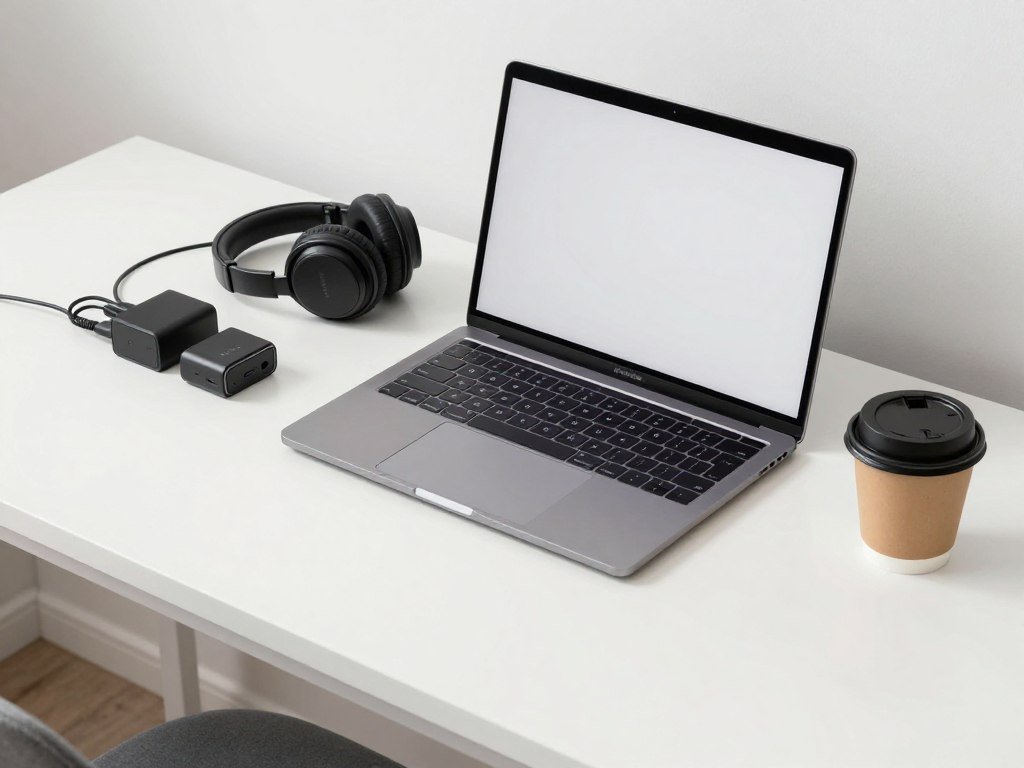
Essential Tech Gear
- Reliable laptop with global warranty
- Backup external storage devices
- Quality noise-canceling headphones
- Portable WiFi hotspot device
- Universal power adapter
- Portable phone charger
- Cable management accessories
- Laptop stand for ergonomics
Health Insurance and Safety
International health insurance provides crucial protection. Standard domestic policies rarely cover overseas medical care adequately.
SafetyWing and World Nomads offer policies designed specifically for digital nomads. These plans cover multiple countries with flexible terms.
Emergency protocols should include evacuation insurance. Serious medical situations may require transport to facilities in different countries.
Important: Standard travel insurance differs from nomad insurance. Traditional policies cover short trips but exclude extended stays and remote work activities. Specialized digital nomad insurance addresses these unique needs with appropriate coverage.
Financial Management Across Borders
Banking solutions determine ease of financial operations. Traditional banks often impose high foreign transaction fees and limited access.
Digital banking platforms like Wise, Revolut, and N26 serve nomads well. These services offer multi-currency accounts with fair exchange rates.
Tax obligations follow you regardless of location. Understand your home country requirements and any obligations in destination countries.
Building Community as a Digital Nomad
Community connections combat the isolation inherent in remote work. Humans need social interaction regardless of location independence.
The nomad community spans online and offline spaces. Facebook groups, Reddit communities, and specialized platforms connect remote workers globally.
Local meetups provide face-to-face connections in destination cities. Most nomad hotspots feature regular events, skill shares, and social gatherings.
Finding Your Nomad Tribe
Coworking spaces serve as instant community hubs. Regular members develop friendships through daily proximity and shared experiences.
Nomad List and Remote Year organize both online and offline communities. These platforms connect people before, during, and after stays in various locations.
Feel like you need structure for building connections. Schedule regular coffee meetings, attend events consistently, and contribute to community initiatives.
Online Community Platforms
- Nomad List – Comprehensive nomad database
- Digital Nomad Reddit – Active discussion forum
- Facebook nomad groups for specific cities
- Slack communities for remote workers
- Couchsurfing for local events and hangouts
- Meetup.com for organized gatherings
In-Person Connection Strategies
- Join coworking space events regularly
- Attend weekly nomad meetups
- Participate in language exchanges
- Join local sports or hobby groups
- Volunteer for community initiatives
- Organize your own small gatherings
Balancing Work and Social Life
Remote work flexibility enables better life balance. However, boundaries between work and personal time blur without intentional structure.
Time zones complicate scheduling across different regions. Digital nomads often adjust work hours to accommodate clients and team members.
Things like establishing routines help maintain productivity. Consistent wake times, dedicated work hours, and clear end-of-day rituals create structure.

Burnout risk increases without proper boundaries. The always-on nature of remote work requires conscious effort to disconnect.
Small commission opportunities arise through nomad community connections. Many successful collaborations start from casual coworking space conversations.
Future Trends Shaping Digital Nomad Destinations in 2026
The digital nomad movement continues evolving rapidly. Governments increasingly recognize the economic benefits of attracting remote workers.
New digital nomad visa programs launch regularly worldwide. Countries compete to attract high-spending remote professionals with favorable terms.
Remote work normalization accelerates this trend. Companies embrace location flexibility, expanding the potential nomad population exponentially.
Emerging Destinations to Watch
Lesser-known locations develop nomad infrastructure. Cities like Tirana, Albania and Cape Town, South Africa attract early adopters.
Caribbean nations launch attractive visa programs. Barbados, Antigua, and Bermuda compete for digital nomad residents with paradise settings.
You’ll find new digital nomad communities forming in unexpected places. Rural areas and smaller cities develop remote work friendly infrastructure.
Tirana, Albania
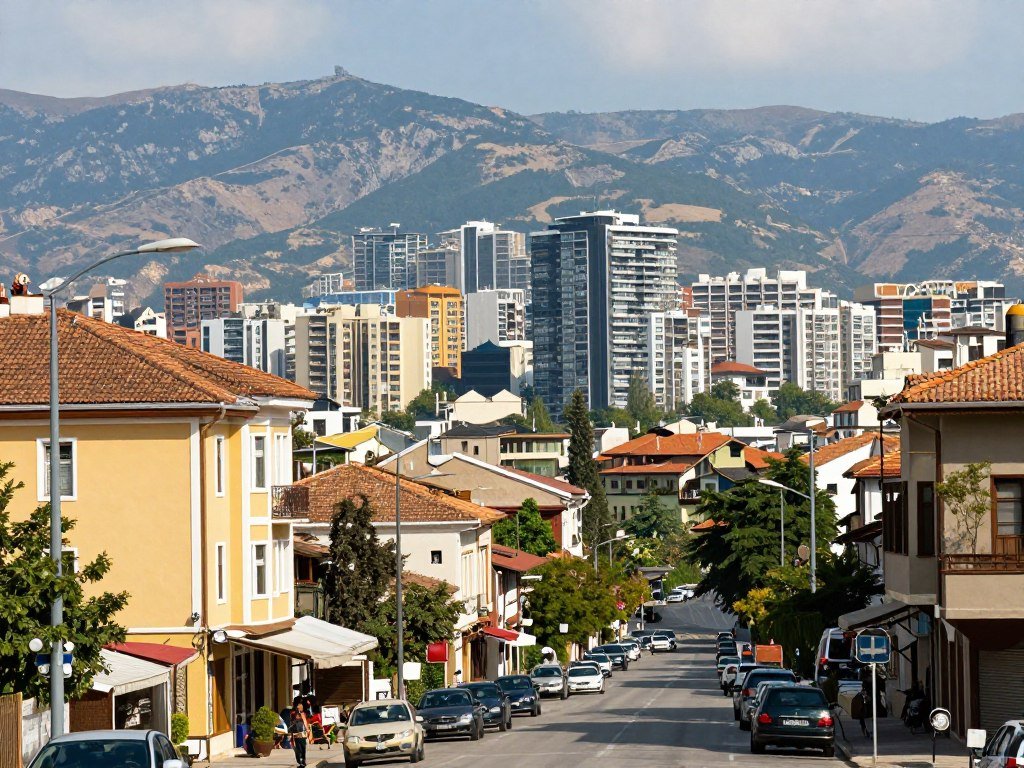
Albania’s capital offers European living at Southeast Asian prices. The government recently launched a digital nomad visa program with very competitive terms.
Cape Town, South Africa
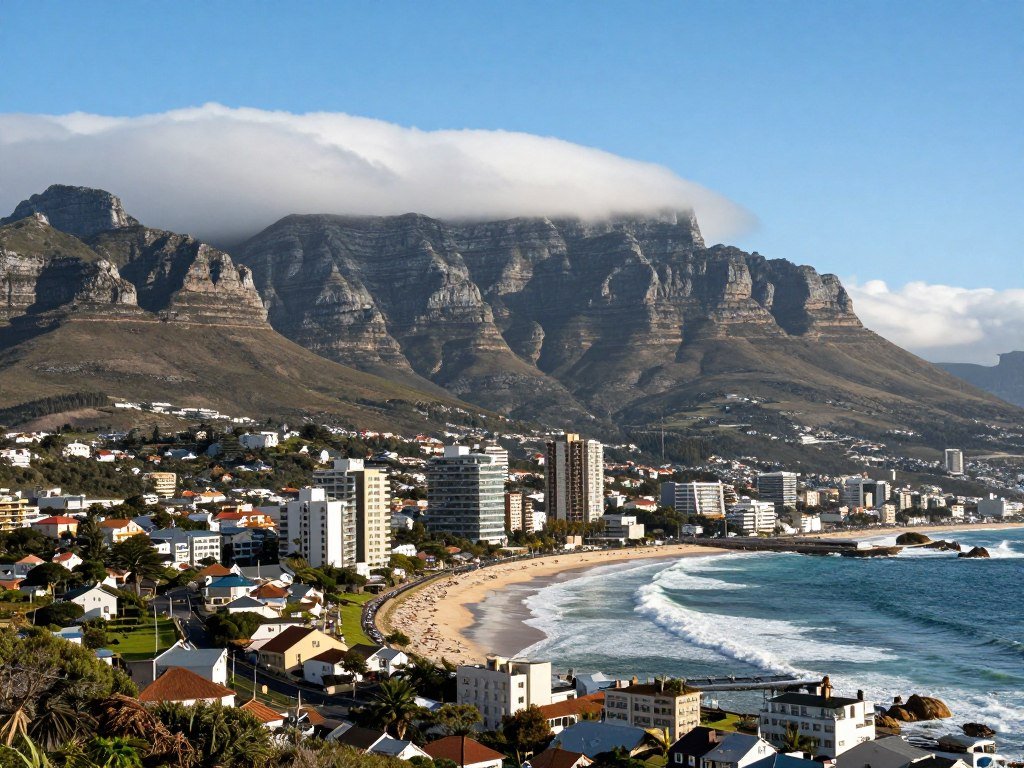
South Africa’s stunning coastal city combines natural beauty with excellent infrastructure. The favorable exchange rate provides luxury living at moderate costs.
Antigua
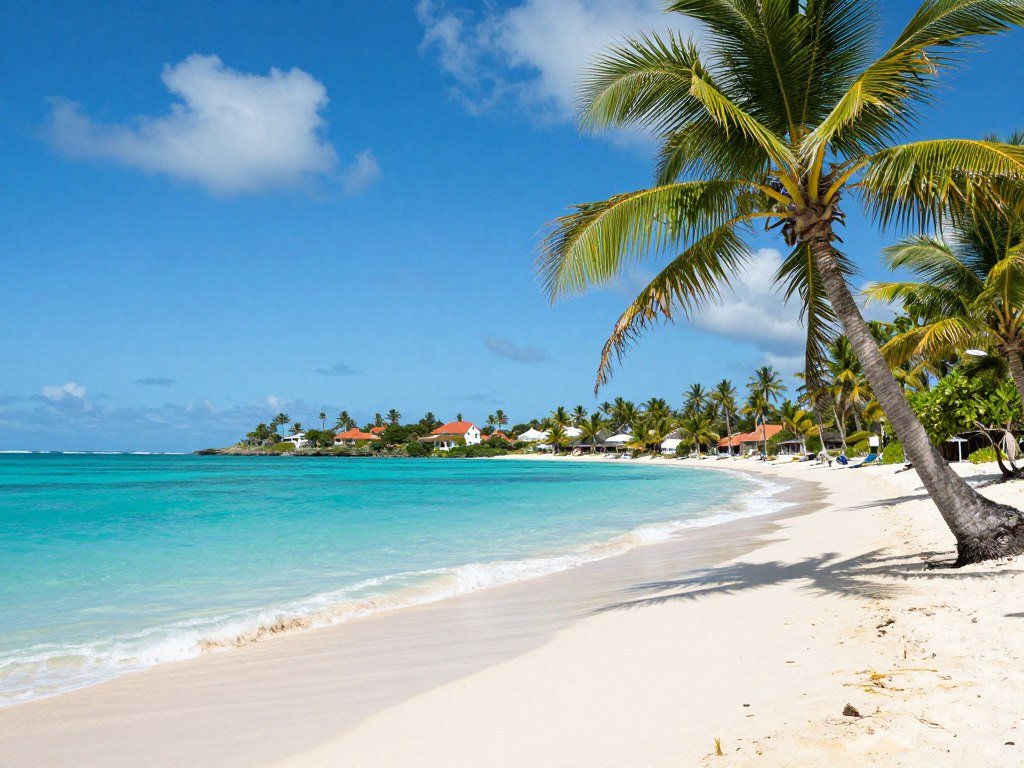
This Caribbean island nation offers a two-year nomad visa program. Crystal clear waters and year-round sunshine create an idyllic work environment.
Technology Shaping Remote Work
Internet connectivity continues improving globally. Starlink and similar services bring high-speed internet to previously underserved areas.
Virtual reality meetings may transform remote collaboration. Improved technology could reduce the need for physical presence further.
Artificial intelligence tools enhance productivity for remote workers. Automation handles routine tasks, freeing time for creative work.
2026 Prediction: Expect 50+ countries to offer dedicated digital nomad visa programs by 2026. Competition for remote workers will drive improved terms, longer durations, and family-friendly options across destinations.
Making Your Digital Nomad Decision for 2026
Choosing where to base yourself as a digital nomad involves balancing multiple factors. No single destination perfectly suits everyone’s needs and preferences.
Your current life stage significantly impacts ideal destinations. Solo travelers prioritize different factors than families or couples.
Career phase determines appropriate choices. Established professionals with stable income access more expensive destinations comfortably.
Taking Action on Your Plans
Research transforms into reality through decisive action. Pick a destination that aligns with your top three priorities.
You’ll find that starting represents the biggest challenge. Once you depart on your first nomad journey, subsequent moves become progressively easier.
List best practices from experienced nomads. Join online communities months before departure to learn from others’ experiences.
Your Next Steps
- Identify your top 3 destination priorities
- Select 2-3 destinations matching those factors
- Research visa requirements thoroughly
- Join online communities for chosen locations
- Book initial accommodation for first month
- Set departure date and commit publicly
- Begin preparing finances and logistics
- Connect with nomads currently in destination
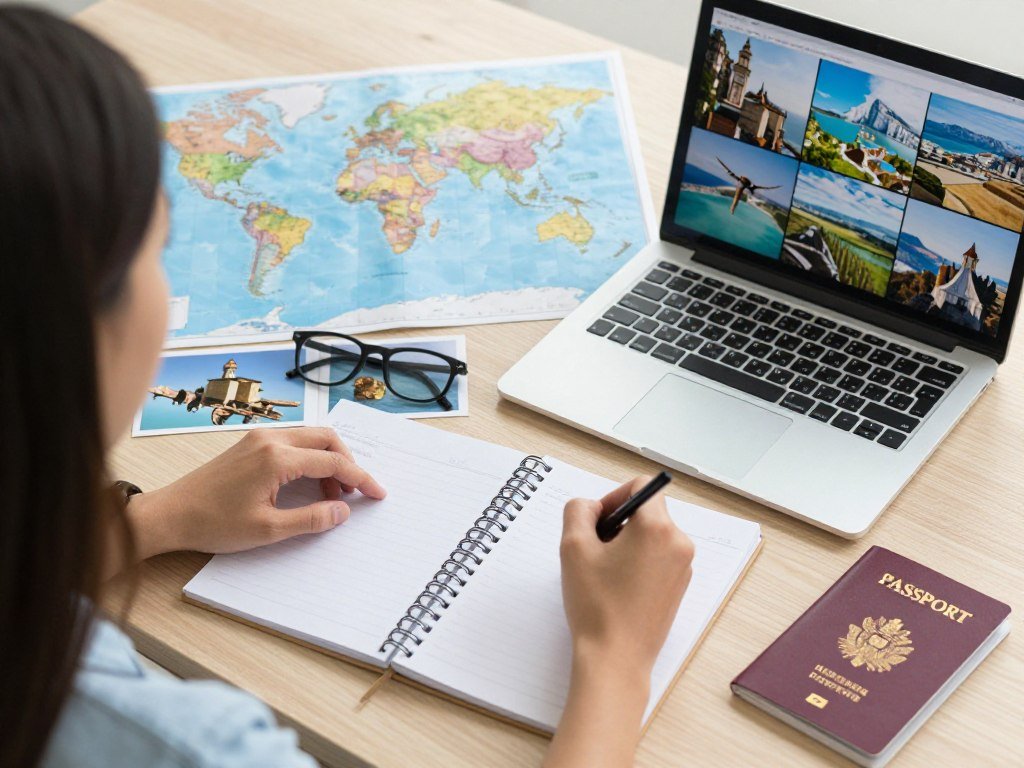
The digital nomad lifestyle offers unprecedented freedom. People from diverse backgrounds successfully build location-independent careers.
Nomad hotspots continue evolving with infrastructure improvements. Each destination on this list will develop further throughout 2026.
Your perfect destination might not exist yet. Sometimes the best experiences come from exploring lesser-known locations before crowds arrive.
Ready to Start Your 2026 Digital Nomad Journey?
Get your complete resource package including visa application guides, cost spreadsheets, accommodation finder tools, and community access for all 10 destinations.
Join 10,000+ nomads who’ve used our guides to successfully transition to location-independent living.
Essential Resources for Digital Nomads
Success as a digital nomad requires accessing the right tools and information. The following resources support remote workers at every stage.
Visa and Legal Resources
Official Government Sites
- iVisa – Visa application processing service
- VisaHQ – Comprehensive visa information
- Embassy websites for specific countries
- Government immigration portals
Nomad-Specific Legal Support
- SafetyWing Insurance – Nomad health coverage
- Deel – International contract platform
- Remote Year – Organized nomad programs
- Nomad Capitalist – Tax and legal advisory
Finding Accommodation
Accommodation represents a significant monthly expense. Various platforms cater specifically to longer-term stays.
| Platform | Best For | Typical Discount | Payment Protection |
| Airbnb | Short to medium stays | 20-30% for monthly bookings | Yes, full protection |
| Booking.com | Hotels and apartments | 15-25% for extended stays | Yes, with conditions |
| Facebook Groups | Local deals, long-term | 30-50% off tourist prices | No, direct arrangements |
| Nomad Stays | Nomad-friendly properties | Varies by location | Yes, platform protected |
| Local Agencies | Longer commitments | Best prices for 3+ months | Varies by country |
Community Connections
Way to accelerate your nomad journey involves connecting with experienced remote workers. These communities provide invaluable support and information.
- Nomad List forums
- Reddit r/digitalnomad
- Digital Nomad Facebook group
- Remote Year alumni network
- WiFi Tribe community
- Hacker Paradise participants
General Nomad Communities
- Remote Woman for female nomads
- Dynamite Circle for entrepreneurs
- Nomad Cruise networking events
- 7in7 Digital Nomad Conference
- Running Remote conference
- Industry-specific Slack groups
Professional Networks
- Chiang Mai Digital Nomads
- Bali Digital Nomads
- Lisbon Nomads & Expats
- Mexico City Remote Workers
- Medellin Digital Nomads
- Dubai Expats Network
Location-Specific Groups
Time invested in community building returns dividends. Connections made in coworking spaces often lead to collaborations and friendships.
The lifestyle becomes significantly easier with local knowledge. Experienced nomads in each destination share insights unavailable in guidebooks.