

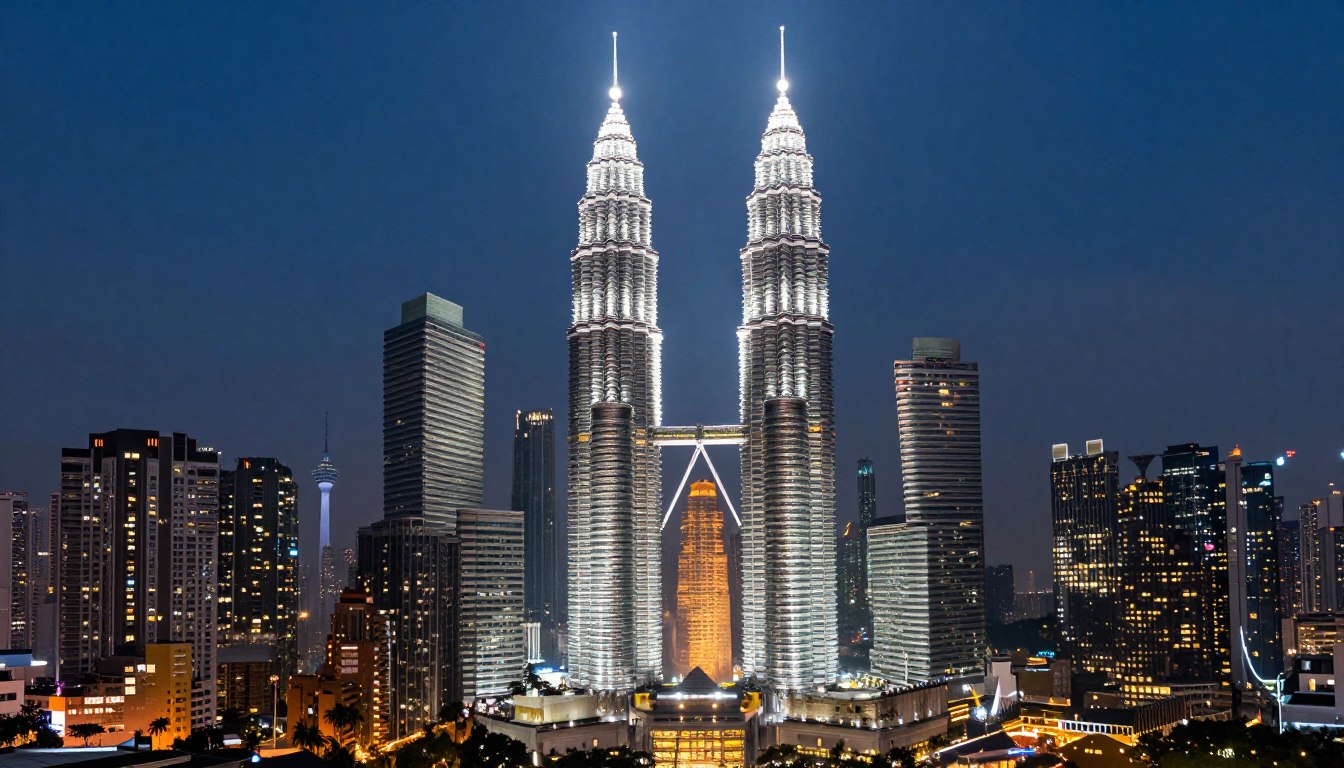
Kuala Lumpur stands as a vibrant testament to Malaysia’s remarkable journey from colonial outpost to modern Asian powerhouse. This sprawling metropolis of nearly 8 million people blends futuristic skyscrapers with historic temples, world-class shopping districts with bustling street markets, and cutting-edge cuisine with traditional food stalls that have served locals for generations.
What makes this city truly special is its incredible diversity. Within a single day, you can explore centuries-old Batu Caves, ascend the iconic Petronas Twin Towers, wander through aromatic Little India, haggle in Chinatown’s markets, and sample some of the world’s most exciting street food.
This comprehensive travel guide will help you navigate every aspect of your Kuala Lumpur adventure. From the best time to visit and must-see attractions to practical transport tips and cultural insights, you’ll discover everything needed to make your trip unforgettable.
Start Planning Your Kuala Lumpur Adventure
Get exclusive travel tips, insider recommendations, and special deals delivered straight to your inbox. Join thousands of travelers who’ve discovered the real Kuala Lumpur.
Understanding Kuala Lumpur: Malaysia’s Beating Heart
As Malaysia’s capital and largest city, Kuala Lumpur serves as the country’s political, economic, and cultural center. The name translates to “muddy confluence” in Malay, referring to the meeting point of the Klang and Gombak rivers where the city was founded in 1857.
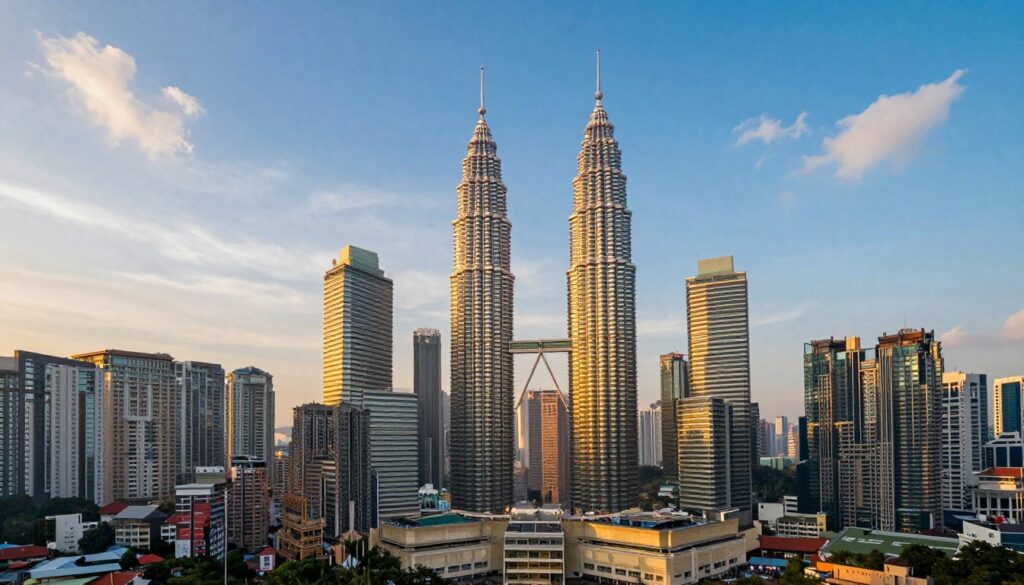
From its humble beginnings as a tin mining settlement, Kuala Lumpur has transformed into a gleaming modern metropolis. The city covers approximately 243 square kilometers and sits in the Klang Valley, surrounded by lush tropical rainforest and dramatic limestone hills.
What Sets Kuala Lumpur Apart
Unlike many Southeast Asian capitals, Kuala Lumpur maintains an remarkably accessible character despite its size. The efficient public transport system makes navigation simple. The blend of Malay, Chinese, and Indian cultures creates a fascinating cultural tapestry you won’t find anywhere else in the world.
Cultural Diversity
Three major ethnic groups shape the city’s identity and create its unique atmosphere.
- Malay Muslim majority with traditional customs
- Chinese community maintaining centuries-old traditions
- Indian population adding vibrant colors and flavors
- Harmonious multicultural celebrations year round
Modern Infrastructure
World-class facilities make travel comfortable and convenient for visitors.
- Efficient MRT and LRT train system
- International airport connected to city center
- Widespread English language proficiency
- Reliable mobile connectivity throughout city
Affordable Luxury
Experience premium services and accommodations at a fraction of Western prices.
- Five-star hotels at budget-friendly rates
- Michelin-quality dining for modest prices
- Luxury shopping with excellent value
- World-class spas and wellness centers
Tropical Location
Warm weather year round creates perfect conditions for urban exploration.
- Consistent temperatures between 25-33°C
- Lush greenery throughout urban areas
- Easy access to rainforests and nature
- Tropical fruits available all year
The city pulses with energy from dawn until well past midnight. Morning brings locals to coffee shops for traditional breakfast. Afternoons see shoppers filling massive malls seeking refuge from the heat. Evenings transform the city as night markets come alive and rooftop bars offer stunning views of the illuminated skyline.
Best Time to Visit Kuala Lumpur: Weather and Seasonal Guide
Kuala Lumpur’s tropical rainforest climate means warm temperatures throughout the year. However, understanding the weather patterns helps you plan the most comfortable and enjoyable visit to the city.
Climate Throughout the Year
The city experiences fairly consistent weather year round, with temperatures ranging between 25°C and 33°C. Humidity levels typically hover around 80 percent, which can feel quite intense for visitors from temperate climates. The city sits near the equator, resulting in roughly 12 hours of daylight throughout the year.
Dry Season (May to July & December to February)
These months offer the most favorable conditions for exploring Kuala Lumpur. While rain can occur any time in this tropical climate, these periods see less frequent downpours.
- June and July receive the least rainfall
- December and January offer pleasant evening temperatures
- Outdoor attractions more accessible during these months
- Better conditions for day trips outside the city
- Clearer skies provide better photo opportunities
Wet Season (March to April & September to November)
The wet season brings more frequent afternoon thunderstorms, though they typically clear within an hour or two.
- April and October see heaviest rainfall
- Morning hours often remain dry and pleasant
- Indoor attractions like malls stay busy
- Hotels offer better rates during these months
- Fewer tourists mean shorter lines at attractions
Peak and Off-Peak Seasons
Understanding tourist patterns helps you avoid crowds and potentially save money on your trip to Kuala Lumpur.
Peak season runs from mid-December through early January and again during Chinese New Year in late January or February. European summer holidays in July and August also bring increased visitor numbers. During these periods, popular attractions get crowded and hotel prices rise significantly.
The shoulder seasons of March through April and September through November offer excellent value. You’ll encounter fewer tourists, enjoy better hotel rates, and still experience pleasant weather between the rain showers. Most rainfall occurs in short, intense afternoon bursts that clear quickly.
Local insight: Afternoon thunderstorms typically hit between 2 PM and 5 PM. Plan indoor activities like shopping or museum visits during these hours, then head out for dinner as the rain clears and temperatures cool.
Top Attractions in Kuala Lumpur: Must-Visit Landmarks
Kuala Lumpur offers an impressive array of attractions that showcase its unique blend of traditional culture and modern development. These iconic sites define the city’s character and should feature prominently in your itinerary.
Petronas Twin Towers: The City’s Crown Jewel
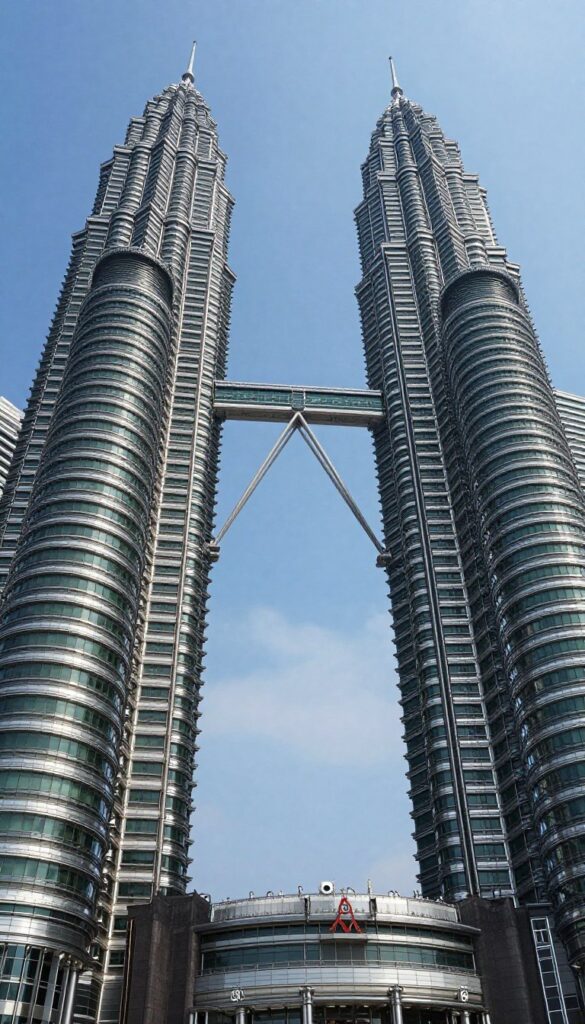
Standing 452 meters tall, the Petronas Twin Towers dominated the world’s skyline as the tallest buildings from 1998 to 2004. These gleaming steel and glass structures remain the tallest twin towers globally and serve as Malaysia’s most recognizable symbol.
The towers feature a distinctive Islamic design inspired by traditional motifs. Each tower contains 88 floors, with the famous Skybridge connecting them at levels 41 and 42. Visitors can access the Skybridge and observation deck on level 86 for breathtaking views across the city.
- Free tickets available but must be reserved in advance
- Paid tickets guarantee entry without waiting
- Visit early morning or late afternoon for best views
- KLCC Park at base offers great photo opportunities
- Shopping mall underneath provides dining and retail options
Batu Caves: Sacred Hindu Sanctuary
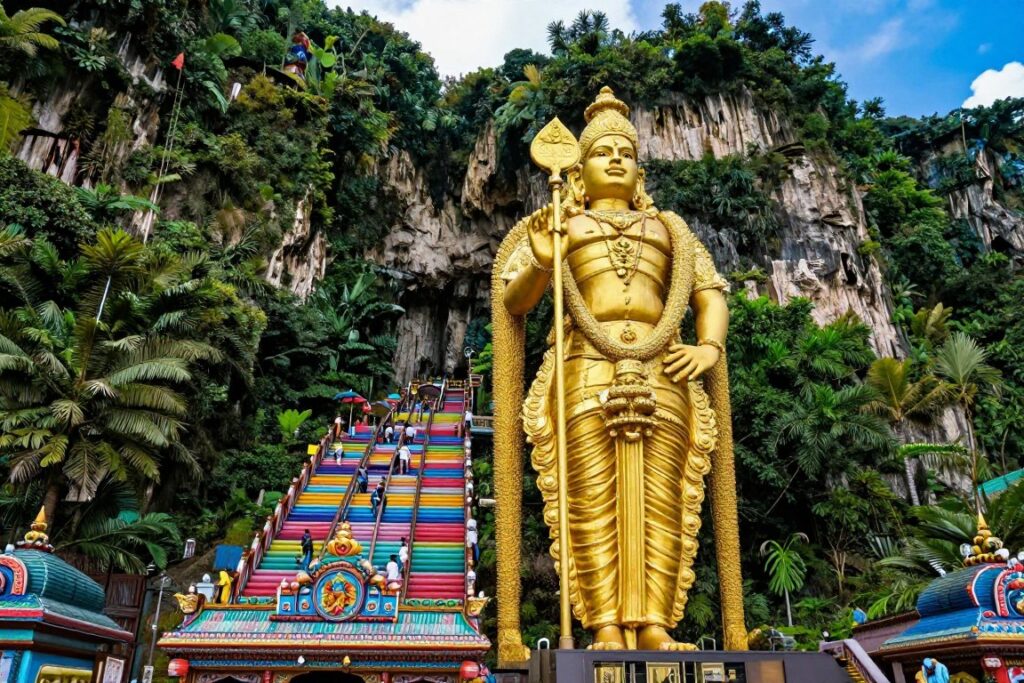
Located just 13 kilometers north of the city center, Batu Caves ranks among Malaysia’s most popular Hindu shrines. The site consists of several caves and temples set within a massive limestone hill, estimated to be around 400 million years old.
A colossal golden statue of Lord Murugan guards the entrance, standing 42.7 meters tall. Visitors must climb 272 colorful steps to reach the main Temple Cave. The journey rewards you with stunning natural cathedral-like chambers filled with Hindu shrines and impressive rock formations.
Important Note: Modest dress is required. Clothing rental available at the entrance for 5 RM. Watch for playful monkeys that inhabit the area but avoid feeding them. Early morning visits (before 10 AM) help you avoid the worst crowds and heat.
KL Tower: Panoramic City Views
The Kuala Lumpur Tower rises 421 meters above sea level, making it the seventh tallest freestanding tower in the world. Unlike the Petronas Towers, KL Tower sits atop Bukit Nanas, giving it an even higher vantage point for observing the city.
The observation deck provides 360-degree views of Kuala Lumpur and beyond. On clear days, you can see all the way to the nearby mountains. The tower also features a revolving restaurant, cultural performances, and even a Sky Box with glass floor panels for the brave.
Sultan Abdul Samad Building: Colonial Heritage
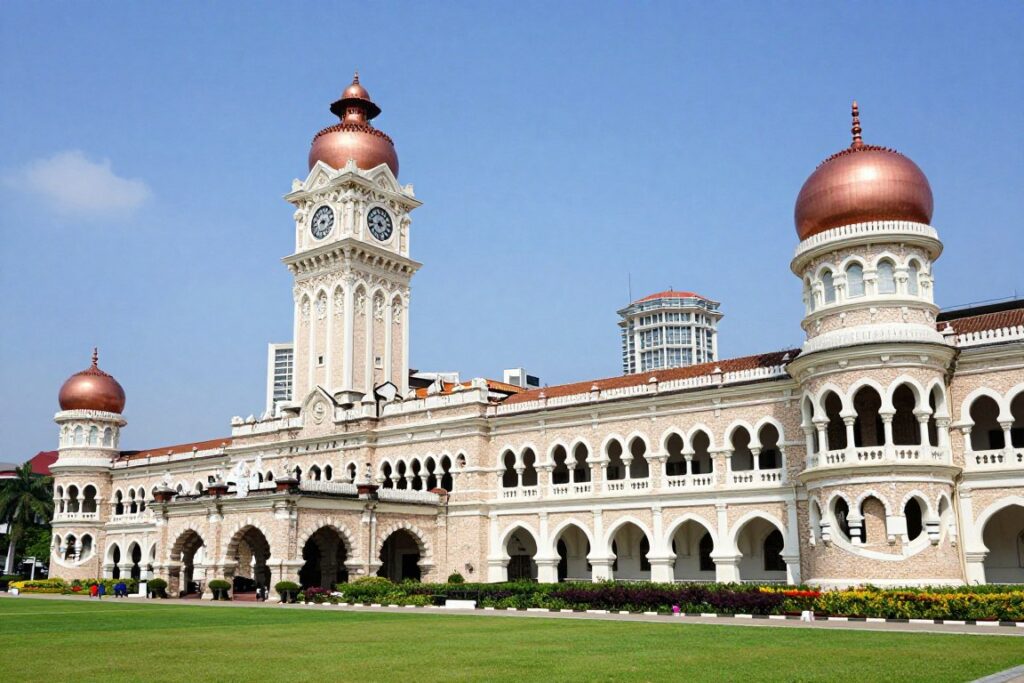
This magnificent building showcases stunning Moorish architecture and stands as one of Kuala Lumpur’s most photographed landmarks. Completed in 1897, it originally housed colonial administrative offices and now serves as the Ministry of Information, Communications and Culture.
The building features distinctive copper domes, a 40-meter clock tower, and beautiful brick and stone facade. The structure overlooks Merdeka Square, where Malaysia declared independence in 1957. Evening visits are particularly special when the building illuminates against the night sky.
Additional Notable Attractions
Merdeka Square
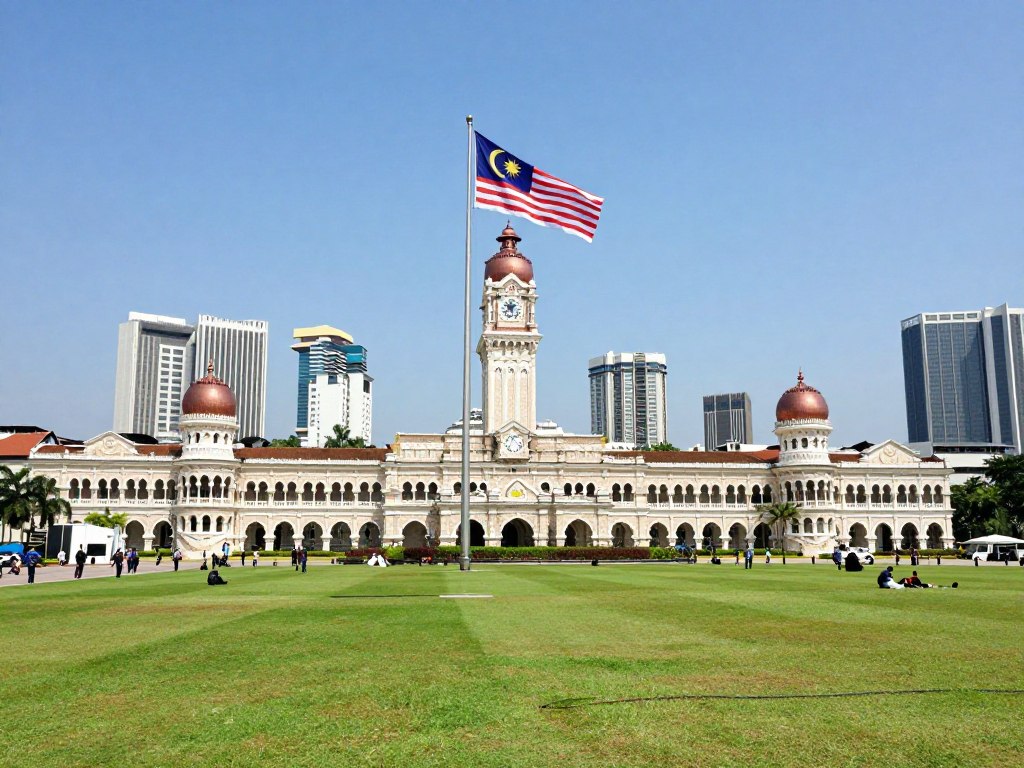
This historical square witnessed Malaysia’s independence declaration. The expansive lawn, surrounded by colonial buildings, provides a peaceful escape from city chaos.
Islamic Arts Museum
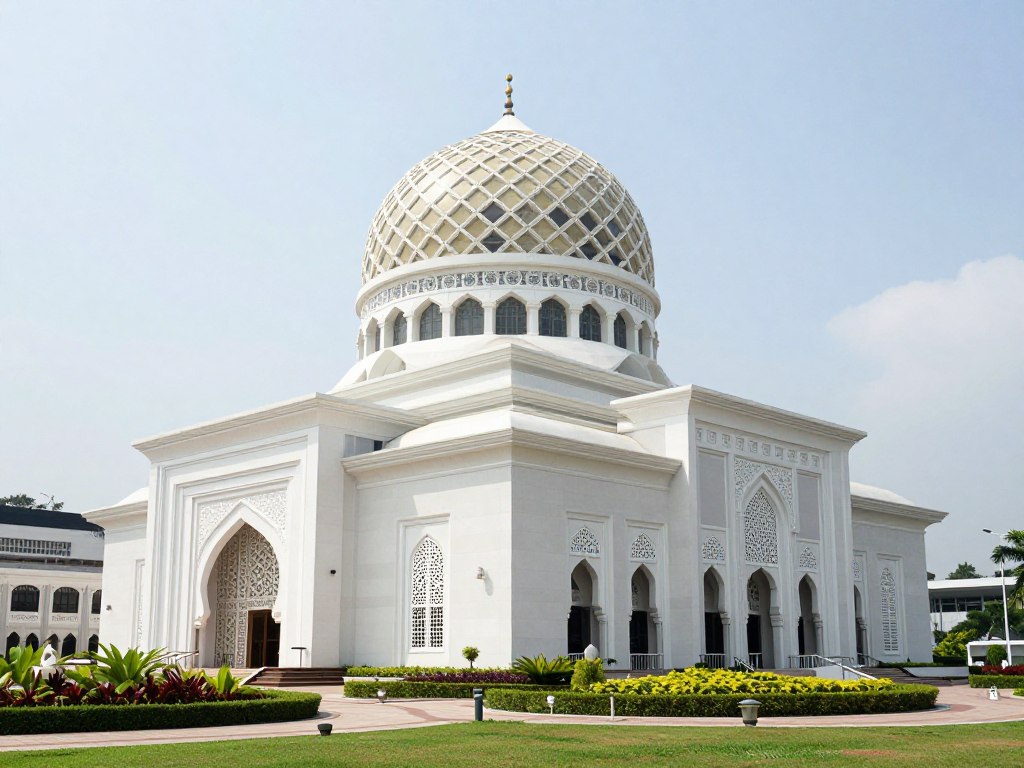
Southeast Asia’s largest Islamic arts museum houses over 7,000 artifacts. The stunning architecture and comprehensive collections span the Islamic world from Spain to China.
Central Market
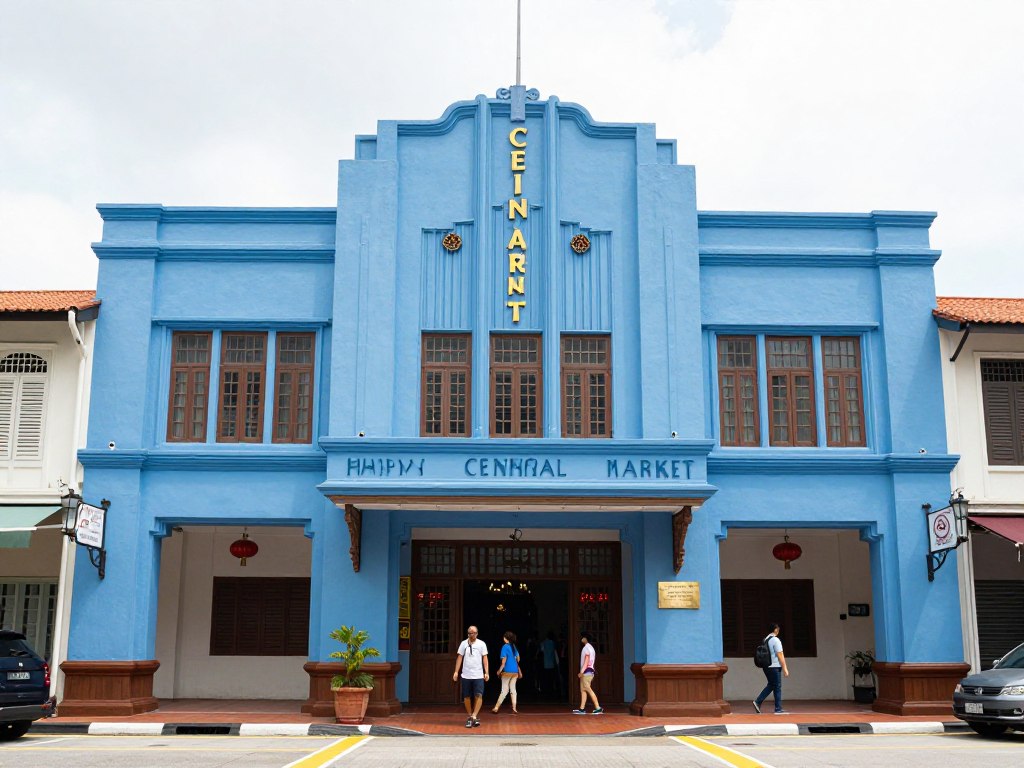
This Art Deco building transformed from a wet market into a cultural and craft center. Browse Malaysian handicrafts, batik, and souvenirs in air-conditioned comfort.
Skip the Lines at Kuala Lumpur’s Top Attractions
Save valuable time with pre-booked tickets and guided tours. Access priority entry to Petronas Towers, Batu Caves tours with transportation, and combination tickets that offer the best value for your visit.
Neighborhoods and Where to Stay in Kuala Lumpur
Choosing the right neighborhood significantly impacts your Kuala Lumpur experience. Each area offers distinct character, amenities, and proximity to different attractions. Understanding these differences helps you select the perfect base for your trip.
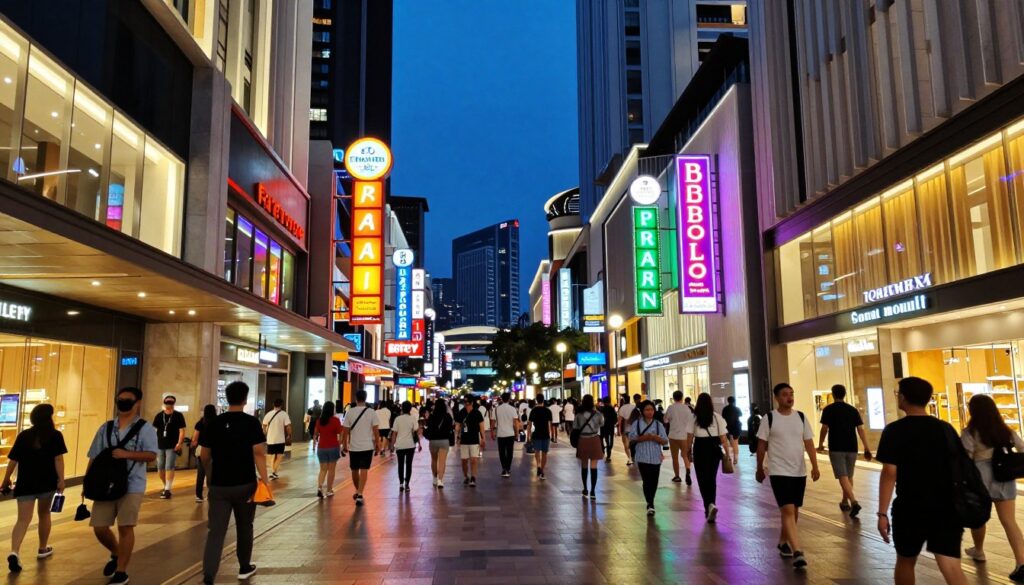
KLCC (Kuala Lumpur City Centre)
This modern district surrounding the Petronas Twin Towers represents Kuala Lumpur’s contemporary face. Luxury hotels, upscale shopping, and fine dining dominate the area. The neighborhood offers excellent connectivity through the LRT system and provides easy access to the city’s business district.
KLCC suits travelers seeking modern comfort and convenience. The area feels safe, clean, and incredibly walkable. KLCC Park provides green space for morning jogs or evening strolls. However, this premium location comes with higher price tags for accommodation and dining.
- Walking distance to Petronas Towers and Suria KLCC mall
- Excellent public transport connections via LRT
- Wide selection of international restaurants
- Premium hotels with world-class facilities
- Safe neighborhood ideal for families
Bukit Bintang: Shopping and Entertainment Hub
Bukit Bintang serves as Kuala Lumpur’s primary shopping and entertainment district. This bustling area never sleeps, with massive malls, street markets, restaurants, bars, and clubs operating from dawn until well past midnight.
The neighborhood offers accommodation options across all budgets. You’ll find everything from backpacker hostels to five-star hotels within a few blocks. The monorail provides convenient access to other parts of the city. Jalan Alor food street alone justifies staying in this area for food enthusiasts.
Budget Options
- Capsule hotels starting around 40 RM per night
- Clean hostels with private rooms from 80 RM
- Budget hotels offering basic comfort for 100-150 RM
- Excellent value for solo travelers and backpackers
Mid-Range to Luxury
- Four-star hotels from 200-400 RM with pools and gyms
- International chain hotels ensuring consistent quality
- Boutique properties offering unique character
- Five-star luxury experiences at reasonable rates
Chinatown: Cultural Immersion
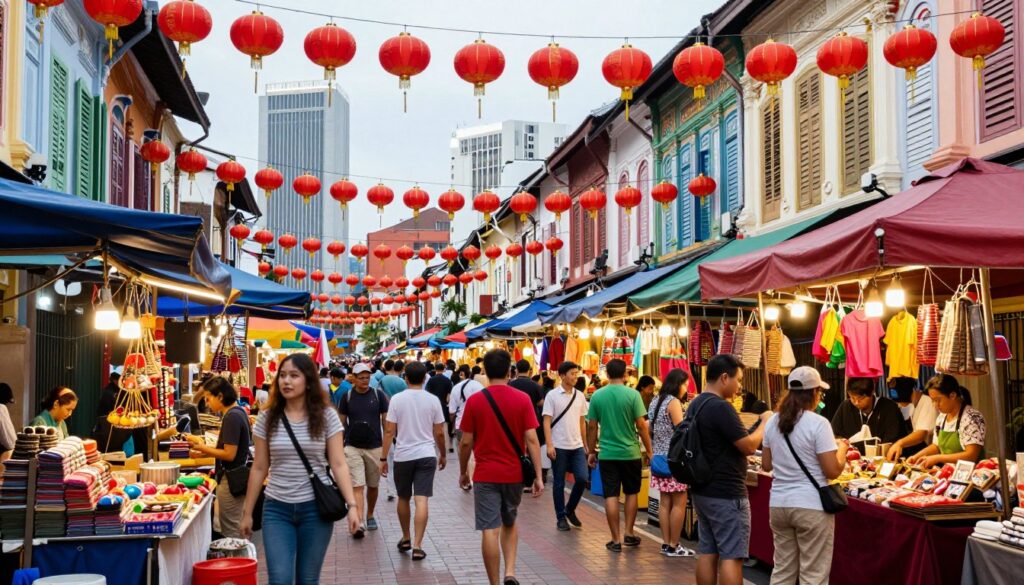
Centered around Petaling Street, Chinatown pulses with authentic local energy. This historic neighborhood offers the most budget-friendly accommodation options and incredible street food. The area provides genuine cultural immersion but lacks the polish of modern districts.
Staying in Chinatown means experiencing Kuala Lumpur as locals do. Traditional shops, Chinese temples, and bustling markets fill every street. The neighborhood sits close to many historical attractions but can feel chaotic and overwhelming, especially during peak hours.
Brickfields: Little India
This vibrant Indian quarter surrounding KL Sentral station combines excellent transport connectivity with cultural authenticity. The area features numerous affordable hotels, authentic Indian restaurants, and colorful shops selling textiles and spices.
Brickfields provides ideal access for travelers arriving by train or heading to the airport. The neighborhood offers good value accommodations with quick access to the rest of the city via the transit hub.
Comparison of Popular Neighborhoods
| Neighborhood | Best For | Average Hotel Price | Atmosphere | Transport Access |
| KLCC | Luxury travelers, families | 300-800 RM | Modern, upscale, quiet | Excellent |
| Bukit Bintang | Shopping, nightlife, all budgets | 80-500 RM | Vibrant, busy, energetic | Very good |
| Chinatown | Budget travelers, culture seekers | 40-200 RM | Chaotic, authentic, historic | Good |
| Brickfields | Transit connections, value seekers | 100-300 RM | Local, colorful, convenient | Excellent |
Luxury Travelers
Choose KLCC for premium hotels, fine dining, and proximity to iconic attractions. The area offers the most polished experience with international standards.
Budget Conscious
Bukit Bintang and Chinatown provide excellent value with convenient access to attractions and incredible street food options throughout the area.
Families
KLCC offers safe, clean streets with parks, shopping, and family-friendly restaurants. Many hotels feature pools and kids’ facilities.
Getting Around Kuala Lumpur: Transportation Guide
Navigating Kuala Lumpur ranks easier than most Asian megacities thanks to its modern, integrated public transport system. Multiple options exist for every budget and comfort level, making it simple to explore the city efficiently.
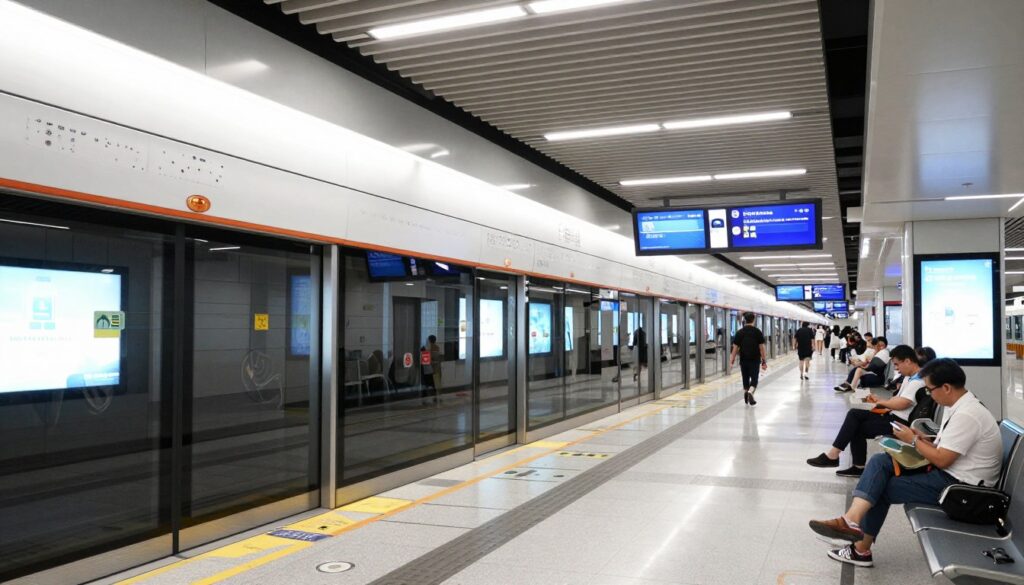
Public Transportation System
The integrated rail network forms the backbone of Kuala Lumpur’s public transport. The system combines several train lines that connect seamlessly, covering most major tourist areas and neighborhoods throughout the city.
MRT (Mass Rapid Transit)
The newest addition to the city’s transport system, the MRT provides fast, efficient service with modern, air-conditioned trains. The Kajang Line runs from northwest to southeast, connecting key areas and operating from 6 AM to midnight on weekdays.
- Cleanest and most modern train option in the city
- Runs every 3-5 minutes during peak hours
- Single journey tickets start at 1.40 RM
- Stations feature elevators and escalators throughout
LRT (Light Rail Transit)
Two LRT lines (Kelana Jaya and Ampang/Sri Petaling) serve the city, connecting major shopping districts, residential areas, and business centers. These trains reach most tourist attractions and run frequently throughout the day.
The Kelana Jaya line connects directly to KLCC and Bukit Bintang. The Ampang line serves Chinatown and the historical center. Trains operate from approximately 6 AM to midnight, with frequency increasing during rush hours.
Monorail
The KL Monorail runs an elevated loop through the city center, connecting Bukit Bintang to KL Sentral station. This single line proves particularly useful for shopping areas and nightlife districts. The elevated track provides interesting views of the city during your journey.
KTM Komuter
These commuter trains connect the city center with suburban areas and neighboring towns. Most tourists use this system primarily for reaching Batu Caves or making day trips outside Kuala Lumpur. The trains run less frequently than MRT or LRT.
Getting a Travel Card
Smart planning with travel cards saves both time and money. Several options exist depending on your length of stay in Kuala Lumpur.
Touch ‘n Go Card
The most versatile option works across all public transport systems plus toll roads and some retail stores. Purchase at any train station for a 10 RM deposit plus your initial credit.
- Works on MRT, LRT, Monorail, and buses
- Automatic small discount on all fares
- Refundable deposit when you leave
- Top up at stations or convenience stores
One-Day or Three-Day Pass
Unlimited travel passes offer excellent value if you plan multiple train journeys per day. Available at major stations and valid for consecutive days from first use.
- One-day pass costs 20 RM
- Three-day pass available for 50 RM
- Valid on all Rapid KL services
- Perfect for intensive sightseeing days
Ride-Hailing Apps
Grab dominates the ride-hailing market in Kuala Lumpur after Uber’s exit from Southeast Asia. The app provides reliable, affordable transport throughout the city with transparent pricing.
Download Before You Arrive: Install the Grab app before your trip and link a payment method. International credit cards work fine. The app eliminates language barriers and prevents overcharging common with traditional taxis.
Grab offers several service levels from budget GrabCar to premium GrabCar Plus. Even premium rides cost significantly less than Western cities. A typical 15-minute ride across the city center runs between 10-20 RM. The app also provides GrabFood delivery and GrabExpress courier services.
Traditional Taxis
While Grab offers better value and transparency, traditional taxis remain available throughout Kuala Lumpur. Budget taxis (red and white) and executive taxis (blue or yellow) operate via meter or negotiated fares.
Always insist on the meter at the start of your journey. Many drivers may claim the meter is broken or suggest a flat rate, especially near tourist areas. Walk away and find another taxi if a driver refuses the meter. Expect to pay around 3 RM for the first kilometer and 1 RM for each additional kilometer.
Walking
Kuala Lumpur’s tropical climate and sprawling layout make it less walkable than some cities. However, certain areas work well for pedestrian exploration. Bukit Bintang, KLCC, and Chinatown each offer enough concentrated attractions for several hours of walking.
The covered walkways between major malls in Bukit Bintang provide air-conditioned refuge from heat. Plan walking for early morning or evening when temperatures drop. Always carry water and use the extensive pedestrian bridges to cross busy roads safely.
Pro Tip: Download the Moovit app for comprehensive public transport directions. The app combines all train lines, buses, and walking directions into simple route planning. Works offline once you download the Kuala Lumpur map.
Food and Dining in Kuala Lumpur: A Culinary Paradise
Kuala Lumpur stands as one of the world’s great food cities, where Malay, Chinese, and Indian culinary traditions merge to create an unforgettable gastronomic experience. From humble street food stalls to sophisticated fine dining, the city offers incredible variety at every price point.
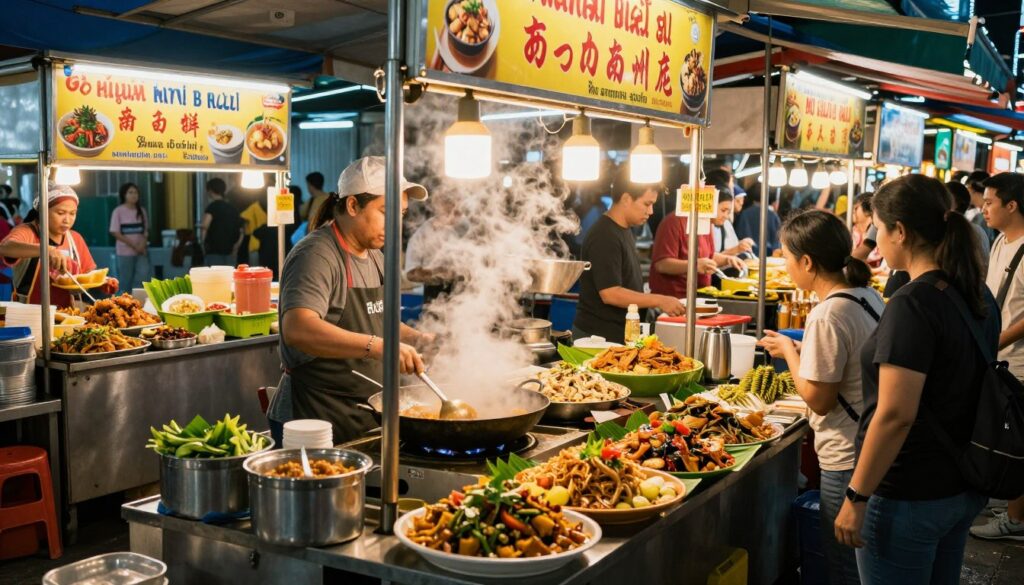
Must-Try Malaysian Dishes
Understanding the essential dishes helps you navigate menus and make the most of your culinary adventure in the city. These classics appear throughout Kuala Lumpur in various forms.
Nasi Lemak
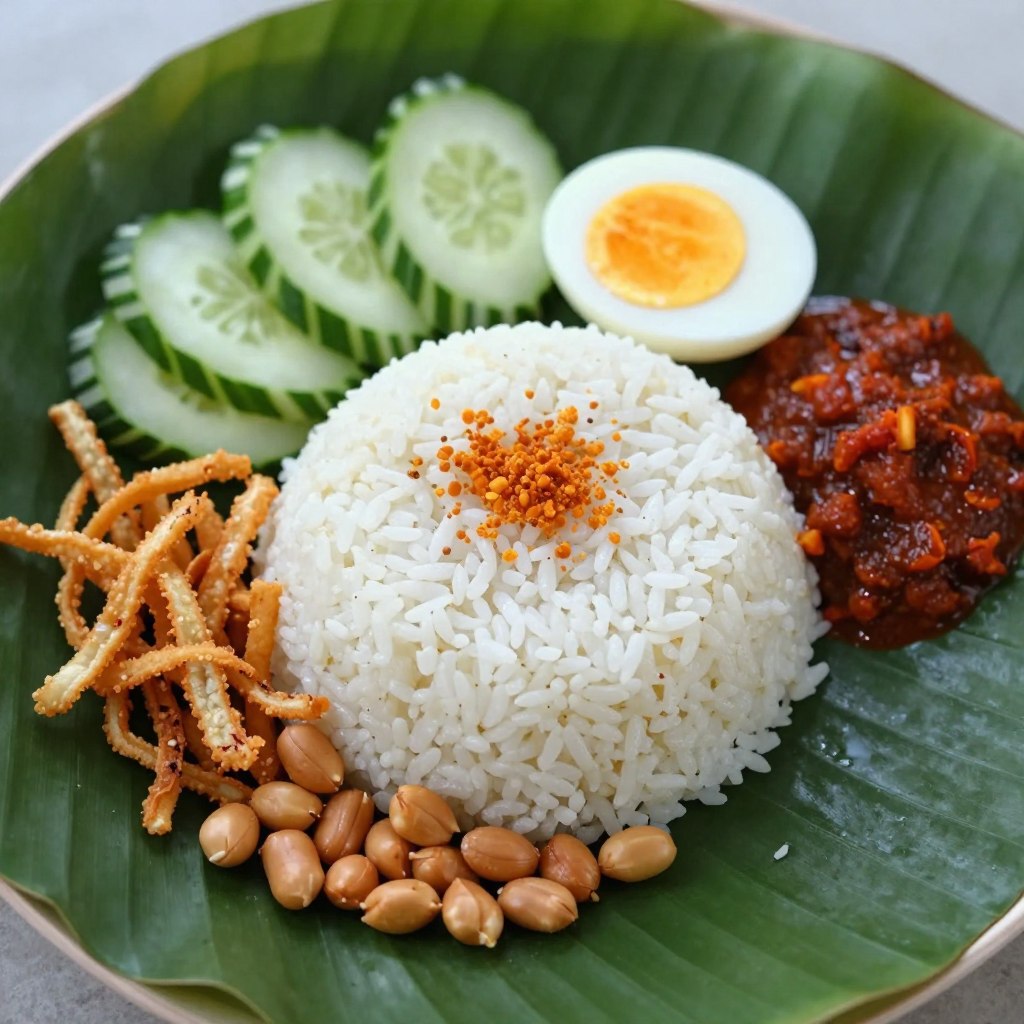
Malaysia’s national dish features coconut rice served with sambal, fried anchovies, peanuts, boiled egg, and cucumber. Often eaten for breakfast but available all day.
Char Kway Teow
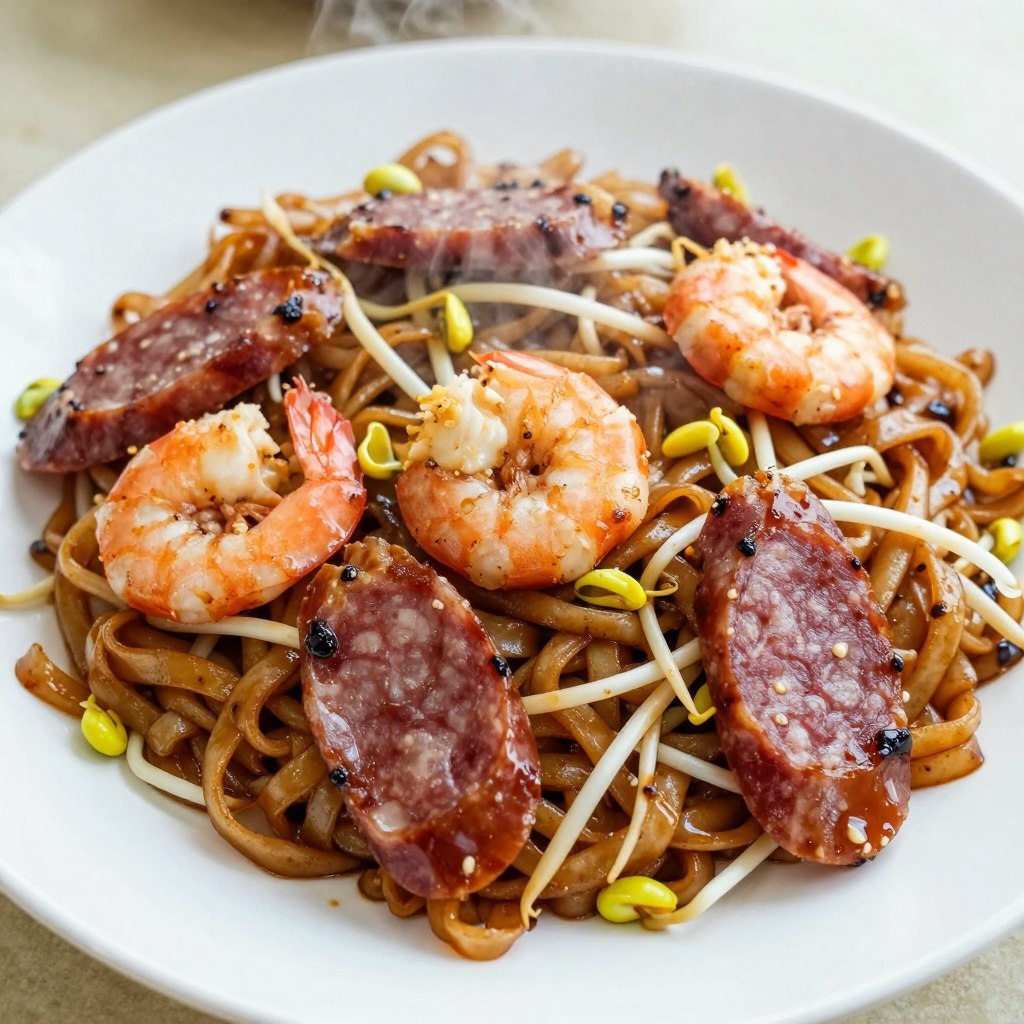
Stir-fried flat rice noodles with prawns, Chinese sausage, bean sprouts, and egg. The best versions achieve perfect “wok hei” – the breath of the wok.
Roti Canai
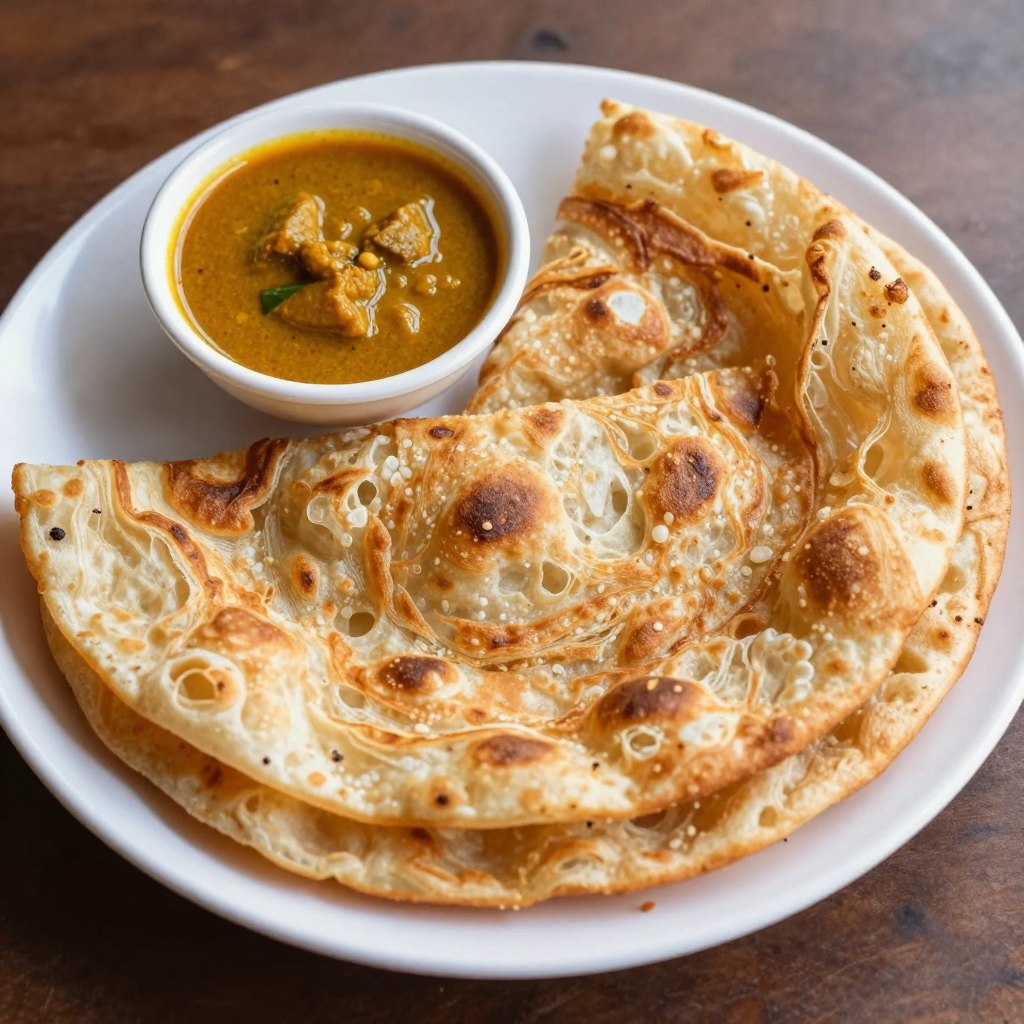
Flaky Indian flatbread served with curry sauce. Watch skilled cooks toss and spin the dough before cooking it on a hot griddle until crispy and golden.
Satay
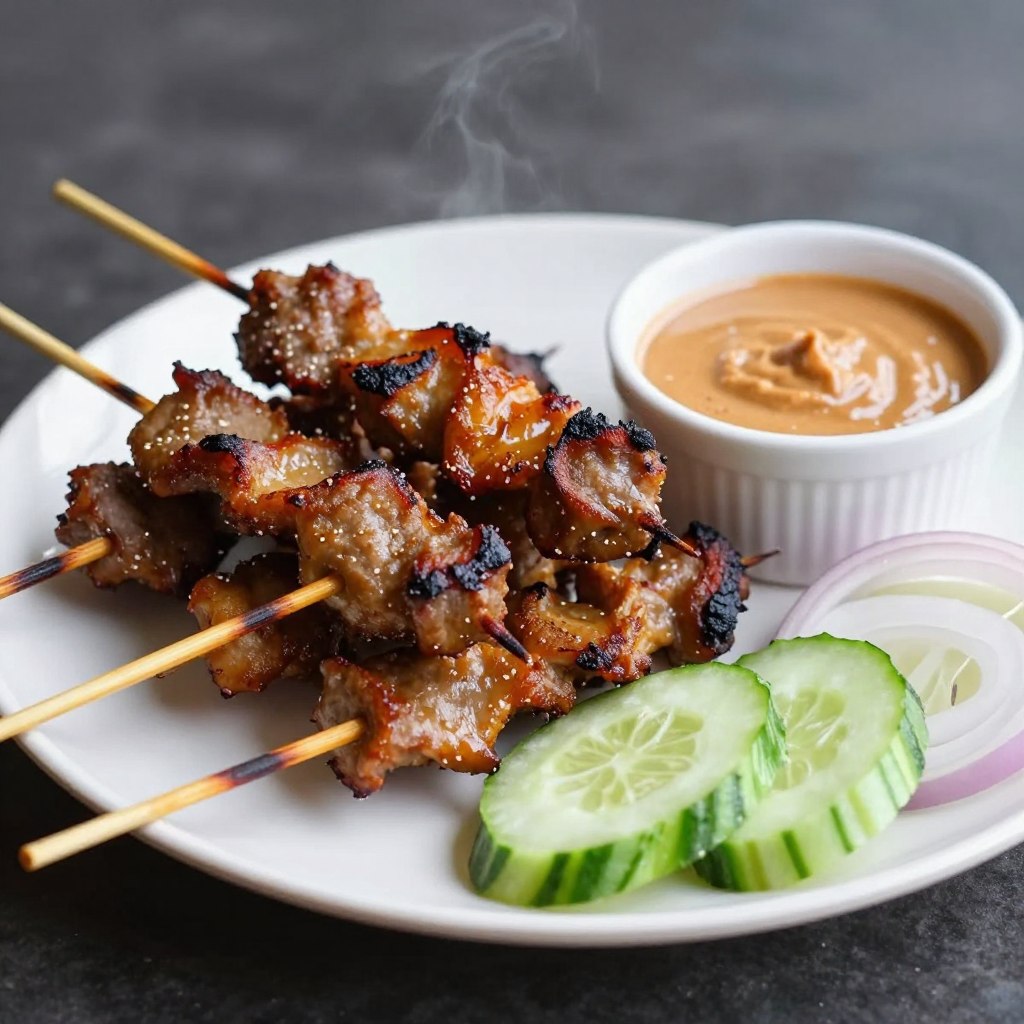
Grilled meat skewers with peanut sauce. Chicken, beef, or lamb marinated in turmeric and spices, then grilled over charcoal for smoky flavor.
Laksa
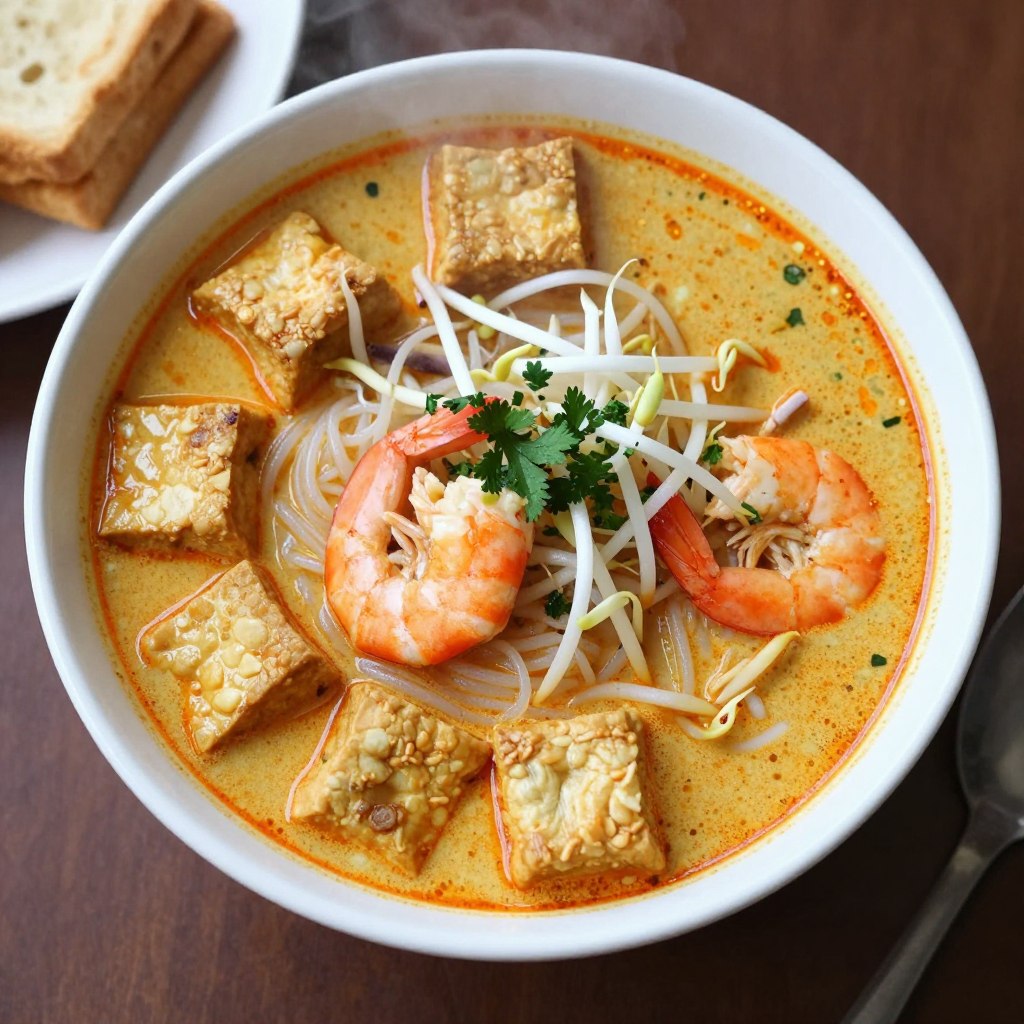
Spicy noodle soup available in many regional variations. The curry laksa features thick coconut curry broth, while assam laksa offers tangy tamarind-based soup.
Hainanese Chicken Rice
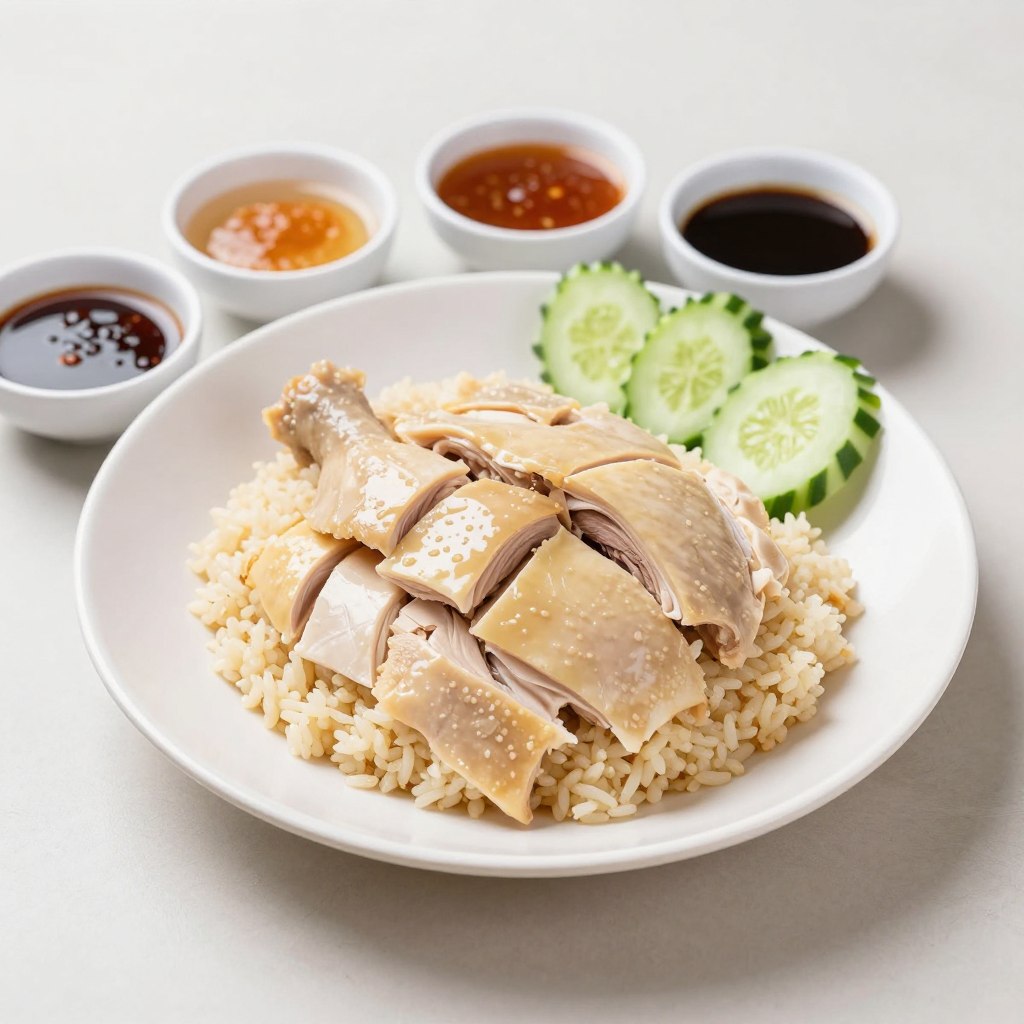
Poached chicken served with rice cooked in chicken broth, accompanied by chili sauce and ginger paste. Simple yet incredibly flavorful when done right.
Best Food Markets and Hawker Centers
Street food culture thrives in Kuala Lumpur’s markets and hawker centers. These bustling venues offer authentic local food at incredibly affordable prices.
Jalan Alor
This legendary food street transforms into a pedestrian food paradise every night. Restaurants set up tables on the street while vendors prepare everything from seafood to satay. The atmosphere pulses with energy as locals and tourists fill every available seat.
Visit after 7 PM when the street reaches peak activity. Expect crowds but excellent food at reasonable prices. Most stalls display their specialties prominently, making ordering easy even without speaking Malay or Chinese.
Lot 10 Hutong
This basement food court in Lot 10 shopping mall gathers some of Kuala Lumpur’s most famous hawker stalls under one air-conditioned roof. Each vendor earned their reputation over decades at their original locations.
The climate-controlled environment makes it perfect for lunch during the hot afternoon hours. Prices run slightly higher than street stalls but still incredibly reasonable. The quality and variety justify the small premium.
Madras Lane
Hidden near Petaling Street in Chinatown, this narrow alley hosts some of the city’s oldest food vendors. The stalls operate from small shophouses, each specializing in one or two dishes perfected over generations.
Try the famous Hokkien mee or visit during breakfast time for traditional Chinese congee. The lane offers authentic local experience away from tourist crowds. Cash only, and most vendors close by mid-afternoon.
Restaurant Recommendations by Category
- Restoran Yusoof Dan Zakhir for banana leaf rice
- Village Park Restaurant for nasi lemak
- Wong Ah Wah for barbecue chicken wings
- Pelita Nasi Kandar for 24-hour Indian food
- Kim Lian Kee for Hokkien noodles
Budget Eats (Under 20 RM)
- Bijan for refined Malay cuisine
- Enak KL for elevated traditional dishes
- Atmosphere 360 for revolving tower dining
- Merchant’s Lane for fusion small plates
- Old China Cafe for Peranakan specialties
Mid-Range (20-80 RM)
- Dewakan for modern Malaysian tasting menu
- Marini’s on 57 for Italian with views
- Nobu Kuala Lumpur for Japanese fusion
- Cilantro for French fine dining
- Beta KL for innovative local ingredients
Fine Dining (80+ RM)
Discover Kuala Lumpur’s Hidden Food Gems
Join local food experts on guided tours through markets, street stalls, and secret restaurants that tourists rarely find. Taste authentic Malaysian cuisine while learning about the culture and history behind each dish.
Drinking and Nightlife
Kuala Lumpur offers diverse drinking options from sophisticated rooftop bars to casual local beer gardens. The city’s bar scene has exploded in recent years, with creative mixologists and imported craft beers joining traditional options.
Rooftop Bars
Sky bars provide stunning city views while you sip cocktails high above the streets. Heli Lounge Bar sits on an actual helipad on the 34th floor. Marini’s on 57 offers Italian cuisine with Petronas Towers views. SkyBar at Traders Hotel provides the best vantage point for photographing the towers.
Dress codes apply at most upscale venues. Expect to pay 40-80 RM for cocktails at premium locations. Happy hour deals typically run from 5-8 PM with significant discounts on drinks.
Local Mamak Stalls
For authentic local drinking culture, visit a mamak stall – Indian-Muslim eateries that serve food and drinks late into the night. Order teh tarik (pulled tea) or try a beer with roti and curry. These casual spots buzz with locals watching football matches and socializing.
The best way to experience Kuala Lumpur’s food scene is to eat where you see locals eating. Long queues at hawker stalls usually indicate exceptional food worth the wait.
Culture and Etiquette in Kuala Lumpur
Understanding local customs and cultural norms helps you navigate Kuala Lumpur respectfully while avoiding awkward situations. Malaysia’s multicultural society means you’ll encounter various traditions, but some universal guidelines apply throughout the city.
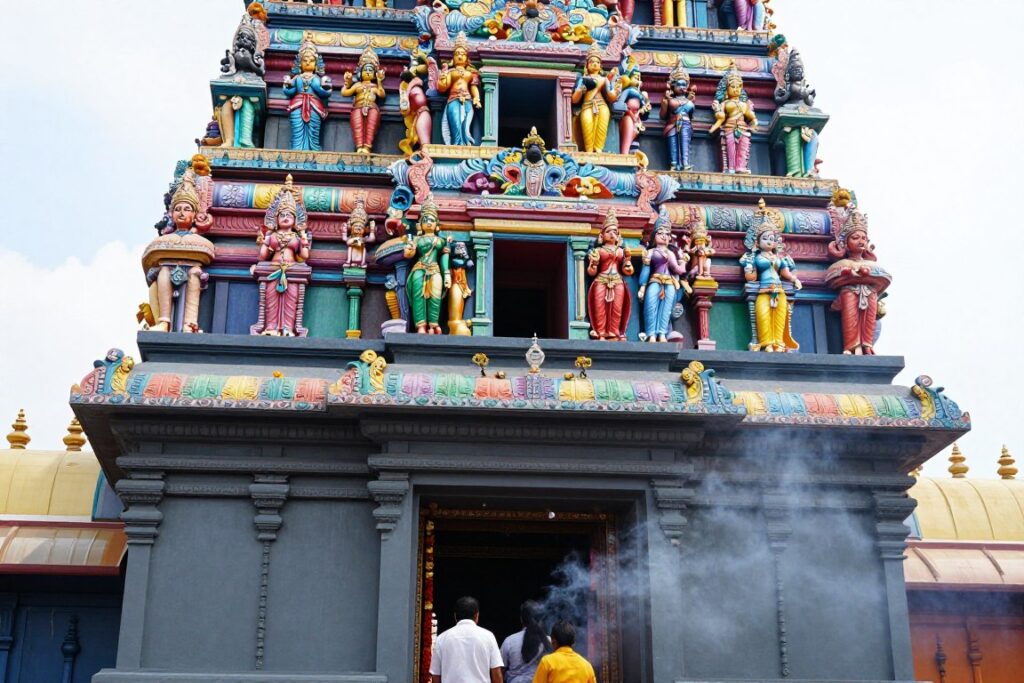
Religious Considerations
Malaysia identifies as a Muslim-majority country, though significant Hindu, Buddhist, and Christian minorities practice openly. This religious diversity shapes daily life and requires visitor awareness.
Dress Codes
Modest clothing shows respect in religious sites and certain neighborhoods. When visiting mosques or temples, both men and women should cover shoulders and knees at minimum. Many mosques provide robes for visitors who arrive in shorts or sleeveless shirts.
- Remove shoes before entering mosques, temples, and some homes
- Women should cover hair with scarves when entering mosques
- Avoid wearing shoes on prayer mats or carpeted areas
- Photography may be restricted in places of worship
In general public spaces and modern shopping districts, dress codes relax significantly. You’ll see locals in everything from traditional attire to Western fashion. However, overly revealing clothing may attract unwanted attention or cause discomfort, particularly outside tourist areas.
Prayer Times
Five daily prayer calls echo across the city from mosques. Many Muslim-owned businesses close briefly during Friday afternoon prayers. Plan accordingly and respect this important religious observance. Some restaurants may not serve alcohol or pork due to halal requirements.
Social Customs and Interactions
Malaysian culture emphasizes harmony, politeness, and respect for others. Understanding these social norms helps you interact smoothly with locals.
Greetings and Gestures
- Handshakes work for most greetings, though some Muslim women may prefer not to shake hands with men
- A slight nod works as a respectful alternative greeting
- Avoid pointing with your index finger; use your thumb instead
- Don’t touch anyone’s head, considered the most sacred body part
- Remove sunglasses when speaking with someone as a sign of respect
Dining Etiquette
- Use your right hand for eating, passing food, and receiving items
- Wait for the eldest person to begin eating first at formal meals
- Leaving small amounts of food on your plate shows satisfaction
- Slurping noodles is acceptable and sometimes encouraged
- Bills are usually paid by the person who extended the invitation
Tipping Practices
Tipping culture in Malaysia differs significantly from Western countries. Most situations don’t require tips, though appreciation for good service is always welcome.
High-end restaurants typically add a 10% service charge to bills. No additional tip is expected or required in these cases. At casual restaurants and hawker stalls, tipping isn’t customary. However, rounding up the bill or leaving small change shows appreciation.
For other services, consider these guidelines:
| Service | Tipping Practice | Suggested Amount |
| Hotel Bellhop | Optional but appreciated | 2-5 RM per bag |
| Hotel Housekeeping | Rarely expected | 5-10 RM at end of stay |
| Taxi Drivers | Round up fare | Keep small change |
| Tour Guides | Expected for good service | 10-20% of tour cost |
| Spa Therapist | Optional | 10% if no service charge |
Language and Communication
Bahasa Malaysia serves as the official language, but English proficiency runs high throughout Kuala Lumpur. Most signs, menus, and announcements appear in both languages. Tourist areas and younger Malaysians typically speak excellent English.
Learning a few basic Malay phrases earns you smiles and appreciation:
- Hello – “Selamat pagi” (morning), “Selamat petang” (afternoon)
- Thank you – “Terima kasih”
- Please – “Tolong”
- Excuse me – “Maaf”
- How much? – “Berapa harga?”
Public Behavior
Malaysian society values discretion and modesty in public spaces. Loud, aggressive behavior or public displays of affection may cause discomfort. Keep voices moderate and avoid drawing unnecessary attention to yourself.
Public displays of affection between couples should remain minimal. Hand holding is generally acceptable, but kissing or embracing may offend, particularly in conservative neighborhoods or near religious sites.
Important: Malaysia enforces strict drug laws with severe penalties including death for trafficking. Even small amounts of certain substances can result in mandatory prison sentences. Avoid any involvement with illegal drugs.
Budget Tips for Kuala Lumpur Travel
Kuala Lumpur ranks among Asia’s most affordable capital cities for travelers. Smart planning and local knowledge help you maximize value without sacrificing experience quality.
Daily Budget Breakdown
Understanding typical costs helps you plan realistically and avoid unexpected expenses during your Kuala Lumpur trip.
Budget Traveler
80-120 RM per day
- Hostel dorm bed: 25-40 RM
- Street food meals: 15-25 RM
- Public transport: 10-15 RM
- Free attractions and walking tours
- Occasional paid attraction: 20-40 RM
Mid-Range Traveler
250-400 RM per day
- Budget hotel private room: 100-150 RM
- Restaurant meals: 80-120 RM
- Mix of Grab and public transport: 40-60 RM bi
- Paid attractions and tours: 50-100 RM
- Shopping and entertainment
Luxury Traveler
600+ RM per day
- Four/five-star hotel: 300-600 RM
- Fine dining experiences: 200-400 RM
- Private transport and tours: 150-300 RM
- Premium attractions and activities
- Shopping and spa treatments
Money-Saving Strategies
These practical tips help stretch your budget further while maintaining a quality travel experience in Kuala Lumpur.
Accommodation Hacks
Book accommodations well in advance for the best rates. Prices can increase significantly during peak seasons and major holidays. Consider staying slightly outside the main tourist areas where hotels cost less but remain easily accessible via public transport.
- Tuesday through Thursday bookings often offer better rates than weekend stays
- Many hotels include breakfast, saving 20-30 RM daily
- Longer stays may qualify for weekly rate discounts
- Book directly with hotels for potential upgrades and flexibility
Food and Dining Savings
Eating where locals eat delivers the best value and often the most authentic food. Hawker centers and street stalls serve meals for 6-15 RM that would cost 40-60 RM in air-conditioned restaurants.
Shopping malls offer excellent value during lunch hours. Many restaurants provide business lunch sets for 15-25 RM, including a main course, rice or noodles, and a drink. Food courts in malls combine air-conditioning comfort with hawker-level prices.
Local Secret: Visit wet markets in the morning for incredibly cheap fresh tropical fruits. A huge serving of cut fruit costs just 5-8 RM. Markets near residential areas charge less than those in tourist districts.
Transportation Economics
Public transport offers exceptional value compared to taxis or Grab rides. A one-day unlimited train pass costs just 20 RM and covers unlimited journeys on all Rapid KL services.
Walking between nearby attractions saves money and lets you discover hidden gems. The covered walkways connecting major shopping areas in Bukit Bintang and KLCC make walking comfortable even during hot afternoons.
Attraction Discounts
Many of Kuala Lumpur’s best experiences cost nothing. KLCC Park, Perdana Botanical Garden, and Merdeka Square offer free access. The nightly fountain show at KLCC provides entertainment without admission charges.
Free walking tours operate on a tip-based model, allowing you to pay what you can afford. These tours provide excellent orientation and insider knowledge from local guides. Religious sites including Batu Caves, Thean Hou Temple, and National Mosque offer free entry.
Budget-Friendly Aspects
- Incredibly cheap and delicious street food
- Efficient, affordable public transportation system
- Many free or low-cost attractions and temples
- Favorable exchange rates for most currencies
- Competitive accommodation prices across all categories
- Free WiFi widely available throughout the city
Potential Extra Costs
- Air-conditioned transport and venues add comfort costs
- Alcohol prices high due to taxes in Muslim country
- Some attractions charge premium for foreign tourists
- Shopping malls tempt with constant sales and deals
- Grab rides add up quickly for convenience
- Western food costs significantly more than local options
Best Value Activities
These experiences offer exceptional value for money and showcase Kuala Lumpur’s best aspects without breaking your budget.
- Join a free walking tour through Chinatown and Little India to understand the city’s multicultural heritage
- Visit Batu Caves early morning before tour groups arrive – completely free except for optional donations
- Explore KLCC Park and watch the fountain show after sunset with Petronas Towers as backdrop
- Spend an evening at Jalan Alor trying different street food stalls for an authentic culinary adventure
- Take the LRT to different neighborhoods and wander freely, discovering local life beyond tourist zones
- Visit Central Market for affordable souvenirs and cultural performances without pressure to buy
Safety and Health Information for Kuala Lumpur
Kuala Lumpur ranks as a relatively safe destination for travelers. Standard precautions and awareness help you avoid the few common issues that visitors might encounter.
Personal Safety
Violent crime against tourists remains rare in Kuala Lumpur. The biggest risks involve petty theft like pickpocketing and bag snatching, particularly in crowded tourist areas and on public transport.
Common Sense Precautions
- Keep valuables secured in front pockets or inside bags
- Avoid displaying expensive jewelry, watches, or electronics
- Stay alert in crowded areas like markets and train stations
- Use hotel safes for passports and excess cash
- Walk confidently and avoid looking lost or confused
- Stick to well-lit, populated areas after dark
Bag snatching from motorcycles occurs occasionally, particularly targeting people walking near roads. Carry bags on the shoulder away from traffic. Women should be especially cautious when walking alone at night, though Kuala Lumpur remains safer than many other large cities.
Scams to Avoid
Tourist-targeted scams exist but remain relatively uncommon. Awareness helps you spot and avoid these situations.
Common Scams: Taxi drivers claiming meters are broken and demanding fixed fares, touts offering “special price” tours that prove expensive or poor quality, card game or gambling invitations that always result in losses, and overly friendly strangers leading you to overpriced shops.
Always use the Grab app for transport when possible. Politely decline unsolicited offers from strangers, no matter how friendly they seem. Research tour prices online before booking. Legitimate businesses don’t pressure you to decide immediately.
Health Considerations
Kuala Lumpur maintains modern healthcare facilities and high hygiene standards compared to many Southeast Asian cities. However, the tropical climate and unfamiliar food can cause issues for unprepared travelers.
Before You Travel
No vaccinations are legally required for entry into Malaysia unless you’re arriving from a yellow fever risk country. However, doctors recommend ensuring your routine vaccinations are current. Consider hepatitis A and typhoid vaccines if you plan extensive street food consumption or rural travel.
Travel insurance that covers medical emergencies proves essential. Malaysian hospitals provide excellent care but require payment or insurance guarantee before treatment. Ensure your policy covers medical evacuation if needed.
Food and Water Safety
Tap water in Kuala Lumpur meets WHO standards and locals drink it without issues. However, most travelers prefer bottled water to avoid any adjustment period. Ice in restaurants and cafes comes from filtered water and poses minimal risk.
Street food generally proves safe when vendors maintain visible cleanliness and food stays properly heated. Look for busy stalls with high turnover. Avoid food that’s been sitting out for hours. The “busy stall equals good food” rule usually ensures safety as well as quality.
Climate-Related Health Issues
The tropical heat and humidity can cause dehydration and heat exhaustion. Drink water constantly throughout the day. Take breaks in air-conditioned spaces during the hottest afternoon hours. Wear light, breathable clothing and apply sunscreen regularly.
Dengue fever transmitted by mosquitoes exists in Malaysia. Use insect repellent containing DEET, especially during dawn and dusk when mosquitoes are most active. Most hotels and restaurants use air conditioning or fans that keep mosquitoes away.
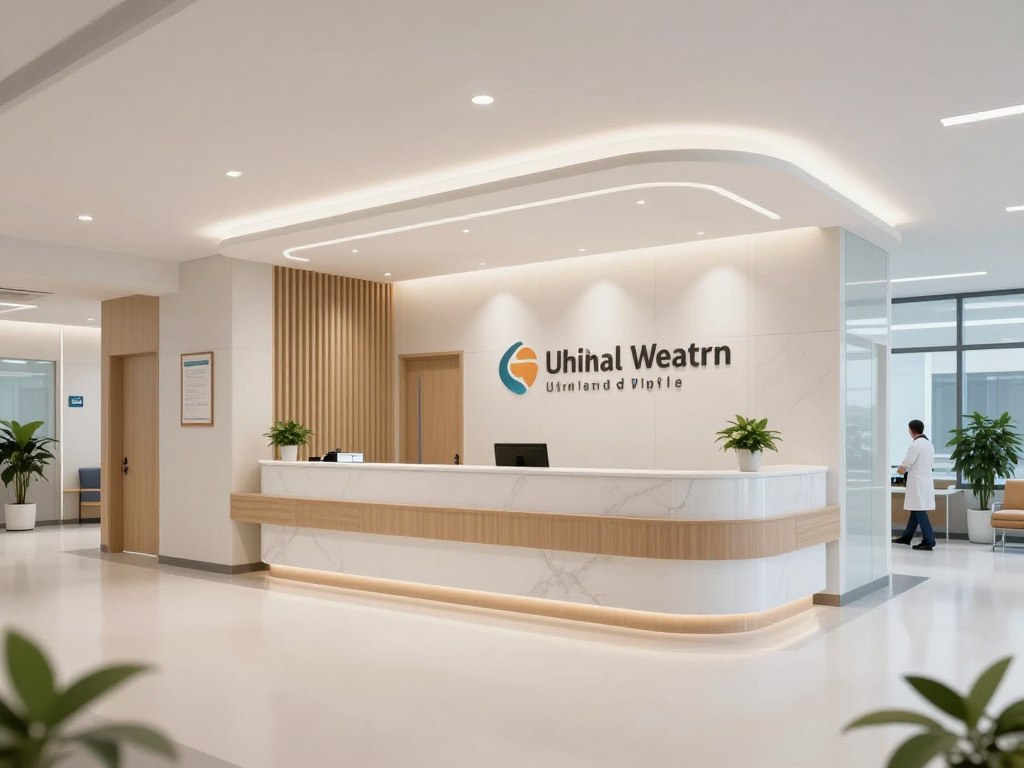
Healthcare Facilities
Kuala Lumpur offers world-class medical care, with many doctors trained abroad and speaking excellent English. The city has become a regional hub for medical tourism due to high-quality care at reasonable prices.
Private Hospitals
- Gleneagles Kuala Lumpur – Comprehensive care with international standards
- Prince Court Medical Centre – Premium facility popular with expats
- Sunway Medical Centre – Modern hospital with specialist departments
- Pantai Hospital Kuala Lumpur – Established private facility
Pharmacies and Clinics
- Guardian and Watsons pharmacy chains found in all shopping malls
- 24-hour pharmacies available in major areas
- Walk-in clinics for minor issues cost 50-150 RM
- Prescription medications u boowidely available and affordable
Emergency Contacts
Save these important numbers in your phone before traveling. English-speaking operators handle emergency calls.
| Service | Phone Number | Notes |
| Emergency (Police, Fire, Ambulance) | 999 | General emergency line |
| Tourist Police | 03-2149 6590 | Specialized assistance for tourists |
| KL International Airport | 03-8776 2000 | Flight information and assistance |
| Tourism Malaysia Hotline | 1-300-88-5050 | Tourist information and complaints |
Best Day Trips from Kuala Lumpur
Kuala Lumpur’s central location makes it an excellent base for exploring surrounding attractions. Several fascinating destinations sit within two hours of the city, offering nature, culture, and history.
Malacca (Melaka)
This UNESCO World Heritage city sits about two hours south of Kuala Lumpur. Malacca served as one of Southeast Asia’s most important trading ports, creating a unique blend of Portuguese, Dutch, British, and local Malay influences.
The compact historic center works perfectly for walking tours. Dutch Square features the distinctive red buildings from the colonial period. Jonker Street comes alive during weekend night markets. River cruises offer pleasant perspectives on the old town.
- Visit A Famosa fort, built by Portuguese in 1511
- Explore Baba Nyonya Heritage Museum for Peranakan culture
- Try Malacca’s unique cuisine including chicken rice balls
- Climb St. Paul’s Hill for city views and historical ruins
- Shop for antiques and crafts along Jonker Street
Buses depart from TBS terminal every 30 minutes throughout the day. The journey takes approximately 2 hours and costs around 15 RM each way. Return trips run until late evening, allowing a full day of exploration.
Genting Highlands
This hill resort sits at 1,800 meters elevation, providing cool temperatures and mountain scenery just 45 minutes from Kuala Lumpur. The area centers around Resorts World Genting, a massive entertainment complex featuring Malaysia’s only legal casino, theme parks, shopping, and dining.
The journey itself offers excitement via the Awana Skyway cable car, one of the longest and fastest in Southeast Asia. The 15-minute ride provides stunning views across the jungle-covered mountains.
Genting attracts both gamblers and families seeking entertainment in a cooler climate. The indoor and outdoor theme parks offer rides and attractions. Premium outlet shopping provides international brands at reduced prices.
Cameron Highlands
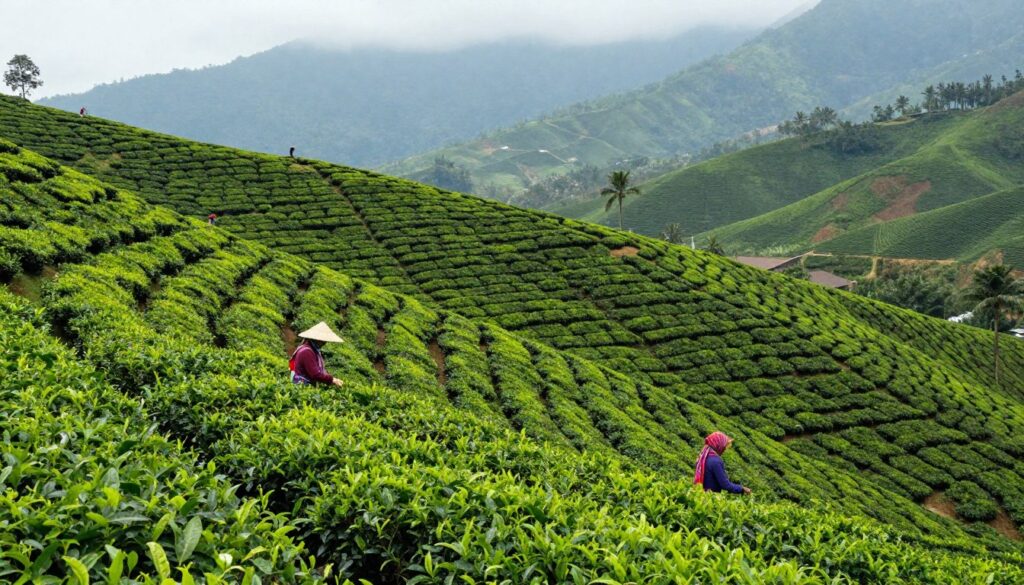
Malaysia’s largest hill station destination requires about 3-4 hours to reach but rewards you with a completely different environment. At elevations between 1,300-1,800 meters, the Highlands maintain pleasant temperatures year round.
The area gained fame for its tea plantations, strawberry farms, and vegetable cultivation. The cool climate allowed British colonials to grow European vegetables and create a retreat from tropical heat.
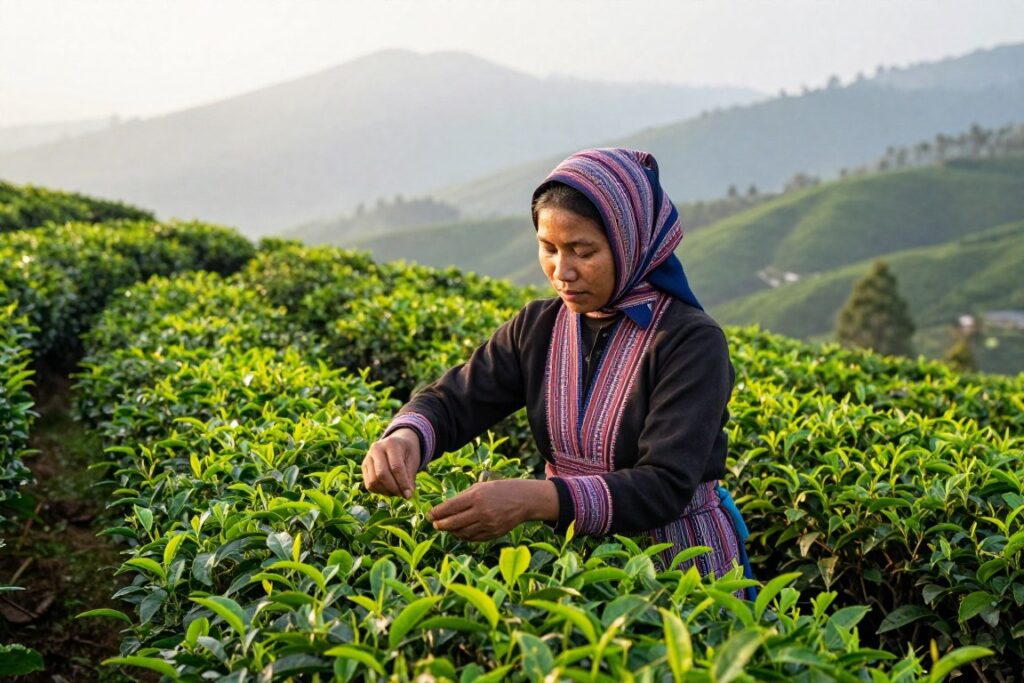
Main activities include touring tea factories, visiting strawberry farms where you can pick your own berries, hiking through mossy forests, and exploring local markets. The scenic mountain roads connecting the towns offer beautiful drives through plantations.
- Visit BOH Tea Plantation for factory tours and tastings
- Explore butterfly and insect farms
- Hike to waterfalls through jungle trails
- Sample fresh strawberries and strawberry products
- Shop for fresh vegetables and flowers at local markets
Putrajaya
Malaysia’s planned administrative capital lies just 25 kilometers south of Kuala Lumpur. This purpose-built city showcases impressive modern Islamic architecture and extensive green spaces.
The Putra Mosque, with its distinctive pink dome, ranks among Malaysia’s most beautiful mosques. Perdana Putra houses the Prime Minister’s office in a striking hilltop building. The Seri Wawasan Bridge, inspired by French designs, creates an iconic landmark.
Lakes and parks cover 40 percent of Putrajaya. Boat tours operate on Putrajaya Lake, offering unique views of the impressive architecture. The city works best for half-day visits or as a stop while traveling to or from the airport.
Kuala Selangor
This small town about an hour northwest of Kuala Lumpur offers two main attractions. Bukit Melawati hill features a historical fort, lighthouse, and silver leaf monkeys that roam freely around visitors.
The primary draw comes after dark when millions of fireflies create a magical display along the Selangor River. Boat tours through the mangrove forests reveal trees illuminated by thousands of synchronously flashing fireflies, creating an unforgettable natural light show.
Most visitors join organized tours from Kuala Lumpur that include transport, seafood dinner, and the firefly boat ride. The complete experience typically runs 150-250 RM per person.
Kuala Lumpur and surrounding day trip destinations
Complete Your Kuala Lumpur Travel Preparations
Ensure a smooth, worry-free trip with comprehensive travel insurance and essential planning tools. Protect your investment and travel with confidence.
Essential Practical Information for Kuala Lumpur
These final practical details help ensure smooth travels and address common questions about visiting Kuala Lumpur.
Getting to Kuala Lumpur
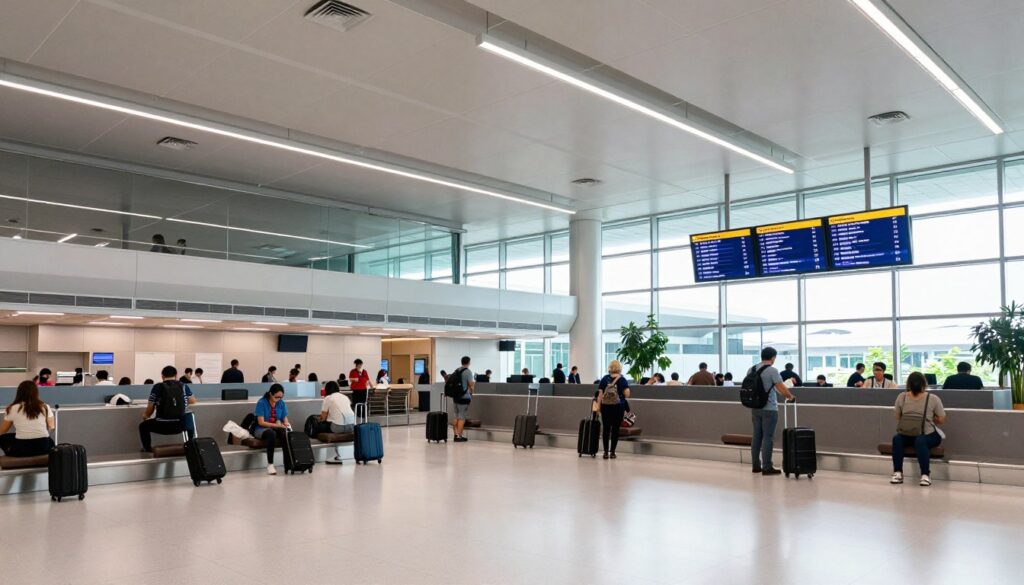
Kuala Lumpur International Airport (KLIA) serves as Malaysia’s main international gateway. The airport sits about 50 kilometers south of the city center. A second terminal, KLIA2, handles most budget carriers including AirAsia.
The KLIA Ekspres train provides the fastest connection to the city. Trains depart every 15-20 minutes and reach KL Sentral station in just 28 minutes. The service costs 55 RM one way or 100 RM return. KLIA Transit trains stop at intermediate stations and take slightly longer for a lower fare.
Airport buses offer budget alternatives, taking about an hour to reach the city for 10-15 RM. Grab rides to central Kuala Lumpur cost approximately 80-120 RM depending on destination and time. Airport taxis charge fixed fares of 90-120 RM.
Money and Banking
The Malaysian Ringgit (RM or MYR) serves as the official currency. Exchange rates typically hover around 4.2-4.7 RM to 1 USD, though this fluctuates.
ATMs are widespread throughout Kuala Lumpur, accepting most international cards. Banks typically charge around 12 RM per withdrawal. Inform your bank about travel dates to avoid card blocks. Daily withdrawal limits usually range from 1,000-1,500 RM.
Money changers offer better exchange rates than banks or airports. Bukit Bintang and Chinatown feature numerous exchange counters competing for business. Compare rates as they vary significantly. Avoid airport exchanges which charge premium rates.
Credit cards work at most hotels, restaurants, and shops. However, smaller establishments, street food vendors, and local markets operate cash-only. Carry sufficient ringgit for daily expenses.
Internet and Mobile Connectivity
Kuala Lumpur offers excellent internet connectivity. Free WiFi appears in virtually all hotels, shopping malls, restaurants, and cafes. Most public spaces including parks and train stations also provide complimentary access.
For consistent mobile data, purchase a local SIM card. Telco providers include Maxis, DiGi, and Celcom. Tourist SIM cards with data and calls cost 30-50 RM for a week. Registration requires passport presentation.
KLIA and KLIA2 airports have SIM card counters immediately after immigration. City shopping malls also sell SIM cards at provider stores. 4G coverage blankets urban areas with generally fast speeds.
Operating Hours
Kuala Lumpur businesses operate on varying schedules depending on type and location. Understanding typical hours helps you plan effectively.
- Shopping malls: 10 AM – 10 PM daily, including weekends
- Restaurants: Lunch typically 11:30 AM – 3 PM, dinner 6 PM – 11 PM
- Street food stalls: Often open until 2-3 AM, especially on weekends
- Banks: Monday-Friday 9:30 AM – 4 PM (closed weekends)
- Government offices: Monday-Friday 8 AM – 5 PM
- Museums: Typically 9 AM – 6 PM, many closed Mondays
Friday afternoon hours may be affected by Muslim prayer times, particularly in Malay-owned businesses. Many establishments close partially or completely during major festivals like Hari Raya, Chinese New Year, or Deepavali.
Packing Essentials
Smart packing enhances your Kuala Lumpur experience. The tropical climate and cultural considerations influence what you should bring.
Clothing and Footwear
- Light, breathable clothing in natural fabrics
- One modest outfit for temples and mosques
- Comfortable walking shoes with good support
- Light jacket for over-air-conditioned spaces
- Sun hat or cap for outdoor exploration
- Sandals suitable for wet conditions
Other Essentials
- High SPF sunscreen and reapply frequently
- Insect repellent containing DEET
- Small daypack for daily excursions
- Reusable water bottle to stay hydrated
- Universal power adapter for outlets
- Basic first aid and regular medications
Festivals and Public Holidays
Malaysia celebrates numerous cultural and religious festivals throughout the year. These colorful celebrations offer fascinating cultural insights but can affect business hours and increase crowds.
| Festival | Approximate Date | Significance |
| Chinese New Year | January/February | Major celebration with temple visits and family gatherings |
| Hari Raya Aidilfitri | Varies (after Ramadan) | Muslim celebration marking end of fasting month |
| Deepavali | October/November | Hindu festival of lights celebrated in Little India |
| Malaysia Day | September 16 | National holiday with parades and celebrations |
| Thaipusam | January/February | Hindu festival with dramatic procession to Batu Caves |
During major festivals, book accommodations well in advance as hotels fill quickly and prices rise. Many shops and restaurants close for one to three days during the biggest celebrations. However, these periods also offer unique cultural experiences unavailable other times of the year.
Conclusion: Your Kuala Lumpur Adventure Awaits
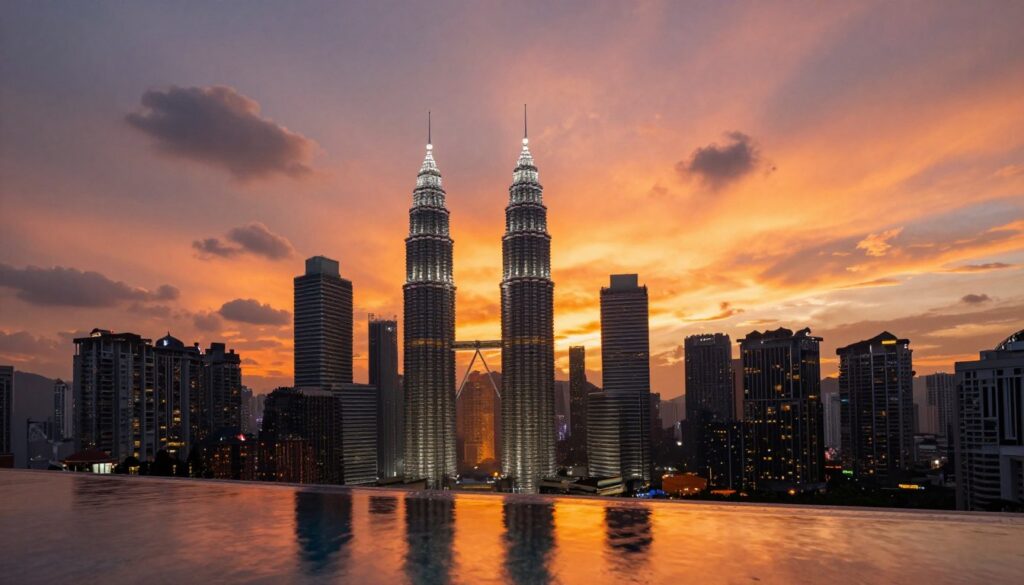
Kuala Lumpur offers an intoxicating blend of old and new, traditional and modern, East and West. This dynamic city rewards curious travelers with unforgettable experiences, whether you’re exploring centuries-old temples, ascending gleaming skyscrapers, or savoring incredible street food.
The city’s remarkable affordability means luxury experiences remain accessible to most budgets. World-class hotels, exceptional dining, and comprehensive attractions cost a fraction of comparable Western destinations. Yet Kuala Lumpur never feels cheap or compromised in quality.
Start planning your adventure with the information in this comprehensive travel guide. Book your accommodations early, especially during peak seasons. Download the Grab app and familiarize yourself with the public transport system. Research which neighborhoods and attractions align best with your interests and time.
Most importantly, approach Kuala Lumpur with openness and curiosity. Engage with locals, try unfamiliar foods, and venture beyond the main tourist trail. The city reveals its greatest treasures to those willing to explore deeply and authentically.
Your Kuala Lumpur journey promises discovery, excitement, and memories that last long after you return home. This vibrant Malaysian capital stands ready to exceed your expectations and perhaps inspire future returns. The only question remaining is when you’ll begin your adventure.
Kuala Lumpur isn’t just a destination to visit; it’s a city to experience with all your senses. From the call to prayer echoing at dawn to the sizzle of satay on charcoal grills at midnight, every moment creates lasting impressions that define Southeast Asian travel at its finest.
Frequently Asked Questions About Kuala Lumpur
How many days should I spend in Kuala Lumpur?
Three to four days allows sufficient time to see major attractions, explore different neighborhoods, enjoy the food scene, and take a day trip. Budget travelers can cover highlights in two days, while those wanting a more relaxed pace or including multiple day trips should plan five to seven days.
Is Kuala Lumpur safe for solo female travelers?
Yes, Kuala Lumpur is generally safe for solo female travelers who take standard precautions. Dress modestly, especially outside tourist areas, avoid walking alone late at night, and use registered transportation. The city experiences less street harassment than many destinations, and locals often help tourists who appear lost or confused.
Do I need a visa to visit Kuala Lumpur?
Many nationalities receive visa-free entry for tourism purposes. US, UK, EU, Canadian, and Australian citizens can stay up to 90 days without a visa. Check Malaysia’s immigration website for current requirements specific to your nationality as regulations change periodically.
What’s the best way to get from KLIA airport to the city?
The KLIA Ekspres train offers the fastest option at 28 minutes to KL Sentral for 55 RM. Budget travelers can take the airport bus for about 10 RM with a journey time of approximately one hour. Grab rides cost 80-120 RM depending on destination and provide door-to-door convenience with luggage.
Can I drink tap water in Kuala Lumpur?
Tap water meets WHO safety standards and locals drink it regularly. However, visitors may prefer bottled water to avoid any adjustment period. Ice in restaurants comes from filtered water and is safe. Bottled water costs very little and is widely available at every convenience store.
What should I wear when visiting mosques and temples?
Cover shoulders and knees at minimum for both men and women. Women should bring a scarf to cover hair when entering mosques. Many religious sites provide robes or coverings for visitors in shorts or sleeveless clothing. Remove shoes before entering and place them in designated areas.
How much money should I budget per day in Kuala Lumpur?
Budget travelers can manage on 80-120 RM per day including hostel accommodation, street food, and public transport. Mid-range travelers should plan 250-400 RM daily for comfortable hotels, restaurant meals, and paid attractions. Luxury experiences require 600+ RM per day.
Is English widely spoken in Kuala Lumpur?
Yes, English proficiency is high throughout Kuala Lumpur. Most signs, menus, and announcements appear in both Malay and English. Tourist areas, hotels, restaurants, and younger Malaysians typically speak excellent English. You may encounter language barriers in traditional markets or with older residents, but gestures and translation apps help bridge gaps.
What’s the best time of year to visit Kuala Lumpur?
The dry season from May to July and December to February offers the best weather conditions. However, Kuala Lumpur’s year-round tropical climate means any time works for visiting. Shoulder seasons (March-April and September-November) provide good value with fewer crowds despite occasional afternoon rain showers that clear quickly.
Can I use Uber or similar ride-hailing apps in Kuala Lumpur?
Uber exited Southeast Asia and merged with Grab, which now dominates the ride-hailing market. Download the Grab app before arrival, link a payment method, and enjoy reliable, affordable transport throughout the city. The app eliminates language barriers and prevents overcharging common with some traditional taxis.