

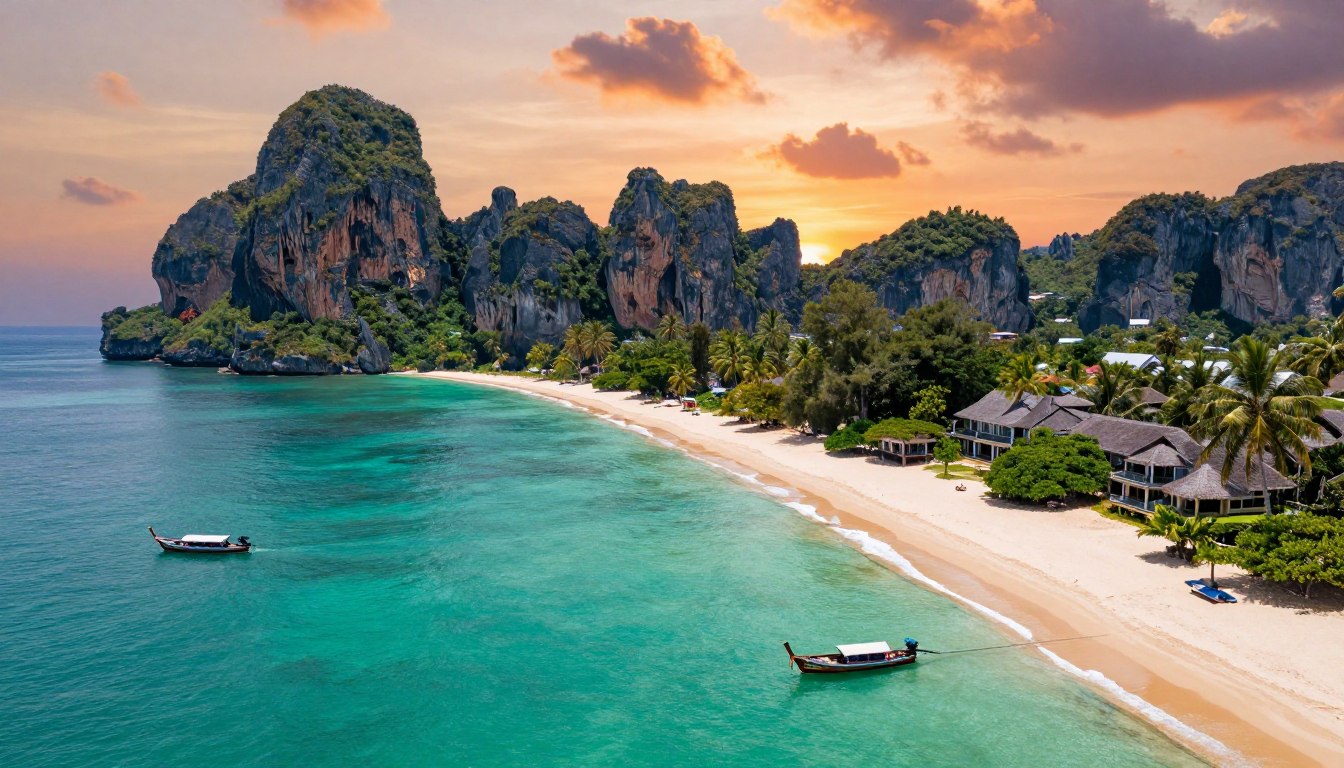
Phuket stands as Thailand’s largest island and most famous beach destination. This tropical paradise draws millions of visitors each year with its stunning beaches, vibrant culture, and endless activities.
Planning a trip to Phuket can feel overwhelming. The island offers so much variety that first-time visitors often struggle to decide where to stay, what to see, and how to make the most of their time.
This comprehensive Phuket travel guide covers everything you need to plan an unforgettable trip. You’ll find practical advice on the best time to visit, top beaches and attractions, accommodation options for every budget, local cuisine recommendations, and transportation tips. Whether you’re seeking relaxation on pristine sand, cultural experiences in Phuket Old Town, or adventure on the water, this guide will help you create your perfect island getaway.
Understanding Phuket as a Destination
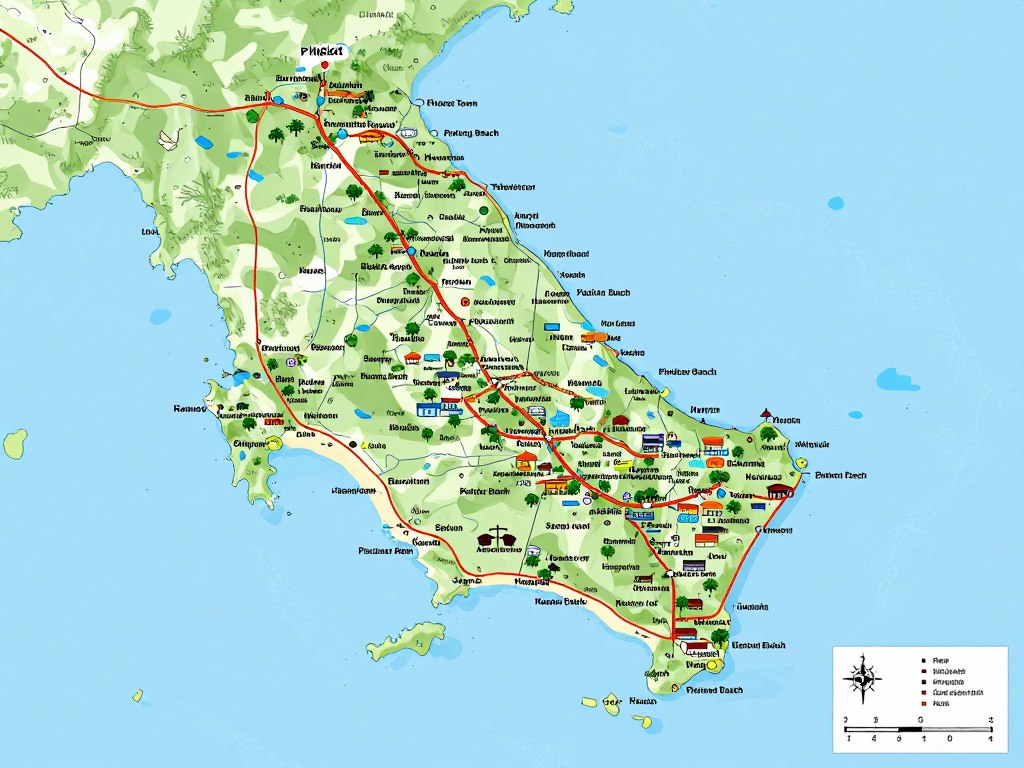
Phuket sits in southern Thailand’s Andaman Sea. The island covers approximately 576 square kilometers, making it roughly the same size as Singapore. Its strategic location has made it a major tourist hub for Southeast Asia.
The island’s geography creates distinct experiences across different areas. The west coast features the famous beaches like Patong, Kata, and Karon. These areas offer powder-soft sand and spectacular sunsets. The east coast faces Phang Nga Bay and provides calmer waters with mangrove forests. The interior showcases lush rainforests and rubber plantations.
Phuket’s culture blends Thai, Chinese, and Malay influences. This diversity appears in the architecture of Phuket Old Town, where Sino-Portuguese buildings line the streets. The local population speaks Thai as the primary language, but English is widely understood in tourist areas.
The island attracts various types of travelers. Families appreciate the calm beaches and water parks. Couples find romantic sunset spots and luxury resorts. Solo travelers enjoy the social atmosphere and adventure activities. Digital nomads have established communities in quieter areas like Rawai and Chalong.
Tourism forms the backbone of Phuket’s economy. The infrastructure reflects this focus with international-standard hotels, restaurants serving global cuisines, and tour operators offering every imaginable activity. Yet traditional Thai life continues in local markets, temples, and fishing villages.
The island’s size makes exploration manageable. You can drive from the northernmost point to the southern tip in about two hours. This accessibility means you’re never far from your next beach, attraction, or dining experience. Most visitors stay on the west coast for beach access but venture inland and around the island to discover hidden gems.
Best Time to Visit Phuket
Phuket experiences three distinct seasons that dramatically affect your travel experience. Understanding these weather patterns helps you plan the perfect trip based on your priorities and budget.
High Season: November to February
The high season brings the best weather to Phuket. Temperatures range from 23°C to 32°C (73°F to 90°F) with low humidity and minimal rainfall. The Andaman Sea becomes calm and crystal clear, perfect for swimming and water activities.
This period attracts the largest crowds, especially around Christmas and New Year. Beaches buzz with activity, restaurants stay fully booked, and hotel prices reach their peak. You’ll find plenty of social opportunities and events, but also longer waits at popular attractions.
Book accommodations at least two to three months in advance during this season. Prices can double or triple compared to low season rates. The trade-off is guaranteed sunshine and ideal beach conditions. If you’re looking for perfect weather and don’t mind crowds, this is your time to visit.
Hot Season: March to May
The hot season delivers the highest temperatures of the year. Expect daytime highs around 33°C to 35°C (91°F to 95°F) with intense sun and increasing humidity. The heat can feel oppressive during midday hours, but early mornings and evenings remain pleasant.
Tourist numbers decrease compared to high season, creating a sweet spot for budget travelers. Hotel rates drop by 20% to 40%, and beaches feel less crowded. The sea stays calm enough for most water activities, though visibility underwater may decrease slightly.
Plan indoor activities during the hottest part of the day. Visit temples, museums, and shopping centers with air conditioning. Schedule beach time for morning and late afternoon. Stay hydrated and use plenty of sunscreen. This season works well if you handle heat comfortably and want to save money.
Rainy Season: June to October
The monsoon season brings frequent rainfall and rougher seas. Rain typically falls in short, intense bursts rather than all-day downpours. You might experience two to three hours of rain in the afternoon, followed by clear skies. Some days stay completely dry.
The rainy season offers the lowest prices across accommodations, tours, and activities. Luxury resorts that cost $300 per night in December might drop to $100 in September. You’ll have beaches nearly to yourself and can negotiate better deals everywhere.
Sea conditions become unpredictable during this period. Some beaches display red flags warning against swimming. Boat tours to nearby islands may cancel due to rough waters. Indoor attractions, spa treatments, and cultural experiences become more appealing alternatives.
Rainy Season Advantages
- Dramatic price reductions on everything
- Nearly empty beaches and attractions
- Lush, green landscapes at peak beauty
- Authentic local experiences without tourist crowds
- Flexible booking with last-minute availability
Rainy Season Challenges
- Unpredictable weather disrupts beach plans
- Rough seas limit water activities
- Some restaurants and shops close temporarily
- Higher humidity makes heat feel worse
- Potential for tropical storms
Special Events and Festivals
Phuket hosts several major events worth planning around. The Vegetarian Festival in October features elaborate street processions and traditional ceremonies. Loy Krathong in November lights up beaches with floating lanterns. Songkran in April brings Thailand’s famous water festival, though it coincides with the hot season.
Chinese New Year transforms Phuket Old Town with decorations, performances, and special foods. The timing varies between January and February each year. Hotels in Old Town fill quickly during this period, so book early if you want to experience these celebrations.
Make sure to research specific dates for your planned travel period. Events can affect accommodation availability and prices in certain areas. Some festivals create amazing photo opportunities and cultural experiences, while others might mean temporarily closed businesses or crowded streets.
Phuket’s Best Beaches: Where to Spend Your Days
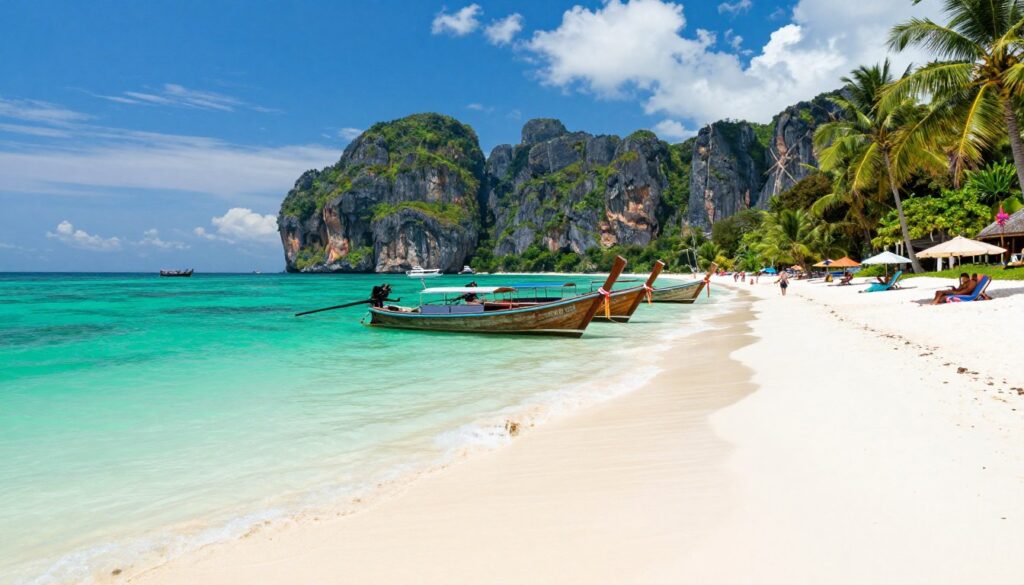
Phuket offers over 30 beaches, each with its own character and appeal. The west coast beaches face the Andaman Sea and showcase stunning sunsets. The east coast provides calmer waters but fewer swimming options. Southern beaches tend toward quiet relaxation, while northern beaches offer more seclusion.
Patong Beach: The Entertainment Hub
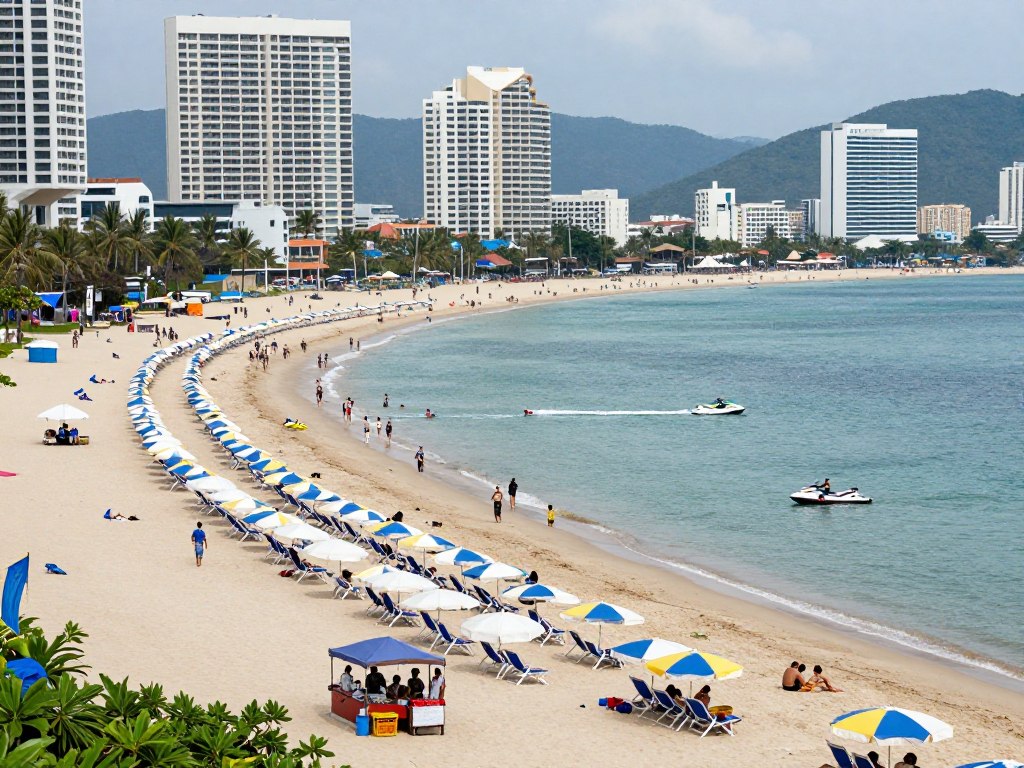
Patong Beach stretches for three kilometers along Phuket’s west coast. This is the island’s most developed and busiest beach area. The sand curves in a wide bay with gentle waves suitable for swimming most of the year.
The beach itself offers jet skiing, parasailing, and banana boat rides. Beach chairs and umbrellas line the shore, with vendors selling fresh fruit, snacks, and cold drinks. Massage therapists offer treatments right on the sand at reasonable prices.
Bangla Road, the entertainment center, sits just two blocks from the beach. After sunset, this street transforms into a neon-lit party zone with bars, clubs, and live music venues. The area never sleeps, with activity continuing until dawn.
Patong suits travelers who want convenience and nightlife. Everything you need stays within walking distance. Hotels range from budget hostels to five-star resorts. Restaurants serve every cuisine imaginable. Shopping centers, markets, and street vendors create endless retail opportunities.
The downside is noise and crowds. Peace and quiet are hard to find here. The beach can feel overcrowded during peak season. If you prefer tranquility, consider staying elsewhere and visiting Patong for a day or evening.
Kata Beach: The Perfect Balance
Kata Beach delivers a more relaxed atmosphere than Patong while maintaining good facilities and dining options. The beach actually consists of two sections: Kata Yai (Big Kata) and Kata Noi (Little Kata), separated by a small headland.
Kata Yai spans about 1.5 kilometers with soft white sand and clear water. The southern end features excellent surf breaks during the monsoon season, attracting surfers from May to October. The northern section stays calmer, ideal for families with children.
The beachfront road hosts numerous restaurants, cafes, and shops. You’ll find a good mix of Thai and international food at reasonable prices. Several beach clubs offer loungers, pools, and cocktails with ocean views.
Kata Noi, the smaller beach, provides a quieter alternative just a five-minute walk south. This intimate bay has fewer services but offers beautiful swimming conditions and less development. The Kata Rocks resort dominates the northern headland with its striking modern architecture.
Kata Beach works well for families, couples, and anyone seeking a balanced Phuket experience. The area has enough restaurants and activities to keep you entertained without the overwhelming intensity of Patong. Accommodation options span all budgets, from simple guesthouses to luxury beachfront resorts.
Karon Beach: Space and Serenity
Karon Beach extends for four kilometers, making it one of Phuket’s longest beaches. The extra space means you can always find a quiet spot, even during high season. The sand here produces a distinctive squeak when you walk on it due to its high quartz content.
The beach slopes gradually into the sea, creating safe swimming conditions. Clear blue water and good wave action during certain seasons attract bodyboarders. A paved pathway runs the length of the beach, perfect for morning jogs or sunset walks.
Karon maintains a more local feel than neighboring beaches. The main road features Thai restaurants, small shops, and laid-back bars. You won’t find the party atmosphere of Patong or the trendy beach clubs of Kata, but you will discover authentic Thai hospitality.
Families appreciate Karon’s spaciousness and safety. Children can play freely without constant crowds. The southern end near the Hilton resort tends to be quieter, while the central area has more activity and services.
Accommodation in Karon tends toward mid-range hotels and resorts. Prices generally run lower than Kata or Patong for similar quality. The area makes a good base if you plan to explore different beaches each day, as it sits centrally on the west coast.
Nai Harn Beach: Local Favorite
Nai Harn Beach sits on Phuket’s southwestern tip, about 18 kilometers from Patong. This crescent-shaped bay remains largely undeveloped, with a peaceful lagoon backing the beach and hills rising on both sides.
The beach attracts many Thai families on weekends, giving it a local atmosphere missing from more touristy spots. Food vendors sell grilled seafood, som tam (papaya salad), and other Thai street food at local prices. The beach area stays clean and well-maintained despite minimal commercial development.
Swimming conditions are excellent during high season, with calm, clear water perfect for snorkeling near the rocks at either end. During monsoon season, strong currents can make swimming dangerous. Lifeguards post red flags when conditions are unsafe.
Limited development means limited services. You’ll find just a handful of restaurants and one resort directly on the beach. Most accommodation sits in the hills above the bay or in nearby Rawai. This keeps crowds manageable and preserves the natural beauty.
Nai Harn suits travelers seeking authenticity and natural beauty over convenience. The area feels more like traditional Thailand than a tourist resort. Bring your own supplies for the day, as options for food and drinks are limited compared to busier beaches.
Freedom Beach: Hidden Paradise
Freedom Beach remains one of Phuket’s best-kept secrets despite its stunning beauty. This small beach sits tucked between Patong and Karon, accessible only by longtail boat or a steep jungle path.
The 300-meter stretch of white sand curves around turquoise water so clear you can see fish swimming from the shore. Rocky headlands on both sides create a sheltered bay with excellent snorkeling. Coral reefs near the rocks host colorful tropical fish.
The beach has minimal facilities – just a small restaurant and basic amenities. This simplicity is part of its charm. Most visitors arrange longtail boat transport from Patong Beach, costing around 1,000 baht for a round trip with a few hours on the beach.
Alternatively, you can reach Freedom Beach via a challenging 30-minute hike through the jungle from the main road. The trail is steep and slippery, requiring good fitness and proper footwear. Most people opt for the boat.
Visit Freedom Beach in the morning for the calmest seas and best light for photos. Afternoons can bring stronger waves and clouds. Bring snorkeling gear, sunscreen, and plenty of water, as the beach restaurant has limited options and higher prices than mainland establishments.
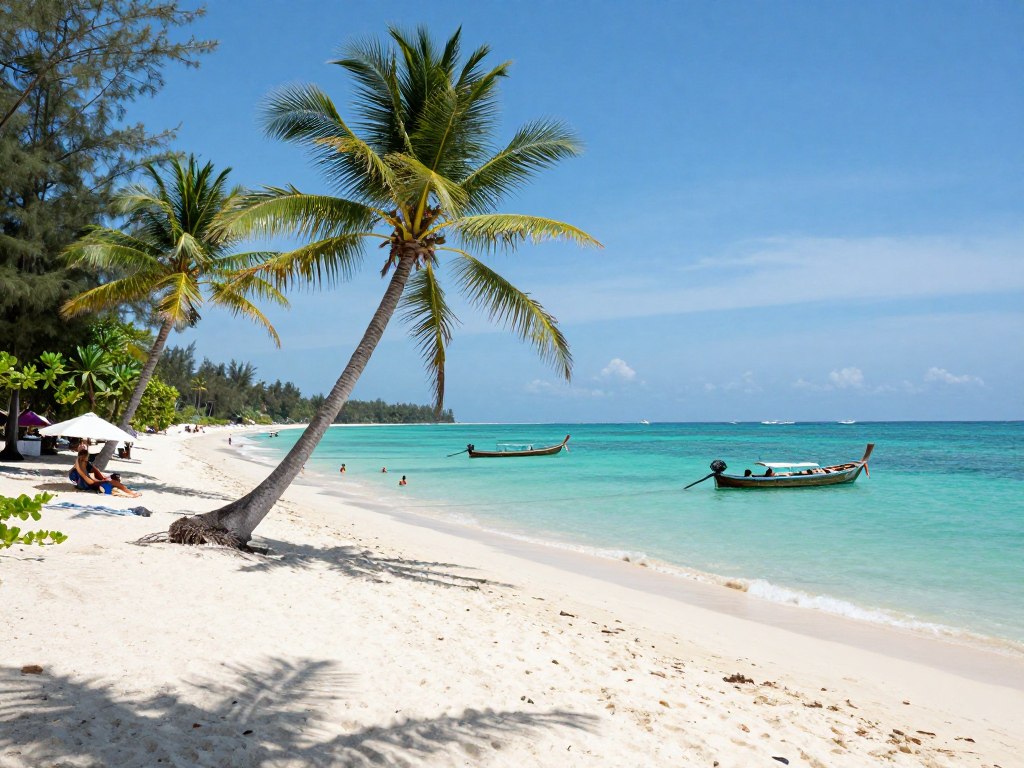
Patong Beach
Best for: Nightlife, shopping, water sports, dining variety
Atmosphere: Busy, energetic, tourist-focused
Beach quality: Good sand, can be crowded
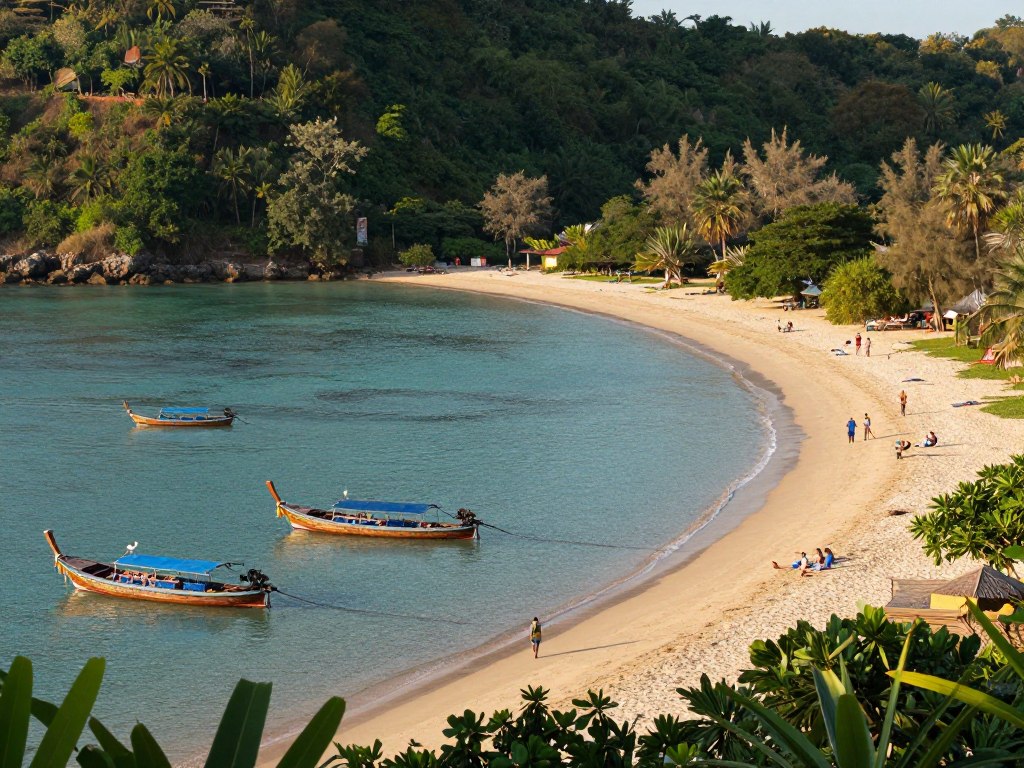
Kata Beach
Best for: Families, surfing, balanced atmosphere, beach clubs
Atmosphere: Relaxed yet lively, good facilities
Beach quality: Excellent sand, good swimming
Nai Harn Beach
Best for: Local experience, swimming, natural beauty, peace
Atmosphere: Authentic, quiet, family-friendly
Beach quality: Beautiful sand, excellent water
East Coast Beaches: Different Experience
The east coast of Phuket faces Phang Nga Bay rather than the open ocean. These beaches have muddy sand and mangrove-lined shores rather than the white sand and clear water of the west coast. Swimming is generally not recommended here.
However, the east coast offers other attractions. The town of Rawai serves as a base for boat trips to nearby islands. Local fishing communities operate from these shores, providing authentic glimpses of traditional Thai coastal life. Several seafood restaurants serve fresh catches in a local atmosphere.
Cape Panwa, on the southeastern tip, hosts several upscale resorts that offer quiet luxury despite the less attractive beaches. These properties focus on pools, spas, and ocean views rather than beach activities. Prices tend to be lower than comparable west coast resorts.
Most visitors skip the east coast beaches entirely, but they’re worth considering if you prioritize quiet location and lower prices over perfect swimming beaches. The area works well as a base for island hopping and exploring less touristy parts of Phuket.
Top Attractions and Things to Do in Phuket
Beyond the beaches, Phuket offers diverse attractions that showcase culture, nature, and adventure. These experiences add depth to your trip and help you understand the island beyond its resort areas.
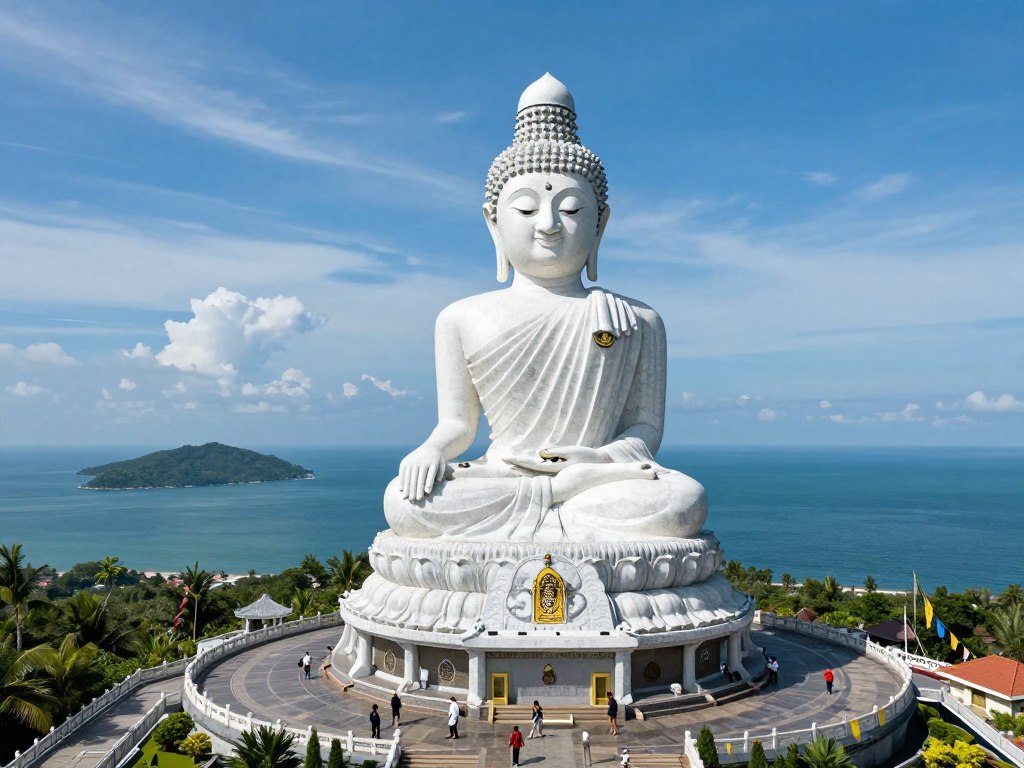
Big Buddha: Iconic Landmark
The Big Buddha towers 45 meters above Nakkerd Hills between Chalong and Kata. This massive white marble statue sits in meditation pose, visible from much of southern Phuket. The site offers panoramic views across the island, making it one of the most photographed locations.
Construction of Big Buddha began in 2004 and continues today, funded entirely by donations. Visitors can contribute by purchasing a marble tile inscribed with their name, which becomes part of the structure. The peaceful atmosphere and spiritual significance make this more than just a tourist photo opportunity.
The complex includes smaller Buddha statues, meditation areas, and a bell tower. Monks often gather here, and you’ll hear chanting and bells throughout the day. Dress respectfully with covered shoulders and knees. The site maintains a free entrance, though donations support ongoing construction.
Visit early morning for the best light and fewer crowds. The drive up the winding mountain road takes about 15 minutes from Chalong Circle. Taxis and tuk-tuks wait at the bottom to bring you up for around 200 baht one way. The sunset view attracts many photographers, but late afternoon clouds can obscure the vista.
Experience Phuket’s Cultural Highlights
Join a guided tour that combines Big Buddha, Wat Chalong temple, and Phuket Old Town in one day. Expert local guides provide cultural context and handle all transportation. Tours include hotel pickup and traditional Thai lunch.
Phuket Old Town: Historical Heart
Phuket Old Town preserves the island’s rich heritage through colorful Sino-Portuguese architecture. These buildings date from Phuket’s tin mining boom in the late 19th and early 20th centuries, when Chinese immigrants arrived and built homes mixing European and Chinese styles.
Thalang Road and Dibuk Road form the main historic streets. Buildings painted in vibrant yellows, blues, greens, and pinks create an Instagram-worthy backdrop. Many structures now house boutique hotels, art galleries, cafes, and restaurants while maintaining their historical facades.
The Sunday Walking Street market transforms Thalang Road each weekend from 4pm to 10pm. Vendors sell street food, handicrafts, clothing, and art. Live music performances happen at various points along the street. This event gives you a taste of local life and culture in a festive atmosphere.
Thai Hua Museum, housed in a restored Sino-Portuguese mansion, tells the story of Phuket’s Chinese community and tin mining history. The exhibits are well-presented with English descriptions. Entrance costs just 200 baht and takes about an hour to explore thoroughly.
Plan at least half a day to wander Old Town properly. The area comes alive in late afternoon when temperatures cool and cafes fill with locals. Many restaurants in this area offer exceptional southern Thai cuisine at prices lower than beach areas. You’ll find plenty of vegetarian options, especially around the Vegetarian Festival period.
Wat Chalong: Spiritual Center
Wat Chalong stands as Phuket’s most important Buddhist temple. The complex features ornate buildings decorated with gold, mirrors, and intricate carvings. The main hall houses statues of revered monks, and locals come daily to pray and make offerings.
The Grand Pagoda, the tallest structure on site, contains a splinter of bone from Buddha himself. Climb the three levels to view religious artwork depicting Buddha’s life story. Each floor becomes progressively more ornate, with the top level offering the most impressive details.
Temple etiquette requires respectful clothing. Cover shoulders, chest, and knees. Remove shoes before entering buildings. Photography is allowed in most areas, but avoid taking selfies or inappropriate photos with the Buddha images. Speak quietly and observe worshippers without disturbing their prayers.
The temple grounds also feature smaller shrines, a crematorium, and vendors selling flowers, incense, and offerings. Local visitors burn firecrackers to thank Buddha for answered prayers, so you might hear loud pops throughout your visit. This is normal and part of the spiritual practice.
Wat Chalong opens daily from 7am to 5pm with free admission. Morning visits offer cooler temperatures and better light for photography. The temple sits about 8 kilometers south of Phuket Town and can be combined with a Big Buddha visit, as they’re only 15 minutes apart.
Phang Nga Bay and James Bond Island
Phang Nga Bay showcases one of Thailand’s most spectacular natural landscapes. Limestone karsts rise dramatically from emerald water, creating a scene that seems pulled from a fantasy film. The area became internationally famous after appearing in “The Man with the Golden Gun” James Bond movie in 1974.
James Bond Island, also known as Khao Phing Kan, features the iconic rock needle that appeared in the film. While undeniably beautiful, the island attracts massive crowds and souvenir sellers. Most tours spend about 30 minutes here for photos before moving to more interesting locations.
The real highlight of Phang Nga Bay tours is exploring the mangrove forests by kayak or canoe. You’ll paddle through hidden caves and lagoons called “hongs” – collapsed cave systems open to the sky. These secret lagoons host unique ecosystems with orchids, monkeys, and exotic birds.
Koh Panyi, a Muslim fishing village built entirely on stilts, provides a cultural element to bay tours. The community has existed for over 200 years, with homes, schools, and mosques all constructed over the water. Most tours include lunch at one of the village’s seafood restaurants.
Tour Options for Phang Nga Bay
- Speed boat tours – fastest option, fits more locations in one day
- Longtail boat tours – traditional experience, slower but more authentic
- Kayaking tours – active exploration, access to caves and hongs
- Overnight tours – camp on islands, fewer crowds, sunrise views
- Private charters – flexible itinerary, choose your own pace
Book tours departing from Phuket’s east coast piers rather than tourist shops in Patong. You’ll get better prices and more authentic experiences. Expect to pay 1,500 to 2,500 baht for a full-day tour including lunch and hotel transfers.
Tours run year-round, but the bay is most beautiful during dry season from November to April. Early morning departures beat the crowds and offer better lighting for photography. Bring sunscreen, a hat, and waterproof bags for electronics.
Explore Phang Nga Bay by Kayak
Discover hidden sea caves and lagoons on a small-group kayaking tour. Experienced guides lead you through stunning karst formations while explaining the area’s geology and ecology. Tour includes hotel pickup, kayaking equipment, lunch, and insurance. Limited to 15 people for a personal experience.
Phi Phi Islands: Day Trip Paradise
The Phi Phi Islands sit about 40 kilometers southeast of Phuket. These limestone islands feature dramatic cliffs, pristine beaches, and crystal-clear water teeming with marine life. Maya Bay, on Phi Phi Leh island, gained fame from “The Beach” movie starring Leonardo DiCaprio.
Most tours visit both Phi Phi Don (the inhabited island) and Phi Phi Leh (the protected national park island). You’ll typically spend time swimming, snorkeling, and exploring caves. The coral reefs around the islands host colorful fish, sea turtles, and small reef sharks.
Phi Phi Don has a small town with restaurants, shops, and accommodation. Day tours usually include a buffet lunch here and free time to explore. The main beach gets crowded, but walking five minutes in either direction reveals quieter spots.
Maya Bay reopened in 2022 after a three-year closure for environmental recovery. Visitor numbers are now strictly limited, and boats cannot enter the bay itself. Longtail boats drop passengers at the beach for a maximum 60-minute visit. Despite these restrictions, the bay’s beauty remains breathtaking.
Speed boat tours take about 45 minutes to reach Phi Phi, while ferries take up to two hours. Speed boats cost more but allow time for multiple snorkel stops and island exploration. Budget around 2,000 to 3,500 baht for a full-day tour including national park fees.
Consider staying overnight on Phi Phi Don if you want to experience the islands without day-trip crowds. After the tour boats leave around 3pm, the islands transform into peaceful tropical paradises. Sunset from Viewpoint Hill offers spectacular vistas worth the climb.
Similan Islands: Diving Paradise
The Similan Islands, about 90 kilometers northwest of Phuket, rank among the world’s top diving destinations. These nine islands feature massive granite boulders, white sand beaches, and pristine coral reefs. The underwater visibility often exceeds 30 meters.
The islands only open from November to early May, protecting the ecosystem during monsoon season. Day trips involve a long boat journey, typically departing at 6am and returning around 6pm. Expect to spend about two hours traveling each way on a speed boat.
Divers explore dramatic underwater landscapes with swim-throughs, caverns, and coral gardens. The sites suit all skill levels, from beginners to technical divers. Common sightings include manta rays, whale sharks (in season), sea turtles, and countless tropical fish species.
Snorkelers enjoy equally impressive experiences. The shallow reefs burst with color and life. Popular snorkel sites include Christmas Point and Donald Duck Bay, named for a distinctive rock formation. The clear water allows even surface swimmers to observe the reef in detail.
Day tours cost 4,500 to 6,500 baht depending on boat type and inclusions. Liveaboard dive trips offer the ultimate Similan experience, with overnight stays allowing multiple dives and access to remote sites. These multi-day trips suit serious divers who want maximum underwater time.
The national park enforces strict environmental rules. Take only photos, leave only bubbles. No touching coral, feeding fish, or littering. These protections keep the Similans pristine for future generations.
Where to Stay in Phuket: Area Guide and Recommendations
Choosing the right area to stay dramatically affects your Phuket experience. Each zone offers different vibes, price points, and access to attractions. Consider your priorities – beach quality, nightlife, dining options, budget, and planned activities when selecting your base.
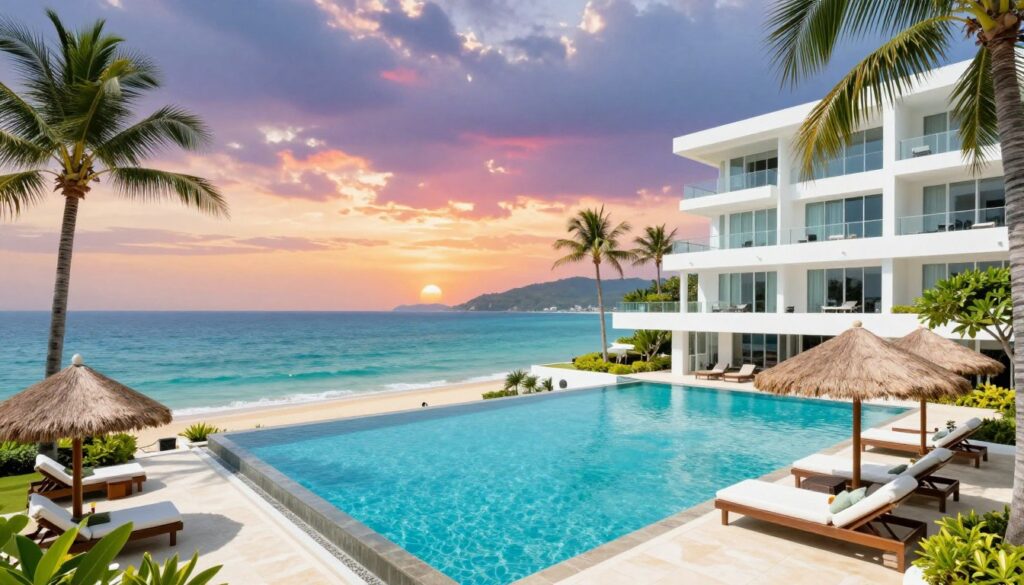
Accommodation by Beach Area
| Beach Area | Best For | Budget Range | Atmosphere | Key Features |
| Patong | Nightlife, first-timers, convenience | $20-$500+/night | Busy, energetic, touristy | Everything walkable, endless dining, shopping, entertainment |
| Kata | Families, couples, balanced experience | $30-$400/night | Relaxed, moderate activity | Good beach, surfing, restaurants, less intense than Patong |
| Karon | Peaceful beach lovers, families | $25-$350/night | Quiet, local feel, spacious | Long beach, less crowded, good value, central location |
| Bang Tao | Luxury seekers, long stays | $80-$1000+/night | Upscale, sophisticated, quiet | High-end resorts, golf, beach clubs, family facilities |
| Kamala | Quiet retreat, avoiding crowds | $40-$600/night | Village-like, laid-back | Small beach, local restaurants, away from tourist masses |
| Rawai/Nai Harn | Long-term stays, authentic experience | $20-$300/night | Local, residential, peaceful | Expat community, local markets, boat access to islands |
| Phuket Town | Culture seekers, budget travelers | $15-$200/night | Urban, authentic, cultural | Historical sites, local food, lowest prices, no beach |
Budget Accommodation Options
Budget travelers can find clean, comfortable accommodation across Phuket for $15 to $40 per night. Hostels in Patong and Phuket Town offer dorm beds from $8 to $15 with air conditioning, lockers, and common areas for socializing.
Guesthouses provide private rooms with basic amenities. You’ll typically get air conditioning, Wi-Fi, and a private bathroom. Don’t expect luxury, but most budget places maintain cleanliness and friendly service. Locations slightly back from the beach offer better value than beachfront properties.
Phuket Town delivers the best budget accommodation value. You’ll save 30% to 50% compared to beach areas while experiencing authentic Thai culture. The Sunday Walking Street, temples, and museums sit on your doorstep. Reach any beach in 20 to 30 minutes by local bus or rented motorbike.
Look for budget hotels that include breakfast. A simple Thai or continental breakfast adds significant value and saves money on your first meal. Check recent reviews on Booking.com or Agoda for current conditions, as budget properties can deteriorate quickly without proper maintenance.
Mid-Range Hotels and Resorts
The $50 to $150 per night range offers excellent value in Phuket. You’ll find well-appointed rooms with modern amenities, swimming pools, on-site restaurants, and helpful staff. Many properties in this category sit near the beach with easy walking access.
Mid-range resorts typically feature tropical gardens, multiple pools, and spa facilities. Room quality matches international three to four-star standards with comfortable beds, good air conditioning, and reliable Wi-Fi. Most include breakfast buffets with both Thai and Western options.
Kata and Karon beaches host numerous mid-range properties offering great value. You’ll get quality accommodation in prime locations without luxury resort prices. Many hotels in this range are family-run, providing personalized service and local knowledge.
Boutique hotels in Phuket Old Town fall into this price category. These converted Sino-Portuguese mansions offer unique character, stylish design, and cultural immersion. Rooms may be smaller than beach resorts, but the atmosphere and location compensate for limited space.
Budget Choice: Lub d Phuket Patong
Modern hostel-hotel hybrid in Patong with stylish design, rooftop pool, and social atmosphere. Private rooms available alongside dorms. Walking distance to beach and nightlife.
Price range: $12-45/night
Mid-Range Pick: Sugar Marina Resort – Nautical
Nautical-themed resort in Kata featuring three pools, fitness center, and excellent breakfast buffet. Five-minute walk to Kata Beach. Popular with families and couples.
Price range: $65-95/night
Boutique Choice: Memory at On On Hotel
Historic Sino-Portuguese building in Phuket Old Town featured in “The Beach” movie. Vintage decor, rooftop terrace, walking distance to Sunday Market and cafes. Cultural immersion guaranteed.
Price range: $50-85/night
Luxury Resorts and Hotels
Phuket’s luxury resorts compete with the world’s best. Expect to pay $200 to over $1,000 per night for five-star properties with exceptional service, premium locations, and comprehensive facilities. These resorts offer private beaches, multiple restaurants, world-class spas, and activities for all ages.
Bang Tao Beach, particularly the Laguna Phuket complex, hosts several luxury resorts. The integrated development allows guests to use facilities across multiple hotels. Golf courses, water sports centers, kids’ clubs, and fine dining restaurants create a self-contained luxury destination.
Cape Panwa and the southern coast feature exclusive resorts with stunning ocean views. These properties emphasize privacy and tranquility over beach access. Infinity pools, clifftop villas, and personalized butler service define the experience. Popular with honeymooners and those seeking ultimate relaxation.
Kata Rocks represents the new generation of Phuket luxury. This ultra-modern resort clings to the cliff between Kata and Kata Noi beaches. Sky pool villas feature private infinity pools with ocean views. The property attracts celebrities, business elite, and luxury travelers willing to pay premium rates for exceptional design and service.
All-inclusive options remain limited in Phuket compared to other destinations. Most luxury resorts operate on room-only or breakfast-included basis. This actually works in your favor, as Phuket’s restaurant scene offers incredible variety. Eating only at your resort would mean missing authentic Thai cuisine and local experiences.
Compare Luxury Resorts in Phuket
Browse curated selection of five-star resorts across all beach areas. Filter by amenities, location, and price. Read verified guest reviews and view detailed photo galleries. Book with free cancellation and best price guarantee.
Villa Rentals and Long-Term Stays
Private villa rentals suit groups, families, or anyone staying more than a few days. Villas provide more space, privacy, and often better value than hotels when split among several people. Many include private pools, full kitchens, and daily cleaning service.
Rawai and Nai Harn areas offer the best villa rental options. Properties range from simple two-bedroom houses to luxury estates with ocean views, infinity pools, and staff. Monthly rates drop significantly compared to nightly rentals, with discounts of 40% to 60% common for stays over 30 days.
Airbnb, Vrbo, and local agents like Phuket9 or Island Villas handle most villa rentals. Book directly with property management companies for the best rates on long stays. Always verify the exact location before booking, as some listings described as “beachfront” may be several kilometers from the water.
Villa rentals work particularly well for digital nomads and remote workers. You’ll have dedicated workspace, reliable internet, and kitchen facilities to reduce dining costs. The Rawai area hosts a large expat community with coworking spaces, regular meetups, and support networks for long-term residents.
Check what’s included in your villa rental. Some provide daily cleaning and linen changes, while others offer only weekly service. Pool maintenance, garden care, and utilities may or may not be included in the rental price. Clarify these details before booking to avoid unexpected charges.
Food and Dining in Phuket
Phuket’s food scene blends southern Thai cuisine with international influences and fresh seafood. You’ll find everything from street food stalls serving authentic Thai dishes for $2 to fine dining restaurants with tasting menus exceeding $100 per person. The island’s diverse dining options satisfy every palate and budget.
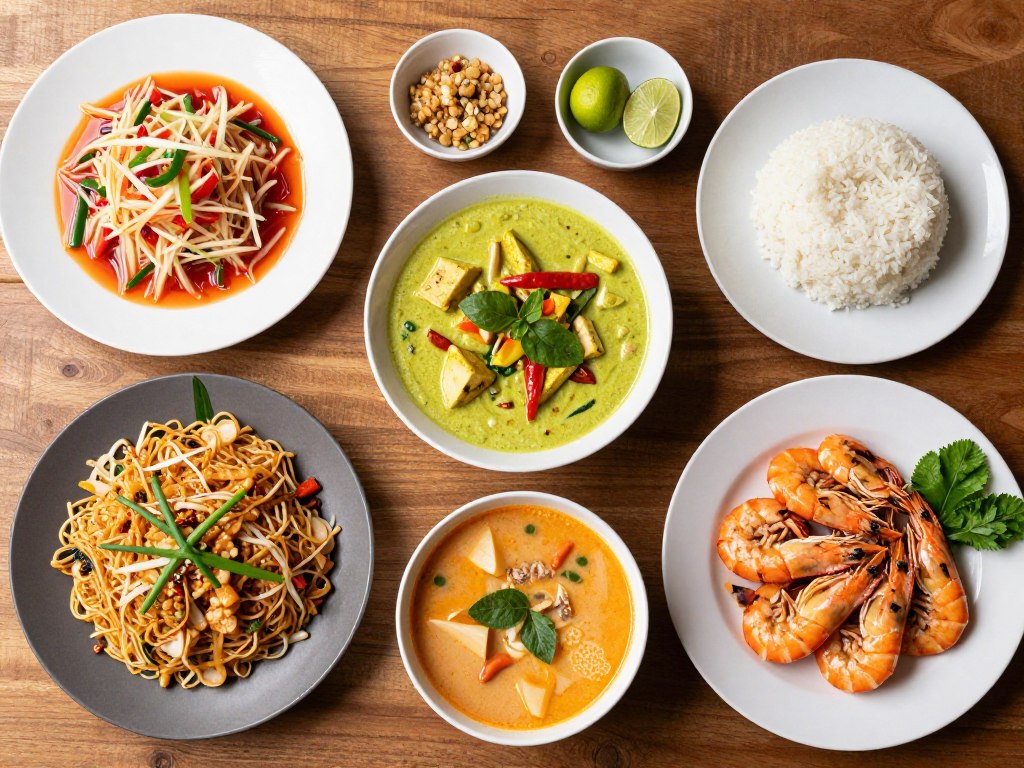
Must-Try Southern Thai Dishes
Southern Thai cuisine differs from what you’ll find in Bangkok or northern Thailand. Dishes tend toward spicier flavors with liberal use of turmeric, galangal, and fresh seafood. The Malay and Muslim influences from neighboring regions create unique flavor profiles.
Gaeng Massaman (Massaman curry) originated in southern Thailand and combines Thai spices with Indian influences. The rich, mildly spicy curry contains peanuts, potatoes, and usually chicken or beef. The complex flavor develops from hours of slow cooking.
Gaeng Som (sour curry) showcases southern Thailand’s love of intense flavors. This orange-colored curry balances sourness from tamarind with heat from chilies. Fish, shrimp, or vegetables swim in the thin, intensely flavored broth. Not for the faint of heart, but beloved by locals.
Khua Kling is a dry curry made with minced meat (usually pork) stir-fried with curry paste until almost crispy. The dish packs serious heat and bold flavors. Locals eat it with rice and fresh vegetables to balance the intensity.
Moo Hong (braised pork belly) slow-cooks in a mixture of palm sugar, fish sauce, and spices until melt-in-your-mouth tender. The caramelized meat serves over rice with pickled vegetables. This comfort food appears on many southern Thai restaurant menus.
Fresh Seafood Experiences
Phuket’s seafood comes straight from local fishing boats to your plate. Restaurants display fresh catches on ice, and you select exactly what you want prepared. Prices are calculated by weight, with typical charges around 400 to 800 baht per kilogram depending on the seafood type and restaurant location.
Grilled fish, prawns, and squid remain the most popular choices. Restaurants typically offer steamed, grilled, or fried preparation methods. The Thai-style grilled fish comes whole with lemongrass and lime, while Chinese-style steamed fish features delicate soy-ginger sauce.
Seafood restaurants line Rawai Beach, offering some of the best value on the island. You’ll find plenty of local families here, always a good sign. The atmosphere is casual with plastic chairs and paper tablecloths, but the quality and freshness exceed many upscale establishments.
Bang Rong Pier, on the northeast coast, hosts several seafood restaurants built on stilts over the water. These spots serve incredible food at local prices while providing beautiful sunset views. The area sees fewer tourists, maintaining an authentic Thai dining experience.
Seafood Selection Tips
Choose fish with clear, bright eyes and firm flesh. Prawns should be lively and translucent. Ask for current prices before ordering to avoid surprises. A meal for two with mixed seafood typically costs 800 to 1,500 baht at local places, 2,000 to 3,500 baht at tourist-area restaurants.
Street Food and Local Markets
Street food represents the heart of Thai cuisine. Vendors operate from carts, stalls, and small shophouses, serving fresh-cooked dishes for 40 to 100 baht. The food is safe to eat if you follow basic guidelines: choose busy stalls with high turnover, ensure food is cooked fresh, and avoid raw vegetables in tourist areas.
Pad Thai is Thailand’s most famous dish, and you’ll find countless vendors preparing it. Watch for stalls cooking over charcoal fires rather than gas burners. The smoky flavor makes a difference. Good pad thai balances sweet, sour, and salty with a slight char on the noodles.
Som Tam (papaya salad) appears at nearly every street stall. This fiery dish pounds green papaya with chilies, garlic, tomatoes, green beans, peanuts, and dried shrimp. Order it “mai phet” (not spicy) if you’re heat-sensitive, though locals will find this amusing.
Weekend markets offer the best street food variety. Chillva Market in Phuket Town operates nightly and features dozens of food stalls alongside shopping and live music. The Sunday Walking Street in Old Town showcases southern Thai specialties you won’t find elsewhere.
Don’t miss the fresh fruit vendors. Mangoes, pineapple, dragon fruit, and watermelon are cut to order. Vendors also sell more exotic options like mangosteen, rambutan, and durian. Fruit costs 20 to 60 baht depending on the type and portion size.
International Cuisine Options
Phuket’s international restaurant scene rivals major cities. You’ll find authentic Italian, French, Japanese, Indian, and Mexican restaurants alongside cafes serving excellent coffee and Western breakfasts.
Patong hosts the widest variety of international dining. Restaurants serve familiar comfort food for homesick tourists. Quality varies widely, so check recent reviews before choosing. Prices match Western levels at tourist-focused establishments, typically 300 to 600 baht for a main course.
Phuket Old Town offers more interesting international options. Creative chefs blend Thai ingredients with international techniques. Bistros serve fusion dishes in restored Sino-Portuguese shophouses. The atmosphere feels more sophisticated than beach areas, attracting food enthusiasts and locals celebrating special occasions.
Japanese restaurants, particularly sushi establishments, thrive in Phuket. The island’s seafood quality ensures excellent raw fish dishes. Mid-range Japanese restaurants charge 200 to 400 baht for quality sets, while high-end omakase experiences cost 2,000 baht and up.
Breakfast cafes have exploded across Phuket in recent years. Trendy spots in Kata, Rawai, and Old Town serve excellent coffee, fresh pastries, smoothie bowls, and Western breakfast plates. These cafes cater to the digital nomad crowd and provide reliable Wi-Fi alongside good food.
Recommended Restaurants by Area
- Baan Rim Pa – Upscale Thai with ocean views
- Khao Jao – Authentic local Thai food
- Acqua Restaurant – Italian fine dining
- Savoey Seafood – Reliable seafood chain
- The Charm Dining Gallery – Fusion cuisine
Patong Area
- Mama Noi’s – Legendary home-style Thai
- The Boathouse Wine & Grill – Fine dining, excellent wine list
- Pad Thai Shop – Best pad thai in the area
- Capannina – Authentic Italian beachfront
- Two Chefs – Western comfort food
Kata/Karon Area
- Raya Restaurant – Historic, famous for crab curry
- Tu Kab Khao – Innovative southern Thai
- One Chun – Michelin-recommended Peranakan
- Suay Restaurant – Fine dining Thai
- Kopitiam by Wilai – Traditional coffee shop
Old Town/Phuket Town
Vegetarian and Vegan Options
Finding vegetarian food in Phuket is straightforward. Many Thai dishes are naturally vegetarian or easily modified. Learn the phrase “gin jay” (I eat vegetarian) and “mai sai nam pla” (no fish sauce) to communicate your needs clearly.
Buddhist restaurants, marked by yellow signs with Thai script, serve pure vegetarian food without garlic or onions. These simple eateries offer buffet-style service where you point at dishes you want mixed with rice. Meals cost only 40 to 60 baht and provide authentic Thai flavors.
Western-oriented cafes and health food restaurants cater specifically to plant-based diets. These establishments serve smoothie bowls, vegan burgers, raw food dishes, and creative salads. Prices run higher than local Thai spots but provide familiar options for strict vegans.
The annual Vegetarian Festival in October transforms Phuket into a vegetarian paradise. Hundreds of stalls serve creative meat-free dishes, and most restaurants offer special vegetarian menus. Yellow flags mark participating establishments throughout the island.
Join a Phuket Food Tour
Discover hidden local food spots with expert guides on a small-group walking tour. Visit markets, street stalls, and family restaurants while learning about Thai culinary traditions. Tours include tastings of 10+ dishes, cultural insights, and recommendations for your stay. Vegetarian tour options available.
Dining Etiquette and Tips
Thai dining etiquette is relaxed and forgiving of foreign mistakes. However, following basic customs shows respect and improves your experience. Thais eat family-style, sharing multiple dishes placed in the center of the table. Take small portions from shared plates onto your personal plate before eating.
Spoons and forks are the standard utensils, not chopsticks (except for noodle dishes). Hold the spoon in your right hand and use it to eat. The fork in your left hand pushes food onto the spoon. Never put the fork directly in your mouth.
Tipping isn’t traditionally Thai, but it’s appreciated in tourist areas. Leave 20 to 50 baht at casual restaurants, or round up the bill. Fine dining establishments may add a 10% service charge automatically. Check your bill before adding extra tip.
Water in Phuket restaurants is safe to drink if it comes from sealed bottles or filtered systems. Avoid ice in small local shops, but tourist restaurants use filtered water for ice. When in doubt, order bottled water or beer.
Eating alone is perfectly normal in Thailand. Street vendors and casual restaurants welcome solo diners without any awkwardness. Pull up a plastic stool and enjoy your meal while watching local life unfold around you.
Getting Around Phuket
Transportation shapes your Phuket experience significantly. The island lacks a comprehensive public transit system, making private transport necessary for exploring freely. Understanding your options helps you budget appropriately and move efficiently between beaches and attractions.
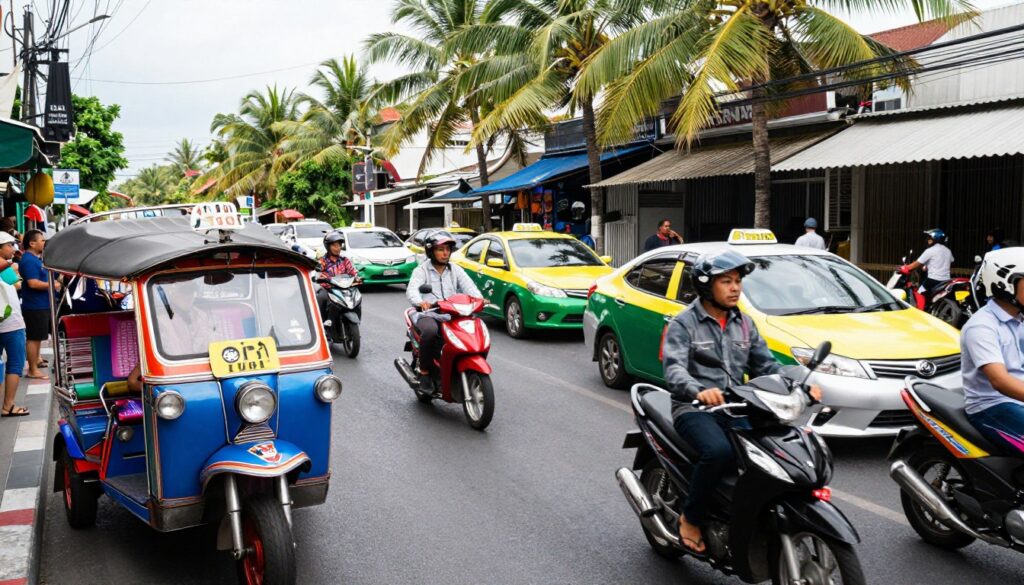
Phuket International Airport Transfers
Phuket International Airport sits in the northern part of the island, about 32 kilometers from Patong Beach. Transfer times range from 30 minutes to an hour depending on your destination and traffic conditions.
Airport taxis operate on a fixed-price system. Official booths inside the terminal quote fares to any destination. Expect to pay 700 to 1,200 baht depending on your beach area. The price includes highway tolls and taxes. Drivers use meters for journeys within Phuket but not for airport pickups.
Private transfers booked in advance offer comfort and convenience, especially if you arrive late or travel with a group. Companies provide door-to-door service with meet-and-greet at arrivals. Prices start around 800 baht for a standard car, increasing for larger vehicles or luxury options.
Shared minibus services cost less than private transfers but take longer due to multiple stops. Airport buses to Phuket Town run for just 100 baht per person. From there, you’ll need additional transport to reach beach areas. This option only makes sense for extreme budget travelers.
Book Your Airport Transfer
Reserve a private airport transfer with guaranteed English-speaking driver. Fixed prices with no hidden fees. Free cancellation up to 24 hours before arrival. Flight tracking ensures your driver waits even if your plane is delayed. Air-conditioned vehicles with plenty of space for luggage.
Renting a Scooter or Motorcycle
Scooters provide the cheapest and most flexible way to explore Phuket. Rental shops appear on every beach, charging 200 to 300 baht per day for automatic scooters. Monthly rates drop to 3,000 to 4,500 baht. Larger motorcycles cost slightly more but offer better power for hills and highway riding.
Thai law requires motorcycle licenses and helmets. Police checkpoints are common, especially near Patong and Chalong Circle. Fines for driving without a license range from 500 to 1,000 baht. Fines for not wearing a helmet start at 500 baht. Many tourists ignore these requirements but face consequences if caught.
Insurance represents a critical consideration when renting scooters. Standard travel insurance policies often exclude motorcycle coverage. Rental shops offer basic coverage, but read the terms carefully. You’re typically liable for the first 20,000 to 30,000 baht of damage regardless of fault.
Driving in Phuket requires caution and defensive skills. Traffic moves on the left side of the road. Roads are often narrow with no shoulders. Other drivers may not follow traffic laws consistently. Avoid riding at night or in the rain. The accident rate among tourists on scooters remains disturbingly high.
Despite the risks, scooters remain popular because they offer true freedom. You can visit remote beaches, stop for photos anywhere, and explore on your own schedule. If you do rent a scooter, start slow, always wear a helmet, and never ride after drinking alcohol.
Renting a Car
Cars provide safer, more comfortable transportation than scooters, though at higher cost. Rental rates start around 800 baht per day for a small sedan, increasing to 1,500 baht or more for SUVs and automatic transmissions. Book through international companies like Hertz or Budget for reliable service and proper insurance.
You’ll need an international driving permit along with your home license to rent legally. Renters must be at least 21 years old (sometimes 23 for certain vehicles). Credit cards are required for security deposits. Check your credit card benefits, as many provide collision damage waiver coverage for car rentals.
Driving in Phuket is manageable once you adjust to left-side traffic. Roads are generally well-maintained, though narrow in places. Traffic congestion affects Patong and the route between Chalong and Kata during peak hours. GPS navigation works reliably, making it easy to find destinations.
Parking availability varies by location. Hotels typically provide free parking for guests. Beaches have parking areas charging 20 to 50 baht for the day. Patong requires more searching for parking, especially during high season. Most shopping centers and restaurants offer free parking.
Cars make sense for families, groups, or anyone prioritizing safety and comfort over budget. You’ll appreciate having air conditioning during the hot season. The ability to store belongings securely while at the beach adds convenience. Four or more people traveling together often find cars cheaper than multiple taxi trips.
Taxis and Ride-Hailing Apps
Taxis in Phuket have a mixed reputation. The island lacks metered taxis outside the airport. Drivers quote fixed prices that often seem excessive compared to actual distances. Negotiation is expected and usually results in slight reductions from initial quotes.
Typical taxi fares include Patong to Kata (300-400 baht), Kata to Phuket Town (400-500 baht), and Patong to airport (700-800 baht). These prices increase after sunset and during rain. Taxis waiting at popular spots like beaches and shopping centers charge the highest rates.
Grab, Southeast Asia’s equivalent to Uber, operates in Phuket but faces resistance from traditional taxi drivers. The app works reliably in urban areas like Phuket Town but struggles to find drivers near beaches. When available, Grab offers transparent pricing usually 20% to 40% below taxi quotes.
Bolt, another ride-hailing app, recently entered the Phuket market. The service provides similar benefits to Grab with competitive pricing. Download both apps and compare prices before booking. Having alternatives helps when one app shows no available drivers.
Call traditional taxi companies when ride-hailing apps fail. These companies dispatch metered taxis that charge fair rates. Keep a hotel card or address in Thai to show drivers your destination. Language barriers can complicate verbal directions.
Tuk-Tuks and Songthaews
Tuk-tuks are Phuket’s iconic three-wheeled taxis. These open-air vehicles offer a quintessential Thai experience but charge premium prices. Expect to pay 200 to 400 baht for short trips between nearby beaches. Tuk-tuk drivers quote the same high rates as taxis despite the basic vehicle.
Songthaews are pickup trucks with bench seating in the back. These vehicles serve as informal buses on some routes. The Patong to Phuket Town songthaew runs regularly for just 40 baht per person. Other routes operate less frequently and require asking locals for schedules and stops.
Smart Card buses recently launched in Phuket, connecting major beaches and Phuket Town. Fares range from 20 to 100 baht depending on distance. Service remains limited with buses running every 30 to 60 minutes. Download the ViaBus app to check schedules and routes. This system continues expanding and may become more useful for tourists over time.
Walking works well within each beach area. Patong, Kata, and Karon allow easy walking to restaurants, shops, and the beach from most hotels. Distances between beaches, however, require motorized transport. The island’s hilly terrain makes walking long distances challenging in the tropical heat.
Boat Transport to Islands
Longtail boats provide transport to nearby islands like Koh Bon and Coral Island from various piers. Prices are negotiable, typically ranging from 1,000 to 2,000 baht for a private boat round trip. Sharing with other travelers reduces per-person costs significantly.
Speedboats to Phi Phi Islands, Phang Nga Bay, and Similan Islands depart from multiple piers around Phuket. Tour operators handle most of these services as part of day trip packages. Independent speedboat charters cost 15,000 to 30,000 baht per day but allow custom itineraries.
Ferry services connect Phuket to Koh Phi Phi twice daily from Rassada Pier. The journey takes two hours and costs around 400 baht one way. Advance booking during high season ensures availability. The ferry provides the cheapest way to reach Phi Phi if you plan to stay overnight.
Rent a Car for Your Phuket Trip
Compare car rental rates from major international companies and local agencies. Filter by car type, transmission, and insurance coverage. Book online and save up to 30% compared to walk-up rates. Free cancellation and modification available on most bookings.
Activities and Experiences in Phuket
Phuket offers activities for every interest level and adventure appetite. Water sports, cultural experiences, wellness retreats, and nightlife create a diverse menu of options. Planning your activities in advance ensures you don’t miss must-do experiences and helps manage your budget.
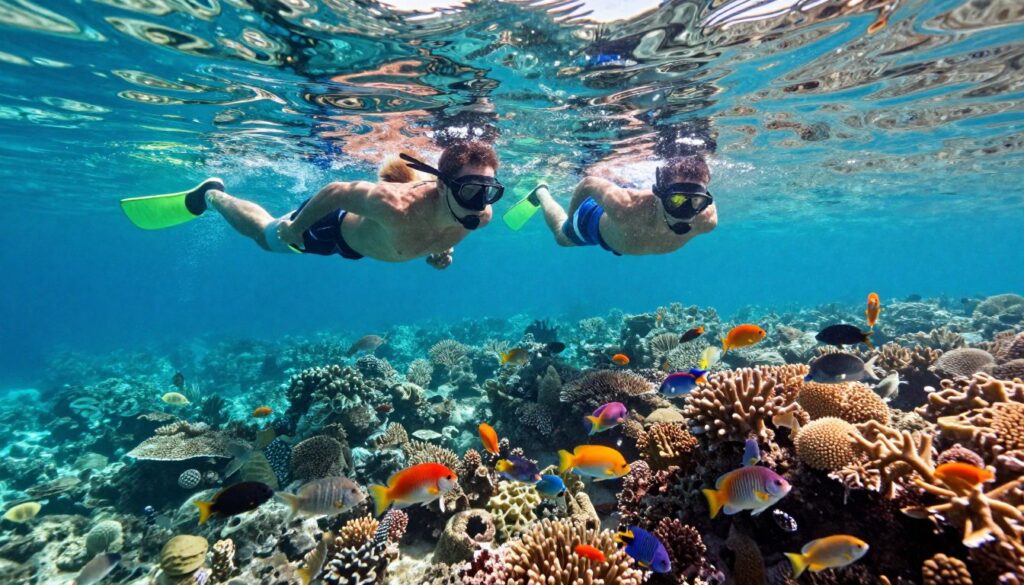
Water Sports and Ocean Activities
The Andaman Sea surrounding Phuket creates perfect conditions for water activities. Snorkeling and diving attract marine life enthusiasts to coral reefs teeming with tropical fish, sea turtles, and seasonal visitors like whale sharks and manta rays.
Diving certifications and courses are widely available across Phuket. PADI Open Water courses cost 12,000 to 15,000 baht and take three to four days to complete. Certified divers can join day trips to local sites or multi-day liveaboards to the Similan or Surin Islands. Single fun dives start around 2,500 baht including equipment.
Snorkeling requires no certification and offers beautiful underwater views for all skill levels. Day trips to Phi Phi Islands, Racha Islands, or Coral Island include multiple snorkel stops, equipment, lunch, and transfers for 1,500 to 2,500 baht. The best visibility occurs from November through April.
Kayaking explores coastlines and hidden caves at a relaxed pace. Tour operators provide guided kayaking through Phang Nga Bay’s limestone karsts and sea caves. Half-day trips cost 1,200 to 1,800 baht. You can also rent kayaks independently at many beaches for 200 to 300 baht per hour.
Stand-up paddleboarding has grown popular in Phuket’s calm bays. Kata Beach and Nai Harn offer ideal conditions for beginners. Rentals cost 300 to 500 baht per hour. Some beach clubs include paddleboard access with day pass purchases.
Surfing happens seasonally in Phuket during the monsoon months from May to October. Kata Beach provides the most consistent waves and several surf schools offering lessons for 1,500 to 2,000 baht. Board rentals cost 300 to 400 baht for two hours.
Wellness and Spa Experiences
Thai massage is an essential Phuket experience. Traditional massage combines stretching, acupressure, and rhythmic compression to release tension and improve flexibility. Beach massages cost 300 to 400 baht per hour, while spa settings charge 500 to 1,000 baht for similar treatments.
High-end resort spas offer comprehensive wellness treatments in luxurious settings. Multi-hour packages include massage, body scrubs, facials, and access to spa facilities like saunas and relaxation lounges. Expect to pay 3,000 to 8,000 baht for signature spa experiences at luxury properties.
Yoga retreats and classes proliferate across Phuket, especially in Rawai and Chalong areas. Drop-in classes cost 300 to 500 baht. Multi-day retreat packages combine yoga, meditation, healthy meals, and accommodation starting around 15,000 baht for three days.
Muay Thai training camps welcome beginners and experienced fighters. Classes teach proper techniques, conditioning, and cultural aspects of Thailand’s national sport. Daily training sessions cost 500 to 800 baht, while weekly packages with accommodation range from 15,000 to 30,000 baht.
Spa Selection Tips
Choose licensed massage shops displaying certificates and clean facilities. Avoid “special massage” establishments – legitimate Thai massage is therapeutic, not sexual. Book high-end spa treatments in advance during peak season. Tipping 50 to 100 baht for good service is customary but not required.
Cultural Experiences and Classes
Thai cooking classes teach you to recreate authentic flavors at home. Half-day courses include market visits, hands-on cooking, and eating your creations. You’ll learn to prepare four to six dishes for 1,500 to 2,500 baht. Many schools provide recipe booklets to take home.
Temple visits offer insights into Thai Buddhism and local traditions. Wat Chalong and Big Buddha are the most significant sites. Dress modestly and observe quietly. Consider hiring a guide to explain religious significance and proper etiquette. Private guides cost 1,500 to 2,500 baht for half-day temple tours.
Phuket FantaSea is a cultural theme park showcasing Thai mythology through elaborate shows, carnival games, and themed restaurants. The main show features elephants, acrobats, and theatrical effects in a 3,000-seat theater. Tickets range from 1,800 to 3,900 baht depending on package inclusions.
Siam Niramit presents a more traditional cultural performance depicting Thai history and regional culture. The show runs 90 minutes with professional dancers, traditional music, and impressive stagecraft. Tickets cost 1,500 to 2,200 baht including buffet dinner options.
Adventure Activities
Ziplining through jungle canopy provides adrenaline and forest views. Hanuman World and Flying Hanuman operate courses with multiple platforms and long ziplines. Three-hour experiences cost 1,600 to 2,500 baht with hotel transfers included. Weight limits and age restrictions apply.
ATV tours explore rubber plantations and jungle trails on four-wheeled bikes. One to two-hour rides cost 1,500 to 2,500 baht. Tours provide all safety equipment and instruction. Expect to get muddy and wet during rainy season.
Rock climbing on Railay Beach across from Phuket attracts climbers to limestone cliffs over turquoise water. Day trips from Phuket cost 2,500 to 3,500 baht including boat transfer, equipment, and instruction. Both beginners and experienced climbers find suitable routes.
Bungee jumping at Jungle Bungy Jump near Patong offers 50-meter free falls in a forested valley. Jumps cost 2,000 baht with video package available. The operation follows international safety standards with certified instructors.
Nightlife and Entertainment
Bangla Road in Patong is Phuket’s nightlife epicenter. This pedestrian street fills with bars, nightclubs, and entertainment venues after dark. Live music, DJ performances, and people-watching define the experience. Drinks cost 100 to 200 baht in street bars, more in upscale clubs.
Beach clubs offer sophisticated alternatives to Bangla Road’s party scene. Catch Beach Club, Cafe Del Mar, and Bimi Beach Club feature sunset DJs, infinity pools, and lounge atmosphere. Entry is typically free, but expect to spend 300 to 500 baht on drinks and 200 to 400 baht for lounger rental.
Phuket Simon Cabaret presents the island’s most famous ladyboy show. Professional performers deliver Broadway-style productions with elaborate costumes and choreography. Shows run nightly at 6pm, 7:45pm, and 9:30pm. Tickets cost 700 to 900 baht.
Live music venues scatter across different beach areas. Ska Bar in Kata features live bands nightly without cover charges. Jazz and acoustic acts perform at venues in Phuket Old Town. Check local listings for current schedules and special events.
Book Your Phuket Activities
Browse hundreds of tours, activities, and experiences across Phuket. Read real reviews from travelers. Book with instant confirmation and free cancellation. Best price guarantee ensures you get the lowest available rates. Customer support available 24/7.
Family-Friendly Activities
Phuket Aquarium displays marine life native to the Andaman Sea. The small but well-maintained facility features reef tanks, touch pools, and a walk-through tunnel. Entrance costs 180 baht for adults, 100 baht for children. Plan about an hour for a visit.
Splash Jungle Water Park offers slides, wave pools, and lazy rivers in an African safari theme. Day passes cost 1,190 baht for adults, 990 baht for children, including towel and locker. The park provides full-day entertainment for families with young children.
Elephant sanctuaries provide ethical animal encounters without riding. Phuket Elephant Sanctuary focuses on rehabilitation and conservation. Half-day visits cost 2,500 to 3,000 baht and include observation, feeding, and bathing elephants in their natural environment.
Boat trips to nearby islands work well for families seeking beach days without resort prices. Coral Island sits just 15 minutes from Chalong Pier with calm swimming beaches and water sports. Long-tail boat transfers cost 1,500 to 2,000 baht for the boat, accommodating up to six people.
Practical Tips for Visiting Phuket
Practical knowledge makes your Phuket trip smoother and helps avoid common tourist pitfalls. These tips cover essential information on money, safety, communication, and local customs that every visitor should know.
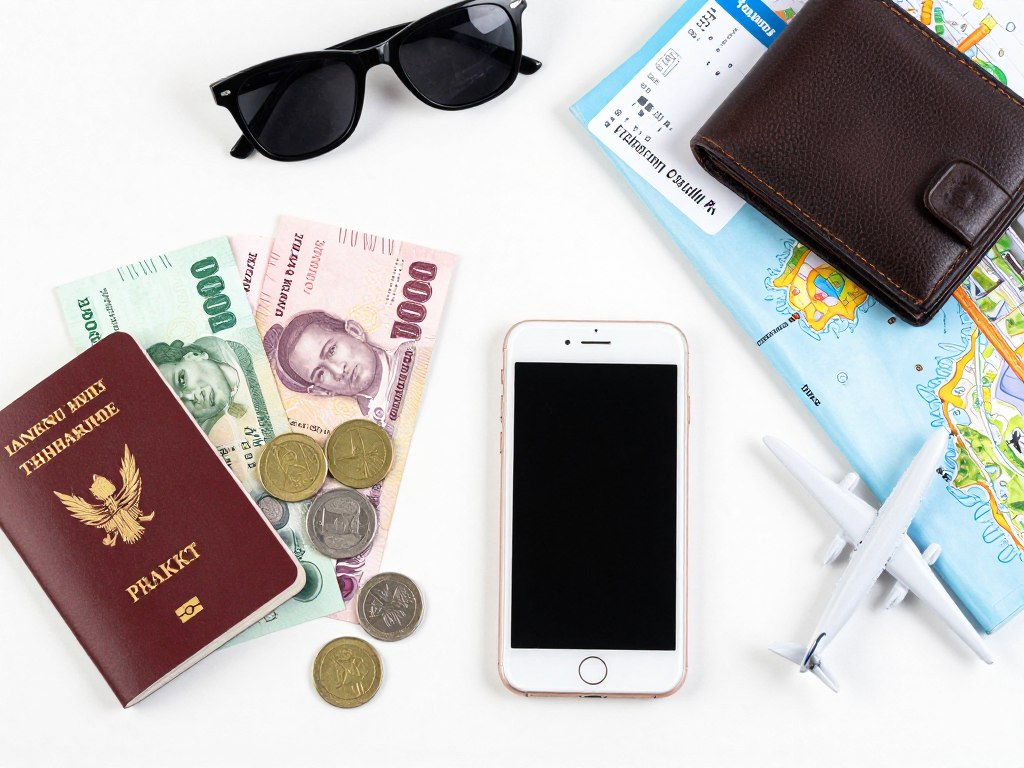
Money and Budgeting
The Thai Baht (THB) is Thailand’s currency. Exchange rates fluctuate around 30 to 36 baht per US dollar. ATMs provide the best exchange rates and convenience. Machines dispense notes in denominations of 100, 500, and 1,000 baht.
ATM fees are significant in Thailand. Thai banks charge 220 baht per withdrawal, and your home bank may add international transaction fees. Minimize these costs by withdrawing larger amounts less frequently. Some banks like Aeon and Krungsri charge lower fees.
Credit cards are widely accepted at hotels, restaurants, and shops in tourist areas. Visa and Mastercard work everywhere, while American Express has limited acceptance. Smaller businesses, street vendors, and local markets operate cash-only.
Currency exchange booths offer competitive rates in tourist areas. Compare rates before exchanging, as they vary significantly. Superrich and Vasu Exchange typically provide better rates than banks. Never exchange money with unauthorized street dealers.
Daily budget estimates help plan your spending:
- Budget traveler: 1,000-1,500 baht per day (hostel, street food, limited activities)
- Mid-range traveler: 2,500-4,000 baht per day (decent hotel, mixed dining, some tours)
- Luxury traveler: 8,000+ baht per day (resort accommodation, fine dining, private tours)
Bargaining is expected at markets and with tuk-tuk drivers. Shop owners typically inflate initial prices by 30% to 50%. Polite negotiation usually achieves fair prices. Fixed-price shops and restaurants don’t negotiate.
Safety and Health Considerations
Phuket is generally safe for tourists. Violent crime remains rare, though petty theft and scams occur. Keep valuables in hotel safes. Watch bags in crowded places. Avoid wearing expensive jewelry or carrying large amounts of cash.
The most common health risks include:
Common Issues
- Sunburn and heat exhaustion from tropical sun
- Stomach upset from unfamiliar foods
- Dehydration from heat and alcohol
- Motorcycle accidents from inexperienced riding
- Jellyfish stings during certain seasons
- Cuts and infections from coral
Prevention Measures
- Use SPF 50+ sunscreen, reapply frequently
- Drink only bottled or filtered water
- Eat at busy restaurants with high turnover
- Wear helmets, drive cautiously, avoid night riding
- Check beach flags and local warnings
- Wear reef shoes when swimming near rocks
Travel insurance is essential for Phuket trips. Medical costs can be high, especially for emergency evacuation. Standard travel insurance covers medical emergencies, trip cancellations, and lost belongings. Verify coverage for motorcycle riding if you plan to rent a scooter, as many policies exclude this.
Phuket has excellent medical facilities. Bangkok Hospital Phuket and Dibuk Hospital provide international-standard care with English-speaking doctors. Pharmacies stock most medications over the counter. Bring prescriptions for specialist medications.
Emergency numbers include 191 for police, 1669 for ambulance, and 1155 for tourist police. The tourist police speak English and assist with scams, theft, and disputes with service providers.
Staying Connected
Thailand offers excellent mobile coverage and affordable data plans. Tourist SIM cards from AIS, TrueMove, or DTAC cost 200 to 500 baht with 7 to 15 days of unlimited data. Purchase SIMs at the airport or any 7-Eleven convenience store.
WiFi is available at virtually all hotels, restaurants, and cafes. Connection quality varies from excellent at international chains to unreliable at budget guesthouses. Coworking spaces like The Plantation and GRVTY provide reliable high-speed internet for remote work.
Download essential apps before your trip: Google Maps for navigation, Grab for transportation, Google Translate for communication, and Agoda or Booking.com for last-minute accommodation. These apps work offline or with minimal data.
International calling costs add up quickly on Thai SIMs. Use WhatsApp, LINE, or Facebook Messenger for free communication with people back home. Most Thais use LINE for messaging, so download it if you need to communicate with local businesses.
Cultural Etiquette and Customs
Thai culture values respect, politeness, and avoiding confrontation. Raising your voice or showing anger causes you to lose face and resolves nothing. Stay calm and smile even when frustrated. This approach achieves better outcomes in any situation.
The Thai royal family is deeply revered. Never criticize the monarchy or disrespect images of the King. Thai law prosecutes lèse-majesté severely. Stand respectfully during the royal anthem played in cinemas before movies.
Buddhist temples and images deserve respect. Remove shoes before entering temple buildings. Dress modestly covering shoulders, chest, and knees. Don’t climb on Buddha statues for photos. Women should never touch monks or hand them items directly.
The head is considered sacred in Thai culture, while feet are the lowest part of the body. Don’t touch people’s heads, even children. Avoid pointing feet at people or religious images. Don’t step over people sitting on the ground.
The traditional Thai greeting, the wai, involves pressing palms together and bowing slightly. Visitors aren’t expected to wai perfectly, but returning a wai shows respect. You don’t need to wai service staff or younger people who wai you first.
What to Pack for Phuket
Pack light, breathable clothing suitable for hot, humid weather. Cotton and moisture-wicking fabrics work better than synthetic materials. Bring more than you think you’ll need, as you’ll sweat through multiple outfits daily.
Essential Items
- Reef-safe sunscreen SPF 50+
- Wide-brimmed hat and sunglasses
- Insect repellent with DEET
- Lightweight rain jacket or umbrella
- Modest clothing for temples
- Comfortable walking sandals
- Swimwear and beach cover-up
- Power adapter (Type A, B, C outlets)
- Waterproof phone case
- Small daypack for excursions
Don’t overpack clothing. Laundry service is cheap and widely available. Hotels charge 30 to 50 baht per item. Self-service laundries cost 40 to 60 baht per kilogram. Most pieces dry within 24 hours.
Purchase forgotten items locally. 7-Eleven stores stock basic toiletries, sunscreen, and over-the-counter medications. Pharmacies carry most medications without prescriptions. Clothing and shoes are inexpensive at markets and malls.
Bring any specialized items you can’t live without. Contact lens solution, prescription medications, and specific brands of toiletries may be unavailable or different from home versions.
Best Resources and Tourist Information
Tourist information centers operate in Patong, Kata, Phuket Town, and the airport. Staff provide free maps, answer questions, and help arrange transportation. Services are government-run and don’t earn commissions, making advice more trustworthy.
Tourism Authority of Thailand website (tourismthailand.org) offers official information on attractions, events, and travel requirements. The Phuket News and Phuket Gazette provide local English-language news and event listings.
Facebook groups like “Phuket Expats” and “Phuket Info” connect you with locals and expats who answer questions and share current information. These communities often provide better advice than travel blogs for current conditions and recent changes.
Download the Longdo Map app as a Google Maps alternative with better Thailand coverage. The app includes offline maps, public transport information, and detailed business listings.
Day Trips and Nearby Destinations
Phuket’s central location makes it an ideal base for exploring southern Thailand. Several world-class destinations sit within a few hours’ travel. These day trips add variety to beach-focused holidays and showcase different aspects of Thai nature and culture.
Krabi and Railay Beach
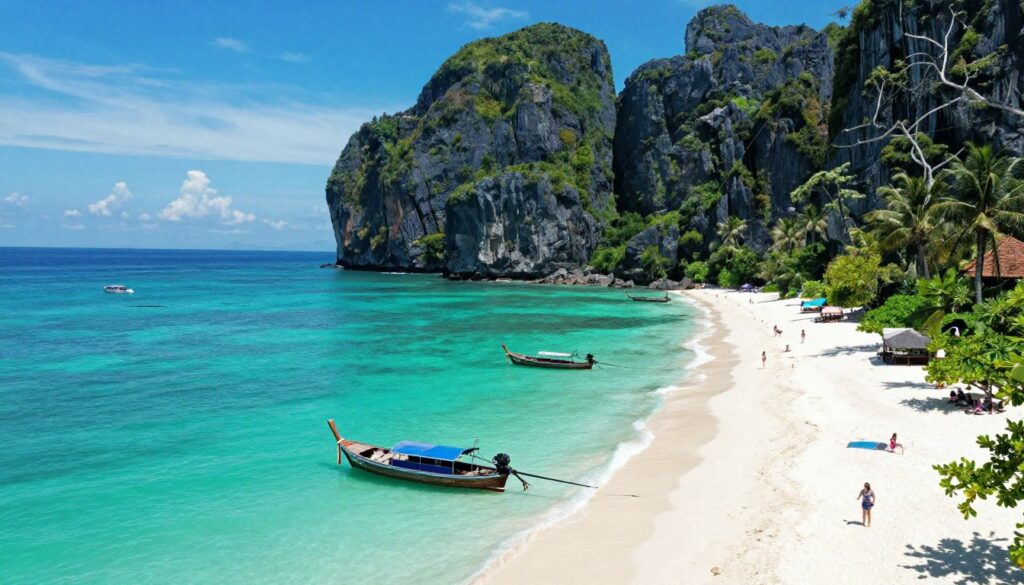
Krabi province sits two hours east of Phuket by road or 30 minutes by speedboat. The region features dramatic limestone karsts, pristine beaches, and excellent rock climbing. Ao Nang serves as the main tourist hub with hotels, restaurants, and tour operators.
Railay Beach, accessible only by boat, is Krabi’s crown jewel. Sheer limestone cliffs surround four beaches with different characters. West Railay offers swimming and sunset views. Phra Nang Beach features a sacred cave shrine and excellent snorkeling. East Railay serves as the arrival point with mangroves instead of swimming beaches.
Rock climbing attracts enthusiasts to Railay’s vertical limestone walls. Over 700 routes range from beginner to expert levels. Half-day climbing courses with instruction and equipment cost 1,200 to 1,500 baht. Experienced climbers can rent gear and climb independently.
Day trips from Phuket to Krabi typically combine speedboat transfer, beach time at Railay, visit to Phra Nang Cave, and lunch. Tours cost 2,000 to 2,800 baht. Independent travelers can take the ferry from Rassada Pier to Ao Nang for 450 baht each way, then hire a longtail boat to Railay.
Khao Sok National Park
Khao Sok National Park protects ancient rainforest, limestone mountains, and Cheow Lan Lake. Located 2.5 hours north of Phuket, the park offers a complete change from beach scenery. Thick jungle hosts elephants, gibbons, hornbills, and possibly tigers, though sightings are extremely rare.
Cheow Lan Lake stretches 165 square kilometers, dotted with dramatic limestone karsts jutting from emerald water. Floating bamboo raft houses provide unique overnight accommodation. The lake scenery rivals Halong Bay in Vietnam but receives far fewer visitors.
Day trips from Phuket include jungle trekking, bamboo rafting, and lake exploration. Tours cost 2,500 to 3,500 baht with hotel transfers, lunch, and activities. Overnight tours add floating bungalow stays and sunrise kayaking for 4,500 to 6,500 baht.
The park is best visited with a guide. Trails aren’t well-marked, and wildlife knowledge enhances the experience. Independent travelers can base in Khao Sok village and arrange activities locally at lower cost than Phuket-based tours.
Koh Lanta
Koh Lanta offers a more laid-back alternative to Phuket’s busy beaches. This long, narrow island features undeveloped coastline, local villages, and relaxed atmosphere. The island attracts families and travelers seeking peace over partying.
Long Beach stretches for several kilometers with calm, shallow water perfect for swimming. The beach has enough development for comfort – restaurants, shops, dive centers – without overcrowding. Further south, Kantiang Bay provides even more seclusion with just a handful of resorts.
Koh Lanta serves as the gateway to Koh Rok and Koh Haa, two exceptional dive and snorkel sites. These protected islands feature pristine coral reefs and abundant marine life. Day trip tours cost 2,500 to 3,500 baht from Lanta, or 3,500 to 4,500 baht from Phuket.
The Old Town on Lanta’s eastern coast preserves traditional sea gypsy culture. Wooden houses on stilts extend over the water. Small restaurants serve excellent seafood at local prices. Visit for sunset and dinner to experience authentic island life.
Reaching Lanta from Phuket requires combining car and ferry travel. The journey takes four to five hours one way, making this better suited for overnight trips rather than day visits. Minivan services run daily for 600 to 800 baht including ferry.
Koh Yao Islands
Koh Yao Noi and Koh Yao Yai sit in Phang Nga Bay between Phuket and Krabi. These largely undeveloped islands offer authentic Thai island life with traditional fishing villages, rubber plantations, and rice paddies. Tourism exists but doesn’t dominate the economy.
The islands provide peaceful alternatives to Phuket’s busy beaches. Accommodations range from simple bungalows to luxury resorts, all maintaining low-key atmosphere. Beaches are quiet with few visitors. Most activities involve kayaking, cycling through villages, or simply relaxing.
Koh Yao Noi is easier to reach and has better infrastructure. Speedboats from Bang Rong Pier take 25 minutes and cost 200 to 250 baht per person. Day trips work, but staying overnight lets you experience the evening calm after day trippers depart.
The Six Senses resort on Koh Yao Noi represents one of Thailand’s top luxury properties. Even non-guests can visit for spa treatments or dining. The resort demonstrates that development can coexist with environmental preservation and local culture.
Book Multi-Day Tours from Phuket
Explore destinations beyond Phuket on guided multi-day tours. Visit Khao Sok National Park, Krabi, and other highlights with accommodation, meals, and activities included. Small group sizes ensure personalized attention. All transportation arranged from your Phuket hotel.
Shopping in Phuket
Shopping in Phuket ranges from street markets selling souvenirs at bargain prices to upscale malls with international brands. Understanding where and how to shop helps you find authentic products at fair prices while supporting local artisans and businesses.
Markets and Street Shopping
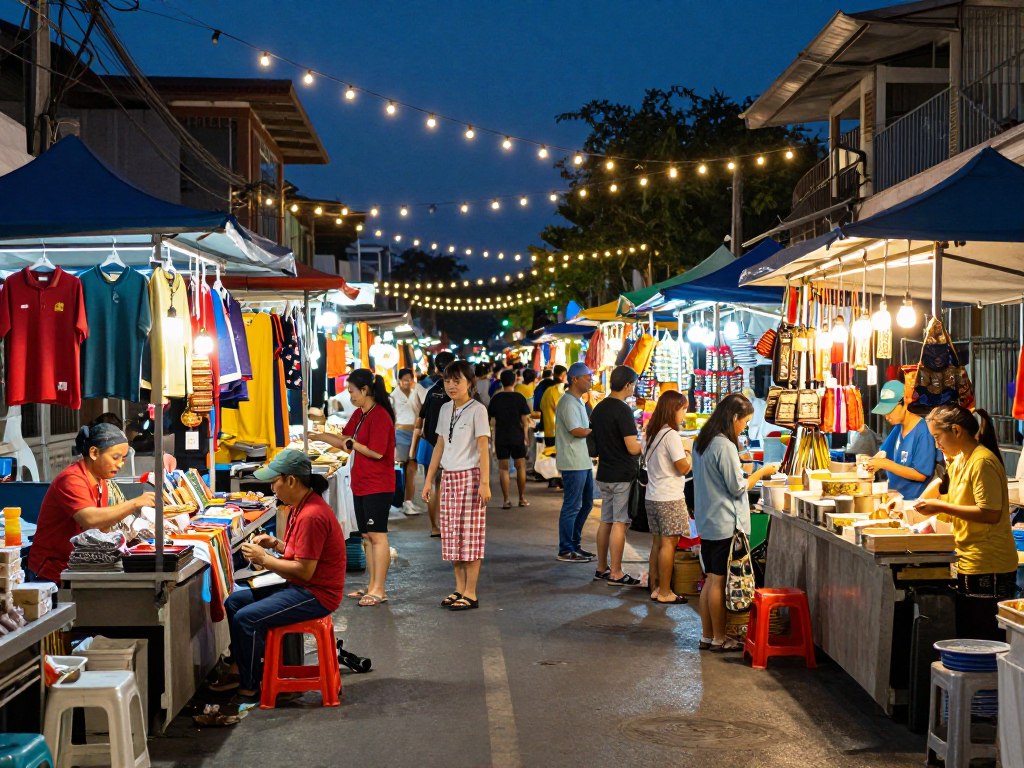
Weekend markets offer the best shopping value and cultural experience. The Sunday Walking Street in Phuket Old Town transforms Thalang Road into a pedestrian market from 4pm to 10pm. Over 100 vendors sell handicrafts, clothing, accessories, and street food. The atmosphere is festive with live music and cultural performances.
Chillva Market operates nightly in Phuket Town with a hipster vibe. Young designers sell unique clothing, accessories, and art. Food trucks and bars create a social atmosphere. Prices are higher than traditional markets but still reasonable. This market attracts locals and expats more than package tourists.
Weekend Market (Naka Market) near the bus terminal operates Friday through Sunday. This massive local market sells everything from fresh produce to clothing to household goods. Tourist souvenirs appear in dedicated sections with aggressive vendors. Bargain hard and expect initial prices 50% above fair value.
Night markets operate at different beaches throughout the week. Malin Plaza in Patong runs nightly with tourist-oriented merchandise. Quality is mediocre, but variety is extensive. Kata and Karon have smaller night markets with similar offerings. Prices across tourist night markets are comparable.
Shopping Malls and Department Stores
Central Festival Phuket is the island’s largest shopping mall. International brands like H&M, Uniqlo, and Boots share space with Thai retailers. The top floor food court offers air-conditioned comfort and variety at reasonable prices. A cinema complex shows current releases with English soundtracks.
Jungceylon in Patong provides shopping, dining, and entertainment under one roof. The mall features mainstream brands, electronics shops, and a large supermarket. Robinson Department Store anchors one end. Street-level shops blend into Bangla Road’s nightlife area.
Premium Outlet Phuket offers discounted designer brands 30 minutes north of Patong. International labels like Coach, Michael Kors, and Nike sell previous season merchandise at 30% to 70% off retail prices. The outdoor village-style layout makes for pleasant browsing in cooler weather.
Big C and Tesco Lotus supermarkets function as shopping destinations beyond groceries. These hypermarkets sell clothing, electronics, home goods, and Thai products at local prices. The food sections offer excellent snack shopping for bringing Thai flavors home.
Souvenirs and Local Products
Thai silk products make beautiful souvenirs and gifts. Scarves, bags, and clothing in vibrant colors and patterns represent traditional Thai craftsmanship. Quality varies dramatically, so check weaving density and color fastness. Expect to pay 800 to 2,000 baht for quality silk scarves.
Jim Thompson silk represents Thailand’s premium brand with guaranteed quality and heritage designs. Outlets in major malls sell scarves, ties, cushion covers, and home textiles. Prices reflect the quality – a silk scarf costs 1,500 to 3,000 baht – but products last for years.
Handmade soap and spa products using Thai herbs and essential oils make practical souvenirs. Brands like Harnn, Panpuri, and Erb sell at fixed prices in malls. Markets offer handmade versions at lower prices but variable quality.
Thai snacks and food products travel well and cost little. Dried fruits, instant noodles, curry pastes, and fish sauce let you recreate Thai flavors at home. Supermarkets offer the best selection and prices. Sealed packages pass through customs without issues.
Avoid purchasing items made from endangered species. Coral, certain shells, turtle products, and ivory are illegal in most countries. Thai customs will confiscate these items, and your home country may impose fines or criminal charges.
Tailors and Custom Clothing
Phuket has numerous tailors offering custom suits, dresses, and shirts at lower prices than Western countries. Quality varies from excellent to terrible. The short timeline most tourists allow doesn’t permit proper fitting and adjustment.
Good tailors require at least three fittings over several days. Rushed jobs in 24 hours rarely fit well. Expect to pay 12,000 to 20,000 baht for a quality men’s suit with multiple fittings. Women’s clothing pricing depends on complexity and fabric.
Research tailors before committing. Read recent reviews and ask to see finished garments. Bring photos of styles you like. Choose fabrics carefully – cheap material produces cheap-looking results regardless of tailoring skill.
Realistic expectations prevent disappointment. Thai tailors excel at copying existing designs but may struggle with original creations. Communication challenges can lead to misunderstandings about style details. If you want a perfect custom suit, work with tailors in your home country or Bangkok rather than rushing through the process in Phuket.
Bargaining Strategy
Bargaining is expected at markets and with street vendors. Fixed-price shops and malls don’t negotiate. Start by asking the price, then offer 50% to 60% of the quoted amount. Settle around 60% to 70% of initial price for fair deals.
Walk away if prices don’t meet your budget. Vendors often call you back with better offers. Don’t bargain aggressively over small amounts – 20 baht means little to tourists but makes a difference to vendors.
Buy multiple items from one vendor for better prices. Bundle purchases and negotiate a total price. Vendors prefer larger sales and offer discounts for volume.
Learn basic Thai numbers to understand prices. Vendors appreciate the effort and may offer better deals. The phrase “lot dai mai” means “can you reduce the price” and starts negotiations politely.
Smile and keep interactions friendly. Aggressive bargaining or rude behavior won’t get you better prices. Thais value pleasant interactions more than squeezing every baht from a transaction.
Sustainable and Responsible Tourism in Phuket
Tourism has transformed Phuket from a sleepy fishing island to an international destination. This growth brings economic benefits but also environmental and social challenges. Responsible travelers can minimize negative impacts while supporting local communities and conservation efforts.
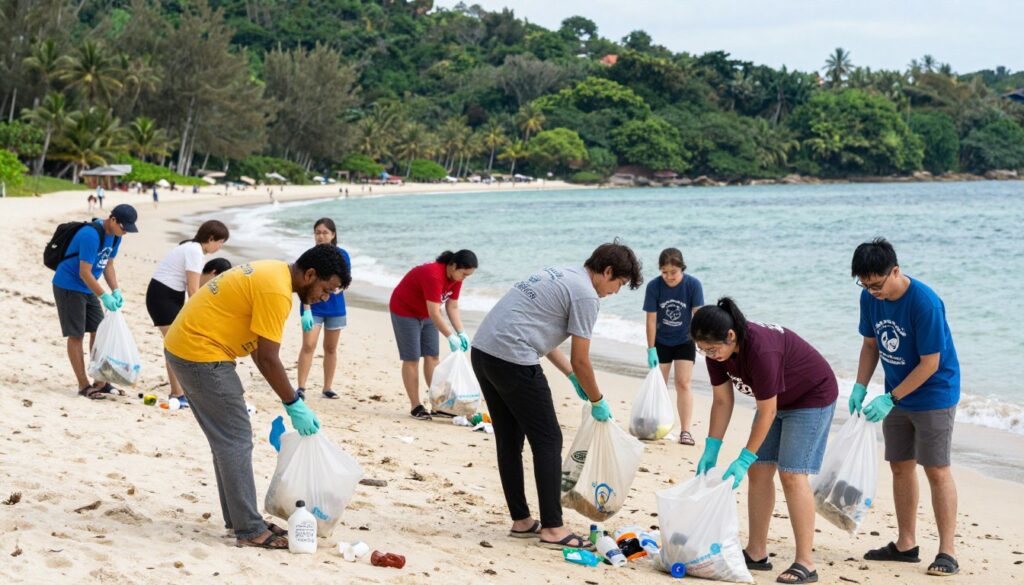
Environmental Considerations
Plastic pollution threatens Phuket’s marine ecosystems. Single-use plastics wash into the ocean, harming marine life and degrading coral reefs. Refuse plastic bags, straws, and bottles when possible. Carry a reusable water bottle and shopping bag. Many hotels provide filtered water refill stations.
Coral reefs around Phuket face pressure from climate change, boat anchors, and tourist damage. Never touch or stand on coral. Wear reef-safe sunscreen that doesn’t contain oxybenzone or octinoxate. These chemicals bleach and kill coral. Several brands produce effective reef-safe alternatives.
Choose tour operators demonstrating environmental responsibility. Responsible companies limit group sizes, brief customers on reef etiquette, and use mooring buoys instead of anchors. They properly dispose of waste and avoid feeding wildlife, which disrupts natural behavior.
Marine debris comes from both land and sea sources. Join beach cleanup efforts organized by environmental groups. Trash Hero Phuket holds weekly cleanups at different beaches. Participating takes just an hour and directly improves the environment.
Ethical Animal Encounters
Elephant riding remains controversial. The training process often involves cruelty, and carrying tourists causes physical damage to elephants’ spines. Choose sanctuaries that prohibit riding and focus on observation, feeding, and bathing elephants in natural settings.
Phuket Elephant Sanctuary operates a retirement home for rescued elephants. Visits emphasize education about elephant conservation and Thai culture. You’ll observe elephants behaving naturally rather than performing tricks. The half-day experience costs more than riding camps but supports ethical treatment.
Tiger attractions and photo opportunities with wild animals exploit creatures in captivity. These facilities often drug animals or use cruel training methods to ensure docility. Skip these attractions entirely. If you want to see tigers, support legitimate conservation projects in national parks.
Sea turtle release programs sound positive but can actually harm turtle populations. Hatchlings released during daylight face predation. Well-meaning programs disrupt natural cycles. Support established sea turtle conservation centers that follow scientific protocols.
Monkey interactions at temples and viewpoints seem harmless but create problems. Feeding wild monkeys teaches them to associate humans with food, leading to aggressive behavior. Keep distance from monkeys and never feed them. Store food and belongings securely in monkey-populated areas.
Supporting Local Communities
Choose locally-owned hotels, restaurants, and tour operators when possible. International chains export profits while local businesses reinvest in the community. Family-run guesthouses and restaurants often provide more authentic experiences and better value.
Shop at local markets and buy directly from artisans. Your money goes straight to creators rather than middlemen. Markets like Sunday Walking Street feature genuine local craftspeople alongside commercial vendors. Ask about items’ origins to ensure authenticity.
Hire local guides for tours and activities. These experts provide deeper cultural insights and better understanding of local ecosystems. They know seasonal variations and can show you experiences beyond standard tourist routes. Guides earn direct income without agency commissions.
Learn basic Thai phrases beyond “hello” and “thank you.” Making an effort to speak the local language shows respect and often results in warmer interactions. Thais appreciate foreigners attempting their language, even imperfectly.
Respect local customs regarding dress, behavior in temples, and social interactions. Don’t wear beach clothes in Phuket Town or temples. Observe how locals behave and follow their example. This consideration maintains positive relationships between visitors and residents.
Volunteer and Conservation Opportunities
Several organizations welcome volunteers for environmental and community projects. Trash Hero organizes weekly beach cleanups requiring no commitment beyond showing up. The organization provides bags and gloves. Cleanup sessions take about 90 minutes followed by social gatherings.
Soi Dog Foundation rescues and rehabilitates street dogs and cats. The shelter welcomes volunteers to help with daily operations, dog walking, and socialization. Minimum commitment is usually one week to allow for orientation and meaningful contribution.
Marine conservation projects need divers to assist with coral reef surveys and restoration. Project Aware coordinates underwater cleanups and data collection. Certified divers can participate in survey dives that contribute to scientific understanding of reef health.
Teaching English programs operate at various schools and community centers. These programs seek volunteers to assist Thai teachers and conduct conversation practice. Minimum commitment typically ranges from two weeks to several months.
Research volunteer programs thoroughly before committing. Some “voluntourism” operations charge excessive fees and provide little genuine help to communities. Look for established organizations with transparent practices and positive reviews from past volunteers.
Responsible Tourism Resources
Trash Hero Phuket: Weekly beach cleanups
Soi Dog Foundation: Animal welfare volunteering
Phuket Marine Biological Center: Sea turtle conservation
Good Shepherd Sisters: Community development projects
Green Fins Thailand: Marine conservation education
Phuket Off the Beaten Path
Beyond the famous beaches and tourist attractions, Phuket hides lesser-known spots offering authentic experiences and natural beauty. These locations see fewer visitors but reward those willing to explore beyond standard itineraries.
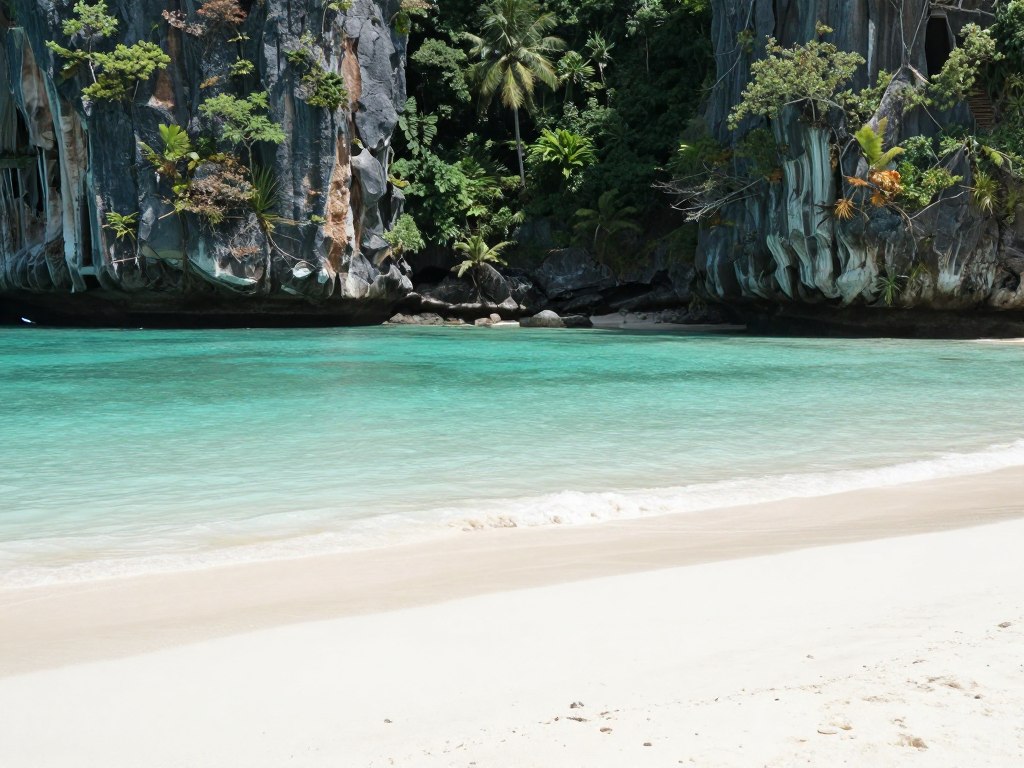
Secret Beaches and Viewpoints
Paradise Beach lives up to its name despite being “discovered” in recent years. This small cove between Patong and Kamala requires a steep access road with entrance fee of 200 baht per person. The cost keeps crowds manageable. Crystal-clear water and white sand justify the journey.
Laem Singh Beach, tucked between Surin and Kamala, feels like a private island. The intimate bay features large boulders framing turquoise water. Access requires a 10-minute walk down a steep path. No facilities exist here, so bring food, water, and sunscreen. The isolation creates a peaceful escape from busy beaches.
Yanui Beach, near the southern tip of Phuket, remains remarkably uncrowded. This small beach sits below Promthep Cape viewpoint. Local families gather here on weekends, but weekdays stay quiet. A tiny island sits just offshore, reachable by strong swimmers. Simple restaurants serve fresh seafood at local prices.
Windmill Viewpoint offers spectacular vistas without tour bus crowds. Located near Nai Harn, this hilltop features three wind turbines and 360-degree views. Arrive before sunset to claim a spot on the rocks. The viewpoint is free and less developed than Promthep Cape, maintaining a more natural atmosphere.
Local Villages and Communities
Ban Pa Khlok, a sea gypsy village on the northeast coast, preserves traditional fishing culture. Wooden houses on stilts extend over the water. Locals mend fishing nets, sort catches, and build longtail boats using methods unchanged for generations. Visit respectfully and ask permission before photographing people.
Thalang Town, the old capital of Phuket, sees few tourists despite historical significance. The Heroines Monument commemorates two sisters who defended Phuket against Burmese invasion in 1785. Surrounding shops sell local products and traditional snacks. This authentic Thai town operates for residents, not visitors.
Ban Laem Pho, a Muslim fishing village south of Rawai, offers insight into Phuket’s diverse communities. The village mosque sits beside the water, and daily life revolves around fishing and trade. Small restaurants serve excellent Muslim-style Thai cuisine different from Buddhist Thai food.
These communities are not tourist attractions but real neighborhoods. Visit during normal business hours, dress modestly, and behave respectfully. Don’t treat residents like zoo animals or photograph without asking. Buy something from local shops to show appreciation for their hospitality.
Lesser-Known Temples and Shrines
Wat Sri Soonthorn rarely appears in guidebooks despite being Phuket’s largest and most ornate temple. The reclining Buddha here measures 29 meters long, larger than Wat Chalong’s statues. Intricate murals depicting Buddhist stories cover interior walls. The temple sits off the main road north of Thalang Town.
Shrine of the Serene Light, hidden in a residential area near Phuket Town, represents Chinese Taoist architecture. Red pillars and gold decorations create a striking contrast to Thai Buddhist temples. The shrine comes alive during Chinese festivals but stays peacefully quiet otherwise.
Wat Khao Rang provides panoramic views from a hilltop in Phuket Town. The temple is small and simple, but the location offers city views and sunset vistas. A fitness park nearby attracts locals for evening exercise. Come at 6pm to watch the daily flag lowering ceremony.
Visit these sites early morning when monks conduct their daily routines. The spiritual atmosphere is strongest before tourists arrive. Bring small donations to support temple maintenance. Observe quietly and allow space for worshippers to practice their faith.
Natural Waterfalls
Bang Pae Waterfall flows year-round in Khao Phra Thaew National Park. The falls cascade over rocks into a pool where you can swim. Surrounding rainforest provides shade and birdwatching opportunities. The park also houses a gibbon rehabilitation center open for visits.
Ton Sai Waterfall, in the same national park, offers a more challenging hike through jungle terrain. The trail takes 30 to 45 minutes each way. Reward comes at the falls, where cool water provides relief from tropical heat. Visit during or shortly after the rainy season for maximum flow.
These waterfalls are modest compared to northern Thailand’s cascades, but they offer escape from beaches and tourist areas. Pack insect repellent and wear closed-toe shoes with good grip. Arrive early to avoid afternoon heat and enjoy peaceful forest atmosphere.
Swimming is possible at both waterfalls during rainy season when water flow is strong. Dry season reduces them to trickles. Check recent visitor reports before making the trip. The journey becomes worthwhile when combined with gibbon center visits or jungle trekking.
Explore Hidden Phuket with Local Guides
Discover secret beaches, local villages, and off-the-beaten-path attractions with guides who grew up in Phuket. Small group tours limited to 6 people ensure personalized experiences. Includes visits to locations not found in standard guidebooks, authentic local lunch, and cultural insights from native perspectives.
Planning Your Perfect Phuket Trip
Phuket offers something for every type of traveler. The island combines world-class beaches with rich culture, delicious food, and endless activities. Understanding the different areas, seasons, and experiences helps you craft the ideal itinerary for your interests and budget.
Start by choosing the right time to visit based on your priorities. High season guarantees perfect weather but brings crowds and higher prices. Shoulder and rainy seasons offer better value and fewer tourists with some weather trade-offs. Consider what matters most for your trip.
Select your base location carefully. Patong delivers convenience and nightlife. Kata and Karon balance facilities with more relaxed atmospheres. Rawai and Nai Harn provide authentic experiences. Phuket Town immerses you in local culture. Each area creates different vacation experiences.
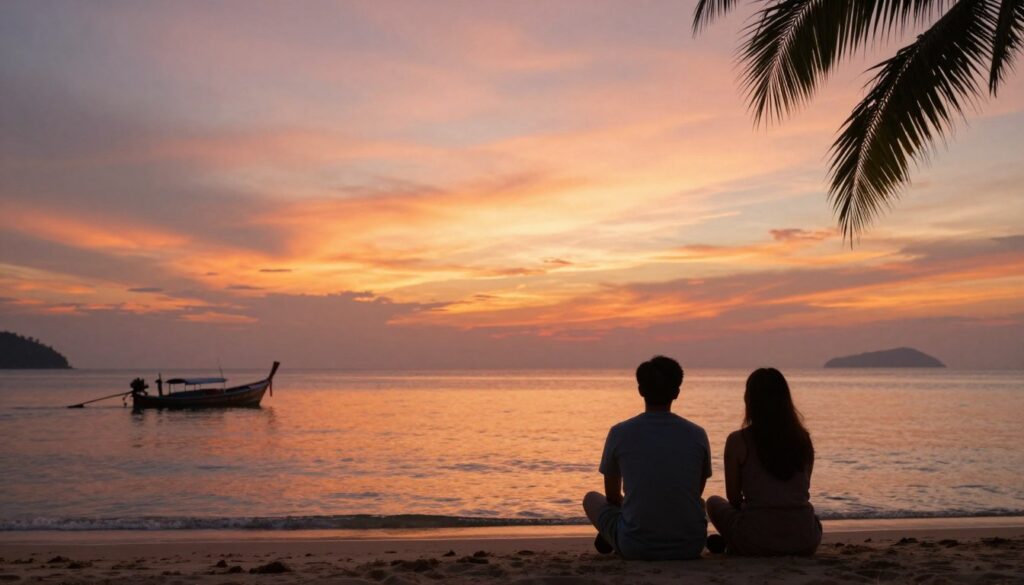
Balance your time between beaches, cultural attractions, and activities. Don’t try to see everything. Phuket rewards slow exploration more than rushing between checkboxes. Spend full days at beaches, take time to enjoy meals, and build in relaxation. You’re on vacation, not a mission.
Budget realistically for your style of travel. Phuket can be incredibly affordable or quite expensive depending on your choices. Mix budget street food with nice restaurant meals. Stay at mid-range hotels and splurge on special experiences. Finding balance maximizes value without sacrificing enjoyment.
Book key elements in advance during high season – accommodation, airport transfers, and popular tours. Last-minute deals exist during low season, but peak times require planning. Having core arrangements confirmed reduces stress and ensures availability.
Respect local culture, environment, and communities. Your actions as a visitor impact Phuket’s future. Choose responsible tour operators, avoid animal exploitation, reduce plastic use, and support local businesses. Tourism done right benefits everyone involved.
Most importantly, stay open to unexpected discoveries. The best Phuket experiences often happen spontaneously – a conversation with a local vendor, stumbling upon a quiet beach, or finding an incredible small restaurant. Let the island surprise you beyond your research and planning.
Phuket has welcomed travelers for decades while maintaining its Thai character. The island continues evolving, with new developments balanced by preservation efforts. Whether you seek adventure, relaxation, culture, or cuisine, Phuket delivers unforgettable experiences in one of Southeast Asia’s most beautiful settings.
Start Planning Your Phuket Adventure
Ready to turn this guide into reality? Book your accommodation, tours, and activities with confidence. Compare options, read verified reviews, and secure the best rates. Start with accommodation to anchor your dates, then build activities around your beach base. Free cancellation available on most bookings for flexibility.
Final Travel Tips
Check visa requirements for your nationality before booking flights. Most visitors receive 30-day visa exemption on arrival. Verify your passport has at least 6 months validity remaining. Consider travel insurance covering medical emergencies and trip cancellations. Register with your embassy if staying long-term. Save emergency numbers in your phone before arriving.