

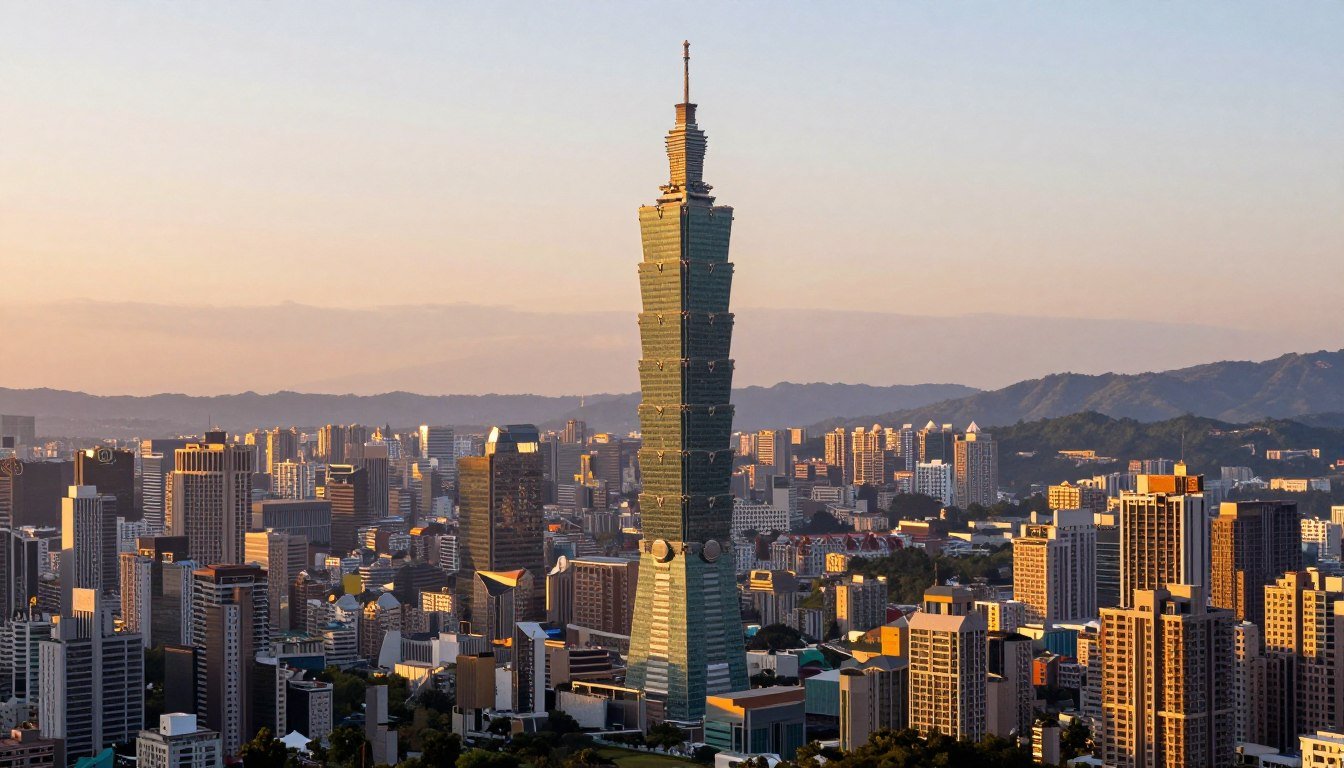
Taipei stands as one of Asia’s most captivating destinations. The city blends ancient traditions with cutting-edge modernity. Towering skyscrapers share streets with centuries-old temples. Night markets buzz with energy while serene tea houses offer peaceful retreats.
This comprehensive Taipei travel guide reveals everything you need. You’ll discover top attractions that define the city. Local cuisine that tantalizes every taste bud awaits. Transportation systems make getting around simple.
Taiwan’s capital welcomes millions of visitors each year. Mountain ranges encircle the metropolitan area. Hot springs bubble beneath neighborhoods. Street food vendors serve authentic flavors.
Whether you’re planning your first visit or returning for more, this guide provides essential insights. You’ll learn practical tips that enhance your experience. Cultural traditions come alive through detailed explanations. Your journey through Taipei starts here.
Start Planning Your Taipei Adventure
Discover the best hotels in Taipei’s most convenient neighborhoods. Book now and enjoy free cancellation on most properties.
Best Time to Visit Taipei: Seasons, Weather, and Travel Planning
Taipei experiences distinct seasons throughout the year. Each season offers unique advantages for visitors. Understanding weather patterns helps you pack appropriately and plan activities.
Spring in Taipei (March to May)
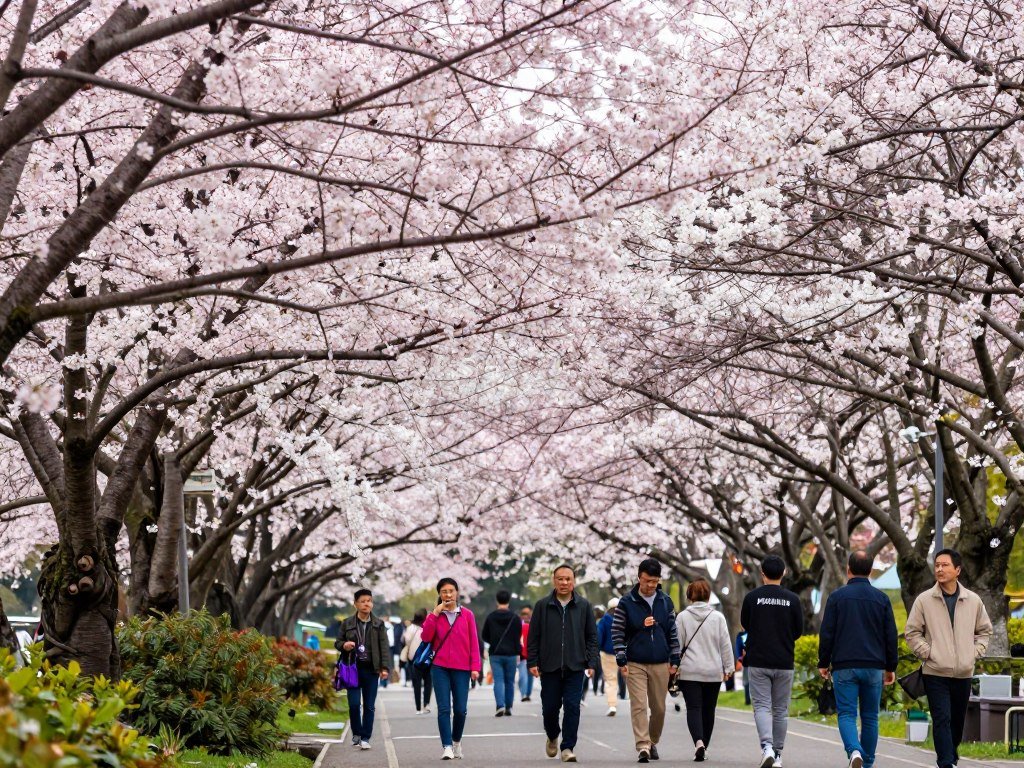
Spring brings comfortable temperatures ranging from 68°F to 77°F. Cherry blossoms paint the city pink during March and April. Parks transform into stunning displays of natural beauty.
Rainfall increases during late spring months. Pack a light rain jacket for occasional showers. The weather remains pleasant for outdoor exploration. This season ranks among the best times to visit Taipei.
Summer Adventures (June to August)
Summer temperatures climb to 86°F to 95°F with high humidity. Afternoon thunderstorms provide brief relief from the heat. Typhoon season peaks during these months.
Indoor attractions like museums become popular escapes. Air-conditioned shopping malls offer comfortable browsing. Night markets feel more pleasant after sunset when temperatures drop.
Autumn Excellence (September to November)
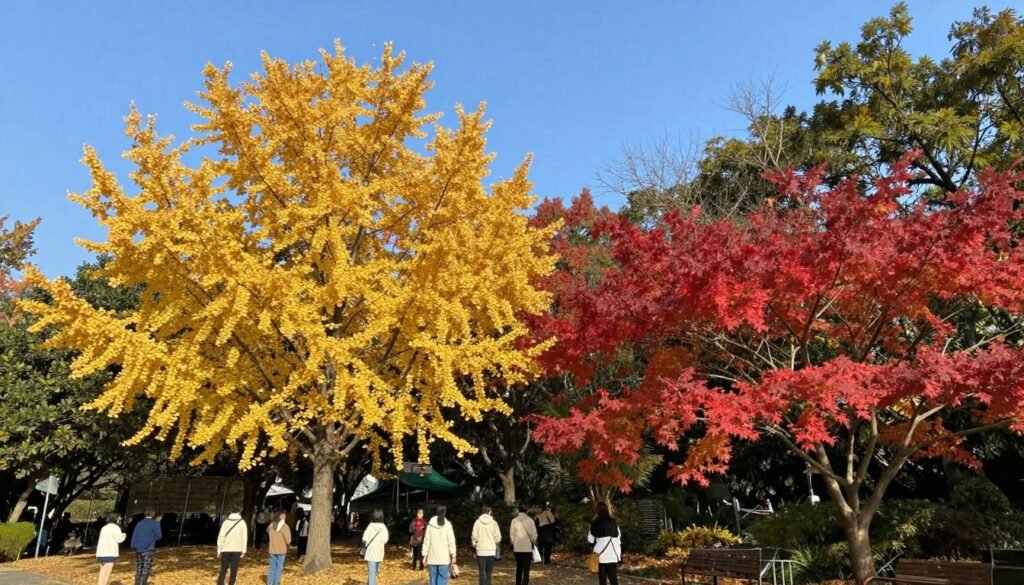
Autumn delivers ideal conditions for visiting Taipei. Temperatures moderate to 72°F to 82°F. Humidity decreases significantly compared to summer. Clear skies dominate most days.
This period attracts the highest number of tourists. Hotel prices increase during October and November. Book accommodations well in advance. The comfortable weather makes every outdoor activity enjoyable.
Winter Wonders (December to February)
Winter brings cooler temperatures between 59°F and 68°F. Rain occurs frequently during these months. The city rarely experiences freezing conditions. Hot springs become especially appealing destinations.
Fewer tourists mean lower hotel rates and smaller crowds. Cultural attractions feel more intimate. Tea houses provide cozy atmospheres for rainy afternoons. Winter offers excellent value for budget-conscious travelers.
Peak Travel Periods
- Chinese New Year (January or February)
- Dragon Boat Festival (June)
- Mid-Autumn Festival (September)
- National holidays (October)
Budget-Friendly Periods
- January (except Chinese New Year)
- June through August
- Late November
- Early December
Festival celebrations add cultural richness to any visit. Lantern festivals illuminate the city during Chinese New Year. Traditional performances showcase Taiwan’s heritage. Planning around these events enhances your cultural experience.
Top Attractions and Landmarks: Must-See Places in Taipei
Taipei offers diverse attractions that captivate every type of traveler. Ancient temples stand beside modern architectural marvels. Natural wonders exist within the city limits. These landmarks define your Taipei experience.
Taipei 101: Engineering Marvel and Observation Wonder
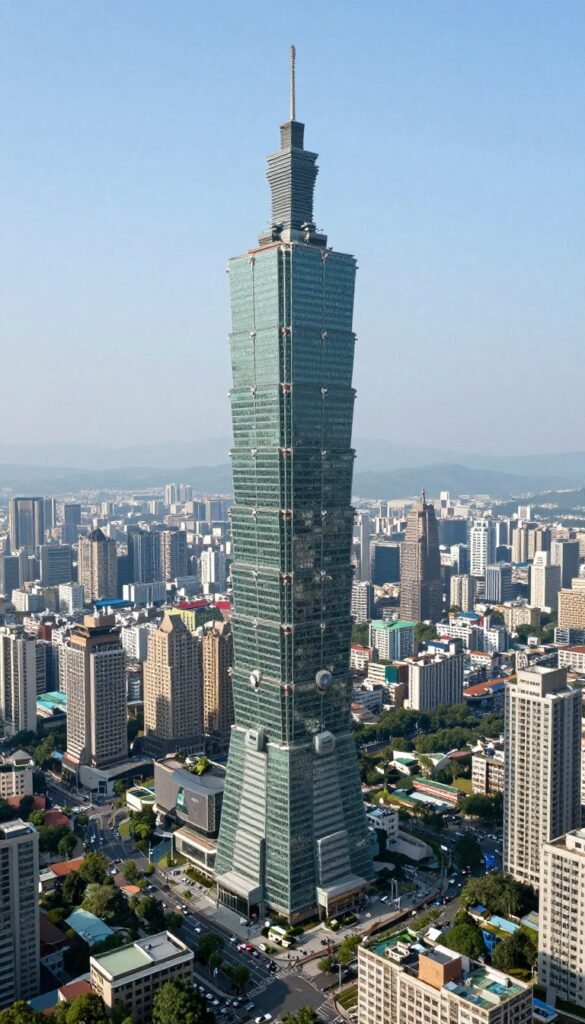
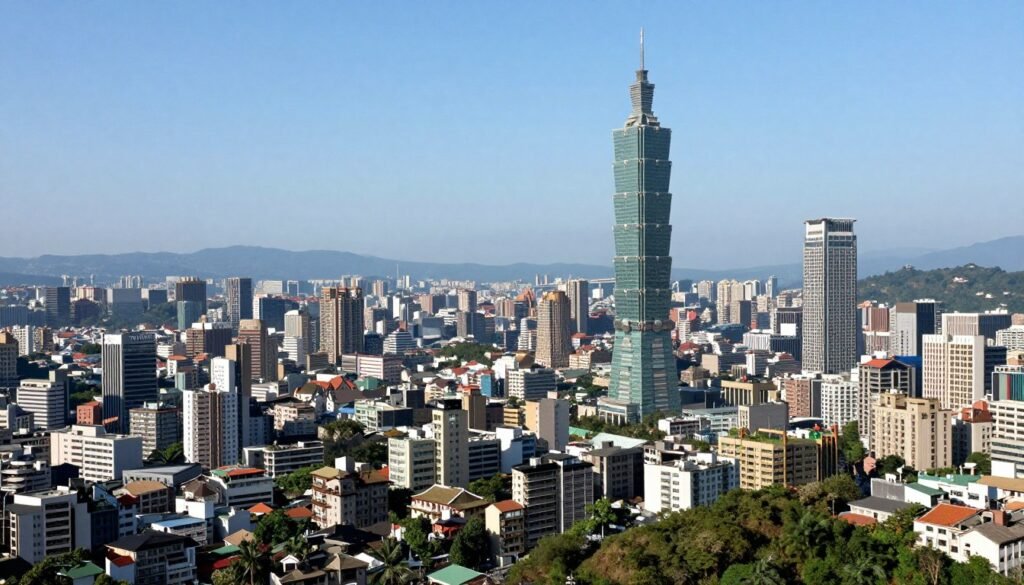
Taipei 101 dominated the skyline as the world’s tallest building until 2010. The 101-floor tower reaches 1,667 feet into the sky. Eight upward-sloping sections represent bamboo segments, symbolizing growth and flexibility.
The observatory on the 89th floor provides spectacular city views. High-speed elevators transport you upward at 37.7 mph. Clear days reveal mountain ranges surrounding the metropolitan area. The outdoor observation deck on the 91st floor offers an even more thrilling perspective.
Shopping occupies the lower floors with luxury brands and local designers. Restaurants serve everything from casual bites to fine dining. The food court in the basement features authentic Taiwanese specialties. Visit during late afternoon to witness both daylight and nighttime cityscapes.
Skip the Line at Taipei 101
Avoid long wait times with advance observatory tickets. Enjoy priority access to one of Taiwan’s most iconic landmarks and capture unforgettable views of the city.
National Palace Museum: Treasure House of Chinese Art
The National Palace Museum houses the world’s largest collection of Chinese artifacts. Nearly 700,000 pieces span 8,000 years of history. Only a fraction displays at any given time due to the massive collection.
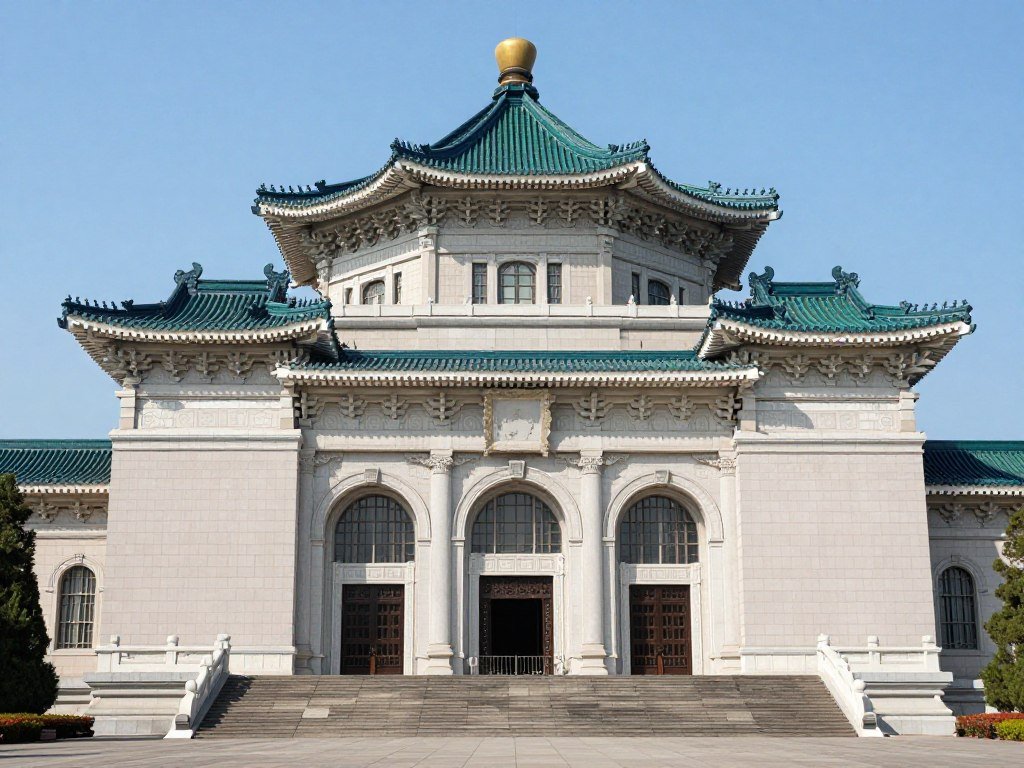
Jade carvings demonstrate incredible craftsmanship from ancient dynasties. The famous Jadeite Cabbage represents natural beauty captured in stone. Bronze vessels reveal ritual practices from thousands of years ago. Calligraphy scrolls display artistic mastery across centuries.
Plan at least three hours for your visit. English audio guides provide detailed explanations for major pieces. The museum cafe offers refreshments with garden views. Gardens surrounding the building provide peaceful walking paths.
Special exhibitions rotate throughout the year. Check the museum website before visiting. Photography restrictions apply in certain galleries. The gift shop sells high-quality replicas and art books.
Longshan Temple: Spiritual Heart of Taipei
Longshan Temple represents Taiwan’s religious diversity and architectural beauty. Built in 1738, the temple survived earthquakes and wars. Ornate dragon columns guard the entrance. Intricate roof decorations depict mythological scenes.
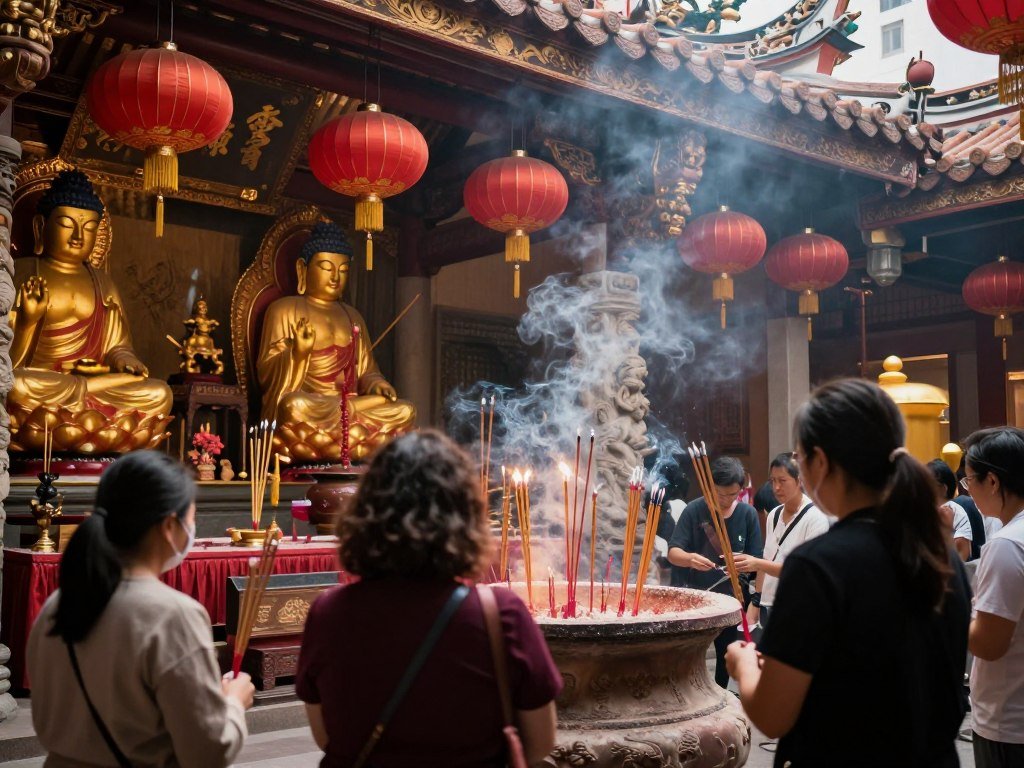
Buddhist, Taoist, and folk deities receive worship under one roof. Incense smoke fills the courtyards throughout the day. Locals come to pray for health, prosperity, and guidance. Visitors experience authentic religious practices.
Free admission welcomes all respectful visitors. Dress modestly out of respect for worshippers. Photography is allowed in most areas. Evening visits offer a different atmosphere with glowing lanterns.
Chiang Kai-shek Memorial Hall: Monument to History
This grand monument honors Taiwan’s former president. White marble walls rise majestically from a vast plaza. Blue-tiled roofs mirror traditional Chinese palace architecture. The bronze statue inside stands 25 feet tall.
Changing of the guard ceremonies occur hourly. Soldiers perform precise movements in perfect synchronization. The ritual demonstrates military discipline and tradition. Arrive a few minutes early to secure a good viewing position.
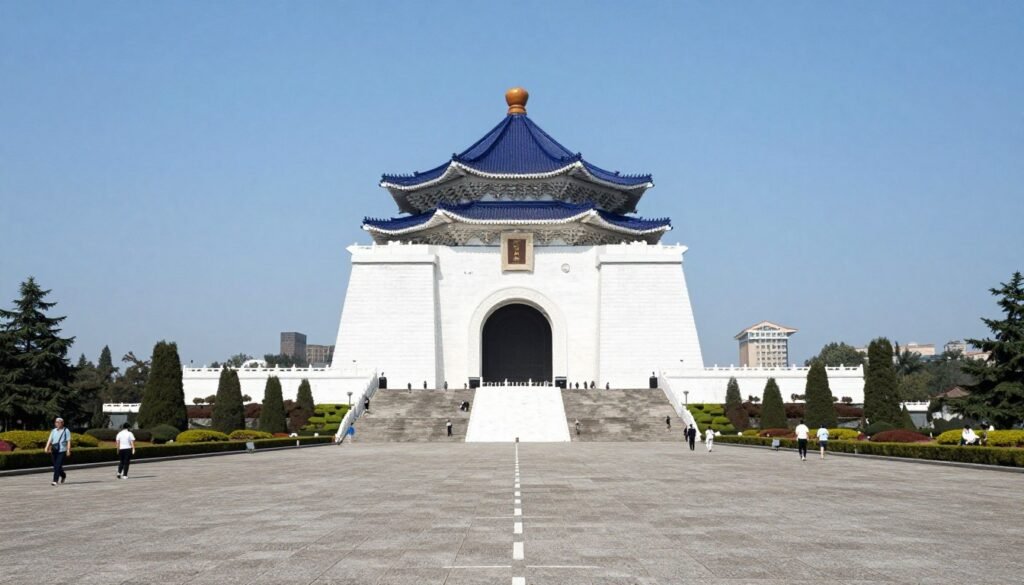
Liberty Square surrounds the memorial with gardens and reflecting pools. National Concert Hall and National Theater frame the square. Cultural performances take place regularly. The area becomes a gathering place for locals and tourists alike.
Elephant Mountain: Best City Views
Elephant Mountain provides the most photographed view of Taipei 101. The hiking trail climbs approximately 600 feet. Stone steps lead through lush forest. The entire hike takes 20 to 30 minutes.
Multiple viewing platforms offer different perspectives. The main platform attracts photographers during sunset hours. The city lights create magic after dark. Arrive before sunset to secure a prime spot.
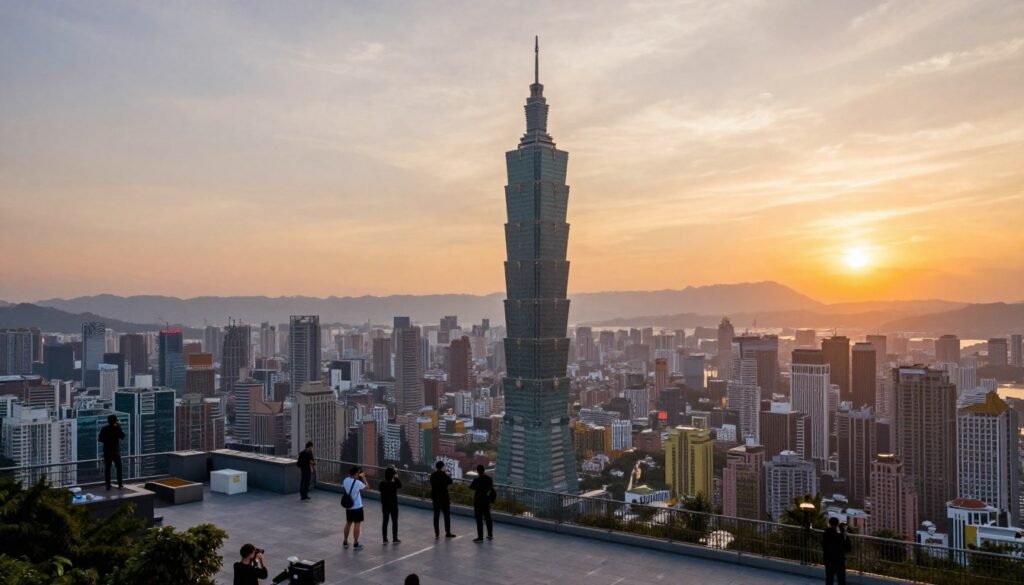
Wear comfortable hiking shoes with good grip. Bring plenty of water, especially during summer. The trail becomes slippery after rain. Mosquito repellent helps during warmer months.
Early morning visits offer fewer crowds and softer light. The trail opens before sunrise for dedicated photographers. City sounds fade as you climb higher. Nature exists surprisingly close to urban density.
Night Markets and Street Food: Taipei’s Culinary Soul
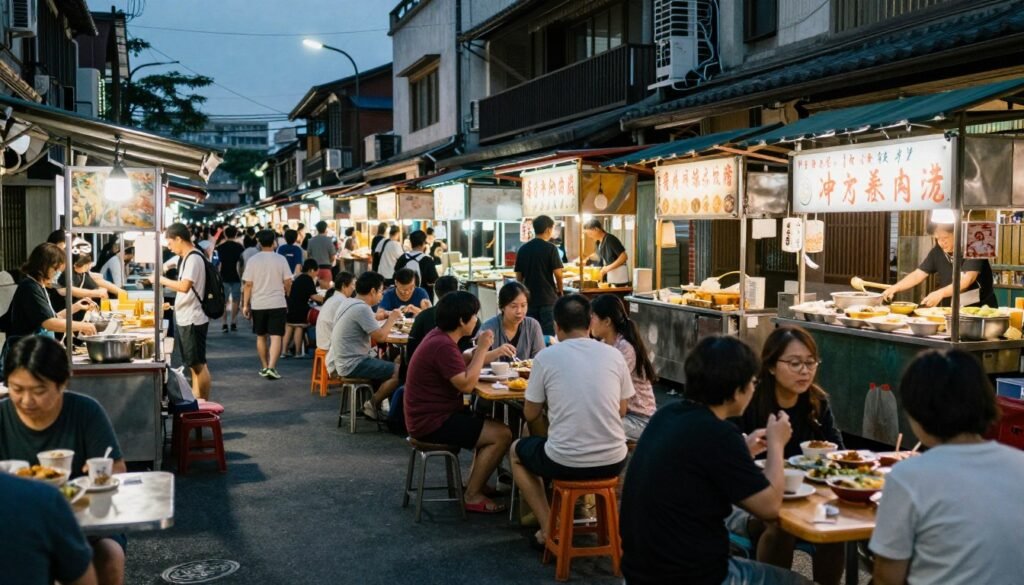
Night markets define Taipei’s food culture more than any restaurant. Vendors prepare dishes passed down through generations. Aromas of grilled meats and sweet desserts fill the air. These markets represent authentic Taiwanese life.
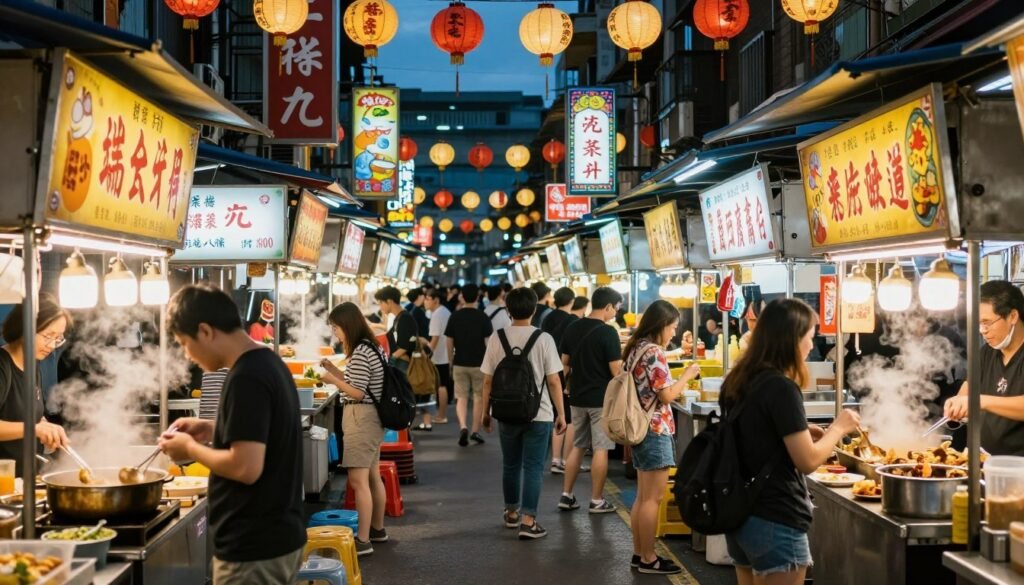
Shilin Night Market: The Giant Among Night Markets
Shilin Night Market claims the title of Taipei’s largest and most famous night market. The underground food court alone contains dozens of vendors. Upstairs areas offer games, clothing, and accessories. Crowds peak between 7 PM and 10 PM.
Oyster omelets sizzle on hot griddles. The eggy exterior wraps around plump oysters and vegetables. Sweet potato fries arrive in paper cones dusted with plum powder. Fried chicken cutlets exceed the size of your face.
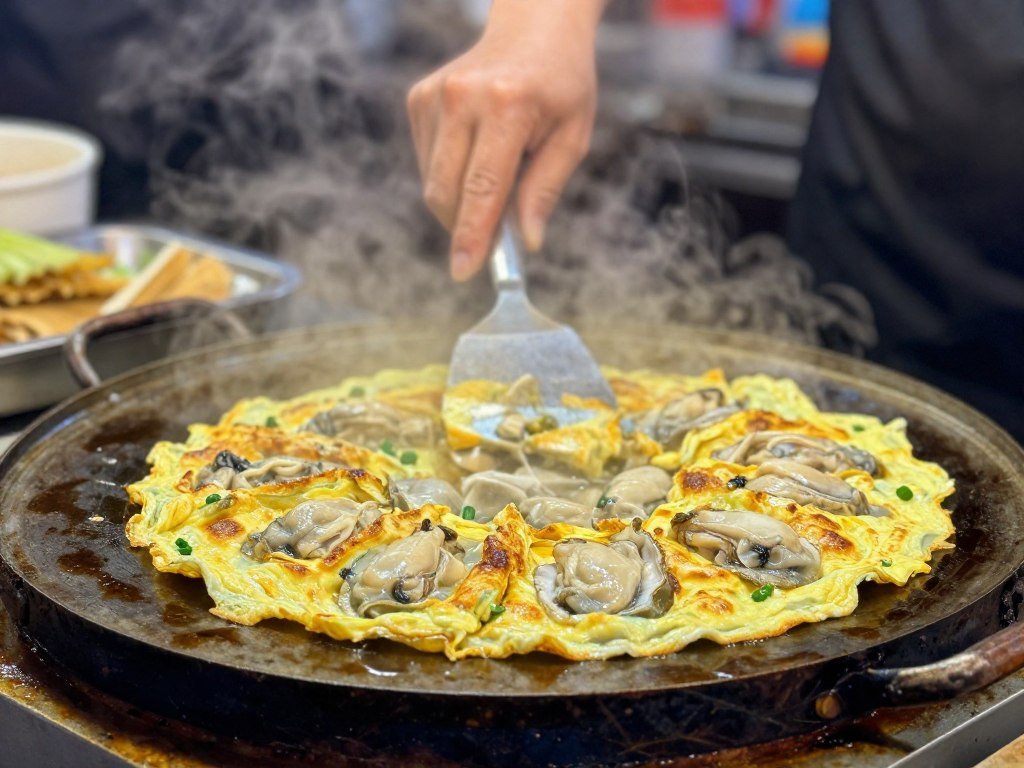
Stinky tofu creates the market’s most divisive dish. The fermented smell repels some visitors while attracting devoted fans. The crispy exterior gives way to soft interior. Various sauces add flavor complexity.
Shopping stalls sell trendy clothing at bargain prices. Phone accessories and gadgets draw tech enthusiasts. Carnival games test your skills for stuffed animal prizes. The market functions as entertainment beyond food.
Raohe Night Market: Historic Street Food Haven
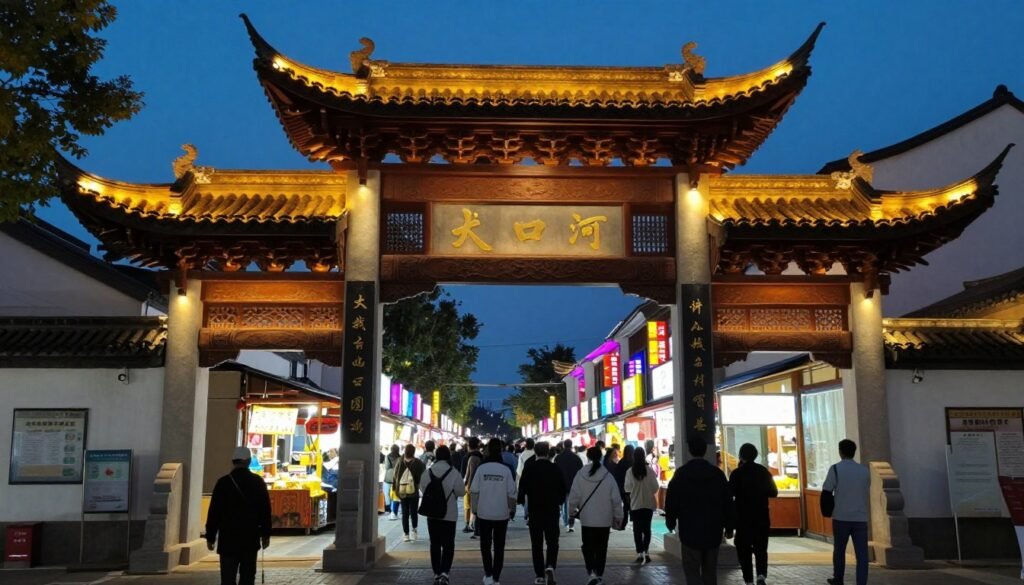
Raohe Night Market stretches along a single covered street. This layout makes navigation simple for first-time visitors. The traditional archway entrance creates an impressive arrival. This market opened in 1987, making it one of Taipei’s older night markets.
Pepper buns emerge from traditional clay ovens. The flaky pastry encases seasoned pork and scallions. Each bite releases steam and flavor. Lines form at the most popular pepper bun stall.
Medicinal soups simmer in large pots throughout the market. Herbal ingredients promise health benefits alongside flavor. Pork rib soup with bitter melon appeals to adventurous eaters. These dishes represent traditional Chinese medicine concepts.
Grilled seafood skewers offer variety from squid to shrimp. Vendors brush on special sauces while grilling. The charred edges add smoky flavor. Prices remain reasonable for generous portions.
Ningxia Night Market: Local Favorite for Authentic Flavors
Ningxia Night Market attracts more locals than tourists. This smaller market focuses primarily on food. The concentration of quality vendors creates fierce competition. Standards remain high to keep customers returning.
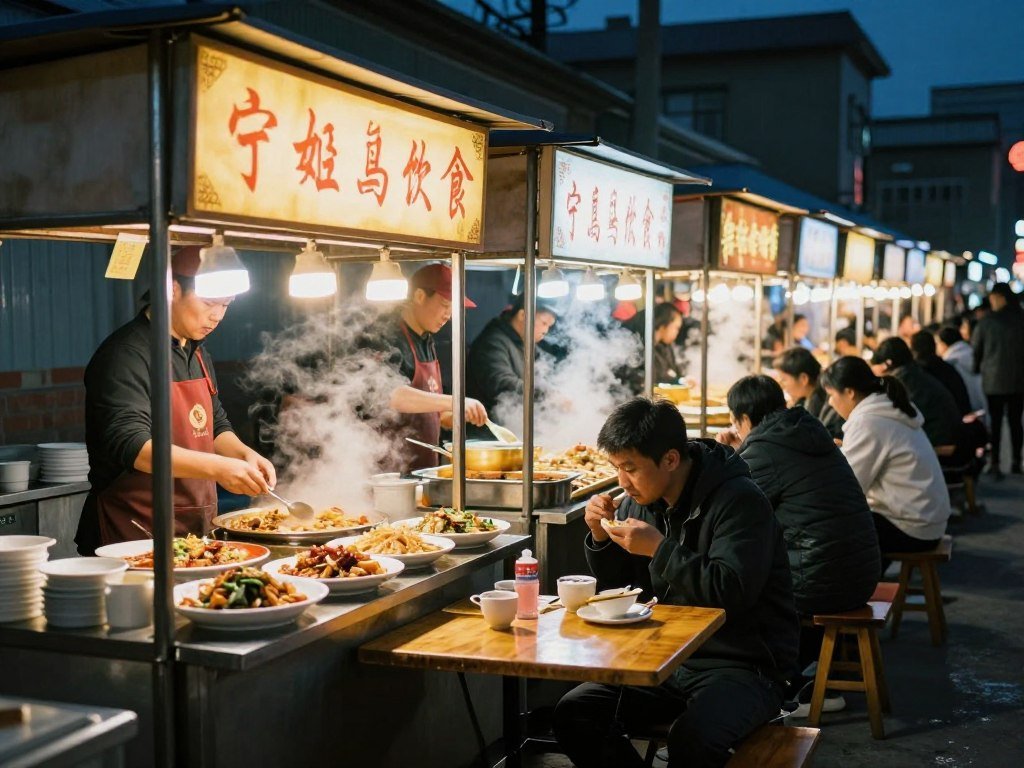
Oyster vermicelli soup combines thin noodles in thick broth. Fresh oysters and intestines add texture and flavor. The gelatinous consistency surprises first-timers. This dish represents true comfort food for Taiwanese people.
Taro balls served in sweet soup make perfect desserts. Chewy texture contrasts with smooth soup. Different colored balls come from various root vegetables. The dessert satisfies without feeling too heavy.
Braised pork rice bowls provide simple satisfaction. Fatty pork melts in your mouth. The sauce soaks into perfectly cooked rice. Every vendor claims their recipe is the best.
Must-Try Night Market Foods
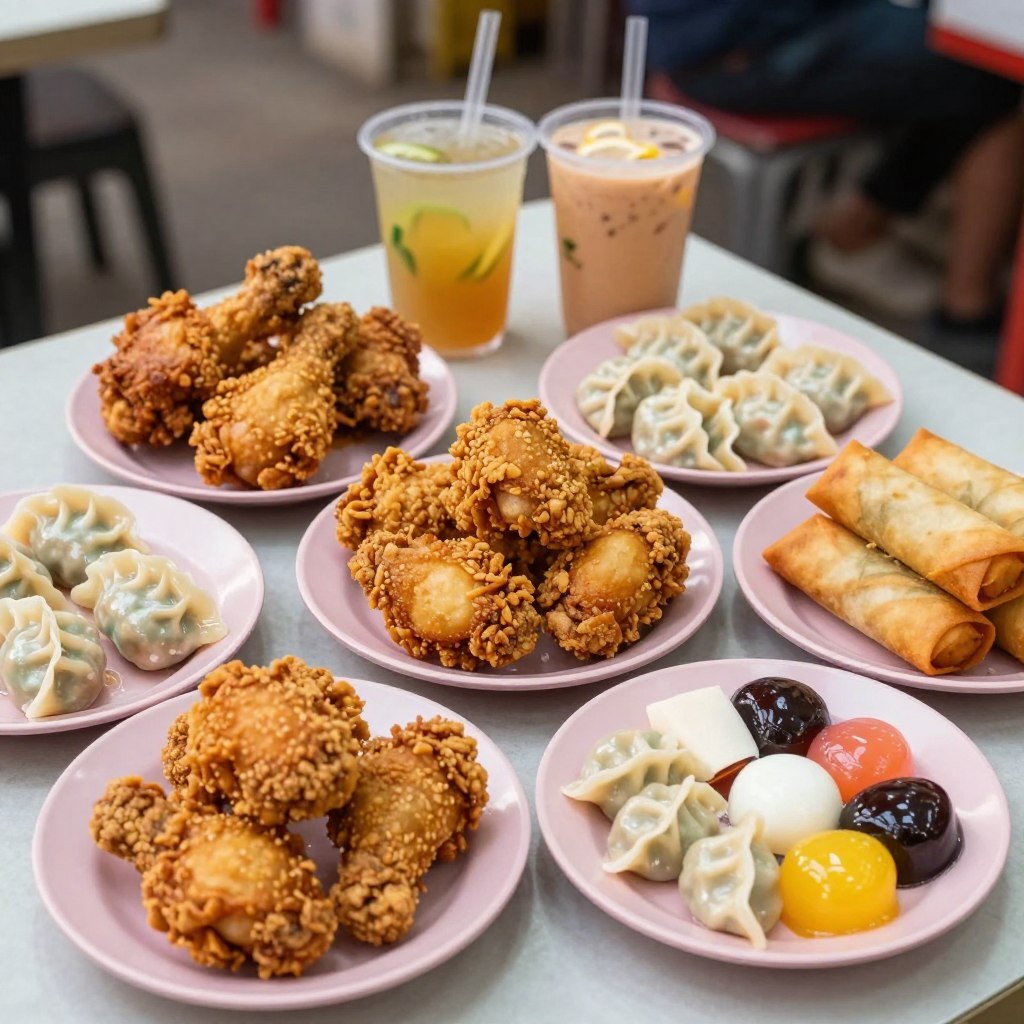
- Oyster omelet with sweet sauce
- Pepper buns fresh from clay ovens
- Stinky tofu in various preparations
- Grilled squid on skewers
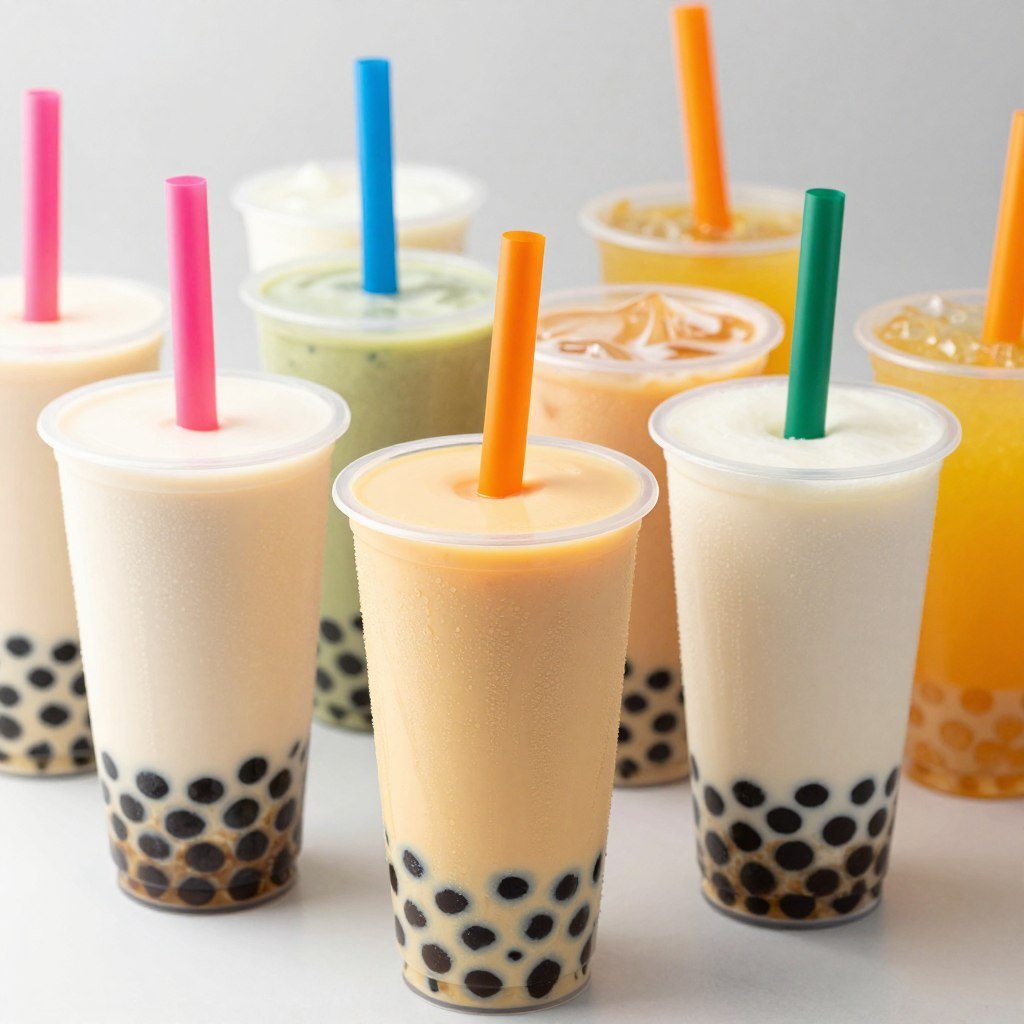
- Bubble tea with tapioca pearls
- Scallion pancakes crispy and hot
Night Market Etiquette
- Bring cash as cards are rarely accepted
- Use provided trash bins properly
- Sample before ordering large portions
- Point at items if language is a barrier
- Share dishes to try more variety
- Visit between 6 PM and 11 PM
Vegetarian Options
- Vegetable dumplings steamed or fried
- Scallion pancakes without meat
- Fresh fruit smoothies and juices
- Tofu pudding with sweet toppings
- Grilled corn with various seasonings
- Buddhist vegetarian mock meats
Experience Taipei’s Food Scene Like a Local
Join a guided food tour through the best night markets. Local experts reveal hidden gems and explain the stories behind each dish. Taste authentic flavors and skip the tourist traps.
Beyond the Big Three: Hidden Night Market Gems
Tonghua Night Market caters to the local business district. Office workers grab quick dinners after work. The market feels less touristy and more authentic. Prices tend to be slightly lower than major markets.
Huaxi Street Night Market, also called Snake Alley, offers unique experiences. Traditional medicine shops line the street. Snake soup and other exotic dishes attract curious visitors. The market represents older Taipei culture.
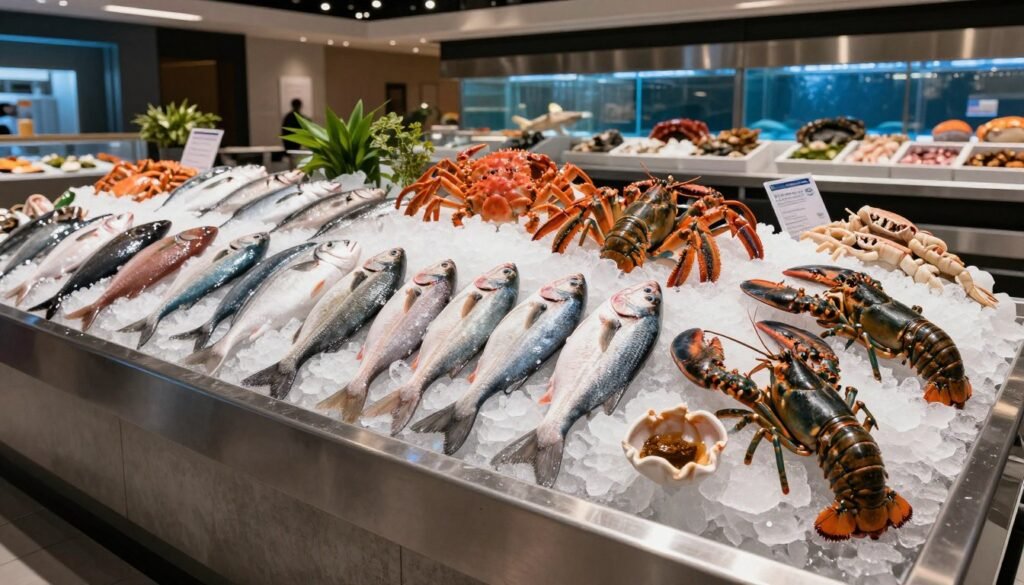
Addiction Aquatic Development brings modern twists to night market concepts. This indoor market focuses on premium seafood. Fresh fish counters display ocean bounty. Sushi bars and cooked seafood stalls provide various options.
Each night market develops its own character and specialties. Exploring different markets reveals Taipei’s culinary diversity. Locals have strong opinions about which market serves the best of each dish. Part of the fun involves forming your own preferences.
Local Cuisine and Restaurants: Dining Beyond the Markets
Taipei’s restaurant scene extends far beyond street food. Traditional eateries preserve recipes spanning generations. Modern establishments reimagine Taiwanese classics. The city satisfies every culinary craving and budget.
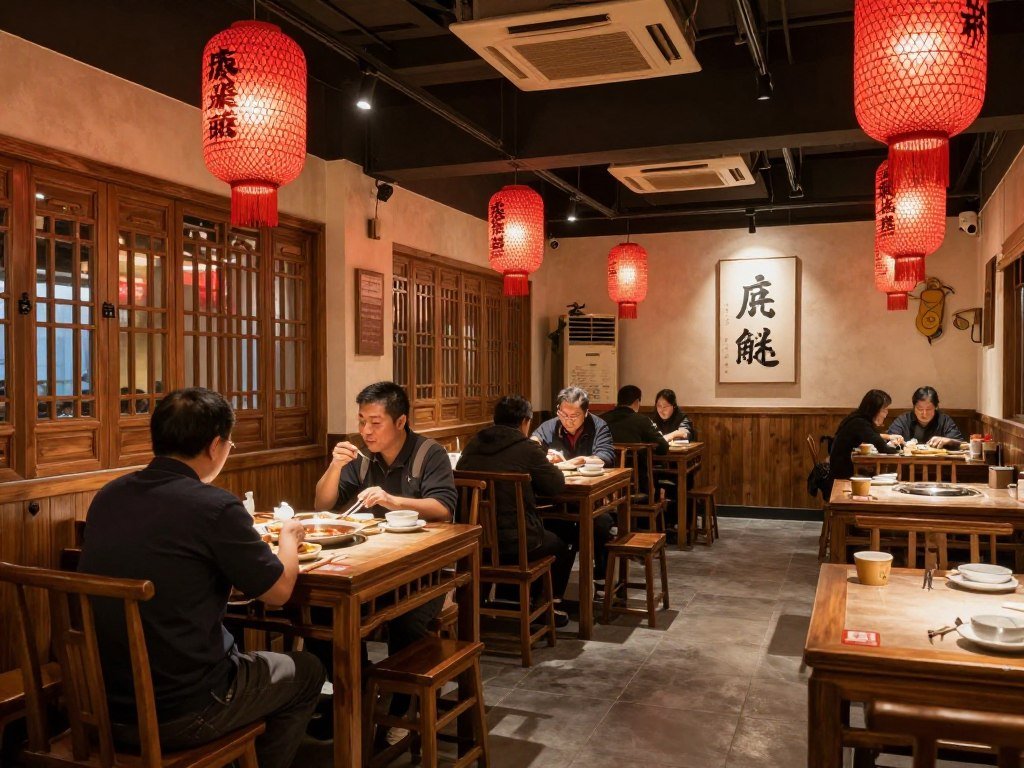
Beef Noodles: Taiwan’s National Dish
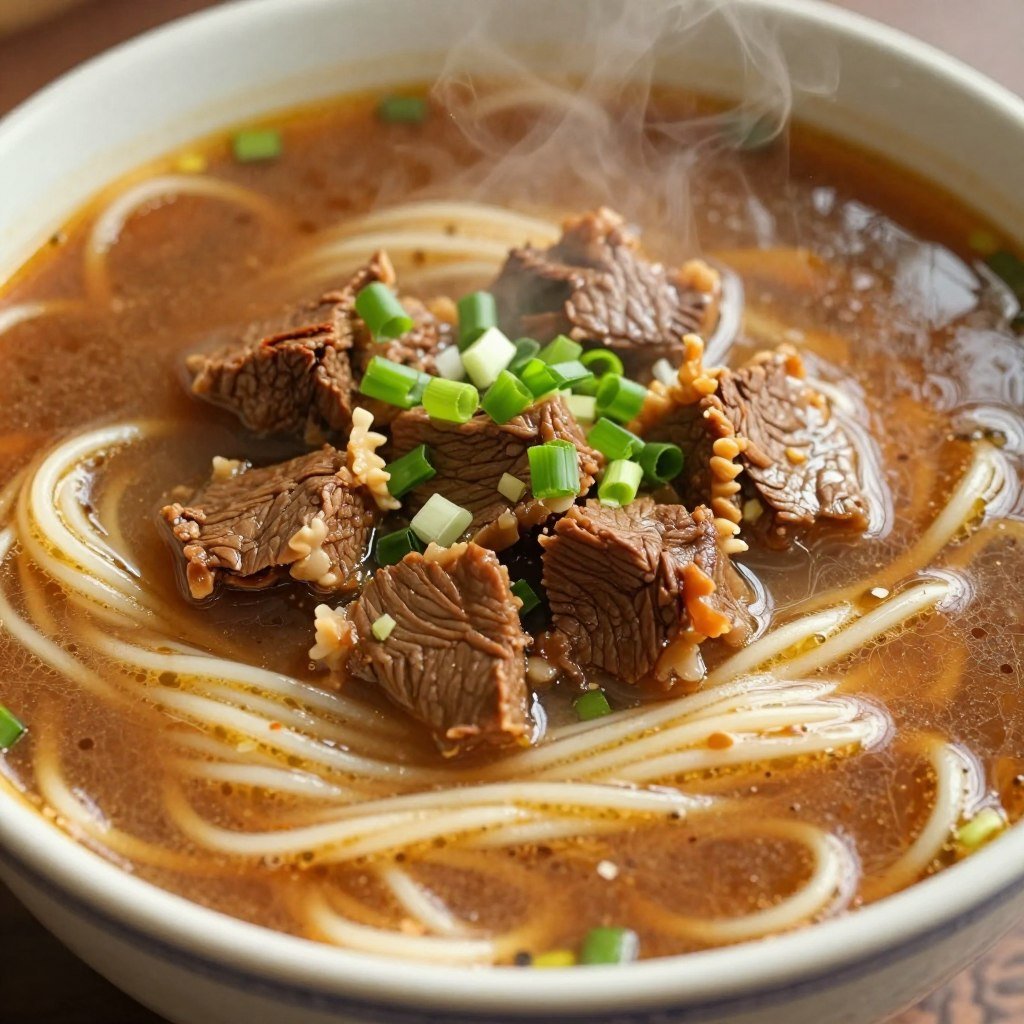
Beef noodle soup represents Taiwan’s most beloved comfort food. Each restaurant guards its secret broth recipe. Bones simmer for hours extracting deep flavors. Spices and herbs create aromatic complexity.
Lin Dong Fang Beef Noodles has served customers since 1958. Their clear broth showcases beef’s natural flavor. Tender chunks of beef brisket melt on your tongue. Hand-pulled noodles provide perfect texture.
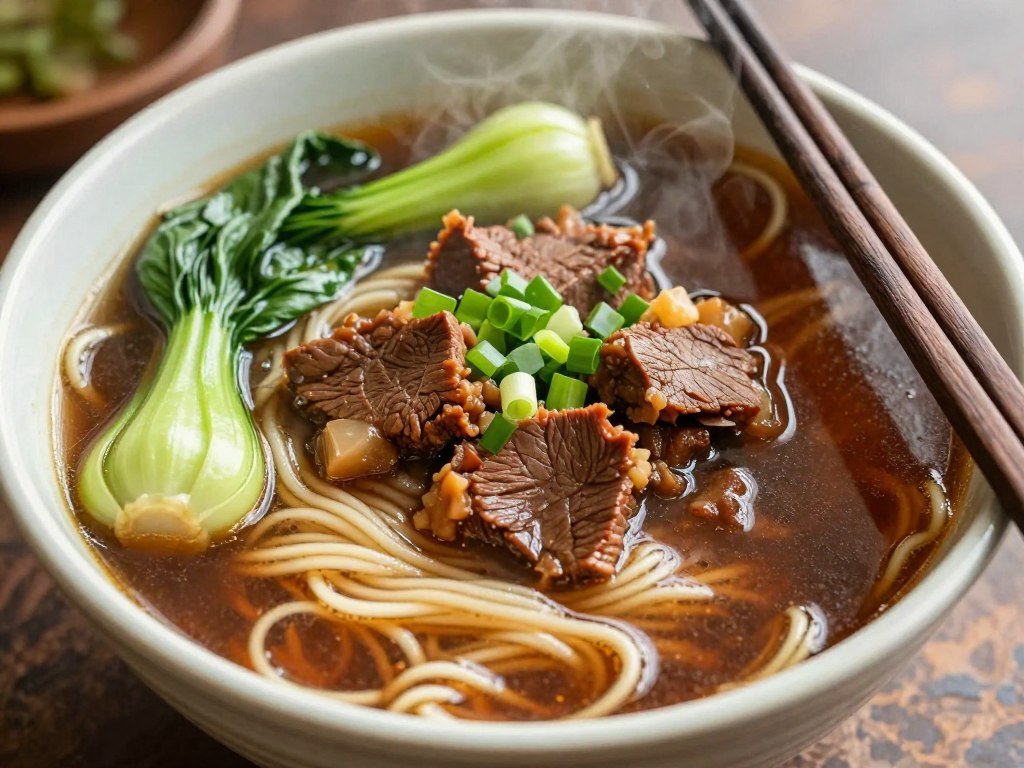
Yong Kang Beef Noodle draws long lines of devoted fans. Their red-braised version features a more complex spice profile. The slightly spicy broth warms you from inside. Braised beef shank offers luxurious tenderness.
Competitions crown the best beef noodles annually. Restaurants display their awards proudly. Prices range from budget-friendly to premium. Even expensive bowls rarely exceed twenty dollars.
Din Tai Fung: Soup Dumpling Excellence
Din Tai Fung achieved global recognition for soup dumplings. The original Taipei location attracts food pilgrims worldwide. Each dumpling contains exactly 18 folds. Precision defines every aspect of preparation.
Xiaolongbao arrives in bamboo steamers straight to your table. The delicate wrapper holds hot soup and pork filling. Proper eating technique prevents burning your mouth. Dip in ginger-vinegar sauce for enhanced flavor.
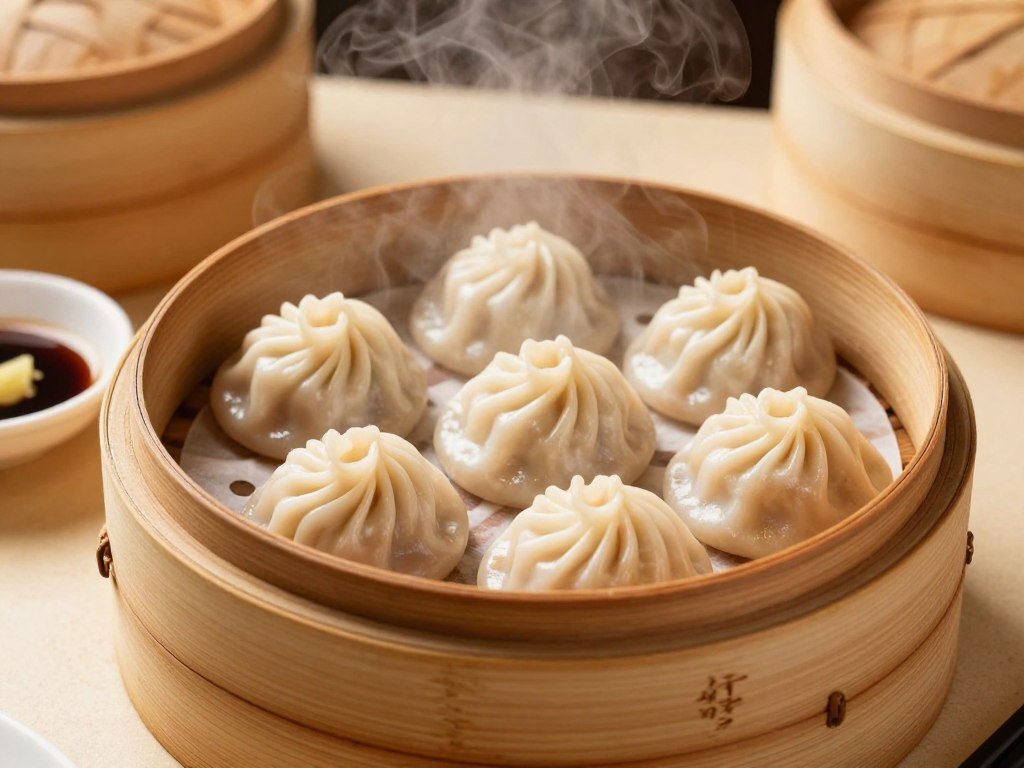
Beyond soup dumplings, the menu offers extensive variety. Fried rice maintains consistent quality. Noodles come with various toppings and preparations. Even vegetables receive meticulous attention.
Reservations help avoid long wait times. Peak lunch and dinner hours see extended waits. Multiple locations exist throughout Taipei. The flagship restaurant in the Xinyi district provides the full experience.
Traditional Taiwanese Breakfast Culture
Taiwanese breakfast differs dramatically from Western expectations. Savory options dominate morning menus. Soy milk and rice milk provide traditional beverages. These meals fuel locals through busy days.
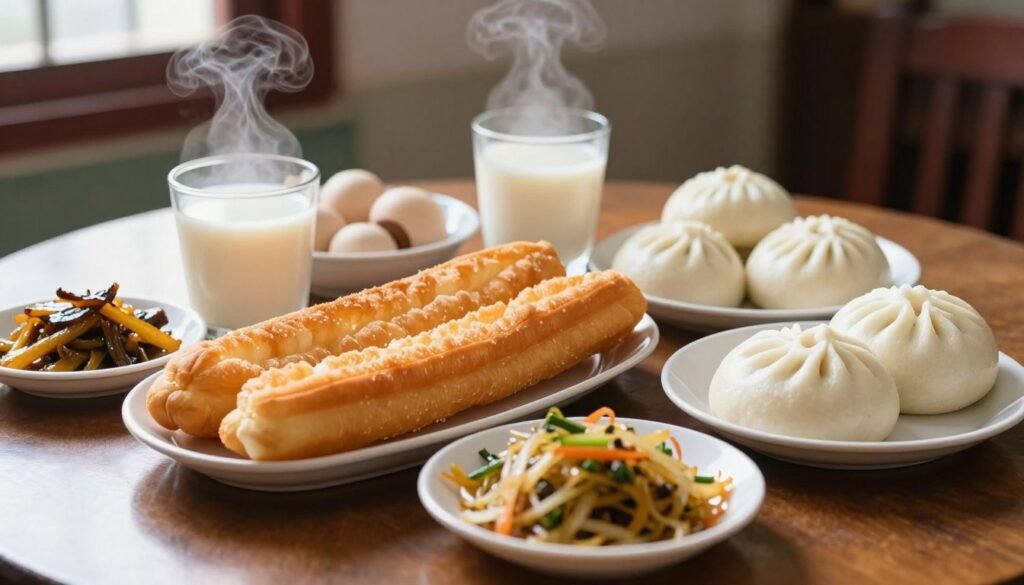
Soy milk shops open early serving fresh warm beverages. Sweet or savory versions cater to different preferences. Fried bread sticks dunk perfectly into soy milk. The combination creates a satisfying start to the day.
Egg crepes cook on large round griddles. Vendors spread thin batter evenly across the surface. Egg, vegetables, and protein fill the crepe. The result folds into a portable breakfast package.
Rice balls stuff ingredients inside sticky rice. Fried bread sticks add crunch to the center. Dried pork floss contributes umami flavor. Preserved vegetables provide a salty counterpoint.
Hot Pot: Interactive Dining Experience
Hot pot restaurants offer social dining experiences. A bubbling pot sits at the center of your table. You cook ingredients in the simmering broth. The meal extends for hours of conversation and eating.
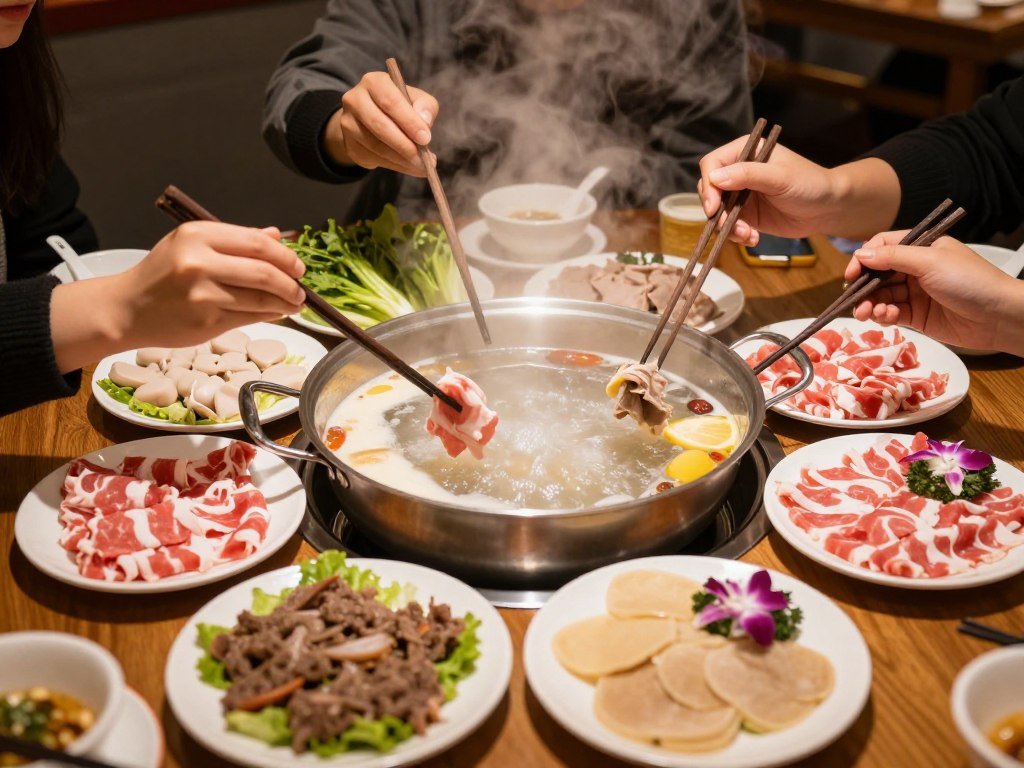
Broth options range from mild to extremely spicy. Split pots allow two broth types simultaneously. Meat plates showcase thin-sliced beef, pork, and lamb. Seafood options include fish, shrimp, and shellfish.
Vegetables and mushrooms add nutrition and flavor. Tofu products absorb the broth’s essence. Noodles and rice provide filling carbohydrates. Sauce stations let you customize your dipping experience.
Prices vary based on ingredient quality and restaurant location. All-you-can-eat options attract budget-conscious diners. Premium establishments source top-quality ingredients. The experience remains fundamentally the same across price points.
Tea Culture and Tea Houses
Tea holds special significance in Taiwanese culture. High mountain oolong teas grow in Taiwan’s elevations. Traditional tea houses provide peaceful environments for appreciation. The tea ceremony teaches mindfulness and respect.
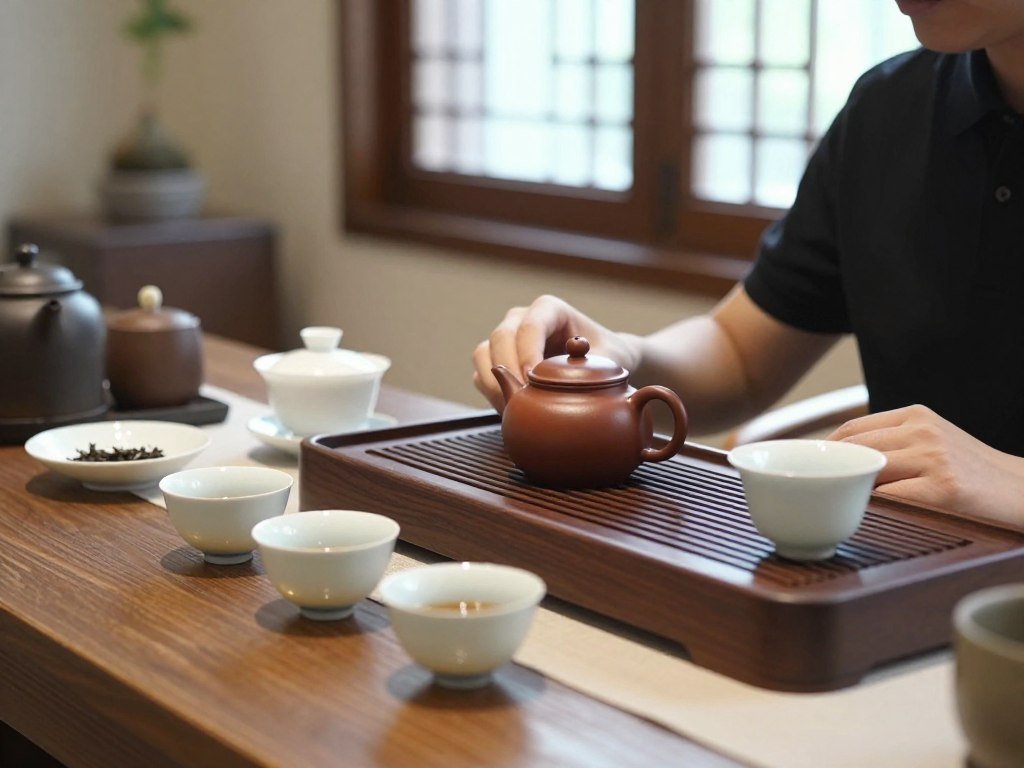
Wistaria Tea House occupies a historic Japanese-era building. The wooden structure creates warm ambiance. Knowledge staff guide you through tea selections. Light snacks complement the tea experience.
Maokong area specializes in tea plantations and tea houses. Cable cars transport visitors up the mountain. Views overlook Taipei while you sip tea. Many tea houses offer full meals alongside beverages.
Bubble tea shops modernize tea drinking for younger generations. Taiwan invented this sweet phenomenon. Pearls and various toppings add texture. Endless flavor combinations ensure something for everyone.
Restaurant Etiquette Tips
Understanding local customs enhances your dining experience. Taiwanese restaurants follow certain unwritten rules that visitors should know.
- Wait to be seated at upscale restaurants
- Use serving spoons for shared dishes
- Slurping noodles shows appreciation
- Leave a small amount to show satisfaction
Dietary Accommodations
Taipei increasingly caters to various dietary needs. Communication remains key when ordering food with restrictions.
- Vegetarian restaurants use plant-based ingredients
- Buddhist restaurants avoid garlic and onions
- Point at ingredients to avoid allergens
- Happy Cow app locates vegetarian options
Price Ranges to Expect
Dining costs in Taipei remain reasonable compared to many major cities. Budget allocation helps plan your food adventures.
- Street food typically costs $1 to $3
- Casual restaurants range $5 to $15
- Mid-range dining runs $15 to $30
- Fine dining starts above $50 per person
Reservation Recommendations
Popular restaurants fill quickly during peak hours. Planning ahead ensures you don’t miss signature experiences.
- Din Tai Fung benefits from advance booking
- Weekend dinners require reservations
- Michelin-starred restaurants book weeks ahead
- Walk-ins work for most casual spots
Transportation and Getting Around: Navigating Taipei with Ease
Taipei’s transportation system ranks among Asia’s most efficient. Multiple options connect every corner of the city. English signage appears throughout the network. Getting around feels straightforward even for first-time visitors.
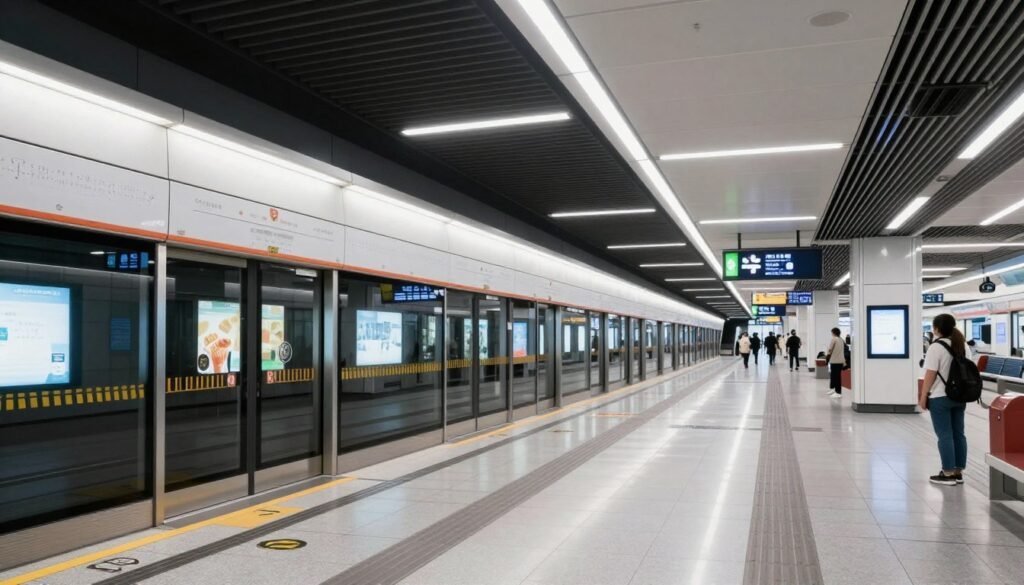
MRT Metro System: The Backbone of Public Transit
The Mass Rapid Transit system forms Taipei’s transportation core. Color-coded lines simplify route planning. Stations remain impeccably clean and well-maintained. Trains arrive with remarkable punctuality every few minutes.
The Blue Line connects Taipei Main Station to the airport. The Red Line serves popular tourist destinations including Taipei 101. The Green Line provides access to residential neighborhoods. Multiple lines intersect at major transfer stations.
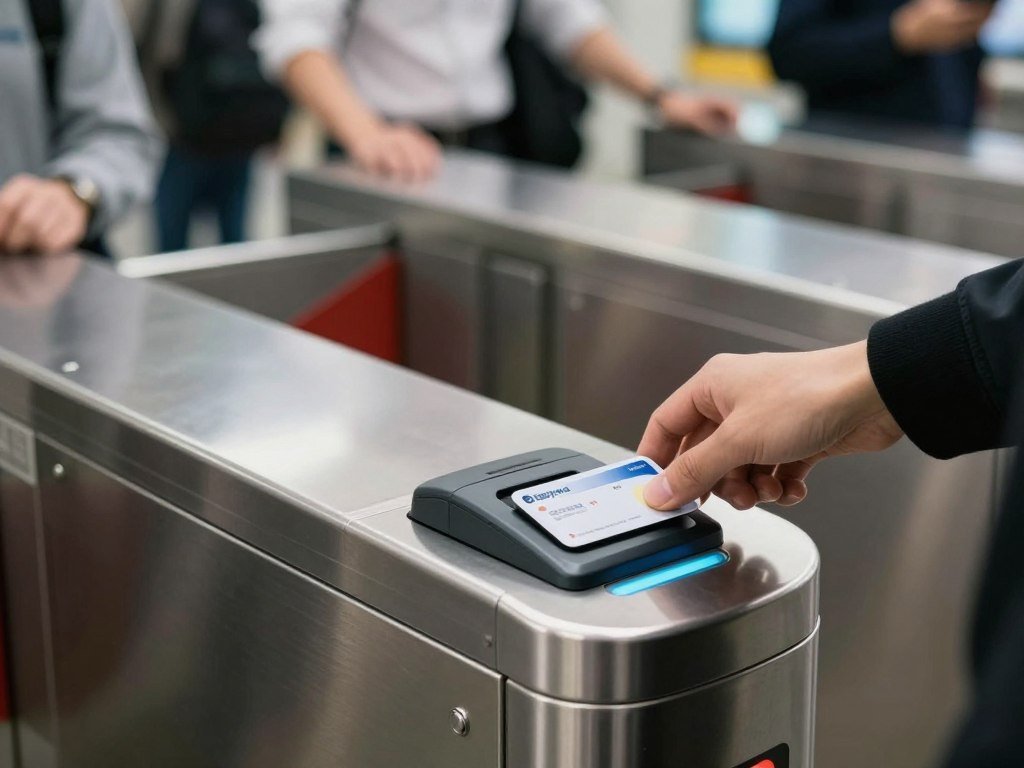
EasyCard contactless payment cards work across the entire system. Purchase cards at convenience stores or station kiosks. The cards also function at buses, convenience stores, and some restaurants. Refilling your card takes seconds at machines throughout the city.
Single journey tokens provide an alternative to EasyCard. These tokens cost slightly more per trip. Purchase from ticket machines at every station. English language options make transactions simple.
First trains begin around 6 AM on weekdays. Last trains depart around midnight. Weekend schedules extend slightly later. Check station displays for exact times on your specific line.
Bus Network: Reaching Beyond MRT Coverage
City buses fill gaps in MRT coverage. Routes reach residential areas and attractions away from metro lines. The system requires more local knowledge than the MRT. Bus apps show real-time arrival information.
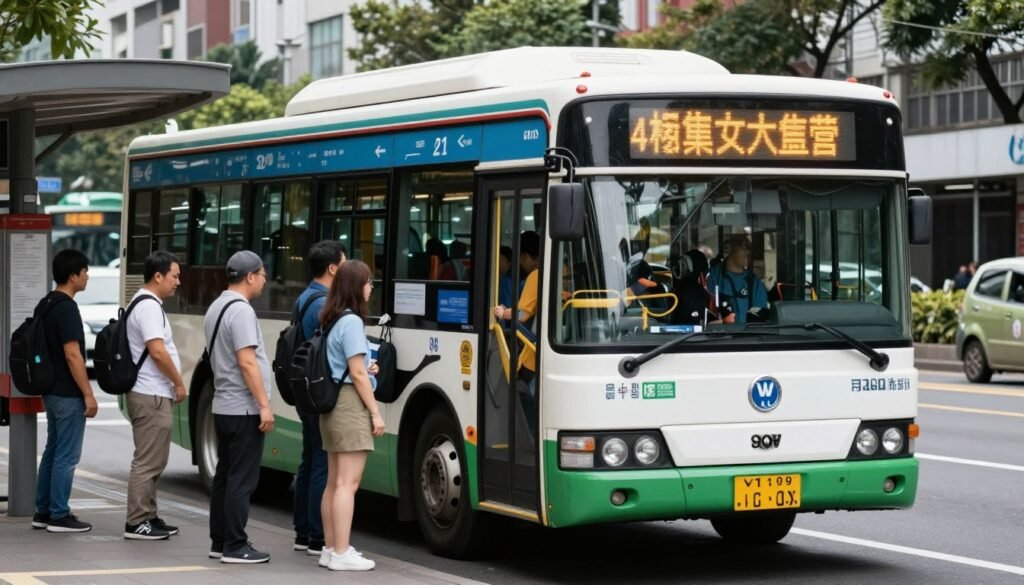
Payment works with EasyCard or exact change. Tap your card when boarding and sometimes when exiting. Announcements indicate upcoming stops in Mandarin and English. Google Maps accurately predicts bus routes and schedules.
Bus stops display route numbers and destinations. Shelters protect passengers from rain and sun. Digital boards show minutes until next arrival. Major tourist destinations have frequent service.
Taxis and Ride-Sharing Services
Yellow taxi cabs cruise streets throughout the city. Meters ensure fair pricing for all passengers. Most drivers speak limited English. Having your destination written in Chinese helps communication.
Base fares start around $70 NT ($2.30 USD). Additional charges apply for luggage and late-night rides. Taxis accept cash and increasingly accept cards. Tipping is not expected or required.
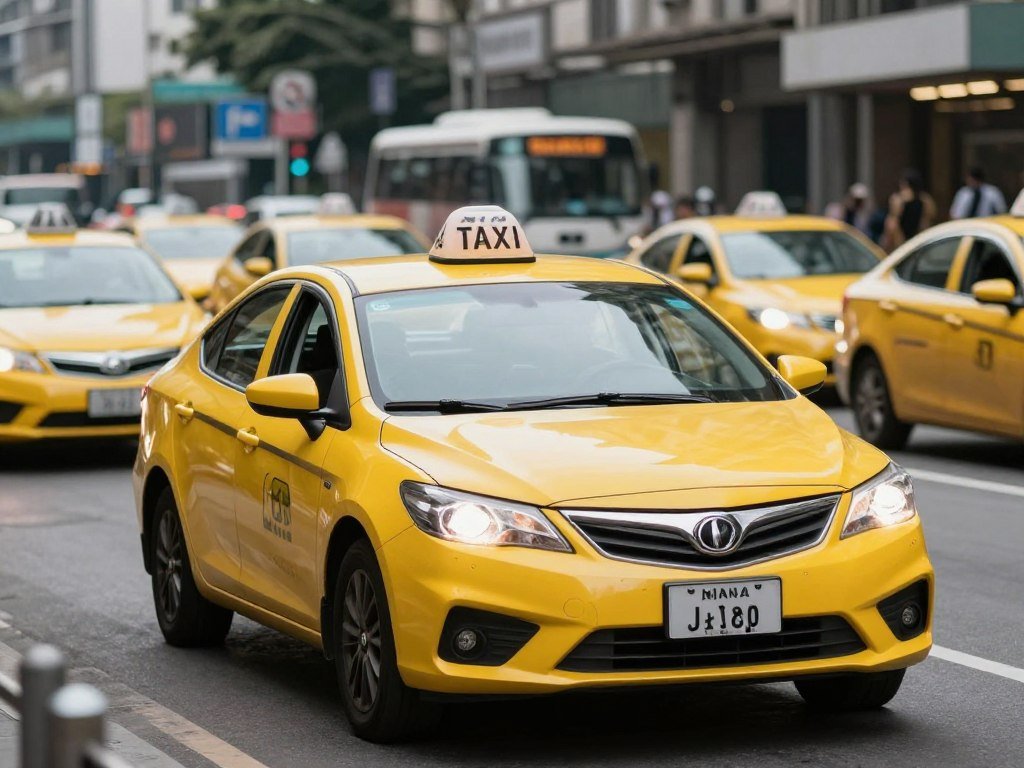
Uber operates in Taipei with some restrictions. The app works similarly to other countries. Prices often compare favorably to regular taxis. English-speaking drivers sometimes cost premium rates.
Taiwan Taxi app provides reliable service. The app supports English language settings. Pre-booking ensures a car during peak hours. Airport pickups benefit from advance arrangements.
YouBike Bicycle Rental System
YouBike stations dot the city at major intersections. The bike-sharing system offers convenient short-term rentals. First 30 minutes cost minimal fees. Additional time adds incremental charges.
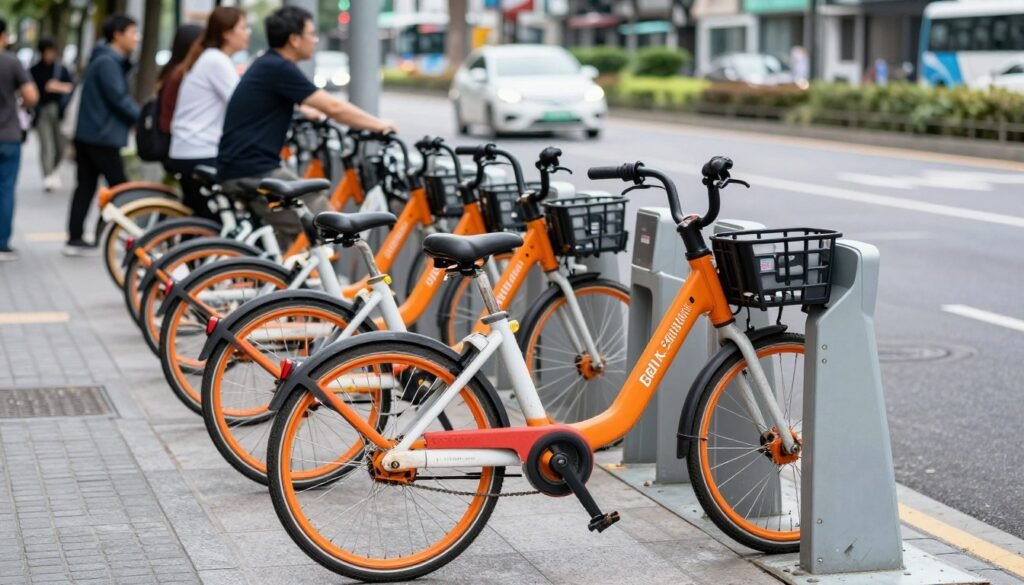
Register online or through the smartphone app. Credit cards or EasyCard enable quick rentals. Dedicated bike lanes exist on many major roads. Riverside paths provide scenic cycling routes.
Return bikes to any YouBike station citywide. The system automatically calculates your charges. Bikes feature baskets for carrying purchases. Helmets are not provided but recommended.
Get Your Transportation Card Before Arrival
Pre-order your EasyCard and pick it up at the airport. Start using public transportation immediately without waiting in lines. Works on MRT, buses, and at convenience stores throughout your trip.
Airport Connections to City Center
Taoyuan International Airport sits approximately 25 miles from downtown Taipei. Several transportation options connect the airport to the city. Your choice depends on budget, luggage, and arrival time.
The Airport MRT provides the fastest public transport option. Express trains reach Taipei Main Station in 35 minutes. Commuter trains make additional stops taking 45 minutes. Trains depart every 15 minutes during operating hours.
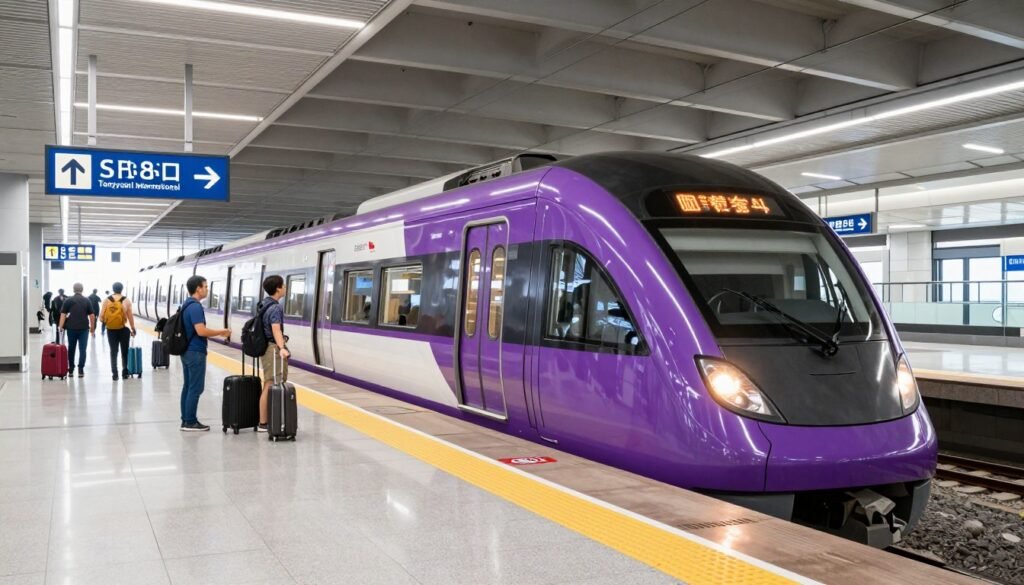
Airport buses offer direct service to major hotels and districts. Multiple companies operate different routes. Tickets cost less than MRT but take longer in traffic. Luggage storage compartments accommodate large bags.
Taxi fares from the airport run approximately $40 to $50 USD. Travel time varies from 40 to 70 minutes depending on traffic. Shared taxi services reduce costs. Pre-arranged pickups ensure smooth arrivals.
Day Trip Transportation Options
Taiwan’s compact size makes day trips easily accessible. Multiple destinations lie within two hours of Taipei. Different transportation methods suit different destinations.
Taiwan High Speed Rail connects major western cities. Trains reach speeds of 186 mph. Journey times shrink dramatically compared to buses. Book tickets online for guaranteed seats.
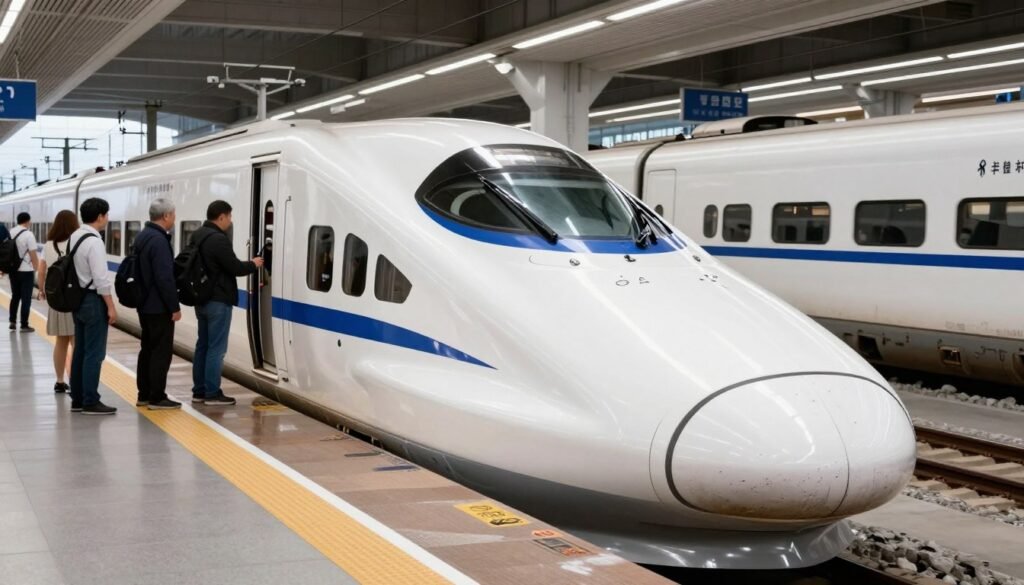
Regular Taiwan Railway serves smaller towns and eastern destinations. Slower speeds mean longer journey times. Scenic routes showcase Taiwan’s natural beauty. Some popular destinations require early booking.
Tour buses simplify visits to multiple attractions. Groups eliminate transportation logistics. English-speaking guides provide context and information. Popular routes include Jiufen, Shifen, and Sun Moon Lake.
| Transportation Type | Best For | Average Cost | Pros | Cons |
| MRT Metro | City exploration | $0.65 – $2 per trip | Fast, clean, efficient | Limited coverage area |
| City Bus | Reaching neighborhoods | $0.50 – $1 per trip | Extensive routes | Requires local knowledge |
| Taxi | Late night, luggage | $2.30 base + distance | Door-to-door convenience | Traffic delays, language barrier |
| YouBike | Short distances, exercise | First 30min free with pass | Healthy, scenic routes | Weather dependent |
| Airport MRT | Airport transfers | $5 express, $4 local | Fixed schedule, affordable | Limited luggage space peak hours |
Where to Stay in Taipei: Neighborhoods and Accommodations
Taipei offers diverse accommodation options across distinct neighborhoods. Each area provides unique character and advantages. Your choice of location impacts your daily experience. Consider proximity to attractions and transportation when deciding where to stay.
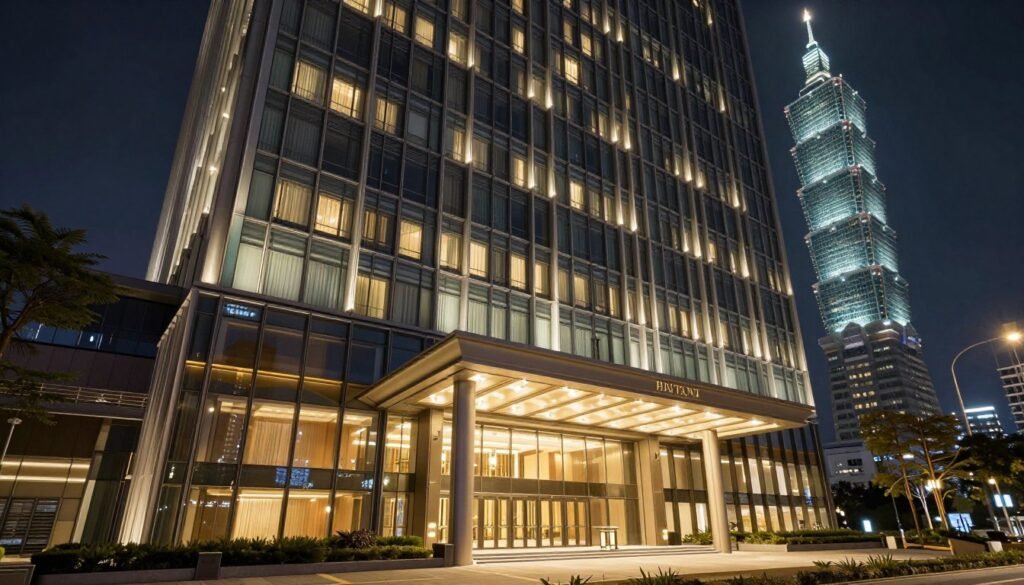
Xinyi District: Modern Taipei’s Heart
Xinyi District represents contemporary Taipei at its finest. Taipei 101 dominates the skyline as the neighborhood’s centerpiece. Luxury shopping malls surround the tower. International hotel chains cluster in this area.
High-end accommodations provide five-star amenities and service. Rooms often feature Taipei 101 views. Executive lounges cater to business travelers. Spa facilities offer relaxation after sightseeing.
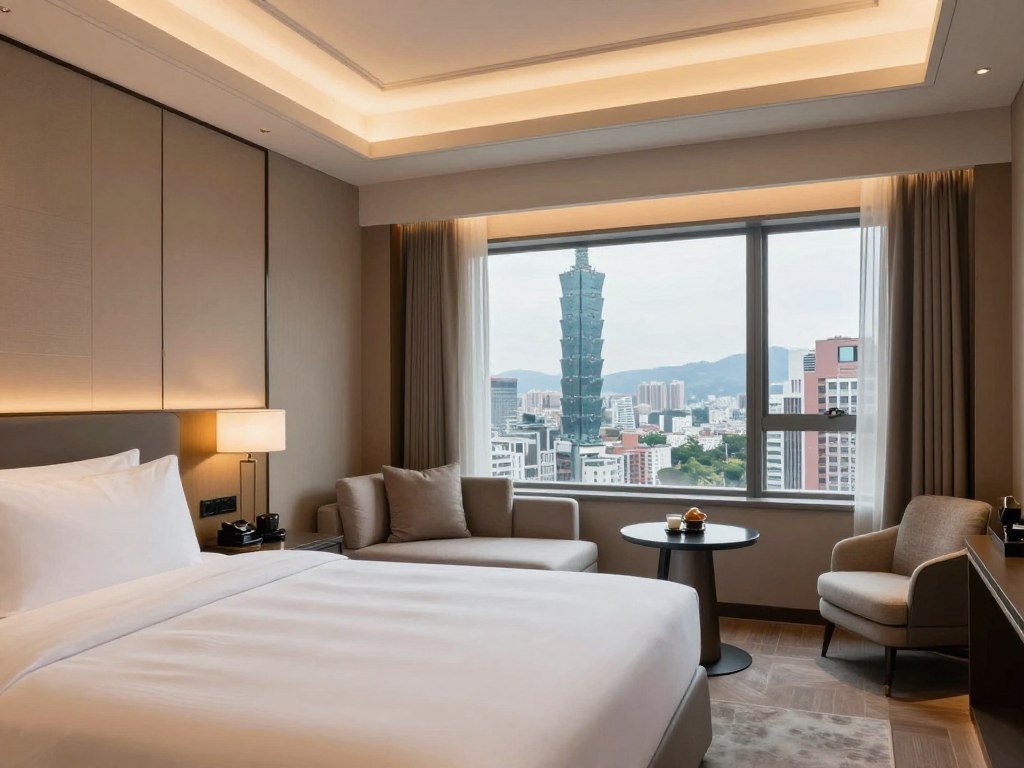
The neighborhood buzzes with activity during evenings. Restaurants serve international and local cuisines. Entertainment options include movie theaters and nightclubs. MRT access makes exploring other areas convenient.
Expect higher accommodation prices in this premium district. Business travelers and luxury seekers find excellent value. Families appreciate the shopping and dining variety. The modern atmosphere may feel less traditionally Taiwanese.
Da’an District: Local Life and Convenience
Da’an District balances residential charm with tourist convenience. Tree-lined streets create pleasant walking environments. Local restaurants outnumber international chains. The neighborhood feels authentically Taiwanese.
Mid-range hotels offer excellent value for money. Boutique accommodations provide personalized service. Business hotels cater to corporate travelers. Apartment rentals suit longer stays.
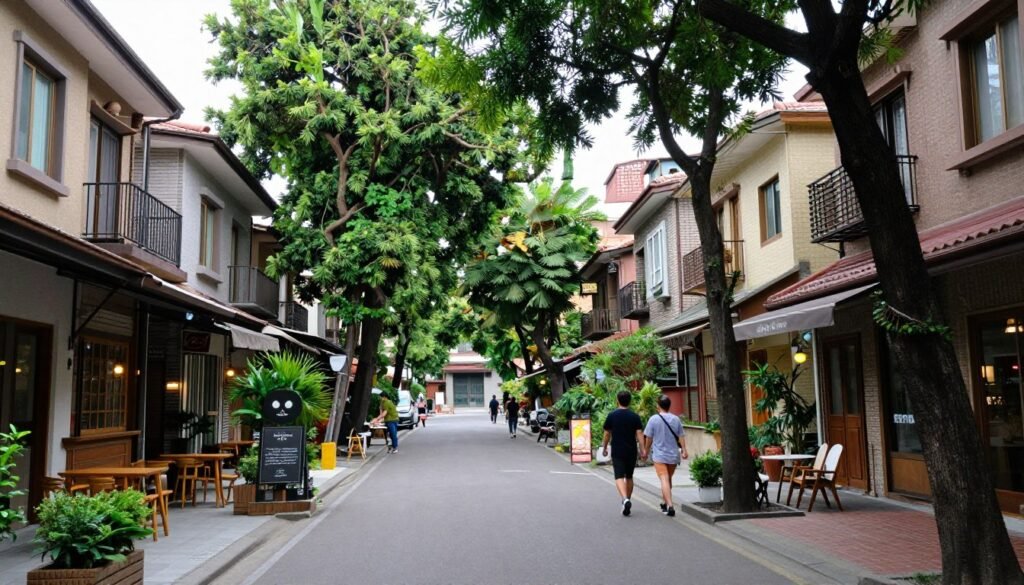
Daan Forest Park provides green space for morning jogs. Coffee shops dot every corner serving quality brews. Traditional markets sell fresh produce and prepared foods. The area appeals to travelers seeking local immersion.
Multiple MRT lines intersect in the district. Easy access to all major attractions saves travel time. Night markets remain within reasonable distance. The central location minimizes commute times.
Zhongzheng District: Historical and Cultural Center
Zhongzheng District contains many of Taipei’s historical landmarks. Chiang Kai-shek Memorial Hall anchors the neighborhood. Presidential Office Building represents Taiwan’s government. Museums and cultural sites cluster nearby.
Accommodation options span all budget levels. Youth hostels attract backpackers and solo travelers. Mid-range hotels provide comfort without luxury prices. Heritage hotels occupy renovated historical buildings.
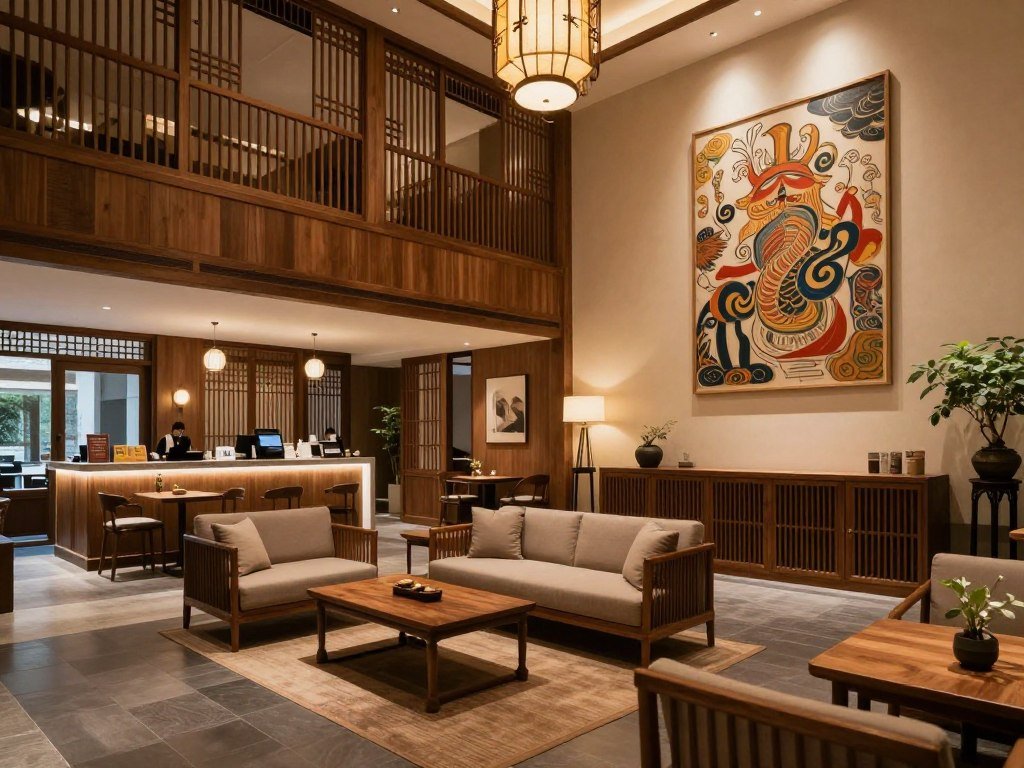
Taipei Main Station sits at the district’s edge. This transportation hub connects all rail lines. Buses depart for destinations throughout Taiwan. Airport access remains straightforward and quick.
The neighborhood quiets earlier than entertainment districts. This appeals to travelers prioritizing rest and culture. Older buildings may lack modern amenities. Character and location compensate for fewer luxuries.
Ximending: Youth Culture and Entertainment Hub
Ximending pulses with youthful energy day and night. Pedestrian streets fill with shoppers and street performers. Movie theaters show latest releases. Fashion boutiques showcase trendy styles.
Budget accommodations dominate this area. Hostels provide social atmospheres for young travelers. Capsule hotels offer affordable private space. Business hotels cater to budget-conscious visitors.
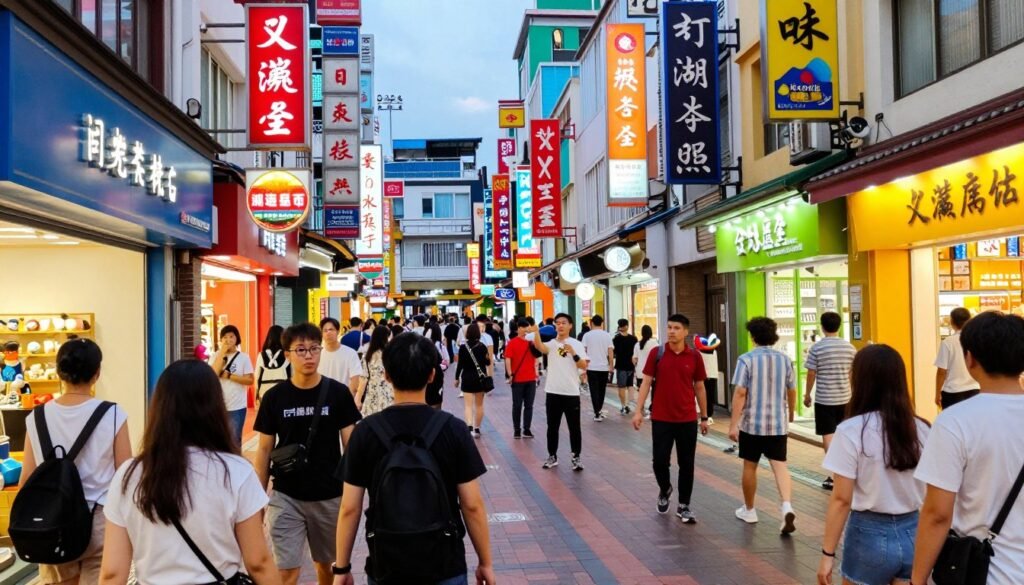
Street food vendors operate until late hours. Bubble tea shops seem to occupy every corner. International fast food mixes with local favorites. Entertainment continues past midnight on weekends.
The lively atmosphere may not suit everyone. Noise levels remain high throughout evenings. Light sleepers should consider quieter districts. Younger travelers and night owls thrive here.
Beitou: Hot Spring Resort Experience
Beitou offers a completely different Taipei experience. Natural hot springs draw visitors seeking relaxation. Mountain setting provides cooler temperatures. The area feels like a mountain resort.
Hot spring hotels range from budget to luxury. Some require bathing suits while others embrace Japanese naked bathing culture. Private rooms with personal tubs cost more. Public baths offer affordable soaking.
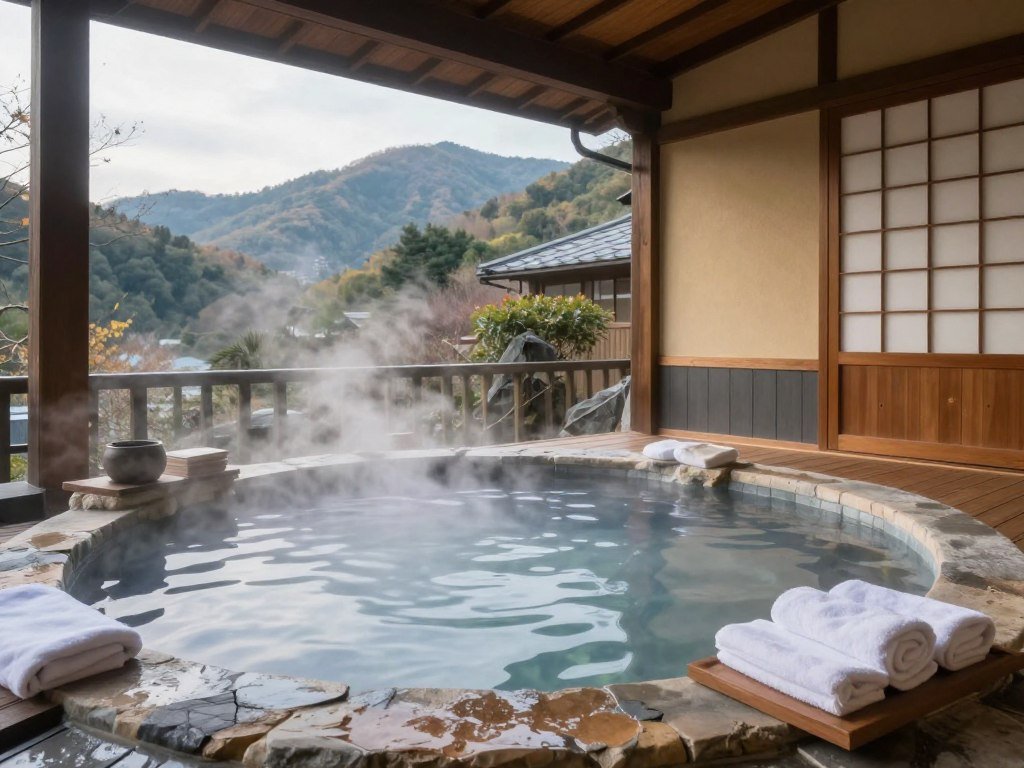
Museums explain the area’s hot spring history. Thermal Valley showcases geothermal activity. Hiking trails wind through surrounding mountains. The environment promotes relaxation and wellness.
Beitou sits at the end of the Red MRT line. The journey from central Taipei takes approximately 40 minutes. This distance isolates you from downtown attractions. The peaceful setting rewards the extra travel time.
Luxury Hotels (Xinyi/Da’an)
Five-star service, premium amenities, central locations near major attractions. Expect to pay $150-$400 per night for exceptional comfort and convenience.
- Taipei 101 views available
- Executive lounges and spas
- Fine dining restaurants on-site
- Concierge services in English
Mid-Range Hotels (Da’an/Zhongzheng)
Comfortable rooms, good locations, reliable amenities. Perfect balance of value and quality ranging from $70-$150 per night.
- Free breakfast often included
- Near MRT stations
- Clean and well-maintained
- Helpful English-speaking staff
Budget Accommodations (Ximending)
Hostels, capsule hotels, and budget chains offering essential amenities. Great for backpackers and budget travelers at $20-$70 per night.
- Social atmosphere in hostels
- Walking distance to attractions
- Shared facilities available
- Young and energetic vibe
Booking Strategies and Tips
Advance booking secures better rates and availability. Peak seasons including Chinese New Year fill quickly. Last-minute deals occasionally appear during low season. Comparison websites help identify best values.
Read recent reviews before committing to properties. Photos sometimes present overly optimistic views. Guest feedback reveals actual conditions and service quality. Location reviews indicate true neighborhood character.
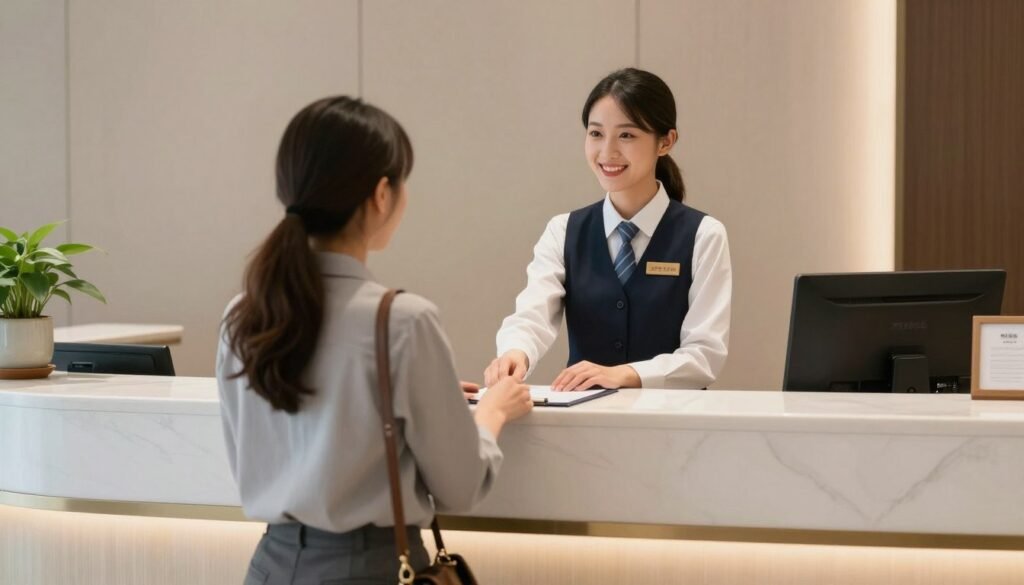
Consider total costs beyond room rates. Some hotels charge facility fees or deposits. Breakfast inclusion saves morning meal costs. Free airport shuttles provide additional value.
Loyalty programs benefit frequent travelers. Points accumulate toward free nights. Member rates beat public pricing. Elite status brings room upgrades and amenities.
Cultural Experiences and Traditions: Immersing in Taiwanese Heritage
Taiwanese culture blends indigenous traditions, Chinese heritage, and Japanese influences. Understanding these elements enriches your visit. Respectful participation in cultural activities creates meaningful memories. Local customs reflect values developed over centuries.
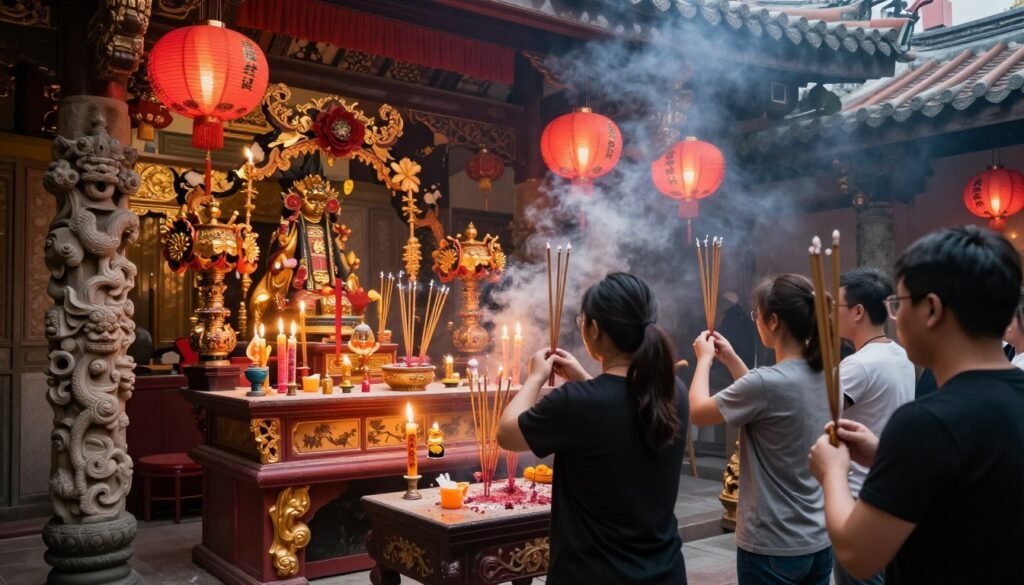
Temple Etiquette and Worship Practices
Temples serve as active places of worship, not mere tourist attractions. Respectful behavior shows appreciation for local beliefs. Understanding basic etiquette prevents unintentional offense. Observing rituals provides fascinating cultural insights.
Remove hats when entering temple grounds. Speak quietly to maintain peaceful atmosphere. Photography is generally allowed but ask before photographing worshippers. Some temples prohibit flash photography.
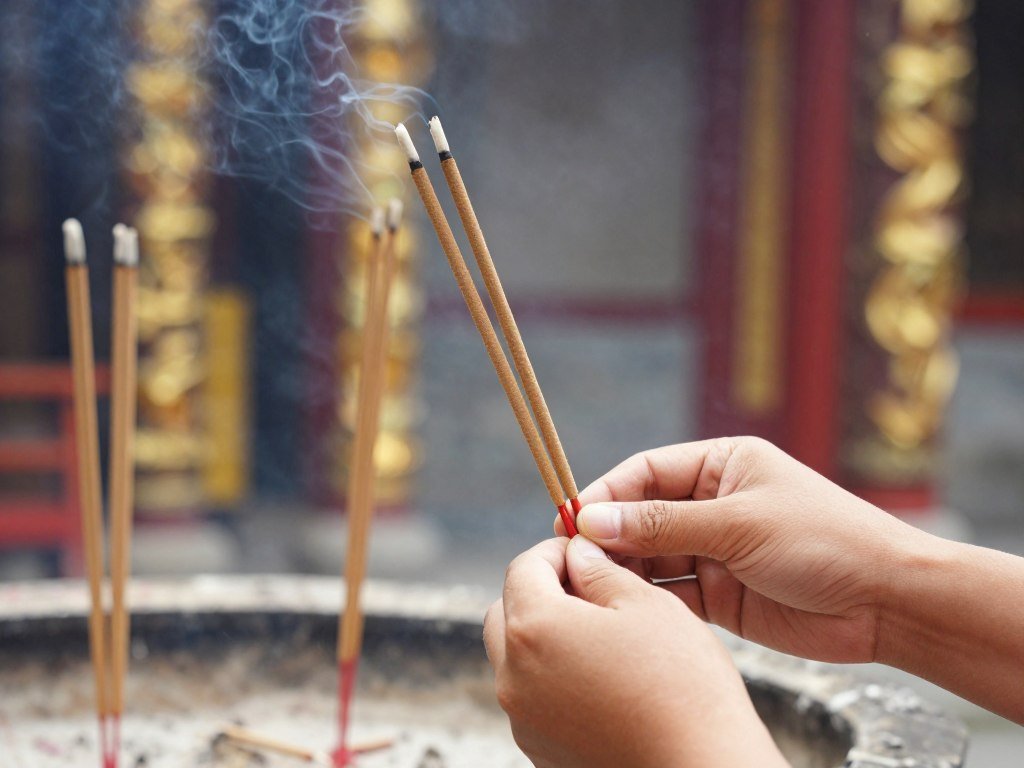
Incense offering follows specific procedures. Purchase incense bundles at temple entrance. Light incense from provided candles. Hold incense while bowing three times to each deity. Place incense in designated burners.
Fortune telling through bamboo sticks remains popular. Kneel before the deity and ask your question mentally. Shake the container until one stick falls out. The number corresponds to a written fortune. Temple staff or fortune tellers interpret the meaning.
Moon blocks help answer yes-or-no questions. Throw the two wooden pieces after stating your question. Different landing patterns indicate yes, no, or unclear answers. Repeat until you receive a definitive response.
Tea Ceremony Participation
Traditional tea ceremonies demonstrate Taiwan’s sophisticated tea culture. The ritual emphasizes mindfulness and appreciation. Each movement carries meaning and purpose. Participating teaches patience and focus.
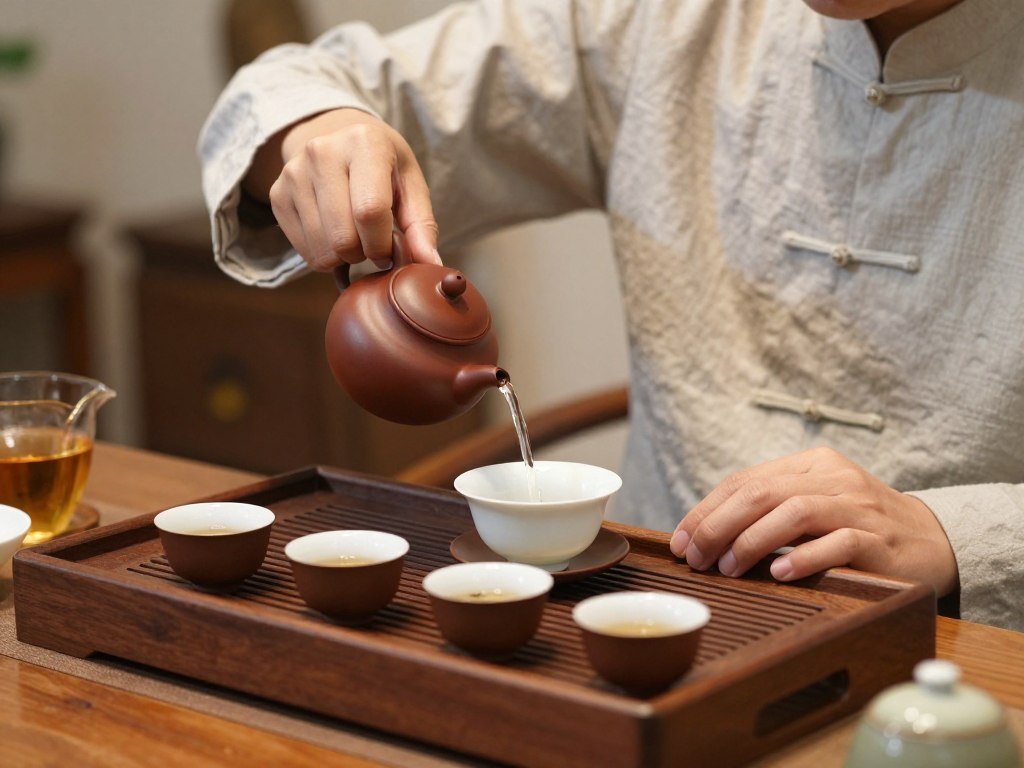
Tea masters guide you through proper techniques. Warming the pot and cups prepares them for tea. The first steeping rinses the leaves and is discarded. Subsequent steepings reveal evolving flavors.
Small cups encourage multiple tastings. Smell the aroma before drinking. Sip slowly to appreciate subtle notes. Discuss flavors between servings. The ceremony extends for 30 minutes to an hour.
Different tea varieties showcase Taiwan’s production. High mountain oolong grows above 1,000 meters elevation. Oriental Beauty develops unique flavor through insect interaction. Aged teas mellow over years or decades.
Night Market Social Dynamics
Night markets function as Taiwan’s living rooms. Locals socialize while eating and shopping. Observing interaction patterns reveals cultural values. Participating authentically requires understanding unwritten rules.
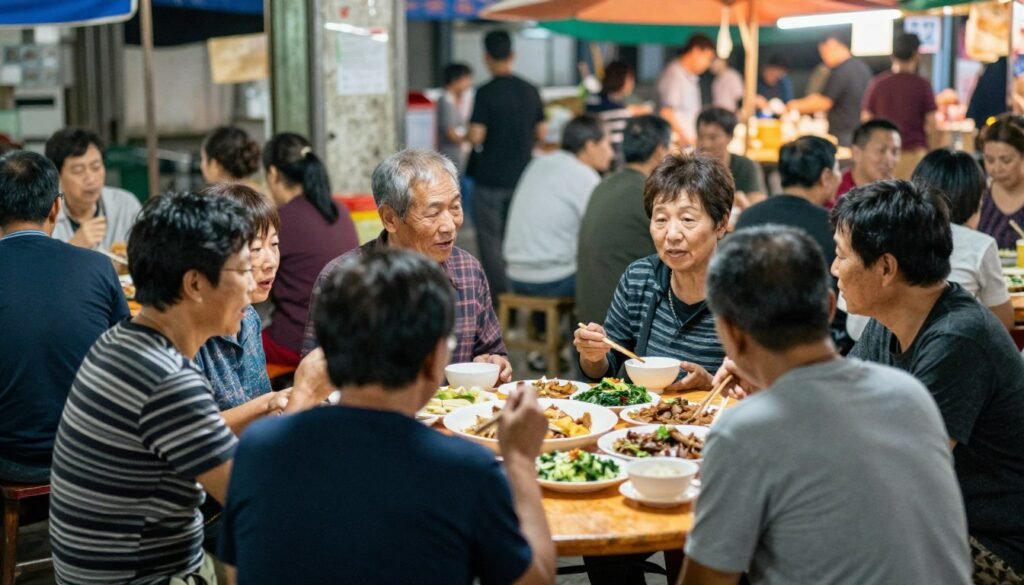
Vendors expect minimal interaction during busy periods. Point at items you want rather than lengthy conversations. Money exchanges happen quickly and efficiently. Vendors appreciate clear communication.
Sharing tables with strangers represents normal practice. Squeeze into available spaces without asking permission. Maintain your personal space while accommodating others. Leave promptly after finishing to free space for others.
Trash disposal follows specific systems. Separate bins collect different waste types. Many markets have limited trash bins to encourage taking trash home. Vendors sometimes accept trash from customers who purchased from them.
Festival Celebrations Throughout the Year
Traditional festivals maintain strong presence in modern Taipei. These celebrations honor deities, ancestors, and seasonal changes. Participation offers deep cultural immersion. Each festival features unique customs and foods.
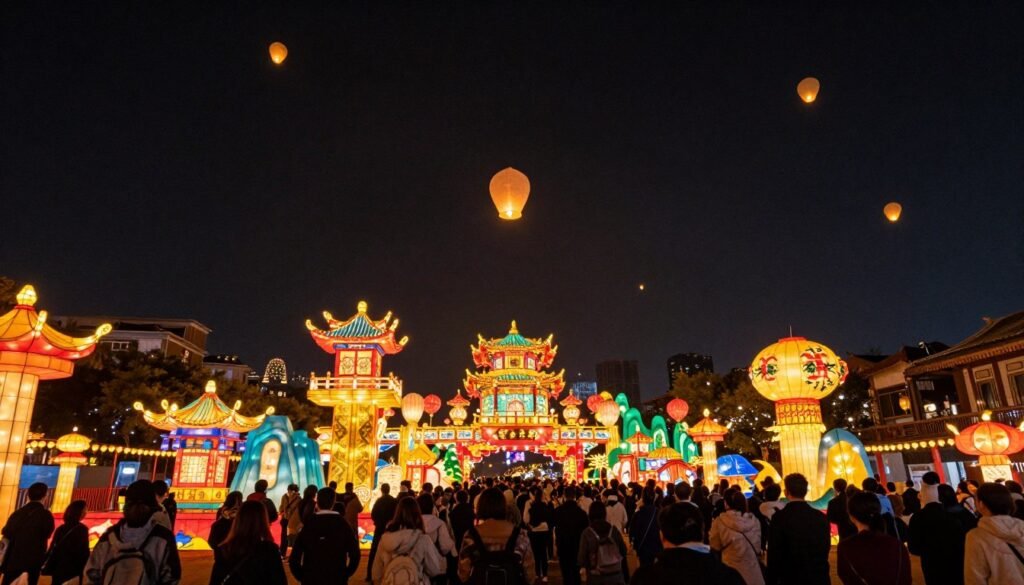
Lunar New Year celebrations extend for weeks. Families clean houses to sweep away bad luck. Red decorations symbolize good fortune. Giving red envelopes with money brings blessings. Fireworks frighten away evil spirits.
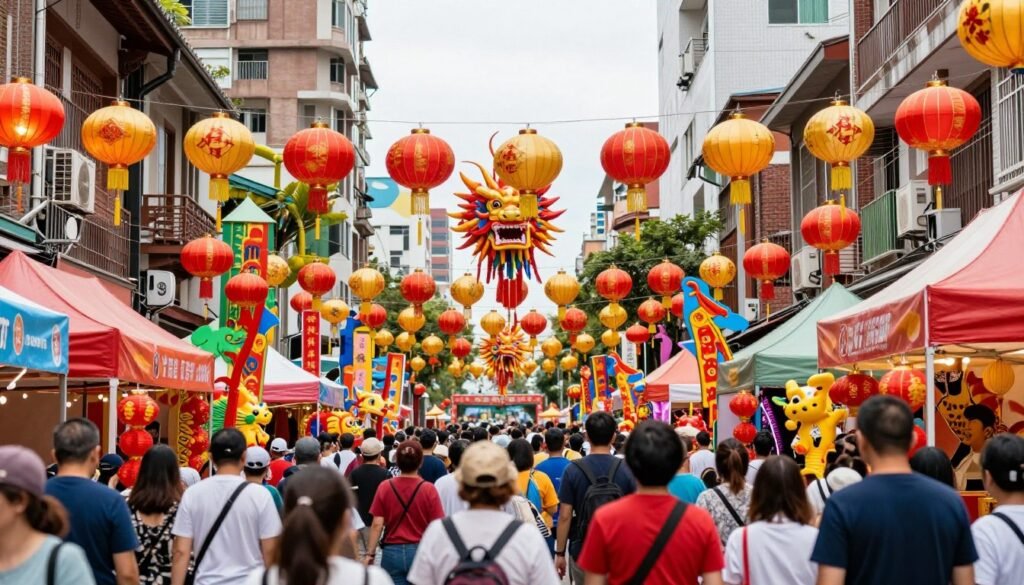
Lantern Festival concludes New Year celebrations. Massive lantern displays illuminate parks and streets. Riddles written on lanterns challenge visitors. Families carry lanterns through crowds. Tang yuan sweet soup balls mark the occasion.
Dragon Boat Festival honors ancient poet Qu Yuan. Dragon boat races attract competitive teams. Spectators cheer from riverbanks. Zongzi sticky rice dumplings wrapped in bamboo leaves are eaten. Hanging medicinal herbs wards off evil spirits.
Ghost Month during the seventh lunar month requires special precautions. The gates of the underworld open, releasing spirits. People make offerings to wandering ghosts. Many avoid swimming, traveling, or moving during this period.
Language and Communication Tips
Mandarin Chinese serves as Taiwan’s official language. Many Taiwanese people also speak Taiwanese Hokkien. English proficiency varies greatly by age and location. Younger people and those in tourist areas speak more English.
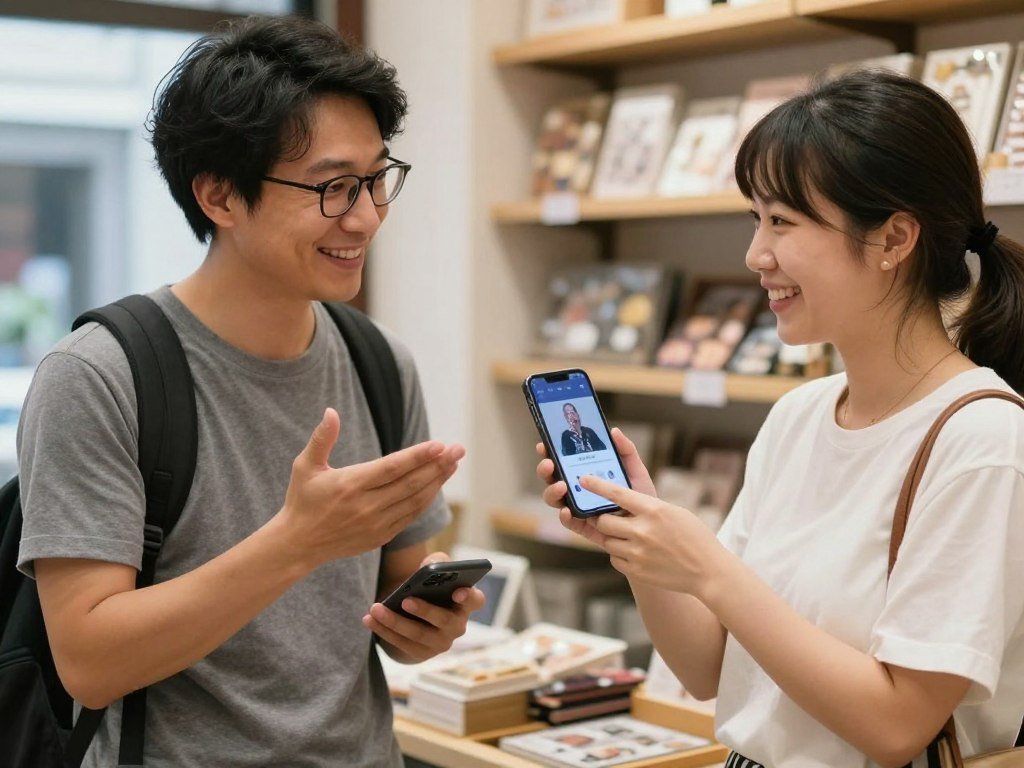
Basic Mandarin phrases enhance your experience. “Ni hao” (hello) and “Xie xie” (thank you) show respect. “Duo shao qian?” (how much?) helps with shopping. Locals appreciate any attempt to speak Mandarin.
Translation apps provide helpful assistance. Google Translate works offline with downloaded language packs. Photo translation features decode menus and signs. Voice translation aids spoken communication.
Writing addresses and destinations in Chinese ensures clarity. Hotel staff can write locations for taxi drivers. Screenshots of Chinese text help when asking directions. Many Taiwanese people willingly assist lost visitors.
Body language and pointing overcome many barriers. Vendors understand shopping gestures universally. Smiling creates positive interactions across language differences. Patience and humor smooth communication difficulties.
Cultural Participation Benefits
- Deeper understanding of Taiwanese values
- More meaningful travel memories
- Authentic interactions with locals
- Appreciation for cultural complexity
- Unique experiences unavailable to casual tourists
Common Cultural Challenges
- Language barriers complicate communication
- Different concepts of personal space
- Indirect communication style can confuse
- Unfamiliar social etiquette rules
- Certain gestures have different meanings
Day Trips and Nearby Destinations: Exploring Beyond Taipei
Taiwan’s compact geography makes day trips extremely accessible. Mountain villages, coastal towns, and natural wonders lie within two hours. These excursions provide contrast to urban Taipei. Each destination offers unique attractions and experiences.
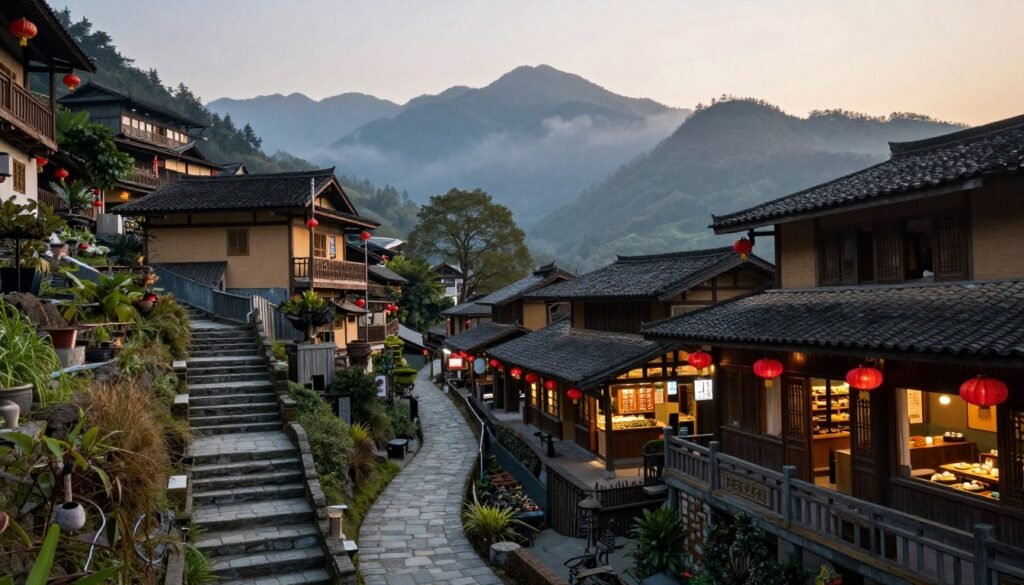
Jiufen: Mountain Village with Golden Past
Jiufen clings to mountainsides overlooking the Pacific Ocean. This former gold mining town inspired Studio Ghibli’s Spirited Away. Narrow alleyways wind between traditional buildings. Red lanterns create magical atmosphere after dark.
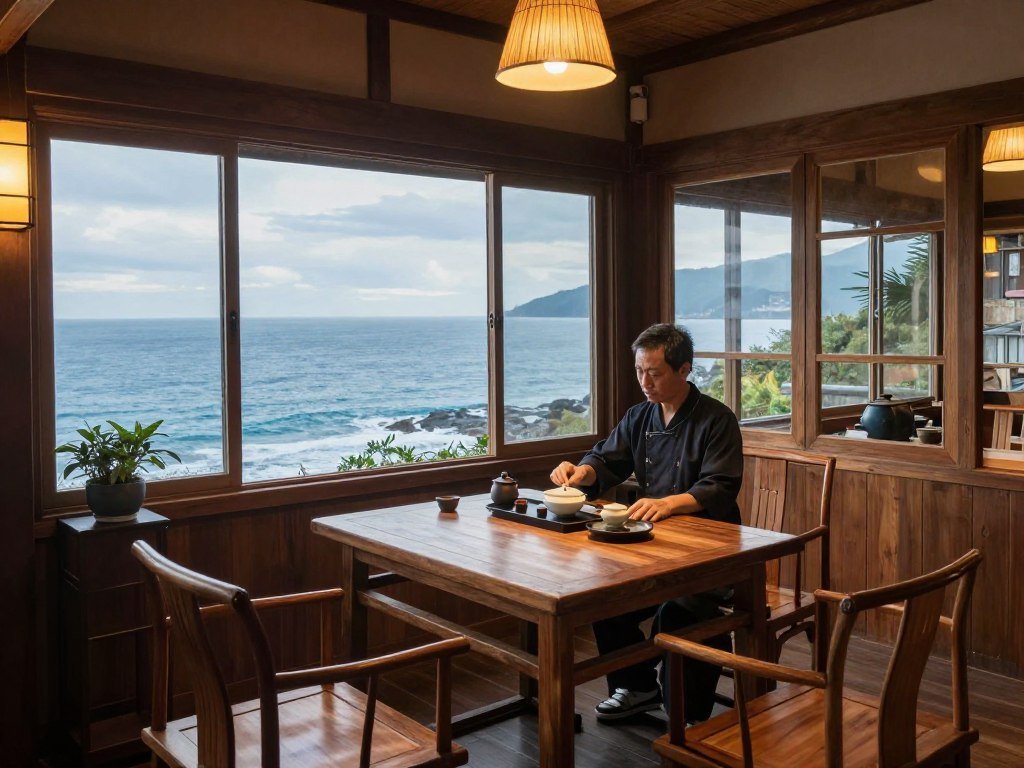
Old Street forms the town’s commercial heart. Tea houses occupy historic buildings with ocean views. Local specialties include taro balls and peanut ice cream rolls. Shops sell handmade crafts and nostalgic souvenirs.
Reach Jiufen by bus from Taipei in approximately 90 minutes. Buses depart from several locations throughout the city. Return buses run until evening. The mountain location creates cooler temperatures and frequent rain.
Combine Jiufen with nearby Jinguashi for full-day exploration. Gold Ecological Park preserves mining history. The area offers hiking trails with coastal views. Plan to spend four to six hours exploring both locations.
Shifen: Waterfalls and Sky Lanterns
Shifen village centers around railroad tracks and waterfalls. Trains pass through the main street several times hourly. Visitors walk on tracks between train arrivals. The unique setting creates memorable photos.
Sky lantern releasing brings visitors from around the world. Write wishes on paper lanterns in Chinese or any language. Light the fuel cell and watch your lantern float skyward. The tradition originated from military communication methods.
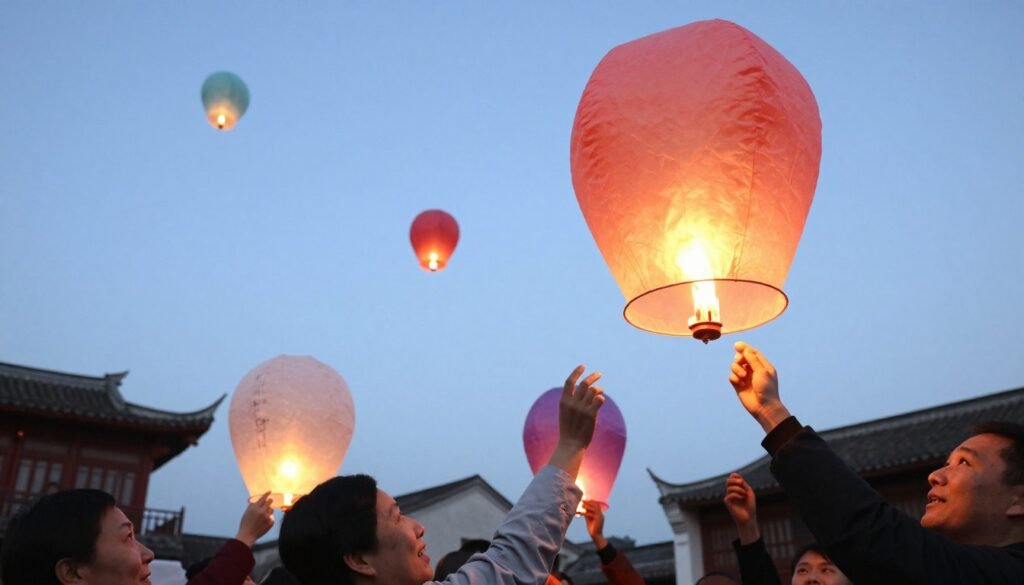
Shifen Waterfall ranks as Taiwan’s broadest cascade. The 65-foot-wide falls create impressive displays. Walking trails provide multiple viewpoints. Mist from the falls cools visitors on hot days.
Combine Shifen with Jiufen for efficient day trip planning. Tour companies offer packages visiting both destinations. Independent travelers use the train system. The scenic railway journey adds to the experience.
Yangmingshan National Park: Volcanic Landscapes
Yangmingshan National Park sits just north of Taipei. Volcanic activity created unique landscapes and hot springs. Cherry blossoms bloom spectacularly during spring. Hiking trails range from easy walks to challenging climbs.
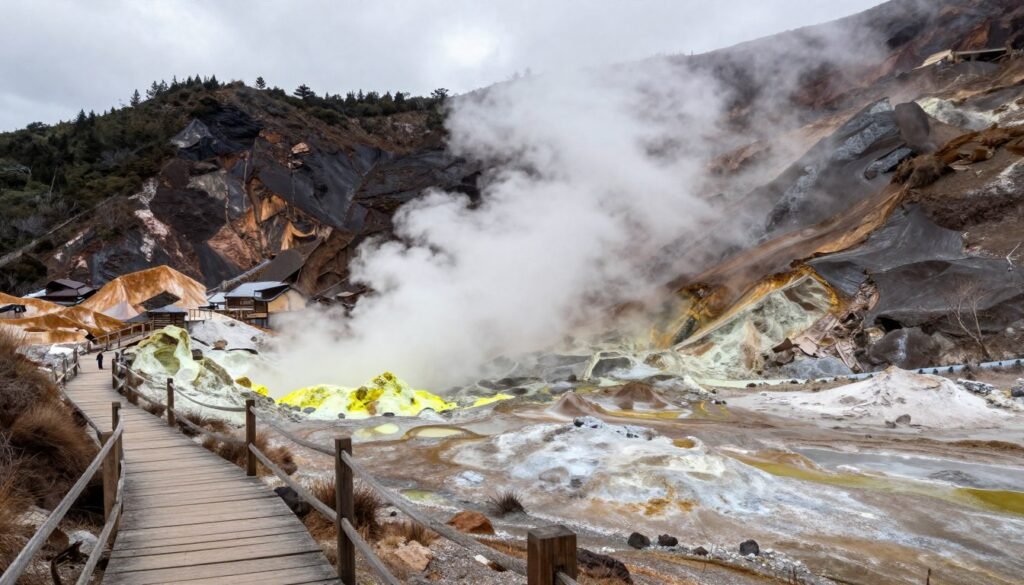
Xiaoyoukeng displays active volcanic features. Steam vents release sulfurous gases. The smell of sulfur fills the air. Geological formations reveal volcanic processes. Viewing platforms provide safe observation points.
Qingtiangang Grassland offers wide-open meadows. Water buffalo graze freely across the hills. Hiking trails cross the grassland to mountain peaks. The area provides welcome contrast to dense city streets.
Flower seasons attract huge crowds to the park. Calla lilies bloom white across hillsides during spring. Hydrangeas add blue and purple colors during summer. Visit weekdays to avoid weekend crowds.
Yehliu Geopark: Nature’s Sculptures
Yehliu Geopark showcases weathered rock formations along the coast. Ocean and wind carved sandstone into fantastic shapes. The most famous formation resembles Queen Elizabeth’s head. Erosion continues changing formations gradually.
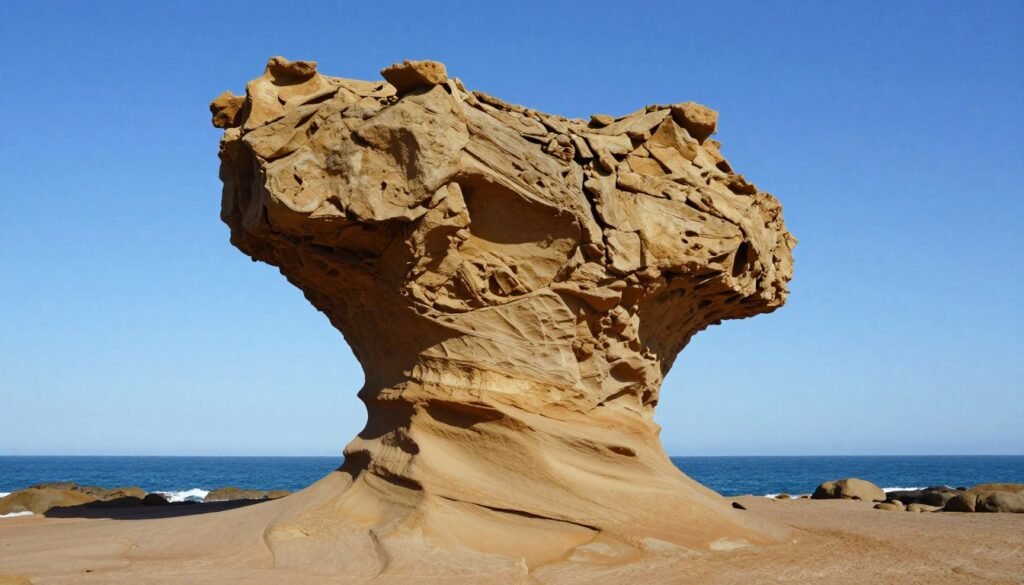
Mushroom rocks dot the coastal promontory. Honeycomb weathering patterns cover surfaces. Sea candles stand like frozen fountains. Each formation tells geological stories spanning thousands of years.
Safety barriers protect the most fragile formations. Stay on designated paths to preserve the landscape. Strong winds make the area feel cooler than temperatures suggest. Bring windbreakers even during summer.
Combine Yehliu with Jiufen for a northern coast day trip. Buses connect the major destinations. Plan three to four hours at the geopark. Seafood restaurants nearby serve fresh catches.
Tamsui: Riverside Romance and History
Tamsui sits at the mouth of the Tamsui River. This waterfront town played important roles in Taiwan’s history. Foreign traders established presence during the 1800s. Colonial architecture preserves this heritage.
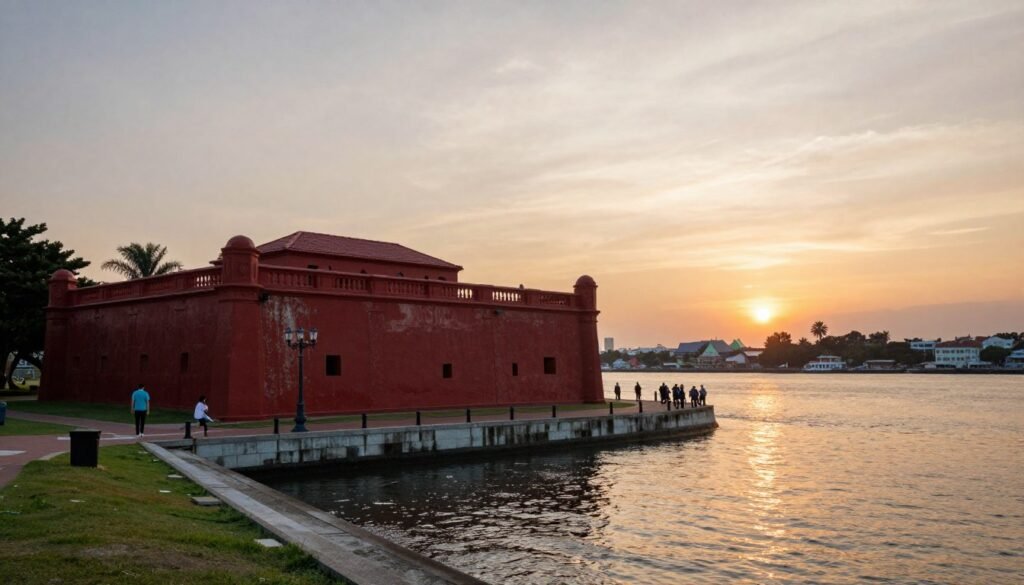
Fort San Domingo represents Spanish and Dutch colonial periods. The distinctive red building overlooks the river. Inside displays explain Taiwan’s colonial history. Adjacent British consulate showcases Victorian architecture.
The riverside promenade becomes packed during weekends. Street food vendors sell local specialties. Fish crackers and iron eggs make popular snacks. Sunset views attract romantic couples and photographers.
Reach Tamsui easily via the Red MRT line. The terminal station sits in the town center. Return trains run until midnight. Many visitors combine Tamsui with Beitou hot springs.
Jiufen & Shifen Tour
Visit two iconic villages in one day. Release sky lanterns, explore gold mining history, and enjoy mountain views. Includes transportation, entrance fees, and English-speaking guide.
- 8-hour guided tour
- Sky lantern experience included
- Waterfall visit
- Hotel pickup available
Yangmingshan Nature Hike
Explore volcanic landscapes and hot springs. Experienced guides lead hikes through diverse ecosystems. Learn about geology, flora, and fauna unique to the area.
- 6-hour hiking experience
- Volcanic features viewing
- Multiple difficulty options
- Small group sizes
Northern Coast Adventure
Discover Yehliu Geopark and coastal scenery. Marvel at natural rock formations shaped by wind and waves. Continue to historic Tamsui for sunset views.
- Full-day coastal tour
- Geopark entrance included
- Seafood lunch opportunity
- Flexible departure times
Practical Travel Tips: Essential Information for Visitors
Successful Taipei visits depend on practical knowledge. Understanding local systems prevents frustration. Small preparations enhance your overall experience. These tips come from experienced travelers and local insights.
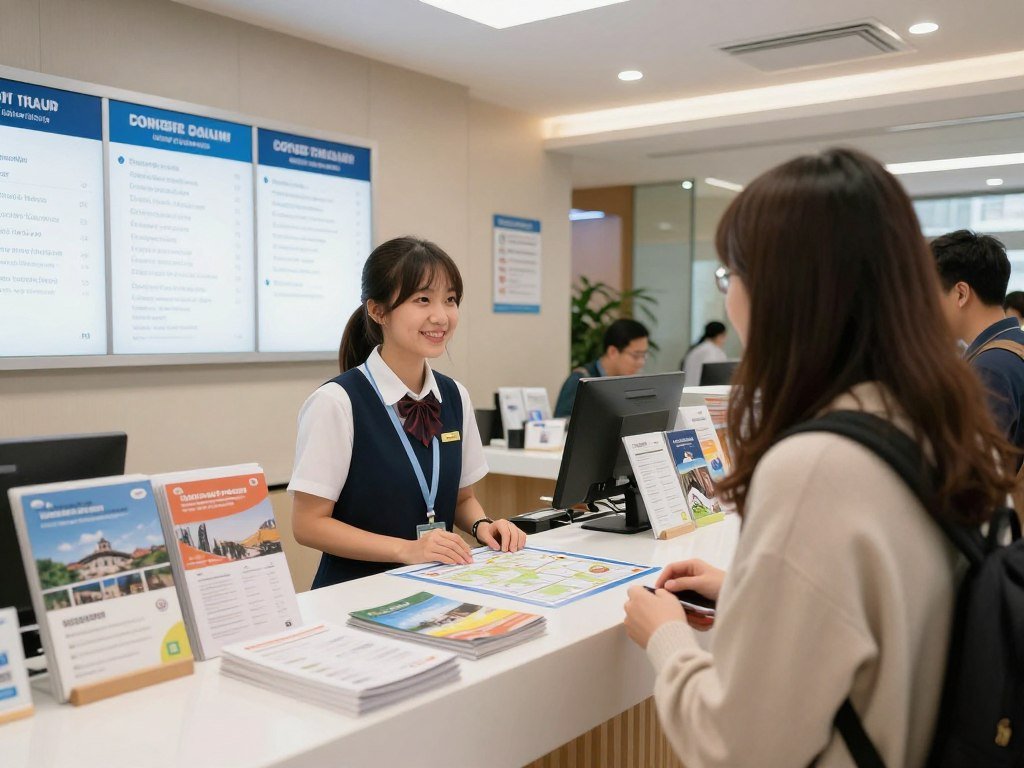
Money Matters and Payment Systems
Taiwan Dollar (TWD or NT$) serves as the official currency. Exchange rates fluctuate around 30 TWD to 1 USD. Airport exchange counters offer convenient but less favorable rates. Banks and money changers in the city provide better exchange rates.
ATMs accept most international cards throughout Taipei. Machines at 7-Eleven and Family Mart convenience stores work reliably. Daily withdrawal limits typically range from 20,000 to 30,000 TWD. Notify your bank about Taiwan travel to prevent card blocks.
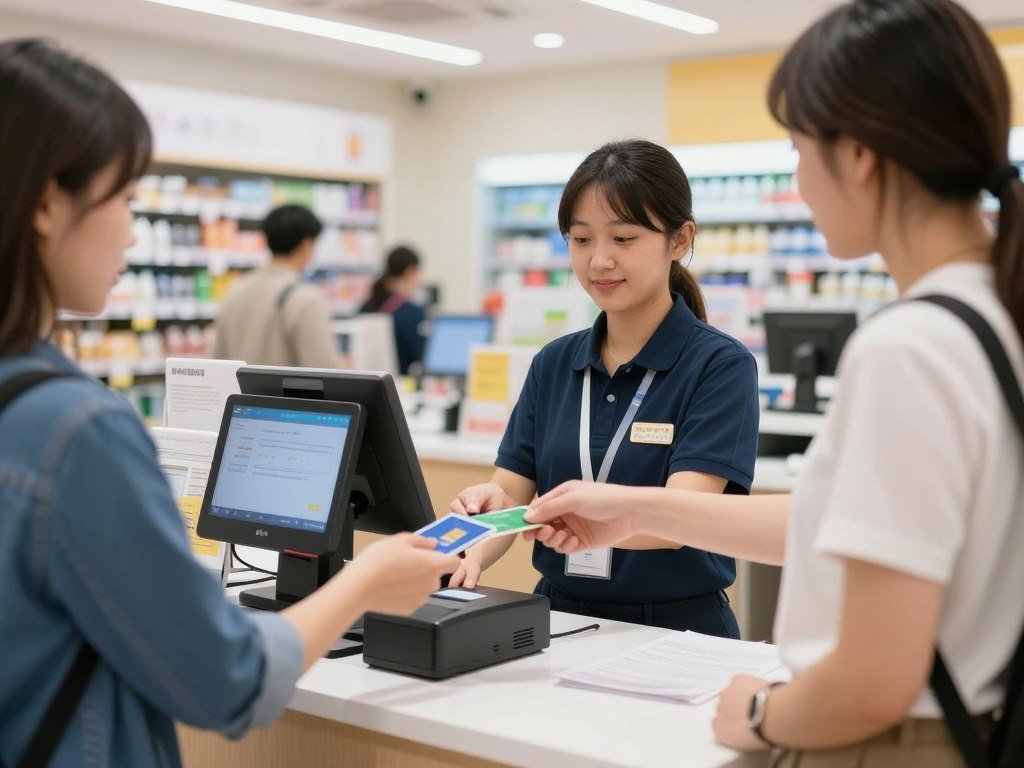
Credit cards acceptance increases but cash remains king. Major hotels and restaurants accept international cards. Night markets and small vendors require cash. Carry small bills for easier transactions.
Tipping doesn’t form part of Taiwanese culture. Service charges appear in upscale restaurant bills. Taxi drivers don’t expect tips. Rounding up shows appreciation without obligation.
Internet and Mobile Connectivity
Free WiFi exists throughout Taipei extensively. Taipei Free WiFi requires one-time registration. Many cafes, restaurants, and hotels offer free internet. MRT stations provide WiFi access on platforms.
Tourist SIM cards provide reliable mobile data. Purchase cards at airport kiosks upon arrival. Plans offer unlimited data for various durations. Activation happens immediately for instant connectivity.
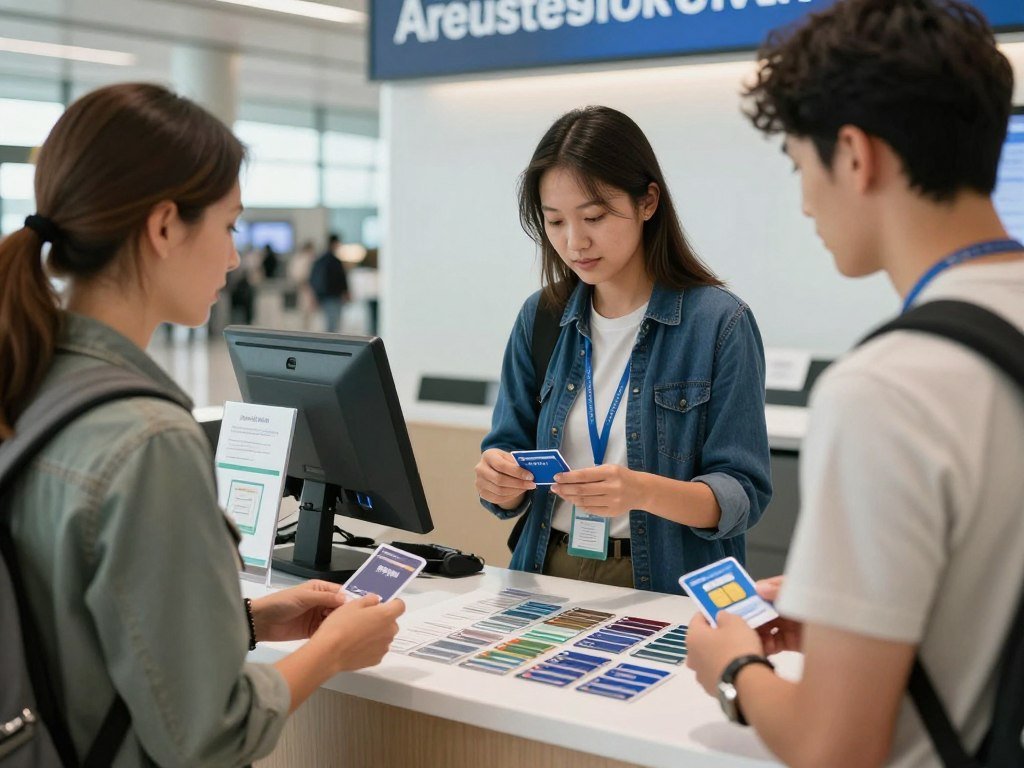
Pocket WiFi devices serve groups well. Multiple devices connect to one rental unit. Battery lasts full days of use. Return devices at airport before departure.
Download offline maps before arrival. Google Maps works excellently in Taipei. Save important addresses in Maps for easy reference. Screenshot essential information as backup.
Safety and Health Considerations
Taipei ranks among the world’s safest cities. Violent crime against tourists remains extremely rare. Petty theft occurs but less than other major cities. Normal precautions suffice for personal safety.
Tap water meets international safety standards. Hotels provide electric kettles for boiling water. Bottled water costs little at convenience stores. Staying hydrated prevents heat-related issues during summer.
Medical facilities provide excellent care throughout the city. National Health Insurance accepts foreign visitors at hospitals. Pharmacies stock common medications without prescriptions. Travel insurance covers unexpected medical costs.
Air quality occasionally reaches unhealthy levels. Check Air Quality Index before outdoor activities. Masks help during poor air quality days. Pollution typically worsens during winter months.
Shopping and Business Hours
Convenience stores operate 24 hours providing essential services. Banks open weekdays from 9 AM to 3:30 PM. Government offices close on weekends and holidays. Most attractions maintain seven-day schedules.
Department stores open around 11 AM closing at 9:30 PM. Weekend hours sometimes extend later. Night markets operate from early evening until midnight. Some vendors close when inventory sells out.
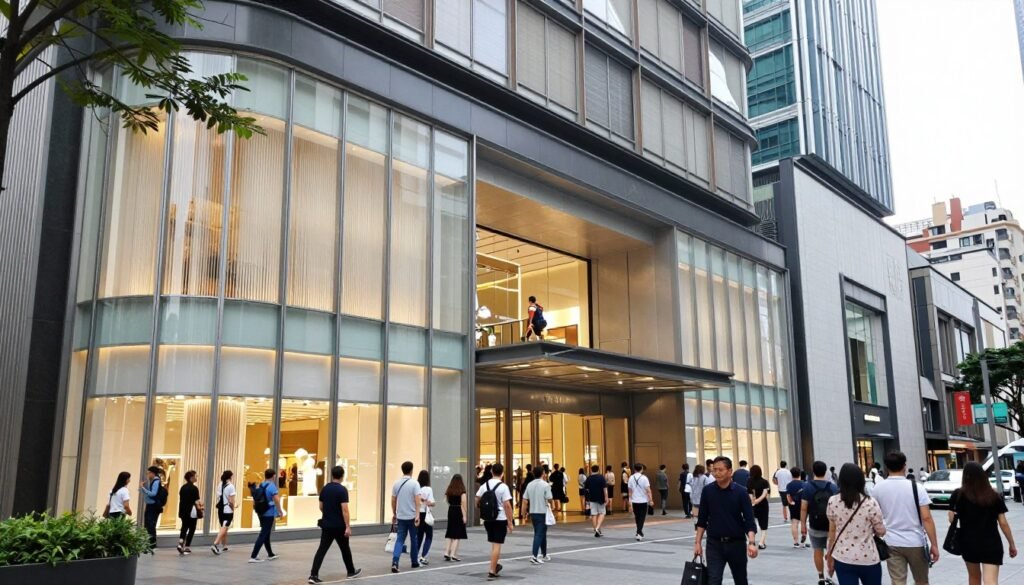
Bargaining doesn’t apply in most situations. Fixed prices prevail at stores and restaurants. Markets and street vendors may negotiate slightly. Respectful haggling works better than aggressive tactics.
Tax refund services exist for significant purchases. Spend over 2,000 TWD at participating stores. Keep receipts and claim refunds at airport. Processed refunds take several weeks to credit cards.
Weather Preparedness
Pack layers regardless of travel season. Indoor air conditioning runs cold year-round. Outdoor temperatures vary by time and weather. Light jackets work for most situations.
Rain occurs frequently throughout the year. Compact umbrellas fit easily in day bags. Many shops sell cheap umbrellas during sudden showers. Convenience stores stock emergency rain gear.
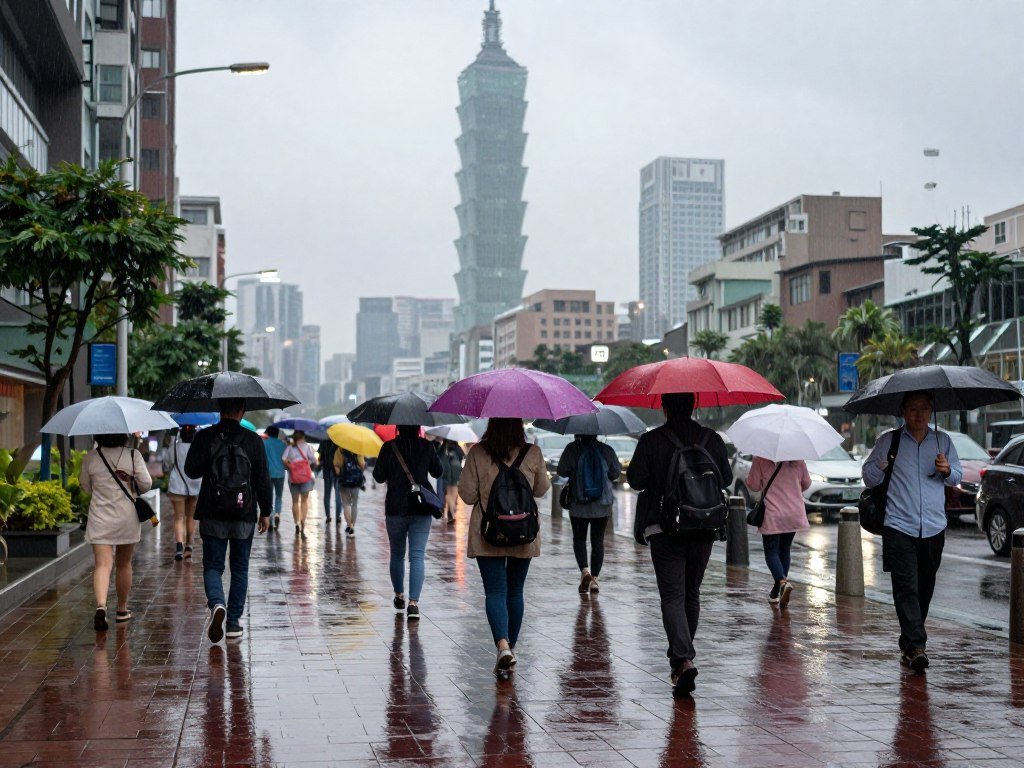
Sun protection prevents discomfort during summer months. Sunscreen, hats, and sunglasses prove essential. Seek shade during peak afternoon hours. Many locals carry parasols year-round.
Typhoon season runs from July through September. Weather forecasts predict storm paths accurately. Most typhoons cause rain without dangerous conditions. Hotels and transportation systems handle storms routinely.
Do I need a visa to visit Taiwan?
Citizens from many countries including the USA, Canada, UK, and EU nations can visit Taiwan visa-free for 90 days. Japan, South Korea, and several other countries receive even longer visa-free stays. Check Taiwan’s Bureau of Consular Affairs website for your specific nationality requirements before travel.
Is English widely spoken in Taipei?
English proficiency varies throughout Taipei. Tourist areas, hotels, and major attractions generally have English-speaking staff. Younger Taiwanese people typically speak more English than older generations. Translation apps help bridge communication gaps when needed. Most signs in tourist areas include English text.
How much money do I need per day?
Daily budgets depend heavily on travel style. Budget travelers manage on $30-50 per day eating street food and using public transport. Mid-range travelers spending $80-120 enjoy comfortable hotels and occasional restaurant meals. Luxury travelers budgeting $200+ access premium experiences and accommodations. Taipei offers value across all budget levels.
What’s the best way to get from the airport?
The Airport MRT provides the fastest and most economical option, reaching downtown in 35-40 minutes for approximately $5 USD. Buses cost less but take longer in traffic. Taxis offer door-to-door service for $40-50 USD. Pre-arranged transfers suit travelers with heavy luggage or arriving late at night.
Are there vegetarian food options available?
Taipei accommodates vegetarians excellently. Buddhist vegetarian restaurants exist throughout the city. Night markets offer vegetable-based dishes. Many traditional restaurants prepare vegetarian versions of popular dishes. Look for the Chinese characters for vegetarian (素食) or use translation apps to communicate dietary needs.
Emergency Contact Numbers
- Emergency Services (Police/Fire/Ambulance): 110 or 119
- Foreign Affairs Police: 02-2556-6007
- Tourist Information Hotline: 0800-011-765 (English available)
- International SOS Medical Assistance: +886-2-2523-2220

Seasonal Highlights and Special Events: Year-Round Taipei
Each season brings unique characteristics to Taipei. Weather patterns influence activities and experiences. Special events punctuate the calendar throughout the year. Planning around seasons and events optimizes your visit.
Spring Cherry Blossom Season (February to March)
Cherry blossoms transform Taipei into a pink wonderland. Yangmingshan National Park hosts the most spectacular displays. Thousands of trees bloom across hillsides. Flower viewing parties gather families and friends.
Specific bloom times vary by weather conditions. Warm winters advance blooming schedules. Cool springs delay peak blooms. Weather forecasts predict bloom timing approximately two weeks ahead.
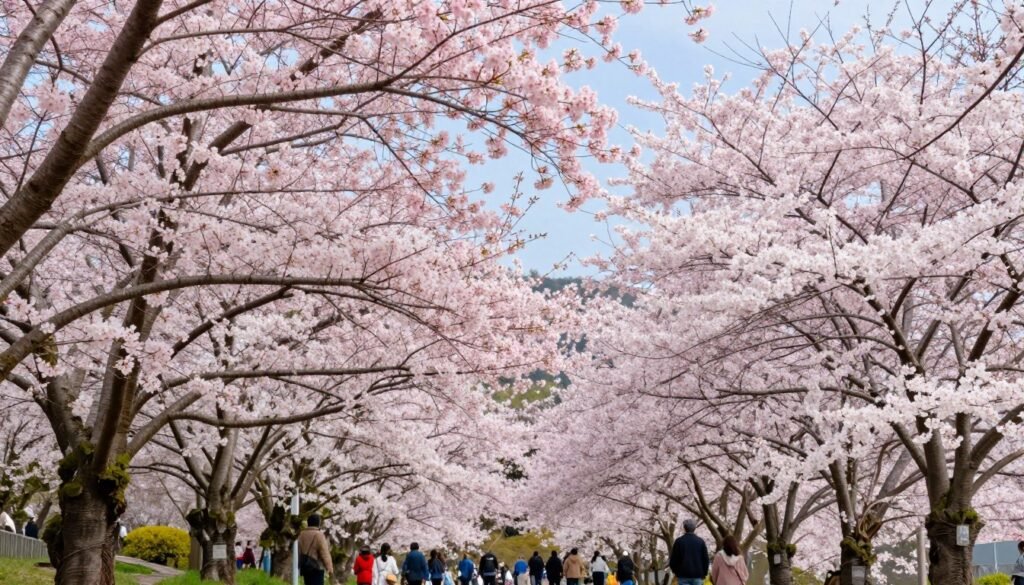
Popular viewing spots become extremely crowded during weekends. Weekday visits offer more peaceful experiences. Early morning light enhances photography. Petals falling create romantic scenes.
Parks throughout Taipei feature cherry tree plantings. Daan Forest Park provides accessible city viewing. Campus grounds at universities open to visitors. Night illumination extends viewing into evenings.
Summer Mango Season (May to July)
Taiwan’s mangoes achieve legendary status among fruit lovers. Peak season brings incredible variety and flavor. Shaved ice desserts showcase the fruit’s sweetness. Every dessert shop features mango specials.
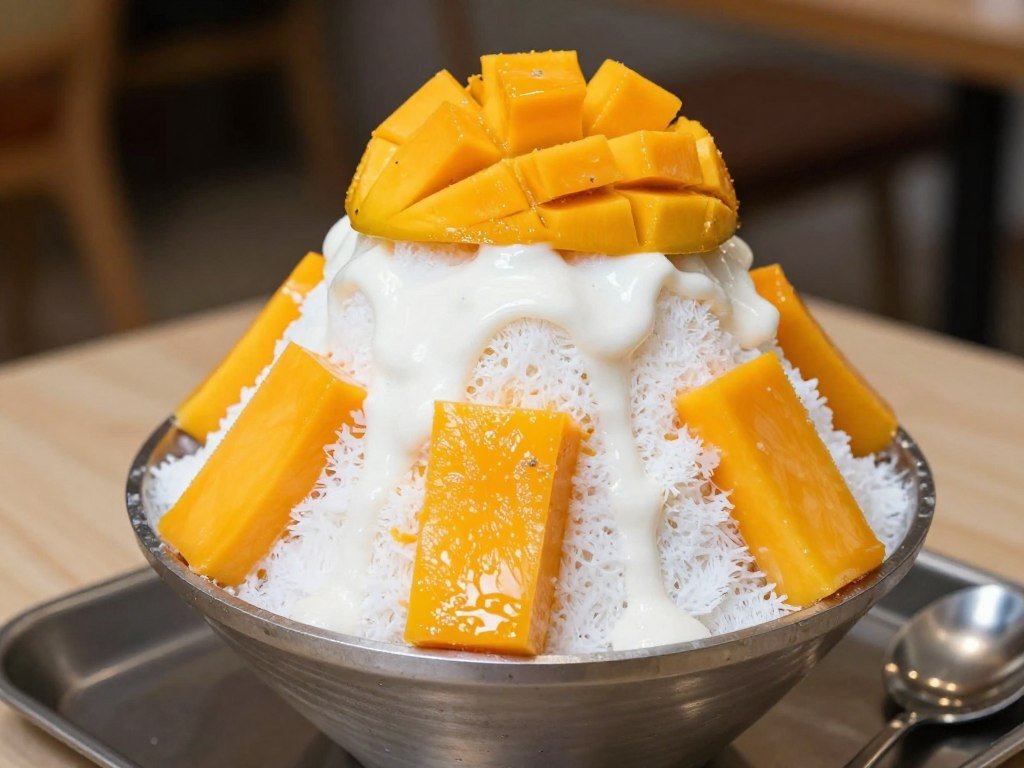
Ice Monster pioneered elaborate shaved ice creations. Their mango snow ice melts like cotton candy. Generous fruit portions justify higher prices. Lines form during peak afternoon hours.
Traditional ice shops offer simpler presentations at lower costs. The fruit quality remains excellent across price points. Night markets sell mango by the box. Hotel buffets feature extensive mango selections.
Autumn Moon Festival (September to October)
Mid-Autumn Festival celebrates harvest and family unity. Mooncakes appear in stores weeks before the actual date. These sweet pastries contain various fillings. Gifting mooncakes maintains important social traditions.
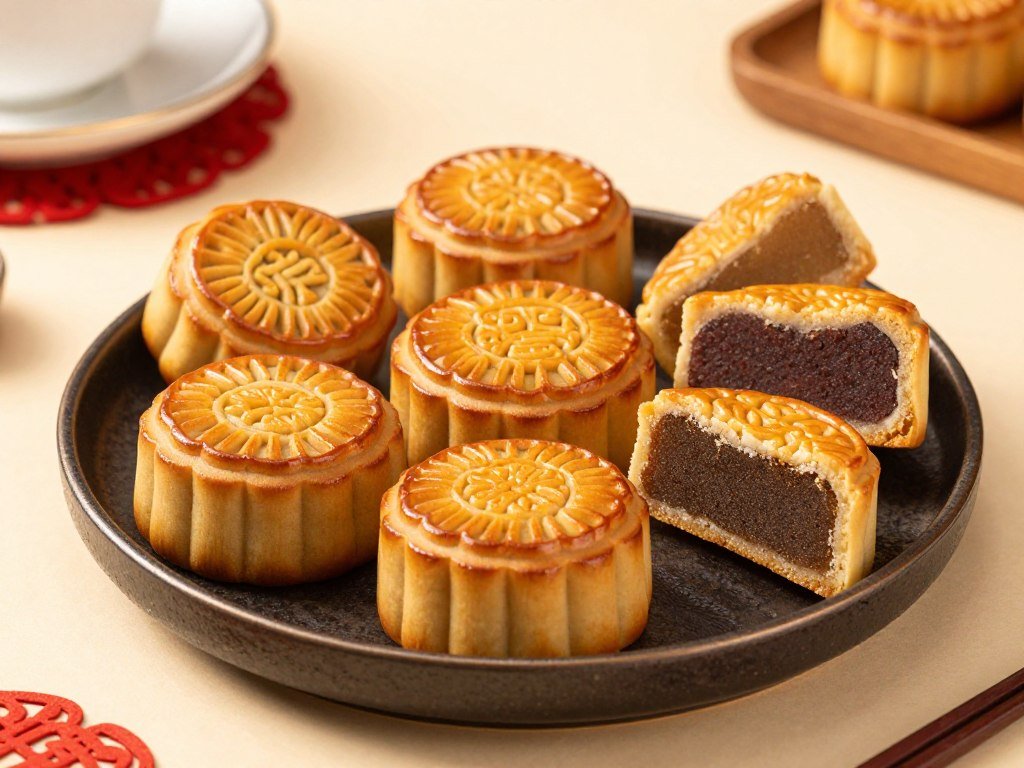
Families gather for outdoor barbecues during the festival. Parks fill with grilling families and friends. The full moon adds special atmosphere. Pomelos and other seasonal fruits feature prominently.
Hotels create elaborate mooncake collections. Innovative flavors attract younger consumers. Traditional bakeries maintain classic recipes. Prices range from economical to luxury gift sets.
Winter Hot Spring Season (December to February)
Cooler temperatures make hot springs especially appealing. Beitou’s thermal waters provide city-accessible soaking. Various minerals color different hot spring sources. Japanese bathing culture influences local practices.
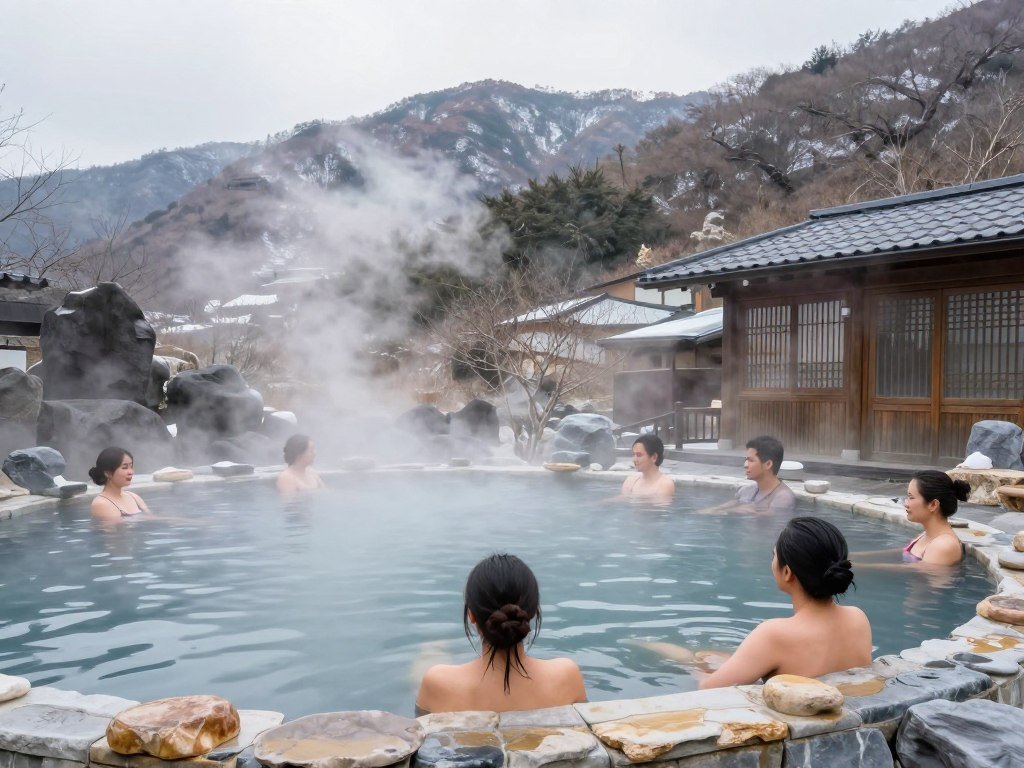
Public baths offer affordable thermal experiences. Separate gender facilities follow Japanese customs. Private room rentals provide intimate settings. Resort hotels feature multiple pools at various temperatures.
Proper hot spring etiquette requires understanding. Shower thoroughly before entering pools. Tattoos may cause entry restrictions at some facilities. Bring your own towels or rent on-site.
- Cherry blossoms in full bloom
- Comfortable temperatures for walking
- Fewer tourists than autumn
- Fresh produce at markets
- Pleasant hiking weather
Spring Benefits
- Best mango season
- Longest daylight hours
- Beach and water activities
- Vibrant night market atmosphere
- Lower hotel rates
Summer Advantages
- Perfect weather conditions
- Mid-Autumn Festival celebrations
- Clear skies for photography
- Fall foliage in mountains
- Peak travel season energy
Autumn Highlights
- Hot spring season
- Lower tourist numbers
- Reduced accommodation costs
- Christmas and New Year events
- Comfortable temperatures
Winter Perks
Family-Friendly Taipei: Traveling with Children
Taipei welcomes families with extensive child-friendly infrastructure. Public facilities accommodate parents with young children. Safety standards meet international expectations. Many attractions cater specifically to younger visitors.
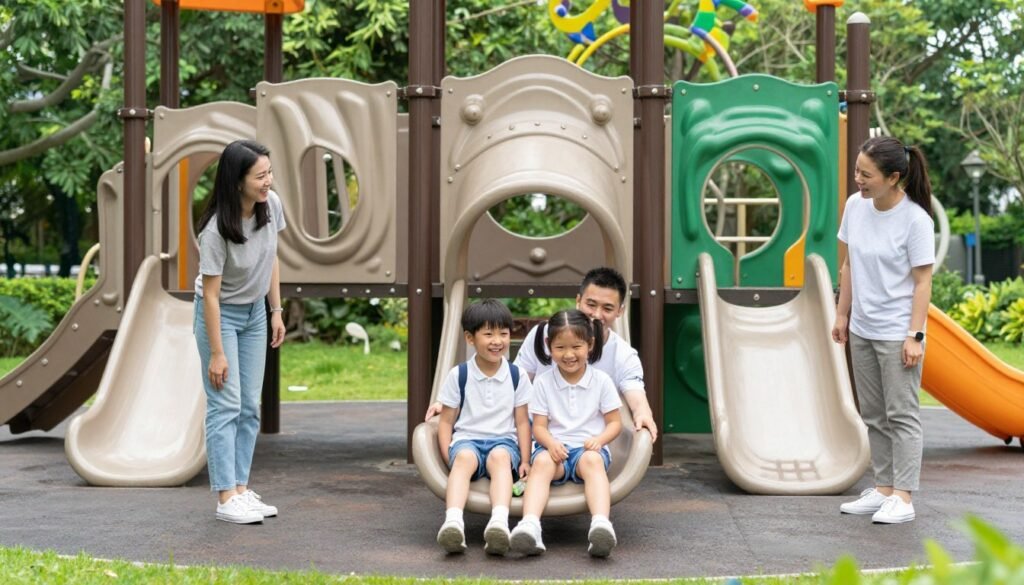
Taipei Zoo: Wildlife Education
Taipei Zoo houses over 400 species across expansive grounds. The Giant Panda exhibit remains the most popular attraction. Arrive early to see pandas during active morning hours. Afternoon finds them sleeping.
Themed areas represent different global ecosystems. Tropical rainforest exhibits maintain high humidity. Desert areas showcase adapted species. Children’s zoo allows close animal interactions.
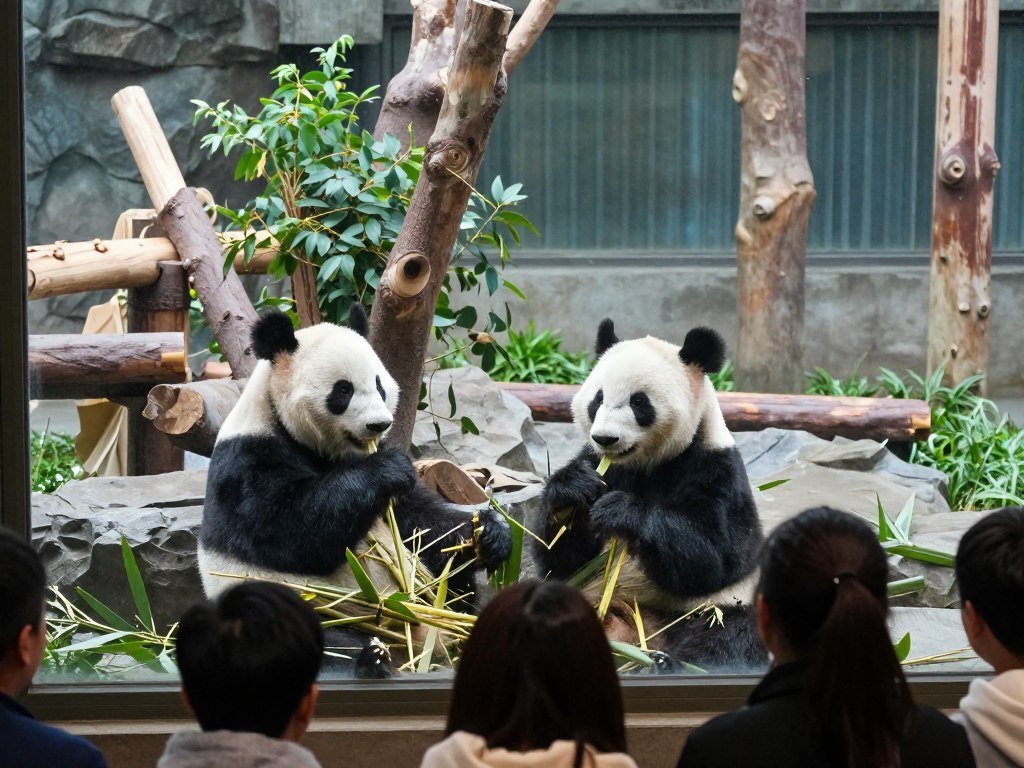
Trams transport tired families between sections. Multiple restaurants and snack stands provide meal options. Shaded areas offer relief during hot weather. Plan minimum half-day visits to see highlights.
Maokong Gondola connects the zoo to tea plantations. The cable car journey entertains children while providing views. Crystal floor cars add extra excitement. Riding both directions creates memorable experiences.
National Taiwan Science Education Center: Interactive Learning
This science museum engages children through hands-on exhibits. Interactive displays explain scientific principles playfully. Regular demonstrations showcase exciting experiments. The facility promotes learning through entertainment.
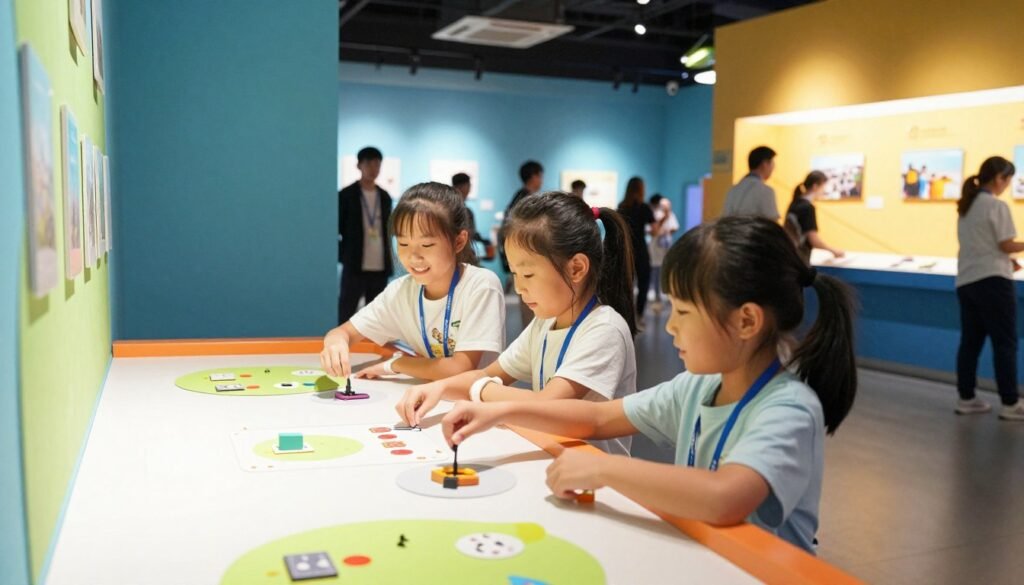
Permanent exhibitions cover physics, chemistry, and biology. Temporary shows rotate throughout the year. IMAX theater screens educational films. Planetarium presents astronomical shows.
English explanations accompany many exhibits. Staff members speak limited English. The hands-on nature transcends language barriers. Age-appropriate sections cater to different developmental stages.
Miramar Entertainment Park: Urban Family Entertainment
This shopping complex includes a Ferris wheel on the roof. The wheel lights up at night becoming a neighborhood landmark. Indoor rides operate regardless of weather. Movie theaters show family-friendly films.
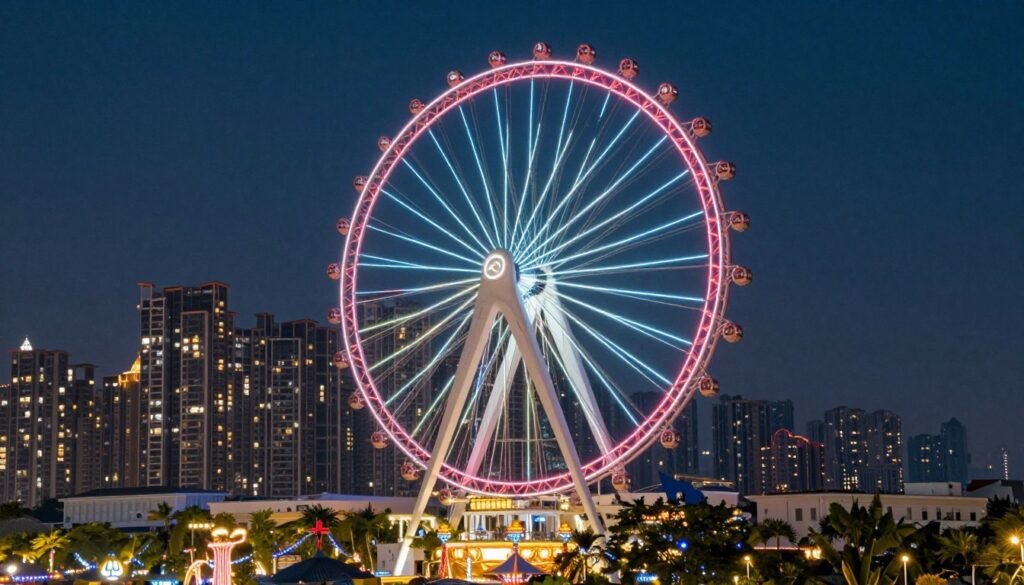
Restaurants provide options from fast food to sit-down dining. Children’s play areas give parents shopping breaks. The complex connects directly to MRT stations. Air conditioning provides comfortable year-round visits.
Kid-Friendly Dining Options
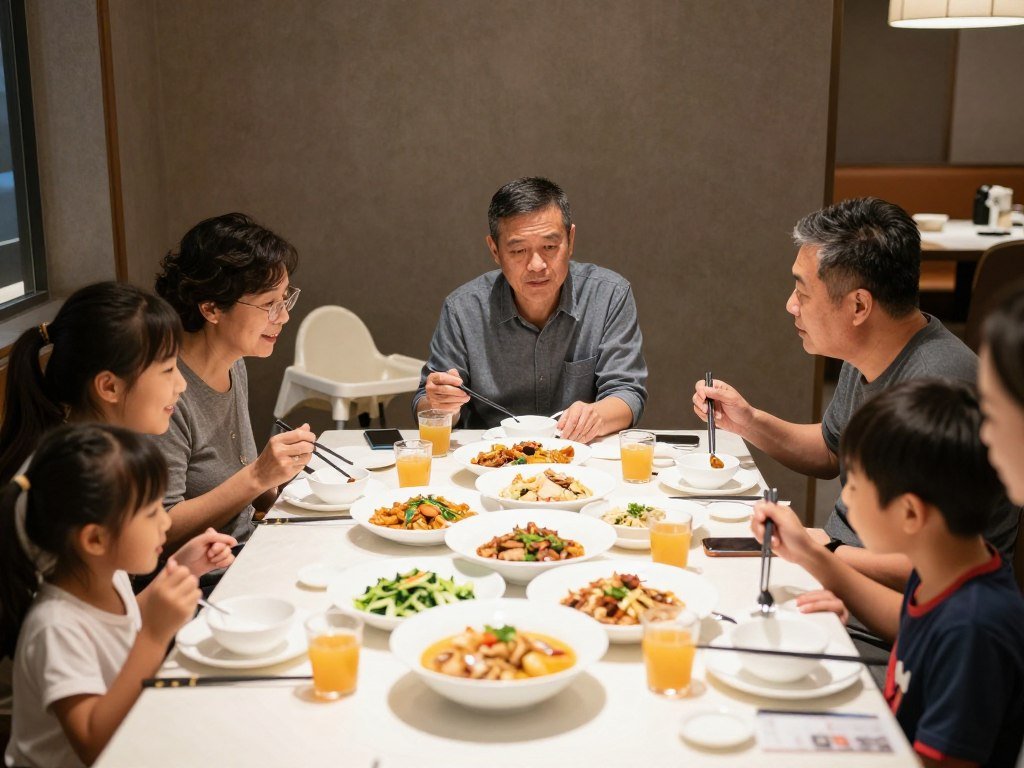
Many restaurants welcome families with open arms. High chairs appear at most establishments. Children’s menus offer familiar options alongside local dishes. Staff often dote on young foreign visitors.
Din Tai Fung’s consistent quality appeals to cautious young eaters. Noodles and fried rice provide safe choices. Dessert buns satisfy sweet cravings. Fast service accommodates short attention spans.
American chain restaurants provide familiar comfort. McDonald’s and KFC exist throughout the city. These offer reliable options for extremely picky eaters. Local variations add cultural interest.
Convenience stores solve many mealtime challenges. Onigiri rice balls make portable snacks. Packaged sandwiches suit Western preferences. Fruit cups provide healthy options. Stores provide essential baby supplies.
Important Notes for Families
- Strollers navigate most areas but stairs appear frequently in older districts
- Baby changing facilities exist in modern malls and major attractions
- Most hotels provide cribs and children’s amenities upon request
- Taiwanese people generally adore children and show patience with young travelers
- Pharmacies stock familiar baby products and formula brands
- MRT priority seating accommodates parents with small children
Your Taipei Adventure Awaits
Taipei offers remarkable experiences for every type of traveler. This Taipei travel guide covered essential aspects of visiting Taiwan’s capital. From the iconic Taipei 101 to hidden neighborhood gems, the city reveals layers of interest.
Night markets showcase Taiwan’s culinary soul through countless dishes. The National Palace Museum preserves cultural treasures spanning millennia. Modern transportation systems make navigation simple for first-time visitors. Friendly locals welcome international guests warmly.
Your visit timing influences what experiences await. Spring brings cherry blossoms painting parks pink. Summer delivers incredible mangoes and vibrant night market energy. Autumn provides perfect weather for exploration. Winter invites relaxation in natural hot springs.
Cultural traditions remain alive throughout modern Taipei. Temple worship continues daily alongside cutting-edge technology. Tea ceremonies preserve ancient practices. Festival celebrations maintain community bonds.
Day trip options extend your exploration beyond city limits. Mountain villages preserve historical character. Coastal formations showcase nature’s artistry. Hot springs provide therapeutic relaxation. Each excursion adds depth to your Taiwan understanding.
Practical preparation enhances any visit significantly. Understanding transportation saves time and money. Knowing basic etiquette shows respect. Learning simple phrases creates connections. Small efforts yield meaningful rewards.
Taipei accommodations suit every budget level imaginable. Luxury hotels provide five-star pampering. Mid-range options balance comfort with value. Budget accommodations make extended stays affordable. Choose neighborhoods matching your priorities.
Food adventures define many Taipei memories. Street food introduces authentic flavors at low costs. Traditional restaurants preserve family recipes across generations. Modern establishments reimagine Taiwanese cuisine. Every meal offers discovery opportunities.
This comprehensive guide provides the foundation for successful trips. Your personal interests shape specific itineraries. Some travelers prioritize cultural sites while others seek natural beauty. Foodies focus on markets and restaurants. All approaches find fulfillment in Taipei.
Taiwan’s capital continues evolving while honoring traditions. New attractions open regularly alongside preserved heritage sites. The city balances progress with cultural preservation masterfully. Return visits reveal different facets each time.
Safety, cleanliness, and efficiency make Taipei especially welcoming for first-time Asia visitors. The city demonstrates how modern Asian metropolises function. Yet it maintains approachable scale and friendly atmosphere. Overwhelm rarely occurs here unlike larger regional cities.
Begin planning your Taipei adventure with confidence. This guide equips you with essential knowledge. Your journey through Taiwan’s capital promises unforgettable memories. The city awaits your discovery with open arms.
Ready to Explore Taipei?
Download our complete Taipei itinerary guide with day-by-day recommendations, interactive maps, restaurant suggestions, and insider tips. Start planning your perfect Taiwan adventure today.
Share your Taipei experiences with fellow travelers. Your stories inspire others to explore. Questions help refine this guide for future visitors. The community grows through shared knowledge.
Taiwan’s capital represents just the beginning of island exploration. This Taipei travel guide opens doors to deeper Taiwan understanding. Each neighborhood holds stories waiting for discovery. Every meal connects you to local culture. Your adventure transforms into lasting memories.