

Japan is a land of fascinating contrasts where ancient traditions seamlessly blend with cutting-edge technology. From the neon-lit streets of Tokyo to the serene temples of Kyoto, Japan offers travelers an incredible mix of experiences that can’t be found anywhere else in the world. Whether you’re drawn to its rich cultural heritage, breathtaking natural landscapes, world-class cuisine, or innovative urban centers, this complete travel guide to Japan will help you plan an unforgettable journey.
As first-time visitors quickly discover, Japan combines meticulous efficiency with warm hospitality, making it both an accessible and rewarding destination despite potential language barriers. This comprehensive guide covers everything you need to know—from the best times to visit and transportation tips to cultural etiquette and must-see destinations—ensuring you’ll be well-prepared to experience the unique magic that makes Japan one of the world’s most captivating travel destinations.
Best Time to Visit Japan
Japan is a year-round destination with each season offering its own unique charm and experiences. The country experiences four distinct seasons, each with its own appeal for travelers. Understanding the seasonal highlights will help you choose the perfect time for your visit based on your interests and preferences.
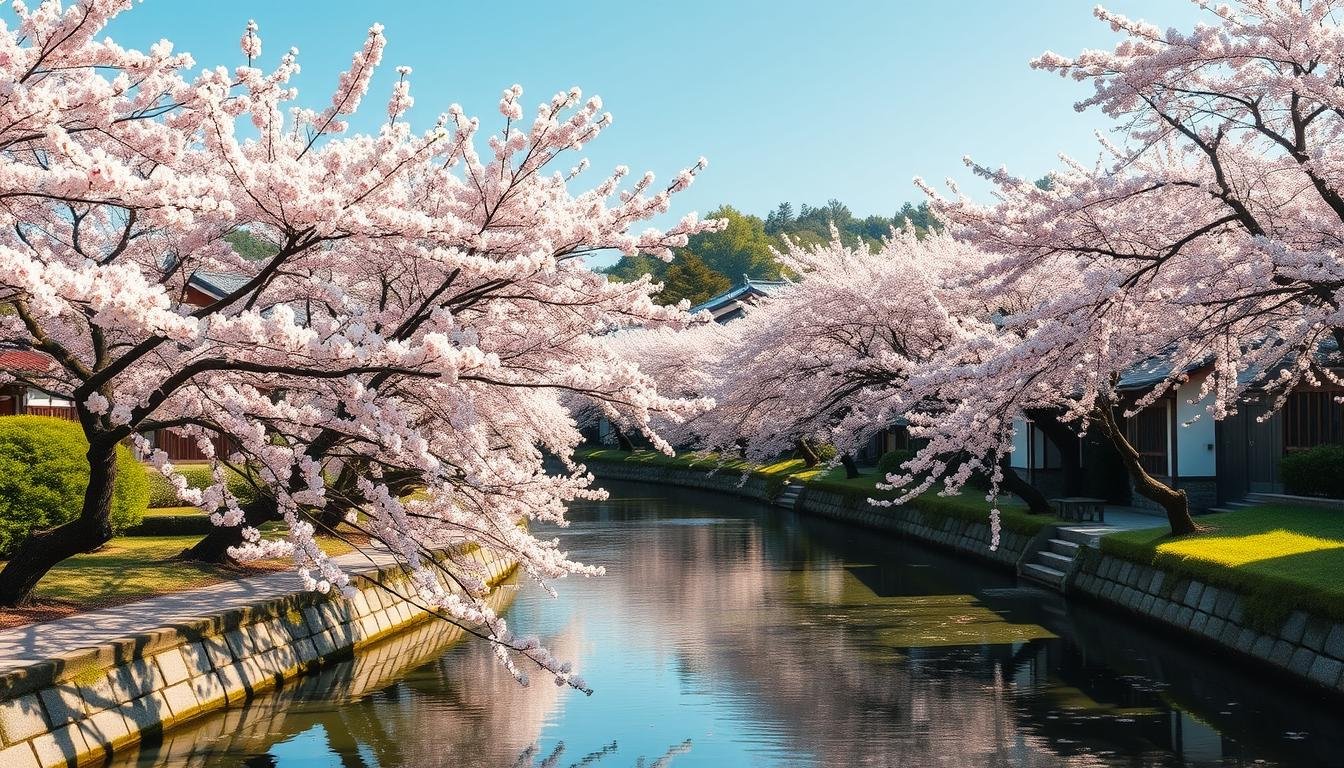
Cherry blossom season (late March to early April) is one of the most popular times to visit Japan
Spring (March to May): Cherry Blossom Season
Spring is arguably the most popular time to visit Japan, primarily due to the famous cherry blossom (sakura) season. The delicate pink blossoms transform the country into a picturesque wonderland, creating unforgettable scenes in parks, along canals, and near historic sites.
- Cherry Blossom Peak: Late March to early April in most of central Japan, though exact timing varies by location and year
- Weather: Mild and comfortable temperatures (50-70°F/10-21°C)
- Crowds: Very high during peak cherry blossom season
- Costs: Accommodation prices reach their peak, especially in popular destinations
- Key Events: Hanami (flower viewing) parties, spring festivals
Plan Your Cherry Blossom Trip Early
Cherry blossom season is extremely popular, with accommodations booking up months in advance. For the best experience, secure your hotels at least 6 months before your trip.
Summer (June to August): Festival Season
Summer brings warm weather and numerous vibrant festivals (matsuri) throughout Japan. While humidity can be high, this is an excellent time to explore outdoor activities, visit beaches, and experience traditional cultural celebrations.
- Weather: Hot and humid (75-90°F/24-32°C), with June being the rainiest month
- Crowds: Moderate, with fewer foreign tourists but more domestic travel during school holidays
- Key Events: Gion Matsuri (Kyoto), Tanabata Festival, Obon Festival, Fuji Rock Festival
- Activities: Hiking, beach visits, climbing Mount Fuji (official season is July-August)
Autumn (September to November): Fall Foliage
Autumn rivals spring in popularity as the country’s landscapes transform with stunning red, orange, and gold foliage. The weather is pleasant, and the scenery is breathtaking, particularly in mountainous regions and gardens.
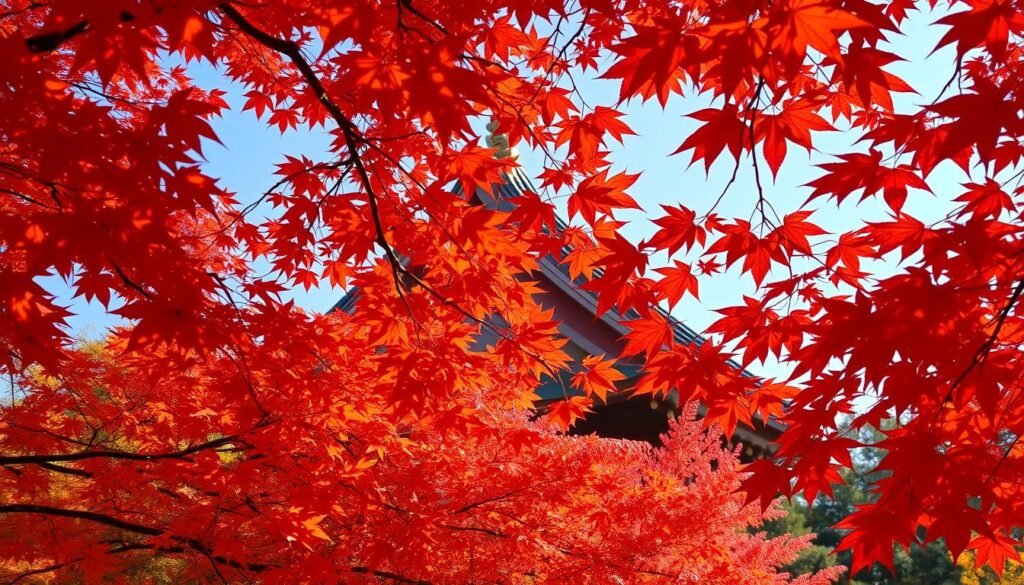
Autumn foliage creates spectacular scenery throughout Japan, especially in Kyoto and mountainous regions
- Fall Foliage Peak: Mid-November to early December in most regions
- Weather: Mild and comfortable (50-70°F/10-21°C)
- Crowds: High, especially in popular foliage viewing spots
- Key Events: Autumn festivals, illumination events at temples and gardens
Winter (December to February): Snow and Hot Springs
Winter transforms Japan into a snowy wonderland, especially in the northern regions. This season offers excellent skiing and snowboarding opportunities, atmospheric hot spring experiences, and fewer tourists at major attractions.
- Weather: Cold in most regions (30-45°F/-1-7°C), with heavy snow in northern Japan and the Japan Alps
- Crowds: Lower in most areas, except for ski resorts
- Key Events: Sapporo Snow Festival, winter illuminations, New Year celebrations
- Activities: Skiing and snowboarding, hot spring (onsen) visits, winter photography
Winter is the best time to see mount Fuji clearly, as the air tends to be less humid and offers better visibility of Japan’s iconic peak.
Times to Avoid (If Possible)
While Japan can be visited year-round, there are a few periods you might want to avoid due to extreme crowds or closures:
- Golden Week: Late April to early May – a cluster of national holidays when many Japanese travel domestically
- Obon: Mid-August – a major holiday period when transportation is crowded and some businesses close
- New Year: December 29 to January 3 – many businesses and attractions close as families celebrate together
Transportation: Getting Around Japan
Japan boasts one of the world’s most efficient and comprehensive transportation systems. From the iconic bullet trains to convenient subway networks, getting around is remarkably straightforward once you understand the basics.
Japan Rail Pass: Is It Worth It?
The Japan Rail Pass (JR Pass) is a cost-effective option for tourists planning to travel extensively throughout the country. Available only to foreign visitors, this pass offers unlimited travel on most JR trains, including the high-speed Shinkansen (bullet trains).
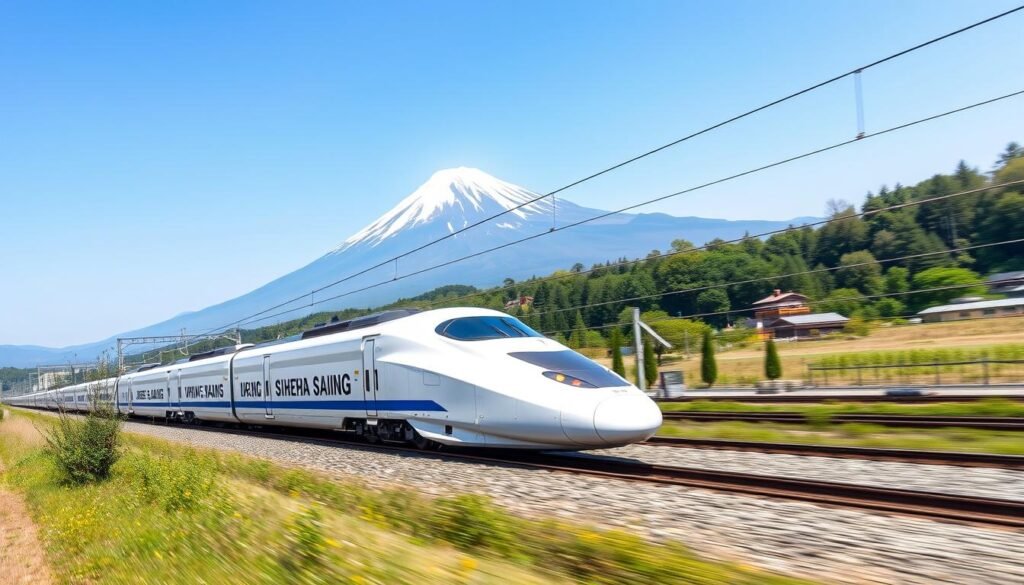
The Shinkansen (bullet train) is the fastest and most comfortable way to travel between major cities in Japan
Japan Rail Pass Details
- Duration Options: 7, 14, or 21 consecutive days
- Coverage: Most JR trains, including Shinkansen (except Nozomi and Mizuho trains)
- Cost: Approximately $270 for 7 days, $430 for 14 days, $550 for 21 days (Standard Class)
- Purchase: Must be bought before arriving in Japan or at select stations in Japan (at a higher price)
- Activation: Exchange your voucher at a JR office in Japan and choose your activation date
To determine if the JR Pass is worth it for your trip, calculate the cost of individual tickets for your planned route and compare it to the pass price. Generally, if you’re making at least one round-trip between Tokyo and Kyoto/Osaka, the 7-day pass often pays for itself.
Local Transportation in Cities
Japan’s major cities have extensive public transportation networks that make getting around easy and efficient. Here’s what you need to know:
IC Cards: Your Transportation Lifeline
IC Cards are rechargeable smart cards used for public transportation and even small purchases at convenience stores and vending machines. The most common cards are Suica (Tokyo), PASMO (Tokyo), and ICOCA (Kansai region), but they can be used interchangeably throughout most of Japan.
- How to Get: Purchase at train station ticket machines or ticket offices
- Initial Cost: ¥2,000 (includes ¥500 deposit and ¥1,500 credit)
- Recharging: Add more money at any station ticket machine
- Benefits: Convenient tap-and-go system, no need to purchase individual tickets
Stay Connected with a Travel eSIM
Having reliable internet access is essential for navigating Japan. An eSIM provides data connectivity without changing your physical SIM card, making it easy to use maps, translation apps, and stay connected.
Subway and Local Trains
Major cities like Tokyo, Osaka, and Kyoto have extensive subway and local train networks. While the maps might look intimidating at first, the systems are well-organized with clear signage in both Japanese and English.
- Navigation: Google Maps works excellently for planning routes in Japan
- Hours: Most subway lines operate from around 5:00 AM to midnight
- Etiquette: Maintain silence, don’t eat or talk on the phone, and give up priority seats to those who need them
Buses
Buses complement the train systems and are sometimes the only public transportation option in smaller cities and rural areas. In Kyoto, buses are particularly useful for reaching many temples and attractions.
- Payment: In most cities, pay when exiting. In Kyoto, pay when entering
- Day Passes: Available in most tourist cities and often provide good value
Taxis
Taxis in Japan are clean, safe, and reliable, though relatively expensive. They’re a good option late at night when trains stop running or when traveling with heavy luggage.
- Hailing: Find taxis at designated stands or hail on the street (if the red light is on)
- Payment: Cash is preferred, though more taxis now accept credit cards
- Doors: Automatically operated by the driver—don’t open or close them yourself
- Language: Have your destination written in Japanese to show the driver
Long-Distance Transportation
Shinkansen (Bullet Train)
The Shinkansen network connects major cities with trains that reach speeds up to 200 mph (320 km/h). They’re comfortable, punctual, and the most efficient way to travel between cities.
- Reserved vs. Unreserved: Choose between reserved seats (guaranteed seat) or unreserved cars (first-come, first-served)
- Classes: Ordinary (standard) and Green Car (first class with more spacious seating)
- Frequency: Trains on major routes depart every 10-30 minutes
Domestic Flights
For longer distances, such as Tokyo to Hokkaido or Okinawa, flying is often more time-efficient. Japan has numerous domestic airports and several low-cost carriers.
- Major Airlines: JAL, ANA, Peach, Jetstar Japan, Skymark
- Tourist Fares: JAL and ANA offer special discounted fares for foreign visitors
Highway Buses
For budget travelers, overnight highway buses offer an economical alternative to trains, though the journey takes longer.
- Cost: Often 1/3 to 1/2 the price of a Shinkansen ticket
- Comfort: Various options from standard to “premium” with more spacious seating
Rental Cars
Renting a car is recommended only if you’re planning to explore rural areas with limited public transportation. An International Driving Permit is required.
In major cities like Tokyo and Osaka, public transportation is so efficient that having a car is more of a hindrance than a help due to traffic and expensive parking.
Cultural Etiquette in Japan
Japan has a rich cultural heritage with distinct customs and etiquette. Understanding and respecting these practices will enhance your experience and show appreciation for the local culture. While Japanese people are generally understanding of foreigners who may not know all the customs, making an effort goes a long way.
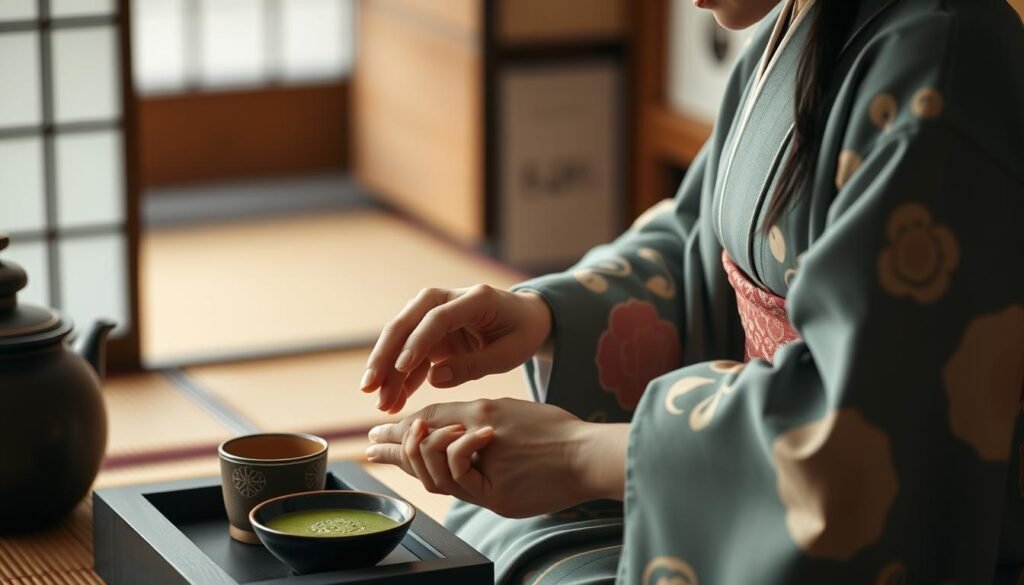
Traditional practices like the tea ceremony reflect Japan’s attention to detail and respect for ritual
Essential Etiquette Tips
Greetings and Interactions
- Bowing: The traditional greeting is a bow, with the depth indicating the level of respect. A slight bow is appropriate for tourists
- Business Cards: If exchanged, receive with both hands and take a moment to read it before putting it away respectfully
- Personal Space: Japan values personal space despite its crowded cities. Avoid unnecessary physical contact
- Volume: Keep your voice down in public places, especially on public transportation
Dining Etiquette
- Chopsticks: Never stick them vertically into rice (resembles funeral rituals) or pass food directly from chopsticks to chopsticks
- Slurping: Making noise while eating noodles is acceptable and even shows appreciation
- Pouring Drinks: It’s customary to pour drinks for others, not yourself
- Tipping: Not practiced or expected in Japan. Excellent service is the standard
- “Itadakimasu”: Say this before eating (means “I gratefully receive”)
- “Gochisousama deshita”: Say this after finishing your meal (means “Thank you for the meal”)
No Tipping! Unlike many Western countries, tipping is not customary in Japan and can even cause confusion. The price you see is the price you pay, with service included.
Temple and Shrine Etiquette
- Purification: At the entrance, use the provided water to rinse your left hand, then right hand, then mouth (don’t drink)
- Prayer: At Shinto shrines, bow twice, clap twice, then bow once more
- Photography: Always check if photography is permitted inside buildings
- Shoes: Remove shoes when entering temples where indicated
Onsen (Hot Spring) Etiquette
- Nudity: Bathers are expected to be completely naked; swimsuits are not allowed
- Washing: Thoroughly wash your body before entering the bath
- Towel: Don’t put your towel in the water; place it on your head or at the side
- Tattoos: Some onsen prohibit visitors with tattoos, though this is changing in tourist areas
Essential Japanese Phrases
- Konnichiwa – Hello
- Arigatou gozaimasu – Thank you
- Sumimasen – Excuse me/I’m sorry (multi-purpose)
- Onegaishimasu – Please
- Eigo ga hanasemasu ka? – Do you speak English?
- Wakarimasen – I don’t understand
- Ikura desu ka? – How much is it?
- Oishii desu – It’s delicious
- Toire wa doko desu ka? – Where is the toilet?
General Do’s and Don’ts
Do’s
- Take off your shoes when entering homes, ryokans, and some restaurants
- Carry a small towel for drying hands (many public restrooms don’t have towels or dryers)
- Cover tattoos in public baths if possible
- Queue orderly for trains, buses, and in stores
- Carry your trash until you find a proper disposal bin
- Be punctual for tours, trains, and appointments
Don’ts
- Eat or drink while walking in public (except in festival areas)
- Talk on your phone on public transportation
- Point directly at people or things with your index finger
- Blow your nose in public
- Wear revealing clothing when visiting religious sites
- Enter a bath without washing first
Must-Visit Cities in Japan
Japan offers an incredible variety of experiences across its different regions and cities. Here’s a guide to the must-visit destinations for first-time travelers to Japan, each with its own unique character and attractions.
Tokyo: The Dynamic Capital
Tokyo is a city of fascinating contrasts where ultramodern skyscrapers stand alongside historic temples. As Japan’s bustling capital, it offers an endless array of experiences from cutting-edge technology and pop culture to traditional gardens and markets.
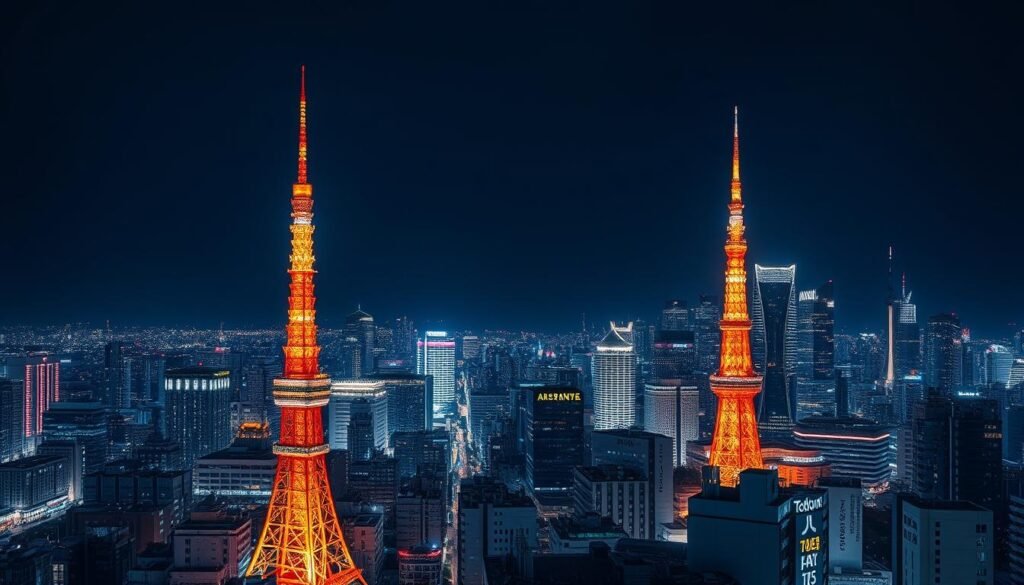
Tokyo’s skyline at night showcases the city’s blend of traditional landmarks and modern architecture
Top Attractions in Tokyo
- Shibuya Crossing: Experience the world’s busiest pedestrian intersection
- Meiji Shrine: A peaceful forest shrine dedicated to Emperor Meiji
- Senso-ji Temple: Tokyo’s oldest and most significant Buddhist temple
- Tokyo Skytree: One of the world’s tallest towers with spectacular city views
- Shinjuku Gyoen: Beautiful garden perfect for relaxation and cherry blossom viewing
- Tsukiji Outer Market: Famous food market with fresh seafood and street food
- Akihabara: Electronics and anime hub known as “Electric Town”
- Harajuku: Center of youth culture and fashion with quirky shops
Experience Tokyo Like a Local
Discover hidden gems and authentic experiences with a local guide who can navigate Tokyo’s complex neighborhoods and help you discover spots most tourists miss.
Kyoto: The Cultural Heart
As Japan’s former capital for over 1,000 years, Kyoto is the cultural and historical heart of the country. With over 1,600 Buddhist temples, 400 Shinto shrines, and 17 UNESCO World Heritage sites, it offers an unparalleled glimpse into traditional Japan.
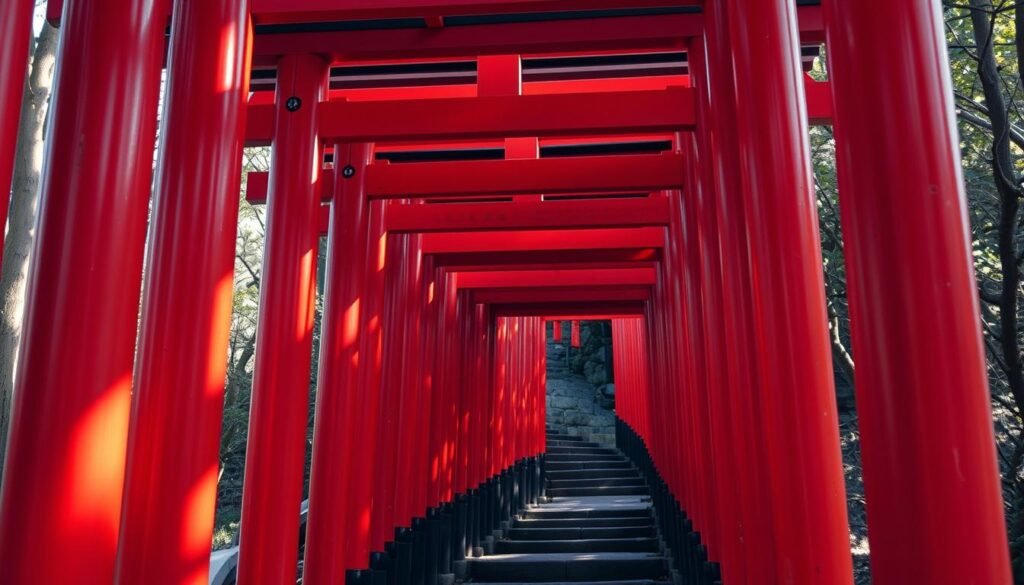
The iconic torii gate pathway at Fushimi Inari Shrine is one of Kyoto’s most photographed attractions
Top Attractions in Kyoto
- Fushimi Inari Shrine: Famous for its thousands of vermilion torii gates
- Kinkaku-ji (Golden Pavilion): Stunning gold-leaf covered temple
- Arashiyama Bamboo Grove: Magical pathway through towering bamboo
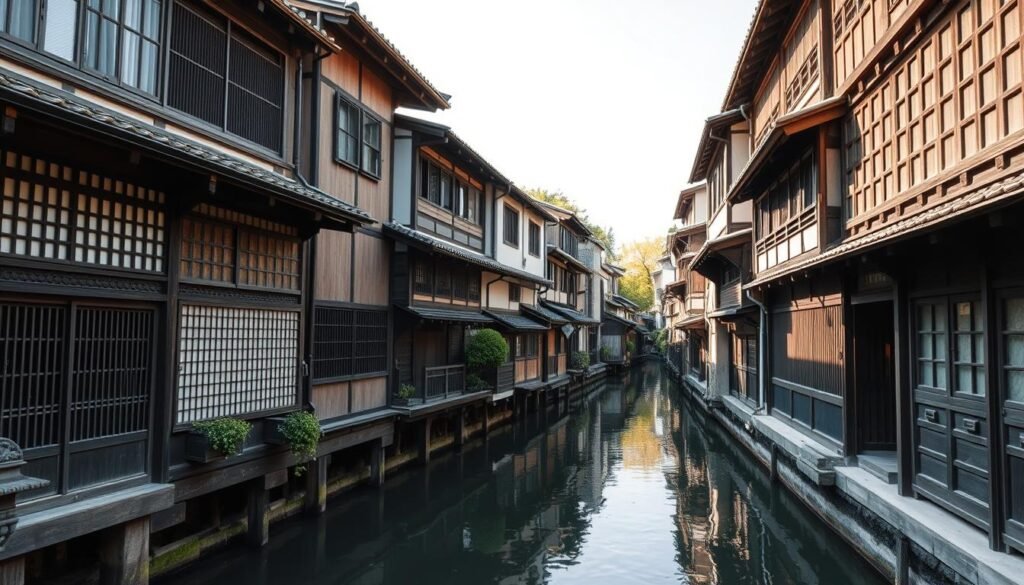
- Gion District: Traditional geisha district with preserved wooden buildings
- Kiyomizu-dera: Hillside temple with wooden stage offering city views
- Nijo Castle: Former residence of the Tokugawa shoguns
- Philosopher’s Path: Cherry tree-lined canal path perfect for contemplative walks
Osaka: The Kitchen of Japan
Known for its vibrant food scene and outgoing locals, Osaka offers a more relaxed atmosphere than Tokyo. It’s a food lover’s paradise with countless street food stalls and restaurants serving local specialties.
Top Attractions in Osaka
- Dotonbori: Lively entertainment district famous for its food and neon signs
- Osaka Castle: Historic castle surrounded by beautiful grounds
- Kuromon Ichiba Market: “Osaka’s Kitchen” with fresh seafood and local delicacies
- Shinsekai: Retro district with nostalgic atmosphere and Tsutenkaku Tower
- Universal Studios Japan: Popular theme park with unique Japanese attractions
Hiroshima: City of Peace
Hiroshima has transformed from the devastation of the atomic bombing in 1945 to become a vibrant city dedicated to peace. It offers moving historical sites alongside beautiful natural scenery.
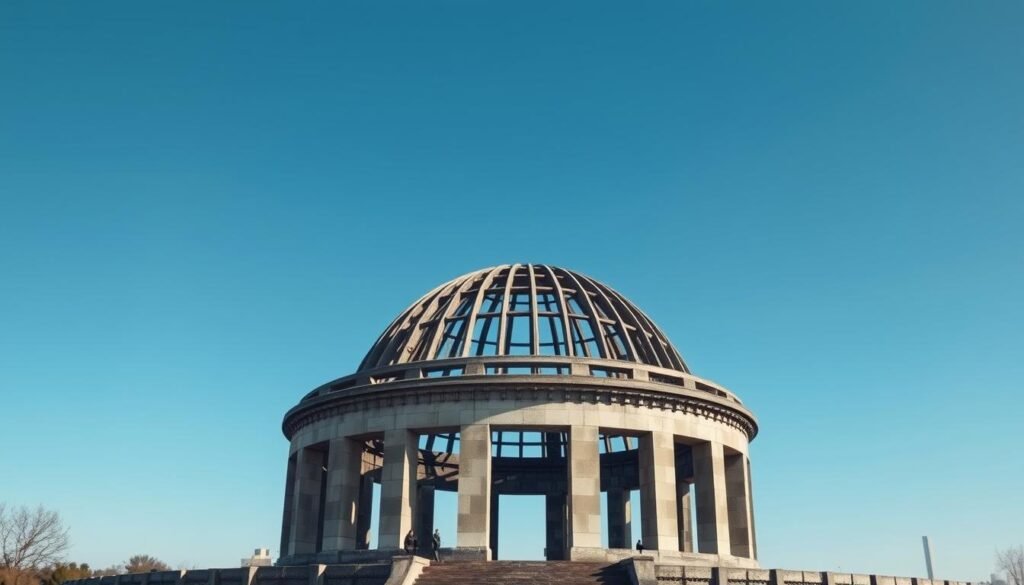
The Atomic Bomb Dome stands as a powerful reminder of peace at Hiroshima’s Peace Memorial Park
Top Attractions in Hiroshima
- Peace Memorial Park and Museum: Moving tribute to atomic bomb victims
- Atomic Bomb Dome: Preserved building from the bombing, now a UNESCO site
- Miyajima Island: Home to the iconic “floating” torii gate of Itsukushima Shrine
- Hiroshima Castle: Reconstructed castle with samurai history museum
- Shukkei-en Garden: Beautiful landscape garden with tea houses
Nara: Ancient Capital
Japan’s first permanent capital, Nara is home to some of the country’s oldest and largest temples. The city is famous for its friendly deer that roam freely through Nara Park and bow to visitors for treats.
Top Attractions in Nara
- Todai-ji Temple: Houses the world’s largest bronze Buddha statue
- Nara Park: Home to over 1,000 free-roaming deer considered sacred messengers
- Kasuga Taisha: Famous shrine known for its bronze lanterns
- Isuien Garden: Peaceful garden showcasing traditional Japanese landscaping
Practical Tips for Traveling in Japan
Proper preparation can make your Japan trip smoother and more enjoyable. Here are essential practical tips covering everything from money matters to connectivity and safety.
Money and Payments
While Japan is increasingly accepting card payments, it remains a largely cash-based society, especially outside major cities.
- Currency: Japanese Yen (¥) with coins (1, 5, 10, 50, 100, 500 yen) and bills (1000, 5000, 10000 yen)
- Cash: Carry more cash than you might in other developed countries
- ATMs: International-friendly ATMs are available at 7-Eleven stores, post offices, and major banks
- Credit Cards: Major hotels, department stores, and restaurants accept cards, but many smaller establishments are cash-only
- Tax-Free Shopping: Foreign visitors can shop tax-free (8-10% savings) at participating stores for purchases over ¥5,000
Money-Saving Tip: When using ATMs, always choose to be charged in local currency (yen) rather than your home currency to avoid poor exchange rates.
Connectivity and Communication
Staying connected in Japan is essential for navigation, translation, and keeping in touch.
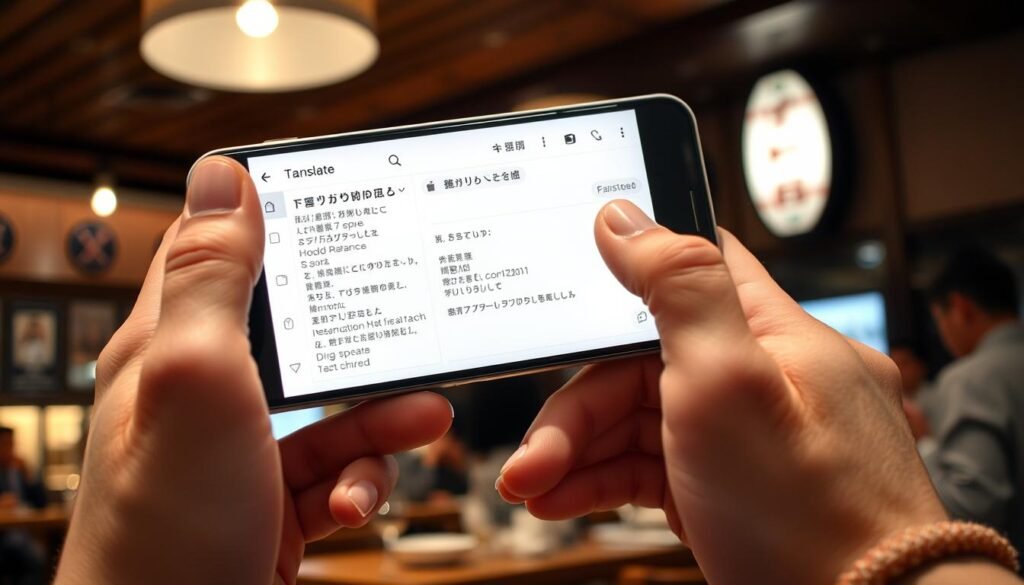
Translation apps like Google Translate are invaluable tools for navigating language barriers in Japan
- Wi-Fi: Free Wi-Fi is available in many hotels, cafes, and public spaces, but coverage can be spotty
- Pocket Wi-Fi: Rental devices provide reliable internet access throughout Japan
- SIM Cards/eSIMs: Temporary SIM cards or eSIMs for tourists are available at airports and online
- Translation Apps: Google Translate with Japanese downloaded for offline use is essential
- Japan Travel Apps: Japan Transit Planner, Google Maps, and Japan Official Travel App
Connectivity Options Comparison
- Pocket Wi-Fi: Best for groups sharing one connection or heavy data users
- SIM Card: Good for individual travelers who need constant connectivity
- eSIM: Most convenient option as it doesn’t require physical SIM swapping
- Free Wi-Fi: Budget option but unreliable for consistent connectivity
Language Basics
While many Japanese people understand basic English, especially in tourist areas, learning a few key phrases shows respect and can enhance your experience.
- Basic Greetings: “Konnichiwa” (hello), “Arigatou gozaimasu” (thank you), “Sumimasen” (excuse me/sorry)
- Numbers: Learning to count from 1-10 helps with shopping and ordering
- Signs: Familiarize yourself with common symbols for toilets, exits, etc.
- Translation Tools: Google Translate’s camera function can translate menus and signs in real-time
Health and Safety
Japan is one of the safest countries in the world for travelers, with low crime rates and excellent healthcare.
- Travel Insurance: Recommended as medical care can be expensive
- Medications: Bring sufficient supplies as some foreign medications are restricted
- Emergencies: Dial 119 for ambulance/fire and 110 for police
- Natural Disasters: Familiarize yourself with earthquake and typhoon procedures
- Drinking Water: Tap water is safe to drink throughout Japan
Accommodation Tips
Japan offers diverse accommodation options, from traditional ryokans to modern hotels and budget-friendly hostels.
- Book Early: Especially during peak seasons (cherry blossom, autumn foliage)
- Room Sizes: Hotel rooms are typically smaller than Western standards
- Ryokans: Traditional inns offering tatami rooms, futon bedding, and often kaiseki meals
- Business Hotels: Affordable, no-frills options with small but efficient rooms
- Capsule Hotels: Budget option offering private sleeping pods
- Minshuku: Family-run guesthouses similar to B&Bs
Experience Traditional Japanese Hospitality
Stay at least one night in a traditional ryokan for an authentic Japanese experience, including sleeping on futons, soaking in onsen baths, and enjoying multi-course kaiseki meals.
Packing Essentials
What you pack depends on the season, but here are some items particularly useful for Japan:
- Comfortable Walking Shoes: You’ll walk much more than you expect
- Portable Trash Bag: Public trash cans are scarce
- Handkerchief/Small Towel: Many public restrooms don’t provide hand towels
- Slip-on Shoes: For easy removal when entering temples, traditional restaurants, and homes
- Portable Wi-Fi or SIM Card: For navigation and translation
- Travel Adapter: Japan uses Type A and B plugs (same as US)
- Cash: For places that don’t accept cards
Luggage Forwarding
Japan’s takuhaibin (luggage delivery) service allows you to forward your luggage between accommodations, letting you travel light on trains and explore cities without heavy bags.
- Cost: Approximately ¥2,000-3,000 per bag
- Timing: Usually next-day delivery (plan accordingly)
- Arrangement: Your hotel can usually arrange this service for you
Important: Keep essentials for 1-2 nights in a smaller bag when using luggage forwarding services, as your main luggage will typically arrive the next day.
Sample 7-Day Japan Itinerary
Here’s a balanced one-week itinerary that covers Japan’s highlights while allowing enough time to experience each destination. This itinerary starts in Tokyo and ends in Osaka, taking advantage of Japan’s efficient transportation system.
| Day | Location | Morning | Afternoon | Evening |
| Day 1 | Tokyo | Arrive in Tokyo, check in to hotel | Explore Shibuya Crossing and Harajuku | Dinner in Shibuya, see city lights |
| Day 2 | Tokyo | Meiji Shrine and Yoyogi Park | Shinjuku Gyoen and Tokyo Metropolitan Building | Explore Shinjuku nightlife |
| Day 3 | Tokyo | Senso-ji Temple and Asakusa | Akihabara Electric Town | Tokyo Bay cruise or Odaiba |
| Day 4 | Hakone | Travel to Hakone, begin Hakone Round Course | Lake Ashi cruise, Mt. Fuji views (weather permitting) | Relax in onsen at ryokan |
| Day 5 | Kyoto | Travel to Kyoto, check in to hotel | Fushimi Inari Shrine | Gion district exploration |
| Day 6 | Kyoto | Arashiyama Bamboo Grove and Tenryu-ji Temple | Kinkaku-ji (Golden Pavilion) and Ryoan-ji | Pontocho Alley dinner |
| Day 7 | Osaka | Travel to Osaka, visit Osaka Castle | Kuromon Market and Shinsaibashi shopping | Dotonbori food experience |
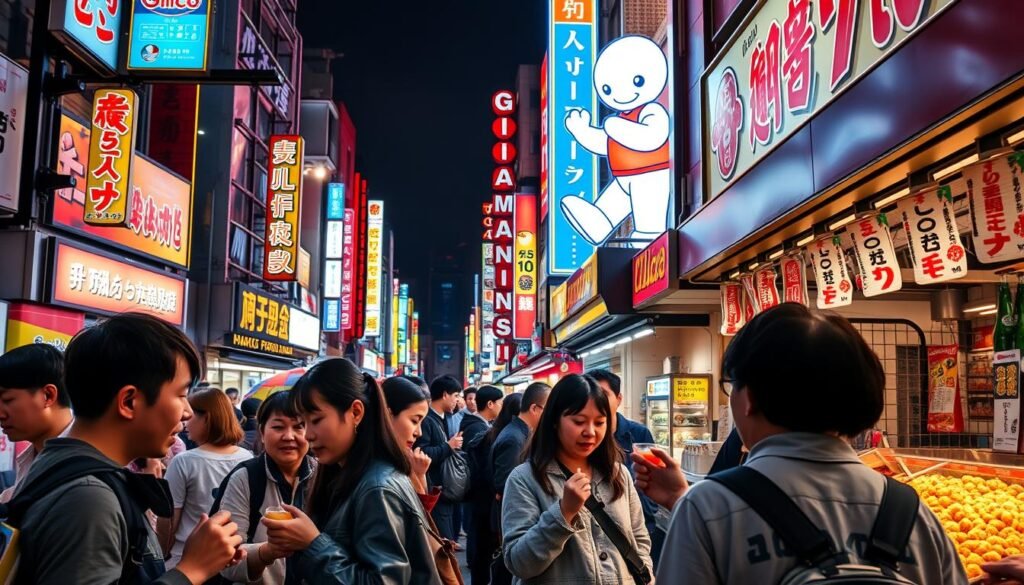
Dotonbori in Osaka is a food lover’s paradise and the perfect place to end your Japan journey
Itinerary Notes and Tips
- Transportation: Consider a 7-day JR Pass for this itinerary
- Accommodations: Book in advance, especially for Hakone ryokan
- Flexibility: Allow time for spontaneous discoveries
- Day Trips: If you have more time, consider day trips to Nara from Kyoto or Nikko from Tokyo
- Luggage: Use luggage forwarding service from Tokyo to Kyoto, taking only an overnight bag to Hakone
Ready to Book Your Japan Adventure?
This sample itinerary gives you a taste of Japan’s highlights. For a personalized itinerary tailored to your interests, timeframe, and budget, consider working with a Japan travel specialist.
Japanese Food Guide
Japanese cuisine is much more diverse than just sushi and ramen. Each region has its specialties, and trying local food is an essential part of the Japan experience. Here’s an introduction to must-try dishes and dining etiquette.
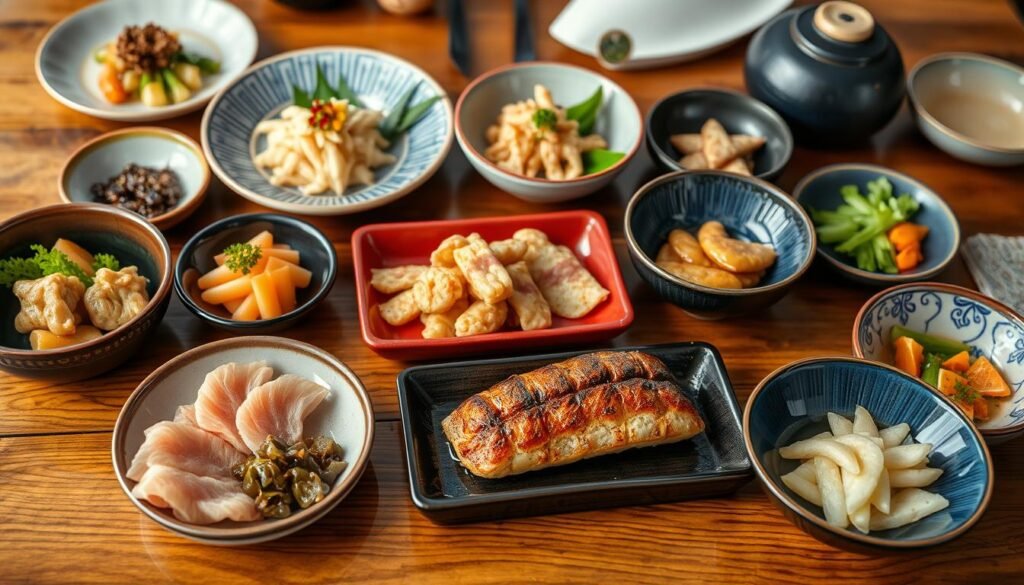
A traditional kaiseki meal showcases seasonal ingredients with meticulous presentation
Must-Try Japanese Dishes
Noodles & Rice
- Ramen: Noodle soup with regional variations
- Udon: Thick wheat noodles in broth
- Soba: Thin buckwheat noodles
- Donburi: Rice bowls topped with meat, fish, or vegetables
- Onigiri: Rice balls with fillings
Seafood & Meat
- Sushi: Vinegared rice with fish or vegetables
- Sashimi: Sliced raw fish
- Tempura: Battered and fried seafood or vegetables
- Yakitori: Grilled chicken skewers
- Tonkatsu: Breaded pork cutlet
Regional Specialties
- Okonomiyaki: Savory pancake (Osaka specialty)
- Takoyaki: Octopus balls (Osaka specialty)
- Hiroshima-style Okonomiyaki: Layered version with noodles
- Kaiseki: Multi-course traditional meal
- Kobe Beef: Premium wagyu beef
Unique Dining Experiences
- Izakaya: Japanese pub with small plates for sharing
- Conveyor Belt Sushi: Affordable sushi on rotating plates
- Department Store Food Halls: Incredible variety of high-quality food
- Ramen Shops: Order from vending machines and enjoy at counter seating
- Themed Cafes: From cat cafes to anime-themed establishments
- Traditional Tea Ceremony: Experience the art of Japanese tea
Don’t miss trying convenience store (konbini) food in Japan. Unlike convenience stores elsewhere, Japanese konbini offer high-quality, fresh meals, snacks, and beverages at reasonable prices.
Vegetarian and Dietary Restrictions
While traditional Japanese cuisine relies heavily on fish and seafood, vegetarian options are becoming more available, especially in major cities.
- Useful Phrases: “Watashi wa bejitarian desu” (I am vegetarian)
- Buddhist Temple Cuisine: Shojin ryori is completely vegetarian
- Hidden Ingredients: Be aware that dashi (fish stock) is common in soups and sauces
- HappyCow App: Helpful for finding vegetarian-friendly restaurants
Discover Japanese Cuisine with a Food Tour
Navigate Japan’s food scene with a knowledgeable local guide who can introduce you to hidden gems, explain dishes, and help with ordering in Japanese.
Conclusion: Embracing the Japan Experience
Japan offers a travel experience unlike any other—a fascinating blend of ancient traditions and cutting-edge modernity, all delivered with meticulous attention to detail and exceptional hospitality. From the neon-lit streets of Tokyo to the serene temples of Kyoto, from world-class cuisine to breathtaking natural landscapes, Japan rewards travelers with unforgettable memories and new perspectives.
While planning a trip to Japan might seem overwhelming at first, the country’s efficient infrastructure, safety, and increasing accommodation of international visitors make it more accessible than ever. By understanding the basics of Japanese culture, transportation, and etiquette, you’ll be well-prepared to navigate this extraordinary destination with confidence.
Whether you’re drawn to Japan for its rich cultural heritage, technological innovations, natural beauty, or incredible food, this complete travel guide to Japan provides the foundation for an amazing journey. Remember that some of the best experiences often come from unexpected discoveries and spontaneous moments, so leave room in your itinerary for exploration and adventure.
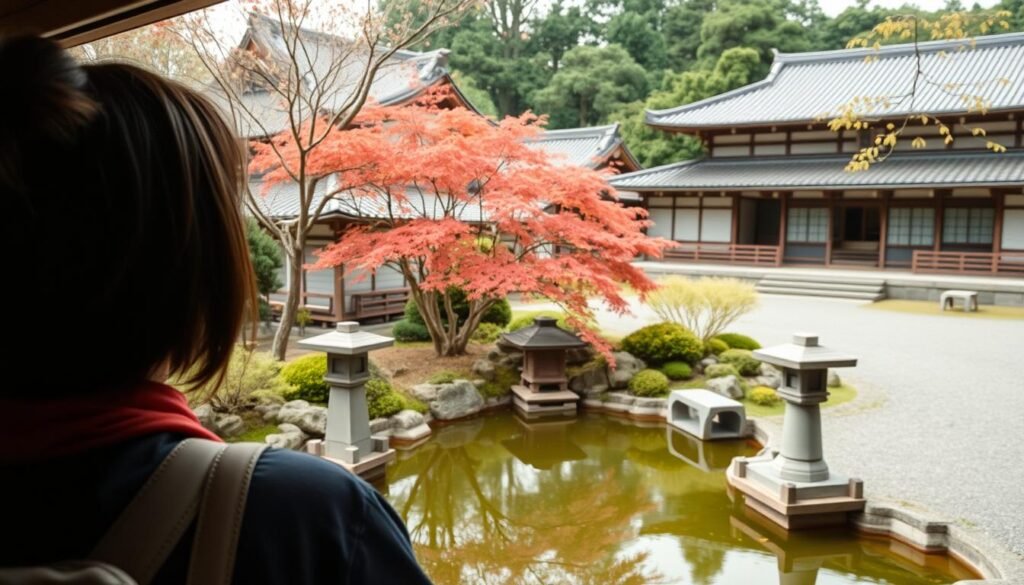
The true magic of Japan comes from immersing yourself in its unique culture and traditions
As you prepare for your journey to the Land of the Rising Sun, embrace the Japanese concept of “ichi-go ichi-e” (one time, one meeting)—a reminder to treasure each moment as a unique experience that will never be repeated. With an open mind and this complete travel guide to Japan in hand, you’re ready to embark on what may well become one of your most memorable travel adventures.
Start Planning Your Japan Adventure Today
Ready to experience Japan’s unique blend of tradition and innovation? Begin your journey with expert planning assistance to create the perfect itinerary for your interests, timeframe, and budget.