

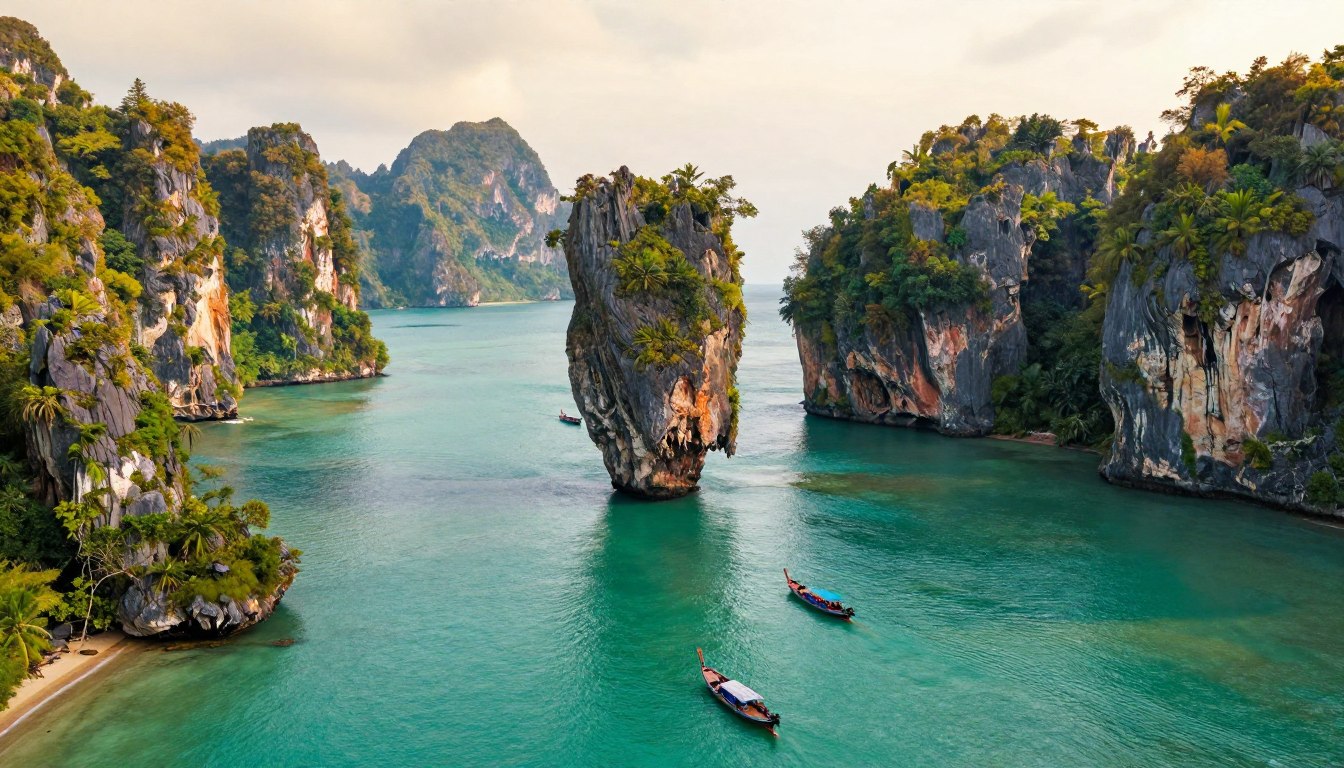
Krabi stands as one of Thailand’s most breathtaking destinations. Towering limestone cliffs rise from turquoise waters. Hidden lagoons wait behind jungle trails. White sand beaches stretch beneath swaying palms.
This province offers more than postcard views. Adventure seekers find world-class rock climbing. Families discover calm bays perfect for snorkeling. Culture enthusiasts explore ancient temples tucked into mountainsides.
Planning a trip to Krabi takes careful thought. Hundreds of islands dot the coastline. Dozens of beaches compete for attention. Multiple areas offer different experiences.
This comprehensive guide walks you through everything. You’ll discover the best time to visit based on weather patterns. We’ll explore top attractions from Railay Beach to Tiger Cave Temple. You’ll learn about activities that match your interests. We cover where to stay, what to eat, and how to move around efficiently.
Start Planning Your Krabi Adventure
Download our free comprehensive Krabi planning checklist. Get essential tips, sample itineraries, and money-saving strategies in one convenient PDF.
Understanding Krabi: Geography, Culture, and Why Travelers Love It
Krabi Province sits on Thailand’s southwestern coast. The Andaman Sea forms its western border. Phang Nga Bay creates dramatic scenery to the north.
The landscape makes Krabi special. Over 130 islands belong to this province. Limestone formations create unique karst topography. These ancient cliffs reach heights of 300 meters. Rainforests blanket the interior hills.
The provincial capital, Krabi Town, serves as the main hub. Around 30,000 people call this area home. Most visitors use it as a base for exploration. The real attractions lie along the coast and offshore.
What Makes Krabi Special
Krabi draws millions of visitors each year. Several factors explain this popularity.
Natural Beauty
The province showcases Thailand’s most dramatic coastal scenery. Limestone cliffs create stunning backdrops for every photo.
- Over 200 limestone islands scattered offshore
- Hidden lagoons accessible only by kayak
- Pristine beaches with soft white sand
- Crystal-clear water perfect for snorkeling
Adventure Activities
The terrain supports world-renowned outdoor experiences. Athletes and beginners find suitable challenges.
- Rock climbing routes on limestone cliffs
- Island hopping adventures to multiple locations
- Kayaking through mangrove forests
- Diving sites with diverse marine life
Cultural Experiences
Ancient traditions remain alive throughout Krabi. Temples and local customs offer cultural depth.
- Tiger Cave Temple with panoramic views
- Traditional fishing villages still operating
- Local markets selling authentic Thai food
- Buddhist ceremonies open to respectful visitors
Accessibility
Getting to Krabi has become increasingly simple. Multiple transportation options serve the area.
- International airport with direct flights
- Well-maintained roads from Bangkok
- Ferry connections to nearby islands
- Affordable local transportation throughout the province
The Cultural Landscape
Southern Thai culture shapes daily life in Krabi. The population practices Buddhism predominantly. You’ll see spirit houses outside homes and businesses. Monks in orange robes walk through streets each morning.
The local economy traditionally depended on fishing. Many families still earn income from the sea. Tourism now provides additional opportunities. This blend creates an authentic atmosphere. Communities maintain traditional ways while welcoming visitors.
Muslim communities also call Krabi home. This religious diversity adds cultural richness. You’ll find mosques alongside Buddhist temples. Halal food options appear throughout the area.
Best Time to Visit Krabi: Seasons, Weather, and Peak Periods
Krabi experiences three distinct seasons. Each brings different weather patterns. Your ideal visit time depends on priorities.
High Season: November to March
Most travelers choose these months. The weather stays dry and pleasant. Temperatures range between 24°C and 32°C. Humidity drops to comfortable levels.
December and January see the heaviest crowds. Prices reach their peak during this period. Beach areas fill with tourists. Popular attractions require advance booking.
High Season Advantages
- Excellent weather with minimal rainfall
- Calm seas perfect for island hopping
- All tours and activities operate fully
- Vibrant atmosphere with many events
- Best visibility for diving and snorkeling
High Season Drawbacks
- Significantly higher accommodation prices
- Crowded beaches and tourist sites
- Need to book tours well in advance
- Restaurants and attractions more expensive
- Less authentic local experience
Shoulder Season: April to May and October
These months offer the best balance. Weather remains mostly favorable. Prices drop noticeably from high season. Fewer tourists mean more space everywhere.
April brings the hottest temperatures. Expect heat around 35°C during the day. May sees occasional afternoon showers. October marks the transition from rainy season. Brief rains clear quickly.
This period suits budget-conscious travelers. You’ll find great deals on accommodation. Tours often discount their rates. The experience feels more relaxed and authentic.
Low Season: June to September
The monsoon arrives during these months. Rain falls regularly but not constantly. Storms typically pass within hours. Many days still offer sunshine.
Some businesses close for the season. Ferry services reduce schedules. Rough seas can cancel boat trips. Beach conditions vary more dramatically.
Budget travelers appreciate the low season. Hotel rates drop by 50% or more. You’ll have beaches nearly to yourself. The landscape turns brilliantly green. Waterfalls flow at maximum capacity.
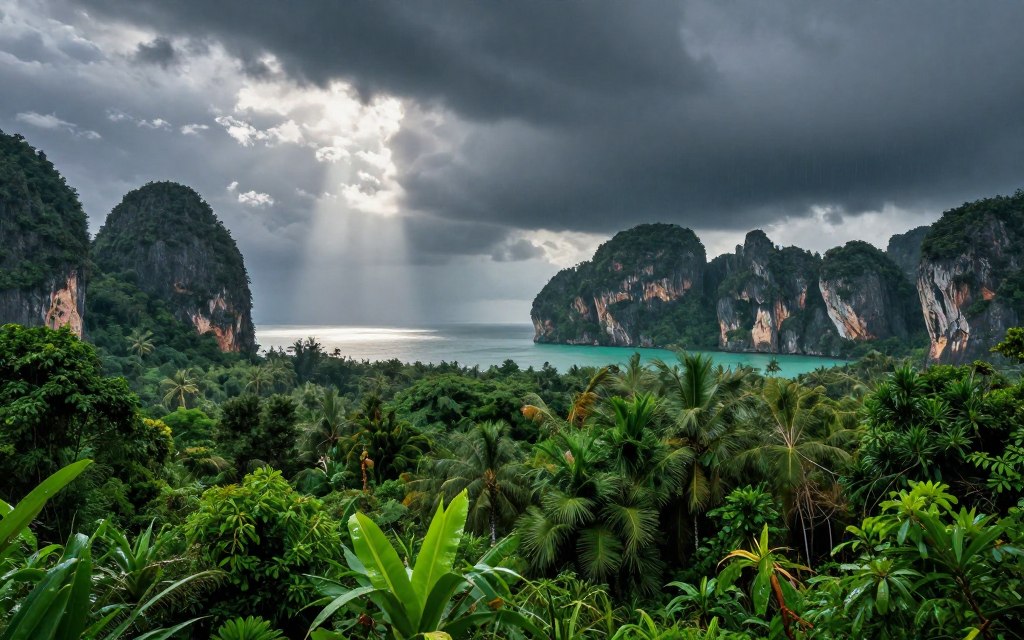
Best Overall Time: Visit between November and February for perfect weather. Choose late March or early April for fewer crowds and good weather. Consider May or October for the best value if you don’t mind occasional rain.
Planning Around Weather Patterns
Understanding daily weather helps plan activities. Morning hours usually offer the calmest conditions. The sea stays flat for boat trips. Temperatures remain comfortable for hiking.
Afternoon storms occur even in dry season. They typically last 30 minutes to an hour. Plan indoor activities like cooking classes or museum visits for afternoon slots.
Evening weather stays pleasant year-round. Temperatures cool down nicely. This makes perfect timing for night markets and beach dining.
Pro Tip: Book accommodations with flexible cancellation policies during shoulder and low seasons. Weather can shift unexpectedly, and you might want to adjust your plans.
Protect Your Krabi Adventure
Weather unpredictability makes travel insurance essential for Krabi trips. Get comprehensive coverage that includes adventure activities, medical emergencies, and trip cancellations.
Top Places to Visit in Krabi: Beaches, Islands, and Natural Wonders
Krabi Province contains over 150 islands and countless beaches. Each area offers unique characteristics. This section covers the must-visit locations that define your Krabi experience.
Railay Beach: The Crown Jewel
Railay Beach stands isolated from the mainland. Towering limestone cliffs block road access. You can only reach this peninsula by boat. This isolation preserves its pristine beauty.
Four beaches make up the Railay area. Railay West features soft sand and calm water. Sunset views here rival anywhere in Thailand. Railay East has a rocky shore with budget accommodation. Phra Nang Beach showcases the finest sand. Tonsai Beach attracts rock climbers and budget backpackers.
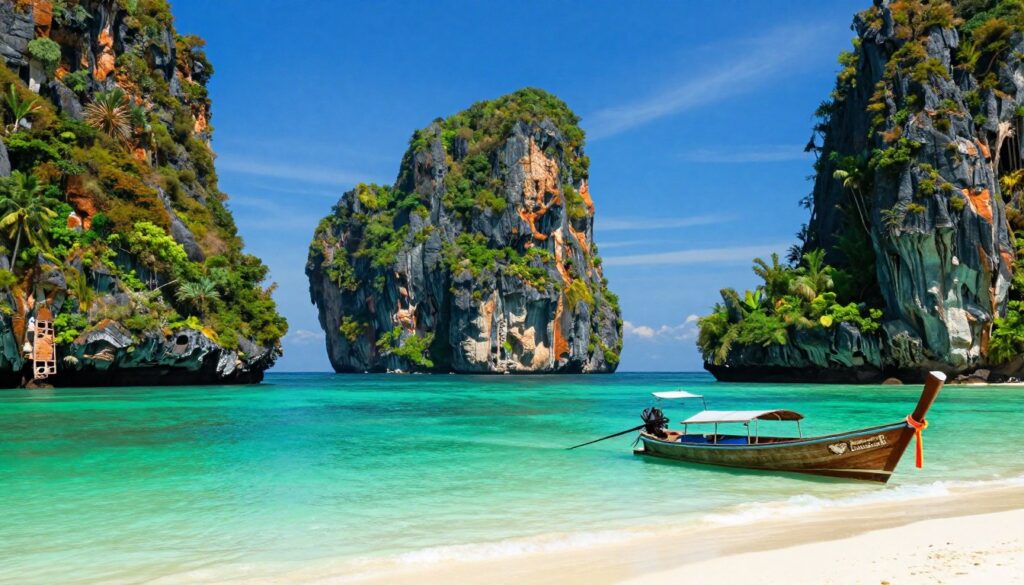
Rock climbing defines Railay’s identity. Over 700 bolted routes cover the cliffs. Beginners find easy routes near the beaches. Advanced climbers tackle overhanging walls. Several climbing schools offer instruction and equipment rental.
The area remains small and walkable. You can explore all beaches within an hour. Restaurants line the beachfront. Small shops sell essentials. The atmosphere stays relaxed and laid-back.
Phra Nang Cave and Beach
Phra Nang Beach deserves special mention. Many consider it Krabi’s most beautiful spot. Golden sand curves beneath massive limestone walls. The water glows turquoise even on cloudy days.
A cave sits at the beach’s end. Local legend tells of a princess spirit living there. Fishermen leave offerings of wooden phalluses. The tradition continues today, creating an unusual sight.
Kayakers can explore around the headlands. Hidden lagoons appear at low tide. The snorkeling near the rocks reveals colorful fish. Visit early morning to avoid crowds.
Ao Nang: The Main Beach Hub
Ao Nang serves as Krabi’s primary beach town. Hotels and resorts line the three-kilometer beachfront. Restaurants offer every cuisine imaginable. Bars provide evening entertainment.
The beach itself has coarse sand. Swimming quality varies with tides. Longtail boats crowd the shoreline. Despite this, Ao Nang makes an excellent base. Everything you need sits within walking distance.
The town offers the widest selection of tours. Every agency advertises island hopping trips. You’ll find diving schools, cooking classes, and massage parlors. The night market operates daily with local food stalls.
Ao Nang Beach Road runs parallel to the shore. This strip contains most services. ATMs appear frequently. Convenience stores stay open late. Travel agencies book onward transportation.
The Four Islands
Four Islands tour ranks among Krabi’s most popular day trips. Boats visit Phra Nang Cave Beach, Chicken Island, Tup Island, and Poda Island. Each stop offers different experiences.
Chicken Island gets its name from a rock formation. The shape resembles a chicken head. Snorkeling around the island reveals coral gardens. Tropical fish swarm in shallow water.
Tup Island connects to Chicken Island at low tide. A sandbar emerges between them. You can walk across this natural bridge. The phenomenon lasts about two hours during low tide.
Poda Island features a long white beach. Palm trees provide shade. The water stays shallow far from shore. This makes it perfect for families. The backdrop of limestone cliffs creates stunning photos.
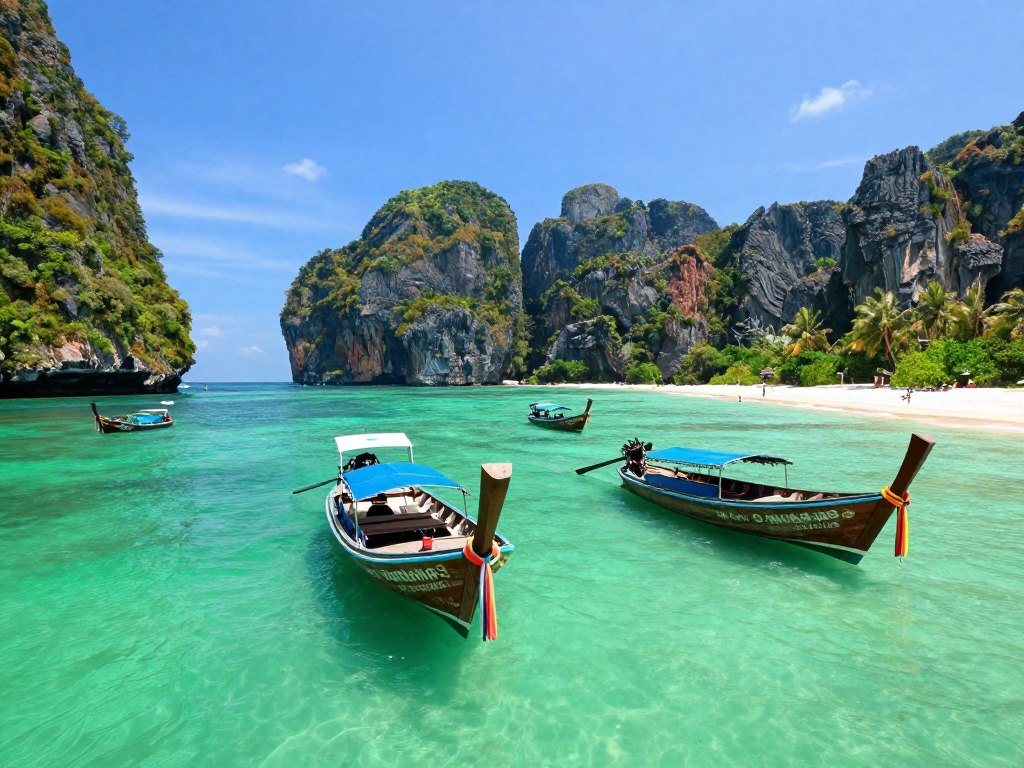
Hong Islands
Hong Islands sit further from the mainland. The trip takes about 45 minutes by speedboat. These islands receive fewer visitors than other destinations. The scenery becomes more dramatic.
Hong Island features a large lagoon. High cliffs surround this hidden paradise. The water inside stays incredibly calm. Kayaking through the entrance feels magical. The lagoon glows bright green in sunlight.
The main beach offers excellent swimming. Coral reefs lie just offshore. You’ll spot parrotfish, angelfish, and sometimes small sharks. The sand stays soft and white. Beach chairs and umbrellas are available for rent.
Lading Island provides another stop on Hong Islands tours. The beach here curves beautifully. Rock formations create interesting shapes. Pack Island offers great snorkeling spots. The coral here remains healthy and vibrant.
Phi Phi Islands
Phi Phi Islands technically belong to a different province. However, most Krabi visitors include them in their itinerary. Day trips from Krabi take about two hours each way. Overnight stays let you experience the islands fully.
Phi Phi Don is the larger inhabited island. The main village sits on a narrow isthmus. Beaches extend on both sides. Accommodations range from basic hostels to luxury resorts. The party scene activates nightly.
Phi Phi Leh remains uninhabited. Maya Bay on this island gained fame from the movie “The Beach.” Authorities closed it for ecosystem recovery. It reopened with strict visitor limits. Tours now stop at Viking Cave and Pileh Lagoon instead.
Snorkeling around Phi Phi reveals abundant marine life. You’ll encounter sea turtles regularly. Blacktip reef sharks cruise the shallows. The water clarity allows visibility up to 20 meters.
Tiger Cave Temple
Tiger Cave Temple sits eight kilometers from Krabi Town. The temple complex sprawls across a valley. Monks still live and practice here. Visitors are welcome to explore respectfully.
The main attraction involves climbing 1,237 steps. The stairway rises through the jungle. Steep sections test your endurance. Monkeys watch from the trees. The climb takes 30 to 60 minutes depending on fitness.
The summit reveals panoramic views across Krabi Province. You’ll see limestone mountains, jungle, and distant sea. The vista extends for miles in every direction. A golden Buddha statue marks the peak. Many visitors time their ascent for sunrise or sunset.
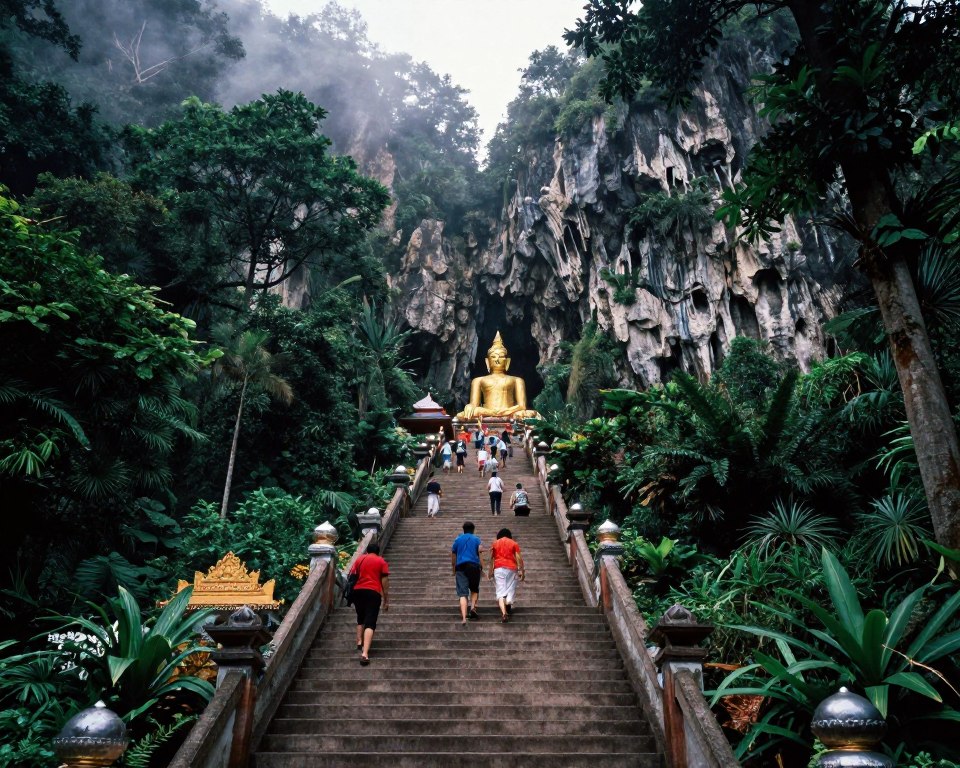
The lower temple area features caves and shrines. Meditation halls offer quiet spaces. A large Buddha statue sits in meditation pose. Trees grow from cave ceilings creating unique scenery. The peaceful atmosphere contrasts with beach areas.
Emerald Pool and Hot Springs
The Emerald Pool lies within Thung Teao Forest Natural Park. This natural pool gets its name from the vivid color. Minerals give the water a brilliant green hue. The pool reaches about two meters deep.
A short nature trail leads to the pool. The walk takes 15 minutes through rainforest. Interpretive signs explain the ecosystem. You’ll see ancient trees and tropical birds. The path stays flat and easy.
Swimming in the Emerald Pool feels refreshing. The water temperature stays around 25°C year-round. Fish sometimes nibble your feet. Changing rooms and bathrooms serve visitors. A small restaurant operates near the entrance.
Hot springs sit two kilometers from the Emerald Pool. The thermal water flows from underground. Temperatures reach about 40°C. Multiple pools at different temperatures accommodate preferences. The warm water soothes sore muscles after hiking or climbing.
The Blue Pool (Sa Morakot) lies one kilometer further. Walking to this pool takes about 30 minutes. You cannot swim here. The pool serves as a conservation area. The water color appears even more intense than the Emerald Pool. The depth creates a mesmerizing blue-green shade.
Klong Thom Hot Springs
These natural hot springs create a different experience from the Emerald Pool area. Water bubbles up at about 40-50°C. The stream flows through the jungle before cooling. Pools at various distances offer different temperatures.
The setup feels more rustic than commercialized pools. Wooden platforms provide changing areas. The jungle surrounds everything. Birds call from the canopy. The atmosphere remains peaceful even with other visitors.
Local people visit these springs regularly. They believe the mineral water has healing properties. You’ll often see Thai families enjoying picnics near the pools. The experience feels authentic and less touristy.
Krabi Town
Krabi Town sees fewer tourists than beach areas. This provincial capital shows authentic local life. The riverfront night market operates daily. Local vendors sell clothes, souvenirs, and street food.
The town makes a good base for budget travelers. Accommodation costs less than beach locations. Restaurants serve authentic Thai food at local prices. You’ll interact more with residents than tourists.
Several attractions sit within Krabi Town. Wat Kaew temple features beautiful architecture. The weekend walking street market offers great shopping. The riverside promenade provides pleasant evening strolls.
Transportation from Krabi Town reaches everywhere. Songthaews (shared trucks) run to Ao Nang regularly. Buses depart for Bangkok and other cities. The town pier serves boats to islands.
Find Your Perfect Krabi Accommodation
Choose from beachfront resorts in Ao Nang, secluded bungalows in Railay, or budget-friendly hotels in Krabi Town. Book with free cancellation for maximum flexibility.
Things to Do in Krabi: Activities and Experiences
Krabi offers activities for every interest and fitness level. Adventure seekers find world-class options. Relaxation enthusiasts discover peaceful experiences. Cultural explorers encounter authentic traditions.
Rock Climbing Adventures
Krabi ranks among the world’s top rock climbing destinations. The limestone cliffs provide perfect climbing conditions. Over 1,000 routes exist throughout the province. Most concentrate around Railay Beach.
Beginners can start climbing their first day. Multiple schools offer half-day and full-day courses. Instructors teach basic techniques and safety. Equipment rental includes everything needed. Most first-timers successfully complete several routes.
Advanced climbers find challenging routes everywhere. Overhanging walls test technique and strength. Multi-pitch climbs extend up cliff faces. Deep water soloing adds excitement near the coast. You climb above water without ropes and jump when tired.
The climbing season runs year-round. Peak conditions occur during dry season. The rock can become slippery during rain. Morning sessions avoid afternoon heat. Sunset climbing offers spectacular views and cooler temperatures.
Island Hopping Excursions
Island hopping tours explore Krabi’s offshore treasures. Different tours visit different island groups. The experience typically includes four to six stops. Transportation uses longtail boats or speedboats.
Four Islands tour represents the classic option. The route covers the highlights near Ao Nang. Departure times suit early risers and late starters. The tour typically runs from 8 AM to 1 PM or 1 PM to 6 PM. Each tour lasts about five hours.
Hong Islands tour ventures further from shore. The journey takes longer but rewards with fewer crowds. The hidden lagoon creates the highlight. Snorkeling spots here show pristine coral. Tours usually include lunch on one island.
Phi Phi Islands day trip covers the most distance. Speedboats make the journey manageable in one day. You’ll visit Maya Bay, Viking Cave, and snorkeling spots. Lunch gets served on Phi Phi Don. The trip feels rushed but hits major sights.
Private boat charters offer flexibility. You choose which islands to visit. Stop as long as you want at each location. The cost divides among your group. Four to eight people make private charters economical.
Four Islands Discovery Tour
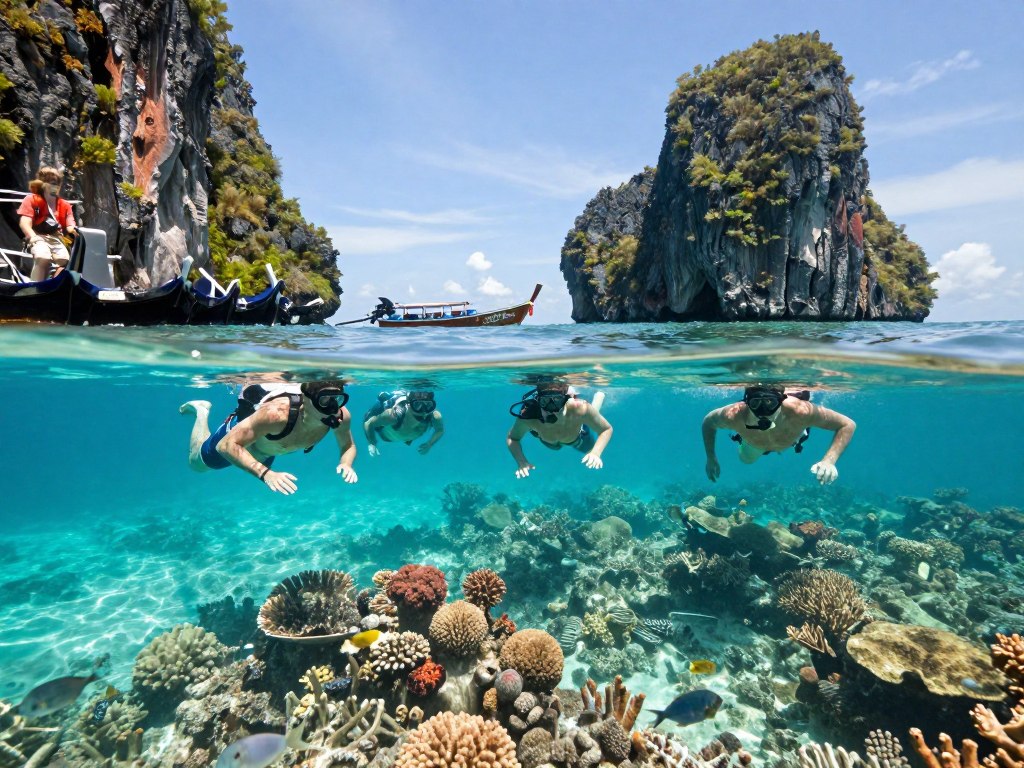
Explore Chicken Island, Tup Island, Poda Island, and Phra Nang Cave Beach in one exciting day trip. Includes snorkeling equipment, lunch, and experienced guide. Perfect for first-time visitors.
- Duration: 5 hours
- Snorkeling at 2-3 spots
- Hotel pickup included
- Small group maximum 15 people
From $35 per person
Hong Islands Premium Experience
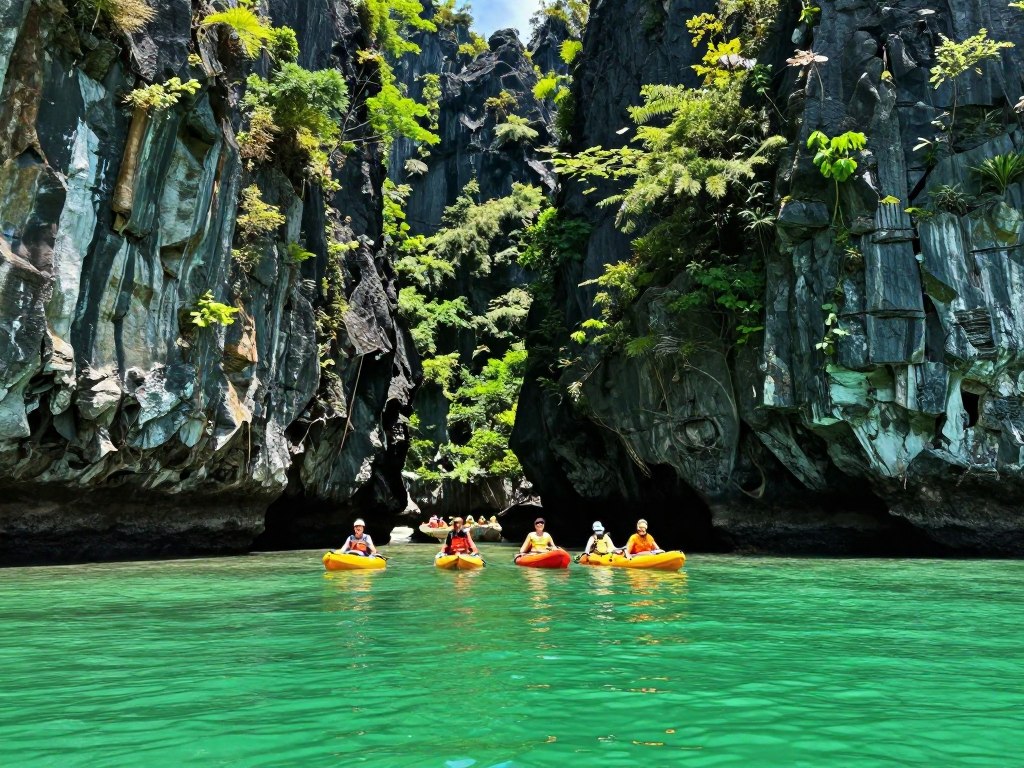
Journey to the stunning Hong Islands archipelago. Kayak through the hidden lagoon, snorkel pristine reefs, and relax on uncrowded beaches. Smaller groups ensure quality experience.
- Duration: 7 hours
- Kayaking in Hong Lagoon
- Thai buffet lunch
- Maximum 12 guests
From $55 per person
Phi Phi Islands Speedboat Adventure
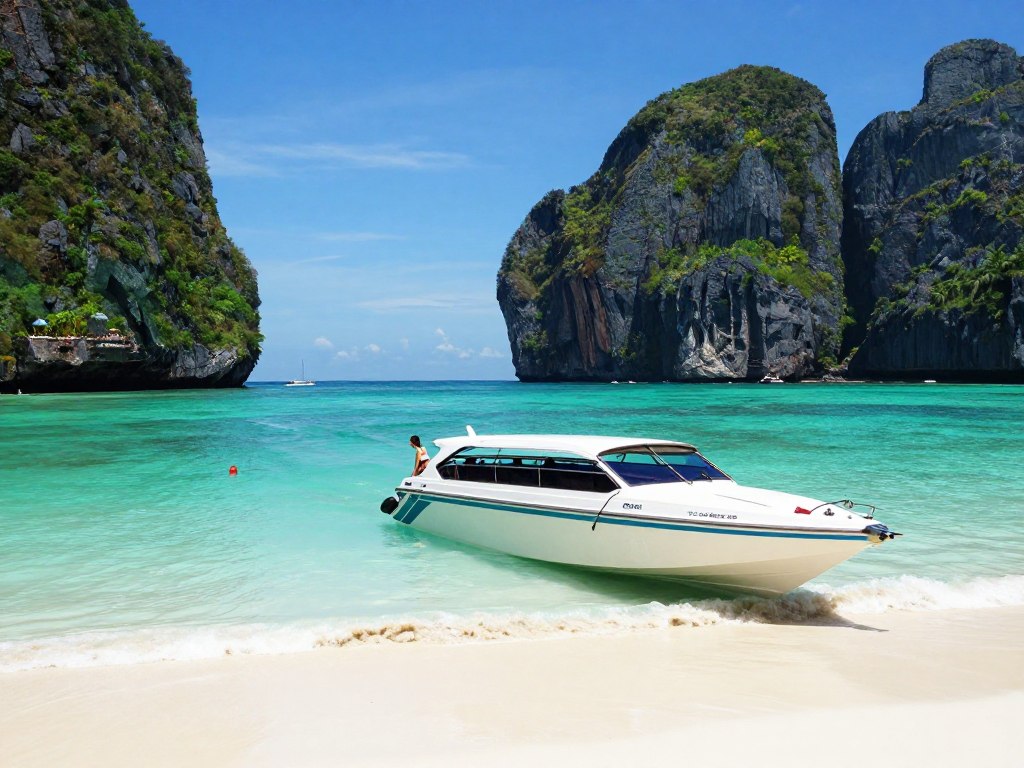
Visit the famous Phi Phi Islands on this full-day speedboat tour. See Maya Bay, swim at Pileh Lagoon, and snorkel at Shark Point. Includes stops at Viking Cave and Monkey Beach.
- Duration: 8 hours
- 6-7 different locations
- Buffet lunch on Phi Phi Don
- Early departure for best experience
From $65 per person
Snorkeling and Diving
The Andaman Sea around Krabi teems with marine life. Coral reefs grow along many shorelines. Snorkeling reveals colorful fish even in shallow water. Diving takes you deeper to encounter larger species.
Most island tours include snorkeling stops. Equipment gets provided with the tour. Life jackets help non-swimmers enjoy safely. Guides point out interesting marine creatures.
Dedicated snorkeling trips visit the best spots. These tours avoid crowded areas. You’ll spend more time in the water. The pace feels more relaxed than combined island tours.
Scuba diving certifications can be earned in Krabi. Several PADI schools operate from Ao Nang. The Open Water course takes three to four days. Local dives provide practice before certification.
Experienced divers find excellent sites nearby. Koh Ha offers crystal-clear visibility. The local dive site features underwater caves. Hin Daeng and Hin Muang sit further offshore. These spots attract manta rays and whale sharks seasonally.
Kayaking Through Mangroves
Ao Thalane mangrove forest creates a different Krabi experience. This ecosystem sits about 30 minutes from Ao Nang. Kayaking routes wind through narrow channels. Limestone cliffs tower above the water.
The water stays calm and shallow. Beginners handle the paddling easily. Tours usually last three to four hours. You’ll see unique wildlife adapted to brackish water. Mudskippers hop across roots. Monitor lizards sun on branches. Birds fish in the shallows.
Some routes include cave exploration. You paddle into dark chambers. Stalactites hang from ceilings. Your guide explains geological formations. The experience combines adventure with education.
Sunset kayaking tours offer romantic experiences. The light creates beautiful reflections. Temperatures cool to comfortable levels. You might see bioluminescence in the water on dark nights.
Thai Cooking Classes
Thai cooking class experiences teach authentic cuisine techniques. Several schools operate in Krabi. The experience typically starts with market visits. Your instructor explains ingredients and shopping.
Classes cover four to six dishes. You’ll learn curry pastes, stir-fries, and desserts. Vegetarian options accommodate different diets. The focus stays on techniques you can replicate at home.
Most cooking classes run four hours. Morning sessions feel cooler and more comfortable. Afternoon classes sometimes include sunset views. You eat what you cook for lunch or dinner.
Small class sizes ensure individual attention. Groups rarely exceed ten students. You get hands-on experience with everything. Recipe booklets let you recreate dishes later.
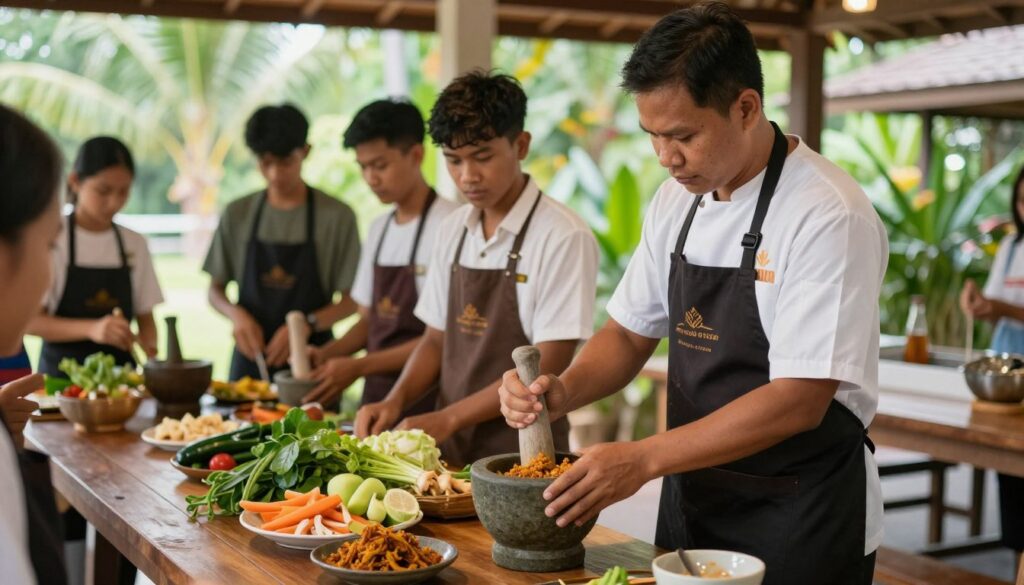
Experience Authentic Thai Cooking
Join a traditional Thai cooking class and learn to create delicious dishes you can recreate at home. Includes market tour, all ingredients, and recipe booklet. Perfect for food lovers and cultural enthusiasts.
Wellness and Spa Experiences
Thai massage traditions thrive throughout Krabi. Beach massage huts offer affordable treatments. Hotel spas provide luxury experiences. Prices range from budget-friendly to premium.
Traditional Thai massage uses stretching and pressure points. Sessions typically last 60 or 90 minutes. The technique relieves muscle tension effectively. Many visitors get daily massages during their trip.
Oil massages offer gentler alternatives. Aromatherapy adds relaxation benefits. Hot stone treatments provide deep muscle relief. Foot massages soothe tired feet after walking.
Full spa packages include multiple treatments. You might combine massage with facial and body scrub. Some spas offer couples treatments. Private rooms with garden views enhance the experience.
Yoga classes and retreats operate in Railay and Ao Nang. Beachfront sessions start many mornings. Week-long retreats include accommodation and meals. The peaceful setting supports meditation practice.
Jungle Trekking
Interior rainforests remain largely unexplored by tourists. Trekking tours take you deep into this wilderness. Experienced guides lead the way. They explain plant uses and wildlife behavior.
Tab Kak Hang Nak Hill Nature Trail offers challenging hiking. The trail climbs to a viewpoint at 550 meters elevation. The trek takes three to four hours round trip. The summit reveals panoramic views across Krabi.
Easier trails exist in Khao Phanom Bencha National Park. Forest paths lead to waterfalls. The five-tier Huay To waterfall flows year-round. You can swim in pools at the base. The walk takes about one hour each way.
Wildlife spotting improves with early morning treks. You might see monkeys, hornbills, and squirrels. Insects and butterflies appear in amazing variety. Your guide points out interesting species.
Sunset Viewing Spots
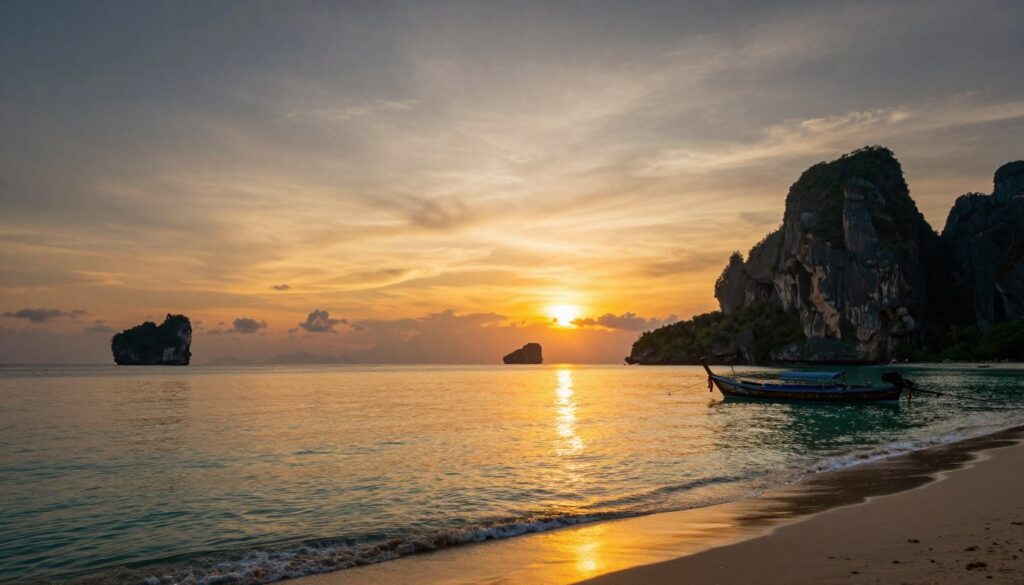
Krabi’s west-facing coastline creates spectacular sunsets. The Andaman Sea stretches to the horizon. Limestone islands create silhouettes. The sky transforms through brilliant colors.
Railay viewpoint requires a short climb. The path starts near the eastern beach. Ropes help with steep sections. The view encompasses all Railay beaches. Sunset from this elevation appears magnificent.
Ao Nang Beach provides easy sunset access. Beachfront restaurants set up sunset viewing areas. You can enjoy drinks while watching. The atmosphere turns romantic as colors intensify.
Krabi Town riverside offers a local perspective. Fewer tourists gather here. You’ll watch with Thai families. The scene feels authentic and peaceful.
Where to Stay in Krabi: Accommodation Areas and Recommendations
Choosing the right area affects your entire Krabi experience. Each zone offers different advantages. Your priorities determine the best fit. Budget, beach access, and activities all factor into the decision.
Ao Nang: Best for Convenience
Ao Nang serves most visitors well. This developed beach town provides everything within walking distance. Restaurants serve international and Thai cuisine. Convenience stores stock essentials. Tour agencies line every street.
Accommodation options span all budgets. Backpacker hostels offer dorm beds from $8 per night. Mid-range hotels provide pools and breakfast for $40-80. Luxury resorts feature beachfront locations and full amenities for $150 and up.
The beach itself sees heavy boat traffic. Swimming quality varies with tides. However, the location excels for island hopping. Boats depart directly from the beach. You can book tours the night before.
Nightlife concentrates in Ao Nang. Bars stay open late with music and drinks. The atmosphere attracts younger travelers. Families also find suitable options in quieter resort areas.
Railay: Best for Scenery and Adventure
Railay offers the most dramatic setting. Limestone cliffs surround the peninsula. The beaches rank among Thailand’s finest. No cars exist here due to limited access.
Accommodation leans toward mid-range and luxury. Budget options exist but cost more than equivalent Ao Nang places. Bungalows start around $30 per night. Beach resorts charge $100-300 depending on season.
The area attracts rock climbers and adventure seekers. The vibe stays more relaxed than Ao Nang. Restaurants serve good food at higher prices. Everything costs more due to boat-access location.
Visit Railay for the setting, not convenience. Limited ATMs sometimes run out of cash. Shops stock basics but selection stays narrow. The isolation creates the appeal for many visitors.
Krabi Town: Best for Budget and Authenticity
Krabi Town sees fewer international tourists. This provincial capital shows real Thai life. Local restaurants serve authentic food at low prices. Markets sell goods to residents, not just visitors.
Accommodation costs significantly less than beach areas. Clean guesthouses charge $10-15 per night. Mid-range hotels with pools run $25-40. The savings add up over multiple nights.
The town makes sense for budget travelers. You’ll interact with locals daily. Experience feels more cultural and authentic. However, beaches require transportation. Songthaews to Ao Nang take 30 minutes and cost about $1.50 per person.
Krabi Town works well as a base for exploration. Buses to other provinces leave from here. The airport sits closer than to beach areas. You can book onward travel easily.
Klong Muang: Best for Luxury and Quiet
Klong Muang Beach sits north of Ao Nang. This area features upscale resorts. The beach stretches long with soft sand. Far fewer visitors come here.
Accommodation consists mainly of 4-star and 5-star properties. Expect to pay $100 minimum per night. Resorts include multiple pools, restaurants, and spas. Many cater to families with kids’ clubs.
The area stays peaceful and uncrowded. You’ll share the beach with resort guests only. Restaurants exist only within hotels. This limits dining variety but ensures quality.
Transportation to attractions requires arranging. Resorts offer tour booking services. Taxis to Ao Nang cost about $10. The isolation suits travelers seeking relaxation over adventure.
Tonsai: Best for Backpackers and Climbers
Tonsai Beach sits next to Railay. The vibe differs completely. Backpackers and rock climbers dominate the scene. The atmosphere stays very casual and social.
Accommodation consists of basic bungalows. Expect fan rooms with shared bathrooms. Prices start around $8-15 per night. The beach has rocks rather than sand. Most people don’t swim here.
Rock climbing defines Tonsai culture. Climbers gather nightly to share stories. Reggae bars provide cheap drinks and music. The scene attracts young independent travelers.
Tonsai works if you prioritize budget over comfort. The setting remains beautiful despite basic facilities. You can walk to Railay beaches in 10 minutes. This gives access to better beaches while maintaining low costs.
| Area | Best For | Budget Range | Beach Quality | Atmosphere |
| Ao Nang | Convenience, families, first-timers | $8-200+/night | Average, busy | Touristy, lively |
| Railay | Scenery, rock climbing, romance | $30-300+/night | Excellent | Relaxed, adventurous |
| Krabi Town | Budget travelers, local culture | $10-50/night | No beach | Authentic, local |
| Klong Muang | Luxury seekers, peace and quiet | $100-400+/night | Very good | Quiet, upscale |
| Tonsai | Backpackers, climbers, budget | $8-25/night | Rocky | Bohemian, social |
Booking Strategies and Tips
Advance booking becomes essential during high season. December through February fills up completely. Book at least two months ahead for these peak months. Shoulder season offers more flexibility.
Last-minute deals appear during low season. Hotels drop rates to fill rooms. You might score significant discounts walking in. However, some properties close entirely June through September.
Reading reviews helps avoid disappointments. Focus on recent reviews from the last six months. Check for mentions of cleanliness, noise, and location accuracy. Photos from guests show realistic conditions.
Consider location relative to activities. Staying in Ao Nang makes sense if island hopping daily. Railay suits rock climbing focused trips. Match your accommodation to your planned activities.
Food and Dining in Krabi: What to Eat and Where
Krabi’s food scene blends Southern Thai cuisine with international options. Fresh seafood dominates local menus. Street food markets offer authentic flavors. Beachfront restaurants provide romantic settings. Understanding what and where to eat enhances your experience.
Essential Thai Dishes to Try
Southern Thai cuisine differs from Bangkok and Northern styles. The flavors tend spicier and more intense. Coconut milk appears in many dishes. Turmeric gives curries a distinct yellow color.
Massaman curry originated in Southern Thailand. This rich curry combines coconut milk, peanuts, and tender meat. The flavor profile includes cinnamon and cardamom. The dish tastes less spicy than other Thai curries.
Tom Yum soup represents Thailand’s most famous dish. The hot and sour broth includes lemongrass, galangal, and lime leaves. Shrimp version appears most commonly. The combination creates an unforgettable flavor explosion.
Pad Thai needs no introduction. Rice noodles stir-fried with eggs, tofu, and shrimp create this classic. Tamarind adds sourness. Crushed peanuts provide crunch. Every restaurant serves their version.
Southern Thai fried chicken deserves special mention. The preparation includes turmeric marinade. Deep frying creates incredibly crispy skin. The meat stays juicy inside. Locals eat this with sticky rice.
Seafood Specialties
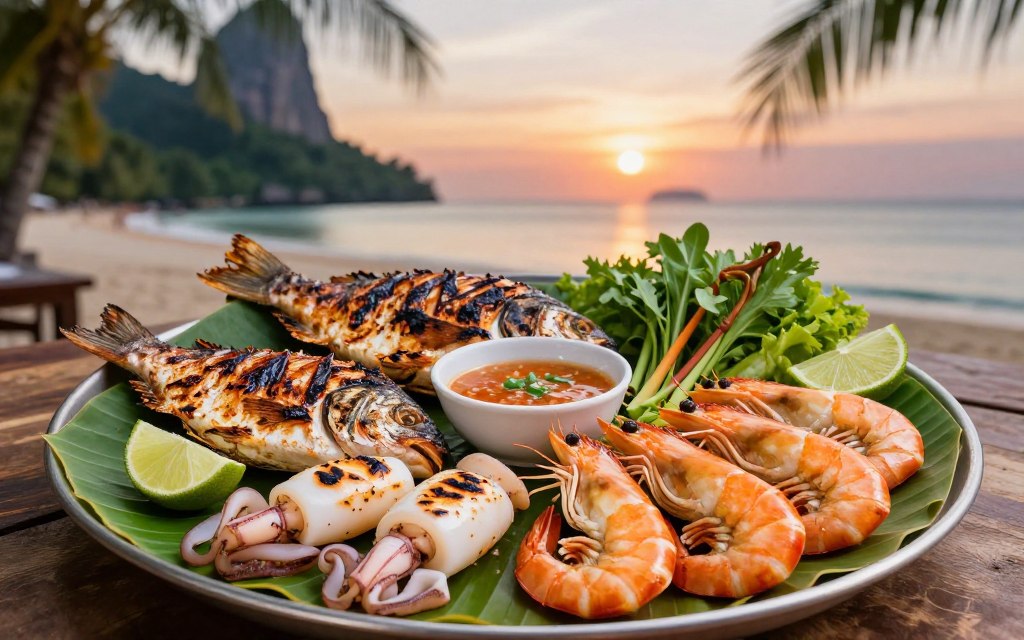
Krabi’s coastal location means exceptional seafood. Restaurants display fresh catches on ice. You select what you want cooked. Grilled, steamed, or fried preparation methods all work well.
Grilled fish appears at every beachfront restaurant. Sea bass, snapper, and grouper stay popular. The fish gets stuffed with lemongrass and herbs. Grilling over charcoal adds smoky flavor. Dipping sauce combines lime, garlic, and chilies.
Soft shell crab curry combines two delicacies. The crab gets fried crispy then simmered in curry sauce. Yellow curry works particularly well. The contrast between crispy crab and smooth sauce tastes amazing.
Squid prepared multiple ways fills menus. Grilled squid with garlic and pepper stays simple and delicious. Stuffed squid includes minced pork filling. Fried calamari appears for Western palates.
Prawns reach impressive sizes in Krabi waters. Tiger prawns grilled with butter and garlic make excellent starters. Shrimp in tamarind sauce offers sweet and tangy flavors. Steamed prawns with lime sauce stays light and healthy.
Street Food and Markets
Night markets operate daily in Ao Nang and Krabi Town. The atmosphere buzzes with activity. Food stalls outnumber souvenir vendors. Prices stay very affordable. Most dishes cost $1-3.
Grilled satay skewers work perfectly as snacks. Chicken, pork, or beef gets marinated then grilled. Peanut sauce serves alongside. Order several sticks and try different meats.
Mango sticky rice appears at dessert stalls. Sweet sticky rice gets topped with ripe mango slices. Coconut cream drizzles over everything. The combination tastes better than it sounds.
Fresh fruit smoothies refresh after hot days. Vendors blend mango, pineapple, watermelon, or mixed fruits. No added sugar needed with ripe Thai fruit. Prices typically run about $1.
Pad krapow (holy basil stir-fry) cooks fresh to order. Ground meat stir-fries with holy basil and chilies. A fried egg goes on top. The dish arrives fiery hot and incredibly fragrant.
Recommended Restaurants by Area
Ao Nang contains the widest dining selection. International restaurants serve Italian, Indian, and Western food. Thai restaurants range from street stalls to upscale dining.
Krabi Town offers the most authentic local food. Restaurants here cater to Thai customers. Prices run about half of beach area costs. The walking street market operates weekend evenings.
Railay’s restaurant scene concentrates on beachfront locations. Sunset dining creates romantic ambiance. Prices reflect the isolated location. Quality generally stays high to justify costs.
Vegetarian and Vegan Options
Finding vegetarian food in Thailand requires care. Fish sauce appears in most dishes. “Jay” food (vegan Buddhist cuisine) exists but stays less common in tourist areas.
Communicate dietary requirements clearly. Say “mai sai nam pla” (no fish sauce). Request “phak” (vegetables) instead of meat. Many restaurants accommodate requests willingly.
International restaurants offer reliable vegetarian menus. Indian restaurants serve completely vegetarian options. Italian places make pasta and pizza without meat easily.
Fresh fruit and smoothies provide healthy vegetarian options. Coconut ice cream made in young coconuts appears everywhere. Fried bananas and sweet roti make good snacks.
Dining Etiquette and Customs
Thai people eat with spoon and fork. The fork pushes food onto the spoon. Chopsticks appear only for noodle soups. Don’t point utensils at people.
Sharing food creates the typical Thai dining style. Order several dishes for the table. Everyone takes small portions from shared plates. This lets you try more variety.
Tipping isn’t traditionally expected but appreciated. Leaving 20-40 baht at casual restaurants works well. Upscale places might include service charges. Check the bill before adding extra.
Spicy food levels vary dramatically. When ordering, specify spice preference. “Pet nit noi” means a little spicy. “Mai pet” requests no spice. Start mild and increase later if desired.
Getting to and Around Krabi: Transportation Guide
Understanding Krabi’s transportation options helps plan efficiently. Multiple methods reach the province. Moving between areas requires different approaches. Knowing your options saves time and money.
Flying to Krabi
Krabi International Airport serves the province. The airport sits about 15 kilometers from Krabi Town. Domestic and international flights arrive daily.
Direct international flights connect from major Asian cities. Singapore, Kuala Lumpur, and Hong Kong offer regular service. China and Korea provide seasonal connections. Flight times range from two to four hours.
Bangkok serves as the main connection point. Multiple daily flights operate from both Bangkok airports. The flight takes 80 minutes. Budget airlines often offer fares under $50 one-way.
Airport taxis use fixed-price systems. Official counters inside the terminal sell tickets. Prices to Ao Nang run about $15-20. Krabi Town costs $12-15. Shared minivans offer cheaper rates if you wait for other passengers.
Overland Travel from Bangkok
Buses connect Bangkok and Krabi overnight. The journey takes 12 hours. VIP buses include reclining seats and bathrooms. Tickets cost $20-30 depending on comfort level.
Buses depart from Bangkok’s Southern Bus Terminal. Several companies operate this route. Departure times range from early evening to late night. You arrive in Krabi the following morning.
The train doesn’t reach Krabi directly. You can take trains to Surat Thani or Trang. From there, buses continue to Krabi. This option takes longer but costs less than flying.
Moving Between Beach Areas
Songthaews (shared pickup trucks) connect Krabi Town and Ao Nang. These run frequently throughout the day. The ride takes 30 minutes and costs about $1.50 per person. Service reduces after 6 PM.
Taxis and private cars offer more comfort and flexibility. Prices must be negotiated before entering. Expect to pay $10-15 for Krabi Town to Ao Nang. Apps like Grab operate in the area but coverage stays limited.
Motorbike taxis provide quick point-to-point service. Drivers wear numbered vests. They wait at major intersections and hotels. Short trips around Ao Nang cost $1-2. Always agree on price first.
Reaching Railay Beach
No roads reach Railay due to surrounding cliffs. Longtail boats provide the only access. Boats depart from Ao Nang Beach throughout the day. The journey takes 15 minutes and costs about $3 per person.
Service runs from early morning until about 6 PM. After dark, boats still operate but charge higher rates. Private charters cost around $15-20 for the entire boat.
Boats to Railay leave from Krabi Town pier as well. This option works if staying in the town. The journey takes 45 minutes. Boats sync with low tide schedules.
Island Transportation
Ferry services connect Krabi to nearby islands. Phi Phi Islands receive multiple daily ferries. The trip takes about two hours. Tickets cost $12-15 one-way.
Koh Lanta ferries operate from November to April. Direct boats run from Ao Nang pier. The journey takes 90 minutes. Some routes include a minivan portion.
Speedboats offer faster alternatives to ferries. The ride gets rough when seas are choppy. Tickets cost more but save time. They work well for day trips.
Book Your Ferry Tickets in Advance
Secure your spot on ferries to Phi Phi Islands, Koh Lanta, and other destinations. Online booking guarantees availability and offers better rates than pier purchases.
Renting Vehicles
Motorbike rental offers maximum freedom. Shops throughout Ao Nang rent scooters for $5-8 per day. An international driving permit helps but isn’t always required. Wear helmets as police enforce this law.
Riding in Thailand requires caution. Traffic moves on the left side. Road conditions vary from excellent to poor. Mountain roads include steep curves and limited visibility.
Car rental makes sense for families. Prices start around $30 per day for basic vehicles. International companies operate from the airport. Local agencies in Ao Nang offer competitive rates.
Insurance coverage deserves careful attention. Basic rental rates often exclude comprehensive coverage. Check what your credit card provides. Consider purchasing additional insurance for peace of mind.
Local Transportation Tips
Walking works well within compact areas. Ao Nang’s beachfront strip stays walkable. Railay requires walking as the only option. Krabi Town’s central area covers manageable distances.
Bicycle rental costs minimal amounts. Many hotels provide bikes free to guests. Flat coastal roads suit cycling well. Interior routes get hillier and more challenging.
Apps and maps help navigation considerably. Download offline maps before leaving wifi. Pin important locations ahead of time. Google Maps works reliably for most areas.
Bargaining applies to taxis and tuk-tuks. Never accept first offered prices. Expect to negotiate down 20-30%. Walking away often produces better offers.
Practical Information: Visas, Money, Safety, and Essential Tips
Understanding practical details prevents problems during your trip. This section covers essential information every visitor needs. From visa requirements to health precautions, these basics ensure smooth travels.
Visa Requirements
Many nationalities receive visa exemption for Thailand. Citizens from most Western countries get 30 days visa-free when arriving by air. Overland entries sometimes receive only 15 days. Check current regulations for your specific passport.
The 30-day exemption can be extended once. Visit immigration offices in Krabi Town or Ao Nang. The extension adds 30 days for 1,900 baht. Bring passport photos and copies of relevant passport pages.
Tourist visas allow 60-day stays. Apply at Thai embassies before traveling. The process requires application forms and supporting documents. This option suits longer trips.
Overstaying your visa results in fines. The penalty runs 500 baht per day. Serious overstays can cause entry bans. Always track your permitted stay dates carefully.
Currency and Money Matters
Thai Baht (THB) is the only accepted currency. The symbol ฿ precedes amounts. Exchange rates fluctuate around 30-35 baht per US dollar. Coins come in 1, 2, 5, and 10 baht denominations. Bills range from 20 to 1,000 baht.
ATMs appear throughout Krabi’s tourist areas. Withdrawal limits typically cap at 20,000 baht per transaction. Thai banks charge 220 baht fees for international cards. Your home bank might add additional charges.
Currency exchange booths offer competitive rates. Shop around as rates vary between vendors. Bring crisp, undamaged bills for best exchange rates. Small tears or marks reduce the value.
Credit cards work at hotels, restaurants, and larger shops. Visa and Mastercard see widest acceptance. Small vendors and markets operate cash-only. Always carry sufficient cash for daily expenses.
Language Tips
Thai is the national language. English proficiency varies widely. Tourist areas see better English understanding. Rural locations require more Thai language skills.
Learning basic Thai phrases helps tremendously. “Sawasdee krap/ka” means hello. “Khop khun krap/ka” expresses thanks. Add “krap” if you’re male, “ka” if female. Thais appreciate any language effort.
Translation apps solve communication problems. Google Translate works offline if you download Thai language data. Point at items and use simple words. Patience and smiling overcome most language barriers.
Numbers are essential to learn. Knowing Thai numbers helps in markets and taxis. Prices get quoted in Thai numerals. This prevents misunderstandings and overcharging.
Useful Thai Phrases
- Hello – Sawasdee krap/ka
- Thank you – Khop khun krap/ka
- How much? – Tao rai?
- Too expensive – Paeng pai
- Delicious – Aroi
- Where is…? – …yoo tee nai?
- Bathroom – Hong nam
- Help – Chuay duay
Emergency Numbers
- Tourist Police – 1155
- Emergency Services – 191
- Fire Department – 199
- Medical Emergency – 1669
- Thai Immigration – 1178
Health and Safety
Krabi generally maintains good safety standards. Violent crime against tourists stays rare. Common sense precautions prevent most problems. Keep valuables secured in hotel safes. Watch bags in crowded areas.
Swimming safety requires attention. Currents can be strong during monsoon season. Red flags indicate dangerous conditions. Follow local warnings and swim only in designated areas. Jellyfish sometimes appear near beaches.
Sun protection is absolutely essential. The tropical sun burns skin quickly. Wear high SPF sunscreen even on cloudy days. Reapply after swimming. Heat stroke affects unprepared visitors. Stay hydrated and take breaks in shade.
Tap water should not be consumed. Bottled water costs minimal amounts. Restaurants serve purified water and ice safely. Brush teeth with bottled water to be extra cautious.
Travel insurance provides important protection. Medical care in Thailand costs less than Western countries but still adds up. Insurance covers emergency evacuation if needed. Adventure activities require specific coverage. Verify your policy includes rock climbing, diving, or other planned activities.
Healthcare Facilities
Krabi Hospital in Krabi Town provides government healthcare. The facility treats serious conditions adequately. English-speaking staff work in international departments. Costs stay reasonable compared to private hospitals.
Private clinics operate in Ao Nang and popular areas. These handle minor issues like cuts, infections, and stomach problems. Quality typically meets international standards. Prices reflect tourist area locations.
Pharmacies stock most common medications. Many drugs available only by prescription in Western countries sell over-counter here. Pharmacists often speak some English. Bring prescriptions or know generic drug names.
Vaccinations aren’t mandatory for Thailand. Hepatitis A and Typhoid vaccines receive recommendations. Update routine vaccinations before travel. Malaria risk stays very low in Krabi. Dengue fever occurs occasionally. Mosquito prevention helps reduce risks.
Internet and Communication
WiFi appears nearly everywhere in Krabi. Hotels include free internet. Restaurants and cafes offer WiFi to customers. Speeds suffice for email and social media. Video calls might struggle during busy periods.
SIM cards provide mobile data freedom. Airport vendors sell tourist SIM packages. Expect to pay $10-15 for one month of service. Data allowances typically include 10-30 GB. Coverage remains excellent in developed areas.
Thai telecommunications companies include AIS, DTAC, and True. AIS provides the most extensive coverage. True often offers best value packages. All work well in Krabi tourist zones.
Cultural Etiquette
Respect for Buddhism shapes Thai culture. Remove shoes before entering temples. Dress modestly covering shoulders and knees. Speak quietly in religious spaces. Never point feet at Buddha images.
The Thai monarchy receives deep reverence. Avoid any criticism or disrespectful comments. Stand during royal anthem playings. This happens before movies in cinemas.
Thai people value politeness highly. Avoid showing anger or raising voices. Stay calm even when frustrated. The concept of “saving face” matters greatly. Public confrontation embarrasses everyone involved.
Physical contact follows specific rules. Don’t touch people’s heads. This includes children. Public displays of affection should stay minimal. Hand-holding is acceptable but kissing isn’t.
Electrical Standards
Thailand uses 220V electricity at 50Hz. Outlets accept two-prong plugs. Some accommodate three-prong designs. North American devices need voltage converters. Most phone and laptop chargers handle dual voltage.
Adapters can be purchased at airports and shops. International hotels sometimes provide adapters. Bring your own to ensure compatibility. Universal adapters work throughout Southeast Asia.
Budget Planning: Costs and Money-Saving Tips
Krabi accommodates various budget levels. Backpackers survive on minimal amounts. Luxury travelers find upscale options. Understanding costs helps plan realistically. These estimates guide your budget preparation.
Daily Budget Estimates
Budget travelers can manage on $25-35 per day. This includes hostel accommodation, street food, and local transportation. You’ll skip some paid activities. Beaches and temples cost nothing. The experience stays authentic despite tight spending.
Mid-range travelers spend $60-100 daily. Comfortable hotels with pools fit this budget. Restaurant meals replace street food. Tours and activities become affordable. This range provides good value and comfort balance.
Luxury budgets start around $150 per day. High-end resorts offer full amenities. Fine dining and premium tours are included. Private transportation eliminates hassles. The experience maximizes comfort and convenience.
- Hostel dorm bed: $8-12
- Street food meals: $3-5
- Local transportation: $2-4
- Free beaches and temples
- Occasional budget tour: $10-20
- Water and snacks: $3-5
Budget Traveler ($25-35/day)
- Hotel room: $30-50
- Restaurant meals: $15-25
- Mix of transportation: $5-10
- Daily tour or activity: $25-40
- Massage or spa: $10-15
- Drinks and extras: $10-15
Mid-Range Traveler ($60-100/day)
- Resort accommodation: $100-300
- Fine dining: $40-80
- Private transportation: $20-40
- Premium tours: $60-150
- Spa treatments: $40-100
- Drinks and extras: $30-50
Luxury Traveler ($150+/day)
Accommodation Costs by Season
High season prices peak in December and January. Expect rates 50-100% higher than low season. Beach bungalows costing $20 in June might charge $40 in December. Advance booking becomes essential during these months.
Shoulder season offers best value. October, November, and March see good weather with moderate prices. You’ll pay about 25-40% less than peak season. Selection stays good with most properties operating.
Low season creates bargain opportunities. June through September rates drop dramatically. Negotiation works especially well. Some hotels close but plenty remain open. You might stay in $100 rooms for $40.
Activity and Tour Costs
Island hopping tours range from $25-65 per person. The Four Islands tour typically costs $30-35. Hong Islands tours run $45-55. Phi Phi Islands trips charge $60-75. Prices include lunch, snorkeling equipment, and hotel pickup.
Rock climbing instruction costs $40-60 for half-day sessions. Full-day courses run $70-90. Equipment rental alone costs about $15 per day. Multi-day packages offer better per-day rates.
Scuba diving trips charge $50-80 for two dives. PADI Open Water certification costs $350-450. Advanced courses run $250-350. Equipment rental is usually included in course prices.
Thai cooking classes range from $30-50 per person. Half-day courses include market tour and recipe book. You’ll prepare and eat four to six dishes. Small class sizes justify the cost.
Spa treatments vary widely. Beach massage costs $6-8 for one hour. Mid-range spa massage runs $15-25. Luxury hotel spas charge $40-80. Oil massage costs more than traditional Thai massage.
Food Budget Guidelines
Street food meals cost $2-4 per dish. Night market vendors charge similar amounts. You can eat three full meals for under $12. Quality stays good despite low prices.
Local restaurants increase costs slightly. Expect $4-7 per main dish. These establishments offer air conditioning and nicer settings. Tourist areas charge more than Krabi Town.
Beachfront restaurants command premium prices. Main courses run $8-15. The sunset views and ambiance justify higher costs. Seafood dishes cost more than chicken or pork options.
International food costs approach Western prices. Pizza and pasta run $8-12. Burgers cost $6-10. These satisfy Western food cravings but strain budget travel plans.
Money-Saving Strategies
Visit during shoulder or low season. Accommodation and tours cost significantly less. Weather remains mostly favorable. You’ll experience less crowding everywhere. The savings accumulate quickly over longer stays.
Eat where locals eat. Street stalls and basic restaurants charge fair prices. Food quality often exceeds tourist restaurants. Night markets provide variety and value. Cooking classes teach you to prepare Thai food yourself.
Book tours directly with operators. Skip the agent commissions. Walk to the beach and approach boat operators. Group together with other travelers for private charters. This splits costs while adding flexibility.
Stay in Krabi Town instead of beaches. Accommodation costs half as much. Restaurants charge local prices. Take cheap songthaews to beaches for the day. Return to town for dinner and accommodation savings.
Rent motorbikes for transportation freedom. Daily rental costs less than two taxi trips. You’ll explore at your own pace. Hidden beaches and viewpoints become accessible. Just ride safely and wear helmets.
Free activities fill many days. Beaches cost nothing. Temple visits are free or request small donations. Viewpoint hikes require only energy. Watching sunsets creates memorable experiences without spending.
Hidden Costs to Consider: ATM fees add up quickly at 220 baht per withdrawal. Travel insurance costs extra but provides essential protection. Taxi drivers sometimes quote inflated prices. Verify tour inclusions as some charge extra for national park fees or equipment.
Using Credit Cards Wisely
Credit cards work at major establishments. However, some businesses add 3-5% surcharges. Ask about fees before paying. Cash often provides better rates.
Notify your bank before traveling. Unexpected foreign charges might trigger fraud alerts. This can freeze your card at inconvenient times. Bring backup payment methods.
Choose cards without foreign transaction fees. These charges add 2-3% to every purchase. Over a long trip, the savings become significant. Many travel credit cards waive these fees.
Sample Krabi Itineraries: Planning Your Perfect Trip
Your available time shapes what you can experience. These sample itineraries balance activities and relaxation. Adjust them to match your interests and energy levels.
Three-Day Krabi Itinerary
Day 1: Arrival and Ao Nang Exploration
Arrive at Krabi Airport and transfer to Ao Nang. Check into your hotel and rest from travel. Afternoon hours suit beach relaxation. Ao Nang Beach provides easy swimming access. Evening exploration includes the night market. Try various street food stalls. The walking street fills with vendors and atmosphere.
Day 2: Island Hopping Adventure
Join a Four Islands tour departing around 8 AM. Visit Chicken Island, Tup Island, and Poda Island. Snorkeling reveals colorful tropical fish. Lunch gets served on one island. Return to Ao Nang by early afternoon. Rest at your hotel during hot hours. Watch sunset from Railay viewpoint. Dinner at beachfront restaurant concludes the day.
Day 3: Railay Beach Day Trip
Take morning longtail boat to Railay Beach. Explore all four Railay beaches on foot. Phra Nang Cave Beach offers stunning scenery. Try rock climbing for beginners if interested. Relax on pristine sand. Return to Ao Nang for final evening. Pack and prepare for departure.
Five-Day Krabi Itinerary
Day 1-2: Same as three-day itinerary
Day 3: Tiger Cave Temple and Hot Springs
Rise early for Tiger Cave Temple visit. Climb the 1,237 steps before heat intensifies. Summit views reward the effort. Return down and visit the lower temple area. Afternoon trip to Emerald Pool and Hot Springs. Swimming refreshes after temple climbing. Soak in thermal pools. Return to accommodation for evening rest.
Day 4: Hong Islands Expedition
Join Hong Islands tour by speedboat. Kayak through the hidden lagoon entrance. Snorkel pristine coral reefs. Enjoy lunch on a secluded beach. Swimming and relaxation fill the afternoon. Return to Ao Nang around 4 PM. Evening Thai massage soothes muscles. Explore different restaurants for dinner.
Day 5: Leisure and Departure
Final morning at the beach. Last-minute souvenir shopping. Thai cooking class if time permits. Transfer to airport for departure. Or extend your stay if vacation allows.
Seven-Day Krabi Itinerary
This week-long visit allows deeper exploration. The pace becomes more relaxed. You can include day trips to nearby attractions.
Day 1-5: Follow five-day itinerary
Day 6: Phi Phi Islands Day Trip
Early morning departure by speedboat to Phi Phi Islands. Visit Maya Bay and Viking Cave. Snorkel at multiple locations. Lunch on Phi Phi Don main island. Explore the island village. Return to Krabi in evening. Light dinner after long day.
Day 7: Krabi Town and Cultural Experiences
Visit Krabi Town for local atmosphere. Explore temples and the riverside. Shop at local markets for authentic souvenirs. Take Thai cooking class in afternoon. Prepare traditional dishes. Final evening celebration dinner. Sunset watching from beach.
Customizing Your Itinerary
Rock climbing enthusiasts should allocate more Railay time. Consider staying there two to three nights. Daily climbing sessions improve skills progressively. Rest days prevent overuse injuries.
Diving certification requires four days minimum. The PADI Open Water course includes classroom and pool work. Actual diving follows initial training. Budget extra days for recreational dives after certification.
Families with young children need slower pacing. Include more beach relaxation days. Choose gentle activities like Emerald Pool swimming. Avoid strenuous hikes and long boat trips.
Photographers benefit from staying multiple nights in one location. Sunrise and sunset shots require being on-site. Scout locations during the day. Return at optimal light. Railay and Phra Nang offer exceptional photo opportunities.
Conclusion: Why Krabi Should Be Your Next Destination
Krabi combines natural beauty with authentic Thai culture. The limestone karsts create scenery found nowhere else. Beaches range from developed to pristine and hidden. Activities suit every interest and fitness level.
The province welcomes all types of travelers. Backpackers find affordable accommodation and food. Families discover safe beaches and kid-friendly tours. Couples enjoy romantic sunsets and luxury resorts. Adventure seekers tackle world-class rock climbing.
Local culture remains accessible and authentic. Buddhist temples welcome respectful visitors. Night markets serve food that locals eat daily. Fishing villages continue traditional ways. The blend of tourism and authenticity creates unique experiences.
Getting around Krabi stays relatively simple. The airport receives international flights. Boats connect to islands efficiently. Transportation options accommodate any budget. English speakers find adequate communication in tourist areas.
The best time to visit depends on priorities. Perfect weather occurs November through February. Best value appears in shoulder months. Even rainy season offers rewards for prepared travelers. Year-round visiting remains possible.
Krabi rewards both short visits and extended stays. Three days covers highlights efficiently. A week allows deeper exploration. Two weeks lets you truly relax into the pace. Many visitors extend stays after arriving.
Start planning your Krabi adventure today. The province has evolved beyond a simple beach destination. Cultural experiences, outdoor adventures, and natural wonders combine. Your perfect Thailand trip awaits in Krabi.
Ready to Experience Krabi?
Let us help you plan the perfect Krabi itinerary tailored to your interests, budget, and travel style. Get personalized recommendations and insider tips from travel experts who know Krabi intimately.
Frequently Asked Questions About Krabi
Is Krabi better than Phuket?
Krabi offers a more relaxed atmosphere than Phuket. The natural scenery tends more dramatic with limestone cliffs. Beaches feel less developed and crowded. Phuket provides more nightlife and shopping. Choose Krabi for nature and adventure, Phuket for variety and convenience.
How many days should I spend in Krabi?
Five to seven days allows experiencing major attractions without rushing. Three days covers highlights if time is limited. Ten days or more lets you fully relax and explore hidden areas. Your interests and travel pace determine ideal duration.
Can you swim in Krabi during rainy season?
Swimming remains possible during rainy season but conditions vary. Some days feature calm seas and sunshine. Other days bring rough water and strong currents. Check weather forecasts and local advice. Many visitors successfully enjoy beaches June through September.
Is Krabi suitable for families with children?
Krabi works well for families. Beaches like Ao Nang offer calm water. Many tours accommodate children. Hotels provide family rooms and kids’ pools. Thai people welcome children warmly. Avoid extreme activities like advanced rock climbing. Focus on island hopping, pools, and beach play.
What is the best beach in Krabi?
Phra Nang Beach receives most acclaim for beauty. Railay West offers stunning sunsets. Ao Nang provides convenience and facilities. Tonsai attracts budget travelers. The “best” beach depends on priorities. Each offers unique characteristics and appeal.
Do I need a car in Krabi?
A car isn’t necessary but adds flexibility. Songthaews and boats reach major areas. Taxis work for specific trips. Rental motorbikes provide freedom at lower cost. Decide based on your itinerary. Staying in Ao Nang eliminates vehicle need for many visitors.