

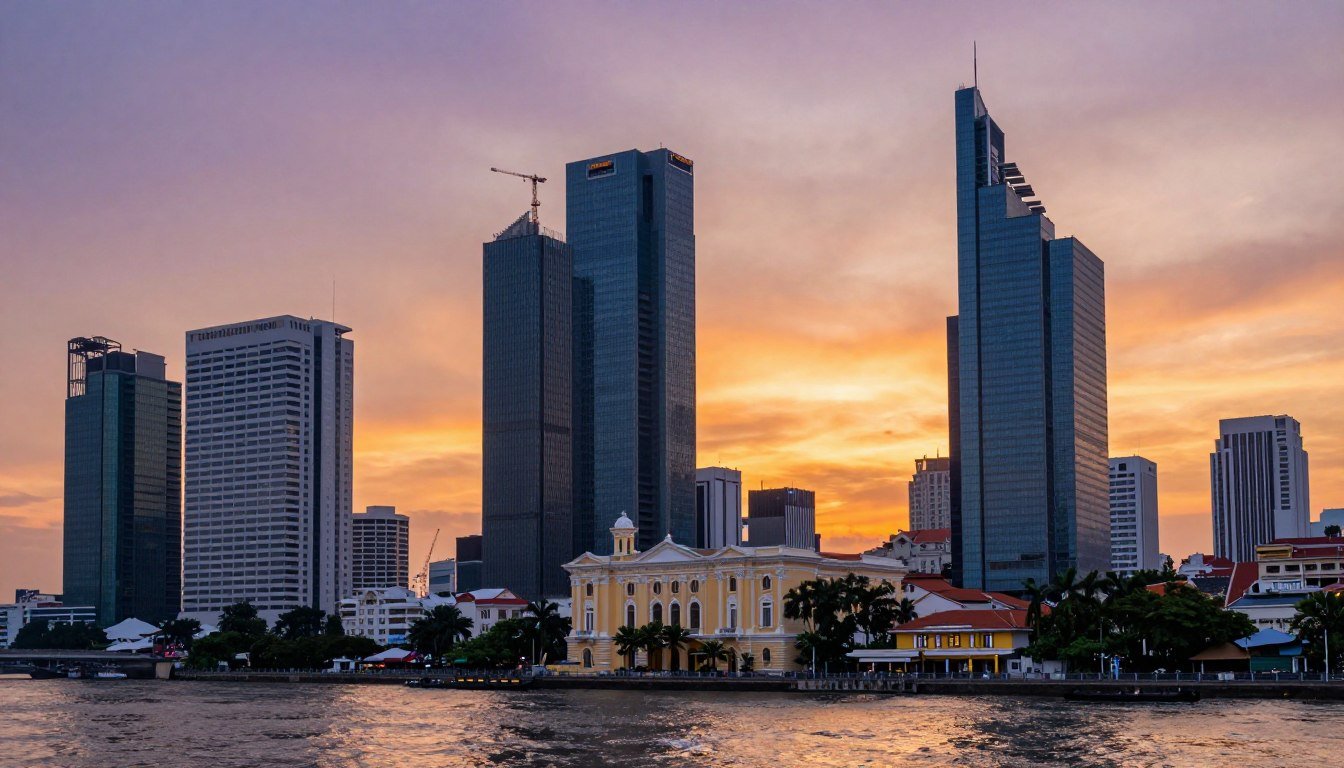
Ho Chi Minh City pulses with an energy unlike anywhere else in Southeast Asia. This Vietnamese metropolis blends French colonial charm with modern skyscrapers. Street vendors sell steaming bowls of pho while motorbikes weave through bustling streets.
The city offers something for every traveler. History buffs explore war museums and ancient pagodas. Food lovers dive into world-class street food scenes. Adventure seekers discover hidden tunnels and vibrant markets.
This comprehensive guide helps you navigate Vietnam’s largest city with confidence. You’ll find practical tips on transportation, accommodation, and safety. We cover the must-visit attractions and hidden gems locals love.
Planning Your Ho Chi Minh Adventure?
Our local experts create personalized itineraries tailored to your interests and budget. Get insider access to experiences most tourists miss. We’ll handle the details so you can focus on enjoying your trip.
Understanding Ho Chi Minh City: From Saigon to Modern Metropolis
Ho Chi Minh City carries the weight of history in every street corner. The city was known as Saigon until 1976. It served as the capital of South Vietnam during the war years.
Today, more than nine million people call this vibrant city home. The population swells daily as workers commute from surrounding provinces. This creates an electric atmosphere that never truly sleeps.
Historical Significance
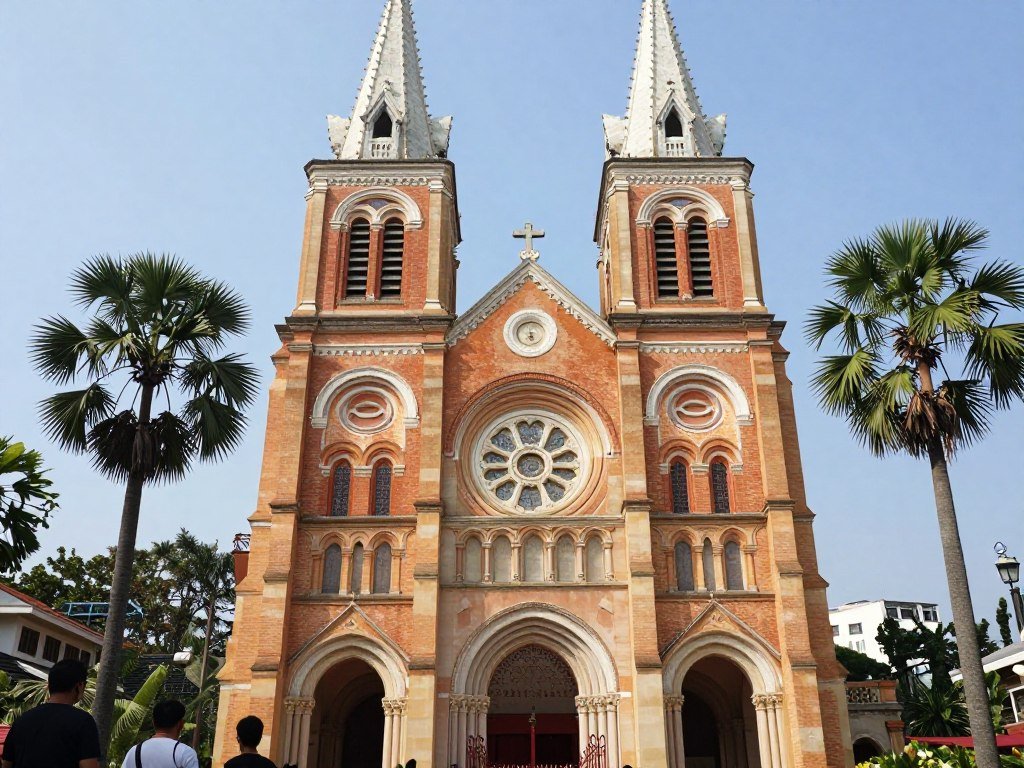
The French colonial period left lasting architectural marks. You’ll find Notre-Dame Cathedral and the Central Post Office standing proud. These buildings showcase European design adapted to tropical climates.
The Vietnam War shaped the city’s modern identity. Museums preserve this difficult history with reverence and honesty. Understanding this past enriches your visit immeasurably.
Modern Development
Chi Minh City drives Vietnam’s economic growth. The skyline transforms yearly with new construction projects. International businesses establish regional headquarters in gleaming towers.
Traditional culture thrives alongside modernization. Ancient pagodas operate beside coffee shops serving trendy beverages. This fusion creates a unique urban experience.
Cultural Melting Pot
The city blends Vietnamese, Chinese, and French influences seamlessly. Chinatown bustles with traditional medicine shops and dim sum restaurants. French bakeries sell fresh baguettes alongside Vietnamese sandwiches.
Religious diversity adds another layer of richness. Buddhist pagodas neighbor Catholic churches and Hindu temples. This tolerance reflects the city’s cosmopolitan character.
Local Insight: Many people still refer to the city as Saigon in casual conversation. Both names are acceptable and widely understood. Locals often use “Saigon” when discussing the central districts.
Best Time to Visit Ho Chi Minh City: Weather and Seasonal Guide
Chi Minh City experiences a tropical climate with two distinct seasons. The dry season runs from December through April. The rainy season extends from May to November.
Planning around weather patterns enhances your experience significantly. Temperature remains consistently warm throughout the year. Humidity levels fluctuate more than temperature.
Dry Season (December to April)
This period offers the most comfortable weather for exploration. Temperatures range from 77°F to 95°F. Humidity stays relatively manageable compared to rainy months.
December through February attracts the largest tourist crowds. Hotels raise prices during peak season. Book accommodations well in advance if traveling during these months.
Dry Season Advantages
- Minimal rainfall interruptions
- Comfortable outdoor activities
- Clear skies for photography
- Perfect for Cu Chi Tunnels visits
- Enjoyable walking tours
Dry Season Drawbacks
- Higher accommodation costs
- Crowded major attractions
- Premium pricing for tours
- Hotter midday temperatures
- Advanced booking required
Rainy Season (May to November)
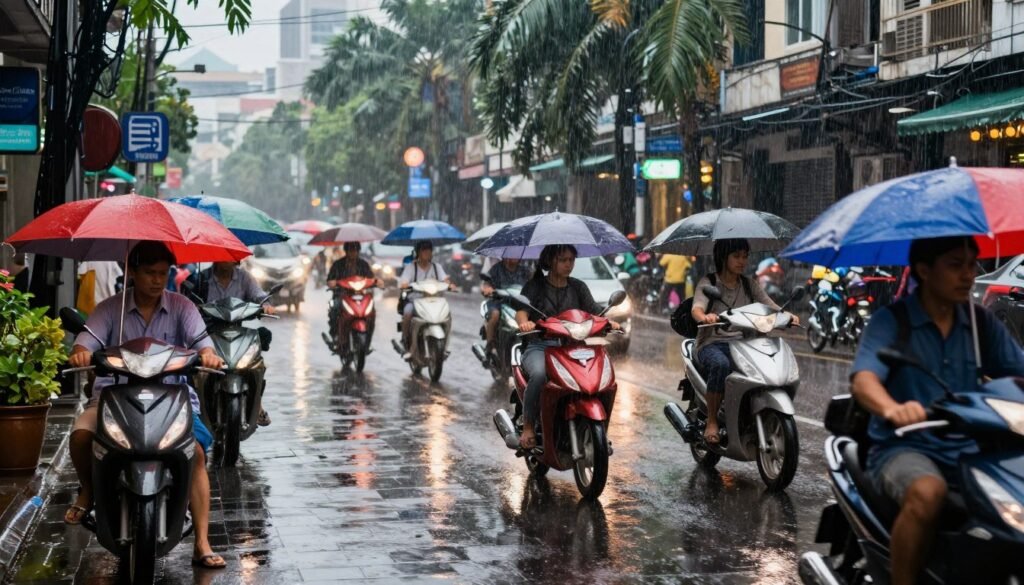
Afternoon thunderstorms characterize this period. Rain typically falls for one to two hours daily. Mornings often remain sunny and pleasant for sightseeing.
Smart travelers find excellent value during these months. Hotels offer significant discounts to attract visitors. The city feels more authentic with fewer tourists around.
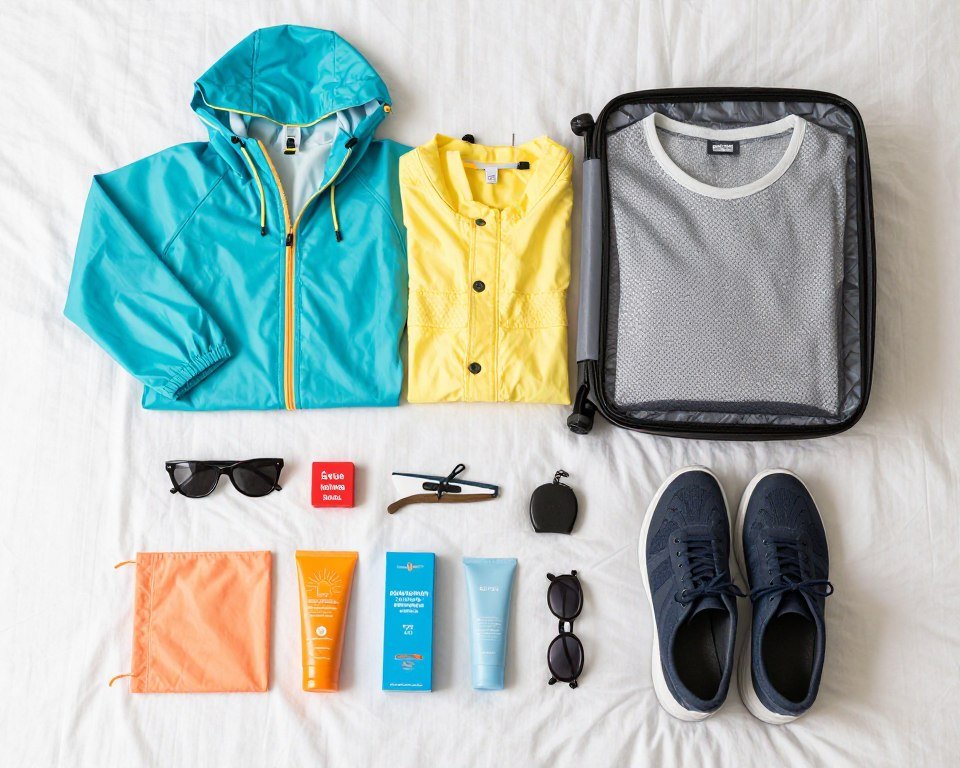
Weather Tip: Pack a lightweight rain jacket regardless of season. Sudden showers can catch you off guard even during dry months. An umbrella proves useful for both rain and sun protection.
Festival Considerations
Tet Nguyen Dan (Vietnamese New Year) typically falls in late January or February. The entire city essentially shuts down for several days. Many businesses close for family celebrations.
Visiting during Tet offers cultural insights but presents logistical challenges. Public transportation operates on reduced schedules. Restaurants and shops have limited hours or close completely.
| Month | Weather | Tourist Volume | Price Level | Recommendation |
| December – February | Dry, pleasant | Very High | Premium | Best weather, book early |
| March – April | Hot, dry | High | High | Good balance |
| May – July | Rain starts | Moderate | Medium | Better value |
| August – November | Heavy rain | Low | Budget | Best deals |
Must-Visit Attractions in Ho Chi Minh City
The city overflows with fascinating sites worth your time. Historical landmarks tell stories of colonial rule and wartime struggles. Modern attractions showcase Vietnam’s rapid development and cultural pride.
We’ve organized attractions by area to help you plan efficiently. Grouping nearby sites saves time and transportation costs. Each location offers unique insights into Vietnamese culture and history.
War Remnants Museum
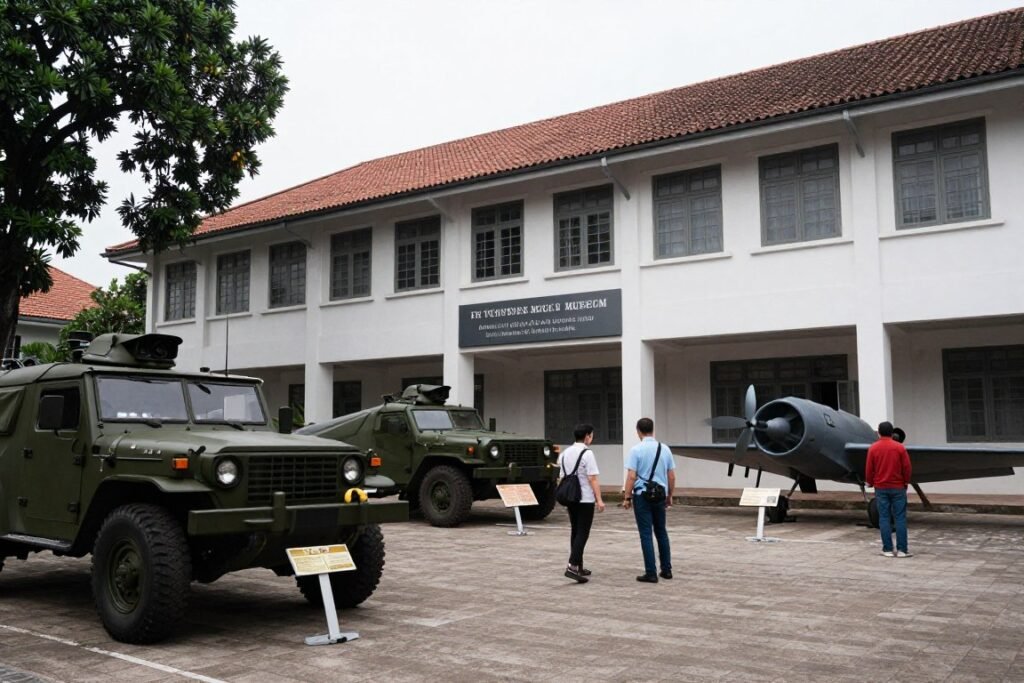
This powerful museum documents Vietnam’s conflicts with unflinching honesty. Exhibits display military equipment, photographs, and personal stories. The presentation offers Vietnamese perspectives often missing from Western narratives.
Plan at least two hours for a thorough visit. The emotional weight requires time for processing and reflection. Photography is permitted in outdoor areas but restricted inside certain galleries.
Sensitivity Note: Graphic war imagery appears throughout the museum. Some exhibits contain disturbing photographs of casualties and atrocities. This museum may not suit young children or sensitive visitors.
Cu Chi Tunnels
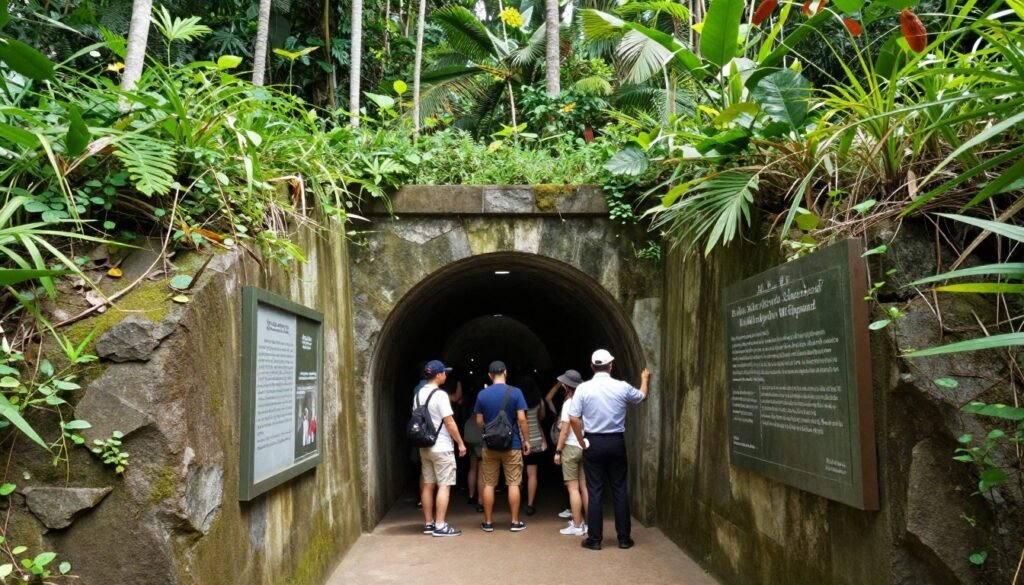
Located 40 kilometers northwest of Chi Minh City, these tunnels showcase wartime ingenuity. Viet Cong fighters lived and operated from this underground network. The complex stretched over 250 kilometers at its peak.
Half-day tours typically include transportation and a guide. You’ll crawl through widened sections of actual tunnels. Demonstrations show trap doors, hidden entrances, and survival techniques.
Skip the Hassle – Book a Guided Cu Chi Tunnels Tour
Our expert guides bring history to life with compelling stories and insider knowledge. Skip-the-line access means more time exploring, less time waiting. Transportation included from your hotel.
Notre-Dame Cathedral Basilica of Saigon
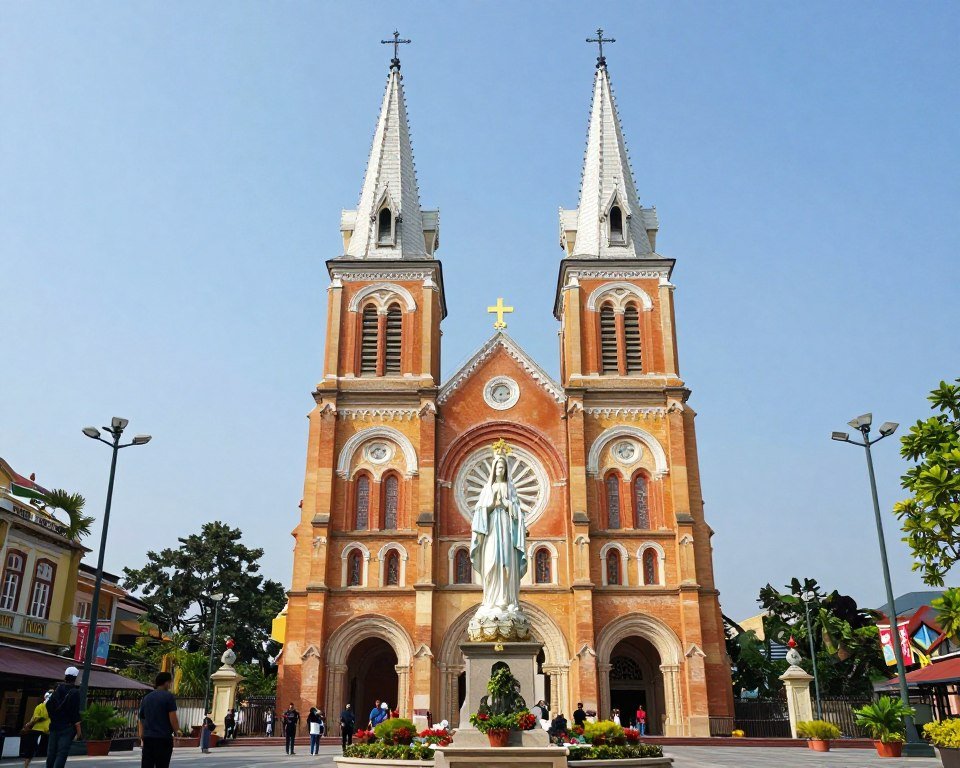
French colonists completed this iconic cathedral in 1880. Red bricks imported from Marseille give the building its distinctive appearance. Twin bell towers rise 60 meters above the city streets.
The cathedral currently undergoes restoration work. Exterior viewing remains possible from the surrounding plaza. The area near Ben Thanh Market offers excellent photo opportunities.
Visiting Information
- Location: Central District 1, walking distance from Ben Thanh Market
- Best visiting time: Early morning for softer light and fewer crowds
- Nearby attraction: Central Post Office directly adjacent
- Photo opportunities: Plaza provides unobstructed views
- Dress code: Modest clothing if entering religious buildings
Ben Thanh Market
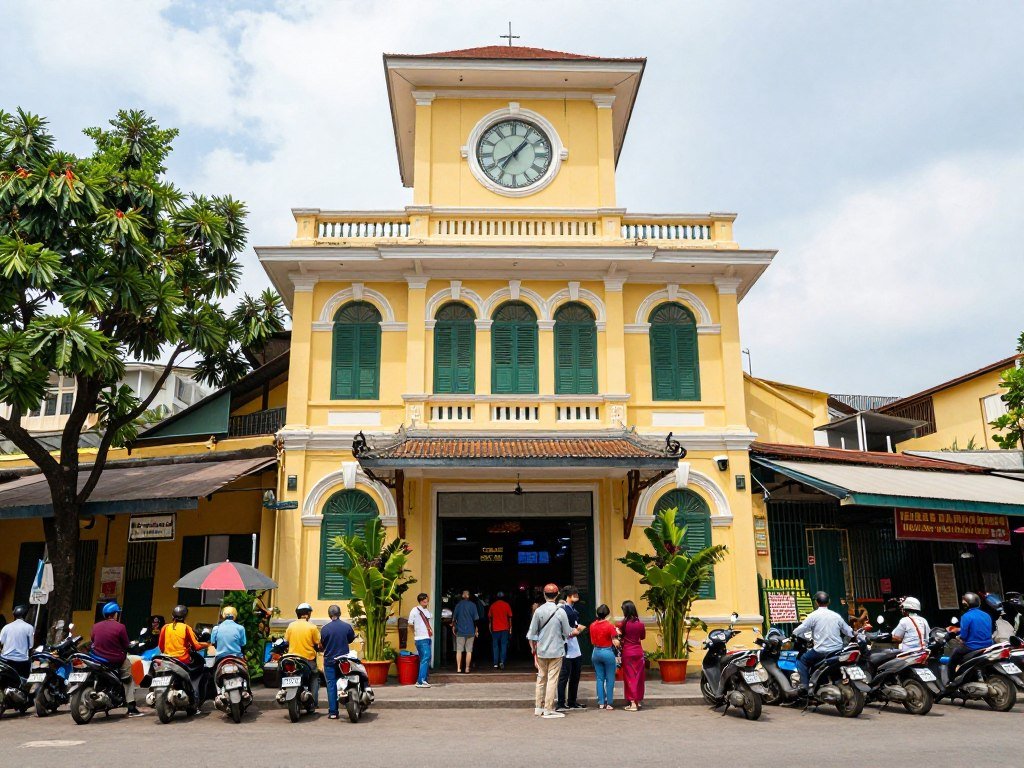
This bustling market serves as Chi Minh City’s commercial heart. Vendors sell everything from fresh produce to handcrafted souvenirs. The market has operated since 1912 in various forms.
Daytime shopping offers the full sensory experience. Hundreds of stalls crowd the indoor space selling clothes, electronics, and local delicacies. The area near Ben Thanh transforms after dark with a vibrant night market.
Bargaining is expected and encouraged at Ben Thanh Market. Start negotiations at roughly half the initial asking price. Maintain a friendly demeanor throughout the haggling process.
Shopping Tips for Ben Thanh Market
- Compare prices at multiple stalls before buying
- Inspect items carefully for quality and defects
- Carry small bills for easier transactions
- Visit early morning for freshest food items
- Sample street food from established vendors
- Keep valuables secure in crowded areas
Do These Things
- Accepting first price without negotiating
- Buying expensive items without checking authenticity
- Leaving bags or phones unattended
- Purchasing large quantities without testing samples
- Ignoring food safety at random stalls
- Getting aggressive during price negotiations
Avoid These Mistakes
Saigon Opera House
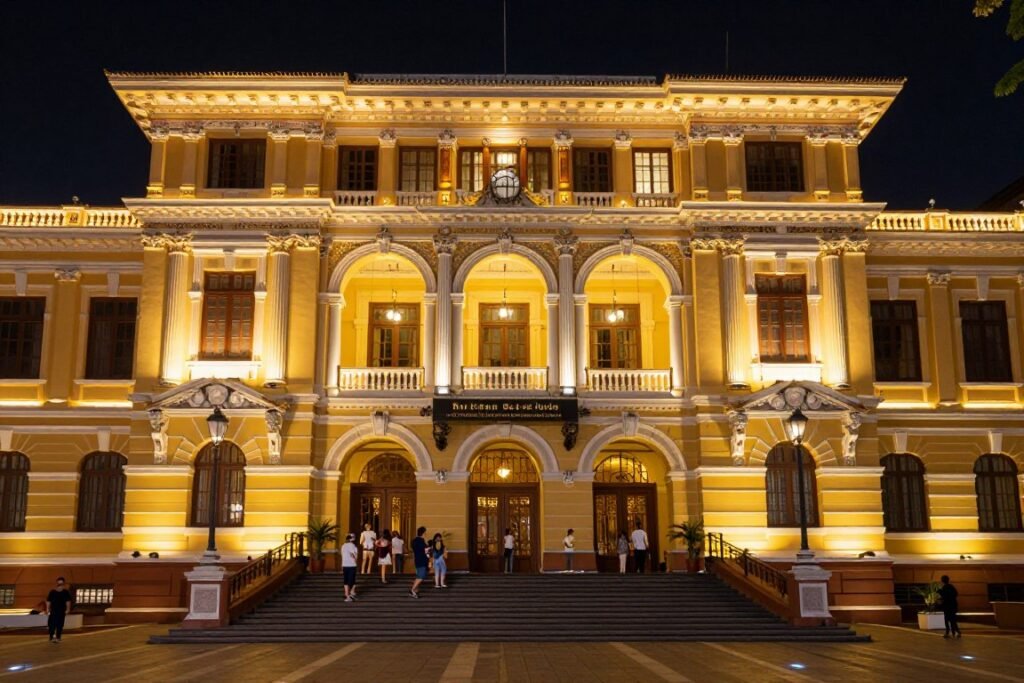
Officially named the Municipal Theater, this elegant building opened in 1900. French architects designed it to bring European culture to colonial Saigon. The ornate facade features classical French architectural elements.
Regular performances include traditional Vietnamese shows and international productions. Tickets range from budget-friendly to premium seating options. The building itself merits appreciation even without attending a performance.
Independence Palace
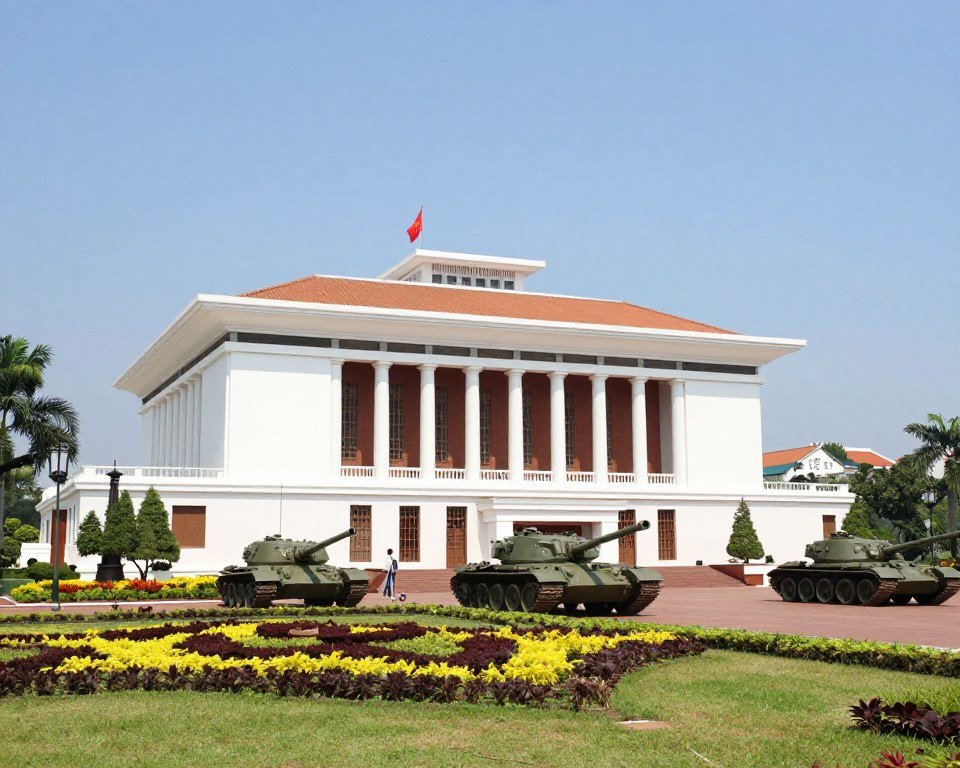
This landmark witnessed the end of the Vietnam War. North Vietnamese tanks crashed through its gates on April 30, 1975. The building served as South Vietnam’s presidential residence until that moment.
Preserved rooms show 1960s and 1970s decor and furnishings. Underground bunkers reveal command centers and telecommunications equipment. Guided tours provide historical context many visitors find invaluable.
Palace Highlights
- Presidential office preserved as it appeared in 1975
- War room with original maps and communications
- Rooftop helipad offering city views
- Reception halls displaying period furniture
Jade Emperor Pagoda
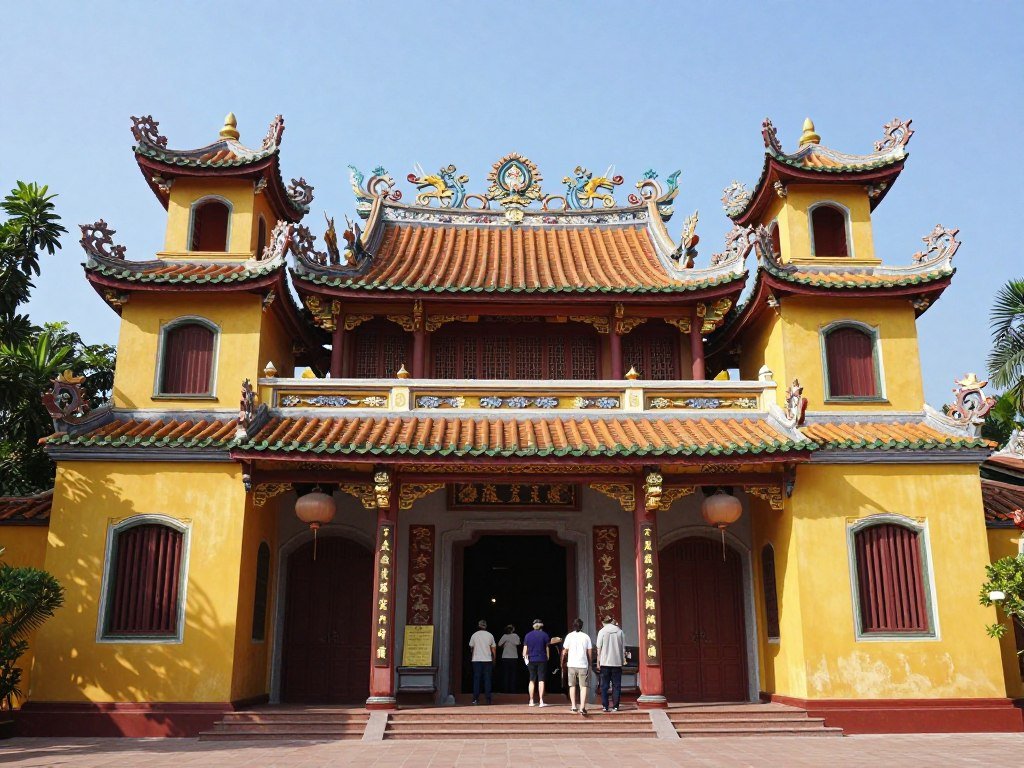
Built in 1909, this ornate Taoist temple honors the supreme Taoist deity. Intricate wood carvings and ceramic decorations cover every surface. Incense smoke fills the interior, creating an atmospheric environment.
The pagoda attracts fewer tourists than other major attractions. This allows for quieter contemplation and photography. Locals come here to pray and make offerings daily.
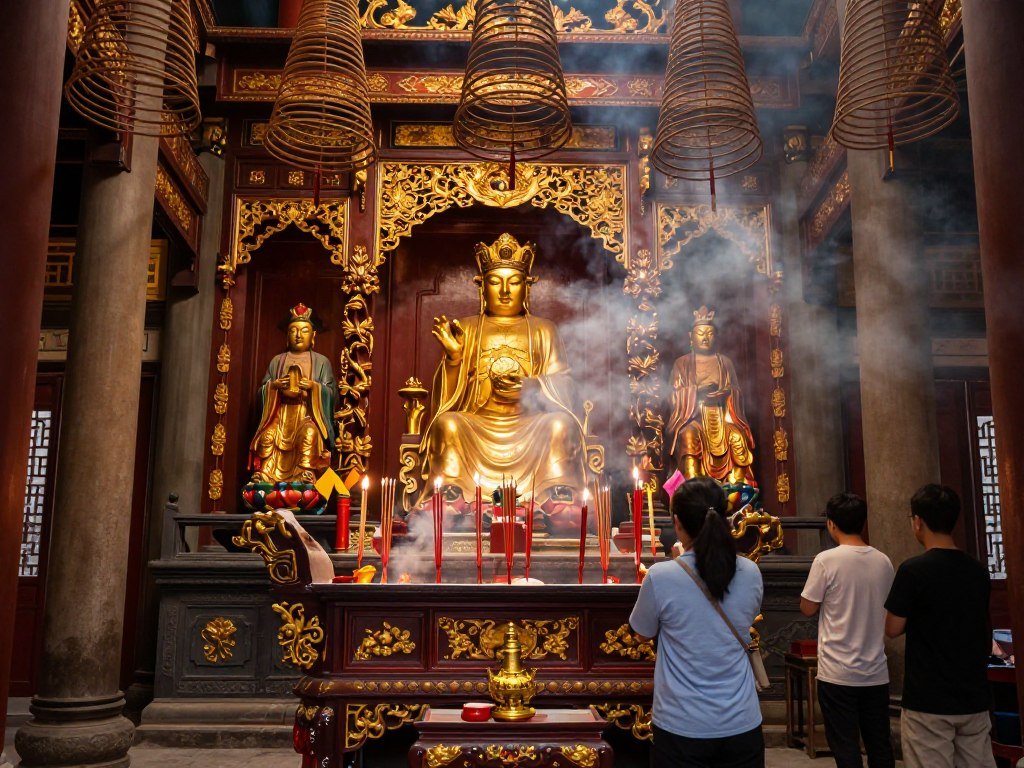
Respectful Visiting: Remove shoes before entering the main hall. Dress modestly covering shoulders and knees. Ask permission before photographing people praying. Small donations help maintain the temple.
Chinatown (Cholon)
This vibrant district predates modern Chi Minh City by decades. Chinese merchants established trading posts here in the 18th century. Today it remains the commercial and cultural heart of the Chinese-Vietnamese community.
Binh Tay Market serves as Cholon’s centerpiece. The wholesale market operates from early morning until late afternoon. You’ll find better prices here than at tourist-oriented Ben Thanh Market.
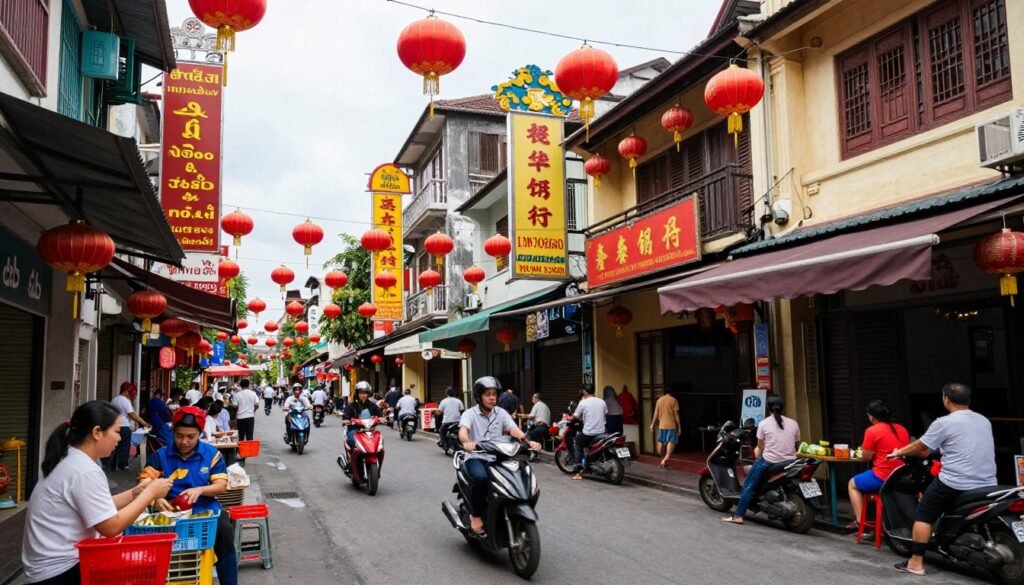
Thien Hau Temple stands as Cholon’s most important spiritual site. Dedicated to the goddess of the sea, it attracts worshippers seeking safe travels. The temple’s intricate decorations exemplify traditional Chinese craftsmanship.
Things to Do in Ho Chi Minh City for Every Type of Traveler
Chi Minh City caters to diverse interests and travel styles. Culture enthusiasts discover museums and historical sites. Food lovers embark on culinary adventures through street markets and restaurants.
Adventure seekers find excitement in day trips and water activities. Night owls enjoy the vibrant entertainment scene. Every traveler finds experiences matching their preferences and energy levels.
Cultural Experiences
Traditional water puppet shows preserve ancient Vietnamese art forms. Theaters near Ben Thanh Market offer daily performances. The 50-minute shows combine music, storytelling, and skillful puppetry.
Cooking classes teach authentic Vietnamese cuisine techniques. Half-day experiences typically include market tours and hands-on instruction. You’ll learn to prepare pho, spring rolls, and other classic dishes.
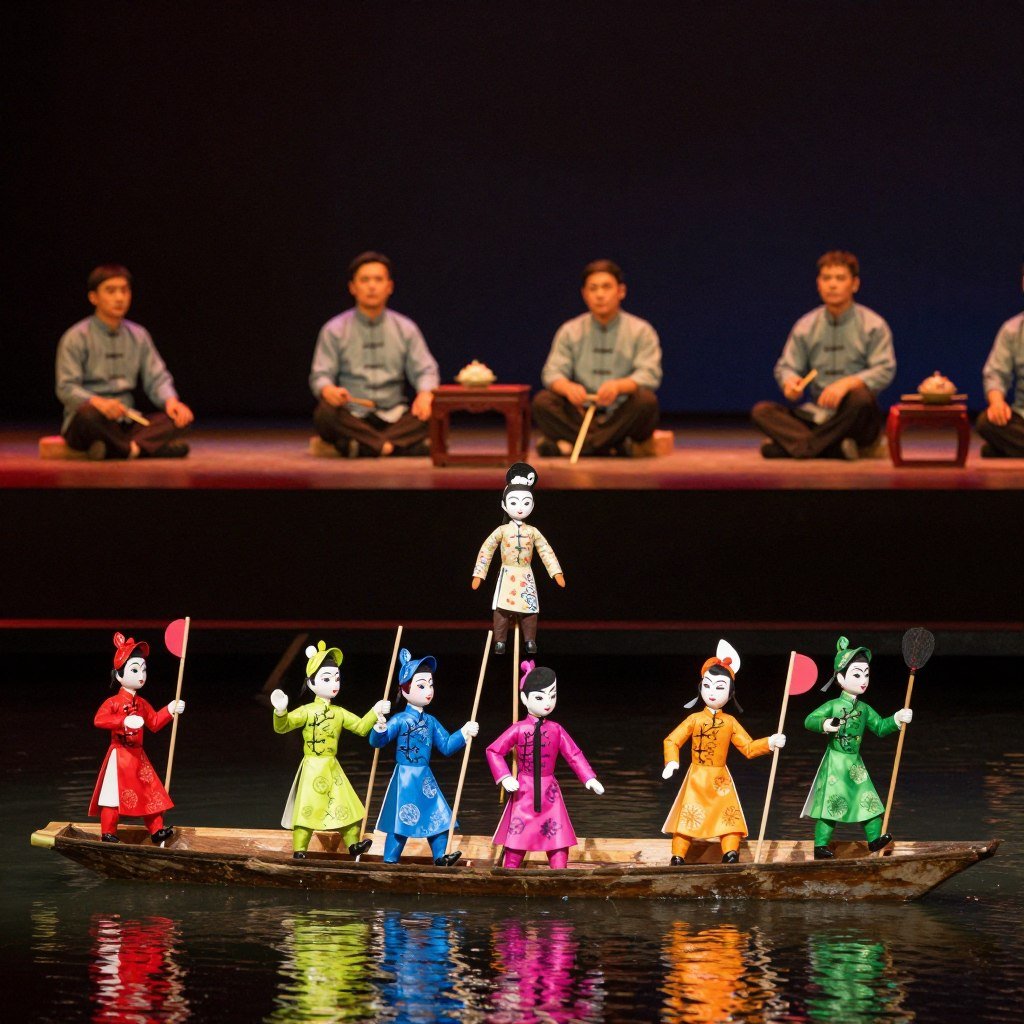
Water Puppet Theater
Ancient art form dating back centuries. Puppeteers stand waist-deep controlling elaborate wooden figures. Stories depict rural life, legends, and historical events.
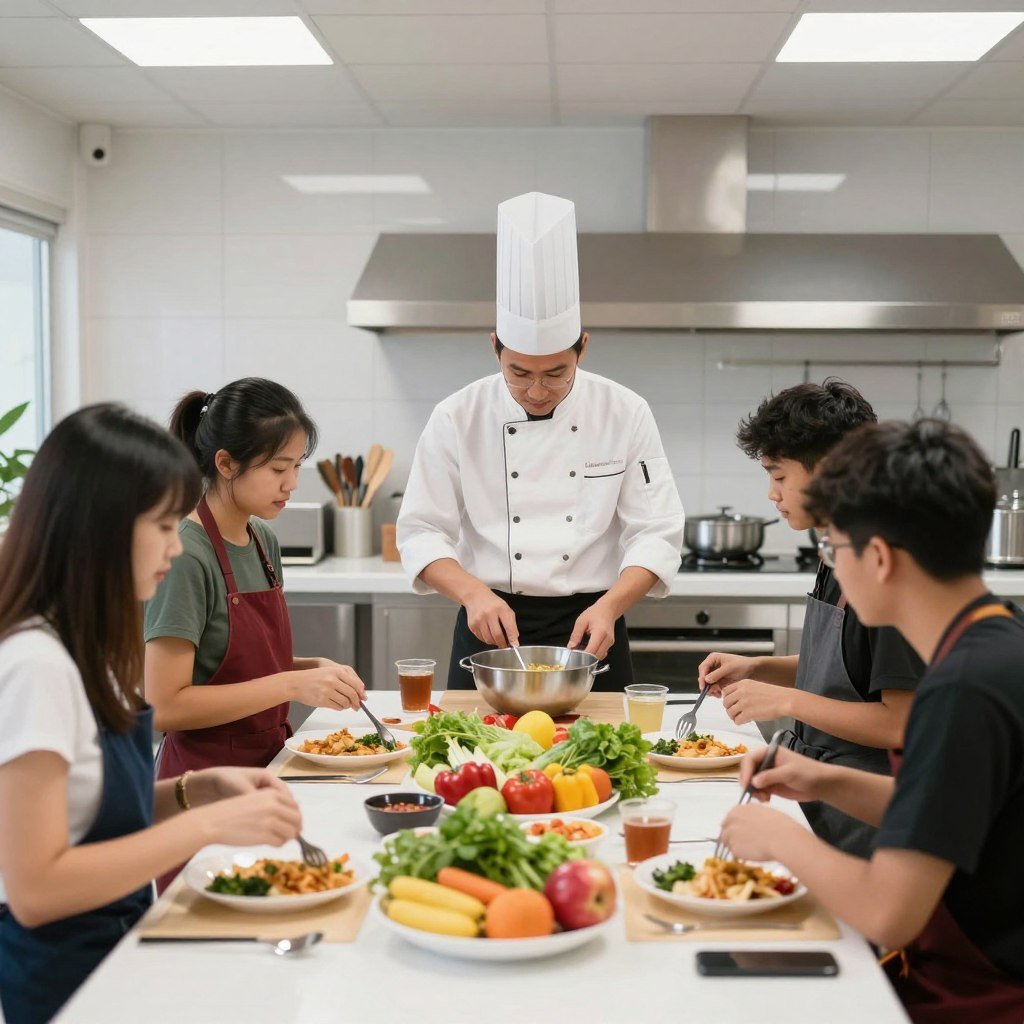
Cooking Classes
Learn from professional chefs in home kitchens or culinary schools. Classes accommodate dietary restrictions and preferences. Take home recipes and new skills.
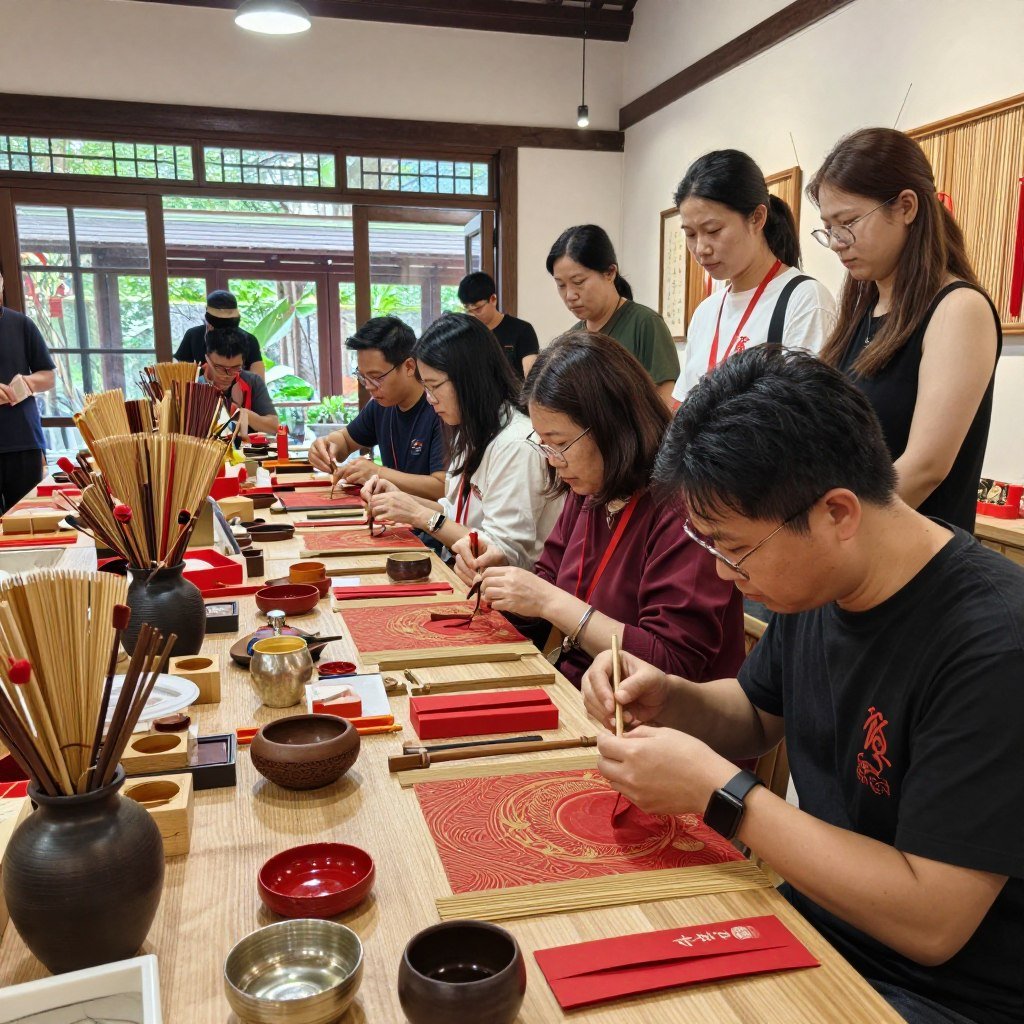
Craft Workshops
Participate in lacquerware painting or silk painting classes. Artisans share techniques passed through generations. Create souvenirs with personal meaning.
Adventure Activities
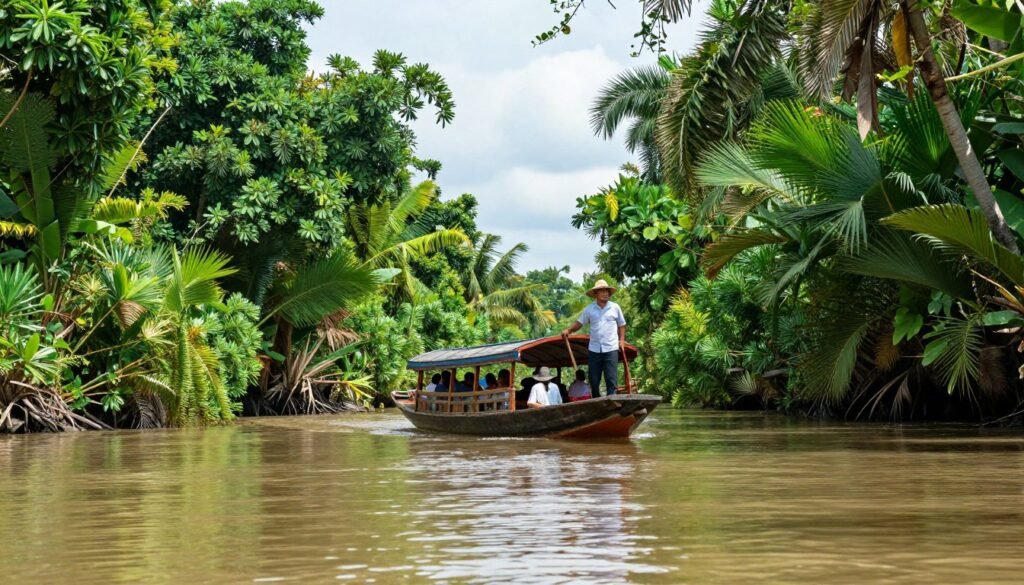
Mekong Delta day trips reveal rural Vietnamese life. Boat tours navigate narrow canals through lush landscapes. You’ll visit floating markets, fruit orchards, and traditional villages.
Motorbike tours offer thrilling ways to explore the city. Experienced drivers navigate traffic while you observe from behind. Night tours showcase illuminated landmarks and bustling evening markets.
Nightlife and Entertainment
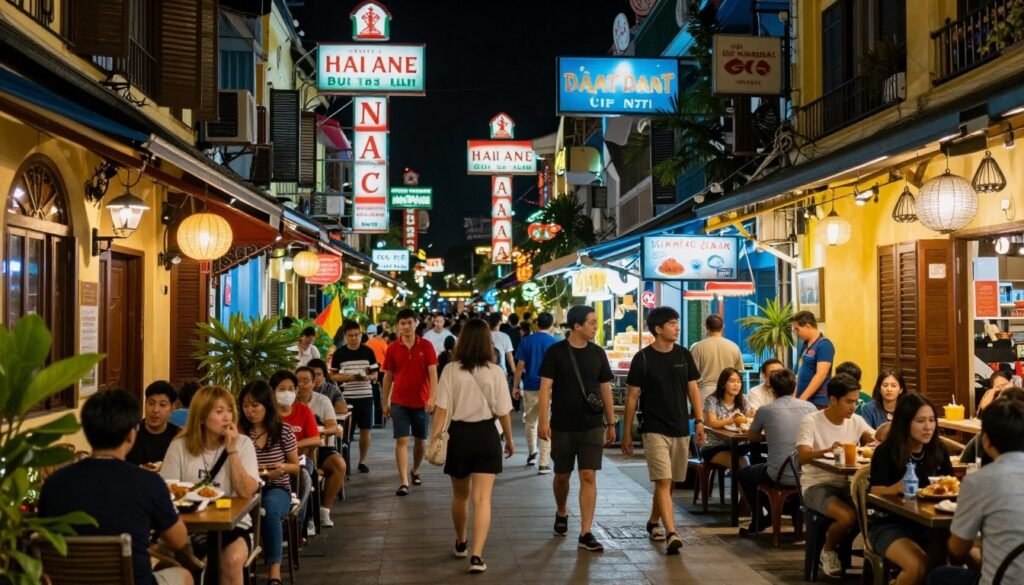
Bui Vien Street anchors the backpacker nightlife scene. Bars and clubs line the pedestrian zone offering cheap drinks. Live music venues feature local and international performers nightly.
Rooftop bars provide sophisticated alternatives with spectacular views. High-end hotels operate exclusive lounges serving premium cocktails. Dress codes apply at upscale establishments.
- Saigon Saigon Bar – Historic hotel with river views
- Chill Skybar – Affordable drinks, young crowd
- Air 360 – Rotating bar with panoramic perspectives
- EON Heli Bar – Premium venue on 52nd floor
- Social Club Rooftop – Trendy spot with DJ nights
Rooftop Bar Recommendations
- Bia hoi (fresh beer) joints – Local experience
- Street-side cafes – People watching spots
- Night markets – Food and shopping combined
- Public parks – Free evening entertainment
- Riverside walks – Scenic and costless
Budget-Friendly Options
Shopping Experiences
Dong Khoi Street offers high-end shopping in boutiques and galleries. International brands operate alongside Vietnamese designers. The area near Ben Thanh provides upscale retail therapy options.
Saigon Square markets cater to budget-conscious shoppers. Multiple buildings house hundreds of vendors selling clothing and accessories. Quality varies significantly, so inspect items carefully before purchasing.
Ho Chi Minh City Food Guide: Where and What to Eat
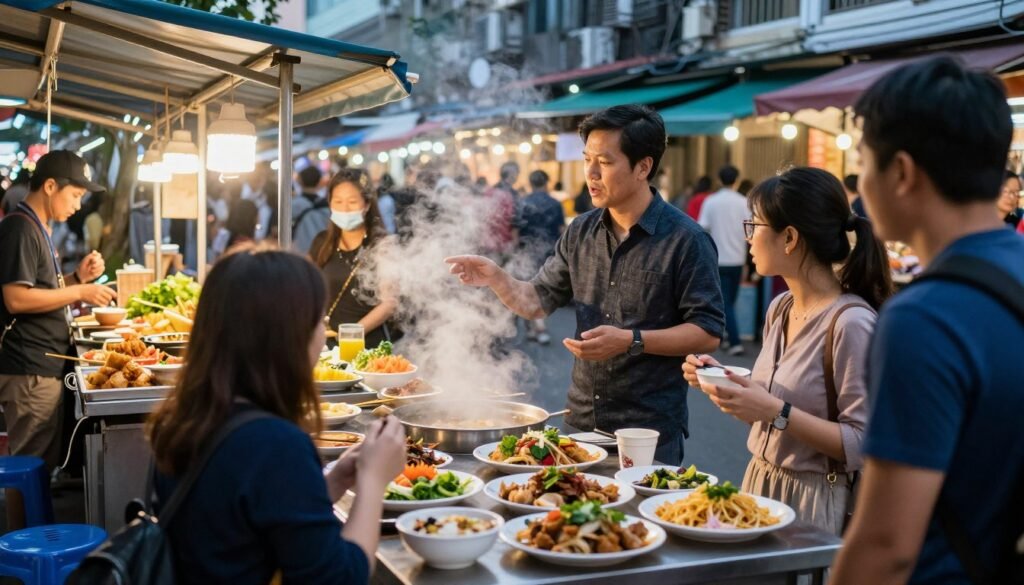
Vietnamese food in Chi Minh City deserves its world-class reputation. Street food stalls serve dishes perfected over generations. Restaurants range from humble family operations to sophisticated fine dining establishments.
The city’s culinary scene reflects its cultural diversity. Chinese influences appear in noodle dishes and dim sum. French colonialism left legacies in bread and coffee culture.
Must-Try Vietnamese Dishes
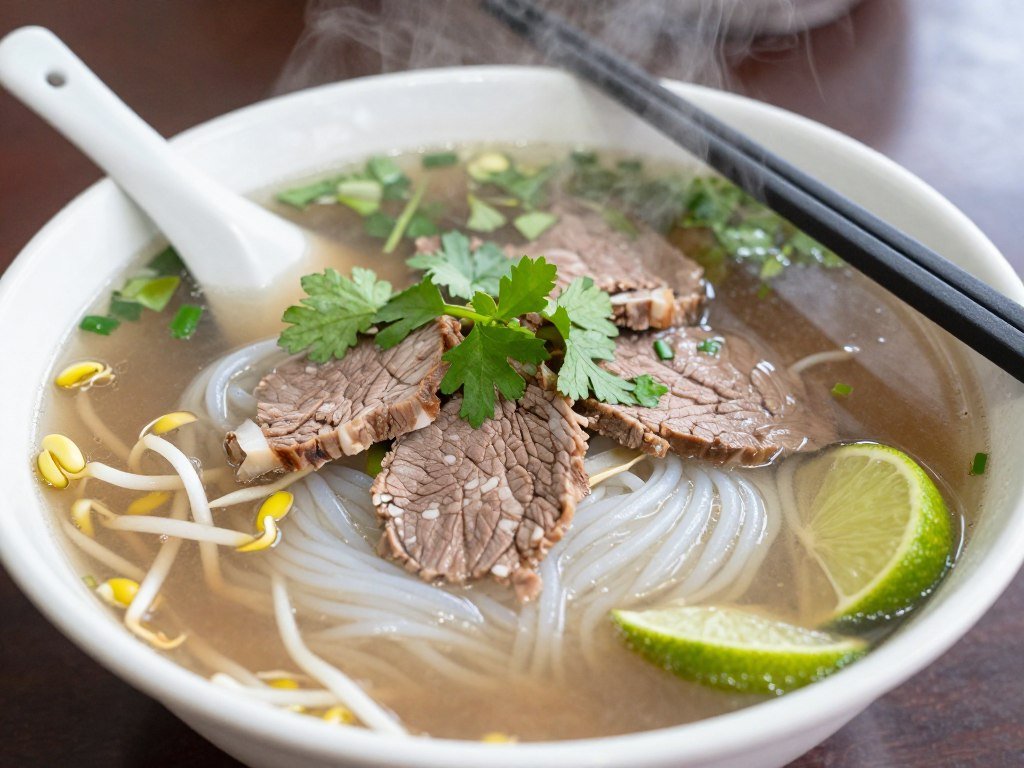
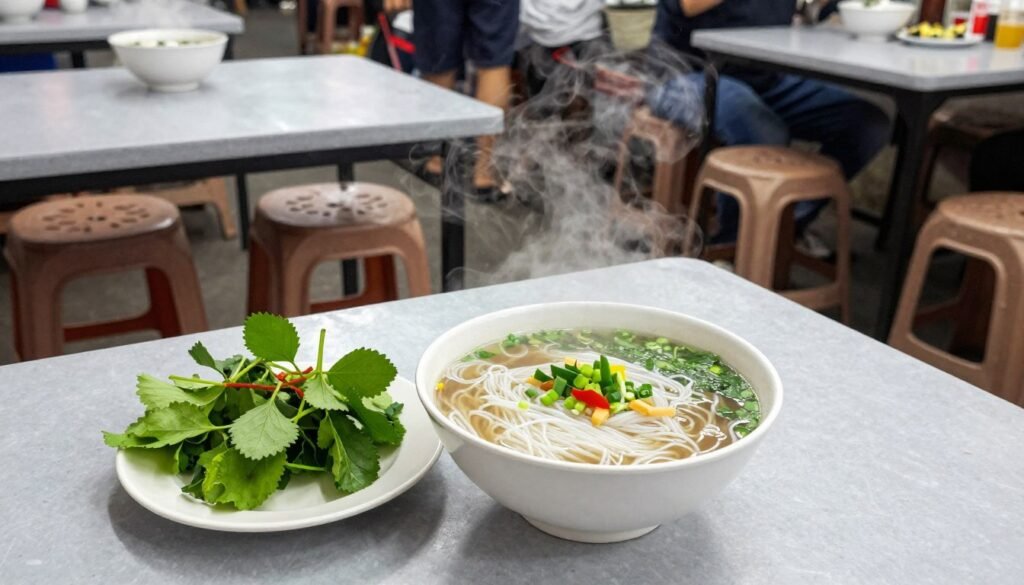
Pho remains Vietnam’s most famous culinary export. This aromatic noodle soup comes in beef or chicken versions. Early morning offers the freshest broth at most establishments.
Banh mi sandwiches showcase perfect French-Vietnamese fusion. Crispy baguettes cradle savory fillings with pickled vegetables and herbs. Street vendors near Ben Thanh Market sell exceptional versions.
| Dish | Description | Where to Find | Price Range |
| Pho | Rice noodle soup with beef or chicken | Pho Hoa Pasteur, Pho 2000 | $2-4 |
| Banh Mi | Vietnamese sandwich on French bread | Banh Mi Huynh Hoa | $1-2 |
| Bun Thit Nuong | Grilled pork with rice vermicelli | District 1 local eateries | $2-3 |
| Goi Cuon | Fresh spring rolls with shrimp or pork | Nha Hang Ngon | $3-5 |
| Com Tam | Broken rice with grilled meats | Com Tam Ba Ghien | $2-4 |
| Ca Phe Sua Da | Vietnamese iced coffee with condensed milk | Any cafe or street vendor | $1-2 |
Best Food Districts and Streets
District 1 concentrates tourist-friendly restaurants alongside authentic local spots. Pasteur Street offers excellent street food options throughout the day. The area around Chi Minh transforms into a food paradise after sunset.
Chinatown provides different culinary experiences emphasizing Chinese-Vietnamese fusion. Dim sum restaurants serve breakfast crowds from early morning. Seafood restaurants dominate evening dining options.
Street Food Safety Tips
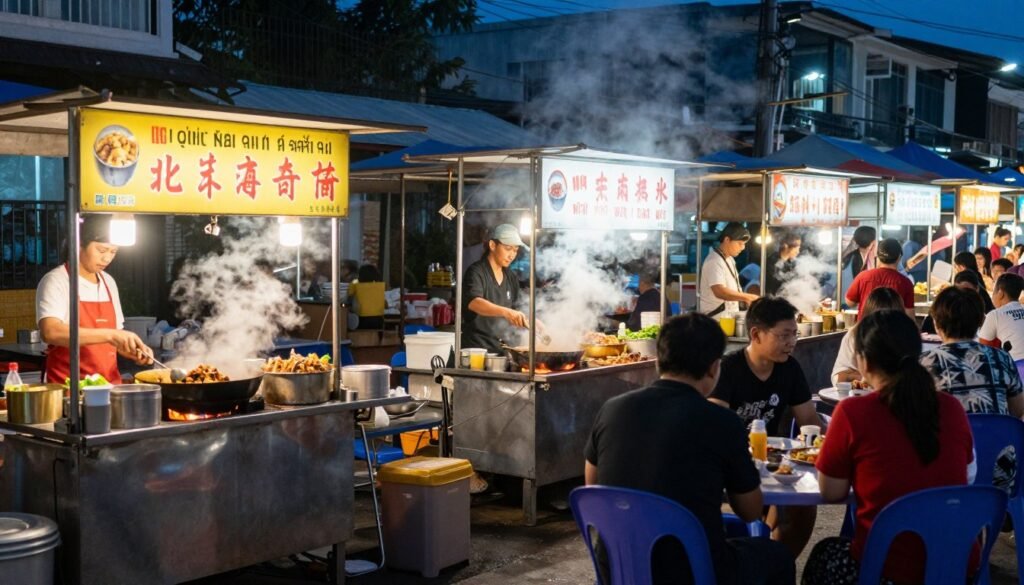
Choose busy stalls with high customer turnover. Popular places maintain fresher ingredients and cleaner practices. Avoid establishments with flies or questionable sanitation.
Observe cooking methods before ordering. Food cooked to order at high temperatures poses minimal risk. Pre-cooked items sitting at room temperature present greater health concerns.
Pro Tip: The phrase “An com chua?” (Have you eaten rice?) serves as a common Vietnamese greeting. Food holds deep cultural significance beyond mere sustenance. Sharing meals builds relationships and shows respect.
Restaurant Recommendations by Budget
Budget Dining
Com tam restaurants serve filling meals under $3. Small family operations offer the most authentic flavors. Look for places where locals eat during lunch rush.
- Lunch ladies in District 1
- Pho shops in residential areas
- Banh mi street vendors
Mid-Range Options
Casual restaurants provide air-conditioning and English menus. Prices range from $5 to $15 per person. Quality matches or exceeds Western standards.
- Nha Hang Ngon
- Quan Bui
- Propaganda Bistro
Fine Dining
Upscale establishments reimagine Vietnamese classics. International chefs bring global techniques to local ingredients. Reserve ahead for popular restaurants.
- The Deck Saigon
- Blanc Restaurant
- Xu Restaurant Lounge
Coffee Culture
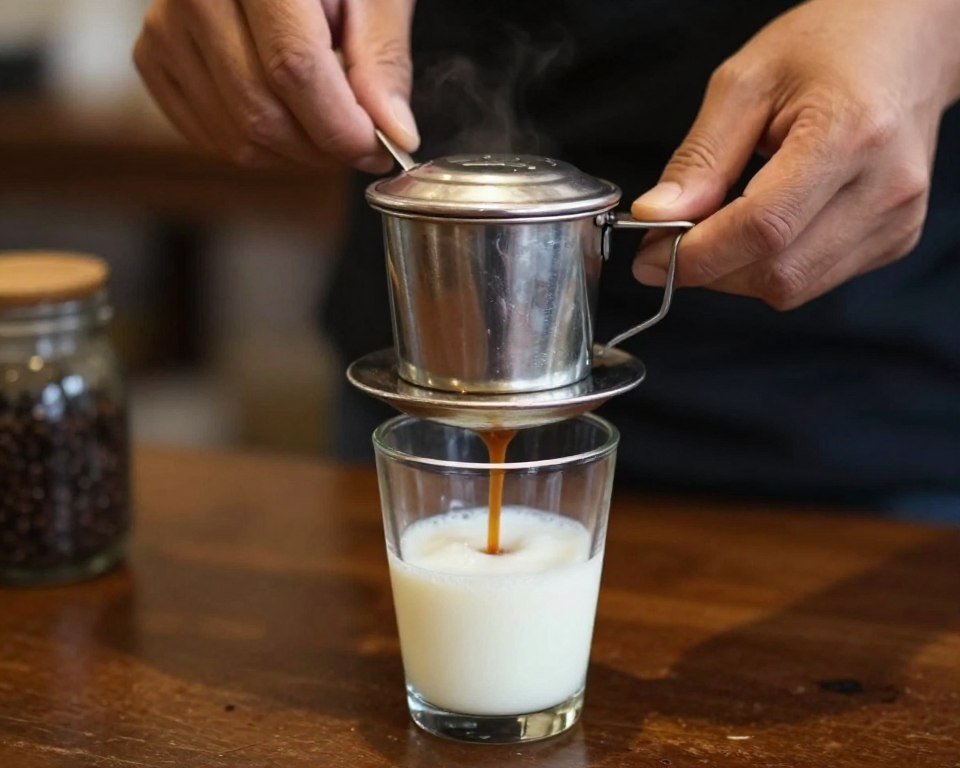
Vietnam ranks as the world’s second-largest coffee producer. Chi Minh City takes coffee seriously with countless cafes and street-side vendors. The traditional preparation method uses metal drip filters.
Ca phe sua da (iced coffee with condensed milk) provides the quintessential Vietnamese coffee experience. The strong, sweet beverage energizes locals throughout the day. Modern specialty cafes offer Western-style drinks alongside traditional options.
Discover Hidden Food Gems with a Local Guide
Our food tours take you beyond tourist traps to where locals actually eat. Sample 10+ dishes across family-run eateries and street stalls. Learn cooking techniques, ingredient selection, and cultural food traditions. Vegetarian and dietary restriction options available.
Getting Around Ho Chi Minh City: Transportation Guide
Chi Minh City’s transportation options accommodate various budgets and comfort preferences. Understanding the different methods helps you navigate efficiently. Each option presents unique advantages and challenges.
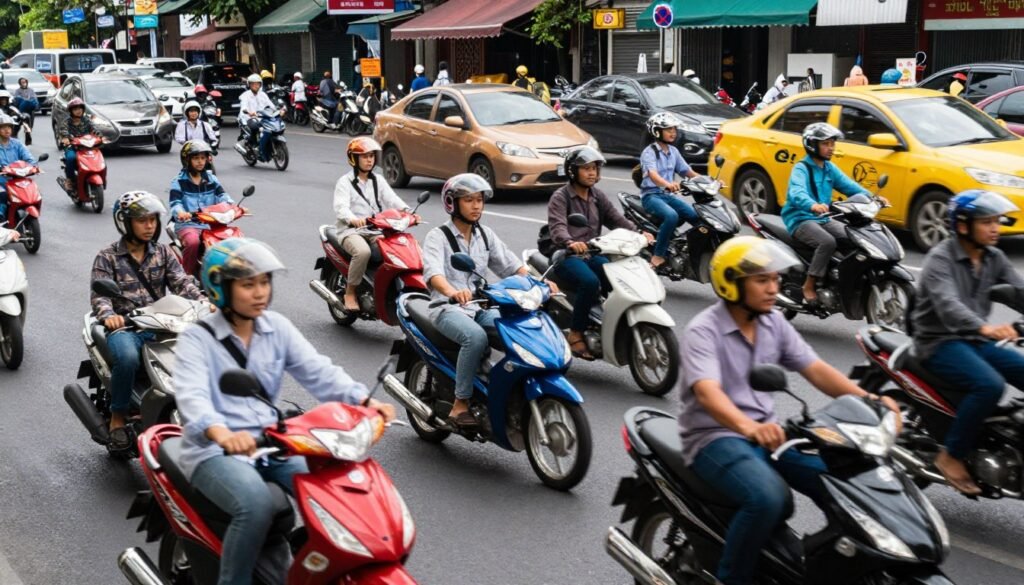
Traffic congestion affects all transportation during peak hours. Plan extra time for morning and evening commutes. Patience becomes essential when traveling around Chi Minh during busy periods.
Grab App: The Best Way to Get Around
The Grab app functions like Uber in Southeast Asia. Download it before arriving for hassle-free transportation. The app supports both motorbike and car options.
GrabBike offers the fastest way to navigate congested streets. Helmets are provided, though you can bring your own. Prices remain significantly cheaper than taxis for similar distances.
Why Grab Dominates
- Fixed pricing eliminates bargaining stress
- GPS tracking ensures safety and accountability
- Cashless payment options available
- English interface removes language barriers
- Driver ratings maintain service quality
- Detailed trip history for expense tracking
Using Grab Effectively
- Enter exact pickup locations to avoid confusion
- Screenshot your booking confirmation
- Share trip details with someone for safety
- Keep small cash for tipping drivers
- Book during off-peak for faster service
- Save frequent destinations for quick access
Traditional Taxis
Mai Linh and Vinasun operate as the most reputable taxi companies. Their vehicles use meters and maintain consistent pricing. Look for official company logos and visible identification numbers.
Unofficial taxis sometimes employ rigged meters or circuitous routes. Stick with established companies to avoid scams. Your hotel can call legitimate taxis if you prefer not using apps.
Taxi Scam Alert: Some drivers claim their meter is broken or suggest flat rates. Politely decline and find another taxi. Legitimate drivers never refuse to use meters for trips within the city.
Public Buses
Local buses offer the cheapest transportation option. Routes connect all major districts and many attractions. Fares rarely exceed 7,000 VND (about $0.30) regardless of distance.
Limited English signage makes buses challenging for first-time visitors. Route maps exist mainly in Vietnamese. Google Maps provides helpful route planning if you’re patient with the learning curve.
Metro System
Ho Chi Minh City’s metro system remains under construction. The first line faced multiple delays but should operate soon. Future lines will significantly improve transportation around Chi Minh when completed.
Upon opening, the metro will connect major districts efficiently. Air-conditioned trains will offer relief from heat and traffic. Expect the system to transform urban mobility substantially.
Cyclos and Walking
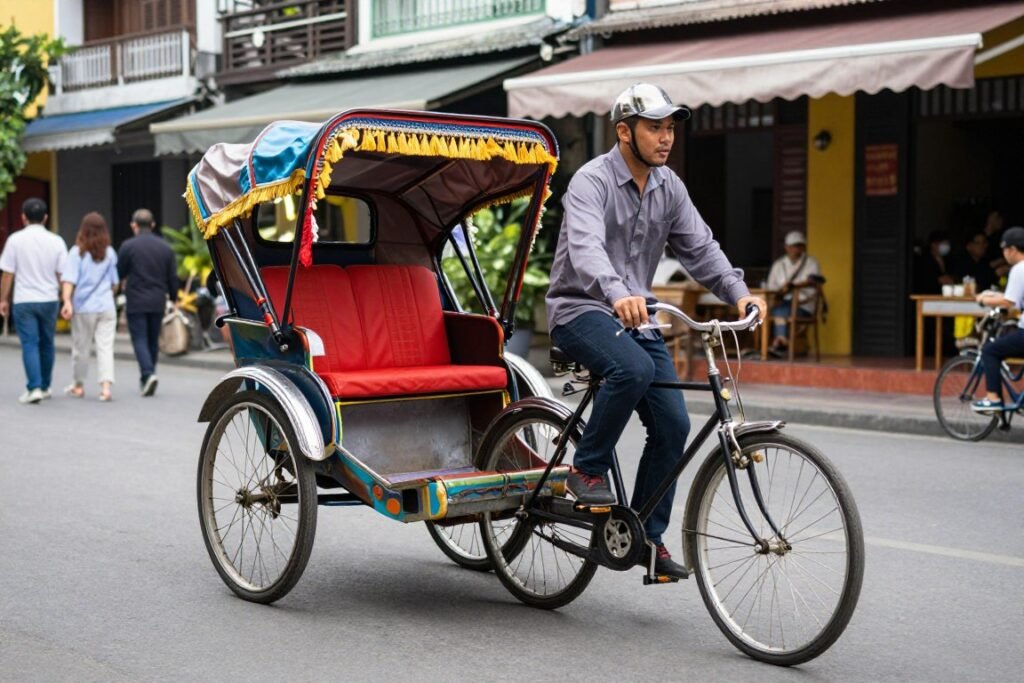
Cyclos provide leisurely tours through central areas. These bicycle rickshaws move slowly through traffic. Negotiate prices firmly before starting your journey.
Walking works well for exploring compact neighborhoods. District 1’s main attractions cluster within reasonable walking distances. Early morning and evening offer the most pleasant conditions for pedestrian exploration.
Pedestrian Challenges
Sidewalks often accommodate parked motorbikes and street vendors. You’ll frequently walk in the street alongside traffic. Exercise caution when crossing roads with heavy motorbike flow.
The seemingly chaotic traffic follows unwritten rules. Walk at a steady pace when crossing streets. Drivers anticipate and navigate around consistent pedestrian movement.
- Fastest GrabBike during rush hour
- Cheapest Public bus for any distance
- Most Comfortable GrabCar with air conditioning
- Most Scenic Cyclo through old quarters
- Most Reliable Mai Linh or Vinasun taxis
Transportation Method Comparison
Where to Stay in Ho Chi Minh City: Neighborhood Guide
Choosing the right neighborhood significantly impacts your experience. Each area offers distinct characteristics and advantages. Your priorities determine the best location for your stay.
Budget considerations play a major role in accommodation selection. The city provides options from backpacker hostels to five-star luxury hotels. Every price point delivers good value compared to Western destinations.
District 1: Tourist Hub
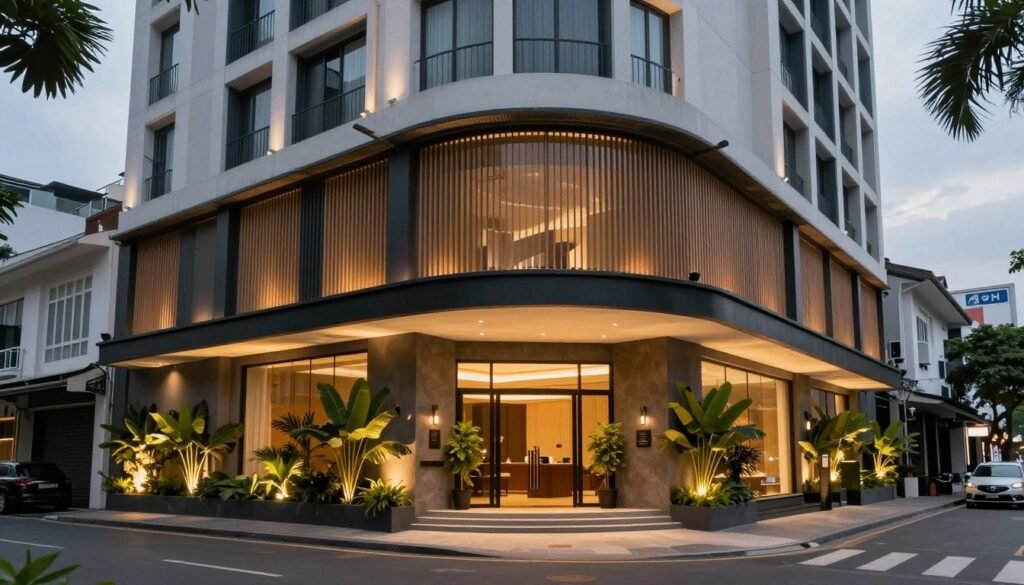
District 1 serves as the primary tourist accommodation area. Major attractions sit within walking distance or short rides. Restaurants, shops, and services cater extensively to international visitors.
Hotels near Ben Thanh Market command premium prices but offer ultimate convenience. The central location minimizes transportation costs and time. Noise levels can be high in this bustling area.
District 1 Hotel Options
Budget ($10-30/night): Hostels and basic hotels cluster around Bui Vien Street and Pham Ngu Lao. Clean rooms with air conditioning and Wi-Fi represent standard offerings. Shared facilities keep costs minimal for backpackers.
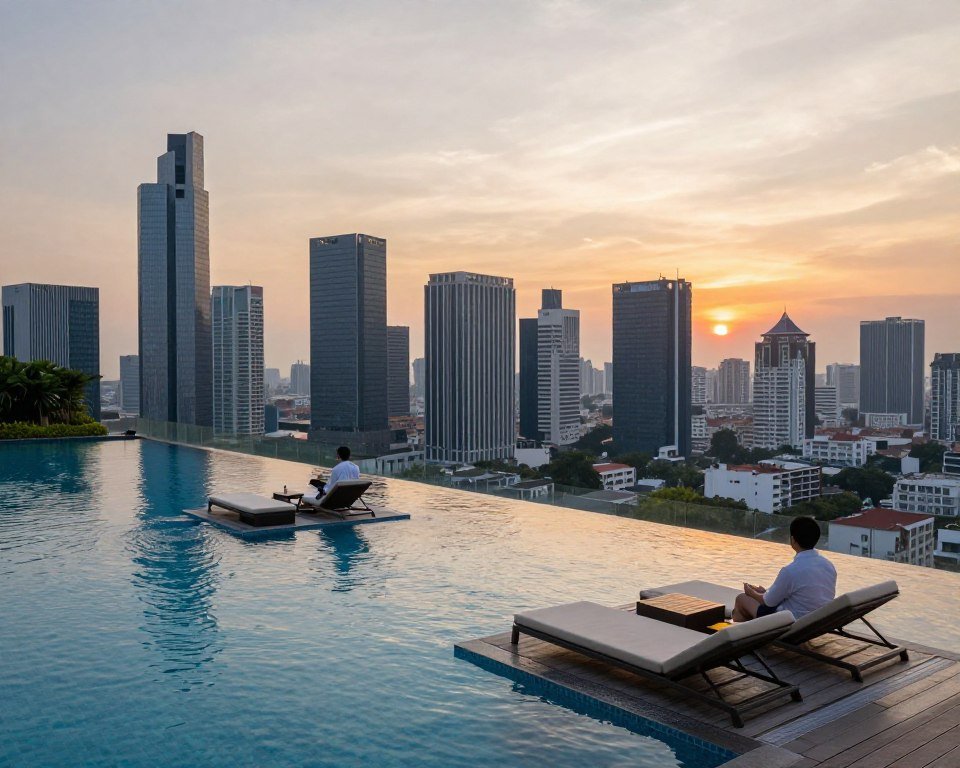
Mid-Range ($30-80/night): Boutique hotels provide excellent value with included breakfast and rooftop pools. Many occupy renovated French colonial buildings. The area around Chi Minh offers numerous quality options.
Luxury ($80+/night): Five-star international chains operate near Dong Khoi Street. Historic properties like the Continental Hotel blend heritage with modern amenities. Rooftop bars and spas enhance premium experiences.
District 3: Local Experience
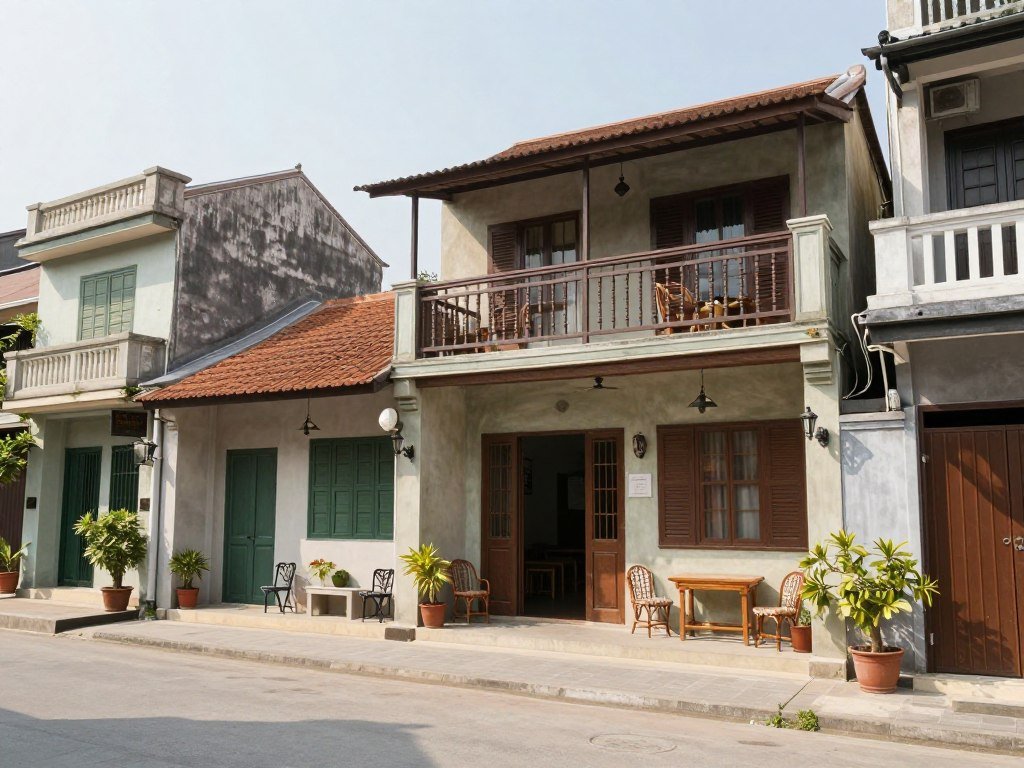
District 3 borders District 1 while maintaining more authentic local character. Residential neighborhoods mix with commercial areas. Prices drop noticeably compared to the tourist center.
You’ll find excellent local restaurants and coffee shops here. Fewer tourists mean more opportunities to interact with locals. The trade-off involves slightly longer travel times to major attractions.
Phu Nhuan and Binh Thanh: Budget Options
These districts offer the best value for longer stays. Apartments and serviced residences provide kitchen facilities. The residential atmosphere suits travelers seeking quieter environments.
Transportation to central attractions takes 15-30 minutes depending on traffic. Grab fares remain affordable from these locations. Consider these areas if you plan to explore broadly rather than focusing solely on tourist sites.
Thao Dien: Expat Haven
This upscale area in District 2 attracts long-term foreign residents. Western-style amenities include international restaurants and specialty grocery stores. The riverside location offers scenic views and cycling paths.
Accommodation here costs more than central options. The trade-off includes quieter streets and expatriate community atmosphere. Choose Thao Dien if you value modern comforts over proximity to traditional attractions.
Booking Strategies
- Book directly with hotels for better rates
- Read recent reviews focusing on cleanliness
- Confirm exact location on Google Maps
- Check for hidden fees and breakfast inclusion
- Request rooms away from street for quieter sleep
- Verify air conditioning functionality in reviews
Smart Booking Tips
- Choosing hotels far from your planned activities
- Prioritizing price over location convenience
- Ignoring noise complaints in reviews
- Booking without checking neighborhood safety
- Failing to confirm airport transfer options
- Not considering rooftop amenities in hot climate
Common Mistakes
Need Help Finding the Perfect Hotel?
Our local team secures exclusive rates at hotels near Ben Thanh Market and throughout the city. We match your budget, preferences, and planned activities with ideal accommodations. Free consultation includes neighborhood recommendations and booking assistance.
Vietnam Visa Requirements and Entry Information
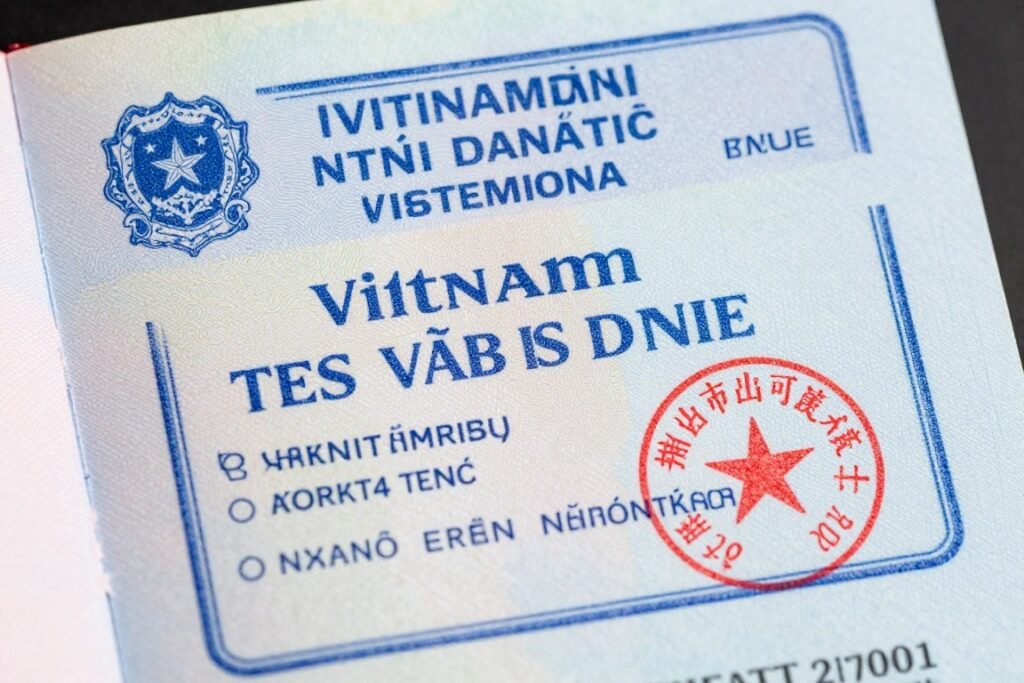
Visa requirements vary significantly based on your nationality. Some citizens enjoy visa-free entry for limited periods. Others must obtain approval before arrival.
Regulations change periodically, so verify current requirements before booking flights. Official Vietnamese government websites provide the most reliable information. Your country’s embassy can also confirm specific requirements.
Visa-Free Entry
Citizens of ASEAN countries generally enter Vietnam without visas. Stay durations range from 14 to 30 days depending on nationality. Your passport must remain valid for at least six months beyond your entry date.
Several European and Asian countries benefit from exemption agreements. These typically allow 15-day stays without visa requirements. Check if your country appears on the current exemption list before traveling.
E-Visa Process
Vietnam’s e-visa system serves citizens of approximately 80 countries. The online application process takes about 15 minutes to complete. Approval typically arrives within three business days.
E-visas cost $25 USD and allow single-entry stays up to 30 days. You’ll need a digital passport photo and passport scan for the application. Print your approval letter for presentation at immigration.
Visa on Arrival
This option requires pre-approval through travel agencies. You receive an approval letter before departure. The actual visa stamp gets issued at the airport upon arrival.
Stamping fees range from $25 for single-entry to $50 for multiple-entry visas. Processing at the airport takes 15-45 minutes depending on crowds. Prepare exact cash payment in USD for smoother processing.
Important: Visa on arrival only works when entering through major international airports. Land border crossings and seaports require e-visas or embassy-issued visas. Plan accordingly based on your entry point.
Extension and Overstay Penalties
Visa extensions are possible but involve bureaucratic processes. Immigration offices in Chi Minh City handle extension applications. Processing takes several days and costs vary by nationality and duration.
Overstaying your visa results in substantial fines. Penalties start at $25 per day for short overstays. Extended violations can result in deportation and entry bans.
Budget Travel Tips for Ho Chi Minh City
Chi Minh City accommodates various budget levels remarkably well. Smart choices stretch dollars significantly further than in Western cities. Understanding local pricing helps avoid tourist traps and overcharges.
Many people visit Vietnam specifically for its affordability. Your spending varies based on accommodation standards and dining preferences. Budget travelers manage comfortably on $30-50 daily while mid-range visitors spend $60-100.
Estimated Daily Costs
| Expense Category | Budget | Mid-Range | Luxury |
| Accommodation | $10-25 | $30-70 | $80-200+ |
| Food (3 meals) | $8-15 | $20-40 | $50-100+ |
| Transportation | $3-8 | $10-20 | $25-50 |
| Attractions | $5-10 | $15-30 | $40-80 |
| Total Daily | $26-58 | $75-160 | $195-430+ |
Money-Saving Strategies
Eating where locals eat dramatically reduces food costs. Small restaurants and street food stalls offer authentic meals at fraction of tourist restaurant prices. A filling meal costs $2-3 at these establishments.
Free walking tours operate in central areas. Guides work for tips, creating excellent value opportunities. You’ll learn history and culture while spending minimally.
Free Activities
Chi Minh City offers numerous cost-free experiences that showcase local culture and history.
- Walking tours through District 1
- Pagoda and temple visits
- Public parks and gardens
- Riverside promenades
- Window shopping on Dong Khoi
- Market browsing at Ben Thanh
Smart Spending Tips
These strategies help maximize value without sacrificing experience quality or safety measures.
- Withdraw larger amounts to minimize ATM fees
- Negotiate tour prices at local agencies
- Buy water and snacks at convenience stores
- Use Grab instead of tourist taxis
- Visit attractions on weekdays when possible
- Share dishes at restaurants family-style
Budget Accommodation
Finding affordable places to stay near Ben Thanh or around Chi Minh requires research and flexibility.
- Book hostels with kitchen access
- Consider monthly rates for longer stays
- Look for hotels including breakfast
- Stay slightly outside District 1
- Use local booking platforms
- Negotiate directly for multi-night stays
Hidden Costs to Avoid
Awareness of potential extra charges helps maintain budget targets throughout your trip planning.
- Tourist menu prices versus local prices
- Unofficial taxi meter tricks
- Inflated souvenir prices near attractions
- Commission-based tour guide recommendations
- Mandatory service charges at some restaurants
- Currency exchange at hotels or airports
Currency and Payment
Vietnamese Dong (VND) serves as the official currency. US dollars are widely accepted at tourist-oriented businesses. ATMs dispense dong at reasonable exchange rates with minimal fees.
Credit cards work at hotels, upscale restaurants, and major shops. Street vendors and small businesses operate cash-only. Carry a mix of small and large denomination bills for various situations.
Exchange Rate Tip: Exchange rates at banks and ATMs beat airport and hotel counters significantly. Withdraw from official bank ATMs rather than standalone machines for best security and rates.
Bargaining Etiquette
Markets expect negotiation on most purchases. Start at 50-60% of the asking price and work toward middle ground. Smile and maintain friendly demeanor throughout the process.
Fixed-price establishments clearly mark items with tags. Bargaining isn’t appropriate in these stores or restaurants. Respect posted prices in supermarkets, convenience stores, and formal retail shops.
Download Free Budget Planning Tools
Get our comprehensive budget calculator and money-saving checklist. Includes daily expense tracker, currency converter, and insider tips for stretching your budget. Discover the best street food spots around Chi Minh City that locals love.
Safety Tips and Important Considerations
Ho Chi Minh City ranks as relatively safe for international travelers. Violent crime against tourists remains rare. Petty theft and scams pose the primary concerns requiring vigilance.
Common sense precautions minimize most risks effectively. Stay aware of surroundings, especially in crowded areas. The city’s reputation for safety shouldn’t breed complacency about basic security measures.
Common Scams and How to Avoid Them
Taxi scams represent the most frequent tourist complaint. Rigged meters or deliberately long routes inflate fares unnecessarily. Using Grab app eliminates this concern almost entirely.
Street vendors sometimes quote inflated prices to foreigners. Always ask prices before accepting services or purchasing items. Walk away if prices seem unreasonable compared to research.
Common Scam Tactics
- Broken taxi meters requiring flat rates
- Motorbike rental damage claims
- Fake police demanding to see wallets
- Overcharging at tourist restaurants
- Shoe shine scams in tourist areas
- Commission-based shopping tours
- Counterfeit attraction tickets
Protection Strategies
- Use only official taxi companies or Grab
- Photograph rental items before accepting
- Real police never inspect money or wallets
- Check menu prices before ordering
- Politely decline unsolicited services
- Book tours directly with reputable companies
- Buy tickets at official venue counters
Theft Prevention
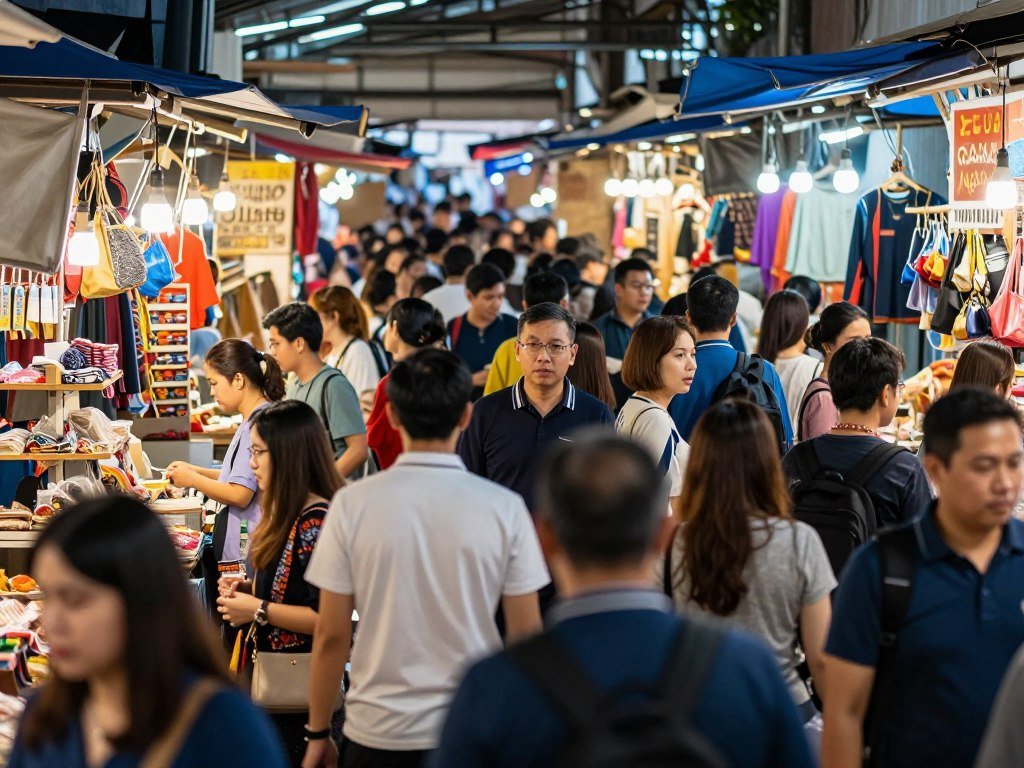
Pickpockets work crowded tourist areas and markets. Keep valuables in front pockets or secure bags. Backpacks worn on your front discourage opportunistic theft.
Motorbike bag snatching occurs occasionally in tourist districts. Walk away from the curb carrying bags on the building side. Thieves target distracted phone users particularly.
Safety Alert: Avoid using phones while walking near streets. Motorbike thieves grab devices from distracted pedestrians. Stand against buildings or sit in cafes when using expensive electronics.
Traffic Safety
Crossing streets requires confidence and steady movement. Walk at consistent pace allowing drivers to navigate around you. Sudden stops or direction changes increase accident risk significantly.
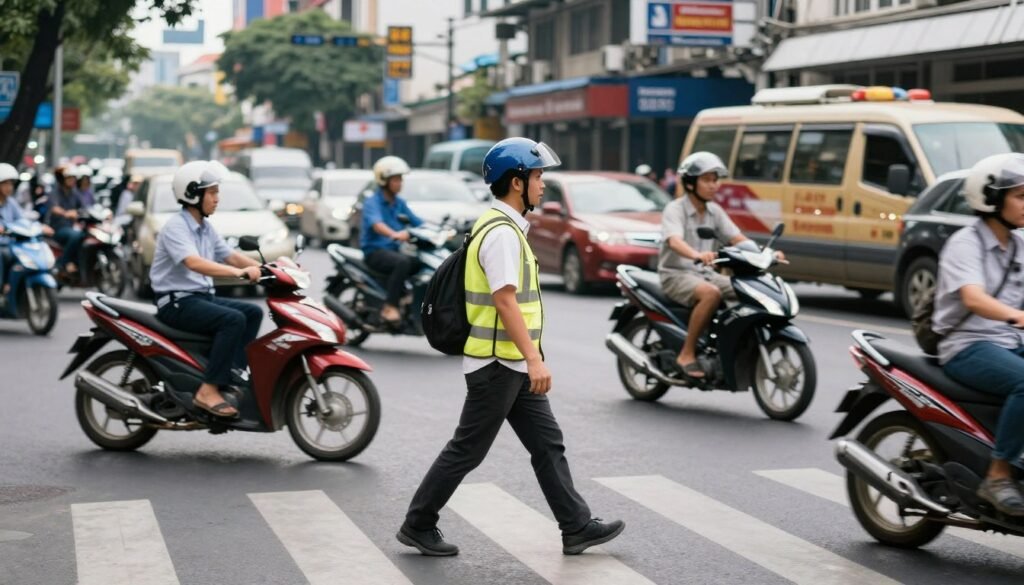
Motorbike accidents injure many tourists annually. Rental motorbikes tempt adventurous visitors but present serious dangers. Inexperienced riders struggle with chaotic traffic patterns and poor road conditions.
Motorbike Rental Considerations
If you decide to rent a motorbike despite risks, take precautions seriously. International driving permits may be required though enforcement varies. Insurance coverage rarely extends to motorbike accidents.
- Chaotic traffic patterns
- Poor road maintenance
- Minimal riding experience
- No trauma insurance coverage
- Rental damage disputes
- Helmet quality concerns
Motorbike Risks
- Hire experienced Grab drivers
- Book guided motorcycle tours
- Use bicycles in quieter areas
- Walk in pedestrian zones
- Combine taxis with walking
- Join organized tour groups
Safer Alternatives
Health Precautions
Food safety generally meets acceptable standards at reputable establishments. Street food from busy vendors proves safe for most travelers. Avoid items sitting unrefrigerated for extended periods.
Tap water isn’t potable throughout the city. Purchase bottled water for drinking and brushing teeth. Most hotels provide complimentary bottled water daily.
Health Tip: Pack basic medications including anti-diarrhea tablets and pain relievers. Pharmacies stock most common medications but reading labels proves challenging without Vietnamese language skills.
Emergency Contacts
| Service | Phone Number | Notes |
| Police | 113 | Limited English language support |
| Ambulance | 115 | Response times vary by location |
| Fire Department | 114 | Emergency fire response |
| Tourist Police | +84 28 3829 7300 | Better English capability, District 1 |
| Family Medical Practice | +84 28 3822 7848 | International clinic, English-speaking doctors |
Cultural Sensitivity
Vietnamese culture values modesty and respectful behavior. Dress appropriately when visiting religious sites covering shoulders and knees. Remove shoes before entering temples and private homes.
Public displays of affection beyond hand-holding may offend local sensibilities. Loud or aggressive behavior reflects poorly on foreign visitors. Maintain calm demeanor even in frustrating situations.
Photography of military installations and government buildings is prohibited. Always ask permission before photographing people close-up. Many people appreciate being asked rather than surreptitiously photographed.
Practical Information for Your Ho Chi Minh City Trip
Understanding practical details makes your visit smoother and more enjoyable. This section covers logistics that trip planning often overlooks initially. Preparation in these areas prevents common frustrations.
Climate and What to Pack
The tropical climate demands specific clothing choices. Lightweight, breathable fabrics work best in constant heat and humidity. Natural fibers like cotton and linen dry faster than synthetic materials.
Essential Items
- Light rain jacket or travel umbrella
- Comfortable walking shoes with good grip
- Modest clothing for temple visits
- Sun protection (hat, sunglasses, sunscreen)
- Small daypack for daily excursions
- Power adapter (Type A, C, or D plugs)
- Portable phone charger
- Basic first aid supplies
Language Basics
Vietnamese is a tonal language presenting challenges for Western speakers. Most tourism industry workers speak functional English. Learning basic phrases demonstrates respect and often improves interactions.
| English | Vietnamese | Pronunciation |
| Hello | Xin chào | sin chow |
| Thank you | Cảm ơn | gahm un |
| How much? | Bao nhiêu tiền? | bow nyew tee-en |
| Delicious | Ngon | ngun |
| Where is…? | …ở đâu? | uh dow |
| Toilet | Nhà vệ sinh | nya vay sing |
Internet and Connectivity
Wi-Fi functions reliably at most hotels, cafes, and restaurants. Free public Wi-Fi exists but requires caution regarding security. Avoid accessing banking or sensitive accounts on public networks.
Tourist SIM cards provide affordable data throughout your stay. Airport kiosks sell prepaid options upon arrival. Alternatively, purchase SIM cards at convenience stores or telecom shops around Chi Minh.
Tipping Culture
Tipping isn’t traditionally expected in Vietnamese culture. Service charges appear on bills at many restaurants. Additional tips remain optional but are increasingly appreciated at tourist-oriented establishments.
Small tips (20,000-50,000 VND) reward exceptional service at restaurants. Tour guides typically receive tips based on group size and tour quality. Grab drivers don’t expect tips but appreciate small amounts.
Best Resources and Apps
- Google Maps – Reliable mapping
- Grab – Transportation booking
- Maps.me – Offline navigation
Translation Apps
- Google Translate – Text and voice
- Microsoft Translator – Conversation mode
- Papago – East Asian focus
Travel Resources
- XE Currency – Exchange rates
- TripAdvisor – Reviews
- Foody – Restaurant discovery
Day Trips from Ho Chi Minh City
The area surrounding Chi Minh offers fascinating excursion opportunities. Day trips provide contrast to urban exploration. These destinations showcase different aspects of Vietnamese culture and landscapes.
Mekong Delta
The Mekong Delta represents Vietnam’s agricultural heartland. River networks create unique floating market culture. Full-day tours typically visit My Tho or Can Tho from the city.
Boat rides through narrow canals pass fruit orchards and rice paddies. You’ll sample tropical fruits and witness traditional candy-making processes. Local homestays offer overnight experiences for deeper immersion.
Vung Tau Beach
This coastal city sits just two hours from Chi Minh. Beaches provide weekend escape options for city residents. The area offers seafood restaurants and modest resort facilities.
Vung Tau works better as relaxation destination than beach paradise. Water quality doesn’t match Thailand or Philippines standards. Consider it for a change of pace rather than world-class beach time.
Cao Dai Temple in Tay Ninh
Cao Dai represents a uniquely Vietnamese religion combining multiple faiths. The ornate temple showcases incredibly colorful architecture. Noon ceremonies allow visitors to observe religious practices.
Many tours combine Cao Dai Temple with Cu Chi Tunnels visits. This pairing creates efficient full-day itineraries. The combination offers both cultural and historical experiences.
Ready to Experience Ho Chi Minh City?
Let our expert team create your perfect Vietnam adventure. We handle everything from visa assistance to daily itineraries. Our local knowledge ensures you experience the real Chi Minh City beyond tourist traps. Personalized planning includes accommodation booking, tour arrangements, and 24/7 support during your trip.
Free consultation • No obligation • Instant response
Conclusion: Your Ho Chi Minh City Adventure Awaits
Ho Chi Minh City rewards curious travelers with unforgettable experiences. The blend of history, culture, and modern energy creates unique appeal. From street food tours to historical sites, every day brings new discoveries.
Smart planning enhances your visit significantly. Understanding transportation options saves time and frustration. Knowing where to stay and eat maximizes value and enjoyment.
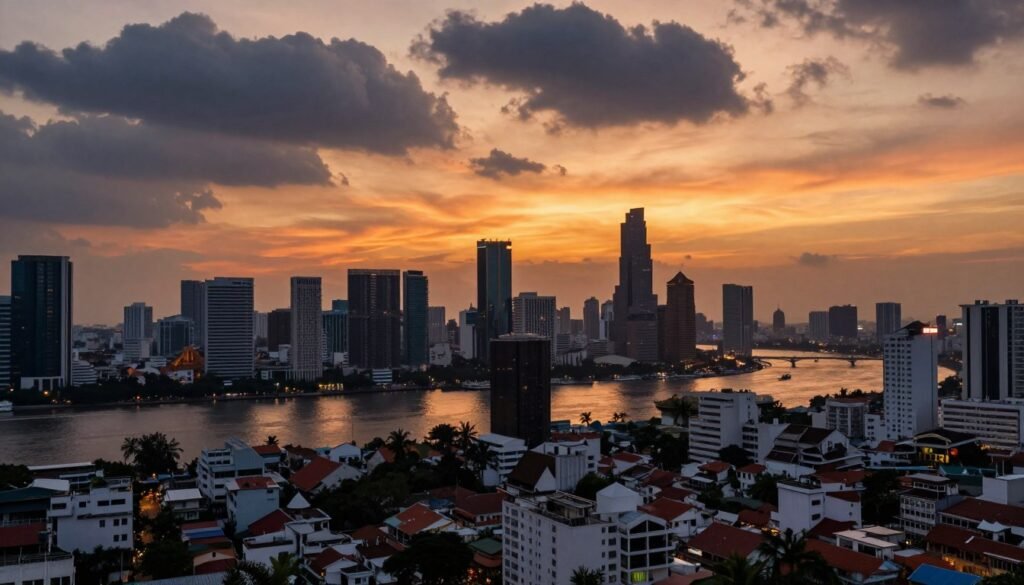
This comprehensive guide provides the foundation for successful trip planning. Remember that flexibility allows for spontaneous adventures and discoveries. The city’s welcoming atmosphere encourages exploration beyond planned itineraries.
Whether you spend three days or three weeks, Chi Minh City offers endless fascination. The vibrant street life, delicious Vietnamese food, and rich history create lasting memories. Your adventure in this dynamic city promises to exceed expectations.
Start planning today to make the most of your time in Vietnam’s most exciting metropolis. The experiences waiting for you around Chi Minh will stay with you long after you return home.