

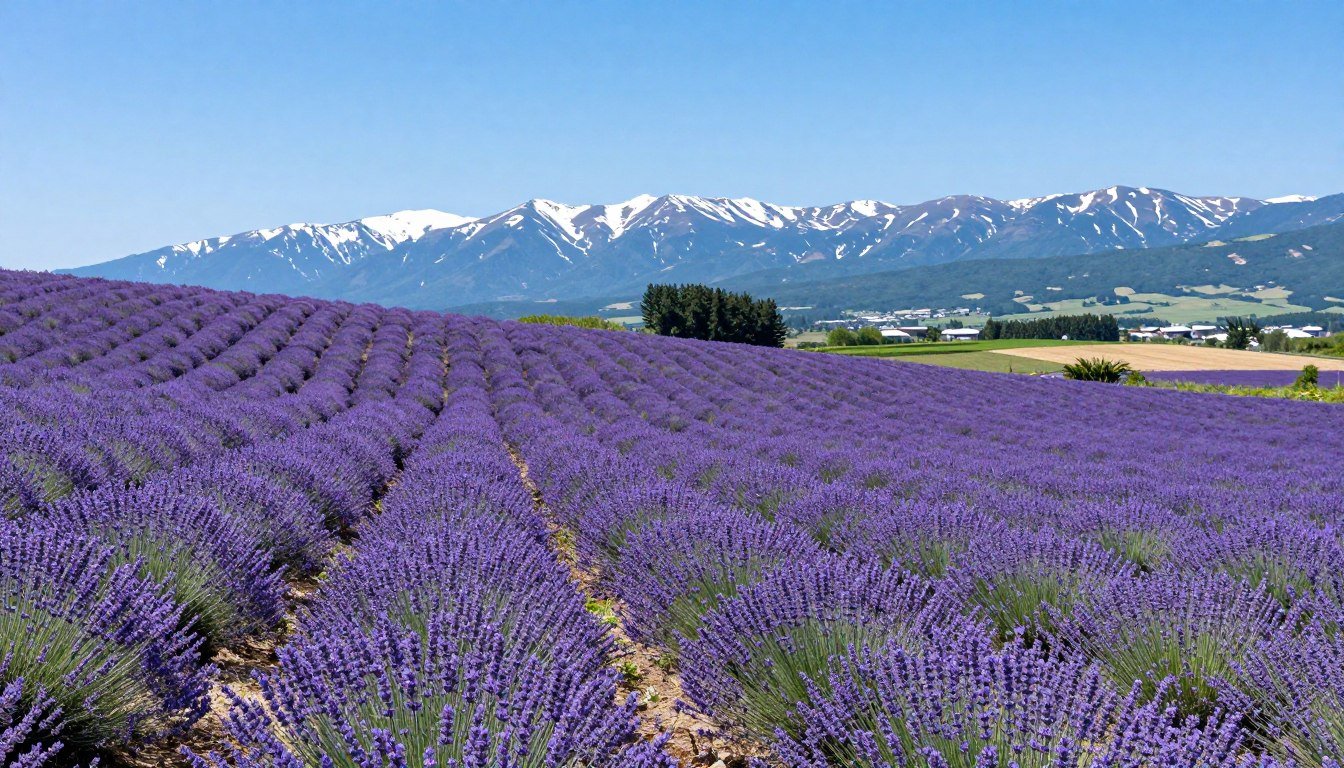
Japan’s northernmost island beckons travelers with pristine wilderness and unique cultural experiences. Hokkaido stands apart from the rest of the country with its vast open spaces and distinct seasons.
This comprehensive guide unlocks everything you need for an unforgettable journey. You’ll discover the best times to visit, must-see destinations, and practical tips for navigating this remarkable island.
Whether you’re chasing powder snow in winter or exploring flower fields in summer, Hokkaido delivers adventures that captivate every traveler. Let’s dive into what makes this destination truly special.
Discovering Hokkaido: Japan’s Untamed Northern Frontier
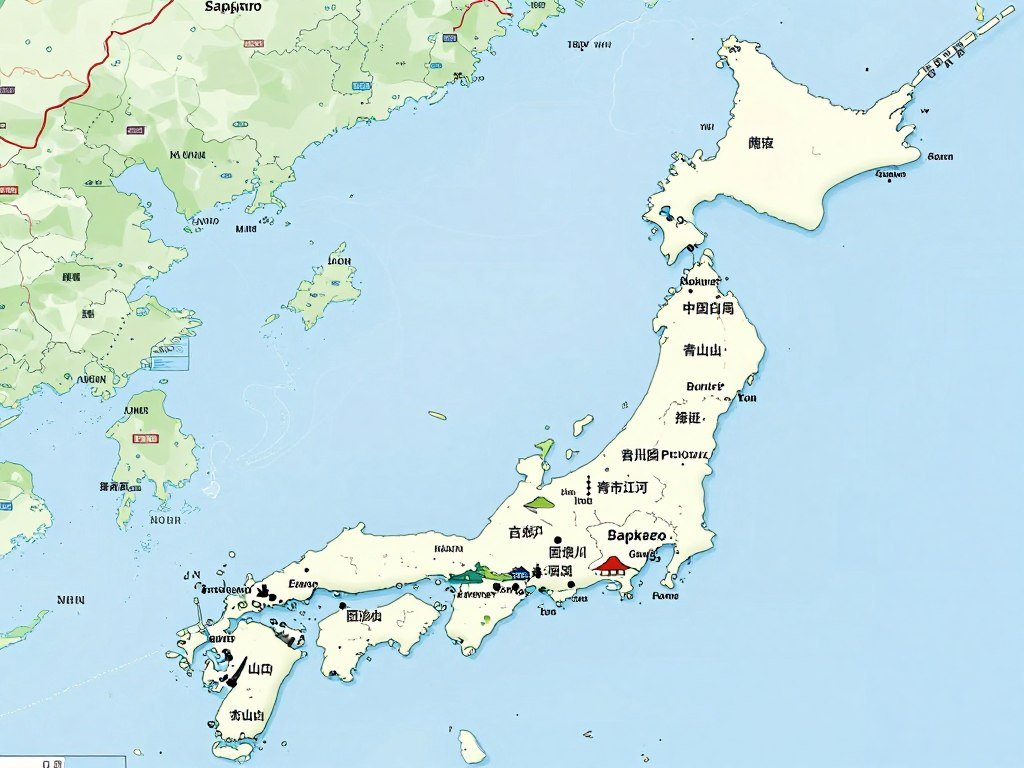
Hokkaido represents Japan’s final frontier. This island sprawls across 83,424 square kilometers, making it the second-largest in the country.
The landscape differs dramatically from mainland Japan. Wide-open spaces replace crowded cities. Rolling hills and volcanic mountains dominate the terrain.
Indigenous Ainu culture adds unique character to the region. Their heritage influences local festivals, crafts, and traditions throughout the island.
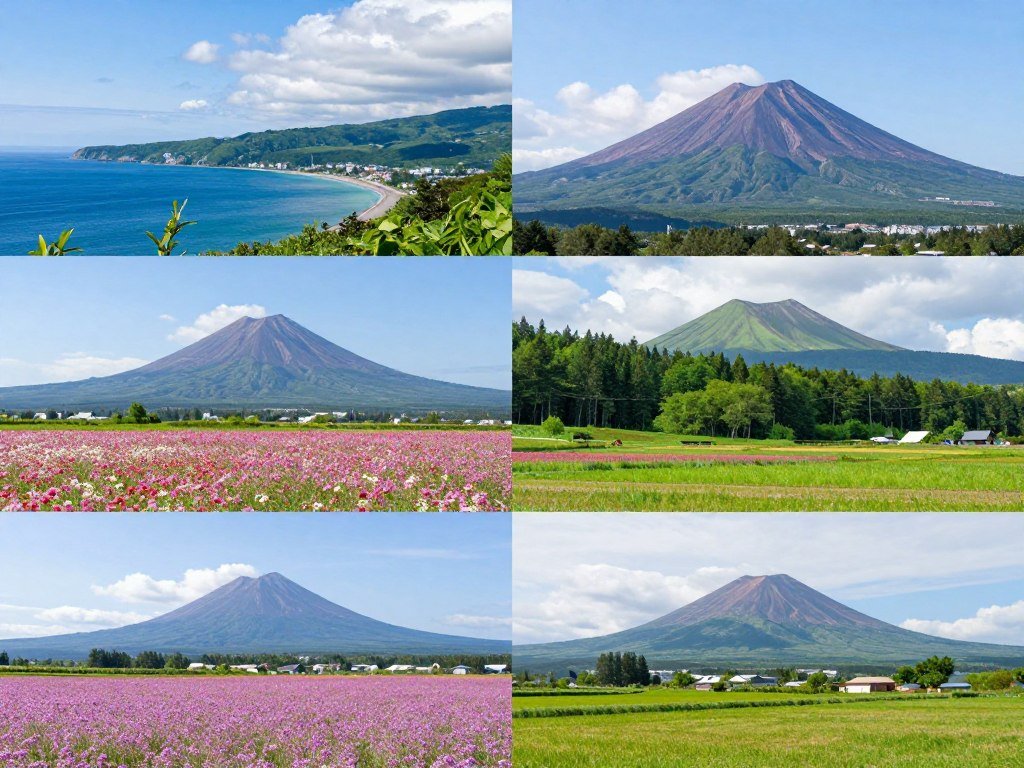
Nature thrives here more than anywhere else in Japan. Six national parks protect pristine wilderness areas. Wildlife encounters happen regularly in these protected spaces.
The climate shapes everything on the island. Cold winters blanket the region in snow. Mild summers provide perfect escape from the rest of the country’s heat.
Modern infrastructure makes travel easy despite the rural setting. Major cities blend urban convenience with natural beauty seamlessly.
Quick Fact: Hokkaido became part of Japan in 1869, making it the youngest of the country’s main islands. This recent development preserved much of its natural character.
When to Visit Hokkaido: Seasonal Guide for Every Traveler
Each season transforms Hokkaido into a different destination. Your ideal time depends on what experiences matter most to you.
Winter Wonderland: December to February
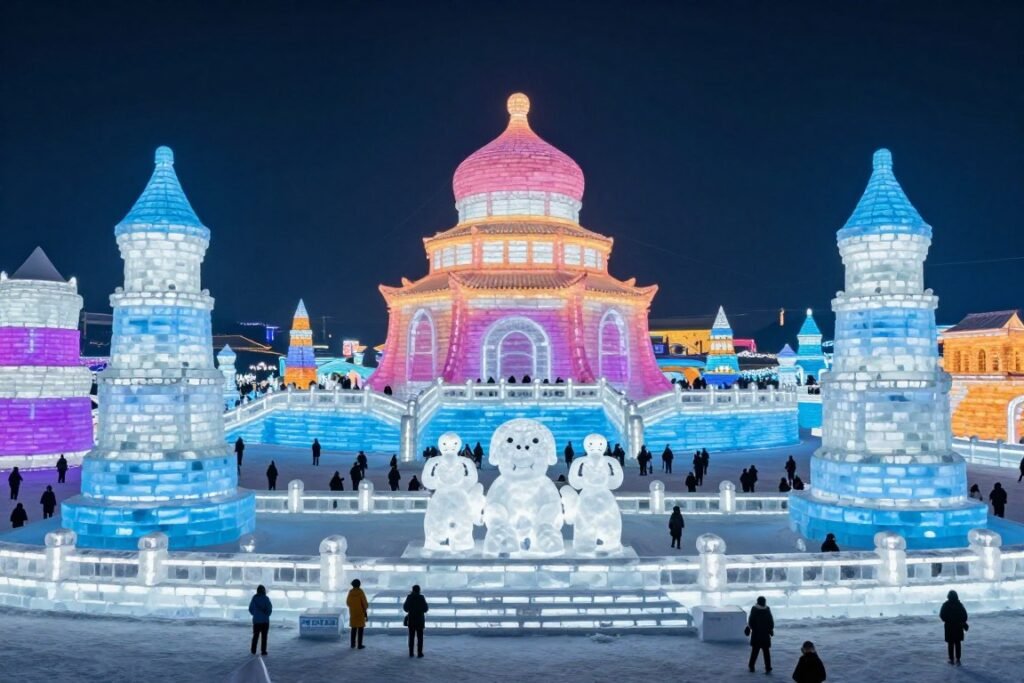
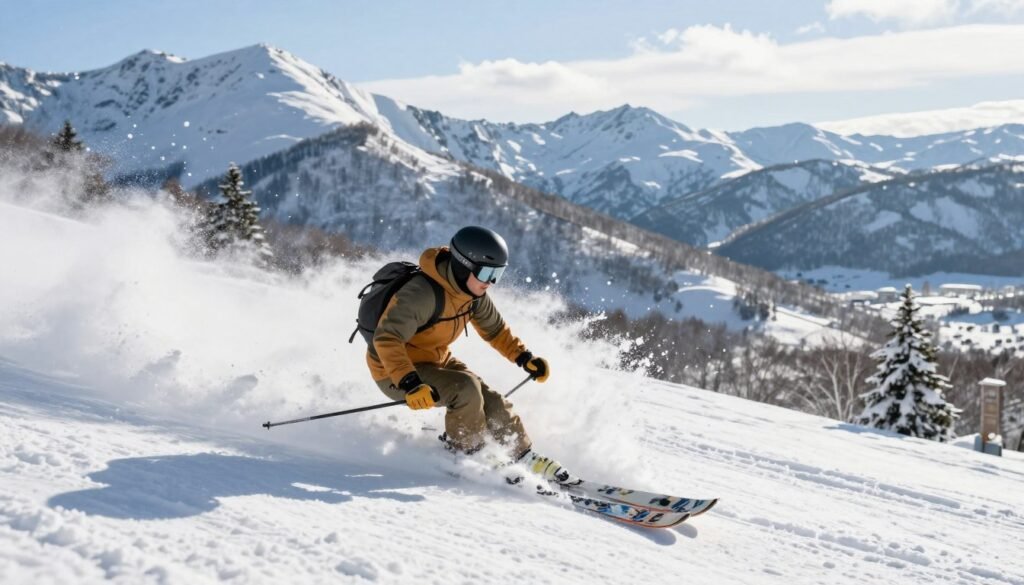
Winter brings legendary snow conditions to the island. Powder snow falls abundantly, creating perfect conditions for winter sports.
The famous Sapporo Snow Festival transforms the city each February. Massive ice sculptures tower over visitors during this week-long celebration.
Ski resorts across the region attract winter enthusiasts worldwide. Niseko, Furano, and Rusutsu offer world-class facilities and exceptional snow quality.
Hot springs provide perfect après-ski relaxation. Steam rises from outdoor baths as snowflakes drift down around you.
Spring Awakening: March to May
Spring arrives later here than mainland Japan. Cherry blossom season peaks in early May, weeks after Tokyo’s blooms fade.
Cherry Blossom Viewing
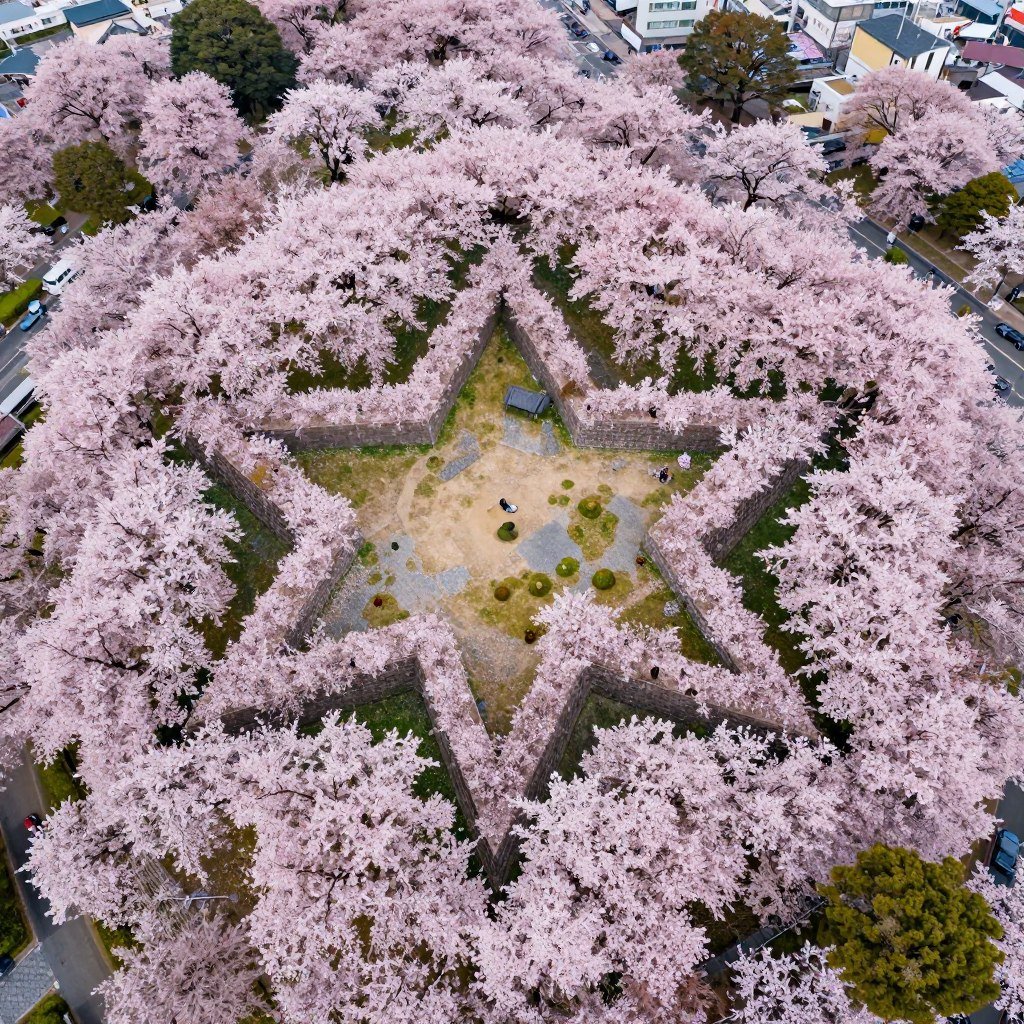
Pink blooms cover parks and streets throughout the island. Goryokaku Park in Hakodate offers stunning views from its tower.
Mountain Awakening
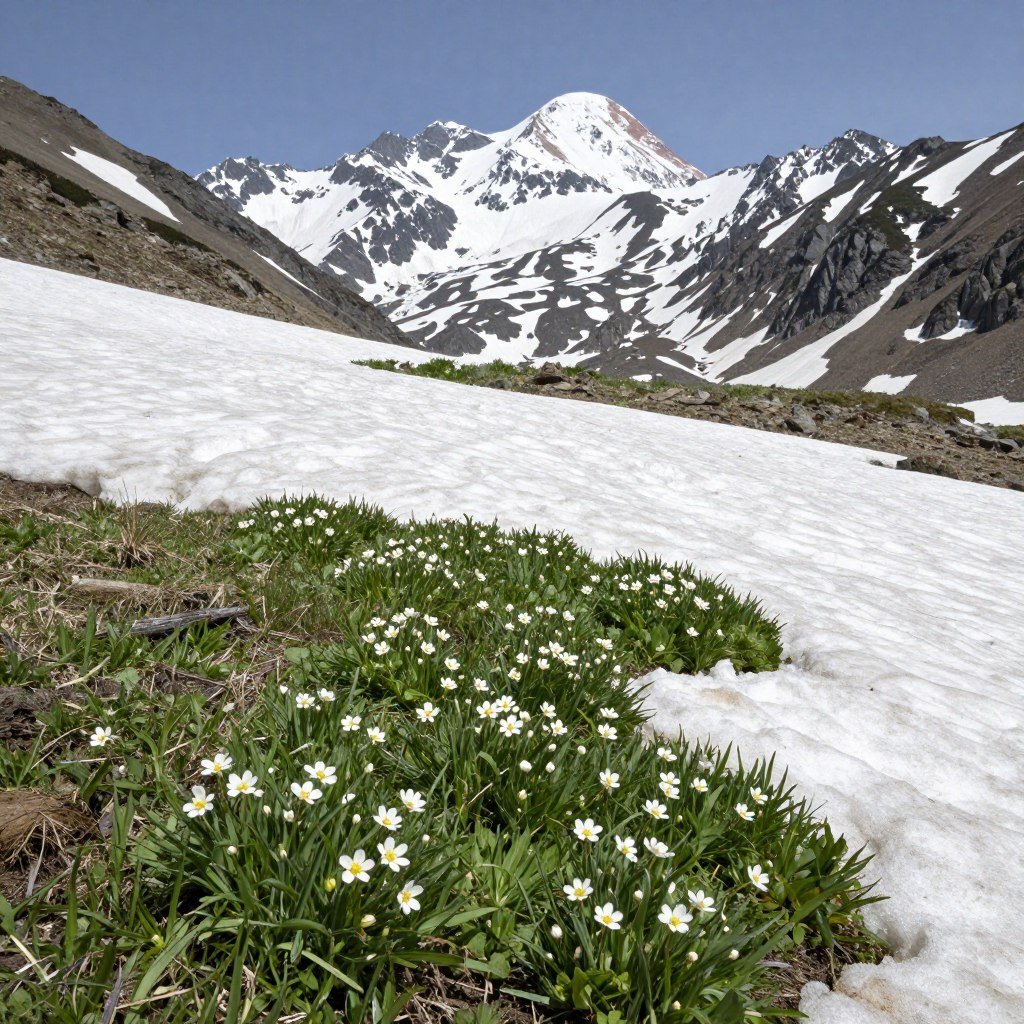
Snow melts from lower elevations first. Hiking trails gradually open as the season progresses through different altitudes.
Fresh Harvest
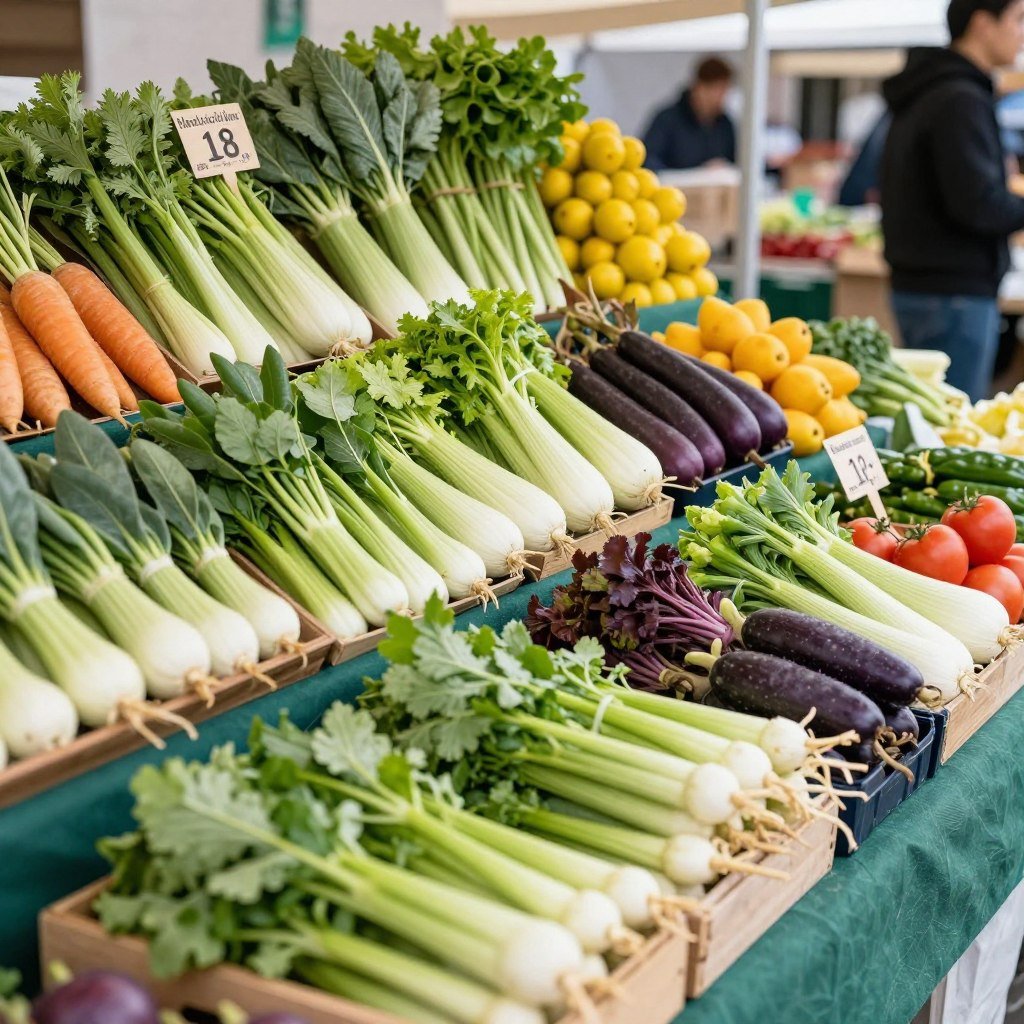
Agricultural regions burst into activity. Fresh asparagus, bamboo shoots, and other spring vegetables appear at markets.
Summer Paradise: June to August
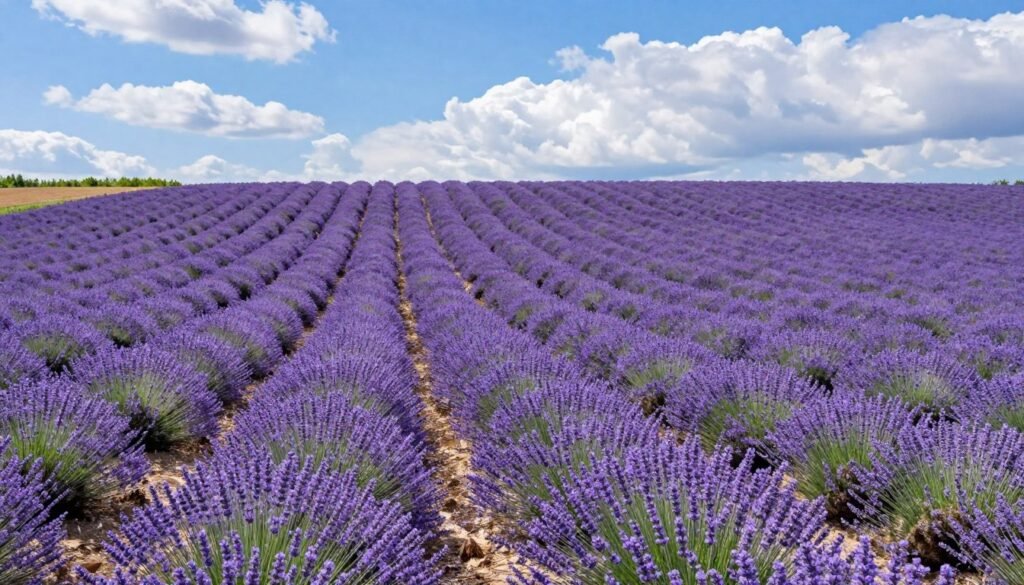
Summer showcases Hokkaido at its most colorful. Temperatures stay comfortable while the rest of Japan swelters in humidity.
Flower fields paint the landscape in rainbow hues. Furano and Biei become pilgrimage sites for photographers and nature lovers.
Lavender blooms peak in mid-July. The purple waves of flowers create Instagram-worthy scenes across the countryside.
Outdoor festivals celebrate summer throughout the region. Music, food, and cultural events fill weekends across the island.
Hiking conditions reach their prime during these months. National parks open fully, revealing pristine wilderness trails.
Coastal areas offer beach activities and fresh seafood festivals. The cool ocean breeze provides natural air conditioning.
Autumn Brilliance: September to November
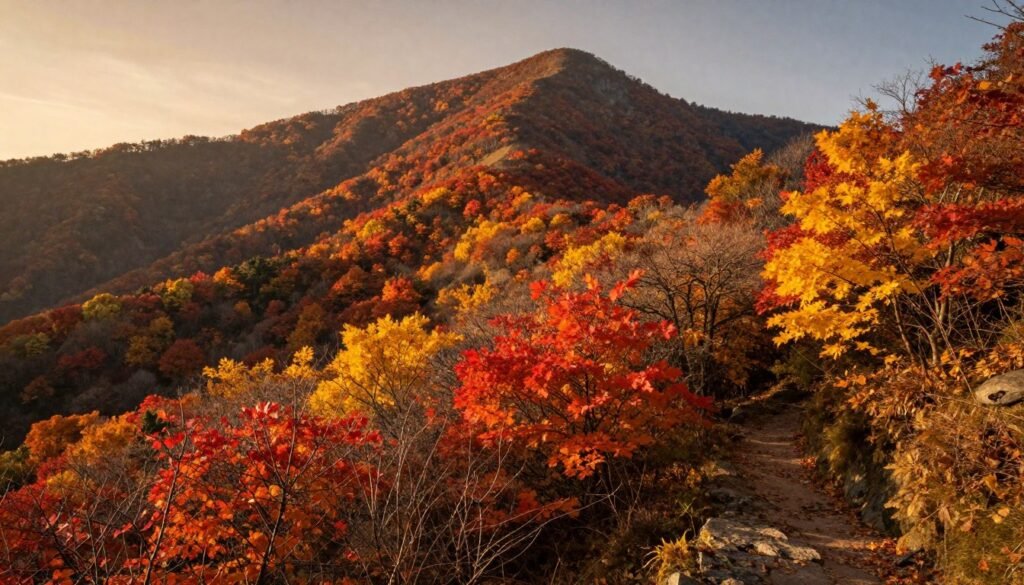
Fall transforms Hokkaido into a canvas of warm colors. Autumn leaves appear earlier here than elsewhere in Japan.
September brings the first hints of color change. By October, mountains blaze with red, orange, and gold foliage.
Daisetsuzan National Park offers the earliest autumn leaves. The season cascades down from mountain peaks to valleys.
Harvest season fills markets with local bounty. Fresh salmon, mushrooms, and produce dominate food festivals.
Cooler temperatures make this ideal for outdoor adventure. Hiking remains comfortable before winter snow arrives.
Plan Your Perfect Hokkaido Journey
Download our free seasonal planning guide with month-by-month recommendations, insider tips, and customizable itineraries for every season.
Must-Visit Cities and Regions in Hokkaido
Hokkaido’s diverse regions each offer distinct experiences. From bustling cities to remote wilderness, every destination rewards exploration.
Sapporo: The Vibrant Capital City
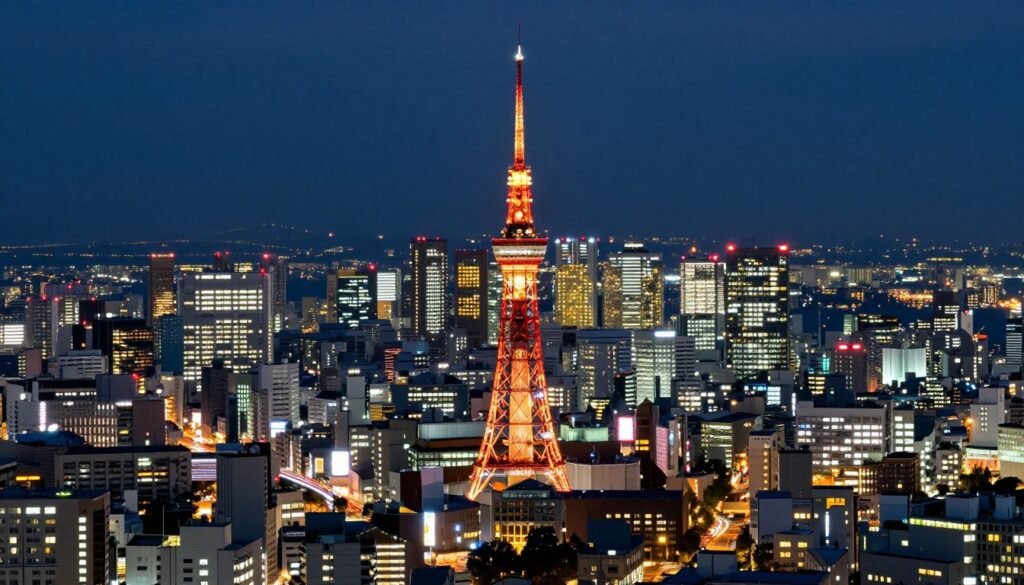
Sapporo serves as Hokkaido’s urban heart and gateway. Nearly two million people call this modern city home.
The city grid system makes navigation remarkably simple. Wide boulevards and clear signage help visitors explore with confidence.
Odori Park stretches through the city center for 1.5 kilometers. This green space hosts major events throughout the year.
Susukino ranks among Japan’s largest entertainment districts. Restaurants, bars, and clubs create vibrant night life energy.
Beer culture runs deep in Sapporo’s identity. The Sapporo Beer Museum traces the city’s brewing heritage.
Shopping options range from underground malls to department stores. The station area alone contains multiple shopping complexes.

Historic Clock Tower
This 1878 landmark symbolizes Sapporo’s pioneer spirit. The tower still keeps time in the modern city center.
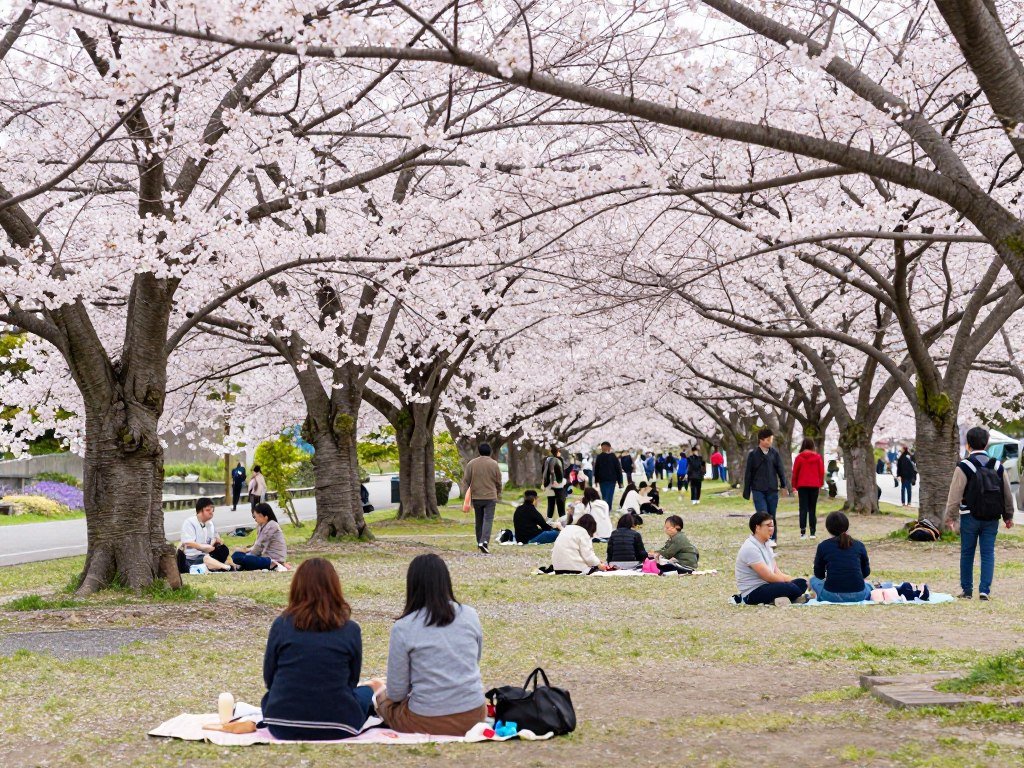
Maruyama Park
Local families flock here for cherry blossom viewing. The nearby shrine adds cultural significance to natural beauty.
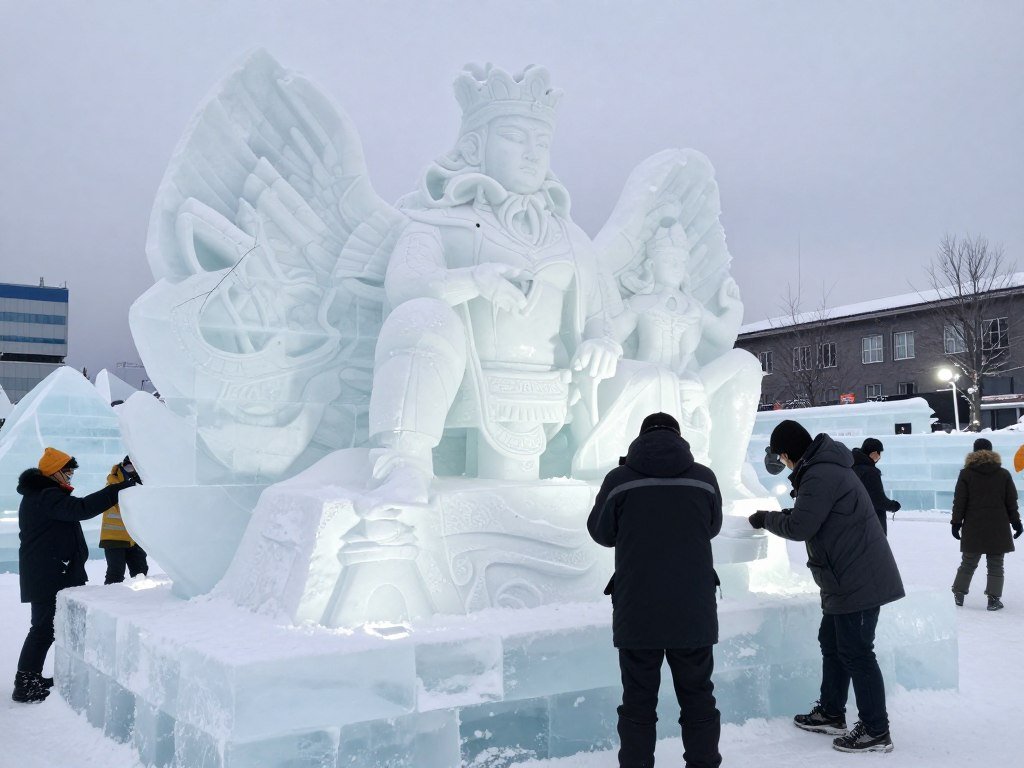
Sapporo Snow Festival
February brings two million visitors to see incredible ice sculptures. Teams create massive artworks from snow and ice.
Otaru: Canal Town Charm
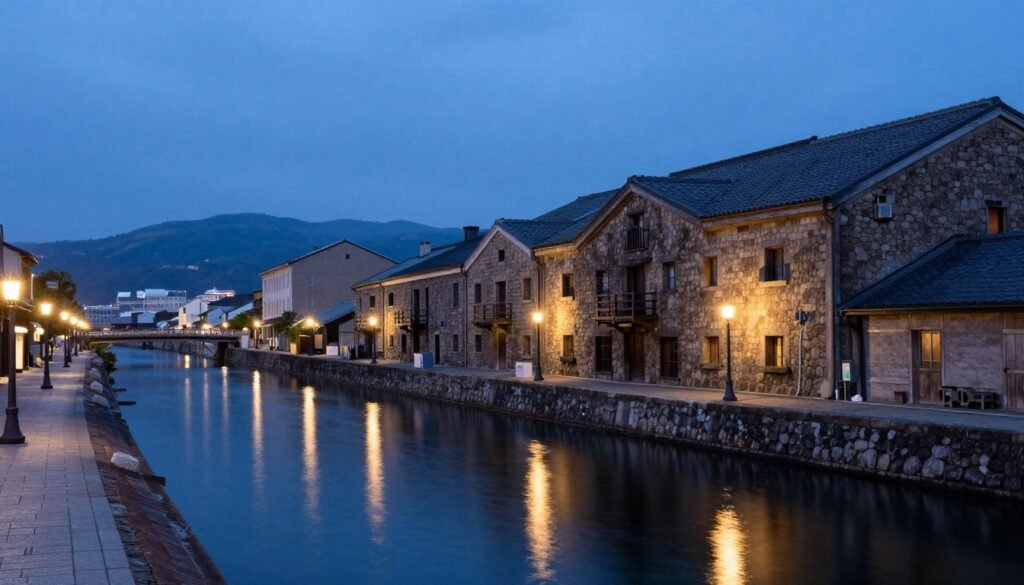
Just 30 minutes from Sapporo by train, Otaru transports visitors to another era. The historic port city preserves its merchant past beautifully.
The canal district showcases restored warehouses from the 1920s. Gas lamps illuminate the waterway each night, creating romantic ambiance.
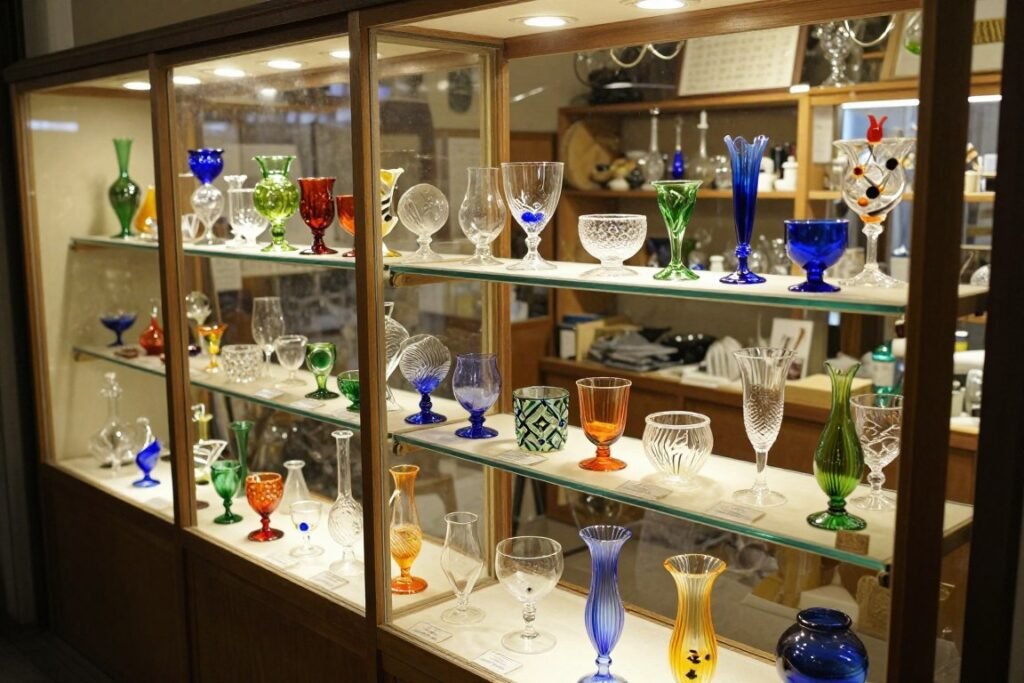
Glass crafting defines Otaru’s artistic identity. Numerous workshops let visitors create their own pieces.
The Sakaimachi Street shopping area fills historic buildings. Local crafts, glassware, and music boxes attract souvenir hunters.
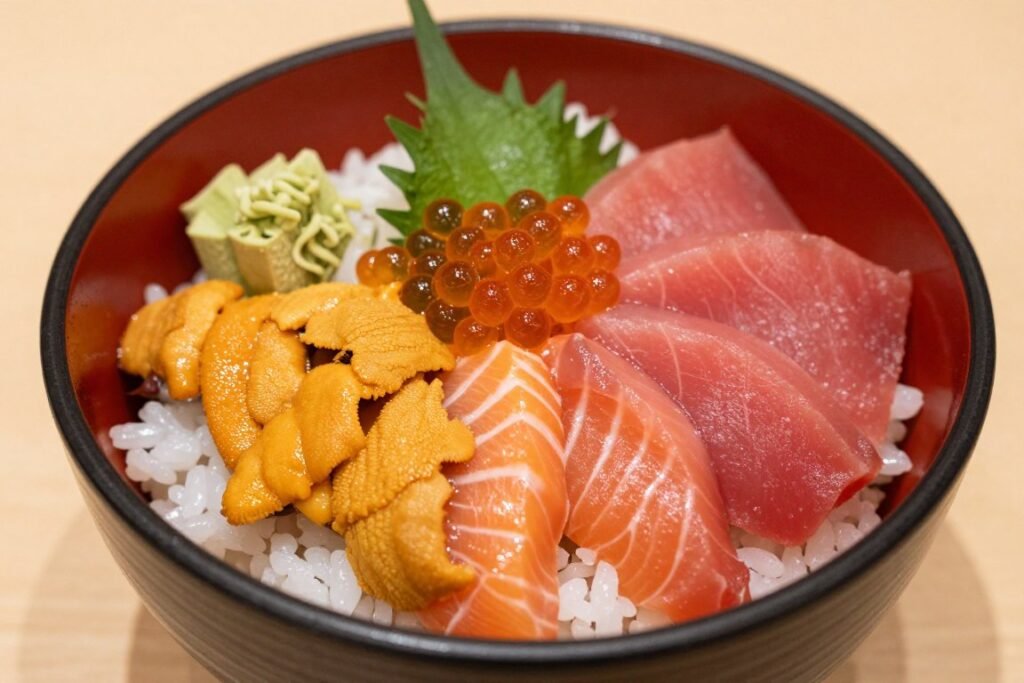
Seafood restaurants line the canal and harbor areas. Fresh catches arrive daily from nearby fishing ports.
The Otaru Music Box Museum houses thousands of mechanical music boxes. The sound of tinkling melodies fills multiple floors.
Hakodate: Where History Meets the Sea
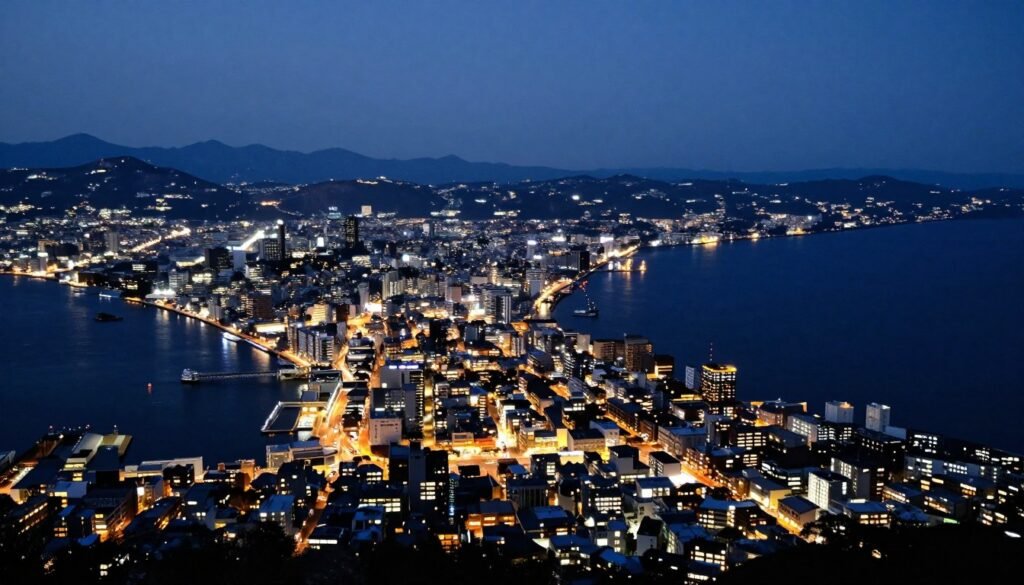
Hakodate occupies the southern tip of Hokkaido. The city opened to international trade in 1854, shaping its cosmopolitan character.
Mount Hakodate provides legendary night views. The city lights reflect in the surrounding bay, creating mirror effects.
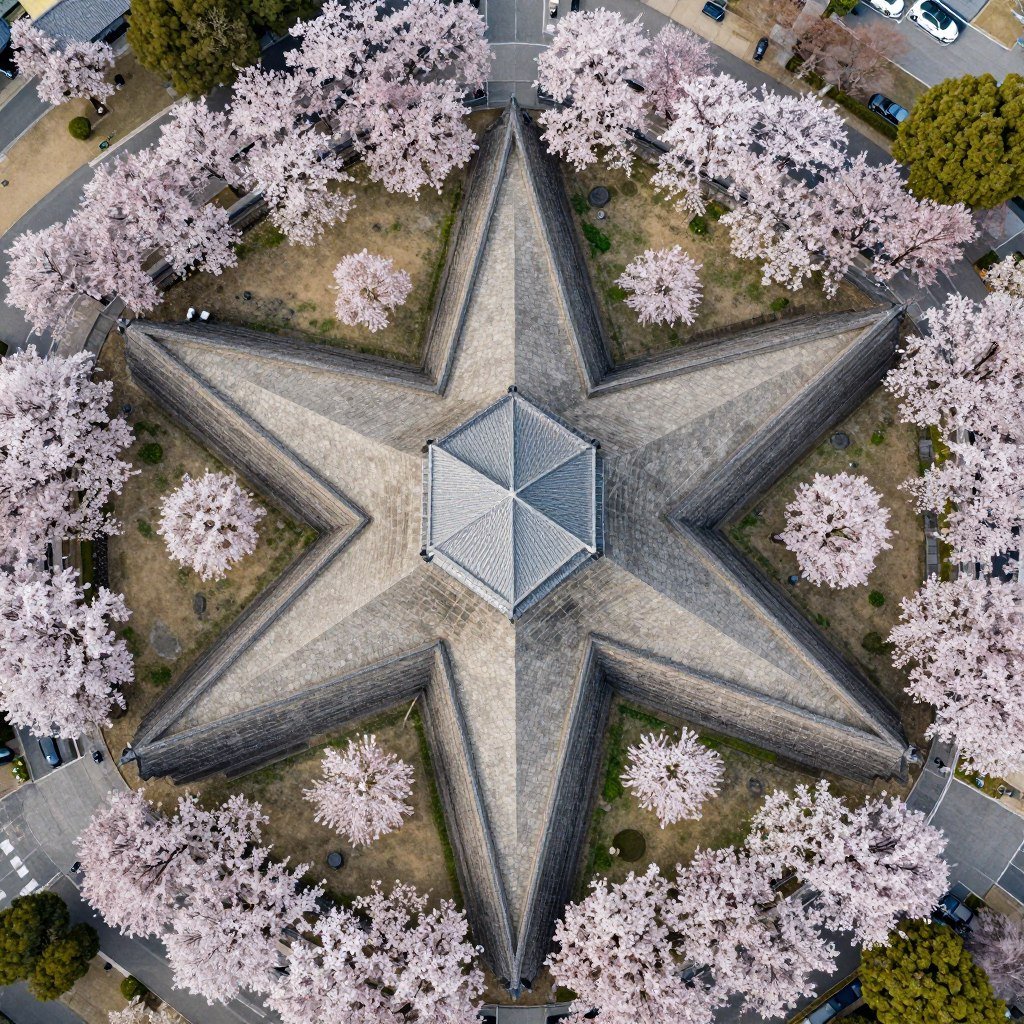
Goryokaku Fort
This star-shaped fort marks the end of the samurai era. Spring cherry blossoms frame the unique architecture perfectly.
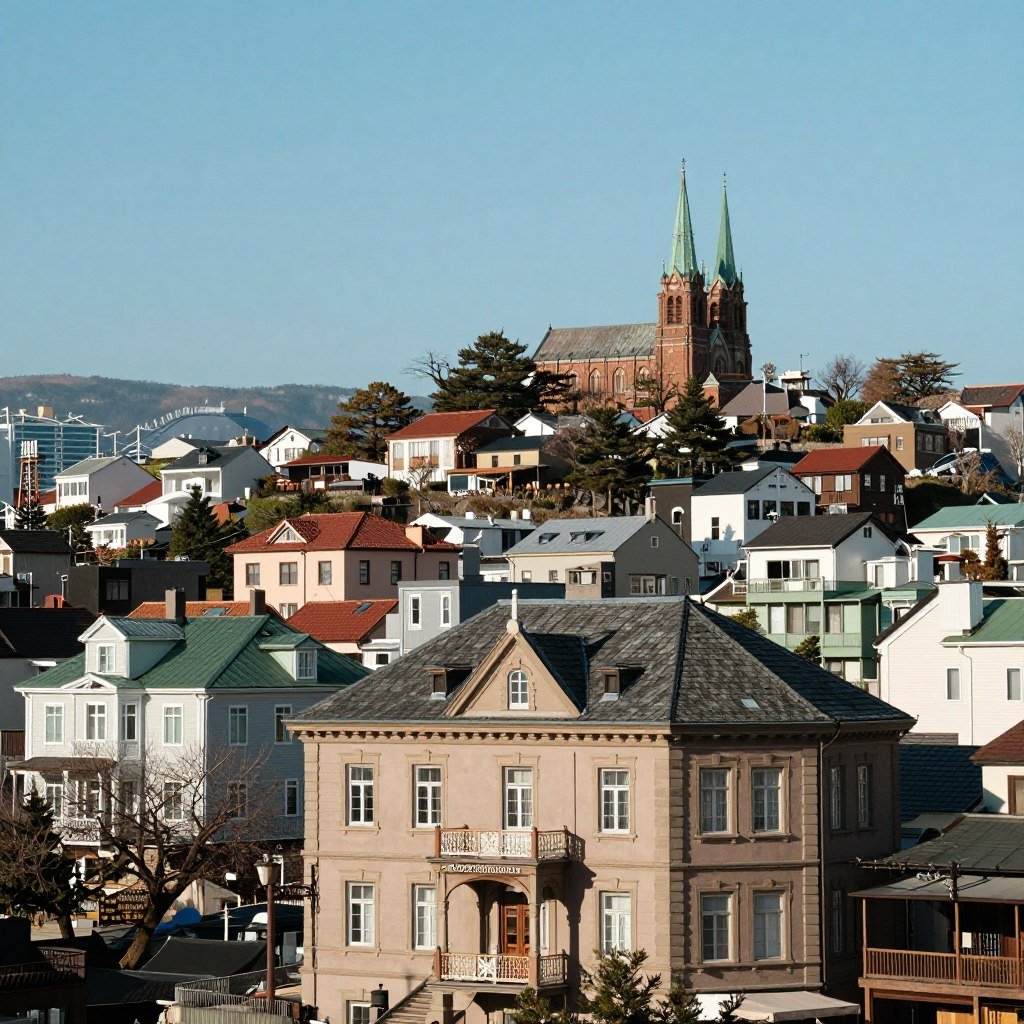
Motomachi District
Western-style buildings cluster on hillsides overlooking the harbor. Churches, consulates, and mansions showcase international influences.
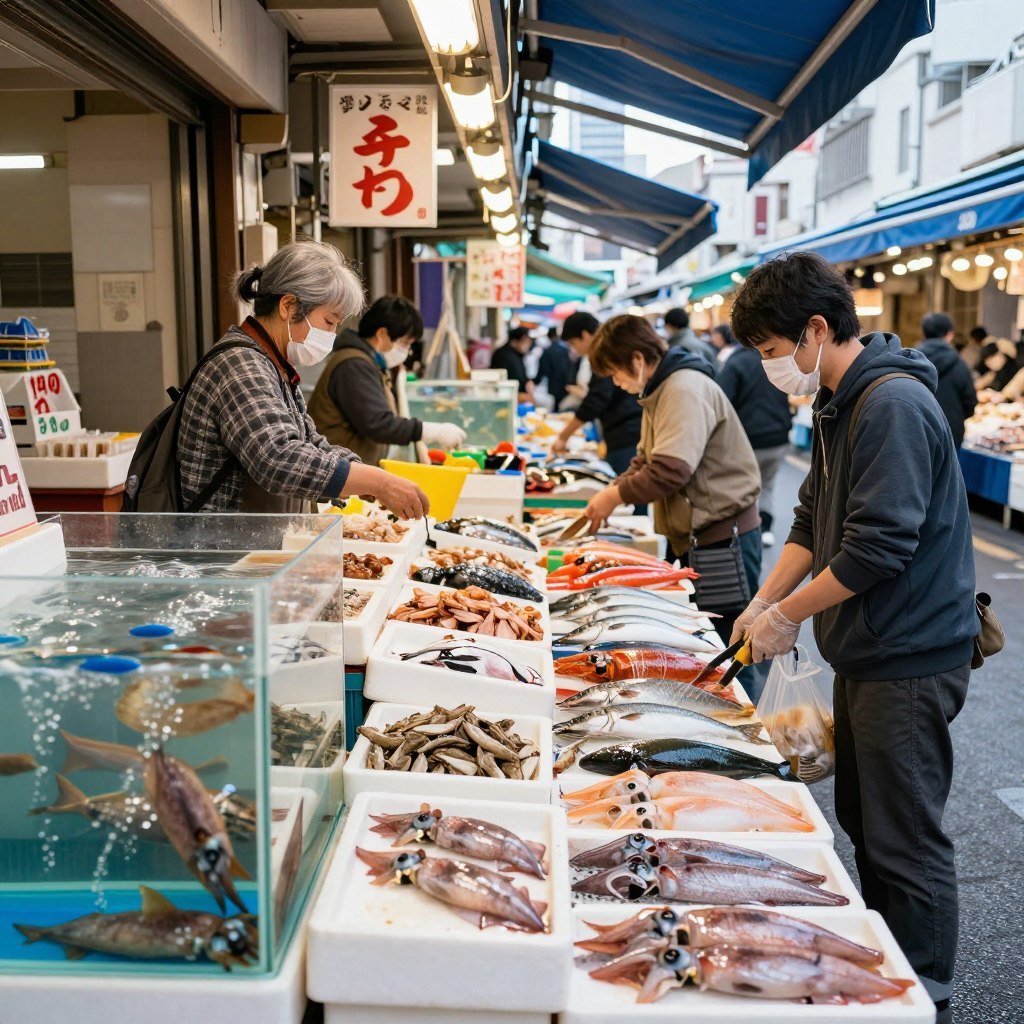
Morning Market
Wake early to experience Hakodate’s seafood market. Vendors offer incredibly fresh catches and local specialties.
Furano and Biei: Flower Field Paradise
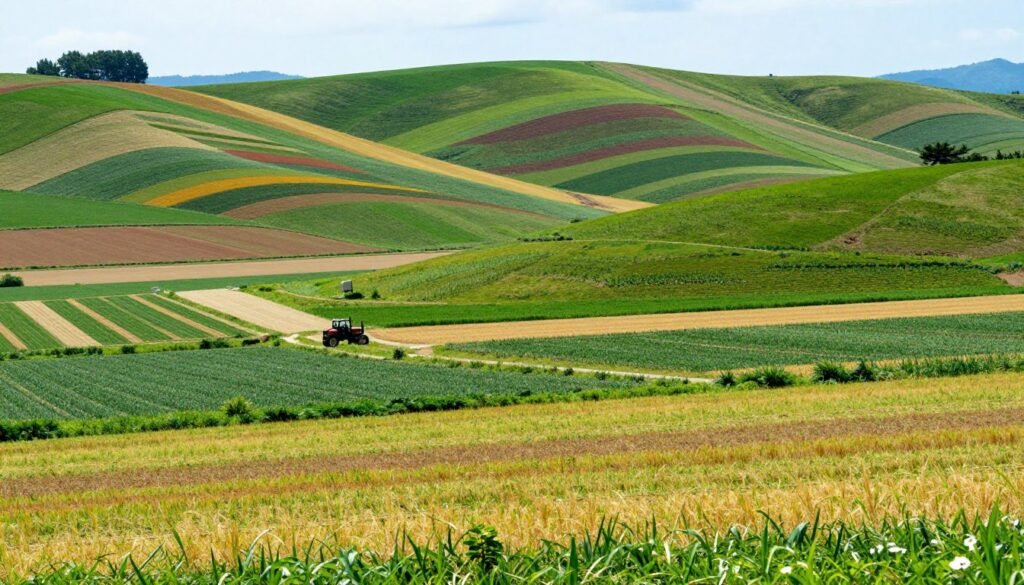
These neighboring towns create Hokkaido’s most photogenic landscape. Rolling hills burst with color during summer months.
Furano’s lavender farms draw crowds in July. Farm Tomita remains the most famous, though many farms offer similar beauty.
Biei’s patchwork fields create abstract art from agriculture. Different crops in various colors form natural patterns.
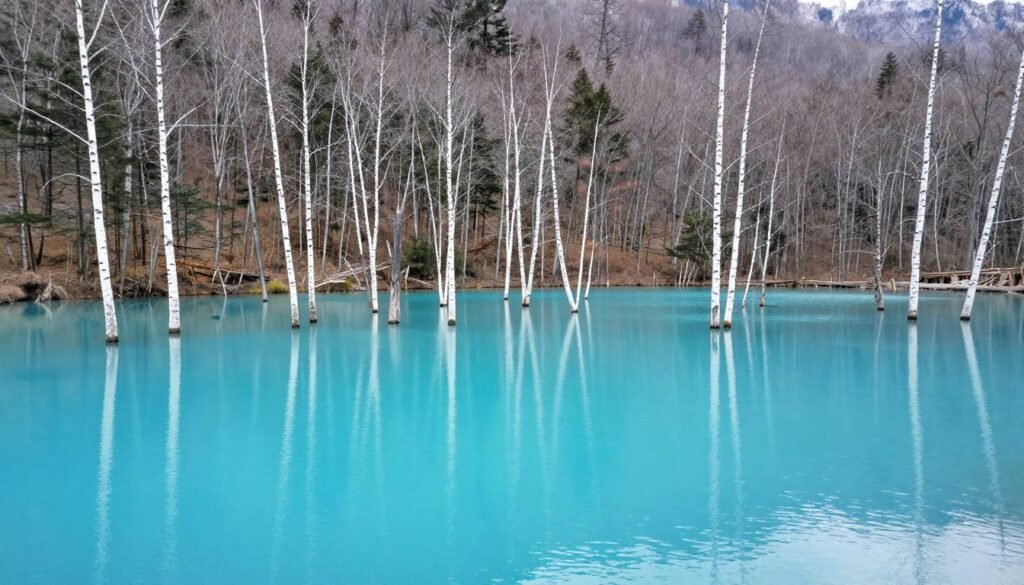
The Blue Pond near Biei displays surreal turquoise water. Dead trees standing in the pond add otherworldly atmosphere.
Winter transforms these areas into premier ski destinations. Furano Ski Resort offers excellent powder and fewer crowds.
Local produce stands sell fresh vegetables and dairy products. The area’s agricultural output rivals its scenic beauty.
Asahikawa: Gateway to the Mountains
Asahikawa serves as Hokkaido’s second-largest city. The urban center provides access to Daisetsuzan National Park.
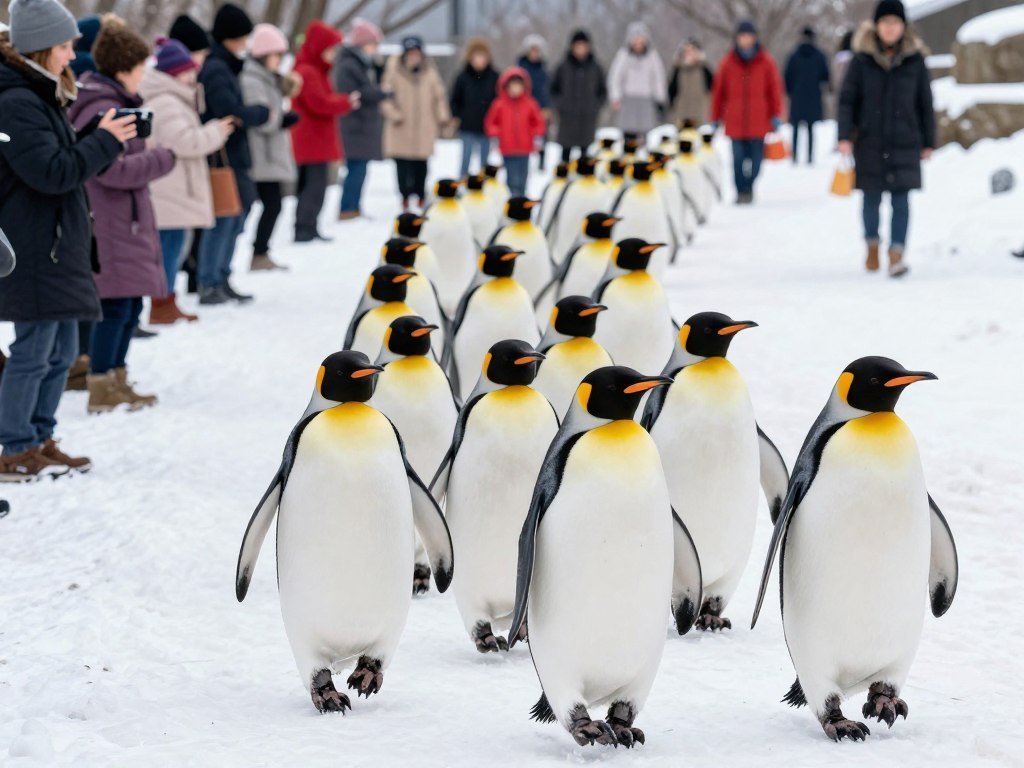
Asahiyama Zoo revolutionized zoo design in Japan. Innovative enclosures let visitors see animals from unique angles.
The penguin walk happens daily during winter. These birds waddle past delighted visitors on snowy paths.
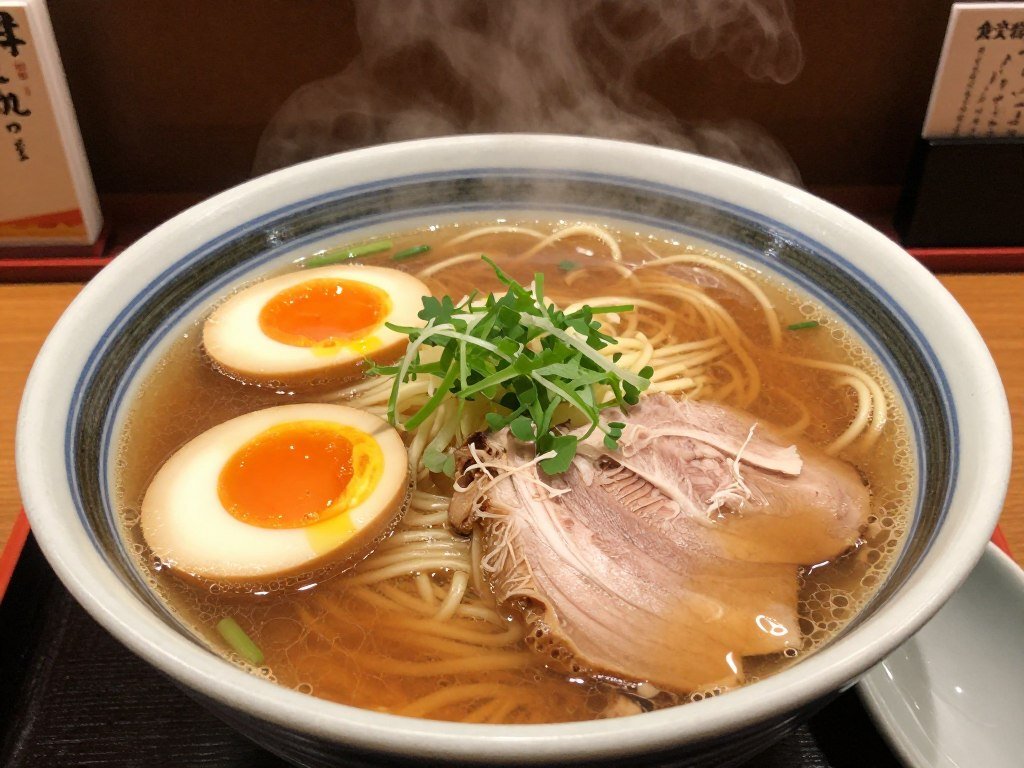
Asahikawa ramen differs from Sapporo’s miso version. Soy sauce-based broth defines the local style.
The sake brewing industry thrives here thanks to pure mountain water. Several breweries offer tours and tastings.
Shiretoko Peninsula: Wilderness UNESCO Site
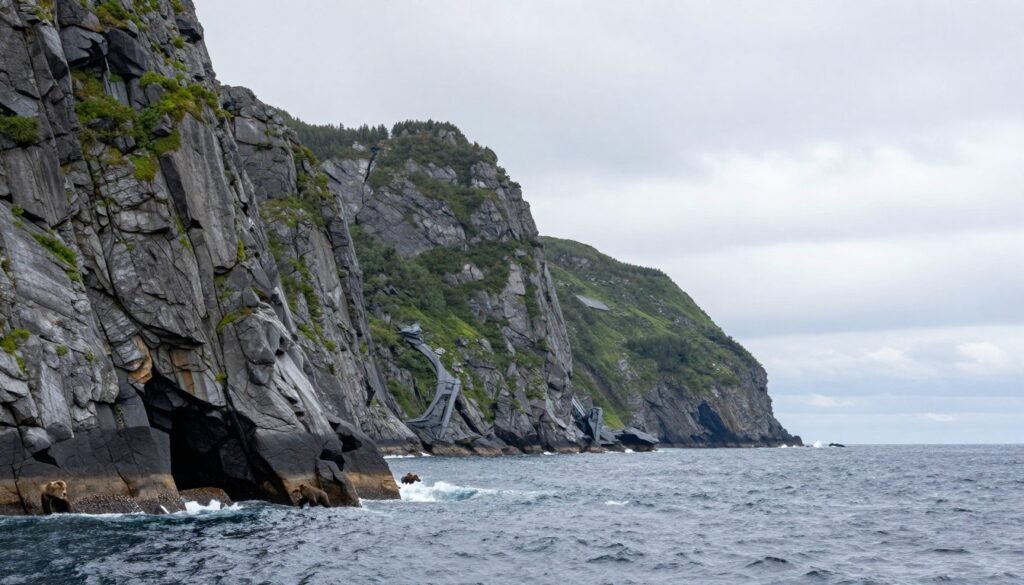
Shiretoko represents Japan’s last true wilderness. This UNESCO World Heritage Site preserves ecosystems found nowhere else.
Brown bears roam freely throughout the peninsula. Wildlife viewing tours offer safe ways to observe these magnificent creatures.
The Five Lakes hiking trail winds through pristine forest. Wooden walkways protect both visitors and the environment.
Boat tours reveal dramatic coastal cliffs and waterfalls. These trips often spot whales, dolphins, and sea eagles.
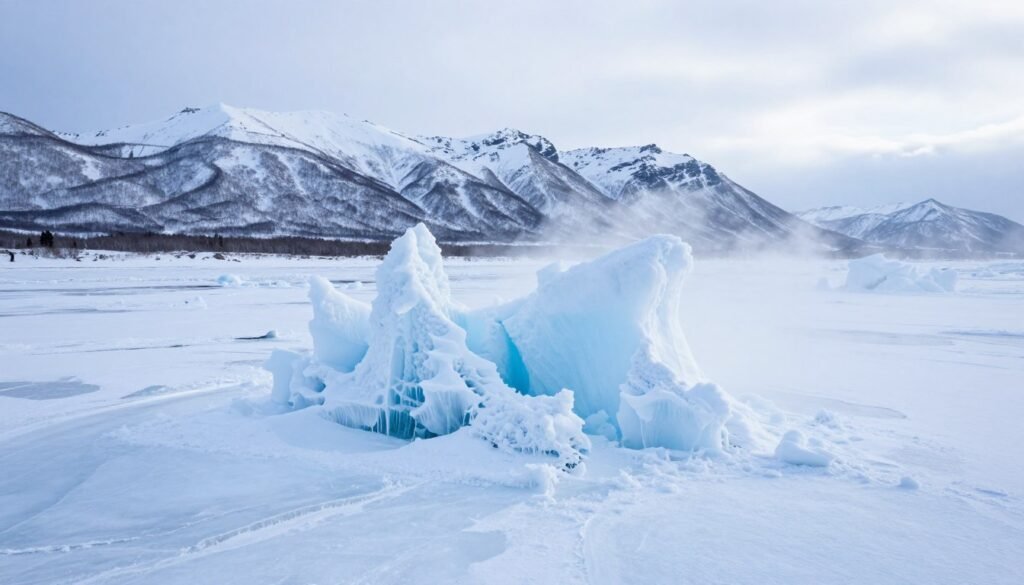
Winter drift ice arrives from Siberia. The frozen sea creates otherworldly landscapes along the coast.
Find Your Perfect Hokkaido Accommodation
Secure the best hotels, ryokans, and unique stays across Hokkaido. Compare prices, read reviews, and book with confidence for your dream trip.
Unforgettable Experiences and Activities in Hokkaido
Hokkaido offers adventures that satisfy every type of traveler. From outdoor thrills to cultural immersion, the island delivers memorable experiences.
Natural Wonders and National Parks
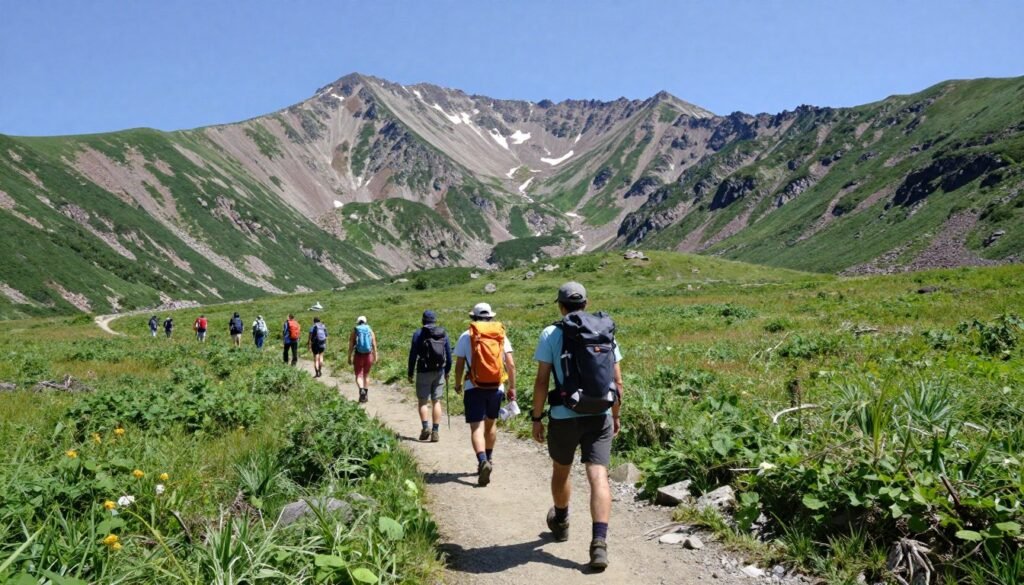
Six national parks protect Hokkaido’s most spectacular landscapes. Each park offers distinct ecosystems and recreational opportunities.
Daisetsuzan National Park
Japan’s largest national park sprawls across 2,267 square kilometers. Mountain peaks reach heights over 2,000 meters.
The Asahidake Ropeway provides access to alpine hiking. Trails range from gentle walks to challenging multi-day treks.
Volcanic activity creates natural hot springs throughout the park. Sounkyo Gorge offers dramatic cliff scenery and onsen towns.
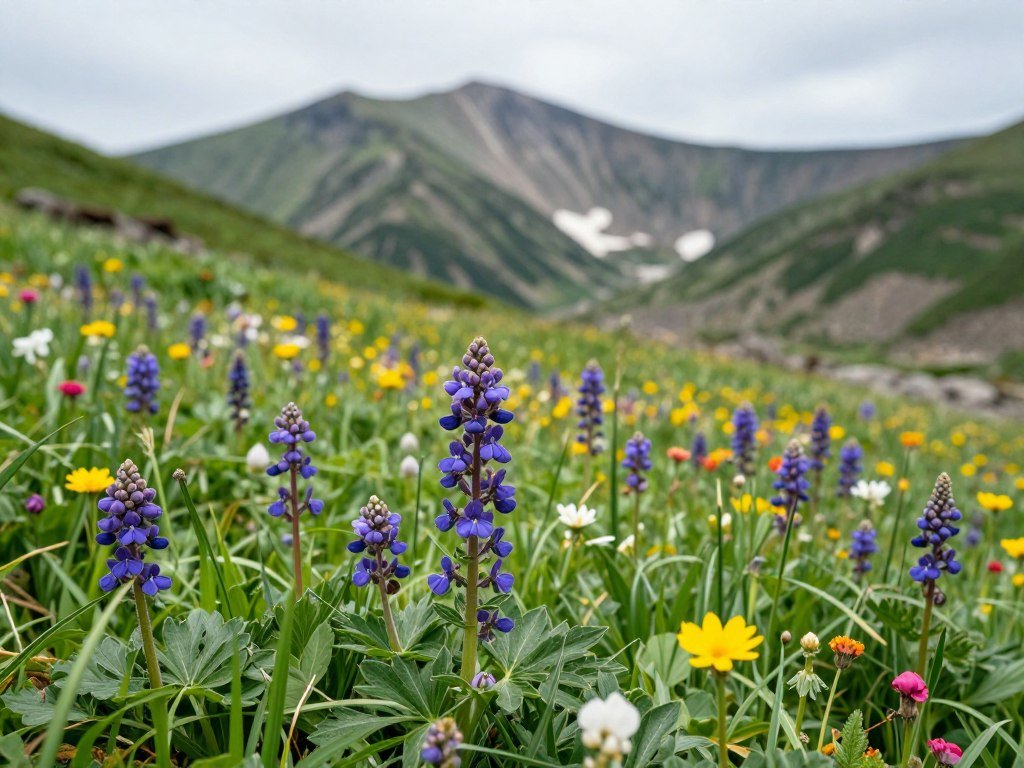
Alpine flowers bloom in stunning displays during summer. The short growing season creates concentrated bursts of color.
Wildlife sightings include deer, foxes, and occasionally bears. The park maintains its wilderness character despite accessibility.
Shikotsu-Toya National Park
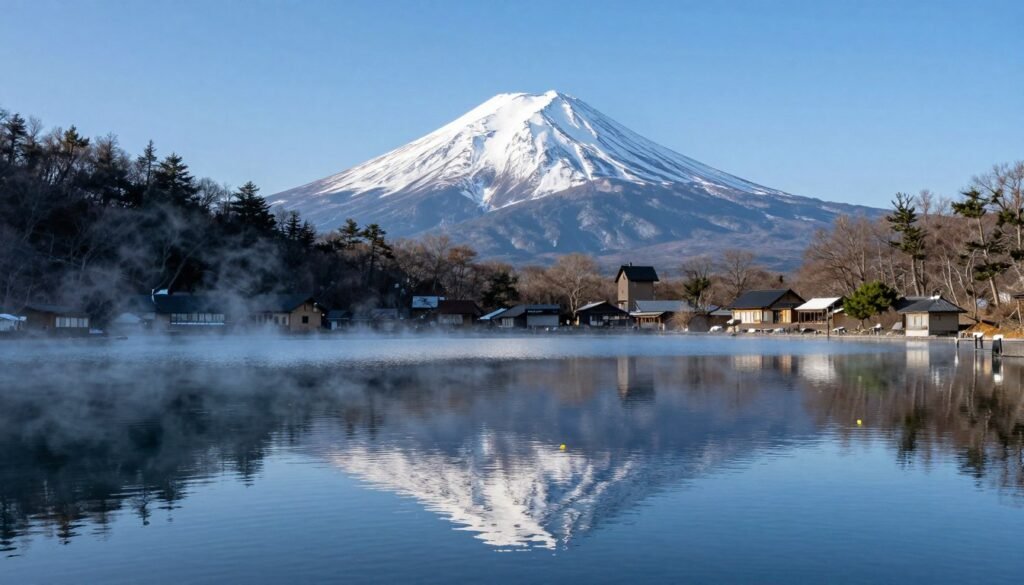
This park centers around two massive caldera lakes. Volcanic peaks and hot spring resorts dot the surrounding landscape.
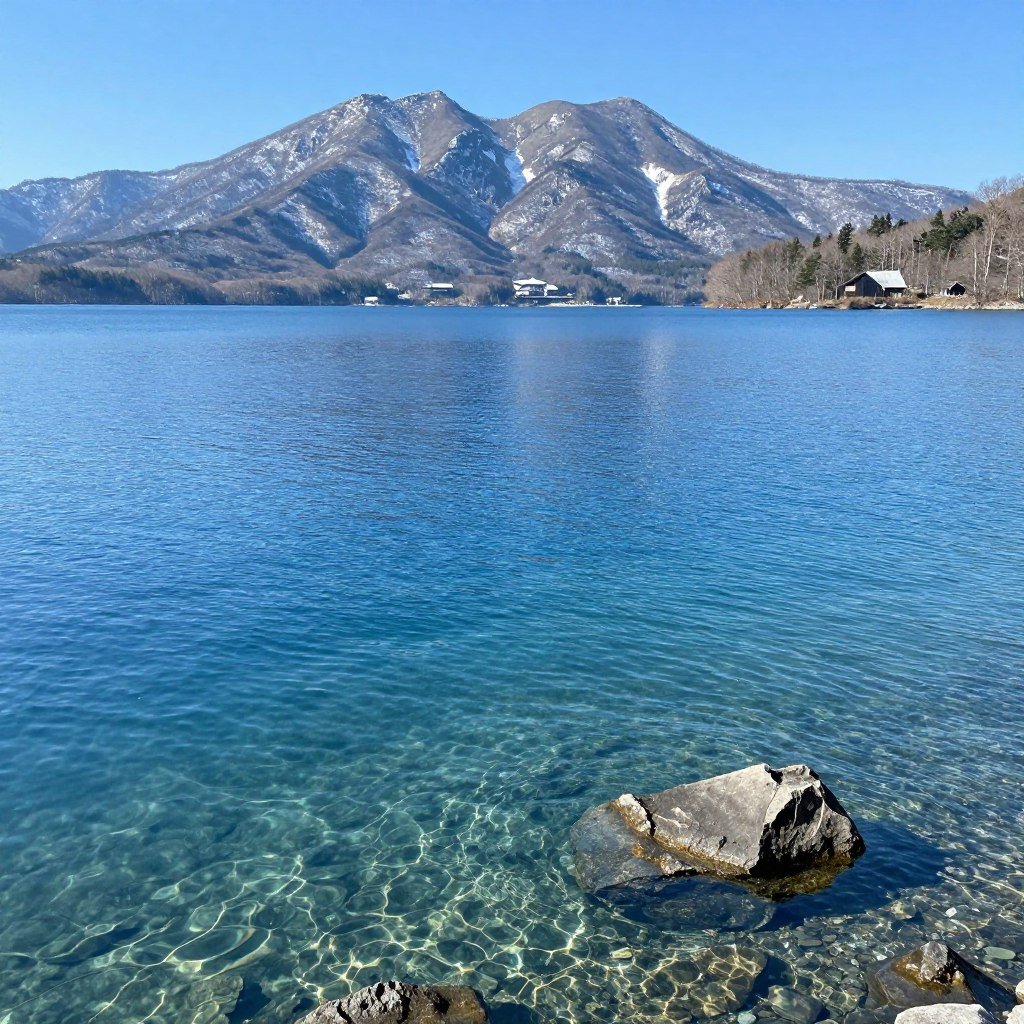
Lake Shikotsu
Crystal clear water defines this crater lake. The depth keeps it ice-free even during harsh winters.
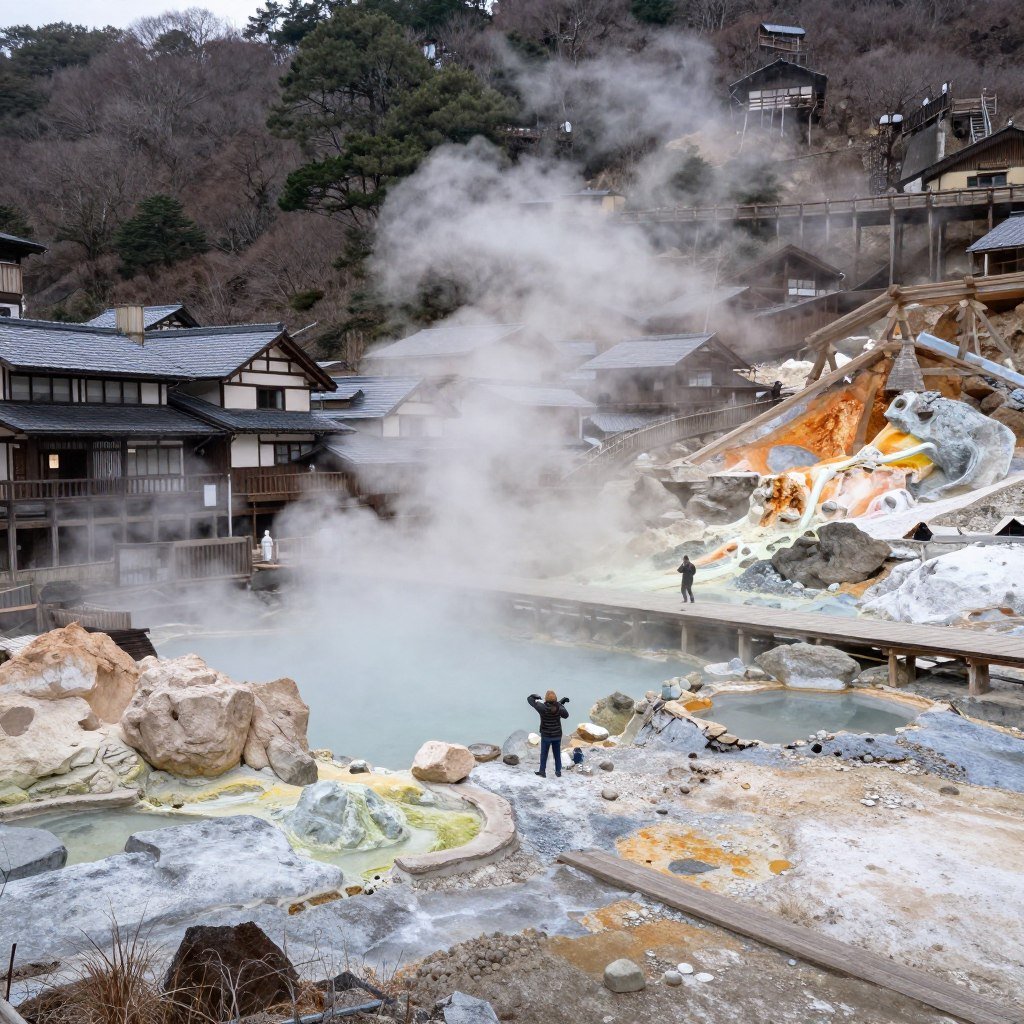
Noboribetsu Onsen
Multiple spring types bubble up in this famous spa town. Jigokudani Valley displays dramatic volcanic activity.
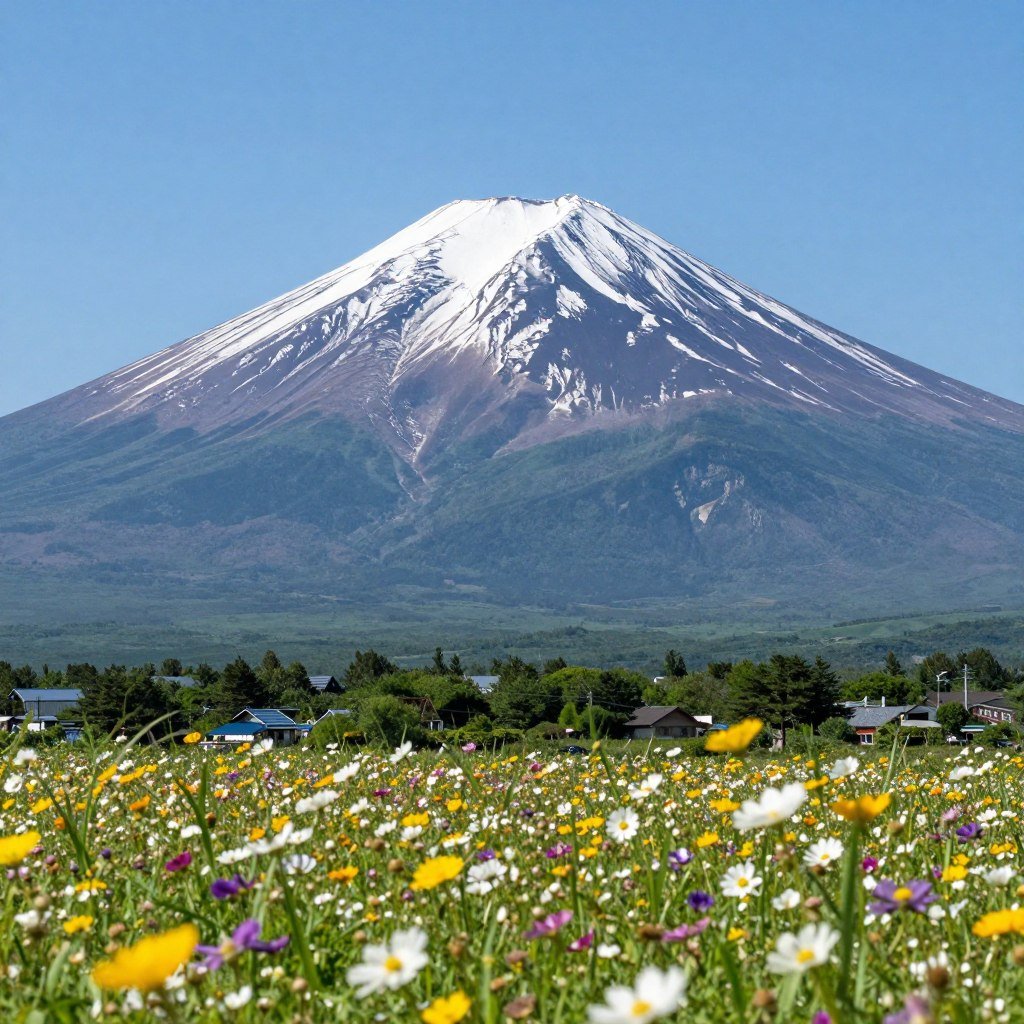
Mount Yotei
This perfect cone mirrors Mount Fuji’s shape. Hikers can summit the volcanic peak during summer months.
Hot Springs and Onsen Culture
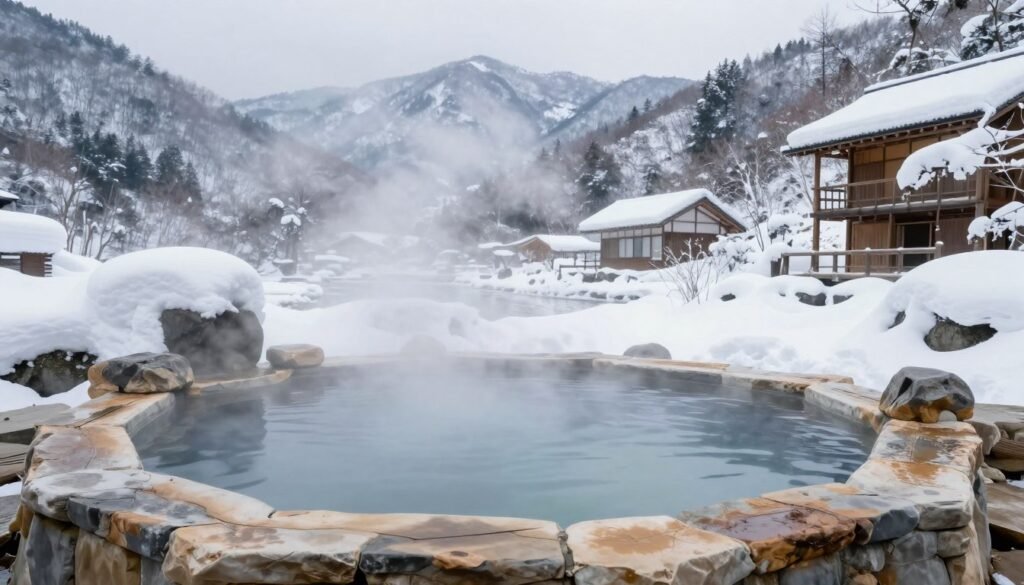
Volcanic activity blesses Hokkaido with abundant hot springs. These thermal baths provide relaxation after active days.
Outdoor baths offer unique seasonal experiences. Winter snow falling on hot water creates magical contrasts.
Famous Onsen Towns
- Noboribetsu – Nine different spring types in one town
- Jozankei – Convenient day trip from Sapporo
- Yunokawa – Historic onsen near Hakodate
- Sounkyo – Mountain gorge setting with dramatic scenery
- Akan – Indigenous Ainu culture meets natural springs
Onsen Etiquette Basics
- Wash thoroughly before entering the bath
- Keep small towels out of the water
- No swimming or splashing in shared baths
- Tattoos may restrict access at some facilities
- Separate bathing areas for men and women
Winter Sports and Snow Activities
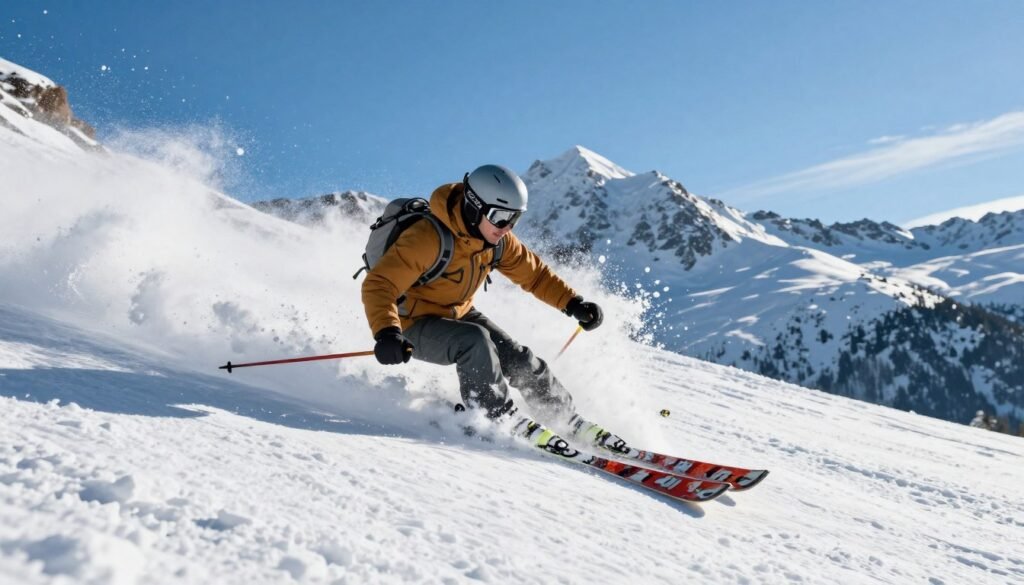
Hokkaido’s snow quality attracts winter sports enthusiasts globally. Light, dry powder falls consistently throughout the season.
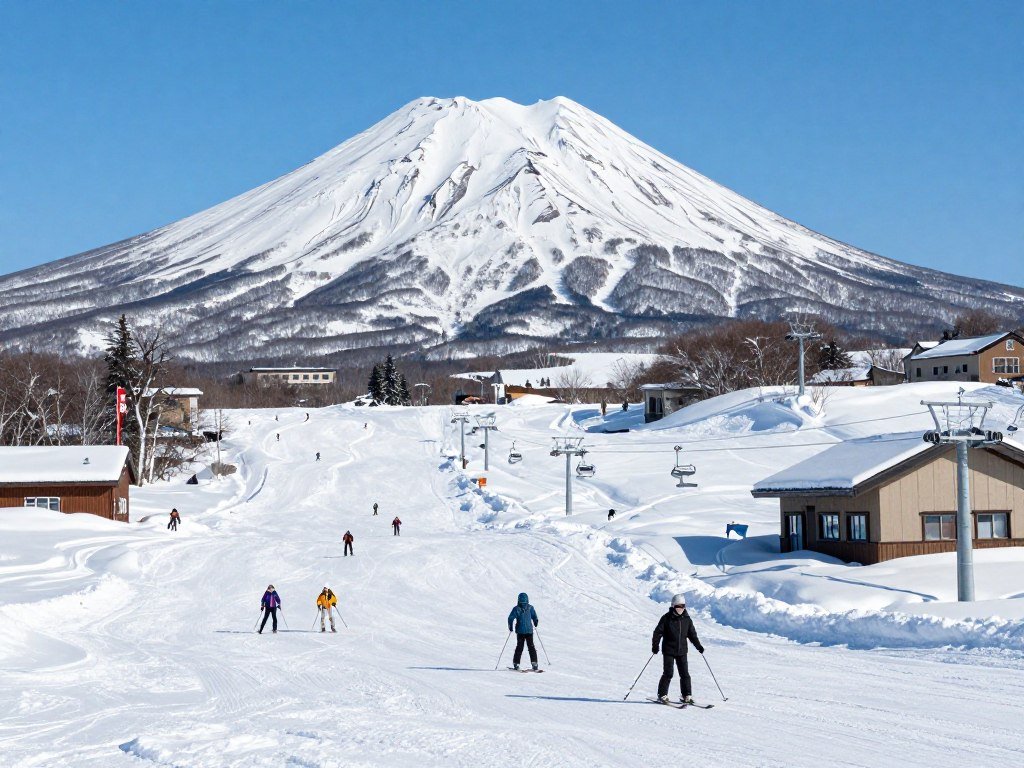
Niseko Ski Resort
International reputation draws powder hounds from around the world. Four interconnected resorts provide variety and reliable conditions.
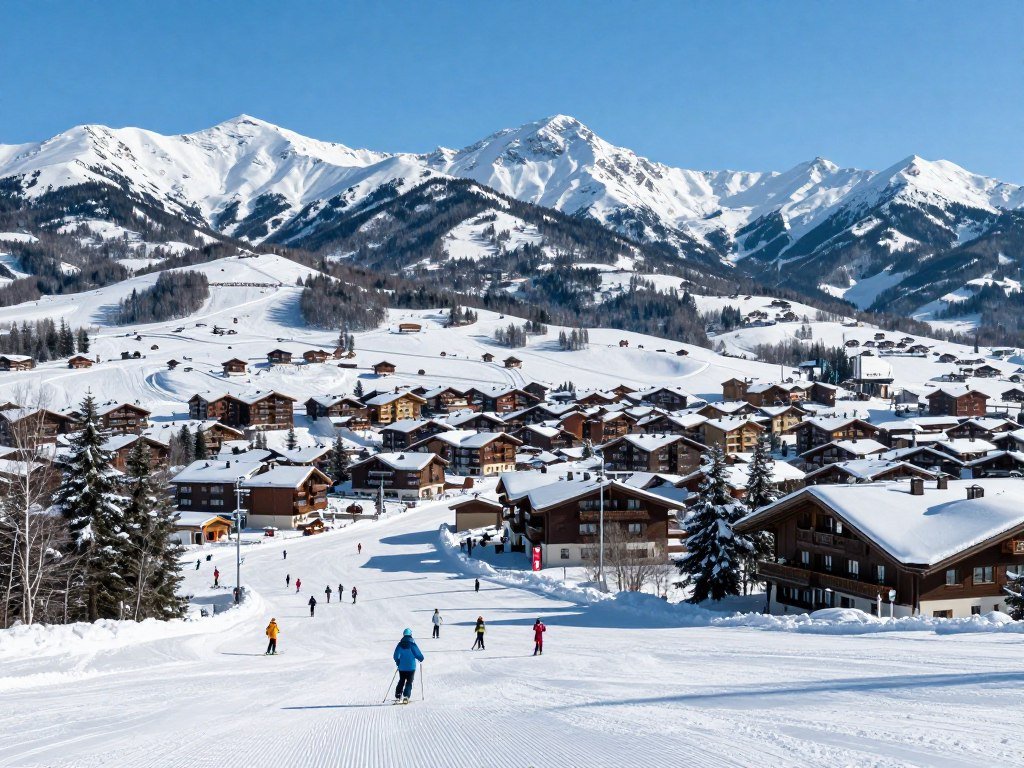
Furano Ski Resort
Long season and fewer crowds appeal to serious skiers. The resort hosted World Cup events showcasing its quality.
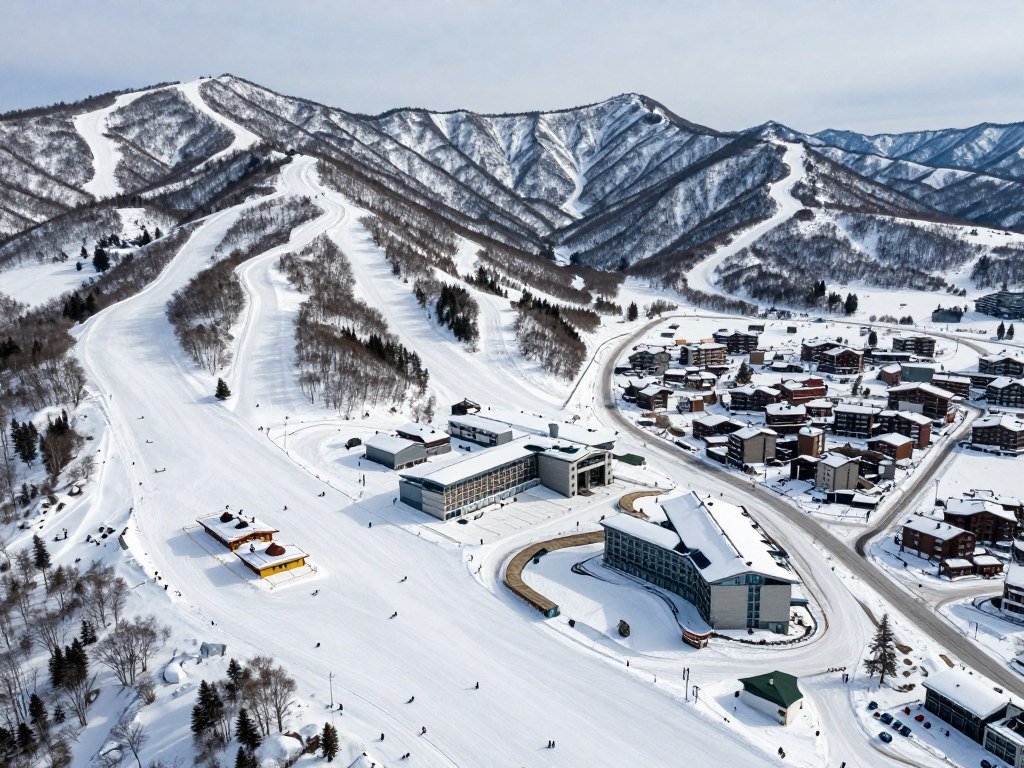
Rusutsu Resort
Three mountains offer diverse terrain for all skill levels. Resort amenities include hotels, restaurants, and entertainment options.
Beyond downhill skiing, winter offers numerous activities. Snowshoeing, snow tubing, and ice fishing attract non-skiers.
Summer Adventures and Outdoor Recreation
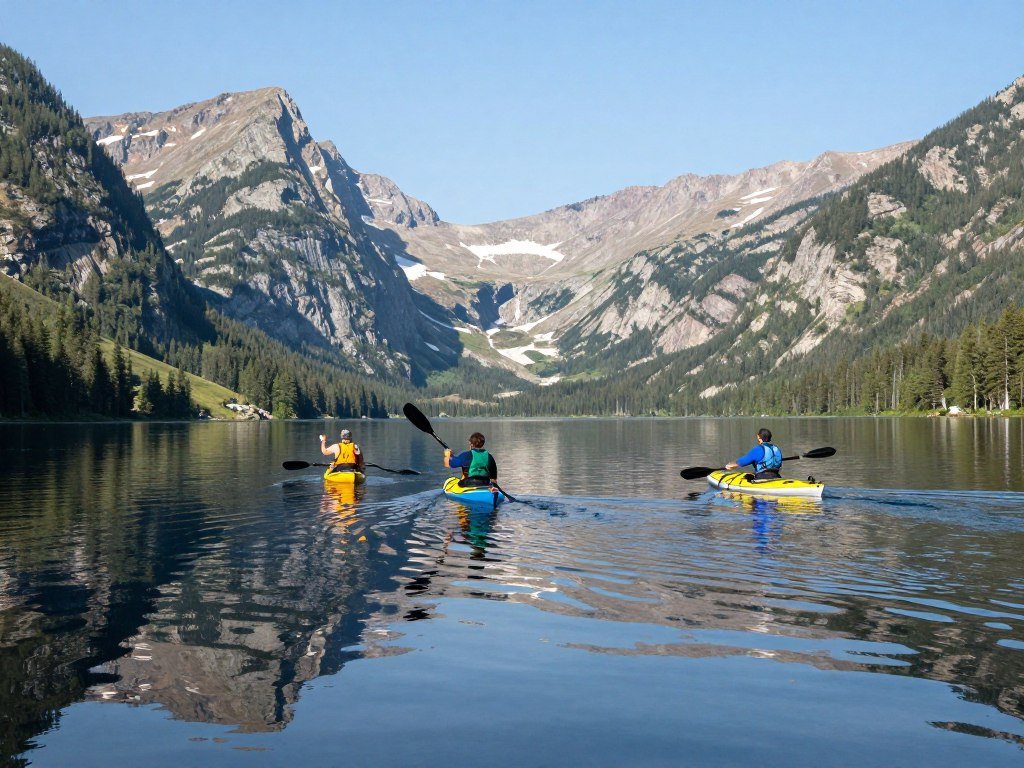
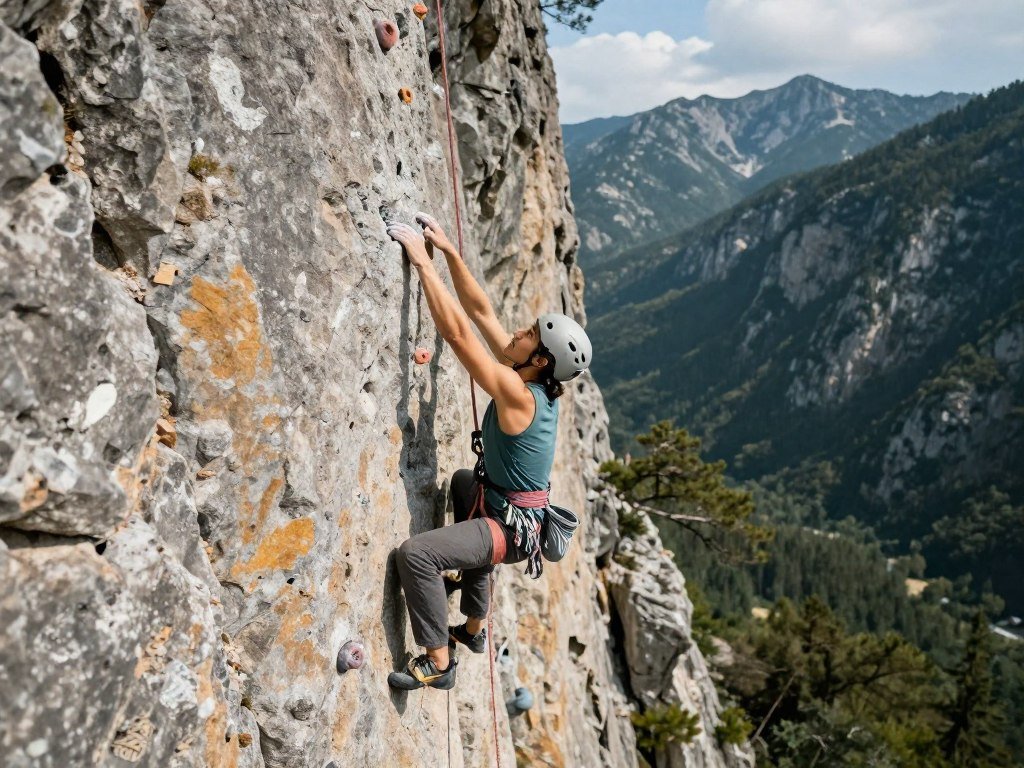
Summer opens countless recreational opportunities. Mild weather makes outdoor activities comfortable and enjoyable.
Hiking trails span from easy nature walks to serious treks. Multi-day routes traverse remote wilderness areas.
Cycling routes follow scenic coastal roads and countryside paths. Rental bikes make exploration accessible.
Water sports flourish on Hokkaido’s many lakes. Kayaking, canoeing, and stand-up paddleboarding provide unique perspectives.
Fishing opportunities abound in rivers and coastal areas. Salmon runs attract anglers during specific seasons.
Camping facilities range from basic to well-equipped. National park campsites immerse visitors in nature.
Cultural Experiences and Indigenous Heritage
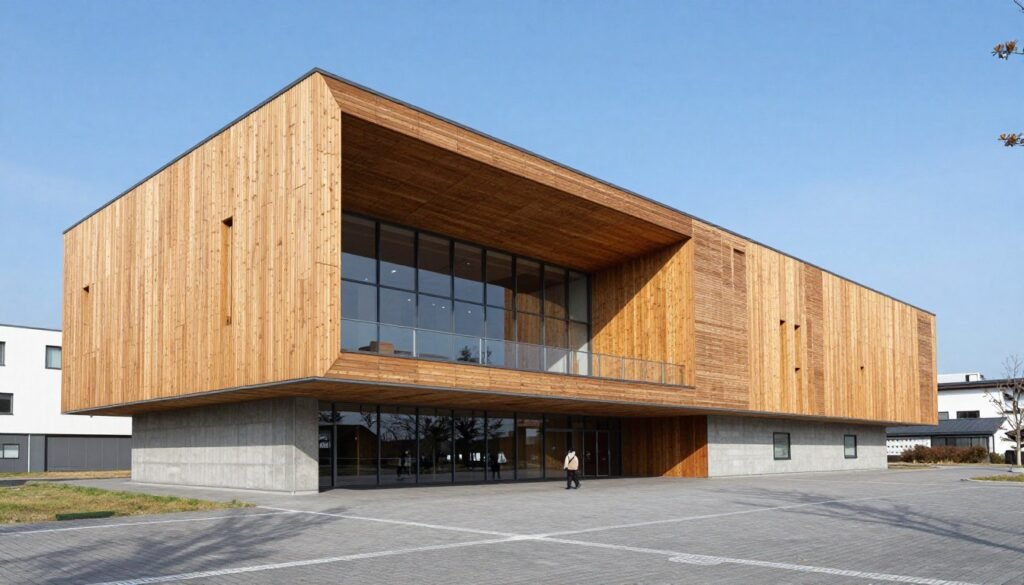
The Ainu people represent Hokkaido’s indigenous population. Their distinct culture predates Japanese settlement by thousands of years.
The National Ainu Museum opened in 2020 near Lake Akan. Interactive exhibits explain traditional lifestyles, art, and spiritual beliefs.
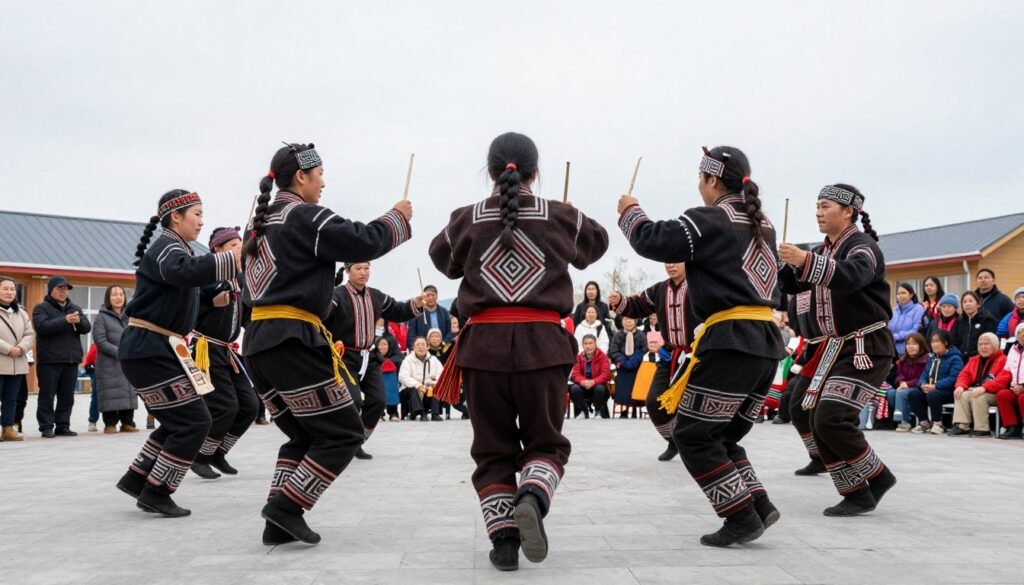
Traditional dance performances showcase Ainu musical heritage. Rhythmic movements tell stories passed through generations.
Craft demonstrations reveal intricate woodcarving techniques. Distinctive patterns adorn ceremonial objects and everyday items.
Language preservation efforts help revive the Ainu tongue. Workshops teach basic phrases and cultural context.
Akan Kotan village maintains living Ainu traditions. Shops sell authentic crafts made by community artisans.
Hokkaido Food and Culinary Delights
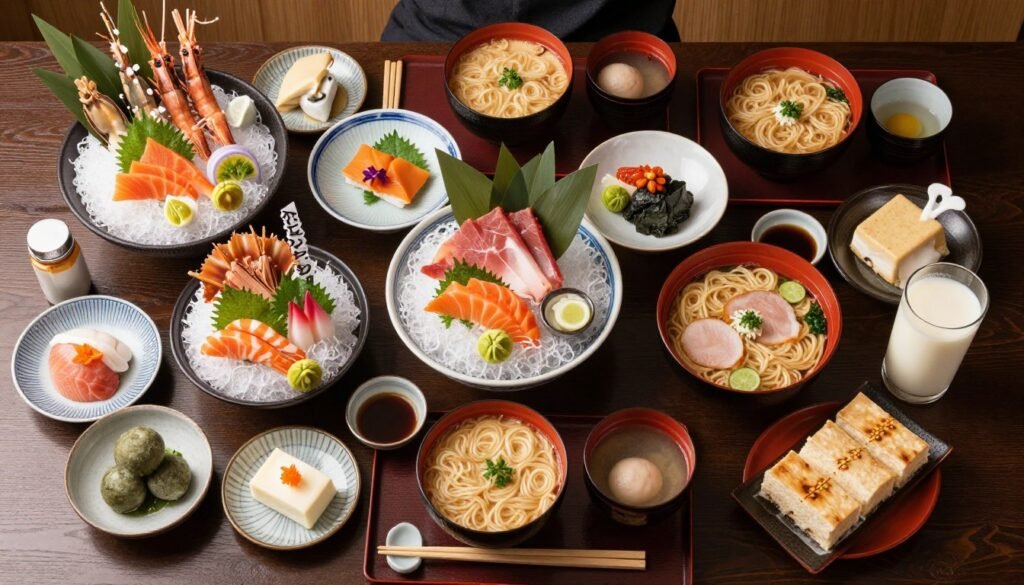
Food defines the Hokkaido experience as much as scenery. The island’s agricultural bounty and seafood create exceptional cuisine.
Cold climate and rich soil produce superior ingredients. Chefs throughout Japan prize Hokkaido’s vegetables, dairy, and meats.
Fresh Seafood and Ocean Treasures
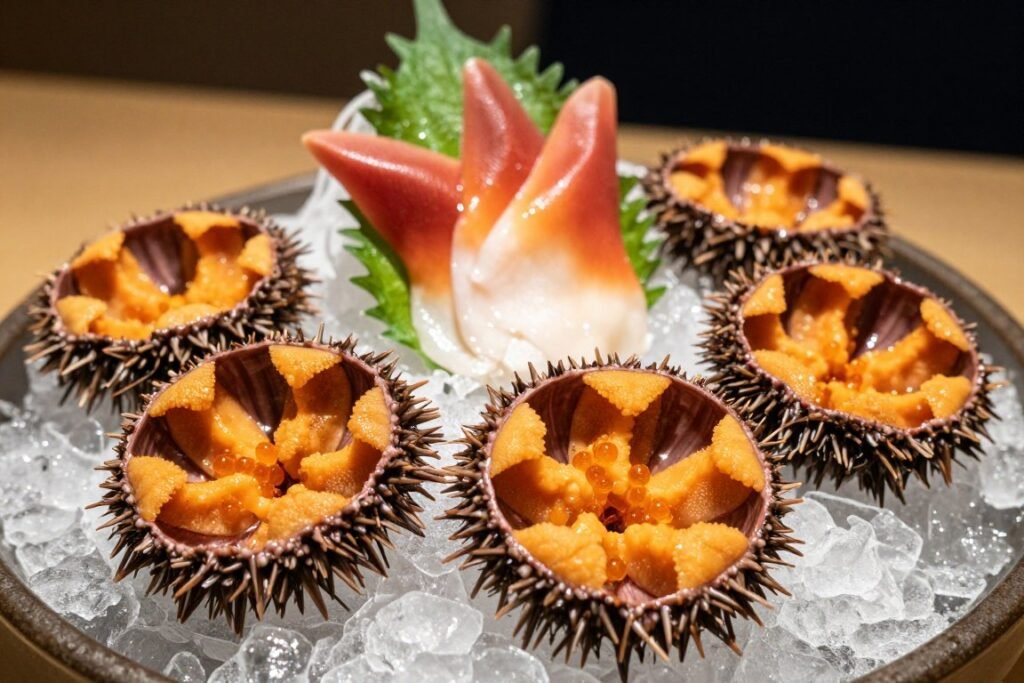
Ocean currents mixing near Hokkaido create rich fishing grounds. Species found here taste exceptional compared to warmer waters.
Sea urchin from Hokkaido sets the standard nationally. Sweet, creamy uni melts on the tongue with oceanic richness.
King crab legs command premium prices but justify every yen. Sweet meat fills massive shells harvested from cold northern seas.
Salmon returns to spawn in Hokkaido’s rivers. Autumn brings the freshest catches and special preparation styles.
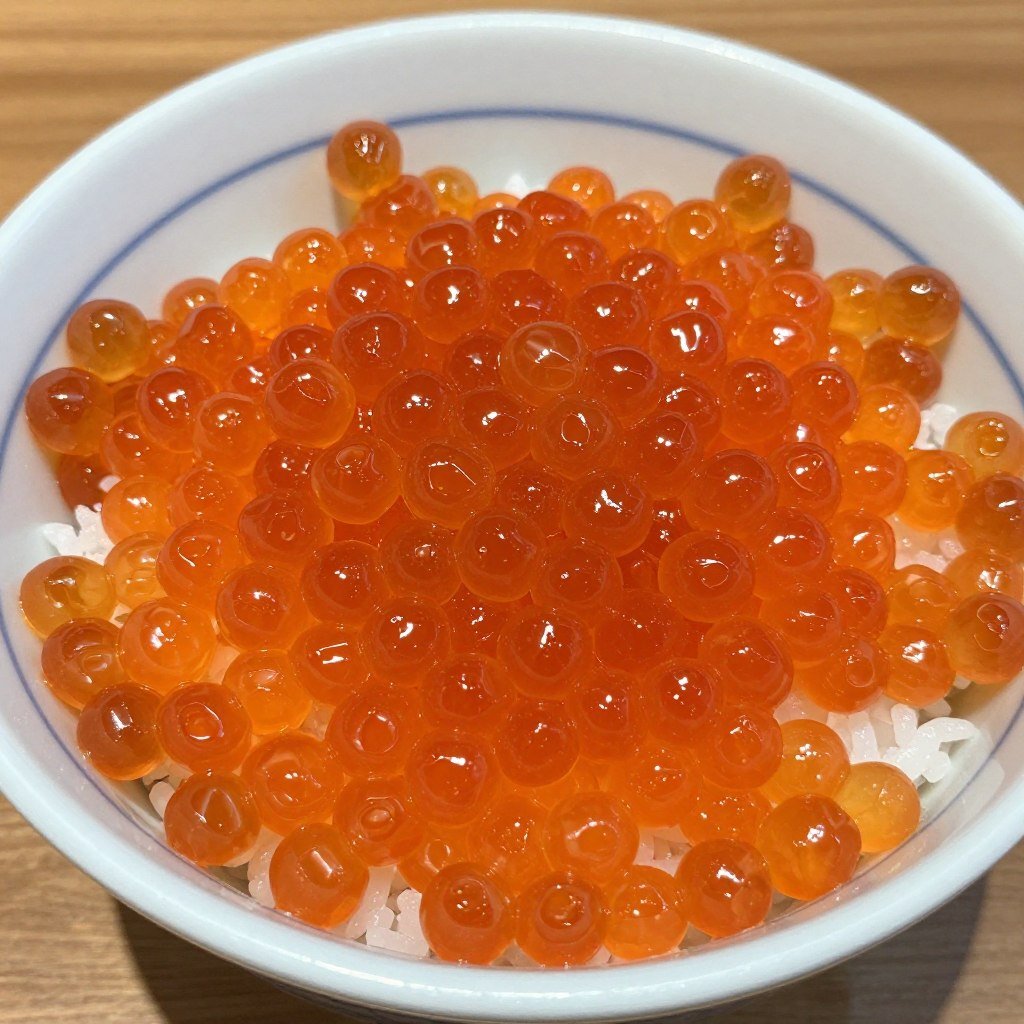
Ikura Don
Salmon roe glistens like jewels over rice. Each orb bursts with briny sweetness on the palate.
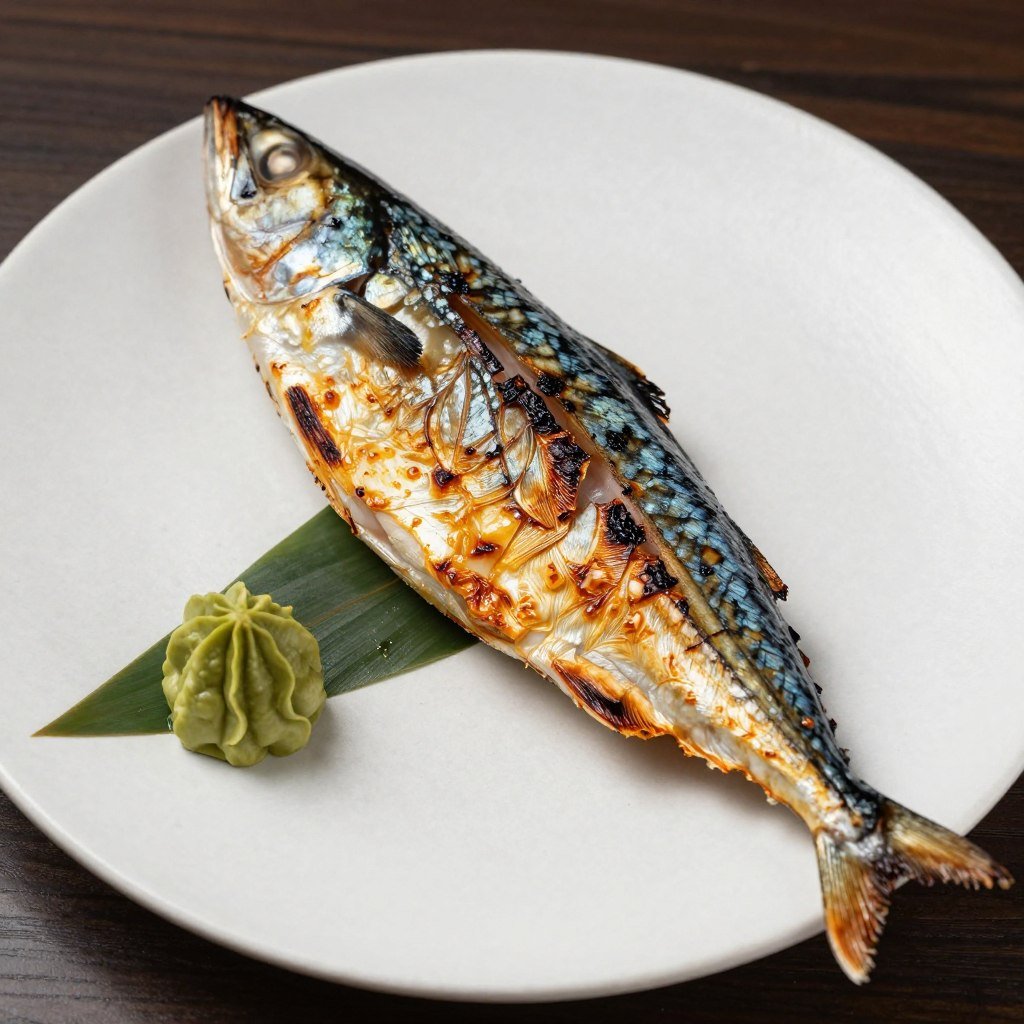
Hokke Fish
Atka mackerel grilled until skin crisps perfectly. The oily fish provides satisfying richness and smoky flavor.
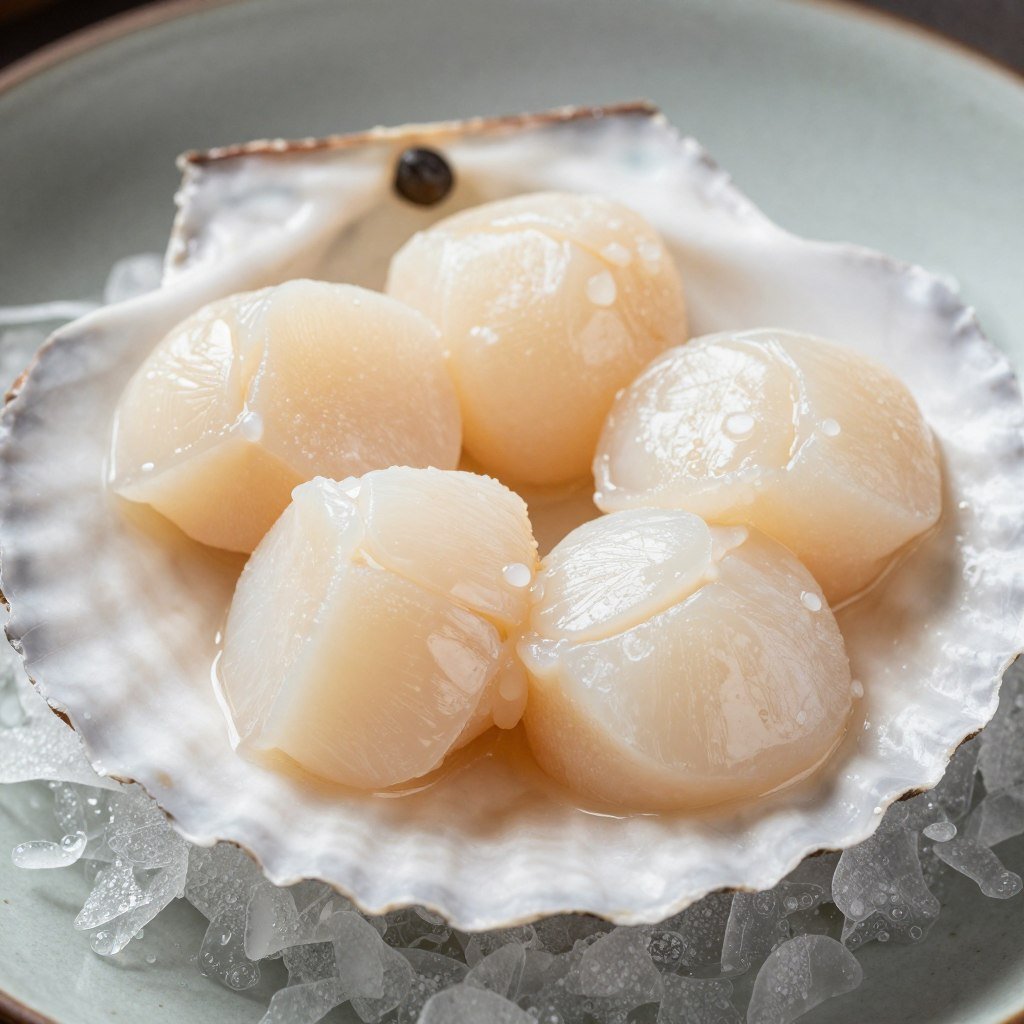
Scallops
Sweet scallops harvested from cold waters taste incredibly pure. Sashimi showcases their delicate texture best.
Ramen Culture and Regional Styles
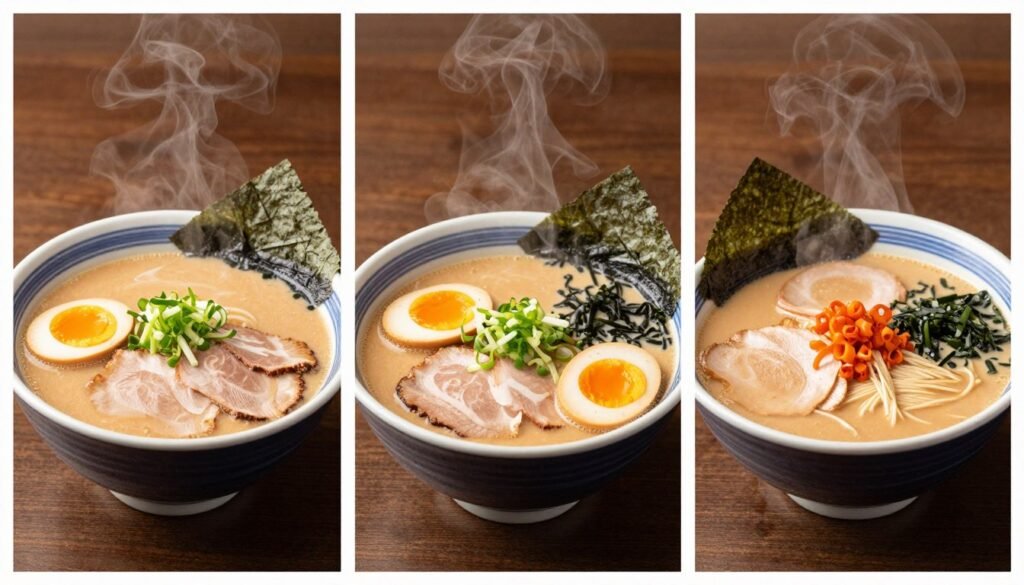
Ramen evolved differently across Hokkaido’s cities. Each urban center developed distinct styles adapted to local tastes.
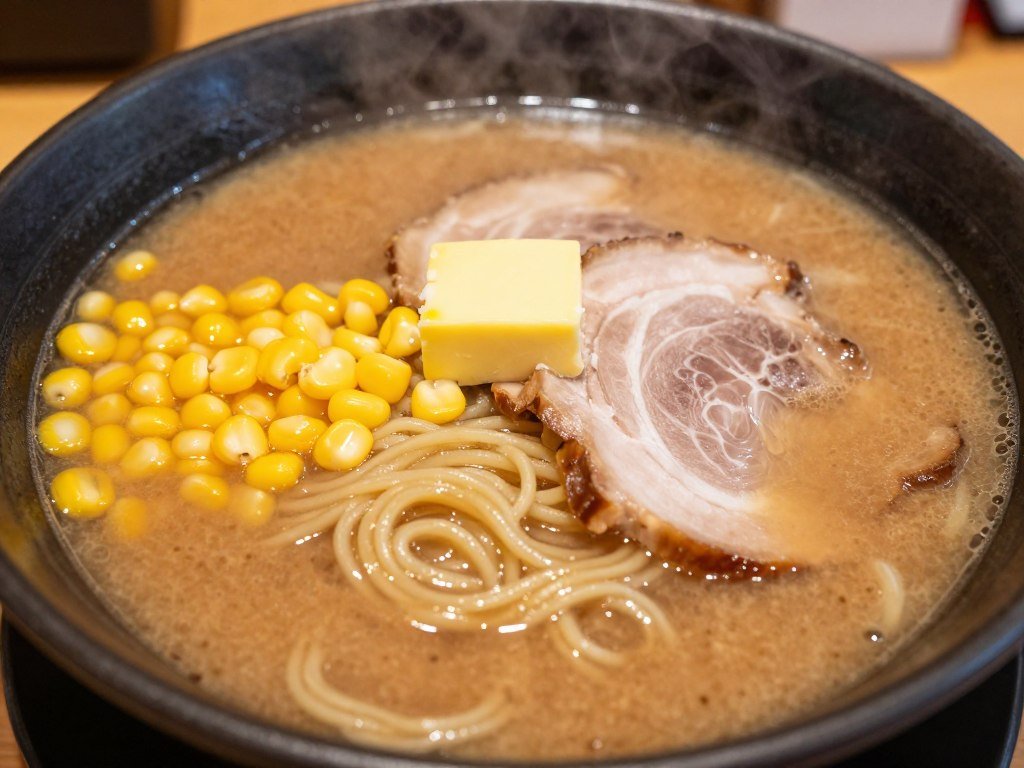
- Rich miso-based broth warms winter nights
- Thick, chewy noodles stand up to hearty soup
- Butter and corn add local agricultural products
- Created in the 1950s at famous Aji no Sanpei
- Most popular style known internationally
Sapporo Miso Ramen
- Soy sauce base with seafood and pork
- Thin noodles cook quickly in hot broth
- Oil layer keeps soup hot longer
- Developed for extreme cold winters
- More subtle flavors than miso version
Asahikawa Shoyu Ramen
- Clear salt-based broth remains light
- Straight thin noodles absorb soup well
- Seafood flavors dominate the bowl
- Oldest style dating to 1884
- Perfect for showcasing local ingredients
Hakodate Shio Ramen
Dairy Products and Agricultural Excellence
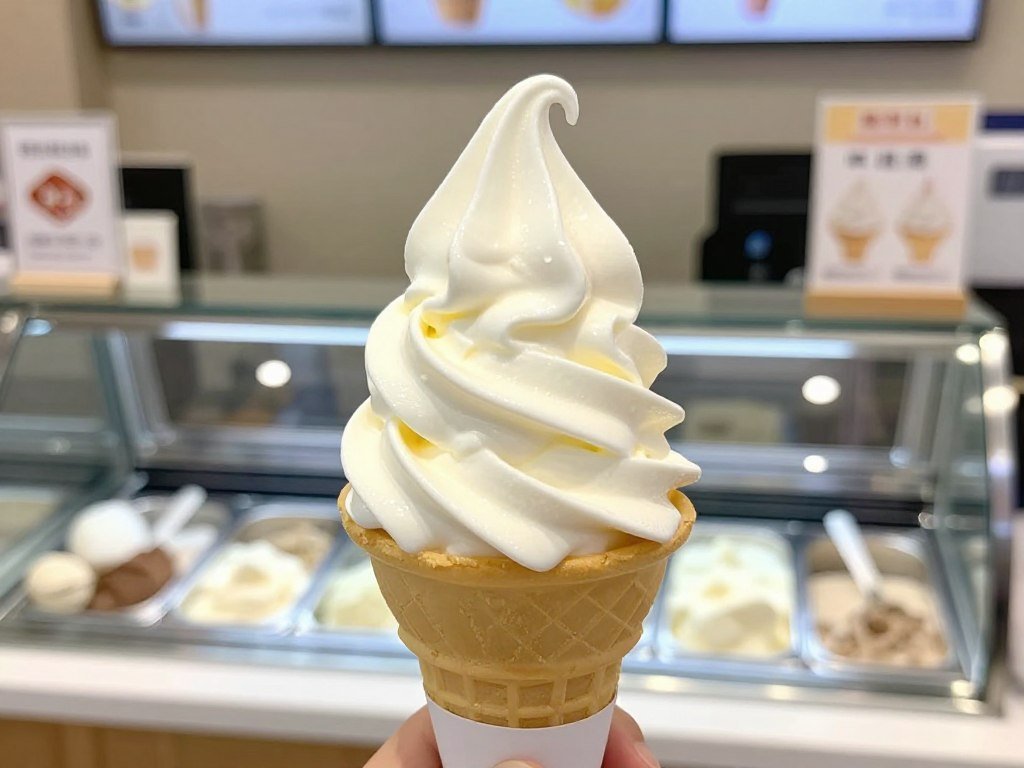
Wide-open pastures support thriving dairy industry. Hokkaido produces nearly half of Japan’s milk supply.
Rich, creamy milk creates exceptional dairy products. Ice cream shops throughout the island showcase local ingredients.
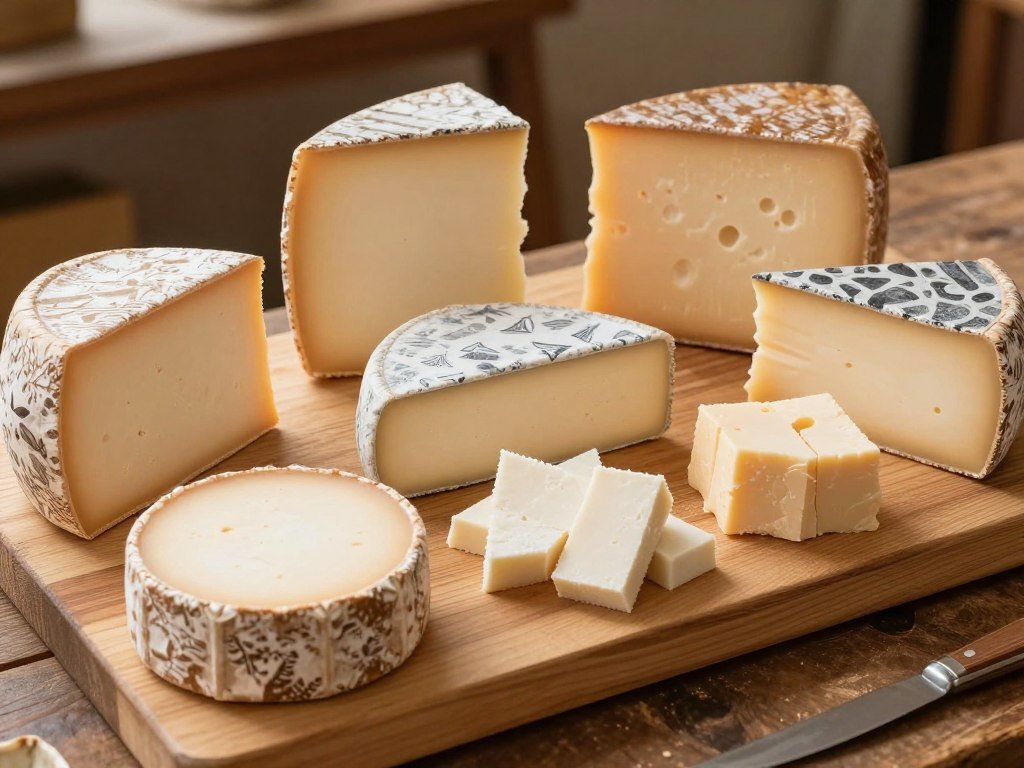
Cheese production follows European techniques adapted locally. Farm shops sell varieties rivaling international products.
Butter quality exceeds typical Japanese products significantly. Bakers throughout Japan prefer Hokkaido butter for superior results.
Seasonal Specialties and Local Produce
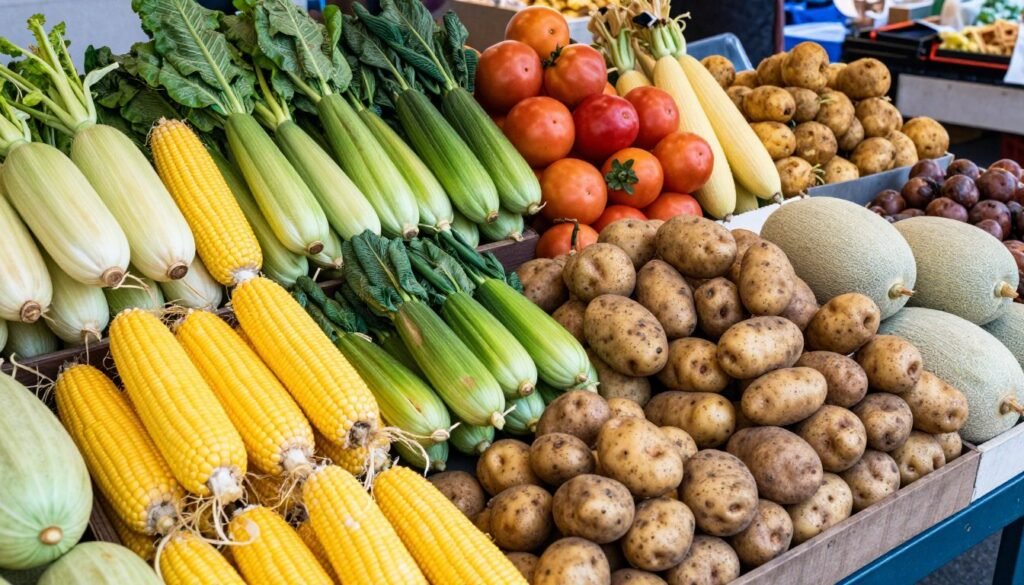
Agricultural output varies dramatically by season. Each period brings different specialties to markets and menus.
Spring Delights
Fresh bamboo shoots emerge from mountain forests. Tender asparagus arrives at markets throughout the region.
- Wild mountain vegetables (sansai)
- Fresh asparagus from local farms
- Spring bamboo shoots
- Early strawberries from greenhouses
Summer Harvest
Corn sweetness peaks during August heat. Melons from Yubari command premium prices nationwide.
- Sweet corn varieties (dozens of types)
- Yubari melon (luxury gift fruit)
- Tomatoes and summer vegetables
- Fresh berries from mountain areas
Autumn Bounty
Potato harvest defines fall agriculture. Mushroom varieties emerge from forests after rain.
- Multiple potato varieties
- Wild mushrooms from forests
- Pumpkins and squash
- Salmon roe and autumn fish
Winter Comfort
Root vegetables store well through cold months. Hot pot dishes feature winter vegetables prominently.
- Daikon radish and other roots
- Winter squash varieties
- Preserved vegetables
- Crab and winter seafood
Famous Hokkaido Dishes to Try
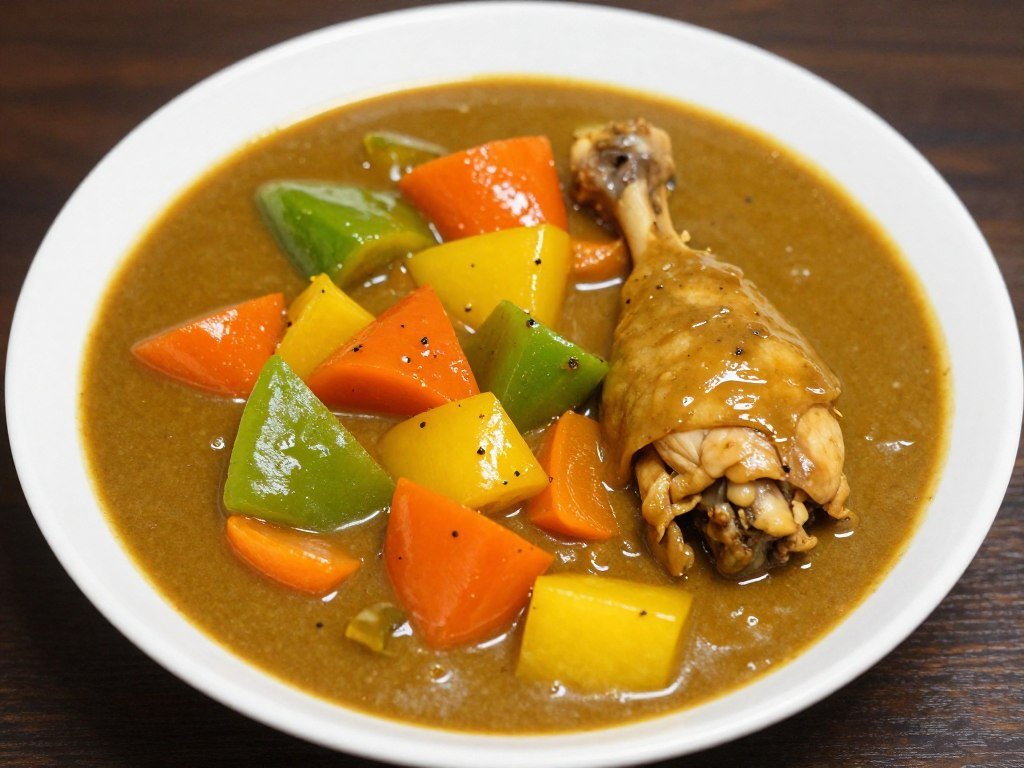
Soup Curry
Sapporo’s invention combines curry spices with soup base. Vegetables and meat simmer in aromatic broth unlike traditional thick curry.
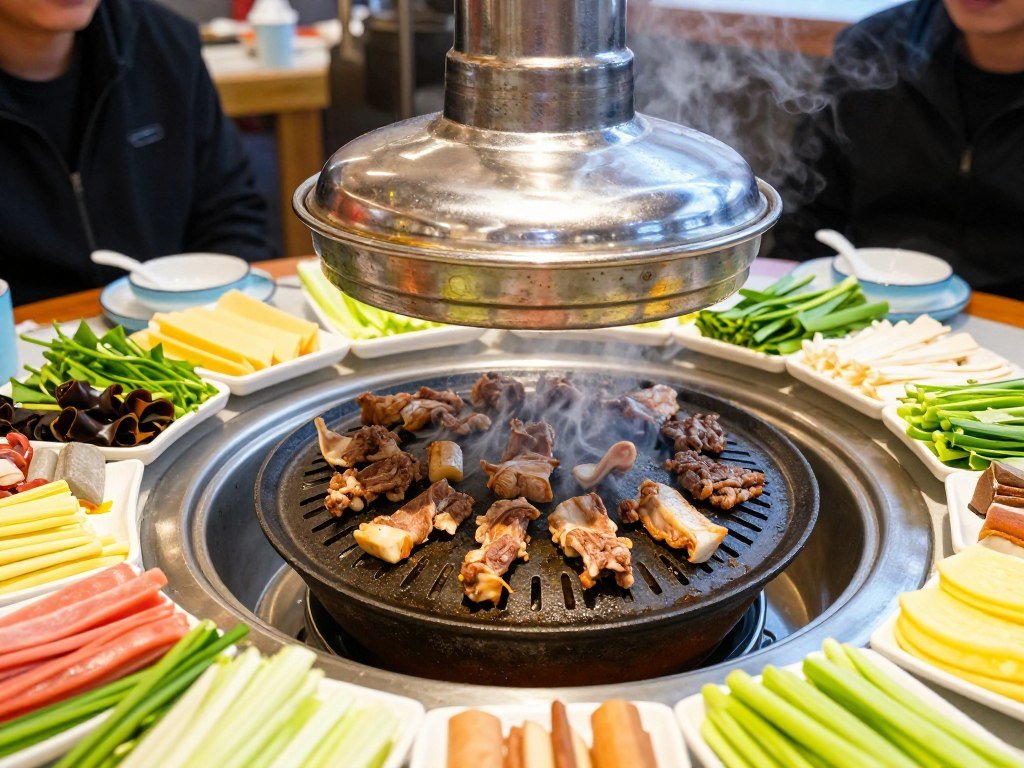
Jingisukan
Mongolian-style lamb barbecue cooks on special dome grills. Mutton or lamb grills alongside vegetables for communal dining.
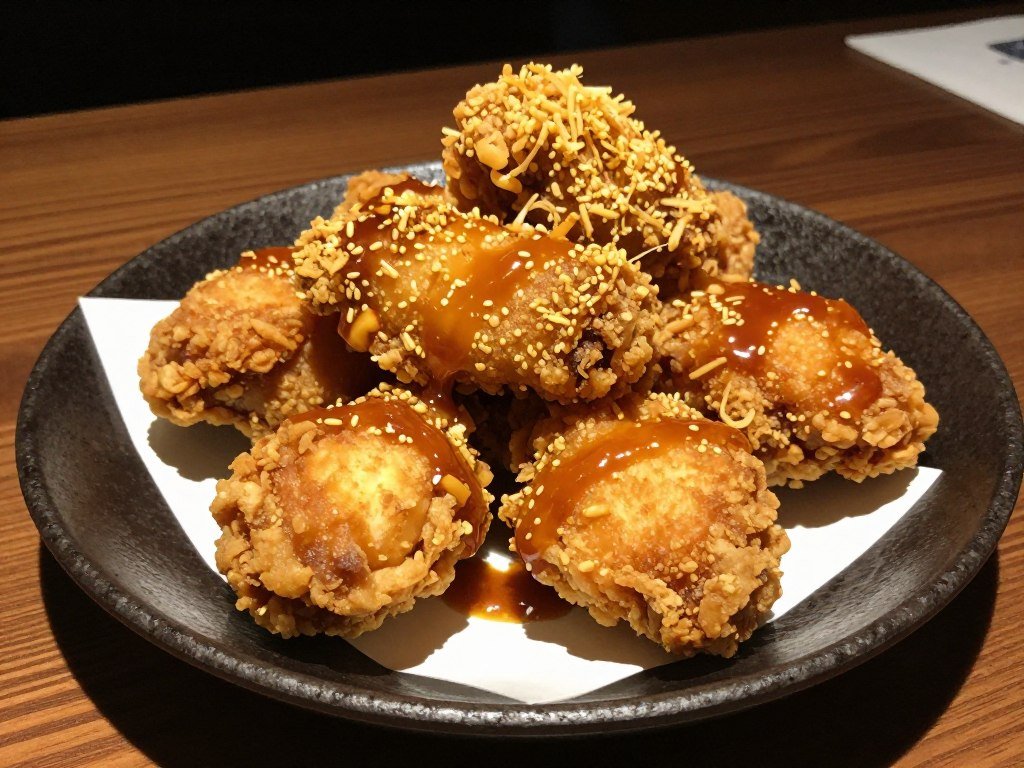
Zangi
Hokkaido’s fried chicken marinates in ginger and soy before frying. Crispy exterior and juicy meat make this bar food addictive.
Getting to and Around Hokkaido
Modern infrastructure makes Hokkaido surprisingly accessible. Multiple transportation options suit different budgets and travel styles.
Arriving in Hokkaido
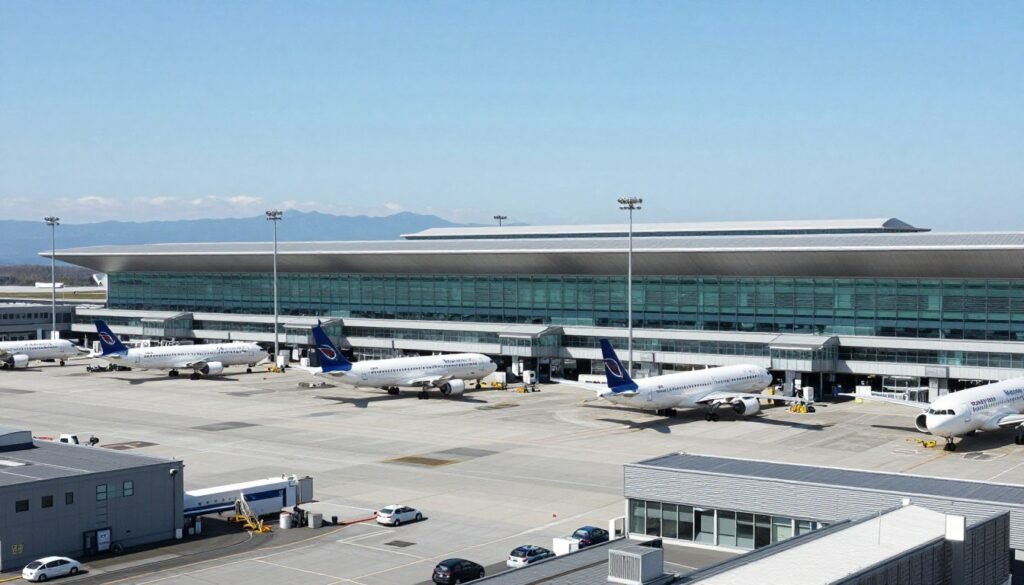
New Chitose Airport serves as Hokkaido’s primary gateway. The modern facility handles both domestic and international flights efficiently.
Flight Options to New Chitose Airport
Direct international flights connect from numerous Asian cities. Carriers include All Nippon Airways, Japan Airlines, and regional airlines.
Domestic connections arrive from every major Japanese city. Flights from Tokyo take approximately 90 minutes.
Budget carriers offer competitive pricing on popular routes. Peach, Jetstar Japan, and Air Do serve the region.

The airport sits 45 kilometers south of Sapporo city. Rapid airport trains reach downtown in 37 minutes.
Airport facilities include shopping, dining, and even hot springs. Many travelers spend extra time exploring before departing.
Train Access via Hokkaido Shinkansen
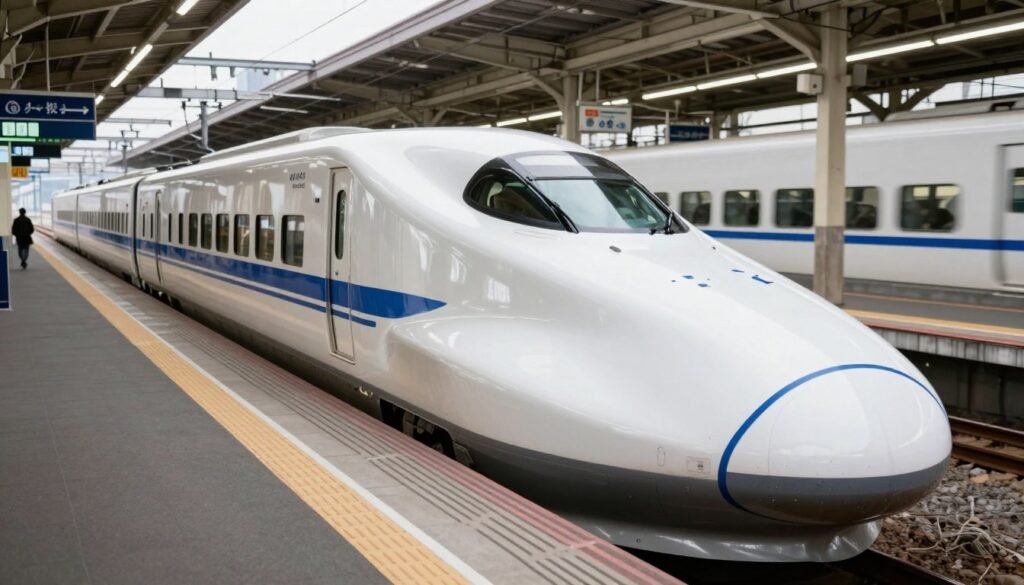
The Hokkaido Shinkansen extends from Tokyo through northern Honshu. Currently, trains terminate at Hakodate on Hokkaido’s southern tip.
The journey from Tokyo to Hakodate takes about four hours. Express trains run multiple times daily with reserved seating.
Extension to Sapporo remains under construction currently. Completion expects to finish around 2030, reducing travel time significantly.
Travelers use limited express trains for onward journey. The trip from Hakodate to Sapporo adds approximately 3.5 hours.
Scenic routes pass through mountains and coastal areas. Train windows frame constantly changing landscapes throughout the trip.
Regional Transportation Within Hokkaido
JR Hokkaido Rail Network
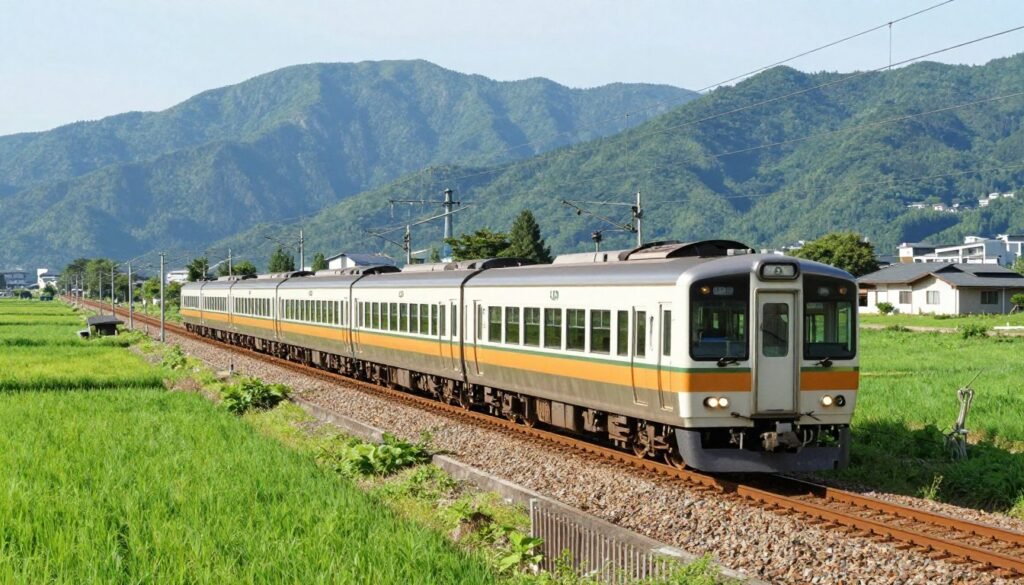
Japan Rail operates extensive network throughout the island. Major cities connect via limited express trains offering comfort and speed.
Popular Train Routes
- Sapporo to Otaru: 32 minutes
- Sapporo to Hakodate: 3.5 hours
- Sapporo to Asahikawa: 1.5 hours
- Sapporo to Furano: 2 hours
Scenic Train Experiences
- Norokko trains through wetlands
- Coastal views to Kushiro
- Mountain routes to ski resorts
- Seasonal special services
Train Pass Benefits
- Unlimited travel periods available
- Reserved seating on most trains
- Flexible itinerary changes
- Significant cost savings
Japan Rail Pass Coverage
The nationwide Japan Rail Pass covers all JR Hokkaido trains including limited express services. The Hokkaido-only regional pass offers better value for island-focused trips. Both passes require purchase before arriving in Japan.
Bus Networks and Highway Services
Highway buses connect cities throughout Hokkaido affordably. Routes cover areas trains don’t reach easily.
Overnight buses from Tokyo arrive at Sapporo after long journey. Budget travelers save accommodation costs this way.
Local buses serve rural areas and tourist attractions. Schedules vary by season, with reduced service during winter.
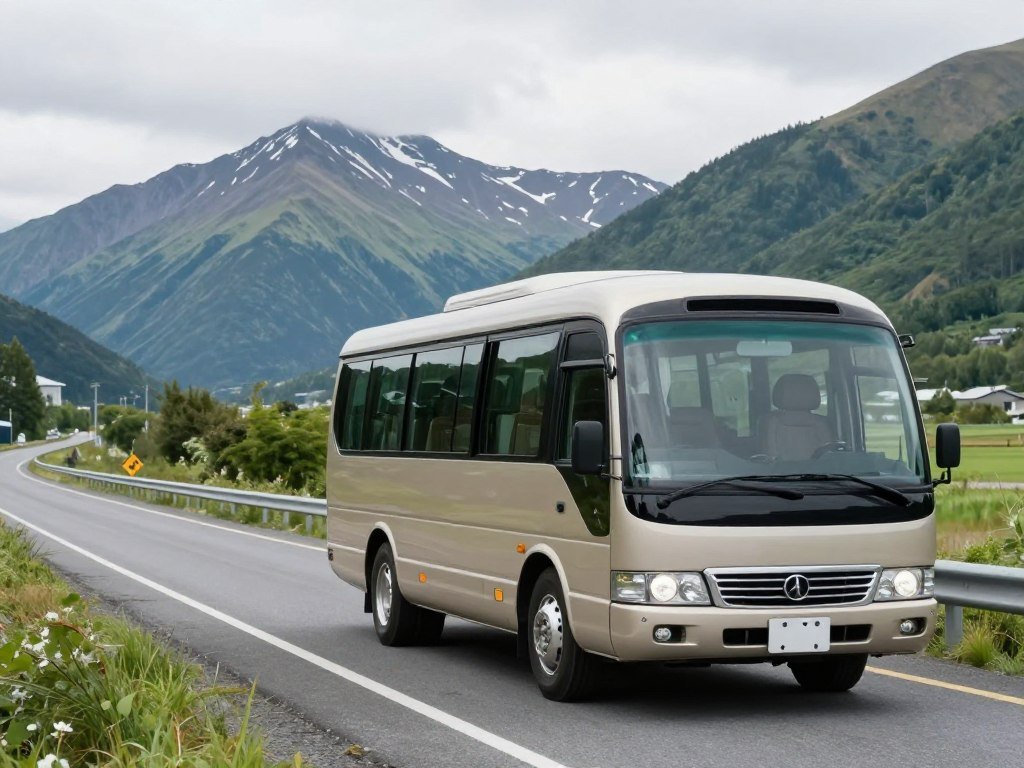
Sightseeing buses offer package tours to popular destinations. These eliminate navigation stress for non-Japanese speakers.
Resort areas run frequent shuttle buses seasonally. Ski resorts and tourist spots provide convenient transportation.
Car Rental and Self-Drive Tourism
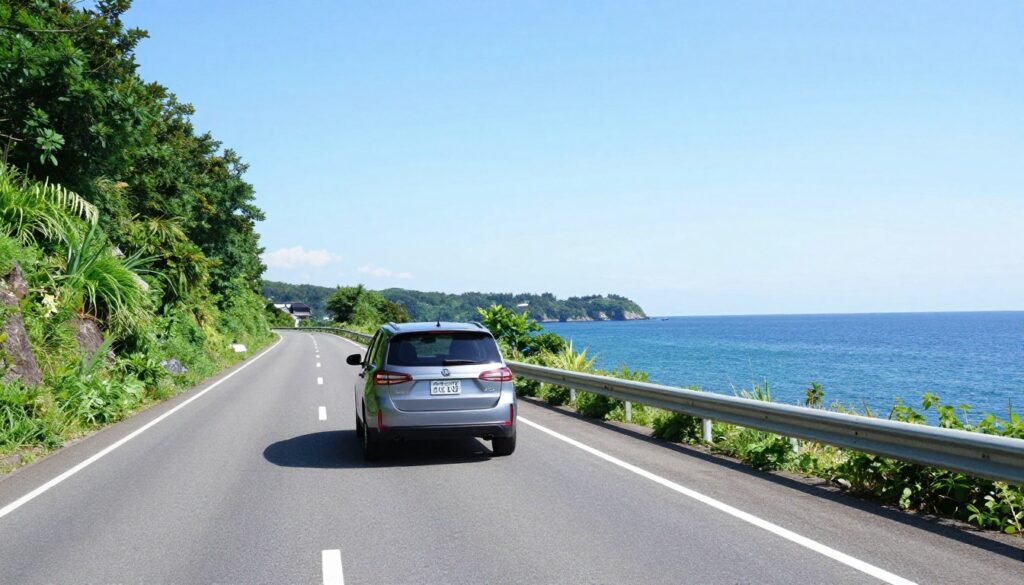
Driving offers maximum flexibility for exploring Hokkaido. Wide roads and clear signage make navigation relatively easy.
Advantages of Renting a Car
- Access remote areas trains don’t reach
- Flexible schedules without timetable constraints
- Stop at roadside attractions spontaneously
- Cost-effective for groups traveling together
- Luggage storage without carrying bags
- Winter driving possible with proper vehicles
Considerations and Challenges
- International Driving Permit required
- Parking fees in city centers add costs
- Winter driving requires snow experience
- Gas prices higher than some countries
- Navigation systems may lack English
- Left-side driving takes adjustment time
Rental companies cluster near New Chitose Airport and major stations. Online reservation guarantees vehicle availability and often provides discounts.
Winter rentals include studless tires and winter equipment. Some companies restrict rentals to experienced winter drivers during snowy months.
Urban Transportation in Major Cities
Sapporo Public Transportation
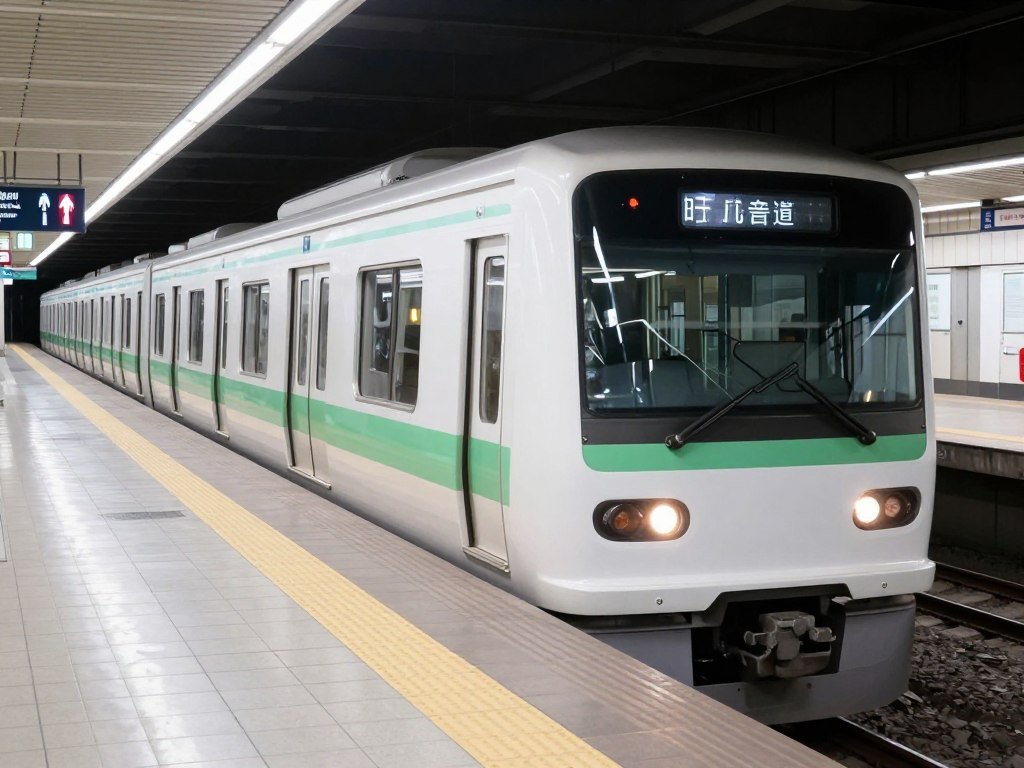
Three subway lines intersect throughout central Sapporo. The grid system makes orientation simple for visitors.
Trams still operate on one historic line downtown. The nostalgic streetcars connect major shopping and dining areas.
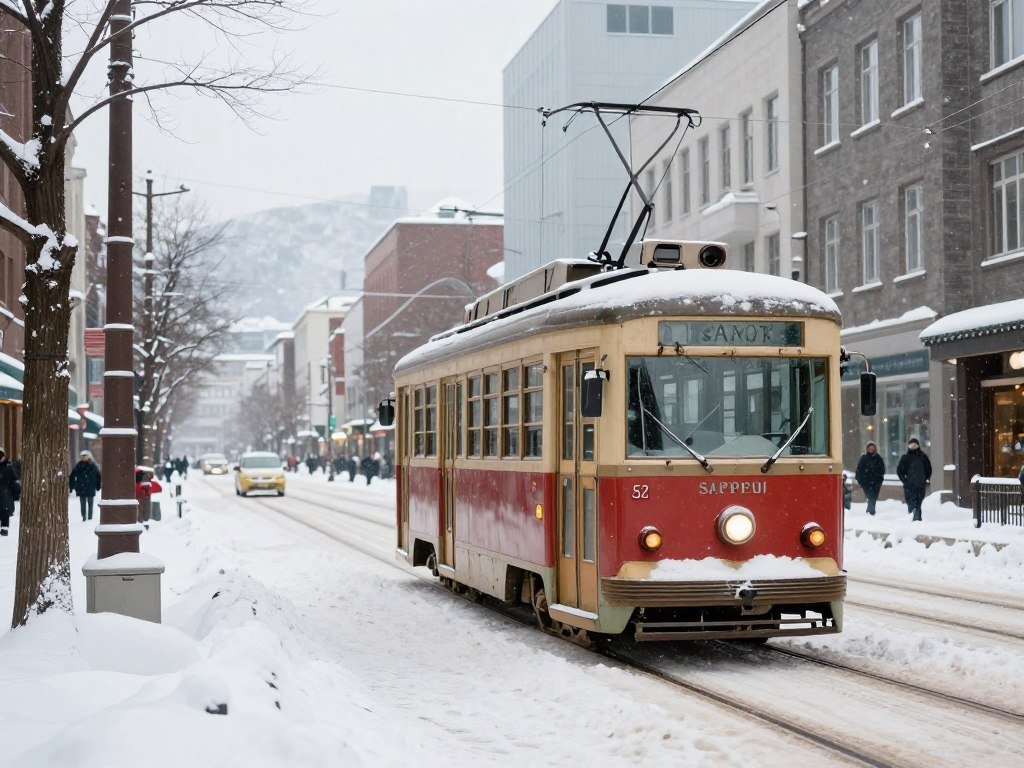
Bus networks supplement rail service comprehensively. Most visitors rely primarily on subway and walking combinations.
IC cards work across all transportation modes. Suica and Pasmo cards from Tokyo function perfectly here too.
Save Money with Japan Rail Pass
Unlimited train travel across Hokkaido and all of Japan. Book your JR Pass before departure and save up to 50% on transportation costs.
Where to Stay in Hokkaido
Accommodation options span from luxury resorts to budget hostels. Each lodging type offers unique experiences suited to different preferences.
Types of Accommodation
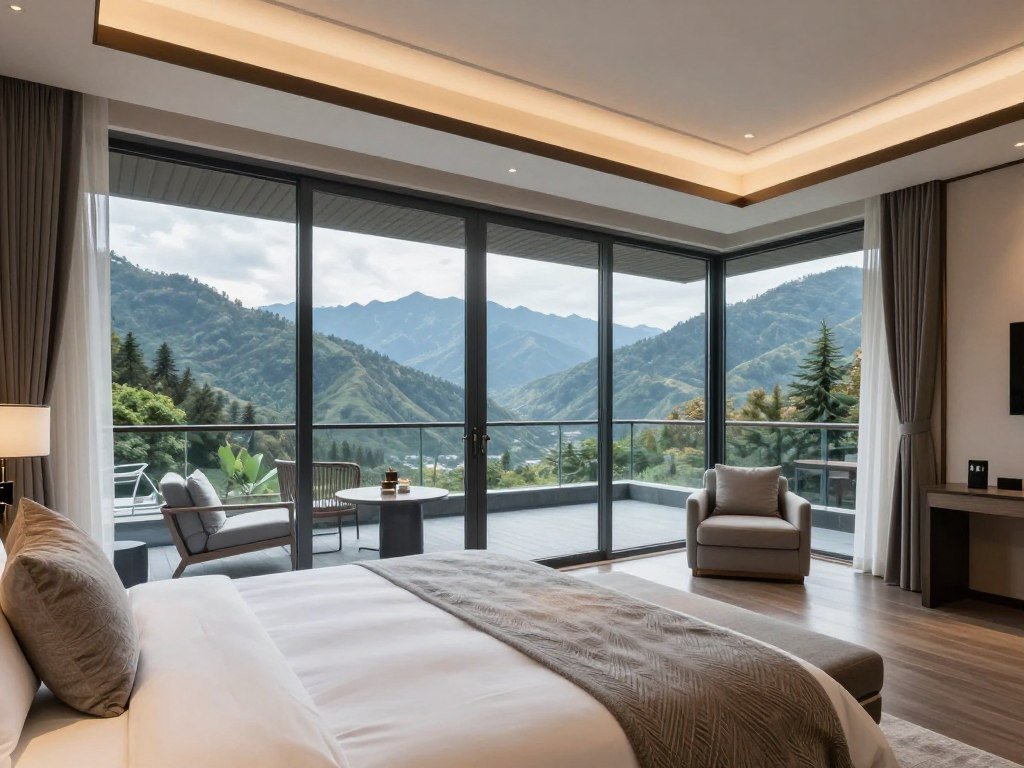
Luxury Hotels and Resorts
International chains and boutique properties offer premium experiences. Ski resorts feature full-service hotels with exceptional amenities and dining options.
- Full-service spas and wellness facilities
- Multiple restaurant and bar options
- Concierge services for activity booking
- English-speaking staff available
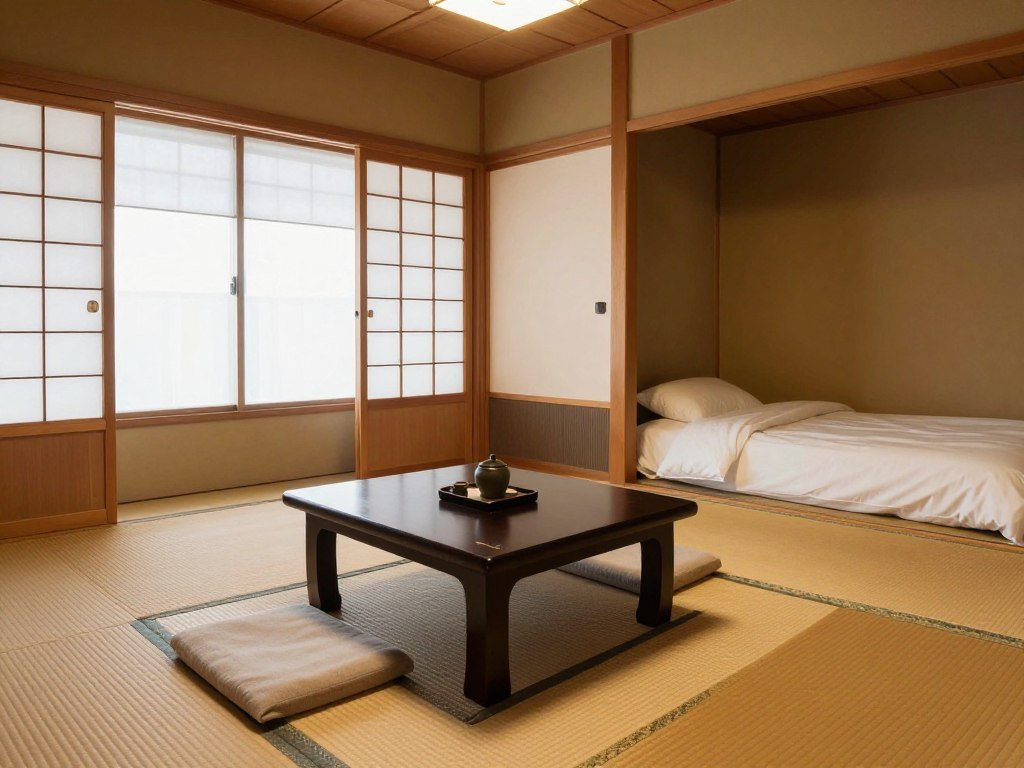
Traditional Ryokan
Japanese inns provide cultural immersion with tatami rooms and kaiseki meals. Many ryokan feature private or shared onsen baths for guests.
- Traditional multi-course kaiseki dinners
- Yukata robes and cultural amenities
- Onsen access often included
- Breakfast typically included
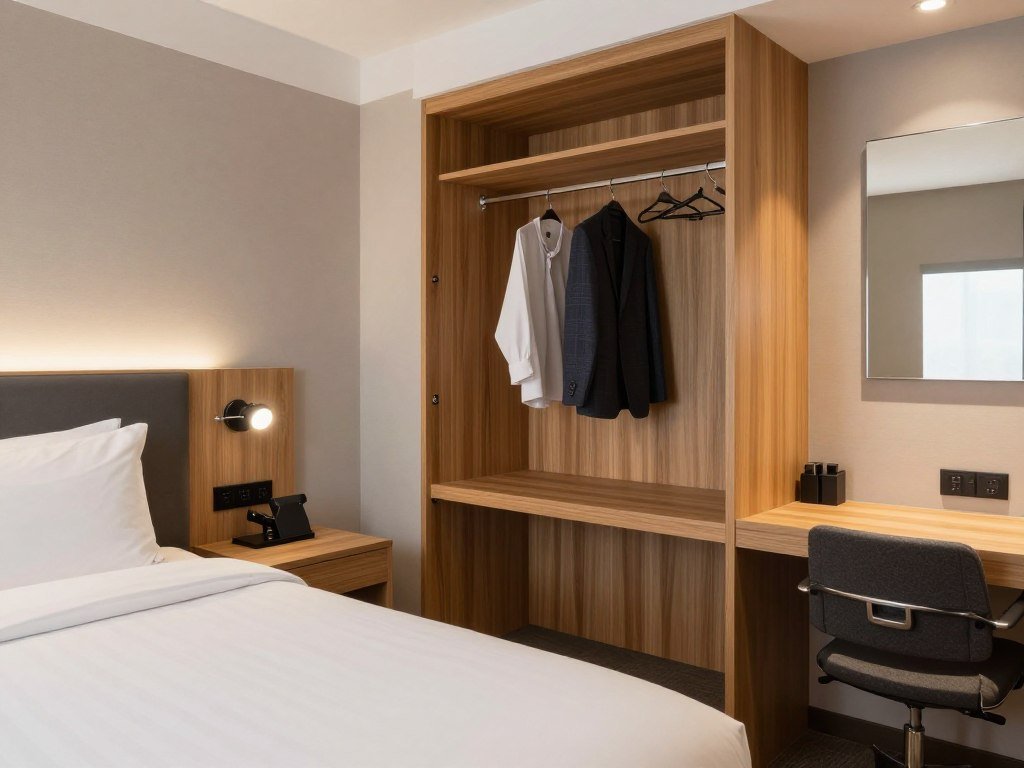
Business Hotels
Practical urban accommodation offers clean rooms at reasonable prices. These hotels cluster near stations for convenient access throughout cities.
- Compact but efficient room design
- Basic breakfast often available
- Excellent transportation access
- Reliable standards and cleanliness
Budget-Friendly Options
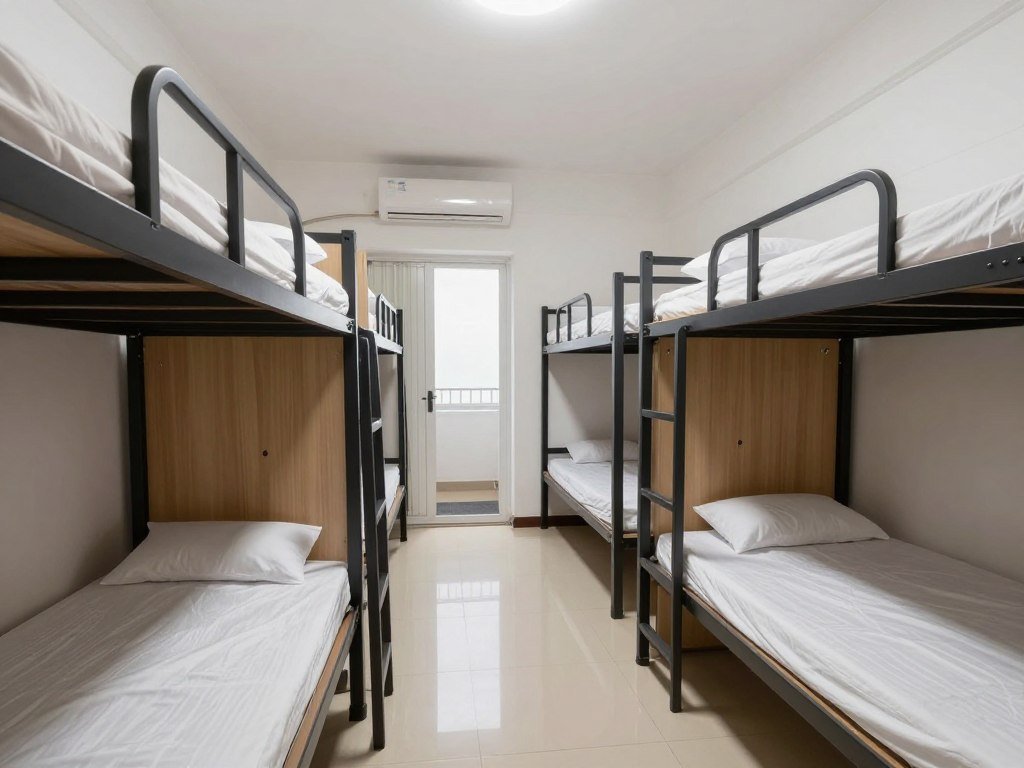
Hostels and guesthouses serve budget-conscious travelers well. Shared dormitories significantly reduce accommodation costs.
Capsule hotels provide unique Japanese sleeping experiences. Compact pods offer privacy despite shared spaces.
Minshuku homestays let visitors experience local family life. These simple lodgings include meals and personal hospitality.
Unique Stays
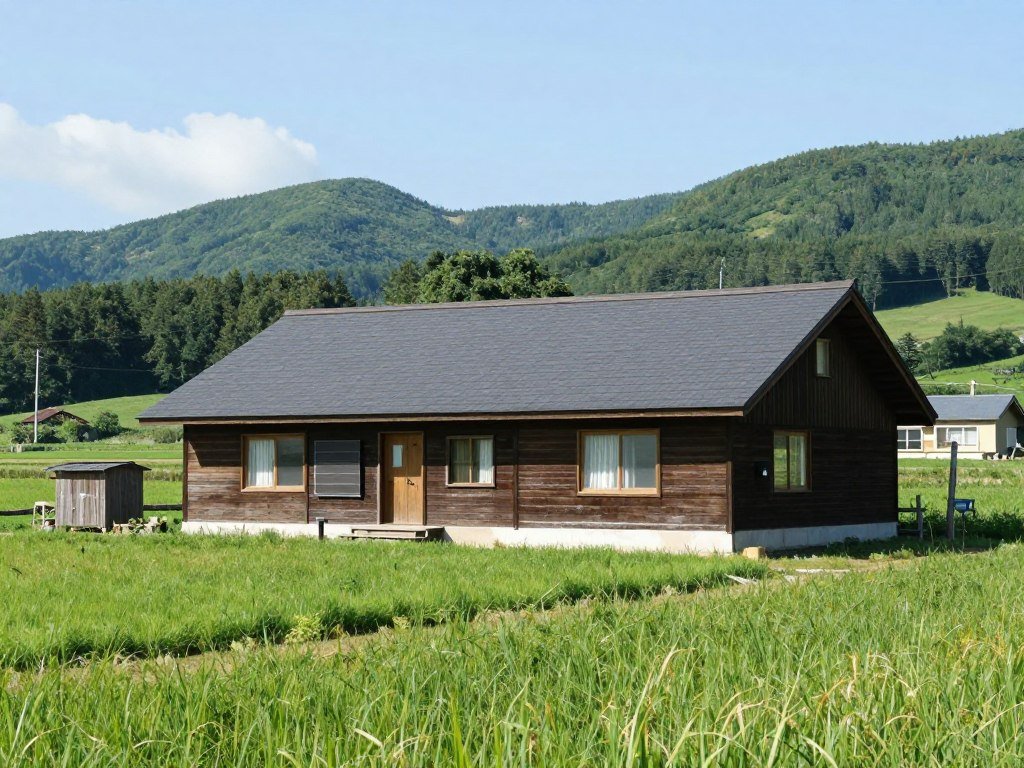
Farm stays connect visitors with agricultural Hokkaido directly. Guests participate in farm activities and enjoy fresh ingredients.
Temple lodgings offer peaceful retreats with meditation opportunities. Buddhist temples welcome visitors seeking tranquility.
Vacation rentals provide apartment-style independence. Families appreciate space and kitchen facilities for longer stays.
Recommended Areas to Stay
Sapporo Station Area
The transportation hub offers convenience and numerous hotels. Underground shopping connects directly to the station complex.
- Direct airport train access
- Shopping and dining abundance
- Easy day trip departures
- Business hotel concentration
Susukino Entertainment District
Nightlife and dining define this vibrant neighborhood. Late-night options surround hotels in every direction.
- Restaurant variety unmatched
- Subway station connectivity
- Evening entertainment options
- Ramen yokocho alley nearby
Niseko Resort Area
Ski-in/ski-out convenience attracts winter visitors. Summer brings hikers and outdoor enthusiasts to mountain lodges.
- Slope-side accommodation options
- International resort atmosphere
- English widely spoken
- Year-round outdoor access
Onsen Resort Towns
Hot spring towns offer relaxation-focused stays. Traditional ryokan dominate these peaceful areas.
- Multiple hot spring baths
- Traditional kaiseki meals
- Natural surroundings
- Stress-free environment
Booking Tips and Considerations
Peak Season Planning
Winter holidays, Sapporo Snow Festival, and summer vacation periods require advance booking. Accommodation prices increase significantly during peak times. Reserve three to six months ahead for popular periods and destinations.
Booking Platforms
- Booking.com – International hotels and ryokan
- Rakuten Travel – Japanese accommodation specialist
- Jalan.net – Domestic focus with deals
- Airbnb – Vacation rentals and unique stays
- Hostelworld – Budget hostel bookings
Important Factors
- Check cancellation policies carefully
- Confirm meal inclusion if booking ryokan
- Verify English communication availability
- Review transportation access options
- Consider luggage forwarding services
Essential Travel Tips for Hokkaido
Practical knowledge helps trips run smoothly and enjoyably. These tips address common questions and potential challenges visitors face.
Visa and Entry Requirements
Many nationalities enter Japan visa-free for tourism purposes. Tourist stays typically allow 90 days maximum duration.
Check current requirements before booking travel plans. Immigration policies change periodically based on international agreements.
Valid passport must remain current for entire trip. Some countries require six months validity beyond departure date.
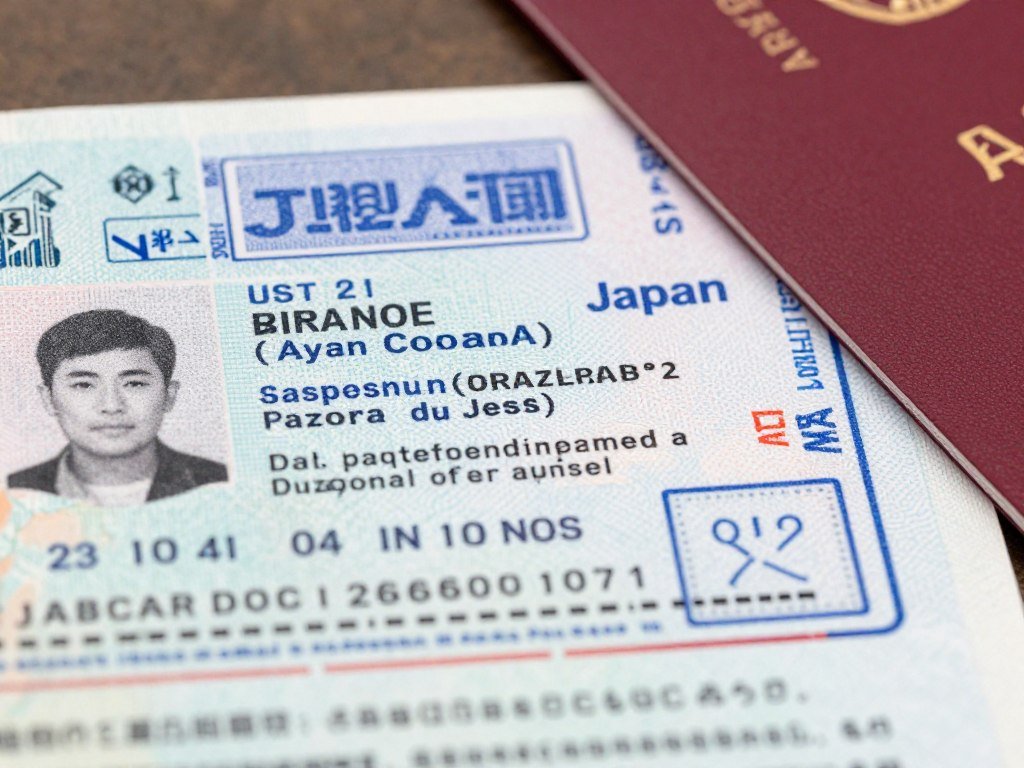
Landing cards require completion before immigration inspection. Have accommodation address ready for the form.
Customs declarations cover items brought into Japan. Agricultural products face strict import restrictions.
Money Matters and Payment Methods
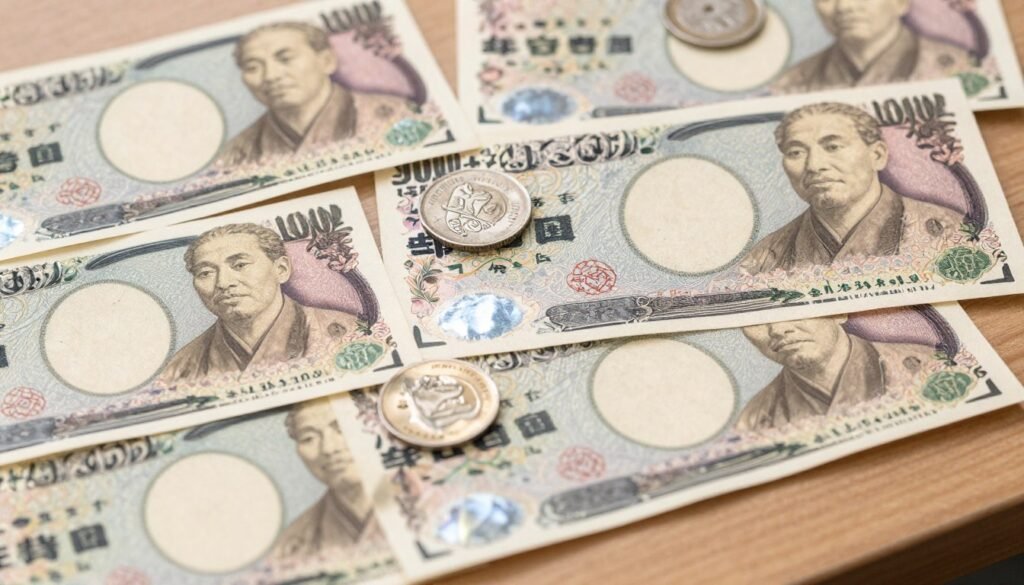
Japanese yen serves as the only accepted currency. Exchange rates fluctuate daily based on international markets.
Cash vs. Cards
Cash remains king despite increasing card acceptance. Many restaurants and shops still operate cash-only.
ATMs at post offices and 7-Eleven stores accept foreign cards. Bank ATMs often reject international cards outside business hours.
Credit cards work at major hotels and department stores. Visa and Mastercard acceptance exceeds other card networks.
Currency Exchange
Airport exchange counters offer convenience but poor rates. City banks provide better exchange rates during business hours.
ATM withdrawal often beats exchange counter rates. Check foreign transaction fees with your home bank beforehand.
IC cards like Suica require cash recharging initially. These prepaid cards simplify transportation and convenience purchases.
Language and Communication
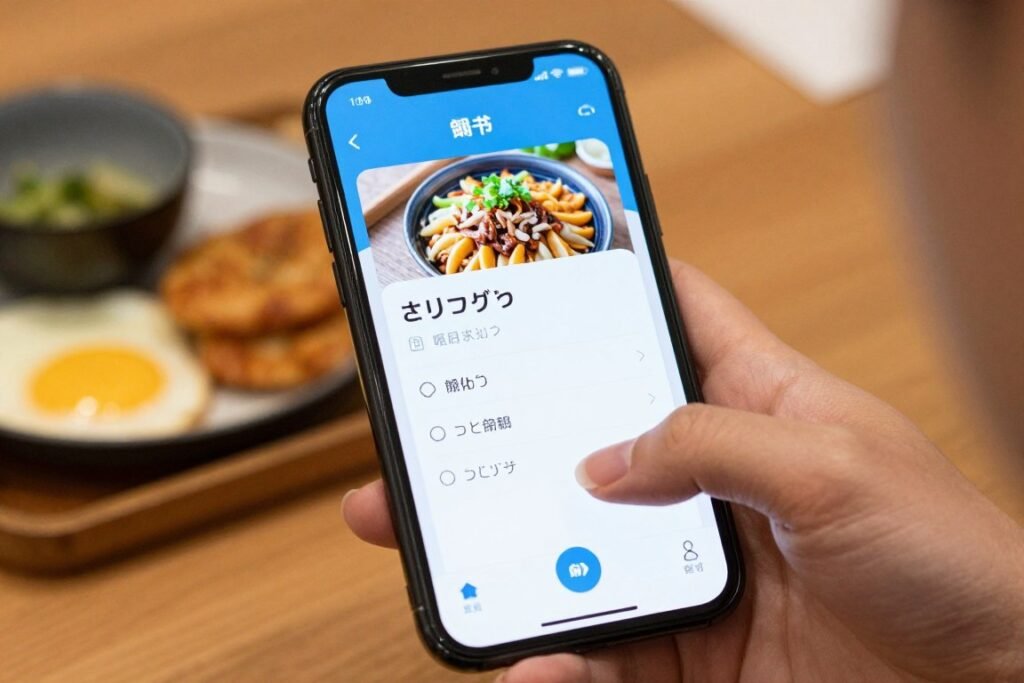
English proficiency varies widely across Hokkaido regions. Tourist areas generally provide English signage and basic communication.
Translation apps prove invaluable throughout the trip. Google Translate’s camera function reads Japanese text instantly.
Learning basic Japanese phrases shows respect and appreciation. “Arigatou gozaimasu” (thank you) and “sumimasen” (excuse me) go far.
Hotel staff typically speak functional English. Rural guesthouses may rely on translation apps for communication.
Useful Japanese Phrases
- Konnichiwa (Hello / Good afternoon)
- Arigatou gozaimasu (Thank you very much)
- Sumimasen (Excuse me / Sorry)
- Eigo ga hanasemasu ka? (Do you speak English?)
- Ikura desu ka? (How much is it?)
- Oishii desu (It’s delicious)
Weather Preparation and Clothing
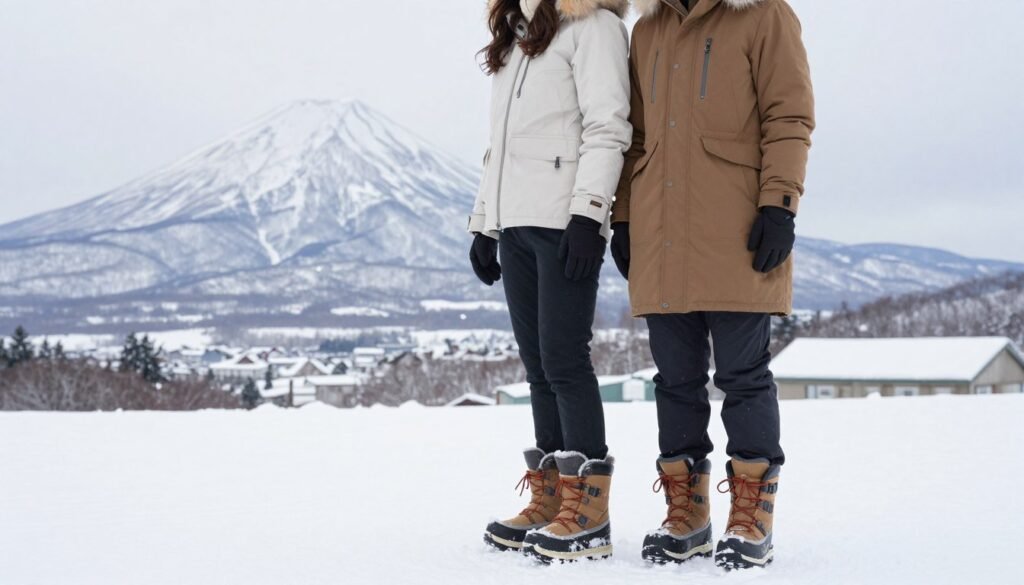
Weather varies dramatically between seasons in Hokkaido. Proper clothing makes outdoor activities comfortable regardless of conditions.
- Heavy insulated coat or down jacket
- Thermal underlayers for extreme cold
- Waterproof winter boots with traction
- Warm hat covering ears completely
- Gloves rated for below-freezing temperatures
- Scarf or neck warmer
Winter Essentials
- Light breathable clothing layers
- Sun protection hat or cap
- Comfortable walking shoes
- Light rain jacket for sudden showers
- Sunscreen and insect repellent
- Sunglasses for bright days
Summer Recommendations
- Medium-weight jacket with layers
- Mix of short and long sleeves
- Waterproof outer layer
- Comfortable walking shoes
- Light gloves for cool mornings
- Adaptable layering system
Spring/Fall Must-Haves
Internet and Mobile Connectivity
Free WiFi availability varies across locations. Hotels, cafes, and tourist facilities typically offer access.
Pocket WiFi rentals provide reliable connectivity everywhere. These mobile hotspots support multiple devices simultaneously.
SIM cards work in unlocked phones from overseas. Data-only plans offer affordable short-term connectivity options.

Major cities provide better coverage than rural areas. Mountain regions may experience limited signal strength.
Download offline maps before venturing to remote locations. Google Maps offline function proves essential for navigation.
Safety and Emergency Information
Emergency Numbers
Police: 110 | Fire/Ambulance: 119 | Emergency English Hotline: 050-3816-2787
General Safety Tips
- Japan ranks among world’s safest countries
- Violent crime remains extremely rare
- Natural disasters pose greater risks than crime
- Keep emergency contacts accessible always
- Register with your embassy upon arrival
Natural Disaster Preparedness
- Download earthquake early warning apps
- Know evacuation routes at accommodations
- Winter avalanche warnings in mountains
- Tsunami risk exists in coastal areas
- Follow local authority instructions
Cultural Etiquette and Customs
General Behavior
- Bow slightly when greeting people
- Remove shoes when entering homes and some restaurants
- Speak quietly on public transportation
- Avoid eating while walking on streets
- Queue orderly without pushing
- No tipping in restaurants or taxis
Dining Etiquette
- Say “itadakimasu” before eating
- Never stick chopsticks upright in rice
- Slurping noodles shows appreciation
- Finish everything on your plate
- Pour drinks for others, not yourself
- Say “gochisousama” after finishing
Onsen Etiquette Important Note
Tattoos remain controversial in Japan despite changing attitudes. Many onsen still prohibit visible tattoos. Private baths offer alternatives, or use waterproof cover patches for small tattoos. Always check facility policies before visiting.
Budget Planning for Your Hokkaido Trip
Travel costs vary widely based on style and preferences. Understanding typical expenses helps create realistic budgets and avoid financial surprises.
Sample Daily Budgets by Travel Style
| Expense Category | Budget Traveler | Mid-Range Traveler | Luxury Traveler |
| Accommodation | ¥3,000-5,000 ($20-35 USD) Hostel dorm or capsule | ¥8,000-15,000 ($55-105 USD) Business hotel or ryokan | ¥25,000+ ($175+ USD) Luxury hotel or resort |
| Meals | ¥2,000-3,500 ($14-25 USD) Convenience stores, ramen | ¥5,000-8,000 ($35-55 USD) Local restaurants | ¥15,000+ ($105+ USD) Fine dining experiences |
| Transportation | ¥1,000-2,000 ($7-14 USD) Local buses, walking | ¥3,000-6,000 ($21-42 USD) Trains, occasional taxi | ¥8,000+ ($55+ USD) Private car, frequent taxis |
| Activities | ¥500-1,500 ($3-10 USD) Free attractions, hiking | ¥3,000-5,000 ($21-35 USD) Museums, onsen entry | ¥10,000+ ($70+ USD) Guided tours, experiences |
| Daily Total | ¥6,500-12,000 ($45-85 USD) | ¥19,000-34,000 ($130-235 USD) | ¥58,000+ ($400+ USD) |
Major One-Time Expenses
Transportation Passes
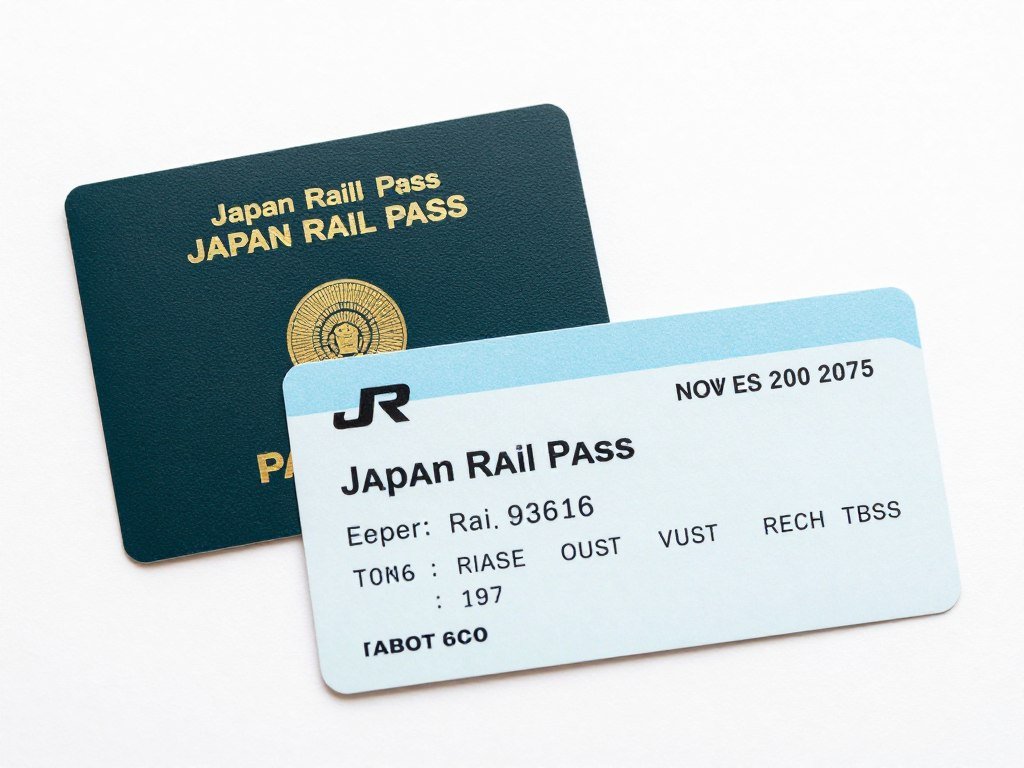
- 7-Day Japan Rail Pass: ¥29,650 ($205 USD)
- 5-Day Hokkaido Rail Pass: ¥19,000 ($130 USD)
- 3-Day Hokkaido Rail Pass: ¥16,500 ($115 USD)
- Airport express to Sapporo: ¥1,150 ($8 USD)
Activity Costs
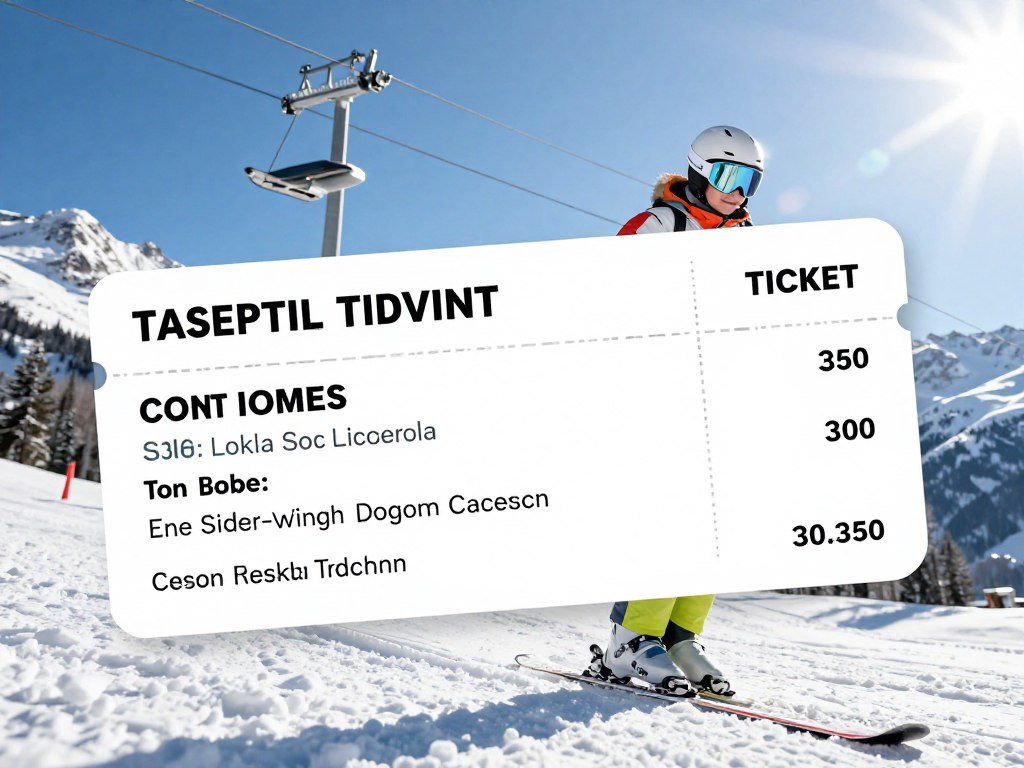
- Ski lift day pass: ¥5,000-7,000 ($35-50 USD)
- Ski rental full set: ¥4,000-6,000 ($28-42 USD)
- Onsen entry: ¥500-1,500 ($3-10 USD)
- Museum admission: ¥500-1,000 ($3-7 USD)
Money-Saving Tips and Strategies
Accommodation Savings
- Book hostels or guesthouses instead of hotels
- Stay in business districts away from tourist centers
- Use vacation rentals for groups
- Consider temple lodging (shukubo)
- Book well in advance for better rates
Food Budget Hacks
- Convenience store meals offer quality and value
- Lunch sets cost less than dinner menus
- Supermarket discounts start after 7 PM
- Standing soba shops provide quick cheap meals
- Self-catering saves money long-term
Transportation Tricks
- Rail passes pay off for multi-city trips
- Highway buses cost less than trains
- Walk between nearby attractions
- Rent bicycles for day exploration
- Share taxis with other travelers
Estimated Total Trip Costs
| Trip Duration | Budget Style | Mid-Range Style | Luxury Style |
| 5 Days / 4 Nights | ¥26,000-48,000 ($180-335 USD) | ¥76,000-136,000 ($530-950 USD) | ¥232,000+ ($1,600+ USD) |
| 7 Days / 6 Nights | ¥39,000-72,000 ($270-500 USD) | ¥114,000-204,000 ($795-1,420 USD) | ¥348,000+ ($2,420+ USD) |
| 10 Days / 9 Nights | ¥58,500-108,000 ($405-750 USD) | ¥171,000-306,000 ($1,190-2,130 USD) | ¥522,000+ ($3,630+ USD) |
Note: Costs exclude international flights. Exchange rates fluctuate; verify current rates when planning. Peak season prices increase 20-50% over listed estimates.
Free and Low-Cost Activities
Free Attractions
Many experiences cost nothing but provide lasting memories throughout your journey.
- Hiking trails in national parks
- Public parks and gardens
- Temple and shrine visits
- Window shopping in Sapporo
- Beach walks in summer
- Scenic viewpoints and overlooks
Budget-Friendly Options
Affordable activities provide value without compromising experience quality significantly.
- Local onsen public baths
- Morning markets for atmosphere
- Small local museums
- Seasonal flower viewing
- City walking tours
- Public observation decks
Start Planning Your Hokkaido Adventure
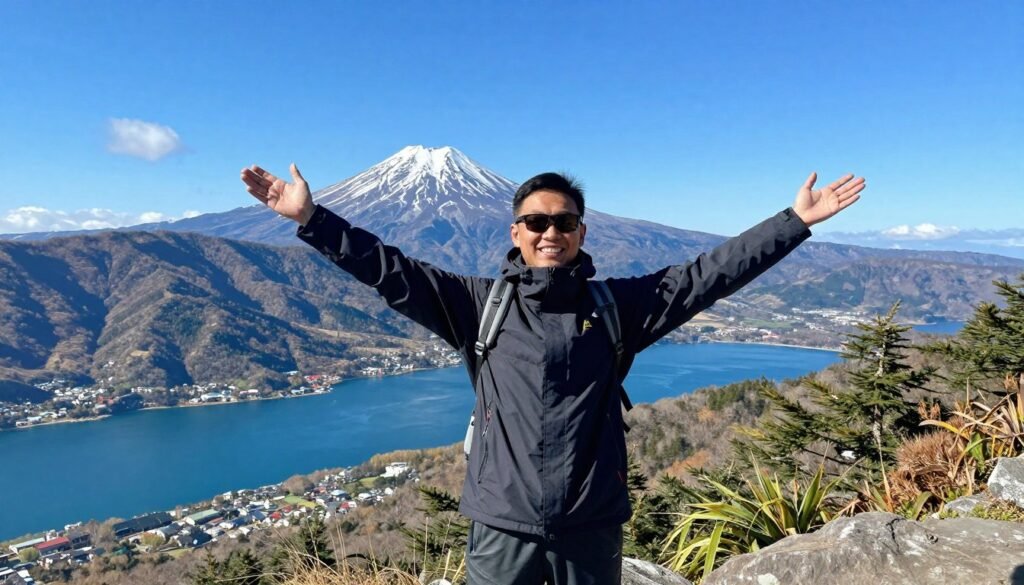
Hokkaido offers experiences that satisfy every type of traveler. From powder snow to summer flowers, each season reveals new wonders.
This northernmost island rewards those who venture beyond Japan’s typical tourist routes. Vast wilderness, exceptional food, and warm hospitality create unforgettable memories.
Start planning your journey now to experience what makes Hokkaido special. The island waits to share its natural beauty and cultural treasures with every visitor who arrives.
Ready to Explore Hokkaido?
Get our comprehensive Hokkaido Travel Planning Kit with detailed itineraries, budget worksheets, accommodation recommendations, and insider tips that aren’t in guidebooks.
Need personalized help planning your Hokkaido trip? Our travel specialists can create custom itineraries based on your interests, budget, and travel dates. Contact us for free consultation and expert recommendations.
Frequently Asked Questions About Hokkaido
How many days do I need to visit Hokkaido?
A minimum of 5-7 days allows you to see major highlights like Sapporo, Otaru, and one nature area. Ten days to two weeks provides time to explore multiple regions without rushing. Winter ski trips work well with 5-7 days at one resort. Summer road trips benefit from longer durations to cover the island’s vast distances between attractions.
Is Hokkaido expensive to visit?
Hokkaido costs roughly the same as other Japanese regions, though winter resort areas charge premium prices. Budget travelers can manage on -80 USD daily using hostels, convenience stores, and public transport. Mid-range travelers spend 0-235 USD daily for comfortable hotels and regular restaurant meals. Peak season accommodation costs increase significantly, especially during Sapporo Snow Festival and summer holidays.
Do I need a car to explore Hokkaido?
No, but a car provides significantly more flexibility. Trains connect major cities efficiently, and buses reach most tourist destinations. However, remote areas and countryside attractions require either rental car or tour participation. Winter driving demands snow experience, but summer road trips work well for confident drivers. Groups of 3-4 people find car rental cost-effective compared to multiple train tickets.
What is the best season to visit Hokkaido?
Each season offers distinct advantages. Winter (December-February) brings world-class skiing and the Sapporo Snow Festival. Summer (June-August) showcases flower fields and comfortable temperatures. Spring (May) features late cherry blossoms unique to Hokkaido. Autumn (September-October) displays brilliant fall foliage earlier than mainland Japan. Choose based on your interests rather than one “best” season.
Can I see cherry blossoms in Hokkaido?
Yes, cherry blossoms bloom in Hokkaido during late April to early May, weeks after mainland Japan’s season ends. Hakodate’s Goryokaku Park and Matsumae Park rank among the best viewing spots. Sapporo’s Maruyama Park also draws crowds during bloom season. The later timing allows travelers to experience cherry blossoms if they missed them elsewhere in Japan.
Is English widely spoken in Hokkaido?
English proficiency varies significantly by location. Major tourist areas like Niseko and central Sapporo have good English support. Rural areas and smaller cities may have limited English speakers. Hotels and tourist information centers typically staff English speakers. Translation apps prove essential for reading menus and signs throughout your trip. Basic Japanese phrases help significantly with local interactions.
What should I pack for winter in Hokkaido?
Heavy insulated coat, thermal underlayers, waterproof boots, warm hat, gloves, and scarf constitute minimum winter essentials. Temperatures regularly drop below freezing, and wind chill increases cold significantly. Multiple layers work better than single heavy items. Hand and foot warmers from convenience stores provide extra comfort. Indoor spaces remain well-heated, so layers allow temperature adjustment.
Are there bears in Hokkaido?
Yes, brown bears inhabit Hokkaido’s wilderness areas, particularly Shiretoko Peninsula and Daisetsuzan National Park. Serious hiking requires bear awareness and proper precautions like bells and bear spray. Designated hiking trails and tourist areas maintain safety measures. Bears generally avoid humans, and attacks remain extremely rare. Follow park guidelines, make noise while hiking, and never approach wildlife.
Can I visit Hokkaido from Tokyo in one day?
Technically possible but not recommended for meaningful experience. Flights take 90 minutes, allowing day trips to Sapporo for specific events. However, travel time and costs make overnight stays more sensible. Hokkaido deserves multiple days to appreciate properly. Consider flying in the morning, staying 2-3 nights minimum, then returning. Day trips work only for urgent business or specific limited events.
What is Hokkaido famous for?
Hokkaido is famous for exceptional snow quality at ski resorts, the Sapporo Snow Festival, fresh seafood, dairy products, and vast natural landscapes. The region produces premium agricultural products including melons, corn, and potatoes. Hokkaido ramen styles, particularly Sapporo miso ramen, achieved national fame. Natural attractions like flower fields, national parks, and hot springs draw millions annually. Indigenous Ainu culture also distinguishes this northernmost island.