

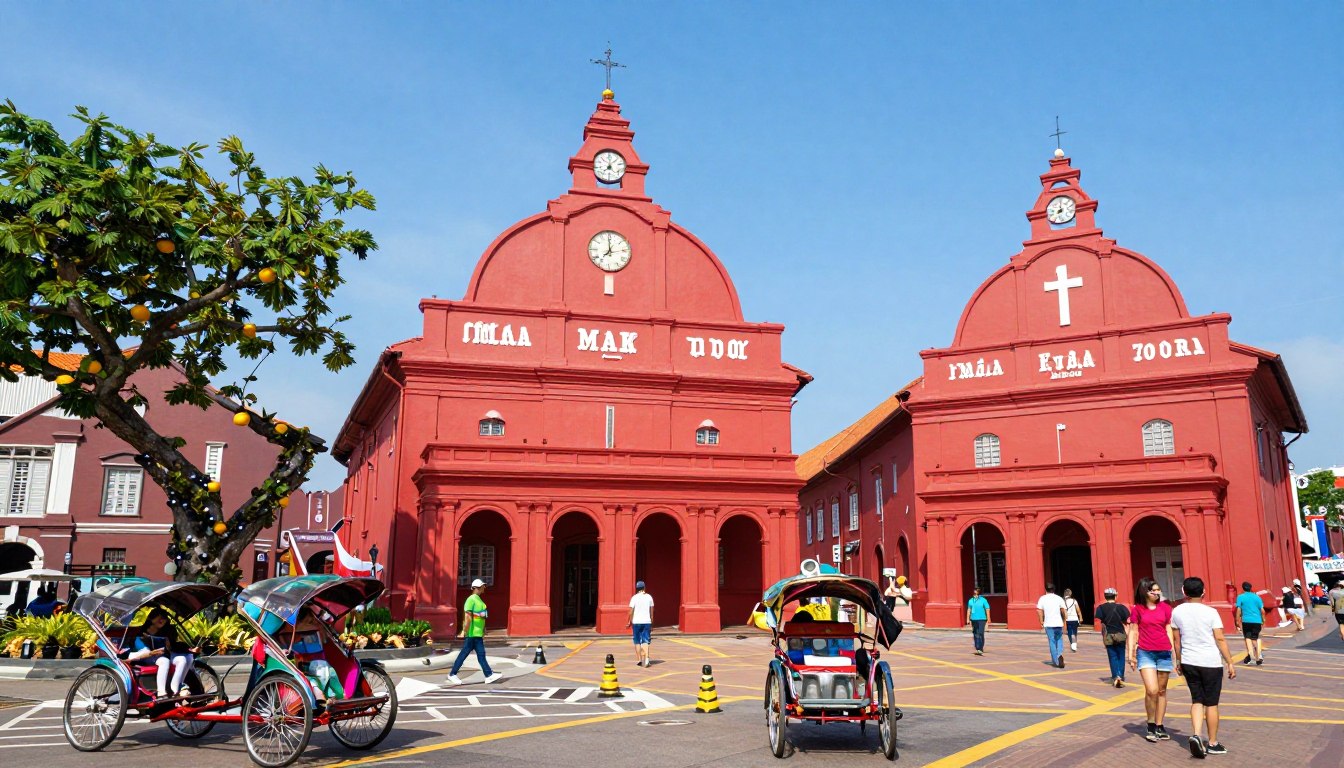
Malacca whispers stories from centuries past through every cobblestone street and weathered temple wall. This UNESCO World Heritage city stands as Malaysia’s most captivating historical destination, where Portuguese forts meet Chinese temples and Dutch architecture frames bustling night markets. Planning your 2026 visit means stepping into a living museum where history breathes alongside modern Malaysian life.
This guide unlocks everything you need for an extraordinary Malacca experience. Whether you’re drawn to the ancient ruins of A Famosa, the vibrant chaos of Jonker Street night market, or the serene beauty of heritage temples, you’ll find detailed information to make your journey seamless and memorable.
Start Planning Your 2026 Malacca Adventure
Secure the best accommodation rates for your dates. Hotels in the historic old town fill quickly, especially during festival seasons.
Why Malacca Should Top Your 2026 Travel List
Malacca, also known as Melaka, earned its UNESCO World Heritage status in 2008 alongside George Town. The city survived over 500 years of colonial rule, beginning in the 15th century when it flourished as the Melaka Sultanate. This rich past created a unique cultural tapestry that you won’t find anywhere else in Southeast Asia.
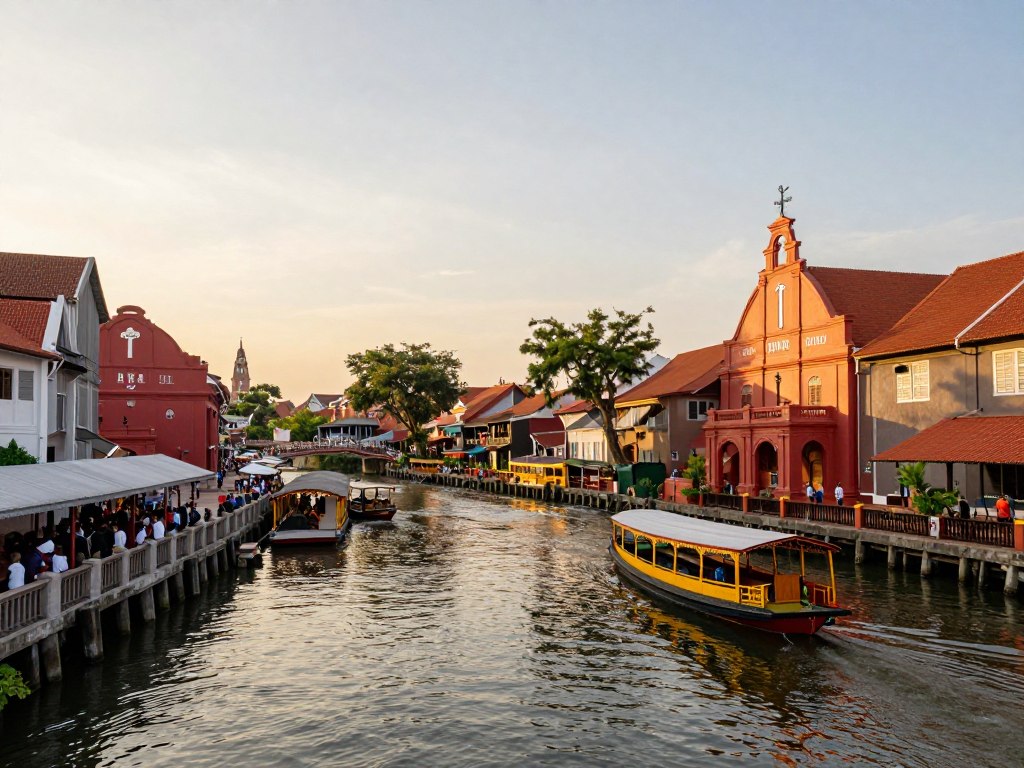
The city center compacts centuries of history into walkable neighborhoods. You can explore Portuguese ruins from the 1500s, admire Dutch colonial architecture from the 1600s, worship in temples dating back generations, and sample food that blends Malay, Chinese, Portuguese, and Indian influences. This fusion makes Malacca one of the most unique destinations in Malaysia.
Cultural Heritage
Three colonial powers left their architectural marks here. The 15th century Melaka Sultanate Palace museum recreates royal life. Portuguese A Famosa fortress ruins stand as testament to 130 years of European rule. Dutch buildings in the red square showcase governance from the 1600s. British influences round out this historic collection.
Culinary Paradise
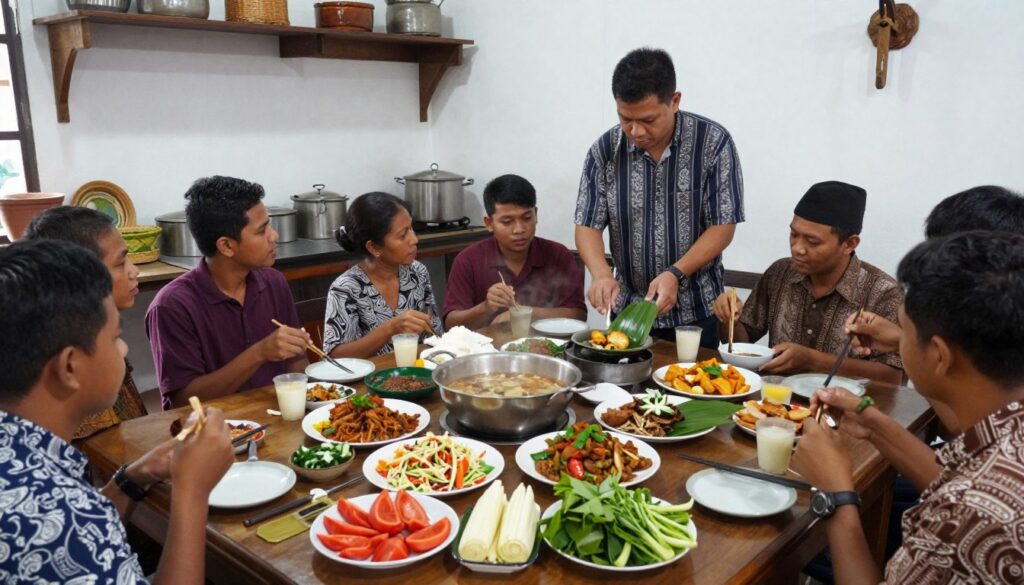
Malacca cuisine deserves its reputation as Malaysia’s most interesting food scene. Nyonya cooking blends Chinese ingredients with Malay spices, creating dishes you won’t taste anywhere else. The famous chicken rice balls, satay celup hot pot, and cendol desserts draw food lovers from across Asia. Jonker Street transforms into a food paradise after dark.
2026 Travel Tip: Malacca becomes extremely crowded during Chinese New Year and Hari Raya holidays. Book accommodations three months ahead if visiting during these peak periods. The city works best as a two-day destination, though many travelers extend to three days to fully absorb the relaxed pace.
Getting to Malacca: Your Complete Transportation Guide
Reaching Malacca requires some planning since the city lacks its own commercial airport. Most visitors arrive via Kuala Lumpur, which sits just 150 kilometers north. The journey takes between ninety minutes and two and a half hours depending on your chosen transport method.
From Kuala Lumpur to Malacca
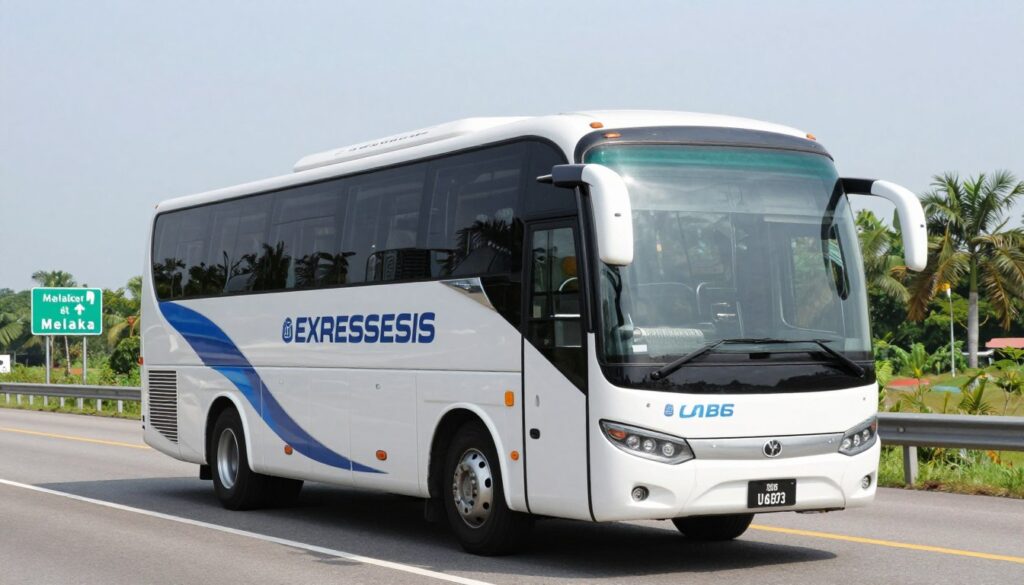
Bus travel offers the most economical and frequent option. Multiple operators run services every thirty minutes from early morning until late evening. The journey typically takes two hours via the North-South Expressway. Ticket prices range from 10 to 20 Malaysian Ringgit depending on the operator and bus quality.
You can board buses from several Kuala Lumpur locations. TBS (Terminal Bersepadu Selatan) serves as the main hub, offering the most departure times. Some services also leave from KL Sentral, the city’s central transportation terminal. Book tickets online through platforms like BusOnlineTicket or Easybook to guarantee seats during busy periods.
Book Your Bus to Malacca
Reserve express bus tickets from Kuala Lumpur to Malacca with flexible cancellation. Compare schedules and operators to find the best departure time for your itinerary.
Driving from Kuala Lumpur
Renting a car gives you flexibility to explore at your own pace. The drive follows the North-South Expressway directly to Malacca, taking approximately ninety minutes with normal traffic. Highway tolls total around 15 Ringgit each way. Car rental costs start from 150 Ringgit per day for economy vehicles.
Parking in the old town presents challenges on weekends. Public parking areas near Jonker Street and the Dutch Square fill quickly after 10 AM. Consider parking at your hotel if it offers this amenity, or use the larger parking facilities near Mahkota Parade shopping center, about fifteen minutes walk from the city center.
Driving Considerations: Malaysian roads drive on the left side. International driving permits supplement your home country license. GPS navigation works reliably, though some older street names differ from current usage in heritage areas. Avoid driving into Malacca on Friday evenings when weekend traffic peaks.
Train Options
Malaysia’s rail network doesn’t serve Malacca directly, but you can combine train and bus travel. Take a KTM Komuter train from Kuala Lumpur to Pulau Sebang station, located about thirty kilometers from Malacca. From there, local buses complete the journey to the city center. This option costs less but adds significant time compared to direct buses.
Flying into Malaysia
International travelers typically arrive at Kuala Lumpur International Airport (KLIA). From there, you have several options to reach Malacca. The most convenient involves taking the KLIA Ekspres train to KL Sentral, then boarding a bus to Malacca. This journey takes approximately three and a half hours total.
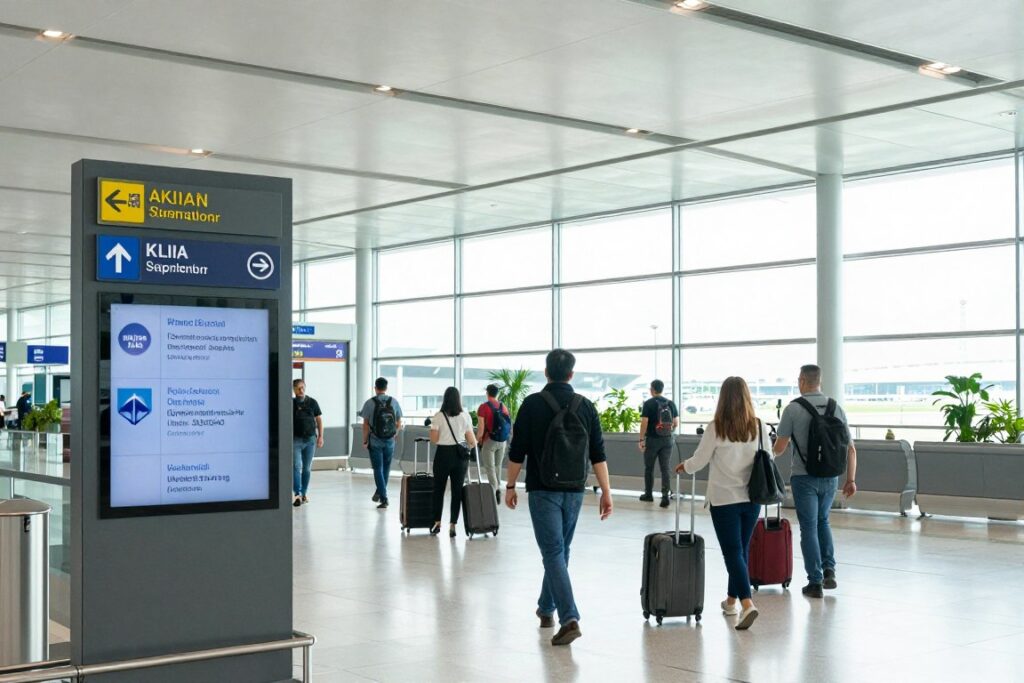
Alternatively, some travelers prefer hiring private transfers directly from KLIA to Malacca. This costs significantly more, around 250-350 Ringgit, but saves time and eliminates multiple transport changes. Several companies offer this service with advance booking through online platforms.
From Singapore
Visitors coming from Singapore can take direct buses that depart from several locations including Golden Mile Complex and Queen Street terminal. The journey takes approximately four hours depending on border crossing wait times. Prices range from 20 to 35 Singapore dollars. Make sure your passport has sufficient validity as you’ll clear Malaysian immigration at the border.
Transportation Quick Facts
- Bus frequency from KL: Every 30 minutes
- Average bus journey time: 2 hours
- Driving distance from KL: 150 kilometers
- Nearest airport: KLIA (120 kilometers)
- Border crossing from Singapore: Approximately 4 hours total
Malacca Map: Navigating the Historic City
Understanding Malacca’s layout helps you maximize your time. The historic old town clusters most attractions within a compact area. You can walk between major sites, though the tropical heat makes strategic planning important. The Malacca River divides the city, with the heritage zone spreading across both banks.
Interactive map of Malacca showing the historic city center, major attractions, and key neighborhoods
Key Districts and Neighborhoods
The heart of the old town centers around the Dutch Square, also known as the red square. This area contains Christ Church, the Stadthuys building, and serves as the main tourist hub. Jonker Street runs parallel to the Malacca River, transforming into a night market on weekends. St. Paul Hill rises above the square, offering views across the city.
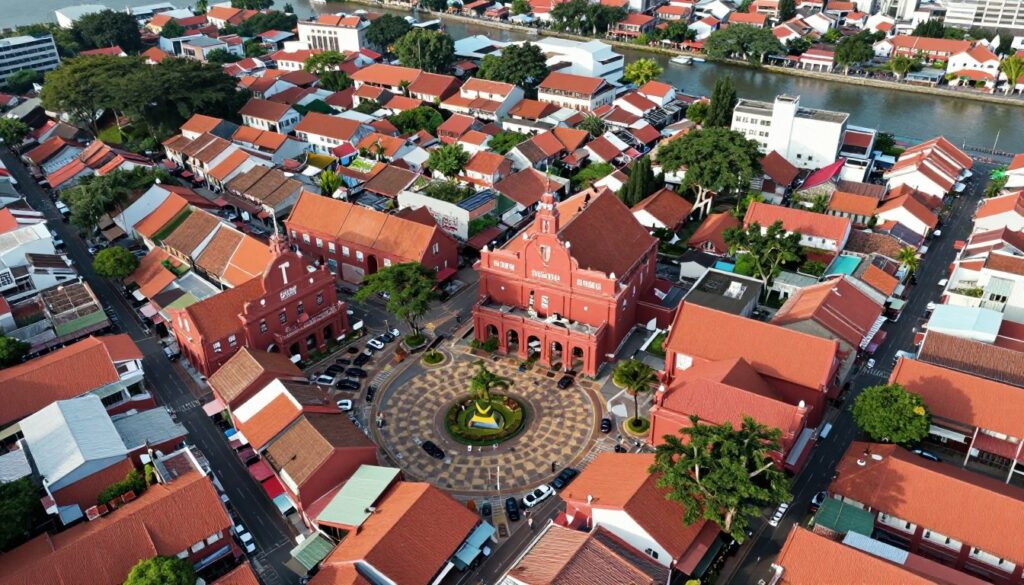
The Chinatown area extends from Jonker Street through several parallel roads. Here you’ll find the oldest Chinese temples, heritage museums, and traditional shophouses converted into cafes and boutique hotels. The Kampung Kling area, though often overlooked, showcases the city’s multicultural heritage with the Kampung Kling Mosque standing near Hindu and Chinese temples.
Getting Around the City Center
Walking remains the best way to explore the compact old town. Most attractions sit within a one-kilometer radius. The riverside promenade offers a pleasant pedestrian path connecting many sites. Expect twenty to thirty minutes walking time between the furthest points of interest in the heritage zone.
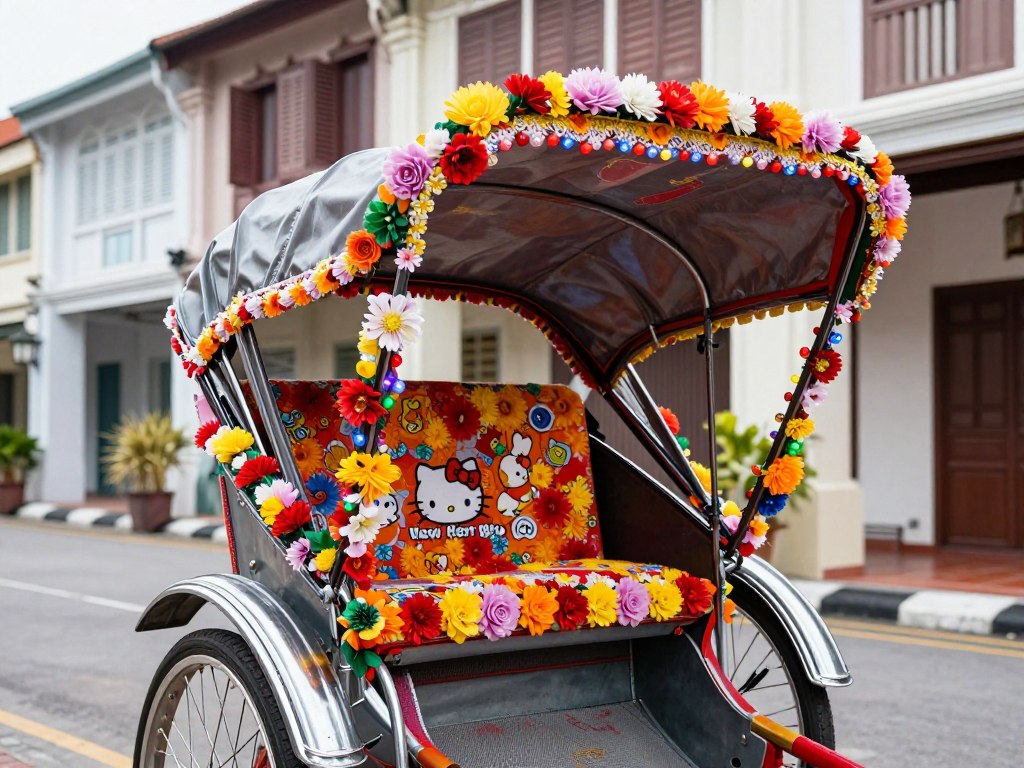
Trishaws provide a uniquely Malaccan transport experience. These decorated bicycle taxis blast music while pedaling you through the streets. Drivers typically charge per hour rather than per journey. Negotiate rates before boarding, expect to pay around 40-60 Ringgit for an hour-long tour covering major sights.
City buses operate on several routes connecting the city center with outlying areas. The free shuttle bus, Panorama Melaka, circles the main tourist attractions throughout the day. Regular city buses cost just a few Ringgit and can take you to areas like Klebang Beach or the Portuguese Settlement.
Ride-sharing apps like Grab work throughout Malacca. These offer affordable transport to locations beyond walking distance. A typical ride within the city area costs 10-15 Ringgit. This option proves especially valuable during the hot midday hours or when returning to your hotel after evening activities.
Top Attractions: Must-Visit Sites in Malacca
Malacca packs an impressive collection of historical sites into its small area. You could spend days exploring every temple, museum, and heritage building, but certain attractions deserve priority on every itinerary. These landmarks tell the story of Malacca’s remarkable past and present.
A Famosa and St. Paul’s Hill
The stone gateway of A Famosa stands as Malacca’s most photographed landmark. Built by the Portuguese in 1511, this fortress once protected the colonial settlement. The Dutch destroyed most of the structure in the 1800s, leaving only the Porta de Santiago gate. The thick stone walls and arched entrance give a sense of the fortress’s original scale.
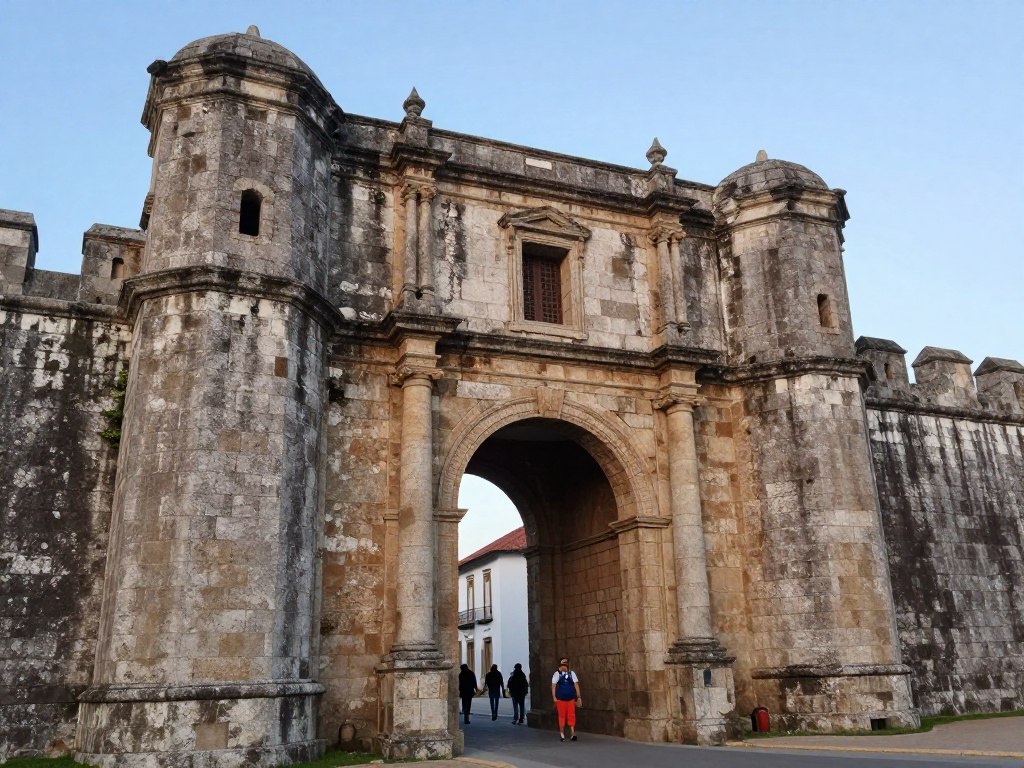
Climb the stairs beside A Famosa to reach St. Paul Hill. This elevated position offers panoramic views across the old town and out to the Straits of Malacca. The ruined church at the summit holds special significance. St. Paul’s Church served Portuguese and Dutch congregations from the 1500s onward. Francis Xavier, the famous missionary, was temporarily buried here before his remains moved to Goa.
The roofless church interior displays old tombstones embedded in the floor and walls. Many bear Dutch inscriptions dating back centuries. Local guides gather at the entrance offering historical context for a small tip. Visit early morning or late afternoon to avoid the harshest sun, as the hilltop offers little shade.
Dutch Square and Christ Church
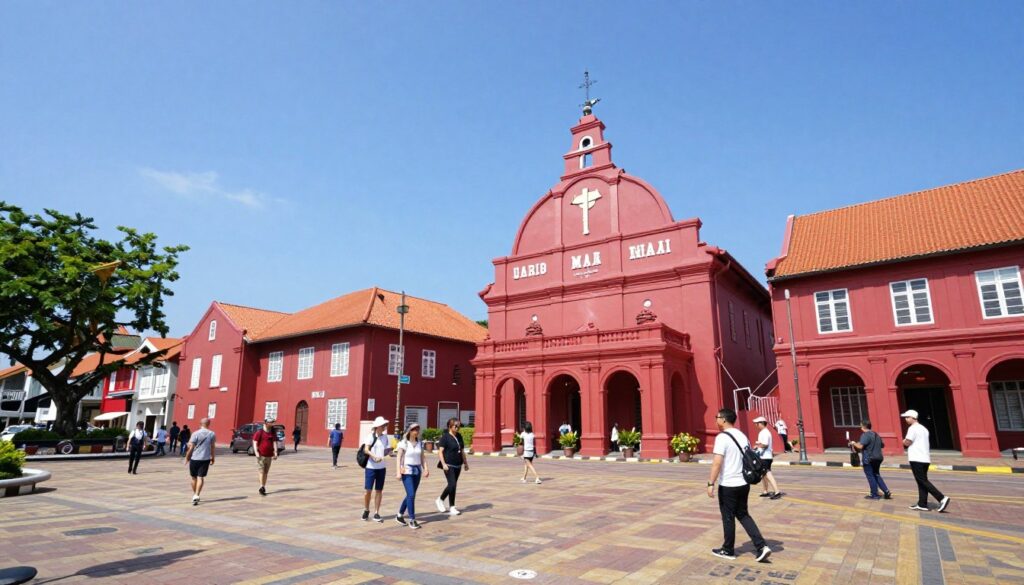
The red square forms the visual center of historical Malacca. The Dutch built most of these salmon-red buildings in the 1600s when they controlled the city. Christ Church, completed in 1753, dominates the square with its distinctive red exterior and baroque architecture. The church interior features hand-made pews and ceiling beams cut from single trees, demonstrating impressive Dutch craftsmanship.
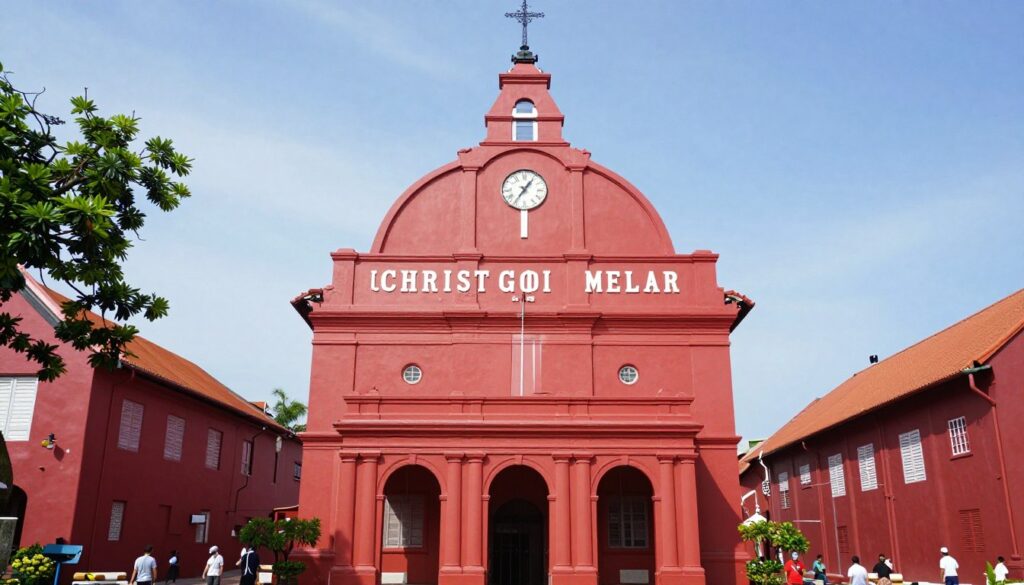
The Stadthuys building next door once served as the Dutch governor’s residence and administrative offices. Today it houses the History and Ethnography Museum. Displays cover Malacca’s journey through different colonial periods, showing artifacts, costumes, and historical documents. The museum provides good context for understanding what you’ll see elsewhere in the city.
The square comes alive with activity throughout the day. Trishaw drivers tout for customers, street vendors sell snacks, and tourists crowd around the fountain for photos. A sound and light show occasionally projects onto the buildings after dark, though schedules vary. The area works best visited in early morning before crowds arrive, or in evening when the buildings illuminate beautifully.
Jonker Street and Chinatown
Jonker Street, also known as Jalan Hang Jebat, represents the beating heart of Malacca’s Chinatown. This narrow street stretches for several hundred meters, lined with heritage shophouses dating back generations. During the day, you’ll find antique shops, clothing boutiques, and cafes occupying these old buildings. Many retain original floor tiles, wooden beams, and architectural details worth admiring.
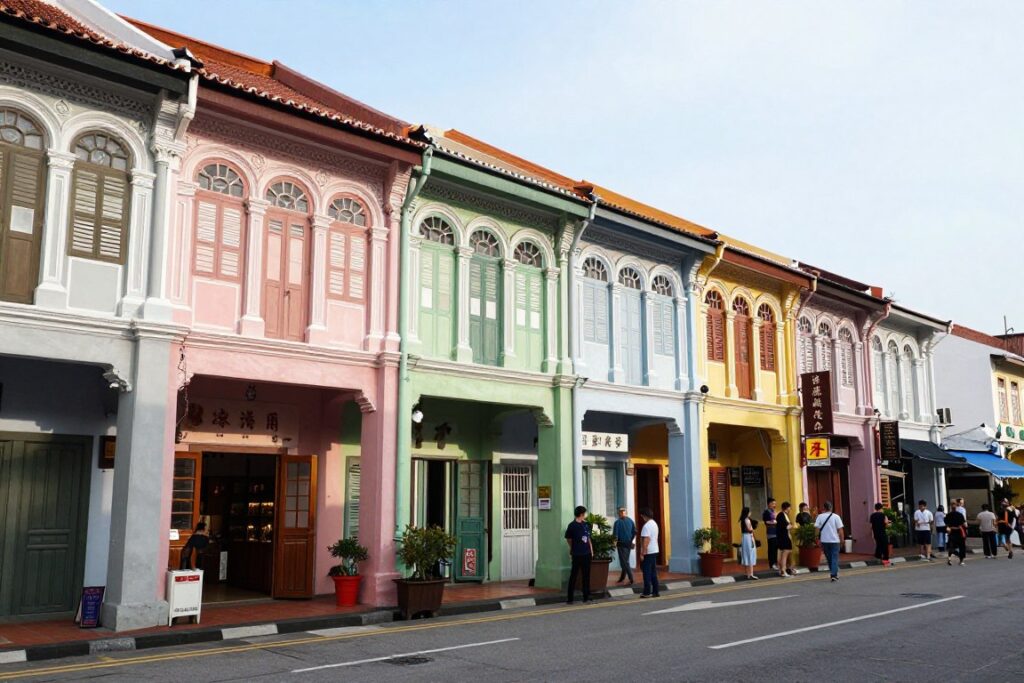
The famous Jonker Street night market operates every Friday, Saturday, and Sunday evening. The entire street closes to traffic, transforming into a pedestrian market packed with vendors. Stalls sell everything from clothing and souvenirs to local snacks and drinks. The atmosphere buzzes with energy as locals and tourists navigate the crowded lanes.
Food dominates much of the night market experience. Try satay celup, where you cook skewers in a communal pot of spicy peanut sauce. Vendors grill chicken wings, make fresh popiah rolls, and serve endless varieties of fried snacks. The famous cendol dessert stands draw long queues, but the shaved ice treat loaded with palm sugar syrup justifies the wait.
Night Market Tip: Arrive before 6 PM to secure parking and beat the worst crowds. The market stays lively until midnight, so consider visiting later if you prefer a more relaxed pace. Bring cash as many vendors don’t accept cards. Keep valuables secure in the crowded conditions.
Cheng Hoon Teng Temple
Malaysia’s oldest functioning Chinese temple stands just off Jonker Street. Built in 1646, Cheng Hoon Teng Temple serves the local Chinese community and welcomes respectful visitors. The temple follows traditional southern Chinese architecture, with elaborate roof decorations, carved wooden screens, and multiple prayer halls dedicated to different deities.
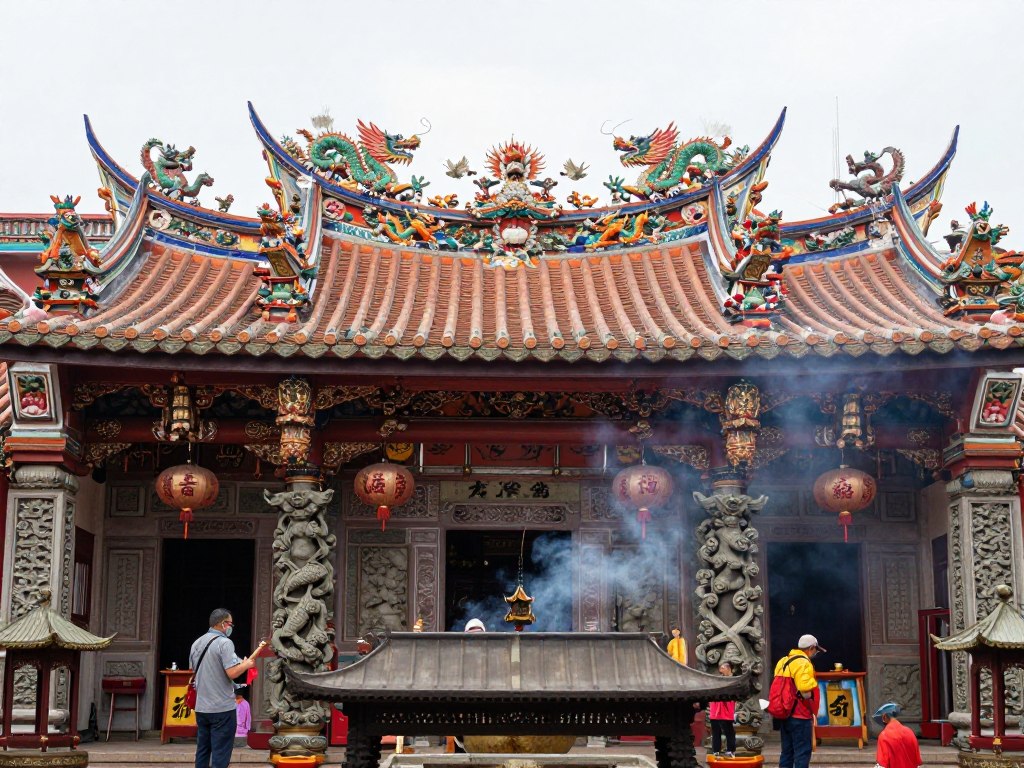
The main hall honors Kuan Yin, the goddess of mercy. Worshippers light incense sticks and make offerings throughout the day. Side halls contain additional shrines and ancestral tablets. The temple craftsmen used no nails in the construction, relying instead on wooden joints and traditional techniques. This UNESCO-recognized site also houses one of the oldest Hokkien temples outside China.
Dress modestly when visiting, covering shoulders and knees. Photography is permitted in most areas, but avoid disturbing people who are praying. Donation boxes near the entrance help with temple maintenance. The complex opens early morning to evening, with the most atmospheric time being early morning when regular worshippers perform their rituals.
Baba Nyonya Heritage Museum
This private museum offers the best introduction to Peranakan culture in Malacca. The Baba Nyonya community, also known as Straits Chinese, descended from early Chinese immigrants who married local Malay women. This union created a unique culture blending Chinese, Malay, and later European influences.
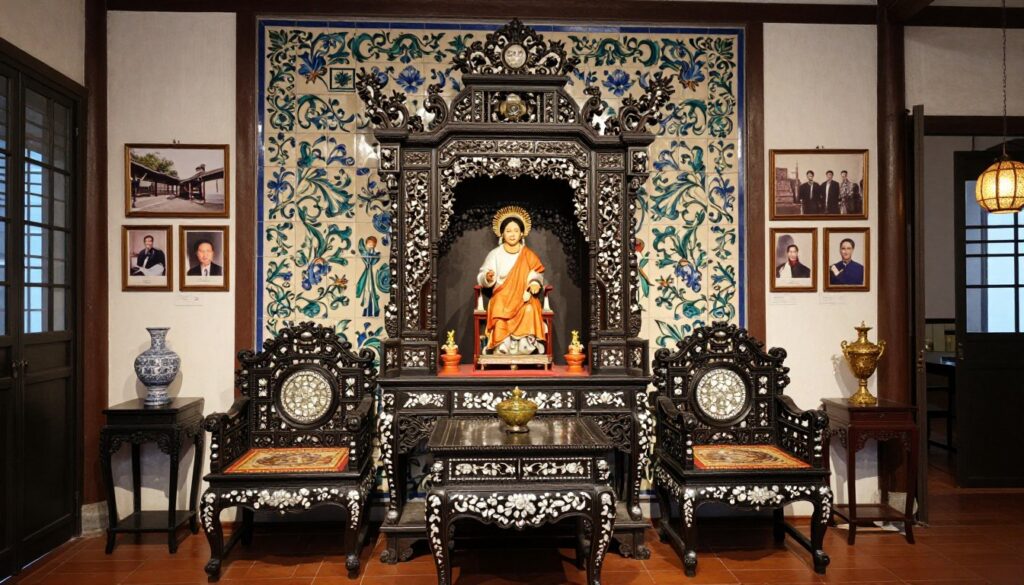
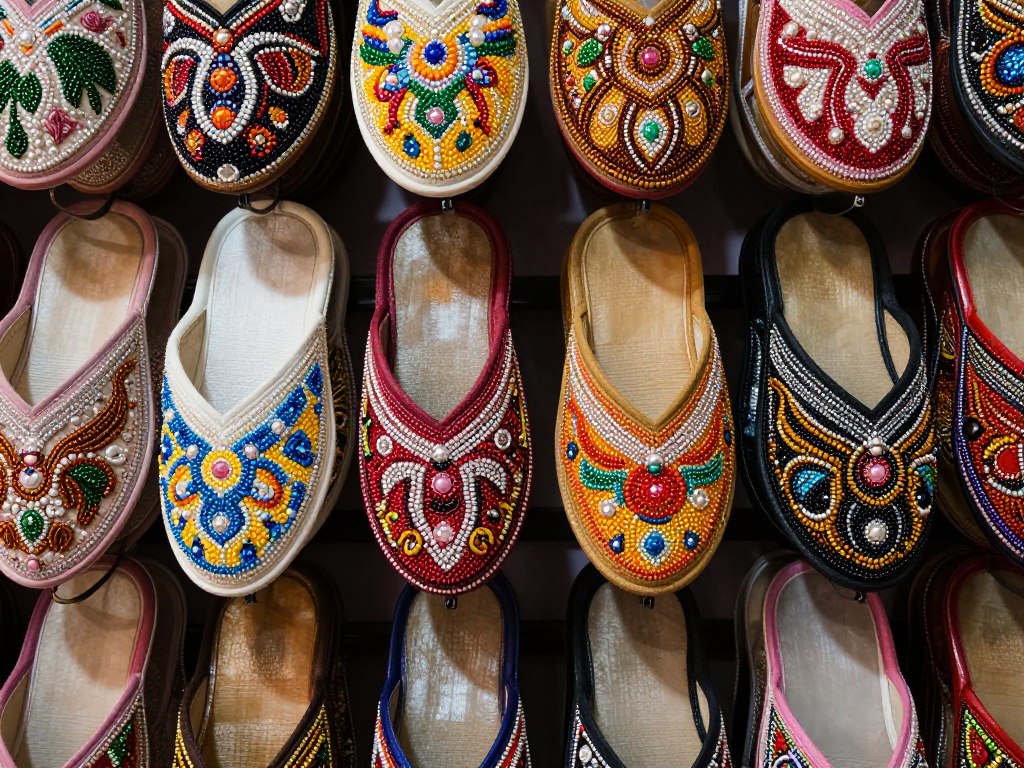
The museum occupies three adjoining shophouses filled with original family possessions. Guides explain room by room how wealthy Peranakan families lived. You’ll see elaborate wedding chambers, family dining halls, and courtyards typical of these hybrid homes. The collection includes embroidered slippers, antique furniture with mother-of-pearl inlay, and ceremonial objects used in Nyonya customs.
Entry requires joining a guided tour, which runs several times daily. The knowledgeable guides bring the exhibits to life with family stories and cultural explanations. Tours last about forty-five minutes. Book ahead during peak travel periods as group sizes stay limited to preserve the historic interiors. The museum sits on Heeren Street, parallel to Jonker Street.
Kampung Kling Mosque
The Kampung Kling area demonstrates Malacca’s religious diversity within a tiny geographic space. The Kampung Kling Mosque, built in 1748, showcases unique Sumatran-Javanese architecture rather than typical Middle Eastern mosque design. The multi-tiered roof resembles a pagoda more than a traditional mosque dome.
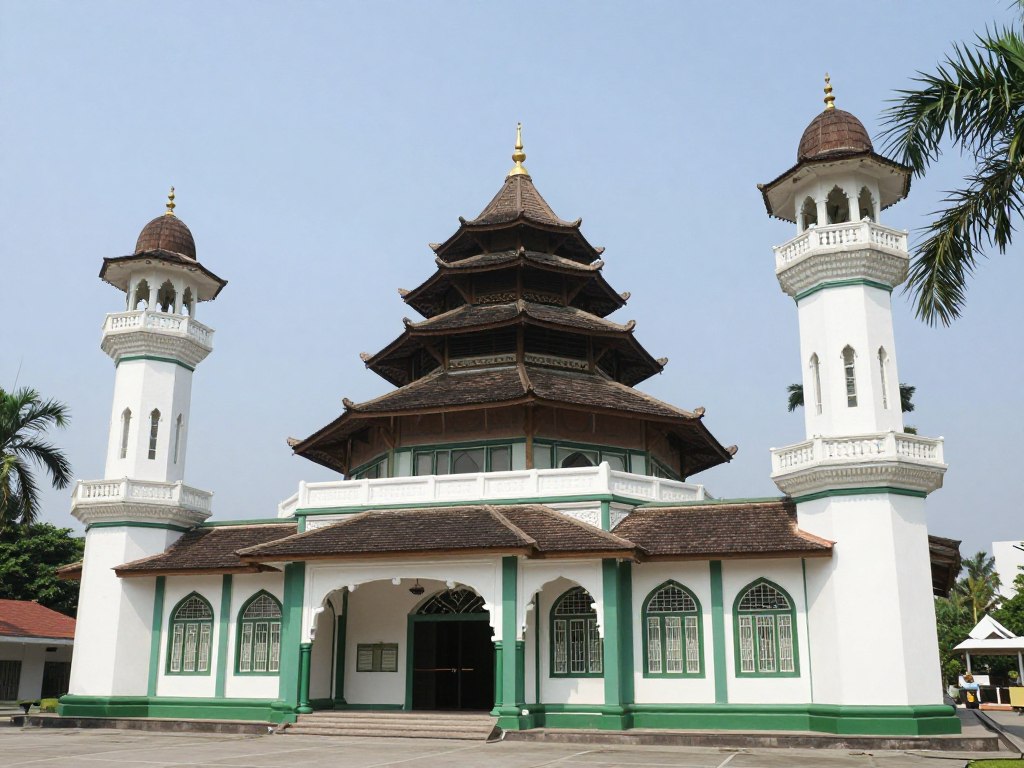
The mosque interior features an open prayer hall with traditional Quranic calligraphy and simple decorations. Non-Muslim visitors can enter outside prayer times, though women should cover their heads and everyone must remove shoes. The mosque demonstrates how Islamic architecture adapted to local building traditions in Southeast Asia.
Within walking distance, you’ll find the Sri Poyyatha Vinayagar Moorthi Temple (Hindu) and Cheng Hoon Teng Temple (Buddhist). This concentration of different faiths in the heart of the old town exemplifies Malacca’s tradition of religious tolerance. The area also gives its name to the wider Kampung Kling neighborhood known for heritage shophouses.
Melaka Sultanate Palace Museum
This full-scale replica recreates the wooden palace of Sultan Mansur Shah from the 15th century. The original palace burned down centuries ago, but historical records and architectural studies guided this 1980s reconstruction. The building rises from the ground without any nails, using traditional Malay timber construction methods.
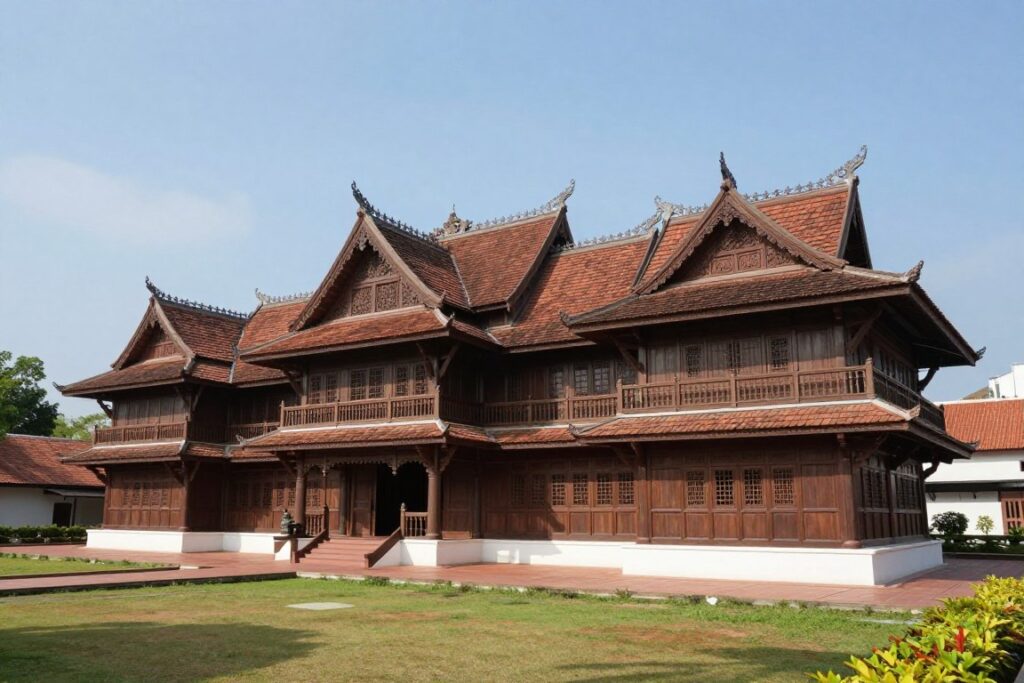
Inside, dioramas and exhibits detail life during the Melaka Sultanate’s golden age. Displays cover royal ceremonies, trade relationships, and the sultanate’s role in spreading Islam throughout the region. Mannequins wear period costumes, and artifacts illustrate daily life from sultan to common people. The museum provides essential background for understanding Malacca before European colonization.
The palace sits about fifteen minutes walk from the Dutch Square, near the base of St. Paul Hill. Budget about an hour for your visit. English signage explains most exhibits, though some information appears only in Malay. The grounds also house a small cultural village with traditional Malay houses demonstrating different regional architectural styles.
Maritime Museum and Flor de la Mar
The Maritime Museum occupies a full-scale replica of Flor de la Mar, a Portuguese ship that sank off Malacca’s coast in 1511 while carrying treasure back to Portugal. The distinctive ship structure houses exhibits covering Malacca’s maritime history from the Sultanate period through European colonization.
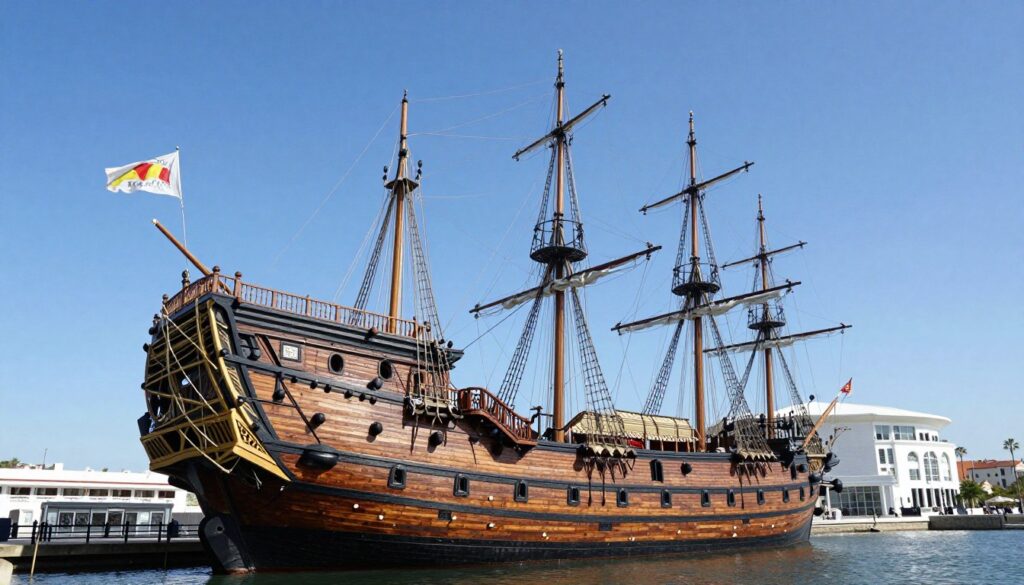
Displays inside cover Portuguese navigation techniques, Dutch East India Company trade routes, and the spice trade that made Malacca wealthy. Ship models, navigational instruments, and recovered artifacts tell stories of maritime Southeast Asia. The museum also addresses Malacca’s role as a major port connecting China, India, and Europe for centuries.
The museum sits near the river mouth, about twenty minutes walk from the Dutch Square. Combined tickets often include access to other nearby museums. The ship’s exterior makes for dramatic photos, especially in afternoon light. Visit in morning to avoid the hottest part of the day, as the ship replica heats up significantly.
Experience Malacca’s Heritage with a Guided Tour
Join a knowledgeable local guide who can bring Malacca’s rich history to life. Skip-the-line access and deeper cultural insights make guided tours worthwhile.
Melaka River Cruise
The forty-five-minute Melaka River cruise offers a different perspective on the city’s heritage. Boats depart from several points along the river, with the main dock near the Dutch Square. The cruise travels upriver past heritage buildings, under bridges, and through sections decorated with colorful murals.
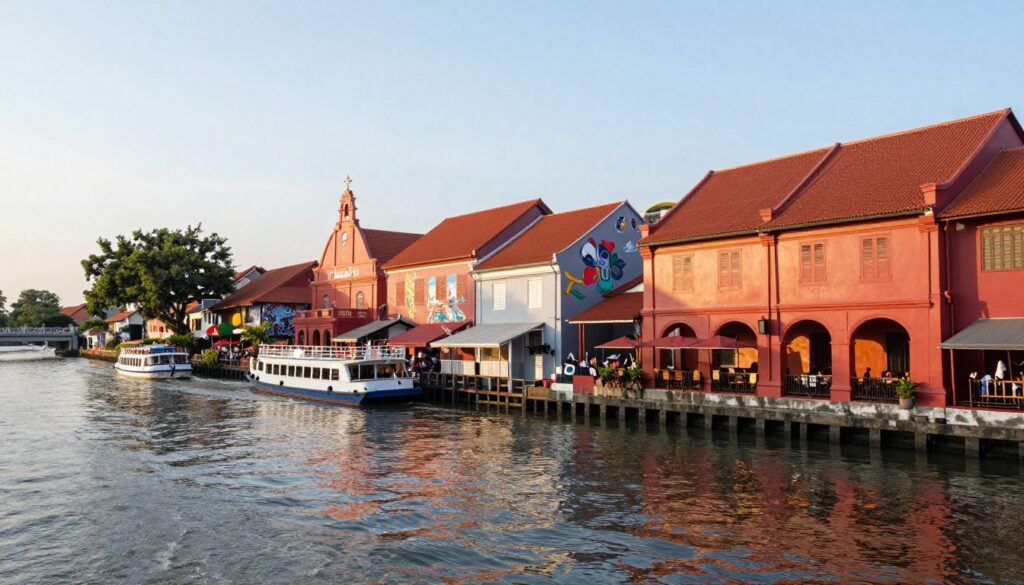
The river cruise showcases how Malacca is revitalizing its waterways. Once polluted and neglected, the river now serves as both transportation and tourist attraction. Boats operate throughout the day and evening, with evening cruises offering cooler temperatures and illuminated buildings along the banks. Commentary points out historical buildings and explains the river’s role in Malacca’s development as a trading port.
Tickets cost around 30 Ringgit for adults, with discounts for children. The covered boats provide relief from sun and occasional rain. Weekend and holiday periods see longer queues, so consider booking in advance or visiting on weekdays. The cruise pairs well with a meal at one of the riverside restaurants, many of which offer views of the water traffic.
Kampung Hulu Mosque
Dating from 1728, Kampung Hulu Mosque claims the title of Malaysia’s oldest mosque still in regular use. The structure shows similar Sumatran-Javanese influences as Kampung Kling Mosque, with a pagoda-style roof and minimal ornamentation. The mosque sits in a residential neighborhood, away from the main tourist circuit.
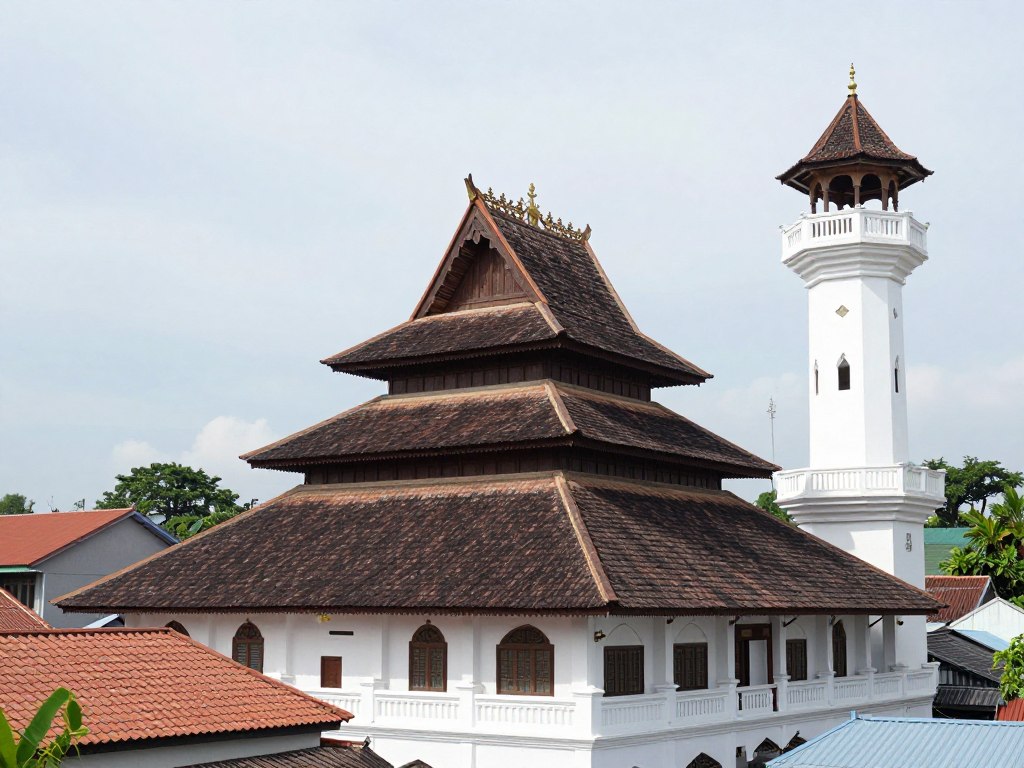
The mosque’s relatively plain appearance reflects the practical building style of early Islamic communities in Malaysia. Visiting respectfully during non-prayer times allows you to appreciate this architectural gem without crowds. The neighborhood around the mosque retains a traditional character, with local Malay families living in wooden houses and small shops selling daily necessities.
Klebang Beach
For a break from historical sites, head to Klebang Beach on Malacca’s coast. This local favorite sits about twenty minutes from the city center by car or bus. The beach itself won’t match Thailand’s pristine shores, but it offers a place to relax with views across the Straits of Malacca toward Indonesia.
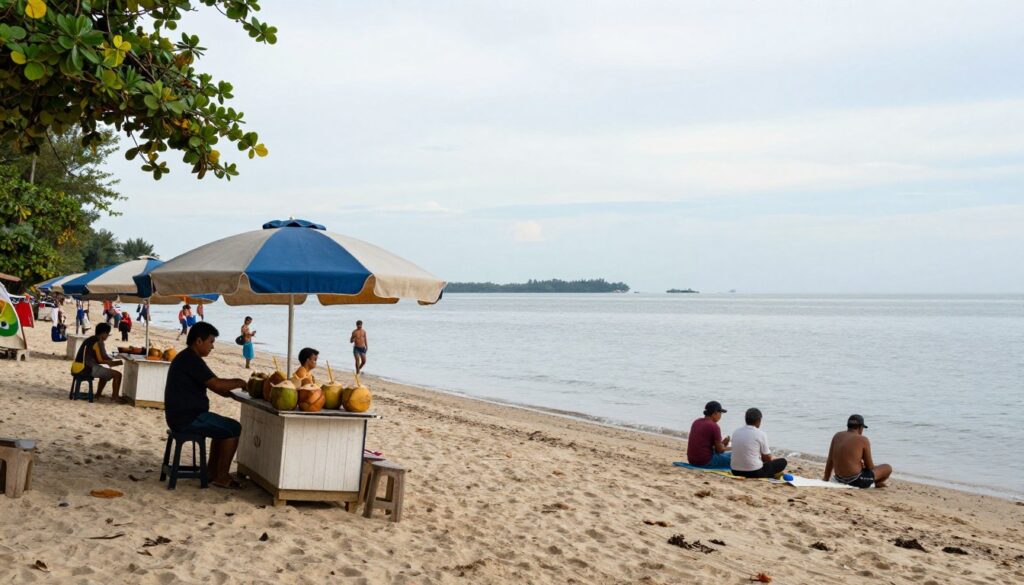
The beach is famous for its original coconut shake stalls. Vendors blend fresh coconut water with ice cream and chocolate, creating a thick, sweet treat perfect for hot days. Long queues form at the most popular stalls, particularly on weekends. The beach area also has seafood restaurants serving fresh catch and Malay dishes.
Klebang Beach sees mostly local visitors, giving it an authentic, non-touristy atmosphere. Families picnic under casuarina trees, children play in the shallow water, and couples walk the shore at sunset. The beach makes a good afternoon destination, combining relaxation with the famous coconut shakes. Grab a taxi or use city buses to reach the area from the old town.
Where to Stay in Malacca: Accommodation for Every Budget
Malacca offers accommodation ranging from budget hostels to luxury heritage hotels. The old town area provides the most atmospheric stays, with many hotels occupying restored shophouses. You’ll find the best selection of restaurants and attractions within walking distance. Book well ahead for weekends and Malaysian public holidays when domestic tourism peaks.
Luxury and Boutique Options
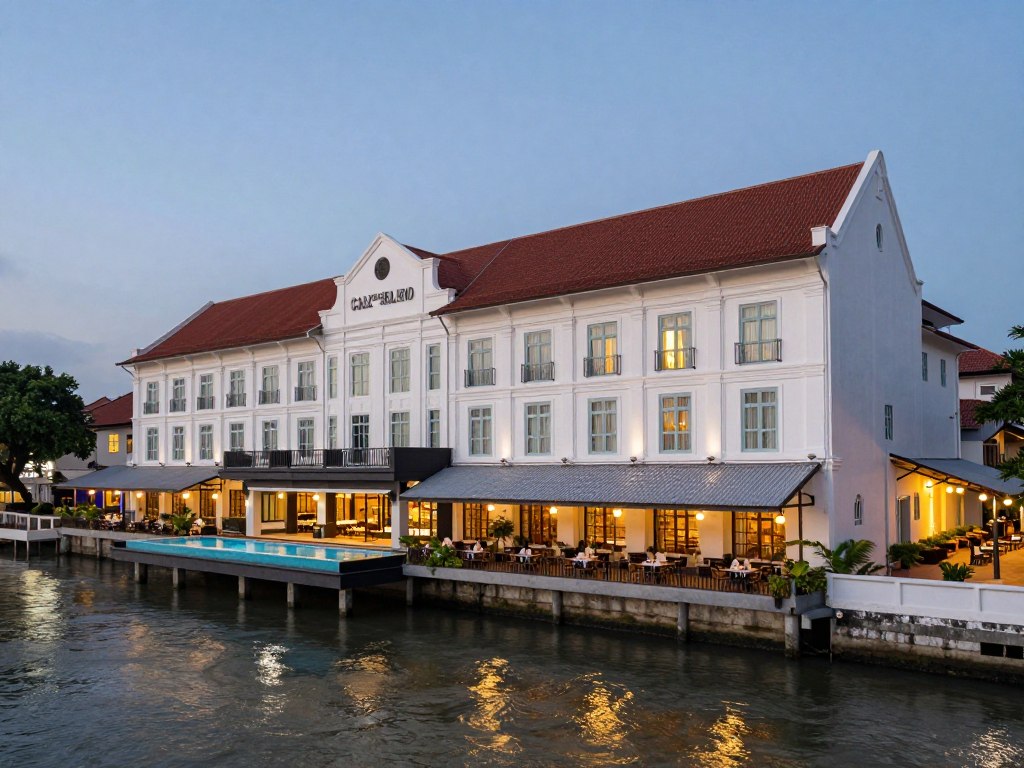
Casa del Rio Melaka stands as the city’s premier luxury property. This riverside hotel occupies restored heritage buildings with rooms overlooking the Malacca River. Interiors blend colonial architecture with contemporary comfort. The rooftop pool offers views across the old town, while the ground floor houses excellent restaurants and a spa. Expect to pay premium rates, especially during peak seasons.
The Majestic Malacca combines colonial grandeur with modern amenities. Built in the 1920s as a private mansion, the hotel retains period details like tile floors and wooden staircases. Rooms feature four-poster beds and vintage-inspired decor. The property sits walking distance from major attractions in the Dutch Square area. Service standards match international luxury hotel expectations.
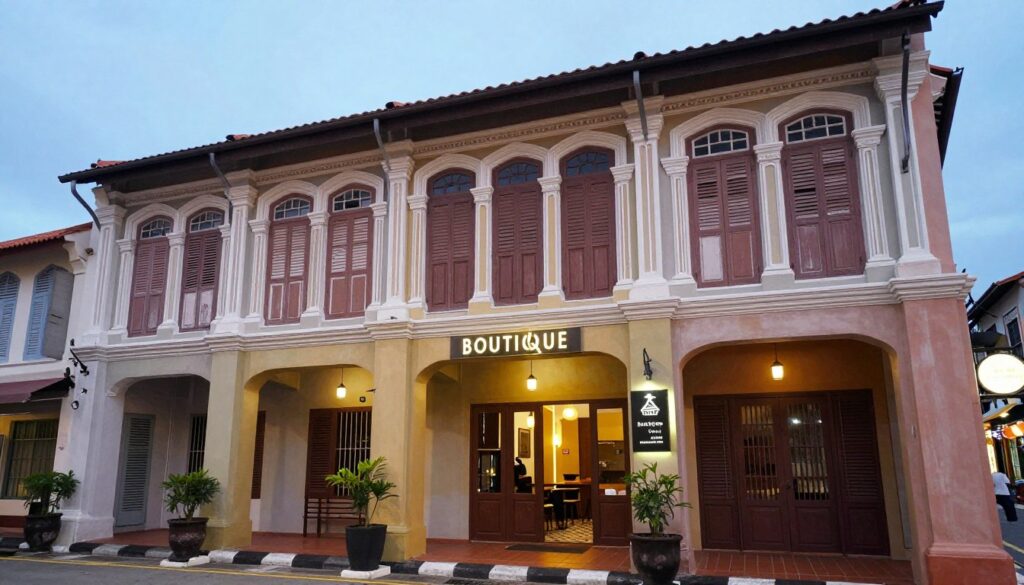
Several boutique hotels occupy restored Peranakan shophouses along Heeren Street and nearby lanes. These properties typically offer fewer than twenty rooms, each individually decorated with antiques and heritage touches. Courtyards, original floor tiles, and period furniture create an authentic atmosphere. Properties like Courtyard @ Heeren and Heeren House provide this experience with rates in the mid-range luxury category.
Mid-Range Hotels
The old town contains numerous three and four-star hotels in converted heritage buildings. These properties balance historic character with modern comforts like air conditioning, WiFi, and private bathrooms. Prices typically range from 200 to 400 Ringgit per night depending on season and specific property.
Heritage Hotels
Restored shophouses in Jonker Street and Chinatown area. Original architectural features with modern amenities. Walking distance to all major attractions. Limited parking availability.
- Air-conditioned rooms with WiFi
- Heritage building character
- Central location advantages
- Breakfast often included
Modern Hotels
Contemporary properties near city center with standard hotel amenities. Pool facilities, parking, and business centers. Short walk or quick ride to old town attractions.
- Swimming pool facilities
- Secure parking available
- Larger room sizes
- Chain hotel reliability
Riverside Properties
Hotels along Melaka River with water views and riverside dining. Quieter than main street locations while maintaining central position. River cruise access from doorstep.
- River and city views
- Quieter location
- Riverside restaurant access
- Romantic atmosphere
International chains like Hatten Hotel and DoubleTree by Hilton operate in Malacca, offering familiar standards and loyalty program benefits. These properties tend toward modern high-rise buildings rather than heritage conversions. They provide reliable comfort with pools, gyms, and business facilities. Locations generally sit slightly outside the immediate old town, requiring short walks or rides to major attractions.
Budget Accommodation
Backpacker hostels cluster around Jonker Street and the surrounding lanes. Dormitory beds start from as little as 30-40 Ringgit per night, while private rooms in hostels range from 80-150 Ringgit. Most hostels occupy heritage buildings, giving budget travelers heritage character without luxury price tags.
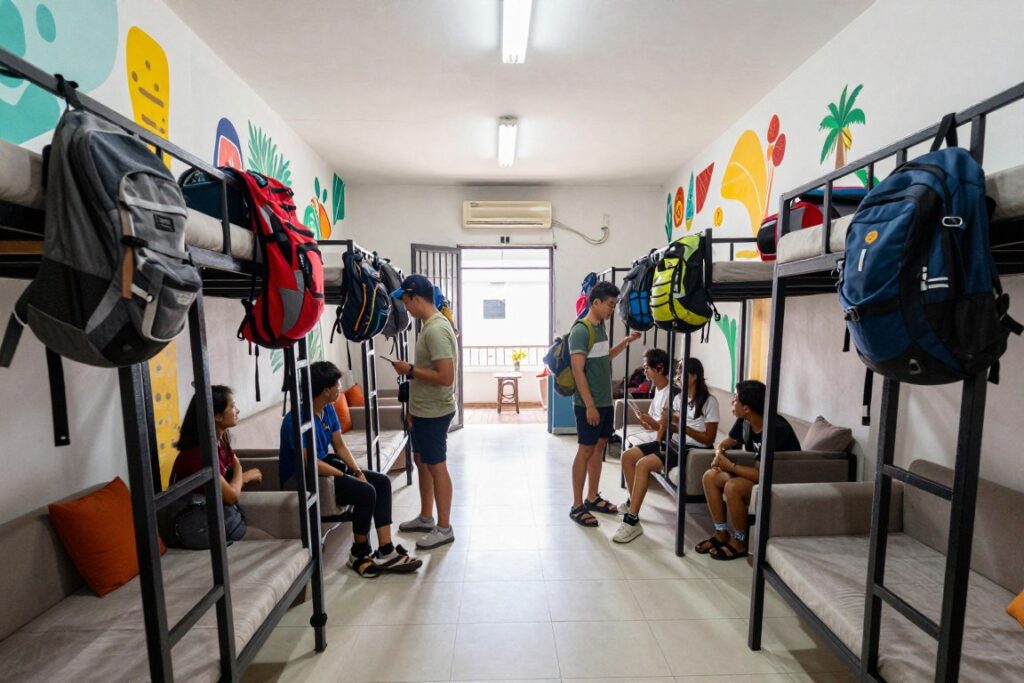
Popular budget options include Ringo’s Foyer Guest House and various properties along Jalan Tukang Besi. These typically offer basic amenities like air conditioning, WiFi, and shared bathrooms for dorms. Common areas provide spaces to meet other travelers. Staff usually offer good local knowledge and can arrange tours or transport.
Budget hotels, distinct from hostels, provide private rooms with en-suite bathrooms at economical rates. These three-star properties lack heritage character but deliver clean, comfortable bases for exploring. Locations may sit further from the absolute center but remain accessible via walking or short rides. Expect to pay 100-180 Ringgit for these options.
Neighborhood Considerations
Staying in the Jonker Street area puts you at the heart of the action. You’ll have immediate access to the night market, restaurants, and most major sights. However, this popularity means more noise, especially on weekend evenings when the market operates. Light sleepers might prefer quieter side streets slightly removed from the main thoroughfare.
The area around the Dutch Square offers central location with slightly less foot traffic than Jonker Street. You’ll still walk easily to major attractions while enjoying a somewhat more relaxed atmosphere. This zone has good restaurant options and reasonable weekend parking compared to deeper in the heritage quarter.
Properties near the Portuguese Settlement or Klebang Beach provide different experiences. These areas offer local neighborhood atmospheres and lower prices, but require transport to reach the old town. Consider these locations if you prefer staying away from tourist crowds or if you’re driving and want easier parking.
Secure Your 2026 Malacca Accommodation Now
Heritage hotels in the old town book up months ahead for peak season. Reserve your preferred dates and property type now to guarantee availability and better rates.
Food and Dining: Malacca’s Culinary Heritage
Malacca’s food scene rivals its historical attractions as a reason to visit. The city’s multicultural heritage created unique dishes you won’t find elsewhere in Malaysia. Nyonya cuisine, born from Chinese-Malay fusion, headlines the local specialties. The old town packs in everything from street stalls to upscale restaurants, ensuring options for every budget and taste.
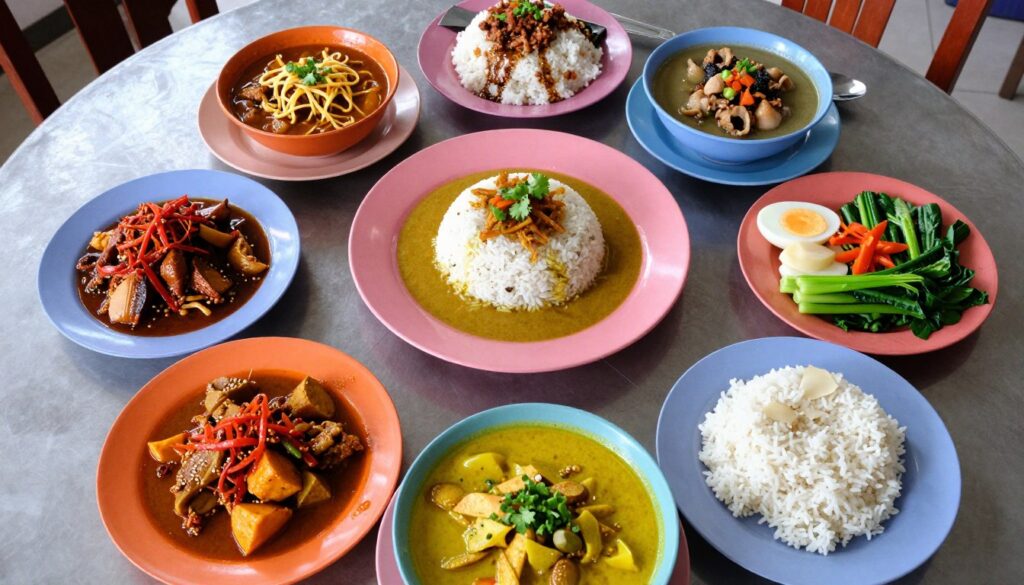
Must-Try Malaccan Dishes
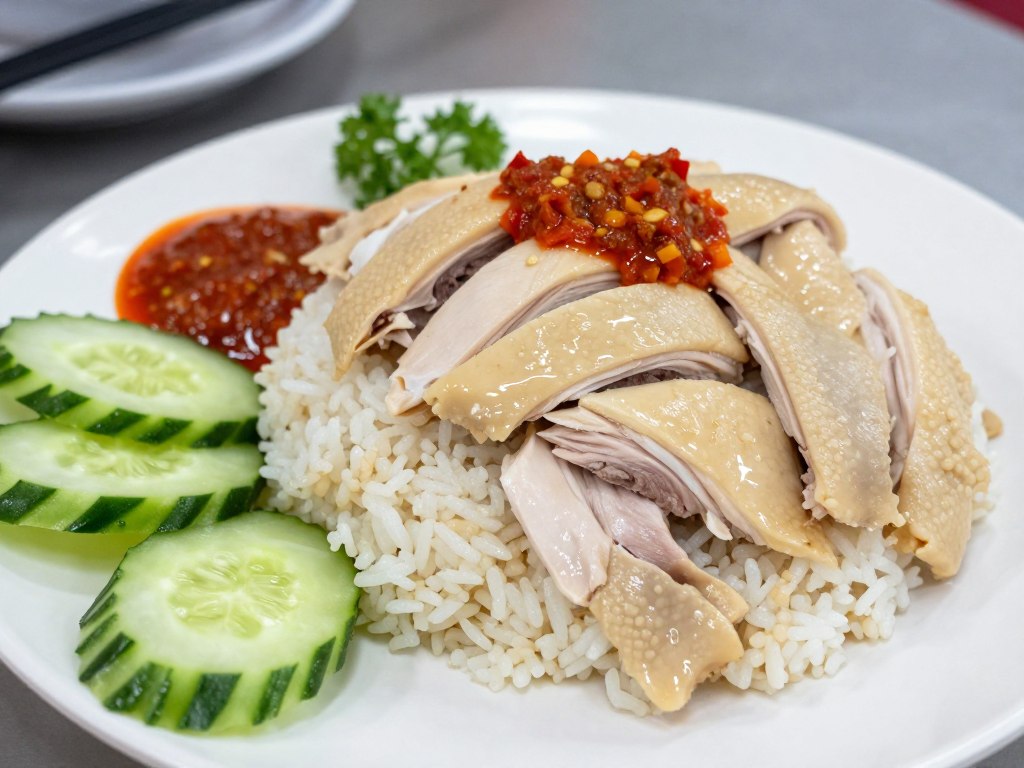
Chicken rice balls define Malaccan street food. Unlike regular chicken rice, local vendors shape the rice into compact balls. The dish comes with poached chicken, cucumber, and chili sauce. Famosa Chicken Rice Ball on Jonker Street draws the longest queues, but several competitors serve equally good versions. Expect to wait during peak lunch and dinner hours.
Satay celup offers interactive dining. You select raw ingredients on skewers, then cook them in a communal pot of bubbling peanut sauce. Capitol Satay pioneered this Malacca specialty, though many competitors now operate. The sweet-spicy peanut sauce differs from typical satay, creating a distinctive taste. Count your sticks at the end to calculate your bill, as prices vary by ingredient.
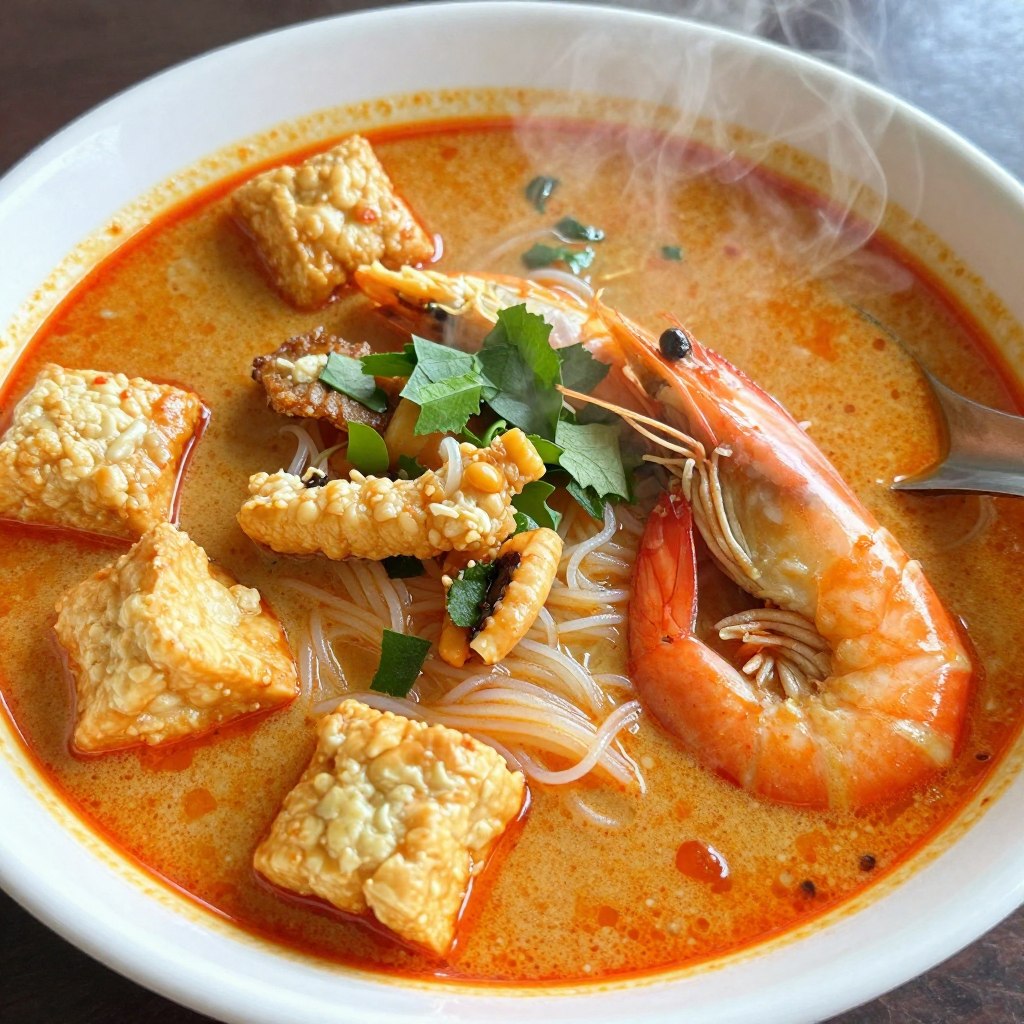
Nyonya laksa combines Chinese noodles with spicy coconut curry. The gravy uses a complex spice paste that takes hours to prepare properly. Each family guards their recipe, making versions differ significantly between restaurants. Nancy’s Kitchen serves well-regarded Nyonya laksa alongside other Peranakan specialties. The rich, creamy broth pairs perfectly with the humid tropical climate.
Cendol provides sweet relief from the heat. This dessert combines shaved ice, palm sugar syrup, coconut milk, and green jelly noodles made from rice flour. Red beans often accompany the mix. Klebang Beach’s famous coconut shake stalls offer a modern twist, but traditional cendol from old town vendors delivers authentic taste. The contrast of cold ice and sweet syrup creates an addictive combination.
Ikan bakar, or grilled fish, appears throughout Malaysia but Malacca’s Portuguese Settlement specializes in this preparation. Restaurants near the waterfront grill fresh catch over charcoal, serving it with sambal and rice. The Portuguese Eurasian community has lived here for generations, creating fusion dishes that blend European and Asian influences. Visit the settlement for dinner when restaurants come alive with activity.
Best Restaurants in Malacca
Nancy’s Kitchen tops many lists for authentic Nyonya food. The small shophouse restaurant serves dishes from recipes passed through generations. Order the ayam pongteh (chicken stewed in fermented bean paste) and pai tee (crispy cups filled with vegetables). The restaurant gets extremely busy, so arrive early or late to avoid peak meal times. Portions suit sharing family style.
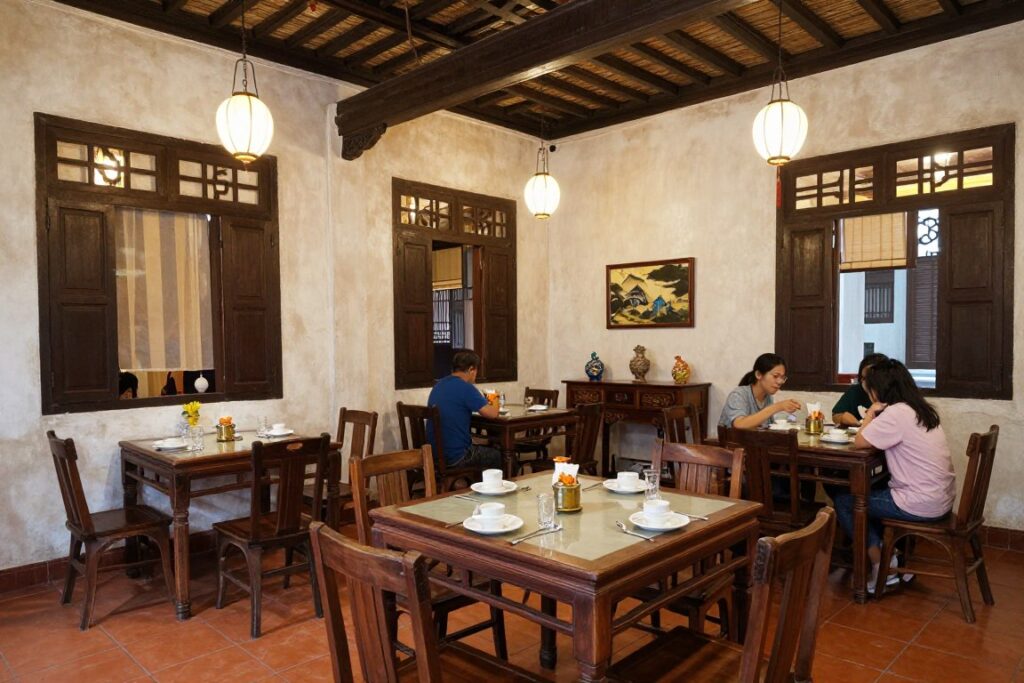
Geographer Cafe combines decent food with historical ambiance. The venue appeared in the film Entrapment, bringing it tourist fame. The menu spans Western and Asian options, making it safe for less adventurous eaters. Outdoor seating offers people-watching opportunities on busy Jonker Street. While not the most authentic choice, it provides reliable quality in a convenient location.
Pak Putra Tandoori and Naan Restaurant brings North Indian flavors to Malacca. The tandoor oven produces excellent naan bread and tandoori chicken. Malaysian Indians have lived here for generations, bringing culinary traditions with them. The restaurant provides halal options and vegetarian dishes. Located slightly outside the immediate tourist zone, it draws both locals and visitors.
Restoran de Lisbon in the Portuguese Settlement specializes in Portuguese-influenced dishes. Try the devil’s curry, a spicy stew born from Portuguese vindalho and local ingredients. The outdoor seating provides views of the fishing village and waterfront. Weekend evenings bring live music and larger crowds. Transport via Grab or taxi works best as the settlement sits several kilometers from the old town.
Street Food and Markets
Jonker Street night market offers the densest concentration of street food vendors. Every weekend evening, stalls sell everything from fresh fruit juices to grilled seafood. Popular items include fried oyster omelette, char kway teow noodles, and various skewered meats. Prices stay reasonable, with most items costing 5-15 Ringgit. Walking the entire market trying different snacks makes a fun evening activity.
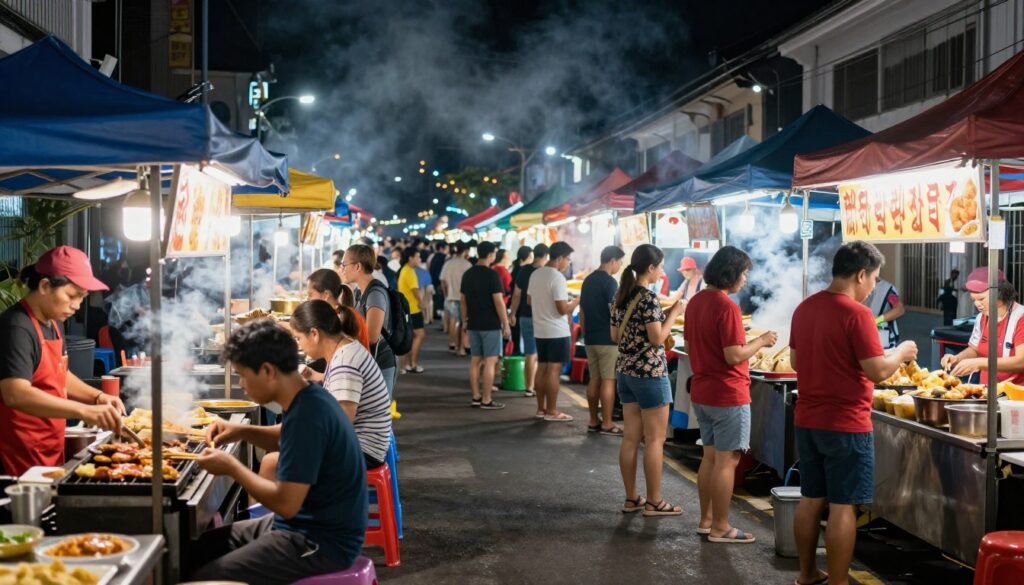
Glutton Street, officially Jalan Merdeka, operates nightly near Mahkota Parade. This food center collects various stall operators under one roof. You’ll find Chinese, Malay, and Indian options alongside cold drinks and desserts. The setup works well for groups with different preferences, as everyone can order from different stalls and share a table. Operating hours extend past midnight on weekends.
The Portuguese Settlement comes alive weekend evenings when restaurants set up outdoor tables and live music plays. While technically restaurants rather than street food, the casual atmosphere and waterfront setting create a market-like vibe. Seafood dominates menus, with fish, prawns, and squid grilled to order. Arrive around sunset for the best ambiance and cooler temperatures.
Cafes and Bakeries
Heritage cafes occupy restored shophouses throughout the old town. These venues serve Western coffee alongside local kopi. The Baboon House combines vintage decor with quality coffee drinks, while Daily Fix Cafe attracts laptop workers and cafe hoppers. Most stay open through afternoon, filling the gap between lunch and dinner hours. Air conditioning provides welcome relief from street heat.
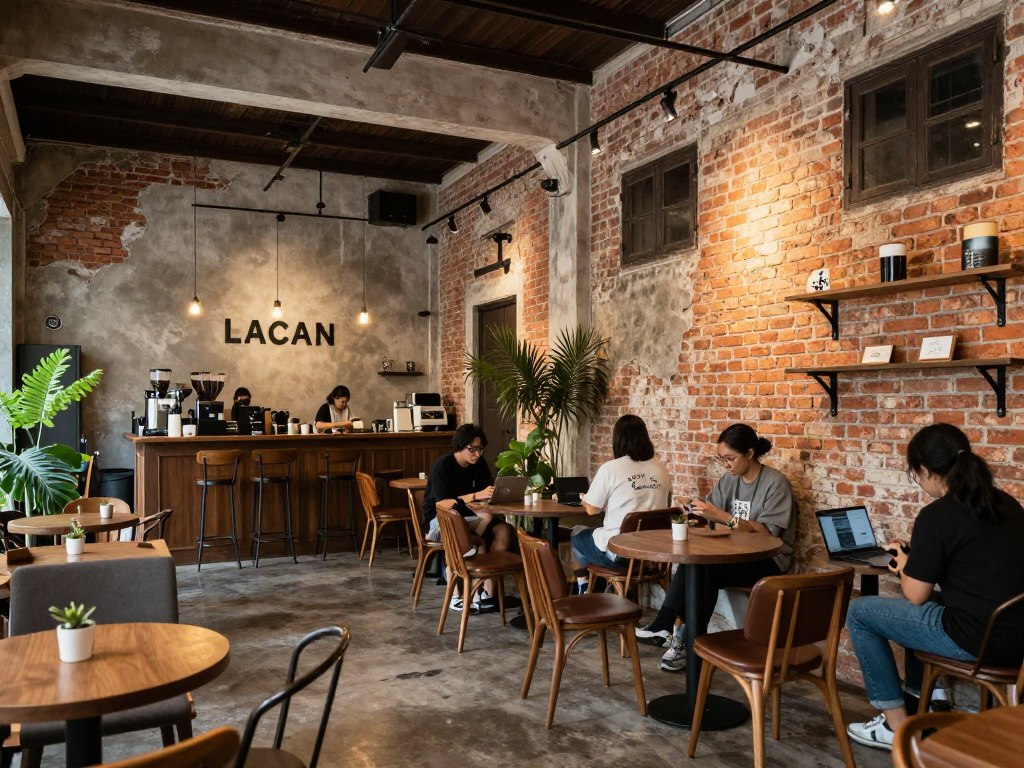
Traditional Hainanese coffee shops, called kopitiam, serve local breakfast favorites. Kaya toast with butter and soft-boiled eggs makes a typical morning meal. The coffee comes thick and sweet, brewed through cloth filters. Chung Wah Kopitiam near the Dutch Square exemplifies this style. These shops open early, often before 7 AM, and some close by early afternoon.
Portuguese-style egg tarts from local bakeries make excellent snacks. The pastry differs from Macanese versions but delivers similar custard-filled satisfaction. Nadeje Cake House specializes in crepe cakes but also serves good versions of local sweets. Several bakeries line Jonker Street, offering easy access between sightseeing stops.
Taste Malacca with a Food Tour
Discover hidden culinary gems and learn the stories behind Nyonya dishes. Local food guides know the best stalls and can explain cultural context you’d miss exploring alone.
Dining Tips
Most street stalls and small restaurants operate cash-only. Keep small bills handy as change availability varies. Larger restaurants and cafes generally accept cards, but always confirm before ordering. ATMs cluster around the Dutch Square and major shopping areas like Mahkota Parade.
Lunch typically runs from noon to 2 PM, with many restaurants closing mid-afternoon. Dinner service begins around 6 PM and extends late into evening. Some popular spots run out of signature dishes before official closing time, so arrive earlier rather than later for specific items.
Spice levels in Malaccan food can surprise visitors unused to Malaysian heat. Request “not spicy” or “little spicy” when ordering if you’re sensitive to chili. Most vendors accommodate these requests. Conversely, local “spicy” might not challenge experienced chili lovers, so ask for extra heat if desired.
Food hygiene standards vary, especially at street stalls. Look for busy vendors with good turnover, as popular stalls move inventory quickly. Avoid places with empty tables and limited customers. Most visitors experience no problems, but take normal precautions like using hand sanitizer and drinking bottled water.
Getting Around Malacca: Local Transportation Options
Navigating Malacca requires minimal effort thanks to the compact city center. Most visitors rely on walking for the old town, supplemented by occasional rides for longer distances. The flat terrain and pedestrian-friendly streets make exploring on foot pleasant, though the tropical heat demands planning around the hottest midday hours.
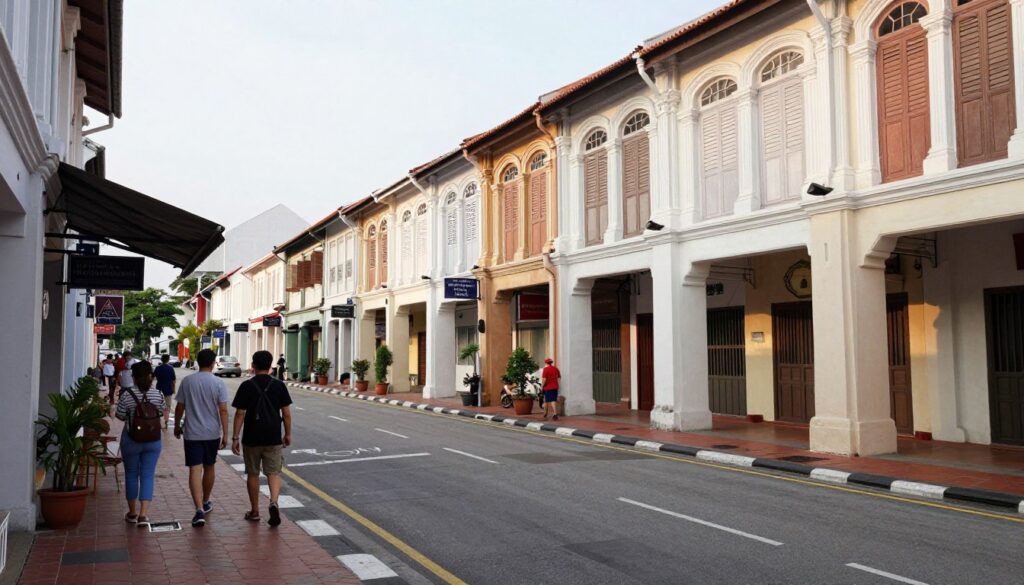
Walking the Old Town
The heritage quarter measures roughly one kilometer across, making it entirely walkable. Key attractions cluster even more tightly, with most sites sitting within five hundred meters of the Dutch Square. Well-maintained sidewalks connect major points, though some narrower lanes require walking in the street where traffic moves slowly.
The riverside promenade offers a pleasant walking route between attractions. This path runs along both banks of the Malacca River, connecting the Dutch Square area with the maritime museum and Portuguese Settlement direction. Trees provide partial shade, making it cooler than main roads. The route also offers good photo opportunities of the river and heritage buildings.
Plan walking routes to minimize backtracking. Start at one end of the heritage zone and work systematically toward the other. The compact layout means you’ll likely pass many attractions multiple times, allowing flexibility in your schedule. Most visitors find two full days sufficient to see major sights at a relaxed pace on foot.
Trishaws (Cycle Rickshaws)
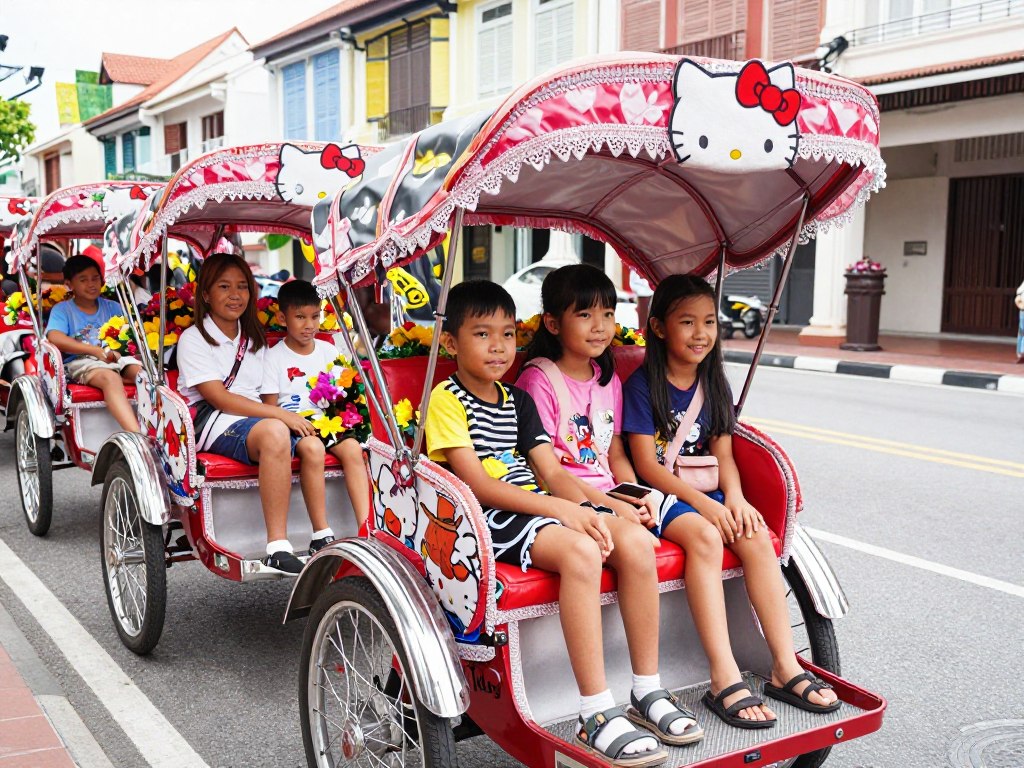
Malacca’s decorated trishaws represent unique local transport and tourist entertainment. Drivers decorate their bicycle rickshaws with elaborate themes, from Hello Kitty to Malaysian flags. Loud music systems blast pop songs as they pedal through the streets. You’ll either find this charming or annoying depending on your tolerance for kitsch.
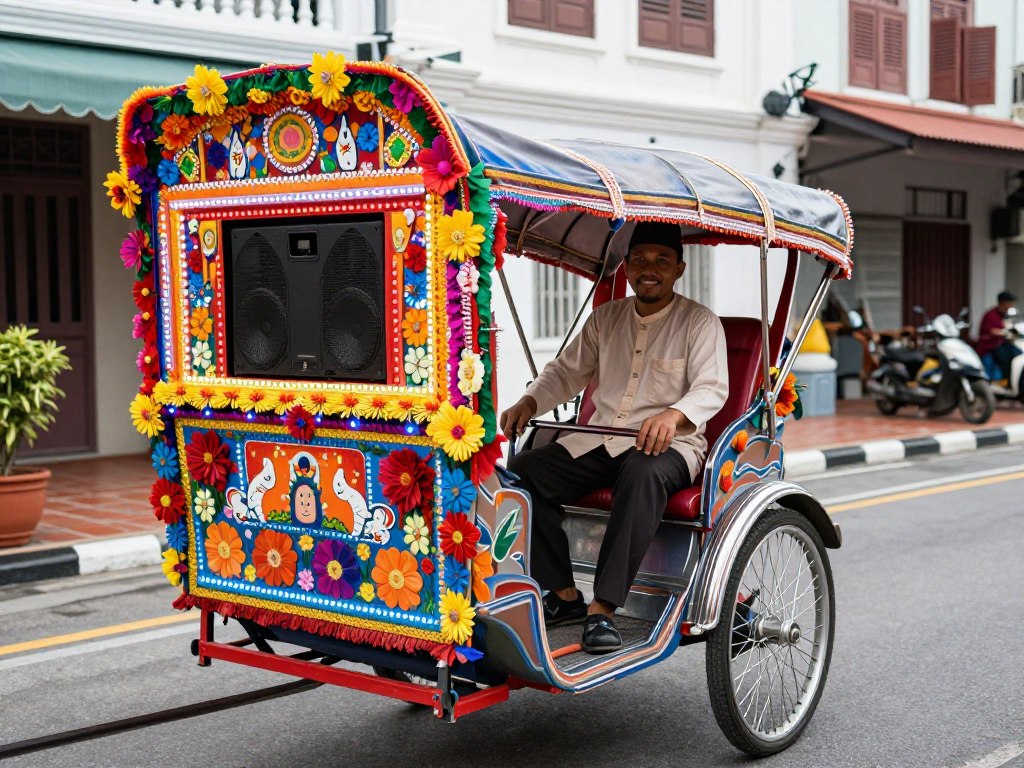
Hiring a trishaw works best for short tours rather than point-to-point transport. Drivers typically charge per hour, with rates around 40-60 Ringgit. An hour-long tour covers major sights with stops for photos. Negotiate the price and route clearly before starting. Some drivers speak limited English, so patience helps with communication.
Trishaws operate throughout the day but become scarce during the hottest midday hours. Evening rides offer cooler temperatures and opportunities to see illuminated buildings. The slow pace suits photographing street scenes and buildings. However, the decorations and loud music make trishaws poor choices for those seeking subtle cultural experiences.
Public Buses
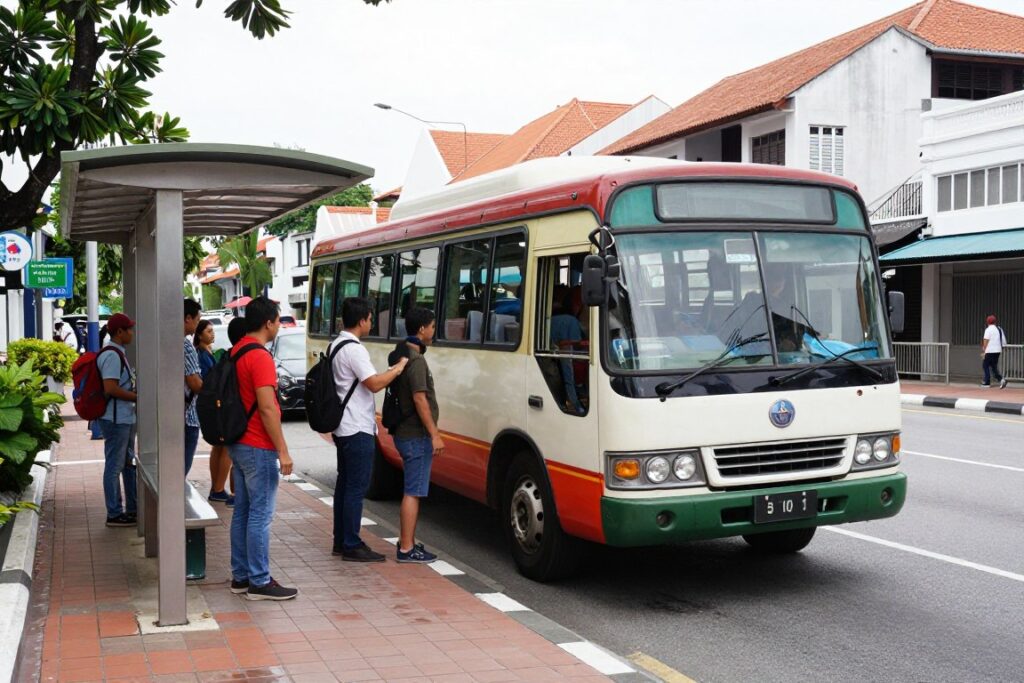
Malacca’s local bus system serves the wider city but sees limited use from tourists focusing on the old town. The free Panorama Melaka shuttle bus circles major tourist attractions, making it useful for tired feet or hot days. These buses operate approximately every twenty minutes during daytime hours.
Regular city buses connect the old town with outlying areas like Klebang Beach, the Portuguese Settlement, and residential neighborhoods. Fares cost just a few Ringgit, making buses economical for longer journeys. However, infrequent schedules and limited English signage make buses challenging for visitors without local knowledge. Bus stops cluster near the Dutch Square and along main roads.
Ride-Hailing Services (Grab)
Grab dominates ride-hailing in Malaysia, functioning similarly to Uber. The app works throughout Malacca with reliable service and transparent pricing. Rides within the old town typically cost 10-15 Ringgit, while trips to the airport or KLIA might reach 300-400 Ringgit. Most vehicles arrive within five to ten minutes during normal hours.
Download and set up the Grab app before arriving in Malaysia. The app requires a phone number for verification, and payment works through credit cards or cash. Having the app ready saves confusion when you need transport. Drivers generally speak enough English for basic communication, though the app handles address details automatically.
Grab proves especially useful for trips beyond walking distance from the old town. Klebang Beach, the Portuguese Settlement, and shopping malls sit far enough that walking becomes impractical. Evening returns to your hotel after dinner also work well via Grab, particularly from quieter areas where taxis don’t cruise.
Traditional Taxis
Traditional taxis still operate in Malacca but with less convenience than Grab. Finding available taxis requires going to taxi stands or having your hotel call one. Rates should use the meter, though some drivers at tourist areas refuse meters and quote inflated prices. This makes taxis less predictable and potentially more expensive than Grab.
Main taxi stands operate near the Dutch Square, Mahkota Parade, and the bus terminal. During peak tourist times, queues can form at popular locations. If you must use taxis, have your hotel arrange pickup or look for properly marked metered taxis at official stands. Always confirm the driver will use the meter before entering the vehicle.
Rental Cars and Driving
Renting a car for use within Malacca city makes little sense given traffic, limited parking, and the walkable old town. However, a car becomes useful for day trips to surrounding areas or if you’re touring multiple destinations in Malaysia. Major rental companies operate at Kuala Lumpur airport and in Malacca itself, with rates starting around 150 Ringgit daily.
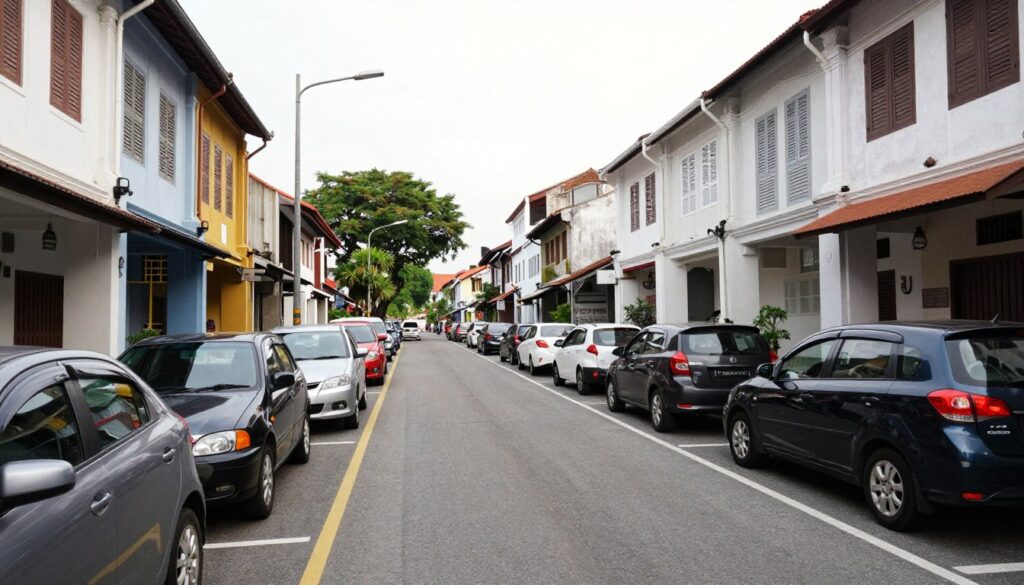
Parking in the old town presents the main challenge. The narrow heritage streets offer limited legal parking, and spaces fill early on weekends. Public parking lots exist near major attractions but also fill quickly. Parking fees stay reasonable at a few Ringgit per hour. Some hotels include parking, which solves this issue if you’re driving.
Malaysian traffic drives on the left side. Traffic in Malacca moves slower than Kuala Lumpur, making it less intimidating for foreign drivers. However, one-way streets, pedestrian zones, and confusing heritage area layouts can frustrate first-time visitors. GPS navigation helps but verify routes make sense before following blindly in the old town’s maze of lanes.
Bicycle Rentals
Some accommodations and shops rent bicycles for exploring Malacca. The flat terrain suits casual cycling, and the compact area means you can cover significant ground quickly. However, traffic, heat, and limited dedicated cycling infrastructure make bikes less popular than in some other Asian destinations. Expect to pay 20-30 Ringgit for daily rentals.
Cycling works best early morning or late afternoon when temperatures cool slightly. The riverside paths provide car-free cycling routes, though they don’t connect all attractions. Store your bicycle securely when visiting sites, as theft can occur. Most visitors find walking more practical given the small distances and need to frequently stop at attractions.
Best Time to Visit Malacca in 2026
Malacca welcomes visitors year-round, but timing your visit around weather patterns and local events can significantly improve your experience. The city’s tropical climate means heat and humidity persist throughout the year, though rainfall varies by season. Understanding these patterns helps you pack appropriately and plan activities around the weather.
Weather Patterns Throughout 2026
Malacca sits near the equator, resulting in consistently warm temperatures between 25-33°C year-round. Humidity stays high, typically above seventy percent, making the heat feel more intense. The city experiences two monsoon seasons that bring heavier rainfall and occasional flooding in low-lying areas.
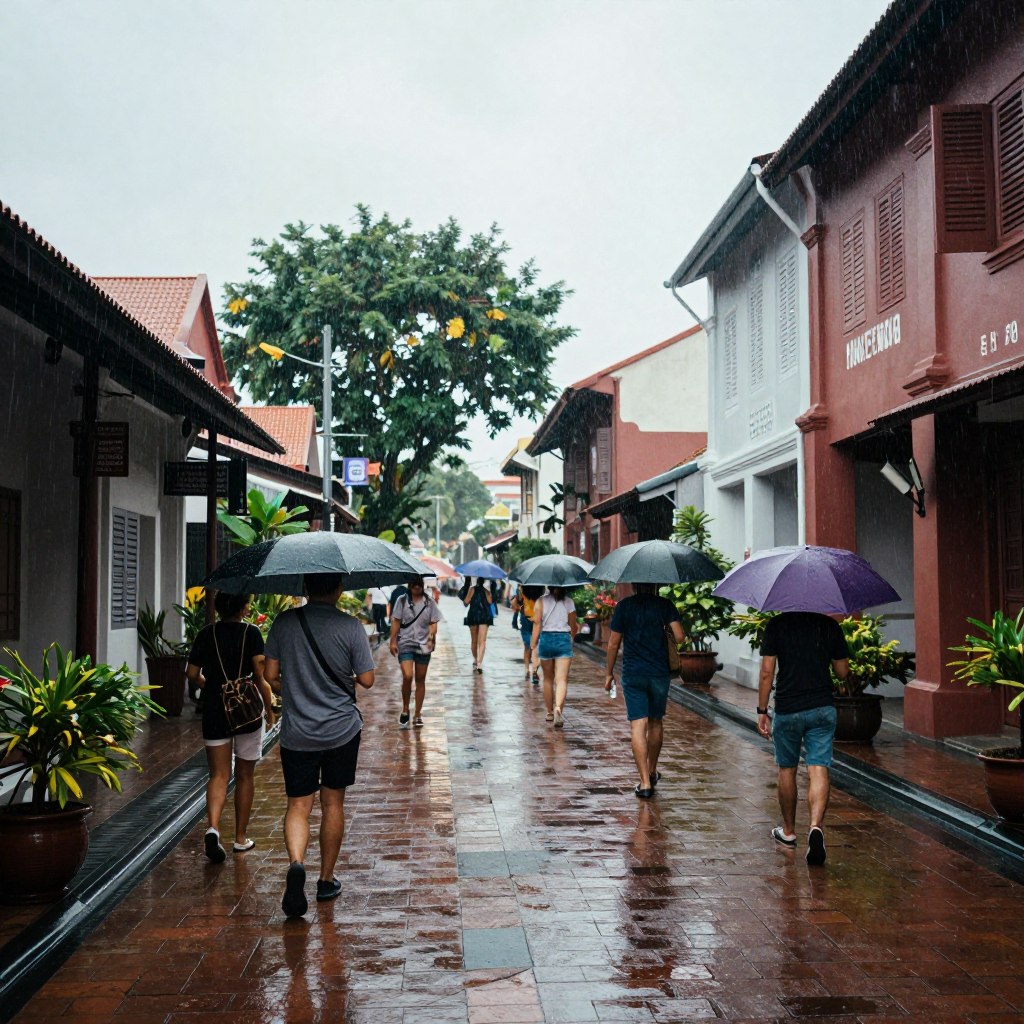
The southwest monsoon affects Malacca from May through September. This period brings increased rainfall, particularly in afternoon and evening. Mornings often start sunny before clouds build and rain arrives. The wettest months typically fall in September and October. Rain usually comes as heavy tropical downpours rather than all-day drizzle, so plan indoor activities for afternoons during these months.
The northeast monsoon season runs from November through March. This brings drier conditions to Malacca compared to the east coast of Malaysia, which receives heavy rain during this period. December and January see the most pleasant weather in Malacca, with lower rainfall and slightly cooler temperatures. However, these months also attract the most tourists, especially around Christmas and New Year holidays.
Monthly Weather Overview 2026
- January-February: Dry season, ideal weather, high tourist numbers
- March-April: Transitional period, increasing temperatures, moderate crowds
- May-June: Beginning of wet season, afternoon rain likely
- July-August: School holidays in Malaysia, busier with domestic tourism
- September-October: Wettest months, fewer tourists, good hotel deals
- November-December: Return to drier weather, peak season begins
Festival and Holiday Considerations
Major Malaysian holidays significantly impact Malacca tourism. The city becomes extremely crowded during school holidays and public celebrations. Hotel rates increase substantially, and popular restaurants fill quickly. Booking several months ahead becomes essential for these peak periods.
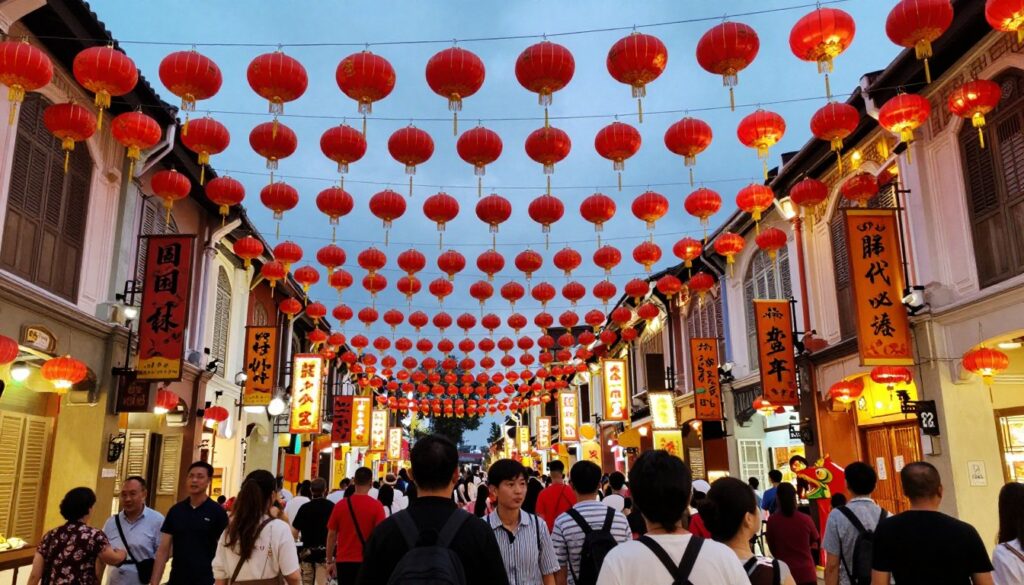
Chinese New Year, falling in late January or February 2026, brings Malacca’s largest crowds. The city’s significant Chinese population celebrates extensively, with Jonker Street decorated in red and gold. Lion dances, special foods, and festive atmosphere make this an exciting time to visit, but expect packed accommodations and attractions. Many smaller businesses close for several days during the celebration.
Hari Raya Aidilfitri marks the end of Ramadan. The 2026 dates depend on the lunar calendar but likely fall in March or April. Malaysian Muslims travel extensively during this holiday week, filling hotels and transportation. The old town sees fewer crowds as locals visit family elsewhere, but many restaurants and shops close or operate reduced hours.
Deepavali, the Hindu festival of lights, brings beautiful decorations to Little India areas in Malaysia. In Malacca, the celebrations stay modest compared to Penang or Kuala Lumpur, but temples like the Sri Poyyatha Vinayagar Moorthi Temple hold special ceremonies. This October or November holiday creates a pleasant time to visit without overwhelming crowds.
Best Months for Your Visit
March through April and November provide the sweet spot for visiting Malacca in 2026. These transitional months offer decent weather without peak season crowds or prices. Temperatures stay warm but rainfall remains manageable. You’ll find better hotel availability and shorter queues at popular restaurants.
January and February deliver the best weather but attract maximum crowds and highest prices. If you can handle the tourist numbers and costs, the dry conditions and slightly cooler temperatures make sightseeing more comfortable. Book accommodations four to six months ahead for these popular months.
May through October represent the low season with frequent rainfall. Budget travelers find excellent hotel deals during these months. Morning exploration usually succeeds before afternoon rain arrives. Pack an umbrella and flexible schedule, and you can still enjoy Malacca while saving significantly on accommodation costs.
Packing Recommendations
Regardless of season, pack light, breathable clothing. Cotton and moisture-wicking fabrics work best in the humidity. Bring comfortable walking shoes that can handle occasional rain and hours of pavement. Sandals work for casual evening wear but provide less support for all-day sightseeing.

Sun protection proves essential year-round. High SPF sunscreen, sunglasses, and a hat protect against intense tropical sun. The heat index often exceeds the actual temperature, making shade breaks important. Carry a water bottle to stay hydrated during walking tours.
A compact umbrella belongs in your daypack regardless of season. Even dry months see occasional rain showers. The umbrella also provides sun shade during the hottest parts of the day. Quick-dry clothes help if you get caught in unexpected downpours.
Modest clothing works best for temple visits. Pack items that cover shoulders and knees for religious sites. Light scarves serve multiple purposes, providing sun protection, modest cover for temples, and warmth in overly air-conditioned buildings. Leave expensive jewelry at home as it attracts unwanted attention.
Essential Malacca Travel Tips for 2026
Successful travel to Malacca requires some practical knowledge beyond attractions and accommodation. These tips cover money matters, cultural etiquette, safety considerations, and practical advice that makes your visit smoother. Understanding local customs and having realistic expectations helps you make the most of your time in this historic city.
Money and Budgeting
Malaysia’s currency, the Malaysian Ringgit (MYR or RM), trades at approximately 4-5 Ringgit per US dollar, though exchange rates fluctuate. Malacca offers numerous currency exchange options, with better rates than hotels. Moneychangers in the old town near Jonker Street typically provide competitive rates. Avoid exchanging large sums at the airport where rates run less favorable.
ATMs appear throughout the city center, dispensing both Ringgit and accepting international cards. Most machines allow withdrawals up to 1,500 Ringgit per transaction. Your home bank likely charges foreign transaction fees, so compare costs against using credit cards. Notify your bank before traveling to prevent card blocks due to suspicious foreign activity.
Credit cards work at larger restaurants, hotels, and shops, but cash dominates daily transactions. Street food vendors, small shops, and trishaw drivers operate cash-only. Keep bills in small denominations as change can be limited, especially at market stalls. Aim to carry 200-300 Ringgit cash daily for typical expenses.
Daily Budget Estimates
Budget Traveler (100-150 RM/day):
- Hostel dormitory: 30-40 RM
- Street food meals: 20-30 RM
- Local transport: 10-20 RM
- Attractions: 20-30 RM
- Miscellaneous: 20-30 RM
Mid-Range Budget (300-500 RM/day):
- Mid-range hotel: 200-300 RM
- Restaurant meals: 60-100 RM
- Grab rides: 30-50 RM
- Attractions and tours: 50-80 RM
- Miscellaneous: 40-70 RM
Language and Communication
Malaysia’s official language is Malay, but English proficiency runs high in tourist areas of Malacca. Most hotel staff, restaurant workers in the old town, and tour operators speak conversational English. You’ll navigate major attractions and book services without language barriers. However, small shops, markets, and local neighborhoods may have limited English speakers.
Learning basic Malay phrases shows respect and often receives warm responses. “Terima kasih” (thank you), “tolong” (please/help), and “berapa harga?” (how much?) prove useful. Numbers in Malay help when negotiating prices at markets. Most locals appreciate attempts to speak their language, even if they respond in English.
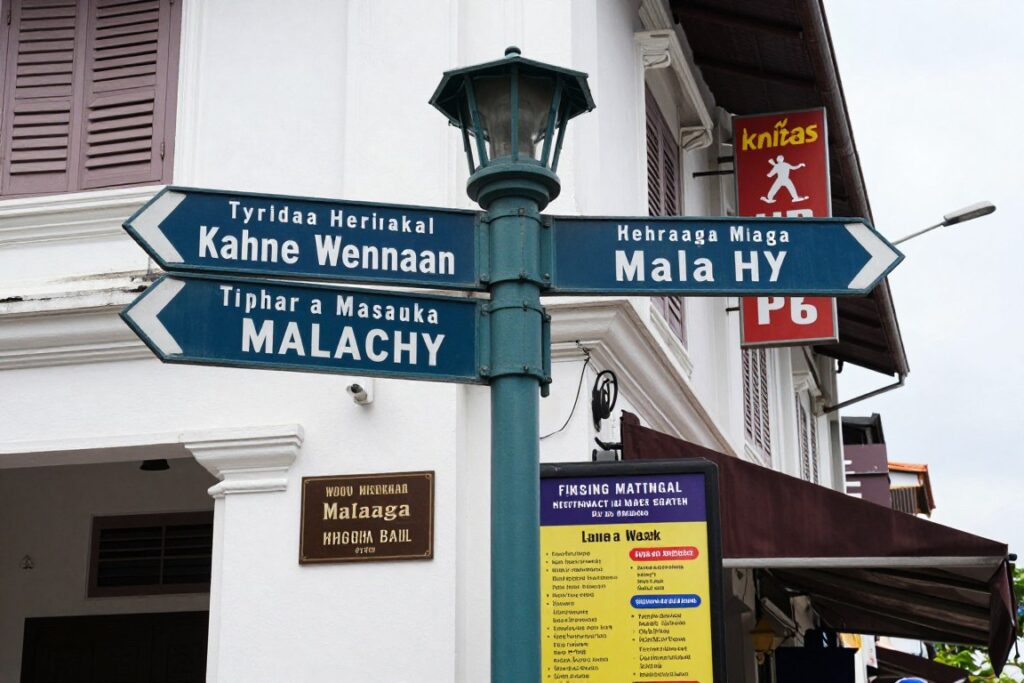
The Chinese community in Malacca often speaks Hokkien or Mandarin at home. Tamil speakers populate the Indian community. This multilingual environment reflects Malaysia’s diversity but can sometimes confuse visitors when directions or information comes in mixed languages. Don’t hesitate to ask for repetition or clarification when needed.
Mobile connectivity remains excellent throughout Malacca. Purchase a local SIM card at the airport or in the city for data access. Providers like Celcom, Maxis, and Digi offer tourist packages with data and calls. A one-week tourist SIM costs approximately 30-40 Ringgit with sufficient data for maps, translation apps, and social media. Most cafes and hotels offer free WiFi as well.
Cultural Etiquette and Respect
Malaysia’s Muslim-majority culture influences daily life, though Malacca’s diversity means multiple religious practices coexist. Dress modestly when visiting mosques, covering arms, legs, and heads for women. Many mosques provide robes and headscarves for visitors. Remove shoes before entering mosques and temples, following local custom.
Photography requires sensitivity at religious sites. Always ask permission before photographing people, especially at worship. Some mosques prohibit photography entirely during prayer times. The friendly atmosphere in Malacca means most people don’t mind photos, but respect is paramount. Never photograph anyone without permission, particularly women in traditional dress.
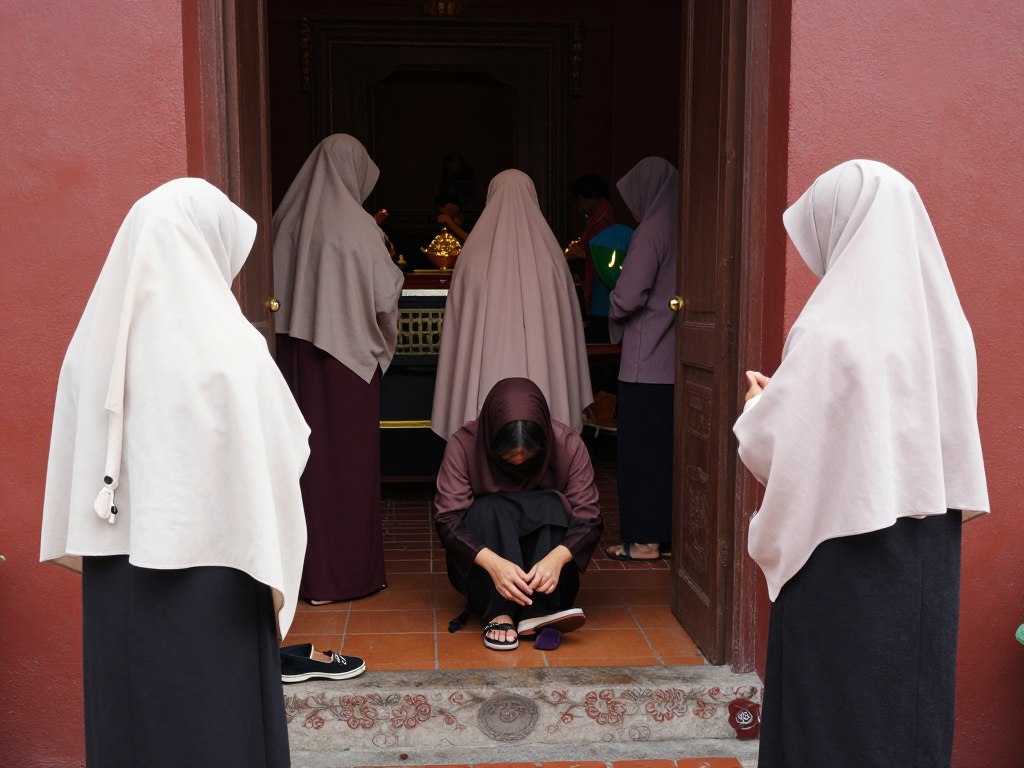
The right hand holds special significance in Malaysian culture, as the left hand is considered unclean. Pass objects, shake hands, and gesture with your right hand or both hands together. This proves especially important when giving or receiving money. At restaurants, eating with your right hand when consuming with fingers follows proper etiquette.
Public displays of affection should remain minimal. Hand-holding is generally acceptable, but kissing and embracing in public make locals uncomfortable, particularly in more traditional areas. LGBTQ+ travelers should note that Malaysia maintains conservative laws, though enforcement in tourist areas remains rare. Discretion is advisable regarding sexuality and relationships.
Safety and Health
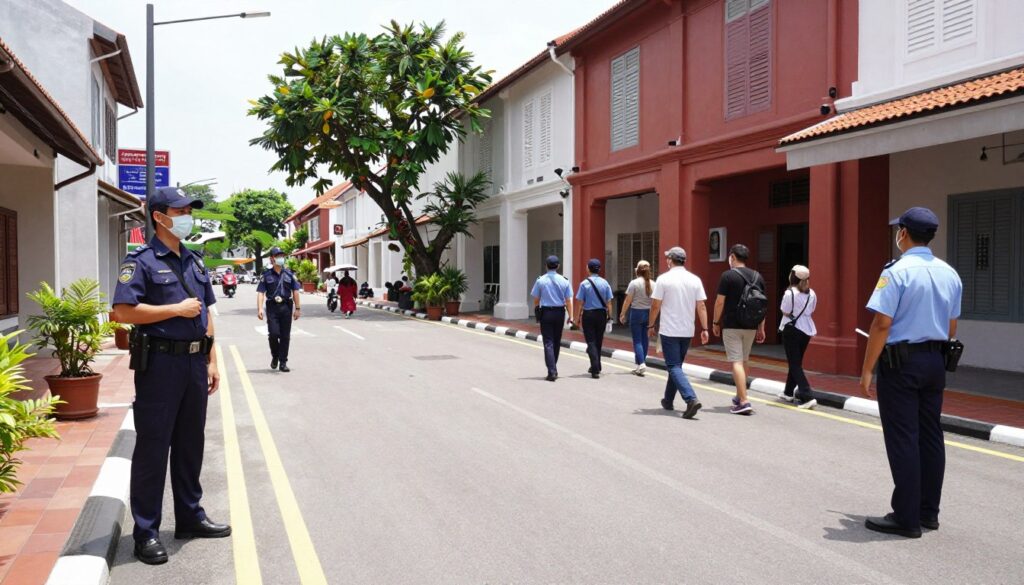
Malacca ranks as one of Malaysia’s safest cities for tourists. Violent crime against visitors remains extremely rare. However, petty theft like pickpocketing occurs in crowded areas, especially during the weekend night market. Keep valuables secure, use front pockets for phones and wallets, and avoid displaying expensive jewelry or electronics unnecessarily.
Traffic poses the greatest physical risk. Drivers in Malaysia can be aggressive, and pedestrian infrastructure varies. Cross streets carefully, looking both ways multiple times. Some drivers don’t yield to pedestrians even in marked crossings. The left-side driving might confuse visitors from right-side drive countries, so stay alert when crossing roads.
Tap water in Malaysian cities meets safety standards, but most visitors drink bottled water to avoid stomach adjustment issues. Restaurants use tap water for ice and cooking without problems for locals, but sensitive stomachs might react. Bottled water costs little and prevents potential discomfort. Food hygiene at reputable establishments and busy street stalls generally maintains good standards.
Dengue fever exists in Malaysia, transmitted by daytime-biting mosquitoes. Use insect repellent, particularly in early morning and late afternoon. Symptoms include high fever, severe headache, and body aches. Seek medical attention if these develop after mosquito bites. Malaria doesn’t affect Malacca, so prophylaxis isn’t necessary for this destination.
Medical facilities in Malacca include both government hospitals and private clinics. Mahkota Medical Centre provides international-standard private healthcare with English-speaking doctors. Travel insurance should cover medical treatment, as costs for foreigners can be significant. Pharmacies stock common medications, often available without prescription, but bring supplies of specific medications you require.
Internet and Technology
WiFi access spreads throughout Malacca’s tourist areas. Most hotels, cafes, and restaurants offer free connections. Speeds generally support video streaming and video calls. Public WiFi in some areas requires registration with a Malaysian phone number. Quality varies significantly, so a local SIM card provides more reliable connectivity.
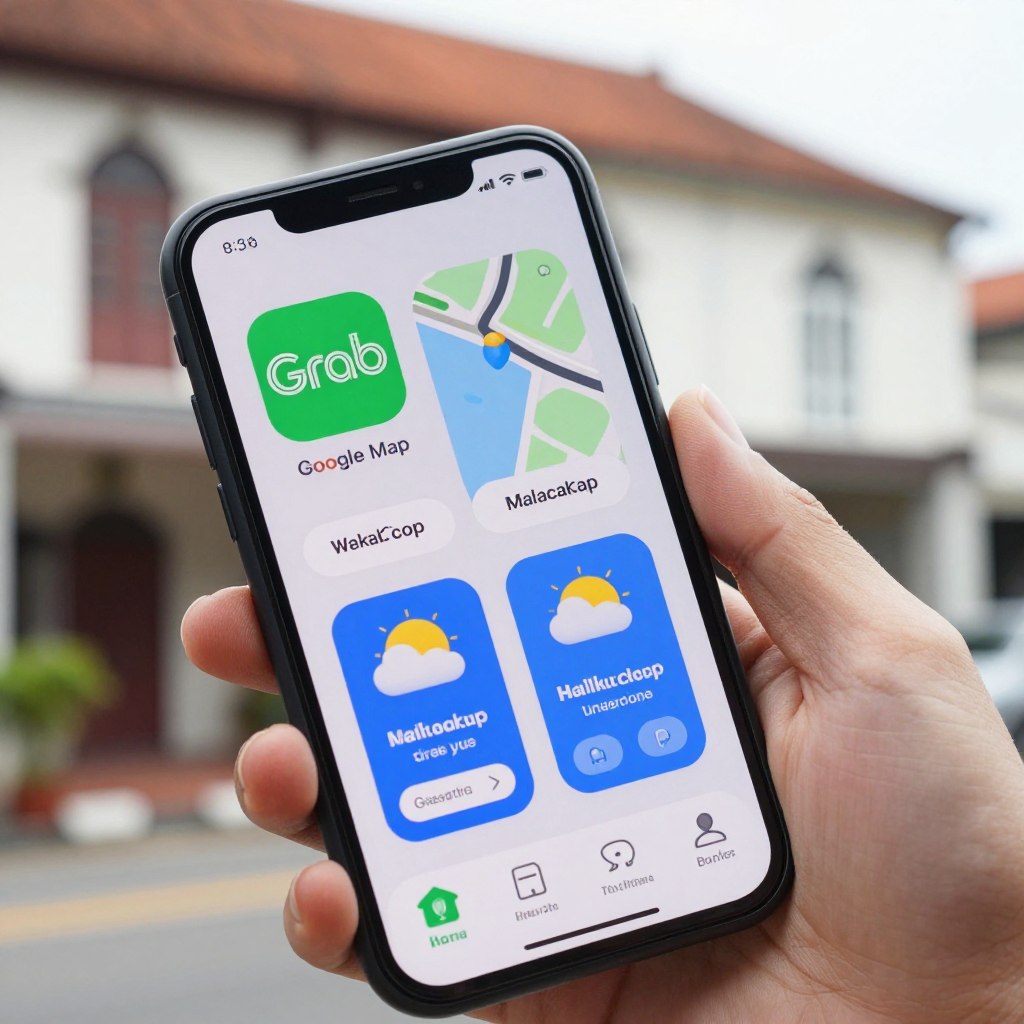
Essential apps for Malacca travel include Grab (transport), Google Maps (navigation), Google Translate (language help), and Easybook or BusOnlineTicket (bus tickets). Download offline maps in Google Maps before arriving to reduce data usage. Weather apps help plan daily activities around rain. Currency converter apps assist with understanding prices in Ringgit.
Electrical outlets in Malaysia use the UK-style three-prong plug (Type G). Voltage runs at 240V with 50Hz frequency. Travelers from countries using different systems need appropriate adapters. Most modern electronics like phone chargers and laptops support dual voltage automatically, but check your devices to avoid damage. Hotels sometimes provide adapters, but bringing your own ensures availability.
Sustainable and Responsible Tourism
Malacca’s heritage status requires visitor responsibility. Don’t touch or climb on historic structures, as weathered stone and wood damage easily. Graffiti and vandalism, though rare, destroy irreplaceable heritage. Follow marked paths at archaeological sites. Report any damage you observe to authorities or museum staff.
Support local businesses directly when possible. Family-run restaurants, independent hotels, and local guide services ensure money stays in the community. Avoid aggressive touts and commission-based tours that exploit workers. Choose companies with good labor practices and fair wages for employees. Your spending choices impact local livelihoods significantly.
Reduce single-use plastic consumption. Bring a reusable water bottle that you can refill at your hotel or restaurants. Refuse plastic bags at shops, carrying a foldable bag instead. Malaysia’s plastic pollution problems harm marine life and environments. Every visitor reducing waste makes a difference, though infrastructure for recycling remains limited.
Respect the Melaka River and natural spaces. Don’t litter or throw items in the river despite seeing others do so. The river’s cleanliness has improved dramatically in recent years, and maintaining this requires everyone’s effort. Use marked trash bins and support businesses that practice proper waste management.
Day Trips and Nearby Attractions from Malacca
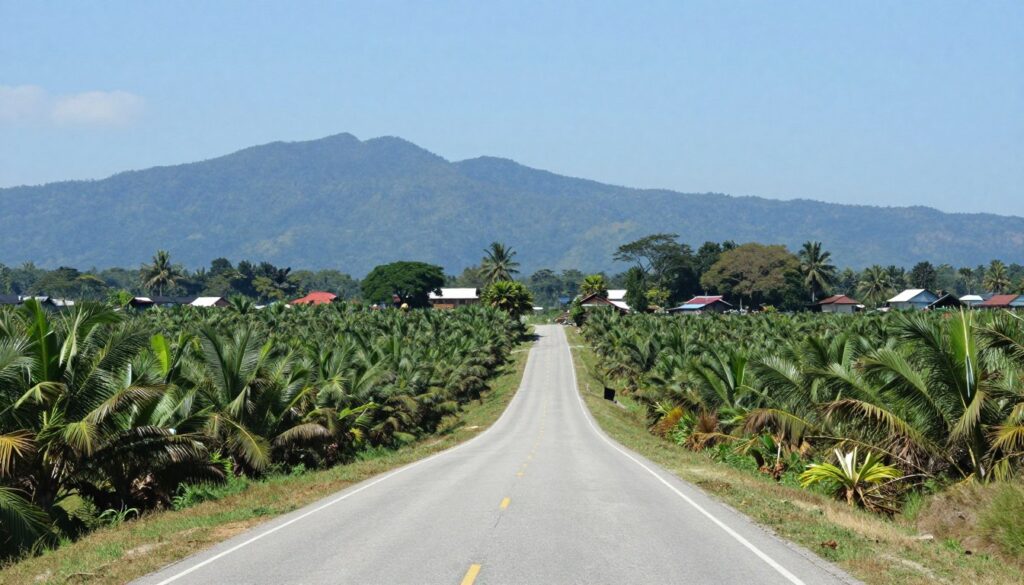
Malacca’s central location on Malaysia’s west coast makes it an excellent base for exploring nearby destinations. Several interesting sites sit within an hour or two drive, offering different experiences from the urban heritage of Malacca city. These day trips work well if you’re spending three or more days in the area and want variety beyond the old town.
Port Dickson
This beach resort town sits approximately sixty kilometers north of Malacca, making it the closest seaside destination. Port Dickson offers several beaches with resort facilities, water sports, and seafood restaurants. The beaches don’t match Thailand’s standards but provide a tropical coast experience without traveling far from Malacca.
Popular beaches include Teluk Kemang and Blue Lagoon. Several resorts offer day-use facilities where you can access pools and beaches for a fee even without staying overnight. The town also hosts the Port Dickson Ostrich Farm, offering an unusual attraction that kids particularly enjoy. Travel time from Malacca ranges from forty-five to sixty minutes by car.
Muar
This riverside town earned fame as Malaysia’s furniture production center but also offers historical architecture and excellent food. Located about sixty kilometers southeast of Malacca, Muar provides an authentic Malaysian town experience without tourist crowds. The town’s Chinese shophouses and Indian Muslim presence create a diverse atmosphere similar to Malacca but smaller scale.
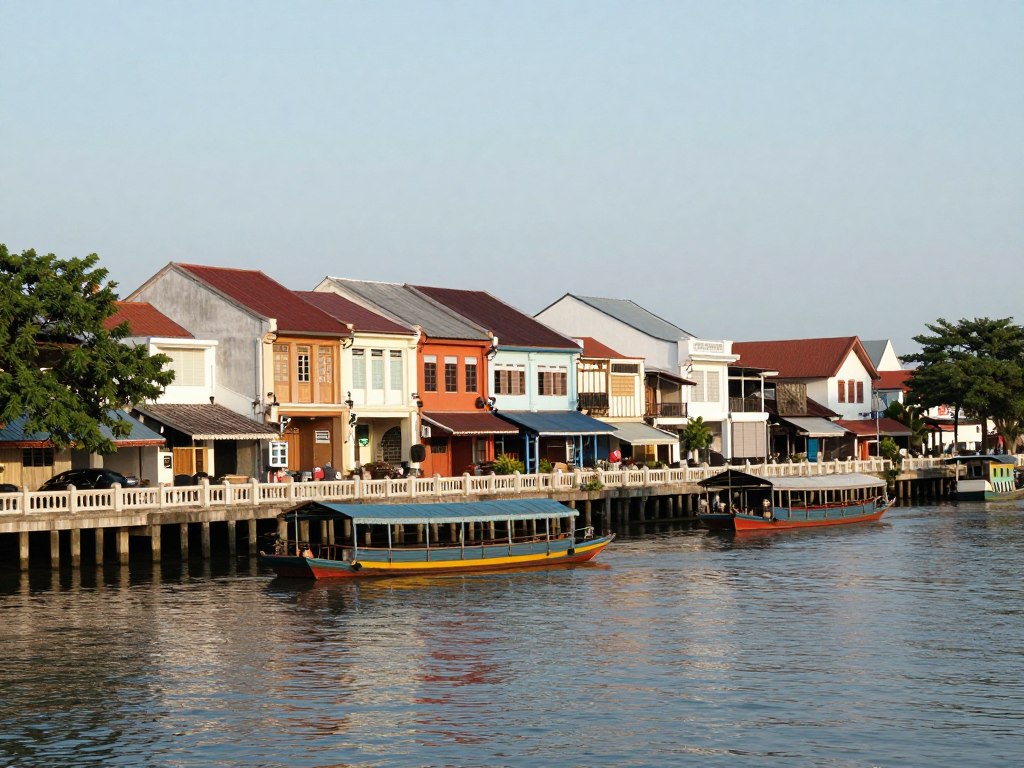
Muar specializes in otak-otak, a grilled fish cake dish wrapped in banana leaves. The town’s version earns particular praise from Malaysians. Sultan Ismail Bridge offers scenic river views. The compact old town allows easy walking exploration. Most visitors day trip from Malacca, though overnight stays reveal more of the local pace.
Kuala Lumpur
Malaysia’s capital sits near enough for a day trip, though you’d want several days to properly explore it. The two-hour journey each way makes day tripping feasible but tiring. Kuala Lumpur offers the Petronas Twin Towers, Batu Caves, diverse neighborhoods, and world-class dining. Many travelers combine Kuala Lumpur and Malacca in one trip, dividing time between both cities.
Express buses run frequently between the cities, costing 15-20 Ringgit each way. Alternatively, rent a car for flexibility to leave when you choose. Train options exist but require changes and take longer than direct buses. Starting very early from Malacca allows you to spend midday and afternoon in Kuala Lumpur before returning evening.
Ayer Keroh
This suburb just fifteen kilometers from Malacca city center houses several attractions suitable for families. Zoo Melaka contains Malaysian and international animal species in a well-maintained facility. The Crocodile Farm shows feeding demonstrations and educational programs. Mini Malaysia cultural park displays traditional houses from different Malaysian states.
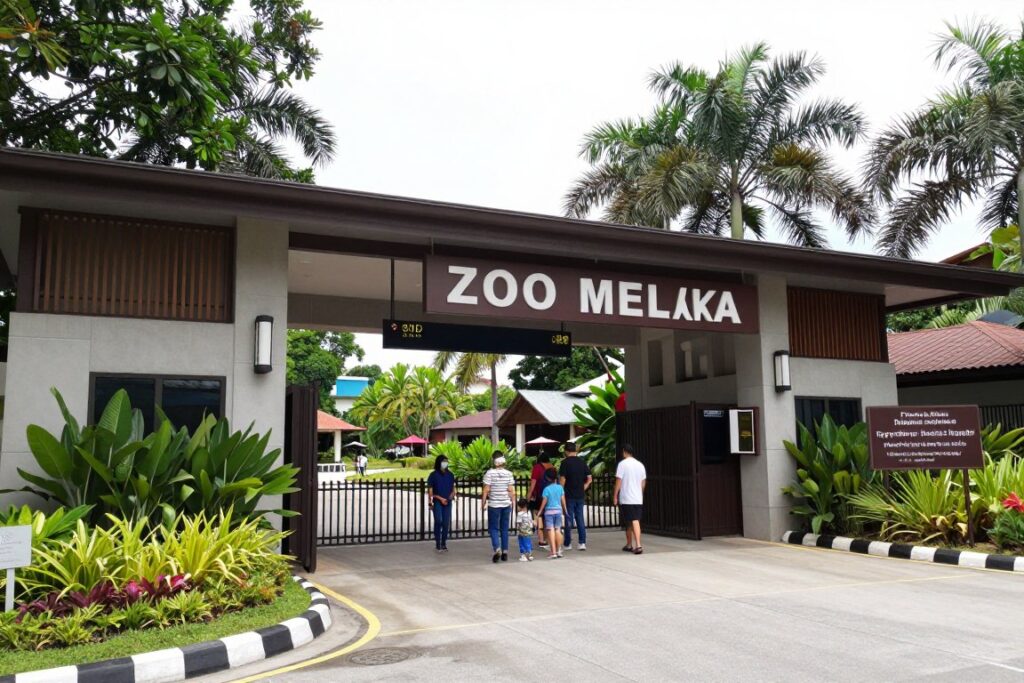
Ayer Keroh also hosts the Malacca Botanical Garden, offering nature walks in tropical surroundings. The area makes a good half-day trip, particularly if traveling with children who need a break from historical sightseeing. Local buses connect Ayer Keroh to the city center, or rent a car for easier access to multiple attractions.
Sample Itineraries: Making the Most of Your Malacca Visit
Planning your days in Malacca depends on your total time and interests. These sample itineraries provide frameworks you can adjust based on preferences. The compact city allows seeing major sights in two days, but staying longer reveals deeper layers and enables a more relaxed pace.
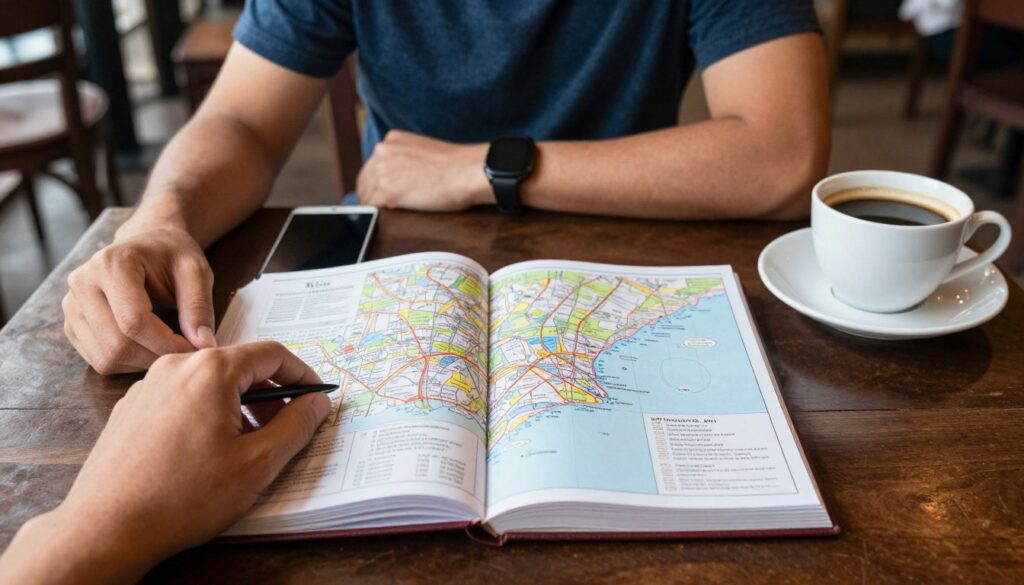
Two-Day Classic Itinerary
Day 1 Morning: Begin at the Dutch Square, photographing Christ Church and the Stadthuys. Climb St. Paul Hill to visit the ruined church and A Famosa fortress gate. The morning light works best for photos from the hilltop. Spend about two hours exploring this area thoroughly.
Day 1 Afternoon: Walk to Jonker Street for lunch at a heritage cafe or restaurant. Spend the afternoon exploring Chinatown, visiting Cheng Hoon Teng Temple and the Baba Nyonya Heritage Museum. Browse antique shops and boutiques along the street. Stop for cendol or a cold drink to beat the afternoon heat.
Day 1 Evening: If visiting Friday through Sunday, experience the Jonker Street night market. Try various street foods and browse vendor stalls. If visiting weekdays, take a Melaka River cruise at sunset, followed by dinner at a riverside restaurant. End the evening walking along the illuminated riverfront.
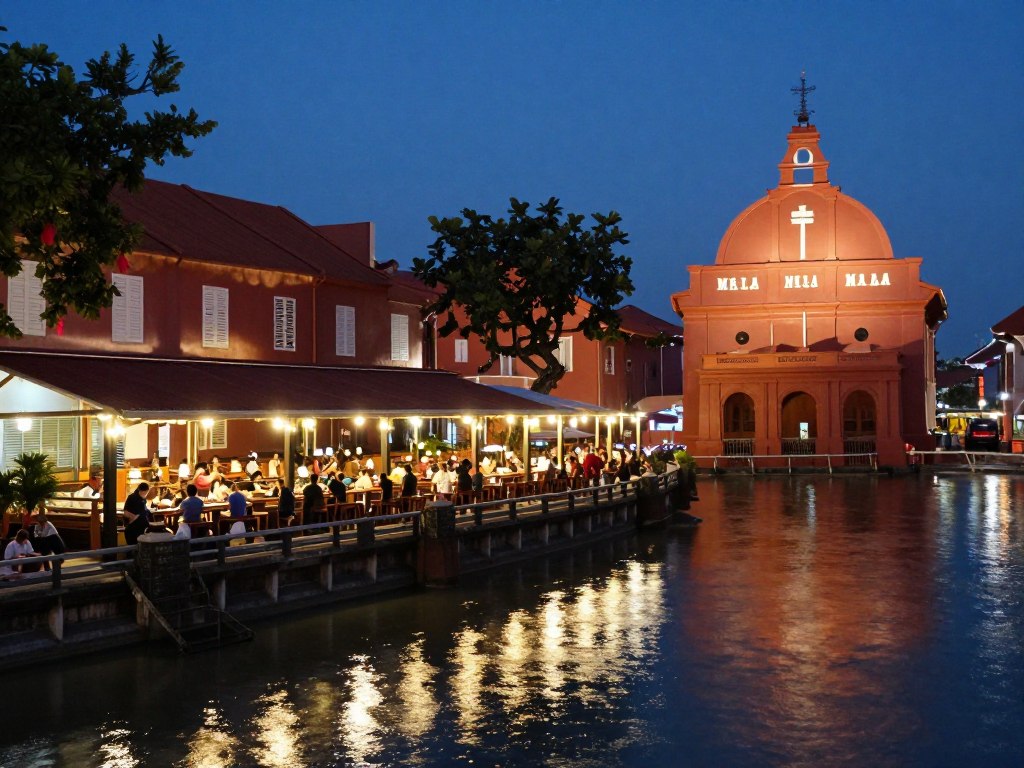
Day 2 Morning: Visit the Melaka Sultanate Palace Museum to understand pre-colonial history. Continue to the Maritime Museum and Flor de la Mar ship replica. These attractions sit close together, making them efficient to visit as a group. Allow three hours total.
Day 2 Afternoon: Explore the Kampung Kling area, visiting the mosque, Hindu temple, and surrounding heritage neighborhood. Have lunch at a local Malaysian restaurant trying dishes you haven’t sampled yet. Spend time in afternoon cafes when heat peaks, or return to your hotel for rest before evening activities.
Day 2 Evening: Take a sunset walk to St. Paul Hill if you want different lighting than your first visit. Book dinner at a highly-rated Nyonya restaurant, ordering multiple dishes to share. If time permits, catch a cultural performance or simply stroll the old town enjoying the evening atmosphere.
Three-Day Comprehensive Itinerary
Follow the two-day itinerary above for your first two days. The third day allows either deeper exploration of areas you enjoyed most, or visiting attractions beyond the immediate old town.
Day 3 Option A (Cultural Deep Dive): Revisit favorite temples or museums with more time to absorb details. Take a guided heritage walk to learn stories you’d miss exploring alone. Seek out specific restaurants for dishes you’ve read about. Book a Nyonya cooking class to learn making traditional dishes. Spend evening at a different riverside location than previous nights.
Day 3 Option B (Beach and Relaxation): Head to Klebang Beach for morning relaxation and famous coconut shakes. Return midday to avoid strongest sun. Spend afternoon at a spa or pool at your hotel. Evening free for shopping or revisiting favorite spots from previous days. Pack tonight for tomorrow’s departure.
Day 3 Option C (Day Trip): Take an early bus or drive to Muar or Port Dickson. Spend the day exploring a different Malaysian town or relaxing at the beach. Return to Malacca late afternoon. Final evening dinner at a special restaurant you’ve saved for this meal.
Extended Four to Five Day Itinerary
Follow the three-day itinerary for your initial days. Additional days allow for deeper exploration and trips to nearby destinations without feeling rushed.
Day 4: Day trip to Kuala Lumpur by early morning bus. Visit Petronas Twin Towers, explore Bukit Bintang shopping area, and experience the capital’s different energy. Return to Malacca evening. This provides contrast between urban modernity and Malacca’s heritage focus.
Day 5: Morning visit to Ayer Keroh attractions if interested in nature and animals. Afternoon free for last-minute shopping, photography of favorite locations, or activities you didn’t fit into earlier days. Consider a food tour to taste dishes you’ve missed. Final evening revisit your favorite restaurant or try one last new place before departing.
Let Us Help Plan Your Perfect Malacca Trip
Not sure how to structure your days or which attractions to prioritize? Our Malacca travel experts can create a personalized itinerary matching your interests, pace, and budget.
Shopping in Malacca: What to Buy and Where
Malacca offers shopping experiences from traditional markets to modern malls. The city specializes in antiques, Nyonya crafts, and Malaysian souvenirs. Whether seeking authentic heritage items or tourist trinkets, you’ll find options throughout the old town and surrounding areas. Understanding what’s available helps you allocate shopping time appropriately.
Jonker Street Shopping
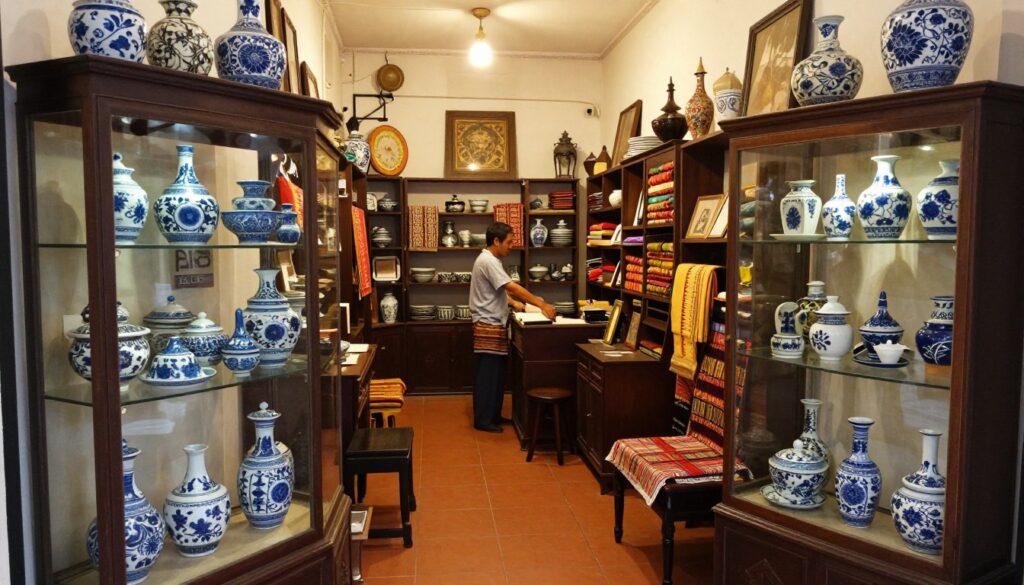
During daytime hours, Jonker Street functions as an antiques and crafts shopping destination. Dozens of small shops line the street, each packed with items ranging from genuine antiques to modern reproductions. Nyonya beaded slippers, Peranakan porcelain, vintage jewelry, and traditional textiles fill the displays. Serious collectors can find authentic pieces, though prices reflect rarity and condition.
Many shops also sell contemporary crafts inspired by heritage designs. These make more practical souvenirs than fragile antiques. Look for modern batik clothing, decorative tiles, lacquerware, and embroidered items. Quality varies significantly between shops, so browse multiple stores before purchasing. Bargaining is expected for anything without marked prices, though don’t expect huge discounts on genuinely valuable items.
Night Market Finds
The weekend Jonker Street night market shifts focus to clothes, accessories, and snacks rather than antiques. Vendors sell t-shirts, bags, phone accessories, and typical tourist souvenirs. Prices stay negotiable on most items. The night market works better for casual browsing and eating than serious shopping for quality items.
Local snacks and food products make good gifts. Look for packets of kaya (coconut egg jam), traditional cookies, and local coffee. These items appear at both shops during the day and night market stalls. Choose products with proper sealing for travel. Many vendors offer vacuum-packed items specifically for travelers.
Shopping Malls
Mahkota Parade mall sits walking distance from the old town, offering air-conditioned shopping across multiple floors. International brands mix with Malaysian retailers. The mall includes a food court, restaurants, and a cinema. While not unique to Malacca, it provides modern shopping options when heritage stores don’t meet your needs.
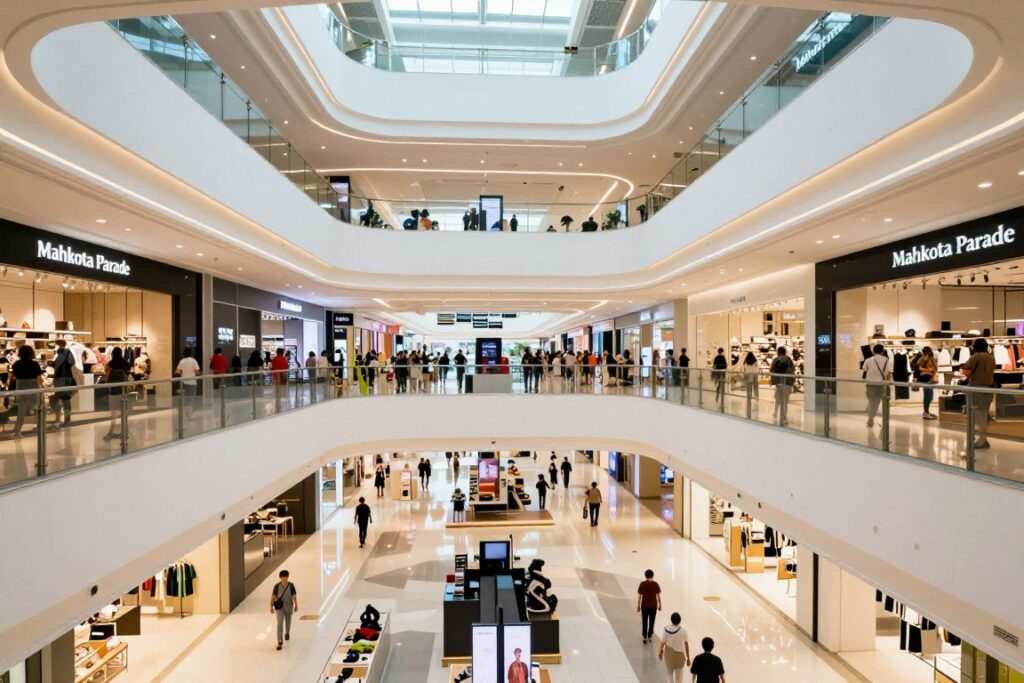
Hatten Square and nearby Dataran Pahlawan Melaka Megamall offer additional modern shopping. These malls carry electronics, clothing, cosmetics, and household goods. They’re useful if you need practical items during your trip but don’t offer much tourist shopping. The locations near the city center make them convenient stops if needed.
Specialty Items Worth Buying
Nyonya porcelain, particularly pink or pastel pieces, represents classic Peranakan style. Authentic antique pieces cost significantly but hold value. Modern reproductions let you own this aesthetic at lower prices. Shops provide certificates of authenticity for genuine antiques, though determining authenticity requires expertise most tourists lack.
Traditional batik clothing and sarongs make practical souvenirs that pack easily. Both handmade and printed batik appear in shops throughout the old town. Handmade pieces cost more but show superior quality and unique designs. Consider buying unstitched fabric to have garments made at home to your measurements.
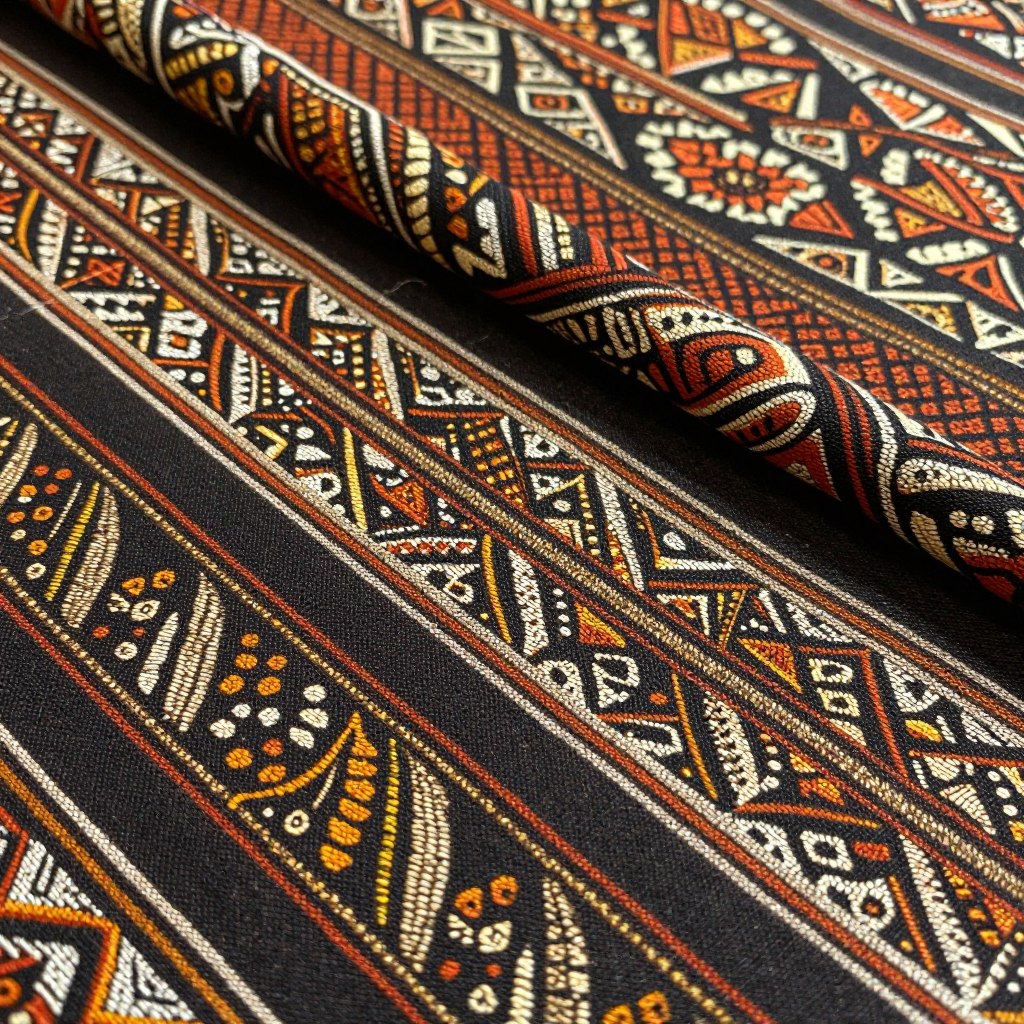
Local artwork depicting Malacca scenes offers wall-worthy souvenirs. Several galleries along Jonker Street represent local artists working in traditional and contemporary styles. Paintings, prints, and photographs capture the city’s heritage character. Prices span from affordable prints to investment-level original works. Gallery owners ship internationally if you purchase larger pieces.
Pewter products from Royal Selangor represent Malaysian craftsmanship. While the company originates in Kuala Lumpur, products appear in Malacca gift shops. Tankards, photo frames, and decorative items come in various price ranges. The quality remains consistent across items, making this a reliable gift choice.
Food Products to Take Home
Malacca’s famous pineapple tarts make excellent gifts. These small pastries filled with pineapple jam appear in bakeries throughout the city. Purchase from established shops rather than random vendors to ensure freshness. Vacuum-packed versions survive travel better than loose bakery items.
Local coffee blends, particularly traditional Hainanese-style preparations, let you recreate Malaysian coffee at home. Shops sell ground coffee and beans, some in gift packaging. Ask about roast dates to ensure freshness. Malaysian coffee traditionally includes corn and other additives for unique flavor.
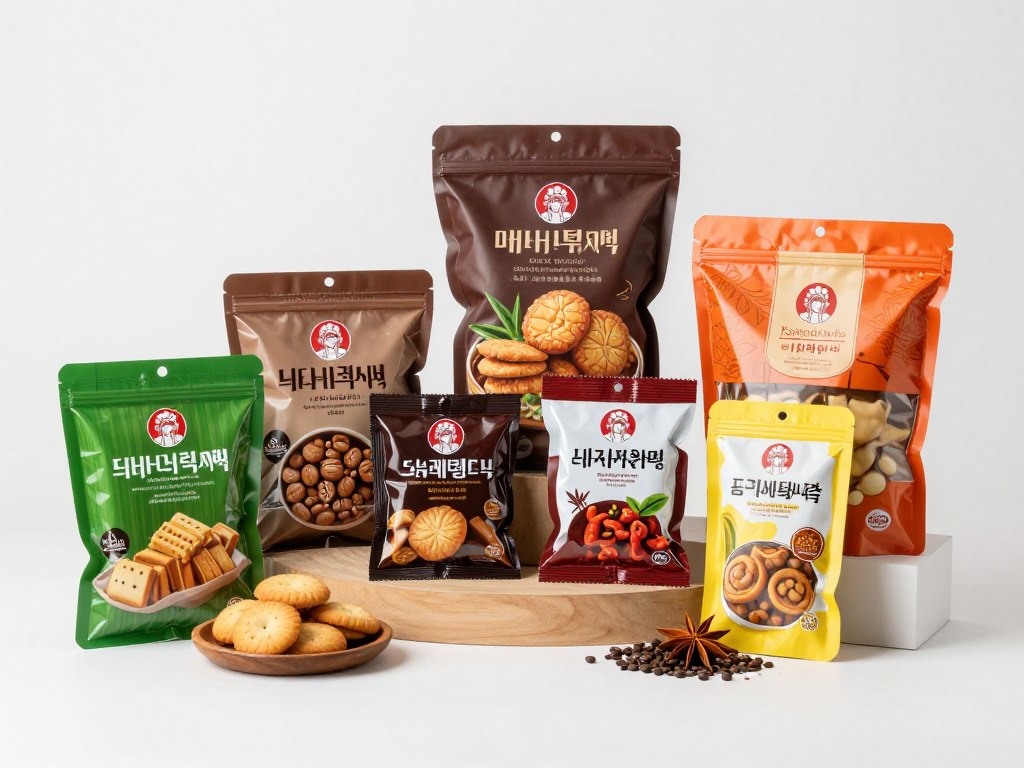
Spice mixes for Nyonya cooking allow recreating dishes at home. Pre-mixed paste packets for rendang, curry, and other dishes remove the complexity of sourcing individual spices. Choose brands with English instructions and ingredient lists. Check customs regulations for your country regarding food imports before purchasing heavily.
Visiting Malacca with Children: Family-Friendly Tips
Malacca works well for families with children, offering mix of history, activities, and food that appeals to various ages. The compact old town means minimal transport time between attractions. Malaysian culture welcomes children in most settings, making family travel comfortable. Planning appropriately ensures everyone enjoys the heritage city experience.
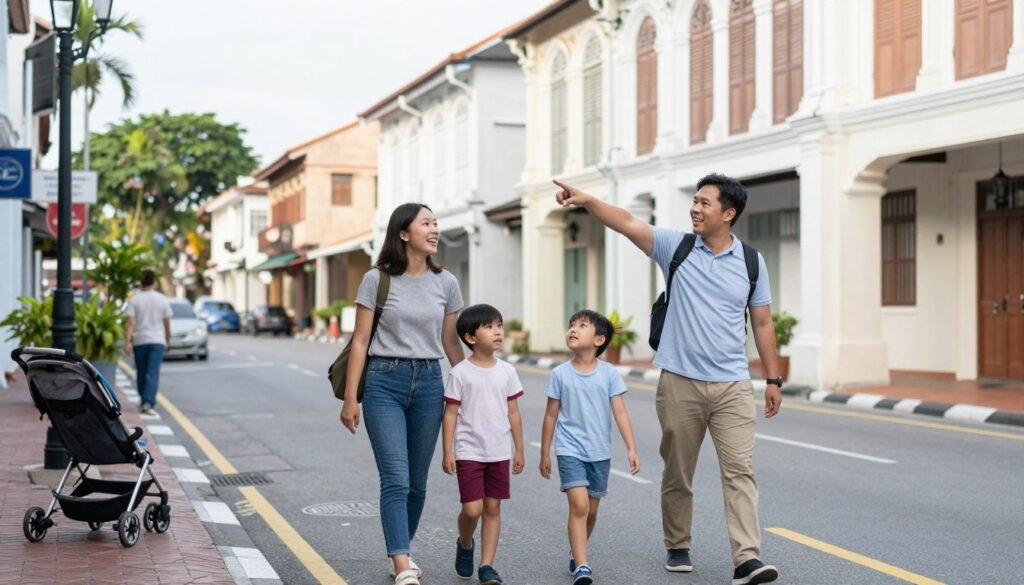
Kid-Friendly Attractions
The Melaka River cruise appeals to children who might tire of walking between buildings. The forty-five-minute boat ride provides entertainment while parents enjoy riverside views. Commentary keeps older kids engaged while younger ones simply enjoy the water journey. The covered boats mean weather rarely cancels trips.
Decorated trishaws fascinate children with their loud music, colorful decorations, and unique appearance. A short trishaw ride becomes an activity itself beyond just transport. Drivers often interact playfully with children, making photos and memories. Negotiate a price and route that includes child-appealing sights like the colorful trishaw stations.
The Maritime Museum’s ship replica impresses young imaginations. Exploring the multi-level ship structure feels like adventure while learning happens incidentally. The naval artifacts and ship models hold attention better than typical museum displays. Plan an hour for exploration, less if children are younger.
Klebang Beach provides a break from historical sightseeing. Children can play in the sand and shallow water while adults relax with famous coconut shakes. The casual local atmosphere means families fit in naturally. Pack sun protection and bring changes of clothes for beach play.
Family-Friendly Dining
Most Malaysian restaurants welcome children naturally. High chairs remain uncommon at smaller establishments, but staff happily accommodate families. Large hotels and chain restaurants reliably provide high chairs and sometimes children’s menus. Local food generally includes mild options suitable for children not accustomed to spicy dishes.
Chicken rice balls appeal to many children as recognizable rice and chicken without challenging flavors. The novelty of rice shaped into balls adds fun. Noodle dishes like fried noodles or mild soups work for cautious eaters. Fresh fruit juices and ice cream desserts ensure children find something enjoyable.
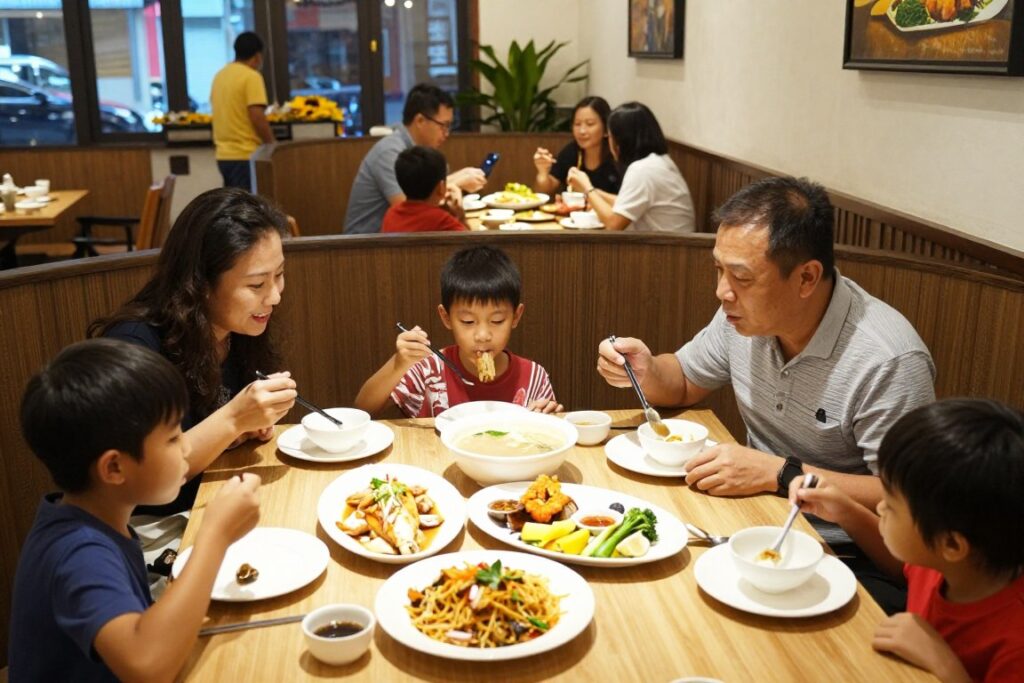
The food court at Mahkota Parade mall offers diverse options where everyone can choose their preference. Air conditioning provides relief from heat, and clean facilities include family bathrooms. This works well when family members want different types of cuisine or when children need a break from trying new foods.
Accommodation for Families
Family rooms and connecting rooms appear at most mid-range and upscale hotels. Heritage boutique hotels often can’t accommodate cribs or extra beds due to room size constraints. Modern hotels near the city center typically offer better family facilities including pools, larger rooms, and children’s amenities.
Properties with pools provide valuable downtime for children after morning sightseeing. Swimming in hot afternoon hours when walking becomes uncomfortable maintains happy moods. Hotels like DoubleTree by Hilton Melaka include pools and have space for children to move around.
Practical Family Tips
The heat and sun intensity challenge children unused to tropical climate. Plan morning and late afternoon activities, returning to hotel pool or air-conditioned spaces midday. Dress children in light, breathable clothing and apply sun protection liberally. Carry extra water and shade devices like umbrellas or hats.
Strollers work on main streets but struggle on narrower lanes with uneven surfaces. Baby carriers prove more practical for younger children in the heritage quarter. Older children walk easily but may tire from heat faster than adults. Build rest breaks into itineraries rather than pushing through full days of sightseeing.
Pharmacies stock children’s medications and supplies, though brands differ from Western markets. Bring adequate supplies of any specific medications your children need. Hospitals in Malacca provide good pediatric care if medical issues arise. Travel insurance should cover all family members for peace of mind.
Schedule flexibility helps when traveling with children. Don’t overpac itineraries expecting to see everything. Young children might fixate on one attraction, wanting to return multiple times. Build this flexibility into plans rather than fighting against children’s natural interests. Two or three major activities daily prove sufficient for most families.
Your Malacca Adventure Awaits in 2026
Malacca stands apart from other Asian destinations through its unique historical layers and cultural fusion. The compact heritage city delivers diverse experiences without requiring constant transportation or complicated logistics. Whether you’re drawn to architecture, food, history, or cultural immersion, Malacca rewards curiosity and engagement.
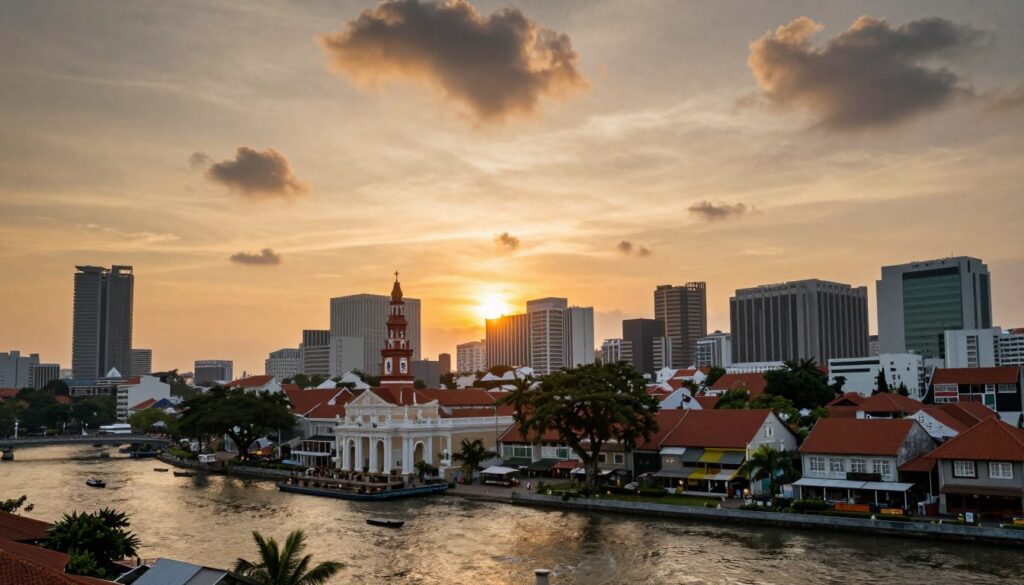
Planning ahead ensures you experience Malacca at its best. Book accommodation early, especially for peak season visits. Research which attractions align with your interests rather than trying to see everything. Leave room for spontaneous discoveries, as Malacca’s charm often reveals itself through unexpected encounters and wandering side streets.
The city’s manageable size means you’ll never feel rushed or overwhelmed. Take time to sit in cafes watching street life unfold. Strike up conversations with shopkeepers and local guides. Try foods that look unfamiliar. These unplanned moments often become the most memorable parts of any journey.
Malacca in 2026 will continue evolving while preserving its heritage character. New restaurants and boutique hotels will open, infrastructure will improve, and the city will refine its tourism offerings. Yet the fundamental appeal remains unchanged: a place where centuries of history live in present-day streets, where multiple cultures coexist peacefully, and where visitors glimpse authentic Malaysian life beyond generic resort experiences.
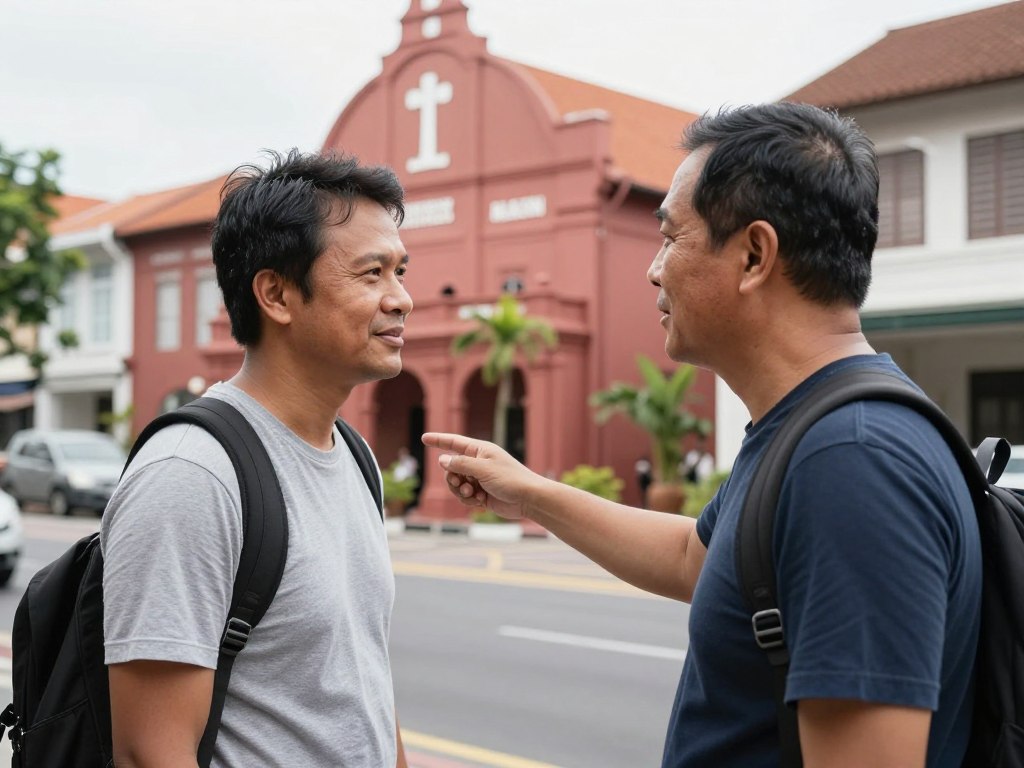
Start planning your 2026 Malacca visit now. Research specific attractions that excite you. Mark ideal travel dates on your calendar considering weather and local events. Begin saving for the trip or search for flight deals from your home city. The preparation itself builds anticipation for the journey ahead.
This guide provides the foundation for your Malacca adventure. Use it as a starting point, then dig deeper into topics that intrigue you most. Join online travel communities discussing Malacca. Watch YouTube videos showing the city’s atmosphere. Read blogs from recent visitors. Each resource adds perspective that helps you craft the perfect trip.
Malacca waits to share its stories with you. The centuries-old temples, the fusion cuisine born from cultural mixing, the heritage shophouses converted into modern cafes—all these elements combine into an experience unlike anywhere else in Malaysia. Your visit contributes to this ongoing story, adding your observations and memories to the countless travelers who’ve walked these streets before.
The journey to Malacca begins with a single decision to go. Make that choice now. Set the dates, book the accommodation, arrange the transportation. Then watch as anticipation builds toward your departure. When you finally step onto Jonker Street, climb St. Paul Hill, or taste your first authentic chicken rice ball, you’ll understand why Malacca captivates everyone who visits. The old city has been welcoming travelers for over six centuries. In 2026, it’s your turn to experience this Malaysian treasure.
Start Your Malacca Journey Today
Everything you need is ready. Accommodation options await your booking. Transportation connects you to this heritage city. Experiences that will create lasting memories are just months away. Don’t let another year pass without visiting Malacca.
Final Travel Checklist: Valid passport with six months validity, travel insurance coverage, accommodation confirmation, transportation bookings, local SIM card or international roaming plan, appropriate clothing for temple visits, sun protection, comfortable walking shoes, downloaded offline maps, emergency contact information, and most importantly, an open mind ready for adventure.
Safe travels to Malacca. May your 2026 journey create memories that last a lifetime. The heritage city awaits your arrival with open arms and countless stories to share. See you on Jonker Street.