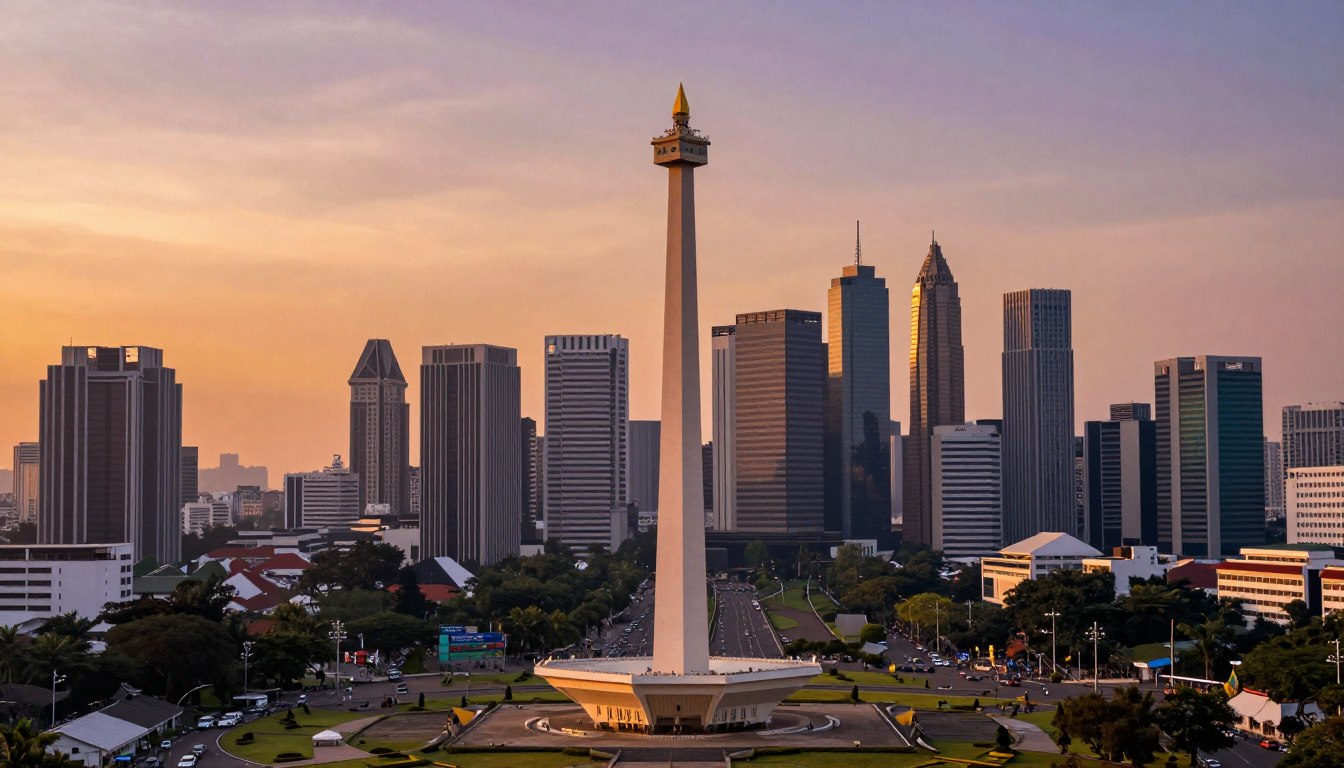
Indonesia’s sprawling capital city welcomes millions of visitors each year with its unique blend of tradition and modernity. This massive metropolis serves as the country’s economic and cultural heart. Many travelers use it as a gateway to other Indonesian destinations. Yet Jakarta deserves attention in its own right.
The city offers an authentic glimpse into Indonesian life. You’ll find everything from historic colonial architecture to gleaming shopping malls. Street food vendors serve meals alongside upscale restaurants. Traditional markets operate near modern business districts.
This comprehensive Jakarta travel guide helps you navigate one of Southeast Asia’s most dynamic cities. We’ll cover practical tips for getting around. You’ll discover must-visit attractions and hidden gems. Our recommendations include where to stay and what to eat. Safety advice and budget planning round out your preparation.
Get Your Free Jakarta Planning Kit
Subscribe to receive our comprehensive PDF guide with day-by-day itineraries, budget worksheets, and insider tips from local experts. Plus, get weekly Southeast Asia travel inspiration delivered to your inbox.
Best Time to Visit Jakarta: Weather, Seasons, and Peak Travel Periods
Understanding Jakarta’s climate helps you plan the perfect visit. The city experiences tropical weather year-round. Two distinct seasons shape travel patterns and daily activities.
Dry Season: The Ideal Time for Exploration
The dry season runs from May through September. These months offer the most comfortable conditions for sightseeing. Temperatures hover between 75°F and 90°F. Rainfall decreases significantly compared to wet months.
July and August see the highest tourist numbers. Hotels raise prices during this peak period. Book accommodations several weeks in advance. The city becomes crowded with both international visitors and domestic travelers.
June and September provide a sweet spot. Weather remains excellent with fewer crowds. You’ll find better deals on hotels and tours. These shoulder months offer the best value for your trip.
Wet Season: Budget Travel Opportunities
Rain dominates from October through April. Heavy downpours occur most afternoons and evenings. Morning hours typically stay dry and sunny. This pattern allows strategic planning of outdoor activities.
November through February brings the wettest conditions. Streets flood during intense storms. Traffic worsens beyond normal congestion levels. Some outdoor attractions close temporarily during heavy rain.
The wet season offers significant advantages for budget travelers. Hotel rates drop by 30-40% compared to peak season. Tourist sites feel less crowded. You’ll experience authentic local life as Jakartans go about their daily routines.
Special Events and Festivals
Jakarta celebrates numerous cultural events throughout the year. Independence Day falls on August 17th. The entire city participates in patriotic celebrations. Neighborhoods organize competitions and traditional games.
Religious holidays follow the Islamic calendar. Ramadan transforms the city’s atmosphere. Special night markets appear serving traditional foods. Idul Fitri marks the end of fasting with massive celebrations. Expect heavy traffic as millions leave the city to visit families.
The Jakarta Fair runs from June through July. This massive event showcases Indonesian culture, food, and products. Plan ahead if visiting during this time. Hotels near the fairgrounds fill quickly.
Pro Tip: Heat and Humidity
Jakarta’s humidity stays high year-round at 75-85%. Dress in light, breathable fabrics. Carry a small towel for wiping sweat. Stay hydrated by drinking bottled water regularly. Schedule indoor activities during the hottest afternoon hours.
Book Your Jakarta Hotel Now
Secure the best rates for your preferred travel dates. Compare prices across all major booking platforms and read verified guest reviews.
Getting There: Airports, Airlines, and Arrival Options
Most international visitors arrive through Soekarno-Hatta International Airport. This major hub connects Jakarta to cities worldwide. The airport sits about 20 kilometers northwest of central Jakarta. Modern facilities and numerous airline options make arrival straightforward.
Soekarno-Hatta International Airport
Three terminals serve different airlines and routes. Terminal 3 handles most international flights. The facility offers modern amenities including free WiFi. Duty-free shops, restaurants, and currency exchange services operate throughout.
Immigration and customs processes move efficiently most times. Have your passport and completed arrival card ready. Visa-on-arrival services operate 24 hours. US passport holders receive 30-day visa-free entry for tourism purposes.
Airport facilities include prayer rooms, smoking areas, and sleeping pods. ATMs from major Indonesian banks line the arrival halls. SIM card vendors sell prepaid mobile packages. Luggage storage services assist travelers with layovers.
Transportation from Airport to City
Several options connect the airport to central Jakarta. Each method suits different budgets and comfort preferences. Travel time varies from 45 minutes to two hours depending on traffic conditions.
Airport Train: Fast and Reliable
The Airport Railink Service provides the most reliable option. Trains depart every 30 minutes during peak hours. The journey to BNI City station takes about 55 minutes. Tickets cost approximately 70,000 IDR.
Clean, air-conditioned cars offer comfortable seating. Luggage racks accommodate large bags. Free WiFi keeps you connected during the ride. Purchase tickets at clearly marked counters in the arrival hall.
Taxi and Ride-Share Services
Official airport taxis operate from designated stands. Expect to pay 150,000-250,000 IDR to central Jakarta. Metered rates include airport surcharges. The ride takes 60-90 minutes in normal traffic.
Grab and Gojek ride-sharing apps offer convenient alternatives. Download these apps before arrival. Prices stay competitive with traditional taxis. Pick-up points are clearly marked outside terminals.
Avoid unofficial taxi drivers approaching in the terminal. They charge inflated rates and lack proper insurance. Use only authorized services for safety and fair pricing.
Private Airport Transfer
Pre-booked transfers provide peace of mind. A driver meets you at arrivals holding a name sign. Vehicles range from economy cars to luxury vans. Rates start around 300,000 IDR for standard cars.
Book Your Airport Transfer in Advance
Skip the taxi queue and start your trip stress-free. Professional drivers, flight monitoring, and fixed prices included. Available 24/7 with instant confirmation.
Halim Perdanakusuma International Airport
This smaller airport handles some domestic and regional flights. It sits closer to central Jakarta than Soekarno-Hatta. Budget airlines use this facility for certain routes. Check your ticket carefully to confirm which airport serves your flight.
Travel Tips for Arrival
Currency exchange rates at the airport run slightly higher than city banks. Exchange only small amounts for immediate needs. ATMs offer better rates for larger withdrawals. Most vendors accept credit cards in central areas.
Indonesian SIM cards provide affordable data packages. Telkomsel offers the widest coverage across the country. A tourist package with 30GB costs about 150,000 IDR. Activation takes just a few minutes.
Consider your arrival time when planning transport. Traffic peaks during morning rush hour from seven to nine. Evening congestion runs from five to eight. Allow extra time if arriving during these periods.
Top Attractions: Must-Visit Places in Jakarta
Jakarta packs diverse attractions into its sprawling landscape. Historic sites tell stories of colonial times and independence. Modern developments showcase Indonesia’s growth. Natural spaces provide escape from urban intensity. This section highlights essential stops for first-time visitors.
National Monument (Monas): Symbol of Independence
The National Monument dominates Merdeka Square in central Jakarta. This 132-meter tower commemorates Indonesia’s independence struggle. A golden flame tops the white marble structure. The monument stands as the city’s most recognizable landmark.
Visit the museum at the base to learn Indonesian history. Dioramas depict key moments in the independence movement. Original historical documents sit in climate-controlled displays. The presentation covers Dutch colonial period through modern independence.
An elevator whisks visitors to the observation deck. Panoramic views reveal Jakarta’s vast expanse. You’ll see the presidential palace and surrounding government buildings. Clear days offer visibility across the entire metro area. Lines form quickly after opening. Arrive early to minimize wait time.
Merdeka Square surrounds the monument with green space. Locals gather here for exercise and relaxation. The area transforms during national celebrations. Evening brings cooler temperatures ideal for walking around the grounds.
Kota Tua: Old Town Historical District
Kota Tua preserves Jakarta’s Dutch colonial heritage. Cobblestone streets wind between restored buildings from the 17th and 18th centuries. This old town area once served as the administrative center of the Dutch East Indies. Today it functions as a cultural and historical hub.
Fatahillah Square forms the heart of the district. Colonial-era buildings frame this open plaza. Street performers entertain crowds on weekends. Colorful bicycles offer rentals for touring the area. The square fills with locals and tourists enjoying the historic atmosphere.
Several museums surround Fatahillah Square. The Jakarta History Museum occupies the former city hall building. Exhibits trace the capital’s development through centuries. The Fine Arts and Ceramics Museum displays Indonesian and foreign artwork. The Wayang Museum showcases traditional puppet artforms.
Cafe Batavia stands as a colonial-era landmark worth visiting. This restaurant occupies a restored Dutch building. Period furniture and historical photos decorate the interior. The menu serves Indonesian and Western dishes. Premium prices reflect the historic setting and prime location.
Photography opportunities abound throughout Kota Tua. Dutch architecture provides dramatic backdrops. Vintage touches include old cannons and colonial-era street signs. Weekend brings additional color with street vendors and performers. The area gets crowded on Sundays so arrive early for better photos.
Join a Kota Tua Walking Tour
Discover hidden stories and architectural details with a knowledgeable local guide. Small group tours include museum entries and traditional snack tasting. Morning departures beat the heat and crowds.
Jakarta Cathedral and Istiqlal Mosque
These two religious landmarks sit across from each other near Merdeka Square. Their proximity symbolizes Indonesia’s religious tolerance. Both welcome respectful visitors outside prayer times.
Jakarta Cathedral showcases neo-Gothic architecture. Twin spires rise above the white facade. The interior features stained glass windows and carved wooden details. Dutch colonists built this Catholic church in the late 1800s. Regular masses continue today serving Jakarta’s Catholic community.
Istiqlal Mosque ranks among Southeast Asia’s largest mosques. The modern structure can accommodate over 200,000 worshippers. A massive dome tops the main prayer hall. Five levels represent the five pillars of Islam. The minimalist design emphasizes open space and natural light.
Free guided tours operate at both sites. Modest dress requirements apply at the mosque. Women must cover heads with provided scarves. Remove shoes before entering prayer areas. Photography is permitted in designated zones.
National Museum Indonesia: Cultural Treasures
The National Museum houses Indonesia’s most comprehensive collection of cultural artifacts. This museum Indonesia location preserves items from across the archipelago. Collections span prehistoric times through modern periods. The building itself serves as a landmark near Merdeka Square.
The prehistoric collection includes ancient stone tools and pottery. Hindu-Buddhist artifacts showcase early kingdoms. An impressive bronze collection displays statues and ceremonial objects. The ethnographic section presents traditional textiles and ceremonial items from different Indonesian regions.
The museum Indonesia treasure room requires special access. Gold jewelry and precious artifacts fill secured displays. Royal regalia and ceremonial objects demonstrate traditional craftsmanship. Book ahead to ensure access to this special collection.
Audio guides provide English explanations of major exhibits. The service enhances understanding of complex historical contexts. Allow three to four hours for a thorough visit. The museum gets less crowded on weekday mornings.
Ancol Dreamland: Coastal Entertainment Complex
Ancol Dreamland sprawls along Jakarta’s northern coast. This massive recreation area combines beaches, theme parks, and entertainment venues. Families flock here for weekend getaways. The complex offers relief from the city’s concrete jungle.
Dunia Fantasi theme park anchors the entertainment options. Roller coasters and water rides provide thrills. Gentler attractions suit younger children. The park divides into themed zones representing different countries. Weekend crowds pack the popular rides. Weekday visits allow shorter wait times.
Ancol Beach stretches along the waterfront. The sandy shore provides space for beach activities. Water quality doesn’t match pristine resort beaches. Most visitors stick to beachside cafes and sunset viewing. Evening brings cooler breezes ideal for walks along the shore.
Ocean Dream Samudra presents marine life shows. Dolphins, sea lions, and other animals perform daily. Conservation messages accompany the entertainment. The facility also operates an aquarium showcasing Indonesian marine species.
Art Market sells handicrafts and souvenirs. Local artists display paintings and traditional items. Prices remain negotiable at most stalls. The market operates daily with extended weekend hours.
Beautiful Indonesia in Miniature Park (Taman Mini Indonesia Indah)
Taman Mini Indonesia Indah presents the entire archipelago in one location. The park features pavilions representing all Indonesian provinces. Each structure showcases regional architecture and culture. This massive complex helps visitors understand Indonesia’s diversity.
Traditional houses from each province line the main pathways. Authentic architecture uses materials from respective regions. Interior displays show traditional furniture and daily life items. Cultural performances occur regularly at different pavilions.
A cable car system provides aerial views across the park. The ride covers the main area offering unique perspective. Several museums dot the grounds covering topics from stamps to transportation. The Indonesian Museum houses artifacts representing national unity.
The park requires a full day to explore thoroughly. Wear comfortable walking shoes for extensive paths. Rent bicycles or golf carts to cover more ground. Food stalls serve regional specialties from different areas. Weekend brings cultural performances and larger crowds.
Shopping Districts: Retail Therapy Jakarta Style
Jakarta offers shopping options from traditional markets to luxury malls. Grand Indonesia and Plaza Indonesia serve high-end shoppers. International brands fill multiple floors of these connected complexes. Air conditioning provides welcome relief from outdoor heat.
Tanah Abang Market operates as Southeast Asia’s largest textile market. Wholesale and retail buyers crowd the narrow aisles. Fabrics range from everyday cotton to elaborate batik. Bargaining skills determine final prices. The market operates early morning through afternoon.
Jalan Surabaya antique market attracts collectors and browsers. Vendors sell everything from colonial-era furniture to vintage cameras. Quality and authenticity vary greatly between stalls. Serious buyers should know market values before purchasing. The street comes alive on weekend mornings.
Grand Indonesia Mall
Premium shopping destination featuring international luxury brands, high-end dining options, and modern cinema complex. Connected to Hotel Indonesia via skybridge.
- 300+ retail stores
- 50+ restaurants and cafes
- Central Jakarta location
- Premium brands focus
Tanah Abang Market
Massive textile wholesale market offering fabrics, ready-made clothing, and accessories at bargain prices. Best for bulk purchases and serious shoppers.
- Largest textile market in SEA
- Wholesale and retail options
- Extensive fabric selection
- Bargaining expected
Pasar Baru
Historic shopping district blending traditional market atmosphere with modern retail. Famous for fabrics, accessories, and local snacks. Great for cultural shopping experience.
- Historic market area
- Traditional atmosphere
- Affordable prices
- Local snack specialties
Where to Stay: Best Areas and Accommodation Options
Choosing the right location impacts your entire Jakarta experience. Different areas offer distinct advantages. Your budget and travel style determine the best fit. This guide breaks down top neighborhoods and accommodation types.
Central Jakarta: Heart of the Action
Central Jakarta puts you near major attractions and business districts. The area surrounds Merdeka Square and the National Monument. Hotels range from budget hostels to five-star properties. Excellent public transportation connections serve this zone.
Luxury hotels cluster around the Thamrin-Sudirman corridor. Properties like Grand Hyatt and Mandarin Oriental offer premium service. Business facilities meet corporate traveler needs. Rates start around $150 per night for standard rooms.
Mid-range options include international chains like Ibis and Swiss-Belhotel. These properties balance comfort and value. Expect to pay $50-80 per night. Locations provide easy access to shopping and dining.
Budget travelers find hostels near Gambir Station. Dorm beds cost $10-15 per night. Private rooms run $25-35. Basic amenities suit backpackers and budget-conscious visitors. The location allows walking to several major attractions.
South Jakarta: Expat Haven and Nightlife
South Jakarta attracts expats and affluent locals. Neighborhoods like Kemang and Senopati buzz with restaurants and bars. This area offers the most diverse dining scene. Shopping malls and entertainment venues concentrate here.
Boutique hotels in Kemang provide unique stays. Properties feature distinctive design and personalized service. Rates range from $60-120 per night. The neighborhood vibe feels more relaxed than central business districts.
Serviced apartments suit longer stays. These properties include kitchen facilities and separate living areas. Weekly and monthly rates offer better value. Families and extended-stay visitors benefit from extra space.
Traffic from South Jakarta to central attractions can be challenging. Factor in 45-60 minutes for morning commutes. Evening congestion lasts even longer. Choose this area if nightlife and dining outweigh attraction proximity.
North Jakarta: Coastal Location
North Jakarta runs along the coast near Ancol. Hotels here cater to families visiting the recreation complex. Beach access and theme parks sit nearby. The area feels separated from central city attractions.
Mercure and Ibis properties near Ancol offer convenience. Prices remain moderate at $40-70 per night. Packages sometimes include theme park tickets. The location suits visitors prioritizing beach time over city exploration.
Consider this area only if Ancol tops your itinerary. Traffic to central Jakarta takes significant time. Limited dining options exist outside hotel restaurants. The coastal setting provides relief from urban intensity.
West Jakarta: Budget and Transit Hub
West Jakarta includes areas near the airport. Budget hotels serve transit passengers and price-conscious travelers. The location offers poor access to major attractions. Choose this area only for airport convenience.
Transit hotels inside Soekarno-Hatta Airport work for layovers. Capsule hotels and standard rooms rent by the hour or day. Rates start around $30 for basic rooms. The convenience suits early morning flights.
Accommodation Tips and Booking Strategy
Book hotels in central Jakarta for first-time visitors. The area provides best access to attractions and public transport. You’ll save time and transportation costs. Walking becomes feasible for some destinations.
Read recent reviews carefully before booking. Focus on comments about cleanliness and noise levels. Jakarta hotels vary significantly in maintenance standards. Photos don’t always reflect current conditions.
Weekend rates often drop at business hotels. These properties cater to weekday corporate travelers. Friday and Saturday nights offer 20-30% discounts. Check rates for both weekday and weekend dates.
Breakfast inclusions add significant value. Quality breakfast buffets cost $10-15 separately. Choose hotels including this meal. You’ll start each day fueled for exploration.
Pro Accommodation Tips
- Book hotels with swimming pools for heat relief
- Verify air conditioning functionality in reviews
- Choose properties near MRT stations
- Request higher floors to minimize street noise
- Check if WiFi speed meets your needs
Find Your Perfect Jakarta Hotel
Compare prices across all booking platforms. Filter by neighborhood, amenities, and guest ratings. Read verified reviews from recent travelers.
Food & Dining: Essential Indonesian Food Experiences
Jakarta’s food scene showcases Indonesia’s culinary diversity. Street food stalls serve authentic local flavors. Upscale restaurants present refined Indonesian cuisine. International options satisfy varied palates. This section guides you through must-try dishes and where to find them.
Must-Try Indonesian Food Dishes
Indonesian food reflects the archipelago’s regional diversity. Rice forms the foundation of most meals. Complex spice blends create distinctive flavors. Sweet, savory, and spicy elements balance in traditional recipes.
Nasi Goreng: Indonesia’s Fried Rice
Nasi goreng ranks as Indonesia’s national dish. This fried rice combines day-old rice with sweet soy sauce, garlic, and shallots. A fried egg typically tops the plate. Chicken, shrimp, or vegetables add protein. Krupuk crackers provide textural contrast.
The sweet soy sauce gives nasi goreng its distinctive taste. This thick condiment differs from regular soy sauce. The sweetness balances savory and spicy elements. Every cook adds personal touches to the basic recipe.
Street food vendors prepare excellent nasi goreng. Watch them work their magic over high heat woks. A plate costs 15,000-25,000 IDR from street vendors. Restaurant versions run 35,000-60,000 IDR with more elaborate presentations.
Sate (Satay): Grilled Skewered Perfection
Sate features marinated meat grilled over charcoal. Small chunks thread onto bamboo skewers. Chicken sate remains most popular. Lamb, beef, and seafood versions appear in different regions.
Peanut sauce accompanies most sate varieties. This thick sauce combines ground peanuts with sweet soy sauce, lime juice, and chili. Some regions serve sate with kecap manis sweet soy sauce instead. Rice cakes called lontong often complete the plate.
Sate vendors set up on street corners throughout Jakarta. The charcoal smoke signals their location. Ten skewers cost about 25,000-35,000 IDR. Specialist sate restaurants charge premium prices but offer superior quality.
Gado-Gado: Indonesian Salad
Gado-gado presents vegetables in peanut sauce dressing. Blanched cabbage, bean sprouts, and long beans form the base. Boiled eggs and fried tofu add protein. Crackers provide crunch. The thick peanut sauce brings everything together.
This vegetarian-friendly dish offers refreshing contrast to meat-heavy options. The combination of textures and flavors satisfies without being heavy. Gado-gado works equally well as lunch or dinner. A portion costs 20,000-35,000 IDR at most warungs.
Soto: Aromatic Soup Comfort
Soto describes various soup styles across Indonesia. Jakarta’s version uses chicken in clear turmeric-spiced broth. Vermicelli noodles, cabbage, and tomatoes fill the bowl. Boiled eggs and potato perkedel complete traditional presentations.
Each region produces distinct soto varieties. Soto Betawi includes coconut milk creating creamy richness. Beef or offal provides protein in this Jakarta specialty. The soup gets rich and satisfying especially on rainy days.
Soto vendors operate from morning through afternoon. The dish serves as popular breakfast and lunch. Prices range from 15,000-30,000 IDR at street stalls. Restaurant versions with more elaborate ingredients cost 40,000-70,000 IDR.
Rendang: Slow-Cooked Spice Masterpiece
Rendang slow-cooks beef in coconut milk and spices. The meat simmers for hours until tender. The sauce reduces to coat each piece. Complex spicing includes lemongrass, galangal, and multiple chilies.
True rendang requires patience and skill. The best versions feature fall-apart tender meat. Dark brown coating indicates proper preparation. This Padang specialty appears on menus throughout Jakarta.
Padang restaurants serve rendang as part of communal meals. Multiple dishes arrive at your table. You pay only for what you consume. A portion of rendang typically costs 25,000-45,000 IDR.
Where to Eat: From Street Food to Fine Dining
Jakarta offers dining options across all price points. Street food provides authentic experiences at minimal cost. Warungs serve home-style cooking in casual settings. Restaurants range from traditional to international cuisine.
Street Food Areas and Night Markets
Jalan Sabang near Bundaran HI bustles with food stalls. The street comes alive after dark. Vendors serve everything from sate to seafood. The atmosphere stays lively until midnight. Navigate crowds carefully while carrying food and drinks.
Pecenongan area offers concentrated food stalls. Chinese-Indonesian specialties dominate menus here. Try kwetiau goreng fried flat noodles or bakmi ayam chicken noodles. The location sits near central Jakarta hotels. Evening brings the most action and variety.
Blok M area in South Jakarta runs busy night markets. The street food scene here emphasizes Indonesian favorites. Soto vendors set up alongside nasi goreng cooks. Fruit juice stalls provide refreshing drinks. The area attracts both locals and visitors.
Food safety at street vendors requires basic precautions. Choose busy stalls with quick turnover. Watch for proper food handling practices. Avoid raw vegetables unless thoroughly washed. Stick to fully cooked hot foods.
Street Food Safety Tips
Follow these guidelines for safe street food experiences. Select vendors with visible cleanliness practices. Ensure meat gets cooked thoroughly over hot flames. Decline ice in drinks unless from sealed bags. Carry hand sanitizer for cleaning before eating. Start with small portions to test your system.
Traditional Warungs and Local Restaurants
Warungs operate as small family-run eateries. These casual spots serve authentic home-style cooking. Menu boards display daily offerings. Most dishes cost under 30,000 IDR per portion. The food quality often surpasses tourist restaurants.
Padang restaurants present unique dining experiences. Servers bring numerous dishes to your table immediately. Sample what interests you. Payment calculates based on consumed items. This system lets you try multiple dishes affordably.
Typical meal Indonesia costs break down affordably. Rice and simple dishes run 15,000-25,000 IDR. Adding meat increases prices to 30,000-50,000 IDR. Drinks cost 5,000-10,000 IDR. A complete meal rarely exceeds 60,000 IDR at local establishments.
Mid-Range and Upscale Dining
Modern Indonesian restaurants elevate traditional recipes. Chefs use premium ingredients and refined presentation. These establishments attract both locals and visitors. Expect to pay 100,000-250,000 IDR per person.
Plataran Menteng occupies a beautiful colonial building. The menu features regional Indonesian specialties. Traditional recipes get contemporary updates. The setting provides escape from Jakarta’s chaos. Reservations recommended for dinner service.
Lara Djonggrang creates theatrical dining atmosphere. The restaurant celebrates Indonesian mythology through decor. Traditional dishes receive artistic presentation. The experience emphasizes cultural immersion alongside food. Budget 300,000-400,000 IDR per person including drinks.
International cuisine thrives across Jakarta. Japanese, Korean, and Western restaurants populate shopping districts. South Jakarta especially concentrates diverse dining options. Quality meets international standards at established venues.
Food Tours and Culinary Experiences
Guided food tours introduce Jakarta’s culinary landscape efficiently. Local guides navigate language barriers and recommend specialties. Tours typically last 3-4 hours. Groups visit 5-8 different food stalls or restaurants.
Evening food tours explore night markets and street food areas. You’ll sample various dishes while learning preparation methods. Transportation between locations saves time and energy. Most tours cost $40-60 per person including all food.
Cooking classes teach Indonesian food preparation techniques. Hands-on sessions cover 3-4 traditional dishes. You’ll shop at local markets for fresh ingredients. Classes conclude with eating your creations. Half-day courses run $50-80 per person.
Join a Jakarta Food Tour
Discover hidden culinary gems with expert local guides. Sample 10+ authentic dishes from street vendors and family restaurants. Small groups ensure personalized attention. Vegetarian and dietary restrictions accommodated.
| Dish Name | Description | Main Ingredients | Typical Price (IDR) | Best Place to Try |
| Nasi Goreng | Fried rice with sweet soy sauce, vegetables, and protein | Rice, sweet soy sauce, chicken, egg, vegetables | 15,000-60,000 | Street vendors, warungs |
| Sate Ayam | Grilled chicken skewers with peanut sauce | Chicken, peanut sauce, sweet soy sauce, rice cake | 25,000-50,000 | Sate specialists, street stalls |
| Gado-Gado | Vegetable salad with peanut sauce dressing | Mixed vegetables, tofu, egg, peanut sauce, crackers | 20,000-35,000 | Warungs, traditional restaurants |
| Soto Betawi | Jakarta-style soup with coconut milk and beef | Beef, coconut milk, spices, rice, crackers | 25,000-50,000 | Soto specialists, morning markets |
| Rendang | Slow-cooked beef in rich coconut curry | Beef, coconut milk, complex spices, chili | 30,000-70,000 | Padang restaurants |
| Es Campur | Shaved ice dessert with fruit and sweet toppings | Shaved ice, fruit, jellies, condensed milk, syrup | 10,000-25,000 | Dessert shops, food courts |
Getting Around: Transportation Options in Jakarta
Jakarta’s size demands strategic transportation planning. Traffic congestion defines the city’s rhythm. Multiple transportation modes serve different needs. Understanding your options saves time and frustration. This guide covers the most effective ways to navigate the capital.
MRT Jakarta: Modern Rail Solution
The MRT Jakarta opened in 2019 as the city’s first metro system. This modern system provides reliable transportation during peak hours. Air-conditioned trains run every 5-10 minutes. The North-South line currently operates from Lebak Bulus to Bundaran HI.
Stations connect to major shopping districts and business areas. Hotel Indonesia, Dukuh Atas, and Senayan serve high-traffic destinations. The system bypasses surface traffic entirely. Travel time remains consistent regardless of road conditions.
Single-journey tickets cost 3,000-14,000 IDR depending on distance. Multi-trip cards offer slight discounts. Purchase cards at station vending machines. English language options simplify the process. Stations maintain high cleanliness standards uncommon in the city.
Platform doors ensure passenger safety. Clear signage in English and Indonesian guides navigation. Dedicated women-only cars operate during rush hours. The system represents Jakarta’s modernization efforts effectively.
TransJakarta Bus Rapid Transit
TransJakarta operates dedicated bus lanes across the city. This Bus Rapid Transit system covers more areas than the MRT. Multiple routes connect different districts. Buses run from early morning until late evening.
Dedicated lanes help buses avoid worst traffic. However, congestion still impacts travel times. Major corridors include routes along Sudirman and Thamrin. Connection points allow transfers between routes. A single fare of 3,500 IDR covers unlimited transfers within three hours.
Payment requires contactless cards available at stations. Tap in and out at each journey. Buses fill quickly during rush hours. Standing room only becomes common. Air conditioning quality varies between old and new buses.
The system serves budget-conscious travelers well. Coverage extends to areas beyond MRT reach. However, comfort levels fall below rail options. Consider TransJakarta for shorter journeys or when routes align perfectly.
Ride-Sharing Apps: Convenient Door-to-Door Service
Grab and Gojek dominate Jakarta’s ride-sharing market. These apps revolutionized transportation in Indonesia. Service quality generally exceeds traditional taxis. Transparent pricing eliminates negotiation and overcharging concerns.
Download both apps before arrival. Registration requires local phone numbers. Top up your account balance for faster bookings. Cash payment remains option though e-wallet proves more convenient.
GrabCar and GojekCar provide four-wheeled transport. Rates start around 10,000 IDR for short distances. Longer cross-city rides cost 50,000-100,000 IDR. Dynamic pricing increases rates during peak hours and bad weather.
Motorcycle taxis called ojek offer faster alternative. GrabBike and GoRide navigate traffic more efficiently. Helmets are provided for safety. This option suits solo travelers without excessive luggage. Rides cost roughly half of car service.
Always verify driver and vehicle details before entering. Check license plate matches the app. Drivers appreciate five-star ratings for good service. The apps include safety features like trip sharing and emergency contacts.
Traditional Taxis: Metered Options
Traditional metered taxis still operate throughout Jakarta. Blue Bird Group maintains the best reputation. Their vehicles display company colors clearly. Drivers use meters without prompting in most cases.
Flagfall starts around 7,500 IDR. Metered rates add approximately 4,000 IDR per kilometer. Traffic jams make short distances expensive in time and money. A typical 10-kilometer ride costs 40,000-60,000 IDR depending on traffic.
Avoid unmarked taxis and unofficial vehicles. These often run scams targeting tourists. Stick to established companies like Blue Bird, Express, or Gamya. Book through official apps when possible. This creates transaction records and accountability.
Hotel taxi services charge premium rates. Convenience comes at 30-50% markup over street hails. Use this option when safety and reliability outweigh cost concerns. Airport taxis follow this premium model.
Commuter Trains: Suburban Connections
KRL Commuterline connects Jakarta to surrounding cities. These electric trains serve commuters from suburban areas. The system gets extremely crowded during rush hours. Avoid morning inbound and evening outbound trains if possible.
Trains run frequently with 10-15 minute intervals on major lines. The service covers greater Jakarta region efficiently. A single journey costs 3,000-7,000 IDR depending on distance. Multi-trip cards save time versus single tickets.
Women-only cars operate during peak hours. Security personnel monitor stations and trains. Pickpocketing occurs in crowded conditions so guard valuables carefully. The system works well for reaching outer areas like Depok or Tangerang.
Traffic Patterns and Travel Time Planning
Jakarta traffic patterns follow predictable schedules. Morning rush peaks from 7:00-9:30 AM. Roads clog with commuters heading to central business districts. Even short distances take 60-90 minutes during this period.
Midday from 10:00 AM-3:00 PM offers best road conditions. Traffic flows more freely allowing faster travel. Schedule appointments and attractions visits during these hours. You’ll cover more ground efficiently.
Evening rush starts around 4:00 PM lasting until 8:00 PM. Congestion exceeds morning levels as everyone leaves simultaneously. The city essentially gridlocks across major corridors. Plan dinner locations near your accommodation to avoid this chaos.
Weekend traffic lightens significantly on Saturday mornings. Sunday brings the quietest roads all week. However, shopping areas and entertainment districts stay busy. Traffic within specific neighborhoods increases while main roads clear.
Rainy weather multiplies traffic problems exponentially. Flooding closes roads without warning. Allow extra time during wet season months. Check traffic apps before departing. Google Maps and Waze provide real-time conditions.
Transportation Money-Saving Tips
- Buy MRT multi-trip cards for frequent users
- Use GrabBike instead of cars when traveling solo
- Walk between nearby attractions in the same area
- Avoid ride-sharing during surge pricing periods
- Consider daily TransJakarta passes for all-day use
Peak Hour Survival Strategies
- Schedule attractions visits between 10 AM-3 PM
- Use MRT instead of roads during rush hours
- Book accommodations near MRT stations
- Plan restaurant dinners within walking distance
- Allow double normal travel time during peak periods
Culture & Etiquette: Respectful Travel in Indonesia
Understanding Indonesian customs enhances your travel experience. Local people appreciate respectful behavior. Simple gestures demonstrate cultural awareness. This section covers essential etiquette for navigating Jakarta successfully.
Religious and Social Customs
Indonesia practices religious tolerance with Muslim majority. Islamic customs influence daily life rhythms. Five daily prayer calls sound from mosques. Ramadan transforms the city’s atmosphere for one month annually.
Modest dress shows respect especially in religious sites. Cover shoulders and knees when visiting mosques and temples. Women receive head scarves at mosque entrances. Remove shoes before entering religious buildings and some homes.
The left hand traditionally handles unclean tasks. Use your right hand for eating and passing objects. This custom applies across Indonesian culture. Pointing with index finger seems rude. Gesture with whole hand or thumb instead.
Public displays of affection remain uncommon. Couples rarely hold hands or kiss in public spaces. Keep physical contact minimal outside tourist areas. This applies to both heterosexual and same-sex interactions.
Social Interactions and Communication
Indonesians value politeness and indirect communication. Saving face matters greatly in social contexts. Avoid confrontation and raised voices. Address problems diplomatically with calm demeanor.
Smiling creates positive interactions across situations. This universal gesture smooths many potential conflicts. Locals respond warmly to friendly approaches. Patience and good humor overcome language barriers effectively.
English proficiency varies widely across the city. Tourist areas offer better communication options. Learn basic Indonesian phrases like “terima kasih” for thank you. “Permisi” works for excuse me. Simple efforts receive warm appreciation.
Bargaining occurs at traditional markets and some shops. Fixed prices apply in malls and modern stores. Start negotiations around 50-60% of asking price. The process should feel friendly not aggressive. Accept vendor’s final offer gracefully or walk away politely.
Dining Etiquette and Food Customs
Indonesians traditionally eat with right hand. Fork and spoon combinations appear at most restaurants. The spoon acts as primary utensil with fork pushing food. Chopsticks serve Chinese and Japanese cuisine only.
Wait for invitation before starting meals in formal settings. Elder or host persons begin eating first. Finish everything on your plate to show appreciation. Leaving food suggests dissatisfaction with the meal.
Tea and water accompany most meals. Request without ice to avoid questionable water sources. Bottled water stays safest for sensitive stomachs. Many restaurants provide it automatically.
Tipping doesn’t form traditional custom in Indonesia. Modern restaurants add 10% service charge automatically. Leave small additional amounts for exceptional service. Street vendors and warungs never expect tips.
Dress Code Considerations
Jakarta’s heat tempts minimal clothing choices. However, modest dress earns respect across situations. Tank tops and short shorts mark obvious tourists. Locals dress more conservatively even in hot weather.
Lightweight long pants or knee-length skirts suit most occasions. Cotton shirts with sleeves provide comfort and coverage. Women should carry scarves for temple visits. The fabric serves multiple purposes blocking sun and covering shoulders.
Upscale restaurants and hotels expect smart casual attire. Men wear collared shirts and long pants. Women choose dresses or nice separates. Flip-flops belong at beaches not dinner tables.
Business meetings demand formal professional dress. Men wear suits despite tropical climate. Women choose conservative business wear. Air conditioning runs cold in offices so bring layers.
Photography Etiquette
Always ask permission before photographing people. This especially applies to religious sites and ceremonies. Some locals may request payment for photos. Agree on price beforehand or politely decline.
Avoid photographing military installations and government buildings. Security personnel may confiscate cameras or phones. Respect private property boundaries at all times. Public spaces offer ample photography opportunities.
Religious sites restrict photography in certain areas. Follow posted signs and verbal instructions. Remove shoes and dress modestly before entering. Sacred spaces deserve reverence regardless of your beliefs.
Can I drink alcohol in Jakarta?
Yes, alcohol is available in Jakarta despite Indonesia’s Muslim majority. Restaurants, bars, and clubs in tourist areas serve beer, wine, and spirits. Hotel bars operate throughout the city. Convenience stores in malls stock alcohol in designated sections. However, public consumption on streets remains inappropriate. Prices run high due to taxes and import duties.
What should I do during prayer times?
Continue normal activities during prayer calls. Businesses and attractions stay open except for small prayer breaks. Respect those praying by maintaining quiet near mosques. Some restaurants may close briefly during Friday afternoon prayers. The calls to prayer occur five times daily starting before dawn. You’ll quickly adjust to the rhythm.
Is it okay to visit Jakarta during Ramadan?
Absolutely! Ramadan offers unique cultural experiences. Many restaurants operate normally though some close during daylight hours. Food courts and tourist areas maintain regular service. Evening brings special night markets and breaking-fast celebrations. Show respect by not eating publicly in front of fasting people. The atmosphere becomes festive after sunset.
Safety Tips: Staying Secure in Jakarta
Jakarta generally welcomes tourists safely. Common-sense precautions prevent most problems. Understanding local risk factors helps you stay alert. This section covers practical safety advice for visitors.
Personal Safety and Crime Prevention
Petty theft represents the most common risk for tourists. Pickpockets work crowded areas and public transport. Guard phones, wallets, and bags carefully. Wear bags across your body not hanging loosely. Keep valuables in front pockets or hidden money belts.
Avoid displaying expensive jewelry, watches, or electronics. These attract unwanted attention in public spaces. Use phone cameras discreetly for photos. Return devices to bags immediately after use. Laptop bags mark you as wealthy target.
Stay alert in crowded markets and bus stations. Thieves work in teams creating distractions. One person bumps you while another picks pockets. Keep hands on bags during jostling. Consider leaving expensive items in hotel safes.
Walking alone late at night carries higher risks. Stick to well-lit main streets after dark. Use ride-sharing apps instead of walking. Travel in groups when possible. Tourist areas generally maintain better security than residential neighborhoods.
Transportation Safety
Only use registered taxis and ride-sharing services. Verify driver details match app information. Share trip details with friends or family. Apps include emergency features for concerning situations.
Motorcycle taxis require extra caution. Helmets protect against accidents and pollution. Insist drivers follow traffic rules. Request slower speeds if feeling uncomfortable. The weaving through traffic can frighten first-timers.
Avoid unmarked vans offering transport services. These sometimes operate scams or worse. Official airport shuttles display clear company branding. Bus companies run from established terminals not random street corners.
Health and Medical Safety
Drink only bottled or filtered water throughout your stay. Tap water requires boiling before consumption. Ice from reputable establishments uses filtered water. Street vendor ice quality varies unpredictably.
Food safety follows standard precautions. Choose busy vendors with high turnover. Watch for proper cooking temperatures. Avoid raw vegetables unless carefully washed. Cooked foods fresh off heat present lowest risk.
Air pollution affects Jakarta especially during dry season. Sensitive individuals should monitor air quality indexes. N95 masks filter harmful particles effectively. Limit outdoor exercise on high pollution days. Stay in air-conditioned spaces when possible.
Pharmacies stock common medications without prescriptions. Bring familiar medicines for specific conditions. International hospitals serve expatriates and tourists. Services meet Western standards but cost accordingly. Travel insurance covering medical needs provides peace of mind.
Natural Hazards and Weather
Flooding occurs during heavy rainstorms in wet season. Some areas become impassable during extreme weather. Monitor forecasts and avoid flood-prone districts. Ground floors sometimes experience water damage in old buildings.
Jakarta sits in earthquake zone with occasional tremors. Learn basic earthquake safety procedures. Identify safe spots in your accommodation. Major earthquakes remain rare but preparedness helps. Buildings generally meet seismic standards.
Extreme heat and humidity cause dehydration quickly. Drink water constantly throughout the day. Seek shade during peak afternoon heat. Heat exhaustion symptoms include dizziness and nausea. Rest in air conditioning if feeling unwell.
Scams and Tourist Traps
Unofficial guides approach tourists at major attractions. They offer services then demand excessive payment. Politely decline unsolicited assistance. Official guides display identification badges. Book tours through reputable companies.
Some taxi drivers claim meters are broken. This scam leads to inflated fares. Insist on meter use or exit the vehicle. Ride-sharing apps eliminate this problem entirely. Always confirm destination and approximate fare beforehand.
Money changers occasionally short-change during counting. Count cash carefully yourself before leaving. Use banks or official exchange services. Rates vary slightly but safety matters more than small differences.
Restaurant bills sometimes include unexpected charges. Review itemized receipts before paying. Question unclear additions to the total. Service charges typically run 10% and get stated clearly. Tax adds another 10% at formal establishments.
Emergency Contacts
Police: 110 | Ambulance: 118 | Fire: 113 | Tourist Police: +62 21 527 0909 | US Embassy: +62 21 3435 9000
Save these numbers in your phone before arrival. English-speaking operators handle tourist police calls. Embassy services assist citizens in emergencies.
Safety Advantages
- Tourist areas maintain visible security presence
- Modern ride-sharing apps provide safe transport
- International hospitals offer quality medical care
- Locals generally helpful toward foreign visitors
- Police tourist assistance programs operate
Safety Concerns
- Petty theft common in crowded public areas
- Traffic accidents occur frequently
- Air pollution affects respiratory health
- Flooding disrupts transport during storms
- Language barriers complicate emergencies
Budget Tips: Managing Costs and Saving Money
Jakarta accommodates various budget levels effectively. Smart planning stretches your funds further. Understanding local pricing helps avoid overspending. This section breaks down costs and money-saving strategies.
Daily Budget Expectations
Budget travelers manage on $30-50 per day comfortably. This covers hostel accommodation, street food meals, and public transport. Skip expensive attractions and stick to free walking tours. You’ll experience authentic Jakarta without breaking the bank.
Mid-range travelers spend $75-120 daily for comfortable experiences. Three-star hotel rooms, restaurant meals, and occasional ride-shares fit this range. Paid attractions and some shopping also work within budget. This level balances comfort with cost consciousness.
Luxury travelers allocate $200+ per day for premium experiences. Five-star hotels, fine dining, and private drivers raise costs. International shopping and upscale entertainment increase spending. Jakarta offers luxury options matching any global city.
Accommodation Cost Breakdown
Hostel dorm beds range from $8-15 per night. Private hostel rooms cost $20-35 for basic comfort. These options suit solo backpackers and budget couples. Locations in central Jakarta provide best value and access.
Mid-range hotels charge $40-80 for clean comfortable rooms. International chains guarantee consistent standards. Breakfast inclusion adds significant value. Book directly or through comparison sites for best rates.
Luxury properties start around $120 reaching $300+ for suites. Premium service, locations, and amenities justify higher rates. Watch for weekend promotions at business hotels. Corporate properties discount heavily during slow periods.
Food and Dining Costs
Street food meals cost $1-3 per person incredibly. Nasi goreng, sate, and soto fit this budget easily. Eat like locals at warungs for authentic experiences. Three meals daily runs under $10 total.
Mid-range restaurant meals average $5-12 per person. Indonesian cuisine costs less than Western options. Shopping mall food courts offer variety at reasonable prices. Quality improves significantly over street food.
Fine dining experiences run $25-50 per person before drinks. Indonesian specialties cost less than international cuisine. These splurges offer memorable experiences. Reserve one or two upscale meals during your stay.
Alcohol prices seem high due to taxes. Local beers cost $3-5 in regular bars. Imported drinks and cocktails reach $8-12 easily. Happy hour promotions offer 30-50% discounts. Stick to local brands for better value.
Transportation Budget Planning
MRT and TransJakarta fares stay under $1 per journey. Multi-trip cards offer slight savings for frequent users. These systems cover major attractions affordably. Walking between nearby sites costs nothing.
Ride-sharing averages $3-8 for typical cross-city trips. Motorcycle taxis cost roughly half of cars. Budget $10-15 daily for mixed transport needs. Traffic delays increase costs during peak hours.
Airport transfers via train cost under $2 one way. Taxis and private transfers run $10-25 depending on service level. Pre-book transfers for guaranteed pricing. Factor this into arrival day budgets.
Attraction and Activity Costs
Many Jakarta attractions charge minimal entry fees. National Monument costs about $3 for observation deck access. Museums average $2-5 admission. Religious sites request donations rather than fixed fees.
Free activities include walking Kota Tua and exploring Merdeka Square. Parks and public spaces cost nothing to enjoy. Window shopping in malls provides air-conditioned escape. Beach access at Ancol requires park entry but beaches themselves are free.
Guided tours range widely in price. Walking tours start around $15 per person. Food tours average $40-60 with tastings included. Full-day excursions reach $80-100 with transport and meals. Book directly with operators for better rates than hotel concierges.
Shopping and Souvenirs
Batik fabric makes excellent authentic souvenirs. Prices start around $5 per meter at traditional markets. Ready-made batik shirts cost $15-30 depending on quality. Bargain aggressively at markets expect 40-60% reductions.
Traditional handicrafts include wooden carvings and woven items. Quality varies enormously between vendors. Inspect purchases carefully before buying. Higher prices generally indicate better craftsmanship.
Modern shopping malls charge fixed prices. International brands cost similar to Western markets. Indonesian brands offer better value. Electronics and tech products don’t present bargains compared to US prices.
Money-Saving Strategies
Visit during shoulder season for better hotel rates. May and September offer excellent weather with lower prices. Avoid July-August peak when rates increase 30-40%. Book accommodations several weeks ahead for best selection.
Eat street food for most meals saving restaurants for special occasions. One upscale dinner costs the same as three days of street food. You’ll taste more authentic flavors at fraction of the price. Food safety practices at busy vendors match casual restaurants.
Use public transport instead of ride-sharing when time permits. MRT saves 70-80% versus taxis for the same distance. The comfort difference matters less on short journeys. Save ride-sharing for late night or when carrying shopping.
Book activities directly with operators not through hotels. Concierge bookings include substantial markups. Research options online before arrival. Direct booking often includes pickup from your hotel anyway.
Withdraw larger cash amounts less frequently. ATM fees run $3-5 per transaction regardless of amount. Taking $100-200 at once minimizes fee impact. Notify your bank before travel to avoid card blocks.
| Expense Category | Budget Range | Mid-Range | Luxury |
| Accommodation (per night) | $8-20 | $40-80 | $120-300+ |
| Meals (per day) | $8-15 | $20-40 | $60-100+ |
| Local Transport (per day) | $2-5 | $10-20 | $30-50+ |
| Attractions (per day) | $0-10 | $15-30 | $50-100+ |
| Total Daily Budget | $30-50 | $75-120 | $200-400+ |
Download Your Jakarta Budget Planner
Get our comprehensive Excel budget worksheet with pre-filled Indonesian prices. Track daily expenses, compare costs across categories, and stay within your travel budget. Includes currency converter and money-saving checklist.
Practical Information: Essential Details for Your Visit
Several practical matters require attention when planning Jakarta visit. This section covers visa requirements, money matters, communication, and other logistics. Having these details sorted prevents common travel headaches.
Visa Requirements and Entry
US passport holders receive 30-day visa-free entry to Indonesia. This applies to tourism purposes only. Your passport must remain valid for six months beyond arrival date. No advance visa application needed for short visits.
Extensions beyond 30 days require visa-on-arrival instead. This costs $35 USD at airport immigration counters. The visa-on-arrival allows one 30-day extension through immigration offices. Plan ahead if staying longer than one month.
Onward travel proof may be requested at immigration. Airlines check this requirement more strictly than immigration officers. Book refundable tickets or use onward ticket services. The requirement aims to prevent overstays.
Money and Banking
Indonesian Rupiah (IDR) serves as official currency. Exchange rates fluctuate around 15,000-16,000 IDR per US dollar. Large denomination bills include 100,000, 50,000, and 20,000 notes. Smaller denominations help with street purchases and tips.
ATMs appear throughout Jakarta accepting international cards. Withdrawal limits range from 2,000,000-4,000,000 IDR per transaction. Bank fees average 30,000-50,000 IDR plus your home bank charges. BCA and Mandiri ATMs offer best coverage and reliability.
Credit cards work at hotels, restaurants, and malls. Visa and Mastercard acceptance exceeds American Express. Small vendors and street food require cash only. Carry mixed denominations for flexibility.
Money changers operate in tourist areas and malls. Rates vary slightly between vendors. Count cash carefully before leaving the counter. Banks offer secure exchanges with fair rates. Airport rates run slightly higher than city options.
Internet and Communication
WiFi coverage reaches most hotels, cafes, and malls. Connections vary in speed and reliability. Free public WiFi exists but security concerns recommend caution. Avoid banking and sensitive transactions on public networks.
Local SIM cards provide affordable mobile data. Telkomsel offers widest coverage across Indonesia. Tourist packages include 30GB data plus calling minutes for about $10. Activation requires passport presentation. Service centers operate at airports and malls.
International roaming costs typically exceed local SIM prices significantly. Check your carrier’s Indonesia rates before relying on roaming. Data packages cost $10-15 per day with major US carriers. Local SIMs make financial sense for stays over two days.
Language Considerations
Bahasa Indonesia serves as the national language. English proficiency concentrates in tourist areas and business districts. Younger people generally speak more English than older generations. Learning basic phrases improves interactions notably.
Useful phrases include “Selamat pagi” for good morning and “Berapa harganya?” for how much. “Tolong” means please while “Terima kasih” expresses thanks. Attempting Indonesian earns smiles and helpful responses. Translation apps assist when language fails.
Restaurant menus often include English translations in tourist areas. Street vendors rarely provide English options. Photos of dishes help communication at food stalls. Pointing and gestures communicate effectively when words fail.
Electrical and Technical Details
Indonesia uses 220V electricity at 50Hz frequency. Type C and F plugs with two round pins fit Indonesian outlets. US visitors need voltage converters and plug adapters. Most modern electronics handle dual voltage check device specifications.
Universal adapters work throughout Indonesia and beyond. Purchase these before departure or at Jakarta electronics stores. Hotels sometimes loan adapters but quantities limited. Bring your own for reliability and convenience.
Time Zone and Business Hours
Jakarta operates on Western Indonesia Time (WIB). This equals UTC+7 with no daylight saving adjustments. The time difference from US East Coast runs 12 hours ahead. West Coast sits 15 hours behind Jakarta.
Government offices operate Monday through Friday from 8 AM to 4 PM. Banks open weekdays 8 AM to 3 PM with Saturday morning hours. Shopping malls run 10 AM to 10 PM daily. Restaurants stay open later especially on weekends.
Prayer times influence some business schedules. Friday afternoon sees temporary closures at some establishments. Traditional markets open early morning around 6 AM. Night markets begin evening operations around 6 PM.
Tipping and Service Charges
Tipping remains optional in Indonesian culture. Restaurants add 10% service charge automatically. Additional tips appreciate but aren’t expected. Round up taxi fares as informal tip or leave small change.
Hotel staff appreciate small tips for good service. Give porters 20,000 IDR per bag. Housekeeping receives 20,000-50,000 IDR daily or 100,000 weekly. Tour guides merit 100,000-200,000 IDR for full-day service.
Spa and salon services typically include service charges. Additional 10% tips reward exceptional service. Street vendors and warungs never expect tips. Save tipping for situations involving personal service.
- Verify passport validity (6+ months)
- Download Grab and Gojek apps
- Notify bank of travel plans
- Purchase travel insurance
- Book accommodations in advance
- Research current exchange rates
- Pack appropriate modest clothing
- Bring universal power adapter
Before You Go Checklist
- Purchase local SIM card
- Exchange small amount of currency
- Download offline maps
- Activate ride-sharing apps
- Save emergency contact numbers
- Test hotel WiFi connectivity
- Locate nearest ATM
- Review hotel safety features
Upon Arrival Tasks
- Drink only bottled water
- Keep copies of passport
- Monitor air quality levels
- Respect prayer times
- Use registered transport only
- Guard valuables carefully
- Stay in well-lit areas at night
- Follow local dress codes
Important Reminders
Day Trips and Nearby Attractions
Jakarta serves as base for exploring surrounding regions. Day trips offer escape from urban intensity. Historical sites, natural beauty, and cultural experiences await nearby. This section covers the most popular excursions from the capital.
Thousand Islands (Pulau Seribu)
The Thousand Islands archipelago sits just north of Jakarta in the Java Sea. Crystal clear waters and coral reefs attract snorkelers and divers. Several islands offer day trip and overnight options. Ferries depart from Marina Ancol throughout the day.
Pulau Pramuka serves as administrative center with guesthouses. The island features white sand beaches and relaxed atmosphere. Snorkeling spots surround the island showcasing marine life. Visit sea turtle conservation centers supporting local ecology.
Pulau Tidung connects two islands via famous wooden bridge. The bridge makes popular photo spot. Snorkeling and diving equipment rents on the beach. Basic accommodations allow overnight stays.
Day trips depart early morning returning by evening. Fast boats take 90 minutes to nearest islands. Package tours include transport, snorkeling gear, and lunch. Prices range $40-70 per person for day trips. The islands get crowded on weekends avoid if possible.
Bogor: Cool Mountain Retreat
Bogor sits 60 kilometers south of Jakarta in cooler highlands. The city offers escape from coastal heat and humidity. Temperatures run 5-10 degrees cooler than the capital. Rain falls frequently earning the nickname “rain city.”
Bogor Botanical Gardens spans 87 hectares displaying tropical plants. Founded in 1817, the gardens house over 15,000 species. Giant lily pads float in ponds. Massive trees provide welcome shade. Walking paths wind through different climate zones. Entry costs minimal at 25,000 IDR.
The Presidential Palace sits within garden grounds. This colonial-era building serves official functions. Exterior viewing only available to public. The white structure contrasts beautifully against green lawns.
Reach Bogor via commuter train from Jakarta. The journey takes 90 minutes from Manggarai or Gambir stations. Trains depart every 30 minutes throughout the day. Return trips run until late evening. Day trips easily accomplish from Jakarta accommodation.
Bandung: Shopping and Culture
Bandung lies 150 kilometers southeast in West Java highlands. This city attracts shoppers seeking factory outlet bargains. Cool climate and colonial architecture add appeal. The drive takes 3-4 hours depending on traffic.
Factory outlets line Jalan Riau and Jalan Dago streets. International and local brands sell overstock at discounts. Quality varies so inspect purchases carefully. Bargaining works at some stores not all. Weekends bring massive crowds impacting shopping experience.
Tangkuban Perahu volcano offers dramatic landscapes. The active crater steams continuously. Walking paths allow crater rim exploration. Street vendors sell local snacks and souvenirs. Entry fees remain minimal. The location sits 30 kilometers north of Bandung city center.
Art Deco buildings throughout Bandung showcase colonial heritage. Gedung Sate government building features distinctive architecture. The structure houses West Java provincial offices. External viewing highlights ornate details. Photography enthusiasts find endless subjects.
Organized day trips include transport and key sites. These run $60-90 per person from Jakarta. Private car hire offers flexibility for $80-100 daily. Trains connect Jakarta to Bandung in 3 hours. The scenic route passes terraced rice fields.
Krakatau Volcano
Krakatau volcano sits in Sunda Strait between Java and Sumatra. The famous 1883 eruption ranks among history’s most violent. Anak Krakatau (“Child of Krakatau”) emerged from the sea in 1927. The active volcano continues growing and occasionally erupting.
Boat trips depart from Carita Beach west of Jakarta. The journey takes 90 minutes crossing open water. Tours circle the volcanic island observing steaming crater. Landing permits depend on volcanic activity levels. Swimming and snorkeling happen at safe distance.
Full-day excursions require early 5 AM departures. Return arrives late afternoon or early evening. Pack seasickness medication for boat ride. Rough seas occur frequently. Tours cost $100-150 per person including transport and meals.
The experience suits adventure seekers and geology enthusiasts. Physical demands remain moderate with boat-based viewing. Weather conditions impact trip feasibility. Organize through reputable operators ensuring safety equipment and insurance.
Thousand Islands Day Trip
Beach escape with snorkeling and island hopping. Perfect for families and beach lovers seeking quick getaway from urban Jakarta.
- 2-3 hours from Jakarta
- Snorkeling and swimming
- Day trip or overnight
- $40-70 per person
Bogor Botanical Gardens
Cool highland retreat featuring historic gardens and presidential palace. Ideal for nature lovers and those escaping heat.
- 90 minutes by train
- Cooler climate
- Extensive botanical collections
- Budget-friendly option
Bandung Shopping & Volcano
Factory outlet shopping combined with volcanic landscapes. Best for shoppers and adventure seekers with full day available.
- 3-4 hours drive
- Shopping outlets
- Active volcano viewing
- $60-90 organized tours
Planning Your Jakarta Adventure
Jakarta rewards visitors who approach it with open minds and realistic expectations. This megacity doesn’t fit typical Southeast Asia tourist trail patterns. It offers authentic Indonesian experiences unavailable in beach resorts. The capital showcases the country’s past, present, and future simultaneously.
Your time in Jakarta teaches you about Indonesia beyond tourist postcards. Traffic jams demonstrate infrastructure challenges facing developing nations. Street food vendors display entrepreneurial spirit. Modern shopping malls prove economic progress. Historic sites preserve cultural heritage.
Plan sufficient time to appreciate Jakarta properly. Three to four days allow hitting major attractions without rushing. A full week lets you explore neighborhoods deeply. Include at least one day trip for contrast. The Thousand Islands or Bogor provide necessary breaks from urban intensity.
Remember Jakarta serves different purposes for different travelers. Some use it purely as gateway to other Indonesian destinations. Others find unexpected charm in the chaos. First-timers should visit top attractions building foundational understanding. Return visitors can explore specific interests more deeply.
The city continues evolving rapidly. New MRT lines expand the system. Modern developments change skylines. Traditional areas face preservation pressures. Your visit captures one moment in Jakarta’s ongoing transformation. The experience connects you to Indonesia’s largest city and economic heart.
Embrace the challenges alongside the rewards. Yes, traffic frustrates and heat exhausts. But authentic cultural experiences and kind local people compensate. The food alone justifies the visit for many travelers. You’ll leave understanding Indonesia better than arriving. That knowledge enhances any future Indonesian adventures.
Use this Jakarta travel guide as your foundation. Personalize recommendations based on your interests and budget. Stay flexible when plans change due to weather or traffic. Most importantly, approach the city with patience and humor. Jakarta reveals itself gradually to observant travelers willing to look beyond first impressions.
Start Planning Your Jakarta Journey Today
Everything you need to create an unforgettable Jakarta experience. Download our comprehensive planning resources, book accommodations at the best rates, and join our community of Indonesia travelers sharing tips and stories.
“Jakarta is not a city that charms you at first sight, but one that grows on you with every visit. Its complexity mirrors Indonesia itself – challenging, rewarding, and utterly unique.”