

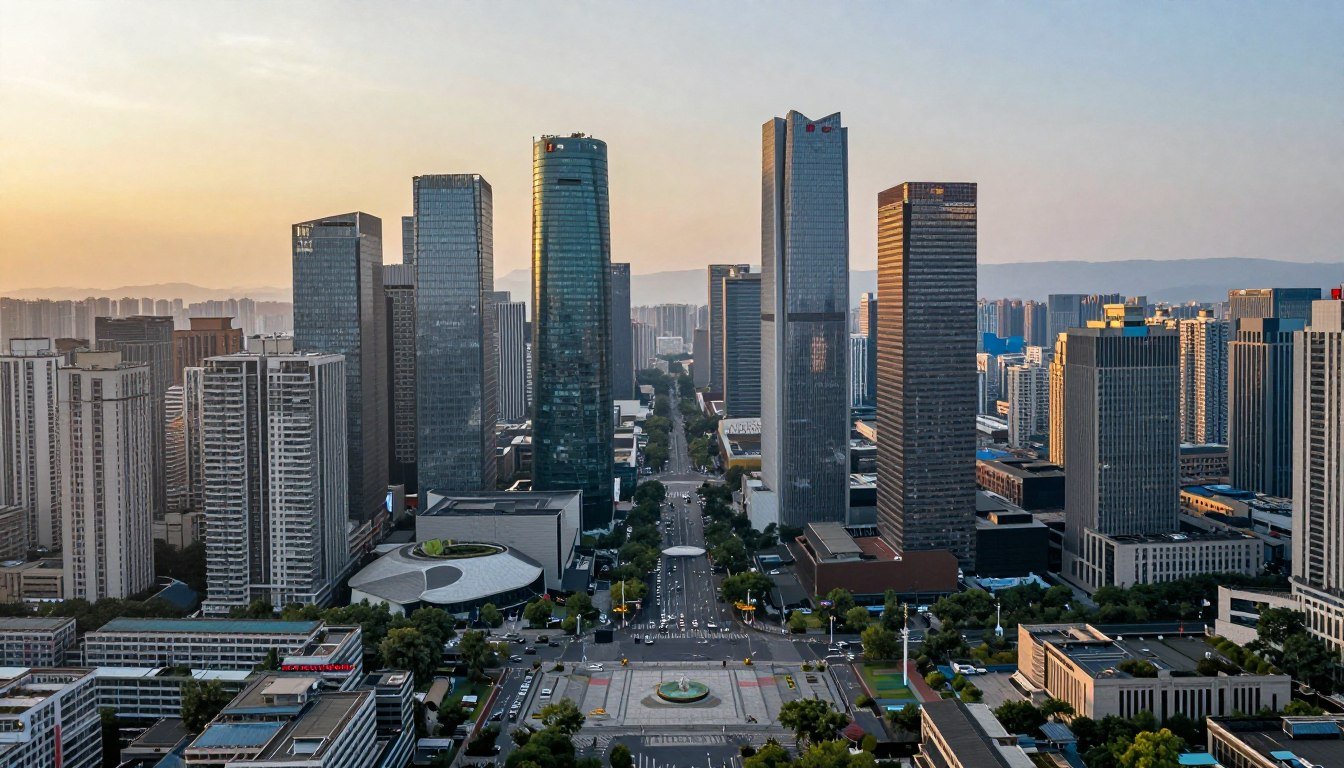
Nestled in the heart of Sichuan Province, Chengdu welcomes visitors with open arms and unforgettable experiences. This vibrant city blends ancient traditions with modern sophistication.
Giant pandas roam through bamboo forests. Spicy aromas fill bustling street markets. Historic temples stand beside gleaming skyscrapers. Chengdu offers something special for every traveler.
Whether you seek cultural immersion or culinary adventures, this guide will help you navigate one of China’s most captivating cities in 2026.
Why Chengdu Should Be Your Next Destination
Chengdu stands out among Chinese cities for its unique character. The city balances rapid modernization with deep cultural roots that stretch back thousands of years.
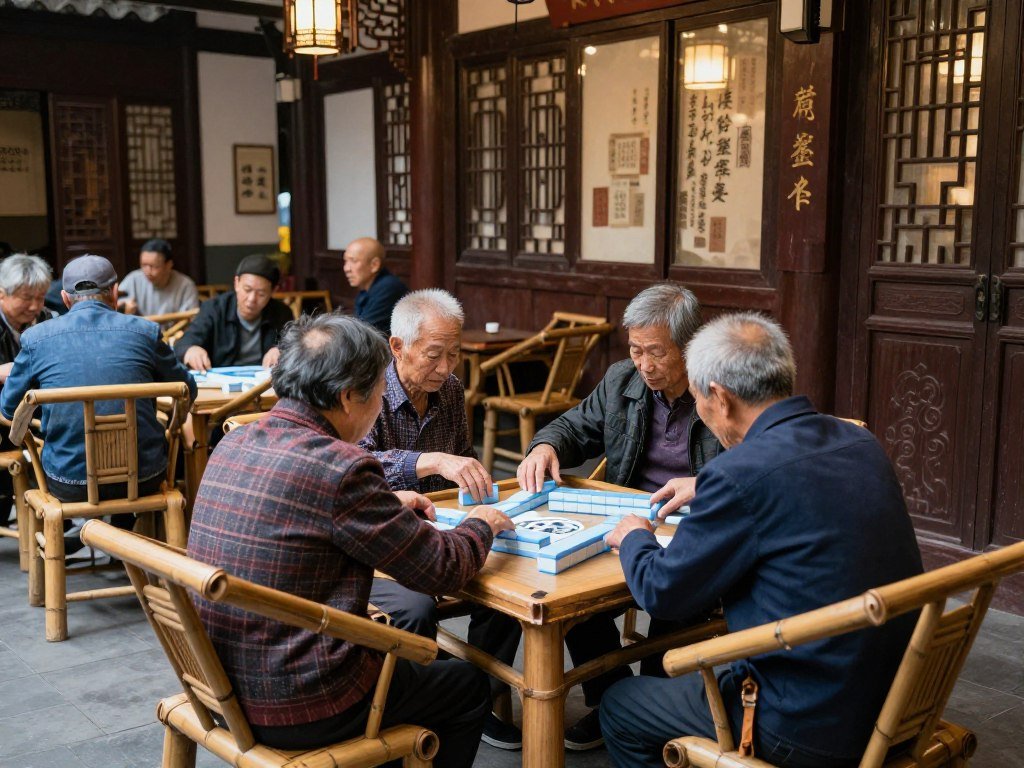
The relaxed pace of life here contrasts sharply with the frenetic energy of Beijing or Shanghai. Locals spend afternoons in teahouses, enjoying conversation and people watching. This laid-back attitude earned Chengdu its reputation as one of China’s most livable cities.

Home to Giant Pandas
Chengdu serves as the global headquarters for panda conservation. The famous Chengdu Research Base of Giant Panda Breeding houses dozens of these beloved creatures. Nowhere else offers such intimate access to see pandas in environments that mirror their natural habitats.
Culinary Capital
Sichuan cuisine originated here, bringing bold flavors that have conquered taste buds worldwide. From street food stalls to Michelin-starred restaurants, the food scene delivers unforgettable meals at every price point.
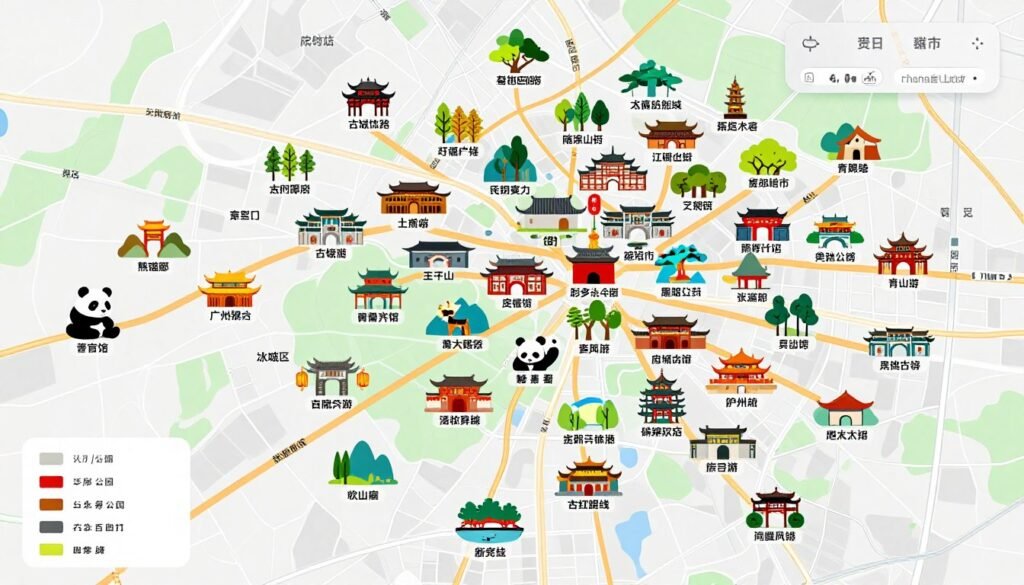
Interactive map of Chengdu showing key attractions, districts, and transportation hubs
Start Planning Your Chengdu Journey
Get our free interactive map with all major attractions, recommended restaurants, and insider tips marked for easy trip planning.
Best Time to Visit Chengdu in 2026
Timing your visit makes a significant difference in your experience. Chengdu’s subtropical climate brings distinct seasons, each offering unique advantages.
| Season | Months | Temperature | Highlights | Considerations |
| Spring | March – May | 15-25°C (59-77°F) | Pleasant weather, blooming flowers, ideal for outdoor activities | Peak tourist season, higher accommodation prices |
| Summer | June – August | 25-33°C (77-91°F) | Long days, vibrant nightlife, outdoor festivals | High humidity, afternoon thunderstorms, crowded attractions |
| Autumn | September – November | 15-25°C (59-77°F) | Comfortable temperatures, clear skies, best panda viewing | Popular travel period, book accommodations early |
| Winter | December – February | 5-12°C (41-54°F) | Fewer tourists, lower prices, authentic local experience | Gray skies, cooler weather, some outdoor sites less appealing |
Spring: The Sweet Spot
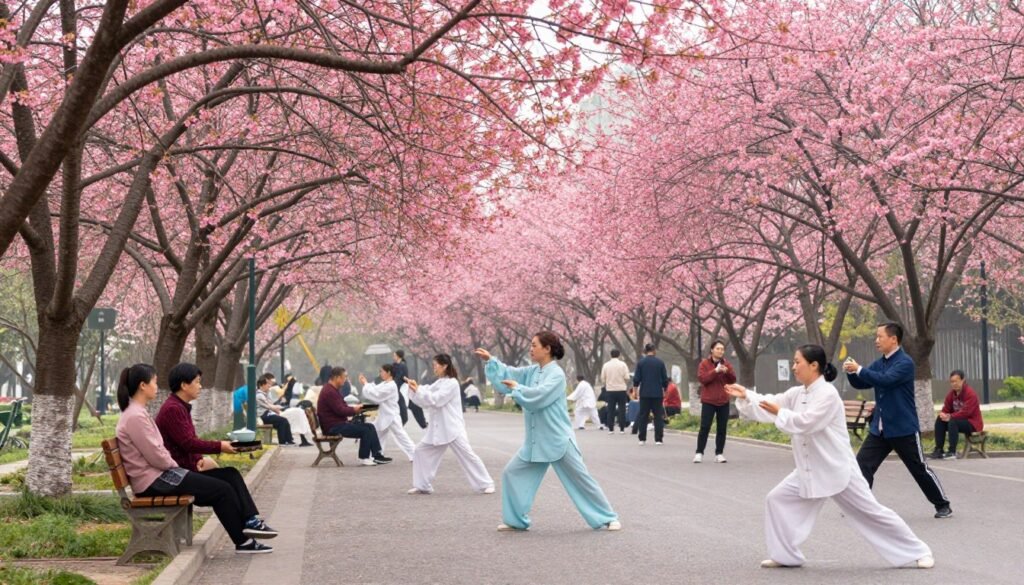
March through May represents the best time to visit Chengdu for most travelers. Temperatures hover in a comfortable range, perfect for walking tours and outdoor exploration. Gardens burst into colorful displays throughout the city.
The giant pandas become particularly active during spring months. Morning visits to the panda base reveal playful cubs and energetic adults, creating perfect photo opportunities.

Autumn: A Close Second
September through early November brings similar conditions to spring. Clear skies dominate this season, making it ideal for day trips to surrounding attractions like the Leshan Giant Buddha. The weather stays dry, reducing the humidity that characterizes summer months.
Local food markets overflow with seasonal produce during autumn. Street vendors prepare special dishes that only appear during these months.
Pro Tip: Visit during weekdays if possible. Weekend crowds at popular attractions like the Panda Base can be overwhelming, especially during peak seasons. Arriving at opening time (typically 7:30 AM) ensures smaller crowds and more active pandas.
Must-See Attractions in Chengdu
Chengdu packs incredible diversity into its boundaries. Ancient history meets contemporary culture at every turn. These attractions showcase the best the city offers.
Chengdu Research Base of Giant Panda Breeding

No visit to Chengdu completes without seeing the city’s most famous residents. The Chengdu Research Base sits just 10 kilometers north of downtown. This facility leads global efforts in panda conservation and breeding.
The base houses over 80 giant pandas across various age groups. Visitors walk through bamboo groves while observing pandas in spacious, naturalistic enclosures. Baby panda nurseries offer glimpses of the newest additions, usually born during summer months.

Early morning visits between 8:00 and 10:00 AM provide the best experience. Pandas show peak activity during these hours, climbing trees and playing together. The crowds thin considerably before 9:00 AM.
Visiting Tips
- Arrive right at opening (7:30 AM) for the best panda viewing
- Allow 2.5 hours to explore the entire base thoroughly
- Wear comfortable walking shoes – the base covers extensive grounds
- Bring a camera with good zoom capabilities
- Skip weekends and Chinese holidays when possible
Getting There
- Metro Line 3 to Panda Avenue Station (most convenient)
- Bus routes 87, 198A, 198 from downtown
- Taxi or ride-sharing: approximately 30 minutes from city center
- Tour buses available from major hotels
- Entry fee: 55 RMB (prices subject to change in 2026)
Experience Pandas Up Close
Choose from standard visits or exclusive volunteer programs where you can help care for pandas. Book in advance for 2026 availability.
Jinli Ancient Street
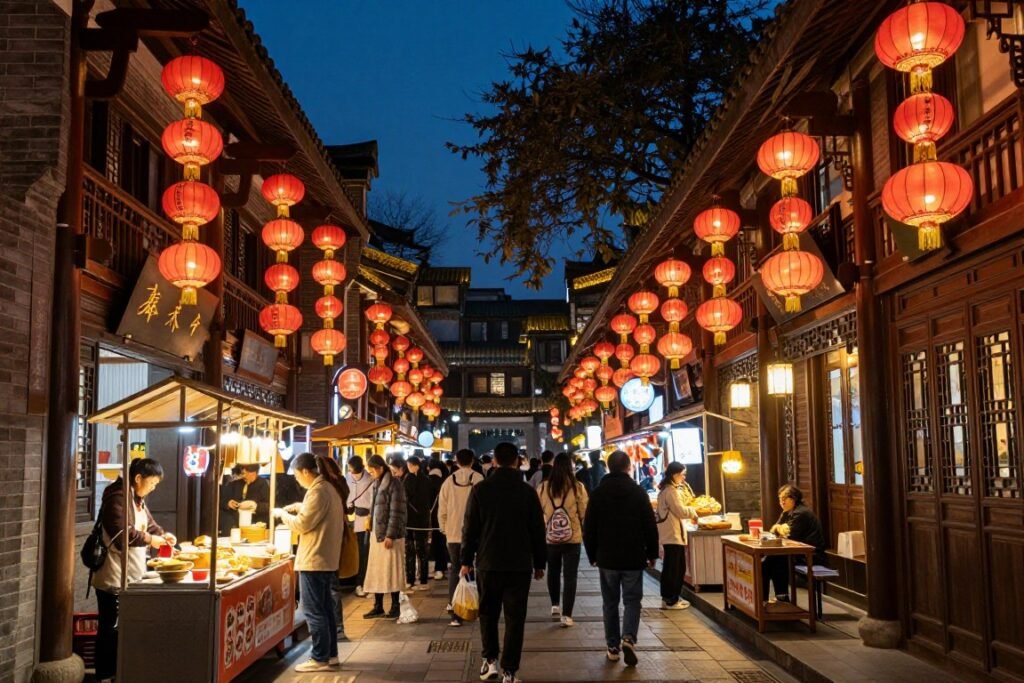
Step back in time along this beautifully preserved street from the Qing Dynasty. Jinli Ancient Street stretches alongside Wuhou Temple, creating a perfect combination for history enthusiasts.
Traditional architecture lines both sides of the pedestrian walkway. Teahouses, snack vendors, souvenir shops, and handicraft stores fill every storefront. Local artisans demonstrate traditional crafts including shadow puppetry and sugar painting.
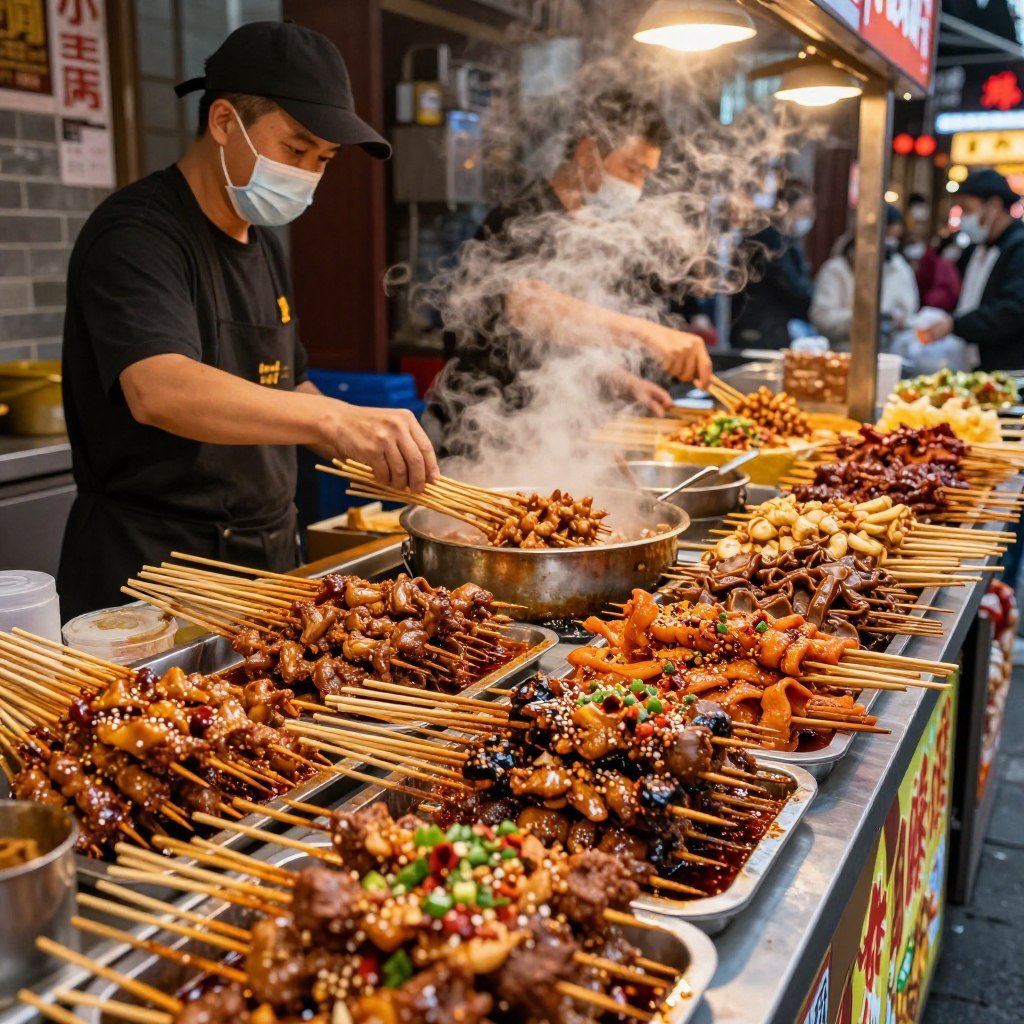
The street truly comes alive after dark. Red lanterns illuminate the pathways, creating a magical atmosphere. Street performers entertain crowds while the aroma of Sichuan cuisine fills the air.
What to Try at Jinli
- Three Cannon snacks – sweet rice balls launched into bowls
- Sugar paintings created before your eyes
- Husband and wife lung slices – a famous Sichuan cold dish
- Sichuan opera face-changing performances in small theaters
- Traditional tea ceremonies at authentic teahouses
- Handmade silk embroidery and local crafts
Wuhou Temple
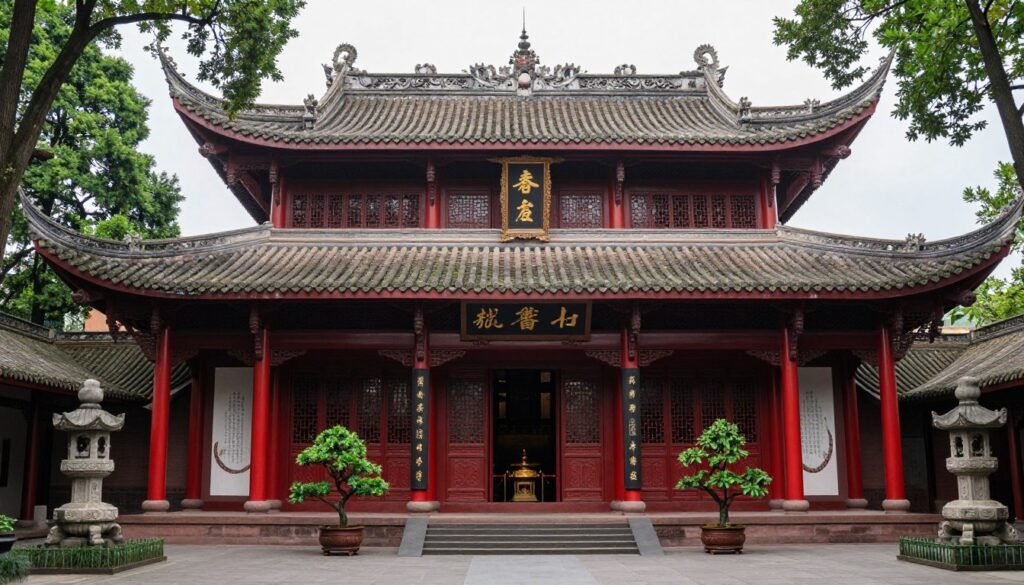
This important cultural site honors Zhuge Liang, the legendary strategist from the Three Kingdoms period. The temple complex combines stunning architecture with beautifully maintained gardens.
Massive ancient cypress trees shade the courtyards. Stone tablets record historical events spanning centuries. The peaceful gardens provide welcome respite from the busy city outside the walls.
Cultural Note: Wuhou Temple serves as an active place of worship. Visitors should maintain respectful behavior, speaking quietly and avoiding disruption of those who come to pray or meditate.
People’s Park and Bamboo Fountain
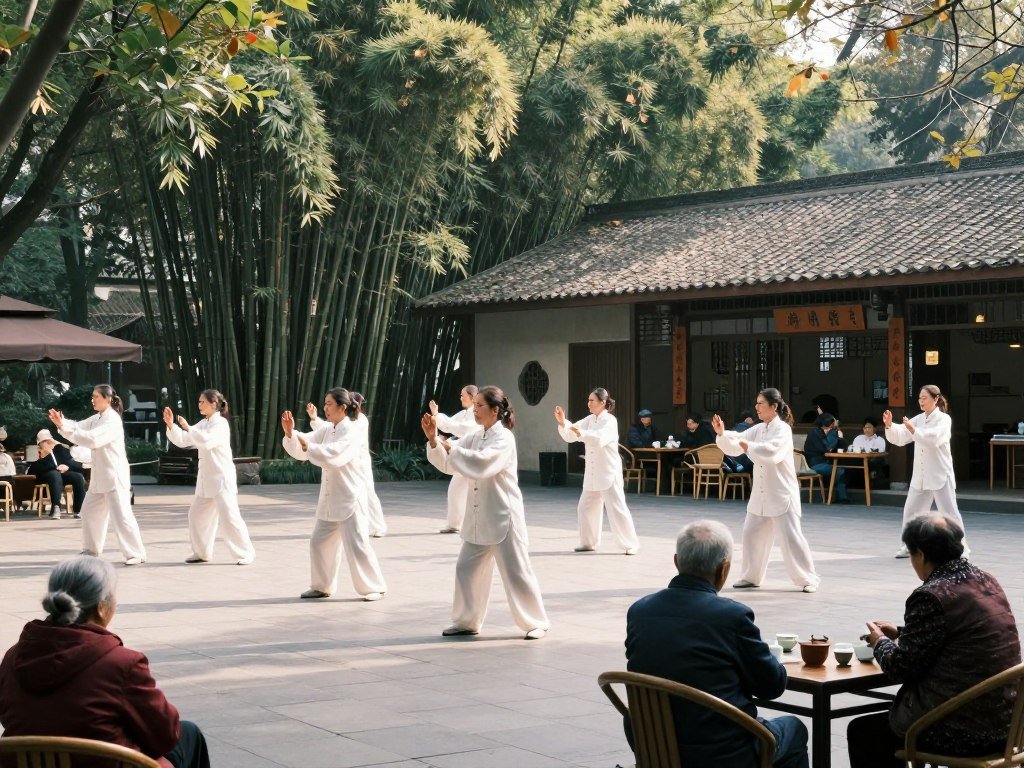
Experience authentic local life at People’s Park. This downtown green space serves as a social hub where Chengdu residents gather daily. The park offers a window into the relaxed lifestyle that defines the city.
Teahouses fill with patrons from morning until evening. Locals play mahjong, chat with friends, or simply watch the world pass by. The famous bamboo fountain creates a soothing backdrop to the social scene.
The park also hosts matchmaking corner, where parents gather to advertise their unmarried children’s qualities. This uniquely Chinese phenomenon provides fascinating cultural insight.
Activities in People’s Park
- Sip traditional tea at Heming Teahouse, the oldest in the city
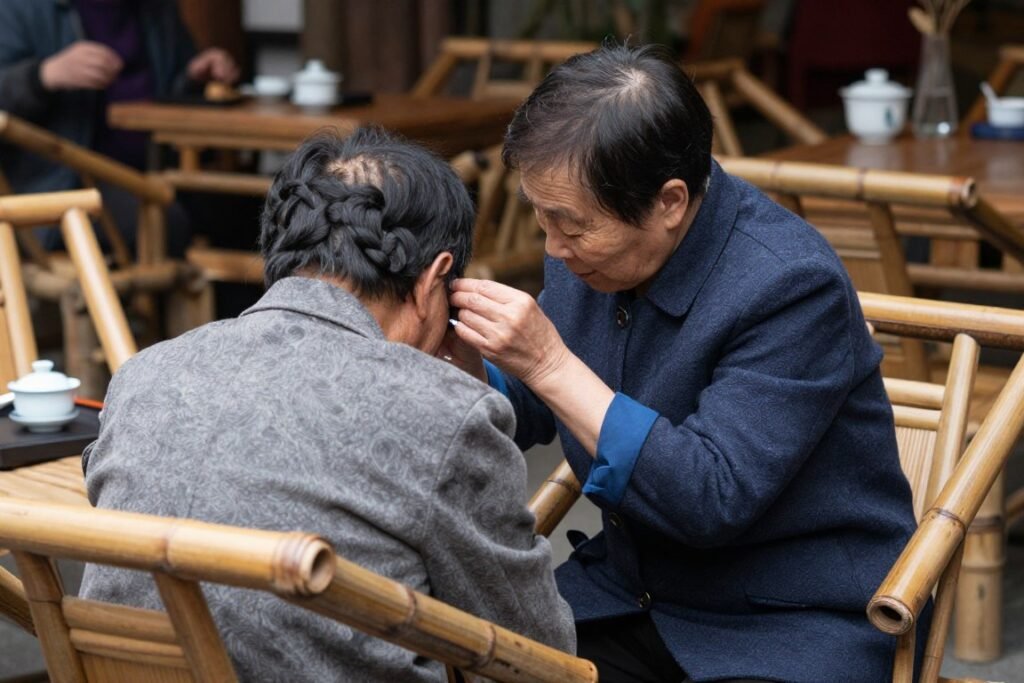
- Try traditional ear cleaning services from skilled practitioners
- Join locals for morning tai chi sessions
- Rent a paddleboat on the central lake
- Visit the Monument to the Martyrs of the Railway Protection Movement
- Watch or join in public square dancing in the evenings
Chunxi Road Shopping District
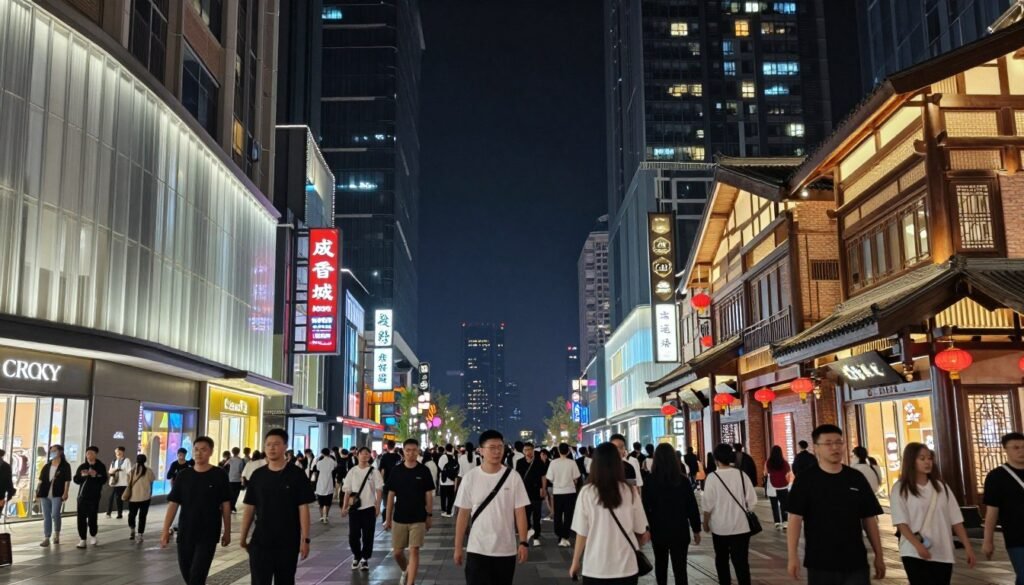
Modern Chengdu reveals itself along Chunxi Road. This pedestrian shopping street ranks among China’s busiest retail areas. International brands share space with local boutiques across multiple shopping malls.
The area pulses with energy day and night. Street performers entertain shoppers. Restaurants and cafes provide countless dining options. Giant LED screens display advertisements and entertainment.
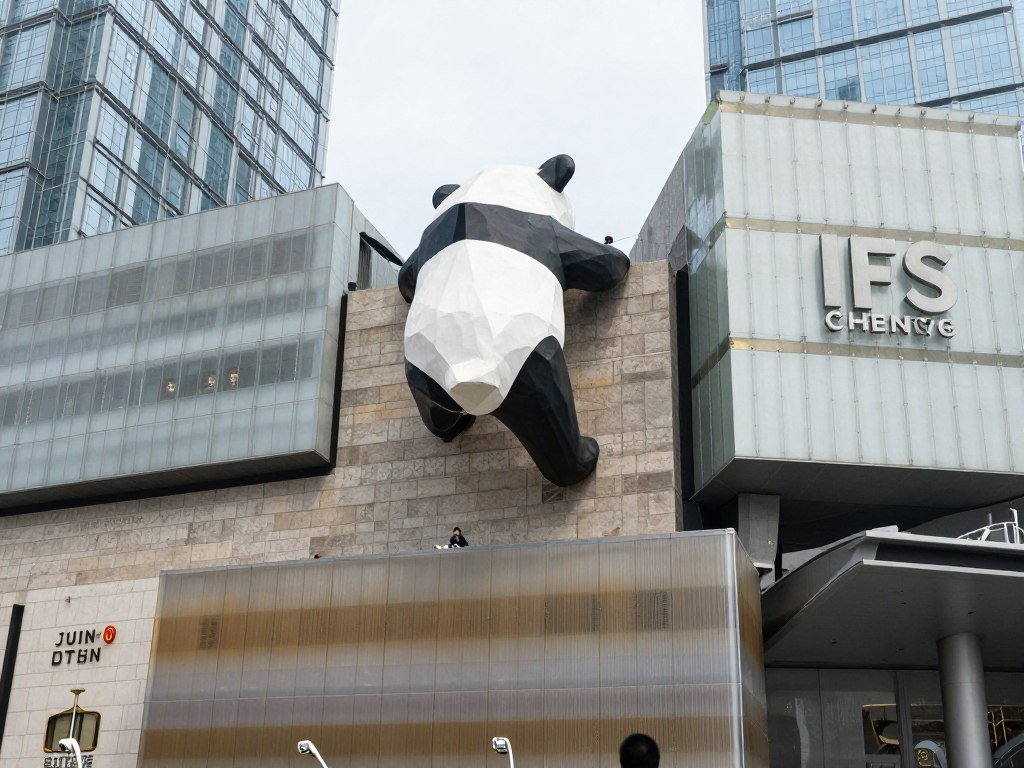
The iconic giant panda sculpture climbing the IFS building has become a must-see landmark. This massive installation perfectly symbolizes Chengdu’s blend of contemporary style and panda heritage.
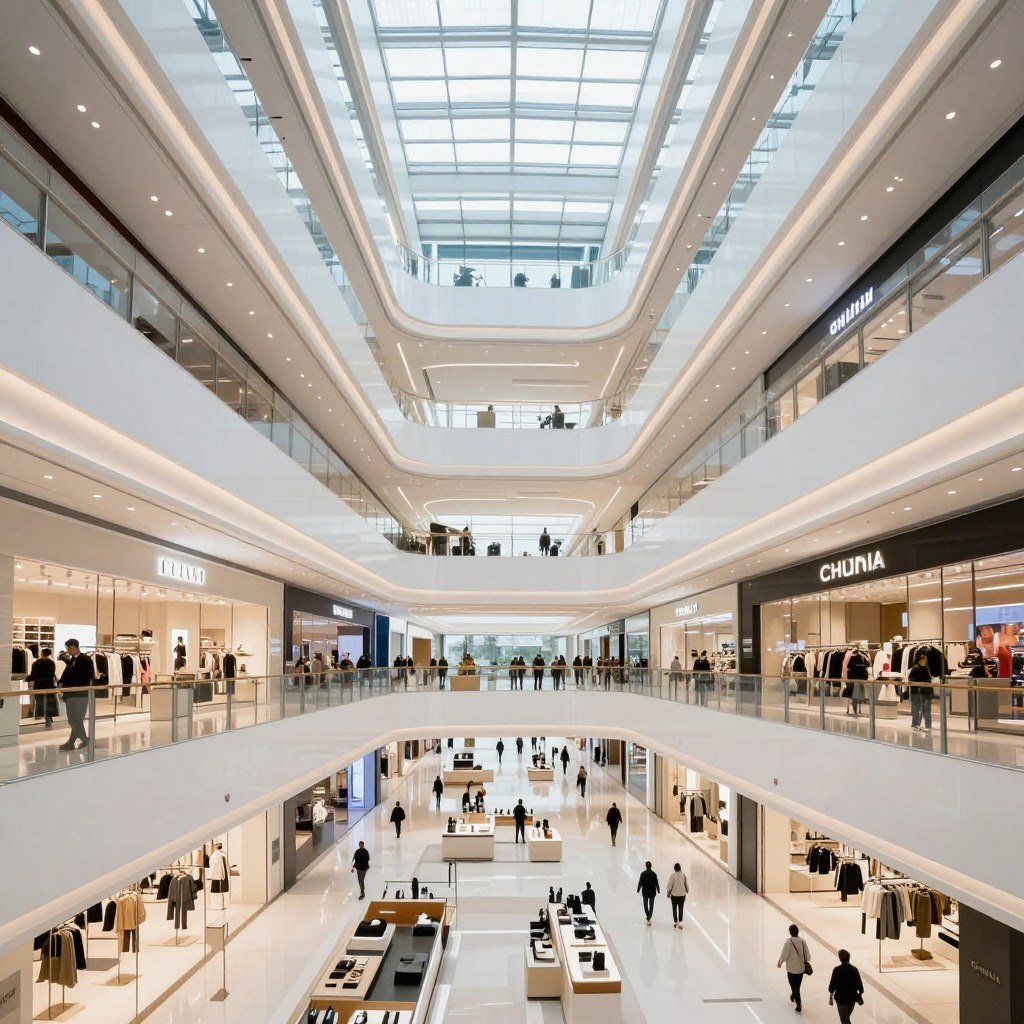
Shopping Highlights
- IFS – International luxury brands
- Taikoo Li – Designer boutiques and trendy restaurants
- Spring Panda Avenue – Electronics and gadgets
- Local silk and tea shops scattered throughout
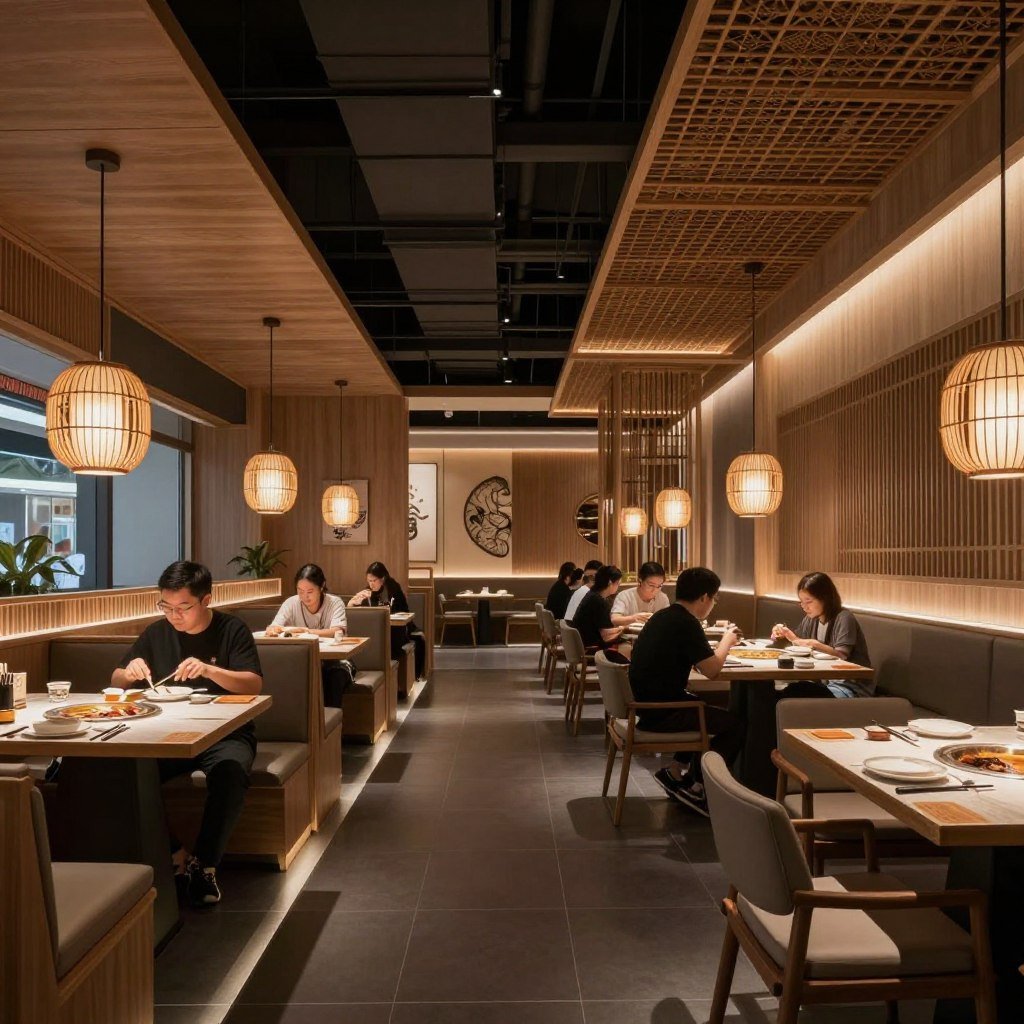
Dining Options
- International cuisine from every continent
- Upscale Sichuan restaurants
- Trendy cafes and dessert shops
- Authentic local snacks at side streets
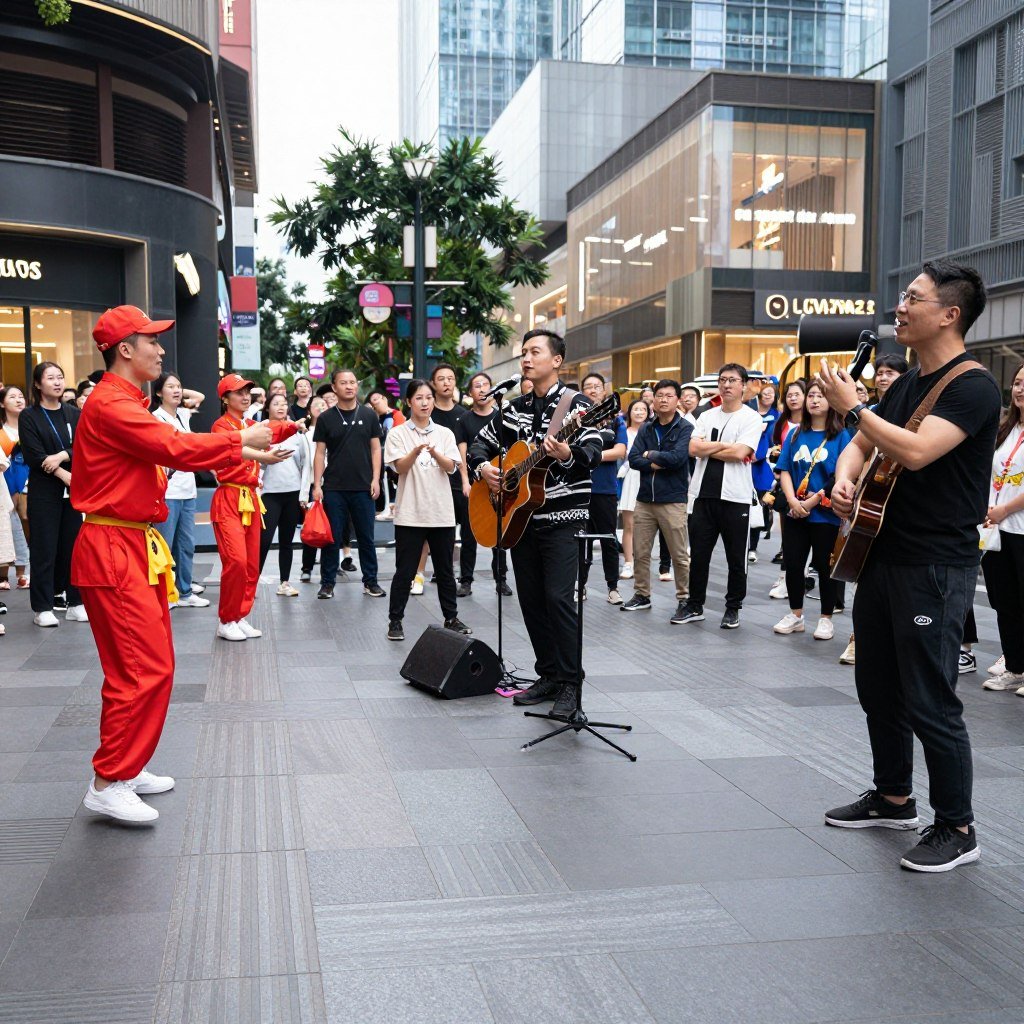
Entertainment
- Street performances throughout the day
- Movie theaters showing latest releases
- Karaoke venues for nighttime fun
- Bars and clubs in surrounding alleys
Amazing Day Trips from Chengdu
Chengdu’s location provides easy access to remarkable destinations. These day trips expand your experience beyond the city limits, showcasing Sichuan Province’s incredible diversity.
Leshan Giant Buddha
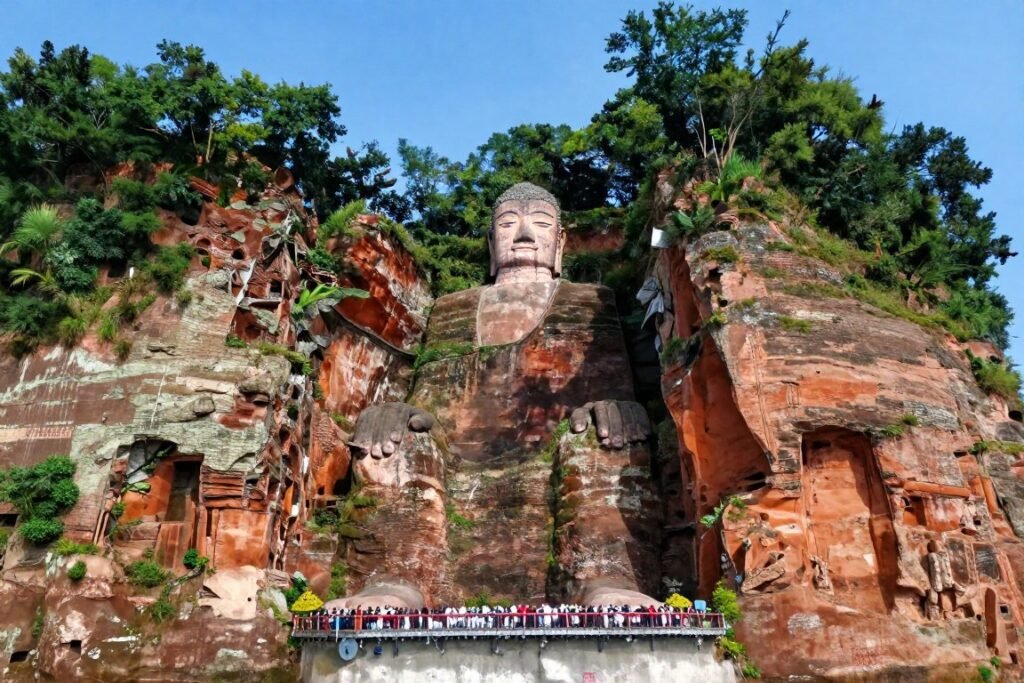
The world’s largest stone Buddha sits 71 meters tall, carved directly into a cliff face. This UNESCO World Heritage site dates back to 713 AD. The massive scale becomes apparent only when seeing tiny people at its feet.
Located about 2.5 hours from Chengdu, Leshan makes an excellent full day trip. Visitors can view the statue from boats on the river or climb down steep stairs alongside the giant figure.
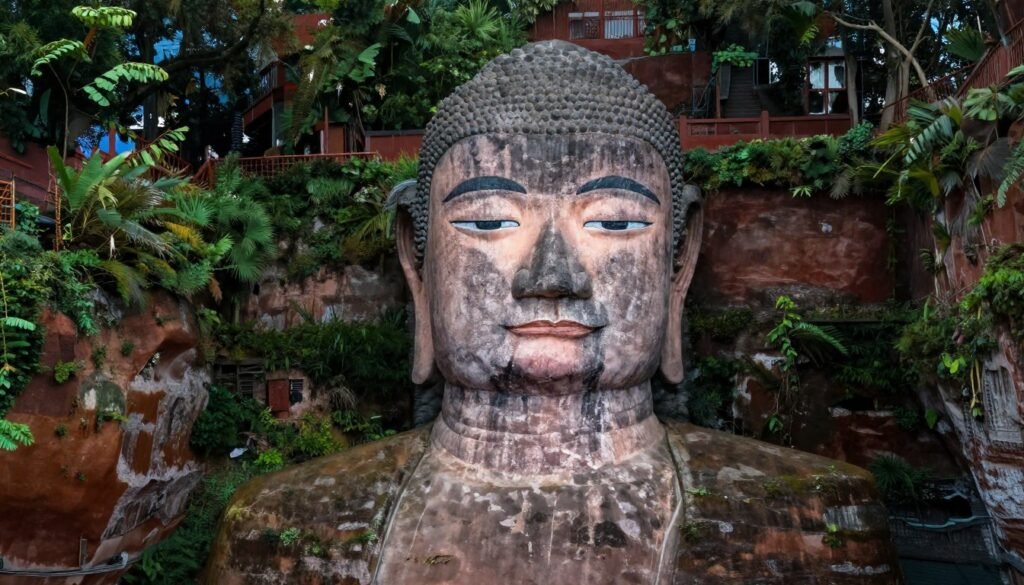
The surrounding park offers beautiful walking trails through forests and temples. Allow a full day to explore thoroughly, including the boat ride that provides the best overall view of the Buddha.
Leshan Visit Planning
Getting There
- High-speed train from Chengdu East Station (one hour)
- Tourist buses from Xinnanmen Station
- Organized tours with guide included
- Private car hire for flexibility
What to Expect
- Total trip time: 8-10 hours including travel
- Steep stairs require moderate fitness
- Boat rides available for river views
- Bring sun protection and water
Mount Emei
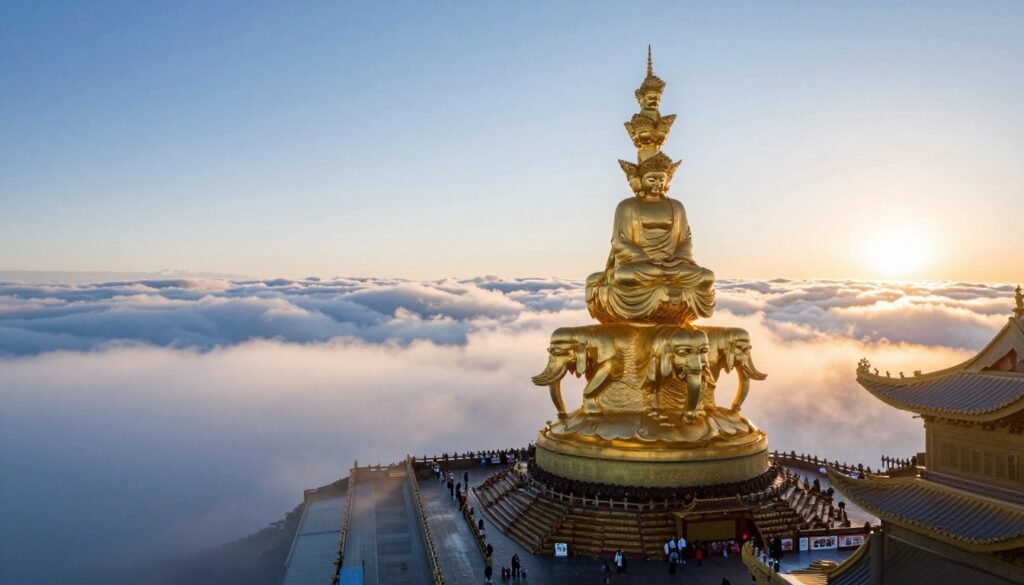
One of China’s four sacred Buddhist mountains, Mount Emei rises 3,099 meters above sea level. The mountain hosts numerous temples, hiking trails, and incredible scenery.
Most visitors combine Mount Emei with Leshan Giant Buddha in a two-day trip. Cable cars provide access to higher elevations for those who prefer not to hike. The summit offers spectacular sunrise views when weather permits.
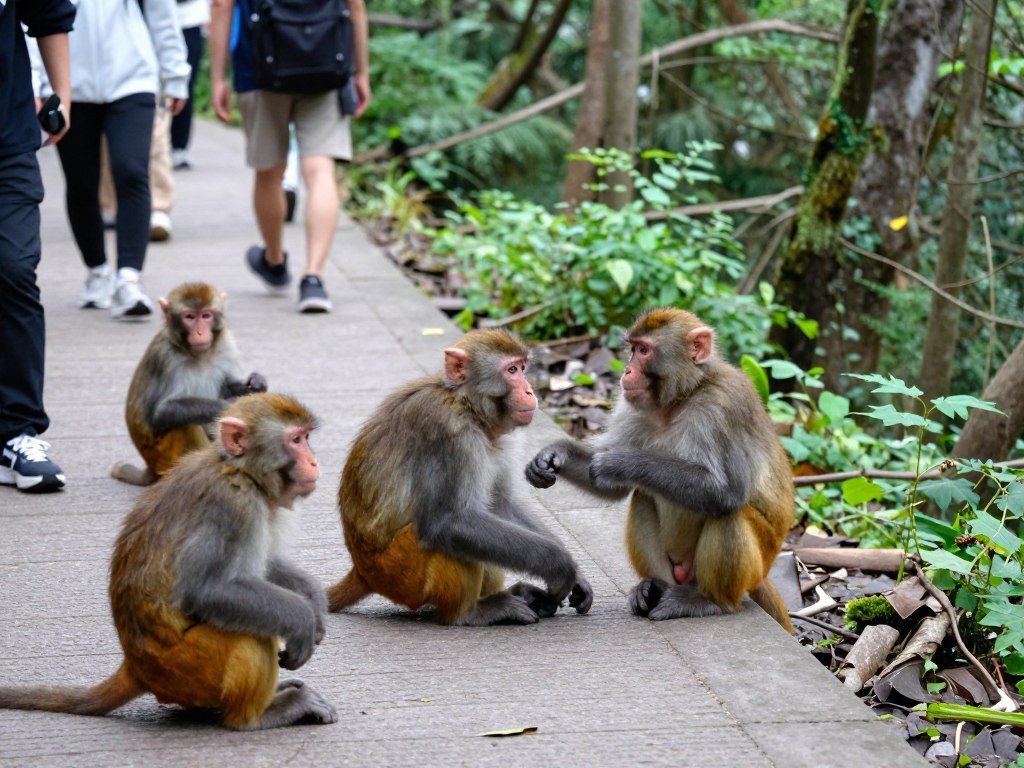
Wild monkeys inhabit the lower slopes, often approaching visitors for food. These clever creatures can be aggressive, so maintain distance and secure belongings.
Dujiangyan Irrigation System

This ancient engineering marvel dates to 256 BC. The irrigation system still functions today, controlling floods and providing water to surrounding farmland. UNESCO recognizes it as a World Heritage site.
The complex demonstrates incredible sophistication in hydraulic engineering. Visitors walk across bamboo suspension bridges and explore well-preserved ancient structures. The surrounding area offers pleasant riverside walks and historic temples.
Located just one hour from downtown Chengdu, Dujiangyan combines easily with a visit to the nearby panda sanctuary. The town itself maintains charm with traditional architecture and local restaurants.
Combination Tip: Many tour operators offer packages combining the Dujiangyan Irrigation System with the Dujiangyan Panda Base in a full day trip. This efficiently covers two major attractions with minimal travel time.
Book Your Chengdu Day Trips
Skip the logistics hassle. Join organized tours to Leshan Giant Buddha, Mount Emei, and Dujiangyan with experienced guides, transportation, and entrance fees included.
Sichuan Cuisine: A Spicy Adventure
Chengdu’s food scene deserves its own vacation. Sichuan cuisine uses bold flavors, particularly the numbing sensation of Sichuan peppercorns combined with fiery chilies. The city offers everything from street food to fine dining.
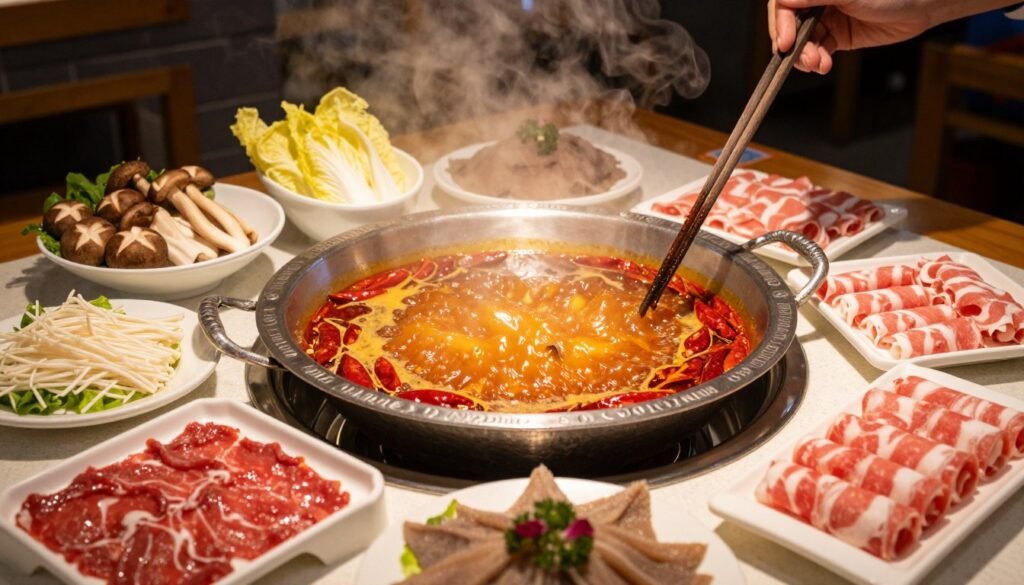
Signature Dishes to Try
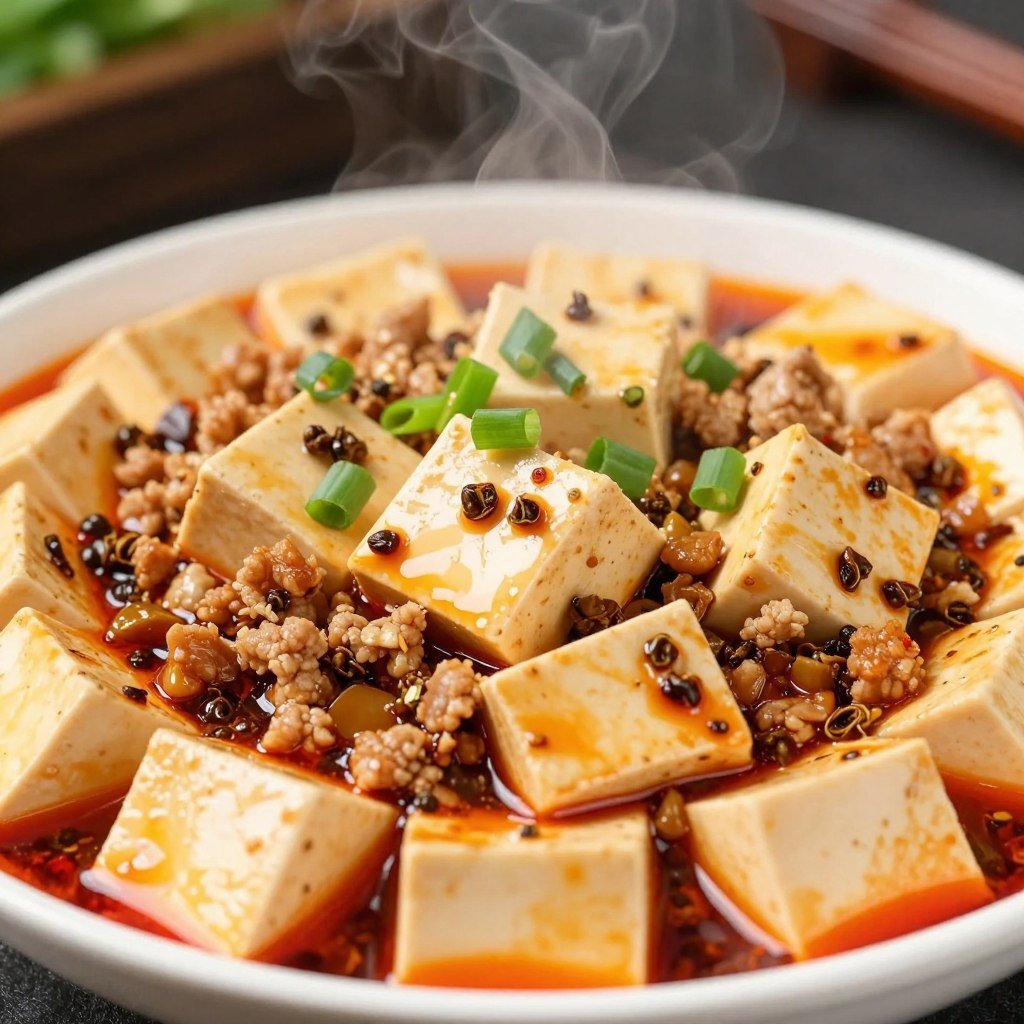
Mapo Tofu
Silky tofu swimming in spicy sauce with ground pork. The dish originated in Chengdu and remains a local favorite. The combination of heat and numbing sensation defines classic Sichuan flavor.
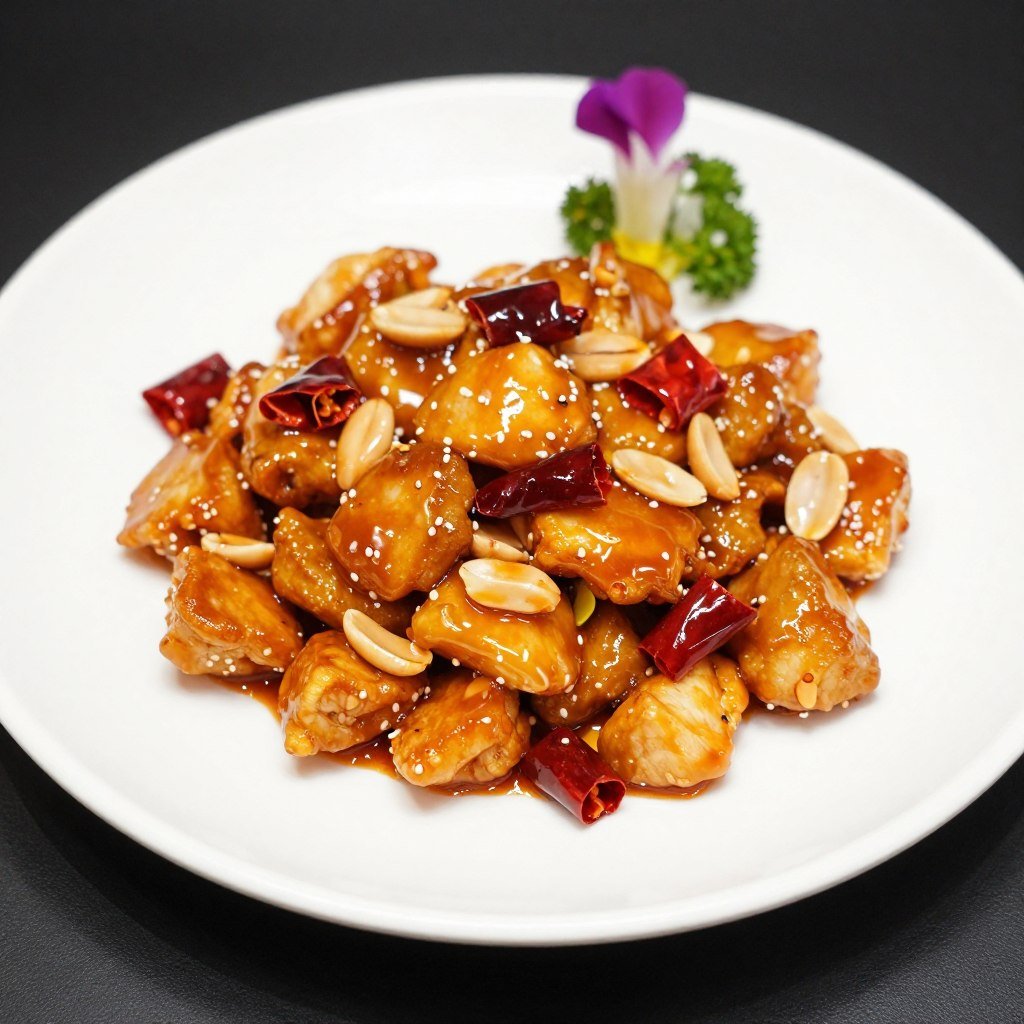
Kung Pao Chicken
Tender chicken pieces stir-fried with peanuts and dried chilies. This internationally famous dish tastes remarkably different in its hometown. The authentic version delivers complex layers of flavor.
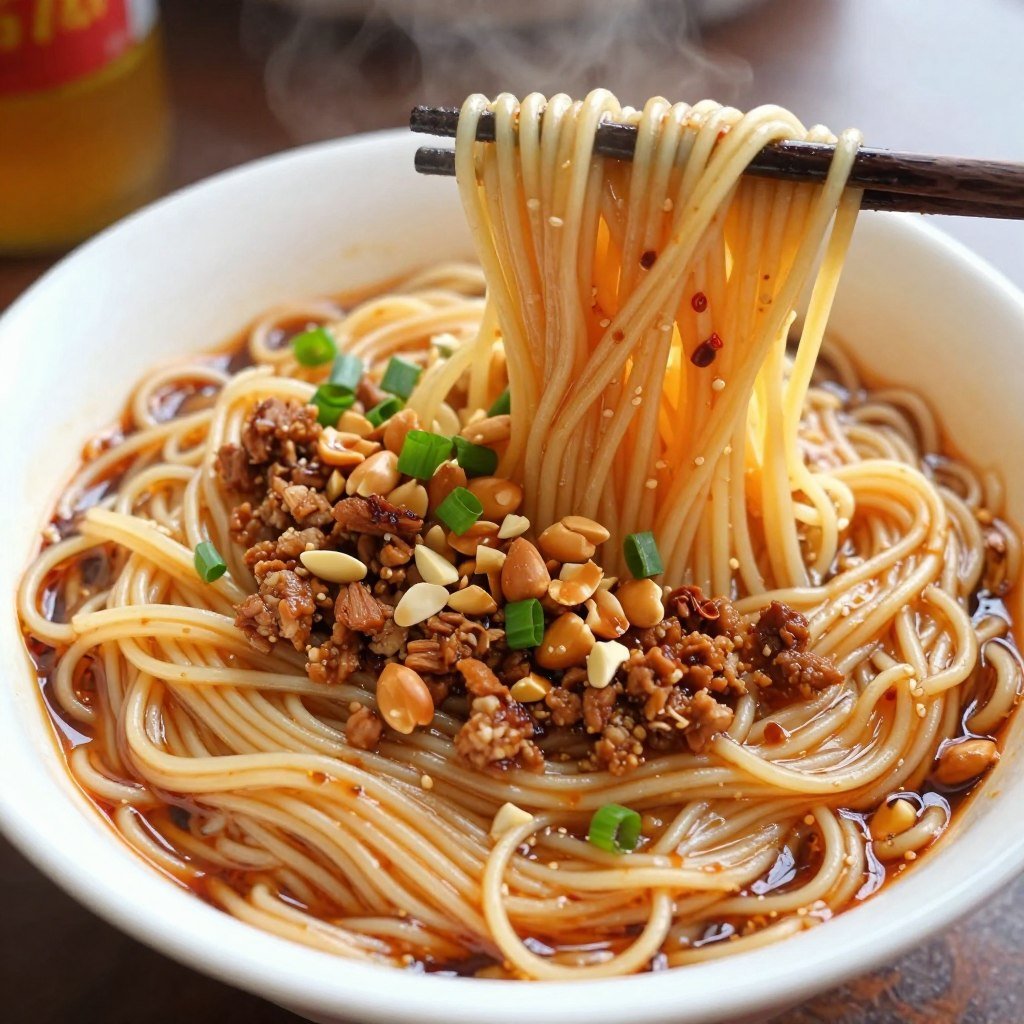
Dan Dan Noodles
Simple yet perfect noodles in spicy sesame sauce. Street vendors traditionally carried these on shoulder poles, inspiring the name. The balance of spice, sesame, and savory creates addictive flavor.
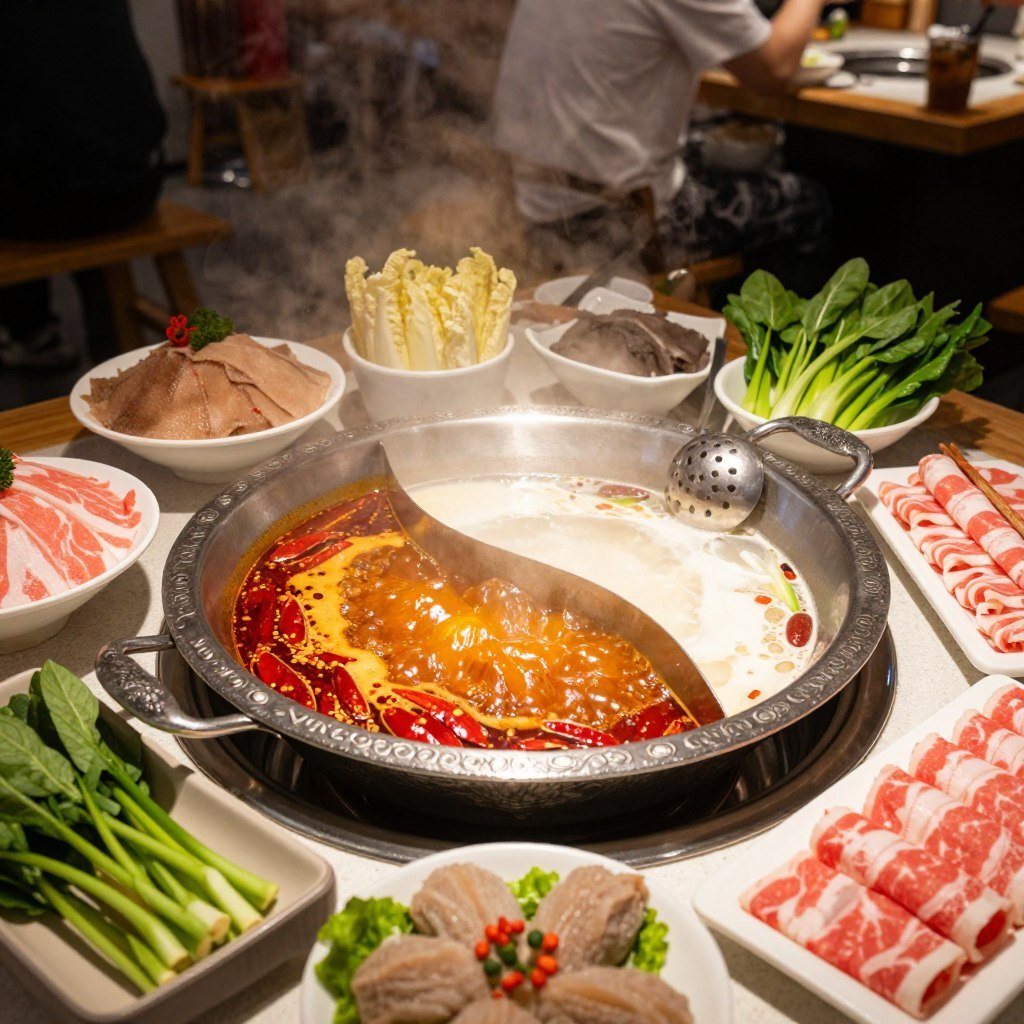
Hotpot
The ultimate communal dining experience. Diners cook raw ingredients in bubbling spicy broth at their table. Chengdu hotpot differs from other regional styles with its numbing spice profile.
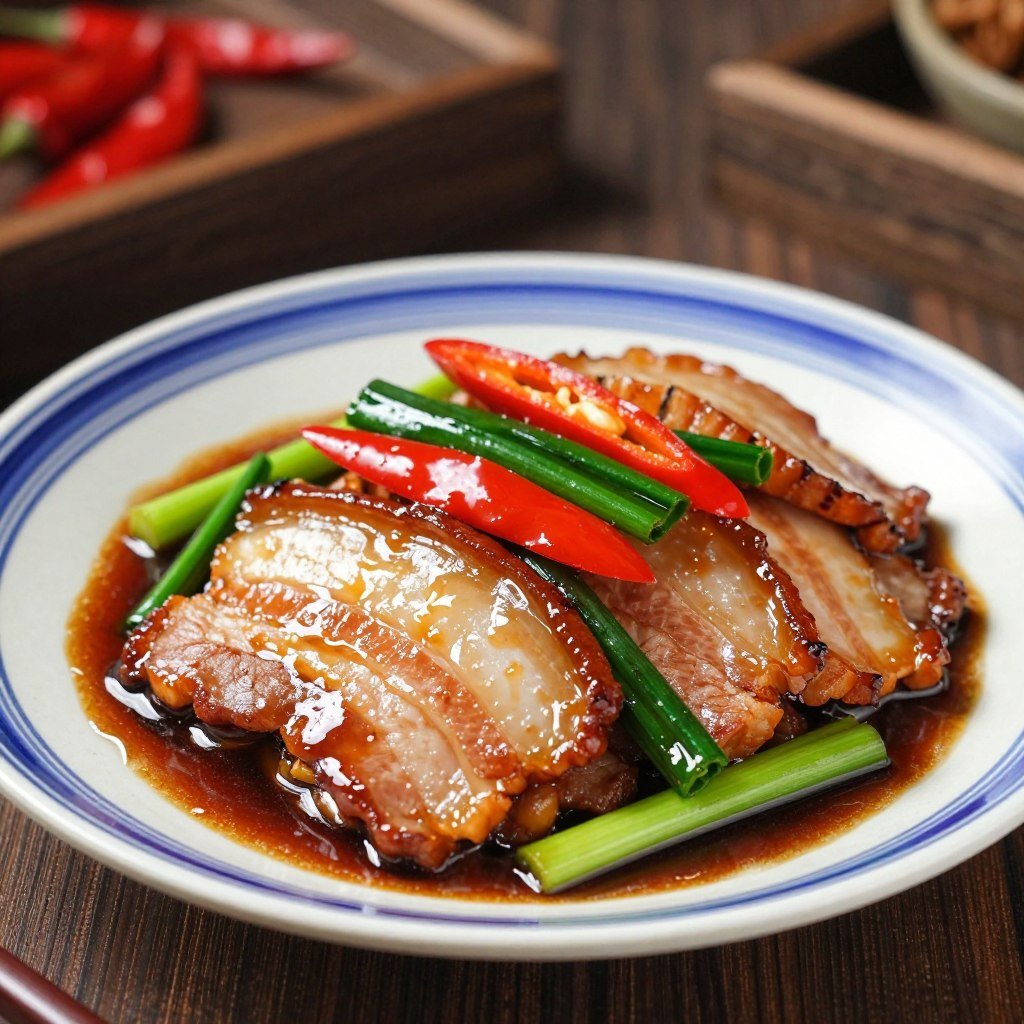
Twice-Cooked Pork
Pork belly boiled then stir-fried with vegetables and fermented bean paste. This home-style dish appears on nearly every menu. The technique creates tender meat with crispy edges.
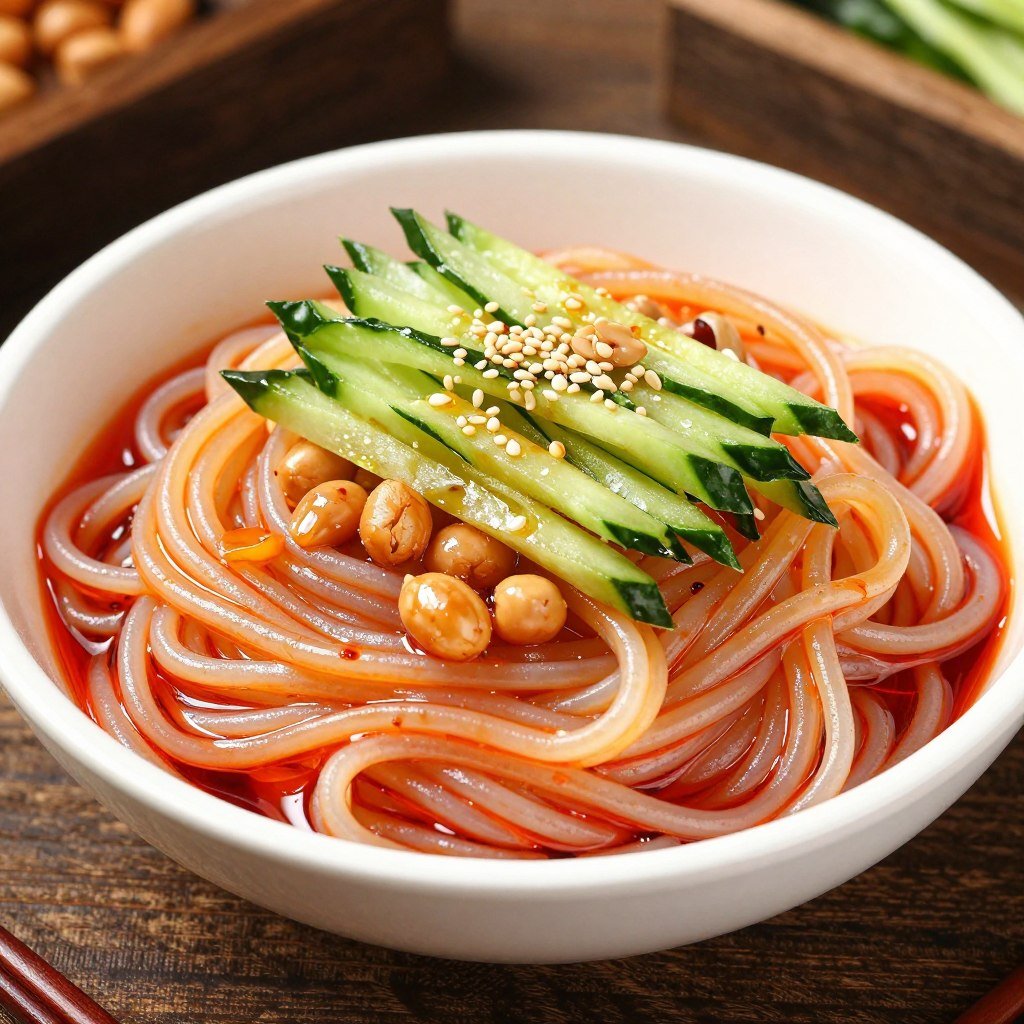
Cold Noodles
Refreshing noodles dressed in chili oil and vinegar. Perfect for hot weather, this dish balances temperature with spice. Various toppings add texture and complexity.
Where to Eat in Chengdu
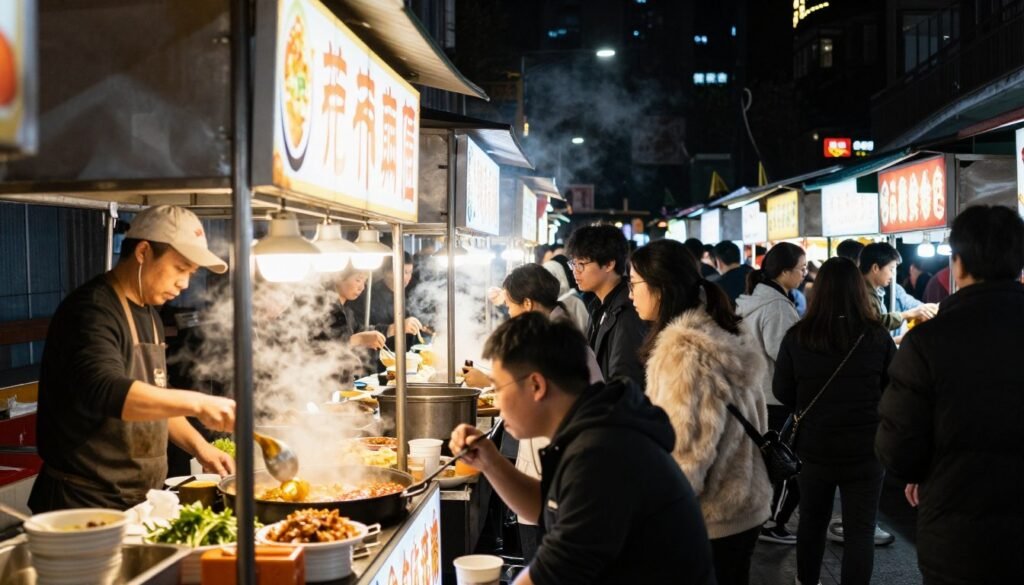
The food options span every price range and formality level. Street food stalls serve authentic local favorites. Mid-range restaurants offer extensive menus. High-end establishments present refined takes on traditional dishes.
Street Food Areas
- Kuanzhai Alley – Historic street with numerous snack vendors
- Jinli Ancient Street – Evening food stalls alongside shops
- Yulin Road – Local favorite for late-night eating
- Jianshe Road – Famous for xiaolongbao and breakfast items
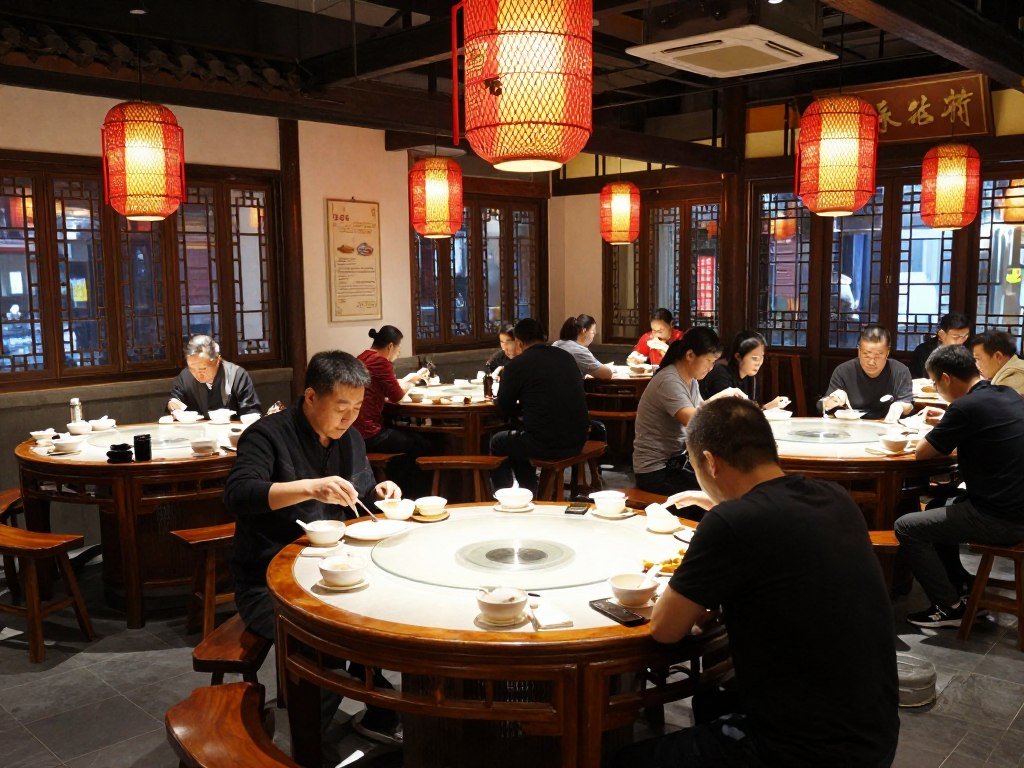
Restaurant Recommendations
Budget-Friendly
- Chen Mapo Tofu – The original mapo tofu restaurant
- Dragon Wonton – Famous for dumplings and wontons
- Tan Douhua – Specializing in bean curd dishes
- Xiaolongkan Hotpot – Chain with consistent quality
- Local noodle shops near People’s Park
Mid-Range
- Yu’s Family Kitchen – Refined home-style cooking
- Shunxing Teahouse – Traditional environment with performances
- Shu Jiu Xiang Hotpot – Popular local chain
- Chengdu Impression – Modern take on classics
- Three Ears Restaurant – Creative fusion options
Fine Dining
- Song Yun Ze – Michelin-starred Sichuan cuisine
- The Temple House – Contemporary Chinese in luxury hotel
- Lan Kwai Fong – Upscale dining complex
- Yu Zhi Lan – Innovative presentations of traditional dishes
- Tivano – Italian-Sichuan fusion experiments
Food Tours and Cooking Classes
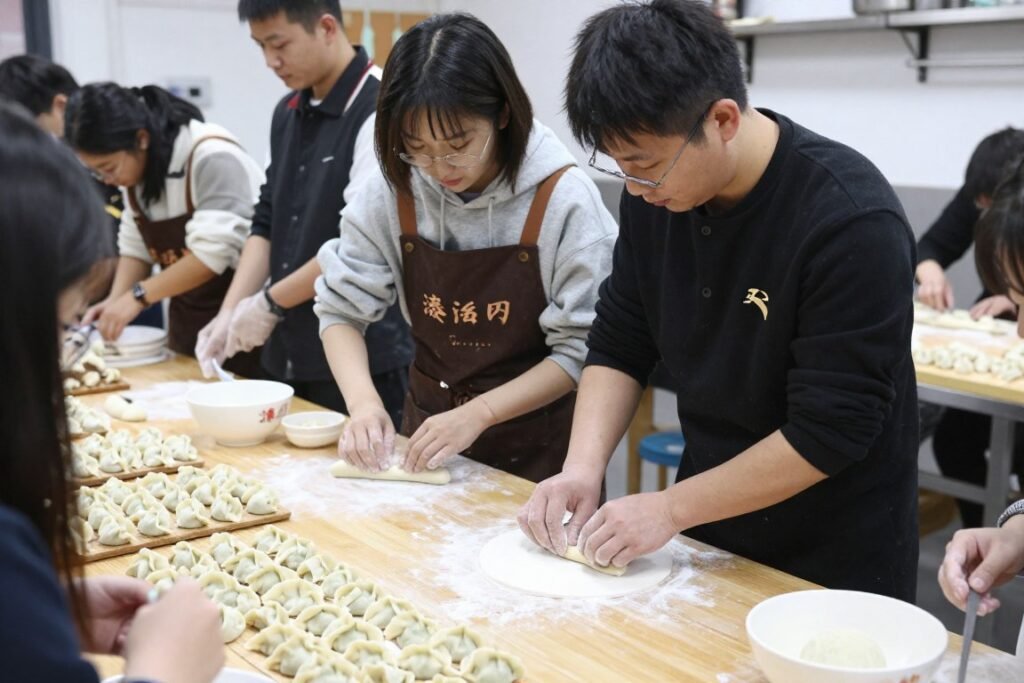
Guided food tours provide insider access to the best local spots. Knowledgeable guides explain dishes, ingredients, and eating customs while navigating neighborhood food scenes tourists rarely discover independently.
Cooking classes teach techniques for recreating Sichuan dishes at home. Classes typically include market visits to source ingredients, hands-on preparation, and enjoying the meal you created.
Spice Warning: Sichuan cuisine can be extremely spicy. When ordering, specify your heat tolerance level. Phrases like “wei la” (slightly spicy) or “bu la” (not spicy) help communicate preferences. Most restaurants happily adjust spice levels.
Taste the Real Chengdu
Join authentic food tours led by local experts. Visit hidden restaurants, learn cooking techniques, and discover dishes you’d never find alone. Small groups ensure personalized experiences.
Where to Stay in Chengdu
Choosing the right area and hotel significantly impacts your Chengdu experience. The city offers accommodation options for every budget and travel style. Location matters more than luxury level for most visitors.
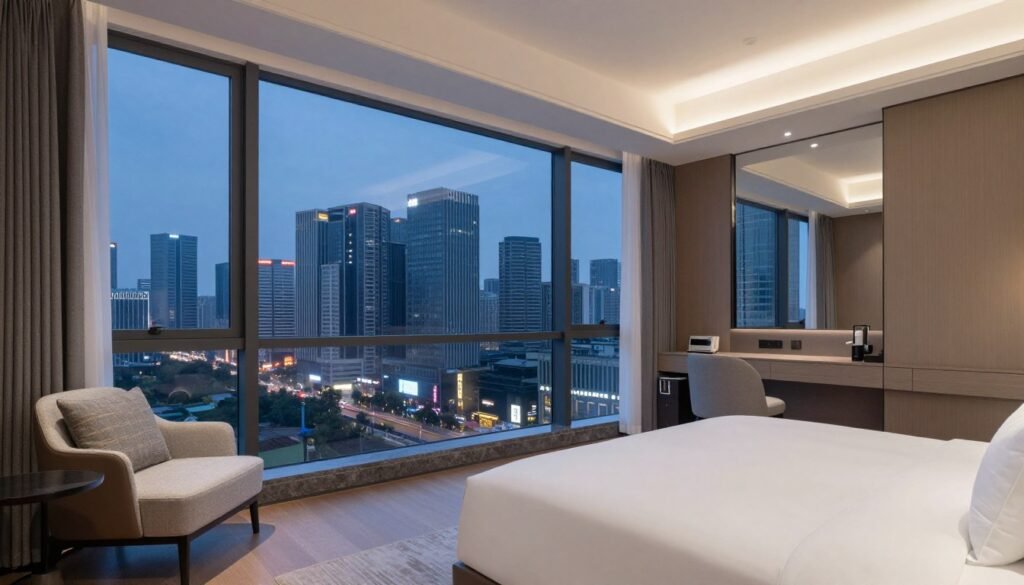
Best Areas to Stay
Chunxi Road Area – Shopping and Entertainment Hub
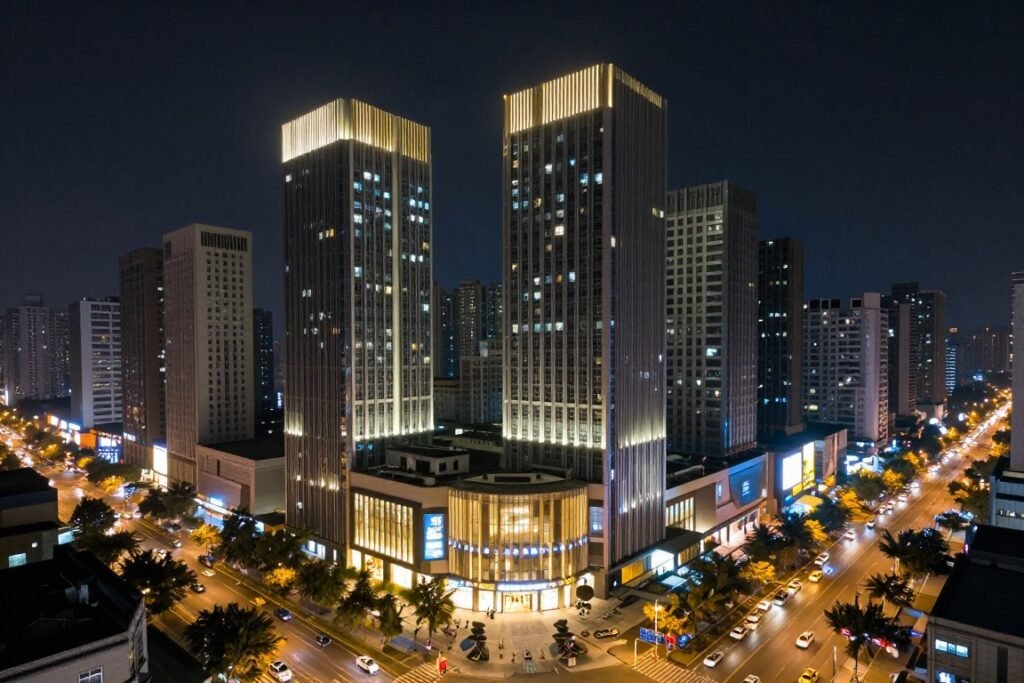
The heart of modern Chengdu offers unbeatable convenience. Shopping, dining, and entertainment surround you. Metro access makes reaching attractions simple. This area suits travelers who enjoy urban energy and easy access to amenities.
Prices run higher here than other neighborhoods. The constant activity means noise, even at night. Hotels range from budget chains to international luxury brands.
Wuhou District – Cultural Center
Stay near Wuhou Temple and Jinli Ancient Street for cultural immersion. This area balances history with modern conveniences. Traditional architecture mixes with contemporary developments.
The neighborhood offers better value than downtown. Numerous authentic local restaurants serve nearby residents. The area feels more genuinely Chinese than tourist-focused districts.
Qingyang District – Local Life Experience
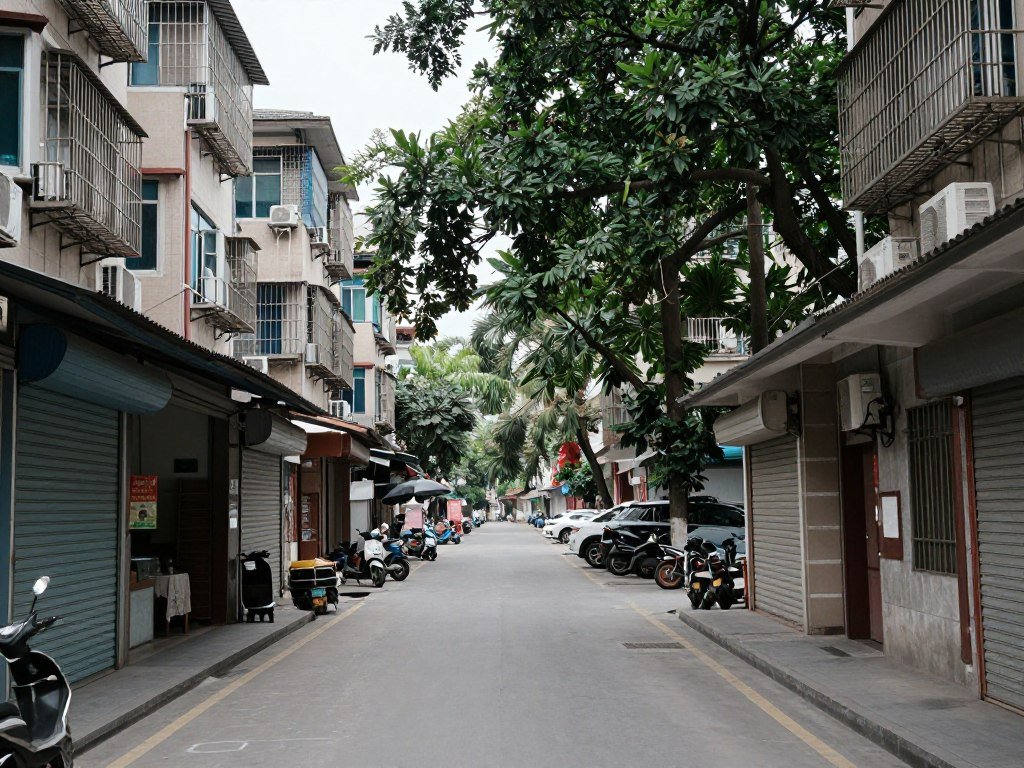
This residential area near People’s Park provides authentic local experiences. Teahouses, parks, and neighborhood restaurants dominate the landscape. Prices stay reasonable while quality remains high.
The area lacks the polish of tourist zones. This authenticity appeals to travelers seeking real Chinese daily life. English speakers appear less frequently here.
Hotel Recommendations by Budget
| Budget Level | Price Range (per night) | Hotel Examples | Best For |
| Budget | $15-40 USD | Hostels, budget chains, guesthouses | Backpackers, solo travelers, extended stays |
| Mid-Range | $40-100 USD | Business hotels, boutique properties, apartment hotels | Most travelers, families, comfort seekers |
| Upscale | $100-200 USD | International chains, design hotels, serviced apartments | Business travelers, those wanting premium amenities |
| Luxury | $200+ USD | Five-star international brands, boutique luxury | Special occasions, luxury travelers, status points |
Budget Options
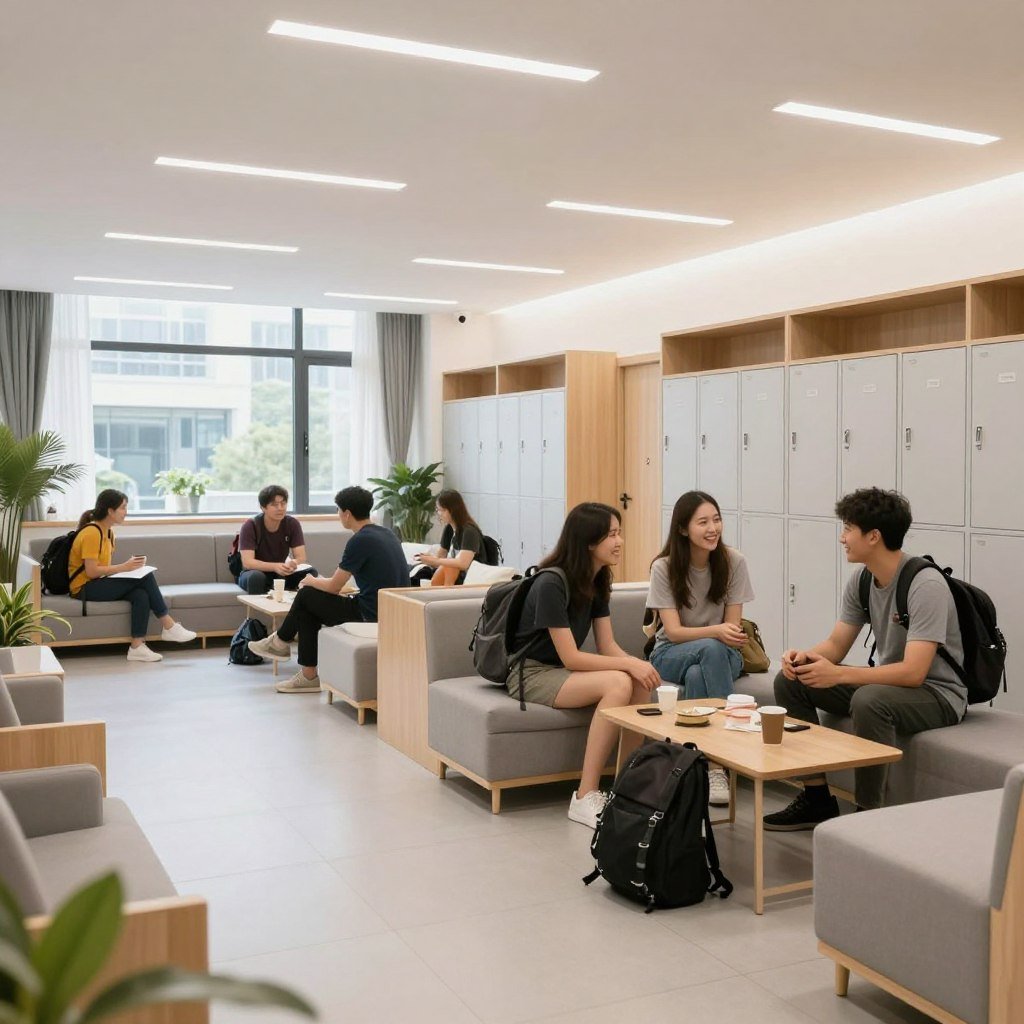
Hostels provide clean, safe accommodation with opportunities to meet fellow travelers. Private rooms exist alongside dormitories at most properties. Common areas facilitate socializing and trip planning.
Budget hotel chains maintain consistent standards. These properties lack character but deliver reliable comfort. Locations near metro stations provide easy city access.
Mid-Range Selection
This category offers the best value for most visitors. Hotels feature comfortable rooms, helpful staff, and good locations. Many include breakfast and offer English-speaking assistance.
Boutique hotels add character and local flavor. These smaller properties often occupy renovated traditional buildings. Personal service exceeds what larger hotels provide.
Luxury Properties
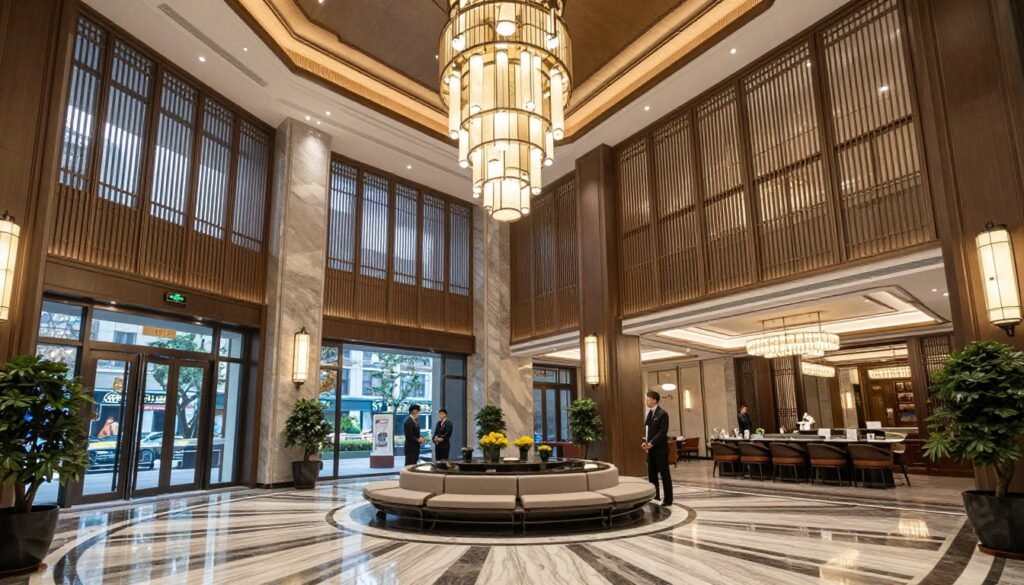
International luxury brands maintain properties throughout Chengdu. These hotels offer impeccable service, extensive amenities, and Western standards. Expect spas, multiple restaurants, and concierge services.
The Temple House represents Chengdu’s pinnacle of boutique luxury. This property seamlessly blends contemporary design with traditional architecture. The location in a restored heritage site creates unique character.
Booking Tips for 2026
- Book early for spring and autumn peak seasons – hotels fill quickly
- Compare prices across multiple platforms – significant variations exist
- Read recent reviews focusing on cleanliness and location
- Verify metro access – this saves considerable time and money
- Check cancellation policies – flexibility matters when traveling
- Consider apartment hotels for stays longer than one week
- Request rooms away from elevators and ice machines for better sleep
Find Your Perfect Chengdu Hotel
Compare prices across all major booking platforms. Get exclusive deals, read verified reviews, and book with confidence. Free cancellation available on most properties.
Getting Around Chengdu
Chengdu offers multiple transportation options suitable for various preferences and budgets. The modern metro system provides the easiest navigation for visitors. Understanding your options ensures smooth travel throughout your trip.
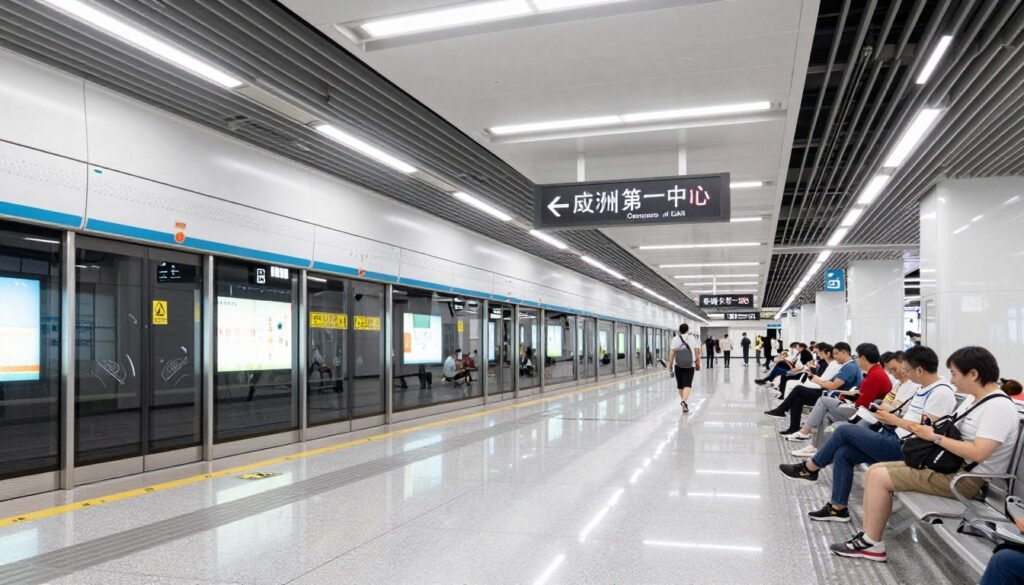
Metro System – Your Best Friend
The Chengdu Metro continues expanding, with multiple new lines opening through 2026. The system reaches most tourist attractions efficiently. Trains run frequently, stations stay clean, and signs appear in both Chinese and English.
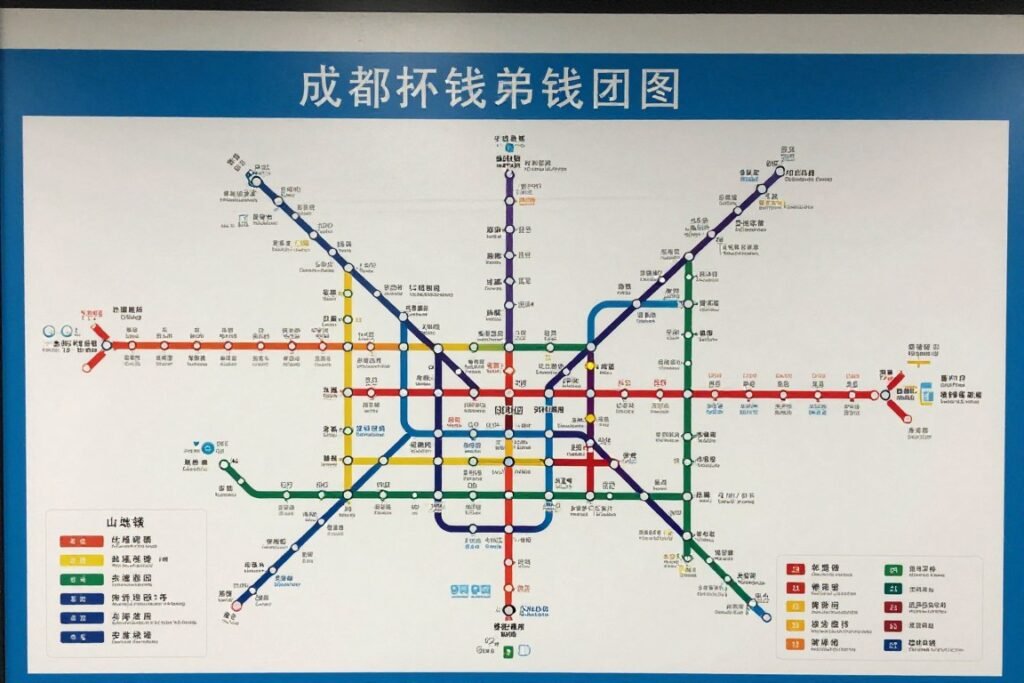
Metro Line 3 serves particularly useful routes for visitors. This line connects Chengdu East Railway Station, city center, and Panda Avenue Station near the panda base. Line 1 and Line 2 intersect at major downtown points.
Using the Metro
- Purchase single-journey tickets from machines at stations
- Consider multi-day passes for extended stays
- Download the Chengdu Metro app for route planning
- Keep small bills – machines often lack change
- Allow extra time during rush hours (7-9 AM, 5-7 PM)
- Stand aside to let passengers exit before boarding
Buses – Extensive but Complex
The bus network blankets the entire city. Buses reach areas the metro doesn’t serve. However, limited English signage makes navigation challenging for international visitors.
Fares stay extremely low, typically 2 RMB regardless of distance. Mobile payment through Alipay or WeChat Pay works on all buses. Cash requires exact change.
Taxis and Ride-Sharing
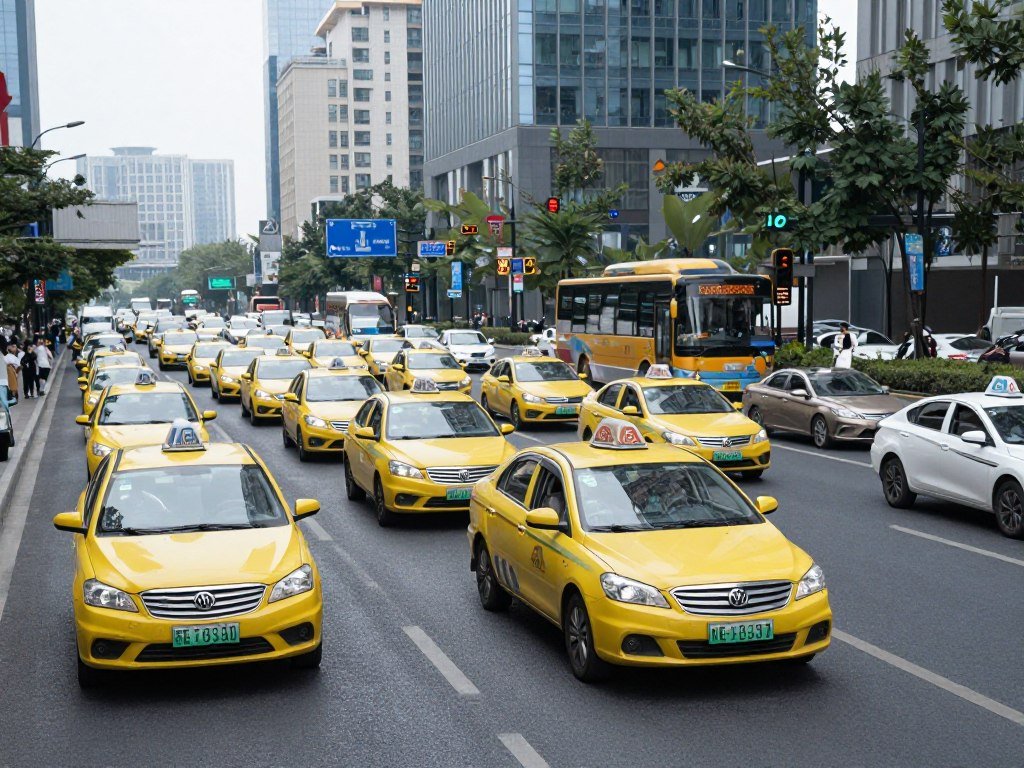
Taxis remain affordable compared to Western cities. Most drivers speak limited English, so having destinations written in Chinese helps enormously. Hotel business cards provide easy way-back directions.
Didi (China’s Uber equivalent) offers convenient ride-sharing. The app requires Chinese phone number registration. Some tourist-focused hotels assist with booking rides for guests.
Taxi Tips
- Always use metered taxis – refuse unmarked vehicles
- Carry hotel business card with Chinese address
- Screenshot destination in Chinese from maps
- Keep small bills ready for payment
- Note taxi number in case of forgotten items
Bicycles and E-Scooters
Bike-sharing programs operate throughout the city. Scan QR codes on bikes to unlock and pay through mobile apps. Dedicated bike lanes make cycling relatively safe in most areas.
E-scooters offer another option for short trips. Exercise caution – traffic patterns differ dramatically from Western countries. Helmets aren’t provided with shared vehicles.
Getting to Chengdu
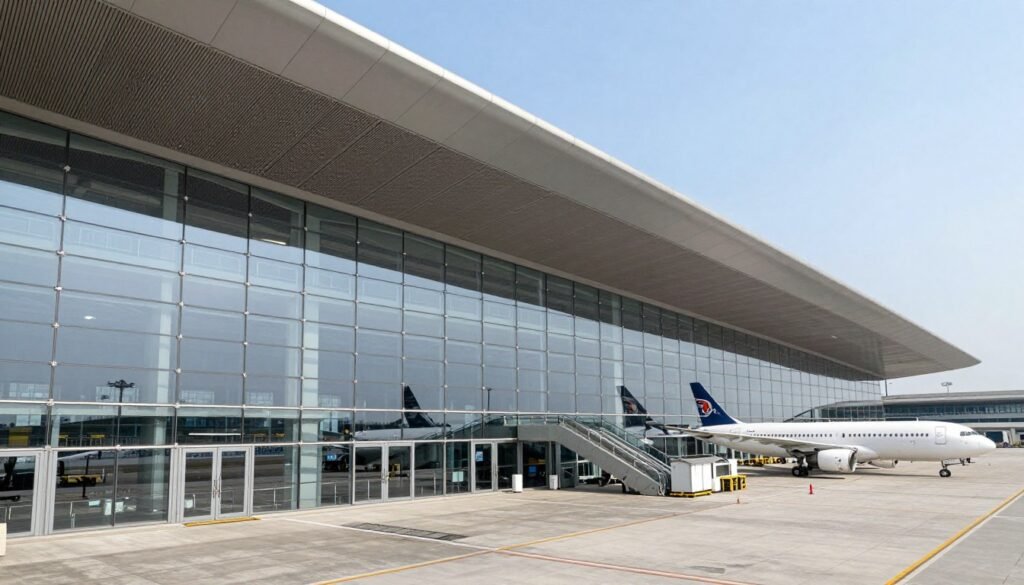
By Air
Chengdu Shuangliu International Airport serves as a major hub for western China. Direct international flights connect to major Asian, European, and North American cities. Domestic flights reach every corner of China.
Airport Express metro line connects to downtown in approximately 40 minutes. Airport buses serve various districts. Taxis provide door-to-door service for reasonable fares.
By Train
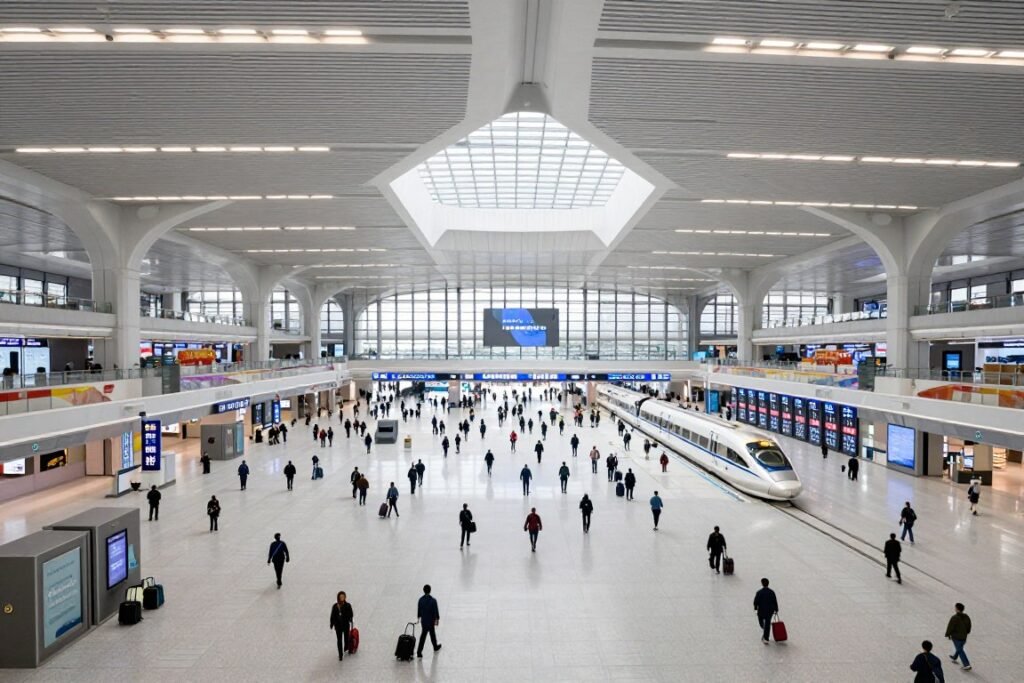
High-speed rail connects Chengdu to major Chinese cities. Beijing, Shanghai, Xi’an, and Kunming all have direct services. Chengdu East Railway Station handles most high-speed trains.
The journey from Chengdu to Beijing takes about 8 hours by high-speed rail. Overnight sleeper trains offer comfortable travel to more distant destinations. Book tickets in advance, especially during Chinese holidays.
Transportation Card Tip: Consider purchasing a Tianfu Tong Card at metro stations. This rechargeable card works on metro, buses, and some taxis. The card provides small discounts and eliminates the need for exact change or ticket purchases.
Cultural Experiences and Local Traditions
Chengdu’s culture extends far beyond pandas and spicy food. The city maintains traditions that disappeared from faster-paced Chinese cities. Experiencing these cultural elements provides deeper travel meaning.
Sichuan Opera and Face-Changing

Sichuan Opera differs significantly from Beijing Opera. The performances incorporate humor, acrobatics, and the famous face-changing technique. Performers switch elaborate masks instantaneously, creating magical effects.
Several venues host nightly performances. Shunxing Old Teahouse combines opera with traditional teahouse atmosphere. The shows typically last 1.5 to 2 hours, mixing various traditional acts.
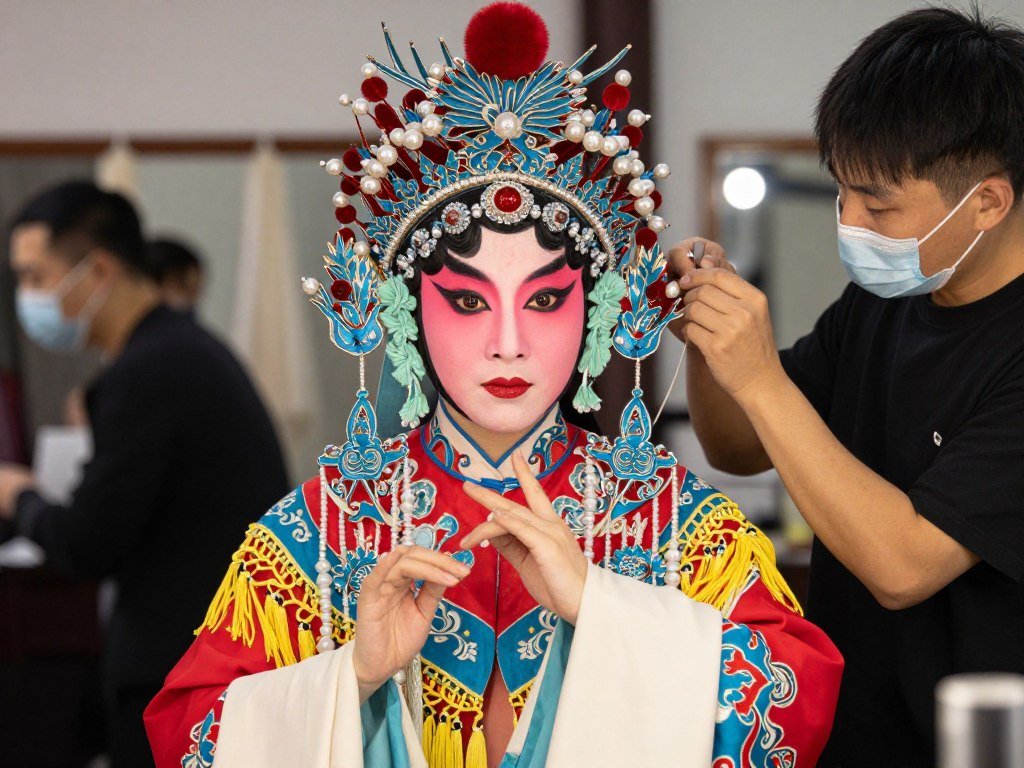
Arrive early to watch performers apply makeup and prepare costumes. This behind-the-scenes glimpse enhances appreciation for the art form. Photography usually receives permission during certain segments.
Teahouse Culture
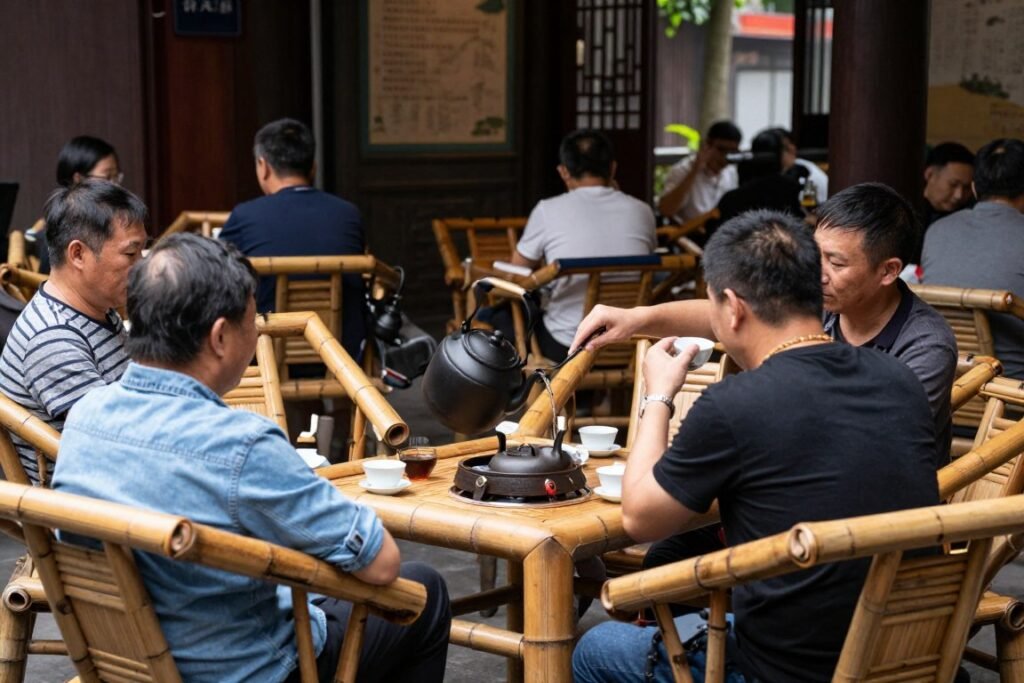
Teahouses function as Chengdu’s social centers. People gather to drink tea, chat, play mahjong, or simply relax for hours. The culture emphasizes leisure and unhurried enjoyment.
Traditional teahouse servers pour from kettles with extremely long spouts. This theatrical presentation, called gong fu tea service, demonstrates skill developed over years. Tip generously for special performances.
Teahouse Activities
- Ear cleaning – traditional service performed by specialists
- Mahjong games with friends or strangers
- People watching in outdoor seating areas
- Informal business meetings and negotiations
- Storytelling performances on certain days
- Traditional music performances in some establishments
Calligraphy and Art
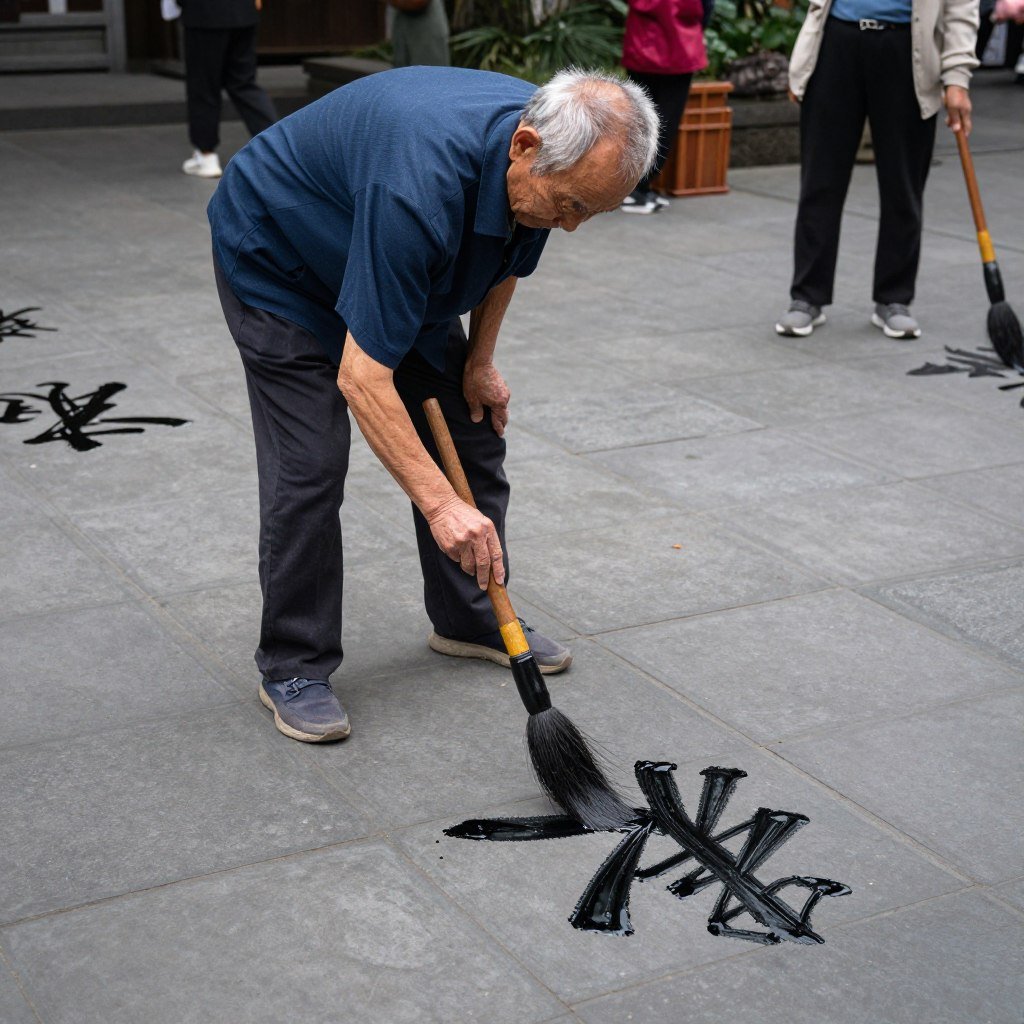
Watch elderly artists practice water calligraphy in parks. They use large brushes and water to write characters on pavement. The art disappears as it dries, embodying Buddhist concepts of impermanence.
Art districts like U37 Creative Warehouse showcase contemporary Chinese art. These converted industrial spaces host galleries, studios, and creative shops. The blend of old and new reflects modern Chengdu perfectly.
Festivals and Events
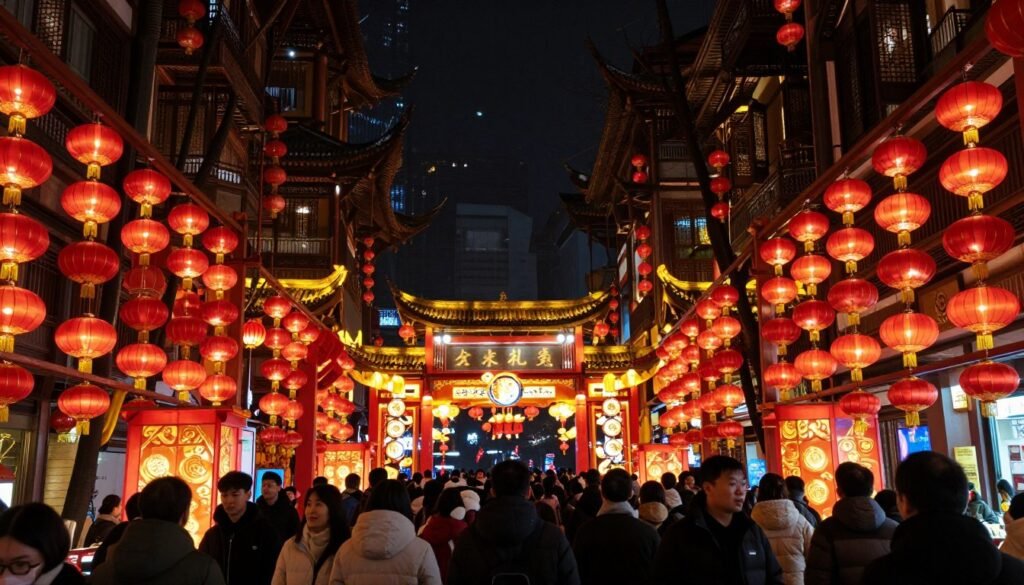
Timing your visit with local festivals creates memorable experiences. Chinese New Year transforms the city with decorations, performances, and special events. The atmosphere becomes magical despite some business closures.
| Festival | Typical Dates | Highlights |
| Chinese New Year | Late January – February | Temple fairs, dragon dances, family gatherings, fireworks |
| Lantern Festival | 15 days after New Year | Elaborate lantern displays, riddle solving, special foods |
| Qingming Festival | Early April | Ancestor worship, spring outings, kite flying |
| Mid-Autumn Festival | September/October | Mooncake eating, moon viewing, family reunions |
Local Etiquette and Customs
Understanding basic etiquette enhances interactions with locals. Chinese culture values certain behaviors differently than Western societies. Small gestures show respect and appreciation.
Do These Things
- Accept business cards with both hands
- Remove shoes when entering homes
- Try food offered by hosts
- Use both hands when giving or receiving items
- Wait for host to start eating first
- Bring small gifts when invited to homes
- Learn basic Chinese greetings
Avoid These Actions
- Sticking chopsticks upright in rice
- Writing names in red ink
- Pointing with index finger
- Refusing food or drink repeatedly
- Public displays of affection
- Losing temper or raising voice
- Tipping in local restaurants
Practical Information for 2026 Travelers
Successful travel requires preparation beyond booking flights and hotels. These practical details help navigate common challenges international visitors face in Chengdu.
Visa Requirements
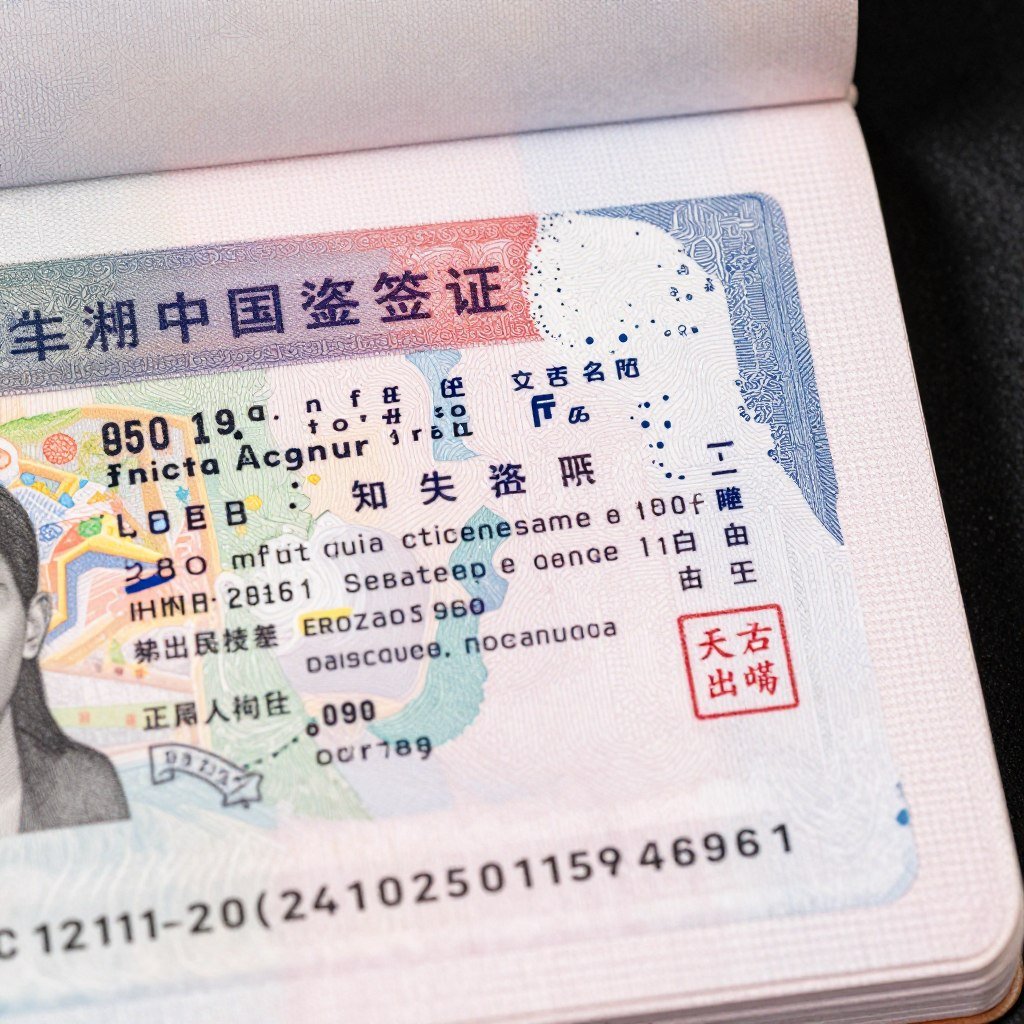
Most visitors need a visa to enter China. Apply through Chinese embassies or consulates in your home country. The process typically takes 4-10 business days. Some nationalities qualify for 72-hour or 144-hour visa-free transit through Chengdu’s airport.
Tourist visas usually allow 30-60 day stays. Gather required documents including passport photos, hotel reservations, and flight itineraries. Requirements change periodically, so verify current rules before applying.
Money and Payments
China operates increasingly cashless. Mobile payment platforms WeChat Pay and Alipay dominate daily transactions. However, these require Chinese bank accounts, creating challenges for international visitors.
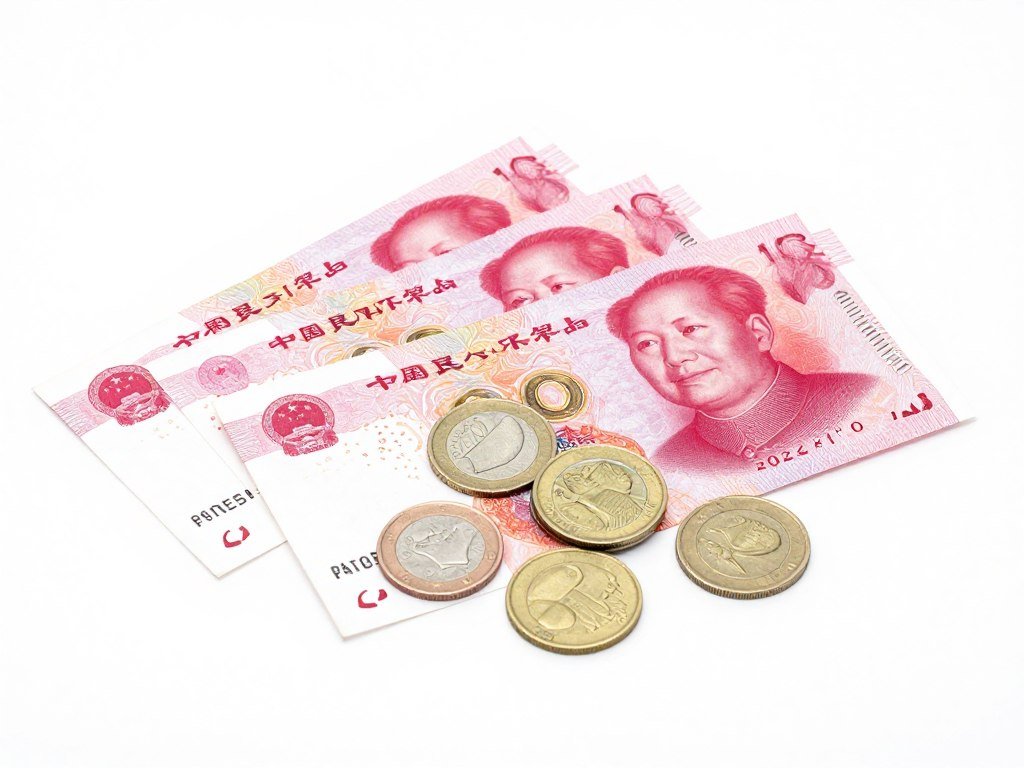
Carry sufficient cash for small purchases and locations not accepting cards. ATMs appear frequently throughout the city. Notify your bank before traveling to prevent card blocks. Bank of China and ICBC offer reliable service for foreigners.
Budget Planning
- Budget travelers: $30-50 USD daily (hostel, street food, public transport)
- Mid-range travelers: $75-150 USD daily (hotel, restaurants, some taxis)
- Luxury travelers: $200+ USD daily (five-star hotels, fine dining, private transport)
- Attraction tickets: Generally $10-30 USD each
- Meals: Street food $2-5, restaurants $10-30, fine dining $50+
Language and Communication
English proficiency remains limited outside international hotels and tourist sites. Download translation apps before arrival. Google Translate works offline with downloaded language packs.
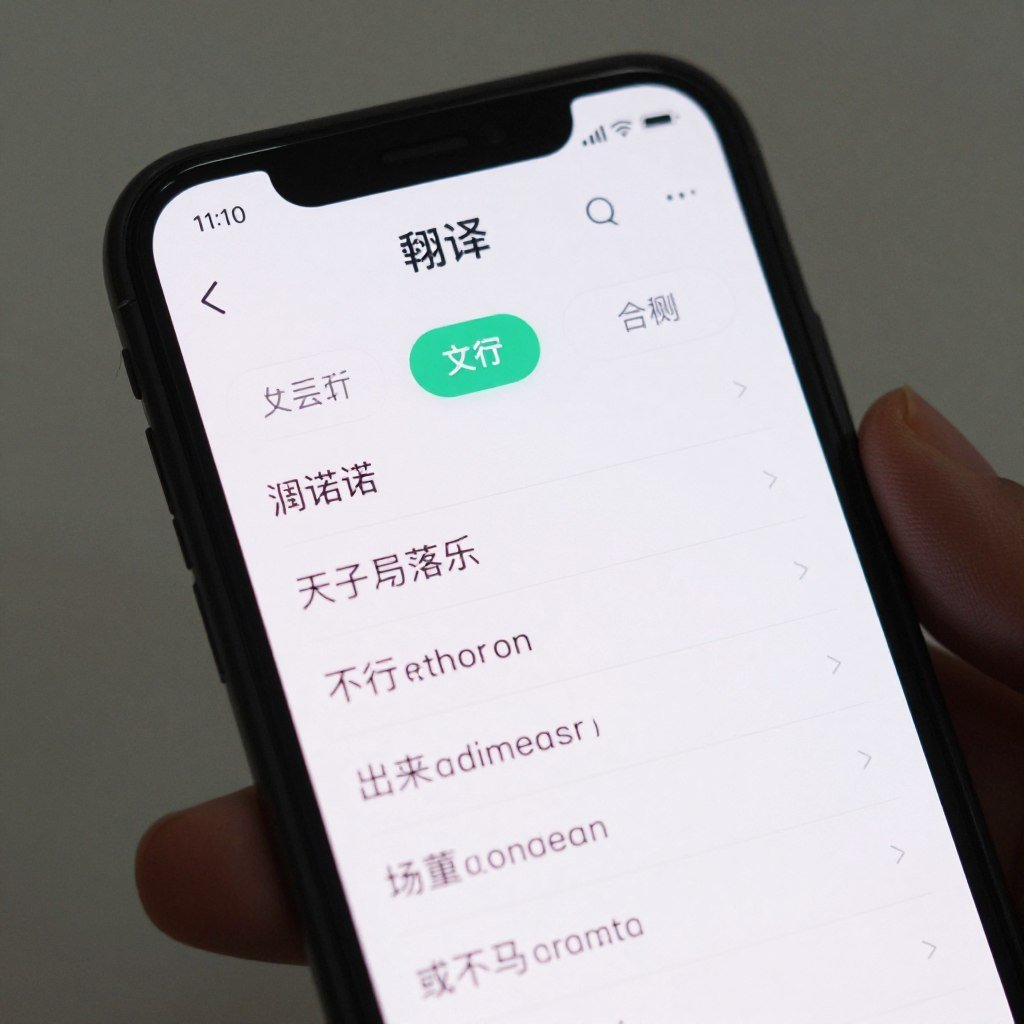
Learn basic Mandarin phrases. Locals appreciate efforts to communicate in Chinese, even poorly. “Hello” (nǐ hǎo), “thank you” (xiè xiè), and “how much” (duō shǎo qián) prove immediately useful.
Internet and Connectivity
China blocks many Western websites and apps including Google, Facebook, Instagram, and WhatsApp. Install VPN software before arriving. Free VPNs often prove unreliable in China.
Purchase local SIM cards at the airport or phone shops. Data plans cost remarkably little. Most hotels offer WiFi, though speeds vary dramatically. Coffee shops provide reliable internet access.
Health and Safety

Chengdu ranks as one of China’s safest major cities. Violent crime against tourists remains extremely rare. Exercise normal precautions regarding belongings in crowded areas.
Tap water isn’t potable. Purchase bottled water widely available everywhere. Most hotels provide complimentary bottles. Restaurants serve boiled water for free.
Health Precautions
- Bring prescription medications in original containers
- Pack basic first aid supplies and common medicines
- Consider travel insurance covering medical evacuation
- Download offline maps before arrival
- Keep emergency numbers programmed in phone
- Locate your country’s consulate upon arrival
Electricity and Adapters
China uses 220V electricity with Type A, C, and I outlets. Bring appropriate adapters for your devices. Universal adapters work best. Many hotels provide adapters at front desk.
Best Apps for Chengdu Travel
Essential Apps
- Baidu Maps – Better than Google Maps in China
- WeChat – Messaging and mini-programs
- Didi – Ride-hailing service
- Pleco – Chinese dictionary and translator
- VPN service – Access blocked websites
Helpful Apps
- Trip.com – Hotel and ticket bookings
- Meituan – Food delivery and reservations
- Alipay – Mobile payments (if possible)
- Google Translate – Offline translation
- XE Currency – Exchange rate calculator
Download Before Arrival
- All VPN software
- Offline maps and translation packs
- Travel guides and saved articles
- Entertainment for flights and downtime
- Backup copies of important documents
Sample Itineraries for Your Chengdu Trip
These suggested itineraries help structure your time efficiently. Adjust based on personal interests, energy levels, and travel style. Build in flexibility for spontaneous discoveries.
Three-Day Chengdu Highlights
Day One: Pandas and Local Life
Start early at Chengdu Research Base of Giant Panda Breeding. Arrive at opening for active pandas and smaller crowds. Spend 2.5 hours exploring all areas of the base.
Return downtown for lunch at a local restaurant near People’s Park. Spend the afternoon experiencing teahouse culture. Watch locals play mahjong, get traditional ear cleaning, or simply people watch.
Evening brings exploration of Chunxi Road shopping district. Dine at one of the area’s many restaurants. End with a Sichuan Opera performance featuring famous face-changing acts.
Day Two: History and Culture
Morning visit to Wuhou Temple provides cultural and historical context. Explore the complex thoroughly, including all halls and garden areas. Adjacent Jinli Ancient Street offers shopping and snack opportunities.
Afternoon continues at the Chengdu Museum or Sichuan Museum. These institutions showcase regional history, culture, and art. Allow 2-3 hours for comprehensive exploration.
Evening food tour introduces authentic Sichuan cuisine. Professional guides navigate neighborhood restaurants tourists rarely discover. Taste 8-10 different dishes while learning cooking techniques and food culture.
Day Three: Day Trip Adventure
Full day excursion to Leshan Giant Buddha. Depart early via high-speed train. Explore the massive Buddha statue from multiple viewpoints. Take the boat ride for best overall perspectives.
Return to Chengdu for relaxed evening. Enjoy hotpot dinner to celebrate your final night. Visit one of the city’s rooftop bars for nighttime city views.
Five-Day Extended Exploration
Follow the three-day itinerary above, then add these experiences:
Day Four: Mount Emei
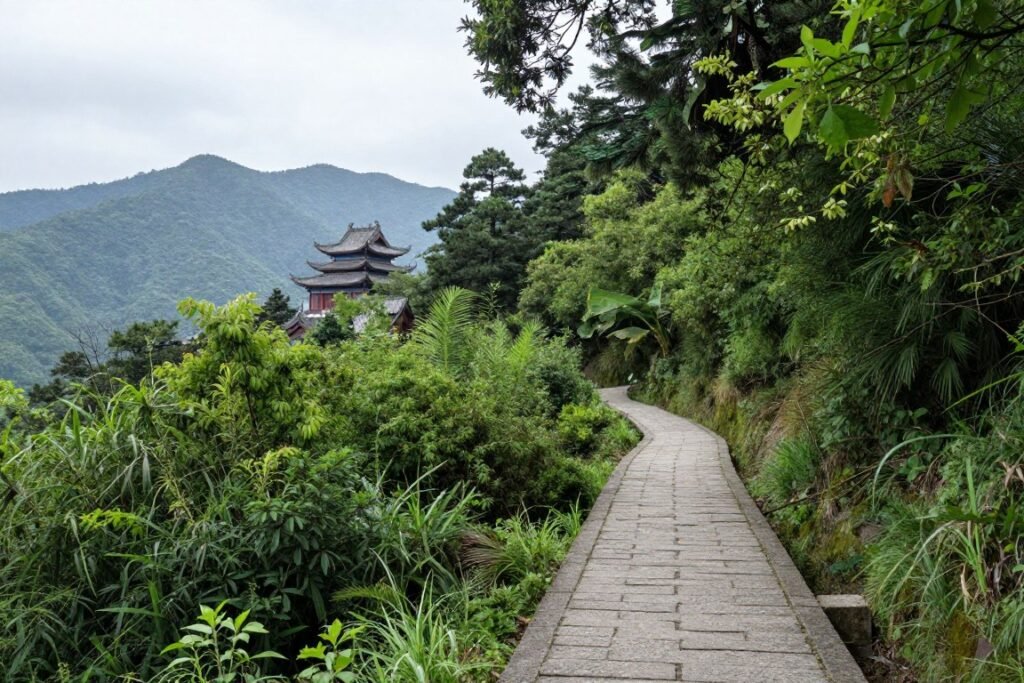
Full day trip to Mount Emei. Take cable car to higher elevations if not hiking. Visit main temples and enjoy mountain scenery. Weather permitting, catch sunset views from the summit.
Day Five: Dujiangyan and Local Experiences
Morning visit to Dujiangyan Irrigation System. This ancient engineering marvel impresses with both historical significance and continued functionality. The surrounding area offers pleasant walks.
Afternoon cooking class teaches Sichuan cuisine techniques. Learn to make signature dishes you can recreate at home. Classes typically include market visits and hands-on preparation.
Final evening explores Yulin Road food street. This local favorite comes alive at night with restaurants, bars, and street food vendors. Experience authentic neighborhood atmosphere.
One Week: Complete Chengdu Experience
Extend the five-day itinerary with these additions:
Day Six: Leisurely City Exploration
Sleep late after previous days’ activities. Enjoy leisurely breakfast at cafe. Explore neighborhoods you found interesting earlier. Revisit favorite restaurants or teahouses.
Visit art galleries and creative districts. Shop for souvenirs and gifts. Get massage or spa treatment. Evening at jazz club or live music venue.
Day Seven: Your Choice
Dedicate final full day to personal interests. Options include second panda base visit, another day trip, shopping, additional food experiences, or simply relaxing in parks and teahouses.
Final Tips for Your 2026 Chengdu Adventure
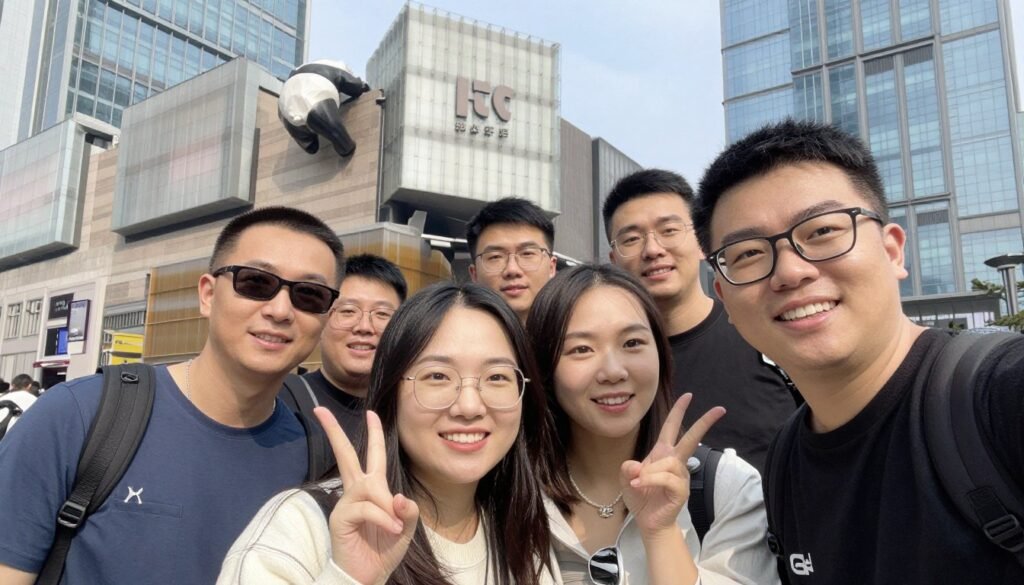
Chengdu rewards open-minded travelers willing to embrace new experiences. The city offers perfect balance between cultural immersion and modern convenience. These final insights help maximize your journey.
Embrace the Pace
Chengdu culture values leisure and enjoyment over constant rushing. Adopt this mindset during your visit. Spend extra time in teahouses. Linger over meals. Watch street life unfold naturally.
This relaxed approach actually allows deeper experiences than frantically checking off attractions. You’ll understand why locals consistently rank their city among China’s happiest places.
Go Beyond Tourist Sites
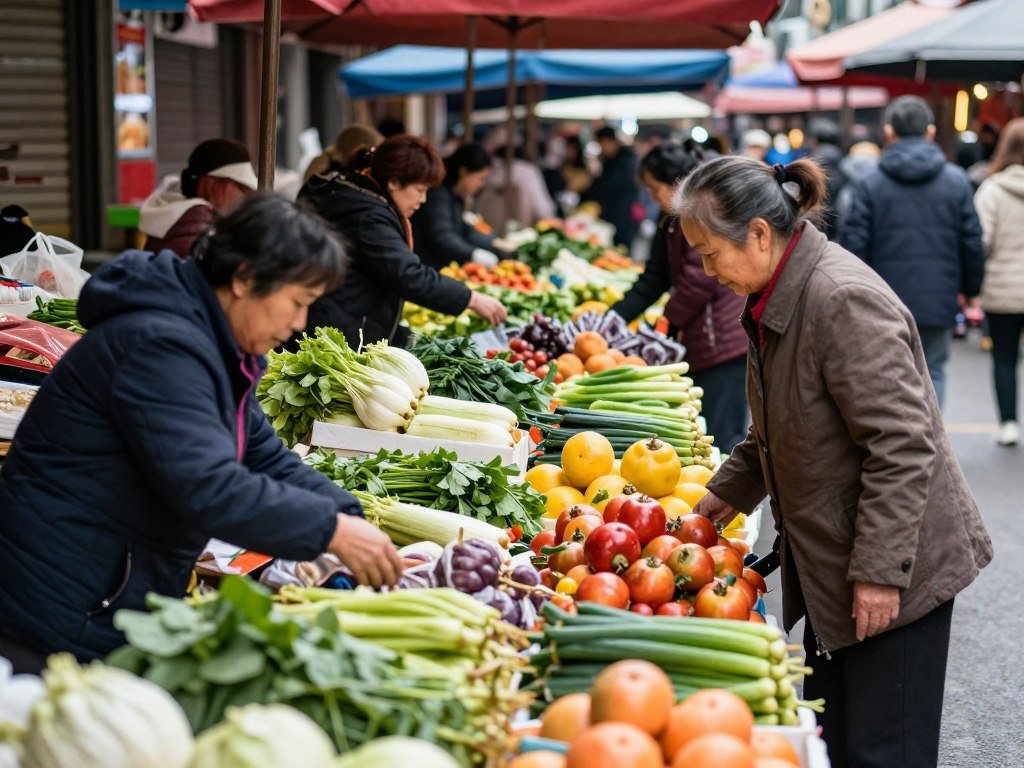
Wander residential neighborhoods. Eat where locals eat. Visit parks where tourists rarely venture. These unplanned moments often become trip highlights. Chengdu rewards exploration beyond guidebook recommendations.
Weather Preparation
Pack layers regardless of season. Chengdu weather changes unpredictably. Sudden rain showers occur year-round. Bring comfortable walking shoes – you’ll cover many kilometers daily.
Photography Considerations
Most attractions allow photography. Exceptions include some temple interiors and certain panda nursery areas. Always ask permission before photographing people, especially in traditional settings.
Early mornings provide best light and fewer crowds for landmark photography. Overcast days actually work well for many subjects, softening harsh shadows common in bright sun.
Sustainable Travel Practices

Minimize environmental impact during your visit. Carry reusable water bottles. Refuse plastic bags when shopping. Support businesses prioritizing sustainability. Respect wildlife viewing guidelines at panda facilities.
Stay Connected with Home
Schedule specific times to contact family and friends. Internet restrictions make spontaneous communication challenging. Inform loved ones about limited access before departure. Download messaging apps that work in China.
Document Your Journey
Keep a travel journal noting daily highlights, favorite foods, and memorable encounters. These details fade quickly from memory. Your future self will treasure these records of your Chengdu adventure.
How many days should I spend in Chengdu?
Three to five days allows comprehensive exploration of city highlights including the Panda Base, major attractions, and food experiences. Add two more days if planning day trips to Leshan Giant Buddha or Mount Emei. One week provides leisurely pace with time for spontaneous discoveries.
Is Chengdu safe for solo travelers?
Yes, Chengdu ranks among China’s safest cities. Violent crime remains extremely rare. Exercise normal precautions regarding belongings in crowded areas. Solo female travelers report feeling comfortable exploring independently. Language barriers present bigger challenges than safety concerns.
Can I handle the spicy food?
Sichuan cuisine ranges from mild to extremely spicy. Communicate your spice tolerance when ordering. Phrases like “wei la” (slightly spicy) or “bu la” (not spicy) help. Many restaurants adjust spice levels for foreigners. Start mild and gradually increase heat tolerance. Always order rice to balance spicy dishes.
What’s the best way to see pandas?
Arrive at Chengdu Research Base right when it opens (7:30 AM). Pandas show peak activity during morning hours. Weekdays have smaller crowds than weekends. Allow 2.5 hours minimum for complete exploration. Consider volunteer programs for closer interaction. Avoid Chinese holidays when crowds overwhelm the facility.
Do I need to speak Chinese?
English proficiency remains limited outside international hotels and major tourist sites. Download translation apps with offline capabilities. Learn basic Mandarin phrases for courtesy. Carry hotel business card with Chinese address. Most locals show patience and willingness to help despite language barriers.
“Chengdu teaches you to slow down and appreciate life’s simple pleasures. The combination of incredible food, adorable pandas, and genuinely warm people creates magic you won’t find anywhere else in China.”
Ready to Experience Chengdu in 2026?
Start planning your perfect Chengdu adventure today. Get personalized itinerary assistance, insider recommendations, and booking help from our local experts.
Your Chengdu Journey Awaits

Chengdu offers experiences that linger long after you return home. The warmth of local people matches the heat of their cuisine. Ancient traditions thrive alongside modern development. Giant pandas capture hearts while Sichuan food conquers taste buds.
This city rewards curiosity and openness. Every neighborhood reveals new discoveries. Each meal brings flavor adventures. The relaxed pace provides welcome contrast to frenetic modern life.
Your 2026 Chengdu journey promises memories you’ll treasure forever. From your first panda sighting to your final hotpot feast, the city will work its magic. The only real challenge becomes leaving when your trip ends.
Start planning today. Book those flights. Reserve accommodations. Download necessary apps. Your Chengdu adventure awaits. The pandas, the food, the culture, and the people all stand ready to welcome you.
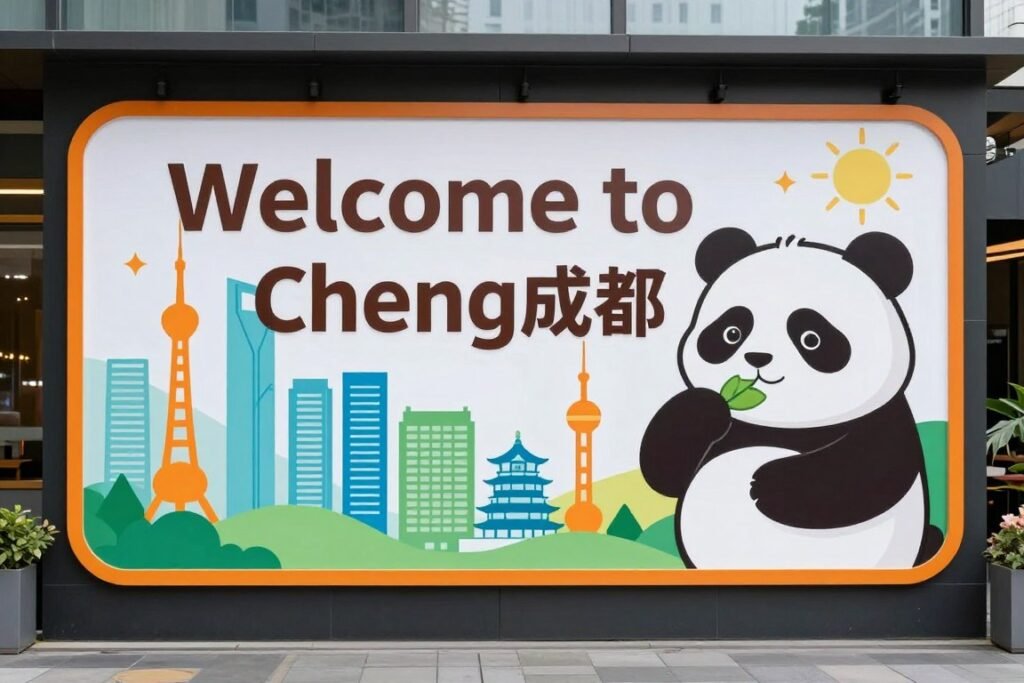
Safe travels, and may your Chengdu experience exceed every expectation. This remarkable city changes perspectives and creates lifelong memories. We cannot wait for you to discover its magic personally.