

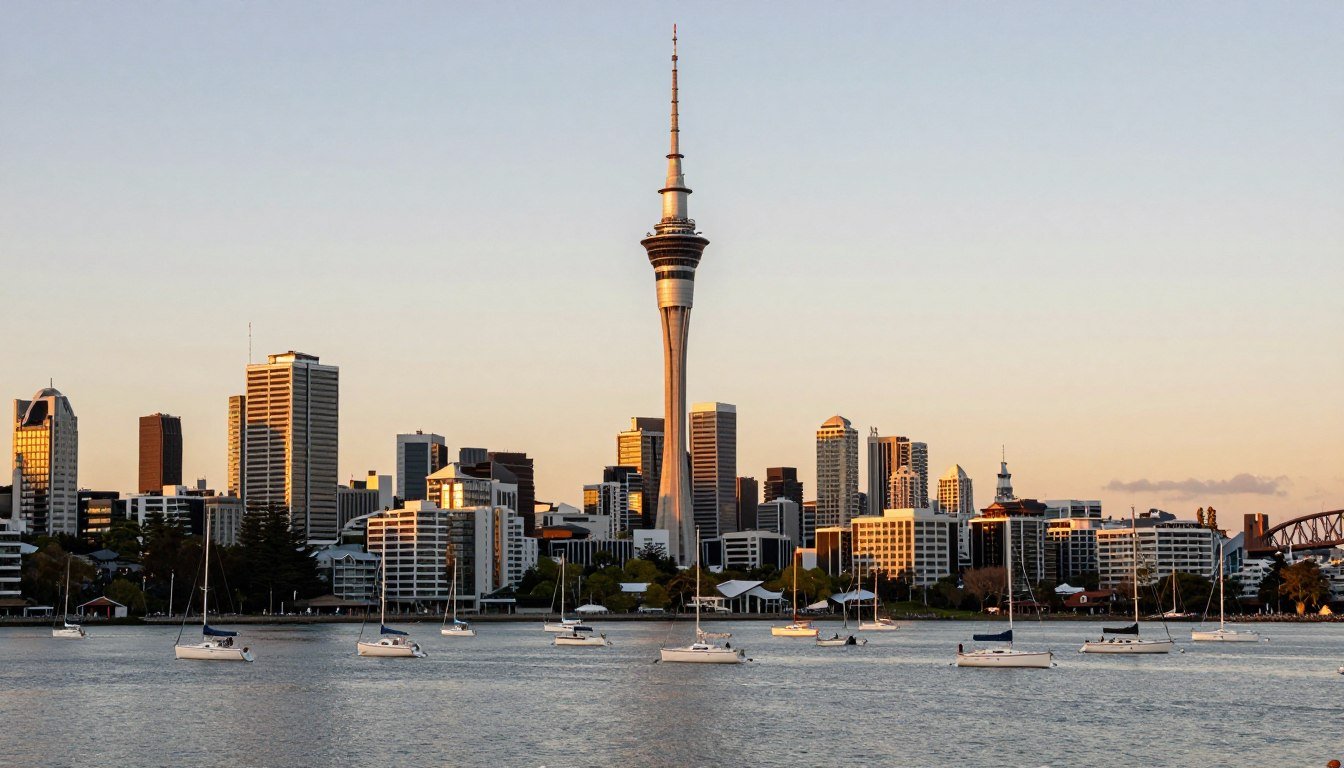
Spread across volcanic hills between two sparkling harbors, Auckland offers travelers an extraordinary blend of urban sophistication and natural beauty. This is New Zealand’s largest city, where Polynesian heritage meets modern cosmopolitan life.
Emerald islands dot the Hauraki Gulf. World-class vineyards thrive just a ferry ride away. Black sand beaches stretch along rugged coastlines. Auckland delivers adventures that satisfy every type of traveler.
Whether you’re drawn to outdoor exploration or cultural immersion, this guide provides everything you need to experience New Zealand’s vibrant northern gateway in 2026.
Why Auckland Deserves Your Travel Bucket List
Auckland stands apart from other global cities through its remarkable geography. Built on an isthmus between the Tasman Sea and Pacific Ocean, the city offers water views from nearly everywhere. Over 50 dormant volcanic cones create the distinctive landscape that defines the region.
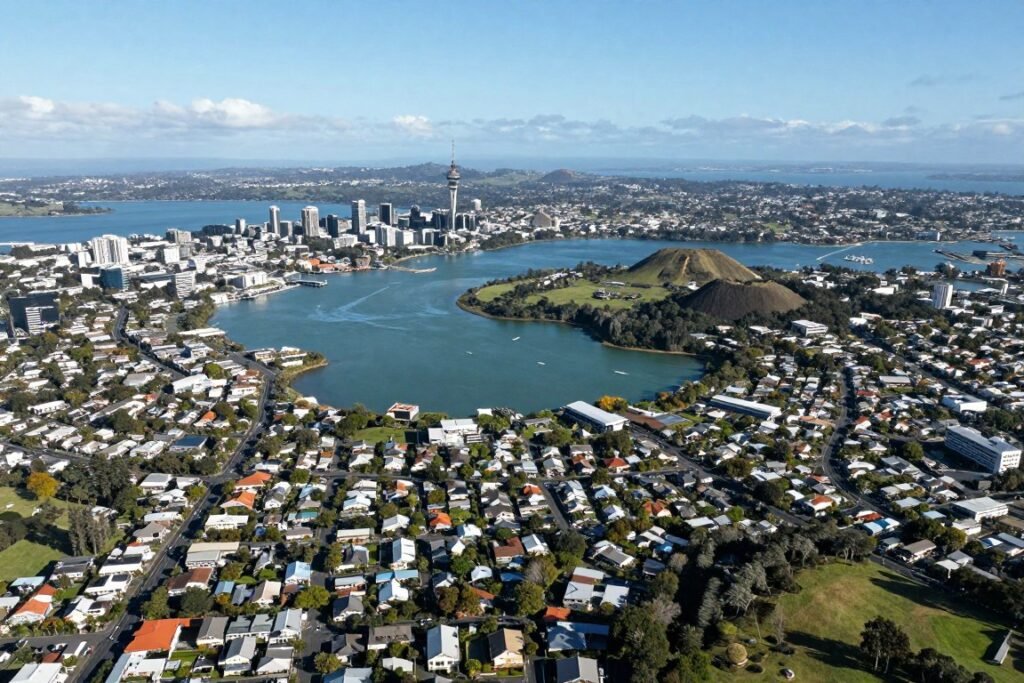
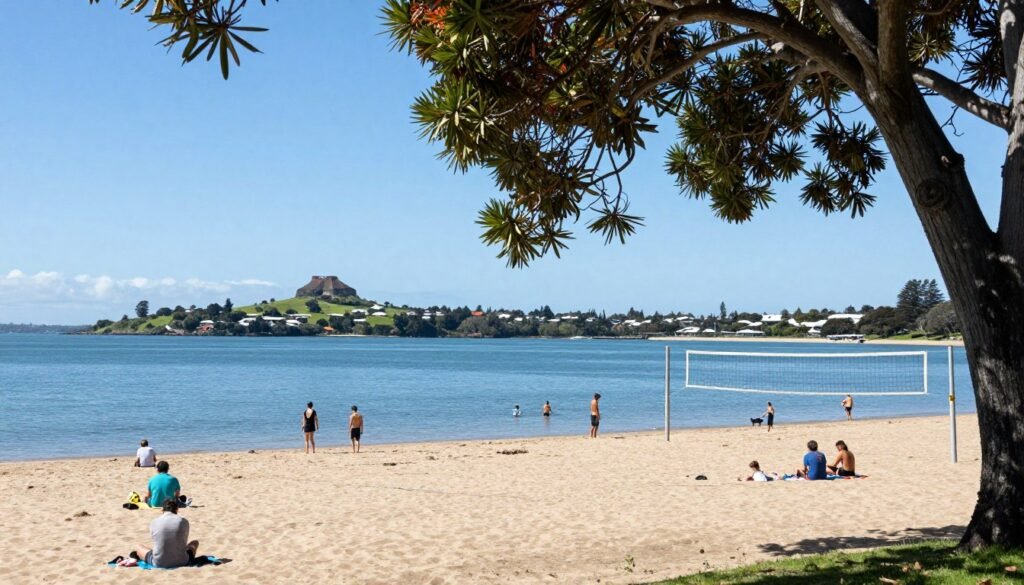
Locals embrace an active outdoor lifestyle that visitors quickly adopt. Morning swims at city beaches transition to afternoon vineyard visits. Weekend hiking adventures require minimal planning thanks to easy access to trails and islands.
Gateway to Polynesian Culture
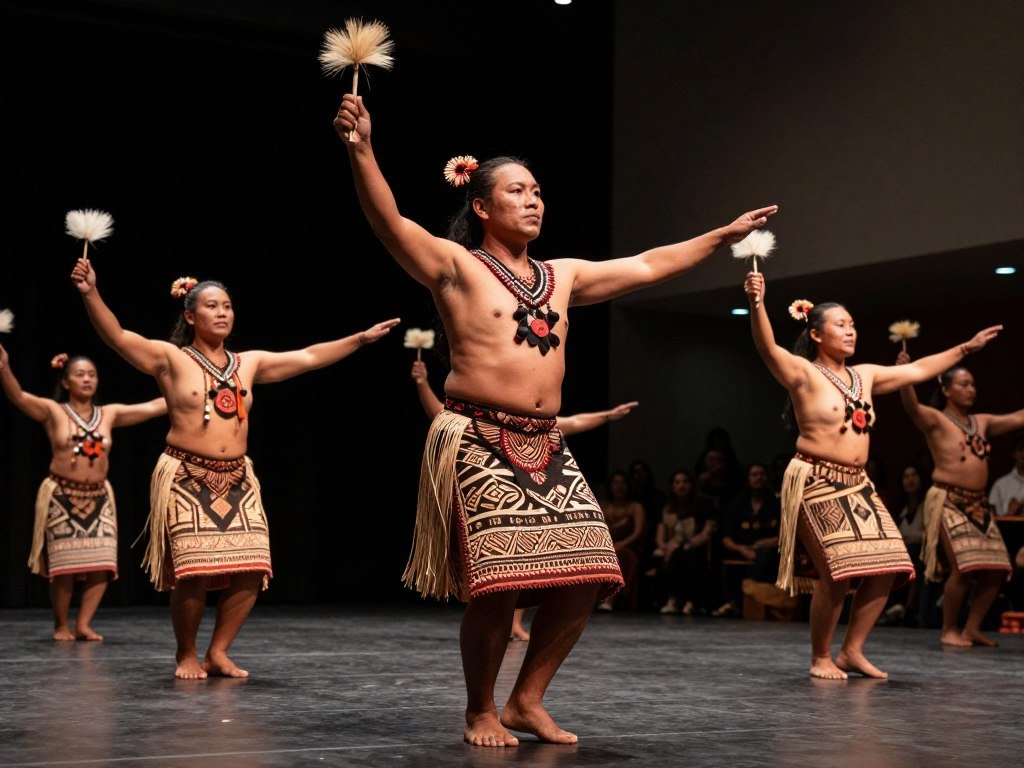
Auckland hosts the world’s largest Polynesian population. Museums, cultural centers, and community events showcase Maori traditions alongside influences from Samoa, Tonga, and the Cook Islands. This cultural richness permeates the city’s identity, from street names to cuisine.
Adventure Base Camp
The surrounding region provides unmatched variety for outdoor enthusiasts. Volcanic islands invite exploration. Rainforests hide waterfalls within city limits. Beaches offer surfing, swimming, and sailing. All these experiences sit less than an hour from downtown accommodations.
Interactive Auckland map displaying major neighborhoods, ferry terminals, and popular islands
Begin Your Auckland Adventure Planning
Download our comprehensive Auckland travel kit featuring interactive maps, neighborhood guides, seasonal activity calendars, and money-saving tips for 2026 visitors.
Planning Your Visit: Auckland’s Seasons and Weather
Understanding Auckland’s climate helps maximize your experience. The city enjoys a temperate maritime climate with mild winters and warm summers. Remember that New Zealand’s seasons run opposite to the Northern Hemisphere.
| Season | Months | Temperature Range | What to Expect | Travel Notes |
| Summer | December – February | 20-26°C (68-79°F) | Warm sunny days, perfect beach weather, outdoor festivals | Peak tourist season, book accommodation early, higher prices |
| Autumn | March – May | 15-22°C (59-72°F) | Mild temperatures, wine harvest season, fewer crowds | Excellent value, ideal for vineyard visits, stable weather |
| Winter | June – August | 10-16°C (50-61°F) | Cool rainy periods, cozy cafes, budget-friendly | Lowest prices, fewer tourists, indoor attractions shine |
| Spring | September – November | 14-20°C (57-68°F) | Blooming gardens, increasing sunshine, pleasant hiking weather | Shoulder season pricing, variable weather, pack layers |
Summer: Peak Adventure Time
December through February represents Auckland’s high season for good reason. Long daylight hours extend until after 8:30 PM. Beaches fill with locals and visitors enjoying water activities. Outdoor concerts and festivals occur almost weekly throughout the city.
Ferry services to islands run most frequently during summer months. Waiheke Island vineyards host special events. The weather cooperates perfectly for hiking volcanic cones and exploring coastal trails.
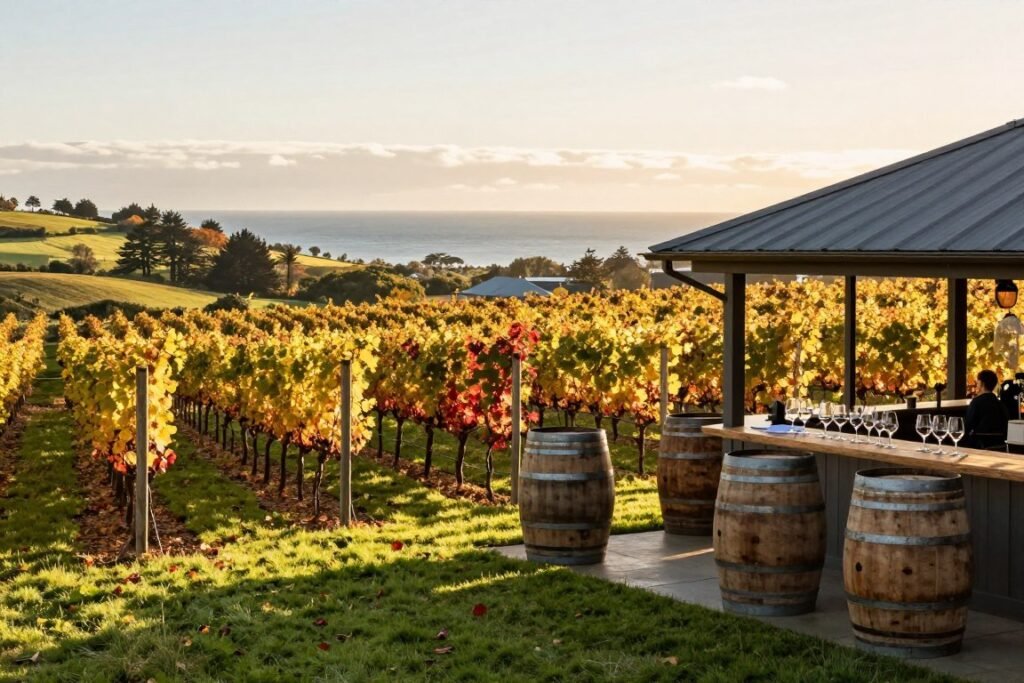
Autumn: The Insider’s Choice
March through May brings outstanding conditions without summer crowds. Temperatures remain comfortable for outdoor activities. Autumn colors transform parks and gardens into spectacular displays. Most importantly, Waiheke Island’s wine harvest occurs during this period.
Accommodation prices drop noticeably after February. Restaurants become easier to book. Popular attractions feel less crowded while maintaining full operating hours and services.
Local Insight: Aucklanders call their city’s weather “four seasons in one day” for good reason. Pack layers regardless of the forecast. Morning sunshine often gives way to afternoon showers, then clears again by evening. Always carry a light rain jacket.
Essential Auckland Attractions and Experiences
Auckland packs remarkable diversity into a compact area. Modern architecture rises beside historic buildings. Urban parks transition seamlessly into wilderness. These attractions showcase what makes the city special.
Sky Tower: Auckland’s Iconic Landmark
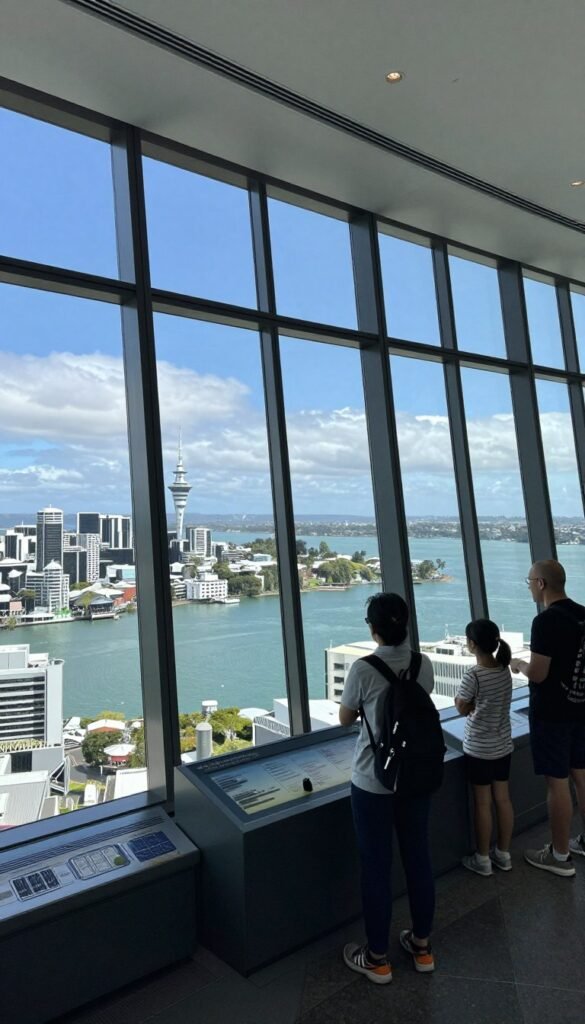
Standing 328 meters tall, the Sky Tower dominates Auckland’s skyline. This telecommunications and observation structure offers unmatched views across the entire region. On clear days, visitors see both coasts of the North Island simultaneously.
Three observation levels provide different perspectives. The main deck sits at 220 meters. Glass floor panels allow brave souls to look straight down to the street below. The Sky Deck, 8 meters higher, offers open-air viewing.
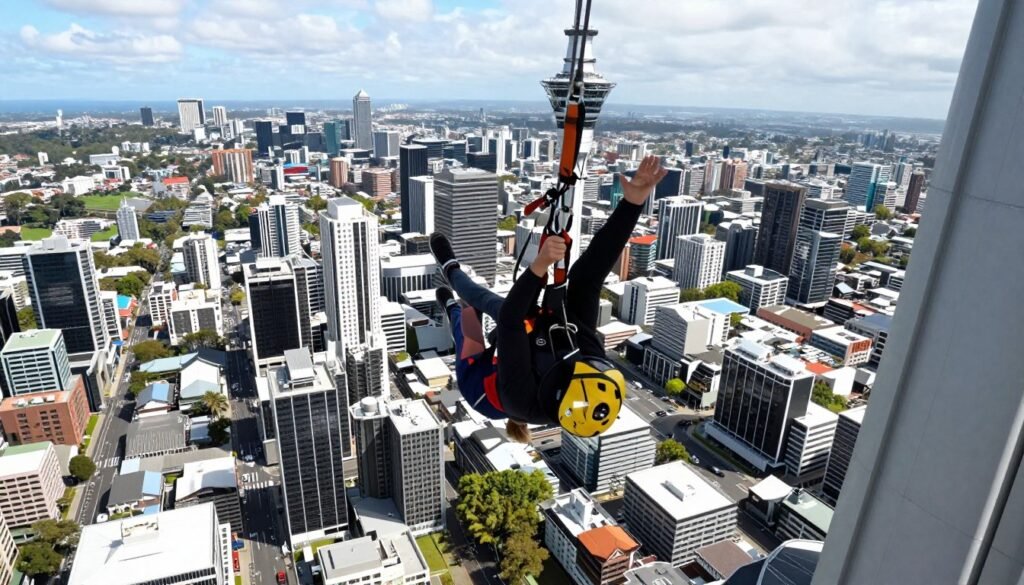
Thrill-seekers tackle the SkyWalk or SkyJump. The SkyWalk involves circling the tower’s exterior platform without handrails. The SkyJump provides a controlled 192-meter base jump that reaches 85 km/h. Both activities guarantee unforgettable rushes of adrenaline.
Planning Your Sky Tower Visit
- Visit late afternoon to watch sunset transform the city views
- Purchase combo tickets including SkyWalk or dining for better value
- Book extreme activities in advance, especially during peak season
- Allow 60-90 minutes for observation decks without activities
- Check weather conditions before visiting for optimal visibility
- Restaurant reservations recommended for Orbit 360° dining experience
Waiheke Island: Wine Paradise
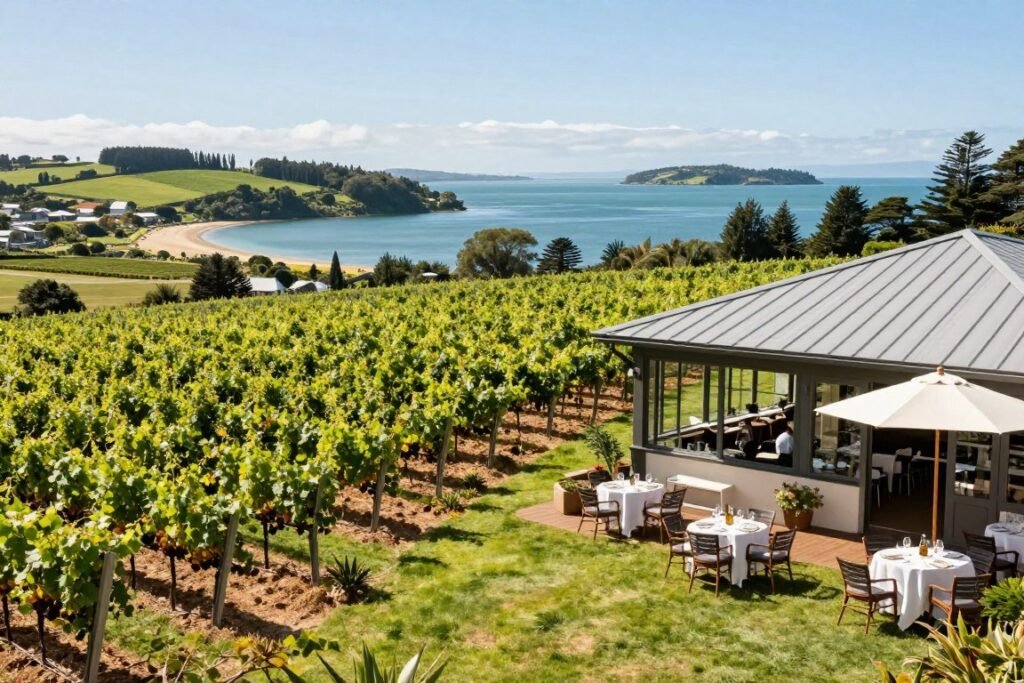
Just 40 minutes by ferry from downtown Auckland, Waiheke Island feels worlds away. This subtropical paradise combines award-winning wineries with stunning beaches. Over 30 vineyards produce outstanding wines, particularly Bordeaux-style reds that thrive in the unique microclimate.
Visitors explore the island by rental car, bike, or organized wine tour. Cellar doors welcome guests for tastings paired with local cheeses and olive oils. Many vineyards feature restaurants showcasing island-grown produce alongside their wines.
Top Waiheke Wineries
- Mudbrick Vineyard – Spectacular views and restaurant
- Cable Bay Vineyards – Stunning architecture and sculptures
- Stonyridge Vineyard – Organic wines and relaxed atmosphere
- Man O’ War Vineyards – Remote eastern location worth the journey
- Te Motu Vineyard – Boutique producer with exceptional reds
Beyond Wine
- Onetangi Beach – Island’s longest swimming beach
- Waiheke Art Gallery – Contemporary New Zealand artists
- Coastal walking trails connecting beaches and bays
- Ostend Market – Saturday artisan and produce market
- Zipline adventures through native forest canopy
Discover Waiheke Island Wine Tours
Join guided wine tours visiting 3-4 premium vineyards with transportation, tastings, and gourmet lunch included. Small groups ensure personalized experiences.
Rangitoto Island: Volcanic Adventure
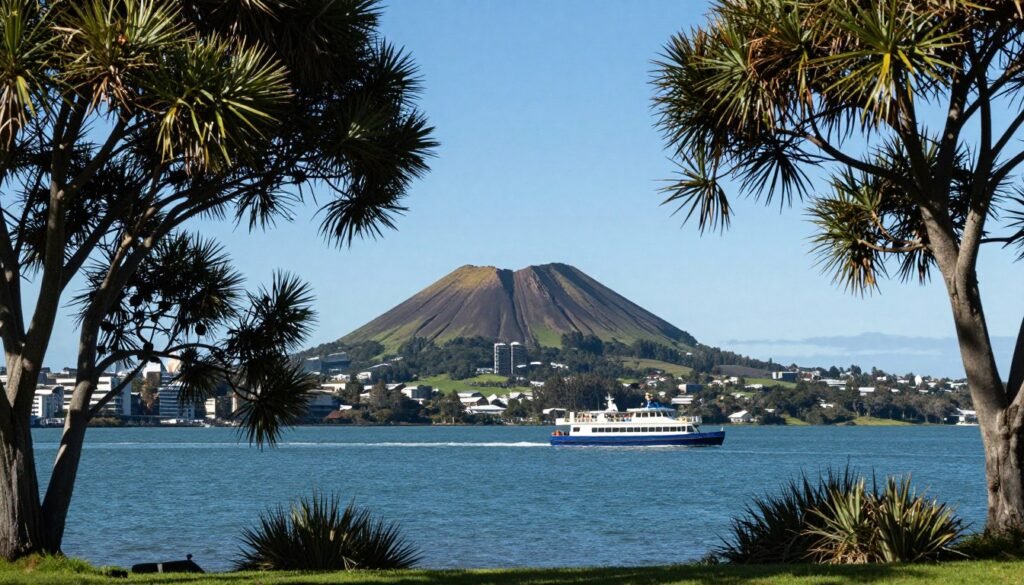
Auckland’s youngest and largest volcano rises dramatically from the Hauraki Gulf. Rangitoto emerged from the sea just 600 years ago during eruptions witnessed by Maori inhabitants. The island’s distinctive cone shape defines Auckland’s eastern horizon.
Ferry services depart regularly from downtown Auckland. The summit track winds through unique lava fields where hardy plants colonize volcanic rock. Pohutukawa trees, New Zealand’s Christmas tree, create the world’s largest forest growing on lava.
The summit reveals 360-degree panoramas encompassing Auckland, neighboring islands, and the Coromandel Peninsula. Several walking tracks explore lava caves, coastal areas, and diverse ecosystems. Rangers lead guided tours explaining the island’s volcanic formation and ecology.
Rangitoto Visit Essentials
- Catch morning ferries to allow full exploration time before afternoon return
- Wear sturdy hiking boots – sharp volcanic rock damages regular shoes
- Bring plenty of water – no facilities exist on the island
- Summit track takes 60 minutes uphill, 45 minutes returning
- Combine with neighboring Motutapu Island for extended hiking
- Book 4WD road train tours for mobility-limited visitors
Auckland War Memorial Museum
Situated in the Auckland Domain park, this museum ranks among New Zealand’s finest cultural institutions. Three floors showcase natural history, Maori treasures, and Pacific Island artifacts. The collection provides essential context for understanding New Zealand’s indigenous heritage.
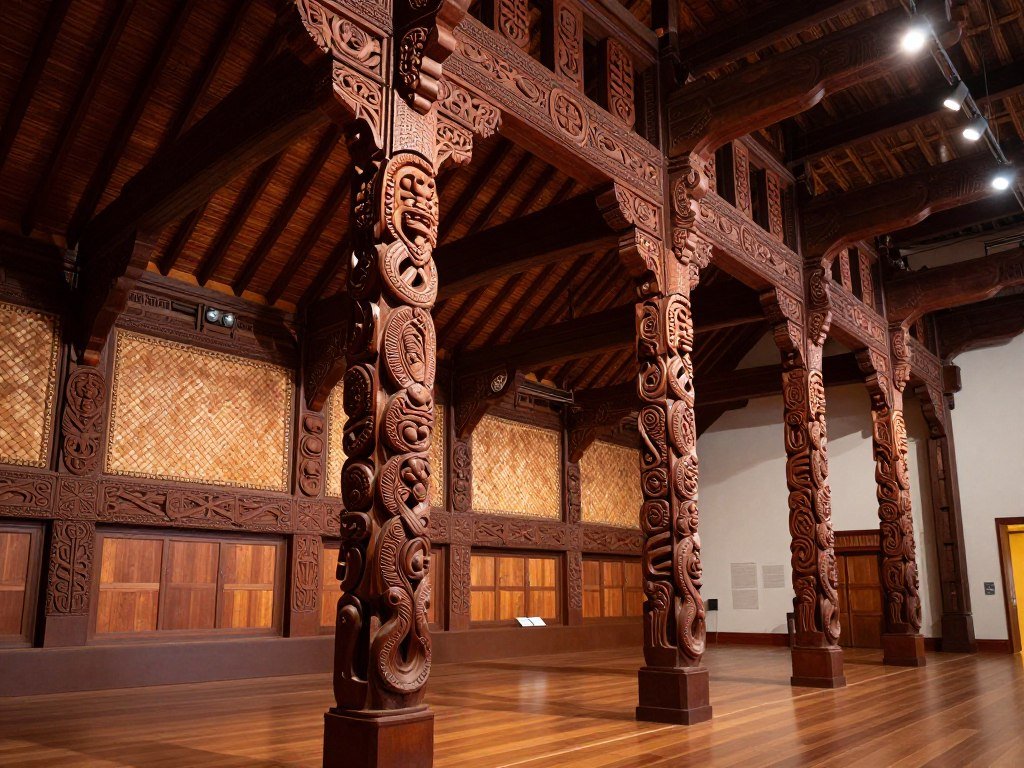
The Maori Court houses full-scale meeting houses (wharenui) and war canoes (waka). Daily cultural performances demonstrate traditional song, dance, and storytelling. Interactive displays explain creation legends and navigation techniques that brought Polynesian ancestors across the Pacific.
Upper floors trace New Zealand’s military history and natural environment. The volcano gallery explains Auckland’s geological formation. Regular special exhibitions feature international collections alongside local artists.
Viaduct Harbour and Wynyard Quarter
Auckland’s revitalized waterfront combines dining, entertainment, and maritime heritage. The Viaduct Harbour, home to New Zealand’s America’s Cup campaigns, features sleek restaurants and bars lining the marina. Superyachts moor alongside fishing boats, creating dynamic scenes throughout the day.
Wynyard Quarter extends the waterfront experience with public plazas, fish markets, and brewery taprooms. Weekend markets attract locals seeking fresh produce and artisan foods. The area’s industrial heritage blends with contemporary architecture in a uniquely Auckland way.
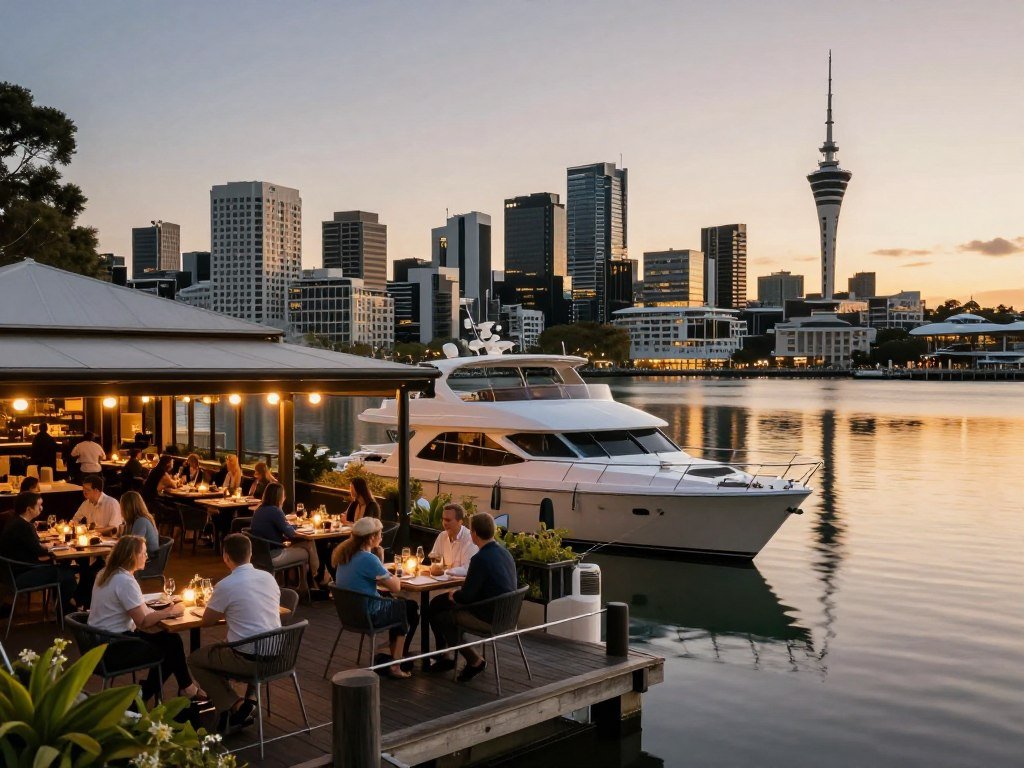
Dining Highlights
- Seafood restaurants featuring daily catches
- International cuisine from Asian to Mediterranean
- Brewery taprooms with harbor views
- Casual fish and chips takeaway spots
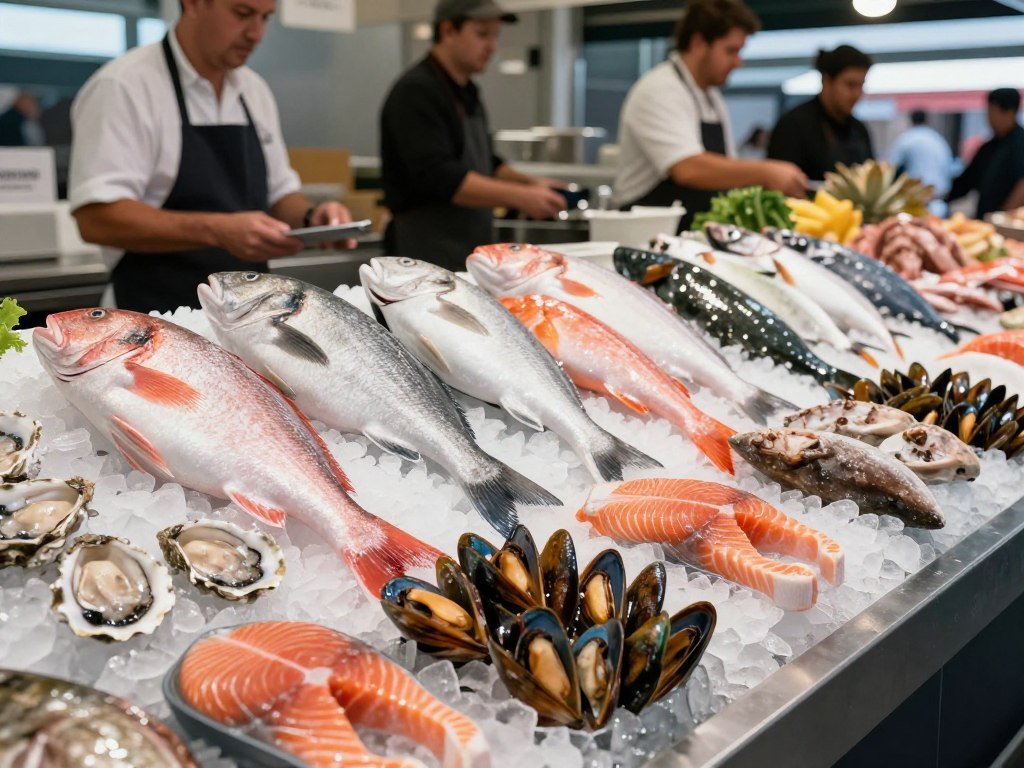
Markets and Shopping
- Auckland Fish Market – Fresh catches and cooking classes
- Viaduct Markets – Weekend artisan and craft vendors
- Marine supply shops and chandleries
- Art galleries featuring maritime themes
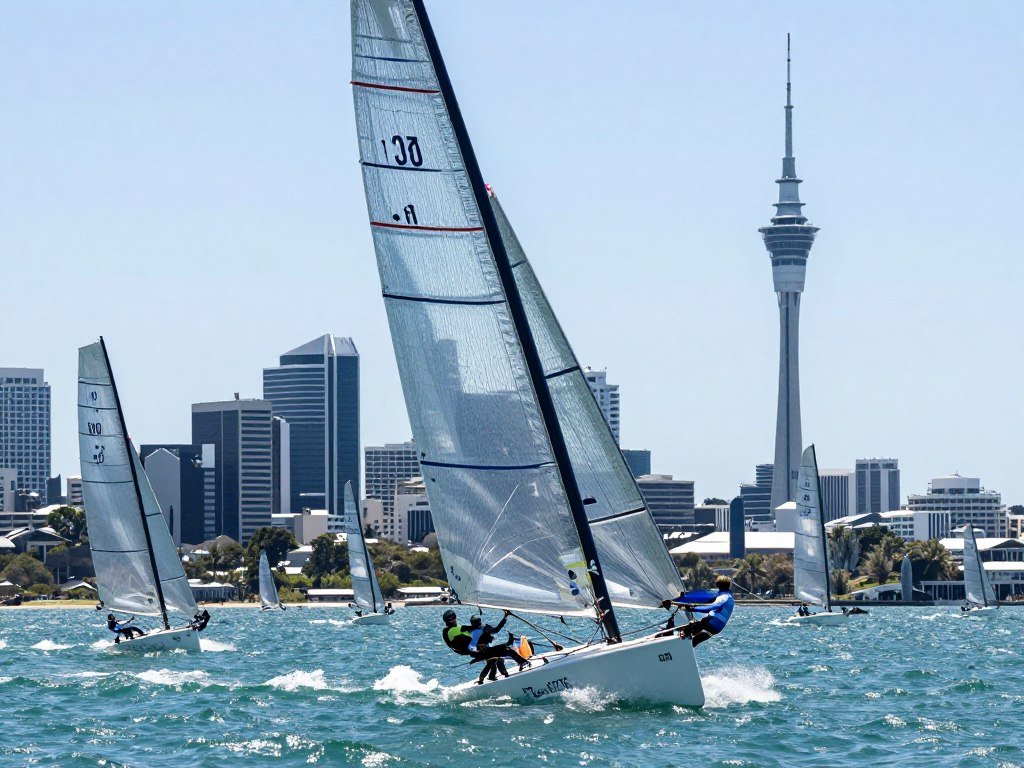
Activities
- Harbor sailing experiences and yacht charters
- Fishing charters departing daily
- Waterfront walking and cycling paths
- Maritime museum exploring sailing heritage
Unforgettable Day Trips from Auckland
Auckland’s central location makes it an ideal base for exploring the North Island. These excursions showcase the diversity surrounding the city, from black sand beaches to geothermal wonders.
Piha Beach: Wild West Coast
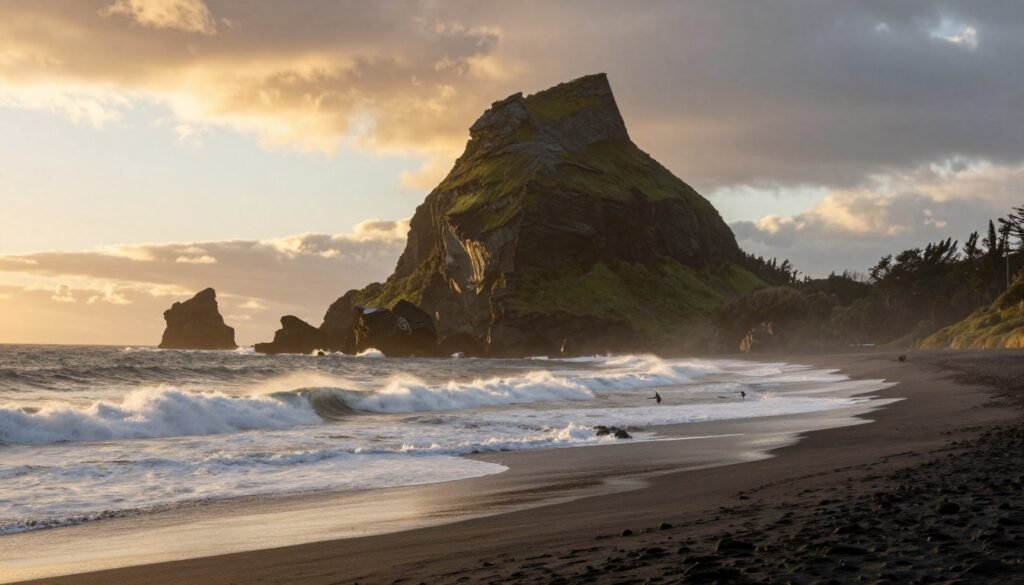
Forty-five minutes west of downtown, Piha represents everything dramatic about New Zealand’s coastlines. Black volcanic sand stretches beneath towering cliffs. Lion Rock, a distinctive formation, divides the beach into north and south sections. Powerful Tasman Sea waves attract experienced surfers year-round.
The Kitekite Falls track begins near the beach, climbing through native forest to a spectacular three-tier waterfall. Swimming holes beneath the falls provide refreshing rewards after the 40-minute walk. More adventurous visitors tackle the challenging track to Lion Rock’s summit for panoramic coastal views.
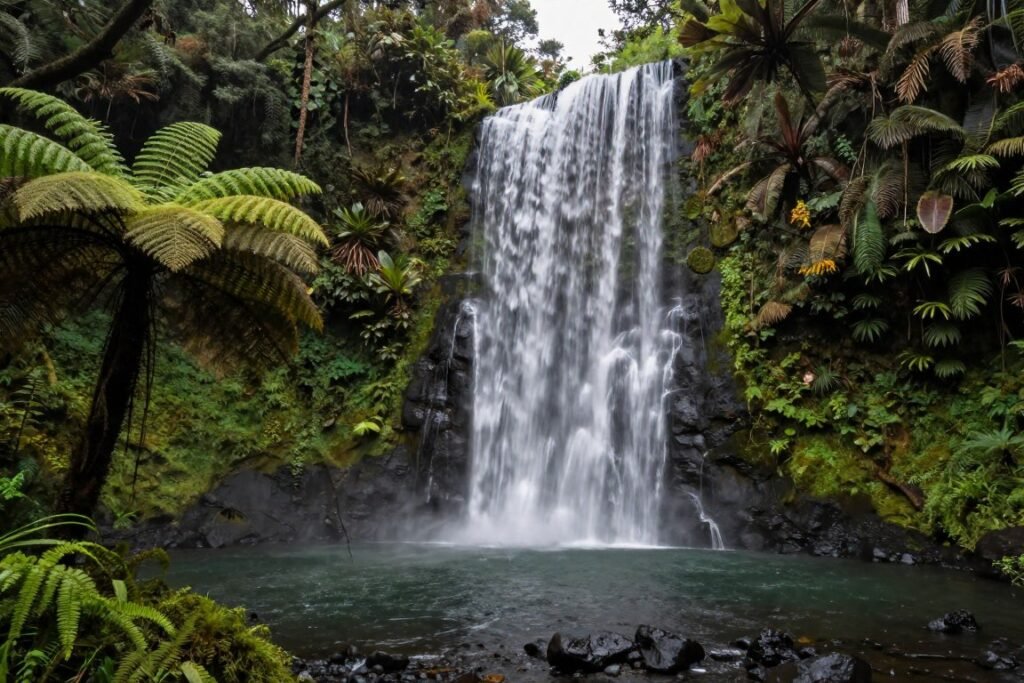
The surrounding Waitakere Ranges offer extensive hiking through ancient kauri forests. Several beaches neighboring Piha provide alternatives when surf conditions prove too rough. The drive itself showcases Auckland’s rapid transition from city to wilderness.
Piha Visit Planning
Getting There
- Rental car provides maximum flexibility
- Tour buses include multiple west coast beaches
- Winding road requires 60-75 minutes driving time
- Limited parking fills early on summer weekends
Safety Considerations
- Swim only between flags at patrolled beaches
- Powerful rips make Piha dangerous for inexperienced swimmers
- Respect cliff edges and stay on marked tracks
- Check tide times before exploring rock pools
Hobbiton Movie Set
Film fans make pilgrimages to the Shire, where Peter Jackson filmed Lord of the Rings and Hobbit trilogy scenes. Located near Matamata, roughly two hours south of Auckland, the meticulously maintained movie set preserves the magic of Middle-earth.
Guided tours wind through 44 hobbit holes built into hillsides. The Party Tree shades the party field. The Green Dragon Inn serves authentic southfarthing beverages. Every detail recreates J.R.R. Tolkien’s vision as interpreted by Jackson’s production team.
Tours conclude at the Green Dragon Inn with complimentary drink. The Alexander family farm surrounding the set demonstrates typical New Zealand pastoral agriculture. Many visitors combine Hobbiton with Waitomo Caves for a full day exploring the Waikato region.
Rotorua: Geothermal Wonderland
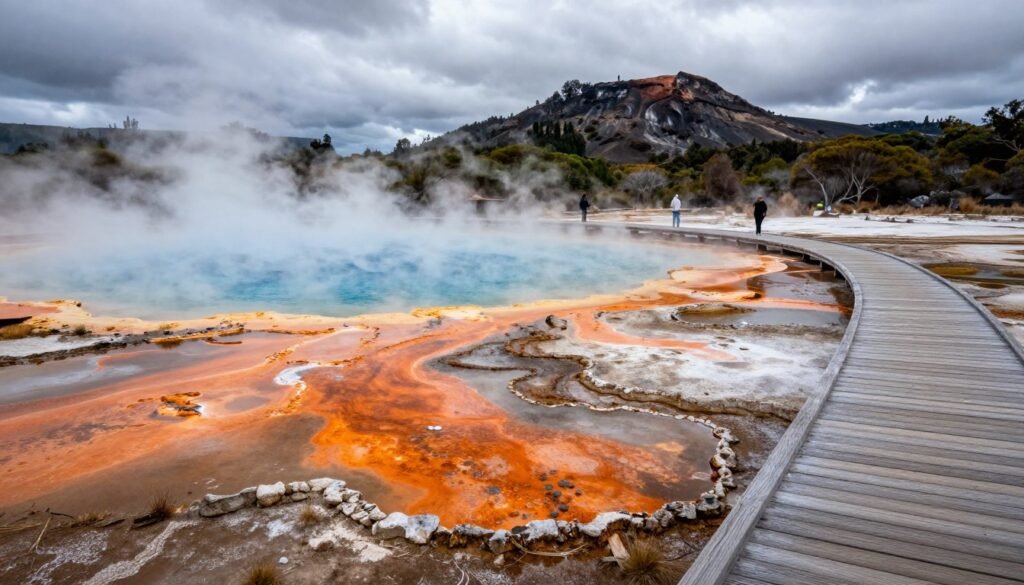
Three hours south of Auckland, Rotorua bubbles with geothermal activity. Geysers erupt on schedule. Mud pools burble and plop. The distinctive sulfur smell reminds visitors they’re atop one of the world’s most active volcanic zones.
Several thermal parks offer different experiences. Te Puia showcases Maori culture alongside the Pohutu Geyser, which erupts up to 20 times daily. Wai-O-Tapu features incredibly colorful thermal pools. Hell’s Gate provides therapeutic mud baths and hot springs.
Rotorua’s Maori cultural experiences rank among New Zealand’s finest. Evening cultural performances combine traditional song, dance, and hangi feasts cooked in earth ovens using geothermal heat. Many visitors overnight in Rotorua to fully experience both geothermal and cultural attractions.
Planning Tip: Most day trip destinations work better as overnight excursions if you want thorough exploration. However, organized tours efficiently package transportation and admission, making day trips feasible for time-limited visitors. Consider your priorities and pace preferences when deciding.
Book Your Auckland Day Trip Adventures
Skip rental car hassles. Join expert-guided tours to Piha, Hobbiton, Rotorua, and more. Transportation, admission, and lunch included in most packages.
Auckland’s Diverse Culinary Landscape
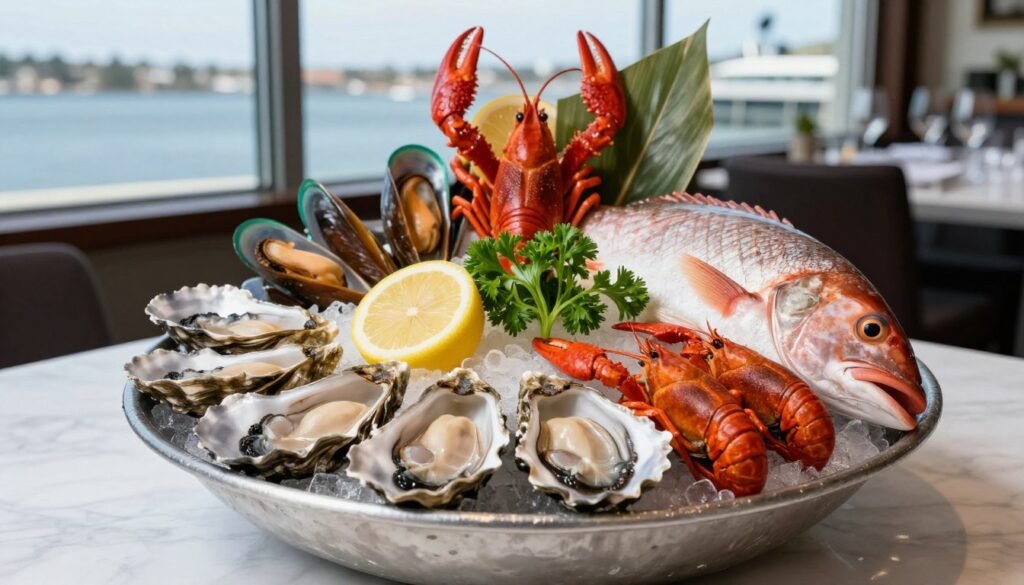
Auckland’s food scene reflects its multicultural population. Pacific Rim fusion meets traditional Maori hangi. Asian night markets compete with European fine dining. Fresh seafood appears on nearly every menu, pulled from surrounding waters daily.
Must-Try Auckland Dishes and Ingredients
Fresh Seafood
Snapper, tarakihi, and john dory dominate local catches. Green-lipped mussels grow in coastal farms. Bluff oysters appear seasonally. Fish and chips shops elevate the British staple to art forms.
Pacific Influences
Polynesian restaurants serve traditional preparations. Raw fish marinated in coconut cream (oka). Taro, kumara, and breadfruit feature in creative dishes. Sunday umu (earth oven) feasts occur throughout South Auckland.
Modern New Zealand
Chefs reinterpret British classics with local ingredients. Lamb features prominently, often paired with native herbs. Pavlova remains the national dessert despite Australian claims. Coffee culture rivals Melbourne’s intensity.
Auckland Dining Neighborhoods
Ponsonby Road: Trendy Dining Strip
This vibrant street west of downtown concentrates Auckland’s hippest restaurants and cafes. Historic villas house contemporary eateries. Sidewalk tables fill with locals enjoying weekend brunches. The area excels at international fusion cuisine and showcases emerging chef talent.
Ponsonby’s diversity spans budget-friendly ethnic restaurants to celebrated fine dining destinations. Bookstores, vintage shops, and galleries provide entertainment between meals. The neighborhood embodies Auckland’s creative energy and multicultural character.
Britomart and Commercial Bay: Downtown Sophistication
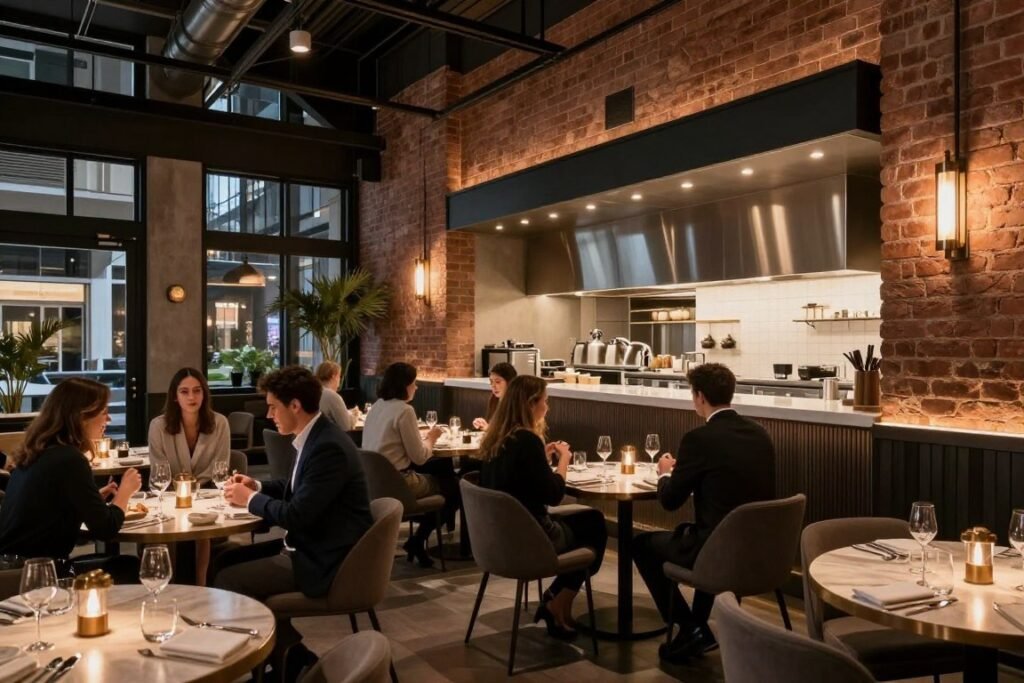
Auckland’s historic downtown district transformed into a dining destination. Heritage buildings host award-winning restaurants. The newly opened Commercial Bay complex concentrates multiple dining options under one roof. Business lunch crowds give way to evening fine dining and cocktail scenes.
Seafood restaurants take full advantage of harbor locations. Several establishments source directly from Auckland Fish Market. The proximity to hotels and attractions makes this area convenient for visitors.
Dominion Road: Asian Food Paradise
This long commercial street showcases Auckland’s Asian communities. Korean BBQ restaurants sit beside Chinese hot pot specialists. Malaysian hawker-style eateries share blocks with Japanese ramen shops. Vietnamese pho houses serve authentic broths perfected over generations.
Prices remain remarkably affordable despite authentic quality. Many establishments stay open late, catering to students and night owls. The unpretentious atmosphere focuses attention squarely on food rather than ambiance.
Food Markets and Street Eats
- Auckland Night Markets – Asian street food Thursday through Sunday at various locations
- Parnell Farmers Market – Sunday morning fresh produce and artisan products
- La Cigale French Market – Weekend European specialties and prepared foods
- Glenfield Night Market – Friday evenings featuring diverse international cuisines
- Takapuna Sunday Market – North Shore gathering with food trucks and fresh produce
Budget Eats Under $15
- Food courts in Commercial Bay and Newmarket
- Dominion Road Asian restaurants
- Fish and chips shops (local chains)
- Night market vendors selling diverse cuisines
- Bakery cafes for breakfast and lunch
- Food truck parks in Wynyard Quarter
Mid-Range $20-45
- Ponsonby Road casual dining
- Viaduct Harbour seafood restaurants
- Ethnic restaurants in Mission Bay
- Brewery restaurants with pub fare
- Waiheke Island winery restaurants
- Parnell bistros and wine bars
Fine Dining $60+
- Michelin-quality tasting menus
- Sky Tower’s Orbit 360° restaurant
- Waterfront destination restaurants
- Chef’s table experiences
- Premium steakhouses downtown
- Award-winning fusion establishments
Taste Auckland Like a Local
Join food tours exploring hidden gems locals love. Visit neighborhood eateries, markets, and specialty shops. Small groups and expert guides ensure authentic experiences.
Finding Your Perfect Auckland Accommodation
Auckland offers lodging options spanning all budgets and preferences. Location determines convenience more than luxury level for most travelers. Understanding neighborhood characters helps match accommodations to your priorities.
Central Auckland: Maximum Convenience
Staying downtown puts you within walking distance of the waterfront, Sky Tower, and transport hubs. The area bustles with energy day and night. Hotels here cater primarily to business travelers and short-stay tourists wanting easy access to attractions.
Expect higher prices for the convenience. Street noise affects some properties despite soundproofing efforts. The density means limited space, with smaller rooms common even in upscale hotels. However, the location saves considerable transportation time and costs.
Ponsonby and Grey Lynn: Residential Character
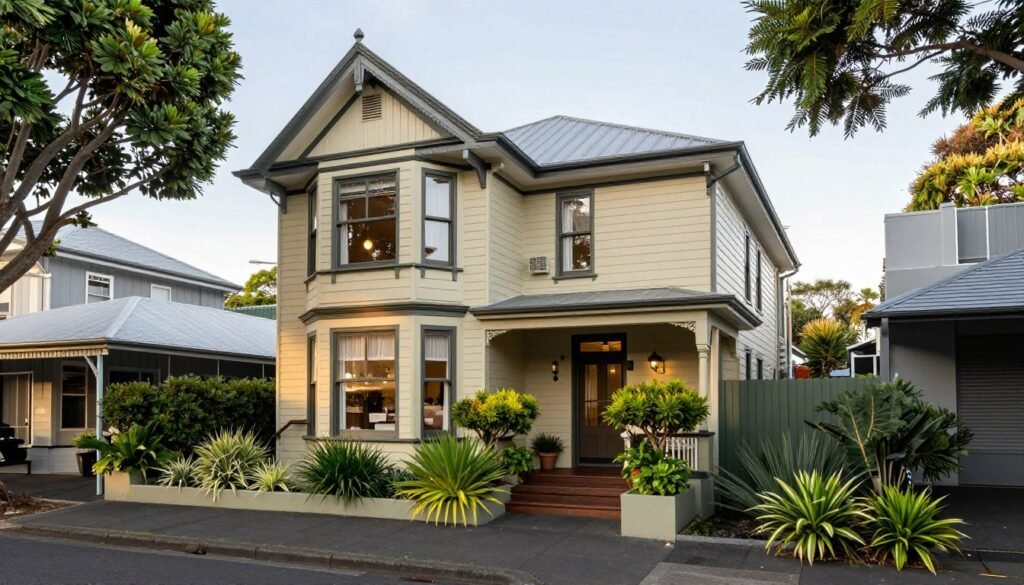
These adjacent western suburbs offer authentic neighborhood experiences. Tree-lined streets feature cafes, bookshops, and vintage stores locals actually frequent. Boutique hotels occupy restored villas, providing character absent from downtown towers.
The area sits 15-20 minutes from downtown by bus or rideshare. Rental cars become less necessary given the concentration of restaurants and entertainment within walking distance. Prices typically run 20-30% below equivalent downtown properties.
Mission Bay and Eastern Beaches: Waterside Serenity
Auckland’s eastern suburbs combine beach proximity with urban amenities. Mission Bay’s sandy beach attracts locals for morning swims and evening strolls. The waterfront path connects to neighboring Kohimarama and St Heliers beaches.
Accommodations here range from beachfront apartments to mid-range hotels. The atmosphere feels distinctly more relaxed than downtown. Families appreciate the swimming-safe beaches and playgrounds. Regular buses connect to city center in 20 minutes.
North Shore: Value and Views
Crossing Auckland Harbour Bridge opens options often overlooked by visitors. Takapuna and Devonport offer excellent value accommodations with character. Devonport’s village atmosphere features heritage buildings, boutiques, and waterfront dining.
The North Shore provides easier access to northern destinations like the Bay of Islands. Ferries connect Devonport directly to downtown Auckland, creating a scenic commute. Beach access and mountain biking trails appeal to active travelers.
| Accommodation Type | Price Range (NZD per night) | Best For | Typical Amenities |
| Hostels | $30-60 | Backpackers, solo travelers, budget-conscious visitors | Shared facilities, communal kitchens, social areas, some private rooms |
| Budget Hotels | $80-140 | Value seekers, short stays, practical travelers | Private bathrooms, basic breakfast, WiFi, parking often extra |
| Mid-Range Hotels | $150-280 | Most travelers, families, comfort seekers | Quality rooms, breakfast included, gyms, concierge services |
| Boutique Properties | $200-400 | Travelers wanting character, special occasions, unique stays | Individual design, personalized service, often historic buildings |
| Luxury Hotels | $350-800+ | Special occasions, business travelers, luxury seekers | Full service, spas, fine dining, harbor views, premium locations |
| Vacation Rentals | $120-500+ | Families, groups, extended stays, self-catering preferences | Full kitchens, laundry, living spaces, varied locations and quality |
Booking Strategies for 2026
- Reserve accommodations 3-6 months ahead for summer season (December-February)
- Compare booking platforms and direct hotel websites for best rates
- Check cancellation policies carefully before booking
- Read recent reviews focusing on cleanliness, location, and noise levels
- Verify parking costs if renting a car – downtown parking adds $30-50 daily
- Consider apartment rentals for stays exceeding 5 nights
- Ask about harbor view rooms – often worth modest upcharge
- Join hotel loyalty programs before booking for potential upgrades
Discover Your Ideal Auckland Hotel
Compare prices across all major booking sites. Access exclusive rates, verified guest reviews, and flexible cancellation on most properties. Find perfect accommodations for your 2026 visit.
Navigating Auckland: Transportation Guide
Auckland’s sprawling geography creates unique transportation challenges. The city lacks comprehensive metro rail, relying instead on buses, ferries, and trains. Understanding the system before arrival eliminates frustration and saves money.
AT HOP Card: Essential for Public Transport
The AT HOP card functions as Auckland’s universal public transport payment system. This rechargeable smartcard works on all buses, trains, and most ferries. Fares cost significantly less than cash payments, with daily caps preventing overspending.
Purchase cards at convenience stores, transport centers, or online before arrival. Load money using cash at retailers or credit cards online. Simply tag on when boarding and tag off when exiting. The system automatically calculates optimal fares.
AT HOP Benefits
- Fares up to 25% cheaper than cash equivalent
- Daily caps limit maximum spending ($20 weekdays, $16 weekends)
- Works across all zones and transport types
- Balance checking available online and at machines
- Transferring between services counted as single journey
Ferry Services: Scenic and Practical
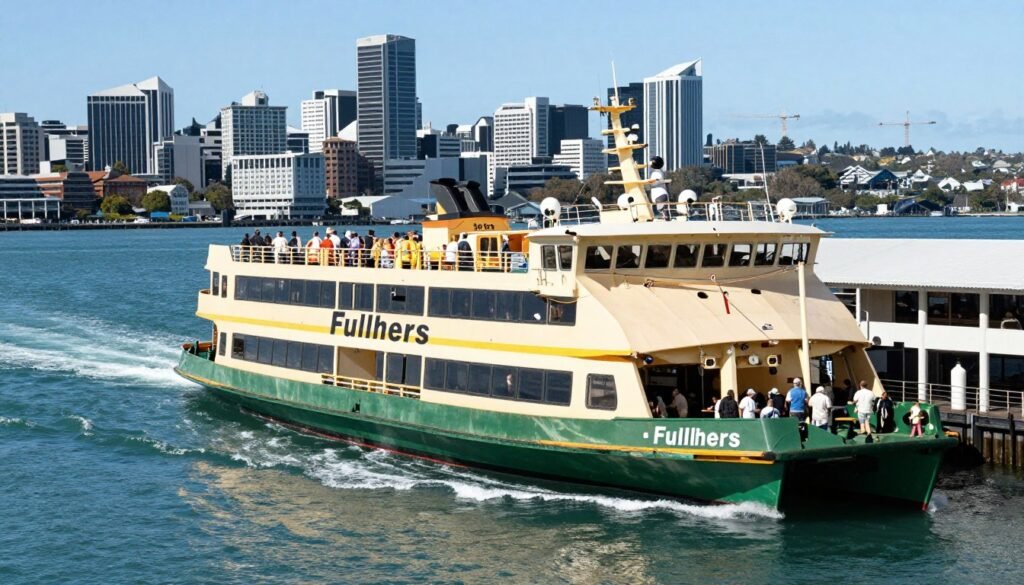
Ferries provide Auckland’s most enjoyable transportation. Multiple routes connect downtown to North Shore suburbs, islands, and coastal communities. Commuter services run frequently during peak hours. Tourist routes to islands operate on fixed schedules.
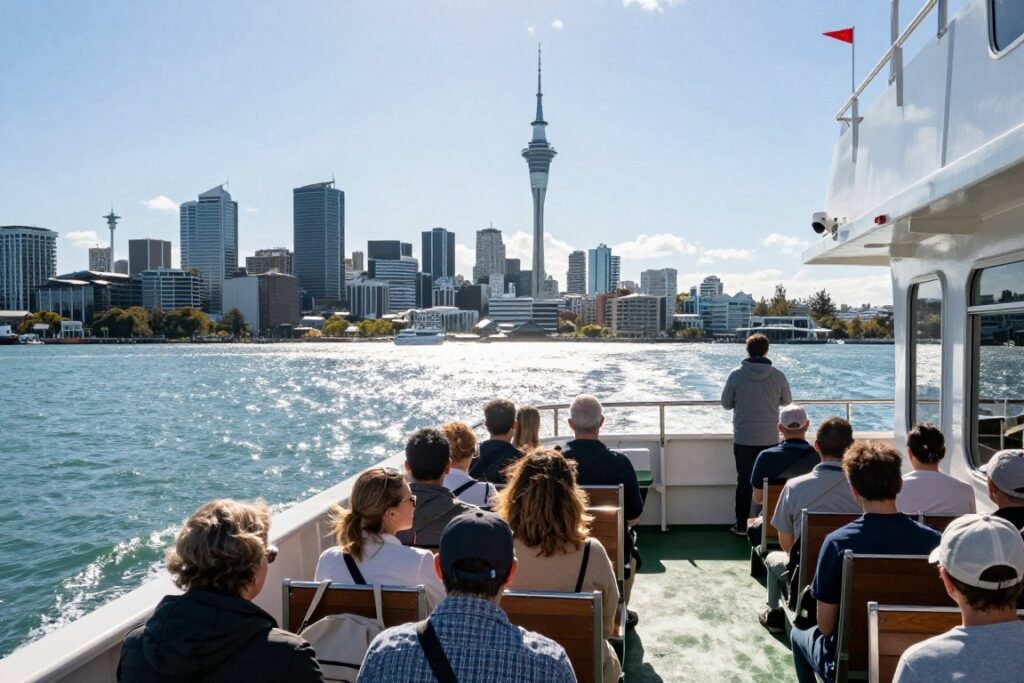
The Devonport ferry offers the best value for sightseeing. The 12-minute crossing provides stunning harbor and city views for standard transport fares. Waiheke Island ferries accommodate both passengers and vehicles, though most visitors leave cars in Auckland.
Key Ferry Routes
- Devonport – Frequent service to charming North Shore village (12 minutes)
- Waiheke Island – Passenger ferries every 30-60 minutes (40 minutes)
- Rangitoto Island – Seasonal service for volcano hiking (25 minutes)
- Half Moon Bay – Eastern suburbs connection (30 minutes)
- Northcote Point – Northern commuter route (15 minutes)
Buses: Extensive Network
Auckland’s bus system covers the entire region with varying frequency and efficiency. Central routes run every 10-15 minutes during peak periods. Suburban services decrease to hourly or less outside commuting times. Express buses use dedicated lanes on major routes.
The Link buses circle inner city in both directions, connecting major attractions and shopping areas. These red buses prove most useful for tourists, passing near most accommodations and sights every 10-15 minutes.
Rental Cars: Freedom and Flexibility
Renting a car makes sense for exploring beyond central Auckland. West coast beaches, wine regions, and day trip destinations become easily accessible. Parking challenges diminish outside the city center. New Zealand road rules differ from some countries, requiring attention.
Driving Reminder: New Zealand drives on the left side of the road. International visitors must carry valid driver’s licenses and International Driving Permits (IDP) where required by their home country. Speed limits use kilometers per hour. Seatbelts are mandatory for all passengers.
Rental Car Considerations
Advantages
- Access to beaches and regions beyond public transport
- Flexibility for day trips and spontaneous exploration
- Convenient for families with young children
- Cost-effective when split among groups
- Allows early starts for attractions before crowds
Challenges
- Expensive parking in central Auckland
- Left-side driving adjustment for some visitors
- Traffic congestion during peak hours
- Not needed if staying in central areas
- Alcohol limits strict for vineyard visits
Uber and Ola operate throughout Auckland, often proving cheaper than traditional taxis. Both apps function normally for international visitors with credit cards. Prices surge during peak demand, particularly Friday and Saturday nights.
Traditional taxis remain available but cost more than rideshares. Airport queues provide easy taxi access. Hotels can arrange pickups. Tipping isn’t expected in New Zealand, though rounding up for excellent service is appreciated.
Getting to Auckland
Auckland Airport sits 21 kilometers south of downtown. International and domestic terminals connect via free shuttle buses. Several transport options reach the city center efficiently.
Airport Transportation Options
- SkyBus – Express buses every 10 minutes to downtown ($18 one-way, $32 return)
- Public buses – Cheaper but slower with stops (380, 31, 33 routes)
- Rideshares – Uber/Ola typically $45-65 depending on traffic and time
- Taxis – Fixed $75-90 to downtown hotels
- Rental car pickups – Major companies operate at airport
- Hotel shuttles – Some accommodations offer airport service
Transport Planning Tool: Download the AT Mobile app for journey planning, real-time arrivals, and service updates. The app shows exactly which buses or trains to catch, when they’re arriving, and walking directions to stops. Essential for navigating Auckland’s public transport efficiently.
Cultural Experiences and Local Traditions
Auckland’s cultural identity draws from Maori traditions, European settlement, and Pacific Island immigration. Understanding this blend enriches your visit beyond standard sightseeing. The city offers numerous ways to engage with living cultures.
Maori Cultural Experiences
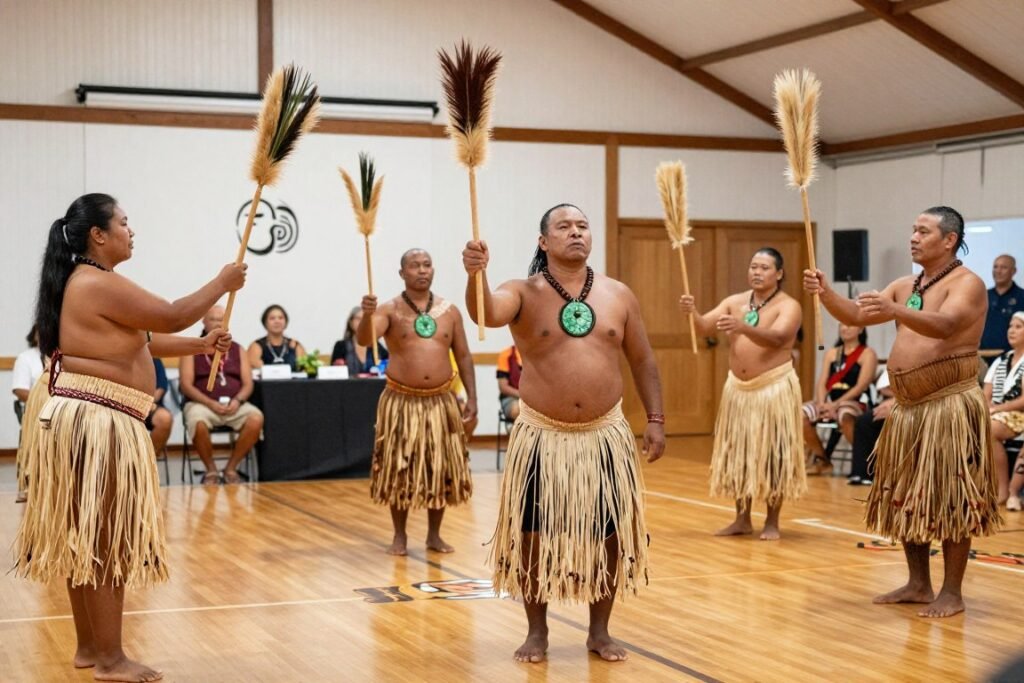
Several venues offer authentic Maori cultural presentations. Auckland Museum hosts daily performances combining song, dance, and storytelling. Performers explain significance behind movements and demonstrate traditional instruments and weapons.
The museum’s collection includes sacred taonga (treasures) spanning centuries. Carved meeting houses demonstrate architectural traditions. War canoes show engineering sophistication. Interactive displays explain creation stories and migration histories that brought Maori to Aotearoa (New Zealand).
Understanding Maori Culture
- Hongi greeting – Press noses together to share breath
- Wharenui – Carved meeting houses representing ancestors
- Haka – Powerful challenge dance performed on significant occasions
- Hangi – Traditional earth oven cooking method
- Mana – Prestige and spiritual power earned through actions
- Whanau – Extended family forming social foundation
Art Galleries and Museums
Auckland Art Gallery Toi o Tāmaki houses the country’s most extensive art collection. The gallery emphasizes New Zealand and Pacific artists alongside European masters. Admission stays free for general collections, with special exhibitions requiring tickets.
The building itself merges heritage Victorian architecture with contemporary extensions. Natural light floods galleries through innovative skylights. Regular evening events include artist talks and live music performances.
Markets and Street Culture
Markets reveal Auckland’s multicultural fabric better than any formal attraction. The diversity of vendors reflects the city’s immigrant communities. Each market develops its own character and specialties.
Otara Market
Saturday morning gathering showcasing Pacific Island cultures. Vendors sell traditional crafts, clothing, and foods. Authentic Samoan, Tongan, and Cook Island cuisines. Strong community atmosphere with live music.
Avondale Sunday Markets
Auckland’s largest market featuring international foods and produce. Sellers represent dozens of ethnic communities. Incredible variety of fresh ingredients and prepared meals. Locals stock up on weekly groceries here.
Clevedon Farmers Market
Premium artisan producers from surrounding countryside. Organic vegetables, specialty cheeses, fresh bread, and local honey. Craft stalls and food trucks complement fresh produce. Scenic rural setting worth the drive.
Festivals and Annual Events
Timing your visit around festivals creates memorable experiences. Auckland hosts events celebrating every cultural community throughout the year. These gatherings welcome visitors eager to learn and participate.
| Event | Typical Timing | Description |
| Auckland Anniversary Day Regatta | Late January | Historic sailing race filling the harbor with boats, free public holiday |
| Pasifika Festival | March | Largest Pacific Island cultural festival, food, performances, crafts |
| Auckland Arts Festival | March (biennial) | International performing arts, theater, dance, music across venues |
| Chinese New Year | Late January/February | Lantern displays, dragon dances, food stalls, fireworks |
| Diwali Festival | October/November | Indian festival of lights, food, performances, market stalls |
| Auckland Wine and Food Festival | February | Local wineries, restaurants showcase products, cooking demonstrations |
Local Customs and Etiquette
New Zealanders value modesty and egalitarianism. Displays of wealth or status receive cool receptions. Friendliness comes naturally but with reserved undertones compared to some cultures. Understanding these nuances improves interactions.
Appreciated Behaviors
- Queuing patiently without pushing
- Greeting shopkeepers and bus drivers
- Respecting environmental signs and requests
- Removing shoes when entering homes
- Moderate voice volume in public spaces
- Acknowledging service staff politely
- Being punctual for scheduled activities
Avoid These Actions
- Loud or boisterous public behavior
- Littering or ignoring recycling bins
- Touching Maori taonga without permission
- Sitting on tables (considered unclean)
- Excessive complaining or demanding service
- Blocking sidewalks or pathways
- Tipping excessively (modest or none expected)
Auckland Travel Essentials and Practical Tips
Smooth travels require advance preparation beyond booking accommodations and flights. These practical details help international visitors navigate common situations and avoid preventable issues.
Visa and Entry Requirements
Many nationalities enjoy visa-free entry to New Zealand for tourism stays up to 90 days. However, all travelers must obtain NZeTA (New Zealand Electronic Travel Authority) approval before departure. The online application costs NZ$23 and processes within 72 hours.
The NZeTA includes International Visitor Conservation and Tourism Levy ($35), funding environmental and tourism infrastructure. Keep approval confirmation accessible during travel. Immigration officers may request proof of onward travel and sufficient funds.
Money Matters
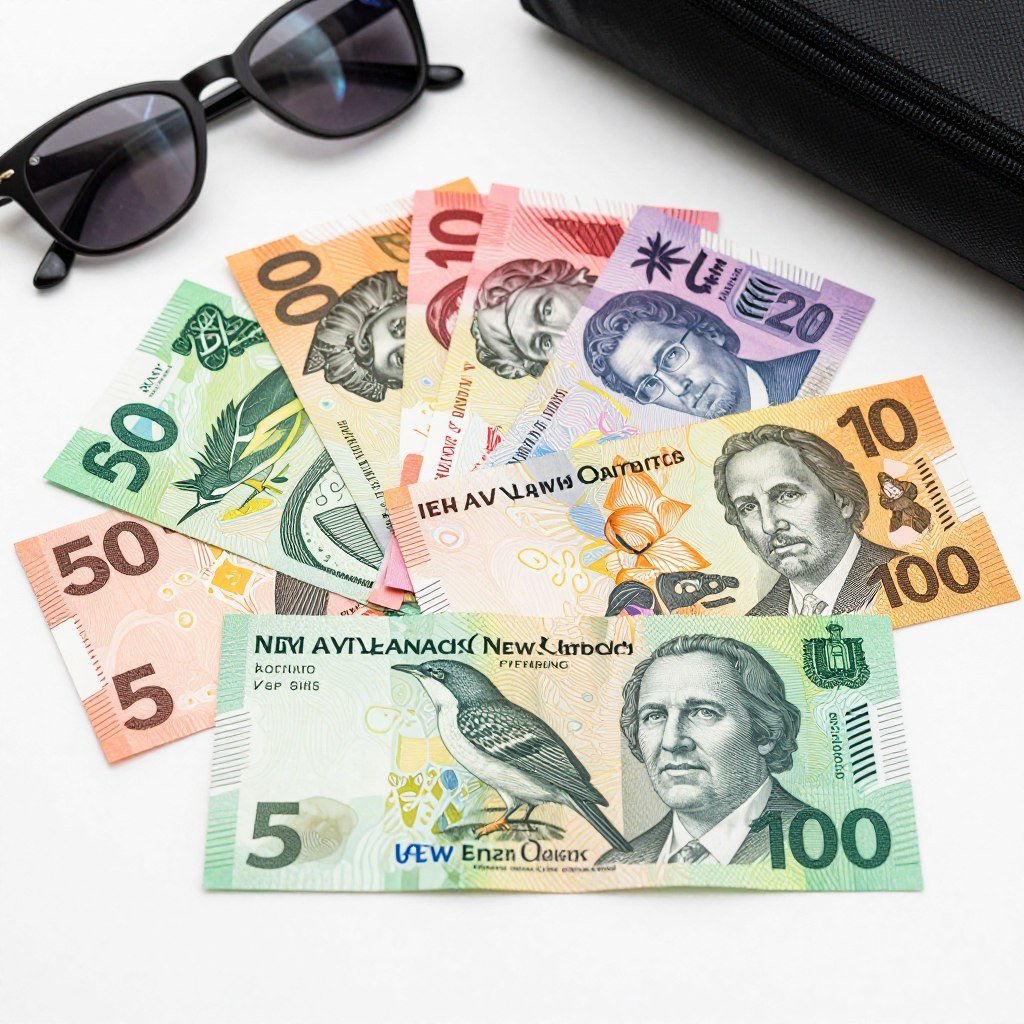
New Zealand uses dollars and cents (NZD). Credit cards see wide acceptance in Auckland, though small businesses may impose minimum purchases or surcharges. EFTPOS (debit card system) appears more commonly than credit cards for daily transactions.
ATMs provide easy cash access with reasonable fees. Notify your bank before traveling to prevent security blocks. Exchange rates at airport kiosks prove expensive – withdraw cash from ATMs instead. Tipping isn’t customary except for exceptional service.
Budget Planning Guide
- Budget travelers: NZ$100-150 daily (hostels, public transport, self-catering, free activities)
- Mid-range travelers: NZ$250-400 daily (hotels, restaurants, paid attractions, some tours)
- Luxury travelers: NZ$500+ daily (premium hotels, fine dining, private tours, activities)
- Attraction entries: Typically NZ$15-45 per person
- Meals: Casual NZ$15-25, mid-range NZ$30-55, fine dining NZ$80+
- Transportation: AT HOP daily cap NZ$20 weekdays, rideshares NZ$15-30 typical trips
Language and Communication
English serves as New Zealand’s primary language. However, Maori enjoys official status with increasing visibility in place names and signage. Auckland’s multiculturalism means dozens of languages echo through markets and neighborhoods.
Kiwi English includes unique vocabulary and pronunciation. “Yeah, nah” means no. “Sweet as” expresses approval. “Tramping” means hiking. These colloquialisms add charm once you adjust to them.
Internet and Mobile Connectivity
Free WiFi appears in most cafes, libraries, and accommodations. Quality varies dramatically between providers. For reliable connectivity, purchase a local SIM card at the airport or phone shops.
Major carriers (Spark, Vodafone, 2degrees) offer prepaid tourist plans. Data packages start around NZ$20 for several gigabytes. Coverage excels in Auckland but decreases in remote areas. Most phones work on New Zealand networks, but verify compatibility before arrival.
Health and Safety
Auckland ranks among the world’s safest major cities. Violent crime against tourists remains exceptionally rare. Exercise normal precautions regarding valuables in crowded areas. Beaches and hiking trails present more safety concerns than urban crime.
Sun Safety Alert: New Zealand’s UV radiation intensity exceeds most Northern Hemisphere locations due to ozone layer depletion. Sunburn occurs quickly, even on cloudy days. Apply high-SPF sunscreen liberally and reapply frequently. Wear hats and sunglasses outdoors. Locals take sun protection seriously year-round.
Health Precautions
- Travel insurance strongly recommended – healthcare expensive for visitors
- Pharmacies (chemists) stock common medications without prescriptions
- Bring prescription medications in original containers with doctor’s letter
- Tap water safe to drink throughout Auckland
- Sandflies at beaches can cause irritation – bring insect repellent
- Emergency services dial 111 for police, fire, or ambulance
Electricity and Adapters
New Zealand uses 230V/50Hz electricity with Type I outlets (three flat pins). Most modern electronics handle voltage differences automatically, but check your devices. Bring appropriate plug adapters – they’re cheaper at home than in Auckland.
Essential Apps for Auckland Visitors
Must-Have Apps
- AT Mobile – Public transport journey planning and real-time info
- Uber/Ola – Rideshare services throughout Auckland
- MetService – Accurate weather forecasts and warnings
- Google Maps – Navigation and business information
- Eventfinda – Discover local events and activities
Helpful Apps
- Fullers360 – Ferry schedules and ticket purchases
- Rankers – Restaurant reviews by New Zealanders
- NZ Travel Planner – Trip planning and booking
- XE Currency – Real-time exchange rates
- Auckland Council – Beach water quality and park info
Download Before Arrival
- Offline maps for areas you’ll visit
- Entertainment for long flights
- Travel document copies (passport, insurance, bookings)
- Language translation apps if needed
- Banking and payment apps for your accounts
Sustainable Travel Practices
New Zealanders pride themselves on environmental stewardship. Visitors should respect this commitment through responsible travel choices. The Tiaki Promise outlines visitor responsibilities for caring for New Zealand.
- Use designated recycling and composting bins (widely available)
- Stay on marked tracks when hiking to prevent erosion
- Take all rubbish with you from beaches and parks
- Respect wildlife viewing distances and guidelines
- Choose tour operators with environmental certifications
- Support local businesses and producers
- Use refillable water bottles rather than buying plastic
- Follow biosecurity rules protecting New Zealand’s unique ecosystem
Auckland Itinerary Ideas for Every Timeline
These suggested schedules help organize your time efficiently. Adjust based on personal interests, energy levels, and weather conditions. Building in flexibility allows spontaneous discoveries while ensuring you experience Auckland’s highlights.
Three Days: Auckland Essentials
Day One: City and Harbor Introduction
Begin at Sky Tower for orientation and spectacular views. Descend to explore Britomart and the waterfront, stopping for coffee at a harborside cafe. Walk through Viaduct Harbour, observing boats and browsing shops.
Afternoon ferry to Devonport provides harbor views and village exploration. Climb North Head for military history and panoramas. Return via ferry for sunset. Evening dinner in Viaduct or Wynyard Quarter showcases fresh seafood.
Day Two: Waiheke Island Wine Experience
Catch the 9:00 AM ferry to Waiheke Island. Join a guided wine tour visiting 3-4 vineyards with tastings and lunch. Alternative: rent a bike or car to explore independently. Visit Onetangi Beach for swimming if weather permits.
Return on late afternoon ferry. Evening exploration of Ponsonby Road offers diverse dining options and people-watching from sidewalk cafes.
Day Three: Culture and Nature
Morning visit to Auckland Museum in Domain Park. Attend the Maori cultural performance (check schedule). Explore galleries covering natural history and Pacific cultures.
Afternoon choice: Shop along Queen Street and Commercial Bay, or take a west coast beach trip to Piha. Evening farewell dinner at a restaurant showcasing modern New Zealand cuisine.
Five Days: Extended Exploration
Follow the three-day itinerary above, then add these experiences:
Day Four: Rangitoto and Eastern Beaches
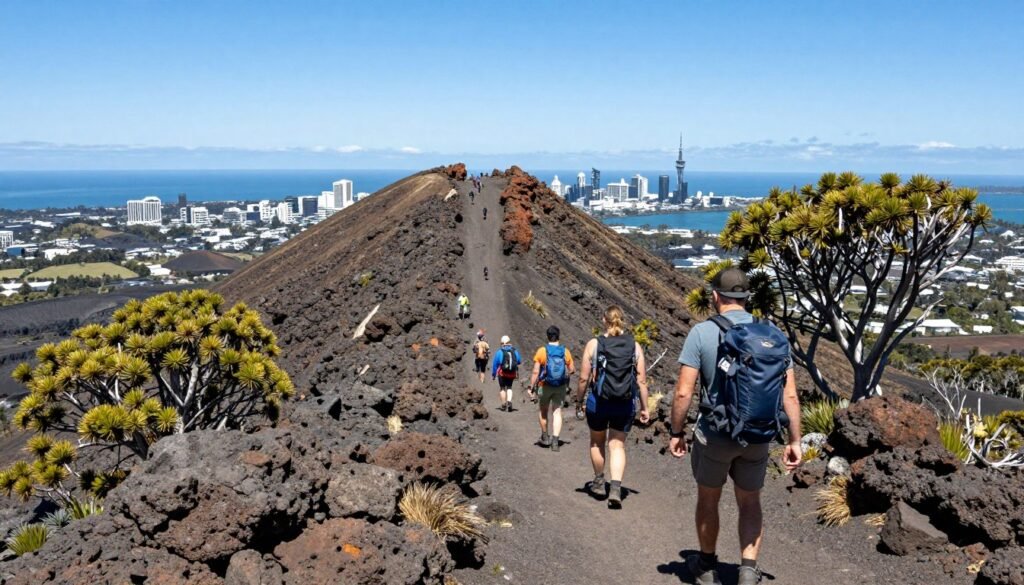
Take morning ferry to Rangitoto Island. Hike to summit (allow 2.5 hours round trip). Explore lava caves and coastal paths. Return early afternoon.
Visit Mission Bay for late lunch. Walk the waterfront path to St Heliers. Watch sunset from Achilles Point. Dinner at neighborhood restaurant in Mission Bay or Parnell.
Day Five: Markets and Neighborhoods
Saturday morning at Parnell Farmers Market or Otara Market (cultural experience). Brunch in Parnell village exploring boutiques and galleries.
Afternoon at Auckland Art Gallery. Early evening at Auckland Night Market (location depends on day). Final night celebration dinner or drinks with harbor views.
Seven Days: Complete Auckland and Beyond
Build on the five-day itinerary with these additions:
Day Six: Day Trip to Hobbiton or Rotorua
Full day organized tour to Hobbiton Movie Set (returning early evening) or Rotorua geothermal areas (requires overnight stay recommended). Alternative: explore Coromandel Peninsula beaches and Cathedral Cove.
Day Seven: Personal Interests and Relaxation
Dedicate final day to personal priorities. Options include second island visit, shopping, spa treatments, additional museums, or simply relaxing at beaches and cafes. Evening departure preparation or final night entertainment.
Final Insights for Your 2026 Auckland Journey
Auckland rewards curious travelers willing to explore beyond obvious tourist paths. The city’s greatest treasures often hide in neighborhoods, beaches, and experiences locals take for granted. These final recommendations help ensure memorable visits.
Embrace the Outdoors
Aucklanders live outside whenever possible. Adopt this mindset during your visit. Pack beach gear even if you’re primarily interested in urban attractions. Unexpected sunny afternoons invite spontaneous swims and coastal walks.
Weather changes rapidly, so prepare for all conditions regardless of forecasts. Layered clothing allows adjustments throughout the day. Rain shouldn’t cancel plans – locals simply grab jackets and continue with their activities.
Get on the Water
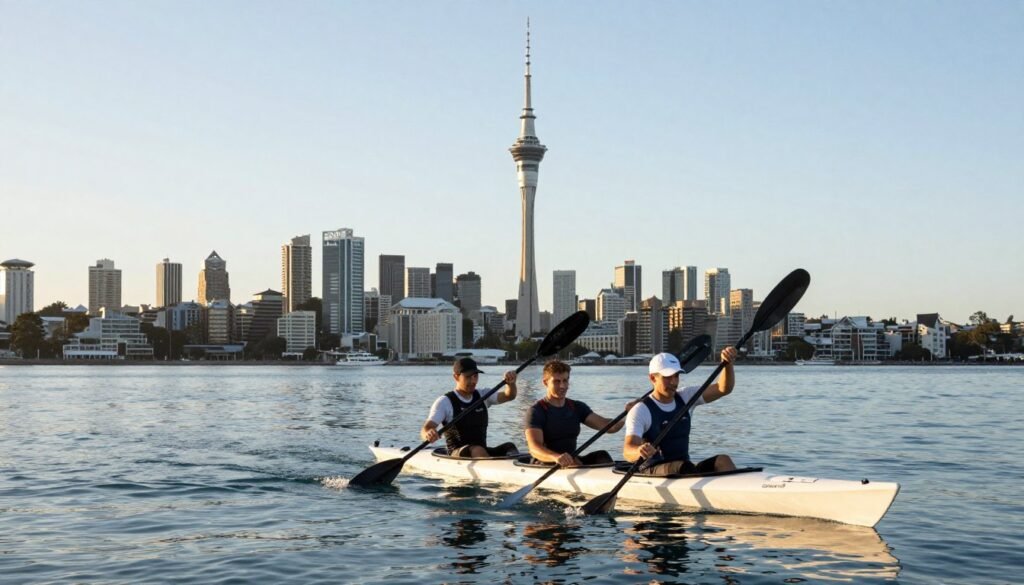
Auckland’s identity revolves around its harbors and coastline. Take every opportunity to experience the water. Ferry rides cost little more than buses while providing infinitely better views. Sailing experiences, kayak tours, and even quick harbor cruises transform your perspective.
The city earned its “City of Sails” nickname honestly. Weekend regattas fill the harbor with hundreds of sailboats. This maritime culture defines Auckland more than any building or attraction.
Venture to Neighborhoods
Downtown Auckland represents just a fraction of the city’s character. Neighborhoods like Ponsonby, Parnell, Mount Eden, and Devonport each offer distinct personalities. Spend time wandering residential streets, discovering cafes and shops locals frequent daily.
These areas provide authentic experiences absent from tourist zones. Conversations with shopkeepers and baristas offer insights no guidebook captures. The relaxed pace lets you understand why Aucklanders love their city.
Respect Maori Culture
New Zealand’s indigenous heritage deserves thoughtful engagement. Attend cultural performances with open minds. Listen when kaumatua (elders) share knowledge. Pronounce Maori place names correctly (guides readily help with pronunciation).
Understand that some sites hold spiritual significance. Follow posted guidelines at sacred areas. This respectful approach enriches your understanding while honoring living traditions.
Plan for Spontaneity
Over-scheduling prevents serendipitous discoveries that often become trip highlights. Leave gaps in daily plans. Accept local recommendations for restaurants and activities. Some of Auckland’s best experiences happen when you abandon rigid itineraries.
“Auckland’s magic reveals itself slowly to patient observers. The city doesn’t shout for attention like some destinations. Instead, it quietly offers extraordinary natural beauty, genuine cultural depth, and warm hospitality to those willing to explore beyond the obvious.”
How many days should I spend in Auckland?
Three to four days covers city highlights including Sky Tower, harbor areas, and one island visit. Five to seven days allows thorough exploration plus day trips to Hobbiton, Rotorua, or Coromandel Peninsula. Consider Auckland as a base for exploring the wider North Island region if you have more time available.
Do I need a car in Auckland?
Not for central city exploration. Public transport, ferries, and walking cover most attractions efficiently. However, rental cars become valuable for west coast beaches, wine regions, and day trips beyond Auckland. Consider your planned activities when deciding. Many visitors manage happily without cars by using tour companies for outlying destinations.
Is Auckland expensive for tourists?
Auckland costs more than many Asian destinations but less than Sydney or London. Accommodation and dining represent largest expenses. Budget travelers manage on NZ$100-150 daily using hostels and self-catering. Mid-range travelers spend NZ$250-400 daily comfortably. Strategic planning, public transport use, and market shopping help control costs significantly.
What’s the best way to get around Auckland?
Purchase an AT HOP card immediately for discounted fares on buses, trains, and ferries. Ferries provide the most enjoyable transport for harbor crossing and island visits. Link buses circle the city center efficiently. Walking works well for downtown areas. Rideshares (Uber, Ola) fill gaps when public transport proves inconvenient.
Can I visit Auckland year-round?
Yes, Auckland offers year-round appeal. Summer (December-February) brings warmest weather and peak tourist season. Autumn (March-May) provides excellent conditions with fewer crowds. Winter (June-August) sees lower prices and indoor attractions shine despite cooler, wetter weather. Spring (September-November) offers blooming gardens and improving weather. Choose based on your weather preferences and crowd tolerance.
Ready to Experience Auckland in 2026?
Let our Auckland specialists create your perfect itinerary. Get personalized recommendations, insider tips, and booking assistance for accommodations, tours, and activities. Free consultation service for travelers planning 2026 visits.
Your Auckland Adventure Begins
Auckland offers travelers a remarkable combination rarely found in single destinations. World-class urban amenities exist minutes from pristine wilderness. Ancient Polynesian traditions thrive alongside contemporary creativity. Volcanic islands dot harbors where international vessels anchor.
The city’s greatest strength lies in its accessibility. You don’t need extreme fitness for outdoor adventures. Cultural experiences welcome curious visitors regardless of background. Neighborhoods feel safe for independent exploration. This approachability makes Auckland ideal for first-time New Zealand visitors and experienced travelers alike.
Your 2026 journey promises discoveries that extend beyond typical tourist experiences. Morning vineyard tastings on Waiheke Island. Afternoon hikes up volcanic cones. Evening harbor sunsets painting the sky behind the Sky Tower. Each day brings new opportunities for adventure and relaxation.
Start planning today. Research accommodation options in neighborhoods matching your style. Book popular activities and tours to secure preferred dates. Download essential apps and prepare for New Zealand’s unique left-side driving if renting cars.
The people of Auckland await your arrival with genuine Kiwi hospitality. The islands beckon with promises of wine and wilderness. The culture invites meaningful engagement and learning. Your Auckland story waits to be written across these volcanic hills and sparkling harbors.
Pack your sense of adventure alongside your camera. Bring curiosity about different cultures and openness to new experiences. Leave room in your itinerary for spontaneous discoveries and unexpected delights. Auckland rewards flexible travelers who embrace opportunities as they arise.
Welcome to Auckland, where city sophistication meets natural splendor. Your 2026 New Zealand adventure starts here, in this harbor city that captures everything special about Aotearoa. The journey of a lifetime awaits your arrival.