

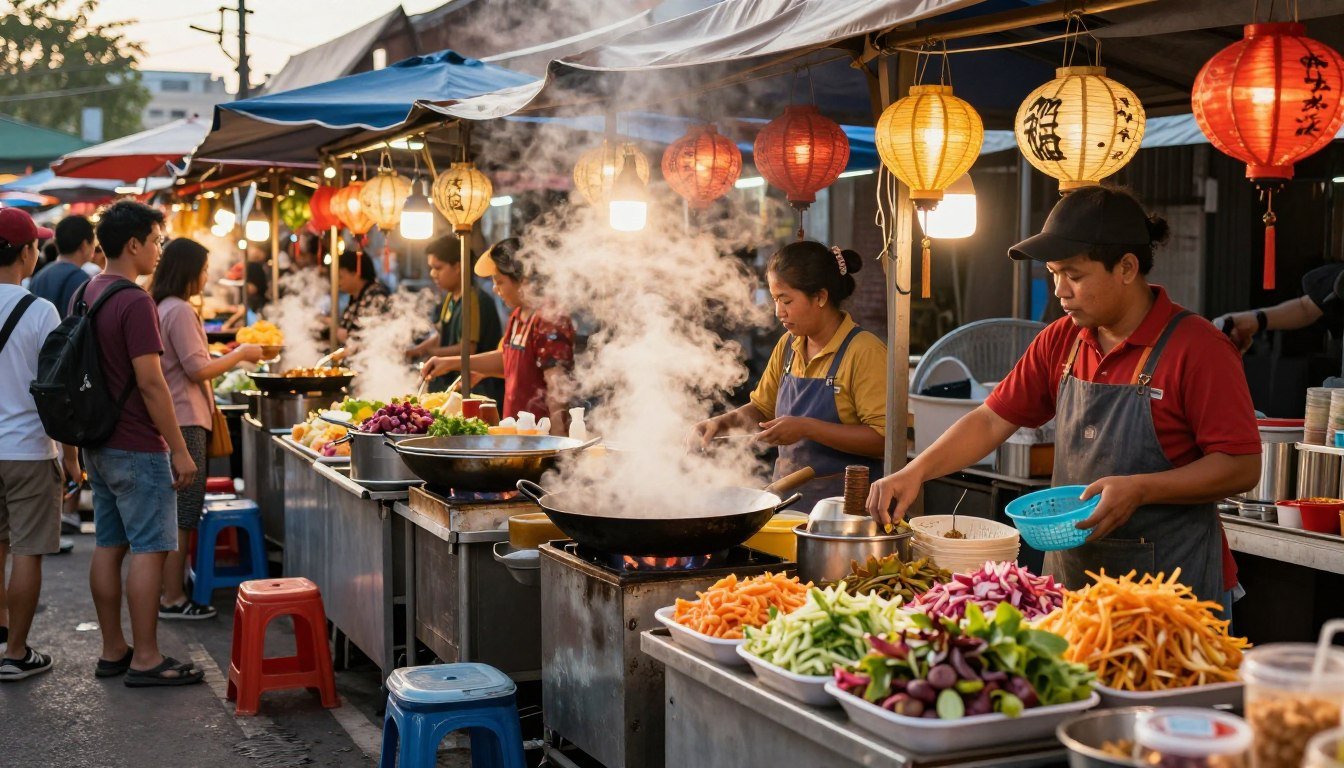
From Bangkok’s bustling night markets to Hanoi’s street food alleys, every corner reveals new taste sensations. Southeast Asian cuisine reflects centuries of cultural exchange, combining indigenous traditions with Chinese, Indian, and European influences.
This comprehensive Southeast Asia food guide will take you on a journey through the region’s most iconic dishes. Whether you’re planning your first trip or returning for another culinary adventure, 2026 promises unforgettable food experiences across Thailand, Vietnam, Indonesia, Malaysia, Singapore, and the Philippines.
Thailand: The Heart of Southeast Asian Cuisine
Thai food stands as one of the world’s most beloved cuisines. The country’s food scene balances four fundamental flavors in every dish, creating harmony that delights every palate.
Pad Thai: Thailand’s National Treasure
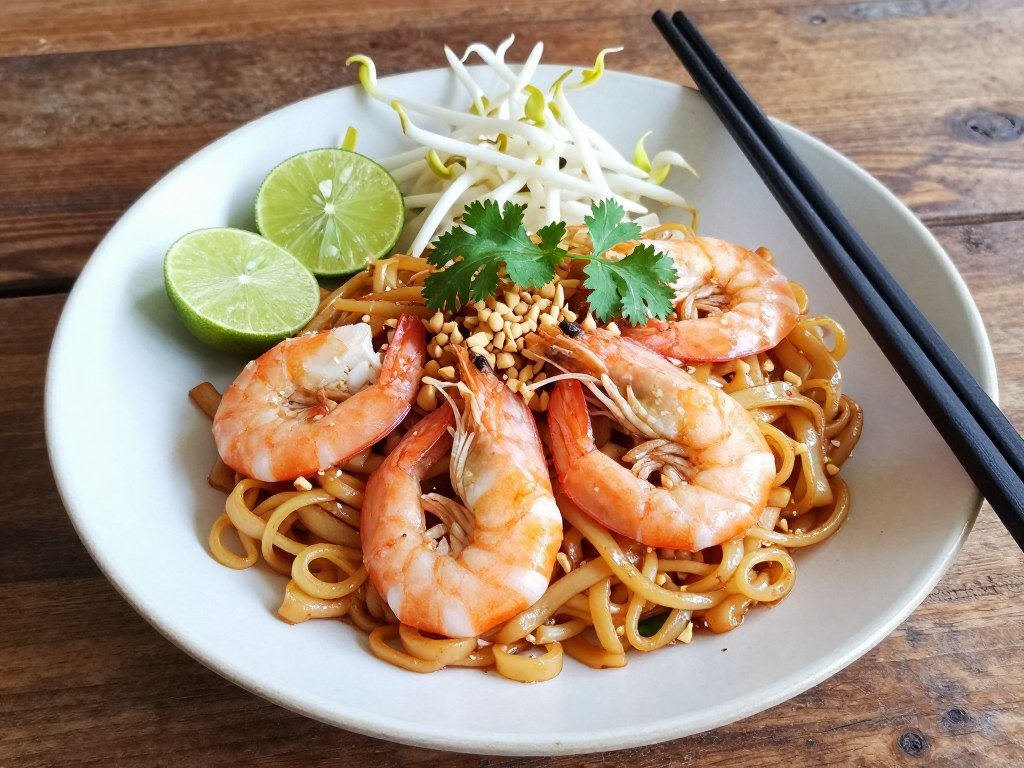
This iconic stir-fried noodle dish represents Thai cuisine on the global stage. Rice noodles dance with eggs, tofu, shrimp, and bean sprouts in a sweet-savory tamarind sauce. Crushed peanuts add crunch while lime juice provides brightness.
Bangkok’s street food vendors have perfected pad thai over generations. Visit Thip Samai in Bangkok’s Old City, where they’ve been serving this dish since 1966. The restaurant wraps their signature version in a delicate egg crepe.
Tom Yum Goong: Spicy Sour Soup Perfection
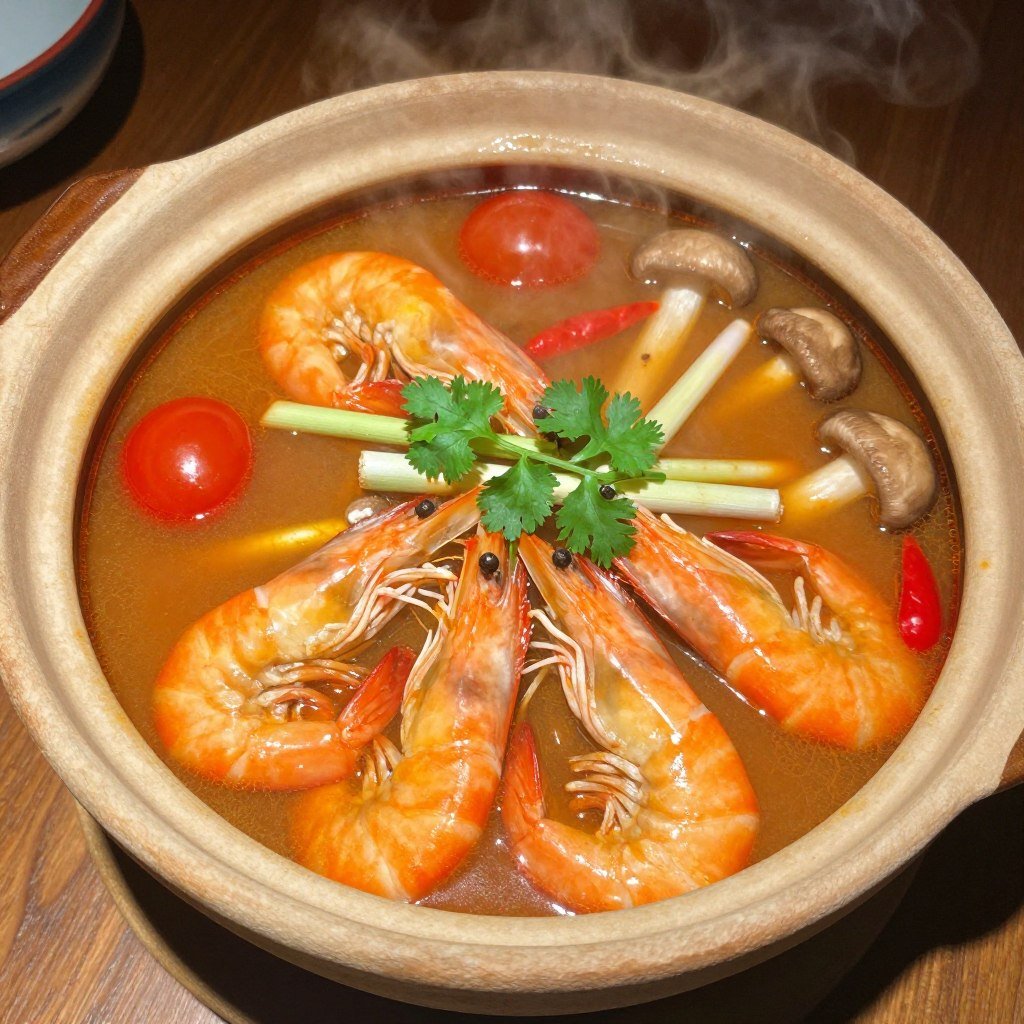
This hot and sour soup showcases Thailand’s mastery of complex flavors. Lemongrass, galangal, and kaffir lime leaves infuse the broth with citrusy aromatics. Fresh prawns swim in the tangy liquid alongside mushrooms and tomatoes.
Tom yum balances heat from Thai chilies with sourness from lime juice. Every spoonful delivers warmth and comfort. The soup appears on tables throughout Thailand, from roadside stalls to upscale restaurants.
Green Curry: Creamy Coconut Comfort
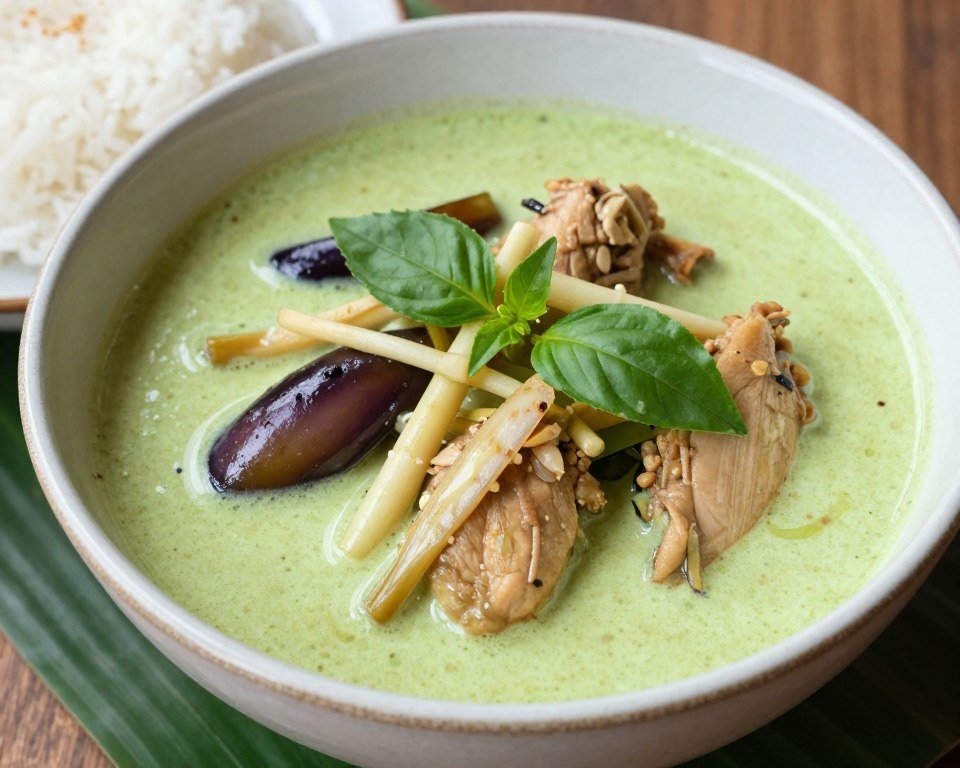
Thai green curry combines coconut milk richness with green chili heat. The curry paste blends fresh herbs, creating layers of flavor that develop with each bite. Chicken or fish simmers in the sauce alongside eggplant and Thai basil.
Chiang Mai in northern Thailand offers exceptional curry experiences. The city’s cooking schools teach visitors how to pound curry paste using traditional mortars. You’ll discover why homemade curry paste transforms this dish.
Experience Thai Food Culture
Join a Bangkok street food tour and discover hidden gems locals love. Expert guides lead you through bustling markets, explaining ingredients and cooking techniques. Taste 10-15 different dishes in one evening.
- Small group tours limited to 8 people
- Visit 5-7 authentic local vendors
- Learn Thai food etiquette and customs
- Vegetarian options available
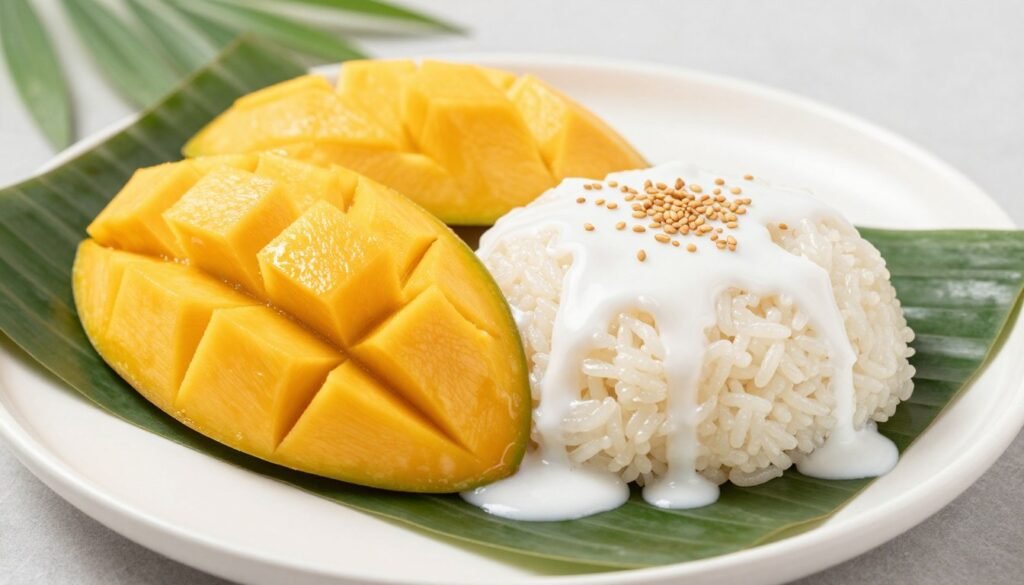
Mango Sticky Rice: Sweet Tropical Finish
This beloved Thai dessert pairs sweet mangoes with glutinous sticky rice. Coconut cream enriches the warm rice, while toasted sesame seeds add texture. The dish arrives at peak perfection during mango season from March to May.
Koh Samui’s fruit markets overflow with ripe mangoes during these months. Beach vendors serve this dessert throughout the day. The combination of warm rice and cool, juicy mango creates textural magic.
Vietnam: A Symphony of Fresh Flavors
Vietnamese cuisine emphasizes fresh herbs, light preparations, and balanced flavors. French colonial influence merges with ancient traditions, creating a unique food culture across the country.
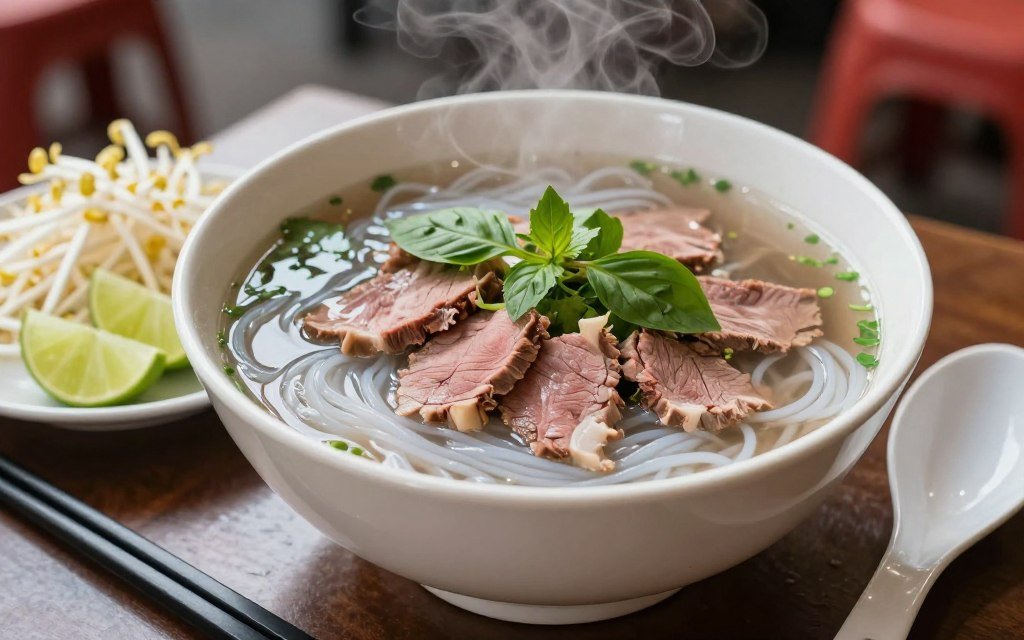
Pho: Vietnam’s Morning Ritual
This aromatic noodle soup defines Vietnamese food culture. Beef or chicken broth simmers for hours with star anise, cinnamon, and ginger. Flat rice noodles provide the foundation while fresh herbs offer brightness.
Hanoi’s Old Quarter serves the most traditional pho. Vendors specialize in either pho bo (beef) or pho ga (chicken). Morning crowds gather on tiny plastic stools, slurping steaming bowls before starting their day.
Banh Mi: The Perfect Sandwich
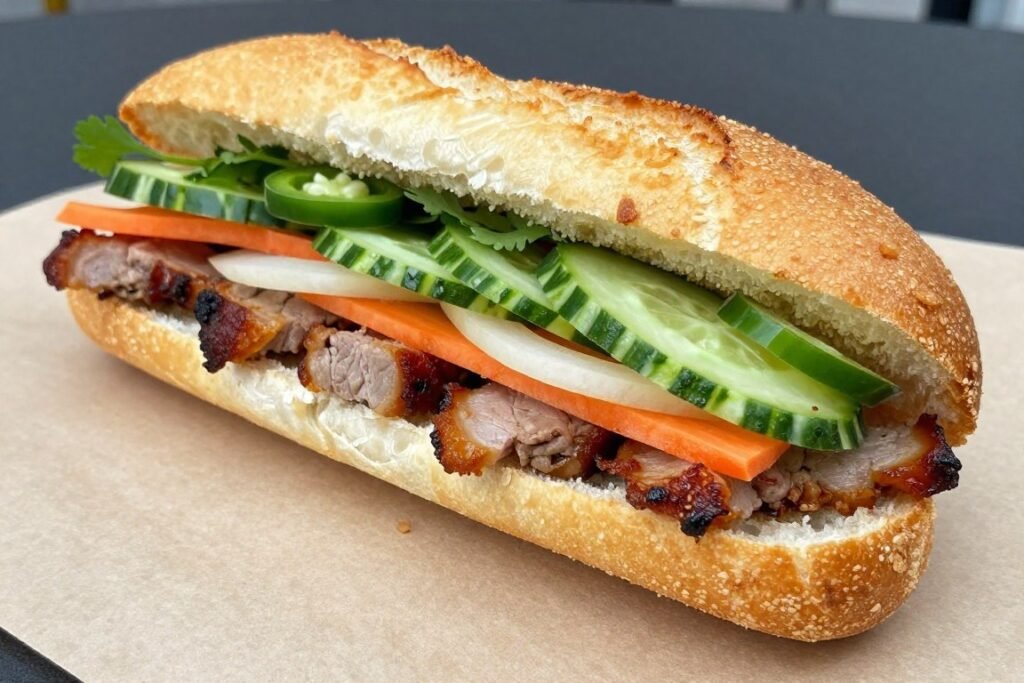
French baguettes meet Vietnamese ingredients in this legendary sandwich. Crispy bread holds grilled pork, pate, pickled vegetables, cilantro, and chilies. Each bite delivers crunch, creaminess, tang, and heat.
Hoi An’s banh mi stands have achieved worldwide fame. Banh Mi Phuong gained celebrity after Anthony Bourdain’s visit. The UNESCO World Heritage town offers dozens of variations, from traditional to creative fusion versions.
Bun Cha: Hanoi’s Signature Dish
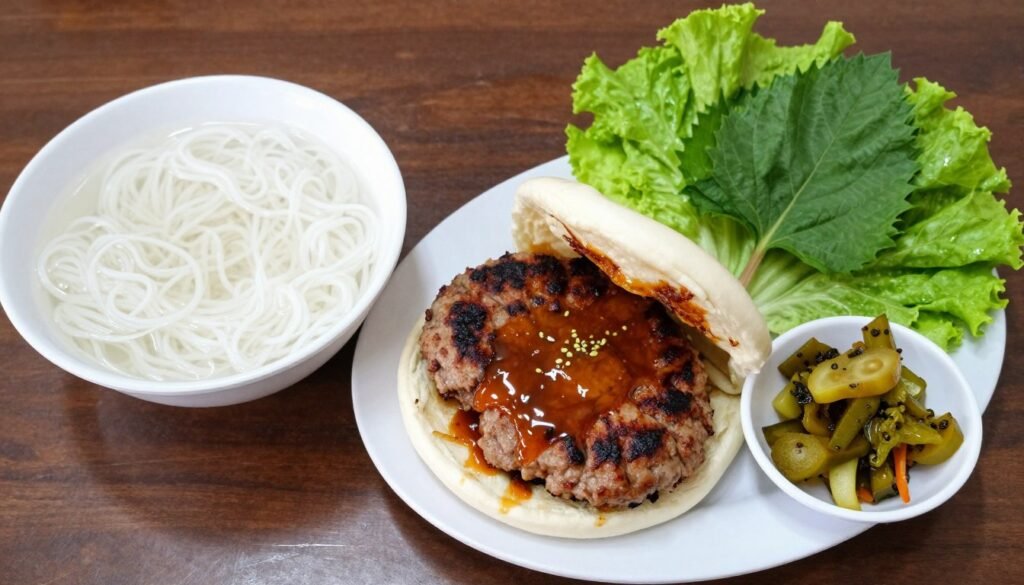
Grilled pork patties sizzle over charcoal before landing in nuoc cham dipping sauce. Rice noodles, herbs, and vegetables accompany this Hanoi specialty. Former President Obama famously enjoyed bun cha with Anthony Bourdain in 2016.
The dish showcases Vietnamese cooking’s interactive nature. Diners build each bite themselves, combining noodles, meat, and herbs. This hands-on approach makes every meal a personal experience.
Indonesia: Islands of Spice and Flavor
Indonesia’s 17,000 islands each contribute unique dishes to the national cuisine. Spices drive the flavor profiles, reflecting the country’s history as the legendary Spice Islands.
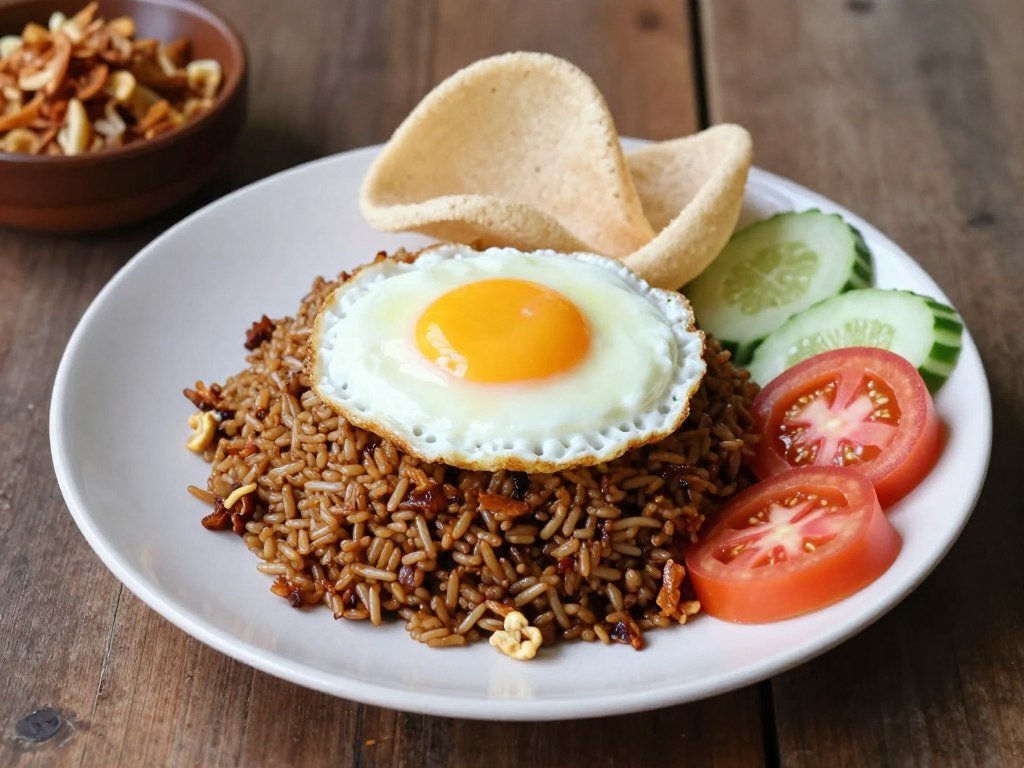
Nasi Goreng: Indonesian Fried Rice
This beloved fried rice dish appears on tables throughout Indonesia. Sweet soy sauce (kecap manis) gives the rice its distinctive caramel color and sweetness. A fried egg crowns the dish while prawn crackers add crunch.
Street vendors cook nasi goreng over blazing wok burners throughout the night. The dish serves as both comfort food and hangover cure. Each region adds local ingredients, creating countless variations.
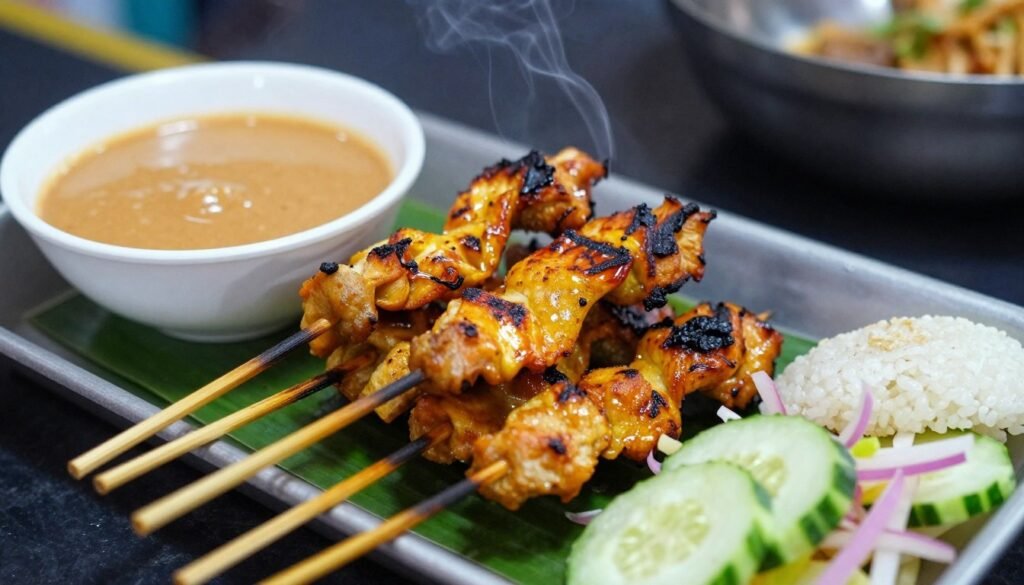
Satay: Grilled Perfection on Sticks
Marinated meat skewers grill over coconut shell charcoal, developing smoky char. Peanut sauce provides rich, nutty contrast to the charred meat. Chicken, beef, lamb, or goat all work beautifully for satay.
Bali offers exceptional satay experiences across the island. Night markets in Ubud and Seminyak showcase various satay styles. The ritual of grilling and eating satay brings people together across Indonesian culture.
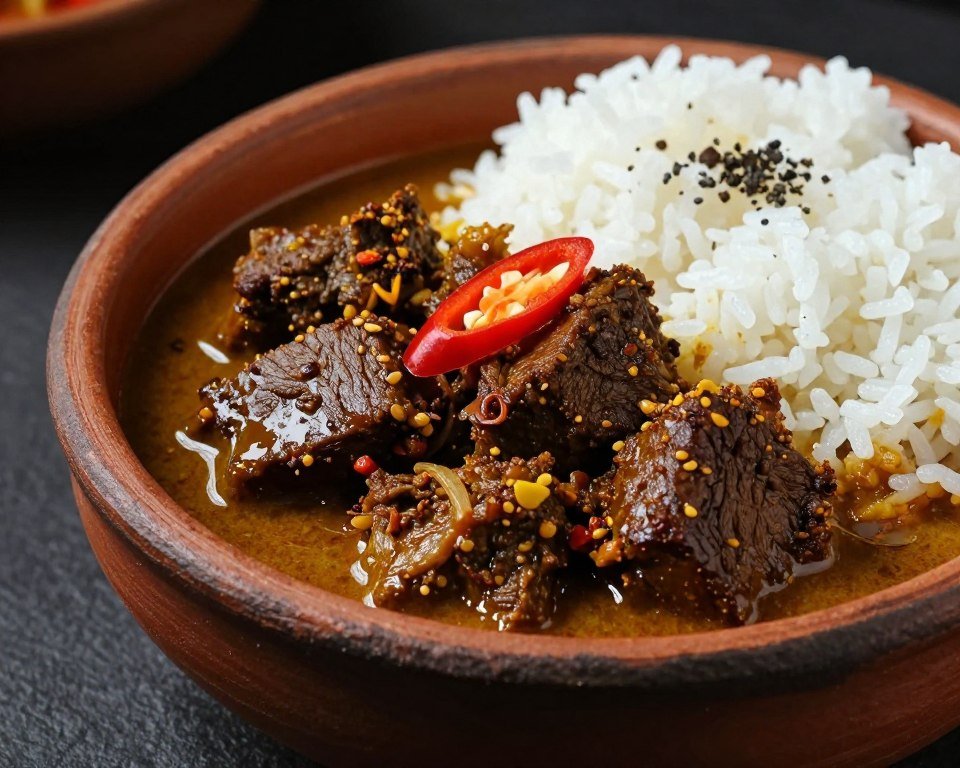
Rendang: The World’s Most Delicious Dish
This slow-cooked beef curry earned the title “World’s Most Delicious Food” in a CNN poll. Coconut milk and spices simmer with beef for hours until the sauce reduces to coat each piece. The resulting dish delivers intense, complex flavors.
West Sumatra claims rendang as their traditional dish. The Minangkabau people developed this cooking method to preserve meat before refrigeration. Proper rendang takes six hours of patient stirring and attention.
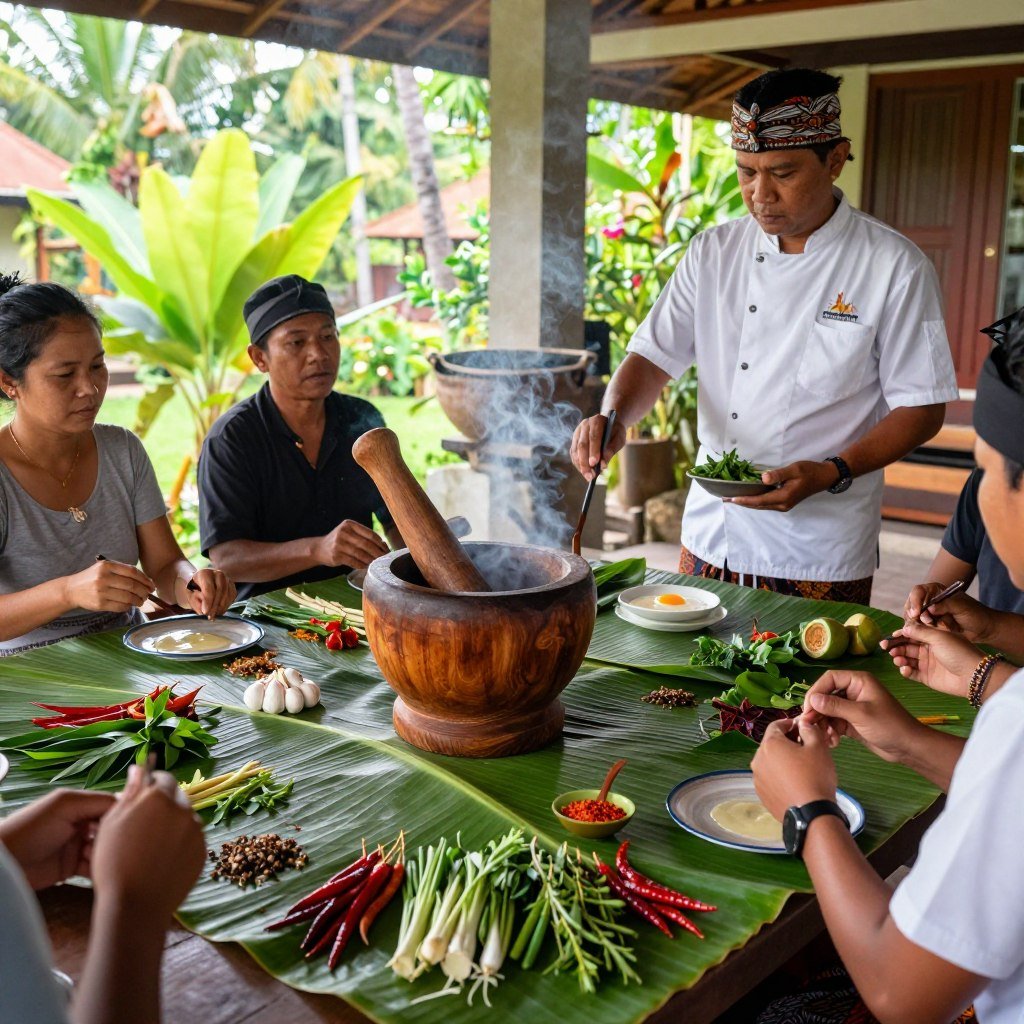
Bali Cooking Class Experience
Learn to prepare authentic Indonesian dishes in a traditional Balinese kitchen. Visit local markets, select fresh ingredients, and master techniques passed through generations.
Malaysia and Singapore: Multicultural Food Havens
These neighboring nations showcase how Chinese, Malay, Indian, and European cuisines blend into unique fusion dishes. Hawker centers serve as the heart of food culture in both countries.
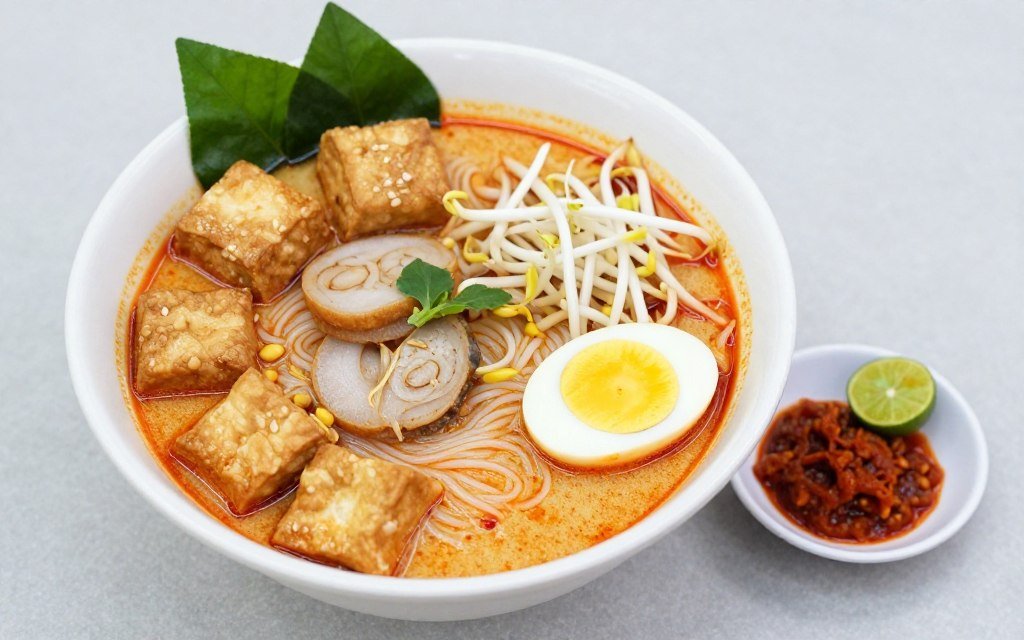
Laksa: Spicy Coconut Noodle Soup
This rich, spicy noodle soup comes in many regional varieties. Kuala Lumpur’s curry laksa combines coconut milk with curry spices. Singapore’s laksa adds tamarind for extra tanginess. Both versions feature thick rice noodles and generous toppings.
Penang serves asam laksa, a sour fish-based version. Each style reflects local preferences and available ingredients. The dish demonstrates Southeast Asian cuisine’s regional diversity within single countries.
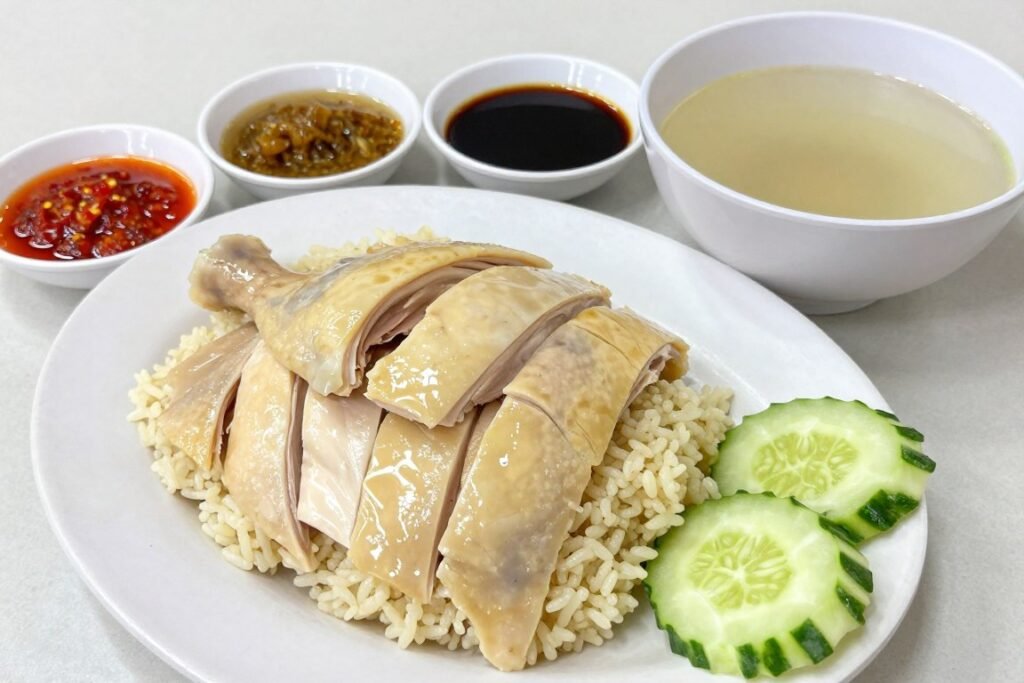
Hainanese Chicken Rice: Simple Perfection
Singapore’s national dish showcases how simplicity creates excellence. Poached chicken achieves silky texture while rice cooks in chicken fat and stock. Three sauces accompany the dish: chili, ginger, and dark soy.
Hawker centers across Singapore compete to serve the best chicken rice. Tian Tian Hainanese Chicken Rice in Maxwell Food Centre draws long queues. The dish proves that perfect execution of basic ingredients beats elaborate preparations.
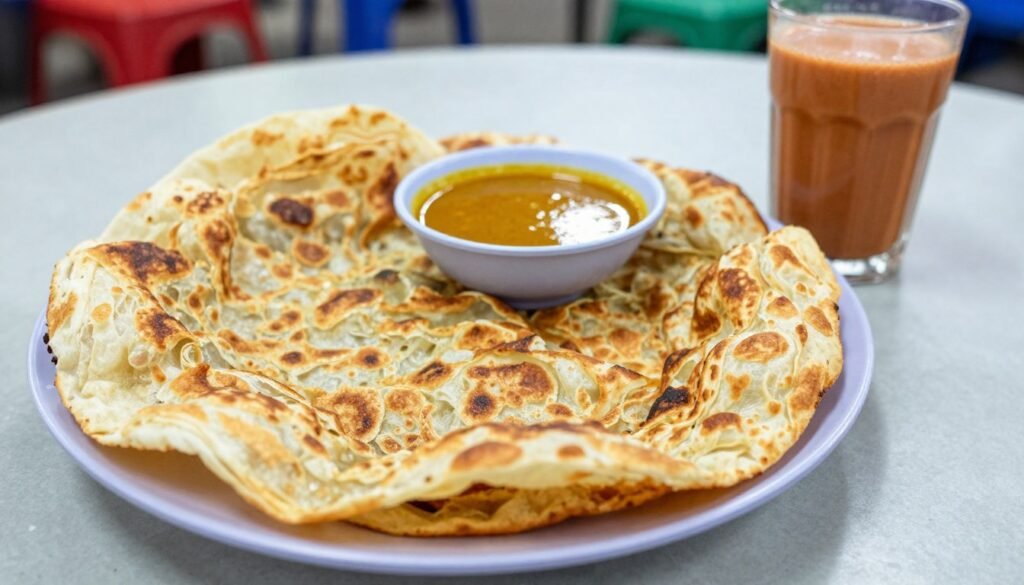
Roti Canai: Flaky Breakfast Flatbread
Malaysian mornings begin with this flaky, layered flatbread. Skilled cooks spin and flip the dough until paper-thin before folding and grilling. The bread arrives crispy outside and soft inside, perfect for dipping in curry.
Indian Muslim communities brought this bread to Malaysia, where it evolved into a national breakfast staple. Mamak stalls serve roti canai 24 hours daily in Kuala Lumpur. Watch the theatrical preparation before enjoying your meal.
Philippines: Bold and Flavorful Island Cuisine
Filipino food combines indigenous traditions with Spanish, Chinese, and American influences. The cuisine features bold flavors, creative use of ingredients, and dishes designed for sharing.
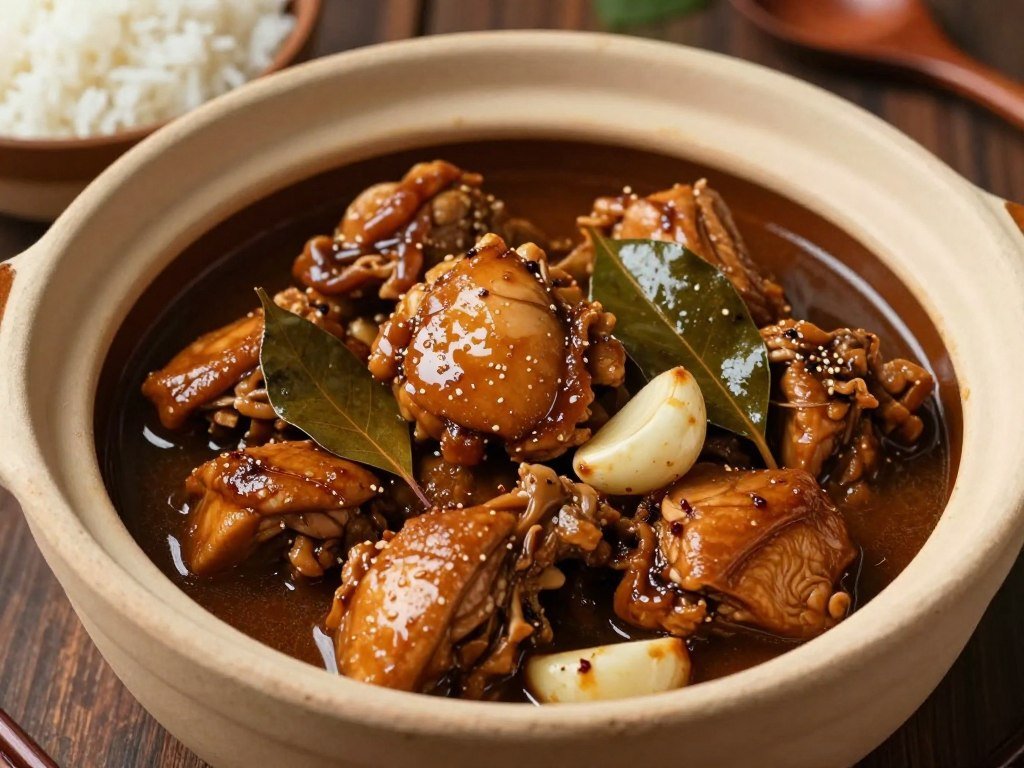
Adobo: The Philippines’ Signature Dish
This national dish marinates meat in vinegar, soy sauce, garlic, and bay leaves before slow cooking. Chicken or pork becomes tender and deeply flavorful. Every Filipino family has their own adobo recipe with slight variations.
The vinegar-based cooking method originally preserved meat in tropical heat. Today, adobo appears on tables daily across the Philippines. The dish represents home cooking and family traditions.
Sinigang: Sour Soup Comfort
Tamarind gives this soup its characteristic sourness. Pork ribs, shrimp, or fish simmer with vegetables in the tangy broth. The soup provides comfort during rainy season and hot days alike.
Every region adds local vegetables and proteins to sinigang. Manila’s sinigang tends toward pork while coastal areas prefer seafood versions. The soup’s sour flavor profile distinguishes Filipino cuisine from neighbors.
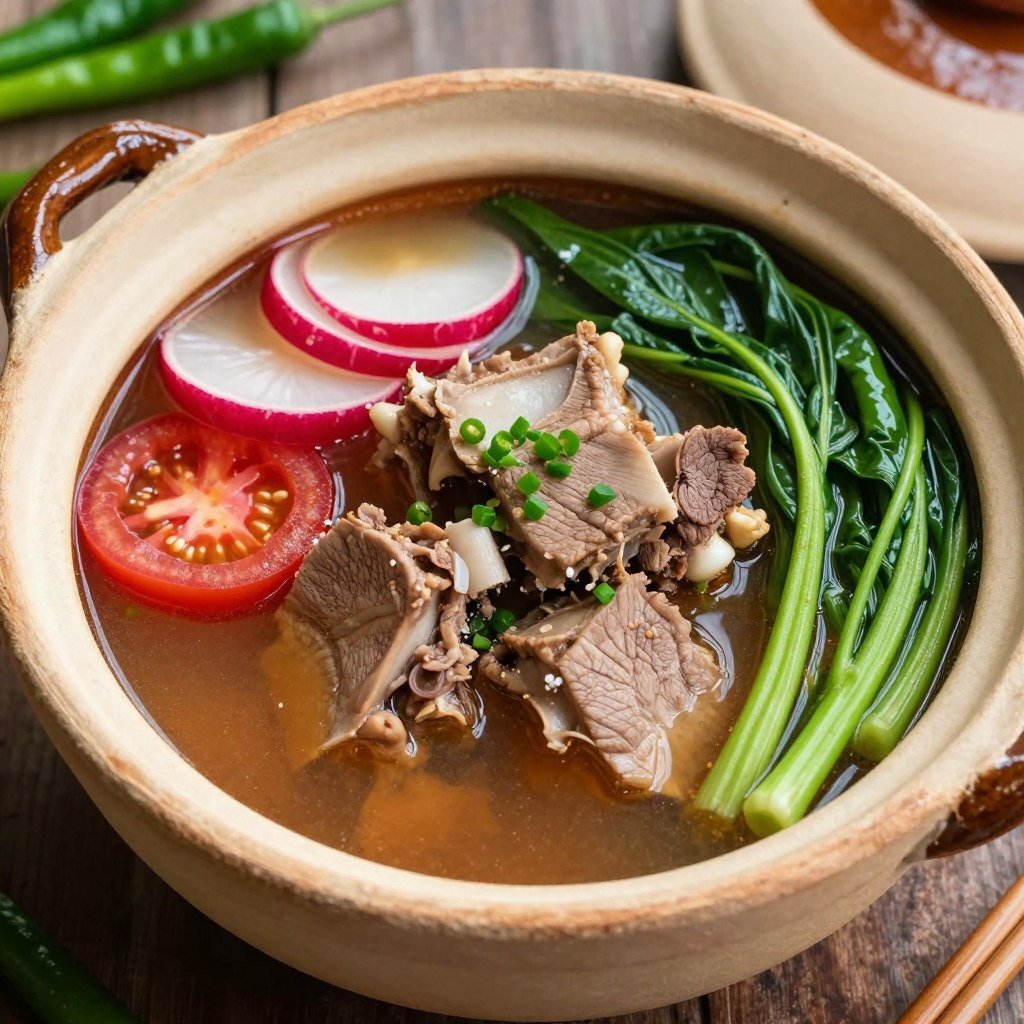
Lechon: Celebration Centerpiece
Whole roasted pig serves as the centerpiece for Filipino celebrations. The pig roasts for hours over charcoal until the skin achieves perfect crispiness. Inside, the meat stays moist and flavorful from aromatics stuffed in the cavity.
Cebu claims the Philippines’ best lechon. The city’s lechon vendors have perfected the balance of crispy skin and juicy meat. Lechon appears at weddings, birthdays, and festivals throughout the country.
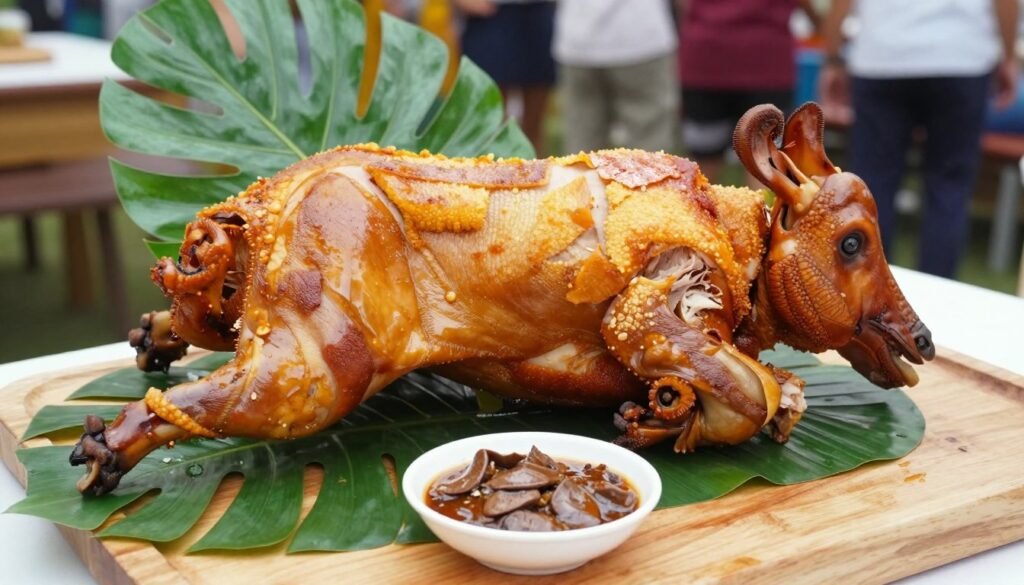
Planning Your Southeast Asia Food Journey in 2026
Successful food travel requires planning around seasons, logistics, and cultural considerations. This guide helps you maximize your culinary adventure across Southeast Asia.
Best Times for Food Tourism
Southeast Asia’s tropical climate influences food availability and travel comfort. The dry season from November to March offers the best conditions for most countries. Street food flourishes during cooler evenings when crowds emerge to eat.
Thailand’s mango season peaks from March to May, making spring ideal for fruit lovers. Vietnam’s cooler months from October to December provide comfortable weather for walking food tours. Indonesia’s dry season from April to October suits island hopping and beach dining.
Peak Food Seasons
These months offer the best culinary experiences across different countries in Southeast Asia.
- Thailand: November to February for cool weather markets
- Vietnam: September to November for harvest festivals
- Indonesia: May to September for beach barbecues
- Malaysia: Year-round with monsoon breaks
Festival Food Events
Special celebrations bring unique dishes and cooking traditions to life throughout the year.
- Songkran (April): Thai New Year water festival foods
- Tet (January-February): Vietnamese New Year feasts
- Ramadan (varies): Malaysian and Indonesian breaking fast meals
- Lechon festivals (varies): Philippine celebration roasts
Weather Considerations
Climate affects both travel comfort and food availability across the region.
- Avoid monsoon seasons for outdoor dining
- Hot season means fewer crowds at street stalls
- Rainy season brings soup and noodle popularity
- Cool season offers the most pleasant eating conditions
Booking Timeline
Advance planning ensures you secure the best food experiences during your 2026 trip.
- Book cooking classes 2-3 months ahead
- Reserve popular restaurants 1-2 weeks early
- Food tours can be booked 1-4 weeks in advance
- Street food requires no reservations
Getting Around Food Destinations
Transportation shapes your food adventure’s success. Budget airlines connect major Southeast Asian cities affordably. Bangkok, Singapore, and Kuala Lumpur serve as regional hubs with frequent flights.
Within cities, ride-sharing apps like Grab operate across most Southeast Asian countries. Tuk-tuks and motorcycle taxis offer authentic local transport for short distances. Many food tours include transportation, removing logistical stress.
Interactive map showing major food destinations across Southeast Asia including Bangkok, Hanoi, Singapore, Kuala Lumpur, and Manila
Transportation Between Countries
Budget airlines dominate regional travel. AirAsia, VietJet, and Scoot offer frequent flights between capitals. Book several months ahead for the best prices, especially during peak season.
Overland travel provides cultural immersion between nearby countries. Buses connect Bangkok to Siem Reap and Hanoi to Luang Prabang. Trains run from Bangkok to Kuala Lumpur and Singapore. These slower journeys reveal countryside life and regional food variations.
Bangkok to Chiang Mai
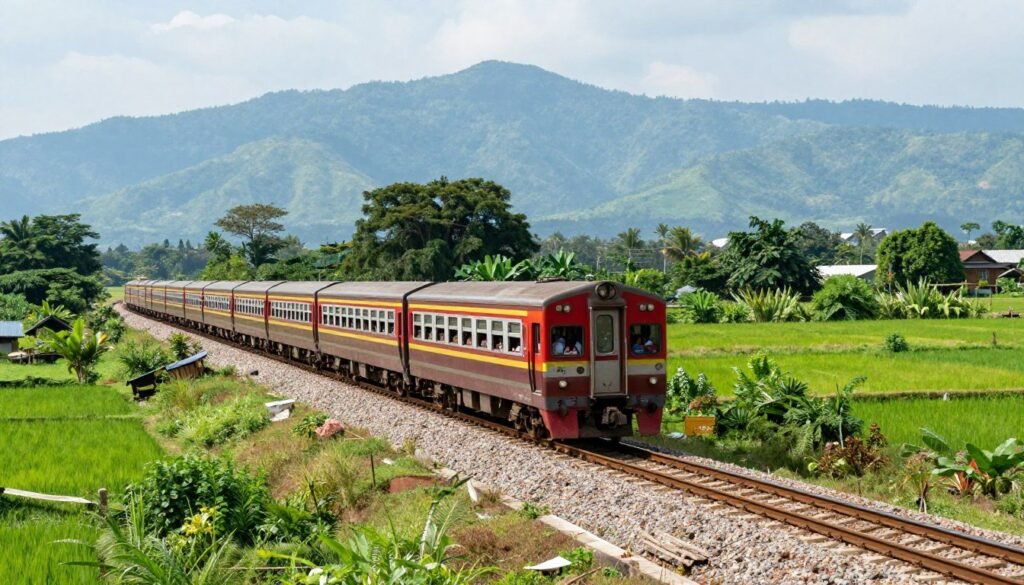
Overnight trains provide comfortable sleeper berths between Thailand’s food capitals. The journey takes 12-14 hours, arriving in time for breakfast at Chiang Mai’s morning markets.
Singapore to Kuala Lumpur

Luxury buses run every hour between these cities. The five-hour journey costs less than flights while offering countryside views and comfortable seating.
Island Hopping Indonesia

Ferries connect Bali, Lombok, and the Gili Islands. Fast boats take 1.5-3 hours while traditional ferries offer budget options with local atmosphere.
Food Etiquette and Cultural Tips
Understanding local customs enhances your dining experiences. Remove shoes before entering homes and some traditional restaurants. In Thailand and Indonesia, pointing feet toward people or food shows disrespect.
Chopsticks serve different purposes across countries. Vietnam uses them for noodle soups. Thailand prefers spoons and forks for most dishes. Hands are acceptable for certain Malaysian and Indonesian foods. Follow local diners’ lead when unsure.
Essential Food Travel Etiquette
- Always taste before adding condiments or sauces
- Finish everything on your plate in most countries except Thailand
- Use serving spoons for shared dishes, never your personal utensils
- Wait for elders to eat first in formal settings
- Compliment the cook, but don’t over-praise as it may seem insincere
- Cash remains king at street stalls and small eateries
Street Food Safety Guidelines
Street food provides authentic experiences and amazing flavors. Choose vendors with long queues of locals. High turnover means fresh ingredients and quick cooking. Watch food preparation to ensure proper handling.
Cooked-to-order dishes pose less risk than pre-cooked items sitting out. Avoid raw vegetables unless you can peel them yourself. Bottled water stays safer than ice in questionable establishments. Most travelers experience no issues following these basic precautions.
Stay Healthy While Eating Your Way Through Southeast Asia
Smart precautions keep your food adventure on track without missing authentic experiences.
- Carry hand sanitizer and use it before eating
- Start with small portions of unfamiliar foods
- Pack probiotics to support digestion
- Stay hydrated in tropical heat
- Know your accommodation’s nearest pharmacy
- Purchase travel insurance covering medical needs
Learn From Local Experts: Cooking Classes Across Southeast Asia
Cooking classes transform travelers into confident home cooks. These experiences start with market visits where instructors explain ingredient selection. Classes typically cover 3-5 dishes you’ll eat for lunch.
Small class sizes ensure personal attention. Most schools accommodate dietary restrictions and preferences. You’ll take home recipes and techniques to recreate these dishes for years to come.
Bangkok Cooking Classes
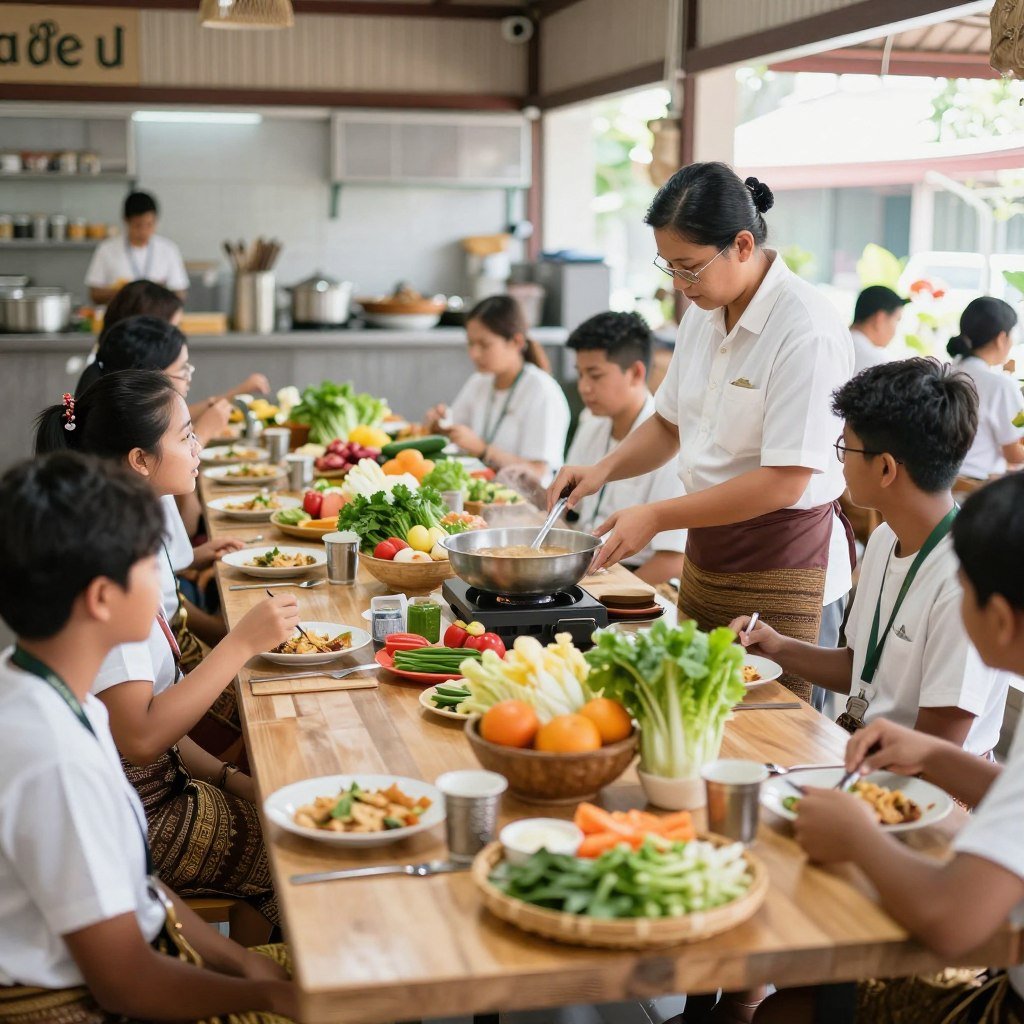
Bangkok’s cooking schools range from home-style experiences to professional facilities. Morning market tours reveal ingredient secrets before hands-on cooking.
- Morning market visits included
- Learn 5-6 classic Thai dishes
- Small groups of 6-10 students
- Recipe books provided
Balinese Home Cooking
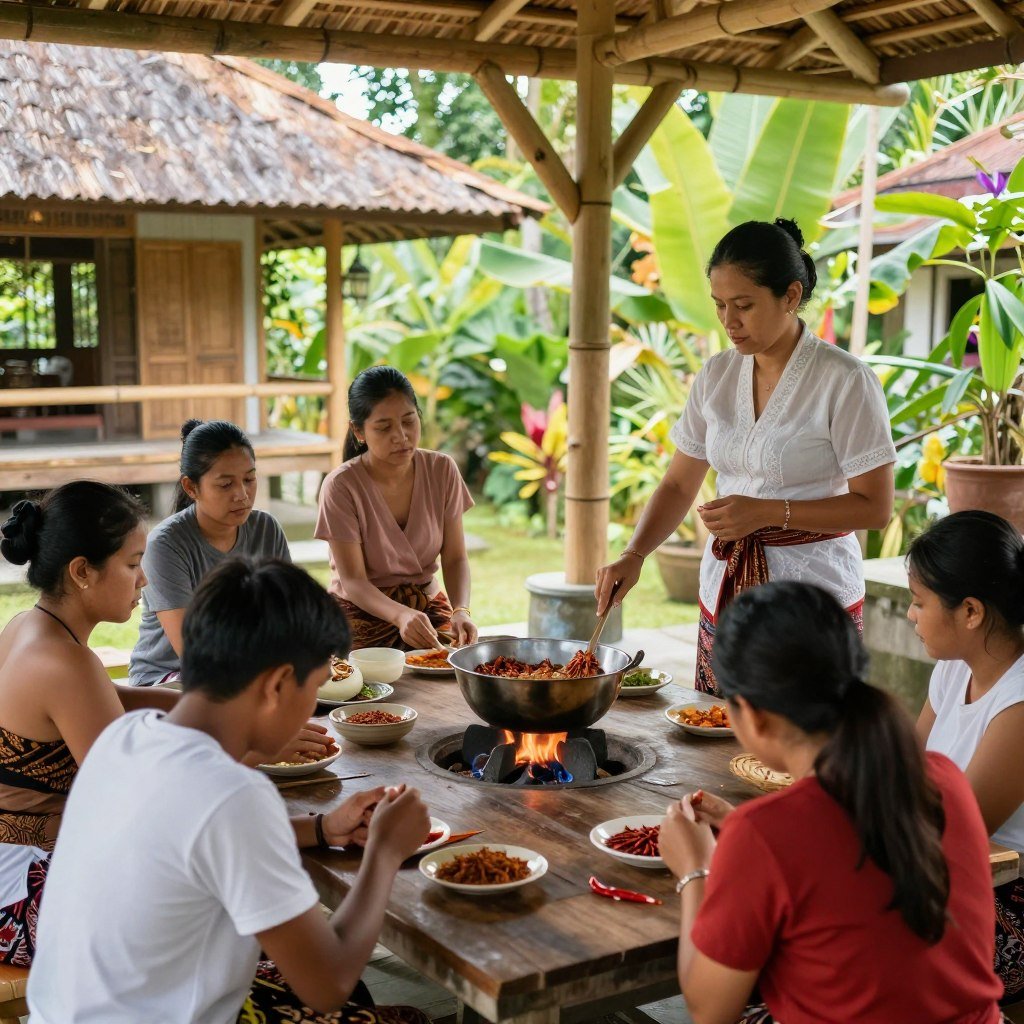
Bali offers intimate cooking experiences in family compounds. Learn to make offerings before cooking, connecting food with spiritual practice.
- Traditional compound settings
- Spice paste grinding techniques
- Cultural ceremony participation
- Organic ingredient focus
Vietnamese Street Food
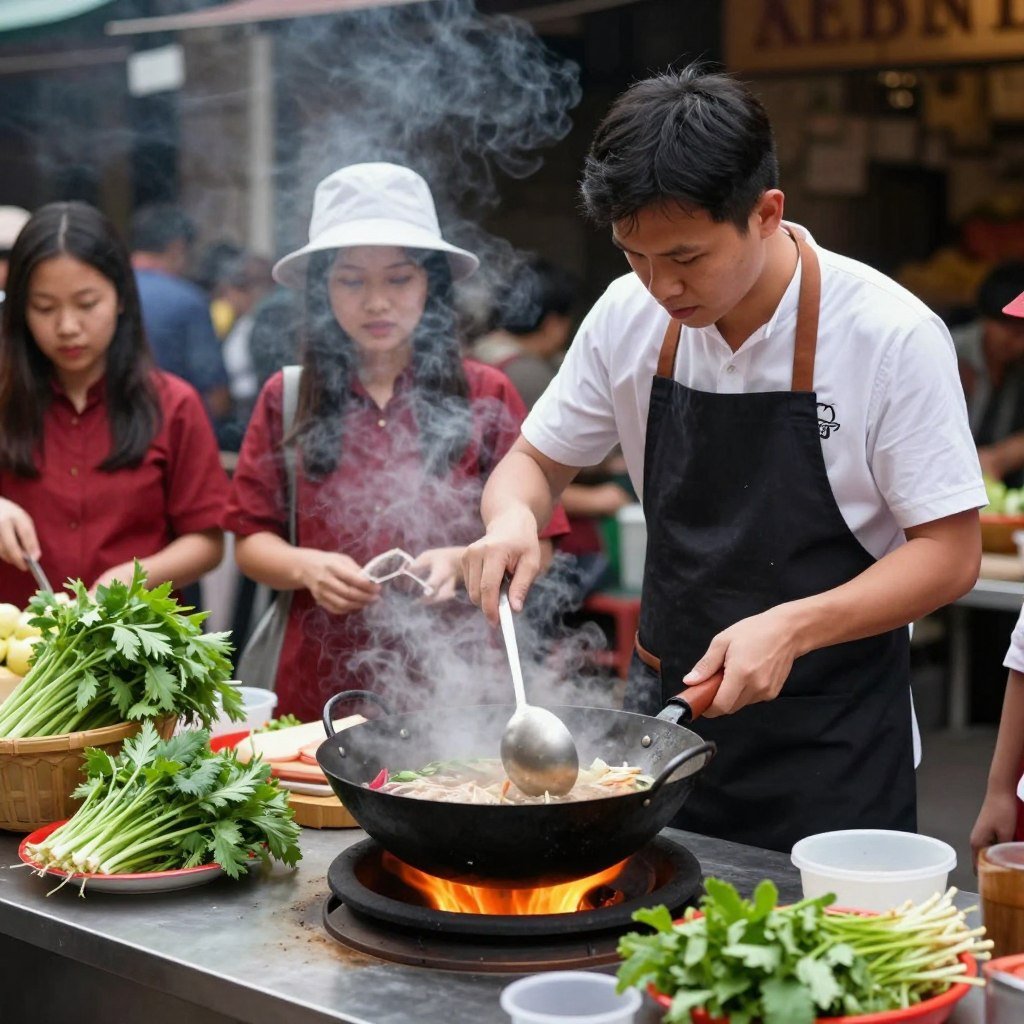
Hanoi and Ho Chi Minh City classes focus on street food favorites. Master pho broth, fresh spring rolls, and banh mi assembly.
- Street food specialization
- Old Quarter market tours
- Noodle making from scratch
- Vegetarian options available
Curated Food Tours for 2026
Professional food tours maximize your eating efficiency while providing cultural context. Expert guides know the best vendors, seasonal specialties, and hidden gems tourists miss. Tours handle language barriers and ordering complexity.
Evening tours capture street food at its peak. Morning tours showcase market life and breakfast traditions. Multi-day tours combine food with cultural sites, creating comprehensive experiences.
Southeast Asia Food Tour Collection
Our 2026 food tour collection features carefully selected experiences led by passionate local guides. Each tour emphasizes authentic tastings, cultural insights, and small group dynamics. Early booking secures preferred dates during peak season.
Where to Stay for Food Lovers
Strategic accommodation choices put you near the best food scenes. Old Quarter locations in Bangkok, Hanoi, and Penang place you steps from street food action. Beach destinations like Koh Samui balance resort relaxation with local restaurant access.
Consider neighborhoods carefully. Tourist areas offer convenience but less authentic experiences. Residential areas require more navigation but reward you with local prices and genuine culture. Many recommended hotels below offer both comfort and food scene proximity.
Bangkok Food District Hotels
- Old City near street food lanes
- Sukhumvit for modern dining
- Chinatown for late-night eats
- Riverside for upscale options
- Walking distance to markets
Vietnam Central Locations
- Hanoi Old Quarter proximity
- Hoi An Ancient Town access
- Saigon District 1 convenience
- Walking food tour meeting points
- Near morning pho vendors
Island and Beach Stays
- Bali Ubud for cooking classes
- Koh Samui beach barbecues
- Penang Georgetown hawkers
- Balance resort comfort and local food
- Transportation to food areas
Budgeting Your Food Adventure
Southeast Asia remains incredibly affordable for food travelers. Street food meals cost between one and three dollars. Mid-range restaurants serve full meals for five to fifteen dollars. High-end dining rarely exceeds fifty dollars per person.
Budget twenty to thirty dollars daily for street food and casual dining. Add another twenty to forty dollars for cooking classes or food tours. Special splurge meals at renowned restaurants require additional planning. Your total food budget depends on balance between street eats and upscale experiences.
| Experience Type | Price Range | What’s Included | Best For |
| Street Food Meals | $1-3 per dish | Single dish, sometimes drink | Budget travelers, authentic taste |
| Local Restaurants | $5-15 per meal | Multiple dishes, beverages, tax | Comfortable dining, more variety |
| Food Tours | $30-70 per tour | 8-12 tastings, guide, transport | Efficient sampling, cultural context |
| Cooking Classes | $25-60 per class | Market visit, ingredients, meal, recipes | Hands-on learning, lasting skills |
| Fine Dining | $30-80 per person | Multi-course meal, premium ingredients | Special occasions, refined cuisine |
Money-Saving Strategies
Eat where locals eat for the best value and authentic flavors. Lunch specials cost less than dinner at the same restaurants. Markets offer incredible variety at rock-bottom prices. Share dishes family-style to sample more while spending less.
Book accommodations with breakfast included to start each day fueled. Many hotels offer Southeast Asian breakfast options alongside Western choices. This saves time and money while ensuring you start exploring on a full stomach.
Pro Tips for Maximum Food Value
- Eat your biggest meal at lunch when prices drop 20-30 percent
- Follow food bloggers for current vendor recommendations
- Learn basic phrases to order like locals and get better prices
- Visit multiple markets to compare quality and pricing
- Consider food-focused accommodations like homestays with meals
- Book tours and classes directly through provider websites for better rates
Start Planning Your 2026 Southeast Asia Food Journey
The dishes, markets, and culinary traditions of Southeast Asia await your discovery. Whether you choose street food adventures, cooking class immersion, or guided tour experiences, each bite connects you to centuries of culture and tradition. The food scene across Thailand, Vietnam, Indonesia, Malaysia, Singapore, and the Philippines continues evolving while honoring ancestral recipes. Your 2026 trip offers the chance to taste these incredible flavors while creating lasting memories. Popular tours and cooking classes fill quickly during peak season. Secure your preferred dates and experiences now to ensure you don’t miss out on these transformative culinary adventures.
Speak with our Southeast Asia travel specialists
Your Culinary Adventure Awaits
Southeast Asia’s food scene offers endless discovery for curious travelers. From Bangkok’s sizzling street stalls to Singapore’s hawker centers, each destination presents unique flavors and traditions. The dishes covered in this guide represent just the beginning of your exploration.
Food connects us to place, people, and culture in ways sightseeing alone cannot achieve. Sharing meals with locals, learning family recipes in cooking classes, and navigating vibrant markets creates memories that outlast photographs. These experiences transform travelers into storytellers with tales of flavors, friendships, and adventures.
Start planning your 2026 Southeast Asia food journey today. Research flights, book accommodations near food districts, and reserve spots in popular cooking classes. The sooner you begin, the more options you’ll have during peak travel months. Your taste buds will thank you for the adventure ahead.
“Food is our common ground, a universal experience. Nowhere is this truer than in Southeast Asia, where every meal invites you into a story centuries in the making.”