

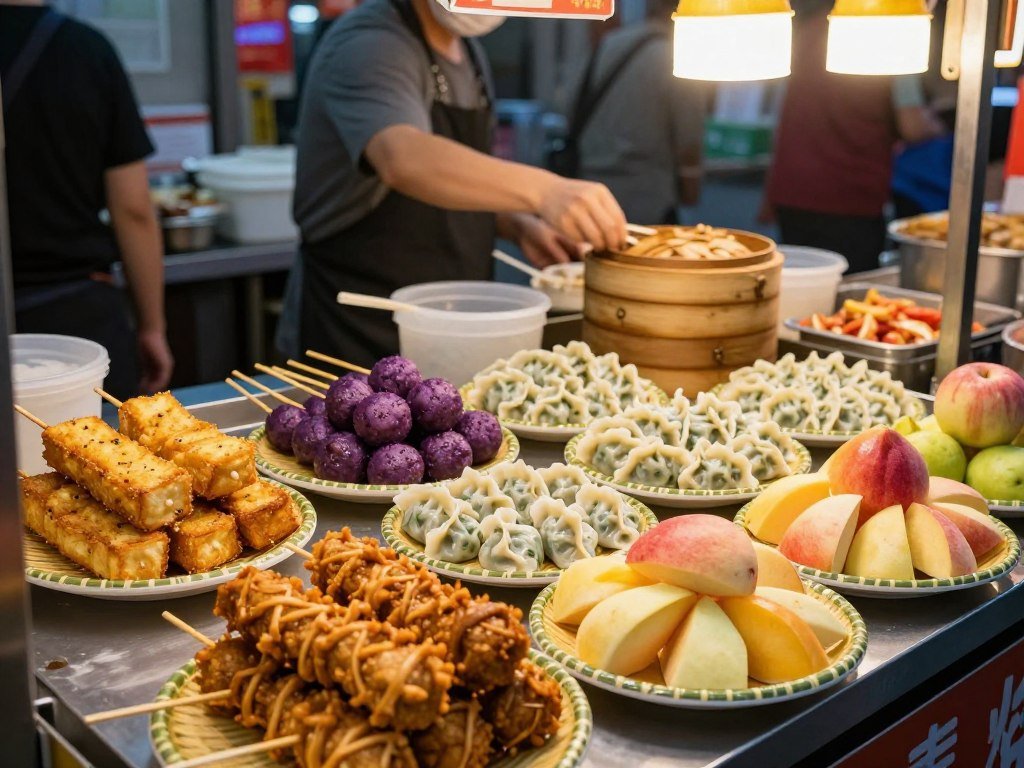
Taiwan’s night markets pulse with energy and incredible aromas. Yet if you follow vegetarian or gluten-free dietary restrictions, navigating street food stalls can feel overwhelming rather than exciting.
Hidden soy sauce appears in unexpected dishes. Wheat-based thickeners lurk in seemingly safe soups. Communication barriers make explaining dietary needs challenging when vendors speak minimal English.
This comprehensive guide eliminates that anxiety completely. You will discover which street foods are genuinely safe, learn essential Chinese phrases to communicate your restrictions, and receive downloadable flashcards for confident ordering. Taiwan’s vibrant food culture becomes accessible and enjoyable, not stressful.
Understanding Taiwan Street Food Dietary Challenges
Taiwan street food culture presents unique obstacles for restricted diets. Traditional cooking methods and ingredient combinations differ significantly from Western culinary practices. Understanding these challenges helps you navigate markets successfully.
The Hidden Ingredient Problem
Most Taiwan street food contains ingredients invisible to customers. Vendors prepare dishes using complex sauce mixtures and cooking techniques passed through generations. These traditional methods rarely account for modern dietary restrictions.
Common Hidden Animal Products
- Oyster sauce in vegetable stir-fries and noodle dishes
- Pork broth bases for supposedly vegetable soups
- Shrimp paste in dipping sauces and condiments
- Fish sauce added to rice dishes for flavor
- Lard used for cooking seemingly vegetarian items
- Chicken powder in fried rice and noodles
- Dried shrimp sprinkled on tofu dishes
- Beef tallow in traditional cooking preparations
Common Hidden Gluten Sources
- Soy sauce used in almost all savory dishes
- Wheat starch thickeners in soups and gravies
- Flour-coated fried items including vegetables
- Wheat noodles mixed with rice noodles
- Bread crumbs in vegetable fritters
- Beer batter for fried mushrooms and tofu
- Wheat-based wrappers on dumplings
- Seitan (wheat gluten) in mock meat dishes
Street food vendors often cannot provide detailed ingredient information. Family recipes passed down through generations lack formal documentation. Many vendors have never encountered gluten-free requests before.
Cross-Contamination Concerns
Night market food stalls operate in compact spaces with shared cooking equipment. Cross-contamination occurs frequently even when vendors attempt accommodation.
Critical Awareness: Severe celiac disease sufferers should exercise extreme caution with Taiwan street food. Dedicated gluten-free cooking surfaces are virtually nonexistent at traditional night market stalls. Even naturally gluten-free items may contact contaminated surfaces, oils, and utensils.
Deep fryers cook wheat-battered items alongside naturally gluten-free vegetables. The same oil fries flour-coated chicken and sweet potato balls. Gluten particles remain suspended in reused cooking oil throughout the night.
Common Prep Surfaces
Cutting boards and preparation areas handle all ingredients together. Wheat flour dust settles on surfaces where vendors prepare rice dishes. Knives used for regular bread slice vegetarian items without washing between uses.
Serving spoons move between different dishes freely. Tongs that handle meat dumplings also pick up vegetable versions. Ladles dip into multiple soup pots containing various ingredients throughout service.
Language Barrier Reality
English proficiency among traditional night market vendors remains limited. Many older vendors speak exclusively Taiwanese Hokkien or Mandarin Chinese. Younger staff at modern food courts have better English skills, but traditional street stalls present communication challenges.
Dietary restriction concepts translate imperfectly between cultures. The Chinese vegetarian tradition (素食) differs from Western vegetarianism. Buddhist vegetarian food excludes alliums (garlic, onions, leeks) along with animal products. Standard vegetarian requests may yield dishes without these flavor bases you actually want included.
Cultural Context: Taiwan has a strong Buddhist vegetarian tradition dating back centuries. However, gluten-free awareness is relatively new. Most vendors understand 素食 (vegetarian) but have minimal familiarity with gluten-free requirements. Your communication strategy must account for this knowledge gap.
Essential Chinese Phrases and Flashcards
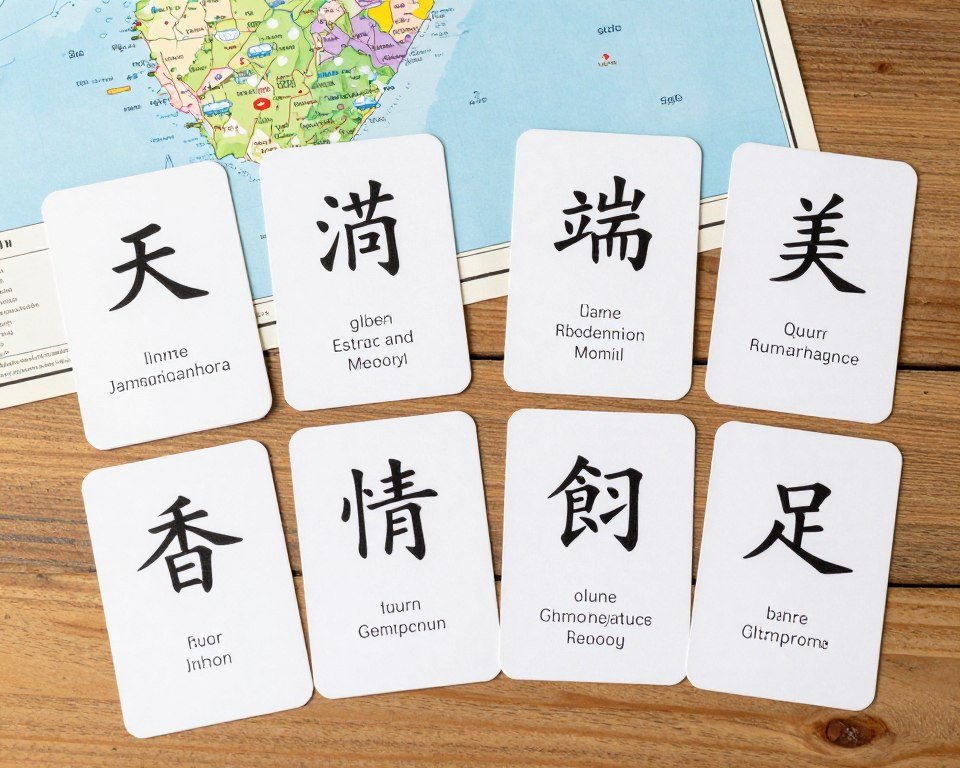
Communication forms your first line of defense against dietary mistakes. These essential phrases enable clear conversation with vendors about ingredients and preparation methods.
Core Dietary Terms
| English Phrase | Traditional Chinese | Pinyin Pronunciation | Usage Context |
| I am vegetarian | 我是素食者 | wǒ shì sù shí zhě | Initial statement to vendors |
| Buddhist vegetarian | 素食 | sù shí | Most recognized vegetarian term |
| No meat | 不要肉 | bù yào ròu | Requesting no meat in dish |
| No seafood | 不要海鮮 | bù yào hǎi xiān | Excluding fish and shellfish |
| No eggs | 不要蛋 | bù yào dàn | For vegan requirements |
| No dairy products | 不要奶製品 | bù yào nǎi zhì pǐn | Excluding milk and cream |
| No wheat flour | 不要麵粉 | bù yào miàn fěn | Primary gluten-free phrase |
| No soy sauce | 不要醬油 | bù yào jiàng yóu | Avoiding wheat-based soy sauce |
| No oyster sauce | 不要蠔油 | bù yào háo yóu | Common vegetarian concern |
| Only vegetables | 只要蔬菜 | zhǐ yào shū cài | Clarifying vegetable-only dishes |
| Is this vegetarian? | 這個是素食嗎? | zhè ge shì sù shí ma? | Verifying dish status |
| Contains gluten? | 有麵粉嗎? | yǒu miàn fěn ma? | Checking for wheat content |
Advanced Communication Phrases
Beyond basic restrictions, these phrases help you gather detailed ingredient information and request modifications.
Ingredient Questions
- 這個有什麼材料? (What ingredients are in this?) – zhè ge yǒu shén me cái liào?
- 用什麼油炸的? (What oil is this fried in?) – yòng shén me yóu zhá de?
- 湯底是什麼? (What is the soup base?) – tāng dǐ shì shén me?
- 有加高湯嗎? (Does it contain broth?) – yǒu jiā gāo tāng ma?
- 醬料裡面有什麼? (What’s in the sauce?) – jiàng liào lǐ miàn yǒu shén me?
Modification Requests
- 可以不加醬油嗎? (Can you make it without soy sauce?) – kě yǐ bù jiā jiàng yóu ma?
- 可以用鹽代替嗎? (Can you use salt instead?) – kě yǐ yòng yán dài tì ma?
- 請不要放肉 (Please don’t add meat) – qǐng bù yào fàng ròu
- 可以分開煮嗎? (Can you cook it separately?) – kě yǐ fēn kāi zhǔ ma?
- 只要清炒 (Just stir-fry plainly) – zhǐ yào qīng chǎo
Download Your Free Printable Flashcard Set
Get instant access to laminated-ready flashcards featuring all essential phrases in large, clear Traditional Chinese characters. Includes pronunciation guide and cultural usage tips. Perfect for showing vendors at night markets.
Allium Clarification
Buddhist vegetarian food (素食) traditionally excludes five pungent vegetables: garlic, onions, leeks, chives, and shallots. If you want these flavors in your vegetarian food, specify clearly.
Accepting Alliums
我吃素食,但可以吃蔥蒜
(wǒ chī sù shí, dàn kě yǐ chī cōng suàn)
Translation: “I’m vegetarian but can eat garlic and onions”
Use this phrase when you want flavorful vegetarian dishes that include aromatic vegetables Western vegetarians typically eat.
Strict Buddhist Vegetarian
我吃全素
(wǒ chī quán sù)
Translation: “I eat strict vegetarian”
This indicates full Buddhist vegetarian adherence excluding alliums. Vendors understand this means no garlic, onions, or related aromatics in your dish.
Naturally Safe Vegetarian Street Foods
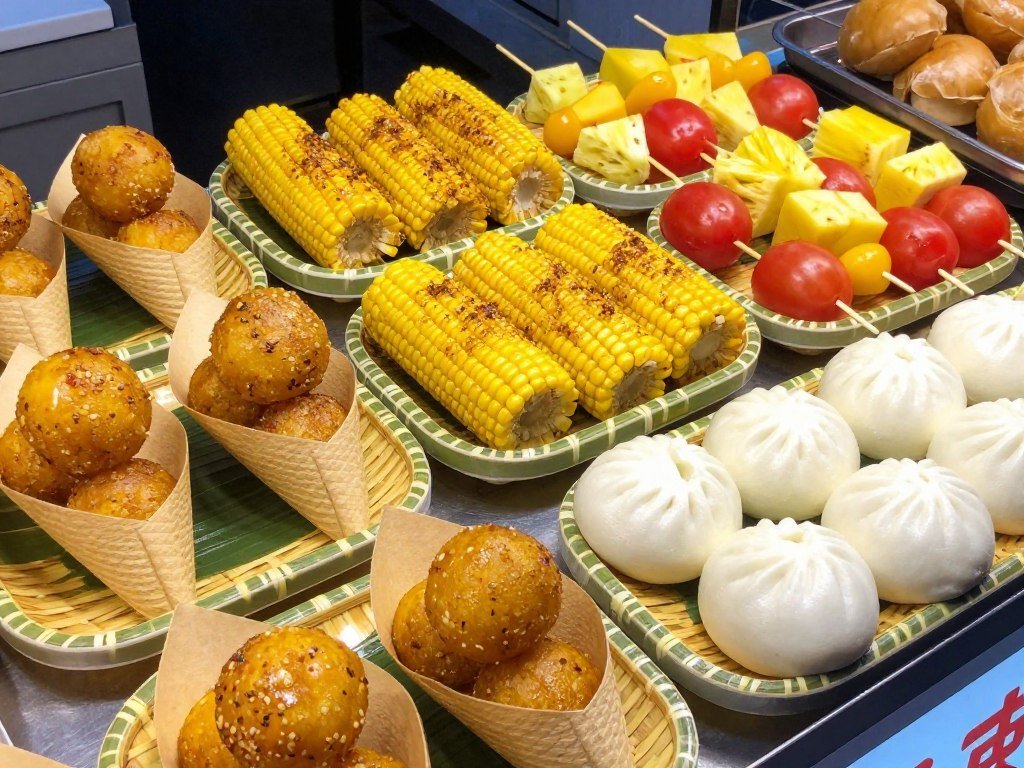
Certain Taiwan street foods are inherently vegetarian and easier to navigate safely. These items typically contain fewer hidden ingredients and present lower contamination risks.
Sweet Potato Balls (地瓜球)
Sweet potato balls rank among the safest and most popular night market snacks. Vendors make these from mashed sweet potato, tapioca starch, and sugar. The simple ingredient list contains no animal products or wheat.
Fresh sweet potato balls emerge from fryers crispy outside and chewy inside. Vendors serve them piping hot in paper bags. The natural sweetness requires no additional sauce, eliminating hidden ingredient concerns.
Safety Note: Sweet potato balls are typically gluten-free as made with tapioca starch rather than wheat flour. However, verify with vendors and consider shared fryer oil if you have severe celiac disease. The Chinese phrase “有麵粉嗎?” (Does this contain wheat flour?) helps confirm ingredients.
Fresh Fruit Stands
Elaborately cut fruit displays appear throughout Taiwan night markets. Vendors prepare fresh pineapple, guava, mango, dragon fruit, and seasonal offerings before your eyes. These stands offer completely safe options with zero hidden ingredients.
Many fruit vendors also sell fresh fruit juice blended without additives. Specify no added sugar or ice if desired. The transparency of preparation makes fruit stands ideal for restricted diets.
Grilled Corn (烤玉米)
Whole corn cobs grilled over charcoal provide satisfying vegetarian street food. Vendors typically brush finished corn with butter or seasoned soy sauce. Request corn without any coating for the safest option.
Safe Ordering Approach
Point to the uncooked corn and say: 不要加任何東西,只要烤 (bù yào jiā rèn hé dōng xi, zhǐ yào kǎo)
Translation: “Don’t add anything, just grill it”
This ensures you receive plain grilled corn without butter, soy sauce glazes, or mystery seasonings vendors may apply.
What to Avoid
- Sweet soy sauce glaze (contains wheat)
- Butter coating (dairy product)
- Seasoning powder (may contain msg, shrimp)
- Pre-brushed corn on warmers
- Corn already prepared with toppings
Roasted Sweet Potato (烤地瓜)
Vendors roast whole sweet potatoes in specialized ovens until caramelized and tender. This traditional snack contains only sweet potato with no additions. The natural sugars caramelize during roasting, creating rich sweetness.
Sweet potatoes provide substantial nutrition and keep you satisfied between meals. They’re completely safe for both vegetarian and gluten-free diets. Vendors sell them by weight, typically wrapped in paper for portable eating.
Shaved Ice Desserts (刨冰)
Taiwan’s famous shaved ice presents mixed safety depending on toppings selected. The base of finely shaved ice is safe. Your topping choices determine whether the dessert remains appropriate for your diet.
Safe Toppings
- Fresh mango chunks
- Fresh strawberries
- Passion fruit pulp
- Fresh pineapple
- Red beans (cooked azuki beans)
- Mung beans
- Taro chunks (steamed)
Check Carefully
- Condensed milk drizzle (dairy)
- Ice cream additions (dairy)
- Mochi pieces (may contain wheat)
- Sweetened syrups (verify ingredients)
- Pudding cubes (may contain gelatin)
- Tapioca pearls (check cooking liquid)
Always Avoid
- Grass jelly with honey (may contain gelatin)
- Milk-based ice base
- Cream toppings
- Cheese powder (appearing on some modern versions)
- Condensed milk
Request toppings individually while pointing to safe options. The phrase 只要新鮮水果 (zhǐ yào xīn xiān shuǐ guǒ – “Only fresh fruit”) helps ensure you receive appropriate toppings.
Vegetarian-Friendly Cooked Dishes
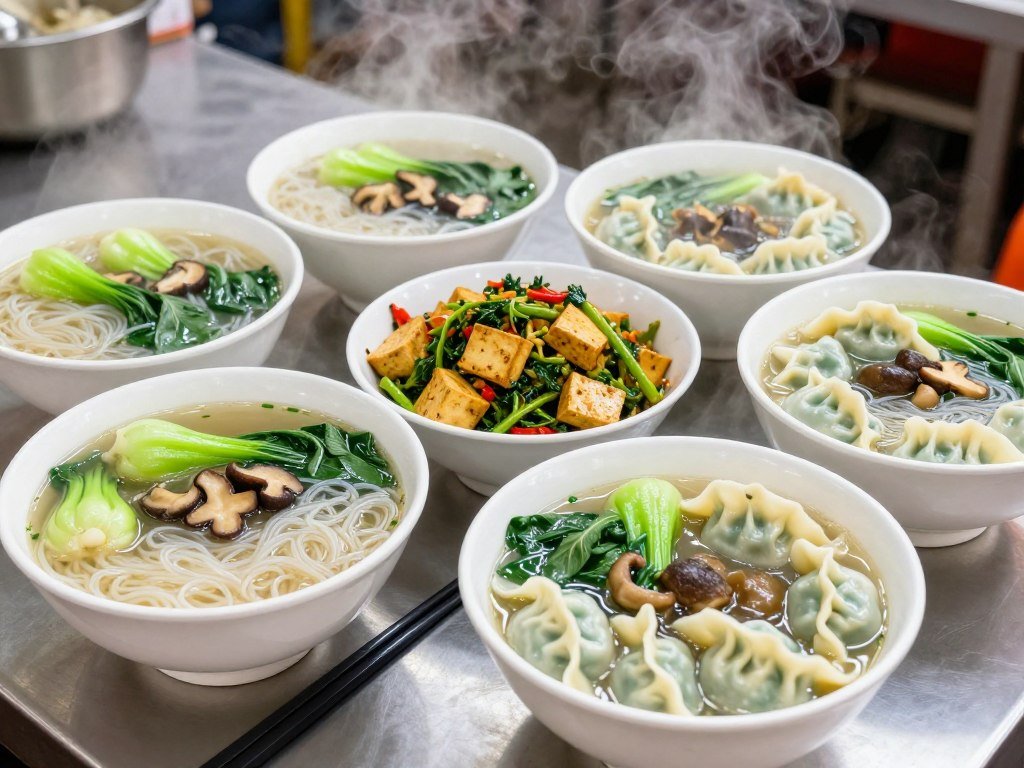
Beyond simple snacks, Taiwan offers substantial cooked dishes suitable for vegetarian diets with careful ordering. These options provide filling meals rather than just treats.
Buddhist Vegetarian Restaurants Near Night Markets
Dedicated vegetarian restaurants operate near most major night markets. These establishments specialize in Buddhist vegetarian cuisine, ensuring no animal products or alliums in any dish. They provide the safest full-meal experience.
| Night Market Area | Nearby Vegetarian Restaurant | Specialty | Distance from Market |
| Shilin Night Market | Fruitful Food | Buffet-style Buddhist vegetarian | 300 meters, 4-minute walk |
| Raohe Street Night Market | Yangtze Vegetarian | Traditional noodle dishes | 150 meters, 2-minute walk |
| Ningxia Night Market | Ooh Cha Cha | Modern fusion vegetarian | 400 meters, 5-minute walk |
| Feng Chia Night Market (Taichung) | Loving Hut | International chain, reliable standards | 600 meters, 8-minute walk |
| Liuhe Night Market (Kaohsiung) | Pure Lotus Vegetarian | Taiwanese classics, mock meat | 250 meters, 3-minute walk |
These restaurants display 素食 (vegetarian) signs prominently. Staff understand dietary restrictions and can explain ingredients. Dining at these establishments before or after visiting night markets provides safe, substantial meals.
Stir-Fried Vegetables
Many night market vendors offer simple vegetable stir-fry dishes. However, preparation methods vary dramatically. Success requires specific ordering instructions to avoid hidden animal products.
Critical Ordering Instructions: Default stir-fried vegetables typically contain oyster sauce, possible fish sauce, and often cook in lard or oil used for meat. You must request modifications explicitly using the phrases provided earlier. Never assume “vegetables” means vegetarian in Taiwan street food context.
Request preparation with these specifications:
Show vendors these phrases on flashcards or your phone. Point to the specific vegetables you want included. The communication investment ensures you receive truly vegetarian food.
Rice Dishes
Plain steamed rice forms the base of many Taiwan meals. White rice itself contains no animal products or gluten. However, fried rice and flavored rice dishes almost always contain problematic ingredients.
Safe Rice Options
Plain Steamed White Rice (白飯)
Request plain steamed rice from any vendor. Say: 只要白飯 (zhǐ yào bái fàn)
This simple side dish accompanies many night market foods. Completely safe for all dietary restrictions.
Rice Rolls with Vegetables
Some vendors prepare fresh rice paper rolls filled with vegetables. Verify the filling contains only vegetables and that dipping sauce contains no fish sauce.
Purple Rice Dessert (紫米甜湯)
Sweet purple sticky rice served with simple syrup. Usually safe but confirm no condensed milk topping. Ask: 有奶嗎? (yǒu nǎi ma? – “Contains milk?”)
Rice Dish Warning: Avoid fried rice unless at dedicated vegetarian restaurants. Standard fried rice contains:
- Eggs (non-vegan but vegetarian)
- Soy sauce (contains wheat)
- Lard or meat-cooking oil
- Meat pieces or shrimp
- Chicken powder seasoning
- Fish sauce for flavoring
Even when requesting “vegetarian fried rice,” cross-contamination and hidden ingredients remain highly probable at general night market stalls.
Tofu Preparations
Tofu appears extensively in Taiwan street food. This versatile protein suits vegetarian diets perfectly. However, preparation methods and accompanying sauces determine whether specific tofu dishes remain appropriate.
Stinky Tofu (臭豆腐)
Taiwan’s infamous fermented tofu usually comes fried and served with pickled cabbage. The tofu itself is vegetarian but typically served with soy sauce-based dipping sauce.
Gluten status: Coating may contain wheat flour. Dipping sauce contains wheat-based soy sauce.
Order modification: Request without sauce or with just vinegar.
Grilled Tofu Skewers
Firm tofu cubes grilled on skewers provide protein-rich vegetarian option. Vendors brush with various sauces during grilling.
Gluten status: Marinades typically contain soy sauce (wheat).
Order modification: Request plain grilled with salt only: 只要鹽 (zhǐ yào yán)
Soft Tofu Soup
Silky tofu in clear broth seems safe but often contains fish broth base or added oyster sauce.
Gluten status: Broth may contain soy sauce thickeners.
Order modification: Verify vegetable broth only: 只要菜湯 (zhǐ yào cài tāng)
Gluten-Free Navigation Strategies
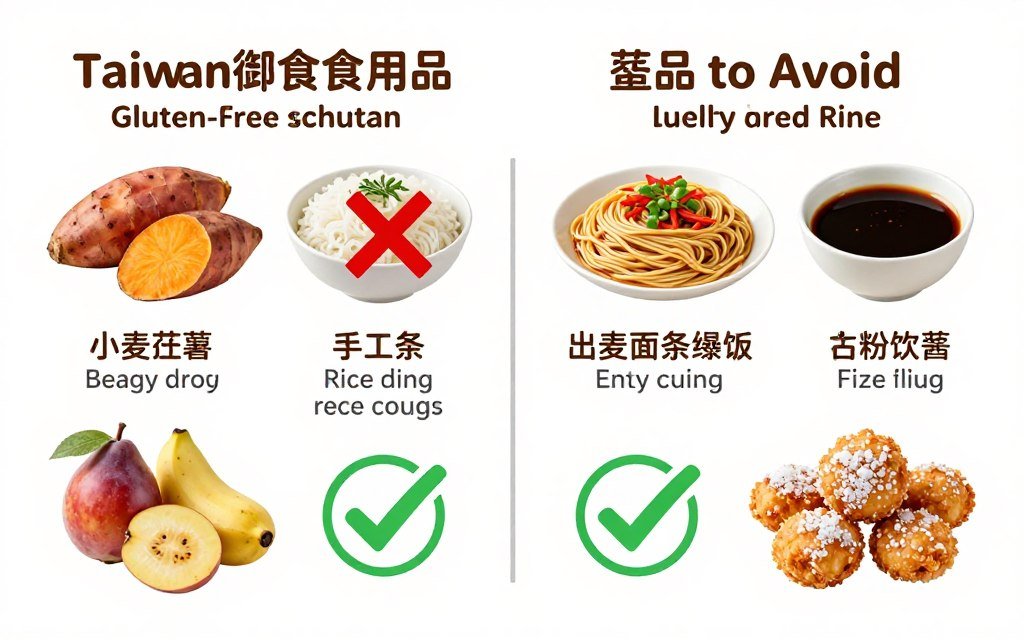
Gluten-free eating in Taiwan requires more vigilance than vegetarian navigation. Wheat products and wheat-derived sauces permeate Taiwanese cuisine at levels unfamiliar to many Western travelers.
Primary Gluten Sources
Understanding where gluten hides helps you avoid accidental exposure. Taiwan cooking relies heavily on wheat-based ingredients that appear unexpectedly in seemingly safe dishes.
| Gluten Source | Chinese Name | Where It Appears | Hidden Risk Level |
| Regular Soy Sauce | 醬油 (jiàng yóu) | Nearly all savory dishes, marinades, dipping sauces | Extremely High |
| Wheat Noodles | 麵條 (miàn tiáo) | Noodle soups, stir-fries, dumpling wrappers | Obvious (but may mix with rice noodles) |
| Wheat Starch | 澱粉 (diàn fěn) | Soup thickeners, gravies, sauce bases | High |
| Wheat Flour Coating | 麵粉 (miàn fěn) | Fried vegetables, crispy tofu, fried mushrooms | Moderate (visible when fresh) |
| Dumpling Wrappers | 餃子皮 (jiǎo zi pí) | Dumplings, wontons, potstickers, buns | Obvious (but filling may seem safe) |
| Bread Crumbs | 麵包粉 (miàn bāo fěn) | Japanese-style fried items, some vegetable fritters | Moderate |
| Beer Batter | 啤酒麵糊 (pí jiǔ miàn hú) | Special fried preparations, some mushroom dishes | Low (less common) |
| Seitan (Wheat Gluten) | 麵筋 (miàn jīn) | Mock meat in vegetarian restaurants | Moderate (common in Buddhist vegetarian food) |
| Sweet Soy Paste | 甜麵醬 (tián miàn jiàng) | Grilled items, some noodle dishes | High |
Naturally Gluten-Free Taiwanese Ingredients
Despite the wheat prevalence, Taiwan cuisine includes many naturally gluten-free elements. Focusing on these ingredients helps build safe meal options.
Safe Starches and Grains
- White rice (米飯 – mǐ fàn)
- Sweet potato (地瓜 – dì guā)
- Tapioca starch (樹薯粉 – shù shǔ fěn)
- Potato starch (馬鈴薯粉 – mǎ líng shǔ fěn)
- Rice noodles (米粉 – mǐ fěn)
- Corn (玉米 – yù mǐ)
- Taro (芋頭 – yù tóu)
Safe Proteins and Vegetables
- Plain tofu (豆腐 – dòu fǔ)
- Edamame (毛豆 – máo dòu)
- All fresh vegetables (not fried)
- Fresh mushrooms (not breaded)
- Legumes and beans
- Plain eggs (not in wheat-containing preparations)
Safer Gluten-Free Street Food Choices
These specific items present lower gluten risk when ordered carefully. Always confirm ingredients and request modifications.
Master Hidden Gluten Sources in Taiwan
Download our comprehensive 40-page gluten-free Taiwan survival guide with detailed ingredient breakdowns, contamination risk assessments, safe restaurant database, and emergency medical phrases. Includes photos of safe versus unsafe items for visual reference at markets.
Gluten-Free Tamari Alternative
Gluten-free soy sauce exists in Taiwan but remains uncommon at street food stalls. Bringing your own small bottle of gluten-free tamari provides seasoning without wheat exposure.
Purchase gluten-free soy sauce at these Taiwan locations:
- Jason’s Market Place (upscale supermarket chain in Taipei)
- Wellcome Supermarket imported foods section
- Carrefour international products aisle
- Specialty health food shops in major cities
- Online through PChome shopping (delivery to hotels possible)
Chinese label to identify: 無麩質醬油 (wú fū zhì jiàng yóu) or 小麥不使用 (xiǎo mài bù shǐ yòng) meaning “wheat not used.”
Night Market Guide with Maps and Directions
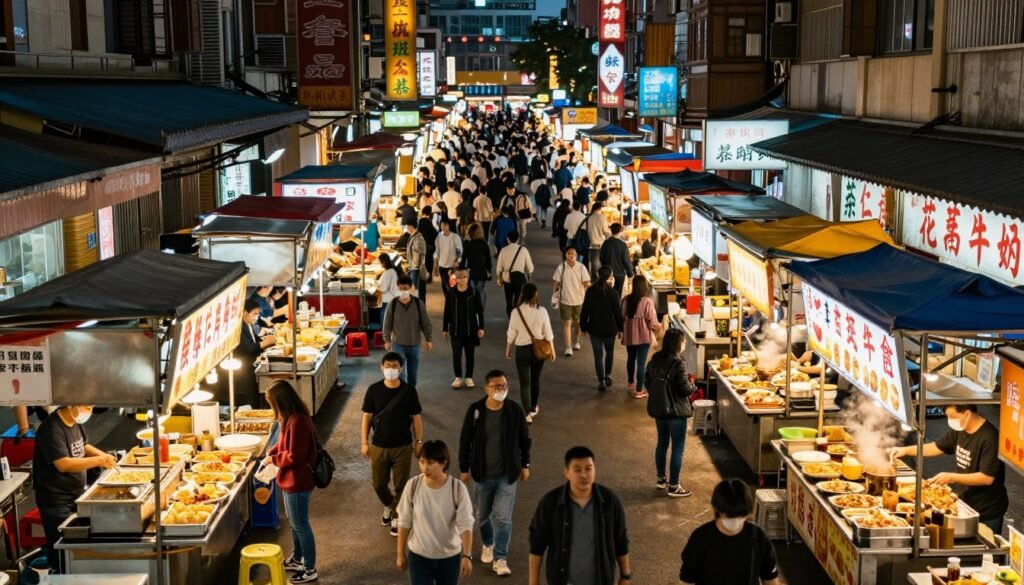
Taiwan’s major night markets each offer unique characteristics and varying accommodation levels for dietary restrictions. This guide helps you navigate specific markets with realistic expectations.
Shilin Night Market (Taipei)
Shilin ranks as Taipei’s largest and most famous night market. The underground food court section provides more organized dining than traditional open-air markets. However, vegetarian and gluten-free options require careful selection.
Shilin Night Market location in Taipei’s Shilin District
Getting There
MRT: Take Red Line to Jiantan Station (not Shilin Station). Exit 1 leads directly to market area.
Operating Hours: Daily 4:00 PM – midnight (weekends until 1:00 AM)
Best Visit Time: Weekday evenings 6:00-8:00 PM for fewer crowds
Dietary Accommodation Level
Vegetarian: Moderate (10-15 suitable vendors)
Gluten-Free: Limited (requires careful ordering)
English Signage: Good in food court, limited in street sections
Dedicated Vegetarian Stalls: 2-3 stalls marked with 素食 signs
Recommended Safe Vendors at Shilin
- Hot Star Large Fried Chicken: Offers fried mushroom version. Request no seasoning powder for vegetarian option (contains wheat coating).
- Fruit Ice Stalls: Multiple vendors in underground section. Choose fresh fruit toppings only, avoid condensed milk.
- Sweet Potato Ball Cart: Near food court entrance. Confirm tapioca starch base. Usually gluten-free.
- Grilled Corn Vendors: Several locations. Request plain grilled without soy glaze.
- Fresh Fruit Juice: Underground food court perimeter. Specify no added sugar or milk.
Raohe Street Night Market (Taipei)
Raohe Street Night Market stretches along a single covered street near Songshan Station. The linear layout makes navigation simple. Fewer vendors means more personal attention for special requests.
Raohe Street Night Market near Songshan Train Station
Getting There
MRT: Green Line to Songshan Station. Exit 1, walk 2 minutes to market entrance.
Operating Hours: Daily 5:00 PM – midnight
Best Visit Time: Early evening 5:30-7:00 PM before peak crowds
Dietary Accommodation Level
Vegetarian: Good (15-20 suitable options)
Gluten-Free: Moderate with modifications
English Signage: Limited, prepare Chinese phrases
Buddhist Vegetarian Nearby: Yangtze Vegetarian 2 minutes walk
Must-Try Safe Options at Raohe
Stall #18 Vegetarian
Dedicated Buddhist vegetarian vendor offering rice dishes, noodles, and snacks. Clearly marked with large 素食 sign.
Safe items: Vegetable spring rolls, fried taro cakes, vegetable buns
Chen Dong Grilled Corn
Famous charcoal-grilled corn stall. Request plain preparation without sweet soy sauce coating.
Phrase: Show “不要醬” (no sauce) flashcard
Fortune-Telling Ice Cream
Unique ice cream wrapped in thin wafer with peanut brittle. Contains dairy and gluten but memorable experience if not restricted.
Note: Not suitable for dairy-free or gluten-free diets
Feng Chia Night Market (Taichung)
Central Taiwan’s largest night market surrounds Feng Chia University. Student-focused vendors offer creative modern takes on traditional foods alongside classics. Better English comprehension due to international student population.
Feng Chia Night Market in Taichung near Feng Chia University
Getting There
Bus: From Taichung Station take Bus 25, 35, or 135 to Feng Chia University stop (30 minutes)
Taxi: 15-20 minutes from Taichung Station (NT$200-250)
Operating Hours: Daily 3:00 PM – 1:00 AM
Dietary Accommodation Level
Vegetarian: Excellent (20+ vendors)
Gluten-Free: Moderate, improving awareness
English Signage: Better than most markets
Vegetarian Restaurant: Loving Hut 8-minute walk
Night Market Vegetarian Vendor Map Legend
When exploring night markets, look for these visual indicators of vegetarian-friendly stalls:
| Chinese Character | Meaning | What It Indicates | Reliability Level |
| 素食 | Buddhist Vegetarian | No animal products, no alliums, completely vegetarian | Very High – safest option |
| 蔬食 | Plant-Based Food | Vegetable-focused, may include alliums, verify no animal products | High – usually reliable |
| 全素 | Strict Vegetarian | Vegan, no eggs, no dairy, no animal products | Very High – vegan-safe |
| 奶素 | Lacto-Vegetarian | Vegetarian with dairy products allowed | High for vegetarians, not vegan |
| 蛋奶素 | Lacto-Ovo Vegetarian | Vegetarian with eggs and dairy allowed | High for vegetarians, not vegan |
Dangerous Foods and Warning Signs
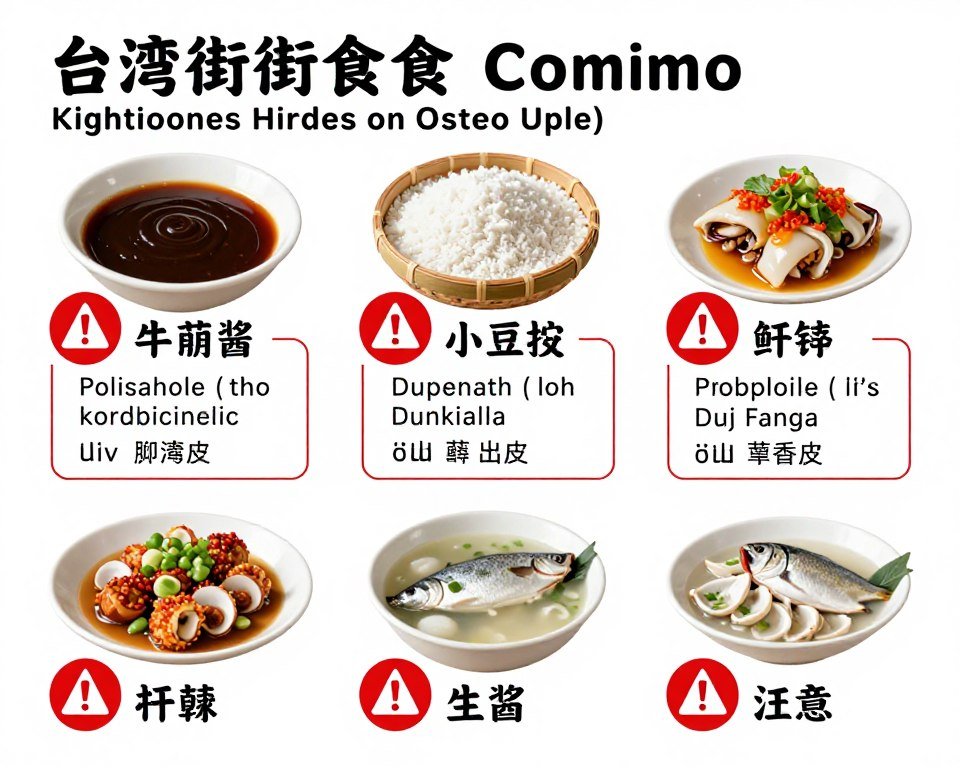
Certain Taiwan street food items present high risk for accidental dietary violations. Recognizing these foods helps you avoid unpleasant surprises and potential health reactions.
Always Avoid These Items
These popular Taiwan street foods contain unavoidable animal products or gluten that cannot be removed through modification requests.
| Food Item | Chinese Name | Why Problematic | Cannot Modify Because |
| Oyster Omelet | 蚵仔煎 | Contains eggs, oysters, wheat starch | All ingredients are essential to dish structure |
| Braised Pork Rice | 滷肉飯 | Pork is the primary ingredient | Removing pork leaves only rice |
| Stinky Tofu (Most Versions) | 臭豆腐 | Fermented in brine often containing shrimp, served with pickled cabbage that may contain shrimp paste | Fermentation process already complete |
| Taiwanese Sausage | 香腸 | Pork sausage, sometimes wrapped in sticky rice with soy sauce | Primary ingredient is meat |
| Oyster Vermicelli | 蚵仔麵線 | Contains oysters, wheat noodles, possible pork intestine | Core ingredients define the dish |
| Mochi (Most Types) | 麻糬 | Often contains wheat starch, some versions have lard | Already prepared, ingredients mixed throughout |
| Scallion Pancake | 蔥油餅 | Wheat flour base, often cooked with lard | Wheat flour is primary ingredient |
| Gua Bao (Pork Belly Bun) | 割包 | Pork belly in wheat flour steamed bun | Both bun and filling contain restricted ingredients |
| Fried Chicken (Most Versions) | 炸雞排 | Chicken meat with wheat flour coating | Animal product is the main item |
| Soup Dumplings | 小籠包 | Wheat wrapper, usually pork filling, meat broth inside | Structure requires wheat wrapper, broth contains meat |
Deceptively Problematic Foods
These items appear vegetarian or gluten-free but contain hidden ingredients that violate dietary restrictions. Many travelers accidentally consume these before learning the truth.
Looks Vegetarian But Is Not
- Clear Vegetable Soup: Usually contains pork or chicken broth base
- Fried Rice: Standard preparation includes lard and possible meat pieces
- Vegetable Noodles: Default seasoning includes oyster sauce and possible fish sauce
- Mushroom Dishes: Often cooked with oyster sauce or meat broth
- Wonton Soup Broth: Made with pork bone stock even when wontons removed
- Spring Rolls: May contain shrimp or pork mixed with vegetables
Looks Gluten-Free But Is Not
- Rice Dishes: Often seasoned with soy sauce containing wheat
- Stir-Fried Vegetables: Typically prepared with soy sauce
- Fried Tofu: Usually coated in wheat flour before frying
- Clear Soups: Thickened with wheat starch
- Marinated Items: Pre-marinated in soy sauce mixtures
- Mock Meat: Buddhist vegetarian protein often made from wheat gluten (seitan)
Red Flag Phrases
When vendors use these phrases or you see these menu descriptions, proceed with extreme caution or avoid the item entirely.
Warning Indicators:
- “Special sauce” or “secret recipe” – impossible to verify ingredients
- “Traditional preparation” – likely contains lard, oyster sauce, or other classic ingredients
- “Popular favorite” – usually means standard recipe with problematic ingredients
- “Chef’s special” – custom sauce blends with unknown contents
- Vague ingredient descriptions when you ask for details
- Vendor hesitation or uncertainty when asked about vegetarian status
Communication Strategies for Success
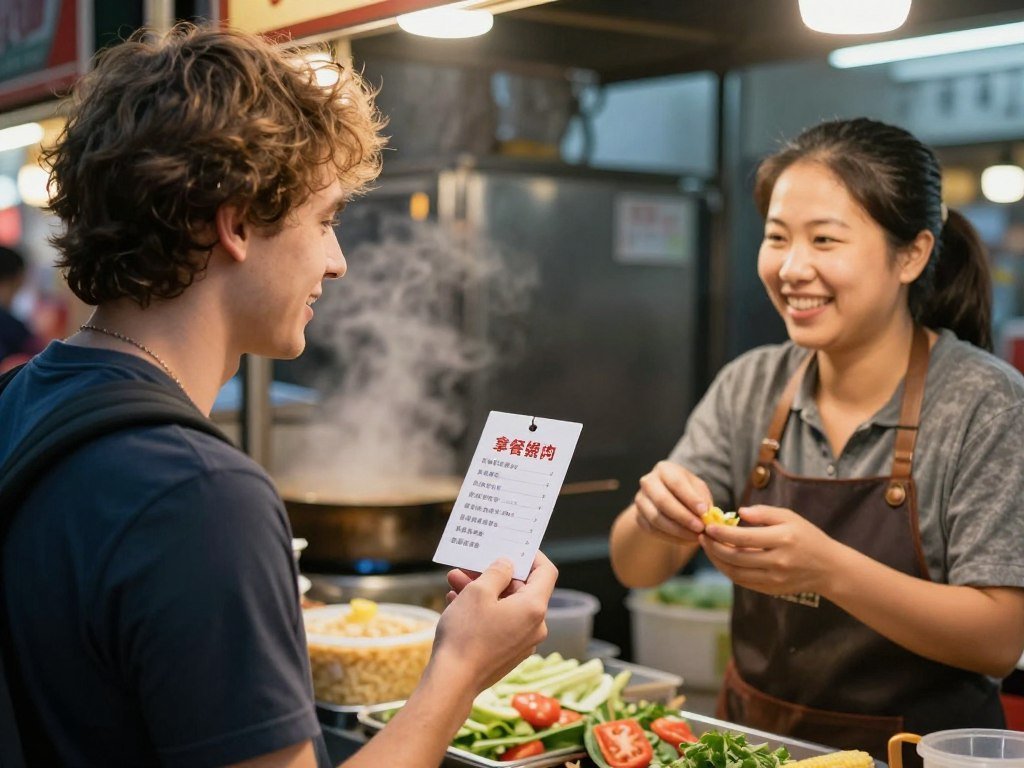
Effective communication determines your dietary safety more than any other factor. These proven strategies help you convey restrictions clearly despite language barriers.
The Three-Card Communication System
Create three distinct communication cards to show vendors. This visual system overcomes language barriers more effectively than verbal explanations.
Card 1: Basic Restrictions
Large, clear characters stating your primary dietary needs:
我是素食者
(I am vegetarian)
不要肉,不要海鮮
(No meat, no seafood)
Use this card first to establish basic parameters.
Card 2: Specific Exclusions
Detailed list of ingredients to avoid:
不要:
醬油 (soy sauce)
蠔油 (oyster sauce)
麵粉 (wheat flour)
魚露 (fish sauce)
豬油 (lard)
Present after initial conversation for clarification.
Card 3: Safe Ingredients
Foods you can eat for positive reference:
可以吃:
蔬菜 (vegetables)
豆腐 (tofu)
米飯 (rice)
鹽 (salt)
Helps vendors understand what they CAN use.
Ordering Sequence for Best Results
Follow this step-by-step approach when ordering at any street food stall for maximum clarity and safety.
Translation App Recommendations
Technology supplements printed cards effectively. These apps provide real-time translation assistance for complex dietary conversations.
Google Translate
Camera translation feature instantly translates menu text by pointing phone at Chinese characters. Conversation mode allows real-time spoken translation. Download Traditional Chinese language pack for offline use in Taiwan.
- Free with no subscription required
- Camera translation for menus
- Offline mode with downloaded language
- Voice conversation translation
- Handwriting input for complex characters
Pleco Dictionary
Comprehensive Chinese-English dictionary with camera OCR scanning. Excellent for looking up individual ingredients on labels or menus. Saved favorites let you build custom dietary phrase list.
- Free basic version sufficient for travelers
- Camera text recognition (OCR add-on)
- Extensive food vocabulary database
- Offline dictionary access
- Flashcard feature for learning phrases
V-Cards Vegetarian
Specialized app for vegetarian travelers with pre-made dietary restriction cards in multiple languages. Shows vendors clear visual cards explaining vegetarian requirements in their language.
- One-time purchase app (around $4.99)
- Pre-designed dietary cards
- Vegetarian, vegan, gluten-free options
- Works offline completely
- Covers 45+ countries including Taiwan
Body Language and Non-Verbal Communication
Physical gestures supplement verbal and written communication effectively in Taiwan food culture.
- Pointing: Point directly at foods you want or ingredients to exclude. Universal gesture understood everywhere.
- Crossing Arms in X Shape: Make X gesture over chest while saying “不要” (bù yào) to emphasize “no” or “don’t want.”
- Nodding and Shaking Head: Head shaking for “no” works universally. Nodding confirms understanding.
- Hand Wave Over Bowl: Wave hand over food and shake head to indicate you cannot eat something.
- Thumbs Up: Give thumbs up when vendor confirms they can accommodate your request.
- Praying Hands Gesture: Buddhist prayer hands gesture (hands together) followed by pointing at food asks “Is this Buddhist vegetarian?”
Join Taiwan Dietary Restriction Travelers Community
Connect with 3,000+ vegetarian and gluten-free travelers sharing real-time Taiwan street food experiences. Get vendor recommendations, safety updates, new dietary-friendly discoveries, and emergency support from people currently traveling Taiwan with your restrictions.
Free community. Active daily. Real travelers helping travelers.
Convenience Store and Supermarket Options
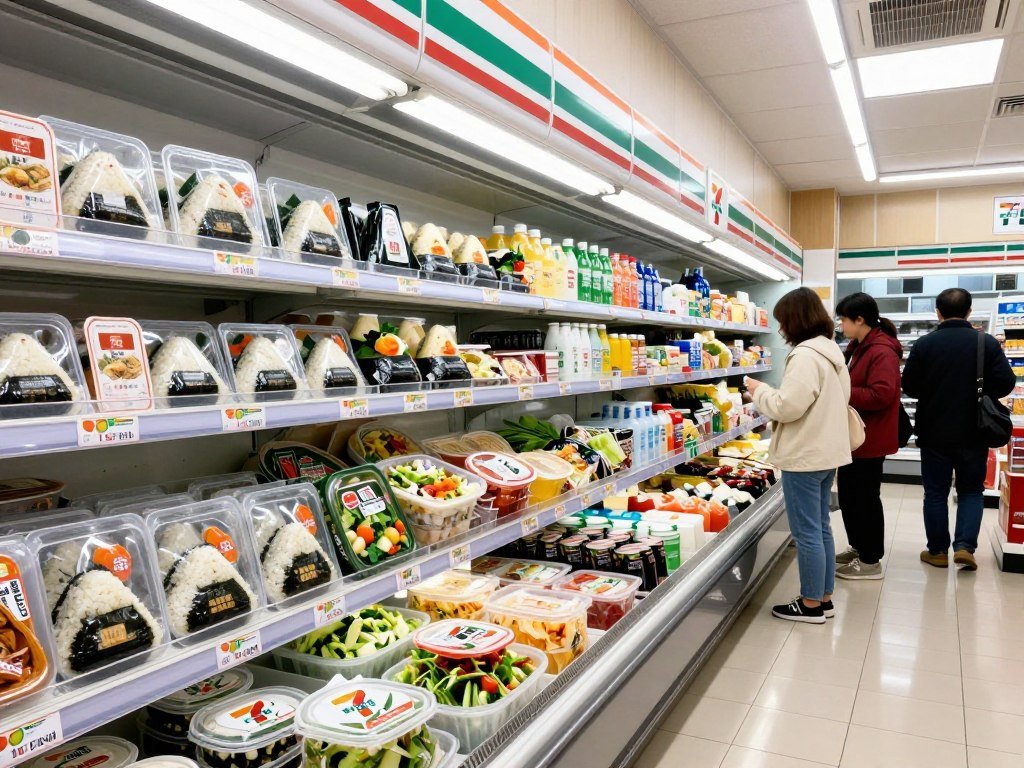
Taiwan’s ubiquitous convenience stores provide reliable backup dining options when street food feels too risky. These establishments offer labeled products with ingredient transparency impossible at night markets.
7-Eleven and FamilyMart Safe Products
Both major convenience store chains stock numerous vegetarian and some gluten-free items. Products display ingredient labels in Chinese, but translation apps quickly identify contents.
Reliably Vegetarian Items
- Onigiri rice balls with vegetable fillings (check label, avoid tuna/salmon varieties)
- Fresh vegetable salads in containers
- Corn salad packages
- Edamame pods in refrigerated section
- Plain steamed sweet potato (often near hot food counter)
- Fresh fruit cups (pre-cut pineapple, melon, etc.)
- Plain soy milk (豆漿 – dòu jiāng)
- Unsweetened tea beverages
- Banana or other whole fresh fruit
Potentially Gluten-Free Items
- Plain rice balls without soy sauce seasoning
- Fresh fruit and vegetables
- Plain yogurt (check label for additives)
- Corn on the cob (plain, no butter)
- Hard-boiled eggs (tea eggs contain soy sauce)
- Plain nuts without seasoning
- Rice crackers labeled 無麩質 (gluten-free)
- Fresh milk or plain soy milk
Supermarket Advantages
Full-service supermarkets like Carrefour, RT-Mart, and Wellcome offer extensive selection with complete ingredient labeling. These provide superior options for longer Taiwan stays or travelers who prefer self-catering.
Fresh Produce Section
All supermarkets have extensive fruit and vegetable departments. Purchase ingredients for simple in-room meal preparation if your accommodation has refrigeration.
Pre-washed salads, cut vegetables, and prepared fruit bowls offer convenience without cooking requirements.
International Food Aisle
Major supermarkets stock imported products including gluten-free alternatives. Find gluten-free pasta, crackers, soy sauce, and specialty items unavailable at convenience stores.
Pricing runs higher than local products but provides familiarity and verified safety.
Prepared Food Section
Supermarket prepared food counters offer more variety than convenience stores. Some locations have dedicated vegetarian sections.
Staff can answer ingredient questions more readily than night market vendors.
Reading Taiwan Food Labels
Understanding basic label information helps you evaluate packaged foods quickly. Taiwan requires ingredient listings on all packaged products.
| Label Term | Chinese Characters | What It Means | Dietary Relevance |
| Ingredients | 成分 or 原料 | List of all ingredients | Check this section for hidden animal products or gluten |
| Vegetarian | 素食 | Suitable for vegetarians | Indicates no animal-derived ingredients |
| Contains Eggs | 含蛋 | Product contains eggs | Not suitable for vegans, okay for vegetarians |
| Contains Milk | 含奶 or 含乳製品 | Product contains dairy | Not suitable for vegans or dairy-free diets |
| Wheat | 小麥 | Contains wheat products | Avoid if gluten-free |
| Soy | 黃豆 or 大豆 | Contains soy products | Vegetarian-safe, check if soy sauce (may contain wheat) |
| No Added MSG | 無添加味精 | No monosodium glutamate added | Cleaner ingredient profile, may indicate natural preparation |
| No Preservatives | 無防腐劑 | No chemical preservatives | Generally indicates fresher product |
Bubble Tea Navigation for Restricted Diets
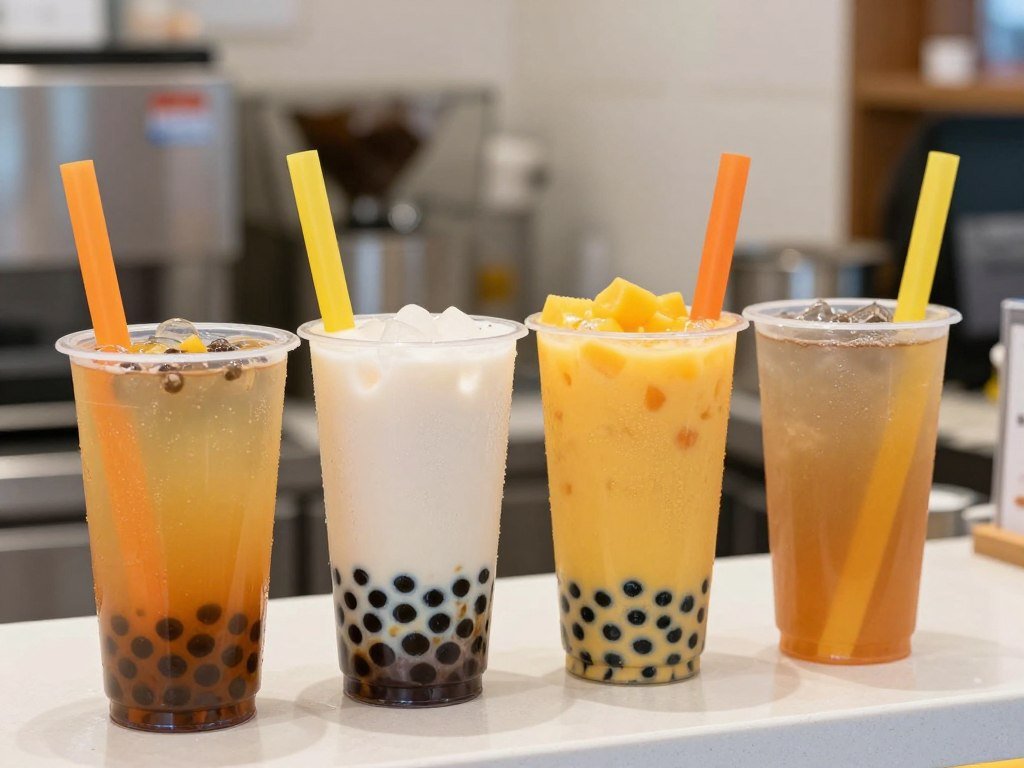
Taiwan invented bubble tea, making the beverage a must-try experience. Fortunately, many bubble tea preparations suit vegetarian and even gluten-free diets with proper customization.
Safe Bubble Tea Base Options
The tea base determines much of your drink’s dietary safety. These foundations accommodate most restrictions before considering toppings.
Vegetarian and Vegan Safe Bases
- Fresh Fruit Tea (水果茶): Real fruit blended with tea, naturally dairy-free
- Green Tea (綠茶): Pure tea without milk, completely plant-based
- Black Tea (紅茶): Straight tea preparation, no animal products
- Oolong Tea (烏龍茶): Traditional Taiwan tea, naturally vegan
- Jasmine Tea (茉莉花茶): Floral tea without dairy
- Winter Melon Tea (冬瓜茶): Traditional sweet tea, plant-based
Contains Dairy (Vegetarian Only)
- Milk Tea (奶茶): Tea with dairy milk
- Cream Tea: Contains cream or condensed milk
- Cheese Tea: Topped with cream cheese foam
- Pudding Milk Tea: Includes dairy-based pudding
Vegan Alternative: Request soy milk (豆漿 – dòu jiāng) or oat milk (燕麥奶 – yàn mài nǎi) substitution at shops offering plant-based options.
Bubble Tea Topping Safety Guide
Toppings add texture and flavor but require careful selection. Some contain hidden ingredients affecting dietary compliance.
Safe Toppings
- Tapioca pearls (珍珠 – zhēn zhū) – usually gluten-free, made from tapioca starch
- Fresh fruit pieces
- Coconut jelly (椰果 – yē guǒ)
- Aloe vera cubes
- Grass jelly (仙草 – xiān cǎo)
- Agar jelly cubes
- Red beans (紅豆 – hóng dòu)
Check Carefully
- Pudding (布丁 – bù dīng) – usually contains milk and eggs
- Mochi (麻糬 – má shǔ) – may contain wheat starch
- Oreo pieces – contains dairy and gluten
- Cream mousse – dairy product
- Popping boba – verify ingredients, some contain gelatin
Always Avoid
- Cheese foam topping – dairy product
- Condensed milk drizzle – dairy
- Ice cream additions – dairy
- Cookie crumbles – contain gluten and dairy
- Whipped cream – dairy product
Ordering Bubble Tea with Dietary Restrictions
Follow these steps for safe bubble tea ordering at any shop:
Recommended Bubble Tea Chains
These major chains offer consistent quality and some English menu assistance:
- 50 Lan (50嵐): Extensive menu with clear customization options. Some locations have English menus.
- Coco Fresh Tea & Juice: International chain with standardized recipes. Mobile app allows detailed customization.
- Tiger Sugar: Famous for brown sugar milk tea. Request soy milk for vegan version.
- Kebuke: Quality ingredients, accommodates dietary requests. Staff speak some English at Taipei locations.
- Ten Ren Tea: Traditional tea house chain. Pure tea options without added complications.
Emergency Phrases and Problem-Solving
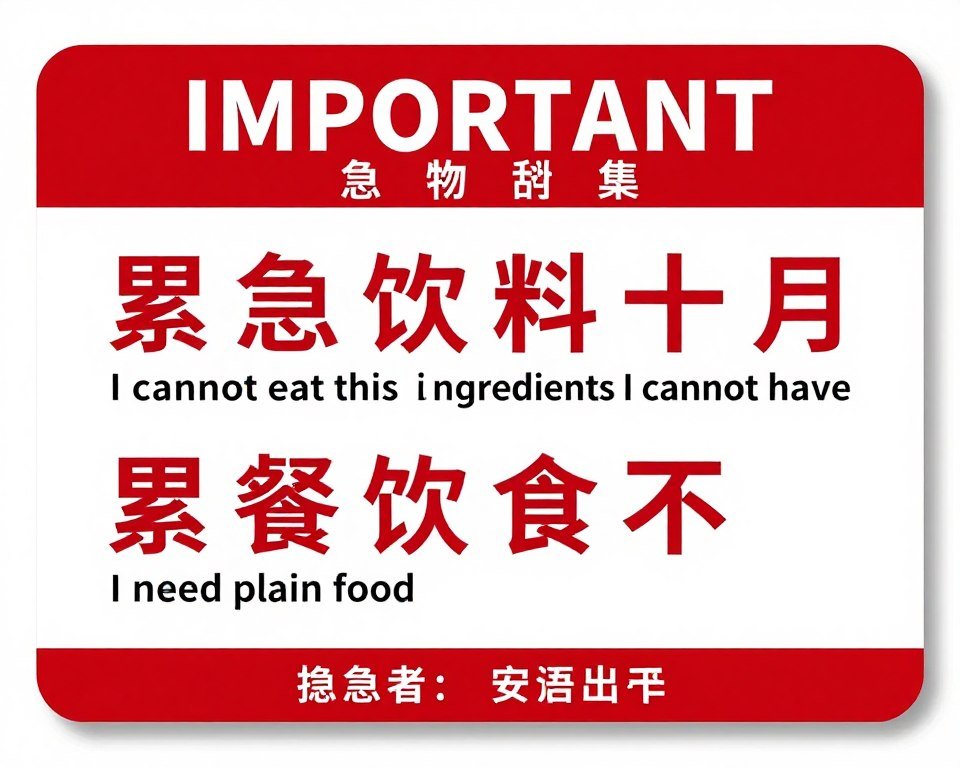
Despite careful precautions, dietary mistakes occasionally happen. These emergency phrases and problem-solving strategies help you navigate difficult situations.
Urgent Communication Phrases
Use these phrases when you discover a dish contains prohibited ingredients or need immediate clarification.
| Situation | English Phrase | Chinese Characters | Pronunciation |
| Stop cooking this | Wait, stop! | 等一下! | děng yī xià! |
| This is wrong | This is not what I ordered | 這個不對 | zhè ge bù duì |
| Contains forbidden ingredient | This has meat/wheat in it | 這個有肉/麵粉 | zhè ge yǒu ròu/miàn fěn |
| Cannot eat this | I cannot eat this | 我不能吃這個 | wǒ bù néng chī zhè ge |
| Need refund/exchange | Can I get a different dish? | 可以換嗎? | kě yǐ huàn ma? |
| Feeling unwell | I feel sick | 我不舒服 | wǒ bù shū fú |
| Need plain food immediately | I need plain white rice now | 我現在需要白飯 | wǒ xiàn zài xū yào bái fàn |
| Allergic reaction | I’m having an allergic reaction | 我過敏了 | wǒ guò mǐn le |
| Need hospital | I need to go to the hospital | 我需要去醫院 | wǒ xū yào qù yī yuàn |
When Dietary Mistakes Happen
If you accidentally consume a forbidden ingredient or receive incorrect food, follow these steps:
Immediate Response
Medical Support if Needed
- Taiwan emergency number: 119 (ambulance/medical emergency)
- Taipei Medical University Hospital has English-speaking staff
- Taiwan Adventist Hospital (台安醫院) near Taipei center
- Tourist hotline 0800-011-765 can coordinate medical assistance
- Many Taiwan pharmacies sell digestive aids for minor issues
Finding Vegetarian-Friendly Medical Care
If you require medical attention and want to maintain dietary restrictions even in healthcare settings:
- Buddhist Tzu Chi Hospital system understands vegetarian dietary needs completely
- Hospital cafeterias in Taiwan typically offer Buddhist vegetarian meal options (素食便當)
- Request vegetarian hospital meals if admitted: “請給我素食餐” (qǐng gěi wǒ sù shí cān)
- Most Taiwan hospitals can accommodate dietary restriction requests with advance notice
Book Dietary-Specialist Food Tour
Experience Taiwan night markets safely with expert guides who understand vegetarian and gluten-free requirements. Small group tours with pre-vetted vendors, ingredient education, and cultural context. Includes communication support and emergency assistance.
Many tours accommodate dietary restrictions with advance notice.
Buddhist Vegetarian Restaurant Guide
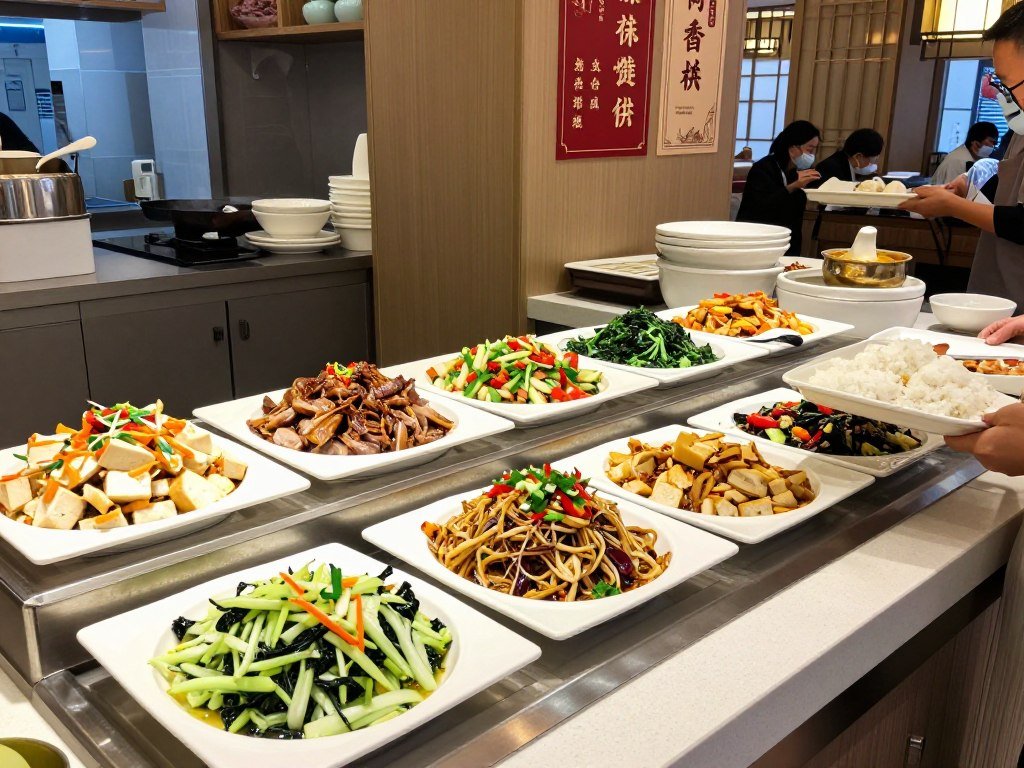
Buddhist vegetarian restaurants provide completely safe dining experiences for plant-based travelers. These establishments guarantee no animal products, offering a stress-free alternative to night market navigation.
Understanding Buddhist Vegetarian Cuisine
Buddhist vegetarian tradition (素食 – sù shí) in Taiwan excludes all animal products plus five pungent vegetables: garlic, onions, leeks, chives, and shallots. Monks avoid these aromatics believing they stimulate worldly desires.
Modern Buddhist restaurants create elaborate mock meat dishes replicating textures and flavors of animal proteins using tofu, mushrooms, and wheat gluten. These preparations often surprise first-time visitors with their sophistication.
Gluten-Free Caution: Buddhist vegetarian restaurants frequently use wheat gluten (seitan) as primary protein source in mock meat dishes. These proteins are NOT gluten-free despite being plant-based. If you require both vegetarian and gluten-free, you must specify “no wheat gluten” (不要麵筋 – bù yào miàn jīn) and avoid most mock meat preparations.
Buffet-Style Vegetarian Restaurants
Self-service buffet restaurants offer easiest navigation. You see all dishes before selecting, eliminating ordering confusion. Pay by plate weight or number of items chosen.
Fruit & Veggie
Locations: Multiple Taipei branches
Style: Modern buffet with extensive hot and cold options
Price: NT$300-400 per person
English Menu: Picture menu available
Hours: 11:00 AM – 9:00 PM daily
Fruitful Food
Location: Near Shilin Night Market
Style: Traditional buffet, pay by weight
Price: NT$250-350 depending on selections
English Menu: Limited, pointing works well
Hours: 11:00 AM – 2:00 PM, 5:00 PM – 8:00 PM
Loving Hut
Locations: Chain with 10+ Taiwan locations
Style: International vegan chain, set menus
Price: NT$150-250 per set meal
English Menu: Yes, full English available
Hours: 11:00 AM – 9:00 PM (varies by location)
Specialty Buddhist Vegetarian Restaurants
These establishments offer unique dining experiences beyond standard buffet format:
| Restaurant Name | Location | Specialty | Best For |
| Ooh Cha Cha | Taipei (near Ningxia Night Market) | Modern fusion vegetarian, Instagram-worthy presentations | Special occasions, creative cuisine |
| Miaokou Vegetarian | Keelung | Traditional Taiwanese classics in vegetarian form | Experiencing classic Taiwan dishes safely |
| Pure Lotus Vegetarian | Kaohsiung | Southern Taiwan style vegetarian cuisine | Regional specialties, mock meat expertise |
| Yangming Spring | Taipei Beitou | Hot pot vegetarian restaurant | Hot pot experience without animal broth |
| Shi Yang Culture | Taichung | Fine dining vegetarian in elegant setting | Celebration meals, impressive presentations |
| Yangtze | Multiple Taipei locations | Noodle dishes and traditional comfort food | Quick meals, noodle lovers |
Temple Vegetarian Food
Many Buddhist temples operate vegetarian restaurants or offer free vegetarian meals on special occasions. These provide authentic cultural experiences alongside guaranteed safe food.
- Fo Guang Shan Temple (Kaohsiung): Large temple complex with vegetarian restaurant open to public. Affordable set meals in peaceful environment.
- Chiang Kai-shek Memorial Hall Area: Several temple-affiliated vegetarian restaurants within walking distance of memorial.
- Lungshan Temple (Taipei): Vegetarian restaurants clustered around this historic temple cater to temple visitors.
- Bao’an Temple (Taipei): Traditional temple with nearby vegetarian food stalls during festivals.
Pro Tip: Visit Buddhist vegetarian restaurants on the 1st and 15th days of lunar calendar months. Many Taiwan people eat vegetarian on these dates for religious reasons, resulting in busier restaurants with more diverse customers and special offerings. Lunar calendar dates vary monthly – ask hotel staff for current dates during your visit.
Regional Taiwan Vegetarian Specialties
Different Taiwan regions offer unique vegetarian dishes reflecting local ingredients and culinary traditions. Exploring these regional specialties adds depth to your Taiwan food experience.
Taipei and Northern Taiwan
Regional Specialties
- Vegetarian Beef Noodle Soup: Mock beef made from tofu and mushrooms in rich vegetable broth. Multiple vegetarian restaurants serve excellent versions.
- Vegetarian Stinky Tofu: Fermented tofu without shrimp paste brine. Available at Buddhist vegetarian stalls.
- Taro Balls (芋圓): Jiufen specialty made from taro and sweet potato. Naturally vegetarian and usually gluten-free (verify no wheat flour added).
- Vegetarian Oyster Pancake: Mock oyster version using mushrooms. Found at select vegetarian restaurants.
Where to Find
Shilin Area: Highest concentration of vegetarian restaurants in Taipei
Gongguan District: Student area with affordable vegetarian options near National Taiwan University
Jiufen Old Street: Traditional mountain town with vegetarian taro specialties
Danshui: Waterfront town with vegetarian-friendly vendors along old street
Taichung and Central Taiwan
Central Taiwan developed unique vegetarian food culture due to strong Buddhist temple presence. Taichung ranks among Taiwan’s best cities for vegetarian dining.
Sun Cakes (太陽餅)
Taichung’s most famous pastry. Traditional versions are vegetarian (though contain some wheat). Flaky pastry with malt sugar filling.
Best shops: Original locations near Taichung Train Station
Vegetarian Meatballs
Glutinous rice balls with mushroom filling, steamed and served with sweet sauce. Vegetarian version of traditional Taiwanese meatballs.
Finding them: Look for 素食肉圓 at vegetarian restaurants
Pineapple Cakes
Another Taichung specialty. Usually vegetarian (butter used, not lard). Check ingredient labels to verify.
Popular brands: Many bakeries make vegetarian versions
Tainan and Southern Taiwan
Tainan, Taiwan’s oldest city, offers distinctive food culture. Southern Taiwan cuisine tends sweeter than northern style. Several unique vegetarian preparations exist.
- Coffin Toast (棺材板): Thick toast filled with vegetables, mushrooms, and cream sauce. Request vegetarian version at specific vendors.
- Dan Zai Noodles (擔仔麵): Traditional small noodle dish. Vegetarian versions available at Buddhist restaurants with vegetable broth.
- Fruit Ice (水果冰): Southern Taiwan specialty. Shaved ice with abundant fresh tropical fruit. Naturally vegetarian; request no condensed milk.
- Vegetarian Milkfish: Mock fish made from tofu skin and mushrooms. Tainan specialty protein adapted for vegetarians.
Taiwanese Snack and Dessert Guide
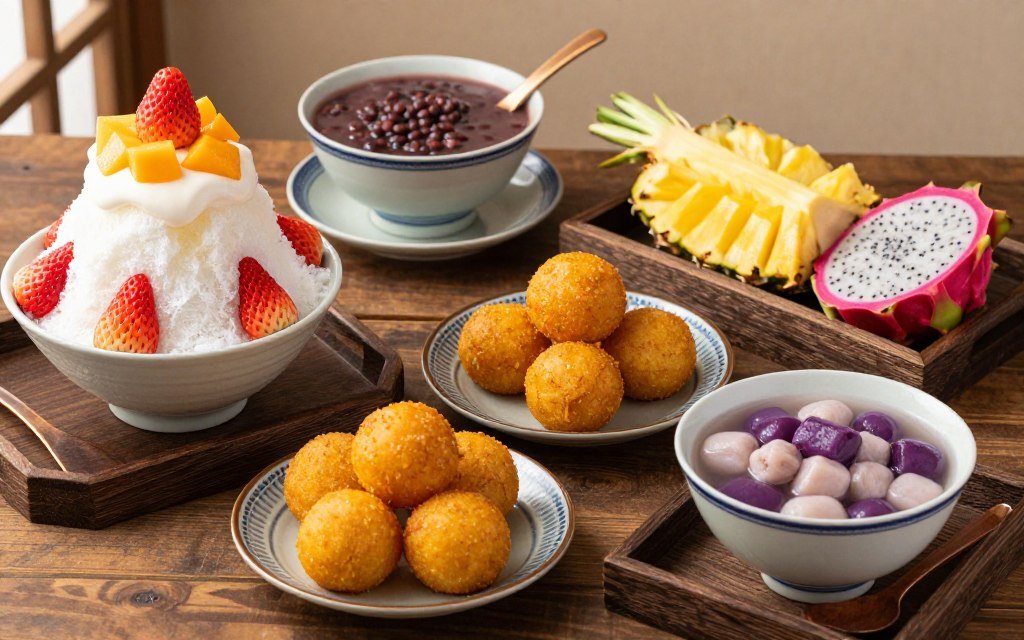
Taiwan’s snack and dessert culture extends beyond street food. These treats provide energy between meals while accommodating various dietary restrictions.
Traditional Dessert Soups (甜湯)
Sweet soup desserts appear throughout Taiwan at dedicated shops and night market stalls. Many are naturally vegetarian and can be gluten-free.
Safe Traditional Desserts
- Red Bean Soup (紅豆湯): Sweetened azuki beans in syrup. Naturally vegan and gluten-free.
- Mung Bean Soup (綠豆湯): Cooling dessert, especially popular in summer. Vegetarian and gluten-free.
- Peanut Soup (花生湯): Sweet peanut soup, sometimes with rice balls. Check if rice balls contain wheat.
- Taro Ball Soup (芋圓): Chewy taro and sweet potato balls in sweet soup. Usually gluten-free (made with tapioca starch).
- Sweet Potato Soup: Simple sweet potato chunks in ginger syrup. Completely vegetarian and gluten-free.
Verify Ingredients First
- Eight Treasure Soup (八寶粥): May contain various ingredients including sticky rice, beans, dried fruit. Check individual components.
- Grass Jelly Dessert (仙草): Usually safe, but verify no gelatin or dairy toppings added.
- Tofu Pudding (豆花): Silky tofu dessert usually safe. Avoid versions with condensed milk or egg pudding toppings.
- Glutinous Rice Balls (湯圓): Check filling – some contain meat. Black sesame and peanut fillings usually vegetarian but may contain lard.
Bakery and Packaged Snacks
Taiwan bakeries and convenience stores stock numerous packaged snacks. Reading labels carefully identifies safe options.
Usually Vegetarian
- Pineapple cakes (check for lard)
- Mochi (verify ingredients)
- Nougat candy (contains dairy)
- Dried fruit and preserved plums
- Rice crackers (check seasoning)
- Seaweed snacks (may contain fish extract)
Check Label Carefully
- Cookies and biscuits (often contain lard or butter)
- Flavored nuts (seasonings may contain animal products)
- Dried meat substitute snacks (check for fish-based seasonings)
- Sweet pastries (may use lard in dough)
Usually Gluten-Free
- Fresh fruit (always safe)
- Plain nuts without coating
- Rice crackers (verify no soy sauce seasoning)
- Dried fruit
- Plain yogurt
- Hard-boiled eggs (if vegetarian permits)
Frequently Asked Questions
Is Taiwan a good destination for vegetarians and vegans?
Yes, Taiwan ranks among Asia’s best destinations for plant-based travelers. The country has strong Buddhist vegetarian traditions with dedicated restaurants throughout major cities. However, street food requires more caution since hidden animal products appear frequently. Vegetarians will find abundant options at Buddhist restaurants, while vegans should specifically request “全素” (strict vegetarian) to exclude eggs and dairy. Major cities offer easier navigation than rural areas.
Can I find gluten-free food easily in Taiwan?
Gluten-free travel in Taiwan is challenging but possible with preparation. Wheat-based soy sauce appears in most savory dishes, and wheat noodles dominate noodle preparations. Focus on naturally gluten-free foods like rice, sweet potatoes, fresh fruit, and plain proteins. Bring gluten-free soy sauce for seasoning. Severe celiac sufferers should exercise extreme caution due to widespread cross-contamination in night market kitchens. Dedicated gluten-free restaurants exist in Taipei but remain rare elsewhere.
What does 素食 mean and is it the same as Western vegetarian?
素食 (sù shí) means “Buddhist vegetarian” in Taiwan and excludes all animal products plus five pungent vegetables: garlic, onions, leeks, chives, and shallots. This differs from Western vegetarianism which typically includes these aromatics. If you want garlic and onions in your vegetarian food, specify “我吃素食,但可以吃蔥蒜” (I’m vegetarian but can eat garlic and onions). Buddhist vegetarian restaurants offer the safest completely plant-based food but may lack flavors Western vegetarians expect.
Are sweet potato balls gluten-free?
Sweet potato balls are usually gluten-free as most vendors make them with tapioca starch (not wheat flour). However, variations exist, so always verify with the vendor using “有麵粉嗎?” (Does this contain wheat flour?). Consider shared fryer oil contamination if you have severe celiac disease, as the same oil often fries wheat-coated items. For most gluten-sensitive travelers without celiac, sweet potato balls present one of the safest night market options.
Can I find dairy-free milk alternatives in Taiwan?
Yes, Taiwan has excellent dairy-free milk options. Soy milk (豆漿 – dòu jiāng) is traditional and available everywhere, from convenience stores to dedicated soy milk shops. Many bubble tea shops now offer oat milk, almond milk, and other plant-based alternatives, especially in larger cities. Convenience stores stock various plant-based milk cartons in the refrigerated section. Buddhist vegetarian restaurants always offer dairy-free options since vegan cuisine is common in Buddhist practice.
How do I avoid fish sauce and oyster sauce in vegetarian dishes?
Fish sauce and oyster sauce appear frequently as “hidden” seasonings in Taiwanese cooking. Use these phrases: “不要魚露” (bù yào yú lù – no fish sauce) and “不要蠔油” (bù yào háo yóu – no oyster sauce). Show these written phrases to vendors before ordering. At Buddhist vegetarian restaurants, fish and oyster sauces never appear, making them safer choices. When ordering vegetable dishes at general restaurants or night market stalls, explicitly state no oyster sauce as it’s the default vegetable stir-fry seasoning.
Are there vegetarian options at Taiwan’s famous night markets?
Yes, but options require selective navigation. Safe vegetarian night market foods include sweet potato balls, fresh fruit, grilled corn (request no sauce), plain roasted sweet potatoes, and fruit-based shaved ice desserts. Some night markets have dedicated vegetarian stalls marked with 素食 signs. Avoid assuming “vegetable” dishes are vegetarian, as they usually contain oyster sauce, fish sauce, or cook in lard. Visiting Buddhist vegetarian restaurants near night markets before or after market exploration provides safer substantial meals while still experiencing night market atmosphere for snacks.
What should I do if I accidentally eat something with meat or gluten?
Stop eating immediately when you discover the error. For ethical vegetarians, the mistake is disappointing but not medically dangerous. For celiac or severe allergies, seek medical attention if you experience symptoms. Taiwan’s emergency number is 119. The tourist hotline (0800-011-765) can help coordinate English-speaking medical care. Keep antihistamines or prescribed medications accessible. Buddhist Tzu Chi hospitals understand dietary restrictions well if medical care is needed. Most incidents cause no serious harm, but monitoring symptoms for several hours after accidental exposure is wise for sensitive individuals.
Can I trust “vegetarian” labels at convenience stores?
Taiwan convenience store vegetarian labels are generally reliable. Products marked 素食 contain no animal products according to Buddhist vegetarian standards (which also exclude alliums). However, gluten-free labeling is less consistent. Always check ingredient lists using translation apps even on products with vegetarian labels. Convenience store prepared foods list ingredients in Chinese on labels – photograph labels and translate to verify contents. Major chains like 7-Eleven and FamilyMart maintain good standards, making their labeled vegetarian products trustworthy.
Is bubble tea safe for vegetarians and vegans?
Yes, with proper customization. Fruit-based bubble tea is naturally vegan when ordered without milk toppings. Tea bases (green, black, oolong) are plant-based. Tapioca pearls are typically vegan and gluten-free, made from tapioca starch. Problems arise with milk tea bases (dairy), cheese foam toppings (dairy), and pudding additions (eggs and dairy). Request soy milk or oat milk for vegan milk tea versions. Specify toppings clearly – say “只要珍珠” (only tapioca pearls) to avoid problematic additions. Most bubble tea shops accommodate dietary requests readily.
Conclusion: Confident Vegetarian and Gluten-Free Taiwan Travel

Navigating Taiwan’s incredible street food culture with dietary restrictions requires preparation, but the effort yields tremendous rewards. The country’s strong Buddhist vegetarian tradition means genuine plant-based options exist throughout the island. Hidden ingredients present challenges, yet armed with proper phrases and knowledge, you can safely enjoy Taiwan’s culinary landscape.
Your downloaded flashcards provide communication tools for confident vendor interactions. Understanding which foods contain hidden animal products or gluten helps you make informed choices. Buddhist vegetarian restaurants offer completely safe dining experiences when street food feels too uncertain.
Taiwan’s night markets deliver unforgettable experiences beyond just food. The vibrant atmosphere, friendly vendors, and cultural immersion create memories lasting far beyond your trip. Dietary restrictions need not prevent you from fully participating in this essential Taiwan experience.
Every traveler encounters occasional dietary mistakes or challenging situations. Your emergency phrases and problem-solving strategies provide backup plans when needed. The overwhelming majority of Taiwan people respond kindly to dietary requests, genuinely wanting to accommodate international visitors.
Start with safer options like sweet potato balls, fresh fruit, and bubble tea to build confidence. Graduate to more complex dishes as your Chinese phrase comfort increases. Visit Buddhist vegetarian restaurants early in your trip to understand what’s possible, then apply that knowledge to navigate street food with greater certainty.
Taiwan’s food culture celebrates abundance, flavor, and communal eating. Your dietary restrictions don’t exclude you from these values. They simply require you to engage more thoughtfully with vendors, building cultural connections through your careful food questions. Many travelers report these dietary-focused interactions became their most meaningful Taiwan cultural experiences.
Complete Taiwan Vegetarian & Gluten-Free Toolkit
Download your comprehensive Taiwan dietary survival package including all flashcards, 40-page safety guide, night market maps with vegetarian vendor locations, restaurant database, emergency medical phrases, and offline-accessible resources. Everything you need for confident, safe Taiwan street food exploration.
Need personalized Taiwan dietary travel planning assistance?
Taiwan Tourism Bureau English Hotline (24/7)