

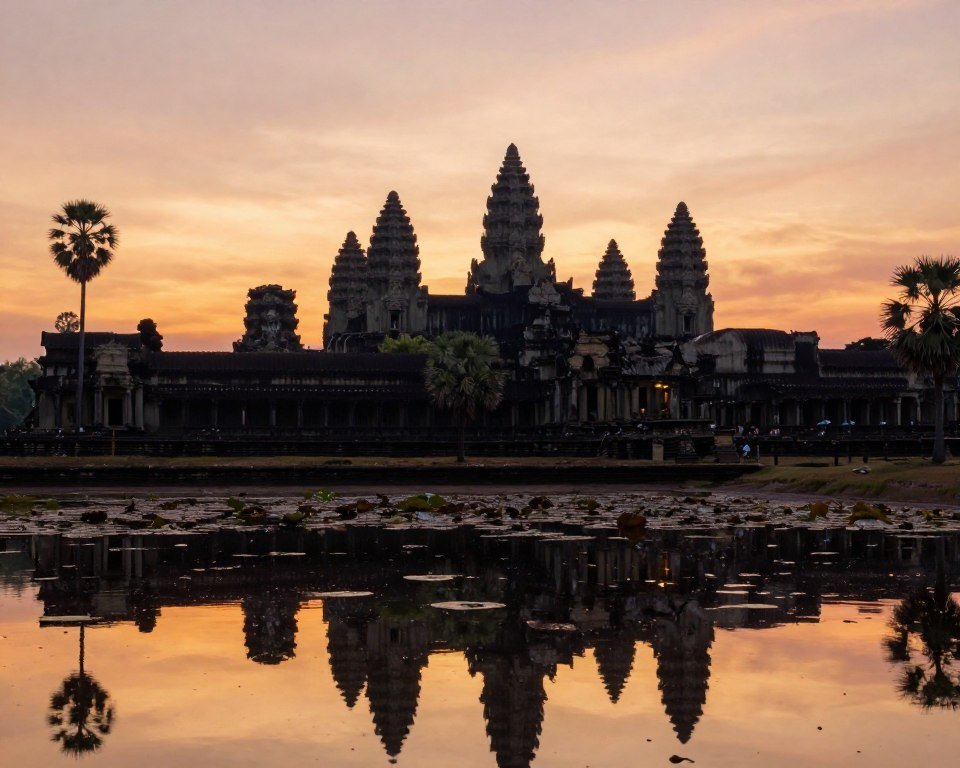
Siem Reap serves as your gateway to the Angkor Archaeological Park, home to the magnificent temples of the Khmer Empire. But this vibrant Cambodian city offers far more than ancient ruins. You’ll discover night markets bursting with local flavors, traditional Apsara dance performances, floating villages on Southeast Asia’s largest lake, and a food scene that rivals any destination in the region.
Planning your 2026 Siem Reap trip means navigating temple passes, choosing between hundreds of hotels, timing your visit for optimal weather, and deciding which of the many temple complexes deserve your limited vacation days. This comprehensive guide walks you through every decision, from securing your Cambodian visa to finding the perfect tuk-tuk driver who’ll become your local friend.
Why Siem Reap Should Top Your 2026 Travel List
Siem Reap exists primarily because of one reason: the Angkor temples. This UNESCO World Heritage site sprawls across 400 square kilometers and contains over 1,000 temples built between the 9th and 15th centuries. Angkor Wat alone covers 162 hectares, making it the largest religious structure ever constructed.
The Khmer Empire once ruled much of Southeast Asia from this location. Walking through these temple complexes transports you to a civilization that engineered massive irrigation systems, carved intricate bas-reliefs depicting Hindu and Buddhist mythology, and built monuments that have survived centuries of jungle overgrowth and modern warfare.
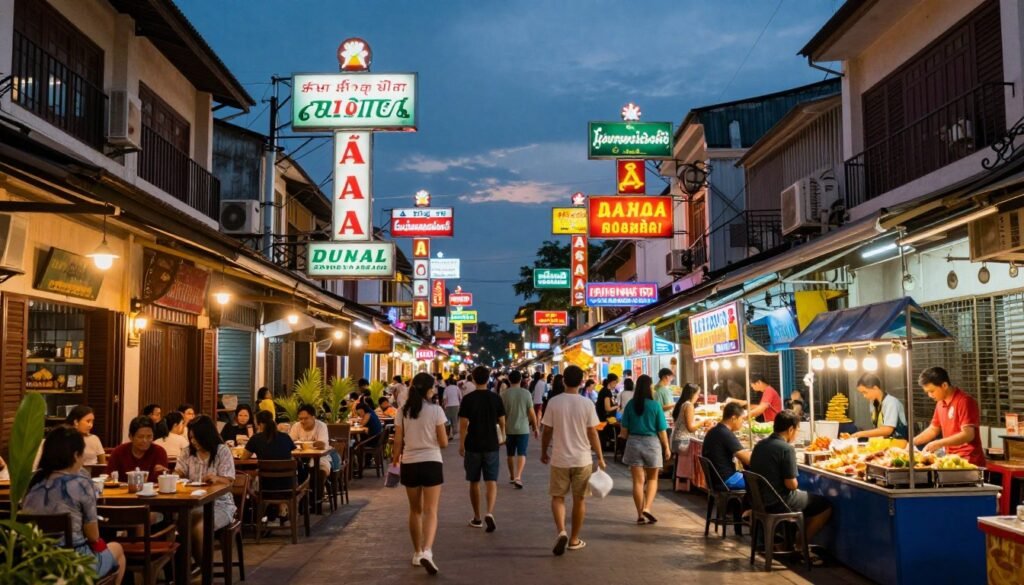
Beyond the temples, Siem Reap has transformed into one of Southeast Asia’s most visitor-friendly cities. The Old Market area pulses with energy as vendors sell everything from silk scarves to street food. Pub Street comes alive each night with restaurants, bars, and live music that cater to international travelers while maintaining authentic Cambodian character.
The city offers exceptional value compared to other major tourist destinations. A comfortable hotel room costs $30-50 per night. Delicious street food meals run $2-3. Professional tuk-tuk drivers charge $15-20 for full-day temple tours. This affordability lets you stretch your budget while experiencing luxury that would cost triple in neighboring Thailand.
Tonle Sap Lake, just outside the city, hosts floating villages where entire communities live on the water. Visiting these villages provides insight into a unique way of life while supporting local economies. The Angkor National Museum offers air-conditioned refuge from the heat while educating visitors about Khmer history and art.
Cambodian hospitality makes every visitor feel welcome. Despite the country’s tragic recent history, locals greet travelers with genuine smiles. Learning a few Khmer phrases creates instant connections. The tourism industry employs thousands of Cambodians who take pride in sharing their heritage with the world.
Best Time to Visit Siem Reap in 2026
Dry Season: November to March
The dry season represents peak tourist season in Siem Reap. Temperatures range from 25-30°C (77-86°F) during the day with almost no rainfall. Clear blue skies provide perfect conditions for temple exploration and photography. This weather reliability comes with trade-offs in crowds and prices.
November through February offers the most comfortable temperatures. Mornings can be pleasantly cool, perfect for sunrise temple visits. December and January bring the highest number of tourists, especially during the Christmas and New Year holidays. Book accommodations at least two months ahead for these peak weeks.
March marks the transition toward hot season. Temperatures climb above 35°C (95°F) by midday. The heat becomes intense when exploring exposed temple complexes. However, crowds thin out considerably compared to December and January, and hotel rates drop 20-30% from peak season pricing.
Rainy Season: May to October
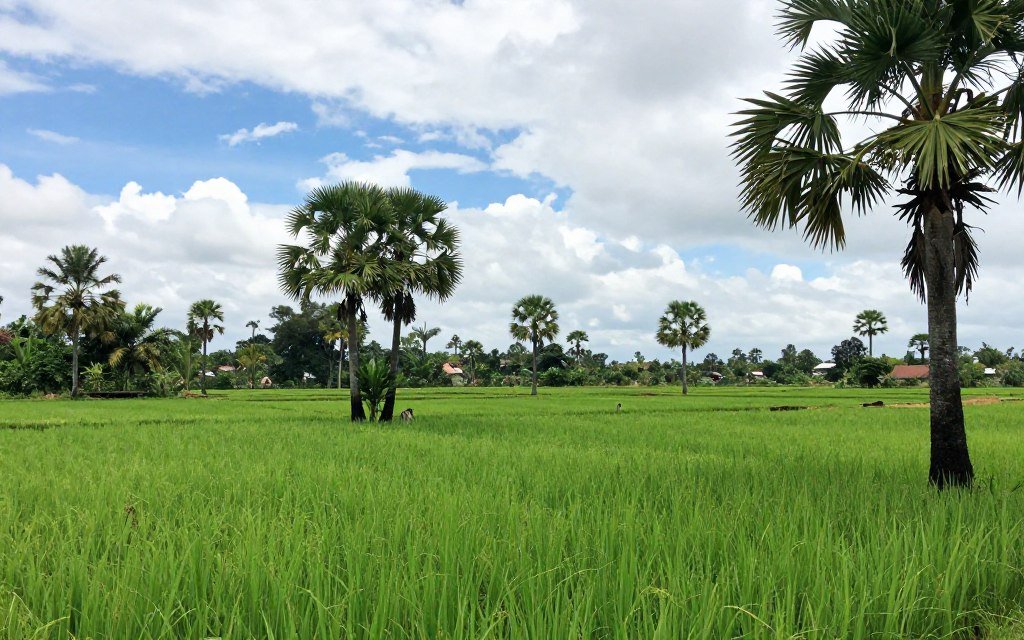
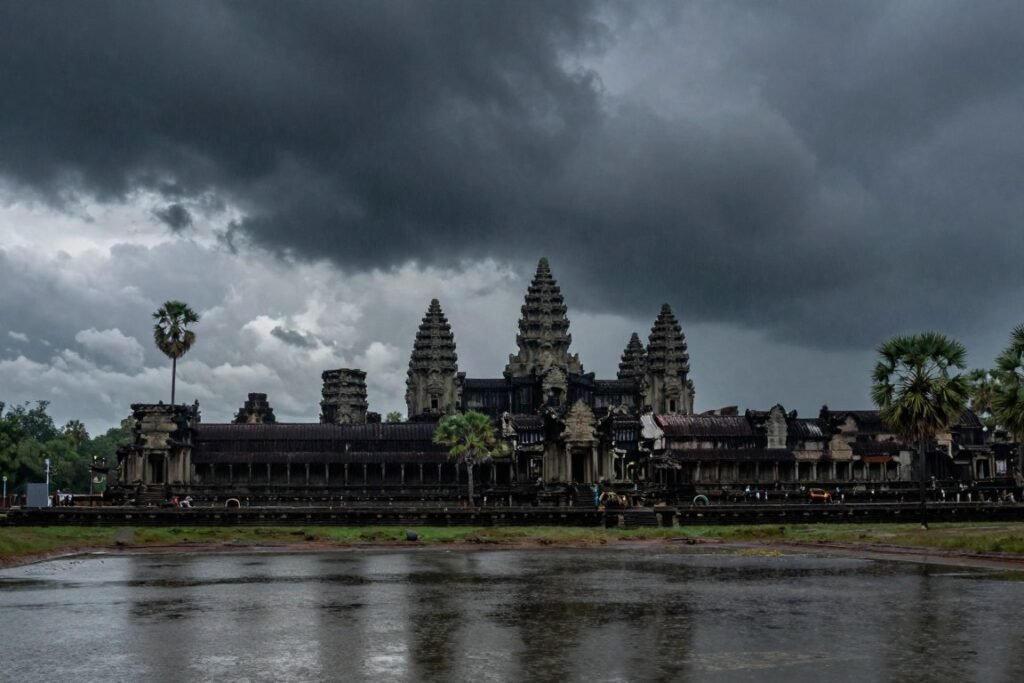
The rainy season, also called green season, transforms the landscape. Rice paddies turn brilliant green. Moats around temples fill with water creating beautiful reflections. The countryside becomes lush and photogenic. Rain typically falls in afternoon downpours rather than all-day drizzle.
Tourist numbers drop significantly during these months. You’ll have temple complexes nearly to yourself during morning visits. Hotels offer their lowest rates, sometimes 50% off peak season prices. Tour operators become more flexible with private tours and custom itineraries.
The downside involves unpredictable weather and extreme heat. Humidity stays high year-round but intensifies during rainy season. Afternoon thunderstorms can disrupt plans, though they usually last only 1-2 hours. Some countryside roads become difficult to navigate, limiting access to remote temples.
Shoulder Season: April and Late October
April represents the hottest month in Siem Reap. Temperatures regularly exceed 40°C (104°F). The heat becomes oppressive for many travelers. Cambodian New Year (Khmer New Year) falls in mid-April, creating a brief spike in domestic tourism. This cultural celebration offers unique experiences but also causes accommodation booking challenges.
Late October sees the rainy season winding down. Rainfall decreases but the landscape remains green and beautiful. Tourist numbers start increasing as dry season approaches. This timing offers a sweet spot with good weather, manageable crowds, and reasonable prices.
Dry Season (Nov-Mar)
- Perfect weather with minimal rain
- Comfortable temperatures for temple exploration
- Clear skies ideal for photography
- Highest prices and largest crowds
- Book 2-3 months in advance
- Best for first-time visitors
Rainy Season (May-Oct)
- Lush green landscapes and full moats
- Fewer tourists at major temples
- Lowest hotel rates of the year
- Afternoon rain showers common
- High humidity and heat
- Best for budget-conscious travelers
How to Get to Siem Reap in 2026
Flying to Siem Reap
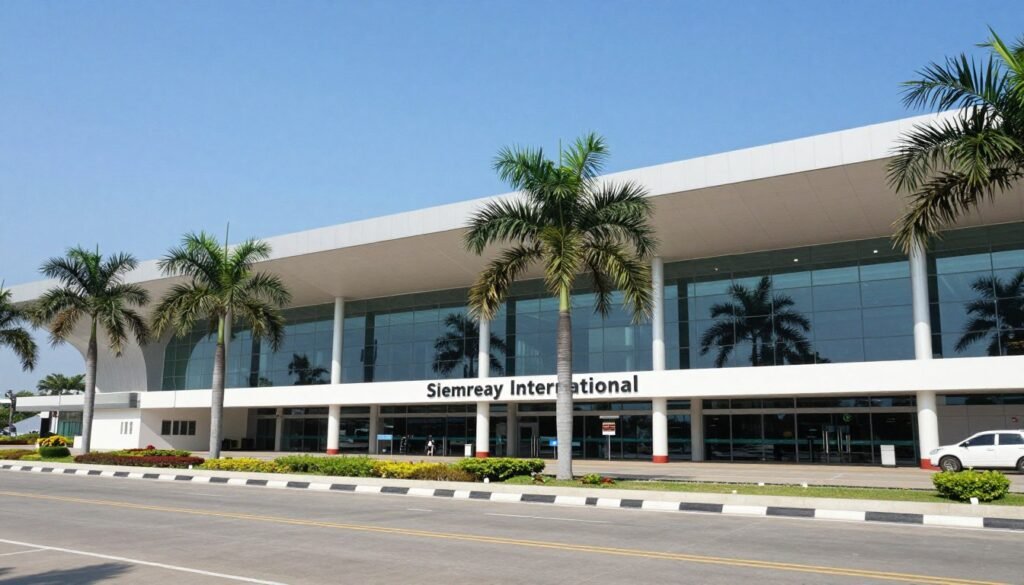
Siem Reap International Airport (SAI), which opened in late 2023, serves as Cambodia’s primary international gateway. This new facility replaced the old airport and sits about 40 kilometers east of the city center. The modern terminal handles increasing international traffic with improved facilities and efficiency.
Direct international flights connect Siem Reap to major Asian hubs including Bangkok, Singapore, Kuala Lumpur, Ho Chi Minh City, Hanoi, Seoul, and several Chinese cities. Airlines operating these routes include Cambodia Angkor Air, Thai Airways, Singapore Airlines, AirAsia, and Vietnam Airlines. Flight times from Bangkok take just one hour.
Most Western travelers connect through these Asian hubs. Popular routing options include connecting in Bangkok (most frequent connections), Singapore (premium service), or Kuala Lumpur (budget-friendly options). Some seasonal direct flights operate from European cities during peak winter months.
Transportation from the new airport to the city takes 45-60 minutes. Official airport taxis charge fixed rates of approximately $30-35 to the city center. Many hotels offer pickup services for $25-40. Ride-hailing apps like Grab operate at the airport with slightly lower rates than official taxis. Pre-booking airport transfers through your hotel guarantees someone meets you at arrivals.
Overland from Phnom Penh
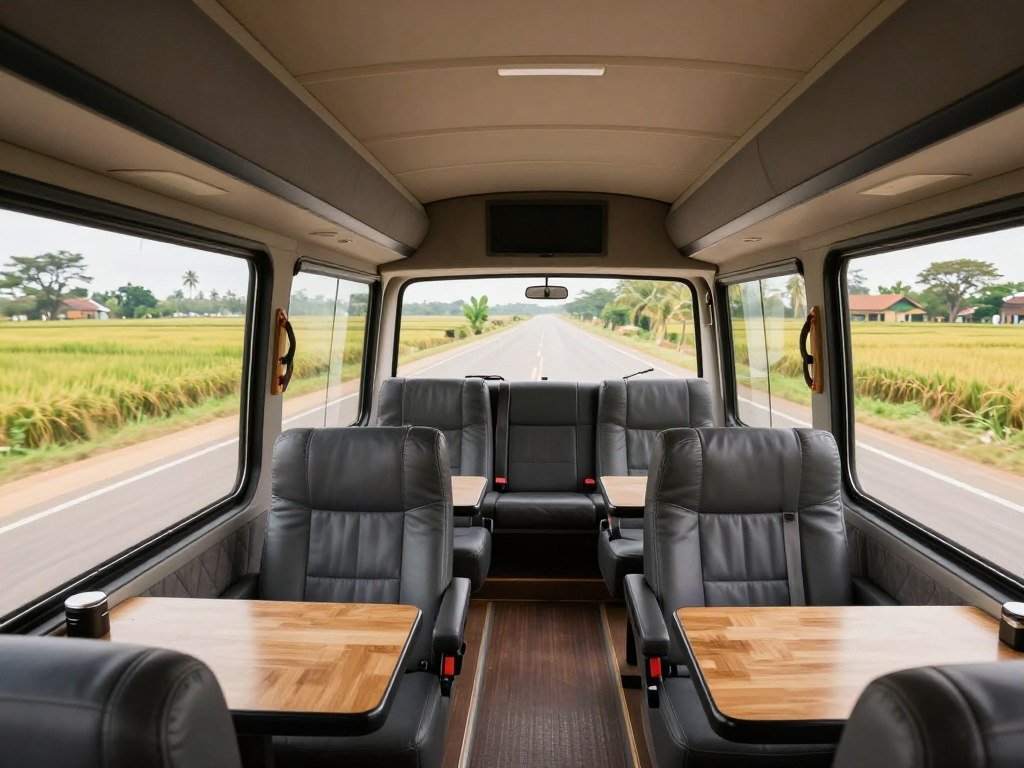
The journey from Cambodia’s capital Phnom Penh to Siem Reap covers roughly 320 kilometers. Multiple bus companies operate this route daily with modern, air-conditioned coaches. The trip takes 6-7 hours depending on traffic and stops. Tickets cost $10-15 for standard buses and $15-25 for premium services with extra legroom.
Giant Ibis, Mekong Express, and Virak Buntham are reputable bus operators with good safety records. Buses depart from various locations in Phnom Penh, with most companies offering hotel pickups. The route follows National Road 6, a well-maintained highway. Most buses make one rest stop midway for bathrooms and snacks.
Private taxi services offer a faster but more expensive alternative. A private car with driver costs $80-120 for the journey. This option provides flexibility to stop at roadside attractions like the spider market in Skuon or ancient bridge ruins. Shared taxis cost less but wait until full before departing.
Crossing from Thailand
The Poipet-Aranyaprathet border crossing connects Thailand and Cambodia. Many travelers include Siem Reap in multi-country Southeast Asia itineraries. The border operates daily from 7 AM to 8 PM. This crossing has a reputation for scams, so remain vigilant and informed.
From Bangkok, travelers can take buses directly to Siem Reap. These cross-border services cost $20-35 and take 8-10 hours including border formalities. Reputable companies include Nattakan and Giant Ibis. The journey involves getting off the bus at the border to complete immigration procedures.
Cambodian e-visas can be obtained online before travel, simplifying border crossing procedures. The visa costs $36 plus a $6 processing fee. Approval typically takes 3 business days. Having an e-visa means skipping visa-on-arrival lines at the border. You’ll still need a passport-sized photo and proof of onward travel.
Visa Requirements for Cambodia
Most nationalities require a visa to enter Cambodia. Tourist visas cost $30 at borders and airports (visa on arrival) or $36 online (e-visa). The tourist visa allows a 30-day stay with the possibility of extension. Requirements include a passport valid for at least 6 months and one passport photograph.
The e-visa system (www.evisa.gov.kh) is the official government platform. Beware of third-party websites charging inflated fees. The e-visa works for entry through Siem Reap International Airport and most land borders. Processing normally completes within 3 business days, though applying 1-2 weeks before travel provides a safety buffer.
Upon arrival, immigration officers stamp your passport with entry and exit dates. Keep this stamp safe as you’ll need it to exit the country. Overstaying your visa results in fines of $10 per day. Visa extensions are available at immigration offices in Siem Reap but involve paperwork and fees.
Find the Best Flights to Siem Reap
Compare flight prices from hundreds of airlines and booking sites. Check multiple connection options through Bangkok, Singapore, and Kuala Lumpur to find the best rates for your 2026 trip.
Best Areas to Stay in Siem Reap 2026
Choosing your accommodation location significantly impacts your Siem Reap experience. The city remains compact and navigable, but different neighborhoods offer distinct atmospheres and conveniences. Your budget, travel style, and priorities determine the ideal area.
Old Market and Pub Street Area
The Old Market (Phsar Chas) area forms the tourist heart of Siem Reap. This central location puts you within walking distance of dozens of restaurants, the lively Pub Street nightlife zone, and shopping options. The neighborhood buzzes with energy from early morning until late night.
Hotels here range from budget guesthouses at $10-20 per night to mid-range boutique properties at $40-80. Most establishments occupy converted French colonial buildings or traditional Khmer-style structures. Rooftop bars, swimming pools, and complimentary breakfast are common amenities even at moderate price points.
The central location means you can walk to dinner, shopping, and entertainment without relying on transportation. However, this area can feel crowded and touristy. Street noise from bars and tuk-tuks continues until late. Light sleepers should request rooms away from the main roads.
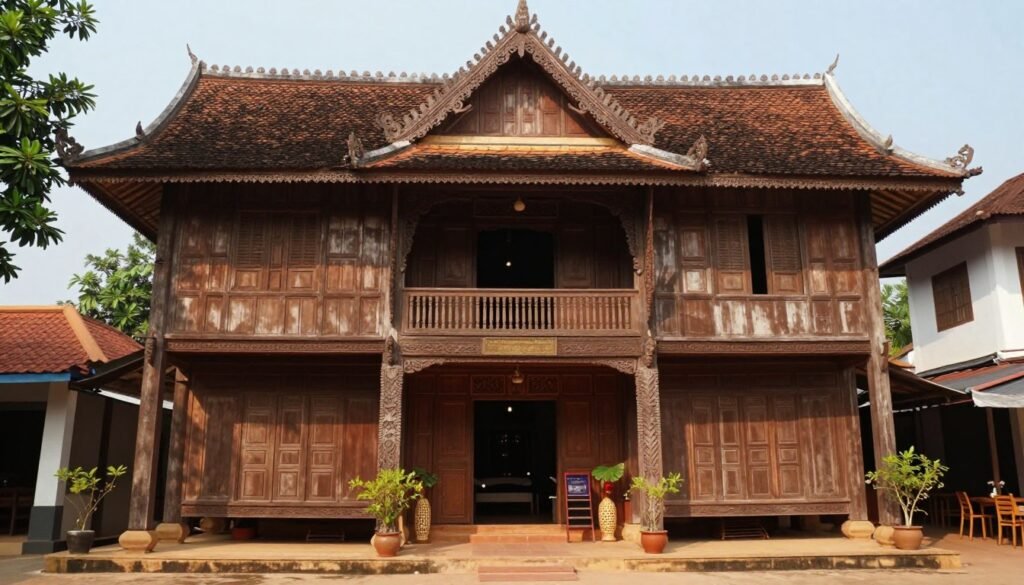
Most Popular Old Market Area Hotels
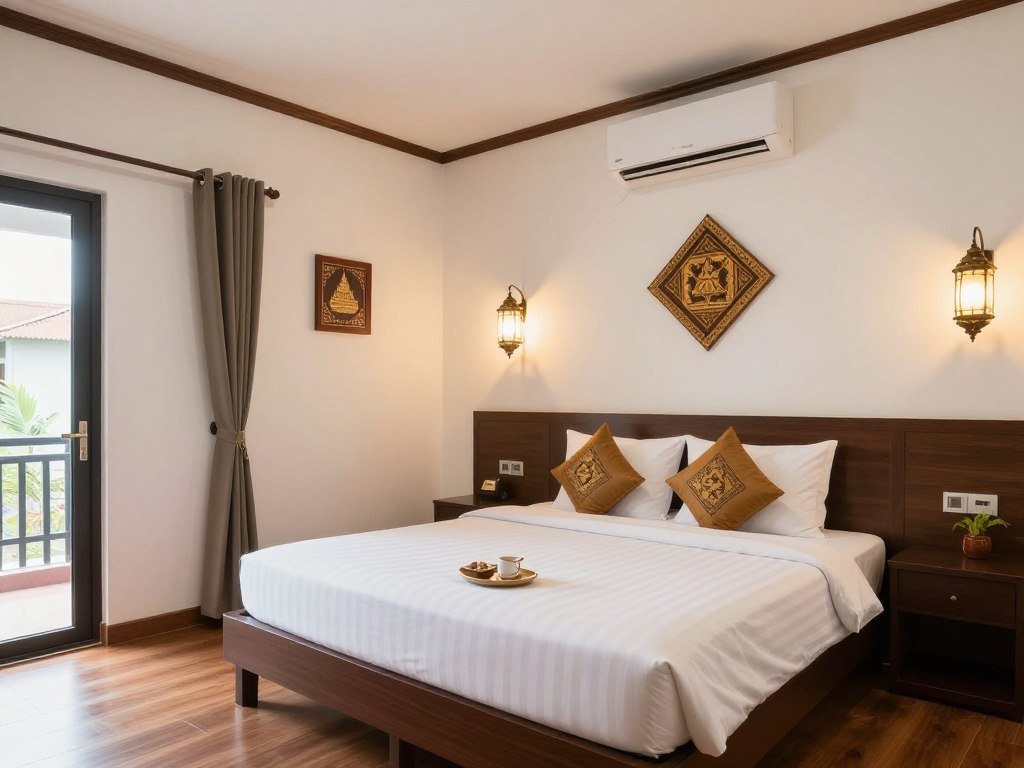
Stay in the heart of Siem Reap’s action with easy access to restaurants, night markets, and Pub Street. These hotels balance comfort, location, and value while putting you steps away from the city’s best dining and entertainment.
- Walking distance to Old Market and Pub Street
- Wide range of restaurants and bars nearby
- Easy access to tuk-tuks for temple visits
- Swimming pools and air-conditioned rooms
- Complimentary breakfast at most properties
- Average rate: $30-70 per night
Wat Bo and River Road
This quieter neighborhood sits northeast of Old Market along the Siem Reap River. Wat Bo offers a more residential feel while remaining close to central attractions. The area attracts travelers seeking authentic local atmosphere without complete isolation from tourist amenities.
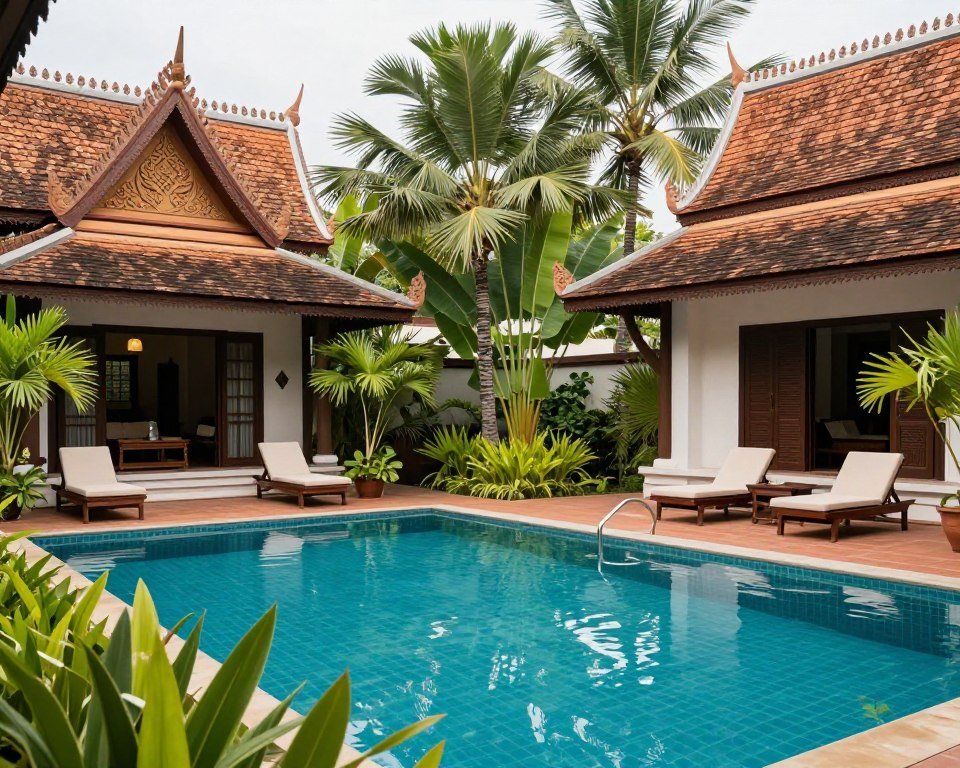
Accommodation options include charming boutique hotels, family-run guesthouses, and small resorts. Prices run slightly lower than Old Market for comparable quality. Many properties feature gardens, pools, and traditional Khmer architectural elements. The neighborhood’s tree-lined streets make pleasant walks.
Local restaurants in this area cater more to residents than tourists, offering authentic Khmer cuisine at lower prices. The night market sits at the neighborhood’s edge, providing shopping and street food options. Reaching Pub Street requires a 10-minute walk or short tuk-tuk ride.
Best Value Wat Bo Neighborhood Hotels
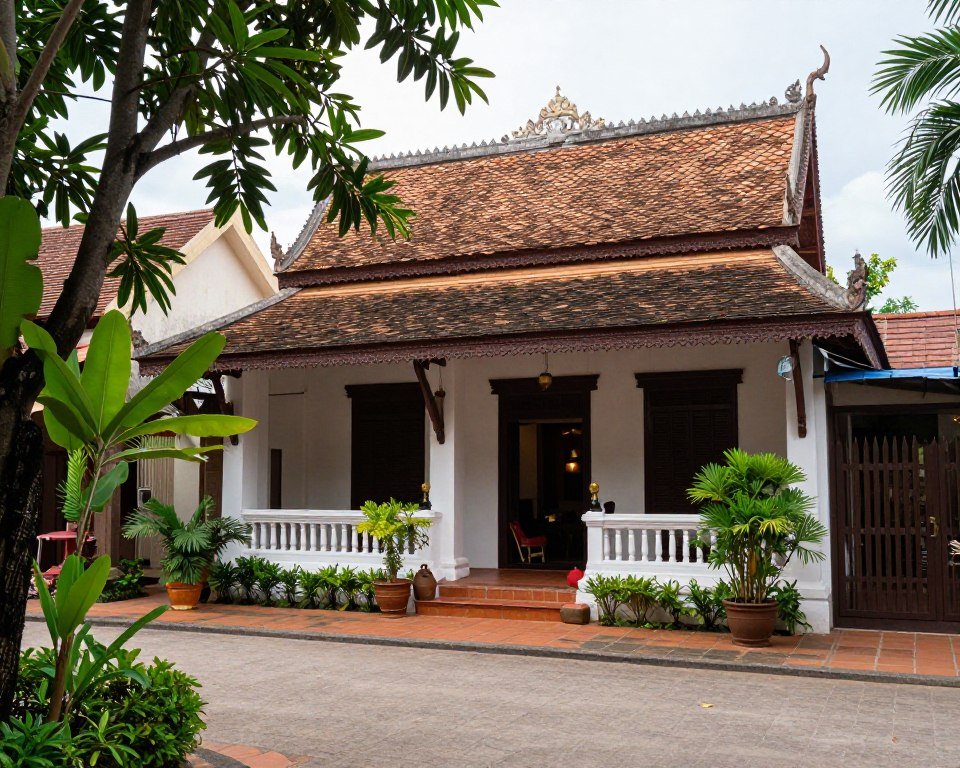
Experience a quieter side of Siem Reap in this residential area near the river. These properties offer excellent value with local restaurants nearby and easy access to central attractions via a short walk or tuk-tuk ride.
- Peaceful residential neighborhood setting
- Boutique hotels with personal service
- Lower prices than Old Market area
- Authentic local restaurants nearby
- 10-minute walk to Pub Street
- Average rate: $25-55 per night
Resort Area Near Angkor
High-end resorts cluster along the road leading to Angkor Archaeological Park. These properties sit 5-7 kilometers from downtown Siem Reap in a quieter, more spacious environment. Luxury seekers and those prioritizing relaxation over nightlife find this area ideal.
Resorts in this zone offer extensive grounds with large swimming pools, spa facilities, multiple restaurants, and lush tropical gardens. Many feature traditional Khmer architecture on a grand scale. Rooms start around $100 per night and climb to $500+ for luxury properties. Some internationally recognized hotel chains operate here alongside Cambodian boutique resorts.
The major advantage involves proximity to Angkor temples. Sunrise temple visits require less travel time from these resorts. The peaceful environment provides retreat after hot days exploring ruins. However, you’ll need transportation for every trip to downtown restaurants and entertainment. Most resorts provide free shuttle services or can arrange tuk-tuks.
Luxury Choice Resort Area Properties
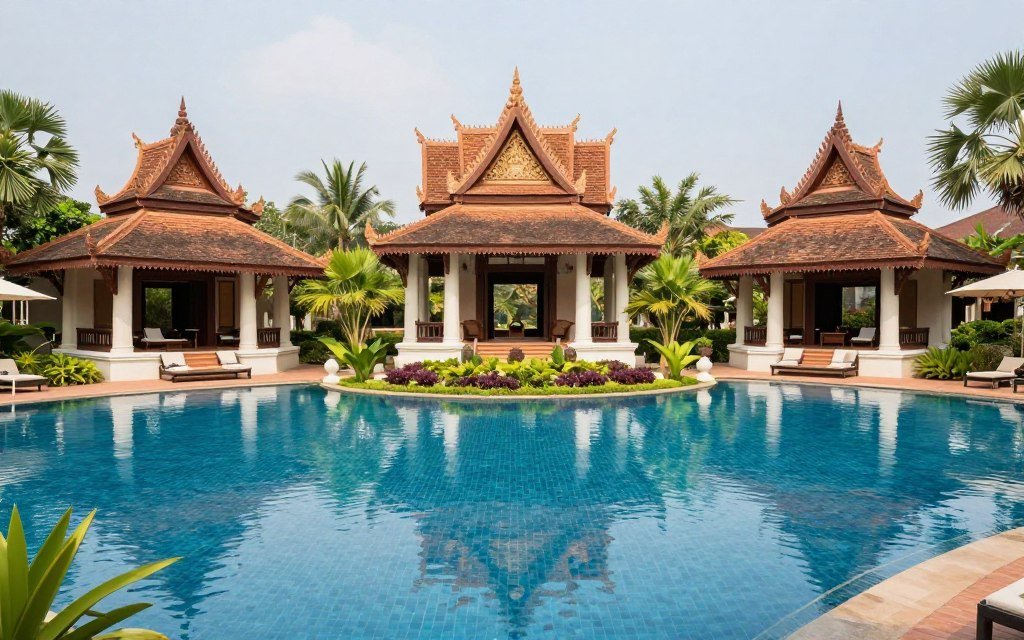
Indulge in luxury at these spacious resorts near the Angkor temples. Enjoy extensive amenities including pools, spas, and fine dining while staying close to the archaeological park for easy temple access.
- Luxury facilities and extensive grounds
- Closer to Angkor temple complex
- Spa services and multiple restaurants
- Peaceful environment away from city
- Free shuttle to downtown area
- Average rate: $100-300 per night
Budget Options and Hostels
Budget travelers find excellent options throughout Siem Reap. Hostels with dormitory beds cost $5-12 per night and cluster around the Old Market and Wat Bo areas. Many feature swimming pools, social events, and tour booking services that help solo travelers meet others.
Private rooms in budget guesthouses start around $15-25 per night. These family-run establishments often include breakfast and provide insider tips about the city. While facilities may be basic, cleanliness standards generally remain high due to competition.
The budget accommodation scene in Siem Reap punches above its weight compared to similar-priced options elsewhere in Southeast Asia. Air conditioning, hot water, and WiFi are standard even at the lowest price points. The savings on accommodation allow budget-conscious travelers to splurge on temple passes, tours, and meals.
| Neighborhood | Best For | Average Price | Distance to Temples | Nightlife Access |
| Old Market/Pub Street | Central location and nightlife | $30-70 | 6-7 km | Walking distance |
| Wat Bo/River Road | Local atmosphere and value | $25-55 | 7-8 km | 10-min walk |
| Resort Area | Luxury and temple proximity | $100-300 | 3-4 km | 15-min drive |
| Budget Hostels | Backpackers and solo travelers | $5-25 | 6-7 km | Walking distance |
Must-See Attractions and Experiences in Siem Reap
Angkor Wat Temple Complex
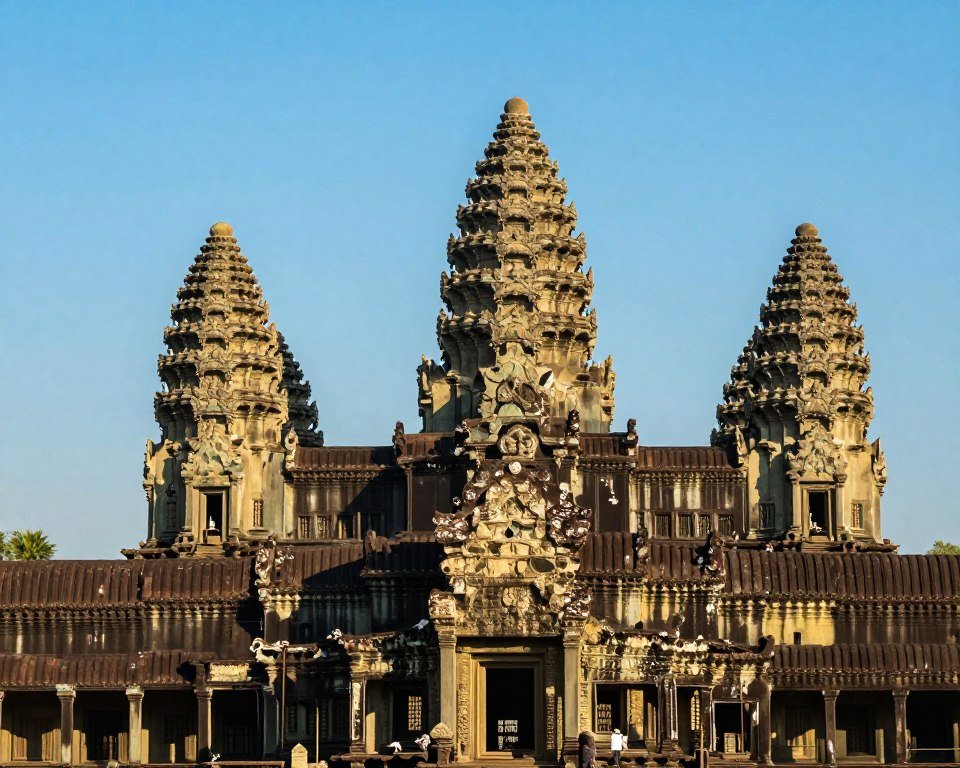
Angkor Wat stands as the world’s largest religious monument and Cambodia’s national symbol. King Suryavarman II commissioned this Hindu temple dedicated to Vishnu in the early 12th century. The temple complex covers 162.6 hectares and represents the pinnacle of Khmer architecture.
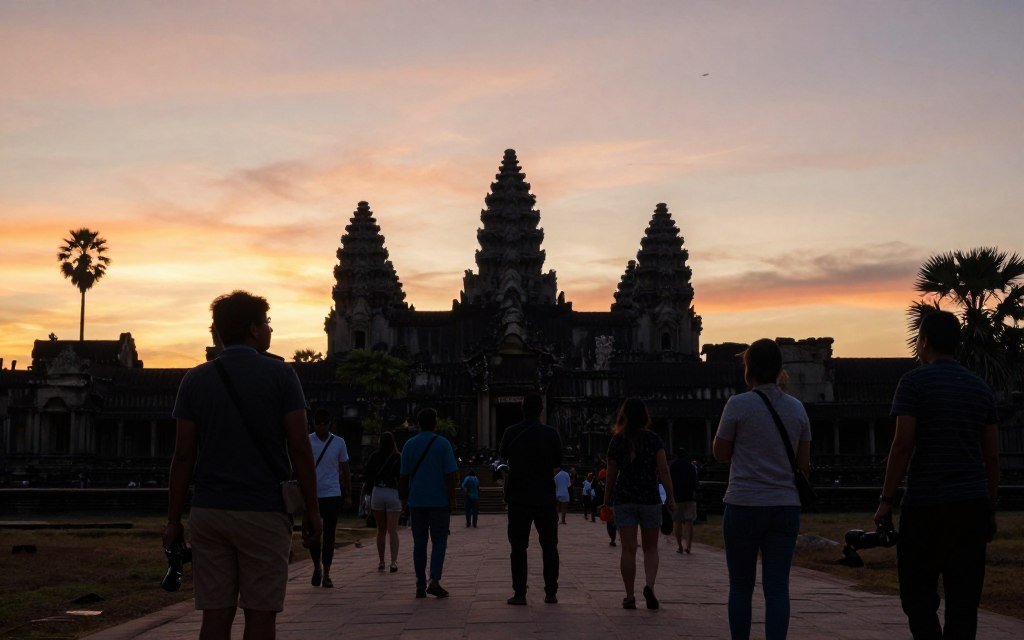
The classic sunrise view draws hundreds of photographers each morning. Arrive by 5:30 AM to secure a spot by the north reflecting pool. Watch as the sky transforms from dark blue to orange and pink, with the temple silhouette gradually revealing details as light increases. This iconic scene appears on Cambodia’s flag and currency.
Beyond sunrise, exploring Angkor Wat requires 2-3 hours minimum. The central sanctuary rises 65 meters above the ground. Climbing the steep stairs to the upper terrace offers panoramic views but requires respect for the sacred site. The bas-relief galleries stretching along the outer walls depict Hindu epics and historical battle scenes in intricate detail.
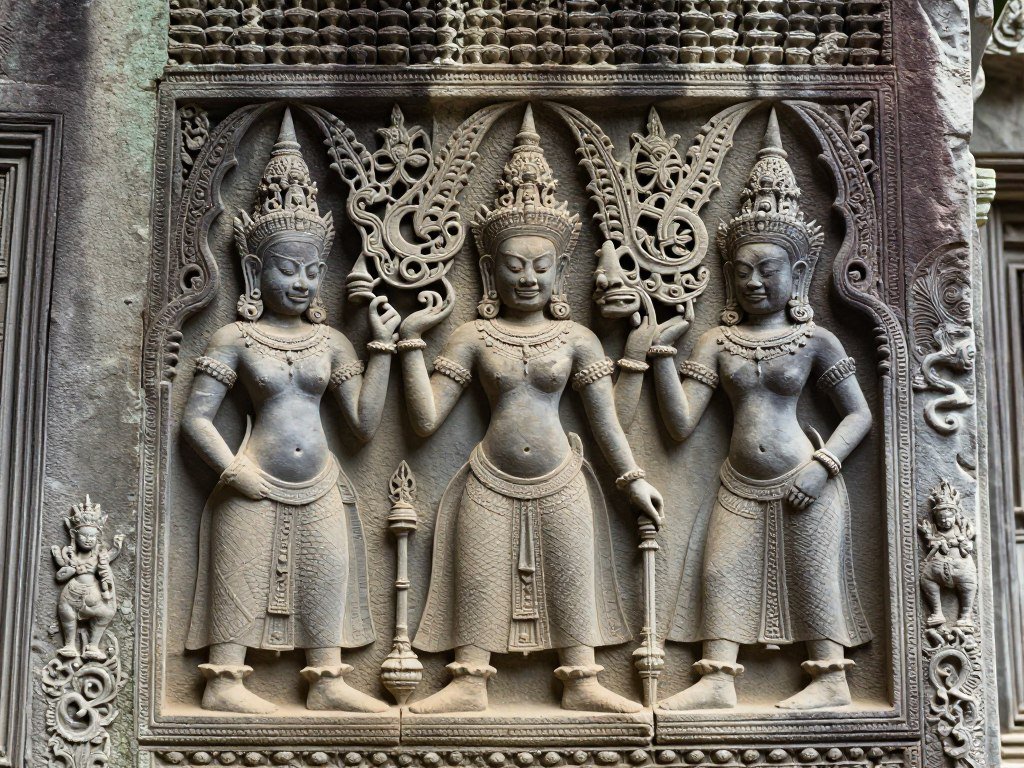
Visit twice if possible. Morning provides the famous sunrise and smaller crowds afterward. Late afternoon offers beautiful golden light for photography. The changing sun angles reveal different details in the stone carvings. Sunset from the temple, while not as dramatic as sunrise, draws fewer people.
Angkor Thom and Bayon Temple
Angkor Thom served as the capital city of the Khmer Empire under King Jayavarman VII. This fortified city covers 9 square kilometers surrounded by a moat and wall. Enter through one of five monumental gates, each topped with four-faced towers representing the bodhisattva Avalokiteshvara.
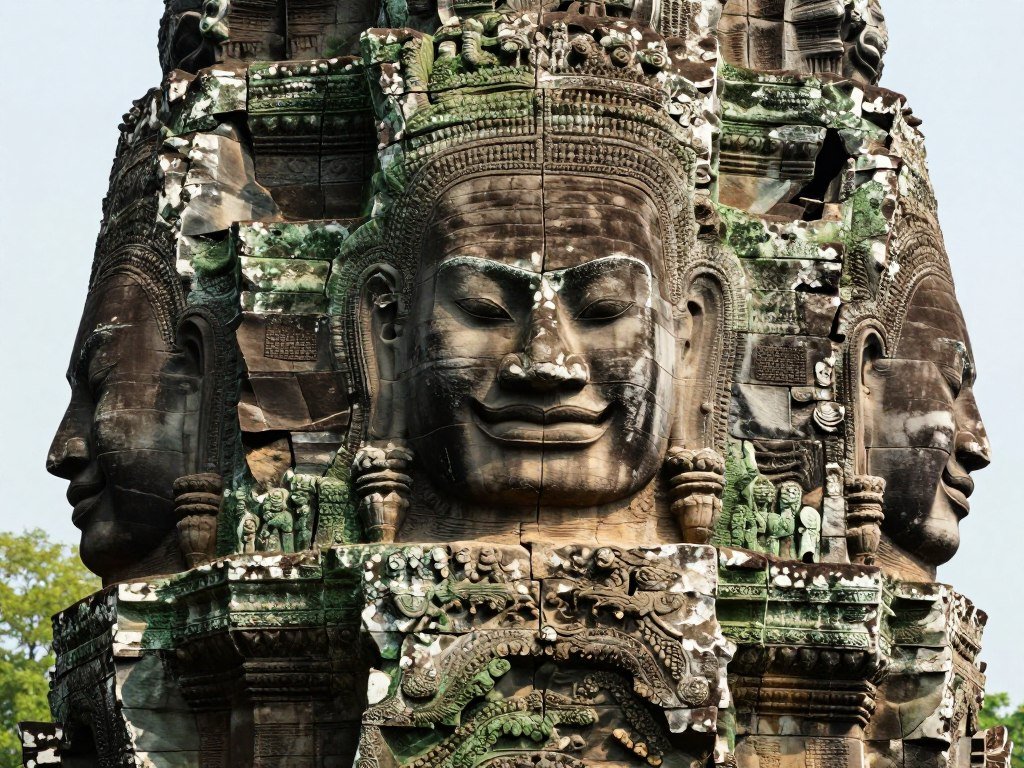
The Bayon temple sits at Angkor Thom’s center. This Buddhist temple features 216 serene stone faces carved on 54 towers. Walking among these towers creates a surreal experience as faces appear from every angle. Morning or late afternoon light enhances the expressions on these enigmatic faces.
The Terrace of the Elephants and Terrace of the Leper King border the Royal Square in Angkor Thom. These platforms hosted royal ceremonies and audiences. Detailed elephant carvings and apsara dancers decorate the terrace walls. Hidden passageways beneath the Leper King terrace contain well-preserved carvings.
Ta Prohm: The Jungle Temple
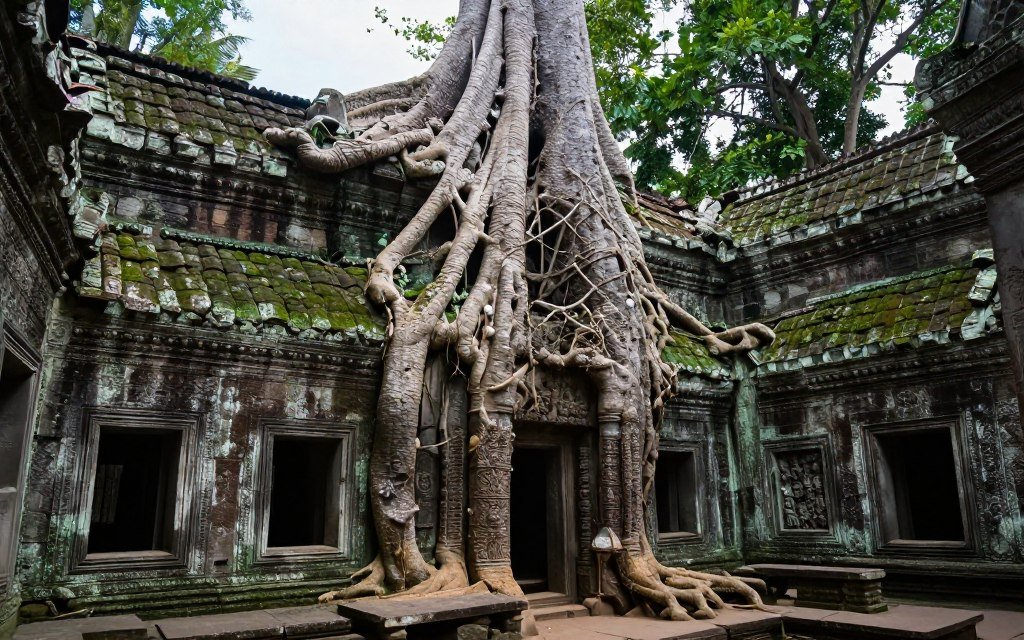
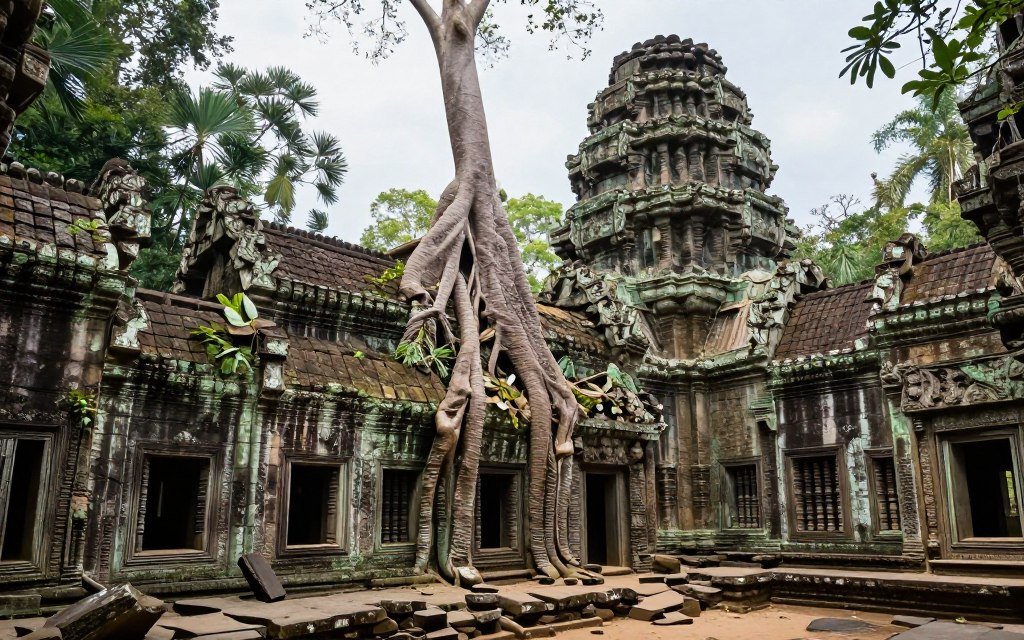
Ta Prohm demonstrates nature’s power to reclaim human constructions. Massive silk-cotton trees and strangler figs grow through the temple structure, their roots cascading over doorways and walls. Conservation efforts maintain this atmospheric partially-ruined state rather than fully restoring the complex.
Built in the late 12th and early 13th centuries, Ta Prohm functioned as a monastery and university. The temple once housed 260 statues, with over 2,740 officials and 615 dancers serving its religious functions. Today, the combination of ancient stone and towering trees creates one of Angkor’s most photogenic sites.
Crowds arrive throughout the day, especially after the temple’s appearance in Tomb Raider films. Early morning visits before 8 AM or late afternoon after 4 PM offer better opportunities to appreciate the atmosphere without constant tour groups. The dappled light filtering through the tree canopy creates magical photography conditions.
Angkor Temple Pass and Guided Tour
Skip the ticket line with a pre-arranged Angkor pass and expert guide. This full-day tour covers Angkor Wat sunrise, Bayon temple, Ta Prohm, and other major temples with an archaeologist guide who brings the stones to life with historical context.
Banteay Srei Temple
Located 25 kilometers northeast of the main Angkor complex, Banteay Srei earns its “Citadel of Women” nickname from the delicate, intricate carvings decorating its pink sandstone walls. Built in the 10th century, this smaller temple showcases some of Angkor’s finest stone craftsmanship.
The temple’s remote location means fewer visitors compared to the main circuit temples. The pink sandstone used in construction allows for incredibly detailed carvings that have survived centuries remarkably intact. Devatas (female deities) and narrative scenes from Hindu mythology cover nearly every surface.
Plan 2-3 hours for the round trip from Siem Reap plus temple exploration time. Combine this visit with other outlying temples like Banteay Samre or the Roluos Group to maximize the journey. The road passes through rural countryside providing glimpses of traditional village life.
Tonle Sap Lake and Floating Villages
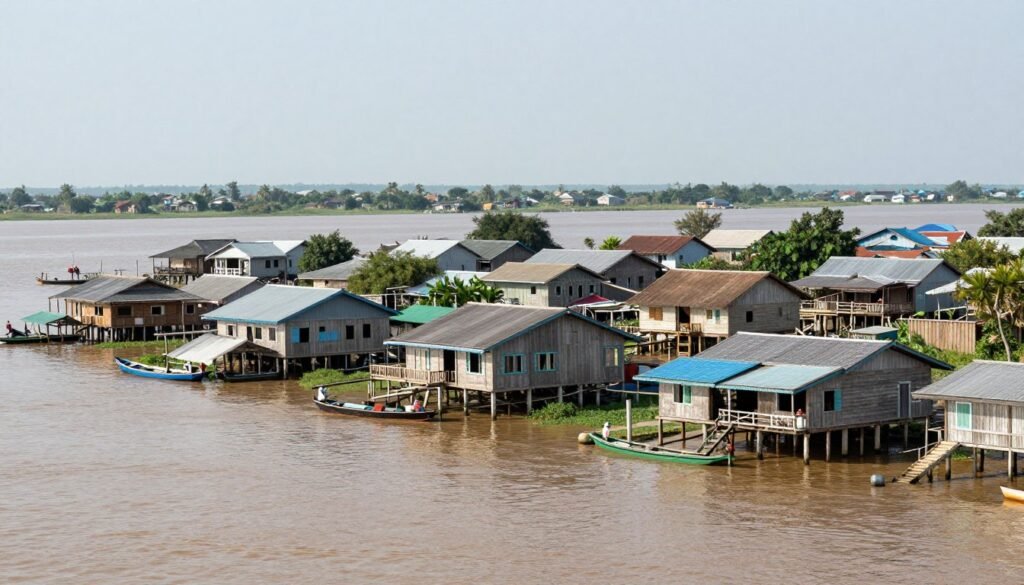
Tonle Sap, Southeast Asia’s largest freshwater lake, expands and contracts dramatically with seasons. During the rainy season, the lake quadruples in size, with water flowing back from the Mekong River. This unique hydrology supports floating villages where communities live entirely on the water.
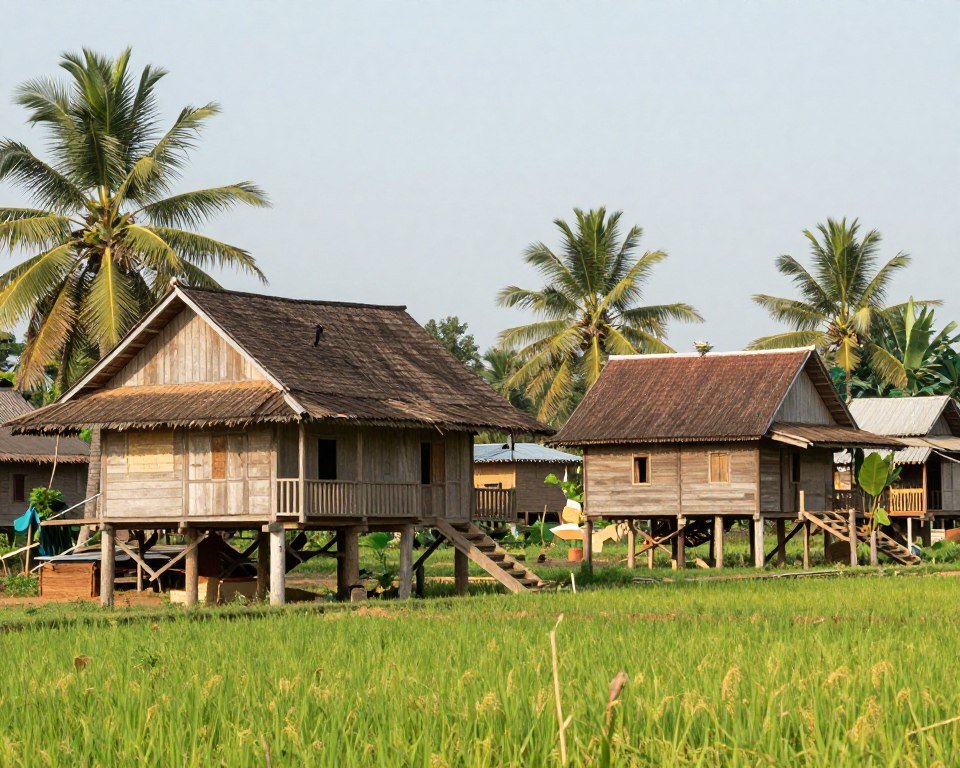
Several floating villages accept tourists, with Kompong Phluk and Kompong Khleang offering more authentic experiences than the heavily touristed Chong Kneas. These communities include floating houses, schools, churches, and even basketball courts. Residents move their entire homes as water levels change.
Boat tours typically last 2-3 hours. You’ll cruise through channels between houses, visit a floating village, and often tour flooded forests where trees stand in water during high season. Choose tour operators carefully, as some exploit residents. Reputable tours contribute to community development projects.
Angkor National Museum
Before diving into the temple complexes, the Angkor National Museum provides essential historical and cultural context. This modern, air-conditioned facility displays artifacts from the Angkor period with explanations in English, French, and Khmer. The museum organizes exhibits chronologically and thematically.
Eight galleries cover topics including Khmer civilization, religion, and daily life during the Angkor period. Authentic statues, lingas, ceramics, and bronze pieces help visitors understand what the temples looked like in their prime. Interactive displays and multimedia presentations engage visitors of all ages.
Plan 1.5-2 hours for a thorough visit. The museum prohibits photography inside to protect artifacts. An audio guide (available for rental) enhances the experience with detailed explanations. Visit on your first day in Siem Reap to better appreciate the temples you’ll explore later.
Phare Cambodian Circus
This isn’t a traditional circus but rather an artistic performance combining theater, music, dance, and acrobatics. Students from Phare Ponleu Selpak, an arts school in Battambang, perform shows that tell Cambodian stories. Each performance addresses themes from Khmer culture, history, or contemporary social issues.
Shows run 6-7 nights per week at the permanent big top venue. Performances last about one hour and don’t involve animals. The energy, skill, and storytelling create an memorable evening. Proceeds support the arts school and its mission to help disadvantaged Cambodian youth.
Book tickets in advance during peak season as shows sell out. Three seating tiers offer different price points. The interactive nature means you might be pulled into the performance briefly. This represents a wonderful alternative to temple-focused days and supports a worthy cause.
Transportation and Getting Around Siem Reap
Tuk-Tuks: Your Primary Transport
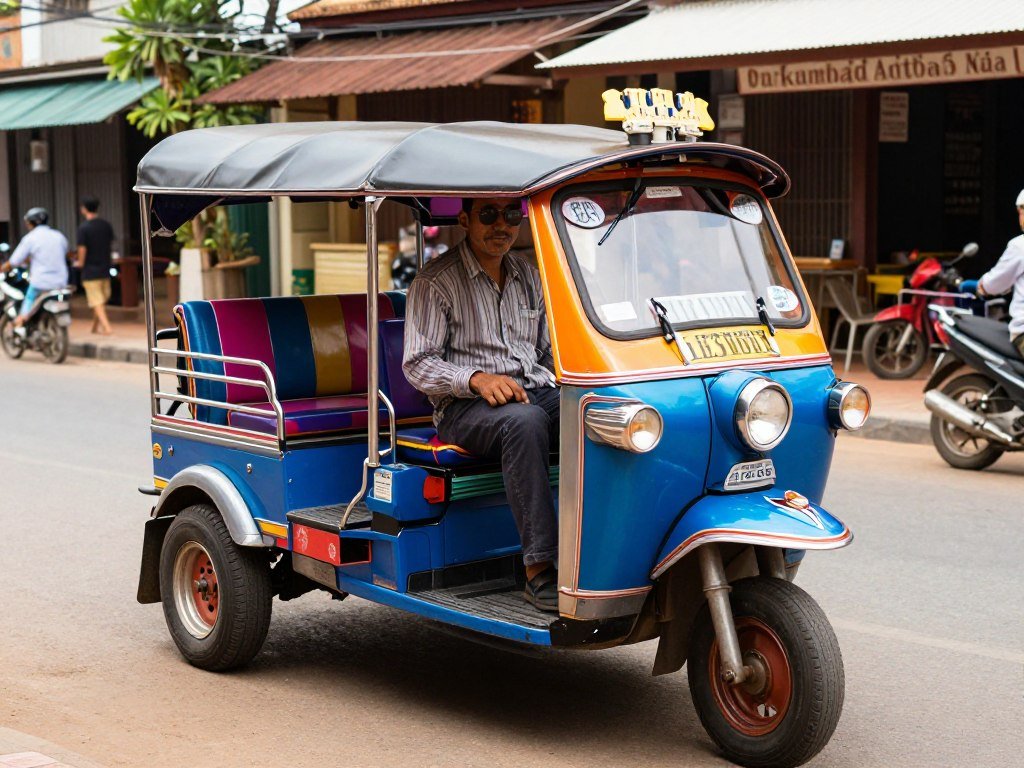
Motorized tuk-tuks dominate transportation in Siem Reap. These three-wheeled vehicles with covered rear passenger benches accommodate 2-4 people comfortably. Drivers congregate around hotels, markets, and tourist areas. This flexible, affordable option works for both short city trips and full-day temple tours.
Negotiating fair rates requires understanding typical pricing. Short trips within the city cost $2-3. Half-day temple tours (4-5 hours) run $15-18. Full-day temple tours covering the main circuit cost $20-25. Hiring a tuk-tuk for an entire day provides flexibility to adjust your itinerary.
Many travelers establish relationships with reliable drivers who become de facto guides. Good drivers know temple opening hours, best visit times, and less-crowded alternative temples. They wait at each temple while you explore. Exchanging contact information with a trusted driver simplifies booking subsequent days.
Tips for tuk-tuk success: agree on prices before departure, have small bills for payment, bring a hotel business card to show drivers your accommodation, and consider tipping drivers who provide excellent service. Most drivers speak enough English to communicate about destinations and prices.
Bicycles for Temple Exploration
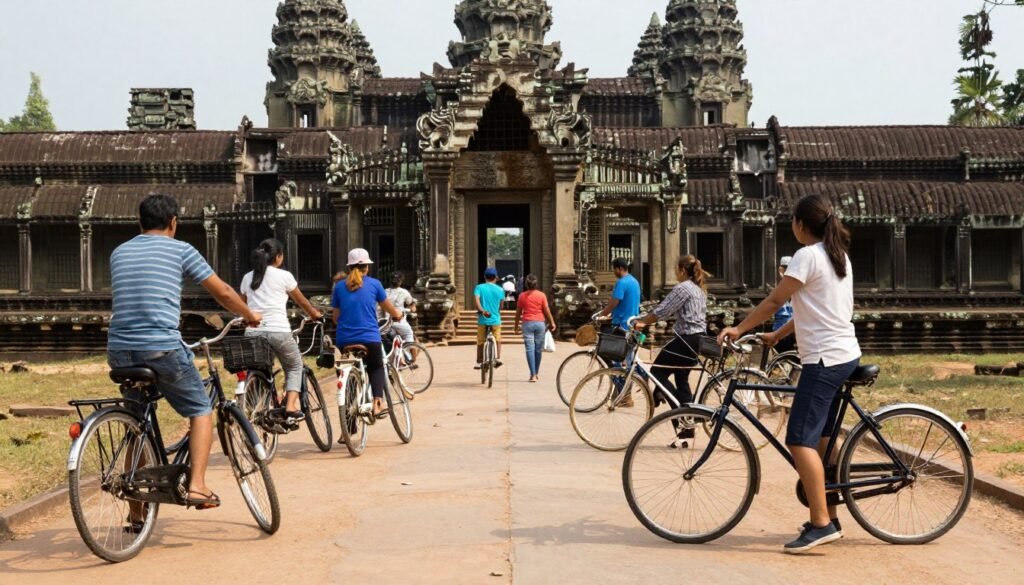
Cycling represents an eco-friendly, healthy way to explore the Angkor temples. Many hotels and guesthouses provide free bicycle use to guests. Rental shops charge $2-5 per day for standard bikes. The relatively flat terrain and wide roads within the archaeological park make cycling feasible for most fitness levels.
Benefits include independence, cost savings, and the ability to stop anywhere that catches your interest. Cycling between temples lets you experience the forested park environment. However, the heat, especially March through May, makes cycling challenging. Carry plenty of water and start very early.
Electric bicycles (e-bikes) offer a middle ground, providing pedal assistance for easier riding. Rentals cost $10-15 per day. These make longer distances manageable while maintaining the outdoor experience. Some travelers use regular bikes for nearby temples and hire tuk-tuks for distant sites.
Car with Driver
Air-conditioned cars with private drivers offer the most comfortable temple touring option. Particularly appealing during hot season, this choice suits families, older travelers, or anyone preferring climate-controlled comfort. Cars accommodate 4 passengers plus luggage comfortably.
Daily rates for car and driver range from $40-60 depending on vehicle quality and destinations. This price typically covers 8-10 hours including all temples within the Angkor Archaeological Park. Distant temples like Banteay Srei or Beng Mealea incur additional fees.
The higher cost compared to tuk-tuks buys comfort, privacy, and often better communication. Many car drivers speak more English than tuk-tuk drivers and can provide more detailed historical information. Cars also provide safe, enclosed storage for bags and equipment between temple stops.
Temple Pass System
Accessing the Angkor Archaeological Park requires purchasing a pass. The ticket office sits on the road to the temples, opening at 5 AM. Three pass options exist: 1-day pass ($37), 3-day pass ($62 valid for 10 days), and 7-day pass ($72 valid for one month). Children under 12 enter free with proof of age.
Your photograph is taken at purchase and printed on the pass. Guards check passes at temple entrances, so carry it always. The 3-day pass offers the best value for most visitors, allowing sufficient time to explore major temples without rushing. Days don’t need to be consecutive within the validity period.
Only official ticket offices sell legitimate passes. Some scam artists near the ticket office pose as helpful locals offering to sell passes or guide you. Ignore them and proceed directly to the official counters. Payment options include cash (USD or Cambodian riel) and credit cards.
Sunrise temple visits technically occur before official opening hours, but pass checks don’t happen until later. However, you still need a valid pass for that day. Purchase passes the afternoon before for next-day sunrise visits to avoid queues in the early morning darkness.
Grab and PassApp Ride-Sharing
Ride-sharing apps including Grab and local competitor PassApp operate in Siem Reap. These services provide fixed pricing determined by GPS distance, eliminating negotiation. The apps show the price before booking. Drivers receive your location and destination electronically.
Grab operates both car and tuk-tuk services through the app. Prices typically run 10-20% lower than negotiating directly with drivers. However, app availability can be limited during peak hours or in remote areas. Coverage within the city center is reliable.
Download and set up apps before arrival to avoid struggling with registration during your trip. Both apps accept credit cards, though cash payment remains an option. Rating systems encourage good driver behavior. These services work well for city transportation but less so for temple tours.
Transportation Costs
- Tuk-tuk city ride: $2-3
- Tuk-tuk full-day temples: $20-25
- Bicycle rental: $2-5 per day
- E-bike rental: $10-15 per day
- Car with driver: $40-60 per day
- Angkor 3-day pass: $62
Temple Visit Tips
- Start temple days early (5-6 AM)
- Bring plenty of water and snacks
- Wear covered shoulders and knees
- Use sun protection (hat, sunscreen)
- Take breaks during midday heat
- Carry small bills for purchases
Siem Reap Food Scene: Cuisine, Markets, and Dining
Traditional Khmer Cuisine
Khmer cuisine blends influences from neighboring Thailand and Vietnam while maintaining distinct characteristics. Fish from Tonle Sap Lake, rice, fresh vegetables, and aromatic herbs form the foundation. Flavors tend toward subtlety compared to Thai food, with less heat and more balance between sweet, sour, and savory.
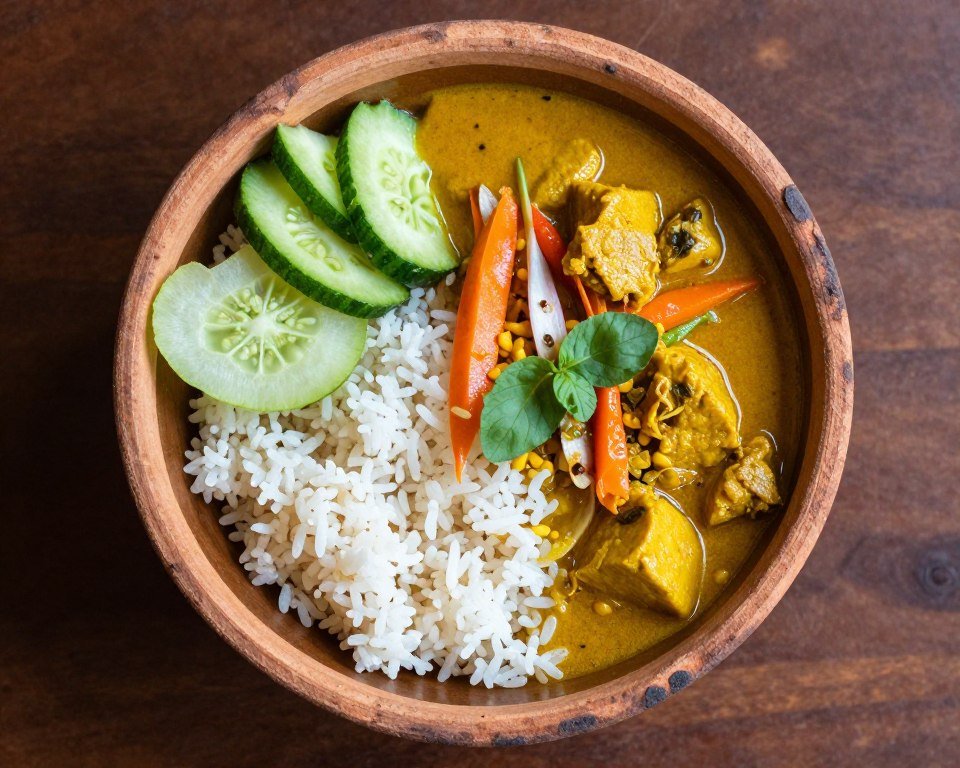
Amok represents Cambodia’s national dish. This curry steamed in banana leaves features fish (traditionally) or chicken in a coconut-based sauce flavored with lemongrass, turmeric, garlic, and galangal. The creamy, fragrant result has a custard-like consistency. Every restaurant serves some version of amok.
Lok lak, stir-fried beef served over lettuce and tomatoes with a lime-pepper dipping sauce, appears on most menus. Nom banh chok (Khmer noodles) is a breakfast staple of rice noodles with green fish curry sauce and fresh vegetables. Bai sach chrouk (pork and rice) is another popular morning meal.
Trying less common dishes reveals Khmer cuisine’s depth. Samlor kako is a thick vegetable soup with roasted rice powder. Cha kroeung sach moan features chicken stir-fried in lemongrass paste. Tuk trey prahok, fermented fish paste, adds intense umami to many dishes though its strong flavor challenges some Western palates.
Old Market (Phsar Chas)
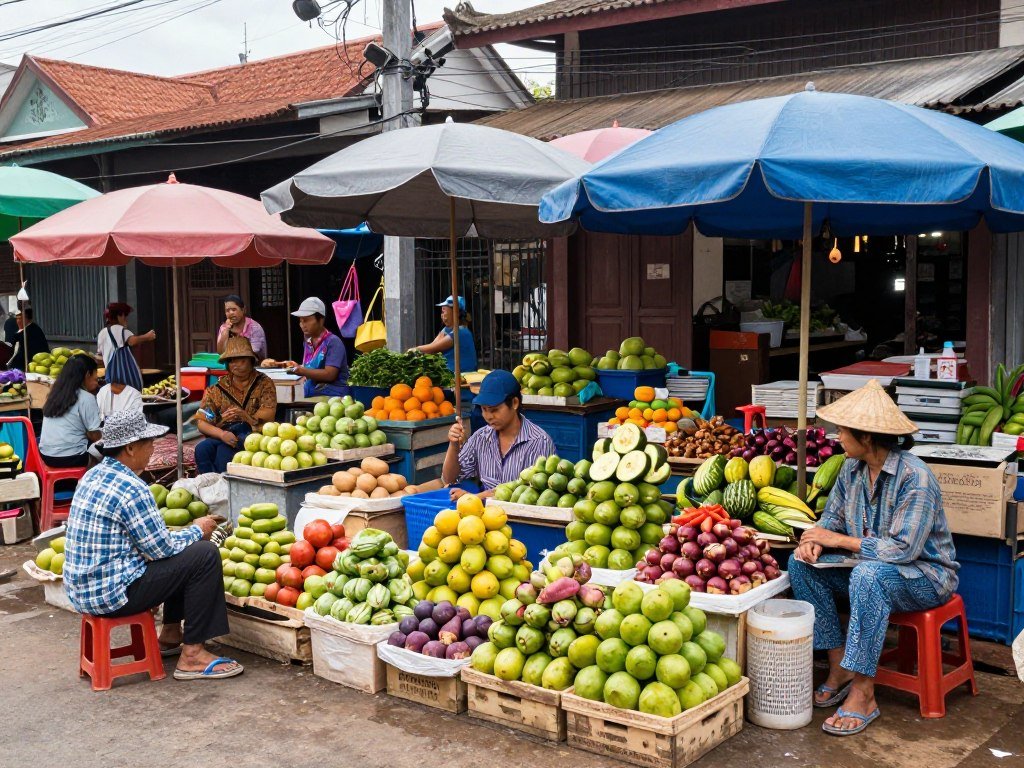
The Old Market serves as Siem Reap’s commercial heart. This traditional market operates daily from early morning until late afternoon. Vendors sell fresh produce, meat, fish, spices, and prepared foods in the covered central building. The perimeter and surrounding streets feature souvenir shops and tourist-oriented businesses.
Food stalls throughout the market prepare authentic Khmer meals at local prices. A plate of rice with meat and vegetables costs $1.50-3. Adventurous eaters sample exotic fruits, grilled insects, and traditional sweets. The morning hours showcase the market at its most active.
Navigating the market requires tolerance for crowds, smells, and persistent vendors. Bargaining is expected for souvenirs but not for food. Pickpockets occasionally target distracted tourists, so secure your valuables. The experience provides authentic cultural immersion despite the chaos.
Pub Street and Night Market
Pub Street and the adjacent night market transform into Siem Reap’s entertainment and dining hub each evening. The pedestrianized street closes to traffic as restaurants set up outdoor seating. Bars offer happy hour specials and live music. The energy attracts both tourists and young Cambodians.
Restaurants along Pub Street serve international cuisines alongside Khmer specialties. Quality varies widely, so checking recent reviews helps. Prices run higher than local restaurants but remain reasonable by Western standards. Main courses cost $5-12 at most establishments.
The night market sells clothing, handicrafts, souvenirs, and street food. Grilled meats on skewers, fresh fruit shakes, and Cambodian desserts provide snacking opportunities while shopping. Bargaining here is expected and part of the experience. Aim for 40-60% of the initial asking price.
Pub Street can feel overwhelming and touristy. Some travelers avoid it entirely while others embrace the festive atmosphere. The street becomes particularly crowded on weekends. Arrive early evening for dinner to avoid peak crowds, or come late for drinks and people-watching.
Cooking Classes
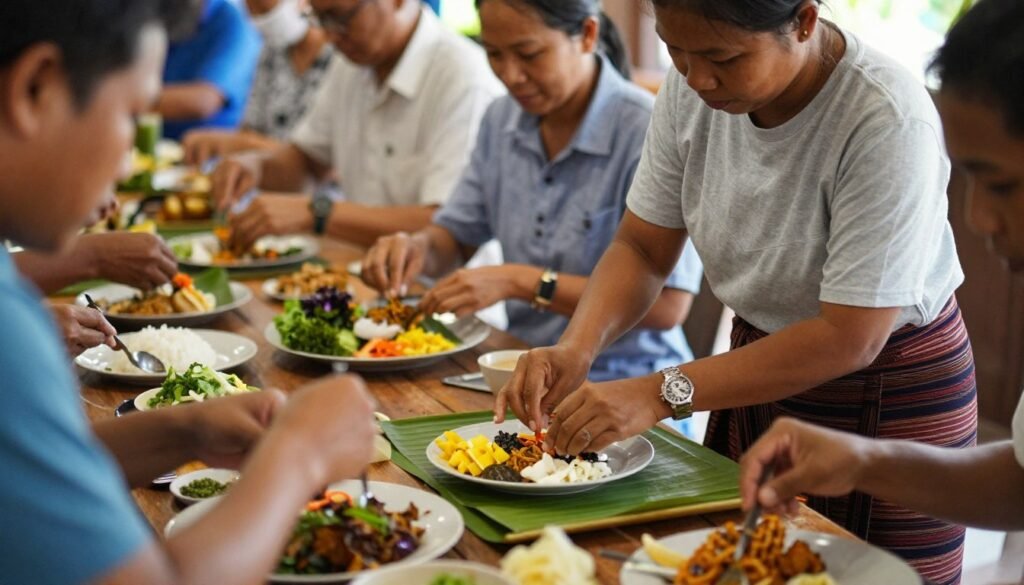
Cooking classes provide hands-on culinary education while supporting local communities. Multiple schools and restaurants offer courses ranging from half-day to full-day programs. These typically include market tours to source ingredients, instruction in preparing 3-5 dishes, and eating your creations.
Classes teach fundamental Khmer cooking techniques and flavor principles. You’ll learn to make dishes like amok, green mango salad, stir-fries, and traditional desserts. Instructors explain ingredient substitutions for replicating recipes at home. Most schools provide recipe booklets to take away.
Prices range from $15-40 per person depending on class length and group size. Some programs include transportation to their location outside the city center. Classes accommodate dietary restrictions with advance notice. This activity suits all skill levels from beginners to experienced cooks.
Restaurant Recommendations by Type
For fine dining with social impact, restaurants like Chanrey Tree and Marum combine excellent food with support for local communities. These establishments train disadvantaged youth in hospitality skills while serving refined Khmer cuisine in beautiful settings. Main courses cost $8-15.
Mid-range restaurants offering reliable Khmer food include Khmer Kitchen Restaurant, Lyly Restaurant, and Genevieve’s Restaurant. These family-run establishments serve generous portions of well-prepared traditional dishes. Expect to pay $4-8 for main courses in comfortable, air-conditioned dining rooms.
Budget travelers find excellent value at local eateries away from tourist areas. Look for restaurants filled with Cambodian families. Menus might be in Khmer only, but pointing at other diners’ food works. Street food vendors near the Old Market and along smaller streets serve authentic meals for $2-3.
International cuisine flourishes in Siem Reap. Quality Italian, French, Indian, Japanese, and Korean restaurants cater to visitors craving familiar flavors. These generally match or exceed Western quality standards at lower prices. A good pizza or pasta dish costs $6-10.
Budget Dining (Under $5)
- Local market food stalls
- Street food vendors
- Khmer family restaurants
- Old Market prepared foods
- Breakfast rice and noodle shops
Mid-Range ($5-15)
- Pub Street restaurants
- Traditional Khmer dining
- International cuisine spots
- Hotel restaurants
- Social enterprise restaurants
Fine Dining ($15+)
- Upscale Khmer cuisine
- Resort restaurants
- Celebrity chef establishments
- Multi-course tasting menus
- Wine-focused dining
Top Tours and Activities Beyond the Temples
Angkor Wat Sunrise Tours
Organized sunrise tours handle logistics for the most iconic Angkor experience. Tours depart hotels around 4:30 AM to reach Angkor Wat before dawn. Guides secure good viewing positions and provide historical context while waiting for sunrise. After the sun rises, tours continue to other temples before the heat intensifies.
Small group tours (maximum 10-12 people) offer better experiences than large bus groups. Private tours provide ultimate flexibility and personal attention. Most tours include hotel pickup, temple pass coordination, and breakfast. Prices range from $20-40 for group tours and $60-100 for private options.
The sunrise experience depends heavily on weather and season. Clear dry-season mornings produce spectacular skies. Rainy season brings unpredictability but sometimes dramatic cloud formations. Crowds are unavoidable, with hundreds gathering for the same view. Arriving extra early (before 5 AM) improves positioning.
Countryside and Village Tours
Escaping the temple circuit reveals rural Cambodian life. Countryside tours visit working villages where residents farm rice, tap palm sugar, weave silk, and maintain traditional crafts. These experiences provide cultural context missing from temple exploration alone.
Activities might include riding a water buffalo, learning traditional fishing techniques, trying rice wine, and visiting family homes. Guides translate conversations with villagers and explain agricultural practices. The slower pace and human interactions create memorable moments.
Choose tour operators who practice responsible tourism by paying fair wages and limiting group sizes. Tours typically last half or full day and cost $25-60 per person. Some include bicycle riding through rice paddies and along dirt paths. Sunset viewing from rice fields offers a peaceful alternative to temple sunsets.
Floating Village Extended Tours
While brief Tonle Sap visits scratch the surface, extended tours provide deeper understanding. These day trips include boat journeys to less-visited villages, interaction with residents, and often lunch at local homes or floating restaurants. The experience reveals how communities adapted their entire lifestyle to the lake’s seasonal changes.
Responsible tour operators contribute to village development funds and employ local guides from the communities. Tours might include visits to floating schools, fish farms, and workshops. Witnessing children rowing to school in small boats and families living entirely on water creates powerful impressions.
Expect to pay $40-70 for quality extended tours with small groups. Bringing school supplies, books, or sports equipment to donate benefits village schools more than cash handed to individual children. Tour operators can advise on appropriate items if you want to contribute.
Tonle Sap Cultural Discovery Tour
Experience authentic floating village life on Southeast Asia’s largest lake. This ethical tour includes transportation, boat trip, local guide from the village community, and insights into traditional lake living. Small groups only.
Quad Biking and Countryside Adventures
Quad bike tours explore rural areas, hidden temples, and rice paddies via dirt tracks. These adventure-focused experiences appeal to travelers wanting outdoor activities beyond walking around temples. Routes typically cover 20-40 kilometers through countryside landscapes.
Tours stop at small temples rarely visited by tourists, local villages, and scenic viewpoints. No previous quad bike experience is required as guides provide instruction. Safety equipment and training are included. The dusty conditions mean bringing clothes you don’t mind getting dirty.
Half-day tours cost $50-80 per person, with full-day options available. Some operators offer sunset tours ending with views over rice fields. This activity suits active travelers comfortable with some physical challenge. Age and fitness restrictions apply due to the nature of the activity.
Traditional Apsara Dance Performances
Apsara dance represents classical Khmer artistic tradition dating back centuries. These elegant performances feature elaborately costumed dancers executing precise hand and body movements. The dances tell stories from Hindu mythology and Khmer folklore through movement alone.
Several restaurants combine dinner with Apsara shows. The dining-show packages cost $25-40 per person including buffet or set menu dinner. Shows run nightly with performances lasting 45-60 minutes. Arrive early for good table positioning near the stage.
The Cambodian Cultural Village and some temples host performances in more atmospheric settings. While commercialized, these shows preserve and promote traditional arts that nearly disappeared during the Khmer Rouge era. Photography is usually permitted, making this a colorful addition to your photo collection.
Practical Tips for Your Siem Reap Visit
Budget Planning
Siem Reap accommodates various budgets from backpacker to luxury. Daily spending varies enormously based on accommodation choice and activities. Budget travelers can survive on $25-40 per day staying in hostels, eating street food, and using bicycles. Mid-range travelers spend $60-100 daily for comfortable hotels, restaurant meals, and tuk-tuk transport.
Major expenses include accommodation ($10-200+ per night), food ($5-30 per day), temple passes ($37-72), and transportation ($5-60 per day). Tours and activities add $20-80 depending on choices. Factor in visa costs ($36), travel insurance, and souvenirs when budgeting total trip costs.
ATMs throughout the city dispense US dollars with fees of $4-6 per withdrawal. Withdraw larger amounts less frequently to minimize fees. Credit cards work at hotels and upscale restaurants but most local businesses operate cash-only. Always carry small denominations as vendors often lack change for large bills.
What to Pack for Siem Reap
Light, breathable clothing suits Siem Reap’s tropical climate. Cotton and linen fabrics dry quickly and feel comfortable in humidity. However, temple dress codes require covered shoulders and knees. Long, loose pants or skirts work better than shorts. A light scarf serves multiple purposes including temple coverage, sun protection, and warmth in air-conditioned spaces.
Sun protection is essential. Bring high-SPF sunscreen, a wide-brimmed hat, and quality sunglasses. Reusable water bottles reduce plastic waste while keeping you hydrated. Temple exploration involves significant walking, so comfortable, broken-in shoes are crucial. Sandals work for city wandering but closed-toe shoes better suit temple climbing.
The rainy season requires different preparation. A compact umbrella or lightweight rain jacket handles afternoon downpours. Waterproof bags or covers protect electronics and valuables. Quick-dry clothing becomes more important when humidity stays high and clothes take longer to dry.
Don’t forget essentials like insect repellent containing DEET, basic first-aid supplies, and any prescription medications in original containers. Power adapters for Type A, C, and G sockets allow device charging. Flashlights or headlamps help during early morning temple visits and power outages.
Cultural Etiquette and Customs
Cambodians are warm, friendly people who appreciate respectful visitors. Learning basic Khmer greetings makes positive impressions. “Chomreap suor” (hello) and “orkun” (thank you) show effort. The traditional greeting involves placing palms together and bowing slightly, though handshakes are also acceptable.
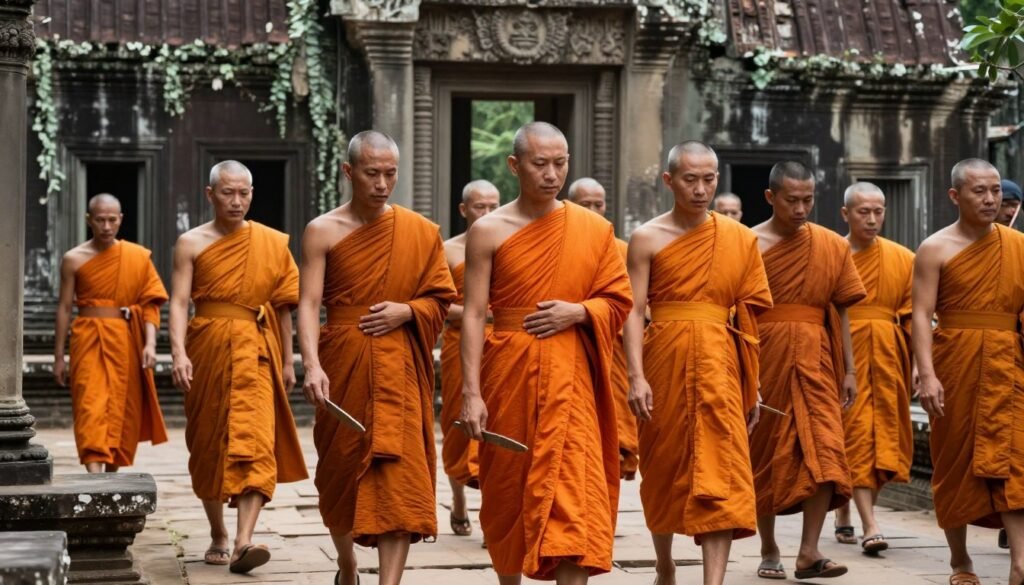
Temple etiquette requires modest dress and respectful behavior. Remove shoes before entering temple buildings. Speak quietly and avoid pointing feet toward Buddha images. Women should never touch monks or hand items directly to them. Monks collect alms early morning; observe respectfully without interfering.
Public displays of affection beyond hand-holding are frowned upon. Dress modestly outside temple areas too, especially away from tourist zones. Shorts and tank tops work on Pub Street but choose more conservative clothing for market shopping and local restaurants.
Bargaining is expected in markets and with tuk-tuk drivers but not in restaurants or established shops. Negotiate respectfully without aggressive tactics. Cambodians consider public anger and raised voices shameful loss of face for everyone involved. Maintain composure even when frustrated.
Photography etiquette matters. Always ask permission before photographing people, especially monks and children. Some people will ask for small payments for photos. Respect “no photography” signs at temples and museums. Never climb on statues or structures for photos.
Health and Safety
Siem Reap is generally safe for tourists. Violent crime rates remain low. Common issues include petty theft, bag snatching, and pickpocketing in crowded areas. Use hotel safes for passports and excess cash. Be alert in markets and night areas. Avoid displaying expensive jewelry or electronics.
Drinking tap water is unsafe. Stick to bottled or filtered water. Most hotels provide complimentary drinking water. Restaurants catering to tourists use purified water and ice. Street food carries some risk but millions eat it safely. Choose busy vendors with high turnover for the freshest food.
Heat exhaustion and dehydration affect many visitors. Drink water constantly, even before feeling thirsty. Take breaks in shade or air conditioning during the hottest midday hours (11 AM – 3 PM). Watch for warning signs like dizziness, headaches, and excessive fatigue.
Dengue fever and malaria exist in Cambodia. Dengue mosquitoes bite during the day, so use repellent continuously. Malaria risk in Siem Reap is low, and most travelers don’t take antimalarial medication for short temple-focused visits. Consult your doctor about vaccination needs before traveling.
Pharmacies stock basic medications and can help with minor ailments. For serious medical issues, international clinics in Siem Reap provide better care than public hospitals. Travel insurance covering medical evacuation to Bangkok or Singapore provides peace of mind for major emergencies.
Money and Payments
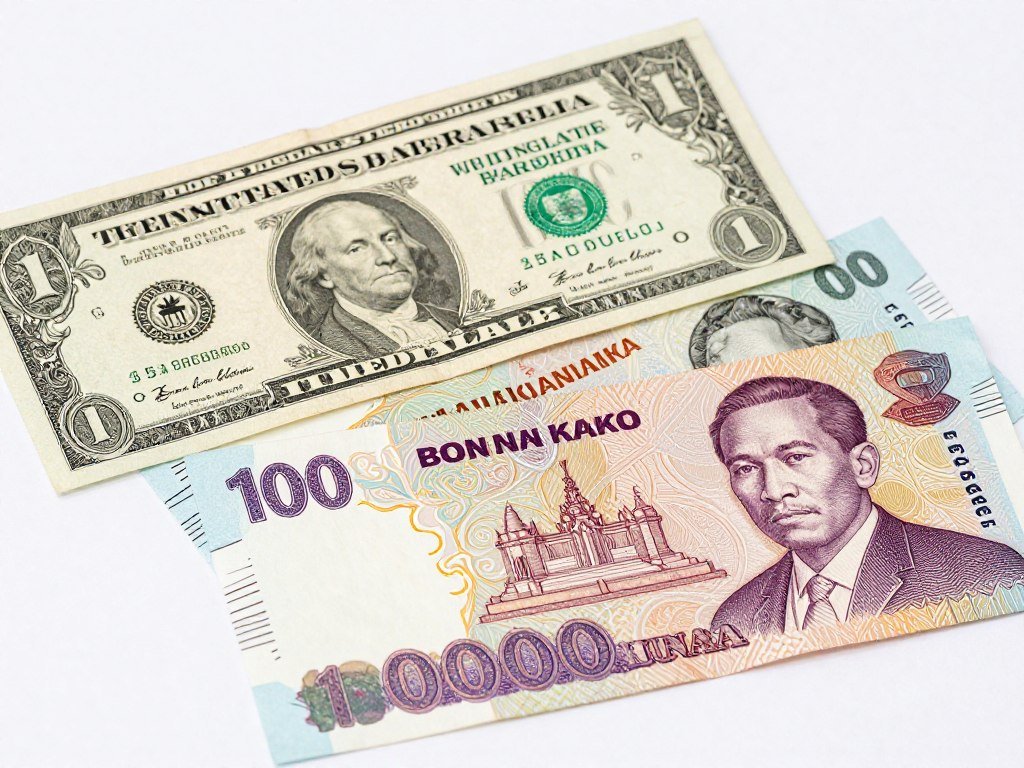
Cambodia operates a dual currency system using both US dollars and Cambodian riel. Dollars dominate tourism transactions. Riel is used for small change, with 4,000 riel equaling approximately $1. Vendors give change in mixed currencies. You’ll receive dollars for large amounts and riel for amounts under a dollar.
Bring clean, undamaged US dollar bills. Cambodians refuse torn, written-on, or very old bills. Small denominations ($1, $5, $10, $20) prove most useful. Breaking large bills ($50, $100) at hotels or major stores is easier than at street vendors.
Credit cards work at hotels, upscale restaurants, and tour operators but typically incur 3-4% processing fees. Notify your bank about Cambodia travel to avoid card blocks. Visa and Mastercard have wider acceptance than American Express or Discover.
Tipping isn’t traditionally Cambodian but is appreciated in tourist areas. Round up tuk-tuk fares or add $1-2 for good service. Restaurant tips of 5-10% are generous. Tour guides typically receive $3-5 per person per day. Hotel staff appreciate $1-2 for helpful service.
Internet and Connectivity
WiFi is nearly universal in Siem Reap hotels, restaurants, and cafes. Connection quality varies from excellent in upscale properties to barely functional in budget places. Password-protected networks are safer than open WiFi for sensitive transactions.
Local SIM cards provide reliable mobile data at low cost. Major providers include Cellcard, Smart, and Metfone. Tourist SIM packages with 5-20GB data cost $5-15 at the airport and phone shops. Purchasing a SIM requires passport presentation. Installation assistance is normally provided.
Cambodia’s mobile network covers Siem Reap and the temple area comprehensively. Data speeds support maps, messaging, and social media easily. Having local mobile data eliminates dependency on WiFi and helps with navigation and ride-hailing apps.
Download offline maps before arrival or during hotel WiFi connection. Google Maps allows offline area downloads. This ensures navigation works even without data connection. Save important information like hotel addresses and emergency contacts offline.
Language
Khmer is Cambodia’s official language, with its unique script and complex pronunciation. English has become widely spoken in tourist areas. Hotel staff, restaurant servers, tour guides, and tuk-tuk drivers typically speak functional English. Communication rarely poses significant problems in Siem Reap.
Outside tourist zones and with older Cambodians, English proficiency drops. Learning basic Khmer phrases enhances interactions. Most Cambodians appreciate linguistic efforts, however imperfect. “Hello” (chomreap suor), “thank you” (orkun), “how much?” (tlai ponman), and “delicious” (chngaang) are useful starting points.
Restaurant menus in tourist areas appear in English, often with photos. Translation apps help with Khmer-only menus at local restaurants. Google Translate’s camera function instantly translates text through your phone camera.
French remains somewhat understood by older Cambodians due to colonial history. However, French has largely been supplanted by English as the second language. Chinese and Japanese are increasingly common in tourist businesses catering to Asian visitors.
Sample Siem Reap Itineraries
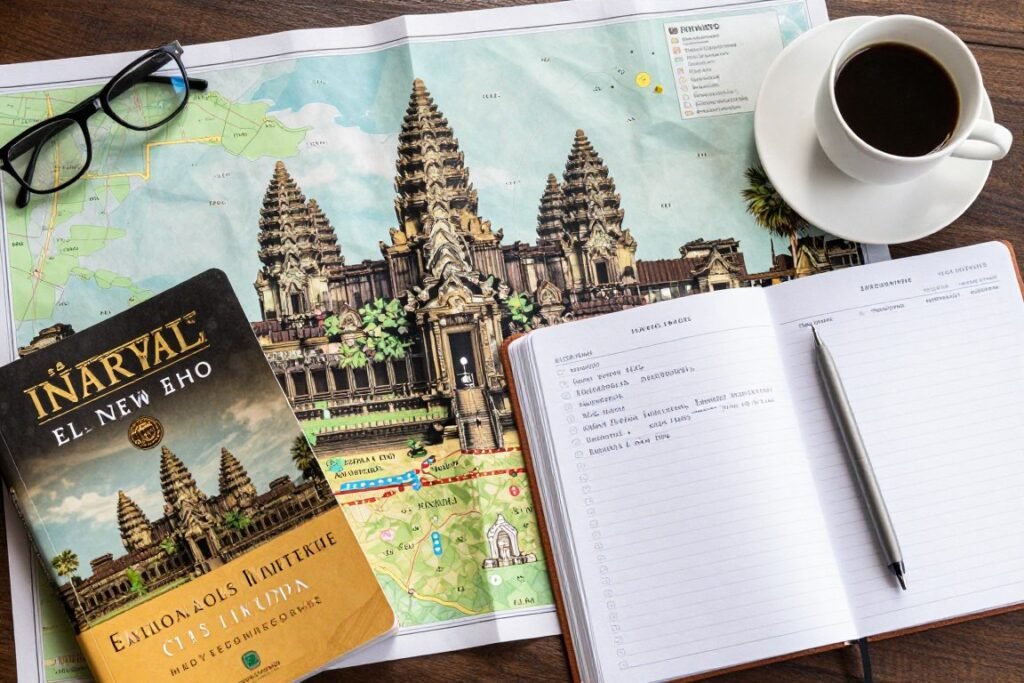
One Day in Siem Reap
One day allows only a taste of Siem Reap, but smart planning maximizes the experience. Start extremely early (4:30 AM) for Angkor Wat sunrise. After sunrise, explore Angkor Wat’s galleries and upper terrace while crowds remain manageable. This takes 2-3 hours.
Return to your hotel for breakfast and a brief rest during the hottest midday hours. Early afternoon, visit Angkor Thom including Bayon temple and the terraces. The shorter distances between sites in Angkor Thom allow efficient exploration. Finish at Ta Prohm for the jungle temple experience in late afternoon light.
Evening in Siem Reap means dinner at a traditional Khmer restaurant, perhaps with an Apsara dance performance. Quick walks through the Old Market and night market provide shopping opportunities. One day severely limits what you’ll see, but this itinerary hits the absolute highlights.
Three Days in Siem Reap
Three days allows thorough temple exploration plus city experiences. This represents the minimum stay for meaningful Siem Reap immersion.
Day 1: Begin with Angkor Wat sunrise followed by thorough exploration of the temple. Mid-morning, visit the South Gate of Angkor Thom, Bayon temple, Baphuon, and the Royal Terraces. Afternoon heat dictates a return to town for lunch and pool time. Late afternoon, explore Ta Prohm. Evening in Pub Street for dinner and nightlife.
Day 2: Venture to distant temples. Start at Banteay Srei to see the intricate carvings. Continue to Banteay Samre or Phnom Bok. Afternoon visit to Preah Khan and Neak Pean, two less-crowded complexes with unique features. Sunset from Pre Rup pyramid temple offers panoramic views. Dinner at a cooking school or social enterprise restaurant.
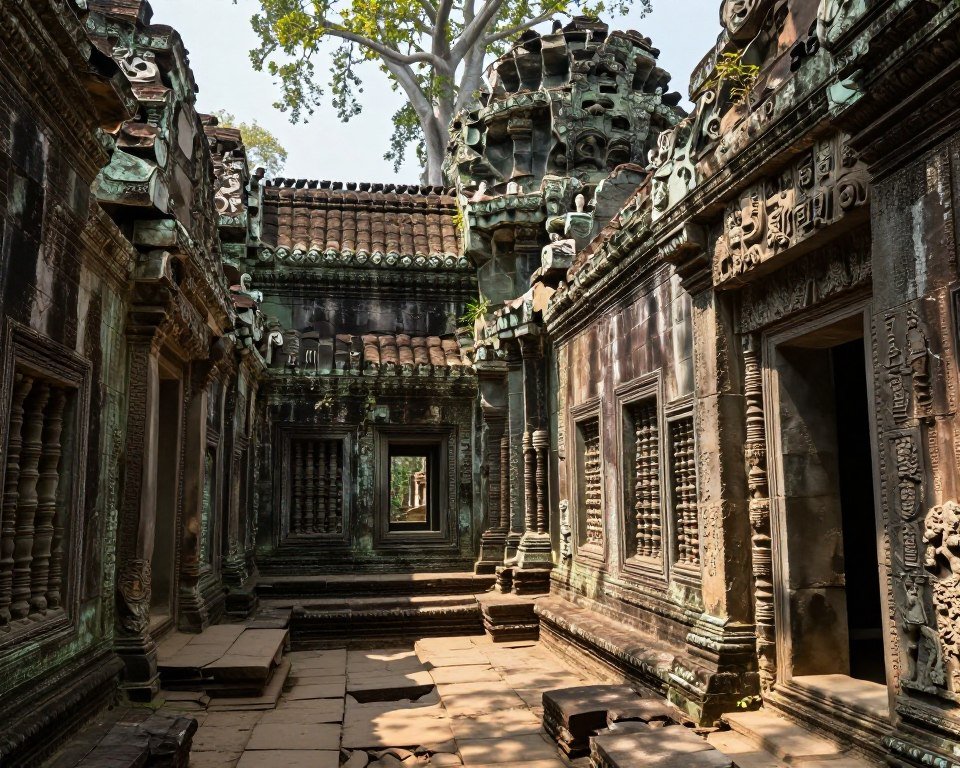
Day 3: Take a break from temples with a Tonle Sap floating village tour in the morning. Afternoon in town visiting the Angkor National Museum for historical context. Browse the Old Market for souvenirs and try street food. Final evening watching sunset from a countryside location or hotel rooftop bar. Celebratory dinner at a fine dining restaurant.
Five Days in Siem Reap
Five days permits relaxed exploration without temple exhaustion. You can include more activities beyond ruins.
Days 1-3: Follow the three-day itinerary but at a more leisurely pace. Add rest time and longer temple visits. Include afternoon spa treatments to recover from morning temple treks.
Day 4: Participate in a cooking class starting with market tour. Afternoon countryside tour visiting traditional villages, silk weaving workshops, and rice paddies. Sunset viewing from rural location. Evening at Phare Circus for cultural performance.
Day 5: Visit Beng Mealea, a massive jungle temple 65 kilometers from Siem Reap. This remote temple sees fewer tourists and maintains a ruined, overgrown atmosphere. Combine with stops at rural villages or Kampong Kleang floating village. Final evening enjoying favorite restaurant discoveries and last-minute shopping.
Seven Days in Siem Reap
A week allows comprehensive temple coverage plus diverse activities and day trips.
Days 1-5: Follow the five-day itinerary with extra flexibility. Add sunset Angkor Wat visit (different from sunrise), meditation sessions at temples, photography tours, or additional museum visits.
Day 6: Full-day excursion to Koh Ker and Beng Mealea, two remote temple complexes. Koh Ker served briefly as the Khmer capital in the 10th century. The 7-tiered pyramid Prasat Thom offers unique architecture. This long day trip (2+ hours each way) reveals jungle temples in their unreconstructed states. Packed lunch required.
Day 7: Relax with a slow morning. Revisit your favorite temple or discover a new small one. Try quad biking, zip-lining, or visit a bird sanctuary. Afternoon spa session and final souvenir shopping. Farewell dinner at a splurge-worthy restaurant. Reflect on the week’s experiences while watching sunset from a peaceful location.
| Duration | Recommended Pace | Key Experiences | Temple Pass |
| 1 Day | Fast highlights only | Angkor Wat, Bayon, Ta Prohm | 1-day pass |
| 3 Days | Moderate, main temples | Major temples, floating village, city | 3-day pass |
| 5 Days | Comfortable with variety | Temples, cooking class, countryside | 3-day pass |
| 7 Days | Relaxed and thorough | All above plus remote temples | 7-day pass |
Siem Reap Month-by-Month Guide for 2026
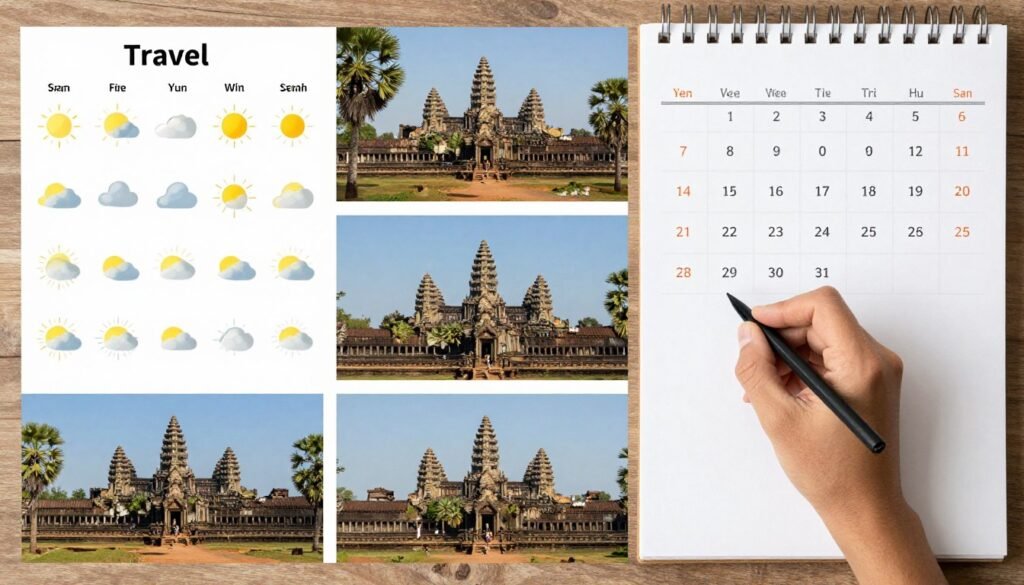
November – December: Peak Season Begins
November marks the start of perfect weather. Temperatures moderate to 25-30°C after the hot wet months. Rainfall decreases dramatically. The countryside remains green from rainy season but skies clear. This transition month offers ideal conditions without full peak crowds.
December brings maximum tourists, especially around Christmas and New Year. Hotels reach capacity and prices peak. Book accommodations 3+ months ahead for holiday period travel. Despite crowds, the weather justifies the popularity. Clear skies and comfortable temperatures make temple exploration pleasant all day.
January – February: Best Weather
These months deliver Siem Reap’s most comfortable climate. Daytime temperatures stay around 25-28°C with cooler mornings perfect for sunrise temple visits. Humidity remains lower than other months. Evening temperatures can drop to 20°C, occasionally requiring light layers.
Tourist numbers remain high through January, tapering slightly in February. Chinese New Year (late January or early February) brings waves of Asian tourists. The dry weather guarantees temple visit success. This represents prime time for photography with crystal clear skies and excellent light.
March – April: Hot Season
March initiates the hot season. Temperatures climb above 35°C regularly. April typically records the year’s highest temperatures, sometimes exceeding 40°C. The heat becomes oppressive during midday hours. Visiting temples requires early morning starts (5-9 AM) and late afternoon returns (after 3 PM).
Cambodian New Year in mid-April creates a brief tourism spike with domestic travelers. This three-day celebration involves water throwing, games, and festivities. Experiencing Khmer New Year offers cultural immersion but complicates logistics as many businesses close. Book well ahead if visiting during this festival.
The silver lining: tourist numbers decrease as Western visitors avoid the extreme heat. Hotel rates drop 20-40% from peak season. Those tolerating heat find excellent deals and empty temples during the brutal midday hours that most visitors avoid.
May – June: Early Rainy Season
May sees the first significant rains of the wet season. Afternoon thunderstorms become common but mornings often remain sunny. Temperatures stay hot (30-35°C) with increasing humidity. The landscape transforms from brown to green within weeks as vegetation responds to rain.
Tourist numbers reach yearly lows in May. Hotels offer rock-bottom rates, sometimes 50-60% below peak season. This combination of low prices, green scenery, and generally manageable rain appeals to budget travelers and those avoiding crowds. Temple photography benefits from dramatic cloud formations.
June continues similar patterns with increasing rainfall. The wet season reputation deters many visitors, but rain doesn’t typically ruin full days. Afternoon downpours last 1-2 hours then clear. Morning temple visits proceed normally. Carrying an umbrella and maintaining flexible plans works well.
July – August: Deep Rainy Season
Peak monsoon months bring heavy rainfall and high humidity. Rain still concentrates in afternoon and evening, but wet days become more frequent. Flooding can occur in low-lying areas, though major temple sites drain well. Some countryside roads become impassable.
The upside involves the lushest landscapes of the year. Rice paddies glow brilliant green. Temple moats fill completely, creating beautiful reflections. Waterfalls in outlying areas flow strongly. The dramatic weather produces spectacular sunsets when clouds part.
Very few Western tourists visit during these months. Asians, particularly Korean and Chinese visitors less deterred by rain, constitute the majority. Hotels remain nearly empty, offering incredible deals. This suits adventurous travelers embracing the wet season trade-offs for solitude and low costs.
September – October: Late Rainy Season
September maintains rainy season conditions but with slightly decreasing precipitation. The countryside remains lush and beautiful. Temperature and humidity both stay high. Temple visits follow the morning-focused pattern to avoid afternoon rain.
October marks the transition back to dry season. Rainfall decreases through the month. By late October, rain becomes occasional rather than daily. Temperatures moderate slightly. The landscape maintains its green character while weather reliability improves.
This shoulder season offers the best of both worlds: green scenery, fewer tourists, good rates, and improving weather. Savvy travelers target late October for value and conditions. The gradual influx of tourists for the coming peak season hasn’t yet overwhelmed the city.
Traveling to Siem Reap with Family
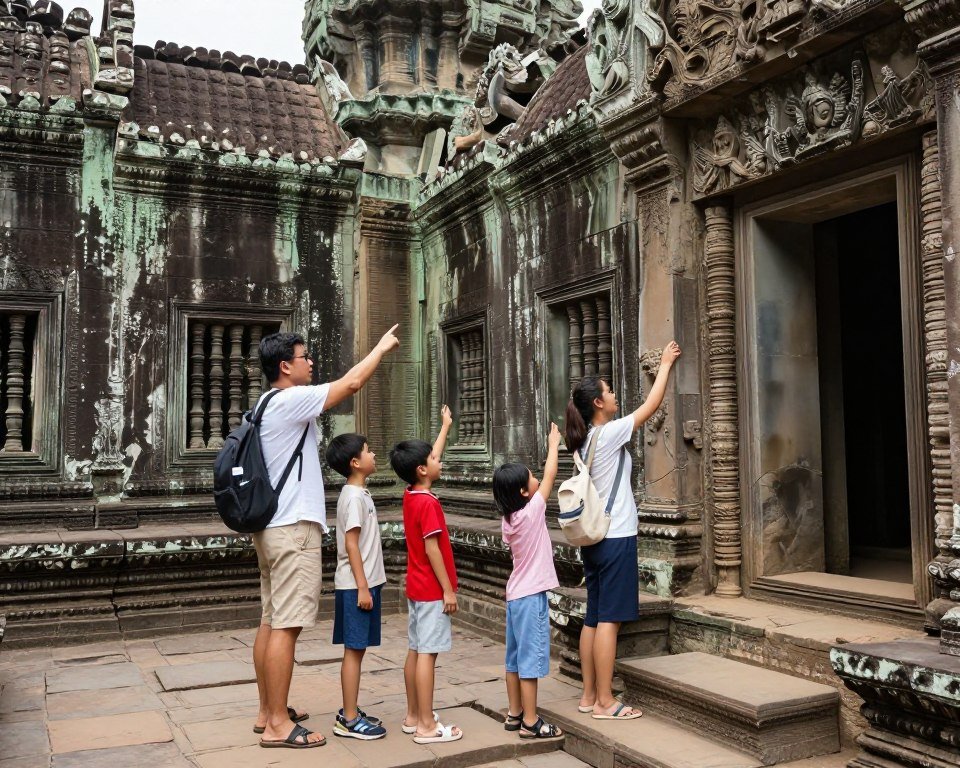
Is Siem Reap Family-Friendly?
Siem Reap welcomes families enthusiastically. The city’s safety, affordability, and cultural richness create excellent conditions for family travel. Children find ancient temples fascinating, especially when parents frame exploration as treasure hunting or adventure.
Challenges include the heat, which affects children more severely than adults. Walking distances at temple complexes test young legs. The lack of typical family attractions like theme parks or playgrounds means entertainment focuses on cultural and natural experiences.
Successfully traveling with children in Siem Reap requires realistic expectations and smart planning. Focus on quality over quantity with temple visits. Build in pool time and rest breaks. Choose accommodation with family-friendly amenities. Embrace flexibility when plans change due to weather or exhausted kids.
Best Family Accommodations
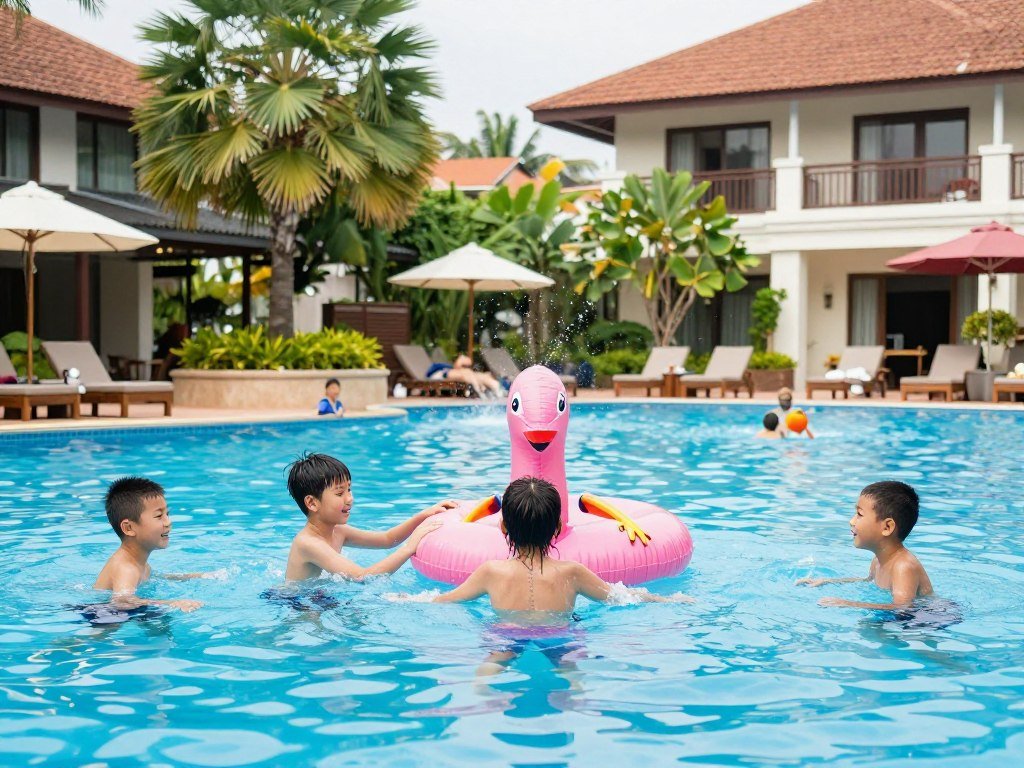
Family rooms or connecting rooms provide space for everyone. Many mid-range and resort hotels offer these configurations. Swimming pools become essential for children, providing afternoon entertainment and cooling relief. Prioritize hotels with pools when traveling with kids.
Resort properties near Angkor often feature larger grounds where children can run around safely. Some include kids’ clubs, playgrounds, or family activities. These amenities command higher prices but create easier experiences for parents.
Location matters with families. Staying near Old Market puts restaurants and amenities within walking distance. This minimizes tuk-tuk dependency with tired children. However, quiet Wat Bo area hotels may suit families wanting peaceful evenings and early bedtimes.
Family-Friendly Activities
Temple exploration can engage children with the right approach. Turn it into games: count how many apsara dancers you find, search for animals in the carvings, or make up stories about the temples’ original inhabitants. Guide books for children help maintain interest.
Limit temple visits to 2-3 per day maximum with young children. Choose the most impressive temples (Angkor Wat, Bayon, Ta Prohm) over smaller, similar-looking ones. Break up temple days with non-temple activities.
The Angkor National Museum’s interactive exhibits engage children while educating. Tonle Sap boat tours fascinate kids seeing floating schools and houses. Countryside tours with activities like riding water buffalo or making palm sugar provide hands-on experiences.
Cooking classes accept children and teach valuable skills. Phare Circus entertains all ages with its dynamic performances. Some hotels organize Khmer traditional games or craft sessions for young guests.
Practical Tips for Families
Start temple days very early when temperatures stay reasonable and children are fresh. By 9 AM, return to the hotel for swimming and rest. Venture out again late afternoon if energy permits. This schedule matches children’s stamina while avoiding dangerous heat.
Carry essentials including water, snacks, sunscreen, and hats for everyone. Temple shops sell drinks and snacks but at inflated prices. Having supplies prevents hungry meltdowns. A small first-aid kit addresses minor scrapes from climbing temple stairs.
Dress children in light, breathable clothing that meets temple dress codes. Long, loose cotton pants and shirts work well. Consider UV-protective clothing for extended sun exposure. Comfortable walking shoes with good grip handle temple stairs safely.
Be prepared for attention local people pay to foreign children, especially those with light hair and eyes. Cambodians love children and may want to touch or photograph them. This is friendly, not threatening, but discuss it with children beforehand so they’re not frightened.
Food-wise, most children adapt well to Khmer cuisine’s mild flavors. Rice, grilled chicken, noodles, and fresh fruit appear everywhere. International restaurants provide familiar options when needed. Street food requires more caution with children due to sensitive stomachs.
Photography Tips for Capturing Siem Reap
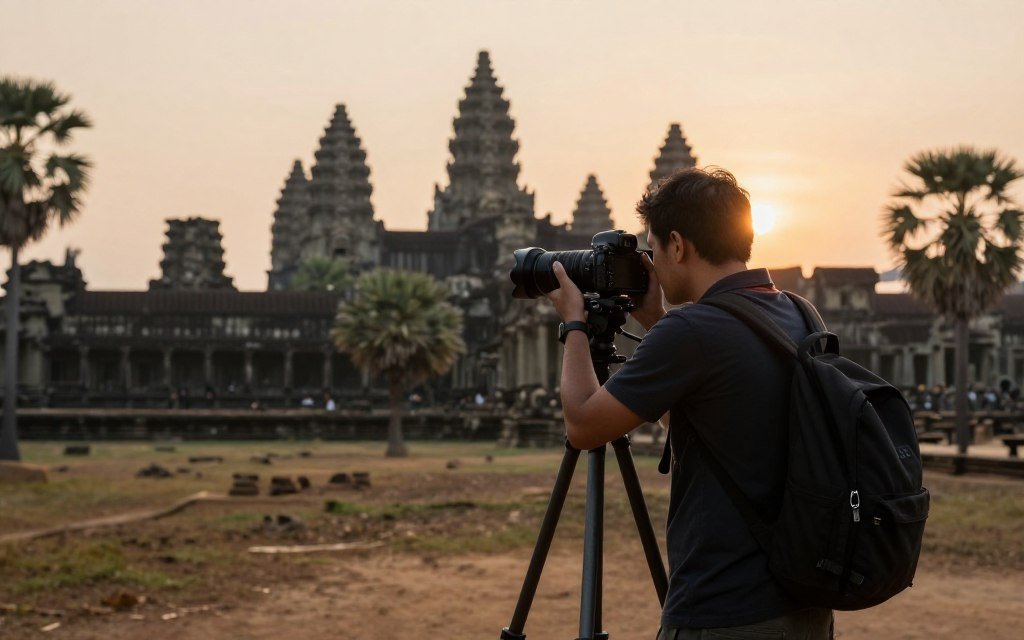
Best Temple Photo Locations
Angkor Wat’s north reflecting pool provides the iconic sunrise composition. Arrive early to claim a position along the pool’s edge. The classic symmetric reflection requires still water and clear skies. Dry season mornings offer the highest success rate for perfect conditions.
Bayon temple’s stone faces create endless photographic opportunities. Afternoon light from the west illuminates the faces beautifully. Getting close with a telephoto lens isolates individual faces against sky. Wide-angle shots capture multiple towers and faces together.
Ta Prohm’s giant tree roots overtaking temple structures make dramatic images. The famous tree near the central sanctuary appears in countless photos but remains photogenic. Explore beyond this spot to find other impressive tree-temple combinations without crowds.
The South Gate of Angkor Thom, lined with demon and god statues, creates an impressive foreground with the gate tower behind. Early morning or late afternoon light enhances the scene. Photographing from the bridge’s center looking toward the gate produces strong compositions.
Best Times for Photography
Golden hour delivers the most beautiful temple light. Sunrise occurs around 5:30-6 AM depending on season. The soft warm light enhances stone textures and reduces harsh shadows. Temples face different directions, so sunrise and sunset light varies by location.
Midday harsh light creates challenges but also opportunities. Strong overhead sun produces dramatic shadows and contrast. Black and white conversions work well with midday light. The largely empty temples during hot hours allow unobstructed compositions.
Blue hour, just before sunrise and after sunset, provides ethereal light when the sky turns deep blue but maintains luminosity. This brief window requires quick work. Long exposures capture the glow beautifully.
Rainy season’s dramatic cloud formations add interest to temple skies. Stormy weather produces moody, atmospheric images different from typical sunny Angkor photos. After rain, wet stones gain rich colors and reflections in puddles create artistic opportunities.
Camera Equipment Recommendations
Wide-angle lenses (14-35mm) capture expansive temple complexes and work well in tight temple corridors. Many classic Angkor shots require wide perspectives. A 16-35mm zoom offers versatility for architecture and landscapes.
Standard zooms (24-70mm or 24-105mm) handle most situations. These ranges cover wide architectural shots, environmental portraits, and detail work. This lens choice suits travelers wanting to carry minimal gear.
Telephoto lenses (70-200mm or longer) isolate distant details and compress temple elements. The compression effect creates dramatic stacked tower compositions. Telephotos also photograph shy subjects from respectful distances.
Tripods benefit sunrise/sunset photography and long exposures. However, lugging tripods around ruins in heat is burdensome. A small travel tripod or even a GorillaPod provides stability without excessive weight.
Polarizing filters reduce glare on water and stone surfaces while deepening sky blues. The intense tropical sun creates harsh reflections that polarizers control. This simple filter dramatically improves outdoor photography.
Smartphone Photography
Modern smartphones produce excellent images in good light, and Siem Reap offers abundant light. The ultra-wide lenses common on recent phones work perfectly for temple architecture. Computational photography features like HDR help with high-contrast scenes.
Use apps like Lightroom Mobile, Snapseed, or VSCO for editing. These provide powerful tools for enhancing photos beyond basic camera app capabilities. Shooting in RAW (if your phone supports it) provides maximum editing flexibility.
Clean your lens regularly. The combination of dust, humidity, and constant handling means fingerprints and smudges accumulate quickly. A simple microfiber cloth solves this issue.
Consider a portable power bank. Heavy camera use, GPS navigation, and sharing photos drains batteries quickly. A 10,000mAh power bank provides multiple full charges.
Composition and Technique
Include human figures for scale. Ancient temples’ massive proportions become clear when people appear in frame. A small figure climbing stairs or standing in doorways emphasizes monumentality.
Look for leading lines. Temple walls, corridors, and stairways create natural lines guiding viewers through compositions. Position these lines to lead toward key elements like towers or doorways.
Frame within frames using doorways, windows, and archways. This technique adds depth and focuses attention on subjects beyond the frame. Temples provide countless natural framing opportunities.
Capture details alongside wide shots. Intricate carvings, weathered textures, and small architectural elements tell the temples’ stories. Close-up detail shots add variety to your collection.
Respect restrictions and safety. Some temple areas prohibit photography for religious reasons. Never use flash on ancient carvings as repeated exposure causes damage. Don’t climb on structures for better angles – it’s disrespectful and dangerous.
Sustainable and Responsible Travel in Siem Reap
Temple Conservation Challenges
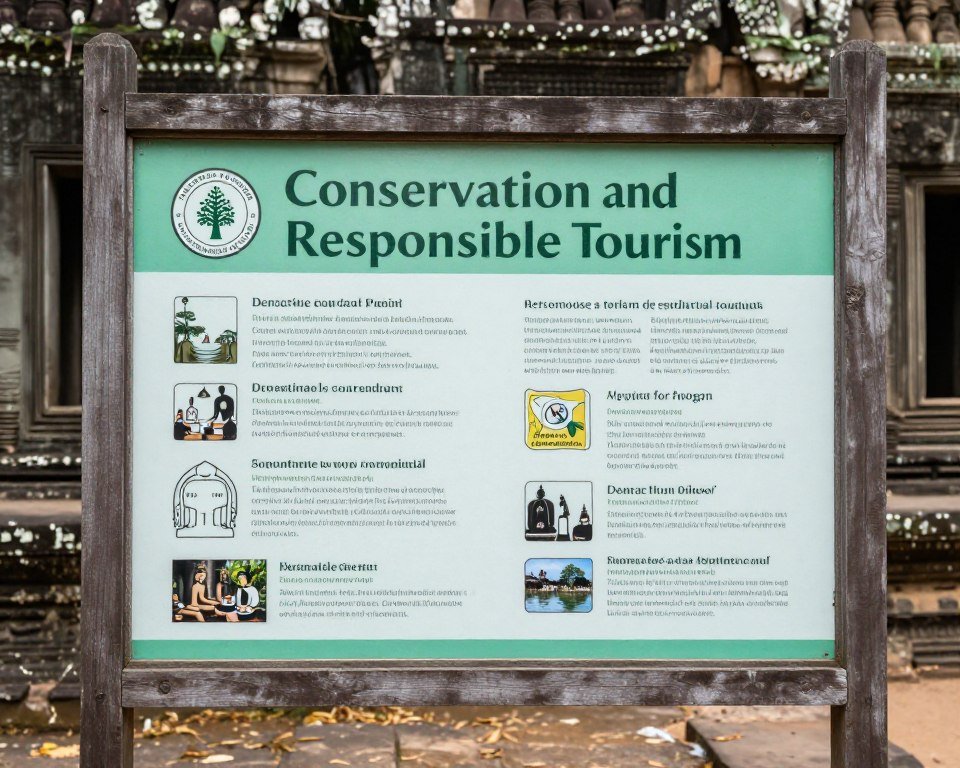
Angkor Archaeological Park faces enormous conservation pressures. Millions of annual visitors create wear on ancient stones. Foot traffic erodes stairs and platforms. Touching and climbing damage fragile carvings. The temples survived centuries of jungle overgrowth but now confront mass tourism impacts.
Climate change brings new challenges through changing rainfall patterns and increased extreme weather. Rising temperatures stress the stone structures. Groundwater extraction for hotels and services affects the historical water management systems that sustained the Khmer Empire.
UNESCO, the Cambodian government, and international conservation teams work to preserve the temples. Your temple pass fees directly fund conservation efforts. However, individual visitor behavior matters enormously in minimizing damage to these irreplaceable monuments.
How to Visit Temples Responsibly
Follow all posted rules and respect barriers. These restrictions exist to protect both visitors and monuments. Don’t climb on structures unless designated as accessible. Ancient stones weakened by time cannot support modern foot traffic.
Avoid touching carvings and stones. Oils from human hands accelerate erosion. The cumulative effect of millions of touches damages detailed carvings. Photograph rather than touch these artworks.
Stay on marked paths within temple complexes. Wandering into restricted areas risks personal safety and damages vegetation that helps stabilize structures. The designated routes showcase highlights while protecting vulnerable zones.
Dispose of waste properly. Never litter at temples or anywhere in Cambodia. Carry a small bag for your trash until finding appropriate bins. Plastic waste is particularly problematic, so minimize single-use plastics.
Dress appropriately beyond just meeting entry requirements. Modest dress shows respect for these sacred Buddhist and Hindu sites still used for worship. Your attire demonstrates cultural sensitivity to local religious values.
Supporting Local Communities
Choose locally-owned hotels, restaurants, and tour operators when possible. Money spent with local businesses stays in the community and supports Cambodian families. International chains export profits overseas.
Eat at family-run restaurants and shop at local markets. These establishments employ community members and preserve traditional practices. Your patronage supports traditional crafts and cuisine threatened by mass tourism.
Purchase authentic handicrafts directly from artisans or reputable shops supporting local craftspeople. Bargain respectfully, recognizing that rock-bottom prices may not provide fair compensation for skilled work.
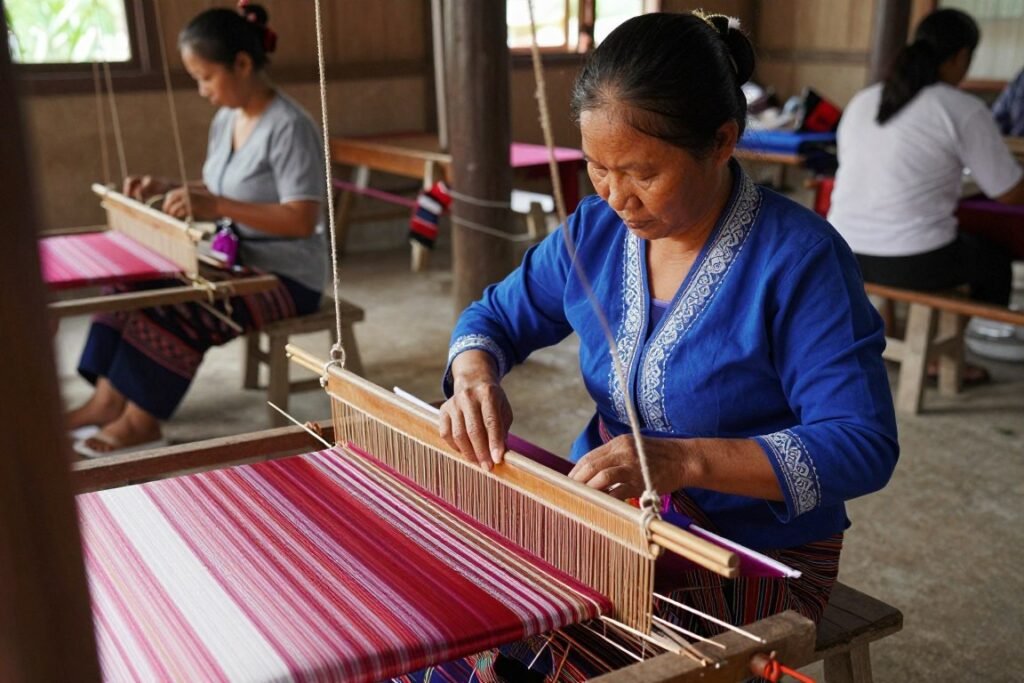
Be thoughtful about giving to begging children. Well-meaning donations often fund adult organizers who exploit children. Instead, contribute to established education and social programs. Your hotel or tour guide can recommend reputable charities.
Hire local guides whose knowledge and stories enrich your experience while providing them employment. Guides licensed through official programs undergo training and examination. Their fees support families and incentivize tourism career development.
Environmental Considerations
Reduce plastic consumption by carrying a reusable water bottle. Many hotels provide filtered water for refills. Some restaurants offer free drinking water to reduce plastic waste. Bringing a bottle from home saves money and reduces environmental impact.
Use reef-safe sunscreen. Chemicals in conventional sunscreens harm aquatic ecosystems when washed off in water. Tonle Sap Lake’s ecology faces enough challenges without adding harmful sunscreen chemicals.
Choose accommodations with environmental programs. Some hotels implement solar power, water conservation, waste reduction, and other sustainable practices. Supporting these businesses encourages others to adopt similar measures.
Minimize air conditioning use when possible. Open windows during cooler morning and evening hours. AC units consume enormous energy in Cambodia’s coal-powered electrical grid. Even small reductions help.
Participate in environmental programs if opportunities arise. Some organizations coordinate temple cleanups, tree planting, or educational programs. Dedicating a few hours contributes positively to preserving the destination you’re enjoying.
Siem Reap Interactive Map
This map shows Siem Reap’s key locations including the Angkor Archaeological Park, city center attractions, accommodation areas, and transportation hubs. Use it to understand distances and plan efficient routes between temples and city attractions.
Interactive map of Siem Reap, Cambodia – Explore Angkor Wat, city center, and major attractions
Siem Reap Video Guides
These video resources provide visual previews of Siem Reap’s temples, city life, and practical travel tips. Watch these guides to better prepare for your visit and see what awaits you in Cambodia’s temple capital.
Complete Siem Reap and Angkor Travel Guide
This comprehensive video walks through Siem Reap’s top experiences including Angkor Wat, lesser-known temples, local food, and practical tips for first-time visitors to Cambodia.
Angkor Wat Sunrise Guide
Learn how to plan and execute the perfect Angkor Wat sunrise visit with this detailed guide covering timing, positioning, and what to expect at Cambodia’s most iconic experience.
Exploring Siem Reap’s Food Scene
Discover Siem Reap’s incredible food culture from street food to fine dining, with this food tour showcasing traditional Khmer dishes, night markets, and the best places to eat in the city.
Hidden Temples of Angkor
Venture beyond Angkor Wat to explore lesser-known temple complexes including Ta Prohm, Preah Khan, and Banteay Srei with expert commentary on history and architecture.
Final Thoughts on Your Siem Reap Adventure
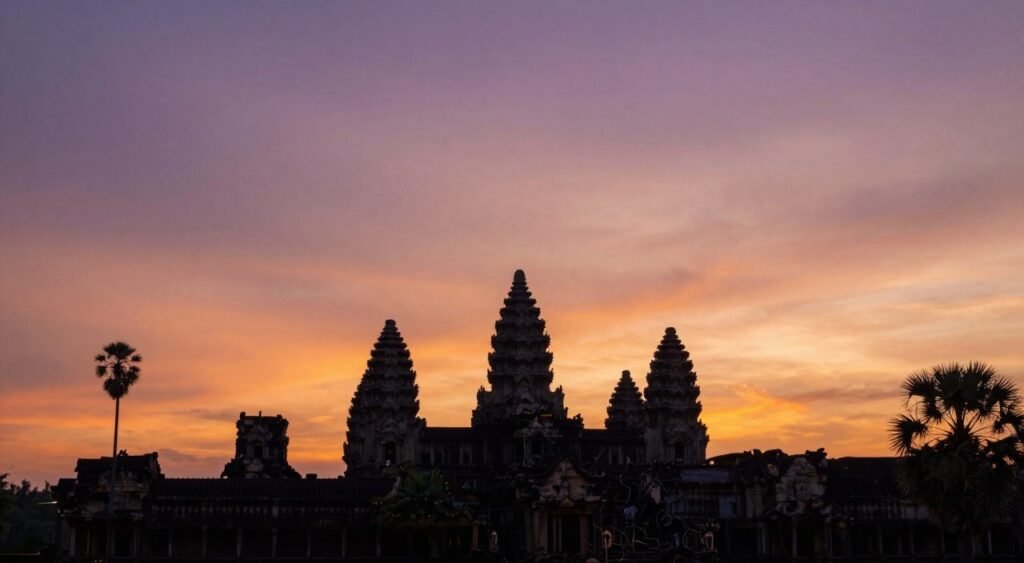
Siem Reap offers a journey unlike any other destination. Standing before Angkor Wat as sunrise illuminates its ancient stones creates moments you’ll remember forever. Walking through temples where the Khmer Empire once flourished connects you to human achievement spanning centuries. The experience transcends typical tourism.
Beyond the temples, Siem Reap reveals Cambodia’s warmth and resilience. Despite the nation’s tragic recent history, Cambodians welcome visitors with genuine smiles and generous hospitality. The city balances ancient wonders with modern comforts, creating accessible adventure in a fascinating cultural setting.
Proper planning transforms good trips into extraordinary experiences. Understanding when to visit, which temples deserve priority, where to stay, and how to navigate the city empowers you to make smart decisions. This guide provides that foundation, but your personal journey will unfold uniquely.
Travel responsibly and respectfully. The temples you’ll explore survived for centuries and deserve protection for future generations. Your behavior impacts both ancient monuments and local communities. Small conscious choices about where you spend money, how you treat sacred sites, and the environmental footprint you leave create positive or negative effects.
Don’t rush your Siem Reap experience. Allow time to absorb the magnitude of what you’re seeing. Sit quietly in temple courtyards. Watch light change on ancient stone. Engage with locals beyond transactional interactions. These slower moments often create the most meaningful memories.
Whether you come for spiritual exploration, historical fascination, photographic passion, or simple adventure, Siem Reap delivers. The temples will humble you with their scale and artistry. The food will surprise you with its flavors. The people will touch you with their kindness. And you’ll leave planning your return.
The sun rises over Angkor Wat every morning, painting the sky in impossible colors. Those ancient stones will stand long after we’re gone. Your opportunity to witness this marvel in person awaits in 2026. Start planning, book thoughtfully, travel responsibly, and prepare for the journey of a lifetime.
Welcome to Siem Reap. Welcome to Cambodia. Welcome to Angkor. Your adventure begins now.
Ready to Plan Your Perfect Siem Reap Journey?
Get personalized Siem Reap itinerary recommendations based on your interests, travel dates, and budget. Our custom planning service matches you with ideal hotels, tours, and experiences for your unique Cambodia adventure.