

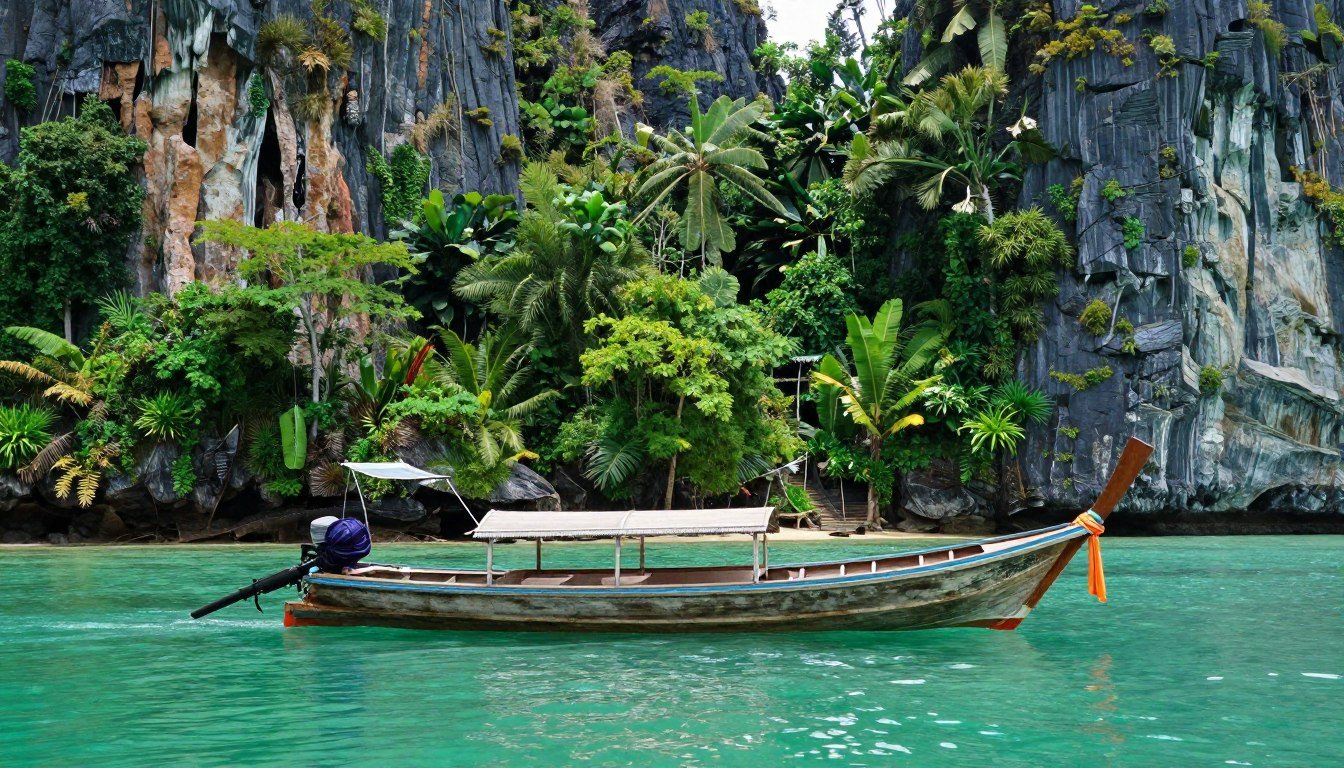
Thailand stands at the forefront of sustainable tourism transformation. The country has embraced green tourism standards that benefit both travelers and local communities. As we look toward 2026, eco-conscious visitors find unprecedented opportunities to experience authentic Thai culture while minimizing their environmental impact.
This comprehensive guide reveals the best sustainable travel options across Thailand. You will discover eco-certified destinations that prioritize conservation and community development. The tourism industry has evolved to meet growing demand from travelers who value sustainability alongside authentic experiences.
Whether you seek pristine beaches, mountain retreats, or vibrant cultural centers, Thailand offers sustainable alternatives. Local businesses and tourism operators have adopted practices that protect natural resources and support Thai people. Your journey can contribute to positive change while creating unforgettable memories.
Why Sustainable Tourism Matters in Thailand
The tourism industry significantly impacts Thailand’s economy and environment. Over 40 million visitors traveled to the country before recent global changes. This influx created both opportunities and challenges for local communities and natural ecosystems.
Sustainable tourism practices help preserve Thailand’s cultural heritage. Traditional communities maintain their way of life while welcoming respectful visitors. The thailand green tourism initiative supports local operators who demonstrate environmental responsibility and cultural sensitivity.
Environmental Benefits
- Protected marine ecosystems and coral reefs
- Reduced plastic waste in tourist areas
- Conservation of endangered species habitats
- Lower carbon emissions from transportation
Community Impact
- Fair wages for local tourism workers
- Preservation of traditional crafts and practices
- Economic development in rural areas
- Cultural exchange and mutual respect
Thailand green standards set benchmarks for responsible tourism operators. Businesses that meet sustainability criteria receive certification and recognition. This system helps travelers identify genuine eco-friendly options versus greenwashing attempts.
Stay Updated on Sustainable Thailand Travel
Get exclusive insights on new eco-certified destinations, sustainable tourism initiatives, and responsible travel tips for your 2026 Thailand adventure.
Top Sustainable Destinations in Thailand for 2026
Thailand offers diverse sustainable travel destinations across the country. Each region provides unique experiences while maintaining strong environmental and cultural standards. These places balance visitor enjoyment with long-term sustainability goals.
Chiang Mai: Northern Thailand’s Green Hub

Chiang Mai leads Thailand’s sustainable tourism efforts in the northern region. The city combines rich cultural heritage with modern green initiatives. Visitors explore ancient temples, vibrant markets, and surrounding mountain communities that practice traditional sustainability.
Local communities welcome travelers through homestay programs and cultural workshops. These experiences provide authentic connections while supporting rural economies. The tourism operators in Chiang Mai prioritize small group sizes and low-impact activities.
Interactive map of sustainable destinations in Chiang Mai
How to Get There: Fly directly to Chiang Mai International Airport from Bangkok (1 hour) or take the overnight sleeper train for a low-carbon travel option. Local transportation includes electric tuk-tuks and bicycle rentals throughout the city.
Eco-Certified Hotels in Chiang Mai
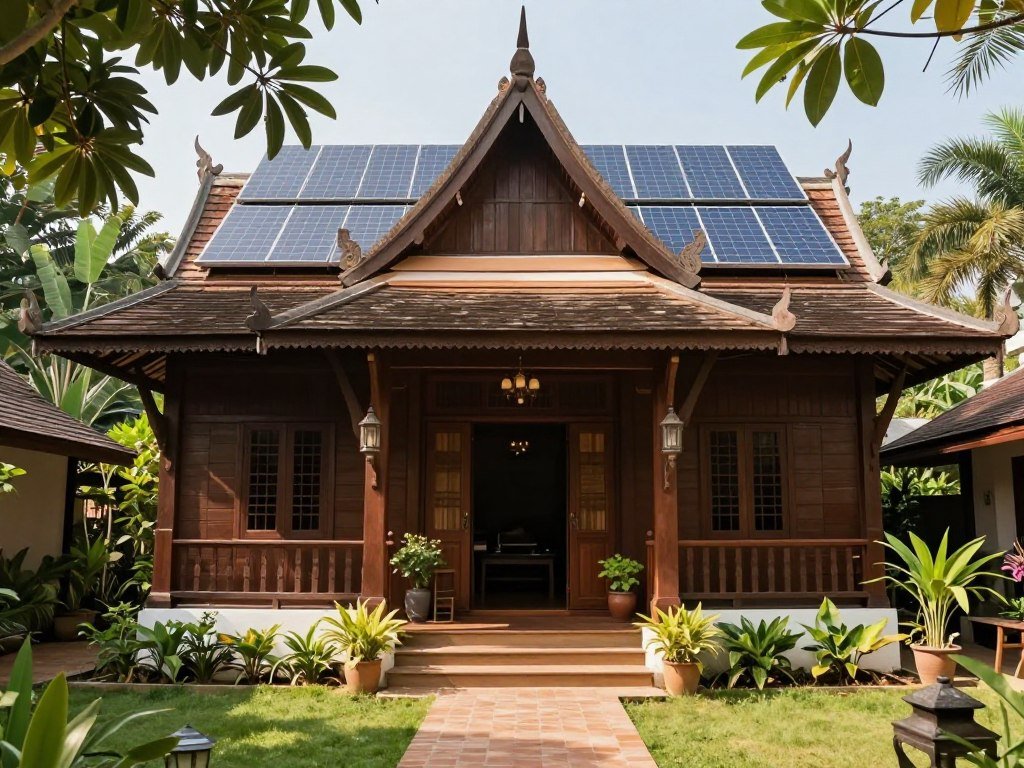
Purity Eco Retreat
This boutique eco-lodge uses solar power and rainwater harvesting. All materials come from sustainable sources. The property supports local artisan communities through employment and partnerships.
- 100% renewable energy operation
- Organic farm-to-table dining
- Zero single-use plastics policy
- Community workshop programs

Bamboo Valley Resort
Built entirely from sustainable bamboo, this resort demonstrates innovative green building. The property partners with hill tribe villages for cultural experiences and employs local people exclusively.
- Bamboo construction with low carbon footprint
- Community-based tourism programs
- Organic permaculture gardens
- Traditional Thai healing spa
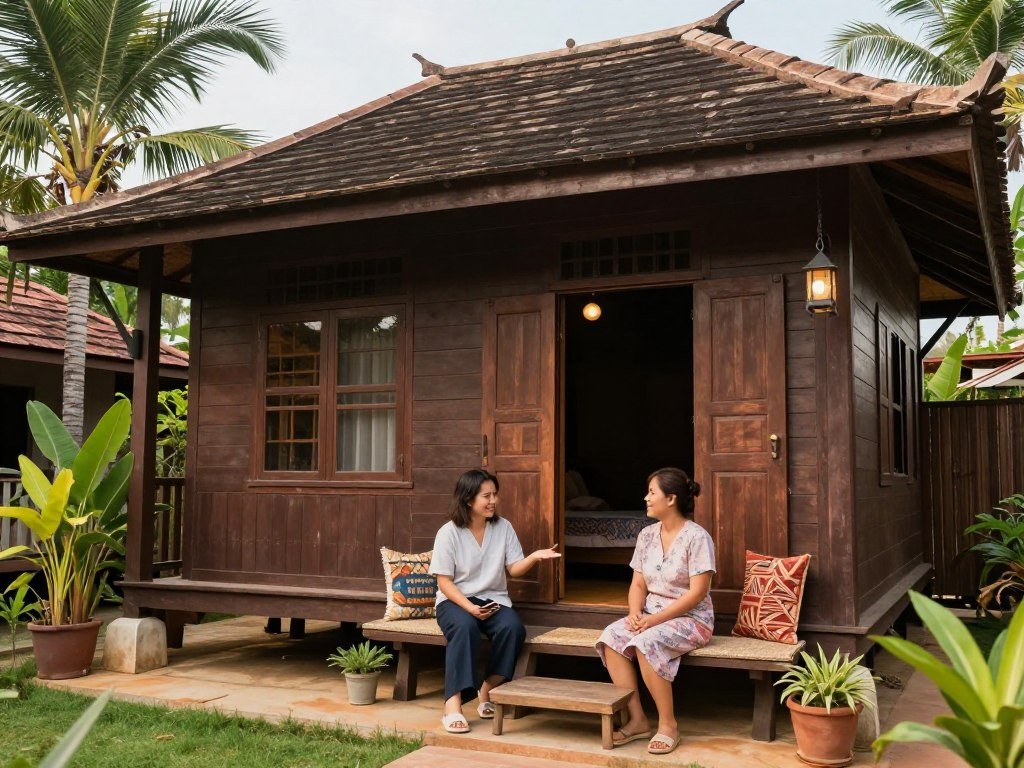
Green Elephant Guesthouse
This family-run guesthouse offers authentic experiences with minimal environmental impact. Owners organize ethical elephant sanctuary visits and cooking classes using local organic ingredients.
- Family-operated sustainable business
- Ethical animal tourism partnerships
- Traditional cooking workshops
- Bicycle tour programs
Sustainable Restaurants in Chiang Mai
Organic Herb Garden Cafe
Farm-to-table restaurant growing 80% of ingredients on-site. Supports local organic farmers and employs sustainable farming practices. Zero-waste kitchen operation.
Specialty: Northern Thai vegetarian cuisine
Community Kitchen Co-op
Worker-owned cooperative serving traditional Lanna dishes. All profits support local agricultural projects. Ingredients sourced within 50-kilometer radius.
Specialty: Authentic Khao Soi and curry dishes
Forest Table Experience
Outdoor dining experience using seasonal ingredients from hill tribe communities. Educational program teaches sustainable foraging and traditional food preservation.
Specialty: Wild foraged ingredients tasting menu
Krabi and Koh Lanta: Coastal Sustainability
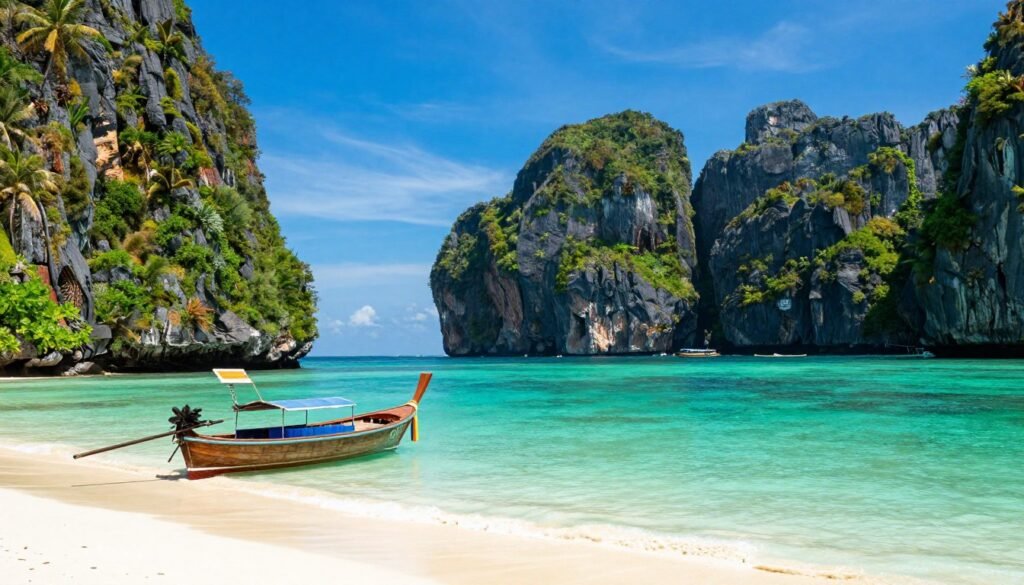
The Krabi region demonstrates how coastal tourism can embrace sustainability. Koh Lanta island has become a model for responsible beach tourism. Marine conservation programs protect coral reefs while allowing respectful visitor access.
Local communities control tourism development through cooperative management. This approach ensures that growth benefits residents and preserves natural resources. Visitors enjoy stunning beaches while participating in conservation efforts.
How to Get There: Fly to Krabi International Airport from Bangkok (1.5 hours). Take a ferry to Koh Lanta (2 hours) or travel by minibus and ferry combination. Many operators now use electric or hybrid vehicles for transfers.
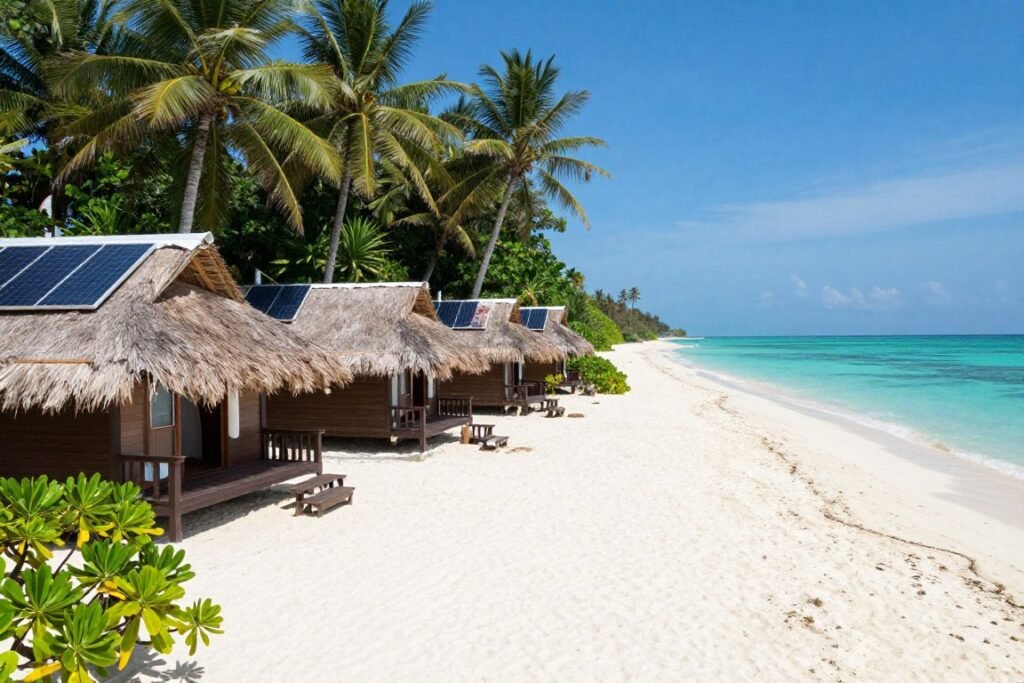
Lanta Eco Resort
Beach resort with comprehensive marine conservation program. Guests participate in coral restoration and sea turtle protection. The property operates a plastic-free campus.
- Coral reef restoration project
- Sea turtle nesting protection
- Plastic-free resort operation
- Renewable energy powered
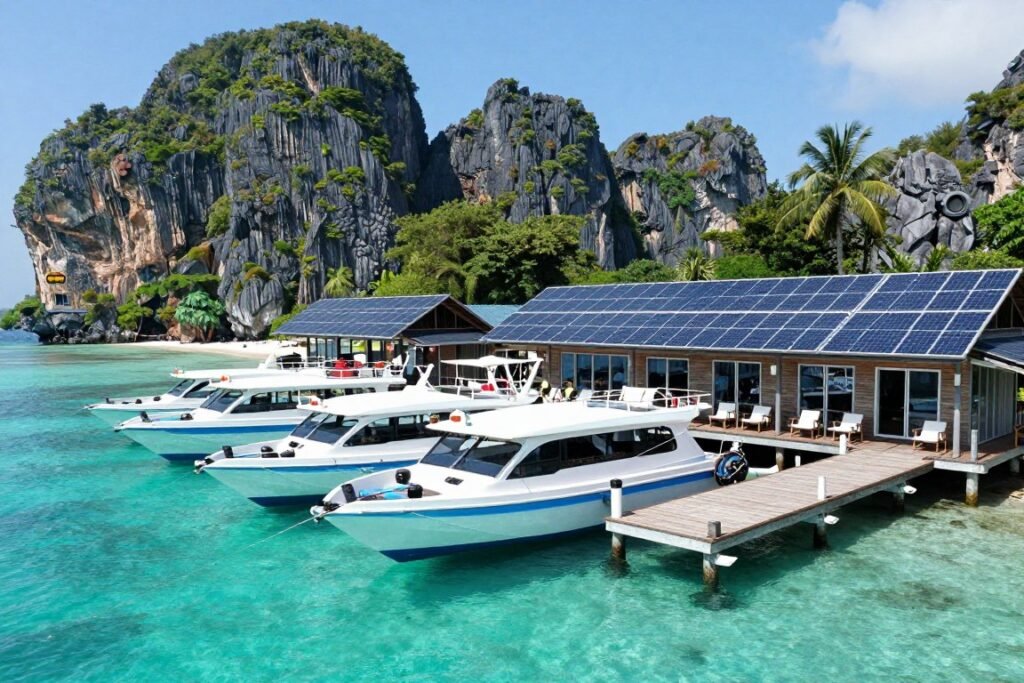
Green Dive Krabi
Dive resort with industry-leading sustainability standards. All dive operations follow strict environmental protocols. The business supports local marine biology research programs.
- PADI Green Star Award winner
- Marine research partnerships
- Eco-friendly dive operations
- Conservation education programs
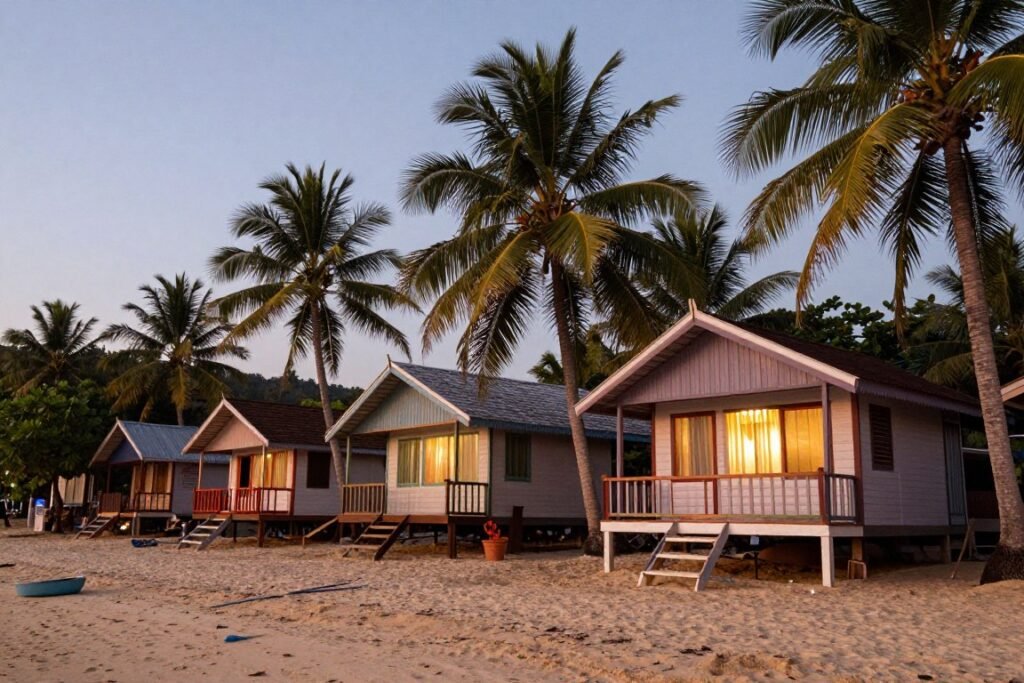
Sea Gypsy Village Bungalows
Authentic accommodation owned by traditional sea gypsy community. Your stay directly supports indigenous people and cultural preservation. Experience includes fishing traditions and boat building.
- Indigenous community ownership
- Cultural immersion programs
- Traditional fishing experiences
- Handicraft workshops
Download Your Complete Sustainable Thailand Guide
Get our comprehensive 50-page planning guide with detailed maps, eco-certified hotel listings, sustainable restaurant recommendations, and insider tips for responsible travel in Thailand.
Khao Sok National Park: Rainforest Conservation
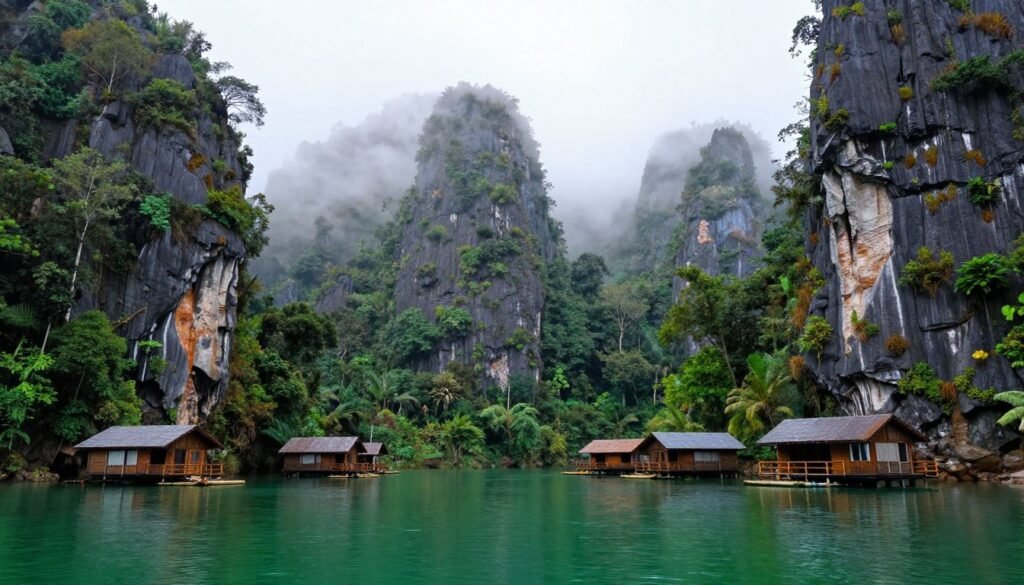
Khao Sok National Park protects one of the world’s oldest rainforests. The park offers sustainable tourism experiences focused on conservation and education. Visitors explore diverse ecosystems while learning about biodiversity protection efforts.
Local communities manage tourism activities within strict environmental guidelines. Small group jungle treks minimize impact on wildlife habitats. The experiences showcase Thailand’s natural heritage while funding continued conservation work.
How to Get There: Take a bus from Phuket (3 hours) or Krabi (2.5 hours) to Khao Sok. Shared minivans offer eco-friendly group transportation. Many accommodations provide pickup services using efficient vehicles.
Sustainable Transportation in Thailand
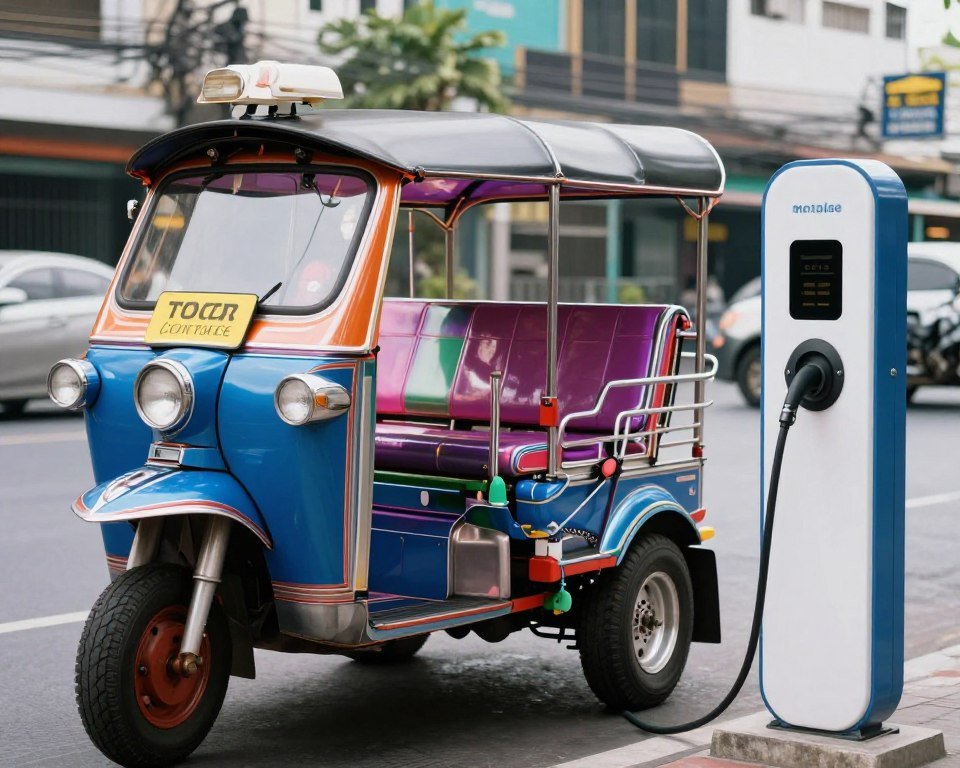
Transportation choices significantly impact your travel footprint. Thailand has invested heavily in sustainable transport infrastructure for tourism. Multiple low-carbon options now connect major destinations across the country.
Low-Impact Travel Options
Electric and Hybrid Vehicles
Major cities now offer electric vehicle rentals and charging networks. Bangkok and Chiang Mai have expanded electric tuk-tuk fleets. Many tour operators use hybrid minibuses for group transfers.
- Electric tuk-tuk services in cities
- Hybrid tour buses between destinations
- EV charging stations at hotels
- Electric scooter rental programs
Public Transportation
Thailand’s public transit systems provide efficient low-carbon travel. The BTS and MRT in Bangkok reduce individual vehicle use. Overnight trains offer comfortable alternatives to short flights.
- Modern rail networks in cities
- Overnight sleeper trains nationwide
- Public bus systems with low fares
- Bicycle sharing programs
Plan your journey to minimize flights between destinations. Overland travel reveals landscapes and communities you would otherwise miss. The slower pace creates opportunities for meaningful cultural exchanges.
Eco-Friendly Activities and Experiences
Sustainable experiences connect travelers with Thai culture and nature responsibly. These activities benefit local communities while protecting environmental resources. Choosing ethical tourism operators ensures your trip creates positive impact.
Community-Based Tourism Projects
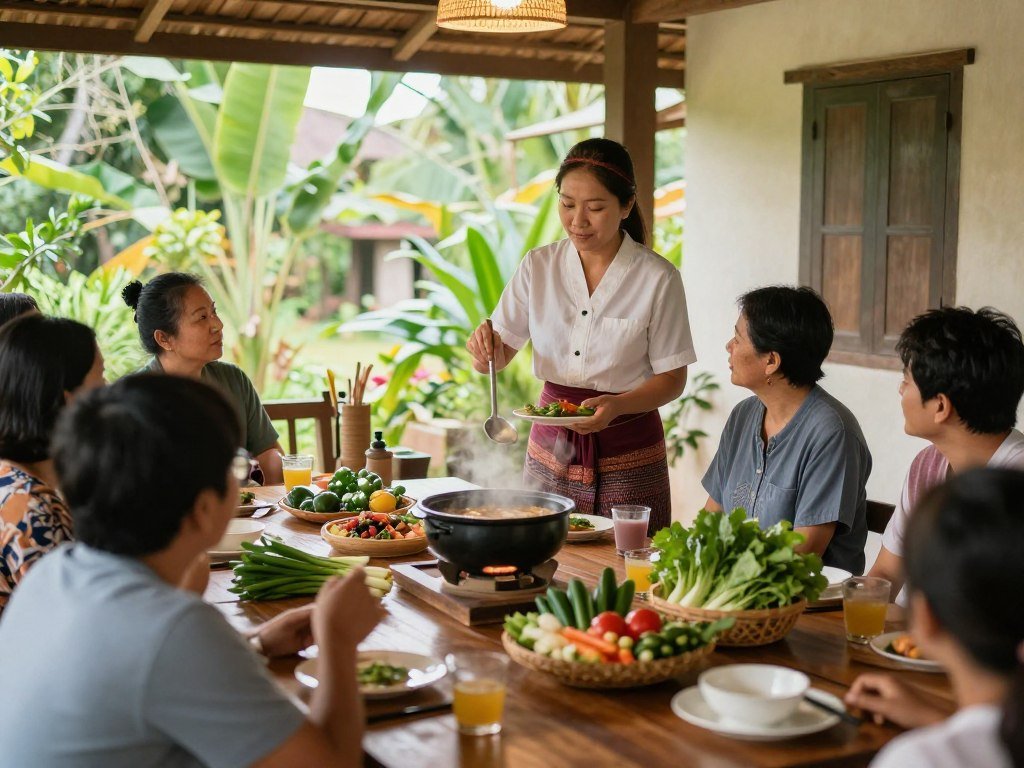
Community tourism projects offer authentic cultural immersion. Local families welcome visitors into their homes and daily lives. These experiences provide income while preserving traditional practices and knowledge.
Homestay Programs
Stay with Thai families in rural villages. Participate in daily activities like rice farming, fishing, or traditional crafts. Your visit directly supports household income.
- Authentic family experiences
- Traditional skill workshops
- Home-cooked local meals
- Cultural knowledge sharing
Artisan Workshops
Learn traditional crafts from master artisans. Participate in textile weaving, pottery, or wood carving. Purchase creates fair income for skilled craftspeople.
- Hands-on craft instruction
- Fair trade product sales
- Skill preservation support
- Cultural heritage protection
Agricultural Experiences
Work alongside farmers using traditional organic methods. Learn about rice cultivation, fruit growing, or sustainable fishing. Understand food systems firsthand.
- Organic farming practices
- Traditional agriculture methods
- Farm-to-table education
- Rural economy support
Wildlife and Nature Conservation
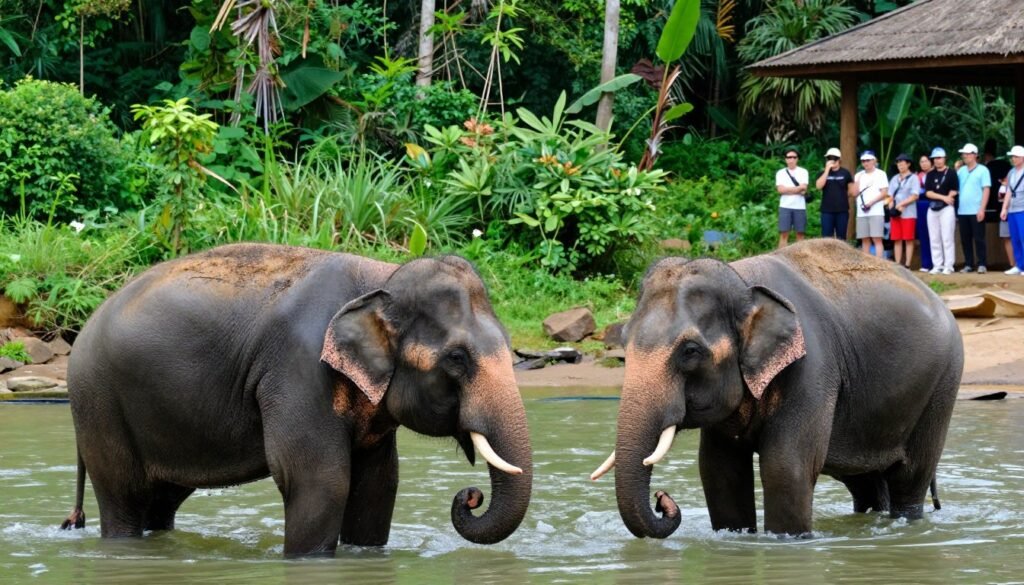
Responsible wildlife tourism supports conservation rather than exploitation. Ethical sanctuaries prioritize animal welfare and habitat protection. Your visit funds rescue operations and education programs.
Ethical Elephant Sanctuaries
Visit rescued elephants in natural forest habitats. Observation-only experiences allow natural behaviors. No riding, performances, or stressful interactions.
- Rescued elephant care
- Natural habitat environments
- Education about conservation
- Veterinary care funding
Marine Conservation Diving
Participate in coral restoration and marine surveys. Certified dive operators follow strict environmental protocols. Contribute to scientific research efforts.
- Coral planting programs
- Marine species monitoring
- Reef cleanup activities
- Conservation certification
Bird Watching Tours
Explore diverse habitats with expert naturalist guides. Small group sizes minimize disturbance. Support protects critical bird migration routes.
- Expert local guides
- Small group experiences
- Habitat protection funding
- Species research support
Thailand Green Tourism Standards and Certifications
Certification programs help travelers identify genuinely sustainable businesses. Thailand green tourism standards evaluate environmental practices, community benefits, and cultural respect. Understanding these certifications guides informed choices.
Key Certification Programs
| Certification | Focus Area | Criteria | Verification |
| Thailand Green Plus | Comprehensive sustainability | Energy efficiency, waste management, community involvement, cultural preservation | Annual third-party audits |
| PADI Green Star | Marine conservation | Eco-friendly dive practices, marine protection, education programs | PADI certification body |
| Community Tourism Standard | Local benefit | Community ownership, fair income distribution, cultural respect | Designated Thailand Green Tourism Committee |
| Organic Thailand | Food and agriculture | Organic farming, sustainable sourcing, chemical-free practices | Government agriculture ministry |
Look for certification logos when booking accommodations and experiences. Certified businesses undergo regular inspections to maintain standards. Your patronage rewards operators who invest in sustainability.
Tip: Visit the Thailand Tourism Authority website to verify current certifications. Some businesses display outdated credentials. Confirm certification status before booking.
Responsible Tourism Practices for Travelers

Individual choices collectively create significant impact. Simple practices reduce your environmental footprint while enhancing experiences. Respectful behavior benefits both visited communities and fellow travelers.
Before Your Trip
- Research certified sustainable accommodations and tour operators
- Pack reusable water bottles, bags, and utensils to avoid single-use plastics
- Learn basic Thai phrases to show cultural respect
- Purchase carbon offsets for unavoidable flights
- Download offline maps to reduce data usage and paper waste
During Your Visit
Environmental Practices
- Refuse plastic bags and straws
- Use reef-safe sunscreen near water
- Take short showers to conserve water
- Turn off lights and air conditioning when absent
- Participate in beach or trail cleanups
- Choose walking or cycling over taxis when possible
Cultural Respect
- Dress modestly at temples and religious sites
- Ask permission before photographing people
- Support local restaurants and shops
- Learn about customs and traditions
- Avoid haggling aggressively with vendors
- Respect wildlife and natural habitats
Remember: Sustainable travel means leaving places better than you found them. Your respectful presence should benefit local communities and protect natural environments for future visitors.
Planning Your Sustainable Thailand Trip for 2026
Effective planning maximizes positive impact while ensuring memorable experiences. Consider seasonal factors, regional characteristics, and personal interests. A well-planned sustainable trip balances enjoyment with responsibility.
Best Times to Visit
Cool Season (Nov-Feb)
- Pleasant temperatures throughout country
- Peak tourism season with higher prices
- Best weather for outdoor activities
- Book accommodations well in advance
- Consider lesser-known destinations to avoid crowds
Hot Season (Mar-May)
- Lower accommodation rates and fewer tourists
- Hot temperatures require preparation
- Ideal for northern mountain regions
- Mango season with abundant fresh fruit
- Water festivals in April (Songkran)
Rainy Season (Jun-Oct)
- Lowest prices on accommodations and tours
- Lush green landscapes at their peak
- Afternoon rains with sunny mornings
- Some islands and coastal areas less accessible
- Best time for authentically quiet experiences
Sample Sustainable Itinerary
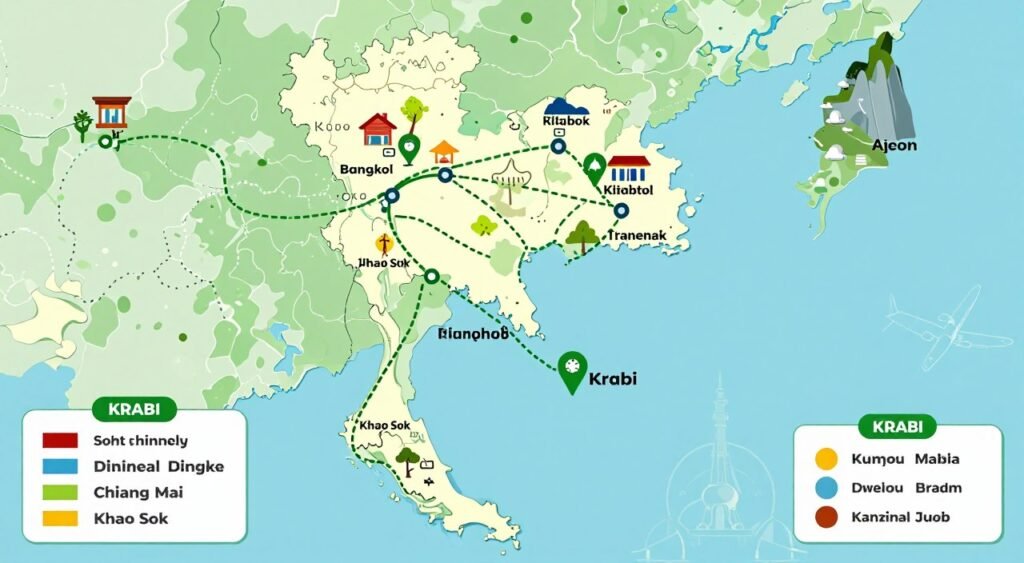
Days 1-3: Bangkok Introduction
Explore the capital using public transportation. Visit temples, markets, and urban green spaces. Stay in eco-certified boutique hotel.
- BTS/MRT train exploration
- Temple visits with cultural guides
- Organic market tours
- Cooking class with local chef
Days 4-7: Chiang Mai Culture
Take overnight train north. Participate in community tourism projects. Visit ethical elephant sanctuary and artisan villages.
- Sleeper train from Bangkok
- Homestay in rural village
- Elephant sanctuary visit
- Traditional craft workshops
Days 8-11: Khao Sok Nature
Bus transfer to rainforest national park. Guided jungle treks and lake exploration. Stay in eco-lodge with conservation programs.
- Shared minibus transfer
- Jungle trekking with naturalist
- Floating raft house experience
- Wildlife observation activities
Days 12-14: Coastal Relaxation
Travel to Krabi or Koh Lanta. Beach time with marine conservation activities. Return to Bangkok via bus or train.
- Ferry to island destination
- Coral restoration diving
- Beach cleanup participation
- Sustainable seafood dining
Design Your Perfect Sustainable Thailand Journey
Work with our sustainable travel specialists to create a custom itinerary matching your interests, values, and budget. We partner exclusively with certified eco-friendly operators and community-based tourism projects.
Sustainable Packing Essentials

Thoughtful packing reduces waste and supports sustainable travel. Bring reusable items to avoid single-use products. Choose multi-purpose gear to minimize luggage weight and environmental impact.
Reusable Items
Replace disposable products with durable alternatives that serve throughout your trip and beyond.
- Stainless steel water bottle with filter
- Collapsible food containers for leftovers
- Bamboo or metal utensil set
- Reusable shopping bags (multiple sizes)
- Cloth napkins and handkerchiefs
- Silicone storage bags for snacks
Eco-Friendly Toiletries
Choose products that protect marine environments and reduce plastic packaging waste.
- Solid shampoo and conditioner bars
- Reef-safe mineral sunscreen
- Biodegradable soap and detergent
- Bamboo toothbrush and dental floss
- Reusable safety razor
- Natural insect repellent
Technology and Gear
Efficient devices reduce energy consumption while enhancing sustainable travel capabilities.
- Solar-powered battery charger
- Universal travel adapter
- E-reader for guidebooks and entertainment
- Offline map applications on phone
- Compact clothesline for air drying
- LED headlamp with rechargeable batteries
Clothing Choices
Sustainable fabrics and versatile pieces reduce luggage while supporting ethical fashion.
- Natural fiber clothing (cotton, linen, hemp)
- Quick-dry fabrics for easy washing
- Modest clothing for temple visits
- Lightweight rain jacket
- Comfortable walking shoes
- Sarong or scarf (multiple uses)
Supporting Local Communities Through Tourism
Tourism can drive positive economic development when travelers prioritize local businesses. Direct spending in community enterprises creates sustainable livelihoods. Your choices determine whether tourism benefits residents or external corporations.
Where to Spend Your Money
Locally-Owned Accommodations
Choose family-run guesthouses and community-operated lodges over international hotel chains. More of your payment stays in the local economy.
Independent Restaurants
Eat at small restaurants serving regional cuisine. Street food vendors and family restaurants provide authentic experiences while supporting local incomes.
Artisan Markets
Purchase handicrafts directly from makers at artisan cooperatives and village markets. Avoid mass-produced souvenirs from commercial shops.
Local Tour Guides
Hire guides from the communities you visit. Local knowledge enhances experiences while providing dignified employment for residents.
Community Enterprises
Support cooperatives and social enterprises that reinvest profits in community development projects and social programs.
Public Transportation
Use local buses, shared taxis, and public ferries instead of private tours. You will interact with residents and gain authentic perspectives.
“When you buy from a local business, you are not helping a CEO buy a third vacation home. You are helping a little girl get dance lessons, a little boy get his team jersey, and a mom or dad put food on the table.”
Future of Sustainable Tourism in Thailand
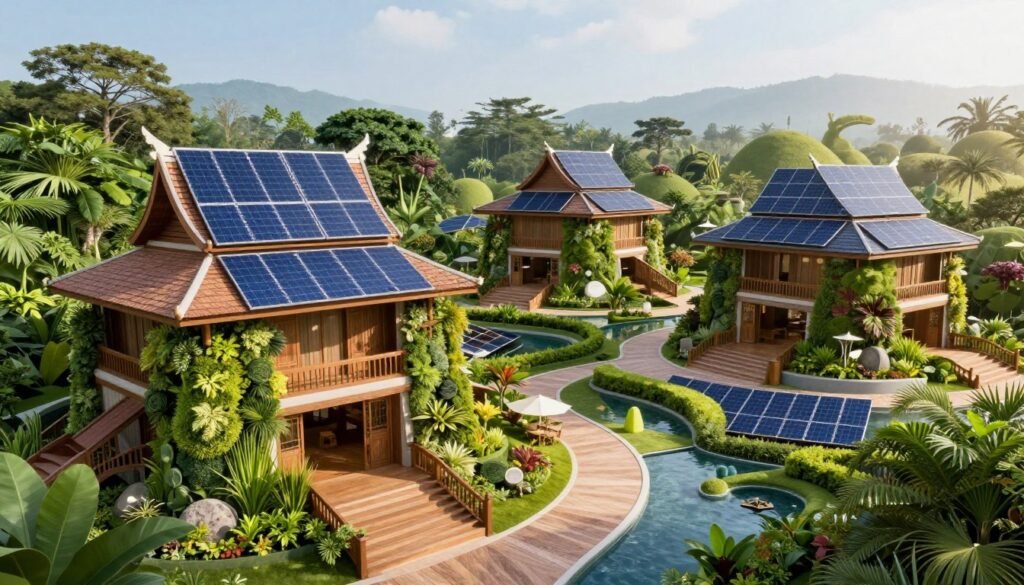
Thailand continues investing in sustainable tourism infrastructure and standards. Government initiatives and private sector innovation drive industry transformation. Understanding upcoming developments helps travelers make informed 2026 plans.
2026 Sustainability Initiatives
Expanded Green Certification
Thailand aims to certify 5,000 sustainable tourism businesses by 2026. New verification systems ensure authentic environmental and social standards.
Plastic-Free Tourism Zones
Major destinations implement complete single-use plastic bans. Islands and national parks lead the plastic-free transformation.
Community Tourism Expansion
Government support helps 200 new villages develop sustainable tourism enterprises. Programs ensure equitable benefit distribution and cultural preservation.
Renewable Energy Hotels
New construction standards require renewable energy integration. Hotels achieve net-zero carbon operations through solar, wind, and efficiency measures.
Marine Protected Areas
Thailand expands marine reserves to protect coral reefs and fisheries. Tourism operators partner with conservation programs in protected zones.
Electric Transport Networks
Cities deploy electric bus and tuk-tuk fleets. Charging infrastructure supports visitor use of electric rental vehicles nationwide.
These initiatives position Thailand as a global sustainable tourism leader. Your 2026 visit supports this transformation while enjoying world-class sustainable experiences.
Conclusion

Sustainable travel Thailand 2026 offers unprecedented opportunities for eco-conscious visitors. The country has embraced green tourism standards while maintaining authentic cultural experiences. Your journey can create positive impact for communities and natural environments.
Thailand’s sustainable destinations provide diverse experiences across regions. From Chiang Mai’s cultural heritage to Krabi’s coastal conservation, each place demonstrates commitment to responsible tourism. The industry transformation benefits both visitors and Thai people through ethical practices.
Your choices as a traveler determine tourism’s impact. Supporting certified businesses, respecting local communities, and minimizing environmental footprint creates meaningful change. Sustainable travel delivers richer experiences while protecting Thailand’s natural and cultural treasures for future generations.
Plan your 2026 Thailand trip with sustainability as a guiding principle. The destination rewards responsible travelers with authentic connections and unforgettable experiences. Your sustainable journey supports the country’s green transformation while creating memories that matter.
Start Your Sustainable Thailand Adventure Today
Join thousands of eco-conscious travelers discovering Thailand responsibly. Whether you need custom trip planning, certified accommodation bookings, or expert sustainability guidance, we are here to help make your 2026 journey extraordinary.
Prefer to speak with a specialist?