

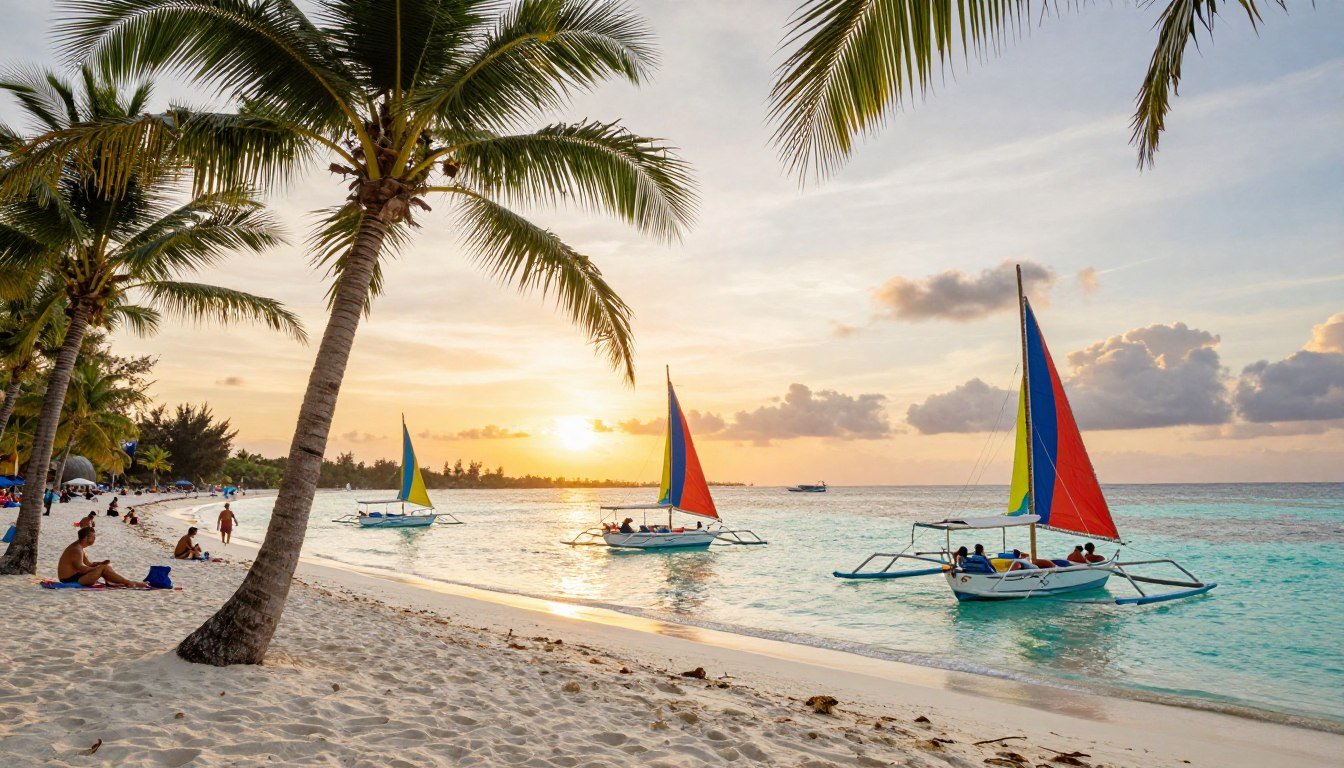
Picture yourself stepping onto powder-fine white sand that squeaks beneath your feet. Crystal-clear turquoise water stretches endlessly before you while palm trees sway gently in the tropical breeze. Welcome to Boracay Island, the Philippines’ crown jewel of tropical destinations.
This small island paradise packs extraordinary experiences into just seven kilometers of coastline. World-famous beaches meet vibrant nightlife. Serene hideaways contrast with bustling entertainment zones. Adventure activities complement ultimate relaxation.
Whether you dream of sunset sailing, underwater exploration, beachfront dining, or simply lounging under swaying palms, this comprehensive guide prepares you for an unforgettable Boracay journey in 2026.
Why Boracay Island Captures Hearts Worldwide
Boracay consistently ranks among the world’s best islands for compelling reasons. The four-kilometer White Beach delivers postcard perfection with its talcum-powder sand and gradient waters shifting from pale turquoise to deep sapphire.
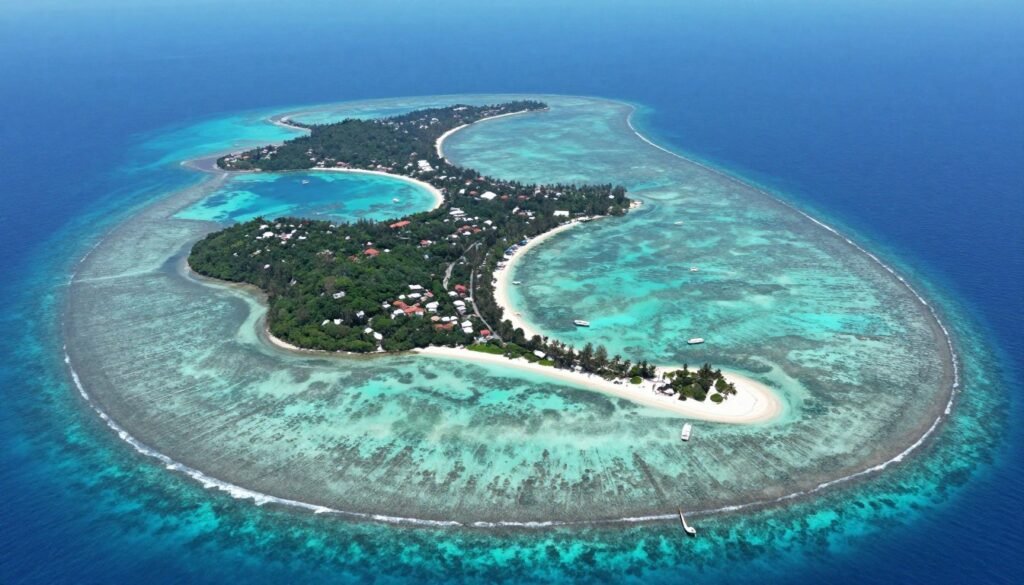
The island balances seemingly opposite qualities effortlessly. World-class resorts stand alongside budget-friendly accommodations. Thrilling water sports coexist with tranquil beach moments. Energetic nightlife districts give way to peaceful northern shores where time slows delightfully.
Perfect Beach Paradise
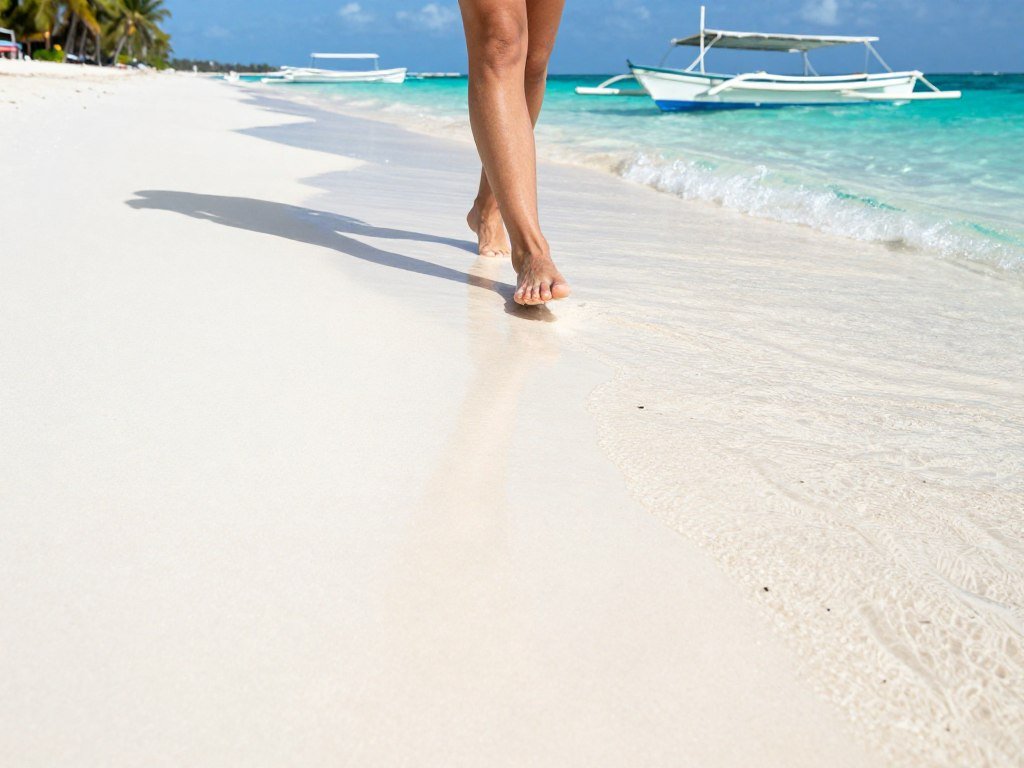
White Beach stretches four kilometers along the western shore, consistently rated among Earth’s finest beaches. The sand possesses an almost impossibly fine texture that remains cool even under intense tropical sun. Shallow, calm waters create ideal swimming conditions for all ages.
Adventure Meets Relaxation
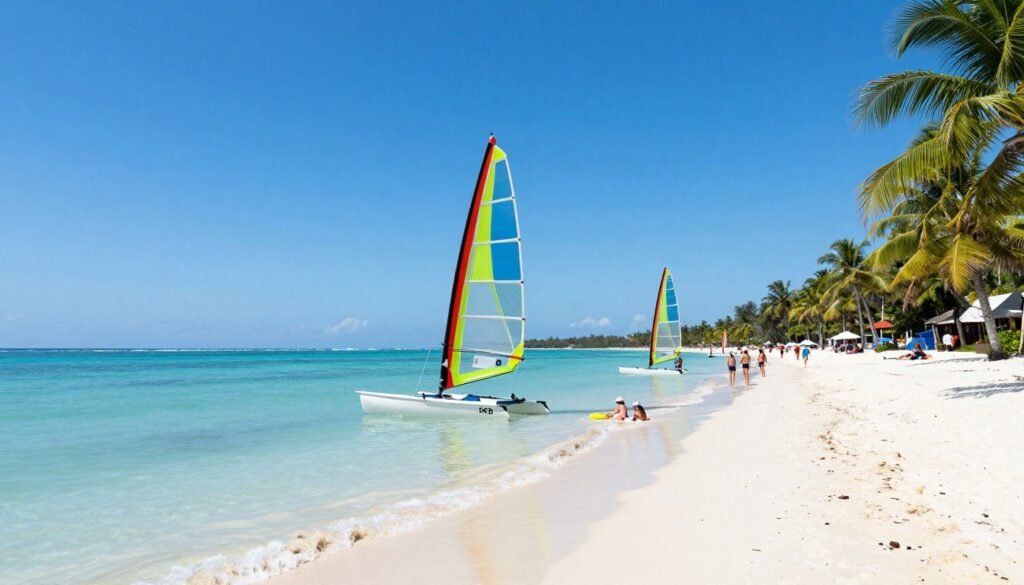
Morning brings kitesurfing at Bulabog Beach. Afternoon offers island-hopping adventures exploring hidden coves. Evening delivers spectacular sunsets from beachfront lounges. Boracay accommodates every travel style seamlessly within one compact paradise.
Interactive map of Boracay Island highlighting White Beach stations, Bulabog Beach, Puka Beach, and key landmarks
Start Your Boracay Adventure Planning
Download our free comprehensive Boracay map with all beaches, resort areas, dining spots, and activity centers marked for effortless trip planning.
Best Time to Visit Boracay Island in 2026
Boracay experiences two distinct seasons that dramatically affect your island experience. Understanding weather patterns helps you choose the perfect time for your tropical escape.
| Season | Months | Weather | Advantages | Considerations |
| Dry Season (Amihan) | November – April | Sunny, calm seas, 25-32°C | Perfect beach weather, calm water for swimming, minimal rain, ideal for water sports | Peak tourist season, higher prices, advance booking essential, crowded beaches |
| Wet Season (Habagat) | May – October | Occasional rain, rougher seas, 24-31°C | Lower prices, fewer crowds, lush green landscapes, authentic local experience | Possible typhoons (July-September), rough seas on west side, some beach closures, unpredictable weather |
Dry Season: Peak Paradise Time
November through April represents optimal visiting conditions. Consistent sunshine bathes the island daily. The sea remains calm and inviting, perfect for swimming, snorkeling, and paddleboarding. Northeast winds keep temperatures comfortable despite tropical heat.
December through February attracts maximum visitors escaping winter elsewhere. Booking accommodations four to six months ahead becomes essential during this peak window. March and April offer slightly fewer crowds while maintaining excellent weather conditions.
Shoulder Months: Sweet Spot Strategy
November and late April through early May present ideal compromises. Weather remains predominantly excellent with occasional brief showers. Tourist numbers drop compared to peak months, creating more spacious beach experiences. Resort rates decrease noticeably from high-season pricing.
These shoulder periods allow genuine interaction with local culture without overwhelming tourist presence. Restaurant reservations become easier. Popular activity slots remain available without weeks-advance booking.
Island Insider Tip: Visit during the second or third week of November for the best value. The rainy season officially ends, excellent weather begins, but holiday crowds haven’t arrived. Resort rates remain 30-40% below December pricing while beach conditions rival peak season.
Wet Season Considerations
Traveling between June and September requires flexibility and realistic expectations. Heavy rains can last several hours, though all-day downpours remain relatively uncommon. The western beaches face rougher conditions as wind shifts direction.
Budget-conscious travelers find significant savings during these months. Resort rates drop by half or more compared to peak season. The island feels authentically Filipino without overwhelming tourism. Lush vegetation reaches peak beauty after monsoon rains.
How to Reach Boracay Island
Reaching this island paradise requires coordinated air and sea travel. The journey forms part of the adventure, with multiple route options accommodating different budgets and schedules.
Flying to Caticlan or Kalibo
Two airports serve Boracay Island. Caticlan Airport (Godofredo P. Ramos Airport) sits closest, requiring just ten minutes by boat to reach the island. Kalibo International Airport positions roughly two hours away by land then boat transfer.
International travelers typically fly into Manila’s Ninoy Aquino International Airport first. Domestic flights from Manila to either Caticlan or Kalibo operate multiple times daily. Flight duration averages one hour, making same-day connections feasible with proper timing.
Caticlan Route
- Closest airport – only 10-15 minutes total travel time to island
- Smaller aircraft with potentially higher fares
- Weather-dependent operations (flights may divert to Kalibo in poor conditions)
- Immediate boat access from airport to island
- Best for travelers prioritizing convenience over cost
Kalibo Route
- Larger international airport with more flight options
- Generally lower airfares than Caticlan
- Two-hour van or bus journey to Caticlan jetty port required
- More reliable operations during inclement weather
- Ideal for budget-conscious travelers with time flexibility
Boat Transfer to Boracay
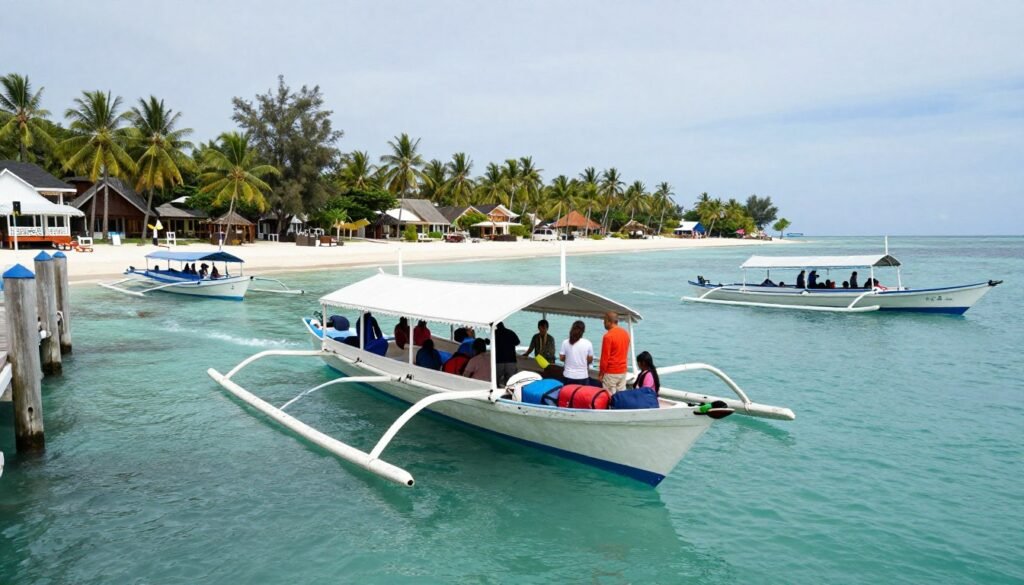
All visitors complete the journey via short boat ride from Caticlan to Boracay. Boats operate continuously from early morning until evening. The crossing takes fifteen minutes across calm, shallow water.
Environmental and terminal fees apply at Caticlan jetty port. Keep small bills ready for fee payment. Porters offer luggage assistance for reasonable tips. The entire embarkation process moves efficiently despite high passenger volumes.
What to Expect at Caticlan Jetty
- Purchase environmental fee and terminal fee tickets
- Present tickets and valid ID at checkpoint
- Proceed through covered waiting area to boat dock
- Board next available outrigger boat (shared service)
- Enjoy scenic fifteen-minute crossing
- Arrive at Cagban jetty port on Boracay
Fees and Costs (2026 Estimates)
- Environmental fee: 75-100 PHP per person
- Terminal fee: 50-100 PHP per person
- Boat fare: 25-50 PHP per person
- Luggage porter (optional): 50-100 PHP
- Total approximate cost: 200-300 PHP ($4-6 USD)
- Keep cash ready – cards often not accepted
Alternative Access Routes
Direct ferry services from nearby islands provide alternative access. Ferries connect Boracay with Carabao Island and other Romblon destinations. These slower but scenic routes appeal to island-hopping adventurers.
Private boat charters offer direct point-to-point service from mainland locations. Costs significantly exceed regular ferry service but provide schedule flexibility and direct resort delivery.
Travel Tip: Book flights to Caticlan during dry season well in advance – this small airport has limited daily capacity. During peak months, flights sell out weeks ahead. Kalibo offers more availability but requires additional ground transportation planning.
Where to Stay on Boracay Island
Choosing your base location dramatically shapes your island experience. Boracay divides into distinct zones, each offering unique atmospheres and advantages for different traveler types.
White Beach: The Heart of Boracay
The famous four-kilometer White Beach divides into three stations, each possessing distinct character. Station numbers increase from north to south, with Station 1 at the quieter northern end.
Station 1 – Upscale Serenity
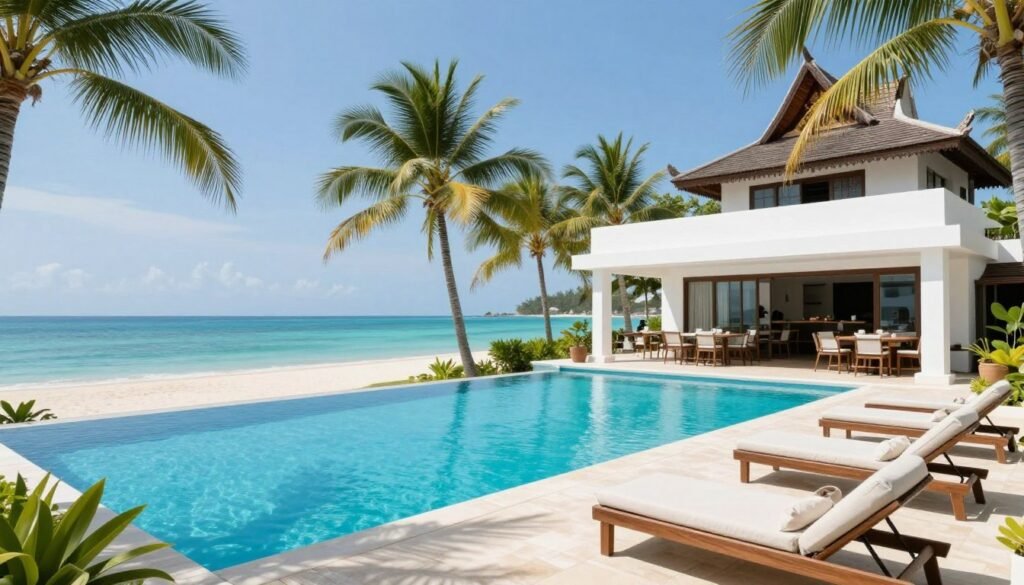
The northern section hosts Boracay’s most luxurious resorts and finest powder sand. Beaches here remain wider and less congested than southern areas. Upscale dining establishments and chic bars create sophisticated atmosphere.
This area suits travelers seeking premium experiences with convenient beach access. Families appreciate the calmer environment and superior sand quality. Couples enjoy romantic sunset views without overwhelming crowds.
Station 2 – Central Action Hub
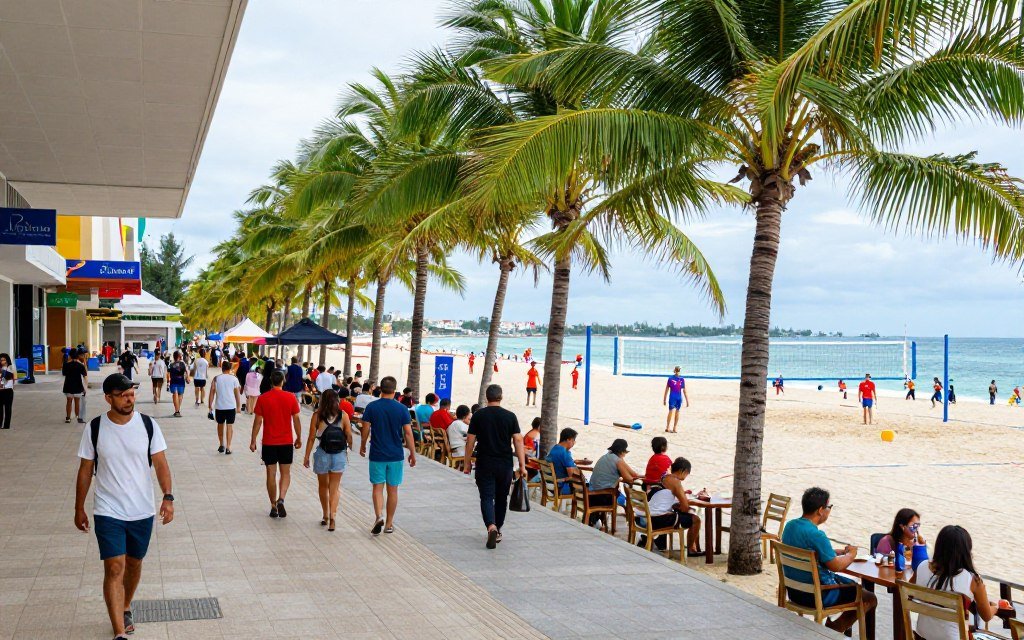
The middle section pulses with energy day and night. D’Mall shopping complex provides retail therapy and dining variety. Beach bars transition seamlessly from sunset cocktails to late-night parties.
Station 2 positions you within walking distance of everything. Budget accommodations mix with mid-range hotels. The sand quality remains excellent though beach width narrows compared to Station 1. Social travelers and younger visitors gravitate toward this lively zone.
Station 3 – Budget-Friendly Alternative
The southern end offers more affordable accommodation options without sacrificing beach access. The atmosphere stays more laid-back than Station 2’s intensity. Local eateries provide authentic Filipino dining at lower prices.
Backpackers and budget-conscious travelers find excellent value here. The slightly longer walk to central areas deters some visitors, keeping crowds manageable. Beach conditions match other stations despite lower surrounding prices.
| Area | Vibe | Best For | Price Range/Night | Beach Quality |
| Station 1 | Upscale, peaceful, sophisticated | Luxury seekers, honeymooners, families | $100-500 USD | Finest sand, widest beach, fewer crowds |
| Station 2 | Energetic, social, convenient | First-timers, social travelers, nightlife lovers | $40-200 USD | Excellent sand, narrower beach, busiest area |
| Station 3 | Relaxed, local, budget-friendly | Budget travelers, backpackers, quiet seekers | $20-80 USD | Good sand, adequate width, peaceful |
| Bulabog Beach | Sporty, adventurous, windy | Kitesurfers, windsurfers, water sports enthusiasts | $30-150 USD | Rougher water, ideal wind conditions |
| Diniwid Beach | Secluded, intimate, exclusive | Privacy seekers, romantic getaways | $80-300 USD | Small cove, rocky areas, very quiet |
Beyond White Beach
Alternative areas offer different perspectives on island life. Bulabog Beach on the eastern shore attracts water sports enthusiasts with reliable winds perfect for kitesurfing. Accommodations here cost less while providing authentic local neighborhood feel.
Northern coastal areas like Diniwid Beach provide secluded escapes. Small boutique resorts nestle into quieter coves. These spots suit travelers prioritizing privacy over convenience to central entertainment.
Accommodation Types and Recommendations
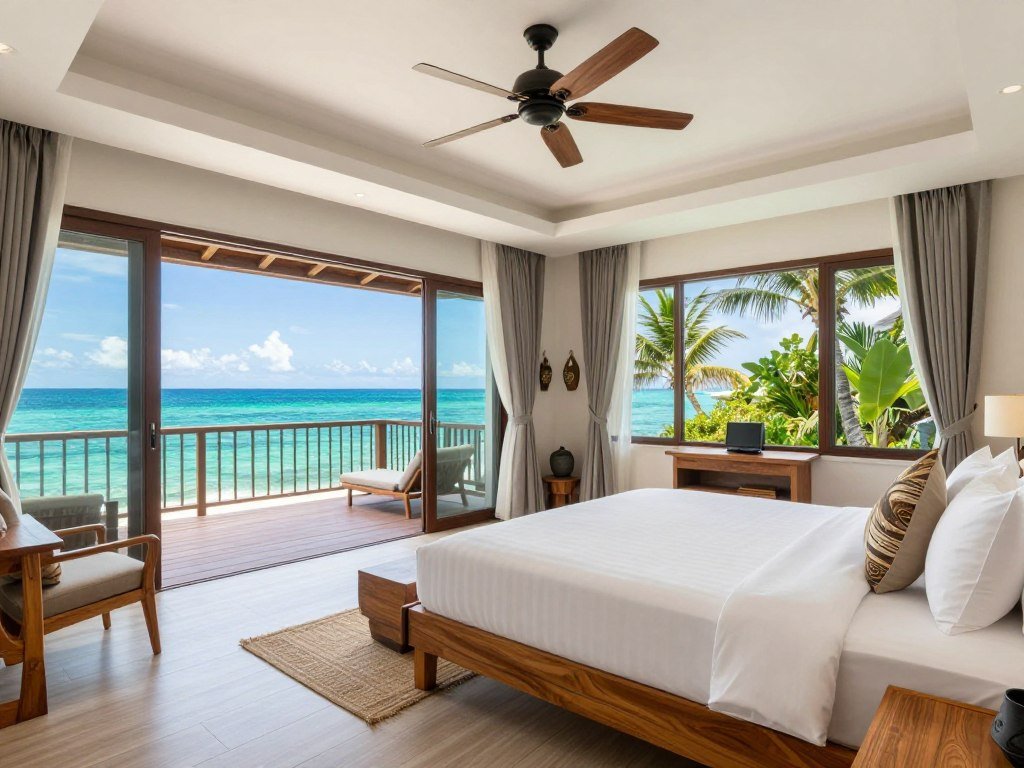
Luxury Resorts
High-end properties deliver comprehensive resort experiences. Infinity pools overlook pristine beaches. Full-service spas offer traditional Filipino healing treatments. Multiple restaurants provide culinary variety without leaving resort grounds.
These establishments handle all logistics, from airport transfers to activity bookings. Concierge services arrange personalized island experiences. Private beach sections ensure space even during peak season.
Mid-Range Hotels
The sweet spot for most visitors balances comfort with value. Modern amenities include air conditioning, WiFi, and swimming pools. Beachfront or near-beach locations keep sand within easy reach.
These properties offer enough comfort for relaxation without premium price tags. Staff provide helpful local recommendations. Many include breakfast, saving money and morning planning time.
Budget Hostels and Guesthouses
Affordable options range from social hostels with dorm beds to simple private rooms. Shared spaces facilitate meeting fellow travelers. Basic amenities keep costs minimal while maintaining cleanliness.
Location away from beachfront reduces prices significantly. Short walks to the beach seem minor compared to savings achieved. Many budget places offer better value than their appearance suggests.
Find Your Perfect Boracay Accommodation
Get personalized resort and hotel recommendations based on your budget, preferred area, and travel style. Our Boracay specialists match you with ideal properties.
Boracay’s Spectacular Beaches and Attractions
Beyond the world-famous White Beach, Boracay hides diverse coastal experiences around its compact shoreline. Each beach offers distinct character, activities, and appeal.
White Beach – The Iconic Masterpiece
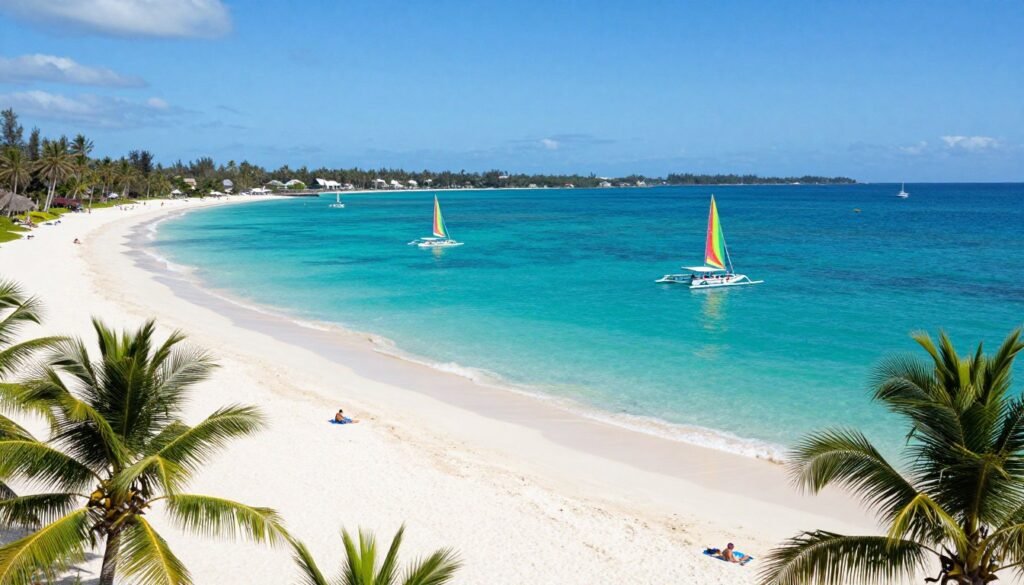
This four-kilometer stretch defines Boracay in global consciousness. The sand achieves a texture so fine it resembles baby powder. Brilliant white color reflects sunlight, keeping the beach surprisingly cool underfoot even at midday.
Shallow, gradually deepening water creates safe swimming for all abilities. The gentle slope extends far from shore, allowing wading hundreds of meters into warm sea. Children splash safely while parents relax on adjacent sand.
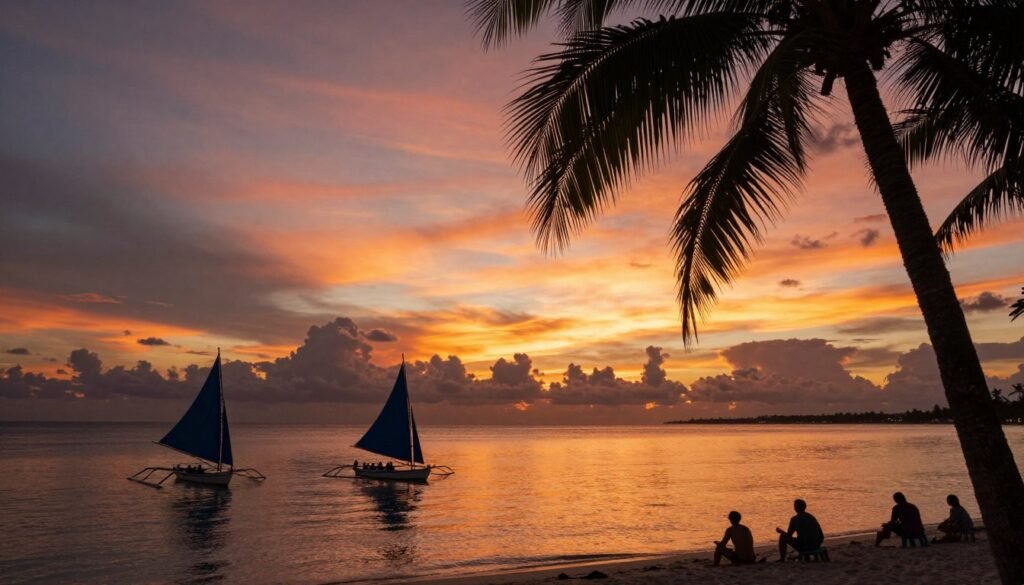
Traditional Filipino paraw sailboats add photogenic elements throughout the day. Their vibrant sails catch wind, creating beautiful silhouettes against blue sky and sea. Sunset sailing aboard these iconic boats ranks among Boracay’s quintessential experiences.
White Beach Activities
- Sunset paraw sailing – traditional Filipino outrigger boat rides
- Beach volleyball on public courts – join games or watch
- Beachfront dining at countless restaurants and bars
- Professional beach massage under palm tree shade
- Swimming in calm, crystal-clear protected waters
- Sandcastle building with incredibly fine-textured sand
- Photography during golden hour with stunning backdrops
Puka Beach – Secluded Northern Escape
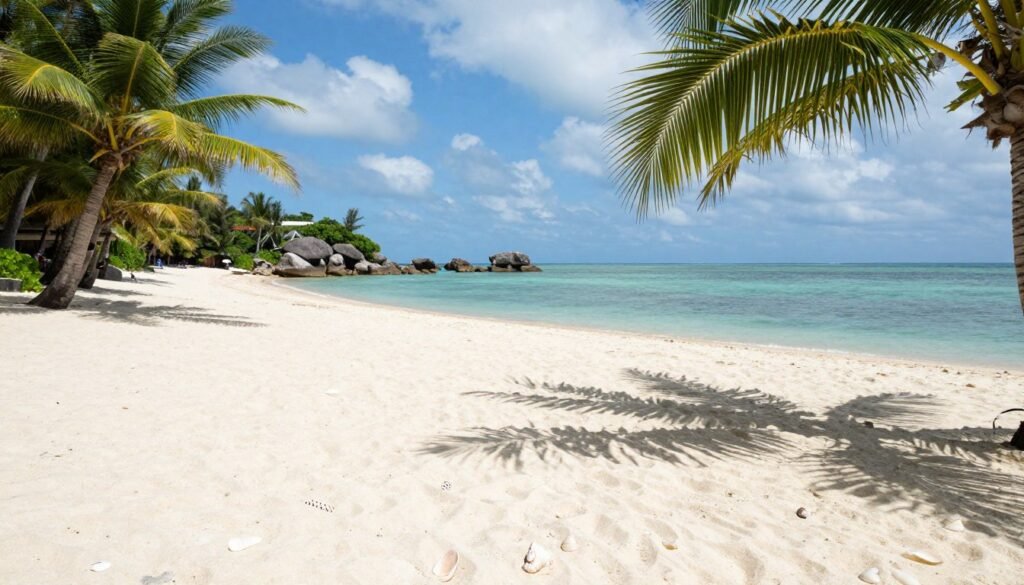
The northern tip hosts this quieter alternative to White Beach. The sand here contains tiny puka shells, creating slightly coarser texture and cream color instead of pure white. Far fewer tourists venture this direction, rewarding those who make the trip.
No commercial development crowds the shoreline. Natural beauty dominates without bar after bar lining the sand. The peaceful atmosphere suits travelers seeking genuine tranquility and connection with nature.
Reaching Puka Beach requires tricycle ride from main areas. The journey takes fifteen minutes through local neighborhoods, offering glimpses of authentic island life beyond tourism zones.
Bulabog Beach – Kitesurfing Capital
The eastern shore faces entirely different conditions than the western White Beach. Trade winds create ideal kitesurfing and windsurfing conditions, especially during dry season months. Waves roll onto this side of the island, contrasting dramatically with calm western waters.
International kitesurfing schools operate along Bulabog Beach. Beginners learn in shallow areas while advanced riders perform tricks farther offshore. The beach buzzes with sporty energy compared to lounging atmosphere elsewhere.
Accommodations on this side cost significantly less than equivalent White Beach properties. The short walk across narrow island width makes beach-hopping effortless. Morning kitesurfing transitions to afternoon White Beach relaxation easily.
Willy’s Rock – Boracay Icon
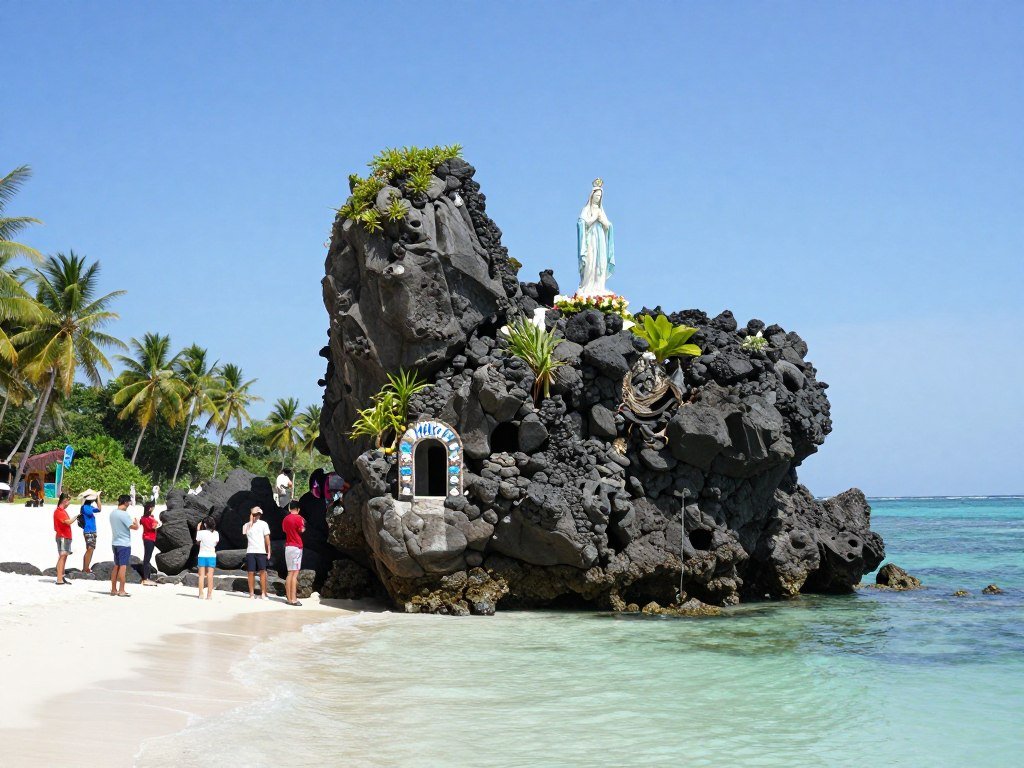
This volcanic rock formation rises dramatically from shallow water between Stations 1 and 2. During low tide, visitors walk directly to the rock across exposed sand and puddles. A shrine with Virgin Mary statue crowns the formation, creating spiritual significance.
The rock serves as Boracay’s most photographed landmark after White Beach itself. Sunrise shoots capture stunning light on the dark volcanic stone against pastel sky. Sunset silhouettes create equally dramatic images.
Ilig-Iligan Beach – Hidden Gem
This small beach on the southeastern coast remains largely undiscovered by mass tourism. Access requires hiking down steep paths through vegetation, deterring casual visitors. The effort rewards with near-private beach experience.
Crystal-clear water makes this spot ideal for snorkeling. Coral formations sit close to shore, hosting colorful tropical fish populations. The intimate cove atmosphere feels worlds away from White Beach’s activity despite sitting on the same small island.
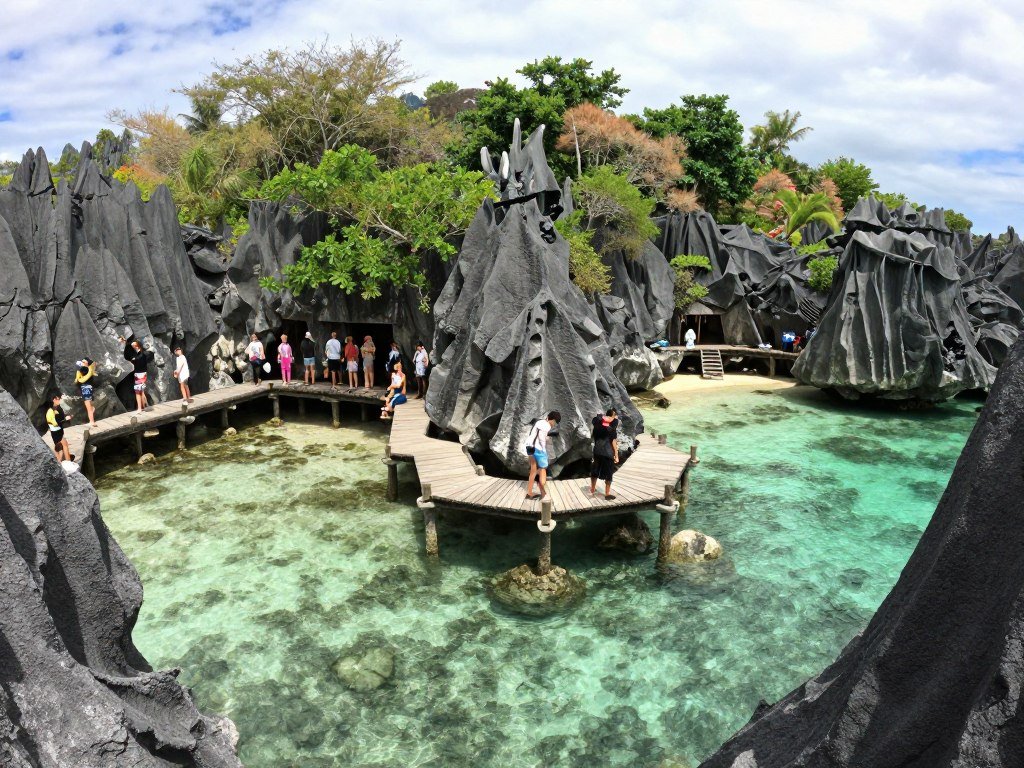
Crystal Cove Island
Short boat ride from Boracay reaches this small island with two distinct cove areas. Wooden walkways lead through limestone formations. Swimming in ultra-clear water surrounded by rock walls creates magical experience. Small entrance fee applies.
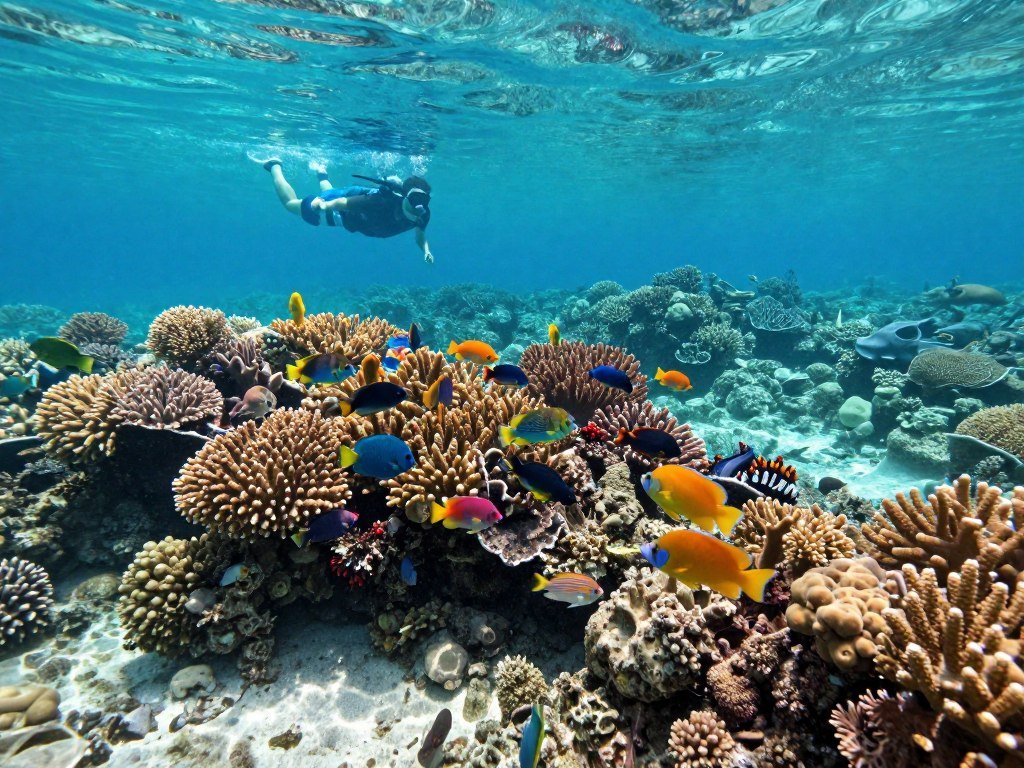
Crocodile Island
Named for its crocodile-like shape, this small island offers excellent snorkeling and diving. Healthy coral reefs teem with marine life. Clear water provides outstanding visibility. Most island-hopping tours include stops here for underwater exploration.
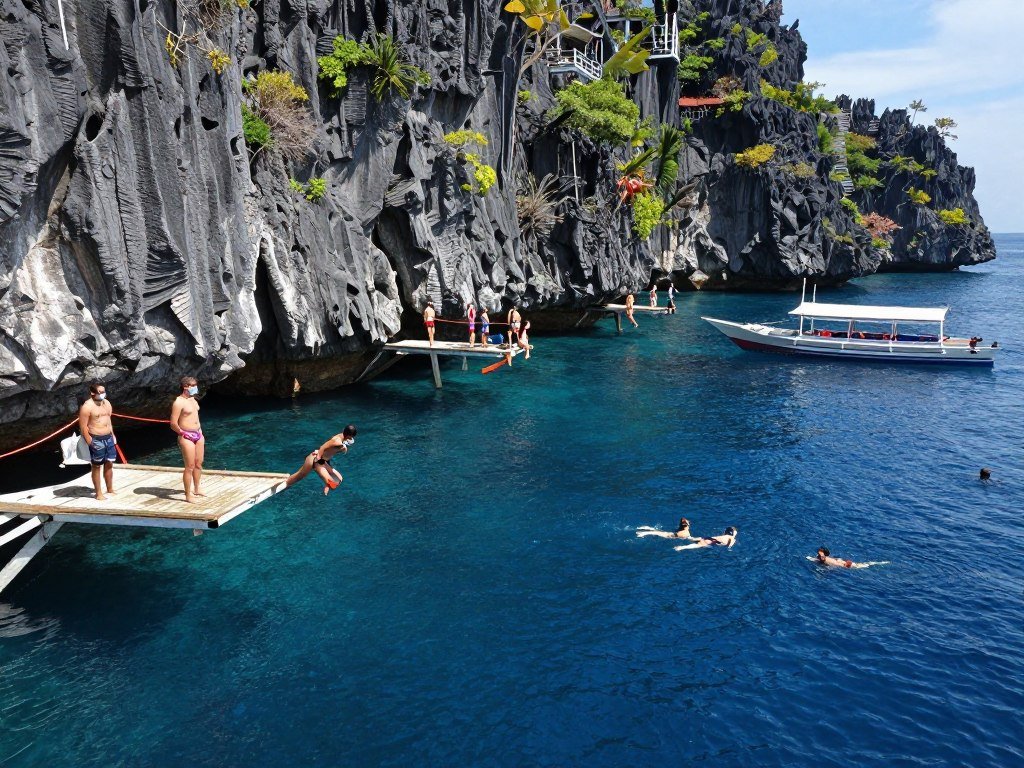
Magic Island
Adrenaline seekers flock to this cliff diving destination. Multiple platforms at varying heights accommodate different courage levels. The deep water below ensures safe landings. The short boat journey from Boracay makes this popular afternoon activity.
Unforgettable Things to Do in Boracay
This compact paradise packs remarkable activity variety into its small footprint. Water-based adventures dominate, though land activities and cultural experiences add dimension to beach days.
Water Sports and Ocean Activities
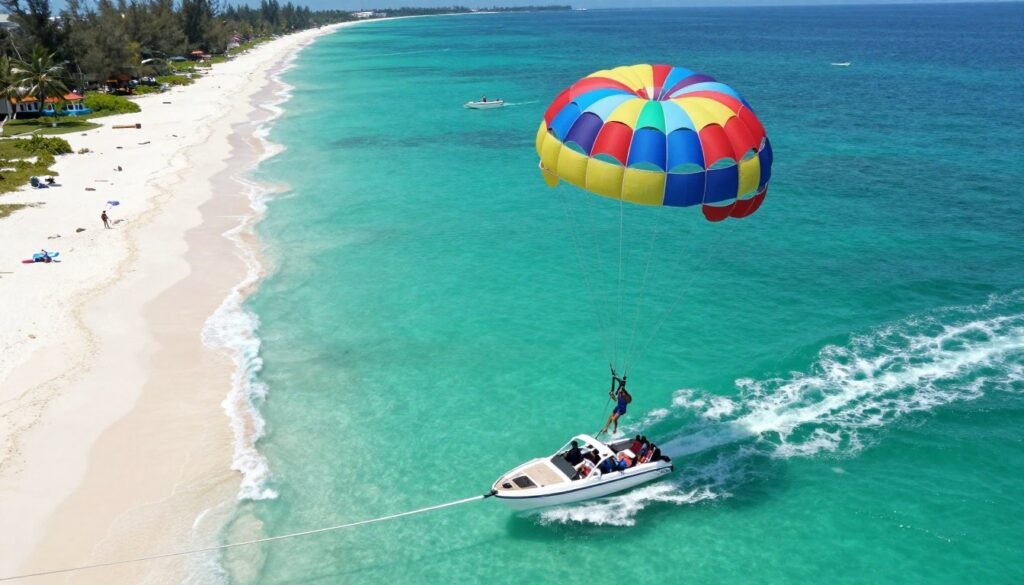
Boracay’s reputation as water sports paradise remains well-deserved. The variety spans peaceful to adrenaline-pumping, with professional operators ensuring safety throughout.
Sailing and Boat Experiences
Traditional paraw sailing captures Boracay’s essence perfectly. These distinctive outrigger boats with triangular sails glide gracefully across calm water. Sunset cruises create magical moments as the sun melts into the horizon, painting sky and sea in orange and pink hues.
Private boat charters allow customized exploration. Visit multiple beaches in one day. Anchor in secluded coves for swimming and snorkeling. Enjoy prepared lunch on isolated sand stretches. The flexibility lets you craft perfect personal itineraries.
Diving and Snorkeling
Healthy coral reefs surround Boracay, hosting diverse marine ecosystems. Dive sites accommodate all experience levels, from shallow training areas to advanced drift dives. Water clarity often exceeds thirty meters, creating excellent underwater visibility.
Crocodile Island and Yapak Wall rank among favorite dive locations. Colorful soft corals sway in gentle currents. Schools of tropical fish dart through rock formations. Lucky divers spot sea turtles gliding peacefully through blue water.
Kitesurfing and Windsurfing
Bulabog Beach transforms into kitesurfing central during peak wind season. Consistent trade winds from November through April create ideal conditions. International competitors train here alongside enthusiastic beginners.
Multiple schools offer instruction in various languages. Equipment rental shops line the beach. The shallow water and sandy bottom provide forgiving learning environment. Progression from first lesson to independent riding happens faster than many locations.
Thrill Activities
- Parasailing – soar high above White Beach with panoramic views
- Jet skiing – speed across turquoise water on personal watercraft
- Banana boat rides – bouncing group fun behind speedboats
- Helmet diving – walk on seafloor wearing oxygen-supplied helmet
- Cliff diving – leap from platforms at Magic Island
- Flyboarding – jet-propelled water acrobatics above the sea
Island Hopping Adventures
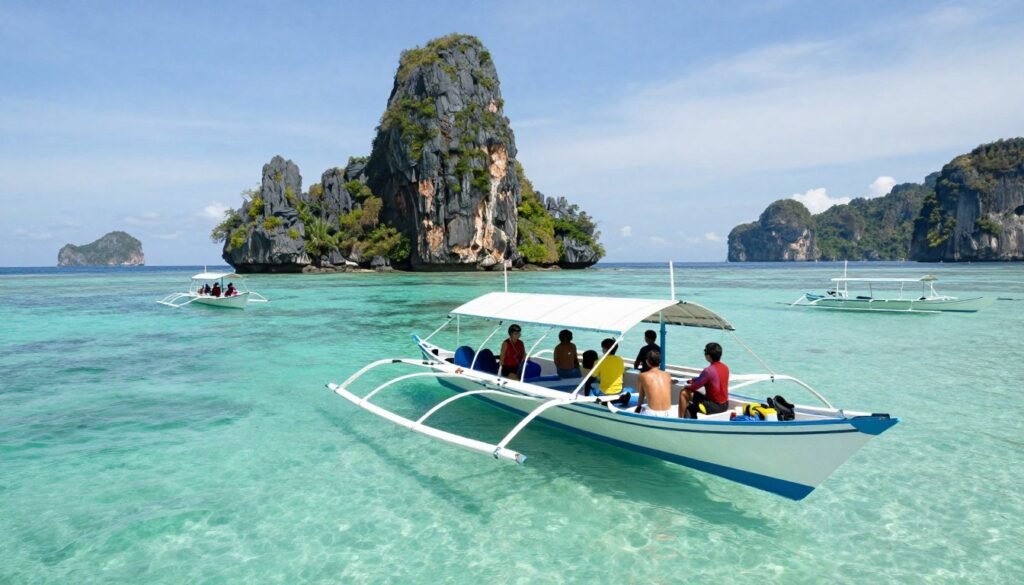
Organized boat tours circle Boracay and visit nearby islands. Full-day trips typically include three to five stops for snorkeling, swimming, and beach exploration. Fresh seafood lunches served on remote beaches add authentic Filipino flavor.
Crystal Cove, Crocodile Island, and Magic Island frequently appear on standard itineraries. Private tours allow customization based on interests. Photographers particularly appreciate flexibility to linger at scenic spots.
Land-Based Activities
Beyond water adventures, the island offers terrestrial experiences. ATV tours navigate interior paths, reaching viewpoints overlooking beaches from elevated perspectives. The rides kick up dust while providing adrenaline rushes different from water sports.
Mount Luho, Boracay’s highest point, rewards short climbs with 360-degree views. Multiple observation decks provide photo opportunities. Sunset visits combine panoramic vistas with spectacular color shows.
Relaxation and Wellness
Beach massage remains quintessentially Boracay. Skilled masseuses offer treatments directly on the sand under palm tree shade. The combination of ocean breeze, wave sounds, and expert touch creates ultimate relaxation.
Numerous spas provide air-conditioned alternatives with comprehensive treatment menus. Traditional Filipino hilot massage uses ancient techniques. Modern treatments incorporate tropical ingredients like coconut, mango, and volcanic clay.
Nightlife and Evening Entertainment
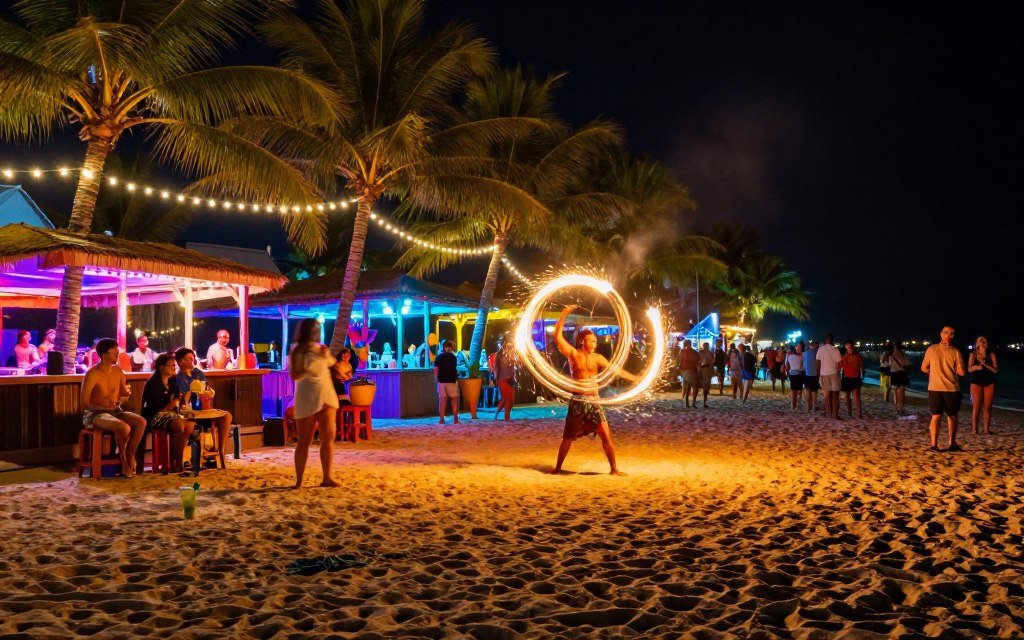
Sunset signals transformation from daytime beach resort to nightlife destination. Fire dancers perform mesmerizing shows along White Beach. Skilled performers twirl flaming batons, creating light trails against darkening sky.
Beach bars pump music from sunset until late night. Station 2 hosts the liveliest scene with clubs staying open past midnight. Cocktails flow freely while DJ beats compete with crashing waves. The party atmosphere attracts international crowds.
More subdued options exist for those preferring conversation over club volume. Rooftop bars offer elevated views with sophisticated ambiance. Live acoustic music accompanies craft cocktails at several establishments.
Book Your Boracay Activities Now
Secure spots for popular activities before arrival. Island hopping tours, diving packages, and adventure sports often sell out during peak season. Get guaranteed availability and best pricing.
Boracay Dining: From Filipino Feasts to International Cuisine
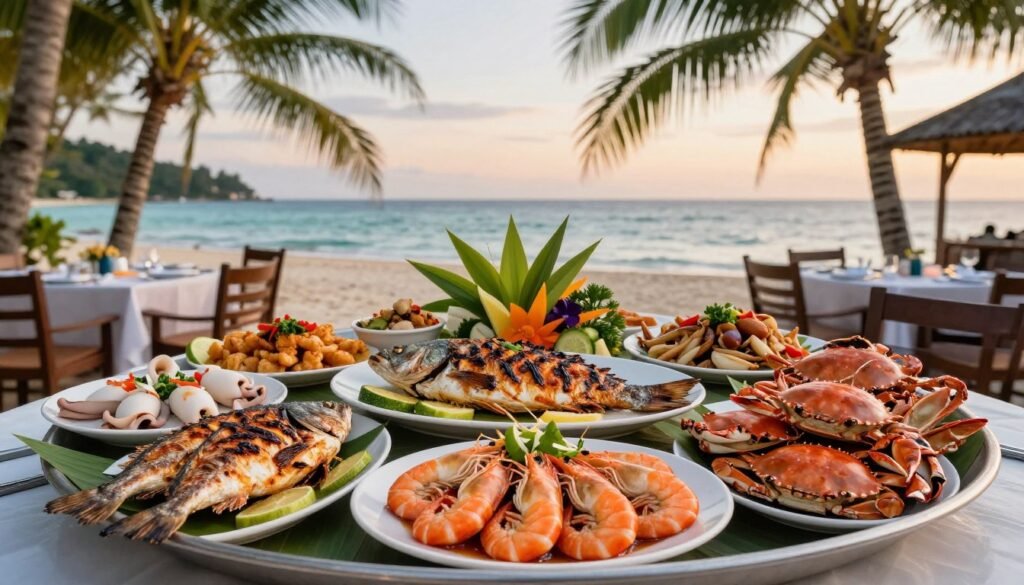
The culinary scene matches beach quality, delivering experiences from authentic Filipino home cooking to upscale international fusion. Fresh seafood dominates menus, pulled from surrounding waters daily.
Filipino Cuisine Essentials
Traditional Filipino dishes provide windows into local culture through food. The cuisine balances savory, sweet, and sour flavors distinctively. Spanish, Chinese, and Malay influences create unique combinations found nowhere else.
Must-Try Filipino Dishes
Grilled Seafood
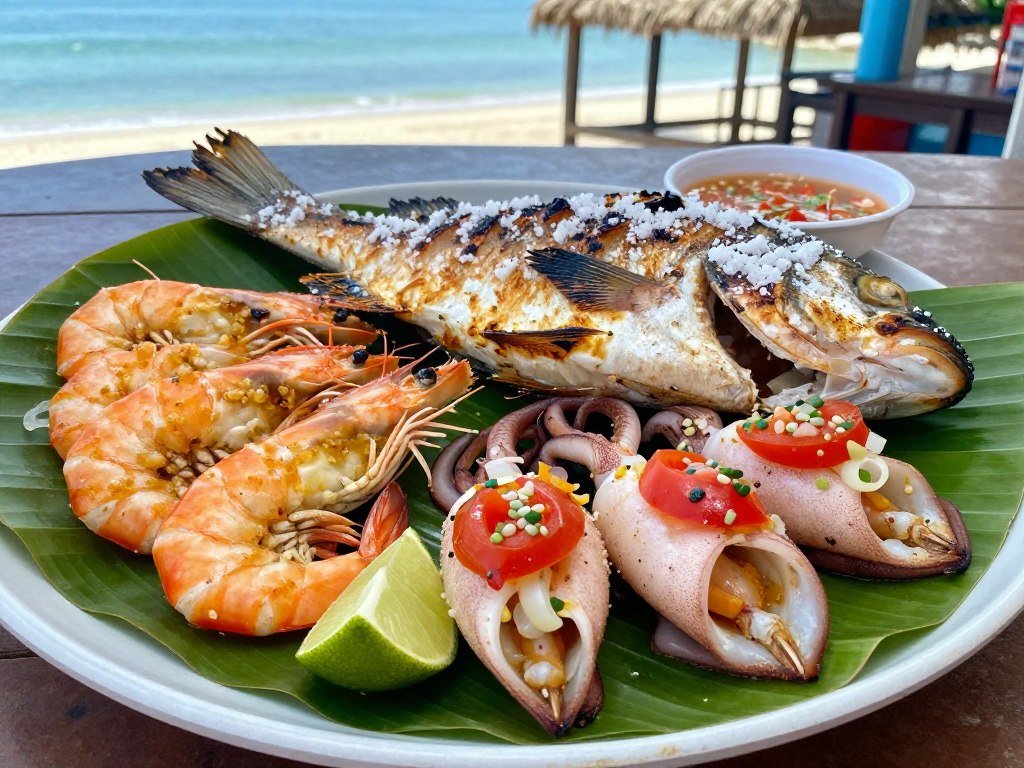
Fish, prawns, squid, and crabs grilled over charcoal reach perfection with simple preparation. Served with spiced vinegar dipping sauce and calamansi lime. The freshness speaks louder than complex seasonings need.
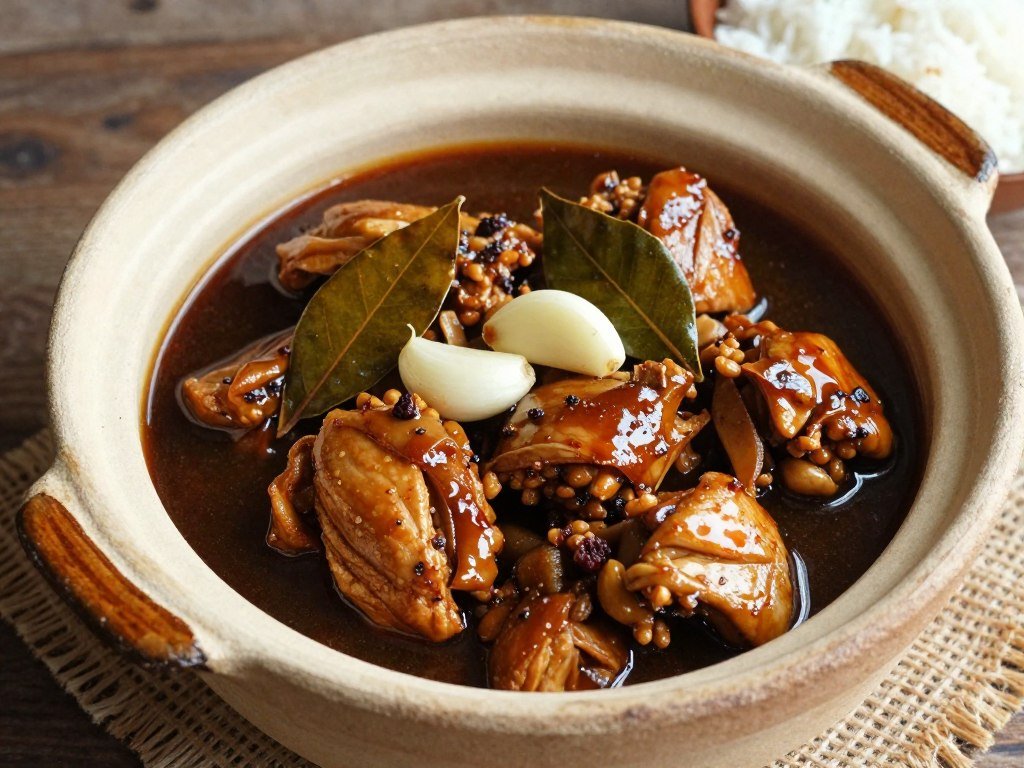
Chicken Adobo
The national dish features chicken braised in vinegar, soy sauce, garlic, and black pepper. The tangy-savory profile defines Filipino comfort food. Every cook prepares it slightly differently, creating endless variation.
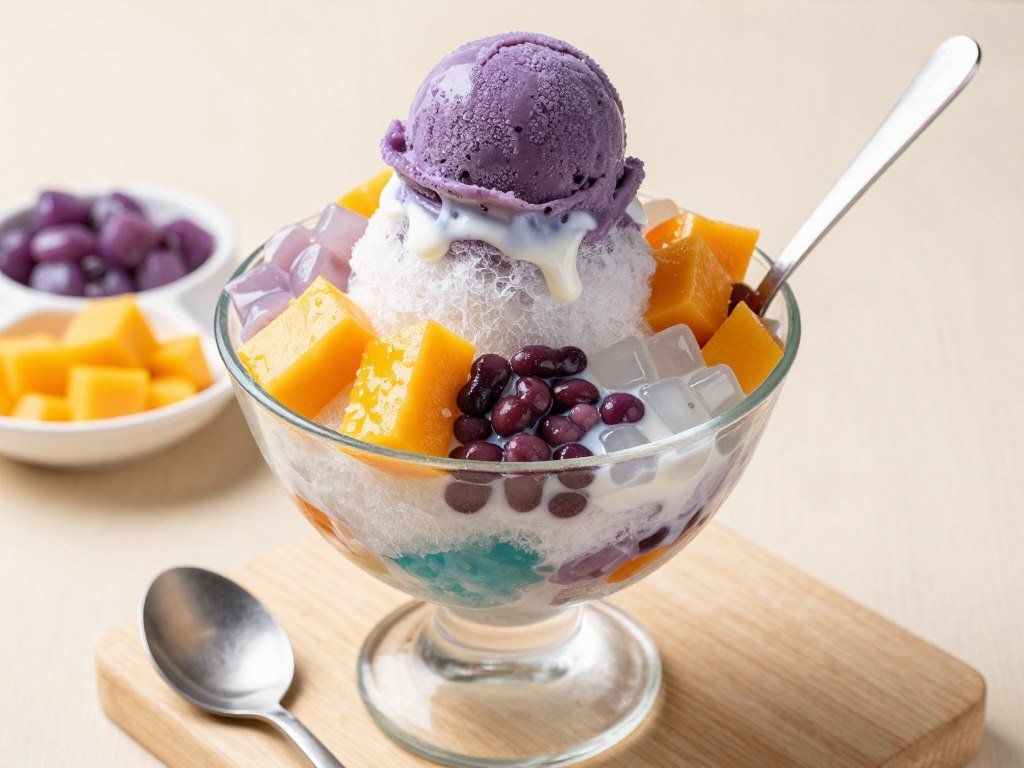
Halo-Halo
This iconic dessert combines shaved ice, evaporated milk, sweetened beans, jellies, fruits, and ube ice cream. The name means “mix-mix” in Tagalog, instructing how to eat it. Perfect refreshment after hot beach days.
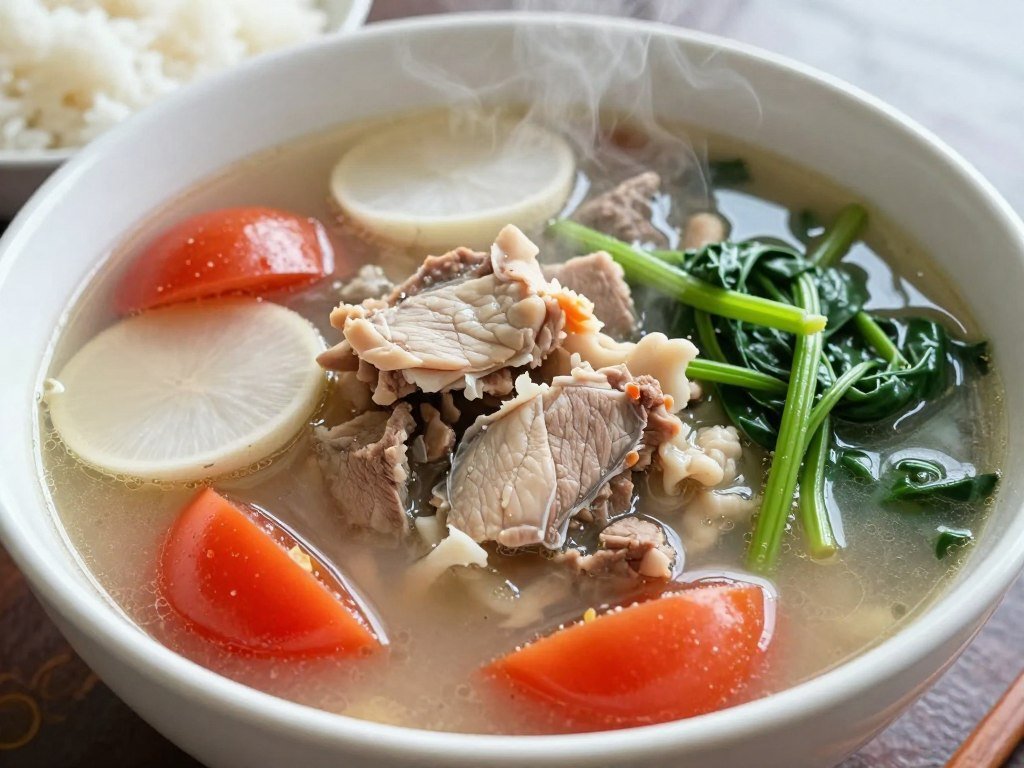
Sinigang
Sour soup using tamarind, calamansi, or other souring agents forms beloved comfort food. Pork, fish, or shrimp versions all appear on menus. The tangy broth cuts tropical heat refreshingly.
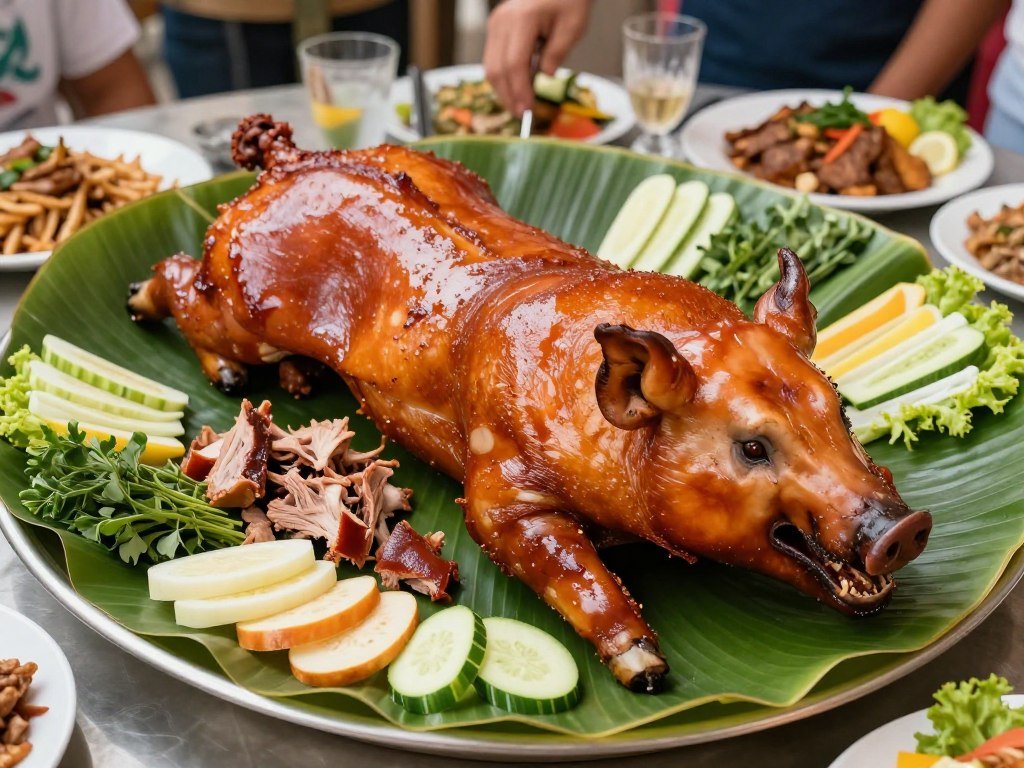
Lechon
Whole roasted pig represents celebration centerpiece. Crispy skin shatters satisfyingly while meat remains impossibly tender. Special occasions warrant ordering whole pig, though restaurants serve it portioned daily.
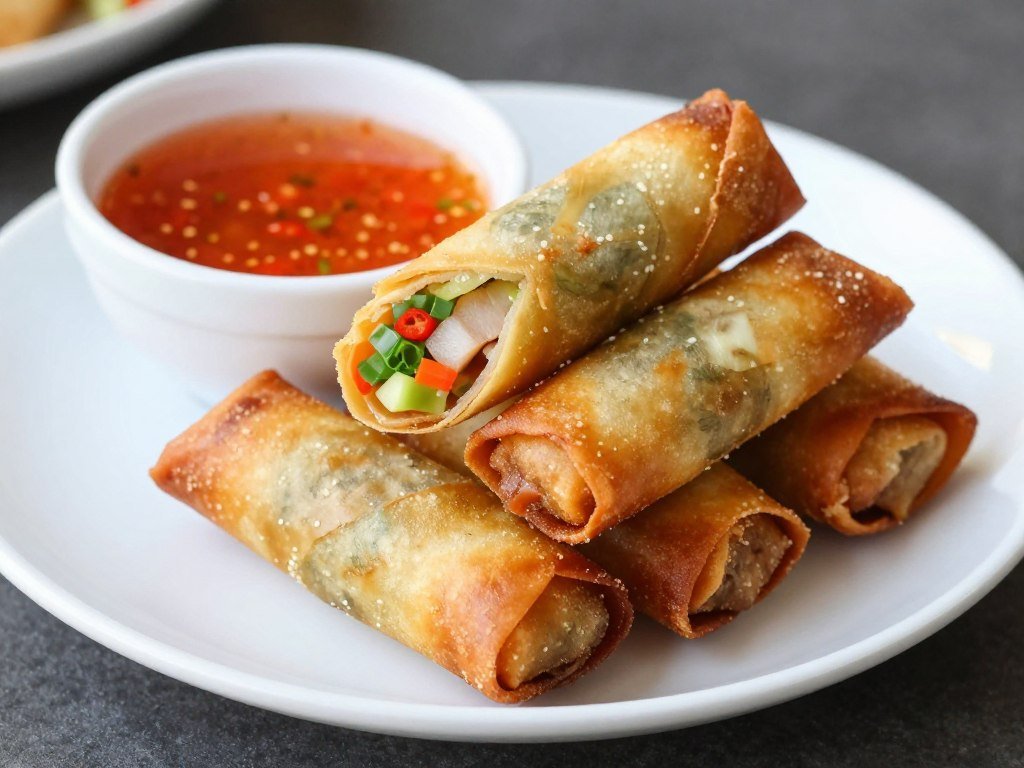
Lumpia
Filipino spring rolls come in countless variations. Crispy fried versions satisfy crunchy cravings. Fresh lumpia wrapped in lettuce-like wrappers provide lighter options. Sweet banana lumpia makes excellent dessert.
Where to Eat on Boracay
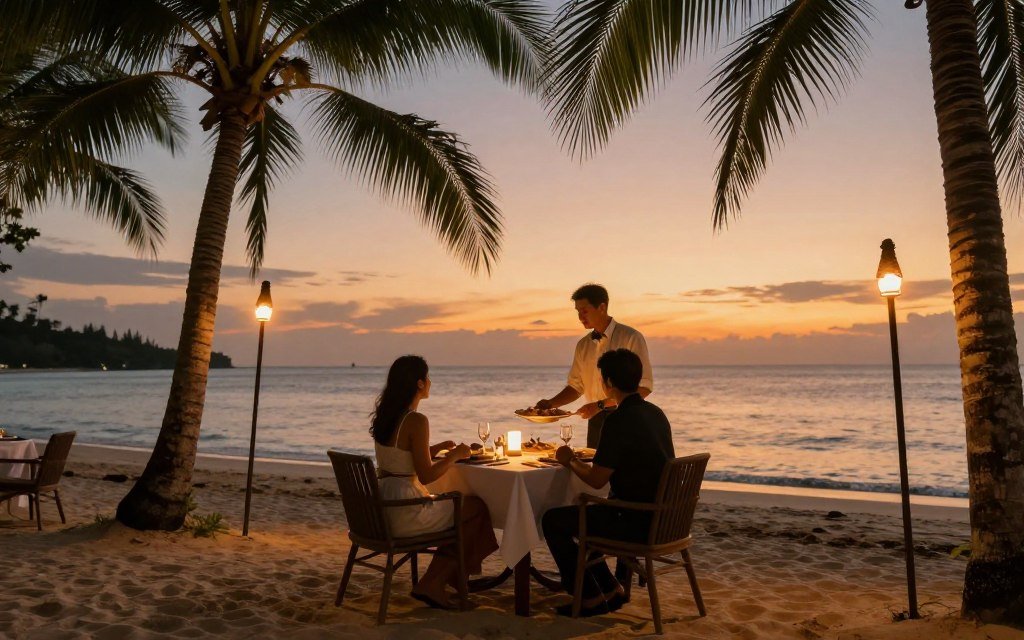
Dining options span every price point and cuisine type. Beachfront restaurants command premium prices for unbeatable views. Small local eateries serve authentic Filipino food at fraction of tourist restaurant costs.
Budget Dining
Local carinderias (small family restaurants) line side streets behind beach areas. These humble establishments serve home-cooked Filipino meals for incredibly low prices. Point at dishes displayed in warming trays, receive generous portions with rice.
D’Talipapa market allows choose-your-own-seafood experiences. Purchase fresh fish, prawns, or crabs at market stalls, then have adjacent restaurants cook your selections. Pay market price plus reasonable cooking fee for personalized seafood feast.
Mid-Range Restaurants
Established restaurants offer diverse international menus alongside Filipino classics. Italian pizza and pasta, Korean barbecue, Japanese sushi, and Western steaks all appear. Quality generally exceeds price points thanks to competitive island market.
Many mid-range spots position directly on White Beach, providing sand-between-toes dining with stunning sunset views. The combination of good food, reasonable prices, and unbeatable location creates excellent value.
Fine Dining Experiences
Several upscale establishments deliver sophisticated cuisine matching any global destination. Creative fusion dishes combine Filipino ingredients with international techniques. Wine lists feature international selections properly stored despite tropical climate.
Resort restaurants frequently outperform standalone fine dining venues. Executive chefs create seasonal menus highlighting local seafood. Tasting menus with wine pairings provide comprehensive culinary journeys without leaving property.
- Local carinderias for authentic home cooking
- D’Talipapa market fresh seafood
- Street food vendors for quick snacks
- Bakeries for breakfast pastries
- Fruit shake stands using local tropical fruits
- Small beach cafes for simple meals
Budget Eats
- Beachfront restaurants with sunset views
- International cuisine variety
- Fresh seafood grilled to order
- Air-conditioned comfort dining
- Craft cocktails and imported beers
- Breakfast buffets at hotels
Mid-Range Dining
- Resort signature restaurants
- Chef’s tasting menus
- International wine selections
- Fusion Filipino-international cuisine
- Romantic beachfront settings
- Reservations recommended
Fine Dining
Food Safety and Practical Tips
Boracay maintains high food safety standards compared to many Southeast Asian destinations. Resort and established restaurant food poses minimal risk. Exercise normal caution with street food, ensuring proper cooking temperatures.
Tap water remains non-potable. Drink only bottled or filtered water. Ice in established restaurants typically uses purified water safely. Request drinks without ice if concerned.
Seafood Allergy Alert: Filipino cuisine heavily features seafood and fish sauce appears in many dishes. Those with severe shellfish or fish allergies should communicate clearly when ordering. Cross-contamination can occur in kitchens preparing mixed menus.
Essential Practical Information for Boracay 2026
Understanding logistics before arrival prevents frustration and maximizes enjoyment. These practical details help navigate common challenges international visitors encounter.
Visa and Entry Requirements
Many nationalities receive visa-free entry to the Philippines for tourism stays up to 30 days. Check current requirements for your specific passport well before travel. Extensions can be obtained if deciding to stay longer.
Valid passport with at least six months remaining validity proves essential. Immigration officers may request proof of onward travel, so keep return flight confirmations accessible. Hotel reservations may also be requested at entry.
Money and Currency
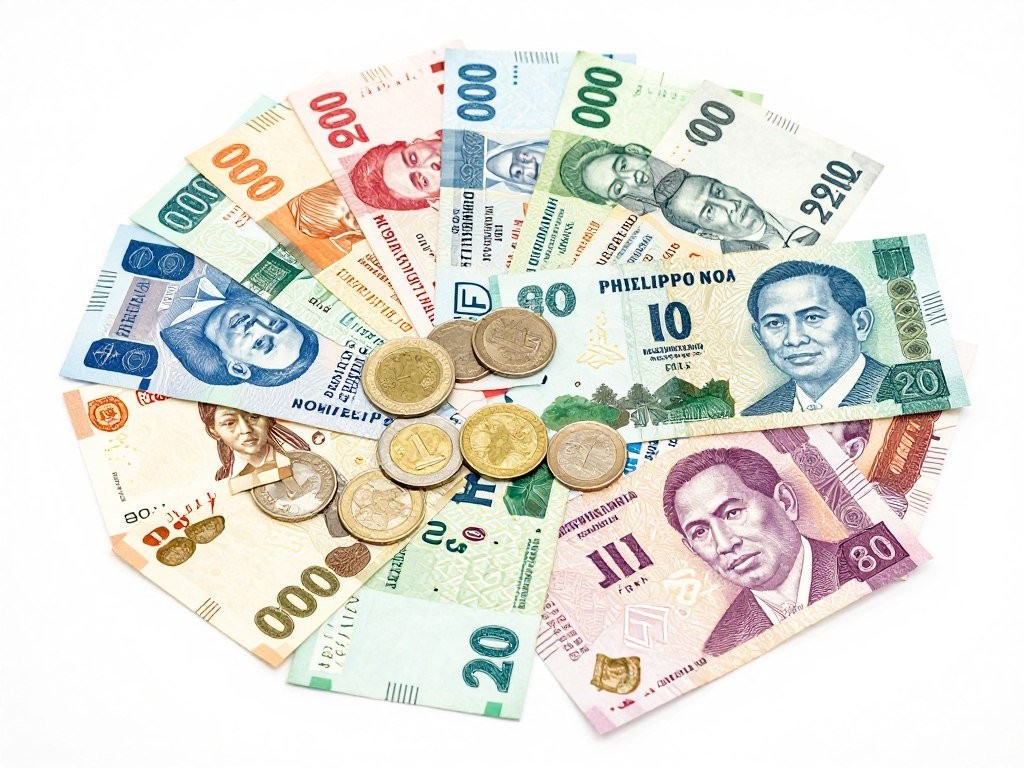
The Philippine peso (PHP) serves as official currency. Exchange rates fluctuate but typically range around 50-58 PHP per US dollar. ATMs appear frequently in main Boracay areas, accepting major international cards.
Bring sufficient cash as backup despite ATM availability. Some smaller establishments still operate cash-only. Keep small denomination bills ready for tricycle rides, market purchases, and quick transactions.
Budget Planning Guide
- Ultra-budget: $25-40 USD daily (dorm beds, local food, limited activities)
- Budget travelers: $50-80 USD daily (budget hotel, mixed dining, some activities)
- Mid-range comfort: $100-200 USD daily (nice hotel, good restaurants, regular activities)
- Luxury experience: $300+ USD daily (resort accommodation, fine dining, premium activities)
- Activities: $15-100 USD each depending on type
- Meals: Street food $2-5, casual dining $8-20, fine dining $40+
Language and Communication
English proficiency runs high in tourist areas. Most hotel staff, restaurant workers, and tour operators speak functional to excellent English. Filipinos generally rank among Asia’s friendliest, most helpful people toward visitors.
Learning basic Tagalog phrases earns smiles and appreciation. “Salamat” (thank you), “magkano” (how much), and “kumusta” (hello/how are you) prove immediately useful. However, English suffices for all essential communication.
Internet and Connectivity
Most accommodations provide WiFi, though connection quality varies dramatically. Resort WiFi generally performs better than budget guesthouse offerings. Beach areas may experience slower speeds than inland locations.
Purchase local SIM cards at airport or island convenience stores. Data plans cost remarkably little, providing reliable mobile internet backup. Smart and Globe operate as major carriers with good Boracay coverage.
Health and Safety
Boracay ranks as very safe destination with minimal crime against tourists. Petty theft occasionally occurs, so secure valuables and avoid displaying excessive wealth. Violent crime remains extremely rare.
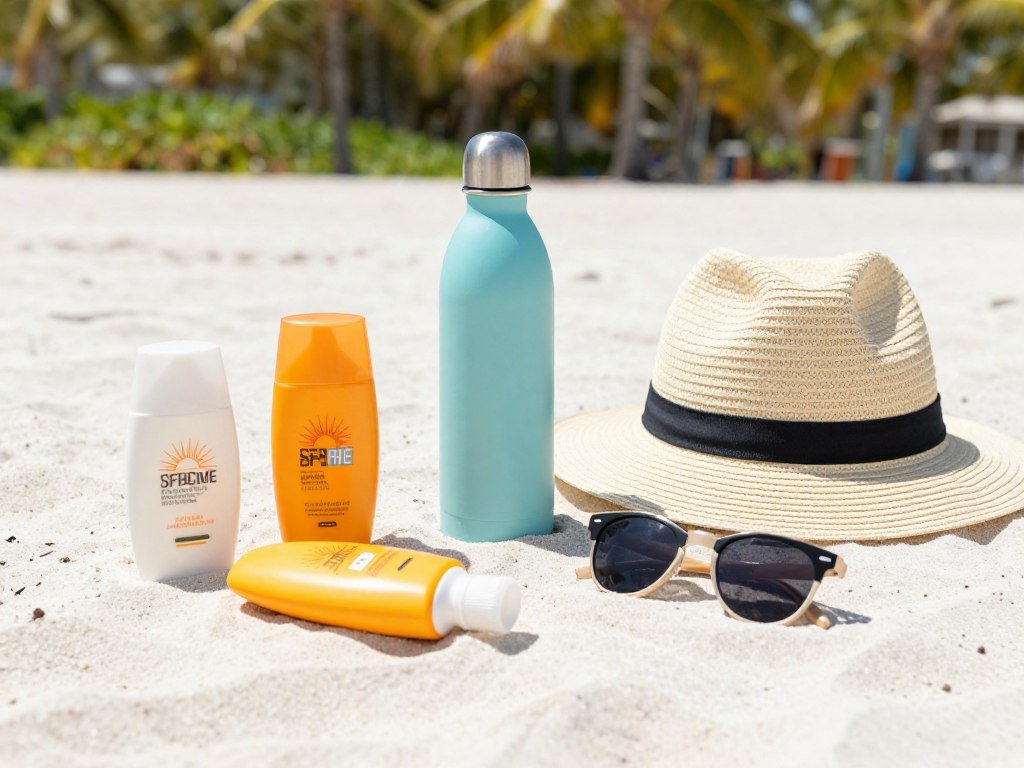
Sun protection proves absolutely essential. The tropical sun burns unprotected skin rapidly, even on overcast days. Bring and regularly apply high-SPF sunscreen. Reapply after swimming despite “waterproof” claims.
Health Precautions
- Apply sunscreen every two hours, more after swimming
- Stay hydrated – drink water constantly in tropical heat
- Bring basic medications for common ailments
- Consider travel insurance covering medical issues
- Avoid prolonged sun exposure during peak hours (11am-3pm)
- Use mosquito repellent during evening hours
- Pharmacies stock most common medicines if needed
Environmental Responsibility
Boracay underwent massive environmental rehabilitation recently. Strict regulations now protect the island’s ecology. Single-use plastics face bans. Smoking restrictions apply on beaches. Building codes limit development impact.
Visitors share responsibility for maintaining paradise. Use refillable water bottles. Refuse plastic bags. Respect marine life when snorkeling and diving. Support businesses demonstrating environmental commitment.
Eco-Friendly Tip: Bring reef-safe sunscreen. Regular sunscreen chemicals damage coral reefs dramatically. Many resorts now require reef-safe products. Brands using zinc oxide or titanium dioxide protect skin without harming marine ecosystems.
What to Pack for Boracay
Essential Items
- Reef-safe sunscreen (high SPF)
- Lightweight, breathable clothing
- Swimwear (multiple sets recommended)
- Flip-flops and water shoes
- Sunglasses with UV protection
- Wide-brimmed hat or cap
- Reusable water bottle
- Waterproof phone case
- Small daypack for activities
Nice-to-Have Additions
- Snorkeling gear (if you have quality equipment)
- Underwater camera or GoPro
- Light rain jacket (wet season)
- Nicer outfit for upscale dining
- Portable phone charger
- Dry bag for boat trips
- Reading materials for beach time
- First aid kit basics
- Insect repellent
Getting Around Boracay Island
Boracay’s compact size makes navigation simple. The entire island measures just seven kilometers long and one kilometer at widest point. Walking proves feasible for many journeys, though several transport options exist.
Tricycles – Primary Island Transport
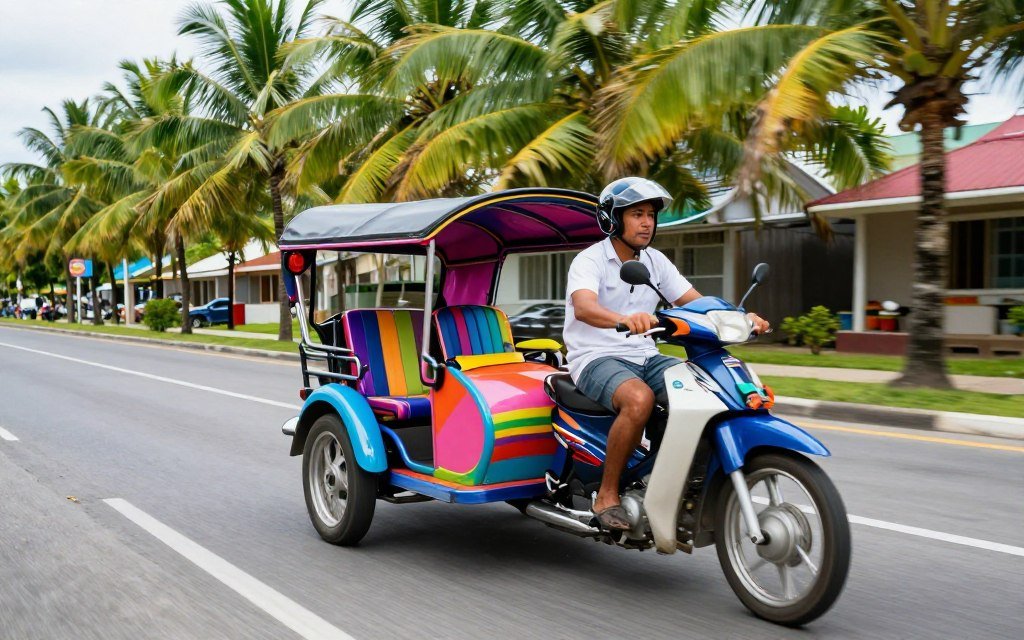
These motorcycle-sidecar combinations serve as Boracay’s primary transportation. Tricycles navigate the main road running the island’s length. Drivers quote fares before departure, with prices varying by distance and passenger count.
Standard short trips cost 10-20 PHP per person. Longer cross-island journeys may reach 50-100 PHP. Negotiate prices before boarding. Drivers generally treat tourists fairly, though confirming fares prevents misunderstandings.
Tricycle Tips
- Agree on price before starting journey
- Standard rates exist but drivers may quote higher to tourists
- Share tricycles with other passengers for lower per-person cost
- Keep small bills ready – drivers often lack change
- Peak evening hours may see higher demand and prices
- Hotels can call tricycles or arrange pickup
E-Trikes and E-Vehicles
Environmental regulations encourage electric vehicle adoption. E-trikes operate identically to traditional tricycles but run silently on batteries. They cost similar amounts and provide cleaner island transportation.
Walking the Island
White Beach’s entire length makes pleasant walking along the shoreline. Low tide exposes maximum sand, creating easiest beach walking conditions. The beach path connects all three stations, though distances add up in tropical heat.
Interior roads prove less pedestrian-friendly without sidewalks. However, short walks from beach to nearby restaurants or shops work perfectly fine. Evening beach strolls create romantic experiences under star-filled skies.
Bicycle and Motorbike Rentals
Limited bicycle rentals exist, though the island’s narrow main road makes cycling somewhat stressful. Mountain bikes handle occasional rough patches better than road bikes.
Motorbike rentals require valid licenses and confidence navigating chaotic traffic. The main road sees heavy tricycle traffic mixing with larger vehicles. Side roads provide calmer riding but limited destinations.
Transportation Note: Boracay bans cars and large vehicles from beach areas to preserve sand and ambiance. This restriction keeps White Beach peaceful and pedestrian-friendly. All transport between beach and interior uses tricycles or walking.
Perfect Boracay Itineraries for Every Traveler
These suggested schedules help structure your island time efficiently while allowing spontaneity. Adjust based on weather, energy levels, and personal interests.
Three Days in Paradise
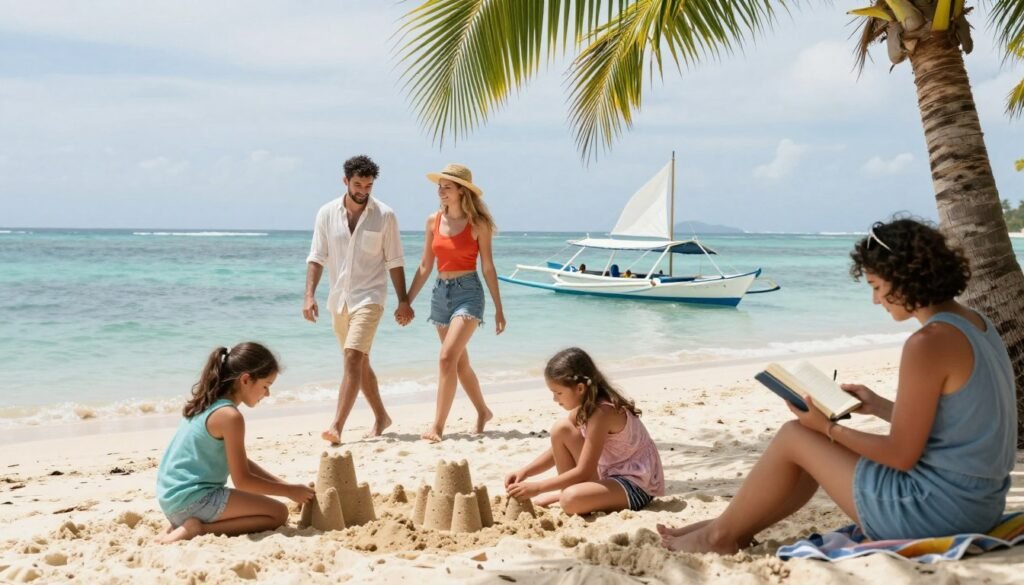
Day One: Arrival and Beach Immersion
Morning arrival via Caticlan provides full afternoon on island. Check into accommodation, then head straight to White Beach. Spend the afternoon becoming acquainted with stunning surroundings.
Swim in crystal-clear water. Walk the beach length, exploring different station areas. Try fresh coconut water from beach vendors. Schedule sunset paraw sailing to experience this iconic activity during golden hour.
Evening brings first taste of Boracay nightlife. Watch fire dancers perform along the beach. Enjoy dinner at beachfront restaurant. End with cocktails while waves lap nearby.
Day Two: Island Hopping and Water Adventures
Start early with full-day island hopping tour. Visit Crystal Cove for swimming in pristine waters. Snorkel at Crocodile Island among colorful fish and coral. Stop at Magic Island for optional cliff diving.
Tours typically include beach barbecue lunch on remote sand. Return mid-afternoon with time for rest and resort pool relaxation. The sun-soaked day warrants quieter evening.
Dinner at local carinderia introduces authentic Filipino home cooking. Early sleep prepares for another activity-filled tomorrow.
Day Three: Beach Exploration and Departure
Final morning visits Puka Beach on the northern tip. The quieter atmosphere provides peaceful contrast to White Beach energy. Collect puka shells as natural souvenirs.
Return for lunch at D’Talipapa market. Select fresh seafood and watch cooking transformation. Afternoon allows final beach time, souvenir shopping, or simply lounging before departure.
Five Days of Island Bliss
Follow the three-day itinerary, then enhance with these additions:
Day Four: Water Sports and Adventure
Dedicate morning to learning kitesurfing at Bulabog Beach. Instructors provide equipment and lessons for all levels. The thrill of harnessing wind power creates unforgettable experiences.
Afternoon offers parasailing for stunning aerial beach views. Jet skiing and banana boat rides add more excitement. Balance activity with spa treatment before evening.
Upscale dining experience showcases Boracay’s fine cuisine capabilities. Reservation ensures table at popular establishments.
Day Five: Cultural and Relaxation Day
Visit Mount Luho viewpoint at sunrise for spectacular 360-degree island vistas. The peaceful morning offers perfect photo opportunities.
Spend late morning exploring local markets and neighborhoods beyond tourist zones. Lunch at family-run restaurant provides authentic cultural connection.
Afternoon dedicated to complete relaxation. Traditional Filipino massage on beach under palm trees. Reading, swimming, and savoring final paradise moments.
One Week: Complete Island Experience
Extend the five-day plan with additional activities:
Day Six: Diving and Underwater Exploration
Full-day diving excursion explores multiple sites around Boracay. Certified divers visit deeper locations. Beginners enjoy introductory courses in controlled environments.
Three dives typically complete in one day with surface intervals for rest and lunch. The underwater world reveals entirely different perspective on island beauty.
Day Seven: Personal Choice and Farewell
Final day follows no schedule. Revisit favorite beaches. Try missed restaurants. Shop for last-minute gifts. Simply lounge in paradise one more day.
Sunset sailing provides perfect farewell activity. Watch the sun sink into the sea one final time while traditional paraw glides peacefully across calm water.
Insider Tips for Your 2026 Boracay Journey
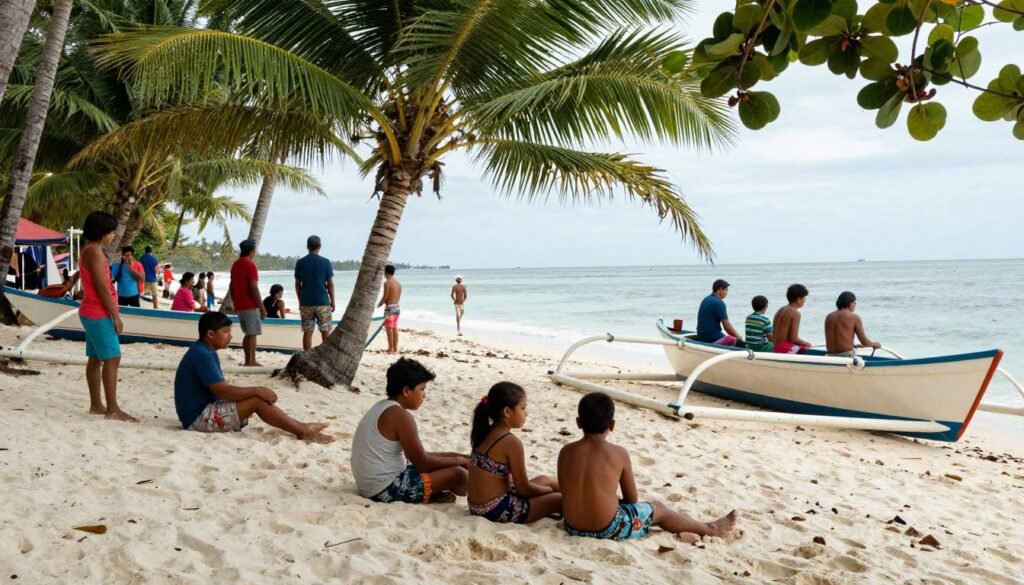
Maximizing your Boracay experience requires understanding details that guidebooks often miss. These insider insights come from extensive island knowledge and visitor feedback.
Beat the Crowds
Wake early to experience White Beach at its most magical. Sunrise brings soft pink and orange light with almost empty sand. The morning calm allows peaceful reflection before tourist energy builds.
Visit popular spots during off-peak hours. Puka Beach sees fewest visitors before 11am. Island hopping tours departing earliest encounter less crowded snorkel sites. Strategic timing transforms experiences dramatically.
Money-Saving Strategies
Smart Savings
- Book accommodations directly with hotels for better rates
- Eat at local carinderias away from beachfront
- Share tricycles with other travelers
- Purchase activities as packages rather than individually
- Bring reef-safe sunscreen from home (expensive on island)
- Use refillable water bottles instead of buying plastic
- Travel during shoulder season for 40% lower resort rates
Worth the Splurge
- Sunset paraw sailing – iconic experience
- At least one fine dining meal
- Professional diving or snorkeling trip
- Quality resort accommodation for comfort
- Island hopping tour with reputable operator
- Beach massage from experienced masseuse
- Room with ocean view for sunset watching
Photography Tips
Golden hour delivers spectacular beach photographs. The hour after sunrise and before sunset bathes everything in warm, flattering light. Long shadows add dimension to sand textures.
Protect camera equipment from sand and water. Bring protective bags for boat trips. Silica gel packets combat humidity damage in tropical climate. Clean lenses frequently as salt spray accumulates quickly.
Weather Adaptability
Brief afternoon showers occur even during dry season. Pack lightweight rain jacket in daypack. Many showers last thirty minutes before sun returns. Use rain breaks for meals or shopping rather than losing beach time.
Overcast days actually provide excellent beach conditions. Lower UV exposure reduces sunburn risk. Diffused light creates better photographs than harsh direct sun. Swimming feels equally pleasant regardless of sunshine.
Sustainable Tourism Practices
Support businesses demonstrating environmental responsibility. Many restaurants now ban plastic straws and single-use containers. Choose these establishments despite potentially higher prices.
Participate in beach cleanup activities. Several organizations coordinate regular volunteer efforts. Spending one morning collecting trash gives back to the island hosting your vacation.
How many days should I spend in Boracay?
Three to five days provides ideal duration for most visitors. Three days covers major highlights including beaches, island hopping, and water activities. Five days allows more relaxation and exploration of quieter areas. One week suits those wanting complete immersion and extensive water sports instruction.
Is Boracay suitable for families with children?
Absolutely. White Beach’s shallow, calm water creates ideal swimming conditions for children. Many resorts offer family rooms and kids’ clubs. Activities like snorkeling, sandcastle building, and gentle boat rides engage young travelers. Choose Station 1 or 3 for quieter family-friendly atmosphere.
What’s better – Caticlan or Kalibo airport?
Caticlan offers convenience with only 10-15 minutes total travel time to Boracay. Kalibo provides more flight options and lower fares but requires two-hour land journey to jetty. Choose Caticlan for convenience, Kalibo for budget savings and schedule flexibility. Weather may force Caticlan flights to divert to Kalibo.
Can I drink tap water in Boracay?
No, tap water remains non-potable. Drink only bottled or filtered water. Most hotels provide complimentary bottled water. Restaurants use purified water for ice and cooking. Bring reusable bottle and refill at hotel to reduce plastic waste while staying hydrated.
What should I do if it rains during my visit?
Brief showers often pass quickly. Wait them out at beach bars or restaurants. Use rain time for shopping, spa treatments, or trying restaurants. Heavy all-day rain suits museum visits, cooking classes, or simply relaxing at resort facilities. Most activities resume quickly after rain stops.
Is Boracay expensive compared to other Philippines destinations?
Boracay costs more than many Philippine destinations due to its popularity and limited land area. However, options span all budgets. Budget travelers survive on $40-50 daily. Mid-range comfort requires $100-150 daily. Luxury experiences cost $300+ daily. Strategic choices make Boracay accessible to various budgets.
“Boracay delivers paradise without pretension. The white sand lives up to photographs, the water glows impossibly turquoise, and the Filipino warmth makes you feel welcomed rather than just tolerated. It’s become tourist-heavy for good reason – this place genuinely deserves its world-class reputation.”
Ready to Plan Your Boracay 2026 Escape?
Let our Boracay specialists create your perfect island itinerary. Get personalized recommendations for resorts, activities, dining, and insider experiences based on your interests and budget.
Your Boracay Island Paradise Awaits
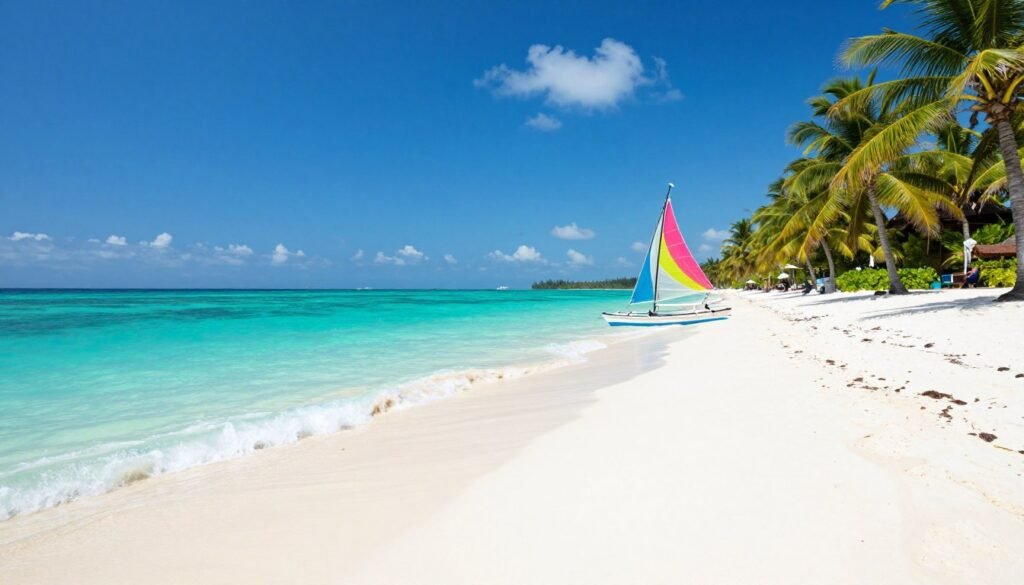
Boracay Island delivers on every promise of tropical paradise. The powder-white sand exceeds photographic representations. The turquoise water sparkles with unreal clarity. The palm trees sway exactly as imagined in daydreams.
Beyond physical beauty, the island offers genuine warmth through Filipino hospitality. Locals share their paradise graciously despite tourism pressures. The blend of world-class facilities and authentic culture creates unique destination magic.
Whether you seek adventure through water sports, relaxation on pristine beaches, culinary exploration of Filipino cuisine, or simply escape from ordinary life, Boracay accommodates perfectly. The compact island packs extraordinary variety into accessible geography.
Your 2026 journey to this Philippine gem promises memories lasting far beyond your tan. From sunrise beach walks to sunset sailing, from island hopping adventures to quiet moments under swaying palms, every experience contributes to your personal paradise story.
Start planning today. Research resorts that match your style. Book flights during optimal seasons. Learn about activities that excite you most. The preparation enhances anticipation, making arrival even sweeter.
Boracay awaits with open arms, pristine beaches, and unforgettable experiences. This remarkable island will capture your heart just as it has millions before you. Paradise isn’t just a place in Boracay – it’s a feeling you’ll carry home and treasure forever.