

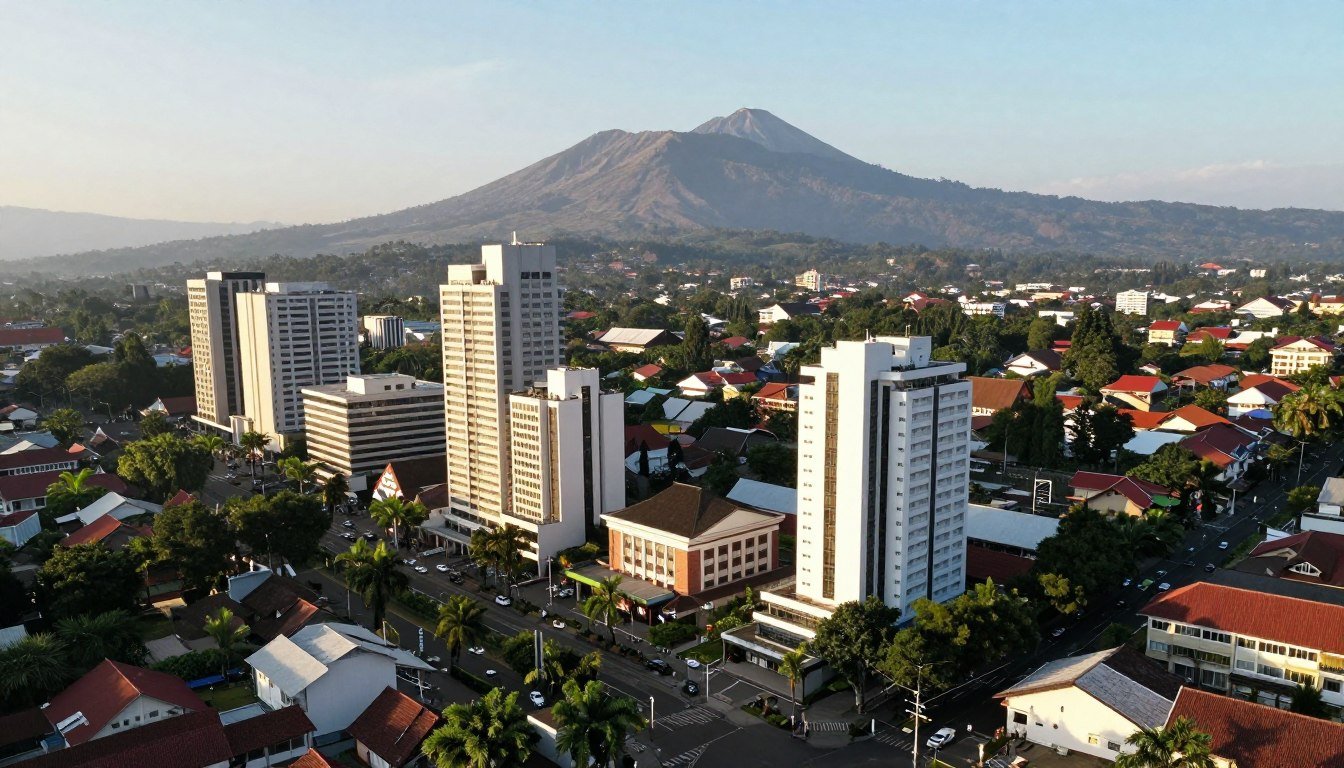
Welcome to Bandung, the captivating highland city that perfectly blends volcanic wonders with colonial charm. Situated in the heart of West Java, this mountain retreat offers refreshing escapes from tropical heat.
Turquoise crater lakes shimmer beneath volcanic peaks. Art deco buildings line historic boulevards. Endless tea plantations carpet rolling hillsides. Bandung delivers unforgettable experiences at every elevation.
Whether you seek natural adventures or cultural immersion, this guide unlocks the secrets of Indonesia’s most enchanting highland destination for 2026 travelers.
Why Bandung Deserves Your Travel Plans
Bandung stands apart from other Indonesian cities through its unique mountain setting and creative spirit. The city combines volcanic landscapes with sophisticated urban culture that rivals any Southeast Asian destination.
The cool highland climate provides welcome relief from Indonesia’s tropical humidity. Locals enjoy their city at a relaxed pace, savoring creative pursuits and culinary innovations. This artistic atmosphere earned Bandung recognition as Indonesia’s creative capital.
Spectacular Volcanic Landscapes
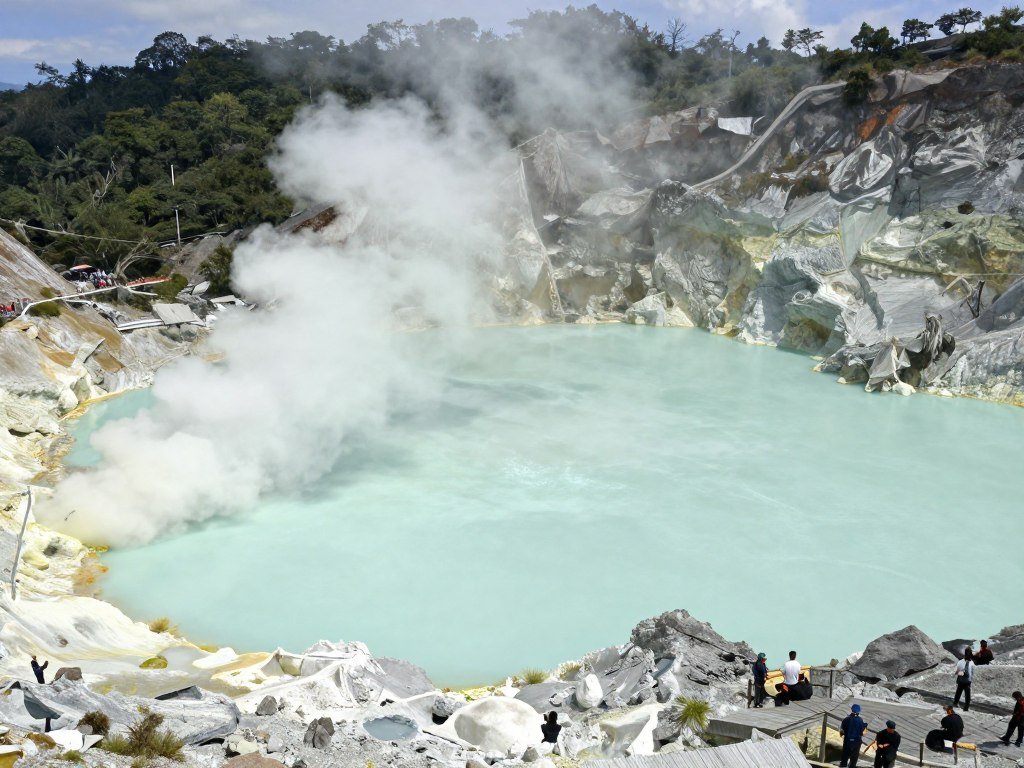
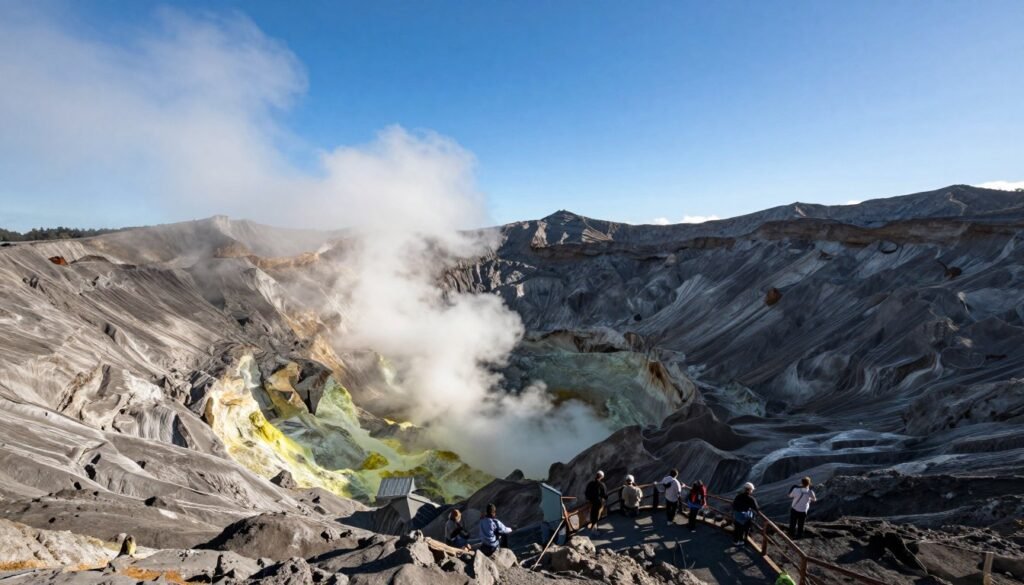
Bandung sits surrounded by active volcanoes creating otherworldly landscapes. The famous Kawah Putih white crater lake displays stunning turquoise waters that change color with sulfur levels. Tangkuban Perahu volcano allows visitors to peer directly into steaming craters from its rim.
Paris of Java Legacy
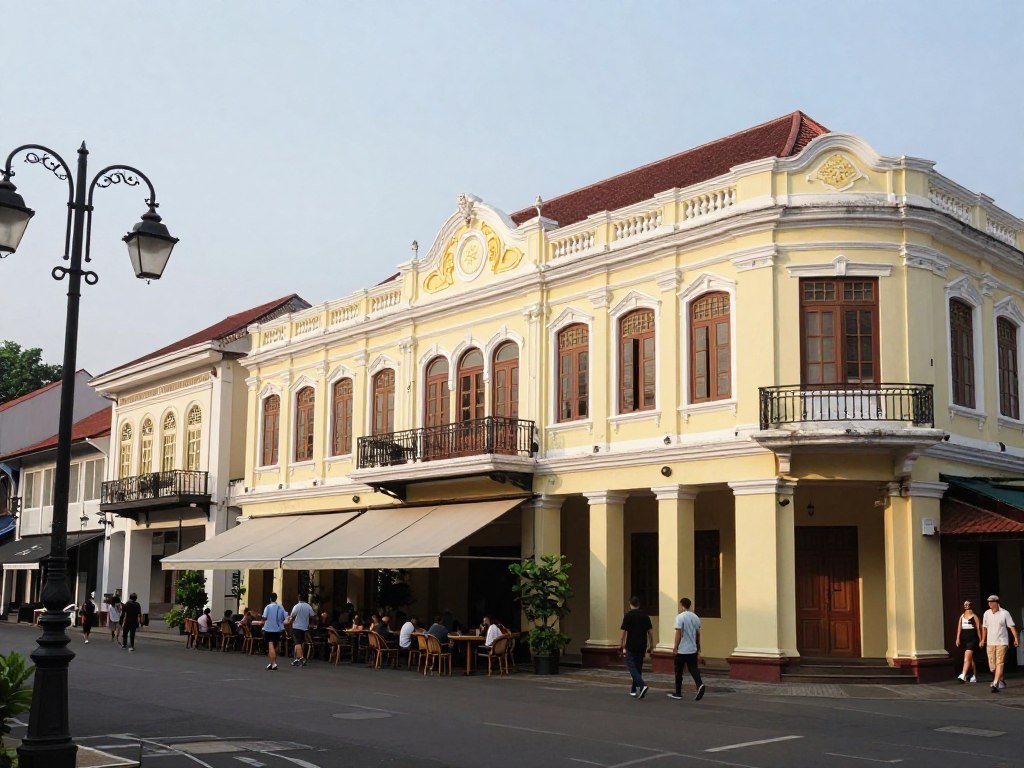
Dutch colonizers transformed Bandung into their elegant highland retreat during the early 1900s. Art deco architecture from this period still defines the city center. Historic buildings now house trendy cafes, boutique hotels, and creative spaces blending past with present.
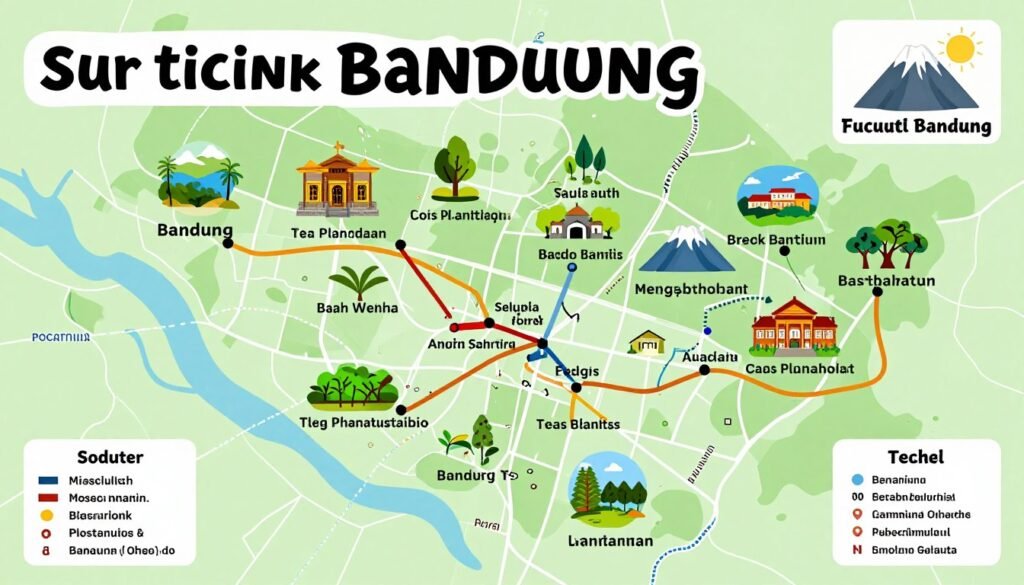
Interactive map of Bandung displaying major volcanic sites, colonial architecture zones, and essential neighborhoods
Begin Your Bandung Adventure
Download our complimentary interactive map featuring all volcanic attractions, historic buildings, top restaurants, and insider recommendations for seamless trip planning.
Optimal Visiting Periods for Bandung in 2026
Selecting the right time transforms your Bandung experience significantly. The highland tropical climate brings distinct wet and dry seasons, each presenting unique advantages for different traveler preferences.
| Period | Timeframe | Weather Conditions | Key Benefits | Important Notes |
| Dry Season Peak | June – August | 20-28°C (68-82°F) | Clear skies, perfect volcano visits, minimal rain, excellent visibility | Highest tourist numbers, advance bookings essential, premium pricing |
| Shoulder Dry | April – May, September | 21-29°C (70-84°F) | Great weather, fewer crowds, better hotel rates, lush landscapes | Occasional afternoon showers, still excellent for most activities |
| Transition Period | March, October | 20-28°C (68-82°F) | Mix of sunny and rainy days, dramatic cloud formations, moderate crowds | Unpredictable weather patterns, bring rain gear, flexible planning needed |
| Wet Season | November – February | 18-26°C (64-79°F) | Lowest prices, verdant scenery, cooler temperatures, authentic local experience | Heavy afternoon rains, some road closures, misty volcano views |
Dry Season: The Prime Window
June through August represents ideal visiting time for most travelers. Clear skies dominate daily weather patterns, perfect for volcanic crater exploration and tea plantation visits. Morning temperatures remain pleasantly cool while afternoons warm comfortably without excessive heat.
Kawah Putih displays its most vibrant turquoise hues during dry months. Photography opportunities peak with crystal-clear visibility extending across mountain ranges. Every outdoor activity becomes more enjoyable without rain concerns.
Shoulder Months: Smart Traveler Choice
April, May, and September deliver exceptional conditions with significantly fewer tourists. Hotel availability improves while prices drop noticeably from peak season rates. The landscape maintains lush greenery from recent rains while sunny days predominate.
Local attractions feel less crowded during these months. Popular spots like Kawah Putih and tea plantations allow more intimate experiences. Restaurant reservations become easier to secure even at sought-after establishments.
Insider Timing: Visit volcanic craters before 10:00 AM for the best experience. Morning hours bring cooler temperatures, thinner crowds, and often clearer skies before afternoon clouds develop. The first two hours after opening provide optimal conditions for photography and exploration.
Reaching Bandung: Your Transportation Options
Bandung’s accessibility has improved dramatically with modern infrastructure connecting it to Jakarta and other Indonesian cities. Multiple transportation methods suit different budgets and time constraints.
By Air: Fastest Entry Point
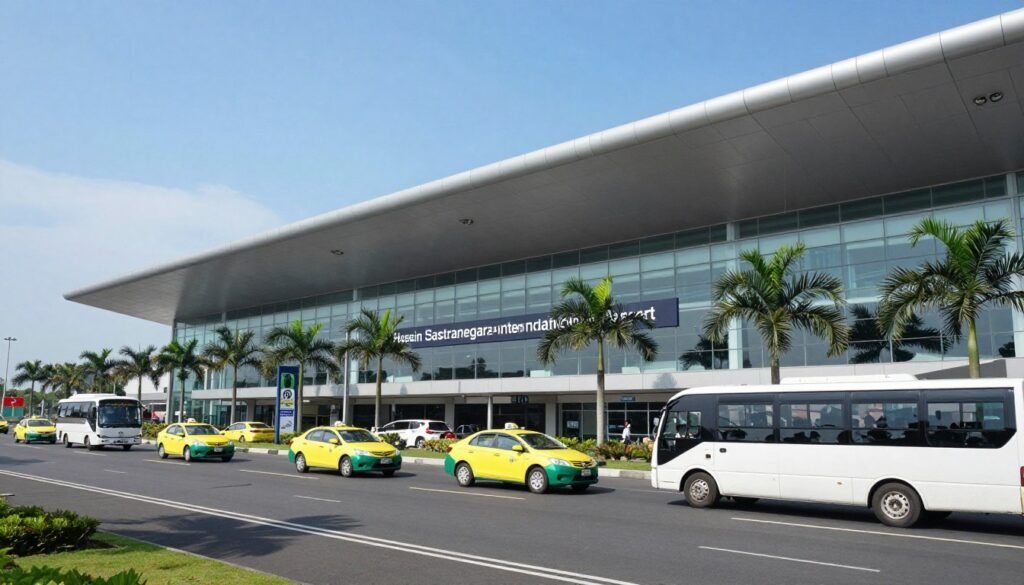
Husein Sastranegara International Airport serves as Bandung’s primary air gateway. The airport handles domestic flights from major Indonesian cities including Jakarta, Bali, Surabaya, and Yogyakarta. International connections typically require transit through Jakarta’s larger Soekarno-Hatta International Airport.
Airport taxis provide direct service to downtown Bandung in approximately 30 minutes. Ride-sharing apps function reliably for pickups. The airport sits conveniently close to the city center compared to many other Indonesian destinations.
From Jakarta: Multiple Routes
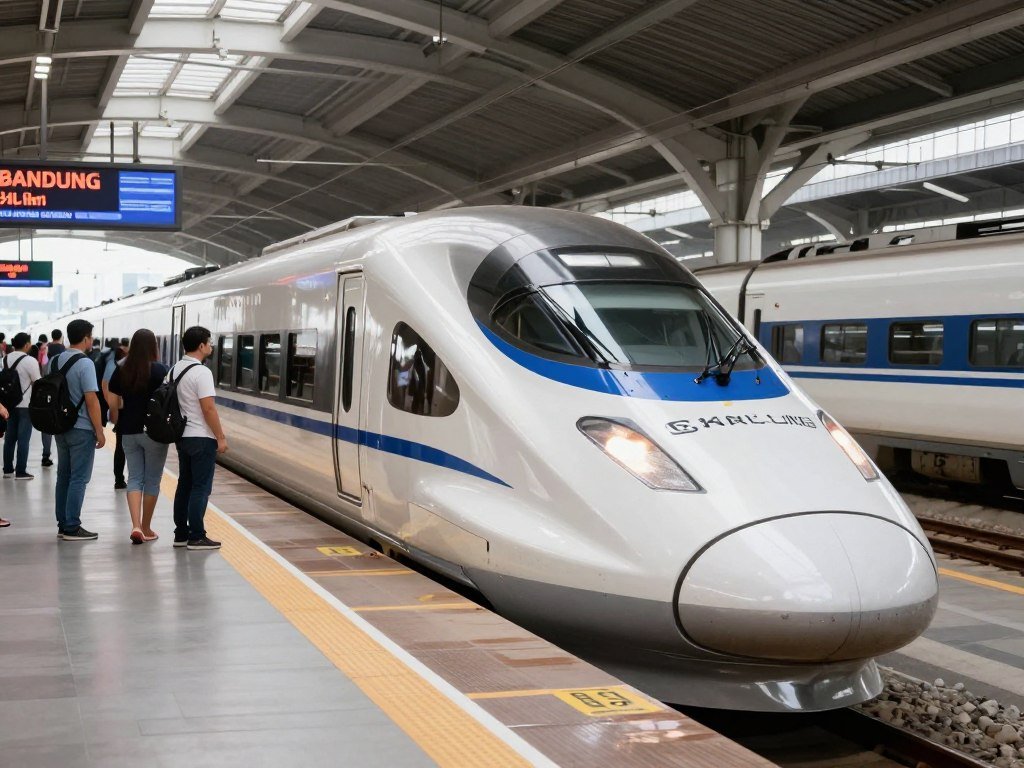
The Jakarta Bandung high-speed railway revolutionized travel between these cities in recent years. Modern trains complete the journey in approximately 45 minutes, cutting traditional travel time by more than half. Departures run frequently throughout the day from Halim station in Jakarta to Tegalluar station in Bandung.
Traditional trains still operate along the scenic mountain route for budget-conscious travelers. This journey takes roughly three hours but costs significantly less than high-speed options. The route winds through spectacular highland scenery worth experiencing at least once.
Road Travel Options
- Private car hire provides door-to-door convenience in 2.5-3 hours depending on traffic
- Buses depart regularly from Jakarta’s Kampung Rambutan terminal with economical fares
- Toll road improvements have reduced congestion on the Jakarta Bandung corridor
- Weekend travel requires extra time due to increased traffic volume
- Early morning departures avoid the worst Jakarta traffic conditions
Transportation Tip: Book high-speed train tickets several days ahead during Indonesian holiday periods. The service proves extremely popular with domestic travelers, and seats sell out quickly during peak times. Online booking through official platforms ensures guaranteed space.
Essential Bandung Attractions and Experiences
Bandung captivates visitors with remarkable diversity spanning volcanic wonders, colonial heritage, and contemporary culture. These attractions showcase the city’s multifaceted character and natural beauty.
Kawah Putih: The White Crater Wonder
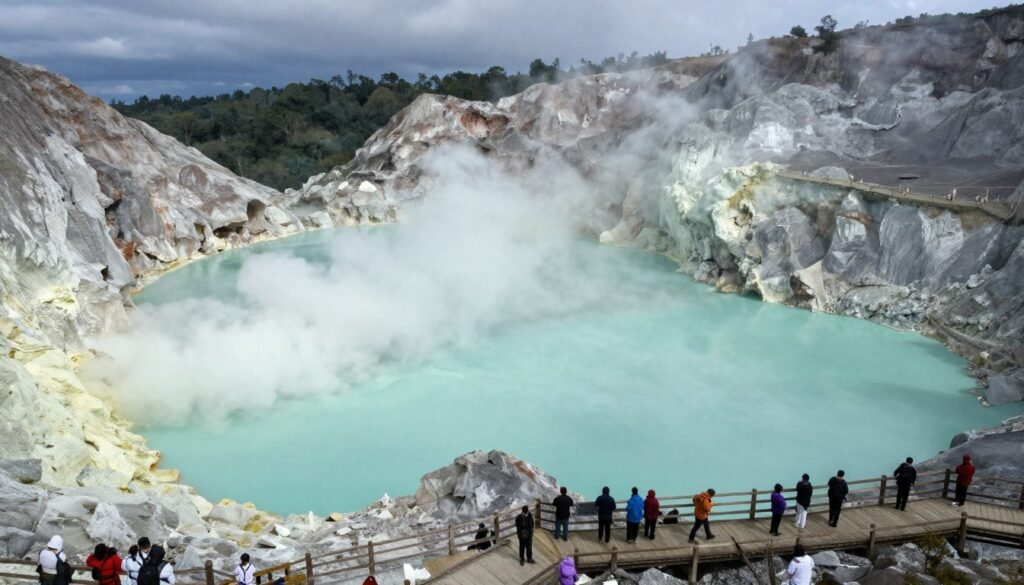
This extraordinary volcanic crater lake sits at 2,430 meters elevation on Mount Patuha, approximately 50 kilometers south of Bandung city center. Kawah Putih translates as “white crater,” perfectly describing the pale limestone formations surrounding the lake.
The crater lake displays mesmerizing color variations from turquoise to white depending on sulfur concentration and sunlight angles. Steam rises continuously from the acidic waters creating an ethereal atmosphere. Wooden walkways allow safe viewing while protecting the fragile crater environment.
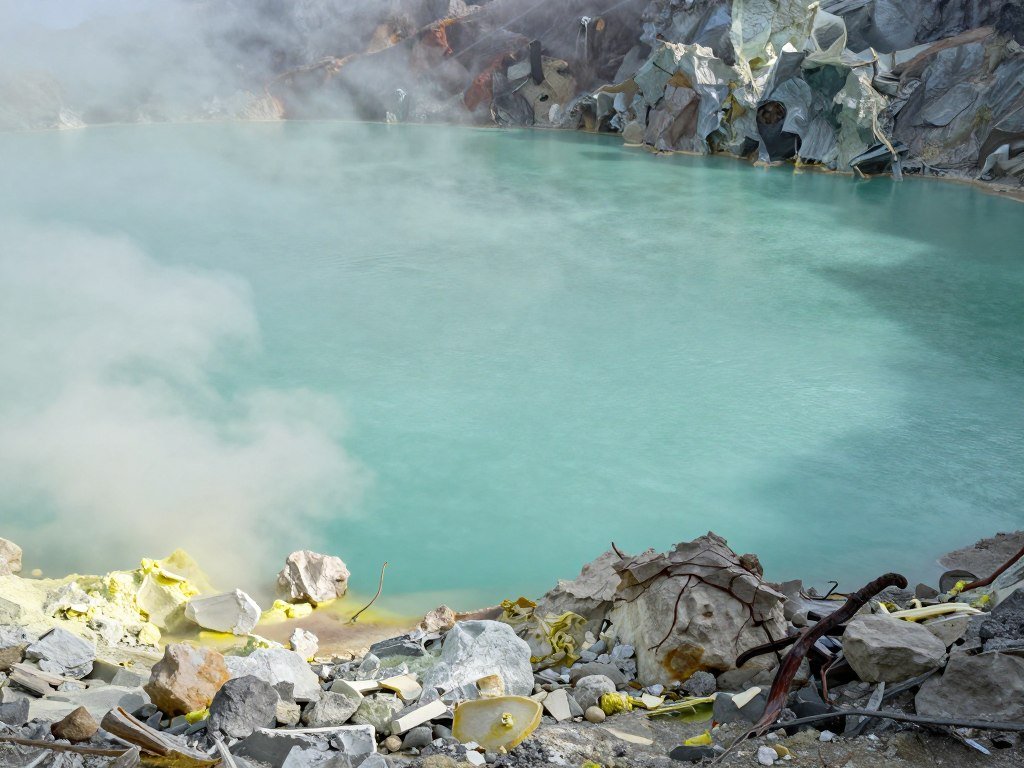
Early morning visits between 7:00 and 9:00 AM offer the best experience. Morning light enhances the water’s color while clouds typically develop later in the day. Weekday visits ensure smaller crowds compared to weekend tour groups.
Visitor Essentials
- Arrive before 9:00 AM for optimal lighting and fewer visitors
- Allocate 1.5 hours for complete crater exploration
- Wear warm layers as temperatures drop significantly at elevation
- Bring camera equipment with filters for volcanic mist
- Avoid weekends and Indonesian public holidays when possible
- Respect safety barriers around the acidic crater lake
Access Information
- Private car hire most convenient option from Bandung (1.5 hours)
- Organized tours available from all major hotels
- Local shuttle service operates from parking area to crater
- Entry fee approximately 50,000 IDR (subject to 2026 adjustments)
- Limited facilities at site – bring water and snacks
- No public transportation directly to the crater
Reserve Your Kawah Putih Experience
Book private tours or join small group excursions to this spectacular volcanic crater. Transportation, entrance fees, and professional guides included for hassle-free exploration.
Tangkuban Perahu: The Overturned Boat Volcano
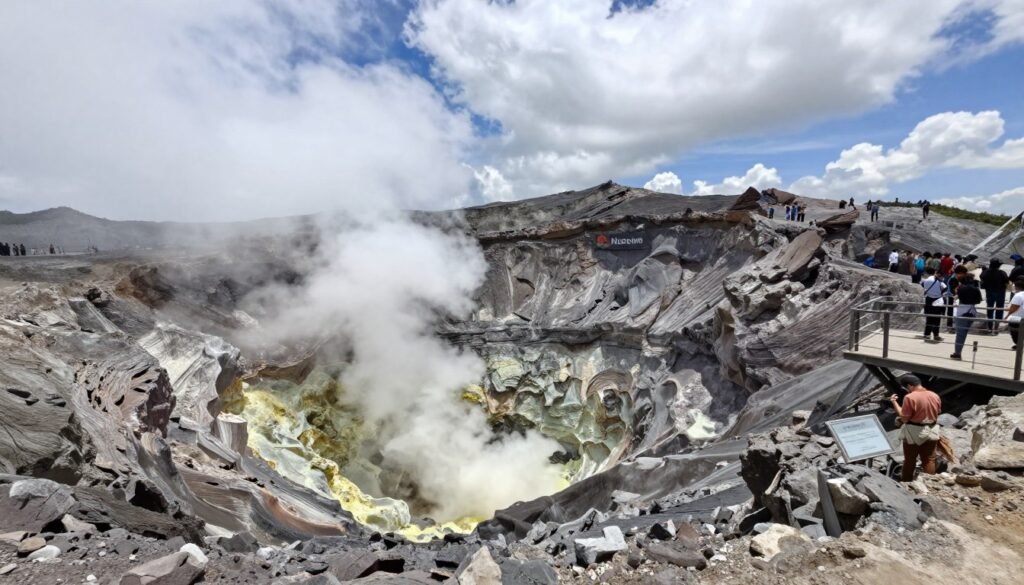
Located just 30 kilometers north of central Bandung, Tangkuban Perahu ranks among Indonesia’s most accessible active volcanoes. The volcano earned its name from the distinctive overturned boat shape visible from certain angles.
Visitors can drive nearly to the crater rim, making this one of few volcanoes where you peer into an active crater without strenuous hiking. Multiple craters offer different perspectives, with Kawah Ratu being the largest and most impressive. Steam vents release sulfurous gases constantly, creating dramatic visual effects.
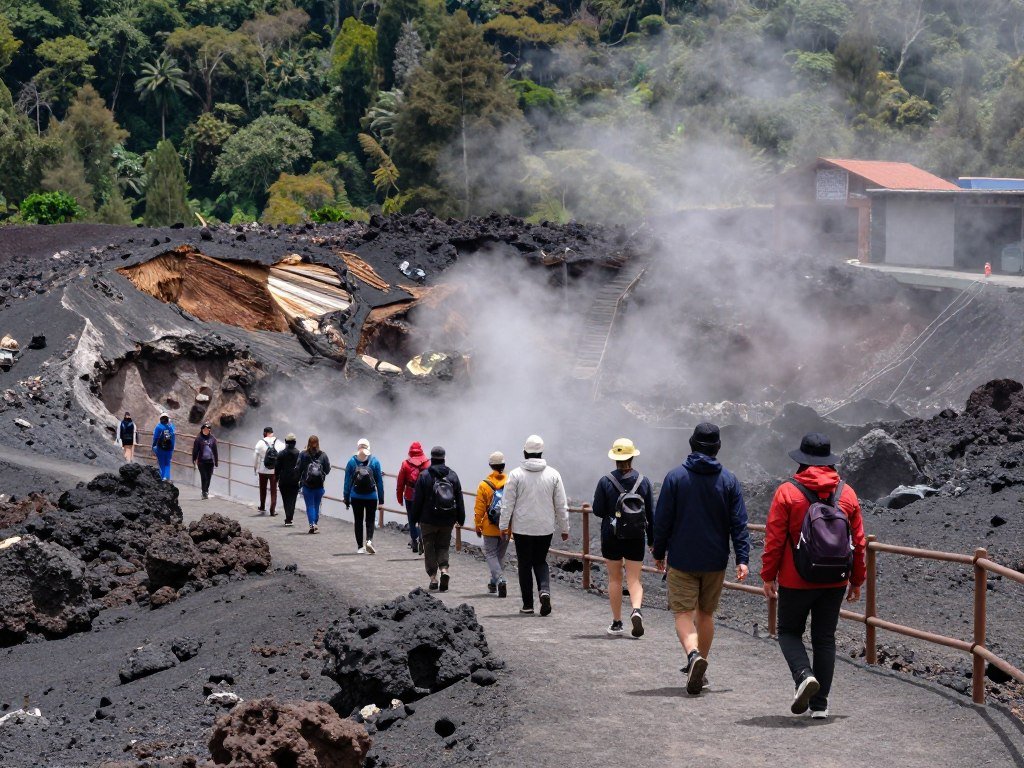
The surrounding area features several smaller craters accessible via short walking trails. Local vendors sell sulfur products and volcanic souvenirs near the parking areas. The entire complex allows 2-3 hours of exploration depending on your interest level.
Exploring Tangkuban Perahu
- Start at Kawah Ratu, the main crater with the most dramatic views
- Walk to Kawah Domas where you can boil eggs in hot springs
- Visit Kawah Upas for a different crater perspective
- Browse local handicraft stalls for volcanic stone products
- Bring face mask or cloth to filter sulfur fumes if sensitive
- Wear sturdy shoes suitable for volcanic terrain
Tea Plantations: Highland Agricultural Beauty
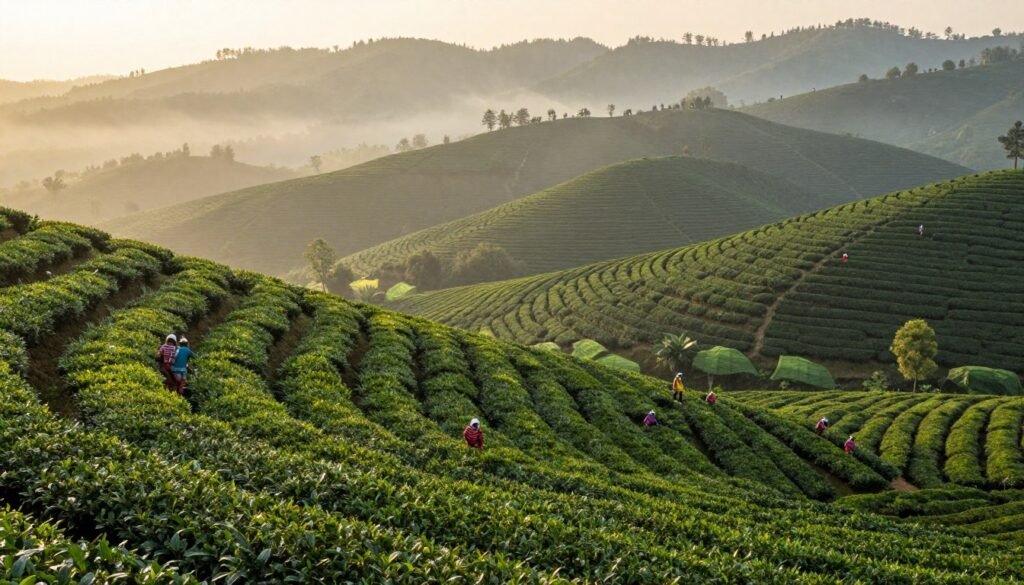
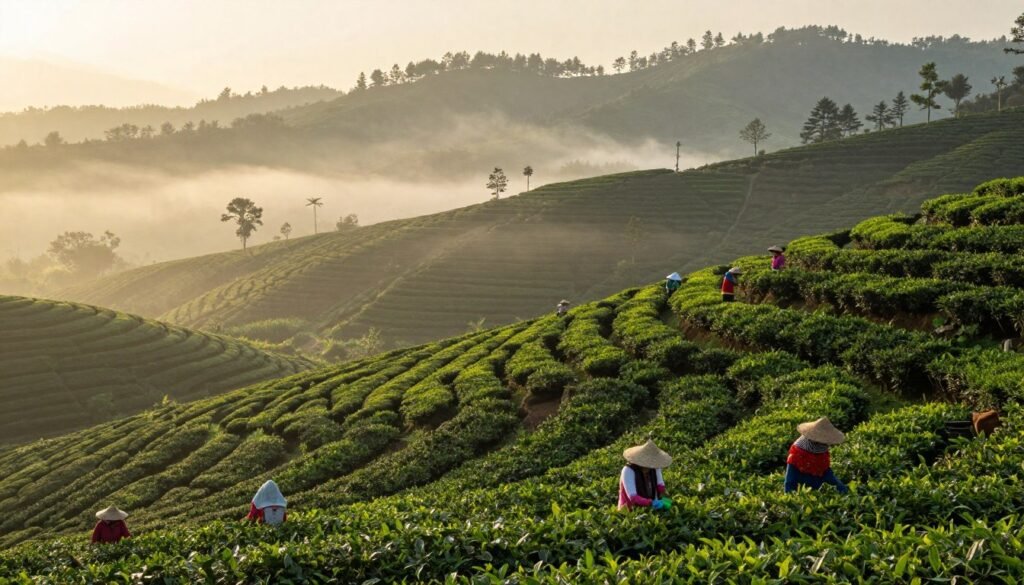
Bandung’s surrounding highlands produce some of Indonesia’s finest tea. Multiple plantations welcome visitors to explore endless green terraces carpeting mountain slopes. The cool highland climate creates ideal growing conditions for premium tea varieties.
Rancabali Tea Plantation near Kawah Putih offers spectacular scenery combining tea terraces with mountain backdrops. Guided tours explain cultivation and processing methods. Factory tours show how leaves transform into finished tea products sold worldwide.
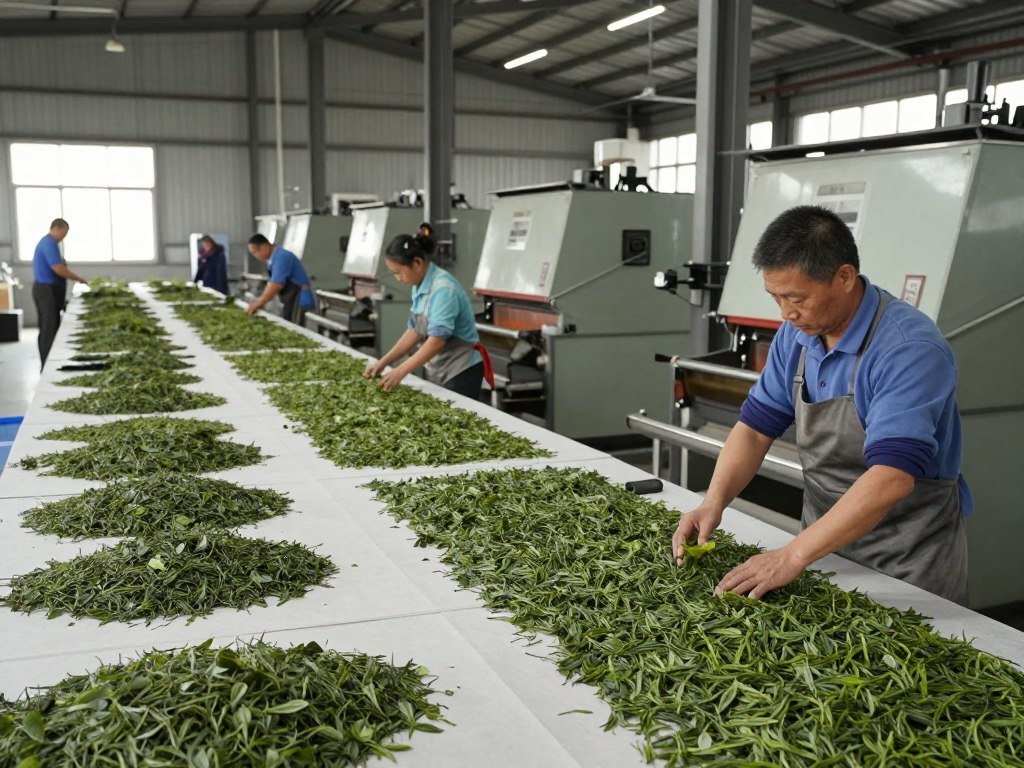
Visitors can walk through plantation rows, photograph stunning landscapes, and purchase fresh tea directly from producers. Many plantations maintain colonial-era buildings now converted into cafes serving tea overlooking the plantations that produced it.
Gedung Sate: Iconic Art Deco Landmark
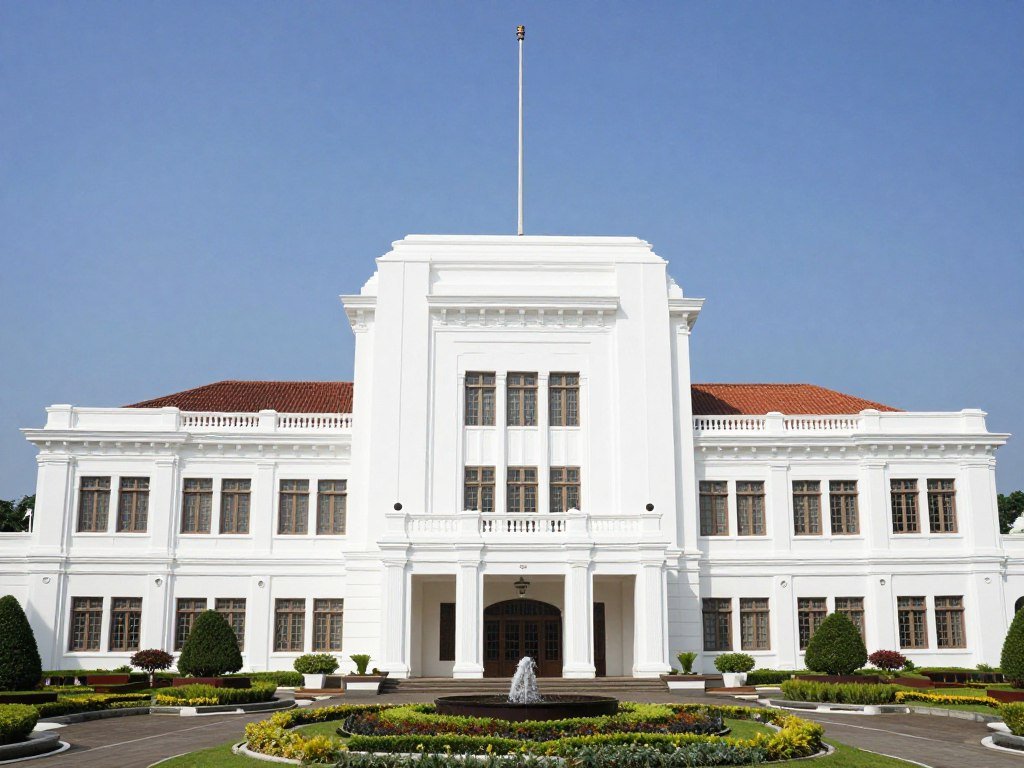
This magnificent building serves as West Java’s provincial government headquarters while standing as Bandung’s most recognizable architectural landmark. Completed in 1920, the structure exemplifies Dutch East Indies architectural style blending European and local influences.
The building earned its nickname “Gedung Sate” from the distinctive ornamental tower resembling satay skewers mounted atop the central structure. The carefully restored facade showcases intricate details typical of colonial-era public buildings.
While the building functions as active government offices limiting interior access, the surrounding gardens welcome visitors for photography and relaxation. The structure appears even more impressive illuminated at night, creating perfect evening photo opportunities.
Braga Street: Colonial Boulevard Revival
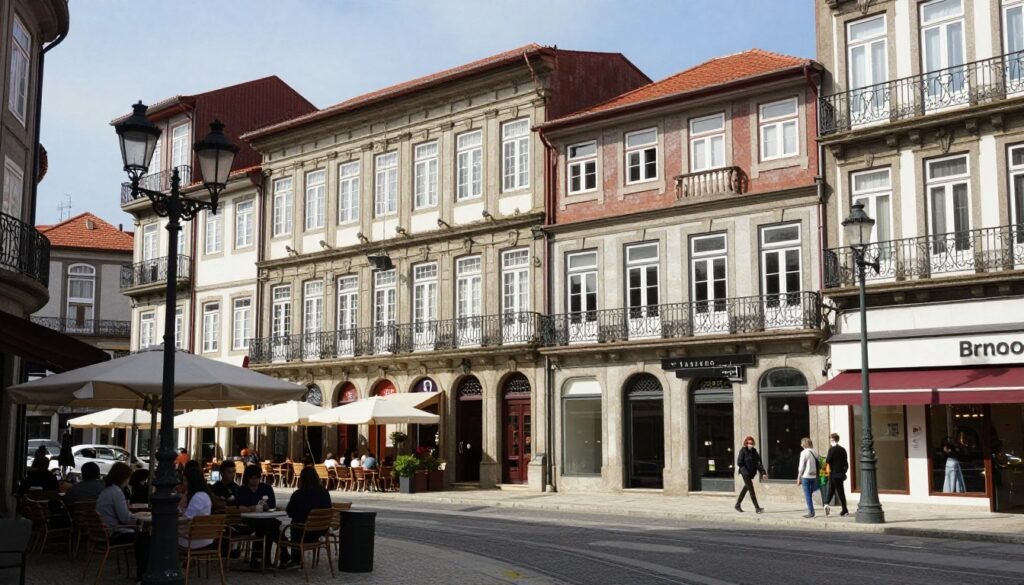
This historic thoroughfare represents Bandung’s colonial legacy at its finest. Art deco and Indo-European buildings line both sides of this pedestrian-friendly street. During Dutch rule, Braga Street functioned as the social heart where European residents gathered at cafes and theaters.
Modern Bandung has breathed new life into these heritage buildings. Trendy cafes occupy former colonial shops. Contemporary boutiques share space with traditional establishments. The street maintains its historic character while serving current residents and visitors.
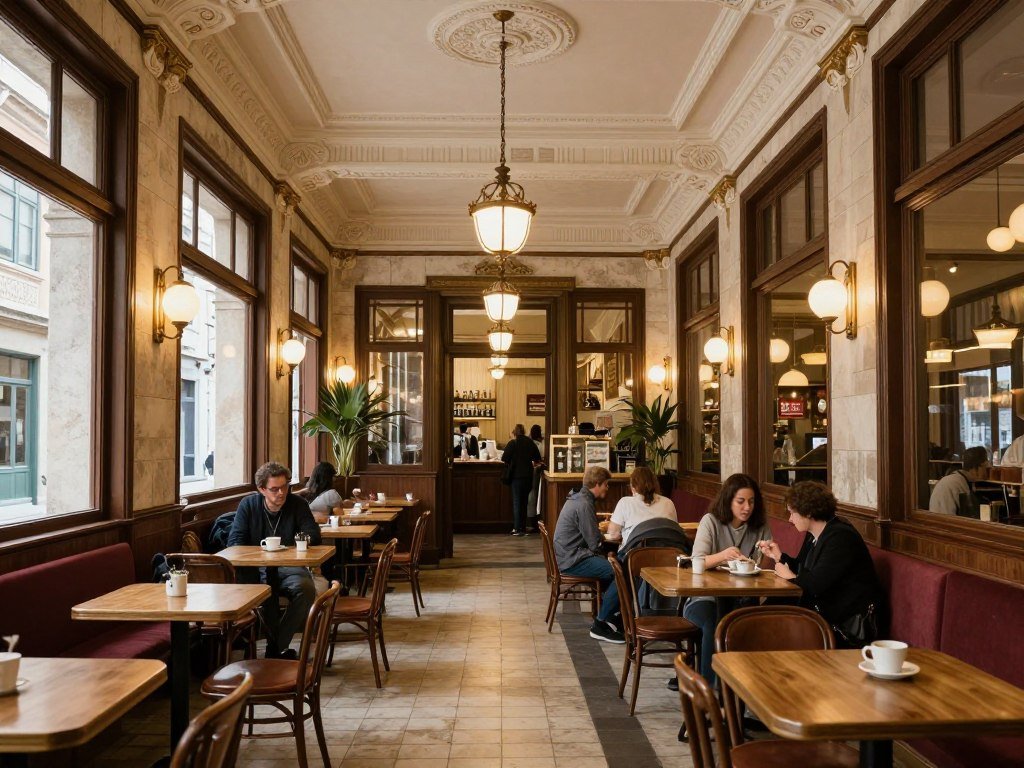
Evening brings special atmosphere as outdoor seating fills with locals and visitors. Live music often accompanies dining at several establishments. Weekend evenings see Braga Street transform into a social gathering spot showcasing Bandung’s creative energy.
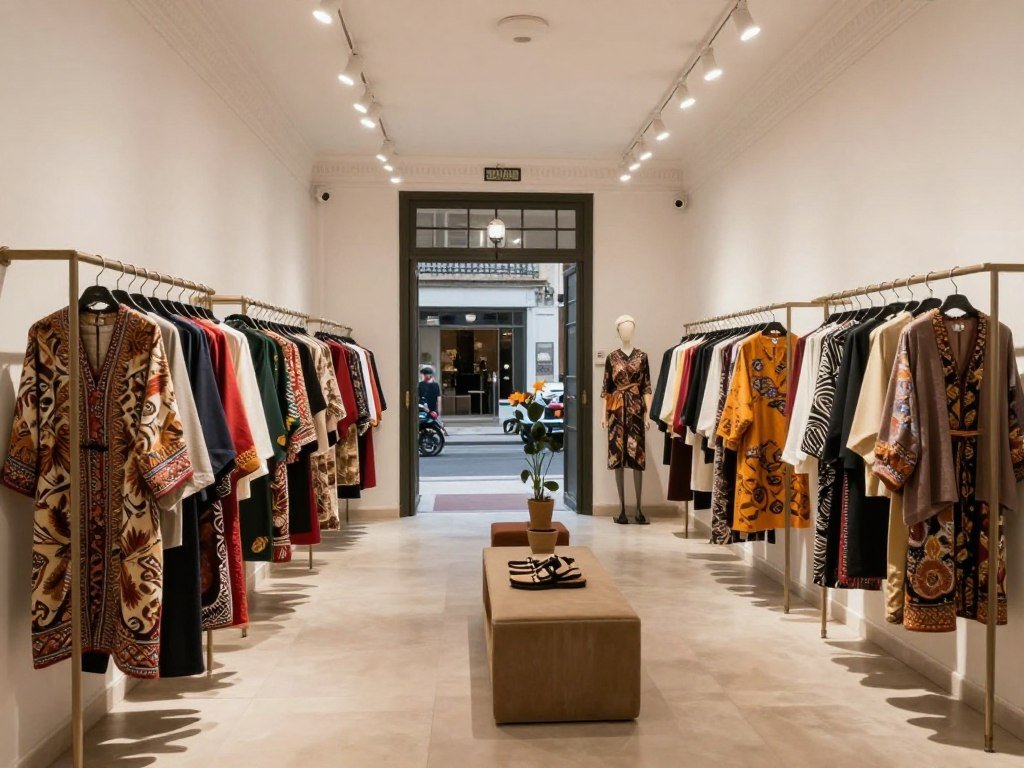
Shopping Highlights
- Local fashion designer boutiques showcasing Indonesian creativity
- Vintage shops selling colonial-era antiques and collectibles
- Contemporary art galleries featuring West Java artists
- Traditional batik and textile specialty stores
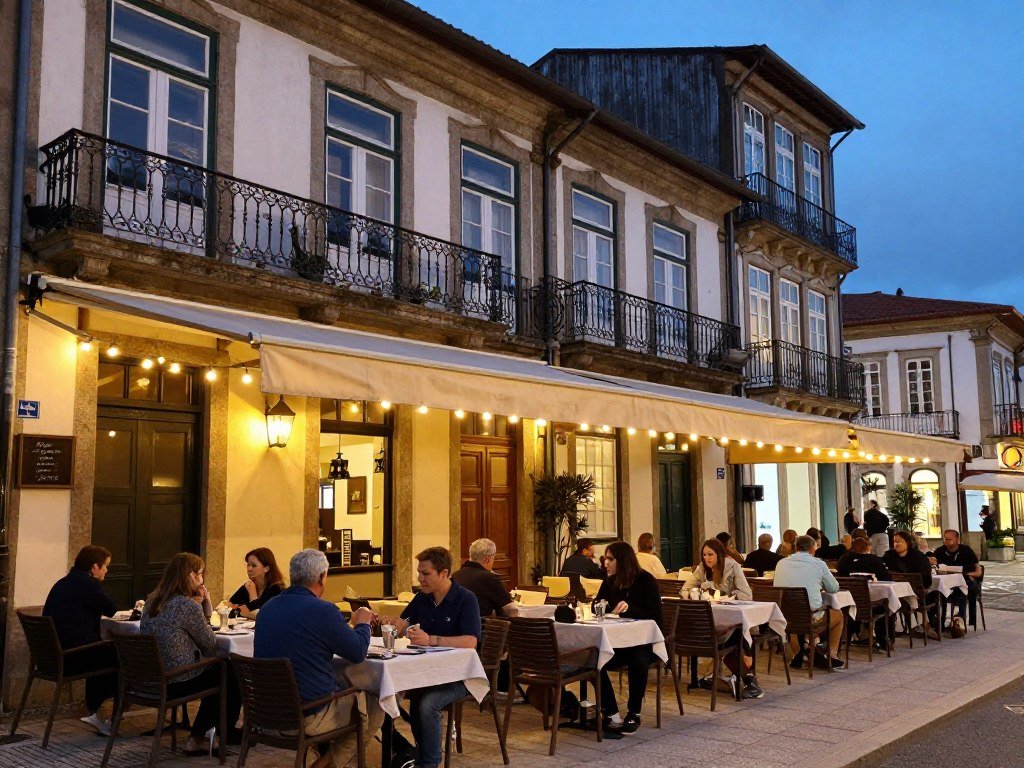
Dining Favorites
- Heritage cafes serving traditional Indonesian coffee
- Contemporary fusion restaurants in restored buildings
- Authentic Sundanese cuisine establishments
- International dining options with local ingredients
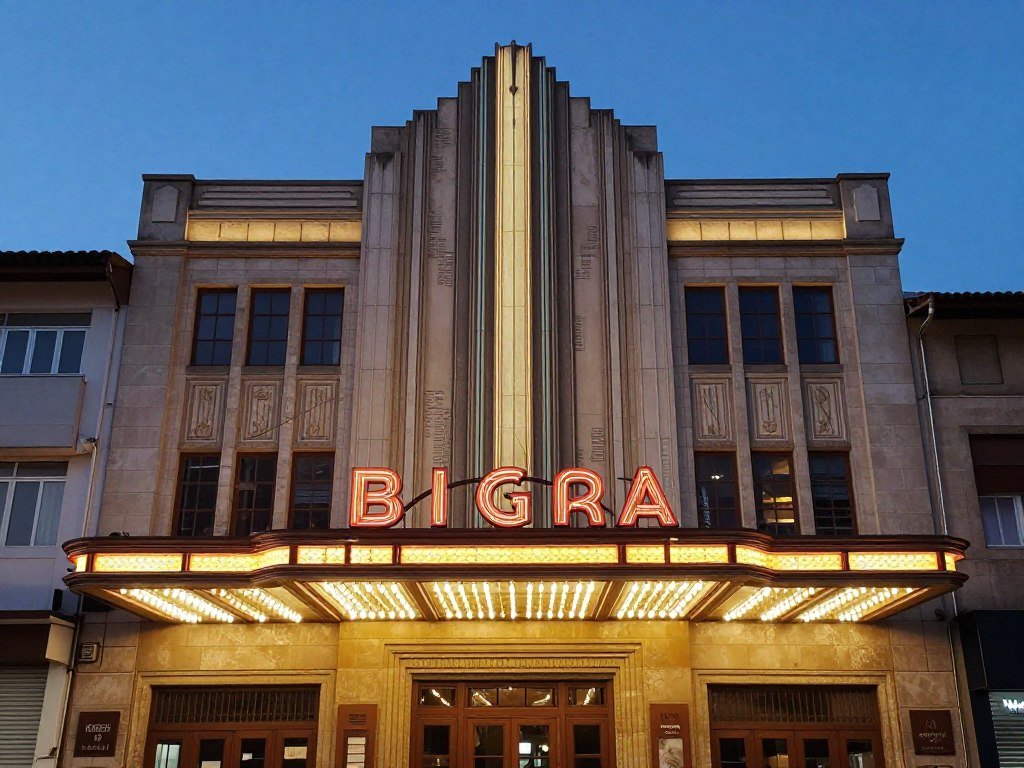
Cultural Venues
- Restored art deco theaters showing independent films
- Live music venues featuring local jazz and traditional music
- Art galleries hosting rotating contemporary exhibitions
- Cultural centers offering wayang golek performances
Saung Angklung Udjo: Living Cultural Heritage
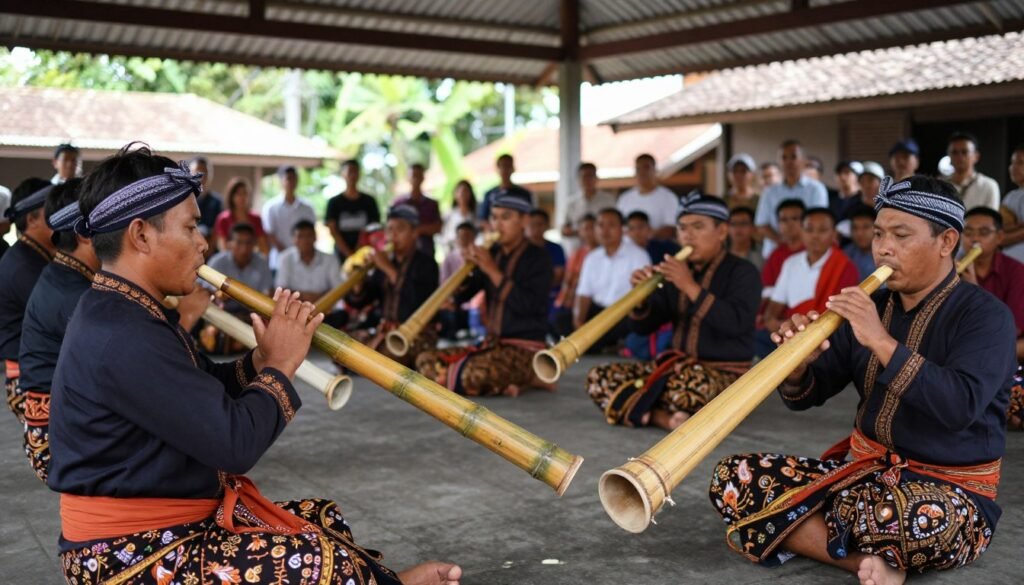
This cultural center preserves and promotes Sundanese traditional arts through daily performances and workshops. The center specializes in angklung, traditional Indonesian bamboo musical instruments creating beautiful melodic sounds when shaken.
Evening performances combine angklung demonstrations with wayang golek puppetry, traditional dance, and audience participation segments. Visitors receive angklung instruments to join the orchestra, creating memorable interactive experiences. Performances run approximately 90 minutes showcasing various traditional art forms.
The facility also operates as a working angklung workshop where craftspeople create instruments using traditional methods. Daytime visits allow observation of the construction process. A small museum displays different angklung types and explains their cultural significance in Sundanese society.
Saung Angklung Udjo Details
Performance Schedule
- Daily shows at 3:30 PM (subject to 2026 updates)
- Duration approximately 90 minutes
- Arrive 15 minutes early for good seating
- Photography permitted during performances
Getting There
- Located in eastern Bandung residential area
- Taxi or ride-sharing recommended transportation
- Some hotels arrange group transportation
- Entry fee includes performance and participation
Remarkable Day Trips from Bandung
Bandung’s strategic highland location enables access to additional natural wonders and cultural sites throughout West Java. These excursions showcase the region’s remarkable diversity beyond the city limits.
Ciwidey Valley and Hot Springs
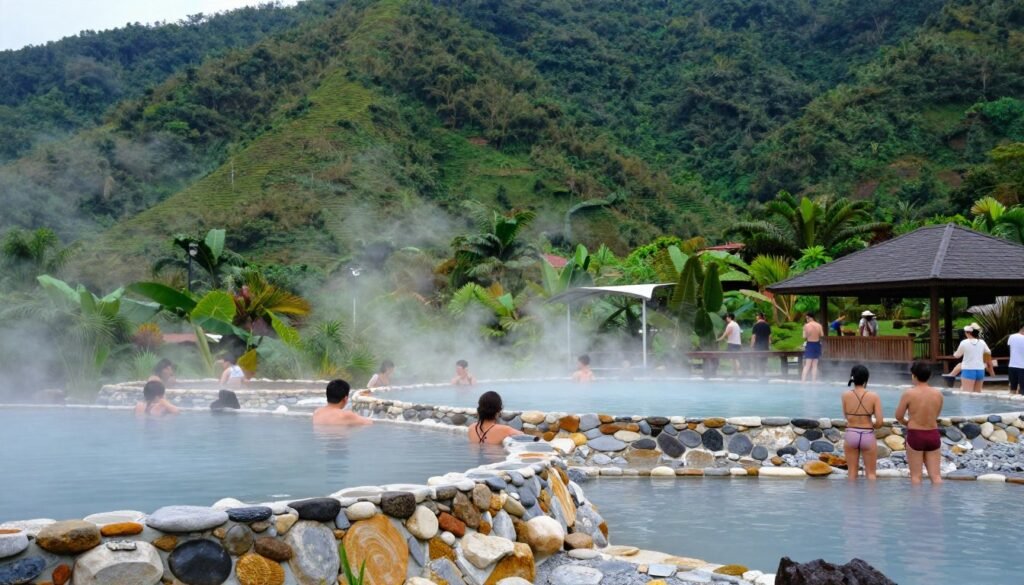
This highland valley approximately 40 kilometers south of Bandung combines several attractions into one rewarding day trip. The area encompasses Kawah Putih, strawberry farms, and natural hot springs fed by volcanic activity beneath Mount Patuha.
Sari Ater Hot Springs offers the most developed facilities with multiple pools of varying temperatures. The mineral-rich waters provide therapeutic benefits according to local tradition. Mountain scenery surrounds the complex creating a peaceful atmosphere for relaxation after volcanic crater exploration.
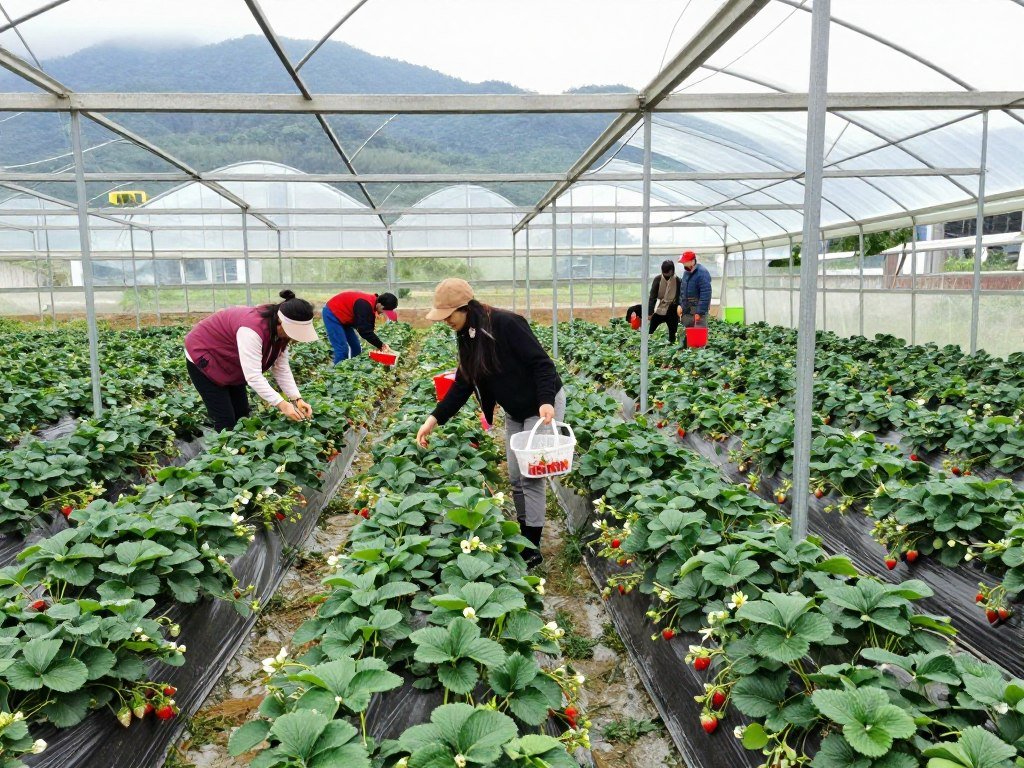
Strawberry farms throughout Ciwidey welcome visitors for pick-your-own experiences. The cool highland climate produces sweet berries that taste remarkably different from lowland varieties. Many farms operate small cafes serving fresh strawberry desserts and beverages.
Lembang: Mountain Resort Town
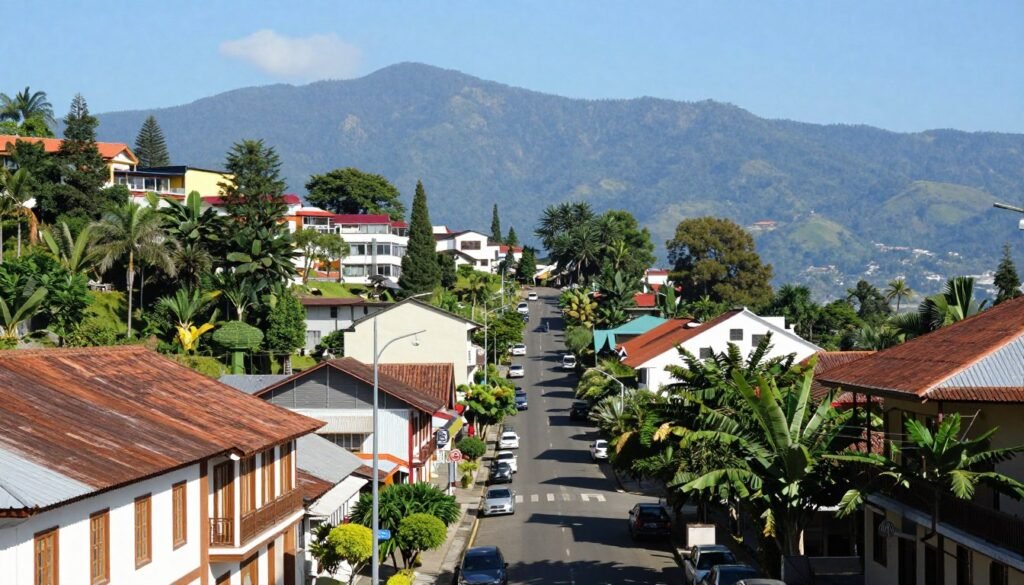
This charming mountain town sits just 15 kilometers north of Bandung at higher elevation. Dutch colonizers established Lembang as a cool retreat from lowland heat, building villas and farms that still characterize the area today.
Modern Lembang combines heritage atmosphere with contemporary attractions. Farm-themed parks cater to families. Observatory facilities take advantage of clear mountain air. The town serves as the gateway to Tangkuban Perahu volcano.
Lembang Attractions
- Bosscha Observatory for stargazing and astronomical education
- Floating Market Lembang combining shopping and scenic lake views
- Farmhouse Lembang offering European village atmosphere
- Numerous cafes and restaurants with valley panoramas
- Fresh produce markets selling local fruits and vegetables
- Traditional Sundanese villages preserving cultural practices
Bandung Conference Building (Gedung Merdeka)
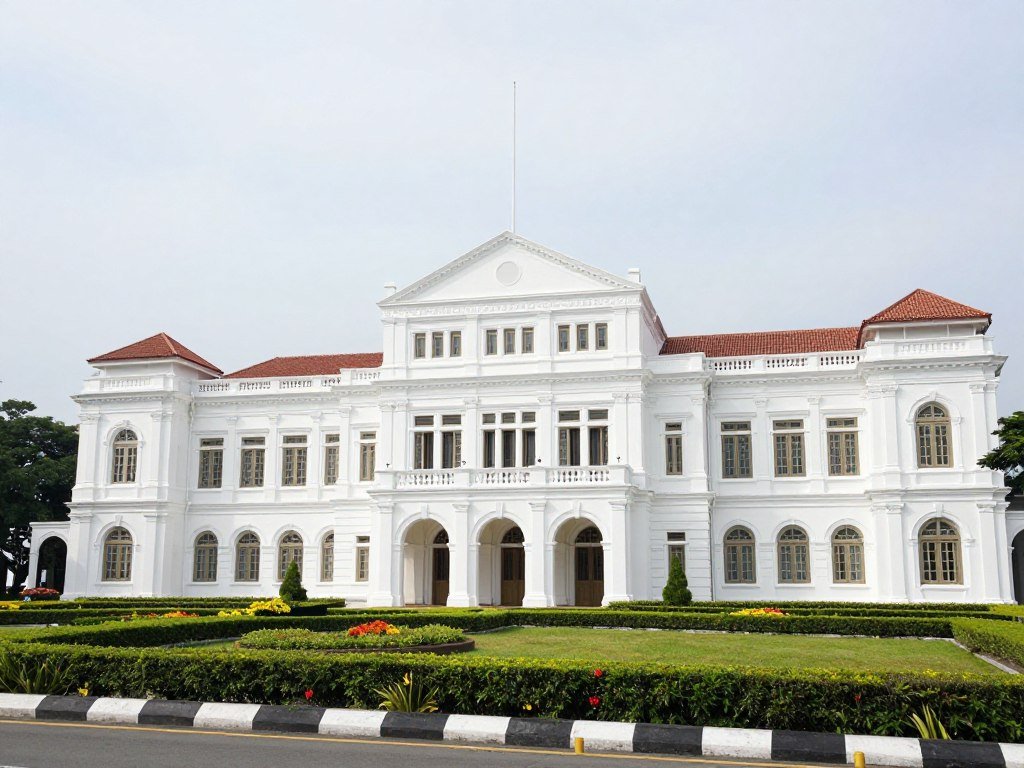
This historically significant building hosted the groundbreaking Asia-Africa Conference in 1955. Representatives from 29 newly independent nations gathered here to promote economic and cultural cooperation while opposing colonialism during the Cold War period.
The building now functions as a museum preserving the conference legacy. Original meeting rooms maintain their 1955 configuration. Historical photographs document this pivotal moment in post-colonial history. Guided tours provide context about Bandung’s role in international diplomacy.
Located in central Bandung near Braga Street, the building combines easily with city center exploration. The surrounding park provides pleasant space for rest. The site holds particular interest for visitors interested in Asian history and international relations.
Combined Tour Suggestion: Many tour operators offer packages combining Kawah Putih, tea plantations, and Ciwidey hot springs in single full-day excursions. This efficiently covers multiple attractions in the same geographical area while maximizing your limited time. Transportation and lunch typically included in package pricing.
Reserve Your Bandung Day Trips
Eliminate planning stress with organized tours to volcanic craters, tea plantations, and cultural sites. Professional guides, comfortable transportation, and entrance fees included for worry-free exploration.
Bandung’s Culinary Landscape: Sundanese Flavors
Bandung’s food culture reflects its position as West Java’s cultural capital. Sundanese cuisine emphasizes fresh vegetables, aromatic herbs, and subtle spice profiles distinct from other Indonesian regional styles. The city also embraces contemporary dining innovations alongside traditional favorites.
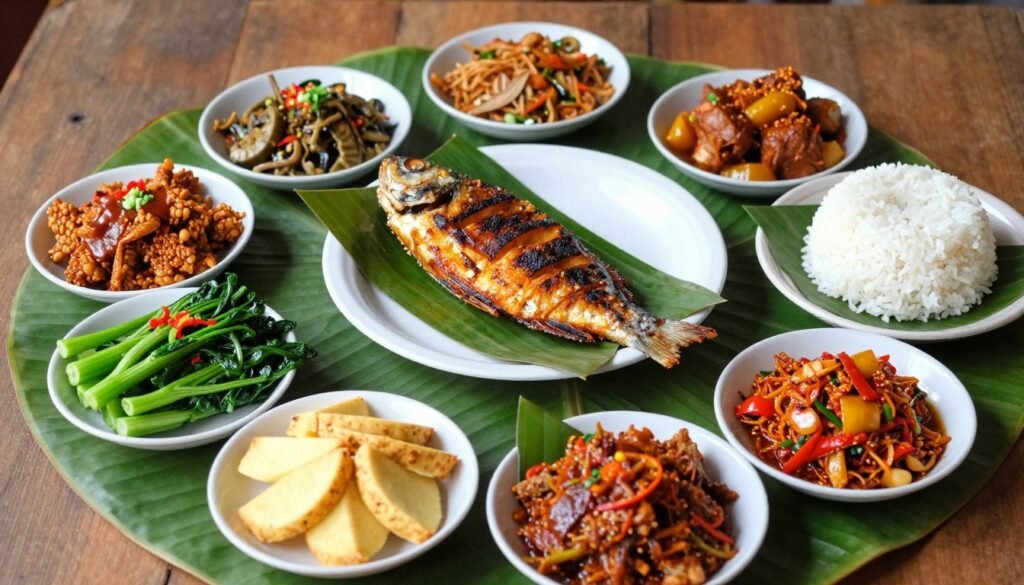
Signature Dishes to Experience
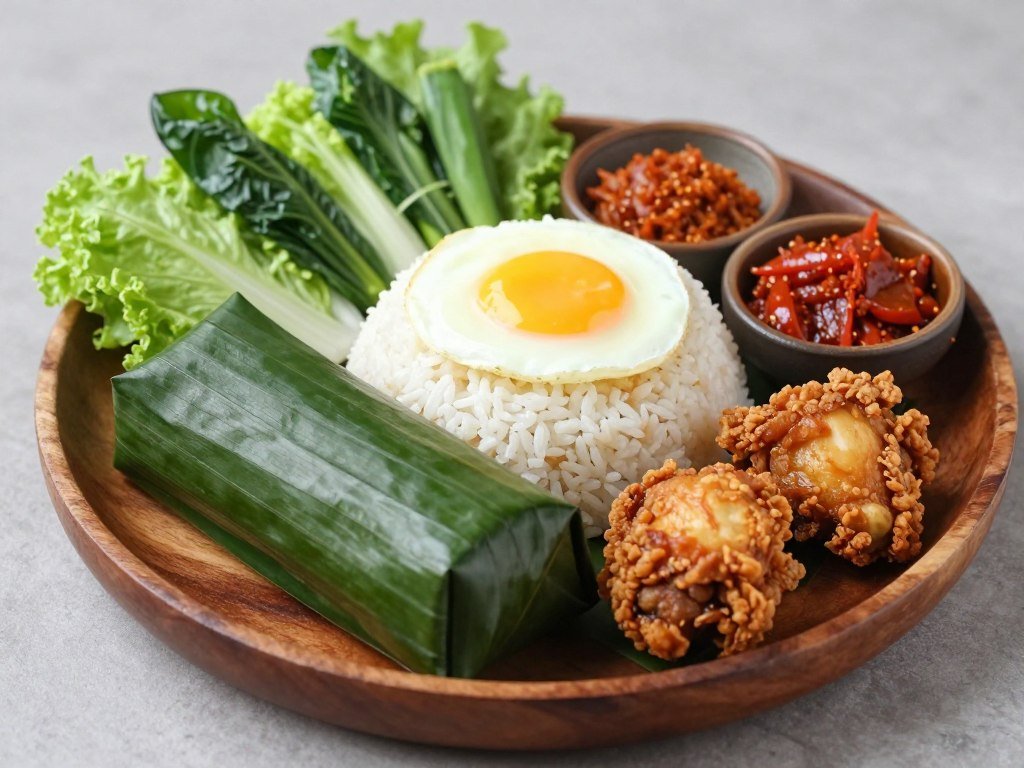
Nasi Timbel
Steamed rice wrapped and cooked in banana leaves develops distinctive aroma and texture. Served with fried chicken, fresh raw vegetables, sambal, and salted fish, this complete meal represents quintessential Sundanese home cooking.
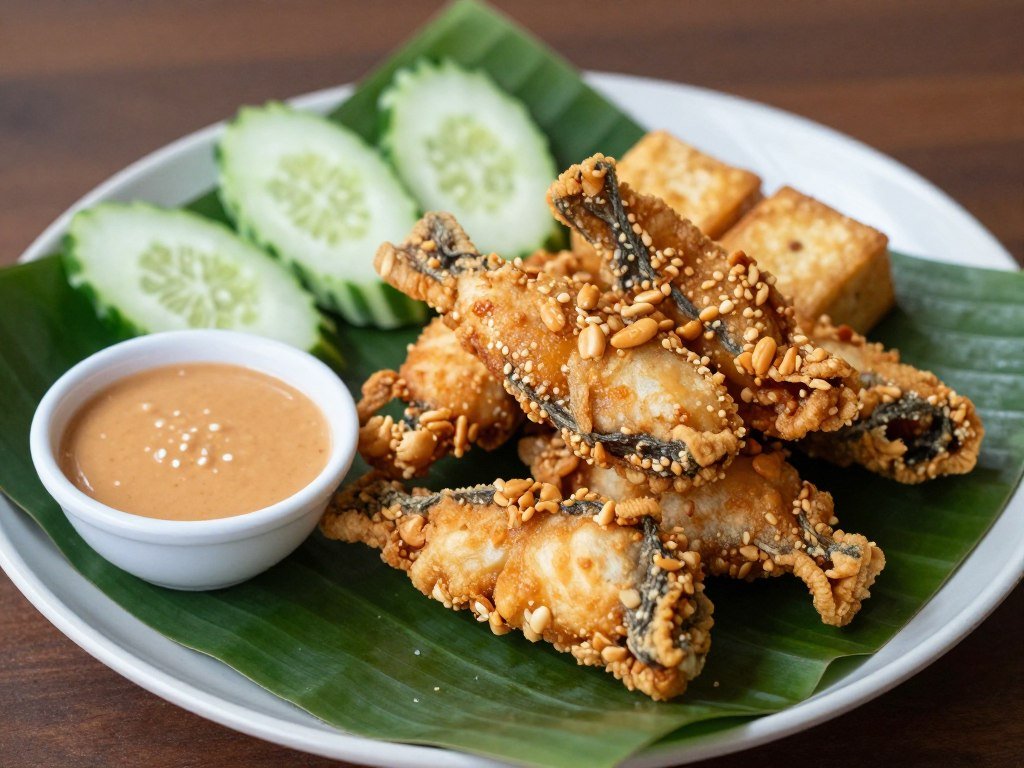
Batagor
Bandung invented this beloved snack combining fried fish dumplings with tofu, served swimming in savory peanut sauce. The name contracts “bakso tahu goreng” (fried meatball tofu). Every visitor must try this local specialty from street vendors or restaurants.
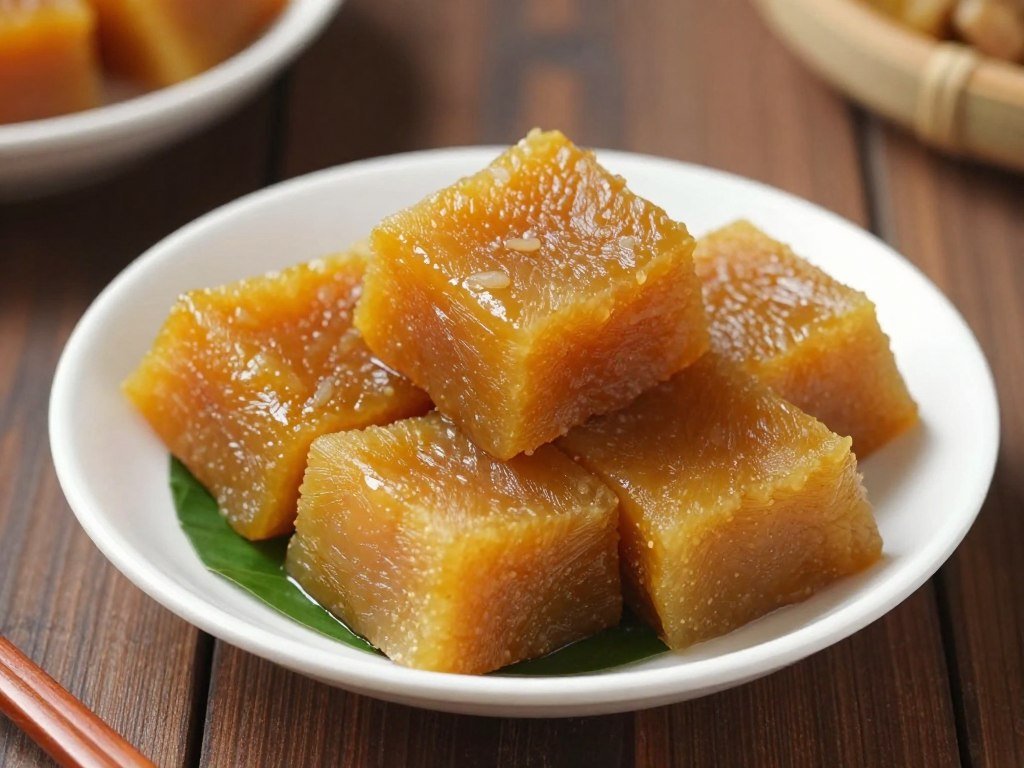
Peuyeum
This traditional fermented cassava develops sweet, slightly alcoholic flavor during multi-day fermentation. Locals eat it plain or incorporate it into various desserts. The unique taste divides opinions but represents authentic Sundanese food culture.
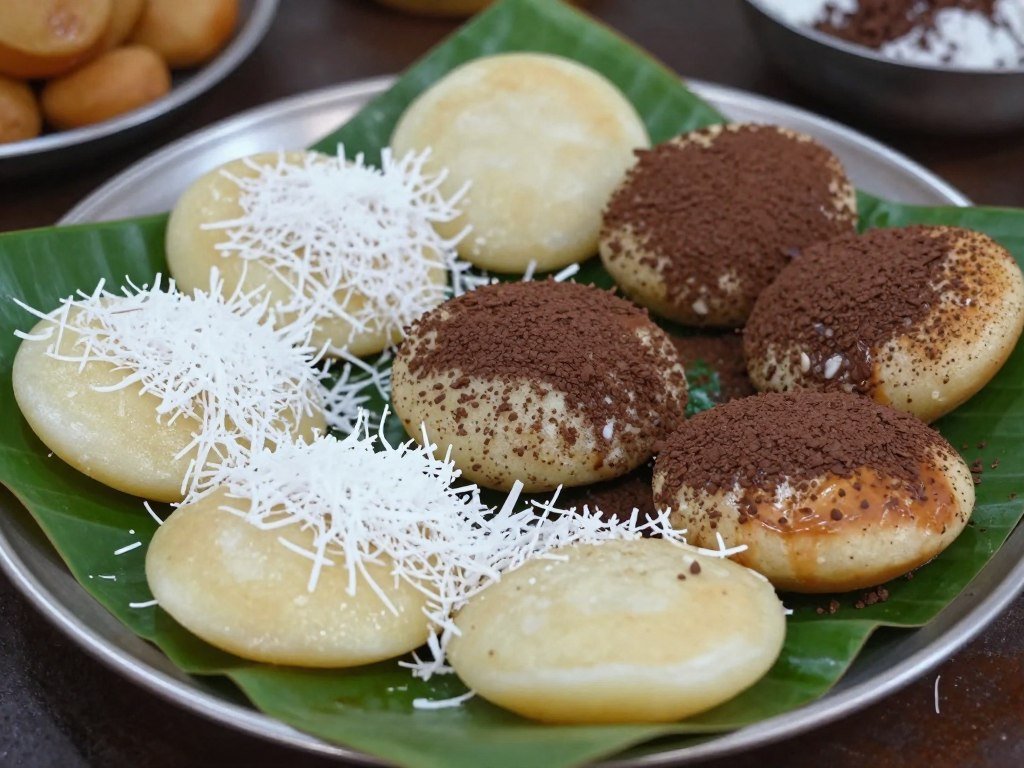
Surabi
These small rice flour pancakes cook in clay molds over charcoal fires. Available in sweet versions with chocolate or cheese, or savory styles with onions and meat. Street vendors prepare fresh surabi throughout the day, filling neighborhoods with their distinctive aroma.
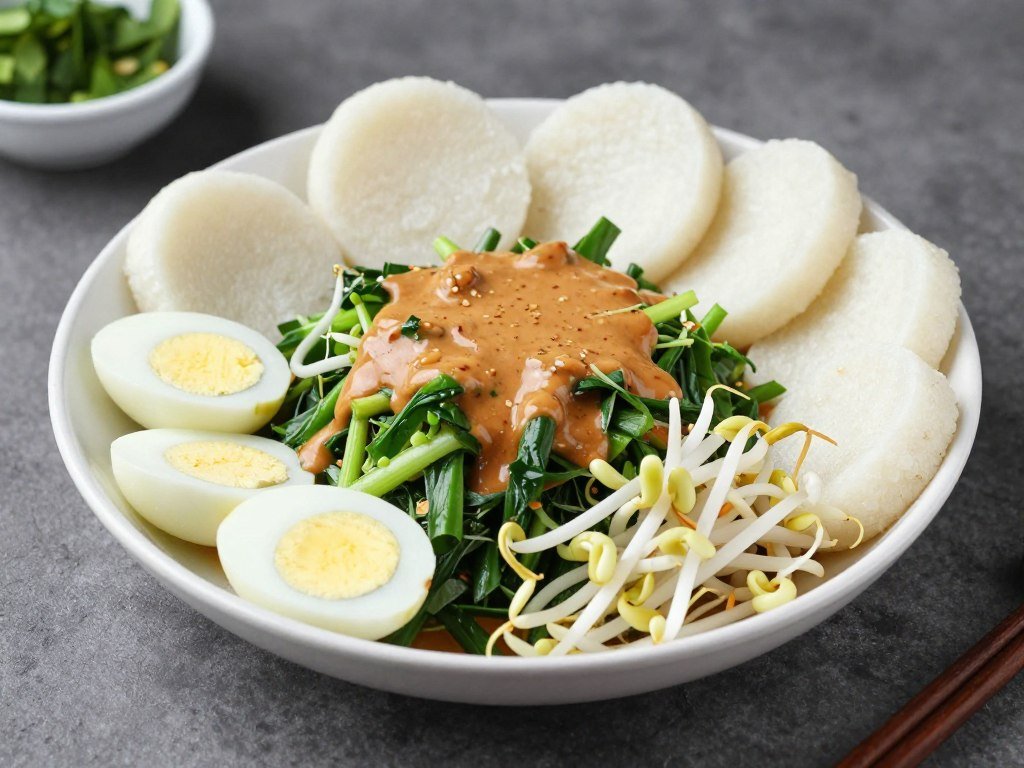
Lotek
Fresh vegetable salad dressed with spicy peanut sauce showcases Sundanese preference for raw and lightly cooked vegetables. The dish combines textures and flavors creating refreshing contrast to heavier Indonesian dishes. Every restaurant interprets the recipe slightly differently.
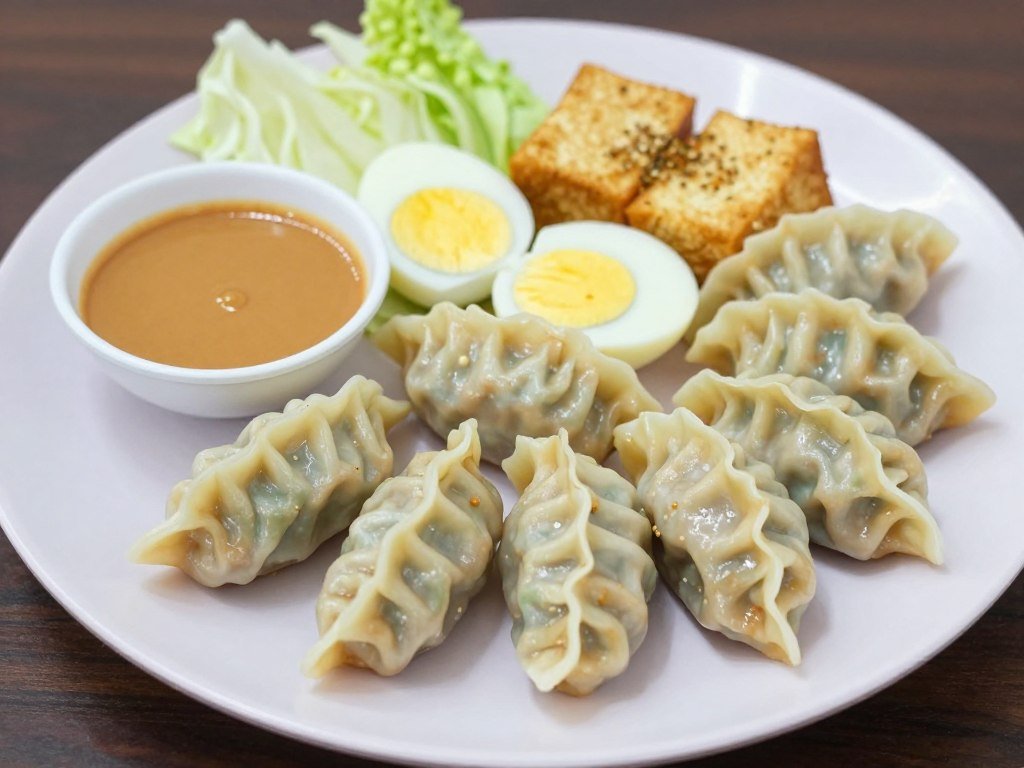
Siomay
Similar to batagor but steamed instead of fried, these fish dumplings serve with peanut sauce and various accompaniments. The lighter preparation appeals to health-conscious diners while maintaining full flavor. Popular as snacks or light meals throughout the day.
Where to Eat in Bandung
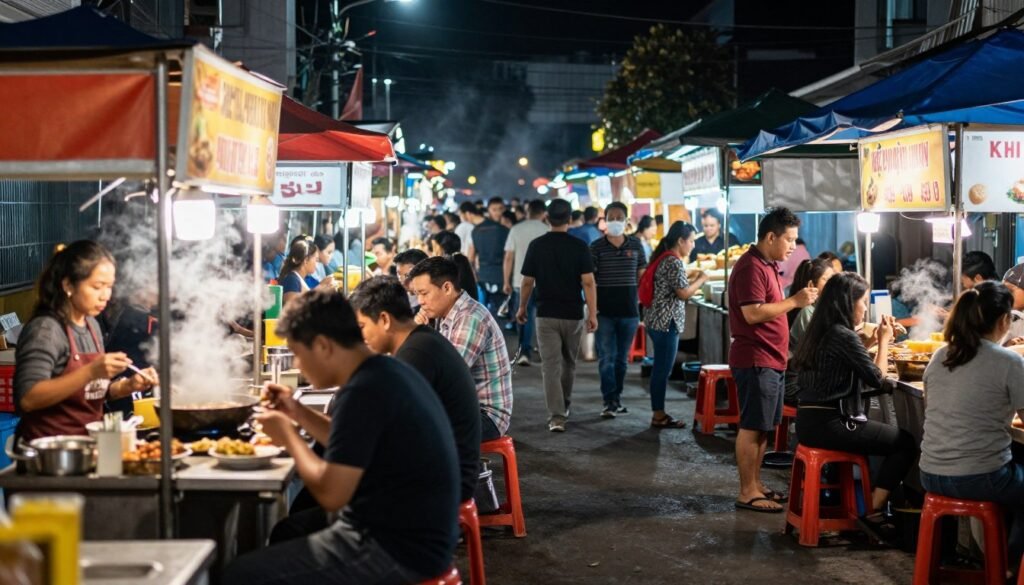
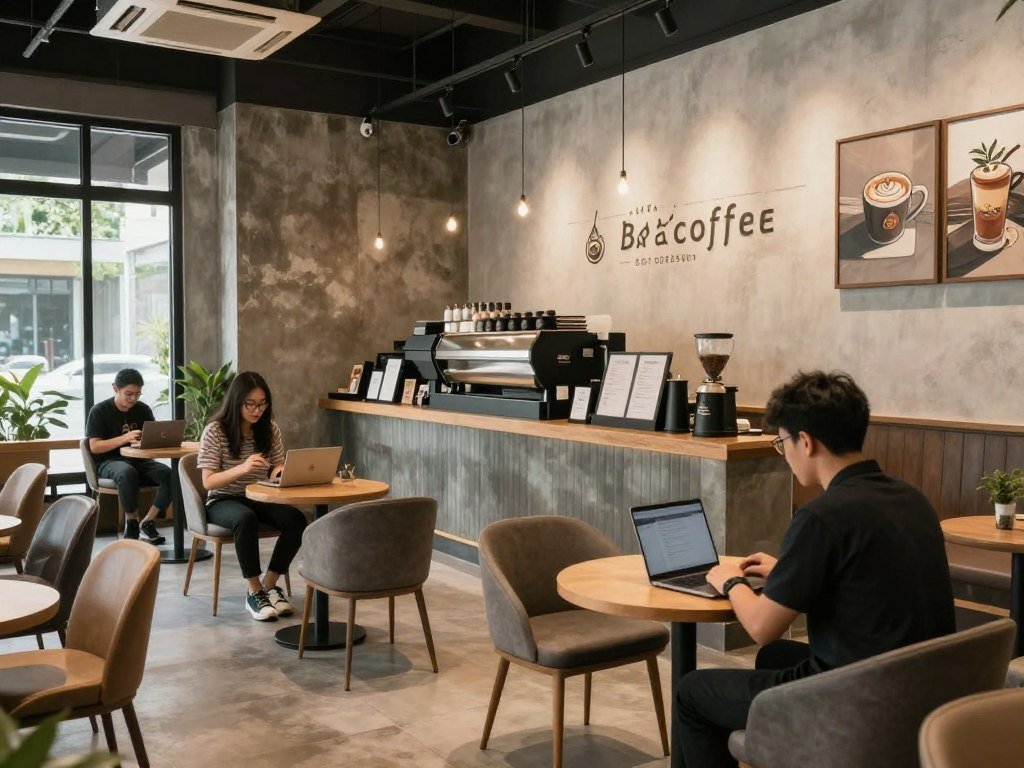
Dining options span from humble street vendors to elegant fine dining establishments. Traditional restaurants called “rumah makan” serve authentic Sundanese cuisine in casual settings. Contemporary cafes blend international and local flavors appealing to younger crowds.
Essential Dining Areas
- Jalan Riau – Modern cafe culture street with dozens of trendy establishments
- Dago area – Mix of traditional restaurants and contemporary dining spots
- Braga Street – Colonial-era buildings housing upscale restaurants and cafes
- Pasar Baru – Traditional market food stalls serving authentic local specialties
- Setiabudi – Suburban restaurant cluster popular with local families
Restaurant Categories
- Street food vendors offering batagor and siomay
- Warung Nasi Ampera for affordable Sundanese meals
- Local bakeries selling fresh bread and pastries
- Traditional market food courts
- Surabi street stalls throughout residential neighborhoods
Budget Dining
- Sindang Reret for authentic Sundanese in pleasant setting
- Sate Hadori serving excellent grilled meat skewers
- Braga Permai combining colonial atmosphere with local cuisine
- Modern Indonesian restaurants on Jalan Riau
- Themed cafes throughout central districts
Mid-Range Options
- Kaum Restaurant for elevated Indonesian fine dining
- The Valley Resort’s signature restaurants
- Contemporary fusion establishments on Braga Street
- International hotel restaurants with local ingredients
- Rooftop dining venues with city views
Upscale Dining
Food Tours and Culinary Classes
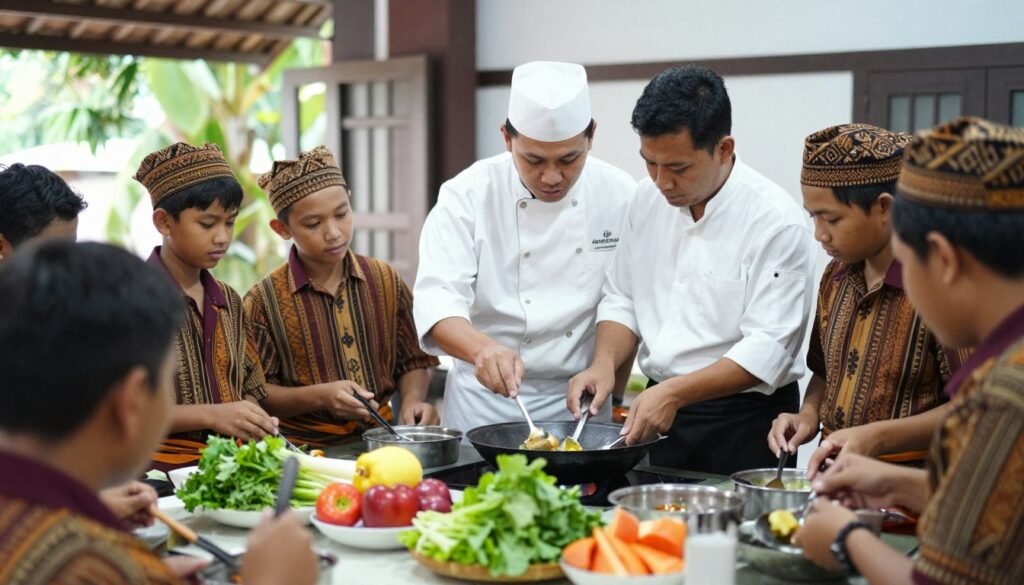
Guided food tours reveal hidden culinary gems rarely discovered by independent travelers. Local guides explain ingredients, cooking methods, and eating customs while navigating neighborhood food scenes. Tours typically include 6-8 different tastings spanning street food to sit-down restaurants.
Cooking classes teach traditional Sundanese recipes you can recreate at home. Sessions usually begin with market visits to select fresh ingredients, followed by hands-on preparation and enjoying your creations. Classes accommodate various skill levels from beginners to experienced cooks.
Spice Level Note: Sundanese cuisine generally uses milder spice levels compared to other Indonesian regions. However, sambal (chili paste) accompanies most dishes allowing personal heat adjustment. Start conservatively with sambal amounts until you understand your tolerance. Request “tidak pedas” (not spicy) if you prefer minimal heat.
Discover Authentic Bandung Flavors
Join expert-led food tours exploring hidden local restaurants and street food vendors. Learn cooking techniques, taste traditional dishes, and experience Sundanese culinary culture beyond tourist areas.
Bandung Accommodation: Where to Stay
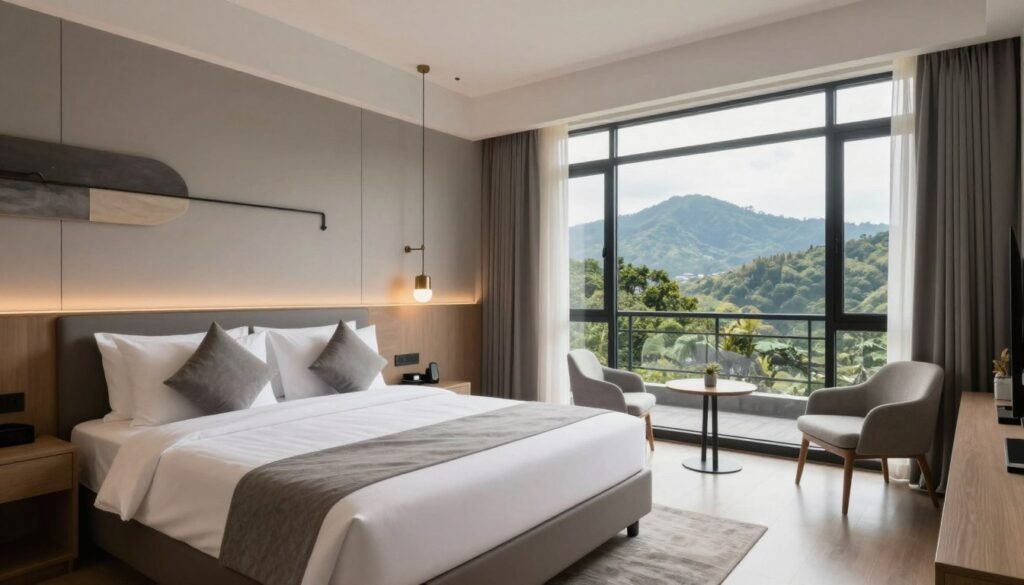
Selecting appropriate accommodation significantly influences your Bandung experience. The city offers lodging options across all budget ranges and style preferences. Location matters considerably given Bandung’s spread-out geography and traffic patterns.
Prime Neighborhoods for Visitors
Dago Area – Tourist Central
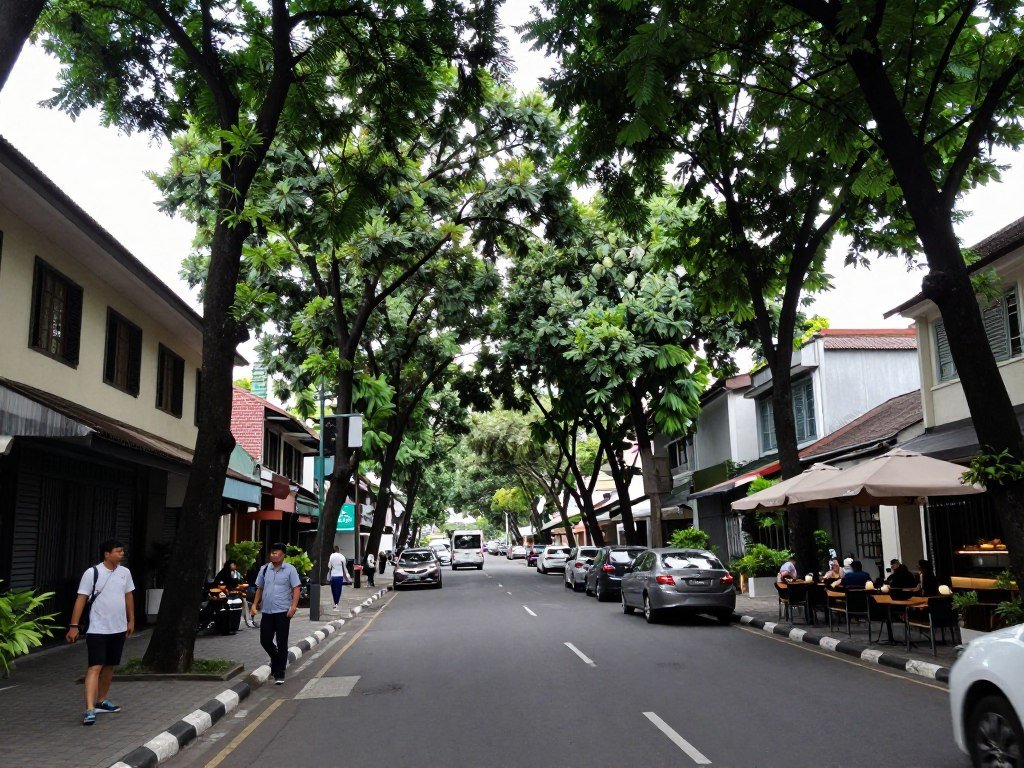
This northern district concentrates many hotels catering to domestic and international visitors. Shopping centers, restaurants, and cafes cluster along Jalan Ir. H. Juanda (Dago Street). The area provides convenient access to Lembang and Tangkuban Perahu volcano.
Hotel density means abundant choices at all price points. The neighborhood maintains tourist-friendly atmosphere with English-speaking staff more common than other areas. However, weekend traffic congestion affects this popular zone significantly.
Central Bandung – Historic Core
Staying near Braga Street and Alun-Alun (city square) places you within Bandung’s colonial heritage zone. Art deco architecture surrounds these neighborhoods. Walking distance reaches many cultural attractions and historic buildings.
Budget and mid-range hotels predominate in this area. The atmosphere feels more authentically Indonesian than tourist-focused districts. Food options emphasize local favorites over international chains. Limited English prevails outside major hotels.
Setiabudi – Suburban Comfort
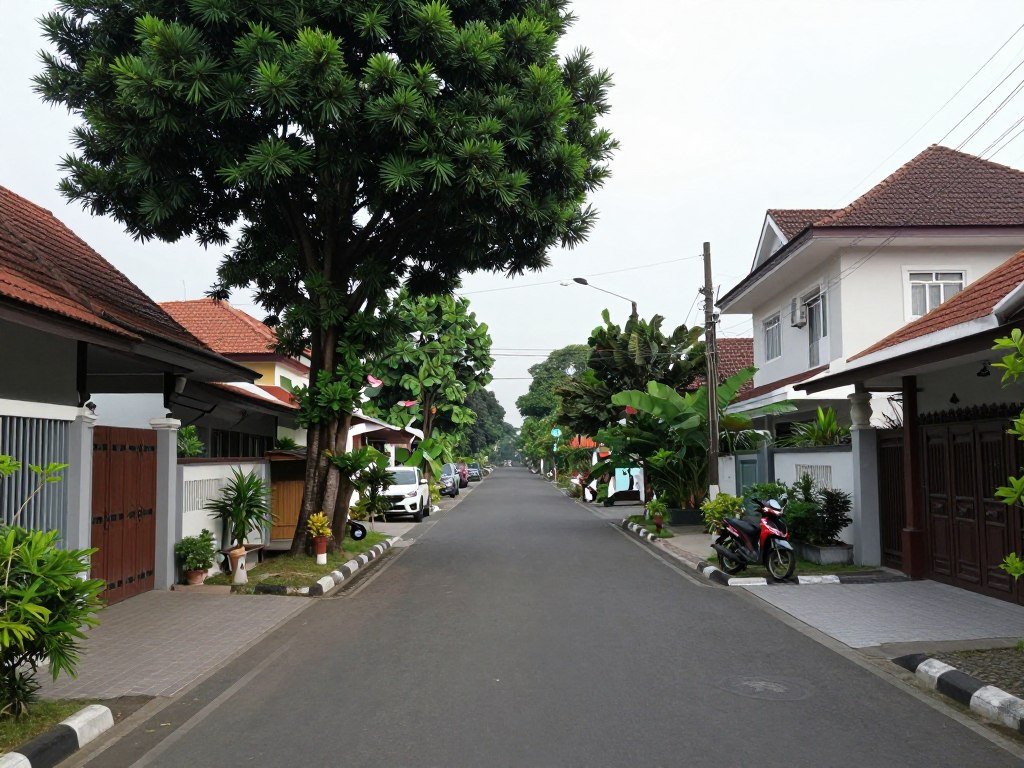
This southern residential district offers quieter alternative to central zones. Family-run guesthouses and boutique hotels characterize the area. Proximity to Kawah Putih route benefits travelers prioritizing volcanic attractions.
Lower prices compared to central districts make Setiabudi attractive for budget-conscious travelers. The neighborhood provides authentic glimpse of Bandung residential life. However, transportation becomes essential as walking distance limits daily options.
Hotel Recommendations by Category
| Category | Nightly Rate Range | Typical Properties | Ideal For |
| Budget | $10-25 USD | Hostels, basic guesthouses, budget hotels | Backpackers, solo travelers, extended stays |
| Mid-Range | $25-60 USD | Comfortable hotels, boutique properties | Most travelers, couples, families |
| Upscale | $60-120 USD | Four-star hotels, resort properties | Comfort seekers, special occasions |
| Luxury | $120+ USD | Five-star international brands, exclusive resorts | Luxury travelers, honeymoons, premium experiences |
Budget Accommodations
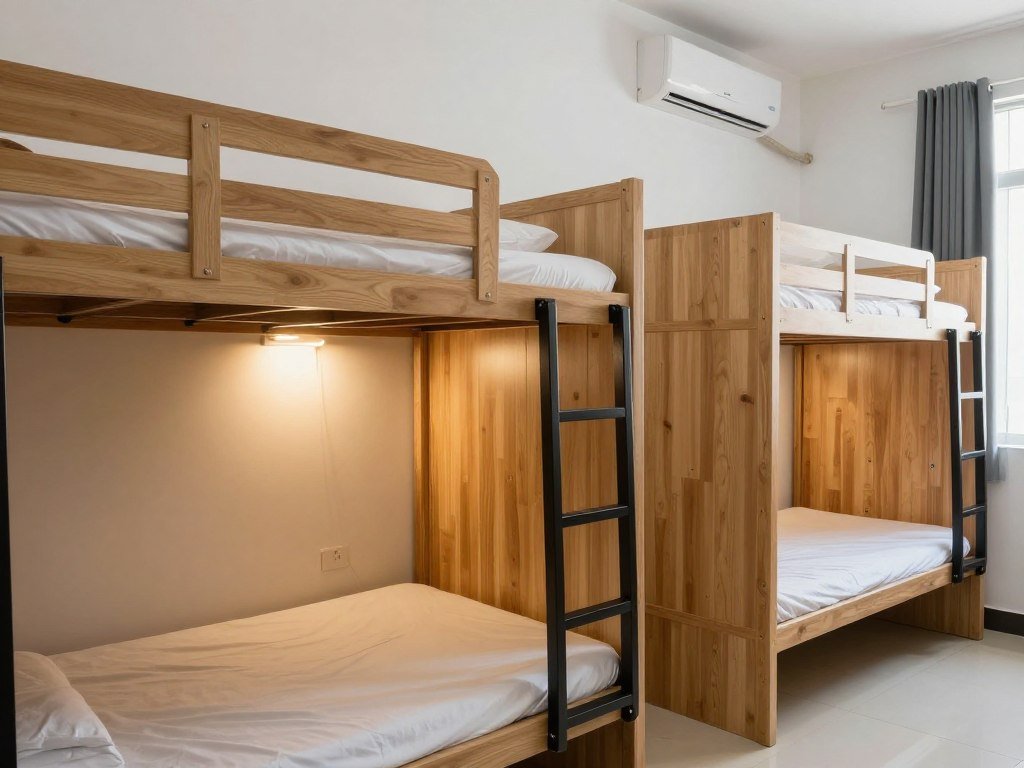
Bandung’s hostel scene serves backpackers and budget travelers with clean, sociable environments. Private rooms exist alongside dormitories at most establishments. Common areas facilitate meeting fellow travelers and sharing experiences.
Budget hotel chains maintain consistent standards throughout the city. These properties lack character but deliver reliable cleanliness and basic amenities. Strategic locations near transportation hubs add convenience despite minimal frills.
Mid-Range Selection
This category delivers optimal value for most visitors. Properties feature comfortable rooms, helpful staff, and strategic locations. Many include breakfast buffets showcasing Indonesian cuisine. Air conditioning and hot water come standard.
Boutique hotels add local flavor and personalized service. These smaller properties often occupy renovated heritage buildings or feature contemporary Indonesian design. Staff attention exceeds larger chain hotels significantly.
Luxury Properties
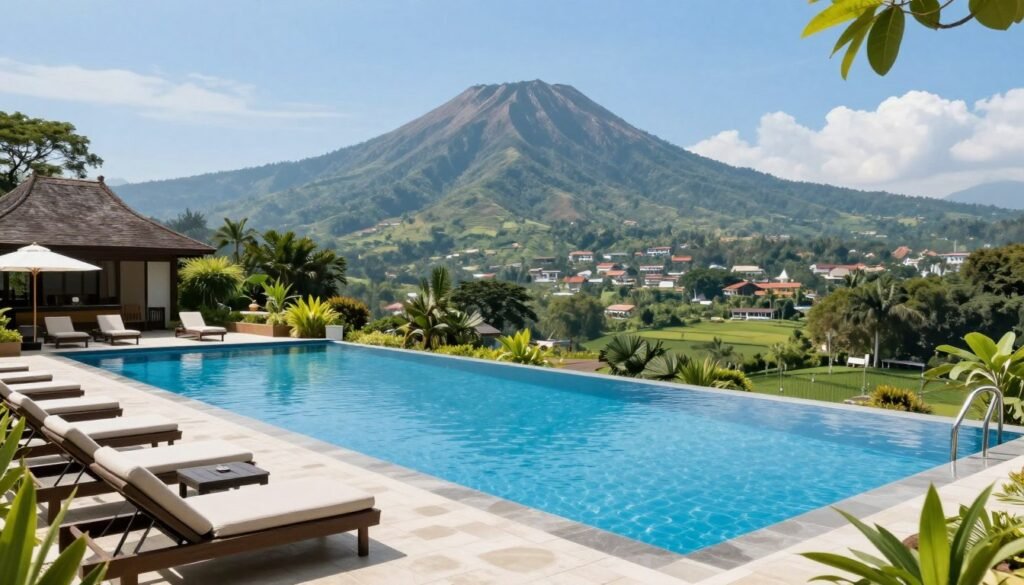
International luxury brands operate properties throughout Bandung offering world-class service and facilities. These hotels feature multiple restaurants, spa facilities, and comprehensive concierge services. Western standards meet Indonesian hospitality traditions.
Mountain resort properties provide escape from city bustle. These establishments emphasize natural settings with valley or volcano views. Spa facilities, golf courses, and outdoor activities complement upscale accommodations.
Booking Strategies for 2026
- Reserve early for Indonesian holiday periods when domestic tourism peaks
- Compare rates across multiple booking platforms for significant price variations
- Read recent guest reviews focusing on cleanliness and location accuracy
- Verify exact distances to attractions as Bandung geography spreads considerably
- Check cancellation policies allowing flexibility if plans change
- Consider guesthouses for stays exceeding one week to reduce costs
- Request rooms facing away from main roads for better sleep quality
Find Your Perfect Bandung Hotel
Compare pricing across all major booking platforms instantly. Access exclusive rates, verified guest reviews, and secure reservations. Free cancellation available on select properties.
Navigating Bandung: Transportation Guide
Understanding Bandung’s transportation options ensures efficient travel throughout your visit. The city lacks comprehensive metro systems found in larger Indonesian cities, making careful planning essential for maximizing your time.
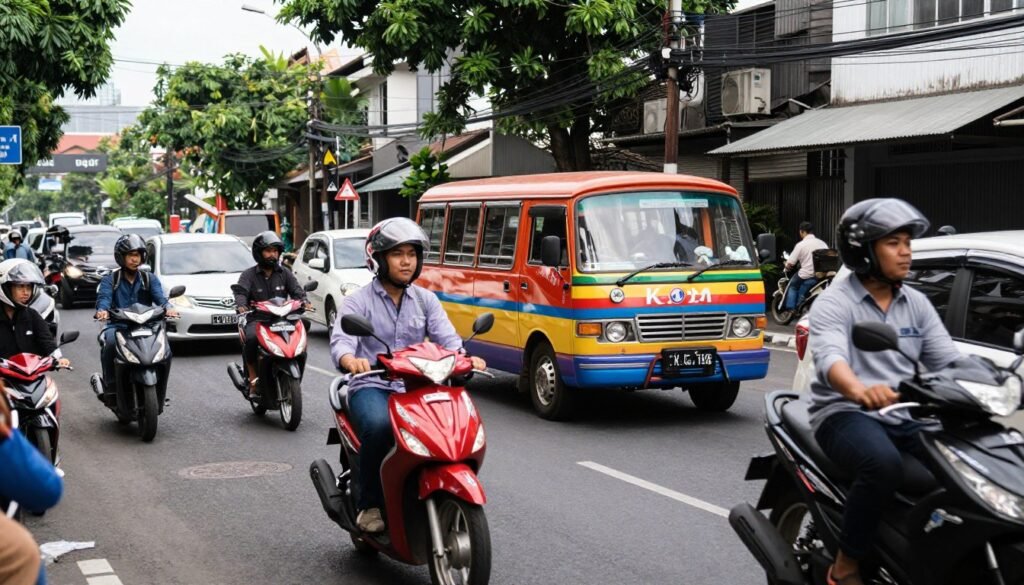
Ride-Sharing Apps: Most Convenient Option
Gojek and Grab dominate Indonesia’s ride-sharing market, operating extensively throughout Bandung. Both apps offer car and motorcycle taxi options. Motorcycle taxis navigate traffic more quickly but suit solo travelers only.
App-based services eliminate language barriers and price negotiations. Upfront pricing appears before confirming rides. Payment processes through cash or digital wallets depending on your setup. Drivers generally speak limited English but follow GPS directions reliably.
Using Ride-Sharing Effectively
- Download Gojek and Grab apps before arrival in Indonesia
- Link credit card or load digital wallet for cashless payments
- Screenshot destination names in Indonesian for driver reference
- Allow extra time during morning and evening rush hours
- Keep small bills if paying cash as drivers often lack change
- Rate drivers honestly to maintain service quality standards
Angkot: Public Minibus Network
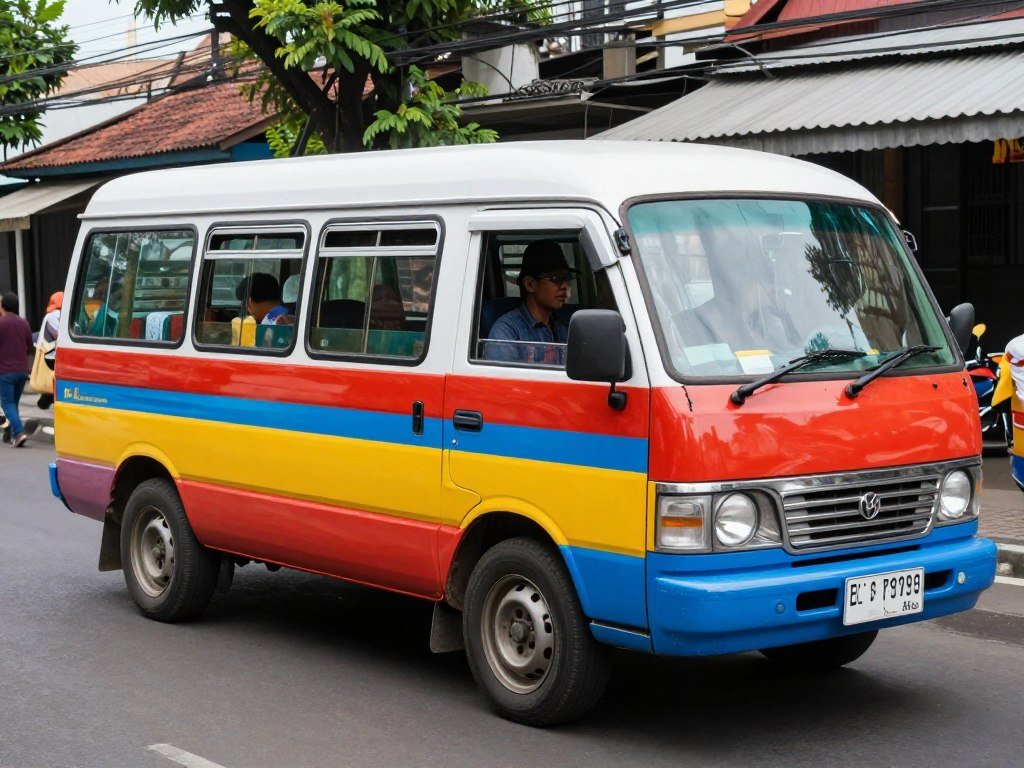
These small public minibuses called angkot form Bandung’s traditional public transport backbone. Different routes display specific color combinations helping identify destinations. Fares remain extremely low, typically 5,000-10,000 IDR regardless of distance traveled.
Angkot requires understanding route systems and accepting crowded conditions. Limited space means standing frequently when seats fill. However, this authentic transportation method provides genuine local experience. Drivers stop anywhere along routes when passengers request.
Taxis: Traditional Alternative
Metered taxis operate throughout Bandung, though less common than ride-sharing options. Blue Bird Group maintains reputation for honest metering and professional drivers. Always insist on meter activation before departing to avoid inflated pricing.
Hotel taxi stands offer convenient pickup but typically charge premium rates. Hailing taxis on streets works in central areas. Having destinations written in Indonesian prevents miscommunication. Keep hotel business cards for easy return directions.
Car Rental with Driver

Hiring cars with drivers provides flexibility for multi-destination days. This option works well for volcano tours, tea plantation visits, and areas lacking public transportation. Daily rates prove economical when split among several travelers.
Drivers provide local knowledge supplementing guidebook information. Many speak basic English and function partly as informal guides. Negotiate full-day rates in advance including fuel and parking. Hotels arrange reliable drivers eliminating search hassles.
Rental Advantages
- Freedom to adjust schedules and add spontaneous stops
- Comfortable air-conditioned travel between distant attractions
- Local driver knowledge about best visiting times and routes
- Economical for groups splitting costs among 3-4 people
- Avoids public transport limitations in remote areas
- Driver waits while you explore each location
Transportation to/from Jakarta
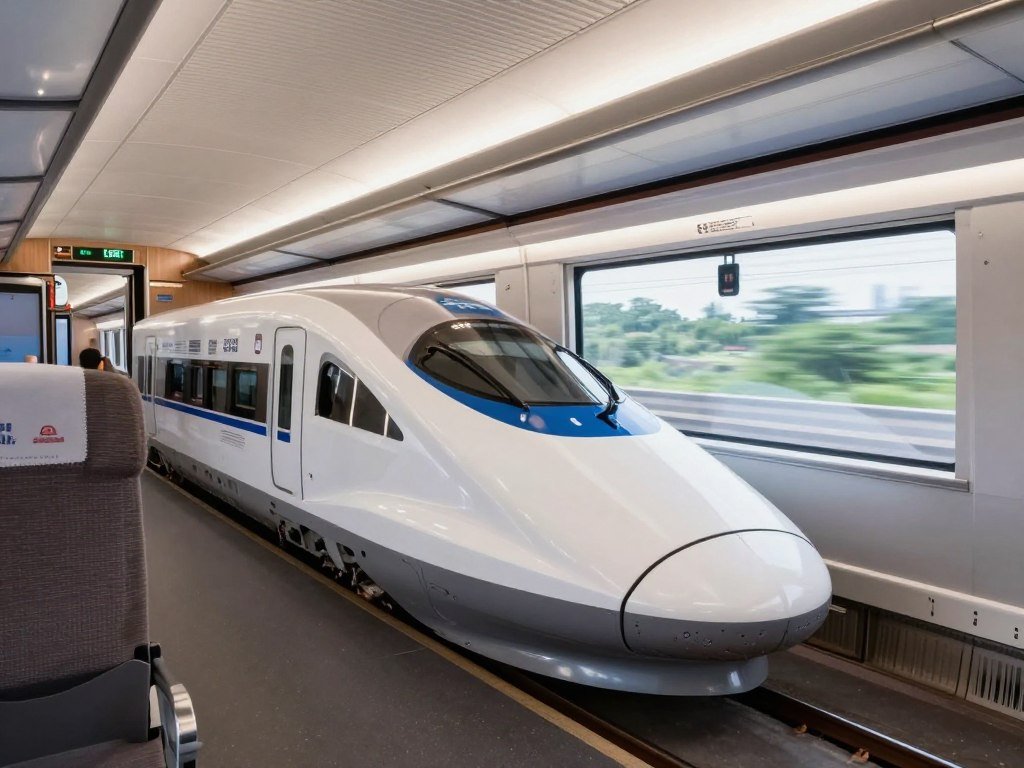
The new Jakarta-Bandung high-speed railway transformed this connection into quick, comfortable journey. Trains depart hourly during peak periods, completing the trip in under one hour. Book tickets through official channels several days ahead during Indonesian holidays.
Conventional trains offer budget alternative taking approximately three hours. Scenic mountain route passes through highland landscapes worth experiencing. Executive class provides air conditioning and assigned seating comfort.
Ground Transportation Options
High-Speed Rail
- Fastest option at 45-50 minutes travel time
- Modern comfortable trains with amenities
- Higher fares than conventional options
- Advance booking recommended for guaranteed seats
Buses and Vans
- Budget-friendly with frequent departures
- Travel time varies 2.5-4 hours with traffic
- Various comfort levels from basic to luxury
- Depart from multiple Jakarta terminals
Traffic Consideration: Bandung experiences significant traffic congestion during weekday rush hours (7-9 AM, 4-7 PM) and weekend afternoons. Plan travel timing around these periods when possible. Early morning departures for day trips avoid both city traffic and arrive at attractions before crowds develop.
Cultural Immersion: Sundanese Traditions
Bandung provides gateway to experiencing Sundanese culture, West Java’s predominant ethnic group. Understanding local traditions enriches your visit beyond surface-level tourism. These cultural experiences offer meaningful connections with Indonesian heritage.
Wayang Golek: Traditional Puppet Theater
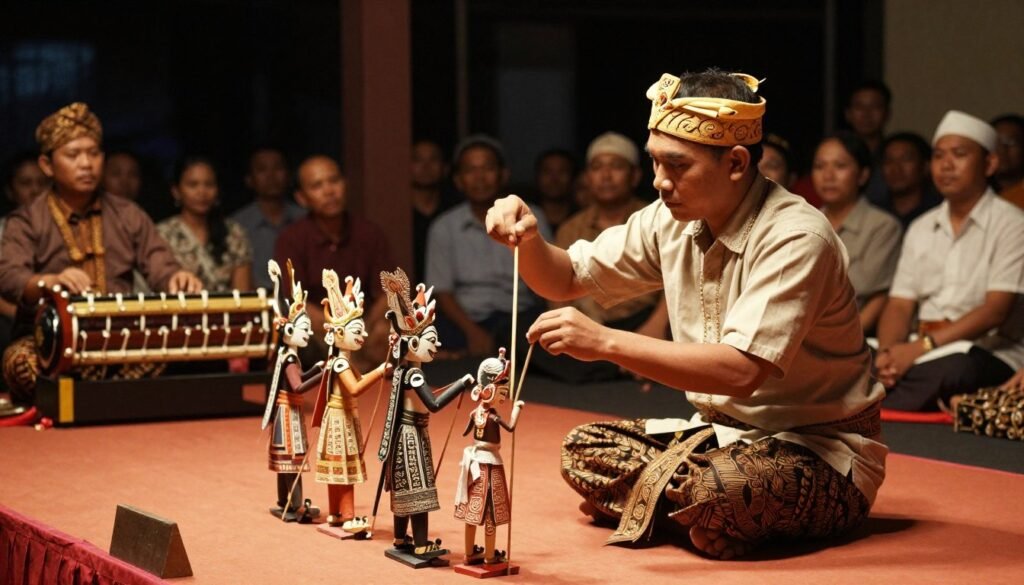
This distinctive Sundanese art form uses three-dimensional wooden puppets instead of flat leather shadows typical of Javanese wayang. Skilled puppeteers called dalang manipulate puppets while voicing all characters and narrating epic stories from Hindu mythology.
Performances traditionally extend through entire nights, though tourist-oriented shows condense essential elements into 90-minute presentations. Gamelan orchestras provide musical accompaniment creating hypnotic soundscapes. Even without understanding Indonesian language, the artistry captivates audiences.
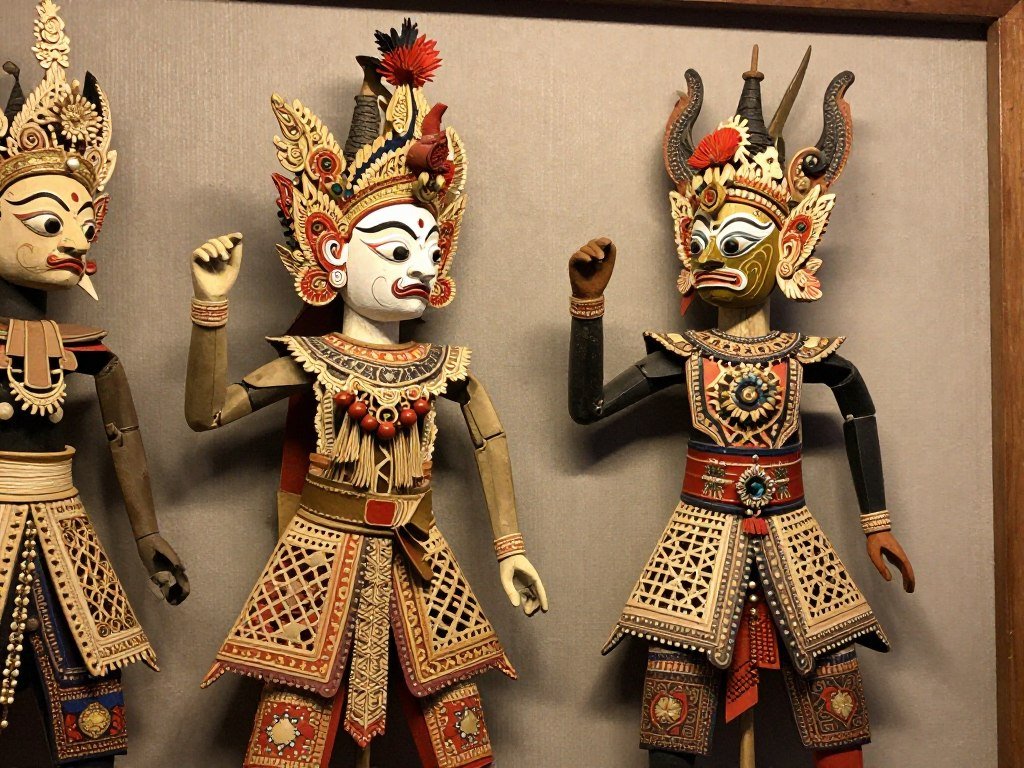
Several cultural centers in Bandung host regular wayang golek performances. Saung Angklung Udjo incorporates abbreviated wayang segments into evening shows. Some traditional restaurants feature performances during dinner service on specific nights.
Traditional Markets and Shopping
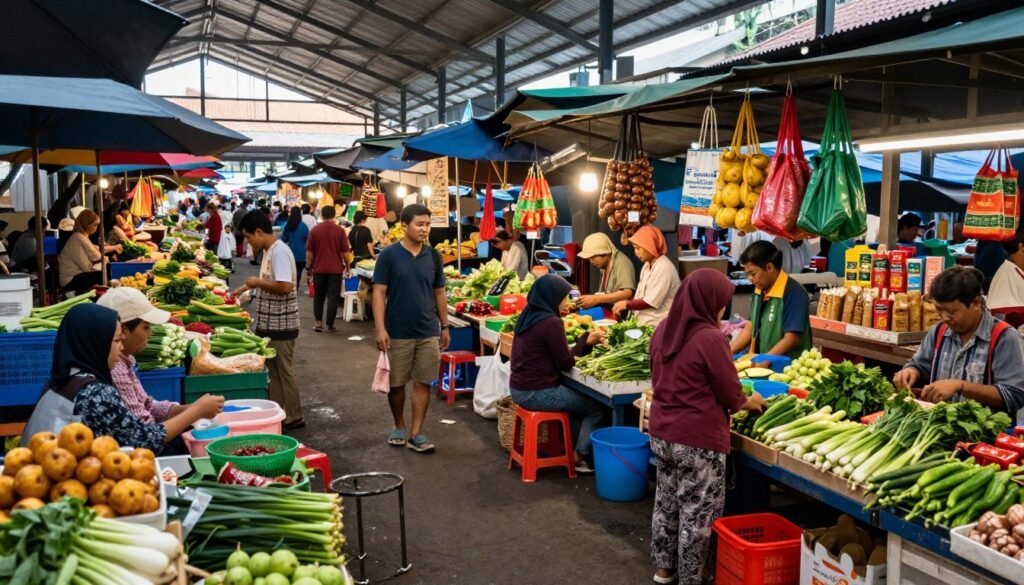
Bandung’s traditional markets pulse with authentic local life. Pasar Baru (New Market) operates since Dutch colonial times, selling everything from fresh produce to traditional textiles. The multi-level complex rewards exploration with hidden stalls specializing in specific goods.
Cibaduyut area concentrates leather goods workshops and stores. Craftspeople create shoes, bags, and jackets using traditional techniques. Prices significantly undercut retail mall equivalents while quality often exceeds mass-produced alternatives. Bargaining remains expected practice.
Market Etiquette
- Greet vendors politely before examining merchandise
- Ask permission before photographing people or their goods
- Negotiate prices respectfully without aggressive haggling
- Carry small bills as vendors often lack change for large notes
- Visit mornings for freshest produce and largest selection
- Watch belongings carefully in crowded market areas
Textile Traditions
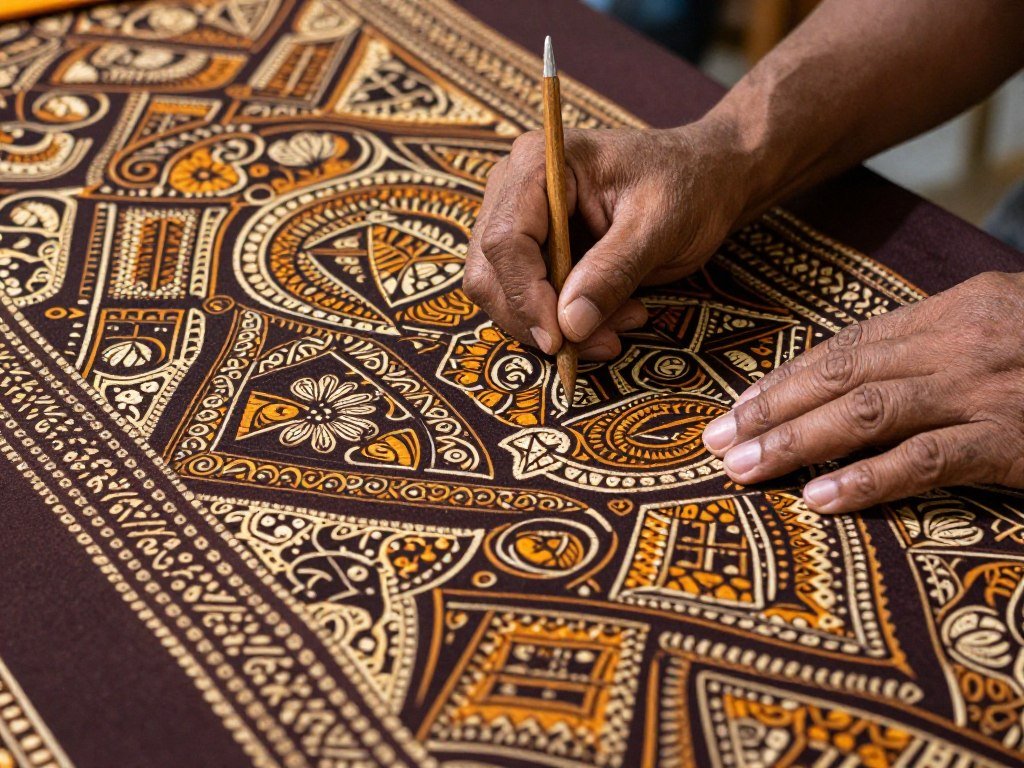
West Java produces distinctive batik styles differing from Central Javanese patterns. Local motifs incorporate natural elements like mountains, rice paddies, and native plants. Several workshops welcome visitors to observe creation processes and purchase directly from artisans.
Traditional weaving techniques survive in villages surrounding Bandung. Some cultural centers offer demonstrations showing how craftspeople transform raw fibers into finished textiles using centuries-old methods. These experiences provide appreciation for labor intensive traditional crafts.
Village Visits and Rural Life
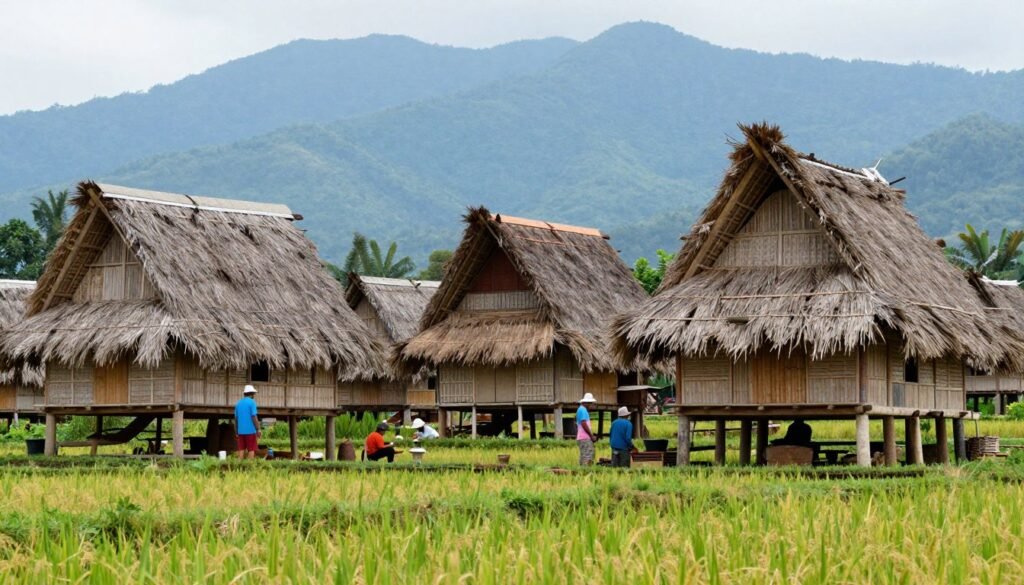
Several traditional Sundanese villages near Bandung maintain customary lifestyles relatively unchanged despite modernization elsewhere. Kampung Naga and Kampung Dukuh preserve ancient architectural styles and social structures governed by traditional laws.
Respectful visitors receive warm welcomes while observing daily village life. Simple bamboo houses demonstrate sustainable building techniques perfected over generations. Rice cultivation follows traditional methods without modern machinery. Local guides explain customs and answer questions about community practices.
Cultural Experience Benefits
- Authentic interactions with Sundanese communities
- Understanding traditional practices and values
- Supporting preservation of cultural heritage
- Photography opportunities of traditional lifestyles
- Learning sustainable living practices
- Meaningful experiences beyond typical tourism
- Direct economic support to traditional communities
Important Considerations
- Dress modestly respecting conservative village values
- Follow guide instructions regarding photography restrictions
- Avoid visiting during prayer times on Fridays
- Bring small gifts like fruit for village hospitality
- Respect private spaces and ask permission before entering homes
- Understand limited English in traditional communities
- Hire knowledgeable guides for proper cultural context
Essential Practical Information for 2026
Successful Bandung visits require preparation beyond booking accommodations and attractions. These practical details address common questions and help navigate challenges international visitors typically encounter.
Visa Requirements
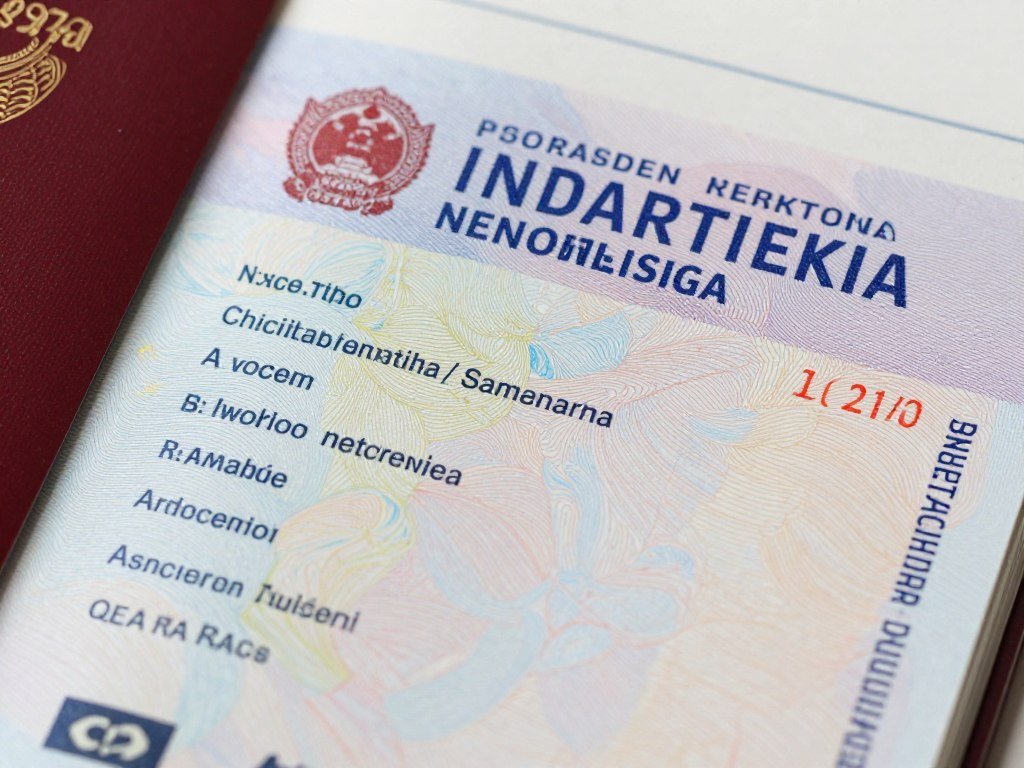
Many nationalities receive visa-free entry to Indonesia for tourism stays up to 30 days. Check current requirements for your specific citizenship as policies update periodically. Visa on arrival programs allow extensions beyond initial 30-day periods.
Ensure passport validity extends at least six months beyond your intended departure date from Indonesia. Immigration officials strictly enforce this requirement. Maintain proof of onward travel as immigration may request confirmation you plan to leave Indonesia.
Currency and Money Matters
Indonesian Rupiah (IDR) serves as the national currency. Exchange rates fluctuate but typically range around 15,000-16,000 IDR per US dollar. ATMs appear frequently throughout Bandung dispensing local currency at competitive rates.
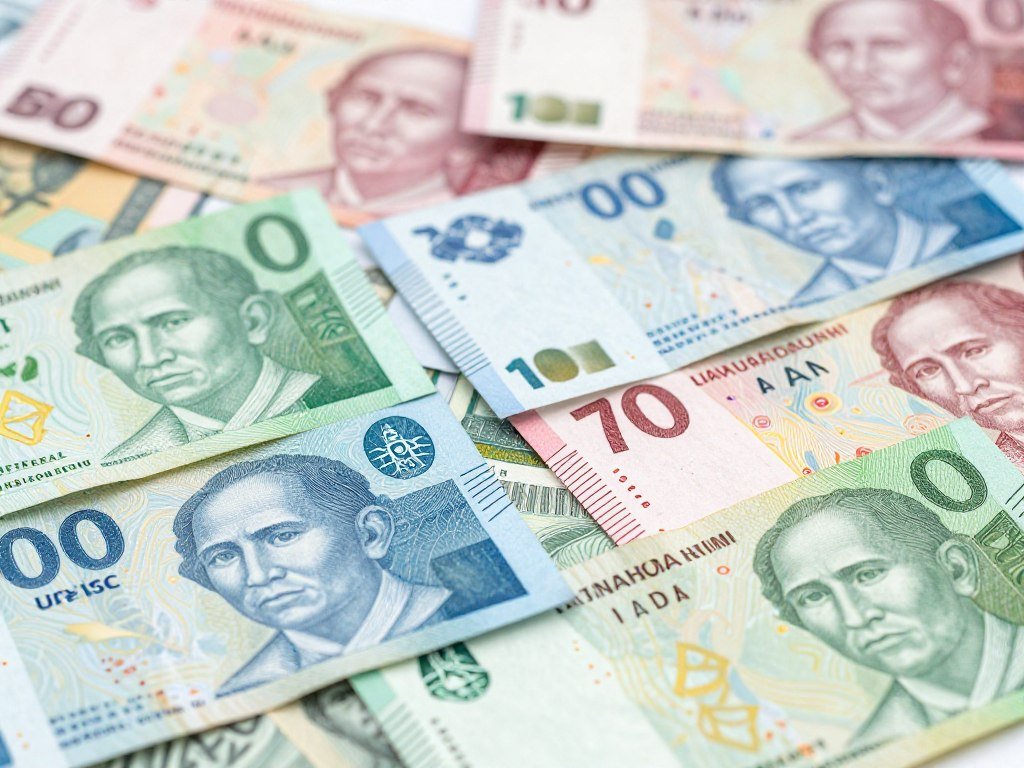
Notify your bank before traveling to prevent card blocks on foreign transactions. Carry backup cards from different institutions in case one fails. Smaller shops and street vendors operate cash-only, though larger establishments increasingly accept cards.
Money Management Tips
- Budget travelers: $25-40 USD daily covers hostels, street food, public transport
- Mid-range visitors: $50-100 USD daily includes comfortable hotels, restaurants, private transport
- Luxury travelers: $150+ USD daily encompasses upscale accommodations and premium experiences
- Attraction entrance fees: Generally $3-15 USD per site
- Restaurant meals: Street food $2-5, casual dining $8-20, fine dining $30+
- Transportation: Ride-sharing $2-8 per trip within city limits
Language and Communication
Indonesian (Bahasa Indonesia) functions as the national language. English proficiency varies dramatically by location and generation. Tourist areas and upscale hotels maintain English-speaking staff while traditional markets and residential areas offer limited English.
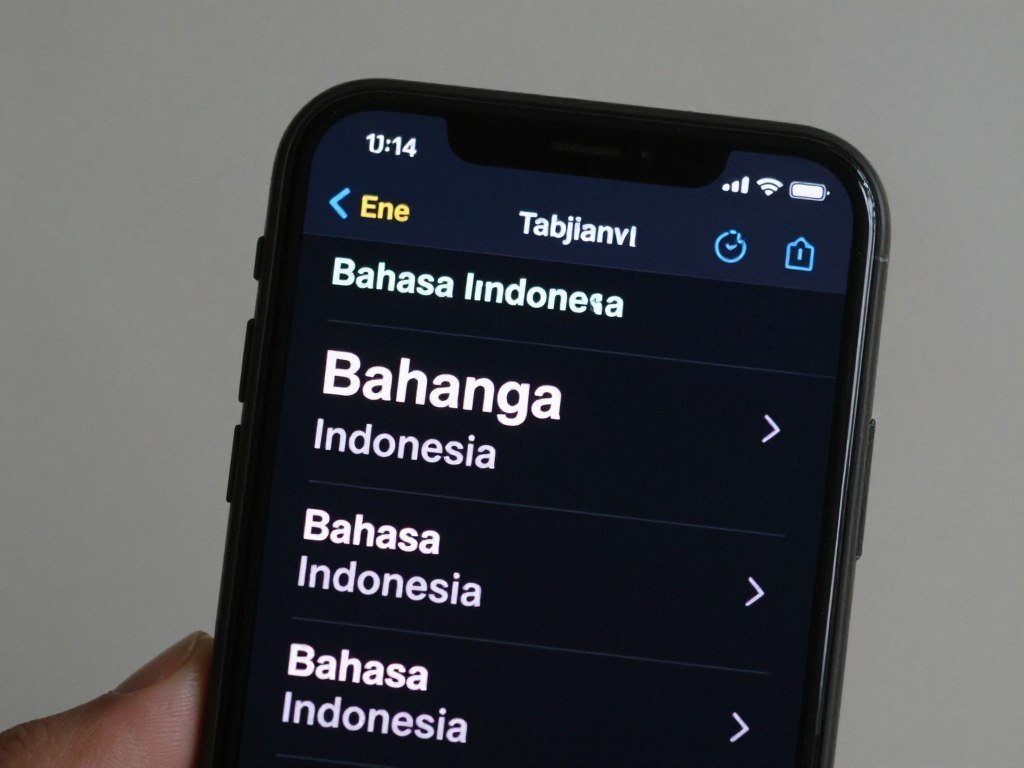
Download translation apps before arrival for offline functionality. Google Translate’s camera feature translates written Indonesian text instantly. Learning basic Indonesian phrases demonstrates respect and often results in warmer interactions with locals.
Essential Indonesian Phrases
Basic Greetings
- Selamat pagi – Good morning
- Terima kasih – Thank you
- Permisi – Excuse me
- Tolong – Please/Help
Practical Phrases
- Berapa harganya? – How much?
- Saya tidak mengerti – I don’t understand
- Di mana toilet? – Where is the toilet?
- Saya vegetarian – I am vegetarian
Internet and Connectivity
Indonesia maintains open internet without the restrictions found in some neighboring countries. Purchase local SIM cards at airports or phone shops for affordable mobile data. Prepaid packages offer excellent value with generous data allowances.
Most hotels, cafes, and restaurants provide free WiFi though connection quality varies considerably. Shopping malls typically offer reliable internet access. Download essential apps, maps, and information before visiting remote areas with limited coverage.
Health and Safety
Bandung ranks as generally safe for international visitors. Petty theft occurs in crowded areas so maintain awareness of belongings. Violent crime against tourists remains rare. Exercise normal urban precautions especially after dark.
Tap water requires boiling before consumption. Purchase bottled water widely available at minimal cost. Most restaurants use filtered water for ice cubes though sensitive stomachs should request no ice initially. Food hygiene standards vary significantly between establishments.
Health Precautions
- Bring sufficient prescription medications in original containers
- Pack basic first aid supplies and common over-the-counter medicines
- Consider comprehensive travel insurance covering medical evacuation
- Download offline maps and emergency contact information
- Locate your embassy or consulate upon arrival
- Carry copies of important documents separately from originals
- Use insect repellent especially near rice paddies and forests
Climate and What to Pack
Bandung’s highland location creates cooler temperatures than coastal Indonesian cities. Evening temperatures often drop to 18-20°C (64-68°F) requiring light jackets. Days warm comfortably without extreme heat typical of lowland areas.
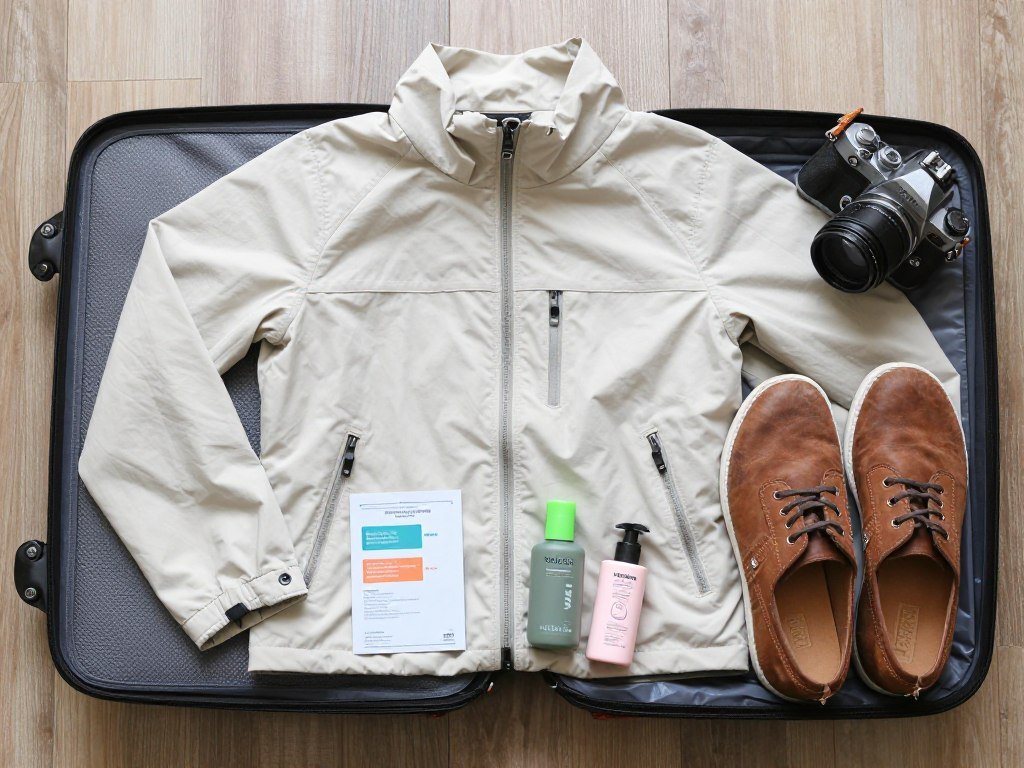
Packing Essentials
- Light jacket or sweater for evenings
- Comfortable walking shoes with good traction
- Modest clothing for temple and village visits
- Rain jacket or compact umbrella
- Sun hat and sunglasses for outdoor activities
Clothing
- Universal power adapter (Type C/F plugs, 220V)
- Portable battery pack for long day trips
- Camera with extra memory cards
- Phone with downloaded offline maps
- Headphones for flights and long journeys
Electronics
- Prescription medications with doctor’s note
- Basic first aid supplies and bandages
- Insect repellent for outdoor areas
- Sunscreen with high SPF rating
- Hand sanitizer and wet wipes
Health Items
Suggested Itineraries for Your Bandung Visit
These recommended schedules help structure your time efficiently while maintaining flexibility for spontaneous discoveries. Adjust based on personal interests, energy levels, and travel preferences.
Three-Day Bandung Highlights
Day One: Volcanic Wonders
Begin early with departure to Kawah Putih white crater lake. Arrive before 9:00 AM to experience optimal lighting and smaller crowds. Spend 90 minutes exploring the crater and photographing the turquoise waters.
Continue to nearby tea plantations for mid-morning tours. Walk through endless green terraces while learning about cultivation and processing. Enjoy lunch at plantation cafe overlooking the scenic landscapes.
Return to Bandung in afternoon for rest and freshening up. Evening brings exploration of Braga Street’s colonial architecture. Dine at heritage restaurant combining historic atmosphere with contemporary Sundanese cuisine.
Day Two: Culture and Heritage
Morning visit to Gedung Sate allows photography of Bandung’s most iconic building. Continue to nearby Bandung Conference Building (Gedung Merdeka) learning about Indonesia’s diplomatic history and the Asia-Africa Conference legacy.
Afternoon explores traditional markets experiencing authentic local commerce. Browse Pasar Baru’s multiple levels discovering everything from fresh produce to traditional textiles. Sample street food snacks as you wander.
Evening features cultural immersion at Saung Angklung Udjo. The 3:30 PM performance showcases traditional Sundanese arts including angklung music, wayang golek puppetry, and audience participation segments creating memorable interactive experience.
Day Three: Northern Highlands
Full day excursion to Tangkuban Perahu volcano and Lembang area. Explore multiple craters including Kawah Ratu main crater and Kawah Domas hot springs where you can boil eggs in volcanic heat.
Visit Lembang town for lunch and browse farm attractions or the floating market. Return to Bandung for final evening exploring Dago area. Celebrate your last night with dinner at upscale restaurant featuring panoramic city views.
Five-Day Extended Exploration
Follow the three-day itinerary above, then add these experiences:
Day Four: Creative Bandung
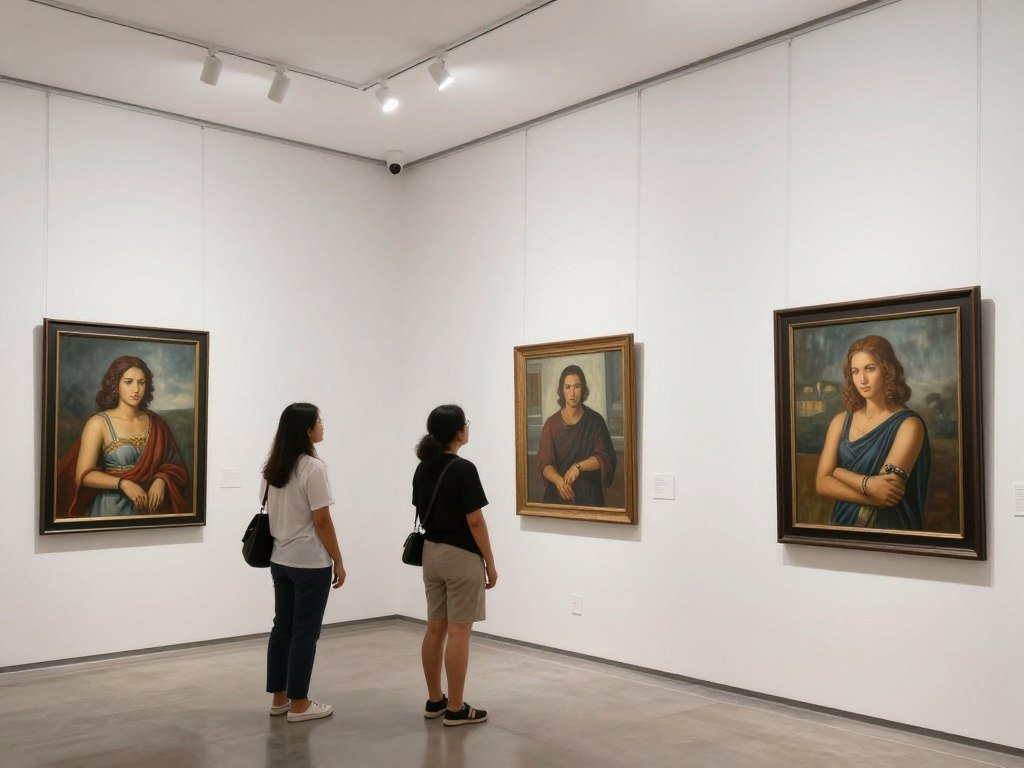
Morning explores Bandung’s creative side visiting art galleries and design shops. The city’s reputation as Indonesia’s creative capital manifests through numerous galleries showcasing contemporary Indonesian artists.
Afternoon cooking class teaches traditional Sundanese recipes. Sessions typically include market visits selecting fresh ingredients followed by hands-on preparation and enjoying your creations for lunch.
Evening food tour reveals hidden culinary gems throughout residential neighborhoods. Local guides navigate authentic restaurants rarely discovered by independent travelers while explaining Sundanese food culture and ingredients.
Day Five: Rural Immersion
Full day visiting traditional Sundanese villages like Kampung Naga. Experience how communities maintain centuries-old traditions despite surrounding modernization. Respectful observation of daily village life provides unique cultural insights.
Afternoon continues with visits to traditional craft workshops. Watch artisans create wayang golek puppets, batik textiles, or leather goods using techniques passed through generations. Purchase authentic handicrafts directly supporting traditional craftspeople.
Final evening allows leisurely downtown exploration. Revisit favorite spots discovered earlier. Shop for last-minute souvenirs. Enjoy farewell dinner at restaurant serving elevated interpretations of traditional Sundanese dishes.
Final Recommendations for Your 2026 Bandung Journey
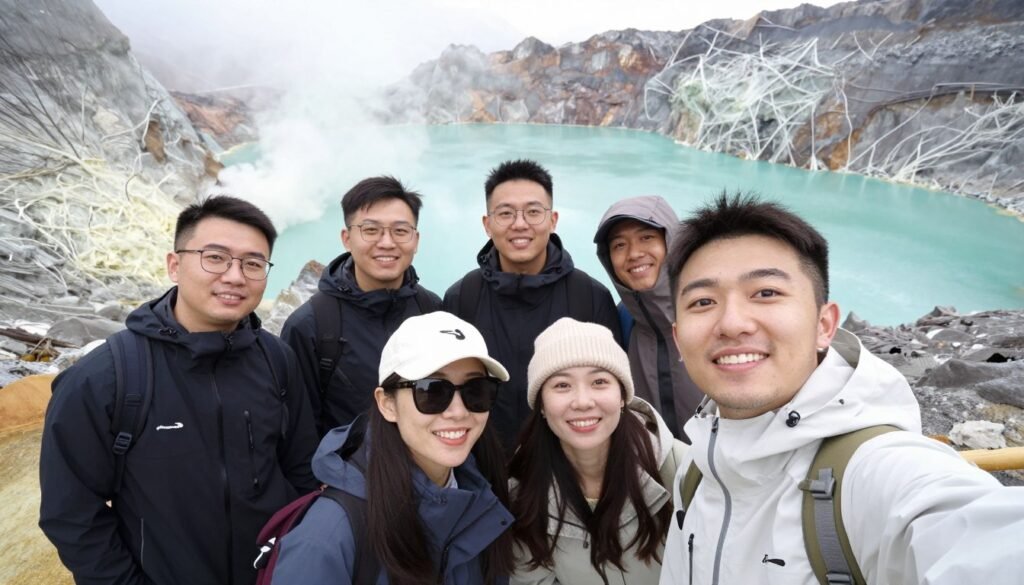
Bandung rewards travelers who embrace both natural wonders and cultural depth. The city balances volcanic landscapes with sophisticated urban culture creating unique Indonesian highland experience. These final insights maximize your journey.
Embrace the Highland Pace
Bandung culture values relaxed enjoyment over constant rushing. Adopt this mindset during your visit. Spend extra time at tea plantations. Linger over Sundanese meals. Appreciate volcanic landscapes without artificial deadlines.
This unhurried approach actually enables deeper experiences than frantically checking off attractions. You’ll understand why Indonesians consider Bandung an ideal escape from Jakarta’s intensity.
Venture Beyond Tourist Circuits
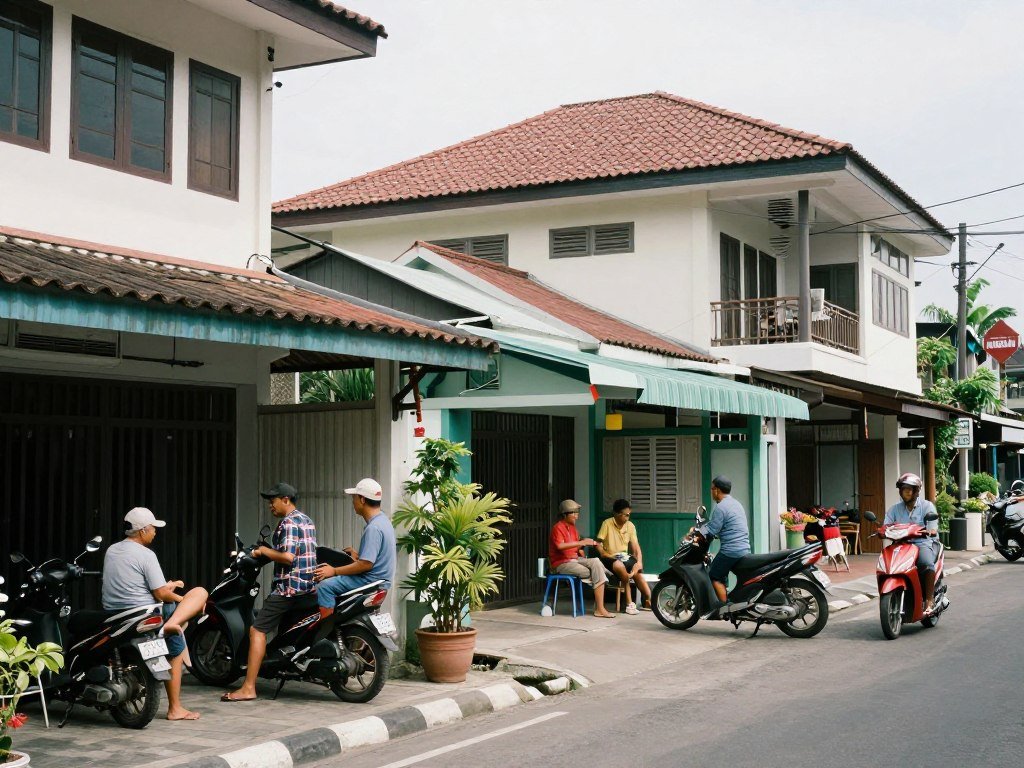
Explore residential neighborhoods away from tourist concentrations. Eat where local families dine. Visit neighborhood markets serving community needs rather than tourist expectations. These unplanned moments often become trip highlights.
Bandung’s creative energy extends throughout the city, not just designated tourist zones. Small galleries, independent cafes, and neighborhood workshops reveal the authentic character that earned the city its cultural reputation.
Weather Flexibility
Pack versatile clothing accommodating Bandung’s variable highland weather. Morning coolness transforms into comfortable afternoon warmth. Evening temperatures drop requiring layers. Sudden afternoon showers occur even during dry season months.
Photography Opportunities
Most attractions permit photography though some temple interiors and certain cultural performances restrict cameras. Always ask permission before photographing people, especially in traditional village settings or markets.
Early mornings provide optimal light and fewer crowds for landmark photography. Volcanic craters look most dramatic before clouds develop. Tea plantations glow beautifully during golden hour before sunset.
Sustainable Travel Practices
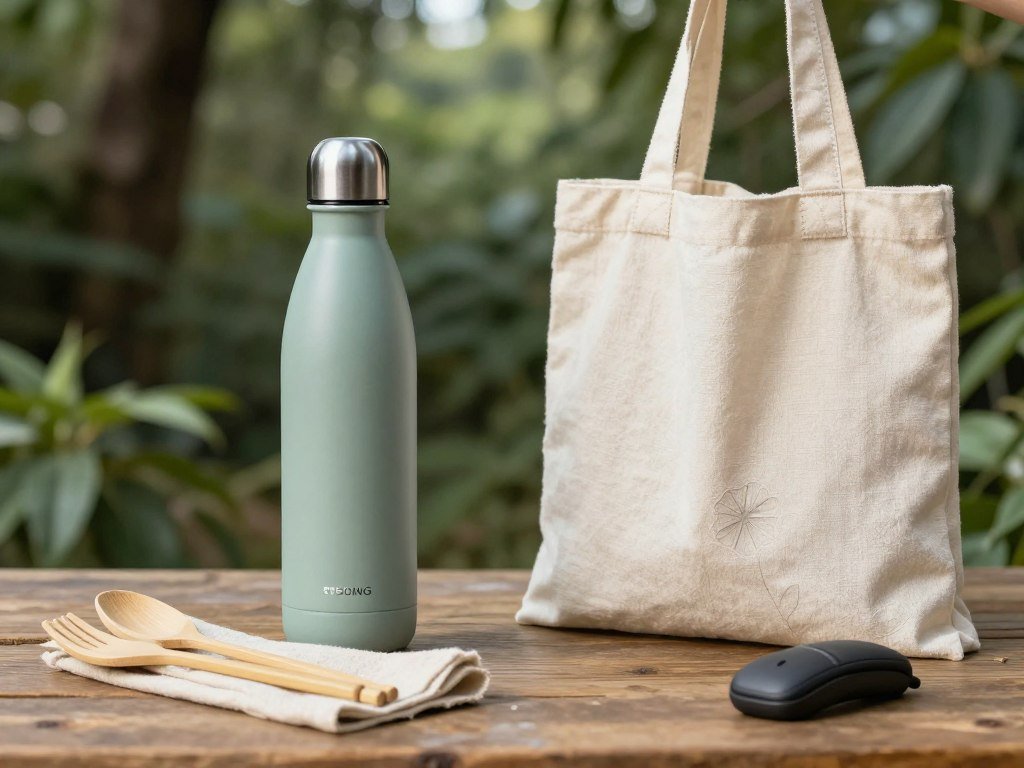
Minimize environmental impact during your Bandung visit. Carry reusable water bottles reducing plastic waste. Decline single-use plastics when shopping. Support businesses demonstrating environmental responsibility. Respect wildlife viewing guidelines at natural sites.
Stay Connected Safely
Maintain regular communication with family and friends back home. Indonesia’s open internet makes this straightforward unlike some regional neighbors. Schedule video calls accounting for time zone differences. Share experiences through social media when WiFi permits.
Document Your Experience
Keep travel journal noting daily highlights, favorite dishes, and memorable encounters. These details fade quickly from memory as new experiences accumulate. Future self will treasure these records of your Bandung adventure and Sundanese cultural discoveries.
How many days should I spend in Bandung?
Three to four days allows comprehensive exploration of major highlights including Kawah Putih, Tangkuban Perahu volcano, colonial architecture, and cultural attractions. Add one or two more days for tea plantation visits, traditional village experiences, and leisurely city exploration. One week provides relaxed pace with time for spontaneous discoveries and day trips to surrounding areas.
Is Bandung safe for solo travelers?
Yes, Bandung maintains good safety reputation for solo travelers including women. Exercise normal urban precautions regarding belongings in crowded areas. Violent crime against tourists remains rare. Language barriers present bigger challenges than safety concerns. Ride-sharing apps provide safe transportation eliminating most risks associated with traditional taxis and late-night travel.
Can I visit Bandung without speaking Indonesian?
Yes, though experiences improve with basic Indonesian phrases. Tourist areas, upscale hotels, and major attractions have English-speaking staff. Download translation apps with offline capabilities for independent exploration. Ride-sharing apps eliminate language barriers for transportation. Most restaurant menus include photos helping food selection. Friendly locals often assist despite language limitations.
What’s the best way to visit volcanic craters?
Hire private car with driver for flexibility visiting multiple sites in one day. Alternatively, join organized tours departing from major hotels including transportation, guide, and entrance fees. Arrive at craters before 10:00 AM for best weather, lighting, and smaller crowds. Kawah Putih and Tangkuban Perahu both require early starts for optimal experience. Weekday visits encounter fewer domestic tourists than weekends.
How is Bandung different from Bali?
Bandung offers highland climate, volcanic landscapes, and Sundanese culture versus Bali’s beaches, Hindu temples, and international resort atmosphere. Bandung maintains more authentic Indonesian character with fewer foreign tourists. The city emphasizes natural wonders, colonial architecture, and creative culture rather than beach activities and nightlife. Bandung suits travelers seeking cooler weather, volcanic exploration, and cultural immersion beyond typical Indonesian beach destinations.
“Bandung captivates through its remarkable contrast – volcanic craters beside art deco elegance, traditional villages near creative districts. The highland setting brings comfortable climate while Sundanese hospitality creates warmth money cannot buy. This city reveals Indonesia’s depth beyond beaches.”
Ready to Explore Bandung in 2026?
Begin planning your perfect Bandung adventure today. Receive personalized itinerary assistance, local insider recommendations, and complete booking support from our Indonesia travel specialists.
Your Bandung Adventure Begins Now
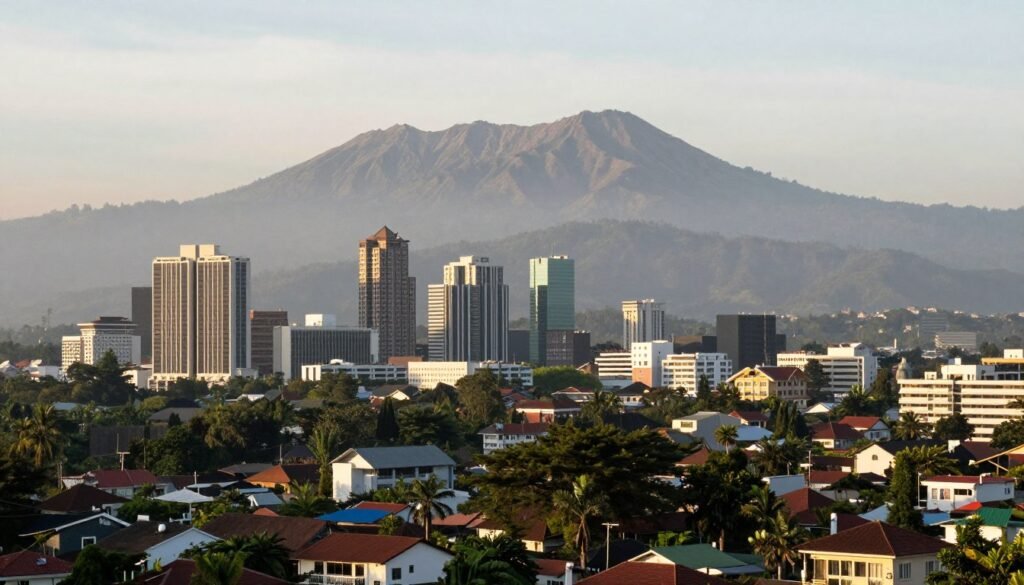
Bandung offers experiences combining natural majesty with cultural authenticity. Turquoise crater lakes captivate eyes while Sundanese traditions engage hearts. Colonial architecture preserves history while creative energy drives contemporary culture.
This highland city rewards curiosity and cultural sensitivity. Every neighborhood reveals distinct character. Each meal brings flavor discoveries. The cool climate provides comfortable exploration conditions rare in tropical Indonesia.
Your 2026 Bandung journey promises memories treasured for years ahead. From your first volcanic crater view to your final Sundanese feast, the city works its subtle magic. The challenge becomes leaving when your visit ends.
Start planning immediately. Research flights and accommodations. Download essential apps. Learn basic Indonesian phrases. Your Bandung adventure awaits with volcanic wonders, cultural depth, delicious cuisine, and warm Sundanese hospitality ready to welcome you.
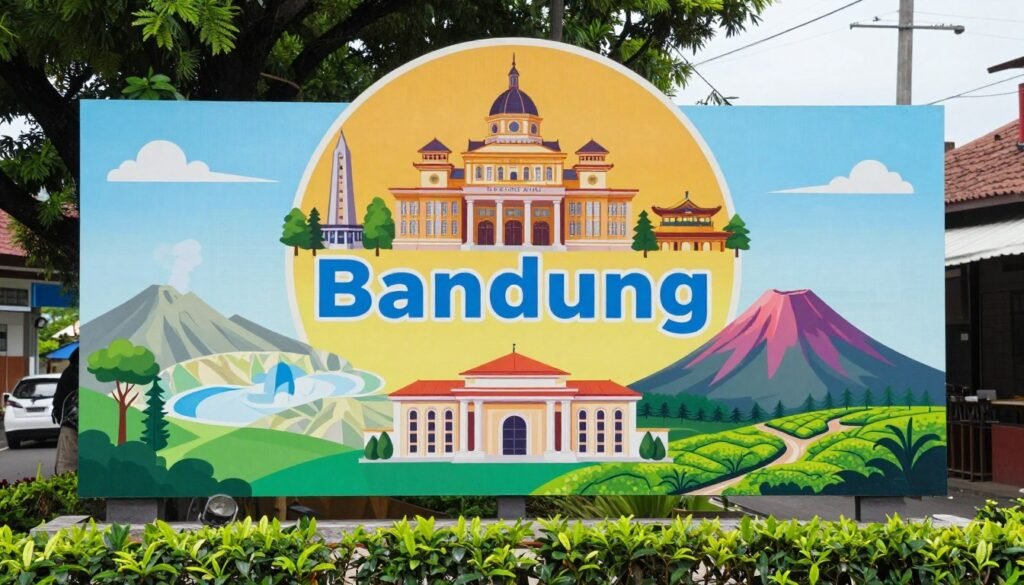
Safe travels, and may your Bandung experience exceed every expectation. This remarkable highland city transforms perspectives and creates lasting memories. We look forward to you discovering its volcanic landscapes, cultural treasures, and genuine Indonesian warmth personally.