

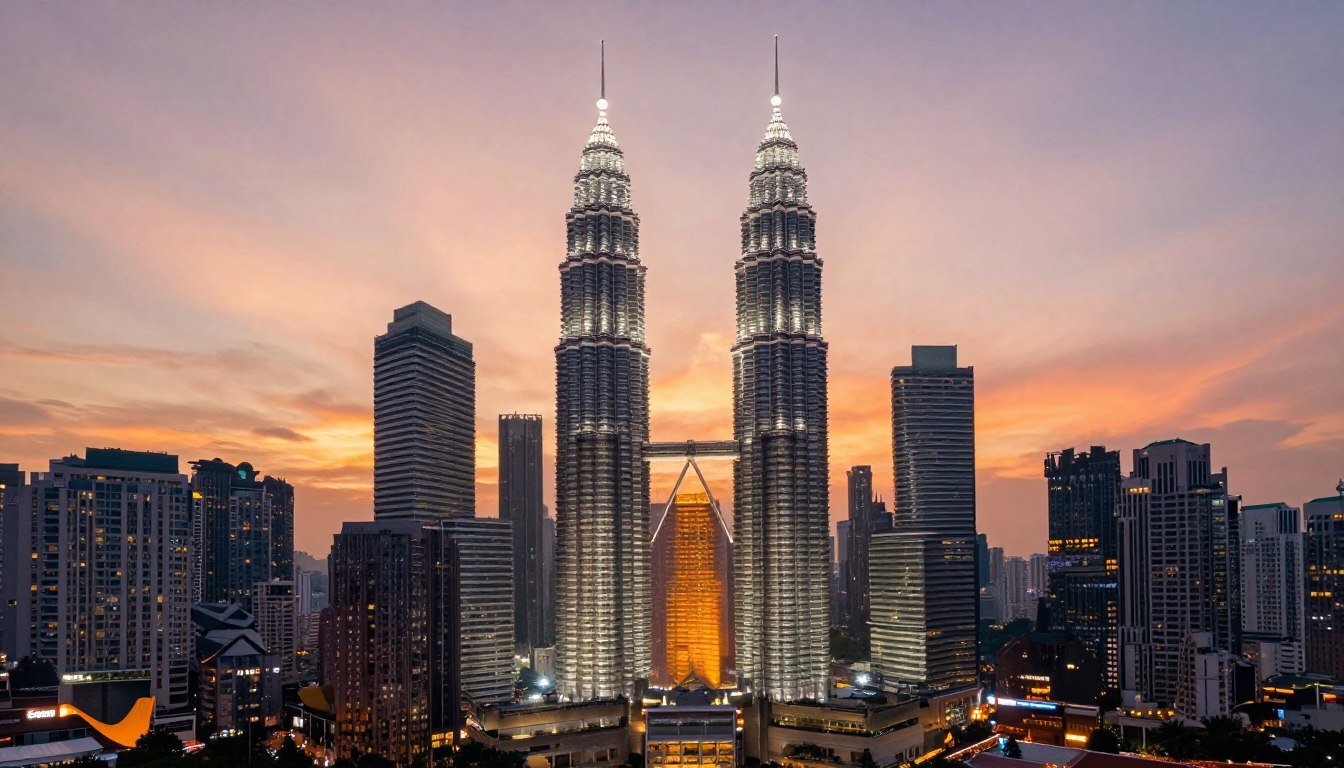
Kuala Lumpur stands as one of Southeast Asia’s most budget-friendly capital cities. This vibrant city offers an incredible mix of modern skyscrapers, colonial architecture, diverse food culture, and rich traditions without breaking your bank account.
Travelers can explore world-class attractions for free. You can eat delicious street food for just a few dollars. Comfortable accommodation costs less than most Western cities. This guide breaks down exactly what you need to know for planning an affordable trip to Kuala Lumpur in 2026.
You’ll discover real prices, tested money-saving strategies, and insider tips. Whether you’re backpacking solo or traveling with family, this comprehensive resource helps you maximize your experience while minimizing costs.
Why Kuala Lumpur Remains a Top Budget Destination in 2026
The Malaysian ringgit offers excellent value for travelers from around the world. Your dollar stretches further here than in neighboring Singapore or Bangkok. The city combines affordability with world-class infrastructure that rivals any major capital.
Public transportation runs efficiently across the entire city. The metro system connects all major attractions. Modern facilities meet international standards. Yet prices remain remarkably low compared to Western countries.
Cost Advantages
- Accommodation costs 60% less than comparable Asian cities
- Street food meals start at just $2
- Public transport rides cost under $1
- Many world-class attractions remain completely free
- Shopping offers incredible value at local markets
Infrastructure Benefits
- English widely spoken throughout the city
- Free WiFi available in most public spaces
- Modern, air-conditioned metro system
- International airport with budget airline connections
- Safe, walkable neighborhoods for exploration
The country welcomes tourists with visa-free entry for many nationalities. Americans can stay up to 90 days without paperwork. This removes additional costs and hassles from your trip planning.
Cultural diversity creates unique experiences you won’t find elsewhere. Chinese temples sit next to Indian mosques and British colonial buildings. Each neighborhood offers distinct food, architecture, and atmosphere without requiring expensive travel between destinations.
Daily Budget Breakdown: What to Expect in 2026
Understanding real costs helps you plan accurately. These prices reflect current trends and projected 2026 rates based on historical data. The Malaysian economy remains stable, making these estimates reliable for planning purposes.
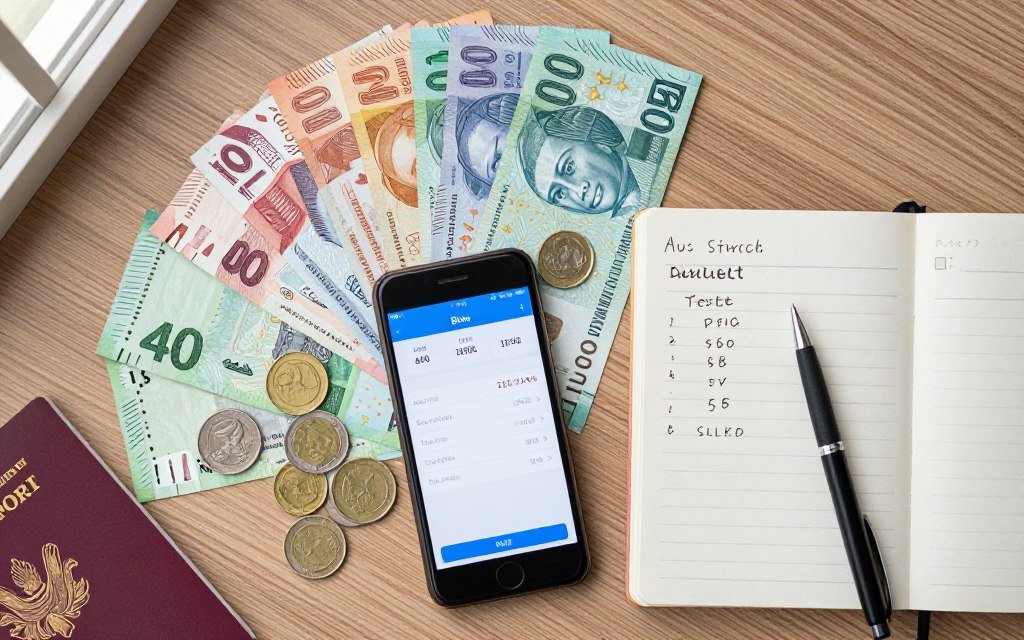
Ultra-Budget Traveler: $25-35 Per Day
This budget suits backpackers and extreme budget travelers. You’ll stay in hostel dorms and eat mostly street food. Entertainment focuses on free attractions and walking tours.
- Hostel dorm bed: $8-12 per night
- Three street food meals: $6-9 total
- Public transport: $2-4 for unlimited daily travel
- One paid attraction or activity: $5-8
- Snacks and drinks: $3-5
Mid-Range Traveler: $50-75 Per Day
This level provides comfort without luxury. Private rooms, restaurant meals, and paid activities become accessible. Most travelers find this range ideal for enjoying Kuala Lumpur fully.
- Budget hotel or private hostel room: $20-30 per night
- Mix of restaurant and street meals: $15-25 total
- Transport including some taxis or ride-shares: $5-10
- Multiple paid attractions: $10-15
- Shopping and entertainment: $10-15
Comfortable Traveler: $100-150 Per Day
This budget offers significant comfort and flexibility. Stay in nice hotels, dine in air-conditioned restaurants, and never worry about individual expense decisions.
- Three-star hotel: $40-60 per night
- Restaurant meals with some upscale options: $30-45
- Convenient transport with taxis and ride-shares: $10-15
- All attractions including premium experiences: $15-25
- Shopping, nightlife, and entertainment: $20-30
Budget Planning Tip: Add 15-20% buffer to your calculated budget. Unexpected expenses always arise. This cushion prevents stress and allows spontaneous experiences that create the best travel memories.
Calculate Your Exact Trip Cost
Download our free 2026 Kuala Lumpur budget calculator spreadsheet. Input your travel style preferences and get a personalized daily budget breakdown with accommodation, food, transport, and activity costs.
Finding Affordable Flights to Kuala Lumpur
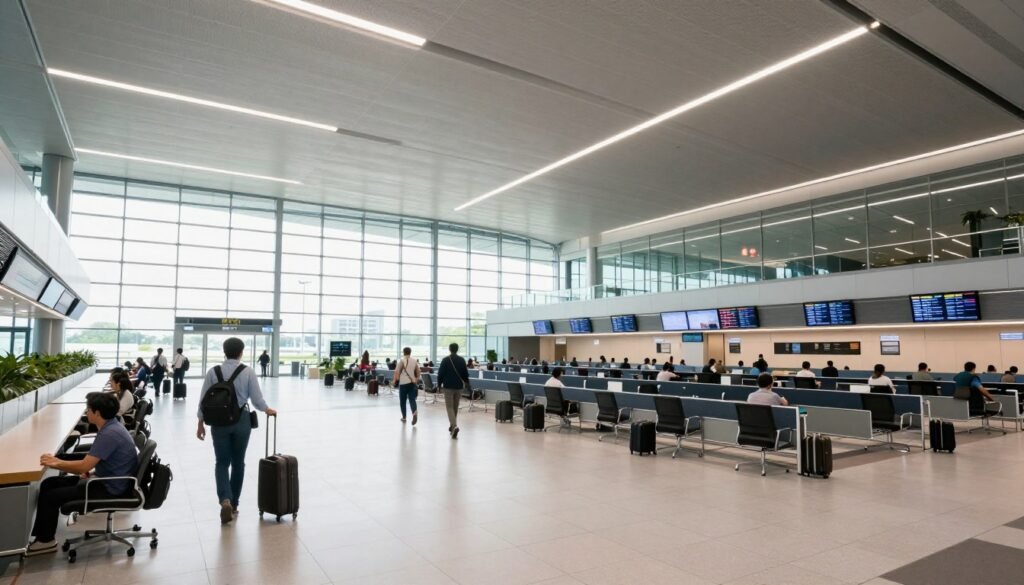
Flight costs often represent your single largest expense. Smart booking strategies can save hundreds of dollars. Kuala Lumpur International Airport serves as a major Southeast Asian hub, creating excellent competition among airlines.
Best Time to Book Flights
Book international flights 2-3 months ahead for optimal prices. Airlines release their best deals in this window. Last-minute bookings rarely offer savings for international routes.
Tuesday and Wednesday departures typically cost less than weekend flights. Red-eye flights save money while maximizing your time in the city. Flexibility with dates can reduce costs by 30% or more.
Budget Airlines Serving Kuala Lumpur
Several low-cost carriers connect Kuala Lumpur to the world. These airlines offer basic service at unbeatable prices. Just remember to account for baggage fees in your total cost calculation.
- AirAsia: Malaysia’s premier budget carrier with extensive regional network
- Scoot: Singapore-based airline connecting to North America and Australia
- Malindo Air: Hybrid carrier offering good value with more amenities
- Lion Air: Indonesian carrier with competitive regional prices
- Jetstar: Australian budget airline serving Asian routes
Money-Saving Flight Strategies
Consider flights with layovers instead of direct routes. A single connection can cut costs significantly. Popular layover cities include Singapore, Bangkok, and Hong Kong.
Compare prices from nearby airports if you live within driving distance of multiple cities. Sometimes positioning yourself to a different departure city saves enough to justify the extra travel.
From United States
Expect to pay $500-800 round-trip from West Coast cities. East Coast travelers typically pay $700-1000. Look for deals during shoulder seasons in spring and fall.
Los Angeles, San Francisco, and Seattle offer the most direct routing options. Connect through Asian hubs for the best prices from other US cities.
Regional Connections
Already in Southeast Asia? Budget flights cost incredibly little. Bangkok to Kuala Lumpur runs $30-60. Singapore connections cost $40-80. Bali flights range from $60-100.
Book these regional flights after arriving in Asia. Prices often drop even lower just days before departure on budget carriers.
Compare Flight Prices Now
Search hundreds of airlines simultaneously to find the cheapest flights to Kuala Lumpur. Set price alerts and get notified when fares drop for your preferred travel dates.
Where to Stay: Budget Accommodation in Kuala Lumpur
Accommodation costs vary dramatically by neighborhood and style. The city offers excellent options at every budget level. Location matters less here than in other cities thanks to efficient public transport.
Hostels: $8-15 Per Night
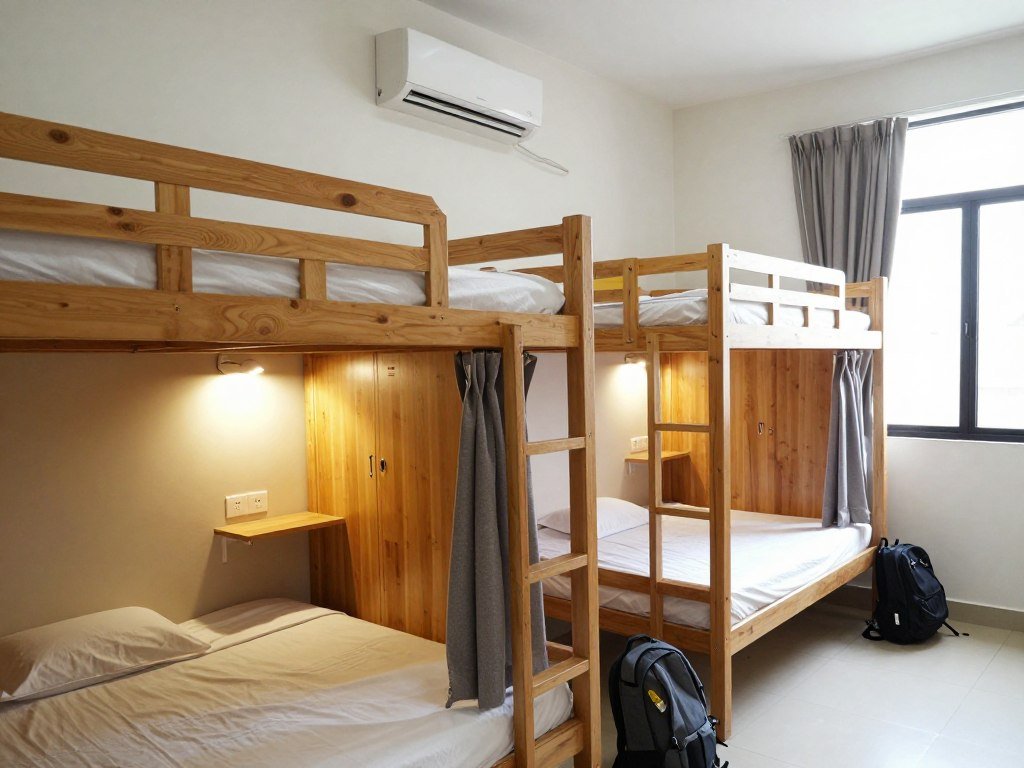
Kuala Lumpur boasts some of Southeast Asia’s best hostels. Modern facilities include air conditioning, free WiFi, and social spaces. Many offer private rooms for couples wanting hostel prices with hotel privacy.
Dorm beds in quality hostels run $8-12 per night. Private rooms in the same facilities cost $20-30. Common areas provide opportunities to meet fellow travelers and share tips.
Budget Hostel Picks
- Reggae Mansion: Party atmosphere, central location
- Container Hotel: Unique design, very social
- BackHome Kuala Lumpur: Quiet, excellent facilities
- Pods The Backpackers Home: Modern pods, great value
Best Hostel Areas
- Bukit Bintang: Shopping district, nightlife
- Chinatown: Cultural experiences, cheap food
- KLCC: Modern area near Petronas Towers
- Masjid Jamek: Historic center, authentic feel
Hostel Amenities to Expect
- Air conditioning in all quality hostels
- Free WiFi throughout property
- Security lockers for valuables
- Common kitchens for self-catering
Budget Hotels: $20-40 Per Night
Small hotels and guesthouses fill the gap between hostels and international chains. These properties offer private rooms with ensuite bathrooms. Standards vary, so read recent reviews carefully.
Chinese-run budget hotels cluster around Chinatown and Masjid Jamek. Rooms stay basic but clean. Most include air conditioning and WiFi. Expect tiny elevators and narrow stairs in older buildings.
Mid-Range Hotels: $40-70 Per Night
This price range delivers excellent value. Three-star international chains compete with local boutique hotels. Rooms include modern amenities, comfortable beds, and often rooftop pools.
Breakfast buffets often come included at this level. Locations near metro stations provide convenient access. Many properties offer airport shuttle services for small fees.
Booking Strategy: Compare prices across multiple platforms. The same hotel often costs differently on Booking.com, Agoda, and the hotel website. Agoda frequently offers the best rates for Asian properties, while Booking.com provides more flexible cancellation policies.
Alternative Accommodation Options
Serviced apartments offer kitchen facilities for longer stays. Weekly rates drop below daily hotel costs. This option suits travelers who enjoy cooking some meals at home.
Short-term rentals through platforms provide local neighborhood experiences. Entire apartments cost $30-50 per night. Split between multiple travelers, these become extremely economical.
Find Your Perfect Stay
Compare prices across all major booking platforms with one search. Filter by budget, location, and amenities to find accommodation that matches your exact needs for your Kuala Lumpur trip.
Budget Transportation: Getting Around Kuala Lumpur
Kuala Lumpur offers one of Southeast Asia’s best public transportation systems. Modern trains connect all major areas. Rides cost a fraction of taxi prices. Understanding the system saves significant money during your trip.
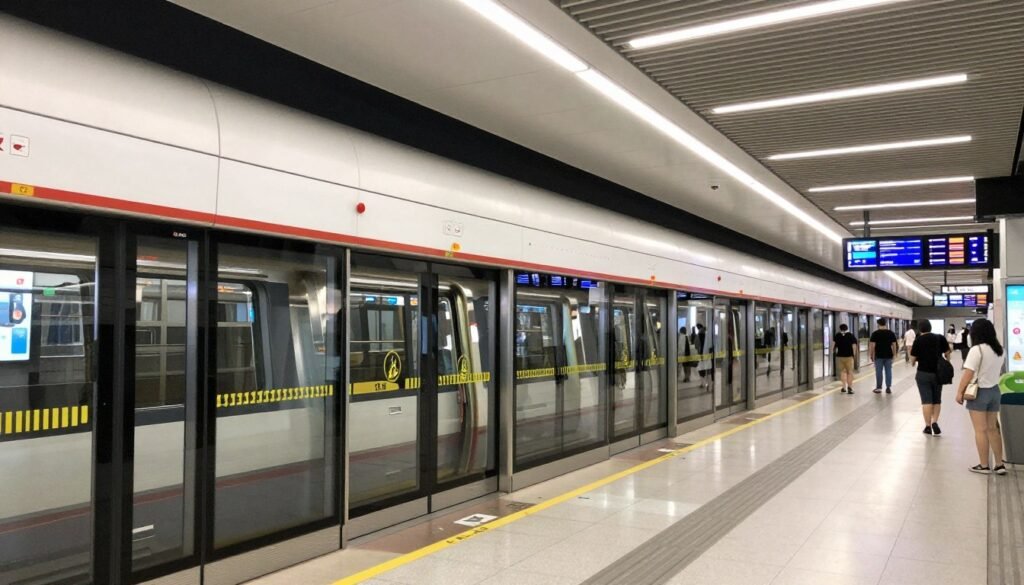
The Metro System: Your Best Transportation Option
Three light rail lines crisscross the city. The system connects seamlessly with monorail and commuter train lines. Stations appear clean, air-conditioned, and easy to navigate. English signage helps foreign travelers.
Single rides cost 40 cents to $1.50 depending on distance. Day passes don’t exist, but the low fares make this unnecessary. Purchase stored-value cards at any station for convenient payment.
- Kelana Jaya Line: Connects airport to city center and Petaling Street
- Ampang Line: Serves KLCC, Bukit Bintang, and surrounding areas
- Sri Petaling Line: Links southern suburbs to central attractions
- KL Monorail: Elevated route through shopping and entertainment districts
- KTM Komuter: Commuter trains reaching outer neighborhoods and Batu Caves
Touch ‘n Go Card: Essential for Travelers
This rechargeable card works across all public transport. Buy one at any metro station for $3 including initial credit. Reload at machines or convenience stores throughout the city.
The card also pays for tolls, parking, and purchases at some shops. Keep it for future Malaysia visits. The system rivals Hong Kong’s Octopus card for convenience.
Buses: Even Cheaper Than Trains
Kuala Lumpur runs an extensive bus network. Routes reach areas without metro stations. Fares cost as little as 30 cents per ride. Google Maps provides accurate route planning and real-time arrivals.
The free GoKL bus service operates on four routes connecting major tourist areas. Purple, red, green, and blue lines loop continuously. Buses run every 15 minutes from morning until night.
Taxis and Ride-Sharing Services
Grab dominates ride-sharing in Malaysia. Download the app before your trip. Prices run 60-70% less than taxis for the same route. Payment through the app eliminates bargaining and potential scams.
Traditional taxis require negotiation. Drivers often refuse to use meters for tourists. Budget $3-8 for rides within central areas. Ride-sharing almost always costs less with guaranteed pricing.
Sample Transportation Costs
- Airport to city center by train: $1.50
- Average metro ride in city: $0.60
- GoKL free bus: $0
- Grab ride across downtown: $2-4
- Day of unlimited metro travel: $4-6
Money-Saving Transport Tips
- Walk between nearby attractions to save completely
- Use GoKL buses for tourist area connections
- Share Grab rides with other travelers you meet
- Take trains during rush hour to avoid taxi surge pricing
- Download offline maps before your trip
Airport Transportation Options
KLIA Ekspres train provides the fastest airport connection. Trains run every 15 minutes taking just 28 minutes to reach the city. Tickets cost $12 each way or $22 round-trip.
KLIA Transit takes slightly longer but costs only $9. This train makes several stops before reaching downtown. Budget travelers should choose this option without hesitation.
Airport buses run $2-3 but take 60-90 minutes depending on traffic. Early morning or late night departures might require taxis or Grab rides costing $15-25. Split costs with other travelers when possible.
Eating Well on a Budget: Street Food and Cheap Restaurants
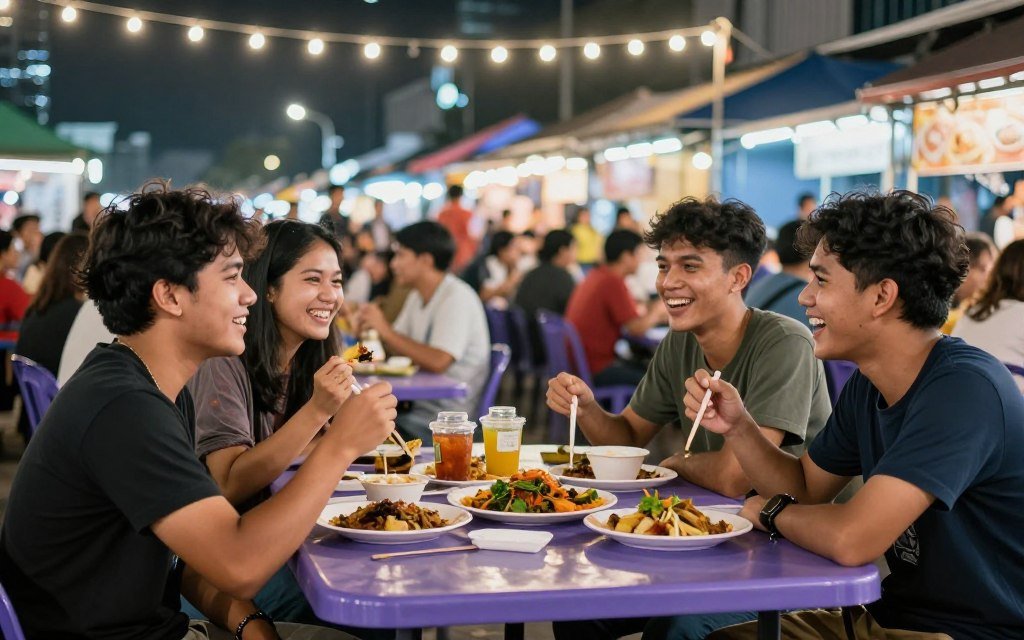
Kuala Lumpur ranks among the world’s greatest food cities. Incredible variety spans Malay, Chinese, and Indian cuisines. Street food delivers restaurant quality at sidewalk prices. You can eat incredibly well while spending very little.
Where to Find the Best Street Food
Food courts and hawker centers concentrate multiple vendors under one roof. Air conditioning and seating areas add comfort to street food prices. These spaces open throughout the day with peak activity at meal times.
Jalan Alor transforms into an open-air restaurant every night. Dozens of vendors line both sides of the street. Tables spill onto the road closed to traffic. Try everything from barbecue to noodles to fresh seafood.
Top Food Courts
- Lot 10 Hutong: Upscale hawker center with famous vendors
- Madras Lane: Hidden alley packed with cheap eats
- Petaling Street Market: Chinatown’s food paradise
Must-Try Streets
- Jalan Alor: Night food street in Bukit Bintang
- Tengkat Tong Shin: Locals-only Chinese food stalls
- Jalan Masjid India: Authentic Indian cuisine area
Food Markets
- Chow Kit Market: Morning market with fresh ingredients
- Kampung Baru: Traditional Malay food every evening
- Imbi Market: Local favorite for breakfast and lunch
Essential Dishes You Must Try
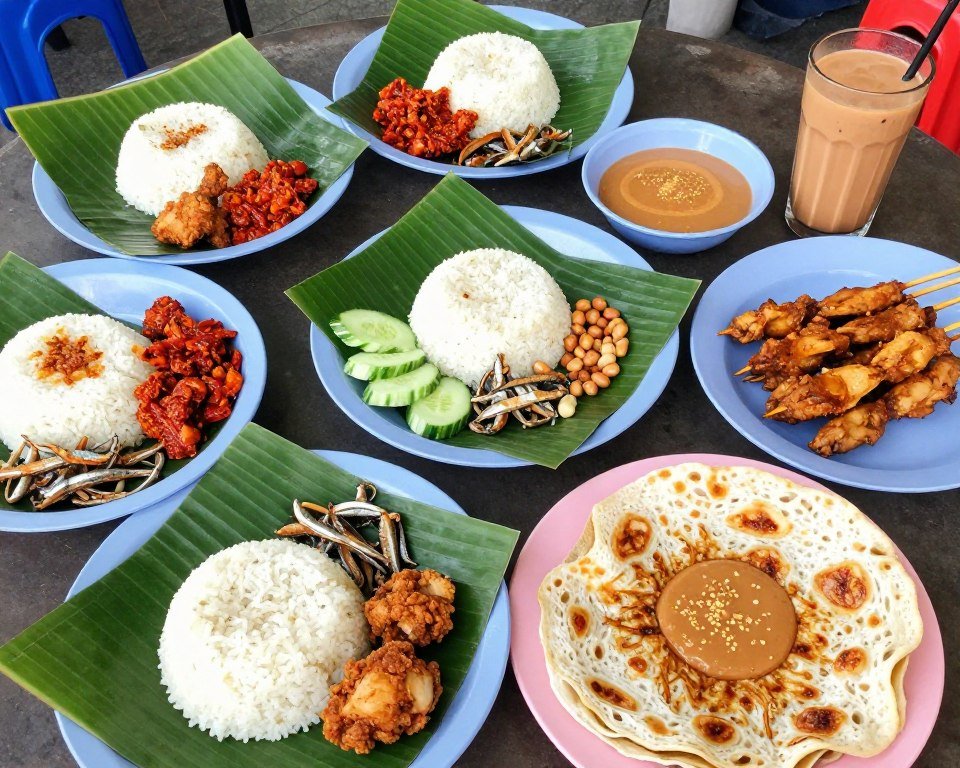
Nasi lemak serves as Malaysia’s national dish. Coconut rice comes with fried chicken, sambal sauce, peanuts, and anchovies. Breakfast portions cost $1-2 while larger meals run $3-4. Every vendor makes it slightly differently.
Roti canai appears on every breakfast menu. This flaky flatbread gets dipped in curry sauce. Plain versions cost 50 cents. Add egg, cheese, or other fillings for $1-2 total. Watch vendors toss and flip the dough.
Malay Specialties
- Nasi lemak: Coconut rice with chicken and sambal
- Satay: Grilled meat skewers with peanut sauce
- Rendang: Rich, spicy slow-cooked beef curry
- Mee goreng: Fried noodles with vegetables and egg
Typical cost per meal: $2-4
Chinese Favorites
- Char kway teow: Stir-fried rice noodles with prawns
- Hainanese chicken rice: Poached chicken with flavored rice
- Dim sum: Steamed dumplings and buns
- Bak kut teh: Pork rib soup with herbs
Typical cost per meal: $2-5
Indian Delights
- Roti canai: Flaky flatbread with curry dip
- Banana leaf rice: Rice served on banana leaf with curries
- Biryani: Spiced rice with meat or vegetables
- Thosai: Crispy rice and lentil crepe
Typical cost per meal: $2-4
Drink Culture and Costs
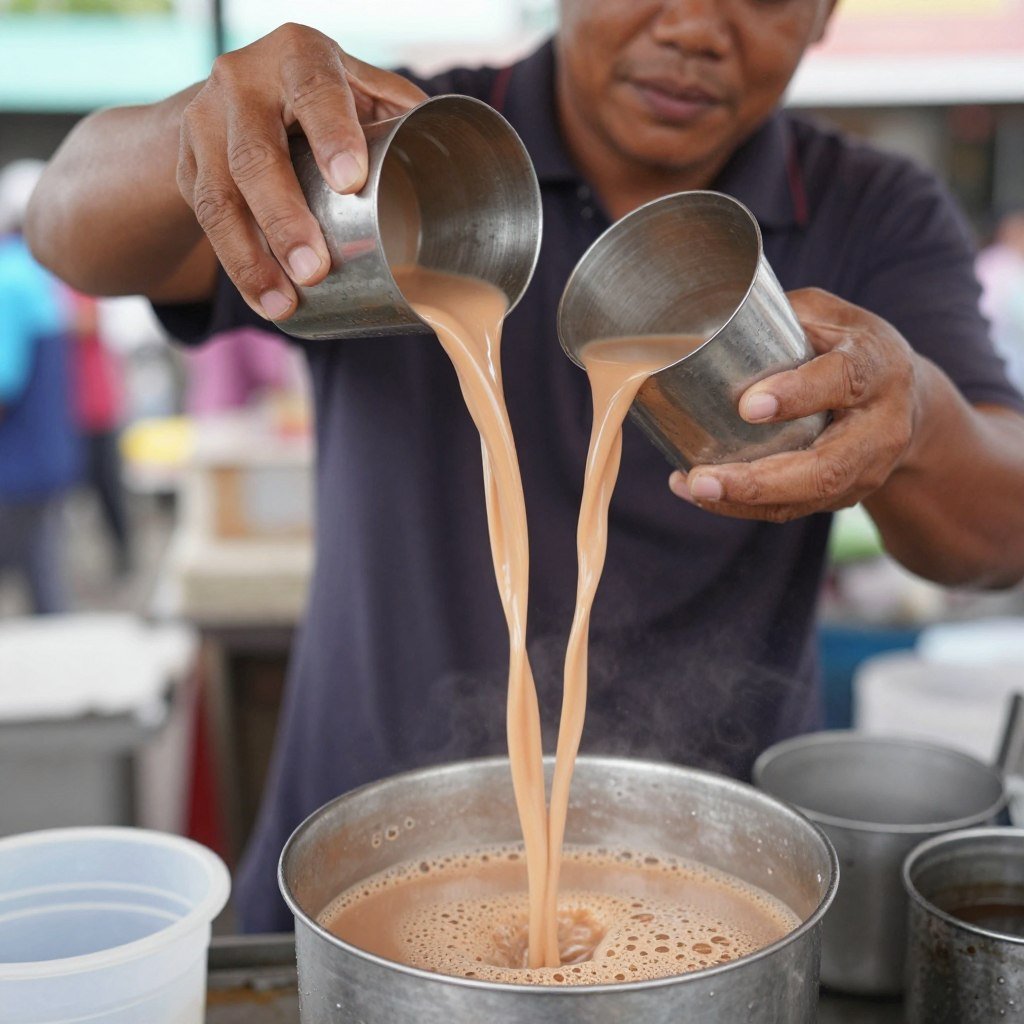
Teh tarik represents Malaysia’s signature drink. This pulled tea combines black tea with condensed milk. The theatrical pouring process creates a frothy top. Costs run just 50-80 cents per glass.
Fresh fruit juices appear at every hawker stall. Watermelon, sugar cane, and mixed fruit blends cost $1-2. Coconut water drunk straight from young coconuts refreshes for similar prices. Avoid expensive bottled water by bringing a refillable bottle.
Budget Restaurant Recommendations
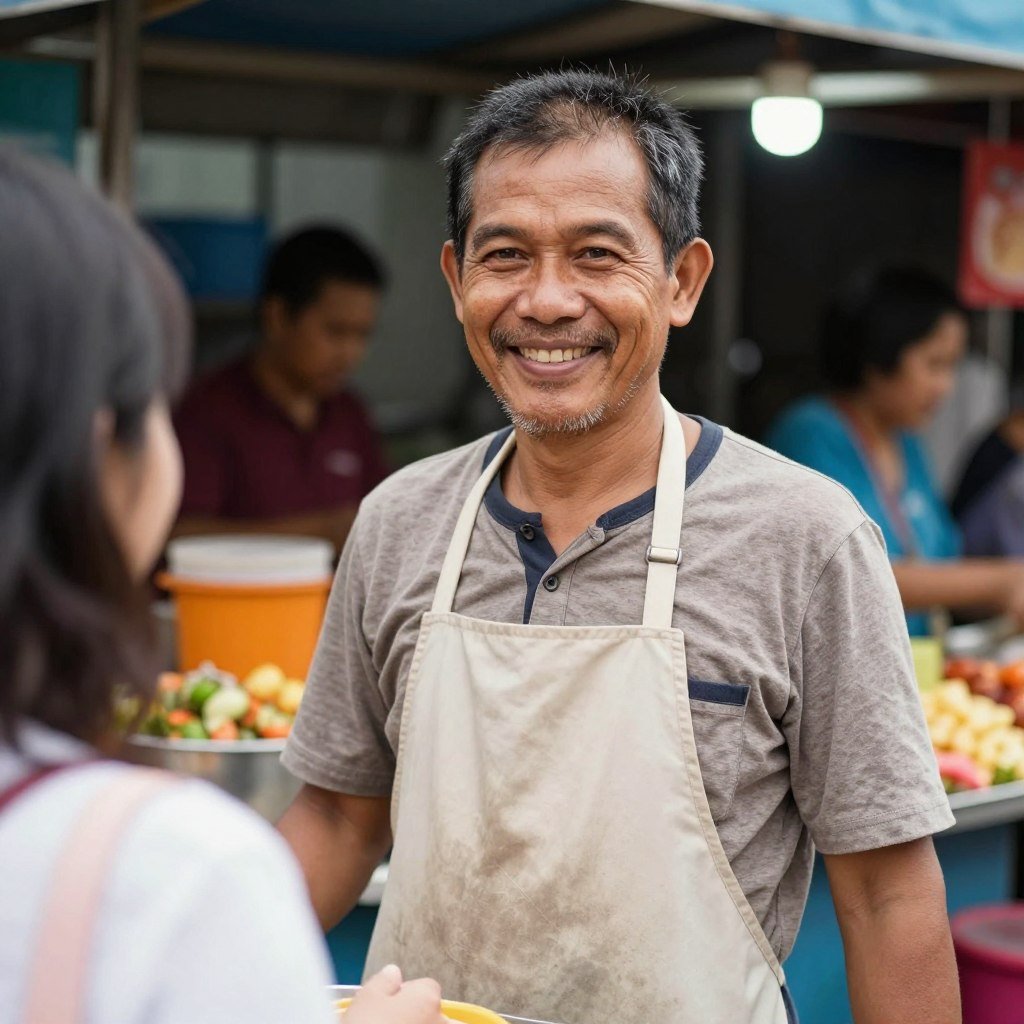
Mamak restaurants serve as 24-hour eating institutions. These Indian-Muslim establishments offer extensive menus at rock-bottom prices. Order roti canai for breakfast, rice meals for lunch, and noodles for dinner, all at one location.
Kopitiam coffee shops dot every neighborhood. These casual spots serve local breakfast and lunch. Kaya toast with soft-boiled eggs costs under $2. Coffee or tea adds another dollar. People gather here for hours socializing.
Daily Food Budget Examples
- Ultra-Budget ($6-9/day): Three hawker meals, water, occasional fruit
- Standard Budget ($12-18/day): Mix of hawker and kopitiam meals, drinks, snacks
- Comfortable Budget ($25-35/day): Restaurant lunches, nice dinners, drinks, desserts
Food Safety and Hygiene Tips
Choose stalls with high turnover and long lines. Popular spots cook food fresh throughout the day. Empty stalls suggest food sitting too long. Trust local crowds to guide you to the best options.
Cooked food poses minimal risk in Kuala Lumpur. The heat kills bacteria effectively. Exercise more caution with raw vegetables and pre-cut fruit. Drink bottled or boiled water for the first few days until your stomach adjusts.
Free and Low-Cost Attractions Worth Your Time
Kuala Lumpur offers remarkable attractions without admission fees. Many paid activities cost just a few dollars. You can fill entire days sightseeing while spending almost nothing. Smart planning maximizes experiences while minimizing costs.
Free Attractions You Cannot Miss
The Petronas Towers dominate Kuala Lumpur’s skyline as the world’s tallest twin buildings. Walk around the base and through KLCC park completely free. The surrounding shopping mall provides free air conditioning and observation opportunities.
Tickets to the skybridge cost $20-25 but sell out days in advance. The view from nearby KL Tower costs less and often provides better perspectives. Or skip both and enjoy free views from rooftop bars requiring only a drink purchase.

Batu Caves: Most Popular Day Trip
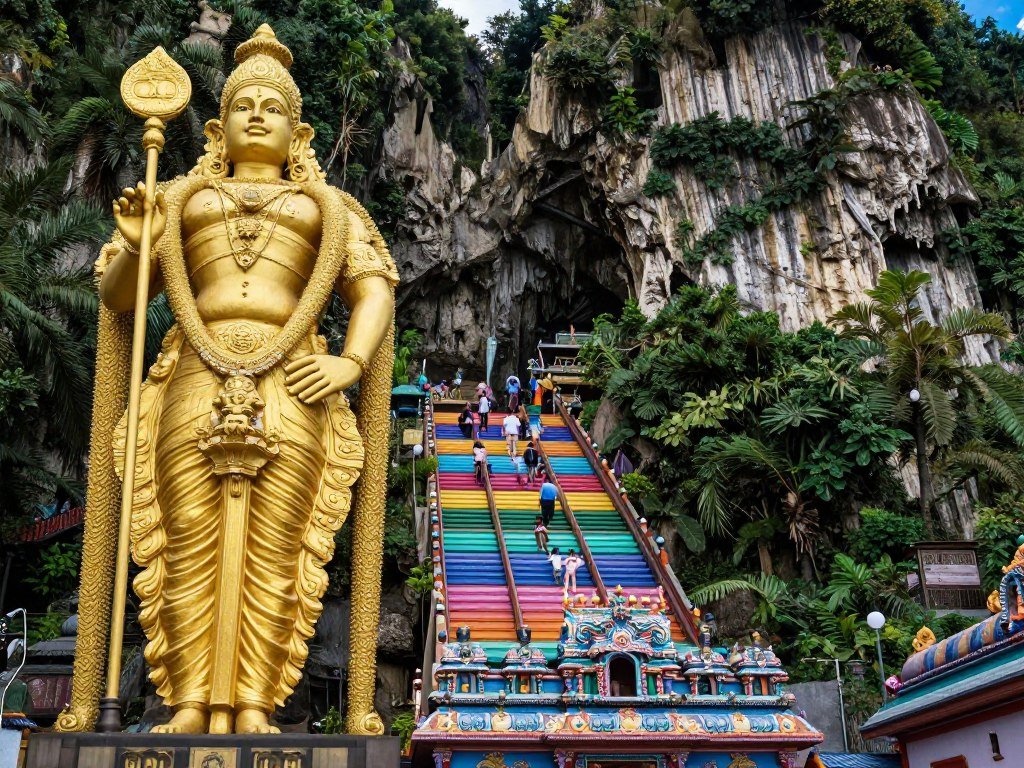
This Hindu temple complex sits inside massive limestone caves. Giant golden statue towers over colorful stairs leading upward. The entire site costs nothing to visit. Monkeys roam freely adding entertainment and occasional mischief.
Reach Batu Caves by KTM Komuter train in 30 minutes. Tickets cost less than $1 each way. The train station sits directly below the caves. Climb 272 steps to reach the main temple chamber with cathedral-like ceilings.
Visit early morning to avoid heat and crowds. The site opens before 7 AM and closes around 9 PM. Modest dress requirements apply. Rent a sarong for $1 if needed. Budget 2-3 hours for the complete experience.
Cultural Neighborhoods to Explore
Chinatown centers around Petaling Street. Covered market stalls sell everything imaginable. Temples hide down side alleys. Food vendors operate from morning through late night. The entire area buzzes with energy costing nothing to experience.
Little India surrounds Masjid Jamek metro station. Colorful shops sell fabrics, jewelry, and spices. Street vendors offer fresh flower garlands. Restaurants serve authentic South Indian cuisine at local prices. Saturday evenings see the most activity.
Kampung Baru preserves traditional Malay village life within the modern city. Wooden houses on stilts line narrow streets. Visit weekend night markets for traditional food and handicrafts. This neighborhood shows authentic Malaysian culture rarely seen by tourists.
Chinatown Highlights
- Petaling Street Market: Shopping and street food
- Sin Sze Si Ya Temple: Historic Chinese temple
- Central Market: Art and handicrafts building
- Ghost Street murals and street art
Little India Must-Sees
- Masjid Jamek: Beautiful riverside mosque
- Sri Mahamariamman Temple: Ornate Hindu temple
- Jalan Masjid India: Shopping street
- Lebuh Ampang: Traditional goldsmiths area
Kampung Baru Activities
- Saturday night market: Food and crafts
- Traditional wooden houses tour
- Authentic Malay restaurants
- Local coffee shops and bakeries
Parks and Green Spaces
KLCC Park surrounds the Petronas Towers with walking paths and gardens. Free water fountain shows run several times daily. Children’s playground and wading pool provide entertainment. The park offers city center respite without costs.
Lake Gardens spans 90 hectares of green space. Multiple gardens specialize in orchids, hibiscus, and other tropical plants. Some sections charge small entry fees while others remain free. Escape the heat under massive trees throughout the complex.
Bukit Nanas Forest Reserve protects original jungle in the city center. Canopy walkways provide elevated views through the trees. Entry costs just $2. The reserve sits minutes from shopping districts yet feels completely remote.
Budget-Friendly Paid Activities
National Museum tells Malaysian history through extensive exhibits. Admission costs $2 for adults. Air-conditioned galleries provide educational entertainment for several hours. Traditional architecture makes the building itself worth seeing.
Islamic Arts Museum houses one of Southeast Asia’s finest collections. Detailed exhibits cover Islamic culture worldwide. Entry fees run $4 for adults. The building features stunning architecture and a peaceful courtyard garden.
Low-Cost Cultural Sites
- National Museum: $2 entry fee
- Islamic Arts Museum: $4 entry fee
- National Mosque: Free with modest dress
- Sultan Abdul Samad Building: Free exterior viewing
Nature Activities
- Bukit Nanas canopy walk: $2 entry
- KL Bird Park: $8 entry fee
- Butterfly Park: $3 entry fee
- Lake Gardens: Free admission
Modern Attractions
- Aquaria KLCC: $12 for aquarium visit
- KL Tower observation deck: $8 entry
- Sunway Lagoon water park: $25 full day
- Shopping mall exploring: Completely free
Free Walking Tour Tip: Several companies offer free walking tours covering different neighborhoods. Guides work for tips only. These tours provide excellent orientation and insider knowledge. Budget $5-10 tip per person for 2-3 hour tours.
Shopping Smart: Markets and Budget-Friendly Souvenirs
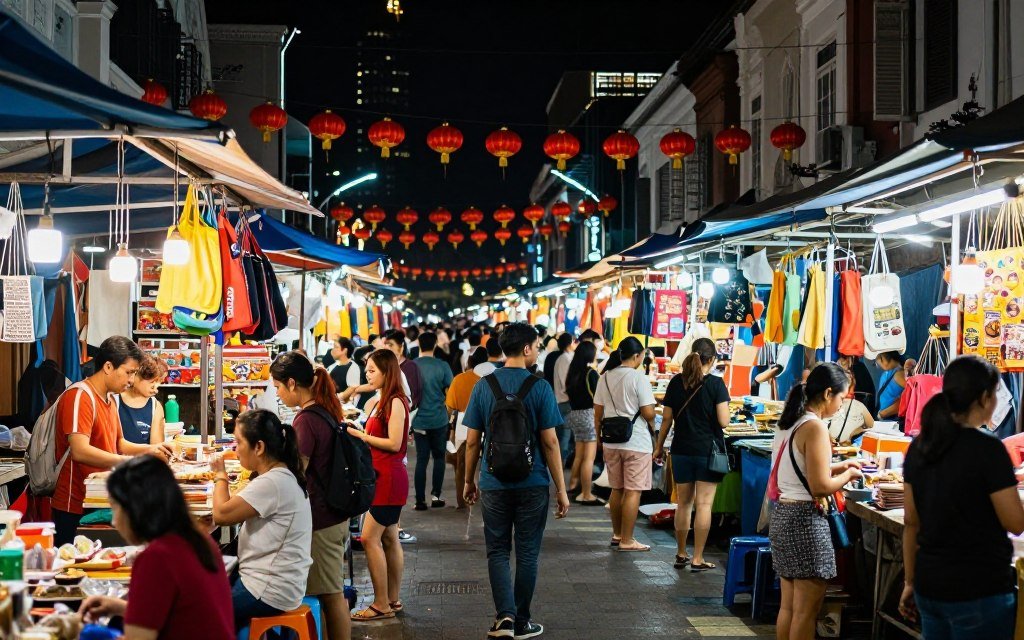
Kuala Lumpur provides shopping experiences from luxury malls to street markets. Bargain hunters find incredible deals on everything from clothing to electronics. Markets offer authentic souvenirs without tourist pricing. Know where to shop and what to buy.
Best Markets for Budget Shopping
Petaling Street remains the most famous market for tourists. Covered stalls sell watches, bags, clothing, and souvenirs. Bargaining is expected and encouraged. Start at 40-50% of the asking price and negotiate upward.
Central Market occupies a historic building near Chinatown. Permanent stalls offer handicrafts, batik, and local art. Prices run fixed or negotiable depending on the vendor. Quality generally exceeds street market goods with corresponding prices.
Chow Kit Market caters to locals buying groceries and household goods. Visit early morning for the freshest produce and liveliest atmosphere. This authentic market shows real Malaysian life without tourist focus. Photographers find incredible opportunities here.
What to Buy as Souvenirs
Batik fabric comes in beautiful patterns and colors. Buy by the meter or as finished clothing items. Quality varies dramatically. Better pieces feature hand-drawn designs rather than printed patterns. Expect to pay $5-20 for shirt-sized fabric pieces.
Tea makes an excellent lightweight souvenir. Cameron Highlands tea grows in Malaysia’s mountains. Purchase from grocery stores for best prices. Avoid tourist-shop markups by buying from Cold Storage or Village Grocer supermarkets.
- Batik clothing and fabric: $10-30 per piece
- Malaysian tea: $3-8 per package
- Pewter items: $15-100 depending on size
- Songket silk textiles: $20-50 for smaller pieces
- Tropical fruit snacks and candy: $2-5 per bag
- Local spices and curry pastes: $1-3 per packet
Shopping Mall Experiences
Kuala Lumpur’s massive malls provide free air-conditioned wandering. Window shopping costs nothing. Food courts offer cheap meals. Some malls feature rooftop gardens and observation areas.
Suria KLCC connects to the Petronas Towers. Pavilion KL dominates Bukit Bintang shopping district. Berjaya Times Square contains an indoor theme park. These malls showcase Malaysia’s modern consumer culture.
Bargain hunters should visit Sungei Wang Plaza. This older mall sells electronics, clothing, and accessories at local prices. Negotiation works in smaller independent shops. Avoid the brand-name chain stores for best deals.
Bargaining Tips
- Always ask the price before showing interest
- Start your offer at 40-50% of asking price
- Walk away if the price stays too high
- Bundle multiple items for better discounts
- Shop where locals buy for genuine value
- Avoid buying the first item you see
Shopping Scams to Avoid
- Fake designer goods at tourist markets
- Gem and jewelry investment schemes
- Overpriced taxi rides to specific shops
- Guides who receive commissions from stores
- Credit card skimming at small vendors
- Bait-and-switch tactics for electronics
Budget Nightlife and Entertainment Options
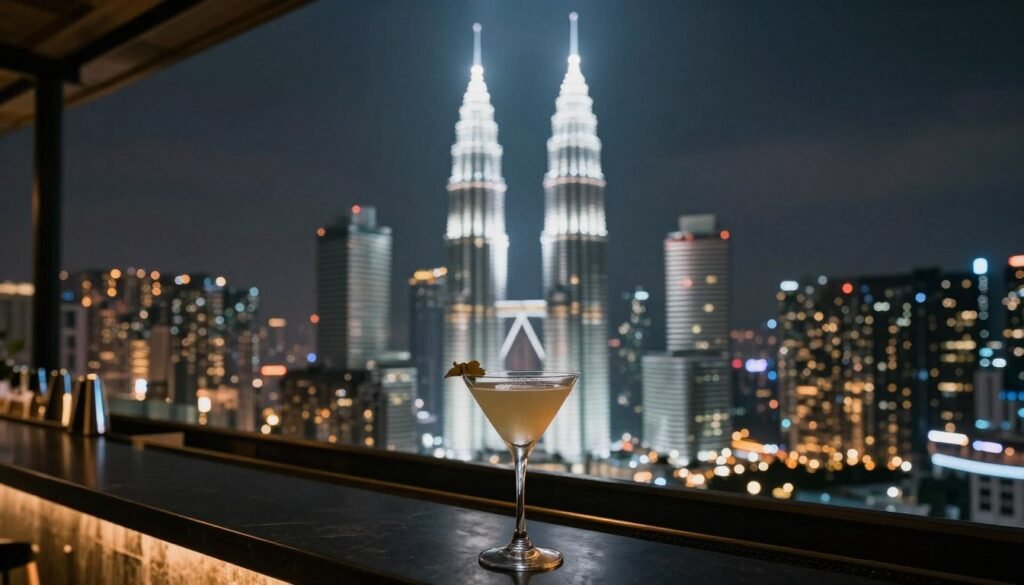
Kuala Lumpur offers vibrant nightlife without premium prices. Rooftop bars provide stunning views for the cost of one drink. Night markets and street food create evening entertainment. Budget travelers can enjoy the city after dark without overspending.
Affordable Rooftop Bar Experiences
Helipad Bar at Menara KH offers incredible views without cover charges. Beers cost $5-7 while cocktails run $8-12. The open-air setting provides unobstructed skyline views. Visit during happy hour for drink specials.
Heli Lounge Bar sits atop a building in Bukit Bintang. This actual helipad transforms into a bar at night. Minimum spending requirements apply on weekends. Come for sunset to maximize value from your drink purchase.
Marini’s on 57 delivers luxury views at luxury prices. Budget travelers can visit the adjacent bar area with lower minimums. One cocktail grants access to the viewing area. The Petronas Towers appear close enough to touch.
Night Markets and Street Entertainment
Different neighborhoods host night markets on rotating schedules. These pasar malam sell everything from street food to clothing. Entertainment includes live music and cultural performances. The atmosphere alone justifies visiting even without purchases.
Taman Connaught night market operates every Wednesday. Over 700 stalls stretch for 2 kilometers. This market serves locals rather than tourists. Prices reflect authentic Malaysian value. The food section alone deserves hours of exploration.
Saturday night markets happen in multiple locations. Kampung Baru hosts traditional Malay foods and crafts. Sri Petaling offers Chinese-influenced goods. Each market provides unique cultural perspectives and specialties.
Live Music and Cultural Shows
Central Market hosts free cultural performances several times weekly. Traditional dance, music, and theater showcase Malaysian heritage. Check the schedule online before visiting. Shows typically run 30-45 minutes in the outdoor amphitheater.
Many bars in Changkat Bukit Bintang feature live music without cover charges. Local bands play rock, jazz, and acoustic sets. Drink prices remain reasonable compared to Western cities. The street itself becomes a party on weekend nights.
Budget Nightlife Options
- Happy hour drinks at rooftop bars ($5-8 per drink)
- Night market wandering and street food ($5-10 total)
- Free cultural shows at Central Market
- Live music bars with no cover charge
- Late-night mamak restaurant gatherings ($2-4)
- KLCC park evening fountain shows (free)
Safety Note: Kuala Lumpur stays very safe at night in tourist areas. Use normal precautions. Avoid poorly lit areas and keep valuables secure. Grab provides safe transportation home for $2-4.
Entertainment Beyond Nightlife
Golden Screen Cinemas charge $4-6 for movie tickets. New releases show alongside Hollywood blockbusters. Several malls contain modern multiplexes with comfortable seating. Tuesday and Wednesday offer discount pricing.
Escape room venues cost $15-25 per person for 60-minute games. Split among a group, this provides hours of entertainment. Multiple companies operate across the city with varying difficulty levels and themes.
Bowling alleys in shopping malls charge $2-4 per game. Shoe rental adds another dollar. Late-night sessions sometimes offer unlimited bowling deals. This activity works well during afternoon heat or rainy weather.
Additional Money-Saving Strategies for Your Trip
Small decisions compound into significant savings. Understanding local customs and systems helps stretch your budget further. These tested strategies help travelers maximize value throughout their trip to Kuala Lumpur.
Timing Your Visit for Best Value
Shoulder seasons in March-May and September-October offer the best combination of weather and value. Hotel prices drop compared to peak months. Attractions stay less crowded while maintaining full operating hours. Occasional rain provides breaks from the heat.
Avoid visiting during major holidays when locals travel. Chinese New Year in January or February sees price increases and closures. Hari Raya following Ramadan creates similar conditions. School holidays in June and December bring domestic crowds and higher rates.
Book accommodation midweek for weekend stays. Hotels charge premium rates for Friday and Saturday nights. Arriving Sunday through Thursday can save 20-30% on room rates. This strategy works particularly well in business-focused neighborhoods.
Free WiFi and Communication
Free WiFi appears in most cafes, restaurants, and shopping malls. Download offline maps and resources before leaving WiFi zones. Many attractions provide free internet access. Hotel WiFi works reliably even in budget properties.
Purchase a local SIM card for mobile data. Prepaid plans cost $5-15 for one month with generous data allowances. Airport kiosks sell tourist SIM cards but charge premium prices. Buy from street vendors or convenience stores for better rates.
WhatsApp works for free messaging and calls over WiFi. Download the app before traveling. Most locals use WhatsApp for communication. This eliminates international texting charges completely.
Before You Leave Home
- Download offline maps for entire city
- Install Grab app and add payment method
- Notify bank of travel dates to avoid card blocks
- Photograph important documents as backup
- Research free activities and create itinerary
First Day in Kuala Lumpur
- Buy Touch ‘n Go card for transport
- Purchase local SIM card for data
- Exchange small amount of cash
- Locate nearest grocery store for water and snacks
- Confirm free walking tour schedules
Throughout Your Stay
- Refill water bottle instead of buying new ones
- Eat where locals eat for authentic prices
- Walk between nearby attractions
- Visit attractions during free admission times
- Shop at supermarkets for snacks and breakfast items
ATM and Money Exchange Tips
ATMs offer the best exchange rates for cash. Withdraw larger amounts less frequently to minimize fees. Choose ATMs that don’t charge additional withdrawal fees. CIMB and Maybank generally provide good rates without extra charges.
Decline dynamic currency conversion at ATMs. Always choose to be charged in Malaysian ringgit rather than your home currency. The conversion rate offered in your currency includes significant markup.
Money changers in malls sometimes beat ATM rates for larger amounts. Compare rates at several locations. Mid Valley Megamall and Central Market have competitive exchangers. Avoid airport and hotel exchanges except for small amounts.
Self-Catering and Grocery Shopping
Accommodations with kitchens enable significant food savings. Cook breakfast at your lodging to save $3-5 daily. Prepare simple dinners occasionally to balance street food meals. Grocery stores sell familiar items at local prices.
Village Grocer and Cold Storage supermarkets stock international products. Local chains like Giant and Tesco offer lower prices with less variety. Markets sell fresh produce and local ingredients at rock-bottom rates.
7-Eleven and similar convenience stores appear everywhere. Stock up on water, snacks, and quick breakfast items. Prices beat hotel shops significantly. Many locations operate 24 hours for late-night needs.
Download Your Complete Kuala Lumpur Resource Pack
Get instant access to our comprehensive planning tools: detailed budget spreadsheet, neighborhood maps, sample 5-day itinerary, public transport guide, and essential Malay phrases. Everything you need to plan your affordable Kuala Lumpur trip in one downloadable package.
Sample Budget Itineraries for Different Trip Lengths
These itineraries balance free attractions with budget-friendly paid activities. Adjust based on your interests and energy levels. The flexible nature of Kuala Lumpur allows easy modifications without impacting overall costs.
3-Day Kuala Lumpur Itinerary
This condensed schedule hits major highlights. Budget $75-100 total for three days of sightseeing, food, and transport. Pace yourself in the tropical heat and humidity.
Day 1: City Center Exploration
- Morning: Arrive, check in, buy Touch ‘n Go card
- Midday: KLCC park and Petronas Towers exterior
- Afternoon: Pavilion KL mall for air conditioning and food court lunch
- Evening: Bukit Bintang area walking tour
- Night: Jalan Alor street food dinner
Daily Cost: $25-35 including accommodation
Day 2: Cultural Immersion
- Morning: Batu Caves visit by train
- Midday: Little India lunch and temple exploring
- Afternoon: Chinatown and Central Market shopping
- Evening: River walk along Masjid Jamek
- Night: Rooftop bar for sunset views
Daily Cost: $25-35 including accommodation
Day 3: Nature and Museums
- Morning: Lake Gardens and free gardens sections
- Midday: Islamic Arts Museum visit
- Afternoon: National Museum and Merdeka Square
- Evening: Kampung Baru night market (if Saturday) or alternative neighborhood
- Night: Pack and prepare for departure
Daily Cost: $25-30 including accommodation
5-Day Kuala Lumpur Itinerary
Five days allows a more relaxed pace with day trips. This schedule reduces daily walking while adding variety. Budget $125-175 total for comprehensive city exploration.
- Day 1: Arrival, orientation, KLCC area, Bukit Bintang nightlife
- Day 2: Batu Caves morning, afternoon shopping malls, cultural show evening
- Day 3: Full day in Chinatown, Little India, and historical center
- Day 4: Museums, parks, and gardens with leisurely pace
- Day 5: Day trip to Putrajaya or final shopping and departure preparations
7-Day Kuala Lumpur Itinerary
One week enables deeper neighborhood exploration and multiple day trips. This duration provides the best value as accommodation costs decrease with longer stays. Budget $175-250 total for a comprehensive week.
Itinerary Flexibility: These schedules serve as frameworks, not rigid plans. Adjust based on weather, energy, and interests. Malaysia’s unpredictable rain often requires day-of modifications. Keep indoor alternatives ready for sudden downpours.
Affordable Day Trips from Kuala Lumpur
Several worthwhile destinations sit within easy reach of the city. Day trips add variety without requiring new accommodation. Public transportation reaches most locations affordably. Budget $10-30 per person for day trip transport and activities.

Putrajaya: Planned City Architecture
Malaysia’s administrative capital lies 25 kilometers south of Kuala Lumpur. Modern architecture and massive bridges span across man-made lakes. The pink Putra Mosque provides stunning photo opportunities. Free areas outnumber paid attractions.
KLIA Transit trains reach Putrajaya in 20 minutes for $3 each way. Buses cost half that but take longer. Once there, free shuttle buses connect main attractions. Rent bicycles for $3-5 to cover more ground comfortably.
Visit the Moroccan Pavilion, botanical gardens, and lakefront promenades without spending money. Boat tours cost $5 for 45-minute cruises. The city feels particularly impressive at sunset when buildings illuminate dramatically.
Malacca: Historic Coastal City
This UNESCO World Heritage city preserves Portuguese, Dutch, and British colonial history. The relaxed atmosphere contrasts sharply with Kuala Lumpur’s energy. Colorful streets filled with heritage buildings justify the two-hour journey.
Buses from TBS terminal cost $4-6 each way. Departures run hourly throughout the day. The journey takes 2-2.5 hours depending on traffic. Book return tickets immediately upon arrival to secure preferred departure time.
Jonker Street becomes a massive night market on weekends. Historical walking tours cost nothing. Museums charge $1-3 for entry. Street food rivals Kuala Lumpur quality at similar prices. Many travelers prefer Malacca’s charm to the capital.
Cameron Highlands: Cool Mountain Retreat
These tea plantations offer escape from tropical heat. Temperatures drop 10-15 degrees compared to lowland areas. Rolling hills covered in green tea bushes create stunning landscapes. The journey itself provides memorable scenery.
Buses cost $10-15 each way for the four-hour trip. Book online in advance during peak periods. The winding mountain road makes some travelers queasy. Depart early morning to maximize time at higher elevations.
Tea plantation visits remain free though factory tours cost $3-5. Hiking trails crisscross the highlands without charges. Strawberry farms charge small amounts for picking your own fruit. Budget accommodation exists but day trips work well for budget travelers.
Day Trip Costs Comparison
- Putrajaya: $10-15 total (transport, food, activities)
- Malacca: $20-30 total (bus, meals, museums)
- Cameron Highlands: $30-40 total (bus, food, tours)
- Klang: $8-12 total (train, food, exploring)
Worth the Journey?
- Putrajaya: Yes for architecture lovers
- Malacca: Absolutely worth full day trip
- Cameron Highlands: Best as overnight trip
- Klang: Only if specifically interested in history
Practical Information for First-Time Visitors
Understanding local customs and practical details prevents common frustrations. Malaysia’s multicultural society creates unique situations compared to other Southeast Asian countries. These tips smooth your experience from arrival to departure.
Weather and What to Pack
Kuala Lumpur experiences tropical climate year-round. Temperatures hover around 85-95°F (30-35°C) daily. High humidity makes it feel hotter. Rain arrives suddenly any time of year, though afternoons see more downpours.
Pack light, breathable clothing in natural fabrics. Quick-dry materials work well for unpredictable rain. Modest dress shows respect at religious sites. Shoulders and knees should be covered for temple visits.
- Lightweight rain jacket or compact umbrella essential
- Comfortable walking shoes that dry quickly
- Sunscreen and hat for outdoor sightseeing
- Light scarf or sarong for temple visits
- Power adapter with UK-style three-pin plugs
- Reusable water bottle to refill throughout day
Cultural Customs and Etiquette
Malaysia’s Muslim majority influences social customs. Pork and alcohol remain available but aren’t universal. Many restaurants specify halal certification. Left hands are considered unclean for eating and greeting.
Remove shoes before entering homes and some restaurants. Look for shoe racks at entrances as signals. Mosques require shoes off and modest dress for all visitors. Some provide robes for tourists.
Public displays of affection remain modest even in modern areas. Handholding appears acceptable while kissing doesn’t. LGBTQ travelers should exercise discretion despite generally tolerant attitudes in cosmopolitan areas.
Language and Communication
English proficiency runs high in Kuala Lumpur. Most service industry workers speak functional English. Signs appear in both Malay and English. Communication rarely poses problems for English speakers.
Learn basic Malay phrases to show respect. “Terima kasih” (thank you) and “berapa harga?” (how much?) prove useful. Locals appreciate efforts even if your pronunciation needs work.
Essential Malay Phrases
- Hello: Selamat pagi (morning) / Selamat petang (afternoon)
- Thank you: Terima kasih
- You’re welcome: Sama-sama
- How much?: Berapa harga?
- Too expensive: Terlalu mahal
- Delicious: Sedap
- Where is…?: Di mana…?
Health and Safety Considerations
Kuala Lumpur ranks as one of Southeast Asia’s safest major cities. Violent crime targeting tourists remains rare. Petty theft occurs in crowded areas like markets and public transport. Standard precautions prevent most problems.
Tap water meets safety standards but may upset sensitive stomachs. Bottled water costs under $1 everywhere. Most travelers drink tap water without issues after a few days adjustment. Brush teeth with tap water safely.
Pharmacies stock familiar medications without prescriptions. Doctors speak English at private clinics. Travel insurance proves worthwhile for medical emergencies. Public hospitals provide good care at very low costs for minor issues.
Tipping Customs and Service Charges
Tipping remains uncommon in Malaysian culture. Most restaurants add 10% service charge to bills automatically. No additional tip is expected in these cases. Round up taxi fares as a courtesy but tips aren’t required.
Leave small tips at high-end hotels for exceptional service. Porters appreciate $1-2 for luggage assistance. Tour guides expect $5-10 per person for full-day services. Street food vendors never expect tips.
Choosing the Best Neighborhood for Your Budget
Location significantly impacts your daily costs and experience. Some neighborhoods provide budget accommodation with higher transport costs. Others offer convenient locations at premium prices. Understanding each area helps optimize your specific priorities.
Bukit Bintang: Tourist Central
This neighborhood centers on shopping and nightlife. Countless malls, restaurants, and entertainment options line every street. Most first-time visitors choose this area for convenience and energy. Prices reflect the prime location.
Budget hostels cost $10-15 for dorms. Mid-range hotels run $35-60 nightly. Everything remains walkable including Jalan Alor food street. The monorail provides quick connections to other areas. Expect noise from nightlife and traffic.
Chinatown: Budget Traveler Haven
Petaling Street creates the heart of this historic neighborhood. Hostels cluster around the market offering rock-bottom prices. Authentic local atmosphere comes at the cost of older, less polished surroundings. Budget travelers love this area.
Dorm beds start at $8 in basic hostels. Private rooms in guesthouses cost $15-25. Street food appears everywhere at local prices. Metro stations provide easy transport access. The area feels grittier but perfectly safe.
KLCC: Modern Luxury District
The Petronas Towers dominate this contemporary neighborhood. International hotels and upscale shopping define the area. Beautiful parks provide green space. This zone costs significantly more than alternatives.
Budget travelers can find $30-40 hotels if booking carefully. Most properties charge $60+ for basic rooms. The location provides impressive views and modern amenities. Consider staying elsewhere and visiting during the day to save money.
Masjid Jamek: Authentic Alternative
Little India surrounds this central area. The oldest parts of Kuala Lumpur preserve character here. Fewer tourists mean more authentic experiences. Prices stay low while remaining close to major attractions.
Guesthouses and budget hotels cost $12-25 for private rooms. Indian restaurants serve enormous portions cheaply. The central location allows walking to Chinatown, KLCC, and colonial district. Metro and bus connections work perfectly.
Budget Priority (Under $25/night)
Choose Chinatown or Masjid Jamek areas for the cheapest accommodation and food. Sacrifice some convenience for significant savings.
- Most hostels and budget guesthouses
- Cheapest street food options
- Authentic local atmosphere
- Excellent public transport access
Convenience Priority ($35-50/night)
Bukit Bintang provides the best balance of location and amenities. Everything you need within walking distance.
- Wide accommodation range
- Excellent restaurant variety
- Best shopping and nightlife
- Central to main attractions
Experience Priority ($25-40/night)
Masjid Jamek or Kampung Baru offer cultural immersion. Stay in traditional neighborhoods with modern transport access.
- Authentic Malaysian lifestyle
- Traditional architecture
- Local markets and food
- Fewer tourists around
Comfort Priority ($50+/night)
KLCC provides modern luxury and international standards. Worth the premium for travelers prioritizing comfort.
- Newest hotels and facilities
- Premium shopping malls
- Beautiful parks and attractions
- Impressive skyline views
When to Visit Kuala Lumpur in 2026
Kuala Lumpur welcomes visitors year-round with consistent tropical weather. No true high or low seasons exist based on weather alone. Understanding subtle differences helps optimize your experience and budget. Cultural events and holidays impact prices and crowds significantly.
Month-by-Month Breakdown for 2026
January through March sees Chinese New Year celebrations. Specific dates change yearly based on lunar calendar. Many local businesses close for several days. Hotel prices spike while some attractions reduce hours. The festive atmosphere creates unique experiences despite higher costs.
April and May provide ideal visiting conditions. School remains in session keeping family travelers away. Weather stays hot but manageable. Occasional afternoon rain showers cool things down. This shoulder period offers the best combination of good weather and low prices.
January – March
Weather: Hot and humid with occasional rain
Crowds: High during Chinese New Year
Prices: Peak during CNY, normal otherwise
Best for: Cultural festivals and celebrations
April – June
Weather: Hot with increasing afternoon rains
Crowds: Moderate, increases in June
Prices: Best deals in April-May
Best for: Budget travelers seeking value
July – September
Weather: Hazy from agricultural burning
Crowds: High during school holidays
Prices: Elevated in July-August
Best for: Family travelers don’t mind crowds
October through December brings the wettest months. Heavy afternoon downpours arrive regularly. Mornings often start clear and sunny. Pack appropriate rain gear and plan indoor alternatives. Prices drop slightly outside of the December holiday period.
Major Events and Festivals in 2026
Ramadan observance affects restaurant hours and operations. Many Muslim-owned eateries close during daylight hours. Evening iftar meals create festive street food scenes. Prices stay normal but food options decrease temporarily during the day.
Hari Raya celebrations mark the end of Ramadan. This becomes Malaysia’s biggest holiday weekend. Locals travel extensively creating transport challenges. Book accommodation well in advance if visiting during this time. The festive atmosphere throughout the country justifies the inconvenience.
- Chinese New Year 2026: Late January or early February
- Ramadan 2026: March-April (dates vary)
- Hari Raya Aidilfitri: Following Ramadan conclusion
- Deepavali: October or November
- Christmas: December 25 (public holiday)
Optimal Visiting Windows
April, May, and September emerge as the best months overall. Weather remains good, crowds stay manageable, and prices stay reasonable. Book accommodation 4-6 weeks ahead for best selection. Last-minute deals sometimes appear but risk exists.
Avoid the first week of January, Chinese New Year period, and the week surrounding Hari Raya for budget travel. Prices increase while services decrease. The cultural experiences may justify higher costs for some travelers. Budget-focused visitors should plan around these dates.
Final Thoughts: Making Your Kuala Lumpur Budget Work
Kuala Lumpur delivers incredible value for travelers at every budget level. Your money stretches further here than almost anywhere else in the world. Smart planning and flexibility maximize experiences while minimizing costs. The city rewards travelers willing to embrace local customs and venture beyond tourist zones.
Budget Reality Check
Most travelers find they spend less than planned in Kuala Lumpur. Food costs particularly surprise visitors with exceptional quality at minimal prices. Transportation remains so affordable that taxi splurges don’t impact budgets. Free attractions rival or exceed paid alternatives in many cases.
That said, shopping temptations exist everywhere. Electronic goods, clothing, and souvenirs appear at bargain prices. Build discretionary spending into your budget from the start. The money you save on necessities allows guilt-free shopping adventures.
Common Budget Mistakes to Avoid
Staying exclusively in tourist areas costs unnecessarily. Venture into neighborhoods like Masjid Jamek or Kampung Baru for authentic experiences at local prices. The metro system makes this easy without safety concerns.
Booking tours through hotels inflates costs dramatically. The same tours booked online or directly with operators cost 30-50% less. Research and book independently to maximize value. Walking tours often beat paid bus tours for neighborhood exploration.
Eating every meal in air-conditioned restaurants misses the point of Kuala Lumpur. Street food provides better taste, lower prices, and authentic cultural experiences. Embrace outdoor dining despite the heat. Your budget and taste buds will thank you.
What Makes KL Budget-Friendly
- Exceptional public transportation at minimal cost
- World-class street food for $2-4 per meal
- Many top attractions completely free
- Budget accommodation standards exceed expectations
- English widely spoken reducing communication costs
- Safe city allowing budget neighborhood stays
- Efficient airport connections under $2
Budget Challenges to Expect
- Heat requires more water and rest breaks
- Shopping temptations everywhere
- Some neighborhoods poorly connected by metro
- Sudden rain requires backup plans
- Western food costs significantly more
- Tour touts at major attractions
Making the Most of Your Time
Don’t rush through Kuala Lumpur chasing every attraction. The city rewards slower exploration with unexpected discoveries. Spend time in neighborhoods rather than just visiting monuments. Talk to locals, explore random streets, and embrace spontaneity.
Balance sightseeing with relaxation. The tropical climate drains energy faster than travelers expect. Schedule rest time at your accommodation or in air-conditioned malls. Evening activities often prove more enjoyable than midday tours in intense heat.
Your affordable trip to Kuala Lumpur in 2026 can exceed expectations without exceeding your budget. The city provides everything modern travelers want at prices that seem too good to be true. With proper planning and the strategies outlined in this guide, you’ll return home with incredible memories and money left in your account.
Start Planning Your Affordable Kuala Lumpur Adventure
Ready to book your trip? We’ve partnered with top travel platforms to help you find the best deals. Compare flights, accommodation, and activities all in one place. Plus, get exclusive access to our 2026 Kuala Lumpur insider tips newsletter with monthly budget updates and new discoveries.
Join 15,000+ budget travelers who receive our free monthly newsletter with the latest Kuala Lumpur deals, price updates, and insider tips.