

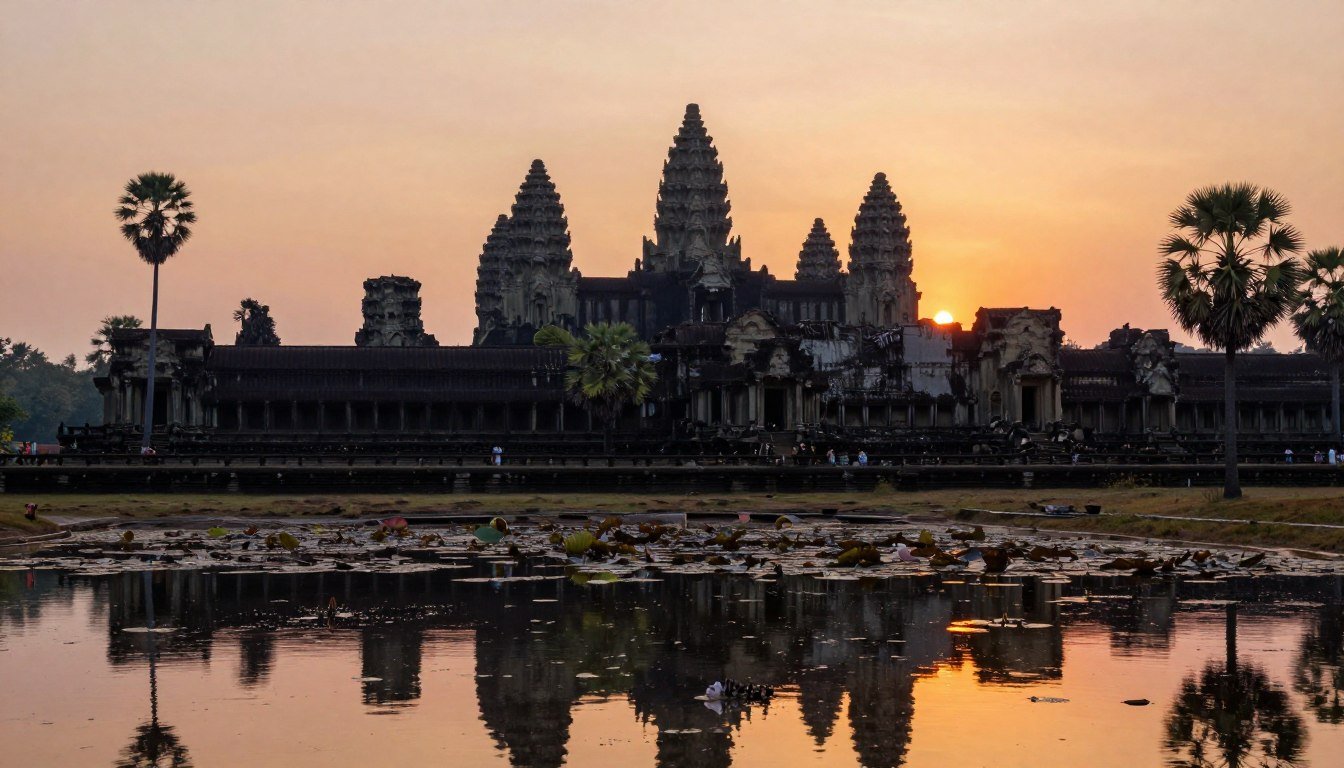
Cambodia emerges as Southeast Asia’s most captivating destination. Ancient temples rise from jungle canopies. Golden beaches stretch along untouched coastlines. Vibrant cities pulse with energy and history.
This kingdom holds treasures beyond Angkor Wat. Floating villages drift across vast lakes. Night markets overflow with street food and handmade crafts. Riverside sunsets paint the Mekong in brilliant colors.
Your 2026 Cambodia adventure starts here with everything you need to explore this remarkable country.
Why Cambodia Captivates Every Traveler
Cambodia offers experiences found nowhere else on earth. The Khmer Empire’s architectural masterpieces stand as testaments to human achievement. Modern Cambodian culture blends ancient traditions with contemporary Southeast Asian vitality.
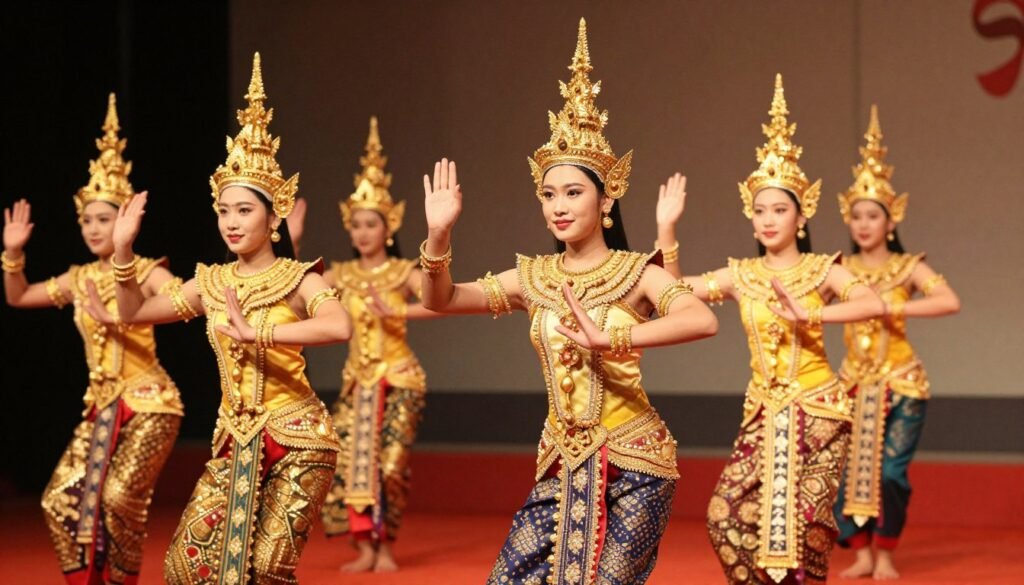
The warmth of Cambodian people transforms ordinary visits into meaningful connections. Despite a difficult past, locals welcome visitors with genuine smiles and generous spirits. This hospitality creates memories lasting far beyond your departure.
Ancient Wonders Beyond Imagination
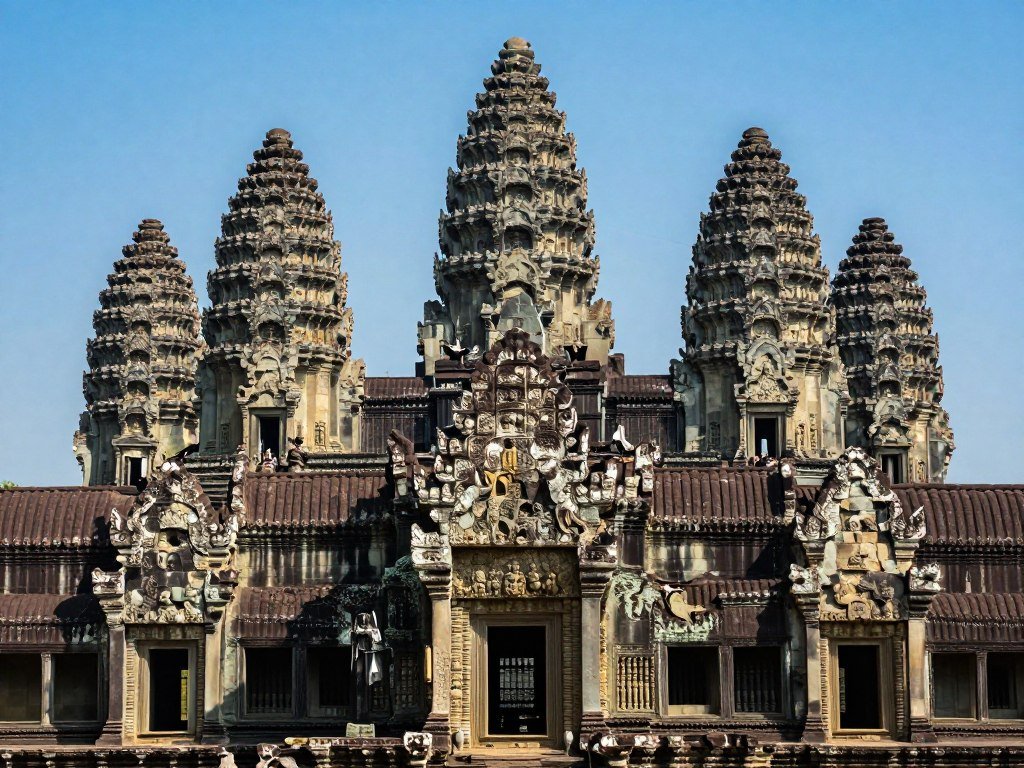
The Angkor Archaeological Park contains over 1,000 temples spanning 400 square kilometers. These structures represent the pinnacle of classical Khmer architecture. Sunrise at Angkor Wat ranks among the world’s most spectacular sights.
Untouched Natural Beauty
Cambodia’s landscapes range from misty Cardamom Mountains to pristine island beaches. Tonle Sap Lake supports floating villages where entire communities live on water. The southern coast reveals white sand beaches rivaling any tropical paradise.
Interactive Cambodia map highlighting Phnom Penh, Siem Reap, coastal regions, and key travel destinations
Download Your Free Cambodia Travel Map
Get our detailed interactive map marking all major temples, cities, beaches, and hidden gems. Includes transportation routes and insider location tips.
Perfect Timing for Your Cambodia Journey
Cambodia’s tropical climate creates distinct seasons affecting travel experiences. Understanding weather patterns helps maximize your adventure while avoiding uncomfortable conditions.
| Season | Timeframe | Weather | Benefits | Drawbacks |
| Dry Season | November – March | 25-30°C, minimal rainfall, low humidity | Perfect temple exploration, comfortable heat, clear skies | Peak tourist crowds, higher accommodation prices |
| Hot Season | April – May | 35-40°C, occasional storms, high humidity | Fewer tourists, discounted rates, vibrant greenery | Extreme heat, afternoon thunderstorms, exhausting conditions |
| Wet Season | June – October | 27-32°C, daily afternoon rain, high humidity | Lush landscapes, lowest prices, authentic local life | Flooded roads, limited beach time, some site closures |
November Through February: Prime Travel Window
These months deliver Cambodia’s finest weather conditions. Temperatures stay comfortable for full-day temple exploration. Clear skies provide perfect photography opportunities across Angkor’s ancient stones.
This peak season brings substantial crowds to major attractions. Book accommodations months in advance, especially for Siem Reap during December and January holidays. Arrive at temples before sunrise to beat tour group arrivals.
Shoulder Months: Best Value Experience
March and October offer compelling advantages. Tourist numbers decrease while weather remains largely cooperative. Prices drop significantly compared to peak months, stretching travel budgets further.
March brings increasing heat but manageable conditions during morning hours. October marks wet season’s end with occasional showers clearing quickly. Both months reward flexible travelers with authentic experiences minus overwhelming crowds.
Insider Tip: Visit Angkor Wat during wet season for dramatically smaller crowds and mystical morning fog. Afternoon rains rarely last beyond two hours. The countryside transforms into brilliant emerald green, creating stunning photography backdrops.
Siem Reap and the Angkor Temples
Siem Reap serves as gateway to humanity’s most impressive archaeological treasures. This vibrant town balances tourist infrastructure with authentic Khmer character. Beyond temples, Siem Reap offers night markets, riverside dining, and cultural performances.
Angkor Wat: The Crown Jewel
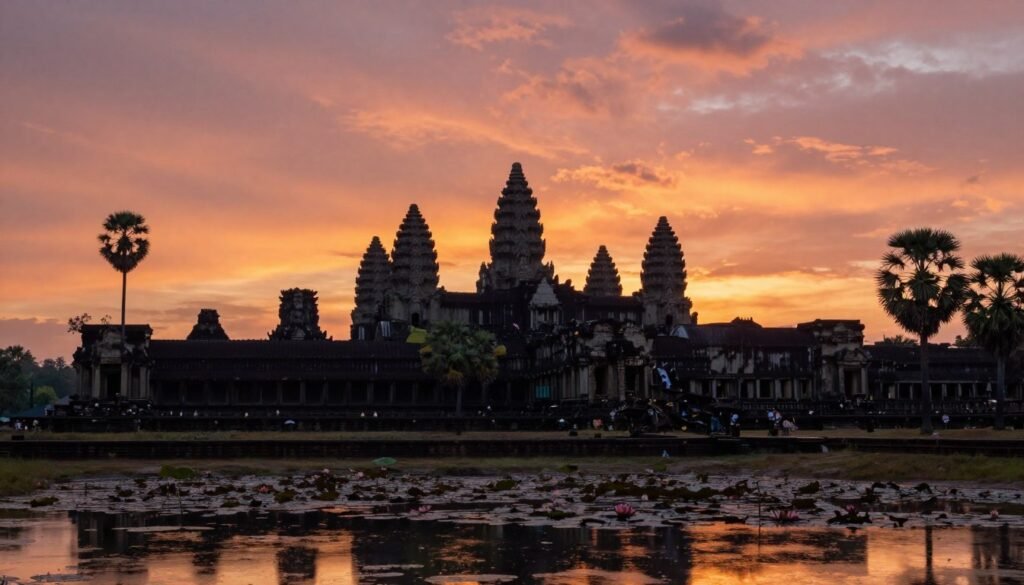
No structure on earth matches Angkor Wat’s grandeur. Built in the 12th century, this massive temple complex originally honored Vishnu before converting to Buddhist use. The central tower rises 65 meters, surrounded by intricate galleries covered in bas-relief carvings.
Sunrise viewing requires pre-dawn departure but rewards early risers spectacularly. The temple’s distinctive towers emerge from darkness as sky transforms through purples, pinks, and oranges. Reflection pools double the visual impact when conditions align perfectly.
Visiting Strategy
- Purchase multi-day passes for thorough exploration
- Hire knowledgeable local guides for historical context
- Start at 5:00 AM for sunrise positioning
- Explore upper galleries during midday heat
- Return for sunset at less crowded temples
- Bring sunscreen, water, and appropriate clothing
Essential Temple Etiquette
- Cover shoulders and knees at all sites
- Remove hats inside temple structures
- Avoid touching ancient carvings and walls
- Stay on designated pathways
- Respect monks and worshippers
- Keep voices low in sacred spaces
Beyond Angkor Wat: Essential Temples
The Angkor Archaeological Park contains hundreds of temples deserving attention. Prioritize these remarkable structures for comprehensive understanding of Khmer architectural evolution.
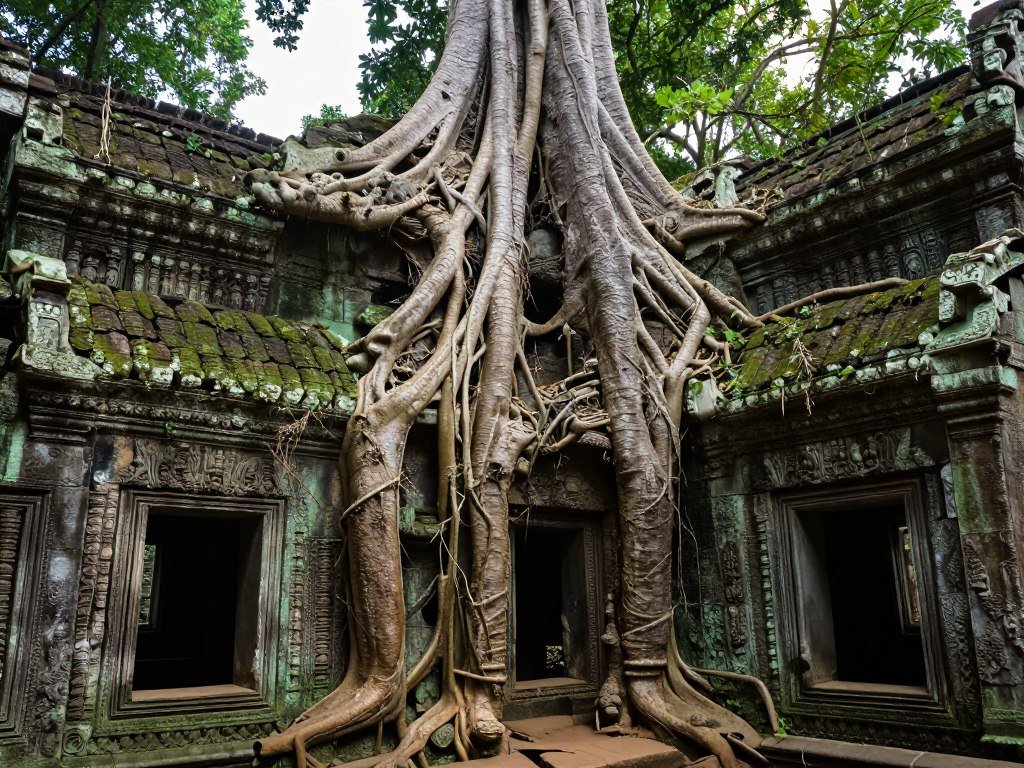
Ta Prohm
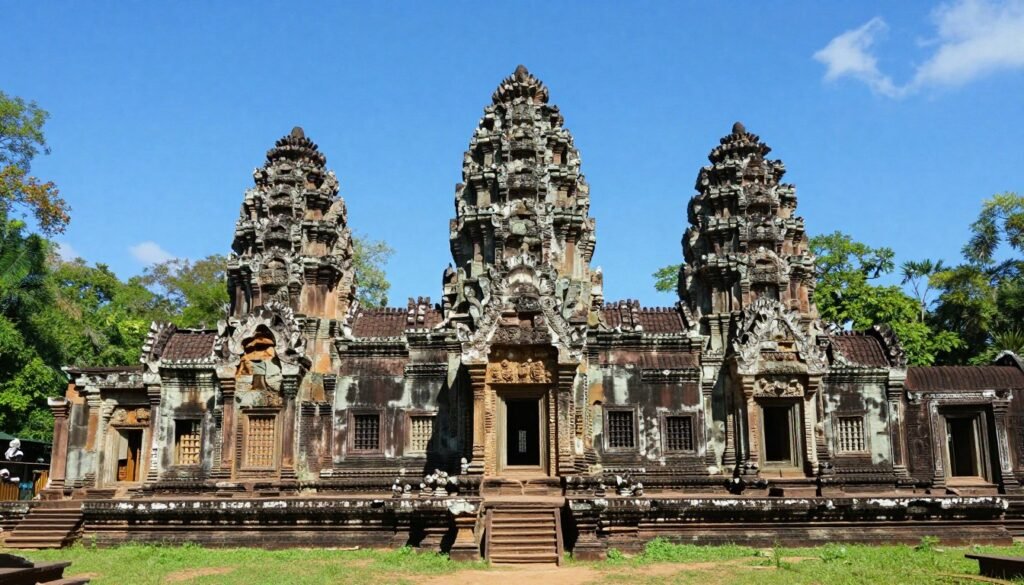
Massive trees intertwine with ancient stone, creating surreal landscapes where nature reclaims human achievement. This temple remains partially unrestored, preserving its jungle-temple mystique. Morning light filters through canopy, illuminating root-wrapped doorways.
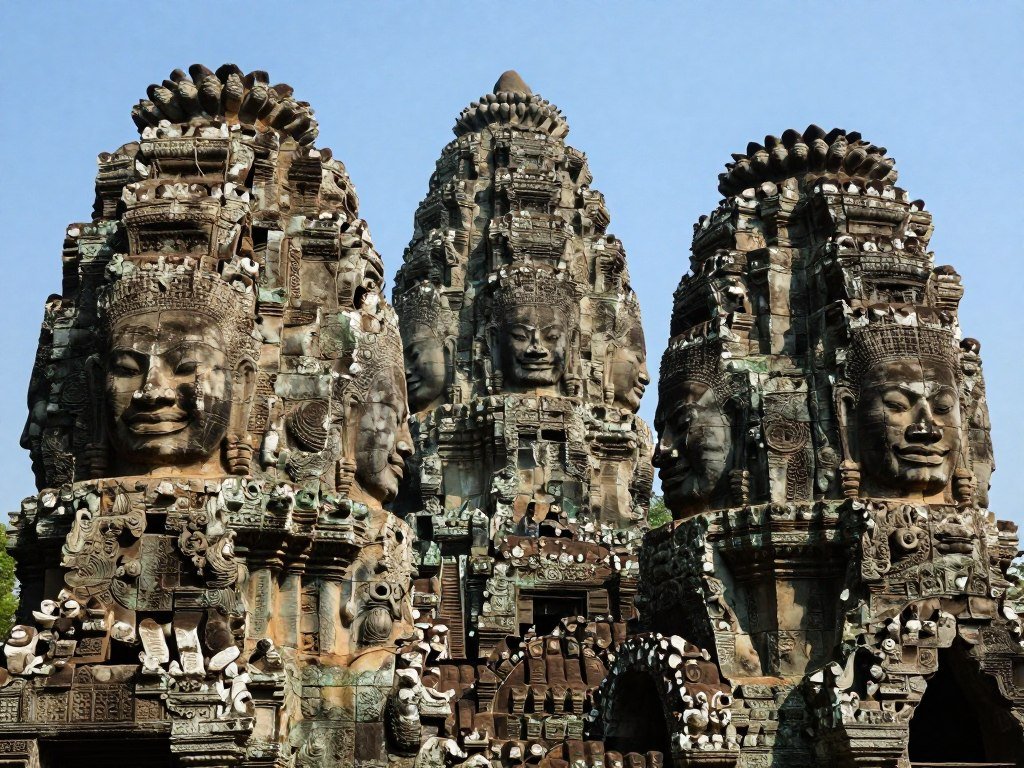
Bayon Temple
Giant stone faces gaze serenely in all directions from this enigmatic structure. The central temple of Angkor Thom features 216 smiling faces across 54 towers. Late afternoon light brings these faces alive with dramatic shadows.
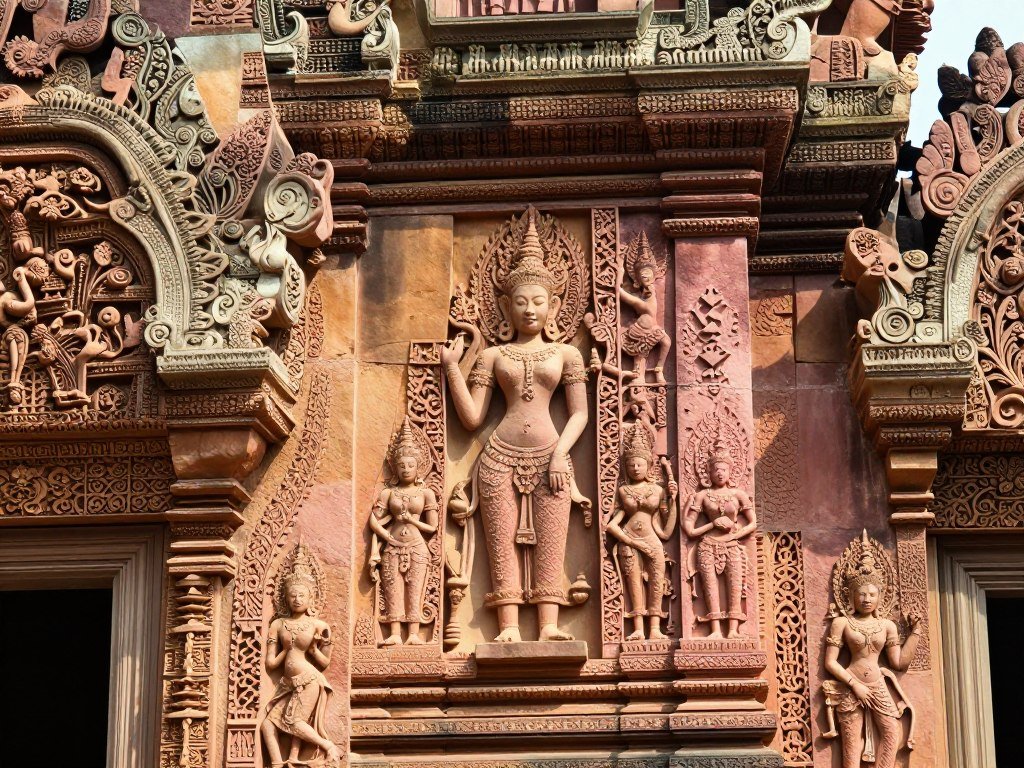
Banteay Srei
Delicate pink sandstone carvings showcase Khmer artistry at its finest. This smaller temple features incredibly detailed relief work often called “the jewel of Khmer art.” The remote location keeps crowds manageable even during peak season.
Book Your Angkor Temples Experience
Skip the planning stress. Join expert-guided temple tours covering Angkor Wat sunrise, major sites, and hidden gems. Small groups, air-conditioned transport, all entry fees included.
Siem Reap Beyond Temples
After temple exploration, Siem Reap reveals modern Cambodian culture. Pub Street transforms nightly into vibrant entertainment and dining hub. Night markets sell everything from silk scarves to street food delicacies.
Cultural Experiences
- Attend traditional Apsara dance performances
- Take Khmer cooking classes in local homes
- Visit artisan villages crafting silk and silver
- Explore floating villages on Tonle Sap Lake
- Browse Old Market for local goods and produce
- Enjoy sunset drinks along Siem Reap River
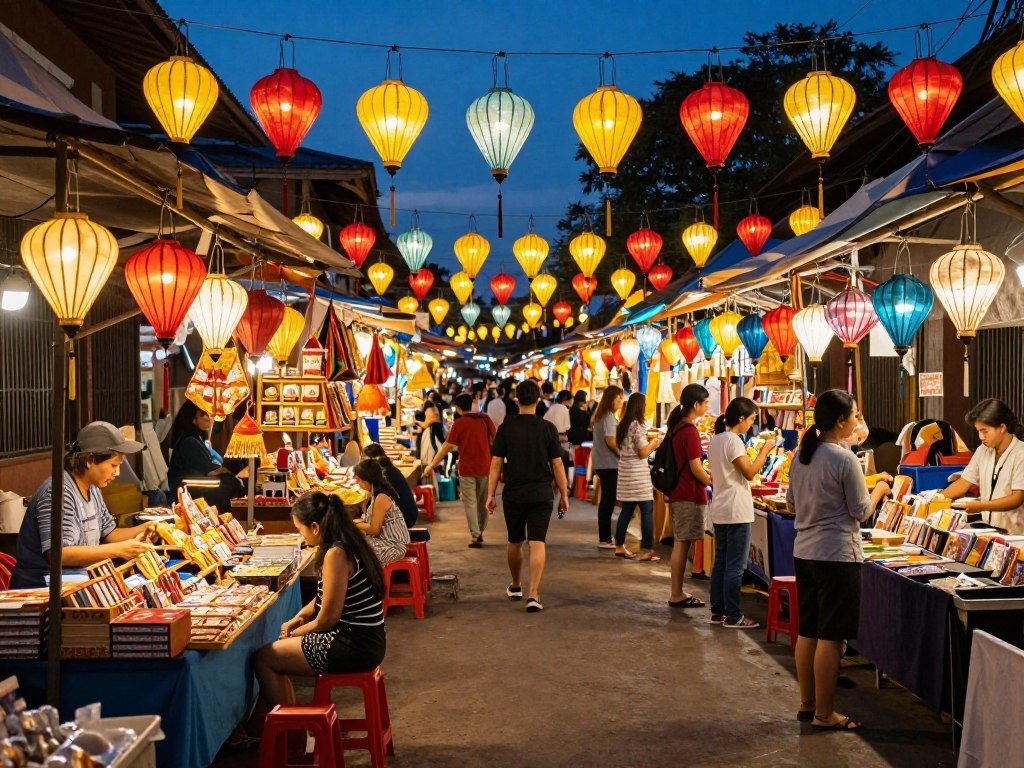
Phnom Penh: Cambodia’s Dynamic Capital
Phnom Penh surprises visitors with its energy and evolution. This riverside capital blends French colonial architecture with modern development. Wide boulevards filled with motorbikes lead to golden pagodas and contemporary cafes.
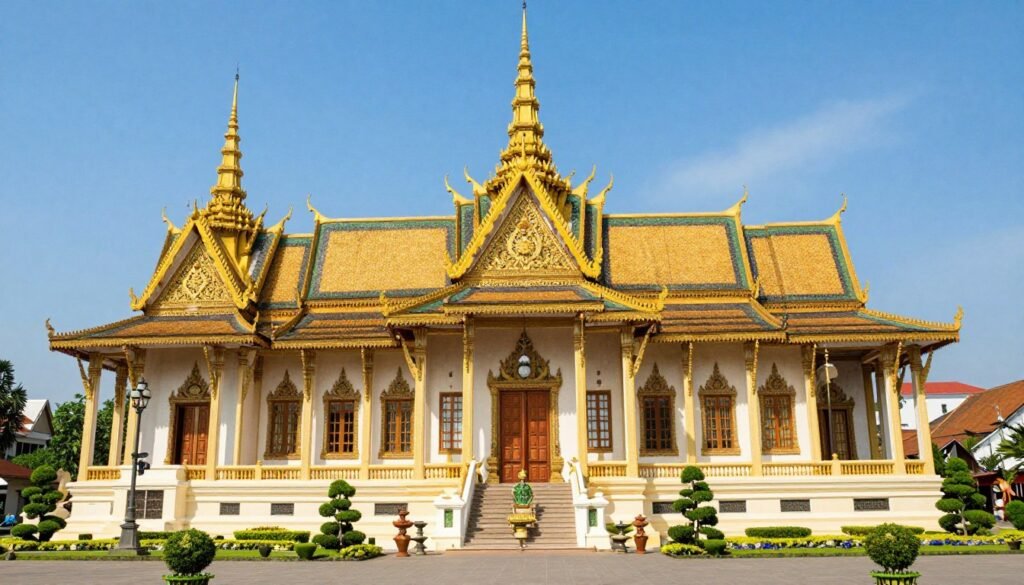
Royal Palace and Silver Pagoda
The Royal Palace complex showcases Cambodia’s architectural splendor. Golden spires rise above manicured gardens where peacocks roam freely. The Silver Pagoda floor contains over 5,000 silver tiles, though protective coverings hide most from view.
Emerald Buddha and life-sized gold Buddha statues demonstrate royal wealth and devotion. Murals depicting Ramayana epic cover gallery walls. Dress respectfully and arrive early before midday heat and tour groups overwhelm the space.
Confronting History: Tuol Sleng and Killing Fields
Understanding Cambodia requires confronting its tragic recent past. The Khmer Rouge regime between 1975-1979 killed approximately two million Cambodians through execution, starvation, and forced labor.
Tuol Sleng Genocide Museum occupies a former high school converted into interrogation center. Photographs of victims cover walls. Crude torture devices remain displayed. The experience proves emotionally difficult but historically essential.
The Killing Fields at Choeung Ek memorialize mass execution sites. A memorial stupa holds thousands of skulls. Audio guides share survivor testimonies. These sites honor victims while educating visitors about genocide’s reality.
Visitor Note: Genocide sites require emotional preparation. These are memorial spaces deserving solemn respect. Photography is permitted but use discretion. Many visitors find these experiences profoundly moving and important for understanding modern Cambodia.
Riverside Life and Markets
Phnom Penh’s riverside promenade offers evening relaxation and people-watching. Locals practice aerobics at sunset while vendors sell snacks and drinks. Restaurants and bars provide Mekong River views alongside international cuisine.
Central Market’s distinctive Art Deco dome covers vendors selling jewelry, textiles, and electronics. Russian Market provides more authentic local shopping for clothing, crafts, and souvenirs. Both markets reward haggling skills and patient browsing.
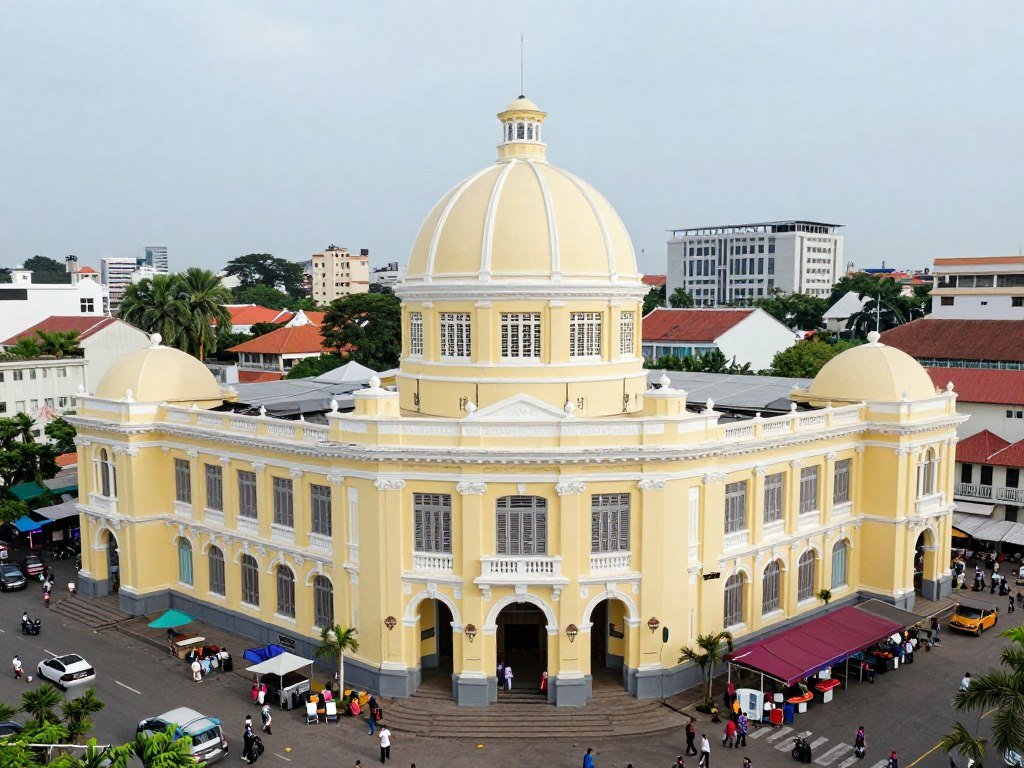
Central Market
Art Deco masterpiece housing jewelry, watches, and clothing vendors. The restored yellow dome creates a stunning central space. Best visited morning before heat intensifies. Fixed prices on some items but haggling expected elsewhere.
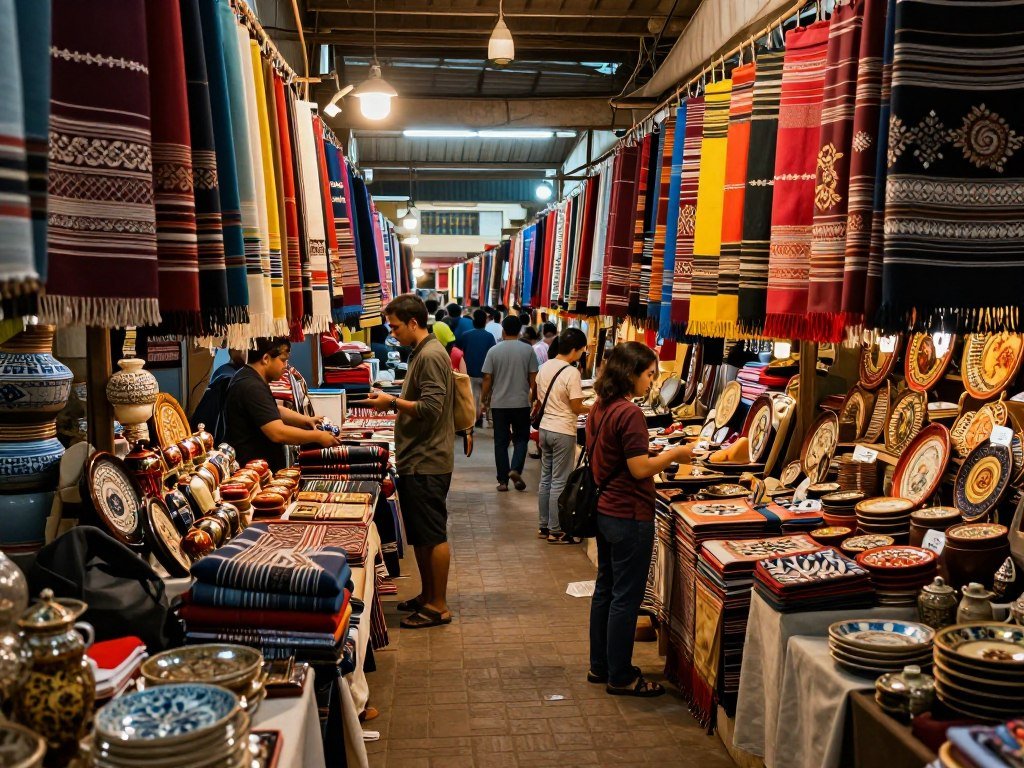
Russian Market
Authentic local market offering best souvenir shopping in Phnom Penh. Find silk scarves, traditional crafts, artwork, and clothing at negotiable prices. Less polished than Central Market but more rewarding for bargain hunters seeking unique items.
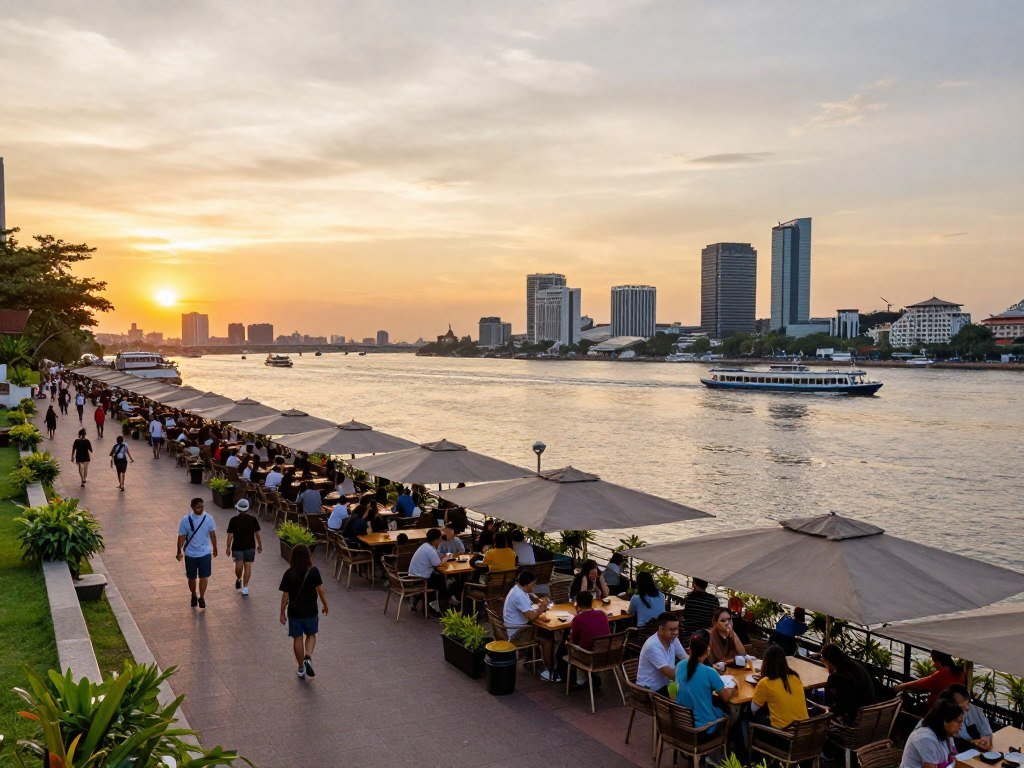
Riverside Promenade
Evening gathering spot for locals and visitors alike. Watch sunset over the Mekong while enjoying drinks and street food. Morning offers quieter atmosphere perfect for riverside walks before city heat peaks during afternoon hours.
Cambodia’s Coastal Paradise
Cambodia’s southern coastline remains Southeast Asia’s best-kept beach secret. White sand beaches meet turquoise waters on islands barely touched by development. This region offers tropical paradise without the crowds plaguing Thai or Vietnamese coasts.
Koh Rong: Island Perfection
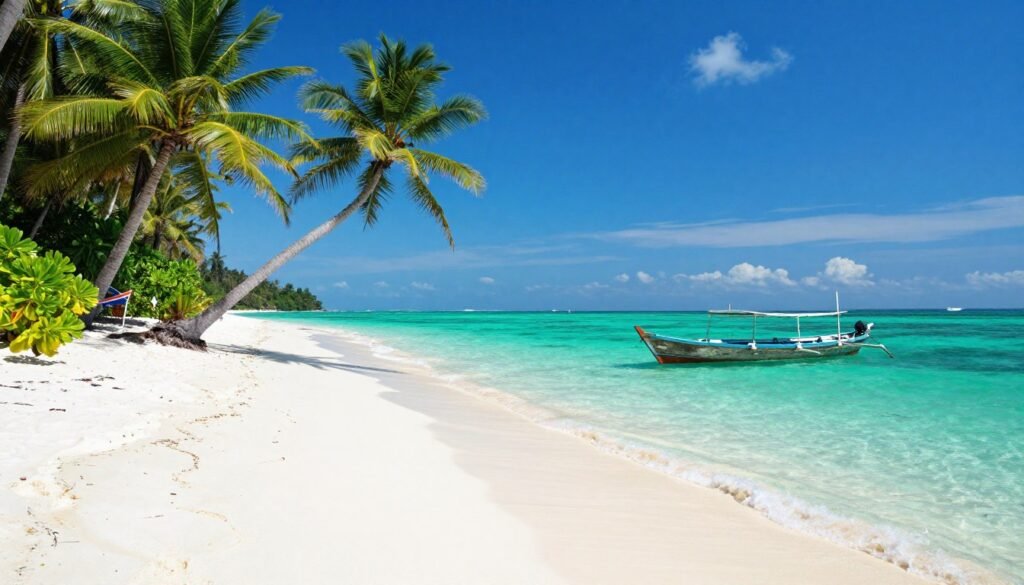
Koh Rong delivers everything tropical fantasies promise. Seven main beaches circle this island, each offering distinct character. Koh Touch Beach provides budget bungalows and backpacker energy. Sok San Beach stretches four kilometers of near-empty white sand.
Nighttime reveals bioluminescent plankton glowing bright blue in the waves. Swimming through sparkling water creates magical experiences. The island lacks ATMs and reliable internet, adding to its escape-from-everything appeal.
Koh Rong Activities
- Snorkeling pristine coral reefs
- Sunset watching from Long Beach
- Island hopping to surrounding beaches
- Jungle trekking to waterfalls
- Diving PADI certification courses
- Beach bonfires under stars
Practical Island Tips
- Bring sufficient cash – no ATMs
- Book accommodation advance high season
- Pack reef-safe sunscreen
- Ferry from Sihanoukville takes 45 minutes
- Electricity often limited to evening hours
- Insect repellent essential for jungle areas
Koh Rong Samloem: Quieter Alternative
Koh Rong’s smaller neighbor offers even more tranquility. Saracen Bay features powdery white sand and clear shallow waters perfect for swimming. Development remains minimal with small resorts and bungalows preserving beach charm.
This island suits travelers seeking complete relaxation over party atmosphere. Sunset Beach provides spectacular evening views. The jungle interior contains trails leading to secluded coves and viewpoints.
Sihanoukville: Gateway and Beach Town
Sihanoukville serves as jumping-off point for island ferries. The town itself underwent massive Chinese development recently, transforming its character dramatically. Independence Beach and Otres Beach remain pleasant for short stays while arranging onward travel.
Most travelers minimize time here, using Sihanoukville purely for island access. Budget an extra day if arrival and departure schedules don’t align with ferry times.
Plan Your Perfect Beach Escape
Let our Cambodia experts design your ideal coastal itinerary. We’ll arrange island-hopping schedules, beachfront accommodation, and transportation from Phnom Penh or Siem Reap.
Khmer Cuisine: Flavors of Cambodia
Cambodian food deserves far more recognition than it receives. Khmer cuisine balances flavors differently than neighboring Thai or Vietnamese cooking, using less spice and more subtle herbal notes. Fresh ingredients and aromatic pastes create distinctive tastes.
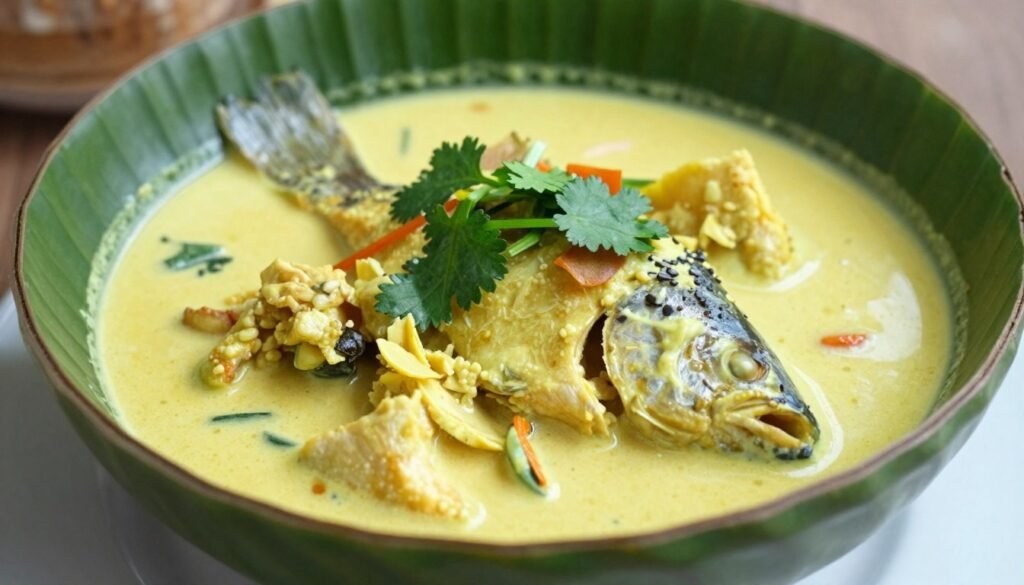
Essential Dishes Every Visitor Must Try
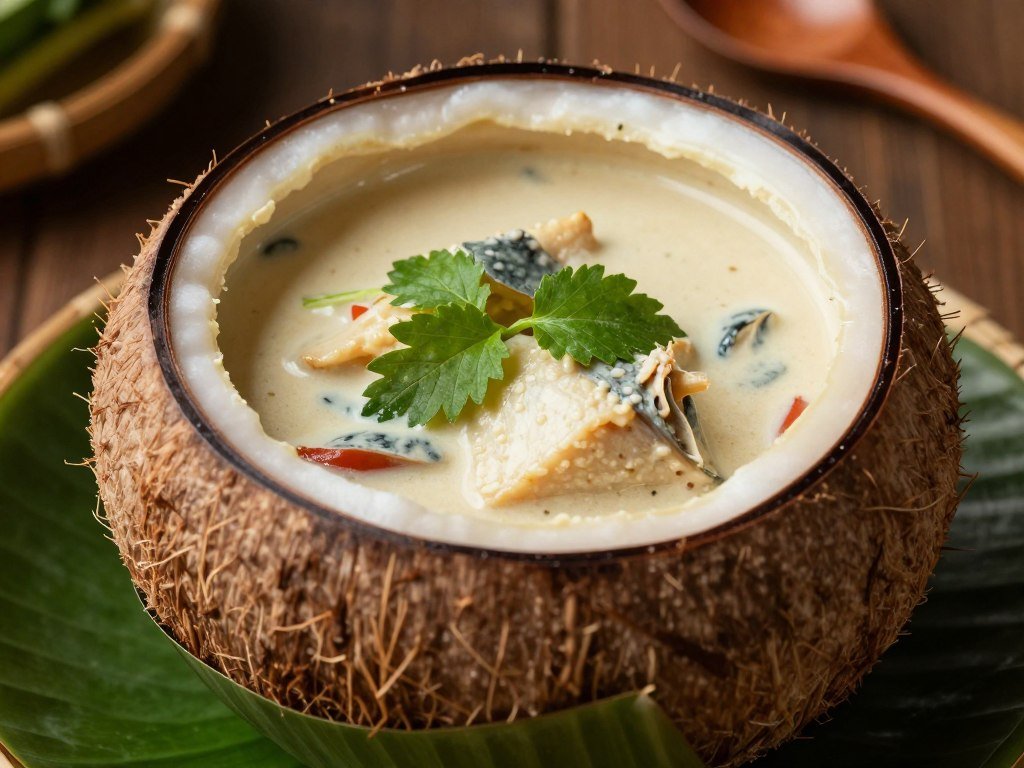
Fish Amok
Cambodia’s national dish features fish in coconut cream curry steamed in banana leaves. The delicate flavor balances creamy richness with lemongrass and galangal aromatics. Every restaurant offers their version, from street stalls to upscale dining.
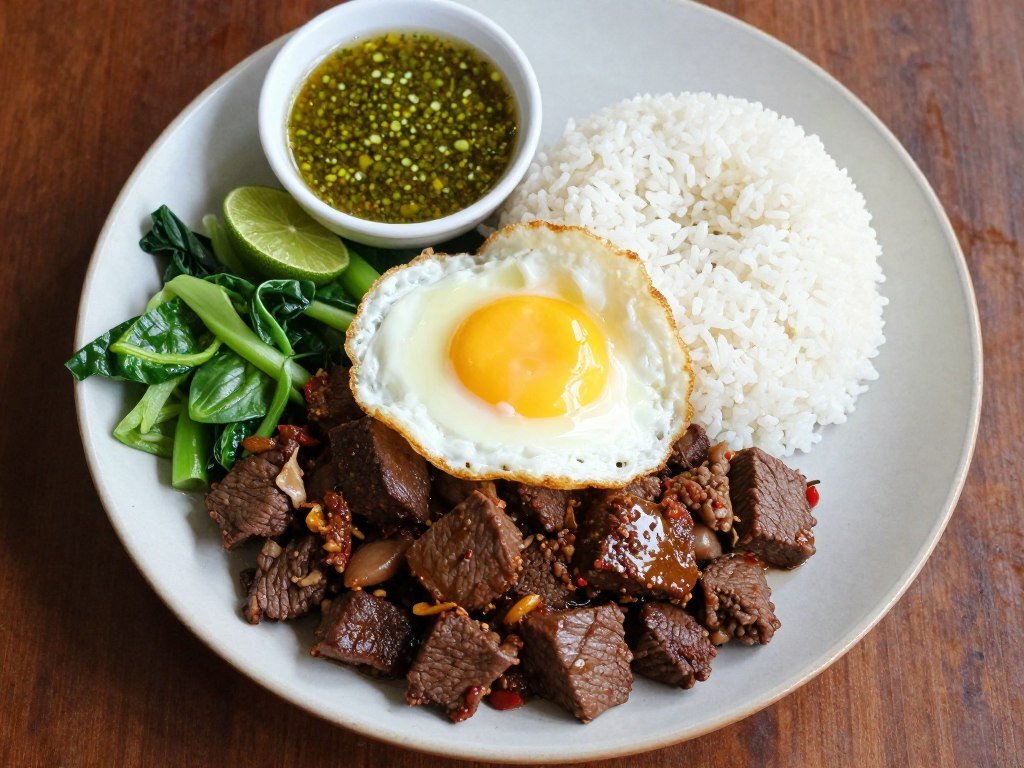
Lok Lak
Tender beef cubes marinated and stir-fried, served with rice, fresh vegetables, and lime-pepper dipping sauce. This Chinese-influenced dish became Cambodian staple. The simple preparation highlights quality ingredients and perfect seasoning balance.
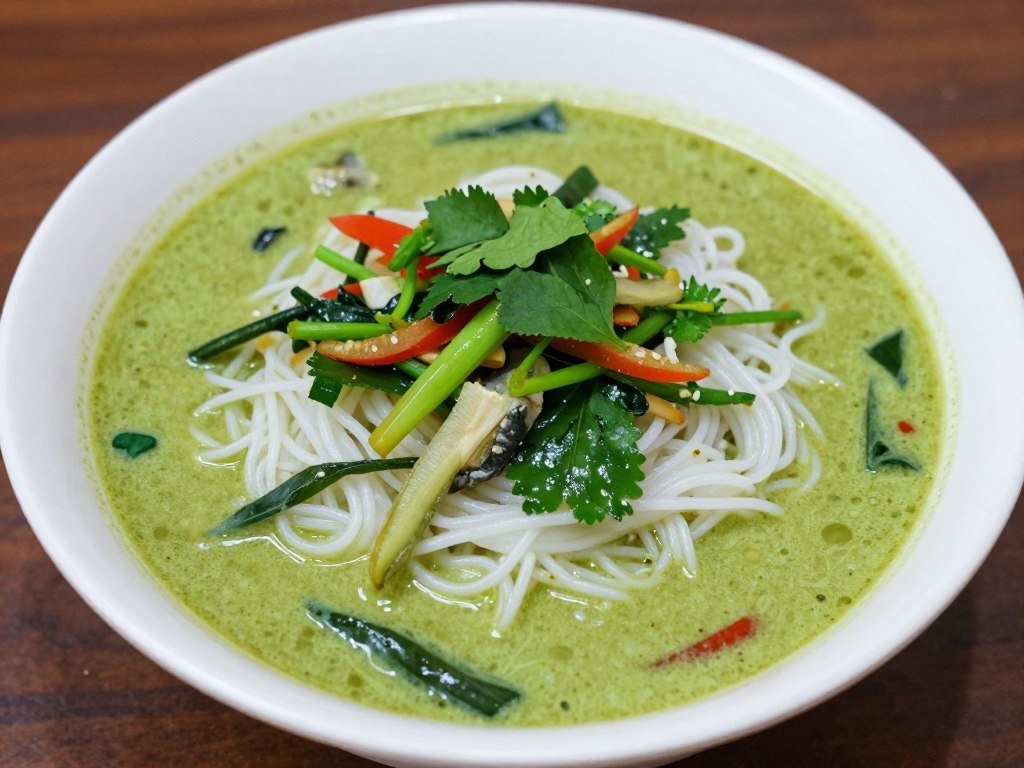
Nom Banh Chok
Fresh rice noodles topped with green fish curry or coconut-based sauce. Cambodians eat this traditional breakfast dish daily. Street vendors prepare it fresh morning, serving with array of herbs and vegetables for customizing each bowl.
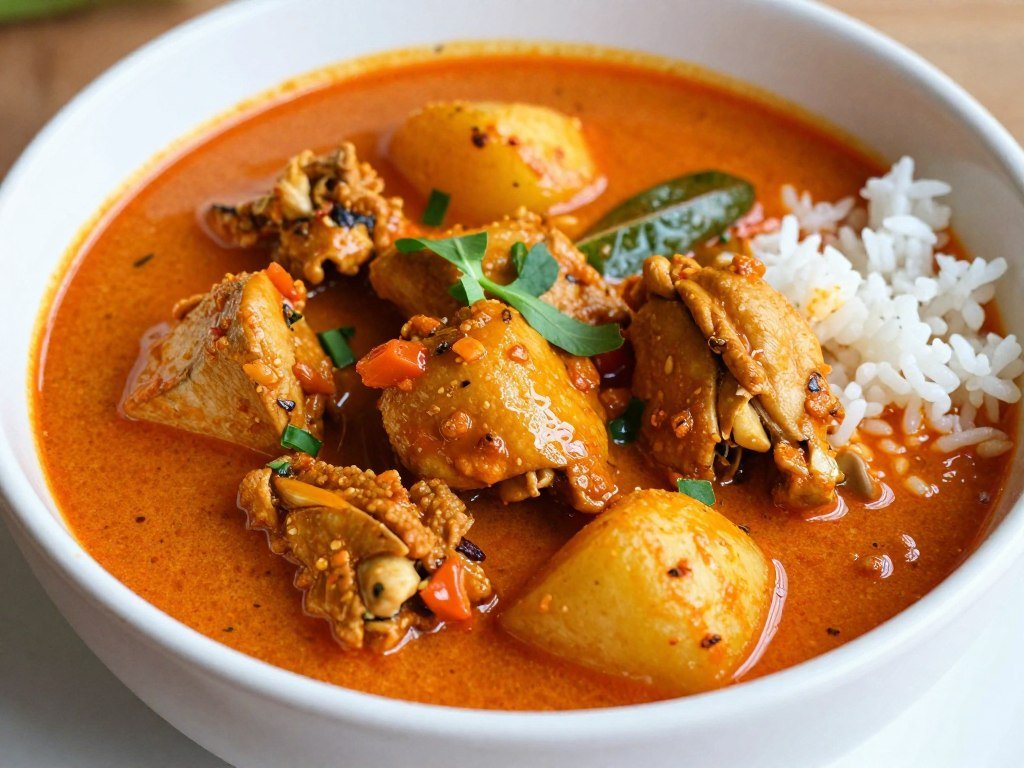
Khmer Curry
Less spicy than Thai versions, Cambodian curry uses more turmeric and less chili. The result offers complex flavor without overwhelming heat. Chicken, beef, or fish variations come with potatoes, green beans, and coconut milk.
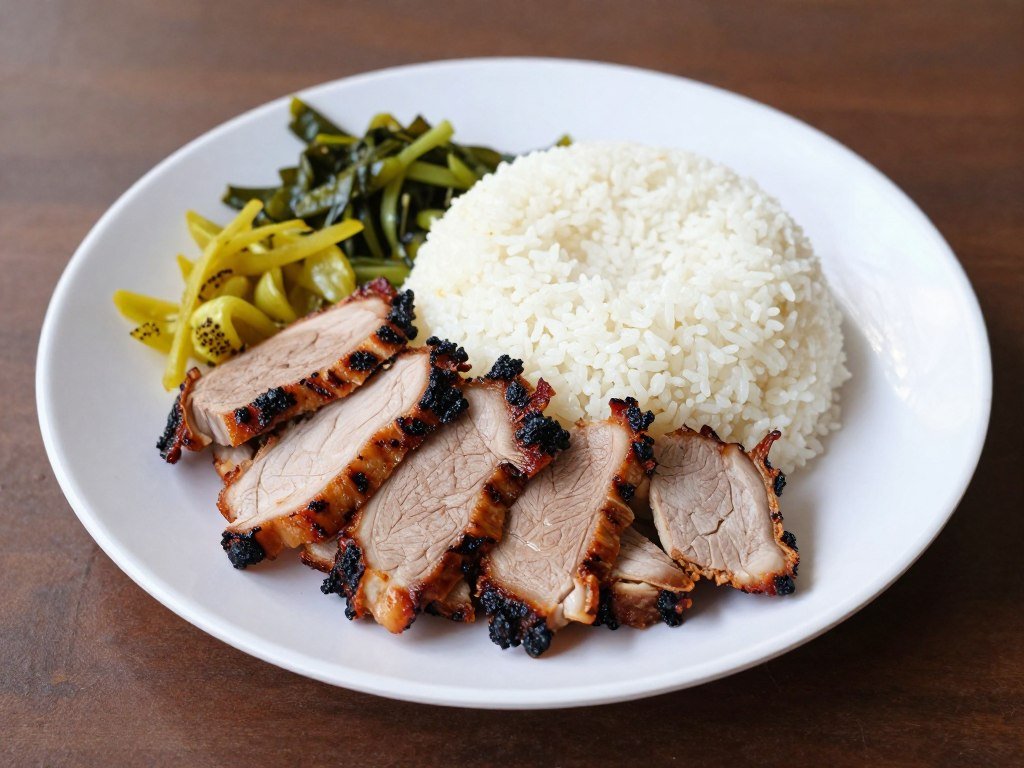
Bai Sach Chrouk
Grilled pork marinated in coconut milk and garlic, served over broken rice with pickled vegetables. This beloved breakfast staple appears at street stalls throughout Cambodia. The pork develops slight char adding smoky sweetness.
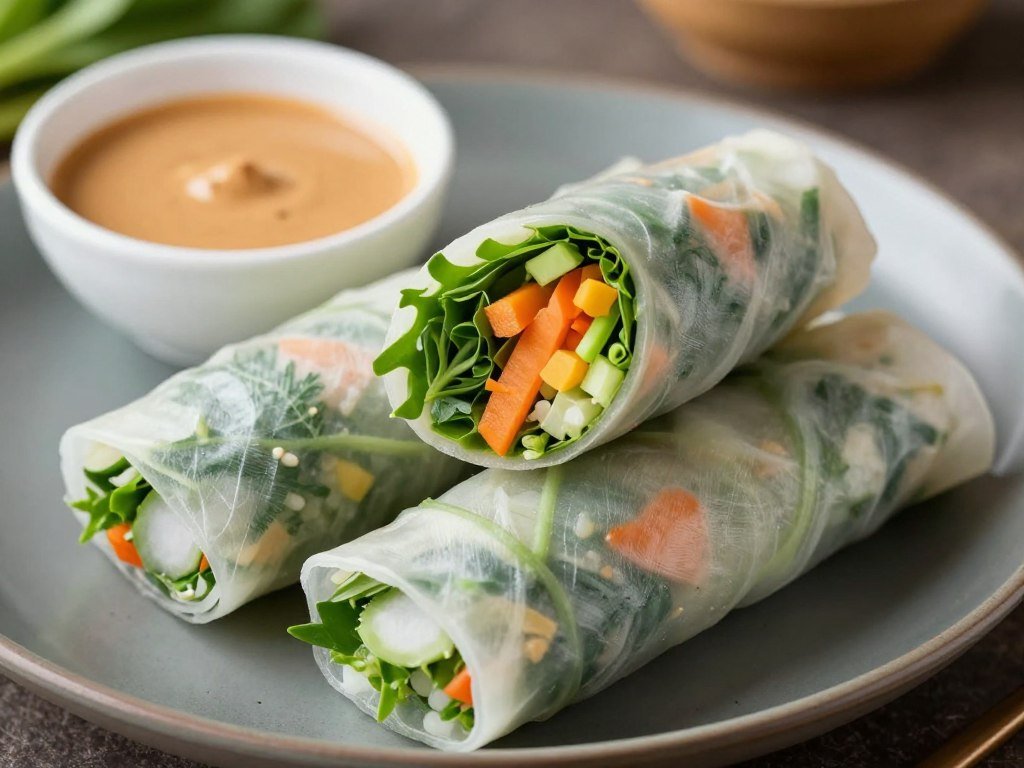
Fresh Spring Rolls
Rice paper wraps filled with fresh vegetables, herbs, rice noodles, and sometimes shrimp or pork. Peanut sauce provides nutty, slightly sweet complement. These light, healthy snacks offer perfect refreshment during hot afternoon exploration.
Where to Eat in Cambodia
Food options span every budget level and formality. Street food stalls serve authentic flavors for pocket change. Mid-range restaurants offer air-conditioned comfort and expanded menus. Fine dining establishments present creative interpretations of traditional recipes.
- Morning markets for nom banh chok breakfast
- Night market grilled meats and seafood
- Roadside stalls for bai sach chrouk
- Mobile vendors selling fresh fruit shakes
- Corner shops offering num pang sandwiches
Street Food Favorites
- Khmer Kitchen in Siem Reap for traditional dishes
- Romdeng Phnom Penh supporting local communities
- Sugar Palm serving authentic family recipes
- Mahob Khmer Cuisine for upscale traditional
- Local eateries near markets for daily specials
Local Restaurants
- Cooking classes in traditional homes
- Food tours exploring hidden neighborhoods
- Dining shows with Apsara performances
- Farm-to-table restaurants using local ingredients
- Riverside fine dining with Mekong views
Special Experiences
Food Safety: Street food in Cambodia proves generally safe when choosing busy vendors with high turnover. Look for stalls popular with locals. Avoid raw vegetables unless washed in purified water. Peel your own fruit when possible. Bottled water remains essential throughout Cambodia.
Transportation Across Cambodia
Getting around Cambodia requires flexibility and patience. Infrastructure continues improving but remains basic in many areas. Multiple transport options exist with varying comfort levels and journey times.
Domestic Flights
Several airlines connect Phnom Penh, Siem Reap, and Sihanoukville. Flights save considerable time compared to ground transport. The one-hour Phnom Penh to Siem Reap flight beats six-hour bus journeys, especially for short trips.
Book flights advance during high season when demand increases prices. Baggage allowances vary between carriers. Small aircraft sometimes face weather delays during rainy season.
Buses: Most Popular Option
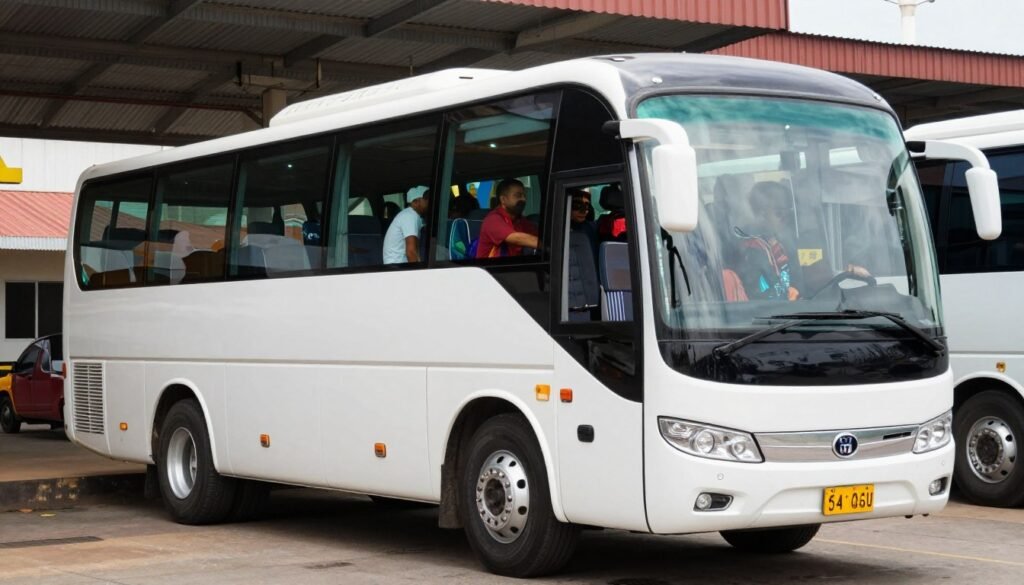
Bus companies operate routes connecting all major destinations. Giant Ibis, Mekong Express, and Virak Buntham offer comfortable air-conditioned coaches. Seats recline, WiFi functions intermittently, and rest stops break longer journeys.
Book tickets online or through hotels to guarantee seats. Departure times stay relatively consistent. Buses generally arrive close to scheduled times on major routes. Road conditions vary significantly between highways and rural roads.
Popular Bus Routes
- Phnom Penh to Siem Reap (6 hours)
- Siem Reap to Battambang (3 hours)
- Phnom Penh to Sihanoukville (4-5 hours)
- Siem Reap to Phnom Penh via Kampong Thom
- Border crossings to Thailand and Vietnam
Bus Travel Tips
- Bring sweater for over-air-conditioning
- Keep valuables in carry-on bag
- Arrive 30 minutes before departure
- Download entertainment for limited WiFi
- Bathroom stops every 2-3 hours
Tuk-Tuks: Iconic Local Transport
Cambodia’s motorized rickshaws provide essential short-distance transport. Tuk-tuks navigate narrow streets impossible for cars. Drivers often speak basic English and know all tourist sites.
Always negotiate prices before departure. Establish clear destination and whether price covers one-way or round trip. Reasonable rates for hour-long tours start around $15-20. Day-long temple touring costs $25-35 depending on distance.
Renting Motorbikes and Bicycles
Experienced riders can rent motorbikes for independent exploration. Rental shops require passport deposits. Traffic flows chaotically in cities but thins dramatically in countryside. International driving permits legally required but rarely checked.
Bicycles suit flat areas like Siem Reap for temple touring. Most guesthouses rent bikes cheaply. Cycling provides peaceful way experiencing rural landscapes while controlling your own pace and stops.
Safety Warning: Cambodia’s traffic fatality rates rank among world’s highest. Drive defensively, wear helmets, avoid night riding, and never drive impaired. Travel insurance typically excludes motorbike accidents. Consider hiring drivers instead for longer journeys.
Border Crossings to Neighboring Countries
Cambodia shares borders with Thailand, Vietnam, and Laos. Multiple crossing points allow overland travel between countries. Poipet connects to Thailand. Bavet links with Vietnam near Ho Chi Minh City.
Visas for Cambodia available at most borders on arrival. Research neighboring country requirements advance as policies change frequently. Some border crossings see scams targeting tourists, so stay alert and decline “helper” services.
Where to Stay in Cambodia
Accommodation across Cambodia suits every budget and travel style. Options range from $5 dormitory beds to luxury resort villas. Location significantly impacts experience, so choose neighborhoods matching your interests.
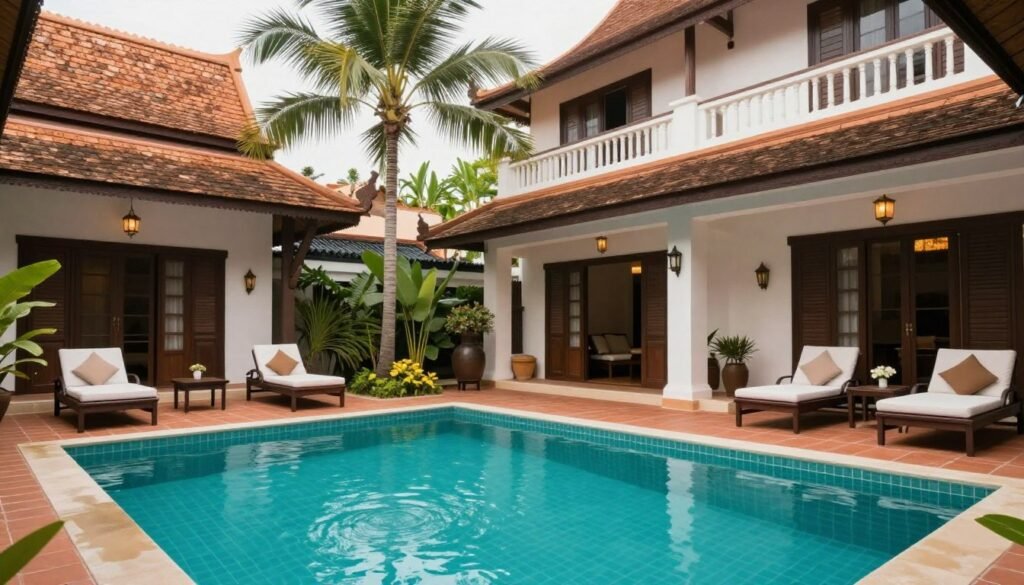
Budget Accommodations
Hostels throughout Cambodia provide clean beds and social atmospheres. Most offer private rooms alongside dormitories. Common areas facilitate meeting fellow travelers. Many include free breakfast, pool access, and organized activities.
Budget guesthouses fill every town, offering basic rooms with fans or air-conditioning. Family-run operations provide personal service often lacking in larger properties. These simple accommodations suit travelers prioritizing experiences over room amenities.
Mid-Range Hotels and Boutiques
This category delivers excellent value in Cambodia. Comfortable rooms include air-conditioning, hot water, and often small pools. Staff speaks English and assists with tour bookings. Breakfast typically included in rates.
Boutique properties add character to standard hotel offerings. Renovated colonial buildings and traditional Khmer architecture house stylish rooms. These hotels occupy best locations while maintaining reasonable prices compared to Western standards.
Luxury Resorts
International brands operate properties in major destinations. Expect world-class service, extensive amenities, and impeccable standards. Many feature spas, multiple restaurants, and concierge services arranging customized experiences.
Heritage properties like Raffles Grand Hotel d’Angkor and Park Hyatt Siem Reap combine history with luxury. These colonial-era buildings underwent meticulous restoration creating unique atmospheres impossible in new constructions.
| Category | Nightly Rate | Typical Amenities | Best For |
| Budget Hostels | $5-15 USD | Dorm beds, shared bathrooms, common areas, WiFi | Backpackers, solo travelers, budget-conscious explorers |
| Guesthouses | $15-35 USD | Private rooms, fan or AC, breakfast, basic services | Budget travelers wanting privacy, couples, short stays |
| Mid-Range Hotels | $35-80 USD | Pool, restaurant, AC, hot water, tour desk, WiFi | Most travelers, families, comfortable stays, good value |
| Boutique Properties | $60-150 USD | Design focus, unique character, premium service, pools | Style-conscious travelers, special occasions, authenticity |
| Luxury Resorts | $150-500+ USD | Spas, fine dining, concierge, extensive grounds, premium everything | Luxury seekers, honeymoons, milestone celebrations, pampering |
Booking Strategies for 2026
- Reserve Siem Reap hotels months advance for November through February peak season
- Compare prices across booking platforms as rates vary significantly
- Read recent reviews focusing on cleanliness and actual location
- Verify cancellation policies providing flexibility for changed plans
- Book direct with hotels after comparing online for potential upgrades
- Consider apartment rentals for stays exceeding one week
- Check included amenities like breakfast, airport transfers, tour discounts
Find Your Ideal Cambodia Accommodation
Search all major booking platforms simultaneously. Filter by neighborhood, amenities, and budget. Read verified reviews and book with confidence. Most properties offer free cancellation.
Essential Cambodia Travel Information
Practical preparation ensures smooth travels through Cambodia. These details cover visa requirements, money matters, health considerations, and communication essentials.
Visa Requirements and Entry
Most nationalities receive 30-day tourist visas on arrival at Cambodia’s international airports and land borders. The process takes 10-15 minutes. Bring one passport photo and $30 USD cash (exact amount preferred).
E-visas available online provide convenience avoiding airport lines. Apply at least three days before travel. Print the approval letter for immigration presentation. E-visas cost $36 including processing fees.
Visa extensions available through travel agencies in major cities. Overstaying incurs $10 daily fines. Keep passport secure as replacement proves difficult and time-consuming.
Money and Banking
Cambodia uses both Cambodian Riel and US Dollars interchangeably. Dollars preferred for large transactions. Riel comes as change for small purchases. Prices commonly listed in dollars making budgeting straightforward for Americans.

ATMs dispense US dollars throughout cities and tourist areas. Withdrawal limits typically $500-1000 per transaction. Your bank charges foreign transaction fees. Carry smaller bills as change availability limited.
Daily Budget Estimates
- Budget travelers: $25-40 daily
- Mid-range travelers: $50-100 daily
- Luxury travelers: $150-300+ daily
- Temple passes: $37-62 (1-7 days)
- Meals: $2-5 street food, $8-20 restaurants
- Accommodation: $10-80 average range
Money Tips
- Bring crisp, undamaged US bills
- Keep small denominations for vendors
- Withdraw larger amounts to minimize fees
- Credit cards accepted at hotels and upscale restaurants
- Cash essential for markets and street food
- Notify bank of travel dates before departure
Health and Safety
Cambodia presents minimal health risks with basic precautions. Drink only bottled or purified water. Avoid ice in rural areas. Peel fruits yourself when possible. Street food generally safe when vendors maintain high turnover.
Dengue fever and malaria exist in some regions. Consult travel medicine clinics about antimalarial medications. Use insect repellent containing DEET. Sleep under mosquito nets in rural areas. Cover skin during dawn and dusk when mosquitoes feed most actively.
Health Precautions
- Pack comprehensive first aid kit
- Bring prescription medications in original containers
- Purchase travel insurance covering medical evacuation
- Consult doctor about recommended vaccinations
- Carry hand sanitizer and use frequently
- Protect against sun with high SPF sunscreen
- Stay hydrated in tropical heat
Avoid These Risks
- Tap water consumption anywhere
- Swimming in stagnant water bodies
- Touching stray animals (rabies risk)
- Unprotected sun exposure midday
- Dehydration during temple touring
- Food sitting long periods without refrigeration
- Drinking excessive alcohol in extreme heat
Communication and Internet
Purchase local SIM cards at airports or phone shops in any city. Data packages cost remarkably little, providing unlimited internet for days. Smart, Cellcard, and Metfone operate nationwide networks with good coverage in populated areas.
WiFi available at most hotels, restaurants, and cafes. Speeds vary dramatically between properties. Download necessary apps, maps, and entertainment before relying on public WiFi quality.
Cultural Etiquette
Cambodian culture emphasizes respect, particularly toward elders and monks. Remove shoes before entering homes and temples. Dress modestly covering shoulders and knees at religious sites. Avoid pointing feet at people or Buddha images.
Public displays of affection remain uncommon. Losing temper or raising voices causes uncomfortable situations. Maintain calm demeanor even when frustrated. Smiling and patience resolve most issues eventually.
Temple Dress Code: Strict clothing rules apply at Angkor temples and other religious sites. Shoulders and knees must stay covered. Security denies entry to improperly dressed visitors. Bring sarongs or scarves for covering up. Some temples provide wraps at entrances.
Suggested Cambodia Itineraries for 2026
These itineraries provide frameworks for different trip lengths. Adjust based on interests, energy, and travel pace preferences. Cambodia rewards both quick visits and extended exploration.
One Week: Essential Cambodia
Days 1-3: Siem Reap and Angkor
Arrive Siem Reap and settle into accommodation. Spend remainder of first day exploring town, visiting Old Market, and enjoying dinner along Pub Street.
Wake before dawn day two for Angkor Wat sunrise. Explore the main temple thoroughly before heat peaks. Afternoon visits Ta Prohm’s jungle-wrapped ruins and Bayon’s enigmatic faces. Evening Apsara dance performance with traditional dinner.
Day three covers distant temples including Banteay Srei’s intricate carvings. Stop at Banteay Samre on return journey. Afternoon free for pool relaxation or exploring artisan villages outside Siem Reap.
Days 4-5: Phnom Penh
Morning bus or flight to Phnom Penh. Visit Royal Palace and Silver Pagoda in afternoon once settled. Evening riverside dinner with Mekong views.
Day five confronts Cambodia’s difficult history at Tuol Sleng Museum and Killing Fields. These emotionally heavy visits require afternoon recovery time. Evening exploring Central Market and sampling street food.
Days 6-7: Beach Relaxation
Travel to Sihanoukville then ferry to Koh Rong island. Two days of beach time, snorkeling, and sunset watching. Return to Phnom Penh for departure flight or extend beach stay.
Two Weeks: Comprehensive Exploration
Follow one-week itinerary then add:
Days 8-10: Battambang and Countryside
Bus from Phnom Penh to Battambang. Explore French colonial architecture and riverside atmosphere. Take bamboo train ride through countryside. Visit Phnom Sampeau caves and bat cave exit at sunset. Day trip to floating villages and silk weaving communities.
Days 11-14: Extended Beach Time
Return to coast for extended relaxation. Island hop between Koh Rong and Koh Rong Samloem. Add diving certification or simply enjoy tropical paradise. Final night Phnom Penh before departure.
Final Cambodia Travel Tips for 2026
These closing insights help avoid common pitfalls while maximizing your Cambodia experience. Small preparation details create significantly smoother journeys.
Embrace Flexibility
Cambodia rewards flexible travelers. Transportation delays happen. Weather changes plans. Unexpected discoveries lead to best memories. Build buffer days into tight itineraries allowing spontaneous adjustments.
Respect Local Customs
Take time learning basic Khmer phrases. Locals appreciate efforts despite inevitable pronunciation mistakes. Understanding cultural context enriches temple visits and daily interactions. Cambodia’s recent history shapes present-day attitudes and sensitivities.
Bargain Respectfully
Negotiating prices forms expected practice at markets and with tuk-tuk drivers. However, remember dollar amounts trivial to you represent significant money for vendors. Bargain fairly without aggressive tactics. Walk away politely if prices don’t meet expectations.
Stay Hydrated
Tropical heat and temple climbing cause rapid dehydration. Carry water bottles constantly. Drink before feeling thirsty. Dehydration causes headaches and exhaustion ruining exploration enjoyment. Coconut water sold everywhere provides natural electrolyte replacement.
Protect Valuables
While violent crime remains rare, petty theft occurs in crowded areas. Use hotel safes for passports and excess cash. Carry day bags across body in markets. Keep phones secured rather than casually displayed. Basic awareness prevents most theft opportunities.
How many days needed to visit Cambodia properly?
One week covers essential highlights including Angkor temples, Phnom Penh, and brief beach time. Two weeks allows comfortable pace adding Battambang, extended beach relaxation, and spontaneous discoveries. Three weeks enables comprehensive exploration including remote temples and off-beaten-path destinations.
Is Cambodia safe for solo female travelers?
Cambodia generally proves safe for solo women exercising normal precautions. Avoid walking alone late night in isolated areas. Use registered taxis and tuk-tuks rather than unmarked vehicles. Dress modestly showing cultural respect. Most female travelers report positive, welcoming experiences throughout Cambodia.
What vaccinations required for Cambodia travel?
No vaccinations are mandatory, but Hepatitis A, Hepatitis B, Typhoid, and Tetanus recommended by health authorities. Japanese Encephalitis and Rabies suggested for extended rural stays. Consult travel medicine specialists six weeks before departure for personalized recommendations based on your itinerary.
Can I use US dollars throughout Cambodia?
Yes, US dollars widely accepted everywhere alongside Cambodian Riel. Most prices listed in dollars. ATMs dispense dollars. Bring clean, undamaged bills as torn or heavily worn notes often refused. Riel given as change for small purchases. This dual currency system simplifies transactions for American visitors.
How to avoid tourist scams in Cambodia?
Pre-arrange airport transportation through hotels. Ignore touts offering unsolicited help. Verify tuk-tuk prices before departing. Purchase temple passes only at official ticket offices. Decline gem-buying tours and similar schemes. Use metered taxis when available. Research typical prices beforehand. Most Cambodians prove honest, but tourist areas attract opportunistic scammers.
“Cambodia changed my entire perspective on travel. Beyond the incredible temples, I discovered warmth and resilience in people who’ve endured unimaginable hardship. The country teaches you to slow down, appreciate moments, and find beauty in simplicity.”
Ready to Explore Cambodia in 2026?
Let our Cambodia specialists create your perfect itinerary. We’ll handle complex logistics, arrange authentic experiences, and provide insider recommendations ensuring unforgettable journeys.
Your Cambodia Adventure Begins Now
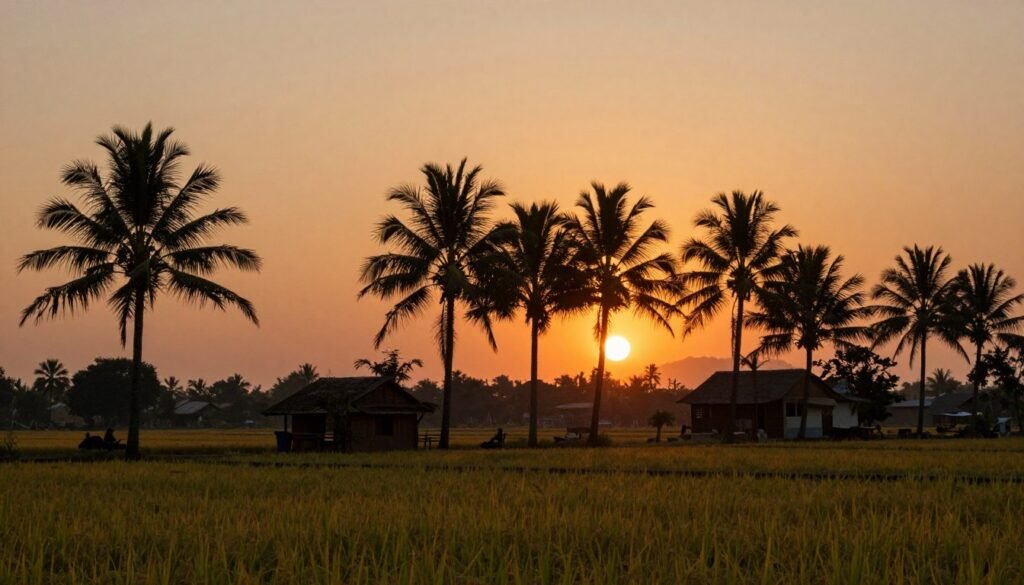
Cambodia stands ready to exceed every expectation. Ancient stones whisper thousand-year stories. Pristine beaches offer perfect tropical escapes. Warm smiles greet you at every turn.
This remarkable country balances heartbreaking history with hopeful futures. Your visit supports communities rebuilding after tragedy. Tourism dollars directly improve lives while preserving cultural treasures for future generations.
The temples will astound you. The beaches will refresh you. The food will delight you. But Cambodia’s greatest gift comes from its people. Their resilience, generosity, and genuine warmth create connections transcending typical tourist experiences.
Your 2026 Cambodia journey promises transformation. Pack your curiosity alongside sunscreen. Bring openness to new perspectives. Cambodia rewards travelers seeking authentic experiences over Instagram moments, though you’ll capture plenty of those too.
Start planning today. Research flights. Compare hotels. Dream about sunrise at Angkor Wat and sunset on Koh Rong beaches. Cambodia awaits with adventures you’ll treasure forever. This incredible kingdom will capture your heart and call you back long after you’ve returned home.